WO2018137624A1 - Procédé de récupération de données partagées, dispositif, équipement informatique et support d'informations - Google Patents
Procédé de récupération de données partagées, dispositif, équipement informatique et support d'informations Download PDFInfo
- Publication number
- WO2018137624A1 WO2018137624A1 PCT/CN2018/073884 CN2018073884W WO2018137624A1 WO 2018137624 A1 WO2018137624 A1 WO 2018137624A1 CN 2018073884 W CN2018073884 W CN 2018073884W WO 2018137624 A1 WO2018137624 A1 WO 2018137624A1
- Authority
- WO
- WIPO (PCT)
- Prior art keywords
- data
- node
- block height
- shared
- block
- Prior art date
- Legal status (The legal status is an assumption and is not a legal conclusion. Google has not performed a legal analysis and makes no representation as to the accuracy of the status listed.)
- Ceased
Links
Images




Classifications
-
- G—PHYSICS
- G06—COMPUTING OR CALCULATING; COUNTING
- G06F—ELECTRIC DIGITAL DATA PROCESSING
- G06F11/00—Error detection; Error correction; Monitoring
- G06F11/07—Responding to the occurrence of a fault, e.g. fault tolerance
- G06F11/14—Error detection or correction of the data by redundancy in operations
- G06F11/1446—Point-in-time backing up or restoration of persistent data
- G06F11/1458—Management of the backup or restore process
- G06F11/1464—Management of the backup or restore process for networked environments
-
- G—PHYSICS
- G06—COMPUTING OR CALCULATING; COUNTING
- G06F—ELECTRIC DIGITAL DATA PROCESSING
- G06F3/00—Input arrangements for transferring data to be processed into a form capable of being handled by the computer; Output arrangements for transferring data from processing unit to output unit, e.g. interface arrangements
- G06F3/06—Digital input from, or digital output to, record carriers, e.g. RAID, emulated record carriers or networked record carriers
- G06F3/0601—Interfaces specially adapted for storage systems
- G06F3/0602—Interfaces specially adapted for storage systems specifically adapted to achieve a particular effect
- G06F3/0608—Saving storage space on storage systems
-
- G—PHYSICS
- G06—COMPUTING OR CALCULATING; COUNTING
- G06F—ELECTRIC DIGITAL DATA PROCESSING
- G06F11/00—Error detection; Error correction; Monitoring
- G06F11/07—Responding to the occurrence of a fault, e.g. fault tolerance
- G06F11/14—Error detection or correction of the data by redundancy in operations
- G06F11/1446—Point-in-time backing up or restoration of persistent data
- G06F11/1458—Management of the backup or restore process
- G06F11/1469—Backup restoration techniques
-
- G—PHYSICS
- G06—COMPUTING OR CALCULATING; COUNTING
- G06F—ELECTRIC DIGITAL DATA PROCESSING
- G06F11/00—Error detection; Error correction; Monitoring
- G06F11/07—Responding to the occurrence of a fault, e.g. fault tolerance
- G06F11/14—Error detection or correction of the data by redundancy in operations
- G06F11/1474—Error detection or correction of the data by redundancy in operations in transactions
-
- G—PHYSICS
- G06—COMPUTING OR CALCULATING; COUNTING
- G06F—ELECTRIC DIGITAL DATA PROCESSING
- G06F11/00—Error detection; Error correction; Monitoring
- G06F11/07—Responding to the occurrence of a fault, e.g. fault tolerance
- G06F11/16—Error detection or correction of the data by redundancy in hardware
- G06F11/18—Error detection or correction of the data by redundancy in hardware using passive fault-masking of the redundant circuits
- G06F11/183—Error detection or correction of the data by redundancy in hardware using passive fault-masking of the redundant circuits by voting, the voting not being performed by the redundant components
- G06F11/184—Error detection or correction of the data by redundancy in hardware using passive fault-masking of the redundant circuits by voting, the voting not being performed by the redundant components where the redundant components implement processing functionality
-
- G—PHYSICS
- G06—COMPUTING OR CALCULATING; COUNTING
- G06F—ELECTRIC DIGITAL DATA PROCESSING
- G06F11/00—Error detection; Error correction; Monitoring
- G06F11/07—Responding to the occurrence of a fault, e.g. fault tolerance
- G06F11/16—Error detection or correction of the data by redundancy in hardware
- G06F11/20—Error detection or correction of the data by redundancy in hardware using active fault-masking, e.g. by switching out faulty elements or by switching in spare elements
- G06F11/2053—Error detection or correction of the data by redundancy in hardware using active fault-masking, e.g. by switching out faulty elements or by switching in spare elements where persistent mass storage functionality or persistent mass storage control functionality is redundant
- G06F11/2094—Redundant storage or storage space
-
- G—PHYSICS
- G06—COMPUTING OR CALCULATING; COUNTING
- G06F—ELECTRIC DIGITAL DATA PROCESSING
- G06F16/00—Information retrieval; Database structures therefor; File system structures therefor
- G06F16/10—File systems; File servers
- G06F16/18—File system types
- G06F16/182—Distributed file systems
- G06F16/1824—Distributed file systems implemented using Network-attached Storage [NAS] architecture
-
- G—PHYSICS
- G06—COMPUTING OR CALCULATING; COUNTING
- G06F—ELECTRIC DIGITAL DATA PROCESSING
- G06F21/00—Security arrangements for protecting computers, components thereof, programs or data against unauthorised activity
- G06F21/60—Protecting data
- G06F21/62—Protecting access to data via a platform, e.g. using keys or access control rules
-
- G—PHYSICS
- G06—COMPUTING OR CALCULATING; COUNTING
- G06F—ELECTRIC DIGITAL DATA PROCESSING
- G06F21/00—Security arrangements for protecting computers, components thereof, programs or data against unauthorised activity
- G06F21/60—Protecting data
- G06F21/62—Protecting access to data via a platform, e.g. using keys or access control rules
- G06F21/6218—Protecting access to data via a platform, e.g. using keys or access control rules to a system of files or objects, e.g. local or distributed file system or database
- G06F21/6227—Protecting access to data via a platform, e.g. using keys or access control rules to a system of files or objects, e.g. local or distributed file system or database where protection concerns the structure of data, e.g. records, types, queries
-
- G—PHYSICS
- G06—COMPUTING OR CALCULATING; COUNTING
- G06F—ELECTRIC DIGITAL DATA PROCESSING
- G06F3/00—Input arrangements for transferring data to be processed into a form capable of being handled by the computer; Output arrangements for transferring data from processing unit to output unit, e.g. interface arrangements
- G06F3/06—Digital input from, or digital output to, record carriers, e.g. RAID, emulated record carriers or networked record carriers
- G06F3/0601—Interfaces specially adapted for storage systems
- G06F3/0602—Interfaces specially adapted for storage systems specifically adapted to achieve a particular effect
- G06F3/0614—Improving the reliability of storage systems
- G06F3/0619—Improving the reliability of storage systems in relation to data integrity, e.g. data losses, bit errors
-
- G—PHYSICS
- G06—COMPUTING OR CALCULATING; COUNTING
- G06F—ELECTRIC DIGITAL DATA PROCESSING
- G06F3/00—Input arrangements for transferring data to be processed into a form capable of being handled by the computer; Output arrangements for transferring data from processing unit to output unit, e.g. interface arrangements
- G06F3/06—Digital input from, or digital output to, record carriers, e.g. RAID, emulated record carriers or networked record carriers
- G06F3/0601—Interfaces specially adapted for storage systems
- G06F3/0602—Interfaces specially adapted for storage systems specifically adapted to achieve a particular effect
- G06F3/062—Securing storage systems
- G06F3/0623—Securing storage systems in relation to content
-
- G—PHYSICS
- G06—COMPUTING OR CALCULATING; COUNTING
- G06F—ELECTRIC DIGITAL DATA PROCESSING
- G06F3/00—Input arrangements for transferring data to be processed into a form capable of being handled by the computer; Output arrangements for transferring data from processing unit to output unit, e.g. interface arrangements
- G06F3/06—Digital input from, or digital output to, record carriers, e.g. RAID, emulated record carriers or networked record carriers
- G06F3/0601—Interfaces specially adapted for storage systems
- G06F3/0628—Interfaces specially adapted for storage systems making use of a particular technique
- G06F3/0638—Organizing or formatting or addressing of data
-
- G—PHYSICS
- G06—COMPUTING OR CALCULATING; COUNTING
- G06F—ELECTRIC DIGITAL DATA PROCESSING
- G06F3/00—Input arrangements for transferring data to be processed into a form capable of being handled by the computer; Output arrangements for transferring data from processing unit to output unit, e.g. interface arrangements
- G06F3/06—Digital input from, or digital output to, record carriers, e.g. RAID, emulated record carriers or networked record carriers
- G06F3/0601—Interfaces specially adapted for storage systems
- G06F3/0668—Interfaces specially adapted for storage systems adopting a particular infrastructure
- G06F3/067—Distributed or networked storage systems, e.g. storage area networks [SAN], network attached storage [NAS]
-
- H—ELECTRICITY
- H04—ELECTRIC COMMUNICATION TECHNIQUE
- H04L—TRANSMISSION OF DIGITAL INFORMATION, e.g. TELEGRAPHIC COMMUNICATION
- H04L9/00—Cryptographic mechanisms or cryptographic arrangements for secret or secure communications; Network security protocols
- H04L9/06—Cryptographic mechanisms or cryptographic arrangements for secret or secure communications; Network security protocols the encryption apparatus using shift registers or memories for block-wise or stream coding, e.g. DES systems or RC4; Hash functions; Pseudorandom sequence generators
- H04L9/0643—Hash functions, e.g. MD5, SHA, HMAC or f9 MAC
-
- H—ELECTRICITY
- H04—ELECTRIC COMMUNICATION TECHNIQUE
- H04L—TRANSMISSION OF DIGITAL INFORMATION, e.g. TELEGRAPHIC COMMUNICATION
- H04L9/00—Cryptographic mechanisms or cryptographic arrangements for secret or secure communications; Network security protocols
- H04L9/08—Key distribution or management, e.g. generation, sharing or updating, of cryptographic keys or passwords
- H04L9/0894—Escrow, recovery or storing of secret information, e.g. secret key escrow or cryptographic key storage
-
- H—ELECTRICITY
- H04—ELECTRIC COMMUNICATION TECHNIQUE
- H04L—TRANSMISSION OF DIGITAL INFORMATION, e.g. TELEGRAPHIC COMMUNICATION
- H04L9/00—Cryptographic mechanisms or cryptographic arrangements for secret or secure communications; Network security protocols
- H04L9/32—Cryptographic mechanisms or cryptographic arrangements for secret or secure communications; Network security protocols including means for verifying the identity or authority of a user of the system or for message authentication, e.g. authorization, entity authentication, data integrity or data verification, non-repudiation, key authentication or verification of credentials
- H04L9/3236—Cryptographic mechanisms or cryptographic arrangements for secret or secure communications; Network security protocols including means for verifying the identity or authority of a user of the system or for message authentication, e.g. authorization, entity authentication, data integrity or data verification, non-repudiation, key authentication or verification of credentials using cryptographic hash functions
- H04L9/3239—Cryptographic mechanisms or cryptographic arrangements for secret or secure communications; Network security protocols including means for verifying the identity or authority of a user of the system or for message authentication, e.g. authorization, entity authentication, data integrity or data verification, non-repudiation, key authentication or verification of credentials using cryptographic hash functions involving non-keyed hash functions, e.g. modification detection codes [MDCs], MD5, SHA or RIPEMD
-
- H—ELECTRICITY
- H04—ELECTRIC COMMUNICATION TECHNIQUE
- H04L—TRANSMISSION OF DIGITAL INFORMATION, e.g. TELEGRAPHIC COMMUNICATION
- H04L9/00—Cryptographic mechanisms or cryptographic arrangements for secret or secure communications; Network security protocols
- H04L9/50—Cryptographic mechanisms or cryptographic arrangements for secret or secure communications; Network security protocols using hash chains, e.g. blockchains or hash trees
Definitions
- the present invention relates to the field of information technology, and in particular, to a shared data recovery method, apparatus, computer device, and storage medium.
- a blockchain refers to a block generated by a cryptographic method. For example, in the scenario of storing transaction information, when generating a block, it needs to be generated based on the data in the previous block and the current transaction information. The data in each block in the blockchain is associated with the data in the previous block. Therefore, it is impossible to tamper with the data on the block to ensure that any data on the block is public. Transparent, improve the security of transaction information.
- each node may jointly maintain a shared data based on the blockchain technology.
- For a node after generating new data, it may be generated based on the existing blockchain.
- the new block which sends the new block to other nodes in the data sharing system for storage, so that the same shared data is stored in each node. Since the data on the blockchain is transparent and difficult to be tampered with, data security and data consistency in the data sharing system can be guaranteed.
- the inventors have found that the related art has at least the following problems: as the data in the blockchain continues to increase, the storage space required for each node in the data sharing system to store shared data is increasing, making it high. In the frequency data generation environment, the amount of data shared data increases sharply, and the storage space required for each node to store shared data will rapidly expand, bringing pressure on each node in the data sharing system to store and share data. Therefore, it is urgent to A shared data recovery method that reduces node storage pressure in a data sharing system while ensuring security and data consistency.
- the present invention provides a shared data recovery method, device, computer device and storage medium. .
- a shared data recovery method is provided, where the method is applied to a first node, where the first node is an arbitrary node in a data sharing system, and the method includes:
- each node in the data sharing system When receiving the plurality of second feature values broadcast by the at least one second node, if the sharing stored by each node in the data sharing system is determined according to the first feature value and the plurality of second feature values And the data in the first block height range is consistent in the data, and the recycling indication information is broadcasted to the at least one second node, where each second feature value is used to uniquely indicate the shared data stored on the second node. Data within a block height range;
- the method provided by the embodiment of the present invention calculates the first feature value of the first node in the first block height range and the second feature value of the second node in the first block height range, and determines the node storage.
- the data in the height range of the first block in the shared data is consistent
- the data in the range of the first block in the shared data is recovered, which ensures the consistency and security of the data included in the block, and also reduces the data.
- a shared data collection device the device being applied to a first node, the first node being an arbitrary node in a data sharing system, the device comprising:
- a calculating module configured to acquire a first feature value of the first node when receiving the recycling request that carries the first block height, where the first feature value is used to uniquely indicate the shared data stored on the first node Data in the height range of the first block;
- a first broadcast module configured to broadcast the first feature value to at least one second node in the data sharing system, where the second node is a node other than the first node;
- a second broadcast module configured to: when receiving the plurality of second feature values broadcast by the at least one second node, determine the data sharing system according to the first feature value and the plurality of second feature values And the data in the first block height range in the shared data stored by each node is consistent, and the recycling indication information is broadcasted to the at least one second node, and each second feature value is used to uniquely indicate the second node. Data in the first block height range of the stored shared data;
- a recycling module configured to recover data in the first block height range in the shared data if a preset number of multiple recycling indication information is received.
- the device provided by the embodiment of the present invention calculates the first feature value of the first node in the first block height range and the second feature value of the second node in the first block height range, and determines the node storage.
- the data in the height range of the first block in the shared data is consistent
- the data in the range of the first block in the shared data is recovered, which ensures the consistency and security of the data included in the block, and also reduces the data.
- a computer device comprising a processor and a memory, the memory storing at least one instruction loaded by the processor and executed to implement the following method:
- a computer readable storage medium storing instructions stored by a processor in a terminal to perform a shared data recycling method described below is provided:
- FIG. 1A is a schematic diagram of a data sharing system according to an exemplary embodiment
- FIG. 1B is a schematic diagram of node storage in a data sharing system according to an exemplary embodiment
- FIG. 2A is a flowchart of a shared data recovery method according to an exemplary embodiment
- FIG. 2B is a schematic diagram of information transmission in a data sharing system according to an exemplary embodiment
- FIG. 2C is a flowchart of a shared data recovery method according to an exemplary embodiment
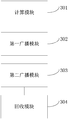
- FIG. 3A is a block diagram of a shared data recovery apparatus according to an exemplary embodiment
- FIG. 3B is a block diagram of a shared data recovery apparatus according to an exemplary embodiment
- FIG. 3C is a block diagram of a shared data recovery apparatus according to an exemplary embodiment
- FIG. 3D is a block diagram of a shared data recovery apparatus according to an exemplary embodiment
- FIG. 3E is a block diagram of a shared data recovery apparatus according to an exemplary embodiment
- FIG. 4 is a block diagram of a terminal 400 according to an exemplary embodiment
- FIG. 5 is a schematic structural diagram of a server according to an embodiment of the present invention.
- the data sharing system 100 refers to a system for performing data sharing between a node and a node.
- the data sharing system may include N nodes 101, and the N nodes 101 may refer to any one of data sharing systems.
- Hardware such as a server or terminal, and a client for data sharing can be installed on the hardware, where N is a positive integer.
- Each node 101 can generate data while performing normal work and maintain shared data within the data sharing system based on the data.
- information connections may exist between each node in the data sharing system, and information can be transmitted between the nodes through the above information connection.
- all nodes in the data sharing system store the generated data as data in the shared data, so that the data stored on all nodes in the data sharing system are consistent.
- the storage of the data by the foregoing node may be a process of storing the data to the blockchain after determining the consensus between the nodes based on the consensus algorithm, which is not described in the embodiment of the present invention.
- the data sharing system can be a trading system, and the trading system refers to a system for financial transactions.
- the trading system may include N nodes, each of which generates ledger data when conducting a transaction, and maintains a shared ledger within the trading system based on the ledger data.
- each node in the data sharing system there is a node identifier corresponding thereto, and each node in the data sharing system can store the node identifiers of other nodes in the data sharing system, so as to be subsequently determined according to the node identifiers of other nodes. Broadcast information to other nodes in the data sharing system.
- a node identifier list as shown in Table 1 can be maintained in each node, and the node name and the node identifier are correspondingly stored in the node identifier list.
- the node identifier may be an IP (Internet Protocol) protocol and any other information that can be used to identify the node. Table 1 only uses an IP address as an example for description.
- Each node in the data sharing system can be configured with one or more identical blockchains.
- a blockchain consists of multiple blocks, each of which stores different data.
- the data stored in all blocks on the blockchain constitutes the shared data of the node where the blockchain is located.
- the book data stored in the block includes the block height, the transferee address, Receiver address, amount, signature, public key, last message hash value and current information hash value.
- the block height is used to indicate the location of the current block in the blockchain in the trading system; the transferee address is used to indicate the originating address of the transaction recorded in the current block; the recipient address is used to indicate the current block
- the receiving address of the recorded transaction the amount refers to the transaction amount of the transaction recorded in the current block; the signature is used to identify the originating user of the transaction recorded in the current block, and the function is to distinguish the transaction initiated by different users; the public key is used to indicate and
- the node associated with the book data stored in the current block, the hash value of the previous message is the hash value generated by the previous block of the current block according to the stored book data. The hash value of this piece of information is the current block according to the currently stored book.
- the hash value generated by the data It should be noted that, when generating the current information hash value, the current block needs to generate all data in the account book data in the block, so that the current information hash value generated by the current block is related to the hash value of the previous information. Therefore, the purpose of concatenating the blocks in the blockchain is achieved, so that any falsification of the reconciliation data can be detected by the traceability of the block feature values, so that the shared account book is not easily falsified, and the sharing is ensured. The security of the books.
- the block height may be set in the block, and the block height is used to indicate the position of the current block in the blockchain. Since the block chains included in different nodes are the same, the blocks included in the block chain have the same block height in different nodes.
- the data sharing system can maintain the data information table and the MySQL (My Structure Quest Language) transaction.
- the data information table in the transaction system may be an account table, and the account table is used to store the detailed information in the account data stored in the block, the detailed information It refers to the outflow and flow direction of related transaction amount in the book data, including address information and amount information, and the address information and the amount information are generated according to the data in the MySQL transaction.
- the MySQL transaction includes the flow information, the update from address amount, and the update from address amount.
- the flow information is used to indicate the outflow and flow of the transaction amount, and the transfer can be based on the account data stored in the block.
- the person address and the recipient address are generated; the update from the address amount is used to indicate the amount of the transaction transferred out of the flow information, which can be generated according to the amount in the ledger data stored in the block; the update to address amount is used to indicate the transfer of the flow information.
- the transaction amount can also be generated based on the amount in the ledger data stored in the block.
- the address information and the amount information can be generated based on the update from address amount and the update from address amount.
- the data sharing system is a transaction system
- the shared data is a shared account book.
- the method is used in a transaction system.
- the transaction system includes N nodes, and the method includes the following steps.
- the first node may be any node in the transaction system
- the received recovery request may be from any node in the transaction system, which may be referred to as a second node in this embodiment, in order to reduce the transaction system.
- the middle node stores the pressure of sharing the ledger
- the second node may initiate the shared ledger recycling process.
- the first block height is determined according to the daily transaction information amount of the transaction system and the remaining storage space, and the second node carries the recovery of the first block height.
- the request is broadcast to a node other than the second node in the transaction system. Through this kind of broadcasting, all the nodes in the transaction system can receive the recycling request for unified data recovery and ensure data consistency.
- only the reclaiming request received by the first node is taken from the second node as an example, that is, the second node initiates the shared account book reclaiming process as an example for description.
- the reason for the second node to initiate the shared account book collection process may be multiple. For example, one reason may be that the second node initiates a shared account book collection process according to its actual storage condition, that is, the second node may pass the second The node stores the remaining storage space after the shared account is checked, so as to determine whether the shared account stored by the second node needs to be recycled, and if the shared account stored by the second node needs to be recycled, the shared account book collection process is initiated;
- the reason may be that the preset period or the preset data amount is set in the transaction system. When the second node detects the interval preset period or the data amount of the stored shared books reaches the preset data amount, the shared account book collection process is initiated. In order to keep the data in the transaction system consistent, the second node needs to send a recycle request to other nodes in the transaction system for the shared account book recovery. When the recovery request is generated, the following steps 1 and 2 can be implemented.
- Step 1 When the second node detects that the remaining storage space is smaller than the preset storage space, the first block height is determined according to the daily transaction information amount of the transaction system and the remaining storage space.
- the second node When the second node detects that the remaining storage space is smaller than the preset storage space, it means that as the amount of the book data increases, the second node generates a storage pressure for storing the shared book, and the storage pressure will gradually become more and more over time. The larger, therefore, in order to ensure the increase of the normal amount of ledger data for a period of time, consider the amount of daily transaction information and the remaining storage space based on the trading system to determine how much book data to recycle.
- the transaction system can count the amount of daily transaction information in the transaction system, count the amount of transaction information received by the daily trading system, and periodically send the statistically obtained daily transaction information amount to each node in the transaction system.
- the threshold value of the number of days may be set, and the threshold value of the day is multiplied by the amount of daily transaction information to obtain a storage space threshold value, and the storage is determined.
- the spatial difference between the spatial threshold and the remaining storage space, the spatial difference is taken as the data amount of the book data to be recovered, and the first block height is determined in the shared book according to the amount of data.
- the height of the first block carried in the recycling request substantially indicates a range, that is, the book data stored in the block of the first height in the blockchain to the middle of the height of the first block is recovered, and only the remaining The book data corresponding to the height of the first block and the book data of the block height after the first block height.
- the preset storage space may be the same or different for different nodes. If the storage capacity of each node is the same, and the remaining storage space after storing the same size shared account is the same, the same preset storage may be set for it. Space, and if the storage capacity between the nodes is different, the remaining storage space after storing the same size shared account will be different, you can set different preset storage space for it, so that the node can be based on its own The actual storage situation is used to initiate the shared ledger recycling process.
- the transaction may be performed.
- the preset first block height is obtained in the system, and the shared account book collection process is initiated based on the preset first block height, and the first block height is determined without performing the above-mentioned daily transaction information amount and remaining storage space according to the transaction system. the process of.
- Step 2 The second node broadcasts a recycling request carrying the first block height to at least one first node in the transaction system.
- the second node When the first block height is determined, the second node generates a recycle request based on the first block height, so that the first block height is carried in the recycle request. At the same time, the recycling request carrying the second block height is broadcasted to other nodes in the transaction system according to the node identifiers of the other nodes.
- the process of generating the recovery request may be that the second node detects that the remaining storage space is smaller than the preset storage space, or detects an interval preset period, or detects that the data amount of the shared account stored by the second node reaches
- the recovery request is automatically generated and sent, and the staff may determine that the remaining storage space of the second node is smaller than the preset storage space, or the interval preset period is detected, or the storage of the second node is detected.
- the amount of data of the shared ledger reaches a preset amount of data, and is triggered by a staff member to generate and send a reclaiming request, which is not specifically limited in the present invention.
- the initiating recovery may also be a control node in at least one second node in the transaction system, and the control node may detect that the remaining storage space of the multiple nodes is smaller than the preset storage space, or detect an interval preset period, Or when it is detected that the data amount of the shared ledger stored by the multiple nodes reaches the preset data amount, trigger generation and send a recycle request.
- the reclaiming request received by the first node is taken from the second node as an example, since the first node and the second node are two nodes in the transaction system having the accounting function, therefore, A node can also initiate a shared ledger reclamation process.
- the following description is only taken as an example in which the first node initiates the shared account book collection process.
- the reason why the first node initiates the shared account book collection process may be multiple. For example, one reason may be that the first node initiates a shared account book collection process according to its actual storage condition, that is, the first node may pass the first The node stores the remaining storage space after the shared account book is detected, so as to determine whether the shared account book stored by the first node needs to be recycled, and if the shared account book stored by the first node needs to be recycled, the shared account book collection process is initiated; The reason may be that a preset period or a preset data amount is set in the transaction system. When the first node detects the interval preset period or the data amount of the stored shared books reaches the preset data amount, the shared account book collection process is initiated. In order to keep the data in the transaction system consistent, the first node needs to send a recycle request to other nodes in the transaction system for the shared account book recovery. When the recovery request is generated, the following steps 1 and 2 can be implemented.
- Step 1 When the first node detects that the remaining storage space is smaller than the preset storage space, the second block height is determined according to the daily transaction information amount of the transaction system and the remaining storage space. It can be understood that the amount of daily shared information of the data sharing system includes the amount of daily transaction information of the trading system.
- the first node When the first node detects that the remaining storage space is smaller than the preset storage space, it means that as the amount of the book data increases, the first node generates a storage pressure for storing the shared book, and the storage pressure will gradually become more and more over time. The larger, therefore, in order to ensure the increase of the normal amount of ledger data for a period of time, consider the amount of daily transaction information and the remaining storage space based on the trading system to determine how much book data to recycle.
- the transaction system can count the amount of daily transaction information in the transaction system, count the amount of transaction information received by the daily trading system, and periodically send the statistically obtained daily transaction information amount to each node in the transaction system.
- the threshold value of the number of days may be set, and the threshold value of the day is multiplied by the amount of daily transaction information to obtain a storage space threshold value, and the storage is determined.
- the spatial difference between the space threshold and the remaining storage space, the spatial difference is used as the data amount of the book data to be recovered, and the second block height is determined in the shared book according to the amount of data.
- the height of the second block carried in the recycling request substantially indicates a range, that is, the book data stored in the block of the first height in the block chain to the middle of the height of the second block needs to be recovered. Only the book data corresponding to the second block height and the book data of the block height after the second block height remain.
- the preset storage space may be the same or different for different nodes. If the storage capacity of each node is the same, and the remaining storage space after storing the same size shared account is the same, the same preset storage may be set for it. Space, and if the storage capacity between the nodes is different, the remaining storage space after storing the same size shared account will be different, you can set different preset storage space for it, so that the node can be based on its own The actual storage situation is used to initiate the shared ledger recycling process.
- a preset period or a preset data amount is set in the transaction system, when the first node detects the interval preset period or the data amount of the stored shared account book reaches or exceeds the preset data amount, Obtaining a preset second block height in the transaction system, and initiating a shared account book collection process based on the preset second block height, determining the second area without performing the above-mentioned daily transaction information amount and remaining storage space according to the transaction system The process of block height.
- step 1 when it is detected that the remaining storage space of the first node is smaller than the preset storage space, determining the number according to the daily shared information amount of the data sharing system and the remaining storage space.
- the height of the second block may be determined according to the amount of daily shared information of the data sharing system, and may be determined by detecting the amount of data of the currently stored shared data is greater than the preset data.
- the quantity is determined according to the amount of daily shared information of the data sharing system.
- Step 2 The first node broadcasts a recycling request carrying the second block height to at least one second node in the transaction system.
- the first node When the second block height is determined, the first node generates a recycle request based on the second block height, so that the second block height is carried in the recycle request. At the same time, the recycling request carrying the second block height is broadcasted to other nodes in the transaction system according to the node identifiers of the other nodes.
- the foregoing process of generating a reclaiming request may be that the first node detects that the remaining storage space is smaller than a preset storage space, or detects an interval preset period, or detects that the data amount of the shared account stored by the first node reaches
- the trigger is automatically generated and sent, and the remaining storage space of the first node is determined to be smaller than the preset storage space, or an interval preset period is detected, or the first node is detected.
- the amount of data of the shared ledger reaches a preset amount of data, and is triggered by a staff member to generate and send a reclaiming request, which is not specifically limited in the present invention.
- the initiating recovery may also be a control node in at least one first node in the transaction system, and the control node may detect that the remaining storage space of the plurality of nodes is smaller than a preset storage space, or detect an interval preset period, Or when it is detected that the data amount of the shared ledger stored by the multiple nodes reaches the preset data amount, trigger generation and send a recycle request.
- the first node determines the account book data in the range of the first block to be recovered in the shared ledger.
- the block height in the block included in the blockchain is continuous.
- the first node may determine, in its stored blockchain, the book data included in the block height range from the block height of the first block to the height of the first block .
- the height of the first block in the blockchain is Height (1)
- the block height of the second block is Height(2)
- the block height of the third block is Height(3)
- the block height of the fourth block is Height(4)
- the block height of the fifth block is Height(5)
- the height of the first block can be Height(3)
- a node can determine, in the blockchain of the shared ledger, that the book data to be recovered is stored in the block indicated by the block heights Height(1) to Height(3) according to the first block height Height(3).
- the book data is also the book data included in the block with the block height of Height (1) and the book data included in the block with the block height of Height (2) as the book data to be recovered.
- the first feature value is used to uniquely indicate the data in the first block height range of the shared data stored on the first node.
- the first feature value is shared by the first node.
- the ledger data is obtained within the height of the first block in the ledger.
- the foregoing step 201 to step 203 are actually a process in which the first node acquires the first feature value of the first node when receiving the recovery request carrying the first block height.
- the hash algorithm is used as an example.
- the first feature value may be a hash value of the book data in the height range of the first block, and may be implemented by other algorithms in the process of actual application. This is not specifically limited.
- the first node broadcasts the first feature value to N-1 second nodes in the transaction system.
- the second node is a node other than the first node, and since the first node is an arbitrary node in the transaction system, when the first node obtains the first feature value, the other N-1 pieces are obtained.
- the first feature value may be sent to the N-1 second nodes in a manner of sending in sequence. The specific sending manner is not limited in the embodiment of the present invention.
- the second node when the second node receives the reclaim request carrying the first block height, the second node may also generate the second feature based on the first block height in the reclaim request. Value and broadcast in the trading system.
- the first node receives N-1 second feature values broadcast by the N-1 second nodes.
- Each of the second eigenvalues is used to uniquely indicate the data in the first block height range of the shared data stored on the second node; in the embodiment of the present invention, the second eigenvalue broadcasted by the second node may be the first The eigenvalue of the ledger data within the first block height range in the shared ledger stored by the two nodes.
- the following steps that need to be performed may be determined based on the consensus algorithm.
- the consensus algorithm is used to determine whether the data stored in multiple nodes in the system are consistent, and determine whether there is an abnormality in the current system according to the number of nodes in which the stored data is consistent.
- the consensus algorithm may be a BFT (Byzantine Fault Tolerance), and a PBFT (Practical Byzantine Fault Tolerance) may be used. The present invention does not specifically limit this. In this way, the consensus algorithm can use the 3F+1 mechanism to determine whether the number of equal feature values reaches a preset number among the plurality of second feature values.
- F is the number of nodes that can be fault-tolerant in the current trading system, which can be preset.
- the number of equal feature values included in the first feature value and the plurality of second feature values mentioned above reaches a preset number, that is, represents that the first feature value and the plurality of second feature values are equal.
- the number of eigenvalues reaches a preset number.
- the preset number is 3, if the first eigenvalue of the first node is 1F8359E, the second eigenvalue received by the first node is four, respectively, 1F84678E, 1F8359E, 1F8359E, 1F8359E, there are four 1F8359E among the first feature value and the four second feature values, so that the first node can consider that the number of equal feature values in the first feature value and the plurality of second feature values reaches the preset
- the number that is, the number of occurrences of 1F8359E reaches 3 times, determines that the book data of the shared books stored by the nodes in the transaction system is consistent.
- the number of equal feature values included in the first feature value and the plurality of second feature values does not reach a preset number, it is determined that there are more nodes in which the book data of the shared book stored by the node in the transaction system is inconsistent, resulting in a transaction system There is an error in it, and the transaction system needs to be repaired, that is, the following step 208 is performed.
- the process of determining whether the number of equal feature values included in the first feature value and the plurality of second feature values reaches a preset number is substantially determining that the first feature value and the plurality of second feature values are included Whether the maximum number of equal feature values reaches a preset number. For example, if the first characteristic value of the first node is 1F8359E, six second eigenvalues are received, and the six second eigenvalues are 1F84678E, 1F84678E, 1F8359E, 1F8359E, 1F8359E, 1F1248E, then the second second eigenvalues.
- the first node only needs to be at the first eigenvalue and It is sufficient to determine whether the number of feature values equal to 1F8359E reaches a preset number among the second feature values, and it is not necessary to determine whether the number of feature values equal to 1F84678E reaches a preset number.
- the execution order of the foregoing step 204 and step 205 is in no particular order, that is, the first node may first broadcast the first feature value to N-1 second nodes in the transaction system, or may receive N- first.
- the N-1 second eigenvalues broadcast by the second node may also perform the foregoing steps 204 and 205 at the same time, which is not specifically limited by the present invention.
- the N-1 second nodes When the first node receives the reclaiming request carrying the first block height, the N-1 second nodes also receive the reclaiming request, and perform the above steps 201 to 205, so the first node can receive the N. - A second eigenvalue sent by the second node.
- the process shown in the above step 205 is actually a process of determining whether the book data of the shared book stored by each node in the transaction system is consistent according to the first feature value and the plurality of second feature values, to determine whether the subsequent need to
- the at least one second node broadcasts the reclaim indication information to ensure that the shared ledger is reclaimed only when the account books of the shared accounts stored by the nodes in the transaction system are consistent, thereby ensuring the account book data of the shared accounts stored by the nodes in the transaction system. Consistency and security.
- the first node determines the first block height in the shared book stored by each node in the transaction system. If the accounting data in the range is consistent, the recycling indication information is broadcast to the N-1 second nodes, and the recycling indication information is used to instruct the node to collect the accounting data in the first block height range.
- the reclaim indication information is broadcast to the N-1 second nodes, so that the N-1 second nodes perform the reclaiming operation on the shared ledger.
- the process of broadcasting the indication information is consistent with the foregoing process of broadcasting the first feature value to the N-1 second nodes in the transaction system, and details are not described herein.
- each node of the N-1 second nodes since there is an information connection between all the nodes in the transaction system, each node of the N-1 second nodes also receives the recovery request sent by other nodes, and performs the above. Step 201 to step 205, so that each of the N-1 second nodes needs to determine that the book data of the shared books stored by each node in the transaction system is consistent according to the second feature value sent by the other nodes.
- the recycling indication information is broadcast to other nodes of the transaction system. For any node in the trading system, only when it determines that the feature value generated by itself is equal to the second feature value sent by other nodes received and the number of feature values is equal to a preset number, it will be sent to other nodes in the trading system.
- the account data in the first block height range in the shared ledger is recovered.
- the first node if the first node receives the preset number of collection indication information, it indicates that the shared account book can be currently reclaimed, so that the first node will determine the first block height in the shared account book.
- the book data to be recovered is recycled.
- the process of recovering data mentioned in the embodiment of the present invention is essentially a process of data transfer of data to be recovered, and the specific process is to determine a preset first storage location, and the first zone is to be shared data.
- the block-determined data to be recovered is transferred to the first storage location. Since this part of the data may not be accessed frequently, the process can also be regarded as a process of data cold standby. Further, after the recovery, the current block feature value of the block corresponding to the first block height may be reserved on the first node, so that when the data to be restored or traced needs to be restored later, the first block may be reserved.
- the block height is obtained by corresponding to the current block feature value of the block, and the transferred recovered book data is also acquired at the first storage location, thereby further ensuring data security and reducing the pressure on the first node to store the shared data.
- each of the N-1 second nodes can also receive multiple collection indication information broadcasted by other nodes in the transaction system.
- the received collection indication information reaches a preset number, retrieve the data to be recovered determined according to the first block height in the shared ledger, so that the shared data stored by the nodes in the data sharing system can maintain the consistency of the data in the shared data after performing the shared data recovery. And security.
- the first node determines a target feature value in the first feature value and the at least one second feature value,
- the target feature value is a feature value other than the feature value of the at least one second feature value that is equal to the first feature value, and sends an error message to the designated second node for notifying the designated second node of the stored value.
- An error occurs in the shared data, and the designated second node is the second node that transmits the target feature value.
- the target feature value in the target feature value refers to the feature value of the second feature value that is not equal to the first feature value, and sends an error message to the designated second node as an example, and in the process of actual application, the transaction
- Each node in the system sends an error message to the designated second node after determining the target feature value of the first feature value and the at least one second feature value.
- the error message sent to the designated node may carry an error prompt.
- the second node is designated to obtain an error message in the error message, and determine The book data in the currently stored shared book is inconsistent with the book data of the shared book stored by other nodes in the transaction system, and the shared book is obtained from other nodes, and the currently stored shared book is replaced, so that the currently stored shared book is The shared accounts stored by other nodes in the trading system are consistent, and the repair of the trading system is realized.
- the nodes in the transaction system can be divided into a billing node and a non-billing node, and the billing node is used to store the shared ledger in the trading system, and continuously updates the shared ledger according to the transaction information received by the trading system every day;
- the accounting node is used to store the mirrored data of the shared ledger, that is, the shared ledger is backed up, and the data content of the mirrored data is used to indicate the data change of the shared ledger.
- the shared accounting book may also be stored in the non-billing node, which is not specifically limited in the present invention.
- the foregoing steps 201 to 208 are steps that need to be performed when the first node is a billing node, that is, only the shared account book is stored in the first node; and when the first node is a non-accounting node,
- the mirrored data of the shared ledger and the shared ledger may be stored in a node at the same time.
- the following steps 209 and 210 may be performed.
- the first node that stores the mirrored data may perform the recovery of the shared ledger in the foregoing step 207, and then perform the following steps 209 and 210; or for consistency of data.
- the above-mentioned step 207 and the following steps 209 and 210 are performed at the same time, and the present invention does not specifically limit this.
- the first node receives the multiple collection indication information broadcast by the N-1 second nodes, determining the mirror data in the first block height range from the mirror data of the shared data.
- the change process of the shared ledger stored by the node in the transaction system is recorded in the mirror data, that is, only the current status of the user account involved in the ledger data included in the shared ledger is recorded, and the mirrored data is recorded.
- the first node may store the mirrored data of the shared ledger and the shared ledger, so that the mirrored data to be recovered may be determined according to the first block height in the mirrored data of the shared ledger.
- the process of determining the mirror data to be recovered is consistent with the process of determining the account data to be recovered in the foregoing step 202, and details are not described herein.
- the first node acquires a second feature value of the mirror data in the first block height range, and recovers the mirror data in the first block height range from the mirror data of the shared data, and stores the second feature value to In the remaining mirror data.
- the first node according to the first block height carried in the recycling request because the mirror data is generated, the mirror data corresponding to the different blocks is also distinguished based on the block height, and the mirrors corresponding to the different blocks are mirrored.
- the block height of the data is consistent with the block height in the shared book, so in the mirror data, the second feature value in the first block height range can be obtained according to the first block height.
- the process of obtaining the second feature value is consistent with the process of obtaining the first feature value, and details are not described herein.
- the first node After determining the second feature value of the mirror data in the first block height range according to the first block height, the first node recovers the mirror data in the first block height range from the mirrored data of the shared book. .
- the process of recovering the mirrored data is consistent with the process of recovering the reconciliation data, that is, determining a preset second storage location, and transferring the mirrored data in the first block height range to the second storage location, because the partial mirror image Data may not be accessed frequently, so the process can be seen as a process of data cold standby, leaving only mirrored data outside the height of the first block.
- the second feature value may be stored in the remaining mirror data on the first node, so that when the subsequent restored mirror data needs to be restored or traced, the second feature value may be acquired based on the retained second feature value, or The second storage location acquires the transferred mirrored data, further ensuring the security of the mirrored data, and reducing the pressure on the first node to store the mirrored data.
- the block height of the first block in the blockchain is Height (1)
- the block height of the second block is Height(2)
- the block height of the third block is Height(3)
- the block height of the fourth block is Height(4)
- the block height of the fifth block is Height(5), according to the first block.
- the block height Height(3) determines the mirror data to be recovered in the mirror data, that is, the mirror data corresponding to the block indicated by the block heights Height(1) to Height(3), according to the block height Height(1)
- the second eigenvalue generated by the mirror data corresponding to the block indicated by Height(3) is 1F84678E, and the mirror data in the range of Height(1) to Height(3) is recovered, that is, Height(1) to Height are also obtained.
- the mirror data in the range is deleted, and only the mirror data corresponding to Height(3) and the mirror data after Height(3) are retained, and 1F84678E is stored to the position corresponding to Height(3).
- the purpose of the collection of the shared data is to expand the remaining storage space of the node, and the specific implementation manner may be various.
- the data is transferred, thereby expanding the remaining The purpose of the storage space, but in fact, the data can be compressed to reduce its storage volume, thereby expanding the remaining storage space.
- the first feature of the first node in the first block height range can be calculated.
- the method provided by the embodiment of the present invention calculates the first feature value of the first node in the first block height range and the second feature value of the second node in the first block height range, and determines the node storage.
- the data in the height range of the first block in the shared data is consistent
- the data in the range of the first block in the shared data is recovered, which ensures the consistency and security of the data included in the block, and also reduces the data.
- determining whether the number of equal feature values included in the first feature value and the plurality of second feature values reaches a preset number determining, by using each node in the data sharing system, And the data of the shared data is consistent, and the recycling indication information is broadcasted to the at least one second node, so that the at least one second is only reached when the number of equal feature values included in the first feature value and the plurality of second feature values reaches a preset number
- the node broadcasts the recycling indication information to ensure that the shared data stored by the node is consistent and secure when it is recycled.
- determining the second block height according to the daily shared information amount of the data sharing system and the remaining storage space, and carrying the second The block height recovery request is broadcast to at least one second node in the data sharing system, so that when it is detected that the node has the pressure to store the shared data, the shared data can be immediately requested to be recovered, thereby reducing the actual pressure on the node to store the shared data.
- the mirror data in the first block height range is determined from the mirror data of the shared data, and the first region is obtained.
- the second characteristic value of the mirror data in the block height range, from the mirror data of the shared data, the mirror data in the height range of the first block is recovered, and the second feature value is stored in the remaining mirror data, so that the shared data is
- the mirrored data can also be recovered according to the first block height, further reducing the pressure on the node to store shared data.
- FIG. 3A is a block diagram of a shared data recovery apparatus, according to an exemplary embodiment.
- the apparatus includes a calculation module 301, a first broadcast module 302, a second broadcast module 303, and a recycle module 304.
- the calculating module 301 is configured to acquire a first feature value of the first node when receiving the recycling request carrying the first block height, where the first feature value is used to uniquely indicate the storage on the first node Sharing data in the first block height range of the data;
- the first broadcast module 302 is configured to broadcast the first feature value to at least one second node in the data sharing system, where the second node is a node other than the first node;
- the second broadcast module 303 is configured to: when receiving the plurality of second feature values broadcast by the at least one second node, determine, according to the first feature value and the plurality of second feature values, the storage by each node in the data sharing system And the data in the first block height range of the shared data is consistent, and the recycling indication information is broadcast to the at least one second node, where each second feature value is used to uniquely indicate the first block in the shared data stored on the second node. Data within the height range;
- the recovery module 304 is configured to recover data in a range of a first block height in the shared data if a preset number of multiple collection indication information is received.
- An apparatus by calculating a first feature value of a first node in a first block height range and a second feature value of a second node in a first block height range, and determining the node storage
- the data in the height range of the first block in the shared data is consistent
- the data in the range of the first block in the shared data is recovered, which ensures the consistency and security of the data included in the block, and also reduces the data.
- the calculation module 301 includes an extraction sub-module 3011, a determination sub-module 3012, and a calculation sub-module 3013.
- the extraction submodule 3011 is configured to extract a first block height in the recycling request
- the determining sub-module 3012 is configured to determine, in the shared data, data in a range of heights of the first block to be recovered according to the first block height;
- the calculation sub-module 3013 is configured to perform eigenvalue calculation on the data in the first block height range based on the hash algorithm to obtain the first feature value of the first node.
- the second broadcast module 304 is configured to determine, when the number of equal feature values included in the first feature value and the plurality of second feature values reaches a preset number, determine each node in the data sharing system. The data in the stored shared data in the range of the first block height is consistent, and the recycling indication information is broadcast to the at least one second node.
- the apparatus further includes a retention module 305.
- the reservation module 305 is configured to retain a current block feature value of the block corresponding to the first block height.
- the apparatus further includes a third broadcast module 306.
- the third broadcast module 306 is configured to determine a second block height according to the daily shared information amount and the remaining storage space of the data sharing system when detecting that the remaining storage space of the first node is smaller than the preset storage space;
- the second block height recovery request is broadcast to at least one second node in the data sharing system; or, every preset period, the second block height is determined according to the daily shared information amount of the data sharing system;
- the block height recovery request is broadcast to at least one second node in the data sharing system; or, when it is detected that the data amount of the currently stored shared data is greater than the preset data amount, determining according to the daily shared information amount of the data sharing system a second block height; broadcasting a recycle request carrying the second block height to at least one second node in the data sharing system.
- the apparatus further includes a determination module 307 and an acquisition module 308.
- the determining module 307 is configured to: if the multiple pieces of the recycling indication information broadcast by the at least one second node are received, determine the mirrored data in the first block height range from the mirrored data of the shared data;
- the obtaining module 308 is configured to acquire a second feature value of the mirror data in the first block height range
- the recovery module 304 is further configured to recover mirror data in a range of a first block height from the mirror data of the shared data, and store the second feature value in the remaining mirror data.
- the method provided by the embodiment of the present invention may be applied to any node in a data sharing system, where the node may be any type of computer device, the computer device includes a processor and a memory, and the memory stores at least one instruction.
- the instructions are loaded and executed by the processor to implement the following method:
- the instructions are also used by the processor to load and execute to implement the following method:
- the instructions are also used by the processor to load and execute to implement the following method:
- the instructions are also used by the processor to load and execute to implement the following method:
- the current block feature value of the block corresponding to the first block height is reserved.
- the instructions are also used by the processor to load and execute to implement the following method:
- determining a second block height according to the daily shared information amount of the data sharing system and the remaining storage space determining a second block height according to the daily shared information amount of the data sharing system and the remaining storage space; a block height recovery request is broadcast to a computer device other than the computer device in the data sharing system; or
- the instructions are also used by the processor to load and execute to implement the following method:
- the mirrored data in the first block height range is recovered, and the second feature value is stored in the remaining mirrored data.
- the above-mentioned computer device as a node may be in the form of a terminal, such as the terminal 400 shown in FIG. 4, or may be in the form of a server, such as the server 500 shown in FIG.
- FIG. 4 is a block diagram of a terminal 400, according to an exemplary embodiment.
- the terminal 400 can be a mobile phone, a computer, a digital broadcast terminal, a messaging device, a game console, a tablet device, a medical device, a fitness device, a personal digital assistant, and the like.
- the terminal 400 may include one or more of the following components: a processing component 402, a memory 404, a power component 406, a multimedia component 408, an audio component 410, an I/O (Input/Output) interface 412, Sensor component 414, and communication component 416.
- a processing component 402 a memory 404
- a power component 406 a multimedia component 408, an audio component 410
- an I/O (Input/Output) interface 412 an I/O (Input/Output) interface 412
- Sensor component 414 the terminal 400 may include one or more of the following components: a processing component 402, a memory 404, a power component 406, a multimedia component 408, an audio component 410, an I/O (Input/Output) interface 412, Sensor component 414, and communication component 416.
- I/O Input/Output
- Processing component 402 typically controls the overall operation of terminal 400, such as operations associated with display, telephone calls, data communications, camera operations, and recording operations.
- Processing component 402 can include one or more processors 420 to execute instructions to perform all or part of the steps of the methods described above.
- processing component 402 can include one or more modules to facilitate interaction between component 402 and other components.
- processing component 402 can include a multimedia module to facilitate interaction between multimedia component 408 and processing component 402.
- Memory 404 is configured to store various types of data to support operation at terminal 400. Examples of such data include instructions for any application or method operating on terminal 400, contact data, phone book data, messages, pictures, videos, and the like.
- the memory 404 can be implemented by any type of volatile or non-volatile storage device or a combination thereof, such as SRAM (Static Random Access Memory), EEPROM (Electrically-Erasable Programmable Read-Only Memory) Erasable Programmable Read Only Memory (EPROM), PROM (Programmable Read-Only Memory), ROM (Read-Only Memory, Read only memory), magnetic memory, flash memory, disk or optical disk.
- SRAM Static Random Access Memory
- EEPROM Electrically-Erasable Programmable Read-Only Memory
- EPROM Erasable Programmable Read Only Memory
- PROM Programmable Read-Only Memory
- ROM Read-Only Memory, Read only memory
- magnetic memory flash memory, disk or optical disk.
- Power component 406 provides power to various components of terminal 400.
- Power component 406 can include a power management system, one or more power sources, and other components associated with generating, managing, and distributing power for terminal 400.
- the multimedia component 408 includes a screen between the terminal 400 and the user that provides an output interface.
- the screen may include an LCD (Liquid Crystal Display) and a TP (Touch Panel). If the screen includes a touch panel, the screen can be implemented as a touch screen to receive input signals from the user.
- the touch panel includes one or more touch sensors to sense touches, slides, and gestures on the touch panel. The touch sensor may sense not only the boundary of the touch or sliding action, but also the duration and pressure associated with the touch or slide operation.
- the multimedia component 408 includes a front camera and/or a rear camera. When the terminal 400 is in an operation mode such as a shooting mode or a video mode, the front camera and/or the rear camera can receive external multimedia data. Each front and rear camera can be a fixed optical lens system or have focal length and optical zoom capabilities.
- the audio component 410 is configured to output and/or input an audio signal.
- the audio component 410 includes a MIC (Microphone) that is configured to receive an external audio signal when the terminal 400 is in an operational mode, such as a call mode, a recording mode, and a voice recognition mode.
- the received audio signal may be further stored in memory 404 or transmitted via communication component 416.
- audio component 410 also includes a speaker for outputting an audio signal.
- the I/O interface 412 provides an interface between the processing component 402 and the peripheral interface module, which may be a keyboard, a click wheel, a button, or the like. These buttons may include, but are not limited to, a home button, a volume button, a start button, and a lock button.
- Sensor assembly 414 includes one or more sensors for providing terminal 400 with various aspects of status assessment.
- sensor component 414 can detect an open/closed state of device 400, a relative positioning of components, such as a display and a keypad of terminal 400, and sensor component 414 can also detect a change in position of a component of terminal 400 or terminal 400, the user The presence or absence of contact with the terminal 400, the orientation or acceleration/deceleration of the terminal 400 and the temperature change of the terminal 400.
- Sensor assembly 414 can include a proximity sensor configured to detect the presence of nearby objects without any physical contact.
- Sensor assembly 414 may also include a light sensor, such as a CMOS (Complementary Metal Oxide Semiconductor) or CCD (Charge-coupled Device) image sensor for use in imaging applications.
- the sensor assembly 414 can also include an acceleration sensor, a gyro sensor, a magnetic sensor, a pressure sensor, or a temperature sensor.
- Communication component 416 is configured to facilitate wired or wireless communication between terminal 400 and other devices.
- the terminal 400 can access a wireless network based on a communication standard such as WiFi, 2G or 3G, or a combination thereof.
- communication component 416 receives broadcast signals or broadcast associated information from an external broadcast management system via a broadcast channel.
- the communication component 416 further includes an NFC (Near Field Communication) module to facilitate short range communication.
- the NFC module can be based on RFID (Radio Frequency Identification) technology, IrDA (Infra-red Data Association) technology, UWB (Ultra Wideband) technology, BT (Bluetooth) technology and Other technologies to achieve.
- the terminal 400 may be configured by one or more ASICs (Application Specific Integrated Circuits), DSP (Digital Signal Processor), DSPD (Digital Signal Processor Device). Device), PLD (Programmable Logic Device), FPGA (Field Programmable Gate Array), controller, microcontroller, microprocessor or other electronic component implementation for performing the above Shared data recycling method.
- ASICs Application Specific Integrated Circuits
- DSP Digital Signal Processor
- DSPD Digital Signal Processor Device
- PLD Programmable Logic Device
- FPGA Field Programmable Gate Array
- controller microcontroller, microprocessor or other electronic component implementation for performing the above Shared data recycling method.
- a non-transitory computer readable storage medium comprising instructions, such as a memory 404 comprising instructions executable by the processor 420 of the terminal 400 to perform the above method.
- the non-transitory computer readable storage medium may be a ROM, a RAM (Random Access Memory), a CD-ROM (Compact Disc Read-Only Memory), a magnetic tape, a floppy disk, and optical data. Storage devices, etc.
- FIG. 5 is a schematic structural diagram of a server according to an embodiment of the present invention.
- the server 500 may generate a large difference due to different configurations or performances, and may include one or More than one central processing unit (CPU) 501 and one or more memories 502, wherein the memory 502 stores at least one instruction, the at least one instruction being loaded and executed by the processor 501 to implement The shared data recovery method provided by the foregoing various method embodiments.
- the server may also have components such as a wired or wireless network interface, a keyboard, and an input/output interface for input and output.
- the server may also include other components for implementing the functions of the device, and details are not described herein.
- a computer readable storage medium such as a memory comprising instructions executable by a processor in a terminal to perform the shared data recovery method of the above embodiments.
- the computer readable storage medium can be a ROM, a random access memory (RAM), a CD-ROM, a magnetic tape, a floppy disk, and an optical data storage device.
Landscapes
- Engineering & Computer Science (AREA)
- Theoretical Computer Science (AREA)
- Physics & Mathematics (AREA)
- General Engineering & Computer Science (AREA)
- General Physics & Mathematics (AREA)
- Computer Security & Cryptography (AREA)
- Computer Networks & Wireless Communication (AREA)
- Signal Processing (AREA)
- Quality & Reliability (AREA)
- Human Computer Interaction (AREA)
- Databases & Information Systems (AREA)
- Health & Medical Sciences (AREA)
- Bioethics (AREA)
- General Health & Medical Sciences (AREA)
- Computer Hardware Design (AREA)
- Software Systems (AREA)
- Power Engineering (AREA)
- Data Mining & Analysis (AREA)
- Information Retrieval, Db Structures And Fs Structures Therefor (AREA)
Abstract
L'invention concerne un procédé de récupération de données partagées, un dispositif, un équipement informatique et un support d'informations, se rapportant au domaine de la technologie de l'information. Le procédé comprend les étapes consistant : à acquérir une première valeur propre d'un premier nœud lors de la réception d'une demande de récupération contenant une première hauteur de bloc (201-203) ; à communiquer la première valeur propre à au moins un second nœud dans un système de partage de données (204) ; à communiquer des informations d'indication de récupération à au moins un second nœud s'il est déterminé que les données partagées mémorisées par chaque nœud dans le système de partage de données sont cohérentes en fonction de la première valeur propre et d'une pluralité de secondes valeurs propres (206) ; et à récupérer les données dans l'étendue de la première hauteur de bloc dans les données partagées si un nombre prédéfini d'informations d'indication de récupération est reçu (207). Des données partagées sont récupérées au moyen de la détermination de la cohérence de la première valeur propre avec les secondes valeurs propres, ce qui garantit la cohérence et la sécurité de données comprises dans un bloc et réduit également la pression reposant sur un nœud quant à la mémorisation des données partagées dans le système de partage de données.
Priority Applications (2)
| Application Number | Priority Date | Filing Date | Title |
|---|---|---|---|
| EP18744537.4A EP3575948B1 (fr) | 2017-01-24 | 2018-01-23 | Procédé de récupération de données partagées, dispositif, équipement informatique et support d'informations |
| US16/430,077 US10795778B2 (en) | 2017-01-24 | 2019-06-03 | Shared data recovery method and apparatus, computer device, and storage medium |
Applications Claiming Priority (2)
| Application Number | Priority Date | Filing Date | Title |
|---|---|---|---|
| CN201710055111.6A CN107977163B (zh) | 2017-01-24 | 2017-01-24 | 共享数据回收方法及装置 |
| CN201710055111.6 | 2017-01-24 |
Related Child Applications (1)
| Application Number | Title | Priority Date | Filing Date |
|---|---|---|---|
| US16/430,077 Continuation US10795778B2 (en) | 2017-01-24 | 2019-06-03 | Shared data recovery method and apparatus, computer device, and storage medium |
Publications (1)
| Publication Number | Publication Date |
|---|---|
| WO2018137624A1 true WO2018137624A1 (fr) | 2018-08-02 |
Family
ID=62004240
Family Applications (1)
| Application Number | Title | Priority Date | Filing Date |
|---|---|---|---|
| PCT/CN2018/073884 Ceased WO2018137624A1 (fr) | 2017-01-24 | 2018-01-23 | Procédé de récupération de données partagées, dispositif, équipement informatique et support d'informations |
Country Status (5)
| Country | Link |
|---|---|
| US (1) | US10795778B2 (fr) |
| EP (1) | EP3575948B1 (fr) |
| CN (1) | CN107977163B (fr) |
| MA (1) | MA47382A (fr) |
| WO (1) | WO2018137624A1 (fr) |
Cited By (3)
| Publication number | Priority date | Publication date | Assignee | Title |
|---|---|---|---|---|
| CN109544200A (zh) * | 2018-10-11 | 2019-03-29 | 南京邮电大学 | 一种基于区块链的公共健身器材有奖使用方法 |
| WO2019179540A2 (fr) | 2019-07-11 | 2019-09-26 | Alibaba Group Holding Limited | Stockage de données de chaîne de blocs partagées |
| US10892898B2 (en) | 2019-07-11 | 2021-01-12 | Advanced New Technologies Co., Ltd. | Shared blockchain data storage |
Families Citing this family (13)
| Publication number | Priority date | Publication date | Assignee | Title |
|---|---|---|---|---|
| CN108667931B (zh) * | 2018-05-10 | 2021-10-29 | 上海敏皓电力投资有限公司 | 基于gps/北斗定位的自组织区块链网络 |
| US11646879B2 (en) * | 2018-06-12 | 2023-05-09 | Electronics And Telecommunications Research Institute | Method and apparatus for selecting distributed consensus node based on proof of nonce |
| CN109508146B (zh) * | 2018-10-11 | 2021-07-23 | 广西师范大学 | 一种区块链的周期性存储空间回收方法 |
| US10791122B2 (en) | 2019-07-04 | 2020-09-29 | Alibaba Group Holding Limited | Blockchain user account data |
| CN110474775B (zh) * | 2019-07-04 | 2020-09-01 | 阿里巴巴集团控股有限公司 | 一种块链式账本中的用户创建方法、装置及设备 |
| CN110598882B (zh) * | 2019-09-29 | 2023-09-19 | 腾讯科技(深圳)有限公司 | 一种回收可回收包装物的方法、装置和存储介质 |
| US12099997B1 (en) | 2020-01-31 | 2024-09-24 | Steven Mark Hoffberg | Tokenized fungible liabilities |
| EP3958144A1 (fr) * | 2020-08-19 | 2022-02-23 | Siemens Aktiengesellschaft | Gestion de stockage de blocs de chaîne de blocs |
| KR102221436B1 (ko) * | 2020-10-26 | 2021-03-03 | 주식회사 동일아이씨티 | 컴퓨터 프로그램 자동 실행 방법 |
| CN112732487B (zh) * | 2021-01-07 | 2024-01-23 | 中国银联股份有限公司 | 一种数据恢复方法及装置 |
| CN112905554B (zh) * | 2021-02-07 | 2024-05-10 | 全链通有限公司 | 基于区块链的数据共享方法和装置 |
| CN112822224B (zh) * | 2021-04-19 | 2021-06-22 | 国网浙江省电力有限公司 | 一种用于财务数据查询的安全传输方法 |
| CN115269734B (zh) * | 2022-09-27 | 2022-11-29 | 北京奥星贝斯科技有限公司 | 分布式数据库的存储管理方法及装置 |
Citations (4)
| Publication number | Priority date | Publication date | Assignee | Title |
|---|---|---|---|---|
| CN102346755A (zh) * | 2010-07-30 | 2012-02-08 | 财团法人工业技术研究院 | 渐进式备份的高延展并行资源回收系统与方法 |
| CN103488576A (zh) * | 2013-09-18 | 2014-01-01 | 珠海金山网络游戏科技有限公司 | 一种高性能小区块内存管理方法 |
| CN106201742A (zh) * | 2016-07-04 | 2016-12-07 | 沈阳东软医疗系统有限公司 | 一种共享内存管理方法、装置及系统 |
| US20160371021A1 (en) * | 2015-06-17 | 2016-12-22 | International Business Machines Corporation | Secured Multi-Tenancy Data in Cloud-Based Storage Environments |
Family Cites Families (7)
| Publication number | Priority date | Publication date | Assignee | Title |
|---|---|---|---|---|
| TWI375887B (en) * | 2008-10-31 | 2012-11-01 | A Data Technology Co Ltd | Flash memory device with wear-leveling mechanism and controlling method thereof |
| TW201142646A (en) * | 2010-05-21 | 2011-12-01 | xiang-yu Li | Cloud data storage system |
| JP5685213B2 (ja) * | 2012-02-22 | 2015-03-18 | 日本電信電話株式会社 | 差分レプリケーションシステム、マスターデータベース装置、及びスレーブデータベース装置 |
| US11461690B2 (en) * | 2016-07-18 | 2022-10-04 | Nantomics, Llc | Distributed machine learning systems, apparatus, and methods |
| CN107124278B (zh) * | 2017-03-30 | 2021-03-30 | 腾讯科技(深圳)有限公司 | 业务处理方法、装置以及数据共享系统 |
| US20190279172A1 (en) * | 2018-03-06 | 2019-09-12 | Dash Core Group, Inc. | Methods and Systems for Object Validated Blockchain Accounts |
| US11374736B2 (en) * | 2018-06-20 | 2022-06-28 | Clemson University | System and method for homomorphic encryption |
-
2017
- 2017-01-24 CN CN201710055111.6A patent/CN107977163B/zh active Active
-
2018
- 2018-01-23 WO PCT/CN2018/073884 patent/WO2018137624A1/fr not_active Ceased
- 2018-01-23 EP EP18744537.4A patent/EP3575948B1/fr active Active
- 2018-01-23 MA MA047382A patent/MA47382A/fr unknown
-
2019
- 2019-06-03 US US16/430,077 patent/US10795778B2/en active Active
Patent Citations (4)
| Publication number | Priority date | Publication date | Assignee | Title |
|---|---|---|---|---|
| CN102346755A (zh) * | 2010-07-30 | 2012-02-08 | 财团法人工业技术研究院 | 渐进式备份的高延展并行资源回收系统与方法 |
| CN103488576A (zh) * | 2013-09-18 | 2014-01-01 | 珠海金山网络游戏科技有限公司 | 一种高性能小区块内存管理方法 |
| US20160371021A1 (en) * | 2015-06-17 | 2016-12-22 | International Business Machines Corporation | Secured Multi-Tenancy Data in Cloud-Based Storage Environments |
| CN106201742A (zh) * | 2016-07-04 | 2016-12-07 | 沈阳东软医疗系统有限公司 | 一种共享内存管理方法、装置及系统 |
Non-Patent Citations (1)
| Title |
|---|
| See also references of EP3575948A4 |
Cited By (8)
| Publication number | Priority date | Publication date | Assignee | Title |
|---|---|---|---|---|
| CN109544200A (zh) * | 2018-10-11 | 2019-03-29 | 南京邮电大学 | 一种基于区块链的公共健身器材有奖使用方法 |
| WO2019179540A2 (fr) | 2019-07-11 | 2019-09-26 | Alibaba Group Holding Limited | Stockage de données de chaîne de blocs partagées |
| EP3673620A4 (fr) * | 2019-07-11 | 2020-09-30 | Alibaba Group Holding Limited | Stockage de données de chaîne de blocs partagées |
| US10892898B2 (en) | 2019-07-11 | 2021-01-12 | Advanced New Technologies Co., Ltd. | Shared blockchain data storage |
| US11055712B2 (en) | 2019-07-11 | 2021-07-06 | Advanced New Technologies Co., Ltd. | Shared blockchain data storage |
| US11088849B2 (en) | 2019-07-11 | 2021-08-10 | Advanced New Technologies Co., Ltd. | Shared blockchain data storage |
| US11270308B2 (en) | 2019-07-11 | 2022-03-08 | Advanced New Technologies Co., Ltd. | Shared blockchain data storage |
| US11405219B2 (en) | 2019-07-11 | 2022-08-02 | Advanced New Technologies Co., Ltd. | Shared blockchain data storage |
Also Published As
| Publication number | Publication date |
|---|---|
| US10795778B2 (en) | 2020-10-06 |
| MA47382A (fr) | 2019-12-04 |
| CN107977163A (zh) | 2018-05-01 |
| EP3575948A1 (fr) | 2019-12-04 |
| EP3575948B1 (fr) | 2021-11-17 |
| US20190286532A1 (en) | 2019-09-19 |
| EP3575948A4 (fr) | 2020-08-26 |
| CN107977163B (zh) | 2019-09-10 |
Similar Documents
| Publication | Publication Date | Title |
|---|---|---|
| WO2018137624A1 (fr) | Procédé de récupération de données partagées, dispositif, équipement informatique et support d'informations | |
| CN106598488B (zh) | 分布式数据读取方法及装置 | |
| WO2016155233A1 (fr) | Procédé et dispositif de suppression de scénario intelligent | |
| WO2016206293A1 (fr) | Procédé et dispositif d'accès à un réseau d'opérateur | |
| RU2662398C2 (ru) | Способы, устройства, терминал и маршрутизатор для отправки сообщения | |
| WO2017128718A1 (fr) | Procédé et dispositif d'acquisition d'informations de terminal | |
| CN105791325A (zh) | 图像发送方法和装置 | |
| CN108573034A (zh) | 数据备份方法、装置、计算机设备及可读存储介质 | |
| CN106713127B (zh) | 即时聊天记录的获取及处理方法和装置 | |
| CN106920170B (zh) | 交易提醒方法和装置 | |
| US10324910B2 (en) | Contact record processing method and apparatus | |
| CN103914337A (zh) | 服务调用方法、装置及终端 | |
| CN114328629A (zh) | 数据缓存方法、装置、电子设备及存储介质 | |
| WO2019183761A1 (fr) | Procédé d'enregistrement d'informations et dispositif d'enregistrement d'informations | |
| CN107222576A (zh) | 相册同步方法及装置 | |
| CN106412481B (zh) | 基于VoLTE视频通话的提示方法、装置及终端 | |
| US12127055B2 (en) | Method for processing link failure information and electronic device | |
| CN108647285B (zh) | 分布式文件系统中重命名方法、装置及分布式文件系统 | |
| WO2017113659A1 (fr) | Procédé et dispositif de gestion d'applications | |
| CN118300858A (zh) | 数据加密方法、装置、设备、存储介质 | |
| CN116501515A (zh) | 信息同步方法、装置、电子设备及存储介质 | |
| CN108009025A (zh) | 数据存储方法及装置 | |
| CN110716985B (zh) | 一种节点信息处理方法、装置及介质 | |
| CN111290882A (zh) | 数据文件备份方法、数据文件备份装置及电子设备 | |
| CN105516456B (zh) | 通信事件转移方法、装置及计算机可读存储介质 |
Legal Events
| Date | Code | Title | Description |
|---|---|---|---|
| 121 | Ep: the epo has been informed by wipo that ep was designated in this application |
Ref document number: 18744537 Country of ref document: EP Kind code of ref document: A1 |
|
| NENP | Non-entry into the national phase |
Ref country code: DE |
|
| ENP | Entry into the national phase |
Ref document number: 2018744537 Country of ref document: EP Effective date: 20190826 |