WO2019042101A1 - Procédé et appareil de trading cross-chaînes - Google Patents
Procédé et appareil de trading cross-chaînes Download PDFInfo
- Publication number
- WO2019042101A1 WO2019042101A1 PCT/CN2018/099348 CN2018099348W WO2019042101A1 WO 2019042101 A1 WO2019042101 A1 WO 2019042101A1 CN 2018099348 W CN2018099348 W CN 2018099348W WO 2019042101 A1 WO2019042101 A1 WO 2019042101A1
- Authority
- WO
- WIPO (PCT)
- Prior art keywords
- transaction
- anchor
- node
- blockchain
- transactions
- Prior art date
- Legal status (The legal status is an assumption and is not a legal conclusion. Google has not performed a legal analysis and makes no representation as to the accuracy of the status listed.)
- Ceased
Links
Images






Classifications
-
- G—PHYSICS
- G06—COMPUTING OR CALCULATING; COUNTING
- G06F—ELECTRIC DIGITAL DATA PROCESSING
- G06F16/00—Information retrieval; Database structures therefor; File system structures therefor
- G06F16/20—Information retrieval; Database structures therefor; File system structures therefor of structured data, e.g. relational data
- G06F16/23—Updating
- G06F16/2379—Updates performed during online database operations; commit processing
-
- G—PHYSICS
- G06—COMPUTING OR CALCULATING; COUNTING
- G06Q—INFORMATION AND COMMUNICATION TECHNOLOGY [ICT] SPECIALLY ADAPTED FOR ADMINISTRATIVE, COMMERCIAL, FINANCIAL, MANAGERIAL OR SUPERVISORY PURPOSES; SYSTEMS OR METHODS SPECIALLY ADAPTED FOR ADMINISTRATIVE, COMMERCIAL, FINANCIAL, MANAGERIAL OR SUPERVISORY PURPOSES, NOT OTHERWISE PROVIDED FOR
- G06Q40/00—Finance; Insurance; Tax strategies; Processing of corporate or income taxes
-
- G—PHYSICS
- G06—COMPUTING OR CALCULATING; COUNTING
- G06Q—INFORMATION AND COMMUNICATION TECHNOLOGY [ICT] SPECIALLY ADAPTED FOR ADMINISTRATIVE, COMMERCIAL, FINANCIAL, MANAGERIAL OR SUPERVISORY PURPOSES; SYSTEMS OR METHODS SPECIALLY ADAPTED FOR ADMINISTRATIVE, COMMERCIAL, FINANCIAL, MANAGERIAL OR SUPERVISORY PURPOSES, NOT OTHERWISE PROVIDED FOR
- G06Q20/00—Payment architectures, schemes or protocols
- G06Q20/02—Payment architectures, schemes or protocols involving a neutral party, e.g. certification authority, notary or trusted third party [TTP]
- G06Q20/027—Payment architectures, schemes or protocols involving a neutral party, e.g. certification authority, notary or trusted third party [TTP] involving a payment switch or gateway
-
- G—PHYSICS
- G06—COMPUTING OR CALCULATING; COUNTING
- G06F—ELECTRIC DIGITAL DATA PROCESSING
- G06F16/00—Information retrieval; Database structures therefor; File system structures therefor
- G06F16/20—Information retrieval; Database structures therefor; File system structures therefor of structured data, e.g. relational data
- G06F16/23—Updating
- G06F16/2365—Ensuring data consistency and integrity
-
- G—PHYSICS
- G06—COMPUTING OR CALCULATING; COUNTING
- G06Q—INFORMATION AND COMMUNICATION TECHNOLOGY [ICT] SPECIALLY ADAPTED FOR ADMINISTRATIVE, COMMERCIAL, FINANCIAL, MANAGERIAL OR SUPERVISORY PURPOSES; SYSTEMS OR METHODS SPECIALLY ADAPTED FOR ADMINISTRATIVE, COMMERCIAL, FINANCIAL, MANAGERIAL OR SUPERVISORY PURPOSES, NOT OTHERWISE PROVIDED FOR
- G06Q10/00—Administration; Management
- G06Q10/10—Office automation; Time management
-
- G—PHYSICS
- G06—COMPUTING OR CALCULATING; COUNTING
- G06Q—INFORMATION AND COMMUNICATION TECHNOLOGY [ICT] SPECIALLY ADAPTED FOR ADMINISTRATIVE, COMMERCIAL, FINANCIAL, MANAGERIAL OR SUPERVISORY PURPOSES; SYSTEMS OR METHODS SPECIALLY ADAPTED FOR ADMINISTRATIVE, COMMERCIAL, FINANCIAL, MANAGERIAL OR SUPERVISORY PURPOSES, NOT OTHERWISE PROVIDED FOR
- G06Q20/00—Payment architectures, schemes or protocols
- G06Q20/04—Payment circuits
- G06Q20/06—Private payment circuits, e.g. involving electronic currency used among participants of a common payment scheme
- G06Q20/065—Private payment circuits, e.g. involving electronic currency used among participants of a common payment scheme using e-cash
-
- G—PHYSICS
- G06—COMPUTING OR CALCULATING; COUNTING
- G06Q—INFORMATION AND COMMUNICATION TECHNOLOGY [ICT] SPECIALLY ADAPTED FOR ADMINISTRATIVE, COMMERCIAL, FINANCIAL, MANAGERIAL OR SUPERVISORY PURPOSES; SYSTEMS OR METHODS SPECIALLY ADAPTED FOR ADMINISTRATIVE, COMMERCIAL, FINANCIAL, MANAGERIAL OR SUPERVISORY PURPOSES, NOT OTHERWISE PROVIDED FOR
- G06Q20/00—Payment architectures, schemes or protocols
- G06Q20/38—Payment protocols; Details thereof
- G06Q20/389—Keeping log of transactions for guaranteeing non-repudiation of a transaction
-
- G—PHYSICS
- G06—COMPUTING OR CALCULATING; COUNTING
- G06Q—INFORMATION AND COMMUNICATION TECHNOLOGY [ICT] SPECIALLY ADAPTED FOR ADMINISTRATIVE, COMMERCIAL, FINANCIAL, MANAGERIAL OR SUPERVISORY PURPOSES; SYSTEMS OR METHODS SPECIALLY ADAPTED FOR ADMINISTRATIVE, COMMERCIAL, FINANCIAL, MANAGERIAL OR SUPERVISORY PURPOSES, NOT OTHERWISE PROVIDED FOR
- G06Q20/00—Payment architectures, schemes or protocols
- G06Q20/38—Payment protocols; Details thereof
- G06Q20/40—Authorisation, e.g. identification of payer or payee, verification of customer or shop credentials; Review and approval of payers, e.g. check credit lines or negative lists
- G06Q20/405—Establishing or using transaction specific rules
-
- G—PHYSICS
- G06—COMPUTING OR CALCULATING; COUNTING
- G06Q—INFORMATION AND COMMUNICATION TECHNOLOGY [ICT] SPECIALLY ADAPTED FOR ADMINISTRATIVE, COMMERCIAL, FINANCIAL, MANAGERIAL OR SUPERVISORY PURPOSES; SYSTEMS OR METHODS SPECIALLY ADAPTED FOR ADMINISTRATIVE, COMMERCIAL, FINANCIAL, MANAGERIAL OR SUPERVISORY PURPOSES, NOT OTHERWISE PROVIDED FOR
- G06Q30/00—Commerce
- G06Q30/06—Buying, selling or leasing transactions
-
- G—PHYSICS
- G06—COMPUTING OR CALCULATING; COUNTING
- G06Q—INFORMATION AND COMMUNICATION TECHNOLOGY [ICT] SPECIALLY ADAPTED FOR ADMINISTRATIVE, COMMERCIAL, FINANCIAL, MANAGERIAL OR SUPERVISORY PURPOSES; SYSTEMS OR METHODS SPECIALLY ADAPTED FOR ADMINISTRATIVE, COMMERCIAL, FINANCIAL, MANAGERIAL OR SUPERVISORY PURPOSES, NOT OTHERWISE PROVIDED FOR
- G06Q2220/00—Business processing using cryptography
Definitions
- the present invention relates to the field of blockchain technology, and in particular, to a cross-chain transaction method and apparatus.
- the blockchain system In the blockchain system, data is stored in the block, and the newly written data forms a new block, which is added at the end of the current blockchain. Each block saves the data, and also stores a unique number of data (usually the hash of all recorded data) of all the records in the previous block, thereby forming a chain. Therefore, the blockchain system can be considered as a system that is not fully trusted by the computers on the distributed network and maintains a set of traceable and non-tamperable chain data through consensus rules.
- scenario 1 user A in blockchain 1 pays several assets to user B in blockchain 2; scenario 2, user E is in the block Transaction a and transaction b are initiated on chain 1 and blockchain 2, respectively, and transaction a and transaction b are two interrelated transactions.
- the implementation solution in the prior art is: after user A and user B negotiate, determine a user C who has assets in both blockchains, and plays the role of an intermediary.
- User A initiates a transaction (transfer asset) to Escrow in blockchain 1;
- user C initiates a transaction to Escrow in blockchain 2, where Esrow has assets on both blockchains and has credibility, similar to one Neutral trader.
- Escrow determines that both transactions have been completed, Escrow transfers the corresponding assets to User C and User B in the two blockchains.
- Escrow needs to initiate payment transactions to User C and User B on the two blockchains respectively. If for some reason one of the transactions fails, the successful transaction needs to be revoked. However, successful transactions may not be revoked, thus failing to fundamentally solve the problem of atomic submission of interrelated transactions on two blockchains.
- the present application provides a cross-chain transaction method for solving the problem of atomic commits of interconnected transactions on multiple blockchains.
- the application provides a cross-chain transaction, the method comprising:
- the node receives the associated transaction sent by the consensus node;
- the associated transaction includes the transaction content of the plurality of transactions, the identifier of the blockchain to which the plurality of transactions belong, and the identifier of the anchor transaction;
- the node is the first blockchain Any one of the nodes, the first blockchain is any one of the blockchains to which the plurality of transactions belong;
- the node according to the identifier of the anchor transaction, if it is determined that the anchor transaction is a valid transaction, according to the identifier of the blockchain to which the plurality of transactions belong, the associated blockchain is the first zone A blockchain transaction is written to the first blockchain.
- the node needs to be anchored according to the associated transaction after receiving the associated transaction sent by the consensus node.
- the identifier of the transaction determining whether the anchor transaction is a valid transaction, and if the anchor transaction is a valid transaction, according to the identifier of the blockchain to which the plurality of transactions belong, the block chain belongs to the transaction of the first blockchain.
- the first blockchain is written, so that multiple transactions associated with each other in multiple blockchains can be successfully submitted at the same time, effectively avoiding multiple transactions in the prior art failing to be submitted simultaneously, and successful transactions may not be revoked. The problem.
- the node abandons writing the associated transaction if it determines that the anchor transaction is an invalid transaction.
- the method before the node determines that the anchor transaction is an invalid transaction, the method further includes:
- the node sets the anchor transaction as an invalid transaction based on the invalid anchor transaction.
- the method before the node receives the associated transaction sent by the consensus node, the method further includes:
- the node receives the anchor transaction sent by the consensus node and writes the anchor transaction to the first blockchain.
- the node is a node shared in a blockchain to which the plurality of transactions belong;
- the method further includes:
- the anchor transaction corresponding to the plurality of transactions to the consensus node, where the anchor transaction includes a data identifier of the plurality of transactions, and an identifier of a blockchain to which the plurality of transactions belong And anchor version number;
- the node After the node determines that the anchor transaction is successful, the node sends an associated transaction to the consensus node.
- the node sends the anchor transaction to the consensus node, including:
- the node sends an anchor request corresponding to the multiple transactions to the notarization node, where the anchor request is used to request the notarization node to generate the anchor transaction and send the anchor transaction to the consensus node.
- sending the associated transaction to the consensus node including:
- the node receives anchor indication information sent by the notarization node, where the anchor indication information is used to indicate that the anchor transaction is successful, and the anchor indication information includes an identifier of the anchor transaction and the anchor The identification of the request;
- the present application provides a cross-chain transaction method, the method comprising:
- the consensus node receives an anchor transaction sent by the node, where the anchor transaction includes a data identifier of the plurality of transactions, and an identifier of a blockchain to which the plurality of transactions belong;
- the consensus node monitors data corresponding to the data identifier, and if it is monitored that the data corresponding to the data identifier is modified, broadcasting an invalid anchor transaction to each node in the blockchain to which the plurality of transactions belong,
- the invalid anchor transaction includes identification information of the anchor transaction, and the invalid anchor transaction is used to indicate that the anchor transaction is an invalid transaction.
- the consensus node monitors the data corresponding to the data identifier in the anchor transaction by receiving the anchor transaction sent by the node, and notifies the monitoring result to each node after the monitored data is modified, so that each node can monitor according to the monitoring.
- multiple transactions that are associated with each other fail to commit at the same time, making multiple transactions atomic.
- the anchor transaction also includes an anchor version number
- the consensus node monitors that the data is modified, including:
- the consensus node receives other transactions, the other transactions are transactions that are not associated with the plurality of transactions, and the other transactions include a version number of data corresponding to the data identifier;
- the consensus node monitors that the data is modified if it is determined that the version number included in the other transaction is different from the anchor version number.
- the method further includes:
- the consensus node broadcasts the anchor transaction to each node in the blockchain in which the anchor data is located according to the identifier of the blockchain to which the plurality of transactions belong.
- the method further includes:
- the consensus node receives the associated transaction sent by the node, where the associated transaction includes the transaction content of the plurality of transactions, the identifier of the blockchain to which the plurality of transactions belong, and the identifier of the anchor transaction;
- the consensus node broadcasts an associated transaction to each node in the blockchain to which the plurality of transactions belong according to the identifier of the blockchain to which the plurality of transactions belong.
- the present application provides a cross-chain transaction system, where the cross-chain transaction system includes a plurality of consensus nodes and nodes on a blockchain to which a plurality of transactions associated with each other belong; the plurality of transactions associated with each other
- the node on the associated blockchain includes a connection node, and the connection node is a node shared by the blockchain to which the plurality of related transactions belong;
- connection node is configured to send an anchor transaction to the consensus node, where the anchor transaction includes a data identifier of the plurality of transactions, an identifier of the blockchain to which the plurality of transactions belong, and an anchor version number;
- the consensus node is configured to receive an anchor transaction sent by the node, and monitor data corresponding to the data identifier, and if the data corresponding to the data identifier is monitored, to the blockchain to which the plurality of transactions belong
- Each of the nodes in the broadcast broadcasts an invalid anchor transaction, the invalid anchor transaction includes identification information of the anchor transaction, and the invalid anchor transaction is used to indicate that the anchor transaction is an invalid transaction;
- connection node is further configured to send an associated transaction to the consensus node, where the associated transaction includes a transaction content of the plurality of transactions, an identifier of the blockchain to which the plurality of transactions belong, and an identifier of the anchor transaction;
- the consensus node is further configured to receive an associated transaction sent by the node, and broadcast an associated transaction to each node in the blockchain to which the plurality of transactions belong according to the identifier of the blockchain to which the plurality of transactions belong ;
- Each node in the blockchain to which the plurality of transactions belong is used to receive the associated transaction, and according to the identifier of the anchor transaction, if the anchor transaction is determined to be a valid transaction, the associated transaction is Write to the blockchain maintained by each node.
- the application provides a server, where the server is a server where any node on the first blockchain is located, and the server includes:
- a transceiver module configured to receive an associated transaction sent by the consensus node;
- the associated transaction includes a transaction content of the plurality of transactions, an identifier of the blockchain to which the plurality of transactions belong, and an identifier of the anchor transaction;
- the first area a blockchain is any blockchain in a blockchain to which the plurality of transactions belong;
- a processing module configured to determine, according to the identifier of the anchor transaction, if the anchor transaction is a valid transaction, according to the identifier of the blockchain to which the plurality of transactions belong, the associated blockchain is the A blockchain transaction is written to the first blockchain.
- the server abandons writing the associated transaction if it determines that the anchor transaction is an invalid transaction.
- the transceiver module is further configured to: receive an invalid anchor transaction sent by the consensus node, where the invalid anchor transaction includes an identifier of the anchor transaction;
- the processing module is specifically configured to: set the anchor transaction as an invalid transaction according to the invalid anchor transaction.
- the transceiver module before receiving the associated transaction sent by the consensus node, is further configured to: receive the anchor transaction sent by the consensus node;
- the processing module is further configured to write the anchor transaction into the first blockchain.
- the server is a server where a node shared by the blockchain to which the plurality of transactions belong is located;
- the transceiver module Before receiving the associated transaction sent by the consensus node, the transceiver module is further configured to: send the anchor transaction corresponding to the multiple transactions to the consensus node, where the anchor transaction includes the multiple transactions a data identifier, an identifier of the blockchain to which the plurality of transactions belong, and an anchor version number; and, after determining that the anchor transaction is successful, sending the associated transaction to the consensus node.
- the transceiver module is further configured to: send, by the node, an anchor request corresponding to the multiple transactions to a notarization node, where the anchor request is used to request the notarized node to generate the anchor The transaction is scheduled and sent to the consensus node.
- the transceiver module is specifically configured to:
- the anchoring indication information is used to indicate that the anchoring transaction is successful, and the anchoring indication information includes an identifier of the anchoring transaction and the anchoring request Identification
- the application provides a server, where the server is a server where a consensus node is located, and the server includes:
- a transceiver module configured to receive an anchor transaction sent by the node, where the anchor transaction includes a data identifier of the plurality of transactions, and an identifier of a blockchain to which the plurality of transactions belong;
- a processing module configured to monitor data corresponding to the data identifier, and if the data corresponding to the data identifier is monitored, the transceiver module broadcasts to each node in the blockchain to which the multiple transactions belong Anchoring the transaction, the invalid anchor transaction includes identification information of the anchor transaction, and the invalid anchor transaction is used to indicate that the anchor transaction is an invalid transaction.
- the anchor transaction also includes an anchor version number
- the transceiver module is further configured to:
- Receiving other transactions the other transactions being transactions that are not associated with the plurality of transactions, the other transactions including a version number of data corresponding to the data identifier;
- the processing module is specifically configured to:
- monitoring data corresponding to the data identifier is modified.
- the transceiver module after receiving the anchor transaction sent by the node, the transceiver module is further used to:
- the method further includes:
- the associated transaction includes a transaction content of the plurality of transactions, an identifier of a blockchain to which the plurality of transactions belong, and an identifier of the anchor transaction;
- the related transaction is broadcast to each node in the blockchain to which the plurality of transactions belong.
- the application further provides a server, where the server has a function in implementing the foregoing method example in the fourth aspect;
- the communication device includes: a communication module, a processor;
- the communication module is configured to perform communication interaction with other devices;
- the communication module may be an RF circuit, a WiFi module, a communication interface, a Bluetooth module, or the like;
- the processor is configured to implement the functions of the processing module in the fourth aspect above.
- the communication device may further include: a memory for storing a program or the like.
- the program can include program code, the program code including instructions.
- the memory may contain RAM and may also include non-volatile memory, such as at least one disk storage.
- the processor executes the application stored in the memory, so that the server implements the above functions.
- the communication module, the processor and the memory can be connected to each other through the bus;
- the bus can be a peripheral component interconnect (PCI) bus or an extended industry standard architecture (extended industry standard architecture). EISA) bus and so on.
- PCI peripheral component interconnect
- EISA extended industry standard architecture
- the bus can be divided into an address bus, a data bus, a control bus, and the like.
- the application further provides a server, the server having the function of implementing the foregoing method in the fifth aspect;
- the communication device includes: a communication module, a processor;
- the communication module is configured to perform communication interaction with other devices;
- the communication module may be an RF circuit, a WiFi module, a communication interface, a Bluetooth module, or the like;
- the processor is configured to implement the functions of the processing module in the fifth aspect above.
- the communication device may further include: a memory for storing a program or the like.
- the program can include program code, the program code including instructions.
- the memory may contain RAM and may also include non-volatile memory, such as at least one disk storage.
- the processor executes the application stored in the memory, so that the server implements the above functions.
- the communication module, the processor and the memory can be connected to each other through the bus;
- the bus can be a peripheral component interconnect (PCI) bus or an extended industry standard architecture (extended industry standard architecture). EISA) bus and so on.
- PCI peripheral component interconnect
- EISA extended industry standard architecture
- the bus can be divided into an address bus, a data bus, a control bus, and the like.
- the present application also provides a computer readable storage medium storing instructions that, when executed on a computer, cause the computer to implement a cross-chain transaction method provided by any of the above designs.
- the present application also provides a computer program product comprising instructions which, when run on a computer, cause the computer to perform the cross-chain transaction method provided by any of the above designs.
- the present application also provides a computer program that, when run on a computer, causes the computer to perform the cross-chain transaction method provided by any of the above designs.
- FIG. 1 is a schematic diagram of a system architecture applicable to the present application
- FIG. 2a is a schematic flowchart of a cross-chain transaction according to Embodiment 1 of the present application;
- FIG. 2b is a schematic flowchart of another cross-chain transaction according to Embodiment 1 of the present application.
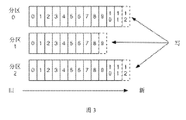
- FIG. 3 is a schematic diagram of monitoring a consensus node in the present application.
- FIG. 4a is a schematic flowchart of a cross-chain transaction according to Embodiment 2 of the present application.
- FIG. 4b is a schematic flowchart of another cross-chain transaction according to Embodiment 2 of the present application.
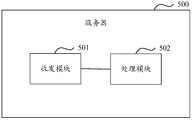
- FIG. 5 is a schematic structural diagram of a first server provided by the present application.
- FIG. 6 is a schematic structural diagram of a second server provided by the present application.
- FIG. 7 is a schematic structural diagram of a third server provided by the present application.
- FIG. 8 is a schematic structural diagram of a fourth server provided by the present application.
- FIG. 1 is a schematic diagram of a system architecture applicable to the present application.
- the system architecture may include a consensus service network, two or more blockchain networks, such as the first blockchain network and the second shown in FIG. 1.
- the consensus service network may include a plurality of consensus nodes having a consensus function, such as the consensus node a1, the consensus node a2, the consensus node a3, and the consensus node a4 shown in FIG.
- the first blockchain network and the second blockchain network share a consensus service provided by each consensus node in the consensus service network.
- the blockchain network is a peer-to-peer (P2P) network composed of multiple nodes, and the P2P is an application layer protocol running on a transmission control protocol (TCP) protocol.
- the nodes in the blockchain network are equal to each other, and there is no central node in the network, and each node can randomly connect other nodes.
- a relatively fast consensus mechanism is proof of endorse (PoE).
- PoE proof of endorse
- the core of this consensus mechanism is that multiple endorsers in the blockchain network run smart contracts and endorse the endorsement of the contract (by signing the content of the contract run results of the endorsement node itself, the guarantee is The result of a specific endorsement node).
- the user can set the endorsement node to be trusted by the smart contract and the endorse policy for the results of multiple contract operations according to actual needs. For example, a smart contract run request can be sent to three endorsement nodes.
- the verification strategy can require that the content of the three contract runs must be consistent, or that the content of at least two contract runs must be consistent.
- the contract operation results returned by the client device collection endorsement node are included in the transaction and broadcast to all nodes (including endorsement nodes) in the blockchain network through the consensus service network.
- the node verifies the received transaction. If the transaction satisfies the verification policy, it accepts the modification of the data by the transaction and writes the blockchain.
- the entire blockchain network is distributed, so that the synchronization of data will have time differences.
- the data obtained by the endorsement node when running the smart contract code of a transaction is likely to be inconsistent with the data when the transaction is finally written into the blockchain, thereby invalidating the endorsement of the endorsement node.
- the first blockchain network includes a node b1, a node b2, a node b3, a node b4, a node d1, and a node d2. These nodes jointly maintain a blockchain 1; the second blockchain network includes nodes. C1, node c2, node c3, node c4, node c5, node d1, node d2, which together maintain blockchain 2.
- the blockchain stores the transaction list in units of blocks, and the blocks in the blockchain are generated in chronological order, and each block is used to record a list of transactions generated within a period of time.
- the list of all transactions recorded on the blockchain is the ledger (Ledger).
- the ledger recorded on blockchain 1 is Ledger1
- the ledger recorded on blockchain 2 is Ledger2. In this application, it does not cause ambiguity.
- the ledger and blockchain are equivalent concepts that can be substituted for each other.
- one node in the blockchain network is on one physical machine (server), or multiple in multiple blockchain networks.
- the nodes are on the same server.
- One node may specifically refer to a process or a series of processes running in the server.
- the node a1 in the first blockchain network and the node c1 in the second blockchain network may be Two processes running on one server.
- the node described in this application may refer to the server where the node is located.
- one or more clients can communicate with the node by accessing the network. For example, if user A has an asset in blockchain 1, user A can communicate with any node in the first blockchain network through client a, thereby initiating a transaction in blockchain 1; if user B is If there is an asset in the blockchain 2, the user B can communicate with any node in the second blockchain network through the client b, thereby initiating a transaction in the blockchain 2; if the user C is in the blockchain 1 and the zone If there are assets in the blockchain 2, the user C can simultaneously communicate with any node in the first blockchain network and the second blockchain network through the client c, thereby being in the blockchain 1 or the blockchain 2 Initiate a transaction.
- the client device may not be set.
- the user may directly initiate a transaction in the blockchain through the node on the blockchain, which is not limited.
- user A selects user C as an intermediary;
- user C is a user in blockchain 1 and blockchain 2;
- transaction 1 in blockchain 1, user A transfers the asset to Escrow (referred to as transaction 1), and the state of transaction 1 is the prepared state (Prepared);
- transaction 2 in the blockchain 2, after seeing the transaction in which the user A transfers to the Escrow in the blockchain 1, the user C transfers the asset to the Escrow in the blockchain 2 (referred to as transaction 2).
- the state of transaction 2 is the prepared state (Prepared);
- a group of provers monitors whether the user B in the blockchain 2 has issued a receipt signature, and the group of certifiers themselves can form a collection signature for whether the user B has issued the specified expiration time through consensus.
- Output consistent, credible results if the prover finds user B's receipt signature in blockchain 2, then inform blockchain 1 and blockchain 2 to transfer the assets in Escrow to the transaction object, ie notify the block Escrow in chain 1 sends the asset to the intermediary user C, and informs Escrow in blockchain 2 to send the asset to user B; otherwise, the asset held in Escrow is returned to the originator of the transaction, ie, Escrow in blockchain 1
- Escrow in blockchain 2 is sent to user C.
- the above scheme can be extended to asset payment through N blockchains (blockchain 1 ⁇ ... ⁇ blockchain N), and the prover informs all by observing whether the payment target of the blockchain N has received the receipt signature. Whether Escrow on the blockchain will send the managed asset to the trading target or return it to the originator of the transaction.
- Escrow needs to initiate payment transactions to user C and user B on two blockchains respectively. If for some reason one of the transactions fails, the successful transaction needs to be revoked, but it has been successful. The transaction may not be revoked, resulting in a poor security of the transaction.
- the present application provides a cross-chain transaction method for any node on the first blockchain in the blockchain to which the plurality of transactions associated with each other, after receiving the associated transaction sent by the consensus node. Determining whether the anchor transaction is a valid transaction according to the identifier of the anchor transaction included in the associated transaction, and if the anchor transaction is a valid transaction, according to the identifier of the blockchain to which the plurality of transactions belong, The blockchain writes the transaction of the first blockchain into the first blockchain, thereby ensuring that multiple transactions associated with each other in the plurality of blockchains are simultaneously submitted successfully, thereby effectively avoiding multiple transactions in the prior art failing simultaneously. A successful submission and a successful transaction may not be revoked.
- a node that performs an associated transaction on a plurality of blockchains may be referred to as a connect peer, which may be A node that performs endorsement of data that is traded on multiple blockchains is called a notary peer.
- the connection node and the notarization node are nodes shared by the blockchain 1 and the blockchain 2, and the notarization node is a node specified in advance from a plurality of nodes shared by the plurality of blockchains, and is used for performing third-party notarization, the notarization node Ability to receive transaction information for multiple blockchains.
- FIG. 2 is a schematic flowchart of a cross-chain transaction method according to Embodiment 1 of the present application. As shown in Figure 2a, the method includes:
- Step 201 The connection node generates an anchor transaction corresponding to the multiple transactions according to the multiple transactions associated with each other, and sends an anchor transaction to the consensus node, where the anchor transaction includes the data identifier of the multiple transactions, and the The identifier and anchor version number of the blockchain to which multiple transactions belong.
- the plurality of transactions associated with each other may be two or more transactions associated with each other, and correspondingly, the blockchain to which the plurality of transactions belong is two or more blockchains, for example, blocks.
- Chain 1, blockchain 2, ..., blockchain N, N are positive integers.
- User A needs to use its assets in blockchain 1, pays users in several blockchains 2 to user B in blockchain 2, and selects users who have assets on both blockchains. For example, in the case of C as a middleman, User A, User B, and User C negotiate that: User A pays the user C in the blockchain 1 (the first transaction), and the user C goes to the user in the blockchain 2 B pays the assets (second transaction).
- the first transaction and the second transaction are a plurality of transactions associated with each other.
- the blockchain to which the first transaction belongs is the blockchain 1
- the blockchain to which the second transaction belongs is the blockchain 2.
- the data identifier of the plurality of transactions refers to a variable of data to be accessed by calling the smart contract request on the blockchain to which the plurality of transactions belong, and the data corresponding to the data identifier of the plurality of transactions is the block to which the plurality of transactions belong.
- the data to be accessed by the smart contract request is called on the chain.
- the data identifier of the first transaction may be the identifier of the user A and the identifier of the user C.
- the data corresponding to the identifier of the user A is the asset data of the user A in the blockchain 1
- the identifier of the user C is the asset data of the user C in the blockchain 1.
- the anchor version number refers to the version number of the data to be accessed by calling the smart contract request on the blockchain to which the plurality of transactions belong.
- the identifier of the blockchain may be information for uniquely identifying the blockchain, for example, the number of the blockchain, which is not limited.
- multiple transactions associated with each other may carry the same associated identifier.
- the connection node After the connection node generates the anchor transaction corresponding to the multiple transactions, the correspondence between the identifier of the anchor transaction and the association identifier carried by the multiple transactions may be established and stored.
- Table 1 Examples of correspondence between association identifiers of multiple transactions and identifiers of anchor transactions
- Step 202 The consensus node receives the anchor transaction and monitors data corresponding to the data identifier.
- the consensus node can be implemented by maintaining a local data monitoring table: the consensus node adds the anchor transaction to the data monitoring table every time an anchor transaction is sent. When the data corresponding to the monitored data identifier is modified, the anchor transaction is removed from the data monitoring table.
- the consensus node can be implemented by a middleware of a message queue, and receives an anchor transaction sent by each connection node from a unified interface.
- the consensus node records the transaction information to different partitions according to the identifier of the blockchain to which the plurality of transactions belong in the anchor transaction, for example, partition0, partition1, and partition2, and different partitions correspond to different regions.
- Trading on the blockchain For example, partition0 corresponds to a transaction on blockchain 1, partition1 corresponds to a transaction on blockchain 2, and partition3 corresponds to a transaction on blockchain 3.
- partition0 corresponds to a transaction on blockchain 1
- partition1 corresponds to a transaction on blockchain 2
- partition3 corresponds to a transaction on blockchain 3.
- partition0 the numbers (0, 1, 2, ..., 11, 12, ...) in the partition are used to represent each transaction on the blockchain 1 that needs to be monitored.
- the consensus node may package the transaction information in the different partitions into blocks for sending to the corresponding blockchain according to the identifier of the blockchain.
- Step 203 If the consensus node monitors that the data corresponding to the data identifier is modified, broadcasting an invalid anchor transaction to each node in the blockchain to which the plurality of transactions belong, where the invalid anchor transaction includes the Anchoring the identification information of the transaction, the invalid anchor transaction is used to indicate that the anchor transaction is an invalid transaction.
- the consensus node receives the third transaction (user A pays the user D in the blockchain 1), because the third transaction is for the user.
- the asset data of A has been changed, resulting in the data corresponding to the data identifier being modified.
- the third transaction includes the version number of the data corresponding to the data identifier
- the consensus node determines that the version number included in the third transaction is different from the anchor version number in the anchor transaction, it determines that the data identifier is monitored.
- the corresponding data is modified; the third transaction does not include the version number, and if the consensus node determines that the data corresponding to the data identifier is written in the third transaction, it is determined that the data corresponding to the monitored data identifier is modified.
- the consensus node After receiving the third transaction, the consensus node detects that the third transaction modifies the data corresponding to the data identifier in the anchor transaction (specifically, the asset data of user A in blockchain 1), and then records the third transaction into the block.
- the transaction queue to be broadcasted in chain 1 and immediately add invalid anchor transactions in the to-be broadcast transaction queues of blockchain 1 and blockchain 2, and update the local monitoring data table to anchor the transaction from the monitoring data table. Delete, no longer continue to monitor the anchor data.
- Step 204 The node on the blockchain to which the plurality of transactions belong receives the invalid anchor transaction sent by the consensus node.
- Step 205 The connection node sends a related transaction to the consensus node, where the associated transaction includes the transaction content of the plurality of transactions, the identifier of the blockchain to which the plurality of transactions belong, and the identifier of the anchor transaction.
- Step 206 The consensus node receives the associated transaction, and sends the associated transaction to the node on the blockchain to which the plurality of transactions belong according to the identifier of the blockchain to which the plurality of transactions belong.
- the consensus node may send the related transaction according to the identifier of the blockchain 1 to which the first transaction belongs and the identifier of the blockchain 2 to which the second transaction belongs in the associated transaction.
- the consensus node may send the related transaction according to the identifier of the blockchain 1 to which the first transaction belongs and the identifier of the blockchain 2 to which the second transaction belongs in the associated transaction.
- Step 207 For any node on the first blockchain in the blockchain to which the plurality of transactions belong, after receiving the associated transaction, the node determines, according to the identifier of the anchor transaction included in the associated transaction, that the anchor transaction is Invalid transaction and abandoning the associated transaction.
- the node also needs to perform local verification on the transaction format, signature, etc. of the associated transaction, and if the local verification is passed and the anchor transaction is a valid transaction, the associated blockchain can be the first blockchain. The transaction is written to the first blockchain.
- the specific content of the local authentication of the transaction format, the signature, and the like of the associated transaction may refer to the prior art, and details are not described herein again.
- the present application does not limit the order of local verification and anchor transaction verification.
- One possible implementation manner is that the node can first verify whether the anchor transaction is a valid transaction, and if the anchor transaction is an invalid transaction, Write-off is directly aborted without the need for validity verification, saving the processing burden.
- the first blockchain is any blockchain in a blockchain to which a plurality of transactions belong, for example, blockchain 1 or blockchain 2.
- the anchor is determined according to the identifier of the anchor transaction included in the associated transaction and the invalid anchor transaction received in step 204.
- the associated transaction is aborted.
- the first transaction and the second transaction in the associated transaction fail to be submitted at the same time.
- step 207 after receiving the associated transaction, the node on the blockchain to which the plurality of transactions belong determines that the anchor transaction is a valid transaction, and writes the associated transaction into the corresponding blockchain.
- the node on the blockchain 1 determines that the anchor transaction is a valid transaction, and writes the first transaction into the blockchain 1; after receiving the associated transaction, the node on the blockchain 2 receives the associated transaction Determining that the anchor transaction is a valid transaction and writing the second transaction into the blockchain 2; and, after the connection node (the node shared by the blockchain 1 and the blockchain 2) receives the associated transaction, determines the anchor transaction For a valid transaction, the first transaction is written into blockchain 1, and the second transaction is written into blockchain 2. At this time, the first transaction and the second transaction in the associated transaction are simultaneously submitted successfully.
- FIG. 2b results in different execution results due to different monitoring results of the consensus nodes.
- the relevant steps in FIG. 2b can be referred to the description in FIG. 2a, and details are not described herein again.
- a corresponding timer may be started when the consensus node receives the anchor transaction and starts monitoring, and if the timer reaches the set duration, the data is not monitored. If you modify it, you can broadcast an invalid anchor transaction and no longer monitor it.
- the set duration can be set by a person skilled in the art according to actual conditions. In a possible scenario, the consensus node does not monitor the data to be modified within the set duration. When the timer reaches the set duration, the associated transaction has been submitted successfully. At this time, the consensus node does not need to monitor the anchor transaction, but to avoid the subsequent anchor. The transaction is maliciously used, and the consensus node can broadcast an invalid anchor transaction to each node on the blockchain to which the plurality of transactions belong.
- Step 203 and step 204 may occur at any time after step 202 and before step 207, and are not specifically limited.
- Figure 2a and Figure 2b take only two blockchains (blockchain 1 and blockchain 2) as an example. In the specific implementation, there may be more than two blockchains (blockchain 1, zone 2). Block chain 2, ..., block chain N), the implementation process of more than two blockchains can be referred to the above description.
- FIG. 4a is a schematic flowchart of a cross-chain transaction method provided by the present application. As shown in Figure 4a, the method includes:
- Step 401 The connection node generates an anchor request corresponding to the multiple transactions according to the multiple transactions associated with each other, and sends an anchor request to the notarization node, where the anchor request includes the data identifier of the multiple transactions, and the The identifier and anchor version number of the blockchain to which multiple transactions belong.
- multiple transactions associated with each other may carry the same associated identification.
- the connection node After the connection node generates the anchor request corresponding to the multiple transactions, the correspondence between the identifier of the anchor request and the associated identifier carried by the multiple transactions may be established and stored.
- Table 2 Example of correspondence between association identifiers of multiple transactions and identifiers of anchor requests
- Step 402 After receiving the anchor request sent by the connection node, the notarization node generates an anchor transaction corresponding to the anchor request, and sends the anchor transaction to the consensus node; the anchor transaction includes the multiple The data identification of the transactions, the identification of the blockchain to which the plurality of transactions belong, and the anchor version number.
- the notarization node can verify whether the anchor version number in the anchor request is the same as the local account book. If they are the same, generate an anchor transaction corresponding to the anchor request, and execute the subsequent process, if different , then return a message with invalid data to the connection node and end the process.
- the correspondence between the identifier of the anchor request and the identifier of the anchor transaction may be established and stored, as shown in Table 3.
- Anchor request identifier Anchoring the identity of the transaction Anchor request 1 Anchor transaction 1 Anchor request 2 Anchor transaction 2 ;
- Step 403 The consensus node receives the anchor transaction, and sends the anchor transaction to the node on the blockchain to which the plurality of transactions belong according to the identifier of the blockchain to which the plurality of transactions belong, and monitors the The data identifies the corresponding data.
- Step 404 If the consensus node monitors that the data corresponding to the data identifier is modified, broadcasting an invalid anchor transaction to each node in the blockchain to which the plurality of transactions belong, where the invalid anchor transaction includes the Anchoring the identification information of the transaction, the invalid anchor transaction is used to indicate that the anchor transaction is an invalid transaction.
- Step 405 The node on the blockchain to which the plurality of transactions belong receives the invalid anchor transaction sent by the consensus node, and sets the anchor transaction as an invalid transaction.
- the node setting the anchor transaction as an invalid transaction may mean that the node sets an invalid identifier for the anchor transaction, and the invalid identifier indicates that the anchor transaction is an invalid transaction, or may be set by other means, specifically Make a limit.
- the node may locally maintain a list of anchor transactions, including the identifier of the anchor transaction and whether the anchor transaction is an invalid identifier of the invalid transaction, and the anchor transaction with the invalid identifier is an invalid transaction.
- Anchor transactions without an invalid identifier are valid transactions. In this way, the anchor list can be quickly determined to be a valid transaction or an invalid transaction by querying the list.
- the node setting the anchor transaction as an invalid transaction may also mean directly deleting the invalid anchor transaction from the list.
- the node query list if it fails to find the anchor transaction from the list, determines that the anchor transaction is an invalid transaction, and if the anchor transaction can be found from the list, then the anchor transaction is determined to be a valid transaction.
- Step 406 After receiving the anchor transaction sent by the consensus node in step 403, the notarization node sends anchor indication information to the intermediate node, where the anchor indication information is used to indicate that the anchor transaction is successful, the anchor The indication information includes an identifier of the anchor transaction and an identifier of an anchor request corresponding to the anchor transaction.
- the notarization node may determine the identifier of the corresponding anchor request according to the identifier of the anchor transaction and the correspondence between the identifier of the anchor transaction and the identifier of the anchor request, and then The node sends anchor indication information.
- Step 407 The connection node receives the anchor indication information sent by the notarization node, determines the corresponding association identifier according to the identifier of the anchor request, and further generates a related transaction according to the multiple transactions carrying the association identifier, and the related transaction.
- Step 408 The consensus node receives the associated transaction, and sends the associated transaction to the node on the blockchain to which the plurality of transactions belong according to the identifier of the blockchain to which the plurality of transactions belong.
- Step 409 For any node on the first blockchain in the blockchain to which the plurality of transactions belong, after receiving the associated transaction, the node determines, according to the identifier of the anchor transaction included in the associated transaction, that the anchor transaction is Invalid transaction and abandoning the associated transaction.
- step 409 after receiving the associated transaction, the node on the blockchain to which the plurality of transactions belong determines that the anchor transaction is a valid transaction and writes the associated transaction into the corresponding blockchain.
- the node on the blockchain 1 determines that the anchor transaction is a valid transaction, and writes the first transaction into the blockchain 1; after receiving the associated transaction, the node on the blockchain 2 receives the associated transaction Determining that the anchor transaction is a valid transaction and writing the second transaction into the blockchain 2; and that the fair node and the connected node (both nodes shared by blockchain 1 and blockchain 2) are receiving the associated transaction Thereafter, it is determined that the anchor transaction is a valid transaction, and the first transaction is written into the blockchain 1, and the second transaction is written into the blockchain 2.
- the specific process in this case can be seen in Figure 4b.
- the flow shown in FIG. 4b is different from that of FIG. 4a, and the monitoring results of the consensus nodes are different, which leads to different execution results.
- the relevant steps in FIG. 4b can be referred to the description in FIG. 4a, and details are not described herein again.
- a corresponding timer may be started when the consensus node receives the anchor transaction and starts monitoring, and if the timer reaches the set duration, the data is not monitored. If you modify it, you can broadcast an invalid anchor transaction and no longer monitor it.
- the set duration can be set by a person skilled in the art according to actual conditions.
- the node can verify the anchor transaction, and if the node receives the anchor transaction, the anchor transaction The anchor version number is different from the node book, indicating that the anchor version number has expired.
- the node can directly set the anchor transaction as an invalid transaction; and for the consensus node, by setting the set duration, the consensus can be made.
- the node broadcasts an invalid anchor transaction to each node in the blockchain to which the multiple transactions belong, and no longer monitors the anchor transaction.
- Step 404 and step 405 may occur at any time after step 403 and before step 409, and are not specifically limited.
- the anchor request sent by the connection node to the notary node includes only the data identifier of the plurality of transactions and the block to which the plurality of transactions belong. The identification of the chain, and then the notarized node obtains the anchor version number according to the anchor request, and generates an anchor transaction to send to the consensus node.
- Figure 4a and Figure 4b take only two blockchains (blockchain 1 and blockchain 2) as an example. In the specific implementation, there may be more than two blockchains (blockchain 1, zone). Block chain 2, ..., block chain N), the implementation process of more than two blockchains can be referred to the above description.
- the difference between the second embodiment and the first embodiment is that: (1) the second embodiment involves a notarized node, that is, the connection node initiates the associated transaction. Previously, an anchor request is sent to the notary node, and then the notarization node sends an anchor transaction to the consensus node. By introducing an authoritative notarization node, the notarization node verifies the anchor version number, and generates an anchor after the verification is passed. The transaction ensures the validity of the anchor version number.
- the consensus node after receiving the anchor transaction, the consensus node broadcasts the anchor transaction to the node on the blockchain to which the plurality of transactions belong according to the identifier of the blockchain to which the plurality of transactions belong, thereby making the area
- the node on the blockchain can effectively record the implementation process of the transaction by receiving the anchor transaction; in addition, when the implementation method in the first embodiment is used, if the consensus node maliciously broadcasts the invalid anchor transaction, the nodes on the blockchain are Only the invalid anchor transaction is received, therefore, the malicious invalid anchor transaction cannot be identified, and the transaction fails.
- each node on the blockchain first receives the anchor transaction. Therefore, it is possible to identify whether the invalid anchor transaction is malicious according to the anchor transaction, and effectively ensure the reliable realization of the transaction.
- the scenario of this embodiment is that user A in blockchain 1 (Chain1) wishes to pay the money in blockchain 2 to user B in blockchain 2 (Chain2).
- the currency type in blockchain 1 is Coin1
- the currency type in blockchain 2 is Coin2.
- User A finds user C, who has assets in both blockchain 1 and blockchain 2, as an intermediary.
- the assets of each role are shown in Table 4a and Table 4b before the transaction begins.
- Table 4a Assets of User A and User C in Blockchain 1
- Table 4b Assets of User B and User C in Blockchain 2
- Table 5a Assets of User A and User C in Blockchain 1
- Table 5b Assets of User B and User C in Blockchain 2
- connection node generates a corresponding anchor request according to the interrelated transaction 1 and transaction 2, and sends an anchor request to the notary node, where the anchor request includes the data identifiers of transaction 1 and transaction 2 ( Key), the name of the blockchain to which transaction 1 and transaction 2 belong, and the anchor version number.
- the specific content contained in the anchor request is shown in Table 6.
- the notarization node After receiving the anchor request, the notarization node verifies whether the anchor version number in the anchor request is the same as the local account book. If it is different, returns a message with invalid data to the connection node and ends the process. If it is valid, it is anchored according to the anchor.
- the request generates an anchor transaction (Tx1) corresponding to the anchor request and sends an anchor transaction to the consensus node.
- the anchor transaction includes the data identification (key) of transaction 1 and transaction 2, the chain name of the transaction chain 1 and the block chain to which the transaction 2 belongs, and the anchor version number (version).
- the specific content contained in the anchor transaction is shown in Table 7.
- the consensus node After receiving the anchor transaction, the consensus node starts monitoring the write operation of the data corresponding to the data identifier in the subsequent transaction, and broadcasts the anchor transaction to all the nodes in the blockchain 1 and the blockchain 2.
- the notarization node After receiving the anchor transaction broadcasted by the consensus node, the notarization node sends the anchor indication information to the connection node, where the anchor indication information includes the identifier of the anchor transaction and the identifier of the anchor request corresponding to the anchor transaction, and signature.
- connection node After receiving the anchor indication information, the connection node obtains transaction 1 and transaction 2 corresponding to the anchor request according to the identifier of the anchor request, and then generates a related transaction (Tx2) according to transaction 1 and transaction 2 to send to the consensus node. .
- Tx2 a related transaction
- Table 8 The specific contents of the related party transactions are shown in Table 8.
- the consensus node broadcasts the associated transaction to all nodes on blockchain 1 and blockchain 2.
- the nodes in blockchain 1 and blockchain 2 receive the associated transaction, except for normal verification, such as transaction format, signature, etc. (nodes of each blockchain only verify the block to which the node belongs) Chain related content), also need to verify whether the anchor transaction corresponding to the associated transaction is a valid transaction. If the anchor transaction is a valid transaction, the node in blockchain 1 writes transaction 1 to blockchain 1, blockchain The node in 2 writes transaction 2 to blockchain 2.
- Type TRANSACTION Content Chain1 invoke transfer(A,D,10)
- Chain1 D 1 (here is the version number) Chain1 D 1 WriteSet Chain1 A 290 (value here) Chain1 D 110
- the consensus node receives the transaction 3 (Tx3), and detects that the transaction 3 modifies the anchored data Chain1/A in the anchor transaction, then immediately after the transaction 3 is entered into the to-be-broadcast transaction queue of the blockchain 1
- a transaction 4 (Tx4) of an invalid anchor transaction is added to each of the blockchain 1 and the blockchain 2 involved in the anchor transaction, and the format of the transaction 4 is as shown in Table 10.
- the consensus node updates the local monitoring data table, deletes the anchor transaction (Tx1) from the monitoring data table, and does not continue to monitor the data change for the anchor transaction.
- the node receives the associated transaction (Tx2) sent by the consensus node, queries the list of the anchor transaction according to the identifier of the anchor transaction (Tx1) included in the associated transaction, determines that the anchor transaction is an invalid transaction, and then abandons the associated transaction. Write to the blockchain maintained by the node. At this point, transaction 1 and transaction 2 failed to submit at the same time.
- the application further provides a server, and the specific implementation of the server may refer to the foregoing method flow.
- the present application provides a first type of server for implementing a node on a connection node, a node on a blockchain 1, and a node on a blockchain 2 in the method embodiment shown in FIGS. 2a, 2b, 4a, and 4b. , ..., the process or step performed by any of the nodes on the blockchain N.
- the server 500 may include: a transceiver module 501, a processing module 502;
- the transceiver module 501 is configured to receive an associated transaction sent by the consensus node; the associated transaction includes a transaction content of the plurality of transactions, an identifier of the blockchain to which the plurality of transactions belong, and an identifier of the anchor transaction;
- the first blockchain is any blockchain in the blockchain to which the plurality of transactions belong;
- the processing module 502 is configured to determine, according to the identifier of the anchor transaction, if the anchor transaction is a valid transaction, according to the identifier of the blockchain to which the plurality of transactions belong, the associated blockchain is The transaction of the first blockchain is written to the first blockchain.
- the server 600 may include: a transceiver module 601, a processing module 602;
- the transceiver module 601 is configured to receive an anchor transaction sent by the node, where the anchor transaction includes a data identifier of the plurality of transactions, an identifier of a blockchain to which the plurality of transactions belong, and an anchor version number;
- the processing module 602 is configured to monitor data corresponding to the data identifier, and if the data corresponding to the data identifier is monitored, the transceiver module broadcasts to each node in the blockchain to which the multiple transactions belong. Invalid anchor transaction, the invalid anchor transaction includes identification information of the anchor transaction, and the invalid anchor transaction is used to indicate that the anchor transaction is an invalid transaction.
- the division of the module in the embodiment of the present application is schematic, and is only a logical function division, and the actual implementation may have another division manner.
- the functional modules in the embodiments of the present application may be integrated into one processing module, or each module may exist physically separately, or two or more modules may be integrated into one module.
- the above integrated modules can be implemented in the form of hardware or in the form of software functional modules.
- the integrated modules if implemented in the form of software functional modules and sold or used as separate products, may be stored in a computer readable storage medium.
- a computer readable storage medium A number of instructions are included to cause a computer device (which may be a personal computer, server, or network device, etc.) or a processor to perform all or part of the steps of the methods described in various embodiments of the present application.
- the foregoing storage medium includes: a U disk, a mobile hard disk, a read-only memory (ROM), a random access memory (RAM), a magnetic disk, or an optical disk, and the like, which can store program codes. .
- the present application provides a third server for implementing the connection node, the node on the blockchain 1, and the node on the blockchain 2 in the method embodiment shown in FIG. 2a, FIG. 2b, FIG. 4a and FIG. 4b. , ..., the process or step performed by any of the nodes on the blockchain N.
- the server has the function of implementing the server 500 shown in FIG. 5; as shown in FIG. 7, the communication device 700 includes: a communication module 701, a processor 702;
- the communication module 701 is configured to perform communication interaction with other devices;
- the communication module 1001 may be an RF circuit, a WiFi module, a communication interface, a Bluetooth module, or the like;
- the processor 702 is configured to implement the functions of the processing module in FIG. 5 above.
- the communication device may further include: the memory 704, configured to store a program or the like.
- the program can include program code, the program code including instructions.
- Memory 704 may include RAM and may also include non-volatile memory, such as at least one disk storage.
- the processor 702 executes the application stored in the memory 704 to implement the above functions.
- the communication module 701, the processor 702, and the memory 704 can be connected to each other through the bus 703;
- the bus 703 can be a peripheral component interconnect (PCI) bus or an extended industry standard structure ( Extended industry standard architecture, EISA) bus.
- PCI peripheral component interconnect
- EISA Extended industry standard architecture
- the bus 703 can be divided into an address bus, a data bus, a control bus, and the like.
- the present application also provides a fourth server for implementing the processes or steps performed by the consensus node in the method embodiment shown in Figures 2a, 2b, 4a, and 4b.
- the server has the function of implementing the server 600 shown in FIG. 6; as shown in FIG. 8, the communication device 800 includes: a communication module 801, a processor 802;
- the communication module 801 is configured to perform communication interaction with other devices;
- the communication module 1001 may be an RF circuit, a WiFi module, a communication interface, a Bluetooth module, or the like;
- the processor 802 is configured to implement the functions of the processing module in FIG. 6 above.
- the communication device may further include: the memory 804, configured to store a program or the like.
- the program can include program code, the program code including instructions.
- Memory 804 may include RAM and may also include non-volatile memory, such as at least one disk storage.
- the processor 802 executes the application stored in the memory 804 to implement the above functions.
- the communication module 801, the processor 802, and the memory 804 can be connected to each other through the bus 803;
- the bus 803 can be a peripheral component interconnect (PCI) bus or an extended industry standard structure ( Extended industry standard architecture, EISA) bus.
- PCI peripheral component interconnect
- EISA Extended industry standard architecture
- the bus 803 can be divided into an address bus, a data bus, a control bus, and the like.
- embodiments of the invention may be provided as a method, system, or computer program product.
- embodiments of the invention may be in the form of an entirely hardware embodiment, an entirely software embodiment, or a combination of software and hardware.
- embodiments of the invention may take the form of a computer program product embodied on one or more computer-usable storage media (including but not limited to disk storage, CD-ROM, optical storage, etc.) including computer usable program code.
- Embodiments of the invention are described with reference to flowchart illustrations and/or block diagrams of methods, apparatus (systems), and computer program products according to embodiments of the invention. It will be understood that each flow and/or block of the flowchart illustrations and/or FIG.
- These computer program instructions can be provided to a processor of a general purpose computer, special purpose computer, embedded processor or other programmable data processing device to produce a machine such that instructions are executed by a processor of a computer or other programmable data processing device Means for implementing the functions specified in one or more flows of the flowchart or in a block or blocks of the flowchart.
- the computer program instructions can also be stored in a computer readable memory that can direct a computer or other programmable data processing device to operate in a particular manner, such that the instructions stored in the computer readable memory produce an article of manufacture comprising the instruction device.
- the apparatus implements the functions specified in one or more blocks of a flow or a flow and/or block diagram of the flowchart.
- These computer program instructions can also be loaded onto a computer or other programmable data processing device such that a series of operational steps are performed on a computer or other programmable device to produce computer-implemented processing for execution on a computer or other programmable device.
- the instructions provide steps for implementing the functions specified in one or more of the flow or in a block or blocks of a flow diagram.
Landscapes
- Business, Economics & Management (AREA)
- Engineering & Computer Science (AREA)
- Accounting & Taxation (AREA)
- Theoretical Computer Science (AREA)
- General Physics & Mathematics (AREA)
- Physics & Mathematics (AREA)
- Strategic Management (AREA)
- General Business, Economics & Management (AREA)
- Finance (AREA)
- Economics (AREA)
- Computer Security & Cryptography (AREA)
- Data Mining & Analysis (AREA)
- Databases & Information Systems (AREA)
- Marketing (AREA)
- Development Economics (AREA)
- Entrepreneurship & Innovation (AREA)
- Human Resources & Organizations (AREA)
- General Engineering & Computer Science (AREA)
- Operations Research (AREA)
- Quality & Reliability (AREA)
- Tourism & Hospitality (AREA)
- Technology Law (AREA)
- Financial Or Insurance-Related Operations Such As Payment And Settlement (AREA)
- Management, Administration, Business Operations System, And Electronic Commerce (AREA)
Abstract
La présente invention concerne un appareil et un procédé de trading cross-chaînes. Dans le procédé, pour tout nœud sur une première chaîne de blocs dans des chaînes de blocs auxquelles une pluralité de transactions connectées appartiennent, après réception de transactions connectées envoyées par un nœud de consensus, le nœud a besoin de déterminer, en fonction des identifiants de transactions d'ancrage comprises dans les transactions connectées, si les transactions d'ancrage sont ou non des transactions valides; si les transactions d'ancrage sont des transactions valides, des transactions qui appartiennent à la première chaîne de blocs sont écrites dans la première chaîne de blocs en fonction des identifiants des chaînes de blocs auxquelles la pluralité de transactions appartiennent, de telle sorte que la pluralité de transactions connectées sur la pluralité de chaînes de blocs peuvent être garanties d'être soumises avec succès et de manière synchrone, ce qui permet d'éviter efficacement le problème dans l'état de la technique selon lequel des transactions qui sont soumises avec succès peuvent ne pas pouvoir être annulées lorsque de multiples transactions ne parviennent pas à être soumises de manière synchrone. De plus, étant donné que de multiples transactions possèdent l'atomicité, il n'est pas nécessaire de se référer à un état intermédiaire et de retirer des transactions en fonction des types de services spécifiques.
Priority Applications (2)
| Application Number | Priority Date | Filing Date | Title |
|---|---|---|---|
| EP18850286.8A EP3627431B1 (fr) | 2017-08-29 | 2018-08-08 | Procédé et appareil de trading cross-chaînes |
| US16/787,669 US11347726B2 (en) | 2017-08-29 | 2020-02-11 | Cross-chain transaction method and apparatus |
Applications Claiming Priority (2)
| Application Number | Priority Date | Filing Date | Title |
|---|---|---|---|
| CN201710756457.9 | 2017-08-29 | ||
| CN201710756457.9A CN109426949B (zh) | 2017-08-29 | 2017-08-29 | 一种跨链交易方法及装置 |
Related Child Applications (1)
| Application Number | Title | Priority Date | Filing Date |
|---|---|---|---|
| US16/787,669 Continuation US11347726B2 (en) | 2017-08-29 | 2020-02-11 | Cross-chain transaction method and apparatus |
Publications (1)
| Publication Number | Publication Date |
|---|---|
| WO2019042101A1 true WO2019042101A1 (fr) | 2019-03-07 |
Family
ID=65503391
Family Applications (1)
| Application Number | Title | Priority Date | Filing Date |
|---|---|---|---|
| PCT/CN2018/099348 Ceased WO2019042101A1 (fr) | 2017-08-29 | 2018-08-08 | Procédé et appareil de trading cross-chaînes |
Country Status (4)
| Country | Link |
|---|---|
| US (1) | US11347726B2 (fr) |
| EP (1) | EP3627431B1 (fr) |
| CN (1) | CN109426949B (fr) |
| WO (1) | WO2019042101A1 (fr) |
Cited By (10)
| Publication number | Priority date | Publication date | Assignee | Title |
|---|---|---|---|---|
| US20190102736A1 (en) * | 2017-10-02 | 2019-04-04 | R3 Ltd. | Settling obligations via netting transactions |
| WO2019120316A2 (fr) | 2019-03-26 | 2019-06-27 | Alibaba Group Holding Limited | Système et procédé pour implémenter différents types de contrats à chaîne de blocs |
| CN110278264A (zh) * | 2019-06-20 | 2019-09-24 | 深圳前海微众银行股份有限公司 | 一种基于区块链的跨链通信的方法、装置及交易系统 |
| CN111125187A (zh) * | 2019-11-29 | 2020-05-08 | 立旃(上海)科技有限公司 | 基于区块链的数据管理方法及装置 |
| US10733152B2 (en) | 2018-12-29 | 2020-08-04 | Alibaba Group Holding Limited | System and method for implementing native contract on blockchain |
| US20200349564A1 (en) * | 2019-04-30 | 2020-11-05 | Salesforce.Com, Inc. | System and method of providing interoperable distributed and decentralized ledgers using consensus on consensus and delegated consensus |
| CN112417049A (zh) * | 2020-11-24 | 2021-02-26 | 杭州云象网络技术有限公司 | 一种基于区块链一体机的跨链交互方法与系统 |
| WO2021109735A1 (fr) * | 2019-12-05 | 2021-06-10 | 深圳前海微众银行股份有限公司 | Procédé de traitement de ressource basé sur un réseau inter-chaînes, et dispositif |
| CN113051008A (zh) * | 2021-04-01 | 2021-06-29 | 金蝶软件(中国)有限公司 | 接口请求处理方法、装置、计算机设备和存储介质 |
| US11086847B2 (en) | 2018-12-29 | 2021-08-10 | Advanced New Technologies Co., Ltd. | System and method for implementing native contract on blockchain |
Families Citing this family (51)
| Publication number | Priority date | Publication date | Assignee | Title |
|---|---|---|---|---|
| CN110019516B (zh) | 2017-11-10 | 2021-08-20 | 华为技术有限公司 | 一种信息管理方法、装置及系统 |
| US11676142B2 (en) | 2018-09-05 | 2023-06-13 | Atrium Separate Ip Holdings Number 4, Llc | Blockchain architecture, system, method and device for automated cybersecurity and data privacy law compliance with proprietary off-chain storage mechanism |
| US11314699B1 (en) | 2018-09-06 | 2022-04-26 | Side, Inc. | Single-tier blockchain-based system and method for document transformation and accountability |
| US10901983B2 (en) * | 2019-03-01 | 2021-01-26 | Wanchain Ltd. | System and method for universal blockchain interoperability |
| US11132344B2 (en) * | 2019-03-15 | 2021-09-28 | Boardwalktech, Inc. | Correlating and referencing blockchains |
| CN110033271B (zh) * | 2019-03-22 | 2023-12-22 | 湖南天河国云科技有限公司 | 一种跨链交易方法、系统及计算机可读存储介质 |
| CN110086856B (zh) * | 2019-04-01 | 2022-02-01 | 达闼机器人有限公司 | 区块链节点的控制方法、装置、存储介质及电子设备 |
| US10924280B1 (en) * | 2019-04-15 | 2021-02-16 | Sprint Communications Company L.P. | Digital notary use in distributed ledger technology (DLT) for block construction and verification |
| US11507948B2 (en) | 2019-04-22 | 2022-11-22 | Atrium Separate Ip Holdings Number 4, Llc | Blockchain architecture, system, method and device for automated cybersecurity and data privacy law compliance with delayed block posting protocol |
| CN110321384B (zh) * | 2019-06-04 | 2023-07-28 | 创新先进技术有限公司 | 一种基于区块链的数据记录方法、装置及电子设备 |
| US10742415B2 (en) | 2019-06-28 | 2020-08-11 | Alibaba Group Holding Limited | Method and apparatus for inter-blockchain transmission of authenticable message |
| CN110417742B (zh) * | 2019-06-28 | 2020-11-06 | 创新先进技术有限公司 | 跨链发送、中转、接收可认证消息的方法、装置及存储介质 |
| CN110430066B (zh) * | 2019-07-15 | 2021-07-06 | 杭州复杂美科技有限公司 | 用于减少区块链交易重复广播的方法、设备及存储介质 |
| CN120235699A (zh) | 2019-07-26 | 2025-07-01 | 华为技术有限公司 | 一种跨链交易方法和装置 |
| CN112308713A (zh) * | 2019-07-26 | 2021-02-02 | 华为技术有限公司 | 一种跨链交易方法和装置 |
| CN110532239B (zh) * | 2019-09-09 | 2022-05-06 | 东吴证券股份有限公司 | 文件系统管理方法、装置、设备及存储介质 |
| US12211041B2 (en) | 2019-09-19 | 2025-01-28 | Atrium Separate Ip Holdings Number 4, Llc | Blockchain architecture, system, method and device for automated cybersecurity and data privacy law compliance with a streamlined block structure |
| US11636195B2 (en) | 2019-09-19 | 2023-04-25 | Atrium Separate Ip Holdings Number 4, Llc | Dynamic biometric identity verification system, method and device |
| US11968256B2 (en) | 2019-09-19 | 2024-04-23 | Atrium Separate Ip Holdings Number 4, Llc | Blockchain architecture, system, method and device for automated cybersecurity and data privacy law compliance with a partitioned replication protocol |
| CN112561695B (zh) * | 2019-09-25 | 2021-07-23 | 支付宝(杭州)信息技术有限公司 | 在区块链中并发执行交易的方法和装置 |
| CN110689434B (zh) * | 2019-09-26 | 2023-03-21 | 重庆邮电大学 | 一种基于公证人组的跨区块链交互方法 |
| CN111010441B (zh) * | 2019-12-18 | 2022-12-13 | 深圳市迅雷网络技术有限公司 | 一种区块链跨链方法、系统及电子设备 |
| US11381401B2 (en) * | 2020-01-07 | 2022-07-05 | Seagate Technology Llc | Blockchain transaction forwarding |
| CN111368003B (zh) * | 2020-03-06 | 2020-10-16 | 安徽中科智链信息科技有限公司 | 一种多链锚定数据的管理方法 |
| CN111090891B (zh) * | 2020-03-23 | 2020-06-19 | 卓尔智联(武汉)研究院有限公司 | 一种基于区块链的公证人选取方法及系统 |
| CN111399993B (zh) * | 2020-03-25 | 2023-03-07 | 百度国际科技(深圳)有限公司 | 一种关联事务请求的跨链实现方法、装置、设备和介质 |
| CN111464636B (zh) * | 2020-03-31 | 2021-12-07 | 中国联合网络通信集团有限公司 | 资产交易方法和系统、存储介质 |
| US11996174B2 (en) | 2020-04-22 | 2024-05-28 | Atrium Separate Ip Holdings Number 4, Llc | Blockchain architecture, system, method and device for facilitating electronic health record maintenance, sharing and monetization using a decentralized health information platform including a non-fungible token function and security protocols |
| US12009073B2 (en) | 2020-04-22 | 2024-06-11 | Atrium Separate Ip Holdings Number 4, Llc | Blockchain architecture, system, method and device for facilitating secure medical testing, data collection and controlled distribution using a decentralized health information platform and token ecosystem |
| US12008555B2 (en) | 2020-04-22 | 2024-06-11 | Atrium Separate Ip Holdings Number 4, Llc | Blockchain architecture, system, method and device including a hybrid public-private iteration for facilitating secure data collection and controlled distribution using a decentralized transaction information platform and token ecosystem |
| CN111353175B (zh) * | 2020-05-22 | 2021-01-22 | 腾讯科技(深圳)有限公司 | 数据处理方法、装置、设备、区块链系统及存储介质 |
| TWI799713B (zh) * | 2020-06-03 | 2023-04-21 | 鴻海精密工業股份有限公司 | 評論管控方法、伺服器及可讀儲存介質 |
| CN113761179A (zh) | 2020-06-03 | 2021-12-07 | 富泰华工业(深圳)有限公司 | 评论管控方法、服务器及可读存储介质 |
| SG10202006451QA (en) | 2020-07-03 | 2021-02-25 | Alipay Labs Singapore Pte Ltd | Managing transactions in multiple blockchain networks |
| SG10202006447VA (en) | 2020-07-03 | 2021-04-29 | Alipay Labs Singapore Pte Ltd | Managing transactions in multiple blockchain networks |
| SG10202006466YA (en) | 2020-07-03 | 2021-05-28 | Alipay Labs Singapore Pte Ltd | Managing transactions in multiple blockchain networks |
| CN112637127B (zh) * | 2020-11-23 | 2022-05-13 | 北京邮电大学 | 一种跨区块链通信方法及装置 |
| CN112598518A (zh) * | 2020-12-24 | 2021-04-02 | 北京链化未来科技有限公司 | 一种支持跨链原子交易的处理方法 |
| US11531649B1 (en) | 2021-01-04 | 2022-12-20 | Sprint Communications Company Lp | Method of building and searching a multi-dimensional cross-linked distributed ledger |
| US12222925B1 (en) * | 2021-05-25 | 2025-02-11 | Stripe, Inc. | Systems and methods for ensuring quality of search system data |
| CN113259454B (zh) * | 2021-06-02 | 2021-10-15 | 支付宝(杭州)信息技术有限公司 | 跨链交互方法及装置 |
| CN113779155B (zh) * | 2021-09-24 | 2024-08-09 | 支付宝(杭州)信息技术有限公司 | 区块链交易处理方法、装置及设备 |
| CN113806335A (zh) * | 2021-09-28 | 2021-12-17 | 杭州溪塔科技有限公司 | 一种应用于区块链的数据迁移方法及装置 |
| CN113838543A (zh) * | 2021-10-04 | 2021-12-24 | 上海边界智能科技有限公司 | 一种医疗信息的跨链共享方法、跨链共享平台及存储介质 |
| CN116016095A (zh) * | 2021-10-22 | 2023-04-25 | 华为技术有限公司 | 一种合约管理方法、装置及系统 |
| CN113689216A (zh) * | 2021-10-26 | 2021-11-23 | 腾讯科技(深圳)有限公司 | 跨链事务处理方法及装置、设备、存储介质、程序产品 |
| CN116155501B (zh) * | 2021-11-19 | 2025-11-07 | 腾讯科技(深圳)有限公司 | 区块链网络中的跨链通信方法、装置、设备以及介质 |
| CN117097481A (zh) * | 2022-05-13 | 2023-11-21 | 腾讯科技(深圳)有限公司 | 区块共识方法、同步方法、装置、电子设备及存储介质 |
| US12597025B2 (en) * | 2022-09-26 | 2026-04-07 | Tencent Technology (Shenzhen) Company Limited | Blockchain transaction execution method and apparatus, program product, device, and medium |
| EP4411539A1 (fr) * | 2023-01-31 | 2024-08-07 | Tata Consultancy Services Limited | Procédé et système d'orchestration de service de chaîne de blocs |
| KR20250043138A (ko) * | 2023-09-21 | 2025-03-28 | 포항공과대학교 산학협력단 | P2p 네트워크의 블록체인 노드 간 e2e 지연 추정 시스템 및 방법 |
Citations (6)
| Publication number | Priority date | Publication date | Assignee | Title |
|---|---|---|---|---|
| CN105976232A (zh) * | 2016-06-24 | 2016-09-28 | 深圳前海微众银行股份有限公司 | 资产交易方法和装置 |
| CN106780025A (zh) * | 2016-11-30 | 2017-05-31 | 中国银行股份有限公司 | 区块链中数字资产的转移方法、装置及系统 |
| US20170193464A1 (en) * | 2015-12-18 | 2017-07-06 | Justin SHER | Protocol utilizing bitcoin blockchain for maintaining independently proposed and approved set contents |
| CN106936589A (zh) * | 2017-04-21 | 2017-07-07 | 杭州秘猿科技有限公司 | 一种无中心的许可链平行分片方法及交易方法 |
| CN106960388A (zh) * | 2017-03-01 | 2017-07-18 | 中钞信用卡产业发展有限公司北京智能卡技术研究院 | 跨区块链的数字资产流转的方法和装置 |
| CN107018125A (zh) * | 2017-02-17 | 2017-08-04 | 阿里巴巴集团控股有限公司 | 一种区块链系统、数据存储方法及装置 |
Family Cites Families (12)
| Publication number | Priority date | Publication date | Assignee | Title |
|---|---|---|---|---|
| US10635722B2 (en) * | 2015-04-20 | 2020-04-28 | Ogy Docs, Inc. | Method of distributed management of electronic documents of title (EDT) and system thereof |
| KR101701131B1 (ko) * | 2016-04-28 | 2017-02-13 | 주식회사 라피 | 이종간 블록체인 연결을 이용한 데이터 기록/검증 방법 및 시스템 |
| US20170345011A1 (en) * | 2016-05-26 | 2017-11-30 | Hitfin, Inc. | System and method executed on a blockchain network |
| JP6939791B2 (ja) * | 2016-07-28 | 2021-09-22 | 日本電気株式会社 | 掲示板情報管理システム |
| WO2018026727A1 (fr) * | 2016-08-01 | 2018-02-08 | Cryptowerk Corp. | Procédé informatique et système d'enregistrement inviolable d'une pluralité d'éléments de données de service |
| US20180114218A1 (en) * | 2016-10-26 | 2018-04-26 | International Business Machines Corporation | Blockchain: automatic fork protection |
| US10387684B2 (en) * | 2016-12-09 | 2019-08-20 | International Business Machines Corporation | Interlocked blockchains to increase blockchain security |
| US20180285839A1 (en) * | 2017-04-04 | 2018-10-04 | Datient, Inc. | Providing data provenance, permissioning, compliance, and access control for data storage systems using an immutable ledger overlay network |
| CN106899698B (zh) * | 2017-04-11 | 2020-12-18 | 张铮文 | 一种区块链之间的跨链互操作方法 |
| CN107085810A (zh) * | 2017-04-19 | 2017-08-22 | 朱皞罡 | 一种区块链的跨链操作方法及区块链管理系统 |
| US10594488B2 (en) * | 2017-08-05 | 2020-03-17 | Proclus Technologies Limited | Method and system for implementing automatic transaction rebroadcasting for transient blockchains |
| US10834062B2 (en) * | 2018-06-20 | 2020-11-10 | International Business Machines Corporation | Unlinking ownership of successive asset transfers on a blockchain |
-
2017
- 2017-08-29 CN CN201710756457.9A patent/CN109426949B/zh active Active
-
2018
- 2018-08-08 EP EP18850286.8A patent/EP3627431B1/fr active Active
- 2018-08-08 WO PCT/CN2018/099348 patent/WO2019042101A1/fr not_active Ceased
-
2020
- 2020-02-11 US US16/787,669 patent/US11347726B2/en active Active
Patent Citations (6)
| Publication number | Priority date | Publication date | Assignee | Title |
|---|---|---|---|---|
| US20170193464A1 (en) * | 2015-12-18 | 2017-07-06 | Justin SHER | Protocol utilizing bitcoin blockchain for maintaining independently proposed and approved set contents |
| CN105976232A (zh) * | 2016-06-24 | 2016-09-28 | 深圳前海微众银行股份有限公司 | 资产交易方法和装置 |
| CN106780025A (zh) * | 2016-11-30 | 2017-05-31 | 中国银行股份有限公司 | 区块链中数字资产的转移方法、装置及系统 |
| CN107018125A (zh) * | 2017-02-17 | 2017-08-04 | 阿里巴巴集团控股有限公司 | 一种区块链系统、数据存储方法及装置 |
| CN106960388A (zh) * | 2017-03-01 | 2017-07-18 | 中钞信用卡产业发展有限公司北京智能卡技术研究院 | 跨区块链的数字资产流转的方法和装置 |
| CN106936589A (zh) * | 2017-04-21 | 2017-07-07 | 杭州秘猿科技有限公司 | 一种无中心的许可链平行分片方法及交易方法 |
Non-Patent Citations (1)
| Title |
|---|
| See also references of EP3627431A4 |
Cited By (21)
| Publication number | Priority date | Publication date | Assignee | Title |
|---|---|---|---|---|
| US10810546B2 (en) * | 2017-10-02 | 2020-10-20 | R3 Ltd. | Settling obligations via netting transactions |
| US12333496B2 (en) | 2017-10-02 | 2025-06-17 | R3 Ltd. | Settling obligations via netting transactions |
| US11625680B2 (en) | 2017-10-02 | 2023-04-11 | R3 Ltd. | Settling obligations via netting transactions |
| US20190102736A1 (en) * | 2017-10-02 | 2019-04-04 | R3 Ltd. | Settling obligations via netting transactions |
| US11086847B2 (en) | 2018-12-29 | 2021-08-10 | Advanced New Technologies Co., Ltd. | System and method for implementing native contract on blockchain |
| US10733152B2 (en) | 2018-12-29 | 2020-08-04 | Alibaba Group Holding Limited | System and method for implementing native contract on blockchain |
| EP3612930A4 (fr) * | 2019-03-26 | 2020-06-24 | Alibaba Group Holding Limited | Système et procédé pour implémenter différents types de contrats à chaîne de blocs |
| US10860350B2 (en) | 2019-03-26 | 2020-12-08 | Advanced New Technologies Co., Ltd. | System and method for implementing different types of blockchain contracts |
| US10866823B2 (en) | 2019-03-26 | 2020-12-15 | Advanced New Technologies Co., Ltd. | System and method for implementing different types of blockchain contracts |
| WO2019120316A2 (fr) | 2019-03-26 | 2019-06-27 | Alibaba Group Holding Limited | Système et procédé pour implémenter différents types de contrats à chaîne de blocs |
| US10949231B2 (en) | 2019-03-26 | 2021-03-16 | Advanced New Technologies Co., Ltd. | System and method for implementing different types of blockchain contracts |
| US11010184B2 (en) | 2019-03-26 | 2021-05-18 | Advanced New Technologies Co., Ltd. | System and method for implementing different types of blockchain contracts |
| US20200349564A1 (en) * | 2019-04-30 | 2020-11-05 | Salesforce.Com, Inc. | System and method of providing interoperable distributed and decentralized ledgers using consensus on consensus and delegated consensus |
| US11995647B2 (en) * | 2019-04-30 | 2024-05-28 | Salesforce, Inc. | System and method of providing interoperable distributed and decentralized ledgers using consensus on consensus and delegated consensus |
| CN110278264A (zh) * | 2019-06-20 | 2019-09-24 | 深圳前海微众银行股份有限公司 | 一种基于区块链的跨链通信的方法、装置及交易系统 |
| CN110278264B (zh) * | 2019-06-20 | 2023-02-21 | 深圳前海微众银行股份有限公司 | 一种基于区块链的跨链通信的方法、装置及交易系统 |
| CN111125187A (zh) * | 2019-11-29 | 2020-05-08 | 立旃(上海)科技有限公司 | 基于区块链的数据管理方法及装置 |
| WO2021109735A1 (fr) * | 2019-12-05 | 2021-06-10 | 深圳前海微众银行股份有限公司 | Procédé de traitement de ressource basé sur un réseau inter-chaînes, et dispositif |
| CN112417049B (zh) * | 2020-11-24 | 2024-03-12 | 杭州云象网络技术有限公司 | 一种基于区块链一体机的跨链交互方法与系统 |
| CN112417049A (zh) * | 2020-11-24 | 2021-02-26 | 杭州云象网络技术有限公司 | 一种基于区块链一体机的跨链交互方法与系统 |
| CN113051008A (zh) * | 2021-04-01 | 2021-06-29 | 金蝶软件(中国)有限公司 | 接口请求处理方法、装置、计算机设备和存储介质 |
Also Published As
| Publication number | Publication date |
|---|---|
| US20200175003A1 (en) | 2020-06-04 |
| EP3627431A1 (fr) | 2020-03-25 |
| EP3627431A4 (fr) | 2020-05-13 |
| CN109426949B (zh) | 2021-02-09 |
| EP3627431B1 (fr) | 2025-03-26 |
| US11347726B2 (en) | 2022-05-31 |
| CN109426949A (zh) | 2019-03-05 |
Similar Documents
| Publication | Publication Date | Title |
|---|---|---|
| WO2019042101A1 (fr) | Procédé et appareil de trading cross-chaînes | |
| CN110352445B (zh) | 使用智能合约执行多方交易 | |
| EP3816910B1 (fr) | Procédé et appareil de traitement de transaction basé sur une chaîne de blocs et dispositif électronique | |
| CN109214818B (zh) | 一种跨链交易方法及装置 | |
| JP7637456B2 (ja) | 一対の結合ブロックチェーンを構成するバイナリブロックチェーンに関連するコンピュータ実装システム及び方法 | |
| US11494344B2 (en) | Customized endorsement logic for blockchain | |
| EP3811316B1 (fr) | Système et procédé de chaîne de blocs | |
| CN109327528B (zh) | 一种基于区块链的节点管理方法和装置 | |
| TWI662435B (zh) | 分散式系統及訊息處理方法 | |
| US12072866B2 (en) | Data processing method and apparatus, computer device, and storage medium | |
| JP7703549B2 (ja) | 分散型データベース | |
| TW202025045A (zh) | 基於區塊鏈的發票報銷方法及裝置、電子設備 | |
| CN107993149A (zh) | 账户信息管理方法、系统以及可读存储介质 | |
| JP2021526249A (ja) | ブロックチェーン上のプロキシ・エージェントおよびプロキシ台帳 | |
| EP3816912B1 (fr) | Procédé et appareil de traitement de transaction basé sur une chaîne de blocs et dispositif électronique | |
| WO2023045620A1 (fr) | Procédé et appareil de traitement de données de transaction, dispositif informatique et support de stockage | |
| WO2020082892A1 (fr) | Procédé et appareil de traitement de transactions basées sur une chaîne de blocs et dispositif électronique | |
| JP2020517169A (ja) | 安全なブロックチェーンベースのコンセンサス | |
| CN111901121A (zh) | 跨区块链的认证方法及装置、电子设备 | |
| CN112491959B (zh) | 基于中继链的跨链资源交换方法、装置和系统 | |
| WO2022121538A1 (fr) | Procédé et système de synchronisation de données basés sur une chaîne de blocs, et dispositif associé | |
| EP3797499A1 (fr) | Gestion de transaction à engagement automatique dans un réseau à chaîne de blocs | |
| CN109981646A (zh) | 基于区块链的资源转移方法及装置和电子设备 | |
| WO2023045617A1 (fr) | Procédé et appareil de traitement de données de transaction, dispositif et support | |
| Dinh et al. | A blueprint for interoperable blockchains |
Legal Events
| Date | Code | Title | Description |
|---|---|---|---|
| 121 | Ep: the epo has been informed by wipo that ep was designated in this application |
Ref document number: 18850286 Country of ref document: EP Kind code of ref document: A1 |
|
| ENP | Entry into the national phase |
Ref document number: 2018850286 Country of ref document: EP Effective date: 20191218 |
|
| NENP | Non-entry into the national phase |
Ref country code: DE |