WO2019065364A1 - 部品調達システム及び部品調達方法 - Google Patents
部品調達システム及び部品調達方法 Download PDFInfo
- Publication number
- WO2019065364A1 WO2019065364A1 PCT/JP2018/034452 JP2018034452W WO2019065364A1 WO 2019065364 A1 WO2019065364 A1 WO 2019065364A1 JP 2018034452 W JP2018034452 W JP 2018034452W WO 2019065364 A1 WO2019065364 A1 WO 2019065364A1
- Authority
- WO
- WIPO (PCT)
- Prior art keywords
- parts
- information
- candidate
- procurement
- component
- Prior art date
- Legal status (The legal status is an assumption and is not a legal conclusion. Google has not performed a legal analysis and makes no representation as to the accuracy of the status listed.)
- Ceased
Links
Images






Classifications
-
- G—PHYSICS
- G06—COMPUTING OR CALCULATING; COUNTING
- G06Q—INFORMATION AND COMMUNICATION TECHNOLOGY [ICT] SPECIALLY ADAPTED FOR ADMINISTRATIVE, COMMERCIAL, FINANCIAL, MANAGERIAL OR SUPERVISORY PURPOSES; SYSTEMS OR METHODS SPECIALLY ADAPTED FOR ADMINISTRATIVE, COMMERCIAL, FINANCIAL, MANAGERIAL OR SUPERVISORY PURPOSES, NOT OTHERWISE PROVIDED FOR
- G06Q10/00—Administration; Management
- G06Q10/06—Resources, workflows, human or project management; Enterprise or organisation planning; Enterprise or organisation modelling
- G06Q10/063—Operations research, analysis or management
- G06Q10/0631—Resource planning, allocation, distributing or scheduling for enterprises or organisations
- G06Q10/06312—Adjustment or analysis of established resource schedule, e.g. resource or task levelling, or dynamic rescheduling
-
- G—PHYSICS
- G06—COMPUTING OR CALCULATING; COUNTING
- G06F—ELECTRIC DIGITAL DATA PROCESSING
- G06F30/00—Computer-aided design [CAD]
- G06F30/10—Geometric CAD
- G06F30/17—Mechanical parametric or variational design
-
- G—PHYSICS
- G05—CONTROLLING; REGULATING
- G05B—CONTROL OR REGULATING SYSTEMS IN GENERAL; FUNCTIONAL ELEMENTS OF SUCH SYSTEMS; MONITORING OR TESTING ARRANGEMENTS FOR SUCH SYSTEMS OR ELEMENTS
- G05B19/00—Program-control systems
- G05B19/02—Program-control systems electric
- G05B19/418—Total factory control, i.e. centrally controlling a plurality of machines, e.g. direct or distributed numerical control [DNC], flexible manufacturing systems [FMS], integrated manufacturing systems [IMS] or computer integrated manufacturing [CIM]
-
- G—PHYSICS
- G06—COMPUTING OR CALCULATING; COUNTING
- G06Q—INFORMATION AND COMMUNICATION TECHNOLOGY [ICT] SPECIALLY ADAPTED FOR ADMINISTRATIVE, COMMERCIAL, FINANCIAL, MANAGERIAL OR SUPERVISORY PURPOSES; SYSTEMS OR METHODS SPECIALLY ADAPTED FOR ADMINISTRATIVE, COMMERCIAL, FINANCIAL, MANAGERIAL OR SUPERVISORY PURPOSES, NOT OTHERWISE PROVIDED FOR
- G06Q10/00—Administration; Management
- G06Q10/06—Resources, workflows, human or project management; Enterprise or organisation planning; Enterprise or organisation modelling
- G06Q10/063—Operations research, analysis or management
- G06Q10/0635—Risk analysis of enterprise or organisation activities
-
- G—PHYSICS
- G06—COMPUTING OR CALCULATING; COUNTING
- G06Q—INFORMATION AND COMMUNICATION TECHNOLOGY [ICT] SPECIALLY ADAPTED FOR ADMINISTRATIVE, COMMERCIAL, FINANCIAL, MANAGERIAL OR SUPERVISORY PURPOSES; SYSTEMS OR METHODS SPECIALLY ADAPTED FOR ADMINISTRATIVE, COMMERCIAL, FINANCIAL, MANAGERIAL OR SUPERVISORY PURPOSES, NOT OTHERWISE PROVIDED FOR
- G06Q10/00—Administration; Management
- G06Q10/08—Logistics, e.g. warehousing, loading or distribution; Inventory or stock management
-
- G—PHYSICS
- G06—COMPUTING OR CALCULATING; COUNTING
- G06Q—INFORMATION AND COMMUNICATION TECHNOLOGY [ICT] SPECIALLY ADAPTED FOR ADMINISTRATIVE, COMMERCIAL, FINANCIAL, MANAGERIAL OR SUPERVISORY PURPOSES; SYSTEMS OR METHODS SPECIALLY ADAPTED FOR ADMINISTRATIVE, COMMERCIAL, FINANCIAL, MANAGERIAL OR SUPERVISORY PURPOSES, NOT OTHERWISE PROVIDED FOR
- G06Q10/00—Administration; Management
- G06Q10/08—Logistics, e.g. warehousing, loading or distribution; Inventory or stock management
- G06Q10/087—Inventory or stock management, e.g. order filling, procurement or balancing against orders
-
- G—PHYSICS
- G06—COMPUTING OR CALCULATING; COUNTING
- G06Q—INFORMATION AND COMMUNICATION TECHNOLOGY [ICT] SPECIALLY ADAPTED FOR ADMINISTRATIVE, COMMERCIAL, FINANCIAL, MANAGERIAL OR SUPERVISORY PURPOSES; SYSTEMS OR METHODS SPECIALLY ADAPTED FOR ADMINISTRATIVE, COMMERCIAL, FINANCIAL, MANAGERIAL OR SUPERVISORY PURPOSES, NOT OTHERWISE PROVIDED FOR
- G06Q10/00—Administration; Management
- G06Q10/10—Office automation; Time management
-
- G—PHYSICS
- G06—COMPUTING OR CALCULATING; COUNTING
- G06Q—INFORMATION AND COMMUNICATION TECHNOLOGY [ICT] SPECIALLY ADAPTED FOR ADMINISTRATIVE, COMMERCIAL, FINANCIAL, MANAGERIAL OR SUPERVISORY PURPOSES; SYSTEMS OR METHODS SPECIALLY ADAPTED FOR ADMINISTRATIVE, COMMERCIAL, FINANCIAL, MANAGERIAL OR SUPERVISORY PURPOSES, NOT OTHERWISE PROVIDED FOR
- G06Q10/00—Administration; Management
- G06Q10/20—Administration of product repair or maintenance
-
- G—PHYSICS
- G06—COMPUTING OR CALCULATING; COUNTING
- G06Q—INFORMATION AND COMMUNICATION TECHNOLOGY [ICT] SPECIALLY ADAPTED FOR ADMINISTRATIVE, COMMERCIAL, FINANCIAL, MANAGERIAL OR SUPERVISORY PURPOSES; SYSTEMS OR METHODS SPECIALLY ADAPTED FOR ADMINISTRATIVE, COMMERCIAL, FINANCIAL, MANAGERIAL OR SUPERVISORY PURPOSES, NOT OTHERWISE PROVIDED FOR
- G06Q50/00—Information and communication technology [ICT] specially adapted for implementation of business processes of specific business sectors, e.g. utilities or tourism
- G06Q50/10—Services
-
- G—PHYSICS
- G06—COMPUTING OR CALCULATING; COUNTING
- G06F—ELECTRIC DIGITAL DATA PROCESSING
- G06F2111/00—Details relating to CAD techniques
- G06F2111/20—Configuration CAD, e.g. designing by assembling or positioning modules selected from libraries of predesigned modules
-
- G—PHYSICS
- G06—COMPUTING OR CALCULATING; COUNTING
- G06F—ELECTRIC DIGITAL DATA PROCESSING
- G06F30/00—Computer-aided design [CAD]
Definitions
- the present invention relates to a parts procurement system and a parts procurement method for procuring service parts of a construction machine.
- Patent Document 1 discloses a technique for inferring a failure point from operation information and sensor information of a construction machine in order to quickly solve the problem of the construction machine.
- Patent Document 2 discloses a technique for detecting a sign before occurrence of a fault from operation information and sensor information of a construction machine, and performing in advance a plan of inventory arrangement of countermeasure parts for coping with the fault. ing.
- the present invention has been made in view of such problems, and an object of the present invention is to provide a parts procurement system and parts capable of rapidly responding to various failures of construction machines and shortening downtime. It is about providing a procurement method.
- the parts procurement system of the present invention is a parts procurement system provided with a control device for procuring parts required by a customer, wherein the control device is a procurement input via a data input device
- the control device is a procurement input via a data input device
- the customer's request information regarding the parts, and at least the BOM information which is the parts list information stored in the file server, the CAD information which is the computer-aided design information, and the parts compatibility information are inputted, Based on the CAD information and the part compatibility information, the part candidate extracted by the customer and the candidate part including the substitute for the part are extracted, and a signal for displaying the extracted candidate part on the display device is output. It is characterized by
- the parts procurement method of the present invention is a parts procurement method for procuring parts required by a customer, which is customer's requirement information on the procured parts inputted through the data input device, and An input step in which BOM information which is at least parts list information stored in a file server, CAD information which is computer-aided design information, and component compatibility information are input, and the BOM information which is input in the input step A candidate part extraction step of extracting candidate parts requested by the customer based on the information and the part compatibility information, and a candidate part including a substitute of the part, and displaying the candidate parts extracted in the candidate part extraction step And an output step of outputting a signal to be displayed on the device.
- part selection display system According to the part selection display system according to the present invention, it is possible to promptly cope with various failures of the construction machine and to reduce the downtime.
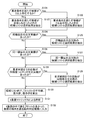
- FIG. 5 is a process flow diagram in the determination of FIG. 4;
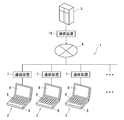
- FIG. 1 is a configuration block diagram of the parts procurement system 1 according to the present embodiment.
- FIG. 2 is a block diagram of a terminal of the parts procurement system 1 according to the present embodiment.
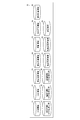
- FIG. 3 is a diagram showing the file storage status of the file server according to the present embodiment.
- the parts procurement system 1 has a terminal 2 that performs an actual parts procurement process, a file server 3 that stores information of various parts, and a bidirectional connection between the terminal 2 and the file server 3.
- Communication network 4 that enables communication.
- the communication network 4 for example, a leased line network, an IP-VPN network, or the Internet network is used.
- each terminal 2 in FIG. 1 will be installed in the agency of each area.
- the terminal 2 controls the terminal 2 itself and procures the parts required by the customer, the data input device 6 for inputting various information, and the communication network 4 And a display device 8 for displaying various types of information.
- a keyboard and a mouse are used as the data input device 6, and various general displays are used as the display device 8.
- An output device such as a printer that outputs the result displayed on the display device 8 may further be provided.
- the control device 5 includes an input unit 5a to which various information is input from the connected data input device 6 and communication device 7, and an operation unit (CPU: Central Processing Unit) for performing various arithmetic processing. 5b, a first storage device (ROM: 1. Read Only Memory) 5c in which a program is stored, a second storage device (RAM: Random Access Memory) 5d in which various tables are stored, and a connected display device An output unit 5e is provided to output display data at 8.
- CPU Central Processing Unit
- the calculation unit 5 b includes a table creation unit 42, an information addition unit 43, and a determination unit 44.
- the table creation unit 42 of the parts procurement system 1 includes a single item table creation unit 46, an assembly item table creation unit 47, a disassembly table creation unit 48, and an available candidate table creation unit 49.
- the first storage device 5c stores a provisioned parts determination program 11 that determines the parts to be ordered for the required parts.
- the required parts are parts to be procured (hereinafter referred to as procured parts, required parts, or ordered parts), and are not limited to parts that are actually lacking. It also includes parts that are judged to be in stock as things that are not. Further, the parts to be ordered are not limited to the required parts themselves, but include alternative parts and higher parts incorporating the required parts.
- the second storage device 5d includes a procured component compatibility table created by executing the allocation component determination program 11 stored in the first storage device 5c, and a usage created based on the procured components compatibility table.
- the possible candidate table 12 is stored.
- the procurement part compatibility table is a procurement for disassembly including a procurement part compatibility table 13 for a single part, a procurement part compatibility table 14 for an assembly related to an assembly part, and relationship information between the assembly and the disassembled part.
- the part compatibility table 15 is included.
- the file server 3 includes a storage unit 18, a communication unit 19, and a central processing unit (not shown) that controls these units and the like. Further, the storage device 18 stores various information related to various parts, various information related to each base (agent), and various information related to various costs.
- CAD computer-aided design
- Parts compatible information 23, parts work information 24, and past information 25 are stored.
- base stock information 31, other base stock information 32, operation information 33, availability information 34, and base work information 35 are stored as various information related to various bases.
- working time / cost estimation information 37, transportation time / cost estimation information 38, and procurement time / cost estimation information 39 are stored as various information related to various costs.
- the base stock information 31 and the other base stock information 32 are stored as one stock information, and can be divided as a base or another base by the terminal 2 accessing the file server 3.
- the calculation unit 5b of the terminal 2 executes the allocated parts determination program 11, and uses the various information stored in the file server 3 to obtain the parts compatibility table and use The possible candidate table 12 is created. Thereafter, the operation unit 5b of the terminal 2 further utilizes the various information stored in the file server 3 to extract the candidate satisfying the requirement of the procured component according to the priority, and displays the extraction result on the display device 8 Do. Then, the parts orderer who is the worker of the terminal 2 selects the parts to be ordered from the extraction result, and the order regarding the procured parts is completed.
- the information stored in the storage device 18 of the file server 3 may be stored in the second storage device 5 d of the terminal 2. That is, the terminal 2 may periodically acquire various information from the file server 3 by communication via the communication network 4, and store the various information in the second storage device 5d. As a result, it is possible to execute the provision component determination program 11 without communication between the terminal 2 and the file server 3. In such a case, the parts procurement system 1 is configured by only the terminal 2.
- the input unit 5a of the control device 5 receives customer's request information on the procured parts input to the data input device 6, and various information stored in the file server 3 (at least BOM information 21, CAD information 22, parts compatibility information Enter 23).
- the customer's request information includes, for example, part number, quantity, delivery date, request price, and request quality.
- request information as shown in Table 1 below is input by the input unit 5a.
- the order number is a number automatically assigned.
- the part name is also automatically displayed by inputting the part number.
- the part number may be displayed automatically by inputting the part name.
- the part number, the quantity, the delivery date, the required price, and the required quality may be directly input from the data input device 6 such as a keyboard or check a predetermined check box using a mouse. May be input.
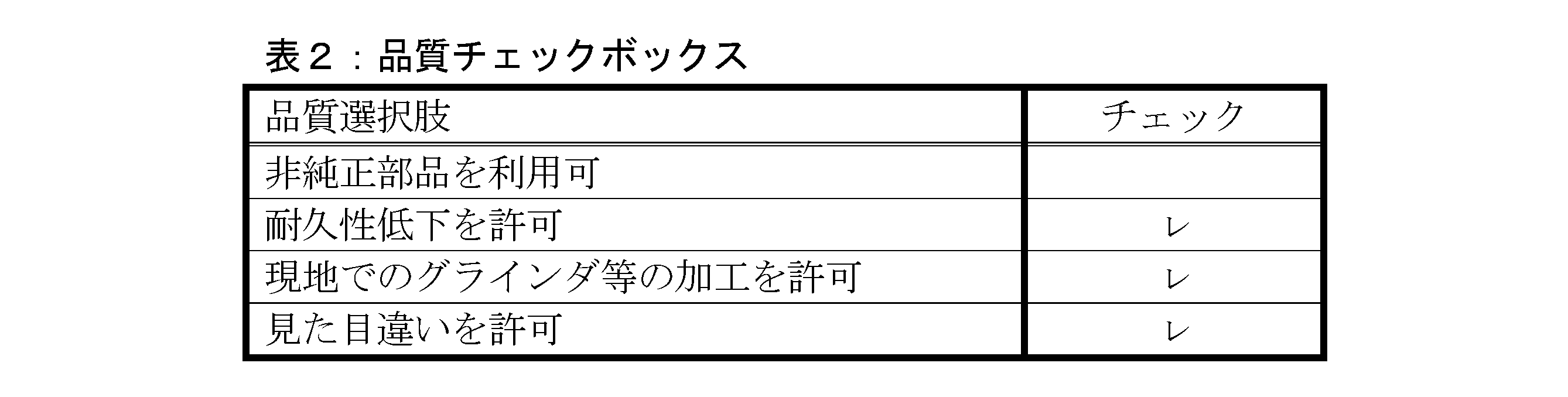
- the required quality as shown in Table 2 below, “non-genuine parts available”, “permit durability reduction”, “permit processing of grinders etc. locally” as quality options, And “permit visual difference” is set in advance, and the operator of the terminal 2 selects the check box corresponding to the quality option to select the quality of the required part.
- the required quality is not limited to these, and various requirements may be set according to the type of the procured component, and furthermore, the operator of the terminal 2 may newly input.
- the quality selection is displayed on the display device 8, the quality selection may be made to be selectable by a pull-down method.
- the table creation unit 42 creates the available candidate table 12 from request information of a procured component input from the outside and various information of various components. Specifically, the table creation unit 42 creates various procurement component compatibility tables from the BOM information 21 of the file server 3, the CAD information 22, and the component compatibility information 23, and uses them based on the created procurement component compatibility table. Possible candidate table 12 is created.
- the single part table creating unit 46 procures a single part based on the BOM information 21, the CAD information 22, the part compatibility information 23 and the part operation information 24. Create compatible table 13. Also, even when the required part is an assembly part, the single item table creation unit 46 configures each of the assembly parts based on the BOM information 21, the CAD information 22, the part compatibility information 23, and the part operation information 24. A procurement part compatible table 13 for single goods related to single parts is created. For example, the single item procurement part compatibility table 13 has items as shown in Table 3 below.
- the assembly item table creation unit 47 obtains a procurement part compatibility table for an assembly based on the BOM information 21, the CAD information 22, the part compatibility information 23 and the part operation information 24.
- Create 14 For example, the assembly part procurement part compatibility table 14 has items as shown in Table 3 above, and has the same configuration as the single item procurement part compatibility table 13. The specific data input to each table will be described later (described in FIG. 6 and the like). Further, specific data to be input to each of Tables 4 and 5 described later will be described later in the same manner.
- the disassembly table creation unit 48 procures disassembly for disassembly based on the BOM information 21 and the part operation information 24 when there is a part that incorporates the required part (that is, when there is an upper part / product).
- the part compatibility table 15 is created.
- the disassembled procurement part compatibility table 15 has items as shown in Table 4 below.
- the available candidate table creation unit 49 is requested to procure from the single-product procurement part compatibility table 13 created by each table creation unit, the assembly procurement part compatibility table 14, and the disassembly procurement part compatibility table 15.
- the available candidate table 12 is created, which is a table listing candidates (including alternative candidates) for preparing a component.
- the available candidate table 12 has items as shown in Table 5 below.
- the information addition unit 43 compares the candidate number of the available candidate table 12 created by the available candidate table creation unit 49 with the stock information of the procured part (candidate content, used parts, number of uses, ordered parts, ordering type Column), additional work information (field of work, work, quantity, required skills, required tools), cost (cost a, cost b, total cost) and lead time (LTa, LTb, total LT) Add That is, the information addition unit 43 includes the base stock information 31 of the file server 3, the other base stock information 32, the operation information 33, the availability information 34, the base work information 35, the working time / cost estimation information 37, the transportation time / cost estimation Based on the information 38 and the procurement time / cost estimation information 39, additional input of various items of the available candidate table 12 is performed. The information addition unit 43 also deletes unnecessary candidates on the available candidate table 12.
- the information adding unit 43 calculates the total lead time and the total cost in the available candidate table 12 to which the lead time and the cost are additionally input, and additionally inputs these numerical values. Specifically, the total LT is calculated from LTa and LTa in the item of Table 5 and additionally input in the item of total LT, the total cost is calculated from the cost a and the cost b, and additionally input in the item of total cost. Note that LTa, LTb, cost a, and cost b will be described later.
- the determination unit 44 determines, from the available candidate table 12 updated by the information adding unit 43, a candidate that satisfies the request condition of the procured component. Specifically, the determination unit 44 selects a component procurement candidate in consideration of the required information (quantity, delivery date, required price, and required quality) input by the input unit 5a.
- the determination unit 44 relates to the cost, the delivery date (urgency), or the quality (whether it is a genuine product or not) input by the input unit 5a when there are no candidates that satisfy the requirement condition of the procured parts.
- the candidates of the available candidate table 12 are re-extracted according to the priority.
- the past information 25 includes information (that is, past procurement record information) indicating what item has been prioritized when the requested part has been procured in the past. For example, such priority items include a required price, a required delivery date, and a required quality, and the past information 25 is information that can be grasped although any item is prioritized.
- past information 25 includes past order results information on items similar to the procured parts, past order results information on the same customer as the orderer of the procured parts, and past order results on the same delivery date as the delivery date of the procured parts. Information is included.
- the determination unit 44 uses the past information 25 of the file server 3 (that is, past procurement history information, order history information on similar items, order history information on the same customer, and order history information on delivery date).
- the list is extracted, and the priorities of the candidates of the available candidate table 12 are determined based on the priorities in the past tendency list. That is, the determination unit 44 extracts, as a list, the procurement results of required parts and parts equivalent thereto from the past information 25 of the file server 3, and what items were emphasized in the past procurement results Are determined, and the priorities of the candidates of the available candidate table 12 are determined and reextracted based on the items emphasized in the past.
- the output unit 5 e outputs the result of execution of the allocation component determination program 11 to the display device 8. That is, the output unit 5 e is a signal for displaying on the display device 8 one candidate as a procurement candidate or a plurality of candidates according to the priority from the available candidate table 12 created by the table creation unit 42. Will be output.
- the operator of the terminal 2 selects one candidate according to the request condition, and the ordering for the procured parts is completed.
- the parts procurement system 1 may have an update function (that is, an update unit) for updating each of the created tables.
- an update function that is, an update unit
- the latest tables can be stored in the second storage device 5d, and it is also possible to present optimal candidates as procurement candidates without performing table creation, information addition, and determination.
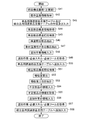
- FIG. 4 is an entire flowchart of the parts procurement method by the parts procurement system 1 according to the present embodiment.
- procurement parts information input is performed (step S21). Specifically, the operator of the terminal 2 operates the data input device 6 to input various information. At this time, various information stored in the file server 3 is also input via the communication device 7. That is, the input step of inputting the customer's request information on the procured parts and various information stored in the file server 3 by the input unit 5a is performed.
- the various types of information input from the file server 3 include at least the BOM information 21, the CAD information 22, and the parts compatibility information 23.
- step S22 it is determined whether the procured part is a single part part (step S22). If the procured part is a single-part part (step S22: Yes), the process proceeds to step S23, and a table is created to create a single-part procured part compatibility table 13. On the other hand, if the procured part is not a single part part, that is, if the procured part is an assembled part (step S22: No), the process proceeds to step S24 and the procured part compatibility table 13 for single part and the procured part compatibility table 14 for assembly are A table is created to create it.
- step S23 After the single component procurement component compatibility table 13 is created in step S23, or after the single component procurement component compatibility table 13 and assembly component procurement component compatibility table 14 are created in step S24, a high-order component / product having procurement components It is determined whether or not there is (step S25). If there is a higher order part / product of the procured part (step S25: Yes), the process proceeds to step S26, and a disassembly table for creating the procured part compatibility table 15 for disassembly is performed.
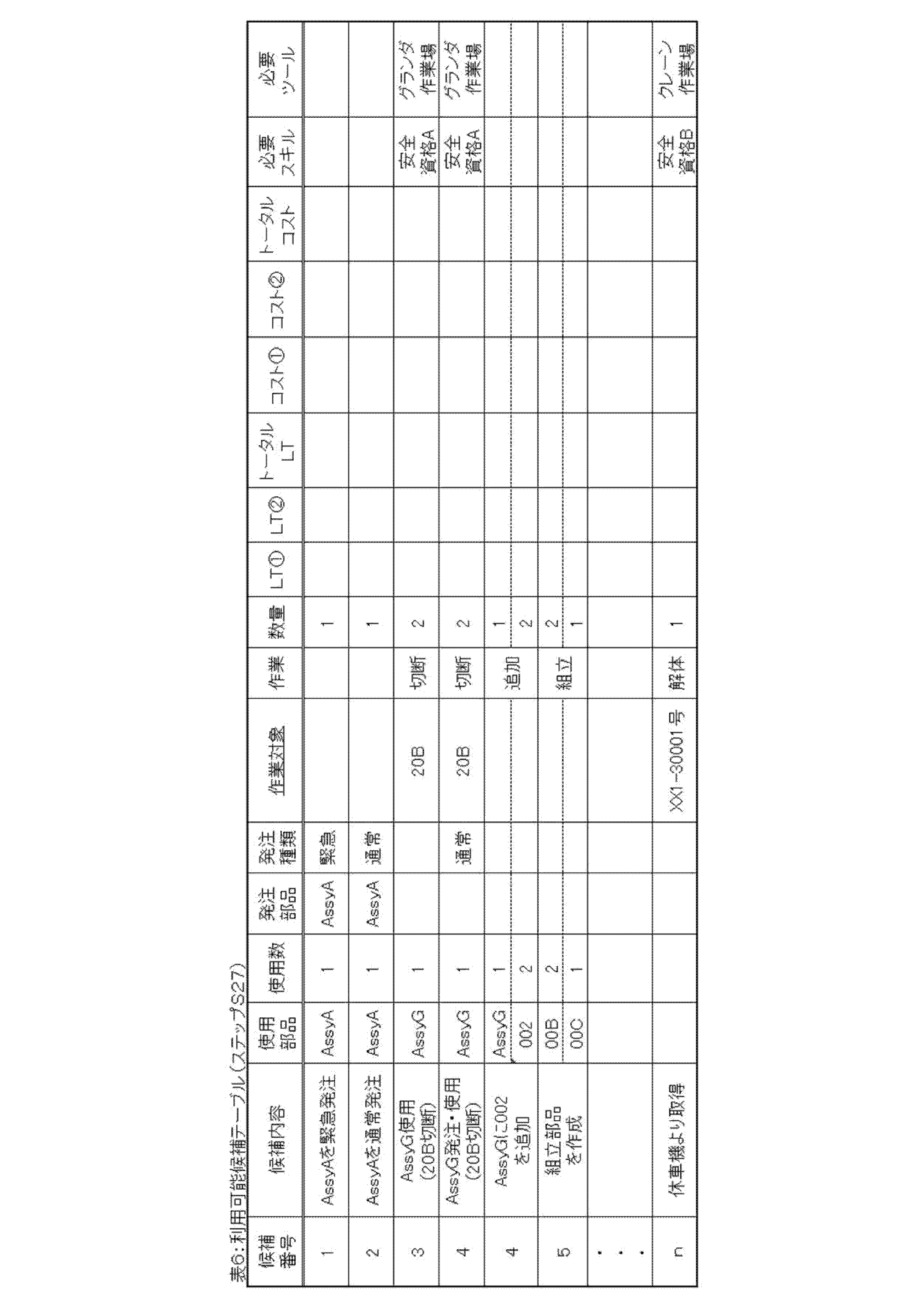
- step S25 If it is determined in step S25 that there is no upper part / product (step S25: No), and after the procured parts compatibility table 15 for disassembly is created, it can be used based on each procured parts compatibility table created A candidate table is created to create the candidate table 12 (step S27). Specifically, various information is added to each item of Table 5, and the state of Table 6 below is obtained. The series of flow from step S22 to step S27 is performed in the table creation unit 42 by executing the allocation component determination program 11.
- the availability candidate table 12 When the availability candidate table 12 is created, information is added to perform additional input regarding items such as inventory information of additional components, additional operation information, cost, and lead time based on the various information of the file server 3 (refer to FIG. Step S28). In addition, in addition of information, unnecessary candidates are also deleted. Specifically, various information is further added to each item of Table 6, and further, unnecessary candidates are deleted, resulting in the state of Table 7 below.
- candidate number 1 is an emergency order
- candidate number 2 is a normal order
- the total LT of candidate number 1 is shorter than the total LT of candidate number 2
- the total of candidate number 1 is The cost is higher than the total cost of candidate number 2. That is, if the urgency of the procured parts is high, even if the cost is high, items with a short total LT will be displayed preferentially.
- a candidate that satisfies the requirement condition of the procured component is determined from the updated available candidate table 12 (step S29).
- the final procurement candidate which is the result of the determination, is displayed on the display device 8, one is selected from the procurement candidates by the operator of the terminal 2, and the order regarding the procurement parts is completed.
- FIG. 5 is a process flow diagram in the production of a single-part procured component compatibility table (step S23) of FIG.
- FIG. 6 is a conceptual diagram for explaining the process flow in the production of the single-product procured component compatibility table (step S23) of FIG.
- step S31 in the case of creating a procured component compatibility table for a single component, component configuration development (normal development) is performed (step S31). Specifically, as shown in FIG. 6, component configuration development is performed with reference to the BOM information 21. In the present embodiment, a new part is not particularly extracted for "00A" which is a single-part part, and only "00A" which is a single-part part is obtained. In addition, since step S31 overlaps with step S22 of FIG. 4, it may be deleted on the flow of FIG.
- step S32 acquisition of existing compatible information of single-part parts which are procured parts is performed (step S32). Specifically, as shown in FIG. 6, other parts compatible with the procured part are extracted with reference to the part compatibility information 23. In the present embodiment, another part "#A" is extracted as a part compatible with "00A" which is a single part part.
- step S33 creation and input of the single-product procurement component compatibility table 13 are performed (step S33). Specifically, the parts input in step S21 and the parts extracted in step S32 are input to the column of procurement parts and the alternative column in Table 3 above. In the present embodiment, "00A” is input in the column of procured parts, and "## A” is input in the alternative column.
- step S34 acquisition of structural information of a single component which is a procured component is performed (step S34). Specifically, as shown in FIG. 6, the structural information of the procured component is acquired with reference to the CAD information 22.
- the structural information of the procured component is acquired with reference to the CAD information 22.
- a structure of “00A” which is a single-piece component a disc-like structure in which two inner regions are hollowed out is obtained.
- a part having a similar structure to the procured part is searched (step S35), and a part having a similar structure is extracted (step S36).
- the CAD information 22 is referenced to extract a part having a similar structure to the procured part.
- a component similar in structure to the single component "00A”
- 10B is a substantially disk-like component having a notch in part
- 20B is a disk-like component.
- “30B” which is a substantially disk-shaped component having a size different from 10B "is extracted.
- step S37 when the structure is determined to be similar in step S36 and there is only one extracted part, a part having mounting compatibility with respect to the part determined to be similar is extracted (step S37). Specifically, the CAD information of the procured part and the CAD information of the extracted part are compared to extract only the parts having mounting compatibility. In the present embodiment, only "20B" is extracted as a component having mounting compatibility with "00A" which is a single component.
- step S38 when at least one component compatible with mounting compatibility is extracted in step S37, information on additional work regarding the component determined as compatible mounting compatible is input (step S38). Specifically, when it is necessary to perform some processing on the part determined to be compatible with the attachment, the information is input. In the present embodiment, since the disk-like part "20B" can not be used as "00A” unless it is partially processed and cut out, it is determined that there is an additional operation, and the information is input. In addition, it is determined that there is no additional work for parts that differ only in color, parts that differ only in material, etc., and no information on additional work is input.
- step S39 when additional work information is input in step S38, information on additional work, necessary skills, and necessary tools for the part to which the additional work information is input is acquired (step S39). Specifically, as shown in FIG. 6, with reference to the part operation information 24, information on the additional operation on the alternative part, the necessary skills, and the necessary tools is acquired. In the present embodiment, the information of “partial removal” as additional work information, “safety qualification A” as necessary skill, and “grinder” as necessary tool is acquired.
- step S40 additional input to the single-item procured component compatibility table 13 is performed (step S40). Specifically, a part having structural similarity and attachment compatibility with the procured part is additionally input, and further information such as an additional operation regarding the part to be additionally input is additionally input.
- “20 B” is added as a substitute part to the single part procurement part compatibility table 13 and various information such as additional work is added, and the creation of the single part procurement part compatibility table 13 is completed.
- step S36 if there is no structurally similar part to the procured part (step S36: No), and if there is a part having structural compatibility with the procured part but no compatible part (step S37: No), procurement for single item No additional input to the part compatibility table 13 is performed, and the creation of the single-item procured part compatibility table 13 is completed in the state at step S33.
- FIG. 7 is a process flow diagram in the table preparation (step S24) of the unit-for-one procured component compatible table and the assembly procured component compatible table of FIG. 8 and 9 are conceptual diagrams for explaining the process flow in the table preparation (step S24) of the single-product procured component compatibility table and the assembled product procured component compatibility table of FIG.
- parts configuration development (normal development) is performed with reference to the BOM information 21 as in step S31 (step S41).
- the assembly part "Assy A” the result that two "00 B” and one "00 C” are obtained as the component parts (single parts) is obtained.
- step S42 acquisition of existing compatible information of an assembly part as a procured part and its component parts is performed (step S42). Specifically, as shown in FIG. 8, other assembly parts compatible with the assembly part being a procured part, and other single-part parts compatible with the component parts of the assembly part as a procurement part are extracted. .
- "Assy D" is extracted as an assembly part compatible with the assembly part "Assy A”
- a single-part part "# # B” is extracted for "00 B” which is a component of "Assy A”.
- Is extracted, and a single-part part "oooC” is extracted with respect to "00C" which is a constituent part of "AssyA”.
- step S43 creation and input of the single-product procured component compatibility table 13 and the assembly procured component compatible table 14 are performed (step S43). Specifically, parts compatible with the procured parts input in step S21 and the various parts extracted in step S42 are input to the procured parts column and the substitute column in Table 3 above.
- “00B” and “00C” are input in the column of procured parts in the single-item procured part compatibility table 13 and "## B” and "oooC” are input in the alternative columns.
- “Assy A” is input in the column of procured parts in the assembly part procured parts compatibility table 14 and “Assy D” is input in the substitute column.
- step S44 acquisition of single-part parts structure information
- step S45, step S46 extraction of structurally similar parts
- step S47 extraction of attachment compatibility
- step S48 acquisition of information such as additional work
- step S50 addition input of the acquired information to the single-item procured component compatibility table 13
- a substantially disc-like structure having a notch in part is extracted for "00B” which is a component of "Assy A”.
- a triangular plate-like structure is extracted as a structure of "00C” which is a component of "Assy A”.
- structural similarity search shows that “00 B” is a different color part “10 B” and disk-like parts “20 B” and “10 B”.
- the different substantially disk-shaped parts “30B” are extracted, and "10B” and “20B” are selected as parts that can be used as alternative parts.
- additional work is required for the disc-like part “20B”, and information such as the additional work is acquired (FIG. 8: step S49).
- additional work information of "10B", "20B” and "20B” is additionally input to the single part procurement part compatibility table 13 (FIG. 8: step S50), and creation of the single part procurement part compatibility table 13 is completed. Do.
- step S51 When the preparation of the single-product procured component compatibility table 13 is completed, another assembly component having a configuration similar to that of the procured component is searched (step S51). Specifically, as shown in FIG. 9, the single-product procured parts compatibility table 13 and the BOM information 21 are referred to, and not only components similar to the assembled parts which are procured parts but also the components of the assembled parts are substituted. A search is made for an assembly with a configuration that replaces the part.
- AssyF has two “00B” and one “oooC” as component parts.
- Assy G has two “20 B”, one "00 C” and one “11 D” as component parts.
- AssyH has one “10B”, one "oooC” and one "11D” as component parts.
- Assy J is equipped with one “10 B”, one "ooo C", one "11 D” and three "222 Z" as component parts.
- the class maintenance degree of the assembly part which is the procured part and the other assembly parts extracted as the configuration similarity is calculated (step S52).
- the degree of similarity is 100% in the same configuration as the assembly component which is the procured component or in the configuration in which the component of the assembly component is replaced with the above-described substitute component.
- the quantity Depending on the degree of similarity decreases. Note that the degree of reduction in the degree of similarity due to the presence of a missing part or the provision of different single-part parts is determined in advance, and is automatically calculated by executing the provision part determination program 11.
- the degree of similarity is determined by the number of components or substitutes included in the assembly, but may be quantified based on the weight, cost, etc. of the main components in the assembly. .
- step S53 an assembly having a high degree of similarity is selected (step S53).
- three “Assy F”, “Assy G”, and “Assy H” having high similarity are selected.
- the quantity to be selected is not limited to three, and may be changed according to the quantity extracted in step S53, or a fixed quantity may be selected.
- step S54 information on the missing parts is input to another assembly having a high degree of similarity selected as compared with the assembly which is a procured part.
- step S55 information on the missing parts of the other assembly parts having a high degree of similarity selected is acquired. If there is no missing part in any of the other assembly parts having a high degree of similarity selected, the obtaining of the missing part information in step S55 is not performed, and the process proceeds to step S56. In the present embodiment, it is determined that one "10B", which is a substitute for "00B”, is missing for "AssyH", and the missing parts information acquisition for "10B" is performed.
- step S56 when using another assembly having a high degree of similarity selected instead of the assembly which is a procured part, the information of the additional operation is input (step S56). Specifically, instead of the component parts of the assembly parts which are procured parts, the information of the additional processing operation necessary when replacing other parts is input. Subsequently, when an additional operation is input to any one of the other assembly parts having a high degree of similarity selected (step S56), information on the additional operation, the necessary skill, and the necessary tool is acquired (step S57). Specifically, as shown in FIG. 9, with reference to the part work information 24, information on additional work, required skills, and necessary tools regarding the work target part in the alternative assembly is acquired. When the additional work is unnecessary to any of the other assembly parts having the high degree of similarity selected, information acquisition such as the additional work in step S57 is not performed, and the process proceeds to step S58.
- step S58 After additional work information is acquired also for all other assembly parts having a high degree of similarity selected in step S57 (step S56: No), and after the information acquisition in step S57, the assembly part procurement part compatibility table An additional input to 14 is performed (step S58). Specifically, other assembly parts that can be used as substitutes for the assembly parts which are procured parts are additionally input, and further, information such as additional work related to the additionally input assembly parts is additionally input. In this embodiment, "Assy F”, “Assy G”, and “Assy H” are added as substitute parts to the assembly part procurement part compatibility table 14 and various information such as additional work related to "Assy G" is also added. The creation of the assembly part procurement part compatibility table 14 is completed. As for "Assy H", it is determined that one “10 B” is insufficient, so "Assy H + 10 B" is additionally input in the alternative field.
- FIG. 10 is a process flow diagram in the generation of the parts-for-disassembling part compatibility table of FIG.
- FIG. 11 is a conceptual diagram for explaining the process flow in creating the procurement part compatibility table for decomposition (step S26) of FIG.
- step S25 of FIG. 4 it is determined whether there is a superior part / product having procured parts.
- the said determination will be performed with reference to the procurement part compatibility table 13 for single goods, the procurement part compatibility table 14 for assemblies, and the BOM information 21 completed in the table preparation step mentioned above. That is, not only the reverse opening of the procured parts is performed, but also the reverse opening of alternative parts (including components) that can be used instead of the procured parts is also performed.
- FIG. 11 information of substitutable parts for "00A" and "## A" is acquired.
- step S61 when it is determined in step S25 of FIG. 4 that a higher-order part or product is present, information on an additional operation is input when using a substitute part in place of a procured part (step S61). Subsequently, information on the additional work, the required skill, and the necessary tool is acquired from the additional work information input in step S61 (step S62).
- step S63 generation and addition input of the disassembled procurement part compatibility table 15 are performed (step S63). Specifically, as shown in FIG. 11, for "00A” and "## A", the superior parts and products thereof are described in the substitute column, and a column of additional work in the case of substitution, a necessary skill Various information will be input in the column and the column of necessary tools.
- FIG. 12 to FIG. 15 are detailed processing flows based on various conditions in the information addition (step S28) of FIG.
- step S71 it is determined whether each candidate of the available candidate table 12 satisfies the required quality input by the operator of the terminal 2 (step S71). In the present embodiment, it is determined whether each candidate in the available candidate table 12 created in step S17 satisfies the condition selected from Table 2. Then, if there is even one candidate that does not satisfy the required quality (step S71: Yes), the corresponding candidate in the availability candidate table 12 is deleted (step S72). If there is no candidate that does not satisfy the required quality (step S71: No), the process proceeds to step S73.
- step S73 For each candidate of the available candidate table 12, it is determined whether the necessary skill and the necessary tool are required (step S73). Specifically, a candidate for which predetermined information is described in the column of the necessary skills and the necessary tools of the available candidate table 12 requires the necessary skills and the necessary tools. Then, if there is at least one of the candidates of the available candidate table 12 that requires the necessary skills and the necessary tools (step S73: Yes), target base information is acquired (step S74). Specifically, the base work information 35 of the file server 3 is referred to, and the information at the base requiring the procured parts is acquired. If none of the candidates for the available candidate table 12 requires the necessary skills and necessary tools, the flow ends.
- step S75 it is determined whether the necessary skills and the necessary tools of each candidate of the available candidate table 12 are available at the base requiring the procured parts. Specifically, it is determined whether there is a worker with the necessary skill at a site that requires procured parts and whether there is a tool for performing work at the site. If it is not available (step S75: No), the corresponding candidate in the available candidate table 12 is deleted (step S76), and if it is available (step S75: Yes), the flow ends.
- a check box indicating nonuse is added to the available candidate table 12 and a check is made on the relevant check box. It may be excluded from. Moreover, the candidate that can not be used actually may be processed in the available candidate table 12 so that it can not be selected.
- step S81 it is determined whether the on-hand inventory is the required quantity or more. Specifically, the base stock information 31 of the file server 3 is referred to, and it is determined whether the number of used parts of each candidate of the usable candidate table 12 is sufficient. Here, if the on-hand stock is less than the required quantity (step S81: No), this flow ends.
- step S82 it is determined whether there is a necessary additional operation at the base requiring the procured parts. Specifically, the candidate whose predetermined information is described in the column of work of the available candidate table 12 requires additional work. If there is even one candidate requiring additional work (step S 82: Yes), the working time / cost estimation information 37 stored in the file server 3 is referred to, and the working time / cost of the corresponding candidate is determined. The estimated value is acquired (step S83). If there is no candidate that requires additional work (step S 82: No), this flow ends.
- the lead time and cost fields are divided into two in the available candidate table 12. Specifically, it is classified into lead time (LTa) for additional work such as processing, lead time (LTb) other than that, cost for additional work such as processing (cost a), and other cost (cost b) There is. Therefore, for the additional input in step S84, numerical values are added to the fields of LTa and cost b.
- the classification of lead time and cost is not limited to two types, and may be classified into three or more from the viewpoint of various operations.
- step S91 it is determined whether or not the inventory amount is equal to or more than the necessary quantity at a base (other base) different from the base requiring the procured parts.
- the other base stock information 32 of the file server 3 is referred to, and it is determined whether the number of used parts of each candidate of the usable candidate table 12 is sufficient.
- step S91: No when the stock is less than the required quantity, the present flow ends.
- step S91 If the number of used parts of each candidate of the available candidate table 12 is sufficient at another site (step S91), the transport time / cost estimation information 38 of the file server 3 is referred to (step S92). Subsequently, various numerical values which are reference results are additionally input in the fields of LTb and cost b in the usable candidate table 12 (step S93).
- step S94 the procurement time / cost estimation information 39 of the file server 3 is referred to (step S94). Subsequently, various numerical values, which are reference results, are added to the numerical values in the column of LTb and cost b in the available candidate table 12 (step S95).
- step S96 it is determined whether there is a necessary additional work at another site. Specifically, the candidate whose predetermined information is described in the column of work of the available candidate table 12 requires additional work. If there is even one candidate requiring additional work (step S96: Yes), the work time / cost calculation information 37 stored in the file server 3 is referred to and the work time of the corresponding additional work The cost estimate value is acquired (step S97). If there is no candidate that requires additional work (step S96: No), this flow ends.
- Step S98 various numerical values can be additionally input in the lead time column and cost column of the available candidate table 12 based on the values (Step S98).
- numerical values are added to the columns of LTa and cost a of candidate number 1 and candidate number 2 that are to be ordered from another site.
- step S101 it is determined whether or not there is a stop machine that holds the procured components of the required quantity or more.
- the operation information 33 stored in the file server 3 is referred to, and it is determined whether there is a stop machine that holds the procured parts more than the necessary quantity.
- step S102 it is determined whether or not there is a necessary additional operation when using a stop machine. Specifically, the candidate whose predetermined information is described in the column of work of the available candidate table 12 requires additional work. If there is even one candidate requiring additional work (step S102: Yes), the working time / cost calculation information 37 stored in the file server 3 is referred to, and the working time / cost of the corresponding candidate is determined. The estimated value is acquired (step S103). If there is no candidate that requires additional work (step S102: No), the process proceeds to step S105.
- step S104 When a working time / cost estimate value of a candidate having additional work required when using a stop machine is obtained, various values are made in the lead time column of the available candidate table 12 and the cost column based on the value. Are additionally input (step S104).
- numerical values are input in the columns of LTa and cost a of the candidate number 5 using a parking absence machine.
- step S105 it is determined whether the target stop machine can actually be used as a parts supplier. For example, although the customer's own stop machine which is going to procure parts this time, and the stop machine owned by the manufacturer or the agent can be used as a supplier of parts, it is judged that the own customer's own machine can not be used. .
- step S105: Yes the target stop machine is not actually available
- step S106 the corresponding candidate is deleted from the available candidate table 12
- step S105 the present flow ends.
- the information adding unit 43 calculates the total LT from the LTa and LTb in the available candidate table 12 and additionally inputs. Further, the information adding unit 43 calculates a total cost from the cost a and the cost b in the available candidate table 12 and additionally inputs.
- each flow of FIG. 12 to FIG. 15 may be processed from any one. Further, the determination on the required quality (steps S71 and S72) in FIG. 12 may be performed in the flow in FIG. 13 to FIG.
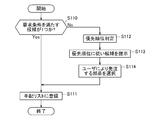
- FIG. 16 is a process flow diagram in the determination (step S29) of FIG.
- FIG. 17 is a detailed processing flow diagram of the past tendency determination in FIG.
- FIG. 18 is a four quadrant matrix diagram for explaining the past tendency determination in FIG.
- Step S110 it is determined whether or not one candidate satisfies the required price and the required quality (that is, the required condition) shown in Table 1 above. If one candidate satisfies the requirement condition, the candidate is directly registered in the arrangement list (step S111).
- step S112 when there are a plurality of candidates satisfying the required condition, the process proceeds to step S112, and processing regarding priority order determination is performed.
- the candidates of the available candidate table 12 are prioritized, and the candidates are reextracted and presented according to the priorities (step S113). That is, the candidates of the available candidate table 12 are rearranged in the order of high priority, and unnecessary candidates are deleted and displayed on the display device 8 as a final candidate table.
- the available candidate table 12 shown in Table 7 may be displayed as the final candidate table shown in Table 8 below. In Table 8, priority and lead time are given priority and selection and sorting are performed.
- the process until the re-extraction based on the above priority is based on the respective information input in the input step. It corresponds to a candidate part extraction step of extracting candidate parts including substitution of parts.
- displaying the result after extraction on the display device 8 as the final candidate table corresponds to an output step for outputting a signal for displaying the candidate component extracted in the candidate component extraction step on the display device 8.
- the operator of the terminal 2 selects one component from the final candidate table displayed on the display device 8 (step S114), and the selected component is registered in the arrangement list (step S114). S111). That is, the operator of the terminal 2 can select an optimal part from among a plurality of candidates suitable for the requirement, while considering other conditions and the like.
- the priority determination is used according to the order of items selected by the operator of the terminal 2 from cost, due date (urgency), or quality (whether or not it is a genuine product) from a plurality of candidates satisfying the requirement. Priority is given to the candidates of the possible candidate table 12. Also, the prioritization determination includes the past tendency determination shown in FIG. Here, the past tendency determination is not essential, and the candidates of the available candidate table 12 can be prioritized with emphasis on cost, delivery time (urgency), or quality. That is, when the operator of the terminal 2 places importance on the item selected by the user, the priority order is determined without performing the past tendency determination.
- step S121 it is determined whether or not there are two or more candidates satisfying the required condition. That is, if there are no candidates satisfying the required condition (step S121: No) and if there are a plurality of candidates (step S121: Yes), the next step is performed for each of the two cases.
- the past procurement record information included in the past information 25 is referred to, and the candidate list and selection result when the requirement condition in the past is not satisfied are extracted (step S122) ). That is, referring to the past results, as in the present case, when there is no candidate that meets the requirement, information on what kind of parts procurement has been performed is acquired.
- the past procurement record information contained in the past information 25 is referred to, and a candidate list and selection results in the case where there are a plurality of past candidates are extracted (step S123). That is, referring to the past results, as in the present case, in the case where there are a plurality of candidates satisfying the requirement, information on what kind of parts procurement has been performed is acquired.
- step S124 On the basis of the candidate list extracted in step S122 or step S123 and the selection result, it is determined whether there is an order record of items similar to the current procured component (step S124). Specifically, the past order performance information on the parts similar to the procured parts this time has been in the past including the order results of other customers, or the parts similar to the parts procured this time are ordered twice or more It is determined whether or not it is. If there is an order result of the same item as the procured part this time (step S124: Yes), the candidate list and the selection result at the time of ordering the similar item are extracted (step S125). Specifically, the final selection result is extracted from the available candidate table 12 and the available candidate table 12 formed when the similar item is ordered in the past.
- step S124 If it is determined that there is no order record of the same item as the procured part this time (step S124: No), and after extracting the candidate list and selection result at the time of ordering the similar item, it is extracted in step S122 or step S123. Based on the candidate list and the selection result, it is determined whether there has been an order record by the same customer (step S126). Specifically, based on the candidate list extracted in step S122 or step S123 and the selection result in the past order record information regarding the same customer as the orderer of the current order part, the order from the same person as the current orderer Is determined in the past. If there is an order record of the same customer in the past (step S126: Yes), the candidate list and selection result at the time of the order by the same customer are extracted (step S127). Specifically, the final selected result is extracted from the available candidate table 12 and the available candidate table 12 formed at the time of the past order by the same customer.
- step S126 If it is determined that the order results by the same customer have not been found in the past (step S126: No), and after extracting the candidate list and selection results at the time of ordering by the same customer, the candidates extracted in step S122 or step S123 Based on the list and the selection result, it is determined whether there has been an order record having the same number of days until the requested delivery date in the past (step S128). Specifically, based on the delivery date similar to the present delivery date based on the candidate list extracted in step S122 or step S123 and the selection result, the past order record information on the delivery date similar to the delivery date of the present ordered part Determine if the order has been placed in the past.
- Step S128 If there is an order record with the same delivery date in the past (Step S128: Yes), the candidate list and selection result at the time of the past order with the same delivery date are extracted (Step S129). Specifically, the final selected result is extracted from the available candidate table 12 and the available candidate table 12 of the past case ordered and requested to have the same delivery date.
- the same delivery date means that the delivery date includes a slight difference such as ⁇ 1 day or ⁇ several%.
- step S128 If it is determined that there has not been an order record with the same number of days until the requested delivery date (step S128: No), and after extracting the candidate list and selection result at the time of ordering with the same delivery date, the extracted candidate list
- the average value, the maximum value and the minimum value of the lead time and the cost are calculated in the inside (step S130). That is, the lead time and cost of each candidate are extracted from the candidate list (ie, the available candidate table 12) extracted in step S122, step S123, step S125, step S127, and step S129, and the average value, maximum value, And calculate the minimum value.
- step S131 analysis using a 4-quadrant matrix is performed from the calculated average value, maximum value, and minimum value, and the extracted selection results (step S131). Specifically, a 4-quadrant matrix is created with an average value of lead time and cost in the extracted candidate list as 0, a maximum value as 1, and a minimum value as -1, and each selection result is in a four quadrant matrix. Plot.
- the tendency of the quadrant with the largest number of plots in the 4-quadrant matrix is input to the past tendency determination result (step S132).
- the tendency that the required delivery date is “late” and the required price is “cheap” is grasped as a past tendency.
- the past results of the procured parts, the ordered results of the same parts as the procured parts this time, the order results by the same person as the orderer of the procured parts this time, and the required delivery date of the procured parts this time A multi-faceted decision is made based on the order results of comparable delivery date. That is, not only the past tendency of the procured parts but also the items related to the procured parts are determined to determine the past tendency.
- the four quadrant matrix is created with the required price and the required delivery date as the priority, but a four quadrant matrix may be created with the required price and the required quality as the priority, or the required delivery date and A four quadrant matrix may be created with the required quality as a priority.
- the average value, the maximum value, and the minimum value of the lead time and the cost are calculated to grasp the past tendency, but the past tendency is to be grasped by the relative value based on the request value. It is good.
- CAD information and BOM information of various parts are used when creating the usable candidate table. This makes it possible to attract not only the same parts as the required parts, but also compatible parts, parts that can be replaced by machining, parts that can be taken out from existing higher-level products, etc. To reduce downtime.
- the parts procurement system and the parts procurement method according to the present embodiment when there are a plurality of candidates satisfying the requirement of the procured parts, sorting is performed according to the past procurement record information of the procured parts. As a result, even in the case where there are a plurality of candidates that satisfy the requirement, it is possible to propose various parts procurement methods to the parts supplier. Therefore, the parts supplier can use the construction equipment for which the part is required. Depending on the situation, it will be possible to perform optimal part procurement. That is, it is possible to promptly respond to various failures of the construction machine and to reduce the downtime.
- the candidate list and selection result in the case where there is no candidate for fulfilling the past requirements Then you have sorted the candidates.
- various component procurement methods can be proposed to the component supplier as in the case where there are candidates that satisfy the requirement of the procurement component, so It is possible for people to procure parts optimally according to the usage of construction equipment where parts are required. That is, it is possible to promptly respond to various failures of the construction machine and to reduce the downtime.
- the past order record information on items similar to the procured parts and the orderer of the procured parts are extracted according to the priority with reference to the past order record information on the same customer and the past order record information on the same delivery date as that of the procured parts. That is, when using past results, not only information on the same part but also past parts in terms of similar parts, customers, and delivery date will be examined. For this reason, it is possible to propose various parts procurement methods to the parts supplier with higher precision from the standpoint of the part supplier, and the parts supplier can use the construction equipment usage condition where the parts are required. Accordingly, it becomes possible to perform more optimal parts procurement.
- the parts procurement system and the parts procurement method according to the present embodiment even when there is no candidate satisfying the requirements for the parts to be procured, the same as the past order result information on procurement items and similar items and the person ordering the parts
- the candidates of the available candidate table are extracted according to the priority with reference to the past order record information on the customer and the past order record information on the delivery date similar to the delivery date of the procured parts. That is, when using past results, not only information on the same part but also past parts in terms of similar parts, customers, and delivery date will be examined.
- the same parts as parts to be procured, or substitute parts such as structurally similar parts or structurally similar parts are ordered, and procurement of parts used or stored in an agent etc.
- the present invention is not limited to the procurement of such parts, and parts may be procured by a route different from a regular procurement route such as purchasing parts at a home center or the like.
- the past information 25 may include the procurement record of the non-regular route.
- each procured component compatibility table may be created in consideration of the procurement results by such a non-regular route.
Landscapes
- Business, Economics & Management (AREA)
- Engineering & Computer Science (AREA)
- Human Resources & Organizations (AREA)
- Economics (AREA)
- Physics & Mathematics (AREA)
- General Physics & Mathematics (AREA)
- Strategic Management (AREA)
- Tourism & Hospitality (AREA)
- Theoretical Computer Science (AREA)
- Entrepreneurship & Innovation (AREA)
- Quality & Reliability (AREA)
- General Business, Economics & Management (AREA)
- Marketing (AREA)
- Operations Research (AREA)
- Development Economics (AREA)
- Finance (AREA)
- Accounting & Taxation (AREA)
- General Engineering & Computer Science (AREA)
- Geometry (AREA)
- Game Theory and Decision Science (AREA)
- Educational Administration (AREA)
- Primary Health Care (AREA)
- Automation & Control Theory (AREA)
- Manufacturing & Machinery (AREA)
- General Health & Medical Sciences (AREA)
- Health & Medical Sciences (AREA)
- Data Mining & Analysis (AREA)
- Computational Mathematics (AREA)
- Mathematical Analysis (AREA)
- Mathematical Optimization (AREA)
- Evolutionary Computation (AREA)
- Computer Hardware Design (AREA)
- Pure & Applied Mathematics (AREA)
- Management, Administration, Business Operations System, And Electronic Commerce (AREA)
- General Factory Administration (AREA)
Abstract
顧客が要求する部品の調達を行う制御装置を備えた部品調達システムにおいて、前記制御装置は、データ入力装置を介して入力される調達部品に関する顧客の要求情報、並びにファイルサーバに保存されている少なくとも部品表情報であるBOM情報、コンピュータ支援設計情報であるCAD情報、及び部品互換情報が入力され、前記入力された前記BOM情報、前記CAD情報、及び前記部品互換情報に基づいて、顧客が要求する部品の候補、及びその部品の代替を含む候補部品を抽出し、前記抽出した前記候補部品を表示装置に表示するための信号を出力すること。
Description
本発明は、建設機械のサービス部品を調達するための部品調達システム及び部品調達方法に関する。
建設機械の保守点検及び修理は、当該建設機械の代理店のサービスマンによって行われている。建設機械に不具合が発生すると、工事及び作業が中断されることになるため、サービスマンは故障の対応を迅速に行い、ダウンタイムをできる限り短くするように努めている。しかしながら、建設機械は、サービスマンが在中する代理店から離れた僻地で稼働することが多く、サービスマンによる即座の対応が難しいことが多い。
また、建設機械は、一般の作業機械と比較して高価且つ大型であるため、代理店等に保管されている機種及びこれらの各台数、並びに代理店等からレンタル可能な機種及びこれらの各台数が限られている。このような機種及び台数が限られている観点からも、建設機械に不具合が発生した場合に、代替えの建設機械を工事現場に即座に投入することは難しくなっている。
従来から、このような工事及び作業の中断をできる限りなくすために、一時的な応急処置対策を行うことがあった。また、不具合解消のために必要となる部品を入手するまでの時間の短縮化を図る方法も検討されていた。例えば、特許文献1には、建設機械の不具合を迅速に解消するために、建設機械の稼働情報及びセンサ情報から不具合箇所を推測する技術が開示されている。更に、特許文献2には、建設機械の稼働情報及びセンサ情報から、不具合が発生する前の予兆を検出し、当該不具合に対応するための対策部品の在庫配置の計画を予め行う技術が開示されている。
しかしながら、建設機械は機種数が多く、その使用用途も多岐にわたるため、全ての不具合を稼働情報及びセンサ情報から特定することは難しく、ダウンタイムの短縮化を十分に図ることが困難である。また、代理店の在庫部品を使用することによって建設機械の不具合に迅速に対応することも考えられるが、全ての不具合に対応するために、代理店が多種の部品を保管することは、保管スペース及びコスト面からも困難である。
本発明はこのような課題に鑑みてなされたものであり、その目的とするところは、建設機械の種々の故障に迅速に対応し、ダウンタイムの短縮化を図ることができる部品調達システム及び部品調達方法を提供することにある。
上述した目的を達成するため、本発明の部品調達システムは、顧客が要求する部品の調達を行う制御装置を備えた部品調達システムにおいて、前記制御装置は、データ入力装置を介して入力される調達部品に関する顧客の要求情報、並びにファイルサーバに保存されている少なくとも部品表情報であるBOM情報、コンピュータ支援設計情報であるCAD情報、及び部品互換情報が入力され、前記入力された前記BOM情報、前記CAD情報、及び前記部品互換情報に基づいて、顧客が要求する部品の候補、及びその部品の代替を含む候補部品を抽出し、前記抽出した前記候補部品を表示装置に表示するための信号を出力することを特徴とする。
上述した目的を達成するため、本発明の部品調達方法は、顧客が要求する部品の調達を行う部品調達方法であって、データ入力装置を介して入力された調達部品に関する顧客の要求情報、並びにファイルサーバに保存されている少なくとも部品表情報であるBOM情報、コンピュータ支援設計情報であるCAD情報、及び部品互換情報が入力される入力ステップと、前記入力ステップで入力された前記BOM情報、前記CAD情報、及び前記部品互換情報に基づいて、顧客の要求する部品の候補、及びその部品の代替を含む候補部品を抽出する候補部品抽出ステップと、前記候補部品抽出ステップで抽出した前記候補部品を表示装置に表示するための信号を出力する出力ステップとを備えることを特徴とする。
本発明に係る部品選択表示システムによれば、建設機械の種々の故障に迅速に対応し、ダウンタイムの短縮化を図ることができる。
以下、図面を参照し、本発明による部品調達システムの実施の形態について、実施例に基づき詳細に説明する。なお、本発明は以下に説明する内容に限定されるものではなく、その要旨を変更しない範囲において任意に変更して実施することが可能である。また、実施例で用いる様々な数値は、いずれも一例を示すものであり、必要に応じて様々に変更することが可能である。
以下において、図1乃至図3を参照しつつ、本実施例に係る部品調達システム1の構成について説明する。ここで、図1は、本実施例に係る部品調達システム1の構成ブロック図である。また、図2は、本実施例に係る部品調達システム1の端末の構成ブロック図である。更に、図3は、本実施例に係るファイルサーバのファイル格納状況を示す図である。
図1に示すように、本実施例に係る部品調達システム1は、実際の部品調達処理を行う端末2、各種部品の情報を記憶するファイルサーバ3、及び端末2とファイルサーバ3とを双方向に通信可能にする通信回線網4を有している。ここで、通信回線網4としては、例えば、専用線網、IP-VPN網又はインターネット網が使用される。なお、図1における各端末2は、各地域の代理店に設置されることになる。
図1及び図2から分かるように、端末2は、端末2自体の制御及び顧客が要求する部品の調達を行う制御装置5、各種の情報を入力するためのデータ入力装置6、通信回線網4に接続するための通信装置7、及び各種の情報を表示するための表示装置8を備えている。データ入力装置6としては、例えばキーボード及びマウスが用いられ、表示装置8としては一般的な各種のディスプレイが用いられる。なお、表示装置8に表示される結果を出力するプリンタ等の出力装置を更に備えていても良い。
図2に示すように、制御装置5は、接続されたデータ入力装置6及び通信装置7から各種の情報が入力される入力部5a、各種の演算処理を行う演算部(CPU:Central Processing Unit)5b、プログラムが記憶されている第1記憶装置(ROM:1.Read Only Memory)5c、各種のテーブルが記憶されている第2記憶装置(RAM:Random Access Memory)5d、及び接続された表示装置8に表示用データの出力を行う出力部5eから構成されている。
図2に示すように、演算部5bは、テーブル作成部42、情報追加部43、及び判定部44から構成されている。また、部品調達システム1のテーブル作成部42は、単品テーブル作成部46、組立品テーブル作成部47、分解テーブル作成部48、利用可能候補テーブル作成部49を含んでいる。
図2に示すように、第1記憶装置5cには、要求される部品に対して発注すべき部品を決定する引当部品決定プログラム11が記憶されている。ここで、要求される部品とは、調達が予定される部品(以下、調達部品、要求部品、又は発注部品とも称する)のことであり、実際に不足している部品に限定されず、不足はしていないものの在庫として備えておくべきと判断する部品も含まれる。また、発注すべき部品とは、要求される部品そのものに限定されず、代替部品及び要求される部品を内蔵する上位の部品も含まれる。
また、第2記憶装置5dには、第1記憶装置5cに記憶された引当部品決定プログラム11を実行することによって作成される調達部品互換テーブル、及び当該調達部品互換テーブルに基づいて作成される利用可能候補テーブル12が記憶される。ここで、調達部品互換テーブルとは、単品部品に関する単品用調達部品互換テーブル13、組立部品に関する組立品用調達部品互換テーブル14、及び組立部品と分解された部品との関係情報を含む分解用調達部品互換テーブル15を含んでいる。
一方、図1に示すように、ファイルサーバ3は、記憶装置18、通信装置19、及びこれらの装置等を制御する中央処理装置(図示せず)を備えている。また、記憶装置18には、各種部品に係る様々な情報、各拠点(代理店)に係る様々な情報、及び各種コストに係る様々な情報が記憶されている。本実施例においては、各種部品に係る様々な情報として、部品表(Bill of materials(以下、BOMという。))情報21、コンピュータ支援設計(computer-aided design(以下、CADという。))情報22、部品互換情報23、部品作業情報24、及び過去情報25を記憶している。また、各種拠点に係る様々な情報として、拠点在庫情報31、他拠点在庫情報32、稼働情報33、利用可能情報34、及び拠点作業情報35を記憶している。更に、各種コストに係る様々な情報として、作業時間・コスト試算情報37、輸送時間・コスト試算情報38、及び調達時間・コスト試算情報39を記憶している。
なお、拠点在庫情報31及び他拠点在庫情報32は、1つの在庫情報として記憶されており、ファイルサーバ3にアクセスする端末2によって拠点又は他拠点として分けられることになる。
従って、本実施例に係る部品調達システム1においては、端末2の演算部5bが引当部品決定プログラム11を実行し、ファイルサーバ3に記憶されている各種情報を利用して調達部品互換テーブル及び利用可能候補テーブル12を作成する。その後、端末2の演算部5bは、ファイルサーバ3に記憶されている各種情報を更に利用して、調達部品の要求条件を満たす候補を優先順位に従って抽出し、表示装置8に当該抽出結果を表示する。そして、端末2の作業者である部品発注者が、当該抽出結果から発注すべき部品を選択して、調達部品に関する発注が完了することになる。
なお、ファイルサーバ3の記憶装置18に記憶されている情報は、端末2の第2記憶装置5dに記憶されてもよい。すなわち、端末2は、通信回線網4を介した通信により、ファイルサーバ3から各種情報を定期的に取得し、当該各種情報を第2記憶装置5dに記憶してもよい。これにより、端末2とファイルサーバ3との通信を行わずに、引当部品決定プログラム11を実行することが可能になる。このような場合に、部品調達システム1は端末2のみで構成されることになる。
次に、図2を参照しつつ、本実施例に係る部品調達システム1の機能について説明する。
制御装置5の入力部5aは、データ入力装置6に入力される調達部品に関する顧客の要求情報、およびファイルサーバ3に保存されている各種の情報(少なくともBOM情報21、CAD情報22、部品互換情報23を含む)を入力する。ここで、顧客の要求情報とは、例えば、部品番号、数量、納期、要求価格、及び要求品質を含んでいる。本実施例においては、以下の表1に示すような要求情報が入力部5aによって入力される。

表1において、受注番号は自動的に振り当てられる番号である。また、部品名についても、部品番号を入力することによって自動的に表示される。なお、部品名を入力することによって、部品番号が自動的に表示されるようにしてもよい。
ここで、部品番号、数量、納期、要求価格、及び要求品質については、キーボード等のデータ入力装置6から直接的に入力されてもよく、又はマウスを使用して所定のチェックボックスにチェックを入れることで入力されてもよい。例えば、当該要求品質については、以下の表2に示すように、品質選択肢として、『非純正部品を利用可』、『耐久性低下を許可』、『現地でのグラインダ等の加工を許可』、及び『見た目違いを許可』が事前に設定されており、端末2の操作者が当該品質選択肢に対応したチェックボックスにチェックを入れることによって、要求される部品の品質が選択されることになる。なお、要求品質はこれらに限定されることなく、調達部品の種別に応じて様々な要求が設定されてもよく、更には端末2の操作者が新たに入力できるようにしてもよい。また、当該品質選択は、表示装置8に表示されることになるが、プルダウン方式で選択できるようにしてもよい。
テーブル作成部42は、外部から入力される調達部品の要求情報、並びに各種部品の様々な情報から利用可能候補テーブル12を作成する。具体的には、テーブル作成部42は、ファイルサーバ3のBOM情報21、CAD情報22、及び部品互換情報23から各種の調達部品互換テーブルを作成するとともに、作成した調達部品互換テーブルに基づいて利用可能候補テーブル12を作成している。
より具体的には、単品テーブル作成部46は、要求される部品が単品部品の場合に、BOM情報21、CAD情報22、部品互換情報23、及び部品作業情報24に基づいて、単品用調達部品互換テーブル13を作成する。また、単品テーブル作成部46は、要求される部品が組立部品の場合にも、BOM情報21、CAD情報22、部品互換情報23、及び部品作業情報24に基づいて、当該組立部品を構成する各単品部品に関する単品用調達部品互換テーブル13を作成する。例えば、単品用調達部品互換テーブル13は、以下の表3に示されるような項目を有している。

更に、組立品テーブル作成部47は、要求される部品が組立部品の場合に、BOM情報21、CAD情報22、部品互換情報23、及び部品作業情報24に基づいて、組立品用調達部品互換テーブル14を作成する。例えば、組立品用調達部品互換テーブル14は、上記の表3に示されるような項目を有しており、単品用調達部品互換テーブル13と同一構成となっている。なお、各テーブルに入力される具体的なデータに関しては、後述(図6等で説明)する。また、後出の表4、表5の各テーブルに入力される具体的なデータに関しても、同様に後述する。
そして、分解テーブル作成部48は、要求される部品を内蔵する部品が存在する場合(すなわち、上位部品・製品が存在する場合)に、BOM情報21及び部品作業情報24に基づいて、分解用調達部品互換テーブル15を作成する。例えば、分解用調達部品互換テーブル15は、以下の表4に示されるような項目を有している。

一方、利用可能候補テーブル作成部49は、各テーブル作成部によって作成された単品用調達部品互換テーブル13、組立品用調達部品互換テーブル14、及び分解用調達部品互換テーブル15から、調達が要求されている部品を準備するための候補(代替候補も含む)を列挙したテーブルである利用可能候補テーブル12を作成する。例えば、利用可能候補テーブル12は、以下の表5に示されるような項目を有している。
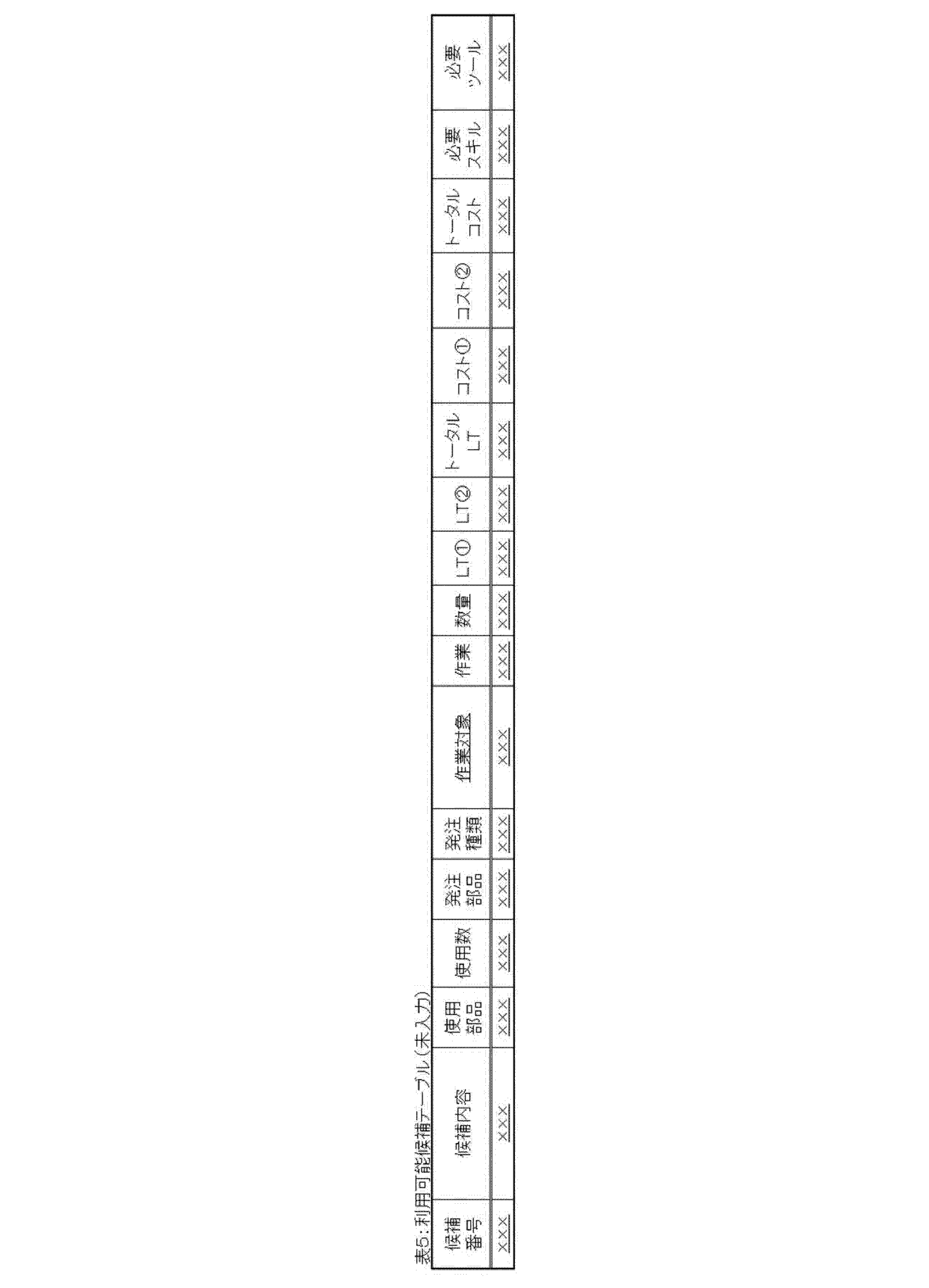
情報追加部43は、利用可能候補テーブル作成部49によって作成された利用可能候補テーブル12に対して、候補番号、調達部品の在庫情報(候補内容、使用部品、使用数、発注部品、発注種類の欄)、追加作業情報(作業対象、作業、数量、必要スキル、必要ツールの欄)、コスト(コストa、コストb、トータルコストの欄)、及びリードタイム(LTa、LTb、トータルLTの欄)を追加する。すなわち、情報追加部43は、ファイルサーバ3の拠点在庫情報31、他拠点在庫情報32、稼働情報33、利用可能情報34、拠点作業情報35、作業時間・コスト試算情報37、輸送時間・コスト試算情報38、及び調達時間・コスト試算情報39に基づいて、利用可能候補テーブル12の各種項目の追加入力を行う。また、情報追加部43は、利用可能候補テーブル12上の不要な候補の削除も行う。
また、情報追加部43は、リードタイム及びコストが追加入力された利用可能候補テーブル12において、トータルリードタイム及びトータルコストの算出を行い、これらの数値を更に追加入力する。具体的には、表5の項目におけるLTa及びLTaからトータルLTを算出してトータルLTの項目に追加入力し、コストa及びコストbからトータルコストを算出してトータルコストの項目に追加入力する。なお、LTa、LTb、コストa、及びコストbについては後述する。
判定部44は、情報追加部43によって更新された利用可能候補テーブル12から調達部品の要求条件を満たす候補を判定する。具体的に、判定部44は、入力部5aによって入力された要求情報(数量、納期、要求価格、及び要求品質)を勘案し、部品調達の候補を選定する。
また、判定部44は、調達部品の要求条件を満たす候補がない場合及び複数存在する場合に、入力部5aによって入力されるコスト、納期(緊急度)、又は品質(純正品か否か)に関する情報、更にはファイルサーバ3の過去情報25に基づいて、利用可能候補テーブル12の候補を優先順位に従って再抽出する。ここで、過去情報25には、要求されている部品を過去に調達した際に、どのような項目を優先していたかの情報(すなわち、過去調達実績情報)が含まれている。例えば、このような優先項目としては、要求価格、要求納期、及び要求品質があり、過去情報25はいずれの項目を優先したが把握できるような情報となっている。また、過去情報25には、調達部品と同類品目に関する過去の注文実績情報、調達部品の注文者と同一顧客に関する過去の注文実績情報、及び調達部品の納期と同程度の納期に関する過去の注文実績情報が含まれている。
特に本実施例において、判定部44は、ファイルサーバ3の過去情報25(すなわち、過去調達実績情報、同類品目に関する注文実績情報、同一顧客に関する注文実績情報、及び納期に関する注文実績情報)から過去傾向リストを抽出し、過去傾向リストにおける優先度に基づいて利用可能候補テーブル12の候補の優先順位を決定している。すなわち、判定部44は、ファイルサーバ3の過去情報25から、要求されている部品及びこれと同等の部品の調達実績をリストとして抽出し、過去の調達実績においてどのような項目を重視していたかを判定し、過去において重視していた項目に基づいて利用可能候補テーブル12の候補の優先順位を決定して再抽出する。
なお、上述したようなテーブル作成部42、情報追加部43、及び判定部44の各機能は、第1記憶装置5cに記憶された引当部品決定プログラム11を起動することによって演算部5bにより実行されることになる。
出力部5eは、引当部品決定プログラム11を実行した結果を表示装置8に出力することになる。すなわち、出力部5eは、テーブル作成部42によって作成された利用可能候補テーブル12から、調達候補として最適な1つの候補、又は優先順位に従った複数の候補を表示装置8において表示するための信号を出力することになる。ここで、複数の候補が表示装置8において表示された場合には、端末2の操作者が、要求条件に応じて1つの候補を選択して、調達部品に関する発注が完了することになる。
なお、部品調達システム1は、作成した各テーブルを更新するための更新機能(すなわち、更新部)を有してもよい。これにより、最新の各テーブルを第2記憶装置5dに記憶することができ、テーブル作成、情報追加、及び判定を行うことなく、調達候補として最適な候補を提示することも可能になる。
(部品調達方法の全体フォロー)
次に、図4乃至図18を参照しつつ、本実施例に係る部品調達システム1による部品調達方法を詳細に説明する。先ず、図4を参照しつつ、部品調達方法の全体的なフローを説明する。ここで、図4は、本実施例に係る部品調達システム1による部品調達方法の全体フロー図である。
次に、図4乃至図18を参照しつつ、本実施例に係る部品調達システム1による部品調達方法を詳細に説明する。先ず、図4を参照しつつ、部品調達方法の全体的なフローを説明する。ここで、図4は、本実施例に係る部品調達システム1による部品調達方法の全体フロー図である。
図4に示すように、調達部品情報入力が行われる(ステップS21)。具体的には、端末2の操作者が、データ入力装置6を操作して各種情報を入力する。この際に、ファイルサーバ3に保存されている各種の情報も通信装置7を介して入力される。すなわち、入力部5aによる、調達部品に関する顧客の要求情報、並びにファイルサーバ3に保存されている各種の情報を入力する入力ステップが行われることになる。なお、ファイルサーバ3から入力される各種の情報は、少なくともBOM情報21、CAD情報22、部品互換情報23を含んでいる。
次に、調達部品が単品部品であるか否かの判定が行われる(ステップS22)。調達部品が単品部品である場合(ステップS22:Yes)には、ステップS23に進み、単品用調達部品互換テーブル13を作成するためのテーブル作成が行われる。一方、調達部品が単品部品でない場合に、すなわち調達部品が組立部品の場合(ステップS22:No)には、ステップS24に進み、単品用調達部品互換テーブル13及び組立品用調達部品互換テーブル14を作成するためのテーブル作成が行われる。
ステップS23において単品用調達部品互換テーブル13が作成された後、又はステップS24において単品用調達部品互換テーブル13及び組立品用調達部品互換テーブル14が作成された後、調達部品を備える上位部品・製品が存在するか否かの判定が行われる(ステップS25)。調達部品の上位部品・製品が存在する場合(ステップS25:Yes)には、ステップS26に進み、分解用調達部品互換テーブル15を作成するための分解テーブル作成が行われる。
ステップS25において上位部品・製品が存在しないと判定された場合(ステップS25:No)、及び分解用調達部品互換テーブル15が作成された後において、作成した各調達部品互換テーブルに基づいて、利用可能候補テーブル12を作成する候補テーブル作成が行われる(ステップS27)。具体的には、表5の各項目に各種情報が追加され、以下の表6の状態となる。なお、ステップS22~ステップS27までの一連の流れは、引当部品決定プログラム11が実行されることにより、テーブル作成部42において行われる。
利用可能候補テーブル12が作成されると、ファイルサーバ3の各種情報に基づいて、調達部品の在庫情報、追加作業情報、コスト、及びリードタイム等の項目に関する追加入力をする情報追加が行われる(ステップS28)。また、情報追加においては、不要な候補の削除も行われる。具体的には、表6の各項目に各種情報が更に追加され、更には不要な候補が削除され、以下の表7の状態となる。

ここで、表7においては、候補番号1が緊急時発注となり、候補番号2が通常時発注となり、候補番号1のトータルLTが候補番号2のトータルLTよりも短くなるものの、候補番号1のトータルコストが候補番号2のトータルコストよりも高くなっている。すなわち、調達部品の緊急性が高ければ、コストが高くてもトータルLTが短いものを優先的に表示することになる。
続いて、更新された利用可能候補テーブル12から調達部品の要求条件を満たす候補を判定する(ステップS29)。その後、当該判定の結果である最終的な調達候補が表示装置8に表示され、端末2の操作者による当該調達候補から1つが選択され、調達部品に関する発注が完了する。
(単品用調達部品互換テーブル作成の詳細)
次に、図5及び図6を参照しつつ、図4の単品用調達部品互換テーブル作成(ステップS23)における処理を詳細に説明する。図5は、図4の単品用調達部品互換テーブル作成(ステップS23)における処理フロー図である。また、図6は、図4の単品用調達部品互換テーブル作成(ステップS23)における処理フローを説明するための概念図である。
次に、図5及び図6を参照しつつ、図4の単品用調達部品互換テーブル作成(ステップS23)における処理を詳細に説明する。図5は、図4の単品用調達部品互換テーブル作成(ステップS23)における処理フロー図である。また、図6は、図4の単品用調達部品互換テーブル作成(ステップS23)における処理フローを説明するための概念図である。
先ず、単品部品に対する調達部品互換テーブルを作成する場合には、部品構成展開(正展開)が行われる(ステップS31)。具体的には、図6に示すように、BOM情報21を参照して部品構成展開が行われる。本実施例においては、単品部品である『00A』については、特に新たな部品が抽出されず、単品部品である『00A』が得られるだけである。なお、ステップS31は、図4のステップS22と重複するため、図5のフロー上においては削除してもよい。
次に、調達部品である単品部品の既存互換情報の取得が行われる(ステップS32)。具体的には、図6に示すように、部品互換情報23を参照して調達部品と互換性のある他の部品が抽出される。本実施例においては、単品部品である『00A』に対して互換性がある部品として『♯♯A』という別な部品が抽出される。
次に、単品用調達部品互換テーブル13の作成及び入力が行われる(ステップS33)。具体的には、上記表3における調達部品の欄及び代替の欄に、ステップS21で入力された部品及びステップS32で抽出された部品が入力される。本実施例においては、調達部品の欄に『00A』が入力され、代替の欄に『♯♯A』が入力される。
次に、調達部品である単品部品の構造情報の取得が行われる(ステップS34)。具体的には、図6に示すように、CAD情報22を参照して調達部品の構造情報が取得される。本実施例においては、単品部品である『00A』の構造として、内側領域が2箇所くりぬかれた円盤状の構造が取得される。
次に、取得した調達部品の構造情報を利用して、調達部品と類似の構造を備える部品を検索し(ステップS35)、類似の構造を備える部品を抽出する(ステップS36)。具体的には、図6に示すように、CAD情報22を参照して、調達部品と類似の構造を備える部品を抽出する。本実施例においては、単品部品である『00A』と構造が類似する部品として、一部に切欠きがある略円盤状の部品である『10B』、円盤状の部品である『20B』、『10B』と寸法が異なる略円盤状の部品である『30B』が抽出される。
次に、ステップS36において構造が類似と判定され、抽出された部品が1つでもある場合、当該類似と判定された部品についての取付互換性の有る部品が抽出される(ステップS37)。具体的には、調達部品のCAD情報と抽出された部品のCAD情報とを比較して、取付互換性のある部品のみを抽出する。本実施例においては、単品部品である『00A』と取付互換性のある部品として『20B』のみが抽出されている。
次に、ステップS37において取付互換性がある部品が1つでも抽出された場合、当該取付互換性があると判定された部品についての追加作業の情報が入力される(ステップS38)。具体的には、当該取付互換性があると判定された部品に対して何等かの加工が必要な場合、その情報が入力される。本実施例においては、円盤状の部品である『20B』は部分的に加工してくりぬかなければ『00A』として使用できないため、追加作業がありと判定され、その情報が入力される。なお、互いに色のみが違う部品や、材質のみが異なる部品等は、追加作業がないと判定され、追加作業の情報は入力されない。
次に、ステップS38において追加作業情報が入力されると、当該追加作業情報が入力された部品についての追加作業、必要スキル、必要ツールに関する情報を取得する(ステップS39)。具体的には、図6に示すように、部品作業情報24を参照して、代替部品に関する追加作業、必要スキル、必要ツールに関する情報が取得される。本実施例においては、追加作業情報として『一部除去』、必要スキルとして『安全資格A』、必要ツールとして『グラインダ』の情報が取得される。
次に、ステップS39において抽出されている全ての部品について追加作業情報が取得された後(追加作業情報が無かった場合を含む)、単品用調達部品互換テーブル13への追加入力が行われる(ステップS40)。具体的には、調達部品と構造類似且つ取付互換性がある部品が追加入力され、更には当該追加入力される部品に関する追加作業等の情報も追加入力される。本実施例においては、単品用調達部品互換テーブル13に代替え部品として『20B』が追加されるとともに、追加作業等の各種情報が追加され、単品用調達部品互換テーブル13の作成が完了する。
一方、調達部品と構造類似な部品がない場合(ステップS36:No)、及び調達部品と構造類似な部品があるものの、取付互換性がある部品がない場合(ステップS37:No)、単品用調達部品互換テーブル13へ追加入力は行われず、ステップS33における状態で単品用調達部品互換テーブル13の作成が完了する。
(組立品用調達部品互換テーブルの詳細)
次に、図7乃至図9を参照しつつ、図4の単品用調達部品互換テーブル及び組立品用調達部品互換テーブルのテーブル作成(ステップS24)における処理を詳細に説明する。図7は、図4の単品用調達部品互換テーブル及び組立品用調達部品互換テーブルのテーブル作成(ステップS24)における処理フロー図である。また、図8及び図9は、図4の単品用調達部品互換テーブル及び組立品用調達部品互換テーブルのテーブル作成(ステップS24)における処理フローを説明するための概念図である。
次に、図7乃至図9を参照しつつ、図4の単品用調達部品互換テーブル及び組立品用調達部品互換テーブルのテーブル作成(ステップS24)における処理を詳細に説明する。図7は、図4の単品用調達部品互換テーブル及び組立品用調達部品互換テーブルのテーブル作成(ステップS24)における処理フロー図である。また、図8及び図9は、図4の単品用調達部品互換テーブル及び組立品用調達部品互換テーブルのテーブル作成(ステップS24)における処理フローを説明するための概念図である。
先ず、組立部品に対する調達部品互換テーブルを作成する場合にも、ステップS31と同様に、BOM情報21を参照して部品構成展開(正展開)が行われる(ステップS41)。本実施例においては、組立部品である『AssyA』については、その構成部品(単品部品)として、『00B』が2個、『00C』が1個という結果が得られる。
次に、ステップS32と同様に、部品互換情報23を参照して、調達部品である組立部品及びその構成部品の既存互換情報の取得が行われる(ステップS42)。具体的には、図8に示すように、調達部品である組立部品と互換性がある他の組立部品、及び調達部品である組立部品の構成部品と互換性がある他の単品部品を抽出する。本実施例においては、組立部品である『AssyA』に対して互換性がある組立部品として『AssyD』が抽出され、『AssyA』の構成部品である『00B』に対して単品部品『♯♯B』が抽出され、『AssyA』の構成部品である『00C』に対して単品部品『oooC』が抽出される。
次に、単品用調達部品互換テーブル13及び組立品用調達部品互換テーブル14の作成及び入力が行われる(ステップS43)。具体的には、上記表3における調達部品の欄及び代替の欄に、ステップS21で入力された調達部品及びステップS42で抽出された各種の部品に互換性がある部品が入力される。本実施例においては、単品用調達部品互換テーブル13の調達部品の欄に『00B』及び『00C』が入力され、代替の欄に『♯♯B』及び『oooC』が入力される。また、組立品用調達部品互換テーブル14の調達部品の欄に『AssyA』が入力され、代替の欄に『AssyD』が入力される。
次に、調達部品である組立部品の構成部品について、単品部品構造情報取得(ステップS44)、構造類似部品の抽出(ステップS45、ステップS46)、取付互換性の抽出(ステップS47)、追加作業の情報入力(ステップS48)、追加作業等の情報取得(ステップS49)、及び取得した情報の単品用調達部品互換テーブル13への追加入力(ステップS50)が行われる。ここで、ステップS44からステップS50までの流れは、上述したステップS34からステップS40までの流れと同一であるため、図6と図8とにおける具体例としの相違部分のみを以下に説明する。
図8の単品部品構造情報取得(S44)において示すように、本実施例においては、『AssyA』の構成部品である『00B』について一部に切欠きがある略円盤状の構造が抽出される。また、『AssyA』の構成部品である『00C』の構造として、三角板状の構造が抽出される。
続いて、構造類似検索(図8:ステップS44~S48)を行うと、『00B』に対して色違い部品である『10B』、円盤状の部品である『20B』、『10B』と寸法が異なる略円盤状の部品である『30B』が抽出され、代替部品として使用できる部品として『10B』及び『20B』が選択される。その後、円盤状の部品である『20B』については、追加作業が必要となり、追加作業等の情報が取得される(図8:ステップS49)。そして、単品用調達部品互換テーブル13に、『10B』、『20B』、及び『20B』の追加作業情報が追加入力され(図8:ステップS50)、単品用調達部品互換テーブル13の作成が完了する。
単品用調達部品互換テーブル13の作成が完了すると、調達部品である組立部品と構成が類似する他の組立部品の検索を行う(ステップS51)。具体的には、図9に示すように、単品用調達部品互換テーブル13及びBOM情報21を参照して、調達部品である組立部品と類似の構成のみならず、当該組立部品の構成部品を代替部品に代えた構成を備える組立部品の検索が行われる。本実施例においては、『AssyA』の構成及び『AssyA』の構成部品を『10B』、『20B』、『♯♯B』、又は『oooC』に代替した構成と類似する構成を備える組立部品として、『AssyF』、『AssyG』、『AssyH』、『AssyJ』が抽出される。
ここで、『AssyF』は、構成部品として『00B』を2個、『oooC』を1個備えている。また、『AssyG』は、構成部品として『20B』を2個、『00C』を1個、『11D』を1個備えている。更に、『AssyH』は、構成部品として『10B』を1個、『oooC』を1個、『11D』を1個備えている。そして、『AssyJ』は、構成部品として『10B』を1個、『oooC』を1個、『11D』を1個、『222Z』を3個備えている。
次に、調達部品である組立部品と、構成類似として抽出された他の組立部品との類維持度を算出する(ステップS52)。具体的には、調達部品である組立部品と同一の構成、又は当該組立部品の構成部品を上述した代替部品に代えた構成は、類似度は100%となる。また、調達部品である組立部品の構成部品とは異なる単品部品(代替部品を除く)を含む場合、又は調達部品である組立部品の構成部品若しくは代替部品が不足している場合には、その数量に応じて類似度が低下する。なお、不足部品があること、又は異なる単品部品を備えることによる類似度の低下具合は予め決められており、引当部品決定プログラム11を実行することで自動的に算出されることになる。
本実施例においては、『AssyF』は『AssyA』の構成部品と同一の『00B』を2個備え、『00C』の代替部品である『oooC』を1個備えるため、類似度が100%となる。また、『AssyG』は、『AssyA』の構成部品及び代替部品に含まれない『11D』を1個備えるため、類似度が低下し、75%と判定される。『AssyH』は、『AssyA』の構成部品及び代替部品に含まれない『11D』を1個備え、更に『AssyA』の構成部品である『00B』の代替部品である『10B』が1個不足している。このため、『AssyH』の類似度は更に低下し、66%と判定される。そして、『AssyJ』は、『AssyA』の構成部品及び代替部品に含まれない『11D』を1個、『222Z』を3個備え、備え、更に『AssyA』の構成部品である『00B』の代替部品である『10B』が1個不足している。このため、『AssyJ』の類似度は更に低下し、33%と判定される。
なお、上述の例では、組部品に含まれる構成部品または代替部品の個数により類似度を判定しているが、組部品中のメインとなる部品の重量、コスト等をベースとして数値化しても良い。
次に、類似度が高い組立部品を選択する(ステップS53)。本実施例においては、類似度が高い『AssyF』、『AssyG』、『AssyH』の3つを選択する。なお、選択する数量は3つに限定されることなく、ステップS53において抽出される数量に応じて変更してもよく、又は固定の数量を選択してもよい。
次に、調達部品である組立部品と比較して、選択した類似度が高い他の組立部品に不足部品の情報を入力する(ステップS54)。続いて、選択した類似度が高い他の組立部品の不足部品の情報を取得する(ステップS55)。なお、選択した類似度が高い他の組立部品のいずれにも不足部品が無い場合には、ステップS55の不足部品情報取得は行われず、ステップS56に進む。本実施例においては、『AssyH』について、『00B』の代替部品である『10B』が1個不足していると判定され、『10B』に関する不足部品情報取得が行われる。
次に、調達部品である組立部品に代えて、選択した類似度が高い他の組立部品を使用する場合に、追加作業の情報を入力する(ステップS56)。具体的には、調達部品である組立部品の構成部品に代えて、他の部品を代替えする場合に必要な追加加工作業の情報を入力する。続いて、選択した類似度が高い他の組立部品のいずれか1つに、追加作業が入力されると(ステップS56)、追加作業、必要スキル、必要ツールの情報を取得する(ステップS57)。具体的には、図9に示すように、部品作業情報24を参照して、代替組立部品中の作業対象部品に関する追加作業、必要スキル、必要ツールの情報が取得される。なお、選択した類似度が高い他の組立部品のいずれにも追加作業が不要の場合には、ステップS57の追加作業等の情報取得は行われず、ステップS58に進む。
本実施例においては、『AssyA』に代えて『AssyG』を使用する場合には、『AssyG』の構成部品である『20B』に対して切断作業が必要と判定される。また、追加作業情報として『切断』、必要スキルとして『安全資格A』、必要ツールとして『グラインダ』の情報が取得される。
次に、ステップS57において選択した類似度が高い他の全ての組立部品についても追加作業情報が取得された後(ステップS56:No)、及びステップS57における情報取得後に、組立品用調達部品互換テーブル14への追加入力が行われる(ステップS58)。具体的には、調達部品である組立部品に代替えして使用できる他の組立部品が追加入力され、更には当該追加入力される組立部品に関する追加作業等の情報も追加入力される。本実施例においては、組立品用調達部品互換テーブル14に代替え部品として『AssyF』、『AssyG』、及び『AssyH』が追加されるとともに、『AssyG』に関する追加作業等の各種情報も追加され、組立品用調達部品互換テーブル14の作成が完了する。なお、『AssyH』については、『10B』が1個不足していると判定されているため、代替の欄に『AssyH+10B』と追加入力されることになる。
(分解用調達部品互換テーブルの詳細)
次に、図10及び図11を参照しつつ、図4の分解用調達部品互換テーブル作成(ステップS26)における処理を詳細に説明する。図10は、図4の分解用調達部品互換テーブル作成(ステップS26)における処理フロー図である。また、図11は、図4の分解用調達部品互換テーブル作成(ステップS26)における処理フローを説明するための概念図である。
次に、図10及び図11を参照しつつ、図4の分解用調達部品互換テーブル作成(ステップS26)における処理を詳細に説明する。図10は、図4の分解用調達部品互換テーブル作成(ステップS26)における処理フロー図である。また、図11は、図4の分解用調達部品互換テーブル作成(ステップS26)における処理フローを説明するための概念図である。
先ず、図4のステップS25に示すように、調達部品を備える上位部品・製品が存在するか否かの判定が行われる。当該判定は、上述したテーブル作成ステップにて完成した単品用調達部品互換テーブル13及び組立品用調達部品互換テーブル14、並びにBOM情報21を参照して行われることになる。すなわち、調達部品に関する逆転開を行うだけでなく、調達部品に代えて使用できる代替部品(構成部品も含む)の逆転開も行われることになる。図11においては、『00A』及び『♯♯A』に関して代替えできる部品の情報が取得されている。
次に、図4のステップS25において、上位部品・製品が存在すると判定された場合に、調達部品に代えて代替部品を使用する際に追加作業の情報を入力する(ステップS61)。続いて、ステップS61において入力された追加作業情報から追加作業、必要スキル、及び必要ツールに関する情報を取得する(ステップS62)。
具体的には、図11に示すように、部品作業情報24を参照して、代替部品に関する追加作業、必要スキル、及び必要ツールに関する情報が取得される。本実施例においては、『AssyY』から調達部品である『00A』又は『♯♯A』を取得する場合には、追加作業として『分解』、必要スキルとして『なし』、必要ツール『レンチ』の情報が取得される。また、『ZX200-2 001-1100号機』から調達部品である『♯♯A』を取得する場合には、追加作業として『本体解体』、必要スキルとして『安全資格B』、必要ツール『クレーン』の情報が取得される。
次に、ステップS62における追加作業情報取得後に、分解用調達部品互換テーブル15の作成及び追加入力が行われる(ステップS63)。具体的には、図11に示すように、『00A』及び『♯♯A』に対して、その上位部品・製品が代替の欄に記載され、代替する場合の追加作業の欄、必要スキルの欄、及び必要ツールの欄に各種情報が入力されることになる。
(情報追加の詳細)
次に、図12乃至図15を参照しつつ、図4の情報追加(ステップS28)における処理を詳細に説明する。ここで、図12乃至図15は、図4の情報追加(ステップS28)における、各種の条件に基づく詳細な処理フローである。
次に、図12乃至図15を参照しつつ、図4の情報追加(ステップS28)における処理を詳細に説明する。ここで、図12乃至図15は、図4の情報追加(ステップS28)における、各種の条件に基づく詳細な処理フローである。
図12に示す処理フローにおいては、先ず、利用可能候補テーブル12の各候補が、端末2の操作者が入力した要求品質を満たすか否かを判定する(ステップS71)。本実施例においては、ステップS17において作成された利用可能候補テーブル12内の各候補が、表2から選択された条件を満たしているか否かを判定する。そして、要求品質を満たさない候補が1つでもある場合には(ステップS71:Yes)、利用可能候補テーブル12内の該当候補を削除する(ステップS72)。要求品質を満たさない候補が無い場合には(ステップS71:No)、ステップS73に進むことになる。
次に、利用可能候補テーブル12の各候補について、必要スキル及び必要ツールが必要となるか否かを判定する(ステップS73)。具体的には、利用可能候補テーブル12の必要スキル及び必要ツールの欄に所定の情報が記載されている候補が、必要スキル及び必要ツールが必要となる。そして、利用可能候補テーブル12の候補に必要スキル及び必要ツールが必要となるものが1つでもある場合には(ステップS73:Yes)、対象拠点情報を取得する(ステップS74)。具体的には、ファイルサーバ3の拠点作業情報35を参照し、調達部品を必要とする拠点における情報を取得する。利用可能候補テーブル12の候補に必要スキル及び必要ツールが必要となるものが無い場合には、本フローは終了する。
次に、調達部品を必要とする拠点において、利用可能候補テーブル12の各候補の必要スキル及び必要ツールが利用可能か否かを判定する(ステップS75)。具体的には、調達部品を必要とする拠点に必要スキルを有する作業者がいるか否か、及び当該拠点に作業を行うツールがあるか否かを判定する。利用可能でない場合には(ステップS75:No)、利用可能候補テーブル12内の該当候補を削除し(ステップS76)、利用可能である場合には(ステップS75:Yes)、フローが終了する。
なお、本実施例においては、利用可能候補テーブル12から不要な候補を削除していたが、利用可能候補テーブル12に不使用を示すチェック欄を追加し、当該チェック欄にチェックを付すことによって候補から除外されているようにしてもよい。また、実際に利用できない候補は、選択できないように利用可能候補テーブル12を加工しても良い。
図13に示す処理フローにおいては、先ず、調達部品を必要とする拠点において、手持ち在庫が必要数量以上であるか否かを判定する(ステップS81)。具体的には、ファイルサーバ3の拠点在庫情報31を参照し、利用可能候補テーブル12の各候補の使用部品の使用数が足りているか否かを判定する。ここで、手持ち在庫が必要数量未満である場合には(ステップS81:No)、本フローは終了する。
一方、手持ち在庫が必要数量以上である場合には(ステップS81:Yes)、調達部品を必要とする拠点において、必要追加作業があるか否かを判定する(ステップS82)。具体的には、利用可能候補テーブル12の作業の欄に所定の情報が記載されている候補は、追加作業が必要となる。追加作業が必要となる候補が1つでもある場合には(ステップS82:Yes)、ファイルサーバ3に保存してある作業時間・コスト試算情報37を参照して、該当する候補の作業時間・コスト試算値を取得する(ステップS83)。追加作業が必要となる候補がない場合には(ステップS82:No)、本フローは終了する。
必要追加作業がある候補の作業時間・コスト試算値が取得されると、当該値に基づいて、利用可能候補テーブル12のリードタイムの欄、及びコストの欄に各種の数値が追加入力される(ステップS84)。本実施例においては、利用可能候補テーブル12において、リードタイム及びコストの欄が2つに分かれている。具体的には、加工等の追加作業に関するリードタイム(LTa)、それ以外のリードタイム(LTb)、加工等の追加作業に関するコスト(コストa)、それ以外のコスト(コストb)に分類されている。このため、ステップS84における追加入力は、LTa及びコストbの欄に数値が追加される。なお、リードタイム及びコストの分類は2種類に限定されることなく、各種作業の観点から3つ以上に分類してもよい。
本実施例においては、上記表7から分かるように、自拠点において部品を準備することになる候補番号3のLTa及びコストbの欄に数値が追加される。
図14に示す処理フローにおいては、先ず、調達部品を必要とする拠点とは異なる拠点(他拠点)において、在庫が必要数量以上であるか否かを判定する(ステップS91)。具体的には、ファイルサーバ3の他拠点在庫情報32を参照し、利用可能候補テーブル12の各候補の使用部品の使用数が足りているか否かを判定する。ここで、在庫が必要数量未満である場合には(ステップS91:No)、本フローは終了する。
他拠点において、利用可能候補テーブル12の各候補の使用部品の使用数が足りている場合には(ステップS91)、ファイルサーバ3の輸送時間・コスト試算情報38を参照し(ステップS92)する。続いて、参照結果である各種数値を利用可能候補テーブル12内のLTb及びコストbの欄に追加入力をする(ステップS93)。
次に、ファイルサーバ3の調達時間・コスト試算情報39を参照し(ステップS94)する。続いて、参照結果である各種数値を利用可能候補テーブル12内のLTb及びコストbの欄内の数値に追加する(ステップS95)。
次に、他拠点において必要追加作業があるか否かを判定する(ステップS96)。具体的には、利用可能候補テーブル12の作業の欄に所定の情報が記載されている候補は、追加作業が必要となる。追加作業が必要となる候補が1つでもある場合には(ステップS96:Yes)、ファイルサーバ3に保存してある作業時間・コスト試算情報37を参照して、該当する追加作業の作業時間・コスト試算値を取得する(ステップS97)。追加作業が必要となる候補がない場合には(ステップS96:No)、本フローは終了する。
他拠点において必要追加作業がある候補の作業時間・コスト試算値が取得されると、当該値に基づいて、利用可能候補テーブル12のリードタイムの欄、及びコストの欄に各種の数値が追加入力される(ステップS98)。本実施例においては、上記表7から分かるように、他拠点から発注することになる候補番号1及び候補番号2のLTa及びコストaの欄に数値が追加される。
次に、図15に示す処理フローのように、必要数量以上の調達部品を保有する休車機があるか否かを判定する(ステップS101)。具体的には、ファイルサーバ3に保存してある稼働情報33を参照し、必要数量以上の調達部品を保有する休車機が存在するか否かを判定する。
次に、休車機を利用する際に必要追加作業があるか否かを判定する(ステップS102)。具体的には、利用可能候補テーブル12の作業の欄に所定の情報が記載されている候補は、追加作業が必要となる。追加作業が必要となる候補が1つでもある場合には(ステップS102:Yes)、ファイルサーバ3に保存してある作業時間・コスト試算情報37を参照して、該当する候補の作業時間・コスト試算値を取得する(ステップS103)。追加作業が必要となる候補がない場合には(ステップS102:No)、ステップS105に進む。
休車機を利用する際に必要追加作業がある候補の作業時間・コスト試算値が取得されると、当該値に基づいて、利用可能候補テーブル12のリードタイムの欄、及びコストの欄に各種の数値が追加入力される(ステップS104)。本実施例においては、上記表7から分かるように、休車機を利用する候補番号5のLTa及びコストaの欄に数値が入力される。
追加作業が必要となる候補がないと判定された場合(ステップS102:No)、及び利用可能候補テーブル12に追加入力がなされた後(ステップS104)、ファイルサーバ3に保存してある利用可能情報34を参照し、対象となる休車機が実際に部品の調達先として利用可能であるか否かを判定する(ステップS105)。例えば、今回部品を調達しようとしている顧客自身の休車機や、メーカ、代理店が保有する休車機は、部品の調達先として利用可能だが、他の顧客の保有機は利用不可と判定する。対象となる休車機が実際に利用可能でないと判定する場合には(ステップS105:Yes)、利用可能候補テーブル12から該当候補を削除する(ステップS106)。一方、対象となる休車機が実際に利用可能であると判定された場合には(ステップS105:No)、本フローは終了する。
上記各フローが終了した後に、情報追加部43は、利用可能候補テーブル12におけるLTa及びLTbからトータルLTを算出して追加入力する。また、情報追加部43は、利用可能候補テーブル12におけるコストa及びコストbからトータルコストを算出して追加入力する。
なお、図12乃至図15の各フローは、いずれから処理してもよい。また、図12における要求品質に関する判定(ステップS71、S72)は、図13乃至図15におけるフローにおいて実施してもよい。
(判定の詳細)
次に、図16乃至図18を参照しつつ、図4の判定(ステップS29)における処理を詳細に説明する。ここで、図16は、図4の判定(ステップS29)における処理フロー図である。また、図17は、図16における過去傾向判定の詳細な処理フロー図である。更に、図18は、図16における過去傾向判定を説明するため4象限マトリックス図である。
次に、図16乃至図18を参照しつつ、図4の判定(ステップS29)における処理を詳細に説明する。ここで、図16は、図4の判定(ステップS29)における処理フロー図である。また、図17は、図16における過去傾向判定の詳細な処理フロー図である。更に、図18は、図16における過去傾向判定を説明するため4象限マトリックス図である。
先ず、情報追加(ステップS28)によって更新された状態の利用可能候補テーブル12において、上記表1に示す要求価格及び要求品質(すなわち、要求条件)を満たす候補が1つであるか否かを判定する(ステップS110)。要求条件を満たす候補が1つの場合には、当該候補がそのまま手配リストに登録されることになる(ステップS111)。
一方、要求条件を満たす候補が複数ある場合には、ステップS112に進み、優先順位判定に関する処理が行われる。優先順位判定が行われると、利用可能候補テーブル12の候補に優先順位を付し、当該優先順位に従って候補を再抽出して提示する(ステップS113)。すなわち、利用可能候補テーブル12の候補が、優先度が高い順序で並び替えられるともに、不要な候補は削除され、最終候補テーブルとして表示装置8に表示されることになる。例えば、上記表7に示された利用可能候補テーブル12が、以下の表8に示される最終候補テーブルとして表示されてもよい。表8においては、緊急度、リードタイムを優先して選択及び並び替えが行われている。
なお、図4のステップS22における単品部品か否かの判断から、上記優先順位に基づいて再抽出するまでが、入力ステップで入力した各情報に基づいて、顧客の要求する部品の候補、及びその部品の代替を含む候補部品を抽出する候補部品抽出ステップに該当する。また、最終候補テーブルとして表示装置8に抽出後の結果を表示することが、候補部品抽出ステップで抽出した候補部品を表示装置8に表示するための信号を出力する出力ステップに該当する。

次に、端末2の操作者が、表示装置8において表示された最終候補テーブルから、1つの部品を選択し(ステップS114)、当該選択された部品が手配リストに登録されることになる(ステップS111)。すなわち、端末2の操作者は、要求条件に適した複数の候補から、他の条件等を考慮しつつ、最適な部品を選択することができる。
優先順位判定とは、要求条件を満たす複数の候補から、コスト、納期(緊急度)、又は品質(純正品か否か)の中から、端末2の操作者が選択した項目の順に従って、利用可能候補テーブル12の候補に優先順位を付することである。また、優先順位判定には、図17に示す過去傾向判定が含まれている。ここで、過去傾向判定は、必須ではなく、コスト、納期(緊急度)、又は品質を重視して、利用可能候補テーブル12の候補に優先順位を付することができる。すなわち、端末2の操作者が自身が選択した項目を重要視する場合には、過去傾向判定を行うことなく優先順位が決定されることになる。一方、端末2の操作者が過去傾向を重要視することを希望する場合には、コスト、納期(緊急度)、又は品質(純正品か否か)に加えて、過去傾向判定の結果に基づいて優先順位が決定されることになる。
次に、図17に示すように、過去傾向判定においては、先ず、要求条件を満たす候補が2つ以上存在するか否かを判定する(ステップS121)。すなわち、要求条件を満たす候補がない場合(ステップS121:No)と、複数ある場合(ステップS121:Yes)とに分け、当該2つの場合ごとに次ステップを行うことになる。
具体的に、要求条件を満たす候補がない場合においては、過去情報25に含まれる過去調達実績情報を参照し、過去の要求条件を満たさなかった場合の候補リスト及び選択結果を抽出する(ステップS122)。すなわち、過去の実績を参照し、今回と同様に要求条件に該当する候補がない場合において、どのような部品調達を行ったかの情報を取得する。
一方、要求条件を満たす候補が複数ある場合においては、過去情報25に含まれる過去調達実績情報を参照し、過去の候補が複数ある場合における候補リスト及び選択結果を抽出する(ステップS123)。すなわち、過去の実績を参照し、今回と同様に要求条件を満たす候補が複数ある場合において、どのような部品調達を行ったかの情報を取得する。
次に、ステップS122またはステップS123で抽出された候補リストと選択結果に基づいて、今回の調達部品と同類品目の注文実績があったか否かを判定する(ステップS124)。具体的には、今回の調達部品と同類の部品に関する過去の注文実績情報が他の顧客の注文実績も含めて過去にあったか、今回の調達部品と同類の部品の注文が2回以上行われていたか否かを判定する。今回の調達部品と同類品目の注文実績があった場合には(ステップS124:Yes)、同類品目の注文時の候補リスト及び選択結果を抽出する(ステップS125)。具体的には、当該同類品目を過去に発注した際に形成された利用可能候補テーブル12及び利用可能候補テーブル12から最終的に選択した結果を抽出する。
今回の調達部品と同類品目の注文実績がなかったと判定された場合(ステップS124:No)、及び同類品目の注文時の候補リストと選択結果を抽出した後、ステップS122またはステップS123で抽出された候補リストと選択結果に基づいて、同一顧客による注文実績があったか否かを判定する(ステップS126)。具体的には、今回の注文部品の注文者と同一顧客に関する過去の注文実績情報をステップS122またはステップS123で抽出された候補リストと選択結果に基づいて、今回の注文者と同一者からの注文が過去に行われていたか否かを判定する。同一顧客の注文実績が過去にあった場合には(ステップS126:Yes)、同一顧客による過去の注文時の候補リスト及び選択結果を抽出する(ステップS127)。具体的には、当該同一顧客による過去の発注時に形成された利用可能候補テーブル12及び利用可能候補テーブル12から最終的に選択した結果を抽出する。
同一顧客による注文実績が過去に無かったと判定された場合(ステップS126:No)、及び同一顧客による過去の注文時の候補リストと選択結果を抽出した後、ステップS122またはステップS123で抽出された候補リストと選択結果に基づいて、要求納期までの日数が同程度の注文実績が過去にあったか否かを判定する(ステップS128)。具体的には、今回の注文部品の納期と同程度の納期に関する過去の注文実績情報をステップS122またはステップS123で抽出された候補リストと選択結果に基づいて、今回の納期と同程度の納期による注文が過去に行われていたか否を判定する。同程度の納期による注文実績が過去にあった場合には(ステップS128:Yes)、同程度の納期の過去の注文時の候補リスト及び選択結果を抽出する(ステップS129)。具体的には、当該同程度の納期が要求されて発注した過去のケースの利用可能候補テーブル12及び利用可能候補テーブル12から最終的に選択した結果を抽出する。
なお、納期が同程度とは、例えば、±1日、又は±数%等の若干の差異を含むことをいう。
要求納期までの日数が同程度の注文実績が過去になかったと判定された場合(ステップS128:No)、及び同程度の納期の注文時の候補リスト及び選択結果を抽出した後、抽出した候補リスト内において、リードタイムとコストの平均値、最大値、最小値を算出する(ステップS130)。すなわち、ステップS122、ステップS123、ステップS125、ステップS127、及びステップS129において抽出された候補リスト(すなわち、利用可能候補テーブル12)から各候補のリードタイム及びコストを抽出し、平均値、最大値、及び最小値を算出する。
次に、算出した平均値、最大値、及び最小値、並びに抽出した各選択結果から4象限マトリックスによる解析を行う(ステップS131)。具体的には、抽出した候補リスト内におけるリードタイム及びコストの平均値を0とし、最大値を1とし、最小値を-1として4象限マトリックスを作成し、各選択結果を4象限マトリックス内にプロットする。
次に、4象限マトリックス内で最もプロットの多かった象限の傾向を過去傾向判定結果に入力する(ステップS132)。図18においては、第2象限にプロットが最も多いため、要求納期が『遅く』、且つ要求価格が『安い』という傾向が過去の傾向として把握されることになる。
以上のように、過去傾向判定においては、調達部品の過去実績、今回の調達部品と同類品の注文実績、今回の調達部品の注文者と同一者による注文実績、及び今回の調達部品の要求納期と同程度の納期の注文実績に基づいて、多面的な判定が行われる。すなわち、調達部品の過去の傾向のみならず、当該調達部品に関連する項目も考慮して過去傾向を判定することになる。
なお、本実施例においては、要求価格及び要求納期を優先度として4象限マトリックスを作成していたが、要求価格及び要求品質を優先度として4象限マトリックスを作成してもよく、又は要求納期及び要求品質を優先度として4象限マトリックスを作成してもよい。
また、本実施例においては、リードタイムとコストの平均値、最大値、最小値を算出して過去の傾向を把握したが、要求値を基準とした相対値により過去の傾向を把握するようにしても良い。
(実施例の効果)
本実施例に係る部品調達システム及び部品調達方法においては、利用可能候補テーブルを作成する際に、各種部品のCAD情報及びBOM情報を利用している。これにより、要求されている部品と同一の部品だけでなく、互換性の有る部品、加工によって代替できる部品、既存の上位製品から取り出せる部品等を引き当てることができ、建設機械の種々の故障に迅速に対応し、ダウンタイムの短縮化を図ることができる。
本実施例に係る部品調達システム及び部品調達方法においては、利用可能候補テーブルを作成する際に、各種部品のCAD情報及びBOM情報を利用している。これにより、要求されている部品と同一の部品だけでなく、互換性の有る部品、加工によって代替できる部品、既存の上位製品から取り出せる部品等を引き当てることができ、建設機械の種々の故障に迅速に対応し、ダウンタイムの短縮化を図ることができる。
また、本実施例に係る部品調達システム及び部品調達方法においては、調達部品の要求条件を満たす候補が複数存在する場合に、当該調達部品の過去調達実績情報に従って並び替えしている。これにより、要求条件を満たす候補が複数の場合においても、部品調達者に対して様々な部品調達方法を提案することができるため、当該部品調達者は、部品が必要とされる建設機器の使用状況に応じて、最適な部品調達を行うことが可能になる。すなわち、建設機械の種々の故障に迅速に対応し、ダウンタイムの短縮化を図ることができる。
一方、本実施例に係る部品調達システム及び部品調達方法においては、調達部品の要求条件を満たす候補が無い場合にも、過去の要求条件を満たす候補が無かった場合の候補リスト及び選択結果を利用して、候補の並び替えしている。これにより、要求条件を満たす候補が無いにおいても、調達部品の要求条件を満たす候補がある場合と同様に、部品調達者に対して様々な部品調達方法を提案することができるため、当該部品調達者は、部品が必要とされる建設機器の使用状況に応じて、最適な部品調達を行うことが可能になる。すなわち、建設機械の種々の故障に迅速に対応し、ダウンタイムの短縮化を図ることができる。
更に、本実施例に係る部品調達システム及び部品調達方法においては、調達部品の要求条件を満たす候補が複数存在する場合に、調達部品と同類品目に関する過去の注文実績情報、調達部品の注文者と同一顧客に関する過去の注文実績情報、及び調達部品の納期と同程度の納期に関する過去の注文実績情報を参照して利用可能候補テーブルの候補を優先順位に従って抽出している。すなわち、過去の実績を利用する際に、同一部品の情報のみならず、類似部品、顧客、納期の面から過去の実績を検討することになる。このため、部品調達者に対して様々な部品調達方法を部品調達者の立場に立ったより精度の高い提案することができ、当該部品調達者は、部品が必要とされる建設機器の使用状況に応じて、より最適な部品調達を行うことが可能になる。
一方、本実施例に係る部品調達システム及び部品調達方法においては、調達部品の要求条件を満たす候補が無い場合にも、調達部品と同類品目に関する過去の注文実績情報、調達部品の注文者と同一顧客に関する過去の注文実績情報、及び調達部品の納期と同程度の納期に関する過去の注文実績情報を参照して利用可能候補テーブルの候補を優先順位に従って抽出している。すなわち、過去の実績を利用する際に、同一部品の情報のみならず、類似部品、顧客、納期の面から過去の実績を検討することになる。このため、調達部品の要求条件を満たす候補が無い場合にも、調達部品の要求条件を満たす候補がある場合と同様に、部品調達者に対して様々な部品調達方法を部品調達者の立場に立ったより精度の高い提案することができ、当該部品調達者は、部品が必要とされる建設機器の使用状況に応じて、より最適な部品調達を行うことが可能になる。
なお、上述した実施例においては、調達部品と同一の部品、又は構造類似部品若しくは構成類似部品等の代替部品を発注する流れとなっており、代理店等で使用又は保存している部品の調達が前提となっていたが、このような部品の調達に限定されず、ホームセンター等で部品を購入する等の正規の調達ルートとは異なるルートによる部品調達を行っても良い。このような場合には、過去情報25が、非正規ルートによる調達実績を含むようにしてもよい。そして、各調達部品互換テーブルの作成ステップにおいて、このような非正規ルートによる調達実績も考慮し、各調達部品互換テーブルを作成してもよい。
1 部品調達システム
3 ファイルサーバ
5a 入力部
5b 演算部
5e 出力部
6 データ入力装置
8 表示装置
12 利用可能候補テーブル
13 単品用調達部品互換テーブル(調達部品互換テーブル)
14 組立品用調達部品互換テーブル(調達部品互換テーブル)
15 分解用調達部品互換テーブル(調達部品互換テーブル)
21 BOM情報
22 CAD情報
25 過去情報(過去調達実績情報)
42 テーブル作成部
43 情報追加部
44 判定部
3 ファイルサーバ
5a 入力部
5b 演算部
5e 出力部
6 データ入力装置
8 表示装置
12 利用可能候補テーブル
13 単品用調達部品互換テーブル(調達部品互換テーブル)
14 組立品用調達部品互換テーブル(調達部品互換テーブル)
15 分解用調達部品互換テーブル(調達部品互換テーブル)
21 BOM情報
22 CAD情報
25 過去情報(過去調達実績情報)
42 テーブル作成部
43 情報追加部
44 判定部
Claims (9)
- 顧客が要求する部品の調達を行う制御装置を備えた部品調達システムにおいて、
前記制御装置は、
データ入力装置を介して入力される調達部品に関する顧客の要求情報、並びにファイルサーバに保存されている少なくとも部品表情報であるBOM情報、コンピュータ支援設計情報であるCAD情報、及び部品互換情報が入力され、
前記入力された前記BOM情報、前記CAD情報、及び前記部品互換情報に基づいて、顧客が要求する部品の候補、及びその部品の代替を含む候補部品を抽出し、
前記抽出した前記候補部品を表示装置に表示するための信号を出力することを
特徴とする部品調達システム。 - 前記制御装置は、前記ファイルサーバに保存されている前記顧客が要求する部品と同類の部品に関する過去の注文実績情報、または前記顧客が過去に注文した部品に関する過去の注文実績情報に基づいて、前記候補部品を抽出または並べ替えることを特徴とする請求項1に記載の部品調達システム。
- 前記制御装置は、前記ファイルサーバに保存されている前記顧客が要求する部品と同類の部品に関する過去の注文実績情報、または前記顧客が過去に注文した部品に関する過去の注文実績情報に基づいて過去傾向リストを抽出し、前記過去傾向リストにおける優先度に基づいて前記候補部品の優先順位を決定することを特徴とする請求項2に記載の部品調達システム。
- 前記制御装置は、所望の優先度によって形成されたグラフにおいて、前記過去傾向リストをプロットして前記優先度を決定することを特徴とする請求項3に記載の部品調達システム。
- 前記優先度は、前記調達部品の要求価格、要求納期、又は品質から選択されることを特徴とする請求項4に記載の部品調達システム。
- 前記制御装置は、前記入力された前記BOM情報、前記CAD情報、及び部品互換情報から利用可能候補テーブルを作成し、前記利用可能候補テーブルに、前記調達部品の在庫情報、追加作業情報、コスト、及びリードタイムを追加し、前記在庫情報、前記追加作業情報、前記コスト、及び前記リードタイムが追加された前記利用可能候補テーブルから前記要求情報を満たす候補を判定することを特徴とする請求項1に記載の部品調達システム。
- 前記制御装置は、前記調達部品の種別に応じて調達部品互換テーブルを作成し、前記調達部品互換テーブルに基づいて前記利用可能候補テーブルを作成することを特徴とする請求項6に記載の部品調達システム。
- 前記要求情報には、前記調達部品の部品番号、数量、納期、要求価格、及び品質が含まれることを特徴とする請求項1に記載の部品調達システム。
- 顧客が要求する部品の調達を行う部品調達方法であって、
データ入力装置を介して入力された調達部品に関する顧客の要求情報、並びにファイルサーバに保存されている少なくとも部品表情報であるBOM情報、コンピュータ支援設計情報であるCAD情報、及び部品互換情報が入力される入力ステップと、
前記入力ステップで入力された前記BOM情報、前記CAD情報、及び前記部品互換情報に基づいて、顧客の要求する部品の候補、及びその部品の代替を含む候補部品を抽出する候補部品抽出ステップと、
前記候補部品抽出ステップで抽出した前記候補部品を表示装置に表示するための信号を出力する出力ステップとを備える
ことを特徴とする部品調達方法。
Priority Applications (4)
| Application Number | Priority Date | Filing Date | Title |
|---|---|---|---|
| KR1020197025127A KR102243207B1 (ko) | 2017-09-29 | 2018-09-18 | 부품 조달 시스템 및 부품 조달 방법 |
| US16/491,007 US11443081B2 (en) | 2017-09-29 | 2018-09-18 | Part procurement system and part procurement method |
| EP18860721.2A EP3690793A4 (en) | 2017-09-29 | 2018-09-18 | SYSTEM AND PROCESS FOR SUPPLYING COMPONENTS |
| CN201880015987.0A CN110383325B (zh) | 2017-09-29 | 2018-09-18 | 零部件订购系统及零部件订购方法 |
Applications Claiming Priority (2)
| Application Number | Priority Date | Filing Date | Title |
|---|---|---|---|
| JP2017-190341 | 2017-09-29 | ||
| JP2017190341A JP6748046B2 (ja) | 2017-09-29 | 2017-09-29 | 部品調達システム及び部品調達方法 |
Publications (1)
| Publication Number | Publication Date |
|---|---|
| WO2019065364A1 true WO2019065364A1 (ja) | 2019-04-04 |
Family
ID=65902835
Family Applications (1)
| Application Number | Title | Priority Date | Filing Date |
|---|---|---|---|
| PCT/JP2018/034452 Ceased WO2019065364A1 (ja) | 2017-09-29 | 2018-09-18 | 部品調達システム及び部品調達方法 |
Country Status (6)
| Country | Link |
|---|---|
| US (1) | US11443081B2 (ja) |
| EP (1) | EP3690793A4 (ja) |
| JP (1) | JP6748046B2 (ja) |
| KR (1) | KR102243207B1 (ja) |
| CN (1) | CN110383325B (ja) |
| WO (1) | WO2019065364A1 (ja) |
Cited By (3)
| Publication number | Priority date | Publication date | Assignee | Title |
|---|---|---|---|---|
| JPWO2021161750A1 (ja) * | 2020-02-12 | 2021-08-19 | ||
| JP7564080B2 (ja) | 2021-11-09 | 2024-10-08 | フタバ産業株式会社 | 設計支援装置、設計支援ツール、及び設計支援方法 |
| WO2024257142A1 (ja) * | 2023-06-12 | 2024-12-19 | 三菱電機株式会社 | 保守支援システム、及び保守支援方法 |
Families Citing this family (8)
| Publication number | Priority date | Publication date | Assignee | Title |
|---|---|---|---|---|
| KR102048377B1 (ko) * | 2019-04-23 | 2019-11-25 | 고정석 | 스프레드 시트 타입의 공정 데이터를 이용하여 공정을 관리하는 방법, 이를 이용한 공정 관리 서버 및 특정 작업자 단말 |
| JP7438776B2 (ja) * | 2020-02-07 | 2024-02-27 | エヌ・ティ・ティ・コミュニケーションズ株式会社 | 製造発注支援装置、方法およびプログラム |
| JP2021157510A (ja) * | 2020-03-27 | 2021-10-07 | エヌ・ティ・ティ・コミュニケーションズ株式会社 | 発注支援装置、方法およびプログラム |
| CN113407650A (zh) * | 2021-06-30 | 2021-09-17 | 广东利元亨智能装备股份有限公司 | 一种零件分类方法、装置、电子设备及存储介质 |
| JP7604341B2 (ja) * | 2021-09-01 | 2024-12-23 | 日立建機株式会社 | 保守支援システム |
| CN113591405A (zh) * | 2021-10-08 | 2021-11-02 | 深圳市信润富联数字科技有限公司 | 零部件采购方法、装置、设备与计算机可读存储介质 |
| JP7338020B1 (ja) * | 2022-09-30 | 2023-09-04 | 三菱重工業株式会社 | 部品購入支援装置、部品購入支援方法、及び部品購入支援プログラム |
| WO2026074839A1 (ja) * | 2024-10-04 | 2026-04-09 | 川崎重工業株式会社 | 互換製品情報出力システム、及び互換製品情報出力方法 |
Citations (7)
| Publication number | Priority date | Publication date | Assignee | Title |
|---|---|---|---|---|
| JP2000259729A (ja) | 1999-03-10 | 2000-09-22 | Komatsu Ltd | 作業機械の管理システム |
| JP2002304394A (ja) * | 2001-04-04 | 2002-10-18 | Toto Ltd | 製品選定方法及びシステム |
| JP2006227664A (ja) * | 2005-02-15 | 2006-08-31 | Hitachi Ltd | 部品管理システム |
| JP2007213525A (ja) * | 2006-02-13 | 2007-08-23 | Hitachi Ltd | 検索装置、検索方法及び検索プログラム |
| US20100023366A1 (en) * | 2007-05-31 | 2010-01-28 | United Technologies Corporation | Process and apparatus for comprehensive configuration valid bill of material planning and auditing |
| JP2012128555A (ja) * | 2010-12-14 | 2012-07-05 | Toshiba Corp | 設計手配統合システムおよび設計手配統合方法 |
| WO2013186874A1 (ja) | 2012-06-13 | 2013-12-19 | 株式会社日立製作所 | 保守部品在庫計画システム、保守部品在庫計画システムサーバ、及び保守部品在庫計画システムクライアント端末 |
Family Cites Families (25)
| Publication number | Priority date | Publication date | Assignee | Title |
|---|---|---|---|---|
| JP3794044B2 (ja) * | 1995-10-26 | 2006-07-05 | 松下電器産業株式会社 | 部品情報出力方法および部品情報出力方法により選択された部品 |
| JP3057019B2 (ja) | 1997-01-24 | 2000-06-26 | キヤノン株式会社 | 部品選定装置及びcad機能を備えた部品選定システム |
| JP2000113051A (ja) * | 1998-10-01 | 2000-04-21 | Hitachi Ltd | グローバル部品調達システム |
| US20010037341A1 (en) | 2000-02-15 | 2001-11-01 | Mitsuo Kimoto | Information providing system for providing information about suppliers |
| JP2002092349A (ja) * | 2000-09-20 | 2002-03-29 | Sumitomo Heavy Ind Ltd | 部品販売システム |
| DE10129654B4 (de) * | 2001-06-20 | 2006-02-23 | Daimlerchrysler Ag | Verfahren, Vorrichtung und Computerprogramm-Produkt zum Ermitteln von Auswirkungen von Konstruktionsänderungen |
| US20030172072A1 (en) * | 2002-03-06 | 2003-09-11 | Smith Margaret Paige | Method and system for automatically ordering replacement of consumable parts of a system |
| JP3873010B2 (ja) * | 2002-06-28 | 2007-01-24 | 株式会社東芝 | 設計支援装置、方法およびプログラム |
| JP2004094340A (ja) * | 2002-08-29 | 2004-03-25 | Hitachi Ltd | 情報処理装置および設計支援方法 |
| JP2004185190A (ja) * | 2002-12-02 | 2004-07-02 | Hitachi Constr Mach Co Ltd | 建設機械の情報処理システム及び建設機械の情報処理方法 |
| JP2006163843A (ja) * | 2004-12-07 | 2006-06-22 | Ricoh Co Ltd | 部品管理方法及び部品管理プログラム |
| JP4847030B2 (ja) * | 2005-03-08 | 2011-12-28 | 株式会社日立製作所 | 受発注システム及び受発注方法 |
| CN101151628A (zh) * | 2005-03-31 | 2008-03-26 | 大和房屋工业株式会社 | 采购预备系统和采购预备方法 |
| JP5062884B2 (ja) * | 2007-08-24 | 2012-10-31 | 株式会社リコー | 画像検索装置、画像検索方法及びプログラム |
| JP2010231408A (ja) * | 2009-03-26 | 2010-10-14 | Fujitsu Ltd | 在庫管理プログラム、在庫管理装置、および在庫管理方法 |
| TW201113736A (en) * | 2009-10-07 | 2011-04-16 | Univ Nat Kaohsiung 1St Univ Sc | Ordering platform with object shopping and simulation assembly and testing |
| WO2011052084A1 (ja) * | 2009-10-30 | 2011-05-05 | 富士通フロンテック株式会社 | 生産管理装置、生産管理システム、生産管理プログラムおよび生産管理方法 |
| CN101833710B (zh) * | 2010-05-07 | 2012-04-25 | 中国科学院自动化研究所 | 一种基于语义的物联网物品信息跟踪和追溯方法 |
| TW201214309A (en) * | 2010-09-17 | 2012-04-01 | Runservice Pte Ltd | Parts reservation supply system and the method of pre-reserving parts |
| JP2014149673A (ja) * | 2013-02-01 | 2014-08-21 | Hitachi Ltd | 候補値表示装置 |
| WO2015031687A1 (en) | 2013-08-28 | 2015-03-05 | Appareo Systems, Llc | Interactive component ordering and servicing system and method |
| CN104731791A (zh) * | 2013-12-18 | 2015-06-24 | 东阳艾维德广告传媒有限公司 | 一种市场销售分析数据集市系统 |
| US11017351B2 (en) * | 2014-09-12 | 2021-05-25 | Transtar Industries Llc | Parts recommendation and procurement system and method |
| JP2017102651A (ja) * | 2015-12-01 | 2017-06-08 | 株式会社トップシンクシステムズ | 部品調達システム |
| CN105930561B (zh) * | 2016-04-13 | 2020-06-19 | 北京数码大方科技股份有限公司 | 计算机辅助设计中几何造型的数据处理方法和装置 |
-
2017
- 2017-09-29 JP JP2017190341A patent/JP6748046B2/ja active Active
-
2018
- 2018-09-18 CN CN201880015987.0A patent/CN110383325B/zh active Active
- 2018-09-18 KR KR1020197025127A patent/KR102243207B1/ko active Active
- 2018-09-18 US US16/491,007 patent/US11443081B2/en active Active
- 2018-09-18 WO PCT/JP2018/034452 patent/WO2019065364A1/ja not_active Ceased
- 2018-09-18 EP EP18860721.2A patent/EP3690793A4/en not_active Ceased
Patent Citations (7)
| Publication number | Priority date | Publication date | Assignee | Title |
|---|---|---|---|---|
| JP2000259729A (ja) | 1999-03-10 | 2000-09-22 | Komatsu Ltd | 作業機械の管理システム |
| JP2002304394A (ja) * | 2001-04-04 | 2002-10-18 | Toto Ltd | 製品選定方法及びシステム |
| JP2006227664A (ja) * | 2005-02-15 | 2006-08-31 | Hitachi Ltd | 部品管理システム |
| JP2007213525A (ja) * | 2006-02-13 | 2007-08-23 | Hitachi Ltd | 検索装置、検索方法及び検索プログラム |
| US20100023366A1 (en) * | 2007-05-31 | 2010-01-28 | United Technologies Corporation | Process and apparatus for comprehensive configuration valid bill of material planning and auditing |
| JP2012128555A (ja) * | 2010-12-14 | 2012-07-05 | Toshiba Corp | 設計手配統合システムおよび設計手配統合方法 |
| WO2013186874A1 (ja) | 2012-06-13 | 2013-12-19 | 株式会社日立製作所 | 保守部品在庫計画システム、保守部品在庫計画システムサーバ、及び保守部品在庫計画システムクライアント端末 |
Non-Patent Citations (2)
| Title |
|---|
| SAWABE GAKU ET AL.: "Electronic component information system "element image"", MITSUBISHI DENKI GIHO, vol. 69, no. 7, 25 July 1995 (1995-07-25), pages 2 - 4, XP009518082, ISSN: 0369-2302 * |
| See also references of EP3690793A4 |
Cited By (3)
| Publication number | Priority date | Publication date | Assignee | Title |
|---|---|---|---|---|
| JPWO2021161750A1 (ja) * | 2020-02-12 | 2021-08-19 | ||
| JP7564080B2 (ja) | 2021-11-09 | 2024-10-08 | フタバ産業株式会社 | 設計支援装置、設計支援ツール、及び設計支援方法 |
| WO2024257142A1 (ja) * | 2023-06-12 | 2024-12-19 | 三菱電機株式会社 | 保守支援システム、及び保守支援方法 |
Also Published As
| Publication number | Publication date |
|---|---|
| KR20190112074A (ko) | 2019-10-02 |
| EP3690793A4 (en) | 2021-09-01 |
| KR102243207B1 (ko) | 2021-04-22 |
| CN110383325A (zh) | 2019-10-25 |
| US11443081B2 (en) | 2022-09-13 |
| JP6748046B2 (ja) | 2020-08-26 |
| EP3690793A1 (en) | 2020-08-05 |
| CN110383325B (zh) | 2023-12-29 |
| JP2019067044A (ja) | 2019-04-25 |
| US20200012759A1 (en) | 2020-01-09 |
Similar Documents
| Publication | Publication Date | Title |
|---|---|---|
| JP2019067044A (ja) | 部品調達システム及び部品調達方法 | |
| KR102069386B1 (ko) | 노후 예측 툴 | |
| US6876895B2 (en) | Order assembly production system and method | |
| US20090063309A1 (en) | System And Method For Automating Engineering Processes For Build-To-Order Projects | |
| US20060212323A1 (en) | Production management system | |
| KR102345145B1 (ko) | 고객정보 연계 및 활용에 의한 생산물류 erp 자동화 시스템 | |
| KR20210082921A (ko) | 생산물류 erp 자동화 시스템의 협력사 및 고객사의 상호연결관계 파라미터의 설정방법 | |
| US20200042930A1 (en) | Device and method for supplying spare parts of an aircraft | |
| CN111815345A (zh) | 集成定价规则的对比引擎 | |
| JP2009157690A (ja) | 製造工程管理装置、製造工程管理方法、そのプログラムおよび記憶媒体 | |
| EP2919080A1 (en) | Job plan display system | |
| US20030101098A1 (en) | Process and device for managing automatic data flow between data processing units for operational order processing | |
| JP5145547B2 (ja) | 多品種少量電子機器生産支援システム及び多品種少量電子機器生産支援プログラム | |
| JP6836103B2 (ja) | 工作機械用管理システム | |
| US7702544B2 (en) | Method for assisting selection of a build ahead configuration for use in supplying an ordered product | |
| WO2013114448A1 (ja) | 携帯端末管理サーバ、および携帯端末管理プログラム | |
| US10725460B2 (en) | Cell production system including manufacturing cell for autonomous manufacturing | |
| US20200250353A1 (en) | System for managing buildings | |
| JP5957722B2 (ja) | 在庫管理装置 | |
| JP2003030499A (ja) | 板金製品の取引システム、板金製品の取引プログラム、および板金製品の取引方法 | |
| KR20230091976A (ko) | 공급 방법 결정 장치 | |
| WO2013114438A1 (ja) | 携帯端末管理サーバ、および携帯端末管理プログラム | |
| JP2009075919A (ja) | サプライチェーンの効率的管理支援システム | |
| JP6902944B2 (ja) | 航空機の予算算定システム、予算算定方法及び予算算定プログラム | |
| JP2016062294A (ja) | シミュレーション支援装置、シミュレーション支援方法及びコンピュータプログラム |
Legal Events
| Date | Code | Title | Description |
|---|---|---|---|
| 121 | Ep: the epo has been informed by wipo that ep was designated in this application |
Ref document number: 18860721 Country of ref document: EP Kind code of ref document: A1 |
|
| ENP | Entry into the national phase |
Ref document number: 20197025127 Country of ref document: KR Kind code of ref document: A |
|
| NENP | Non-entry into the national phase |
Ref country code: DE |
|
| ENP | Entry into the national phase |
Ref document number: 2018860721 Country of ref document: EP Effective date: 20200429 |