WO2019085773A1 - Polypeptide agoniste à double cible glp-1r/gcgr analogue d'oxyntomoduline pour le traitement de la fibrose interstitielle pulmonaire idiopathique - Google Patents
Polypeptide agoniste à double cible glp-1r/gcgr analogue d'oxyntomoduline pour le traitement de la fibrose interstitielle pulmonaire idiopathique Download PDFInfo
- Publication number
- WO2019085773A1 WO2019085773A1 PCT/CN2018/111034 CN2018111034W WO2019085773A1 WO 2019085773 A1 WO2019085773 A1 WO 2019085773A1 CN 2018111034 W CN2018111034 W CN 2018111034W WO 2019085773 A1 WO2019085773 A1 WO 2019085773A1
- Authority
- WO
- WIPO (PCT)
- Prior art keywords
- seq
- lys
- ser
- exist
- asp
- Prior art date
- Legal status (The legal status is an assumption and is not a legal conclusion. Google has not performed a legal analysis and makes no representation as to the accuracy of the status listed.)
- Ceased
Links
Images






Classifications
-
- A—HUMAN NECESSITIES
- A61—MEDICAL OR VETERINARY SCIENCE; HYGIENE
- A61K—PREPARATIONS FOR MEDICAL, DENTAL OR TOILETRY PURPOSES
- A61K38/00—Medicinal preparations containing peptides
- A61K38/16—Peptides having more than 20 amino acids; Gastrins; Somatostatins; Melanotropins; Derivatives thereof
- A61K38/17—Peptides having more than 20 amino acids; Gastrins; Somatostatins; Melanotropins; Derivatives thereof from animals; from humans
- A61K38/22—Hormones
- A61K38/26—Glucagons
-
- A—HUMAN NECESSITIES
- A61—MEDICAL OR VETERINARY SCIENCE; HYGIENE
- A61P—SPECIFIC THERAPEUTIC ACTIVITY OF CHEMICAL COMPOUNDS OR MEDICINAL PREPARATIONS
- A61P11/00—Drugs for disorders of the respiratory system
-
- C—CHEMISTRY; METALLURGY
- C07—ORGANIC CHEMISTRY
- C07K—PEPTIDES
- C07K14/00—Peptides having more than 20 amino acids; Gastrins; Somatostatins; Melanotropins; Derivatives thereof
- C07K14/435—Peptides having more than 20 amino acids; Gastrins; Somatostatins; Melanotropins; Derivatives thereof from animals; from humans
- C07K14/575—Hormones
- C07K14/605—Glucagons
Definitions
- the present invention is in the field of biochemical technology and, in particular, relates to a class of GLP-1R/GCGR dual target agonist polypeptides.
- the present invention also relates to the use of the above-described dual-target agonist polypeptide for the prophylactic and/or therapeutic use of pulmonary diseases accompanied by fibrotic symptoms such as idiopathic pulmonary interstitial fibrosis.
- Idiopathic pulmonary fibrosis is a progressive interstitial lung disease of unknown cause. It is characterized by difficulty in breathing and irreversible decline or even loss of lung function. It is a poor prognosis in chronic non-neoplastic diseases. The mortality rate is high, the results of glucocorticoids and immunosuppressive therapy are not satisfactory, and the 5-year survival rate of patients is less than 50% (Raghu G, Collard HR, Egan JJ, Martinez FJ, Behr J, et al. Am. J. Respir. Crit. Care Med. 2011. 183: 788-824; Navaratnam V, Fleming KM, West J, Smith CJ, Jenkins RG, et al. Thorax. 2011.
- IPF is more common in patients between the ages of 40 and 70, and IPF mortality increases as the patient ages.
- the occurrence and development of IPF is also related to multiple factors such as gender and weight of patients, because the incidence of IPF in male population is higher than that of female, and its development is faster, and the survival rate is lower than that of female (Willis BC, Borok Z .Am. J. Physiol. Lung Cell Mol. Physiol. 2012. 293: 525-534.).
- Most interstitial lung diseases have a common pathological basis.
- Alveolitis occurs after the initial injury, and as the inflammatory-immune response progresses, inflammation and abnormal repair lead to the proliferation of pulmonary interstitial cells, producing a large amount of collagen and extracellular matrix. Pulmonary interstitial fibrosis ultimately leads to permanent loss of alveolar gas exchange units (Wolters PJ, Collard HR & Jones KD. Annu. Rev. Pathol. Mech. Dis. 2014.9: 157-179.).
- ECM extracellular matrix
- cytokines are produced during the injury-inflammation-repair process, and any one or more of the processes may cause abnormalities in ECM metabolism, thereby transforming physiological healing into pathological fibrosis.
- Glucocorticoid is the traditional drug for the treatment of pulmonary fibrosis. It can inhibit inflammation and reduce alveolitis, thus delaying the progression of pulmonary fibrosis.
- the current study found that it is only effective in 20% of patients with IPF, and does not extend the survival time of patients.
- glucocorticoids Long-term use of glucocorticoids has obvious side effects, often combined with bacterial or fungal infections in the lungs; immunosuppressive agents such as cyclophosphamide, azathioprine, and cyclosporine A can alleviate the body's immune response.
- immunosuppressive agents such as cyclophosphamide, azathioprine, and cyclosporine A can alleviate the body's immune response.
- IPF treatment pirfenidone (5-methyl 1 phenyl 2-(1H) pyridone) is a synthetic molecule and is currently the only approved for IPF clinical use. Treated anti-fibrotic drugs.
- pirfenidone is an effective drug for the treatment of IPF, as an oral drug, it has many side effects in the clinic, such as gastrointestinal discomfort (nausea, vomiting, indigestion and diarrhea), fatigue and photosensitive rash. .
- gastrointestinal discomfort no, vomiting, indigestion and diarrhea
- fatigue fatigue and photosensitive rash.
- anti-pulmonary fibrosis drugs has attracted more and more attention, and researchers have tried to reduce or regulate the process of pulmonary fibrosis by trying different aspects of synthesis and function.
- at present all treatments have no significant improvement in lung function indicators.
- some cytokine preparations have a certain therapeutic effect on pulmonary fibrosis, none of them have been used for clinical treatment.
- Bleomycin is a clinically used cancer treatment drug that induces lung damage and pulmonary fibrosis over a long period of time.
- BLM Bleomycin
- the BLM-induced pulmonary fibrosis model is a classic IPF animal model (Chua FJ, Gauldie J, Laurent GJ. Am J Respir Cell Mol Biol, 2005. 33: 9-13.).
- the inventors obtained a class of GLP-1R/GCGR dual-target agonists as ghrelin analogs in the earlier Chinese patent number: ZL 201510237027.7, which has a long half-life, insulinotropic activity, and no defect.
- the reaction can be used for the treatment of diseases such as diabetes.
- the present invention continues to be intensively conducted and provides novel biological activities and therapeutic and indication uses of such GLP-1R/GCGR dual-target agonist polypeptides.
- the present inventors have conducted extensive experimental studies to demonstrate that this type of GLP-1R/GCGR dual-target agonist polypeptide has a significant effect on TGF- ⁇ -induced fibroblast transformation.
- the inventors have demonstrated through extensive experimental studies that it can effectively delay the treatment of pulmonary fibrosis and significantly reduce the accumulation of cells and fibers in the alveolar cavity in the treatment of GLP-1R/GCGR dual-target agonist polypeptides.
- a further object of the invention is to provide a novel indication for the therapeutic use of such GLP-1R/GCGR dual target agonist polypeptides.
- This kind of GLP-1R/GCGR dual-target agonist polypeptide is expected to be a new generation of preventive or therapeutic drugs for diseases such as idiopathic pulmonary interstitial fibrosis.
- the present invention relates to a GLP-1R/GCGR dual-target agonist polypeptide comprising a parent peptide represented by the following amino acid sequence:
- R 1 -NH 2 ;
- Xaa2 Aib or D-Ser
- Xaa10 Lys or Tyr
- Xaa13 Lys or Tyr
- Xaa16 Ser, Aib, Lys or Glu
- Xaa17 Lys or Arg
- Xaa18 Arg or Ala
- Xaa20 His, Gln, or Lys
- Xaa21 Asp or Glu
- Xaa24 Glu or Gln
- Xaa27 Met, Leu, Nle;
- Xaa28 Asn, Asp, Arg, Ser or not present;
- Xaa29 Gly, Thr or not present
- Xaa30 Gly or does not exist
- Xaa31 Gly or does not exist
- Xaa33 Ser, Val or does not exist
- Xaa34 Ser or does not exist
- Xaa35 Gly or does not exist
- Xaa36 Ala or does not exist
- Xaa40 Ser or does not exist
- Xaa10, Xaa16, Xaa17 or Xaa20 is Lys
- the side chain of the at least one Lys or the 12th Lys of the sequence is linked to a lipophilic substituent in a manner of a lipid substituent having an amide bond with a carboxyl group of an amino group of a bridging group, and a carboxyl group of the amino acid residue of the bridging group forms an amide bond with the N-terminal residue of the Lys of the parent peptide to the parent peptide
- the bridging group is Glu, Asp and/or (PEG) m , wherein m is an integer from 2 to 10; the lipophilic substituent is selected from CH 3 (CH 2 ) n CO- or HOOC(CH 2 ) n An acyl group of CO-, wherein n is an integer from 10 to 24.
- a preferred bridging group can be Glu-(PEG) m or Asp
- the compounds involved in the present invention can stabilize the helical structure of the molecule based on a theoretical intramolecular bridge, thereby increasing the potency and/or selectivity against GLP-1R or GCGR.
- the compounds of the invention carry one or more intramolecular bridges in the sequence.
- Such a bridge is formed between the side chains of two amino acid residues that are typically separated by three amino acids in a linear sequence.
- the bridge can be formed between residue pairs 12 and 16, 16 and 20, 17 and 21 or 20 and 24 side chains.
- the two side chains can be linked to each other by ionic interaction or by covalent bonds.
- these pairs of residues may comprise oppositely charged side chains to form a salt bridge by ionic interaction.
- one residue may be Glu or Asp
- the other residue may be Lys or Arg, Lys paired with Glu, and Lys and Asp paired, respectively, can also react to form a lactam ring.
- the present invention also provides a pharmaceutical composition
- a pharmaceutical composition comprising the GLP-1R/GCGR dual-target agonist polypeptide of the present invention, wherein the GLP-1R/GCGR dual-target agonist polypeptide is added as a active ingredient to a pharmaceutically acceptable carrier and/or Or excipients are formulated into pharmaceutical compositions.
- the polypeptide of the present invention has an improvement and therapeutic effect on pulmonary fibrosis diseases such as idiopathic pulmonary interstitial fibrosis.
- the polypeptide of the present invention can be used for the direct or indirect treatment of a condition caused by or characterized by pulmonary disease associated with fibrotic symptoms such as idiopathic pulmonary interstitial fibrosis.
- compositions of the present invention are suitable for use in a variety of modes of administration, such as oral administration, transdermal administration, intravenous administration, intramuscular administration, topical administration, nasal administration, and the like.
- the pharmaceutical composition of the polypeptide of the present invention may be formulated into various suitable dosage forms comprising at least one effective amount of a polypeptide of the present invention and at least one pharmaceutically acceptable pharmaceutically acceptable carrier, depending on the mode of administration employed.
- Suitable dosage forms are tablets, capsules, sugar-coated tablets, granules, oral solutions and syrups, ointments and patches for the skin surface, aerosols, nasal sprays, and sterile solutions for injection.
- the pharmaceutical composition containing the polypeptide of the present invention may be formulated into a solution or a lyophilized powder for parenteral administration, and the powder may be reconstituted by adding a suitable solvent or other pharmaceutically acceptable carrier before use.
- the liquid formulation is generally a buffer solution. , isotonic solution and aqueous solution.
- the amount of the polypeptide of the present invention in the pharmaceutical composition can be varied within a wide range, and those skilled in the art can easily according to some objective factors such as the type of the disease, the severity of the disease, the patient's body weight, the dosage form, the administration route and the like. Add to determine.
- the invention relates to a GLP-1R/GCGR dual target agonist polypeptide having the sequence:
- Compound 12 (involving SEQ ID NO: 12):
- Compound 20 (involving SEQ ID NO: 20):
- Compound 32 (involving SEQ ID NO: 32):
- Compound 36 (involving SEQ ID NO: 36):
- Compound 40 (involving SEQ ID NO: 40):
- Compound 48 (involving SEQ ID NO: 48):
- Boc is tert-butoxycarbonyl
- Fmoc is fluorenylmethoxycarbonyl
- t-Bu is tert-butyl
- ivDDe is 1-(4,4-dimethyl-2,6-dioxocyclohexylene)-3- Base-butyl removal and lipophilic substituent
- resin is resin
- TFA is trifluoroacetic acid
- EDT is 1,2-ethanedithiol
- Phenol is phenol
- FBS is fetal bovine serum
- BSA bovine serum albumin
- HPLC is a high-performance liquid phase
- GLP-1R is a glucagon-like peptide 1 receptor
- GCGR is a glucagon receptor
- GLP-1 is a glucagon-like peptide
- mPEG is a monomethoxy polyethylene.
- OXM is oxyntomodulin
- His is histidine
- Ser is serine
- D-Ser is D-serine
- Gln is glutamine
- Gly is glycine
- Glu is glutamic acid
- Ala is alanine.
- Thr is threonine
- Lys is lysine
- Arg is arginine
- Tyr is tyrosine
- Asp is aspartic acid
- Trp is tryptophan
- Phe is phenylalanine
- Ile is isoleucin Acid
- Leu is leucine
- Cys is cysteine
- Pro is proline
- Val is valine
- Met is methionine
- Asn is asparagine
- HomoLys is high lysine
- Orn is ornithine
- Dap is diaminopimelic acid
- Dab is 2,4-diaminobutyric acid
- Nle is positively bright ammonia.
- Aib 2-aminoisobutyric acid
- Palmitoyl is palmitoyl group
- Cholesteryl is cholesterol group
- AEEA is [2-[2-(amino)ethoxy]ethoxy]acetic acid
- CA is 4-imidazolyl Acetyl.
- Figure 1 is a graph showing the inhibitory effect of a dual-target agonistic polypeptide on TGF- ⁇ 1-induced proliferation of A549 (#: indicates a significant decrease in 95% confidence (p ⁇ 0.05) compared with the control group; ##: indicates The control group was within 99% confidence (p ⁇ 0.01 was significantly reduced; **: indicated a significant increase in 99% confidence (p ⁇ 0.01) compared to the normal diet group).
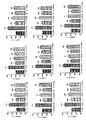
- Figure 2 shows the dual target agonistic polypeptides 4,6,7,12,15,21,24,27,30,37,38,39,40,44,48 and liraglutide for pulmonary fibrosis in mice Effect of HE staining slices.
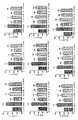
- Figure 3 is a graph showing Masson stained sections of dual-target agonistic polypeptides 15, 37, 38, 40, 44 and 48 for treatment of pulmonary fibrosis in mice.
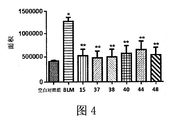
- Figure 4 is a graph showing semi-quantitative analysis of the results of Marsson staining (*: indicates 95% confidence in comparison with the control (p ⁇ 0.05); **: indicates 99% confidence in comparison with the control (p ⁇ 0.01)).
- Figure 5 is a graph showing the amount of collagen deposition in the lungs detected by hydroxyproline (*: expressed within 95% confidence level compared to the control (p ⁇ 0.05); **: expressed within 99% confidence level compared to the control (p ⁇ 0.01)).
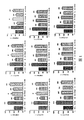
- Figure 6 is a graph showing indirect immunofluorescence of ⁇ -SMA - green is ⁇ -SMA.
- polypeptide compound 6 The synthesis method of the polypeptide compound of the present invention is illustrated by taking the polypeptide compound 6 as an example:
- the ratio of the amount of the first amino acid Fmoc-Ser(t-Bu)-OH to the amount of the resin is 1:1 to 6:1; 2) the next condensation reaction in Fmoc Protected amino acid, 6-chlorobenzotriazole-1,1,3,3-tetramethyluronium hexafluorophosphate (HCTU), organic base N,N-diisopropylethylamine (DIEPA) The excess is 2 to 8 times, and the reaction time is 1 to 5 hours.
- Fmoc Protected amino acid 6-chlorobenzotriazole-1,1,3,3-tetramethyluronium hexafluorophosphate (HCTU), organic base N,N-diisopropylethylamine (DIEPA)
- HCTU 6-chlorobenzotriazole-1,1,3,3-tetramethyluronium hexafluorophosphate
- DIEPA organic base N,N-diisopropylethylamine
- DMF N,N-dimethylformamide
- DCM dichloromethane
- Fmoc group was removed by 20% piperidine/N,N-dimethylformamide (DMF) solution (30 minutes, repeated twice), and then Fmoc- ⁇ Glu-OtBu was sequentially coupled according to the conventional conditions. Add hexadecanoic acid (palmitic acid) to get:
- the column was eluted for 30 minutes, and the fraction containing the peptide was collected and lyophilized to obtain a pure product having an HPLC purity of more than 95%.
- the separated product was analyzed by liquid chromatography.
- TGF- ⁇ 1 is a key pro-fibrotic factor secreted by macrophages and is the backbone of fibroblast repair responses. TGF- ⁇ 1 was significantly increased in animal models and lung tissue of IPF patients. TGF- ⁇ 1 regulates the transfer, proliferation and differentiation of fibroblasts, which are characterized by the expression of ⁇ -SMA and the deposition of extracellular matrix (ECM).
- ECM extracellular matrix
- A549 cells were digested, mixed and counted, diluted according to the concentration of 10000 cells per well, and then added to a 96-well plate at 100 ⁇ L per well, and the plate was placed at 37 ° C, 5% CO 2 constant temperature. In the incubator, culture for 24 hours; (2) aspirate the original medium and replace it with serum-free medium.
- Grouped 1 normal control group without treatment; TGF- ⁇ control group of 25.0 ng/mL; 3 candidate peptide drug (15.0 nM) group; 4 candidate polypeptide drug (15.0 nM) + 5.0 ng/mL TGF- ⁇ group ; 5 liraglutide (15.0 nM) group; 6 liraglutide (15.0 nM) + 5.0 ng / mL TGF- ⁇ group.
- Example 3 Therapeutic effect of dual-target agonistic polypeptide on pulmonary fibrosis
- Bleomycin (BLM, purchased by TCI); sodium pentobarbital, bleomycin hydrochloride for injection, hydroxyproline (HYP) standard (purchased from Sigma, USA).
- HEP hydroxyproline
- peptide compounds 4,6,7,12,15,21,24,27,30,37,38,39,40,44,48 And liraglutide for the study of the effect of intervention on pulmonary fibrosis.
- the drug administration components are: No. 4 drug group, No. 6 drug group, No. 7 drug group, No. 12 drug group, No. 15 drug group, No. 21 drug group, No. 24 drug group, No. 27 drug group, No. 30 drug group , No. 37 drug group, No. 38 drug group, No. 39 drug group, No. 40 drug group, No. 44 drug group, No. 48 drug group and Liraglutide drug group (18 groups).
- mice were anesthetized by intraperitoneal injection of 2% sodium pentobarbital (40 mg/kg), pulmonary fibrosis was induced by intratracheal infusion of 5 mg/kg bleomycin in the bleomycin group.
- a control group of mice was intratracheally infused with an equal volume of sterile saline.
- Groups 4,6,7,12,15,21,24,27,30,37,38,39,40,44,48, and the liraglutide group were given a subcutaneous injection of 200 ⁇ g/kg of the corresponding polypeptide drug every other day.
- the right lower lobe of the mouse was cut and fixed in neutral formaldehyde with a volume fraction of 10%, hematoxylin-eosin staining (HE staining) and horseshoe collagen staining (Masson staining).
- the collagen staining procedure was strictly in accordance with the Masson staining kit.
- Image J software calculates the area of the blue area in the same area image, and then uses the graphpad Prismversion6 software for histogram analysis to observe collagen deposition.
- Blank control group the lung tissue structure is clear, no inflammatory cell infiltration
- Bleomycin fibrosis group see fibroblasts in the alveolar septum, subepithelial muscle fibroblasts increased significantly, capillary congestion and lymphocyte, macrophage infiltration, fibrous tissue hyperplasia, alveolar septal destruction, fibrous tissue formation Patchy distribution
- the blank control group Mast control group: Mast staining of mouse lung tissue showed a small amount of structural collagen in the bronchial wall and blood vessel wall, and no obvious collagen deposition in the lung tissue;
- Bleomycin group Masonian staining of mouse lung tissue showed a large amount of bundled blue-stained collagen tissue in lung tissue;
- the lung tissue of the mice was stained with a small amount of collagen and other markers of pulmonary fibrosis; in the 37th administration group, the lung tissue of the mice was stained with a small amount of structural collagen in the bronchial wall and the blood vessel wall.
- the horseshoe staining of the lung tissue of the 48-administered group showed only a small amount of deposition and collagen in the alveolar wall. Deposition phenomenon.
- Polypeptide compounds 15,37,38,40,44 and 48 alleviated alveolar structural disorders, inflammatory cell infiltration, significantly inhibited hydroxyproline content, reduced cell and fiber accumulation in alveolar spaces, and reduced collagen precipitation. Effectively delay the progression of pulmonary fibrosis and have a therapeutic effect on idiopathic pulmonary fibrosis.
- Figure 6 shows that dual-target candidate drugs 15, 37, 38, 40, 44 and 48 significantly reduced the expression of pulmonary fibrosis marker protein ⁇ -SMA during the treatment of pulmonary fibrosis.
Landscapes
- Health & Medical Sciences (AREA)
- Life Sciences & Earth Sciences (AREA)
- Chemical & Material Sciences (AREA)
- Organic Chemistry (AREA)
- General Health & Medical Sciences (AREA)
- Medicinal Chemistry (AREA)
- Bioinformatics & Cheminformatics (AREA)
- Veterinary Medicine (AREA)
- Endocrinology (AREA)
- Gastroenterology & Hepatology (AREA)
- Pharmacology & Pharmacy (AREA)
- Proteomics, Peptides & Aminoacids (AREA)
- Engineering & Computer Science (AREA)
- Animal Behavior & Ethology (AREA)
- Zoology (AREA)
- Public Health (AREA)
- Epidemiology (AREA)
- Toxicology (AREA)
- Biochemistry (AREA)
- Biophysics (AREA)
- Genetics & Genomics (AREA)
- Molecular Biology (AREA)
- Immunology (AREA)
- Pulmonology (AREA)
- Chemical Kinetics & Catalysis (AREA)
- General Chemical & Material Sciences (AREA)
- Nuclear Medicine, Radiotherapy & Molecular Imaging (AREA)
- Peptides Or Proteins (AREA)
- Medicines That Contain Protein Lipid Enzymes And Other Medicines (AREA)
Abstract
L'invention concerne l'utilisation d'un composé polypeptidique ayant des effets agonistes doubles sur le récepteur de peptide-1 de type glucagon (GLP-1R) et le récepteur du glucagon (GCGR). Le composé polypeptidique présente des caractéristiques en termes d'une stabilité d'enzymolyse élevée, d'une haute activité biologique et d'une réaction indésirable nulle, etc, peut évidemment inhiber la transformation et la prolifération de fibrose de cellules épithéliales pulmonaires humaines induites par TGF-β1, et peut manifestement améliorer le degré de fibrose pulmonaire chez des souris induites par la bléomycine. Un tel polypeptide agoniste à double cible peut être utilisé pour prévenir ou traiter des maladies pulmonaires indiquées par des symptômes fibrotiques.
Priority Applications (1)
| Application Number | Priority Date | Filing Date | Title |
|---|---|---|---|
| CN201880069847.1A CN111372945B (zh) | 2017-11-06 | 2018-10-19 | 基于胃泌酸调节素类似物glp-1r/gcgr双靶点激动剂多肽治疗特发性肺间质纤维化 |
Applications Claiming Priority (2)
| Application Number | Priority Date | Filing Date | Title |
|---|---|---|---|
| CN201711080185 | 2017-11-06 | ||
| CN201711080185.1 | 2017-11-06 |
Publications (1)
| Publication Number | Publication Date |
|---|---|
| WO2019085773A1 true WO2019085773A1 (fr) | 2019-05-09 |
Family
ID=66332432
Family Applications (1)
| Application Number | Title | Priority Date | Filing Date |
|---|---|---|---|
| PCT/CN2018/111034 Ceased WO2019085773A1 (fr) | 2017-11-06 | 2018-10-19 | Polypeptide agoniste à double cible glp-1r/gcgr analogue d'oxyntomoduline pour le traitement de la fibrose interstitielle pulmonaire idiopathique |
Country Status (3)
| Country | Link |
|---|---|
| CN (1) | CN111372945B (fr) |
| TW (1) | TW201918259A (fr) |
| WO (1) | WO2019085773A1 (fr) |
Cited By (2)
| Publication number | Priority date | Publication date | Assignee | Title |
|---|---|---|---|---|
| WO2022061924A1 (fr) * | 2020-09-28 | 2022-03-31 | 深圳市图微安创科技开发有限公司 | Dérivés peptidiques agonistes à double cible glp-1r/gcgr pour le traitement de la fibrose hépatique liée à l'hépatite virale |
| CN115932139A (zh) * | 2022-10-14 | 2023-04-07 | 上海吉奉生物科技有限公司 | 芴甲氧羰基-s-二棕榈酰-l-半胱氨酸纯度检测方法 |
Families Citing this family (2)
| Publication number | Priority date | Publication date | Assignee | Title |
|---|---|---|---|---|
| CN112791178B (zh) * | 2021-01-22 | 2024-10-29 | 深圳市图微安创科技开发有限公司 | Glp-1r/gcgr双激动剂多肽衍生物预防或治疗肾纤维化 |
| CN115490760B (zh) * | 2022-07-04 | 2023-04-14 | 北京惠之衡生物科技有限公司 | 一种glp-1受体和gcg受体共激动多肽衍生物 |
Citations (8)
| Publication number | Priority date | Publication date | Assignee | Title |
|---|---|---|---|---|
| CN101389648A (zh) * | 2006-02-22 | 2009-03-18 | 默克公司 | 肽胃泌酸调节素衍生物 |
| CN104926934A (zh) * | 2014-09-23 | 2015-09-23 | 蒋先兴 | 胃泌酸调节素类似物 |
| CN105451716A (zh) * | 2013-07-18 | 2016-03-30 | 曼金德公司 | 热稳定性干粉药物组合物和方法 |
| CN105792851A (zh) * | 2013-09-13 | 2016-07-20 | 加州生物医学研究所 | 修饰的治疗剂及其组合物 |
| WO2016149501A2 (fr) * | 2015-03-18 | 2016-09-22 | The California Institute For Biomedical Research | Agents thérapeutiques modifiés et compositions associées |
| CN106046145A (zh) * | 2016-04-22 | 2016-10-26 | 深圳市图微安创科技开发有限公司 | Glp-1r/gcgr双靶点激动剂多肽治疗脂肪肝病、高脂血症和动脉硬化 |
| WO2017037712A1 (fr) * | 2015-09-03 | 2017-03-09 | Natural Shield Israel 2016 Ltd | Compositions combinées pour réguler des niveaux de glycémie, l'hépatoprotection, et pour la prévention et le traitement d'états médicaux associés |
| CN107106660A (zh) * | 2014-09-16 | 2017-08-29 | 韩美药品株式会社 | 长效glp‑1/胰高血糖素受体双激动剂对于治疗非酒精性脂肪肝疾病的应用 |
-
2018
- 2018-10-19 WO PCT/CN2018/111034 patent/WO2019085773A1/fr not_active Ceased
- 2018-10-19 CN CN201880069847.1A patent/CN111372945B/zh active Active
- 2018-11-06 TW TW107139333A patent/TW201918259A/zh unknown
Patent Citations (9)
| Publication number | Priority date | Publication date | Assignee | Title |
|---|---|---|---|---|
| CN101389648A (zh) * | 2006-02-22 | 2009-03-18 | 默克公司 | 肽胃泌酸调节素衍生物 |
| CN105451716A (zh) * | 2013-07-18 | 2016-03-30 | 曼金德公司 | 热稳定性干粉药物组合物和方法 |
| CN105792851A (zh) * | 2013-09-13 | 2016-07-20 | 加州生物医学研究所 | 修饰的治疗剂及其组合物 |
| CN107106660A (zh) * | 2014-09-16 | 2017-08-29 | 韩美药品株式会社 | 长效glp‑1/胰高血糖素受体双激动剂对于治疗非酒精性脂肪肝疾病的应用 |
| CN104926934A (zh) * | 2014-09-23 | 2015-09-23 | 蒋先兴 | 胃泌酸调节素类似物 |
| CN106519015A (zh) * | 2014-09-23 | 2017-03-22 | 蒋先兴 | 胃泌酸调节素类似物 |
| WO2016149501A2 (fr) * | 2015-03-18 | 2016-09-22 | The California Institute For Biomedical Research | Agents thérapeutiques modifiés et compositions associées |
| WO2017037712A1 (fr) * | 2015-09-03 | 2017-03-09 | Natural Shield Israel 2016 Ltd | Compositions combinées pour réguler des niveaux de glycémie, l'hépatoprotection, et pour la prévention et le traitement d'états médicaux associés |
| CN106046145A (zh) * | 2016-04-22 | 2016-10-26 | 深圳市图微安创科技开发有限公司 | Glp-1r/gcgr双靶点激动剂多肽治疗脂肪肝病、高脂血症和动脉硬化 |
Cited By (4)
| Publication number | Priority date | Publication date | Assignee | Title |
|---|---|---|---|---|
| WO2022061924A1 (fr) * | 2020-09-28 | 2022-03-31 | 深圳市图微安创科技开发有限公司 | Dérivés peptidiques agonistes à double cible glp-1r/gcgr pour le traitement de la fibrose hépatique liée à l'hépatite virale |
| CN114585640A (zh) * | 2020-09-28 | 2022-06-03 | 深圳市图微安创科技开发有限公司 | Glp-1r/gcgr双靶点激动剂多肽衍生物治疗病毒性肝炎相关的肝纤维化 |
| CN115932139A (zh) * | 2022-10-14 | 2023-04-07 | 上海吉奉生物科技有限公司 | 芴甲氧羰基-s-二棕榈酰-l-半胱氨酸纯度检测方法 |
| CN115932139B (zh) * | 2022-10-14 | 2024-05-28 | 上海吉奉生物科技有限公司 | 芴甲氧羰基-s-二棕榈酰-l-半胱氨酸纯度检测方法 |
Also Published As
| Publication number | Publication date |
|---|---|
| CN111372945B (zh) | 2024-02-02 |
| TW201918259A (zh) | 2019-05-16 |
| CN111372945A (zh) | 2020-07-03 |
Similar Documents
| Publication | Publication Date | Title |
|---|---|---|
| EP3708577B1 (fr) | Traitement de la cirrhose biliaire à base de peptide agoniste double cible de glp-1r/gcgr d'oxyntomoduline | |
| EP3199546B1 (fr) | Analogue d'oxyntomoduline | |
| CN106046145B (zh) | Glp-1r/gcgr双靶点激动剂多肽治疗脂肪肝病、高脂血症和动脉硬化 | |
| CN113429471B (zh) | 长效glp-1多肽类似物及其制备方法和应用 | |
| WO2019085773A1 (fr) | Polypeptide agoniste à double cible glp-1r/gcgr analogue d'oxyntomoduline pour le traitement de la fibrose interstitielle pulmonaire idiopathique | |
| CN116143884B (zh) | 一类长效GLP-1/glucagon/GIP受体三重激动剂及其应用 | |
| CN112791178B (zh) | Glp-1r/gcgr双激动剂多肽衍生物预防或治疗肾纤维化 | |
| AU2024203093A1 (en) | Polypeptide compounds and use thereof in the prevention or treatment of diabetes or diagnostic compounds | |
| CN115073582B (zh) | 多肽化合物及其在预防或治疗糖尿病或糖尿病并发症中的应用 | |
| CN114585640B (zh) | Glp-1r/gcgr双靶点激动剂多肽衍生物治疗病毒性肝炎相关的肝纤维化 | |
| US20240174728A1 (en) | A use of a polypeptide compound in the preparation of drugs for preventing or treating inflammatory bowel diseases and related intestinal fibrosis | |
| CN112472794A (zh) | 双靶点激动剂多肽治疗anit介导的pbc及其相关的肝纤维化 | |
| HK40095616A (en) | Glp-1r/gcgr dual-target agonist peptide derivatives for treatment of viral hepatitis-related hepatic fibrosis | |
| HK1236972B (en) | Oxyntomodulin analogue | |
| HK1236972A1 (en) | Oxyntomodulin analogue |
Legal Events
| Date | Code | Title | Description |
|---|---|---|---|
| 121 | Ep: the epo has been informed by wipo that ep was designated in this application |
Ref document number: 18874466 Country of ref document: EP Kind code of ref document: A1 |
|
| NENP | Non-entry into the national phase |
Ref country code: DE |
|
| 122 | Ep: pct application non-entry in european phase |
Ref document number: 18874466 Country of ref document: EP Kind code of ref document: A1 |