WO2019111408A1 - エレベーターの制御装置およびエレベーターの制御方法 - Google Patents
エレベーターの制御装置およびエレベーターの制御方法 Download PDFInfo
- Publication number
- WO2019111408A1 WO2019111408A1 PCT/JP2017/044205 JP2017044205W WO2019111408A1 WO 2019111408 A1 WO2019111408 A1 WO 2019111408A1 JP 2017044205 W JP2017044205 W JP 2017044205W WO 2019111408 A1 WO2019111408 A1 WO 2019111408A1
- Authority
- WO
- WIPO (PCT)
- Prior art keywords
- registration
- floor
- call
- car
- restricted
- Prior art date
- Legal status (The legal status is an assumption and is not a legal conclusion. Google has not performed a legal analysis and makes no representation as to the accuracy of the status listed.)
- Ceased
Links
Images













Classifications
-
- B—PERFORMING OPERATIONS; TRANSPORTING
- B66—HOISTING; LIFTING; HAULING
- B66B—ELEVATORS; ESCALATORS OR MOVING WALKWAYS
- B66B1/00—Control systems of elevators in general
- B66B1/02—Control systems without regulation, i.e. without retroactive action
- B66B1/06—Control systems without regulation, i.e. without retroactive action electric
- B66B1/14—Control systems without regulation, i.e. without retroactive action electric with devices, e.g. push-buttons, for indirect control of movements
Definitions
- the present invention relates to an elevator control device and an elevator control method that control the operation of a car when a child, an elderly person, or the like who needs monitoring, goes out using the elevator.
- control device of an elevator which manages a user there is a control device which prevents a suspicious person from moving using the elevator in a building.
- This control device stores the face image of the user as a reference face image, and when the photographed face image does not match the reference face image, performs control to make the car stand by for opening the door and prohibit use of the elevator. (See, for example, Patent Document 1).
- the reference face image of the user in which the available time zone of the elevator is set is stored in association with the information of the corresponding user.
- this control apparatus specifies the user who can use an elevator at present time from the users by which the reference
- the user carries an oscillator. Then, the control device identifies the specific person and the companion who monitors the specific person according to the signal from the oscillator. Then, when the companion is not identified based on the identification result, for example, the control device performs control to prohibit the use of the elevator of a specific person (for example, see Patent Document 3).
- JP 2017-001803 A JP, 2016-222385, A JP 2007-31059 A
- the present invention provides an elevator control device and an elevator control method capable of restricting going out using an elevator according to a user identification result in order to solve the above-mentioned problems.
- the purpose is to
- the present invention comprises an authentication data acquisition unit for acquiring authentication data for individually authenticating a user getting in and out of a car, and an in-car call registration unit for performing call registration for setting the getting-off floor by the user in the car
- Call registration according to a storage unit in which personal data are stored in advance, call registration from the in-car call registration unit, the authentication data acquired from the authentication data acquisition unit, and the registration restricted person data stored in the storage unit
- a call registration control unit for performing control the call registration control unit performing the authentication by the authentication data acquisition unit among all the users in the car It is determined whether or not the call registration restricted person exists in the car by referring to the registration restricted person data stored in the storage unit for all the users who can acquire the data.
- the current time is included in the operation time zone in which the registration restriction is performed by referring to the registration restrictor data stored in the storage unit for all the call registration limiters determined to be present in the car. Extract all registered restricted floors that are assigned to the registered call restriction person, and restrict the restriction not to register calls for the extracted restricted floors for call registration performed by all users in the car It is in the control device of the elevator which performs the said call registration control.
- a call registration prohibition floor for prohibiting the call registration is stored in advance in a time zone in which the call registration restriction person who needs monitoring of a guardian or companion is required when going out. Keep it. Then, the surveillance camera monitors the users who get on the car. The control device prevents the call registration restricted person from receiving a call to the stored call registration prohibited floor during the stored time zone, thereby ensuring that the guardian, the child who is not under the supervision of the companion, Stop the old man's going out.
- FIG. 1 is an image diagram showing a control device of an elevator according to one embodiment of the present invention.
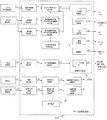
- FIG. 2 is a functional block diagram showing a configuration of a control device of an elevator according to one embodiment of the present invention, particularly regarding call registration of the elevator.
- the in-car imaging unit 1 of FIG. 2 is installed in the car shown in FIG. 1 and includes an in-car monitoring camera 1a that captures an in-car state including the face image of the user.
- the in-car call registration unit 6 includes an in-car call registration button provided on the car operation panel ICO of FIG.
- the in-car imaging unit 1 is hereinafter referred to as an imaging unit 1.
- the in-car surveillance camera 1a is hereinafter referred to as a surveillance camera 1a.
- the in-car call registration unit 6 is hereinafter referred to as the call registration unit 6.
- the landing imaging unit 20 is provided at the landing of each floor.
- the landing imaging unit 20 includes a landing surveillance camera that captures the state of the landing including the face image of the user.
- the release unit 25 is provided in the car or at a place where the user of the hall can operate.
- the release unit 25 includes a release button or the like for releasing the condition currently set in the control device of the elevator.
- the manager cancellation section 29 is provided in a state where only the manager of the car interior, the landing, the machine room, the manager room, etc. can operate.
- the manager's release unit 29 includes a release button or the like for the manager to release the condition currently set in the control device of the elevator.
- the release unit 25 and the manager's release unit 29 constitute a function release input unit.
- the call registration control unit 100 in FIG. 2 is a portion related to elevator call registration in the control circuit unit of the elevator control device.
- the call registration control unit 100 is configured by one or more computers including a storage unit that stores programs necessary to execute each control function and various information necessary for control, and a processor.
- the processor executes control of the elevator according to information such as various programs stored in the storage unit, various information, an image input from the outside, an input signal, and the like.
- the call registration control unit 100 may be configured of one or more digital circuits that execute the various functions described above. Further, each part of the drive control unit 100a may be configured as a circuit separate from the call registration control unit 100.
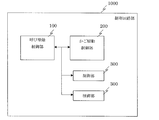
- the control circuit unit 1000 of the elevator control device including the call registration control unit 100 is usually provided in the elevator control panel.
- the control circuit unit 1000 is also configured of one or more computers or one or more digital circuits.
- the control circuit unit 1000 includes, in addition to the call registration control unit 100, a car drive control unit 200 that performs drive control of a car, and a control unit 300 that performs various controls of the elevator.
- the call registration control unit 100 exchanges control signals, various information and the like with these various control units 200 and 300.
- the call registration control unit 100 sends a signal of the finally determined car call to the car drive control unit 200.
- the car drive control unit 200 performs car drive control based on a car call signal.
- the call registration control unit 100 receives the signal indicating the state of the car including the position of the car from the car drive control unit 200, and determines the car call registration in consideration of the state of the car.
- the surveillance camera 1 a captures users USE1 and USE2 of elevators, and the like.
- the user USE1 is a child whose call registration floor is restricted, and corresponds to a call registration restricted person.
- the user USE2 corresponds to a call registration unrestricted person whose call registration floor is not restricted.
- the passenger detection unit 2 acquires the captured image and analyzes the image in the vicinity of the door 15 in the car. Then, the passenger detection unit 2 detects from the analysis boundary of the image whether or not the user gets in the car. Furthermore, when the user is in the car, the passenger detection unit 2 detects a face image of the user.
- the call registration limiter is also referred to as a registration limiter
- the call registration non-limiter is also referred to as a registration non-limiter.
- the first restricted person judging unit 3 which is the call registration restricted person / call registration unrestricted person judging unit analyzes the face image of the user detected by the passenger detection unit 2 and the user restricts the registration To determine if the
- a registration limiter is a user who needs to be monitored when leaving the facility where the elevator is installed.
- the information on the registration-restricted person is registered in advance in the storage unit M together with the face image.
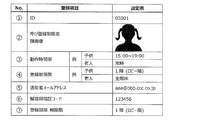
- FIG. 4 is a diagram showing an example of data of a registration limiter set in the storage unit M according to the embodiment of the present invention.
- Data on registration restrictions include: 1) Authentication code ID 2) Face image of call registration restricted person 3) Operation time zone which is a time zone for performing monitoring control For example, if it is a child, operation for performing surveillance control by applying registration limitation between 15:00 and 19:00 It can be set as a time zone, and if it is an old man, all time can be set as an operation time zone for performing monitoring control with registration restriction.
- Registration restriction floor For example, if it is a child, only the first floor which is a lobby floor can be set as a registration restriction world, and if it is an old man, all floors can be set as a registration restriction world.
- Notifier's E-mail Address This is the contact address when a registration restriction floor is called, and the e-mail address of the guardian or companion is set in advance.
- Security code for cancellation This corresponds to the security code for canceling the restriction set for car calls currently set.
- Registration restriction cancellation floor This corresponds to the floor that permits the registration restriction cancellation operation.
- the restricted registration floor and the restricted registration release floor correspond to, for example, the entrance floor and the lobby floor where the entrance of the building where the elevator is installed is located.
- the first restricted person determination unit 3 collates the detected user's face image with the registered restricted person's face image stored in the storage unit M, and determines whether the detected user is the restricted person It is determined whether or not.
- the registration limited floor determination unit 7 determines whether the registration floor is a registration limited floor.
- the registered limited floor determination unit 7 will be referred to as a limited floor determination unit 7.
- the car call registration availability determination unit 8 determines whether or not the finally registered call can be registered.
- the car call registration availability determination unit 8 is hereinafter referred to as a registration determination unit 8. From the judgment result of the first restrictor judging unit 3, the registration judging unit 8 is a passenger who has registered a car call as a registration restrictor, and from the judgment result of the restricted floor judging unit 7, the registration floor is a registration restricted floor. If there is, it determines that the call registration is not possible.
- the registration determination unit 8 causes the notification control unit 13 to drive the speaker 18 and causes the buzzer control unit 12 to drive the buzzer 17 so as to perform notification to urge the registration-restricted person to get off.
- the speaker 18 and the buzzer 17 are provided, for example, in the car control panel ICO of FIG.
- the registration determination unit 8 causes the door opening and closing control unit 10 to control the door 15 to perform the door open extension or the door open standby.
- the registration determination unit 8 causes the notification unit 14 to notify the administrator room 19.
- the registration judging unit 8 also makes the call registration impossible even when the registration unrestricted person registers a call on the registration restricted floor of the registration restricted person, when the registration unrestricted person rides on the registration restricted person. Further, when a plurality of registration-restricted persons are on board, the registration determination unit 8 makes the call-restricted entry impossible for the registration-restricted floor corresponding to all members of the registration-restricted persons. When the call registration is disabled by the registration limiter, the registration determination unit 8 causes the notification control unit 13 to notify the speaker 18 that the call registration is not possible. Further, the registration determination unit 8 causes the door opening / closing control unit 10 to perform the door open extension of the door 15 to put the car call on hold.
- the registration judgment unit 8 causes the call button lamp control unit 11 to blink the call button lamp 16 provided on the car operation panel ICO, and informs the user that the car call is on hold.
- the call button lamp control unit 11 is hereinafter referred to as a lamp control unit 11.
- the getting-off customer detection unit 4 analyzes the image in the vicinity of the door acquired by the imaging unit 1 and detects that the user has got off the car.
- the imaging unit 1 needs to obtain face images of a passenger and a passenger. For this reason, it is preferable that the imaging unit 1 be provided with two surveillance cameras 1a facing the riding direction and the getting-off direction.
- the second restricted person judging unit 5 which is the call registration restricted person / call registration unrestricted person judging unit, analyzes the face image of the passenger detected by the getting-off customer detection unit 4, and the passenger is the registration restricted person. It is determined whether the The passenger detection unit 2 and the passenger detection unit 4 constitute a passenger detection unit.
- the car call holding floor re-registration unit 9 is a case where the car call holding floor is no longer a registration restricted floor, and the passenger who got off is a registration restrictor, Perform the following processing. That is, in this case, the car call holding floor re-registration unit 9 performs a car call registration process of the car call holding floor, and the lamp control unit 11 causes the call button lamp 16 to blink.
- the car call holding floor re-registration unit 9 is hereinafter referred to as a re-registration unit 9.
- the elevator control device allows the passenger such as a child or an elderly person whose call registration is restricted to take advantage of the passenger whose call registration is not restricted to the registration restricted floor such as the lobby floor or the entrance floor. By moving, it is possible to prevent going out.
- the detection of the passenger is not limited to the face image obtained by the surveillance camera.
- the detection of a passenger may be performed by retina authentication, iris authentication, fingerprint authentication, vein authentication, ID card, identification by a tag, authentication by a smartphone, authentication by input of a password, or the like.
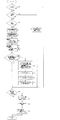
- FIG. 5 is an operation flowchart showing an example of the “boarding detection” operation according to the first embodiment of the present invention.
- step S1 the passenger detection unit 2 determines whether or not the passenger has boarded, and if the boarding is not detected, the process proceeds to step S14 of "no", and if boarding is detected, the step of "yes" Go to S2.
- step S2 the first restrictor determination unit 3 determines whether the passenger who has got in is the registration restrictor USE1. If the passenger who got on is the registration restrictor USE1, the first restrictor determination unit 3 proceeds to step S4 of "yes", and if the passenger who got in is the registration unrestricted person USE, the step of "no" is performed Go to S3.
- step S3 the registration judging unit 8 turns off the "call registration restricted person riding flag" and proceeds to step S14.
- step S4 the registration determination unit 8 determines whether the current time is the "operation time zone" in the "registrant information” setting data of the passenger who has got on the vehicle. If the current time is in the operation time zone, the registration determination unit 8 proceeds to step S5 of “yes”. If the current time is not the “operation time zone”, the registration determination unit 8 proceeds to step S3 of “no”, turns off the “call registration restricted person riding flag”, and then proceeds to step S14.
- step S5 the registration determination unit 8 turns on the "call registration restricted person riding flag” and turns on the "call registration restricted person riding flag” in step S6.
- FIG. 6 shows an example of the “call registration restricted person list while riding” in the first embodiment.
- step S7 the registration determination unit 8 adds the “ID” of the registration restricted person USE1 who has got on the “list of call registration persons who are on board”.
- the registration determination unit 8 can specify the “ID” by referring to the “registrant information” setting data shown in FIG. 4.
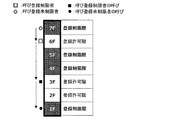
- FIG. 7 shows an example of an image diagram of “registered restricted floor data” in the first embodiment.
- the restricted registration floor is generalized without being limited to the lobby floor or the entrance floor, and it is described that one or more restricted registration floors can be freely set.
- the passenger A and the passenger B are the registration limiter USE1.
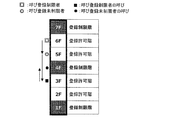
- the bottom floor is described as the first floor, and the top floor as the seventh floor.
- the registration restricted floor of the passenger A is 1F
- the registration restricted floor of the passenger B is 4F and 7F
- 1F, 4F, and 7F become the registration restricted floor in the “registration restricted floor data”.
- step S8 the registration determination unit 8 adds the “registration restricted floor” of the registration restricted person who has got on to the “registration restricted floor data”.
- step S9 the restricted floor determination unit 7 determines whether or not the “registered restricted floor” indicated in the “registered restricted floor data” of the registered restricted user USE1 who got on the vehicle has been registered. If the call is not registered, the restricted floor determination unit 7 proceeds to step S14 of "no", and proceeds to step S10 of "yes” if the call is registered.
- the registration restricted floor of call registration is a registration restricted floor of the registration restricted person USE1 which has boarded. Therefore, in step S10, the registration determination unit 8 causes the notification control unit 13 to notify that the registration is confirmed after the registration limiter USE1 gets off.
- FIG. 8 shows an example of the "car call holding floor data" in the first embodiment.
- step S11 the registration determination unit 8 cancels the car call registration of the registered restricted floor on which the call registration has been completed.
- step S12 the registration determination unit 8 adds the registered call restriction registered floor to the "car call reserved floor data" shown in FIG.
- step S13 the registration judgment unit 8 blinks the call button lamp 16 of the registered restricted floor by the lamp control unit 11 to notify that the car call registration has been suspended, and the step Go to S14.
- step S14 the registration determination unit 8 determines whether or not the “registration restricted floor” set for the registration restricted person USE1 who has got on board is all floors. If the restricted registration floor is not the entire floor, the registration determination unit 8 proceeds to “no” and ends the series of processing. If the registration restricted floor is all floors, the registration judgment unit 8 proceeds to step S15 of "yes".
- the registration determination unit 8 causes the notification control unit 13 to drive the speaker 18 and causes the buzzer control unit 12 to drive the buzzer 17 to notify the registration restriction person USE1 who got on the vehicle to dismount.
- the registration determination unit 8 controls the door open / close control unit 10 to perform door open standby and departure prevention.
- FIG. 9 shows an example of the “get-off requester list” in the first embodiment.
- step S17 the registration determination unit 8 adds the “ID” indicating the registration restrictor USE1 who has got on to the “dispatch requester list”, and ends the series of processes.
- the control device of the elevator determines whether or not the user is a registration-limited person. Then, when there is only one registration limiter, the elevator control device generates registration limit floor data in accordance with the logical sum of the registration restriction floors of the registration limiter. As a result, it is possible to perform the registration restricted floor based on the generated registration restricted floor data for all the passengers in the car.
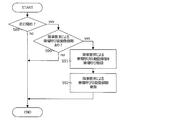
- FIG. 10 is an operation flowchart showing an example of the “falling detection” operation according to the first embodiment of the present invention.
- step S18 the getting-off customer detection unit 4 determines whether the getting-off of the passenger has been detected. If the getting-off customer detection unit 4 does not detect getting-off, it proceeds to “no”, ends the series of processing, and when getting-off is detected, it proceeds to “yes” step S19.
- step S19 the second restrictor determination unit 5 determines whether or not the passenger who has alighted is a registration restrictor.
- the second restrictor determination unit 5 proceeds to “no” if the passenger dismounted is not the registration restricted user USE1, ends the series of processing, and “yes” if the passenger dismounted is the registration restricted user USE1.
- the process proceeds to step S20.
- step S20 the registration determination unit 8 acquires the ID of the registration restrictor USE1 who has alighted.
- step S21 the registration determination unit 8 determines whether the car is blocking departure, and if it is not blocking departure, it proceeds to step S26 of "no", and if it is blocking departure, "yes" The process proceeds to step S22.
- step S22 the registration determination unit 8 determines whether the passenger who has got off is a passenger requesting to get off. If the ID of the passenger who got off the vehicle does not exist in the “dispatch requester list”, the registration determination unit 8 proceeds to step S26 of “no”.
- step S23 the registration determination unit 8 deletes the ID of the passenger who has alighted from the "dispatch requester list”.
- step S24 the registration determination unit 8 determines whether or not there is a request for getting off of the passenger who is in the car. When there is a request for getting off the vehicle, the registration determination unit 8 proceeds to step S26 of "no". When there is no request for getting off the vehicle, the registration determination unit 8 proceeds to step S25 of "yes", cancels the door open standby and the departure prevention, and then proceeds to step S26.
- step S26 the registration determination unit 8 deletes the ID of the registration restrictor USE1 who has alighted from the “list of call registration restrictors on board”.
- step S27 the registration determination unit 8 determines whether the registration limiter USE1 is in the car.
- the registration judging unit 8 proceeds to step S28 of "yes" when the registration restricted person is not USE1 in the car.
- step S28 the registration determination unit 8 turns off the "call registration restricted person riding flag".
- step S29 the registration determination unit 8 clears “registration restricted floor data”, and proceeds to step S32.
- the registration determination unit 8 proceeds to step S30 of "no" in step S27.
- step S30 the registration determination unit 8 determines whether or not the processing for the number of registration restricted persons in the car has been completed. When this process is not completed, the registration determination unit 8 proceeds to step S31 of "no".
- step S31 the registration determination unit 8 adds the “registration restricted floor” set for the registration restricted person being processed to the “registration restricted floor data”, and returns to step S30.
- step S30 when the processing for the number of registration restricted persons while riding is completed, the registration determination unit 8 proceeds to step S32 of "yes".
- step S32 the re-registration unit 9 determines whether or not the holding floor is set in the "car call holding floor data". The re-registration unit 9 proceeds to “no” when the holding floor is not set in “car call holding floor data”, and ends the series of processing.
- step S32 when the holding floor is set in "car call holding floor data", the re-registration unit 9 proceeds to step S33 of "yes", and in step S33, the car call holding floor is set. It is determined whether all the processing has been completed.
- step S33 the re-registration unit 9 proceeds to step S34 of "no" when all the processes of the car call holding floor set have not been completed.
- step S34 the re-registration unit 9 determines whether or not the car call holding floor being processed is a registration restricted floor set in the "registration restricted floor data".
- step S34 if the car call holding floor being processed is the registration restricted floor, the re-registration unit 9 returns to step S33 of "yes". If the car call holding floor being processed is not a registration restricted floor, the re-registration unit 9 proceeds to step S35 of "no", registers a car call, and returns to step S33.
- step S33 when all the processes of the car call holding floor set have been completed, the re-registration unit 9 proceeds to "yes" and ends the series of processes.
- the registration restriction state is cleared, and if there is a pending car call corresponding to the canceled registration restriction floor , Can be re-registered.
- FIG. 11 is an operation flowchart showing an example of the “operation time determination” operation according to the first embodiment of the present invention.
- step S36 the registration determination unit 8 determines whether the registration-restricted person is on board. When the “call registration restricted person riding flag” is not ON, the registration determination unit 8 proceeds to “no” and ends the series of processing, and the “call registration restricted person riding flag” is ON. The process proceeds to step S37 of "yes".
- step S37 the registration determination unit 8 determines whether or not the check of whether the current time is in the operation time zone has been completed for all members set in the “call registration restricted person list while riding”.
- step S37 If it is determined in step S37 that the registration determination unit 8 completes checking all members of the registration restricted person while riding, the process proceeds to "yes", and the series of processing ends, and the check is performed for all members of the registration restricted person while riding. Is not completed, the process proceeds to step S38 of "no".
- step S38 the registration determination unit 8 acquires the ID of the registration restricted person being processed from the “call registration restricted person list while riding”.
- step S39 the registration determination unit 8 acquires the "operating time zone" set for the registration restriction person of the acquired ID.
- step S40 the registration determination unit 8 determines whether or not the current time is within the operating time zone of the registration restricted person being processed, and if the current time is within the operating time zone, "yes" Proceed to end the series of processes.
- step S40 if the current time is not within the operation time zone, the registration determination unit 8 proceeds to step S41 of "no".
- step S41 the registration determination unit 8 deletes the ID being processed from the "call registration restricted person list while riding".
- step S42 the registration determination unit 8 determines whether or not there is a registration limiter in the car. If there is no registration-restricted person in the car, the registration judgment unit 8 proceeds to "yes”, and turns off the "call registration-restricted person riding flag” in step S43. Further, in step S44, the registration determination unit 8 clears “Restriction data of registered floor”, and ends the series of processes.
- step S42 when there is a registration-limited person in the car, the registration determination unit 8 proceeds to step S45 of "no".
- step S45 the registration determination unit 8 determines whether or not the processing for the number of registration restricted persons in the car has been completed, and if the processing is not completed, “no” The process proceeds to step S46.
- step S46 the registration determination unit 8 adds the “registration restricted floor” set for the registration restricted person being processed to the “registration restricted floor data”, and returns to step S45.
- step S45 when the processing for the number of registration restricted persons while riding is completed, the registration determination unit 8 proceeds to "yes" and ends the series of processing.
- FIG. 12 is an operation flowchart showing an example of the “in-car call registration detection” operation according to the first embodiment of the present invention.
- step S47 the restricted floor determination unit 7 determines whether car call registration has been detected.
- the restricted floor determination unit 7 proceeds to "no" when the car call registration is not detected, and ends the series of processes, and proceeds to the step S48 of "yes" when the car call registration is detected.
- step S ⁇ b> 48 the first restrictor determination unit 3 determines whether the call is registered by the registration restrictor. When the “call registration restrictor boarding flag” is ON, the first restrictor determination unit 3 determines that the call is registered by the registration restrictor, and proceeds to step S49 of “yes”.
- step S49 the registration determination unit 8 determines whether the “registration restricted floor” set for the registration restricted person who made the call registration is restricted for all floors. If the registration restricted floor of the registration restricted person who has made the call registration is not restricted to all floors, the registration judging unit 8 proceeds to Step S50 of "no".
- step S50 the registration determination unit 8 determines whether or not the floor registered as the car call is the floor set in the "restricted data of registered floor". If the floor for which the car call has been registered is not a registration restricted floor, the registration determination unit 8 proceeds to step S51 of "no".
- step S51 the registration determination unit 8 sets the registered registration person who made the call registration from the current floor to the registration floor in the registered car call registration data. It is determined whether there is a restricted floor. If there is not a corresponding registration restricted floor, the registration judgment unit 8 proceeds to step S52 of "no".
- step S52 the registration determination unit 8 performs car call registration, and ends the series of processes.
- step S51 if there is a corresponding registration restricted floor, the registration determination unit 8 proceeds to step S53 of "yes".
- the registration determination unit 8 causes the notification control unit 13 to notify the registration-restricted person who made the call registration so as to get off and wait at the landing.
- step S54 the registration determination unit 8 causes the door opening and closing control unit 10 to perform a process of waiting for opening the door and preventing departure.
- step S55 the registration determination unit 8 adds the "ID" set for the registration restricted person who made the call registration to the "dispatch requester list”.
- step S56 the registration determination unit 8 adds the current floor to the “hall call automatic registration floor data according to the get-off request” shown in FIG. 13, and ends the series of processes.
- step S50 when the floor registered as the car call is the registration restricted floor, the registration determination unit 8 proceeds to step S57 of "yes".
- step S57 the registration determination unit 8 determines whether the floor registered as the car call is the “registration restricted floor” set for the passenger who has performed the car call registration. Then, when the floor registered as the car call registration is the registration restricted floor of the passenger who has performed the car call registration, the registration determination unit 8 proceeds to step S58 of “yes”.
- the registration determination unit 8 causes the notification control unit 13 to perform notification to prompt alighting.
- step S59 the registration determination unit 8 causes the door opening and closing control unit 10 to perform door opening extension processing, and ends the series of processing.
- step S57 if the floor registered as the car call is not the registration restricted floor of the passenger who has performed the car call registration, the registration determination unit 8 proceeds to step S60 of "no".
- the registration determination unit 8 causes the notification control unit 13 to notify that the registration is confirmed after the registration limiter gets off.
- step S61 the registration determination unit 8 adds the floor registered with the car call to the "car call reserved floor data".
- step S62 the registration determination unit 8 causes the lamp control unit 11 to blink the car call button light of the floor registered in the car call to notify that the car call registration has been suspended.
- step S63 the registration determination unit 8 causes the door opening and closing control unit 10 to perform door opening extension processing, and ends the series of processing.
- step S49 the registration determination unit 8 proceeds to step S64 of "yes" when the registration restricted floor of the registration restricted person who has registered the call is restricted with respect to all floors.
- the registration determination unit 8 causes the notification control unit 13 to notify the registration restriction person who made the call registration so as to dismount.
- step S65 the registration determination unit 8 determines whether the "ID" set for the registration restricted person who has made the call registration has been registered in the "dispatch requester list". If the ID of the registered registration person who made the call registration has already been registered in the getting-off requester list, the registration judgment unit 8 proceeds to “yes” and ends the series of processing.
- step S65 If it is determined in step S65 that the ID of the registration restricted person who has made the call registration has not been registered in the getting-off requester list, the process proceeds to step S66 of "no".
- step S66 the registration determination unit 8 causes the door opening and closing control unit 10 to perform a process of waiting for door opening and preventing departure.
- step S67 the registration determination unit 8 adds the "ID" set for the registration restricted person who made the call registration to the "dispatch requester list", and ends the series of processes.
- step S48 when the "call registration restricted person boarding flag" is not ON, the registration determination unit 8 determines that the registration restricted person is not registered, and the process proceeds to "no" step S68.
- step S68 the registration determination unit 8 determines whether the floor registered with the car call is a registration restricted floor. Then, when the floor registered as the car call is the registration restricted floor, the registration determination unit 8 proceeds to step S69 of “yes”.
- the in-car call registration floor is the registration restricted floor of the registration-restricted person on board. Therefore, the registration determination unit 8 causes the notification control unit 13 to notify that the registration restriction is confirmed after getting off.
- step S70 the registration determination unit 8 adds the floor registered with the car call to the "car call reserved floor data".
- step S71 the registration determination unit 8 causes the lamp control unit 11 to blink the car call button light of the floor registered in the car call to notify that the car call registration has been suspended.
- step S72 the registration determination unit 8 causes the door opening and closing control unit 10 to perform door opening extension processing, and ends the series of processing.
- step S68 If it is determined in step S68 that the floor registered with the car call is not a restricted registration floor, the registration determination unit 8 proceeds to step S73 of "no".
- step S73 the registration determination unit 8 performs car call registration, and ends the series of processes.
- the registration restricted person When the car call is registered by the control of FIG. 12 above, if the passenger who has performed the car call registration is the registration restricted person and the registered floor is the call registration restricted floor, the registration is not permitted, It can prompt you to get off. If the passenger who has performed car call registration is a registration unrestricted person and the registered floor has a call registration restricted floor, the registration is put on hold, and the registration restricted person performs processing such as re-registration after getting off. be able to.
- FIG. 14 is a flow chart showing the “when a predetermined time has elapsed from the no car calling / with passenger state” operation according to the first embodiment of the present invention.
- predetermined time means an appropriate predetermined time length, and so forth.
- step S74 the registration determination unit 8 determines whether there is a registration restriction person in the car by referring to the "call registration restriction person riding flag". When the "call registration restricted person riding flag" is not ON, the registration judgment unit 8 determines that there is no registration restricted person in the car, proceeds to "no", and ends the series of processing. In step S74, when the "call registration restricted person riding flag" is ON, the registration determination unit 8 determines that there is a registration restricted person in the car, and proceeds to step S75 of "yes".
- step S75 the registration determination unit 8 determines whether a car call is registered. If a car call is registered, the process proceeds to "no", and the series of processes is completed. If the car call is not registered in step S75, the registration determination unit 8 proceeds to step S76 of "yes".
- step S76 the registration determination unit 8 determines whether or not the car call holding floor is set, and if there is no set floor in the "car call holding floor data", the process proceeds to "no" and the series processing is ended. Do. In step S76, if there is a setting floor in the "car call holding floor data", the registration determination unit 8 proceeds to step S77 of "yes".
- step S77 the registration determination unit 8 determines whether or not a predetermined time has elapsed since the last boarding, and if the predetermined time has not elapsed since the last boarding, the process proceeds to "no", and the series of processes is ended.
- step S77 the registration determination unit 8 proceeds to step S78 of “yes” when a predetermined time has elapsed since the last boarding.
- the registration determination unit 8 causes the notification control unit 13 to notify so as to dismount the registration restriction person of the car call holding floor. Further, in step S79, the registration determination unit 8 causes the door opening and closing control unit 10 to perform control for waiting for opening the door and preventing departure.
- step S80 the registration determination unit 8 adds the "ID" set for the registration-limited person who made the call registration on the car call holding floor to the "dispatch requester list", and ends the series processing. .
- FIG. 15 is an operation flowchart showing an example of the “door open standby / departure blocking” operation according to the first embodiment of the present invention.
- step S81 the registration determination unit 8 determines whether or not door open standby / departure blocking is in progress. Then, the registration determination unit 8 proceeds to “no” when door open standby / departure blocking is not in progress, ends the series of processing, and when door open standby / departure blocking is in progress, the process proceeds to step S 82 of “yes”. move on.
- step S82 the registration determination unit 8 determines whether or not the administrator has been notified. Then, the registration determination unit 8 proceeds to “yes” if notified to the administrator, ends the series of processes, and proceeds to step S 83 of “no” if not notified to the administrator.
- step S83 the registration determination unit 8 determines whether a predetermined time has elapsed since the start of door open standby / departure blocking. Then, the registration determination unit 8 proceeds to “no” when a predetermined time has not elapsed since the door open standby / departure blocking start, and ends the series of processing, and a predetermined time has elapsed from the door open standby / departure blocking start The process proceeds to step S84 of "yes".
- step S84 the registration determination unit 8 determines whether notification has been given to the administrator. When the “administrator notification notified flag” is not ON, the registration determination unit 8 determines that notification of notifying the administrator is not notified, and the process proceeds to “no” step S85.
- step S85 the registration determination unit 8 causes the notification unit 14 to notify the passenger that the administrator is notified.
- step S86 the registration determination unit 8 turns on the "administrator notification notified flag" and ends the series of processes.
- step S84 when the “administrator notification notified flag” is ON, the registration determination unit 8 determines that notification to notify the administrator has been notified, and the process proceeds to “yes” step S87. .
- step S87 the registration determination unit 8 determines whether or not a predetermined time has elapsed since the "manager notification informing completion flag" is turned on. If the predetermined time has not elapsed, the registration determination unit 8 proceeds to "no", ends the series of processes, and proceeds to step S88 of "yes” if the predetermined time has elapsed.
- step S88 the registration determination unit 8 causes the notification unit 14 to notify the administrator, and ends the series of processes.
- FIG. 16 is an operation flowchart showing an example of the “at the start of traveling” operation according to the first embodiment of the present invention.
- step S89 the registration determination unit 8 determines whether it is time to start traveling.
- the registration determination unit 8 proceeds to “no” if it is not the traveling start time, ends the series of processes, and proceeds to the step S90 of “yes” if it is the traveling start time.
- the start of traveling is determined, for example, from the elevator drive control signal output from the elevator control device.
- step S90 the registration determination unit 8 determines whether or not the “hall call automatically registered floor data according to the get-off request” is set. If the “hall call automatically registered floor data according to the get-off request” is not set, Proceed to "no" to end the series of processes.
- step S90 the registration judging unit 8 proceeds to step S91 of “yes” when “hall call automatic registration floor data according to a request for getting off is set”.
- step S91 the registration determination unit 8 registers a hall call automatic registration floor according to the request for getting off, by using the hall call. Further, in step S92, the registration determination unit 8 deletes the automatically registered hall call registration floor from the “hall call automatically registered floor data according to the get-off request”.
- FIG. 17 is an operation flowchart showing an example of the “at car arrival” operation according to the first embodiment of the present invention.
- step S93 the registration determination unit 8 determines whether the car has arrived. If the car has not arrived, the registration determination unit 8 proceeds to "no", ends the series of processes, and if the car has arrived, proceeds to step S94 of "yes".
- the car arrives for example, it can be determined from the elevator drive control signal output from the elevator control device.
- step S94 the registration determination unit 8 determines whether the door is fully open.
- the registration determination unit 8 proceeds to “no” when the door is not fully open, ends the series of processes, and proceeds to step S95 of “yes” when the door is fully open. Whether or not the door is fully open can be determined from, for example, a control signal output from the door opening / closing control unit 10.
- step S95 the registration determination unit 8 determines whether a predetermined time has elapsed since the door was fully opened.
- the registration determination unit 8 proceeds to “no” when a fixed time has not passed since the door was fully opened, and ends the series of processing, and when a fixed time has passed since the door was fully opened, “yes” step S96 Go to
- step S96 the registration determination unit 8 determines whether the next destination floor is a registration restricted floor. If the next destination floor is not a registration restricted floor, the registration determination unit 8 proceeds to "no" to end the series of processing, and if the next destination floor is a registration restricted floor, the process proceeds to step S97 of "yes". move on.
- step S97 the registration determination unit 8 causes the notification control unit 13 to notify the registration-restricted person whose registration of the next destination floor is restricted from getting off.
- step S98 the registration determination unit 8 causes the door opening and closing control unit 10 to perform control for waiting for opening the door and preventing departure.
- step S99 the registration determination unit 8 adds the "ID" set for the registration restricted person whose registration restriction on the next destination floor is restricted to the "dispatch requester list", and ends the series process. .
- FIGS. 18 to 23 Six specific operation pattern examples will be described using FIGS. 18 to 23. These controls are performed by the call registration control unit 100 and the car drive control unit 200.
- FIG. 18 is an operation image diagram of the operation pattern 1.
- the respective symbols in FIG. 18 mean the following contents.
- Double square Call registration limiter A
- Black square Call registration restricted person A's call Double circle: call registration unrestricted person B
- Black circle Call of unrestricted person B
- the registration limiter A gets in the car on the sixth floor and registers a call on the first floor which is a registration restricted floor.
- the registration restricted person A since the first floor is a registration restricted floor, the registration restricted person A can not register. Therefore, the call registration control unit 100 notifies that and makes the car stand by for opening.
- the registered unrestricted person B gets on the car and registers the call of the first floor which is the restricted registration floor of the restricted user A.
- the registration unrestricted person B can not register.
- the call registration control unit 100 notifies that effect, puts the call on hold, and blinks the call button lamp.
- the registration limiter A gets off the car
- the call registration control unit 100 registers the call put on hold.
- the car travels to the first floor in a state where the registered unrestricted person B gets on.
- FIG. 19 is an operation image diagram of the operation pattern 2.
- the respective symbols in FIG. 19 mean the following contents.
- Double square Call registration limiter A
- Black square Call registration restricted person A's call Double circle: call registration unrestricted person B
- Black circle Call of unrestricted person B
- a registered unrestricted person B gets into a car and registers a call on the first floor, which is the restricted registration floor of the registered restricted person A. Registration is possible because the registration limiter A is not yet in the car.
- the car is stopped on the sixth floor by the hall call registration, and the registration restrictor A gets on the car.
- the call registration control unit 100 detects that the registration restrictor A gets into the car.
- the registered first floor call is the registration restricted floor of registration restricted person A. Therefore, the call registration control unit 100 cancels the call registration on the first floor once to put it on hold, and blinks the call button lamp on the first floor.
- the registration limiter A registers a call on the third floor of the registration permit floor. Since the third floor is a registration permission floor, it can be registered. The car runs on the third floor. On the third floor, registration limit person A gets off.
- the call registration control unit 100 makes the car stand by and open. If the vehicle does not dismount even after the elapse of a predetermined time, the call registration control unit 100 notifies the administrator.
- the call registration control unit 100 detects that the registration limiter A gets off, the call registration control unit 100 re-registers the call of the first floor which is the registration restricted floor of the registration limiter A. Thus, the car travels to the first floor.
- FIG. 20 is an operation image diagram of the operation pattern 3.
- the respective symbols in FIG. 20 mean the following contents.
- Double square Call registration limiter A
- Black square Call registration restricted person A's call
- Double circle call registration unrestricted person B
- Black circle Call registration unrestricted person B's call
- registration restricted person A gets on and registers a call on the registration permitted floor
- registration unrestricted person B gets on a different floor and registration restricted person A in front of the registered registration permitted floor
- the operation pattern at the time of registering the call of the registration restriction floor of is shown.
- the registration limiter A gets in the car and registers the call on the third floor, which is the registration permission floor of the registration limiter A. Since the third floor is a registration permission floor, it can be registered.
- the car is stopped on the fifth floor by the hall call registration, and the registration unrestricted person B gets on, and the call of the fourth floor which is the registration restricted floor of the registration restricted person A is registered. Since the 4th floor is a registration restricted floor of registration restricted person A, it can not register.
- the call registration control unit 100 places the call of the fourth floor on hold and blinks the call button lamp of the fourth floor.
- the call registration control unit 100 notifies that the car travels to the fourth floor after traveling to the third floor.
- the car runs on the third floor.
- registration limit person A gets off.
- the call registration control unit 100 causes the car to stand by and be kept open.
- the registration limiter A does not get off even after a certain period of time, the call registration control unit 100 notifies the manager.
- the call registration control unit 100 re-registers the call of the fourth floor which is the registration restriction floor of the registration restriction person A. The car runs on the fourth floor.
- FIG. 21 is an operation image diagram of the operation pattern 4. Each symbol in FIG. 21 means the following contents. Double square: Call registration limiter A Black square: Call registration restricted person A's call Double circle: call registration unrestricted person B Black circle: Call registration unrestricted person B's call
- a registered unrestricted person B gets into a car and registers a call on the fifth floor, which is the restricted registration floor of the registered restricted person A. Registration is possible because the registration limiter A is not yet in the car. Next, the car stops on the sixth floor due to the hall call registration, and the registration restrictor A gets on.
- the call registration control unit 100 detects that the registration limiter A has got on the car.
- the registered fifth floor call is the registration restricted floor of registration restricted person A. Therefore, the call registration control unit 100 cancels the call registration on the fifth floor once to put it on hold, and blinks the call button lamp on the fifth floor.
- the registration limiter A registers a call on the third floor of the registration permit floor. Although the third floor is a registration permitted floor, it can be registered, but the call registration control unit 100 gets off once because the call of the fifth floor, which is the registration restricted floor of the registration restricted person A, is registered first. And notify the registration restriction person A to wait at the landing.
- the call registration control unit 100 re-registers the call of the fifth floor which is the registration restriction floor of the registration restriction person A.
- the car runs on the 5th floor.
- the call registration control unit 100 registers a landing call on the sixth floor simultaneously with the start of traveling. After the car stops on the fifth floor and the unregistered person B gets off, the car travels on the sixth floor. On the sixth floor, the registration restriction person A gets on again and registers the call on the third floor of the registration permitted floor. The car runs on the third floor.
- FIG. 22 is an operation image diagram of the operation pattern 5. Each symbol in FIG. 22 means the following contents. Double square: Call registration limiter A Black square: Call registration restriction person A's call Double triangle: call registration restriction person B Black triangle: Call registration restricted person B's call Double circle: Call registration unrestricted person C Black circle: Call registration unrestricted person C's call operation pattern 5 is a pattern in the case where two registration restricted persons get on the car.
- the registration limiter A gets in the car and registers a call on the first floor, which is the registration floor of the registration limiter A. Since the first floor is the registration restricted floor of the registration restricted person A, it can not be registered.
- the call registration control unit 100 notifies that and makes the car stand by for door opening.
- the registration unrestricted person C gets on the same sixth floor, and the call of the second floor of the registration permitted floor of the registration restricted person A is registered. Since the second floor is a registration permission floor, it can be registered.
- registration restriction person B gets on the same sixth floor.
- the call registration control unit 100 detects the riding of the registration restriction person B.
- the registered second floor call is the registration restricted floor of registration restricted person B.
- the call registration control unit 100 cancels the call registration on the second floor once to put it on hold, and blinks the call button lamp on the second floor.
- the registration restrictor B registers the call of the fourth floor of the registration permission floor of the registration restrictor B.
- the 4th floor can not be registered because of the registration restriction floor of registration restriction person A.
- the call registration control unit 100 notifies that effect, places the call on the fourth floor on hold, blinks the call button lamp, and keeps the car in the door open standby state.
- the call registration control unit 100 notifies the administrator when the registration restrictor A does not dismount even after a predetermined time elapses.
- the call registration control unit 100 re-registers the call of the fourth floor which is the registration restriction floor of the registration restriction person A.
- the car runs on the fourth floor.
- Registration restriction person B gets off on the 4th floor.
- the call registration control unit 100 makes the car door open standby, and when the disqualification does not discontinue after a predetermined time, the call registration control unit 100 notifies the administrator.
- the call registration control unit 100 re-registers the call of the second floor which is the registration restriction floor of the registration restriction person B.
- the car runs on the second floor.
- FIG. 23 is an operation image diagram of the operation pattern 6. Each symbol in FIG. 23 means the following contents. Double square: Call registration limiter A Black square: Call registration restricted person A's call Double circle: call registration unrestricted person B Black circle: Call registration unrestricted person B's call
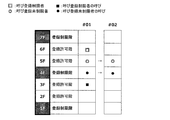
- the operation pattern 6 shows the case of two multicar elevators, and it is assumed that there are two cars # 01 and # 02.
- the registration restrictor A gets on the car # 01 and registers the call of the third floor of the registration permission floor of the registration restrictor A. Since the third floor is the registration permission floor of the registration limiter A, it can be registered.
- car # 01 is stopped on the fifth floor by the hall call registration, and registration unrestricted person B gets on, and the call of registration restricted floor 4 floor of registration restricted person A is registered. Since the 4th floor is a registration restricted floor of registration restricted person A, it can not register.
- the call registration control unit 100 places the car on hold and flashes the call button lamp on the fourth floor.
- the call of the third floor is registered first, the car will go to the fourth floor after traveling to the third floor.
- the call registration control unit 100 assigns a hall call on the fifth floor to car # 02 and the registered unrestricted person on board to car # 01. Inform B to switch to car # 02.
- the call registration control unit 100 cancels the holding state of the call on the fourth floor in the holding state at the car # 01.
- Car # 01 travels to the third floor.
- registration unrestricted person B gets in car # 02.
- a registration unrestricted person B registers a call on the fourth floor, and a car # 02 travels to the fourth floor. If it is faster to go to the fourth floor after going to the fourth floor with the car # 02 by calling the car # 02 to the fifth floor with the car # 02, the operation will be the same as the operation pattern 3 .
- the landing imaging unit 20 is installed at each landing and images the state of the landing including the passersby at the landing.
- the passerby detection unit 21 analyzes the image in the vicinity of the landing acquired by the landing imaging unit 20, and detects a passerby in the vicinity of the landing.
- the landing imaging unit 20 constitutes an authentication data acquisition unit for identifying the user together with the in-car imaging unit.
- the call registration limiter determination unit 22 analyzes the face image of the passerby detected by the passer detection unit 21 and determines whether or not the user is a registration limiter.
- the call registration limiter determination unit 22 is hereinafter referred to as a limitter determination unit.
- the mail transmission section 23 is a guardian of the registration limiter, A notification is sent to a notifier 24 consisting of a manager, a companion, etc. by e-mail.
- the mail transmission unit 23 is not limited to a transmission device having an electronic mail function, but may be a transmission device using communication software for a smartphone, a dedicated transmission device, or the like.
- the landing imaging unit 20 may be installed not only at the landing, but also at various places such as installation on the entrance of the entrance or the stairs.
- the method of analyzing the face image obtained by the surveillance camera but also detection of a passerby by the landing imaging unit 20 may be retina authentication, iris authentication or the like. In this way, by performing detection of the people around the landing, for example, even if the registration-restricted person gives up using the elevator and arrives at the call-registration-restricted floor by the stairs, the guardian or manager of that effect. People, companions, etc. can be notified.
- FIG. 24 is an operation flowchart showing an example of the “call registration restricted person detection at the landing of the call registration restricted floor” operation according to the second embodiment of the present invention.
- step S100 the passer-by detection unit 21 determines whether or not a passerby has been detected at the landing. Then, the passer-by detection unit 21 proceeds to “no” when the passerby is not detected at the landing, ends the series of processing, and when the passerby is detected at the landing, the process proceeds to Step S101 of “yes”. move on.
- step S101 whether or not the passerby is the person who restricted the registration based on the collation between the face image of the passerby detected at the landing and the “face image” set for the person who restricted the registration It is determined whether or not. If the person is not the registration person, the process proceeds to “no”, and the series process is ended. If the person is the registration person, the process proceeds to Step S102 of “yes”.
- step S101 the restricted person determination unit 22 determines whether or not the current time is the “operating time zone” set for the registered restricted person detected at the landing. Then, the restricted person determination unit 22 proceeds to “no” when not in the operation time zone, ends the series of processes, and proceeds to step S103 of “yes” when in the operation time zone.
- step S103 the restrictor determination unit 22 determines whether or not the detected floor is the “registration restricted floor” set for the detected registration restrictor. Then, if the detected floor is not the registration restricted floor of the detected registered restricted person, the restricted person determination unit 22 proceeds to “no”, ends the series of processing, and the detected floor detects the registered restriction. If it is the registration restricted floor of the person, the process proceeds to step S104 of "yes".
- step S103 the restricted person determination unit 22 transmits a mail to the “notifier's mail address” set for the registered restricted person detected from the mail transmission unit 23. Is notified, and the series process is ended.
- the cancellation unit 25 outputs cancellation registration data for canceling the "registration restricted floor” of the "registrant information” setting data shown in FIG.
- the release detection unit 26 detects release registration data from the release unit 25.
- the release determination unit 27 determines whether release is possible.
- the release determination unit 27 is hereinafter referred to as a release determination unit 27. If the cancellation is possible, the registration restriction release floor registration unit 28 performs registration in the “registration restriction cancellation floor” set for the registration restriction person to be canceled.
- the registration restriction release floor registration unit 28 is hereinafter referred to as a release registration unit 28.
- the manager cancellation section 29 outputs manager cancellation registration data for canceling the "registrant information" setting data shown in FIG. While the release unit 25 is the first release unit 25, the administrator release section 29 is hereinafter referred to as the second release unit 29.
- the manager's cancellation detection unit 30 detects the manager's cancellation registration data from the second cancellation unit 29. While the release detection unit 26 is the first release detection unit 26, the administrator release detection unit 30 is hereinafter referred to as the second release detection unit 30.
- the manager's cancellation availability determination unit 31 determines whether or not the manager's cancellation is possible. While the release determination unit 27 is the first release determination unit 27, the administrator release determination unit 31 is hereinafter referred to as a second release determination unit 31.
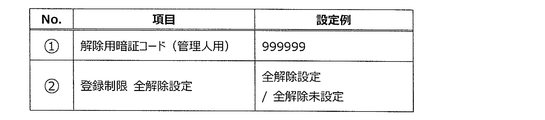
- registration restriction all cancellation registration section 32 sets “registration restriction all cancellation setting” shown in “administrator information” setting data shown in FIG. Set The registration restriction all cancellation registration unit 32 is hereinafter referred to as the all cancellation registration unit 32.
- the configuration of the release unit 25 and the second release unit 29 may be a configuration in which a preset operation is performed by the car operation panel ICO or a configuration in which a personal identification code is input.
- a configuration of the release unit 25 and the second release unit 29 a configuration may be considered in which a portable personal computer, a smartphone, or the like is used and an operation is performed using an application program for PC or smartphone.
- FIG. 26 is an operation flowchart showing an example of the “cancel function” operation according to the third embodiment of the present invention.
- step S105 the release detection unit 26 determines whether release registration data has been received. Then, the release detection unit 26 proceeds to “no” when the release registration data is not received, ends the series of processes, and proceeds to Step S106 of “yes” when the release registration data is received.
- step S106 the release determination unit 27 determines whether the “cancellation setting ID” indicated in the received “cancellation registration data” exists in the “registrant information” configuration data held by the storage unit M of the elevator control panel It is determined whether or not.
- the “registrant information” setting data shown in FIG. 4 is stored in the storage unit M shown in FIG. 2 as described above.
- step S106 ends the series of processes, and proceeds to step S107 “yes” when the ID exists.
- step S107 the release determination unit 27 displays “cancellation information” indicated in the “registration person information” setting data designated by the received cancellation setting ID, the “personal identification code for cancellation” indicated in the received “cancellation registration data”. It is determined whether or not it is equal to the security code.
- the release determination unit 27 proceeds to “no” in step S107, End the series of processing.
- the release determination unit 27 proceeds to step S108 of "yes" in step S107 if both release password codes are equal.
- step S108 the release registration unit 28 sets the “registration limit release floor” indicated in the received “release registration data” as the “registration limit release floor”, and ends the series of processes.
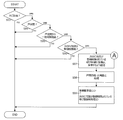
- the release floor of the registration restriction is set by the control of the release function of FIG. 26 described above, the mark of A which is circled in FIG. 5, FIG. 10, FIG. 11, FIG.
- the release floor can be removed when obtaining the registration limit floor of the registration limit person.
- FIG. 28 is a flow chart showing the “registration restricted floor acquisition process of the call registration restricted person” operation.
- step S109 the release registration unit 28 acquires the “registration restricted floor” set for the registration restricted person, and sets the “registration restricted floor” data.
- the release registration unit 28 deletes the release floor designated as the “registration limit release floor” from the registration limit floor set in the “registration limit floor” data, and ends the series of processes. Thereby, the registration restriction of the set release floor can be released.
- FIG. 29 is an operation flowchart showing an example of the “manager cancel function” operation according to the third embodiment of the present invention.
- step S111 the second release detection unit 30 determines whether release registration data for a manager has been received. Then, if the second release detection unit 30 does not receive the release registration data for the administrator, the process proceeds to “no”, ends the series of processing, and when the release registration data for the administrator is received, The process proceeds to step S112 of "yes".
- step S112 the second release determination unit 31 sets the “PIN code for release (for administrator)” indicated in the received “administrator's all release registration data” to the “administrator information” in FIG. It is determined whether or not it is equal to the "password for cancellation (for administrator)” indicated in the data.
- the second release determination unit 31 performs the process in step S112. Proceed to "no" to end the series of processing.
- the second release determination unit 31 proceeds to step S113 of "yes" in step S112 if the both release password codes (for the administrator) are equal.
- step S113 the all release registration unit 32 sets the “registration restriction all release setting” (all release setting / all release unset) indicated in the received “administrator all release registration data” to “administrator information”.
- Set “Restriction restriction all cancellation setting” all cancellation setting / all cancellation not set) shown in setting data.
- 1 in-car imaging unit imaging unit
- 1a in-car surveillance camera monitoring camera
- 2 passenger detection unit 3 first restricted person determination unit
- 4 off passenger detection unit 5 second restricted person determination unit
- 6 in-car call registration unit calling registration unit
- 7 registration limited floor determination unit registration limited floor determination unit
- 8 car call registration availability determination unit registration determination unit
- 9 car call holding floor re-registration unit 10 door opening and closing control unit, 11 call button lamp control unit (lamp control unit), 12 buzzer control unit, 13 notification control unit, 14 notification unit, 15 door, 16 call button lamp, 17 buzzer, 18 speaker, 19 management Human room, 20 landing imaging unit, 21 passerby detection unit, 22 call registration limiter determination unit (limiter determination unit), 23 mail transmission unit, 24 notifier, 25 release unit, 26 release detection unit, 27 release availability Fixed part (release determination part), 28 registration limit release floor registration part (release floor registration part), 29 manager's release part (second release part), 30 manager's release detection part (second release detection part), 31 manager's
Landscapes
- Engineering & Computer Science (AREA)
- Automation & Control Theory (AREA)
- Elevator Control (AREA)
Abstract
呼び登録制御部により、かご内の全ての利用者のうち、認証データ取得部により認証データを取得することができた全ての利用者について、記憶部に記憶された登録制限者データを参照することで、呼び登録制限者がかご内に存在するか否かを判定し、かご内に存在していると判定した全ての呼び登録制限者について、記憶部に記憶された登録制限者データを参照することで、現在時刻が登録制限される動作時間帯に含まれている呼び登録制限者に割り当てられている全ての登録制限階を抽出し、かご内の全ての利用者が行う呼び登録に対して、抽出した登録制限階に対する呼びを登録しないように制限をかけて呼び登録制御を行う、エレベーターの制御装置。
Description
この発明は、監視が必要な子供、老人等がエレベーターを利用して外出する際のかごの運行制御を行う、エレベーターの制御装置およびエレベーターの制御方法に関する。
従来、利用者を管理するエレベーターの制御装置として、不審者が建物内でエレベーターを利用して移動できないようにする制御装置がある。この制御装置は、利用者の顔画像を基準顔画像として記憶しておき、撮影顔画像が基準顔画像と一致しない場合には、かごを戸開待機させて、エレベーターの利用を禁止する制御を行う(例えば、特許文献1参照)。
また、従来の別の制御装置では、エレベーターの利用可能な時間帯が設定された利用者の基準顔画像を該当利用者の情報と対応付けて保存する。そして、この制御装置は、基準顔画像が保存された利用者の中から現在時刻にエレベーターが利用可能な利用者を特定する。さらに、この制御装置は、撮影された利用者の撮影顔画像と、特定された利用者の基準顔画像が一致しない場合には、かごを戸開待機させる(例えば、特許文献2を参照)。
また、従来のさらに別の制御装置では、利用者に発振器を携帯させる。そして、この制御装置では、発振器からの信号に従って特定人、および特定人を監視する同伴者を識別する。そして、この制御装置は、識別結果に基づいて、同伴者が識別されない場合には、例えば、特定人のエレベーターの利用を禁止するよう制御を行う(例えば、特許文献3参照)。
近年、共稼ぎ世帯が増え、学校、塾等から、親が不在の自宅に帰る子供が多い。帰宅後に、親が家にいない状態で、子供の外出が心配されるケースがある。また、老人ホームにおいて、老人が勝手に単独で外出してしまうケースもある。このような、保護者、同伴者等の監視下にない子供および老人の外出を防ぐことが望まれている。
そこで、この発明では、上記の課題を解決するために、利用者の識別結果に応じて、エレベーターを利用して外出することに制限をかけることのできるエレベーターの制御装置およびエレベーターの制御方法を提供することを目的とする。
この発明は、かごに乗降する利用者を個別認証するための認証データを取得する認証データ取得部と、かご内において利用者が降車階を設定するための呼び登録を行うかご内呼び登録部と、少なくとも1つの階を呼び登録により降車階として設定することを禁止する制限がかけられた呼び登録制限者に関して、登録制限階、登録制限される動作時間帯、および前記認証データを関連付けた登録制限者データがあらかじめ記憶された記憶部と、前記かご内呼び登録部からの呼び登録、前記認証データ取得部から取得した前記認証データ、および前記記憶部に記憶された前記登録制限者データに従って呼び登録制御を行う呼び登録制御部と、を備え、前記呼び登録制御部は、かご内の全ての利用者のうち、前記認証データ取得部により前記認証データを取得することができた全ての利用者について、前記記憶部に記憶された前記登録制限者データを参照することで、呼び登録制限者がかご内に存在するか否かを判定し、かご内に存在していると判定した全ての呼び登録制限者について、前記記憶部に記憶された前記登録制限者データを参照することで、現在時刻が前記登録制限される動作時間帯に含まれている呼び登録制限者に割り当てられている全ての登録制限階を抽出し、かご内の全ての利用者が行う呼び登録に対して、抽出した前記登録制限階に対する呼びを登録しないように制限をかけて前記呼び登録制御を行う、エレベーターの制御装置にある。
この発明の制御装置では、外出の際に保護者または同伴者の監視が必要な呼び登録制限者に対して、呼びを禁止する時間帯には、呼び登録を禁止する呼び登録禁止階を予め記憶しておく。そして、監視カメラにより、かごに乗車する利用者を監視する。制御装置は、呼び登録制限者に対しては記憶された時間帯において、記憶された呼び登録禁止階への呼びを受け付けないようにすることで、保護者、同伴者の監視下にない子供および老人の外出を阻止する。
以下、この発明によるエレベーターの制御装置およびエレベーターの制御方法を各実施の形態に従って、図面を用いて説明する。なお、各実施の形態において、同一もしくは相当部分は同一符号で示し、また重複する説明は省略する。
実施の形態1.
図1は、この発明の一実施の形態によるエレベーターの制御装置を示すイメージ図である。図2は、この発明の一実施の形態によるエレベーターの制御装置の、特にエレベーターの呼び登録に関する構成を示す機能ブロック図である。
図1は、この発明の一実施の形態によるエレベーターの制御装置を示すイメージ図である。図2は、この発明の一実施の形態によるエレベーターの制御装置の、特にエレベーターの呼び登録に関する構成を示す機能ブロック図である。
図2のかご内撮像部1は、図1に示すかご内に設置されており、利用者の顔画像を含むかご内の状態を撮像するかご内監視カメラ1aからなる。かご内呼び登録部6は、図1のかご操作盤ICOに設けられたかご内呼び登録釦からなる。かご内撮像部1は、以下、撮像部1と称す。かご内監視カメラ1aは、以下、監視カメラ1aと称す。かご内呼び登録部6は、以下、呼び登録部6と称す。
乗場撮像部20は、各階床の乗場に設けられている。具体的には、乗場撮像部20は、利用者の顔画像を含む乗場の状態を撮像する乗場監視カメラからなる。解除部25は、かご内または乗場の利用者が操作可能な場所に設けられている。具体的には、解除部25は、エレベーターの制御装置に現在設定された条件を解除するための解除釦等からなる。管理人用解除部29は、かご内、乗場、機械室、管理人室等の管理人だけが操作可能な状態、場所に設けられている。具体的には、管理人用解除部29は、エレベーターの制御装置に現在設定された条件を、管理者が解除するための解除釦等からなる。解除部25および管理人用解除部29が、機能解除入力部を構成する。
図2の呼び登録制御部100は、エレベーターの制御装置の制御回路部のうちの、エレベーターの呼び登録に係る部分である。呼び登録制御部100は、基本構成として、各制御機能を実行するためのプロクラムおよび制御に必要な各種情報を格納する記憶部、およびプロセッサを備える1つまたは複数のコンピュータで構成される。ここで、プロセッサは、記憶部に格納された各種プロクラム、各種情報、および外部から入力される画像、入力信号等の情報に従って、エレベーターの制御を実行する。
なお、呼び登録制御部100は、上述の各種機能を実行する1つまたは複数のデジタル回路で構成されてもよい。また、駆動制御部100aの各部分は、呼び登録制御部100とはそれぞれ別々の回路として構成されてもよい。
図3に示すように、呼び登録制御部100を含むエレベーターの制御装置の制御回路部1000は、通常、エレベーター制御盤に設けられている。制御回路部1000も、1つまたは複数のコンピュータ、または1つまたは複数のデジタル回路で構成される。制御回路部1000は、呼び登録制御部100の他に、かごの駆動制御を行うかご駆動制御部200、およびエレベーターの各種制御を行う制御部300を含む。呼び登録制御部100は、これらの各種制御部200、300との間で、制御信号、各種情報等の授受を行う。例えば、呼び登録制御部100は、最終的に決定されたかご呼びの信号を、かご駆動制御部200へ送る。かご駆動制御部200は、かご呼びの信号に基づいて、かごの駆動制御を行う。また、呼び登録制御部100は、かご駆動制御部200から、かごの位置を含むかごの状態を示す信号を受けることで、かごの状態も考慮してかご呼び登録の判定を行う。
図1に示すように、監視カメラ1aは、エレベーターの利用者USE1、USE2等を撮像する。ここで、利用者USE1は、呼び登録階が制限された子供であり、呼び登録制限者に相当する。一方、利用者USE2は、呼び登録階が制限されていない呼び登録未制限者に相当する。
乗車客検出部2は、撮像された画像を取得して、かご内のドア15付近の画像を解析する。そして、乗車客検出部2は、画像の解析結界から、かご内に利用者が乗車したか否かを検出する。さらに、乗車客検出部2は、かご内に利用者が乗車している場合には、その利用者の顔画像を検出する。以下、呼び登録制限者を登録制限者、呼び登録未制限者を登録未制限者とも称す。
次に、呼び登録制限者/呼び登録未制限者判定部である第1の制限者判定部3は、乗車客検出部2により検出された利用者の顔画像を解析し、利用者が登録制限者であるか否かを判定する。
登録制限者は、エレベーターが設置された施設から出る際に監視が必要な利用者である。登録制限者の情報は、顔画像とともに、予め記憶部Mに登録されている。図4は、この発明の一実施の形態による記憶部Mに設定される登録制限者のデータの一例を示す図である。登録制限者のデータは、以下のものを含む。
1) 認証コードID
2) 呼び登録制限者の顔画像
3) 監視制御を行う時間帯である動作時間帯
例えば、子供であれば、15:00~19:00の間を、登録制限をかけて監視制御を行う動作時間帯として設定し、老人であれば、全ての時間を、登録制限をかけて監視制御を行う動作時間帯として設定することができる。
4) 登録制限階
例えば、子供であれば、ロビー階である1階だけを登録制限界として設定し、老人であれば、全階床を登録制限界として設定することができる。
5) 通知者メールアドレス
登録制限階へのかご呼びがあった時の連絡先であり、保護者あるいは同伴者のメールアドレスを事前に設定しておく。
6) 解除用暗証コード
現在設定されているかご呼び制限を解除するための暗証コードに相当する。
7) 登録制限解除階
登録制限の解除操作を許可する階床に相当する。
1) 認証コードID
2) 呼び登録制限者の顔画像
3) 監視制御を行う時間帯である動作時間帯
例えば、子供であれば、15:00~19:00の間を、登録制限をかけて監視制御を行う動作時間帯として設定し、老人であれば、全ての時間を、登録制限をかけて監視制御を行う動作時間帯として設定することができる。
4) 登録制限階
例えば、子供であれば、ロビー階である1階だけを登録制限界として設定し、老人であれば、全階床を登録制限界として設定することができる。
5) 通知者メールアドレス
登録制限階へのかご呼びがあった時の連絡先であり、保護者あるいは同伴者のメールアドレスを事前に設定しておく。
6) 解除用暗証コード
現在設定されているかご呼び制限を解除するための暗証コードに相当する。
7) 登録制限解除階
登録制限の解除操作を許可する階床に相当する。
登録制限階、登録制限解除階は、エレベーターが設置されている建物の出入口のある、例えばエントランス階、ロビー階に相当する。
なお、以下で説明するエレベーターの呼び登録制御に使用される各種データ、フラグ等は、全て記憶部Mに記憶されており、追加、変更、削除が行われる。
第1の制限者判定部3は、検出した利用者の顔画像と、記憶部Mに記憶されている登録制限者の顔画像とを照合して、検出した利用者が登録制限者であるか否かを判定する。
登録制限階判定部7は、呼び登録部6によりかご呼びが登録されると、登録階が登録制限階であるか否かを判定する。登録制限階判定部7は、以下、制限階判定部7と称す。
かご呼び登録可否判定部8は、制限階判定部7と第1の制限者判定部3の判定結果から、最終的に登録された呼びが、登録可能であるか否かを判定する。かご呼び登録可否判定部8は、以下、登録判定部8と称す。登録判定部8は、第1の制限者判定部3の判定結果からかご呼び登録を行った乗客が登録制限者であり、かつ、制限階判定部7の判定結果から登録階が登録制限階である場合には、呼び登録を不可と判定する。
この場合、登録判定部8は、報知制御部13によりスピーカ18を駆動させ、ブザー制御部12によりブザー17を駆動させて、登録制限者に降車を促す報知を行わせる。スピーカ18およびブザー17は、例えば、図1のかご操作盤ICOに設けられている。また、登録判定部8は、登録制限者を降車させる必要がある場合には、戸開閉制御部10により、ドア15に対して、戸開延長または戸開待機の制御を行わせる。
さらに、登録判定部8は、かご呼び登録を行った乗客が設定時間内に降車しない場合には、通報部14により、管理人室19に通報させる。
登録判定部8は、登録未制限者が登録制限者と同乗した場合、登録未制限者が登録制限者の登録制限階に呼びを登録した場合にも、呼び登録不可とする。また、登録判定部8は、登録制限者が複数人乗車している場合には、登録制限者の全員分に対応する登録制限階を、呼び登録不可とする。登録制限者により呼び登録が不可の状態にある場合には、登録判定部8は、報知制御部13によりスピーカ18から、呼び登録が不可であることを報知させる。また、登録判定部8は、戸開閉制御部10により、ドア15の戸開延長を行って、かご呼びを保留状態にさせる。さらに、登録判定部8は、呼び釦ランプ制御部11により、かご操作盤ICOに設けられた呼び釦ランプ16を点滅させ、かご呼びが保留状態であることを利用者に伝える。呼び釦ランプ制御部11は、以下、ランプ制御部11と称する。
降車客検出部4は、撮像部1により取得したドア付近の画像を解析し、利用者がかご内から降車したことを検出する。撮像部1は、乗車客と降車客の顔画像をそれぞれ得る必要がある。このため、撮像部1は、乗車方向と降車方向を向いた2つの監視カメラ1aを設けることが好ましい。
次に、呼び登録制限者/呼び登録未制限者判定部である第2の制限者判定部5は、降車客検出部4によって検出された乗客の顔画像を解析し、その乗客が登録制限者であるか否かを判定する。なお、乗車客検出部2と降車客検出部4は、乗降客検出部を構成する。
かご呼び保留階再登録部9は、かご呼び保留階が登録されていて、かご呼び保留階が登録制限階でなくなった場合であり、かつ、降車した乗客が登録制限者である場合には、次の処理を行う。すなわち、この場合には、かご呼び保留階再登録部9は、かご呼び保留階のかご呼び登録処理を行い、ランプ制御部11により、点滅させていた呼び釦ランプ16を点灯させる。かご呼び保留階再登録部9は、以下、再登録部9と称す。
以上の制御により、エレベーターの制御装置は、呼び登録が制限されている子供、老人などの乗客が、呼び登録が制限されていない乗客に便乗して、ロビー階、エントランス階等の登録制限階に移動することで、外出してしまうことを防止することができる。なお、乗客の検出は、監視カメラで得られた顔画像に限定されることない。乗客の検出は、網膜認証、虹彩認証、指紋認証、静脈認証、IDカード、タグ、スマートフォンによる認証、パスワードの入力による認証等、により行ってもよい。
図5は、この発明の実施の形態1による「乗車検出」動作の一例を示す動作フローチャートである。
ステップS1で、乗車客検出部2は、乗客が乗車したか否かを判定し、乗車を検出していない場合は、”no”のステップS14へ進み、乗車を検出すると、”yes”のステップS2へ進む。
ステップS2で、第1の制限者判定部3は、乗車した乗客が登録制限者USE1であるか否かを判定する。第1の制限者判定部3は、乗車した乗客が登録制限者USE1である場合は、”yes”のステップS4に進み、乗車した乗客が登録未制限者USEの場合は、”no”のステップS3に進む。
乗車した乗客が登録未制限者USE2の場合には、ステップS3で、登録判定部8は、「呼び登録制限者乗車フラグ」をOFFし、ステップS14に進む。
ステップS4で、登録判定部8は、現在時刻が、乗車した乗客の「登録者情報」設定データにおける「動作時間帯」であるか否かを判定する。登録判定部8は、現在時刻が動作時間帯である場合は、”yes”のステップS5に進む。登録判定部8は、現在時刻が「動作時間帯」でない場合は、”no”のステップS3に進み、「呼び登録制限者乗車フラグ」をOFFした後、ステップS14に進む。
ステップS5で、登録判定部8は、「呼び登録制限者乗車フラグ」をONし、ステップS6で、「呼び登録制限者乗車中フラグ」をONする。
図6に、この実施の形態1における「乗車中の呼び登録制限者リスト」の一例を示す。
次に、ステップS7で、登録判定部8は、「乗車中の呼び登録制限者リスト」に、乗車した登録制限者USE1の「ID」を追加する。なお、登録判定部8は、図4に示した「登録者情報」設定データを参照することで、「ID」を特定できる。
図7に、この実施の形態1における「登録制限階データ」のイメージ図の一例を示す。ここでは、登録制限階は、ロビー階またはエントランス階に限定せずに一般化して、1つまたは複数の登録制限階が自由に設定可能なものとして説明する。ここで、乗客Aおよび乗客Bは、登録制限者USE1である。また、最下階を1階、最上階を7階として説明する。乗客Aの登録制限階が、1F、乗客Bの登録制限階が、4Fと7F、である場合、「登録制限階データ」では、1F、4F、7Fが登録制限階となる。
次に、ステップS8で、登録判定部8は、「登録制限階データ」に、乗車した登録制限者の「登録制限階」を加える。
次に、ステップS9で、制限階判定部7は、乗車した登録制限者USE1の「登録制限階データ」に示す「登録制限階」が、呼び登録済みであるか否かを判定する。制限階判定部7は、呼び登録されていない場合は、”no”のステップS14に進み、呼び登録されている場合は、”yes”のステップS10に進む。
ステップS10に進んだ場合、呼び登録済みの登録制限階は、乗車してきた登録制限者USE1の登録制限階である。そこで、ステップS10で、登録判定部8は、登録制限者USE1が降車後に登録を確定する旨を、報知制御部13により報知させる。
図8に、この実施の形態1における「かご呼び保留階データ」の一例を示す。
次に、ステップS11で、登録判定部8は、呼び登録済みの登録制限階のかご呼び登録をキャンセルする。
ステップS12で、登録判定部8は、呼び登録済みの登録制限階を、図8に示す「かご呼び保留階データ」に追加する。
次に、ステップS13で、登録判定部8は、ランプ制御部11により呼び登録済みの登録制限階の呼び釦ランプ16を点滅させて、かご呼び登録が保留状態となったことを報知させ、ステップS14に進む。
ステップS14で、登録判定部8は、乗車した登録制限者USE1に対して設定されている「登録制限階」が、全階床となっているか否かを判定する。登録制限階が全階床となっていない場合は、登録判定部8は、”no”に進み、一連処理を終了する。登録制限階が全階床となっている場合は、登録判定部8は、”yes”のステップS15に進む。
ステップS15に進んだ場合、エレベーターの使用が禁止されている。このため、登録判定部8は、報知制御部13によりスピーカ18を駆動させ、ブザー制御部12によりブザー17を駆動させて、乗車した登録制限者USE1に対して降車するよう報知させる。また、ステップS16で、登録判定部8は、戸開閉制御部10により、戸開待機、出発阻止の制御を行わせる。
図9に、この実施の形態1における「降車要求者リスト」の一例を示す。
次に、ステップS17で、登録判定部8は、「降車要求者リスト」に、乗車した登録制限者USE1を示す「ID」を追加して、一連処理を終了する。
以上の図5の制御により、エレベーターの制御装置は、乗客が乗車した際に、登録制限者であるか否かを判定する。そして、登録制限者が1人でもいる場合には、エレベーターの制御装置は、登録制限者のそれぞれの登録制限階の論理和に従って登録制限階データを生成する。この結果、かご内に乗車している全ての乗客に対して、生成した登録制限階データに基づいて、登録制限階を行うことができる。
図10は、この発明の実施の形態1による「降車検出」動作の一例を示す動作フローチャートである。
ステップS18で、降車客検出部4は、乗客の降車を検出したか否かを判定する。降車客検出部4は、降車を検出していない場合は、”no”へ進み、一連処理を終了し、降車を検出すると、”yes”のステップS19へ進む。
ステップS19で、第2の制限者判定部5は、降車した乗客が登録制限者であるか否かを判定する。第2の制限者判定部5は、降車した乗客が、登録制限者USE1でない場合は、”no”に進み、一連処理を終了し、降車した乗客が登録制限者USE1である場合は、”yes”のステップS20に進む。
ステップS20で、登録判定部8は、降車した登録制限者USE1のIDを取得する。
ステップS21で、登録判定部8は、かごが出発阻止中であるか否かを判定し、出発阻止中でない場合は、”no”のステップS26に進み、出発阻止中である場合は、”yes”のステップS22へ進む。
ステップS22で、登録判定部8は、降車した乗客が、降車要求中の乗客か否かを判定する。登録判定部8は、降車した乗客のIDが、「降車要求者リスト」に存在しない場合は、”no”のステップS26に進む。
登録判定部8は、降車した乗客のIDが、「降車要求者リスト」に存在する場合は、”yes”のステップS23に進む。ステップS23で、登録判定部8は、「降車要求者リスト」から、降車した乗客のIDを削除する。
次に、ステップS24で、登録判定部8は、かご内に乗車中の乗客に、降車要求者が存在するか否かを判定する。登録判定部8は、降車要求者が存在する場合は、”no”のステップS26に進む。登録判定部8は、降車要求者が存在しない場合は、”yes”のステップS25に進み、戸開待機、出発阻止を解除し、その後、ステップS26に進む。
ステップS26で、登録判定部8は、「乗車中の呼び登録制限者リスト」から、降車した登録制限者USE1のIDを削除する。
ステップS27で、登録判定部8は、かご内に登録制限者USE1がいるか否かを判定する。登録判定部8は、かご内に登録制限者がUSE1いない場合は、”yes”のステップS28に進む。
ステップS28で、登録判定部8は、「呼び登録制限者乗車中フラグ」をOFFにする。
ステップS29で、登録判定部8は、「登録制限階データ」をクリアし、ステップS32に進む。
登録判定部8は、かご内に登録制限者がいる場合は、ステップS27で、”no”のステップS30に進む。
ステップS30で、登録判定部8は、かご内に乗車中の登録制限者の人数分の処理を完了したか否かを判定する。この処理が完了していない場合は、登録判定部8は、”no”のステップS31に進む。
ステップS31で、登録判定部8は、「登録制限階データ」に、処理中の登録制限者に対して設定されている「登録制限階」を加え、ステップS30に戻る。
ステップS30で、登録判定部8は、乗車中の登録制限者の人数分の処理が完了した場合は、”yes”のステップS32に進む。
ステップS32で、再登録部9は、「かご呼び保留階データ」に保留階が設定されているか否かを判定する。再登録部9は、「かご呼び保留階データ」に保留階が設定されていない場合は、”no”に進み、一連処理を終了する。
ステップS32で、再登録部9は、「かご呼び保留階データ」に保留階が設定されている場合は、”yes”のステップS33へ進み、ステップS33で、設定されているかご呼び保留階の全ての処理が完了したか否かを判定する。
ステップS33で、再登録部9は、設定されているかご呼び保留階の全ての処理が完了していない場合は、”no”のステップS34へ進む。
ステップS34で、再登録部9は、処理中のかご呼び保留階が、「登録制限階データ」に設定されている登録制限階か否かを判定する。
ステップS34で、再登録部9は、処理中のかご呼び保留階が登録制限階である場合は、”yes”のステップS33に戻る。処理中のかご呼び保留階が登録制限階でない場合は、再登録部9は、”no”のステップS35に進み、かご呼びを登録し、ステップS33に戻る。
ステップS33で、再登録部9は、設定されているかご呼び保留階の全ての処理が完了した場合は、”yes”に進み、一連処理を終了する。
以上の図10の制御により、乗客が降車した際に、降車した乗客が登録制限者であれば、登録制限状態をクリアし、解除された登録制限階に対応する保留中のかご呼びがあれば、再登録を行うことができる。
図11は、この発明の実施の形態1による「動作時間判定」動作の一例を示す動作フローチャートである。
ステップS36で、登録判定部8は、登録制限者が乗車中であるか否かを判定する。登録判定部8は、「呼び登録制限者乗車中フラグ」がONしていない場合は、”no”に進み、一連処理を終了し、「呼び登録制限者乗車中フラグ」がONしている場合は、”yes”のステップS37に進む。
ステップS37で、登録判定部8は、「乗車中の呼び登録制限者リスト」に設定されている全員分について、現在時刻が動作時間帯にあるかのチェックを完了したか否かを判定する。
ステップS37で、登録判定部8は、乗車中の登録制限者の全員分についてチェックが完了した場合は、”yes”に進み、一連処理を終了し、乗車中の登録制限者の全員分についてチェックが完了していない場合は、”no”のステップS38に進む。
ステップS38で、登録判定部8は、「乗車中の呼び登録制限者リスト」から、処理中の登録制限者のIDを取得する。
ステップS39で、登録判定部8は、取得したIDの登録制限者に対して設定されている「動作時間帯」を取得する。
ステップS40で、登録判定部8は、現在時刻が、処理中の登録制限者の動作時間帯内であるか否かを判定し、現在時刻が動作時間帯内である場合は、”yes”に進み、一連処理を終了する。
ステップS40で、登録判定部8は、現在時刻が動作時間帯内でない場合は、”no”のステップS41へ進む。
ステップS41で、登録判定部8は、「乗車中の呼び登録制限者リスト」から、処理中のIDを削除する。
次に、ステップS42で、登録判定部8は、かご内に登録制限者がいるか否かを判定する。登録判定部8は、かご内に登録制限者がいない場合は、”yes”に進み、ステップS43で、「呼び登録制限者乗車中フラグ」をOFFする。さらに、登録判定部8は、ステップS44で、「登録制限階データ」をクリアして、一連処理を終了する。
次に、ステップS42で、登録判定部8は、かご内に登録制限者がいる場合は、”no”のステップS45に進む。
次に、ステップS45で、登録判定部8は、かご内に乗車中の登録制限者の人数分の処理が完了したか否かを判定し、処理が完了していない場合は、”no”のステップS46に進む。
次に、ステップS46で、登録判定部8は、「登録制限階データ」に、処理中の登録制限者に対して設定されている「登録制限階」を加え、ステップS45に戻る。
ステップS45で、登録判定部8は、乗車中の登録制限者の人数分の処理が完了した場合は、”yes”に進み、一連処理を終了する。
以上の図11の制御により、かご内に乗車中に、動作時間帯内から動作時間外となった場合の登録制限階のクリア処理を行うことができる。
図12は、この発明の実施の形態1による「かご内呼び登録検出」動作の一例を示す動作フローチャートである。
ステップS47で、制限階判定部7は、かご呼び登録を検出したか否かを判定する。制限階判定部7は、かご呼び登録を検出していない場合は、”no”に進み、一連処理を終了し、かご呼び登録を検出している場合は、”yes”のステップS48に進む。
ステップS48で、第1の制限者判定部3は、登録制限者による呼び登録か否かを判定する。第1の制限者判定部3は、「呼び登録制限者乗車フラグ」がONしている場合には、登録制限者による呼び登録であると判定し、”yes”のステップS49へ進む。
ステップS49で、登録判定部8は、呼び登録した登録制限者に対して設定されている「登録制限階」が、全階床に対して登録制限されているか否かを判定する。登録判定部8は、呼び登録した登録制限者の登録制限階が全階床に対してまでは登録制限されていない場合は、”no”のステップS50へ進む。
ステップS50で、登録判定部8は、かご呼び登録された階床が、「登録制限階データ」に設定されている階床か否かを判定する。登録判定部8は、かご呼び登録された階床が、登録制限階でない場合は、”no”のステップS51に進む。
ステップS51で、登録判定部8は、既に登録済みのかご呼び登録データの中に、現在の階から登録階までの間に、呼び登録を行った登録制限者に対して設定されている「登録制限階」があるか否かを判定する。登録判定部8は、該当する登録制限階がない場合は、”no”のステップS52へ進む。
ステップS52で、登録判定部8は、かご呼び登録を行い、一連処理を終了する。
ステップS51で、登録判定部8は、該当する登録制限階がある場合は、”yes”のステップS53へ進む。
ステップS53に進んだ場合、先に登録制限階に向かうこととなる。そこで、登録判定部8は、呼び登録を行った登録制限者に対して、降車して乗場で待つように、報知制御部13により報知させる。
ステップS54で、登録判定部8は、戸開閉制御部10に戸開待機、出発阻止の処理を行わせる。
ステップS55で、登録判定部8は、「降車要求者リスト」に、呼び登録を行った登録制限者に対して設定されている「ID」を追加する。ステップS56で、登録判定部8は、図13に示す「降車要求による乗場呼び自動登録階データ」に、現在の階を追加して、一連処理を終了する。
また、ステップS50で、登録判定部8は、かご呼び登録された階床が、登録制限階である場合は、”yes”のステップS57に進む。
また、ステップS57で、登録判定部8は、かご呼び登録された階床が、かご呼び登録を行った乗客に対して設定されている「登録制限階」であるか否かを判定する。そして、登録判定部8は、かご呼び登録された階床が、かご呼び登録を行った乗客の登録制限階である場合は、”yes”のステップS58に進む。
また、ステップS58に進んだ場合、かご内呼び登録階は、登録制限階で登録できないこととなる。そこで、登録判定部8は、報知制御部13により降車を促す報知を行わせる。
そして、ステップS59で、登録判定部8は、戸開閉制御部10に戸開延長の処理を行なわせて、一連処理を終了する。
そして、ステップS57で、登録判定部8は、かご呼び登録された階床が、かご呼び登録を行った乗客の登録制限階でない場合は、”no”のステップS60に進む。
そして、ステップS60に進んだ場合、かご内呼び登録階は、乗車中の登録制限者の登録制限階である。そこで、登録判定部8は、登録制限者が降車後に、登録を確定する旨、報知制御部13により報知させる。
次に、ステップS61で、登録判定部8は、かご呼び登録された階床を、「かご呼び保留階データ」に追加する。
次に、ステップS62で、登録判定部8は、かご呼び登録された階床のかご呼び釦灯を、ランプ制御部11により点滅させて、かご呼び登録が保留状態となったことを報知させる。
次に、ステップS63で、登録判定部8は、戸開閉制御部10に戸開延長の処理を行なわせ、一連処理を終了する。
ステップS49で、登録判定部8は、呼び登録した登録制限者の登録制限階が、全階床に対して登録制限されている場合は、”yes”のステップS64に進む。
ステップS64に進んだ場合、エレベーターの使用は、禁止されることとなる。そこで、登録判定部8は、呼び登録した登録制限者に対して、降車するよう、報知制御部13により報知させる。
ステップS65で、登録判定部8は、「降車要求者リスト」に、呼び登録した登録制限者に対して設定されている「ID」が登録済みであるか否かを判定する。登録判定部8は、降車要求者リストに、呼び登録した登録制限者のIDが登録済みである場合は、”yes”に進み、一連処理を終了する。
ステップS65で、登録判定部8は、降車要求者リストに、呼び登録した登録制限者のIDが登録済みでない場合は、”no”のステップS66に進む。
ステップS66で、登録判定部8は、戸開閉制御部10に戸開待機、出発阻止の処理を行わせる。
ステップS67で、登録判定部8は、「降車要求者リスト」に、呼び登録を行った登録制限者に対して設定されている「ID」を追加し、一連処理を終了する。
ステップS48で、登録判定部8は、「呼び登録制限者乗車フラグ」がONしていない場合には、登録制限者による登録でないと判定し、”no”のステップS68へ進む。
ステップS68で、登録判定部8は、かご呼び登録された階床が、登録制限階であるか否かを判定する。そして、登録判定部8は、かご呼び登録された階床が登録制限階である場合は、”yes”のステップS69に進む。
ステップS69に進んだ場合、かご内呼び登録階は、乗車中の登録制限者の登録制限階である。そこで、登録判定部8は、登録制限者が降車後に登録を確定する旨を、報知制御部13により報知させる。
次に、ステップS70で、登録判定部8は、かご呼び登録された階床を「かご呼び保留階データ」に追加する。
次に、ステップS71で、登録判定部8は、かご呼び登録された階床のかご呼び釦灯をランプ制御部11により点滅させて、かご呼び登録が保留状態となったことを報知させる。
次に、ステップS72で、登録判定部8は、戸開閉制御部10に戸開延長の処理を行なわせて、一連処理を終了する。
ステップS68で、登録判定部8は、かご呼び登録された階床が、登録制限階でない場合は、”no”のステップS73に進む。
ステップS73で、登録判定部8は、かご呼び登録を行い、一連処理を終了する。
以上の図12の制御により、かご呼びが登録された際に、かご呼び登録を行った乗客が登録制限者で、登録された階が呼び登録制限階である場合は、登録を許可せず、降車を促すことができる。また、かご呼び登録を行った乗客が登録未制限者で、登録された階が呼び登録制限階ある場合は、登録を保留状態とし、登録制限者が降車後に、再登録するなどの処理を行うことができる。
図14は、この発明の実施の形態1の「かご呼びなし・乗客有り状態から一定時間経過時」動作を示すフローチャートである。ここで、「一定時間」とは、予め定められた適当な時間長を意味し、以下同様である。
ステップS74で、登録判定部8は、「呼び登録制限者乗車中フラグ」を参照することで、かご内に登録制限者が存在するか否かを判定する。登録判定部8は、「呼び登録制限者乗車中フラグ」がONしていない場合には、かご内に登録制限者が存在しないと判定し、”no”に進み、一連処理を終了する。ステップS74で、登録判定部8は、「呼び登録制限者乗車中フラグ」がONしている場合には、かご内に登録制限者が存在すると判定し、”yes”のステップS75に進む。
ステップS75で、登録判定部8は、かご呼びが登録されているか否かを判定し、かご呼びが登録されている場合は、”no”に進み、一連処理を終了する。ステップS75で、登録判定部8は、かご呼びが登録されていない場合は、”yes”のステップS76に進む。
ステップS76で、登録判定部8は、かご呼び保留階が設定されているか否かを判定し「かご呼び保留階データ」に設定階が存在しない場合は、”no”に進み、一連処理を終了する。ステップS76で、登録判定部8は、「かご呼び保留階データ」に設定階が存在する場合は、”yes”のステップS77に進む。
ステップS77で、登録判定部8は、最後の乗車から一定時間経過したか否かを判定し、最後の乗車から一定時間経過していない場合は、”no”に進み、一連処理を終了する。ステップS77で、登録判定部8は、最後の乗車から一定時間経過した場合は、”yes”のステップS78に進む。
ステップS78に進んだ場合、呼び登録ができない、そこで、登録判定部8は、かご呼び保留階の登録制限者を降車させるように、報知制御部13により報知させる。さらに、ステップS79で、登録判定部8は、戸開閉制御部10により戸開待機、出発阻止の制御を行わせる。
ステップS80で、登録判定部8は、「降車要求者リスト」に、かご呼び保留階に呼び登録を行った登録制限者に対して設定されている「ID」を追加し、一連処理を終了する。
以上の図14の制御により、登録未制限者が行きたい階が、登録制限者の登録制限階であり、登録制限者が降車しない場合には、登録制限者に対して降車を促すことができる。
図15は、この発明の実施の形態1による「戸開待機・出発阻止」動作の一例を示す動作フローチャートである。
ステップS81で、登録判定部8は、戸開待機・出発阻止中であるか否かを判定する。そして、登録判定部8は、戸開待機・出発阻止中でない場合は、”no”に進み、一連処理を終了し、戸開待機・出発阻止中である場合は、”yes”のステップS82に進む。
ステップS82で、登録判定部8は、管理人に通報済みであるか否かを判定する。そして、登録判定部8は、管理人に通報済みである場合は、”yes”に進み、一連処理を終了し、管理人に通報済みでない場合は、”no”のステップS83に進む。
ステップS83で、登録判定部8は、戸開待機・出発阻止開始から一定時間経過したか否かを判定する。そして、登録判定部8は、戸開待機・出発阻止開始から一定時間経過していない場合は、”no”に進み、一連処理を終了し、戸開待機・出発阻止開始から一定時間経過した場合は、”yes”のステップS84に進む。
ステップS84で、登録判定部8は、管理人に通報することを報知済みであるか否かを判定する。登録判定部8は、「管理人通報報知済みフラグ」がONしていない場合には、管理人に通報することを報知済みでないと判定し、”no”のステップS85に進む。
ステップS85で、登録判定部8は、乗客に対して管理人に通報する旨を、通報部14により報知させる。
ステップS86で、登録判定部8は、「管理人通報報知済みフラグ」をONして、一連処理を終了する。
ステップS84で、登録判定部8は、「管理人通報報知済みフラグ」がONしている場合には、管理人に通報することを報知済みであると判定し、”yes”のステップS87に進む。
ステップS87で、登録判定部8は、「管理人通報報知済みフラグ」がONしてから一定時間経過したか否かを判定する。登録判定部8は、一定時間経過していない場合は、”no”に進み、一連処理を終了し、一定時間経過した場合は、”yes”のステップS88に進む。
ステップS88で、登録判定部8は、通報部14により管理人に通報を行わせ、一連処理を終了する。
以上の図15の制御により、戸開待機・出発阻止を開始してから一定時間経過した場合に、管理人に通報する旨を乗客に報知して戸開待機を継続し続け、管理人に通報することができる。
図16は、この発明の実施の形態1による「走行開始時」動作の一例を示す動作フローチャートである。
ステップS89で、登録判定部8は、走行開始時であるか否かを判定する。登録判定部8は、走行開始時でない場合は、”no”に進み、一連処理を終了し、走行開始時である場合は、”yes”のステップS90に進む。走行開始は、例えば、エレベーターの制御装置が出力するエレベーターの駆動制御信号から判定する。
ステップS90で、登録判定部8は、「降車要求による乗場呼び自動登録階データ」に設定があるか否かを判定し、「降車要求による乗場呼び自動登録階データ」に設定がない場合は、”no”に進み、一連処理を終了する。
ステップS90で、登録判定部8は、「降車要求による乗場呼び自動登録階データ」に設定がある場合は、”yes”のステップS91に進む。
ステップS91で、登録判定部8は、降車要求による乗場呼び自動登録階を、乗場呼び登録する。さらに、ステップS92で、登録判定部8は、「降車要求による乗場呼び自動登録階データ」から、自動登録した乗場呼び登録階を削除する。
以上の図16の制御により、登録制限により一旦降車した乗客に対する乗場呼びを自動登録することで、再度登録し直す手間を省くことができる。
図17は、この発明の実施の形態1による「かご到着時」動作の一例を示す動作フローチャートである。
ステップS93で、登録判定部8は、かご到着時であるか否かを判定する。登録判定部8は、かご到着時でない場合は、”no”に進み、一連処理を終了し、かご到着時である場合は、”yes”のステップS94に進む。かご到着時は、例えば、エレベーターの制御装置が出力するエレベーターの駆動制御信号から判定することができる。
ステップS94で、登録判定部8は、戸全開中であるか否かを判定する。登録判定部8は、戸全開中でない場合は、”no”に進み、一連処理を終了し、戸全開中である場合は、”yes”のステップS95に進む。戸全開中か否かは、例えば、戸開閉制御部10が出力する制御信号から判定することができる。
ステップS95で、登録判定部8は、戸全開してから一定時間経過したか否かを判定する。登録判定部8は、戸全開してから一定時間経過していない場合は、”no”に進み、一連処理を終了し、戸全開してから一定時間経過した場合は、”yes”のステップS96に進む。
ステップS96で、登録判定部8は、次の行先階が登録制限階であるか否かを判定する。登録判定部8は、次の行先階が登録制限階でない場合は、”no”に進み、一連処理を終了し、次の行先階が登録制限階である場合は、”yes”のステップS97に進む。
ステップS97で、登録判定部8は、次の行先階が登録制限されている登録制限者に対して、降車するように、報知制御部13により報知させる。
ステップS98で、登録判定部8は、戸開閉制御部10に戸開待機、出発阻止の制御を行わせる。
ステップS99で、登録判定部8は、「降車要求者リスト」に、次の行先階が登録制限されている登録制限者に対して設定されている「ID」を追加し、一連処理を終了する。
以上の図17の制御により、登録制限者が登録制限されていない階に呼びを登録し、その階に到着したにもかかわらず降車しない場合に、降車を促す報知を行い、出発阻止を行うことができる。これにより、登録制限者が、登録未制限者に同乗して、呼び登録制限階に向かう確率を下げることができる。
上記のこの発明の実施の形態1によるエレベーターの制御装置の動作に関し、具体的な6つの動作パターン例について、図18から図23を用いて説明する。これらの制御は、呼び登録制御部100とかご駆動制御部200で行なわれる。
図18は、動作パターン1の動作イメージ図である。図18中のそれぞれの記号は、以下の内容を意味している。
二重四角:呼び登録制限者A
黒四角:呼び登録制限者Aの呼び
二重丸:呼び登録未制限者B
黒丸:呼び登録未制限者Bの呼び
二重四角:呼び登録制限者A
黒四角:呼び登録制限者Aの呼び
二重丸:呼び登録未制限者B
黒丸:呼び登録未制限者Bの呼び
例えば、登録制限者Aが6階でかごに乗車し、登録制限階である1階の呼びを登録した場合を考える。この場合、1階は、登録制限階である為、登録制限者Aは、登録できない。そこで、呼び登録制御部100は、その旨を報知し、かごを戸開待機させる。続いて、同じ6階で、登録未制限者Bがかごに乗車し、登録制限者Aの登録制限階である1階の呼びを登録した場合を考える。この場合、1階は、登録制限者Aの登録制限階である為、登録未制限者Bは、登録できない。呼び登録制御部100は、その旨を報知し、呼びを保留状態とし、呼び釦ランプを点滅させる。呼び登録制御部100は、登録制限者Aがかごから降車すると、保留状態としていた呼びを登録する。これにより、かごは、登録未制限者Bが乗車した状態で、1階に走行する。
図19は、動作パターン2の動作イメージ図である。図19中のそれぞれの記号は、以下の内容を意味している。
二重四角:呼び登録制限者A
黒四角:呼び登録制限者Aの呼び
二重丸:呼び登録未制限者B
黒丸:呼び登録未制限者Bの呼び
二重四角:呼び登録制限者A
黒四角:呼び登録制限者Aの呼び
二重丸:呼び登録未制限者B
黒丸:呼び登録未制限者Bの呼び
図19は、登録未制限者Bがかごに乗車して、登録制限者Aの登録制限階の呼びを登録した後、違う階で、登録制限者Aがかごに乗車し、登録済みの登録制限階の手前の登録許可階の呼びを登録した場合の動作パターンを示す。
例えば、7階で、登録未制限者Bがかごに乗車し、登録制限者Aの登録制限階である1階の呼びを登録する。登録制限者Aはまだかごに乗車していない為、登録は可能である。次に、かごは乗場呼び登録により6階に停止し、登録制限者Aがかごに乗車する。呼び登録制御部100は、登録制限者Aのかごへの乗車を検出する。登録済みの1階の呼びは、登録制限者Aの登録制限階である。そこで呼び登録制御部100は、1階の呼び登録を一度キャンセルして保留状態とし、1階の呼び釦ランプを点滅させる。
登録制限者Aは登録許可階の3階に呼びを登録する。3階は、登録許可階である為、登録可能である。かごは3階に走行する。3階で、登録制限者Aが降車する。ここで呼び登録制御部100は、登録制限者Aが降車しない場合、かごを戸開待機させる。一定時間経過しても降車しない場合、呼び登録制御部100は、管理人に通報する。呼び登録制御部100は、登録制限者Aが降車するのを検出すると、登録制限者Aの登録制限階である1階の呼びを再登録する。これによりかごは1階に走行する。
図20は、動作パターン3の動作イメージ図である。図20中のそれぞれの記号は、以下の内容を意味している。
二重四角:呼び登録制限者A
黒四角:呼び登録制限者Aの呼び
二重丸:呼び登録未制限者B
黒丸:呼び登録未制限者Bの呼び
二重四角:呼び登録制限者A
黒四角:呼び登録制限者Aの呼び
二重丸:呼び登録未制限者B
黒丸:呼び登録未制限者Bの呼び
図20は、登録制限者Aが乗車して、登録許可階の呼びを登録した後、違う階で、登録未制限者Bが乗車して、登録済みの登録許可階の手前の登録制限者Aの登録制限階の呼びを登録した場合の動作パターンを示す。
例えば、6階で、登録制限者Aがかごに乗車し、登録制限者Aの登録許可階である3階の呼びを登録する。3階は、登録許可階である為、登録可能である。次に、かごは乗場呼び登録により5階に停止し、登録未制限者Bが乗車し、登録制限者Aの登録制限階である4階の呼びを登録する。4階は登録制限者Aの登録制限階である為、登録できない。呼び登録制御部100は、4階の呼びを保留状態とし、4階の呼び釦ランプを点滅させる。呼び登録制御部100は、かごが3階に走行してから4階に向かう旨を報知する。かごは3階に走行する。
3階で、登録制限者Aが降車する。ここで、登録制限者Aが降車しない場合、呼び登録制御部100は、かごを戸開待機させる。呼び登録制御部100は、登録制限者Aが一定時間経過しても降車しない場合、管理人に通報する。登録制限者Aが降車すると、呼び登録制御部100は、登録制限者Aの登録制限階である4階の呼びを再登録する。かごは4階に走行する。
図21は、動作パターン4の動作イメージ図である。図21中のそれぞれの記号は、以下の内容を意味している。
二重四角:呼び登録制限者A
黒四角:呼び登録制限者Aの呼び
二重丸:呼び登録未制限者B
黒丸:呼び登録未制限者Bの呼び
二重四角:呼び登録制限者A
黒四角:呼び登録制限者Aの呼び
二重丸:呼び登録未制限者B
黒丸:呼び登録未制限者Bの呼び
図21は、登録未制限者Bがかごに乗車して、登録制限者Aの登録制限階の呼びを登録した後、違う階で、登録制限者Aがかごに乗車し、登録済みの登録制限階の先の登録許可階の呼びを登録した場合の動作パターンを示す。
例えば、7階で、登録未制限者Bがかごに乗車し、登録制限者Aの登録制限階である5階の呼びを登録する。登録制限者Aはまだかごに乗車していない為、登録は可能である。次に、乗場呼び登録によりかごが6階に停止し、登録制限者Aが乗車する。呼び登録制御部100は、登録制限者Aがかごに乗車したことを検出する。登録済みの5階の呼びは、登録制限者Aの登録制限階である。そこで呼び登録制御部100は、5階の呼び登録を一度キャンセルして保留状態とし、5階の呼び釦ランプを点滅させる。
登録制限者Aは登録許可階の3階に呼びを登録する。3階は、登録許可階である為、登録可能であるが、先に、登録制限者Aの登録制限階である5階の呼びが登録されている為、呼び登録制御部100は、一度降車し、登録制限者Aに乗場で待つよう報知する。登録制限者Aが降車すると、呼び登録制御部100は、登録制限者Aの登録制限階である5階の呼びを再登録する。かごは5階に走行する。呼び登録制御部100は、走行開始と同時に、6階の乗場呼びを登録する。かごが5階に停止し、登録未制限者Bが降車した後、かごは6階に走行する。6階で、登録制限者Aが再度乗車し、登録許可階の3階に呼びを登録する。かごは3階に走行する。
図22は、動作パターン5の動作イメージ図である。図22中のそれぞれの記号は、以下の内容を意味している。
二重四角:呼び登録制限者A
黒四角:呼び登録制限者Aの呼び
二重三角:呼び登録制限者B
黒三角:呼び登録制限者Bの呼び
二重丸:呼び登録未制限者C
黒丸:呼び登録未制限者Cの呼び
動作パターン5は、登録制限者が2人、かごに乗車する場合のパターンである。
二重四角:呼び登録制限者A
黒四角:呼び登録制限者Aの呼び
二重三角:呼び登録制限者B
黒三角:呼び登録制限者Bの呼び
二重丸:呼び登録未制限者C
黒丸:呼び登録未制限者Cの呼び
動作パターン5は、登録制限者が2人、かごに乗車する場合のパターンである。
例えば、6階で、登録制限者Aがかごに乗車し、登録制限者Aの登録制限階である1階の呼びを登録する。1階は登録制限者Aの登録制限階である為、登録できない。呼び登録制御部100は、その旨報知し、かごを戸開待機させる。続いて、同じ6階で、登録未制限者Cが乗車し、登録制限者Aの登録許可階の2階の呼びを登録する。2階は、登録許可階である為、登録可能である。続いて、同じ6階で、登録制限者Bが乗車する。呼び登録制御部100は、登録制限者Bの乗車を検出する。登録済みの2階の呼びは、登録制限者Bの登録制限階である。そこで呼び登録制御部100は、2階の呼び登録を一度キャンセルして保留状態とし、2階の呼び釦ランプを点滅させる。登録制限者Bは、登録制限者Bの登録許可階の4階の呼びを登録する。4階は、登録制限者Aの登録制限階の為、登録できない。呼び登録制御部100は、その旨報知し、4階の呼びを保留状態とし、呼び釦ランプを点滅させ、かごを戸開待機させる。
ここで、登録制限者Aが降車しない場合、呼び登録制御部100は、一定時間経過しても登録制限者Aが降車しない場合、管理人に通報する。登録制限者Aが降車すると、呼び登録制御部100は、登録制限者Aの登録制限階である4階の呼びを再登録する。かごは4階に走行する。4階で、登録制限者Bが降車する。ここで、登録制限者Bが降車しない場合、呼び登録制御部100は、かご戸開待機させ、一定時間経過しても降車しない場合、管理人に通報する。登録制限者Bが降車すると、呼び登録制御部100は、登録制限者Bの登録制限階である2階の呼びを再登録する。かごは2階に走行する。
図23は、動作パターン6の動作イメージ図である。図23中のそれぞれの記号は、以下の内容を意味している。
二重四角:呼び登録制限者A
黒四角:呼び登録制限者Aの呼び
二重丸:呼び登録未制限者B
黒丸:呼び登録未制限者Bの呼び
また動作パターン6は、かご2台のマルチカーエレベーターの場合を示すものであり、2台のかご#01、かご#02があるものとする。
二重四角:呼び登録制限者A
黒四角:呼び登録制限者Aの呼び
二重丸:呼び登録未制限者B
黒丸:呼び登録未制限者Bの呼び
また動作パターン6は、かご2台のマルチカーエレベーターの場合を示すものであり、2台のかご#01、かご#02があるものとする。
例えば、6階で、かご#01に、登録制限者Aが乗車し、登録制限者Aの登録許可階の3階の呼びを登録する。3階は、登録制限者Aの登録許可階である為、登録可能である。次に、かご#01は、乗場呼び登録により5階に停止し、登録未制限者Bが乗車し、登録制限者Aの登録制限階4階の呼びを登録する。4階は登録制限者Aの登録制限階である為、登録できない。呼び登録制御部100は、かごを保留状態とし、4階の呼び釦ランプを点滅させる。ここで、3階の呼びが先に登録されている為、かごは3階に走行してから、4階に行くことになる。しかし、かご#02を5階に呼び、4階に行く方が早い場合、呼び登録制御部100は、かご#02に5階の乗場呼びを割り当て、かご#01に乗車中の登録未制限者Bに、かご#02に乗り換えるよう報知する。
呼び登録制御部100は、登録未制限者Bがかご#01を降車すると、かご#01で保留状態の4階の呼びの保留状態を解除する。かご#01は3階に走行する。かご#02が5階に到着すると、登録未制限者Bはかご#02に乗車する。登録未制限者Bが4階の呼びを登録し、かご#02は4階に走行する。かご#02を5階に呼んで、かご#02で4階に行くより、かご#01で3階に走行してから、4階に行く方が早い場合は、動作パターン3と同じ動作となる。
実施の形態2.
この発明の実施の形態2によるエレベーターの制御装置の構成は、図2に示したものと同じである。図2において、この発明の実施の形態2に特に関連するのは、以下の部分である。
この発明の実施の形態2によるエレベーターの制御装置の構成は、図2に示したものと同じである。図2において、この発明の実施の形態2に特に関連するのは、以下の部分である。
乗場撮像部20は、各乗場に設置され、乗場にいる通行人を含む乗場の状態を撮像する。通行人検出部21は、乗場撮像部20により取得した乗場付近の画像を解析し、乗場付近の通行人を検出する。なお乗場撮像部20はかご内撮像部と共に利用者を識別するための認証データ取得部を構成する。
呼び登録制限者判定部22は、通行人検出部21により検出した通行人の顔画像を解析し、登録制限者であるか否かを判定する。呼び登録制限者判定部22は、以下、制限者判定部と称す。制限者判定部22において通行人が登録制限者であると判定され、かつ、その乗場の階床が呼び登録制限階である場合には、メール送信部23は、その登録制限者の保護者、管理人、同伴者等からなる通知者24にメールで通報を行う。メール送信部23は、電子メール機能を有する送信装置だけでなく、スマートフォン用の通信ソフトを使用する送信装置、専用の送信装置などでもよい。
乗場撮像部20は、乗場に設置するだけでなく、玄関または階段の踊り場への設置など、種々の設置場所が考えられる。なお、乗場撮像部20による通行人の検出は、監視カメラで得られた顔画像を解析する方法だけでなく、網膜認証、虹彩認証等でもよい。このように、乗場周囲の人の検出を行うことにより、登録制限者が、例えば、エレベーターの使用を諦め、階段で呼び登録制限階にたどり着いてしまった場合にも、その旨を保護者、管理人、同伴者等に通知することができる。
図24は、この発明の実施の形態2による「呼び登録制限階の乗場における呼び登録制限者検出」動作の一例を示す動作フローチャートである。
ステップS100で、通行人検出部21は、乗場において通行人を検出したか否かを判定する。そして、通行人検出部21は、乗場に通行人を検出していない場合は、”no”に進み、一連処理を終了し、乗場に通行人を検出した場合は、”yes”のステップS101に進む。
ステップS101で、制限者判定部22は、乗場で検出した通行人の顔画像と、登録制限者に対して設定されている「顔画像」との照合から、通行人が登録制限者であるか否かを判定する。制限者判定部22は、登録制限者でない場合は、”no”に進み、一連処理を終了し、登録制限者である場合は、”yes”のステップS102に進む。
ステップS101で、制限者判定部22は、現在時刻が、乗場で検出した登録制限者に対して設定されている「動作時間帯」であるか否かを判定する。そして、制限者判定部22は、動作時間帯でない場合は、”no”に進み、一連処理を終了し、動作時間帯である場合は、”yes”のステップS103に進む。
ステップS103で、制限者判定部22は、検出した階床が、検出した登録制限者に対して設定されている「登録制限階」であるか否かを判定する。そして、制限者判定部22は、検出した階床が、検出した登録制限者の登録制限階でない場合は、”no”に進み、一連処理を終了し、検出した階床が、検出した登録制限者の登録制限階である場合は、”yes”のステップS104に進む。
ステップS103で、制限者判定部22は、メール送信部23から検出した登録制限者に対して設定されている「通知者メールアドレス」にメールを送信させることで、呼び登録制限階において登録制限者を検出した旨を通知し、一連処理を終了する。
実施の形態3.
この発明の実施の形態3によるエレベーターの制御装置の構成は、図2に示したものと同じである。図2において、この発明の実施の形態3に特に関連するのは、以下の部分である。
この発明の実施の形態3によるエレベーターの制御装置の構成は、図2に示したものと同じである。図2において、この発明の実施の形態3に特に関連するのは、以下の部分である。
解除部25は、図4に示す「登録者情報」設定データの「登録制限階」を解除するための解除登録データを出力する。解除検出部26は、解除部25からの解除登録データを検出する。解除可否判定部27は、解除が可能であるか否かを判定する。解除可否判定部27は、以下、解除判定部27と称す。解除が可能である場合は、登録制限解除階登録部28は、解除する登録制限者に対して設定される「登録制限 解除階」への登録を行う。登録制限解除階登録部28は、以下、解除登録部28と称す。
管理人用解除部29は、図4に示す「登録者情報」設定データの解除するための管理人用解除登録データを出力する。解除部25が第1解除部25であるのに対して、管理人用解除部29は、以下、第2解除部29と称す。管理人用解除検出部30は、第2解除部29からの管理人用解除登録データを検出する。解除検出部26が第1解除検出部26であるのに対して、管理人用解除検出部30は、以下、第2解除検出部30と称す。管理人用解除可否判定部31は、管理人用の解除が可能であるか否かを判定する。解除判定部27が第1解除判定部27であるのに対して、管理人用解除可否判定部31は、以下、第2解除判定部31と称す。管理人用の解除が可能である場合は、登録制限全解除登録部32は、図25に示す「管理人情報」設定データに示す「登録制限 全解除設定」を、「全解除設定あり」に設定する。登録制限全解除登録部32は、以下、全解除登録部32と称す。
解除部25および第2解除部29の構成としては、かご操作盤ICOにより予め設定された操作を行う構成、または暗証コードの入力を行う構成が考えられる。または、解除部25および第2解除部29の構成として、携帯用パーソナルコンピュータ、スマートフォン等を使用し、PC用またはスマートフォン用のアプリケーションプログラムを利用して操作を行う構成が考えられる。
図26は、この発明の実施の形態3による「解除機能」動作の一例を示す動作フローチャートである。
ステップS105で、解除検出部26は、解除登録データを受信したか否かを判定する。そして、解除検出部26は、解除登録データを受信していない場合は、”no”に進み、一連処理を終了し、解除登録データを受信した場合は、”yes”のステップS106に進む。
ステップS106で、解除判定部27は、受信した「解除登録データ」に示されている「解除設定ID」が、エレベーター制御盤の記憶部Mが保有する「登録者情報」設定データに存在するか否かを判定する。なお、図4に示す「登録者情報」設定データは、上述のように、図2に示す記憶部Mに格納されている。
解除判定部27は、IDが存在しない場合は、ステップS106の”no”に進み、一連処理を終了し、IDが存在する場合は、”yes”のステップS107に進む。
ステップS107で、解除判定部27は、受信した「解除登録データ」に示されている「解除用暗証コード」が、受信した解除設定IDで指定された「登録者情報」設定データに示す「解除用暗証コード」と等しいか否かを判定する。
解除判定部27は、受信した解除用暗証コードが、受信した解除設定IDで指定された「登録者情報」設定データの解除用暗証コードと等しくない場合は、ステップS107の”no”に進み、一連処理を終了する。
解除判定部27は、双方の解除用暗証コードが等しい場合は、ステップS107の”yes”のステップS108に進む。
ステップS108で、解除登録部28は、受信した「解除登録データ」に示されている「登録制限 解除階」を、「登録制限 解除階」に設定し、一連処理を終了する。
以上の図26の解除機能の制御により、登録制限の解除階が設定された場合は、図5、図10、図11、図12、図17、および図24において○で囲ったAの印の付いた処理において、登録制限者の登録制限階を取得する際に、解除階を取り除くことができる。
図28は、「呼び登録制限者の「登録制限階」取得処理」動作を示すフローチャートである。
ステップS109で、解除登録部28は、登録制限者に対して設定されている「登録制限階」を取得し、「登録制限階」データに設定する。次に、解除登録部28は、この「登録制限階」データに設定された登録制限階から、「登録制限 解除階」に指定された解除階を削除し、一連処理を終了する。これにより、設定された解除階の登録制限を解除することができる。
以上の図28の制御により、例えば、登録制限されている子供が親と一緒にエレベーターを使用する場合、または登録制限されている老人が家族や老人ホームの職員と一緒にエレベーターを使用する場合に、容易に登録制限を解除することができる。この結果、利用者の使用状況に応じて、利便性を良くすることが可能となる。
図29は、この発明の実施の形態3による「管理人用解除機能」動作の一例を示す動作フローチャートである。
ステップS111で、第2解除検出部30は、管理人用の解除登録データを受信したか否かを判定する。そして、第2解除検出部30は、管理人用の解除登録データを受信していない場合は、”no”に進み、一連処理を終了し、管理人用の解除登録データを受信した場合は、”yes”のステップS112に進む。
ステップS112で、第2解除判定部31は、受信した「管理人用全解除登録データ」に示されている「解除用暗証コード(管理人用)」が、図25の「管理人情報」設定データに示されている「解除用暗証コード(管理人用)」と等しいか否かを判定する。
第2解除判定部31は、受信した解除用暗証コード(管理人用)が、エレベーター制御盤の記憶部Mが保有する解除用暗証コード(管理人用)と等しくない場合は、ステップS112の”no”に進み、一連処理を終了する。
第2解除判定部31は、双方の解除用暗証コード(管理人用)が等しい場合は、ステップS112の”yes”のステップS113に進む。
ステップS113で、全解除登録部32は、受信した「管理人用全解除登録データ」に示されている「登録制限 全解除設定」(全解除設定/全解除未設定)を、「管理人情報」設定データに示す「登録制限 全解除設定」(全解除設定/全解除未設定)に設定する。
上記の図29の管理人用解除機能の制御により、エレベーターの利用状況に応じて、登録制限を全て解除することができ、利便性を良くすることができる。
1 かご内撮像部(撮像部)、1a かご内監視カメラ(監視カメラ)、2 乗車客検出部、3 第1の制限者判定部、4 降車客検出部、5 第2の制限者判定部、6 かご内呼び登録部(呼び登録部)、7 登録制限階判定部(制限階判定部)、8 かご呼び登録可否判定部(登録判定部)、9 かご呼び保留階再登録部(再登録部)、10 戸開閉制御部、11 呼び釦ランプ制御部(ランプ制御部)、12 ブザー制御部、13 報知制御部、14 通報部、15 ドア、16 呼び釦ランプ、17 ブザー、18 スピーカ、19 管理人室、20 乗場撮像部、21 通行人検出部、22 呼び登録制限者判定部(制限者判定部)、23 メール送信部、24 通知者、25 解除部、26 解除検出部、27 解除可否判定部(解除判定部)、28 登録制限解除階登録部(解除階登録部)、29 管理人用解除部(第2解除部)、30 管理人用解除検出部(第2解除検出部)、31 管理人用解除可否判定部(第2解除判定部)、32 登録制限全解除登録部(全解除登録部)、100 呼び登録制御部、100a 駆動制御部、300 制御部、200 かご駆動制御部、1000 制御回路部、IOC かご操作盤、M 記憶部。
Claims (6)
- かごに乗降する利用者を個別認証するための認証データを取得する認証データ取得部と、
かご内において利用者が降車階を設定するための呼び登録を行うかご内呼び登録部と、
少なくとも1つの階を呼び登録により降車階として設定することを禁止する制限がかけられた呼び登録制限者に関して、登録制限階、登録制限される動作時間帯、および前記認証データを関連付けた登録制限者データがあらかじめ記憶された記憶部と、
前記かご内呼び登録部からの呼び登録、前記認証データ取得部から取得した前記認証データ、および前記記憶部に記憶された前記登録制限者データに従って呼び登録制御を行う呼び登録制御部と、
を備え、
前記呼び登録制御部は、
かご内の全ての利用者のうち、前記認証データ取得部により前記認証データを取得することができた全ての利用者について、前記記憶部に記憶された前記登録制限者データを参照することで、呼び登録制限者がかご内に存在するか否かを判定し、
かご内に存在していると判定した全ての呼び登録制限者について、前記記憶部に記憶された前記登録制限者データを参照することで、現在時刻が前記登録制限される動作時間帯に含まれている呼び登録制限者に割り当てられている全ての登録制限階を抽出し、
かご内の全ての利用者が行う呼び登録に対して、抽出した前記登録制限階に対する呼びを登録しないように制限をかけて前記呼び登録制御を行う
エレベーターの制御装置。 - 前記認証データ取得部は、かご内を撮像するかご内撮像部であり、前記認証データとなる利用者の顔画像を含む撮像データを取得し
前記記憶部は、前記登録制限者データに含まれる前記認証データとして、利用者の顔画像データがあらかじめ記憶されており、
前記呼び登録制御部は、前記かご内撮像部により撮像された前記撮像データの中から利用者の顔画像を抽出し、抽出した前記顔画像と、前記記憶部に記憶された前記顔画像データとを照合することで、前記呼び登録制限者がかご内に存在するか否かを判定する
請求項1に記載のエレベーターの制御装置。 - 乗場にいる通行人を撮像する乗場撮像部と、
あらかじめ設定されたメールアドレスに対して電子メールを送信するメール送信部と、
をさらに備え、
前記登録制限者データは、前記電子メールの送信先であるメールアドレスがさらに関連付けられて、前記記憶部に記憶されており、
前記呼び登録制御部は、
前記乗場撮像部から得られる画像の中から、通行人の顔画像を抽出し、抽出した前記顔画像と、前記記憶部に記憶された前記顔画像データとを照合することで、前記呼び登録制限者が乗場に存在するか否かを判定し、
前記呼び登録制限者が乗場に存在すると判定した場合には、前記記憶部に記憶された前記登録制限者データを参照することで、前記呼び登録制限者に割り当てられている前記登録制限される動作時間帯の中に現在時刻が含まれており、かつ、前記呼び登録制限者が存在する乗場階床が、前記呼び登録制限者に割り当てられている登録制限階である状態に相当する第1条件が成立するか否かを判定し、
前記第1条件が成立する場合には、前記メール送信部を介して、前記呼び登録制限者に関連付けて記憶されている前記メールアドレスに対して前記電子メールを送信する
請求項2に記載のエレベーターの制御装置。 - 前記呼び登録制御部に登録制限の機能を解除するための解除データを入力する機能解除入力部をさらに備え、
前記呼び登録制御部は、前記解除データに従って登録制限の機能を解除する、
請求項1から3のいずれか1項に記載のエレベーターの制御装置。 - 前記解除データの入力による登録制限の機能の解除に関し、予め設定された人に、登録制限の機能の解除範囲を設定して許可するセキュリティを持たせた、
請求項4に記載のエレベーターの制御装置。 - かごに乗降する利用者を個別認証するための認証データを取得する認証データ取得部と、
かご内において利用者が降車階を設定するための呼び登録を行うかご内呼び登録部と、
少なくとも1つの階を呼び登録により降車階として設定することを禁止する制限がかけられた呼び登録制限者に関して、登録制限階、登録制限される動作時間帯、および前記認証データを関連付けた登録制限者データがあらかじめ記憶された記憶部と、
前記かご内呼び登録部からの呼び登録、前記認証データ取得部から取得した前記認証データ、および前記記憶部に記憶された前記登録制限者データに従って呼び登録制御を行う呼び登録制御部と、
を備えたエレベーターの制御装置において、
前記呼び登録制御部により、
かご内の全ての利用者のうち、前記認証データ取得部により前記認証データを取得することができた全ての利用者について、前記記憶部に記憶された前記登録制限者データを参照することで、呼び登録制限者がかご内に存在するか否かを判定するステップと、
かご内に存在していると判定した全ての呼び登録制限者について、前記記憶部に記憶された前記登録制限者データを参照することで、現在時刻が前記登録制限される動作時間帯に含まれている呼び登録制限者に割り当てられている全ての登録制限階を抽出するステップと、
かご内の全ての利用者が行う呼び登録に対して、抽出した前記登録制限階に対する呼びを登録しないように制限をかけて前記呼び登録制御を行うステップと、
を含む、エレベーターの制御方法。
Priority Applications (1)
| Application Number | Priority Date | Filing Date | Title |
|---|---|---|---|
| PCT/JP2017/044205 WO2019111408A1 (ja) | 2017-12-08 | 2017-12-08 | エレベーターの制御装置およびエレベーターの制御方法 |
Applications Claiming Priority (1)
| Application Number | Priority Date | Filing Date | Title |
|---|---|---|---|
| PCT/JP2017/044205 WO2019111408A1 (ja) | 2017-12-08 | 2017-12-08 | エレベーターの制御装置およびエレベーターの制御方法 |
Publications (1)
| Publication Number | Publication Date |
|---|---|
| WO2019111408A1 true WO2019111408A1 (ja) | 2019-06-13 |
Family
ID=66750173
Family Applications (1)
| Application Number | Title | Priority Date | Filing Date |
|---|---|---|---|
| PCT/JP2017/044205 Ceased WO2019111408A1 (ja) | 2017-12-08 | 2017-12-08 | エレベーターの制御装置およびエレベーターの制御方法 |
Country Status (1)
| Country | Link |
|---|---|
| WO (1) | WO2019111408A1 (ja) |
Cited By (2)
| Publication number | Priority date | Publication date | Assignee | Title |
|---|---|---|---|---|
| CN115246603A (zh) * | 2021-07-13 | 2022-10-28 | 菱王电梯有限公司 | 电梯控制方法、装置及电梯系统 |
| CN120681636A (zh) * | 2025-07-22 | 2025-09-23 | 广州市知力电梯起重设备有限公司 | 一种基于图像识别的电梯门禁安防系统及方法 |
Citations (7)
| Publication number | Priority date | Publication date | Assignee | Title |
|---|---|---|---|---|
| JP2003192243A (ja) * | 2001-12-26 | 2003-07-09 | Hitachi Building Systems Co Ltd | エレベータの運転制御装置 |
| JP2010006651A (ja) * | 2008-06-27 | 2010-01-14 | Japan Energy Corp | 水素製造装置および水素製造方法 |
| WO2011089693A1 (ja) * | 2010-01-20 | 2011-07-28 | 三菱電機株式会社 | エレベーターの群管理システム |
| JP2015020854A (ja) * | 2013-07-18 | 2015-02-02 | 東芝エレベータ株式会社 | エレベータ制御装置 |
| JP2016055976A (ja) * | 2014-09-09 | 2016-04-21 | 東芝エレベータ株式会社 | エレベータの群管理システム |
| JP2017001803A (ja) * | 2015-06-09 | 2017-01-05 | 東芝エレベータ株式会社 | エレベータの制御装置 |
| JP2017013984A (ja) * | 2015-07-03 | 2017-01-19 | 株式会社日立製作所 | エレベータ装置 |
-
2017
- 2017-12-08 WO PCT/JP2017/044205 patent/WO2019111408A1/ja not_active Ceased
Patent Citations (7)
| Publication number | Priority date | Publication date | Assignee | Title |
|---|---|---|---|---|
| JP2003192243A (ja) * | 2001-12-26 | 2003-07-09 | Hitachi Building Systems Co Ltd | エレベータの運転制御装置 |
| JP2010006651A (ja) * | 2008-06-27 | 2010-01-14 | Japan Energy Corp | 水素製造装置および水素製造方法 |
| WO2011089693A1 (ja) * | 2010-01-20 | 2011-07-28 | 三菱電機株式会社 | エレベーターの群管理システム |
| JP2015020854A (ja) * | 2013-07-18 | 2015-02-02 | 東芝エレベータ株式会社 | エレベータ制御装置 |
| JP2016055976A (ja) * | 2014-09-09 | 2016-04-21 | 東芝エレベータ株式会社 | エレベータの群管理システム |
| JP2017001803A (ja) * | 2015-06-09 | 2017-01-05 | 東芝エレベータ株式会社 | エレベータの制御装置 |
| JP2017013984A (ja) * | 2015-07-03 | 2017-01-19 | 株式会社日立製作所 | エレベータ装置 |
Cited By (2)
| Publication number | Priority date | Publication date | Assignee | Title |
|---|---|---|---|---|
| CN115246603A (zh) * | 2021-07-13 | 2022-10-28 | 菱王电梯有限公司 | 电梯控制方法、装置及电梯系统 |
| CN120681636A (zh) * | 2025-07-22 | 2025-09-23 | 广州市知力电梯起重设备有限公司 | 一种基于图像识别的电梯门禁安防系统及方法 |
Similar Documents
| Publication | Publication Date | Title |
|---|---|---|
| KR101286392B1 (ko) | 건물내의 승강기 사용자 운반용 승강기 설비 | |
| KR101222795B1 (ko) | 엘리베이터의 제어 장치 | |
| JP4541741B2 (ja) | エレベータシステム | |
| JPWO2007052336A1 (ja) | エレベーター制御システム | |
| JP2580898B2 (ja) | エレベータの制御装置 | |
| CN103130060B (zh) | 电梯的安全系统 | |
| JP2005306584A (ja) | エレベータ自動運転システム及びプログラム | |
| JP5284102B2 (ja) | エレベータシステム | |
| JP6542418B1 (ja) | エレベータの群管理システム | |
| JP6591590B2 (ja) | エレベータ、エレベータシステム、エレベータ制御方法、およびエレベータ群管理方法 | |
| JP2015020854A (ja) | エレベータ制御装置 | |
| JP2024061800A (ja) | 顔認証システム、入退管理システム、管理システム、プログラム | |
| JP4912732B2 (ja) | エレベータシステム | |
| JP2009221004A (ja) | エレベータ | |
| JP2020019602A (ja) | エレベータシステム | |
| JP2009208900A (ja) | エレベータの防犯システム | |
| JP6532796B2 (ja) | エレベータ制御システム及びエレベータ制御装置 | |
| JP4948237B2 (ja) | エレベータシステム | |
| JP2007223733A (ja) | エレベータ制御システム | |
| CN117262938A (zh) | 电梯的控制方法、装置、存储介质及电梯 | |
| JP2005206275A (ja) | エレべ−ターの防犯装置 | |
| JP2022121795A (ja) | エレベーターの制御方法及びエレベーター制御装置 | |
| JP2005263363A (ja) | エレベータの防犯システム | |
| JP2016113238A (ja) | エレベータ制御装置及びその制御方法 | |
| JP2018203432A (ja) | エレベーター制御装置、エレベーター装置及びプログラム |
Legal Events
| Date | Code | Title | Description |
|---|---|---|---|
| 121 | Ep: the epo has been informed by wipo that ep was designated in this application |
Ref document number: 17934056 Country of ref document: EP Kind code of ref document: A1 |
|
| NENP | Non-entry into the national phase |
Ref country code: DE |
|
| 122 | Ep: pct application non-entry in european phase |
Ref document number: 17934056 Country of ref document: EP Kind code of ref document: A1 |
|
| NENP | Non-entry into the national phase |
Ref country code: JP |