WO2019132604A2 - Composition pour la régénération de cartilage fibreux ou de cartilage élastique humain - Google Patents
Composition pour la régénération de cartilage fibreux ou de cartilage élastique humain Download PDFInfo
- Publication number
- WO2019132604A2 WO2019132604A2 PCT/KR2018/016892 KR2018016892W WO2019132604A2 WO 2019132604 A2 WO2019132604 A2 WO 2019132604A2 KR 2018016892 W KR2018016892 W KR 2018016892W WO 2019132604 A2 WO2019132604 A2 WO 2019132604A2
- Authority
- WO
- WIPO (PCT)
- Prior art keywords
- cartilage
- composition
- elastic
- fibrin
- fibrous
- Prior art date
- Legal status (The legal status is an assumption and is not a legal conclusion. Google has not performed a legal analysis and makes no representation as to the accuracy of the status listed.)
- Ceased
Links
Images



Classifications
-
- A—HUMAN NECESSITIES
- A61—MEDICAL OR VETERINARY SCIENCE; HYGIENE
- A61K—PREPARATIONS FOR MEDICAL, DENTAL OR TOILETRY PURPOSES
- A61K38/00—Medicinal preparations containing peptides
- A61K38/16—Peptides having more than 20 amino acids; Gastrins; Somatostatins; Melanotropins; Derivatives thereof
- A61K38/17—Peptides having more than 20 amino acids; Gastrins; Somatostatins; Melanotropins; Derivatives thereof from animals; from humans
- A61K38/36—Blood coagulation or fibrinolysis factors
- A61K38/363—Fibrinogen
-
- A—HUMAN NECESSITIES
- A61—MEDICAL OR VETERINARY SCIENCE; HYGIENE
- A61L—METHODS OR APPARATUS FOR STERILISING MATERIALS OR OBJECTS IN GENERAL; DISINFECTION, STERILISATION OR DEODORISATION OF AIR; CHEMICAL ASPECTS OF BANDAGES, DRESSINGS, ABSORBENT PADS OR SURGICAL ARTICLES; MATERIALS FOR BANDAGES, DRESSINGS, ABSORBENT PADS OR SURGICAL ARTICLES
- A61L27/00—Materials for grafts or prostheses or for coating grafts or prostheses
- A61L27/14—Macromolecular materials
- A61L27/22—Polypeptides or derivatives thereof, e.g. degradation products
- A61L27/225—Fibrin; Fibrinogen
-
- A—HUMAN NECESSITIES
- A61—MEDICAL OR VETERINARY SCIENCE; HYGIENE
- A61K—PREPARATIONS FOR MEDICAL, DENTAL OR TOILETRY PURPOSES
- A61K38/00—Medicinal preparations containing peptides
- A61K38/16—Peptides having more than 20 amino acids; Gastrins; Somatostatins; Melanotropins; Derivatives thereof
- A61K38/43—Enzymes; Proenzymes; Derivatives thereof
- A61K38/46—Hydrolases (3)
- A61K38/48—Hydrolases (3) acting on peptide bonds (3.4)
-
- A—HUMAN NECESSITIES
- A61—MEDICAL OR VETERINARY SCIENCE; HYGIENE
- A61K—PREPARATIONS FOR MEDICAL, DENTAL OR TOILETRY PURPOSES
- A61K38/00—Medicinal preparations containing peptides
- A61K38/16—Peptides having more than 20 amino acids; Gastrins; Somatostatins; Melanotropins; Derivatives thereof
- A61K38/43—Enzymes; Proenzymes; Derivatives thereof
- A61K38/46—Hydrolases (3)
- A61K38/48—Hydrolases (3) acting on peptide bonds (3.4)
- A61K38/482—Serine endopeptidases (3.4.21)
- A61K38/4833—Thrombin (3.4.21.5)
-
- A—HUMAN NECESSITIES
- A61—MEDICAL OR VETERINARY SCIENCE; HYGIENE
- A61K—PREPARATIONS FOR MEDICAL, DENTAL OR TOILETRY PURPOSES
- A61K9/00—Medicinal preparations characterised by special physical form
- A61K9/06—Ointments; Bases therefor; Other semi-solid forms, e.g. creams, sticks, gels
-
- A—HUMAN NECESSITIES
- A61—MEDICAL OR VETERINARY SCIENCE; HYGIENE
- A61L—METHODS OR APPARATUS FOR STERILISING MATERIALS OR OBJECTS IN GENERAL; DISINFECTION, STERILISATION OR DEODORISATION OF AIR; CHEMICAL ASPECTS OF BANDAGES, DRESSINGS, ABSORBENT PADS OR SURGICAL ARTICLES; MATERIALS FOR BANDAGES, DRESSINGS, ABSORBENT PADS OR SURGICAL ARTICLES
- A61L27/00—Materials for grafts or prostheses or for coating grafts or prostheses
- A61L27/14—Macromolecular materials
- A61L27/18—Macromolecular materials obtained otherwise than by reactions only involving carbon-to-carbon unsaturated bonds
-
- A—HUMAN NECESSITIES
- A61—MEDICAL OR VETERINARY SCIENCE; HYGIENE
- A61L—METHODS OR APPARATUS FOR STERILISING MATERIALS OR OBJECTS IN GENERAL; DISINFECTION, STERILISATION OR DEODORISATION OF AIR; CHEMICAL ASPECTS OF BANDAGES, DRESSINGS, ABSORBENT PADS OR SURGICAL ARTICLES; MATERIALS FOR BANDAGES, DRESSINGS, ABSORBENT PADS OR SURGICAL ARTICLES
- A61L27/00—Materials for grafts or prostheses or for coating grafts or prostheses
- A61L27/14—Macromolecular materials
- A61L27/26—Mixtures of macromolecular compounds
-
- A—HUMAN NECESSITIES
- A61—MEDICAL OR VETERINARY SCIENCE; HYGIENE
- A61L—METHODS OR APPARATUS FOR STERILISING MATERIALS OR OBJECTS IN GENERAL; DISINFECTION, STERILISATION OR DEODORISATION OF AIR; CHEMICAL ASPECTS OF BANDAGES, DRESSINGS, ABSORBENT PADS OR SURGICAL ARTICLES; MATERIALS FOR BANDAGES, DRESSINGS, ABSORBENT PADS OR SURGICAL ARTICLES
- A61L27/00—Materials for grafts or prostheses or for coating grafts or prostheses
- A61L27/36—Materials for grafts or prostheses or for coating grafts or prostheses containing ingredients of undetermined constitution or reaction products thereof, e.g. transplant tissue, natural bone, extracellular matrix
- A61L27/3604—Materials for grafts or prostheses or for coating grafts or prostheses containing ingredients of undetermined constitution or reaction products thereof, e.g. transplant tissue, natural bone, extracellular matrix characterised by the human or animal origin of the biological material, e.g. hair, fascia, fish scales, silk, shellac, pericardium, pleura, renal tissue, amniotic membrane, parenchymal tissue, fetal tissue, muscle tissue, fat tissue, enamel
- A61L27/3616—Blood, e.g. platelet-rich plasma
-
- A—HUMAN NECESSITIES
- A61—MEDICAL OR VETERINARY SCIENCE; HYGIENE
- A61L—METHODS OR APPARATUS FOR STERILISING MATERIALS OR OBJECTS IN GENERAL; DISINFECTION, STERILISATION OR DEODORISATION OF AIR; CHEMICAL ASPECTS OF BANDAGES, DRESSINGS, ABSORBENT PADS OR SURGICAL ARTICLES; MATERIALS FOR BANDAGES, DRESSINGS, ABSORBENT PADS OR SURGICAL ARTICLES
- A61L27/00—Materials for grafts or prostheses or for coating grafts or prostheses
- A61L27/36—Materials for grafts or prostheses or for coating grafts or prostheses containing ingredients of undetermined constitution or reaction products thereof, e.g. transplant tissue, natural bone, extracellular matrix
- A61L27/3641—Materials for grafts or prostheses or for coating grafts or prostheses containing ingredients of undetermined constitution or reaction products thereof, e.g. transplant tissue, natural bone, extracellular matrix characterised by the site of application in the body
- A61L27/3645—Connective tissue
- A61L27/3654—Cartilage, e.g. meniscus
-
- A—HUMAN NECESSITIES
- A61—MEDICAL OR VETERINARY SCIENCE; HYGIENE
- A61L—METHODS OR APPARATUS FOR STERILISING MATERIALS OR OBJECTS IN GENERAL; DISINFECTION, STERILISATION OR DEODORISATION OF AIR; CHEMICAL ASPECTS OF BANDAGES, DRESSINGS, ABSORBENT PADS OR SURGICAL ARTICLES; MATERIALS FOR BANDAGES, DRESSINGS, ABSORBENT PADS OR SURGICAL ARTICLES
- A61L27/00—Materials for grafts or prostheses or for coating grafts or prostheses
- A61L27/36—Materials for grafts or prostheses or for coating grafts or prostheses containing ingredients of undetermined constitution or reaction products thereof, e.g. transplant tissue, natural bone, extracellular matrix
- A61L27/3683—Materials for grafts or prostheses or for coating grafts or prostheses containing ingredients of undetermined constitution or reaction products thereof, e.g. transplant tissue, natural bone, extracellular matrix subjected to a specific treatment prior to implantation, e.g. decellularising, demineralising, grinding, cellular disruption/non-collagenous protein removal, anti-calcification, crosslinking, supercritical fluid extraction, enzyme treatment
- A61L27/3687—Materials for grafts or prostheses or for coating grafts or prostheses containing ingredients of undetermined constitution or reaction products thereof, e.g. transplant tissue, natural bone, extracellular matrix subjected to a specific treatment prior to implantation, e.g. decellularising, demineralising, grinding, cellular disruption/non-collagenous protein removal, anti-calcification, crosslinking, supercritical fluid extraction, enzyme treatment characterised by the use of chemical agents in the treatment, e.g. specific enzymes, detergents, capping agents, crosslinkers, anticalcification agents
-
- A—HUMAN NECESSITIES
- A61—MEDICAL OR VETERINARY SCIENCE; HYGIENE
- A61L—METHODS OR APPARATUS FOR STERILISING MATERIALS OR OBJECTS IN GENERAL; DISINFECTION, STERILISATION OR DEODORISATION OF AIR; CHEMICAL ASPECTS OF BANDAGES, DRESSINGS, ABSORBENT PADS OR SURGICAL ARTICLES; MATERIALS FOR BANDAGES, DRESSINGS, ABSORBENT PADS OR SURGICAL ARTICLES
- A61L27/00—Materials for grafts or prostheses or for coating grafts or prostheses
- A61L27/50—Materials characterised by their function or physical properties, e.g. injectable or lubricating compositions, shape-memory materials, surface modified materials
-
- A—HUMAN NECESSITIES
- A61—MEDICAL OR VETERINARY SCIENCE; HYGIENE
- A61L—METHODS OR APPARATUS FOR STERILISING MATERIALS OR OBJECTS IN GENERAL; DISINFECTION, STERILISATION OR DEODORISATION OF AIR; CHEMICAL ASPECTS OF BANDAGES, DRESSINGS, ABSORBENT PADS OR SURGICAL ARTICLES; MATERIALS FOR BANDAGES, DRESSINGS, ABSORBENT PADS OR SURGICAL ARTICLES
- A61L27/00—Materials for grafts or prostheses or for coating grafts or prostheses
- A61L27/50—Materials characterised by their function or physical properties, e.g. injectable or lubricating compositions, shape-memory materials, surface modified materials
- A61L27/52—Hydrogels or hydrocolloids
-
- A—HUMAN NECESSITIES
- A61—MEDICAL OR VETERINARY SCIENCE; HYGIENE
- A61L—METHODS OR APPARATUS FOR STERILISING MATERIALS OR OBJECTS IN GENERAL; DISINFECTION, STERILISATION OR DEODORISATION OF AIR; CHEMICAL ASPECTS OF BANDAGES, DRESSINGS, ABSORBENT PADS OR SURGICAL ARTICLES; MATERIALS FOR BANDAGES, DRESSINGS, ABSORBENT PADS OR SURGICAL ARTICLES
- A61L27/00—Materials for grafts or prostheses or for coating grafts or prostheses
- A61L27/50—Materials characterised by their function or physical properties, e.g. injectable or lubricating compositions, shape-memory materials, surface modified materials
- A61L27/54—Biologically active materials, e.g. therapeutic substances
-
- A—HUMAN NECESSITIES
- A61—MEDICAL OR VETERINARY SCIENCE; HYGIENE
- A61P—SPECIFIC THERAPEUTIC ACTIVITY OF CHEMICAL COMPOUNDS OR MEDICINAL PREPARATIONS
- A61P19/00—Drugs for skeletal disorders
-
- C—CHEMISTRY; METALLURGY
- C08—ORGANIC MACROMOLECULAR COMPOUNDS; THEIR PREPARATION OR CHEMICAL WORKING-UP; COMPOSITIONS BASED THEREON
- C08L—COMPOSITIONS OF MACROMOLECULAR COMPOUNDS
- C08L71/00—Compositions of polyethers obtained by reactions forming an ether link in the main chain; Compositions of derivatives of such polymers
- C08L71/02—Polyalkylene oxides
-
- A—HUMAN NECESSITIES
- A61—MEDICAL OR VETERINARY SCIENCE; HYGIENE
- A61L—METHODS OR APPARATUS FOR STERILISING MATERIALS OR OBJECTS IN GENERAL; DISINFECTION, STERILISATION OR DEODORISATION OF AIR; CHEMICAL ASPECTS OF BANDAGES, DRESSINGS, ABSORBENT PADS OR SURGICAL ARTICLES; MATERIALS FOR BANDAGES, DRESSINGS, ABSORBENT PADS OR SURGICAL ARTICLES
- A61L2300/00—Biologically active materials used in bandages, wound dressings, absorbent pads or medical devices
- A61L2300/20—Biologically active materials used in bandages, wound dressings, absorbent pads or medical devices containing or releasing organic materials
- A61L2300/252—Polypeptides, proteins, e.g. glycoproteins, lipoproteins, cytokines
- A61L2300/254—Enzymes, proenzymes
-
- A—HUMAN NECESSITIES
- A61—MEDICAL OR VETERINARY SCIENCE; HYGIENE
- A61L—METHODS OR APPARATUS FOR STERILISING MATERIALS OR OBJECTS IN GENERAL; DISINFECTION, STERILISATION OR DEODORISATION OF AIR; CHEMICAL ASPECTS OF BANDAGES, DRESSINGS, ABSORBENT PADS OR SURGICAL ARTICLES; MATERIALS FOR BANDAGES, DRESSINGS, ABSORBENT PADS OR SURGICAL ARTICLES
- A61L2400/00—Materials characterised by their function or physical properties
- A61L2400/06—Flowable or injectable implant compositions
-
- A—HUMAN NECESSITIES
- A61—MEDICAL OR VETERINARY SCIENCE; HYGIENE
- A61L—METHODS OR APPARATUS FOR STERILISING MATERIALS OR OBJECTS IN GENERAL; DISINFECTION, STERILISATION OR DEODORISATION OF AIR; CHEMICAL ASPECTS OF BANDAGES, DRESSINGS, ABSORBENT PADS OR SURGICAL ARTICLES; MATERIALS FOR BANDAGES, DRESSINGS, ABSORBENT PADS OR SURGICAL ARTICLES
- A61L2430/00—Materials or treatment for tissue regeneration
- A61L2430/06—Materials or treatment for tissue regeneration for cartilage reconstruction, e.g. meniscus
Definitions
- the present invention relates to a composition for regenerating and treating fibrous cartilage or elastic cartilage, a kit, and a regeneration method using the same.
- Cartilage like other connective tissues, is composed of connective tissue cells and extracellular matrix, but unlike native connective tissue, it is a specialized connective tissue containing a rigid but somewhat flexible substrate.
- the cartilage is classified into hyaline cartilage, elastic cartilage, and fibrous cartilage depending on the type and characteristics of the fibers that make up the cartilage matrix.
- Glass cartilage contains mainly type II collagen and is the most common type of cartilage.
- Type II collagen appears mostly in the form of microfibrils, and since the refractory index is almost the same as that of proteinaceous main component, the fiber component and intactness are observed as homogeneous materials.
- Elastic cartilage is distinguished from glass cartilage in that it has abundant elastic fibers in the matrix.
- Fibrous cartilage is less intangible than other cartilage, and there are many glue fibers, and most of these fibers are arranged in a certain direction. There is a difference that glue of glue fiber constituting fibrous cartilage is I type glue. Glass cartilage is observed on the articular surface of the bone, costal cartilage, trachea, and bronchus laryngeal cartilage. The elastic cartilage constitutes the external ear, epiglottis, and some larynx cartilage. The fibrocartilage consists of intervertebral disc, symphysis pubis, intra-articular meniscus, , And the fibrocartilage complex.
- Meniscus which belongs to fibrous cartilage, is located between the femur and tibia and is one of the most important structures in maintaining the function of the knee joint.
- the meniscus plays a very important role in dispersing the load and stress of the knee joint, absorbing the impact, lubricating the articular cartilage, absorbing the external impact, and protecting the articular cartilage.
- the meniscus is formed by the half-moon-shaped mollusk bone located in the middle of the knee joint, and the cartilage plays a buffering effect between the joints.
- the meniscus plate has two pairs of crescent-shaped cartilages in the left and right knee joints, which are called the lateral meniscus and medial meniscus, respectively.
- the anterior cruciate ligament and posterior cruciate ligament traverse between them, connecting the upper femoral bone to the lower tibial bone.
- the meniscus is often damaged in athletes. This is called 'meniscus rupture of the meniscus,' and meniscal tear usually occurs during exercise. However, in the late 50s and middle-ages in their mid-60s, degenerative arthritis is progressing to a certain degree, suddenly the back of the meniscus is broken and the rupture occurs a lot, and middle-aged women squat or kneel The meniscus may rupture as it continues for a long time. In this way, if the meniscus is torn or damaged, medication or surgical treatment will be performed.
- the collagen component of the extracellular matrix helps to provide the strength of the cartilage, and the proteoglycan ECM component contributes to the shock absorption function. Also, the crescent-shaped tissue contains the vascularized outer part and the internal avascular area.
- tissue damage is located in the outer part of the blood vessel, repair may be performed, but in some cases, it is not. If it is in the avascular area without blood vessels, natural remedy is not possible. .
- surgical treatment can be divided into partial meniscectomy or subtotal or total meniscectomy according to the size and position of the cartilage tissue damage, and removal of the tissue due to resection is ultimately degenerative Since it causes arthritis, a medical technique for regenerating the damaged cartilage plate, which is a fundamental treatment, is required.
- a polymer scaffold prepared in an appropriate form is sealed with a partially resected cartilage plate and is evaluated as a substitute for the same type of meniscus transplantation.
- its stability and effectiveness have not yet been verified.
- support-based grafting has a problem that incision of the knee is indispensable since a specific type of supporter must be inserted at the position of the cartilage plate.
- an object of the present invention is to provide a composition for regenerating fibrous cartilage or elastic cartilage containing hydrogels prepared using fibrinogen, thrombin and physiologically active polymers, and a kit.
- the present invention relates to fibrin; And a physiologically active polymer that forms an interpenetrating polymer network (IPN) structure with fibrin.
- IPN interpenetrating polymer network
- the present invention also provides a composition for regenerating fibrous cartilage or elastic cartilage comprising a hydrogel.
- the present invention also provides a fibrous cartilage or a cartilage regeneration scaffold for regenerating cartilage, which comprises the cartilage regeneration composition.
- the present invention also provides a pharmaceutical composition
- a pharmaceutical composition comprising: a first compartment containing a fibrinogen solution; And a second compartment containing thrombin and a physiologically active macromolecule.
- the present invention also provides a method for preparing a fibrinogen-containing composition comprising: 1) preparing 10 to 1000 mg / ml of fibrinogen as a first solution; 2) preparing a second solution by mixing thrombin and physiologically active polymer; The present invention also provides a method for producing a composition for regenerating fibrous cartilage or elastic cartilage.
- the present invention also relates to a method for regenerating fibrocartilage or elastic cartilage of the present invention, comprising the steps of: administering to a subject in need of treatment; A fibrous cartilage or an elastic cartilage regeneration method.
- the present invention also relates to fibrin; And a physiologically active polymer that forms an interpenetrating polymer network (IPN) structure with fibrin.
- IPN interpenetrating polymer network
- the present invention also provides a pharmaceutical composition for preventing or treating a fibrocartilage or elastic cartilage defect disease comprising hydrogel.
- the present invention also relates to a method for regenerating fibrogenic elastic cartilage of the present invention, comprising the steps of: administering to a subject in need of treatment;
- the present invention provides a method for treating fibrocartilage or elastic cartilage defect disease.
- composition and kit for regeneration of cartilage according to the present invention can be easily injected into a site requiring restoration or repair of fibrocartilage or elastic cartilage by a minimally invasive method, exhibit resistance to decomposition enzyme without toxicity in the body, Or retention, it can improve the behavior of surrounding cells and induce regeneration of fibrous cartilage or elastic cartilage defect tissue such as an effective meniscus. Therefore, the composition of the present invention is useful as a mediator for regeneration of a defective portion of a living tissue, and is useful in the field of bio-biomaterials.
- FIG. 1 is a schematic view of a composition and kit for regenerating fibrous cartilage or elastic cartilage according to the present invention, and a hydrogel prepared thereby.
- FIG. Figure 1 A illustrates a physiological state of the physiology that forms an interpenetrating polymer network (IPN) structure with fibrin and fibrin and a kit in the form of a syringe containing a mixture of fibrinogen and thrombin and polyethylene oxide (PEO) or pluronic (F127)
- IPN interpenetrating polymer network
- PEO polyethylene oxide
- F127 pluronic
- FIG. 1 shows a kit in the form of a syringe containing fibrinogen, platelet rich plasma (PRP) and a mixture of thrombin and polyethylene oxide (PEO) or pluronic (F127), fibrin and fibrin and interpenetrating polymer network IPN) structure of the hydrogel of the present invention.
- PRP platelet rich plasma
- PEO polyethylene oxide
- F127 pluronic
- 2 is a graph showing the elastic modulus of the hydrogel according to the change in thrombin concentration.
- 2 (A) shows shear modulus.
- 2B shows the compressive modulus (student t-test, * p ⁇ 0.05, ** p ⁇ 0.01, *** p ⁇ 0.001).
- FIG. 3 is a graph showing changes in compressive and shear moduli of hydrogels according to changes in concentrations of polyethylene oxide (PEO) and pluronic 127 (F127) under a condition of a concentration of 1250 U / ml of thrombin.
- FIG. 3A is a graph showing a change in compressive modulus according to PEO concentration of a hydrogel prepared using thrombin and PEO.
- FIG. 3B is a graph showing a change in compressive modulus according to F127 concentration of a hydrogel prepared using thrombin, F127.
- FIG. FIG. 3C is a graph showing shear modulus change according to PEO concentration of the hydrogel produced. (student t-test, * p ⁇ 0.05, ** p ⁇ 0.01, *** p ⁇ 0.001).
- FIG. 4 is a diagram showing the change in shear modulus according to PRP addition under the conditions of a thrombin concentration of 1250 U / ml, polyethylene oxide (PEO) 5.0%, and Pluronic 127 (F127) 10.0%.
- FIG. 4A shows the result of confirming the shear modulus of the fibrin-PEO hydrogel (Fb / PEO) and the PRP-added hydrogel (Fb / PEO + PRP).
- 4B is a graph showing the result of confirming the shear modulus of the fibrin-F127 hydrogel (Fb / F127) and the PRP-added hydrogel (Fb / F127 + PRP).
- FIG. 4A shows the result of confirming the shear modulus of the fibrin-PEO hydrogel (Fb / PEO) and the PRP-added hydrogel (Fb / PEO + PRP).
- FIG. 4A shows the result of confirming the shear modulus of the fibrin-PEO hydrogel
- 4C is a graph showing a shear modulus comparison graph of fibrin, fibrin-PEO, fibrin-PEO-PRP, fibrin-F127 and fibrin-F127-PRP hydrogels (*, **, *** Show statistical significance when compared with the fibrin group.)
- FIG. 5 is a diagram showing decomposition patterns of tryptic enzymes treated with fibrin-F127, fibrin-PEO hydrogel and control fibrin alone.
- FIG. 6 shows the cell survival rate after 24 hours in cells mixed with the prepared hydrogel.
- 6A is a diagram showing the result of observation with a fluorescence microscope.
- FIG. 6B is a graph showing cell viability.
- FIG. 7 is a view showing the result of regeneration of the meniscal tear site of the rabbit.
- FIG. 7A is a graphical representation showing the regeneration of the meniscus at 4 weeks, 8 weeks, and 12 weeks after injection of fibrin, fibrin-PEO, and fibrin-F127 hydrogels one week after the meniscus injury to be.
- FIG. 7B is a graph showing the result of measuring the area of the regenerated meniscus plate.
- FIG. 8 is a view showing the result of regeneration of the meniscal tear site of the rabbit.
- 8A shows hematoxylin & eosin (H & E) showing the regenerated meniscus at 4 weeks, 8 weeks, and 12 weeks after injection of fibrin-PEO and fibrin-F127 hydrogels one week after the meniscus injury ), Safranin O staining and immunostaining for type I collagen (x40).
- FIG. 8B shows the histological tissue quality score (A. meniscectomy, B. meniscus resection + fibrin alone treatment, C meniscus resection + fibrin + PEO, D. meniscus resection + fibrin + F127).
- FIG. 9 is a graph showing the results of measuring the strength of the meniscus of the meniscus in which the injured meniscus of the rabbit is regenerated.
- the present invention relates to fibrin; And a physiologically active polymer that forms an interpenetrating polymer network (IPN) structure with fibrin.
- IPN interpenetrating polymer network
- the present invention also provides a composition for regenerating fibrous cartilage or elastic cartilage comprising a hydrogel.
- the hydrogel according to the present invention may be characterized in that the polymer chain of the physiologically active polymer is randomly penetrated into the fibrin polymer network formed by the action of fibrinogen and thrombin to form an interpenetrating complex.
- the hydrogel in which the interpenetrating complex structure is formed is not biodegradable because it does not exhibit cytotoxicity, and it can be injected into a site requiring regeneration of fibrocartilage or elastic cartilage by a minimally invasive method.
- it can be adhered or attracted to the injured area without being decomposed for a long time at the injection site, and it can improve the behavior of the surrounding cells to effectively induce regeneration of fibrous cartilage or elastic cartilage, Is effective for regeneration of meniscus.
- the physiologically active polymer may include, without limitation, a polymer capable of randomly penetrating the fibrin polymer network to form the interpenetrating complex hydrogel, and examples thereof include alginate, chitosan, hyaluronic acid, polyethylene glycol PEG), cellulose, polyacrylic acid (PAA), poly (glycolic acid) (PGA), poly (lactic acid) (PLA), PLA-PGA, PLA-PEG, dextran, dextran- (P (EO-co-PO)) and a pluronic / poloxamer (ethylene oxide / propylene oxide) copolymer, And preferably at least one selected from the group consisting of polyethylene oxide (hereinafter referred to as PEO) or Fluronic F127 (hereinafter referred to as F127).
- PEO polyethylene oxide
- F127 Fluronic F127
- the cartilage to be regenerated may be fibrous cartilage or elastic cartilage among hyaline cartilage, fibrocartilage, or elastic cartilage.
- Fibrous cartilage is a cartilage in which white fibrous tissue and cartilaginous tissue are mixed at various ratios. It is strong in compression but is arranged in a torn and tight state.
- the fibrocartilage is connected to the cartilage or connective tissue and is characterized by buffering action in a region where distortion or compression occurs so that limited movement is possible and elasticity is maintained.
- the vitreous cartilage consists mainly of II type collagen, and the fibrous component and intactness are uniformly observed.
- the elastic cartilage is different from the glass cartilage in that the elastic fiber is abundant in the matrix, and the fibrocartilage is compared with the glass cartilage and elastic cartilage , which has a distinctive difference in that there are few intangibles and many glue fibers are connected in a constant arrangement.
- the fibrous cartilage of the fibrous cartilage is different from the collagen of the type I collagen.
- the fibrous cartilage unlike the elastic cartilage and the glass cartilage, has no distinct cartilage.
- this type of arrangement of I-shaped glue fibers in the fibrous cartilage is known to be arranged at right angles to the adjacent lamella. By this characteristic arrangement of fibrocartilage, It can withstand pressure.
- the fibrocartilage or elastic cartilage which is the object of regeneration and repair of the present invention, may be various cartilage and external ear, epiglottis, and some laryngeal cartilage, which are present in the intervertebral disc, And may include all of the various elastic cartilages present in the region of the cartilage, and preferably an intervertebral disc, a symphysis pubis cartilage, a meniscus, a fibrocartilage complex, , Cartilage of the temporomandibular joint, sternoclavicular joint, acetabular fossa cartilage, external ear, epiglottis, and larynx cartilage.
- the meniscus is one of the structures which plays a very important role in maintaining the function of the knee joint, which is located between the femur and the joint surface of the tibia, and disperses the load and stress of the knee joint, It plays a very important role in lubricating joint cartilage, absorbing external impacts, and protecting articular cartilage.
- This meniscus is formed by the half-moon-shaped cartilage located in the middle of the knee joint, and the cartilage plays a buffering effect between the joints.
- the cartilage plate is very important for preventing degenerative arthritis.
- Fibrin of the present invention and physiologically active polymers forming a fibrin and interpenetrating complex (IPN) structure exhibit resistance to decomposition in trypsin of a living body, and further decompose at 60 to 84 hours or more when compared with decomposition time of fibrin under the same conditions It can be maintained in gel form for a long time so that it can stay in the target site for a long time and induce the regeneration of fibrocartilage more effectively.
- IPN interpenetrating complex
- the hydrogel of the present invention may exhibit a shear modulus of 15 to 40 kPa under a condition of 100 radian / sec, and may exhibit a compressive modulus of 10 to 200 kPa. Since the hydrogel of the present invention exhibits the elastic modulus as described above, it is not rigid when regenerating fibrous cartilage, and can maintain flexibility and elasticity. Through this, it is possible to easily administer it regardless of the size and shape of the fibrocartilage- There is an advantage that the surrounding cells enter into the gel and cause tissue regeneration.
- composition of the present invention may further comprise platelet-rich plasma (PRP).
- PRP platelet-rich plasma
- Platelet-rich plasma may be provided in a form mixed with fibrinogen, which is a preparation material of the hydrogel, and may further exhibit a superior shear modulus under a condition of 100 radian / sec in the case of containing platelet-rich plasma.
- the composition of the present invention is in the form of a hydrogel composition for the regeneration of fibrocartilage and can be effectively administered to a site requiring minimal regeneration of fibrocartilage or elastic cartilage using a syringe or the like.
- the composition of the present invention may preferably be used for regenerating fibrous cartilage or elastic cartilage, and may be used as a fibrous cartilage or a supporter for regenerating elastic cartilage.
- the present invention provides a fibrous cartilage or scaffold for elastic cartilage regeneration comprising the fibrous cartilage or the composition for regenerating the elastic cartilage of the present invention.
- the present invention also provides a pharmaceutical composition
- a pharmaceutical composition comprising: a first compartment containing a fibrinogen solution; And a second compartment containing thrombin and a physiologically active macromolecule.
- the kit of the present invention is composed of two or more compartments, and is intended to include a fibrinogen solution, thrombin, and a physiologically active polymer separately.
- a fibrin-PEO or a fibrin-F217 hydrogel respectively.
- the first solution of the first compartment and the second solution of the second compartment can be mixed in a syringe of a double syringe (double syringe), and the hydrolysis of the three-dimensional structure via the fibrin formation and the interpenetrating complex structure immediately Gel can be formed.
- the first compartment may further contain platelet-rich plasma in addition to fibrinogen.
- the platelet-rich plasma may exhibit a better shear modulus when the hydrogel is further prepared, and the fibrinogen and the platelet-rich plasma have a volume ratio of 1: 0.1 to 1: 1, preferably 1: 0.1 to 1: 0.8 May be mixed and included in the first compartment.
- the kit of the present invention comprises fibrin; And a physiologically active polymer that forms a fibrin and interpenetrating polymer network (IPN) structure, for the purpose of containing in each compartment a first solution and a second solution, which are materials for the production of a hydrogel, , And the first compartment may contain fibrinogen as a first solution at a concentration of 10 to 1000 mg / ml, preferably 10 to 500 mg / ml, more preferably 50 to 200 mg / ml.
- IPN interpenetrating polymer network
- the first compartment may additionally contain an anti-fibrinolytic agent in the first solution, for example, such that afrotinin is preferably 0.5 mg / ml (3-8 TIU / mg), and in terms of KTU, 100 To 5500 KIU / ml, preferably 1950 to 5200 KIU / ml.
- the second compartment may contain a second solution, and the second solution may include thrombin and a physiologically active polymer.
- the thrombin may be contained in the second solution in an amount of 100 to 5000 units (U) / ml, preferably 250 U / ml to 3000 U / ml, more preferably 250 to 2800 U / ml.
- Thrombin may be present in the final mixed composition at a final concentration of 250 U / ml to 1250 U / ml and may contain 5 to 50 mg / ml of calcium chloride (CaCl 2 ), preferably 5 (w / v)% As shown in FIG.
- the physiologically active polymer may include, without limitation, polymers capable of randomly penetrating the fibrin polymer network to form an interpenetrating complex hydrogel, and examples thereof include alginate, chitosan, hyaluronic acid, polyethylene glycol (PEG) PGA, PLA-PEG, dextran, dextran-PEG, starch, collagen-based gel, agarose, polyglycolic acid (PLA) (P (EO-co-PO)) of ethylene oxide and propylene oxide, and a pluronic / poloxamer, at least one selected from the group consisting of polyacrylic acid, fluoric acid, heparan sulfate, glycosaminoglycan, polyethylene oxide And preferably at least one selected from the group consisting of PEO and F127.
- the concentration of PEO in the final mixed composition is 2 to 20 (w / v), preferably 1 to 5% (w / v) % (w / v), preferably 2 to 10 (w / v)%.
- the physiologically active polymer is F127
- the concentration of F127 in the final mixed composition is 1 to 20 (w / v)%, preferably 3 to 10 (w / v) 40 (w / v)%, preferably 6 to 20 (w / v)%.
- the kit may be used interchangeably with a medical device used for medical purposes, and the preferred form may be in the form of a double syringe.
- the present invention also provides a method for preparing a fibrinogen-containing composition comprising: 1) preparing 10 to 1000 mg / ml of fibrinogen as a first solution; 2) preparing a second solution by mixing thrombin and physiologically active polymer; The present invention also provides a method for producing a composition for regenerating fibrous cartilage or elastic cartilage.
- the production method of the present invention is characterized in that a preparation process of a first solution containing fibrinogen as a main component and a preparation process of a second solution containing a mixture of thrombin and a physiologically active polymer, preferably PEO or F127 as a main component, 2 solution is mixed and solidified in a double syringe and injected into the body.
- the present invention provides a method of preparing a hydrogel for regenerating fibrous cartilage or elastic cartilage in which fibrin and physiologically active polymer form an interpenetrating complex (IPN) structure by mixing the first solution and the second solution; As shown in FIG.
- IPN interpenetrating complex
- the first solution may further contain platelet-rich plasma, and may further comprise mixing fibrinogen and platelet-rich plasma in a volume ratio of 1: 1 to 1: 2.
- the first solution or the second solution of the present invention may further comprise a fibrous cartilage or a physiologically active substance necessary for regenerating elastic cartilage, and the physiologically active substance may be a cell culture medium or a growth factor.
- the present invention also relates to a method for regenerating fibrocartilage or elastic cartilage of the present invention, comprising the steps of: administering to a subject in need of treatment; A fibrous cartilage or an elastic cartilage regeneration method.
- the present invention also relates to fibrin; And a physiologically active polymer that forms an interpenetrating polymer network (IPN) structure with fibrin.
- IPN interpenetrating polymer network
- the present invention also provides a pharmaceutical composition for preventing or treating a fibrocartilage or elastic cartilage defect disease comprising hydrogel.
- the present invention also relates to a method for regenerating fibrocartilage or elastic cartilage of the present invention, comprising the steps of: administering to a subject in need of treatment;
- the present invention provides a method for treating fibrocartilage or elastic cartilage defect disease.
- the step of administering the composition for regeneration of fibrocartilage or elastic cartilage of the present invention comprises fibrin, which is formed immediately by mixing the first solution and the second solution contained in the kit of the present invention; And a physiologically active polymer that forms an interpenetrating polymer network (IPN) structure with fibrin, wherein the hydrogel is injected into the articular cavity through a minimally invasive method, It can exhibit resistance to the degradation enzyme at the injection site for a long time and can adhere to or remain attached to the injured area to improve the behavior of surrounding cells to effectively regenerate fibrous cartilage or elastic cartilage, preferably damaged cartilaginous meniscus.
- the regenerated meniscus plate is excellent in shear and compressive elasticity and can maintain the strength of 50 to 80% of the normal cartilage plate. Therefore, it has excellent strength compared to the commercialized fibrin alone hydrogel, Or elastic cartilage defect disease.
- the fibrocartilage or elastic cartilage defect means that the fibrocartilage, fibrocartilage and / or joint tissue (synovial membrane, articular cartilage, cartilaginous bone, etc.) are damaged by fibromyalgia injury or other inherited or acquired factors caused by mechanical stimulation or inflammatory reaction Of the cartilage.
- the disease caused by such fibrocartilage or elastic cartilage defect is preferably a disease caused by damage or deficiency of fibrocartilage or elastic cartilage, more preferably, interspinous disc prolapse, symphysis pubis, TMJ injury, Arthroscopic osteoarthritis, external ear defects, and epiglottis or laryngeal cartilage defects in the joints of the joints of the hip joints, joint fractures of the joints of the triangular fibrocartilage complex, rupture of the ulnar collision syndrome, degenerative arthritis, meniscus cartilage damage, rheumatoid arthritis Lt; / RTI >
- the intervertebral disc prolapse is also referred to as a disc, and may occur between the vertebrae or the pubic bone.
- the degenerative arthritis and rheumatoid arthritis are diseases which can be caused or exacerbated by damage of fibrous cartilage or elastic cartilage, and can be treated or improved through restoration and regeneration of fibrocartilage or elastic cartilage damage.
- the treatment of early degenerative osteoarthritis of the knee is minimized or minimized when the cartilage resection is performed or surgical methods such as cartilage transplantation are performed when the cartilage defect is severe. , It is known that the incidence of degenerative osteoarthritis can be reduced.
- Methods of treatment may include direct injection or implantation of the composition into a target site, such as a joint.
- Administration of the composition may often be performed as often as necessary to provide relief of symptoms, either by frequency of days, weeks, weeks, bimonthly, several times per month, monthly, or to alleviate symptoms.
- the amount of the composition to be administered may be adjusted depending on the size of the joint and the severity of the condition. The frequency of subsequent administration to the sacroiliac is spaced by the recurrence time of the symptoms in the joint.
- the particular dosage level for any particular patient will depend upon a variety of factors including the activity of the particular compound employed, age, weight, general health, sex, diet, time of administration, route of administration, excretion rate, And can be appropriately adjusted according to various factors.
- the pharmaceutical compositions may be prepared and administered in dosage units. However, under special circumstances, more or less dosage units may be appropriate.
- the administration of the dosage unit may be carried out by a single dose of the composition and also by multiple doses of the divided doses at specific intervals, or the administration may be carried out in several smaller dosage units.
- the fibrocartilage or elastic cartilage defect disease is meniscal cartilage damage
- the composition is administered to the joint space, such as, for example, the knee.
- an individual with a knee meniscus injury may receive one, two, or three injections of about 2, 3, 4, 5, 6, 7, 8, 9, 10 ml or more per knee.
- the volume administered may be adjusted based on the size of the joint.
- composition of the present invention may further comprise a pharmaceutically acceptable carrier in addition to the fibrous cartilage or elastic cartilage regeneration composition contained as an active ingredient.
- the pharmaceutically acceptable carriers to be included in the composition of the present invention are those conventionally used in the present invention and include lactose, dextrose, sucrose, sorbitol, mannitol, starch, acacia rubber, calcium phosphate, alginate, gelatin, calcium silicate , Microcrystalline cellulose, polyvinylpyrrolidone, cellulose, water, syrup, methylcellulose, methylhydroxybenzoate, propylhydroxybenzoate, talc, magnesium stearate and mineral oil, no.
- the composition of the present invention may further contain lubricants, wetting agents, sweeteners, flavors, emulsifiers, suspending agents, preservatives, etc. in addition to the above components.
- the pharmaceutical composition of the present invention may be formulated into a unit dose form by formulating it using a pharmaceutically acceptable carrier and / or excipient according to a method which can be easily carried out by a person having ordinary skill in the art to which the present invention belongs. Or by intrusion into a multi-dose container.
- the formulations may be in the form of solutions, suspensions or emulsions in oils or aqueous media, or in the form of excipients, powders, granules, tablets or capsules, and may additionally contain dispersing or stabilizing agents.
- the first solution and the second solution which are hydrogel producing materials, were prepared.
- the first solution and the second solution were prepared.
- the first solution was prepared by mixing 10-1000 mg / ml of fibrinogen (Sigma-Aldrich) and 100-5500 KIU / ml of aprotinin (Sigma-Aldrich).
- the second solution was prepared by dissolving PEO and calcium chloride in a solvent in which thrombin (Dyeon Pharmaceutical Co., Ltd.) powder was dissolved at a concentration of 100 to 2500 Unit (U) / mL at 37 ° C, and the concentration of PEO was 1 to 100 mg / And the concentration of calcium chloride was 5 to 50 mg / ml.
- the hydrogel forming the interpenetrating complex structure prepared by mixing the first solution and the second solution thus prepared was named 'fibrin-PEO'.
- the fibrinogen solution and the platelet-rich plasma were mixed at a ratio of 1.0: 0.1-1.0: 0.7 by volume to prepare a first solution, and the second solution was prepared in the same manner as in Example 1.1.
- the hydrogel forming the interpenetrating complex structure prepared by mixing the first solution and the second solution thus prepared was named 'fibrin-PEO-PRP'.
- Platelet-rich plasma obtained by separating the fibrin and rabbit blood as the first solution, and the second solution containing the pluronic 127 and the thrombin was prepared.
- the fibrinogen solution and the platelet rich plasma were mixed at a ratio of 1.0: 0.1-1.0: 0.7 by volume to prepare a first solution, and a second solution was prepared in the same manner as in Example 1.2.
- the hydrogel forming the interpenetrating complex structure prepared by mixing the first solution and the second solution thus prepared was named 'fibrin-F127-PRP'.
- the first solution and the second solution were included in one and two compartments of the double syringe, respectively, and each solution flowed out from the individual compartments at the time of the procedure, To form a structure. Its schematic and solidified hydrogels are shown in Fig.
- the hydrogel-forming materials of Examples 1.1 to 1.4 in the present invention all formed a three-dimensional structure hydrogel through immediate gelation.
- the thus-prepared hydrogel is characterized in that PEO or F127 is partially penetrated between fibrin to form an interpenetrating polymer network (IPN).
- IPN interpenetrating polymer network
- the hydrogel was formed into a frame having a diameter of 8.0 mm, and the shear modulus and compressive modulus were measured.
- the shear modulus was measured using a rheometer (ARES-LS, TA Instruments).
- the plate spacing was set to 900 ⁇ m and the frequency condition was adjusted from 0.1 to 100 Hz.
- the compressive modulus was measured using a universal tensile tester (Instron 5966, Instron Corporation).
- the compressive modulus (E) was derived from the slope of the section with the elastic section in the stress - strain graph.
- the concentration of fibrinogen was fixed at a constant concentration of 100 mg / ml, and the concentration of thrombin in the second solution was adjusted to 500, 1000, and 2500 U / mL before the final concentration of thrombin was 250 U / mL, 500 U / U / mL to prepare a hydrogel. After the preparation, the shear modulus and the compressive modulus were measured, and the results are shown in FIG.
- the shear moduli of fibrin hydrogels increased in the order of 14.1 ⁇ 1.0, 14.7 ⁇ 0.7, and 15.4 ⁇ 0.6 kPa at 100 rad / s, respectively.
- the compressive moduli of the fibrin hydrogels were 29.9 ⁇ 3.1, 43.1 ⁇ 5.2, and 93.6 ⁇ 9.0 kPa, respectively .
- the compressive modulus of the hydrogel was measured when PEO or F127 was added as the second solution.
- the concentration of fibrinogen in the first solution was fixed at a constant concentration of 100 mg / ml.
- the concentration of thrombin in the second solution was fixed to 2500 U / mL so that the concentration of trovin in the final mixed composition was 1250 U / ml, and the concentration of PEO in the final mixed composition was 1.0, 3.0, 5.0% (w / v)
- the concentration of PEO in the second solution was changed to 2.0, 6.0 and 10.0% (w / v) so that the concentration of F127 in the final mixed composition was 3.0, 7.0 and 10.0% (w / v) % (w / v) to prepare a second solution.
- the change in compressive modulus according to each production example was confirmed, and the results are shown in Fig.
- the fibrin-PEO hydrogels prepared according to the PEO concentration change under the condition of the thrombin concentration of 1250 U /
- the shear modulus of the specimens increased in the order of 15.4 ⁇ 1.3, 18.5 ⁇ 1.2 and 21.5 ⁇ 1.5 kPa at 100 rad / s, respectively.
- the first solution was prepared by mixing fibrinogen at 200 mg / ml and platelet-rich plasma (PRP) at a volume ratio of 1: 1 with the first solution to give a final fibrinogen concentration of 100 mg / ml.
- PRP platelet-rich plasma
- 2 solution were mixed to prepare a hydrogel by immediate solidification.
- the hydrogel prepared was named fibrin-PEO-PRP or fibrin-F127-RPR.
- FIG. 5 shows the decomposition patterns of hydrogels prepared from fibrin + PEO, fibrin + PEO + PRP, fibrin + F127 and fibrin + F127 + PRP prepared in Example 1.
- the fibrin hydrogel as the control group was completely decomposed before 120 hours of trypsin treatment, but the fibrin + PEO group and the fibrin + F127 of the hydrogel prepared in the present invention reached 192 hours and 264 hours, . That is, it was confirmed that the hydrogel prepared according to the present invention was capable of slowing the degradation on average 72 hours compared to the control fibrin hydrogel due to the partial penetration effect of PEO or F127. Therefore, it has been confirmed that the use of the hydrogel of the present invention enables the desired effect to be achieved by staying in the body for a longer time.
- a biocompatibility test was conducted to confirm whether the fibrin-PEO or fibrin-F127 hydrogel prepared in Example 4 is suitable for use as a therapeutic agent.
- the fibrochondrocyte obtained from the rabbit cartilage was mixed with the first solution containing fibrinogen at a concentration of 1 ⁇ 10 5 cells / mL and mixed with the second solution containing PEO or F127 to prepare a hydrogel, Cells were encapsulated within the hydrogel. Thereafter, the hydrogel was cultured in F-12 medium for 24 hours, and living cells and dead cells were stained using a Live / Dead assay kit (Invitrogen) and observed with a fluorescence microscope (AMF4300, EVOS, Life Technology). Four magnification images were taken and the cell viability was calculated and compared using the following equation, and the results are shown in FIG.
- Cell survival rate number of viable cells / total number of cells x 100
- the hydrogel prepared with PEO or F127 was also almost free of dead cells stained with red color, and the time-dependent, hydrogel cell viability /
- the hydrogel prepared in the present invention is excellent in biocompatibility even though it remains in the living body for a long time in vivo.
- the meniscus was damaged, and after returning the patella to its original position, the soft tissues around the patella were closed with an absorbable thread and the skin was closed with a non-absorbable thread. Gato was allowed to move freely after confirming that the patient was awake from the anesthesia. Analgesics and antibiotics were administered to prevent infection for 5 days after surgery.
- fibrinogen 100 mg / mL and aprotinin 0.5 mg / mL were added to a prepared double syringe syringe 1 section, 2500 U / mL of thrombin, 5% (w / v)% of calcium chloride or 2500 U / mL of calcium chloride and 10.0% of PEO or 2500 U / mL of thrombin, 5% (w / v) of calcium chloride and 20.0% of F127 were added to the above animal model, The meniscus was implanted in the damaged area. I did not do anything on the opposite leg.
- Example 8 Compressive strength test of regenerated meniscus plate
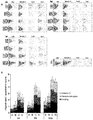
- the important physical properties of the meniscus scaffold are the compressive strength that can withstand external forces. Therefore, the meniscus plate regenerated at 12 weeks in Example 7 was cut into 2 samples using a 4 mm punch, and the compressive strength was measured by a tensile tester. The fibrin-PEO and fibrin-F127 hydrogels of the present invention were injected and regenerated The strength of the meniscus was confirmed and the results are shown in Fig.
- the compressive strength of tissue regenerated through injection of fibrin-PEO, fibrin-F127 hydrogels was significantly increased compared with the group treated with only meniscectomy only and fibrin alone Respectively.
- the Mpa value was 203.3 ⁇ 43.2 and the compressive strength was 844.9 ⁇ 32.6 in the fibrin alone group, 4086.7 ⁇ 542.1 in the fibrin + PEO hydrogel injected group, and fibrin + F127 3406.8 ⁇ 312.1 in the group injected with hydrogel, and 6688.6 ⁇ 1012.5 in the case of normal meniscus.
- the strength of the regenerated meniscus plate by injecting the fibrin + PEO hydrogel and the fibrin + F127 hydrogel of the present invention was 60% or more of the normal meniscus plate, and thus it was confirmed that the meniscus plate can be effectively used for regeneration of the meniscus.
Landscapes
- Health & Medical Sciences (AREA)
- Life Sciences & Earth Sciences (AREA)
- Chemical & Material Sciences (AREA)
- Medicinal Chemistry (AREA)
- Veterinary Medicine (AREA)
- Public Health (AREA)
- General Health & Medical Sciences (AREA)
- Animal Behavior & Ethology (AREA)
- Epidemiology (AREA)
- Engineering & Computer Science (AREA)
- Oral & Maxillofacial Surgery (AREA)
- Dermatology (AREA)
- Transplantation (AREA)
- Chemical Kinetics & Catalysis (AREA)
- Biomedical Technology (AREA)
- Pharmacology & Pharmacy (AREA)
- Bioinformatics & Cheminformatics (AREA)
- Botany (AREA)
- Molecular Biology (AREA)
- Immunology (AREA)
- Zoology (AREA)
- Proteomics, Peptides & Aminoacids (AREA)
- Gastroenterology & Hepatology (AREA)
- Hematology (AREA)
- General Chemical & Material Sciences (AREA)
- Organic Chemistry (AREA)
- Dispersion Chemistry (AREA)
- Nuclear Medicine, Radiotherapy & Molecular Imaging (AREA)
- Urology & Nephrology (AREA)
- Physical Education & Sports Medicine (AREA)
- Vascular Medicine (AREA)
- Polymers & Plastics (AREA)
- Medicines That Contain Protein Lipid Enzymes And Other Medicines (AREA)
- Materials For Medical Uses (AREA)
- Pharmaceuticals Containing Other Organic And Inorganic Compounds (AREA)
- Medicines Containing Material From Animals Or Micro-Organisms (AREA)
- Medicinal Preparation (AREA)
Abstract
La présente invention concerne une composition et un kit pour la régénération et le traitement d'un cartilage, de préférence, un cartilage fibreux ou un cartilage élastique et un procédé de régénération l'utilisant. Une composition et un kit de régénération de cartilage selon la présente invention peuvent être administrés simplement de manière minimalement invasive à un site dans lequel un cartilage fibreux ou un cartilage élastique doit être régénéré ou restauré suite à une lésion, présentent une résistance aux enzymes de dégradation sans toxicité dans le corps, et sont fixés ou retenus au niveau du site d'administration et ainsi retenus au niveau du site d'administration lésé, une amélioration comportementale pouvant ainsi être déclenchée dans les cellules environnantes, ce qui entraîne une induction efficace de la régénération des tissus défectueux du ménisque. Par conséquent, la composition de la présente invention est utile en tant que médiateur pour aider à la régénération de régions défectueuses de tissu biologique dans le domaine des biomatériaux.
Priority Applications (4)
| Application Number | Priority Date | Filing Date | Title |
|---|---|---|---|
| JP2020556214A JP7221297B2 (ja) | 2017-12-29 | 2018-12-28 | ヒトの線維軟骨または弾性軟骨再生用組成物 |
| EP18895486.1A EP3733198B1 (fr) | 2017-12-29 | 2018-12-28 | Composition pour la régénération de cartilage fibreux ou de cartilage élastique humain |
| US16/958,843 US12168082B2 (en) | 2017-12-29 | 2018-12-28 | Composition for regeneration of human fibrous cartilage or elastic cartilage |
| CN201880084851.5A CN111587121B (zh) | 2017-12-29 | 2018-12-28 | 用于再生人纤维软骨或弹性软骨的组合物 |
Applications Claiming Priority (2)
| Application Number | Priority Date | Filing Date | Title |
|---|---|---|---|
| KR10-2017-0183688 | 2017-12-29 | ||
| KR20170183688 | 2017-12-29 |
Publications (2)
| Publication Number | Publication Date |
|---|---|
| WO2019132604A2 true WO2019132604A2 (fr) | 2019-07-04 |
| WO2019132604A3 WO2019132604A3 (fr) | 2019-08-22 |
Family
ID=67067882
Family Applications (1)
| Application Number | Title | Priority Date | Filing Date |
|---|---|---|---|
| PCT/KR2018/016892 Ceased WO2019132604A2 (fr) | 2017-12-29 | 2018-12-28 | Composition pour la régénération de cartilage fibreux ou de cartilage élastique humain |
Country Status (6)
| Country | Link |
|---|---|
| US (1) | US12168082B2 (fr) |
| EP (1) | EP3733198B1 (fr) |
| JP (1) | JP7221297B2 (fr) |
| KR (1) | KR102216008B1 (fr) |
| CN (1) | CN111587121B (fr) |
| WO (1) | WO2019132604A2 (fr) |
Families Citing this family (4)
| Publication number | Priority date | Publication date | Assignee | Title |
|---|---|---|---|---|
| CN116392639B (zh) * | 2023-02-17 | 2024-02-13 | 无锡市中医医院 | 一种全层修复双层支架及其制备方法及应用 |
| KR102565364B1 (ko) * | 2023-04-04 | 2023-08-09 | 김재열 | 자가골 회복 촉진용 조성물을 포함하는 서방성 국소 약물전달체 및 이를 포함하는 약학적 조성물 |
| KR20250042681A (ko) | 2023-09-20 | 2025-03-27 | 아주대학교산학협력단 | 섬유연골 조직 재건용 이식재 및 이의 제조방법 |
| WO2025244499A1 (fr) * | 2024-05-21 | 2025-11-27 | 가톨릭대학교 산학협력단 | Composition pour le traitement de troubles musculo-squelettiques comprenant un plasma riche en plaquettes riche en leucocytes, de la thrombine, du fibrinogène et de l'atélocollagène, et méthode de préparation associée |
Family Cites Families (17)
| Publication number | Priority date | Publication date | Assignee | Title |
|---|---|---|---|---|
| US6224893B1 (en) * | 1997-04-11 | 2001-05-01 | Massachusetts Institute Of Technology | Semi-interpenetrating or interpenetrating polymer networks for drug delivery and tissue engineering |
| US7687462B2 (en) | 1999-10-05 | 2010-03-30 | The Regents Of The University Of California | Composition for promoting cartilage formation or repair comprising a nell gene product and method of treating cartilage-related conditions using such composition |
| JP2005170816A (ja) * | 2003-12-09 | 2005-06-30 | Naoki Ishiguro | 軟骨修復用材料、およびその製造方法 |
| US20080317818A1 (en) * | 2005-09-09 | 2008-12-25 | May Griffith | Interpenetrating Networks, and Related Methods and Compositions |
| EP2297217B1 (fr) | 2008-07-07 | 2021-10-20 | Hyalex Orthopaedics, Inc. | Alliage ipn hydrophile issu de polymères hydrophobes |
| FR2938544B1 (fr) * | 2008-11-20 | 2011-01-21 | Univ Cergy Pontoise | Materiaux sous forme de reseaux interpenetres de polymeres associant un gel de fibrine et un reseau de polyethylene glycol |
| US20120142069A1 (en) * | 2009-07-08 | 2012-06-07 | Northwestern University | Interpenetrating biomaterial matrices and uses thereof |
| KR101340458B1 (ko) * | 2010-11-02 | 2013-12-11 | 서울대학교산학협력단 | 하이드로겔을 포함하는 연골 이식용 조성물 |
| US8853162B2 (en) | 2011-05-11 | 2014-10-07 | Agency For Science, Technology And Research | Interpenetrating polymer network comprising fibrin |
| WO2014093836A1 (fr) * | 2012-12-13 | 2014-06-19 | University Of Georgia Research Foundation, Inc. | Composition induisant l'ossification et ses procédés d'utilisation |
| CA2932645A1 (fr) * | 2013-12-10 | 2015-06-18 | Inserm (Institut National De La Sante Et De La Recherche Medicale) | Procedes pour adherer des surfaces de tissu et des matieres, et leurs utilisations biomedicales |
| US9512279B2 (en) | 2013-12-18 | 2016-12-06 | Universite Cegy-Pontoise | Interpenetrating polymer network |
| CN107405388A (zh) * | 2015-01-08 | 2017-11-28 | 衣阿华大学研究基金会 | 用于体内关节软骨再生的方法 |
| US20180236136A1 (en) * | 2015-08-10 | 2018-08-23 | Hyalex Orthopaedics, Inc. | Interpenetrating polymer networks |
| US20190083642A1 (en) * | 2016-03-30 | 2019-03-21 | Regentis Biomaterials Ltd. | Treatments utilizing a polymer-protein conjugate |
| KR101844878B1 (ko) * | 2016-04-12 | 2018-04-04 | 아주대학교산학협력단 | 주입형 이중가교 하이드로젤 및 이의 생의학적 용도 |
| EP3498309A1 (fr) * | 2017-12-15 | 2019-06-19 | HRA Pharma Rare Diseases | Réseaux interpénétrés de polymères et leurs procédés de fabrication |
-
2018
- 2018-12-28 WO PCT/KR2018/016892 patent/WO2019132604A2/fr not_active Ceased
- 2018-12-28 JP JP2020556214A patent/JP7221297B2/ja active Active
- 2018-12-28 CN CN201880084851.5A patent/CN111587121B/zh active Active
- 2018-12-28 KR KR1020180172536A patent/KR102216008B1/ko active Active
- 2018-12-28 US US16/958,843 patent/US12168082B2/en active Active
- 2018-12-28 EP EP18895486.1A patent/EP3733198B1/fr active Active
Also Published As
| Publication number | Publication date |
|---|---|
| KR102216008B1 (ko) | 2021-02-16 |
| WO2019132604A3 (fr) | 2019-08-22 |
| CN111587121B (zh) | 2024-02-20 |
| EP3733198A4 (fr) | 2021-06-23 |
| EP3733198A2 (fr) | 2020-11-04 |
| EP3733198B1 (fr) | 2023-06-07 |
| CN111587121A (zh) | 2020-08-25 |
| US12168082B2 (en) | 2024-12-17 |
| KR20190082138A (ko) | 2019-07-09 |
| US20210069376A1 (en) | 2021-03-11 |
| KR102216008B9 (ko) | 2023-12-08 |
| JP7221297B2 (ja) | 2023-02-13 |
| JP2021509350A (ja) | 2021-03-25 |
| EP3733198C0 (fr) | 2023-06-07 |
Similar Documents
| Publication | Publication Date | Title |
|---|---|---|
| CA2466499C (fr) | Utilisation d'un melange d'hyaluronate de sodium et de sulfate de chondroitine pour le traitement de l'osteoarthrite | |
| JP4542106B2 (ja) | 軟骨治療剤組成物 | |
| WO2019132604A2 (fr) | Composition pour la régénération de cartilage fibreux ou de cartilage élastique humain | |
| US20090181892A1 (en) | Methods and kits for treating joints and soft tissues | |
| Sciarretta | 5 to 8 years follow-up of knee chondral defects treated by PVA-H hydrogel implants. | |
| CN101332134B (zh) | I型胶原人工肌腱、韧带的制备及应用 | |
| US20090181092A1 (en) | Methods for Treating Joints and Discs with a Carrier Matrix and Cells | |
| Lu et al. | The design and characterization of a strong bio-ink for meniscus regeneration | |
| US20090181093A1 (en) | Methods for treating soft tissue damage associated with a surgical procedure | |
| WO2013032201A2 (fr) | Matériau destiné à éviter l'adhérence et procédé destiné à éviter l'adhérence | |
| Tamaddon et al. | Enhancing biological and biomechanical fixation of osteochondral scaffold: a grand challenge | |
| WO2016047834A1 (fr) | Matrice de restauration de tissu mou et procédé de fabrication associé | |
| Filová et al. | Composite hyaluronate-type I collagen-fibrin scaffold in the therapy of osteochondral defects in miniature pigs | |
| US20070275032A1 (en) | Use Of A Mixture For The Production Of An Agent For Treating Defective Or Degenerated Cartilage In The Production Of Natural Cartilage Replacement In Vitro | |
| US20220088153A1 (en) | Pharmaceutical composition using endogenous cells for preventing or treating musculoskeletal disorders | |
| Undt et al. | Matrix-associated chondrocyte transplantation for reconstruction of articulating surfaces in the temporomandibular joint: a pilot study covering medium-and long-term outcomes of 6 patients | |
| WO2011037355A2 (fr) | Composition pharmaceutique pour traiter et prévenir des maladies affectant les articulations et le tissu conjonctif | |
| KR20120007513A (ko) | 연골 복구 | |
| Chambers et al. | Tissue engineering of the meniscus: scaffolds for meniscus repair and replacement | |
| WO2012141536A9 (fr) | Composition pour la régénération du tissu conjonctif et procédé pour la régénération du tissu conjonctif | |
| KR102517764B1 (ko) | 히알루론산과 플루로닉을 포함하는 관절 및 연골 손상 예방 또는 치료용 조성물 | |
| HK40036575B (zh) | 用於再生人纤维软骨或弹性软骨的组合物 | |
| HK40036575A (en) | Composition for regeneration of human fibrous cartilage or elastic cartilage | |
| WO2026035131A1 (fr) | Composition d'hydrogel injectable pour le traitement de maladies articulaires, et son procédé de fabrication | |
| US12521468B1 (en) | Implants for cartilage and related devices and methods |
Legal Events
| Date | Code | Title | Description |
|---|---|---|---|
| 121 | Ep: the epo has been informed by wipo that ep was designated in this application |
Ref document number: 18895486 Country of ref document: EP Kind code of ref document: A2 |
|
| ENP | Entry into the national phase |
Ref document number: 2020556214 Country of ref document: JP Kind code of ref document: A |
|
| NENP | Non-entry into the national phase |
Ref country code: DE |
|
| ENP | Entry into the national phase |
Ref document number: 2018895486 Country of ref document: EP Effective date: 20200729 |