WO2019188773A1 - Agent d'induction de résistance pour des plantes - Google Patents
Agent d'induction de résistance pour des plantes Download PDFInfo
- Publication number
- WO2019188773A1 WO2019188773A1 PCT/JP2019/012056 JP2019012056W WO2019188773A1 WO 2019188773 A1 WO2019188773 A1 WO 2019188773A1 JP 2019012056 W JP2019012056 W JP 2019012056W WO 2019188773 A1 WO2019188773 A1 WO 2019188773A1
- Authority
- WO
- WIPO (PCT)
- Prior art keywords
- algae
- culture
- mass
- nbrc
- polysaccharide
- Prior art date
- Legal status (The legal status is an assumption and is not a legal conclusion. Google has not performed a legal analysis and makes no representation as to the accuracy of the status listed.)
- Ceased
Links
Images
Classifications
-
- A—HUMAN NECESSITIES
- A01—AGRICULTURE; FORESTRY; ANIMAL HUSBANDRY; HUNTING; TRAPPING; FISHING
- A01N—PRESERVATION OF BODIES OF HUMANS OR ANIMALS OR PLANTS OR PARTS THEREOF; BIOCIDES, e.g. AS DISINFECTANTS, AS PESTICIDES OR AS HERBICIDES; PEST REPELLANTS OR ATTRACTANTS; PLANT GROWTH REGULATORS
- A01N65/00—Biocides, pest repellants or attractants, or plant growth regulators containing material from algae, lichens, bryophyta, multi-cellular fungi or plants, or extracts thereof
- A01N65/03—Algae
-
- C—CHEMISTRY; METALLURGY
- C12—BIOCHEMISTRY; BEER; SPIRITS; WINE; VINEGAR; MICROBIOLOGY; ENZYMOLOGY; MUTATION OR GENETIC ENGINEERING
- C12N—MICROORGANISMS OR ENZYMES; COMPOSITIONS THEREOF; PROPAGATING, PRESERVING, OR MAINTAINING MICROORGANISMS; MUTATION OR GENETIC ENGINEERING; CULTURE MEDIA
- C12N1/00—Microorganisms; Compositions thereof; Processes of propagating, maintaining or preserving microorganisms or compositions thereof; Processes of preparing or isolating a composition containing a microorganism; Culture media therefor
- C12N1/12—Unicellular algae; Culture media therefor
-
- C—CHEMISTRY; METALLURGY
- C12—BIOCHEMISTRY; BEER; SPIRITS; WINE; VINEGAR; MICROBIOLOGY; ENZYMOLOGY; MUTATION OR GENETIC ENGINEERING
- C12N—MICROORGANISMS OR ENZYMES; COMPOSITIONS THEREOF; PROPAGATING, PRESERVING, OR MAINTAINING MICROORGANISMS; MUTATION OR GENETIC ENGINEERING; CULTURE MEDIA
- C12N1/00—Microorganisms; Compositions thereof; Processes of propagating, maintaining or preserving microorganisms or compositions thereof; Processes of preparing or isolating a composition containing a microorganism; Culture media therefor
- C12N1/12—Unicellular algae; Culture media therefor
- C12N1/125—Unicellular algae isolates
-
- C—CHEMISTRY; METALLURGY
- C12—BIOCHEMISTRY; BEER; SPIRITS; WINE; VINEGAR; MICROBIOLOGY; ENZYMOLOGY; MUTATION OR GENETIC ENGINEERING
- C12R—INDEXING SCHEME ASSOCIATED WITH SUBCLASSES C12C - C12Q, RELATING TO MICROORGANISMS
- C12R2001/00—Microorganisms ; Processes using microorganisms
- C12R2001/89—Algae ; Processes using algae
Definitions
- This technique relates to a PR1 gene expression inducing activator, a plant resistance inducing agent, and a plant disease preventing agent.
- Salicylic acid, probenazole, validamycin A and the like are known as plant resistance-inducing compounds, and these compounds have already been put into practical use and are distributed in the market as plant resistance-inducing agents.
- a plant using this plant resistance inducer senses an attack of a plant-acquired resistance pathogen, it increases the salicylic acid concentration in the plant, and then expresses a PR gene group through NPR1, which is a transcriptional regulator. It is generally said that resistance to pathogens increases. That is, the plant resistance inducer switches on the PR gene group of the plant body to acquire resistance to the pathogen throughout the plant body.
- Patent Document 1 has found that a heterocyclic compound having a halogen and an oxo group has a PR-1 ⁇ gene expression enhancing action, and this expression enhancing action enables expression of a PR protein having a broad antibacterial spectrum. Can be induced or promoted and can be induced for plant resistance.
- the main object of the present technology is to provide a component having a resistance-inducing action for plants.
- the present inventors have found a compound having a PR1 gene expression inducing activity involved in plant resistance induction using the PR-1 ⁇ gene expression inducing activity test.
- this is a culture of unicellular algae having a green photosynthetic pigment, that the culture contains an extracellular polysaccharide, and that the culture is a PR-1 ⁇ gene. It has been found that it has an expression-inducing activity action and a plant resistance-inducing action, and the present invention has been completed.
- the present invention is as follows.
- a PR1 gene expression inducing agent comprising, as an active ingredient, a culture of unicellular algae having a green photosynthetic pigment.
- the extracellular polysaccharide in the culture contains at least 5 to 40% by mass of uronic acid and a neutral monosaccharide, and the neutral monosaccharide is selected from mannose, galactose, and rhamnose.
- the PR1 gene activator according to any one of (1) to (4), wherein the PR1 gene activator is one or more species.
- the algal body is [1] Chlorophyceae Uronema sp. (NBRC 113204) algae strain; [2] Trebouxiophyceae Geminella sp. (NBRC 113205) algae strain; [3] Chlorophyceae Chlorococcum sp.
- NBRC 113206 algae strain
- a plant resistance inducer comprising, as an active ingredient, a culture of unicellular algae having a green photosynthetic pigment.
- a plant disease prevention / amelioration agent comprising, as an active ingredient, a culture of unicellular algae having a green photosynthetic pigment.
- a method for producing a resistance-inducing component for plants comprising culturing unicellular algae having a green photosynthetic pigment under aerobic conditions to obtain a culture containing an extracellular polysaccharide. (10) Use of unicellular algae having a green photosynthetic pigment to produce a resistance-inducing component for plants.
- a component having a plant resistance-inducing action can be provided.
- the effects described here are not necessarily limited, and may be any of the effects described in the present specification.
- the present invention relates to a PR1 gene expression inducing active agent, a plant resistance inducing agent, or a plant disease preventing agent, comprising as an active ingredient a culture of unicellular algae having a green photosynthetic pigment. is there.
- the culture of the present technology has a PR1 gene expression inducing activity, a plant resistance inducing activity, or a plant disease preventing effect.
- the culture preferably contains an extracellularly produced polysaccharide.
- a culture of unicellular algae having a green photosynthetic pigment of the present technology (hereinafter also referred to as “green unicellular algae”) can be produced using the green algae as follows, but is limited to this production method. Will never be done.
- algae having a green photosynthetic pigment has a broad meaning of an algae having a green appearance, and includes chlorophyll a and b as photosynthesis pigments, but has other chlorophylls and pigments. It may be.
- the unicellular algae are not limited to a single cell state, and may be in a state of a group organism during culture.
- the green unicellular algae used in the present technology are not particularly limited, and examples thereof include Chlorophyceae (Green Algae) algae and / or Trebouxiophyceae (Trevoxia algae) algae.
- the green unicellular algae used by this technique are not specifically limited, For example, it is 1 type (s) or 2 or more types selected from Euglena, Chlorella, Uronema, Chlorococcum, Geminella, and Chlorodium. Of these, one or more selected from Geminera, Uronema, Chlorococcum and Chlorodium are preferred.
- these various algae strains are stored as culture collections (for example, NBRC (NITE Biological Resource Center) Culture Collection, ATCC (American Type Culture Collection), etc.) at microorganism preservation organizations, and are included in commercially available products.
- the purpose of this technology is the algae strains that have been preserved as trust stocks at international depository institutions (for example, NITE (National Institute of Technology and Evaluation), etc.) under the Budapest Treaty.
- Algae strains that produce a culture exhibiting the PR1 gene activation action which is the effect of
- algae strains can be obtained from the culture collection of NBRC (NITE Biological Resource Center), and one or more of them can be used.
- NBRC NITE Biological Resource Center
- Trebouxiophyceae Geminella sp. (NBRC 113205) Algae strain is NBRC 113205 Geminella sp.
- NBRC NITE Biological Resource Center
- Chlorophyceae algae examples include Chlorophyceae Uronema algae, Chlorophyceae Chlorococcum algae, and the like.
- Examples of the Trebouxiophyceae algae include Trebouxiophyceae Geminella algae, Trebouxiophyceae Chloroidium algae, and the like.
- Chloroidium algae are preferable from the viewpoint that the effect of the present technology can be satisfactorily exhibited.
- chloroidium Trebouxiophyceae Chloroidium saccharophilum (NBRC 113207) is preferable.
- Euglena algae are preferable from the viewpoint that the effect of the present technology can be satisfactorily exhibited.
- the Euglena is preferably Euglena gracilis, for example.
- chlorella a chlorella algae is preferable from the viewpoint that the effect of the present technology can be satisfactorily exhibited.
- Examples of chlorella include Chlorella vulgaris and the like, and Chlorella vulgaris Chikugo strain (Chikugo strain: Chlorella Kogyo) is preferred.
- Uronema algae are preferable from the viewpoint that the effect of the present technology can be satisfactorily exhibited.
- uronema Chlorophyceae Uronema sp. (NBRC 113204) and the like are preferable.
- chlorococcum algae are preferable from the viewpoint that the effect of the present technology can be satisfactorily exhibited.
- chlorocockham Chlorophyceae Chlorococcum sp. (NBRC 113206) and the like are preferable.
- Geminella algae are preferable from the viewpoint that the effect of the present technology can be satisfactorily exhibited.
- Geminera Trebouxiophyceae Geminella sp. (NBRC 113205) is preferable.
- Chloroidium algae are preferable from the viewpoint that the effect of the present technology can be satisfactorily exhibited.
- Chlorodium Trebouxiophyceae Chloroidium saccharophilum YAMA (NBRC 113207) (YAMA-Mizu-03-3) (hereinafter also referred to as YAMA) and / or Trebouxiophyceae Chloroidium saccharophilum KAMI (NBRCchar113807) (KAMI-04- (3))
- YAMA Trebouxiophyceae Chloroidium saccharophilum KAMI
- KAMI KAMI
- any algae strain that is substantially the same quality as the algae strain described above may be used.
- the substantially homogeneous algal strain is a base sequence of the 18S rRNA gene (eg, SEQ ID NOs: 1 to 5) of 99.5% or more (preferably 99.8% or more, more preferably 100%). Consistent and preferably have the same algaeological properties (morphological observation and extracellular polysaccharide production) as the algal strains described above.
- the algal strain of the present technology may be mutated, gene-set from the above-described algal strain or substantially the same algal strain.
- an algae strain bred by selection of a natural mutant strain or the like may be used.
- a basal medium capable of culturing general unicellular algae is suitable.
- trace inorganic components such as KH 2 PO 4 and MgSO 4 are included as inorganic salts, and ammonium sulfate, urea and the like are included as nitrogen sources.
- the content of each component in the basal medium is preferably in the range of ⁇ 10%. More specifically, examples of the basal medium include an AF6 medium, a BG11 medium, and a KO2 medium as shown in [Examples] below.
- chlorella chlorococcum, geminella, chloroidinium, Euglena and the like are preferable.
- BG11 medium Uronema, Chlorodium, etc. are preferred.
- a KO2 medium Euglena or the like is preferable.
- a culture containing the polysaccharide can be stably produced.
- Aeration culture is preferable from the viewpoint of improving the productivity of polysaccharides.
- the aeration means include stirring, shaking, aeration, and bubbling. These can be performed alone or in combination of two or more. Thereby, an appropriate gas comes to be mixed in the culture medium.
- the culture temperature is not particularly limited, but may be about normal temperature of 5 to 40 ° C.
- the pH (20 ° C.) in the culture medium is preferably ⁇ 2 of the pH of the medium composition to be used, more preferably pH ⁇ 1.
- the pH in the culture medium is preferably 1.5 to 9.5.
- the pH in the culture medium is more preferably 6 to 9 in the case of Uronema, Chlorococcum, Geminella, Chlorodium and Chlorella.
- the culture period is not particularly limited, but a cycle of about 4 days to 3 weeks is suitable for producing a polysaccharide. More preferably, it may be about 7 days to 2 weeks.
- the illuminance of the culture is not particularly limited, but 1500 to 10,000 lux is preferable from the viewpoint of easily obtaining a culture containing a polysaccharide.
- sunlight when increasing the number of algal bodies under autotrophic culture conditions, it is possible to use sunlight; light from artificial light sources such as lamps for plant cultivation and LEDs, and supply and agitate carbon dioxide. Is preferred.
- the present technology is not limited to a method for producing a culture by autotrophic culture, and a culture containing a polysaccharide is prepared by adding a carbon source such as glucose to a basic medium in which general unicellular algae can be cultured. It may be produced.
- the culture medium should just contain the carbon source, the nitrogen source, and phosphorus, and the digestive liquid (liquid fertilizer) produced in a sewage or a methane fermenter may be used as a culture medium used for this technique.
- the culture production method of the present technology may be either a batch type or a continuous type, but the continuous type is preferable for improving productivity.
- any of open system culture and closed system culture may be sufficient, for example, closed culture in a culture tank, open system open culture, etc. are mentioned. Closed culture is preferable from the viewpoint of culture condition management.
- the culture containing polysaccharides is separated from the alga body by physical means and chemical means such as aqueous solution washing, ultrasonic wave, centrifugation, and filtration, It is preferable to obtain a supernatant containing the polysaccharide.
- various algal metabolites for example, proteins, Various peptides, amino acids, nucleic acids, organic acids, lipids, etc. may be included.
- the culture of the present technology since a metabolite outside the alga can be used as the culture of the present technology, it is possible to continuously obtain a culture while separating polysaccharides from the surface of the alga after culturing. From the viewpoint of culturing, the algae of the present technology are excellent.
- a method for continuously obtaining a culture for example, centrifugation (preferably 5000 to 9000 rpm for about 5 minutes) and filtration (for example, a filter aid and a filter) can be used alone or in combination.
- the obtained culture may be appropriately adjusted to a diluted solution, concentrated solution, dried product or the like.
- freeze-drying is preferable.
- the culture of the present technology preferably includes at least a polysaccharide, and a substance other than a carbohydrate (eg, protein, peptide, amino acid, nucleic acid, organic acid, lipid, etc.) is included in the polysaccharide.
- a substance other than a carbohydrate eg, protein, peptide, amino acid, nucleic acid, organic acid, lipid, etc.
- the polysaccharide may be bound within the range not impairing the effect of the above, and examples of such polysaccharide include glycoprotein, peptidoglycan, glycolipid and the like.
- the yield of the polysaccharide of the present technology can be obtained in a culture solution of 20 mg / L or more, more preferably 50 mg / L or more, and further preferably 100 mg / L or more. This technique can increase the yield from 300 to 500 mg / L.
- chlorococcum and chloroidinium are suitable.
- chlorococcum and uronema are suitable as algae that produce highly effective polysaccharides.
- the polysaccharide is contained in an algal culture in an amount of 20% by mass or more, more preferably 20% by mass or more in terms of dry matter.
- the polysaccharide in the algal culture preferably contains uronic acid in an amount of preferably 5% by mass or more, more preferably 10% by mass or more, and preferably has an upper limit of 40% by mass or less.
- it is contained in an amount of 35% by mass or less, more preferably 30% by mass or less, and even more preferably 25% by mass or less, and more preferably 5-30% by mass as the numerical range.
- the polysaccharide is more preferable because the extracellular polysaccharide can be expected to have high production efficiency such as easy recovery and high yield.
- the polysaccharide produced by the green unicellular algae of the present technology is not particularly limited, but it is desirable that at least uronic acid is included as a constituent monosaccharide of the polysaccharide of the present technology,
- the uronic acid is preferably glucuronic acid, but is not limited thereto. Thereby, the effect of this technique, such as PR1 gene activation mentioned later, can be expected.
- hexasaccharide preferably aldohexose
- the neutral monosaccharide it is desirable that at least one of mannose, galactose, and rhamnose is at least a main constituent monosaccharide from the viewpoint of the effectiveness of the present technology. Furthermore, it is desirable from the viewpoint of the efficacy of the present technology that at least mannose or rhamnose is included in the neutral monosaccharide.
- the extracellular polysaccharide in the culture of the present technology preferably contains at least uronic acid, and further, uronic acid and neutral monosaccharide are used as the constituent monosaccharides of the polysaccharide of the present technology to the polysaccharide of the present technology. More preferably included. Thereby, the effect of this technique, such as PR1 gene activation mentioned later, can be expected.
- the neutral monosaccharide at this time is more preferably one or more selected from mannose, galactose and rhamnose.
- the polysaccharides contained in the culture produced by the algae as one or more selected from Uronema, Chlorococcum, Geminella and Chlorodium described above have good efficacy of the present technology. ,preferable.
- the yield of the polysaccharide produced by uronema is preferably 20 mg / L or more in the culture solution.
- the extracellular polysaccharide (hereinafter also referred to as “uronema polysaccharide”) in the uronema product preferably contains uronic acid, and the lower limit thereof is preferably 5% by mass or more, more preferably 10%.
- the upper limit thereof is preferably 35% by mass or less, more preferably 30% by mass or less, and the numerical range is more preferably 10 to 30% by mass, more preferably 15% by mass or more. % By mass.
- glucuronic acid is contained in the uronema polysaccharide, and the lower limit is preferably 5% by mass or more, more preferably 10% by mass or more, and the upper limit is preferably 30% by mass or less. More preferably, it is 20% by mass or less, and the numerical range is more preferably 5 to 15% by mass, and further preferably 10 to 15% by mass.
- the polysaccharide in the uronema product preferably contains 20% by mass or more as a neutral monosaccharide and preferably 70% by mass or less as other components. More preferably, in the culture of uronema, mannose 0 to 4% by mass, arabinose 0 to 1.5% by mass, galactose 0 to 1.5% by mass, xylose 0 to 2% by mass, glucose 0 to 6% by mass, Rhamnose is 5 to 20% by mass (more preferably 5 to 15% by mass), ribose is 0 to 1% by mass, fucose is 0 to 1% by mass, and uronic acid is 15 to 30% by mass. Any one or a combination of these may be used.
- the extracellular polysaccharide in the product of uronema preferably contains at least mannose and / or rhamnose among neutral sugars, and preferably contains rhamnose as a main component.
- the yield of the polysaccharide produced by chlorococcum is preferably 50 mg / L or more in the culture solution.
- the extracellular polysaccharide in the chlorococcam product (hereinafter also referred to as “chlorococcum polysaccharide”) preferably contains uronic acid, and the lower limit thereof is preferably 5% by mass or more, more preferably 10%.
- the upper limit thereof is preferably 25% by mass or less, more preferably 20% by mass or less, and the numerical range is more preferably 10 to 20% by mass.
- the chlorococcum polysaccharide contains glucuronic acid, and the lower limit is preferably 5% by mass or more, more preferably 10% by mass or more, and the upper limit is preferably 25% by mass or less. More preferably, it is 20% by mass or less, and the numerical range is more preferably 10 to 20% by mass.
- the polysaccharide in the chlorococcum product is preferably contained in an amount of 60% by mass (more preferably 70% by mass) or more as a neutral monosaccharide, and preferably 30% by mass or less as other components. . More preferably, 10-30% by mass of mannose (more preferably 14-25% by mass), 10-30% by mass of arabinose (more preferably 20-30% by mass), galactose 10 To 30% by mass (more preferably 17 to 30% by mass), xylose 0 to 5% by mass, glucose 0 to 1% by mass, rhamnose 0 to 2% by mass, ribose 0 to 1% by mass, fucose 0 to 1% by mass
- uronic acid is 10 to 20% by mass. Any one or a combination of these may be used.
- the extracellular polysaccharide in the chlorococcum product preferably contains mannose, arabinose, and galactose among neutral sugars, and preferably contains mannose, arabinose, and galactose as main components.
- the yield of the polysaccharide produced by Geminella is preferably 20 mg / L or more in the culture solution.
- the extracellular polysaccharide in the Geminera product (hereinafter also referred to as “Geminella polysaccharide”) preferably contains uronic acid, and its lower limit is preferably 5% by mass or more, and its upper limit is The content is preferably 20% by mass or less, and more preferably 5 to 15% by mass in the numerical range. More preferably, the geminella polysaccharide contains glucuronic acid, and the lower limit is preferably 5% by mass or more, and the upper limit is preferably 20% by mass or less, more preferably 15% by mass or less. In the numerical range, 5 to 15% by mass is more preferable.
- the polysaccharide in the Geminera product is preferably contained in an amount of 35% by mass (more preferably 40% by mass) or more as a neutral monosaccharide and preferably 60% by mass or less as the other components.
- mannose 0-30% by mass preferably 9-25% by mass
- arabinose 0-8% by mass preferably 9-25% by mass
- galactose 3-20% by mass preferably 9-25% by mass
- xylose 0-3% by mass glucose 0 to 1% by mass
- rhamnose 2 to 20% by mass ribose 0 to 1% by mass
- fucose 0 to 4% by mass uronic acid 5 to 15% by mass. Any one or a combination of these may be used.
- the extracellular polysaccharide in the Geminera product is preferably composed mainly of mannose, galactose and rhamnose among neutral sugars.
- the yield of the polysaccharide produced by Chlorodium is preferably 250 mg / L or more in the culture solution.
- the extracellular polysaccharide in the chloroidinium product (hereinafter, also referred to as “chloroidinium polysaccharide”) preferably contains uronic acid, and the lower limit thereof is preferably 5% by mass or more, more preferably. Is 10 mass% or more, and the upper limit thereof is preferably 30 mass% or less, more preferably 25 mass% or less, and the numerical range is more preferably 10 to 25 mass%.
- the chloroidinium polysaccharide contains glucuronic acid, and the lower limit is preferably 5% by mass or more, more preferably 10% by mass or more, and the upper limit is preferably 25% by mass or less. More preferably, it is 20% by mass or less, and the numerical range is more preferably 5 to 15% by mass, and further preferably 10 to 15% by mass.
- the chloroidinium-producing polysaccharide is preferably 30% by mass (more preferably 34% by mass) or more as a neutral monosaccharide, and preferably 70% by mass or less as other components. More preferably, in the culture of chloroidium, mannose 3 to 18% by mass, arabinose 3 to 12% by mass, galactose 0 to 20% by mass (more preferably 5 to 15% by mass), xylose 0 to 9% by mass %, Glucose 0-5 mass%, rhamnose 0-5 mass%, ribose 0-1 mass%, fucose 0-1 mass%, uronic acid 10-30 mass% (more preferably 15-25 mass%) It is. Any one or a combination of these may be used.
- the extracellular polysaccharide in the Chlorodium product is preferably composed mainly of mannose, arabinose, galactose, glucose and xylose among neutral sugars.
- the uronic acid in the chloroidium YAMA polysaccharide is preferably 10 to 20% by mass.
- the culture of the present technology appropriately removes inactive impurities by a known separation / purification technique such as liquid-liquid separation, solid-liquid separation, filtration membrane, activated carbon, adsorption resin, ion exchange resin, and the like. It may be purified. Polysaccharides may be further recovered from the culture of the present technology. As a method for recovering the polysaccharide, a known polysaccharide separation method may be used. When obtaining a water-soluble polysaccharide, for example, it is preferable to dissolve the culture in an aqueous solution, then remove the insoluble fraction and collect the water-soluble fraction. It is preferable to mix when dissolving in water.
- the water temperature during the treatment is preferably 5 to 40 ° C.
- the insoluble fraction is preferably removed by physical means such as centrifugation and ultrafiltration membrane. Thereby, since a polysaccharide with higher water solubility and higher purity can be obtained, it can be used for various applications.
- the culture of the present technology has a PR1 gene expression-inducing activity as shown in [Examples], and therefore induces or promotes expression of PR proteins (pathogenesis-related proteins) and the like. be able to.
- the PR protein is a generic name for proteins that themselves have antibacterial activity and proteins that can produce other antibacterial substances.
- PR proteins produced by plants have a very broad antibacterial spectrum, so that cultures of the present technology can be used for pathogenic microorganisms (eg, filamentous fungi (eg, Colletotrichum sp.), Bacteria (eg, Pseudomonas sp.), Etc. , Viruses) and the like.
- the culture of this technology induces plant resistance by artificially turning on the PR-1a gene, which is one of the stress tolerance genes.
- the culture of this technique can draw out the stress tolerance which a plant originally has.
- causes of the stress include illness (inflammation, infection, etc.), environment (coldness, drought, light, nutrients, salt concentration, drugs, etc.) and the like.
- the stress resistance includes, for example, (1) resistance to diseases such as promotion of hypersensitive cell death, promotion of antibacterial substances, improvement of cell wall effect, (2) control of stomatal opening and closing, root elongation Examples include durability against the environment such as promotion.
- PR-1a gene promoter expression In the induction of PR-1a gene promoter expression, when a secondary stimulus such as salicylic acid is added, a rapid and strong inducing activity may be observed. This is attributed to the fact that the salicylic acid (SA) signaling pathway that induces PR-1 ⁇ gene expression is induced by secondary stimulation. Since the culture of the present technology is expressed without secondary stimulation, it is considered that the defense response gene can be strongly induced in advance and the resistance of the plant can be enhanced. Since the resistance of the plant can be increased in this way, the culture of the present technology is considered to be usable for preventing diseases or the onset thereof such as preventing pathogen infection or onset.
- SA salicylic acid
- the culture of the present technology has a PR-1a gene expression inducing action
- the present technology can be used even when a plant is infected by appropriately adjusting the dosage (for example, addition time, added concentration, etc.). It is possible to create a ready state that can respond quickly, and that it can also be used for treatment after illness or onset.
- the culture of the present technology since the culture of the present technology has the PR1 gene expression inducing activity as described above, it can exhibit the plant resistance inducing activity and the plant disease preventing activity.
- the culture of the present technology can be used as an active ingredient such as a PR1 gene expression inducing activator, a plant resistance inducing agent, or a plant disease preventing agent containing the culture.
- the culture of this technique can be used in order to exhibit these effects mentioned above.
- the culture of this technique can be used as a component for using these preparations or compositions, and can also be used for manufacturing these preparations or compositions.
- the culture of this technique can also use arbitrary components together according to the objective,
- the component which enhances the effect of this technique is preferable as this arbitrary component.
- the enhancing component of the present technology include seaweed-derived extracts, microorganism-derived extracts, and the like, and those containing polysaccharides as the extract are suitable.
- the culture method, collection method, extraction method and the like for obtaining these are not particularly limited, and known methods can be used as appropriate.
- seaweeds brown algae (e.g., sea bream, kombu, hijiki, hibamata, honda walla, mozuku, trumpet, seaweed etc.), red algae (e.g. , Mill, etc.).
- microorganisms include fungi such as mushrooms, bacteria such as bacteria, and molds. One or more of these may be selected and used.
- laminarin is more preferable because it has a delayed action of PR1 gene expression inducing activity.
- laminarin has a slow-acting effect, so when used in combination with the green unicellular algae culture of this technology, it is possible to adjust the time of onset and sustainability of the efficacy, and to improve the efficacy of this technology. It can be made better.
- Laminarin is contained in brown algae such as kombu and is a straight-chain polysaccharide composed of a ⁇ 1-3 bond and a ⁇ 1-6 bond glucose main chain, and usually has a ratio of ⁇ 1-3 bond to ⁇ 1-6 bond. Is about 3: 1.
- laminarin is also called laminan, ⁇ -glucan, ⁇ 1,3-glucan, and a commercially available product of laminarin may be used.
- one or more selected from geminella extract, uronema extract, chlorococcum extract and chloroidium extract are combined with laminarin from the viewpoint of having a rapid effect as compared with laminarin. It is preferable to blend brown algae extract or laminarin containing
- the types of diseases and pathogens targeted by the culture of the present technology are not particularly limited.
- expression of PR-1 ⁇ gene which is an index for acquiring resistance in plants, was improved in Arabidopsis thaliana plants. Therefore, it is preferable that the prevention or improvement method of the plant disease concerning this technique is performed in order to prevent or improve the disease by the infection of a pathogenic filamentous fungus.
- pathogenic filamentous fungi examples include blue mold disease, red blight disease, groove rot, red coat disease caused by fungal fungus and rust fungus, red star disease, gray mold disease, red burning disease, yellow patch, yellowing disease, Dwarf disease, powdery mildew, purple mold disease, ringworm disease, ash spot disease, horn spot disease, brown rot caused by fungal fungi, brown round spot disease, brown round spot disease, brown spot disease, brown spot disease, perforation Filamentous fungi that cause brown spot disease, browning disease, brown coat disease, strain rot, etc.
- C. higginsianum Colletotrichum higginsianum
- Bacteria causing black rot, soft rot, spotted bacterial diseases and the like are preferred as bacterial diseases.
- the type of plant to be used in the present technology is not particularly limited, and may be a land plant or an aquatic plant.
- land plants angiosperms and gymnosperms are suitable, Asteraceae, Orchidaceae, Lilyaceae, Legumeaceae, Gramineae, Rubiaceae, Euphorbiaceae, Cyperaceae, Ceramaceae, Perillaceae, Cucurbitaceae, Eggplant Family And Brassicaceae are more preferred, and Eggplant and Brassicaceae are more preferred.
- the plant which can acquire resistance by the SAR model mentioned above is suitable.
- Examples of the lily family (broad sense) plants include onions (genus Allium).
- An example of the leguminous plant is soybean.
- An example of the celery family plant is carrot.
- Examples of the gramineous plant include rice, corn, and wheat.
- Examples of the cucurbitaceae plant include melon, watermelon, winter melon, cucumber, and pumpkin.
- Examples of the solanaceous plant include tobacco, tomato, potato, eggplant and bell pepper.
- Examples of the Brassicaceae plants include, for example, Nazuna, Brassica, Cabbage, Kale, Chinese cabbage, turnip, Japanese radish, Wasabi and mustard.
- a part to be used for a plant is not particularly limited, and can be used for, for example, an above-ground part (such as a leaf and a trunk) and an underground part (such as a root and a rhizome).
- an above-ground part such as a leaf and a trunk
- an underground part such as a root and a rhizome.
- the polysaccharide since the polysaccharide is contained in the culture, it is preferably used in the underground part from the viewpoint of compost use and effect maintenance.
- the use to the above-ground part is preferable from a viewpoint of the cost of usage-amount.
- the use of this technology may be performed by using a general pesticide, for example, spraying, pouring, coating, or embedding.
- the said formulation or composition may be for agricultural chemicals for plants, or may be a material or formulation used by blending with agricultural materials such as agricultural chemicals and compost.
- Examples of the usage method of the present technology include a method of exposing to a target plant. By this method, resistance to diseases can be induced for the target plant.
- the specific operation and means for exposing to the target plant in the present technology are not particularly limited.
- a medicinal solution dissolved at a concentration capable of becoming an active ingredient is prepared, and the medicinal solution is sprayed on the plant body by spraying, gauze soaked with the medicinal solution is adhered to the plant body, or the medicinal solution is injected with a syringe.
- Examples of the operation include injecting into the stem of a plant body or instilling the chemical solution onto the root of the plant body using an infusion device.
- preparation (preparation) of the formulation or composition at the time of using this technique can be performed by a well-known method similarly to the conventional plant resistance inducer etc.
- the solvent used in the preparation is not particularly limited as long as it can dissolve the culture of the present technology at a concentration capable of becoming an active ingredient, and a known solvent can be used.
- the solvent is preferably one that has no or little harm to plants.
- the culture of the present technology can be suspended or dissolved in water, and since water can be easily obtained and has high safety, it is more preferable to use water.
- the concentration range in which the present technology can be an active ingredient is not particularly limited. Moreover, the use period of this technique is not specifically limited.
- the culture of this technology is mainly composed of polysaccharide carbohydrates, so even if it is used in large quantities, it has little effect on the plant itself, the environment, the sprayer and animals, and is naturally decomposed and reused as fertilizer.
- the usage period of the present technology can be continuously used for a long period of time, and since the peak of post-use efficacy is about 5 to 8 days, it is preferably 3 days or more, more preferably 5 days or more. It is desirable to use it.
- the concentration range of the present technology can be determined by, for example, examining the plant resistance induction method described in Examples described later.
- the lower limit of the concentration is preferably 0.01 mg / L or more, more preferably 0.1 mg / L or more, and still more preferably 1 mg / L or more from the viewpoint of exhibiting efficacy.
- the upper limit of the concentration is preferably 10 g / L or less, more preferably 5 g / L or less, and further preferably 1 g / L or less from the viewpoint of cost.
- the concentration range is more preferably 0.02 mg / L to 10 g / L, still more preferably 0.2 mg / L to 5 g / L.
- a PR1 gene expression inducing activator, a plant resistance inducing agent, or a plant disease preventing / ameliorating agent comprising, as an active ingredient, a culture of unicellular algae having a green photosynthetic pigment.
- a culture of unicellular algae having a green photosynthetic pigment and a seaweed extract or laminarin are used in combination.
- the algal polysaccharide in the culture contains at least uronic acid. More preferably, the polysaccharide in the culture contains at least 5 to 40% by mass of uronic acid.
- the algal polysaccharide in the culture contains at least uronic acid and a neutral sugar. More preferably, the neutral sugar is one or more selected from mannose, galactose and rhamnose.
- the algal body is Trebouxiophyceae (Trevoxia algae) algae and / or Chlorophyceae (Green algae) algae.
- the algae is one or more selected from Euglena, Uronema, Chlorococcum, Geminella, Chlorodium and Chlorella. It is. More preferably, it is 1 type (s) or 2 or more types selected from Geminera, Uronema, Chlorococcum and Chlorodium.
- one or more selected from geminella extract, uronema extract, chlorococcum extract and chloroidium extract are used as a quick-effect from the viewpoint of having a quick-action compared to laminarin. Is preferred.
- it is preferably one or more selected from the following (a) to (d).
- the uronema is Chlorophyceae Uronema sp. (NBRC 113204).
- Chlorococcum is Chlorophyceae Chlorococcum sp. (NBRC 113206).
- C Geminella is Trebouxiophyceae Geminella sp. (NBRC 113205).
- Chlorodium is Trebouxiophyceae Chloroidium saccharophilum YAMA (NBRC 113207) and / or Trebouxiophyceae Chloroidium saccharophilum KAMI (NBRC 113807).
- the algal body is [1] Chlorophyceae Uronema sp. (NBRC 113204) algae strain; [2] Trebouxiophyceae Geminella sp. (NBRC 113205) Algae strain; [3] Chlorophyceae Chlorococcum sp.
- NBRC 113206 Algae strain
- a single cell algae having a green photosynthetic pigment is cultured under aerobic conditions to obtain a culture containing an extracellular polysaccharide, a plant resistance-inducing component, a PR1 gene expression-inducing active component, or plant disease prevention /
- a method for producing an improved component Preferably, it is an autotrophic culture medium.
- the algal body is preferably a Chlorophyceae algae and / or a Trebouxiophyceae algae.
- the algae is one or more selected from Euglena, Uronema, Chlorococcum, Geminella, Chlorodium and Chlorella. It is. More preferably, it is 1 type (s) or 2 or more types selected from Uronema, Chlorococcum, Geminera, and Chlorodium.
- it is preferably one or more selected from the following (a) to (d).
- the uronema is Chlorophyceae Uronema sp. (NBRC 113204).
- Chlorococcum is Chlorophyceae Chlorococcum sp. (NBRC 113206).
- Geminella is Trebouxiophyceae Geminella sp. (NBRC 113205).
- Chlorodium is Trebouxiophyceae Chloroidium saccharophilum YAMA (NBRC 113207) and / or Trebouxiophyceae Chloroidium saccharophilum KAMI (NBRC 113807).
- the algal body is (1) Chlorophyceae Uronema sp. (NBRC 113204) algae strain; (2) Trebouxiophyceae Geminella sp. 113205) Algae strain; (3) Chlorophyceae Chlorococcum sp. (NBRC 113206) Algae strain; (4) Trebouxiophyceae Chloroidium saccharophilum YAMA (NBRC 113207) Algae strain; (5) Trebouxiophyceae Chloroidium saccharophilum KAMI (NBRC 113807) Algae strain selected One type or two or more types.
- the culture temperature is preferably 5 to 40 ° C.
- the pH of the culture is 1.5 to 10.
- the algal bodies are removed by centrifuging and filtration alone or in combination of two kinds.
- the algal bodies are removed, freeze-dried, and further dissolved in an aqueous solution, and then the water-soluble fraction is recovered.
- the method for producing an algal culture preferably a polysaccharide or the algal culture obtained by using the algae (preferably Is a polysaccharide).
- the algae strains of Uronema algae, Chlorococcum algae, Geminella algae, Chlorodium YAMA algae and Chlorodium KAMI algae used were obtained from NBRC Culture Collection (see Table 1). Each 18srRNA is disclosed in Tables 2 to 5 (SEQ ID NOs: 1 to 4) and Table 12 (SEQ ID NO: 5).
- ⁇ Production Examples 1 to 4 Method for producing algae-derived culture (culture containing polysaccharides) and analysis of the culture> ⁇ Method for producing algae-derived culture (culture containing polysaccharide)> ⁇ Production Example 1> A slant medium (50 mL) containing “urine algae strains” shown in Tables 1 and 6 is added to 100 mL (300 mL Erlenmeyer flask) of a basal medium shown in Tables 7 and 8, and an illuminance of 1500 to Pre-cultured at 10000 lux and 23 ° C. at 120 rpm for 12 days. In addition, you may increase the number of algal bodies preliminarily before preculture.
- the culture conditions at this time were aerobic conditions with an illuminance of 1500 to 10,000 lux, 23 ° C., 200 rpm, and aeration of 0.56 vvm, and were performed under autotrophic culture conditions.
- AF6 medium was used for the chlorococcum algae strain, the Geminella algae strain, the chlorella algae strain, and the Euglena algae strain (Table 7).
- the BG11 medium was used for the Uronema algae strain and the Chlorodium algae strain (Table 8).
- the culture solution 1 derived from the uronema was centrifuged (7000 rpm (6500 G), 25 ° C.) to separate into a supernatant containing extracellular polysaccharides and algal bodies. Furthermore, using a UF membrane with a molecular weight cut off of 5000, the culture solution was concentrated to 400 mL and freeze-dried to obtain a culture 1 containing a polysaccharide derived from uronema.
- each algae shown in Table 6 is obtained from the culture solutions 2 to 4 derived from each algae strain (derived from the chlorococcum algae strain, the Geminella algae strain, and the Chloridium algae strain). Cultures 2 to 4 containing strain-derived polysaccharides were obtained. In addition, the production amount of polysaccharides (mg / culture supernatant 1 L) in each algal strain was determined by phenol sulfate coloration method (standard: glucose) for the supernatant liquid after separation of the algal bodies, and the results are shown in Table 6. Show.
- Each culture 1 to 4 derived from each algal strain was freeze-dried to obtain a powder.
- Each of the cultures 1 to 4 is a Uronema-derived culture 1, a chlorococcum-derived culture 2, a Geminera-derived culture 3, and a chloroidinium-derived culture 4.
- Each powder was subjected to an acid hydrolysis method (for example, hydrolysis conditions: 72% aqueous sulfuric acid solution, stirred at room temperature for 1 hour, adjusted to 4% aqueous sulfuric acid solution, and then autoclaved with 4% aqueous sulfuric acid solution (121 ° C., 1 hour).
- Chlorophyceae Uronema sp. (NBRC 113204) Algae strain: 25% by mass of neutral monosaccharide measured in uronema culture is contained, and the main constituent sugar in the neutral sugar in this culture is 13% by mass of rhamnose The glucose was 5.5% by mass.
- Chlorophyceae Chlorococcum sp. (NBRC 113206) Algae strain: 71% by mass of neutral monosaccharide measured in chlorococcum culture is contained, and the main constituent sugar in this culture is 20 mass of mannose. %, Arabinose 23 mass%, and galactose 24 mass%. 3) Trebouxiophyceae Geminella sp.
- NBRC 113205 Algae strain: 41% by mass of neutral monosaccharides measured in the Geminella culture (1st) are contained, and the main constituent sugars in the neutral sugars in this culture was 7% by mass of arabinose, 13% by mass of galactose, and 15% by mass of rhamnose. 25% by mass of neutral monosaccharides measured in the Geminella culture (second time) were contained, and the main constituent sugars in the neutral sugars in this culture were mannose 10% by mass, galactose 4% by mass, rhamnose 3 The content was 3% by mass and 3% by mass of fucose.
- Trebouxiophyceae Chloroidium saccharophilum (NBRC 113207) Algae strain: 34% by mass of neutral monosaccharide measured in chloroidium culture is contained, and the main constituent sugar in the neutral sugar in this culture is 8 mass of mannose. %, Arabinose 7% by mass, and galactose 11% by mass.
- PR-1a gene promoter expression induction test Arabidopsis seeds introduced with a plasmid construct (PR-1a :: Fluc + ) linked with a firefly luciferase gene downstream of the PR-1a gene promoter were seeded on a 96-well plate with 100 ⁇ L of sterilized water and subjected to vernalization for 5 days. Later, a final concentration of 0.1 mM luciferin was added and placed in a Biotron (light condition 12 hours, dark condition 12 hours, relative humidity 100%).
- the present embodiment can be performed with reference to Patent Documents 1 and 2 and Non-Patent Document 1.
- a fusion in which a firefly luciferase gene (Firefly luciferase; F-luc) is linked downstream of a tobacco pathogenesis-related gene 1a (PR-1a) gene promoter in accordance with the contents shown in Non-Patent Document 1.
- a plasmid having the gene (PR-1a :: F-luc) can be obtained.
- the plasmid is introduced into Arabidopsis thaliana via Agrobacterium (Agrobacterium tumefaciens LBA4404) to obtain transformed Arabidopsis seeds (PR-1a :: F-luc) having PR-1a :: F-luc.
- the cultures 1 to 4 obtained from each alga body described above were used.
- the cultures 1 to 4 are the above-described Uronema-derived culture 1, Chlorococcum-derived culture 2, Geminera-derived culture 3, and Chlorodium-derived culture 4, respectively.
- Samples of each culture 1 to 4 adjusted with sterilized water after germination were added to each well in an amount of 1/10 to obtain a final concentration.
- the final concentration in each plate was plate 1 (Example 1): 0.02 wt% (200 ⁇ g / mL) and plate 2 (Example 2): 0.002 wt% (20 ⁇ g / mL).
- the sample was prepared by adjusting the culture powder to a 1% (10 mg / mL) solution with sterilized water and storing it at ⁇ 20 ° C. Each treatment section of each sample was repeated 12 times, and PR-1a promoter expression induction was evaluated using Fluc luminescence activity as an index. The intensity of the plant was monitored over time as the gene expression-inducing activity was the amount of luminescence of the plant by treatment. Each sample is measured by measuring the light intensity in each well and measuring the expression level of F-luc as a reporter using the photocounting device GaAsP IMAGE INTENSIFIER UNIT C8600 (Hamamatsu Photonics Co., Ltd.) and analysis software Wasabi. The PR-1a gene expression inducing activity was evaluated.
- the culture containing the polysaccharide is a product derived from Uronema, Chlorococcum, Geminella, Chlorodium. They are also Chlorophyceae algae and / or Trebouxiophyceae algae. From this, it is considered that PR-1a gene expression induction is activated mainly due to polysaccharides produced by unicellular algae having a green photosynthetic pigment outside the alga.
- any one or more of mannose, rhamnose and / or galactose is used as a neutral sugar as a constituent monosaccharide, they are considered to be involved in some effect.
- the polysaccharide derived from uronema has rhamnose and glucose as main constituent monosaccharides in neutral sugars. It is considered that polysaccharides including this main constituent monosaccharide are involved in activation of PR-1a gene expression induction.
- the polysaccharide derived from chlorococcum has neutral saccharides containing galactose, arabinose, and mannose as main constituent monosaccharides.
- polysaccharides including this main constituent monosaccharide are involved in activation of PR-1a gene expression induction.
- Geminera-derived polysaccharides are neutral sugars, and mannose, rhamnose, and galactose are the main constituent monosaccharides. It is considered that polysaccharides including this main constituent monosaccharide are involved in activation of PR-1a gene expression induction.
- the polysaccharide derived from Chlorodium is a neutral sugar, and galactose, mannose, arabinose, and xylose are the main constituent monosaccharides. It is considered that polysaccharides including this main constituent monosaccharide are involved in activation of PR-1a gene expression induction.
- Example 3 Physiological activity test> ⁇ Algae strain used in Examples 3 to 4>
- a Chlorophyceae Uronema sp. (NBRC 113204) algae strain was used as a uroema algae strain.
- Chlorophyceae Chlorococcum sp. (NBRC 113206) algae strain was used as the chlorococcum algae strain.
- Trebouxiophyceae Geminella sp. (NBRC 113205) algae strain was used as the Geminella algae strain.
- Example 3 Trebouxiophyceae Chloroidium saccharophilum KAMI (NBRC 113807) algae strain was obtained from the NBRC Culture Collection (see Table 1), and this 18srRNA was disclosed in Table 12 (SEQ ID NO: 5) as a chlorococcam KAMI algae strain. used. .
- a Euglena algae strain collected in May 2005 at Katanuma, Naruko, Osaki, Miyagi, Japan was used.
- laminarin manufactured by SIGMA was used as a positive control.
- Example 4 Chlorophyceae Chlorococcum sp. (NBRC 113206) algae strain was used as a chlorococcum algae strain.
- Chlorella vulgaris Chikugo strain Chikugo strain: Chlorella Kogyo was used as a chlorella algae strain.
- AF6 medium was used for chlorococcum algae strain, Geminella algae strain, Chloridium YAMA algae strain, Chlorella algae strain (Table 7), and Uronema algae strain, Chlorodium KAMI algae strain, BG11 medium was used (Table 8), and Euglena algae strains were cultured using KO2 medium and referring to the above Production Examples 1 to 4, respectively, to obtain cultures containing polysaccharides. It was. In this way, as a sample of Example 3, a uronema-derived culture 5, a chlorococcum-derived culture 6, a Geminera-derived culture 7, a chloroidium KAMI-derived culture 8, and a Euglena-derived culture 9 were obtained.
- Example 4 a chloroidium YAMA-derived culture 10 and a chlorella-derived culture 11 were obtained.
- the amount of polysaccharide produced in Chlorodium KAMI algae strain was determined by phenol sulfate coloration method (standard: glucose) for the supernatant after separation of alga bodies, and 300mg / L Met.
- [KO2 medium composition] Sodium nitrate 85 mg: Ammonium sulfate 66 mg: Potassium dihydrogen phosphate 27 mg: Magnesium phosphate heptahydrate 25 mg: Calcium chloride dihydrate 11 mg: Iron sulfate heptahydrate 2 mg: EDTA-2Na 3 mg: N1 Metals solution * 10 1 mL: distilled water 99 mL: pH 2: preparation amount 100 mL.
- PR-1a gene promoter expression induction test> The PR-1a gene promoter expression induction test in Examples 3 to 4 was carried out in the same manner as in ⁇ Examples 1-2: PR-1a gene promoter expression induction test>, and expression induction was confirmed for each sample.
- the concentration used at this time was 0.02 mg / mL.
- Analysis time points for monitoring over time were set at 0.24, 48, 72, 96, 120, 144, 168, 192, 216, 240, 264 hours.
- a relative value with a light emission amount of 0 hours as 1 was defined as a relative light emission amount.
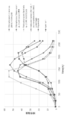
- the results of each sample of Example 3 in the PR-1a gene promoter expression induction test are shown in Table 13 and FIG. 1, and the results of each sample of Example 4 are shown in Table 14.
- the culture containing the polysaccharide is a product derived from uronema, chlorococcum, geminella, chloroidium (preferably KAMI), euglena, or chlorella. These products were shown to have an effect of activating PR-1a gene promoter expression induction.
- these algae-derived cultures are the same macromolecular polysaccharide as laminarin, but are fast-acting because of these excellent advantages. Moreover, it is easy to adjust a time of action by using both each product and laminarin together.
- Example 3 ⁇ Analysis of each culture derived from each algal strain of Examples 3 to 4> Each culture derived from each algal strain of Examples 3 to 4 was analyzed. Specifically, as the sample of Example 3, the uronema-derived culture 5, the chlorococcum-derived culture 6, the Geminella-derived culture 7, the chloroidium KAMI-derived culture 8, and the sample of Example 4 A culture 10 derived from Roydium YAMA was used.
- Man Mannose
- Ara Arabinose
- Gal Gal
- Gal Gal
- Gal Gal
- Gal Gal
- Gal Gal
- Gal Gal
- Gal Gal
- Gal Gal
- Gal Gal
- Gal Gal
- Gal Gal
- Gal Gal
- Gal Gal
- Gal Gal
- Gal Gal
- Gal Gal
- Gal Gal
- Gal Gal
- Gal Gal
- Gal Gal
- Gal Gal
- Gal Gal
- Gal Gal
- Gal Gal
- Gal Gal
- GlcUA glucuronic acid.
- MilliQ water was added to the sample to prepare a 10 mg / mL solution, and 10 ⁇ L of the solution was used as a hydrolysis sample. Specifically, 10 ⁇ L of each sample was dispensed into tubes, TFA (trifluoroacetic acid) was added to each collected tube, stirred and centrifuged, and then heated at 100 ° C. for 3 hours. After air cooling, the mixture was centrifuged and dried with SpeedVac. After adding 2-propanol and stirring, pyridine / methanol and acetic anhydride were added to the sample dried to speedVac, and reacted at room temperature for 30 minutes. The solution was dried to SpeedVac and proceeded to ABEE labeling.
- TFA trifluoroacetic acid
- ABEE labeling reagent (ABEE, sodium cyanoborohydride, acetic acid, methanol) was added and reacted at 80 ° C. for 1 hour. Post-treatment was carried out with 200 ⁇ L of MQW and 200 ⁇ L of chloroform, and the aqueous layer was collected and injected into HPLC. A calibration curve for each monosaccharide was created from the peak area, and the monosaccharide contained in the sample was quantified.
- the dry culture was adjusted to 100 ⁇ g / mL, and uronic acid in each culture was analyzed.
- Table 16 shows the results of uronic acid content (in terms of GalUA) in each sample.
- Table 15 shows the results of sugar analysis by the ABEE labeling method, and Table 16 shows the results of uronic acid.
- Table 15 shows the monosaccharide composition of each polysaccharide contained in the culture of each of the Algal strains of Geminera, Uronema, Chlorococcum and Chlorodium.
- Uronema-derived polysaccharides are mainly composed of rhamnose, mannose and glucuronic acid.
- the polysaccharide derived from chlorococcum contains mannose, arabinose, galactose, and glucuronic acid as main constituent monosaccharides.
- Geminera-derived polysaccharides are mainly composed of mannose and glucuronic acid.
- the polysaccharide derived from Chlorodium KAMI contains mannose, arabinose, galactose, xylose, rhamnose and glucuronic acid as the main constituent monosaccharides.
- the polysaccharide derived from Chlorodium YAMA contains mannose, galactose, and glucose as main constituent monosaccharides.
- each polysaccharide contained in the cultures of each of the algae strains of Geminera, Uronema, Chlorococcum and Chlorodium contains uronic acid, and the uronic acid (GalUA equivalent) content is as shown in Table 16. Met. Therefore, the polysaccharide produced by unicellular algae having a green photosynthetic pigment outside the alga contains uronic acid, and therefore induces PR-1a gene expression inducing action different from laminarin not containing uronic acid (for example, , Efficacy rate, etc.). As described above, each of the polysaccharides has uronic acid and neutral monosaccharide as described above as constituent monosaccharides, so that it is considered that PR-1a gene expression induction is involved in activation.
- the culture of this technique is a culture of a unicellular alga having a green photosynthetic pigment, it is considered that it does not show direct insecticidal / bactericidal properties. And since the culture of this technology does not show direct insecticidal / bactericidal properties, the resistant bacteria appearance rate is low, the application amount can be suppressed with a small amount, the effect is sustained, and it is outside the control purpose. We think that there is little influence on creature. In addition, since the culture of the present technology contains abundant polysaccharide carbon sources and can also contain various components in the culture, it can be expected to have a fertilizing effect on plants. it can.
- the culture of the present technology is obtained by liquid culture, it is highly water-soluble and can be easily used by mixing with irrigation water such as farms.
- the culture of the present technology is considered to gradually decompose after application such as spraying even when insoluble components are contained, so that long-term efficacy can be expected, while the environmental load is considered low.
- the culture of the present technology can be used for necessary crops at the necessary place when necessary, and is considered to be highly versatile.
Landscapes
- Life Sciences & Earth Sciences (AREA)
- Engineering & Computer Science (AREA)
- Health & Medical Sciences (AREA)
- Biotechnology (AREA)
- Chemical & Material Sciences (AREA)
- Zoology (AREA)
- Wood Science & Technology (AREA)
- General Health & Medical Sciences (AREA)
- Organic Chemistry (AREA)
- Genetics & Genomics (AREA)
- Bioinformatics & Cheminformatics (AREA)
- Microbiology (AREA)
- Cell Biology (AREA)
- Biomedical Technology (AREA)
- Biochemistry (AREA)
- Botany (AREA)
- General Engineering & Computer Science (AREA)
- Medicinal Chemistry (AREA)
- Tropical Medicine & Parasitology (AREA)
- Virology (AREA)
- Agronomy & Crop Science (AREA)
- Dentistry (AREA)
- Mycology (AREA)
- Environmental Sciences (AREA)
- Plant Pathology (AREA)
- Natural Medicines & Medicinal Plants (AREA)
- Preparation Of Compounds By Using Micro-Organisms (AREA)
- Agricultural Chemicals And Associated Chemicals (AREA)
- Micro-Organisms Or Cultivation Processes Thereof (AREA)
- Breeding Of Plants And Reproduction By Means Of Culturing (AREA)
Abstract
La présente invention concerne un constituant ayant un effet d'induction de résistance sur des plantes. La présente invention concerne : un agent d'induction-activation de l'expression du gène PR1 contenant, comme ingrédient actif, une culture d'une algue monocellulaire ayant un pigment de photosynthèse vert ; un agent d'induction de résistance qui sert aux plantes et qui contient, comme ingrédient actif, une culture d'une algue monocellulaire ayant un pigment de photosynthèse vert ; un agent qui sert à la prévention/l'amélioration de maladies de plante et qui contient, comme ingrédient actif, une culture d'une algue monocellulaire ayant un pigment de photosynthèse vert ; et un procédé de production d'un constituant d'induction de résistance pour des plantes, le procédé comprenant la culture d'une algue monocellulaire ayant un pigment de photosynthèse vert sous des conditions aérobies pour obtenir une culture contenant un polysaccharide extracellulaire.
Priority Applications (4)
| Application Number | Priority Date | Filing Date | Title |
|---|---|---|---|
| EP19775007.8A EP3777539A4 (fr) | 2018-03-30 | 2019-03-22 | Agent d'induction de résistance pour des plantes |
| US16/977,466 US11659839B2 (en) | 2018-03-30 | 2019-03-22 | Resistance inducing agent for plants |
| CN201980017742.6A CN112334006B (zh) | 2018-03-30 | 2019-03-22 | 植物用抗性诱导剂 |
| JP2020509955A JP7116961B2 (ja) | 2018-03-30 | 2019-03-22 | 植物用抵抗性誘導剤 |
Applications Claiming Priority (2)
| Application Number | Priority Date | Filing Date | Title |
|---|---|---|---|
| JP2018067567 | 2018-03-30 | ||
| JP2018-067567 | 2018-03-30 |
Publications (1)
| Publication Number | Publication Date |
|---|---|
| WO2019188773A1 true WO2019188773A1 (fr) | 2019-10-03 |
Family
ID=68061946
Family Applications (1)
| Application Number | Title | Priority Date | Filing Date |
|---|---|---|---|
| PCT/JP2019/012056 Ceased WO2019188773A1 (fr) | 2018-03-30 | 2019-03-22 | Agent d'induction de résistance pour des plantes |
Country Status (5)
| Country | Link |
|---|---|
| US (1) | US11659839B2 (fr) |
| EP (1) | EP3777539A4 (fr) |
| JP (1) | JP7116961B2 (fr) |
| CN (1) | CN112334006B (fr) |
| WO (1) | WO2019188773A1 (fr) |
Cited By (1)
| Publication number | Priority date | Publication date | Assignee | Title |
|---|---|---|---|---|
| WO2021110648A1 (fr) * | 2019-12-02 | 2021-06-10 | Mytamar Gmbh | Utilisation de saccharides de dattes seuls ou en melange avec des polyphenols pour proteger les plantes contre des pathogenes |
Citations (4)
| Publication number | Priority date | Publication date | Assignee | Title |
|---|---|---|---|---|
| JP2013124241A (ja) | 2011-12-15 | 2013-06-24 | Yokohama National Univ | 植物抵抗性誘導剤、植物の抵抗性誘導方法、及び植物病害の予防方法 |
| WO2017044774A1 (fr) * | 2015-09-11 | 2017-03-16 | Heliae Development, Llc | Compositions à base de microalgues et procédés pour les appliquer à des plantes |
| US20170226509A1 (en) * | 2014-08-06 | 2017-08-10 | Valagro S.P.A. | Method for modulating plant processes |
| JP2017197456A (ja) | 2016-04-26 | 2017-11-02 | 国立大学法人横浜国立大学 | 植物抵抗性誘導制御剤、植物抵抗性誘導制御方法、及び植物病害の防除方法 |
Family Cites Families (11)
| Publication number | Priority date | Publication date | Assignee | Title |
|---|---|---|---|---|
| JPH0748214A (ja) * | 1993-08-05 | 1995-02-21 | Mitsui Eng & Shipbuild Co Ltd | 病原菌に対する植物抵抗性増強剤 |
| GB9611089D0 (en) * | 1996-05-28 | 1996-07-31 | Sandoz Ltd | Organic compounds |
| ITMI20040402A1 (it) * | 2004-03-03 | 2004-06-03 | Isagro Spa | Miscele e metodo per l'induzione di resistenza nella pianta |
| WO2010037714A1 (fr) * | 2008-09-30 | 2010-04-08 | Basf Plant Science Gmbh | Procédé pour produire une cellule de plante transgénique, une plante ou une partie de celle-ci ayant une résistance augmentée au stress biotique |
| CN101638662B (zh) * | 2009-09-02 | 2013-04-17 | 山东农业大学 | 辣椒疫霉多聚半乳糖醛酸酶Pcipg5基因、蛋白制备方法及其应用 |
| WO2012101459A2 (fr) * | 2011-01-28 | 2012-08-02 | Algaecytes Limited | Procédé pour la production de microalgues, cyanobactéries et de métabolites de ceux-ci |
| CN103160494B (zh) * | 2013-02-01 | 2015-10-21 | 安徽农业大学 | 一种提高小球藻光合作用效率的化学复合诱变方法 |
| CN105685766B (zh) * | 2014-11-27 | 2020-11-27 | 丰益(上海)生物技术研发中心有限公司 | 微藻发酵液胞外多糖、其制备方法及用途 |
| CN104531656B (zh) * | 2015-01-05 | 2018-02-09 | 安徽省农业科学院水稻研究所 | 一种来自小球藻的磷酸甘露糖异构酶基因及其应用 |
| US20180289016A1 (en) * | 2015-04-30 | 2018-10-11 | Micoperi Blue Growth S.R.L. | Microalgae extract for agricultural use |
| WO2017218896A1 (fr) * | 2016-06-16 | 2017-12-21 | Heliae Development, Llc | Composition à base de microalgues, et ses procédés de préparation et d'application sur les plantes |
-
2019
- 2019-03-22 WO PCT/JP2019/012056 patent/WO2019188773A1/fr not_active Ceased
- 2019-03-22 JP JP2020509955A patent/JP7116961B2/ja active Active
- 2019-03-22 CN CN201980017742.6A patent/CN112334006B/zh active Active
- 2019-03-22 US US16/977,466 patent/US11659839B2/en active Active
- 2019-03-22 EP EP19775007.8A patent/EP3777539A4/fr active Pending
Patent Citations (4)
| Publication number | Priority date | Publication date | Assignee | Title |
|---|---|---|---|---|
| JP2013124241A (ja) | 2011-12-15 | 2013-06-24 | Yokohama National Univ | 植物抵抗性誘導剤、植物の抵抗性誘導方法、及び植物病害の予防方法 |
| US20170226509A1 (en) * | 2014-08-06 | 2017-08-10 | Valagro S.P.A. | Method for modulating plant processes |
| WO2017044774A1 (fr) * | 2015-09-11 | 2017-03-16 | Heliae Development, Llc | Compositions à base de microalgues et procédés pour les appliquer à des plantes |
| JP2017197456A (ja) | 2016-04-26 | 2017-11-02 | 国立大学法人横浜国立大学 | 植物抵抗性誘導制御剤、植物抵抗性誘導制御方法、及び植物病害の防除方法 |
Non-Patent Citations (16)
| Title |
|---|
| "Evaluation of the Use of the Tobacco PR-1a Promoter to Monitor Defense Gene Expression by the Luciferase Bioluminescence Reporter System", BIOSCI. BIOTECHNOL. BIOCHEM, vol. 75, no. 9, 2011, pages 1796 - 1800 |
| CHLOROPHYCEAE CHLOROCOCCUM SP. (NBRC 113206) ALGA STRAIN, 29 March 2018 (2018-03-29), Retrieved from the Internet <URL:http://www.nbrc.nite.go.jp/NBRC2/NBRCCatalogueDetailServlet?ID=NBRC&CAT=00113206> |
| CHLOROPHYCEAE CHLOROCOCCUM SP. (NBRC 113206, 29 March 2018 (2018-03-29), Retrieved from the Internet <URL:http://www.nbrc.nite.go.ip/NBRC2/NBRCCataloqueDetailServlet?ID=NBRC&CAT=00113206> |
| CHLOROPHYCEAE URONEMA SP. (NBRC 113204) ALGA STRAIN, 29 March 2018 (2018-03-29), Retrieved from the Internet <URL:http://www.nbrc.nite.go.jp/NBRC2/NBRCCatalogueDetailServlet?ID=NBRC&CAT=00113204> |
| CHLOROPHYCEAE URONEMA SP. (NBRC 113204, 29 March 2018 (2018-03-29), Retrieved from the Internet <URL:http://www.nbrc.nite.go.ip/NBRC2/NBRCCataloqueDetailServlet?ID=NBRC&CAT=00113204> |
| KLARZYNSKI, OLIVIER ET AL.: "Sulfated fucan oligosaccharides elicit defense responses in tobacco and local and systemic resistance against tobacco mosaic virus", MOLECULAR PLANT-MICROBE INTERACTIONS, vol. 16, no. 2, 2003, pages 115 - 122, XP002355214 * |
| See also references of EP3777539A4 |
| STADNIK, MARCIEL J. ET AL.: "Algal polysaccharides as source of plant resistance inducers", TROPICAL PLANT PATHOLOGY, vol. 39, no. 2, 2014, pages 111 - 118, XP055205439, doi:10.1590/S1982-56762014000200001 * |
| TREBOUXIOPHYCEAE CHLOROIDIUM SACCHAROPHILUM KAMI (NBRC 113807) (KAMI-04 (3) ) ALGA STRAIN, 25 February 2019 (2019-02-25), Retrieved from the Internet <URL:http://www.nbrc.nite.go.jp/NBRC2/NBRCCatalogueDetailServlet?ID=NBRC&CAT=00113807> |
| TREBOUXIOPHYCEAE CHLOROIDIUM SACCHAROPHILUM KAMI (NBRC 113807, 25 February 2019 (2019-02-25), Retrieved from the Internet <URL:http://www.nbrc.nite.go.ip/NBRC2/NBRCCataloqueDetailServlet?ID=NBRC&CAT=00113807> |
| TREBOUXIOPHYCEAE CHLOROIDIUM SACCHAROPHILUM YAMA (NBRC 113207) (YAMA-MIZU-03-3) ALGA STRAIN, 29 March 2018 (2018-03-29), Retrieved from the Internet <URL:http://www.nbrc.nite.go.jp/NBRC2/NBRCCatalogueDetailServlet?ID=NBRC&CAT=00113207> |
| TREBOUXIOPHYCEAE CHLOROIDIUM SACCHAROPHILUM YAMA (NBRC 113207, 29 March 2018 (2018-03-29), Retrieved from the Internet <URL:http://www.nbrc.nite.go.ip/NBRC2/NBRCCatalogueDetailServlet?ID=NBRC&CAT=00113207> |
| TREBOUXIOPHYCEAE GEMINELLA SP. (NBRC 113205) ALGA STRAIN, 29 March 2018 (2018-03-29), Retrieved from the Internet <URL:http://www.nbrc.nite.go.jp/NBRC2/NBRCCatalogueDetailServlet?ID=NBRC&CAT=00113205> |
| TREBOUXIOPHYCEAE GEMINELLA SP. (NBRC 113205, 29 March 2018 (2018-03-29), Retrieved from the Internet <URL:http://www.nbrc.nite.go.ip/NBRC2/NBRCCataloqueDetailServlet?ID=NBRC&CAT=00113205> |
| YASUNO, S. ET AL., BIOSCI. BIOTECHNOL. BIOCHEM., vol. 61, 1997, pages 1944 |
| YASUNO, S. ET AL., BIOSCI. BIOTECHNOL. BIOCHEM., vol. 63, 1999, pages 1353 |
Cited By (2)
| Publication number | Priority date | Publication date | Assignee | Title |
|---|---|---|---|---|
| WO2021110648A1 (fr) * | 2019-12-02 | 2021-06-10 | Mytamar Gmbh | Utilisation de saccharides de dattes seuls ou en melange avec des polyphenols pour proteger les plantes contre des pathogenes |
| CN115151134A (zh) * | 2019-12-02 | 2022-10-04 | 米塔玛有限公司 | 椰枣糖的单独使用或与多酚的混合使用以保护植物免受病原体侵害 |
Also Published As
| Publication number | Publication date |
|---|---|
| JP7116961B2 (ja) | 2022-08-12 |
| CN112334006B (zh) | 2022-03-04 |
| US20210360935A1 (en) | 2021-11-25 |
| US11659839B2 (en) | 2023-05-30 |
| EP3777539A4 (fr) | 2022-03-09 |
| EP3777539A1 (fr) | 2021-02-17 |
| CN112334006A (zh) | 2021-02-05 |
| JPWO2019188773A1 (ja) | 2020-12-03 |
Similar Documents
| Publication | Publication Date | Title |
|---|---|---|
| Wang et al. | Study on the biocontrol potential of antifungal peptides produced by Bacillus velezensis against Fusarium solani that infects the passion fruit Passiflora edulis | |
| Metwally et al. | Potential use of beneficial fungal microorganisms and C-phycocyanin extract for enhancing seed germination, seedling growth and biochemical traits of Solanum lycopersicum L. | |
| US12543742B2 (en) | Method for prophylaxis of infections in crops and ornamentals, preferably in viticulture, and in woody plants | |
| KR102604427B1 (ko) | 트리코더마 롱기브라키아툼 균주를 포함하는 식물병 방제용 조성물 및 이를 이용한 식물병 방제 방법 | |
| Rahman et al. | Induction of systemic resistance in cotton by the plant growth promoting rhizobacterium and seaweed against charcoal rot disease | |
| Ponmurugan et al. | Evaluation of fungicides and biocontrol agents against Phomopsis canker of tea under field conditions | |
| KR20190042920A (ko) | 스트렙토마이세스 속(Streptomyces sp.) G-0299 균주 및 이의 용도 | |
| Cavalcanti et al. | Chlorella vulgaris lectin kills Aedes aegypti larvae | |
| Ziane et al. | Biocontrol of tomato Verticillium wilt disease by plant growth-promoting bacteria encapsulated in alginate extracted from brown seaweed | |
| Do Prado et al. | Aspergillus flavipes as a novel biostimulant for rooting-enhancement of Eucalyptus | |
| CN101011069A (zh) | 一种微生物杀线虫剂及其应用 | |
| JP7116961B2 (ja) | 植物用抵抗性誘導剤 | |
| US8932844B2 (en) | Process for stimulating the defense mechanism of a plant using a bacterial extract elicitor | |
| JP2022509922A (ja) | 硫酸化ガラクトースを含む組成物、及びその実施 | |
| Saleh et al. | The effect of termites extract on inhibition of growth of some pathogenic bacteria and synthesis of biofilm | |
| Jain et al. | Identification of etiological agent of Telya disease of Pomegranate, its pathogenesis and control using integrated management approach. Res J Biotechnol 18 | |
| Khalil | Utilization of biomaterials as soil amendments and crop protection agents in integrated nematode management | |
| Karim et al. | First Report of Rhizoctonia solani Kuhn. Isolated from Parthenium Weed (Parthenium hysterophorus L.) in Malaysia. | |
| Sattar et al. | THE CONTROL OF SOME FUNGI THAT CAUSE TOMATO ROOT ROT DISEASE BY EM1 AND NORMAL AND NANO-CHITOSAN | |
| Sarahinobar et al. | Dual functional role of Salicylic acid against Fusarium; long lasting priming and direct immediate effect | |
| Velu et al. | Chapter-1 Insight of Algal Metabolites in Agriculture: Mechanisms and Applications | |
| Theer et al. | Macrophomina phaseolina (Tassi) Goid culture filtrates is a lucrative source for weed control | |
| Karamchandani et al. | Engineering Precision Defense: Fusaric Acid-Based Wilt Screening and Chitosan Nanoparticles in Resistance Induction in Sugarcane | |
| Suwanchaikasem et al. | Fungal infections in Cannabis sativa and bio-stimulants to boost plant defence | |
| Galieva et al. | SUPPRESSION OF FUNGAL PHYTOPATHOGENS (FUSARIUM SPP AND ALTERNARIA SPP) ON THE TOMATO LEAVES BY THE RHAMNOLIPIDS PRODUCED BY PSEUDOMONAS AERUGINOSA PAO1 |
Legal Events
| Date | Code | Title | Description |
|---|---|---|---|
| 121 | Ep: the epo has been informed by wipo that ep was designated in this application |
Ref document number: 19775007 Country of ref document: EP Kind code of ref document: A1 |
|
| ENP | Entry into the national phase |
Ref document number: 2020509955 Country of ref document: JP Kind code of ref document: A |
|
| WWE | Wipo information: entry into national phase |
Ref document number: 2019775007 Country of ref document: EP |