WO2020030116A1 - Procédé et appareil de transmission d'informations - Google Patents
Procédé et appareil de transmission d'informations Download PDFInfo
- Publication number
- WO2020030116A1 WO2020030116A1 PCT/CN2019/100003 CN2019100003W WO2020030116A1 WO 2020030116 A1 WO2020030116 A1 WO 2020030116A1 CN 2019100003 W CN2019100003 W CN 2019100003W WO 2020030116 A1 WO2020030116 A1 WO 2020030116A1
- Authority
- WO
- WIPO (PCT)
- Prior art keywords
- information
- sidelink
- resource
- base station
- terminal
- Prior art date
- Legal status (The legal status is an assumption and is not a legal conclusion. Google has not performed a legal analysis and makes no representation as to the accuracy of the status listed.)
- Ceased
Links
Images



Classifications
-
- H—ELECTRICITY
- H04—ELECTRIC COMMUNICATION TECHNIQUE
- H04L—TRANSMISSION OF DIGITAL INFORMATION, e.g. TELEGRAPHIC COMMUNICATION
- H04L5/00—Arrangements affording multiple use of the transmission path
- H04L5/0001—Arrangements for dividing the transmission path
- H04L5/0003—Two-dimensional division
- H04L5/0005—Time-frequency
- H04L5/0007—Time-frequency the frequencies being orthogonal, e.g. OFDM(A) or DMT
-
- H—ELECTRICITY
- H04—ELECTRIC COMMUNICATION TECHNIQUE
- H04W—WIRELESS COMMUNICATION NETWORKS
- H04W72/00—Local resource management
- H04W72/20—Control channels or signalling for resource management
- H04W72/21—Control channels or signalling for resource management in the uplink direction of a wireless link, i.e. towards the network
-
- H—ELECTRICITY
- H04—ELECTRIC COMMUNICATION TECHNIQUE
- H04W—WIRELESS COMMUNICATION NETWORKS
- H04W72/00—Local resource management
- H04W72/02—Selection of wireless resources by user or terminal
-
- H—ELECTRICITY
- H04—ELECTRIC COMMUNICATION TECHNIQUE
- H04L—TRANSMISSION OF DIGITAL INFORMATION, e.g. TELEGRAPHIC COMMUNICATION
- H04L5/00—Arrangements affording multiple use of the transmission path
- H04L5/0001—Arrangements for dividing the transmission path
- H04L5/0003—Two-dimensional division
- H04L5/0005—Time-frequency
- H04L5/0007—Time-frequency the frequencies being orthogonal, e.g. OFDM(A) or DMT
- H04L5/001—Time-frequency the frequencies being orthogonal, e.g. OFDM(A) or DMT the frequencies being arranged in component carriers
-
- H—ELECTRICITY
- H04—ELECTRIC COMMUNICATION TECHNIQUE
- H04L—TRANSMISSION OF DIGITAL INFORMATION, e.g. TELEGRAPHIC COMMUNICATION
- H04L5/00—Arrangements affording multiple use of the transmission path
- H04L5/003—Arrangements for allocating sub-channels of the transmission path
- H04L5/0053—Allocation of signalling, i.e. of overhead other than pilot signals
-
- H—ELECTRICITY
- H04—ELECTRIC COMMUNICATION TECHNIQUE
- H04L—TRANSMISSION OF DIGITAL INFORMATION, e.g. TELEGRAPHIC COMMUNICATION
- H04L5/00—Arrangements affording multiple use of the transmission path
- H04L5/003—Arrangements for allocating sub-channels of the transmission path
- H04L5/0058—Allocation criteria
- H04L5/0062—Avoidance of ingress interference, e.g. ham radio channels
-
- H—ELECTRICITY
- H04—ELECTRIC COMMUNICATION TECHNIQUE
- H04L—TRANSMISSION OF DIGITAL INFORMATION, e.g. TELEGRAPHIC COMMUNICATION
- H04L5/00—Arrangements affording multiple use of the transmission path
- H04L5/003—Arrangements for allocating sub-channels of the transmission path
- H04L5/0058—Allocation criteria
- H04L5/0064—Rate requirement of the data, e.g. scalable bandwidth, data priority
-
- H—ELECTRICITY
- H04—ELECTRIC COMMUNICATION TECHNIQUE
- H04L—TRANSMISSION OF DIGITAL INFORMATION, e.g. TELEGRAPHIC COMMUNICATION
- H04L5/00—Arrangements affording multiple use of the transmission path
- H04L5/0091—Signalling for the administration of the divided path, e.g. signalling of configuration information
- H04L5/0094—Indication of how sub-channels of the path are allocated
-
- H—ELECTRICITY
- H04—ELECTRIC COMMUNICATION TECHNIQUE
- H04L—TRANSMISSION OF DIGITAL INFORMATION, e.g. TELEGRAPHIC COMMUNICATION
- H04L5/00—Arrangements affording multiple use of the transmission path
- H04L5/14—Two-way operation using the same type of signal, i.e. duplex
- H04L5/1469—Two-way operation using the same type of signal, i.e. duplex using time-sharing
-
- H—ELECTRICITY
- H04—ELECTRIC COMMUNICATION TECHNIQUE
- H04W—WIRELESS COMMUNICATION NETWORKS
- H04W4/00—Services specially adapted for wireless communication networks; Facilities therefor
- H04W4/30—Services specially adapted for particular environments, situations or purposes
- H04W4/40—Services specially adapted for particular environments, situations or purposes for vehicles, e.g. vehicle-to-pedestrians [V2P]
-
- H—ELECTRICITY
- H04—ELECTRIC COMMUNICATION TECHNIQUE
- H04W—WIRELESS COMMUNICATION NETWORKS
- H04W4/00—Services specially adapted for wireless communication networks; Facilities therefor
- H04W4/30—Services specially adapted for particular environments, situations or purposes
- H04W4/40—Services specially adapted for particular environments, situations or purposes for vehicles, e.g. vehicle-to-pedestrians [V2P]
- H04W4/46—Services specially adapted for particular environments, situations or purposes for vehicles, e.g. vehicle-to-pedestrians [V2P] for vehicle-to-vehicle communication [V2V]
-
- H—ELECTRICITY
- H04—ELECTRIC COMMUNICATION TECHNIQUE
- H04W—WIRELESS COMMUNICATION NETWORKS
- H04W4/00—Services specially adapted for wireless communication networks; Facilities therefor
- H04W4/50—Service provisioning or reconfiguring
-
- H—ELECTRICITY
- H04—ELECTRIC COMMUNICATION TECHNIQUE
- H04W—WIRELESS COMMUNICATION NETWORKS
- H04W72/00—Local resource management
- H04W72/04—Wireless resource allocation
- H04W72/044—Wireless resource allocation based on the type of the allocated resource
- H04W72/0446—Resources in time domain, e.g. slots or frames
-
- H—ELECTRICITY
- H04—ELECTRIC COMMUNICATION TECHNIQUE
- H04W—WIRELESS COMMUNICATION NETWORKS
- H04W72/00—Local resource management
- H04W72/04—Wireless resource allocation
- H04W72/044—Wireless resource allocation based on the type of the allocated resource
- H04W72/0453—Resources in frequency domain, e.g. a carrier in FDMA
-
- H—ELECTRICITY
- H04—ELECTRIC COMMUNICATION TECHNIQUE
- H04W—WIRELESS COMMUNICATION NETWORKS
- H04W72/00—Local resource management
- H04W72/12—Wireless traffic scheduling
- H04W72/1215—Wireless traffic scheduling for collaboration of different radio technologies
-
- H—ELECTRICITY
- H04—ELECTRIC COMMUNICATION TECHNIQUE
- H04W—WIRELESS COMMUNICATION NETWORKS
- H04W72/00—Local resource management
- H04W72/20—Control channels or signalling for resource management
-
- H—ELECTRICITY
- H04—ELECTRIC COMMUNICATION TECHNIQUE
- H04W—WIRELESS COMMUNICATION NETWORKS
- H04W72/00—Local resource management
- H04W72/50—Allocation or scheduling criteria for wireless resources
- H04W72/51—Allocation or scheduling criteria for wireless resources based on terminal or device properties
-
- H—ELECTRICITY
- H04—ELECTRIC COMMUNICATION TECHNIQUE
- H04W—WIRELESS COMMUNICATION NETWORKS
- H04W72/00—Local resource management
- H04W72/50—Allocation or scheduling criteria for wireless resources
- H04W72/54—Allocation or scheduling criteria for wireless resources based on quality criteria
- H04W72/541—Allocation or scheduling criteria for wireless resources based on quality criteria using the level of interference
-
- H—ELECTRICITY
- H04—ELECTRIC COMMUNICATION TECHNIQUE
- H04W—WIRELESS COMMUNICATION NETWORKS
- H04W72/00—Local resource management
- H04W72/50—Allocation or scheduling criteria for wireless resources
- H04W72/56—Allocation or scheduling criteria for wireless resources based on priority criteria
-
- H—ELECTRICITY
- H04—ELECTRIC COMMUNICATION TECHNIQUE
- H04W—WIRELESS COMMUNICATION NETWORKS
- H04W72/00—Local resource management
- H04W72/50—Allocation or scheduling criteria for wireless resources
- H04W72/56—Allocation or scheduling criteria for wireless resources based on priority criteria
- H04W72/566—Allocation or scheduling criteria for wireless resources based on priority criteria of the information or information source or recipient
- H04W72/569—Allocation or scheduling criteria for wireless resources based on priority criteria of the information or information source or recipient of the traffic information
-
- H—ELECTRICITY
- H04—ELECTRIC COMMUNICATION TECHNIQUE
- H04W—WIRELESS COMMUNICATION NETWORKS
- H04W76/00—Connection management
- H04W76/10—Connection setup
- H04W76/11—Allocation or use of connection identifiers
-
- H—ELECTRICITY
- H04—ELECTRIC COMMUNICATION TECHNIQUE
- H04W—WIRELESS COMMUNICATION NETWORKS
- H04W76/00—Connection management
- H04W76/20—Manipulation of established connections
- H04W76/27—Transitions between radio resource control [RRC] states
-
- H—ELECTRICITY
- H04—ELECTRIC COMMUNICATION TECHNIQUE
- H04W—WIRELESS COMMUNICATION NETWORKS
- H04W92/00—Interfaces specially adapted for wireless communication networks
- H04W92/16—Interfaces between hierarchically similar devices
- H04W92/18—Interfaces between hierarchically similar devices between terminal devices
-
- H—ELECTRICITY
- H04—ELECTRIC COMMUNICATION TECHNIQUE
- H04W—WIRELESS COMMUNICATION NETWORKS
- H04W88/00—Devices specially adapted for wireless communication networks, e.g. terminals, base stations or access point devices
- H04W88/02—Terminal devices
- H04W88/06—Terminal devices adapted for operation in multiple networks or having at least two operational modes, e.g. multi-mode terminals
Definitions
- the present application relates to the field of communications, for example, to an information transmission method and device.
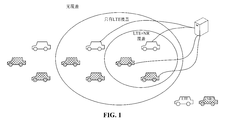
- FIG. 1 is a schematic diagram of vehicle networking according to related technologies. As shown in Figure 1, in the scenario with only LTE coverage, the UE can use LTE sidelink and / or NR sidelink. In the no coverage scenario, the UE can also use LTE sidelink. And / or NR sidelink.
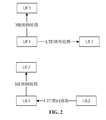
- FIG. 2 is a schematic diagram of data transmission between terminals in a connected vehicle according to the related technology.
- UE1 sends LTE sidelink discovery or communication data to UE2, and UE1 sends NR sidelink discovery to UE3. Or communication data.
- FIG. 2B UE1 receives LTE sidelink discovery or communication data sent by UE2, and UE1 sends NR sidelink discovery or communication data to UE3.
- the NR sidelink transmission and the LTE sidelink transmission or reception may overlap in the time domain position.
- the maximum transmission power of the UE is affected by Limitation, transmission power needs to be allocated between multiple links, and there may be greater interference for the receiving end.
- the transmission of the NR sidelink may cause significant interference to the reception of the LTE sidelink.
- UE1 may send LTE sidelink discovery or communication data to UE3, and receive NR sidelink discovery or communication data from UE2.
- LTE / NR sidelink discovery or communication data can be user plane or control plane data packets.
- the embodiments of the present application provide an information transmission method and device, so as to at least solve the problem of interference of the Sidelink service in which the terminal performs multiple standards in the related art.
- an information transmission method including: a first terminal that simultaneously performs an NR Sidelink service and an LTE Sidelink service transmits auxiliary information to a first base station, wherein the auxiliary information is used for the first A base station generates resource related information.
- an information transmission method including: a first terminal that simultaneously performs an NR Sidelink service and an LTE Sidelink service transmits auxiliary information to a second terminal.
- an information transmission method including: the first base station acquires auxiliary information transmitted by the first terminal, wherein the first terminal simultaneously performs NR Sidelink service and LTE Sidelink service; The first base station transmits the first resource related information to the second base station, wherein the first resource related information is determined according to the auxiliary information.
- a method for information transmission which includes: the first terminal receives priority related information; and determines a priority order between LTE Sidelink and NR Sidelink.
- an information transmission device is also provided, which is applied to a terminal that performs NR Sidelink service and LTE Sidelink service at the same time, including: a first transmission module configured to transmit auxiliary information to a first base station, The auxiliary information is used by the first base station to generate resource related information.
- an information transmission device is also provided, which is applied to a terminal that simultaneously performs NR Sidelink service and LTE Sidelink service at the same time, and includes: a second transmission module configured to provide to the second terminal Transmission of auxiliary information.
- an information transmission device which includes: a third acquisition module configured to acquire auxiliary information transmitted by the first terminal, wherein the first terminal simultaneously performs NR and Sidelink services. And LTE Sidelink services; a third transmission module configured to transmit first resource-related information to a second base station, wherein the first resource-related information is determined based on the auxiliary information.
- an information transmission device including: a fourth receiving module configured to receive priority-related information; and a fourth determining module configured to determine LTESidelink and NRSidelink Priority order between.
- a storage medium stores a computer program, and the computer program is configured to execute the steps in any one of the foregoing method embodiments when running.
- an electronic device which includes a memory and a processor.
- the memory stores a computer program
- the processor is configured to run the computer program to execute any one of the foregoing. Steps in a method embodiment.
- FIG. 1 is a schematic diagram of a connected vehicle according to the related art
- FIG. 2 is a schematic diagram of data transmission between terminals in a connected vehicle network according to the related art
- FIG. 3 is a block diagram of a hardware structure of a mobile terminal in an information transmission method according to an embodiment of the present application
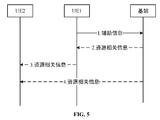
- FIG. 5 is a schematic diagram of a scenario according to a first embodiment of the present application.
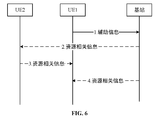
- FIG. 6 is a schematic diagram of a specific embodiment 2 according to the application document.
- FIG. 7 is a schematic diagram of a specific embodiment 3 according to the application document.
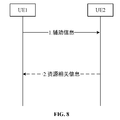
- FIG. 8 is a schematic diagram of a specific embodiment 4 according to the application document.
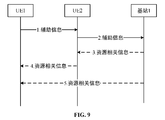
- FIG. 9 is a schematic diagram of a specific embodiment 5 according to the application document.
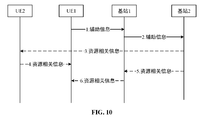
- FIG. 10 is a schematic diagram of a specific embodiment 6 according to the application document.
- An embodiment of the present application provides a mobile communication network (including a 5G mobile communication network and an LTE mobile communication network).
- the network architecture of the network may include a network-side device (such as a base station) and a terminal.
- a network-side device such as a base station
- an information transmission method that can be run on the network architecture is provided, and an operating environment of the information transmission method provided in the embodiment of the present application is not limited to the network architecture.
- the scenario of this application document is connected vehicles.
- FIG. 3 is a block diagram of a hardware structure of a mobile terminal according to an information transmission method according to an embodiment of the present application.
- the mobile terminal 30 may include one or more (only in FIG. 3) One is shown) a processor 302 (the processor 302 may include a processing device such as a microprocessor MCU or a programmable logic device FPGA) and a memory 304 for storing data.
- the above-mentioned mobile terminal may further include: Transmission device 306 and input / output device 308 for communication functions.
- the structure shown in FIG. 3 is only for illustration, and does not limit the structure of the mobile terminal.
- the mobile terminal 30 may further include more or fewer components than those shown in FIG. 3 or have a different configuration from that shown in FIG. 3.
- the memory 304 may be used to store software programs and modules of application software, such as program instructions / modules corresponding to the information transmission method in the embodiment of the present application.
- the processor 302 executes a variety of programs by running the software programs and modules stored in the memory 304. Function application and data processing, that is, the above method is implemented.
- the memory 304 may include a high-speed random access memory, and may further include a non-volatile memory, such as one or more magnetic storage devices, a flash memory, or other non-volatile solid-state memory.
- the memory 304 also includes memory remotely set with respect to the processor 302, and these remote memories may be connected to the mobile terminal 30 through a network. Examples of the above network include the Internet, an intranet, a local area network, a mobile communication network, and combinations thereof.
- the transmission device 306 is used for receiving or transmitting data via a network.
- a specific example of the network described above may include a wireless network provided by a communication provider of the mobile terminal 30.
- the transmission device 306 includes a network adapter (Network Interface Controller, NIC).
- the transmission device 306 can be connected to other network devices through a base station so as to communicate with the Internet.
- the transmission device 306 may be a radio frequency (RF) module, and the transmission device 306 is configured to communicate with the Internet in a wireless manner.
- RF radio frequency
- FIG. 4 is a flowchart of an information transmission method according to an embodiment of the present application. As shown in FIG. 4, the method includes the following steps:
- the first terminal that simultaneously performs the NR Sidelink service and the LTE Sidelink service transmits auxiliary information to the first base station.
- the auxiliary information is used by the first base station to generate resource related information.
- the terminal is simultaneously performing the NR Sidelink service and the LTE Sidelink service.
- the terminal transmits auxiliary information to the base station, and the base station can generate resource related information according to the auxiliary information to instruct the terminal to avoid interference between the two systems of Sidelink services.
- the auxiliary information includes at least one of the following: In-device coexistence (IDC) capability indication information, IDC indication, affected service type information, interference source service type information, affected or Standard information, interference source standard information, interference type indication information, affected frequency domain information, interference source frequency domain information, affected time domain information, interference source time domain information, affected resource pool information, and interference source resource pool information.
- IDC In-device coexistence
- Suggestions Frequency domain information, recommended time domain information, recommended resource pool information, TDM (time division multiplexing, time division multiplexing) auxiliary information, LTE sidelink sends power information, NR sidelink sends power information, sends power difference information, peer Terminal UE identification information, serving base UE or cell identification information, affected Sidelink BWP information, interference source Sidelink BWP (bandwidth part) information, and recommended Sidelink BWP information.
- TDM time division multiplexing, time division multiplexing
- the first terminal before the first terminal transmits auxiliary information to the first base station, the first terminal receives configuration information sent by the first base station, wherein the configuration information includes at least one of the following: Indication information of the first terminal transmitting auxiliary information; specific time length; the number of transmissions that can not be performed on the configured resources within the specific time length; sidelink related priority order table; sidelink service flow priority priority level and near field communication Mapping relationship between packet priority (Prose and Packet Priority, PPPP); mapping relationship between PPPP and logical channel priority; mapping relationship between PPPP and 5QI; PPPP and QFI (QoS Flow ID) Identification) mapping relationship between PPPP and Destination ID; priority threshold value; transmission power difference threshold value between NR Sidelink and LTE Sidelink links.
- the configuration information includes at least one of the following: Indication information of the first terminal transmitting auxiliary information; specific time length; the number of transmissions that can not be performed on the configured resources within the specific time length; sidelink related priority order table; sidelink service flow priority
- the specific time length in the above embodiments is in units of frames or subframes, or slots (symbols).
- the number of transmissions that may not be performed on the configured resources within the specific time length is in units of frames or subframes or slots or symbols.
- the first terminal before the first terminal transmits auxiliary information to the first base station, it is determined to transmit auxiliary information to the first base station when it is determined that the first terminal meets at least one of the following conditions: the first terminal determines that an IDC exists in itself Problem and cannot resolve the IDC problem by itself; the priority value of NR Sidelink and / or LTE Sidelink is less than the priority threshold; the priority value of NR Sidelink and / or LTE Sidelink is greater than the priority threshold; the first The difference between the transmission power of the terminal on the two links NR Sidelink and LTE Sidelink is greater than the threshold.
- Transmission in this application document can be understood as sending and receiving.
- the foregoing threshold value may be preset or indicated in configuration information sent by the base station.
- the threshold can be set differently for each type of service, and can be included in the sending service or receiving service, etc., or it can include other service differentiation.
- the first terminal after the first terminal transmits auxiliary information to the first base station, it receives resource related information transmitted by the first base station, wherein the resource related information includes at least one of the following: LTE sidelink or NR sidelink frequency domain Information; LTE sidelink or NR sidelink time domain information; LTE sidelink or NR sidelink resource pool information; time domain resource or frequency domain resource or resource pool for sending instructions; time domain resource or frequency domain resource or resource pool for receiving Instructions; communication system information; Sidelink BWP information; Beam related information.
- LTE sidelink or NR sidelink frequency domain Information LTE sidelink or NR sidelink time domain information
- LTE sidelink or NR sidelink resource pool information time domain resource or frequency domain resource or resource pool for sending instructions
- time domain resource or frequency domain resource or resource pool for receiving Instructions
- communication system information Sidelink BWP information
- Beam related information Beam related information.
- the communication standard information in this application document may include one of the following: LTE, NR, R14, R15, R16.
- the frequency domain information includes one of the following: frequency point information, resource block information, index information, starting RB position, number of subchannels, and number of RBs;
- the time domain information includes one of the following: frame information, subframe information, slot information, symbol information, time domain pattern information, time domain index information, offset information, and cycle information;
- the resource pool information includes one of the following: time domain information, frequency domain information, resource pool index information, version information, RAT (Radio Access Technology) information;
- the Sidelink BWP information includes one of the following: BWP index, BWP bandwidth, BWP position, subcarrier interval, and CP.
- the first terminal forwards the resource-related information to a second terminal, wherein the first terminal uses PC5 interface signaling or PC5 interface RRC (Radio Resource Control) signaling Or MAC (Media Access Control Address) layer information, or PHY (Physical) layer information, sends resource related information to the second terminal.
- PC5 interface signaling or PC5 interface RRC (Radio Resource Control) signaling Or MAC (Media Access Control Address) layer information, or PHY (Physical) layer information
- RRC Radio Resource Control
- MAC Media Access Control Address
- PHY Physical
- the first terminal and / or the second terminal when both the first terminal and the second terminal are served by the first base station, the first terminal and / or the second terminal receive resources transmitted by the first base station Related Information.
- an information transmission method including:
- step 110 the first terminal that simultaneously performs the NR Sidelink service and the LTE Sidelink service transmits auxiliary information to the second terminal.
- the first terminal transmits auxiliary information to the second terminal, and provides a basis for the second terminal to return resource-related information, avoiding interference between Sidelink services of multiple formats, improving the efficiency of data transmission, and solving related technologies
- the second terminal may generate resource related information according to the auxiliary information.
- the resource related information transmitted by the second terminal is received, wherein the resource related information includes at least one of the following:
- Time domain resource or frequency domain resource or resource pool for sending instructions; time domain resource or frequency domain resource or resource pool for receiving instructions;
- an information transmission method including:
- the first base station acquires auxiliary information transmitted by the first terminal, where the first terminal simultaneously performs an NR Sidelink service and an LTE Sidelink service.
- the first base station transmits the first resource-related information to the second base station, wherein the first resource-related information is determined based on the auxiliary information.
- the auxiliary information includes at least one of the following: IDC capability indication information, IDC indication, affected service type information, interference source service type information, affected or format information, interference source format information, and interference type indication Information, affected frequency domain information, interference source frequency domain information, affected time domain information, interference source time domain information, affected resource pool information, interference source resource pool information, suggested frequency domain information, suggested time domain information, Recommended resource pool information, TDM auxiliary information, LTE sidelink transmission power information, NR sidelink transmission power information, transmission power difference information, peer terminal UE identification information, serving base UE or cell identification information, affected Sidelink BWP information, interference source Sidelink BWP information, recommended Sidelink BWP information.
- the first resource-related information includes at least one of the following: IDC indication, frequency domain information of resources used by sidelink, time domain information of resources used by sidelink, resource pool information of resources used by sidelink, and Affected Sidelink BWP information, interference source Sidelink BWP information, recommended Sidelink BWP information, affected service type information, interference source service type information, affected or standard information, interference source standard information, interference type indication information, affected frequency domain Information, interference source frequency domain information, affected time domain information, interference source time domain information, affected resource pool information, interference source resource pool information, suggested frequency domain information, suggested time domain information, suggested resource pool information, TDM auxiliary information, wherein the resources used by the Sidelink are resources used by the LTE sidelink or the NR sidelink configured by the first base station for the first terminal.
- the first base station transmits the first resource related information to the second base station, it receives the second resource related information transmitted by the second base station, wherein the second resource related information includes at least one of the following One:
- Time domain resource or frequency domain resource or resource pool for sending instructions; time domain resource or frequency domain resource or resource pool for receiving instructions;
- the first base station after receiving the second resource-related information transmitted by the second base station, the first base station transmits the second resource-related information to the first terminal.
- a method for transmitting information including:
- step 310 the first terminal receives priority related information.
- step 320 the priority order between LTE Sidelink and NR Sidelink is determined.
- the priority related information includes at least one of the following: a sidelink related priority order table; a mapping relationship between a sidelink service flow priority priority level and a short-range communication packet priority PPPP; PPPP and logic The mapping relationship between channel priorities; the mapping relationship between PPPP and 5QI; the mapping relationship between PPPP and QFI; the mapping relationship between PPPP and Destination ID.
- the auxiliary information includes at least one of the following:
- IDC capability indication information IDC indication, service type information of affected or interfering sources, standard information of affected or interfering sources, interference type indication information, frequency domain information of affected or interfering sources, time domain of affected or interfering sources Information, affected or interfered source resource pool information, suggested frequency domain information, suggested time domain information, suggested resource pool information, TDM auxiliary information, LTE sidelink transmission power information, NR sidelink transmission power information, transmission power difference information , Identification information of the opposite UE, identification information of the base station or cell serving the opposite UE, affected Sidelink BWP information, interference source Sidelink BWP information, and recommended Sidelink BWP information.
- the configuration information includes at least one of the following information: the indication information that allows the auxiliary information to be sent; the length of time, in units of frames or subframes or slots or symbols; a specific time length The number of internal resources that can not be sent on the configured resources, in units of frames or subframes or slots or symbols; priority order of Sidelink services; sidelink related priority order table; mapping between priority levels and PPPP; PPPP and Mapping between logical channel priorities; priority thresholds; and two link transmit power difference thresholds.
- the base station After receiving the auxiliary information sent by the UE, the base station sends resource related information to the UE.
- the resource related information includes at least one of the following: LTE sidelink or NR sidelink frequency domain information, which may include one of the following: frequency point information, resource block information, index Information; LTE sidelink or NR sidelink time domain information, which can include one of the following: frame information, subframe information, slot information, symbol information, time domain (frame / subframe / slot / symbol) pattern pattern information, time domain (frame / Subframe / slot / symbol) index information, offset information, period information; LTE sidelink or NR sidelink resource pool information, which can include one of the following: time domain information, frequency domain information, resource pool index information; send or receive Indication; system information, including one of the following: LTE, NR, R14, R15, R16.
- the base station is a functional entity with control or scheduling UE, for example, it may be LTE eNB or NR gNB, or ng-eNB, or en-gNB, or gNB-DU, or gNB-CU.
- V2X business includes at least one of the following: sidelink, discovery, sidelink communication.
- V2X services can use LTE V2X or NR V2X.
- V2X services can be implemented through unicast, multicast, and broadcast.
- the transmission resources of the V2X service can be allocated by the base station, or determined by a method selected by the UE autonomously.
- the base station may be a primary base station or a secondary base station. If it is a secondary base station, the RRC signaling interaction between the UE and the secondary base station may be forwarded by the primary base station. For example, for the auxiliary information sent by the UE to the base station, the UE may first send the primary base station through an RRC message, and then the primary base station sends the secondary base station through an X2 or Xn message.
- FIG. 2 is a schematic diagram of a scenario of this embodiment.
- UE1 is served by a base station, and UE2 or UE3 may be served by the base station or by other base stations (such as neighboring base stations).
- UE1 sends LTE sidelink discovery or communication data to UE2, while UE1 sends NR sidelink discovery or communication data to UE3.
- FIG. 2B UE1 receives LTE sidelink discovery or communication data sent by UE2, and UE1 sends NR sidelink discovery or communication data to UE3.
- the NR sidelink transmission and the LTE sidelink transmission or reception may overlap in the time domain position.
- the maximum transmission power of the UE is affected Limitation, transmission power needs to be allocated between multiple links, and there may be greater interference for the receiving end.
- the transmission of the NR sidelink may cause significant interference to the reception of the LTE sidelink.
- the method in this embodiment is also applicable.
- FIG. 5 is a schematic diagram of a scenario according to a first embodiment of the present application. As shown in FIG. 5, the method steps of this embodiment are as follows:
- Step 1 UE1 sends auxiliary information to the base station.
- the auxiliary information includes at least one of the following:
- IDC capability indication information IDC indication, service type information of affected or interfering sources, standard information of affected or interfering sources, interference type indication information, frequency domain information of affected or interfering sources, time domain of affected or interfering sources Information, affected or interfered source resource pool information, suggested frequency domain information, suggested time domain information, suggested resource pool information, TDM auxiliary information, LTE sidelink transmission power information, NR sidelink transmission power information, transmission power difference information , Identification information of the opposite UE, identification information of the base station or cell serving the opposite UE, affected Sidelink BWP information, interference source Sidelink BWP information, and recommended Sidelink BWP information.
- the service type information includes one of the following: service type service type indication information, service identification information, unicast indication information, multicast indication information, broadcast indication information, basic safety indication information, discovery indication information, communication indication information;
- the format information includes one of the following: LTE, NR, R14, R15, R16.
- the interference type indication information includes one of the following: simultaneous transmission, simultaneous transmission and reception, sending indication information, and receiving indication information.
- the frequency domain information includes one of the following: frequency point information, resource block information, and index information;
- the time domain information includes one of the following: frame information, subframe information, slot information, symbol information, time domain (frame / subframe / slot / symbol) pattern pattern information, and time domain (frame / subframe) / slot / symbol) index information, offset information, cycle information;
- the transmitted power difference information is a power difference between two links; where the power is transmitted or received power,
- the opposite UE is a UE that performs V2X services with UE1, and the opposite UE identification information includes one of the following: ProSe UE identification, or C-RNTI, or index information;
- the resource pool information includes one of the following: time domain information, frequency domain information, and resource pool index information.
- UE1 before UE1 sends the peer UE identification information to the base station, before serving the peer UE's base station or cell identity information, UE1 obtains the UE identification information of the peer UE from the peer UE, and serves the base station or the peer UE.
- the cell identification information can be obtained, for example, from a PC5 interface PC5 message or an RRC message or a discovery message.
- the TDM auxiliary information includes one of the following: DRX cycle length, DRX offset, DRX activation time.
- the auxiliary information may be sent through an RRC message.
- UE1 sends auxiliary information to the base station after meeting at least one of the following conditions:
- Condition 1 The UE has an IDC problem and cannot solve it by itself;
- the priority value of the LTE sidelink and / or the NR sidelink is less than the priority threshold value, and the priority threshold value may be configured by the base station or the V2X server for the UE, or a predefined value.
- the priority threshold can be a PPPP value, or a logical channel priority threshold, or a priority level threshold.
- the difference between the transmit power of the UE on the LTE sidelink and the NR sidelink is greater than the configured transmit power difference threshold, which can be configured for the UE by the base station or V2X server, or a predefined value .
- the UE may be configured with a transmit power difference threshold and a corresponding V2X service type (which may be represented by a V2X service type, or a V2X service identifier, or a destination ID).
- Step 1a In some embodiments, before UE1 sends auxiliary information to the base station, UE1 receives the configuration information sent by the base station.
- the configuration information contains one of the following:
- mapping between priority levels and PPPP mapping between priority levels and PPPP
- the base station may send auxiliary information to UE1 through RRC message, or system message, or MAC layer information, or PHY layer information transmission.
- Step 2 The base station sends resource related information to UE1 after receiving the auxiliary information sent by UE1.
- the resource related information includes one of the following:
- LTE sidelink or NR sidelink frequency domain information may include one of the following: frequency point information, resource block information, and index information;
- LTE sidelink or NR sidelink time domain information can include one of the following: frame information, subframe information, slot information, symbol information, time domain (frame / subframe / slot / symbol) pattern pattern information, time domain (frame / sub Frame / slot / symbol) index information, offset information, period information;
- the LTE sidelink or NR sidelink resource pool information may include one of the following: time domain information, frequency domain information, and resource pool index information.
- Standard information including one of the following: LTE, NR, R14, R15, R16.
- the base station may send resource related information to UE1 through RRC message, or system message, or MAC layer information, or PHY layer information transmission.
- UE1 sends resource related information to UE2 or UE3 through the PC5 interface.
- UE2 or UE3 determines a sidelink discovery / communication sending or receiving resource according to the resource related information.
- UE1 may send resource related information to UE2 or UE3 through PC5 interface signaling, or PC5 interface RRC signaling, or MAC layer information, or PHY layer information (such as sidelink control information).
- Step 4 when UE2 (or UE3) and UE1 are served by the same base station, the base station sends resource related information to UE2 or UE3. UE2 or UE3 determines a sidelink discovery / communication sending or receiving resource according to the resource related information.
- FIG. 2B is a schematic diagram of a scenario of this embodiment.
- both UE1 and UE2 are served by a base station.
- UE1 receives LTE sidelink discovery or communication data sent from UE2, and UE1 sends NR sidelink discovery or communication data to UE3.
- the transmission of NR sidelink and the reception of LTE sidelink may overlap in the time domain position, and the transmission of NR sidelink may cause interference to the reception of LTE sidelink.
- This method is also applicable to the case where UE1 receives NR sidelink discovery or communication data from UE2 and sends LTE sidelink discovery or communication data to UE3.
- FIG. 6 is a schematic diagram of a specific embodiment 2 according to the application document, as shown in FIG. 6, including the following steps:
- Step 1 UE1 sends auxiliary information to the base station.
- the auxiliary information includes at least one of the following:
- IDC capability indication information IDC indication, service type information of affected or interfering sources, standard information of affected or interfering sources, interference type indication information, frequency domain information of affected or interfering sources, time domain of affected or interfering sources Information, affected or interfered source resource pool information, suggested frequency domain information, suggested time domain information, suggested resource pool information, TDM auxiliary information, peer UE identification information, base station or cell identity information serving the peer UE, Affected Sidelink BWP information, interference source Sidelink BWP information, and recommended Sidelink BWP information.
- service type information of affected or interfering sources standard information of affected or interfering sources
- interference type indication information frequency domain information of affected or interfering sources
- time domain of affected or interfering sources Information time domain of affected or interfering sources
- affected or interfered source resource pool information suggested frequency domain information, suggested time domain information, suggested resource pool information, TDM auxiliary information
- peer UE identification information peer UE identification information, base station or cell identity information serving the peer UE
- Affected Sidelink BWP information
- UE1 sends auxiliary information to the base station after meeting at least one of the following conditions:
- the priority value of the LTE sidelink and / or the NR sidelink is less than the priority threshold value, and the priority threshold value may be configured by the base station or the V2X server for the UE, or a predefined value.
- the difference between the transmit power of the UE on the LTE sidelink and the NR sidelink is greater than the configured transmit power difference threshold, which can be configured for the UE by the base station or V2X server, or a predefined value .
- the UE may be configured with a transmit power difference threshold and a corresponding V2X service type (which may be represented by a V2X service type, or a V2X service identifier, or a destination ID).
- Step 1a In some embodiments, before UE1 sends auxiliary information to the base station, UE1 receives the configuration information sent by the base station.
- the configuration information contains one of the following:
- mapping between priority levels and PPPP mapping between priority levels and PPPP
- the base station sends resource related information to UE2 after receiving the auxiliary information sent by UE1, and the resource related information includes one of the following:
- LTE sidelink or NR sidelink frequency domain information may include one of the following: frequency point information, resource block information, and index information;
- LTE sidelink or NR sidelink time domain information can include one of the following: frame information, subframe information, slot information, symbol information, time domain (frame / subframe / slot / symbol) pattern pattern information, time domain (frame / sub Frame / slot / symbol) index information, offset information, period information;
- the LTE sidelink or NR sidelink resource pool information may include one of the following: time domain information, frequency domain information, and resource pool index information.
- Standard information including one of the following: LTE, NR, R14, R15, R16.
- UE2 determines a sidelink discovery / communication sending or receiving resource according to the resource related information.
- Step 3 UE2 sends resource related information to UE1 through the PC5 interface.
- UE1 determines a sidelink discovery / communication sending or receiving resource according to the resource related information.
- the base station sends resource related information to UE1.
- UE1 determines a sidelink discovery / communication sending or receiving resource according to the resource related information.
- FIG. 2 is a schematic diagram of a scenario of this embodiment.
- UE1 sends LTE sidelink discovery or communication data to UE2, while UE1 sends NR sidelink discovery or communication data to UE3.
- UE1 receives LTE sidelink discovery or communication data sent by UE2, and UE1 sends NR sidelink discovery or communication data to UE3.
- the NR sidelink transmission and the LTE sidelink transmission or reception may overlap in the time domain position.
- the maximum transmission power of the UE is affected Limitation, transmission power needs to be allocated between multiple links, and there may be greater interference for the receiving end.
- the transmission of the NR sidelink may cause significant interference to the reception of the LTE sidelink.
- the method in this embodiment is also applicable.
- the UE1 accesses in a dual connection manner, and the base station 1 and the base station 2 provide resources for the UE1.
- FIG. 7 is a schematic diagram of a third specific embodiment according to the document of this application. As shown in FIG. 7, the method steps of this embodiment are as follows:
- Step 1 UE1 sends auxiliary information to base station 1.
- the auxiliary information includes at least one of the following:
- IDC capability indication information IDC indication, service type information of affected or interfering sources, standard information of affected or interfering sources, interference type indication information, frequency domain information of affected or interfering sources, time domain of affected or interfering sources Information, affected or interfered source resource pool information, suggested frequency domain information, suggested time domain information, suggested resource pool information, TDM auxiliary information, LTE sidelink transmission power information, NR sidelink transmission power information, transmission power difference information , Identification information of the opposite UE, identification information of the base station or cell serving the opposite UE, affected Sidelink BWP information, interference source Sidelink BWP information, and recommended Sidelink BWP information.
- service type information of affected or interfering sources standard information of affected or interfering sources
- interference type indication information frequency domain information of affected or interfering sources
- time domain of affected or interfering sources Information time domain of affected or interfering sources Information
- affected or interfered source resource pool information suggested frequency domain information, suggested time domain information, suggested resource pool information, TDM auxiliary information
- UE1 sends auxiliary information to base station 1 after meeting at least one of the following conditions:
- Condition 1 The UE has an IDC problem and cannot solve it by itself;
- the priority value of the LTE sidelink and / or the NR sidelink is less than the priority threshold value, and the priority threshold value may be configured by the base station or the V2X server for the UE, or a predefined value.
- the difference between the transmit power of the UE on the LTE sidelink and the NR sidelink is greater than the configured transmit power difference threshold, which can be configured for the UE by the base station or V2X server, or a predefined value .
- the UE may be configured with a transmit power difference threshold and a corresponding V2X service type (which may be represented by a V2X service type, or a V2X service identifier, or a destination ID).
- Step 1a In some embodiments, before UE1 sends auxiliary information to base station 1, UE1 receives configuration information sent by base station 1.
- the configuration information contains one of the following:
- mapping between priority levels and PPPP mapping between priority levels and PPPP
- the base station 1 sends resource related information to the base station 2 through X2 or Xn signaling.
- the resource related information contains at least one of the following:
- IDC indicates the frequency domain information of resources used by sidelink, the time domain information of resources used by sidelink, the resource pool information of resources used by sidelink, the affected Sidelink BWP information, the interference source Sidelink BWP information, the recommended Sidelink Information on the type of service that affects or interferes with, information on the format of the affected or interference source, information about the type of interference, frequency domain information about the affected or interfered source, time domain information about the affected or interfered source, and the resource pool of the affected or interfered source Information, recommended frequency domain information, recommended time domain information, recommended resource pool information, TDM auxiliary information.
- the resources used by sidelink are the resources used by LTE sidelink or NR sidelink configured by base station 1 for UE1.
- the base station 2 sends resource related information to the base station 1 through X2 or Xn signaling, and the resource related information includes one of the following:
- LTE sidelink or NR sidelink frequency domain information may include one of the following: frequency point information, resource block information, and index information;
- LTE sidelink or NR sidelink time domain information can include one of the following: frame information, subframe information, slot information, symbol information, time domain (frame / subframe / slot / symbol) pattern pattern information, time domain (frame / sub Frame / slot / symbol) index information, offset information, period information;
- the LTE sidelink or NR sidelink resource pool information may include one of the following: time domain information, frequency domain information, and resource pool index information.
- Standard information including one of the following: LTE, NR, R14, R15, R16.
- the base station 1 sends resource related information to the UE1.
- UE1 determines a sidelink discovery / communication sending or receiving resource according to the resource related information.
- UE1 may send resource related information to UE2 or UE3 through the PC5 interface.
- the base station 1 may send resource related information to UE2 or UE3.
- UE2 or UE3 determines a sidelink discovery / communication sending or receiving resource according to the resource related information.
- FIG. 2B is a schematic diagram of a scenario of this embodiment.
- UE1 receives LTE sidelink discovery or communication data sent from UE2, and UE1 sends NR sidelink discovery or communication data to UE3.
- the transmission of NR sidelink and the reception of LTE sidelink may overlap in the time domain position, and the transmission of NR sidelink may cause interference to the reception of LTE sidelink.
- This method is also applicable to the case where UE1 receives NR sidelink discovery or communication data from UE2 and sends LTE sidelink discovery or communication data to UE3.
- UE1 and UE can be served by the same base station, or can be served by different base stations, or no base station can be served.
- FIG. 8 is a schematic diagram of a specific embodiment 4 according to the application document. As shown in FIG. 8, the method steps of this embodiment are as follows:
- Step 1 UE1 sends auxiliary information to UE2.
- the auxiliary information includes at least one of the following:
- IDC capability indication information IDC indication
- service type information of affected or interfering sources standard information of affected or interfering sources
- interference type indication information frequency domain information of affected or interfering sources, time domain of affected or interfering sources
- affected or interfered source resource pool information suggested frequency domain information, suggested time domain information, suggested resource pool information, TDM auxiliary information.
- UE1 may send auxiliary information to UE2 through PC5 interface signaling, or PC5 interface RRC signaling, or MAC layer information, or PHY layer information (such as sidelink control information).
- PC5 interface signaling or PC5 interface RRC signaling
- MAC layer information or PHY layer information (such as sidelink control information).
- UE1 sends auxiliary information to UE2 after meeting at least one of the following conditions:
- the priority value of the LTE sidelink and / or the NR sidelink is less than the priority threshold value, and the priority threshold value may be configured by the base station or the V2X server for the UE, or a predefined value.
- Condition 3 The priority of the sidelink link that UE2 performs transmission is lower than the priority of the sidelink link that UE1 performs transmission.
- Step 1a In some embodiments, before UE1 sends auxiliary information to UE2, UE1 receives the configuration information sent by the base station.
- the configuration information contains one of the following:
- mapping between priority levels and PPPP mapping between priority levels and PPPP
- the base station may send auxiliary information to UE1 through RRC message, or system message, or MAC layer information, or PHY layer information transmission.
- Step 2 After UE1 sends auxiliary information to UE2, UE2 sends resource related information to UE1, and the resource related information includes one of the following:
- LTE sidelink or NR sidelink frequency domain information may include one of the following: frequency point information, resource block information, and index information;
- LTE sidelink or NR sidelink time domain information can include one of the following: frame information, subframe information, slot information, symbol information, time domain (frame / subframe / slot / symbol) pattern pattern information, time domain (frame / sub Frame / slot / symbol) index information, offset information, period information;
- the LTE sidelink or NR sidelink resource pool information may include one of the following: time domain information, frequency domain information, and resource pool index information.
- Standard information including one of the following: LTE, NR, R14, R15, R16.
- UE2 may send resource related information to UE1 through PC5 interface signaling, PC5 interface RRC signaling, or MAC layer information, or PHY layer information (such as sidelink control information).
- FIG. 2B is a schematic diagram of a scenario of this embodiment.
- UE1 receives LTE sidelink discovery or communication data sent from UE2, and UE1 sends NR sidelink discovery or communication data to UE3.
- the transmission of NR sidelink and the reception of LTE sidelink may overlap in the time domain position, and the transmission of NR sidelink may cause interference to the reception of LTE sidelink.
- This method is also applicable to the case where UE1 receives NR sidelink discovery or communication data from UE2 and sends LTE sidelink discovery or communication data to UE3.
- UE2 is served by base station 1, and UE1 may be served by base station 1 or other base stations.
- FIG. 9 is a schematic diagram of a specific embodiment 5 according to the application document. As shown in FIG. 9, the method steps of this embodiment are as follows:
- Step 1 UE1 sends auxiliary information to UE2.
- the auxiliary information includes at least one of the following:
- IDC capability indication information IDC indication
- service type information of affected or interfering sources standard information of affected or interfering sources
- interference type indication information frequency domain information of affected or interfering sources, time domain of affected or interfering sources
- affected or interfered source resource pool information suggested frequency domain information, suggested time domain information, suggested resource pool information, TDM auxiliary information.
- UE1 may send auxiliary information to UE2 through PC5 interface signaling, or PC5 interface RRC signaling, or MAC layer information, or PHY layer information (such as sidelink control information).
- PC5 interface signaling or PC5 interface RRC signaling
- MAC layer information or PHY layer information (such as sidelink control information).
- UE1 sends auxiliary information to UE2 after meeting at least one of the following conditions:
- the priority value of the LTE sidelink and / or the NR sidelink is less than the priority threshold value, and the priority threshold value may be configured by the base station or the V2X server for the UE, or a predefined value.
- Condition 3 The priority of the sidelink link that UE2 performs transmission is lower than the priority of the sidelink link that UE1 performs transmission.
- Step 1a In some embodiments, before UE1 sends auxiliary information to UE2, UE1 receives the configuration information sent by the base station.
- the configuration information contains one of the following:
- mapping between priority levels and PPPP mapping between priority levels and PPPP
- the base station may send auxiliary information to UE1 through RRC message, or system message, or MAC layer information, or PHY layer information transmission.
- UE2 sends auxiliary information to the base station.
- the auxiliary information includes at least one of the following:
- IDC capability indication information IDC indication, service type information of affected or interfering sources, standard information of affected or interfering sources, interference type indication information, frequency domain information of affected or interfering sources, time domain of affected or interfering sources Information, affected or interfered source resource pool information, suggested frequency domain information, suggested time domain information, suggested resource pool information, TDM auxiliary information, peer UE identification information, base station or cell identity information serving the peer UE, Affected Sidelink BWP information, interference source Sidelink BWP information, and recommended Sidelink BWP information.
- Step 3 after receiving the auxiliary information sent by UE2, the base station sends resource related information to UE2, where the resource related information includes one of the following:
- LTE sidelink or NR sidelink frequency domain information may include one of the following: frequency point information, resource block information, and index information;
- LTE sidelink or NR sidelink time domain information can include one of the following: frame information, subframe information, slot information, symbol information, time domain (frame / subframe / slot / symbol) pattern pattern information, time domain (frame / sub Frame / slot / symbol) index information, offset information, period information;
- the LTE sidelink or NR sidelink resource pool information may include one of the following: time domain information, frequency domain information, and resource pool index information.
- Standard information including one of the following: LTE, NR, R14, R15, R16.
- the base station may send resource related information to UE2 through RRC message, or system message, or MAC layer information, or PHY layer information transmission.
- Step 4 UE2 sends resource related information to UE1 through the PC5 interface.
- UE1 determines a sidelink discovery / communication sending or receiving resource according to the resource related information.
- UE2 may send resource related information to UE1 through PC5 interface signaling, PC5 interface RRC signaling, or MAC layer information, or PHY layer information (such as sidelink control information).
- Step 5 when UE1 and UE2 are served by the same base station, the base station sends resource related information to UE1.
- UE1 determines a sidelink discovery / communication sending or receiving resource according to the resource related information.
- FIG. 2B is a schematic diagram of a scenario of this embodiment.
- UE1 receives LTE sidelink discovery or communication data sent from UE2, and UE1 sends NR sidelink discovery or communication data to UE3.
- the transmission of NR sidelink and the reception of LTE sidelink may overlap in the time domain position, and the transmission of NR sidelink may cause interference to the reception of LTE sidelink.
- This method is also applicable to the case where UE1 receives NR sidelink discovery or communication data from UE2 and sends LTE sidelink discovery or communication data to UE3.
- UE1 is served by base station 1, and UE2 is served by base station 2.
- FIG. 10 is a schematic diagram of a specific embodiment 6 according to the application document, as shown in FIG. 10, including the following steps:
- Step 1 UE1 sends auxiliary information to the base station.
- the auxiliary information includes at least one of the following:
- IDC capability indication information IDC indication, service type information of affected or interfering sources, standard information of affected or interfering sources, interference type indication information, frequency domain information of affected or interfering sources, time domain of affected or interfering sources Information, affected or interfered source resource pool information, suggested frequency domain information, suggested time domain information, suggested resource pool information, TDM auxiliary information, peer UE identification information, base station or cell identity information serving the peer UE, Affected Sidelink BWP information, interference source Sidelink BWP information, and recommended Sidelink BWP information.
- service type information of affected or interfering sources standard information of affected or interfering sources
- interference type indication information frequency domain information of affected or interfering sources
- time domain of affected or interfering sources Information time domain of affected or interfering sources
- affected or interfered source resource pool information suggested frequency domain information, suggested time domain information, suggested resource pool information, TDM auxiliary information
- peer UE identification information peer UE identification information, base station or cell identity information serving the peer UE
- Affected Sidelink BWP information
- UE1 sends auxiliary information to the base station after meeting at least one of the following conditions:
- the priority value of the LTE sidelink and / or the NR sidelink is less than the priority threshold value, and the priority threshold value may be configured by the base station or the V2X server for the UE, or a predefined value.
- the priority threshold can be a PPPP value, or a logical channel priority threshold, or a priority level threshold.
- Condition 3 The priority of the sidelink link that UE2 performs transmission is lower than the priority of the sidelink link that UE1 performs transmission.
- Step 1a In some embodiments, before UE1 sends auxiliary information to the base station, UE1 receives the configuration information sent by the base station.
- the configuration information contains one of the following:
- mapping between priority levels and PPPP mapping between priority levels and PPPP
- the base station may send auxiliary information to UE1 through RRC message, or system message, or MAC layer information, or PHY layer information transmission.
- Step 2 The base station 1 sends auxiliary information to the base station 2.
- the auxiliary information includes at least one of the following:
- IDC capability indication information IDC indication, frequency domain information of resources used by sidelink, time domain information of resources used by sidelink, resource pool information of resources used by sidelink, affected Sidelink BWP information, interference source Sidelink BWP information, recommended Sidelink BWP information, service type information of affected or interfering sources, system information of affected or interfering sources, interference type indication information, frequency domain information of affected or interfering sources, time domain information of affected or interfering sources, affected Or interference source resource pool information, suggested frequency domain information, suggested time domain information, suggested resource pool information, TDM auxiliary information, peer UE identification information, base station or cell identity information serving the peer UE, affected Sidelink BWP information, interference source Sidelink BWP information, recommended Sidelink BWP information.
- the resources used by sidelink are the resources used by LTE sidelink or NR sidelink configured by base station 1 for UE1.
- the resources used by sidelink are the resources used by LTE sidelink or NR sidelink configured by base station 1 for UE1.
- Step 3 after receiving the auxiliary information sent by the base station 1, the base station 2 sends resource related information to the UE2, and the resource related information includes one of the following:
- LTE sidelink or NR sidelink frequency domain information may include one of the following: frequency point information, resource block information, and index information;
- LTE sidelink or NR sidelink time domain information can include one of the following: frame information, subframe information, slot information, symbol information, time domain (frame / subframe / slot / symbol) pattern pattern information, time domain (frame / sub Frame / slot / symbol) index information, offset information, period information;
- the LTE sidelink or NR sidelink resource pool information may include one of the following: time domain information, frequency domain information, and resource pool index information.
- Standard information including one of the following: LTE, NR, R14, R15, R16.
- the base station may send resource related information to UE2 through RRC message, or system message, or MAC layer information, or PHY layer information transmission.
- Step 4 UE2 sends resource related information to UE1 through the PC5 interface.
- UE1 determines a sidelink discovery / communication sending or receiving resource according to the resource related information.
- UE2 may send resource related information to UE1 through PC5 interface signaling, PC5 interface RRC signaling, or MAC layer information, or PHY layer information (such as sidelink control information).
- Step 5 the base station 2 sends resource related information to the base station 1.
- Step 6 the base station 1 sends resource related information to the UE1, and the UE1 determines a sidelink discovery / communication sending or receiving resource according to the resource related information.
- FIG. 2 is a schematic diagram of a scenario of this embodiment.
- UE1 sends LTE sidelink discovery or communication data to UE2, while UE1 sends NR sidelink discovery or communication data to UE3.
- UE1 receives LTE sidelink discovery or communication data sent by UE2, and UE1 sends NR sidelink discovery or communication data to UE3.
- the NR sidelink transmission and the LTE sidelink transmission or reception may overlap in the time domain position.
- the priority of the two links can be determined according to one of the following methods:
- sidelink communication has higher priority than sidelink discovery
- sidelink discovery has higher priority than sidelink communication.
- the default LTE sidelink has higher priority than NR sidelink
- the default NR sidelink has higher priority than LTE sidelink
- R14 format priority is higher than R15 or R16 format priority.
- Basic safety services have higher priority than non-Basic safety services.
- the UE receives the sidelink related priority order list from the base station or core network element or V2X server;
- the priority is determined according to the PPPP values of LTE sidelink and NR sidelink, and the link with lower PPPP value has higher priority.
- the UE can obtain the PPPP value of the NR sidelink by one of the following methods:
- UE receives PPPP value corresponding to NR sidelink from base station or core network element or V2X server;
- the UE obtains the mapping relationship between the priority level and the PPPP from the base station or the core network element or the V2X server.
- the UE may adjust the transmission resources of the sidelink link with lower priority or adjust the priority of the sidelink link according to the determined priority relationship between LTE sidelink and NR sidelink.
- Low sidelink link transmit power, or send auxiliary information to the sender UE of the lower priority sidelink link, or send auxiliary information to the base station to adjust the transmission of the sender of the lower priority sidelink link Resources.
- module may implement a combination of software and / or hardware for a predetermined function.
- devices described in the following embodiments are preferably implemented in software, implementation in hardware, or a combination of software and hardware is also possible and conceived.
- an information transmission device which is applied to a terminal that performs NR Sidelink service and LTE Sidelink service at the same time, including:
- the first transmission module is configured to transmit auxiliary information to a first base station, where the auxiliary information is used by the first base station to generate resource-related information.
- the terminal is performing the NR Sidelink service and the LTE Sidelink service at the same time.
- the terminal transmits auxiliary information to the base station, and the base station can generate resource related information according to the auxiliary information to instruct the terminal to avoid interference between Sidelink services of the two systems.
- an information transmission device is also provided, which is applied to a terminal that performs NR Sidelink service and LTE Sidelink service at the same time, including:
- the second transmission module is configured to transmit auxiliary information to the second terminal.
- an information transmission device including:
- a third acquisition module configured to acquire auxiliary information transmitted by the first terminal, where the first terminal simultaneously performs an NR Sidelink service and an LTE Sidelink service;
- the third transmission module is configured to transmit the first resource related information to the second base station, wherein the first resource related information is determined according to the auxiliary information.
- an apparatus for transmitting information including:
- a fourth receiving module configured to receive priority-related information
- a fourth determining module is configured to determine a priority order between LTE Sidelink and NR Sidelink.
- modules can be implemented by software or hardware. For the latter, they can be implemented by: the above-mentioned modules are all located in the same processor; Located on different processors.
- An embodiment of the present application further provides a storage medium.
- the foregoing storage medium may be configured to store program code for performing the following steps:
- a first terminal that simultaneously performs an NR Sidelink service and an LTE Sidelink service transmits auxiliary information to a first base station.
- the auxiliary information is used by the first base station to generate resource related information.
- the storage medium may include: a U disk, a read-only memory (ROM), a random access memory (RAM, random access memory), a mobile hard disk, a magnetic disk, or an optical disk.
- ROM read-only memory
- RAM random access memory
- mobile hard disk a magnetic disk
- optical disk a magnetic disk
- An embodiment of the present application further provides an electronic device including a memory and a processor.
- the memory stores a computer program
- the processor is configured to run the computer program to perform the steps in any one of the foregoing method embodiments.
- the electronic device may further include a transmission device and an input / output device, wherein the transmission device is connected to the processor, and the input / output device is connected to the processor.
- the processor may be configured to execute the following steps by a computer program:
- a first terminal that simultaneously performs an NR Sidelink service and an LTE Sidelink service transmits auxiliary information to a first base station.
- the auxiliary information is used by the first base station to generate resource related information.
Landscapes
- Engineering & Computer Science (AREA)
- Signal Processing (AREA)
- Computer Networks & Wireless Communication (AREA)
- Quality & Reliability (AREA)
- Mobile Radio Communication Systems (AREA)
Abstract
Priority Applications (3)
| Application Number | Priority Date | Filing Date | Title |
|---|---|---|---|
| KR1020217006771A KR20210042345A (ko) | 2018-08-09 | 2019-08-09 | 정보 전송 방법 및 장치 |
| EP19847893.5A EP3836687A4 (fr) | 2018-08-09 | 2019-08-09 | Procédé et appareil de transmission d'informations |
| US17/267,096 US12232081B2 (en) | 2018-08-09 | 2019-08-09 | Method and apparatus for transmitting information |
Applications Claiming Priority (2)
| Application Number | Priority Date | Filing Date | Title |
|---|---|---|---|
| CN201810905211.8 | 2018-08-09 | ||
| CN201810905211.8A CN110831174B (zh) | 2018-08-09 | 2018-08-09 | 信息传输方法及装置 |
Publications (1)
| Publication Number | Publication Date |
|---|---|
| WO2020030116A1 true WO2020030116A1 (fr) | 2020-02-13 |
Family
ID=69414042
Family Applications (1)
| Application Number | Title | Priority Date | Filing Date |
|---|---|---|---|
| PCT/CN2019/100003 Ceased WO2020030116A1 (fr) | 2018-08-09 | 2019-08-09 | Procédé et appareil de transmission d'informations |
Country Status (5)
| Country | Link |
|---|---|
| US (1) | US12232081B2 (fr) |
| EP (1) | EP3836687A4 (fr) |
| KR (1) | KR20210042345A (fr) |
| CN (1) | CN110831174B (fr) |
| WO (1) | WO2020030116A1 (fr) |
Cited By (5)
| Publication number | Priority date | Publication date | Assignee | Title |
|---|---|---|---|---|
| CN111357320A (zh) * | 2020-02-21 | 2020-06-30 | 北京小米移动软件有限公司 | 通信处理方法、装置及计算机存储介质 |
| CN114501465A (zh) * | 2020-10-28 | 2022-05-13 | 维沃移动通信有限公司 | Sl资源调度方法、装置、设备及可读存储介质 |
| WO2022146545A1 (fr) * | 2020-12-29 | 2022-07-07 | Qualcomm Incorporated | Gestion d'interférence inter-ue de liaison latérale fr2 |
| EP4093115A4 (fr) * | 2020-02-14 | 2023-01-11 | Huawei Technologies Co., Ltd. | Procédé et dispositif de configuration de ressources |
| TWI886262B (zh) * | 2020-05-04 | 2025-06-11 | 美商高通公司 | 側鏈路輔助定位 |
Families Citing this family (22)
| Publication number | Priority date | Publication date | Assignee | Title |
|---|---|---|---|---|
| EP3849275A4 (fr) * | 2018-09-05 | 2022-07-27 | Ntt Docomo, Inc. | Dispositif utilisateur, et dispositif station de base |
| KR102631108B1 (ko) * | 2019-04-26 | 2024-01-30 | 삼성전자 주식회사 | 무선 통신 시스템에서 QoS Flow 기반으로 브로드캐스트와 그룹캐스트를 통한 단말 대 단말 직접 통신을 지원하는 방법 |
| EP4027682B1 (fr) * | 2019-09-03 | 2026-04-15 | Xiaomi Communications Co., Ltd. | Procédé et dispositif de détection d'idc, et procédé et dispositif d'indication de détection d'idc |
| CN113473590B (zh) * | 2020-03-31 | 2023-02-10 | 华为技术有限公司 | 一种通信方法及装置 |
| CN115380588B (zh) * | 2020-04-22 | 2025-06-06 | 华为技术有限公司 | 信息传输方法及装置 |
| CN116097833B (zh) | 2020-08-06 | 2025-08-19 | 富士通株式会社 | 信息发送方法,资源确定方法以及装置 |
| US12538346B2 (en) * | 2020-08-07 | 2026-01-27 | Qualcomm Incorporated | Sidelink collision handling for inter user equipment coordination |
| US12356475B2 (en) * | 2020-11-18 | 2025-07-08 | Samsung Electronics Co., Ltd. | Sidelink network assisted inter-UE coordination |
| WO2022141443A1 (fr) * | 2020-12-31 | 2022-07-07 | 华为技术有限公司 | Procédé, dispositif et système de transmission d'informations d'indication |
| CN114765752B (zh) * | 2021-01-08 | 2026-03-24 | 展讯通信(上海)有限公司 | 一种信息的确定方法和电子设备 |
| WO2022193198A1 (fr) * | 2021-03-17 | 2022-09-22 | Oppo广东移动通信有限公司 | Procédé de demande de ressource de liaison latérale, dispositif terminal et dispositif de réseau |
| WO2023003373A2 (fr) * | 2021-07-21 | 2023-01-26 | 엘지전자 주식회사 | Procédé et dispositif pour effectuer une communication sur la base d'informations d'interférence dans une communication nr v2x |
| CN115915459A (zh) * | 2021-08-10 | 2023-04-04 | 上海朗帛通信技术有限公司 | 一种被用于无线通信的通信节点中的方法和装置 |
| JP7743232B2 (ja) * | 2021-08-24 | 2025-09-24 | キヤノン株式会社 | 無線通信装置、無線網管理装置、制御方法、およびプログラム |
| CN115866556A (zh) * | 2022-03-29 | 2023-03-28 | 中兴通讯股份有限公司 | 资源共存方法及装置 |
| WO2023206042A1 (fr) * | 2022-04-25 | 2023-11-02 | Zte Corporation | Coexistence de différents protocoles de liaison latérale |
| CN117042167A (zh) * | 2022-04-28 | 2023-11-10 | 大唐移动通信设备有限公司 | 一种直通链路配置方法、装置、终端及网络设备 |
| KR102670815B1 (ko) * | 2022-05-20 | 2024-05-30 | 주식회사 블랙핀 | 무선 이동 통신 시스템에서 기기내 공존을 위한 방법 및 장치 |
| US20250274248A1 (en) * | 2022-08-03 | 2025-08-28 | Zte Corporation | Intra device interference management method and apparatus |
| WO2024096722A1 (fr) * | 2022-11-04 | 2024-05-10 | 주식회사 윌러스표준기술연구소 | Procédé, dispositif et système d'émission/réception de données dans un système de communication sans fil |
| CN121002909A (zh) * | 2023-03-30 | 2025-11-21 | 上海诺基亚贝尔股份有限公司 | 用于侧行链路干扰的设备和方法 |
| US20240340814A1 (en) * | 2023-04-06 | 2024-10-10 | Nokia Technologies Oy | Method for sl prs power control to avoid interference |
Citations (4)
| Publication number | Priority date | Publication date | Assignee | Title |
|---|---|---|---|---|
| WO2017173133A1 (fr) * | 2016-03-30 | 2017-10-05 | Idac Holdings, Inc. | Accès radio flexible nr assisté par évolution à long terme |
| WO2017192006A2 (fr) * | 2016-05-02 | 2017-11-09 | 엘지전자 주식회사 | Procédé de transmission de signaux exécuté par un terminal dans un système de communications sans fil, et terminal utilisant ledit procédé |
| US20180054237A1 (en) * | 2016-08-19 | 2018-02-22 | Yung-Lan TSENG | Access mechanism for proximity-based service ue-to-network relay service |
| WO2018064179A1 (fr) * | 2016-09-30 | 2018-04-05 | Intel Corporation | Services v2x dans des réseaux cellulaires de prochaine génération |
Family Cites Families (16)
| Publication number | Priority date | Publication date | Assignee | Title |
|---|---|---|---|---|
| KR101642126B1 (ko) * | 2012-09-26 | 2016-07-25 | 애플 인크. | 무선 통신 기술들 간의 디바이스 내 공존을 가능하게 하는 송신 전력 변조 |
| US9832778B2 (en) * | 2012-11-05 | 2017-11-28 | Telefonaktiebolaget Lm Ericsson (Publ) | In-device coexistence interference in a communications network |
| CN103813394B (zh) * | 2012-11-05 | 2017-08-18 | 电信科学技术研究院 | 辅助信息上报及信息发送方法和设备 |
| US9100883B2 (en) * | 2013-04-03 | 2015-08-04 | Blackberry Limited | Methods and systems for wireless communication in heterogeneous networks |
| US10477527B2 (en) * | 2015-07-14 | 2019-11-12 | Qualcomm Incorporated | Semi-persistent scheduling mechanisms for vehicle-to-vehicle communication |
| CN107040972B (zh) * | 2016-02-04 | 2022-06-21 | 中兴通讯股份有限公司 | 路径选择方法及装置 |
| US10142957B2 (en) * | 2016-04-06 | 2018-11-27 | Sharp Kabushiki Kaisha | Resource selection for vehicle (V2X) communications |
| US11039303B2 (en) * | 2016-07-15 | 2021-06-15 | Sony Corporation | Flexible indication of capability combinations supported by a wireless communication device |
| CN108307489A (zh) * | 2016-08-11 | 2018-07-20 | 中兴通讯股份有限公司 | 信息处理方法、装置、用户设备及基站 |
| CN107846434B (zh) * | 2016-09-19 | 2020-05-12 | 中兴通讯股份有限公司 | 一种车联网业务处理方法、装置及车联网系统 |
| US10485000B2 (en) * | 2016-09-28 | 2019-11-19 | Sharp Kabushiki Kaisha | User equipment, base stations and methods |
| CN107889079B (zh) * | 2016-09-29 | 2023-10-31 | 中兴通讯股份有限公司 | 资源使用、发送方法及装置、终端、基站 |
| EP4355007A3 (fr) * | 2016-10-06 | 2024-07-10 | Samsung Electronics Co., Ltd. | Procédés de gestion de communication sans fil dans un système de communication de véhicule à tout |
| WO2018084590A1 (fr) * | 2016-11-03 | 2018-05-11 | 엘지전자 주식회사 | Procédé et dispositif de transmission de taux d'occupation de canal de liaison latérale dans un système de communication sans fil |
| US11147112B2 (en) * | 2018-03-09 | 2021-10-12 | Qualcomm Incorporated | EV2X mode 3 operation based on eNB tunneling |
| US11006269B2 (en) * | 2018-07-20 | 2021-05-11 | Qualcomm Incorporated | Techniques for facilitating co-existence of radio access technologies in wireless communications |
-
2018
- 2018-08-09 CN CN201810905211.8A patent/CN110831174B/zh active Active
-
2019
- 2019-08-09 KR KR1020217006771A patent/KR20210042345A/ko not_active Ceased
- 2019-08-09 WO PCT/CN2019/100003 patent/WO2020030116A1/fr not_active Ceased
- 2019-08-09 EP EP19847893.5A patent/EP3836687A4/fr active Pending
- 2019-08-09 US US17/267,096 patent/US12232081B2/en active Active
Patent Citations (4)
| Publication number | Priority date | Publication date | Assignee | Title |
|---|---|---|---|---|
| WO2017173133A1 (fr) * | 2016-03-30 | 2017-10-05 | Idac Holdings, Inc. | Accès radio flexible nr assisté par évolution à long terme |
| WO2017192006A2 (fr) * | 2016-05-02 | 2017-11-09 | 엘지전자 주식회사 | Procédé de transmission de signaux exécuté par un terminal dans un système de communications sans fil, et terminal utilisant ledit procédé |
| US20180054237A1 (en) * | 2016-08-19 | 2018-02-22 | Yung-Lan TSENG | Access mechanism for proximity-based service ue-to-network relay service |
| WO2018064179A1 (fr) * | 2016-09-30 | 2018-04-05 | Intel Corporation | Services v2x dans des réseaux cellulaires de prochaine génération |
Non-Patent Citations (3)
| Title |
|---|
| CAT T: "Views on NR V2X Study", 3GPP TSG-RAN #80 RP-180919, 14 June 2018 (2018-06-14), pages 1 - 3, XP051455332 * |
| HUAWEI ET AL.: "Sidelink Support & Enhancements for NR", 3GPP TSG RAN WGI MEETING #86 R1-167207, 26 August 2016 (2016-08-26), XP051142227 * |
| See also references of EP3836687A4 |
Cited By (10)
| Publication number | Priority date | Publication date | Assignee | Title |
|---|---|---|---|---|
| EP4093115A4 (fr) * | 2020-02-14 | 2023-01-11 | Huawei Technologies Co., Ltd. | Procédé et dispositif de configuration de ressources |
| US12388582B2 (en) | 2020-02-14 | 2025-08-12 | Huawei Technologies Co., Ltd. | Resource configuration method and apparatus |
| CN111357320A (zh) * | 2020-02-21 | 2020-06-30 | 北京小米移动软件有限公司 | 通信处理方法、装置及计算机存储介质 |
| WO2021164011A1 (fr) * | 2020-02-21 | 2021-08-26 | 北京小米移动软件有限公司 | Procédé et dispositif de traitement de communication, et support d'enregistrement informatique |
| CN111357320B (zh) * | 2020-02-21 | 2023-10-03 | 北京小米移动软件有限公司 | 通信处理方法、装置及计算机存储介质 |
| US12317302B2 (en) | 2020-02-21 | 2025-05-27 | Beijing Xiaomi Mobile Software Co., Ltd. | Communication processing method and device, and computer storage medium |
| TWI886262B (zh) * | 2020-05-04 | 2025-06-11 | 美商高通公司 | 側鏈路輔助定位 |
| CN114501465A (zh) * | 2020-10-28 | 2022-05-13 | 维沃移动通信有限公司 | Sl资源调度方法、装置、设备及可读存储介质 |
| WO2022146545A1 (fr) * | 2020-12-29 | 2022-07-07 | Qualcomm Incorporated | Gestion d'interférence inter-ue de liaison latérale fr2 |
| US11729808B2 (en) | 2020-12-29 | 2023-08-15 | Qualcomm Incorporated | Sidelink FR2 inter-UE interference management |
Also Published As
| Publication number | Publication date |
|---|---|
| EP3836687A1 (fr) | 2021-06-16 |
| CN110831174A (zh) | 2020-02-21 |
| KR20210042345A (ko) | 2021-04-19 |
| EP3836687A4 (fr) | 2022-02-09 |
| CN110831174B (zh) | 2024-11-12 |
| US12232081B2 (en) | 2025-02-18 |
| US20210185645A1 (en) | 2021-06-17 |
Similar Documents
| Publication | Publication Date | Title |
|---|---|---|
| WO2020030116A1 (fr) | Procédé et appareil de transmission d'informations | |
| EP3200366B1 (fr) | Procédé d'émission d'un signal d2d et terminal correspondant | |
| JP6482007B2 (ja) | 通信デバイスおよび方法 | |
| JP6386046B2 (ja) | 通信端末および方法 | |
| CN109478991A (zh) | 设备到设备通信系统中基于优先级的资源选择 | |
| CN113330709B (zh) | 终端设备、网络设备及其中的方法 | |
| US12302408B2 (en) | UE, network node and methods for handling 2-step and 4-step random access procedures | |
| JP6908054B2 (ja) | 無線通信のための無線端末、無線通信システム、及びプログラム | |
| JP2024500996A (ja) | Nr v2xにおけるデフォルトdrx設定に基づいてsl drx動作を実行する方法及び装置 | |
| EP3025446B1 (fr) | Procédé et appareil permettant l'utilisation d'un relais conçu pour faciliter une communication par diffusion efficace dans un environnement de dispositif à dispositif | |
| CN107592984A (zh) | 在无线通信系统中根据基于竞争的调度请求执行副链路传输的方法和设备 | |
| WO2015043341A1 (fr) | Procédé, dispositif et système de communication d2d | |
| CN112997433B (zh) | 用于harq传输的方法以及通信设备 | |
| US20240023145A1 (en) | Systems and methods for mac ce based inter-device coordination of sidelink transmissions | |
| US11382113B2 (en) | Systems and methods for uplink data scheduling in wireless communication systems | |
| US20230403626A1 (en) | Method and apparatus for relay communication | |
| US20240172321A1 (en) | Methods, Node, UE and Computer Readable Media for Aligning Partial Sensing Configuration with DRX Configuration | |
| WO2021056564A1 (fr) | Procédé et dispositif de traitement d'opération de liaison latérale, et support de stockage | |
| JP7771373B2 (ja) | キャリアアグリゲーションのための方法および装置 | |
| US20250081233A1 (en) | Method and Apparatus for Sidelink Transmission | |
| JP6695072B2 (ja) | 装置間(d2d)通信における改良されたリソース割当て | |
| US20260122674A1 (en) | Information transmission method and communication apparatus | |
| JP2020129802A (ja) | 装置間(d2d)通信における改良されたリソース割当て |
Legal Events
| Date | Code | Title | Description |
|---|---|---|---|
| 121 | Ep: the epo has been informed by wipo that ep was designated in this application |
Ref document number: 19847893 Country of ref document: EP Kind code of ref document: A1 |
|
| NENP | Non-entry into the national phase |
Ref country code: DE |
|
| ENP | Entry into the national phase |
Ref document number: 20217006771 Country of ref document: KR Kind code of ref document: A |
|
| ENP | Entry into the national phase |
Ref document number: 2019847893 Country of ref document: EP Effective date: 20210309 |
|
| WWG | Wipo information: grant in national office |
Ref document number: 202117006346 Country of ref document: IN |