WO2020054415A1 - Dispositif de traitement d'informations, procédé de traitement d'informations, et support d'enregistrement - Google Patents
Dispositif de traitement d'informations, procédé de traitement d'informations, et support d'enregistrement Download PDFInfo
- Publication number
- WO2020054415A1 WO2020054415A1 PCT/JP2019/033639 JP2019033639W WO2020054415A1 WO 2020054415 A1 WO2020054415 A1 WO 2020054415A1 JP 2019033639 W JP2019033639 W JP 2019033639W WO 2020054415 A1 WO2020054415 A1 WO 2020054415A1
- Authority
- WO
- WIPO (PCT)
- Prior art keywords
- vibration
- user
- information processing
- load
- content
- Prior art date
- Legal status (The legal status is an assumption and is not a legal conclusion. Google has not performed a legal analysis and makes no representation as to the accuracy of the status listed.)
- Ceased
Links
Images









Classifications
-
- A—HUMAN NECESSITIES
- A47—FURNITURE; DOMESTIC ARTICLES OR APPLIANCES; COFFEE MILLS; SPICE MILLS; SUCTION CLEANERS IN GENERAL
- A47C—CHAIRS; SOFAS; BEDS
- A47C7/00—Parts, details, or accessories of chairs or stools
- A47C7/62—Accessories for chairs
-
- G—PHYSICS
- G06—COMPUTING OR CALCULATING; COUNTING
- G06F—ELECTRIC DIGITAL DATA PROCESSING
- G06F3/00—Input arrangements for transferring data to be processed into a form capable of being handled by the computer; Output arrangements for transferring data from processing unit to output unit, e.g. interface arrangements
- G06F3/01—Input arrangements or combined input and output arrangements for interaction between user and computer
- G06F3/016—Input arrangements with force or tactile feedback as computer generated output to the user
-
- A—HUMAN NECESSITIES
- A61—MEDICAL OR VETERINARY SCIENCE; HYGIENE
- A61H—PHYSICAL THERAPY APPARATUS, e.g. DEVICES FOR LOCATING OR STIMULATING REFLEX POINTS IN THE BODY; ARTIFICIAL RESPIRATION; MASSAGE; BATHING DEVICES FOR SPECIAL THERAPEUTIC OR HYGIENIC PURPOSES OR SPECIFIC PARTS OF THE BODY
- A61H23/00—Percussion or vibration massage, e.g. using supersonic vibration; Suction-vibration massage; Massage with moving diaphragms
- A61H23/02—Percussion or vibration massage, e.g. using supersonic vibration; Suction-vibration massage; Massage with moving diaphragms with electric or magnetic drive
- A61H23/0254—Percussion or vibration massage, e.g. using supersonic vibration; Suction-vibration massage; Massage with moving diaphragms with electric or magnetic drive with rotary motor
- A61H23/0263—Percussion or vibration massage, e.g. using supersonic vibration; Suction-vibration massage; Massage with moving diaphragms with electric or magnetic drive with rotary motor using rotating unbalanced masses
-
- G—PHYSICS
- G06—COMPUTING OR CALCULATING; COUNTING
- G06F—ELECTRIC DIGITAL DATA PROCESSING
- G06F3/00—Input arrangements for transferring data to be processed into a form capable of being handled by the computer; Output arrangements for transferring data from processing unit to output unit, e.g. interface arrangements
- G06F3/01—Input arrangements or combined input and output arrangements for interaction between user and computer
- G06F3/011—Arrangements for interaction with the human body, e.g. for user immersion in virtual reality
-
- A—HUMAN NECESSITIES
- A61—MEDICAL OR VETERINARY SCIENCE; HYGIENE
- A61H—PHYSICAL THERAPY APPARATUS, e.g. DEVICES FOR LOCATING OR STIMULATING REFLEX POINTS IN THE BODY; ARTIFICIAL RESPIRATION; MASSAGE; BATHING DEVICES FOR SPECIAL THERAPEUTIC OR HYGIENIC PURPOSES OR SPECIFIC PARTS OF THE BODY
- A61H2201/00—Characteristics of apparatus not provided for in the preceding codes
- A61H2201/01—Constructive details
- A61H2201/0119—Support for the device
- A61H2201/0138—Support for the device incorporated in furniture
- A61H2201/0149—Seat or chair
Definitions
- the present technology relates to an information processing apparatus, an information processing method, and a recording medium, and more particularly, to an information processing apparatus, an information processing method, and a recording medium suitable for use in presenting vibration in association with content.
- Patent Document 1 a technique for obtaining a good acoustic effect by changing a vibration band of a vibration unit for a low-frequency range according to a user's gender has been proposed (for example, Patent Document 1).
- Patent Document 1 does not particularly examine this point.
- the present technology has been made in view of such a situation, and aims to appropriately provide an effect of a vibration presented in association with content to a user.
- An information processing apparatus is configured to individually control vibrations presented by a plurality of vibration presenting units to a user in association with content based on characteristics of the user and positions of the vibration presenting units.
- a control unit is provided.
- the information processing apparatus a plurality of vibration presenting unit presents the vibration presented to the user in association with the content, based on the characteristics of the user and the position of each vibration presenting unit, Control individually.
- a recording medium includes a process for individually controlling vibrations presented by a plurality of vibration presenting units to a user in association with content based on characteristics of the user and positions of the vibration presenting units.
- a program to be executed is recorded.
- the vibrations presented to the user by the plurality of vibration presenting units in association with the contents are individually controlled based on the characteristics of the user and the positions of the vibration presenting units.
- FIG. 1 is a block diagram illustrating an embodiment of an information processing system to which the present technology is applied.
- FIG. 2 is a block diagram illustrating a configuration example of an information processing device.
- FIG. 3 is a block diagram illustrating a configuration example of an information processing unit. It is a block diagram showing the example of composition of a vibration presentation device. It is a block diagram showing the example of composition of a seat. It is a flow chart for explaining vibration characteristic analysis processing. 6 is a graph illustrating an example of a vibration characteristic of an actuator. It is a figure showing an example of vibration characteristic data. It is a flow chart for explaining the 1st embodiment of contents presentation processing. It is a figure showing an example of a position where a user sits on a seat.
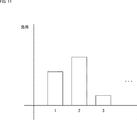
- FIG. 9 is a graph showing a result of estimating the load of each actuator.
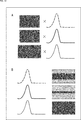
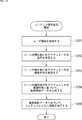
- FIG. 9 is a diagram for explaining a method of correcting or generating vibration pattern data. It is a flow chart for explaining a 2nd embodiment of contents presentation processing. It is a figure showing an example of change of load accompanying change of a user's posture. It is a flowchart for explaining 3rd Embodiment of content presentation processing. It is a flow chart for explaining a 4th embodiment of contents presentation processing. It is a figure showing an example of a guidance screen. It is a flow chart for explaining a 5th embodiment of contents presentation processing. It is a flow chart for explaining a 6th embodiment of contents presentation processing. It is a flow chart for explaining a 7th embodiment of contents presentation processing. It is a figure showing the modification of vibration characteristic data.
- FIG. 1 is a block diagram illustrating a configuration example of an information processing system 10 to which the present technology is applied.
- the information processing system 10 is a system capable of presenting a vibration to a user in association with a content including at least one of video and audio.
- the information processing system 1 includes an information processing device 11, a display device 12, an audio output device 13, and a vibration presenting device 14.
- the information processing device 11 is a device that controls presentation of content and vibration.
- the information processing device 11 supplies video data included in the content data to the display device 12 and controls display of a video by the display device 12.
- the information processing device 11 supplies audio data included in the content data to the audio output device 13 and controls output of audio by the audio output device 13.
- the information processing device 11 supplies vibration control data for presenting vibration in association with the content to the vibration presenting device 14 and controls the vibration presenting device 14 to present the vibration.
- the display device 12 is a device that displays a video included in a content under the control of the information processing device 11.
- the display device 12 is not particularly limited in type, and includes, for example, a display, a projector, a head-mounted display, and the like.
- the audio output device 13 is a device that outputs audio included in the content under the control of the information processing device 11.
- the type of the audio output device 13 is not particularly limited, and includes, for example, a speaker, headphones, and the like.
- the vibration presenting device 14 is a device that presents (applies vibration) to at least a part of a user's body (for example, shoulder, waist, buttocks, etc.) under the control of the information processing device 11.
- the type of the vibration presenting device 14 is not particularly limited as long as the device can present the vibration to the user.
- the shape of the vibration presenting device 14 can be an arbitrary shape such as a sheet shape or a slate shape.
- the vibration presenting device 14 may directly contact the user's body, or may indirectly contact the user through clothing or the like.
- the vibration presenting device 14 is a device that supports the user's body such as a chair type, a seat type, a bed type, a floor type, a clothing type, a bracelet type, a device worn by a user such as an eyeglass type, or a handle type. It is composed of a device operated by the user, such as a lever type or a pedal type.
- the vibration presenting device 14 includes various sensors, and supplies sensor data indicating the detection results of the sensors to the information processing device 11.
- FIG. 2 is a block diagram illustrating a configuration example of the information processing apparatus 11.
- the information processing apparatus 11 includes a CPU (Central Processing Unit) 101, a ROM (Read Only Memory) 102, a RAM (Random Access Memory) 103, a bus 104, an input / output interface 105, an input unit 106, an output unit 107, a storage unit 108, A communication unit 109 and a drive 110 are provided.
- the CPU 101, the ROM 102, and the RAM 103 are mutually connected by a bus 104.
- the bus 104 is further connected to an input / output interface 105.
- An input unit 106, an output unit 107, a storage unit 108, a communication unit 109, and a drive 110 are connected to the input / output interface 105.
- the input unit 106 includes, for example, an input switch, a button, a microphone, a camera, and the like.
- the output unit 107 includes, for example, a display, a speaker, and the like. Note that, for example, the display device 12, the audio output device 13, and the vibration presenting device 14 in FIG. 1 can be provided in the output unit 107 as a part of the information processing device 11, respectively.
- the storage unit 108 includes, for example, a hard disk, a nonvolatile memory, and the like.
- the communication unit 109 includes, for example, a network interface and the like.
- the communication unit 109 communicates with the display device 12, the audio output device 13, and the vibration presenting device 14.
- an arbitrary method can be used as the communication method of the communication unit 109.
- the communication method of the communication unit 109 may be either wired communication or wireless communication, and the communication unit 109 may correspond to a plurality of communication methods.
- the drive 110 drives a removable medium 111 such as a magnetic disk, an optical disk, a magneto-optical disk, or a semiconductor memory.
- the description of the bus 104 and the input / output interface 105 will be omitted as appropriate.
- the CPU 101 and the communication unit 109 exchange data via the bus 104 and the input / output interface 105, it is simply described that the CPU 101 and the communication unit 109 exchange data.
- FIG. 3 is a block diagram illustrating a configuration example of the information processing unit 151 realized by the CPU 101 of the information processing apparatus 11 executing a predetermined control program.
- illustration of the ROM 102, the RAM 103, the bus 104, and the input / output interface 105 is omitted.
- the information processing unit 151 includes an analysis unit 161 and an output control unit 162.
- the analysis unit 161 analyzes the vibration characteristics of the vibration presenting device 14 and the user characteristics of the user who uses the information processing system 10.
- the analysis unit 161 includes a vibration characteristic analysis unit 171 and a user characteristic analysis unit 172.
- the vibration characteristic analysis unit 171 analyzes the vibration characteristics of the vibration presenting device 14 based on the sensor data and the like supplied from the vibration presenting device 14.
- the user characteristic analysis unit 172 analyzes user characteristics based on input data supplied from the input unit 106, sensor data supplied from the vibration presenting device 14, and the like. For example, the user characteristic analysis unit 172 estimates or detects the load applied to the plurality of vibration presenting units included in the vibration presenting device 14 by the user.
- the output control unit 162 controls the output of the content and the vibration corresponding to the content.
- the output control unit 162 includes a display control unit 181, an audio control unit 182, and a vibration control unit 183.
- the display control unit 181 controls display of an image by the display device 12. For example, the display control unit 181 extracts video data from externally provided content data, and processes and corrects the video data as necessary. Further, for example, the display control unit 181 supplies video data to the display device 12 via the communication unit 109 while synchronizing with the audio control unit 182 and the vibration control unit 183, and displays a video based on the video data on the display device 12 To be displayed.
- the audio control unit 182 controls the output of audio by the audio output device 13. For example, the audio control unit 182 extracts audio data from externally provided content data, and performs processing and correction of the audio data as necessary. Further, for example, the audio control unit 182 supplies audio data to the audio output device 13 via the communication unit 109 while synchronizing with the display control unit 181 and the vibration control unit 183, and outputs audio based on the audio data. Output to the device 13.
- the vibration control unit 183 individually controls the vibration presented by each of the vibration presenting units in association with the content, based on the characteristics of the user and the positions of the plurality of vibration presenting units included in the vibration presenting device 14. For example, the vibration control unit 183 generates vibration control data based on externally supplied vibration data and a tactile information database. The details of the vibration data and the tactile information database will be described later.
- the vibration control unit 183 supplies the vibration control data to the vibration presenting device 14 via the communication unit 109 while synchronizing with the display control unit 181 and the voice control unit 182, and generates the vibration based on the vibration control data. To be presented.
- the content data and the vibration data may be provided to the information processing unit 151 by, for example, being stored in the storage unit 108 or the removable medium 111, or may be transmitted from an external server or the like via the communication unit 109. You may make it give to the processing part 151.
- the tactile information database may be provided to the information processing unit 151 by, for example, being stored in the storage unit 108 or the removable medium 111, or may be processed by an external server or the like via the communication unit 109. The information may be provided to the unit 151.
- the vibration data may be included in the content data, for example, or may be provided separately from the content data.
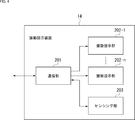
- FIG. 4 is a block diagram showing a configuration example of the function of the vibration presenting device 14 of FIG.
- the vibration presenting apparatus 14 includes a communication unit 201, a vibration presenting unit 202-1 to a vibration presenting unit 202-n, and a sensing unit 203.
- the communication unit 201 includes, for example, a network interface and the like.
- the communication unit 109 supports the same communication scheme as the communication unit 109 of the information processing device 11 and communicates with the communication unit 109.
- the vibration presenting units 202-1 to 202-n individually present the vibration to the user based on the vibration control data supplied from the information processing device 11.
- vibration presenting unit 202 when it is not necessary to individually distinguish the vibration presenting units 202-1 to 202-n, they are simply referred to as the vibration presenting unit 202.
- the sensing unit 203 includes a sensor for detecting data used for analyzing the vibration characteristics of the vibration presenting unit 202.
- the sensing unit 203 includes a pressure sensor, a gravity sensor, an acceleration sensor, and the like.
- the sensing unit 203 transmits sensor data indicating a detection result to the information processing device 11 via the communication unit 201.
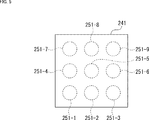
- FIG. 5 is a schematic diagram illustrating a configuration example of a seat surface 241 that is a specific example of the vibration presenting device 14.
- the seat surface 241 constitutes, for example, a part of a chair or is provided on a chair.
- the actuators 251-1 to 251-9 are arranged in 3 rows ⁇ 3 columns.
- the actuators 251-1 to 251-9 correspond to the vibration presenting units 202-1 to 202-n of the vibration presenting device 14 in FIG.
- the lower side of FIG. 4 is the front side of the seating surface 241, and the upper side is the rear side of the seating surface 241. Therefore, the actuators 251-1 to 251-3 are in the front row, and the actuators 251-7 to 251-9 are in the last row. Further, the actuator 251-1, the actuator 251-4, and the actuator 251-7 form the rightmost row, and the actuator 251-3, the actuator 251-6, and the actuator 251-9 form the leftmost row.
- step S1 the information processing system 10 measures the vibration characteristics of the actuator 251.
- the vibration characteristics of the actuator 251 are frequency characteristics represented by the amplitude and frequency of the vibration generated by the actuator 251.
- the vibration characteristics of the actuator 251 change depending on the load (pressure) applied to the actuator 251.
- FIG. 7 is a graph showing an example of a change in vibration characteristics of the actuator 251 due to a load.
- the horizontal axis indicates the frequency of the vibration, and the vertical axis indicates the acceleration of the vibration.
- a vibration characteristic of the actuator 251 when a predetermined weight (hereinafter, referred to as a standard weight) of a person sitting on the seating surface 241 and inputting predetermined input data is designed as a curve C1. It is assumed that
- the vibration characteristic analysis unit 171 changes the load of the actuator 251 while changing the load of the actuator 251 while inputting predetermined input data to the actuator 251. Measure the resonance point of the vibration that generates.
- step S2 the information processing system 10 generates vibration characteristic data.
- the vibration characteristic analysis unit 171 classifies the vibration characteristics of the actuator 251 into a plurality of patterns based on the measurement result in step S1. For example, the vibration characteristic analysis unit 171 classifies the vibration characteristics of the actuator 251 into a plurality of patterns based on the measurement result of the resonance point of the vibration by the actuator 251. Then, the vibration characteristic analysis unit 171 generates vibration characteristic data indicating the classification result of the vibration characteristic pattern of the actuator 251.
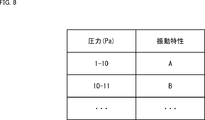
- FIG. 8 shows an example of the vibration characteristic data.
- the vibration characteristics of the actuator 251 are classified into a plurality of patterns according to the load of the actuator 251.
- the vibration characteristics of the actuator 251 are classified as pattern A when the load (pressure) is in the range of 1 to 10 Pascal. That is, when the load is in the range of 1 to 10 Pascal, the resonance point of the vibration by the actuator 251 is substantially the same.
- the vibration characteristics of the actuator 251 are classified into pattern B when the load is in the range of 10 to 11 Pascal. That is, when the load is in the range of 10 to 11 Pascal, the resonance point of the vibration by the actuator 251 is substantially the same.
- the patterns of the vibration characteristics of the actuator 251 are classified based on the load of the actuator 251.
- the vibration characteristic analysis unit 171 causes the storage unit 108 to store the vibration characteristic data.
- vibration characteristic data common to the actuators 251 is generated.
- vibration characteristic data is generated for each actuator 251.
- the vibration characteristic analysis unit 171 may generate the vibration characteristic data based on the measurement result of the vibration characteristic of the actuator 251. Is also good.
- step S101 the user characteristic analysis unit 172 acquires user information.
- the user information is input by, for example, the input unit 106 and supplied to the user characteristic analysis unit 172.
- the user information includes, for example, information related to the physical characteristics of the user.
- the information relating to the physical characteristics of the user may be, for example, information directly representing physical characteristics such as height, weight, and images, or may be used to estimate physical characteristics such as gender and age. It may be information.
- the image of the user is not particularly limited as long as it is an image such as a color image, an infrared image, a 3D image, or the like, which shows the physical characteristics of the user.
- step S102 the user characteristic analysis unit 172 estimates the load on each actuator 251.
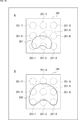
- FIGS. 10A and 10B show examples of positions where the user sits on the seat surface 241.
- FIG. 10A shows an example where the user is a child
- FIG. 10B shows an example where the user is an adult.
- the position where the user's body touches the seating surface 241 is the range 261 in front of the seating surface 241. Therefore, almost no weight is applied to the actuators 251-7 to 251-9 behind the seat surface 241.
- the weight of the user is applied to the entire seat surface 241.
- the weight of the user is not evenly applied to each of the actuators 251, but varies depending on the position of each of the actuators 251.
- the user characteristic analysis unit 172 estimates the position where the user sits on the seat 241 and the distribution of the weight of the user on the seat 241 based on the acquired user information. Then, the user characteristic analysis unit 172 estimates the load of each actuator 251 based on the distribution of the weight of the user on the seat 241.
- FIG. 11 is a graph showing a result of estimating the load of each actuator 251.
- the vertical axis indicates the load (pressure), and each bar graph indicates the estimated value of the load of each actuator 251.
- the user characteristic analysis unit 172 estimates the vibration characteristic of each actuator 251. Specifically, the user characteristic analysis unit 172 estimates the vibration characteristic pattern of each actuator 251 based on the estimation result of the load of each actuator 251 and the vibration characteristic data stored in the storage unit 108. That is, the user characteristic analysis unit 172 obtains a vibration characteristic pattern corresponding to the estimated value of the load of each actuator 251 based on the vibration characteristic data. The user characteristic analysis unit 172 generates a vibration characteristic map indicating a vibration characteristic pattern of each actuator 251 and supplies the generated vibration characteristic map to the output control unit 162.
- step S104 the vibration control unit 183 generates vibration control data based on the vibration characteristics of each actuator 251. Specifically, the vibration control unit 183 reads, from the removable medium 111 via the drive 110, vibration data indicating the vibration presented together with the content.
- the vibration data indicates, for example, the type of vibration to be presented for each scene of the content (hereinafter, referred to as a vibration pattern).
- the method of dividing the content scene is arbitrary. Further, for example, a plurality of vibration patterns may be presented in combination in one scene. Furthermore, not all scenes are presented with vibration, and there may be scenes where vibration is not presented.
- a scene in which a vibration is presented is referred to as a vibration presentation scene.
- the vibration control unit 183 reads vibration pattern data corresponding to the vibration pattern of each scene from the tactile information database stored in the storage unit 108 based on the vibration data.
- the tactile information database stores vibration pattern data corresponding to each vibration pattern.
- the vibration pattern data includes, for example, input data to be input to each actuator 251 to realize the vibration of the corresponding vibration pattern. Accordingly, by inputting each of the input data included in the vibration pattern data to each of the actuators 251, each of the actuators 251 vibrates, and the vibration corresponding to the corresponding vibration pattern is realized.
- the input data of each actuator 251 included in the vibration pattern data is not always the same. For example, when different vibrations are applied to each part of the body of the user, the input data of each actuator 251 is different data.
- the vibration control unit 183 corrects the vibration pattern data of each scene based on, for example, the vibration characteristic map. For example, the vibration control unit 183 corrects input data to each actuator 251 included in vibration pattern data of each scene based on a vibration characteristic pattern of each actuator 251.
- the input data to each actuator 251 is designed for a predetermined vibration characteristic pattern (hereinafter, referred to as a basic vibration characteristic pattern). Therefore, the vibration control unit 183 corrects the input data to the actuator 251 whose vibration characteristic pattern is different from the basic vibration characteristic pattern so that the same vibration as when the vibration characteristic pattern is the basic vibration characteristic pattern is output.
- the amplitude and frequency of the waveform of the input data on the left side are corrected based on the vibration characteristic pattern of the actuator 251 on the right side of the input destination.
- a plurality of input data of each actuator 251 corresponding to each vibration pattern data may be prepared for each vibration characteristic pattern. Then, for example, as schematically shown in FIG. 12B, the vibration controller 183 reads input data corresponding to the vibration characteristic pattern of each actuator 251 from the tactile information database, and reads the input data of each actuator 251.
- the vibration pattern data may be generated based on the data.
- the vibration control unit 183 generates vibration control data including vibration pattern data of each vibration presentation scene. Thereby, the vibration control data is generated before the presentation of the content.
- step S105 the information processing system 10 presents vibration with the content based on the vibration control data.
- the display control unit 181, the voice control unit 182, and the vibration control unit 183 perform the following processing while synchronizing with each other.
- the display control unit 181 reads the video data included in the content data of the content to be presented from the removable medium 111 via the drive 110, and supplies the video data to the display device 12 via the communication unit 109.
- the display device 12 displays an image based on the image data.
- the audio control unit 182 reads the audio data included in the content data of the content to be presented from the removable medium 111 via the drive 110 and supplies the audio data to the audio output device 13 via the communication unit 109.
- the audio output device 13 outputs audio based on audio data.
- the vibration control unit 183 supplies the vibration control data to the seat surface 241 via the communication unit 109.
- Each actuator 251 of the seat surface 241 vibrates in each vibration presentation scene based on input data included in the vibration pattern data of the scene.
- the vibration presented by each actuator 251 is corrected based on the characteristics of the user and the position of each actuator 251, more specifically, based on the load on each actuator 251 by the user. . That is, the vibration presented by each actuator 251 is corrected (controlled) based on the change in the vibration characteristic due to the load applied to each actuator 251 by the user. As a result, individual differences in the presented vibration are reduced, and a vibration close to the design value is presented to the user regardless of the difference between the users. As a result, individual differences in the user experience due to the vibration are reduced, and an appropriate effect can be given to the user.
- the second embodiment differs from the first embodiment in the content presentation processing.
- step S151 user information is acquired in the same manner as in step S101 in FIG.
- step S152 the user characteristic analysis unit 172 estimates the load on each actuator 251 for each scene type.
- the user changes his or her posture depending on the content while viewing the content.
- ⁇ ⁇ ⁇ For example, in a scene where a stimulus is given from the front, such as a zombie attacking from the front or being shot with a gun, it is assumed that the user turns back and the center of gravity moves backward. Accordingly, for example, it is assumed that the load is concentrated on the range 271 of A in FIG. 14, the load on the rear two rows of actuators 251 increases, and the load on the front one row of actuators 251 decreases.
- the user may lean his body to the left. It is assumed that the center of gravity moves to the left. Accordingly, for example, it is assumed that the load concentrates on the range 272 of B in FIG. 14, the load on the actuators 251 on the left two rows increases, and the load on the actuators 251 on the right one row decreases.
- the user characteristic analysis unit 172 assumes a general change in the user's posture (user movement) for each type of scene, and estimates the load on each actuator 251 based on the assumed posture.
- the classification method of the scene type is arbitrary. However, it is desirable to classify the types of scenes based on the tendency of the posture of the user. That is, it is desirable to classify the types of scenes so that the tendency of the posture taken by the user clearly appears for each type of scene.
- the user characteristic analysis unit 172 estimates the load of each actuator 251 in the standard posture of the user by the same processing as in step S101 in FIG.
- the user characteristic analysis unit 172 determines the load of each actuator 251 for each scene type based on the user's posture assumed for each scene type based on the load of each actuator 251 in the standard posture. presume.
- the posture of the user assumed for each type of scene is intended for general users, and is set in advance by experiments, simulations, or the like.
- the users may be classified into a plurality of groups according to age, gender, and the like, and the posture of the user for each type of scene may be estimated for each group.
- step S153 the user characteristic analysis unit 172 estimates the vibration characteristic of each actuator 251 for each type of scene. Specifically, the user characteristic analysis unit 172 generates a vibration characteristic map for each type of scene based on the load of each actuator 251 for each type of scene by performing the same processing as in step S103 in FIG.
- step S154 the user characteristic analysis unit 172 generates vibration control data based on the vibration characteristics of each actuator 251 for each type of scene. Specifically, the user characteristic analysis unit 172 generates vibration control data by the same processing as in step S104 in FIG. However, the user characteristic analysis unit 172 corrects or generates vibration pattern data of each vibration presentation scene using a vibration characteristic map corresponding to the type of the scene.
- step S155 a vibration is presented together with the content based on the vibration control data, as in the process of step S105 in FIG.
- the load of each actuator 251 is estimated for each content scene, and the vibration presented by each actuator 251 is corrected based on the estimated load. More specifically, the load of each actuator 251 is estimated based on the user's posture assumed for each type of scene, and the vibration presented by each actuator 251 is corrected based on the estimated load. . As a result, the individual difference of the presented vibration is further reduced, and the vibration close to the design value is presented to the user regardless of the difference in the user and the posture. As a result, the individual difference in the user experience due to the vibration is further reduced, and a more appropriate effect can be given to the user.
- the third embodiment is different from the first and second embodiments in the content presentation processing.
- step S201 the information processing device 11 detects a load on each actuator 251. For example, a user who watches the content sits on the sitting surface 241 and takes a natural posture. In this state, the user characteristic analysis unit 172 detects the load of each actuator 251 based on the sensor data from the sensing unit 203 on the seat 241.
- steps S202 to S204 the same processing as in steps S103 to S105 in FIG. 9 is performed, and the content presentation processing ends.
- each actuator 251 the load on each actuator 251 is detected by the user who actually views the content, and the vibration presented by each actuator 251 is corrected based on the result. As a result, individual differences in the presented vibration become smaller.
- the fourth embodiment differs from the first to third embodiments in the content presentation processing.
- step S251 the information processing device 11 detects the load of each actuator 251 for each posture of the user.
- each actuator 251 is detected in a state where the user who watches the content sits on the seat 241 in a natural posture by the same processing as step S201 in FIG.
- the information processing system 10 gives guidance to the user, and asks the user to take various postures while sitting on the seat surface 241.
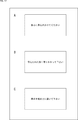
- the display device 12 displays guidance screens as shown in FIGS. 17A to 17C under the control of the display control unit 181 via the communication unit 109, and has the user take various postures.
- FIG. 17A is an example of a guidance screen for giving an instruction to put a center of gravity behind.
- FIG. 17B is an example of a guidance screen for giving an instruction to lean deeply on the backrest of the chair provided with the seat surface 241.
- FIG. 17C is an example of the guidance screen for instructing to place both hands on the desk in front of the chair provided with the seat surface 241.
- the user characteristic analysis unit 172 detects the load of each actuator 251 in each posture based on the sensor data from the sensing unit 203 on the seat 241.
- step S252 the user characteristic analysis unit 172 estimates the vibration characteristic of each actuator 251 for each posture of the user. That is, the user characteristic analysis unit 172 generates a vibration characteristic map for each posture of the user based on the detected value of the load of each actuator 251 in each posture by the same processing as in step S103 in FIG.
- step S253 the user characteristic analysis unit 172 generates vibration control data based on the vibration characteristics of each actuator 251 for each posture of the user. Specifically, the user characteristic analysis unit 172 generates vibration control data by the same processing as in step S104 in FIG. However, the user characteristic analysis unit 172 corrects or generates vibration pattern data for each vibration presentation scene, using a vibration characteristic map corresponding to the user's posture assumed in the type of the scene.
- step S254 vibration is presented together with the content based on the vibration control data, similarly to the processing in step S105 in FIG.
- the load applied to each actuator 251 is detected for each posture of the user who actually views the content, and the vibration presented by each actuator 251 is corrected based on the result. Thereby, in the presented vibration, the difference due to the difference between the user and the posture becomes smaller.
- the fifth embodiment differs from the first to fourth embodiments in the content presentation processing.
- step S301 the information processing device 11 detects the load on each actuator 251 for each type of scene.
- the storage unit 108 of the information processing device 11 stores content data for presenting the content for calibration.
- the calibration content is, for example, content including sample video and sample audio of each type of scene.
- the display device 12 displays the video of the content for calibration under the control of the display control unit 181 via the communication unit 109.
- the audio output device 13 outputs audio of the content for calibration under the control of the audio control unit 182 via the communication unit 109.
- the user characteristic analysis unit 172 detects a load applied to each actuator 251 by the user when each type of scene is presented based on the sensor data from the sensing unit 203 on the seat 241. That is, the user characteristic analysis unit 172 detects the load on each actuator 251 for each type of scene.
- steps S302 to S304 the same processing as steps S153 to S155 in FIG. 13 is performed.
- each actuator 251 the load applied to each actuator 251 is detected while the user who actually views the content views each type of scene, and the vibration presented by each actuator 251 is corrected based on the result. . Thereby, in the presented vibration, the difference due to the difference between the user and the scene becomes smaller.
- the sixth embodiment is different from the first to fifth embodiments in the content presentation processing.
- step S351 similarly to the processing in step S251 in FIG. 16, the load of each actuator 251 is detected for each posture of the user.
- step S352 the vibration characteristics of each actuator 251 are estimated for each posture of the user, as in the process of step S252 in FIG.
- step S353 the information processing system 10 starts presenting the content.
- the display control unit 181, the voice control unit 182, and the vibration control unit 183 start the following processing while synchronizing with each other.
- the display control unit 181 starts processing of reading video data included in the content data to be presented from the removable medium 111 via the drive 110 and supplying the video data to the display device 12 via the communication unit 109.
- the display device 12 starts displaying an image based on the image data.
- the audio control unit 182 starts a process of reading audio data included in the content data to be presented from the removable medium 111 via the drive 110 and supplying the audio data to the audio output device 13 via the communication unit 109.
- the audio output device 13 starts outputting audio based on the audio data.
- the vibration control unit 183 starts a process of reading vibration data indicating a vibration presented in association with the content from the removable medium 111 via the drive 110.
- step S354 the vibration control unit 183 determines whether it is time to present a vibration based on the vibration data. If it is determined that it is time to present the vibration, the process proceeds to step S355.
- step S355 the vibration control unit 183 estimates the user's posture in the next vibration presentation scene.
- the vibration control unit 183 estimates the posture of the user based on the type of the next vibration presentation scene.
- the vibration control unit 183 sets the posture assumed in advance by the user to take the type of vibration presentation scene, It is estimated as the posture of the user in the next vibration presentation scene.
- the vibration control unit 183 determines the next scene based on the history of the posture that the user has taken in that type of scene in the past.
- the posture of the user in the vibration presentation scene is estimated. Therefore, even when the user takes a posture different from the assumed posture, the posture of the user can be accurately estimated.
- the vibration control unit 183 generates vibration control data based on the estimated posture. Specifically, the vibration control unit 183 corrects or generates the vibration pattern data of the next vibration presentation scene based on the vibration characteristic map corresponding to the estimated posture by the same processing as in step S104 in FIG.
- the vibration control unit 183 generates vibration control data including the corrected or generated vibration pattern data. That is, in this embodiment, the vibration control data is dynamically generated during the presentation of the content.
- step S357 the information processing system 10 presents a vibration based on the vibration control data.
- the vibration control unit 183 supplies the vibration control data to the seat surface 241 via the communication unit 109 in synchronization with the display control unit 181 and the voice control unit 182 in the next vibration presentation scene.
- Each actuator 251 of the seat 241 presents a vibration based on each input data in the vibration pattern data included in the vibration control data.
- the vibration is presented together with the video and audio.
- step S354 determines whether it is the timing to present the vibration. If it is determined in step S354 that it is not the timing to present the vibration, the processes in steps S355 to S357 are skipped, and the process proceeds to step S358.
- step S358 the output control unit 162 determines whether or not the content has ended. If it is determined that the content has not been completed, the process returns to step S354.
- step S358 the processing of steps S354 to S358 is repeatedly executed until it is determined that the content has ended.
- step S358 if it is determined in step S358 that the content has ended, the content presentation processing ends.
- each actuator 251 As described above, while the user who actually views the content views each type of scene, the load applied to each actuator 251 is detected, and the posture taken by the user is estimated in real time, and based on the result, The vibration presented by each actuator 251 is corrected. Thereby, in the presented vibration, the difference due to the difference between the user and the scene becomes smaller.
- the seventh embodiment is different from the first to sixth embodiments in the content presentation processing.
- step S401 presentation of the content is started in the same manner as in step S353 in FIG.
- step S402 it is determined whether or not it is time to present a vibration, as in the process of step S354 in FIG. If it is determined that it is time to present the vibration, the process proceeds to step S403.
- step S403 the load on each actuator 251 is detected, as in the process in step S201 in FIG.
- step S404 the vibration characteristics of each actuator 251 are estimated and a vibration characteristic map is generated, similarly to the processing in step S202 in FIG.
- step S ⁇ b> 405 the vibration control unit 183 generates vibration control data based on the vibration characteristics of each actuator 251. Specifically, the vibration control unit 183 corrects or generates the vibration pattern data of the next vibration presenting scene based on the generated vibration characteristic map by performing the same processing as in step S104 of FIG. The vibration control unit 183 generates vibration control data including the corrected or generated vibration pattern data. That is, in this embodiment, the vibration control data is dynamically generated during the presentation of the content.
- step S406 a vibration is presented based on the vibration control data, similarly to the processing in step S357 in FIG.
- step S402 determines whether it is the timing to present the vibration. If it is determined in step S402 that it is not the timing to present the vibration, the processes in steps S403 to S406 are skipped, and the process proceeds to step S407.
- step S407 it is determined whether or not the content has ended, similarly to the processing in step S358 in FIG. If it is determined that the content has not been completed, the process returns to step S402.
- steps S402 to S407 are repeatedly executed until it is determined in step S407 that the content has ended.
- step S407 if it is determined in step S407 that the content has ended, the content presentation process ends.
- each actuator 251 is detected in real time, and the vibration presented by each actuator 251 is corrected based on the detection result. Thereby, in the presented vibration, the difference due to the difference between the user and the posture becomes smaller.
- the vibration characteristic pattern of the actuator 251 may be classified based on not only the load but also the resonance point. That is, the vibration characteristic pattern of the actuator 251 may be classified based on the combination of the load and the resonance point.
- the resonance point is detected in addition to the load of each actuator 251. Then, the pattern of the vibration characteristic of each actuator 251 is estimated based on the combination of the load and the resonance point. Thereby, the vibration presented by each actuator 251 can be corrected based on more accurate vibration characteristics of each actuator 251.
- the vibration characteristic analysis processing in FIG. 6 may be executed to generate the vibration characteristic data.
- the vibration characteristic patterns are classified according to the posture of the user and the position of the actuator 251.
- a vibration characteristic pattern in each posture of the actuators 251-1 to 251-9 is defined in the vibration characteristic data. Therefore, the vibration characteristic pattern of each actuator 251 is specified based on the posture of the user and the position of the actuator 251. Thereby, the vibration presented by each actuator 251 can be corrected based on more accurate vibration characteristics of each actuator 251.
- the posture of the user may be detected based on an image or the like of the user, and the vibration control data may be generated based on the detected posture. .
- each actuator 251 may be detected by a method other than pressure.
- input data of a sine wave may be input to each actuator 251 and the load of each actuator 251 may be detected based on the acceleration of each actuator 251 in that state.
- the vibration data may include input data of each actuator 251 in each vibration presentation scene. Then, for example, the user characteristic analysis unit 172 may generate the vibration control data by correcting the input data of each actuator 251 included in the vibration data based on the vibration characteristic map.
- the information processing device 11 may include the vibration presenting device 14. Further, for example, the vibration presenting device 14 may include all or a part of the functions of the information processing device 11. For example, the vibration presenting device 14 may include the analysis unit 161 and the vibration control unit 183 of FIG.
- each actuator 251 may be corrected by moving each actuator 251 and changing the arrangement based on the load of each actuator 251. For example, in a state where the user is sitting on the seat surface 241, each actuator 251 is moved to a position where the load is within an assumed range.
- the vibration presented by each actuator 251 may be corrected by controlling both the vibration and the position of each actuator 251.
- the content to be presented does not necessarily need to include both video and audio, but may include only one.
- the CPU 101 loads a program recorded in the storage unit 108 into the RAM 103 via the input / output interface 105 and the bus 104 and executes the program, thereby executing the above-described series of processing.
- the program executed by the information processing apparatus 11 can be provided by being recorded on a removable medium 111 as a package medium or the like, for example. Further, the program can be provided via a wired or wireless transmission medium such as a local area network, the Internet, or digital satellite broadcasting.
- the program can be installed in the storage unit 108 via the input / output interface 105 by attaching the removable medium 111 to the drive 210.
- the program can be received by the communication unit 109 via a wired or wireless transmission medium and installed in the storage unit 108.
- the program can be installed in the ROM 102 or the storage unit 108 in advance.
- the program executed by the information processing apparatus 11 may be a program in which processing is performed in chronological order according to the order described in this specification, or may be performed in parallel or when calling is performed.
- a program that performs processing at an appropriate timing may be used.
- a system refers to a set of a plurality of components (devices, modules (parts), and the like), and it does not matter whether all components are in the same housing. Therefore, a plurality of devices housed in separate housings and connected via a network and one device housing a plurality of modules in one housing are all systems. .
- embodiments of the present technology are not limited to the above-described embodiments, and various changes can be made without departing from the gist of the present technology.
- the present technology can take a configuration of cloud computing in which one function is shared by a plurality of devices via a network and processed jointly.
- each step described in the above-described flowchart can be executed by a single device, or can be shared and executed by a plurality of devices.
- one step includes a plurality of processes
- the plurality of processes included in the one step can be executed by one device or can be shared and executed by a plurality of devices.
- the present technology can also have the following configurations.
- An information processing apparatus comprising: a vibration control unit configured to individually control vibrations presented to a user by a plurality of vibration presenting units in association with contents based on characteristics of the user and positions of the vibration presenting units.
- a vibration control unit configured to individually control vibrations presented to a user by a plurality of vibration presenting units in association with contents based on characteristics of the user and positions of the vibration presenting units.
- the vibration control unit controls a vibration presented by each of the vibration presenting units based on a load applied to each of the vibration presenting units by the user.
- the information processing device according to (2) further including a user characteristic analysis unit that analyzes a load of each of the vibration presenting units.
- the user characteristic analysis unit estimates a load on each of the vibration presenting units based on user information on the user.
- the user characteristic analysis unit based on the user information, estimates the load of each vibration presenting unit for each scene of the content, The information processing device according to (4), wherein the vibration control unit controls a vibration presented by each of the vibration presenting units based on a load of each of the vibration presenting units for each scene of the content.
- the user characteristic analysis unit estimates a load on each of the vibration presenting units based on a type of a scene of the content.
- the user information includes information related to a physical characteristic of the user.
- the information processing device (8) The information processing device according to (3), wherein the user characteristic analysis unit detects a load on each of the vibration presenting units based on sensor data. (9) The user characteristic analysis unit detects a load of each of the vibration presenting unit in each posture of the user, The information processing device according to (8), wherein the vibration control unit controls a vibration presented by each of the vibration presenting units based on a posture of the user. (10) The user characteristic analysis unit estimates the posture of the user with respect to each scene of the content, The information processing device according to (9), wherein the vibration control unit controls the vibration presented by each of the vibration presenting units based on the estimated posture of the user.
- the user characteristic analysis unit detects a load on each of the vibration presenting units for each type of scene of the content, The information processing device according to (8), wherein the vibration control unit controls a vibration presented by each of the vibration presenting units based on a load of each of the vibration presenting units for each scene of the content. (12) The user characteristic analysis unit estimates a vibration characteristic of each of the vibration presenting units based on a load of each of the vibration presenting units, The information processing device according to any one of (3) to (11), wherein the vibration control unit controls a vibration presented by each of the vibration presenting units based on a vibration characteristic of each of the vibration presenting units.
- a vibration characteristic analysis unit that analyzes a vibration characteristic of each of the vibration presenting units;
- the said user characteristic analysis part estimates the vibration characteristic of each said vibration presentation part based on the load of each said vibration presentation part, and the analysis result of the vibration characteristic of each said vibration presentation part.
- the said (12). Information processing device.
- the vibration control unit generates, before presenting the content, vibration control data used for controlling a vibration presented by each of the vibration presenting units, based on an analysis result of a load of each of the vibration presenting units.
- the information processing apparatus according to any one of (1) to (13).
- (15) The information processing device according to any one of (1) to (14), wherein the vibration control unit controls an amplitude and a frequency of a vibration presented by each of the vibration presenting units.
- the information processing device according to any one of (1) to (15), wherein the content includes at least one of video and audio.
- the vibration presenting device including the plurality of vibration presenting units is a device for supporting the body of the user, a device worn by the user, or a device operated by the user.
- An information processing apparatus according to claim 1.
- the information processing device according to (17), further including the vibration presenting device.
- the information processing device is An information processing method for individually controlling vibrations presented by a plurality of vibration presenting units to a user in association with contents based on characteristics of the user and positions of the respective vibration presenting units.
Landscapes
- Engineering & Computer Science (AREA)
- General Engineering & Computer Science (AREA)
- Theoretical Computer Science (AREA)
- Health & Medical Sciences (AREA)
- Human Computer Interaction (AREA)
- Physics & Mathematics (AREA)
- General Physics & Mathematics (AREA)
- Pain & Pain Management (AREA)
- Epidemiology (AREA)
- Physical Education & Sports Medicine (AREA)
- Rehabilitation Therapy (AREA)
- Life Sciences & Earth Sciences (AREA)
- Animal Behavior & Ethology (AREA)
- General Health & Medical Sciences (AREA)
- Public Health (AREA)
- Veterinary Medicine (AREA)
- User Interface Of Digital Computer (AREA)
- Chair Legs, Seat Parts, And Backrests (AREA)
Abstract
La présente invention concerne un dispositif de traitement d'informations, un procédé de traitement d'informations, et un support d'enregistrement à l'aide desquels il est possible de procurer à un utilisateur, de manière appropriée, l'effet dû à des vibrations qui sont présentées en association avec un contenu. Le dispositif de traitement d'informations est muni d'une unité de commande de vibrations servant à commander individuellement les vibrations présentées à un utilisateur en association avec un contenu par chaque unité d'une pluralité d'unités de présentation de vibrations, d'après la caractéristique de l'utilisateur et la position de chacune des unités de présentation de vibrations. La présente invention peut être appliquée, par exemple, à un système qui présente des vibrations par un dispositif qui soutient le corps d'un utilisateur, un dispositif porté par l'utilisateur, ou un dispositif actionné par l'utilisateur.
Priority Applications (4)
| Application Number | Priority Date | Filing Date | Title |
|---|---|---|---|
| JP2020546835A JP7396288B2 (ja) | 2018-09-11 | 2019-08-28 | 情報処理装置、情報処理方法、及び、記録媒体 |
| DE112019004540.7T DE112019004540T5 (de) | 2018-09-11 | 2019-08-28 | Informationsverarbeitungsvorrichtung, informationsverarbeitungsverfahren und aufzeichnungsmedium |
| CN201980058680.3A CN112673334B (zh) | 2018-09-11 | 2019-08-28 | 信息处理装置、信息处理方法和记录介质 |
| US17/273,523 US12053101B2 (en) | 2018-09-11 | 2019-08-28 | Information processing device, information processing method, and recording medium |
Applications Claiming Priority (2)
| Application Number | Priority Date | Filing Date | Title |
|---|---|---|---|
| JP2018169813 | 2018-09-11 | ||
| JP2018-169813 | 2018-09-11 |
Publications (1)
| Publication Number | Publication Date |
|---|---|
| WO2020054415A1 true WO2020054415A1 (fr) | 2020-03-19 |
Family
ID=69777582
Family Applications (1)
| Application Number | Title | Priority Date | Filing Date |
|---|---|---|---|
| PCT/JP2019/033639 Ceased WO2020054415A1 (fr) | 2018-09-11 | 2019-08-28 | Dispositif de traitement d'informations, procédé de traitement d'informations, et support d'enregistrement |
Country Status (5)
| Country | Link |
|---|---|
| US (1) | US12053101B2 (fr) |
| JP (1) | JP7396288B2 (fr) |
| CN (1) | CN112673334B (fr) |
| DE (1) | DE112019004540T5 (fr) |
| WO (1) | WO2020054415A1 (fr) |
Cited By (4)
| Publication number | Priority date | Publication date | Assignee | Title |
|---|---|---|---|---|
| JP2022061364A (ja) * | 2020-10-06 | 2022-04-18 | 凸版印刷株式会社 | 信号処理システム、信号処理装置、信号処理方法、及びプログラム |
| WO2022102307A1 (fr) * | 2020-11-10 | 2022-05-19 | ソニーグループ株式会社 | Appareil de traitement de signal, procédé de traitement de signal, et système de traitement de signal |
| JP2023065046A (ja) * | 2021-10-27 | 2023-05-12 | 株式会社デンソーテン | 情報処理装置、情報処理システムおよび情報処理方法 |
| JP2023132331A (ja) * | 2022-03-10 | 2023-09-22 | 株式会社デンソーテン | 振動シートおよび再生システム |
Families Citing this family (3)
| Publication number | Priority date | Publication date | Assignee | Title |
|---|---|---|---|---|
| KR102151083B1 (ko) * | 2019-12-10 | 2020-09-02 | 손범수 | 압력 감지식 안마 의자 시스템 |
| WO2023018309A1 (fr) * | 2021-08-13 | 2023-02-16 | Samsung Electronics Co., Ltd. | Procédé et appareil de génération de vibrations localisées |
| CN115877945A (zh) * | 2021-09-30 | 2023-03-31 | 株式会社电装天 | 信息处理装置、信息处理系统和信息处理方法 |
Citations (3)
| Publication number | Priority date | Publication date | Assignee | Title |
|---|---|---|---|---|
| JP2015053048A (ja) * | 2013-09-06 | 2015-03-19 | イマージョン コーポレーションImmersion Corporation | マルチメディアコンテンツを補足する情報に基づいて触覚効果を提供するための方法及びシステム |
| EP3118723A1 (fr) * | 2015-07-13 | 2017-01-18 | Thomson Licensing | Procédé et appareil pour fournir une rétroaction haptique et une interactivité basée sur un espace haptique utilisateur (hapspace) |
| WO2018008217A1 (fr) * | 2016-07-07 | 2018-01-11 | ソニー株式会社 | Dispositif de traitement d'informations, procédé de traitement d'informations, et programme |
Family Cites Families (12)
| Publication number | Priority date | Publication date | Assignee | Title |
|---|---|---|---|---|
| USRE36699E (en) * | 1992-12-30 | 2000-05-16 | Murayama; Ronald K. | Sonic dental device |
| JP2001285975A (ja) | 2000-03-30 | 2001-10-12 | Sony Corp | 音響装置 |
| KR100840591B1 (ko) * | 2007-02-22 | 2008-06-23 | 주식회사 티에스메디텍 | 음파 진동형 운동 기능을 갖는 의자 |
| JP4623119B2 (ja) * | 2008-03-31 | 2011-02-02 | パナソニック電工株式会社 | マッサージ機 |
| US9466187B2 (en) | 2013-02-04 | 2016-10-11 | Immersion Corporation | Management of multiple wearable haptic devices |
| JP6664069B2 (ja) | 2013-12-31 | 2020-03-13 | イマージョン コーポレーションImmersion Corporation | 触覚コンテンツを伴う視点動画を記録及び再生するシステム並びに方法 |
| US9946348B2 (en) * | 2014-03-21 | 2018-04-17 | Immersion Corporation | Automatic tuning of haptic effects |
| CN104731333B (zh) | 2015-03-25 | 2018-11-09 | 联想(北京)有限公司 | 一种可穿戴式电子设备 |
| CN105306982A (zh) | 2015-05-22 | 2016-02-03 | 维沃移动通信有限公司 | 移动终端界面图像的感官反馈方法及其移动终端 |
| EP3099030A1 (fr) | 2015-05-26 | 2016-11-30 | Thomson Licensing | Procede et dispositif de codage/decodage d'un paquet contenant des donnees representatives d'un effet haptique |
| CN106843475A (zh) * | 2017-01-03 | 2017-06-13 | 京东方科技集团股份有限公司 | 一种实现虚拟现实交互的方法及系统 |
| US10661682B2 (en) * | 2018-07-17 | 2020-05-26 | Honda Motor Co., Ltd. | Vehicle seat haptic system and method |
-
2019
- 2019-08-28 DE DE112019004540.7T patent/DE112019004540T5/de active Pending
- 2019-08-28 WO PCT/JP2019/033639 patent/WO2020054415A1/fr not_active Ceased
- 2019-08-28 CN CN201980058680.3A patent/CN112673334B/zh active Active
- 2019-08-28 JP JP2020546835A patent/JP7396288B2/ja active Active
- 2019-08-28 US US17/273,523 patent/US12053101B2/en active Active
Patent Citations (3)
| Publication number | Priority date | Publication date | Assignee | Title |
|---|---|---|---|---|
| JP2015053048A (ja) * | 2013-09-06 | 2015-03-19 | イマージョン コーポレーションImmersion Corporation | マルチメディアコンテンツを補足する情報に基づいて触覚効果を提供するための方法及びシステム |
| EP3118723A1 (fr) * | 2015-07-13 | 2017-01-18 | Thomson Licensing | Procédé et appareil pour fournir une rétroaction haptique et une interactivité basée sur un espace haptique utilisateur (hapspace) |
| WO2018008217A1 (fr) * | 2016-07-07 | 2018-01-11 | ソニー株式会社 | Dispositif de traitement d'informations, procédé de traitement d'informations, et programme |
Cited By (8)
| Publication number | Priority date | Publication date | Assignee | Title |
|---|---|---|---|---|
| JP2022061364A (ja) * | 2020-10-06 | 2022-04-18 | 凸版印刷株式会社 | 信号処理システム、信号処理装置、信号処理方法、及びプログラム |
| JP7587230B2 (ja) | 2020-10-06 | 2024-11-20 | Toppanホールディングス株式会社 | 信号処理システム、信号処理装置、信号処理方法、及びプログラム |
| WO2022102307A1 (fr) * | 2020-11-10 | 2022-05-19 | ソニーグループ株式会社 | Appareil de traitement de signal, procédé de traitement de signal, et système de traitement de signal |
| US12321521B2 (en) | 2020-11-10 | 2025-06-03 | Sony Group Corporation | Signal processing apparatus, signal processing method, and signal processing system |
| JP2023065046A (ja) * | 2021-10-27 | 2023-05-12 | 株式会社デンソーテン | 情報処理装置、情報処理システムおよび情報処理方法 |
| JP7808949B2 (ja) | 2021-10-27 | 2026-01-30 | 株式会社デンソーテン | 情報処理装置、情報処理方法および情報処理プログラム |
| JP2023132331A (ja) * | 2022-03-10 | 2023-09-22 | 株式会社デンソーテン | 振動シートおよび再生システム |
| JP7837182B2 (ja) | 2022-03-10 | 2026-03-30 | 株式会社デンソーテン | 振動シート |
Also Published As
| Publication number | Publication date |
|---|---|
| JP7396288B2 (ja) | 2023-12-12 |
| US20210186219A1 (en) | 2021-06-24 |
| CN112673334B (zh) | 2024-06-25 |
| DE112019004540T5 (de) | 2021-08-05 |
| CN112673334A (zh) | 2021-04-16 |
| US12053101B2 (en) | 2024-08-06 |
| JPWO2020054415A1 (ja) | 2021-09-09 |
Similar Documents
| Publication | Publication Date | Title |
|---|---|---|
| JP7396288B2 (ja) | 情報処理装置、情報処理方法、及び、記録媒体 | |
| JP7165215B2 (ja) | 空間化オーディオを用いた仮想現実、拡張現実、および複合現実システム | |
| JP6923245B2 (ja) | 観衆ベースのハプティック | |
| US7664272B2 (en) | Sound image control device and design tool therefor | |
| WO2022099787A1 (fr) | Dispositif d'affichage monté sur la tête et procédé d'acquisition de données, appareil et ordinateur hôte associés | |
| CN115525148A (zh) | 音频文件的头部姿势混合 | |
| CN113228615B (zh) | 信息处理装置、信息处理方法和计算机可读记录介质 | |
| WO2022190919A1 (fr) | Dispositif de traitement d'informations, procédé de traitement d'informations et programme | |
| CN116964544A (zh) | 信息处理装置、信息处理终端、信息处理方法和程序 | |
| JP2017199017A (ja) | 模擬地震被害の仮想現実体験システム、模擬地震被害の仮想現実体験方法 | |
| GB2600932A (en) | Audio personalisation method and system | |
| CN117980047A (zh) | 信息处理装置、信息处理系统以及信息处理方法 | |
| JP2016513991A (ja) | ハプティックアクチュエータ制御パラメータを有するオーディオビジュアルコンテンツのアイテムを再生するための方法、および方法を実施するデバイス | |
| JP6882785B2 (ja) | 空間音響生成装置、空間音響生成システム、空間音響生成方法、および、空間音響生成プログラム | |
| JP7053074B1 (ja) | 鑑賞システム、鑑賞装置及びプログラム | |
| GB2609014A (en) | Audio personalisation method and system | |
| JP6475921B2 (ja) | 通信ユニット | |
| JP5614422B2 (ja) | 運動支援装置、運動支援方法、及び、プログラム | |
| CN118661219A (zh) | 信息处理装置、信息处理方法及程序 | |
| JP7824173B2 (ja) | 触覚提示装置及びプログラム | |
| JP7731751B2 (ja) | 音声出力装置、制御システムおよびキャリブレーション方法 | |
| JP5583066B2 (ja) | 映像コンテンツ生成装置およびコンピュータプログラム | |
| JP2023136373A (ja) | ライブ配信システム | |
| WO2017175366A1 (fr) | Dispositif d'affichage vidéo, et procédé d'affichage vidéo | |
| CN118044231A (zh) | 信息处理装置和数据结构 |
Legal Events
| Date | Code | Title | Description |
|---|---|---|---|
| 121 | Ep: the epo has been informed by wipo that ep was designated in this application |
Ref document number: 19858826 Country of ref document: EP Kind code of ref document: A1 |
|
| ENP | Entry into the national phase |
Ref document number: 2020546835 Country of ref document: JP Kind code of ref document: A |
|
| 122 | Ep: pct application non-entry in european phase |
Ref document number: 19858826 Country of ref document: EP Kind code of ref document: A1 |