WO2020071518A1 - Biomarqueur spécifique de l'insuffisance rénale aiguë, procédé de diagnostic de l'insuffisance rénale aiguë, kit de test de l'insuffisance rénale aiguë, méthode de traitement d'un animal et médicament de l'insuffisance rénale aiguë - Google Patents
Biomarqueur spécifique de l'insuffisance rénale aiguë, procédé de diagnostic de l'insuffisance rénale aiguë, kit de test de l'insuffisance rénale aiguë, méthode de traitement d'un animal et médicament de l'insuffisance rénale aiguëInfo
- Publication number
- WO2020071518A1 WO2020071518A1 PCT/JP2019/039227 JP2019039227W WO2020071518A1 WO 2020071518 A1 WO2020071518 A1 WO 2020071518A1 JP 2019039227 W JP2019039227 W JP 2019039227W WO 2020071518 A1 WO2020071518 A1 WO 2020071518A1
- Authority
- WO
- WIPO (PCT)
- Prior art keywords
- mirna
- kidney injury
- acute renal
- acute kidney
- acute
- Prior art date
- Legal status (The legal status is an assumption and is not a legal conclusion. Google has not performed a legal analysis and makes no representation as to the accuracy of the status listed.)
- Ceased
Links
Images





Classifications
-
- C—CHEMISTRY; METALLURGY
- C12—BIOCHEMISTRY; BEER; SPIRITS; WINE; VINEGAR; MICROBIOLOGY; ENZYMOLOGY; MUTATION OR GENETIC ENGINEERING
- C12Q—MEASURING OR TESTING PROCESSES INVOLVING ENZYMES, NUCLEIC ACIDS OR MICROORGANISMS; COMPOSITIONS OR TEST PAPERS THEREFOR; PROCESSES OF PREPARING SUCH COMPOSITIONS; CONDITION-RESPONSIVE CONTROL IN MICROBIOLOGICAL OR ENZYMOLOGICAL PROCESSES
- C12Q1/00—Measuring or testing processes involving enzymes, nucleic acids or microorganisms; Compositions therefor; Processes of preparing such compositions
- C12Q1/68—Measuring or testing processes involving enzymes, nucleic acids or microorganisms; Compositions therefor; Processes of preparing such compositions involving nucleic acids
- C12Q1/6876—Nucleic acid products used in the analysis of nucleic acids, e.g. primers or probes
- C12Q1/6883—Nucleic acid products used in the analysis of nucleic acids, e.g. primers or probes for diseases caused by alterations of genetic material
-
- A—HUMAN NECESSITIES
- A61—MEDICAL OR VETERINARY SCIENCE; HYGIENE
- A61K—PREPARATIONS FOR MEDICAL, DENTAL OR TOILETRY PURPOSES
- A61K31/00—Medicinal preparations containing organic active ingredients
- A61K31/70—Carbohydrates; Sugars; Derivatives thereof
- A61K31/7088—Compounds having three or more nucleosides or nucleotides
- A61K31/7105—Natural ribonucleic acids, i.e. containing only riboses attached to adenine, guanine, cytosine or uracil and having 3'-5' phosphodiester links
-
- A—HUMAN NECESSITIES
- A61—MEDICAL OR VETERINARY SCIENCE; HYGIENE
- A61P—SPECIFIC THERAPEUTIC ACTIVITY OF CHEMICAL COMPOUNDS OR MEDICINAL PREPARATIONS
- A61P13/00—Drugs for disorders of the urinary system
- A61P13/12—Drugs for disorders of the urinary system of the kidneys
-
- A—HUMAN NECESSITIES
- A61—MEDICAL OR VETERINARY SCIENCE; HYGIENE
- A61P—SPECIFIC THERAPEUTIC ACTIVITY OF CHEMICAL COMPOUNDS OR MEDICINAL PREPARATIONS
- A61P43/00—Drugs for specific purposes, not provided for in groups A61P1/00-A61P41/00
-
- C—CHEMISTRY; METALLURGY
- C12—BIOCHEMISTRY; BEER; SPIRITS; WINE; VINEGAR; MICROBIOLOGY; ENZYMOLOGY; MUTATION OR GENETIC ENGINEERING
- C12N—MICROORGANISMS OR ENZYMES; COMPOSITIONS THEREOF; PROPAGATING, PRESERVING, OR MAINTAINING MICROORGANISMS; MUTATION OR GENETIC ENGINEERING; CULTURE MEDIA
- C12N15/00—Mutation or genetic engineering; DNA or RNA concerning genetic engineering, vectors, e.g. plasmids, or their isolation, preparation or purification; Use of hosts therefor
- C12N15/09—Recombinant DNA-technology
- C12N15/11—DNA or RNA fragments; Modified forms thereof; Non-coding nucleic acids having a biological activity
- C12N15/113—Non-coding nucleic acids modulating the expression of genes, e.g. antisense oligonucleotides; Antisense DNA or RNA; Triplex- forming oligonucleotides; Catalytic nucleic acids, e.g. ribozymes; Nucleic acids used in co-suppression or gene silencing
-
- C—CHEMISTRY; METALLURGY
- C12—BIOCHEMISTRY; BEER; SPIRITS; WINE; VINEGAR; MICROBIOLOGY; ENZYMOLOGY; MUTATION OR GENETIC ENGINEERING
- C12N—MICROORGANISMS OR ENZYMES; COMPOSITIONS THEREOF; PROPAGATING, PRESERVING, OR MAINTAINING MICROORGANISMS; MUTATION OR GENETIC ENGINEERING; CULTURE MEDIA
- C12N2310/00—Structure or type of the nucleic acid
- C12N2310/10—Type of nucleic acid
- C12N2310/14—Type of nucleic acid interfering nucleic acids [NA]
- C12N2310/141—MicroRNAs, miRNAs
-
- C—CHEMISTRY; METALLURGY
- C12—BIOCHEMISTRY; BEER; SPIRITS; WINE; VINEGAR; MICROBIOLOGY; ENZYMOLOGY; MUTATION OR GENETIC ENGINEERING
- C12Q—MEASURING OR TESTING PROCESSES INVOLVING ENZYMES, NUCLEIC ACIDS OR MICROORGANISMS; COMPOSITIONS OR TEST PAPERS THEREFOR; PROCESSES OF PREPARING SUCH COMPOSITIONS; CONDITION-RESPONSIVE CONTROL IN MICROBIOLOGICAL OR ENZYMOLOGICAL PROCESSES
- C12Q2600/00—Oligonucleotides characterized by their use
- C12Q2600/158—Expression markers
-
- C—CHEMISTRY; METALLURGY
- C12—BIOCHEMISTRY; BEER; SPIRITS; WINE; VINEGAR; MICROBIOLOGY; ENZYMOLOGY; MUTATION OR GENETIC ENGINEERING
- C12Q—MEASURING OR TESTING PROCESSES INVOLVING ENZYMES, NUCLEIC ACIDS OR MICROORGANISMS; COMPOSITIONS OR TEST PAPERS THEREFOR; PROCESSES OF PREPARING SUCH COMPOSITIONS; CONDITION-RESPONSIVE CONTROL IN MICROBIOLOGICAL OR ENZYMOLOGICAL PROCESSES
- C12Q2600/00—Oligonucleotides characterized by their use
- C12Q2600/178—Oligonucleotides characterized by their use miRNA, siRNA or ncRNA
Definitions
- the present invention relates to a biomarker, a diagnostic method, a test kit, an animal treatment method, and a medicament, particularly an acute renal disorder-specific biomarker, a diagnostic method for acute renal disorder, an acute renal disorder test kit, and an animal therapeutic method And acute renal disorder drugs.
- Acute kidney injury is an acute renal dysfunction that occurs after infection, drug intake, post-surgery, and the like, and is greatly involved in the prognosis of a patient's life.
- Acute kidney injury is a condition in which renal function rapidly decreases in a short period of time of several hours to several days. Waste products cannot be excreted from urine or overflow. Dialysis may be required in some cases.
- KDIGO Kidney Disease: Improving Global Outcomes
- KDIGO classification acute renal failure is diagnosed based on increased serum creatinine concentration and decreased urine output.
- AKI staging is defined by any of the following: 1. 1. When serum creatinine level rises by 0.3 mg / dl or more within 48 hours. 2. Serum creatinine level was known within 7 days before or increased by more than 1.5 fold from the expected basal value. When urine volume decreases to 0.5 ml / kg / hour over 6 hours
- miRNA miRNA, microRNA
- Patent Document 1 as an example of a conventional biomarker, a miRNA indicating an indicator of a state of chronic diabetes is described.
- Patent Document 1 cannot diagnose acute kidney injury.
- the present invention has been made in view of such a situation, and has as its object to solve the above-mentioned problems.
- the acute renal disorder-specific biomarker of the present invention is an acute renal disorder-specific biomarker, and is characterized by miRNA-5100.
- the method for diagnosing acute kidney injury of the present invention is characterized by using the biomarker specific for acute kidney injury.
- the method for diagnosing acute kidney injury of the present invention is characterized in that when the expression of the miRNA-5100 is reduced, the patient is diagnosed with acute kidney injury.
- the test kit of the present invention is characterized by containing a reagent for measuring miRNA-5100.
- the method for treating an animal of the present invention is a method for treating an animal other than a human, wherein the functional activity of miRNA-5100 is adjusted.
- the medicament for acute kidney injury of the present invention is characterized by containing a functional activity regulator of miRNA-5100.
- the medicament for acute renal injury of the present invention is characterized in that the functional activity modifier comprises the miRNA-5100 functional activity enhancer.
- the medicament for acute kidney injury of the present invention is characterized in that the functional activity enhancer is a miRNA mimic corresponding to the miRNA-5100.
- a biomarker capable of specifically diagnosing acute kidney injury can be provided by using miRNA-5100.
- FIG. 2 is a conceptual diagram of the treatment of an acute kidney injury model mouse according to Example 1 of the present invention.
- 4 is a photograph showing a result of microarray analysis (ischemia reperfusion model) according to Example 1 of the present invention.
- 5 is a photograph showing a result of microarray analysis (LPS administration model) according to Example 1 of the present invention.
- 4 is a graph showing changes in the expression level of miRNA-5100 according to Example 1 of the present invention.
- 5 is a graph showing an ROC curve of miRNA-5100 according to Example 1 of the present invention.
- FIG. 2 is a conceptual diagram illustrating the overexpression of miRNA-5100 in the mouse with acute kidney injury according to Example 1 of the present invention.
- FIG. 5 is a graph showing the actual expression level of miRNA-5100 according to Example 1 of the present invention when overexpressed.
- Fig. 2 is a graph showing renal swelling when miRNA-5100 is overexpressed according to Example 1 of the present invention.
- 4 is a graph showing the therapeutic effect (NGAL) of acute renal injury when miRNA-5100 is overexpressed according to Example 1 of the present invention.
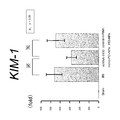
- 1 is a graph showing the therapeutic effect (KIM-1) of acute renal injury at the time of overexpression of miRNA-5100 according to Example 1 of the present invention.
- 1 is a graph showing the therapeutic effect (L-FABP) of acute renal injury when miRNA-5100 is overexpressed according to Example 1 of the present invention.
- Example 1 is a graph showing the therapeutic effect (IL-18) of acute renal injury when miRNA-5100 is overexpressed according to Example 1 of the present invention.
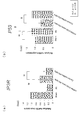
- 5 is a graph showing a change in expression of an endoplasmic reticulum stress response gene during overexpression of miRNA-5100 according to Example 2 of the present invention.
- 5 is a graph showing a change in expression of an endoplasmic reticulum stress response gene during overexpression of miRNA-5100 according to Example 2 of the present invention. It is a conceptual diagram which shows the presumed mechanism of suppression of progress of acute kidney injury by miRNA which concerns on Example 2 of this invention.
- the present inventors have repeatedly conducted intensive experiments and searched for miRNAs that can be biomarkers specific to acute kidney injury. Specifically, as will be described in detail in Example 1 below, the present inventors analyzed miRNAs that are altered in kidney and blood of two types of acute kidney injury model mice by microarray method and real-time PCR. It was exhaustively analyzed and identified by a kind of qRT-PCR method. Furthermore, the identified miRNA expression changes were compared and examined by qRT-PCR in human serum samples between healthy subjects and patients with acute renal impairment, and miRNAs that specifically changed in the sera of patients with acute renal impairment were identified. Made available as Furthermore, it was confirmed in an acute kidney injury model mouse that overexpression of this miRNA would yield an effect when used as a medicament, and the present invention was completed.
- the biomarker specific to acute kidney injury is a miRNA of an acute kidney injury patient.
- miRNA is RNA that is not translated into protein and is a kind of functional non-coding RNA.
- the miRNA is encoded on the eukaryotic genome, undergoes a multi-step production process, and finally becomes a single-stranded RNA of about 20 to 25 bases, and participates in post-transcriptional regulation of the gene. miRNAs play important roles in a wide range of biological processes such as development, proliferation, differentiation, apoptosis, and metabolism by regulating post-transcriptional expression.
- the acute renal injury-specific biomarker according to the embodiment of the present invention is characterized in that it is miRNA-5100.
- miRNA-5100 the sequence of mouse mature miRNA-5100 (miRbase No: MI0018008) is shown below: 5'-ucgaaucccagcgggguccucu-3 '(SEQ ID NO: 1)
- a miRNA having homology in eukaryotes other than mouse and human specifically, various animals can be used.
- This animal is not particularly limited, and includes, for example, domestic animal species, wild animals, and the like. Since each miRNA has almost the same nucleotide sequence in mammals, it can be used by searching based on homology.
- the homology is preferably 80% or more, and more preferably 90% or more. Furthermore, it may contain a sequence complementary to these sequences or a sequence identical to the extent capable of hybridizing.
- each miRNA of the present embodiment and the functional activity regulator described below may be provided as a pri-miRNA (primary miRNA, early transcription product) or a pre-miRNA (precursor miRNA, precursor).
- the miRNA of the present embodiment may not be single-stranded, and may form a double-stranded portion by a stem and loop structure or the like.
- each miRNA of the present embodiment may be a nucleic acid molecule such as RNA, DNA or the like encoding miRNA, pri-miRNA, pre-miRNA, or the like.
- the nucleic acid molecule also includes an artificial nucleic acid molecule, for example, a peptide nucleic acid (Peptide Nucleic Acid, PNA), a locked nucleic acid (Locked Nucleic Acid, LNA) and the like.
- PNA peptide nucleic Acid
- LNA locked nucleic acid
- Each miRNA and the functional activity regulator of the present embodiment can be produced by a chemical synthesis method or a recombinant method common to those skilled in the art.
- any of the above-described mature miRNAs, pri-miRNAs, and pre-miRNAs, or the base sequence of DNA encoding them may be included in an appropriate vector.
- This vector is an expression vector suitable for expression of a nucleic acid in eukaryotes, for example.
- the nucleic acid molecules contained in this vector may target the transcription of each miRNA molecule, a precursor to maturation into a miRNA, or a primary transcript. Further, it may contain a sequence that alters the copy on the genome of each miRNA, a transcription preparation sequence, and the like.
- a method for diagnosing acute kidney injury according to an embodiment of the present invention is characterized by using the above-mentioned biomarker specific to acute kidney injury.
- the detection of miRNA levels present in the serum or plasma (hereinafter simply referred to as “blood”) of a patient is mainly used for acute kidney injury. Diagnose that there is. That is, the method for diagnosing acute kidney injury according to the present embodiment can also be used as a method for examining acute kidney injury.
- the expression of miRNA-5100 when the expression of miRNA-5100 is reduced, it is possible to diagnose acute kidney injury.
- the decrease in the expression level of miRNA-5100 is measured, for example, by measuring the expression level present in the blood of the patient, and testing whether or not the obtained numerical value has a statistically significant difference.
- This other diagnosis may be, for example, an early biomarker candidate molecule for acute kidney injury disclosed in KDIGO.
- NGAL Neuronal Filtrate-Associated Lipocalin
- KIM-1 Kidney Injection Molecular-1
- L-FABP Liver-type Fatty Acid, which includes a fatty acid binding protein
- L-FABP Liver Type Fatty Acid
- RNA extraction column common to those skilled in the art, and the like can be used. Then, the expression level of each miRNA of the present embodiment is measured from the extracted total RNA.
- This measurement can be realized using a method common to those skilled in the art, such as a Northern blot, a microarray, a QCM (Quartz Crystal Microbalance) sensor measuring method, a real-time PCR method including qRT-PCR, and the like.
- a real-time PCR method it is possible to perform expression correction using an endogenous control (endogenous @ control) miRNA.
- endogenous control endogenous @ control
- those skilled in the art appropriately select an endogenous control that does not change between healthy and diseased ones from sequences previously reported as appropriate as the endogenous control.
- a statistically significant difference is tested from the measured expression level, it is, for example, 5% significant (p ⁇ 0.05) compared with the miRNA expression level obtained from a sample derived from a healthy subject.
- Statistical test to determine whether For this test, for example, a technique such as a T test, an F test, a chi-square test, or the like can be used as appropriate according to the amount of data, the nature of data, and the like. If the result of the test is statistically significant, the patient can be diagnosed with acute kidney injury. Conversely, if not statistically significant, the patient can be diagnosed as not having acute kidney injury. In this case, it is also possible to diagnose from another index or the like that the patient is not a patient with acute renal failure but another nephropathy. According to such a diagnostic method, even in the early stage of the onset, it is possible to determine with high reliability that acute kidney injury is present. This can provide important information for determining the treatment policy.
- the diagnostic method according to the present embodiment is a step of collecting blood from a patient suspected of having acute kidney injury, and measuring the expression level of miRNA-5100 in the collected blood. Steps: comparing the measured expression level of miRNA-5100 with the expression level (standard amount) of miRNA-5100 in a healthy person, detecting that the expression level of miRNA-5100 is lower than the standard amount, and detecting A step of determining that the performed patient has a high risk of acute renal disorder.
- the test kit for acute kidney injury according to the embodiment of the present invention is characterized by including a reagent for measuring miRNA serving as the above-mentioned biomarker specific to acute kidney injury.
- a reagent for miRNA measurement include those corresponding to detection methods such as Northern blot, microarray, QCM sensor measurement, and real-time PCR. That is, various enzymes, buffers, washing solutions, lysing solutions, and the like, such as probes and primers for detecting each miRNA of the present embodiment, are also included.
- materials and equipment for detecting miRNA by the above-described method may be included.
- test kit for acute kidney injury of the present embodiment is a program for judging the test results on a computer, processing the data, and visualizing the test results in order to analyze the diagnostic results, and an apparatus and a system including the computer. Etc. may be included.
- Such devices and systems can be developed using techniques and methods common to those skilled in the art. With such an apparatus and system, a high-throughput examination becomes possible, and diagnosis of a patient becomes easy.
- the medicament for acute kidney injury (medical composition) of the present embodiment is characterized by containing a composition that increases or decreases the expression level of miRNA.
- the medical composition of the present embodiment is characterized by containing a functional activity regulator of miRNA-5100. This functional activity regulator is a composition having an action of regulating the expression of miRNA.
- a functional activity enhancer for miRNA-5100 is used.
- This functional activity enhancer includes a miRNA mimic having a base sequence corresponding to miRNA-5100.
- the miRNA mimic may be a composition containing the synthesized miRNA. That is, the miRNA mimic increases the concentration of miRNA in the kidney of acute kidney injury (overexpression), thereby enhancing the activity of the cell function against miRNA-5100.
- the miRNA mimic corresponding to the miRNA-5100 of the present embodiment may have the following sequence: 5'-UCGAAUCCCAGCGGUGCCUCU-3 '(SEQ ID NO: 3)
- the dose may be, for example, miRNA-5100 mimic in an amount that is 1.5 to 2.5 times the expression level when miRNA-5100 is administered to healthy individuals in kidney cells. Can be used. Of these, an amount that is about 2.0 times is particularly preferable.
- the medicament for acute kidney injury of the present embodiment is introduced into a patient's cells in a manner common to those skilled in the art, which is introduced into a desired target cell in vitro or in vivo.
- the medical composition of the present embodiment may be provided including various media commonly used by those skilled in the art.
- a plasmid or a viral vector may be used as this medium.
- This viral vector may be constructed using a virus commonly used by those skilled in the art, such as an adenovirus, an adeno-associated virus, and a retrovirus.
- the medicament for acute kidney injury may contain any pharmaceutically acceptable carrier.
- This carrier may be, for example, a liposome carrier, colloidal gold particles, polypeptide, lipopolysaccharide, polysaccharide, lipid membrane and the like.
- a carrier that improves the effect of regulating the expression of the functional activity regulator.
- liposomes especially cationic liposomes.
- the pharmaceutically acceptable carrier may include, for example, physiological saline, isotonic solution containing glucose and other adjuvants, for example, D-sorbitol, D-mannose, D-mannitol, sodium chloride and the like.
- a suitable solubilizing agent for example, alcohol, specifically, ethanol, polyalcohol, for example, propylene glycol, polyethylene glycol, a nonionic surfactant, for example, polysorbate 80 (TM), HCO-50 or the like. It is possible. It may further contain a suitable excipient or the like.
- the medicament for acute kidney injury of the present embodiment may include a suitable pharmaceutically acceptable carrier in order to prepare a pharmaceutically acceptable carrier.
- the carrier may include a biocompatible material such as silicone, collagen, gelatin, and the like.
- the carrier may be provided as an emulsion.
- any one or any combination of pharmaceutical additives such as a diluent, a fragrance, a preservative, an excipient, a disintegrant, a lubricant, a binder, an emulsifier, and a plasticizer may be contained. .
- the administration route of the pharmaceutical composition according to the present invention is not particularly limited, and administration can be parenteral or oral.
- Parenteral administration includes, for example, intravenous, intraarterial, subcutaneous, intradermal, intramuscular, intraperitoneal administration, or direct administration to the kidney and the like.
- the medicament for acute renal injury according to the embodiment of the present invention can be formulated in a dosage form suitable for parenteral or oral administration using a pharmaceutically acceptable carrier well known in the art.
- the administration interval and the dosage are appropriately selected and changed according to various conditions such as a disease state, and a target condition. It is possible.
- the single dose and the number of times of administration of the medicament for acute renal injury according to the embodiment of the present invention may vary depending on the purpose of administration, and also on various conditions such as the age and weight of the patient, the severity of the symptoms and the disease. It can be selected and changed as appropriate.
- the administration frequency and the period may be only once or may be administered once to several times a day for several weeks, the state of the disease may be monitored, and the administration may be performed again or repeatedly depending on the state.
- composition of the present invention can be used in combination with other compositions and the like.
- the composition of the present invention may be administered simultaneously with other compositions, or may be administered at intervals, but the order of administration is not particularly limited.
- the period during which the disease is improved or reduced is not particularly limited, but may be a temporary improvement or reduction, or may be a fixed period of improvement or reduction.
- the method for treating an animal according to an embodiment of the present invention is a method for treating an animal, wherein the functional activity of miRNA-5100 is adjusted.
- the medicament for acute kidney injury according to the embodiment of the present invention can be used for animal treatment for treating animals.
- This animal is not particularly limited, and widely includes vertebrates and invertebrates. Vertebrates include fish, amphibians, reptiles, birds, and mammals.
- a mammal is a rodent, such as a mouse, rat, ferret, hamster, guinea pig, or rabbit, a dog, cat, sheep, pig, cow, horse, or non-human transgenic primate, for example. Etc., and humans.
- Wild animals include fish, birds including poultry, reptiles, and the like, in addition to mammals. Also, crustaceans including shrimp and insects, and other invertebrates such as squid are widely included. That is, the medicament for acute kidney injury according to the embodiment of the present invention can be used not only for treatment of humans but also for treatment of various animals, growth of livestock, and the like. For this reason, the patients of the present embodiment include humans and the above-mentioned non-human animals.
- the treatment method according to the embodiment is a step of collecting blood from a patient suspected of having acute renal disorder, and measuring the expression level of miRNA-5100 in the collected blood.
- the treatment for acute renal injury includes a treatment for modulating the functional activity of miRNA-5100.
- the treatment for modulating the functional activity of miRNA-5100 is characterized by including administering the above-mentioned medicament for acute kidney injury.
- treatment of acute renal disorder is performed by adjusting the functional activity of miRNA-5100 as a specific treatment for acute renal disorder regardless of the disease state (pathogenesis), stage, and the like. It is possible to do.
- acute renal failure can be treated by replacement therapy or the like that overexpresses miRNA-5100, for example, by administering the above-mentioned drug for acute renal injury.
- DDS drug delivery system
- the acute renal disorder is classified into pre-renal, renal, and post-renal pathogenesis according to the disease state.
- prerenal acute kidney injury is a case where blood flow to the kidney is reduced, and is caused by dehydration, decrease in blood pressure, and the like.
- renal acute kidney injury occurs when the kidney itself is damaged.
- This renal acute renal disorder is classified into primary diseases, cholesterol embolism, vascular acute renal disorder due to renal infarction, acute glomerulonephritis, lupus nephritis, glomerular acute renal disorder due to ANCA-related vasculitis, etc.
- Treatment of acute renal injury according to typical pathology fluid replacement for prerenal acute renal injury, treatment of primary disease for renal acute renal injury, urinary tract stenosis for renal acute kidney injury And treatment such as release of obstruction.
- typical stage treatment of acute kidney injury is to discontinue nephrotoxic substances as much as possible in "high-risk" situations, including fluid volume and reflux pressure. Therapy, consider functional hemodynamic monitoring, monitor serum creatine levels and urine output, prevent hyperglycemia, and consider contrast-free alternatives.
- a non-invasive work-up is performed, and an invasive work-up is also considered.
- therapies such as adjusting the drug dose according to renal function, considering renal replacement therapy, and considering admission to the ICU are performed.
- Level 3 further avoids subclavian catheters where possible.
- the medicament for acute kidney injury according to the embodiment of the present invention can be used as a therapeutic target for a part of the body of an animal, or for an organ or tissue extracted or excreted from the animal.
- this treatment is a treatment in a broad sense, and is applicable to culture in a bioreactor, a model animal, culture of a cultured organ like a human transplant, and the like.
- Acute renal injury is diagnosed based on an increase in serum creatinine level and a decrease in urine volume in the KDIGO classification.
- the criteria often missed the timing of intervention.
- KDIGO diagnostic criteria could be used to predict renal prognosis. Therefore, in recent years, early biomarker candidate molecules for acute kidney injury such as urinary NGAL and L-FABP have been reported.
- NGAL neutrophil gelatinase-binding lipokines in urine and is used as a diagnostic aid for acute kidney injury (AKI).
- AKI acute kidney injury
- the area under the NGAL ROC curve was 0.50-0.98, with a medium or better diagnostic accuracy of 0.70 or more in 75% (12/16) studies (see AKI Practice Guidelines 2016).
- L-FABP is a 14-kd protein localized in the cytoplasm of the human proximal tubule, and is excreted in urine due to ischemia and oxidative stress in the tubule. Used.
- the area under the ROC curve for L-FABP was 0.70-0.95, with all studies having a moderate or better diagnostic accuracy of 0.70 or more (see AKI Practice Guidelines 2016).
- the acute renal disorder-specific biomarker according to the embodiment of the present invention is a miRNA present in blood, and can be used for diagnosis of acute renal disorder by using miRNA-5100.
- the biomarker of the present embodiment can accurately and early diagnose acute kidney injury, which is a renal disease having a poor prognosis, and can be expected to have a therapeutic effect.
- the method for diagnosing acute kidney injury according to the embodiment of the present invention enables early invasive diagnosis of acute kidney injury among nephropathy. Further, as shown in Example 2 below, the biomarker of the present embodiment can diagnose acute kidney injury at an earlier stage (stage 1) than conventional NGAL and L-FABP.
- NGAL and L-FABP which are conventional candidate biomarker molecules for acute kidney injury, cannot be measured in patients without urine because the sample at the time of measurement is urine.
- the biomarker of the present embodiment can measure blood (serum) as a sample, it can be reliably measured even in a patient without urine.
- the use of miRNA-5100 functional activity modulator can provide a novel drug for acute renal injury, and enables early treatment in combination with the above-mentioned diagnosis.
- apoptosis of ureteral cells and the like is suppressed by replacement therapy or the like that overexpresses miRNA-5100 by administering miRNA-5100 mimic by DDS or the like, and the onset and progression of acute renal disorder lowers renal function.
- DDS or the like the onset and progression of acute renal disorder lowers renal function.
- the onset and progress of acute renal disorder can be suppressed by administering prophylactically when acute renal disorder occurs or when it is predicted to occur.
- miRNA is obtained from blood as a method for testing for acute kidney injury.
- miRNA is stably present in blood as well as in urine, for example. For this reason, it is possible to detect acute kidney injury based on the amount of miRNA obtained from tissues other than blood, body fluids, urine, and the like.
- the diagnostic method of the present embodiment can also be used as a preliminary diagnostic method for early diagnosis. That is, in the case of acute kidney injury, as described above, the conventional diagnosis may be too late. For this reason, by diagnosing acute renal injury at an early stage, it is possible to perform an accurate early treatment and improve the therapeutic effect.
- miRNA-5100 which is a medicament for acute kidney injury
- a composition through action on a gene, a gene product, an agonist / antagonist, or another pathway that is a target of miRNA-5100 expression regulation can be used as a functional activity regulator.
- miRNA-5100 as a drug for acute kidney injury, other miRNA transcription regulators may be used, expression may be regulated by various vectors, and gene therapy may be performed by CRISPR / Cas. It is possible. In addition, it is possible to perform gene therapy through the action of miRNA-5100 on the gene or pathway targeted for expression regulation.
- the medicament according to the embodiment of the present invention can be used in combination with another composition or the like.
- the composition of the present invention may be administered, sprayed, applied, or the like simultaneously with another composition.
- the functional activity modulator of miRNA-5100 can be used for uses other than medicine.
- an activity inhibitor such as a miRNA inhibitor may be used as the functional activity regulator. Thereby, it can be used for experiments, models, etc. of the mechanism of action in acute kidney injury in animals.
- This miRNA inhibitor can be used, for example, in various compositions containing nucleic acid molecules such as antisense, siRNA, and ribozyme that inhibit expression by inhibiting the production of mature miRNAs, cleaving pri-miRNAs and pre-miRNAs, and the like. It can be used.
- the pCp-Cy-labeled sample was hybridized on an 8 ⁇ 15K format Agilent mouse microRNA array.
- the plate was then washed and scanned using an Agilent Technologies Microarray scanner at a resolution of 3 ⁇ m. Data was analyzed using Agilent Feature Extraction software version 10.7.3.1.
- QRT-PCR (Mouse kidney) Mouse kidneys were homogenized using a glass homogenizer and a filter column shredder (QIA Shredder, Qiagen, Valencia, CA, USA). Thereafter, miRNA including miRNA was isolated from the homogenized kidney sample using the miRNeasy mini kit (Qiagen). Next, 1 ⁇ g of the isolated total RNA was reverse transcribed using a miScript II RT kit (Qiagen). Next, real-time RT-PCR (qRT-PCR) was performed using the miScript SYBR green PCR kit (Qiagen). The conditions for qRT-PCR were as follows: QuantStudio 12K Flex Flex Real-Time PCR system, pre-incubation at 95 ° C.
- RNA was isolated from 400 ⁇ l of serum using a NucleoSpin miRNA Plasma column (manufactured by Macherey-Nagel, PA, USA). Next, the isolated total RNA was reverse-transcribed using a miScript II RT kit (Qiagen). Next, real-time RT-PCR was performed using a miScript SYBR green PCR kit (Qiagen). The conditions for qRT-PCR were as follows: QuantStudio-12K Flex Flex Real-Time PCR system, pre-incubation at 95 ° C. for 15 minutes, then (1) denaturation at 94 ° C. for 15 seconds, and (2) denaturation at 55 ° C. for 30 seconds. Forty cycles of annealing, (3), and extension at 70 ° C. for 30 seconds were performed, and the results were analyzed by 2- ⁇ CT method using miRNA-423-3p as endogenous control.
- Example 1 An ischemia-reperfusion model mouse (IRI Model) and a lipopolysaccharide (LPS) -administered model mouse (LPS Model) were prepared.
- IRI Model ischemia-reperfusion model mouse
- LPS lipopolysaccharide
- LPS Model lipopolysaccharide-administered model mouse
- LPS-administered model mice were administered a single aqueous solution of Lipopolysaccharide (LPS, 10 ⁇ g / g) in PBS: C57 / B6 mice (9-week-old male) to induce acute renal failure and dissected 24 hours later. These mice and other control mice were purchased from the Animal Breeding Laboratory.
- LPS Lipopolysaccharide
- the miRNA-5100 mimic for overexpression in mice (Overexpression) and the control miRNA were purchased from Gene Design Inc.
- the sequence of miRNA-5100 mimic (manufactured by Gene Design Inc.) is the same as that of SEQ ID NO: 3 described above.
- the control miRNA (Control-miRNA) is a synthetic sequence that is not homologous to the miRNA registered in miRBase, and is a negative control.
- PEI-NP Linear polyethylenimine-based nanoparticle
- Example 1 in vivo-jet PEI (registered trademark, manufactured by Polyplus-transfection) was used as PEI-NP.
- miRNA-5100 mimic was dissolved in a 5% glucose solution at a concentration of 50 ⁇ M.
- PEI-NP was dissolved in a 5% glucose solution.
- miRNA mimic and PEI-NP were mixed and incubated at room temperature for 15 minutes to prepare miRNA-5100 mimic-PEI-NPs. Thereby, the condensed miRNA-5100 mimic is encapsulated in the liposome.
- control-miRNA-PEI-NPs were prepared by mixing PEI-NPP with control miRNA.
- Example 1 analysis of miRNA that changes in acute renal injury and examination of its potential as a biomarker were performed. Therefore, in order to exclude the influence of experimental factors such as surgical procedures and drug administration itself, miRNAs that change in acute kidney injury kidney were microarrayed using two types of established acute kidney injury model mice having different mechanisms. The method was exhaustively analyzed by the method. Among them, the ischemia-reperfusion model mouse is an acute kidney injury model mouse due to ischemia after surgery or the like. On the other hand, the LPS-administered model mouse is an acute kidney injury model mouse with sepsis.
- FIG. 2A and 2B show the results of microarray analysis.
- FIG. 2A shows the results in an ischemia-reperfusion model mouse.
- FIG. 2B shows the results of LPS-administered model mice.
- Microarray analysis of 1881 kinds of miRNAs was performed on the kidneys of each acute kidney injury mouse (4 mice) and normal mice (control mice) (4 mice).
- 18 kinds of miRNAs which were increased by 1.2 times or more in the ischemia / reperfusion acute kidney injury mouse and LPS administration acute kidney injury mouse kidney were compared with 18 times, and 1.2 times.
- a total of 37 miRNAs were selected from 19 types of miRNAs having the above reduction.
- FIG. 3 is a graph showing the difference in expression level by qRT-PCR normalized with a healthy person as 1.
- the expression level of miRNA-5100 was significantly reduced at P ⁇ 0.05.
- Table 1 below shows the average and standard deviation of the analysis results.
- FIG. 4 is a graph showing the accuracy evaluation (credibility) of the miRNA-5100 by the ROC curve.
- analysis was performed on a total of 35 cases divided into 15 cases of acute renal disorder patients and 20 healthy persons.
- the AUC was 0.762 and was a specific marker at P ⁇ 0.05.
- the test results for the area product under this curve are shown in Table 2 below.
- miRNA-5100 As a drug for acute kidney injury
- the effect of miRNA-5100 as a medicament for acute kidney injury was examined in an acute kidney injury model mouse.
- the miRNA-5100 mimic is administered using PEI-NP to reach the kidney, and the amount of miRNA-5100 expressed in the kidney, the weight of the kidney, and the amount of the molecule that increases in response to the renal disorder are increased. Measurements were made to evaluate the effect.
- miRNA-5100 mimic-PEI-NPs mice to which ischemia-reperfusion model mice were administered with miRNA-5100 mimic-PEI-NPs were defined as an administration group.
- ischemic reperfusion model mice that were not treated and did not receive PEI-NP (sham operation, Sham), a group of ischemia reperfusion model mice that did not receive PEI-NP (IRI), A group in which control-miRNA-PEI-NPs was administered to a perfusion model mouse (control miRNA administration group) was used.
- FIG. 6 is a graph showing the results of miRNA-5100 expression in kidney. Each graph shows the relative expression level of miRNA-5100 with the value of sham set to 1 after the t-test. “*” Indicates that p ⁇ 0.05, and “**” indicates that p ⁇ 0.01 is significant. As a result, in the administration group (miRNA-5100 mimic-PEI-NPs), the relative expression level of miRNA-5100 in the kidney was statistically significantly increased with respect to each control.
- FIG. 7 is a graph showing bilateral kidney weight (mg) / body weight (g) in each group.
- the value of sham is set to 1 after the t-test.
- the group to which the miRNA-5100 was administered showed the largest renal swelling.
- increased kidney weight would reduce kidney damage.
- FIGS. 8A to 8D a description will be given of the measurement results of the amount of a molecule that increases due to the administration of miRNA-5100 mimic and reflects renal damage.
- the molecule include NGAL, KIM-1 (Kidney @ injecty @ molecule-1), which are biomarker "candidate" molecules introduced in the guideline for treatment of KDIGO acute renal injury (KDIGO ⁇ Clinical ⁇ Practice ⁇ Guideline ⁇ Acute ⁇ Kidney ⁇ Inquiry).
- FABP, IL-18 Interleukin # 18 was used.
- FIG. 8A is a graph showing the relative expression level of NGAL for each group.
- FIG. 8B is a graph showing the relative expression level of KIM-1 for each group.
- FIG. 8A is a graph showing the relative expression level of NGAL for each group.
- FIG. 8B is a graph showing the relative expression level of KIM-1 for each group.
- FIG. 8C is a graph showing the relative expression level of L-FABP for each group.
- FIG. 8D is a graph showing the relative expression level of IL-18 for each group. Each figure shows the relative expression level when the value of sham was set to 1 after the t test.
- miRNA-5100 mimic-PEI-NPs the ischemia / reperfusion model mouse group (IRI) and the control miRNA administration group (control-miRNA-PEI) -NPs
- the expression was significantly reduced at p ⁇ 0.05, respectively. That is, overexpression of miRNA-5100 in the kidney significantly suppressed molecules that increase in acute kidney injury reflecting kidney injury.
- miRNA-5100 has the potential to be a therapeutic agent for acute kidney injury as an effect.
- the group administered with miRNA-5100 was not statistically significant with respect to the ischemia-reperfusion model mouse group and the group administered with control miRNA.
- the test for the ischemia-reperfusion model mouse group and the control miRNA administration group showed p ⁇ 0.05. Therefore, it is suggested that the expression level of IL-18 may be changed by some mechanism by administration of miRNA after the operation of the ischemia-reperfusion model mouse. In other words, it is presumed that the specificity of IL-18 as a biomarker is low in acute renal injury due to ischemia such as after surgery.
- Example 1 described above showed that when overexpressed by administration of miRNA-5100 mimic, NGAL and KIM-1, which are damage markers for tubular stromal cells, were suppressed. These are involved in mRNAs of ATF-6 pathway and PERK pathway among three pathways of ATF-6 pathway, PERK pathway, and IRE-1 pathway during endoplasmic reticulum stress (ER stress). It was considered possible. Therefore, the expression of the ATF-6 pathway and PERK pathway genes after administration of miRNA-5100 mimic was separately measured by qRT-PCR in the same manner as in Example 1 described above.
- ATF-6 Activating Transcription Factor 6
- BID is one of the pro-apoptotic Bcl-2 family proteins
- IP3R is an inositol trisphosphate receptor that is integrated into the endoplasmic reticulum membrane of the cell.
- P53 is a cancer suppressor gene associated with apoptosis.
- FIG. 9 and FIG. 10 are graphs showing the relative expression levels of these molecules for each group.
- FIG. 9A is a graph showing the relative expression level of ATF-6 for each group.
- FIG. 9B is a graph showing the relative expression level of BID for each group.
- Each figure shows the relative expression level when the value of sham was set to 1 after the t test.
- the expression of both ATF-6 and BID decreased upon administration of miRNA-5100 mimic.
- These genes are involved in the ATF-6 pathway of the ER stress response. That is, administration of miRNA-5100 mimic decreases expression of these genes, thereby suppressing BiP / GRP78 and GRP94 downstream of the pathway, and suppressing XBP-1 and CHOP, thereby suppressing apoptosis. it is conceivable that.
- FIG. 10A is a graph showing the relative expression level of IP3R for each group.
- FIG. 10B is a graph showing the relative expression level of P53 for each group. These figures also show the relative expression levels where the value of sham was set to 1 after the t test.
- the expression of IP3R was significantly increased by administration of miRNA-5100 mimic.
- the expression of P53 was reduced by administration of miRNA-5100 mimic.
- These genes are involved in the PERK pathway of the ER stress response. Specifically, when the expression of IPR increases, the decrease in Ca influx into the endoplasmic reticulum is suppressed, and apoptosis is suppressed. Furthermore, when the expression of P53 decreases, apoptosis is suppressed.
- FIG. 11 shows a summary of the estimation of the mechanism by which these genes suppress the development of acute kidney injury. That is, administration of miRNA-5100 mimic alters the expression of ATF-6, BID, IP3R, and P53, suppresses renal endoplasmic reticulum stress, suppresses renal apoptosis, and consequently causes acute kidney injury. And it is thought that progress is suppressed.
- the use of miRNA present in blood as an acute kidney injury-specific biomarker can provide a drug for early diagnosis and treatment of acute kidney injury, and can be used industrially.
Landscapes
- Health & Medical Sciences (AREA)
- Life Sciences & Earth Sciences (AREA)
- Chemical & Material Sciences (AREA)
- Engineering & Computer Science (AREA)
- Organic Chemistry (AREA)
- Genetics & Genomics (AREA)
- General Health & Medical Sciences (AREA)
- Bioinformatics & Cheminformatics (AREA)
- Molecular Biology (AREA)
- Zoology (AREA)
- Wood Science & Technology (AREA)
- Proteomics, Peptides & Aminoacids (AREA)
- Biochemistry (AREA)
- Medicinal Chemistry (AREA)
- Veterinary Medicine (AREA)
- Public Health (AREA)
- Animal Behavior & Ethology (AREA)
- Pharmacology & Pharmacy (AREA)
- Biotechnology (AREA)
- General Engineering & Computer Science (AREA)
- Analytical Chemistry (AREA)
- Biomedical Technology (AREA)
- Physics & Mathematics (AREA)
- Biophysics (AREA)
- Microbiology (AREA)
- Chemical Kinetics & Catalysis (AREA)
- General Chemical & Material Sciences (AREA)
- Nuclear Medicine, Radiotherapy & Molecular Imaging (AREA)
- Urology & Nephrology (AREA)
- Epidemiology (AREA)
- Pathology (AREA)
- Immunology (AREA)
- Plant Pathology (AREA)
- Measuring Or Testing Involving Enzymes Or Micro-Organisms (AREA)
- Medicines That Contain Protein Lipid Enzymes And Other Medicines (AREA)
- Pharmaceuticals Containing Other Organic And Inorganic Compounds (AREA)
Abstract
Priority Applications (4)
| Application Number | Priority Date | Filing Date | Title |
|---|---|---|---|
| JP2020551095A JP7166659B2 (ja) | 2018-10-04 | 2019-10-04 | 急性腎障害の検査方法、急性腎障害の検査用キット、動物治療方法、及び急性腎障害用医薬 |
| EP19868474.8A EP3862438A4 (fr) | 2018-10-04 | 2019-10-04 | Biomarqueur spécifique de l'insuffisance rénale aiguë, procédé de diagnostic de l'insuffisance rénale aiguë, kit de test de l'insuffisance rénale aiguë, méthode de traitement d'un animal et médicament de l'insuffisance rénale aiguë |
| US17/282,759 US20220002803A1 (en) | 2018-10-04 | 2019-10-04 | Acute kidney injury-specific biomarker, acute kidney injury diagnosis method, acute kidney injury test kit, animal treatment method and acute kidney injury medication |
| CN201980064563.8A CN112789356A (zh) | 2018-10-04 | 2019-10-04 | 急性肾损伤特异性生物标志物、急性肾损伤的诊断方法、急性肾损伤的检查用试剂盒、动物治疗方法以及急性肾损伤用医药 |
Applications Claiming Priority (2)
| Application Number | Priority Date | Filing Date | Title |
|---|---|---|---|
| JP2018-188746 | 2018-10-04 | ||
| JP2018188746 | 2018-10-04 |
Publications (1)
| Publication Number | Publication Date |
|---|---|
| WO2020071518A1 true WO2020071518A1 (fr) | 2020-04-09 |
Family
ID=70055469
Family Applications (1)
| Application Number | Title | Priority Date | Filing Date |
|---|---|---|---|
| PCT/JP2019/039227 Ceased WO2020071518A1 (fr) | 2018-10-04 | 2019-10-04 | Biomarqueur spécifique de l'insuffisance rénale aiguë, procédé de diagnostic de l'insuffisance rénale aiguë, kit de test de l'insuffisance rénale aiguë, méthode de traitement d'un animal et médicament de l'insuffisance rénale aiguë |
Country Status (5)
| Country | Link |
|---|---|
| US (1) | US20220002803A1 (fr) |
| EP (1) | EP3862438A4 (fr) |
| JP (1) | JP7166659B2 (fr) |
| CN (1) | CN112789356A (fr) |
| WO (1) | WO2020071518A1 (fr) |
Citations (7)
| Publication number | Priority date | Publication date | Assignee | Title |
|---|---|---|---|---|
| JP2013503617A (ja) * | 2009-09-04 | 2013-02-04 | フンダシオン・パラ・ラ・インベスティガシオン・ビオメディカ・デル・オスピタル・ウニベルシタリオ・ラモン・イ・カハル | 急性腎損傷の診断および/または予後方法 |
| JP2013514277A (ja) | 2009-12-16 | 2013-04-25 | ザ ユニバーシティ オブ ウェスタン オンタリオ | 糖尿病におけるmiRNAに関連する組成物と方法 |
| JP2015501650A (ja) * | 2011-12-15 | 2015-01-19 | フンダシオン・パラ・ラ・インベスティガシオン・ビオメディカ・デル・オスピタル・ウニベルシタリオ・ラモン・イ・カハルFundacionpara La Investigacion Biomedica Del Hospital Universitario Ramon Y Cajal | 急性腎障害の診断および/または予後診断方法 |
| WO2015190591A1 (fr) * | 2014-06-13 | 2015-12-17 | 東レ株式会社 | Kit ou dispositif de détection du cancer du sein, et procédé de détection du cancer du sein |
| WO2015194615A1 (fr) * | 2014-06-18 | 2015-12-23 | 東レ株式会社 | Kit ou dispositif de détection du cancer du foie, et procédé de détection |
| WO2017171048A1 (fr) * | 2016-03-31 | 2017-10-05 | 東レ株式会社 | Kit ou dispositif permettant de détecter un cancer du pancréas à un stade précoce ou des lésions conduisant à un cancer du pancréas et procédé de détection associé |
| JP2018506998A (ja) * | 2015-03-02 | 2018-03-15 | アクソーラボズ ゲーエムベーハー | オリゴヌクレオチドの同時検出法、それに関するキットおよび使用法 |
Family Cites Families (3)
| Publication number | Priority date | Publication date | Assignee | Title |
|---|---|---|---|---|
| CA2716854A1 (fr) * | 2008-02-29 | 2009-09-03 | National University Corporation Nagoya University | Biomarqueur pour l'estimation d'un trouble renal aigu et le pronostic du trouble, et utilisation du biomarqueur |
| JP2016515120A (ja) * | 2013-03-15 | 2016-05-26 | バイオジェン・エムエイ・インコーポレイテッドBiogen MA Inc. | 抗アルファvベータ5抗体を用いた急性腎損傷の治療及び予防 |
| CN104569417B (zh) * | 2013-10-12 | 2016-06-01 | 广州瑞博奥生物科技有限公司 | 一种用于早期诊断急性肾损伤的抗体芯片试剂盒 |
-
2019
- 2019-10-04 WO PCT/JP2019/039227 patent/WO2020071518A1/fr not_active Ceased
- 2019-10-04 EP EP19868474.8A patent/EP3862438A4/fr active Pending
- 2019-10-04 CN CN201980064563.8A patent/CN112789356A/zh active Pending
- 2019-10-04 JP JP2020551095A patent/JP7166659B2/ja active Active
- 2019-10-04 US US17/282,759 patent/US20220002803A1/en not_active Abandoned
Patent Citations (7)
| Publication number | Priority date | Publication date | Assignee | Title |
|---|---|---|---|---|
| JP2013503617A (ja) * | 2009-09-04 | 2013-02-04 | フンダシオン・パラ・ラ・インベスティガシオン・ビオメディカ・デル・オスピタル・ウニベルシタリオ・ラモン・イ・カハル | 急性腎損傷の診断および/または予後方法 |
| JP2013514277A (ja) | 2009-12-16 | 2013-04-25 | ザ ユニバーシティ オブ ウェスタン オンタリオ | 糖尿病におけるmiRNAに関連する組成物と方法 |
| JP2015501650A (ja) * | 2011-12-15 | 2015-01-19 | フンダシオン・パラ・ラ・インベスティガシオン・ビオメディカ・デル・オスピタル・ウニベルシタリオ・ラモン・イ・カハルFundacionpara La Investigacion Biomedica Del Hospital Universitario Ramon Y Cajal | 急性腎障害の診断および/または予後診断方法 |
| WO2015190591A1 (fr) * | 2014-06-13 | 2015-12-17 | 東レ株式会社 | Kit ou dispositif de détection du cancer du sein, et procédé de détection du cancer du sein |
| WO2015194615A1 (fr) * | 2014-06-18 | 2015-12-23 | 東レ株式会社 | Kit ou dispositif de détection du cancer du foie, et procédé de détection |
| JP2018506998A (ja) * | 2015-03-02 | 2018-03-15 | アクソーラボズ ゲーエムベーハー | オリゴヌクレオチドの同時検出法、それに関するキットおよび使用法 |
| WO2017171048A1 (fr) * | 2016-03-31 | 2017-10-05 | 東レ株式会社 | Kit ou dispositif permettant de détecter un cancer du pancréas à un stade précoce ou des lésions conduisant à un cancer du pancréas et procédé de détection associé |
Non-Patent Citations (4)
| Title |
|---|
| CHIJIIWA, YOSHIRO ET AL.: "Overexpression of microRNA-5100 decreases the aggressive phenotype of pancreatic cancer cells by targeting PODXL", INTERNATIONAL JOURNAL OF ONCOLOGY, vol. 48, 2016, pages 1688 - 1700, XP055704299 * |
| See also references of EP3862438A4 |
| WANG, JIA-FENG ET AL.: "Screening plasma miRNAs as biomarkers for renal ischemia-reperfusion injury in rats", MED. SCI. MONIT., vol. 20, 2014, pages 283 - 289, XP055704300 * |
| WANG, NAN ET AL.: "Urinary MicroRNA-10a and MicroRNA-30d Serve as Novel, Sensitive and Specific Biomarkers for Kidney Injury", PLOS ONE, vol. 7, no. 12, e51140, 2012, XP055704311 * |
Also Published As
| Publication number | Publication date |
|---|---|
| EP3862438A1 (fr) | 2021-08-11 |
| JP7166659B2 (ja) | 2022-11-08 |
| CN112789356A (zh) | 2021-05-11 |
| EP3862438A4 (fr) | 2022-08-03 |
| JPWO2020071518A1 (ja) | 2021-12-02 |
| US20220002803A1 (en) | 2022-01-06 |
Similar Documents
| Publication | Publication Date | Title |
|---|---|---|
| JP7079761B2 (ja) | 心不全の治療のための標的としてのbag3 | |
| Xiong et al. | ABCG2 is upregulated in Alzheimer's brain with cerebral amyloid angiopathy and may act as a gatekeeper at the blood–brain barrier for Aβ1–40 peptides | |
| Wu et al. | TLR4 activation promotes the progression of experimental autoimmune myocarditis to dilated cardiomyopathy by inducing mitochondrial dynamic imbalance | |
| Nair et al. | GLIS1 regulates trabecular meshwork function and intraocular pressure and is associated with glaucoma in humans | |
| JP7120663B2 (ja) | 糖尿病性腎臓病の診断することを補助する方法、糖尿病性腎臓病の検査用キット、動物治療方法、及び糖尿病性腎臓病用医薬 | |
| US20170058349A1 (en) | Methods for managing care of patients predisposed to progressive mitral valve diseases | |
| CN118949038B (zh) | Plekhh2在肺动脉高压诊断和治疗方面的应用 | |
| Cowley Jr et al. | Pappa2 is linked to salt-sensitive hypertension in Dahl S rats | |
| Zhang et al. | Glis2 is an early effector of polycystin signaling and a target for therapy in polycystic kidney disease | |
| Weisz Hubshman et al. | Whole-exome sequencing reveals POC5 as a novel gene associated with autosomal recessive retinitis pigmentosa | |
| US20190153446A1 (en) | Mir-149-3p and method for treating metabolic disease using the same | |
| KR102242639B1 (ko) | 간 섬유화 진단용 바이오마커 miRNA4668-5p | |
| Guo et al. | Exaggerated renal fibrosis in lncRNA Gas5-deficient mice after unilateral ureteric obstruction | |
| CN103966309B (zh) | 外周血细胞TRPC6mRNA水平用于早期预测/诊断老年性痴呆 | |
| CN108004310B (zh) | 肾素(原)受体(p)rr基因及其抑制剂的应用 | |
| JP7166659B2 (ja) | 急性腎障害の検査方法、急性腎障害の検査用キット、動物治療方法、及び急性腎障害用医薬 | |
| TW201030340A (en) | Method for renal disease diagnosis and prognosis using annexin a1 and rab23 as markers | |
| CN121371183A (zh) | 用于淋巴系统病症的诊断和治疗的组合物和方法 | |
| CN112877437B (zh) | 一种lncRNA在诊断和治疗口腔鳞癌中的应用 | |
| CN117089611B (zh) | lncRNA-Gm13561作为新靶标在糖尿病肾病诊断和治疗中的应用 | |
| KR102713050B1 (ko) | 간질성 방광염 진단용 바이오마커 및 간질성 방광염의 예방 또는 치료용 약학 조성물 | |
| JPWO2004072282A1 (ja) | 腎症関連遺伝子 | |
| CN111690728A (zh) | 测定外周血efemp1蛋白诊断年龄相关性黄斑变性的方法 | |
| WO2011129371A1 (fr) | GROUPE DE GÈNES POUVANT AMPLIFIER L'EFFET ANTITUMORAL DU 5-FU SEUL OU EN COMBINAISON DE TYPE IFN-α/5-FU | |
| CN116497115A (zh) | LncRNA SNHG16作为初发2型糖尿病诊断标志物的应用 |
Legal Events
| Date | Code | Title | Description |
|---|---|---|---|
| 121 | Ep: the epo has been informed by wipo that ep was designated in this application |
Ref document number: 19868474 Country of ref document: EP Kind code of ref document: A1 |
|
| DPE2 | Request for preliminary examination filed before expiration of 19th month from priority date (pct application filed from 20040101) | ||
| ENP | Entry into the national phase |
Ref document number: 2020551095 Country of ref document: JP Kind code of ref document: A |
|
| NENP | Non-entry into the national phase |
Ref country code: DE |
|
| ENP | Entry into the national phase |
Ref document number: 2019868474 Country of ref document: EP Effective date: 20210504 |
|
| WWW | Wipo information: withdrawn in national office |
Ref document number: 2019868474 Country of ref document: EP |