WO2020090747A1 - Anticorps anti-hiv et procédé de production associé - Google Patents
Anticorps anti-hiv et procédé de production associé Download PDFInfo
- Publication number
- WO2020090747A1 WO2020090747A1 PCT/JP2019/042184 JP2019042184W WO2020090747A1 WO 2020090747 A1 WO2020090747 A1 WO 2020090747A1 JP 2019042184 W JP2019042184 W JP 2019042184W WO 2020090747 A1 WO2020090747 A1 WO 2020090747A1
- Authority
- WO
- WIPO (PCT)
- Prior art keywords
- amino acid
- seq
- antibody
- acid sequence
- hiv
- Prior art date
- Legal status (The legal status is an assumption and is not a legal conclusion. Google has not performed a legal analysis and makes no representation as to the accuracy of the status listed.)
- Ceased
Links
Images

Classifications
-
- C—CHEMISTRY; METALLURGY
- C07—ORGANIC CHEMISTRY
- C07K—PEPTIDES
- C07K16/00—Immunoglobulins [IG], e.g. monoclonal or polyclonal antibodies
- C07K16/08—Immunoglobulins [IG], e.g. monoclonal or polyclonal antibodies against material from viruses
- C07K16/10—RNA viruses
- C07K16/112—Retroviridae (F), e.g. leukemia viruses
- C07K16/114—Lentivirus (G), e.g. human immunodeficiency virus [HIV], feline immunodeficiency virus [FIV] or simian immunodeficiency virus [SIV]
-
- A—HUMAN NECESSITIES
- A01—AGRICULTURE; FORESTRY; ANIMAL HUSBANDRY; HUNTING; TRAPPING; FISHING
- A01K—ANIMAL HUSBANDRY; AVICULTURE; APICULTURE; PISCICULTURE; FISHING; REARING OR BREEDING ANIMALS, NOT OTHERWISE PROVIDED FOR; NEW BREEDS OF ANIMALS
- A01K67/00—Rearing or breeding animals, not otherwise provided for; New or modified breeds of animals
- A01K67/60—New or modified breeds of invertebrates
- A01K67/61—Genetically modified invertebrates, e.g. transgenic or polyploid
- A01K67/65—Genetically modified arthropods
- A01K67/68—Genetically modified insects
-
- A—HUMAN NECESSITIES
- A61—MEDICAL OR VETERINARY SCIENCE; HYGIENE
- A61P—SPECIFIC THERAPEUTIC ACTIVITY OF CHEMICAL COMPOUNDS OR MEDICINAL PREPARATIONS
- A61P31/00—Antiinfectives, i.e. antibiotics, antiseptics, chemotherapeutics
- A61P31/12—Antivirals
- A61P31/14—Antivirals for RNA viruses
-
- A—HUMAN NECESSITIES
- A61—MEDICAL OR VETERINARY SCIENCE; HYGIENE
- A61P—SPECIFIC THERAPEUTIC ACTIVITY OF CHEMICAL COMPOUNDS OR MEDICINAL PREPARATIONS
- A61P31/00—Antiinfectives, i.e. antibiotics, antiseptics, chemotherapeutics
- A61P31/12—Antivirals
- A61P31/14—Antivirals for RNA viruses
- A61P31/18—Antivirals for RNA viruses for HIV
-
- C—CHEMISTRY; METALLURGY
- C12—BIOCHEMISTRY; BEER; SPIRITS; WINE; VINEGAR; MICROBIOLOGY; ENZYMOLOGY; MUTATION OR GENETIC ENGINEERING
- C12N—MICROORGANISMS OR ENZYMES; COMPOSITIONS THEREOF; PROPAGATING, PRESERVING, OR MAINTAINING MICROORGANISMS; MUTATION OR GENETIC ENGINEERING; CULTURE MEDIA
- C12N15/00—Mutation or genetic engineering; DNA or RNA concerning genetic engineering, vectors, e.g. plasmids, or their isolation, preparation or purification; Use of hosts therefor
- C12N15/09—Recombinant DNA-technology
- C12N15/63—Introduction of foreign genetic material using vectors; Vectors; Use of hosts therefor; Regulation of expression
- C12N15/79—Vectors or expression systems specially adapted for eukaryotic hosts
- C12N15/85—Vectors or expression systems specially adapted for eukaryotic hosts for animal cells
-
- A—HUMAN NECESSITIES
- A01—AGRICULTURE; FORESTRY; ANIMAL HUSBANDRY; HUNTING; TRAPPING; FISHING
- A01K—ANIMAL HUSBANDRY; AVICULTURE; APICULTURE; PISCICULTURE; FISHING; REARING OR BREEDING ANIMALS, NOT OTHERWISE PROVIDED FOR; NEW BREEDS OF ANIMALS
- A01K2217/00—Genetically modified animals
- A01K2217/05—Animals comprising random inserted nucleic acids (transgenic)
-
- A—HUMAN NECESSITIES
- A01—AGRICULTURE; FORESTRY; ANIMAL HUSBANDRY; HUNTING; TRAPPING; FISHING
- A01K—ANIMAL HUSBANDRY; AVICULTURE; APICULTURE; PISCICULTURE; FISHING; REARING OR BREEDING ANIMALS, NOT OTHERWISE PROVIDED FOR; NEW BREEDS OF ANIMALS
- A01K2227/00—Animals characterised by species
- A01K2227/70—Invertebrates
- A01K2227/706—Insects, e.g. Drosophila melanogaster, medfly
-
- A—HUMAN NECESSITIES
- A01—AGRICULTURE; FORESTRY; ANIMAL HUSBANDRY; HUNTING; TRAPPING; FISHING
- A01K—ANIMAL HUSBANDRY; AVICULTURE; APICULTURE; PISCICULTURE; FISHING; REARING OR BREEDING ANIMALS, NOT OTHERWISE PROVIDED FOR; NEW BREEDS OF ANIMALS
- A01K2267/00—Animals characterised by purpose
- A01K2267/01—Animal expressing industrially exogenous proteins
-
- A—HUMAN NECESSITIES
- A61—MEDICAL OR VETERINARY SCIENCE; HYGIENE
- A61K—PREPARATIONS FOR MEDICAL, DENTAL OR TOILETRY PURPOSES
- A61K39/00—Medicinal preparations containing antigens or antibodies
- A61K2039/505—Medicinal preparations containing antigens or antibodies comprising antibodies
-
- C—CHEMISTRY; METALLURGY
- C07—ORGANIC CHEMISTRY
- C07K—PEPTIDES
- C07K2317/00—Immunoglobulins specific features
- C07K2317/10—Immunoglobulins specific features characterized by their source of isolation or production
- C07K2317/14—Specific host cells or culture conditions, e.g. components, pH or temperature
-
- C—CHEMISTRY; METALLURGY
- C07—ORGANIC CHEMISTRY
- C07K—PEPTIDES
- C07K2317/00—Immunoglobulins specific features
- C07K2317/20—Immunoglobulins specific features characterized by taxonomic origin
-
- C—CHEMISTRY; METALLURGY
- C07—ORGANIC CHEMISTRY
- C07K—PEPTIDES
- C07K2317/00—Immunoglobulins specific features
- C07K2317/40—Immunoglobulins specific features characterized by post-translational modification
- C07K2317/41—Glycosylation, sialylation, or fucosylation
-
- C—CHEMISTRY; METALLURGY
- C07—ORGANIC CHEMISTRY
- C07K—PEPTIDES
- C07K2317/00—Immunoglobulins specific features
- C07K2317/50—Immunoglobulins specific features characterized by immunoglobulin fragments
- C07K2317/56—Immunoglobulins specific features characterized by immunoglobulin fragments variable (Fv) region, i.e. VH and/or VL
- C07K2317/565—Complementarity determining region [CDR]
-
- C—CHEMISTRY; METALLURGY
- C07—ORGANIC CHEMISTRY
- C07K—PEPTIDES
- C07K2317/00—Immunoglobulins specific features
- C07K2317/70—Immunoglobulins specific features characterized by effect upon binding to a cell or to an antigen
- C07K2317/73—Inducing cell death, e.g. apoptosis, necrosis or inhibition of cell proliferation
- C07K2317/732—Antibody-dependent cellular cytotoxicity [ADCC]
-
- C—CHEMISTRY; METALLURGY
- C07—ORGANIC CHEMISTRY
- C07K—PEPTIDES
- C07K2317/00—Immunoglobulins specific features
- C07K2317/70—Immunoglobulins specific features characterized by effect upon binding to a cell or to an antigen
- C07K2317/76—Antagonist effect on antigen, e.g. neutralization or inhibition of binding
Definitions
- the present invention relates to an efficient method for producing an anti-HIV antibody. More specifically, the present invention relates to a method for producing an anti-HIV antibody with high efficiency using silkworm.
- Non-patent Documents 1 and 2 Attempts have been made to produce therapeutic antibodies in silkworms by placing an antibody gene downstream of the silkworm sericin promoter and expressing the antibody molecule in cocoons.
- an antibody expressed in silkworm cocoons exhibits excellent ADCC activity because the sugar chain does not contain core fucose (Patent Documents 1 and 2).
- Non-Patent Document 3 reports that viral RNA was suppressed below the detection limit for about 70 days in one of four rhesus monkeys to which PGT121 was administered once.
- KD247 a humanized antibody that recognizes the V3 loop of gp120, an HIV envelope protein
- KD247 a humanized antibody that recognizes the V3 loop of gp120, an HIV envelope protein
- the 1C10 antibody which is a human antibody having the same antigen recognition site as KD247, is underway.
- the 1C10 antibody is an antibody isolated from a patient who has an antibody capable of neutralizing a wide range of HIV strains in the body and whose symptoms are suppressed even after long-term treatment of 25 years or more. It is expected that a high therapeutic effect will be exhibited by administering to patients (Patent Document 2 and Non-Patent Document 4).
- the present inventors have surprisingly found that the antibody gene reported as 1C10 is silkworm.
- the SW-1C10 antibody obtained by producing the antibody in a small number of times in a few doses, not only the blood virus was suppressed below the detection limit early in all the administered animals, but it was also as long as 12 weeks. It was found that blood viral RNA is maintained below the detection limit.
- the silkworm-produced antibody and the CHO cell-produced antibody were compared, and it was confirmed that the structural difference lies in the sugar chain structure.
- the present inventors have found that lacking fucose has an extremely excellent effect of suppressing virus for a long period of time in all cases administered to 1C10 antibody. It has not been reported in the past that such a long-term viral growth control in all treated cases is possible, and the present inventors for the first time demonstrated that a single administration of a small number of times can widely and stably suppress the viral inhibition in the administration subject. Succeeded in finding the antibody to bring.
- the amount of antibody produced by silkworms was around several hundred ⁇ g per cocoon and several ⁇ g per cocoon, and no further studies have been conducted to improve productivity.
- the present inventors have found that anti-HIV antibodies 1C10 antibody and 1D9 antibody are present in silkworm silkworms.
- the present invention has been completed by discovering that the production amount is superior to the conventional production amount.
- the present invention has the ability to bind to HIV; and the sugar chain that binds to the antibody does not contain fucose: and, by single or multiple administration to an HIV-infected person, It relates to an antibody having an action of suppressing HIV in the blood of the HIV-infected person to a detection limit or less with a probability of 90% or more.
- Methods for investigating whether or not an antibody has the ability to bind to HIV are widely known in the technical field. For example, it can be confirmed by bringing the antibody into contact with a carrier on which HIV is immobilized and detecting the antibody bound to the solid phase.
- the present invention is an IgG antibody, which comprises the amino acid sequence set forth in SEQ ID NO: 7, an amino acid sequence having 80% or more identity thereto, or a substitution or deletion of several amino acids in the amino acid sequence.
- a heavy chain containing a deleted, added, and / or inserted amino acid sequence, and the amino acid sequence set forth in SEQ ID NO: 9, an amino acid sequence having 80% or more identity thereto, or several amino acid sequences thereof An antibody having a light chain containing an amino acid sequence in which amino acids are substituted, deleted, added, and / or inserted; having an ability to bind to HIV; and a sugar chain that binds to the antibody does not contain fucose ..
- the antibody of the present invention has a heavy chain having three CDR sequences in the heavy chain amino acid sequence set forth in SEQ ID NO: 7, and a light chain having three CDR sequences in the amino acid sequence set forth in SEQ ID NO: 9.
- the numbering system of Kabat et al. Kabat, E. et al., US Department of Health and Human Services, (1983) and its subsequent version
- Chothia et al.'S numbering system Chothia and Lesk
- Honegger et al.'S numbering system Honegger, A et al., J. Mol. Biol.
- the CDR sequences of the antibodies of the invention are: CDRH1: GFMFSNYA (SEQ ID NO: 14); CDRH2: ISNDGSDK (SEQ ID NO: 15); CDRH3: CARDLDQTIPDLTAPAFEV (SEQ ID NO: 16), and CDRL1: QSLLHSDGGN (SEQ ID NO: 17); CDRL2: LTS (SEQ ID NO: 18); CDRL3: MQSLQTWT (SEQ ID NO: 19). More preferably, the antibody of the present invention has a heavy chain consisting of the amino acid sequence of SEQ ID NO: 7 and a light chain consisting of the amino acid sequence of SEQ ID NO: 9.
- the antibody of the present invention does not contain fucose in the sugar chain to be bound.
- the antibody of the present invention may have a sugar chain structure selected from the following.
- the invention relates to an expression cassette containing any one polynucleotide selected from (i) to (x) below, operably linked downstream of a silk gland specific gene promoter: (I) a polynucleotide having the nucleotide sequence of SEQ ID NO: 6 and / or the nucleotide sequence of SEQ ID NO: 8; (Ii) having a base sequence that hybridizes with the base sequence shown in SEQ ID NO: 6 under stringent conditions, and / or a base sequence that hybridizes with the base sequence shown in SEQ ID NO: 8 under stringent conditions Polynucleotides; (Iii) a polynucleotide encoding the amino acid sequence of SEQ ID NO: 7 and / or a polynucleotide encoding the amino acid sequence of SEQ ID NO: 9; (Iv) A polynucleotide encoding an amino acid sequence having 80% or more identity with the amino acid sequence shown in SEQ ID NO: 7, and
- a polynucleotide encoding a sequence (V) A polynucleotide encoding an amino acid sequence in which several amino acids are substituted, deleted, added, and / or inserted in the amino acid sequence of SEQ ID NO: 7, and / or the amino acid of SEQ ID NO: 9 A polynucleotide encoding an amino acid sequence in which several amino acids are substituted, deleted, added or inserted in the sequence; (Vi) a polynucleotide having the nucleotide sequence of SEQ ID NO: 10 and / or the nucleotide sequence of SEQ ID NO: 12; (Vii) having a base sequence that hybridizes with the base sequence of SEQ ID NO: 10 under stringent conditions, and / or a base sequence that hybridizes with the base sequence of SEQ ID NO: 12 under stringent conditions Polynucleotides; (Viii) a polynucleotide encoding the amino acid sequence of SEQ ID NO: 11 and
- a polynucleotide encoding a sequence (X) In the amino acid sequence of SEQ ID NO: 11, a polynucleotide encoding an amino acid sequence in which several amino acids are substituted, deleted, added, or inserted, and / or in the amino acid sequence of SEQ ID NO: 13, A polynucleotide encoding an amino acid sequence in which several amino acids are substituted, deleted, added, and / or inserted.
- the 1C10 antibody is an antibody having a heavy chain consisting of the amino acid sequence of SEQ ID NO: 7 and a light chain consisting of the amino acid sequence of SEQ ID NO: 9.
- amino acid sequence shown in SEQ ID NO: 7 1st to 19th are signal sequences.
- the heavy and / or light chains of the antibodies described herein may not include the signal sequences described herein. Alternatively, it may contain a signal sequence other than the signal sequences described in the present specification. Therefore, in the present specification, the term "heavy chain consisting of the amino acid sequence of SEQ ID NO: 7" may be appropriately read as "heavy chain consisting of the 20th to 474th amino acid sequence of SEQ ID NO: 7". Good.
- the term "light chain consisting of the amino acid sequence of SEQ ID NO: 9" may be appropriately read as “light chain consisting of the 21st to 238th amino acid sequences of SEQ ID NO: 9".
- the 1D9 antibody is an antibody having a heavy chain consisting of the amino acid sequence of SEQ ID NO: 11 and a light chain consisting of the amino acid sequence of SEQ ID NO: 13. In the amino acid sequence shown in SEQ ID NO: 11, 1st to 19th are signal sequences.
- the term “heavy chain consisting of the amino acid sequence of SEQ ID NO: 11” may be replaced with “heavy chain consisting of the 20th to 472nd amino acid sequences of SEQ ID NO: 11” as appropriate.
- the amino acid sequence of SEQ ID NO: 13 1st to 20th are signal sequences. Therefore, in the present specification, the term “light chain consisting of the amino acid sequence of SEQ ID NO: 13” may be replaced with "light chain consisting of the 21st to 238th amino acid sequences of SEQ ID NO: 9" as appropriate. Good.
- the DNA sequence encoding the 1C10 antibody includes, for example, the nucleotide sequence (heavy chain) shown in SEQ ID NO: 6 and the nucleotide sequence (light chain) shown in SEQ ID NO: 8.
- the nucleotide sequence (heavy chain) shown in SEQ ID NO: 6 57base encodes a signal sequence. Therefore, in the present specification, the term "base sequence described in SEQ ID NO: 6" may be appropriately read as "58th to 1425th base sequence in the base sequence described in SEQ ID NO: 6". ..
- 60base encodes a signal sequence.
- base sequence described in SEQ ID NO: 8 may be appropriately read as “the 61st to 717th base sequence in the base sequence described in SEQ ID NO: 8”. ..
- examples of the DNA sequence encoding the 1D9 antibody include the nucleotide sequence shown in SEQ ID NO: 10 (heavy chain) and the nucleotide sequence shown in SEQ ID NO: 12 (light chain). As described above, in the nucleotide sequence (heavy chain) shown in SEQ ID NO: 10, 57base encodes a signal sequence.
- base sequence described in SEQ ID NO: 10 may be appropriately read as “the base sequence from the 58th position to the 1419th position in the base sequence described in SEQ ID NO: 10”. .. Similarly, in the base sequence (light chain) shown in SEQ ID NO: 12, 60base encodes a signal sequence. Therefore, in the present specification, the term “base sequence described in SEQ ID NO: 12” may be appropriately read as “the 61st to 717th base sequence in the base sequence described in SEQ ID NO: 12”. ..
- hybridize under stringent conditions means hybridize under hybridization conditions commonly used by those skilled in the art. For example, a method for determining whether to use a Molecular Cloning, a Laboratory Manual, a Fourth Edition, a Cold Spring Harbor Laboratory Press (2012), or a method for determining whether to hybridize a Current Protocol or Molecular Lithography, such as a method for determining whether or not to hybridize a current, such as a Current Biology, is possible.
- the hybridization conditions are 6 ⁇ SSC (0.9M NaCl, 0.09M trisodium citrate) or 6 ⁇ SSPE (3M NaCl, 0.2M NaH 2 PO 4 , 20 mM EDTA ⁇ 2Na, pH 7.4). The conditions may be such that hybridization is performed at 42 ° C. in the middle, and then washing is performed with 0.5 ⁇ SSC at 42 ° C.
- the present invention provides the amino acid sequence of SEQ ID NO: 7, the amino acid sequence of SEQ ID NO: 9, or the amino acid sequence of SEQ ID NO: 11, and the amino acid sequence of SEQ ID NO: 13 (
- the present invention relates to a polynucleotide encoding an amino acid sequence having 80% or more identity with each of "the amino acid sequence of SEQ ID NO: 7 and the like").
- Amino acid sequence identity means the ratio (%) of the number of amino acids having the same type in the range of amino acid sequences to be compared between two types of proteins, and for example, using a known program such as BLAST or FASTA. You can decide.
- polynucleotide of the present invention may be a polynucleotide encoding an amino acid sequence having a homology score in Blast of 200 or more with the amino acid sequence of SEQ ID NO: 7 or the like.
- the homology score can be calculated by aligning the amino acid sequence of SEQ ID NO: 7 and the like with the amino acid sequence of the target protein, obtaining the score of each amino acid to be compared from the score matrix, and calculating the sum of them (http: //Www.gsic.titech.ac.jp/supercon/supercon2004-e/alignmentE.html).
- homology scores can be determined using the well known BLAST program.
- As the score matrix BLOSUM62, PAM32, and the like are known, and in the present specification, BLOSUM62 is preferable.
- the number of amino acids to be substituted, deleted, added, and / or inserted is not particularly limited as long as it does not affect the biological activity of the antibody, and is, for example, 1 to 10 or 1 to 5 , 1 to 4, or 1 to 3.
- Amino acid substitutions are preferably conservative amino acid substitutions (see Molecular Biology of the Cell, Garland Science; 6th edition).
- a silk gland-specific gene promoter is a promoter of a gene that is specifically expressed in the silk gland of a silkworm.
- a silk protein gene promoter for example, a posterior silk gland-specific gene promoter and a middle silk gland-specific gene promoter.
- a sericin gene promoter sericin 1 gene promoter, sericin 2 gene promoter, And a sericin 3 gene promoter
- a fibroin gene promoter fibroin heavy chain gene promoter, fibroin light chain gene promoter, and fibrohexamelin promoter.
- sericin 1 gene promoter Preferred are sericin 1 gene promoter, sericin 2 gene promoter, and sericin 3 gene promoter, which include MSG promoter and PSG promoter (WO2017135452A1).
- Functionally linked to the downstream of a promoter means that the gene bound by the activation of the promoter is linked so that it can be expressed.
- the present invention relates to a plasmid vector containing the above expression cassette.
- the plasmid vector is not particularly limited as long as it can be introduced into and maintained in silkworm cells.
- a plasmid vector (Tamura, T, et al., Nature Biotechnology, 18: 81-84 (2000)) into which a DNA type transposon piggyBac derived from Trichoplusia ni is incorporated can be mentioned.
- the vector include pPIGA3GFP (Tamura, T. et al., Nature Biotechnology, 18: 81-84 (2000)) and pBac [3xP3-DsRed / pA] (NatureBiotechnology, 21: 52-56 (2003)).
- the vector of the present invention can also be prepared by inserting the expression cassette into the restriction enzyme cleavage site of the vector (pMSG1.1MG) prepared by the method described in US Patent Publication No. 2008/0301823. You can Alternatively, for example, the vector may be a silkworm transformation vector pMSG3.1MG (JP 2012-182995).
- the present invention relates to a transgenic silkworm, in which the above-mentioned expression cassette is integrated into a chromosome.
- the “silkworm” is not particularly limited as long as it is an insect having a silk gland and capable of spitting silk thread, but is not limited to Lepidoptera insects, Hymenoptera insects, Alepidoptera insects, It means the type of spiders, such as nesting, cocooning, or migrating mainly in the larval stage, in insects of the order Thripoptera.
- Silkworms include silkworms, mulberry, shinjusan, erisan, damselfly moth, sakusan, himeyamamuyu, mizumizuo, and the like.
- the transgenic silkworm of the present invention produces (secretes) the antibody in a silk thread (cocoon) (preferably sericin layer).
- the present invention relates to an antibody produced by the transgenic silkworm.
- the antibody is an antibody comprising a heavy chain having the amino acid sequence of SEQ ID NO: 7 and / or a light chain having the amino acid sequence of SEQ ID NO: 9, or a heavy chain having the amino acid sequence of SEQ ID NO: 11 and And / or may include a light chain having the amino acid sequence set forth in SEQ ID NO: 13.
- the antibody has an amino acid sequence with 80% or more identity to each of SEQ ID NO: 7 and / or SEQ ID NO: 9, or SEQ ID NO: 11 and / or SEQ ID NO: 13, respectively, heavy chain and / or It may include a light chain.
- the antibody of the present invention has an amino acid sequence having a homology score in Blast of 200 or more with each of SEQ ID NO: 7 and / or SEQ ID NO: 9 or SEQ ID NO: 11 and / or SEQ ID NO: 13, respectively, It may have chains and / or light chains.
- the antibody of the present invention has several amino acids replaced, deleted, added, and / or inserted in each of SEQ ID NO: 7 and / or SEQ ID NO: 9 or SEQ ID NO: 11 and / or SEQ ID NO: 13.
- the amino acid sequences may have a heavy chain and a light chain, respectively.
- antibody may be a part, fragment, or modified form of an antibody as long as it includes Fc and an antigen-binding site.
- single-chain antibody eg, heavy-chain antibody
- bispecific antibody e.g., single-chain antibody (eg, heavy-chain antibody)
- the present invention is an IgG antibody, which comprises the amino acid sequence set forth in SEQ ID NO: 7, an amino acid sequence having 80% or more identity thereto, or a few amino acids substituted in the amino acid sequence.
- In may contain anti-HIV antibody composition having an action to suppress blood HIV in the HIV-infected persons below the detection limit.
- Fc and Fc ⁇ R affects ADCC activity
- amino acid substitution in the Fc region can enhance affinity with Fc ⁇ R.
- Fc that has high binding to active Fc ⁇ Rs such as Fc ⁇ RIIIa and weak binding to inhibitory Fc ⁇ Rs such as Fc ⁇ RIIb has excellent effector function.
- Such mutations include F158V, A330L, S239D, and I332E (Greg ALazar et al., PNAS (2006) 103 (11): 4005-4010), F243L, D270E, R292P, S298N, Y300L, V305I, A330V, and P396L.
- the Fc region of the antibody of the present invention may have such a mutation, and is selected from, for example, A330L, S239D, I332E, F243L, D270E, R292P, S298N, Y300L, V305I, A330V, and P396L. It may have up to 10 mutations.
- the present invention provides a composition comprising an IgG antibody capable of binding to HIV, wherein 80% or more of the IgG antibody is an antibody having no fucose in the antibody-binding sugar chain.
- the composition of the present invention does not necessarily need to contain fucose in all (100%) anti-HIV antibodies, and at least 80% or more (preferably 85% or more, 90% or more, 95% or more). As described above, 96% or more, 97% or more, 98% or more, 99% or more) is sufficient if fucose is not included in the anti-HIV antibody.
- the composition has an effect of suppressing HIV in the blood of an HIV-infected individual to below the detection limit with a probability of 90% or more by single administration or multiple administrations to an HIV-infected individual.
- the features such as sequences of the anti-HIV antibody possessed by the composition are the same as those of the anti-HIV antibody of the present invention.
- 90% or more (preferably 92% or more, 93% or more, 94% or more, 95% or more, 96% or more, 97% or more by single administration or several administrations to an HIV infected person” , 98% or more, 99% or more, or 100%) has the effect of suppressing HIV in the blood of the HIV-infected subject to below the detection limit. " It can be confirmed by administering the drug to HIV and detecting HIV in the blood according to a conventional method, for example, a method using PCR. When blood HIV is not detected in 90% or more of HIV patients who receive the test antibody, there is a 90% or more probability that the HIV-infected person will be infected with the HIV-infected person once or several times.
- the timing of determining whether or not HIV in the blood is suppressed below the detection limit is preferably after the administration of all antibodies has been completed, and preferably 12 weeks, 16 weeks, 20 weeks, 24 weeks after the completion of administration. It can be a week, 28 weeks, 32 weeks, 36 weeks, 40 weeks, 1 year, 2 years, 3 years, 4 years, or 5 years.
- the present invention relates to a therapeutic agent or preventive agent (pharmaceutical composition) for HIV infection, which comprises the above antibody as an active ingredient.
- the pharmaceutical composition of the present invention may be any oral or parenteral formulation as long as it can be administered to a patient. Examples of the composition for parenteral administration include injections, nasal drops, suppositories, patches, ointments and the like. Preferred is an injection.
- the dosage form of the pharmaceutical composition of the present invention may be, for example, a liquid preparation or a lyophilized preparation.
- solubilizing agents such as propylene glycol and ethylenediamine, buffering agents such as phosphates, isotonic agents such as sodium chloride and glycerin, and sulfites, if necessary.
- Stabilizers such as phenol, preservatives such as phenol, and soothing agents such as lidocaine (see “Pharmaceutical Additives” Yakuji Nippo, “Handbook of Pharmaceutical Excipients Edition” APhA Publications, Inc. can be added) .
- examples of storage containers include ampoules, vials, prefilled syringes, cartridges for pen-type injectors, and drip bags.
- the antibody of the present invention can be produced with high efficiency in silkworms, it is possible to provide an antibody for treating HIV infection, which has a lower production cost.
- 5 is a graph showing the results of measuring the binding activity of each antibody produced by transgenic silkworms to the HIV-1 BaL strain.
- the vertical axis represents the mean fluorescence intensity (MFI), and the horizontal axis represents the antibody concentration ( ⁇ g / mL).
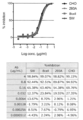
- 5 is a graph showing the results of measuring the neutralizing activity of each antibody of different origin against the HIV-1 BaL strain.
- the vertical axis represents the inhibition rate (% inhibition), and the horizontal axis represents the antibody Log concentration ( ⁇ g / mL).
- the table below shows the inhibition ratio (% inhibition) of each antibody at each concentration.
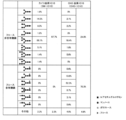
- the result of having estimated the sugar chain structure of the antibody expressed in the cocoon of a silkworm and the antibody produced in the CHO cell from the mass spectrum is shown.
- the main sugar chain structures and their abundance ratios are shown.
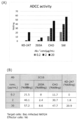
- a graph (A) showing the results of measuring the ADCC activity when SW-1C10, 293A-1C10, CHO-1C10, and KD-247 were added to HIV-1 BaL strain at 0.2, 2, 20 ⁇ g / mL (A) and It is a table (B).
- SW-1C10 The ADCC activity was highest in SW-1C10, followed by CHO-1C10.
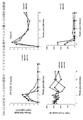
- the vertical axis of the upper graph shows the viral RNA copy number (log 10 copies / mL) in 1 ml of plasma, and the vertical axis of the lower graph shows the CD4 + T cell number (count / ⁇ L).
- a systemic infection was established.
- the horizontal axis of all graphs represents the elapsed time (weeks) after virus infection.
- the administration of SW-1C10 was performed intravenously on the 3rd, 10th and 17th days after the virus inoculation.
- the present invention includes a method for producing the antibody of the present invention, which comprises expressing the antibody gene of the present invention in silkworm, and the antibody produced by the method.
- the production method of the present invention can be specifically carried out by the method described below.
- An expression cassette containing an antibody gene operably linked to a promoter region that causes gene expression in silkworm silk gland cells of the present invention comprises a polynucleotide encoding the promoter region that causes gene expression in silkworm silk gland cells of silkworm, and the above-mentioned polynucleotide.
- any one of the polynucleotides (i) to (x) can be combined with the polynucleotide by a gene recombination technique well known to those skilled in the art to prepare.
- the polynucleotide of the promoter region that causes gene expression in silkworm silk gland cells of the silkworm can be obtained, for example, by performing PCR using the genomic DNA extracted from the silkworm cell as a template and a promoter corresponding to the target promoter.
- a method for obtaining the sericin 1 gene promoter is described in US Patent Publication No. 2008/0301823.
- the expression cassette of the present invention comprises an enhancer, a region of -1860 to -1127 and / or a region of -5000 to -3848 of a fibroin heavy chain gene, a polynucleotide encoding a baculovirus homologous region, and a baculovirus polyhedrin of 5 'If it contains a polynucleotide that constitutes an untranslated region and / or a polynucleotide that encodes baculovirus IE1, etc., these polynucleotides can be prepared by methods well known to those skilled in the art (for example, by utilizing a restriction enzyme cleavage site).
- the expression cassette of the present invention can be produced according to the method described in JP-A 2004-344123, US Patent Publication No. 2008/0301823, JP-A 2008-125366 and the like.
- the plasmid vector containing the expression cassette can be obtained by incorporating the expression cassette or its constituents into a desired vector.
- the vector is not particularly limited as long as it is a plasmid vector capable of producing a transgenic silkworm, and can be produced, for example, by inserting the expression cassette into the restriction enzyme cleavage site of the above vector.
- the present invention provides a method for producing a transgenic silkworm that produces (secretes) the antibody in a silk thread (cocoon) (preferably a sericin layer), which comprises inserting the plasmid vector into a silkworm egg.
- a G1 egg mass is obtained by injecting the above-mentioned plasmid vector into a silkworm egg (silkworm embryo) 2 to 8 hours after spawning and mating the hatched silkworm adults. Screening the transgenic silkworms in which the expression cassette of the present invention is incorporated, using the expression of the marker gene as an index.
- the obtained plasmid vector after purifying the obtained plasmid vector, it was mixed with a helper plasmid pHA3PIG (Nat. Biotechnol. 18, 81-84 (2000)) so that the amount of the plasmid was 1: 1 and further ethanol precipitation was performed. After that, it is dissolved in an injection buffer (0.5 mM phosphate buffer pH 7.0, 5 mM KCl) so that the DNA concentration becomes 10 to 1000 ⁇ g / ml.
- This vector mixed solution is microinjected into a pre-blastoderm stage silkworm egg (silkworm embryo) 2 to 8 hours after egg laying in a volume of about 1 to 200 nl per egg.
- the transgenic silkworm of the present invention may be introduced with a polynucleotide for enhancing the gene expression, separately from the expression cassette of the present invention.
- a polynucleotide for enhancing gene expression may be incorporated into a plasmid vector different from the plasmid vector of the present invention, and this may be injected into silkworm eggs simultaneously with or separately from the plasmid vector of the present invention.
- an expression cassette of the present invention can be obtained by crossing a transgenic silkworm having the expression cassette of the present invention obtained by the above-described method with a transgenic silkworm having a polynucleotide for enhancing gene expression.
- a transgenic silkworm into which a polynucleotide for enhancing the gene expression is introduced can be obtained.
- the obtained transgenic silkworms are bred with silkworms expressing the lie1 gene, which is a transactivator derived from BmNPV (Japanese Patent Laid-Open No. 2012-182995).
- Silkworms having both can also be selected.
- the invention has an antibody comprising a heavy chain having the amino acid sequence set forth in SEQ ID NO: 7 and a light chain having the amino acid sequence set forth in SEQ ID NO: 9, or having the amino acid sequence set forth in SEQ ID NO: 11. It relates to a method for producing an antibody comprising a heavy chain and a light chain having the amino acid sequence set forth in SEQ ID NO: 13, which method comprises extracting the antibody from the silk thread produced by the transgenic silkworm.
- the silkworms are raised to make cocoons. Soak silkworm cocoons in extraction buffer (PBS (final concentration 0.5M NaCl), 0.1% Triton X-100) and stir at room temperature for 1 hour to prepare cocoon extracts.
- the extract is filtered with a 0.45 ⁇ m filter and provided to a protein G column (Protein G Sepharose 4 Fast Flow, GE Healthcare). It can be obtained by eluting with 0.1 M glycine (pH 2.7), adding 1 M Tris-HCl (pH 9.0) to neutralize the solution, and finally dialyzing against PBS.
- the antibody fragment can be prepared by various methods well known to those skilled in the art, and can be obtained, for example, by treating the antibody obtained by the above method with papain.
- Antibodies to which fucose is not bound may be produced by the method described above in the cocoon of silkworms, or by killing cells having high fucose from drug-treated CHO cells, which are selected cells showing reduced fucosylation.
- US Patent Publication No. 2010/0081150 a method of producing using a CHO cell line with reduced fucosylation by mutation of the Fx protein and by controlling the supply of external sources of fucose
- U.S. Patent Publication No. 2010/0304436 GMD knockout cells having genomic deletions corresponding to GMD exon 5, 6 and 7 regions and methods for producing using FUT8 knockout host cell lines
- KANDA Y. et al. (2007) J.
- BIOTECHNOL 130 (3): 300-10
- N-methyl-N-nit A method for producing with four types of lectin-resistant CHO mutant cells brought by incubation with soguanidine (RIPKA, J. et al. (1986) SOMAT CELL MOL GENET; 12 (1): 51-62), Lec13 (fucose deficiency).
- CHO) cell line SHIELDS, RL et al. (2002) J BIOL CHEM; 277 (30): 26733-40
- MTX methotrexate
- Lectin (AAL) or Aspergillus oryzae 1-fucose-specific lectin (AOL) is contacted with a non-toxic fucose-binding agent to remove cells bound to the fucose-binding agent.
- AAL Lectin
- AOL Aspergillus oryzae 1-fucose-specific lectin
- the antibody of the present invention may be produced by any of these methods or other known antibody production methods that reduce the amount of fucose binding not described here. 2.
- Pharmaceutical Composition The antibody of the present invention can be used as an oral dosage form or a pharmaceutical composition in a parenteral dosage form such as an injection or a drip.
- the pharmaceutical composition may be an oral dosage form such as tablets, powders, granules, syrups or the like, or a parenteral dosage form such as injections and drip It may be.
- the pharmaceutical composition of the present invention can be formulated by a conventional method using an ordinary pharmaceutically acceptable carrier.
- an oral solid preparation after adding an excipient and, if necessary, a binder, a disintegrating agent, a lubricant, etc. to the main drug, a solvent, granule, powder, capsule, etc. are prepared by a conventional method.
- a pH adjusting agent, a buffer, a stabilizer, a solubilizer, etc. may be added to the main drug as necessary, and a subcutaneous or intravenous injection can be prepared by a conventional method.
- the present invention relates to a method for treating or preventing HIV infection, which comprises administering an effective amount of the antibody of the present invention to a patient in need thereof.
- the present invention relates to the use of the antibody of the present invention for producing a therapeutic or prophylactic agent for HIV infection.
- the dose of the antibody of the present invention administered to a mammal or the like varies depending on the symptoms, age, sex, body weight, dosage form, etc., but when administered intravenously to an adult, for example, a single dose is usually 0. It can be 1 to 10000 mg.
- a long time after administration for a long time after administration (for example, 12 weeks or more, 16 weeks or more, 20 weeks or more, 24 weeks or more, 28 weeks or more, 32 weeks or more, 36 weeks or more, 40 weeks or more, 1 year or more, 2 years Above, 3 years or more, 4 years or more, or 5 years or more)
- blood HIV amount eg, HIV RNA amount
- the antibody of the present invention is applied to, for example, HIV-infected patients in a total of 1 to 10 times, 1 to 8 times, 1 to 5 times, 1 to 4 times, 1 to 3 times, 1 to 2 times, 1 time. It can be given once, twice or three times. Dosage intervals can be 3-30 days, 3-15 days, 4-10 days, 5-9 days, 6-8 days, or 7 days.
- a primer (Hc-F) consisting of the 1C10 heavy chain 5'terminal sequence is used as a forward primer
- 1C10 heavy chain cDNA was amplified by PCR using a primer (C-hIgG1-NruI-XhoI) consisting of the heavy chain 3′-terminal side sequences to which restriction enzyme NruI and XhoI recognition sequences were added as a reverse primer.
- the amplified fragment was treated with XhoI and incorporated into EcoRV and XhoI treated cloning vector (pCR-MCS).
- pCR-MCS EcoRV and XhoI treated cloning vector
- pKVA2-1C10 a plasmid into which the cDNA of the 1C10 light chain was incorporated as a template
- a mixture of NruI-BmNPV-ATG and a primer (LcK-F) consisting of the 5'terminal sequence of the light chain was forwarded.
- a cDNA of the 1C10 light chain is amplified by performing PCR using a primer (LcK-R) consisting of a 3'terminal sequence of the light chain added with recognition sequences for NruI and XhoI as a reverse primer.
- this vector was digested with NruI and ligated with the heavy chain cDNA excised with NruI from pCR-MCS in which the 1C10 heavy chain cDNA had been incorporated.
- 1C10 heavy chain and light chain cDNAs were respectively integrated downstream of the sericin 1 promoter.
- 1C10 was isolated anti-HIV human antibody 1D9 (heavy chain cDNA sequence: SEQ ID NO: 10; light chain cDNA sequence: SEQ ID NO: 12) from the same patient and 49G2, and other For human antibodies derived from HIV patients, VRC01 (Science. 329, 856-61 (2010)) and PGT121 (Nature. 477, 466-470 (2011)), the heavy and light chains were also incorporated into pMSG3.1MG.
- a vector for producing a transgenic silkworm was prepared.
- (2) Preparation of transgenic silkworms 1C10 / pMSG3.1MG was purified by Plasmid Midi Kit (QIAGEN), and then the helper plasmid pHA3PIG (Nat.
- the above transgenic silkworm was crossed with a silkworm (Japanese Patent Laid-Open No. 2012-182995) that expresses the lie1 gene, which is a transactivator derived from BmNPV. It is known that the IE1 protein synthesized from the ie1 gene acts on the BmNPV-derived hr3 enhancer contained in pMSG3.1MG and the sericin 1 promoter to increase the expression amount of the recombinant protein in the middle silk gland ( Biotechol. Bioeng .; 106: 860-870 (2010)).
- transgenic silkworms were produced by microinjecting 1D9 and 49G2 derived from the same patient as 1C10 and vectors incorporating VRC01 and PGT121 cDNAs derived from other patients into silkworm eggs. By mating with silkworms expressing the ie1 gene, cocoons containing the respective antibodies were produced.
- the cocoon layer weight of the cocoons obtained for each silkworm strain containing each gene was listed (Table 1). For 1C10, 1D9, VRC01, and PGT121, average weight cocoons were made, whereas 49G2 did not.
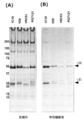
- the amount of antibody extracted against the neutral buffer was analyzed. 10 mg of cocoons were immersed in 1 mL of PBS (final concentration 0.5 M NaCl) and 0.1% Triton X-100, stirred at room temperature for 1 hour, and then centrifuged to collect the supernatant. When the proteins in the extract were analyzed by SDS-PAGE, the most extracted amount of antibody was 1C10, and the extraction rates of 1D9 and PGT121, which had relatively high expression levels, were considerably lower than that of 1C10.
- the amount of antibody contained in the extract was quantified using a HPLC system (Alliance HPLC System, Waters) equipped with a protein A column (HiTrap MabSelect SuRe column (0.7 ⁇ 2.5 cm; 1 mL), GE Healthcare). did. 300 ⁇ L of the extract prepared from each silkworm cocoon was applied to a protein A column, washed with PBS, and the bound antibody was eluted with 100 mM citric acid pH 3.0, and the antibody concentration was quantified from the area of the elution peak. .. From this result, the amount of antibody extracted from each cocoon was calculated.
- the amount of antibody that can be extracted from one cocoon of 1C10 was 1.48 mg, and it was found that the amount of antibody that was about 3.2 times that of 1D9 derived from the same HIV-infected patient could be extracted.
- (4) Purification of 1C10 antibody The cocoon of the 1C10 production line was immersed in PBS (final concentration 0.5M NaCl), 0.1% Triton X-100 and stirred at room temperature for 1 hour to prepare a cocoon extract. .. The extract was filtered through a 0.45 ⁇ m filter and applied to a protein G column (Protein G Sepharose 4 Fast Flow, GE Healthcare).
- CHO-1C10 was made as follows. Using the ExpiCHO Expression System Kit (ThermoFisher Scientific), transfection of the plasmid (pMPE-1C10) in which the 1C10 cDNA was incorporated into the ExpiCHO-S cells (attached to the kit) was performed. The culture supernatant was collected 12-14 days after transfection, filtered with a 0.2 ⁇ m filter, and then bound to a protein A column (HiTrap rProtein A FF, GE Healthcare). For elution of the antibody from the column, 50 mM glycine hydrochloric acid buffer (pH 2.39) was used. It was neutralized by adding 1 M Tris-HCl (pH 9.0) and dialyzed against PBS. The antibody solution was concentrated using PEG6,000 (Wako), and then dialyzed against PBS twice.
- the Luciferase gene controlled by the LTR promoter of HIV-1 was introduced into NKR24 cells (J Virol .; 86: 12039-52 (2012)). The Luciferase activity produced by these NKR24 cells was started. neolite Reporter Gene Assay System (Per) As measured by in Elmer), to confirm the infection status of the appropriate virus.
- a sample for FACS analysis was prepared (0.2% BSA / PBS was used as a reaction solution). 50 ⁇ L of cells suspended in the reaction solution and adjusted to 2.5 ⁇ 10 6 cells / mL were added to a 96-well plate (25 ⁇ 10 4 cells / tube). An equal amount of antibody solution (concentration adjusted with D-PBS ( ⁇ )) was added thereto so that the final concentration was 0.032 / 0.16 / 0.8 / 4/20/100 ⁇ g / mL.
- the plate was washed twice with the reaction solution, and 50 ⁇ L of APC-labeled anti-human IgG (Jackson ImmunoResearch) diluted 200-fold with the reaction solution was added (hereinafter, operation was performed while shielding from light). After incubating at room temperature for 15 minutes, the plate was washed twice with the reaction solution, and 100 ⁇ L of 10% Formalin / PBS was added. After incubating on ice for 15 minutes, analysis was performed by BD FACS Canto II (BD Biosciences), and the binding activity was examined from the average fluorescence intensity (MFI) of APC.
- MFI average fluorescence intensity
- TZM-bl cells (AIDS; 23: 897-906 (2009)) were adjusted to 1 ⁇ 10 5 cells / mL (+37.5 ⁇ g / mL DEAE dextran). , 100 ⁇ L was added.
- Table 3 shows the IC50, and Fig. 3 shows the infection control rate at each antibody concentration. As a result, it was confirmed that various antibodies including SW-1C10 exhibited almost the same neutralizing activity.
- the main sugar chain structure estimated from the obtained mass spectrum and its abundance ratio are shown in FIG. About 70.3% of core-fucose-added sugar chains were observed in CHO-1C10, whereas no core-fucose-added sugar chains were detected in SW-1C10. Further, the sugar chain of SW-1C10 was similar to the sugar chain structure of CHO-1C10 in that there was no sugar chain containing sialic acid or bisecting GlcNAc. (9) Measurement of ADCC activity In addition to SW-1C10, 293A-1C10, and CHO-1C10, KD-247, which is a humanized antibody that recognizes the V3 loop of gp120, was prepared and tested for its ADCC activity against HIV-1 BaL strain. A comparison was made.
- BaL-infected NKR24 cells were prepared by the same method as in the case of measuring the binding activity.
- a sample for ADCC activity measurement was prepared (R10 medium 10 U / ml IL-2 was used as a reaction solution and an antibody diluent). After washing three times with the reaction solution, 40 ⁇ L of NKR24 cells adjusted to 2.5 ⁇ 10 5 cells / mL was added to a 96-well plate (1 ⁇ 10 4 cells / well).
- human CD16 + KHYG-1 cells ((N6 cells; J Virol .; 86: 12039-52 (, which are natural killer cell lines adjusted to 2.5 ⁇ 10 6 cells / mL as effector cells) 2012) was added in an amount of 40 ⁇ L (10 ⁇ 10 4 cells / well), and then 20 ⁇ L of each prepared antibody was added to a final concentration of 0.2, 2, or 20 ⁇ g / mL VC (virus) as a positive control.
- a neolite Reporter Gene Assay System was used for ADCC activity measurement. After adding 40 ⁇ L of neolite reagent to a white plate for detection (Perkin Elmer), 40 ⁇ l of the reaction solution after incubation was suspended and RLU (relative luminescence intensity) was measured by a Luminometer. The virus killing rate (% killing; (RLU in VC-RLU in each antibody concentration) / RLU in VC) was calculated with the RLU in CC as the background and used as ADCC activity (FIGS. 5A and 5B). As a result, it was confirmed that SW-1C10 showed the highest ADCC activity among the compared antibodies.
- 1C10 antibody was recovered by eluting with SP elution buffer (50 mM acetate buffer pH 5.3, 300 mM NaCl). Furthermore, the solution was concentrated using an ultrafiltration membrane (Biomax-100 TF (Millipore)), and then the solvent was exchanged with PBS. This was applied to a column packed with a protein A carrier (MabSelect SuRe (GE Healthcare)), washed with PBS, and then the 1C10 antibody was eluted with 100 mM citrate buffer (pH 3.0).
- the integrated chimeric virus, highly virulent SHIV89.6P (Reimann KA et al., J. Virol. 70, 6922-6928.) was inoculated to establish a systemic infection.
- the group composition of cynomolgus monkeys consisted of 4 untreated groups and 3 SW-1C10-administered groups, which served as controls.
- the administration of SW-1C10 was carried out intravenously on the 3rd, 10th and 17th days after the virus inoculation, and the blood virus suppressing effect was observed.
- Peripheral blood (with EDTA added) was collected over time from anesthetized monkeys, usually every 7 days until the 8th week from the time of virus inoculation, and once every 4 weeks thereafter.
- the collected blood is centrifuged to collect plasma, and then the blood cells are diluted with PBS, layered on Percoll with a specific gravity of 1.070, and then centrifuged to separate PBMCs (peripheral blood mononuclear cells). did.
- Viral RNA was extracted from plasma, the gag region of SIVmac239 was grown by quantitative RT-PCR, and the viral RNA copy number in plasma was calculated from the concentration of the product. Viral RNA in plasma was extracted and purified using MagNA PureCompact Nucleic Acid isolation kit (Roche Diagnostics).
- Fluorescence of RT-PCR product was detected by LightCycler 480 thermocycler, and the amount was determined.
- the amount of virus in plasma was measured twice using Duplicate, and the amount of virus was calculated by converting the SIV RNA of known concentration using a calibration curve prepared by serial dilution.
- the template DNA and other contaminating DNA were treated with DNAaseI.
- the sensitivity of this measurement system was 100 copies / ml.
- the viral RNA copy number in 1 ml of plasma increased to tens of millions to hundreds of millions of copies in the second week after virus inoculation, and after 8 weeks, a steady state called virological set point And entered the tens of thousands to hundreds of thousands copies / ml.
- the number of CD4 + T cells targeted for HIV infection rapidly decreased in 2 to 4 weeks, and thereafter, the number of cells remained at a low level.
- the virus amount decreased at the peak of 100,000 to 1,000,000 copies / ml at the 4th week of virus inoculation, and the virus was not detected in all 3 animals after the 12th week.
- the number of CD4 + T cells was not significantly decreased, and the level before the virus administration was maintained. (Fig. 6).
Landscapes
- Life Sciences & Earth Sciences (AREA)
- Health & Medical Sciences (AREA)
- Chemical & Material Sciences (AREA)
- Organic Chemistry (AREA)
- Virology (AREA)
- Genetics & Genomics (AREA)
- General Health & Medical Sciences (AREA)
- Molecular Biology (AREA)
- Environmental Sciences (AREA)
- Zoology (AREA)
- Animal Behavior & Ethology (AREA)
- Medicinal Chemistry (AREA)
- Biophysics (AREA)
- Biochemistry (AREA)
- Engineering & Computer Science (AREA)
- Proteomics, Peptides & Aminoacids (AREA)
- Biodiversity & Conservation Biology (AREA)
- Animal Husbandry (AREA)
- Immunology (AREA)
- Biomedical Technology (AREA)
- Biotechnology (AREA)
- General Engineering & Computer Science (AREA)
- Bioinformatics & Cheminformatics (AREA)
- Wood Science & Technology (AREA)
- Chemical Kinetics & Catalysis (AREA)
- Public Health (AREA)
- Oncology (AREA)
- Veterinary Medicine (AREA)
- General Chemical & Material Sciences (AREA)
- Nuclear Medicine, Radiotherapy & Molecular Imaging (AREA)
- Pharmacology & Pharmacy (AREA)
- Communicable Diseases (AREA)
- AIDS & HIV (AREA)
- Microbiology (AREA)
- Plant Pathology (AREA)
- Physics & Mathematics (AREA)
- Tropical Medicine & Parasitology (AREA)
- Peptides Or Proteins (AREA)
- Medicines Containing Antibodies Or Antigens For Use As Internal Diagnostic Agents (AREA)
Abstract
Priority Applications (8)
| Application Number | Priority Date | Filing Date | Title |
|---|---|---|---|
| JP2020553897A JP7566257B2 (ja) | 2018-10-29 | 2019-10-28 | 抗hiv抗体及びその製造方法 |
| KR1020217013696A KR102940509B1 (ko) | 2018-10-29 | 2019-10-28 | 항hiv항체 및 그 제조 방법 |
| CA3118073A CA3118073A1 (fr) | 2018-10-29 | 2019-10-28 | Anticorps anti-hiv et procede de production associe |
| EP19879893.6A EP3875480A4 (fr) | 2018-10-29 | 2019-10-28 | Anticorps anti-hiv et procédé de production associé |
| CN201980072007.5A CN113423731B (zh) | 2018-10-29 | 2019-10-28 | 抗hiv抗体及其制造方法 |
| US17/290,054 US12570726B2 (en) | 2018-10-29 | 2019-10-28 | Anti-HIV antibody and method for producing same |
| JP2022175477A JP7551070B2 (ja) | 2018-10-29 | 2022-11-01 | 抗hiv抗体及びその製造方法 |
| JP2024140929A JP2024161579A (ja) | 2018-10-29 | 2024-08-22 | 抗hiv抗体及びその製造方法 |
Applications Claiming Priority (4)
| Application Number | Priority Date | Filing Date | Title |
|---|---|---|---|
| JP2018203114 | 2018-10-29 | ||
| JP2018-203114 | 2018-10-29 | ||
| JP2019-166040 | 2019-09-12 | ||
| JP2019166040 | 2019-09-12 |
Publications (1)
| Publication Number | Publication Date |
|---|---|
| WO2020090747A1 true WO2020090747A1 (fr) | 2020-05-07 |
Family
ID=70462366
Family Applications (1)
| Application Number | Title | Priority Date | Filing Date |
|---|---|---|---|
| PCT/JP2019/042184 Ceased WO2020090747A1 (fr) | 2018-10-29 | 2019-10-28 | Anticorps anti-hiv et procédé de production associé |
Country Status (8)
| Country | Link |
|---|---|
| US (1) | US12570726B2 (fr) |
| EP (1) | EP3875480A4 (fr) |
| JP (3) | JP7566257B2 (fr) |
| KR (1) | KR102940509B1 (fr) |
| CN (1) | CN113423731B (fr) |
| CA (1) | CA3118073A1 (fr) |
| TW (1) | TWI861023B (fr) |
| WO (1) | WO2020090747A1 (fr) |
Citations (13)
| Publication number | Priority date | Publication date | Assignee | Title |
|---|---|---|---|---|
| US6602684B1 (en) | 1998-04-20 | 2003-08-05 | Glycart Biotechnology Ag | Glycosylation engineering of antibodies for improving antibody-dependent cellular cytotoxicity |
| JP2004344123A (ja) | 2003-05-26 | 2004-12-09 | Hiroshima Industrial Promotion Organization | 外来遺伝子発現を促進するポリヌクレオチド |
| JP2008125366A (ja) | 2006-11-16 | 2008-06-05 | Hiroshima Industrial Promotion Organization | トランスジェニックカイコの絹糸腺で組換えタンパク質を発現させるための融合ポリヌクレオチド |
| US20080301823A1 (en) | 2004-10-15 | 2008-12-04 | Hiroshima Industrial Promotion Organization | Polynucleotide for Producing Recombinant Protein in Silkworm |
| WO2009066702A1 (fr) | 2007-11-19 | 2009-05-28 | Kumamoto University | Anticorps monoclonal anti-vih |
| US20100081150A1 (en) | 2008-09-26 | 2010-04-01 | Eureka Therapeutics, Inc. | Methods for Generating Host Cells |
| US20100304436A1 (en) | 2009-06-02 | 2010-12-02 | Regeneron Pharmaceuticals, Inc. | Fucosylation-Deficient Cells |
| WO2012120500A2 (fr) | 2011-03-06 | 2012-09-13 | Merck Serono S.A. | Lignées cellulaires à basse teneur de fucose et leurs utilisations |
| JP2012182995A (ja) | 2011-03-03 | 2012-09-27 | Nippon Flour Mills Co Ltd | フィブリノゲンを産生するトランスジェニックカイコ |
| JP2014012024A (ja) | 2008-02-29 | 2014-01-23 | Meneki Seibutsu Kenkyusho:Kk | カイコを用いた糖鎖構造に特徴を有する糖蛋白質の製造方法 |
| JP2016082962A (ja) | 2014-04-25 | 2016-05-19 | 公益財団法人野口研究所 | 糖鎖切断抗体の製造方法及び均一糖鎖抗体 |
| WO2017135452A1 (fr) | 2016-02-05 | 2017-08-10 | 国立大学法人大阪大学 | Ver à soie transgénique auquel est fixée une chaîne de sucre de type mammifère |
| JP2018203114A (ja) | 2017-06-06 | 2018-12-27 | アイシン精機株式会社 | ベルト側ブラケット及びガイドローラユニット |
Family Cites Families (10)
| Publication number | Priority date | Publication date | Assignee | Title |
|---|---|---|---|---|
| WO1994020632A1 (fr) * | 1993-03-11 | 1994-09-15 | Juridical Foundation The Chemo-Sero-Therapeutic R Esearch Insitute | Anticorps monoclonal dirige contre le vih |
| JP4701336B2 (ja) * | 2001-04-18 | 2011-06-15 | 独立行政法人農業生物資源研究所 | ヒト・コラーゲンを産生する形質転換カイコ |
| JP2008067612A (ja) * | 2006-09-12 | 2008-03-27 | Hiroshima Industrial Promotion Organization | 機能的な抗体分子を生産するトランスジェニックカイコ |
| WO2009121004A2 (fr) * | 2008-03-28 | 2009-10-01 | Sea Lane Biotechnologies, Llc | Molécules neutralisantes d'antigènes viraux |
| CA3249351A1 (fr) * | 2010-08-31 | 2025-07-03 | Theraclone Sciences, Inc. | Anticorps neutralisants anti-virus de l'immunodéficience humaine (vih) |
| WO2013192589A1 (fr) * | 2012-06-21 | 2013-12-27 | California Institute Of Technology | Anticorps ciblant des mutants échappés du vih |
| US20160002319A1 (en) * | 2013-02-28 | 2016-01-07 | Therabioli, Inc. | HIV Antigens and Antibodies |
| UY36990A (es) * | 2015-11-21 | 2017-11-30 | Fundació Privada Inst De Recerca De La Sida-Caixa (Irsicaixa) | Derivados de anticuerpos contra el vih con actividad dual antiviral e inmunomodulatoria |
| CA3142483A1 (fr) * | 2019-06-12 | 2020-12-17 | The Board Of Trustees Of The Leland Stanford Junior University | Procedes de traitement d'infections virales |
| WO2021065846A1 (fr) * | 2019-09-30 | 2021-04-08 | 国立大学法人 熊本大学 | ANTICORPS 1C10(0,5γ) SE LIANT À L'ANTICORPS ANTI-VIH-1 V3, FRAGMENT DE LIAISON À L'ANTIGÈNE DE CELUI-CI ET UTILISATION ASSOCIÉE |
-
2019
- 2019-10-28 WO PCT/JP2019/042184 patent/WO2020090747A1/fr not_active Ceased
- 2019-10-28 KR KR1020217013696A patent/KR102940509B1/ko active Active
- 2019-10-28 CN CN201980072007.5A patent/CN113423731B/zh active Active
- 2019-10-28 TW TW108138840A patent/TWI861023B/zh active
- 2019-10-28 US US17/290,054 patent/US12570726B2/en active Active
- 2019-10-28 CA CA3118073A patent/CA3118073A1/fr active Pending
- 2019-10-28 EP EP19879893.6A patent/EP3875480A4/fr active Pending
- 2019-10-28 JP JP2020553897A patent/JP7566257B2/ja active Active
-
2022
- 2022-11-01 JP JP2022175477A patent/JP7551070B2/ja active Active
-
2024
- 2024-08-22 JP JP2024140929A patent/JP2024161579A/ja active Pending
Patent Citations (13)
| Publication number | Priority date | Publication date | Assignee | Title |
|---|---|---|---|---|
| US6602684B1 (en) | 1998-04-20 | 2003-08-05 | Glycart Biotechnology Ag | Glycosylation engineering of antibodies for improving antibody-dependent cellular cytotoxicity |
| JP2004344123A (ja) | 2003-05-26 | 2004-12-09 | Hiroshima Industrial Promotion Organization | 外来遺伝子発現を促進するポリヌクレオチド |
| US20080301823A1 (en) | 2004-10-15 | 2008-12-04 | Hiroshima Industrial Promotion Organization | Polynucleotide for Producing Recombinant Protein in Silkworm |
| JP2008125366A (ja) | 2006-11-16 | 2008-06-05 | Hiroshima Industrial Promotion Organization | トランスジェニックカイコの絹糸腺で組換えタンパク質を発現させるための融合ポリヌクレオチド |
| WO2009066702A1 (fr) | 2007-11-19 | 2009-05-28 | Kumamoto University | Anticorps monoclonal anti-vih |
| JP2014012024A (ja) | 2008-02-29 | 2014-01-23 | Meneki Seibutsu Kenkyusho:Kk | カイコを用いた糖鎖構造に特徴を有する糖蛋白質の製造方法 |
| US20100081150A1 (en) | 2008-09-26 | 2010-04-01 | Eureka Therapeutics, Inc. | Methods for Generating Host Cells |
| US20100304436A1 (en) | 2009-06-02 | 2010-12-02 | Regeneron Pharmaceuticals, Inc. | Fucosylation-Deficient Cells |
| JP2012182995A (ja) | 2011-03-03 | 2012-09-27 | Nippon Flour Mills Co Ltd | フィブリノゲンを産生するトランスジェニックカイコ |
| WO2012120500A2 (fr) | 2011-03-06 | 2012-09-13 | Merck Serono S.A. | Lignées cellulaires à basse teneur de fucose et leurs utilisations |
| JP2016082962A (ja) | 2014-04-25 | 2016-05-19 | 公益財団法人野口研究所 | 糖鎖切断抗体の製造方法及び均一糖鎖抗体 |
| WO2017135452A1 (fr) | 2016-02-05 | 2017-08-10 | 国立大学法人大阪大学 | Ver à soie transgénique auquel est fixée une chaîne de sucre de type mammifère |
| JP2018203114A (ja) | 2017-06-06 | 2018-12-27 | アイシン精機株式会社 | ベルト側ブラケット及びガイドローラユニット |
Non-Patent Citations (30)
| Title |
|---|
| AIDS, vol. 23, 2009, pages 897 - 906 |
| ANONYMOUS: "the conclusion of the contract of the joint development with CURED CO., LTD.", 16 March 2018 (2018-03-16), JP, pages 1 - 2, XP009527840, Retrieved from the Internet <URL:https://b2b-ch.infomart.co.jp/news/detail.page?IMNEWS1=925810> [retrieved on 20191115] * |
| BIOTECHOL. BIOENG., vol. 106, 2010, pages 860 - 870 |
| CANCER RES, vol. 67, no. 18, 2007, pages 8882 - 8890 |
| CHOTHIALESK, J. MOL. BIOL., vol. 196, 1987, pages 901 - 917 |
| DAN H. BAROUCH ET AL., NATURE, vol. 503, no. 7475, 2013, pages 224 - 228 |
| GREG ALAZAR ET AL., PNAS, vol. 103, no. 11, 2006, pages 4005 - 4010 |
| HONEGGER, A ET AL., J. MOL. BIOL., vol. 309, 2001, pages 657 - 670 |
| J VIROL, vol. 86, 2012, pages 12039 - 52 |
| J VIROL., vol. 86, 2012, pages 12039 - 52 |
| KANDA, Y. ET AL., J. BIOTECHNOL, vol. 130, no. 3, 2007, pages 300 - 10 |
| KRISTEL PAOLA RAMIREZ VALDEZ ET AL., VIROLOGY, vol. 475, 2015, pages 187 - 203 |
| KRISTEL PAOLA RAMIREZ VALDEZ, TAKEO KUWATA, YASUHIRO MARUTA, KAZUKI TANAKA, MUNTASIR ALAM, KAZUHISA YOSHIMURA, SHUZO MATSUSHITA: "Complementary and synergistic activities of anti-V3, CD 4bs and CD 4i antibodies derived from a single individual can cover a wide range of HIV-1 strains.", VIROLOGY, vol. 475, 1 January 2015 (2015-01-01), pages 187 - 203, XP055705633, ISSN: 0042-6822, DOI: 10.1016/j.virol.2014.11.011 * |
| MACCALLUM ET AL., J MOL BIOL, vol. 262, no. 5, 1996, pages 732 - 745 |
| MASASHI IIZUKA ET AL., FEBS JOURNAL, vol. 276, 2009, pages 5806 - 5820 |
| MINORU TODA ET AL., MABS, vol. 7, no. 6, 2015, pages 1138 - 1150 |
| MOL. CELLULAR PROTEOM., vol. 6, 2007, pages 1437 - 1445 |
| NAT. BIOTECHNOL., vol. 18, 2000, pages 81 - 84 |
| NATURE BIOTECHNOLOGY, vol. 21, 2003, pages 52 - 56 |
| NATURE, vol. 477, 2011, pages 466 - 470 |
| RAJAT DESIKAN, RAJA RUBESH, DIXIT NARENDRA M.: "Early exposure to broadly neutralizing antibodies triggers a switch from progressive disease to lasting control of SHIV infection", 13 February 2019 (2019-02-13), XP055705638, Retrieved from the Internet <URL:hops://www.biorxiv.org/content/biorxiv/early/2019/10/13/548727.full.pdf> [retrieved on 20191115], DOI: 10.1101/548727 * |
| REIMANN K.A. ET AL., J. VIROL., vol. 70, pages 6922 - 6928 |
| RIPKA, J. ET AL., SOMAT CELL MOL GENET, vol. 12, no. 1, 1986, pages 51 - 62 |
| SCIENCE, vol. 253, 1991, pages 71 - 4 |
| SCIENCE, vol. 329, 2010, pages 856 - 61 |
| SHIELDS, R. L. ET AL., J BIOL CHEM, vol. 277, no. 30, 2002, pages 26733 - 40 |
| TAMURA, T ET AL., NATURE BIOTECHNOLOGY, vol. 18, 2000, pages 81 - 84 |
| VIROLOGY., vol. 475, 2015, pages 187 - 203 |
| YAKUJI NIPPO LIMITED: "Handbook of Pharmaceutical Excipients Fifth Edition", APHA PUBLICATIONS, article "Japanese Pharmaceutical Excipients" |
| YOSHIAKI NISHIMURA, RAJEEV GAUTAM, TAE-WOOK CHUN, REZA SADJADPOUR, KATHRYN E. FOULDS, MASASHI SHINGAI, FLORIAN KLEIN, ANNA GAZUMYA: "Early antibody therapy can induce long-lasting immunity to SHIV.", NATURE, vol. 543, 13 March 2017 (2017-03-13), pages 559 - 563, XP055705634, ISSN: 0028-0836, DOI: 10.1038/nature21435 * |
Also Published As
| Publication number | Publication date |
|---|---|
| KR102940509B1 (ko) | 2026-03-16 |
| JPWO2020090747A1 (ja) | 2021-11-25 |
| JP7551070B2 (ja) | 2024-09-17 |
| CN113423731A (zh) | 2021-09-21 |
| TWI861023B (zh) | 2024-11-11 |
| US20220002389A1 (en) | 2022-01-06 |
| JP2024161579A (ja) | 2024-11-19 |
| US12570726B2 (en) | 2026-03-10 |
| KR20210084488A (ko) | 2021-07-07 |
| JP7566257B2 (ja) | 2024-10-15 |
| JP2023002806A (ja) | 2023-01-10 |
| CN113423731B (zh) | 2024-05-14 |
| EP3875480A1 (fr) | 2021-09-08 |
| TW202029981A (zh) | 2020-08-16 |
| EP3875480A4 (fr) | 2022-07-13 |
| CA3118073A1 (fr) | 2020-05-07 |
Similar Documents
| Publication | Publication Date | Title |
|---|---|---|
| KR101637533B1 (ko) | 제조 방법 | |
| CN106167525B (zh) | 筛选超低岩藻糖细胞系的方法和应用 | |
| JP2025024057A (ja) | カルレティキュリンに結合する多機能性分子およびその使用 | |
| CN109415444A (zh) | 显示增加的备选fviii辅因子功能活性的双特异性抗体 | |
| WO2007011041A1 (fr) | Composition d'anticorps génétiquement modifié | |
| JP7493540B2 (ja) | Fc含有タンパク質の発現 | |
| JP2023551440A (ja) | 持効型神経成長因子ポリペプチド及びその用途 | |
| WO2022162012A2 (fr) | Anticorps ciblant sur un large spectre des coronavirus et leurs utilisations | |
| EP4628095A1 (fr) | Protéine de fusion et antigène granulé la comprenant | |
| JP7551070B2 (ja) | 抗hiv抗体及びその製造方法 | |
| HK40052483B (zh) | 抗hiv抗体及其制造方法 | |
| WO2023246691A1 (fr) | Anticorps contre le virus de l'hépatite b, sa préparation et son utilisation | |
| HK40052483A (en) | Anti-hiv antibody and method for producing same | |
| US20220372114A1 (en) | Sars-cov-2 spike protein antibodies | |
| US20240209065A1 (en) | Secretory iga antibodies against covid infection | |
| TW202400647A (zh) | 用於治療嗜酸性球驅動之疾病及病症的方法及組成物 | |
| EP4386084A1 (fr) | Protéines de fusion ace2 améliorées | |
| WO2025222144A1 (fr) | Anticorps et vaccins ayant des domaines de liaison vh3-21 et vl1-40 et leurs utilisations | |
| WO2023108117A2 (fr) | Domaines fc modifiés et récepteurs fc viraux de cytomégalovirus humain modifiés | |
| WO2022161598A1 (fr) | Anticorps ciblant largement des coronavirus et leurs utilisations | |
| HK1247100B (zh) | Dna抗体构建体及其使用方法 |
Legal Events
| Date | Code | Title | Description |
|---|---|---|---|
| 121 | Ep: the epo has been informed by wipo that ep was designated in this application |
Ref document number: 19879893 Country of ref document: EP Kind code of ref document: A1 |
|
| DPE1 | Request for preliminary examination filed after expiration of 19th month from priority date (pct application filed from 20040101) | ||
| ENP | Entry into the national phase |
Ref document number: 2020553897 Country of ref document: JP Kind code of ref document: A Ref document number: 3118073 Country of ref document: CA |
|
| NENP | Non-entry into the national phase |
Ref country code: DE |
|
| ENP | Entry into the national phase |
Ref document number: 2019879893 Country of ref document: EP Effective date: 20210531 |
|
| WWG | Wipo information: grant in national office |
Ref document number: 17290054 Country of ref document: US |