WO2020095879A1 - Induction/différenciation de cellules souches pluripotentes en cellules épithéliales du tractus intestinal - Google Patents
Induction/différenciation de cellules souches pluripotentes en cellules épithéliales du tractus intestinal Download PDFInfo
- Publication number
- WO2020095879A1 WO2020095879A1 PCT/JP2019/043213 JP2019043213W WO2020095879A1 WO 2020095879 A1 WO2020095879 A1 WO 2020095879A1 JP 2019043213 W JP2019043213 W JP 2019043213W WO 2020095879 A1 WO2020095879 A1 WO 2020095879A1
- Authority
- WO
- WIPO (PCT)
- Prior art keywords
- cells
- cell
- inhibitor
- culture
- days
- Prior art date
- Legal status (The legal status is an assumption and is not a legal conclusion. Google has not performed a legal analysis and makes no representation as to the accuracy of the status listed.)
- Ceased
Links
Images








Classifications
-
- A—HUMAN NECESSITIES
- A61—MEDICAL OR VETERINARY SCIENCE; HYGIENE
- A61K—PREPARATIONS FOR MEDICAL, DENTAL OR TOILETRY PURPOSES
- A61K35/00—Medicinal preparations containing materials or reaction products thereof with undetermined constitution
- A61K35/12—Materials from mammals; Compositions comprising non-specified tissues or cells; Compositions comprising non-embryonic stem cells; Genetically modified cells
- A61K35/36—Skin; Hair; Nails; Sebaceous glands; Cerumen; Epidermis; Epithelial cells; Keratinocytes; Langerhans cells; Ectodermal cells
-
- A—HUMAN NECESSITIES
- A61—MEDICAL OR VETERINARY SCIENCE; HYGIENE
- A61K—PREPARATIONS FOR MEDICAL, DENTAL OR TOILETRY PURPOSES
- A61K35/00—Medicinal preparations containing materials or reaction products thereof with undetermined constitution
- A61K35/12—Materials from mammals; Compositions comprising non-specified tissues or cells; Compositions comprising non-embryonic stem cells; Genetically modified cells
- A61K35/37—Digestive system
- A61K35/38—Stomach; Intestine; Goblet cells; Oral mucosa; Saliva
-
- A—HUMAN NECESSITIES
- A61—MEDICAL OR VETERINARY SCIENCE; HYGIENE
- A61L—METHODS OR APPARATUS FOR STERILISING MATERIALS OR OBJECTS IN GENERAL; DISINFECTION, STERILISATION OR DEODORISATION OF AIR; CHEMICAL ASPECTS OF BANDAGES, DRESSINGS, ABSORBENT PADS OR SURGICAL ARTICLES; MATERIALS FOR BANDAGES, DRESSINGS, ABSORBENT PADS OR SURGICAL ARTICLES
- A61L27/00—Materials for grafts or prostheses or for coating grafts or prostheses
- A61L27/36—Materials for grafts or prostheses or for coating grafts or prostheses containing ingredients of undetermined constitution or reaction products thereof, e.g. transplant tissue, natural bone, extracellular matrix
- A61L27/38—Materials for grafts or prostheses or for coating grafts or prostheses containing ingredients of undetermined constitution or reaction products thereof, e.g. transplant tissue, natural bone, extracellular matrix containing added animal cells
-
- A—HUMAN NECESSITIES
- A61—MEDICAL OR VETERINARY SCIENCE; HYGIENE
- A61L—METHODS OR APPARATUS FOR STERILISING MATERIALS OR OBJECTS IN GENERAL; DISINFECTION, STERILISATION OR DEODORISATION OF AIR; CHEMICAL ASPECTS OF BANDAGES, DRESSINGS, ABSORBENT PADS OR SURGICAL ARTICLES; MATERIALS FOR BANDAGES, DRESSINGS, ABSORBENT PADS OR SURGICAL ARTICLES
- A61L27/00—Materials for grafts or prostheses or for coating grafts or prostheses
- A61L27/50—Materials characterised by their function or physical properties, e.g. injectable or lubricating compositions, shape-memory materials, surface modified materials
-
- C—CHEMISTRY; METALLURGY
- C12—BIOCHEMISTRY; BEER; SPIRITS; WINE; VINEGAR; MICROBIOLOGY; ENZYMOLOGY; MUTATION OR GENETIC ENGINEERING
- C12N—MICROORGANISMS OR ENZYMES; COMPOSITIONS THEREOF; PROPAGATING, PRESERVING, OR MAINTAINING MICROORGANISMS; MUTATION OR GENETIC ENGINEERING; CULTURE MEDIA
- C12N5/00—Undifferentiated human, animal or plant cells, e.g. cell lines; Tissues; Cultivation or maintenance thereof; Culture media therefor
- C12N5/10—Cells modified by introduction of foreign genetic material
-
- C—CHEMISTRY; METALLURGY
- C12—BIOCHEMISTRY; BEER; SPIRITS; WINE; VINEGAR; MICROBIOLOGY; ENZYMOLOGY; MUTATION OR GENETIC ENGINEERING
- C12Q—MEASURING OR TESTING PROCESSES INVOLVING ENZYMES, NUCLEIC ACIDS OR MICROORGANISMS; COMPOSITIONS OR TEST PAPERS THEREFOR; PROCESSES OF PREPARING SUCH COMPOSITIONS; CONDITION-RESPONSIVE CONTROL IN MICROBIOLOGICAL OR ENZYMOLOGICAL PROCESSES
- C12Q1/00—Measuring or testing processes involving enzymes, nucleic acids or microorganisms; Compositions therefor; Processes of preparing such compositions
- C12Q1/02—Measuring or testing processes involving enzymes, nucleic acids or microorganisms; Compositions therefor; Processes of preparing such compositions involving viable microorganisms
-
- A—HUMAN NECESSITIES
- A61—MEDICAL OR VETERINARY SCIENCE; HYGIENE
- A61P—SPECIFIC THERAPEUTIC ACTIVITY OF CHEMICAL COMPOUNDS OR MEDICINAL PREPARATIONS
- A61P1/00—Drugs for disorders of the alimentary tract or the digestive system
Definitions
- the present invention relates to a method for inducing differentiation of pluripotent stem cells into intestinal epithelial cells and its use.
- human induced pluripotent stem (iPS) cells were established in 2007 by Yamanaka et al.
- the human iPS cells are cells having pluripotency and almost unlimited proliferation ability, similar to human embryonic stem (ES) cells established by Thomson et al. In 1998.
- Human iPS cells have less ethical problems than human ES cells and are expected as a stable cell source for drug development.
- Patent Document 1 A method for selectively obtaining intestinal stem / progenitor cells from cells derived from the intestinal tract has been reported in order to provide intestinal epithelial cells used for drug absorption tests. Further, a method for producing or maintaining pluripotent cells using an ALK5 inhibitor has been proposed (Patent Document 2).
- Non-Patent Documents 1 to 6 Although there are several reports regarding the induction of differentiation from iPS cells to intestinal epithelial cells (see, for example, Non-Patent Documents 1 to 6), the differentiation induction methods in these reports are complicated and have sufficient differentiation efficiency. Moreover, the pharmacokinetic analysis has not been performed in detail. Furthermore, the differentiation induction method uses a large amount of extremely expensive growth factors and cytokines to induce differentiation, and is not suitable for practical use. The present inventors are also studying the differentiation of human iPS cells into intestinal epithelial cells, and have reported that the produced intestinal epithelial cell-like cells have various pharmacokinetic functions (Patent Document 3). , Non-Patent Documents 7 and 8). Further, they have found low molecular weight compounds and conditions useful for promoting differentiation of human iPS cells into intestinal epithelial cells and acquiring functions (Patent Documents 3 and 4, Non-Patent Document 8).
- an object of the present invention is to provide a new means capable of simply and efficiently preparing cells (intestinal epithelial cell-like cells) having a function closer to that of intestinal epithelial cells in the living body.
- the present inventors consider that mimicking the in vivo environment is particularly important and effective for inducing differentiation into mature intestinal epithelial cells, and thus maintain and improve the intestinal environment. Focusing on indigestible polysaccharides that are considered useful for (intestinal regulation), their effectiveness as a material / factor for inducing differentiation of intestinal epithelial cells from pluripotent stem cells was examined. As a result, it was confirmed that the indigestible polysaccharide has an effect of improving differentiation induction efficiency (preparation efficiency) and an effect of promoting maturation (gain of function). Indigestible polysaccharides with particularly high effects were also identified.
- Patent Document 5 a polysaccharide fiber is used for cell culture, but the problem (objective) to be solved is to maintain undifferentiation of mesenchymal stem cells, and the present inventors have found out. It does not even suggest the above findings.
- Patent Document 6 describes that polysaccharides have a promoting effect on the differentiation of stem cells, but the target (cells aiming at induction of differentiation) is hematopoietic stem cells, and induces differentiation into intestinal epithelial cells. It does not teach or suggest the application of polysaccharides to. The following inventions are mainly based on the above achievements and consideration.
- a method for inducing differentiation of pluripotent stem cells into intestinal epithelial cells which comprises the following steps (1) and (2): (1) A step of differentiating pluripotent stem cells into intestinal stem cell-like cells; (2) The MEK1 inhibitor, DNA methylation inhibitor, TGF- ⁇ receptor inhibitor, EGF and indigestible polysaccharide are used in combination, and the intestinal stem cell-like cells obtained in the step (1) are replaced with intestinal epithelial cell-like cells. Process to differentiate into.
- step (1) comprises the following steps (1-1) and (1-2): (1-1) a step of differentiating pluripotent stem cells into endoderm-like cells; (1-2) A step of differentiating the endoderm-like cells obtained in the step (1-1) into intestinal stem cell-like cells.
- step (2) comprises the culture period in step (2).
- step (2) includes the following culture step of any of A to C: Culture step A: (a-1) Culture in the presence of EGF and indigestible polysaccharide, and (a-2) MEK1 inhibitor, DNA methylation inhibitor, TGF- ⁇ receptor performed after the culture Body inhibitors, including culturing in the presence of EGF and indigestible polysaccharides, Culture step B: (b-1) culture in the presence of EGF, and (b-2) MEK1 inhibitor, DNA methylation inhibitor, TGF- ⁇ receptor inhibitor, EGF and Including culturing in the presence of indigestible polysaccharides, Culturing step C: (c-1) culturing in the presence of EGF, and (c-2) MEK1 inhibitor, DNA methylation inhibitor, TGF- ⁇ receptor inhibitor and EGF carried out after the culturing Culturing in the presence of (c-3) MEK1 inhibitor, DNA methylation inhibitor, TGF- ⁇
- the culture period of (a-1) is 2 to 10 days, the culture period of (a-2) is 4 to 29 days, The period of culture of (b-1) is 2 to 10 days, the period of culture of (b-2) is 4 to 29 days, The period of culturing (c-1) is 2 to 10 days, the period of culturing (c-2) is 2 to 10 days, and the period of culturing (c-3) is 4 to 25 days.
- [6] The method according to any one of [1] to [5], wherein the indigestible polysaccharide is crystalline cellulose and / or deacylated gellan gum.
- the indigestible polysaccharide is crystalline cellulose and / or deacylated gellan gum, and the indigestible polysaccharide in the medium used for culturing (a-2), (b-2) and (c-3) is The method according to [4] or [5], wherein the added amount of saccharide is 0.001% to 0.1% (w / v).
- the MEK1 inhibitor is PD98059, the DNA methylation inhibitor is 5-aza-2′-deoxycytidine, and the TGF- ⁇ receptor inhibitor is A-83-01, [1] to [ [7] The method according to any one of [7].
- [14] A method for evaluating the pharmacokinetics or toxicity of a test substance using the intestinal epithelial cell-like cells according to [13].
- [15] The method according to [14], wherein the pharmacokinetics is metabolism, absorption, excretion, drug interaction, induction of drug-metabolizing enzyme, or induction of drug transporter.
- [16] The method according to [14] or [15], which includes the following steps (i) to (iii): (I) a step of preparing a cell layer composed of intestinal epithelial cell-like cells according to [13]; (Ii) contacting a test substance with the cell layer; (Iii) A step of quantifying the test substance that has permeated the cell layer, and evaluating the absorbability or membrane permeability of the test substance, drug interaction, induction of a drug-metabolizing enzyme, induction of a drug transporter, or toxicity.
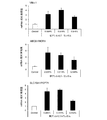
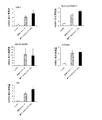
- the control is a fiber-free group.
- the control is a fiber-free group. Various fibers were added so as to be 0.015%.
- the expression level is shown as a relative value with the control being 1.
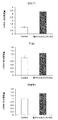
- Effect of deacylated gellan gum on marker gene expression in intestinal epithelial cells from the human iPS cell line Windy. Average S.D. (n 3).
- the control is a non-deacylated gellan gum-added group.
- the expression level is shown as a relative value with the control being 1. Continuation of FIG.
- the control is a non-deacylated gellan gum-added group.
- the expression level is shown as a relative value with the control being 1.
- the control is a non-deacylated gellan gum-added group.
- the expression level is shown as a relative value with the control being 1.
- the scale bar is 100 ⁇ m.
- the control is a non-deacylated gellan gum-added group.
- the expression level is shown as a relative value with the control being 1.
- the scale bar is 100 ⁇ m.
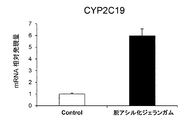
- Effect of deacylated gellan gum on the activity of drug-metabolizing enzymes in human iPS cell-derived intestinal epithelial cells. Average S.D. (n 4).
- the control is a non-deacylated gellan gum-added group.
- the present invention relates to a method for inducing differentiation of pluripotent stem cells into an intestinal epithelial cell lineage (hereinafter, also referred to as “differentiation induction method of the present invention”).
- a method for inducing differentiation of pluripotent stem cells into an intestinal epithelial cell lineage hereinafter, also referred to as “differentiation induction method of the present invention”
- cells showing similar characteristics to the intestinal epithelial cells constituting the intestinal tissue of the living body that is, intestinal epithelial cell-like cells can be obtained.
- Pluripotent stem cells are capable of differentiating into all cells that compose the living body (pluripotency) and the ability to give rise to daughter cells that have the same differentiating potential as self through cell division (self-renewal ability). ) And cells that have both. Pluripotency can be evaluated by transplanting the cells to be evaluated into nude mice and testing for the presence or absence of teratoma formation including cells of the three germ layers (ectoderm, mesoderm, endoderm). it can.
- pluripotent stem cells examples include embryonic stem cells (ES cells), embryonic germ cells (EG cells), induced pluripotent stem cells (iPS cells), etc., which have both pluripotency and self-renewal ability It is not limited to this as long as it is a cell.
- ES cells or iPS cells are preferably used. More preferably, iPS cells are used.
- the pluripotent stem cells are preferably mammalian cells (for example, primates such as humans and chimpanzees, rodents such as mice and rats), and particularly preferably human cells. Therefore, in the most preferred embodiment of the present invention, human iPS cells are used as pluripotent stem cells.
- ES cells can be established, for example, by culturing an early embryo before implantation, an inner cell mass that constitutes the early embryo, a single blastomere, etc. (Manipulating the Mouse Embryo A Laboratory Manual, Second Edition, Cold Spring Harbor Laboratory Press (1994); Thomson, J.A. et al., Science, 282, 1145-1147 (1998)).
- an early embryo produced by nuclear transfer of the somatic cell nucleus may be used (Wilmut et al. (Nature, 385, 810 (1997)), Cibelli et al. (Science, 280, 1256). (1998)), Akira Iritani et al.
- ES cells are available from the preservation organization or are commercially available.
- human ES cells are available from Kyoto University Institute for Frontier Medical Sciences (eg KhES-1, KhES-2 and KhES-3), WiCell Research Institute, ESI BIO and the like.
- EG cells can be established by culturing primordial germ cells in the presence of LIF, bFGF, SCF, etc. (Matsui et al., Cell, 70, 841-847 (1992), Shamblott et al., Proc. Natl. Acad. Sci. USA, 95 (23), 13726-13731 (1998), Turnpenny et al., Stem Cells, 21 (5), 598-609, (2003)).
- iPS cells are cells that have pluripotency (multipotency) and proliferative capacity, which are created by reprogramming somatic cells by introducing reprogramming factors. Induced pluripotent stem cells have properties similar to ES cells. Somatic cells used for producing iPS cells are not particularly limited, and may be differentiated somatic cells or undifferentiated stem cells. The origin is not particularly limited, but somatic cells of mammals (for example, primates such as humans and chimpanzees, rodents such as mice and rats), and preferably human somatic cells are used. The iPS cells can be produced by various methods reported so far. In addition, it is naturally envisaged to apply the iPS cell production method developed in the future.
- the most basic method of iPS cell production is to introduce the transcription factors Oct3 / 4, Sox2, Klf4 and c-Myc into the cells using a virus (Takahashi K, Yamanaka S) : Cell 126 (4), 663-676, 2006; Takahashi, K, et al: Cell 131 (5), 861-72, 2007).
- a virus Teakahashi K, Yamanaka S
- Cell 126 (4), 663-676 Cell 126 (4), 663-676, 2006
- Takahashi, K, et al Cell 131 (5), 861-72, 2007
- human iPS cells there is a report of establishment by introducing four factors of Oct4, Sox2, Lin28 and Nonog (YuJ, et al: Science318 (5858), 1917-1920, 2007).
- 3 factors excluding c-Myc Neakagawa M, et al: Nat. Biotechnol.
- Transformation of iPS cells that is, cells that have undergone reprogramming (reprogramming), express pluripotent stem cell markers (undifferentiated markers) such as Fbxo15, Nanog, Oct / 4, Fgf-4, Esg-1 and Cript Can be selected as an index.
- pluripotent stem cell markers such as Fbxo15, Nanog, Oct / 4, Fgf-4, Esg-1 and Cript Can be selected as an index.
- the selected cells are collected as iPS cells.
- IPS cells can also be provided from, for example, Kyoto University National University or RIKEN BioResource Center.
- inducing differentiation means acting to differentiate along a specific cell lineage.
- pluripotent stem cells are induced to differentiate into intestinal epithelial cells.
- the method of inducing differentiation of the present invention is roughly divided into two steps, an inducing step, that is, a step of differentiating pluripotent stem cells into intestinal stem cell-like cells (step (1)), and the obtained intestinal stem cell-like cells in intestinal epithelial cells.
- Step (2) of differentiating into cells like cells The details of each step will be described below.
- pluripotent stem cells are cultured and differentiated into intestinal stem cell-like cells.
- pluripotent stem cells are cultured under conditions that induce differentiation into intestinal stem cell-like cells.
- Culture conditions are not particularly limited as long as pluripotent stem cells are differentiated into intestinal stem cell-like cells.
- two-step differentiation induction described below, namely, pluripotent stem cells into endoderm-like cells (Step (1-1)) and differentiation of endoderm-like cells into intestinal stem cell-like cells (step (1-2)).
- Step (1-1) Differentiation into endoderm-like cells
- pluripotent stem cells are cultured to differentiate into endoderm-like cells.
- pluripotent stem cells are cultured under conditions that induce differentiation into endoderm.
- Culture conditions are not particularly limited as long as pluripotent stem cells are differentiated into endoderm-like cells.
- it is cultured in a medium containing activin A according to a conventional method.
- the concentration of activin A in the medium is, for example, 10 ng / mL to 200 ng / mL, preferably 20 ng / mL to 150 ng / mL.
- serum or serum substitute KnockOut TM Serum Replacement (KSR), etc.
- the serum is not limited to fetal bovine serum, and human serum, sheep serum and the like can be used.
- the added amount of serum or serum substitute is, for example, 0.1% (v / v) to 10% (v / v).
- An inhibitor of the Wnt / ⁇ -catenin signaling pathway eg, hexachlorophen, quercetin, Wnt ligand Wnt3a
- Wnt / ⁇ -catenin signaling pathway eg, hexachlorophen, quercetin, Wnt ligand Wnt3a
- This step can also be performed by the method described in International Publication No. 2014/165663 pamphlet or a method similar thereto.
- two stages of culture are performed as step (1-1).
- the first stage culture is performed in a medium supplemented with a relatively low concentration of serum (eg, 0.1% (v / v) to 1% (v / v)), and the second stage culture is followed by the first stage culture. It is carried out in a medium having a higher serum concentration than that (for example, the serum concentration is 1% (v / v) to 10% (v / v)).
- the serum concentration is 1% (v / v) to 10% (v / v)
- the period (culture period) of the step (1-1) is, for example, 1 to 10 days, preferably 2 to 7 days.
- the first-stage culture period is, for example, 1 day to 7 days, preferably 2 days to 5 days
- the second stage culture period is, for example, 1 day. It is set to 6 days, preferably 1 to 4 days.
- the endoderm-like cells obtained in Step (1-1) are cultured to differentiate into intestinal stem cell-like cells.
- endoderm-like cells are cultured under conditions that induce differentiation into intestinal stem cells.
- Culture conditions are not particularly limited as long as the endoderm-like cells are differentiated into intestinal stem cell-like cells.
- the culture is performed in the presence of FGF2 (fibroblast growth factor 2) or in the presence of a GSK-3 ⁇ inhibitor.
- FGF2 fibroblast growth factor 2
- Human FGF2 eg, human recombinant FGF2
- step (1-2) may be performed after selecting endoderm-like cells from the cell population obtained through step (1-1).
- the endoderm-like cells can be selected, for example, by using a flow cytometer (cell sorter) with the cell surface marker as an index.
- FGF2 In the presence of FGF2 is synonymous with the conditions under which FGF2 was added to the medium. Therefore, in order to carry out the culture in the presence of FGF2, a medium containing FGF2 may be used.
- concentration of FGF2 added is 100 ng / mL to 500 ng / mL.
- GSK-3 ⁇ inhibitor in the presence of GSK-3 ⁇ inhibitor is synonymous with the condition in which the GSK-3 ⁇ inhibitor is added to the medium. Therefore, in order to carry out the culture in the presence of the GSK-3 ⁇ inhibitor, a medium containing FGF2 may be used.
- CHIR99021, SB216763, CHIR98014, TWS119, Tideglusib, SB415286, BIO, AZD2858, AZD1080, AR-A014418, TDZD-8, LY2090314, IM-12, Indirubin, Bikinin, 1-Azakenpaullone are exemplified as GSK-3 ⁇ inhibitors. be able to.
- An example of the concentration of GSK-3 ⁇ inhibitor added (for CHIR99021) is 1 ⁇ M to 100 ⁇ M, preferably 3 ⁇ M to 30 ⁇ M.
- the period (culture period) of step (1-2) is, for example, 2 to 10 days, preferably 3 to 7 days. If the culture period is too short, expected effects (increased differentiation efficiency, promotion of acquisition of functions as intestinal stem cells) cannot be sufficiently obtained. On the other hand, if the culture period is too long, the differentiation efficiency will decrease.
- intestinal stem cell marker As an index.
- intestinal stem cell markers are G protein-coupled receptor 5 (LGR5) containing leucine-rich repeats and ephrin B2 receptor (EphB2).
- Step (2) Differentiation into intestinal epithelial cell-like cells>
- MEK1 inhibitor, DNA methylation inhibitor, TGF- ⁇ receptor inhibitor, EGF and indigestible polysaccharide are used in combination, and the intestinal stem cell-like cells obtained in step (1) are combined with intestinal epithelial cell-like cells. Differentiate into cells.
- DNA methylation inhibitor, TGF- ⁇ receptor inhibitor and EGF upon differentiation into intestinal epithelial cell-like cells, in addition to MEK1 inhibitor, DNA methylation inhibitor, TGF- ⁇ receptor inhibitor and EGF, using indigestible polysaccharide, differentiation and maturation ( Acquisition of the function as intestinal epithelial cells).
- “Use of MEK1 inhibitor, DNA methylation inhibitor, TGF- ⁇ receptor inhibitor, EGF and indigestible polysaccharide in combination” means to carry out one or more cultures constituting step (2). It is said that all the substances are required, and the simultaneous use of all the substances (that is, culturing in a medium to which all the substances are added) is not required as an essential condition. .. However, typically, as one of the one or more cultures constituting step (2), culture is performed using a medium to which all the substances are added.
- the cell population obtained through the step (1) or a part thereof is subjected to the step (2) without selection.
- the intestinal stem cell-like cells may be selected from the cell population obtained through the step (1), and then the step (2) may be performed.
- the intestinal stem cell-like cells may be selected, for example, by a flow cytometer (cell sorter) using the cell surface marker as an index.
- Examples of MEK1 inhibitors include PD98059, PD184352, PD184161, PD0325901, U0126, MEK inhibitor I, MEK inhibitor II, MEK1 / 2 inhibitor II, and SL327.
- examples of DNA methylation inhibitors include 5-aza-2'-deoxycytidine, 5-azacytidine, RG108, and Zebularine.
- TGF- ⁇ receptor inhibitor considering that A-83-01 used in the examples described below shows inhibitory activity on TGF- ⁇ receptors ALK4, ALK5, and ALK7, preferably TGF- ⁇ is used. It is advisable to use one that exhibits an inhibitory activity against one or more of the receptors ALK4, ALK5 and ALK7.
- A-83-01, SB431542, SB-505124, SB525334, D4476, ALK5inhibitor, LY2157299, LY364947, GW788388, RepSox satisfy the condition.
- Indigestible polysaccharide is a generic term for polysaccharides that are not digested by human digestive enzymes. Most of the indigestible polysaccharides have an action of adjusting the intestinal environment (intestinal action).
- an indigestible polysaccharide is added to the medium during the induction of differentiation of intestinal epithelial cell-like cells.
- the indigestible polysaccharide to be used is not particularly limited as long as the intended effect (improvement of differentiation induction efficiency and / or promotion of maturation) is observed.
- the combination of two or more types of indigestible polysaccharides is not limited.
- Examples of preferred indigestible polysaccharides include crystalline cellulose, deacylated gellan gum, or a combination thereof. These polysaccharides may be in salt form.
- Examples of the salt here include salts of alkali metals such as lithium, sodium and potassium, salts of alkaline earth metals such as calcium, barium and magnesium or salts of aluminum, zinc, copper, iron, ammonium, organic bases and amino acids. Is.
- Crystalline cellulose is obtained by acid hydrolysis, removal of the non-crystalline region, extraction of the crystalline portion and purification.
- crystalline cellulose is obtained by partially depolymerizing cellulose (obtained as pulp from fibrous plants, for example) with an acid and purifying it.
- Crystalline cellulose that has been subjected to surface modification such as acetylation, hydroxylethylation, and hydroxylpropylation may be used.
- Crystalline cellulose is, for example, Funacell powder II for column chromatography manufactured by Funakoshi Co., Ltd., CEOLUS (registered trademark) series UF-702, UF-711, KG-802, KG-1000, PH- manufactured by Asahi Kasei Corporation. 101, PH-101D, PH-102, PH-301, PH-301D, PH-302, PH-F20JP, and Cellodine 4M manufactured by Dai-ichi Kogyo Seiyaku Co., Ltd. can be used.
- An example of a particularly preferable crystalline cellulose is Ceorus UF-711.
- the deacylated gellan gum may be phosphorylated.
- the phosphorylation can be performed by a known method.
- Deacylated gellan gum is, for example, "KELCOGEL (registered trademark of CP Kelco) CG-LA” manufactured by Sansho Co., Ltd., "Kelcogel (registered trademark of CP Kelco) manufactured by Sanei Gen FFI Co., Ltd.” , Etc. can be used.
- the weight average molecular weight of the indigestible polysaccharide is preferably 10,000 to 50,000,000, more preferably 100,000 to 20,000,000, and further preferably 1,000,000 to 10,000,000.
- the molecular weight can be measured in terms of pullulan by gel permeation chromatography (GPC).
- concentration of MEK1 inhibitor added is 4 ⁇ M to 100 ⁇ M, preferably 10 to 40 ⁇ M.
- concentration of the added DNA methylation inhibitor in the case of 5-aza-2'-deoxycytidine
- concentration of the TGF- ⁇ receptor inhibitor is an example of the added concentration (in the case of A-83-01) is 0.1 ⁇ M to 2.5 ⁇ M, preferably 0.2 ⁇ M to 1 ⁇ M.
- An example of the added concentration of EGF is 5 ng / mL to 100 ng / mL, preferably 10 ng / mL to 50 ng / mL.
- the compounds exemplified that is, PD98059, 5-aza-2'-deoxycytidine, A-83-01 and the addition concentration when using a compound different from forskolin, the characteristics of the compound used, Considering the difference in the characteristics (especially the difference in activity) of the compounds (PD98059, 5-aza-2'-deoxycytidine, A-83-01), those skilled in the art should set the concentration according to the above concentration range. You can Whether or not the set concentration range is appropriate can be confirmed by preliminary experiments according to the examples described later.
- the amount of the indigestible polysaccharide used is not particularly limited as long as the expected effect can be exhibited, but for example, 0.001% to 0.1% (w / v), preferably 0.002% to 0.05% (w / v), more preferably 0.005% to 0.045% (w / v), even more preferably 0.01% to 0.03% (w / v), most preferably 0.01% to 0.02% (w / v) medium It is good to add it inside.
- the period (culture period) of the step (2) is, for example, 7 days to 40 days, preferably 10 days to 30 days. If the culture period is too short, the expected effects (increased differentiation efficiency, promotion of acquisition of functions as intestinal epithelial cells) cannot be sufficiently obtained. On the other hand, if the culture period is too long, the differentiation efficiency will decrease.
- intestinal epithelial cell-like cells can be judged or evaluated, for example, by using the expression of intestinal epithelial cell markers, peptide uptake, or expression induction of drug-metabolizing enzymes via the vitamin D receptor as an index.
- intestinal epithelial cell markers are ATP-binding cassette transporter B1 / multidrug resistance protein 1 (ABCB1 / MDR1), ATP-binding cassette transporter G2 / breast cancer resistance protein (ABCG2 / BCRP), cytochrome P450 2C9 (CYP2C9).
- Cytochrome P450 2C19 CYP2C19
- cytochrome P450 3A4 CYP3A4
- FABP Intestine-specific homeobox
- SLC SLC (solute carrier) family member 15A1 / peptide transporter 1 (SLC15A1 / PEPT1), P-glycoprotein (P-gp), pregnane X receptor (PXR), SLC (solute carrier) Family member 5A1 / sodium-coupled glucose transporter 1 (SLC5A1 / SGLT1), villin 1 (Villin 1), SLC (solute carrier) organic anion transporter 2B1 (SLCO2B1 / OATP2B1), sucrase-isomaltase, uridine diphosphate- They are glucuronosyltransferase 1A1 (UGT1A1), uridine diphosphate-glucuronosyltransferase 1A4 (UGT1A4),
- villin 1 which is highly specific to the intestinal epithelium
- CYP3A4 which is a major drug-metabolizing enzyme in the small intestine
- SLC15A1 / PEPT1 involved in the absorption of peptides in the small intestine
- the transporter SLC5A1 / SGLT is a particularly effective marker.
- a cell surface marker characteristic of the target cells is used.
- the cell population after culturing may be selected and sorted as an index.
- any of the following culture steps AC is performed.
- ⁇ Culture process A> In the culturing step A, (a-1) culturing in the presence of EGF and indigestible polysaccharide and (a-2) MEK1 inhibitor, DNA methylation inhibitor, TGF- ⁇ carried out after the culturing Culture in the presence of a receptor inhibitor, EGF and indigestible polysaccharide.
- the period of culturing (a-1) is, for example, 2 to 10 days, preferably 4 to 8 days, and the period of culturing (a-2) is, for example, 4 days to 29 days, preferably 7 days to 27 days. It is a day.
- the above corresponding explanations are incorporated.
- ⁇ Culturing step B> In the culturing step B, (b-1) culturing in the presence of EGF and (b-2) MEK1 inhibitor, DNA methylation inhibitor, TGF- ⁇ receptor inhibitor, EGF carried out after the culturing And culturing in the presence of indigestible polysaccharide. That is, two stages of culture are performed, and indigestible polysaccharide is used in the second stage of culture. By carrying out the two-stage culture as described above, the effects of promoting differentiation into intestinal epithelial cells, maturation, and function acquisition can be expected.
- the period of culture of (b-1) is, for example, 2 days to 10 days, preferably 4 days to 8 days, and the period of culture of (b-2) is, for example, 4 days to 29 days, preferably 7 days to 27 days. It is a day.
- the above corresponding explanations are incorporated.
- ⁇ Culture process C> In the culturing step C, (c-1) culturing in the presence of EGF, and (c-2) MEK1 inhibitor, DNA methylation inhibitor, TGF- ⁇ receptor inhibitor and EGF carried out after the culturing In the presence of (c-3) MEK1 inhibitor, DNA methylation inhibitor, TGF- ⁇ receptor inhibitor, EGF and indigestible polysaccharide Incubate. That is, it is decided to carry out three-stage culture, and the indigestible polysaccharide is used in the third-stage culture. By carrying out the culture in three stages in this manner, the effects of promoting differentiation into intestinal epithelial cells, maturation, and acquisition of function can be expected.
- the period of culturing (c-1) is, for example, 2 to 10 days, preferably 4 to 8 days
- the period of culturing (c-2) is, for example, 2 to 10 days, preferably 2 to 8 days.
- the period of culturing (c-3) is, for example, 4 to 25 days, preferably 7 to 20 days.
- each step ((1), (1-1), (1-2), (2), (a-1), (a-2), (b-1), (b- In 2), (c-1), (c-2), and (c-3)), subculture may be performed during the process.
- a part of the cells is collected and transferred to another culture container to continue the culture.
- cells may be seeded at a cell density of about 1 ⁇ 10 4 cells / cm 2 to 1 ⁇ 10 6 cells / cm 2 .
- ROCK inhibitor Rho-associated coiled-coil forming kinase / Rho-linked kinase
- Other culture conditions (culture temperature and the like) in each step constituting the present invention may be those generally adopted in the culture of animal cells. That is, it may be cultured, for example, in an environment of 37 ° C. and 5% CO 2 .
- the basic medium Iscove's modified Dulbecco's medium (IMDM) (GIBCO, etc.), Ham's F12 medium (HamF12) (SIGMA, Gibco, etc.), Dulbecco's modified Eagle medium (D-MEM) (Nacalai Tesque, Inc., Sigma, Gibco, etc.), Glasgow basal medium (Gibco, etc.), RPMI1640 medium, etc. can be used. You may decide to use 2 or more types of basic media together.
- IMDM Iscove's modified Dulbecco's medium
- HamF12 Ham's F12 medium
- D-MEM Dulbecco's modified Eagle medium
- Gibco, etc. Glasgow basal medium
- a basal medium suitable for culturing epithelial cells for example, a mixed medium of D-MEM and Ham's F12 medium
- D-MEM a basal medium suitable for culturing epithelial cells
- components that can be added to the medium include bovine serum albumin (BSA), antibiotics, 2-mercaptoethanol, PVA, non-essential amino acids (NEAA), insulin, transferrin, and selenium.
- BSA bovine serum albumin
- NEAA non-essential amino acids
- insulin transferrin
- selenium selenium
- Cells are typically two-dimensionally cultured using a culture dish or the like. According to the method of the present invention, it becomes possible to obtain intestinal epithelial cell-like cells from pluripotent stem cells by two-dimensional culture.
- three-dimensional culture may be carried out using a gel-like culture substrate or a three-dimensional culture plate.
- the second aspect of the present invention relates to the use of intestinal epithelial cell-like cells prepared by the method of inducing differentiation of the present invention.
- Various assays are provided as a first use.
- the intestinal epithelial cell-like cells of the present invention can be used in a model system of the intestine, particularly the small intestine, and are useful for evaluation of pharmacokinetics (absorption, metabolism, etc.) and toxicity in the intestine, especially the small intestine.
- the intestinal epithelial cell-like cells of the present invention can be used for evaluating the pharmacokinetics and toxicity of compounds.
- the intestinal epithelial cell-like cells of the present invention can be used to test the absorbability or membrane permeability of a test substance, drug interaction, induction of drug-metabolizing enzyme, induction of drug transporter, toxicity, etc. it can. That is, the present invention evaluates absorption or membrane permeability of a test substance, drug interaction, induction of drug-metabolizing enzyme, induction of drug transporter, toxicity, etc. as one of the uses of intestinal epithelial cell-like cells.
- a method (first aspect) is provided.
- a step of preparing a cell layer composed of intestinal epithelial cell-like cells obtained by the differentiation inducing method of the present invention and (ii) a step of bringing a test substance into contact with the cell layer, (Iii) a step of quantifying a test substance that has permeated the cell layer, and evaluating the absorbability or membrane permeability of the test substance, drug interaction, induction of a drug-metabolizing enzyme, induction of a drug transporter, or toxicity.
- the absorbability of the test substance can also be evaluated by the method described below (second mode).
- intestinal epithelial cell-like cells are typically cultured on a semipermeable membrane (porous membrane) to form a cell layer.
- a semipermeable membrane porous membrane
- an intestinal epithelial cell is obtained by using a culture container equipped with a culture insert (for example, Transwell (registered trademark) provided by Corning Co., Ltd.) and inoculating the culture insert to culture the cells.
- a cell layer composed of like cells is obtained.
- “Contacting” in step (ii) is typically performed by adding a test substance to the medium.
- the timing of addition of the test substance is not particularly limited. Therefore, after starting the culture in the medium not containing the test substance, the test substance may be added at a certain time point, or the culture may be started in advance in the medium containing the test substance.
- organic compounds or inorganic compounds of various molecular sizes can be used as the test substance.
- organic compounds include nucleic acids, peptides, proteins, lipids (simple lipids, complex lipids (phosphoglycerides, sphingolipids, glycosyl glycerides, cerebrosides, etc.), prostaglandins, isoprenoids, terpenes, steroids, polyphenols, catechins, vitamins (B1, B2, B3, B5, B6, B7, B9, B12, C, A, D, E etc.)
- Existing or candidate ingredients such as pharmaceuticals, nutritional foods, food additives, agricultural chemicals, cosmetics (cosmetics), etc. Is also one of the preferable test substances.
- test substance A plant extract, a cell extract, a culture supernatant, etc. may be used as the test substance. It may be possible to investigate the interaction between them, synergism, etc.
- the test substance may be derived from a natural product or may be a synthetic product. It is possible to build an efficient assay systems using techniques of combinatorial synthesis.
- the period of contact with the test substance can be set arbitrarily.
- the contact period is, for example, 10 minutes to 3 days, preferably 1 hour to 1 day.
- the contact may be divided into a plurality of times.
- the test substance that has penetrated the cell layer is quantified.
- a culture container equipped with a culture insert such as Transwell (registered trademark)
- the test substance that has permeated the culture insert that is, the target substance that has moved to the upper or lower container through the cell layer
- the test substance is quantified by a measurement method such as mass spectrometry, liquid chromatography, and an immunological method (eg, fluorescence immunoassay (FIA method), enzyme immunoassay (EIA method)) according to the test substance.
- FIA method fluorescence immunoassay
- EIA method enzyme immunoassay
- the absorbability or membrane permeability of the test substance Based on the quantification results (the amount of the test substance that has permeated the cell layer) and the amount of the test substance used (typically the amount added to the medium), the absorbability or membrane permeability of the test substance, drug interaction, To determine and evaluate the induction of drug-metabolizing enzymes, the induction of drug transporters, or toxicity.
- the present invention also provides a method for evaluating metabolism or absorption of a test substance.
- a step of bringing a test substance into contact with the intestinal epithelial cell-like cells obtained by the method of inducing differentiation of the present invention and (II) metabolism or absorption of the test substance, drug interaction, drug-metabolizing enzyme Induction, drug transporter induction, or the step of measuring and evaluating toxicity.
- the step (I), that is, the contact between the intestinal epithelial cell-like cells and the test substance can be carried out in the same manner as in the step (ii). However, it is not essential to form the cell layer in advance.
- step (I) the metabolism or absorption of the test substance, drug interaction, induction of drug-metabolizing enzyme, induction of drug transporter, or toxicity is measured and evaluated (step (II)).
- step (I) the metabolism and the like can be measured and evaluated without a substantial time interval, or a fixed time (for example, 10 minutes to 5 hours)
- the metabolism and the like may be measured and evaluated after the elapse.
- the measurement of metabolism can be performed, for example, by detecting a metabolite.
- the expected metabolite is usually measured qualitatively or quantitatively using the culture solution after step (I) as a sample.
- a suitable measurement method may be selected according to the metabolite, and examples thereof include mass spectrometry, liquid chromatography, immunological methods (eg, fluorescence immunoassay (FIA method), enzyme immunoassay (EIA method)). ) Etc. can be adopted.
- a metabolite of a test substance when a metabolite of a test substance is detected, it is judged or evaluated as "metabolized.”
- the amount of metabolism of the test substance can be evaluated according to the amount of metabolites.
- the metabolic efficiency of the test substance may be calculated based on the detection result of the metabolite and the amount of the test substance used (typically, the amount added to the medium).
- the substance to be tested is the expression of drug-metabolizing enzymes (cytochrome P450 (especially CYP3A4), uridine diphosphate-glucuronosyltransferase (especially UGT1A8, UGT1A10), and sulphyltransferase (especially SULT1A3)) in intestinal epithelial cell-like cells It is also possible to measure the metabolism of. Expression of drug-metabolizing enzymes can be assessed at the mRNA or protein level.
- drug-metabolizing enzymes cytochrome P450 (especially CYP3A4), uridine diphosphate-glucuronosyltransferase (especially UGT1A8, UGT1A10), and sulphyltransferase (especially SULT1A3)
- the test substance for example, measure the residual amount of the test substance in the culture solution.
- the test substance is quantified using the culture medium after step (I) as a sample.
- the measurement method may be selected appropriately depending on the test substance. For example, mass spectrometry, liquid chromatography, immunological methods (for example, fluorescence immunoassay (FIA method), enzyme immunoassay (EIA method)) and the like can be adopted.
- FFA method fluorescence immunoassay
- EIA method enzyme immunoassay
- the absorption amount or absorption efficiency of the test substance can be judged and evaluated according to the degree of decrease.
- the absorption can also be evaluated by measuring the amount of the test substance taken into the cells.
- a second use of the intestinal epithelial cell-like cells prepared by the method of inducing differentiation of the present invention is to provide a cell preparation containing intestinal epithelial cell-like cells.
- the cell preparation of the present invention can be applied to the treatment of various intestinal diseases. In particular, it is expected to be used as a material for the regeneration / reconstruction of damaged (including dysfunctional) intestinal epithelial tissue. That is, it can be expected to contribute to regenerative medicine.
- the cell preparation of the present invention may be prepared, for example, by suspending intestinal epithelial cell-like cells obtained by the method of the present invention in physiological saline or a buffer (eg, phosphate buffer), or by using the cells.
- One dose may contain, for example, 1 ⁇ 10 5 to 1 ⁇ 10 10 cells so that a therapeutically effective amount of cells can be administered.
- the content of cells can be appropriately adjusted in consideration of the purpose of use, target disease, sex of application target (recipient), age, weight, state of affected area, state of cells, and the like.
- DMSO Dimethyl sulfoxide
- serum albumin for the purpose of protecting cells, antibiotics, etc. for the purpose of blocking bacterial contamination
- various components for the purpose of cell activation, proliferation or differentiation induction.
- Cytokines, growth factors, steroids, etc. may be included in the cell preparation of the present invention.
- other pharmaceutically acceptable ingredients eg, carrier, excipient, disintegrant, buffer, emulsifier, suspension, soothing agent, stabilizer, preservative, preservative, physiological saline, etc. It may be contained in the cell preparation of the present invention.
- Method 1 Cells Human iPS cells (iPS-51: Windy, iPS-25: Tic) were cloned into human fetal lung fibroblast MRC-5 with octamer binding protein 3/4 (OCT3 / 4) and sex determining region Y-. After introducing box 2 (SOX2), kruppel-like factor 4 (KLF4), v-myc myelocytomatosis viral oncogene homolog (avian) (c-MYC) using a pantropic retrovirus vector, clone human ES cell-like colonies It was made available and was kindly provided by Dr. Akihiro Umezawa of the National Research Center for Child Health and Development. Mouse embryonic fibroblasts (MEF) were used as feeder cells.
- SOX2 box 2
- KLF4 kruppel-like factor 4
- c-MYC v-myc myelocytomatosis viral oncogene homolog
- c-MYC pantropic
- Human iPS cells were seeded on MEF (6 ⁇ 10 5 cells / 100 mm dish) treated with mitomycin C, and were placed in a CO 2 incubator under 5% CO 2 /95% air 37 Incubated at ° C. Human iPS cells were passaged at a split ratio of 1: 2-1: 3 after 3-5 days of culture. For human iPS cells, the medium was exchanged 48 hours after thawing and daily thereafter.
- the cells were cultured in DMEM / F12 containing 2% FBS, 1% glutamax and 250 ng / mL FGF2 for 4 days (3 to 7 days after initiation of differentiation) to differentiate into intestinal stem cells.
- FGF2 treatment Y-27632 (Rho-binding kinase inhibitor) was added to 10 ⁇ mol / L, and cells treated with 5% CO 2 /95% air in a CO 2 incubator at 37 ° C for 60 minutes actactase.
- the cells were detached and then seeded on a 24-well-plate for cell culture, which had been preliminarily diluted 30-fold with a medium for human iPS cells and which had been coated with growth factor-free Matrigel.
- Fibers of crystalline cellulose CEOLUS (registered trademark) UF-711 manufactured by Asahi Kasei Corporation, raw material particle size 20 to 100 ⁇ m
- deacylated gellan gum KELCOGEL CG-LA manufactured by Sansei Co., Ltd.
- RNA total ribonucleic acid
- the metabolic activity was calculated from the amount of each metabolite in the medium measured using a liquid chromatography-mass spectrometer (LC-MS / MS). After the end of the metabolism experiment, protein quantification was performed and metabolic activity was corrected by the amount of protein.
- Glycyl sarcosine (Gly-Sar) uptake experiment After the induction of differentiation, the cells were incubated with an uptake solution containing tritium-labeled Gly-Sar at 37 ° C or 4 ° C.
- uptake solution 137 mmol / L sodium chloride, 5.4 mmol / L potassium chloride, 0.81 mmol / L magnesium sulfate, 0.44 mmol / L potassium dihydrogen phosphate, 0.34 mmol / L disodium hydrogen phosphate, 1.3 mmol / L chloride
- An aqueous solution of pH 6.0 containing calcium, 4.2 mmol / L sodium hydrogen carbonate, 5.6 mmol / L D-glucose, 10 mmol / L MES was used.
- Ibuprofen (3 mmol / L) was used as an inhibitor. After the incubation was completed, the uptake was stopped by washing the cells with an ice-cold uptake solution.
- the cells were solubilized with a 0.2 mol / L sodium hydroxide aqueous solution containing 0.5% sodium dodecyl sulfate (SDS), and a scintillation solution was added.
- SDS sodium dodecyl sulfate
- the intracellular uptake of Gly-Sar was calculated from the radioactivity measured using a liquid scintillation counter.
- ABCB1 / MDR1 ATP-binding cassette transporter B1 / multidrug resistance protein 1
- ABCG2 / BCRP ATP-binding cassette transporter G2 / breast cancer resistance protein
- CYP2C9 cytochrome P450 2C9
- CYP2C19 cytochrome P450 2C19
- CYP3A4 cytochrome P450 3A4
- FABP2 fatty acid binding protein 2
- Small intestine type which serves as a marker for small intestine absorbing cells.
- ISX Intestine-specific homeobox
- PEPT1 peptide transporter 1
- P-gp P-glycoprotein
- PXR Pregnane X receptor
- SGLT1 sodium-glucose cotransporter 1
- Villin 1 and PEPT1 were highest in the 0.015% deacylated gellan gum addition group, and the expression level of MDR1 was most increased by the addition of 0.005% deacylated gellan gum. From these gene expression results, high effects were observed at concentrations of 0.015% for crystalline cellulose and 0.015% and 0.05% for deacylated gellan gum. For this reason, it was decided to carry out the following studies by setting the concentration of each fiber to 0.015%.
- the expression level of the above gene markers was remarkably increased by the addition of fiber.
- crystalline cellulose and deacylated gellan gum were most effective (Fig. 3).
- the expression levels of P-gp and PXR were increased in cells collected 26 days after the initiation of differentiation by adding crystalline cellulose or deacylated gellan gum (FIG. 4).
- CYP3A4 expression was increased by the addition of crystalline cellulose, and a slight increase was also observed in deacylated gellan gum (Fig. 4).
- Villin 1 and PEPT1 the expression level was slightly increased by the crystalline cellulose and deacylated gellan gum, although the effect of the fiber was not observed so much (FIG. 4).
- deacylated gellan gum promotes differentiation into human iPS cell line-derived intestinal epithelial cells.
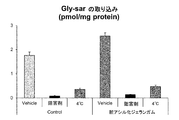
- PEPT1-mediated intracellular uptake of Gly-sar was increased by the addition of deacylated gellan gum (FIG. 10). Moreover, this activity was suppressed in the presence of the inhibitor ibuprofen and under the condition of 4 ° C. (FIG. 10).
- more mature (in other words, more functional) intestinal epithelial cell-like cells can be simply and efficiently prepared from pluripotent stem cells.
- the intestinal epithelial cell-like cells are useful as a model system of the small intestine, and can be used for absorption / metabolism / membrane permeability, induction of drug-metabolizing enzymes, induction of drug transporters, evaluation of toxicity, and the like. Further, it is expected to be used as an active ingredient of cell preparations for treating various intestinal diseases or as a material for regenerative medicine.
Landscapes
- Health & Medical Sciences (AREA)
- Life Sciences & Earth Sciences (AREA)
- Chemical & Material Sciences (AREA)
- Engineering & Computer Science (AREA)
- Zoology (AREA)
- Cell Biology (AREA)
- Biomedical Technology (AREA)
- General Health & Medical Sciences (AREA)
- Organic Chemistry (AREA)
- Biotechnology (AREA)
- Public Health (AREA)
- Animal Behavior & Ethology (AREA)
- Wood Science & Technology (AREA)
- Epidemiology (AREA)
- Medicinal Chemistry (AREA)
- Veterinary Medicine (AREA)
- Genetics & Genomics (AREA)
- Dermatology (AREA)
- Immunology (AREA)
- Bioinformatics & Cheminformatics (AREA)
- Microbiology (AREA)
- Developmental Biology & Embryology (AREA)
- Oral & Maxillofacial Surgery (AREA)
- Transplantation (AREA)
- Biochemistry (AREA)
- Pharmacology & Pharmacy (AREA)
- General Engineering & Computer Science (AREA)
- Proteomics, Peptides & Aminoacids (AREA)
- Virology (AREA)
- Physics & Mathematics (AREA)
- Botany (AREA)
- Chemical Kinetics & Catalysis (AREA)
- Nutrition Science (AREA)
- Physiology (AREA)
- Analytical Chemistry (AREA)
- Biophysics (AREA)
- Molecular Biology (AREA)
- Micro-Organisms Or Cultivation Processes Thereof (AREA)
- Investigating Or Analysing Biological Materials (AREA)
- Measuring Or Testing Involving Enzymes Or Micro-Organisms (AREA)
Abstract
Le problème de la présente invention concerne la fourniture d'un nouveau moyen pour préparer une cellule présentant une fonction plus proche de celle d'une cellule épithéliale du tractus intestinal survenant dans un corps vivant d'une manière simple et hautement efficace. Une cellule souche pluripotente peut être différenciée/induite en une cellule épithéliale du tractus intestinal par les étapes consistant à : (1) différencier la cellule souche pluripotente en une cellule de type cellule souche du tractus intestinal ; et (2) différencier la cellule de type cellule souche du tractus intestinal obtenue à l'étape (1) en une cellule de type cellule épithéliale du tractus intestinal à l'aide d'une combinaison d'un inhibiteur de MEK1, d'un inhibiteur de méthylation d'ADN, d'un inhibiteur du récepteur de TGF-ß, d'un EGF et d'un polysaccharide indigestible.
Priority Applications (1)
| Application Number | Priority Date | Filing Date | Title |
|---|---|---|---|
| JP2020556064A JPWO2020095879A1 (ja) | 2018-11-08 | 2019-11-05 | 多能性幹細胞の腸管上皮細胞への分化誘導 |
Applications Claiming Priority (2)
| Application Number | Priority Date | Filing Date | Title |
|---|---|---|---|
| JP2018-210951 | 2018-11-08 | ||
| JP2018210951 | 2018-11-08 |
Publications (1)
| Publication Number | Publication Date |
|---|---|
| WO2020095879A1 true WO2020095879A1 (fr) | 2020-05-14 |
Family
ID=70612029
Family Applications (1)
| Application Number | Title | Priority Date | Filing Date |
|---|---|---|---|
| PCT/JP2019/043213 Ceased WO2020095879A1 (fr) | 2018-11-08 | 2019-11-05 | Induction/différenciation de cellules souches pluripotentes en cellules épithéliales du tractus intestinal |
Country Status (2)
| Country | Link |
|---|---|
| JP (1) | JPWO2020095879A1 (fr) |
| WO (1) | WO2020095879A1 (fr) |
Citations (5)
| Publication number | Priority date | Publication date | Assignee | Title |
|---|---|---|---|---|
| WO2014017513A1 (fr) * | 2012-07-24 | 2014-01-30 | 日産化学工業株式会社 | Composition de type milieu de culture, et procédé de culture d'une cellule ou d'un tissue l'utilisant |
| WO2017205511A1 (fr) * | 2016-05-25 | 2017-11-30 | Salk Institute For Biological Studies | Compositions et procédés pour la production d'organoïdes et la modélisation de maladies |
| WO2018151307A1 (fr) * | 2017-02-20 | 2018-08-23 | 公立大学法人名古屋市立大学 | Culture de maintenance de cellules souches intestinales dérivées de cellules souches pluripotentes induites |
| WO2018207714A1 (fr) * | 2017-05-09 | 2018-11-15 | 公立大学法人名古屋市立大学 | Procédé de production d'un organoïde intestinal dérivé de cellules souches pluripotentes |
| WO2019156200A1 (fr) * | 2018-02-09 | 2019-08-15 | 公立大学法人名古屋市立大学 | Méthode d'induction d'une différenciation de cellules souches pluripotentes en cellules épithéliales intestinales |
-
2019
- 2019-11-05 JP JP2020556064A patent/JPWO2020095879A1/ja not_active Ceased
- 2019-11-05 WO PCT/JP2019/043213 patent/WO2020095879A1/fr not_active Ceased
Patent Citations (5)
| Publication number | Priority date | Publication date | Assignee | Title |
|---|---|---|---|---|
| WO2014017513A1 (fr) * | 2012-07-24 | 2014-01-30 | 日産化学工業株式会社 | Composition de type milieu de culture, et procédé de culture d'une cellule ou d'un tissue l'utilisant |
| WO2017205511A1 (fr) * | 2016-05-25 | 2017-11-30 | Salk Institute For Biological Studies | Compositions et procédés pour la production d'organoïdes et la modélisation de maladies |
| WO2018151307A1 (fr) * | 2017-02-20 | 2018-08-23 | 公立大学法人名古屋市立大学 | Culture de maintenance de cellules souches intestinales dérivées de cellules souches pluripotentes induites |
| WO2018207714A1 (fr) * | 2017-05-09 | 2018-11-15 | 公立大学法人名古屋市立大学 | Procédé de production d'un organoïde intestinal dérivé de cellules souches pluripotentes |
| WO2019156200A1 (fr) * | 2018-02-09 | 2019-08-15 | 公立大学法人名古屋市立大学 | Méthode d'induction d'une différenciation de cellules souches pluripotentes en cellules épithéliales intestinales |
Also Published As
| Publication number | Publication date |
|---|---|
| JPWO2020095879A1 (ja) | 2021-09-30 |
Similar Documents
| Publication | Publication Date | Title |
|---|---|---|
| JP7174426B2 (ja) | 多能性幹細胞由来腸管オルガノイドの作製法 | |
| JP7367992B2 (ja) | 多能性幹細胞由来腸管オルガノイドの作製法 | |
| JP7317323B2 (ja) | 多能性幹細胞から腸管上皮細胞への分化誘導方法 | |
| JP6949336B2 (ja) | 人工多能性幹細胞由来腸管幹細胞の維持培養 | |
| JP6937036B2 (ja) | 人工多能性幹細胞の腸管上皮細胞への分化誘導 | |
| US20230126568A1 (en) | Production method for intestinal epithelial cells and utilization thereof | |
| WO2022168908A1 (fr) | Procédé de production de cellules du tractus intestinal dérivées de cellules souches pluripotentes et ayant des structures de type crypt-villus, et leur utilisation | |
| US20240279613A1 (en) | Method of producing enteroendocrine cell, enteroendocrine cell derived from pluripotent stem cell, culture medium or culture medium kit, and use thereof | |
| JP2022019411A (ja) | 人工多能性幹細胞由来の内胚葉細胞を製造する方法及びその利用 | |
| WO2020095879A1 (fr) | Induction/différenciation de cellules souches pluripotentes en cellules épithéliales du tractus intestinal | |
| JP7058330B2 (ja) | 腸管上皮細胞の製造方法および腸管上皮細胞 | |
| WO2025018366A1 (fr) | Procédé de production de cellules épithéliales intestinales |
Legal Events
| Date | Code | Title | Description |
|---|---|---|---|
| 121 | Ep: the epo has been informed by wipo that ep was designated in this application |
Ref document number: 19883056 Country of ref document: EP Kind code of ref document: A1 |
|
| ENP | Entry into the national phase |
Ref document number: 2020556064 Country of ref document: JP Kind code of ref document: A |
|
| NENP | Non-entry into the national phase |
Ref country code: DE |
|
| 122 | Ep: pct application non-entry in european phase |
Ref document number: 19883056 Country of ref document: EP Kind code of ref document: A1 |