WO2020101039A1 - Évaluation de l'effet thérapeutique d'un inhibiteur de point de contrôle immunitaire utilisant une chimiokine sanguine - Google Patents
Évaluation de l'effet thérapeutique d'un inhibiteur de point de contrôle immunitaire utilisant une chimiokine sanguine Download PDFInfo
- Publication number
- WO2020101039A1 WO2020101039A1 PCT/JP2019/045124 JP2019045124W WO2020101039A1 WO 2020101039 A1 WO2020101039 A1 WO 2020101039A1 JP 2019045124 W JP2019045124 W JP 2019045124W WO 2020101039 A1 WO2020101039 A1 WO 2020101039A1
- Authority
- WO
- WIPO (PCT)
- Prior art keywords
- scd163
- antibody
- immune checkpoint
- checkpoint inhibitor
- subject
- Prior art date
- Legal status (The legal status is an assumption and is not a legal conclusion. Google has not performed a legal analysis and makes no representation as to the accuracy of the status listed.)
- Ceased
Links
Images

Classifications
-
- C—CHEMISTRY; METALLURGY
- C07—ORGANIC CHEMISTRY
- C07K—PEPTIDES
- C07K14/00—Peptides having more than 20 amino acids; Gastrins; Somatostatins; Melanotropins; Derivatives thereof
- C07K14/435—Peptides having more than 20 amino acids; Gastrins; Somatostatins; Melanotropins; Derivatives thereof from animals; from humans
- C07K14/705—Receptors; Cell surface antigens; Cell surface determinants
-
- C—CHEMISTRY; METALLURGY
- C07—ORGANIC CHEMISTRY
- C07K—PEPTIDES
- C07K16/00—Immunoglobulins [IG], e.g. monoclonal or polyclonal antibodies
- C07K16/18—Immunoglobulins [IG], e.g. monoclonal or polyclonal antibodies against material from animals or humans
- C07K16/28—Immunoglobulins [IG], e.g. monoclonal or polyclonal antibodies against material from animals or humans against receptors, cell surface antigens or cell surface determinants
-
- G—PHYSICS
- G01—MEASURING; TESTING
- G01N—INVESTIGATING OR ANALYSING MATERIALS BY DETERMINING THEIR CHEMICAL OR PHYSICAL PROPERTIES
- G01N33/00—Investigating or analysing materials by specific methods not covered by groups G01N1/00 - G01N31/00
- G01N33/48—Biological material, e.g. blood, urine; Haemocytometers
- G01N33/50—Chemical analysis of biological material, e.g. blood, urine; Testing involving biospecific ligand binding methods; Immunological testing
- G01N33/68—Chemical analysis of biological material, e.g. blood, urine; Testing involving biospecific ligand binding methods; Immunological testing involving proteins, peptides or amino acids
Definitions
- An immune checkpoint inhibitor is a drug that activates immune cells whose activity has been reduced by cancer cells and attacks the cancer cells.
- the immune checkpoint inhibitor include anti-PD-1 antibody and anti-CTLA4 antibody.
- the anti-PD-1 antibodies nivolumab and pembrolizumab are known to be useful for the treatment of malignant melanoma, and their therapeutic effects on non-small cell lung cancer and renal cell carcinoma have also been reported (Patent Document 1). , Non-Patent Document 1).
- nivolumab and pembrolizumab are very expensive, biomarkers are needed to evaluate the efficacy of immune checkpoint inhibitor therapy.
- the efficacy of nivolumab and pembrolizumab in Japan is reported to be 34.1% and 24.1%, respectively (Non-patent Documents 2 and 3), and another drug that enhances the antitumor immune response in malignant melanoma is required. It has been suggested.
- ipilimumab is a fully human IgG1 monoclonal antibody that blocks the cellular T lymphocyte antigen (CTLA4), and is a promising drug that enhances the antitumor immune response in patients with advanced stage melanoma in combination with nivolumab.
- CTLA4 cellular T lymphocyte antigen
- the efficacy of combination therapy with nivolumab and ipilimumab in advanced malignant melanoma was reported to be 57.8%, and simultaneous administration of nivolumab and ipilimumab as well as continuous administration by switching nivolumab and ipilimumab at appropriate time points was reported.
- Is also highly effective in treating advanced malignant melanoma. Therefore, in order to determine the appropriate time, it is important to evaluate the efficacy of an immune checkpoint inhibitor such as nivolumab after administration.
- Patent Document 2 addresses the above-mentioned problems and is collected from a subject administered with at least one antibody drug selected from anti-PD-1 antibody, anti-PD-L1 antibody, anti-CTLA4 antibody and antigen-binding fragments thereof. Disclosed is a method for predicting the onset of side effects due to the administration of the antibody drug by measuring the level of at least one marker selected from CD163 and CXCL5. However, Patent Document 2 does not disclose evaluating the antitumor effect itself of the antibody drug using these markers.
- the present invention aims to provide a method capable of accurately determining the therapeutic effect of an immune checkpoint inhibitor in a subject after administration of the immune checkpoint inhibitor.
- the present inventors have diligently studied the relationship between various chemokines in a biological sample of a subject and the therapeutic effect of an immune checkpoint inhibitor, and as a result, in a subject having a high level of sCD163, the therapeutic effect of the immune checkpoint inhibitor was found to be high. It was found to be expensive, and the present invention was completed.
- the present invention includes the following embodiments, for example.
- Item 1 A method of determining the therapeutic effect of an immune checkpoint inhibitor in a subject, comprising: A method comprising measuring the level of sCD163 in a biological sample taken from a subject.
- Item 2 Comprising determining that an immune checkpoint inhibitor is likely to be effective in treating the disease in the subject if the level of sCD163 in the biological sample taken from the subject is higher than a preset cut-off value The method according to Item 1.
- Biomarkers for determining the therapeutic effect of immune checkpoint inhibitors including sCD163.
- Item 4 A diagnostic agent for determining the therapeutic effect of an immune checkpoint inhibitor, which comprises an anti-sCD163 antibody or an antibody-binding fragment thereof.
- Item 5 A kit for determining the therapeutic effect of an immune checkpoint inhibitor, which comprises an anti-sCD163 antibody or an antigen-binding fragment thereof.
- a new method for determining the therapeutic effect of an immune checkpoint inhibitor on a subject is provided. That is, the determination method of the present invention can determine a cancer patient who is significantly sensitive to an immune checkpoint inhibitor based on the level of sCD163. This makes it possible to select an appropriate drug for a subject in the treatment of a disease, avoid unnecessary medication, and make an appropriate dosing schedule and change to an appropriate dosing schedule.
- determining the therapeutic effect means evaluating the presence or absence of the therapeutic effect and / or the degree of effectiveness.
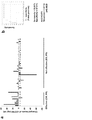
- ROC curves were applied to calculate cutoffs for sCD163 serum levels and AUC (B). The cutoff was determined using Youden's index to distinguish between responders and non-responders.
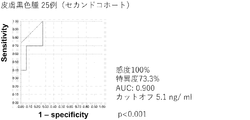
- ROC curve of sCD163 in cutaneous melanoma (2nd cohort) The cutoff confirmed in Fig. 1 was reconfirmed in a new case (n 25).
- ROC curves were applied to calculate cutoffs for sCD163 serum levels and AUC.
- Serum level of sCD163 and ROC curve in non-cutaneous melanoma Change in serum level of sCD163 in each patient on day 42 (n 29) (A).
- ROC curves were applied to calculate sCD163 serum levels and AUC cutoff (B). The cutoff was determined using Youden's index to distinguish between responders and non-responders.
- a method of determining the therapeutic effect of an immune checkpoint inhibitor in a subject comprising measuring the level of sCD163 in a biological sample taken from the subject. ..
- the therapeutic effect of the immune checkpoint inhibitor in the subject can be determined based on the level of sCD163.
- CD163 is a single-chain transmembrane protein that is a member of the scavenger receptor cysteine-rich family and is used interchangeably with “M130”. Further, “sCD163 (soluble CD163)” is a soluble version of CD163 cleaved. “SCD163” in the present invention may include variants, isoforms, and species homologues of sCD163.
- the level of sCD163 is, for example, the concentration or amount of sCD163 in the biological sample, and preferably the concentration of sCD163 in the biological sample.
- concentration of sCD163 to be measured include concentrations in the range of 10 pg / mL to 50,000 pg / mL, 10 pg / mL to 100,000 pg / mL.
- the immune checkpoint inhibitor in the present invention include anti-PD-1 antibody and anti-CTLA4 antibody, with anti-PD-1 antibody being preferred.
- anti-PD-1 antibody nivolumab, pembrolizumab, etc. are known to be useful for the treatment of malignant melanoma, and are preferable.
- treatment with an anti-PD-1 antibody is first performed, and its therapeutic effect is judged using sCD163 as an index. As a result, if it is determined that the treatment with the anti-PD-1 antibody is effective, the treatment is continued, and if it is determined that the treatment with the anti-PD-1 antibody is not effective, the anti-PD-1 is treated. Treatment can be with an anti-PD-1 antibody that is separate from the antibody or with an anti-CTLA4 antibody.
- an “antibody” is a full-length antibody and includes a glycoprotein containing at least two heavy chains (H) and two light chains (L) linked by disulfide bonds.
- Each heavy chain is composed of a heavy chain variable region (hereinafter sometimes abbreviated as V H ) and a heavy chain constant region.
- the heavy chain constant region is comprised of three domains, C H1 , C H2 and C H3 .
- Each light chain is composed of a light chain variable region (hereinafter sometimes abbreviated as V L ) and a light chain constant region.
- the light chain constant region is comprised of one domain, C L.
- VH and VL regions are further subdivided into highly variable regions called complementarity determining regions (CDRs), which are called framework regions (FR) and are more conserved. Are scattered.
- CDRs complementarity determining regions
- FR framework regions
- the variable regions of the heavy and light chains contain a binding domain that interacts with an antigen.
- antibodies include monoclonal antibodies, polyclonal antibodies, bispecific antibodies, minibodies, domain antibodies, synthetic antibodies, chimeric antibodies, humanized antibodies, human antibodies, antibody complexes, single chain antibodies. , Antibody derivatives, antibody analogs, and their respective antigen-binding fragments.
- an “antigen-binding fragment” of an antibody refers to one or more antibodies that retain the ability to specifically bind to an antigen (eg, PD-1). It shows a fragment.
- an antigen eg, PD-1
- Examples of the binding fragment contained in the “antigen-binding fragment” of the antibody include (i) a Fab fragment which is a monovalent fragment composed of V L , V H , C L and C H1 domains, and (ii) a hinge region.
- F (ab ′) 2 fragment which is a divalent fragment containing two Fab fragments linked by a disulfide bridge, (iii) an Fd fragment composed of V H and C H1 domains, (iv) a single arm of the antibody Fv fragments composed of V L and V H domains, (v) dAb fragments composed of V H domains, or (vi) isolated complementarity determining regions (CDRs).
- the two domains of the Fv fragment, VL and VH are encoded by separate genes, they can be linked by a synthetic linker that can be made using recombinant techniques to produce them as a single protein chain, Within this chain, the V L and V H regions can pair to form a monovalent molecule (single chain Fv (scFv)).
- scFv single chain Fv
- Such a single chain antibody is also included in the "antigen-binding fragment" of the antibody.
- PD-1 is an immune receptor that mediates signals for immune response regulation, and is a type I membrane protein belonging to the CD28 / CTLA-4 family.
- PD-1 is used interchangeably with "ProgrammedDeath1”, “ProgrammedCellDeath1”, “protein PD-1”, “PD1”, “PDCD1”, and “hPD-1” to modify PD-1.
- the body, isoforms, species homologs, and analogs having at least one common epitope with PD-1 may be included.
- the “anti-PD-1 antibody” is not particularly limited as long as it does not impair the effects of the present invention, and may be any antibody that specifically binds to PD-1.
- Such an antibody may be an antibody that specifically recognizes a part of the structure of the amino acid sequence or an antibody that specifically recognizes the entire structure.
- the above-mentioned antibody is not particularly limited, but includes nivolumab, pembrolizumab, or rumbrolizumab, preferably nivolumab or pembrolizumab.
- the antibody drug that is an anti-PD-1 antibody or an antigen-binding fragment thereof may be simply referred to as an antibody drug hereinafter.
- the subject also referred to as a test subject
- a mammal for example, a rodent, a dog, a cat, a cow, a primate, etc., preferably a human, and more preferably an immune checkpoint inhibitor.
- treatment includes not only treating an established pathological condition, but also preventing a pathological condition that may be established in the future.
- the subject is preferably one who has never been administered an immune checkpoint inhibitor.
- malignant mesothelioma examples include malignant melanoma (melanoma) (eg, metastatic malignant melanoma, unresectable malignant melanoma), squamous cell carcinoma of the skin, and extramammary Paget's disease.
- melanoma eg, metastatic malignant melanoma, unresectable malignant melanoma
- squamous cell carcinoma of the skin eg, metastatic malignant melanoma, unresectable malignant melanoma
- extramammary Paget's disease extramammary Paget's disease.
- skin cancer such as Merkel cell carcinoma; renal cancer (eg, renal cell carcinoma, clear cell carcinoma); prostate cancer (eg, hormone refractory prostate adenocarcinoma); breast cancer; colon cancer; lung cancer (eg, non-small cell) Lung cancer); Bone cancer; Pancreatic cancer; Head and neck cancer; Skin or orbital malignant melanoma; Uterine cancer; Ovarian cancer; Rectal cancer; Anal cancer; Gastric cancer; Testicular cancer; Uterine cancer; Fallopian tube carcinoma; Endometrial carcinoma; Cervical Carcinoma; Vaginal Carcinoma; Vulvar Carcinoma; Esophageal Cancer; Small Bowel Cancer; Colorectal Cancer; Endocrine System Cancer; Thyroid Cancer; Parathyroid Cancer; Adrenal Cancer; Parenchymatous Sarcoma; Multiple Myeloma; Urethral Cancer; Penile Cancer; Chronic Or acute leukemia (eg, acute myelogenous leukemia, chronic myelogenous leukemia,
- lymphoma eg, lymphocytic lymphoma, primary CNS lymphoma, non-Hodgkin's lymphoma, Hodgkin's lymphoma (Hodgkin's disease), T-cell lymphoma
- lymphoma eg, lymphocytic lymphoma, primary CNS lymphoma, non-Hodgkin's lymphoma, Hodgkin's lymphoma (Hodgkin's disease), T-cell lymphoma
- pleural malignant mesothelioma Pericardial malignant mesothelioma; peritoneal malignant mesothelioma; tumor angiogenesis; spinal tumor; brain stem glioma; pituitary adenoma; Kaposi's sarcoma; squamous cell carcinoma; squamous cell carcinoma; environment-induced cancer including asbestos-induced cancer; Or a combination thereof, preferably skin cancer, more preferably mal
- biological sample examples include all body fluids such as serum, plasma, blood, lymph, interstitial fluid, body cavity fluid, digestive fluid, urine and the like, preferably serum.
- the administration method of the immune checkpoint inhibitor is not particularly limited, but intravenous administration is preferable.
- the collection period of the biological sample is preferably after administration of the immune checkpoint inhibitor to the subject.
- the measurement of the sCD163 level there is no particular limitation on the measurement of the sCD163 level as long as it can quantitatively or semi-quantitatively measure the sCD163 level, and any known method can be adopted.
- any known method can be adopted.
- an immunoassay method, an electrophoresis method, a Western blotting method, a mass spectrometry method and the like can be mentioned, and an immunoassay method is preferable.
- immunoassays include immunoturbidimetric assay and enzyme immunoassay.
- the immunoassay is an immunoassay in which a protein or the like is used as an antigen, and an anti-sCD163 antibody or an antigen-binding fragment thereof can be used, and preferably a polyclonal antibody or a monoclonal antibody thereof can be used.
- the anti-sCD163 antibody or the antigen-binding fragment thereof can be a commercially available antibody or can be produced by a well-known method.
- the immunoturbidimetric assay is a method in which sCD163 in a biological sample is reacted with an anti-sCD163 antibody or an antigen-binding fragment thereof to cause an antigen-antibody reaction, and as a result, the level of sCD163 is measured from the degree of turbidity generated. So long as it is not limited. Examples of such a method include TIA method, latex immunoturbidimetric method, and nephelometry method.
- the TIA method is a method of measuring the degree of turbidity at a specific absorbance in the immunoturbidimetric assay.
- the latex immunoturbidimetric method is a method in which an anti-sCD163 antibody or an antigen-binding fragment thereof is bound to latex particles as an antibody in the immunoturbidimetric assay.
- the nephelometry method is a method in which the degree of turbidity in the immunoturbidimetric assay method is measured as scattered light by collecting light scattered at a certain angle or more.
- an EIA method such as an ELISA method using a plate as a support can be mentioned.
- the anti-sCD163 antibody or an antigen-binding fragment thereof is directly or indirectly bound to the solid phase as a primary antibody.
- an enzyme immunoassay for example, a biological sample for measuring sCD163 is added to a primary antibody bound to a solid phase and reacted. After reacting for a certain period of time, the solid phase is washed and a secondary labeled antibody is added to carry out a secondary reaction. The solid phase is washed again and the labeled portion bound to the solid phase is measured.
- an enzyme such as horseradish peroxidase (HRP) alkaline phosphatase can be used as the labeling substance.
- HRP horseradish peroxidase
- the labeling substance is not limited to an enzyme such as HRP, but a labeling metal such as gold colloid and europium, various chemical and biological fluorescent substances such as FITC, rhodamine, Texas Red, Alexa and GFP, 32 P, 51 Examples include all substances that can be labeled such as radioactive substances such as Cr.
- an avidin-biotin system or a streptavidin-biotin system can also be used.
- streptavidin or avidin labeled with an enzyme such as HRP can be used together with a secondary labeled antibody labeled with biotin.
- a chemiluminescence immunoassay using a luciferase-labeled antibody, a fluorescence immunoassay using a fluorescent dye-labeled antibody, a flow cytometry method and the like can be mentioned.
- the SDS-PAGE method can be generally mentioned. In addition to these, there are those having cellulose acetate as a support.
- For protein staining there are Coomassie Brilliant Blue, Ponceau S staining, Amido black staining, direct enzyme activity method and the like.
- the electrophoresed gel is transferred to a nitrocellulose membrane, a PVDF membrane or the like, and then reacted with an anti-sCD163 antibody or an antigen-binding fragment thereof which is a primary antibody and an HRP-labeled anti-IgG which is a secondary labeled antibody. Then, color is developed with the HRP color reagent, and sCD163 can be measured by the degree of color development of the band corresponding to sCD163.
- mass spectrometry examples include analysis methods using a mass spectrometer.
- a mass spectrometer For example, surface enhanced laser desorption / ionization time-of-flight mass spectrometer (SELDI-TOF MS method), matrix-assisted laser ionization (matrix-assisted laser desorption / ionization mass spectrometry time-of-flight mass spectrometry).
- Examples include methods using the MALDI-TOF MS method) and the ESI method (Electrospray Ionization).
- the SELDI-TOF MS method is preferable because it is possible to obtain a reproducible ion spectrum with a high S / N ratio because impurities are removed while the target substance is evenly trapped in the functional groups on the chip surface and ionized with laser light. ..
- Data of the level of sCD163 obtained by the above-mentioned measurement can be used to determine the therapeutic effect of an immune checkpoint inhibitor in a subject.
- the immune checkpoint inhibitor when the level of sCD163 in the biological sample collected from the subject is higher than the preset cutoff value, the immune checkpoint inhibitor may be effective (probability) in treating the disease in the subject. It can be mentioned that it is high. Alternatively, if the level of sCD163 in the biological sample collected from the subject is less than or equal to a preset cutoff value, it may be determined that the immune checkpoint inhibitor is unlikely to be effective in treating the disease in the subject. Can be mentioned.
- the cut-off value is a value that distinguishes responders and non-responders to the drug, but it varies depending on various conditions such as the measurement target and the type of measurement method, so it is preset according to the conditions. There is a need to.
- the cutoff value varies depending on the measurement target (number of patients, age, sex, weight, health condition, disease state), measurement conditions (for example, type and sensitivity of antibody to be measured), statistical method, and the like. Covers a wide range of inventions using an arbitrary cutoff value that can be varied depending on these conditions, and is not limited to a specific value.
- the level of sCD163 in a biological sample taken from a subject after administration of an immune checkpoint inhibitor is the same as the level of sCD163 in a biological sample taken from the subject prior to administration.
- the sCD163 concentration in the biological sample collected from the subject after administration of the immune checkpoint inhibitor is higher than the sCD163 concentration in the biological sample of the subject before administration, for example.
- a cutoff value different from the above is optionally set from the viewpoint of side effects, and a side effect may occur when the level of sCD163 in the biological sample of interest is equal to or higher than the other cutoff value. It may be determined that the property is high.
- the cutoff value is not limited, for example, the level of sCD163 in the biological sample collected from the subject after the antibody drug administration is higher than the level of sCD163 in the biological sample collected from the subject before administration.
- the sCD163 concentration in the biological sample collected from the subject after the administration of the antibody drug is preferably 10 ng / mL, more preferably 15 ng / mL, as compared with the sCD163 concentration in the target biological sample before administration. More preferably, 20 ng / mL, and even more preferably 40 ng / mL or higher, it can be determined that side effects are likely to occur.
- the cutoff value from various levels of sCD163 measured in advance by various statistical analysis methods. For example, as the cut-off value, the average value or the median value of the levels of sCD163 in the subject administered with the immune checkpoint inhibitor; the level of sCD163 in the subject administered with the immune checkpoint inhibitor, and the immune checkpoint inhibitor Value determined based on ROC (Receiver Operating Characteristic) analysis to maximize the sum of sensitivity and specificity in relation to the therapeutic effect (tumor reduction effect, survival time extension effect, etc.); immune checkpoint inhibitor is administered The value obtained based on the chi-square test from the relationship between the level of sCD163 in the subject and the therapeutic effect of the immune checkpoint inhibitor (tumor reduction effect, survival time extension effect, etc.) A minimum value, a P value below a certain level (for example, a P value below 0.05, a P value below 0.01), etc.).
- ROC Receiveiver Operating Characteristic
- the cutoff value may be one, or multiple cutoff values may be set according to the type of therapeutic effect, the type of antibody drug to be administered, the condition of the subject to which the antibody drug is administered, or a combination thereof.
- the level of sCD163 in the biological sample collected from the subject is higher than the preset cutoff value, and the immune checkpoint inhibitor is likely to be effective in treating the disease in the subject. If so, it may be decided to administer an immune checkpoint inhibitor to such a subject.
- the effective amount of the immune checkpoint inhibitor is not particularly limited, and may be determined depending on the type of drug, the purity, the degree of side effects, the type, nature, sex, age, symptoms of concomitant drugs, the presence or absence of concomitant drugs, previous treatment history, etc. It is appropriately determined by the trader.
- the effective amount may be 0.1 to 20 mg / kg body weight / day, preferably 1.0 to 20 mg / kg body weight / day once or several times.
- the treatment with the above antibody drug may be performed with or without surgery to remove the tumor during the period before or after the period.
- Treatment that does not involve removal of the tumor mainly for the purpose of prolonging life, tumors that have become smaller may be removed after treatment with the antibody drug described above, and tumors for the purpose of suppressing recurrence / metastasis
- Treatment with the antibody drug may be prophylactically performed after the removal of
- therapeutic effect can be used interchangeably with “efficacy”, and can be evaluated by the tumor reducing effect, recurrence / metastasis suppressing effect, life prolonging effect, and the like.
- “Immune checkpoint inhibitor is effective in treating a disease in a subject” means that a therapeutic effect in a patient whose sCD163 level exceeds a cutoff value and a therapeutic effect in a patient whose sCD163 level is below the cutoff value. By comparison, it is markedly superior with a statistically significant difference.
- the level of sCD163 in the biological sample collected from the subject is equal to or lower than the preset cutoff value, it may be decided not to administer the immune checkpoint inhibitor to such subject.
- the level of sCD163 in a patient is measured after administration of an immune checkpoint inhibitor, and it is determined that the immune checkpoint inhibitor is likely to be effective.
- an immune checkpoint inhibitor for example, nivolumab or pembrolizumab
- patients with negative judgments patients who have a negative judgment after the first administration, and effective judgments after the first administration, but multiple times (Including patients who are judged negative after administration) can be treated more effectively by administering another immune checkpoint inhibitor such as ipilimumab.
- the therapeutic effect of an immune checkpoint inhibitor in a subject can be determined based on the level of sCD163. It is possible to select an appropriate drug for each subject in the treatment of diseases, and avoid occurrence of side effects due to useless medication. Therefore, it becomes possible to formulate an appropriate dosing schedule and change to an appropriate dosing schedule.
- the subject of the first aspect of the present invention can also be viewed as an adjunct method for the selection of therapeutic agents in the treatment of diseases.
- a biomarker for determining the therapeutic effect of an immune checkpoint inhibitor which comprises sCD163.
- a diagnostic agent for determining the therapeutic effect of an immune checkpoint inhibitor which comprises an anti-sCD163 antibody or an antibody-binding fragment thereof.
- the above diagnostic agent can be used for measuring the level of sCD163, various measuring methods described above can be performed.
- the above-mentioned measuring method include immunoassay method, electrophoresis method, western blotting method, mass spectrometry method and the like, and immunoassay method is preferable.
- Such a diagnostic agent can be carried out according to the description regarding the method for determining the therapeutic effect of the first aspect.
- kits for determining the therapeutic effect of an immune checkpoint inhibitor which comprises an anti-sCD163 antibody or an antigen-binding fragment thereof.
- Such a kit is preferably used to carry out the determination method of the first aspect of the present invention.
- the anti-sCD163 antibody or its antigen-binding fragment can measure the level of sCD163 protein in a biological sample collected from a subject.
- the kit may further include a secondary antibody against the primary antibody, in addition to the primary antibody consisting of the anti-sCD163 antibody or the antigen-binding fragment thereof.
- the secondary antibody is preferably labeled with a luciferase label, a radioactive label, a fluorescent label, an enzyme label, or the like.
- kit may further include an instruction manual in which procedures for carrying out the determination method of the first embodiment of the present invention are described.
- the anti-PD-1 antibody or the antigen-binding fragment thereof is determined to have a high possibility of being effective by the determination method of the first aspect, and the anti-PD-1 antibody or There is provided a method of treating a subject comprising administering an antigen binding fragment thereof.
- the subject is a mammal, such as a rodent, dog, cat, cow, primate, etc., preferably a human, and more preferably, can be treated by administration of an anti-PD-1 antibody or an antigen-binding fragment thereof.
- a human suffering from or at risk of suffering from a disease even more preferably a human suffering from cancer, sarcoma or malignant mesothelioma. Examples of the disease, dose and dosage form of the anti-PD-1 antibody or antigen-binding fragment thereof are as described in the first embodiment.
- nivolumab significantly improves survival in patients with metastatic melanoma and also improves the efficacy of co-administration with ipilimumab.
- Ipilimumab is a fully humanized immunoglobulin (Ig) G1 monoclonal antibody that blocks the cytotoxic T lymphocyte antigen (CTLA-4), activates and increases T cells, and suppresses the function of regulatory T cells (Treg). Is.
- ipilimumab would be useful in the treatment of advanced melanoma, especially in combination with other anti-melanoma reagents.
- the combination therapy with nivolumab and ipilimumab increased the response rate for untreated brain metastases of melanoma.
- the efficacy of ipilimumab in patients with nivolumab-resistant melanoma is very low after the tumor of interest has progressed.
- nivolumab and ipilimumab coadministration and sequential nivolumab and ipilimumab with planned switching frequently cause immune-related adverse events (irAEs), resulting in planned switching from nivolumab to ipilimumab Prior to this, it is important to determine the efficacy of nivolumab monotherapy.
- irAEs immune-related adverse events
- Tumor-associated macrophages are characterized by their heterogeneity and plasticity and are functionally reprogrammed into a polarized phenotype upon exposure to cancer-associated factors, interstitial factors, or infections, and the tumor microenvironment.
- TAMs Tumor-associated macrophages
- serum sCD163 is a disease-causing marker because the major population of TAM in skin cancer is CD163 + M2 macrophages, and soluble differentiation cluster 163 (sCD163) is a TAM marker that appears in serum as a result of proteolytic release. It was hypothesized that it could serve as a decision marker for the efficacy of nivolumab at an early stage.
- serum levels of sCD163 were analyzed in 59 advanced cutaneous melanoma and 16 advanced mucosal melanoma treated with nivolumab.
- ⁇ Patient> Data for patients treated with nivolumab were collected from eight clinical sites in Japan. Patients included unresectable stage III melanoma, patients who were resectable but declined resectable, or stage IV melanoma with accessible skin, subcutaneous and / or nodular lesions (stage Was done according to the AJCC Staging Manual, 7th Edition, 2011). All patients received 2 mg / kg nivolumab followed by a 3-week washout period, or 3 mg / kg nivolumab followed by a 2-week washout period. Both are dosing schedules approved in Japan. Patient sera were collected on days 0 and 42. The response of nivolumab was evaluated according to the response evaluation criteria (RECIST) in solid tumors.
- RECIST response evaluation criteria
- ELISA enzyme-linked immunoassay
- Receiver operating characteristic (ROC) curves were used to calculate the serum levels of sCD163 and the cutoff value at the area under the curve (AUC). The cut-off was determined using Youden's index (sensitivity + specificity -1) to determine the point of maximum index value.
- ROC curves were established to assess serum levels of sCD163 in patients receiving nivolumab. The Mann-Whitney U test was used to make a single comparison between the two groups. The significance level was set to p ⁇ 0.01. All statistical analyzes were performed using JMP version 14.1 software (SAS Institute, Tokyo, Japan).
- ⁇ Patient> Data from 75 nivolumab-treated melanoma patients, including 59 cutaneous melanoma patients (Table 1) and 16 non-cutaneous (eg, gastrointestinal, vaginal, nasal) melanoma patients (Table 2). Collected. The average patient age was 68.0 years for cutaneous melanoma (range 31-93 years) and 66.0 years for non-cutaneous melanoma (range 54-82 years). The proportion of male patients with cutaneous and non-cutaneous melanoma was 57.6% and 56.3%, respectively. The most common primary tumor site was the extremities (55.9%), followed by head and neck (15.3%), trunk (11.9%), mucosal origin (8.5%), and unknown origin (8.5%).
- ⁇ Serum level of sCD163> To determine whether serum concentrations of sCD163 could be used to determine early response in patients with melanoma treated with nivolumab, levels were evaluated in 75 patients with advanced melanoma treated with nivolumab. Compared to baseline (day 0), serum levels of sCD163 on day 42 were significantly increased in the responding group of patients with advanced cutaneous melanoma (p ⁇ 0.0001; Figure 1a), but progressed. Serum sCD163 levels were not significantly different in patients with mucosal melanoma. (Fig. 3a).
- Nivolumab shows higher efficacy than other anti-melanoma drugs (eg ipilimumab and dacarbazine) and induces longer-term anti-tumor responses than BRAF / MEK inhibitors (eg Vemurafenib, Dabrafenib, Trametinib).
- Oncologists were particularly interested in combining nivolumab with agents that enhance the antitumor immune response in patients with metastatic melanoma.
- the efficacy of nivolumab appears to be significantly increased when combined with ipilimumab (57.7%), but unfortunately this particular combination (59.0%) also significantly increases the incidence of severe treatment-related AEs.
- CD163 is a member of the cysteine-rich family of scavenger receptors and is only expressed on cells of the monocyte / macrophage lineage.
- a significant number of CD163 + TAMs were present in metastatic melanoma and were activated by interstitial factors, resulting in elevated serum levels of sCD163 as a result of proteolytic release. Be done.
- Jensen et al. Previously reported sCD163 and CD163 + TAM as prognostic markers of early cutaneous melanoma.
- TAMs of melanoma make up a heterogeneous, predominantly immunosuppressive population, and lipolarization to activated subtypes of TAMs by immunomodulators induces melanoma growth in a naturally occurring mouse melanoma model. Since it was reported to be significantly suppressed, we hypothesized that one of the targets of nivolumab in melanoma is activating CD163 + TAM.
- nivolumab and pembrolizumab are widely used for the treatment of various cancers including advanced melanoma.
- Nivolumab significantly improves survival in patients with metastatic melanoma, and continuous administration of ripilimumab can improve efficacy when switched at appropriate times. Therefore, biomarkers are needed to assess the efficacy of nivolumab shortly after the first dose.
- serum levels of soluble differentiation cluster 163 sCD163
- sCD163 may be useful as a biomarker for selecting patients with advanced cutaneous melanoma who are most likely to benefit from anti-melanoma immunotherapy.
Landscapes
- Health & Medical Sciences (AREA)
- Life Sciences & Earth Sciences (AREA)
- Chemical & Material Sciences (AREA)
- Immunology (AREA)
- Organic Chemistry (AREA)
- Molecular Biology (AREA)
- Proteomics, Peptides & Aminoacids (AREA)
- Engineering & Computer Science (AREA)
- General Health & Medical Sciences (AREA)
- Biochemistry (AREA)
- Medicinal Chemistry (AREA)
- Hematology (AREA)
- Cell Biology (AREA)
- Biomedical Technology (AREA)
- Genetics & Genomics (AREA)
- Biophysics (AREA)
- Urology & Nephrology (AREA)
- Pathology (AREA)
- Biotechnology (AREA)
- General Physics & Mathematics (AREA)
- Analytical Chemistry (AREA)
- Physics & Mathematics (AREA)
- Microbiology (AREA)
- Food Science & Technology (AREA)
- Toxicology (AREA)
- Zoology (AREA)
- Gastroenterology & Hepatology (AREA)
- Peptides Or Proteins (AREA)
- Medicines Containing Antibodies Or Antigens For Use As Internal Diagnostic Agents (AREA)
- Investigating Or Analysing Biological Materials (AREA)
Abstract
La présente invention concerne un procédé d'évaluation de l'effet thérapeutique d'un inhibiteur de point de contrôle immunitaire chez un sujet comprenant l'évaluation du taux de sCD163 dans un échantillon biologique provenant d'un sujet.
Priority Applications (1)
| Application Number | Priority Date | Filing Date | Title |
|---|---|---|---|
| JP2020556208A JPWO2020101039A1 (ja) | 2018-11-16 | 2019-11-18 | 血中ケモカインを用いた免疫チェックポイント阻害薬の治療効果判定 |
Applications Claiming Priority (2)
| Application Number | Priority Date | Filing Date | Title |
|---|---|---|---|
| JP2018-215880 | 2018-11-16 | ||
| JP2018215880 | 2018-11-16 |
Publications (1)
| Publication Number | Publication Date |
|---|---|
| WO2020101039A1 true WO2020101039A1 (fr) | 2020-05-22 |
Family
ID=70731448
Family Applications (1)
| Application Number | Title | Priority Date | Filing Date |
|---|---|---|---|
| PCT/JP2019/045124 Ceased WO2020101039A1 (fr) | 2018-11-16 | 2019-11-18 | Évaluation de l'effet thérapeutique d'un inhibiteur de point de contrôle immunitaire utilisant une chimiokine sanguine |
Country Status (2)
| Country | Link |
|---|---|
| JP (1) | JPWO2020101039A1 (fr) |
| WO (1) | WO2020101039A1 (fr) |
Citations (2)
| Publication number | Priority date | Publication date | Assignee | Title |
|---|---|---|---|---|
| JPH11318448A (ja) * | 1998-05-11 | 1999-11-24 | Amano Pharmaceut Co Ltd | 抗原、抗体およびそれを用いる免疫学的測定方法 |
| WO2018003995A1 (fr) * | 2016-07-01 | 2018-01-04 | 国立大学法人東北大学 | Procédé de prévision des effets secondaires relatifs à l'immunité dans la mise en œuvre d'un inhibiteur de point de contrôle immunitaire |
-
2019
- 2019-11-18 JP JP2020556208A patent/JPWO2020101039A1/ja active Pending
- 2019-11-18 WO PCT/JP2019/045124 patent/WO2020101039A1/fr not_active Ceased
Patent Citations (2)
| Publication number | Priority date | Publication date | Assignee | Title |
|---|---|---|---|---|
| JPH11318448A (ja) * | 1998-05-11 | 1999-11-24 | Amano Pharmaceut Co Ltd | 抗原、抗体およびそれを用いる免疫学的測定方法 |
| WO2018003995A1 (fr) * | 2016-07-01 | 2018-01-04 | 国立大学法人東北大学 | Procédé de prévision des effets secondaires relatifs à l'immunité dans la mise en œuvre d'un inhibiteur de point de contrôle immunitaire |
Non-Patent Citations (2)
| Title |
|---|
| FUJIMURA,TAKU: "19 Serum levels of soluble CD 163 and CXCL5 may be predictive markers for immune-related adverse events in patients with advanced melanoma treated with nivolumab: a pilot study", ONCOTARGET, vol. 9, no. 21, 15 February 2018 (2018-02-15), pages 15542 - 15551, XP055708289 * |
| FUJIMURA,TAKU: "Serum Level of Soluble CD 163 May Be a Predictive Marker of the Effectiveness of Nivolumab in Patients With Advanced Cutaneous Melanoma", FRONT ONCOL, vol. 8, 19 November 2018 (2018-11-19), XP055708290 * |
Also Published As
| Publication number | Publication date |
|---|---|
| JPWO2020101039A1 (ja) | 2021-12-09 |
Similar Documents
| Publication | Publication Date | Title |
|---|---|---|
| US12233077B2 (en) | Therapeutic treatment of breast cancer based on c-MAF status | |
| WO2021164713A1 (fr) | Biomarqueur se rapportant à l'effet d'une immunothérapie antitumorale et son application | |
| Schinagl et al. | Oxidized macrophage migration inhibitory factor is a potential new tissue marker and drug target in cancer | |
| JP7279026B2 (ja) | Napi2b標的化療法に対する応答を予測するための組成物および方法 | |
| ES3043607T3 (en) | Therapeutic treatment of breast cancer based on c-maf status | |
| US20130183303A1 (en) | Blood plasma biomarkers for bevacizumab combination therapies for treatment of breast cancer | |
| JP6910653B2 (ja) | 免疫チェックポイント阻害薬使用における免疫関連副作用の予測方法 | |
| US20130195857A1 (en) | Blood plasma biomarkers for bevacizumab combination therapies for treatment of pancreatic cancer | |
| JP2023527937A5 (fr) | ||
| KR102395580B1 (ko) | 동반진단용 바이오마커 조성물 및 이를 포함하는 동반진단용 키트 | |
| CN110687282A (zh) | PD-1和/或p53自身抗体作为肿瘤疗效预测或预后评估的标志物 | |
| CN101379400A (zh) | 可溶性人m-csf受体及其应用 | |
| WO2020101039A1 (fr) | Évaluation de l'effet thérapeutique d'un inhibiteur de point de contrôle immunitaire utilisant une chimiokine sanguine | |
| JP7593669B2 (ja) | コンパニオン診断用バイオマーカー組成物およびこれを含むコンパニオン診断用キット | |
| US20230310499A1 (en) | Plasma exchange removal of spd-l1 | |
| WO2020218322A1 (fr) | Procédé de prédiction de l'effet thérapeutique d'un inhibiteur de point de contrôle immunitaire utilisant une chimiokine sanguine | |
| Peng et al. | WNT6 promotes choriocarcinoma progression by driving proliferation, invasion, and metastasis | |
| WO2023190820A1 (fr) | Anticorps anti-ck2α ou fragment de celui-ci | |
| WO2023196882A1 (fr) | Dosage d'immunohistochimie de claudine 18,2 et son utilisation | |
| JP2025537826A (ja) | 抗sirpa抗体についての効力予測バイオマーカー | |
| KR20260019418A (ko) | 암 치료 반응성의 지표 바이오마커로서의 혈장 tctp | |
| CN116940844A (zh) | 新颖生物标志物及其用途 | |
| JP2021056045A (ja) | 新規大腸がんマーカー及び可溶型ox40を標的とする新規大腸がん治療薬 | |
| AU2018200938A1 (en) | Use Of Human Papillomavirus Status In Establishing Use Of An Agent That Binds EGFR In The Treatment Of Cancer | |
| CN103558391A (zh) | 可溶性人m-csf受体及其应用 |
Legal Events
| Date | Code | Title | Description |
|---|---|---|---|
| 121 | Ep: the epo has been informed by wipo that ep was designated in this application |
Ref document number: 19886006 Country of ref document: EP Kind code of ref document: A1 |
|
| DPE1 | Request for preliminary examination filed after expiration of 19th month from priority date (pct application filed from 20040101) | ||
| ENP | Entry into the national phase |
Ref document number: 2020556208 Country of ref document: JP Kind code of ref document: A |
|
| NENP | Non-entry into the national phase |
Ref country code: DE |
|
| 122 | Ep: pct application non-entry in european phase |
Ref document number: 19886006 Country of ref document: EP Kind code of ref document: A1 |