WO2020122095A1 - Procédé de commande, serveur, programme, et structure de données - Google Patents
Procédé de commande, serveur, programme, et structure de données Download PDFInfo
- Publication number
- WO2020122095A1 WO2020122095A1 PCT/JP2019/048391 JP2019048391W WO2020122095A1 WO 2020122095 A1 WO2020122095 A1 WO 2020122095A1 JP 2019048391 W JP2019048391 W JP 2019048391W WO 2020122095 A1 WO2020122095 A1 WO 2020122095A1
- Authority
- WO
- WIPO (PCT)
- Prior art keywords
- information
- user
- transaction data
- user information
- distributed ledger
- Prior art date
- Legal status (The legal status is an assumption and is not a legal conclusion. Google has not performed a legal analysis and makes no representation as to the accuracy of the status listed.)
- Ceased
Links
Images






Classifications
-
- G—PHYSICS
- G06—COMPUTING OR CALCULATING; COUNTING
- G06F—ELECTRIC DIGITAL DATA PROCESSING
- G06F21/00—Security arrangements for protecting computers, components thereof, programs or data against unauthorised activity
- G06F21/60—Protecting data
- G06F21/62—Protecting access to data via a platform, e.g. using keys or access control rules
- G06F21/6218—Protecting access to data via a platform, e.g. using keys or access control rules to a system of files or objects, e.g. local or distributed file system or database
- G06F21/6245—Protecting personal data, e.g. for financial or medical purposes
-
- G—PHYSICS
- G06—COMPUTING OR CALCULATING; COUNTING
- G06F—ELECTRIC DIGITAL DATA PROCESSING
- G06F21/00—Security arrangements for protecting computers, components thereof, programs or data against unauthorised activity
- G06F21/60—Protecting data
- G06F21/64—Protecting data integrity, e.g. using checksums, certificates or signatures
- G06F21/645—Protecting data integrity, e.g. using checksums, certificates or signatures using a third party
-
- H—ELECTRICITY
- H04—ELECTRIC COMMUNICATION TECHNIQUE
- H04L—TRANSMISSION OF DIGITAL INFORMATION, e.g. TELEGRAPHIC COMMUNICATION
- H04L63/00—Network architectures or network communication protocols for network security
- H04L63/10—Network architectures or network communication protocols for network security for controlling access to devices or network resources
-
- H—ELECTRICITY
- H04—ELECTRIC COMMUNICATION TECHNIQUE
- H04L—TRANSMISSION OF DIGITAL INFORMATION, e.g. TELEGRAPHIC COMMUNICATION
- H04L9/00—Cryptographic mechanisms or cryptographic arrangements for secret or secure communications; Network security protocols
- H04L9/32—Cryptographic mechanisms or cryptographic arrangements for secret or secure communications; Network security protocols including means for verifying the identity or authority of a user of the system or for message authentication, e.g. authorization, entity authentication, data integrity or data verification, non-repudiation, key authentication or verification of credentials
- H04L9/3236—Cryptographic mechanisms or cryptographic arrangements for secret or secure communications; Network security protocols including means for verifying the identity or authority of a user of the system or for message authentication, e.g. authorization, entity authentication, data integrity or data verification, non-repudiation, key authentication or verification of credentials using cryptographic hash functions
- H04L9/3239—Cryptographic mechanisms or cryptographic arrangements for secret or secure communications; Network security protocols including means for verifying the identity or authority of a user of the system or for message authentication, e.g. authorization, entity authentication, data integrity or data verification, non-repudiation, key authentication or verification of credentials using cryptographic hash functions involving non-keyed hash functions, e.g. modification detection codes [MDCs], MD5, SHA or RIPEMD
-
- H—ELECTRICITY
- H04—ELECTRIC COMMUNICATION TECHNIQUE
- H04L—TRANSMISSION OF DIGITAL INFORMATION, e.g. TELEGRAPHIC COMMUNICATION
- H04L9/00—Cryptographic mechanisms or cryptographic arrangements for secret or secure communications; Network security protocols
- H04L9/50—Cryptographic mechanisms or cryptographic arrangements for secret or secure communications; Network security protocols using hash chains, e.g. blockchains or hash trees
-
- H—ELECTRICITY
- H04—ELECTRIC COMMUNICATION TECHNIQUE
- H04L—TRANSMISSION OF DIGITAL INFORMATION, e.g. TELEGRAPHIC COMMUNICATION
- H04L9/00—Cryptographic mechanisms or cryptographic arrangements for secret or secure communications; Network security protocols
- H04L9/08—Key distribution or management, e.g. generation, sharing or updating, of cryptographic keys or passwords
- H04L9/0816—Key establishment, i.e. cryptographic processes or cryptographic protocols whereby a shared secret becomes available to two or more parties, for subsequent use
- H04L9/0819—Key transport or distribution, i.e. key establishment techniques where one party creates or otherwise obtains a secret value, and securely transfers it to the other(s)
- H04L9/083—Key transport or distribution, i.e. key establishment techniques where one party creates or otherwise obtains a secret value, and securely transfers it to the other(s) involving central third party, e.g. key distribution center [KDC] or trusted third party [TTP]
Definitions
- the present invention relates to a control method, a server, a program, and a data structure.
- An information bank also called an information-using credit bank that manages personal data and provides the data to a third party is used (see Non-Patent Document 1).
- the present invention provides a control method for suppressing communication that may occur when using personal data in an information management system.
- a control method is a control method executed by one of the plurality of servers in an information management system including a plurality of servers that hold a distributed ledger, wherein the information management User information managed by the system, including identification information associated with user information that is information about the first user, and permission/refusal information indicating permission/prohibition of provision of the user information to the second user
- the information management User information managed by the system including identification information associated with user information that is information about the first user, and permission/refusal information indicating permission/prohibition of provision of the user information to the second user
- One transaction data is received, and the received first transaction data is stored in the distributed ledger provided in each of the plurality of servers.
- a recording medium such as a system, a device, an integrated circuit, a computer program, or a computer-readable CD-ROM, and the system, the device, the integrated circuit, the computer program. It may be realized by any combination of the recording medium and the recording medium.
- the control method of the present invention can suppress communication that may occur when using personal data in an information management system.
- FIG. 1 is a block diagram schematically showing the configuration of the information management system in the embodiment.
- FIG. 2 is a block diagram schematically showing the configuration of the server according to the embodiment.
- FIG. 3 is an explanatory diagram schematically showing the data structure of registered transaction data according to the embodiment.
- FIG. 4 is an explanatory diagram schematically showing the data structure of the usage request transaction data in the embodiment.
- FIG. 5 is an explanatory diagram schematically showing the data structure of the provided transaction data in the embodiment.
- FIG. 6 is an explanatory diagram schematically showing the data structure of usage-restricted transaction data according to the embodiment.
- FIG. 7 is an explanatory diagram schematically showing the data structure of the delete transaction data in the embodiment.
- FIG. 1 is a block diagram schematically showing the configuration of the information management system in the embodiment.
- FIG. 2 is a block diagram schematically showing the configuration of the server according to the embodiment.
- FIG. 3 is an explanatory diagram schematically showing the data structure of registered transaction data according to the embodiment.
- FIG. 8 is an explanatory diagram schematically showing the data structure of token-attached transaction data in the embodiment.
- FIG. 9 is a flow chart showing processing relating to registration of user information executed by the server according to the embodiment.
- FIG. 10 is a sequence diagram showing the processing of the entire information management system related to registration of user information in the embodiment.
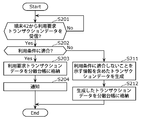
- FIG. 11 is a flow chart showing processing relating to a user information use request executed by the server according to the embodiment.
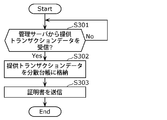
- FIG. 12 is a flow chart showing processing relating to provision of user information executed by the server according to the embodiment.
- FIG. 13 is a sequence diagram showing the processing of the entire information management system relating to the use request and provision of user information in the embodiment.
- FIG. 14 is a flow chart showing processing relating to data usage restriction executed by the server according to the embodiment.
- FIG. 15 is a sequence diagram showing the processing of the entire information management system relating to the use restriction of user information in the embodiment.
- FIG. 16 is a flow chart showing a process related to deletion of user information executed by the server according to the embodiment.
- FIG. 17 is a sequence diagram showing processing of the entire information management system related to deletion of user information in the embodiment.
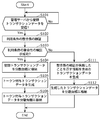
- FIG. 18 is a flowchart showing the processing of the server in the modification of the embodiment.
- FIG. 19 is a block diagram schematically showing the configuration of the server in the modification of the embodiment.
- FIG. 20 is an explanatory diagram showing the data structure of the block chain.
- FIG. 21 is an explanatory diagram showing the data structure of transaction data.
- the information bank has the function of managing personal data and providing the data to a third party.
- the information bank is a business that concludes a contract regarding utilization of personal data with the individual, manages the personal data, and provides the data to a third party.
- the present invention provides a control method for suppressing communication that may occur when using personal data in an information management system.
- an information management system including a plurality of servers holding a distributed ledger
- one of the plurality of servers executes And a user information managed by the information management system, the identification information being associated with user information that is information about a first user, and providing the user information to a second user.
- the server stores, in the distributed ledger, the first transaction data including the permission/prohibition information regarding the use of the user information managed by the information management system. Therefore, the server does not need to exchange information relating to consent of use each time personal data is used, and communication for the information exchange can be suppressed.
- the approval/disapproval information regarding the use of user information managed by the information management system is managed appropriately. If there is a discrepancy between the individual and the information bank in the information exchange regarding the consent of the use, or between the company and the information bank that uses the personal data, the personal data is appropriately used. I can't say.
- the permission/denial information is stored in the distributed ledger, and tampering is substantially impossible. Therefore, there is also an effect of suppressing the above-mentioned discrepancy.
- control method may further include the identification information or attribute information indicating an attribute to which the first user belongs, and indicate that use of the user information matching the identification information or the attribute information is requested.
- the second transaction data is received from the terminal of the second user, and the received second transaction data is stored in the distributed ledger provided in each of the plurality of servers.
- the server stores, in the distributed ledger, the second transaction data indicating that the use of the user information managed by the information management system is requested. Therefore, the information indicating the fact that the usage request has been made is appropriately managed without being substantially altered. Therefore, the server can appropriately manage the information indicating the fact that the user information has been requested to be used, while suppressing the communication that may occur when using the personal data.
- the user information includes one or more pieces of user information
- the permission/refusal information includes a condition of user information that is permitted to be provided to the second user among the one or more pieces of user information.
- the transaction data is user information regarding the first user associated with the identification information or the first user belonging to the attribute indicated by the attribute information, and the second user requests provision.
- the control method further includes request information indicating user information, and the control method further determines whether or not the request information included in the second transaction data matches the condition included in the permission/denial information, and the request information. Only when it is determined that the above condition is satisfied, the received second transaction data is stored in the distributed ledger provided in each of the plurality of servers.
- the server determines whether or not to permit the use of the user information requested to be used by the second user, based on the condition included in the permission/refusal information. Since the permission/prohibition information is generated based on the judgment of the first user and stored in the distributed ledger, it is appropriately managed without being substantially falsified. Therefore, the server can suppress communication that may occur when personal data is used when the second user uses the user information according to the determination by the first user.
- control method may further include: when the user information is transmitted to the terminal of the second user based on the reception of the second transaction data, the identification information related to the transmitted user information.
- the third transaction data including the attribute information is received, and the received third transaction data is stored in the distributed ledger provided in each of the plurality of servers.
- the server stores the third transaction data indicating that the user information is transmitted to the second user in the distributed ledger. Therefore, the information indicating the fact that the user information has been transmitted to the second user is appropriately managed without being substantially altered. Therefore, the server can appropriately manage the information indicating the fact that the user information has been transmitted to the second user, while suppressing the communication that may occur when using the personal data. Further, there is an advantage that the first user can know how and by which company his/her user information is used.
- control method further includes restriction information indicating that the use of the provided user information is restricted when a predetermined time has elapsed after the user information was transmitted to the terminal of the second user.
- restriction information indicating that the use of the provided user information is restricted when a predetermined time has elapsed after the user information was transmitted to the terminal of the second user.
- the server stores, in the distributed ledger, the fourth transaction data indicating that the use of the provided user information is restricted due to the elapse of a predetermined time after providing the user information to the second user. Store. Therefore, the information indicating the fact that the usage is restricted is appropriately managed without being substantially tampered with. Therefore, the server can appropriately manage the information indicating the fact that the use of the user information is restricted, while suppressing the communication that may occur when using the personal data.
- control method further receives fifth transaction data including an identifier indicating user information that has been deleted in the information management system and deletion information indicating that the user information has been deleted.
- the received fifth transaction data is stored in the distributed ledger provided in each of the plurality of servers.
- the server stores the fifth transaction data indicating that the user information has been deleted in the distributed ledger. Therefore, the information indicating the fact that the user information has been deleted is appropriately managed without being substantially tampered with. Therefore, the server can appropriately manage the information indicating the fact that the user information has been deleted, while suppressing the communication that may occur when the personal data is used.
- the sixth transaction data including the provision information for giving the token to the first user is acquired, and the acquired sixth transaction data is provided in each of the plurality of servers. Store in the ledger.
- the server grants a token to the first user whose permission/prohibition information for providing user information is stored in the distributed ledger.
- the token is value information managed by the distributed ledger, and can be used, for example, as a substitute for the value of money.
- the permission/prohibition information includes a period during which the provision of the user information is permitted, a user who is permitted to provide the user information, or information indicating permission/prohibition of re-provision of the user information.
- the server does not substantially tamper with the information indicating the user who is permitted to provide the user information or the permission to re-provide the user information during the period when the user information is permitted to be provided. Manage properly. As a result, the server does not need to exchange the above-mentioned information relating to the consent of use each time personal data is used, and it is possible to suppress communication for the information exchange.
- each of the one or more pieces of user information is associated with type information indicating the type of the user information, and the permission/prohibition information includes type information that permits the provision of the user information.
- the server appropriately manages the type information that permits the user information to be provided without being substantially tampered with.
- the server does not need to exchange the above-mentioned information relating to the consent of use each time personal data is used, and it is possible to suppress communication for the information exchange.
- a server is, in an information management system including a plurality of servers holding a distributed ledger, one of the plurality of servers and managed by the information management system.
- the first transaction data including the identification information associated with the user information, which is the information about the first user, and the permission/prohibition information indicating whether or not to provide the user information to the second user.
- a processing unit that receives and stores the received first transaction data in the distributed ledger included in each of the plurality of servers is provided.
- a program according to one aspect of the present invention is a program for causing a computer to execute the above control method.
- a data structure is a data structure recorded in a distributed ledger in an information management system including a plurality of servers holding a distributed ledger, and the data structure is the information management system.
- User information managed by the user information including identification information associated with user information that is information about the first user, and permission/prohibition information indicating permission/prohibition of provision of the user information to the second user.
- the first transaction data is a data structure that includes transaction data and is recorded in the distributed ledger provided in each of the plurality of servers.
- a recording medium such as a system, a device, an integrated circuit, a computer program, or a computer-readable CD-ROM, and the system, the device, the integrated circuit, the computer program.
- a recording medium such as a system, a device, an integrated circuit, a computer program, or a computer-readable CD-ROM, and the system, the device, the integrated circuit, the computer program.
- it may be realized by any combination of recording media.
- FIG. 1 is a block diagram schematically showing the configuration of the information management system 1 in this embodiment.
- the information management system 1 includes servers 10A, 10B and 10C, a management server 20, and a key management device 30. Each device and server included in the information management system 1 are communicably connected to each other via a network N.
- the network N may be composed of any communication line or network, and includes, for example, the Internet, a mobile phone carrier network, and the like.
- the servers 10A, 10B, and 10C are also referred to as "server 10A and the like".
- terminal 41 of the user U1 and the terminal 42 of the user U2 are connected to the information management system 1 via the network N.
- the server 10A is one of the plurality of servers 10A, 10B, and 10C that records information management performed by the information management system 1.
- the server 10A is one of the plurality of servers 10A, 10B, and 10C holding the distributed ledger.
- the distributed ledger held by the server 10A stores various transaction data relating to registration, use request, provision, use restriction and deletion of information managed by the information management system 1, and token addition.
- Each of the servers 10B and 10C is a device having the same function as the server 10A, and operates independently of the server 10A. Note that the number of servers is not limited to three and may be any number.
- the servers 10A and the like are communicably connected to each other, and may be connected via the network N.
- server 10A transmits and receives various transaction data or various information
- server 10B or 10C may perform it.
- the management server 20 is an information management server that manages user information.
- the management server 20 receives the user information provided from the terminal 41 of the user U1 and holds the provided user information.
- the management server 20 corresponds to a general information bank.
- the management server 20 provides the user information to the terminal 42 of the user U2 when the user U2 makes a request to use the held user information in response to the request.
- the management server 20 restricts the use of the provided user information when a predetermined time has elapsed since the user information was provided to the terminal 42 of the user U2.
- the management server 20 receives an instruction to delete the managed user information, the management server 20 deletes the user information.
- the management server 20 encrypts the user information when providing the user information to the terminal 42 of the user U2.
- the key used for encryption is provided by the key management device 30.
- the key management device 30 is a key management device that generates and provides key information used for encryption and decryption of data. Specifically, when the user information is provided from the management server 20 to the terminal 42 of the user U2, the key management device 30 generates an encryption key and a decryption key in pairs and manages the generated encryption key. The generated decryption key is provided to the server 20 and the terminal 42 of the user U2. The encryption key and the decryption key may be the same.
- the terminal 41 is a terminal device owned by the user U1.
- the user U1 is an example of a user who registers his or her own user information in the information management system 1.
- the user information includes personal information of the user U1 (that is, information such as name, date of birth or address that can identify the individual of the user U1), and personal data (that is, user history such as movement history or purchase history). Electronic data including data having a relationship with.
- the terminal 41 registers the user information of the user U1 in the management server 20, and information indicating the fact that the registration has been made is managed by the server 10A or the like.
- the terminal 41 may register the usage condition of the user information in the management server 20 together with the user information.
- the terminal 41 is, for example, a personal computer, a smartphone or a tablet.
- the terminal 42 is a terminal device owned by the user U2.
- the user U2 is an example of a user who uses the user information managed by the information management system 1, and may be an individual or an organization such as a company.
- the terminal 42 is provided with the user information of the user U1 from the management server 20.
- the server 10 ⁇ /b>A or the like manages the request or use of the user information from the terminal 42. It is assumed that the user information acquired by the terminal 42 is used by the user U2 for authentication or data analysis, for example.
- the terminal 42 is, for example, a personal computer, a smartphone or a tablet.
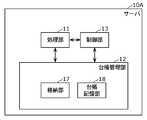
- FIG. 2 is a block diagram schematically showing the configuration of the server 10A in this embodiment.
- the server 10A includes a processing unit 11, a ledger management unit 12, and a control unit 13.
- the functional unit included in the server 10A can be realized by, for example, a CPU (Central Processing Unit) executing a program using a memory.
- a CPU Central Processing Unit
- the processing unit 11 is a processing unit that manages various information by a distributed ledger.
- the processing unit 11 provides the received or acquired transaction data to the ledger management unit 12 when the transaction data is received from the device in the information management system 1 or the transaction data generated by the control unit 13 is acquired. And store it in the distributed ledger.
- the transaction data includes various transaction data regarding registration of user information, use request, provision, use restriction and deletion, and token addition. Various transaction data will be described later in detail.
- the ledger management unit 12 is a processing unit that manages the distributed ledger.
- the ledger management unit 12 stores the transaction data provided by the processing unit 11 in the distributed ledger. Transaction data from the past to the present is stored in the distributed ledger.
- the transaction data is managed so as not to be tampered with based on the characteristic that it is difficult to tamper with the information recorded in the distributed ledger.
- the ledger management unit 12 has a storage unit 17 and a ledger storage unit 18.
- the storage unit 17 is a processing unit that stores new transaction data to be stored in the distributed ledger in the ledger storage unit 18.
- the storage unit 17 stores new transaction data in the ledger storage unit 18 by a method according to the type of distributed ledger. Further, the storage unit 17 transmits/receives communication data to/from the storage unit 17 of another server such as the server 10A and causes the ledger storage unit 18 of the other server to store the new transaction data. For example, when the distributed ledger is a block chain, the storage unit 17 generates a block including new transaction data, synchronizes the generated block with the server 10A, and stores the block in the ledger. It is stored in the unit 18.
- the ledger storage unit 18 is a storage device that stores a distributed ledger.
- the distributed ledger stored in the ledger storage unit 18 stores one or more transaction data, and is managed so as to be difficult to tamper with by using a characteristic such as a hash value (described later).
- the distributed ledger is, for example, a block chain, and this case will be described as an example, but it is also possible to employ a distributed ledger of another method (for example, IOTA or hash graph).
- the distributed ledger may execute a consensus algorithm (for example, PBFT (Practical Byzantine Fault Tolerance), PoW (Proof of Work), or PoS (Proof of Stake)) when storing new data. , May not be executed.
- Hyperledger fabric is an example of a distributed ledger technology that does not execute a consensus algorithm.
- the control unit 13 is a processing unit that controls various types of information processing. Specifically, when the control unit 13 receives the registration transaction data, the control unit 13 executes the process of verifying the consistency of the user information included in the registration transaction data. Further, when the use request transaction data is received, the control unit 13 executes a process of determining whether or not the use request satisfies the use condition.
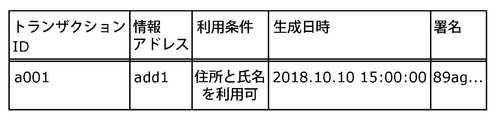
- FIG. 3 is an explanatory diagram schematically showing the data structure of the registration transaction data in this embodiment.
- the registration transaction data is transaction data indicating the fact that the user U1 registered the user information in the management server 20.
- the registration transaction data is generated by the management server 20 and transmitted to the server 10A or the like when the user U1 registers the user information in the management server 20.
- the registered transaction data corresponds to first transaction data including identification information associated with user information, which is information about the user U1, and permission/prohibition information indicating permission/prohibition of providing the user information to the user U2.
- the permission/prohibition information includes, for example, a period during which the provision of user information is permitted, a user U2 permitted to provide the user information, or information indicating permission/prohibition of re-provision of the user information. Further, when the type information indicating the type of the user information is associated with each piece of user information, the permission/prohibition information may include type information that permits the provision of the user information.
- the permission/prohibition information includes type information that permits the provision of user information.
- the registered transaction data includes a transaction ID, an information address, a usage condition, a generation date and time, and a signature.
- the transaction ID is an identifier that can uniquely identify the registered transaction data.
- the information address is information indicating the address of the user information registered in the management server 20.
- the information address corresponds to the identification information associated with the user information.
- the usage condition is information indicating the usage condition of the user information registered in the management server 20.
- the usage condition is, for example, a condition indicating the type of user information that is permitted to be provided to the user U2 among the user information registered in the management server 20.
- the usage condition corresponds to the type information and is also simply referred to as a condition.
- the date and time of generation is information indicating the date and time when the registered transaction data was generated.
- the signature is an electronic signature attached by the device or person who generated the registration transaction data.
- the registered transaction data shown in FIG. 3 indicates that the transaction ID is “a001” and the user information is registered at the address “add1”. Further, in the registered user information, the usage condition “address and name can be used” is set. The date and time of generation is “15:00:00 on October 10, 2018”, and the signature is the electronic signature of the management server 20.
- FIG. 4 is an explanatory diagram schematically showing the data structure of the usage request transaction data in the present embodiment.
- the usage request transaction data is transaction data indicating the fact that the user U2 has requested to use the user information.
- the usage request transaction data is generated by the terminal 42 of the user U2 when the user U2 sends a usage request for using the user information, and is sent to the server 10A or the like.
- the usage request transaction data includes identification information or attribute information indicating an attribute to which the user U1 belongs, and corresponds to second transaction data indicating that the user information matching the identification information or the attribute information is requested to be used.
- the usage request transaction data includes a transaction ID, a user ID, an information address, usage details, date and time of generation, and a signature.
- the transaction ID is an identifier that can uniquely identify the usage request transaction data.
- the user ID is an identifier that can uniquely identify the user who uses the user information.
- the information address is the user information registered in the management server 20, and is the information indicating the address of the user information that the user requests to use.
- attribute information indicating the attribute to which the user U1 belongs can be used instead of the information address.
- the attribute information is, for example, age (20s, 30s, 40s, etc.), sex or prefecture of address. The same applies hereafter.
- the usage content is information indicating the content of user information that the user requests to use.
- the usage content is, for example, information indicating user information requested to be used out of one or more pieces of user information when one or more pieces of user information exist.
- the creation date and time is information indicating the date and time when the usage request transaction data was created.
- the signature is an electronic signature attached by the device or person who generated the usage request transaction data.
- the transaction ID is “b001”, and among the user information registered in the address “add1”, the user “u002” uses the information of “address and name”. It shows that you are seeking.
- the generation date and time is "November 11, 2018, 16:00:00", and the signature is the electronic signature of the user U2.
- the user ID of the user U2 is set to "u002".
- FIG. 5 is an explanatory diagram schematically showing the data structure of the providing transaction data in the present embodiment.
- the provided transaction data is transaction data indicating the fact that the management server 20 has provided the user information to the user U2.
- the provided transaction data is generated by the management server 20 when the management server 20 provides the user information to the user U2, and is transmitted to the server 10A or the like.
- the provided transaction data corresponds to third transaction data including identification information or attribute information related to the transmitted user information and type information when the management server 20 transmits the user information to the terminal 42 of the user U2. ..
- the provided transaction data includes a transaction ID, a user ID, an information address, a provided content, a generation date and time, and a signature.
- the transaction ID is an identifier that can uniquely identify the provided transaction data.
- User ID is an identifier that can uniquely identify the user who is the destination to which the user information is provided.
- the information address is the user information registered in the management server 20, and is the information indicating the address of the user information provided by the management server 20 to the user.
- the provided content is information indicating the content of the user information provided by the management server 20 to the user.
- the provided content is information indicating the user information provided to the user among the one or more user information.
- the date and time of generation is information indicating the date and time when the provided transaction data was generated.
- the signature is an electronic signature given by the device or person who generated the provided transaction data.
- the transaction ID is “c001”
- the user information “address and name” of the user information registered in the address “add1” is provided to the user “u002”. It is shown that.
- the date and time of generation is “17:00:00, November 11, 2018”
- the signature is the electronic signature of the management server 20.
- FIG. 6 is an explanatory diagram schematically showing the data structure of usage restriction transaction data in the present embodiment.
- the usage restriction transaction data is transaction data indicating the fact that the usage of the user information provided to the user U2 is restricted.
- the usage restriction transaction data is generated by the management server 20 when the usage of the provided user information is restricted due to the elapse of a predetermined time after the user information is provided from the management server 20 to the user U2, and the server 10A, etc. Sent to.
- Usage restriction transaction data corresponds to the fourth transaction data including restriction information indicating that the usage of the provided user information is restricted.
- the usage restriction transaction data includes a transaction ID, a user ID, an information address, a restriction content, a generation date and time, and a signature.
- the transaction ID is an identifier that can uniquely identify the usage restriction transaction data.
- User ID is an identifier that can uniquely identify the user who is the destination to which the user information is provided.
- the information address is the user information provided by the management server 20 to the user, and is the information indicating the address of the user information whose use is restricted.
- Restriction content is information indicating the content of user information whose usage is restricted.
- the restriction content is, for example, information indicating user information whose use is restricted out of one or more pieces of user information when there is one or more pieces of user information.
- the content of the restriction corresponds to the restriction information.
- the date and time of generation is information indicating the date and time when the usage-restricted transaction data is generated.
- the signature is an electronic signature given by the device or person who generated the usage restriction transaction data.
- the transaction ID (see FIG. 6) of the provided transaction data when the user information is provided may be designated instead of designating the information address and the limitation content of the user information.
- the transaction ID is “d001”, and of the user information registered in the address “add1”, the user of “address and name” provided to the user “u002”. It indicates that the use of information is restricted.
- the date and time of generation is “17:00:00, May 11, 2019”, and the signature is the electronic signature of the management server 20.
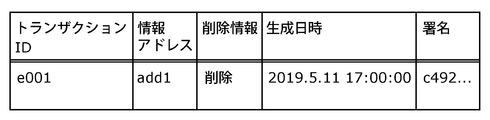
- FIG. 7 is an explanatory diagram schematically showing the data structure of the delete transaction data in this embodiment.
- the deletion transaction data is transaction data indicating the fact that the user information registered in the management server 20 has been deleted.
- the deletion transaction data is generated by the management server 20 and transmitted to the server 10A or the like when the user information registered in the management server 20 is deleted.
- the deletion transaction data corresponds to the fifth transaction data including the identifier that is managed by the information management system 1 and that indicates the deleted user information, and the deletion information that indicates that the user information has been deleted.
- the deletion transaction data includes a transaction ID, information address, deletion information, generation date and time, and signature.
- the transaction ID is an identifier that can uniquely identify the deletion transaction data.
- the information address is information indicating the address of the deleted user information registered in the management server 20.
- the deletion information is information indicating that the deletion transaction data is related to deletion of user information.
- the creation date and time is information indicating the date and time when the deletion transaction data was created.
- the signature is an electronic signature given by the device or person who generated the deletion transaction data.
- the deletion transaction data shown in FIG. 7 has a transaction ID “e001” and indicates that the user information registered in the address “add1” has been deleted.
- the date and time of generation is “17:00:00, May 11, 2019”, and the signature is the electronic signature of the management server 20.
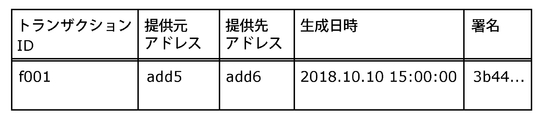
- FIG. 8 is an explanatory diagram schematically showing the data structure of token-giving transaction data in the present embodiment.
- the token granting transaction data is transaction data indicating the transfer of tokens between users, and is used to grant tokens to the user U1 who has provided the user information.
- the token addition transaction data is generated by the management server 20 when the user information is registered in the management server 20, and is transmitted to the server 10A or the like.
- Token transaction data corresponds to the sixth transaction data that includes the provision information for attaching the token to the first user.
- the token-attached transaction data includes a transaction ID, a provider address, a provider address, a generation date and time, and a signature.
- the source address and the destination address correspond to the provision information.
- the transaction ID is an identifier that can uniquely identify the token-attached transaction data.
- the source address is information indicating an address indicating a user who is a source (that is, a source) of providing a token in token granting.
- the provider is, for example, the management server 20.
- the provision destination address is information indicating an address indicating a user who is a provision destination (that is, a provision destination) of the token in the token grant.
- the providing destination is, for example, the user U1.
- the date and time of generation is information indicating the date and time when the token-attached transaction data was generated.
- the signature is an electronic signature given by the device or person who generated the token-attached transaction data.
- the transaction ID is “f001”
- the user for example, the management server 20
- the source address “add5” to the user indicated by the destination address “add6” is given a token.
- the date and time of generation is “15:00:00 on October 10, 2018”
- the signature is the electronic signature of the management server 20.
- FIG. 9 is a flow chart showing a process related to registration of user information executed by the server 10A or the like in the present embodiment.
- step S101 the processing unit 11 determines whether registration transaction data has been received from the management server 20. If it is determined that the registered transaction data is received (Yes in step S101), the process proceeds to step S102, and if not (No in step S101), step S101 is executed again. That is, the processing unit 11 waits in step S101 until receiving the registered transaction data.
- step S102 the control unit 13 verifies the consistency of the usage conditions. Specifically, the control unit 13 verifies whether the usage rule included in the registered transaction data received in step S101 matches the usage rule set by the user U1 for the user information of the user U1. ..
- step S103 the control unit 13 determines whether or not the verification of the consistency of the usage conditions has succeeded in step S102. If the verification is successful (Yes in step S103), the process proceeds to step S104, and if not (No in step S103), the process proceeds to step S111.
- step S104 the control unit 13 stores the registered transaction data received in step S101 in the distributed ledger by providing the ledger management unit 12 with the registered transaction data. Further, the control unit 13 transmits the registered transaction data to another server 10B or the like and stores it in the distributed ledger of all the servers 10A or the like.
- step S105 the control unit 13 generates token granting transaction data for granting a token to the user U1 from the management server 20.
- step S106 the control unit 13 stores the token-attached transaction data generated in step S105 in the distributed ledger by providing it to the ledger management unit 12. Further, the control unit 13 transmits the token-attached transaction data to another server 10B or the like and stores it in the distributed ledger of all the servers 10A or the like.
- step S111 the control unit 13 generates transaction data (not shown) including information indicating that verification of the consistency of the usage conditions has not succeeded (that is, has failed).
- step S112 the control unit 13 stores the transaction data generated in step S111 in the distributed ledger by providing the transaction data to the ledger management unit 12. Further, the control unit 13 transmits the token-attached transaction data to another server 10B or the like and stores it in the distributed ledger of all the servers 10A or the like.
- step S106 or S112 After finishing step S106 or S112, the series of processing shown in FIG. 9 is finished.
- FIG. 10 is a sequence diagram showing processing of the entire information management system 1 related to registration of user information in the present embodiment. Note that in FIG. 10, the same processes as those in the flowchart of FIG. 9 are denoted by the same reference numerals as those in FIG. 9, and detailed description thereof is omitted. Note that FIG. 10 shows a case where the verification of the consistency of the usage conditions is successful (Yes in step S103 of FIG. 9 ).
- step S131 the terminal 41 transmits the user information of the user U1 to the management server 20 together with the usage conditions based on the operation by the user U1.
- the management server 20 receives the user information and the usage conditions from the terminal 41.
- step S141 the management server 20 registers the user information and the usage conditions received from the terminal 41 as management target information.
- step S142 the management server 20 generates registration transaction data indicating that user information has been registered, and transmits the generated registration transaction data to the server 10A or the like.
- the server 10A or the like receives the registration transaction data transmitted in step S142 and performs processing such as storing the registration transaction data in the distributed ledger and adding a token (steps S101 to S112).
- FIG. 11 is a flowchart showing processing relating to a user information usage request executed by the server 10A or the like in the present embodiment.
- step S201 the processing unit 11 determines whether or not the usage request transaction data is received from the terminal 42 of the user U2. If it is determined that the usage request transaction data is received (Yes in step S201), the process proceeds to step S202, and if not (No in step S201), step S201 is executed again. That is, the processing unit 11 waits in step S201 until receiving the usage request transaction data.
- step S202 the control unit 13 determines whether the user information and the usage content included in the usage request transaction data received in step S201 match the usage conditions of the user information managed by the management server 20. judge. If it is determined that they match (Yes in step S202), the process proceeds to step S203, and if not (No in step S202), the process proceeds to step S211.
- step S203 the control unit 13 stores the usage request transaction data received in step S201 in the distributed ledger by providing it to the ledger management unit 12. Further, the control unit 13 transmits the usage request transaction data to another server 10B or the like and stores it in the distributed ledger of all the servers 10A or the like.
- step S204 the control unit 13 notifies the management server 20 that a usage request has been made by the user U2 regarding the user information of the user U1. Upon receiving this notification, the management server 20 transmits the user information of the user U1 to be managed to the terminal 42 of the user U2.
- step S211 the control unit 13 generates transaction data (not shown) including information indicating that the usage details do not meet the usage conditions.
- step S212 the control unit 13 stores the transaction data generated in step S211 in the distributed ledger by providing the transaction data to the ledger management unit 12. Further, the control unit 13 transmits the token-attached transaction data to another server 10B or the like and stores it in the distributed ledger of all the servers 10A or the like.
- step S204 or S212 After finishing step S204 or S212, the series of processing shown in FIG. 11 is finished.
- FIG. 12 is a flow chart showing a process relating to the provision of user information executed by the server 10A or the like according to the present embodiment.
- step S301 the processing unit 11 determines whether or not the provided transaction data indicating that the user information of the user U1 is provided from the management server 20 to the terminal 42 of the user U2 is received from the management server 20. If it is determined that the provided transaction data is received (Yes in step S301), the process proceeds to step S302, and if not (No in step S301), step S301 is executed again. That is, the processing unit 11 waits in step S301 until it receives the provided transaction data.
- step S302 the control unit 13 stores the distributed transaction data received in step S301 in the distributed ledger by providing the provided transaction data to the ledger management unit 12. Further, the control unit 13 transmits the provided transaction data to another server 10B or the like and stores it in the distributed ledger of all the servers 10A or the like.
- step S303 the control unit 13 sends to the user U2 a certificate certifying that the user U2 or the terminal 42 has the user information of the user U1 in a legal manner.
- step S303 When step S303 is finished, the series of processes shown in FIG. 12 is finished.
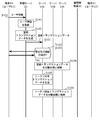
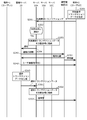
- FIG. 13 is a sequence diagram showing the processing of the entire information management system 1 relating to the use request and provision of user information in the present embodiment. Note that FIG. 13 illustrates a case where the user information and the usage content included in the usage request transaction data match the usage conditions (Yes in step S202 of FIG. 11 ).
- step S261 the terminal 42 generates usage request transaction data for requesting the usage of the user information of the user U1, and transmits the generated usage request transaction data to the server 10A or the like.
- the server 10A or the like receives the transmitted usage request transaction data, determines that the usage conditions are met, stores the usage request transaction data in the distributed ledger, and notifies the management server 20 (steps S201 to S204). ..
- step S 241 the management server 20 sends a key issuance request to the key management device 30.
- the key issuance request is information requesting issuance of a key used for encryption and decryption of user information when transmitting the user information of the user U1 to the terminal 42 of the user U2.
- step S251 when the key management device 30 receives the key issuing request transmitted in step S241, the key management device 30 generates a pair of an encryption key used for encrypting the user information and a decryption key used for decrypting the user information. .. Then, the key management device 30 transmits the generated encryption key to the management server 20, and transmits the generated decryption key to the terminal 42.
- the management server 20 receives the encryption key transmitted by the key management device 30.
- the terminal 42 receives the decryption key transmitted by the key management device 30.
- step S242 the management server 20 encrypts the user information with the encryption key received in step S251 and transmits the encrypted user information to the terminal 42.
- the management server 20 provides the user information of the user U1 to the user U2.
- the terminal 42 receives the transmitted user information and decrypts the user information with the decryption key received in step S251 to acquire the user information. It is assumed that the user information acquired by the terminal 42 is used by the user U2 for authentication or data analysis, for example.
- step S243 the management server 20 and the provision transaction data indicating that the user information of the user U1 is provided are generated, and the generated provision transaction data is transmitted to the server 10A or the like.
- the server 10A or the like receives the transmitted provided transaction data, stores the received provided transaction data in the distributed ledger, and transmits the certificate to the terminal 42 (steps S301 to S303).
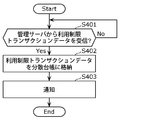
- FIG. 14 is a flowchart showing processing relating to data usage restriction executed by the server according to the present embodiment.
- step S401 the processing unit 11 determines whether or not the usage restriction transaction data indicating that the usage restriction of the user information of the user U1 is applied is received from the management server 20. If it is determined that the usage-restricted transaction data is received (Yes in step S401), the process proceeds to step S402, and if not (No in step S401), step S401 is executed again. That is, the processing unit 11 waits in step S401 until receiving the usage-restricted transaction data.
- step S402 the control unit 13 stores the usage restriction transaction data received in step S401 in the distributed ledger by providing it to the ledger management unit 12. Further, the control unit 13 transmits the usage restriction transaction data to another server 10B or the like and stores it in the distributed ledger of all the servers 10A or the like.
- step S403 the control unit 13 notifies the terminal 42 that the use restriction of the user information has been made.
- the terminal 42 receives the usage restriction notification, the terminal 42 restricts the usage of the user information. After that, the terminal 42 cannot use the user information whose use is restricted.
- step S403 After finishing step S403, the series of processes shown in FIG. 14 is finished.
- FIG. 15 is a sequence diagram showing the processing of the entire information management system 1 relating to the use restriction of user information in the present embodiment. Note that FIG. 15 illustrates a case where a predetermined time has elapsed since the management server 20 provided the user information to the terminal 42.
- step S441 the management server 20 determines whether a predetermined time has passed since the user information was provided to the terminal 42. If it is determined that the predetermined time has elapsed (Yes in step S441), the process proceeds to step S442, and if not, step S441 is executed again. That is, the management server 20 waits in step S441 until a predetermined time elapses.
- step S442 the management server 20 generates and generates usage restriction transaction data indicating that the usage of the user information provided to the terminal 42 is restricted based on the determination that the predetermined time has elapsed in step S441.
- the usage restriction transaction data is transmitted to the server 10A or the like.
- the server 10A or the like receives the transmitted usage restriction transaction data and stores the received usage restriction transaction data in the distributed ledger. Further, the server 10A or the like notifies the terminal 42 of the usage restriction (steps S401 to S403).
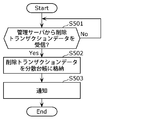
- FIG. 16 is a flow chart showing a process relating to deletion of user information executed by the server 10A or the like in the present embodiment.
- step S501 the processing unit 11 determines whether or not the management server 20 has received, from the management server 20, deletion transaction data indicating that the user information of the user U1 has been deleted. If it is determined that the deletion transaction data has been received (Yes in step S501), the process proceeds to step S502, and if not (No in step S501), step S501 is executed again. That is, the processing unit 11 waits in step S501 until it receives the deletion transaction data.
- step S502 the control unit 13 stores the deleted transaction data received in step S501 in the distributed ledger by providing the ledger management unit 12 with the deleted transaction data. Further, the control unit 13 transmits the deletion transaction data to another server 10B or the like and stores it in the distributed ledger of all the servers 10A or the like.
- step S503 the control unit 13 notifies the terminal 42 that the user information has been deleted.
- the terminal 42 receives the notification of deletion, the terminal 42 deletes the user information. After that, the terminal 42 cannot use the deleted user information.
- step S503 When step S503 is finished, the series of processes shown in FIG. 16 is finished.
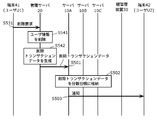
- FIG. 17 is a sequence diagram showing a process of the entire information management system 1 related to deletion of user information in the present embodiment.
- step S531 the terminal 41 transmits to the management server 20 a deletion request for deleting the user information of the user U1 registered in the management server 20 based on the operation by the user U1.
- the management server 20 receives the deletion request.
- step S541 the management server 20 deletes the user information of the managed user U1.
- step S542 the management server 20 generates deletion transaction data indicating that the user information of the user U1 has been deleted in step S541, and transmits the generated deletion transaction data to the server 10A or the like.
- the server 10A or the like receives the transmitted deletion transaction data and stores the received deletion transaction data in the distributed ledger. Further, the server 10A or the like notifies the terminal 42 of the deletion (steps S501 to S503).
- the user information is described as being transmitted from the terminal 41 to the management server 20 and held by the management server 20, but the user information may be held by the terminal 41 instead.
- the registration transaction data is generated by the terminal 41 and transmitted to the server 10A or the like.
- the signature in the registration transaction data is the electronic signature of the terminal 41.
- the use restriction transaction data is generated by the management server 20 based on the lapse of a predetermined time. It may be generated based on. In that case, the usage restriction transaction data is transmitted to the server 10A or the like by the terminal 41.
- the electronic signature of the usage restriction transaction data is the electronic signature of the terminal 42 of the user U2.
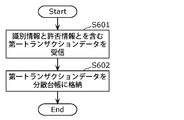
- FIG. 18 is a flowchart showing the processing of the server (also referred to as the server control method) in this modification.
- a series of processes shown in FIG. 18 is a control method executed by one of the plurality of servers in an information management system including a plurality of servers holding a distributed ledger.
- the server is the user information managed by the information management system, and is the identification information associated with the user information that is the information about the first user, and whether the user information is permitted to be provided to the second user.
- the first transaction data including the permission/prohibition information indicating
- step S602 the server stores the first transaction data received in step S601 in the distributed ledger provided in each of the plurality of servers.
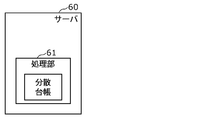
- FIG. 19 is a block diagram schematically showing the configuration of one of the plurality of servers included in the information management system according to this modification.
- the server 60 shown in FIG. 19 includes a processing unit 61.
- the server 60 corresponds to the server 10A in the embodiment.
- the processing unit 61 is the user information managed by the information management system, and indicates the identification information associated with the user information that is the information about the first user, and the permission/prohibition of providing the user information to the second user.
- the first transaction data including the approval/denial information is received.
- the processing unit 61 stores the received first transaction data in the distributed ledger included in each of the plurality of servers.
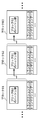
- FIG. 20 is an explanatory diagram showing the data structure of the block chain.
- a block chain is one in which blocks, which are the recording units, are connected in a chain.
- Each block has a plurality of transaction data and a hash value of the immediately preceding block.
- the block B2 includes the hash value of the previous block B1.
- the hash value calculated from the plurality of transaction data included in the block B2 and the hash value of the block B1 is included in the block B3 as the hash value of the block B2.
- FIG. 21 is an explanatory diagram showing the data structure of transaction data.
- the transaction data shown in FIG. 21 includes a transaction body P1 and a digital signature P2.
- the transaction body P1 is a data body included in the transaction data.
- the electronic signature P2 is generated by signing the hash value of the transaction body P1 with the signature key of the creator of the transaction data, more specifically, by encrypting with the private key of the creator. is there.
- the server stores the first transaction data including the permission/prohibition information regarding the use of the user information managed by the information management system. To store. Therefore, the server does not need to exchange information relating to consent of use each time personal data is used, and communication for the information exchange can be suppressed.
- the approval/disapproval information regarding the use of user information managed by the information management system is managed appropriately. If there is a discrepancy between the individual and the information bank in the information exchange regarding the consent of the use, or between the company and the information bank that uses the personal data, the personal data is appropriately used. I can't say.
- the permission/denial information is stored in the distributed ledger, and tampering is substantially impossible. Therefore, there is also an effect of suppressing the above-mentioned discrepancy.
- the server also stores the second transaction data in the distributed ledger, which indicates to request the use of the user information managed by the information management system. Therefore, the information indicating the fact that the usage request has been made is appropriately managed without being substantially altered. Therefore, the server can appropriately manage the information indicating the fact that the user information has been requested to be used, while suppressing the communication that may occur when using the personal data.
- the server determines whether or not to permit the use of the user information requested to be used by the second user, based on the condition included in the permit/deny information. Since the permission/prohibition information is generated based on the judgment of the first user and stored in the distributed ledger, it is appropriately managed without being substantially falsified. Therefore, the server can suppress communication that may occur when personal data is used when the second user uses the user information according to the determination by the first user.
- the server also stores the third transaction data, which indicates that the user information has been transmitted to the second user, in the distributed ledger. Therefore, the information indicating the fact that the user information has been transmitted to the second user is appropriately managed without being substantially altered. Therefore, the server can appropriately manage the information indicating the fact that the user information has been transmitted to the second user, while suppressing the communication that may occur when using the personal data. Further, there is an advantage that the first user can know how and by which company his/her user information is used.
- the server stores the fourth transaction data in the distributed ledger, which indicates that the use of the provided user information is restricted due to the elapse of a predetermined time after providing the user information to the second user. Therefore, the information indicating the fact that the usage is restricted is appropriately managed without being substantially tampered with. Therefore, the server can appropriately manage the information indicating the fact that the use of the user information is restricted, while suppressing the communication that may occur when using the personal data.
- the server also stores the fifth transaction data, which indicates that the user information has been deleted, in the distributed ledger. Therefore, the information indicating the fact that the user information has been deleted is appropriately managed without being substantially tampered with. Therefore, the server can appropriately manage the information indicating the fact that the user information has been deleted, while suppressing the communication that may occur when the personal data is used.
- the server assigns a token to the first user whose approval/disapproval information for providing user information is stored in the distributed ledger.
- the token is value information managed by the distributed ledger, and can be used, for example, as a substitute for the value of money.
- the server appropriately manages the user who is permitted to provide the user information or the information indicating whether to permit the re-delivery of the user information without being substantially tampered with during the period when the provision of the user information is permitted. ..
- the server does not need to exchange the above-mentioned information relating to the consent of use each time personal data is used, and it is possible to suppress communication for the information exchange.
- the server appropriately manages the type information that permits the provision of user information without being substantially tampered with. As a result, the server does not need to exchange the above-mentioned information relating to the consent of use each time personal data is used, and it is possible to suppress communication for the information exchange.
- each component may be configured by dedicated hardware, or may be realized by executing a software program suitable for each component.
- Each component may be realized by a program execution unit such as a CPU or a processor reading and executing a software program recorded in a recording medium such as a hard disk or a semiconductor memory.
- the software that realizes the content management system and the like of the above embodiment is the following program.
- this program is a control method executed by one server of the plurality of servers in an information management system including a plurality of servers holding a distributed ledger in a computer, A first transaction including managed user information, identification information associated with user information that is information about the first user, and permission/prohibition information indicating permission/prohibition of provision of the user information to the second user. It is a program for executing a control method of receiving data and storing the received first transaction data in the distributed ledger provided in each of the plurality of servers.
- control method, the server, the information management system, and the like have been described above based on the embodiment, but the present invention is not limited to this embodiment. As long as it does not depart from the gist of the present invention, various modifications that a person skilled in the art can think of in the present embodiment, and a form constructed by combining the components in different embodiments are also within the scope of one or more aspects. May be included within.
- the present invention can be used for an information management system that manages user information.
Landscapes
- Engineering & Computer Science (AREA)
- Computer Security & Cryptography (AREA)
- Theoretical Computer Science (AREA)
- General Health & Medical Sciences (AREA)
- Health & Medical Sciences (AREA)
- Bioethics (AREA)
- General Engineering & Computer Science (AREA)
- Computer Hardware Design (AREA)
- Software Systems (AREA)
- Physics & Mathematics (AREA)
- General Physics & Mathematics (AREA)
- Signal Processing (AREA)
- Computer Networks & Wireless Communication (AREA)
- Medical Informatics (AREA)
- Databases & Information Systems (AREA)
- Computing Systems (AREA)
- Information Retrieval, Db Structures And Fs Structures Therefor (AREA)
- Hardware Redundancy (AREA)
Abstract
Dans un système de gestion d'informations comprenant une pluralité de serveurs contenant un registre distribué, le procédé de commande de la présente invention, qui est exécuté par l'un de ladite pluralité de serveurs, exécute les étapes suivantes consistant à : recevoir des premières données de transaction qui comprennent des informations d'identification associées à des informations d'utilisateur gérées par le système de gestion d'informations, lesdites informations d'utilisateur concernant un premier utilisateur, et comprennent des informations d'autorisation qui indiquent l'autorisation de fournir les informations d'utilisateur à un second utilisateur (S601) ; et stocker les premières données de transaction reçues dans le registre distribué que chaque serveur de la pluralité de serveurs comprend (S602).
Priority Applications (4)
| Application Number | Priority Date | Filing Date | Title |
|---|---|---|---|
| CN201980047775.5A CN112425119A (zh) | 2018-12-11 | 2019-12-11 | 控制方法、服务器、程序及数据结构 |
| EP19896604.6A EP3896900A4 (fr) | 2018-12-11 | 2019-12-11 | Procédé de commande, serveur, programme, et structure de données |
| JP2020559269A JP7514766B2 (ja) | 2018-12-11 | 2019-12-11 | 制御方法、情報管理システム、および、プログラム |
| US17/162,464 US12086283B2 (en) | 2018-12-11 | 2021-01-29 | Control method, server, recording medium, and data structure |
Applications Claiming Priority (2)
| Application Number | Priority Date | Filing Date | Title |
|---|---|---|---|
| US201862777922P | 2018-12-11 | 2018-12-11 | |
| US62/777,922 | 2018-12-11 |
Related Child Applications (1)
| Application Number | Title | Priority Date | Filing Date |
|---|---|---|---|
| US17/162,464 Continuation US12086283B2 (en) | 2018-12-11 | 2021-01-29 | Control method, server, recording medium, and data structure |
Publications (2)
| Publication Number | Publication Date |
|---|---|
| WO2020122095A1 true WO2020122095A1 (fr) | 2020-06-18 |
| WO2020122095A8 WO2020122095A8 (fr) | 2020-12-30 |
Family
ID=71077280
Family Applications (1)
| Application Number | Title | Priority Date | Filing Date |
|---|---|---|---|
| PCT/JP2019/048391 Ceased WO2020122095A1 (fr) | 2018-12-11 | 2019-12-11 | Procédé de commande, serveur, programme, et structure de données |
Country Status (5)
| Country | Link |
|---|---|
| US (1) | US12086283B2 (fr) |
| EP (1) | EP3896900A4 (fr) |
| JP (1) | JP7514766B2 (fr) |
| CN (1) | CN112425119A (fr) |
| WO (1) | WO2020122095A1 (fr) |
Cited By (2)
| Publication number | Priority date | Publication date | Assignee | Title |
|---|---|---|---|---|
| JP2022075328A (ja) * | 2020-11-06 | 2022-05-18 | 株式会社東芝 | データ管理方法、コンピュータプログラム及びデータ管理システム |
| JP2023059719A (ja) * | 2021-10-15 | 2023-04-27 | 株式会社東芝 | 情報処理装置、情報処理システムおよびコンピュータプログラム |
Families Citing this family (1)
| Publication number | Priority date | Publication date | Assignee | Title |
|---|---|---|---|---|
| IL276868A (en) * | 2020-08-23 | 2022-03-01 | Google Llc | Processing requests to control information stored on multiple servers |
Citations (3)
| Publication number | Priority date | Publication date | Assignee | Title |
|---|---|---|---|---|
| JP2016091067A (ja) * | 2014-10-29 | 2016-05-23 | ソフトバンク株式会社 | 個人情報流通方法、個人情報流通システム及び個人情報流通事業者装置 |
| WO2018124297A1 (fr) * | 2016-12-28 | 2018-07-05 | 株式会社Okeios | Procédé, système et programme d'utilisation de données utilisant un réseau à chaîne de blocs (bcn) |
| WO2019129582A1 (fr) * | 2017-12-27 | 2019-07-04 | Newbanking Aps | Procédé de gestion d'une identité numérique vérifiée |
Family Cites Families (9)
| Publication number | Priority date | Publication date | Assignee | Title |
|---|---|---|---|---|
| US7676042B2 (en) * | 2006-01-25 | 2010-03-09 | Panasonic Corporation | Terminal apparatus, server apparatus, and digital content distribution system |
| JPWO2007142072A1 (ja) * | 2006-06-09 | 2009-10-22 | 株式会社ハートランド | 端末装置及びこれを備えたデータ管理システム |
| US10097356B2 (en) * | 2015-07-02 | 2018-10-09 | Nasdaq, Inc. | Systems and methods of secure provenance for distributed transaction databases |
| US11520928B2 (en) * | 2016-06-10 | 2022-12-06 | OneTrust, LLC | Data processing systems for generating personal data receipts and related methods |
| US20180082023A1 (en) * | 2016-09-16 | 2018-03-22 | International Business Machines Corporation | Secure Distributed Patient Consent and Information Management |
| US11049104B2 (en) * | 2017-04-05 | 2021-06-29 | Samsung Sds Co., Ltd. | Method of processing payment based on blockchain and apparatus thereof |
| US10762479B2 (en) * | 2017-04-05 | 2020-09-01 | Samsung Sds Co., Ltd. | Method and system for processing blockchain-based real-time transaction |
| US11151607B2 (en) * | 2017-12-29 | 2021-10-19 | Paypal, Inc. | Blockchain-enabled targeted content system |
| US11405196B2 (en) * | 2018-04-30 | 2022-08-02 | Innoplexus Ag | Authenticate transactions of secured file in blockchain |
-
2019
- 2019-12-11 JP JP2020559269A patent/JP7514766B2/ja active Active
- 2019-12-11 WO PCT/JP2019/048391 patent/WO2020122095A1/fr not_active Ceased
- 2019-12-11 CN CN201980047775.5A patent/CN112425119A/zh active Pending
- 2019-12-11 EP EP19896604.6A patent/EP3896900A4/fr active Pending
-
2021
- 2021-01-29 US US17/162,464 patent/US12086283B2/en active Active
Patent Citations (3)
| Publication number | Priority date | Publication date | Assignee | Title |
|---|---|---|---|---|
| JP2016091067A (ja) * | 2014-10-29 | 2016-05-23 | ソフトバンク株式会社 | 個人情報流通方法、個人情報流通システム及び個人情報流通事業者装置 |
| WO2018124297A1 (fr) * | 2016-12-28 | 2018-07-05 | 株式会社Okeios | Procédé, système et programme d'utilisation de données utilisant un réseau à chaîne de blocs (bcn) |
| WO2019129582A1 (fr) * | 2017-12-27 | 2019-07-04 | Newbanking Aps | Procédé de gestion d'une identité numérique vérifiée |
Non-Patent Citations (3)
| Title |
|---|
| KIYOMOTO, SHINSAKU: "[2-E-3-3] Distributed Blockchain Architecture and Its Application to Data Distribution Platform ", PROCEEDINGS OF THE 38TH JOINT CONFERENCE ON MEDICAL INFORMATICS (THE 19TH ANNUAL MEETING OF JAPAN ASSOCIATION FOR MEDICAL INFORMATICS); NOVEMBER 22-25, 2018, 22 November 2018 (2018-11-22), pages 174 - 177, XP009525428 * |
| NATIONAL STRATEGY OFFICE OF IT, CABINET SECRETARIAT, INTERIM REPORT BY WG FOR DATA UTILIZATION IN AI/IOT ERA, 25 November 2019 (2019-11-25), Retrieved from the Internet <URL:https://www.kantei.go.Jp/jp/singi/it2/senmon_bunka/data_ryutsuseibi/dai2/siryou1.pdf>> |
| See also references of EP3896900A4 |
Cited By (6)
| Publication number | Priority date | Publication date | Assignee | Title |
|---|---|---|---|---|
| JP2022075328A (ja) * | 2020-11-06 | 2022-05-18 | 株式会社東芝 | データ管理方法、コンピュータプログラム及びデータ管理システム |
| JP7441157B2 (ja) | 2020-11-06 | 2024-02-29 | 株式会社東芝 | データ管理方法、コンピュータプログラム及びデータ管理システム |
| US12039076B2 (en) | 2020-11-06 | 2024-07-16 | Kabushiki Kaisha Toshiba | Data management method, non-transitory computer readable medium, and data management system |
| JP2023059719A (ja) * | 2021-10-15 | 2023-04-27 | 株式会社東芝 | 情報処理装置、情報処理システムおよびコンピュータプログラム |
| JP7623923B2 (ja) | 2021-10-15 | 2025-01-29 | 株式会社東芝 | 情報処理装置、情報処理システムおよびコンピュータプログラム |
| US12277253B2 (en) | 2021-10-15 | 2025-04-15 | Kabushiki Kaisha Toshiba | Information processing apparatus, information processing system, and non-transitory computer readable medium |
Also Published As
| Publication number | Publication date |
|---|---|
| US12086283B2 (en) | 2024-09-10 |
| JPWO2020122095A1 (ja) | 2021-10-21 |
| US20210150058A1 (en) | 2021-05-20 |
| WO2020122095A8 (fr) | 2020-12-30 |
| EP3896900A4 (fr) | 2022-01-05 |
| EP3896900A1 (fr) | 2021-10-20 |
| JP7514766B2 (ja) | 2024-07-11 |
| CN112425119A (zh) | 2021-02-26 |
Similar Documents
| Publication | Publication Date | Title |
|---|---|---|
| Sharma et al. | Blockchain technology for cloud storage: A systematic literature review | |
| US11314891B2 (en) | Method and system for managing access to personal data by means of a smart contract | |
| US11025435B2 (en) | System and method for blockchain-based cross-entity authentication | |
| US11533164B2 (en) | System and method for blockchain-based cross-entity authentication | |
| US11315110B2 (en) | Private resource discovery and subgroup formation on a blockchain | |
| Guo et al. | Multi-authority attribute-based access control with smart contract | |
| JP6873270B2 (ja) | ブロックチェーンにおけるスマートコントラクトに基づくトランザクション活動の取扱注意データを保護するための方法及びデバイス | |
| CN117396869B (zh) | 用于使用分布式账本技术进行安全密钥管理的系统和方法 | |
| AU2024219519A1 (en) | Low trust privileged access management | |
| US20190333031A1 (en) | System, method, and computer program product for validating blockchain or distributed ledger transactions in a service requiring payment | |
| CN115699000A (zh) | 通过计算机网络进行安全的多边数据交换的方法、装置和计算机可读介质 | |
| US20190238319A1 (en) | Rights management of content | |
| US20110276490A1 (en) | Security service level agreements with publicly verifiable proofs of compliance | |
| US12483538B2 (en) | Method, apparatus, and computer-readable medium for secured data transfer over a decentralized computer network | |
| US12602512B2 (en) | Data resolution using user domain names | |
| CN110019516A (zh) | 一种信息管理方法、装置及系统 | |
| CN102812473A (zh) | 基于可执行程序身份的文件访问 | |
| CN111316303A (zh) | 用于基于区块链的交叉实体认证的系统和方法 | |
| JP2023548572A (ja) | ブロックチェーンに機密データを記憶すること | |
| US12432061B2 (en) | Content protection system | |
| US20240171414A1 (en) | Blockchain-based electronic document vault | |
| JPWO2019082442A1 (ja) | データ登録方法、データ復号方法、データ構造、コンピュータ、及びプログラム | |
| JP7514766B2 (ja) | 制御方法、情報管理システム、および、プログラム | |
| CN110914826B (zh) | 用于分布式数据映射的系统和方法 | |
| US20240104241A1 (en) | User information management system, user information management method, user agent and program |
Legal Events
| Date | Code | Title | Description |
|---|---|---|---|
| 121 | Ep: the epo has been informed by wipo that ep was designated in this application |
Ref document number: 19896604 Country of ref document: EP Kind code of ref document: A1 |
|
| ENP | Entry into the national phase |
Ref document number: 2020559269 Country of ref document: JP Kind code of ref document: A |
|
| NENP | Non-entry into the national phase |
Ref country code: DE |
|
| ENP | Entry into the national phase |
Ref document number: 2019896604 Country of ref document: EP Effective date: 20210712 |