WO2020145364A1 - 網膜疾患の治療のための眼内または経口投与用医薬組成物 - Google Patents
網膜疾患の治療のための眼内または経口投与用医薬組成物 Download PDFInfo
- Publication number
- WO2020145364A1 WO2020145364A1 PCT/JP2020/000538 JP2020000538W WO2020145364A1 WO 2020145364 A1 WO2020145364 A1 WO 2020145364A1 JP 2020000538 W JP2020000538 W JP 2020000538W WO 2020145364 A1 WO2020145364 A1 WO 2020145364A1
- Authority
- WO
- WIPO (PCT)
- Prior art keywords
- disease
- compound
- retinal
- pharmaceutical composition
- methyl
- Prior art date
- Legal status (The legal status is an assumption and is not a legal conclusion. Google has not performed a legal analysis and makes no representation as to the accuracy of the status listed.)
- Ceased
Links
- LFQYVEKIPOWWHT-GRSHGNNSSA-N C/C(/c1ncccc1)=N/Nc1nnc(Nc2ccccc2Cl)[s]1 Chemical compound C/C(/c1ncccc1)=N/Nc1nnc(Nc2ccccc2Cl)[s]1 LFQYVEKIPOWWHT-GRSHGNNSSA-N 0.000 description 1
- LGSBPINARZHJQP-UHFFFAOYSA-N COC(c(cc1)cc(N)c1Nc(cc1)ccc1OC)=O Chemical compound COC(c(cc1)cc(N)c1Nc(cc1)ccc1OC)=O LGSBPINARZHJQP-UHFFFAOYSA-N 0.000 description 1
- VGOMWUDYUGKNOE-UHFFFAOYSA-N Cc1cc(N2c3cc(N)ccc3CC2)cc(C)c1 Chemical compound Cc1cc(N2c3cc(N)ccc3CC2)cc(C)c1 VGOMWUDYUGKNOE-UHFFFAOYSA-N 0.000 description 1
Images


Classifications
-
- A—HUMAN NECESSITIES
- A61—MEDICAL OR VETERINARY SCIENCE; HYGIENE
- A61K—PREPARATIONS FOR MEDICAL, DENTAL OR TOILETRY PURPOSES
- A61K9/00—Medicinal preparations characterised by special physical form
- A61K9/0012—Galenical forms characterised by the site of application
- A61K9/0048—Eye, e.g. artificial tears
-
- A—HUMAN NECESSITIES
- A61—MEDICAL OR VETERINARY SCIENCE; HYGIENE
- A61K—PREPARATIONS FOR MEDICAL, DENTAL OR TOILETRY PURPOSES
- A61K31/00—Medicinal preparations containing organic active ingredients
- A61K31/13—Amines
- A61K31/135—Amines having aromatic rings, e.g. ketamine, nortriptyline
- A61K31/137—Arylalkylamines, e.g. amphetamine, epinephrine, salbutamol, ephedrine or methadone
-
- A—HUMAN NECESSITIES
- A61—MEDICAL OR VETERINARY SCIENCE; HYGIENE
- A61K—PREPARATIONS FOR MEDICAL, DENTAL OR TOILETRY PURPOSES
- A61K31/00—Medicinal preparations containing organic active ingredients
- A61K31/185—Acids; Anhydrides, halides or salts thereof, e.g. sulfur acids, imidic, hydrazonic or hydroximic acids
- A61K31/19—Carboxylic acids, e.g. valproic acid
- A61K31/195—Carboxylic acids, e.g. valproic acid having an amino group
- A61K31/197—Carboxylic acids, e.g. valproic acid having an amino group the amino and the carboxyl groups being attached to the same acyclic carbon chain, e.g. gamma-aminobutyric acid [GABA], beta-alanine, epsilon-aminocaproic acid or pantothenic acid
- A61K31/198—Alpha-amino acids, e.g. alanine or edetic acid [EDTA]
-
- A—HUMAN NECESSITIES
- A61—MEDICAL OR VETERINARY SCIENCE; HYGIENE
- A61K—PREPARATIONS FOR MEDICAL, DENTAL OR TOILETRY PURPOSES
- A61K31/00—Medicinal preparations containing organic active ingredients
- A61K31/21—Esters, e.g. nitroglycerine, selenocyanates
- A61K31/215—Esters, e.g. nitroglycerine, selenocyanates of carboxylic acids
- A61K31/235—Esters, e.g. nitroglycerine, selenocyanates of carboxylic acids having an aromatic ring attached to a carboxyl group
- A61K31/24—Esters, e.g. nitroglycerine, selenocyanates of carboxylic acids having an aromatic ring attached to a carboxyl group having an amino or nitro group
- A61K31/245—Amino benzoic acid types, e.g. procaine, novocaine
-
- A—HUMAN NECESSITIES
- A61—MEDICAL OR VETERINARY SCIENCE; HYGIENE
- A61K—PREPARATIONS FOR MEDICAL, DENTAL OR TOILETRY PURPOSES
- A61K31/00—Medicinal preparations containing organic active ingredients
- A61K31/33—Heterocyclic compounds
- A61K31/395—Heterocyclic compounds having nitrogen as a ring hetero atom, e.g. guanethidine or rifamycins
- A61K31/40—Heterocyclic compounds having nitrogen as a ring hetero atom, e.g. guanethidine or rifamycins having five-membered rings with one nitrogen as the only ring hetero atom, e.g. sulpiride, succinimide, tolmetin, buflomedil
- A61K31/403—Heterocyclic compounds having nitrogen as a ring hetero atom, e.g. guanethidine or rifamycins having five-membered rings with one nitrogen as the only ring hetero atom, e.g. sulpiride, succinimide, tolmetin, buflomedil condensed with carbocyclic rings, e.g. carbazole
- A61K31/404—Indoles, e.g. pindolol
-
- A—HUMAN NECESSITIES
- A61—MEDICAL OR VETERINARY SCIENCE; HYGIENE
- A61K—PREPARATIONS FOR MEDICAL, DENTAL OR TOILETRY PURPOSES
- A61K31/00—Medicinal preparations containing organic active ingredients
- A61K31/33—Heterocyclic compounds
- A61K31/395—Heterocyclic compounds having nitrogen as a ring hetero atom, e.g. guanethidine or rifamycins
- A61K31/40—Heterocyclic compounds having nitrogen as a ring hetero atom, e.g. guanethidine or rifamycins having five-membered rings with one nitrogen as the only ring hetero atom, e.g. sulpiride, succinimide, tolmetin, buflomedil
- A61K31/403—Heterocyclic compounds having nitrogen as a ring hetero atom, e.g. guanethidine or rifamycins having five-membered rings with one nitrogen as the only ring hetero atom, e.g. sulpiride, succinimide, tolmetin, buflomedil condensed with carbocyclic rings, e.g. carbazole
- A61K31/404—Indoles, e.g. pindolol
- A61K31/4045—Indole-alkylamines; Amides thereof, e.g. serotonin, melatonin
-
- A—HUMAN NECESSITIES
- A61—MEDICAL OR VETERINARY SCIENCE; HYGIENE
- A61K—PREPARATIONS FOR MEDICAL, DENTAL OR TOILETRY PURPOSES
- A61K31/00—Medicinal preparations containing organic active ingredients
- A61K31/33—Heterocyclic compounds
- A61K31/395—Heterocyclic compounds having nitrogen as a ring hetero atom, e.g. guanethidine or rifamycins
- A61K31/40—Heterocyclic compounds having nitrogen as a ring hetero atom, e.g. guanethidine or rifamycins having five-membered rings with one nitrogen as the only ring hetero atom, e.g. sulpiride, succinimide, tolmetin, buflomedil
- A61K31/407—Heterocyclic compounds having nitrogen as a ring hetero atom, e.g. guanethidine or rifamycins having five-membered rings with one nitrogen as the only ring hetero atom, e.g. sulpiride, succinimide, tolmetin, buflomedil condensed with other heterocyclic ring systems, e.g. ketorolac, physostigmine
-
- A—HUMAN NECESSITIES
- A61—MEDICAL OR VETERINARY SCIENCE; HYGIENE
- A61K—PREPARATIONS FOR MEDICAL, DENTAL OR TOILETRY PURPOSES
- A61K31/00—Medicinal preparations containing organic active ingredients
- A61K31/33—Heterocyclic compounds
- A61K31/395—Heterocyclic compounds having nitrogen as a ring hetero atom, e.g. guanethidine or rifamycins
- A61K31/435—Heterocyclic compounds having nitrogen as a ring hetero atom, e.g. guanethidine or rifamycins having six-membered rings with one nitrogen as the only ring hetero atom
- A61K31/44—Non condensed pyridines; Hydrogenated derivatives thereof
- A61K31/4427—Non condensed pyridines; Hydrogenated derivatives thereof containing further heterocyclic ring systems
- A61K31/4439—Non condensed pyridines; Hydrogenated derivatives thereof containing further heterocyclic ring systems containing a five-membered ring with nitrogen as a ring hetero atom, e.g. omeprazole
-
- A—HUMAN NECESSITIES
- A61—MEDICAL OR VETERINARY SCIENCE; HYGIENE
- A61K—PREPARATIONS FOR MEDICAL, DENTAL OR TOILETRY PURPOSES
- A61K31/00—Medicinal preparations containing organic active ingredients
- A61K31/33—Heterocyclic compounds
- A61K31/395—Heterocyclic compounds having nitrogen as a ring hetero atom, e.g. guanethidine or rifamycins
- A61K31/435—Heterocyclic compounds having nitrogen as a ring hetero atom, e.g. guanethidine or rifamycins having six-membered rings with one nitrogen as the only ring hetero atom
- A61K31/47—Quinolines; Isoquinolines
-
- A—HUMAN NECESSITIES
- A61—MEDICAL OR VETERINARY SCIENCE; HYGIENE
- A61K—PREPARATIONS FOR MEDICAL, DENTAL OR TOILETRY PURPOSES
- A61K31/00—Medicinal preparations containing organic active ingredients
- A61K31/33—Heterocyclic compounds
- A61K31/395—Heterocyclic compounds having nitrogen as a ring hetero atom, e.g. guanethidine or rifamycins
- A61K31/435—Heterocyclic compounds having nitrogen as a ring hetero atom, e.g. guanethidine or rifamycins having six-membered rings with one nitrogen as the only ring hetero atom
- A61K31/47—Quinolines; Isoquinolines
- A61K31/473—Quinolines; Isoquinolines ortho- or peri-condensed with carbocyclic ring systems, e.g. acridines, phenanthridines
-
- A—HUMAN NECESSITIES
- A61—MEDICAL OR VETERINARY SCIENCE; HYGIENE
- A61K—PREPARATIONS FOR MEDICAL, DENTAL OR TOILETRY PURPOSES
- A61K31/00—Medicinal preparations containing organic active ingredients
- A61K31/33—Heterocyclic compounds
- A61K31/395—Heterocyclic compounds having nitrogen as a ring hetero atom, e.g. guanethidine or rifamycins
- A61K31/55—Heterocyclic compounds having nitrogen as a ring hetero atom, e.g. guanethidine or rifamycins having seven-membered rings, e.g. azelastine, pentylenetetrazole
- A61K31/551—Heterocyclic compounds having nitrogen as a ring hetero atom, e.g. guanethidine or rifamycins having seven-membered rings, e.g. azelastine, pentylenetetrazole having two nitrogen atoms, e.g. dilazep
-
- A—HUMAN NECESSITIES
- A61—MEDICAL OR VETERINARY SCIENCE; HYGIENE
- A61K—PREPARATIONS FOR MEDICAL, DENTAL OR TOILETRY PURPOSES
- A61K45/00—Medicinal preparations containing active ingredients not provided for in groups A61K31/00 - A61K41/00
- A61K45/06—Mixtures of active ingredients without chemical characterisation, e.g. antiphlogistics and cardiaca
-
- A—HUMAN NECESSITIES
- A61—MEDICAL OR VETERINARY SCIENCE; HYGIENE
- A61K—PREPARATIONS FOR MEDICAL, DENTAL OR TOILETRY PURPOSES
- A61K47/00—Medicinal preparations characterised by the non-active ingredients used, e.g. carriers or inert additives; Targeting or modifying agents chemically bound to the active ingredient
- A61K47/06—Organic compounds, e.g. natural or synthetic hydrocarbons, polyolefins, mineral oil, petrolatum or ozokerite
-
- A—HUMAN NECESSITIES
- A61—MEDICAL OR VETERINARY SCIENCE; HYGIENE
- A61K—PREPARATIONS FOR MEDICAL, DENTAL OR TOILETRY PURPOSES
- A61K9/00—Medicinal preparations characterised by special physical form
- A61K9/0087—Galenical forms not covered by A61K9/02 - A61K9/7023
- A61K9/0095—Drinks; Beverages; Syrups; Compositions for reconstitution thereof, e.g. powders or tablets to be dispersed in a glass of water; Veterinary drenches
-
- A—HUMAN NECESSITIES
- A61—MEDICAL OR VETERINARY SCIENCE; HYGIENE
- A61K—PREPARATIONS FOR MEDICAL, DENTAL OR TOILETRY PURPOSES
- A61K9/00—Medicinal preparations characterised by special physical form
- A61K9/06—Ointments; Bases therefor; Other semi-solid forms, e.g. creams, sticks, gels
-
- A—HUMAN NECESSITIES
- A61—MEDICAL OR VETERINARY SCIENCE; HYGIENE
- A61K—PREPARATIONS FOR MEDICAL, DENTAL OR TOILETRY PURPOSES
- A61K9/00—Medicinal preparations characterised by special physical form
- A61K9/10—Dispersions; Emulsions
-
- A—HUMAN NECESSITIES
- A61—MEDICAL OR VETERINARY SCIENCE; HYGIENE
- A61K—PREPARATIONS FOR MEDICAL, DENTAL OR TOILETRY PURPOSES
- A61K9/00—Medicinal preparations characterised by special physical form
- A61K9/14—Particulate form, e.g. powders, Processes for size reducing of pure drugs or the resulting products, Pure drug nanoparticles
- A61K9/16—Agglomerates; Granulates; Microbeadlets ; Microspheres; Pellets; Solid products obtained by spray drying, spray freeze drying, spray congealing,(multiple) emulsion solvent evaporation or extraction
- A61K9/1605—Excipients; Inactive ingredients
-
- A—HUMAN NECESSITIES
- A61—MEDICAL OR VETERINARY SCIENCE; HYGIENE
- A61K—PREPARATIONS FOR MEDICAL, DENTAL OR TOILETRY PURPOSES
- A61K9/00—Medicinal preparations characterised by special physical form
- A61K9/20—Pills, tablets, discs, rods
- A61K9/2004—Excipients; Inactive ingredients
- A61K9/2013—Organic compounds, e.g. phospholipids, fats
- A61K9/2018—Sugars, or sugar alcohols, e.g. lactose, mannitol; Derivatives thereof, e.g. polysorbates
-
- A—HUMAN NECESSITIES
- A61—MEDICAL OR VETERINARY SCIENCE; HYGIENE
- A61K—PREPARATIONS FOR MEDICAL, DENTAL OR TOILETRY PURPOSES
- A61K9/00—Medicinal preparations characterised by special physical form
- A61K9/20—Pills, tablets, discs, rods
- A61K9/2004—Excipients; Inactive ingredients
- A61K9/2022—Organic macromolecular compounds
- A61K9/205—Polysaccharides, e.g. alginate, gums; Cyclodextrin
- A61K9/2054—Cellulose; Cellulose derivatives, e.g. hydroxypropyl methylcellulose
-
- A—HUMAN NECESSITIES
- A61—MEDICAL OR VETERINARY SCIENCE; HYGIENE
- A61K—PREPARATIONS FOR MEDICAL, DENTAL OR TOILETRY PURPOSES
- A61K9/00—Medicinal preparations characterised by special physical form
- A61K9/20—Pills, tablets, discs, rods
- A61K9/2004—Excipients; Inactive ingredients
- A61K9/2022—Organic macromolecular compounds
- A61K9/205—Polysaccharides, e.g. alginate, gums; Cyclodextrin
- A61K9/2059—Starch, including chemically or physically modified derivatives; Amylose; Amylopectin; Dextrin
-
- A—HUMAN NECESSITIES
- A61—MEDICAL OR VETERINARY SCIENCE; HYGIENE
- A61K—PREPARATIONS FOR MEDICAL, DENTAL OR TOILETRY PURPOSES
- A61K9/00—Medicinal preparations characterised by special physical form
- A61K9/20—Pills, tablets, discs, rods
- A61K9/2072—Pills, tablets, discs, rods characterised by shape, structure or size; Tablets with holes, special break lines or identification marks; Partially coated tablets; Disintegrating flat shaped forms
- A61K9/2077—Tablets comprising drug-containing microparticles in a substantial amount of supporting matrix; Multiparticulate tablets
-
- A—HUMAN NECESSITIES
- A61—MEDICAL OR VETERINARY SCIENCE; HYGIENE
- A61K—PREPARATIONS FOR MEDICAL, DENTAL OR TOILETRY PURPOSES
- A61K9/00—Medicinal preparations characterised by special physical form
- A61K9/48—Preparations in capsules, e.g. of gelatin, of chocolate
- A61K9/4841—Filling excipients; Inactive ingredients
-
- A—HUMAN NECESSITIES
- A61—MEDICAL OR VETERINARY SCIENCE; HYGIENE
- A61P—SPECIFIC THERAPEUTIC ACTIVITY OF CHEMICAL COMPOUNDS OR MEDICINAL PREPARATIONS
- A61P27/00—Drugs for disorders of the senses
- A61P27/02—Ophthalmic agents
Definitions
- the present invention provides a medicine and a method for intraocular or oral administration for preventing or treating a retinal disease (for example, age-related macular degeneration) or suppressing the progression of the disease.
- a retinal disease for example, age-related macular degeneration
- age-related macular degeneration is a disease with high unmet medical needs, which is low in treatment satisfaction and contribution of drugs to treatment.
- Age-related macular degeneration is roughly classified into two types, an atrophy type (dry type) and an exudative type (wet type), based on the pathogenic mechanism.
- dry type atrophy type
- wet type exudative type
- an anti-vascular endothelial cell growth factor (abbreviated as anti-VEGF) agent that is administered by intravitreal injection is only known. Further, a therapeutic drug effective for treating or preventing age-related macular degeneration or suppressing the progression of disease has not yet been developed from a substance having an antioxidant property.
- Patent Document 1 reports that levodopa (also known as L-DOPA) known as a therapeutic agent for Parkinson's disease has therapeutic activity against age-related macular degeneration.
- Non-Patent Document 1 retinal pigment epithelial cells
- Non-Patent Document 2 the retinal pigment epithelial cells
- the present invention is an intraocular administration (for example, for the purpose of preventing or treating age-related macular degeneration, or suppressing the progression of the disease, using a specific compound having an antioxidant property, particularly an anti-lipid peroxidation property) (for example, , Eye drops, eye ointments) or for oral administration.
- a specific compound having an antioxidant property, particularly an anti-lipid peroxidation property for example, , Eye drops, eye ointments
- a pharmaceutical composition for intraocular administration including, for example, eye drops, eye ointment
- oral administration containing an effective amount of a specific compound and a pharmaceutically acceptable carrier
- a pharmaceutically acceptable carrier is It has been found to be useful for preventing or treating a disease (eg age-related macular degeneration) or for controlling the progression of the disease.
- the present invention provides the following aspects, but is not limited to these.
- composition An effective amount of at least one compound selected from the group consisting of the following groups for preventing or treating a retinal disease in a subject in need of treatment or suppressing the progression of the disease, and a pharmaceutically acceptable compound:
- Pharmaceutical composition for intraocular or oral administration comprising a possible carrier: Group: apomorphine ((R)-(-)-apomorphine hydrochloric acid), etheroline ((-)-etheroline fumarate), ethoxyquin (6-ethoxy-2,2,4-trimethyl-1,2-dihydroquinoline) , Methyldopa (methyldopa sesquihydrate), olanzapine (2-methyl-4-(4-methyl-1-piperazinyl)-10H-thieno[2,3-b][1,5]benzodiazepine), 3- Methyl amino-4-(phenylamino)benzoate, methyl 3-amino-4-((4-methoxyphenyl)amino)
- composition according to item [1] wherein the compound is at least one compound selected from the following group: Group: apomorphine ((R)-(-)-apomorphine hydrochloric acid), etheroline ((-)-etheroline fumarate), ethoxyquin (6-ethoxy-2,2,4-trimethyl-1,2-dihydroquinoline) , Methyldopa (methyldopa sesquihydrate), olanzapine (2-methyl-4-(4-methyl-1-piperazinyl)-10H-thieno[2,3-b][1,5]benzodiazepine), and indapamide (A group consisting of 4-chloro-N-[(2RS)-2-methyl-2,3-dihydro-1H-indol-1-yl]-3-sulfamoylbenzamide.
- the retinal disease is diabetic retinopathy, retinitis pigmentosa, stargart disease, hypertensive retinopathy, glaucoma, cataract, central retinal arteriovenous obstruction, idiopathic polypoidal choroidal vascular disease, Leber congenital amaurosis ( LCA), Usher syndrome, colloideremia, rod-cone or cone-rod dystrophy, ciliary disorders, mitochondrial disorders, progressive retinal atrophy, geographic atrophy, familial or acquired macular disease, retinal photoreceptor disease, Diseases based on retinal pigment epithelium, cystoid macular edema, retinal degenerative disease, vitreous opacification, uveitis, retinal detachment, traumatic retinal damage, iatrogenic retinal damage, macular hole, macular telangiectasia , Ganglion cell disease, optic nerve cell disease, optic neuropathy, ischemic retinal disease, retinopathy of prematurity, retinal
- Eye drops [10] An effective amount of at least one compound selected from the group consisting of the following groups for preventing or treating a retinal disease or suppressing the progression of a disease in a subject in need of treatment, and a pharmaceutically acceptable compound: Eye drops containing a possible carrier: Group: apomorphine ((R)-(-)-apomorphine hydrochloric acid), etheroline ((-)-etheroline fumarate), ethoxyquin (6-ethoxy-2,2,4-trimethyl-1,2-dihydroquinoline) , Methyldopa (methyldopa sesquihydrate), olanzapine (2-methyl-4-(4-methyl-1-piperazinyl)-10H-thieno[2,3-b][1,5]benzodiazepine), 3- Methyl amino-4-(phenylamino)benzoate, methyl 3-amino-4-((4-methoxyphenyl)amino)benzoate, methyl 3-a
- [10-2] The eye drop preparation according to [10], wherein the compound is at least one compound selected from the following group: Group: apomorphine ((R)-(-)-apomorphine hydrochloric acid), etheroline ((-)-etheroline fumarate), ethoxyquin (6-ethoxy-2,2,4-trimethyl-1,2-dihydroquinoline) , Methyldopa (methyldopa sesquihydrate), olanzapine (2-methyl-4-(4-methyl-1-piperazinyl)-10H-thieno[2,3-b][1,5]benzodiazepine), and indapamide (A group consisting of 4-chloro-N-[(2RS)-2-methyl-2,3-dihydro-1H-indol-1-yl]-3-sulfamoylbenzamide.
- [10-3] The eye drop preparation according to [10], wherein the compound is at least one compound selected from the following group: Group: A group consisting of ethoxyquin (6-ethoxy-2,2,4-trimethyl-1,2-dihydroquinoline), and methyldopa (methyldopa sesquihydrate).
- the eye drop according to [10] which is a sterile unit dose type eye drop containing no preservative.
- [10-5] The eye drop preparation of [10], which is substantially free of benzalkonium chloride.
- Oral formulation An effective amount of at least one compound selected from the group consisting of the following groups for preventing or treating a retinal disease in a subject in need of treatment, or suppressing the progression of the disease, and a pharmaceutically acceptable compound: Oral formulation, including possible carriers: Group: apomorphine ((R)-(-)-apomorphine hydrochloric acid), etheroline ((-)-etheroline fumarate), ethoxyquin (6-ethoxy-2,2,4-trimethyl-1,2-dihydroquinoline) , Methyldopa (methyldopa sesquihydrate), olanzapine (2-methyl-4-(4-methyl-1-piperazinyl)-10H-thieno[2,3-b][1,5]benzodiazepine), 3- Methyl amino-4-(phenylamino)benzoate, methyl 3-amino-4-((4-methoxyphenyl)amino)benzoate, methyl 3-amino
- [12-2] Use according to [12], wherein the compound is at least one compound selected from the following group: Group: apomorphine ((R)-(-)-apomorphine hydrochloric acid), etheroline ((-)-etheroline fumarate), ethoxyquin (6-ethoxy-2,2,4-trimethyl-1,2-dihydroquinoline) , Methyldopa (methyldopa sesquihydrate), olanzapine (2-methyl-4-(4-methyl-1-piperazinyl)-10H-thieno[2,3-b][1,5]benzodiazepine), and indapamide (A group consisting of 4-chloro-N-[(2RS)-2-methyl-2,3-dihydro-1H-indol-1-yl]-3-sulfamoylbenzamide.
- [12-3] Use according to [12], wherein the compound is at least one compound selected from the following group: Group: A group consisting of ethoxyquin (6-ethoxy-2,2,4-trimethyl-1,2-dihydroquinoline), and methyldopa (methyldopa sesquihydrate).
- An effective amount of at least one compound selected from the following group is intraocularly or orally administered to a subject in need of treatment, to prevent or treat retinal disease, or to progress the disease
- Methods to suppress Group: apomorphine ((R)-(-)-apomorphine hydrochloric acid), etheroline ((-)-etheroline fumarate), ethoxyquin (6-ethoxy-2,2,4-trimethyl-1,2-dihydroquinoline) , Methyldopa (methyldopa sesquihydrate), olanzapine (2-methyl-4-(4-methyl-1-piperazinyl)-10H-thieno[2,3-b][1,5]benzodiazepine), 3- Methyl amino-4-(phenylamino)benzoate, methyl 3-amino-4-((4-methoxyphenyl)amino)benzoate, methyl 3-amino-4-((3-methoxyphenyl)amino)benzo
- the compound is at least one compound selected from the following group: Group: apomorphine ((R)-(-)-apomorphine hydrochloric acid), etheroline ((-)-etheroline fumarate), ethoxyquin (6-ethoxy-2,2,4-trimethyl-1,2-dihydroquinoline) , Methyldopa (methyldopa sesquihydrate), olanzapine (2-methyl-4-(4-methyl-1-piperazinyl)-10H-thieno[2,3-b][1,5]benzodiazepine), and indapamide (A group consisting of 4-chloro-N-[(2RS)-2-methyl-2,3-dihydro-1H-indol-1-yl]-3-sulfamoylbenzamide.
- One or more compounds for increasing the efficacy of the pharmaceutical composition, pharmaceutical composition, eye drop, or oral preparation are antibiotics, steroids, anti-inflammatory agents, analgesics, surfactants
- One or more compounds for increasing the efficacy of the pharmaceutical composition, pharmaceutical composition, eye drop, or oral preparation is a vitamin C source, a vitamin E source, a vitamin A source, beta carotene. , A zinc source, or a copper source, or a combination of two or more thereof, the pharmaceutical composition according to [1], the eye drop according to [10], or the oral preparation according to [11].
- the subject in need of treatment is a mammal, the pharmaceutical composition according to [1], the eye drop according to [9], the oral preparation according to [11], and the use according to [12]. Or the method described in [13].
- the subject in need of treatment is a human, the pharmaceutical composition according to [1], an eye drop according to [10], an oral preparation according to [11], and a description according to [12]. Or the method described in [13].
- the subject in need of treatment is a human 60 years or older, the pharmaceutical composition according to [1], the eye drop according to [10], the oral preparation according to [11], The use according to [12], or the method according to [13].
- the pharmaceutical composition according to [1], the subject in need of treatment is a human having drusen deposits, the eye drop according to [10], the oral preparation according to [11], The use according to [12] or the method according to [13].
- the subject in need of treatment is Caucasian, the pharmaceutical composition according to [1], the eye drop according to [10], the oral preparation according to [11], [12].
- a food or drink for preventing or treating retinal disease or suppressing the progression of the disease which comprises the compound according to [1].
- a method for treating a disease caused by an increase in the expression level of, or suppressing the progression of the disease [21] A method for treating a disease caused by the activity of the complement pathway or suppressing the progression of the disease by administering a therapeutically effective amount of the compound according to [1]. [22] Treating a disease caused by an increase in the expression level of specific complement mRNA by administering a therapeutically effective amount of the compound described in [1], or suppressing the progression of the disease Way to do.
- the pharmaceutical composition for intraocular or oral administration containing the specific compound having the anti-lipid peroxidation property of the present invention provides a retinal disease such as age-related macular degeneration (particularly atrophic (dry type) age-related macula). Degeneration) is useful for preventing or treating or suppressing the progression of the disease.
- FIG. 1 shows the preparation method (production schedule) of an age-related macular degeneration (AMD) model mouse at the time of oral administration.
- A AMD model mouse production schedule.
- B ONL measurement method (here, ONL thickness was measured every 180 ⁇ m over 27 points (A-center-Z) (left: observation visual field 4 times, right: observation visual field 60 times)). The results of evaluating the thickness of the outer nuclear layer (ONL) when orally administered are shown, and the present compound is compared with a control and a control compound (edaravone, OT-551) when the dose is 50 ⁇ mol/kg.
- (A) is a drawing showing an ONL bright-field image (observation magnification: 60 times) of (ethoxyquin (compound X), etheroline (compound W), methyldopa (compound Y), and indapamide (compound A)).
- ONL ONL bright-field image
- the results of evaluating the thickness of the outer nuclear layer (ONL) when orally administered are shown, and the present compound is compared with a control and a control compound (edaravone, OT-551) when the dose is 50 ⁇ mol/kg.
- the results of evaluating the thickness of the outer nuclear layer (ONL) when orally administered are shown, showing the results of the present compound (methyldopa (Compound Y)) in comparison with the control at 100 ⁇ mol/kg or 200 ⁇ mol/kg.
- 1 is a drawing showing a table summarizing main action/points of action, half-lethal dose (LD 50 ) and animal administration examples for the activity index compound and this compound. LD 50 values are shown for edaravone and the four compounds used in this study.
- FIG. 1 It is a figure which shows the change of the expression level of mRNA of a microglial marker protein in a normal group mouse
- A shows a change in the expression level of mRNA of the microglial marker protein in the normal group mouse, the mouse of the pathological group when the test compound is not administered, and the mouse of the pathological group when the test compound is administered to the mouse of the pathological group.
- B It is drawing which shows the result of the activity evaluation test of a complement.
- Retinal disease refers to diseases and disorders in the retina, and specific examples thereof include diabetic retinopathy, retinitis pigmentosa, stargartism, hypertensive retinopathy, glaucoma, cataract, central retinal arteriovenous occlusion, Idiopathic polypoidal choroidal vascular disease, Leber congenital amaurosis (LCA), Usher syndrome, colloideremia, rod-cone or cone-rod dystrophy, ciliary disorder, mitochondrial disorder, progressive retinal atrophy, cartographic atrophy, family Or acquired macular disease, retinal photoreceptor disease, retinal pigment epithelium-based disease, cystoid macular edema, retinal degenerative disease, vitreous opacification, uveitis, retinal detachment, traumatic retinal damage, iatrogenic Retinal damage, macular hole, macular telangiectasia, ganglion cell disease, optic nerve cell disease, optic nerve cell disease, optic nerve cell disease,
- Age-related macular degeneration is a disease associated with aging that causes loss of vision in the macula (center of visual field) due to damage to the retina.
- Age-related macular degeneration begins with drusen (yellow deposits) in the macula between the retinal pigment epithelium and the underlying choroid. Subjects with drusen may subsequently develop age-related macular degeneration.
- age-related macular degeneration include commonly known atrophic (dry) diseases and exudative (wet) diseases. The characteristic of dry age-related macular degeneration is the development of map-like atrophy, while the characteristic of wet macular degeneration is the occurrence of neovascularization.
- age-related macular degeneration includes the related symptoms of age-related macular degeneration.
- Related symptoms include, for example, blurring of central visual field due to retinal distortion (metamorphosis), loss of central region due to retinal damage (central scotoma) and decreased visual acuity (decrease in visual acuity), one color and another Difficulty distinguishing from color (color blindness), retinal pigment epithelium (RPE) interference (including pigment aggregation and/or shedding), RPE detachment, geographic atrophy, subretinal neovascularization, discoid scarring, and astigmatism Includes, but is not limited to, one or more symptoms, including (deformed).
- Muller cells, microglia, etc. are known as glial cells present in the retina.
- Muller cells and microglial cells which are glial cells, are activated.
- inflammatory substances are secreted from the activated glial cells, the complement pathways associated therewith are activated, and eventually cell death (deterioration of pathology) is caused.
- these glial cells are activated in retinal diseases (for example, age-related macular degeneration), and the expression level of a marker protein for activation of glial cells increases in pathological groups. Therefore, suppression of the expression levels of these proteins can be used as an index for investigating the efficacy of a compound for treating, preventing or suppressing retinal diseases (eg, age-related macular degeneration).
- the experiment of glial cell activation analysis of the present invention can use a real-time PCR method, but is not limited to this method.
- the real-time PCR method is a method of tracking and analyzing the PCR amplification amount in real time.
- Specific real-time PCR methods include commonly known and used methods, which can be performed using commercially available reagents (for example, primers, fluorescent substances) and instruments.
- treatment (treatment) or “prevention (treatment)” and “inhibition (progression) of retinal disease” means (1) the above-mentioned retinal disease, for example, one or more of the above-mentioned specific examples.
- a common disease typically AMD disease and one or more associated symptoms;
- said retinal disease eg said one or more specific diseases, typically AMD disease and one or more Or
- reducing or minimizing the severity of associated symptoms of (3) progression or development of the above retinal diseases, eg, said one or more specific diseases, typically AMD disease and one or more related symptoms.
- (4) reduce, minimize, or eliminate the occurrence or frequency of the above retinal diseases, eg, said one or more specific diseases, typically AMD diseases and one or more related symptoms.
- the “subject” for the purpose of treatment or the like used in the present specification is a mammal, and includes a human or a non-human animal, preferably a human.
- the subject is preferably a human aged 60 or older (preferably aged 65 or older, more preferably 70 or older), and preferably a human having drusen deposits.
- a human aged 60 or older preferably aged 65 or older, more preferably 70 or older
- a human having drusen deposits For example, Caucasians who are more susceptible to atrophic (dry) diseases are more preferable.
- the present invention provides a pharmaceutical composition for intraocular administration or oral administration for preventing or treating retinal disease, for example, age-related macular degeneration disease, or suppressing the progression of disease in a subject in need of treatment.
- the active drug the following groups: Group: apomorphine ((R)-(-)-apomorphine hydrochloric acid), etheroline ((-)-etheroline fumarate), ethoxyquin (6-ethoxy-2,2,4-trimethyl-1,2-dihydroquinoline) , Methyldopa (methyldopa sesquihydrate), olanzapine (2-methyl-4-(4-methyl-1-piperazinyl)-10H-thieno[2,3-b][1,5]benzodiazepine), 3- Methyl amino-4-(phenylamino)benzoate, methyl 3-amino-4-((4-methoxyphenyl)amino)benzoate, methyl 3-amino-4-((3-me
- the compounds included in the above compound group are compounds found to exhibit blood-brain barrier permeability in PCT/JP2018/025496 by the inventors of the present application, and to show lipid peroxidation inhibitory effect. is there. Structural formulas of these compounds are shown below.
- Examples of the pharmaceutically acceptable salt include salts with organic bases (eg, diethanolamine salt, ethylenediamine salt), inorganic bases (eg, salts with alkali metal (eg, sodium, potassium), and alkaline earth metal). (For example, a salt with calcium or magnesium)).
- organic bases eg, diethanolamine salt, ethylenediamine salt
- inorganic bases eg, salts with alkali metal (eg, sodium, potassium), and alkaline earth metal).
- alkali metal eg, sodium, potassium
- alkaline earth metal e.g, calcium or magnesium
- the compound as active drug has the following groups: Group: apomorphine ((R)-(-)-apomorphine hydrochloric acid), etheroline ((-)-etheroline fumarate), ethoxyquin (6-ethoxy-2,2,4-trimethyl-1,2-dihydroquinoline) , Methyldopa (methyldopa sesquihydrate), olanzapine (2-methyl-4-(4-methyl-1-piperazinyl)-10H-thieno[2,3-b][1,5]benzodiazepine), and indapamide (4-chloro-N-[(2RS)-2-methyl-2,3-dihydro-1H-indol-1-yl]-3-sulfamoylbenzamide, It is preferably at least one compound selected from
- the compound as active drug has the following groups: Group: a group consisting of ethoxyquin (6-ethoxy-2,2,4-trimethyl-1,2-dihydroquinoline), and methyldopa (methyldopa sesquihydrate), More preferably, it is at least one compound selected from
- an "effective amount” is the desired effect, ie, the treatment or prevention of the retinal diseases described herein (eg, age-related macular degeneration), or the inhibition of disease progression, Means an amount of active drug sufficient to provide
- the active drug or pharmaceutical composition of the present invention may be used in combination with a known active drug or pharmaceutical composition for a desired disease or related condition.
- an effective amount according to the invention is to prevent the onset of retinal disease (eg age-related macular degeneration), treat the symptoms of the disease when the compound is administered as the active drug.
- any dose may be used as long as it can suppress (ameliorate) the progress of disease symptoms.
- oral administration it may be an orally effective amount
- intraocular administration for example, eye drops or eye ointment
- a low dose as an effective amount means, for example, that when the present compound as an active drug is administered, it is a dose of about 1/several fraction to several tens of the half-lethal dose of each compound or less.
- a low dose means a dose of about 1/5 or less, preferably about 1/10 or less, more preferably about 1/20 or less, and still more preferably about 1/50 of the lethal dose of each compound. Means, but is not limited to.
- the dose range depends on the selection of the compound to be used, the administration route (for example, oral administration or intraocular administration), the nature of the preparation, the type of subject, age, weight or sex, or the nature or severity of symptoms, etc. It can be appropriately adjusted depending on the conditions.
- An effective amount of the compound is, for example, about 5% by weight or less, more preferably about 3% by weight or less, even more preferably about 1% by weight or less, still more preferably about 0.
- the amount is not more than 5% by weight, but is not limited thereto. Further, the amount is about 80% by weight or less, more preferably about 50% by weight or less, based on the weight of the oral pharmaceutical composition, but the invention is not limited thereto.
- an effective amount of the compound is, for example, about 0.001 to about 50 mg/kg body weight per day.
- the daily dose is about 0.1 to about 50 mg/kg, usually about 0.2 to about 10 mg/kg, preferably about 0.3 to about 2 mg/kg, more preferably Examples include, but are not limited to, about 0.4 to about 1 mg/kg.
- the daily dose is about 0.001 to about 0.1 mg/kg body weight, usually 0.01 to about 0.05 mg/kg body weight, preferably about 0.02 to about 0. 0.05 mg/kg of body weight, more preferably about 0.03 to about 0.05 mg/kg of body weight, but not limited thereto.
- the compound or the pharmaceutical composition of the present invention may be administered once or multiple times a day (eg, 2 or 3 times for oral administration, 2 to 10 times for intraocular administration, for example 5 to 6 times). ) And can be administered separately. It can also be administered once or several times every several days to several weeks.
- administering refers to providing and/or prescribing the compound or a pharmaceutical composition containing the same to an individual of a subject, or wherein the individual has the compound. Alternatively, receiving a pharmaceutical composition and the like.
- the route of administration of the compound or pharmaceutical composition can be either an oral route or an intraocular route, and may vary depending on, for example, the desired disease, condition, or age, weight, sex, etc. of the subject.
- the intraocular administration route eg, eye drop or eye ointment
- eye drop or eye ointment is preferable from the viewpoint of ease and reduction of dose.
- the pharmaceutical composition of the present invention can be administered to a subject by an oral administration route or an intraocular administration route.
- the pharmaceutical composition of the present invention is a non-toxic and inert carrier that is prepared by a conventionally known technique as a composition for oral administration or a pharmaceutical composition for intraocular administration, and is usually used in the pharmaceutical field.
- Additives (hereinafter referred to as “pharmaceutically acceptable carrier”) can be contained.
- a pharmaceutical composition (oral preparation) for oral administration for example, it is formulated into a dosage form such as a tablet, a fine granule, a capsule, a pill, a granule, a powder, a liquid, a suspension and the like. However, it is not limited thereto.
- a pharmaceutical composition for intraocular administration it is formulated into a dosage form such as eye drops, eye ointment, eye gel, eye cream, tenon injection, and fundus injection.
- eye drops or eye ointments are preferable, and eye drops are more preferable.
- the "pharmaceutically acceptable carrier” used in the present specification refers to, in addition to the present compound as an active drug, depending on various applications such as administration route and dosage form, as long as it does not impair the pharmacological effect and the like.
- Various active ingredients or medicinal ingredients including pharmacologically active ingredients and physiologically active ingredients
- additives for example, excipients, lubricants, binders, disintegrants, emulsifiers, stabilizers, flavoring agents, diluents, An isotonicity agent, a buffering agent, a pH adjusting agent, a solubilizing agent, a thickening agent, a dispersing agent, a preservative (preservative) may be contained in combination.
- Such components can be appropriately blended within a concentration range where there is no problem such as irritation, and the types of components are not particularly limited.
- the present compound or the pharmaceutical composition of the present invention is used as a pharmaceutical composition for oral administration, it is used as an excipient, a lubricant, a binder, a disintegrant, an emulsifier, a stabilizer, a flavoring agent, or a diluent.
- a pharmaceutically acceptable carrier such as an agent may be included.
- excipients include organic or inorganic excipients.
- organic excipients are sugar derivatives (eg lactose, sucrose, glucose, mannitol or sorbitol), starch derivatives (eg corn starch, potato starch, ⁇ -starch or dextrin), cellulose.
- starch derivatives eg corn starch, potato starch, ⁇ -starch or dextrin
- cellulose e.g, crystalline cellulose
- inorganic excipients include one or more compounds selected from light anhydrous silicic acid or sulfates (eg calcium sulfate).
- lubricants include stearic acid, metal stearates (eg, calcium stearate or magnesium stearate), talc, colloidal silica, waxes (eg, beeswax), adipic acid, sulfates (eg, sulfuric acid). Sodium), glycol, fumaric acid, sodium benzoate, D,L-leucine, sodium lauryl sulphate, silices (eg silicic acid anhydride, hydrated silicic acid), or the starch derivatives described in the above excipients.
- metal stearates eg, calcium stearate or magnesium stearate
- colloidal silica e.g, waxes (eg, beeswax), adipic acid, sulfates (eg, sulfuric acid).
- sulfates eg, sulfuric acid.
- Sodium glycol, fumaric acid, sodium benzoate, D,L-leucine, sodium
- binders include one or more compounds selected from hydroxypropylcellulose, hydroxypropylmethylcellulose, polyvinylpyrrolidone, macrogol, or the compounds described in the above excipients.
- disintegrants are cellulose derivatives (eg low-substituted hydroxypropylcellulose, carboxymethylcellulose, carboxymethylcellulose calcium, or internally crosslinked carboxymethylcellulose calcium), or chemically modified starch or cellulose derivatives (eg carboxymethylstarch, Or one or more compounds selected from sodium carboxymethyl starch).
- cellulose derivatives eg low-substituted hydroxypropylcellulose, carboxymethylcellulose, carboxymethylcellulose calcium, or internally crosslinked carboxymethylcellulose calcium
- chemically modified starch or cellulose derivatives eg carboxymethylstarch, Or one or more compounds selected from sodium carboxymethyl starch.
- emulsifiers are colloidal clays (eg bentonite, or veegum), anionic surfactants (eg sodium lauryl sulfate), cationic surfactants (eg benzalkonium chloride), or nonionic surfactants.
- colloidal clays eg bentonite, or veegum
- anionic surfactants eg sodium lauryl sulfate
- cationic surfactants eg benzalkonium chloride
- nonionic surfactants eg benzalkonium chloride
- agents for example, polyoxyethylene alkyl ether, polyoxyethylene sorbitan fatty acid ester, or sucrose fatty acid ester.
- stabilizers include parahydroxybenzoic acid esters (eg, methylparaben, or propylparaben), alcohols (eg, chlorobutanol, benzyl alcohol, or phenylethyl alcohol), phenols (eg, phenol, or cresol). ), thimerosal, acetic anhydride, or sorbic acid.
- parahydroxybenzoic acid esters eg, methylparaben, or propylparaben
- alcohols eg, chlorobutanol, benzyl alcohol, or phenylethyl alcohol
- phenols eg, phenol, or cresol
- thimerosal acetic anhydride
- sorbic acid e.g, sorbic acid
- flavoring agents include sweeteners (eg sodium saccharin or aspartame), acidulants (eg citric acid, malic acid or tartaric acid), or flavors (eg menthol, fruit extract (eg orange extract)). ) And one or more compounds selected from sweeteners (eg sodium saccharin or aspartame), acidulants (eg citric acid, malic acid or tartaric acid), or flavors (eg menthol, fruit extract (eg orange extract)). ) And one or more compounds selected from sweeteners (eg sodium saccharin or aspartame), acidulants (eg citric acid, malic acid or tartaric acid), or flavors (eg menthol, fruit extract (eg orange extract)). ) And one or more compounds selected from sweeteners (eg sodium saccharin or aspartame), acidulants (eg citric acid, malic acid or tartaric acid), or flavors (eg menthol, fruit extract (eg orange extract)). ) And one or more compounds selected from
- diluent is one selected from lactose, mannitol, glucose, sucrose, calcium sulfate, hydroxypropyl cellulose, microcrystalline cellulose, water, ethanol, polyethylene glycol, propylene glycol, glycerol, starch, or polyvinylpyrrolidone.
- lactose lactose
- mannitol glucose
- sucrose sucrose
- calcium sulfate hydroxypropyl cellulose
- microcrystalline cellulose water
- ethanol polyethylene glycol
- propylene glycol propylene glycol
- glycerol glycerol
- starch or polyvinylpyrrolidone
- an isotonicity agent such as an agent (preservative) may be included.
- tonicity agent examples include one or more compounds selected from glycerin, propylene glycol, sodium chloride, calcium chloride, sorbitol, or mannitol.
- buffering agents include one or more compounds selected from phosphoric acid, phosphates, citric acid, acetic acid, or ⁇ -aminocaproic acid.
- pH adjusters examples include hydrochloric acid, citric acid, phosphoric acid, acetic acid, sodium hydroxide, calcium hydroxide, boric acid, borax, disodium hydrogen phosphate, sodium dihydrogen phosphate, sodium carbonate, or hydrogen carbonate. There may be mentioned one or more compounds selected from sodium.
- the pH of the eye drop may be in the range acceptable as an ophthalmic preparation, but it is usually preferably adjusted to 4.0 to 8.5.
- solubilizers include one or more compounds selected from polysorbate 80, polyoxyethylene hydrogenated castor oil 60, or Macrogol 4000.
- thickeners and dispersants include one or more compounds selected from cellulosic polymers (eg, hydroxypropylmethylcellulose or hydroxypropylcellulose), polyvinyl alcohol, or polyvinylpyrrolidone.
- stabilizers include one or more compounds selected from edetic acid or sodium edetate.
- preservatives examples include one or more compounds selected from sorbic acid, potassium sorbate, benzalniconium chloride, benzethonium chloride, methyl paraoxybenzoate, propyl paraoxybenzoate, or chlorobutanol.
- the pharmaceutical composition, eye drop, or oral preparation of the present invention may further contain one or more compounds for increasing the efficacy of each.
- the compound can include antibiotics, steroids, anti-inflammatory agents, analgesics, surfactants, chelating agents, buffers, pH adjusters, or adjuvants, or combinations of two or more thereof. It is not limited to.
- Specific examples of the compound in the case of eye drops include a vitamin C source, a vitamin E source, a vitamin A source, beta carotene, a zinc source, or a copper source, or a combination of two or more thereof. It is not limited to them.
- the eye drop of the present invention is a preservative-free sterile unit dose eye drop. Moreover, according to one embodiment, the eye drop of the present invention is an eye drop that is substantially free of benzalniconium chloride.
- an anti-inflammatory agent for example, Epsilon aminocaproic acid, or diclofenac sodium
- vasoconstrictors eg, tetrahydrozoline hydrochloride, or phenylephrine hydrochloride
- antiallergic agents eg, sodium cromoglycate or ketotifen fumarate
- antihistamines eg, chlorpheniramine maleate, or Diphenhydramine hydrochloride
- vitamins eg pyridoxine hydrochloride, riboflavin phosphate, cyanocobalamin, or panthenol
- mice, reagents, etc. used in the examples were either commercially available or were prepared according to known methods.
- Formulation examples of the pharmaceutical composition of the present invention are shown below, but the invention is not limited thereto.
- (Formulation Example 1) tablet The tablets are manufactured according to commonly known methods of tablet formulation. Specifically, methyl dopa as the present compound, corn starch, and lactose are mixed in a mixer, carboxymethyl cellulose calcium and hydroxypropyl cellulose are added to the mixture to granulate, and the obtained granules are conditioned after drying. Granules are added, and magnesium stearate is added to the sized granules, mixed, and compressed with a tableting machine. Further, by changing the addition amount of the present compound, a tablet having a desired content (for example, 10 mg, 25 mg, or 50 mg) in a 100 mg tablet can be produced.
- a desired content for example, 10 mg, 25 mg, or 50 mg
- Eye drops The eye drop is prepared according to a generally known method for formulation of an eye drop. Specifically, methyldopa as the present compound and the above-mentioned other components are added to sterile purified water, and these are sufficiently mixed to prepare an eye drop. By changing the addition amount of the present compound such as methyldopa, the desired concentration (for example, 0.3% (W/V), 0.5% (W/V), or 1% (W /V)) eye drops can be produced.
- the desired concentration for example, 0.3% (W/V), 0.5% (W/V), or 1% (W /V)
- Eye ointment is manufactured according to a generally known method for formulation of an eye ointment. Specifically, an eye ointment is prepared by adding methyl dopa as the present compound to uniformly melted white petrolatum and liquid paraffin, mixing them sufficiently, and gradually cooling the mixed solution. By changing the addition amount of the present compound such as methyldopa, the desired concentration (for example, 0.3% (W/W), 0.5% (W/W), or 1% (in 100 g of eye ointment) can be obtained. W/W)) eye ointments can be produced.
- methyl dopa as the present compound
- the desired concentration for example, 0.3% (W/W), 0.5% (W/W), or 1% (in 100 g of eye ointment
- Test Example 1 Pharmacological test for oral macular degeneration (AMD) (oral administration) The pharmacological activity of the test compound against age-related macular degeneration (AMD) was examined.
- the test compounds are as follows. Ethoxyquin (Compound X), Etheroline (Compound W), Methyldopa (Compound Y), and Indapamide (Compound A).
- As the test model a light irradiation model widely used as a dry AMD model mouse was used for the test.
- AMD model mice were prepared according to the following schedule.
- Experimental animals Male BALB/c mice (4 weeks old) were purchased from Japan SLC, Inc., acclimated for 1 week, and then used in the experiment.
- Experimental animal solid feed (CLEA Rodent Diet CE-2, CREA JAPAN, INC.) was fed as feed, and tap water was freely given as drinking water, and the feed was raised under a 12-hour light-dark cycle. All animal experiments were performed under the approval of the Kyushu University Animal Experiment Committee.
- a method for preparing an age-related macular degeneration (AMD) model mouse is shown in FIG.
- BALB/c mice were orally administered with 1 mL/kg of a compound of 50 ⁇ M dissolved in PBS containing 10% of polyethylene glycol (PEG) 300.
- PEG polyethylene glycol
- Midrin P tropicamide 5 mg/mL, phenylephrine hydrochloride 5 mg/mL, Santen Pharmaceutical Co., Ltd.
- Midrin P tropicamide 5 mg/mL, phenylephrine hydrochloride 5 mg/mL, Santen Pharmaceutical Co., Ltd.
- the animals were euthanized by cervical dislocation and the eyes were enucleated (Fig. 1(a)).
- the HE-stained preparation was air-dried for 1 hour, fixed in acetone at room temperature for 15 minutes, immersed in 99.5% EtOH, 80% EtOH, 70% EtOH, and purified water for 3 minutes in this order and stained with hematoxylin for 10 minutes. .. Then, it was washed with running water for 10 minutes, immersed in lukewarm water for 1 minute, and dyed with eosin for 1.5 minutes. It was washed with purified water, dipped in 70% EtOH, 80% EtOH, 99.5% EtOH in this order for 3 minutes each, washed three times with xylene, dried, and then enclosed in VectaMountTM Mounting Medium. Observation and imaging were performed with a Keyence fluorescence microscope (BZ-9000).
- FIG. 2 shows the result of imaging in which the thickness of the outer nuclear layer (ONL) was evaluated.
- ONL outer nuclear layer
- OT-551 which is known to have a high retinal protective effect, is required to be about 100 mg/kg (360 ⁇ mol/kg) in a light irradiation model mouse. Therefore, 50 ⁇ mol/kg in this test is about one-seventh, which is a considerably low dose. Further, 50 ⁇ mol/kg was 1/10 or less of the median lethal dose (LD50) of 5 test compounds, respectively, and it was confirmed to be safe (see FIG. 5).
- LD50 median lethal dose
- Test Example 2 Pharmacological test for age-related macular degeneration (AMD) (eye drop administration) The pharmacological activity of the test compound against age-related macular degeneration (AMD) was examined.
- the present compound as a test compound was methyldopa (Compound Y).
- As the test model a light irradiation model widely used as a dry AMD model mouse was used for the test.
- AMD model mice were prepared according to the following schedule.
- Experimental animals Male BALB/c mice (4 weeks old) were purchased from Japan SLC, Inc., acclimated for 1 week, and then used in the experiment.
- Experimental animal solid feed (CLEA Rodent Diet CE-2, CREA JAPAN, INC.) was fed as feed, and tap water was freely given as drinking water, and the feed was raised under a 12-hour light-dark cycle. All animal experiments were performed under the approval of the Kyushu University Animal Experiment Committee.
- a method for preparing an age-related macular degeneration (AMD) model mouse is shown in FIG.
- Midrin P tropicamide 5 mg/mL, phenylephrine hydrochloride 5 mg/mL, Santen Pharmaceutical Co., Ltd.
- PEG polyethylene glycol 300 10% of 0.45%, 0.75% or 1% methyldopa dissolved in PBS was administered to each eye by about 50 ⁇ L per eye.
- the white light of 8000 lux was irradiated for 10 hours, and the normal light-dark cycle was restored, and the animals were raised for 6 days. On the 7th day, the animals were euthanized by cervical dislocation and the eyes were enucleated.
- the HE-stained preparation was air-dried for 1 hour, fixed in acetone at room temperature for 15 minutes, immersed in 99.5% EtOH, 80% EtOH, 70% EtOH, and purified water for 3 minutes in this order and stained with hematoxylin for 10 minutes. .. Then, it was washed with running water for 10 minutes, immersed in lukewarm water for 1 minute, and dyed with eosin for 1.5 minutes. It was washed with purified water, dipped in 70% EtOH, 80% EtOH, 99.5% EtOH in this order for 3 minutes each, washed three times with xylene, dried, and then enclosed in VectaMountTM Mounting Medium. Observation and imaging were performed with a Keyence fluorescence microscope (BZ-9000).
- FIG. 4 shows the results of imaging in which the thickness of the outer nuclear layer (ONL) was evaluated.
- Results of ONL bright-field image (observation magnification: 40 times) (FIG. 4(a)) and average value of ONL thickness (FIG. 4(b)) of the present compound (methyldopa (compound Y)) in comparison with the control Got In FIG. 4(a)
- INL inner granular layer
- OPE retinal pigment epithelium
- the dose of the present compound when administered as an eye drop in Test Example 2 is considerably lower than the dose when administered orally in Test Example 1. Therefore, as described above, it was confirmed that the compound was significantly lower and safer than the lethal dose of the compound.
- Test Example 3 Muller cell activity evaluation test Regarding age-related macular degeneration (AMD), the inhibitory activity of a test compound on the mRNA expression level of a marker protein, which is an index of Muller cell activation, which increases with the deterioration of the disease state Examined.
- the present compound as a test compound was methyldopa (Compound Y).
- As the test model a light irradiation model widely used as a dry AMD model mouse was used for the test.
- AMD model mice were prepared according to the following schedule.
- Experimental animals Male BALB/c mice (4 weeks old) were purchased from Japan SLC, Inc., acclimated for 1 week, and then used in the experiment.
- Experimental animal solid feed (CLEA Rodent Diet CE-2, CREA JAPAN, INC.) was fed as feed, and tap water was freely given as drinking water, and the feed was raised under a 12-hour light-dark cycle. All animal experiments were performed under the approval of the Kyushu University Animal Experiment Committee.
- a method for preparing an age-related macular degeneration (AMD) model mouse was prepared according to the method described in Test Example 2 (FIG. 3). Specifically, a 9-week-old BALB/c mouse was orally administered with a test compound of 50 ⁇ M dissolved in PBS containing polyethylene glycol (PEG) 300 10% at 1 mL/kg. As a control, a PBS solution containing 10% of polyethylene glycol 300 was used. Thirty minutes after the administration, Midrin P (tropicamide 5 mg/mL, phenylephrine hydrochloride 5 mg/mL, Santen Pharmaceutical Co., Ltd.) was instilled into both eyes as a mydriatic agent. It was irradiated with white light of 8000 lux for 10 hours, returned to a normal light-dark cycle, and raised for the desired observation period. After the observation period, the animals were euthanized by cervical dislocation and the retinas were removed.
- PEG polyethylene glycol
- RNA was extracted from the retina using ISOSPIN Cell & Tissue RNA (manufactured by Nippon Gene Co., Ltd.), and ReverTra Ace (trademark) qPCR RT Master Mix (manufactured by Toyobo Co., Ltd.) was used.
- the obtained cDNA was diluted to 0.5 ng/ ⁇ L with sterile water, and real-time PCR was performed using THUNDERBIRDTM SYBRTM qPCR Mix (manufactured by Toyobo Co., Ltd.). All test results were corrected by Gapdh mRNA amount and relative quantification was performed.
- Table 4 The sequences of the primers used for each gene are shown in Table 4 below.
- FIG. 6A shows changes in the expression level of Muller cell marker protein mRNA in mice in the normal group and mice in the pathological group when the test compound was not administered.
- FIG. 6B shows the expression level of the Muller cell marker protein mRNA in the normal group mouse, the mouse of the pathological group when the test compound was not administered, and the mouse of the pathological group when the test compound was administered to the mouse of the pathological group. Shows the change.
- FIG. 6A the expression level of mRNA was increased in the mice of the pathological group as compared with the mice of the normal group.
- FIG. 6A shows changes in the expression level of Muller cell marker protein mRNA in mice in the normal group and mice in the pathological group when the test compound was not administered.
- Test Example 4 Microglia activity evaluation test Regarding age-related macular degeneration (AMD), the inhibitory activity of the test compound on the mRNA expression level of the marker protein, which is an index of microglial activation and increases with the deterioration of the disease state, was examined.
- the present compound as a test compound was methyldopa (Compound Y).
- test model mice and experimental operations such as the real PCR method were performed according to the method described in Test Example 3.
- FIG. 7A shows changes in the expression level of microglial marker protein mRNA in mice in the normal group and mice in the pathological group when the test compound was not administered.
- FIG. 7B shows the expression level of mRNA of the microglial marker protein in the normal group mouse, the mouse of the pathological group when the test compound was not administered, and the mouse of the pathological group when the test compound was administered to the mouse of the pathological group. Show changes.
- FIG. 7A the expression level of mRNA was increased in the mice in the pathological group as compared with the mice in the normal group.
- FIG. 7A shows changes in the mice in the pathological group as compared with the mice in the normal group.
- Table 4 shows the sequences of the primers used in the real-time PCR method performed in this test example. Table 4. Sequence of the primer used in this test example
- Test Example 5 Complement activity evaluation test Regarding age-related macular degeneration (AMD), the inhibitory activity of the test compound of the mRNA expression level of complement, which increases with the deterioration of the condition, was examined.
- the present compound as a test compound was methyldopa (Compound Y).
- test model mice and experimental operations such as the real PCR method were performed according to the method described in Test Example 3.
- FIG. 8A shows changes in the expression level of complement mRNA in mice of the normal group and mice of the pathological group when the test compound was not administered.
- FIG. 8B shows changes in the expression amount of complement mRNA in the normal group mice, the mice of the pathological group when the test compound was not administered, and the mice of the pathological group when the test compound was administered to the mouse of the pathological group. Indicates.
- FIG. 8A the expression level of mRNA was increased in the mice of the pathological group as compared with the mice of the normal group.
- FIG. 8B when the test compound was administered to mice in the pathological group, a marked increase in the expression level was observed in FIG. 8A, and a marked suppression of the mRNA expression level was observed. From this result, it was found that the compound, methyldopa, significantly suppresses the increase in the mRNA expression amount of complement associated with age-related macular degeneration.
- the present compound or the pharmaceutical composition of the present invention is useful as a drug for intraocular administration (eg, eye drops) or oral administration for the treatment of retinal diseases (eg, age-related macular degeneration).
- intraocular administration eg, eye drops
- retinal diseases eg, age-related macular degeneration
- SEQ ID NOS: 1 to 40 represent PCR primers.
Landscapes
- Health & Medical Sciences (AREA)
- Chemical & Material Sciences (AREA)
- Life Sciences & Earth Sciences (AREA)
- Medicinal Chemistry (AREA)
- Pharmacology & Pharmacy (AREA)
- Animal Behavior & Ethology (AREA)
- General Health & Medical Sciences (AREA)
- Public Health (AREA)
- Veterinary Medicine (AREA)
- Epidemiology (AREA)
- Engineering & Computer Science (AREA)
- Bioinformatics & Cheminformatics (AREA)
- General Chemical & Material Sciences (AREA)
- Ophthalmology & Optometry (AREA)
- Chemical Kinetics & Catalysis (AREA)
- Organic Chemistry (AREA)
- Nuclear Medicine, Radiotherapy & Molecular Imaging (AREA)
- Emergency Medicine (AREA)
- Oil, Petroleum & Natural Gas (AREA)
- Biophysics (AREA)
- Molecular Biology (AREA)
- Dispersion Chemistry (AREA)
- Pharmaceuticals Containing Other Organic And Inorganic Compounds (AREA)
- Acyclic And Carbocyclic Compounds In Medicinal Compositions (AREA)
- Medicines That Contain Protein Lipid Enzymes And Other Medicines (AREA)
- Heterocyclic Carbon Compounds Containing A Hetero Ring Having Oxygen Or Sulfur (AREA)
Abstract
Description
[1] 処置を必要とする対象者における網膜疾患を予防もしくは治療する、または疾患の進行を抑制するための、有効量の下記群からなる群から選ばれる少なくとも1つの化合物、および医薬的に許容し得る担体を含む、眼内投与または経口投与用の医薬組成物:
群:アポモルヒネ ((R)-(-)-アポモルヒネ 塩酸)、エセロリン ((-)-エセロリンフマル酸塩)、エトキシキン (6-エトキシ-2,2,4-トリメチル-1,2-ジヒドロキノリン)、メチルドパ (メチルドーパ セスキ水和物)、オランザピン(2-メチル-4-(4-メチル-1-ピぺラジニル)-10H-チエノ[2,3-b][1,5]ベンゾジアゼピン)、3-アミノ-4-(フェニルアミノ)安息香酸メチル、3-アミノ-4-((4-メトキシフェニル)アミノ)安息香酸メチル、3-アミノ-4-((3-メトキシフェニル)アミノ)安息香酸メチル、3-アミノ-4-(ベンジルアミノ)安息香酸メチル、3-アミノ-4-((1-フェニルエチル)アミノ)安息香酸メチル、1-(4-(トリフルオロメトキシ)フェニル)インドリン-5-アミン、1-(3,5-ジメチルフェニル)-1H-インドール-6-アミン、1-(3,5-ジメチルフェニル)インドリン-6-アミン、1-(4-メトキシフェニル)-1H-インドール-6-アミン、1-(4-(メチルチオ)フェニル)-1H-インドール-6-アミン、1-(4-(トリフルオロメトキシ)フェニル)-1H-インドール-5-アミン、およびインダパミド (4-クロロ-N-[(2RS)-2-メチル-2,3-ジヒドロ-1H-インドール-1-イル]-3-スルファモイルベンズアミドからなる群。
[2] 該化合物が、下記群から選ばれる少なくとも1つの化合物である、項[1]記載の医薬組成物:
群:アポモルヒネ((R)-(-)-アポモルヒネ 塩酸)、エセロリン((-)-エセロリンフマル酸塩)、エトキシキン(6-エトキシ-2,2,4-トリメチル-1,2-ジヒドロキノリン)、メチルドパ(メチルドーパ セスキ水和物)、オランザピン(2-メチル-4-(4-メチル-1-ピぺラジニル)-10H-チエノ[2,3-b][1,5]ベンゾジアゼピン)、およびインダパミド (4-クロロ-N-[(2RS)-2-メチル-2,3-ジヒドロ-1H-インドール-1-イル]-3-スルファモイルベンズアミドからなる群。
[2-2] 該化合物が、下記群から選ばれる少なくとも1つの化合物である、項[1]または[2]記載の医薬組成物:
群:エトキシキン(6-エトキシ-2,2,4-トリメチル-1,2-ジヒドロキノリン)、およびメチルドパ(メチルドーパ セスキ水和物)からなる群。
[3] 該網膜疾患が、糖尿病網膜症、網膜色素変性症、スターガルト症、高血圧性網膜症、緑内障、白内障、網膜中心動静脈閉塞症、特発性ポリープ状脈絡膜血管症、レーバー先天性黒内障(LCA)、アッシャー症候群、コロイデレミア、桿体-錐体もしくは錐体-桿体ジストロフィー、繊毛障害、ミトコンドリア障害、進行性網膜萎縮、地図状萎縮、家族性もしくは後天性黄斑症、網膜光受容体疾患、網膜色素上皮を基礎とする疾患、類嚢胞黄斑浮腫、網膜変性疾患、硝子体混濁、ブドウ膜炎、網膜剥離、外傷性網膜損傷、医原性網膜損傷、黄斑円孔、黄斑部毛細血管拡張症、神経節細胞疾患、視神経細胞疾患、視神経症、虚血性網膜疾患、未熟児網膜症、網膜血管閉塞、家族性細動脈瘤、網膜血管疾患、眼血管疾患、血管疾患、または虚血性視神経症からなる群から選ばれる1つ以上の疾患である、[1]または[2]のいずれかに記載の医薬組成物。
[4] 該網膜疾患が、加齢黄斑変性症である、[1]~[3]のいずれか1つに記載の医薬組成物。
[5] 該加齢黄斑変性症が、萎縮型(ドライ型)の加齢黄斑変性症である、[1]~[4]のいずれか1つに記載の医薬組成物。
[6] 該加齢黄斑変性症が、滲出型(ウェット型)の加齢黄斑変性疾患である、請求項1~[4]のいずれか1つに記載の医薬組成物。
[7] 点眼剤または眼軟膏剤として製剤化される、[1]~[6]のいずれか1つに記載の医薬組成物。
[7-2] 点眼剤、眼軟膏剤、眼ゲル剤、眼クリーム剤、錠剤、細粒剤、またはカプセル剤に製剤化される、[1]~[6]のいずれか1つに記載の医薬組成物。
[8] 該化合物の有効量が、各化合物の半数致死量の約5分の1以下の低用量である、[1]~[7]のいずれか1つに記載の医薬組成物。
[8-2] 該化合物の有効量が、各化合物の半数致死量の約10分の1以下の低用量である、[1]~[7]のいずれか1つに記載の医薬組成物。
[8-3] 該化合物の有効量が、各化合物の半数致死量の約20分の1以下の低用量である、[1]~[7]のいずれか1つに記載の医薬組成物。
[8-4] 該化合物の有効量が、各化合物の半数致死量の約50分の1以下の低用量である、[1]~[7]のいずれか1つに記載の医薬組成物。
[9] 該化合物の有効量が、眼内投与用医薬組成物の重量あたり約5重量%以下であり、経口投与用医薬組成物の重量あたり約80重量%以下である、[1]~[8]のいずれか1つに記載の医薬組成物。
[9-2] 該化合物の有効量が、眼内投与用医薬組成物の重量あたり約3重量%以下であり、経口投与用医薬組成物の重量あたり約50重量%以下である、[1]~[8]のいずれか1つに記載の医薬組成物。
[9-3] 該化合物の有効量が、眼内投与用医薬組成物の重量あたり約1重量%以下である、[1]~[8]のいずれか1つに記載の医薬組成物。
[9-4] 該化合物の有効量が、眼内投与用医薬組成物の重量あたり約0.5重量%以下である、[1]~[8]のいずれか1つに記載の医薬組成物。
[10] 処置を必要とする対象者における網膜疾患を予防もしくは治療する、または疾患の進行を抑制するための、有効量の下記群からなる群から選ばれる少なくとも1つの化合物、および医薬的に許容し得る担体を含む、点眼剤:
群:アポモルヒネ ((R)-(-)-アポモルヒネ 塩酸)、エセロリン ((-)-エセロリンフマル酸塩)、エトキシキン (6-エトキシ-2,2,4-トリメチル-1,2-ジヒドロキノリン)、メチルドパ (メチルドーパ セスキ水和物)、オランザピン(2-メチル-4-(4-メチル-1-ピぺラジニル)-10H-チエノ[2,3-b][1,5]ベンゾジアゼピン)、3-アミノ-4-(フェニルアミノ)安息香酸メチル、3-アミノ-4-((4-メトキシフェニル)アミノ)安息香酸メチル、3-アミノ-4-((3-メトキシフェニル)アミノ)安息香酸メチル、3-アミノ-4-(ベンジルアミノ)安息香酸メチル、3-アミノ-4-((1-フェニルエチル)アミノ)安息香酸メチル、1-(4-(トリフルオロメトキシ)フェニル)インドリン-5-アミン、1-(3,5-ジメチルフェニル)-1H-インドール-6-アミン、1-(3,5-ジメチルフェニル)インドリン-6-アミン、1-(4-メトキシフェニル)-1H-インドール-6-アミン、1-(4-(メチルチオ)フェニル)-1H-インドール-6-アミン、1-(4-(トリフルオロメトキシ)フェニル)-1H-インドール-5-アミン、およびインダパミド (4-クロロ-N-[(2RS)-2-メチル-2,3-ジヒドロ-1H-インドール-1-イル]-3-スルファモイルベンズアミドからなる群。
[10-2] 該化合物が、下記群から選ばれる少なくとも1つの化合物である、[10]に記載の点眼剤:
群:アポモルヒネ((R)-(-)-アポモルヒネ 塩酸)、エセロリン((-)-エセロリンフマル酸塩)、エトキシキン(6-エトキシ-2,2,4-トリメチル-1,2-ジヒドロキノリン)、メチルドパ(メチルドーパ セスキ水和物)、オランザピン(2-メチル-4-(4-メチル-1-ピぺラジニル)-10H-チエノ[2,3-b][1,5]ベンゾジアゼピン)、およびインダパミド (4-クロロ-N-[(2RS)-2-メチル-2,3-ジヒドロ-1H-インドール-1-イル]-3-スルファモイルベンズアミドからなる群。
[10-3] 該化合物が、下記群から選ばれる少なくとも1つの化合物である、[10]に記載の点眼剤:
群:エトキシキン(6-エトキシ-2,2,4-トリメチル-1,2-ジヒドロキノリン)、およびメチルドパ(メチルドーパ セスキ水和物)からなる群。
[10-4] 保存剤を含まない滅菌単位用量型点眼剤である、[10]に記載の点眼剤。
[10-5] 塩化ベンザルコニウムを実質的に含まない、[10]に記載の点眼剤。
[11] 処置を必要とする対象者における網膜疾患を予防もしくは治療する、または疾患の進行を抑制するための、有効量の下記群からなる群から選ばれる少なくとも1つの化合物、および医薬的に許容し得る担体を含む、経口剤:
群:アポモルヒネ ((R)-(-)-アポモルヒネ 塩酸)、エセロリン ((-)-エセロリンフマル酸塩)、エトキシキン (6-エトキシ-2,2,4-トリメチル-1,2-ジヒドロキノリン)、メチルドパ (メチルドーパ セスキ水和物)、オランザピン(2-メチル-4-(4-メチル-1-ピぺラジニル)-10H-チエノ[2,3-b][1,5]ベンゾジアゼピン)、3-アミノ-4-(フェニルアミノ)安息香酸メチル、3-アミノ-4-((4-メトキシフェニル)アミノ)安息香酸メチル、3-アミノ-4-((3-メトキシフェニル)アミノ)安息香酸メチル、3-アミノ-4-(ベンジルアミノ)安息香酸メチル、3-アミノ-4-((1-フェニルエチル)アミノ)安息香酸メチル、1-(4-(トリフルオロメトキシ)フェニル)インドリン-5-アミン、1-(3,5-ジメチルフェニル)-1H-インドール-6-アミン、1-(3,5-ジメチルフェニル)インドリン-6-アミン、1-(4-メトキシフェニル)-1H-インドール-6-アミン、1-(4-(メチルチオ)フェニル)-1H-インドール-6-アミン、1-(4-(トリフルオロメトキシ)フェニル)-1H-インドール-5-アミン、およびインダパミド (4-クロロ-N-[(2RS)-2-メチル-2,3-ジヒドロ-1H-インドール-1-イル]-3-スルファモイルベンズアミドからなる群。
[11-2] 該化合物が、下記群から選ばれる少なくとも1つの化合物である、[11]に記載の経口剤:
群:アポモルヒネ((R)-(-)-アポモルヒネ 塩酸)、エセロリン((-)-エセロリンフマル酸塩)、エトキシキン(6-エトキシ-2,2,4-トリメチル-1,2-ジヒドロキノリン)、メチルドパ(メチルドーパ セスキ水和物)、オランザピン(2-メチル-4-(4-メチル-1-ピぺラジニル)-10H-チエノ[2,3-b][1,5]ベンゾジアゼピン)、およびインダパミド (4-クロロ-N-[(2RS)-2-メチル-2,3-ジヒドロ-1H-インドール-1-イル]-3-スルファモイルベンズアミドからなる群。
[11-3] 該化合物が、下記群から選ばれる少なくとも1つの化合物である、[11]に記載の経口剤:
群:エトキシキン(6-エトキシ-2,2,4-トリメチル-1,2-ジヒドロキノリン)、およびメチルドパ(メチルドーパ セスキ水和物)からなる群。
[12] 処置を必要とする対象者における網膜疾患を予防もしくは治療する、または疾患の進行を抑制するための、眼内投与または経口投与用の医薬の製造における、下記群から選ばれる少なくとも1つの化合物の使用:
群:アポモルヒネ ((R)-(-)-アポモルヒネ 塩酸)、エセロリン ((-)-エセロリンフマル酸塩)、エトキシキン (6-エトキシ-2,2,4-トリメチル-1,2-ジヒドロキノリン)、メチルドパ (メチルドーパ セスキ水和物)、オランザピン(2-メチル-4-(4-メチル-1-ピぺラジニル)-10H-チエノ[2,3-b][1,5]ベンゾジアゼピン)、3-アミノ-4-(フェニルアミノ)安息香酸メチル、3-アミノ-4-((4-メトキシフェニル)アミノ)安息香酸メチル、3-アミノ-4-((3-メトキシフェニル)アミノ)安息香酸メチル、3-アミノ-4-(ベンジルアミノ)安息香酸メチル、3-アミノ-4-((1-フェニルエチル)アミノ)安息香酸メチル、1-(4-(トリフルオロメトキシ)フェニル)インドリン-5-アミン、1-(3,5-ジメチルフェニル)-1H-インドール-6-アミン、1-(3,5-ジメチルフェニル)インドリン-6-アミン、1-(4-メトキシフェニル)-1H-インドール-6-アミン、1-(4-(メチルチオ)フェニル)-1H-インドール-6-アミン、1-(4-(トリフルオロメトキシ)フェニル)-1H-インドール-5-アミン、およびインダパミド (4-クロロ-N-[(2RS)-2-メチル-2,3-ジヒドロ-1H-インドール-1-イル]-3-スルファモイルベンズアミドからなる群。
[12-2] 該化合物が、下記群から選ばれる少なくとも1つの化合物である、[12]に記載の使用:
群:アポモルヒネ((R)-(-)-アポモルヒネ 塩酸)、エセロリン((-)-エセロリンフマル酸塩)、エトキシキン(6-エトキシ-2,2,4-トリメチル-1,2-ジヒドロキノリン)、メチルドパ(メチルドーパ セスキ水和物)、オランザピン(2-メチル-4-(4-メチル-1-ピぺラジニル)-10H-チエノ[2,3-b][1,5]ベンゾジアゼピン)、およびインダパミド (4-クロロ-N-[(2RS)-2-メチル-2,3-ジヒドロ-1H-インドール-1-イル]-3-スルファモイルベンズアミドからなる群。
[12-3] 該化合物が、下記群から選ばれる少なくとも1つの化合物である、[12]に記載の使用:
群:エトキシキン(6-エトキシ-2,2,4-トリメチル-1,2-ジヒドロキノリン)、およびメチルドパ(メチルドーパ セスキ水和物)からなる群。
[13] 有効量の下記群から選ばれる少なくとも1つの化合物を、処置を必要とする対象者に眼内または経口によって投与することを特徴とする、網膜疾患を予防もしくは治療する、または疾患の進行を抑制するための方法:
群:アポモルヒネ ((R)-(-)-アポモルヒネ 塩酸)、エセロリン ((-)-エセロリンフマル酸塩)、エトキシキン (6-エトキシ-2,2,4-トリメチル-1,2-ジヒドロキノリン)、メチルドパ (メチルドーパ セスキ水和物)、オランザピン(2-メチル-4-(4-メチル-1-ピぺラジニル)-10H-チエノ[2,3-b][1,5]ベンゾジアゼピン)、3-アミノ-4-(フェニルアミノ)安息香酸メチル、3-アミノ-4-((4-メトキシフェニル)アミノ)安息香酸メチル、3-アミノ-4-((3-メトキシフェニル)アミノ)安息香酸メチル、3-アミノ-4-(ベンジルアミノ)安息香酸メチル、3-アミノ-4-((1-フェニルエチル)アミノ)安息香酸メチル、1-(4-(トリフルオロメトキシ)フェニル)インドリン-5-アミン、1-(3,5-ジメチルフェニル)-1H-インドール-6-アミン、1-(3,5-ジメチルフェニル)インドリン-6-アミン、1-(4-メトキシフェニル)-1H-インドール-6-アミン、1-(4-(メチルチオ)フェニル)-1H-インドール-6-アミン、1-(4-(トリフルオロメトキシ)フェニル)-1H-インドール-5-アミン、およびインダパミド (4-クロロ-N-[(2RS)-2-メチル-2,3-ジヒドロ-1H-インドール-1-イル]-3-スルファモイルベンズアミドからなる群。
[13-2] 該化合物が、下記群から選ばれる少なくとも1つの化合物である、[11]に記載の方法:
群:アポモルヒネ((R)-(-)-アポモルヒネ 塩酸)、エセロリン((-)-エセロリンフマル酸塩)、エトキシキン(6-エトキシ-2,2,4-トリメチル-1,2-ジヒドロキノリン)、メチルドパ(メチルドーパ セスキ水和物)、オランザピン(2-メチル-4-(4-メチル-1-ピぺラジニル)-10H-チエノ[2,3-b][1,5]ベンゾジアゼピン)、およびインダパミド (4-クロロ-N-[(2RS)-2-メチル-2,3-ジヒドロ-1H-インドール-1-イル]-3-スルファモイルベンズアミドからなる群。
[13-3] 該化合物が、下記群から選ばれる少なくとも1つの化合物である、[13]に記載の方法:
群:エトキシキン(6-エトキシ-2,2,4-トリメチル-1,2-ジヒドロキノリン)、およびメチルドパ(メチルドーパ セスキ水和物)からなる群。
[14] 医薬組成物、点眼剤、または経口剤の効力を増加させるための1つまたはそれ以上の化合物を更に含む、[1]に記載の医薬組成物、[10]に記載の点眼剤、または[11]に記載の経口剤。
[14-1] 当該医薬組成物、医薬組成物、点眼剤、または経口剤の効力を増加させるための1つまたはそれ以上の化合物が、抗生物質、ステロイド、抗炎症剤、鎮痛剤、界面活性剤、キレート剤、緩衝剤、pH調整剤、もしくはアジュバント、またはそれらの2つ以上の組み合わせである、[1]に記載の医薬組成物、[10]に記載の点眼剤、または[11]に記載の経口剤。
[14-2] 当該医薬組成物、医薬組成物、点眼剤、または経口剤の効力を増加させるための1つまたはそれ以上の化合物が、ビタミンC源、ビタミンE源、ビタミンA源、ベータカロテン、亜鉛源、もしくは銅源、またはそれらの2つ以上の組み合わせである、[1]に記載の医薬組成物、[10]に記載の点眼剤、または[11]に記載の経口剤。
[15] 処置を必要とする対象者が哺乳類である、[1]に記載の医薬組成物、[9]に記載の点眼剤、[11]に記載の経口剤、[12]に記載の使用、または[13]に記載の方法。
[15-2] 処置を必要とする対象者がヒトである、[1]に記載の医薬組成物、[10]に記載の点眼剤、[11]に記載の経口剤、[12]に記載の使用、または[13]に記載の方法。
[15-3] 処置を必要とする対象者が60歳以上のヒトである、[1]に記載の医薬組成物、[10]に記載の点眼剤、[11]に記載の経口剤、[12]に記載の使用、または[13]に記載の方法。
[15-4] 処置を必要とする対象者がドルーゼン沈着物を有するヒトである、[1]に記載の医薬組成物、[10]に記載の点眼剤、[11]に記載の経口剤、[12]に記載の使用、または[13]に記載の方法。
[15-5] 処置を必要とする対象者が白色人種である、[1]に記載の医薬組成物、[10]に記載の点眼剤、[11]に記載の経口剤、[12]に記載の使用、または[13]に記載の方法。
[16] 処置を必要とする対象者における網膜疾患の予防もしくは治療、または疾患の進行の抑制に使用するための、[1]に記載の医薬組成物、[10]に記載の点眼剤、または[11]に記載の経口剤。
[17] 前記[1]に記載の化合物を含む、網膜疾患を予防もしくは治療する、または疾患の進行を抑制するための飲食品。
[18] 健康食品、機能性食品、特定保健用食品、栄養補助食品、疾病リスク低減表示が付された食品、または病者用食品である、前記[17]に記載の飲食品。
[19] 治療学的に有効量の前記[1]に記載の化合物を投与することによる、網膜のグリア細胞(例えば、ミュラー細胞、ミクログリア)の活性化に起因する疾患を治療する、または疾患の進行を抑制するための方法。
[20] 治療学的に有効量の前記[1]に記載の化合物を投与することによる、網膜のグリア細胞(例えば、ミュラー細胞、ミクログリア)に存在する特異的な遺伝子(例えば、マーカー蛋白質のmRNA)の発現量の増加に起因する疾患を治療する、または疾患の進行を抑制するための方法。
[21] 治療学的に有効量の前記[1]に記載の化合物を投与することによる、補体の経路の活性に起因する疾患を治療する、または疾患の進行を抑制するための方法。
[22] 治療学的に有効量の前記[1]に記載の化合物を投与することによる、特異的な補体のmRNAの発現量の増加に起因する疾患を治療する、または疾患の進行を抑制するための方法。
「網膜疾患」とは、網膜における疾患および障害を言うが、具体例としては、糖尿病網膜症、網膜色素変性症、スターガルト症、高血圧性網膜症、緑内障、白内障、網膜中心動静脈閉塞症、特発性ポリープ状脈絡膜血管症、レーバー先天性黒内障(LCA)、アッシャー症候群、コロイデレミア、桿体-錐体もしくは錐体-桿体ジストロフィー、繊毛障害、ミトコンドリア障害、進行性網膜萎縮、地図状萎縮、家族性もしくは後天性黄斑症、網膜光受容体疾患、網膜色素上皮を基礎とする疾患、類嚢胞黄斑浮腫、網膜変性疾患、硝子体混濁、ブドウ膜炎、網膜剥離、外傷性網膜損傷、医原性網膜損傷、黄斑円孔、黄斑部毛細血管拡張症、神経節細胞疾患、視神経細胞疾患、視神経症、虚血性網膜疾患、未熟児網膜症、網膜血管閉塞、家族性細動脈瘤、網膜血管疾患、眼血管疾患、血管疾患、または虚血性視神経症からなる群から選ばれる1つ以上の疾患を含む。好ましい具体例としては、糖尿病網膜症、網膜色素変性症、および加齢黄斑変性症が挙げられる。
加齢黄斑変性症としては、一般的に知られる、萎縮型(ドライ型)の疾患と、滲出型(ウェット型)の疾患が挙げられる。萎縮型(ドライ型)加齢黄斑変性症の特徴としては、地図状萎縮の発達が見られ、一方、滲出型黄斑変性症の特徴としては、血管新生の発生が見られる。
本明細書で使用される加齢黄斑変性症とは、加齢黄斑変性症の関連症状を含む。関連症状としては、例えば、網膜のゆがみによる中心視野のぼやけ(変視症)、網膜の障害による中心領域の喪失(中心暗点)および視力全体の低下(視力の低下)、ある色と別の色とを区別する困難さ(色覚異常)、網膜色素上皮(RPE)妨害(色素の凝集、および/または脱落を含む)、RPE剥離、地図状萎縮、網膜下血管新生、円盤形瘢痕、および乱視(変形視)等を含む1つ以上の症状を含むが、これらに限定されない。
群:アポモルヒネ ((R)-(-)-アポモルヒネ 塩酸)、エセロリン ((-)-エセロリンフマル酸塩)、エトキシキン (6-エトキシ-2,2,4-トリメチル-1,2-ジヒドロキノリン)、メチルドパ (メチルドーパ セスキ水和物)、オランザピン(2-メチル-4-(4-メチル-1-ピぺラジニル)-10H-チエノ[2,3-b][1,5]ベンゾジアゼピン)、3-アミノ-4-(フェニルアミノ)安息香酸メチル、3-アミノ-4-((4-メトキシフェニル)アミノ)安息香酸メチル、3-アミノ-4-((3-メトキシフェニル)アミノ)安息香酸メチル、3-アミノ-4-(ベンジルアミノ)安息香酸メチル、3-アミノ-4-((1-フェニルエチル)アミノ)安息香酸メチル、1-(4-(トリフルオロメトキシ)フェニル)インドリン-5-アミン、1-(3,5-ジメチルフェニル)-1H-インドール-6-アミン、1-(3,5-ジメチルフェニル)インドリン-6-アミン、1-(4-メトキシフェニル)-1H-インドール-6-アミン、1-(4-(メチルチオ)フェニル)-1H-インドール-6-アミン、1-(4-(トリフルオロメトキシ)フェニル)-1H-インドール-5-アミン、およびインダパミド (4-クロロ-N-[(2RS)-2-メチル-2,3-ジヒドロ-1H-インドール-1-イル]-3-スルファモイルベンズアミドからなる群、
から選ばれる少なくとも1つの化合物(以下、本明細書中、「本発明の活性薬物」または「本化合物」と呼称することがある)の有効量、および医薬的に許容し得る担体を含む、眼内投与または経口投与用の医薬組成物(以下、本明細書中、「本発明の医薬組成物」と呼称することがある)、を提供する。
・アポモルヒネ ((R)-(-)-アポモルヒネ 塩酸)


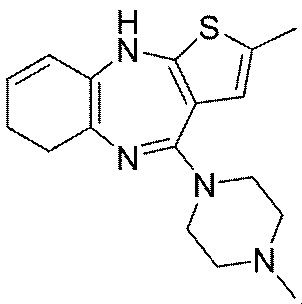


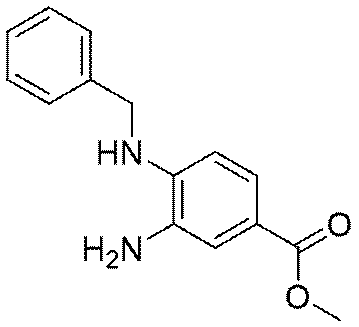


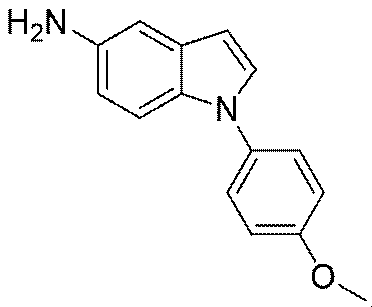


群:アポモルヒネ((R)-(-)-アポモルヒネ 塩酸)、エセロリン((-)-エセロリンフマル酸塩)、エトキシキン(6-エトキシ-2,2,4-トリメチル-1,2-ジヒドロキノリン)、メチルドパ(メチルドーパ セスキ水和物)、オランザピン(2-メチル-4-(4-メチル-1-ピぺラジニル)-10H-チエノ[2,3-b][1,5]ベンゾジアゼピン)、およびインダパミド (4-クロロ-N-[(2RS)-2-メチル-2,3-ジヒドロ-1H-インドール-1-イル]-3-スルファモイルベンズアミド
からなる群、
から選ばれる少なくとも1つの化合物であることが好ましい。
群:エトキシキン(6-エトキシ-2,2,4-トリメチル-1,2-ジヒドロキノリン)、およびメチルドパ(メチルドーパ セスキ水和物)からなる群、
から選ばれる少なくとも1つの化合物であることがより好ましい。
また、用量域は、使用する化合物の選択、投与経路(例えば、経口投与または眼内投与)、製剤の性質、対象者の種類、年齢、体重もしくは性別、または症状の性質もしくは重篤度などの条件に応じて適宜調節することができる。
本化合物または本発明の医薬組成物を、1日1回、または複数回(例えば、経口投与の場合には2もしくは3回、眼内投与の場合には2~10回、例えば5~6回)に分けて投与することができる。また、数日~数週に1回または複数回投与することもできる。
点眼剤のpHは、眼科製剤として許容される範囲内にあればよいが、通常、4.0~8.5に調節されることが好ましい。
実施例に使用した化合物、マウスまたは試薬等は、市販のものを入手するか、あるいは公知の方法に従って製造した。
本発明の医薬組成物の製剤例を以下に示すが、これらに限定されるものではない。
錠剤

一般的に知られる錠剤の製剤化の方法に従って、錠剤を製造する。具体的には、本化合物としてのメチルドパ、トウモロコシデンプン、および乳糖を混合機中で混合し、その混合物にカルボキシメチルセルロースカルシウム、およびヒドロキシプロピルセルロースを加えて造粒し、得られた顆粒を乾燥後整粒し、その整粒した顆粒に、ステアリン酸マグネシウムを加えて混合し、打錠機で打錠する。また、本化合物の添加量を変えることにより、100mgの錠剤中の所望する含有量(例えば、10mg、25mg、または50mg)の錠剤を製造することができる。
点眼剤
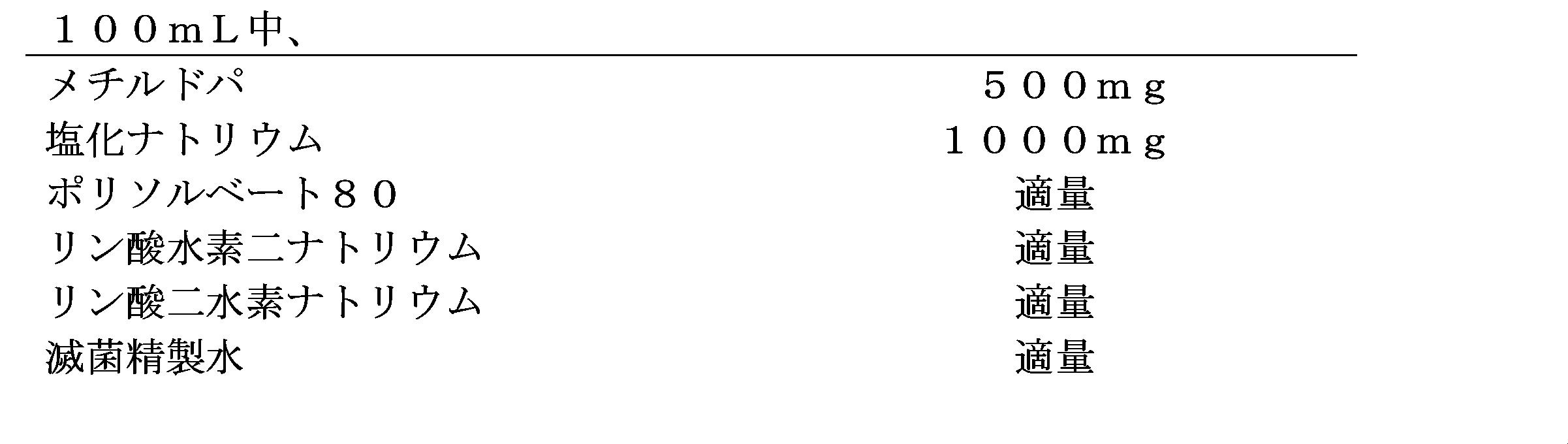
一般的に知られる点眼剤の製剤化の方法に従って、点眼剤を製造する。具体的には、滅菌精製水中に、本化合物としてのメチルドパ、およびそれ以外の上記成分を加え、これらを十分に混合して点眼液を調製する。メチルドパ等の本化合物の添加量を変えることにより、100mLの点眼剤中の所望する濃度(例えば、0.3%(W/V)、0.5%(W/V)、または1%(W/V))の点眼剤を製造することができる。
眼軟膏剤

一般的に知られる眼軟膏剤の製剤化の方法に従って、眼軟膏剤を製造する。具体的には、均一に溶融した白色ワセリンおよび流動パラフィンに、本化合物としてのメチルドパを加え、これらを十分に混合した後に、混合液を徐々に冷却することで眼軟膏剤を調製する。メチルドパ等の本化合物の添加量を変えることにより、100gの眼軟膏剤中の所望する濃度(例えば、0.3%(W/W)、0.5%(W/W)、または1%(W/W))の眼軟膏剤を製造することができる。
加齢黄斑変性症(AMD)に対する薬理試験(経口投与)
加齢黄斑変性症(AMD)に対する、被験化合物の薬理活性を調べた。被験化合物は以下のとおりである。
エトキシキン(化合物X)、エセロリン(化合物W)、メチルドパ(化合物Y)、およびインダパミド(化合物A)。
試験モデルとしては、萎縮型AMDモデルマウスとして広く汎用される光照射モデルを用いて、試験を行った。
まず、AMDモデルマウスを下記のスケジュールに従って作製した。
実験動物
雄性BALB/cマウス(4週齢)は日本エスエルシー(株)より購入し、一週間馴化させた後、実験に用いた。餌として実験動物固形飼料(CLEA Rodent Diet CE-2、CREA JAPAN, INC.)を、飲料水として水道水を自由摂取させ、12時間ごとの明暗サイクルの下で飼育した。また、全ての動物実験は、九州大学動物実験委員会の承認のもとで遂行した。
加齢黄斑変性症(AMD)モデルマウスの作製方法(作製スケジュール)を、図1に示す。
BALB/cマウスに、ポリエチレングリコール(polyethylene glycol: PEG)300 10%を含むPBSに溶解させた50μMの化合物を1mL/kg経口投与した。30分後、散瞳剤としてミドリンP(トロピカミド 5mg/mL、フェニレフリン塩酸塩 5mg/mL、参天製薬(株))を両眼に一滴ずつ点眼した。8000 luxの白色光を10時間照射し、通常の明暗サイクルに戻して6日間飼育した。7日目に頚椎脱臼により安楽死させ、眼球を摘出した(図1(a))。
上記摘出した眼球を用いて、厚さ8μmの凍結切片を作製し、ヘマトキシリン・エオジン(hematoxylin eosin:HE)染色を行い、外顆粒層(Outer nuclear layer:ONL)の厚みを180μmおきに27点にわたり測定(観察倍率:60倍)した(図1(b))。
プレパラートを1時間風乾し、室温中アセトンで15分間固定した後、99.5% EtOH、80% EtOH、70% EtOH、精製水の順で3分間ずつ浸漬し、ヘマトキシリンで10分間染色した。その後、10分間流水洗浄を行い、1分間ぬるま湯に漬け、エオジンで1.5分間染色した。精製水で洗い、70% EtOH、80% EtOH、99.5% EtOHの順で3分間ずつ浸漬した後、キシレンで3回洗浄し、乾かした後、VectaMount(商標)Mounting Mediumにて封入した。キーエンス蛍光顕微鏡(BZ-9000)にて観察・撮像を行った。
結果は平均+標準偏差で表した。多群間検定法としてDunnett’s Testを用いた。
外顆粒層(Outer nuclear layer:ONL)の厚みを評価した撮像の結果を図2に示す。用量が50μmol/kgの場合の、対照(コントロール)および対照化合物(エダラボン、OT-551(4-シクロプロピルカルボキシ-1-ヒドロキシ-2,2,6,6-テトラメチル-ピペリジン)と比較した、本化合物(エトキシキン(化合物X)、エセロリン(化合物W)、メチルドパ(化合物Y)、およびインダパミド(化合物A))の、ONL明視野像(観察倍率:60倍)(図2(a))およびONLの厚みの平均値(図2(b))の結果を得た。図2(a)中、上方から内顆粒層(INL)、中間に外顆粒層(ONL)、下方に網膜色素上皮(RPE)が存在する。脂質過酸化により細胞死が起こると、中間の外顆粒層の厚さがうすくなる。
まず、光照射により、ONLの厚みは有意に減少した(図2(a)負コントロール)。ONLの障害の程度は眼球の上半分(superior)側で特に重度であり、これらの結果は文献(例えば、Tanito M., et al., Invest. Ophthalmol. Vis. Sci., 2007, 48(4), 1900-5.)にて知られる結果と一致した。
一方で、試験に用いた4つの本化合物の場合には、いずれの場合もONLの厚さは、正コントロールの場合と比較してほとんど差異はなかった。50μmol/kgの同じ用量の場合でも、対照化合物としてのエダラボンやOT-551の場合と比較して、有意な厚さが観察され、特に、エトキシキン(化合物X)およびインダパミド(化合物A)は、正対照と比較して変わらない厚さが観察された(図2(b))。
さらに、100μmol/kg、または200μmol/kgの用量の、対照と比較した、本化合物(メチルドパ(化合物Y))の、ONL明視野像(観察倍率:40倍)(図2(c))およびONLの厚みの平均値(図2(d))の結果を得た。ONLの厚さは、正対照の場合と比較してほとんど差異はなかった(図2(c))。また、正対照と比較して変わらない厚さが観察された(図2(d))。
また、50μmol/kgは、それぞれ5個の被験化合物の半数致死量(median lethal dose: LD50)の10分の1以下であり、安全であることが確認された(図5を参照)。
加齢黄斑変性症(AMD)に対する薬理試験(点眼投与)
加齢黄斑変性症(AMD)に対する、被験化合物の薬理活性を調べた。被験化合物としての本化合物は、メチルドパ(化合物Y)であった。
試験モデルとしては、萎縮型AMDモデルマウスとして広く汎用される光照射モデルを用いて、試験を行った。
まず、AMDモデルマウスを下記のスケジュールに従って作製した。
実験動物
雄性BALB/cマウス(4週齢)は日本エスエルシー(株)より購入し、一週間馴化させた後、実験に用いた。餌として実験動物固形飼料(CLEA Rodent Diet CE-2、CREA JAPAN, INC.)を、飲料水として水道水を自由摂取させ、12時間ごとの明暗サイクルの下で飼育した。また、全ての動物実験は、九州大学動物実験委員会の承認のもとで遂行した。
加齢黄斑変性症(AMD)モデルマウスの作製方法(作製スケジュール)を、図3に示す。
BALB/cマウスに、散瞳剤としてミドリンP(トロピカミド 5mg/mL、フェニレフリン塩酸塩 5mg/mL、参天製薬(株))を両眼に一滴ずつ点眼し、約10分後、ポリエチレングリコール(polyethylene glycol: PEG)300 10%を含むPBSに溶解させた0.45%、0.75%または1%のメチルドパを片眼約50μLずつ点眼投与した。その後、8000 luxの白色光を10時間照射し、通常の明暗サイクルに戻して6日間飼育した。7日目に頚椎脱臼により安楽死させ、眼球を摘出した。
上記摘出した眼球を用いて、厚さ8μmの凍結切片を作製し、ヘマトキシリン・エオジン(hematoxylin eosin:HE)染色を行い、外顆粒層(Outer nuclear layer:ONL)の厚みを180μmおきに27点にわたり測定(観察倍率:40倍)した。
プレパラートを1時間風乾し、室温中アセトンで15分間固定した後、99.5% EtOH、80% EtOH、70% EtOH、精製水の順で3分間ずつ浸漬し、ヘマトキシリンで10分間染色した。その後、10分間流水洗浄を行い、1分間ぬるま湯に漬け、エオジンで1.5分間染色した。精製水で洗い、70% EtOH、80% EtOH、99.5% EtOHの順で3分間ずつ浸漬した後、キシレンで3回洗浄し、乾かした後、VectaMount(商標)Mounting Mediumにて封入した。キーエンス蛍光顕微鏡(BZ-9000)にて観察・撮像を行った。
結果は平均+標準偏差で表した。多群間検定法としてDunnett’s Testを用いた。
外顆粒層(Outer nuclear layer: ONL)の厚みを評価した撮像の結果を図4に示す。対照と比較した、本化合物(メチルドパ(化合物Y))の、ONL明視野像(観察倍率:40倍)(図4(a))およびONLの厚みの平均値(図4(b))の結果を得た。図4(a)中、上方から内顆粒層(INL)、中間に外顆粒層(ONL)、下方に網膜色素上皮(RPE)が存在する。脂質過酸化により細胞死が起こると、中間の外顆粒層の厚さがうすくなる。
まず、光照射により、ONLの厚みは有意に減少した(図4(a)負コントロール)。ONLの障害の程度は眼球の上半分(superior)側で特に重度であり、これらの結果は文献(例えば、Tanito M., et al., Invest. Ophthalmol. Vis. Sci., 2007, 48(4), 1900-5.)にて知られる結果と一致した。
一方で、試験に用いた本化合物のメチルドパの場合には、点眼液中の濃度が0.45%、0.75%または1%の場合、いずれの場合もONLの厚さは、光照射の場合と比較して有意な厚さを有し、特に、濃度が0.75%以上(0.75%、および1%)の場合にはほとんど濃度による差異は見られなかった(図4(b))。
ミュラー(Muller)細胞の活性評価試験
加齢黄斑変性症(AMD)について、病態悪化に伴い増大する、ミュラー(Muller)細胞活性化の指標であるマーカー蛋白質のmRNA発現量に対する被験化合物の抑制活性を調べた。被験化合物としての本化合物は、メチルドパ(化合物Y)であった。
試験モデルとしては、萎縮型AMDモデルマウスとして広く汎用される光照射モデルを用いて、試験を行った。
まず、AMDモデルマウスを下記のスケジュールに従って作製した。
実験動物
雄性BALB/cマウス(4週齢)は日本エスエルシー(株)より購入し、一週間馴化させた後、実験に用いた。餌として実験動物固形飼料(CLEA Rodent Diet CE-2、CREA JAPAN, INC.)を、飲料水として水道水を自由摂取させ、12時間ごとの明暗サイクルの下で飼育した。また、全ての動物実験は、九州大学動物実験委員会の承認のもとで遂行した。
加齢黄斑変性症(AMD)モデルマウスの作製方法(作製スケジュール)を、試験例2(図3)に記載の方法に準じて作製した。
具体的には、9週齢BALB/cマウスに、ポリエチレングリコール(polyethylene glycol: PEG)300 10%を含むPBSに溶解させた50μMの被験化合物を1mL/kg経口投与した。コントロールとして、ポリエチレングリコール300 10%を含むPBSの溶液を用いた。投与の30分後、散瞳剤としてミドリンP(トロピカミド 5mg/mL、フェニレフリン塩酸塩 5mg/mL、参天製薬(株))を両眼に一滴ずつ点眼した。8000 luxの白色光を10時間照射し、通常の明暗サイクルに戻して目的の観察期間中、飼育した。観察期間後に、頸椎脱臼により安楽死させ、網膜を摘出した。
上記の摘出した網膜について、ISOSPIN Cell & Tissue RNA((株)ニッポンジーン社製))を用いて網膜からRNAを抽出し、ReverTra Ace(商標)qPCR RT Master Mix(東洋紡株式会社製)を用いてcDNAを合成した。得られたcDNAを、滅菌水を用いて0.5ng/μLまで希釈し、THUNDERBIRD(商標)SYBR(商標)qPCR Mix(東洋紡株式会社製)を用いてリアルタイムPCRを行った。全ての試験結果を、Gapdh mRNA量で補正し、相対定量を行った。遺伝子毎に使用したプライマーの配列を下記表4に示した。
試験結果を、図6に示す。図6Aには、正常群マウスと、被験化合物を投与しない場合の病態群のマウスにおける、ミュラー細胞マーカー蛋白質のmRNAの発現量の変化を示す。図6Bには、正常群マウスと、被験化合物を投与しない場合の病態群のマウス、および被験化合物を病態群のマウスに投与した場合の病態群のマウス、におけるミュラー細胞マーカー蛋白質のmRNAの発現量の変化を示す。
図6Aに示す通り、正常群のマウスに比べて病態群のマウスは、mRNAの発現量が増加した。一方で、図6Bに示す通り、病態群のマウスに被験化合物を投与したところ、図6Aにおいて著しい発現量の増加が観察された当該mRNA発現量の顕著な抑制が観察された。
この結果より、加齢黄斑変性症に関連するミュラー細胞マーカー蛋白質のmRNA発現量の増加を、本化合物であるメチルドパは有意に抑制することが分かった。
ミクログリアの活性評価試験
加齢黄斑変性症(AMD)について、病態悪化に伴い増大する、ミクログリア活性化の指標であるマーカー蛋白質のmRNA発現量に対する被験化合物の抑制活性を調べた。被験化合物としての本化合物は、メチルドパ(化合物Y)であった。
試験モデルマウスの作製、リアルPCR法等の実験操作は、試験例3に記載の方法に準じて行った。
試験結果を、図7に示す。図7Aには、正常群マウスと、被験化合物を投与しない場合の病態群のマウスにおける、ミクログリアマーカー蛋白質のmRNAの発現量の変化を示す。図7Bには、正常群マウスと、被験化合物を投与しない場合の病態群のマウス、および被験化合物を病態群のマウスに投与した場合の病態群のマウス、におけるミクログリアマーカー蛋白質のmRNAの発現量の変化を示す。
図7Aに示す通り、正常群のマウスに比べて病態群のマウスは、mRNAの発現量が増加した。一方で、図7Bに示す通り、病態群のマウスに被験化合物を投与したところ、図7Aにおいて著しい発現量の増加が観察された当該mRNA発現量の顕著な抑制が観察された。
この結果より、加齢黄斑変性症に関連するミクログリアマーカー蛋白質のmRNA発現量の増加を、本化合物であるメチルドパは有意に抑制することが分かった。
表4.本試験例で使用したプライマーの配列

補体の活性評価試験
加齢黄斑変性症(AMD)について、病態悪化に伴い増大する、補体のmRNA発現量の被験化合物の抑制活性を調べた。被験化合物としての本化合物は、メチルドパ(化合物Y)であった。
試験モデルマウスの作製、リアルPCR法等の実験操作は、試験例3に記載の方法に準じて行った。
試験結果を、図8に示す。図8Aには、正常群マウスと、被験化合物を投与しない場合の病態群のマウスにおける、補体のmRNAの発現量の変化を示す。図8Bには、正常群マウスと、被験化合物を投与しない場合の病態群のマウス、および被験化合物を病態群のマウスに投与した場合の病態群のマウス、における補体のmRNAの発現量の変化を示す。
図8Aに示す通り、正常群のマウスに比べて病態群のマウスは、mRNAの発現量が増加した。一方で、図8Bに示す通り、病態群のマウスに被験化合物を投与したところ、図8Aにおいて著しい発現量の増加が観察された当該mRNA発現量の顕著な抑制が観察された。
この結果より、加齢黄斑変性症に関連する補体のmRNA発現量の増加を、本化合物であるメチルドパは有意に抑制することが分かった。
Claims (13)
- 処置を必要とする対象者における網膜疾患を予防もしくは治療する、または疾患の進行を抑制するための、有効量の下記群からなる群から選ばれる少なくとも1つの化合物、および医薬的に許容し得る担体を含む、眼内投与または経口投与用の医薬組成物:
群:アポモルヒネ ((R)-(-)-アポモルヒネ 塩酸)、エセロリン ((-)-エセロリンフマル酸塩)、エトキシキン (6-エトキシ-2,2,4-トリメチル-1,2-ジヒドロキノリン)、メチルドパ (メチルドーパ セスキ水和物)、オランザピン(2-メチル-4-(4-メチル-1-ピぺラジニル)-10H-チエノ[2,3-b][1,5]ベンゾジアゼピン)、3-アミノ-4-(フェニルアミノ)安息香酸メチル、3-アミノ-4-((4-メトキシフェニル)アミノ)安息香酸メチル、3-アミノ-4-((3-メトキシフェニル)アミノ)安息香酸メチル、3-アミノ-4-(ベンジルアミノ)安息香酸メチル、3-アミノ-4-((1-フェニルエチル)アミノ)安息香酸メチル、1-(4-(トリフルオロメトキシ)フェニル)インドリン-5-アミン、1-(3,5-ジメチルフェニル)-1H-インドール-6-アミン、1-(3,5-ジメチルフェニル)インドリン-6-アミン、1-(4-メトキシフェニル)-1H-インドール-6-アミン、1-(4-(メチルチオ)フェニル)-1H-インドール-6-アミン、1-(4-(トリフルオロメトキシ)フェニル)-1H-インドール-5-アミン、およびインダパミド (4-クロロ-N-[(2RS)-2-メチル-2,3-ジヒドロ-1H-インドール-1-イル]-3-スルファモイルベンズアミドからなる群。 - 該化合物が、下記群から選ばれる少なくとも1つの化合物である、請求項1記載の医薬組成物:
群:アポモルヒネ((R)-(-)-アポモルヒネ 塩酸)、エセロリン((-)-エセロリンフマル酸塩)、エトキシキン(6-エトキシ-2,2,4-トリメチル-1,2-ジヒドロキノリン)、メチルドパ(メチルドーパ セスキ水和物)、オランザピン(2-メチル-4-(4-メチル-1-ピぺラジニル)-10H-チエノ[2,3-b][1,5]ベンゾジアゼピン)、およびインダパミド (4-クロロ-N-[(2RS)-2-メチル-2,3-ジヒドロ-1H-インドール-1-イル]-3-スルファモイルベンズアミドからなる群。 - 該網膜疾患が、糖尿病網膜症、網膜色素変性症、スターガルト症、高血圧性網膜症、緑内障、白内障、網膜中心動静脈閉塞症、特発性ポリープ状脈絡膜血管症、レーバー先天性黒内障(LCA)、アッシャー症候群、コロイデレミア、桿体-錐体もしくは錐体-桿体ジストロフィー、繊毛障害、ミトコンドリア障害、進行性網膜萎縮、地図状萎縮、家族性もしくは後天性黄斑症、網膜光受容体疾患、網膜色素上皮を基礎とする疾患、類嚢胞黄斑浮腫、網膜変性疾患、硝子体混濁、ブドウ膜炎、網膜剥離、外傷性網膜損傷、医原性網膜損傷、黄斑円孔、黄斑部毛細血管拡張症、神経節細胞疾患、視神経細胞疾患、視神経症、虚血性網膜疾患、未熟児網膜症、網膜血管閉塞、家族性細動脈瘤、網膜血管疾患、眼血管疾患、血管疾患、または虚血性視神経症からなる群から選ばれる1つ以上の疾患である、請求項1または2のいずれかに記載の医薬組成物。
- 該網膜疾患が、加齢黄斑変性症である、請求項1~3のいずれか1つに記載の医薬組成物。
- 該加齢黄斑変性症が、萎縮型(ドライ型)の加齢黄斑変性症である、請求項1~4のいずれか1つに記載の医薬組成物。
- 該加齢黄斑変性症が、滲出型(ウェット型)の加齢黄斑変性疾患である、請求項1~4のいずれか1つに記載の医薬組成物。
- 点眼剤または眼軟膏剤として製剤化される、請求項1~5のいずれか1つに記載の医薬組成物。
- 該化合物の有効量が、各化合物の半数致死量の約10分の1以下の低用量である、請求項1~6のいずれか1つに記載の医薬組成物。
- 該化合物の有効量が、眼内投与用医薬組成物の重量あたり約5重量%以下であり、経口投与用医薬組成物の重量あたり約80重量%以下である、請求項1~7のいずれか1つに記載の医薬組成物。
- 処置を必要とする対象者における網膜疾患を予防もしくは治療する、または疾患の進行を抑制するための、有効量の請求項1または2に記載の群から選ばれる少なくとも1つの化合物、および医薬的に許容し得る担体を含む、点眼剤。
- 処置を必要とする対象者における網膜疾患を予防もしくは治療する、または疾患の進行を抑制するための、有効量の請求項1または2に記載の群から選ばれる少なくとも1つの化合物、および医薬的に許容し得る担体を含む、経口剤。
- 処置を必要とする対象者における網膜疾患を予防もしくは治療する、または疾患の進行を抑制するための、眼内投与または経口投与用の医薬の製造における、請求項1または2に記載の群から選ばれる少なくとも1つの化合物の使用。
- 有効量の請求項1または2に記載の群から選ばれる少なくとも1つの化合物を、処置を必要とする対象者に眼内または経口によって投与することを特徴とする、網膜疾患を予防もしくは治療する、または疾患の進行を抑制するための方法。
Priority Applications (7)
| Application Number | Priority Date | Filing Date | Title |
|---|---|---|---|
| US17/422,057 US20220096410A1 (en) | 2019-01-09 | 2020-01-09 | Pharmaceutical composition for intraocular or oral administration for treatment of retinal diseases |
| CA3126333A CA3126333A1 (en) | 2019-01-09 | 2020-01-09 | Pharmaceutical composition for intraocular or oral administration for treatment of retinal diseases |
| AU2020205535A AU2020205535B2 (en) | 2019-01-09 | 2020-01-09 | Pharmaceutical composition for intraocular or oral administration for treatment of retinal diseases |
| EP20739000.6A EP3919052A4 (en) | 2019-01-09 | 2020-01-09 | Pharmaceutical composition for intraocular or oral administration for treatment of retinal diseases |
| CN202080008302.7A CN113286581A (zh) | 2019-01-09 | 2020-01-09 | 用于治疗视网膜疾病的眼内或者口服给药用药物组合物 |
| JP2020565214A JPWO2020145364A1 (ja) | 2019-01-09 | 2020-01-09 | |
| JP2024128655A JP2024144702A (ja) | 2019-01-09 | 2024-08-05 | 網膜疾患の治療のための眼内または経口投与用医薬組成物 |
Applications Claiming Priority (2)
| Application Number | Priority Date | Filing Date | Title |
|---|---|---|---|
| JP2019-001979 | 2019-01-09 | ||
| JP2019001979 | 2019-01-09 |
Publications (1)
| Publication Number | Publication Date |
|---|---|
| WO2020145364A1 true WO2020145364A1 (ja) | 2020-07-16 |
Family
ID=71520971
Family Applications (1)
| Application Number | Title | Priority Date | Filing Date |
|---|---|---|---|
| PCT/JP2020/000538 Ceased WO2020145364A1 (ja) | 2019-01-09 | 2020-01-09 | 網膜疾患の治療のための眼内または経口投与用医薬組成物 |
Country Status (7)
| Country | Link |
|---|---|
| US (1) | US20220096410A1 (ja) |
| EP (1) | EP3919052A4 (ja) |
| JP (2) | JPWO2020145364A1 (ja) |
| CN (1) | CN113286581A (ja) |
| AU (1) | AU2020205535B2 (ja) |
| CA (1) | CA3126333A1 (ja) |
| WO (1) | WO2020145364A1 (ja) |
Cited By (3)
| Publication number | Priority date | Publication date | Assignee | Title |
|---|---|---|---|---|
| CN113082031A (zh) * | 2021-03-09 | 2021-07-09 | 温州医科大学附属眼视光医院 | 一种多巴胺d1和d2受体非选择性激动剂在作为制备治疗眼部病理性血管新生药物的应用 |
| EP4284507A4 (en) * | 2021-01-29 | 2025-01-08 | Mayo Foundation for Medical Education and Research | Methods of treating ocular fibrotic pathologies |
| US12264163B2 (en) | 2019-07-30 | 2025-04-01 | Mayo Foundation For Medical Education And Research | Compounds and methods for treating fibrotic pathologies |
Families Citing this family (1)
| Publication number | Priority date | Publication date | Assignee | Title |
|---|---|---|---|---|
| US20230398095A1 (en) * | 2022-06-10 | 2023-12-14 | Ahmad Alkayali | Therapeutic agent for treatment of age-related macular degeneration |
Citations (5)
| Publication number | Priority date | Publication date | Assignee | Title |
|---|---|---|---|---|
| JP2007515422A (ja) * | 2003-12-22 | 2007-06-14 | アルコン,インコーポレイテッド | 糖尿病性網膜症および黄斑変性における結晶腔形成の処置のための薬剤 |
| JP2011520788A (ja) | 2008-04-18 | 2011-07-21 | アリゾナ ボード オブ リージェンツ ア ボディー コープ.オブ ザ ステイト オブ アリゾナ アクティング フォー アンド オン ビハーフ オブ ザ ユニバーシティ オブ アリゾナ | 加齢黄斑変性症を治療する方法および組成物ならびに加齢黄斑変性症を治療する化合物を識別する方法 |
| JP2012506410A (ja) * | 2008-10-24 | 2012-03-15 | ユニバーシティ オブ シェフィールド | 神経障害のための治療 |
| WO2015029948A1 (ja) * | 2013-08-26 | 2015-03-05 | リンク・ジェノミクス株式会社 | 網膜色素上皮の障害を原因とする網膜疾患の予防または治療剤 |
| WO2019009355A1 (ja) * | 2017-07-06 | 2019-01-10 | 山田 健一 | 脂質過酸化誘発性疾患の治療薬およびそのスクリーニング方法 |
Family Cites Families (5)
| Publication number | Priority date | Publication date | Assignee | Title |
|---|---|---|---|---|
| FR2771010B1 (fr) * | 1997-11-19 | 2003-08-15 | Adir | Utilisation d'une combinaison d'un inhibiteur de l'enzyme de conversion de l'angiotensine et d'un diuretique pour le traitement des desordres microcirculatoires |
| US9018202B2 (en) * | 2010-12-03 | 2015-04-28 | Allergan, Inc. | Methods for treating diseases of the retina |
| JP2017218384A (ja) * | 2016-06-03 | 2017-12-14 | 国立大学法人京都大学 | 網膜疾患の予防または治療のための医薬組成物 |
| EP3266446B1 (en) * | 2016-07-07 | 2018-11-21 | Laboratorios SALVAT, S.A. | Ophthalmic composition comprising castor oil and medium chain triglyceride |
| US11123411B2 (en) * | 2016-12-08 | 2021-09-21 | Gary E. Borodic | Method of treating macular degeneration using botulinum toxin-based pharmaceuticals |
-
2020
- 2020-01-09 CA CA3126333A patent/CA3126333A1/en active Pending
- 2020-01-09 WO PCT/JP2020/000538 patent/WO2020145364A1/ja not_active Ceased
- 2020-01-09 JP JP2020565214A patent/JPWO2020145364A1/ja active Pending
- 2020-01-09 CN CN202080008302.7A patent/CN113286581A/zh active Pending
- 2020-01-09 EP EP20739000.6A patent/EP3919052A4/en active Pending
- 2020-01-09 US US17/422,057 patent/US20220096410A1/en active Pending
- 2020-01-09 AU AU2020205535A patent/AU2020205535B2/en active Active
-
2024
- 2024-08-05 JP JP2024128655A patent/JP2024144702A/ja active Pending
Patent Citations (5)
| Publication number | Priority date | Publication date | Assignee | Title |
|---|---|---|---|---|
| JP2007515422A (ja) * | 2003-12-22 | 2007-06-14 | アルコン,インコーポレイテッド | 糖尿病性網膜症および黄斑変性における結晶腔形成の処置のための薬剤 |
| JP2011520788A (ja) | 2008-04-18 | 2011-07-21 | アリゾナ ボード オブ リージェンツ ア ボディー コープ.オブ ザ ステイト オブ アリゾナ アクティング フォー アンド オン ビハーフ オブ ザ ユニバーシティ オブ アリゾナ | 加齢黄斑変性症を治療する方法および組成物ならびに加齢黄斑変性症を治療する化合物を識別する方法 |
| JP2012506410A (ja) * | 2008-10-24 | 2012-03-15 | ユニバーシティ オブ シェフィールド | 神経障害のための治療 |
| WO2015029948A1 (ja) * | 2013-08-26 | 2015-03-05 | リンク・ジェノミクス株式会社 | 網膜色素上皮の障害を原因とする網膜疾患の予防または治療剤 |
| WO2019009355A1 (ja) * | 2017-07-06 | 2019-01-10 | 山田 健一 | 脂質過酸化誘発性疾患の治療薬およびそのスクリーニング方法 |
Non-Patent Citations (4)
| Title |
|---|
| ACAR, N. ET AL., PLOSS. ONE, vol. 7, 2012, pages 35102 |
| See also references of EP3919052A4 |
| TANITO M. ET AL., INVEST. OPHTHALMOL. VIS. SCI., vol. 48, no. 4, 2007, pages 1900 - 5 |
| YE.X. ET AL., TRENDS. MOL. MED., vol. 16, 2010, pages 417 - 25 |
Cited By (3)
| Publication number | Priority date | Publication date | Assignee | Title |
|---|---|---|---|---|
| US12264163B2 (en) | 2019-07-30 | 2025-04-01 | Mayo Foundation For Medical Education And Research | Compounds and methods for treating fibrotic pathologies |
| EP4284507A4 (en) * | 2021-01-29 | 2025-01-08 | Mayo Foundation for Medical Education and Research | Methods of treating ocular fibrotic pathologies |
| CN113082031A (zh) * | 2021-03-09 | 2021-07-09 | 温州医科大学附属眼视光医院 | 一种多巴胺d1和d2受体非选择性激动剂在作为制备治疗眼部病理性血管新生药物的应用 |
Also Published As
| Publication number | Publication date |
|---|---|
| US20220096410A1 (en) | 2022-03-31 |
| EP3919052A1 (en) | 2021-12-08 |
| EP3919052A4 (en) | 2022-10-05 |
| JP2024144702A (ja) | 2024-10-11 |
| CA3126333A1 (en) | 2020-07-16 |
| JPWO2020145364A1 (ja) | 2020-07-16 |
| AU2020205535B2 (en) | 2025-04-10 |
| CN113286581A (zh) | 2021-08-20 |
| AU2020205535A1 (en) | 2021-08-26 |
Similar Documents
| Publication | Publication Date | Title |
|---|---|---|
| JP2024144702A (ja) | 網膜疾患の治療のための眼内または経口投与用医薬組成物 | |
| WO2010113753A1 (ja) | JNK(c-Junアミノ末端キナーゼ)阻害ペプチドを用いた網膜疾患の予防または治療剤、網膜疾患の予防または治療方法、ならびに、その使用 | |
| US11712414B2 (en) | Oral pharmaceutical composition for preventing or treating dry eye syndrome comprising rebamipide or a prodrug thereof | |
| EP3318280A1 (en) | Depot preparation containing citric acid ester | |
| TWI656874B (zh) | 西羅莫司或其藥學上可容許的鹽之用途 | |
| JP2009196973A (ja) | キナゾリノン誘導体又はキノキサリン誘導体を有効成分として含有する後眼部疾患の予防又は治療剤 | |
| US10973758B2 (en) | Methods of eye treatment using therapeutic compositions containing dipyridamole | |
| RU2491066C2 (ru) | Средство для профилактики и лечения глазного заболевания, сопровождающегося нарушением деятельности зрительного нерва | |
| WO2011149012A1 (ja) | イソキノリンスルホニル誘導体を有効成分として含有する網脈絡膜変性疾患の予防または治療剤、網脈絡膜変性疾患の予防または治療方法、イソキノリンスルホニル誘導体またはその医薬的に許容される塩、ならびにその使用 | |
| WO2019065838A1 (ja) | ピリジルアミノ酢酸化合物を含有する医薬 | |
| HK40066148A (en) | Pharmaceutical composition for intraocular or oral administration for treatment of retinal diseases | |
| JP2004331502A (ja) | 視神経細胞保護剤 | |
| US20240285623A1 (en) | Trpa1 channel antagonist compound for use in degenerative retinal diseases | |
| WO2009110526A1 (ja) | 3’,5-ジ-2-プロペニル-(1,1’-ビフェニル)-2,4’-ジオールを有効成分として含有する視神経障害の予防又は治療剤 | |
| WO2025135087A1 (ja) | 慢性移植片対宿主病における眼合併症の予防治療用医薬組成物 | |
| HK40107693A (zh) | 用於退行性视网膜疾病的trpa1通道拮抗剂化合物 | |
| JP2017218384A (ja) | 網膜疾患の予防または治療のための医薬組成物 | |
| JP2003146904A (ja) | 緑内障治療薬 | |
| JP2004250347A (ja) | 網膜虚血に基づく疾患の治療および/又は予防剤 | |
| KR20110126132A (ko) | 4,6-디클로로-1η-인돌-2-카르복실산 유도체 또는 이의 염을 유효 성분으로서 함유하는 시신경 장애의 예방 또는 치료제 | |
| JP2001240543A (ja) | 虚血性網膜疾患並びに網膜及び視神経障害の治療及び/または予防薬 | |
| JPWO1998005316A1 (ja) | 眼循環障害改善剤 |
Legal Events
| Date | Code | Title | Description |
|---|---|---|---|
| 121 | Ep: the epo has been informed by wipo that ep was designated in this application |
Ref document number: 20739000 Country of ref document: EP Kind code of ref document: A1 |
|
| ENP | Entry into the national phase |
Ref document number: 2020565214 Country of ref document: JP Kind code of ref document: A |
|
| ENP | Entry into the national phase |
Ref document number: 3126333 Country of ref document: CA |
|
| NENP | Non-entry into the national phase |
Ref country code: DE |
|
| ENP | Entry into the national phase |
Ref document number: 2020739000 Country of ref document: EP Effective date: 20210809 |
|
| ENP | Entry into the national phase |
Ref document number: 2020205535 Country of ref document: AU Date of ref document: 20200109 Kind code of ref document: A |