WO2020158874A1 - Procédé de production de protéine recombinante - Google Patents
Procédé de production de protéine recombinante Download PDFInfo
- Publication number
- WO2020158874A1 WO2020158874A1 PCT/JP2020/003478 JP2020003478W WO2020158874A1 WO 2020158874 A1 WO2020158874 A1 WO 2020158874A1 JP 2020003478 W JP2020003478 W JP 2020003478W WO 2020158874 A1 WO2020158874 A1 WO 2020158874A1
- Authority
- WO
- WIPO (PCT)
- Prior art keywords
- protein
- amino acid
- mutant
- recombinant
- production
- Prior art date
- Legal status (The legal status is an assumption and is not a legal conclusion. Google has not performed a legal analysis and makes no representation as to the accuracy of the status listed.)
- Ceased
Links
Images




Classifications
-
- C—CHEMISTRY; METALLURGY
- C07—ORGANIC CHEMISTRY
- C07K—PEPTIDES
- C07K14/00—Peptides having more than 20 amino acids; Gastrins; Somatostatins; Melanotropins; Derivatives thereof
- C07K14/195—Peptides having more than 20 amino acids; Gastrins; Somatostatins; Melanotropins; Derivatives thereof from bacteria
- C07K14/24—Peptides having more than 20 amino acids; Gastrins; Somatostatins; Melanotropins; Derivatives thereof from bacteria from Enterobacteriaceae (F), e.g. Citrobacter, Serratia, Proteus, Providencia, Morganella, Yersinia
- C07K14/245—Escherichia (G)
-
- C—CHEMISTRY; METALLURGY
- C07—ORGANIC CHEMISTRY
- C07K—PEPTIDES
- C07K14/00—Peptides having more than 20 amino acids; Gastrins; Somatostatins; Melanotropins; Derivatives thereof
- C07K14/435—Peptides having more than 20 amino acids; Gastrins; Somatostatins; Melanotropins; Derivatives thereof from animals; from humans
-
- C—CHEMISTRY; METALLURGY
- C12—BIOCHEMISTRY; BEER; SPIRITS; WINE; VINEGAR; MICROBIOLOGY; ENZYMOLOGY; MUTATION OR GENETIC ENGINEERING
- C12N—MICROORGANISMS OR ENZYMES; COMPOSITIONS THEREOF; PROPAGATING, PRESERVING, OR MAINTAINING MICROORGANISMS; MUTATION OR GENETIC ENGINEERING; CULTURE MEDIA
- C12N15/00—Mutation or genetic engineering; DNA or RNA concerning genetic engineering, vectors, e.g. plasmids, or their isolation, preparation or purification; Use of hosts therefor
- C12N15/09—Recombinant DNA-technology
- C12N15/87—Introduction of foreign genetic material using processes not otherwise provided for, e.g. co-transformation
- C12N15/90—Stable introduction of foreign DNA into chromosome
-
- C—CHEMISTRY; METALLURGY
- C12—BIOCHEMISTRY; BEER; SPIRITS; WINE; VINEGAR; MICROBIOLOGY; ENZYMOLOGY; MUTATION OR GENETIC ENGINEERING
- C12P—FERMENTATION OR ENZYME-USING PROCESSES TO SYNTHESISE A DESIRED CHEMICAL COMPOUND OR COMPOSITION OR TO SEPARATE OPTICAL ISOMERS FROM A RACEMIC MIXTURE
- C12P21/00—Preparation of peptides or proteins
- C12P21/02—Preparation of peptides or proteins having a known sequence of two or more amino acids, e.g. glutathione
Definitions
- the present invention relates to a method for producing a recombinant protein. More specifically, it relates to a method for producing a recombinant protein using a cell having a mutation in a morphogenetic regulatory factor.
- Non-Patent Document 1 a recombinant protein expression system using a mammalian cell, yeast, mold, Gram-negative bacterium, Gram-positive bacterium or the like as a host is known, and these are also used in industrial production (for example, Non-Patent Document 1).
- An object of the present invention is to provide a production method capable of efficiently producing a recombinant protein.
- the present inventors have found that in the production of recombinant proteins, the use of cells having a mutation in a morphogenetic regulatory factor as a host improves the production amount of recombinant proteins per cell.
- the present invention is based on this novel finding.
- the present invention relates to the following inventions, for example.
- a production step of culturing a recombinant cell containing a nucleic acid sequence encoding a protein of interest and one or more regulatory sequences operably linked to the nucleic acid sequence in a protein production medium In the above recombinant cell, a method for producing a recombinant protein, wherein at least one morphogenesis regulator is a mutant morphogenesis regulator.
- the production method according to [1], wherein the mutant morphogenesis regulator is a mutant cytoskeletal protein.
- the production method according to [2], wherein the mutant cytoskeletal protein is mutant MreB.
- FIG. 1 is a schematic diagram showing an outline of a method for incorporating a modified fibroin expression cassette into a host chromosome by utilizing a mechanism of lysogenization of HK022 phage.
- FIG. 3 is a schematic diagram showing an outline of a method for incorporating a modified fibroin expression cassette into a host chromosome by utilizing a mechanism in which ⁇ 80 phage is lysogenized.
- FIG. 1 is a schematic diagram showing an outline of a method for incorporating a modified fibroin expression cassette into a host chromosome by utilizing a mechanism in which ⁇ 80 phage is lysogenized.
- FIG. 3 is a schematic diagram showing an outline of a method for incorporating a modified fibroin expression cassette into a host chromosome by utilizing a homologous recombination system possessed by ⁇ phage. It is a graph which shows the relative value of the average cell diameter of the YeeV induction expression strain on the basis of a wild type strain. It is a graph which shows the relative value of the modified fibroin production amount (production amount per medium) of the yeeV-inducible expression strain based on the wild-type strain.
- the method for producing a recombinant protein is a recombinant cell containing a nucleic acid sequence encoding a target protein and one or more regulatory sequences operably linked to the nucleic acid sequence in a protein production medium.
- the recombinant cell used is provided with a production step of culturing, and the recombinant cell used is characterized in that at least one morphogenetic regulator is a mutant morphogenetic regulator.
- Morphogenesis control factor means a protein associated with cell morphogenesis or morphogenesis.
- Cell morphology includes, for example, cell rigidity, shape, and size.
- Morphogenic regulators include, for example, proteins associated with the formation or regulation of cell elongation, cell width and cell polarity.
- Specific examples of the morphogenetic regulatory factor include cytoskeletal proteins, peptidoglycan synthase, and the like.
- prokaryotic cells for example, in many bacteria such as Escherichia coli, the cells are covered with peptidoglycan (sugar chains crosslinked by short peptides).
- peptidoglycan sucrose chains crosslinked by short peptides.
- strict control of the degradation of existing peptidoglycan and the insertion of newly synthesized peptidoglycan during cell elongation and division allows cells to maintain their morphology without rupture. Is possible.
- cytoskeletal proteins it is thought that one of the functions of cytoskeletal proteins is to control the intracellular localization of peptidoglycan synthase. That is, it is the peptidoglycan in the periplasmic region that ultimately determines the morphology of the cell, but it is the cytoskeletal protein in the cytoplasm that controls the enzyme that synthesizes it.
- Examples of bacterial cytoskeletal proteins include FtsZ tubulin and MreB actin.
- Examples of the peptidoglycan synthase include PBP3 (FtsI) and PBP2.
- FtsZ tubulin is the first of the division-related proteins to localize at the division plane and forms a division ring (Z ring). Furthermore, more than a dozen kinds of related proteins are assembled into Z-rings one after another to form PBP3 and a supramolecular complex called divisome.
- MreB forms a complex called elongasome with PBP2 which is essential for cell elongation.
- examples of constituent factors of elongasome include RodZ, RodA, MreC, and MreD.
- eukaryotic cytoskeletal proteins examples include crecentin, cytoskeleton ParM and SopA, and the like.
- mutant morphogenetic regulator refers to a substitution, deletion, insertion and/or addition of one or more amino acid residues as compared with the amino acid sequence of a wild-type morphogenetic regulator. It means a morphogenetic regulatory factor having a corresponding amino acid sequence. It should be noted that the mutant morphogenetic regulator completely lacks the wild-type morphogenetic regulator (for example, the gene encoding the morphogenetic regulator is missing from the chromosomal DNA. It does not express as a protein due to the fact that the gene encoding the regulatory factor is no longer expressed).
- the mutant morphogenesis regulator preferably comprises an amino acid sequence having 90% or more sequence identity with the amino acid sequence of the wild-type morphogenesis regulator, and preferably comprises 95% or more sequence identity. Is more preferable, and it is further preferable that the amino acid sequences have a sequence identity of 99% or more.
- the mutant morphogenetic regulator may be one in which some or all of the biological activity possessed by the wild-type morphogenetic regulator is lost.
- a cell having a mutant morphogenetic regulatory factor is, for example, a method by screening a cell existing in nature, a drug treatment such as A22 (S-(3,4-Dichlororobenzyl)-isothiourea) and/or a mutation such as ultraviolet irradiation. It can be obtained by a method of screening after inducing a cell or a method of obtaining a cell having a mutant morphogenesis regulator by a genetic engineering method.
- a method using a genetic engineering method there are, for example, a method of randomly introducing a mutation and a method of introducing a site-specific mutation.
- a random mutation introduction kit (BD Diversify PCR Random Mutagenesis (manufactured by CLONTECH)) may be used.
- a site-specific mutation introducing kit (Mutan-K (manufactured by Takara Bio Inc.)) may be used.
- the mutant morphogenetic regulatory factor is preferably a mutant cytoskeletal protein, more preferably a mutant MreB.
- the mutant MreB has an amino acid sequence corresponding to substitution, deletion, insertion and/or addition of one or more amino acid residues as compared with the amino acid sequence of wild-type MreB (SEQ ID NO: 1).
- mutant MreB examples include, for example, the 14th amino acid residue S, the 20th amino acid residue A, the 23rd amino acid residue L, the 53rd amino acid residue A of wild-type MreB (SEQ ID NO: 1), The 74th amino acid residue R, the 84th amino acid residue F, the 143rd amino acid residue E, the 158th amino acid residue T, the 185th amino acid residue S, the 207th amino acid residue G, the Those having mutations in one or more amino acid residues such as the 209th amino acid residue L, the 276th amino acid residue E and the 322nd amino acid residue L can be mentioned.
- the mutant MreB is preferably selected from the 53rd amino acid residue A, the 74th amino acid residue R, the 84th amino acid residue F and the 185th amino acid residue S of wild-type MreB (SEQ ID NO: 1). One having a mutation in one or more amino acid residues is included.
- mutant MreB More specific examples of the mutant MreB include S14A, A20V, L23R, A53T, R74C, R74L, F84V, E143A, A158T, S185F, G207C, and L209R with respect to wild-type MreB (SEQ ID NO: 1). , E276D, L322Q and the like having an amino acid sequence corresponding to substitution of one or more amino acid residues.
- the mutant MreB is selected from E143A, R74L, A53T, S185F, F84V, and more preferably R74L, A53T, S185F, F84V, G207C and L208R relative to wild-type MreB (SEQ ID NO: 1).
- proteins that control the function of cytoskeletal proteins that are morphogenic regulators include sulA, yeeV, slmA, and Min family proteins (MinC, D, and E) in prokaryotes.
- MinC, D, and E Min family proteins in prokaryotes.
- ezrA and Noc are mentioned in some microorganisms such as the genus Bacillus.
- YeV (CbtA) is Toxin of type IV toxin-antitoxin (TA) system.
- yeeV interacts with FtsZ and MreB, respectively, and acts inhibitoryly.
- FtsZ it inhibits its GTP-dependent polymerization
- MreB it inhibits its ATP-dependent polymerization. Since FtsZ and MreB control the size and morphology of cells, it is known that overexpression of the inhibitory yeV causes the cells to grow (Molecular microbiology, 2011, 79:109-118, And PLoS genetics, 2017, 13:e1007007.).
- Wild-type yeV has the amino acid sequence shown in SEQ ID NO:6, and the yeV gene encoding this has the nucleic acid sequence shown in SEQ ID NO:7, for example.
- the nucleic acid sequence encoding the morphogenesis regulator yeeV in this embodiment has at least 90%, preferably 93%, 95%, 98% or 99% sequence identity with the nucleic acid sequence set forth in SEQ ID NO:7.
- the recombinant cell according to the present embodiment contains a nucleic acid sequence encoding a target protein and one or more regulatory sequences operably linked to the nucleic acid sequence (hereinafter, also referred to as “target protein expression cassette”). is there.).
- the recombinant cell according to the present embodiment may include one expression cassette or a plurality of expression cassettes (eg, two, three, four, five).
- the regulatory sequence is a sequence (for example, a promoter, an enhancer, a ribosome binding sequence, a transcription termination sequence, etc.) that controls the expression of the recombinant protein (protein of interest) in the host, and can be appropriately selected depending on the type of host. ..
- the regulatory sequence may be exogenous or endogenous (host-derived regulatory sequence).
- a recombinant cell containing the target protein expression cassette can be obtained, for example, by a method of transforming a host cell with an expression vector containing at least a nucleic acid sequence encoding the target protein.
- the expression vector may contain a protein expression cassette of interest.
- the recombinant cell according to the present embodiment may have the target protein expression cassette extrachromosomally or may have the target protein expression cassette on the chromosome (on the genome). It is preferable to have the cassette on the chromosome (on the genome).
- a known method can be used, and examples thereof include transforming a host cell with a plasmid vector.
- a method for incorporating the target protein expression cassette into the genome known methods can be used. For example, the ⁇ red method and the Red/ET homologous recombination method applying the recombination mechanism in the double-strand break repair of ⁇ phage. , PUT-mini Tn5 and a transposition method utilizing the transposon activity.
- a gene transfection kit using transposon: pUTmini-Tn5 Kit by Biomedal Co., Ltd. can be used to integrate the target protein expression cassette into the genome of the host cell according to the method described in the kit.
- a DNA fragment containing at least a nucleic acid sequence encoding the protein of interest is recombined so as to be operably linked to one or more regulatory sequences on the genome of the host cell, whereby the protein of interest is expressed in the genome of the host cell. May be incorporated on top.
- the target protein expression cassette is used as a host via the attachment site (attB site) on the genomic DNA of the host cell and the attachment site (attP site) on the vector by the integrase of ⁇ phage.
- the method of integration into the genomic DNA of cells and the red-recombinase system with the helper plasmid pKD46 carrying the three genes exo, bet and gamma essential for homologous recombination A method of incorporating the target protein expression cassette into the genomic DNA of the host cell is preferable.
- any of prokaryotic cells such as bacteria and eukaryotic cells such as yeast cells, filamentous fungal cells, insect cells, animal cells, and plant cells can be used.
- the host cells are preferably prokaryotic cells such as bacteria from the viewpoint of rapid growth and reduction of culture costs.
- the host cell may be a coccus, a spiral bacterium, or a bacillus, but is preferably a bacillus.
- prokaryotic host cells such as bacteria include microorganisms belonging to Escherichia, Brevibacillus, Serratia, Bacillus, Microbacterium, Brevibacterium, Corynebacterium and Pseudomonas. ..
- Preferred examples of prokaryotes include Escherichia coli, Bacillus subtilis, Pseudomonas, Corynebacterium, and Lactococcus.
- the host cell is preferably a microorganism belonging to the genus Escherichia, particularly Escherichia coli.
- microorganisms belonging to the genus Escherichia include Escherichia coli BL21 (Novagen), Escherichia coli BL21 (DE3) (Life Technologies), Escherichia coli BLR (DE3) (Merck Millipore), Escherichia coli DH1, Escherichia. ⁇ Coli GI698, Escherichia coli HB101, Escherichia coli JM109, Escherichia coli K5 (ATCC 23506), Escherichia coli KY3276, Escherichia coli MC1000, Escherichia coli MG1655 (ATCC No.
- Escherichia coli 49 Escherichia coli Rosetta (DE3) (Novagen), Escherichia coli TB1, Escherichia coli Tuner (Novagen), Escherichia coli Tuner (DE3) (Novagen), Escherichia coli W1105, Escherichia coli W1485, Escherichia. ATCC 27325), Escherichia coli XL1-Blue, Escherichia coli XL2-Blue and the like.
- the host cell is preferably Escherichia coli.
- any method for transforming the host cell any method can be used as long as it is a method for introducing DNA into the host cell.
- a method using calcium ions [Proc. Natl. Acad. Sci. USA, 69, 2110 (1972)], the protoplast method (JP-A-63-248394), or the method described in Gene, 17, 107 (1982) or Molecular & General Genetics, 168, 111 (1979).
- a method using calcium ions [Proc. Natl. Acad. Sci. USA, 69, 2110 (1972)]
- the protoplast method JP-A-63-248394
- Transformation of a microorganism belonging to the genus Brevibacillus can be carried out, for example, by the method of Takahashi et al. (J. Bacteriol., 1983, 156:1130-1134) or the method of Takagi et al. (Agric. Biol. Chem., 1989, 53:3099). -3100), or the method of Okamoto et al. (Biosci. Biotechnol. Biochem., 1997, 61:202-203).
- the type of vector used for transformation can be appropriately selected according to the type of host, such as plasmid vector, virus vector, cosmid vector, fosmid vector, artificial chromosome vector, etc. ..
- examples of the vector include pBTrp2, pBTac1, pBTac2 (all commercially available from Boehringer Mannheim), pKK233-2 (Pharmacia), pSE280 (Invitrogen), pGEMEX-1 (Promega), pQE-8 (PQE-8).
- QIAGEN pKYP10 (JP-A-58-110600), pKYP200 [Agric. Biol. Chem.
- pUC18 When Escherichia coli is used as the host cell, pUC18, pBluescriptII, pSupex, pET22b, pCold and the like can be mentioned as suitable vectors.
- a vector suitable for a microorganism belonging to the genus Brevibacillus include pUB110 known as Bacillus subtilis vector, pHY500 (JP-A-2-31682), pNY700 (JP-A-4-27891), pHY4831 (J Bacteriol., 1987, 1239-1245), pNU200 (Shigezo Utaka, Journal of Japan Society of Agricultural Chemistry 1987, 61: 669-676), pNU100 (Appl. Microbiol. Biotechnol., 1989, 30: 75-80), pNU211. (J. Biochem., 1992, 112: 488-491), pNU211R2L5 (JP-A-7-170984), pNH301 (Appl.
- the promoter is not limited as long as it functions in the host cell. Examples thereof include promoters derived from Escherichia coli or phage such as trp promoter (Ptrp), lac promoter, PL promoter, PR promoter, T7 promoter and the like. Further, artificially designed and modified promoters such as a promoter in which two Ptrp are connected in series (Ptrp ⁇ 2), tac promoter, lacT7 promoter, letI promoter, etc. can also be used.
- a plasmid in which the distance between the Shine-Dalgarno sequence, which is a ribosome binding sequence, and the initiation codon is adjusted to an appropriate distance (for example, 6 to 18 bases).
- the transcription termination sequence is not always necessary, but it is preferable to arrange the transcription termination sequence immediately below the gene encoding the target protein.
- Examples of eukaryotic host cells include yeast and filamentous fungi (mold etc.).
- yeasts include Saccharomyces genus, Schizosaccharomyces genus, Kluyveromyces genus, Trichospora genus, Schwanniocyca, Psychoanis, Schywani, Schywane , Yarrowia genus, Hansenula genus and the like.
- the vector When yeast is used as a host cell, the vector is usually an origin of replication (if amplification in the host cell is required) and a selectable marker for growth of the vector in E. coli, inducible for expression of recombinant protein in yeast. It is preferred to include a promoter and terminator, and a selectable marker for yeast.
- the vector When the vector is a non-integrated vector, it is preferable that the vector further contains an autonomously replicating sequence (ARS). This can improve the stability of the vector in cells (Myers, AM, et al. (1986) Gene 45:299-310).
- ARS autonomously replicating sequence
- yeast examples include YEP13 (ATCC37115), YEp24 (ATCC37051), YCp50 (ATCC37419), YIp, pHS19, pHS15, pA0804, pHIL3Ol, pHIL-S1, pPIC9K, pPICZ ⁇ , pGAPZ ⁇ , PGAPZ ⁇ , PGAPZ ⁇ , PGAPZ ⁇ B etc. can be mentioned.
- promoters when yeast is used as a host cell include galactose-inducible gal1 promoter and gal10 promoter; copper-inducible CUP1 promoter; thiamine-inducible nmt1 promoter; and methanol-inducible AOX1 promoter, AOX2 Examples thereof include promoters, DHAS promoters, DAS promoters, FDH promoters, FMDH promoters, MOX promoters, ZZA1, PEX5-, PEX8- and PEX14-promoters.
- any method for introducing a vector into yeast can be used as long as it is a method for introducing DNA into yeast, for example, electroporation method (Methods Enzymol., 194, 182 (1990)), spheroplast method. (Proc. Natl. Acad. Sci., USA, 81, 4889 (1984)), lithium acetate method (J. Bacteriol., 153, 163 (1983)), Proc. Natl. Acad. Sci. USA, 75, 1929 (1978), and the like.
- electroporation method Metals Enzymol., 194, 182 (1990)
- spheroplast method Proc. Natl. Acad. Sci., USA, 81, 4889 (1984)
- lithium acetate method J. Bacteriol., 153, 163 (1983)
- Proc. Natl. Acad. Sci. USA, 75, 1929 (1978) and the like.
- filamentous fungi examples include genus Acremonium, genus Aspergillus, genus Ustilago, genus Trichoderma, genus Neurospora, genus Fusarium, Fusarium. Penicillium genus, Myceliophtora genus, Botrytis genus, Magnaporthe genus, Mucor genus, Metalithium (Metarhizus), Monascus (Rhizopus), Monascus (Monascus), Monascus (Monascus) , And bacteria belonging to the genus Rhizomucor.
- promoters when a filamentous fungus is used as a host cell include salicylic acid-inducible PR1a promoter; cycloheximide-inducible Placc promoter; and quinic acid-inducible Pqa-2 promoter.
- the vector can be introduced into the filamentous fungus by using a conventionally known method.
- a conventionally known method for example, the method of Cohen et al. (calcium chloride method) [Proc. Natl. Acad. Sci. USA, 69:2110 (1972)], protoplast method [Mol. Gen. Genet. , 168:111 (1979)], the competent method [J. Mol. Biol. 56:209 (1971)], electroporation method and the like.
- the order of incorporating the target protein expression cassette and introducing a mutation into the morphogenetic regulatory factor does not matter. That is, a host cell having a mutant morphogenesis regulator may be transformed to incorporate a protein expression cassette of interest, or a mutation to a morphogenesis regulator may be introduced to a host cell having the protein expression cassette of interest. ..
- the target protein produced by the method for producing a recombinant protein according to this embodiment is not particularly limited, and any protein can be used.
- the target protein means a protein which is produced by the production method according to the present embodiment and is then recovered and used.
- the target protein include any protein that is preferably produced on an industrial scale, and examples thereof include a protein that can be used industrially, a protein that can be used medically, and a structural protein.
- proteins that can be used industrially or medically include enzymes, regulatory proteins, receptors, peptide hormones, cytokines, membrane or transport proteins, antigens used for vaccination, vaccines, antigen-binding proteins, immunostimulatory proteins, Examples include allergens, full-length antibodies, antibody fragments or derivatives, and the like.
- structural proteins include fibroin (eg, spider silk, silkworm silk, etc.), keratin, collagen, elastin, resilin, fragments of these proteins, and proteins derived therefrom.
- fibroin includes naturally occurring fibroin and modified fibroin.
- naturally-derived fibroin means a fibroin having the same amino acid sequence as naturally-derived fibroin
- modified fibroin means a fibroin having an amino acid sequence different from that of naturally-derived fibroin. To do.
- Fibroin may be spider silk fibroin.
- "Spider silk fibroin” includes natural spider silk fibroin and modified fibroin derived from natural spider silk fibroin. Examples of the natural spider silk fibroin include spider silk protein produced by spiders.
- Fibroin is, for example, a protein containing a domain sequence represented by the formula 1: [(A) n motif-REP] m or the formula 2: [(A) n motif-REP] m -(A) n motif. May be.
- the fibroin according to the present embodiment may further have an amino acid sequence (N-terminal sequence and C-terminal sequence) added to either or both of the N-terminal side and the C-terminal side of the domain sequence.
- the N-terminal sequence and the C-terminal sequence are typically, but not limited to, regions having no repeat of the amino acid motif characteristic of fibroin, and consist of about 100 amino acids.
- domain sequence refers to a crystalline region (typically corresponding to the (A) n motif of an amino acid sequence) and an amorphous region (typically REP of an amino acid sequence) peculiar to fibroin.
- the (A) n motif represents an amino acid sequence mainly composed of alanine residues, and the number of amino acid residues is 2 to 27.
- the number of amino acid residues in the n motif may be an integer of 2 to 20, 4 to 27, 4 to 20, 8 to 20, 10 to 20, 4 to 16, 8 to 16, or 10 to 16. .. Further, the ratio of the number of alanine residues to the total number of amino acid residues in the (A) n motif may be 40% or more, 60% or more, 70% or more, 80% or more, 83% or more, 85% or more, It may be 86% or more, 90% or more, 95% or more, or 100% (meaning that it is composed of only alanine residues). At least seven of the (A) n motifs present in the domain sequence may be composed of only alanine residues.
- REP indicates an amino acid sequence composed of 2 to 200 amino acid residues.
- REP may be an amino acid sequence composed of 10 to 200 amino acid residues.
- m represents an integer of 2 to 300, and may be an integer of 10 to 300.
- the plurality of (A) n motifs may have the same amino acid sequence or different amino acid sequences.
- the plurality of REPs may have the same amino acid sequence or different amino acid sequences.
- Naturally-occurring fibroin examples include, for example, a domain sequence represented by the formula 1: [(A) n motif-REP] m , or the formula 2: [(A) n motif-REP] m -(A) n motif.
- the proteins included can be mentioned.
- Specific examples of naturally-derived fibroin include, for example, fibroin produced by insects or arachnids.
- fibroin produced by insects include Bombyx mori, Bombyx mandarina, Antheraea yam tai rya pynayi, ori peri erygium, Anteraea periyna, Pomegranate (Anteraea periyi), Anteraea periyna, Pomegranate (Anteraea peryny) ), silkworm proteins produced by silkworms such as Anthera apse assap, such as silkworm silkworm (Antheraea assama), such as silkworm silkworms (Samia cynthia), chestnut (Caligura japonica), chusser silkworms (Antheraea mylitta), and mug silkworms (Antheraea assama). Hornet silk protein is mentioned.
- fibroin produced by insects include silkworm fibroin L chain (GenBank Accession No. M76430 (base sequence), and AAA278840.1 (amino acid sequence)).
- fibroin produced by the spiders examples include spiders belonging to the genus Araneus (genus Araneus), such as the spider Spider, spider, spider, spider, and spider, spiders belonging to the genus Araneus, spiders such as the spider Nea sp.
- Genus Araneus such as the spider Spider, spider, spider, spider, and spider
- spiders belonging to the genus Araneus spiders such as the spider Nea sp.
- Spiders belonging to the genus Proton spiders belonging to the genus Pronus, spiders belonging to the genus Cyrtarachne, such as spider spider, genus Cyrtarachne, and spider spiders, such as the spider spider Spiders belonging to the genus (Gasteracantha), spiders belonging to the genus Ordgarius (genus Ordgarius), such as the spider spider, Mamaytaiseki spider and Mutsugai spider, belonging to the genus Argiopsis, such as Argiogiope, Argiope brue and Argiope brue Spiders belonging to the genus Arachnura, Spiders belonging to the genus Acusilas such as Spider Spider, spiders belonging to the genus Cytophora (Spider Spider), such as Spiders, Spiders, Black-faced Spiders and genus Cytophora (genus Cytophora).
- spider spider Spiders belonging to the genus Proton spiders belonging to the genus Pron
- Spider silk protein produced by spiders belonging to the genus such as spiders, lanterns, spiders belonging to the category
- spider silk proteins produced by spiders belonging to the genus Chorizopes such as Yamato, and spider silk spiders.
- Spiders belonging to the genus Tetragnatha such as the herring-tailed spider Spider, Harabiro-shida-daga spider and Uro-core spider, etc.
- Spiders belonging to the genus Nephila spiders belonging to the genus Menosira, such as black spiders, spiders belonging to the genus Dyschirioognatha, such as the dwarf spider, such as the black-breasted spider, black widow spider, and the black-breasted spider.
- spider silk proteins include dragline proteins such as MaSp (MaSp1 and MaSp2) and ADF (ADF3 and ADF4), and MiSp (MiSp1 and MiSp2).
- keratin-derived proteins examples include Capra hircus type I keratin.
- Examples of the collagen-derived protein include, for example, a protein containing a domain sequence represented by Formula 3: [REP2] p (wherein, in Formula 3, p represents an integer of 5 to 300.
- REP2 is Gly-X- An amino acid sequence composed of Y is shown, and X and Y are arbitrary amino acid residues other than Gly.
- a plurality of REP2s may be the same amino acid sequence or different amino acid sequences. it can.
- elastin-derived proteins include proteins having amino acid sequences such as NCBI GenBank Accession Nos. AAC98395 (human), I47076 (sheep), and NP786966 (bovine).
- REP3 As the protein derived from resilin, for example, a protein containing a domain sequence represented by the formula 4: [REP3] q (wherein q represents an integer of 4 to 300.
- REP3 is Ser-JJ).
- the amino acid residue is preferably an amino acid residue selected from the group consisting of Pro, Ala, Thr, and Ser, and a plurality of REP4s may have the same amino acid sequence or different amino acid sequences. ) Can be mentioned.
- the target protein may be a hydrophilic protein or a hydrophobic protein.
- the sum of the hydrophobicity indices (hydropathic index, HI) of all the amino acid residues constituting the target protein is calculated, and then the sum is divided by the total number of amino acid residues (average HI, Hereinafter, also referred to as “hydrophobicity”) is preferably ⁇ 1.0 or more.
- HI hydrophobicity index
- a known index Kyte J, & Doolittle R (1982) “A simple method for dissipating the hydropathic character. 105-132).
- the hydrophobicity index of each amino acid is as shown in Table 1 below.
- the target protein has a hydrophobicity of ⁇ 0.9 or higher, ⁇ 0.8 or higher, ⁇ 0.7 or higher, ⁇ 0.6 or higher, ⁇ 0.5 or higher, ⁇ 0.4 or higher. , -0.3 or more, -0.2 or more, -0.1 or more, 0 or more, 0.1 or more, 0.2 or more, 0.3 or more, or 0.4 or more, and the purpose.
- the hydrophobicity of the protein may be 1.0 or less, 0.9 or less, 0.8 or less, 0.7 or less, 0.6 or less, or 0.5 or less.
- the molecular weight of the target protein is not particularly limited, but may be, for example, 10 kDa or more and 700 kDa or less.
- the molecular weight of the target protein may be, for example, 20 kDa or higher, 30 kDa or higher, 40 kDa or higher, 50 kDa or higher, 60 kDa or higher, 70 kDa or higher, 80 kDa or higher, 90 kDa or higher, or 100 kDa or higher, for example, 600 kDa or lower, 500 kDa or lower, 400 kDa or lower, 400 kDa or lower. , 300 kDa or less, or 200 kDa or less.
- the larger the molecular weight of a protein the easier it is for aggregation to occur.
- the method for producing a recombinant protein according to this embodiment includes at least a production process.
- the production step is a step of culturing the above-mentioned recombinant cell in a protein production medium.
- the method for producing a recombinant protein according to the present embodiment may further include a pre-culture step of culturing the above-described recombinant cell in a pre-culture medium before the production step.
- the protein production medium for culturing the recombinant cells is not particularly limited, and can be selected from known natural medium or synthetic medium according to the type of the recombinant cells.
- a carbon source, a nitrogen source, a phosphoric acid source, a sulfur source, vitamins, minerals, nutrients required by auxotrophy, and components selected from other various organic components and inorganic components are used.
- a liquid medium to be contained can be used if necessary. Those skilled in the art may appropriately set the types and concentrations of the medium components.
- the protein production medium preferably contains naturally-derived components.
- the naturally-derived component means a component such as a natural product (for example, yeast) itself or an extract from the natural product (for example, Yeast Extract).
- Naturally-derived components are usually those in which the types of components contained and the respective contents are not completely specified.
- the naturally-derived component includes, for example, at least one selected from the group consisting of vitamins, low molecular weight peptides (for example, peptides having 2 to 20 amino acid residues), and amino acids.
- Carbon sources include sugars such as glucose, sucrose, lactose, galactose, fructose and starch hydrolysates, alcohols such as glycerol and sorbitol, and organic acids such as fumaric acid, citric acid and succinic acid.
- the carbon source may be one kind, or two or more kinds of carbon sources may be mixed in an arbitrary ratio.
- the concentration of the carbon source in the protein production medium is about 0.1 w/v% to 50 w/v%, preferably about 0.5 w/v% to 40 w/v%, more preferably 1 w/v% to 30 w/v%.
- the amount may be about 5 w/v% to 20 w/v %, particularly preferably.
- the ratio of glycerol or glucose in the carbon source is preferably 10% by weight or more, more preferably 50% by weight or more, and particularly preferably 70% by weight or more.
- the preferable initial concentration of the carbon source at the start of the culture is as described above, but the carbon source may be appropriately added depending on the consumption of the carbon source during the culture.
- nitrogen sources include nitrates, ammonium salts, inorganic nitrogen salts such as ammonia gas and ammonia water, amino acids, peptones, extracts, and organic nitrogen sources such as corn steep liquor (CSL) which is a by-product in the corn starch manufacturing industry.
- peptones include casein peptone, meat peptone, heart muscle peptone, gelatin peptone, soybean peptone, and the like.
- the extracts include meat extract, yeast extract, heart exudate (heart infusion) and the like.
- As a nitrogen source containing an amino acid or a peptide it is preferable that the content of lower molecular peptides and amino acids is higher.
- phosphates such as potassium dihydrogen phosphate, dipotassium hydrogen phosphate and the like
- phosphoric acid polymers such as pyrophosphoric acid and the like.
- sulfur source examples include inorganic sulfur compounds such as sulfates, thiosulfates and sulfites, and sulfur-containing amino acids such as cysteine, cystine and glutathione.
- vitamins examples include biotin, choline chloride, cyanocobalamin, folic acid, inositol, nicotinic acid, 4-aminobenzoic acid, pantothenic acid, pyridoxine, riboflavin, thianmin and thymidine.
- sources of vitamins include various extracts such as malt extract, potato extract and tomato juice.
- Culturing in the production process can be performed aerobically by, for example, aeration culture or shaking culture.
- the culturing can be performed by batch culture, fed-batch culture, continuous culture, or a combination thereof.
- the pH of the protein production medium may be, for example, 3.0 to 9.0.
- the culture temperature may be, for example, 15-40°C.
- the culture time may be, for example, 1 to 60 hours.
- the culture conditions are not particularly limited as long as the recombinant cells can grow and the target protein can be accumulated in the recombinant cells expressing the target protein.
- the recombinant cells may or may not grow during the period in which the target protein is expressed.
- the culture conditions may or may not be the same in the period before the target protein is expressed and the period after the expression is started.
- the culture temperature usually has a great influence on the cell growth.
- the lower limit temperature of growth is 0° C., which is the freezing temperature of water in cells, or a temperature slightly lower than it, and the upper limit temperature is determined by the denaturing temperature of polymer compounds such as proteins and nucleic acids.
- the temperature range in which a certain strain can grow is relatively narrow. For example, in Escherichia coli, the lower limit temperature of growth is 0 to 15°C, the upper limit temperature is 46°C, and the optimum growth temperature is around 36 to 42°C.
- microorganisms When microorganisms are classified according to the optimal growth temperature, they are psychrophilic bacteria with an optimum temperature of 20°C or lower, mesophilic bacteria with an optimum temperature of 20 to 45°C, and thermophilic bacteria with an optimum temperature of 45°C or higher. Can be divided.
- the optimum growth temperature refers to a temperature at which the microorganism to be cultured can obtain the maximum specific growth rate
- the specific growth rate refers to the growth rate per unit amount of the microorganism, which is a value specific to the microorganism. Varies depending on culture conditions.
- the "optimum growth temperature" means that a microorganism obtains a maximum specific growth rate when conditions other than the culture temperature such as pH and dissolved oxygen concentration are constant at the start of the culture. The temperature that can be achieved.
- the growth of the recombinant cell is controlled by adjusting the culture temperature or the like. By cooling or maintaining the recombinant cell at a temperature lower than the optimum temperature, the expression level of the target protein in the recombinant cell can be increased.
- the temperature lower than the optimum temperature for growth of the recombinant cells may be, for example, a temperature lower by 3 to 25° C. than the lower limit of the optimum temperature for growth of the recombinant cells, or a temperature lower than 8 to 20° C.
- the temperature may be 8°C lower.
- the recombinant cell according to this embodiment may be capable of inducing the expression of the target protein. Induction of expression of the target protein is carried out by activating transcription (transcription of nucleic acid encoding the target protein) by an inducible promoter. Activation of the inducible promoter can be performed according to a method known in the art depending on the type of the inducible promoter.
- an inducible promoter activated by the presence of an inducer such as isopropyl- ⁇ -thiogalactopyranoside (IPTG)
- an inducer such as isopropyl- ⁇ -thiogalactopyranoside (IPTG)
- IPTG isopropyl- ⁇ -thiogalactopyranoside
- the inducer may be added to the culture broth at once or in a plurality of times, or may be added to the culture broth by continuous feed.
- the fed-batch substrate solution may contain an inducer and be fed.
- the amount of the inducer to be added can be set according to the types of the inducer and the inducible promoter, but for example, it can be in the range of 0.1 to 30 ⁇ g per 1 g of dry weight of the recombinant cell, and preferably Is in the range of 0.5 to 20 ⁇ g.
- the expression of the recombinant protein can be induced by increasing or decreasing the temperature of the culture solution.
- the expression of the recombinant protein during growth can be suppressed by setting the temperature of the culture solution during growth to 20 to 37°C. Then, the expression of the recombinant protein can be induced by raising the temperature of the culture medium to 38 to 44°C.
- the pH of the culture solution during growth is set to 6.5 to 7.5 as described in JP-A-6-292563 to induce the expression of the recombinant protein.
- the pH of the culture solution is set to 6.5 to 7.5 as described in JP-A-6-292563 to induce the expression of the recombinant protein.
- time from the stage of growing recombinant cells to the stage of inducing recombinant protein expression there is no particular limitation on the time from the stage of growing recombinant cells to the stage of inducing recombinant protein expression, and it can be set appropriately according to the configuration of the culture system and the design of the production process. From the viewpoint of efficiently producing the recombinant protein, it is preferable to start the induction of the expression of the recombinant protein when the growth of the recombinant cell reaches the mid-log phase of the logarithmic growth phase.
- Recombinant cell growth begins in the lag phase or the induction phase (when the number of cells in the initial stage of culture is slow to increase), and goes through the logarithmic growth phase (when the number of cells doubles logarithmically per unit time) , To the stationary phase (the time when the net number of cells does not change).
- the middle phase of the logarithmic growth phase refers to a time when the number of cells becomes an intermediate level between the number of cells in the lag phase and the number of cells in the stationary phase
- the latter phase of the logarithmic growth phase refers to the time from the middle phase to the stationary phase.
- the time when the induction of the expression of the recombinant protein is started for example, in the case of a recombinant cell in which the OD 600 value in the stationary phase is about 150, it is the time when the OD 600 value reaches 30 to 110. Is preferable, it is more preferable that it is 40 to 90, and it is still more preferable that it is 50 to 80.
- the time for inducing the expression of the recombinant protein may be set according to the host used and the type of the target protein until the set production amount is reached. Since the production rate changes depending on the culture conditions such as the temperature of the culture solution, it is not necessary to uniquely determine the time for inducing the expression of the recombinant protein.
- the time for inducing the expression of the recombinant protein may be set according to the progress of the separation and purification of the recombinant protein in the next step. Further, in industrial production, it is preferable to set the time for inducing the expression of the recombinant protein so as not to affect the growth of the recombinant cells being carried out in parallel and the transfer of the grown recombinant cells. ..
- the preculture step is a step of culturing the recombinant cells in a preculture medium before the production step.
- the specific aspect of the pre-culture medium is the same as the aspect described in the above-mentioned protein production medium.
- the pre-culture medium a medium richer in nutrients than the protein production medium.
- the production amount of the target protein per cell can be further increased.
- Example 1 (1) Preparation of recombinant cells (Escherichia coli strain expressing modified fibroin) (target protein) Based on the nucleotide sequence and amino acid sequence of fibroin (GenBank accession number: P46804.1, GI: 1174415) derived from Nephila clavipes, a modified fibroin having the amino acid sequence represented by SEQ ID NO: 2 (hereinafter, referred to as “PRT966 It is also called.).
- the amino acid sequence represented by SEQ ID NO: 2 has an amino acid sequence in which amino acid residue substitutions, insertions and deletions have been performed for the purpose of improving productivity, with respect to the amino acid sequence of fibroin derived from Nephila clavipes.
- the amino acid sequence represented by SEQ ID NO: 3 (tag sequence and hinge sequence) is added to the N-terminus.
- nucleic acid encoding PRT966 was synthesized. An NdeI site was added to the 5'end and an EcoRI site was added downstream of the stop codon to the nucleic acid. This nucleic acid was cloned into a cloning vector (pUC118). Then, the same nucleic acid was digested with restriction enzymes NdeI and EcoRI to excise it, and then it was recombined into a pET-22b(+) vector to obtain a pET-22(+)/PRT966 vector.
- the first modified fibroin expression cassette was integrated on the host chromosome by utilizing the mechanism of HK022 phage lysogenization.
- the mechanism is sequence-specific recombination between a specific site on the host chromosome (attB site) and a specific site on the phage genome (attP(HK022) site).
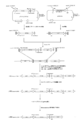
- FIG. 2 is a schematic diagram showing an outline of a method for incorporating a modified fibroin expression cassette into a host chromosome by utilizing the mechanism of lysogenization of HK022 phage.
- the pET-22(+)/PRT966 vector was digested with restriction enzymes NdeI and EcoRI to excise the nucleic acid encoding PRT966, and then recombination into a plasmid vector attHK022-Cm2 having an attP(HK022) site was conducted to obtain attHK022-Cm2.
- a T7p-PRT966-T7t-FRT-Cm2-ori_R6K-FRT vector was obtained.
- the attHK022-T7p-PRT966-T7t-FRT-Cm2-ori_R6K-FRT vector was introduced into the host, and sequence-specific between the attB site on the host chromosome and the attP(HK022) site of the vector was introduced.
- the modified fibroin (PRT966) expression cassette was integrated into the host chromosome by recombination.
- a helper plasmid pAH69 J. Bact 183:6384-6393 having an int gene was previously introduced into the host to express integrase.
- the helper plasmid pCP20 Proc. Natl. Acad. Sci. USA, 97: 6640-6645
- the second modified fibroin expression cassette was integrated on the host chromosome by utilizing the mechanism of ⁇ 80 phage lysogenization.
- the mechanism is sequence-specific recombination between a specific site on the host chromosome (attB site) and a specific site on the phage genome (attP( ⁇ 80) site).
- FIG. 3 is a schematic diagram showing an outline of a method of incorporating a modified fibroin expression cassette into a host chromosome by utilizing a mechanism of lysogenization of ⁇ 80 phage.
- the pET-22(+)/PRT966 vector was treated with a restriction enzyme with NdeI and EcoRI to excise the nucleic acid encoding PRT966, and then the plasmid vector att ⁇ 80-Km1_1 having an attP( ⁇ 80) site was recombined to obtain att ⁇ 80-.
- the ori_R6K-FRT-Km1-FRT-SPT3p-PRT966-T7t-FRT vector was obtained.
- the att ⁇ 80-ori_R6K-FRT-Km1-FRT-SPT3p-PRT966-T7t-FRT vector was introduced into the host in which the first modified fibroin expression cassette was incorporated by the method of (a) above, and A second modified fibroin (PRT966) expression cassette was integrated on the host chromosome by sequence-specific recombination between the attB site and the attP ( ⁇ 80) site of the same vector.
- the helper plasmid pCP20 was introduced to express FLP to remove the kanamycin resistance gene flanked by FRT sequences.
- the third modified fibroin expression cassette was integrated into the host chromosome by utilizing the homologous recombination system of ⁇ phage.
- the homologous recombination system causes homologous recombination with the exo, bet, and gam gene products in the Red region of the phage genome.
- FIG. 4 is a schematic diagram showing an outline of a method for incorporating a modified fibroin expression cassette into a host chromosome by utilizing the homologous recombination system possessed by ⁇ phage.
- a modified fibroin expression cassette (manX5' homologous sequence-SPT3 promoter-PRT966-T7 terminator-containing in this order by the PCR method using the pET-22(+)/PRT966 vector as a template and a primer for introducing a modification into the T7 promoter. .) was amplified.
- a chloramphenicol resistance gene expression cassette (T7 terminator homologous sequence-FRT-chloramphenicol resistance gene-FRT-manX3' homologous sequence is included in this order) is amplified by PCR using the pKD13-Cm vector as a template. did. Both PCR products were ligated using an In-Fusion (registered trademark) cloning system (Takara Bio Inc.). Then, a DNA fragment ligated to the host into which the first modified fibroin expression cassette and the second modified fibroin expression cassette have been incorporated is introduced by the above methods (a) and (b), and manX5 on the host chromosome is introduced.
- the fibroin (PRT966) expression cassette was integrated on the host chromosome.
- the helper plasmid pKD46 Proc. Natl. Acad. Sci. USA, 97:6640-6645
- the helper plasmid pCP20 was introduced to express FLP to remove the chloramphenicol resistance gene flanked by FRT sequences.
- MreB mutation A region encoding the protein of the MreB gene (CDS) was obtained by PCR and cloned into pKOV plasmid (J. Bacteriology 179:6228-6237) using In-Fusion mix (Takara Bio). did. In order to convert the 53rd amino acid into threonine, a mutation was introduced by a PCR method using an A2T-F primer (5'-AGCGTAACTGCAGTAGGTCATG-3') and an A2T-R primer (5'-TACTGCAGTTACGCTTTTCGGT-3'). After amplifying the nucleic acid coding for, the recombinant cells obtained in the above (1) were transformed by reacting with In-Fusion mix. Using the obtained strain, J. The MreB-A53T mutation was introduced into the genome of the strain by the method described in Bacteriology 179:6228-6237 to obtain a MreB(A53T) mutant strain.
- modified fibroin Recombinant cells obtained by the methods of (1) and (2) above recombinant cells having modified fibroin expression cassettes on three chromosomes and having MreB(A53T) mutation
- MreB mutant strain recombinant cells having modified fibroin expression cassettes on three chromosomes and having MreB(A53T) mutation
- wild-type MreB strain a recombinant cell obtained by the method of (1) above (a recombinant cell having a modified fibroin expression cassette on three chromosomes and no mutation in MreB.
- wild-type MreB strain a recombinant cell obtained by the method of (1) above (a recombinant cell having a modified fibroin expression cassette on three chromosomes and no mutation in MreB.
- wild-type MreB strain a recombinant cell obtained by the method of (1) above (a recombinant cell having a modified fibroin expression cassette on three chromosomes and no mutation in Mr
- the MreB mutant strain and the wild-type MreB strain were each cultured in 2 mL of LB medium for 15 hours.
- the culture solution was added to 100 mL of the preculture medium (seed culture medium in Table 2) so that the OD 600 was 0.005.
- the temperature of the culture solution was kept at 30° C., and flask culture was carried out until the OD 600 reached 5 (about 15 hours) to obtain a seed culture solution.
- the seed culture was added to a jar fermenter to which 500 mL of protein production medium (production medium of Table 3) was added so that the OD 600 was 0.05.
- the temperature of the culture solution was maintained at 37° C., and the culture was performed at a constant pH of 6.9. Further, the dissolved oxygen concentration in the culture solution was maintained at 30 to 40% of the dissolved oxygen saturation concentration.
- the feed solution (fed-batch substrate solution in Table 4) was added at a rate of 6 g/hour.
- the temperature of the culture solution was maintained at 37° C., and the culture was performed at a constant pH of 6.9. Further, the dissolved oxygen concentration in the culture solution was maintained at 20% of the dissolved oxygen saturated concentration, and the culture was carried out for 16 hours.
- 1 M isopropyl- ⁇ -thiogalactopyranoside (IPTG) was added to the culture medium to a final concentration of 0.1 mM to induce the expression of modified fibroin.
- SDS-PAGE was performed using the cells prepared from the culture medium before and after the addition of IPTG, and the expression of the target modified fibroin was confirmed by the appearance of the band of the target modified fibroin size depending on the IPTG addition. did.
- the collected bacterial cells were washed with 20 mM Tris-HCl buffer (pH 7.4).
- the washed cells were suspended in 20 mM Tris-HCl buffer (pH 7.4) containing about 1 mM PMSF, and the cells were disrupted with a high-pressure homogenizer (GEA Niro Soavi).
- the disrupted cells were centrifuged to obtain a precipitate.
- the resulting precipitate was washed with 20 mM Tris-HCl buffer (pH 7.4) until it became highly pure.
- the precipitate after washing was suspended in 8M guanidine buffer solution (8M guanidine hydrochloride, 10 mM sodium dihydrogen phosphate, 20 mM NaCl, 1 mM Tris-HCl, pH 7.0) at a concentration of 100 mg/mL, and the temperature was 60°C. The mixture was stirred for 30 minutes with a stirrer and dissolved. After dissolution, dialysis was performed with water using a dialysis tube (cellulose tube 36/32 manufactured by Sanko Junyaku Co., Ltd.). The white aggregated protein obtained after dialysis was recovered by centrifugation, the water was removed by a freeze dryer, and the freeze-dried powder was recovered to obtain modified fibroin (PRT966).
- 8M guanidine buffer solution 8M guanidine hydrochloride, 10 mM sodium dihydrogen phosphate, 20 mM NaCl, 1 mM Tris-HCl, pH 7.0
- the mixture was stirred for 30 minutes with a stirr
- the resulting freeze-dried powder was subjected to polyacrylamide gel electrophoresis, and image analysis was performed using Totallab (nonlinear dynamics ltd.) to evaluate the production amount of modified fibroin.
- the production amount (production amount per cell) of each modified fibroin calculated from the weight of the freeze-dried powder was calculated as a relative value when the value at the induction time of 32 hours in the wild type MreB strain was 100%.
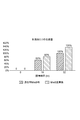
- FIG. 1 is a graph showing the modified fibroin production amount (production amount per cell) of the MreB mutant strain and the wild-type MreB strain. As shown in FIG. 1, the amount of modified fibroin produced by the MreB mutant strain was increased by 33% at 16 hours after expression induction and about 35% at 32 hours after expression induction, as compared with the wild-type MreB strain.
- Example 1 (1) Preparation of Escherichia coli Strain Inducing Modified Fibroin Expression
- a pET-22(+)/PRT966 vector having modified fibroin PRT966 was obtained. Further, as in Example 1, using the Escherichia coli BL21(DE3) strain as a host, recombinant cells having three modified fibroin expression cassettes were obtained.
- AttP21-KmR2 vector 1 ng was similarly prepared using a primer having a final concentration of 0.2 ⁇ M and PrimeSTAR (registered trademark) Max (manufactured by Takara Bio Inc.).
- PrimeSTAR registered trademark
- 30 cycles of conditions of 98° C. for 10 seconds, 55° C. for 5 seconds, and 72° C. for 30 seconds were performed.
- the nucleotide sequence of the obtained expression vector was confirmed by the Sanger method.
- yeeV_F 5'-TTTAAGAAGGAGATATACATatgaacacattacccgacacac-3' (SEQ ID NO: 8)
- yeeV_R 5'-TGTCGACGGAGCTCGAATTCtcatcgtttctccggatgct-3' (SEQ ID NO: 9)
- RBS-4 5'-ATGTATATCTCCTTCTTAAAGTTAAACAAA-3' (SEQ ID NO: 10)
- pET-MCS_F 5'-GAATTCGAGCTCCGTCGAC-3' (SEQ ID NO: 11)
- the yeV expression cassette was integrated into the host chromosome.
- modified fibroin Recombinant cells obtained by the methods of (1) and (2) above recombinant cells having modified fibroin expression cassettes on three chromosomes and having an expression cassette of yeeV.
- yeV-induced expression strain a recombinant cell obtained by the method of (1) above (a recombinant cell having a modified fibroin expression cassette on three chromosomes and no yeeV expression cassette.
- Control strain also referred to as “Control strain”.
- FIG. 5 is a graph showing the relative value of the average cell diameter of the yeeV-inducible expression strain with the Control strain as a reference. As shown in FIG. 5, the average cell diameter of the yeeV-inducible expression strain was increased to 113% from the start of inducible expression as compared with the Control strain.
- FIG. 6 is a graph showing the relative value of the modified fibroin production amount (production amount per medium) of the yeeV-inducible expression strain based on the Control strain. As shown in FIG. 6, the amount of modified fibroin produced by the yeastV-induced expression strain was reduced to 94% at 24 hours after expression induction and 91% at 28 hours after expression induction, as compared with the Control strain.
- Example 1 if the cells are made larger, the production amount does not increase, and the cells can be made larger by using the mutant MreB which is a mutant morphogenesis regulator. It is considered to be important for increasing the production amount of the target protein.
Landscapes
- Health & Medical Sciences (AREA)
- Life Sciences & Earth Sciences (AREA)
- Chemical & Material Sciences (AREA)
- Organic Chemistry (AREA)
- Genetics & Genomics (AREA)
- Zoology (AREA)
- Molecular Biology (AREA)
- Engineering & Computer Science (AREA)
- General Health & Medical Sciences (AREA)
- Biochemistry (AREA)
- Wood Science & Technology (AREA)
- General Engineering & Computer Science (AREA)
- Proteomics, Peptides & Aminoacids (AREA)
- Bioinformatics & Cheminformatics (AREA)
- Biotechnology (AREA)
- Biophysics (AREA)
- Microbiology (AREA)
- Biomedical Technology (AREA)
- Gastroenterology & Hepatology (AREA)
- Medicinal Chemistry (AREA)
- Physics & Mathematics (AREA)
- Mycology (AREA)
- Plant Pathology (AREA)
- Chemical Kinetics & Catalysis (AREA)
- General Chemical & Material Sciences (AREA)
- Toxicology (AREA)
- Preparation Of Compounds By Using Micro-Organisms (AREA)
Abstract
La présente invention concerne un procédé de production d'une protéine recombinante comprenant une étape de production destinée à la culture de cellules de recombinaison comprenant une séquence d'acide nucléique codant pour une protéine cible et une ou plusieurs séquences régulatrices liées de manière fonctionnelle à la séquence d'acide nucléique dans un milieu de production de protéine. Au moins un régulateur morphogénétique des cellules de recombinaison est un régulateur morphogénétique mutant.
Applications Claiming Priority (4)
| Application Number | Priority Date | Filing Date | Title |
|---|---|---|---|
| JP2019015311 | 2019-01-31 | ||
| JP2019-015311 | 2019-01-31 | ||
| JP2019142385 | 2019-08-01 | ||
| JP2019-142385 | 2019-08-01 |
Publications (1)
| Publication Number | Publication Date |
|---|---|
| WO2020158874A1 true WO2020158874A1 (fr) | 2020-08-06 |
Family
ID=71840349
Family Applications (1)
| Application Number | Title | Priority Date | Filing Date |
|---|---|---|---|
| PCT/JP2020/003478 Ceased WO2020158874A1 (fr) | 2019-01-31 | 2020-01-30 | Procédé de production de protéine recombinante |
Country Status (1)
| Country | Link |
|---|---|
| WO (1) | WO2020158874A1 (fr) |
Citations (1)
| Publication number | Priority date | Publication date | Assignee | Title |
|---|---|---|---|---|
| WO2018025886A1 (fr) * | 2016-08-02 | 2018-02-08 | Spiber株式会社 | Procédé de production d'une protéine recombinante |
-
2020
- 2020-01-30 WO PCT/JP2020/003478 patent/WO2020158874A1/fr not_active Ceased
Patent Citations (1)
| Publication number | Priority date | Publication date | Assignee | Title |
|---|---|---|---|---|
| WO2018025886A1 (fr) * | 2016-08-02 | 2018-02-08 | Spiber株式会社 | Procédé de production d'une protéine recombinante |
Non-Patent Citations (4)
| Title |
|---|
| JIANG XR. ET AL.: "Controlling cell volume for efficient PHB production by Halomonas", METABOLIC ENGINEERING, vol. 44, 14 September 2017 (2017-09-14), pages 30 - 37, XP085285796, DOI: 10.1016/j.ymben.2017.09.004 * |
| JIANG XR. ET AL.: "Morphology engineering of bacteria for bio- production", BIOTECHNOLOGY ADVANCES, vol. 34, no. 4, 2016, pages 435 - 440, XP029549277, DOI: 10.1016/j.biotechadv.2015.12.007 * |
| SHIOMI D. ET AL.: "Mutations in cell elongation genes mreB, mrdA and mrdB suppress the shape defect of RodZ-deficient cells", MOLECULAR MICROBIOLOGY, vol. 87, no. 5, 21 January 2013 (2013-01-21), pages 1029 - 1044, XP055728113 * |
| WEIXIA GAO, ZHONGXIONG ZHANG, JUN FENG, YULEI DANG, YUFEN QUAN, YANYAN GU, SHUFANG WANG, CUNJIANG SONG: "Effects of MreB paralogs on poly-y-glutamic acid synthesis and cell morphology in Bacillus amyloliquefaciens", FEMS MICROBIOLOGY LETTERS, vol. 363, no. 17, 31 July 2016 (2016-07-31), pages fnw187, XP055728110 * |
Similar Documents
| Publication | Publication Date | Title |
|---|---|---|
| KR101632642B1 (ko) | 신규한 프로모터 및 그의 용도 | |
| JP7452830B2 (ja) | 組換えタンパク質の生産方法 | |
| JP7526489B2 (ja) | 組換えタンパク質の製造方法 | |
| JP2022081664A (ja) | フィブロイン様タンパク質の製造法 | |
| CN108531437B (zh) | 一种乙醛酸转氨酶介导的5-氨基乙酰丙酸生物合成途径 | |
| KR101973001B1 (ko) | 이타콘산을 생산하는 재조합 미생물 및 이를 이용한 이타콘산의 생산방법 | |
| Buchner | Bacterial Hsp90–desperately seeking clients. | |
| WO2020158874A1 (fr) | Procédé de production de protéine recombinante | |
| WO2021020546A1 (fr) | Cellule recombinée et procédé de production de protéine recombinée | |
| JP7565087B2 (ja) | 組換えタンパク質の製造方法 | |
| KR101941745B1 (ko) | 아실전이효소의 활성을 갖는 미생물 및 이의 용도 | |
| JP7762935B2 (ja) | 組換え細胞、発現構築物、及び組換えタンパク質の製造方法 | |
| US11851684B2 (en) | Expression cassette | |
| KR101694461B1 (ko) | 분자 진화에 의해 수득된 안전성 균주 유래 효소 및 그를 포함하는 안전성 코리네박테리움 글루타미쿰 | |
| JP2020080727A (ja) | 目的タンパク質の製造方法 | |
| KR101572547B1 (ko) | 재조합 코리네박테리움 글루타미쿰 및 그의 용도 | |
| WO2021241546A1 (fr) | Procédé de production de protéine cible | |
| KR20180043219A (ko) | Gaba 생산성이 향상된 코리네박테리움속 균주의 제조 방법 및 이를 이용한 gaba의 생산 방법 | |
| KR20160029964A (ko) | L-라이신 생산능이 향상된 미생물 및 이를 이용한 l-라이신 생산방법 | |
| JP2020031550A (ja) | 発現システム及び組換え細胞 |
Legal Events
| Date | Code | Title | Description |
|---|---|---|---|
| 121 | Ep: the epo has been informed by wipo that ep was designated in this application |
Ref document number: 20749783 Country of ref document: EP Kind code of ref document: A1 |
|
| NENP | Non-entry into the national phase |
Ref country code: DE |
|
| 122 | Ep: pct application non-entry in european phase |
Ref document number: 20749783 Country of ref document: EP Kind code of ref document: A1 |
|
| NENP | Non-entry into the national phase |
Ref country code: JP |