WO2020175473A1 - ペプチド化合物の製造方法、保護基形成用試薬、及び、芳香族複素環化合物 - Google Patents
ペプチド化合物の製造方法、保護基形成用試薬、及び、芳香族複素環化合物 Download PDFInfo
- Publication number
- WO2020175473A1 WO2020175473A1 PCT/JP2020/007478 JP2020007478W WO2020175473A1 WO 2020175473 A1 WO2020175473 A1 WO 2020175473A1 JP 2020007478 W JP2020007478 W JP 2020007478W WO 2020175473 A1 WO2020175473 A1 WO 2020175473A1
- Authority
- WO
- WIPO (PCT)
- Prior art keywords
- group
- aliphatic hydrocarbon
- formula
- hydrocarbon group
- ring
- Prior art date
- Legal status (The legal status is an assumption and is not a legal conclusion. Google has not performed a legal analysis and makes no representation as to the accuracy of the status listed.)
- Ceased
Links
- 0 *c1c(*)[n](*)c(*=O)c1* Chemical compound *c1c(*)[n](*)c(*=O)c1* 0.000 description 5
Classifications
-
- C—CHEMISTRY; METALLURGY
- C07—ORGANIC CHEMISTRY
- C07K—PEPTIDES
- C07K1/00—General methods for the preparation of peptides, i.e. processes for the organic chemical preparation of peptides or proteins of any length
- C07K1/06—General methods for the preparation of peptides, i.e. processes for the organic chemical preparation of peptides or proteins of any length using protecting groups or activating agents
- C07K1/061—General methods for the preparation of peptides, i.e. processes for the organic chemical preparation of peptides or proteins of any length using protecting groups or activating agents using protecting groups
-
- C—CHEMISTRY; METALLURGY
- C07—ORGANIC CHEMISTRY
- C07K—PEPTIDES
- C07K1/00—General methods for the preparation of peptides, i.e. processes for the organic chemical preparation of peptides or proteins of any length
- C07K1/06—General methods for the preparation of peptides, i.e. processes for the organic chemical preparation of peptides or proteins of any length using protecting groups or activating agents
-
- C—CHEMISTRY; METALLURGY
- C07—ORGANIC CHEMISTRY
- C07D—HETEROCYCLIC COMPOUNDS
- C07D207/00—Heterocyclic compounds containing five-membered rings not condensed with other rings, with one nitrogen atom as the only ring hetero atom
- C07D207/02—Heterocyclic compounds containing five-membered rings not condensed with other rings, with one nitrogen atom as the only ring hetero atom with only hydrogen or carbon atoms directly attached to the ring nitrogen atom
- C07D207/30—Heterocyclic compounds containing five-membered rings not condensed with other rings, with one nitrogen atom as the only ring hetero atom with only hydrogen or carbon atoms directly attached to the ring nitrogen atom having two double bonds between ring members or between ring members and non-ring members
- C07D207/32—Heterocyclic compounds containing five-membered rings not condensed with other rings, with one nitrogen atom as the only ring hetero atom with only hydrogen or carbon atoms directly attached to the ring nitrogen atom having two double bonds between ring members or between ring members and non-ring members with only hydrogen atoms, hydrocarbon or substituted hydrocarbon radicals, directly attached to ring carbon atoms
- C07D207/33—Heterocyclic compounds containing five-membered rings not condensed with other rings, with one nitrogen atom as the only ring hetero atom with only hydrogen or carbon atoms directly attached to the ring nitrogen atom having two double bonds between ring members or between ring members and non-ring members with only hydrogen atoms, hydrocarbon or substituted hydrocarbon radicals, directly attached to ring carbon atoms with substituted hydrocarbon radicals, directly attached to ring carbon atoms
- C07D207/333—Radicals substituted by oxygen or sulfur atoms
-
- C—CHEMISTRY; METALLURGY
- C07—ORGANIC CHEMISTRY
- C07D—HETEROCYCLIC COMPOUNDS
- C07D209/00—Heterocyclic compounds containing five-membered rings, condensed with other rings, with one nitrogen atom as the only ring hetero atom
- C07D209/02—Heterocyclic compounds containing five-membered rings, condensed with other rings, with one nitrogen atom as the only ring hetero atom condensed with one carbocyclic ring
- C07D209/04—Indoles; Hydrogenated indoles
- C07D209/08—Indoles; Hydrogenated indoles with only hydrogen atoms or radicals containing only hydrogen and carbon atoms, directly attached to carbon atoms of the hetero ring
-
- C—CHEMISTRY; METALLURGY
- C07—ORGANIC CHEMISTRY
- C07D—HETEROCYCLIC COMPOUNDS
- C07D209/00—Heterocyclic compounds containing five-membered rings, condensed with other rings, with one nitrogen atom as the only ring hetero atom
- C07D209/02—Heterocyclic compounds containing five-membered rings, condensed with other rings, with one nitrogen atom as the only ring hetero atom condensed with one carbocyclic ring
- C07D209/04—Indoles; Hydrogenated indoles
- C07D209/10—Indoles; Hydrogenated indoles with substituted hydrocarbon radicals attached to carbon atoms of the hetero ring
-
- C—CHEMISTRY; METALLURGY
- C07—ORGANIC CHEMISTRY
- C07D—HETEROCYCLIC COMPOUNDS
- C07D209/00—Heterocyclic compounds containing five-membered rings, condensed with other rings, with one nitrogen atom as the only ring hetero atom
- C07D209/02—Heterocyclic compounds containing five-membered rings, condensed with other rings, with one nitrogen atom as the only ring hetero atom condensed with one carbocyclic ring
- C07D209/04—Indoles; Hydrogenated indoles
- C07D209/10—Indoles; Hydrogenated indoles with substituted hydrocarbon radicals attached to carbon atoms of the hetero ring
- C07D209/14—Radicals substituted by nitrogen atoms, not forming part of a nitro radical
-
- C—CHEMISTRY; METALLURGY
- C07—ORGANIC CHEMISTRY
- C07D—HETEROCYCLIC COMPOUNDS
- C07D209/00—Heterocyclic compounds containing five-membered rings, condensed with other rings, with one nitrogen atom as the only ring hetero atom
- C07D209/56—Ring systems containing three or more rings
- C07D209/80—[b, c]- or [b, d]-condensed
- C07D209/82—Carbazoles; Hydrogenated carbazoles
-
- C—CHEMISTRY; METALLURGY
- C07—ORGANIC CHEMISTRY
- C07D—HETEROCYCLIC COMPOUNDS
- C07D231/00—Heterocyclic compounds containing 1,2-diazole or hydrogenated 1,2-diazole rings
- C07D231/02—Heterocyclic compounds containing 1,2-diazole or hydrogenated 1,2-diazole rings not condensed with other rings
- C07D231/10—Heterocyclic compounds containing 1,2-diazole or hydrogenated 1,2-diazole rings not condensed with other rings having two or three double bonds between ring members or between ring members and non-ring members
- C07D231/12—Heterocyclic compounds containing 1,2-diazole or hydrogenated 1,2-diazole rings not condensed with other rings having two or three double bonds between ring members or between ring members and non-ring members with only hydrogen atoms, hydrocarbon or substituted hydrocarbon radicals, directly attached to ring carbon atoms
-
- C—CHEMISTRY; METALLURGY
- C07—ORGANIC CHEMISTRY
- C07D—HETEROCYCLIC COMPOUNDS
- C07D231/00—Heterocyclic compounds containing 1,2-diazole or hydrogenated 1,2-diazole rings
- C07D231/54—Heterocyclic compounds containing 1,2-diazole or hydrogenated 1,2-diazole rings condensed with carbocyclic rings or ring systems
- C07D231/56—Benzopyrazoles; Hydrogenated benzopyrazoles
-
- C—CHEMISTRY; METALLURGY
- C07—ORGANIC CHEMISTRY
- C07D—HETEROCYCLIC COMPOUNDS
- C07D307/00—Heterocyclic compounds containing five-membered rings having one oxygen atom as the only ring hetero atom
- C07D307/77—Heterocyclic compounds containing five-membered rings having one oxygen atom as the only ring hetero atom ortho- or peri-condensed with carbocyclic rings or ring systems
- C07D307/78—Benzo [b] furans; Hydrogenated benzo [b] furans
- C07D307/79—Benzo [b] furans; Hydrogenated benzo [b] furans with only hydrogen atoms, hydrocarbon or substituted hydrocarbon radicals, directly attached to carbon atoms of the hetero ring
- C07D307/80—Radicals substituted by oxygen atoms
-
- C—CHEMISTRY; METALLURGY
- C07—ORGANIC CHEMISTRY
- C07D—HETEROCYCLIC COMPOUNDS
- C07D333/00—Heterocyclic compounds containing five-membered rings having one sulfur atom as the only ring hetero atom
- C07D333/02—Heterocyclic compounds containing five-membered rings having one sulfur atom as the only ring hetero atom not condensed with other rings
- C07D333/04—Heterocyclic compounds containing five-membered rings having one sulfur atom as the only ring hetero atom not condensed with other rings not substituted on the ring sulphur atom
- C07D333/06—Heterocyclic compounds containing five-membered rings having one sulfur atom as the only ring hetero atom not condensed with other rings not substituted on the ring sulphur atom with only hydrogen atoms, hydrocarbon or substituted hydrocarbon radicals, directly attached to the ring carbon atoms
- C07D333/14—Radicals substituted by singly bound hetero atoms other than halogen
- C07D333/16—Radicals substituted by singly bound hetero atoms other than halogen by oxygen atoms
-
- C—CHEMISTRY; METALLURGY
- C07—ORGANIC CHEMISTRY
- C07D—HETEROCYCLIC COMPOUNDS
- C07D333/00—Heterocyclic compounds containing five-membered rings having one sulfur atom as the only ring hetero atom
- C07D333/50—Heterocyclic compounds containing five-membered rings having one sulfur atom as the only ring hetero atom condensed with carbocyclic rings or ring systems
- C07D333/52—Benzo[b]thiophenes; Hydrogenated benzo[b]thiophenes
- C07D333/54—Benzo[b]thiophenes; Hydrogenated benzo[b]thiophenes with only hydrogen atoms, hydrocarbon or substituted hydrocarbon radicals, directly attached to carbon atoms of the hetero ring
- C07D333/56—Radicals substituted by oxygen atoms
-
- C—CHEMISTRY; METALLURGY
- C07—ORGANIC CHEMISTRY
- C07D—HETEROCYCLIC COMPOUNDS
- C07D403/00—Heterocyclic compounds containing two or more hetero rings, having nitrogen atoms as the only ring hetero atoms, not provided for by group C07D401/00
- C07D403/02—Heterocyclic compounds containing two or more hetero rings, having nitrogen atoms as the only ring hetero atoms, not provided for by group C07D401/00 containing two hetero rings
- C07D403/12—Heterocyclic compounds containing two or more hetero rings, having nitrogen atoms as the only ring hetero atoms, not provided for by group C07D401/00 containing two hetero rings linked by a chain containing hetero atoms as chain links
-
- C—CHEMISTRY; METALLURGY
- C07—ORGANIC CHEMISTRY
- C07D—HETEROCYCLIC COMPOUNDS
- C07D405/00—Heterocyclic compounds containing both one or more hetero rings having oxygen atoms as the only ring hetero atoms, and one or more rings having nitrogen as the only ring hetero atom
- C07D405/02—Heterocyclic compounds containing both one or more hetero rings having oxygen atoms as the only ring hetero atoms, and one or more rings having nitrogen as the only ring hetero atom containing two hetero rings
- C07D405/12—Heterocyclic compounds containing both one or more hetero rings having oxygen atoms as the only ring hetero atoms, and one or more rings having nitrogen as the only ring hetero atom containing two hetero rings linked by a chain containing hetero atoms as chain links
-
- C—CHEMISTRY; METALLURGY
- C07—ORGANIC CHEMISTRY
- C07K—PEPTIDES
- C07K1/00—General methods for the preparation of peptides, i.e. processes for the organic chemical preparation of peptides or proteins of any length
- C07K1/02—General methods for the preparation of peptides, i.e. processes for the organic chemical preparation of peptides or proteins of any length in solution
-
- C—CHEMISTRY; METALLURGY
- C07—ORGANIC CHEMISTRY
- C07K—PEPTIDES
- C07K1/00—General methods for the preparation of peptides, i.e. processes for the organic chemical preparation of peptides or proteins of any length
- C07K1/06—General methods for the preparation of peptides, i.e. processes for the organic chemical preparation of peptides or proteins of any length using protecting groups or activating agents
- C07K1/061—General methods for the preparation of peptides, i.e. processes for the organic chemical preparation of peptides or proteins of any length using protecting groups or activating agents using protecting groups
- C07K1/062—General methods for the preparation of peptides, i.e. processes for the organic chemical preparation of peptides or proteins of any length using protecting groups or activating agents using protecting groups for alpha- or omega-carboxy functions
-
- C—CHEMISTRY; METALLURGY
- C07—ORGANIC CHEMISTRY
- C07K—PEPTIDES
- C07K1/00—General methods for the preparation of peptides, i.e. processes for the organic chemical preparation of peptides or proteins of any length
- C07K1/06—General methods for the preparation of peptides, i.e. processes for the organic chemical preparation of peptides or proteins of any length using protecting groups or activating agents
- C07K1/061—General methods for the preparation of peptides, i.e. processes for the organic chemical preparation of peptides or proteins of any length using protecting groups or activating agents using protecting groups
- C07K1/066—General methods for the preparation of peptides, i.e. processes for the organic chemical preparation of peptides or proteins of any length using protecting groups or activating agents using protecting groups for omega-amido functions
-
- Y—GENERAL TAGGING OF NEW TECHNOLOGICAL DEVELOPMENTS; GENERAL TAGGING OF CROSS-SECTIONAL TECHNOLOGIES SPANNING OVER SEVERAL SECTIONS OF THE IPC; TECHNICAL SUBJECTS COVERED BY FORMER USPC CROSS-REFERENCE ART COLLECTIONS [XRACs] AND DIGESTS
- Y02—TECHNOLOGIES OR APPLICATIONS FOR MITIGATION OR ADAPTATION AGAINST CLIMATE CHANGE
- Y02P—CLIMATE CHANGE MITIGATION TECHNOLOGIES IN THE PRODUCTION OR PROCESSING OF GOODS
- Y02P20/00—Technologies relating to chemical industry
- Y02P20/50—Improvements relating to the production of bulk chemicals
- Y02P20/55—Design of synthesis routes, e.g. reducing the use of auxiliary or protecting groups
Definitions
- the present disclosure relates to a method for producing a peptide compound, a reagent for forming a protective group, and an aromatic heterocyclic compound.
- the solid phase method is advantageous in that the isolation and purification after the reaction can be performed only by washing the resin.
- the solid-phase method is essentially a heterogeneous reaction, and it was necessary to use an excessive amount of reaction reagents or reagents to compensate for the low reactivity.
- the liquid phase method has an advantage that the reactivity is good and the intermediate peptide can be purified by extraction washing and isolation after the condensation reaction.
- extraction/washing step with non-polar organic solvent and acidic or basic aqueous solution, or crystallization
- the manufacturing process becomes complicated, such as the need for an isolation and purification process such as.
- Patent Document 1 As a conventional reagent for forming a protecting group, a di- or trialkoxybenzyl alcohol compound described in Patent Document 1 or Patent Document 2 is known.
- Patent Document 1 Japanese Patent Laid-Open No. 20000-0-44493
- Patent Document 2 Japanese Patent Laid-Open No. 20 09 _ 185 0 6 3
- An object to be solved by one embodiment of the present invention is to provide a method for producing a peptide compound having an excellent deprotection rate.
- Another problem to be solved by another embodiment of the present invention is to provide a reagent for forming a protective group, which is excellent in deprotection rate.
- Another problem to be solved by another embodiment of the present invention is to provide a novel aromatic heterocyclic compound.
- Means for solving the above problems include the following modes.
- a method for producing a peptide compound which comprises a step of using an aromatic heterocyclic compound represented by the following formula (1).
- Ring-8 represents an aromatic heterocycle
- Represents Represents a hydrogen atom, an alkyl group, an aromatic group-substituted alkyl group, a heteroaromatic group-substituted alkyl group or a 9-fluorenylmethoxycarbonyl group, and X.
- Represents (3 ⁇ , ⁇ "or ⁇ ,
- And eight independently represent an aliphatic hydrocarbon group or an organic group having an aliphatic hydrocarbon group, and ring eight is In addition to may further have a substituent,
- 01 represents an integer from 0 to 2
- 3 represents an integer from 0 to 5
- ⁇ represents an integer from 0 to 5
- ⁇ 2> The step of using the aromatic heterocyclic compound represented by the above formula (1) is carried out by using the aromatic heterocyclic compound represented by the above formula (1) in the carboxy group or amino group of the amino acid compound or the peptide compound.
- ⁇ 3> The method for producing a peptide compound according to ⁇ 1>, which is a step of protecting the terminal group.
- the 1 ⁇ ! terminal protected amino acid compound or the 1 ⁇ 1 terminal protected peptide compound is condensed with the 1 ⁇ 1 terminal of the 0 terminal protected amino acid compound or 0 terminal protected peptide compound obtained in the above terminal deprotection step.
- ⁇ 5> The method for producing a peptide compound according to ⁇ 4>, further comprising a precipitation step of precipitating the 1 ⁇ 1 terminal protection (3-terminal protected peptide compound) obtained in the peptide chain extension step.
- Step of deprotecting the terminal of the obtained terminal-protected 0-terminal protected peptide compound At the 1 ⁇ ] terminal of the obtained 0-terminal protected peptide compound, 1 ⁇ ! terminal-protected amino acid compound or 1 ⁇ 1 terminal-protected Condensing the peptide compound, and
- ⁇ 6> A method for producing the peptide compound according to any one of ⁇ 6>.
- ⁇ 8> Any of ⁇ 1> to ⁇ 7>, wherein the ring is a pyrrole ring, an indole ring, a carbazole ring, a pyrazol ring, an indazole ring, a furan ring, a thiophenene ring, a benzofuran ring, or a benzothiophene ring.
- the ring is a pyrrole ring, an indole ring, a carbazole ring, a pyrazol ring, an indazole ring, a furan ring, a thiophenene ring, a benzofuran ring, or a benzothiophene ring.
- Linked to a group containing a carbon atom having a defect in (1) 2 .
- X 3 ⁇ represents an oxygen atom or a sulfur atom
- ⁇ [3 ⁇ 4 " 34 are each independently a hydrogen atom, a substituent, or , Where, Independently of each other, an aliphatic hydrocarbon group or an organic group having an aliphatic hydrocarbon group, wherein at least one aliphatic hydrocarbon group of at least 1 has 12 or more carbon atoms.
- [3 ⁇ 4" 31 and [3 ⁇ 4" 32 may be linked to each other to form a ring.
- 8 is an aliphatic hydrocarbon group, or an organic group having an aliphatic hydrocarbon group, wherein the carbon number of at least one aliphatic hydrocarbon group which at least 1 has is 1 4
- [3 ⁇ 4" 15 and [3 ⁇ 4" 16 or [3 ⁇ 4 "17 and [3 ⁇ 4" 18 may be independently linked to each other to form a ring.
- Hydrogen atom or represents a substituent 8 is an aliphatic hydrocarbon group, or an organic group having an aliphatic hydrocarbon group, at least 1 Has at least one aliphatic hydrocarbon group having 14 or more carbon atoms, May combine with each other to form a ring.
- the wavy line portion represents a position linked to the group containing a carbon atom having a chain in the formula (1), and " 31 " represents an oxygen atom or a sulfur atom, and [3 ⁇ 4" 3 A hydrogen atom, a substituent, or [representing [8], and [respectively] is an aliphatic hydrocarbon group or an organic group having an aliphatic hydrocarbon group, and at least one Has at least one aliphatic hydrocarbon group with a carbon number of 14 or more,
- [3 ⁇ 4" 36 and [3 ⁇ 4" 37 may be connected to each other to form a ring.
- ⁇ 1 2> The method for producing the peptide compound according to any one of ⁇ 1> to ⁇ 11>, wherein the total carbon number of all the aliphatic hydrocarbon groups contained in is 40 or more.
- ⁇ 1 3> The peptide compound according to any one of ⁇ 1> to ⁇ 1 2>, wherein the above is a group represented by the following formula 1) or a group represented by the formula (3 1) Manufacturing method.
- X 9 are each independently a single bond, 10 1, 1 3 —, -000 ⁇ 2020/175473 7 ⁇ (: 170? 2020/007478
- X 10 are each independently a single bond, _ ⁇ _, _ 3 _, _ thousand _, _ thousand _, _ Rei_rei_rei_1 ⁇ 11 ⁇ 1, ⁇ ⁇ 1 ⁇ 11 ⁇ 1_, ⁇ 1 or _C ⁇ NH—
- At least one of ⁇ is a monovalent aliphatic hydrocarbon group having 5 or more carbon atoms.
- ⁇ 1 4> The method for producing a peptide compound according to ⁇ 1 3>, wherein the group represented by the above formula (Thi 1) is a group represented by the following formula (Thi 2).
- -N HC ⁇ N H- represents 1 ⁇ 11 to 1 001, or 1 C ⁇ N H-, Each independently represents a _-valent aliphatic hydrocarbon group having 5 or more carbon atoms. ⁇ 2020/175473 8 ⁇ (: 170? 2020/007478
- Reagent for forming a protective group Reagent for forming a protective group.
- Ring-8 represents an aromatic heterocycle
- Represents Represents a hydrogen atom, an alkyl group, an aromatic group-substituted alkyl group, a heteroaromatic group-substituted alkyl group or a 9-fluorenylmethoxycarbonyl group, and X.
- Represents (3 ⁇ , ⁇ "or ⁇ ,
- And eight independently represent an aliphatic hydrocarbon group or an organic group having an aliphatic hydrocarbon group, and ring eight is In addition to may further have a substituent,
- 01 represents an integer from 0 to 2
- 3 represents an integer from 0 to 5
- ⁇ represents an integer from 0 to 5
- the above protecting group-forming reagent is an amino acid compound or peptide compound ⁇ 2020/175473 9 (: 170? 2020/007478
- the reagent for forming a protecting group according to ⁇ 15> or ⁇ 16> which is a reagent for forming an end protecting group.
- Ring-8 represents an aromatic heterocycle
- And eight independently represent an aliphatic hydrocarbon group or an organic group having an aliphatic hydrocarbon group, and ring eight is In addition to may further have a substituent,
- 3 represents an integer from 0 to 5
- ⁇ represents an integer from 0 to 5
- Equation (1 03) in, Linked to a group containing a carbon atom having a defect in (13), 1 .
- [3 ⁇ 4 "14 are each independently a hydrogen atom, a substituent, or, , Where, Independently of each other, an aliphatic hydrocarbon group or an organic group having an aliphatic hydrocarbon group, wherein at least one aliphatic hydrocarbon group of at least 1 has a carbon number of 14 or more.
- [3 ⁇ 4" and [3 ⁇ 4" 12 may be linked to each other to form a ring.
- At least 1 Has at least one aliphatic hydrocarbon group having 14 or more carbon atoms, Or
- They may be linked to each other to form a ring.
- the wavy line portion represents a position linked to a group containing a carbon atom having a defect in formula (1), and “ 31 ” represents an oxygen atom or a sulfur atom, Represents [[8 ⁇ 2020/175473 12 ⁇ (: 170? 2020 /007478
- ⁇ 2 1> all The aromatic heterocyclic compound according to any one of ⁇ 18> to ⁇ 20>, in which the total number of carbon atoms of all aliphatic hydrocarbon groups contained in and is 40 to 80.
- X 9 are each independently a single bond, 10 1, 1 3 —, -000
- _C ⁇ NH— Represents a divalent aliphatic hydrocarbon group
- " 1 represents a (10 + 1)-valent aromatic group, or a (10 + 1)-valent heteroaromatic group
- 10 represents 1 represents an integer of 1-3
- the X 10 are each independently a single bond, _ ⁇ _, _ 3 _, _ thousand _, _ thousand _, _ Rei_rei_rei_1 ⁇ 11 ⁇ 1,
- At least one of ⁇ is a monovalent aliphatic hydrocarbon group having 5 or more carbon atoms.
- each X 20 independently represents a single bond, 10 1, 1 3 —, _ ⁇ ⁇ _, _ ⁇ ⁇ _, _ ⁇ C ⁇ NH —, _N HC ⁇ NH —,
- a novel aromatic heterocyclic compound can be provided.
- the upper limit value or the lower limit value described in one numerical range is replaced with the upper limit value or the lower limit value of the other numerical range described stepwise. Good. Further, in the numerical range described in the present specification, the upper limit value or the lower limit value of the numerical range may be replaced with the value shown in the examples.
- step is included in this term as long as the intended purpose of the step is achieved, not only when it is an independent step but also when it cannot be clearly distinguished from other steps.
- an “alkyl group” includes not only an alkyl group having no substituent (unsubstituted alkyl group) but also an alkyl group having a substituent (substituted alkyl group).
- mass % and weight % have the same meaning, and “mass part” and “part by weight” have the same meaning.
- an aromatic group and an aryl group have the same meaning
- a heteroaromatic group and a heteroaryl group have the same meaning. That is, the aromatic group-substituted alkyl group and the aryl group-substituted alkyl group have the same meaning, and the heteroaromatic group-substituted alkyl group and the heteroaryl group-substituted alkyl group have the same meaning.
- the method for producing a peptide compound according to the present disclosure includes the step of using an aromatic heterocyclic compound represented by the following formula (1) (hereinafter, also referred to as a compound represented by the formula (1)). ⁇ 0 2020/175473 15 ? ⁇ :17 2020/007478
- Ring-8 represents an aromatic heterocycle
- Sohaha is 10! ⁇ 1, 3 ! ⁇ 1, or —X.
- Represents Represents a hydrogen atom, an alkyl group, an aromatic group-substituted alkyl group, a heteroaromatic group-substituted alkyl group or a 9-fluorenylmethoxycarbonyl group (hereinafter, also referred to as a group X), and X.
- And eight independently represent an aliphatic hydrocarbon group or an organic group having an aliphatic hydrocarbon group, and ring eight is In addition to may further have a substituent,
- 3 represents an integer from 0 to 5
- ⁇ represents an integer from 0 to 5
- the method for producing a peptide compound according to the present disclosure includes the step of using the compound represented by the above formula (1), the detailed mechanism by which a peptide compound excellent in yield is obtained is not clear, It is assumed as follows.
- the compound represented by the formula (1) according to the present disclosure has a higher deprotection rate than a conventional benzyl alcohol-type reagent for forming a protecting group, and thus the obtained peptide compound ⁇ 2020/175473 16 ⁇ (: 170? 2020/007478
- the deprotection rate is superior to the case of using the conventional benzyl alcohol type protecting group forming reagent.
- condensation reaction of the deprotected O-terminal with a fragment of a long-chain peptide in the case of a peptide that is unstable to strong acid, the degradation of the peptide chain can be suppressed, and the yield can be improved.
- the excellent deprotection rate with an acid is suitable for the synthesis of an acid-labile peptide.
- the compound represented by the formula (1) is in the compound protected by the compound represented by the formula (1), at least one aliphatic hydrocarbon group of at least one of which has carbon number of 12 or more, is excellent in solubility in a hydrophobic solvent. .. Furthermore, for hydrophilic solvents, The aliphatic hydrocarbon groups in and agglomerate intramolecularly and intermolecularly, and the compound represented by the formula (1) has an aromatic heterocycle, whereby the aromatic heterocycles are mutually independent. Due to the action (72:_72: stacking), the crystallinity is excellent, and the purification and separation are also excellent.
- the compound protected by the compound represented by the formula (1) has excellent solvent solubility to the hydrophobic solvent which is the reaction solvent, so that the reaction proceeds rapidly and is a poor solvent at the time of purification. It is estimated that the target compound is efficiently crystallized and purified by adding a polar solvent, and thus the yield of the obtained compound (peptide compound, etc.) is excellent.
- the aromatic heterocyclic compound represented by the formula (1) according to the present disclosure has the above structure, it is stable during the peptide synthesis reaction, but deprotection (removal) is easy.
- Peptides suitable for deprotection of the ⁇ 3 terminal protecting group under weak acid conditions include, for example, peptides having a 1 ⁇ 1-alkylamide structure.
- the method for producing the peptide compound according to the present invention is preferably a method for producing a peptide compound which is weak against acid.
- a method for producing a peptide compound having a ⁇ 1-alkylamide structure is more preferable.
- the aromatic heterocyclic compound represented by the formula (1) not only forms a protecting group, but also modifies the peptide compound and adjusts the solubility in water or an organic solvent. It can be used for improving the crystallization property, multimerization and the like.
- the aromatic heterocyclic compound represented by the formula (1) is preferably used for forming a protecting group, and more preferably used for forming a ⁇ 3 terminal protecting group in an amino acid compound or a peptide compound.
- the aromatic heterocyclic compound represented by formula (1) according to the present disclosure is shown below.
- the ring in the formula (1) represents an aromatic heterocycle, and the ring may further have a substituent in addition to 8 and a methylene group to which 8 and 8 are linked.
- Aromatic heterocyclic compounds deprotection rate, crystal segregation, and, from the viewpoint of yield, in addition to ⁇ , 3 1, 1 group, amino group, 0 1 to 1 group or, thousand 1-1 It is preferably an aromatic compound ring compound having no group.
- Ring 8 may be either a monocyclic ring or a polycyclic heterocycle.
- ring 8 is polycyclic, it is preferably a condensed polycyclic aromatic heterocycle having two or more rings in which aromatic heterocycles are condensed, and is a condensed polycyclic aromatic heterocycle of 2 to 4 rings. More preferably, it is a fused polycyclic aromatic heterocycle having 2 or 3 rings, and even more preferred.
- Ring 8 is preferably a heterocycle having at least one heteroatom selected from the group consisting of a nitrogen atom, an oxygen atom, and a sulfur atom, and more preferably a heterocycle having a nitrogen atom and a sulfur atom. It is more preferable to have at least one kind of hetero atom selected, it is more preferable to contain a nitrogen atom or a sulfur atom, and it is particularly preferable to contain a nitrogen atom.
- the nitrogen atom preferably further has a substituent.
- the number of ring members in Ring 8 is not particularly limited, but is preferably a 5-membered ring to an 8-membered ring, and more preferably a 5-membered ring or a 6-membered ring.
- Ring-8 is preferably a 5-membered to 8-membered aromatic heterocycle, from the viewpoints of deprotection rate, crystallization property, and yield, and 5-membered or 6-membered aromatic ring. More preferred is a heterocyclic group, and is a two- or three-ring fused polycyclic aromatic compound containing a 5-membered or 6-membered ring having at least one heteroatom selected from nitrogen atom and sulfur atom. It is more preferably a group heterocycle, and particularly preferably a two- or three-ring fused polycyclic aromatic heterocycle containing a 5- or 6-membered ring having a nitrogen atom or a sulfur atom.
- the ring is a benzothiophene ring, a furan ring, a benzofuran ring, a pyrrole ring, an indole ring, a carbazole ring, a pyrazole ring, an indazole ring, from the viewpoints of deprotection rate, crystallization property, and yield.
- a thiophenene ring preferably a thiophenene ring, a benzothiophene ring, a furan ring, a benzofuran ring, an indol ring, a carbazole ring, an indazole ring, or a thiophenene ring, more preferably a benzofuran ring, an indole ring, a carbazole ring, or A thiofurene ring is more preferable, a benzofuran ring, an indole ring, and a carbazole ring are particularly preferable.
- the indole ring is preferred when the protected peptide ⁇ 3 terminus is an amide, and the benzofuran ring is preferred when the protected peptide ⁇ 3 terminus is a carboxylic acid.
- the nitrogen atom at the 1-position on the pyrrole ring, indole ring, carbazole ring, pyrazole ring, or indazole ring is It preferably has a substituent. Substituents include those in formula (1) above. Are preferred, and preferred embodiments are also the same. From the viewpoint of yield, the ring is preferably a two- or three-ring condensed polycyclic aromatic heterocycle containing a 5-membered ring having a nitrogen atom, an indole ring, or ⁇ 2020/175473 20 ⁇ (: 170? 2020 /007478
- it is a carbazole ring.
- the ring may have a substituent, and as described later, two or more substituents may be bonded to form a ring structure, and the ring may have an aliphatic hydrocarbon ring or a polycyclic ring. It may have a structure in which an aromatic hydrocarbon ring, an aliphatic heterocycle or the like is further condensed.
- Examples of the alkyl group in include an alkyl group having 1 to 30 carbon atoms (also referred to as “the number of carbon atoms”), preferably an alkyl group having 1 to 10 carbon atoms, and an alkyl group having 1 to 6 carbon atoms. More preferably, it is an alkyl group.
- suitable examples include a methyl group, an ethyl group, a propyl group, an isopropyl group, a 1 ⁇ _butyl group, an isoptyl group, 3600 _butyl group, I 6 ⁇ I-butyl group, a pentyl group, a hexyl group, And a methyl group and an ethyl group are more preferred.
- Examples of the aromatic group-substituted alkyl group in: include an aromatic group-substituted alkyl group having 7 to 30 carbon atoms, preferably an aromatic group-substituted alkyl group having 7 to 20 carbon atoms, and More preferably, it is an aralkyl group of 1 to 16 (for example, a group in which an alkylene group of 1 to 6 carbon atoms is bonded to an aromatic group of 6 to 10 carbon atoms).
- Suitable specific examples include a benzyl group, a 1-phenylethyl group,
- a 2-phenylethyl group, a 1-phenylpropyl group, a naphthylmethyl group, a 1-naphthylethyl group, a 1-naphthylpropyl group and the like are mentioned, and a benzyl group is more preferable.
- heteroaromatic group-substituted alkyl group examples include a heteroaromatic group-substituted alkyl group having 5 to 30 carbon atoms, and preferably a heteroaromatic group-substituted alkyl group having 5 to 20 carbon atoms. More preferably, a heteroaromatic group-substituted alkyl group having 5 to 16 carbon atoms (for example, a group in which an alkylene group having 1 to 6 carbon atoms is bonded to a heteroaromatic group having 4 to 10 carbon atoms) is mentioned.
- ⁇ 2020/175473 21 ⁇ (: 170? 2020 /007478
- Examples thereof include an indolylmethyl group, a furfuryl group, a benzofuranylmethyl group, a thiophenylmethyl group, and a benzothiophenylmethyl group.
- the compound represented by the formula (1) has the following substituents on the ring: Even if it has a group having a ring 8 having a methylene group to which 8 and 8 are linked, or a ring having a methylene group to which 8 and 8 are linked, as a substituent or 8 having a group having a methylene group to which 8 is linked.
- the compound represented by the formula (1) may be a multimer such as a dimer. From the viewpoint of ease of synthesis, the multimer is preferably a dimer to a hexamer, more preferably a dimer to a tetramer, and particularly preferably a dimer. preferable.
- Is the number of substitutions of. 3 is preferably an integer of 1 to 4, more preferably an integer of 1 to 3, and 1 or 2 from the viewpoint of deprotection rate, solvent solubility, and yield. Particularly preferred.
- equation (1) Is the number of substitutions of, from the viewpoint of deprotection rate, solvent solubility, and yield, is preferably an integer from 0 to 4, more preferably an integer from 0 to 2, 0 or It is more preferably 1, and particularly preferably 0.
- the value of 3 + 0 in the formula (1) is preferably 0 or more, more preferably an integer of 1 to 6 from the viewpoint of deprotection rate, solvent solubility, and yield, It is more preferably an integer of 1 to 4, particularly preferably 1 to 3, and most preferably 1. ⁇ 2020/175473 22 ⁇ (: 170? 2020 /007478
- Eight each independently represents an aliphatic hydrocarbon group or an organic group having an aliphatic hydrocarbon group.
- the "aliphatic hydrocarbon group” is a linear, branched, or cyclic, saturated or unsaturated aliphatic hydrocarbon group, preferably an aliphatic hydrocarbon group having 5 or more carbon atoms, An aliphatic hydrocarbon group having 5 to 60 is more preferable, an aliphatic hydrocarbon group having 5 to 30 carbon atoms is further preferable, and an aliphatic hydrocarbon group having 10 to 30 carbon atoms is particularly preferable.
- the “aliphatic hydrocarbon group” preferably has 12 or more carbon atoms, more preferably 14 or more carbon atoms, from the viewpoints of solvent solubility, crystallization property, and yield. It is more preferable that the carbon number is 16 or more, and particularly preferable that the carbon number is 18 or more.
- the “aliphatic hydrocarbon group” part of the “organic group having an aliphatic hydrocarbon group” is not particularly limited and may be present at the terminal (monovalent group) or at any other site. (For example, a divalent group).
- the “organic group having an aliphatic hydrocarbon group” is a monovalent (having one bond bonded to the ring) organic group having an aliphatic hydrocarbon group in its molecular structure.
- the position of the “aliphatic hydrocarbon group” in the “organic group having an aliphatic hydrocarbon group” is not particularly limited, and even if it is present at the terminal (monovalent group), it may be present at any other site. (Eg, divalent group).
- aliphatic hydrocarbon group examples include an alkyl group, a cycloalkyl group, an alkenyl group, an alkynyl group,
- Divalent groups and divalent groups derived from them (divalent groups obtained by removing one hydrogen atom from the above monovalent groups) and hydroxy groups from various steroid groups were removed. Groups and the like.
- alkyl group an alkyl group having 5 to 30 carbon atoms is preferable, and examples thereof include a pentyl group, a hexyl group, an octyl group, a 2-ethylhexyl group, a decyl group, a hexadecyl group, an octadecyl group, an icosyl group, and a docosyl group.
- tetracosyl group lauryl group, tridecyl group, myristyl group, isostearyl group, etc.
- octadecyl group, icosyl group, docosyl group, or tetracosyl group is preferable, and icosyl group, docosyl group, or tetracosyl group is preferable. More preferred.
- cycloalkyl group is preferably a cycloalkyl group having 5 to 30 carbon atoms, and examples thereof include a cyclopentyl group, a cyclohexyl group, an isobornyl group, a tricyclodecanyl group and the like. Further, these may be linked repeatedly, and may have a condensed ring structure of two or more rings.
- alkenyl group is preferably an alkenyl group having 5 to 30 carbon atoms, and examples thereof include a pentenyl group, a hexenyl group and an oleyl group.
- alkynyl group is preferably an alkynyl group having 5 to 30 carbon atoms, and examples thereof include a 4-pentynyl group and a 5-hexenyl group.
- the "steroid group” is preferably, for example, a group having a cholesterol structure or a group having an estradiol structure.
- the above organic group may be further substituted with a silyl group, a hydrocarbon group having a silyloxy structure, or an organic group having a perfluoroalkyl structure.
- the silyl group is preferably a trialkylsilyl group, and more preferably a silyl group having three alkyl groups having 1 to 3 carbon atoms.
- the silyloxy structure in the hydrocarbon group having a silyloxy structure is preferably a trialkylsilyloxy structure, more preferably a silyloxy structure having three alkyl groups having 1 to 3 carbon atoms.
- the hydrocarbon group having a silyloxy structure has a silyloxy structure. ⁇ 0 2020/175 473 24 (: 17 2020/007478
- the number of carbon atoms of the hydrocarbon group having a silyloxy structure is preferably 10 or more, more preferably 10 to 100, and particularly preferably 16 to 50.
- hydrocarbon group having a silyloxy structure a group represented by the following formula (3) is preferably exemplified.
- a hydrogen atom an alkyl group having 1 to 6 carbon atoms, or
- the perfluoroalkyl structure in the organic group having a perfluoroalkyl structure is preferably a perfluoroalkyl structure having 1 to 20 carbon atoms, and a perfluoroalkyl structure having 5 to 20 carbon atoms. Is more preferable, and a perfluoroalkyl structure having 7 to 16 carbon atoms is particularly preferable. Further, the perfluoroalkyl structure has a branch even if it is a straight chain. ⁇ 2020/175473 25 ⁇ (: 170? 2020 /007478
- the organic group having a perfluoroalkyl structure is preferably a perfluoroalkyl group, an alkyl group having a perfluoroalkyl structure, or an alkyl group having a perfluoroalkyl structure and an amide bond in the alkyl chain.
- the organic group having a perfluoroalkyl structure preferably has 5 or more carbon atoms, more preferably 10 or more carbon atoms, still more preferably 10 to 100 carbon atoms, and 16 to 50 carbon atoms. Is particularly preferable.
- Preferred examples of the organic group having a perfluoroalkyl structure include the groups shown below.
- hydrocarbon group other than the “aliphatic hydrocarbon group” include an aromatic hydrocarbon group and the like. Specifically, for example, a monovalent group such as an aryl group, and those A divalent group derived from is used.
- the “aryl group” is preferably an aryl group having a carbon number of 6 to 14, and examples thereof include aryl groups. ⁇ 2020/175473 26 ⁇ (: 170? 2020/007478
- Examples thereof include an enyl group, a 1-naphthyl group, a 2-naphthyl group, a biphenylyl group and a 2-anthryl group. Of these, an aryl group having 6 to 10 carbon atoms is more preferable, and a phenyl group is particularly preferable.
- aliphatic hydrocarbon group and hydrocarbon groups other than the above-mentioned aliphatic hydrocarbon group are substituted with a substituent selected from halogen atom (chlorine atom, bromine atom, fluorine atom, iodine atom), oxo group and the like. May be.
- the bond (substitution) to the ring of the organic group having an aliphatic hydrocarbon group is via the aliphatic hydrocarbon group or the above hydrocarbon group present in the above 8*, that is, directly. It may be one bonded by carbon-carbon, or may be one bonded by carbon-nitrogen, There are 101,-3 _ ⁇ ⁇ _, It may be through a site such as 100 1 ⁇ 1 1 to 1 _.
- those bonded with carbon-carbon, or those bonded with carbon-nitrogen 101, 13-, -001 or It is preferable that it is through 100 1 ⁇ 1 !!-, that is, it is linked by carbon-carbon, that is bonded by carbon-nitrogen, or that it is through _001. Is more preferable.
- Ring-8 is a ring having an oxygen atom or a sulfur atom, it is preferable that the bond (substitution) to the ring of the organic group having an aliphatic hydrocarbon group is through _O1.
- Ring-8 is a ring having a nitrogen atom
- the bond (substitution) to the ring of the organic group having an aliphatic hydrocarbon group is a bond directly by carbon-nitrogen.
- the total number of carbon atoms of all aliphatic hydrocarbon groups contained in and is preferably 24 or more, from the viewpoint of solvent solubility, crystallinity, and yield, and is 24 to 200. Is more preferable, 32 to 100 is more preferable, 34 to 80 is particularly preferable, and 36 to 80 is most preferable. ⁇ 2020/175 473 27 ⁇ (: 170? 2020 /007478
- the total number of carbon atoms of all aliphatic hydrocarbon groups contained in is preferably 24 or more, from the viewpoint of solvent solubility, crystallinity, and yield, and is 24 to 200. Is more preferable, 32 to 100 is more preferable, 34 to 80 is particularly preferable, and 36 to 80 is most preferable.
- the compound represented by the formula (1) according to the present disclosure is And at least one of the aliphatic hydrocarbon groups is a compound having 12 or more carbon atoms, and in view of solvent solubility, crystallization property, and yield, at least one or
- the compound having at least one aliphatic hydrocarbon group having 12 or more carbon atoms in 12 is preferable, and at least one compound having at least one aliphatic hydrocarbon group having 12 to 100 carbon atoms is used. More preferably, it is a compound having at least one aliphatic hydrocarbon group having 18 to 40 carbon atoms, and more preferably a compound having at least one aliphatic hydrocarbon group having 20 to 36 carbon atoms. Particularly preferred is a compound having at least one.
- the compound represented by the formula (1) according to the present disclosure is The carbon number of at least one aliphatic hydrocarbon group of is preferably 14 or more, more preferably 16 or more, further preferably 18 or more, particularly preferably 20 or more, and more excellent effects can be obtained. Demonstrate. The reason is that as the number of carbon atoms increases, the contribution of hydrophobicity occupied in the whole molecule increases, making it easier to dissolve in hydrophobic solvents, and increasing the number of carbon atoms for hydrophilic solvents. It is considered that this is because the cohesive force further increases, and crystallization becomes easier.
- the above aliphatic hydrocarbon group is preferably an alkyl group, and more preferably a linear alkyl group, from the viewpoints of crystallinity and yield.
- the number of carbon atoms of each is preferably 12 to 200, more preferably 18 to 150, It is more preferably from 8 to 100, particularly preferably from 20 to 80.
- the total number of carbon atoms of all the aliphatic hydrocarbon groups to be used is, from the viewpoint of solvent solubility, crystallinity, and yield, preferably 24 or more, and more preferably 32 to 200. It is more preferably from 38 to 100, even more preferably from 40 to 80.
- the aliphatic hydrocarbon group having 12 or more carbon atoms contained in the compound represented by the formula (1) according to the present disclosure is 8 ⁇ Contained in at least one of the above, from the viewpoint of solvent solubility, crystallinity, and yield, Preferably included in at least one of Is more preferably contained in at least one of the above.
- the formula (1) represents an integer of 0 to 2. From the viewpoint of yield and compound stability of the peptide complex, 0 or 1 is preferable. Further, in the formula (1), 1 or 2 is preferable from the viewpoint of deprotection rate.
- _ 1 ⁇ 1 1 to 1 when _ 1 ⁇ 1 1 to 1 is and hydrogen is a hydrogen atom, it is preferable that in the formula (1), it is 1 or 2 from the viewpoint of deprotection rate. , 1 is more preferable.
- the formula (1) when the formula (1) is _ 1 ⁇ 1 1 to 1 and is a substituent other than a hydrogen atom, the formula (1) is 0 or 1 from the viewpoint of deprotection rate. Is preferable, and 0 is more preferable.
- the value in the formula (1) is 10 1 to 1
- the value in the formula (1) is preferably 0 or 1, and more preferably 0 from the viewpoint of the deprotection rate.
- 6 is preferably an _-valent aliphatic hydrocarbon group or a (1 + ⁇ )-valent aromatic group, More preferably, it is a monovalent alkyl group having 1 to 30 carbon atoms, or a (1 + ⁇ ) valent aromatic group having 6 to 30 carbon atoms, and monovalent alkyl group having 1 to 26 carbon atoms. Or a (1 + ⁇ )-valent aromatic group having 6 to 20 carbon atoms ⁇ 2020/175 473 29 ⁇ (: 170? 2020 /007478
- a monovalent alkyl group having 1 to 22 carbon atoms or a (1+o)valent aromatic group having 6 to 10 carbon atoms is particularly preferable.
- Monovalent alkyl groups in 6, (1 + ⁇ ) valent aromatic group and (1 + ⁇ ) valent hetero aromatic group to the a may have a substituent.
- the above-mentioned substituents are not particularly limited, but are alkoxy group, aryloxy group, halogen atom, alkyl group, halogenated alkyl group, aryl group, acyl group, acyloxy group, alkoxycarbonyl group, aryloxycarbonyl group.
- Examples of the monovalent aliphatic hydrocarbon group in 6 include, for example, a methyl group, a trifluoromethyl group, an ethyl group, a propyl group, an isopropyl group, a butyl group, an isoptyl group, 360-butyl group, and I 6 "I-butyl group, pentyl group, hexyl group, octyl group, 2-ethylhexyl group, decyl group, hexadecyl group, octadecyl group, icosyl group, docosyl group, tetracosyl group, lauryl group, tridecyl group, myristyl group, Examples thereof include isostearyl group.
- Examples of the (1 + ⁇ ) valent aromatic group in are, for example, a phenyl group, a fluorophenyl group, a difluorophenyl group, a chlorophenyl group, a dichlorophenyl group, a trichlorophenyl group, a methylphenyl group (tolyl group) and a dimethylphenyl group.
- Xylyl group methoxyphenyl group, dimethoxyphenyl group, trimethoxyphenyl group, phenylene group, benzenetriyl group, 1-naphthyl group, 2-naphthyl group, naphthylene group, naphthalenetriyl group and the like.
- a phenyl group, a fluorophenyl group, a difluorophenyl group, a chlorophenyl group, a dichlorophenyl group, or, Trichlorophenyl group is preferred, fluorophenyl group, difluorophenyl group, chlorophenyl group ⁇ 2020/175473 30 ⁇ (: 170? 2020 /007478
- a group, a dichlorophenyl group, or a trichlorophenyl group is more preferable.
- a phenyl group, methylphenyl group (tolyl group), a dimethylphenyl group (xylyl), main bets Kishifeniru group, dimethyl butoxy Phenyl group, trimetoxyphenyl group are preferred, methylphenyl group (tolyl group), dimethylphenyl group (xylyl group)
- a methoxyphenyl group, a dimethoxyphenyl group, or a trimethoxyphenyl group is more preferable.
- a phenyl group, a fluorophenyl group, a difluorophenyl group, a chlorophenyl group, a dichlorophenyl group, or a trichlorophenyl group is used.
- a group is preferable, and a fluorophenyl group, a difluorophenyl group, a chlorophenyl group, a dichlorophenyl group, or a trichlorophenyl group is more preferable.
- the (1 + 0)-valent heteroaromatic group in is a (1 + 0)-valent monocyclic nitrogen-containing heteroaromatic group, a monocyclic oxygen-containing heteroaromatic group, or a monocyclic heteroaromatic group.
- Examples thereof include an oxygen heteroaromatic group, a bicyclic sulfur-containing heteroaromatic group, a bicyclic nitrogen-containing oxygen-containing heteroaromatic group, and a bicyclic nitrogen-containing sulfur-containing heteroaromatic group. ..
- pyridyl group furanyl group, cenyl group, pyrrolyl group, oxazolyl group, imidazolyl group, pyrazolyl group, triazolyl group, tetrazolyl group, pyridindiyl group, pyridinetriyl group, furandyl group, thiophenediyl group.
- Pyrrolediyl group benzofurandiyl group, benzothiophenediyl group, indolediyl group and the like.
- equation (1) at least From the viewpoint of solvent solubility, crystallinity, and yield, it must be a group represented by the following formula 1), formula (31), formula (1 ⁇ 1), or formula ( ⁇ 1). Is more preferable, and a group represented by any of the following formulas (1) and (31) is more preferable, and a group represented by the following formula (1) is particularly preferable. ⁇ 02020/175473 31 ? ⁇ :17 2020/007478
- each X 10 is independently a single bond, 101, -3 -, _ ⁇ ⁇ _, _ ⁇ ⁇ _, _ ⁇ C ⁇ NH—, _1 ⁇ 11 to 1 ⁇
- Equation (3 1) a wavy line portion represents a bonding site to the ring, 20 is an integer of. 1 to 1 0, X 20 are each independently a single bond, one hundred and one, one 3- , -000 -, 100 001, 10 C ⁇ N H-, 1 N HC ⁇ N H-, 1! ⁇ 11 ⁇ 10 001, or
- At least one of them is a divalent aliphatic hydrocarbon group having 5 or more carbon atoms.
- the wavy line portion represents the bonding position with the ring, and the ⁇ represents 1 or 2, Each independently represents an integer of ⁇ _ ⁇ 2, to say yes - say yes Waso respectively independently a single bond, one hundred and one, one 3 000 s _ thousand 1 ⁇ 11 to 1, also, Each independently represents a hydrogen atom, a methyl group, or an aliphatic hydrocarbon group having 5 or more carbon atoms, Represents an aliphatic hydrocarbon group having 5 or more carbon atoms.
- ⁇ 1 represents an integer from 0 to 11
- ⁇ 2 represents an integer from 0 to 5
- X 62 is independently a single bond, 10 1, 1 3 000. s — ⁇ ⁇ !!—, 1 1 ⁇ 1 ! ⁇ ⁇ 1, or 1 C ⁇ NH—,
- [0088] 9 in the formula (1) is preferably 0 or 1, and more preferably 1. ⁇ 2020/175473 ⁇ (: 170? 2020/007478
- X 9 and X 10 in the formula (h 1) are each independently a single bond, _ ⁇ 1,
- Each of 9's independently is preferably an alkylene group having 1 to 10 carbon atoms, more preferably an alkylene group having 1 to 4 carbon atoms, and particularly preferably a methylene group.
- formula (Ji 1) It is preferably a monovalent aliphatic hydrocarbon group having 5 to 60 carbon atoms, more preferably a monovalent aliphatic hydrocarbon group having 12 to 50 carbon atoms, and a monovalent aliphatic group having 18 to 40 carbon atoms.
- a group hydrocarbon group is more preferable, and a monovalent aliphatic hydrocarbon group having 20 to 32 carbon atoms is particularly preferable.
- Each of 10's is preferably a linear alkyl group or a branched alkyl group, and more preferably a linear alkyl group.
- In the formula (dried 1) It is preferably 2 or 3, and more preferably 2.
- Eighth " 1 in formula (1) is A valent aromatic group, preferably from benzene It is more preferably a group excluding 0+1) hydrogen atoms.
- the group represented by the above formula (H1) is preferably a group represented by the following formula (D2), from the viewpoint of solvent solubility, crystallinity, and yield. ..
- the wavy line portion represents the bonding position with the ring
- 10 represents an integer of 1 to 3
- 11 represents an integer of 0 to 3
- X 10 represents each independently.
- Equation 2 Each X 10 and 10, that put in Equation 1) 1 0, X 1. It has the same meaning as and, and the preferred embodiments are also the same.
- 11 in the formula (2) is 0 or 1, and it is more preferable that 1 is 1.
- 20 in the formula (3 1) is preferably 1 or 2, and more preferably 1.
- X 20 in formula (31) is preferably each independently 101, 13-, -000-, 10CONH-, or 1CONH-, and is 101. More preferably.
- Equation ( 31 ) It is preferably a divalent aliphatic hydrocarbon group having 5 or more carbon atoms, more preferably a divalent aliphatic hydrocarbon group having 5 to 60 carbon atoms, and a divalent aliphatic hydrocarbon group having 8 to 40 carbon atoms. It is more preferably an aliphatic hydrocarbon group, and particularly preferably a divalent aliphatic hydrocarbon group having 12 to 32 carbon atoms. Also, Is preferably a linear alkylene group.
- the clearance in the formula (swarf 1) is 1.
- each of the clearances 1 to 4 in the formula (swarf 1) is independently 1 or 2, and more preferably 1.
- ⁇ 154 are each independently 101, 13-, 100001, 10CONH-, or 1CONH-, ⁇ — is more preferable.
- In the formula ( ⁇ 1) are each independently preferably a hydrogen atom, a methyl group, or an aliphatic hydrocarbon group having 5 to 60 carbon atoms, and a hydrogen atom, a methyl group, or an alkyl group having 8 to 40 carbon atoms. Is particularly preferable, and a hydrogen atom, a methyl group, or an alkyl group having 12 to 32 carbon atoms is particularly preferable.
- a monovalent aliphatic hydrocarbon group having 5 to 60 carbon atoms is preferable, and a monovalent aliphatic hydrocarbon group having 5 to 60 carbon atoms is preferable.
- a monovalent aliphatic hydrocarbon group having 8 to 40 carbon atoms is more preferable, and a monovalent aliphatic hydrocarbon group having 12 to 32 carbon atoms is particularly preferable. .. Also, Is preferably a linear alkyl group.
- the compound represented by the formula (1) according to the present disclosure preferably includes a branched aliphatic hydrocarbon group as follows:
- the groups shown in are more preferable.
- the wavy line portion represents the bonding position with other structure, ⁇ I 2 represents an integer of 3 or more, and n t 3 is set so that the total carbon number of the following groups is 14 to 300 Represents an integer.
- the substituent which the compound represented by the formula (1) may have on the ring is not particularly limited, but may be an alkoxy group, an aryloxy group, a halogen atom, an alkyl group. ⁇ 2020/175 473 36 ⁇ (: 170? 2020 /007478
- Kill group halogenated alkyl group, aryl group, acyl group, acyloxy group, alkoxycarbonyl group, aryloxycarbonyl group, alkylthio group, arylthio group, _ ⁇ ⁇ (8 5, 2 , dialkylamino groups, alkylarylamino groups, diarylamino groups, and groups in which two or more of these are combined.
- the substituent which may be present on the ring is preferably a group represented by the following formula (IV!).
- Ringhachi, X ⁇ in. And has the same meaning as O, and the preferred embodiments are also the same.
- the compound represented by the formula (1) is preferably a compound represented by the formula (20) described later.
- the ring in the above formula (1) has the following formula (10), formula (20), or formula (2) from the viewpoints of deprotection rate, crystallization property, solvent solubility, and yield. 30)), a structure represented by the formula (10) or a formula (20) is more preferable, and a structure represented by the following formula (10) More preferably, it is a structure.
- a substituent, or Represents are each independently a hydrogen atom, a substituent, or, , where
- X 3 ⁇ represents an oxygen atom or a sulfur atom, and is independently a hydrogen atom. ⁇ 2020/175473 38 ⁇ (: 170? 2020 /007478
- each independently may be linked to each other to form a ring, or may be linked to each other via a substituent to form a ring.
- Formula (20) is preferably a structure represented by the formula (21).
- Formula (30) is preferably a structure represented by formula (31).
- the wavy line portion represents a position linked to a group containing a carbon atom having a chain in the formula (1) (preferably a carbon atom linked to a chain), and " 31 is Represents an oxygen atom or a sulfur atom, Hydrogen atom, substituent, or Represents Each independently represents an aliphatic hydrocarbon group, or an organic group having an aliphatic hydrocarbon group, and at least 1 Has at least one aliphatic hydrocarbon group with a carbon number of 14 or more (preferably 16 or more), And 3 6 and may form a ring together, may form a ring consolidated together via a substituent.
- formula (3 1) When they are linked to each other to form a ring, and " 31 is a sulfur atom, formula (3 1) has a benzothiophene ring, and in formula (3 1), When they are linked to each other to form a ring, and X'31 is an oxygen atom, the formula ( 31 ) has a benzofuran ring.
- the substituents in formula (10), formula (20), formula (30), formula (11), formula (21), or formula (31) are each independently Bond, alkoxy group, aryloxy group, halogen atom, alkyl group, halogenated alkyl group, aryl group, acyl group, acyloxy group, alkoxycarbonyl group, aryloxycarbonyl group, alkylthio group, arylthio group,
- a dialkylamino group, an alkylarylamino group, a diarylamino group, or a group in which two or more thereof are combined is preferable, an alkoxy group, an aryloxy group, a halogen atom, an alkyl group, a halogenated alkyl group.
- an aryl group is more preferable, and a bond, an alkoxy group, or an alkyl group is further preferable.
- the solvent solubility and the crystallization are From the viewpoints of properties and yield, a group represented by any one of the above formula 1), formula (81), formula (10 1) or formula 1) is preferable, and 1) or a group represented by the formula (31) is more preferable, a group represented by the above formula (1) is further preferable, and a group represented by the above formula (3) Is particularly preferred
- the ring in formula (1) is a structure represented by formula (1 1) or formula (3 1)
- the structure represented by formula (11) is more preferable.
- the structure represented by formula (11) is preferably a carbazole ring or an indole ring, and represented by formula (10) More preferably, the compound is a compound represented by any one of the following formulas (1 11) to (1 14).
- Represents Represents a hydrogen atom, an alkyl group, an aromatic group-substituted alkyl group or a heteroaromatic group-substituted alkyl group, or a X group, and X.
- 8 0 represents a hydrogen atom, an alkyl group, an aryl or heteroaryl group, Represents a hydrogen atom, an alkyl group, an aryl group or a heteroaryl group.
- a hydrogen atom, a phenyl group, and a phenyl group substituted with a halogen atom are preferable, and a hydrogen atom is more preferable.
- a hydrogen atom, a phenyl group, an alkoxyphenyl group, a dialkoxyphenyl group, or a trialkoxyphenyl group is preferable, and a hydrogen atom, a phenyl group, or a dialkoxyphenyl group is more preferable.
- the carbon number of is preferably 1 to 30, more preferably 5 to 30, and particularly preferably 6 to 24.
- the molecular weight of the compound represented by the formula (1) is not particularly limited, but it is 340 to 3,000 from the viewpoints of deprotection rate, crystallization property, solvent solubility, and yield. Is more preferable, 400 to 2,000 is more preferable, 500 to 1,500 is further preferable, and 800 to 1,300 is particularly preferable. Further, when the molecular weight is 3,000 or less, the ratio of the formula (1) to the target compound is appropriate, and the ratio of the compound obtained by deprotecting the formula (1) does not decrease, resulting in productivity. Excel.
- the aliphatic hydrocarbon group is preferably a linear alkyl group, a branched alkyl group, or a cyclic alkyl group, and more preferably a linear alkyl group.
- the method for producing the aromatic heterocyclic compound represented by formula (1) according to the present disclosure is not particularly limited, but it can be produced by referring to a known method.
- a commercially available compound may be used, unless otherwise specified, or a method known per se or a method analogous thereto It can also be manufactured according to.
- the produced aromatic heterocyclic compound represented by the formula (1) may be purified by a known purification method.
- a method of isolation and purification by recrystallization, column chromatography, etc., and a method of purification by reprecipitation by means of changing the solution temperature, means of changing the solution composition, etc. can be performed.
- the method for synthesizing the aromatic heterocyclic compound represented by Formula (1) according to the present disclosure is not particularly limited. For example, it may be synthesized according to the following Scheme 1 or Scheme 2. it can. It can also be synthesized by referring to the synthetic method described in International Publication No. 201/01313939.
- 0 represents ⁇ , ⁇ “, ⁇ .
- n represents 1 or 2, and! ⁇ is 1
- the step of using the aromatic heterocyclic compound represented by the above formula (1) is performed by using the aromatic heterocyclic compound represented by the above formula (1) as an amino acid compound or peptide.
- the method for producing a peptide compound according to the present disclosure provides an amino acid compound or a peptide compound prepared from the aromatic heterocyclic compound represented by the above formula (1) from the viewpoints of easiness of synthesis of the peptide compound and yield.
- the terminal protection obtained in the 0-terminal protection step described above 0-terminal protected amino acid compound or 1 ⁇ 1 terminal protection ⁇ 1 ⁇ ! end of terminal-protected peptide compound Deprotection of the end ! ⁇ ! End deprotection step, and the above-mentioned ! ⁇ !
- end deprotection step ⁇ The terminal protected amino acid compound or (1 ⁇ 1 at the 1 ⁇ 1 end of the 3-terminal protected peptide compound It is more preferable to further include a peptide chain extension step of condensing the terminal-protected amino acid compound or !!1 terminal-protected peptide compound, and the terminal-protected 0-terminal-protected peptide compound obtained in the peptide chain extension step described above. It is more preferable to further include a precipitation step of precipitating the obtained 1 ⁇ 1 terminal protection (a step of deprotecting the ! ⁇ 1 terminal of the 3-terminal protected peptide compound obtained after the precipitation step, the 0 terminal obtained). The step of condensing the 1 ⁇ ! end protected amino acid compound or the 1 ⁇ ! end protected peptide compound to the 1 ⁇ 1 end of the protected peptide compound, and the obtained ! ⁇ 1 end protection (3 end protection It is particularly preferred that the step of precipitating the peptide compound is further included once or more in this order. Is preferred.
- the method for producing a peptide compound according to the present disclosure preferably further comprises a dissolution step of dissolving the aromatic heterocyclic compound represented by the above formula (1) in a solvent before the above-mentioned terminal protection step. ..
- the method for producing a peptide compound according to the present disclosure preferably includes a dissolving step of dissolving the aromatic heterocyclic compound represented by the above formula (1) in a solvent before the above-mentioned terminal protection step.
- a general organic solvent can be used in the reaction, but the higher the solubility in the solvent, the better the reactivity can be expected. ⁇ 2020/175473 49 ⁇ (: 170? 2020 /007478
- halogenated hydrocarbons such as chloroform and dichloromethane
- Non-polar organic solvents such as 4-dioxane, tetrahydrofuran, cyclopentyl methyl ether and the like can be mentioned. These solvents may be used as a mixture of two or more kinds at an appropriate ratio.
- Aromatic hydrocarbons such as benzene, toluene, and xylene; nitriles such as acetonitrile and propionitrile; ketones such as acetone and 2-butanone; N, N -Amids such as dimethylformamide and N-methylpyrrolidone; Sulfoxides such as dimethyl sulfoxide are mixed at an appropriate ratio as long as the aromatic heterocyclic compound represented by the formula (1) can be dissolved. You may use it.
- the method for producing a peptide compound according to the present disclosure includes a C-terminal protection step of protecting a carboxy group or an amide group of an amino acid compound or a peptide compound with an aromatic heterocyclic compound represented by the above formula (1).
- the amino acid compound or peptide compound used in the above C-terminal protection step is not particularly limited, and known compounds can be used, but it should be an N-terminal protected amino acid compound or an N-terminal protected peptide compound. Are preferred, and F m O c protected amino acid compounds or F m O c protected peptide compounds are more preferred.
- the amino group used in the above C-terminal protection step or the hydroxy group, amino group, carbonyl group, amide group, imidazole group, indole group, guanidyl group, mercapto group, etc. other than the C-terminal portion in the peptide compound will be described later. It is preferably protected by a known protecting group such as a protecting group.
- the amount of the amino acid compound or peptide compound used as a reaction substrate is 1 molar equivalent to 10 molar equivalents relative to 1 molar equivalent of the aromatic heterocyclic compound represented by the above formula (1). ⁇ 2020/175473 50 ⁇ (: 170? 2020 /007478
- the aromatic heterocyclic compound represented by the above formula (1) in which the index in the formula (1) is 10 1 to 1 or 1 31 to 1, is used in a solvent that does not affect the reaction.
- the condensation additive is added in the presence of a condensation additive (condensation activator) or the reaction is carried out in an acid catalyst.
- the condensing agent is added in the presence of the condensation additive (condensation activator). Addition or reaction with a condensing agent and a base is preferred.
- the amount of the condensation additive used is preferably 0.05 molar equivalent to 1.5 molar equivalent with respect to 1 molar equivalent of the aromatic heterocyclic compound represented by the above formula (1).
- a condensing agent generally used in peptide synthesis can be used without limitation in the present disclosure, and the condensing agent is not limited to this.
- the condensing agent is not limited to this.
- the amount of the condensing agent used is preferably 1 molar equivalent to 10 molar equivalents, and 1 molar equivalent to 5 molar equivalents, relative to 1 molar equivalent of the aromatic heterocyclic compound represented by the above formula (1). Is more preferable.
- acid catalysts generally used in peptide synthesis can be used without limitation, and examples thereof include methanesulfonic acid, trifluoromethanesulfonic acid, and -toluenesulfonic acid. be able to.
- methanesulfonic acid and -toluenesulfonic acid are preferable.
- the amount of the acid catalyst used is preferably more than 0 molar equivalents and 4.0 molar equivalents with respect to 1 molar equivalent of the aromatic heterocyclic compound represented by the above formula (1).
- the condensation activator in the present disclosure is a reagent that, when coexisting with a condensing agent, leads an amino acid to a corresponding active ester, symmetrical acid anhydride or the like to easily form a peptide bond (amide bond). Is.
- condensation activator a condensation activator generally used in peptide synthesis can be used without limitation, and examples thereof include 4-dimethylaminopyridine, 1 ⁇ 1-methylimidazole, poronic acid derivative, 1- Hydroxybenzotriazole (1: 1 to 10: 1:), ethyl 1-hydroxytriazole-4-carboxy ⁇ 2020/175473 52 ⁇ (: 170? 2020 /007478
- the amount of the activator to be used is preferably more than 0 molar equivalent and 4.0 molar equivalents with respect to the amino acid compound or peptide compound, and 0.1 molar equivalent to 1.
- bases commonly used in peptide synthesis can be used without limitation, and examples thereof include tertiary amines such as diisopropylethylamine.
- the solvent mentioned in the dissolution step can be preferably used.
- the reaction temperature is not particularly limited, it is preferably an 1 0 ° ⁇ ⁇ 8 0 ° ⁇ , and more preferably 0 ° ⁇ ⁇ 4 0 ° ⁇ .
- the reaction time is not particularly limited, but is preferably 1 hour to 30 hours.
- the same method as in a general liquid phase organic synthesis reaction can be applied. That is, the reaction can be traced using thin layer silica gel chromatography, high performance liquid chromatography, IV!, etc.
- the terminal-protected 0-terminal-protected amino acid compound or 1 ⁇ ] terminal-protected (3-terminal-protected peptide compound obtained by the 0-terminal protection step may be purified.
- the obtained 1 ⁇ 1-terminal protection (3-terminal protected amino acid compound or 1 ⁇ 1 end-protection ⁇ End-protected peptide compound is dissolved in a solvent, and after the desired organic synthesis reaction is performed, the terminal protection is performed to isolate the product obtained.
- 0-terminal protected amino acid compound or ! ⁇ 1 terminal-protected (3 terminal-protected peptide compound is changed to a different solvent ( ⁇ 2020/175 473 53 ⁇ (: 170? 2020 /007478
- the method of changing the solvent composition, changing the type of solvent) and reprecipitation can be preferably mentioned.
- 1 ⁇ 1 terminal protection (3 terminal protected amino acid compound or 1 ⁇ 1 terminal protection o Reaction carried out under conditions that dissolve the terminal protected peptide compound, after the reaction, after distilling off the solvent
- the solvent is replaced, or after the reaction, the solvent is not distilled off, and the polar solvent is added to the reaction system to precipitate the aggregates and remove impurities.
- the substitution solvent is methanol, acetonitrile, water, etc.
- the polar organic solvent is used alone or as a mixture, that is, 1 ⁇ 1 end-protection (3 end-protected amino acid compound or end-protection ⁇ 3-end protected peptide compound Later, for solvent replacement, for example, a halogenated solvent, Ding!, etc. is used for dissolution, and a polar organic solvent such as methanol, acetonitrile, or water is used for precipitation.
- the method for producing a peptide compound according to the present disclosure is performed by the above-mentioned terminal protection step:
- the amino group protecting group described below which is commonly used in the technical field of peptide chemistry and the like, can be used, but in the present disclosure, 1 6 "1:-butoxy Carbonyl group (hereinafter, also referred to as "Mix” group), benzyloxy carbonyl group (hereinafter, also referred to as “2,” or 9 groups), or 9-fluorenylmethoxycarbonyl group (hereinafter, "100" group) Also referred to as a group.) is preferably used.
- the deprotection conditions are appropriately selected depending on the type of the temporary protecting group,
- a group that can be deprotected under conditions different from the removal of the protective group derived from the aromatic heterocyclic compound represented by 1) is preferable. For example, in the case of 01 000 units, it is carried out by treating with a base, and in the case of 001 units, it is carried out by treating with an acid. The reaction is carried out in a solvent that does not affect the reaction.
- Examples of the base include secondary amines such as dimethylamine and diethylamine, ⁇ 2020/175 473 54 ⁇ (: 170? 2020 /007478
- Non-nucleophilic such as 4-diazabicyclo [2.2.2] octane (0 8 _ _ 0), 1 ,5- diazabicyclo [4. 3 0]-5-nonene (0 _ 1 ⁇ 1)
- An organic base etc. are mentioned.
- the solvents mentioned in the above dissolution step can be preferably used.
- the method for producing a peptide compound according to the present disclosure is the method of producing a 0-terminal protected amino acid compound or ((1 ⁇ 1) terminal of a 3-terminal protected peptide compound obtained in the above !1 terminal deprotection step,
- the peptide chain extension step is preferably carried out using the above-mentioned condensing agent, condensation additive and the like under peptide synthesis conditions generally used in the field of peptide chemistry.
- the ! ⁇ 1 terminal-protected amino acid compound or the 1 ⁇ 1 terminal-protected peptide compound there is no particular limitation on the ! ⁇ 1 terminal-protected amino acid compound or the 1 ⁇ 1 terminal-protected peptide compound, and any desired one can be used.
- a protected amino acid compound or a protected peptide compound can be preferably used.
- a hydroxy group other than the ⁇ 3 terminal portion can be used.
- the amino group, carbonyl group, amide group, imidazole group, indole group, guanidyl group, mercapto group and the like are preferably protected by a known protecting group such as a protecting group described later.
- the method for producing a peptide compound according to the present disclosure preferably further includes a precipitation step of precipitating the terminal-protected 0-terminal-protected peptide compound obtained in the peptide chain extension step.
- the precipitation step can be carried out in the same manner as the precipitation method in the purification which may be carried out after the above-mentioned terminal protection step. ⁇ 2020/175473 55 ⁇ (: 170? 2020 /007478
- the method for producing a peptide compound according to the present disclosure includes, after the precipitation step, a step of deprotecting the ! ⁇ 1 terminal obtained (a step of deprotecting the ! ⁇ 1 terminal of the 3-terminal protected peptide compound, A step of condensing a 1 ⁇ 1 terminal-protected amino acid compound or a 1 ⁇ 1 terminal-protected peptide compound onto the 1 ⁇ 1 terminal of the compound, and a step of precipitating the obtained 1 ⁇ 1 terminal-protected ⁇ terminal-protected peptide compound. Is preferably further included once or more in this order.
- the method for producing a peptide compound according to the present disclosure preferably further comprises a step of deprotecting the terminal protecting group.
- the 0 terminal protecting group formed by the aromatic heterocyclic compound represented by the above formula (1) in the ⁇ 3 terminal protecting peptide compound having a desired number of amino acid residues is removed. By doing so, the peptide compound which is the final target can be obtained.
- a deprotection method using an acidic compound is preferably mentioned.
- a method using an acid catalyst and a method of hydrogenating using a metal catalyst can be mentioned.
- the acid catalyst include trifluoroacetic acid (Chapo), hydrochloric acid, trifluoroethanol (Chomi), hexafluoroisopropanol (1 to 1), acetic acid and the like.
- TFA is preferable for peptides that are not decomposed by strong acid
- Tega 1-1 to 1 or acetic acid is preferable for peptides that are decomposed by strong acid.
- the concentration of the acid can be appropriately selected depending on the protecting group and the deprotection conditions, and is preferably 0.01% by mass to 100% by mass, and 1% by mass to the total mass of the solvent used. 100 mass% is more preferable. ⁇ 2020/175 473 56 ⁇ (: 170? 2020 /007478
- the concentration of the gypsum is preferably 70 mass% or less, more preferably 50 mass% or less, further preferably 30 mass% or less, further preferably 10 mass% or less, still more preferably 1 mass% or less. Is particularly preferable.
- the terminal protecting group can be deprotected even under weak acid conditions, and side reactions of the obtained peptide can be suppressed.
- the deprotection time is preferably 5 hours or less, more preferably 3 hours or less, still more preferably 1 hour or less.
- the final target peptide compound obtained by the method for producing a peptide compound according to the present disclosure can be isolated and purified according to a method commonly used in peptide chemistry.
- the final target compound, a peptide compound can be isolated and purified by extracting and washing the reaction mixture, crystallization, chromatography and the like.
- the type of peptide produced by the method for producing a peptide compound according to the present disclosure is not particularly limited, but the number of amino acid residues of the peptide compound is preferably, for example, about several tens or less.
- Peptides obtained by the method for producing a peptide compound according to the present disclosure can be used in various fields, pharmaceuticals, foods, cosmetics, electronic materials, biosensors, etc., as well as existing or unknown synthetic peptides and natural peptides. Available for fields.
- the above precipitation step may be appropriately omitted as long as it does not affect the reaction in the next step.
- amino acid compound used in the method for producing a peptide compound according to the present disclosure and the peptide compound have a hydroxy group, an amino group, a carboxy group, a carbonyl group, a guadinyl group, a mercapto group, etc.
- a protecting group generally used in peptide chemistry and the like may be introduced into the compound, and the target compound can be obtained by removing the protecting group after the reaction, if necessary.
- hydroxy protecting group examples include, for example, an alkyl group having 1 to 6 carbon atoms (eg, methyl, ethyl, propyl, isopropyl, butyl, ⁇ "1:-butyl").
- Phenyl group, trityl group, aralkyl group having 7 to 10 carbon atoms eg, benzyl ⁇ 2020/175473 57 ⁇ (: 170? 2020/007478
- acyl group having 1 to 6 carbon atoms eg, acetyl, propionyl
- a benzoyl group an aralkylcarbonyl group having 7 to 10 carbon atoms (eg, benzylcarbonyl), 2-tetrahydropyranyl group, 2-tetrahydrofuranyl group, a silyl group (eg, trimethylsilyl, triethylsilyl, dimethylphenylsilyl, t &rt-butyldimethylsilyl, t&rt-butylditylsilyl), an alkenyl group having 2 to 6 carbon atoms (eg, 1-proberenyl) and the like.
- an alkenyl group having 2 to 6 carbon atoms (eg, 1-proberenyl) and the like.
- These groups include a halogen atom (eg, fluorine atom, chlorine atom, bromine atom, iodine atom), an alkyl group having 1 to 6 carbon atoms (eg, methyl, ethyl, propyl), an alkoxy group having 1 to 6 carbon atoms ( (Eg, methoxy, ethoxy, propoxy)
- amino-protecting group examples include a formyl group, an acyl group having 1 to 6 carbon atoms (eg, acetyl, propionyl), an alkoxycarbonyl group having 1 to 6 carbon atoms (eg, methoxycarbonyl, etoxy).
- a formyl group an acyl group having 1 to 6 carbon atoms (eg, acetyl, propionyl), an alkoxycarbonyl group having 1 to 6 carbon atoms (eg, methoxycarbonyl, etoxy).
- trityl group monomethoxytrityl group, 1-(4, I group, phthaloyl group
- silyl group eg, trimethylsilyl, triethylsilyl, dimethylphenylsilyl, 1 6 1-butyldimethylsilyl, I 6 “I-putyljetylsilyl), an alkenyl group having 2 to 6 carbon atoms (eg, 1-proberenyl), and the like.
- These groups include a halogen atom (eg, 1 to 3 substituents selected from the group consisting of a fluorine atom, a chlorine atom, a bromine atom and an iodine atom), an alkoxy group having 1 to 6 carbon atoms (eg, methoxy, ethoxy, propoxy), and a nitro group. It may be substituted with a group.
- a halogen atom eg, 1 to 3 substituents selected from the group consisting of a fluorine atom, a chlorine atom, a bromine atom and an iodine atom
- an alkoxy group having 1 to 6 carbon atoms eg, methoxy, ethoxy, propoxy
- Examples of the protecting group for the carboxy group include, for example, an alkyl group having 1 to 6 carbon atoms (eg, methyl, ethyl, propyl, isopropyl, butyl, ⁇ "1:-butyl").
- Aralkyl group having 7 to 10 carbon atoms eg, benzyl
- phenyl group trityl ⁇ 2020/175 473 58 ⁇ (: 170? 2020 /007478
- silyl groups eg, trimethylsilyl, triethylsilyl, dimethylphenylsilyl, tert-butyldimethylsilyl, tert-butylditylsilyl, tert-butyldiphenylsilyl
- alkenyl groups having 2 to 6 carbon atoms eg, 1-allyl
- These groups consist of a halogen atom (eg, fluorine atom, chlorine atom, bromine atom, iodine atom), an alkoxy group having 1 to 6 carbon atoms (eg, methoxy, etoxy, propoxy), and a nitro group. It may be substituted with 1 to 3 substituents selected from the group.
- Examples of the protecting group for the carbonyl group include cyclic acetals (eg, 1,3-dioxane), acyclic acetals (eg, di(alkyl having 1 to 6 carbons) acetal), and the like. ..
- Examples of the guanidyl group-protecting group include 2,2,4,6,7-pentamethyldihydrobenzofuran-5-sulfonyl group, 2,3,4,5,6-pentamethylbenzenesulfonyl group and tosyl. Group, nitro group and the like.
- Examples of the protecting group for the mercapto group include a trityl group, a 4-methylbenzyl group, an acetylaminomethyl group, a t_putyl group, a t-putylthio group and the like.
- the method for removing these protecting groups can be carried out according to a method known per se, for example, the method described in "Protective G roupsin Organic Synthesis, John W ileyand Sons dried” (1980). You can do it. For example, acid, base, ultraviolet light, hydrazine, phenylhydrazine, sodium N-methyldithiocarbamate, tetrabutylammonium fluoride, palladium acetate, trialkylsilylhalide (for example, trimethylsilyliodide, trimethylsilylbromide). Etc.) etc., the reduction method etc. are used.
- a method known per se for example, the method described in "Protective G roupsin Organic Synthesis, John W ileyand Sons dried" (1980). You can do it. For example, acid, base, ultraviolet light, hydrazine, phenylhydrazine, sodium N-methyldithiocarbamate, tetrabuty
- the aromatic heterocyclic compound represented by the formula (1) not only forms a protecting group, but also denatures the peptide compound, and It can be used for adjusting solubility, improving crystallinity, and polymerizing. ⁇ 2020/175 473 59 ⁇ (: 170? 2020 /007478
- the aromatic heterocyclic compound represented by the formula (1) is preferably used for forming a protecting group, and more preferably used for forming a ⁇ 3 terminal protecting group in an amino acid compound or a peptide compound.
- the reagent for forming a protective group according to the present disclosure contains an aromatic heterocyclic compound represented by the above formula (1).
- the reagent for forming a protecting group according to the present disclosure is preferably a reagent for forming a protecting group of a carboxy group or an amid group, and is a reagent for forming an O-terminal protecting group of an amino acid compound or a peptide compound. Is more preferable.
- a preferred embodiment of the aromatic heterocyclic compound represented by the formula (1) in the reagent for forming a protective group according to the present disclosure is represented by the formula (1) used in the method for producing a peptide compound described above. It is the same as the preferred embodiment of the aromatic heterocyclic compound.
- the reagent for forming a protective group according to the present disclosure may be a solid reagent or a liquid reagent.
- the content of the aromatic heterocyclic compound represented by the formula (1) in the reagent for forming a protecting group according to the present disclosure is not particularly limited, but may be as follows based on the total mass of the reagent for forming a protecting group. It is preferably 1% by mass to 100% by mass, more preferably 1% by mass to 100% by mass, and further preferably 3% by mass to 100% by mass.
- the reagent for forming a protective group according to the present disclosure may include a component other than the aromatic heterocyclic compound represented by the formula (1).
- Other components may include known components. Examples include water, organic solvents, antioxidants, !!
- the compound according to the present disclosure is an aromatic heterocyclic compound represented by the following formula (13).
- Ring-8 represents an aromatic heterocycle
- Represents Represents a hydrogen atom, an alkyl group, an aromatic group-substituted alkyl group or a heteroaromatic group-substituted alkyl group, or a X group, and X. Is ⁇ , ⁇ “or ⁇ ,
- And eight independently represent an aliphatic hydrocarbon group or an organic group having an aliphatic hydrocarbon group,
- the number of carbon atoms of at least one aliphatic hydrocarbon group possessed by at least one of is 12 or more, and the ring is In addition to may further have a substituent,
- 01 represents an integer from 0 to 2
- 3 represents an integer from 0 to 5
- ⁇ represents an integer from 0 to 5
- Group heterocyclic compounds are novel compounds and can be suitably used for the production of peptide compounds.
- the aromatic heterocyclic compound represented by the formula (13) according to the present disclosure ⁇ 0 2020/175473 61 ⁇ (: 17 2020/007478
- an aromatic heterocyclic compound represented by any of the formulas (1 0 3) to (3 0 3) described below can be suitably used as a reagent for forming a protecting group, and a carboxy group or an amid group can be used.
- the aromatic heterocyclic compound represented by the above formula (13) can be synthesized in the same manner as the aromatic heterocyclic compound represented by the above formula (1).
- the compound according to the present disclosure is an aromatic heterocyclic compound represented by any of the following formulas (1 0 3) to (3 0 3).
- They may be linked to each other to form a ring, or may be linked to each other via a substituent to form a ring.
- the aromatic compound ring compound represented by any of the formulas (1 0 3) to (303) according to the present disclosure is at least 1 Is the same as the aromatic heterocyclic compound represented by the above formula (1) except that the carbon number of at least one aliphatic hydrocarbon group contained therein is 14 or more, and other than the preferred embodiments described later. The same applies to the preferred embodiments of. Also, It is preferable that the total carbon number of all the aliphatic hydrocarbon groups contained in is 40 or more.
- the aromatic heterocyclic compound represented by the above formula (13) has a deprotection rate, crystallinity, ⁇ 2020/175 473 63 ⁇ (: 170? 2020 /007478
- Solvent solubility is preferably the above formula (1 03) to (3_Rei 3) Neu deviation or a compound represented by the above formula (1 ⁇ 3) or formula ( more preferably a compound represented by 2_Rei 3), it is particularly preferably a compound represented by the above formula (1 ⁇ 3).
- the compound represented by the above formula (10 a) is a compound represented by the formula (1 13) Is preferred, and the compound represented by the above formula (20) is preferably a compound represented by the formula (2 13), and the compound represented by the above formula (303) is represented by the formula (3 1 3 It is preferable that it is a compound represented by these.
- And may be connected to each other to form a ring.
- the wavy line portion represents a position linked to a group containing a carbon atom having a chain in the formula (1), and “ 3 1 represents an oxygen atom or a sulfur atom, [Wherein each independently represents an aliphatic hydrocarbon group or an organic group having an aliphatic hydrocarbon group, and at least 1 Has at least one aliphatic hydrocarbon group having 14 or more carbon atoms,
- the compound represented by any one of the above formulas (1 13) to (3 13) has at least one compound. Except that the carbon number of at least one aliphatic hydrocarbon group contained in is not less than 14 and the above formula (10) to formula (3) in the method for producing the peptide compound according to the present disclosure described above. 0) is the same as the compound represented by any of the above, and preferred embodiments other than the preferred embodiments described later are also the same.
- the aromatic heterocyclic compound represented by the above formula (13) has the following formula (1 13) or formula (1 13) from the viewpoints of deprotection rate, crystallization property, solvent solubility, and yield. 3 1
- the compound represented by the formula (1) is preferable, and the compound represented by the formula (1 13) is more preferable.
- the total carbon number of all aliphatic hydrocarbon groups of 8*, 8 8 and 8 ° is preferably 40 to 200, and 40 to 10 It is more preferably 0, and further preferably 40 to 80.
- the column chromatography is used for purification by an automatic purification device 1 3 ⁇ !_ ⁇ [3 ⁇ 48 (3 ⁇ ⁇ 1 ag 6 company) or medium pressure liquid chromatograph 1_ ⁇ 1 ⁇ ⁇ / "6 2 ⁇ . the (Yamazen Co., Ltd.) was used.
- the carrier for silica gel column chromatography is (6
- the mixing ratio in the eluent used for column chromatography is the volume ratio.
- I-Minori O ⁇ is potassium I 6 "1:-Butoxide
- 1 to 1 is tetrahydrofuran
- 1 ⁇ /16 O 1 to 1 is methanol.
- the compound (1 —! ⁇ 1—5) was synthesized according to the following ski yard.
- ⁇ ! ⁇ represents a 9-fluorenylmethoxycarbonyl group
- 1_ ⁇ represents a leucine residue
- compound (1 _ 1) instead of compound (1 _ 1), compound (1 _ 2), compound (1 _ 3), compound (1 _ 4), compound (1 _ 5), compound (1 _ 6), compound (2 _ 1)
- the deprotection rate of the protected carboxylic acid moiety ( ⁇ 3 terminal deprotection rate) of the compounds of Examples and Comparative Examples described in Table 1 synthesized above was determined as follows.
- Mi Deprotection rate is 50% or more and less than 80%.
- Comparative compound (1) 3, 4, 5-tris _ (n _ octadecyloxy) benzyl alcohol, which was synthesized by the method described in paragraphs 001 5 to 0 0 16 of JP 2000-44493 A.
- C-terminal deprotection rate was determined as follows.
- Fmo cLeu -N RT ag N-terminal protected C-terminal protected amino acid using the compound of Example and N-terminal protected C-terminal protected amino acid using the compound of Comparative Example 100 mg, and Fmo c— L eu — NR — T ag and an equimolar amount of F m ⁇ c -GI y -0 H (internal standard) were mixed, and chloroform / triisopropylsilane / 3, 6-dioxa 1, 8-octane was added.
- Dithiol/water/trifluoroacetic acid (42.5/2.5/2.5/2.5/50 :v ⁇ I%) was added to Fmo c—L eu— NR—T ag substrate concentration was 0.025. The mixture was added to give M, and the mixture was stirred at 30 ° C for 60 minutes.
- Mi Deprotection rate is 80% or more and less than 90%.
- Deprotection rate is 50% or more and less than 70%.
- Comparative compound (3) was synthesized according to the method described in paragraphs 0094 to 097 of JP-A-2009_185063.
- the 0-terminal protecting group was deprotected and the deprotection rate was evaluated.
- ⁇ ⁇ ⁇ - ⁇ 1 li (Mimi li) i 0-5- 1 ndo TAG (1) is a fragrance represented by the formula (1) according to the present disclosure, with the terminus protected by ⁇ ⁇ groups.
- Group It is a peptide compound protected by a heterocyclic compound.
- Electron spray ionization mass spectrometry (+) 1, 2, 7 1.5
- the method for producing a peptide compound according to the present disclosure has an excellent deprotection rate. Also, the yield of the obtained peptide compound is excellent.
- Electron spray ionization mass spectrometry (+) 1 ,2 09. 8
- the aromatic heterocyclic compound represented by the formula (1) used in Synthesis Example 19_20 is excellent in deprotection rate and yield of the obtained peptide compound.
Landscapes
- Chemical & Material Sciences (AREA)
- Organic Chemistry (AREA)
- Medicinal Chemistry (AREA)
- Molecular Biology (AREA)
- Biochemistry (AREA)
- Biophysics (AREA)
- General Health & Medical Sciences (AREA)
- Genetics & Genomics (AREA)
- Health & Medical Sciences (AREA)
- Life Sciences & Earth Sciences (AREA)
- Proteomics, Peptides & Aminoacids (AREA)
- Analytical Chemistry (AREA)
- Peptides Or Proteins (AREA)
- Medicines That Contain Protein Lipid Enzymes And Other Medicines (AREA)
- Indole Compounds (AREA)
- Plural Heterocyclic Compounds (AREA)
Abstract
Description





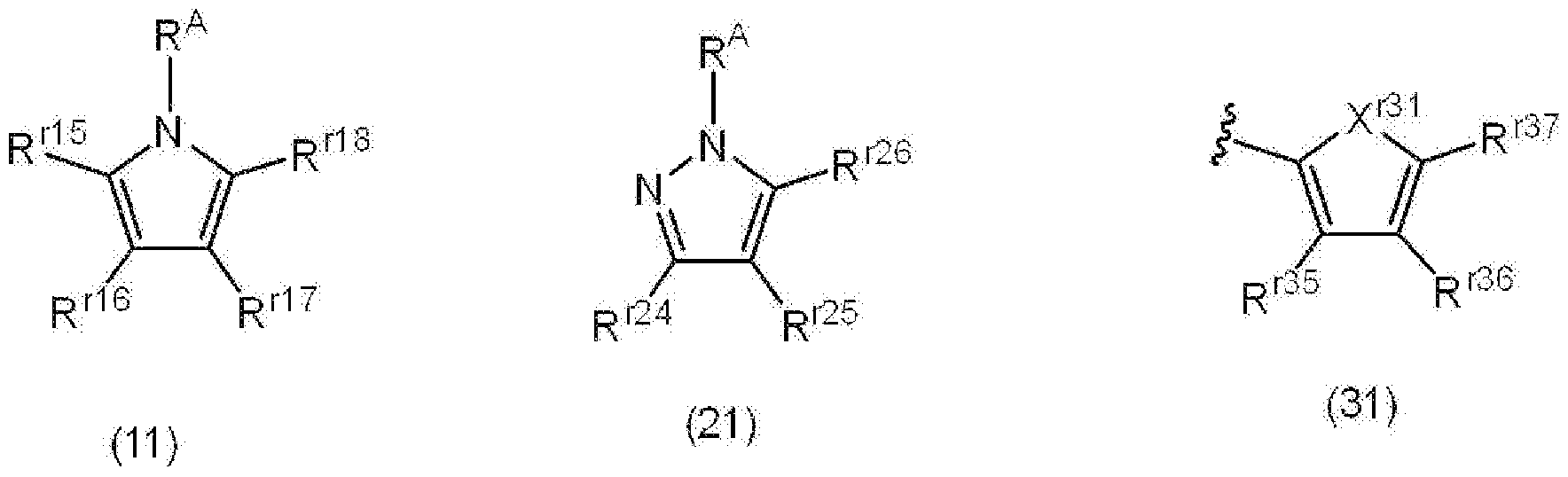




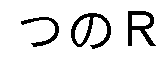
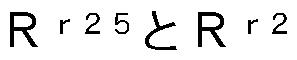


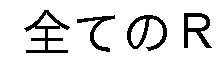









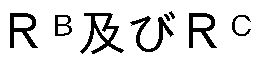





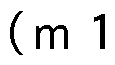


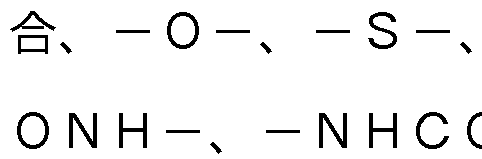















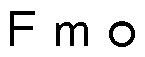


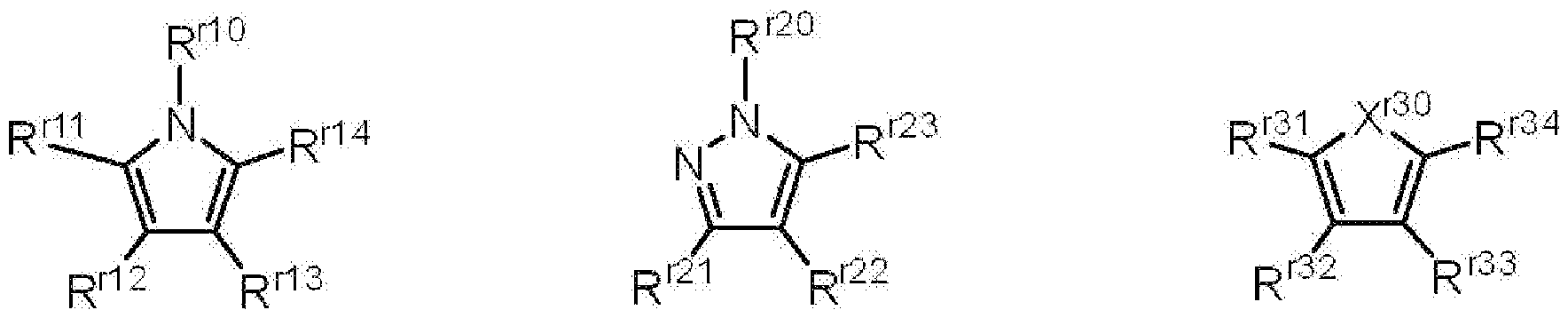








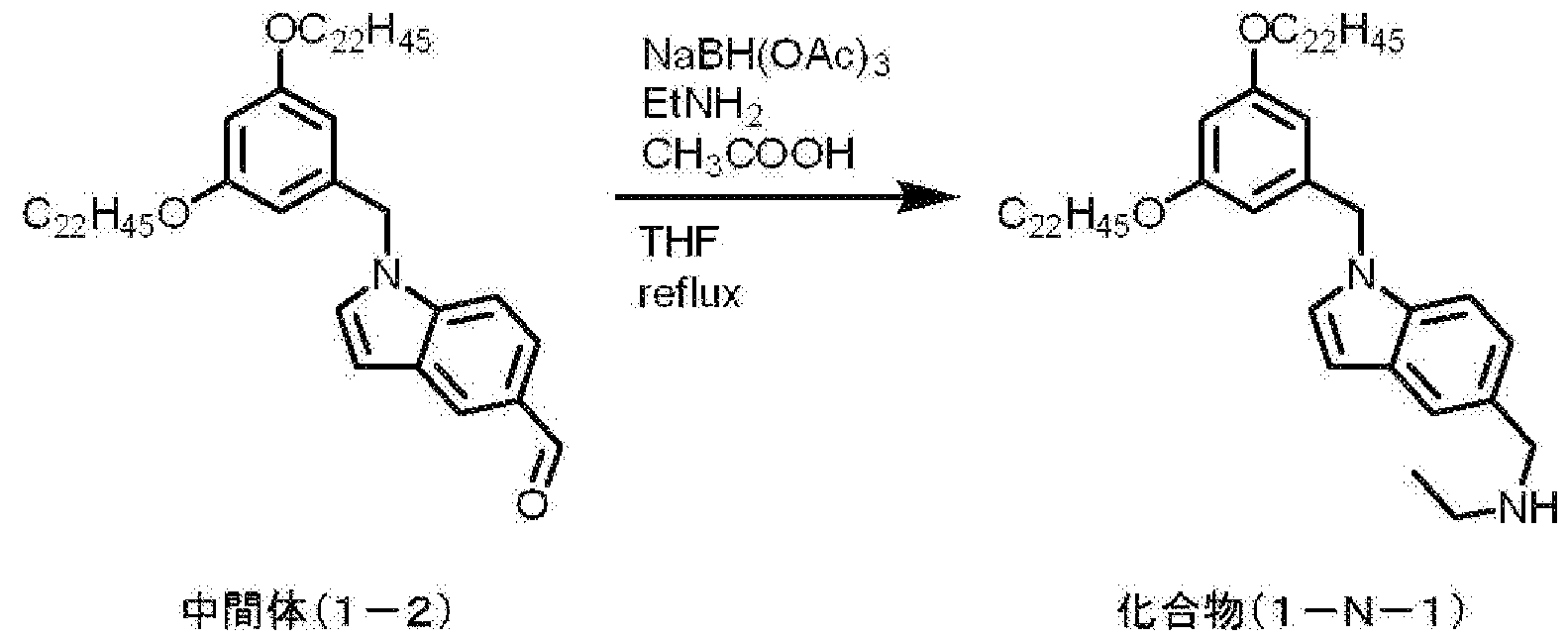




















Claims


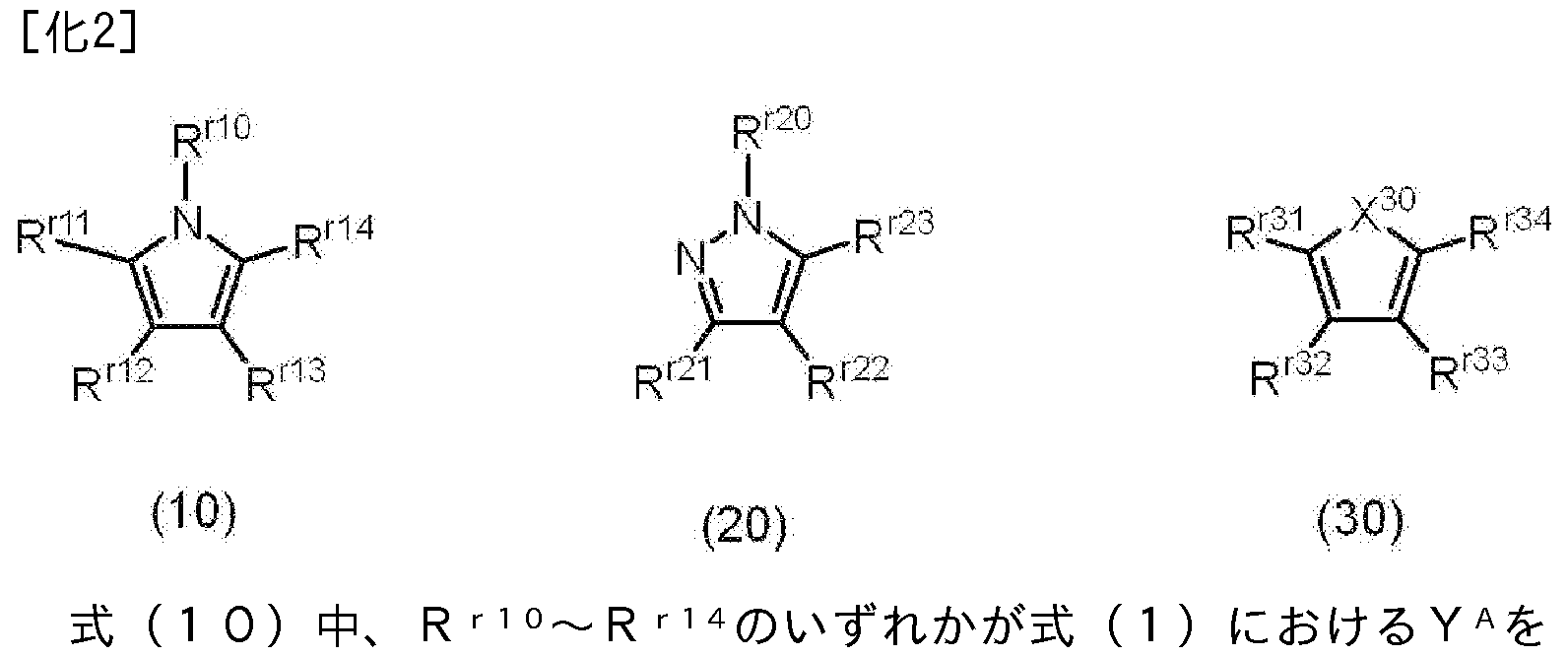





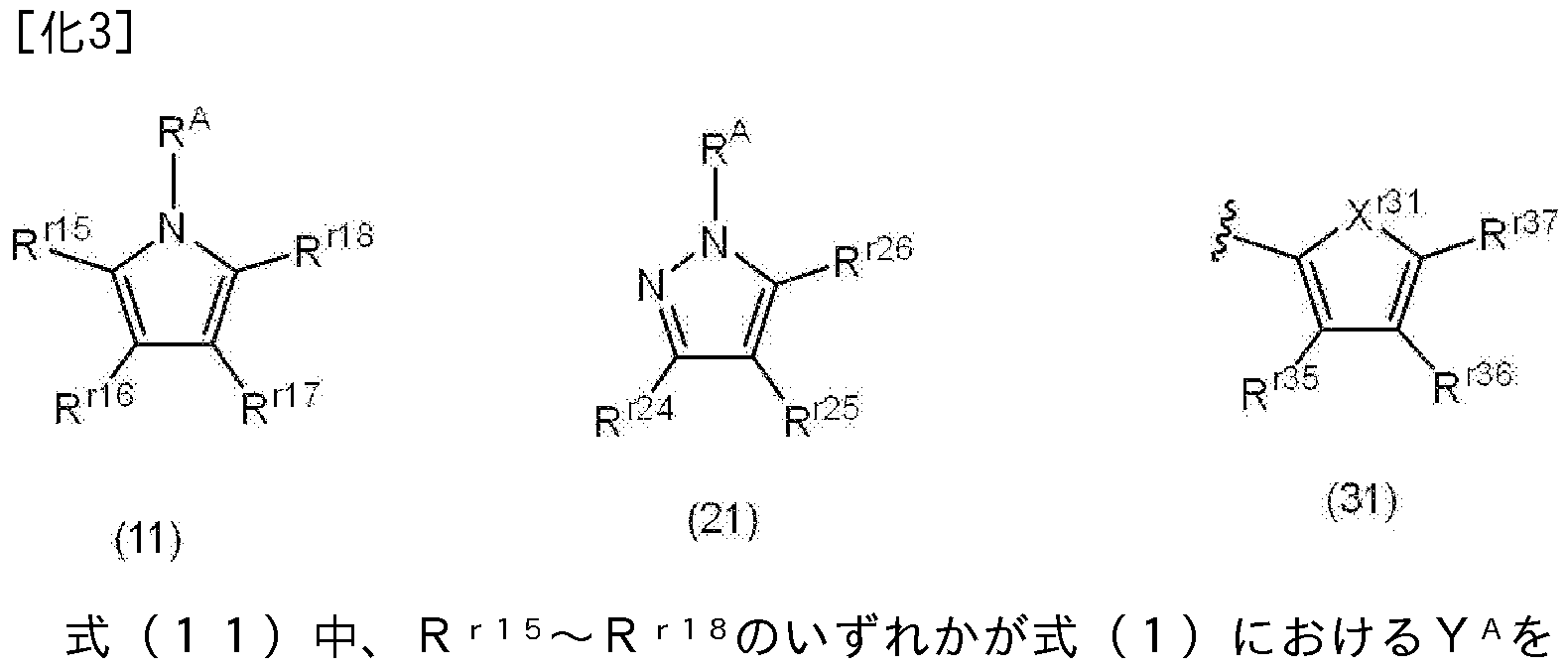







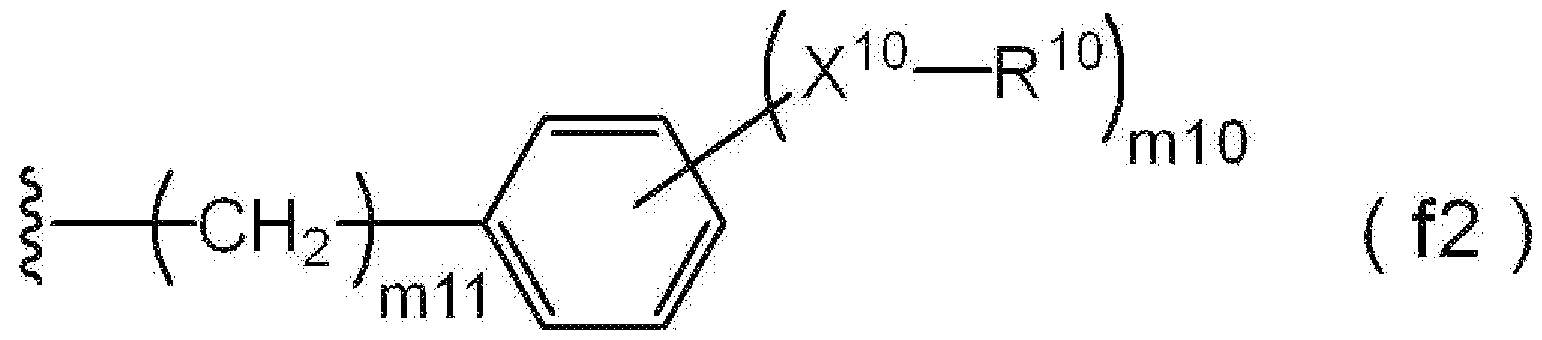











Priority Applications (8)
| Application Number | Priority Date | Filing Date | Title |
|---|---|---|---|
| CA3131774A CA3131774A1 (en) | 2019-02-28 | 2020-02-25 | Method for producing peptide compound, protecting group-forming reagent, and aromatic heterocyclic compound |
| EP20763894.1A EP3916000B1 (en) | 2019-02-28 | 2020-02-25 | Method for producing peptide compound, protecting group-forming reagent, and aromatic heterocyclic compound |
| KR1020217027562A KR20210121181A (ko) | 2019-02-28 | 2020-02-25 | 펩타이드 화합물의 제조 방법, 보호기 형성용 시약, 및 방향족 복소환 화합물 |
| CN202080016909.XA CN113490679A (zh) | 2019-02-28 | 2020-02-25 | 肽化合物的制造方法、保护基形成用试药及芳香族杂环化合物 |
| JP2021502270A JP7628073B2 (ja) | 2019-02-28 | 2020-02-25 | ペプチド化合物の製造方法、保護基形成用試薬、及び、芳香族複素環化合物 |
| US17/409,692 US12325727B2 (en) | 2019-02-28 | 2021-08-23 | Method for producing peptide compound, protective group-forming reagent, and aromatic heterocyclic compound |
| JP2023026563A JP2023065511A (ja) | 2019-02-28 | 2023-02-22 | ペプチド化合物の製造方法、保護基形成用試薬、及び、芳香族複素環化合物 |
| JP2024152735A JP2024174939A (ja) | 2019-02-28 | 2024-09-04 | ペプチド化合物の製造方法、保護基形成用試薬、及び、芳香族複素環化合物 |
Applications Claiming Priority (4)
| Application Number | Priority Date | Filing Date | Title |
|---|---|---|---|
| JP2019035775 | 2019-02-28 | ||
| JP2019-035775 | 2019-02-28 | ||
| JP2019122489 | 2019-06-28 | ||
| JP2019-122489 | 2019-06-28 |
Related Child Applications (1)
| Application Number | Title | Priority Date | Filing Date |
|---|---|---|---|
| US17/409,692 Continuation US12325727B2 (en) | 2019-02-28 | 2021-08-23 | Method for producing peptide compound, protective group-forming reagent, and aromatic heterocyclic compound |
Publications (1)
| Publication Number | Publication Date |
|---|---|
| WO2020175473A1 true WO2020175473A1 (ja) | 2020-09-03 |
Family
ID=72239197
Family Applications (1)
| Application Number | Title | Priority Date | Filing Date |
|---|---|---|---|
| PCT/JP2020/007478 Ceased WO2020175473A1 (ja) | 2019-02-28 | 2020-02-25 | ペプチド化合物の製造方法、保護基形成用試薬、及び、芳香族複素環化合物 |
Country Status (8)
| Country | Link |
|---|---|
| US (1) | US12325727B2 (ja) |
| EP (1) | EP3916000B1 (ja) |
| JP (3) | JP7628073B2 (ja) |
| KR (1) | KR20210121181A (ja) |
| CN (1) | CN113490679A (ja) |
| CA (1) | CA3131774A1 (ja) |
| TW (1) | TWI860331B (ja) |
| WO (1) | WO2020175473A1 (ja) |
Cited By (14)
| Publication number | Priority date | Publication date | Assignee | Title |
|---|---|---|---|---|
| JPWO2022097540A1 (ja) * | 2020-11-05 | 2022-05-12 | ||
| WO2022138605A1 (ja) | 2020-12-22 | 2022-06-30 | 富士フイルム株式会社 | ペプチドの製造方法、保護基形成用試薬、及び、縮合多環化合物 |
| WO2022196797A1 (ja) | 2021-03-19 | 2022-09-22 | 富士フイルム株式会社 | アミノ酸又はペプチドの製造方法、保護基形成用試薬、及び、化合物 |
| WO2023277186A1 (ja) | 2021-07-02 | 2023-01-05 | ペプチスター株式会社 | 液相ペプチド合成用担体結合ペプチドの分析方法 |
| WO2023032996A1 (ja) | 2021-08-31 | 2023-03-09 | 富士フイルム株式会社 | 化合物及びこれを用いた標識生体物質 |
| WO2023032994A1 (ja) | 2021-08-31 | 2023-03-09 | 富士フイルム株式会社 | 化合物及びこれを用いた標識生体物質 |
| WO2023032995A1 (ja) | 2021-08-31 | 2023-03-09 | 富士フイルム株式会社 | 化合物及びこれを用いた標識生体物質 |
| WO2024096023A1 (ja) | 2022-11-01 | 2024-05-10 | 中外製薬株式会社 | ジベンゾフルベンまたはジベンゾフルベン誘導体の除去方法 |
| WO2024143263A1 (ja) | 2022-12-26 | 2024-07-04 | 富士フイルム株式会社 | 蛍光強度増強剤、蛍光標識された標的生体物質の蛍光強度増強方法、及び、蛍光検出用キット |
| WO2024181454A1 (ja) | 2023-02-27 | 2024-09-06 | 富士フイルム株式会社 | 化合物及びこれを用いた標識生体物質 |
| WO2024181455A1 (ja) | 2023-02-27 | 2024-09-06 | 富士フイルム株式会社 | 化合物及びこれを用いた標識生体物質 |
| US12227542B2 (en) | 2019-06-28 | 2025-02-18 | Fujifilm Corporation | Method for producing peptide compound, protective group-forming reagent, and condensed polycyclic compound |
| US12479881B2 (en) | 2019-02-28 | 2025-11-25 | Fujifilm Corporation | Method for producing peptide compound, protective group-forming reagent, and condensed polycyclic aromatic hydrocarbon compound |
| US12509484B2 (en) | 2019-08-29 | 2025-12-30 | Fujifilm Corporation | Method of producing nucleic acid compound, and nucleic acid compound |
Families Citing this family (3)
| Publication number | Priority date | Publication date | Assignee | Title |
|---|---|---|---|---|
| JP7459121B2 (ja) * | 2019-09-12 | 2024-04-01 | 富士フイルム株式会社 | ペプチド化合物の製造方法、保護基形成用試薬、及び、ヒドラジン誘導体 |
| CN118382629A (zh) * | 2021-12-08 | 2024-07-23 | 富士胶片株式会社 | 肽化合物的制造方法、保护基形成用试剂及取代苄基化合物 |
| CN115541731A (zh) * | 2022-06-29 | 2022-12-30 | 南京锐志生物医药有限公司 | 一种保护氨基酸对映异构体的分析方法 |
Citations (7)
| Publication number | Priority date | Publication date | Assignee | Title |
|---|---|---|---|---|
| JP2000044493A (ja) | 1998-07-27 | 2000-02-15 | Asahi Chem Ind Co Ltd | 化合物ライブラリー合成用保護基 |
| JP2009185063A (ja) | 2006-03-24 | 2009-08-20 | Jitsubo Co Ltd | 有機合成用試薬、及び当該試薬を用いた有機合成反応方法 |
| WO2010113939A1 (ja) | 2009-03-30 | 2010-10-07 | 味の素株式会社 | ジフェニルメタン化合物 |
| WO2011078295A1 (ja) * | 2009-12-25 | 2011-06-30 | 味の素株式会社 | ベンジル化合物 |
| WO2017038650A1 (ja) * | 2015-08-28 | 2017-03-09 | 積水メディカル株式会社 | ベンジル化合物 |
| JP2019035775A (ja) | 2018-12-06 | 2019-03-07 | アルプス電気株式会社 | 電流計測システム |
| JP2019122489A (ja) | 2018-01-12 | 2019-07-25 | 株式会社サンヤマト | シャッターアセンブリおよびそれを用いた冷凍・冷蔵ショーケース |
Family Cites Families (18)
| Publication number | Priority date | Publication date | Assignee | Title |
|---|---|---|---|---|
| US2825734A (en) * | 1955-04-11 | 1958-03-04 | Upjohn Co | Reduction of carbonylic radicals in indolyl-3 compounds |
| GB1456208A (en) | 1972-12-28 | 1976-11-24 | Agfa Gevaert | Thermographic processes and recording material for use therein |
| JPS60252441A (ja) | 1984-05-28 | 1985-12-13 | Otsuka Pharmaceut Factory Inc | ナフタレン及びナフトキノン誘導体 |
| JP3312953B2 (ja) * | 1993-03-22 | 2002-08-12 | 財団法人生産開発科学研究所 | 2位置側鎖を有するテトラフェニルポルフィリン金属錯体及びその製造法 |
| WO1997032837A1 (en) | 1996-03-06 | 1997-09-12 | Sumitomo Pharmaceuticals Co., Ltd. | Nonsteroidal estrogen derivatives |
| SI21137A (sl) | 2002-01-24 | 2003-08-31 | LEK, tovarna farmacevtskih in kemičnih izdelkov, d.d. | Derivati azafenilalanina |
| DK2711370T3 (en) | 2011-05-17 | 2018-02-26 | Ajinomoto Kk | PROCEDURE FOR THE PREPARATION OF OLIGONUCLEOTIDES |
| CN104245787B (zh) * | 2012-04-25 | 2017-02-22 | 默克专利股份有限公司 | 共轭聚合物 |
| US9284344B2 (en) | 2012-05-30 | 2016-03-15 | Hokkaido System Science Co., Ltd. | Oligonucleotide synthesis method using highly dispersible liquid-phase support |
| EP3943500A1 (en) | 2014-04-30 | 2022-01-26 | Agilent Technologies, Inc. | Phosphorous protecting groups and methods of preparation and use thereof |
| CN113717239B (zh) | 2015-01-21 | 2024-12-24 | 味之素株式会社 | 沉淀促进剂以及使用其的沉淀方法 |
| CN116063365A (zh) | 2015-12-16 | 2023-05-05 | 味之素株式会社 | 寡核苷酸的制备方法以及核苷、核苷酸或寡核苷酸 |
| SG10201911357VA (en) | 2016-03-14 | 2020-01-30 | Somalogic Inc | Compounds and methods for the synthesis of 5-(n-protected-tryptaminocarboxyamide)-2'-deoxyuridine phosphoramidate for incorporation into a nucleic sequence |
| TW201906855A (zh) | 2017-05-02 | 2019-02-16 | 日商日產化學工業股份有限公司 | 寡核苷酸之製造方法 |
| JP7140111B2 (ja) | 2017-05-16 | 2022-09-21 | 日産化学株式会社 | オリゴヌクレオチドの製造方法 |
| EP3932899A4 (en) | 2019-02-28 | 2022-04-20 | FUJIFILM Corporation | METHOD FOR PRODUCING A PEPTIDE COMPOUND, PROTECTIVE GROUP-FORMING REAGENT AND FUSED POLYCYCLIC AROMATIC HYDROCARBON COMPOUND |
| CN114040920A (zh) | 2019-06-28 | 2022-02-11 | 富士胶片株式会社 | 肽化合物的制造方法、保护基形成用试剂及稠合多环芳香族烃化合物 |
| EP4006045A4 (en) * | 2019-08-29 | 2022-10-19 | FUJIFILM Corporation | METHOD FOR PRODUCTION OF A NUCLEIC ACID COMPOUND AND NUCLEIC ACID COMPOUND |
-
2020
- 2020-02-25 EP EP20763894.1A patent/EP3916000B1/en active Active
- 2020-02-25 WO PCT/JP2020/007478 patent/WO2020175473A1/ja not_active Ceased
- 2020-02-25 KR KR1020217027562A patent/KR20210121181A/ko not_active Ceased
- 2020-02-25 CN CN202080016909.XA patent/CN113490679A/zh active Pending
- 2020-02-25 CA CA3131774A patent/CA3131774A1/en active Pending
- 2020-02-25 JP JP2021502270A patent/JP7628073B2/ja active Active
- 2020-02-27 TW TW109106449A patent/TWI860331B/zh active
-
2021
- 2021-08-23 US US17/409,692 patent/US12325727B2/en active Active
-
2023
- 2023-02-22 JP JP2023026563A patent/JP2023065511A/ja active Pending
-
2024
- 2024-09-04 JP JP2024152735A patent/JP2024174939A/ja active Pending
Patent Citations (8)
| Publication number | Priority date | Publication date | Assignee | Title |
|---|---|---|---|---|
| JP2000044493A (ja) | 1998-07-27 | 2000-02-15 | Asahi Chem Ind Co Ltd | 化合物ライブラリー合成用保護基 |
| JP2009185063A (ja) | 2006-03-24 | 2009-08-20 | Jitsubo Co Ltd | 有機合成用試薬、及び当該試薬を用いた有機合成反応方法 |
| WO2010113939A1 (ja) | 2009-03-30 | 2010-10-07 | 味の素株式会社 | ジフェニルメタン化合物 |
| WO2011078295A1 (ja) * | 2009-12-25 | 2011-06-30 | 味の素株式会社 | ベンジル化合物 |
| EP2518041A1 (en) | 2009-12-25 | 2012-10-31 | Ajinomoto Co., Inc. | Benzyl compound |
| WO2017038650A1 (ja) * | 2015-08-28 | 2017-03-09 | 積水メディカル株式会社 | ベンジル化合物 |
| JP2019122489A (ja) | 2018-01-12 | 2019-07-25 | 株式会社サンヤマト | シャッターアセンブリおよびそれを用いた冷凍・冷蔵ショーケース |
| JP2019035775A (ja) | 2018-12-06 | 2019-03-07 | アルプス電気株式会社 | 電流計測システム |
Non-Patent Citations (3)
| Title |
|---|
| "Protective Groups in Organic Synthesis", 1980, JOHN WILEY AND SONS |
| ORGANIC PROCESS RESEARCH & DEVELOPMENT, vol. 21, no. 3, 2017, pages 365 - 369 |
| TETRAHEDRON LETT., vol. 59, 2018, pages 2145 - 2149 |
Cited By (20)
| Publication number | Priority date | Publication date | Assignee | Title |
|---|---|---|---|---|
| US12479881B2 (en) | 2019-02-28 | 2025-11-25 | Fujifilm Corporation | Method for producing peptide compound, protective group-forming reagent, and condensed polycyclic aromatic hydrocarbon compound |
| US12227542B2 (en) | 2019-06-28 | 2025-02-18 | Fujifilm Corporation | Method for producing peptide compound, protective group-forming reagent, and condensed polycyclic compound |
| US12509484B2 (en) | 2019-08-29 | 2025-12-30 | Fujifilm Corporation | Method of producing nucleic acid compound, and nucleic acid compound |
| WO2022097540A1 (ja) * | 2020-11-05 | 2022-05-12 | 中外製薬株式会社 | ジケトピペラジン形成による欠損を抑制するペプチド合成方法 |
| JPWO2022097540A1 (ja) * | 2020-11-05 | 2022-05-12 | ||
| JP7808554B2 (ja) | 2020-11-05 | 2026-01-29 | 中外製薬株式会社 | ジケトピペラジン形成による欠損を抑制するペプチド合成方法 |
| WO2022138605A1 (ja) | 2020-12-22 | 2022-06-30 | 富士フイルム株式会社 | ペプチドの製造方法、保護基形成用試薬、及び、縮合多環化合物 |
| WO2022196797A1 (ja) | 2021-03-19 | 2022-09-22 | 富士フイルム株式会社 | アミノ酸又はペプチドの製造方法、保護基形成用試薬、及び、化合物 |
| JPWO2022196797A1 (ja) * | 2021-03-19 | 2022-09-22 | ||
| WO2023277186A1 (ja) | 2021-07-02 | 2023-01-05 | ペプチスター株式会社 | 液相ペプチド合成用担体結合ペプチドの分析方法 |
| WO2023032995A1 (ja) | 2021-08-31 | 2023-03-09 | 富士フイルム株式会社 | 化合物及びこれを用いた標識生体物質 |
| WO2023032994A1 (ja) | 2021-08-31 | 2023-03-09 | 富士フイルム株式会社 | 化合物及びこれを用いた標識生体物質 |
| WO2023032996A1 (ja) | 2021-08-31 | 2023-03-09 | 富士フイルム株式会社 | 化合物及びこれを用いた標識生体物質 |
| WO2024096023A1 (ja) | 2022-11-01 | 2024-05-10 | 中外製薬株式会社 | ジベンゾフルベンまたはジベンゾフルベン誘導体の除去方法 |
| WO2024143263A1 (ja) | 2022-12-26 | 2024-07-04 | 富士フイルム株式会社 | 蛍光強度増強剤、蛍光標識された標的生体物質の蛍光強度増強方法、及び、蛍光検出用キット |
| EP4644874A1 (en) | 2022-12-26 | 2025-11-05 | FUJIFILM Corporation | Fluorescence intensity enhancing agent, method for enhancing fluorescence intensity of fluorescently labeled target biological material, and fluorescence detection kit |
| WO2024181454A1 (ja) | 2023-02-27 | 2024-09-06 | 富士フイルム株式会社 | 化合物及びこれを用いた標識生体物質 |
| WO2024181455A1 (ja) | 2023-02-27 | 2024-09-06 | 富士フイルム株式会社 | 化合物及びこれを用いた標識生体物質 |
| EP4674860A1 (en) | 2023-02-27 | 2026-01-07 | FUJIFILM Corporation | Compound and labeled biomaterial using same |
| EP4674861A1 (en) | 2023-02-27 | 2026-01-07 | FUJIFILM Corporation | Compound, and labeled biomaterial using same |
Also Published As
| Publication number | Publication date |
|---|---|
| CA3131774A1 (en) | 2020-09-03 |
| TWI860331B (zh) | 2024-11-01 |
| US20210380633A1 (en) | 2021-12-09 |
| JPWO2020175473A1 (ja) | 2021-10-14 |
| TW202045525A (zh) | 2020-12-16 |
| EP3916000A1 (en) | 2021-12-01 |
| US12325727B2 (en) | 2025-06-10 |
| JP7628073B2 (ja) | 2025-02-07 |
| JP2023065511A (ja) | 2023-05-12 |
| JP2024174939A (ja) | 2024-12-17 |
| EP3916000B1 (en) | 2026-04-08 |
| EP3916000A4 (en) | 2022-03-23 |
| KR20210121181A (ko) | 2021-10-07 |
| CN113490679A (zh) | 2021-10-08 |
Similar Documents
| Publication | Publication Date | Title |
|---|---|---|
| WO2020175473A1 (ja) | ペプチド化合物の製造方法、保護基形成用試薬、及び、芳香族複素環化合物 | |
| WO2020175472A1 (ja) | ペプチド化合物の製造方法、保護基形成用試薬、及び、縮合多環芳香族炭化水素化合物 | |
| JP7238123B2 (ja) | ペプチド化合物の製造方法、保護基形成用試薬、及び、縮合多環芳香族炭化水素化合物 | |
| US20230357311A1 (en) | Method for producing peptide, protective group-forming reagent, and condensed polycyclic compound | |
| JP7301965B2 (ja) | ペプチド化合物の製造方法、保護基形成用試薬、及び、縮合多環化合物 | |
| CN109963835B (zh) | 一种新毒素及其中间体的制备方法 | |
| WO2022196797A1 (ja) | アミノ酸又はペプチドの製造方法、保護基形成用試薬、及び、化合物 | |
| WO2020175680A1 (ja) | タンパク質及び/又はペプチド修飾用分子 | |
| WO2025063265A1 (ja) | ペプチド化合物の製造方法、保護基形成用試薬、およびジナフチルメチル化合物 | |
| JP7459121B2 (ja) | ペプチド化合物の製造方法、保護基形成用試薬、及び、ヒドラジン誘導体 | |
| JP5267096B2 (ja) | N,S−ジ−tert−ブトキシカルボニルグルタチオン蛍光誘導体及びそれを中間体として用いるグルタチオン蛍光誘導体の製造方法 | |
| Vishwanatha et al. | Cyanogen Bromide as Dehydrosulfurizing Agent for the Synthesis of Nβ-Fmoc-Amino Alkyl Isonitriles from Nβ-Fmoc-Amino Alkyl Thioformamides | |
| HK1219721A1 (zh) | 用於合成加利车霉素衍生物的中间体和方法 | |
| HK1219721B (zh) | 用於合成加利车霉素衍生物的中间体和方法 |
Legal Events
| Date | Code | Title | Description |
|---|---|---|---|
| 121 | Ep: the epo has been informed by wipo that ep was designated in this application |
Ref document number: 20763894 Country of ref document: EP Kind code of ref document: A1 |
|
| ENP | Entry into the national phase |
Ref document number: 2021502270 Country of ref document: JP Kind code of ref document: A |
|
| ENP | Entry into the national phase |
Ref document number: 3131774 Country of ref document: CA |
|
| ENP | Entry into the national phase |
Ref document number: 20217027562 Country of ref document: KR Kind code of ref document: A |
|
| NENP | Non-entry into the national phase |
Ref country code: DE |
|
| ENP | Entry into the national phase |
Ref document number: 2020763894 Country of ref document: EP Effective date: 20210827 |
|
| WWG | Wipo information: grant in national office |
Ref document number: 2020763894 Country of ref document: EP |