WO2020175578A1 - ピリジルピラジン化合物の製造方法 - Google Patents
ピリジルピラジン化合物の製造方法 Download PDFInfo
- Publication number
- WO2020175578A1 WO2020175578A1 PCT/JP2020/007856 JP2020007856W WO2020175578A1 WO 2020175578 A1 WO2020175578 A1 WO 2020175578A1 JP 2020007856 W JP2020007856 W JP 2020007856W WO 2020175578 A1 WO2020175578 A1 WO 2020175578A1
- Authority
- WO
- WIPO (PCT)
- Prior art keywords
- group
- compound
- formula
- atom
- pyrazine
- Prior art date
- Legal status (The legal status is an assumption and is not a legal conclusion. Google has not performed a legal analysis and makes no representation as to the accuracy of the status listed.)
- Ceased
Links
Classifications
-
- C—CHEMISTRY; METALLURGY
- C07—ORGANIC CHEMISTRY
- C07B—GENERAL METHODS OF ORGANIC CHEMISTRY; APPARATUS THEREFOR
- C07B61/00—Other general methods
-
- C—CHEMISTRY; METALLURGY
- C07—ORGANIC CHEMISTRY
- C07D—HETEROCYCLIC COMPOUNDS
- C07D401/00—Heterocyclic compounds containing two or more hetero rings, having nitrogen atoms as the only ring hetero atoms, at least one ring being a six-membered ring with only one nitrogen atom
- C07D401/02—Heterocyclic compounds containing two or more hetero rings, having nitrogen atoms as the only ring hetero atoms, at least one ring being a six-membered ring with only one nitrogen atom containing two hetero rings
- C07D401/04—Heterocyclic compounds containing two or more hetero rings, having nitrogen atoms as the only ring hetero atoms, at least one ring being a six-membered ring with only one nitrogen atom containing two hetero rings directly linked by a ring-member-to-ring-member bond
Definitions
- the present invention relates to a method for producing a pyridylpyrazine compound.
- Certain pyridylpyrazine compounds are known as active ingredients of pest control agents (Patent Document 1, etc.).
- Patent Document 1 International Publication No. 2 0 1 7/0 6 5 2 2 8
- An object of the present invention is to provide a new method for producing the pyridylpyrazine compound described in Patent Document 1.
- the present inventors have conducted a reaction between 2-halogen-substituted pyrazines and 2-halogen-substituted pyridines under a reducing condition, and as a result, two types of halogen atoms are eliminated so that a coupling coupling reaction proceeds. Then, they found that a pyridylpyrazine compound was produced in a high yield, and completed the present invention.
- the present invention is as follows.
- X represents a chlorine atom, a bromine atom or an iodine atom
- halogen atoms ⁇ 1- ⁇ 10 chain hydrocarbon groups may have one or more halogen atoms ( ⁇ 1 _ ⁇ 5 alkoxy) ⁇ 2 _ ⁇ 5 alkyl group, may have one or more halogen atoms ( ⁇ 1 —
- alkylsulfanyl 0 2 — 0 5 alkyl group
- Group ⁇ A group consisting of a halogen atom and a _ 1 _ ⁇ 6 haloalkyl group. ] And a compound of formula (2)
- [3 ⁇ 4 2 represents cyclopropylmethyl group, cyclopropyl group, or one or more of which may have a halogen atom ⁇ 1 - ⁇ 6 alkyl group,
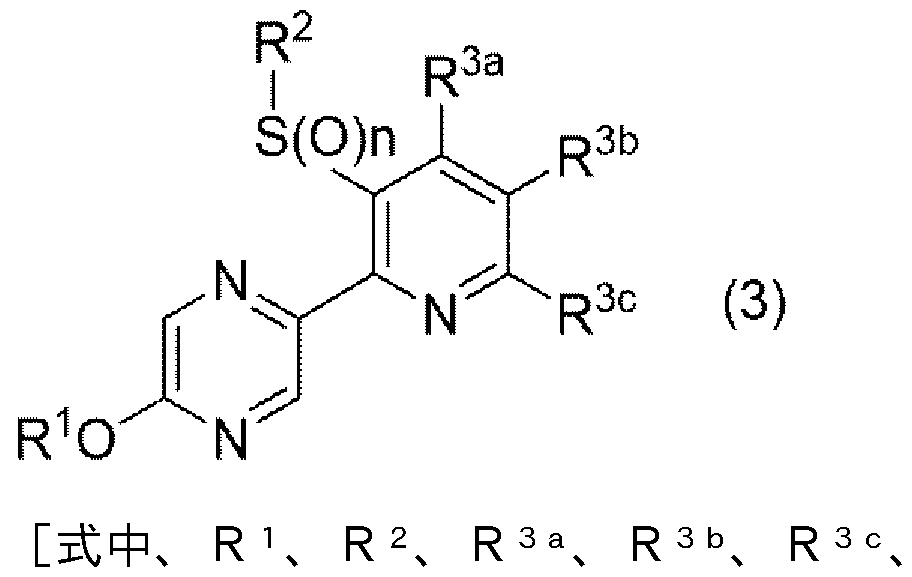
- a compound represented by the formula (3) by reacting the compound represented by the formula (3) with at least one metal compound selected from the group consisting of a cobalt compound, a nickel compound and an iron compound, and a reducing agent.
- the reducing agent contains at least one of a zero-valent metal selected from zinc, iron, manganese, and copper or a monovalent compound of the metal, an organic one-electron reducing agent, and a Grignard reagent.
- a pyridylpyrazine compound can be efficiently produced by the production method of the present invention. ⁇ 2020/175578 4 ⁇ (: 170? 2020 /007856
- the phrase “may have one or more halogen atoms” includes the case of having a halogen atom as a substituent and the case of not having a halogen atom as a substituent, and having two or more halogen atoms. When these are present, these halogen atoms may be the same or different from each other.
- the notation "x10” means that the number of carbon atoms is or.
- the notation “0 1 — 0 6” means that the number of carbon atoms is 1 to 6.
- the halogen atom represents a fluorine atom, a chlorine atom, a bromine atom or an iodine atom.
- the "chain hydrocarbon group” refers to an alkyl group, an alkenyl group and an alkynyl group.
- the “cyclic hydrocarbon group” represents a cycloalkyl group.
- alkyl group examples include a methyl group, an ethyl group, a propyl group, an isopropyl group, a 1,1-dimethylpropyl group, a 1,2-dimethylpropyl group,
- alkenyl group examples include vinyl group, 1-propenyl group, 2-p-openenyl group, 1-methyl-1-propenyl group, 1-methyl-2-propenyl group, 1, 2-- Dimethyl-1-propenyl group, 1, 1-dimethyl-2-propenyl group, 1-ethyl-1-propenyl group, 1-ethyl-2-propenyl group,
- a 3-butenyl group, a 4-pentenyl group and a 5-hexenyl group can be mentioned.
- alkynyl group examples include ethynyl group, 1-propynyl group, 2-propynyl group, 1-methyl-2-propynyl group, 1,1-dimethyl-2-propynyl group, 1-ethyl-2-propynyl group, 2- Examples include butynyl group, 4-pentynyl group and 5-hexynyl group. ⁇ 2020/175578 5 (: 170? 2020/007856
- a chain hydrocarbon group optionally having one or more halogen atoms
- the “02-010 haloalkyl group” refers to a group in which the hydrogen atom of the 02-010 alkyl group is substituted with a halogen atom, and examples thereof include a 02-01° fluoroalkyl group.
- Examples of the “ ⁇ 2— ⁇ 10 haloalkyl group” include a chloroethyl group, 2,2,2-trifluoroethyl group, 2-bromo-1,1,2,2-tetrafluoroethyl group, 2, 2, 3, Examples thereof include 3-tetrafluoropropyl group, 1-methyl-2,2,3,3-tetrafluoropropyl group, perfluorohexyl group and perfluorodecyl group.
- Examples of the “ ⁇ 2- ⁇ 10 fluoroalkyl group” include, for example, 2,2,2-difluoroethyl group, 2,2,3,3-tetrafluoropropyl group, 1-methyl-2,2,3 , 3-tetrafluoropropyl group, perfluorohexyl group and perfluorodecyl group.
- cycloalkyl group examples include a cyclopropyl group, a cyclobutyl group, a cyclopentyl group, a cyclohexyl group and a cycloheptyl group.
- alkoxy refers to a group in which an oxygen atom (o) is bonded to an alkyl group (that is, when 8 is an alkyl group, it is described as [3 ⁇ 4o_]).
- the alkylsulfanyl group, alkylsulfinyl group, and alkylsulphonyl group represent an alkyl group having a moiety represented by 3(0).
- examples of the alkylsulfanyl group having 0 are a methylsulfanyl group, an ethylsulfanyl group, a propylsulfanyl group, an isopropylsulfanyl group, and the like.
- examples of the alkylsulfinyl group having 1 are a methylsulfinyl group, an ethylsulfinyl group, a propylsulfinyl group, an isopropylsulfinyl group, and the like. ⁇ 2020/175578 6 ⁇ (: 170? 2020 /007856
- examples of the alkylsulfonyl group having a group of 2 include a methylsulfonyl group, an ethylsulfonyl group, a propylsulfonyl group, and an isopropylsulfonyl group.
- the “2--05 alkyl group” means a group in which ( ⁇ 3 1 — 05 alkoxy) and/or ( ⁇ 2 _05 alkyl) may have one or more halogen atoms, and for example, 2-(trifluoromethoxy)ethyl group, 2,2-difluoro-3-methoxypropyl group, 2,2-difluoro-3-(2,2,2-trifluoroethoxy)propyl group, and 3--(2-chloroethoxy) ) Propyl groups are listed.
- the term "(may be one or more halogen atom) ( ⁇ 1 _ ⁇ 5 alkylsulfanyl) ⁇ 2- ⁇ 5 alkyl group” means ( ⁇ 1- ⁇ 5 alkylsulfanyl) and/or ( ⁇ 2_05 alkyl) represents a group which may have one or more halogen atoms, and examples thereof include a 2,2-difluoro-2-(trifluoromethylthio)ethyl group.
- (1)-(5) alkylsulfinyl which may have one or more halogen atoms (2)-(05) alkylsulfinyl) means ((1)-(05) alkylsulfinyl) and/or ( ⁇ 2 _ ⁇ 5 alkyl) represents a group which may have one or more halogen atoms, and examples thereof include a 2,2-difluoro-2-(trifluoromethansulfinyl)ethyl group.
- the "may have one or more halogen atoms ( ⁇ 1 _ ⁇ 5 alkylsulfonyl) 0 2 — 05 alkyl group” means Alkylsulfonyl) and/or ( ⁇ 2 _ ⁇ 5 alkyl) represents a group which may have one or more halogen atoms, and for example, a 2,2-difluoro-2-(trifluoromethanesulfonyl)ethyl group is Can be mentioned.
- (3 to 0 6 cycloalkyl) ⁇ 3 1 to 0 3 alkyl group which may have one or more halogen atoms means (0 3 to 0 6 cycloalkyl) and/or ( ⁇ 1 - ⁇ 3alkyl) is a group which may have one or more halogen atoms. ⁇ 2020/175 578 7 (: 170? 2020 /007856
- alkyl group means (0 3 — 0 7 cycloalkyl) and/or Represents a group having one or more substituents selected from the group ⁇ , and includes, for example, (2,2-difluorocyclopropyl)methyl group, [1-(trifluoromethyl)cyclopropyl]methyl group, [2- (Trifluoromethyl)cyclopropyl]methyl group, 2-cyclopropyl-1,1,2,2-tetrafluoroethyl group, 2—(2,2-difluorocyclopropyl)-1
- Group ⁇ is a group consisting of a halogen atom, and a _ 1 _ ⁇ 6 haloalkyl group.
- Examples of the embodiment of the compound represented by the formula (3) include the following compounds.
- a compound in which is hydrogen is hydrogen.
- the compound represented by the formula (1) and the compound represented by the formula (2) are treated with at least one metal compound selected from the group consisting of a cobalt compound, a nickel compound and an iron compound, and a reduction compound.
- the compound represented by the formula (3) can be obtained.
- the cobalt compound is a compound in which an atom other than cobalt is bound to cobalt (herein, the term "bond” is a general term for coordination bond, covalent bond, ionic bond, etc.), and preferably cobalt (0 ) Compounds and cobalt ( ⁇ ) Compounds are listed.
- cobalt (0) compound examples include bis(1,5-cyclooctadiene)cobalt (0).
- cobalt (II) compounds include cobalt (II) acetate, trifluorocobalt acetate ( ⁇ ), cobalt ( ⁇ ), cobalt carboxylates such as acetylacetonate; cobalt chloride ( ⁇ ), cobalt bromide ( ⁇ ) ⁇ ), Iodine ⁇ 0 2020/175 578 9 (: 17 2020/007856
- cobalt halides such as Balt ( ⁇ ).
- Cobalt chloride ( ⁇ ), cobalt bromide ( ⁇ ) and cobalt acetate ( ⁇ ) are preferred.
- the nickel compound is a compound in which an atom other than nickel is bonded to nickel (herein, the term “bonding” refers to a coordination bond, a covalent bond, an ionic bond, etc.), and preferably nickel (0 ) Compounds and nickel ( ⁇ ) Compounds are listed.
- nickel (0) compound examples include bis(1,5-cyclooctadiene) nickel (0).
- Nickel ( ⁇ ) compounds include nickel acetate ( ⁇ ), nickel trifluoroacetate ( ⁇ ), nickel ( ⁇ ) nickel carboxylic acid salts such as acetylacetonate; nickel chloride ( ⁇ ), nickel bromide Nickel halides such as ( ⁇ ) and nickel iodide ( ⁇ ); bis(triphenylphosphine) nickel ( ⁇ ) dichloride, (2, 2'-bipyridine) nickel ( ⁇ I) dichloride, dichloro (1 ⁇ 1, 1 ⁇ 1, 1 ⁇ 1', 1 ⁇ 1'-tetramethylethylenediamine) Nickel compounds to which organic compounds such as nickel (II) are bound (coordinated) can be mentioned. Of these, nickel chloride ( ⁇ ), nickel bromide ( ⁇ I) and nickel acetate ( ⁇ ) are preferable.
- the iron compound is a compound in which an atom other than iron is bound to iron (here, the term bond is a generic term for a coordination bond, a covalent bond, an ionic bond, etc.), and preferably iron (0) Compounds and iron ( ⁇ ) compounds.
- iron (o) compound examples include bis (1,5-cyclooctadiene) iron (o).
- Iron ( ⁇ ) compounds include iron acetate ( ⁇ ), iron trifluoroacetate ( ⁇ I), iron ( ⁇ ) iron carboxylates such as acetylacetonate; iron chloride (II)
- Iron bromide ( ⁇ ), iron iodide ( ⁇ ) and other iron halides Iron bromide ( ⁇ ), iron iodide ( ⁇ ) and other iron halides. Among them, iron (II) chloride, iron (II) bromide and iron (II) acetate are preferable. ⁇ 2020/175 578 10 (: 170? 2020 /007856
- the amount of the cobalt compound, nickel compound or iron compound used is not limited to this, but is usually 0.001 mol to 0.8 mol per mol of the compound represented by the formula (1). , Preferably 0.01 mol to 0.2 mol.
- a monovalent, divalent or trivalent state of a cobalt compound, a nickel compound or an iron compound can be used as a reducing agent (a valence of the compound before the reaction is 1 valence, As long as it is divalent or trivalent) or monovalent (when the valence of the compound before the reaction is divalent or trivalent), it can be used without particular limitation.
- the amount of the reducing agent used is not limited to this, but is usually 0.9 mol to 3.0 mol, preferably 1.0 mol to 2 mol per mol of the compound represented by the formula (1). 0.0 mol.
- Examples of the reducing agent include a metal-free reducing compound, and a reducing metal or a compound thereof.
- Examples of the reducing compound include organic one-electron reducing agents, and examples thereof include olefins such as tetrakis(dimethylamino)ethylene and tetrathiafulvalene.
- Examples of the reducing metal or its compound include a zero-valent metal selected from zinc, iron, manganese and copper, or a monovalent compound of the metal, and a Grignard reagent.
- Specific examples of the reducing metal or its compound include zero-valent zinc, zero-valent manganese, zero-valent iron, zero-valent copper, and a monovalent copper compound, with zinc being preferred.
- the zinc is preferably activated.
- a known method is used as a method for activating zinc.
- zinc in an unactivated state can be used by simultaneously adding an activator to the coupling reaction system.
- the amount of zinc used is not limited to this, but is usually 0.9 mol to 3.0 mol, preferably 1.0 mol to 2.0 mol per mol of the compound represented by the formula (1). Is.
- Examples of the zinc activator used in the present invention include lithium chloride and organic carbohydrate. ⁇ 2020/175578 1 1 ⁇ (: 170? 2020/007856
- Acids or organic halogen compounds may be mentioned.
- Organic carboxylic acids include, for example, aliphatic carboxylic acids such as acetic acid, propionic acid, butanoic acid, pivalic acid; benzoic acid, 4-methoxybenzoic acid, 4-methylbenzoic acid, 4 _ nitrobenzoic acid and the like. Aromatic carboxylic acids are mentioned.
- the amount of the organic carboxylic acid used is not limited to this, but is usually 0.1 to 50 mol per mol of the metal compound such as nickel compound. Alternatively, the amount of the organic carboxylic acid used is not limited to this, but is usually 0.1 to 50 mol per mol of zinc.
- organic halogen compound examples include allyl chloride, 1,2-dibromoethane, 1-iodobutane, trimethylsilyl chloride and the like. Two or more zinc activators may be used.
- the amount of the organic halogen compound used is not limited to this, but is usually 0.1 to 50 mol per mol of the metal compound such as nickel compound.
- the amount of the organohalogen compound used is not limited to this, but is usually 0.1 to 50 mol per mol of zinc.
- reaction can be carried out in the presence of a solvent.
- the solvent is preferably an aprotic organic solvent.
- An aprotic organic solvent has a group containing a proton (that is, a donating proton) such as a hydroxyl group (101 to 1), an amino group, a carboxyl group (1001 to 1) in the molecule. And an organic solvent capable of dissolving the compound represented by the formula (1) and the compound represented by the formula (2).
- aprotic organic solvent examples include amid solvents such as non-cyclic amide solvents or cyclic amide solvents, ether solvents such as non-cyclic ether solvents or cyclic ether solvents, aromatic hydrocarbon solvents and aliphatic hydrocarbons.
- the solvent examples include an amid solvent such as a non-cyclic amide solvent or a cyclic amide solvent, and an aromatic hydrocarbon solvent.
- Amid solvents such as non-cyclic amide solvents or cyclic amide solvents include, for example, dimethylformamide (0 ! ⁇ /!), dimethylacetamide,! ⁇ 1 _ Methyl ⁇ 2020/175 578 12 (: 170? 2020 /007856
- 2-pyrrolidone can be mentioned.
- acyclic ether solvent examples include diethyl ether, diisopropyl ether, ethylene glycol dimethyl ether and diethylene glycol dimethyl ether.
- cyclic ether solvents examples include 1,4-dioxane and tetrahydrofuran.
- Aromatic hydrocarbon solvents include, for example, benzene, toluene, xylene and mesitylene.
- Aliphatic hydrocarbon solvents include, for example, hexane, heptane and cyclohexane.
- toluene, xylene, mesitylene, dimethylformamide, dimethylacetamide and 1 ⁇ 1 _methyl-2-pyrrolidone are preferable. ..
- two or more kinds of aprotic organic solvents may be used in combination. Specifically, for example, a mixed solvent of 1 ⁇ 1-methyl-2-pyrrolidone and toluene, and dimethylform A mixed solvent of amide and toluene can be used.
- the amount of the solvent used is not limited to this, but is usually 1 to 50 parts by weight, preferably 1 to 20 parts by weight per 1 part by weight of the compound represented by the formula (1).
- the coupling reaction can be more efficiently carried out.
- the coordinating organic compound used in the reaction is preferably a compound capable of coordinating to those metals in the presence of one kind or a mixture of two or more kinds of cobalt compound, nickel compound and iron compound. Any organic compound having such a coordinating property can be used without particular limitation. Generally, an organic compound containing one or more heteroatoms such as nitrogen, phosphorus, oxygen or sulfur is preferable from the viewpoint of coordination ability.
- organic compound containing a nitrogen atom examples include trialkylamines such as trimethylamine, triethylamine and diisopropylethylamine; arylamines such as triphenylamine, dimethylaniline and diethylaniline; nitrogen-containing heterocyclic compounds such as pyridine, picoline and quinoline. Ring compounds; 1 ⁇ 1, 1 ⁇ 1, ! ⁇ 1, ,! ⁇ 1'-Tetramethylethylenediamine,! ⁇ 1 ,! ⁇ 1 ,! ⁇ 1' ,! ⁇ 1'-Tetra 20/175578 13 ⁇ (: 170? 2020 /007856
- Methyl-1,3-propanediamine 1 ⁇ 1, 1 ⁇ 1, 1 ⁇ 1, ,1 ⁇ 1, Tetraethylethylenediamine, 1 ⁇ 1, 1 ⁇ 1, 1 ⁇ 1', 1 ⁇ 1' Tetramethyl-1,4 —Bitandiamine and other two-coordinate (that is, bidentate) alkyldiamines; 2,2'-bipyridine, 1,9-phenanthroline, 1,10-phenanthroline, 6, 6 '-Dimethyl-2,2'-bipyridine, 4,4'-bis(trifluoromethyl)-1,2'-bipyridine, dimethyl-2,2'-bipyridine-4,
- Examples thereof include dicoordinated (ie, bidentate) nitrogen-containing heterocyclic compounds such as dimethyl 4-dicarboxylate and 2,2'-biquinoline.
- organic compound containing a phosphorus atom examples include alkyl phosphines such as trimethylphosphine, triethylphosphine, 3-methyl-2-butenyl (di _ 1: _butyl) phosphine; 1, 2-bis (di I -Butylphosphino
- Ethane 1,3-bis (di 1:-butylphosphino) propane, 1, 4-bis (di-I-butylphosphino) butane and other alkyldiphosphines; trimethylphosphite, triethylphosphite, etc.
- Arylphosphines 1,2-bis(diphenylphosphino)ethane, 1,3-bis(diphenylphosphino)propane, 1,4-bis(diphenylphosphino)butane and other aryldiphosphines; trimethyl Trialkyl phosphates such as phosphates and triethyl phosphates; compounds containing a plurality of phosphorus atoms such as 4,5,-bis(diphenylphosphino)_9,9'-dimethylxanthene and the like.
- an organic compound containing a phosphorus atom is susceptible to oxidation, it can be used as a mineral acid salt, and by adding a base at the same time, a coordinating organic compound containing a phosphorus atom can be generated in the reaction system. ..
- Examples of the organic compound containing a sulfur atom include dimethyl sulfoxide, dimethyl sulfone, and sulfolane. ⁇ 2020/175 578 14 (: 170? 2020 /007856
- Examples of the organic compound containing an oxygen atom include phenol, catechol, and acetylacetonate.
- Organic compounds containing a nitrogen atom and an oxygen atom can also be used, and examples thereof include proline and 8-quinolinol.
- Two or more coordinating organic compounds may be used in combination.
- the coordinating organic compound containing a phosphorus atom and the coordinating organic compound containing a nitrogen atom are used together.
- the amount of the compound used is not limited to this, but may be a cobalt compound, a nickel compound or an iron compound.
- the amount is usually 0.1 mol to 50 mol, preferably 0.5 mol to 20 mol per mol.
- the amount of the compound used is not limited to this, but per mol of cobalt compound, nickel compound or iron compound.
- the amount is usually 0.05 mol to 30 mol, preferably 0.3 mol to 20 mol.
- a compound containing a phosphorus atom and a compound containing a nitrogen atom are preferably used.
- the compound containing a phosphorus atom include trimethylphosphine, triethylphosphine, triphenylphosphine, 1,4-bis(di _ _ptylphosphino).
- Butane, trimethylphosphite, or triphenylphosphite is preferred.
- Compounds containing nitrogen atoms include 1 ⁇ ], 1 ⁇ 1 ,1 ⁇ 1', 1 ⁇ 1'-tetramethylethylenediamine, 1 ⁇ 1 ,1 ⁇ 1 ,1 ⁇ 1, ,1 ⁇ 1, tetramethyl- 1,3—Propanedamine, 1,10-phenanthroline, 6,6'-dimethyl-2,2'-bipyridine, 4,4'-bis(trifluoromethyl)-1,2'-bipyridine, dimethyl-2,2' Bipyridine-4,4-dicarboxylate dimethyl, or 2,2'-biquinoline is preferred.
- the coordinating organic compound is a cobalt compound or a nickel compound in advance. ⁇ 2020/175 578 15 (: 170? 2020 /007856
- a metal compound coordinated with an iron compound can be used.
- metal compounds include bis(triphenylphosphine)nickel(II) dichloride, (2,2'-bipyridine)nickel( ⁇ ) dichloride, dichloro (1 ⁇ 1, 1 ⁇ 1, 1 ⁇ 1', 1 ⁇ 1'-Tetramethylethylenediamine) Nickel
- Specific examples of the compound represented by the formula (1) include 2-chloro-5-(carbolifluoromethoxy)pyrazine, 2-chloro-5-(2,2,2-trifluoroethoxy)pyrazine, 2 -Chloro-5-(1,1,1,2,2-tetrafluoroethoxy)pyrazine, 2-chloro-5-(2,2,3,3,3-pentafluoropropoxy)pyrazine,2-chloro-5-(2,2 , 3, 3-Tetrafluoropropoxy) pyrazine, 2-chloro-5-(3,3,3-trifluoropropoxy)pyrazine, 2-chloro-5-(1, 1, 1, 1, 3, 3, 3-hexafluoroiso Propoxy) Pyrazine, 2-Bromo _ 5— (Trifluororometoxy) Pyrazine, 2-Bromo-5— (2, 2, 2-Trifluoroethoxy) Pyrazine, 2-Bromo-5— (1, 1, 1, 2, 2—Tetra Fluor
- Examples include xylpyrazine and the like.
- Specific examples of the compound represented by the formula (2) include 2-chloro-3-ethylsulfonylpyridine, 2-bromo_3-ethylsulfonylpyridine, 2-chloro-3-ethylsulfonyl-5- Examples include methylpyridine, 2-chloro-3-ethylsulfonyl-5-cyclopropylpyridine, 2-chloro-3-ethylsulfonyl-6-ethylpyridine, 2-chloro-3-methylsulfonylpyridin, 2-chloro-3-propylsulfonylpyridine, and the like.
- 2-chloro-3-ethylsulfonylpyridine 2-bromo_3-ethylsulfonylpyridine
- 2-chloro-3-ethylsulfonyl-5- Examples include methylpyridine, 2-chloro-3-ethylsulfonyl-5-cyclopropyl
- the amount of the compound represented by the formula (2) is not limited to this, but is usually 0.8 to 3 mol, preferably 1 to 3 mol per 1 mol of the compound represented by the formula (1). 2 mol.
- the reaction temperature is usually ⁇ to 1800°, and preferably 50 to 150°.
- the reaction time is usually 0.1 to 48 hours.
- the embodiment of the reaction is not particularly limited, but usually, after mixing a cobalt compound, a nickel compound or an iron compound with a solvent, a coordinating organic compound is added, if necessary.
- the method is carried out by adding the compound represented by 1) and the compound represented by the formula (2), and finally adding a reducing agent and, if necessary, an activating agent for the reducing agent.
- the obtained mixture is filtered to remove solids such as inorganic salts, and then the solvent is distilled off; or water is added to the obtained mixture to obtain solids such as inorganic salts. And dilute by adding a solvent if necessary, separate the aqueous layer, wash the obtained organic layer with water, and then distill off the solvent.
- the compound of formula (3) Can be obtained.
- the obtained compound can be further purified by crystallization, column chromatography or the like.
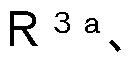
- the door is 2, 3 , [3 ⁇ 4 and [3 ⁇ 4 3 .
- the compound of the present invention which is any combination described in [Table 5] (hereinafter referred to as compound group 3 XI).
- n is 1, and 3 .
- the door is 2, and [3 ⁇ 4 33 and [3 ⁇ 4 3] .
- the compound of the present invention which is any combination described in [Table 5] (hereinafter, referred to as compound group 3X5).
- Equation (3) the door is 2, and [3 ⁇ 4 315 and [3 ⁇ 4 3 . Is a hydrogen atom
- the compound represented by the formula (1) is 2,5-dichloropyrazine, 2,5-dibromopyrazine or 2,5-diiodopyrazine, and the compound represented by the formula (8):
- the reaction may be carried out in a solvent or without a solvent.
- the solvent include tetrahydrofuran, methyl 1: _butyl ether, ethers such as ethylene glycol dimethyl ether; aromatic hydrocarbons such as toluene and xylene; nitriles such as acetnitrile and propionitrile; and mixtures of two or more of these.
- a compound is mentioned.
- Examples of the base include alkali metal hydrides such as lithium hydride and sodium hydride; organic salt groups such as triethylamine and diisopropylethylamine; alkali metal carbonates such as sodium carbonate and potassium carbonate.
- the amount of the compound represented by the formula (8) is 2, 5-dichloropyrazine, 2,
- the amount of base used can be, but is not limited to, 2,5-dichloropyrone. ⁇ 2020/175 578 23 ⁇ (: 170? 2020 /007856
- the amount is usually 1 to 5 mol per mol of ladine, 2,5-dibromopyrazine or 2,5-diiodopyrazine.
- reaction temperature is usually one 2 0 ° ⁇ ⁇ 1 5 0 ° ⁇ .
- Reaction time is usually 0.5 to 2
- 2,5-dichloropyrazine, 2,5-dibromopyrazine, 2,5-diiodopyrazine and the compound represented by the formula (8) are commercially available compounds or may be produced by a known method. it can.
- Helium gas flow velocity 1.0 01 1_ / 01 1 -Internal standard: 4-dimethylamino toluene
- nickel chloride ( ⁇ ) 6. 1 ,1 ⁇ — phenanthroline 1 8. Mix toluene 0.41_ and stir at 1 20° for 30 minutes ⁇ 2020/175 578 27 ⁇ (: 170? 2020 /007856
- the resulting mixture contained 2-chloro-3-ethylsulfonylpyridine 1 2 3. 3 ⁇ 19, 2-chloro-5-(2,2,3,3,3-pentafluoropropoxy)pyrazine 1 3 1. 1 ⁇ 1-Methylpyrrolidone ⁇ 0.31_, zinc powder 59. Toluene 0.51_ was added, and the mixture was stirred at 120°C for 3 hours. The obtained reaction mixture was cooled to room temperature, acetonitrile was added, and the mixture was filtered through Celite, and the obtained solution was analyzed by liquid chromatography.
- Nickel chloride 12 Triphenylphosphine 25. 1 ⁇ 1, 1 ⁇ 1, 1 ⁇ 1, ,1 ⁇ 1, -Tetramethylethylenediamine 68019, 2-Chloro-3-ethylsulfonylpyridine 20 ⁇ .38 019, 2-Chloro-5- (2, 2, 3 , 3, 3-Pentafluoropropoxy) pyrazine 263. Pyridine 0 IV! 1.0 1_, zinc
- the obtained reaction mixture was cooled to room temperature, acetonitrile was added, and the mixture was filtered through Celite, and the obtained solution was analyzed by liquid chromatography method 3 and found to be 2 ⁇ [3 ⁇ (ethylsulfonyl) — The yield of 2-pyridinyl]-5-(2,2,3,3,3-pentafluoropropoxy)pyrazine was 57%.
- Example 1 2-chloro-3-ethylsulfonylpyridine 94 Replace with 9, 2,3-dichloropyridine 68 The reaction was carried out in the same manner as in Example 1 except that 9 was used.
- a pyridylpyrazine compound which is an active ingredient of a pest control agent can be obtained.
Landscapes
- Chemical & Material Sciences (AREA)
- Organic Chemistry (AREA)
- Low-Molecular Organic Synthesis Reactions Using Catalysts (AREA)
- Plural Heterocyclic Compounds (AREA)
- Pharmaceuticals Containing Other Organic And Inorganic Compounds (AREA)
Abstract
本発明は、ある種のピリジルピラジン化合物の新たな製造方法を提供する。より詳細には、本発明は、式(1)[式中、Xは、塩素原子等を表し;R1は、1以上のハロゲン原子を有していてもよいC1-C10鎖式炭化水素基、又は群Gより選ばれる1以上の置換基を有するC3-C7シクロアルキル基等を表す。群G:ハロゲン原子、及びC1-C6ハロアルキル基からなる群。]で示される化合物と、式(2)[式中、Yは、塩素原子等を表し;R2は、シクロプロピルメチル基等を表し;R3aは、水素原子等を表し;R3bは、水素原子等を表し;R3cは、水素原子等を表し;nは、1、又は2を表す。]で示される化合物とを、コバルト化合物、ニッケル化合物または鉄化合物からなる群から選ばれる少なくとも一種の金属化合物、ならびに還元剤の存在下、反応させて、式(3)[式中、R1、R2、R3a、R3b、R3c、nは前記と同じ意味を表す。]で示される化合物を得ることを含む、式(3)で示される化合物の製造方法、を提供する。
Description
\¥0 2020/175578 1 卩(:17 2020 /007856 明 細 書
発明の名称 : ピリジルピラジン化合物の製造方法
技術分野
[0001 ] 本特許出願は、 日本国特許出願 2 0 1 9— 0 3 4 0 2 1号 (2 0 1 9年 2 月 2 7日出願) に基づくパリ条約上の優先権および利益を主張するものであ り、 ここに引用することによって、 上記出願に記載された内容の全体が、 本 明細書中に組み込まれるものとする。
本発明はピリジルピラジン化合物の製造方法に関する。
背景技術
[0002] ある種のピリジルピラジン化合物が有害生物防除剤の有効成分として知ら れている (特許文献 1等) 。
先行技術文献
特許文献
[0003] 特許文献 1 :国際公開第 2 0 1 7 / 0 6 5 2 2 8号
発明の概要
発明が解決しようとする課題
[0004] 本発明は、 特許文献 1 に記載のあるピリジルピラジン化合物の新たな製造 方法を提供することを目的とする。
課題を解決するための手段
[0005] 本発明者らは、 2—ハロゲン置換ピラジン類と 2—ハロゲン置換ピリジン 類を還元的な条件で反応したところ、 2つのハロゲン原子が脱離する形で交 差型カップリング反応が進行し、 高収率でピリジルピラジン化合物が生成す ることを見出し、 本発明に至った。
[0006] すなわち、 本発明は以下の通りである。
[ 1 ] 式 (1) :
20/175578 卩(:17 2020 /007856
[化 1 ]
⑴

[式中、
Xは、 塩素原子、 臭素原子またはヨウ素原子を表し、 そして、
は、 1以上のハロゲン原子を有していてもよい〇 1 -〇 1 0鎖式炭化水 素基、 1以上のハロゲン原子を有していてもよい (〇 1 _〇5アルコキシ) 〇2 _〇5アルキル基、 1以上のハロゲン原子を有していてもよい (〇 1 —
〇 5アルキルスルファニル) 0 2— 0 5アルキル基、 1以上のハロゲン原子 を有していてもよい (〇 1 —〇 5アルキルスルフイニル) 〇2—〇5アルキ ル基、 1以上のハロゲン原子を有していてもよい (〇 1 _〇5アルキルスル ホニル) 0 2—0 5アルキル基、 群◦より選ばれる 1以上の置換基を有する アルキル基、 又は群◦より選ばれ
 ロアルキル基を表す。
群◦ :ハロゲン原子、 及び〇 1 _〇 6ハロアルキル基からなる群。 ] で示される化合物と、 式 (2)
[化 2]

[式中、
丫は、 塩素原子、 臭素原子またはヨウ素原子を表し、
[¾ 2は、 シクロプロピルメチル基、 シクロプロピル基、 又は 1以上のハロゲ ン原子を有していてもよい〇 1 —〇 6アルキル基を表し、


门は、 1、 又は 2を表す。 ]
で示される化合物とを、 コバルト化合物、 ニッケル化合物および鉄化合物か らなる群から選ばれる少なくとも一種の金属化合物、 ならびに還元剤の存在 下、 反応させて、 式 (3) :
[化 3]
[2] 還元剤が、 亜鉛、 鉄、 マンガンおよび銅から選ばれる 0価の金属ま たはその金属の 1価の化合物、 有機の一電子還元剤、 およびグリニヤール試 薬のいずれか 1つ以上を含む、 [1] に記載の製造方法。
[3] さらに窒素、 リン、 酸素または硫黄から選ばれる 1つ以上の原子を 含む配位性の有機化合物の存在下、 反応を行う、 [1] に記載の製造方法。
[4] 配位性の有機化合物として、 リン原子を含む配位性の有機化合物と 、 窒素原子を含む配位性の有機化合物を併用する、 [3] に記載の製造方法 発明の効果
[0007] 本発明の製造方法により、 ピリジルピラジン化合物を効率よく製造するこ とができる。
〇 2020/175578 4 卩(:170? 2020 /007856
発明を実施するための形態
[0008] 以下、 本発明について詳細に説明する。
[0009] 本発明における置換基について説明する。
「 1以上のハロゲン原子を有していてもよい」 とは、 ハロゲン原子を置換 基として有する場合と、 ハロゲン原子を置換基として有しない場合とを包含 し、 2以上のハロゲン原子を有している場合、 それらのハロゲン原子は互い に同一でも異なっていてもよいことを表す。
本明細書における 「〇 一〇 」 との表記は、 炭素原子数が 乃至 であ ることを意味する。 例えば 「0 1 — 0 6」 の表記は、 炭素原子数が 1乃至 6 であることを意味する。
[0010] ハロゲン原子とは、 フッ素原子、 塩素原子、 臭素原子又はヨウ素原子を表 す。
[001 1 ] 「鎖式炭化水素基」 とは、 アルキル基、 アルケニル基及びアルキニル基を 表す。
「環式炭化水素基」 とは、 シクロアルキル基を表す。
「アルキル基」 としては、 例えばメチル基、 エチル基、 プロピル基、 イソ プロピル基、 1 , 1 —ジメチルプロピル基、 1 , 2—ジメチルプロピル基、
1 —エチルプロピル基、 プチル基、
 ペンチル基及びへ キシル基が挙げられる。
「アルケニル基」 としては、 例えばビニル基、 1 —プロべニル基、 2—プ 口ぺニル基、 1 —メチルー 1 —プロぺニル基、 1 —メチルー 2—プロぺニル 基、 1 , 2—ジメチルー 1 —プロぺニル基、 1 , 1 —ジメチルー 2—プロぺ ニル基、 1 —エチルー 1 —プロぺニル基、 1 —エチルー 2—プロぺニル基、
3 -ブテニル基、 4 -ペンテニル基及び 5 -ヘキセニル基が挙げられる。
「アルキニル基」 としては、 例えばエチニル基、 1 —プロピニル基、 2 - プロピニル基、 1 —メチルー 2—プロピニル基、 1 , 1 —ジメチルー 2—プ ロピニル基、 1 —エチルー 2—プロピニル基、 2—ブチニル基、 4—ペンチ ニル基及び 5—ヘキシニル基が挙げられる。
〇 2020/175578 5 卩(:170? 2020 /007856
[0012] 「 1以上のハロゲン原子を有していてもよい〇 1 -01 0鎖式炭化水素基
」 には、 「1以上のハロゲン原子を有する〇 2 -〇 1 0鎖式炭化水素基」 が 含まれる。 「1以上のハロゲン原子を有する 02-01 0鎖式炭化水素基」 としては、 例えば、 「〇2-〇 1 0ハロアルキル基」 が挙げられる。
[0013] 「02— 01 0ハロアルキル基」 とは、 02— 01 0アルキル基の水素原 子がハロゲン原子で置換された基を表し、 例えば、 02-01 〇フルオロア ルキル基が挙げられる。
「〇2—〇 1 0ハロアルキル基」 としては、 例えば、 クロロエチル基、 2 , 2 , 2—トリフルオロエチル基、 2—ブロモー 1 , 1 , 2, 2—テトラフ ルオロエチル基、 2, 2, 3, 3 -テトラフルオロプロピル基、 1 -メチル — 2, 2, 3, 3—テトラフルオロプロピル基、 ペルフルオロヘキシル基及 びペルフルオロデシル基が挙げられる。
「〇2-〇 1 0フルオロアルキル基」 としては、 例えば、 2, 2, 2 -卜 リフルオロエチル基、 2, 2, 3, 3 -テトラフルオロプロピル基、 1 -メ チルー 2, 2, 3, 3—テトラフルオロプロピル基、 ペルフルオロヘキシル 基及びペルフルオロデシル基が挙げられる。
[0014] 「シクロアルキル基」 とは、 例えばシクロプロピル基、 シクロブチル基、 シクロペンチル基、 シクロヘキシル基及びシクロへプチル基が挙げられる。
[0015] 「アルコキシ」 とは、 アルキル基に酸素原子 (〇) が結合した基 (すなわ ち、 8をアルキル基とした場合、 [¾〇_と記される) を表す。
アルキルスルファニル基、 アルキルスルフイニル基、 およびアルキルスル ホニル基とは、 3 (0) åで示される部分を有するアルキル基を表す。 例えば、 åが 0であるアルキルスルファニル基の例としては、 例えばメチ ルスルファニル基、 エチルスルファニル基、 プロピルスルファニル基、 及び イソプロピルスルファニル基等を表す。
例えば、 åが 1であるアルキルスルフイニル基の例としては、 例えばメチ ルスルフイニル基、 エチルスルフイニル基、 プロピルスルフイニル基、 及び イソプロピルスルフイニル基等を表す。
〇 2020/175578 6 卩(:170? 2020 /007856
例えば、 åが 2であるアルキルスルホニル基の例としては、 例えばメチル スルホニル基、 エチルスルホニル基、 プロピルスルホニル基、 及びイソプロ ピルスルホニル基等を表す。
[0016] 「 1以上のハロゲン原子を有していてもよい (〇 1 _〇 5アルコキシ) 〇
2—〇 5アルキル基」 とは、 (<3 1 —〇 5アルコキシ) 及び/または (〇2 _〇 5アルキル) が 1以上のハロゲン原子を有していてもよい基を表し、 例 えば、 2— (トリフルオロメ トキシ) エチル基、 2 , 2—ジフルオロー 3 - メ トキシプロピル基、 2 , 2 -ジフルオロー 3 - (2 , 2 , 2 -トリフルオ ロエトキシ) プロピル基、 及び 3 - (2 -クロロエトキシ) プロピル基が挙 げられる。
[0017] 「 1以上のハロゲン原子を有していてもよい (〇 1 _〇 5アルキルスルフ ァニル) 〇2 -〇5アルキル基」 とは、 (〇 1 -〇 5アルキルスルファニル ) 及び/または (〇2 _〇5アルキル) が 1以上のハロゲン原子を有してい てもよい基を表し、 例えば、 2 , 2—ジフルオロー2— (トリフルオロメチ ルチオ) エチル基が挙げられる。
[0018] 「 1以上のハロゲン原子を有していてもよい (〇 1 _〇 5アルキルスルフ イニル) 〇2 -〇5アルキル基」 とは、 (〇 1 -〇 5アルキルスルフイニル ) 及び/または (〇2 _〇5アルキル) が 1以上のハロゲン原子を有してい てもよい基を表し、 例えば、 2 , 2—ジフルオロー2— (トリフルオロメタ ンスルフイニル) エチル基が挙げられる。
[0019] 「 1以上のハロゲン原子を有していてもよい (〇 1 _〇 5アルキルスルホ ニル) 0 2— 0 5アルキル基」 とは、
 アルキルスルホニル) 及 び/または (〇2 _〇5アルキル) が 1以上のハロゲン原子を有していても よい基を表し、 例えば、 2 , 2—ジフルオロー2— (トリフルオロメタンス ルホニル) エチル基が挙げられる。
「1以上のハロゲン原子を有していてもよい (〇 3—〇 6シクロアルキル ) <3 1 —〇 3アルキル基」 とは、 (〇 3—〇 6シクロアルキル) 及び/また は (〇 1 -〇3アルキル) が 1以上のハロゲン原子を有していてもよい基を
〇 2020/175578 7 卩(:170? 2020 /007856
表し、 例えば、 (2, 2 -ジフルオロシクロプロピル) メチル基、 2 -シク ロプロピルー 1 , 1 , 2, 2 -テトラフルオロエチル基、 及び 2- (2, 2
—ジフルオロシクロプロピル) 一 1 , 1 , 2, 2—テトラフルオロエチル基 が挙げられる。
[0020] 「群◦より選ばれる 1以上の置換基を有する
 シクロアルキル
) <31 —〇 3アルキル基」 とは、 (〇 3—〇 7シクロアルキル) 及び/また は
 アルキル) が群◦より選ばれる 1以上の置換基を有する基を 表し、 例えば、 (2, 2 -ジフルオロシクロプロピル) メチル基、 [1 - ( トリフルオロメチル) シクロプロピル] メチル基、 [2 - (トリフルオロメ チル) シクロプロピル] メチル基、 2 -シクロプロピルー 1 , 1 , 2, 2 - テトラフルオロエチル基、 2— (2, 2—ジフルオロシクロプロピル) 一 1
, 1 , 2, 2 -テトラフルオロエチル基、 2 -シクロプロピルー 3, 3, 3 -トリフルオロプロピル基、 及び 1 , 1 , 2, 2 -テトラフルオロー 2 - [
2 - (トリフルオロメチル) シクロプロピル] エチル基が挙げられる。
[0021]
 シクロアルキル基
」 とは、 例えば、 2, 2 -ジフルオロシクロプロピル基、 1 - (2, 2, 2
—トリフルオロエチル) シクロプロピル基、 及び 4— (トリフルオロメチル ) シクロヘキシル基が挙げられる。
[0022] 群◦は、 ハロゲン原子、 及び〇 1 _〇 6ハロアルキル基からなる群である
[0023] 式 (3) で示される化合物の態様としては、 以下の化合物が挙げられる。
[0024] 式 (3) で示される化合物において、
 が 02—01 0ハロアルキル基、 01 -01 0アルキル基、 又は群◦より選ばれる 1以上の置換基を有する ( 〇 3
 7シクロアルキル) (31 — 03アルキル基、 である化合物; 式 (3) で示される化合物において、
 が 02— 01 0ハロアルキル基で ある化合物;
式 (3) で示される化合物において、 が 2以上のフッ素原子を有する〇 2-01 0アルキル基である化合物;
〇 2020/175578 8 卩(:170? 2020 /007856
式 (3) で示される化合物において、 が 4以上のフッ素原子を有する〇 2-06アルキル基である化合物;
[0025] 式 (3) で示される化合物において、

いてもよい 01 -06アルキル基である化合物;
式 (3) で示される化合物において、
 6アルキル基である 化合物;
式 (3) で示される化合物において、
 がメチル基、 又はエチル基である 化合物;
式 (3) で示される化合物において、
 2がエチル基である化合物; 式 (3) で示される化合物において、 [¾33、

ある化合物;および、
[0026] 式 (3) で示される化合物において、
 が 4以上のフッ素原子を有する〇

がいずれも水素である化合物。
[0027] 還元的カップリング反応について説明する。
本発明の反応においては、 式 (1) で示される化合物と、 式 (2) で示さ れる化合物とを、 コバルト化合物、 ニッケル化合物および鉄化合物からなる 群から選ばれる少なくとも一種の金属化合物、 ならびに還元剤の存在下、 反 応させることで、 式 (3) で示される化合物を得ることができる。
[0028] コバルト化合物とは、 コバルトにコバルト以外の原子が結合 (ここで、 結 合とは、 配位結合、 共有結合及びイオン結合等を総称する。 ) した化合物で あり、 好ましくはコバルト (0) 化合物およびコバルト (丨 丨) 化合物が挙 げられる。
コバルト (0) 化合物としては、 例えば、 ビス (1 , 5 -シクロオクタジ エン) コバルト (0) が挙げられる。
コバルト ( I I) 化合物としては、 酢酸コバルト ( I I) 、 トリフルオロ 酢酸コバルト (丨 丨) 、 コバルト (丨 丨) アセチルアセトナート等のコバル トカルボン酸塩;塩化コバルト (丨 丨) 、 臭化コバルト (丨 丨) 、 ヨウ化コ
\¥0 2020/175578 9 卩(:17 2020 /007856
バルト (丨 丨) 等のハロゲン化コバルト、 が挙げられる。 なかでも、 塩化コ バルト (丨 丨) 、 臭化コバルト (丨 丨) および酢酸コバルト (丨 丨) が好ま しい。
[0029] ニッケル化合物とは、 ニッケルにニッケル以外の原子が結合 (ここで、 結 合とは、 配位結合、 共有結合及びイオン結合等を総称する。 ) した化合物で あり、 好ましくはニッケル (0) 化合物およびニッケル (丨 丨) 化合物が挙 げられる。
ニッケル (0) 化合物としては、 例えば、 ビス (1 , 5 -シクロオクタジ ェン) ニッケル (0) が挙げられる。
ニッケル (丨 丨) 化合物としては、 酢酸ニッケル (丨 丨) 、 トリフルオロ 酢酸ニッケル (丨 丨) 、 ニッケル (丨 丨) アセチルアセトナート等のニッケ ルカルボン酸塩;塩化ニッケル (丨 丨) 、 臭化ニッケル (丨 丨) 、 ヨウ化二 ッケル (丨 丨) 等のハロゲン化ニッケル; ビス (トリフェニルホスフイン) ニッケル (丨 丨) ジクロリ ド、 (2 , 2’ ービピリジン) ニッケル (丨 I) ジクロリ ド、 ジクロロ (1\1 , 1\1 , 1\1’ , 1\1’ ーテトラメチルェチレンジアミ ン) ニッケル ( I I) 等の有機化合物が結合 (例えば、 配位) したニッケル 化合物が挙げられる。 なかでも、 塩化ニッケル (丨 丨) 、 臭化ニッケル (丨 I) および酢酸ニッケル (丨 丨) が好ましい。
[0030] 鉄化合物とは、 鉄に鉄以外の原子が結合 (ここで、 結合とは、 配位結合、 共有結合及びイオン結合等を総称する。 ) した化合物であり、 好ましくは鉄 (0) 化合物および鉄 (丨 丨) 化合物が挙げられる。
鉄 (〇) 化合物としては、 例えば、 ビス (1 , 5 -シクロオクタジェン) 鉄 (〇) が挙げられる。
鉄 (丨 丨) 化合物としては、 酢酸鉄 (丨 丨) 、 トリフルオロ酢酸鉄 (丨 I ) 、 鉄 (丨 丨) アセチルアセトナート等の鉄カルボン酸塩;塩化鉄 ( I I)
、 臭化鉄 (丨 丨) 、 ヨウ化鉄 (丨 丨) 等のハロゲン化鉄、 が挙げられる。 な かでも、 塩化鉄 ( I I) . 臭化鉄 ( I I) および酢酸鉄 ( I I) が好ましい
〇 2020/175578 10 卩(:170? 2020 /007856
[0031 ] コバルト化合物、 ニッケル化合物または鉄化合物の使用量は、 これに限定 されるものではないが、 式 (1) で示される化合物 1 モル当たり、 通常〇. 0 0 1 モル〜〇. 8モル、 好ましくは〇. 0 1 モル〜〇. 2モルである。
[0032] 本発明で用いられる還元剤としては、 コバルト化合物、 ニッケル化合物ま たは鉄化合物の 1価、 2価、 3価の状態を、 0価 (反応前の化合物の価数が 1価、 2価、 または 3価の場合) あるいは 1価 (反応前の化合物の価数が 2 価または 3価の場合) に還元できるものであれば、 特に制限なく使用するこ とができる。
還元剤の使用量は、 これに限定されるものではないが、 式 (1) で示され る化合物 1 モル当たり、 通常〇. 9モル〜 3 . 0モル、 好ましくは 1 . 〇モ ル〜 2 . 0モルである。
[0033] 還元剤としては、 例えば、 金属を含まない還元性の化合物、 および還元性 のある金属またはその化合物が挙げられる。
還元性の化合物としては、 例えば有機の一電子還元剤が挙げられ、 例えば 、 テトラキス (ジメチルアミノ) エチレン、 テトラチアフルバレン等のオレ フィン類が挙げられる。
還元性のある金属またはその化合物としては、 例えば、 亜鉛、 鉄、 マンガ ンおよび銅から選ばれる 0価の金属またはその金属の 1価の化合物、 および グリニヤール試薬、 を挙げられる。 還元性のある金属またはその化合物の具 体例としては、 〇価の亜鉛、 0価のマンガン、 0価の鉄、 0価の銅、 1価の 銅化合物等が挙げられ、 亜鉛が好ましい。
亜鉛は、 活性化されたものが好ましい。 亜鉛の活性化方法としては公知の 方法が用いられる。 また、 カップリング反応系中に、 活性化剤を同時に添加 することで、 活性化されていない状態の亜鉛も使用することができる。 亜鉛の使用量は、 これに限定されるものではないが、 式 (1) で示される 化合物 1 モル当たり、 通常〇. 9モル〜 3 . 0モル、 好ましくは 1 . 0モル 〜 2 . 0モルである。
本発明で用いられる亜鉛の活性化剤としては、 塩化リチウム、 有機カルボ
〇 2020/175578 1 1 卩(:170? 2020 /007856
ン酸または有機ハロゲン化合物が挙げられる。
有機カルボン酸としては、 例えば酢酸、 プロピオン酸、 ブタン酸、 ピバル 酸等の脂肪族カルボン酸;安息香酸、 4—メ トキシ安息香酸、 4—メチル安 息香酸、 4 _二トロ安息香酸等の芳香族カルボン酸が挙げられる。
有機カルボン酸の使用量は、 これに限定されるものではないが、 ニッケル 化合物などの金属化合物 1モル当たり、 通常〇. 1〜 5 0モルである。 ある いは、 有機カルボン酸の使用量は、 これに限定されるものではないが、 亜鉛 1モル当たり、 通常〇. 1〜 5 0モルである。
有機ハロゲン化合物としては、 例えば塩化アリル、 1 , 2—ジブロモエタ ン、 1 -ヨードブタン、 トリメチルシリルクロライ ド等が挙げられる。 亜鉛の活性化剤は 2種類以上用いてもよい。
有機ハロゲン化合物の使用量は、 これに限定されるものではないが、 ニッ ケル化合物などの金属化合物 1モル当たり、 通常〇. 1〜 5 0モルである。 あるいは、 有機ハロゲン化合物の使用量は、 これに限定されるものではない が、 亜鉛 1モル当たり、 通常〇. 1〜 5 0モルである。
[0034] 反応は、 溶媒の存在下で行うことができる。
溶媒としては、 非プロトン性有機溶媒が好ましい。
非プロトン性有機溶媒とは、 分子内に水酸基 (一〇1~1) 、 アミノ基、 カル ボキシル基 (一〇〇〇1~1) 等のプロトン (すなわち供与性プロトン) を含む 基を有さず、 かつ、 式 (1) で示される化合物および式 (2) で示される化 合物を溶解し得る有機溶媒を意味する。
非プロトン性有機溶媒としては、 例えば、 非環状アミ ド溶媒または環状ア ミ ド溶媒等のアミ ド溶媒、 非環状エーテル溶媒または環状エーテル溶媒等の エーテル溶媒、 芳香族炭化水素溶媒および脂肪族炭化水素溶媒が挙げられ、 非環状アミ ド溶媒または環状アミ ド溶媒等のアミ ド溶媒、 及び芳香族炭化水 素溶媒が好ましい。
非環状アミ ド溶媒または環状アミ ド溶媒等のアミ ド溶媒としては、 例えば 、 ジメチルホルムアミ ド (0 !\/! ) 、 ジメチルアセトアミ ド、 !\1 _メチルー
〇 2020/175578 12 卩(:170? 2020 /007856
2 -ピロリ ドンが挙げられる。 非環状エーテル溶媒としては、 例えばジエチ ルエーテル、 ジイソプロピルエーテル、 エチレングリコールジメチルエーテ ルおよびジエチレングリコールジメチルエーテルが挙げられる。 環状エーテ ル溶媒としては、 例えば 1 , 4 -ジオキサンおよびテトラヒドロフランが挙 げられる。 芳香族炭化水素溶媒としては、 例えばベンゼン、 トルエン、 キシ レンおよびメシチレンが挙げられる。 脂肪族炭化水素溶媒としては、 例えば ヘキサン、 ヘプタンおよびシクロヘキサンが挙げられる。
式 (1) で示される化合物および式 (2) で示される化合物の溶解度の観 点から、 トルエン、 キシレン、 メシチレン、 ジメチルホルムアミ ド、 ジメチ ルアセトアミ ドおよび 1\1 _メチルー 2—ピロリ ドンが好ましい。 必要に応じ て、 2種以上の非プロトン性有機溶媒を組み合わせて用いてもよく、 具体的 には、 例えば、 1\1—メチルー 2—ピロリ ドンとトルエンとの混合溶媒、 およ びジメチルホルムアミ ドとトルエンとの混合溶媒が挙げられる。
溶媒の使用量は、 これに限定されるものではないが、 式 (1) で示される 化合物 1重量部当たり、 通常 1〜 5 0重量部、 好ましくは 1〜 2 0重量部で ある。
[0035] 本発明では、 配位性の有機化合物を用いることで、 さらに効率よくカップ リング反応を実施することができる。 反応に用いられる配位性の有機化合物 としては、 コバルト化合物、 ニッケル化合物または鉄化合物のいずれか 1種 または 2種以上の混合物の存在下において、 それらの金属に配位することが できるものが好ましく、 そのような配位性の有機化合物であれば特に限定せ ずに用いることができる。 通常は、 窒素、 リン、 酸素または硫黄などのへテ 口原子を 1つ以上含む有機化合物が配位力の点から好ましい。
窒素原子を含む有機化合物としては、 例えば、 トリメチルアミン、 トリエ チルアミン、 ジイソプロピルエチルアミン等のトリアルキルアミン類; トリ フエニルアミン、 ジメチルアニリン、 ジエチルアニリン等のアリールアミン 類; ピリジン、 ピコリン、 キノリン等の含窒素へテロ環化合物類; 1\1 , 1\1 , !\1, , !\1’ ーテトラメチルエチレンジアミン、 !\1 , !\1 , !\1’ , !\1’ ーテトラ
20/175578 13 卩(:170? 2020 /007856
メチルー 1 , 3—プロパンジアミン、 1\1, 1\1, 1\1, , 1\1, ーテトラエチルエ チレンジアミン、 1\1, 1\1, 1\1’ , 1\1’ ーテトラメチルー 1 , 4—ブタンジア ミン等の 2配位性 (つまり、 二座配位性) のアルキルジアミン類; 2, 2’ -ビピリジン、 1 , 9 -フエナントロリン、 1 , 1 0 -フエナントロリン、 6, 6’ ージメチルー 2, 2’ ービピリジン、 4, 4’ ービス (トリフルオ ロメチル) 一2, 2’ ービピリジン、 ジメチル 2, 2’ ービピリジンー 4,
4 -ジカルボン酸ジメチル、 2, 2’ ービキノリン等の 2配位性 (つまり、 二座配位性) の含窒素へテロ環化合物類が挙げられる。
リン原子を含む有機化合物としては、 例えば、 トリメチルホスフィン、 卜 リエチルホスフィン、 3—メチルー 2—ブテニル (ジ _ 1: _プチル) ホスフ ィン等のアルキルホスフィン類; 1 , 2 -ビス (ジー I -ブチルホスフィノ
) エタン、 1 , 3—ビス (ジー 1:—プチルホスフィノ) プロパン、 1 , 4— ビス (ジー I -ブチルホスフィノ) ブタン等のアルキルジホスフィン類; 卜 リメチルホスファイ ト、 トリエチルホスファイ ト等のトリアルキルホスファ イ ト類; トリフエニルホスファイ ト等のトリアリールホスファイ ト類; トリ フエニルホスフィン、 トリ (4—フルオロフエニル) ホスフィン、 トリ (4 —メ トキシフエニル) ホスフィン、 トリフリルホスフィン等のアリールホス フィン類; 1 , 2 -ビス (ジフエニルホスフィノ) エタン、 1 , 3 -ビス ( ジフエニルホスフィノ) プロパン、 1 , 4—ビス (ジフエニルホスフィノ) ブタン等のアリールジホスフィン類; トリメチルホスフエート、 トリエチル ホスフエート等のトリアルキルホスフエート類; 4, 5, ービス (ジフエニ ルホスフィノ) _9, 9’ ージメチルキサンテン等のリン原子を複数含有す る化合物が挙げられる。
リン原子を含む有機化合物は、 酸化を受けやすいため、 鉱酸塩として用い 、 同時に塩基を加えることで、 反応系中で、 リン原子を含む配位性の有機化 合物を発生させることもできる。
硫黄原子を含む有機化合物としては、 例えば、 ジメチルスルホキシド、 ジ メチルスルホン、 およびスルホラン等が挙げられる。
〇 2020/175578 14 卩(:170? 2020 /007856
酸素原子を含む有機化合物としては、 例えば、 フエノール、 カテコール、 およびアセチルアセトナート等が挙げられる。
窒素原子と酸素原子を含む有機化合物も用いることができ、 例えば、 プロ リン、 および 8 -キノリノール等が挙げられる。
[0036] 配位性の有機化合物は 2種類以上併せて用いてもよい。
好ましくは、 リン原子を含む配位性の有機化合物と、 窒素原子を含む配位 性の有機化合物を併用する。
[0037] 配位性の有機化合物が 1つのへテロ原子で配位する化合物である場合、 そ の化合物の使用量は、 これに限定されるものではないが、 コバルト化合物、 ニッケル化合物または鉄化合物 1モル当たり、 通常〇. 1モル〜 5 0モル、 好ましくは〇. 5モル〜 2 0モルである。
配位性の有機化合物が 2つのへテロ原子で配位する化合物である場合、 そ の化合物の使用量は、 これに限定されるものではないが、 コバルト化合物、 ニッケル化合物または鉄化合物 1モル当たり、 通常〇. 0 5モル〜 3 0モル 、 好ましくは〇. 3モル〜 2 0モルである。
[0038] リン原子を含む化合物と、 窒素原子を含む化合物とが好ましく用いられる リン原子を含む化合物としては、 トリメチルホスフィン、 トリエチルホス フィン、 トリフエニルホスフィン、 1 , 4—ビス (ジ _ _プチルホスフィ ノ) ブタン、 トリメチルホスファイ ト、 またはトリフエニルホスファイ トが 好ましい。
窒素原子を含む化合物としては、 1\] , 1\1 , 1\1’ , 1\1’ ーテトラメチルエチ レンジアミン、 1\1 , 1\1 , 1\1, , 1\1, ーテトラメチルー 1 , 3—プロパンジア ミン、 1 , 1 0 -フエナントロリン、 6 , 6’ ージメチルー 2 , 2’ ービピ リジン、 4 , 4’ ービス (トリフルオロメチル) 一2 , 2’ ービピリジン、 ジメチル 2 , 2’ ービピリジンー 4 , 4 -ジカルボン酸ジメチル、 または 2 , 2’ ービキノリンが好ましい。
[0039] また、 配位性の有機化合物があらかじめコバルト化合物、 ニッケル化合物
〇 2020/175578 15 卩(:170? 2020 /007856
または鉄化合物に配位した金属化合物を用いることもできる。 そのような金 属化合物の具体例としては、 ビス (トリフエニルホスフィン) ニッケル ( I I) ジクロリ ド、 (2, 2’ ービピリジン) ニッケル (丨 丨) ジクロリ ド、 ジクロロ (1\1, 1\1, 1\1’ , 1\1’ ーテトラメチルエチレンジアミン) ニッケル
( I I) が挙げられる。
[0040] 式 (1) で表される化合物としては、 具体的には、 2 -クロロー 5 - (卜 リフルオロメ トキシ) ピラジン、 2 -クロロー 5 - (2, 2, 2 -トリフル オロエトキシ) ピラジン、 2 -クロロー 5 - (1 , 1 , 2, 2 -テトラフル オロエトキシ) ピラジン、 2 -クロロー 5 - (2, 2, 3, 3, 3 -ペンタ フルオロプロボキシ) ピラジン、 2—クロロー 5— (2, 2, 3, 3—テト ラフルオロプロポキシ) ピラジン、 2 -クロロー 5 - (3, 3, 3 -トリフ ルオロプロボキシ) ピラジン、 2—クロロー 5— (1 , 1 , 1 , 3, 3, 3 —ヘキサフルオロイソプロポキシ) ピラジン、 2—ブロモ _ 5— (トリフル オロメ トキシ) ピラジン、 2—ブロモー5— (2, 2, 2—トリフルオロエ トキシ) ピラジン、 2—ブロモー5— (1 , 1 , 2, 2—テトラフルオロエ トキシ) ピラジン、 2 -ブロモー5- (2, 2, 3, 3, 3 -ペンタフルオ ロプロポキシ) ピラジン、 2—ブロモー5— (2, 2, 3, 3—テトラフル オロプロポキシ) ピラジン、 2—ブロモー 5— (3, 3, 3—トリフルオロ プロボキシ) ピラジン、 2—ブロモ _5_ (1 , 1 , 1 , 3, 3, 3—ヘキ サフルオロイソプロポキシ) ピラジン、 2—ヨードー 5— (トリフルオロメ トキシ) ピラジン、 2—ヨードー 5— (2, 2, 2—トリフルオロエトキシ ) ピラジン、 2—ヨードー 5— (1 , 1 , 2, 2—テトラフルオロエトキシ ) ピラジン、 2 -ヨードー 5 - (2, 2, 3, 3, 3 -ペンタフルオロプロ ポキシ) ピラジン、 2—ヨードー 5— (2, 2, 3, 3—テトラフルオロブ ロボキシ) ピラジン、 2—ヨードー 5— (3, 3, 3—トリフルオロプロボ キシ) ピラジン、 2—ヨードー 5— (1 , 1 , 1 , 3, 3, 3—ヘキサフル オロイソプロボキシ) ピラジン等が挙げられる。
また、 式 (1) で表される化合物として、 例えば、 2—クロロー 5—メ ト
〇 2020/175578 16 卩(:170? 2020 /007856
キシピラジン等をも挙げられる。
式 (1) で示される化合物において、 Xが塩素原子である化合物が好まし い。
[0041 ] 式 (2) で表される化合物としては、 具体的には、 2 -クロロー 3 -エチ ルスルホニルピリジン、 2—ブロモ _ 3—エチルスルホニルピリジン、 2 - クロロー 3—エチルスルホニルー 5—メチルピリジン、 2—クロロー 3—エ チルスルホニルー 5—シクロプロピルピリジン、 2—クロロー 3—エチルス ルホニルー 6—エチルピリジン、 2—クロロー 3—メチルスルホニルピリジ ン、 2 -クロロー 3 -プロピルスルホニルピリジン等が挙げられる。
式 (2) で示される化合物において、 Xが塩素原子である化合物が好まし い。
[0042] 式 (2) で示される化合物の使用量は、 これに限定されるものではないが 、 式 (1) で示される化合物 1モル当たり、 通常〇. 8〜 3モル、 好ましく は 1〜 2モルである。
[0043] 反応温度は、 通常〇〜 1 8 0 °〇、 好ましくは 5 0〜 1 5 0 °〇である。
反応時間は、 通常〇. 1〜 4 8時間である。
[0044] 反応の実施態様は、 特に限定されないが、 通常、 コバルト化合物、 ニッケ ル化合物または鉄化合物と溶媒を混合した後、 必要に応じて配位性の有機化 合物を添加し、 式 (1) で示される化合物および式 (2) で示される化合物 を加え、 最後に、 還元剤及び必要に応じて還元剤の活性化剤を添加する方法 で実施される。
[0045] 反応終了後は、 例えば、 得られた混合物をろ過して無機塩等の固体を除去 した後、 溶媒を留去する ; または、 得られた混合物に水を加えて無機塩等の 固体を溶解させ、 必要に応じ溶媒を加えて希釈した後、 水層を分離し、 得ら れた有機層を水洗後、 溶媒を留去する、 などの方法により式 (3) で示され る化合物を得ることができる。 得られた化合物は、 さらに晶析やカラムクロ マトグラフィー等で精製することもできる。
[0046] 次に、 本発明にて得られる式 (3) で示される化合物の具体例を以下に示
〇 2020/175578 17 卩(:170? 2020 /007856
す。
[0047] 式 (3) において、 门が 2であり、 3、 [¾ 及び[¾3。が水素原子であり 、
 〜 [表 5] に記載のいずれかの組み合わせである本 発明化合物 (以下、 化合物群 3 X I と記す) 。
[0048] [表 1]

[0049] [表 2]

[0050]
\¥0 2020/175578 19 卩(:17 2020 /007856
[表 3]

[0051 ]
\¥0 2020/175578 20 卩(:17 2020 /007856
[表 4]

[0052]
〇 2020/175578 21 卩(:170? 2020 /007856
[表 5]

[0053] 式 (3) において、 门が 1であり、
 が水素原子であり 、
 〜 [表 5] に記載のいずれかの組み合わせである本 発明化合物 (以下、 化合物群 3X2と記す) 。
[0054] 式 (3) において、 门が 2であり、 [¾33及び[¾3。が水素原子であり、 15 がトリフルオロメチル基であり、
 〜 [表 5] に記載の いずれかの組み合わせである本発明化合物 (以下、 化合物群 3X3と記す)
\¥02020/175578 22 卩(:17 2020 /007856
〜 [表 5] に記載の いずれかの組み合わせである本発明化合物 (以下、 化合物群 3X3と記す)
\¥02020/175578 22 卩(:17 2020 /007856
[0055] 式 (3) において、 nが 1であり、 及び 3。が水素原子であり、
 がトリフルオロメチル基であり、 1及び 2が [表 1] 〜 [表 5] に記載の いずれかの組み合わせである本発明化合物 (以下、 化合物群 3X4と記す)
[0056] 式 (3) において、 门が 2であり、 [¾33及び[¾3。が水素原子であり、 15 がメチル基であり、
 〜 [表 5] に記載のいずれかの組 み合わせである本発明化合物 (以下、 化合物群 3X5と記す) 。
式 (3) において、 门が 2であり、
 [¾315及び[¾3。が水素原子であり 、

[0057] [式 (1) で示される化合物の製造方法]
式 ( 1) で示される化合物は、 2 , 5 -ジクロロピラジン、 2 , 5 -ジブ ロモピラジンまたは 2, 5—ジヨードピラジンと、 式 (8) :
(8)
[式中、
 は前記と同じ意味を表す。 ]
で示される化合物とを、 塩基の存在下で反応することにより得ることができ る。
[0058] 反応は、 溶媒中で行ってもよく、 無溶媒で行ってもよい。 溶媒としては、 テトラヒドロフラン、 メチル 1: _プチルエーテル、 エチレングリコールジメ チルエーテル等のエーテル; トルエン、 キシレン等の芳香族炭化水素; アセ トニトリル、 プロピオニトリル等の二トリル;およびこれらの 2つ以上の混 合物が挙げられる。
[0059] 塩基としては、 例えば、 水素化リチウム、 水素化ナトリウム等のアルカリ 金属水素化物; トリエチルアミン、 ジイソプロピルエチルアミン等の有機塩 基;炭酸ナトリウム、 炭酸カリウム等のアルカリ金属炭酸塩が挙げられる。 式 (8) で示される化合物の使用量は、 2, 5 -ジクロロピラジン、 2,
5 -ジブロモピラジンまたは 2 , 5—ジヨードピラジン 1モル当たり、 通常 1〜 1 0モルである。
塩基の使用量は、 これに限定されるものではないが、 2, 5—ジクロロピ
〇 2020/175578 23 卩(:170? 2020 /007856
ラジン、 2 , 5—ジブロモピラジンまたは 2 , 5—ジヨードピラジン 1モル 当たり、 通常 1〜 5モルである。
[0060] 反応温度は、 通常一 2 0 °〇~ 1 5 0 °〇である。 反応時間は通常〇. 5〜 2
4時間である。
[0061 ] 2 , 5—ジクロロピラジン、 2 , 5—ジブロモピラジン、 2 , 5—ジヨー ドピラジンおよび式 (8) で示される化合物は、 市販の化合物であるか、 公 知の方法で製造することができる。
[0062] 反応終了後は、 反応混合物に水を加え、 有機溶媒で抽出し、 有機層を乾燥 、 濃縮する等の後処理操作を行うことにより式 (1) で示される化合物を得 ることができる。
[0063] [式 (2) で示される化合物の製造方法]
式 (2) で示される化合物は、 市販品を用いても良いし、 米国特許第 7 3 1 2 3 3 0号に記載のとおり、 3 -アミノー 2 -ハロピリジン類をジアゾ化 後、 アルカンチオール 3塩でアルキルチオ化し、 さらに酸化剤と反応させ ることにより得ることができる。
実施例
[0064] 以下、 本発明を実施例等により説明するが、 本発明はこれらの例のみに限 定されるものではない。
[0065] 以下の例において、 特に記載のない場合、 定量分析は、 ガスクロマトグラ フィー (以下、 ◦〇と記す。 ) または液体クロマトグラフィー (以下、 !_〇 と記す。 ) を用いて実施した。 それらの分析条件は以下の通りである。
[0066] [ガスクロマトグラフィー (◦〇) 測定条件]
-測定機器:島津製作所製 0 0 - 2 0 1 0

ジレント ·テクノロジー製)
カラム温度: 5 0 °〇から 3 0 0 °〇まで 1 0。〇/分で昇温後、 3 0 0 °〇で 1 0分保持
ヘリウムガス流速: 1 . 0 01 1_ / 01 1 门
-内部標準物質: 4—ジメチルアミノ トルエン
-注入量: 1 1-
[0067] [液体クロマトグラフィー (LC) 測定条件]
-測定機器:島津製作所製
カラム: S h i m— p a c k X R— 0 D S
-カラム温度: 40°C
-流速: 1. 0 m L / m i n
-移動相 (溶媒)
A相: 0. 1 %リン酉愛水
B相: アセトニトリル
B c o n e. : 3 m i n ( 5 %) ® 1 3 m i n (90 %) ® 1 8 m i n (90 %) ® 1 8. 1 m i n ( 5 %) ® 2 1 m i n (s t o p)
なお、 上記の条件は、 液体クロマトグラフィーE S法ともいう。
[0068] (実施例 1)
窒素雰囲気下、 1 〇〇 m Lシュレンク管で塩化ニッケル (丨 丨) 5. 0 m g、 N, N, N, , N, ーテトラメチルー 1 , 3—プロパンジアミン 26 m g、 トルエン 1 gを混合し、 1 20°Cで 1 0分間撹拌した。 得られた混合物 に、 2—クロロー 3—エチルスルホニルピリジン 94 m g、 2—クロロー 5 _ (2, 2, 3, 3, 3—ペンタフルオロプロボキシ) ピラジン 1 00 m g 、 N-メチルー 2 -ピロリ ドン 300 m gをトルエン 1 gに希釈して加え、 さらに 1 20°Cで 1 0分間攪拌した。 この混合物に、 亜鉛末 44m gと塩化 アリル 26m gを加え、 さらに酢酸 1. 5 m gを加え、 1 20°Cで、 6時間 撹拌した。
得られた反応混合物を室温まで冷却した後、 ガスクロマトグラフィー内部 標準法にて分析したところ、 2— [3— (エチルスルホニル) 一2—ピリジ ニル] — 5— (2, 2, 3, 3, 3—ペンタフルオロプロボキシ) ピラジン の収率は 62 %であった。 原料の 2—クロロー 5 _ (2, 2, 3, 3, 3— ペンタフルオロプロポキシ) ピラジンが 8 %回収されていた。
〇 2020/175578 25 卩(:170? 2020 /007856
[0069] (実施例 2)
窒素雰囲気下、

9、 1\1, 1\1, 1\1, , 1\1, ーテトラメチルー 1 ,

トルエン 500 9を混合し、 1 20°〇で 1 0分間撹拌した。 得られた混合 物に、
 2—クロロ
2—クロロ
- 5 - (2, 2, 3, 3, 3—ペンタフルオロプロボキシ) ピラジン 1 50 トルエン 1 9に希釈して加え、 さらに 1 20°〇で 1 0分間攪拌した。 この混合物に、 亜鉛末 8〇 9と酢酸 2 9を加え、 1 20°〇で、 6時間撹 拌した。
得られた反応混合物を室温まで冷却した後、 ガスクロマトグラフィー内部 標準法にて分析したところ、 2— [3— (エチルスルホニル) 一2—ピリジ ニル] — 5— (2, 2, 3, 3, 3—ペンタフルオロプロボキシ) ピラジン の収率は 42%であった。 原料の 2—クロロー 5_ (2, 2, 3, 3, 3 - ペンタフルオロプロポキシ) ピラジンが 20%回収されていた。
[0070] (実施例 3)
窒素雰囲気下、 20 !_試験管に塩化ニッケル (丨 丨) 1. 5 9、 トリ メチルホスフ
 2—クロロー 3—エチルスルホニルピリジン 3
2〇19、 2—クロロー 5— (2, 2, 3, 3, 3—ペンタフルオロプロポキ シ) ピラジン 30019、 トルエン 500019、 亜鉛末
 および安息 香酸 3 9を加え、 1 20°〇で、 3時間撹拌した。
得られた反応混合物を室温まで冷却した後、 ガスクロマトグラフィー内部 標準法にて分析したところ、 2— [3— (エチルスルホニル) 一2—ピリジ ニル] — 5— (2, 2, 3, 3, 3—ペンタフルオロプロボキシ) ピラジン の収率は 42%であった。 原料の 2—クロロー 5_ (2, 2, 3, 3, 3 - ペンタフルオロプロポキシ) ピラジンが 1 3%回収されていた。
[0071] (実施例 4)
窒素雰囲気下、 1 〇〇 011_シユレンク管で塩化ニッケル (丨 丨) 6. 001 9、 1\1, 1\1, 1\1, , 1\1, ーテトラメチルー 1 ,
 〇 2020/175578 26 卩(:170? 2020 /007856
9、 トルエン〇. 59を混合し、 1 20°〇で 1 0分間撹拌した。 得られた混 合物に、 2 -クロロー 3 -エチルスルホニルー 5 -メチルピリジン 1 2
 9、 2—クロロー 5— (2, 2, 3, 3, 3—ペンタフルオロプロポキシ) ピラジン 1 00〇19、 ジメチルホルムアミ
 トルエン 0. 59 に希釈して加え、 さらに 1 20°〇で1 0分間攪拌した。 この混合物に、 亜鉛 末
 を加え、 1 20°〇で、 6時間携拌した。
得られた反応混合物を室温まで冷却した後、 ガスクロマトグラフィー内部 標準法にて分析したところ、 2— [3— (エチルスルホニル) 一5—メチル — 2—ピリジニル] — 5— (2, 2, 3, 3, 3—ペンタフルオロプロポキ シ) ピラジンの収率は 20%であった。 原料の 2—クロロー 5— (2, 2, 3, 3, 3—ペンタフルオロプロポキシ) ピラジンが 40%回収されていた 〇
[0072] (実施例 5)
窒素雰囲気下、 塩化ニッケル (丨 丨) 6.
 8—キノリノール 1 4
. 6 9、 トルエン 0. 4 !_を混合し、 1 20°〇で 30分攪拌した。 得ら れた混合物に、 2 -クロロー 3 -エチルスルホニルピリジン 1 23. 8019 、 2 -クロロー 5 - (2, 2, 3, 3, 3 -ペンタフルオロプロポキシ) ピ
1\1 -メチルピロリ ドン〇. 3 1_、 亜鉛粉末 59.
 5 1_を加え、 1 20°〇で、 3時間撹拌した。 得られ た反応混合物を室温まで冷却した後、 アセトニトリルを加えてセライ トろ過 し、 得られた溶液を液体クロマトグラフィーにて分析したところ、 2— [3 - (エチルスルホニル) _ 2—ピリジニル] _5_ (2, 2, 3, 3, 3— ペンタフルオロプロポキシ) ピラジンの収率は 50%であった。 原料の 2— クロロー 5 - (2, 2, 3, 3, 3 -ペンタフルオロプロポキシ) ピラジン が 1 2%回収されていた。
[0073] (実施例 6)
窒素雰囲気下、 塩化ニッケル (丨 丨) 6.
 1 , 1 〇—フエナント ロリン 1 8.
 トルエン 0. 4 1_を混合し、 1 20°〇で 30分攪拌
〇 2020/175578 27 卩(:170? 2020 /007856
トルエン 0. 4 1_を混合し、 1 20°〇で 30分攪拌
〇 2020/175578 27 卩(:170? 2020 /007856
した。 得られた混合物に、 2 -クロロー 3 -エチルスルホニルピリジン 1 2 3. 3〇19、 2 -クロロー 5 - (2, 2, 3, 3, 3 -ペンタフルオロプロ ポキシ) ピラジン 1 3 1.
 1\1 -メチルピロリ ドン〇. 3 1_、 亜鉛 粉末 59.
 トルエン〇. 5 1_を加え、 1 20°〇で、 3時間撹拌し た。 得られた反応混合物を室温まで冷却した後、 アセトニトリルを加えてセ ライ トろ過し、 得られた溶液を液体クロマトグラフイーにて分析したところ 、 2 - [3 - (エチルスルホニル) _ 2—ピリジニル] _5_ (2, 2, 3 , 3, 3—ペンタフルオロプロポキシ) ピラジンの収率は 53%であった。 原料の 2 -クロロー 5 - (2, 2, 3, 3, 3 -ペンタフルオロプロポキシ ) ピラジンが 28%回収されていた。
[0074] (実施例 7)
窒素雰囲気下、 塩化ニッケル (丨 丨) 32.
 トリメチルホスファ イ ト 62. 2 9、 トルエン 2. 5 1_を混合し、 1 20°〇で 30分攪拌し た。 得られた混合物に、 2—クロロー 3—エチルスルホニルピリジン 5 1 4 . 6019、 2—クロロー 5— (2, 2, 3, 3, 3—ペンタフルオロプロボ キシ) ピラジン 656.
 1\1 -メチルピロリ ドン ·! . 5 1_、 亜鉛粉 末 245.
 トルエン 2. 0 1_を加え、 1 20°〇で、 3時間撹拌し た。 得られた反応混合物を室温まで冷却した後、 トルエンを加えてセライ ト ろ過し、 得られた溶液を液体クロマトグラフイーにて分析したところ、 2— [ 3— (エチルスルホニル) _ 2—ピリジニル] _5_ (2, 2, 3, 3,
3—ペンタフルオロプロポキシ) ピラジンの収率は 63%であった。 原料の 2 -クロロー 5 - (2, 2, 3, 3, 3 -ペンタフルオロプロポキシ) ピラ ジンが 2 %回収されていた。
[0075] (実施例 8)
窒素雰囲気下、 ビス (トリフエニルホスフイン) ニッケル ( I I) ジクロ リ ド 32.
 2—クロロー 3—エチルスルホニルピリジン 1 03. 3
019、 2—クロロー 5— (2, 2, 3, 3, 3—ペンタフルオロプロポキシ ) ピラジン 1 3 1.
 亜鉛粉末 49.
 ジメチルホルムアミ ド
〇 2020/175578 28 卩(:170? 2020 /007856
ジメチルホルムアミ ド
〇 2020/175578 28 卩(:170? 2020 /007856
〇. 8 1_を混合し、 80°◦で 3時間撹拌した。 得られた反応混合物を室温 まで冷却した後、 アセトニトリルを加えてセライ トろ過し、 得られた溶液を 液体クロマトグラフィーにて分析したところ、 2— [3— (エチルスルホニ ル) _ 2—ピリジニル] _5_ (2, 2, 3, 3, 3—ペンタフルオロプロ ポキシ) ピラジンの収率は 50%であった。
[0076] (実施例 9)
窒素雰囲気下、 塩化ニッケル (丨 丨) 6.
 6, 6’ ージメチルー
2, 2’ ービピリジン 9.
 ジメチルホルムアミ ド〇. 4 1_を混合 し、 80°〇で 30分攪拌した。 得られた混合物に、 2—クロロー 3—エチル スルホニルピリジン 1 02.
 2—クロロー 5— (2, 2, 3, 3,
3—ペンタフルオロプロボキシ) ピラジン 1 3 1.
 亜鉛粉末 49.
ジメチルホルムアミ ド〇. 4 1_を加え、 80°〇で、 3時間撹拌し た。 得られた反応混合物を室温まで冷却した後、 アセトニトリルを加えてセ ライ トろ過し、 得られた溶液を液体クロマトグラフィーにて分析したところ 、 2 - [3 - (エチルスルホニル) _ 2—ピリジニル] _5_ (2, 2, 3 , 3, 3—ペンタフルオロプロポキシ) ピラジンの収率は 55%であった。 原料の 2 -クロロー 5 - (2, 2, 3, 3, 3 -ペンタフルオロプロポキシ ) ピラジンが 1 3%回収されていた。
[0077] (実施例 1 0)
窒素雰囲気下、 塩化ニッケル (丨 丨) 6.
 ジメチル 2, 2’ ービ ピリジンー 4, 4—ジカルボン酸ジメチル 1 3.
 ジメチルホルムア ミ ド〇. 4 1_を混合し、 80°〇で 30分攪拌した。 得られた混合物に、 2

_ (2, 2, 3, 3, 3—ペンタフルオロプロボキシ) ピラジン 1 3 1. 3 9、 亜鉛粉末 49.
 ジメチルホルムアミ ド 0. 4 1_を加え、 8
0°〇で、 3時間撹拌した。 得られた反応混合物を室温まで冷却した後、 アセ トニトリルを加えてセライ トろ過し、 得られた溶液を液体クロマトグラフィ _にて分析したところ、 2— [3— (エチルスルホニル) 一2—ピリジニル
〇 2020/175578 29 卩(:170? 2020 /007856
] — 5— (2, 2, 3, 3, 3—ペンタフルオロプロボキシ) ピラジンの収 率は 5 1 %であった。 原料の 2—クロロー 5 _ (2, 2, 3, 3, 3—ペン タフルオロプロポキシ) ピラジンが 6 %回収されていた。
[0078] (実施例 1 1)
窒素雰囲気下、 塩化ニッケル (丨 丨) 6. 5 9、 4, 4’ ービス (トリ フルオロメチル) _2, 2’ ービピリジン 1 4.
 ジメチルホルムア ミ ド〇. 4 1_を混合し、 80°〇で 30分攪拌した。 得られた混合物に、 2 —クロロー 3—エチルスルホニルピリジン 1 03. 2〇19、 2—クロロー 5 _ (2, 2, 3, 3, 3—ペンタフルオロプロボキシ) ピラジン 1 3 1. 3 9、 亜鉛粉末 49.
 ジメチルホルムアミ ド 0. 4 1_を加え、 8
0°〇で、 3時間撹拌した。 得られた反応混合物を室温まで冷却した後、 アセ トニトリルを加えてセライ トろ過し、 得られた溶液を液体クロマトグラフィ _にて分析したところ、 2— [3— (エチルスルホニル) 一2—ピリジニル ] — 5— (2, 2, 3, 3, 3—ペンタフルオロプロボキシ) ピラジンの収 率は 49%であった。 原料の 2—クロロー 5_ (2, 2, 3, 3, 3—ペン タフルオロプロポキシ) ピラジンが 1 7%回収されていた。
[0079] (実施例 1 2)
窒素雰囲気下、 塩化ニッケル (丨 丨) 6. 5 9、 2, 2’ ービキノリン 1 2.
 ジメチルホルムアミ ド〇. 4 1_を混合し、 80°〇で 30分 攪拌した。 得られた混合物に、 2—クロロー 3—エチルスルホニルピリジン 1 03. 3〇19、 2 -クロロー 5 - (2, 2, 3, 3, 3 -ペンタフルオロ プロボキシ) ピラジン 1 3 1.
 亜鉛粉末 49.
 ジメチルホ ルムアミ ド〇. 4 1_を加え、 80°〇で、 3時間撹拌した。 得られた反応混 合物を室温まで冷却した後、 アセトニトリルを加えてセライ トろ過し、 得ら れた溶液を液体クロマトグラフィーにて分析したところ、 2 - [3 - (エチ ルスルホニル) _ 2—ピリジニル] _5_ (2, 2, 3, 3, 3—ペンタフ ルオロプロポキシ) ピラジンの収率は 55%であった。 原料の 2—クロロー 5 _ (2, 2, 3, 3, 3—ペンタフルオロプロボキシ) ピラジンが 4%回
〇 2020/175578 30 卩(:170? 2020 /007856
ジメチルホ ルムアミ ド〇. 4 1_を加え、 80°〇で、 3時間撹拌した。 得られた反応混 合物を室温まで冷却した後、 アセトニトリルを加えてセライ トろ過し、 得ら れた溶液を液体クロマトグラフィーにて分析したところ、 2 - [3 - (エチ ルスルホニル) _ 2—ピリジニル] _5_ (2, 2, 3, 3, 3—ペンタフ ルオロプロポキシ) ピラジンの収率は 55%であった。 原料の 2—クロロー 5 _ (2, 2, 3, 3, 3—ペンタフルオロプロボキシ) ピラジンが 4%回
〇 2020/175578 30 卩(:170? 2020 /007856
収されていた。
[0080] (実施例 1 3)
窒素雰囲気下、 (2, 2, ービピリジン) ニッケル (丨 丨) ジクロリ ド 7 . (ジフエニルホスフィノエタン) パラジウム ( I I) ジクロリ ド 1 4. 7〇19、 2—クロロー 3—エチルスルホニルピリジン 1 02.

、 2—ブロモ _ 5 _ (2, 2, 3, 3, 3—ペンタフルオロプロポキシ) ピ ラジン 1 53. 5 9、 亜鉛粉末 49. 1 9、 ジメチルホルムアミ ド〇. 4 1_を加え、 80°◦で、 3時間撹拌した。 得られた反応混合物を室温まで 冷却した後、 アセトニトリルを加えてセライ トろ過し、 得られた溶液を液体 クロマトグラフィーにて分析したところ、 2— [3— (エチルスルホニル) — 2—ピリジニル] — 5— (2, 2, 3, 3, 3—ペンタフルオロプロポキ シ) ピラジンの収率は 3 1 %であった。 原料の 2—クロロー 5— (2, 2, 3, 3, 3—ペンタフルオロプロボキシ) ピラジンが 35%回収されていた 〇
[0081] (実施例 1 4)
窒素雰囲気下、 20 !_試験管に塩化ニッケル 1 4.
 4, 5’ _ ビス (ジフエニルホスフィノ) _9, 9, ージメチルキサンテン 57. 1 9 、 2—クロロー 3—エチルスルホニルピリジン 20〇. 2〇19、 2—クロロ _5_ (2, 2, 3, 3, 3—ペンタフルオロプロボキシ) ピラジン 256 . 9〇19、
 およびテトラエチルアン モニウムヨージド 26. 2 9を加え、 80°〇で 2. 5時間撹拌した。 得ら れた反応混合物を室温まで冷却した後、 アセトニトリルを加えてセライ ト濾 過し、 得られた溶液を液体クロマトグラフィ _巳 3法にて分析したところ、
2 - [3 - (エチルスルホニル) _ 2—ピリジニル] _5_ (2, 2, 3, 3, 3—ペンタフルオロプロポキシ) ピラジンの収率は 5 1 %であった。
[0082] (実施例 1 5)
窒素雰囲気下、 20 1_試験管にビス (トリフエニルホスフィン) ニッケ ル ( I I) ジクロリ ド 65. ^ m gs ジクロロ ( 1\1 , 1\1 , 1\1, , 1\1, ーテト
〇 2020/175578 31 卩(:170? 2020 /007856
ラメチルエチレンジアミン) ニッケル (丨 丨) 25. 2rr\ gs 2—クロロー 3—エチルスルホニルピリジン 202. 2〇19、 2—クロロー 5— (2, 2 , 3, 3, 3—ペンタフルオロプロポキシ) ピラジン 259.

1. 0〇1!_、 亜鉛 1 29.
 9およびテトラエチルアンモニウムヨージ ド 25. 4 9を加え、 80°〇で 2. 5時間撹拌した。 得られた反応混合物 を室温まで冷却した後、 アセトニトリルを加えてセライ ト濾過し、 得られた 溶液を液体クロマトグラフィ
 3法にて分析したところ、 2— [3_ (エ チルスルホニル) _ 2—ピリジニル] _5_ (2, 2, 3, 3, 3—ペンタ フルオロプロポキシ) ピラジンの収率は 48%であった。
[0083] (実施例 1 6)
窒素雰囲気下、 20 1_試験管にビス (トリフエニルホスフィン) ニッケ ル ( I I) ジクロリ ド 32. 9 9、 ジクロロ ( 1\1 , 1\1 , 1\1, , 1\1, ーテト ラメチルエチレンジアミン) ニッケル (丨 丨) 1 2. 8〇19、 2—クロロー
3—エチルスルホニルピリジン 202. 07〇19、 2—クロロー 5— (2, 2, 3, 3, 3—ペンタフルオロプロポキシ) ピラジン 259.
 0
0
 およびテトラエチルアンモニウムヨー ジド 26. 5 9を加え、 80°〇で 2. 5時間撹拌した。 得られた反応混合 物を室温まで冷却した後、 アセトニトリルを加えてセライ ト濾過し、 得られ た溶液を液体クロマトグラフィ
 3法にて分析したところ、 2— [3 - ( エチルスルホニル) _ 2—ピリジニル] _5_ (2, 2, 3, 3, 3—ペン タフルオロプロポキシ) ピラジンの収率は 64%であった。
[0084] (実施例 1 7)
窒素雰囲気下、 20 1_試験管にビス (トリフエニルホスフィン) ニッケ ル ( I I) ジクロリ ド 33. 6 9、 ジクロロ ( 1\1 , 1\1 , 1\1, , 1\1, ーテト ラメチルエチレンジアミン) ニッケル (丨 丨) 1 3. 2〇19、 2—クロロー 3—エチルスルホニルピリジン 201. 4〇19、 2—クロロー 5— (2, 2 , 3, 3, 3—ペンタフルオロプロボキシ) ピラジン 258. 4 9、 ピリ ジン 1 6〇19、
 およびテトラエチル
〇 2020/175578 32 卩(:170? 2020 /007856
およびテトラエチル
〇 2020/175578 32 卩(:170? 2020 /007856
アンモニウムヨージド 25. 9 9を加え、 80°〇で 2. 5時間撹拌した。 得られた反応混合物を室温まで冷却した後、 アセトニトリルを加えてセライ 卜濾過し、 得られた溶液を液体クロマトグラフィー巳 3法にて分析したとこ ろ、 2 - [3 - (エチルスルホニル) _ 2—ピリジニル] _5_ (2, 2, 3, 3, 3—ペンタフルオロプロポキシ) ピラジンの収率は 66%であった 〇
[0085] (実施例 1 8)
窒素雰囲気下、 20 1_試験管にビス (トリフエニルホスフィン) ニッケ ル ( I I) ジクロリ ド 32. 3 9、 ジクロロ ( 1\1 , 1\1 , 1\1, , 1\1, ーテト ラメチルエチレンジアミン) ニッケル (丨 丨) 1 2. 4〇19、 2—クロロー 3—エチルスルホニルピリジン 201. 3〇19、 2—クロロー 5— (2, 2 , 3, 3, 3—ペンタフルオロプロボキシ) ピラジン 266. 0 9、 ピリ ジン 1 6〇19、 口1\/^ 1. 0 1_、 亜鉛1 28.
 およびヨウ化ナトリ ウム 1 5. 5 9を加え、 80°〇で 2. 5時間撹拌した。 得られた反応混合 物を室温まで冷却した後、 アセトニトリルを加えてセライ ト濾過し、 得られ た溶液を液体クロマトグラフィ
 3法にて分析したところ、 2— [3 - ( エチルスルホニル) _ 2—ピリジニル] _5_ (2, 2, 3, 3, 3—ペン タフルオロプロポキシ) ピラジンの収率は 72%であった。 また副生成物と して、 5, 5’ ージ (2, 2, 3, 3, 3—ペンタフルオロプロポキシ) 一
2, 2, ービピラジンおよび 3, 3, ージ (エチルスルホニル) 一2, 2, —ビピリジンが得られた。
5, 5, ージ (2, 2, 3, 3, 3—ペンタフルオロプロボキシ) _2, 2 ’ ービピラジン

1·^) , 8. 37 (21~1, , 」 = 1. 41·^) , 4. 92 (41~1, 」 = 1 2. 81~12) .
3, 3, ージ (エチルスルホニル) _2, 2, ービピリジン


= 7. 4 !·^) , 1. 28 (6 !~1, , 」 =7. 4 !·^) .
[0086] (実施例 1 9)
窒素雰囲気下、 20 !_試験管に塩化ニッケル 1 2.
 トリフエニ ルホスフイン 25.
 1\1, 1\1, 1\1, , 1\1, ーテトラメチルエチレンジ アミン 68019、 2—クロロー 3—エチルスルホニルピリジン 20〇. 38 019、 2—クロロー 5— (2, 2, 3, 3, 3—ペンタフルオロプロポキシ ) ピラジン 263.
 ピリジン
ピリジン
 0 IV! 1. 0 1_、 亜鉛
1 27.
 およびヨウ化ナトリウム 1 5. 86 9を加え、 80°〇で 2. 5時間撹拌した。 得られた反応混合物を室温まで冷却した後、 ァセトニ トリルを加えてセライ ト濾過し、 得られた溶液を液体クロマトグラフイー巳 3法にて分析したところ、 2— [3— (エチルスルホニル) 一2—ピリジニ ル] — 5— (2, 2, 3, 3, 3—ペンタフルオロプロポキシ) ピラジンの 収率は 72%であった。
[0087] (実施例 20)
窒素雰囲気下、 20 !_試験管に (2, 2’ ービピリジン) ジクロロニッ ケル (丨 丨) 29. 37〇19、 2—クロロー 3—エチルスルホニルピリジン 203. 04019、 2 -クロロー 5 - (2, 2, 3, 3, 3 -ペンタフルオ ロプロポキシ) ピラジン 263. 55〇19、
 0 !_、 テトラキス (ジメチルアミノ) エチレン〇. 6 1_を加え、 1 00°〇で 4. 5時間撹拌 した。 得られた反応混合物を室温まで冷却した後、 ァセトニトリルを加えて セライ ト濾過し、 得られた溶液を液体クロマトグラフイー
 法にて分析し たところ、 2 - [3 - (エチルスルホニル) _ 2—ピリジニル] _5_ (2 , 2, 3, 3, 3—ペンタフルオロプロポキシ) ピラジンの収率は 47%で あった。
[0088] (実施例 2 1)
窒素雰囲気下、 20 !_試験管に塩化ニッケル 1 4. 1 9、 亜リン酸卜
〇 2020/175578 34 卩(:170? 2020 /007856
リフエニル 62〇19、 ジクロロ (1\1, 1\1, 1\1, , 1\1, ーテトラメチルエチレ ンジアミン) ニッケル (丨 丨) 24. 8〇19、 2—クロロー 3—エチルスル ホニルピリジン 202. 31119、 2—クロロー 5— (2, 2, 3, 3, 3— ペンタフルオロプロポキシ) ピラジン 26〇. 2m gs
 0 !_、 亜鉛 1 29. 6
 9およびテトラエチルアンモニウムヨージド 25. 5〇19 を加え、 80°◦で 2. 5時間撹拌した。 得られた反応混合物を室温まで冷却 した後、 アセトニトリルを加えてセライ ト濾過し、 得られた溶液を液体クロ マトグラフィー巳 3法にて分析したところ、 2— [3— (エチルスルホニル ) _ 2—ピリジニル] _5_ (2, 2, 3, 3, 3—ペンタフルオロプロボ キシ) ピラジンの収率は 58%であった。
[0089] (実施例 22)
窒素雰囲気下、 20 !_試験管に塩化ニッケル 1 3. 4 9、 亜リン酸卜 リメチル
 ジクロロ (1\1, 1\1, 1\1’ , 1\1’ ーテトラメチルエチレン ジアミン) ニッケル (丨 丨) 24. 4〇19、 2—クロロー 3—エチルスルホ ニルピリジン 201.
 2 -クロロー 5 - (2, 2, 3, 3, 3 -ぺ ンタフルオロプロポキシ) ピラジン 256. 2 m gs
 0 !_、 亜
 およびテトラエチルアンモニウムヨージド 26. 2〇19を 加え、 80°◦で 2. 5時間撹拌した。 得られた反応混合物を室温まで冷却し た後、 アセトニトリルを加えてセライ ト濾過し、 得られた溶液を液体クロマ トグラフィー巳 3法にて分析したところ、 2— [3— (エチルスルホニル) — 2—ピリジニル] — 5— (2, 2, 3, 3, 3—ペンタフルオロプロポキ シ) ピラジンの収率は 57%であった。
[0090] (実施例 23)
窒素雰囲気下、 20〇! 1_試験管にトリフエニルホスフィン 64. 6〇19、 ジクロロ (1\1, 1\1, 1\1’ , 1\1’ ーテトラメチルエチレンジアミン) ニッケル
( I I) 60. 6019、 2—クロロー 3—エチルスルホニルピリジン 500 .
 ピリジン 3
 5 1_、 亜鉛 284. 5 9およびヨウ化ナトリウム 3
\¥02020/175578 35 卩(:17 2020 /007856
5 1_、 亜鉛 284. 5 9およびヨウ化ナトリウム 3
\¥02020/175578 35 卩(:17 2020 /007856
8. 1 9を加え、 80 で 2. 5時間撹拌した。 得られた反応混合物を室 温まで冷却した後、 アセトニトリルを加えてセライ ト濾過し、 得られた溶液 を液体クロマトグラフィ _巳3法にて分析したところ、 2— [3— (エチル スルホニル) _ 2—ピリジニル] _ 5—メ トキシピラジンの収率は 59%で あった。 原料の 2—クロロー 5—メ トキシピラジンが 1 2%回収されていた
[0091] (比較例)
実施例 1 において、 2 -クロロー 3 -エチルスルホニルピリジン 94
 9 に変えて、 2, 3 -ジクロロピリジン 68
 9を用いる以外は実施例 1 と同 様に反応を実施した。
得られた反応混合物を室温まで冷却した後、 ガスクロマトグラフィー内部 標準法にて分析したところ、 2— [3—クロロー 2—ピリジニル] — 5— ( 2, 2, 3, 3, 3 -ペンタフルオロプロボキシ) ピラジンの生成は見られ なかった。
産業上の利用可能性
[0092] 本発明の製造方法により、 有害生物防除剤の有効成分であるピリジルピラ ジン化合物を得ることができる。
Claims
\¥0 2020/175578 36 卩(:17 2020 /007856 請求の範囲
[請求項 1] 式 (1) :
[化 1] 1〇入 / ⑴ [式中、
Xは、 塩素原子、 臭素原子またはヨウ素原子を表し、 そして、 は、 1以上のハロゲン原子を有していてもよい〇 1 -〇 1 0鎖 式炭化水素基、 1以上のハロゲン原子を有していてもよい (〇 1 _〇 5アルコキシ) 〇2 _〇5アルキル基、 1以上のハロゲン原子を有し ていてもよい (〇 1 —〇 5アルキルスルフアニル) 〇2—〇5アルキ ル基、 1以上のハロゲン原子を有していてもよい (〇 1 _〇5アルキ ルスルフイニル) 〇2 _〇5アルキル基、 1以上のハロゲン原子を有 していてもよい (〇 1 _〇 5アルキルスルホニル) 〇2 _〇5アルキ ル基、 群◦より選ばれる 1以上の置換基を有する (0 3 _〇 7シクロ アルキル) (3 1 —0 3アルキル基、 又は群◦より選ばれる 1以上の置 換基を有する
 クロアルキル基を表す。
群◦ :ハロゲン原子、 及び〇 1 _〇 6ハロアルキル基からなる群。
]
で示される化合物と、 式 (2) :
[化 2]

[式中、
丫は、 塩素原子、 臭素原子またはヨウ素原子を表し、
〇 2020/175578 37 卩(:170? 2020 /007856
 は、 シクロプロピルメチル基、 シクロプロピル基又は 1以上の ハロゲン原子を有していてもよい〇 1 _〇 6アルキル基を表し、
 鎖式炭化水素基、 または 0 3 -〇 6環式炭化水素基を表し、


门は、 1、 又は 2を表す。 ]
で示される化合物とを、 コバルト化合物、 ニッケル化合物および鉄化 合物からなる群から選ばれる少なくとも一種の金属化合物、 ならびに 還元剤の存在下、 反応させて、 式 (3) :
[化 3]

で示される化合物を得ることを含む、 式 (3) で示される化合物の製 造方法。
[請求項 2] 還元剤が、 亜鉛、 鉄、 マンガンおよび銅から選ばれる 0価の金属ま たはその金属の 1価の化合物、 有機の一電子還元剤、 およびグリニヤ —ル試薬のいずれか 1つ以上を含む、 請求項 1 に記載の製造方法。
[請求項 3] さらに窒素、 リン、 酸素または硫黄から選ばれる 1つ以上の原子を 含む配位性の有機化合物の存在下、 反応を行う、 請求項 1 に記載の製 造方法。
\¥0 2020/175578 38 卩(:17 2020 /007856
[請求項 4] 配位性の有機化合物として、 リン原子を含む配位性の有機化合物と
、 窒素原子を含む配位性の有機化合物を併用する、 請求項 3に記載の 製造方法。
Applications Claiming Priority (2)
| Application Number | Priority Date | Filing Date | Title |
|---|---|---|---|
| JP2019-034021 | 2019-02-27 | ||
| JP2019034021A JP2022062287A (ja) | 2019-02-27 | 2019-02-27 | ピリジルピラジン化合物の製造方法 |
Publications (1)
| Publication Number | Publication Date |
|---|---|
| WO2020175578A1 true WO2020175578A1 (ja) | 2020-09-03 |
Family
ID=72238625
Family Applications (1)
| Application Number | Title | Priority Date | Filing Date |
|---|---|---|---|
| PCT/JP2020/007856 Ceased WO2020175578A1 (ja) | 2019-02-27 | 2020-02-26 | ピリジルピラジン化合物の製造方法 |
Country Status (2)
| Country | Link |
|---|---|
| JP (1) | JP2022062287A (ja) |
| WO (1) | WO2020175578A1 (ja) |
Citations (4)
| Publication number | Priority date | Publication date | Assignee | Title |
|---|---|---|---|---|
| WO2006114666A1 (en) * | 2005-03-17 | 2006-11-02 | Pfizer Products Inc. | SUBSTITUTED ARYL 1,4-PYRAZlNE DERIVATIVES |
| WO2017065228A1 (ja) * | 2015-10-16 | 2017-04-20 | 住友化学株式会社 | ピラジン化合物及びその有害節足動物防除剤 |
| WO2017150209A1 (ja) * | 2016-02-29 | 2017-09-08 | 住友化学株式会社 | 複素環化合物 |
| WO2019111869A1 (ja) * | 2017-12-05 | 2019-06-13 | 住友化学株式会社 | 2-置換-3-エチルスルホニルピリジン化合物類の製造方法 |
-
2019
- 2019-02-27 JP JP2019034021A patent/JP2022062287A/ja active Pending
-
2020
- 2020-02-26 WO PCT/JP2020/007856 patent/WO2020175578A1/ja not_active Ceased
Patent Citations (4)
| Publication number | Priority date | Publication date | Assignee | Title |
|---|---|---|---|---|
| WO2006114666A1 (en) * | 2005-03-17 | 2006-11-02 | Pfizer Products Inc. | SUBSTITUTED ARYL 1,4-PYRAZlNE DERIVATIVES |
| WO2017065228A1 (ja) * | 2015-10-16 | 2017-04-20 | 住友化学株式会社 | ピラジン化合物及びその有害節足動物防除剤 |
| WO2017150209A1 (ja) * | 2016-02-29 | 2017-09-08 | 住友化学株式会社 | 複素環化合物 |
| WO2019111869A1 (ja) * | 2017-12-05 | 2019-06-13 | 住友化学株式会社 | 2-置換-3-エチルスルホニルピリジン化合物類の製造方法 |
Non-Patent Citations (1)
| Title |
|---|
| KOMREDDY, V ET AL.: "Synthesis and Characterization of 2-(2- Pyridinyl)pyrazine and 2,2'-Bipyrazine Derivatives", JOURNAL OF HETEROCYCLIC CHEMISTRY, vol. 56, 29 January 2019 (2019-01-29), pages 972 - 979, XP055734640 * |
Also Published As
| Publication number | Publication date |
|---|---|
| JP2022062287A (ja) | 2022-04-20 |
Similar Documents
| Publication | Publication Date | Title |
|---|---|---|
| CN101198581B (zh) | 使羧酸与碳亲电子试剂脱羧形成c-c键的方法 | |
| Kong et al. | Rational Design and Synthesis of Porous Organic− Inorganic Hybrid Frameworks Constructed by 1, 3, 5-Benzenetriphosphonic Acid and Pyridine Synthons | |
| Ye et al. | Formation of one-dimensional metal− water chain containing cyclic water hexamers | |
| Dong et al. | Seven copper coordination polymers based on 5-iodo-isophthalic acid: halogen-related bonding and N-donor auxiliary ligands modulating effect | |
| Fuchita et al. | Synthesis and reactivity of arylgold (III) complexes from aromatic hydrocarbons via C–H bond activation | |
| JP6157358B2 (ja) | 有機亜鉛錯体ならびに有機亜鉛錯体を作製および使用するための方法 | |
| JP6386888B2 (ja) | 錯体化合物 | |
| Manolikakes et al. | Regioselective functionalization of pyridines using a directed metalation or a halogen/metal exchange | |
| Cappuccino et al. | Mechanochemistry, an easy technique to boost the synthesis of cui pyrazine coordination polymers | |
| Meng et al. | Two pairs of isomorphism and two 3D metal–organic frameworks based on a star-like ligand tri (4-pyridylphenyl) amine | |
| TW200417535A (en) | Process for the preparation of phenylmalonic acid dinitriles | |
| Chiarella et al. | A short, unsupported Cu (i)⋯ Cu (i) interaction, 2.65 Å, in a dinuclear guanidine chloride complex | |
| WO2020175578A1 (ja) | ピリジルピラジン化合物の製造方法 | |
| CN103664769A (zh) | 一种联吡啶衍生物或类似物的合成方法 | |
| Fortea-Perez et al. | Solid-state cis–trans isomerism in bis (oxamato) palladate (II) complexes: synthesis, structural studies and catalytic activity | |
| JP2011098957A (ja) | ピリジルホスフィン化合物を有する金属錯体、及びアルキルメタクリレートの製造方法 | |
| Mal et al. | Auxiliary ligand-assisted structural diversities of two coordination polymers with 2-hydroxyquinoline-4-carboxylic acid | |
| Beckmann et al. | 1, 3, 5-benzene-tri-p-phenylphosphonic acid. A new building block in supramolecular chemistry | |
| Xiao et al. | Isolation of OH-bridged Ag (i)/Cu (iii) and ion-pair Cu (i)/Cu (iii) trifluoromethyl complexes with monophosphines | |
| US20040236155A1 (en) | Preparation of aromatic organozinc compounds and composition therefor | |
| Das et al. | Crystal engineering with isosteric triether and triamine linked aromatic tri-carboxylic acids: iso-structurality and synthon interplay in their co-crystals and salts with bis (pyridyl) derivatives | |
| CN110229187A (zh) | 一种由过氧化物制备烷基膦酰化物的方法 | |
| WO2015199109A1 (ja) | フルオロアルキル化剤 | |
| TW200900410A (en) | Dialkylborane amine complexes | |
| Modec et al. | Molybdenum (V) complexes with formate: Geometric isomerism of the [MO2O4Cl2 (Py) 2 (HCOO)]− ion |
Legal Events
| Date | Code | Title | Description |
|---|---|---|---|
| 121 | Ep: the epo has been informed by wipo that ep was designated in this application |
Ref document number: 20762620 Country of ref document: EP Kind code of ref document: A1 |
|
| NENP | Non-entry into the national phase |
Ref country code: DE |
|
| 122 | Ep: pct application non-entry in european phase |
Ref document number: 20762620 Country of ref document: EP Kind code of ref document: A1 |
|
| NENP | Non-entry into the national phase |
Ref country code: JP |