WO2020180121A1 - 인간 dlk1에 대한 항체를 포함하는 항체 약물 접합체 및 이의 용도 - Google Patents
인간 dlk1에 대한 항체를 포함하는 항체 약물 접합체 및 이의 용도 Download PDFInfo
- Publication number
- WO2020180121A1 WO2020180121A1 PCT/KR2020/003100 KR2020003100W WO2020180121A1 WO 2020180121 A1 WO2020180121 A1 WO 2020180121A1 KR 2020003100 W KR2020003100 W KR 2020003100W WO 2020180121 A1 WO2020180121 A1 WO 2020180121A1
- Authority
- WO
- WIPO (PCT)
- Prior art keywords
- pharmaceutically acceptable
- acceptable salt
- solvate
- antibody conjugate
- antibody
- Prior art date
- Legal status (The legal status is an assumption and is not a legal conclusion. Google has not performed a legal analysis and makes no representation as to the accuracy of the status listed.)
- Ceased
Links
- 0 CC(C)NC(C(*)*)=O Chemical compound CC(C)NC(C(*)*)=O 0.000 description 5
Images

Classifications
-
- C—CHEMISTRY; METALLURGY
- C07—ORGANIC CHEMISTRY
- C07K—PEPTIDES
- C07K16/00—Immunoglobulins [IG], e.g. monoclonal or polyclonal antibodies
- C07K16/18—Immunoglobulins [IG], e.g. monoclonal or polyclonal antibodies against material from animals or humans
- C07K16/28—Immunoglobulins [IG], e.g. monoclonal or polyclonal antibodies against material from animals or humans against receptors, cell surface antigens or cell surface determinants
-
- A—HUMAN NECESSITIES
- A61—MEDICAL OR VETERINARY SCIENCE; HYGIENE
- A61K—PREPARATIONS FOR MEDICAL, DENTAL OR TOILETRY PURPOSES
- A61K47/00—Medicinal preparations characterised by the non-active ingredients used, e.g. carriers or inert additives; Targeting or modifying agents chemically bound to the active ingredient
- A61K47/50—Medicinal preparations characterised by the non-active ingredients used, e.g. carriers or inert additives; Targeting or modifying agents chemically bound to the active ingredient the non-active ingredient being chemically bound to the active ingredient, e.g. polymer-drug conjugates
- A61K47/51—Medicinal preparations characterised by the non-active ingredients used, e.g. carriers or inert additives; Targeting or modifying agents chemically bound to the active ingredient the non-active ingredient being chemically bound to the active ingredient, e.g. polymer-drug conjugates the non-active ingredient being a modifying agent
- A61K47/68—Medicinal preparations characterised by the non-active ingredients used, e.g. carriers or inert additives; Targeting or modifying agents chemically bound to the active ingredient the non-active ingredient being chemically bound to the active ingredient, e.g. polymer-drug conjugates the non-active ingredient being a modifying agent the modifying agent being an antibody, an immunoglobulin or a fragment thereof, e.g. an Fc-fragment
- A61K47/6801—Drug-antibody or immunoglobulin conjugates defined by the pharmacologically or therapeutically active agent
- A61K47/6803—Drugs conjugated to an antibody or immunoglobulin, e.g. cisplatin-antibody conjugates
- A61K47/68031—Drugs conjugated to an antibody or immunoglobulin, e.g. cisplatin-antibody conjugates the drug being an auristatin
-
- A—HUMAN NECESSITIES
- A61—MEDICAL OR VETERINARY SCIENCE; HYGIENE
- A61K—PREPARATIONS FOR MEDICAL, DENTAL OR TOILETRY PURPOSES
- A61K47/00—Medicinal preparations characterised by the non-active ingredients used, e.g. carriers or inert additives; Targeting or modifying agents chemically bound to the active ingredient
- A61K47/50—Medicinal preparations characterised by the non-active ingredients used, e.g. carriers or inert additives; Targeting or modifying agents chemically bound to the active ingredient the non-active ingredient being chemically bound to the active ingredient, e.g. polymer-drug conjugates
- A61K47/51—Medicinal preparations characterised by the non-active ingredients used, e.g. carriers or inert additives; Targeting or modifying agents chemically bound to the active ingredient the non-active ingredient being chemically bound to the active ingredient, e.g. polymer-drug conjugates the non-active ingredient being a modifying agent
- A61K47/68—Medicinal preparations characterised by the non-active ingredients used, e.g. carriers or inert additives; Targeting or modifying agents chemically bound to the active ingredient the non-active ingredient being chemically bound to the active ingredient, e.g. polymer-drug conjugates the non-active ingredient being a modifying agent the modifying agent being an antibody, an immunoglobulin or a fragment thereof, e.g. an Fc-fragment
- A61K47/6801—Drug-antibody or immunoglobulin conjugates defined by the pharmacologically or therapeutically active agent
- A61K47/6803—Drugs conjugated to an antibody or immunoglobulin, e.g. cisplatin-antibody conjugates
- A61K47/68035—Drugs conjugated to an antibody or immunoglobulin, e.g. cisplatin-antibody conjugates the drug being a pyrrolobenzodiazepine
-
- A—HUMAN NECESSITIES
- A61—MEDICAL OR VETERINARY SCIENCE; HYGIENE
- A61K—PREPARATIONS FOR MEDICAL, DENTAL OR TOILETRY PURPOSES
- A61K47/00—Medicinal preparations characterised by the non-active ingredients used, e.g. carriers or inert additives; Targeting or modifying agents chemically bound to the active ingredient
- A61K47/50—Medicinal preparations characterised by the non-active ingredients used, e.g. carriers or inert additives; Targeting or modifying agents chemically bound to the active ingredient the non-active ingredient being chemically bound to the active ingredient, e.g. polymer-drug conjugates
- A61K47/51—Medicinal preparations characterised by the non-active ingredients used, e.g. carriers or inert additives; Targeting or modifying agents chemically bound to the active ingredient the non-active ingredient being chemically bound to the active ingredient, e.g. polymer-drug conjugates the non-active ingredient being a modifying agent
- A61K47/68—Medicinal preparations characterised by the non-active ingredients used, e.g. carriers or inert additives; Targeting or modifying agents chemically bound to the active ingredient the non-active ingredient being chemically bound to the active ingredient, e.g. polymer-drug conjugates the non-active ingredient being a modifying agent the modifying agent being an antibody, an immunoglobulin or a fragment thereof, e.g. an Fc-fragment
- A61K47/6835—Medicinal preparations characterised by the non-active ingredients used, e.g. carriers or inert additives; Targeting or modifying agents chemically bound to the active ingredient the non-active ingredient being chemically bound to the active ingredient, e.g. polymer-drug conjugates the non-active ingredient being a modifying agent the modifying agent being an antibody, an immunoglobulin or a fragment thereof, e.g. an Fc-fragment the modifying agent being an antibody or an immunoglobulin bearing at least one antigen-binding site
- A61K47/6849—Medicinal preparations characterised by the non-active ingredients used, e.g. carriers or inert additives; Targeting or modifying agents chemically bound to the active ingredient the non-active ingredient being chemically bound to the active ingredient, e.g. polymer-drug conjugates the non-active ingredient being a modifying agent the modifying agent being an antibody, an immunoglobulin or a fragment thereof, e.g. an Fc-fragment the modifying agent being an antibody or an immunoglobulin bearing at least one antigen-binding site the antibody targeting a receptor, a cell surface antigen or a cell surface determinant
-
- A—HUMAN NECESSITIES
- A61—MEDICAL OR VETERINARY SCIENCE; HYGIENE
- A61K—PREPARATIONS FOR MEDICAL, DENTAL OR TOILETRY PURPOSES
- A61K47/00—Medicinal preparations characterised by the non-active ingredients used, e.g. carriers or inert additives; Targeting or modifying agents chemically bound to the active ingredient
- A61K47/50—Medicinal preparations characterised by the non-active ingredients used, e.g. carriers or inert additives; Targeting or modifying agents chemically bound to the active ingredient the non-active ingredient being chemically bound to the active ingredient, e.g. polymer-drug conjugates
- A61K47/51—Medicinal preparations characterised by the non-active ingredients used, e.g. carriers or inert additives; Targeting or modifying agents chemically bound to the active ingredient the non-active ingredient being chemically bound to the active ingredient, e.g. polymer-drug conjugates the non-active ingredient being a modifying agent
- A61K47/68—Medicinal preparations characterised by the non-active ingredients used, e.g. carriers or inert additives; Targeting or modifying agents chemically bound to the active ingredient the non-active ingredient being chemically bound to the active ingredient, e.g. polymer-drug conjugates the non-active ingredient being a modifying agent the modifying agent being an antibody, an immunoglobulin or a fragment thereof, e.g. an Fc-fragment
- A61K47/6835—Medicinal preparations characterised by the non-active ingredients used, e.g. carriers or inert additives; Targeting or modifying agents chemically bound to the active ingredient the non-active ingredient being chemically bound to the active ingredient, e.g. polymer-drug conjugates the non-active ingredient being a modifying agent the modifying agent being an antibody, an immunoglobulin or a fragment thereof, e.g. an Fc-fragment the modifying agent being an antibody or an immunoglobulin bearing at least one antigen-binding site
- A61K47/6851—Medicinal preparations characterised by the non-active ingredients used, e.g. carriers or inert additives; Targeting or modifying agents chemically bound to the active ingredient the non-active ingredient being chemically bound to the active ingredient, e.g. polymer-drug conjugates the non-active ingredient being a modifying agent the modifying agent being an antibody, an immunoglobulin or a fragment thereof, e.g. an Fc-fragment the modifying agent being an antibody or an immunoglobulin bearing at least one antigen-binding site the antibody targeting a determinant of a tumour cell
- A61K47/6859—Medicinal preparations characterised by the non-active ingredients used, e.g. carriers or inert additives; Targeting or modifying agents chemically bound to the active ingredient the non-active ingredient being chemically bound to the active ingredient, e.g. polymer-drug conjugates the non-active ingredient being a modifying agent the modifying agent being an antibody, an immunoglobulin or a fragment thereof, e.g. an Fc-fragment the modifying agent being an antibody or an immunoglobulin bearing at least one antigen-binding site the antibody targeting a determinant of a tumour cell the tumour determinant being from liver or pancreas cancer cell
-
- A—HUMAN NECESSITIES
- A61—MEDICAL OR VETERINARY SCIENCE; HYGIENE
- A61K—PREPARATIONS FOR MEDICAL, DENTAL OR TOILETRY PURPOSES
- A61K47/00—Medicinal preparations characterised by the non-active ingredients used, e.g. carriers or inert additives; Targeting or modifying agents chemically bound to the active ingredient
- A61K47/50—Medicinal preparations characterised by the non-active ingredients used, e.g. carriers or inert additives; Targeting or modifying agents chemically bound to the active ingredient the non-active ingredient being chemically bound to the active ingredient, e.g. polymer-drug conjugates
- A61K47/51—Medicinal preparations characterised by the non-active ingredients used, e.g. carriers or inert additives; Targeting or modifying agents chemically bound to the active ingredient the non-active ingredient being chemically bound to the active ingredient, e.g. polymer-drug conjugates the non-active ingredient being a modifying agent
- A61K47/68—Medicinal preparations characterised by the non-active ingredients used, e.g. carriers or inert additives; Targeting or modifying agents chemically bound to the active ingredient the non-active ingredient being chemically bound to the active ingredient, e.g. polymer-drug conjugates the non-active ingredient being a modifying agent the modifying agent being an antibody, an immunoglobulin or a fragment thereof, e.g. an Fc-fragment
- A61K47/6889—Conjugates wherein the antibody being the modifying agent and wherein the linker, binder or spacer confers particular properties to the conjugates, e.g. peptidic enzyme-labile linkers or acid-labile linkers, providing for an acid-labile immuno conjugate wherein the drug may be released from its antibody conjugated part in an acidic, e.g. tumoural or environment
-
- A—HUMAN NECESSITIES
- A61—MEDICAL OR VETERINARY SCIENCE; HYGIENE
- A61P—SPECIFIC THERAPEUTIC ACTIVITY OF CHEMICAL COMPOUNDS OR MEDICINAL PREPARATIONS
- A61P35/00—Antineoplastic agents
-
- A—HUMAN NECESSITIES
- A61—MEDICAL OR VETERINARY SCIENCE; HYGIENE
- A61K—PREPARATIONS FOR MEDICAL, DENTAL OR TOILETRY PURPOSES
- A61K39/00—Medicinal preparations containing antigens or antibodies
- A61K2039/505—Medicinal preparations containing antigens or antibodies comprising antibodies
-
- C—CHEMISTRY; METALLURGY
- C07—ORGANIC CHEMISTRY
- C07K—PEPTIDES
- C07K2317/00—Immunoglobulins specific features
- C07K2317/70—Immunoglobulins specific features characterized by effect upon binding to a cell or to an antigen
- C07K2317/73—Inducing cell death, e.g. apoptosis, necrosis or inhibition of cell proliferation
Definitions
- the present invention provides novel antibody-drug conjugates (ADCs) targeting DLK1, active metabolites of these ADCs, methods of preparing these ADCs, use of these ADCs for the treatment and/or prevention of diseases, and It also relates to the use of these ADCs for the production of drugs for the treatment and/or prevention of diseases, more particularly hyperproliferative and/or angiogenic diseases such as cancer diseases, and more specifically, antibodies that bind to DLK1 or their It relates to an antibody-drug conjugate comprising an antigen-binding fragment and a pharmaceutical composition comprising the same.
- ADCs antibody-drug conjugates
- Cancer refers to a disease caused by abnormally overgrown lumps caused by the autonomous overgrowth of body tissues, and is the result of uncontrolled cell growth in various tissues. Early stage tumors can be removed by surgery and radiotherapy, and metastasized tumors are usually palliative treatment with chemotherapy.
- chemotherapeutic agents administered parenterally can induce undesirable side effects and even serious effects of toxicity as a result of systemic administration, and therefore, through improved and selective application of these chemotherapeutic agents in tumor cells or immediately adjacent tissues.
- the focus has been on the development of novel chemotherapeutic agents to simultaneously increase drug efficacy and minimize toxicity/side effects.
- Antibody-drug conjugate is a new target-oriented technology that causes cancer cells to die while releasing toxic substances inside cells after binding toxins or drugs to antibodies that bind antigen. It is a technology that has a minimal effect on healthy cells, accurately delivers drugs to target cancer cells, and allows them to be released only under specific conditions, so it is more effective than antibody therapeutics itself and can significantly lower the risk of side effects compared to existing anticancer drugs.
- the basic structure of these antibody-drug conjugates consists of "antibody-linker-small molecule drugs (toxins)".
- the linker not only has a functional role of linking the antibody and the drug, but also the antibody-drug conjugate enters the cell after stably reaching the target cell when circulating in the body and dissociation between the antibody-drug (e.g., due to hydrolysis by enzymes).
- the drug should be able to show efficacy on the target cancer cells while the drug falls well. That is, the linker plays a very important role in terms of safety such as the efficacy and systemic toxicity of the antibody-drug conjugate depending on the stability of the linker (Discovery Medicine 2010, 10(53): 329-39).
- the inventors of the present invention have developed a linker containing an effective self-immolative group that is more stable in plasma and stable even when circulating in the body, and the drug is easily released in cancer cells to exhibit drug efficacy. It has secured a patent (Korean Patent No. 1,628,872, etc.).
- the use of monoclonal antibodies for cancer treatment has achieved considerable success. Monoclonal antibodies are suitable for target-directed addressing of tumor tissues and tumor cells.
- Antibody drug conjugates have become a powerful new treatment option for the treatment of lymphomas and solid cancers, and immunomodulatory antibodies have recently been gaining considerable clinical success.
- the development of therapeutic antibodies is based on a deep understanding of cancer serology, protein engineering techniques and their actions, mechanisms of resistance, and the interactions between the immune system and cancer cells.
- an antigen expressed on the cell surface of human cancer refers to a wide range of targets that are overexpressed or mutated and selectively expressed compared to normal tissues.
- the key challenge is to identify the appropriate antigen for antibody-based therapies.
- These therapeutic agents mediate changes in antigen or receptor function (i.e., as stimulants or antagonists), regulate the immune system through activation of Fc and T cells, and deliver specific drugs that bind to antibodies that target specific antigens. It exerts efficacy.
- Molecular technologies that can change antibody pharmacokinetics, function of action, size and immune stimulus are emerging as key elements in the development of new antibody-based therapies.
- Evidence from clinical trials of therapeutic antibodies in cancer patients includes the affinity and binding of antibodies to target antigens, selection of antibody structures, and therapeutic approaches (blocking signal transduction or immune function). Emphasizing the importance of approaches to choice.
- Human-derived DLK1 (delta-like 1 homolog (Drosophila) is a one-time transmembrane membrane protein consisting of 383 amino acids in total length, and the protein is 6 EGF-like repeats in the extracellular region. ) Have a domain.
- DLK1 is generally referred to as a gene called DLK1 due to the homology of its amino acid sequence with Delta, a ligand of the Notch receptor, which is a cell differentiation control factor, and in addition to Pref-1, pG2, SCP-1, and ZOG. It is also called. DLK1 is also a membrane protein, but it is well known as a protein that has an extra function by shedding the extracellular region from the cell membrane by the tumor necrosis factor alpha converting enzyme (TACE).
- TACE tumor necrosis factor alpha converting enzyme
- DLK1 exhibits high expression in fetal cells with high proliferative capacity due to undifferentiation. In particular, it shows high expression in fetal liver, kidney, skeletal muscle, brain, etc., but expression is not confirmed in most tissues after birth, and pre-differentiation cells (preadipocyte), pancreatic islet cells (pancreatic islet cells), thymic somatic cells ( It is expressed only in specific cells such as thymic stromal cells) and adrenal gland cells.
- pre-differentiation cells preadipocyte
- pancreatic islet cells pancreatic islet cells
- thymic somatic cells It is expressed only in specific cells such as thymic stromal cells
- adrenal gland cells pre-differentiation cells
- Pref-1 preadipocyte factor-1
- DLK1 inhibits adipocyte differentiation
- DLK1 inhibits the differentiation of hematopoietic stem cells, regulates the differentiation of lymphoid progenitor cells, and is related to wound healing. Also known.
- DLK1 is expressed at high frequency even in various cancers and tumors.
- solid cancer neuroendocrine tumors, neuroblastoma, glioma, type 1 neurofibromatosis, small cell lung cancer, liver cancer, kidney cancer, ovarian cancer, colon cancer, breast cancer and pancreatic cancer are known.
- myelodysplastic syndrome and acute myelogenous leukemia are known in hematologic cancer.
- Studies on the relationship between DLK1 and cancer include overexpression of DLK1 in brain cancer cells (glioma), and over-expression of DLK1 cDNA in brain cancer cells increases proliferation of brain cancer cells, resulting in increased migration.
- the expression of DLK1 in liver cancer was higher than that of normal hepatocytes, and there was a report that the size of the tumor decreased when the expression of DLK1 was decreased through siRNA experiments.
- the inventors of the present invention have made efforts to develop an antibody that specifically binds to DLK1, and as a result, developed an anti-DLK1 antibody that exhibits excellent binding ability to DLK1, and in order to further enhance the effect of the antibody, It is stable and stable even when circulating in the body, and a linker containing an effective self-immolative group that can easily release drugs from cancer cells to show efficacy is applied to anticancer therapeutic antibodies that specifically bind to DLK1.
- ADC antibody-drug conjugate
- the present invention aims to provide a novel antibody-linker drug conjugate or a salt or solvate thereof targeting DLK1.
- the present invention aims to provide an antibody-drug conjugate comprising an antibody specifically binding to DLK1 and a drug that binds thereto, and a pharmaceutical composition comprising the same.
- the present invention is a method for preventing or treating hyperproliferative, cancer or angiogenic diseases comprising administering to an individual an antibody-drug conjugate comprising an antibody specifically binding to DLK1 in a pharmaceutically effective amount and a drug that binds thereto Want to provide.
- the present invention is intended to provide a use of an antibody-drug conjugate comprising an antibody specifically binding to DLK1 and a drug binding thereto for use as a pharmaceutical composition for the prevention or treatment of hyperproliferation, cancer or angiogenic disease.
- the drug and/or toxins are targeted by grafting a linker technology including a self-sacrificing group that is more stable in plasma and stable during circulation in the body, and the drug is easily released in cancer cells to maximize drug efficacy. It is intended to provide an antibody-linker-drug (toxin) system capable of stably reaching cells and effectively exerting drug effects, while significantly lowering toxicity.
- Ab is an anti-DLK1 antibody or antigen-binding fragment thereof
- X is independently a chemical moiety comprising at least one active agent and a linker
- the linker connects the antibody and the active agent
- Y is an integer of 1 to 20.
- the anti-DLK1 antibody or antigen-binding fragment thereof is at least one heavy chain CDR1 selected from the group consisting of SEQ ID NOs: 2, 16, 30, 44, 58, 72 and 86, SEQ ID NO: Including at least one heavy chain CDR2 selected from the group consisting of 4, 18, 32, 46, 60, 74 and 88, and at least one heavy chain CDR3 selected from the group consisting of SEQ ID NOs: 6, 20, 34, 48, 62, 76 and 90 Heavy chain variable region; And
- At least one light chain CDR1 selected from the group consisting of SEQ ID NOs: 9, 23, 37, 51, 65, 79, 93, 115 and 121, one selected from the group consisting of SEQ ID NOs: 11, 25, 39, 53, 67, 81 and 95
- a light chain variable region comprising at least one light chain CDR3 selected from the group consisting of the above light chain CDR2 and SEQ ID NOs: 13, 27, 41, 55, 69, 83, 97, 116 and 125.
- the antibody according to the present invention can specifically bind, for example, to the extracellular domain of human DLK1.
- antibody refers to an anti-DLK1 antibody that specifically binds to the extracellular domain of DLK1, particularly human DLK1 protein.
- the scope of the present invention includes not only the complete antibody form that specifically binds to DLK1, but also the antigen-binding fragment of the antibody molecule.
- a complete antibody is a structure having two full-length light chains and two full-length heavy chains, and each light chain is linked to a heavy chain by a disulfide bond.
- the heavy chain constant region has gamma ( ⁇ ), mu ( ⁇ ), alpha ( ⁇ ), delta ( ⁇ ), and epsilon ( ⁇ ) types, and subclasses gamma 1 ( ⁇ 1), gamma 2 ( ⁇ 2), and gamma 3 ( ⁇ 3). ), gamma4( ⁇ 4), alpha1( ⁇ 1) and alpha2( ⁇ 2).
- the constant region of the light chain has kappa ( ⁇ ) and lambda ( ⁇ ) types.
- the antigen-binding fragment or antibody fragment of an antibody refers to a fragment possessing an antigen-binding function, and includes Fab, F(ab'), F(ab')2, Fv, and the like.
- Fab has a structure having a light chain and a heavy chain variable region, a light chain constant region, and a heavy chain first constant region (CH1), and has one antigen-binding site.
- Fab' differs from Fab in that it has a hinge region containing at least one cysteine residue at the C-terminus of the heavy chain CH1 domain.
- F(ab')2 antibodies are generated by disulfide bonds between cysteine residues in the hinge region of Fab'.
- Fv is the smallest antibody fragment having only the heavy chain variable region and the light chain variable region, and the recombinant technology for generating the Fv fragment is disclosed in PCT International Patent Application WO88/10649, WO88/106630, WO88/07085, WO88/07086 and WO88/09344.
- the double-chain Fv (two-chain Fv) is a non-covalent bond where the heavy chain variable region and the light chain variable region are connected, and the single-chain Fv (scFv) is generally a heavy chain variable region and a light chain variable region through a peptide linker.
- Such antibody fragments can be obtained using proteolytic enzymes (e.g., restriction digestion of the whole antibody with papain yields Fab, and digestion with pepsin yields F(ab')2 fragments), and gene It can also be produced through recombinant technology.
- proteolytic enzymes e.g., restriction digestion of the whole antibody with papain yields Fab, and digestion with pepsin yields F(ab')2 fragments
- gene It can also be produced through recombinant technology.
- the antibody according to the invention is in the Fv form (eg scFv) or in the complete antibody form.
- the heavy chain constant region may be selected from any one isotype of gamma ( ⁇ ), mu ( ⁇ ), alpha ( ⁇ ), delta ( ⁇ ), or epsilon ( ⁇ ).
- the constant region is gamma 1 (IgG1), gamma 3 (IgG3), or gamma 4 (IgG4).
- the light chain constant region may be of kappa or lambda type.
- the term “heavy chain” refers to a full-length heavy chain comprising a variable region domain VH and three constant region domains CH1, CH2 and CH3 comprising an amino acid sequence having a sufficient variable region sequence to impart specificity to an antigen. And fragments thereof.
- the term “light chain” as used herein refers to a full-length light chain including a variable region domain VL and a constant region domain CL including an amino acid sequence having a sufficient variable region sequence to impart specificity to an antigen, and fragments thereof. It all means.
- Antibodies of the invention include monoclonal antibodies, multispecific antibodies, human antibodies, humanized antibodies, chimeric antibodies, single chain Fvs (scFV), single chain antibodies, Fab fragments, F(ab') fragments, disulfide-binding Fvs (sdFV) and Anti-idiotype (anti-Id) antibodies, or epitope-binding fragments of the antibodies are included, but are not limited thereto.
- the monoclonal antibody refers to an antibody obtained from a population of substantially homogeneous antibodies, i.e. the individual antibodies occupying the population are identical except for possible naturally occurring mutations that may be present in trace amounts. Monoclonal antibodies are highly specific and are thus directed against a single antigenic site. In contrast to conventional (polyclonal) antibody preparations, which typically contain different antibodies directed against different determinants (epitopes), each monoclonal antibody is directed against a single determinant on the antigen.
- monoclonal antibodies useful in the present invention may be prepared by the hybridoma method, or may be prepared using recombinant DNA methods in bacterial, eukaryotic or plant cells (see US Pat. No. 4,816,567). In addition, monoclonal antibodies can be isolated from phage antibody libraries.
- 7 types of monoclonal human antibodies specifically binding to DLK1 were prepared by panning a native human single chain Fv library by a phage display method.
- “Phage display” is a technique for displaying a variant polypeptide as a fusion protein with at least a portion of an envelope protein on the surface of a phage, eg, fibrous phage particle.
- the usefulness of phage display lies in the fact that it can quickly and efficiently classify sequences that bind to a target antigen with high affinity, targeting a large library of randomized protein variants. Displaying peptide and protein libraries on phage has been used to screen millions of polypeptides to identify polypeptides with specific binding properties.
- Phage display technology has provided a powerful tool for generating and selecting new proteins that bind to specific ligands (eg, antigens). Using phage display technology, a large library of protein variants can be created and sequences that bind with high affinity to the target antigen can be quickly sorted.
- the nucleic acid encoding the variant polypeptide is fused with a nucleic acid sequence encoding a viral envelope protein, for example a gene III protein or gene VIII protein.
- a monovalent phage display system has been developed in which a nucleic acid sequence encoding a protein or polypeptide is fused with a nucleic acid sequence encoding a portion of a gene III protein. In monovalent phage display systems, gene fusions are expressed at low levels and wild-type gene III protein is also expressed to maintain particle infectivity.
- Phage display technology has several advantages over conventional hybridoma and recombinant methods for making antibodies with the desired characteristics. This technique makes it possible to generate large antibody libraries with various sequences in a short time without using animals. The production of hybridomas or the production of humanized antibodies may require a production period of several months. In addition, since immunity is not required at all, phage antibody libraries can generate antibodies even against toxic or low antigenic antigens. Phage antibody libraries can also be used to generate and identify novel therapeutic antibodies.
- a technique capable of identifying and isolating high affinity antibodies from phage display libraries is important for the separation of novel antibodies for treatment.
- Isolation of high affinity antibodies from a library can depend on the size of the library, the efficiency of production among bacterial cells and the diversity of the library.
- the size of the library is reduced by improper folding of the antibody or antigen binding protein and inefficient production due to the presence of stop codons.
- Expression in bacterial cells can be inhibited if the antibody or antigen binding domain is not properly folded.
- Expression can be improved by alternating residues on the surface of the variable/constant interface or at selected CDR residues.
- the sequence of the framework region is one element to provide proper folding when generating antibody phage libraries in bacterial cells.
- CDR3 regions have been found to often participate in antigen binding. Since the CDR3 region on the heavy chain varies considerably in size, sequence, and structural conformation, various libraries can be prepared using it.
- diversity can be generated by randomizing the CDR regions of the variable heavy and light chains using all 20 amino acids at each position. Using all 20 amino acids can result in a highly diverse variant antibody sequence and an increased chance of identifying a new antibody.
- Epitope refers to a protein determinant to which an antibody can specifically bind. Epitopes are usually composed of a group of chemically active surface molecules, such as amino acids or sugar side chains, and generally have specific three-dimensional structural characteristics as well as specific charge characteristics. Stereoscopic epitopes and non-stereoscopic epitopes are distinguished in that the bond to the former is lost in the presence of a denaturing solvent, but not to the latter.
- the "humanized" form of a non-human (eg murine) antibody is a chimeric antibody containing a minimal sequence derived from a non-human immunoglobulin.
- humanized antibodies are non-human species (donor antibodies) that possess the desired specificity, affinity and ability for residues from the hypervariable region of the recipient, e.g., mice, rats, rabbits or non-human primates. It is a human immunoglobulin (receptor antibody) that has been replaced by a residue from the hypervariable region of.
- human antibody is a molecule derived from human immunoglobulin, and means that all amino acid sequences constituting the antibody, including complementarity determining regions and structural regions, are composed of human immunoglobulins.
- a portion of the heavy and/or light chain is derived from a particular species or is identical or homologous to the corresponding sequence in an antibody belonging to a particular antibody class or subclass, while the remaining chain(s) are derived from another species or from another antibody class or Included are "chimeric" antibodies (immunoglobulins) that are identical to or homologous to the corresponding sequence in the subclass of antibodies, as well as fragments of such antibodies that exhibit the desired biological activity.
- Antibody variable domain refers to the light and heavy chain portions of an antibody molecule comprising the amino acid sequences of the complementarity determining regions (CDRs; ie, CDR1, CDR2, and CDR3), and framework regions (FR). .
- CDRs complementarity determining regions
- FR framework regions
- VH refers to the variable domain of the heavy chain.
- VL refers to the variable domain of the light chain.
- CDR complementarity determining region
- the antibody or antigen-binding fragment thereof that binds to DLK1 may specifically include the CDR sequences shown in Table 1 below.
- anti-DLK1 antibodies of two types (18A5, 27F7) and another two types of 18A5 mutant antibodies (18A5_LS_1A10, 18A5_AM_1A12) are capable of binding to cells overexpressing DLK1 and targeting DLK1 expressed on the surface of cancer cells. It was confirmed in Korean Application No. 10-2018-0107639 that it can be developed as an anti-DLK1 antibody-drug conjugate capable of killing cancer cells.
- the “skeletal region” (FR) is a variable domain residue other than a CDR residue.
- Each variable domain typically has 4 FRs identified as FR1, FR2, FR3 and FR4.
- At least one heavy chain FR1 selected from the group consisting of SEQ ID NOs: 1, 15, 29, 43, 57, 71, 85 and 119, SEQ ID NOs: 3, 17, 31, 45, 59, 73 and At least one heavy chain FR2 selected from the group consisting of 87, SEQ ID NOs: 5, 19, 33, 47, 61, 75, and one or more heavy chain FR3 selected from the group consisting of 89, SEQ ID NO: 7, 21, 35, 49, 63, 77 and At least one heavy chain FR4 selected from the group consisting of 91, at least one light chain FR1 selected from the group consisting of SEQ ID NOs: 8, 22, 36, 50, 64, 78, 92, 117 and 120, SEQ ID NOs: 10, 24, 38, 52, At least one light chain FR2 selected from the group consisting of 66, 80, 94 and 122, at least one light chain FR3 selected from the group consisting of SEQ ID NOs: 12, 26, 40,
- “Fv” fragments are antibody fragments that contain a complete antibody recognition and binding site. This region consists of a dimer in which one heavy chain variable domain and one light chain variable domain are tightly and substantially covalently associated with, for example, scFv.
- the “Fab” fragment contains the variable and constant domains of the light chain and the variable and first constant domains (CH1) of the heavy chain.
- F(ab')2 antibody fragments generally comprise a pair of Fab fragments that are covalently linked near their carboxy termini by hinge cysteines between them.
- Single chain Fv or “scFv” antibody fragments comprise the VH and VL domains of an antibody, which domains reside within a single polypeptide chain.
- the Fv polypeptide may further comprise a polypeptide linker between the VH domain and the VL domain that allows the scFv to form the desired structure for antigen binding.
- Antibodies according to the present invention are monovalent or bivalent and include single or double chains.
- the binding affinity of the antibody to the extracellular domain of DLK1 is in the range of 10 -5 M to 10 -12 M.
- binding affinity is 10 -6 M to 10 -12 M, 10 -7 M to 10 -12 M, 10 -8 M to 10 -12 M, 10 -9 M to 10 -12 M, 10 -5 M to 10 -11 M, 10 -6 M to 10 -11 M, 10 -7 M to 10 -11 M, 10 -8 M to 10 -11 M, 10 -9 M to 10 -11 M, 10 -10 M to 10 -11 M, 10 -5 M to 10 -10 M, 10 -6 M to 10 -10 M, 10 -7 M to 10 -10 M, 10 -8 M to 10 -10 M, 10 -9 M to 10 -10 M, 10 -5 M to 10 -9 M, 10 -6 M to 10 -9 M, 10 -7 M to 10 -9 M, 10 -8 M to 10 -9 M, 10 -5 M to 10 -8 M, 10 -6 M to 10 -8 M, 10 -7 M to 10 -10 M
- the antibody according to the present invention is an antibody having an increased affinity for an antigen.
- affinity refers to the ability to specifically recognize and bind to a specific site of an antigen, and a high degree of affinity with the specificity of an antibody to an antigen is an important factor in the immune response. Affinity can be determined using any of a variety of assays known in the art, such as radioimmunoassay (RIA) and ELISA, and can be expressed in various quantitative values.
- the affinity of an antibody for an antigen can generally be expressed by the dissociation constant (Kd) of a specific antibody-antigen interaction. The lower the Kd value, the higher the affinity of the antibody to the antigen. For example, the Kd value of the antibody of the present invention is 0.52 for the 18A5 antibody and 0.22 for the 27F7 antibody, indicating that it is a high affinity antibody that specifically binds to human DLK1.
- the antibody or antigen-binding fragment thereof that binds to the extracellular domain of DLK1 is a sequence having 90% or more sequence homology with a sequence selected from the group consisting of SEQ ID NOs: 99, 101, 103, 105, 107, 109, 111, and 127 It may include a heavy chain variable region including.
- the antibody or antigen-binding fragment thereof that binds to the extracellular domain of DLK1 may include a heavy chain variable region selected from the group consisting of SEQ ID NOs: 99, 101, 103, 105, 107, 109, 111, and 127.
- the antibody or antigen-binding fragment thereof that binds to the extracellular domain of DLK1 is at least 90% of a sequence selected from the group consisting of SEQ ID NOs: 100, 102, 104, 106, 108, 110, 112, 126, and 128. It may include a light chain variable region comprising a sequence having homology.
- the antibody or antigen-binding fragment thereof that binds to the extracellular domain of DLK1 may include a light chain variable region selected from the group consisting of SEQ ID NOs: 100, 102, 104, 106, 108, 110, 112, 126, and 128.
- the antibody or antibody fragment of the present invention may include not only the sequence of the anti-DLK1 antibody of the present invention described herein, but also a biological equivalent thereof, within a range that can specifically recognize the extracellular domain of DLK1.
- additional changes can be made to the amino acid sequence of the antibody to further improve the binding affinity and/or other biological properties of the antibody.
- Such modifications include, for example, deletions, insertions and/or substitutions of amino acid sequence residues of the antibody. These amino acid variations are made based on the relative similarity of amino acid side chain substituents, such as hydrophobicity, hydrophilicity, charge, size, and the like.
- arginine, lysine and histidine are all positively charged residues; Alanine, glycine and serine have similar sizes; It can be seen that phenylalanine, tryptophan and tyrosine have similar shapes. Thus, based on these considerations, arginine, lysine and histidine; Alanine, glycine and serine; And phenylalanine, tryptophan, and tyrosine are biologically functional equivalents.
- the antibody of the present invention or a nucleic acid molecule encoding the same is interpreted as including a sequence showing substantial identity to the sequence described in SEQ ID NO:
- the actual identity of the above is at least 90% when the sequence of the present invention and any other sequence are aligned to correspond as much as possible, and the aligned sequence is analyzed using an algorithm commonly used in the art. It means a sequence showing homology, most preferably at least 95% homology, 96% or more, 97% or more, 98% or more, 99% or more homology.
- NCBI Basic Local Alignment Search Tool (BLAST) is accessible from NBCI, etc., and can be used in conjunction with sequence analysis programs such as blastp, blasm, blastx, tblastn and tblastx on the Internet.
- the BLSAT is accessible at www.ncbi.nlm.nih.gov/BLAST/.
- a method for comparing sequence homology using this program can be found at www.ncbi.nlm.nih.gov/BLAST/blast_help.html.
- the antibody or antigen-binding fragment thereof of the present invention is 90%, 91%, 92%, 93%, 94%, 95%, 96%, 97%, 98% compared to the specified sequence or all of the sequences described in the specification. , 99%, or more homology.
- homology can be determined by sequence comparison and/or alignment by methods known in the art. For example, a sequence comparison algorithm (ie, BLAST or BLAST 2.0), manual alignment, and visual inspection can be used to determine the percent sequence homology of a nucleic acid or protein of the invention.
- the present invention relates to a nucleic acid encoding the antibody or antigen-binding fragment thereof.
- the nucleic acid encoding the antibody or antigen-binding fragment thereof of the present invention can be isolated to produce the antibody or antigen-binding fragment thereof recombinantly.
- the nucleic acid is isolated and inserted into a replicable vector for further cloning (amplification of DNA) or for further expression. Based on this, the present invention relates to a vector comprising the nucleic acid in another aspect.
- Nucleic acid has the meaning of comprehensively including DNA (gDNA and cDNA) and RNA molecules, and nucleotides, which are basic structural units in nucleic acids, include not only natural nucleotides, but also analogs with modified sugar or base sites. .
- the sequence of the nucleic acid encoding the heavy and light chain variable regions of the present invention can be modified. Such modifications include additions, deletions, or non-conservative or conservative substitutions of nucleotides.
- Vector components generally include, but are not limited to, one or more of the following: signal sequences, origins of replication, one or more marker genes, enhancer elements, promoters, and transcription termination sequences.
- vector refers to a plasmid vector as a means for expressing a gene of interest in a host cell; Cozmid vector; Viral vectors such as bacteriophage vectors, adenovirus vectors, retroviral vectors and adeno-associated viral vectors, and the like.
- the nucleic acid encoding the antibody in the vector is operably linked to a promoter.
- “Operatively linked” refers to a functional linkage between a nucleic acid expression control sequence (eg, a promoter, a signal sequence, or an array of transcriptional regulatory factor binding sites) and another nucleic acid sequence, whereby the control sequence is the other nucleic acid Control the transcription and/or translation of the sequence.
- a nucleic acid expression control sequence eg, a promoter, a signal sequence, or an array of transcriptional regulatory factor binding sites
- a strong promoter capable of promoting transcription e.g., tac promoter, lac promoter, lacUV5 promoter, lpp promoter, pL ⁇ promoter, pR ⁇ promoter, rac5 promoter, amp promoter, recA promoter, SP6 promoter, trp promoter and T7 promoter, etc.
- ribosome binding sites for initiation of translation e.g., amp promoter, recA promoter, SP6 promoter, trp promoter and T7 promoter, etc.
- promoters derived from the genome of mammalian cells eg, metallotionine promoter, ⁇ -actin promoter, human heroglobin promoter, and human muscle creatine promoter
- mammalian Promoters derived from animal viruses e.g., adenovirus late promoter, vaccinia virus 7.5K promoter, SV40 promoter, cytomegalovirus (CMV) promoter, tk promoter of HSV, mouse mammary tumor virus (MMTV) promoter, LTR promoter of HIV
- adenovirus late promoter e.g., adenovirus late promoter, vaccinia virus 7.5K promoter, SV40 promoter, cytomegalovirus (CMV) promoter, tk promoter of HSV, mouse mammary tumor virus (MMTV) promoter, LTR promoter of HIV
- Moloney virus promoter Epsteinbar virus (EBV) promoter and Loose sacoma virus (RSV) promoter may
- the vector may be fused with other sequences to facilitate purification of the antibody expressed therefrom.
- Sequences to be fused include, for example, glutathione S-transferase (Pharmacia, USA), maltose binding protein (NEB, USA), FLAG (IBI, USA) and 6x His (hexahistidine; Quiagen, USA).
- the vector contains an antibiotic resistance gene commonly used in the art as a selection marker, for example, for ampicillin, gentamicin, carbenicillin, chloramphenicol, streptomycin, kanamycin, geneticin, neomycin, and tetracycline. There is a resistance gene.
- the present invention relates to cells transformed with the aforementioned vectors.
- Cells used to generate the antibodies of the present invention may be prokaryotic, yeast or higher eukaryotic cells, but are not limited thereto.
- Escherichia coli Escherichia coli
- Bacillus subtilis Bacillus Chuo ringen cis Bacillus sp
- Streptomyces Streptomyces
- Pseudomonas Pseudomonas
- Proteus Prokaryotic host cells such as Proteus mirabilis and Staphylococcus (eg, Staphylocus carnosus ) can be used.
- the cells can be cultured in various media. Among commercially available media, it can be used as a culture media without limitation. All other essential supplements known to those skilled in the art may also be included in suitable concentrations. Culture conditions, such as temperature, pH, etc., have already been used with host cells selected for expression, which will be apparent to those skilled in the art.
- the antibody or antigen-binding fragment thereof can be recovered by removing impurities by, for example, centrifugation or ultrafiltration, and the resultant can be purified using, for example, affinity chromatography. Further other purification techniques such as anion or cation exchange chromatography, hydrophobic interaction chromatography, hydroxylapatite chromatography, and the like can be used.
- the linker between the antibody and the active agent may be cleavable.
- the linker has the structure of Formula IIa:
- G is a sugar, sugar acid, or sugar derivatives
- W is -C(O)-, -C(O)NR'-, -C(O)O-, -S(O) 2 NR'-, -P(O)R''NR'-, -S (O)NR'-, or -PO 2 NR'-,
- R'and R'' are each independently hydrogen, (C 1 -C 8 )alkyl, (C 3 -C 8 ) Cycloalkyl, (C 1 -C 8 )alkoxy, (C 1 -C 8 )alkylthio, mono- or di-(C 1 -C 8 )alkylamino, (C 3 -C 20 )heteroaryl, or (C 6 -C 20 ) is aryl,
- Each Z is independently hydrogen, (C 1 -C 8 )alkyl, halogen, cyano or nitro,
- n is an integer from 0 to 3
- n 0 or 1
- It contains at least one branching unit (BR) and at least one connection unit,
- R 1 and R 2 are each independently hydrogen, (C 1 -C 8 )alkyl or (C 3 -C 8 )cycloalkyl, or
- R 1 and R 2 together with the carbon atom to which they are attached form a (C 3 -C 8 )cycloalkyl ring
- the wave mark indicates a site connected to the antibody
- the sugar or sugar acid is a monosaccharide.
- G is a glucuronic acid moiety or a compound having the structure of the following formula (IIIa):
- R 3 is hydrogen or a carboxyl protecting group
- Each R 4 is independently hydrogen or a hydroxyl protecting group.
- R 3 is hydrogen, and each R 4 is hydrogen.
- each of R 1 and R 2 is hydrogen.
- each of Z is independently (C 1 -C 8 )alkyl, halogen, cyano, or nitro.
- W is -C(O)-, -C(O)NR'- or ??C(O)O-, and more specifically, W is -C(O)NR'-, where C (O) is linked to the phenyl ring, and NR' is bonded to L.
- n 0, 1, 2 or 3, more specifically 0, 1 or 2, and even more specifically 0.
- G is a compound having the structure of the following formula (IIIa):
- R 3 is hydrogen or a carboxyl protecting group
- Each R 4 is each independently hydrogen or a hydroxyl protecting group
- W is -C(O)NR'-, where C(O) is linked to a phenyl ring and NR' is bonded to L, and each Z is (C 1 -C 8 )alkyl, halogen, cyano or nitro And n is 0, m is 1, and R 1 and R 2 are each hydrogen.
- At least one branching unit is an alkylene having 1 to 100 carbon atoms, wherein the carbon atom of the alkylene is one or more heterogeneous groups selected from the group consisting of N, O and S. It may be substituted with an atom, and the alkylene may be further substituted with one or more alkyl having 1 to 20 carbon atoms.
- At least one branching unit is C 1 -C 50 alkylene or 1-50 membered heteroalkylene, and may satisfy one or more of the following:
- the branching unit is a 1 to 50 membered heteroalkylene
- alkylene is one or more C 1 - 20 is replaced by alkyl.
- the at least one branching unit is a nitrogen-containing 1-50 membered heteroalkylene
- the linker contains two or more atoms of a hydrophilic amino acid
- the nitrogen may form a peptide bond with the carbonyl of the hydrophilic amino acid.
- At least one branching unit is a hydrophilic amino acid.
- the hydrophilic amino acid may be arginine, aspartate, asparagine, glutamate, glutamine, histidine, lysine, ornithine, proline, serine, or threonine.
- hydrophilic amino acid may covalently bond an oxime of the linker to the polyethylene glycol unit of the linker.
- the hydrophilic amino acid may be an amino acid comprising a side chain having a residue having a charge at neutral pH in an aqueous solution.
- the hydrophilic amino acid is aspartate or glutamate.
- the hydrophilic amino acid is ornithine or lysine.
- the hydrophilic amino acid is arginine.
- At least one branching unit is -C(O)-, -C(O)NR'-, -C(O)O-, -S(O) 2 NR'-, -P( O)R''NR'-, -S(O)NR'-, or -PO 2 NR'-, and R'and R'' are each independently hydrogen, (C 1 -C 8 )alkyl, (C 3 -C 8 )cycloalkyl, (C 1 -C 8 )alkoxy, (C 1 -C 8 )alkylthio, mono- or di-(C 1 -C 8 )alkylamino, (C 3 -C 20 )hetero Aryl, or (C 6 -C 20 )aryl.
- At least one branching unit is -C(O)NR'- and R'is hydrogen.
- At least one connecting unit is represented by general formula VIII or general formula IX:
- V is a single bond, -O-, -S-, -NR 21 -, -C(O)NR 22 -, -NR 23 C(O)-, -NR 24 SO 2 -or -SO 2 NR 25- ego;
- X is -O-, C 1 -C 8 alkylene or -NR 21 -;
- R 21 to R 25 are each independently hydrogen, C 1 -C 6 alkyl, C 1 -C 6 alkyl C 6 -C 20 aryl or C 1 -C 6 alkylC 3 -C 20 heteroaryl;
- r is an integer from 0 to 10;
- p is an integer from 0 to 10;
- q is an integer from 1 to 20;
- w is an integer from 1 to 20.
- q may be 4 to 20, and more specifically 6 to 20.
- q may be 2 to 12, and more specifically 2, 5, or 11.
- r may be 2.
- p may be 2.
- V may be -O-.
- r may be 2
- p may be 2
- q may be 2, 5 or 11
- V may be -O-.
- X may be -O-.
- w may be an integer of 6 to 20.
- X may be -O-, and w may be 6 to 20.
- the at least one connecting unit is at least one polyethylene glycol unit, or Has the structure, where n is 1 to 12.
- the at least one linking unit is 1 to 12 -OCH 2 CH 2 -unit, or 3 to 12 -OCH 2 CH 2 -unit, or 5 to 12 -OCH 2 CH 2 -unit, or 6 To 12 -OCH 2 CH 2 -unit, or 3 -OCH 2 CH 2 -unit.
- At least one linking unit is -(CH 2 CH 2 X)w-,
- X is a single bond, -O-, (C 1 -C 8 )alkylene, or -NR 21 -;
- R 21 is hydrogen, (C 1 -C 6 )alkyl, (C 1 -C 6 )alkyl(C 6 -C 20 )aryl, or (C 1 -C 6 )alkyl(C 3 -C 20 )heteroaryl, ,
- w is an integer of 1 to 20, specifically 1, 3, 6, or 12.
- X is -O-, and w is an integer of 6 to 20.
- the linker is 1,3-dipolar cycloaddition reactions, hetero-Diels-Alder reactions, nucleophilic substitution reactions, Bonding units formed by non-aldol type carbonyl reactions, addition to carbon-carbon multiple bonds, osidation reactions, or click reactions It additionally includes.
- the bonding unit is formed by a reaction between acetylene and azide, or between an aldehyde or ketone group and a hydrazine or alkoxyamine.
- the coupling unit In one aspect of the present invention, the coupling unit,
- L 1 is a single bond or alkylene having 1 to 30 carbon atoms
- R 11 is hydrogen or alkyl having 1 to 10 carbon atoms, specifically methyl.
- L 1 is a single bond, or alkylene having 11 carbon atoms, or alkylene having 12 carbon atoms.
- V is a single bond, -O-, -S-, -NR 21 -, -C(O)NR 22 -, -NR 23 C(O)-, -NR 24 SO 2 -, or -SO 2 NR 25 -;
- R 21 to R 25 are independently hydrogen, C 1-6 alkyl, C 1-6 alkyl C 6-20 aryl, or C 1-6 alkyl C 3-20 heteroaryl;
- r is an integer from 1 to 10;
- p is an integer from 0 to 10;
- q is an integer from 1 to 20;
- L 1 is a single bond.
- r may be 2 or 3.
- p may be 1 or 2.
- q may be 1 to 6.
- r is 2 or 3; p is 1 or 2; q may be 1 to 6.
- the coupling unit in one aspect of the present invention, the coupling unit
- Ab is an antibody or antigen-binding fragment thereof that specifically binds to DLK1
- B is an activator
- n is an integer from 0 to 20.
- the branch unit or to be.
- the linker may include 3 to 50 heteroalkylene including oxime,
- the oxygen atom of the oxime is on the side of L connected to W, and the carbon atom of the oxime is on the side of L connected to Ab; or
- the carbon atom of the oxime may be on the side of L connected to W, and the oxygen atom of oxime may be on the side of L connected to Ab.
- the linker It may further contain at least one isoprenyl unit having the structure of, where n is at least 2 or more.
- the at least one isoprenyl unit is a substrate of an isoprenoid transferase or a product of an isoprenoid transferase.
- the isoprenyl unit of the linker is covalently bonded to the antibody by a thioether bond, and the thioether bond includes a sulfur atom of the cysteine of the antibody.
- the isoprenyl unit may covalently bind oxime contained in the linker to the antibody.
- the antibody comprises an amino acid motif recognized by isoprenoid transferase, and the thioether bond comprises a sulfur atom of cysteine of the amino acid motif.
- the antibody or antigen-binding fragment thereof that binds to DLK1 includes an amino acid motif recognized by isoprenoid transferase, and the thioether bond includes a sulfur atom of cysteine of the amino acid motif.
- the amino acid motif is a sequence selected from the group consisting of CXX, CXC, XCXC, XXCC, and CYYX, wherein C represents cysteine; Y in each case independently represents an aliphatic amino acid; X represents at each occurrence independently glutamine, glutamate, serine, cysteine, methionine, alanine, or leucine; The thioether bond contains the sulfur atom of the cysteine of the amino acid motif.
- the amino acid motif is a CYYX sequence
- Y is in each case independently alanine, isoleucine, leucine, methionine or valine.
- the amino acid motif is a CVIM or CVLL sequence.
- one or more of 1 to 10 amino acids preceding the amino acid motif may be independently selected from glycine, arginine, aspartic acid and serine.
- at least one of the 7 amino acids preceding the amino acid motif is glycine.
- three or more of the seven amino acids preceding the amino acid motif are each independently selected from glycine, arginine, aspartic acid and serine.
- 1 to 10 amino acids preceding the amino acid motif are glycine, specifically at least 1, 2, 3, 4, 5, 6, 7, 8, 9 or 10 amino acids preceding the amino acid motif are glycine.
- the antibody may comprise the amino acid sequence of GGGGGGGCVIM.
- L comprises at least one branched linker covalently bonded to Ab
- each branched linker comprises a branching unit (BR) covalently linked to Ab by a main linker (PL);
- each branched linker binds the first active agent to the branching unit and comprises a first branch (B1) comprising a second linker (SL) and a cutter (CG);
- each branched linker comprises a) a second branch (B2) in which the second active agent is covalently bonded to the branch unit by a second linker (SL) and a cutter (CG); Or b) a second branch in which the polyethylene glycol moiety is covalently bonded to the branching unit,
- Each of the cutters may be hydrolyzed to release the active agent from the antibody conjugate.
- the branched linker is , , or ego,
- the L 2 , L 3 , L 4 are each independently a direct bond or -C n H 2n -, wherein n is an integer of 1 to 30,
- the G 1 , G 2 , G 3 are independently a direct bond, , , or Is,
- R 30 is hydrogen or C 1-30 alkyl.
- B and B' represent active agents which may be the same or different;
- each n independently represents an integer of 0 to 30;
- f each independently represents an integer of 0 to 30;
- n is an integer of 1 to 20, more specifically an integer of 1 to 10, or an integer of 4 to 20.
- L comprises an oxime and at least one polyethylene glycol unit covalently bonds the oxime to the active agent.
- the cutter may be cleaved within a target cell and may release one or more active agents.
- it comprises at least one branched linker covalently bonded to Ab; And two or more active agents covalently bonded to a branched linker.
- one branched linker may be bonded to Ab.
- branched linkers may be bonded to Ab, and each branched linker may be bonded to two or more activators. More specifically, three branched linkers may be bonded to Ab. Alternatively, four branched linkers may be bonded to Ab.
- each branched linker is associated with two or more of the same or different active agents.
- each active agent is bonded to a branched linker by a cleavable bond.
- each branched linker comprises a branched unit, and each active agent is bound to the branched unit through a secondary linker, and is bound to the antibody by the branched unit primary linker.
- the branched unit may be a nitrogen atom.
- the branched unit is an amide, and the primary linker or secondary linker may contain the carbonyl of the amide.
- the branched unit may be a lysine unit.
- the linker In another aspect of the present invention, the linker,
- connection unit connects the trigger unit and the coupling unit, the trigger unit and the branch unit or the branch unit and the coupling unit,
- the one or more trigger units can release one or more drugs or toxins
- the branch unit is to connect a connection unit and a trigger unit, or a connection unit to another connection unit.
- the trigger unit has the structure of formula (IIb):
- G is a sugar, sugar acid, or sugar derivatives
- W is -C(O)-, -C(O)NR'-, -C(O)O-, -S(O) 2 NR'-, -P(O)R''NR'-, -S (O)NR'-, or -PO 2 NR'-,
- R'and R'' are each independently hydrogen, (C 1 -C 8 )alkyl, (C 3 -C 8 )cycloalkyl, (C 1 -C 8 )alkoxy, (C 1 -C 8 )alkylthio, mono- or di-(C 1 -C 8 )alkylamino, (C 3 -C 20 )heteroaryl, or (C 6 -C 20 )
- Aryl, W is connected to the connection unit or branch unit,
- Each Z is independently hydrogen, (C 1 -C 8 )alkyl, halogen, cyano or nitro,
- n is an integer of 1 to 3
- n 0 or 1
- R 1 and R 2 are each independently hydrogen, (C 1 -C 8 )alkyl or (C 3 -C 8 )cycloalkyl, or
- R 1 and R 2 together with the carbon atom to which they are attached form a (C 3 -C 8 )cycloalkyl ring.
- the sugar or sugar acid is a monosaccharide.
- G is a compound of structure (IIIa):
- R 3 is hydrogen or a carboxyl protecting group
- Each R 4 is independently hydrogen or a hydroxyl protecting group.
- R 3 is hydrogen and each R 4 is hydrogen.
- W is -C(O)NR'-, wherein C(O) is connected to a phenyl ring, and NR' is connected to a linking unit.
- Z is hydrogen
- R 1 and R 2 are each hydrogen.
- the linking unit is -(CH 2 ) r (V(CH 2 ) p ) q -, -((CH 2 ) p V) q -, -(CH 2 ) r (V(CH 2 ) p ) q Y-, -((CH 2 ) p V) q (CH 2 ) r -, -Y((CH 2 ) p V) q -or -(CH 2 ) r (V(CH 2 ) p ) q YCH 2 -, and
- r is an integer from 0 to 10;
- p is an integer from 1 to 10;
- q is an integer from 1 to 20,
- V and Y are each independently a single bond, -O-, -S-, -NR 21 -, -C(O)NR 22 -, -NR 23 C(O)-, -NR 24 SO 2 -, or- SO 2 NR 25 -and
- R 21 to R 25 are each independently hydrogen, (C 1 -C 6 )alkyl, (C 1 -C 6 )alkyl (C 6 -C 20 )aryl or (C 1 -C 6 )alkyl (C 3 -C 20 ) Heteroaryl.
- r is 2.
- p is 2.
- q is an integer from 6 to 20.
- q is 2, 5, or 11.
- V and Y are each independently -O-.
- the branching unit In one aspect of the present invention, the branching unit, , , , , , or ego,
- L 1 , L 2 , and L 3 are each independently a direct bond or -C n H 2n -,
- n is an integer from 1 to 30,
- G 1 , G 2 , G 3 are each independently a direct bond, , , or ego,
- R 3 is hydrogen or C 1 -C 30 alkyl
- R 4 is hydrogen or -L 4 -COOR 5 , where L 4 is a direct bond or -C n H 2n -, where n is an integer from 1 to 10, and R 5 is hydrogen or C 1 -C 30 alkyl.
- the branch unit in one aspect of the invention, the branch unit
- L 1 is a direct bond or alkylene having 1 to 30 carbon atoms
- R 11 is hydrogen or alkyl having 1 to 10 carbon atoms, specifically methyl,
- L 2 is alkylene having 1 to 30 carbon atoms
- the branching unit connects the linking unit and the antibody.
- L 1 is alkylene having 12 carbon atoms.
- R 11 is methyl
- L 2 is alkylene having 11 carbon atoms.
- the branch unit or to be.
- the binding unit is covalently bonded to the antibody by a thioether bond, and the thioether bond includes a sulfur atom of the cysteine of the antibody.
- the antibody comprises an amino acid motif recognized by isoprenoid transferase, and the thioether bond comprises a sulfur atom of cysteine of the amino acid motif.
- the amino acid motif is a sequence selected from the group consisting of CXX, CXC, XCXC, XXCC, and CYYX, wherein C represents cysteine; Y in each case independently represents an aliphatic amino acid; X represents at each occurrence independently glutamine, glutamate, serine, cysteine, methionine, alanine, or leucine; The thioether bond contains the sulfur atom of the cysteine of the amino acid motif.
- the amino acid motif is a CYYX sequence
- Y is in each case independently alanine, isoleucine, leucine, methionine or valine.
- the amino acid motif is a CVIM or CVLL sequence.
- At least one of the 7 amino acids preceding the amino acid motif is glycine.
- three or more of the 7 amino acids preceding the amino acid motif may be independently selected from glycine, arginine, aspartic acid and serine.
- 1 to 10 amino acids preceding the amino acid motif are glycine, specifically at least 1, 2, 3, 4, 5, 6, 7, 8, 9 or 10 amino acids preceding the amino acid motif. Is glycine.
- the antibody may comprise the amino acid sequence of GGGGGGGCVIM.
- the active agent may be a chemotherapeutic agent or a toxin.
- the active agent may be an immunomodulatory compound, an anticancer agent, an antiviral agent, an antibacterial agent, an antifungal agent, an antiparasite agent, or a combination thereof, and may be selectively used among the active agents listed below:
- affinity ligand is a substrate, an inhibitor, an activator, a neurotransmitter, a radioisotope, or a combination thereof;
- radioactive label 32P, 35S, fluorescent die, electron dense reagent, enzyme, biotin, streptavidin, dioxigenin, hapten, An immunogenic protein, a nucleic acid molecule with a sequence complementary to a target, or a combination thereof;
- immunomodulatory compounds anti-cancer agents, anti-viral agents, anti-bacterial agents, anti-fungal agents agent), and an anti-parasitic agent, or a combination thereof;
- a pharmaceutical composition for the prevention or treatment of hyperproliferative, cancer or angiogenic diseases containing an antibody-drug conjugate or a pharmaceutically acceptable salt or solvate thereof as an active ingredient is administered to an individual
- a method for preventing or treating hyperproliferative, cancer or angiogenic diseases wherein at least one anti-hyperproliferative, cytostatic or cytotoxic substance is combined and administered.
- an antibody-drug conjugate of the following general formula Ia is provided:
- Ab is an anti-DLK1 antibody
- Linker is a linker
- D is a pyrrolobenzodiazepine dimer as an active agent
- the linker and the antibody are connected through the N10 or N10' position of the pyrrolobenzodiazepine dimer.
- R, and R' are each independently H, OH, N 3 , CN, NO 2 , SH, NH 2 , ONH 2 , NHNH 2 , halo, substituted or unsubstituted C 1-8 alkyl, substituted or Unsubstituted C 3-8 cycloalkyl, substituted or unsubstituted C 1-8 alkoxy, substituted or unsubstituted C 1-8 alkylthio, substituted or unsubstituted C 3-20 heteroaryl, substituted or unsubstituted C 5-20 aryl or mono- or di-C 1-8 alkylamino,
- C 1-8 alkyl, C 3-8 cycloalkyl, C 1-8 alkoxy, C 1-8 alkylthio, C 3-20 heteroaryl, C 5-20 aryl is substituted, H, OH, N 3 , CN, NO 2 , SH, NH 2 , ONH 2 , NNH 2 , halo, C 1-6 alkyl, C 1-6 alkoxy and C 6-12 substituted with a substituent selected from the group consisting of aryl,
- a pyrrolobenzodiazepine dimer prodrug, a pharmaceutically acceptable salt or solvate thereof, can be used as an active agent.
- a pyrrolobenzodiazepine dimer precursor is provided.
- administration in the form of a precursor according to the present invention since it is necessary to be converted into an effective drug by an additional reaction upon exposure to blood, the possibility of occurrence of side effects that may occur when the decomposition of an unexpected linker can be prevented, It has an advantage over existing PBD drugs in that toxicity to normal cells is reduced and the drug is more stable.
- antibody-drug conjugates prepared by conventional methods have high impurities and exposed imine groups are attacked by nucleophiles, which may lead to the creation of drugs with unwanted structures.
- the antibody-drug conjugate prepared by the method according to the present invention has the advantage of easy separation due to high purity, and it has been shown that the physical properties are more improved compared to the existing PBD or PBD dimer.
- the pyrrolobenzodiazepine dimer precursor is characterized in that it has the following general formula X or general formula XI structure,
- the dotted line represents the selective presence of a double bond between C1 and C2, between C2 and C3, between C'1 and C'2, or between C'2 and C'3;
- R m' is selected from R m , CO 2 R m , COR m , CHO, CO 2 H, and halo,
- Each R m is independently C 1-12 alkyl, C 2-12 alkenyl, C 2-12 alkynyl, C 5-20 aryl, C 5-20 heteroaryl, C 3-6 cycloalkyl, 3 to 7 -Membered heterocyclyl, 3 to 7-membered heterocycloalkyl, and 5 to 7-membered heteroaryl;
- R X2 , R X2' R X3 , R X3' , R X5 , and R X5' are independently H, R m , OH, OR m , SH, SR m , NH 2 , NHR m , NR m 2 , NO 2 , Me 3 Sn And halo;
- R X4 And R X4' is independently H, R m , OH, OR m , SH, SR m , NH 2 , NHR m , NR m 2 , NO 2 , Me 3 Sn, halo, C 1-6 alkyl C 1-6 Alkoxy, C 2-6 alkenyl, C 2-6 alkynyl, C 3-6 cycloalkyl, 3 to 7-membered heterocycloalkyl, C 5-12 aryl, 5 to 7-membered heteroaryl, -CN,- NCO, -OR n , -OC(O)R n , -OC(O)NR n R n' , -OS(O)R n , -OS(O) 2 R n , -SR n , -S(O )R n , -S(O) 2 R n , -S(O)NR n R n' , -S(O)
- R X and R X' are independently H, OH, N 3 , CN, NO 2 , SH, NH 2 , ONH 2 , NHNH 2 , halo, C 1-8 alkyl, C 3-8 cycloalkyl, C 1- 8 alkoxy, C 1-8 alkylthio, C 3-20 heteroaryl, C 5-20 aryl or mono- or di(di)-C 1-8 alkylamino;
- Y and Y' are independently selected from O, S, and N(H);
- R X6 Is independently selected from C 3-12 alkylene, C 3-12 alkenylene, or C 3-12 heteroalkylene;
- R X7 and R X7' are independently H, C 1-6 alkyl, C 2-6 alkenyl, C 2-6 alkynyl, C 3-6 cycloalkyl, 3 to 7-membered heterocycloalkyl, C 6- 10 aryl, 5 to 7-membered heteroaryl, -OR r , -OC(O)R r , -OC(O)NR r R r' , -OS(O)R r , -OS(O) 2 R r , -SR r , -S(O)R r , -S(O) 2 R r , -S(O)NR r R r' , -S(O) 2 NR r R r' , -OS(O) NR r R r' , -OS(O) NR r R r' , -OS(O) 2 NR r R r' , -OS(O)
- R r , R r' , R s , and R s' is independently H, C 1-7 alkyl, C 2-7 alkenyl, C 2-7 alkynyl, C 3-13 cycloalkyl, 3 to 7-membered heterocycloalkyl, C 5-10 aryl, and 5 to 7-membered heteroaryl;
- Each R X8 And R X8' is independently H, C 1-6 alkyl, C 2-6 alkenyl, C 2-6 alkynyl, C 3-6 heteroalkyl, 3 to 7-membered heterocycloalkyl, C 5-10 aryl , 5 to 7-membered heteroaryl, -S(O)R m , -S(O) 2 R m , -S(O)NR m R m' , -S(O) 2 NR m R m' ,- NR m R m' , -NR m C(O)R m , -NR m C(O)OR n , -NR m C(O)NR n R n' , -NR m S(O)R n ,- NR m S(O) 2 R n , -NR m S(O)NR n R n' , -NR m S(O) 2 NR n
- Z a is selected from OR X12a , NR X12a R X12a , or SR X12a ;
- Z b is selected from OR X13a , NR X13a R X13a , or SR X13a ;
- Z a ' is selected from OR X12a, X12a NR R X12a, X12a or r SR;
- X13a' is selected from, NR X13 'R X13a', or SR X13a ';
- R X12a , R X12a' , R X13a' and R X13a' are independently H, C 1-6 alkyl, C 2-6 alkenyl, C 2-6 alkynyl, C 3-6 cycloalkyl, 3 to 7 -Membered heterocycloalkyl, C 5-10 aryl, 5 to 7-membered hetearyl , -C(O)R X15a , -C(O)OR X15a and -C(O)NR X15a R X15a '; And
- R X15a and R X15a ′ is independently C 1-12 alkyl, C 2-12 alkenyl, C 2-12 alkynyl, C 5-20 aryl, C 5-20 heteroaryl, C 3-6 cycloalkyl , 3 to 7-membered heterocyclyl, 3 to 7-membered heterocycloalkyl, and 5 to 7-membered heteroaryl;
- R and R X13a to X14a is optionally coupled with the atom to which they are attached to 3 to 7-membered heterocyclyl, 3 to 7 membered heterocycloalkyl, or 3- to 7-membered to form a heteroaryl
- R X13a ' And R X14a' are optionally bonded with the atom to which they are attached to form a 3 to 7-membered heterocyclyl, a 3 to 7-membered heterocycloalkyl, or a 3 to 7-membered heteroaryl;
- R n , R n ', R o , R o ', R p , and R p ' are independently H, C 1-7 alkyl, C 2-7 alkenyl, C 2-7 alkynyl, C Selected from 3-13 cycloalkyl, 3 to 7-membered heterocycloalkyl, C 5-10 aryl, and 5 to 7-membered heteroaryl.
- R m is independently C 1-12 alkyl, C 2-12 alkenyl, C 2-12 alkynyl, C 5-20 aryl, C 5-20 heteroaryl, C 3-6 cycloalkyl, 3 to 7-membered heterocyclyl, 3 to 7-membered heterocycloalkyl, and 5 to 7-membered heteroaryl,
- R m is additionally C 1-12 alkyl, C 2-12 alkenyl, C 2-12 alkynyl, C 5-20 aryl, C 5-20 heteroaryl, C 3-6 cycloalkyl, 3 to 7-membered Substituted with heterocyclyl, 3 to 7-membered heterocycloalkyl, or 5 to 7-membered heteroaryl.
- R X4 And R X4' is independently H, R m , OH, OR m , SH, SR m , NH 2 , NHR m , NR m R m' , NO 2 , Me 3 Sn, halo, C 1-6 alkyl C 1 -6 alkoxy, C 2-6 alkenyl, C 2-6 alkynyl, C 3-6 cycloalkyl, 3 to 7-membered heterocycloalkyl, C 5-12 aryl, 5 to 7-membered heteroaryl, -CN , -NCO, -OR n , -OC(O)R n , -OC(O)NR n R n' , -OS(O)R n , -OS(O) 2 R n , -SR n , -S (O)R n , -S(O) 2 R n , -S(O)NR n R n'
- R X4 above Or R X4' is C 1-6 alkyl C 1-6 alkoxy, C 2-6 alkenyl, C 2-6 alkynyl, C 3-6 cycloalkyl, 3 to 7-membered heterocycloalkyl, C 5-12 aryl or 5 to 7 membered heteroaryl, additionally one or more C 1 - 6 alkyl, C 1-6 alkoxy, C 2 - 6 alkenyl, C 2-6 alkynyl, C 3- C 6 cycloalkyl, 3 to 7-membered heterocycloalkyl, C 5 - 10 aryl, 5- to 7-membered heteroaryl group, -OR p, -OC (O) R p, -OC (O) NR p R p ', -OS (O) R p , -OS(O) 2 R p , -SR p , -S(O)R p , -S(O) 2 R p ,
- R X7 and R X7' are independently H, C 1-6 alkyl, C 2-6 alkenyl, C 2-6 alkynyl, C 3-6 cycloalkyl, 3 to 7-membered heterocycloalkyl, C 6 - 10 aryl, 5-7 membered heteroaryl, -OR r, -OC (O) r r, -OC (O) NR r r r ', -OS (O) r r, -OS (O) 2 R r , -SR r , -S(O)R r , -S(O) 2 R r , -S(O)NR r R r' , -S(O) 2 NR r R r' , -OS (O)NR r R r' , -OS(O)NR r R r' , -OS(O) 2 NR r R r' , -OS (O)NR
- R X7 X7 or R ' is C 1-6 alkyl, C 2-6 alkenyl, C 2-6 alkynyl, C 3-6 cycloalkyl, 3 to 7-membered heterocycloalkyl, C 6 - 10 aryl, a 5 to 7-membered heteroaryl, additionally C 1-6 alkyl, C 2-6 alkenyl, C 2-6 alkynyl, C 3-6 cycloalkyl, 3 to 7-membered heterocycloalkyl, C 6 - 10 Aryl, 5 to 7-membered heteroaryl, -OR t , -OC(O)R t , -OC(O)NR t R t' , -OS(O)R t , -OS(O) 2 R t , -SR t , -S(O)R t , -S(O) 2 R t , -S(O)NR t R t' , -OR
- R r , R r ' , R s , R s ', R t , R t ', R u and R u ' are independently H, C 1-7 alkyl, C 2-7 alkenyl, C 2-7 Alkynyl, C 3-13 cycloalkyl, 3 to 7-membered heterocycloalkyl, C 5-10 aryl, and 5 to 7-membered heteroaryl.
- R X1 and R X1' are independently selected from R m ;
- R m is selected from C 1-6 alkyl, C 2-6 alkenyl, C 5-7 aryl and C 3-6 heteroaryl.
- R X2 , R X2' , R X3 , R X3' , R X5 , and R X5' are independently selected from H or OH.
- R X4 And R X4' is independently selected from R m ;
- R m is C 1-6 alkoxy.
- R X4 And R X4 is independently any one selected from the group consisting of methoxy, ethoxy and butoxy.
- R X6 is C 3-12 alkylene, C 3-12 alkenylene or C 3-12 heteroalkylene, and R X6 is -NH 2 , -NHR m , -NHC(O)R m , -NHC(O)CH 2 -[OCH 2 CH 2 ] n -R XX , or -[CH 2 CH 2 O] n -R XX ;
- the R XX is H, OH, N 3 , CN, NO 2 , SH, NH 2 , ONH 2 , NHNH 2 , halo, C 1-8 alkyl, C 3-8 cycloalkyl, C 1-8 alkoxy, C 1 -8 alkyl thio, C 3-20 heteroaryl, C 5-20 aryl or mono- or di-C 1-8 alkylamino; And
- n is an integer from 1 to 6.
- the active agent is a pyrrolobenzodiazepine dimer represented by general formula XII or XIII:
- X a and X a' are independently selected from a bond or C 1-6 alkylene;
- Z X'and Z X are independently hydrogen, C 1-8 alkyl, halogen, cyano, nitro, , Or -(CH 2 ) m -OCH 3 ;
- Each of R 80 , R 90 and R 100 is selected from hydrogen, C 1-8 alkyl, C 2-6 alkenyl, and C 1-6 alkoxy;
- n is an integer from 0 to 12.
- the Z X 'X and Z are independently hydrogen, , And -(CH 2 ) m -OCH 3 is any one selected from the group consisting of,
- Each of the R 80 , R 90 and R 100 is any one selected from the group consisting of hydrogen, C 1-3 alkyl and C 1-3 alkoxy,
- n 1 to 6
- the active agent is the active agent
- conjugates refer to cell binding agents that are covalently bound to one or more molecules of a cytotoxic compound.
- the "cell binding agent” is a molecule having affinity for a biological target, and may be, for example, a ligand, protein, antibody, specifically a monoclonal antibody, protein or antibody fragment, peptide, oligonucleotide, oligosaccharide, and
- the binding agent functions to induce a biologically active compound to a biological target.
- the conjugate can be designed to target tumor cells through cell surface antigens.
- the antigen may be a cell surface antigen that is overexpressed or expressed in an abnormal cell type.
- the target antigen may be expressed only on proliferative cells (eg, tumor cells).
- Target antigens can usually be selected based on different expressions between proliferative and normal tissues.
- the ligand is bound to a linker.
- an “antibody” is an immunoglobulin molecule capable of specifically binding to a target, such as a carbohydrate, polynucleotide, lipid, polypeptide, etc. through at least one antigen recognition site located in the variable region of the immunoglobulin molecule.
- antibody refers to an intact polyclonal or monoclonal antibody, as well as any antigen-binding portion of an intact antibody that retains the ability to specifically bind to a given antigen (eg, “Antigen-binding fragment”) or a single chain thereof, a fusion protein comprising an antibody, and any other modified arrangement of an immunoglobulin molecule comprising an antigen recognition site, such as, but not limited to, a Fab; Fab';F(ab') 2 Fd fragment; Fv fragment; Single domain antibody (dAb) fragments; An isolated complementarity determining region (CDR); It encompasses single chain (scFv) and single domain antibodies (e.g., shark and camel antibodies), maxibody, minibody, intrabody, diabody, triabody, tetrabody, v-NAR and bis-scFv ( See, eg, Hollinger and Hudson, 2005, Nature Biotechnology 23(9): 1126-1136).
- Antibodies include any class of antibodies, such as IgG, IgA or IgM (or subclasses thereof), and the antibody need not be of any particular class.
- immunoglobulins can be assigned to different classes. There are five main classes of immunoglobulins: IgA, IgD, IgE, IgG and IgM, some of which are further subclasses (isotypes), e.g. IgG1, IgG2, IgG3, IgG4, IgA1 and IgA2. Can be classified.
- the heavy chain (HC) constant domains corresponding to different classes of immunoglobulins are referred to as alpha, delta, epsilon, gamma and mu, respectively.
- the subunit structures and three-dimensional configurations of different classes of immunoglobulins are well known.
- the antibodies of the present invention can be prepared using techniques well known in the art, such as recombinant techniques, phage display techniques, synthetic techniques, or a combination of the above techniques or other techniques readily known in the related art.
- isolated antibody refers to an antibody that is substantially free of other antibodies with different antigen specificities, and may be substantially free of other cellular materials and/or chemicals.
- biological target refers to an antigen located on the surface of a tumor, cancer cell, or extracellular matrix.
- linker refers to a compound that covalently binds a cytotoxic compound to a ligand.
- a linker disclosed in PCT/US2016/063564 and PCT/US2016/063595 may be used as a linker.
- therapeutic agent is an agent that exerts cytotoxic, cytostatic and/or immunomodulatory effects on proliferative diseases, for example cancer cells or activated immune cells.
- therapeutic agents include cytotoxic agents, chemotherapeutic agents, cytostatic agents and immunomodulatory agents.
- chemotherapeutic agent is a chemical compound useful in the treatment of cancer.
- Subject as used herein is intended to include human and non-human animals, especially mammals.
- Examples of the subject include a human subject, for example, a concept including a human patient or a normal subject having a disorder described herein, more specifically cancer.
- “Non-human animals” are useful for all vertebrates, eg, non-mammals (eg, chickens, amphibians, reptiles) and mammals, eg, non-human primates, livestock and/or agriculture. Animals (eg, sheep, dogs, cats, cows, pigs, etc.) and rodents (eg, mice, rats, hamsters, guinea pigs, etc.) are included.
- the subject is a human patient.
- Treatment refers to both therapeutic treatment and prophylactic or prophylactic measures.
- a subject in need of treatment includes a subject already having a disease, and a subject prone to have a disease or a subject whose disease is to be prevented.
- the term when used with respect to a disease or a subject in need of treatment, the term includes arresting or slowing disease progression, preventing symptoms, reducing disease and/or symptom severity, or reducing disease duration compared to untreated subjects. However, it is not limited to this.
- administering refers to providing and/or contacting and/or delivering the compound or compounds by any suitable route to achieve the desired effect.
- Administration is oral, sublingual, parenteral (e.g., intravenous, subcutaneous, intradermal, intramuscular, intraarticular, intraarterial, intrasynovial, intrasternal, intrathecal, intralesional or intracranial injection), transdermal, topical, Administration via buccal, rectal, vaginal, nasal, ophthalmic, inhalation and implants may be included, but is not limited thereto.
- unsubstituted or substituted refers to an unsubstituted or substituted parent group
- substituted refers to a parent group having one or more substituents
- the substituent refers to a parent group. group) or fused to a parent group.
- halo refers to fluorine, chlorine, bromine, iodine, and the like.
- alkyl is a monovalent moiety obtained by removing a hydrogen atom from a carbon atom of an aliphatic or alicyclic, saturated or unsaturated (unsaturated, fully unsaturated) hydrocarbon compound.
- saturated alkyl examples include methyl, ethyl, propyl, butyl , Pentyl, hexyl, heptyl, etc.
- saturated straight-chain alkyl examples include methyl, ethyl, n-propyl, n-butyl, n-pentyl (amyl), n-hexyl, n-heptyl, and the like
- saturated branched alkyl Isopropyl, isobutyl, sec-butyl, tert-butyl, isopentyl, neopentyl, etc. examples of saturated branched alkyl Isopropyl, isobutyl, sec-butyl, tert-butyl, isopentyl, neopentyl, etc. are mentioned.
- alkoxy refers to -OR [wherein R is an alkyl group], examples of which are methoxy, ethoxy, n-propoxy, isopropoxy, n-butoxy, sec-butoxy, isobutoxy, tert-butoxy, etc. are mentioned.
- aryl refers to a monovalent moiety obtained by removing a hydrogen atom from an aromatic ring atom of an aromatic compound having a ring atom.
- alkenyl is an alkyl having at least one carbon-carbon double bond
- alkynyl is an alkyl group having one or more carbon-carbon triple bonds
- examples of unsaturated alkynyl groups include ethynyl and 2-propynyl.
- aryl relates to a monovalent moiety obtained by removing a hydrogen atom from an aromatic ring atom of an aromatic compound.
- C 5-7 aryl means a monovalent moiety obtained by removing a hydrogen atom from an aromatic ring atom of an aromatic compound, wherein the moiety has 5 to 7 ring atoms
- C 5- 10 aryl means a monovalent moiety obtained by removing a hydrogen atom from an aromatic ring atom of an aromatic compound, wherein the moiety has 5 to 10 ring atoms.
- the prefix refers to the range of the number of ring atoms or the number of ring atoms regardless of whether it is a carbon atom or a hetero atom.
- C 5-6 aryl relates to an aryl group having 5 or 6 ring atoms.
- the ring atoms may be all carbon atoms as in the "carboaryl group”.
- Examples of carboaryl groups include, but are not limited to, those derived from benzene, naphthalene, azulene, anthracene, phenanthrene, naphthacene and pyrene.
- Examples of an aryl group containing a fused ring in which at least one is an aromatic ring include groups derived from indane, indene, isoindene, tetralin, acenaphthene, fluorene, phenalene, acephenanthrene, and aceanthrene, Not limited.
- the ring atom may contain one or more heteroatoms as in "heteroaryl group”.
- heteroaryl is an aryl containing one or more hetero atoms, examples of which are pyridine, pyrimidine, benzothiophene, furyl, dioxalanyl, pyrrolyl, oxazolyl, pyridyl, pyridazinyl, pyrimidi Neil et al., more specifically benzofuran, isobenzofuran, indole, isoindole, indolizine, indoline, isoindole, purine (adenine or guanine), benzimidazole, indazole, benzoxazole, benzisoxazole, C 9 having two fused rings derived from benzodioxole, benzofuran, benzotriazole, benzothiofuran, benzothiazole, benzothiadiazole, chromane, isochromene, chromane, isochromenes, benzo Two fusion
- cycloalkyl is an alkyl group which is a cyclyl group, and relates to a monovalent moiety obtained by removing a hydrogen atom from an alicyclic ring atom of a cyclic hydrocarbon compound.
- cycloalkyl groups include, but are not limited to, those derived from:
- Saturated monocyclic hydrocarbon compounds cyclopropane, cyclobutane, cyclopentane, cyclohexane, cycloheptane, methylcyclopropane, dimethylcyclopropane, methylcyclobutane, dimethylcyclobutane, methylcyclopentane, dimethylcyclopentane and methylcyclohexane;
- Unsaturated monocyclic hydrocarbon compounds cyclopropene, cyclobutene, cyclopentene, cyclohexene, methylcyclopropene, dimethylcyclopropene, methylcyclobutene, dimethylcyclobutene, methylcyclopentene, dimethylcyclopentene and methylcyclohexene;
- Saturated heterocyclic hydrocarbon compounds norkaran, norfinan, norbornane.
- heterocyclyl relates to a monovalent moiety obtained by removing a hydrogen atom from a ring atom of a heterocyclic compound.
- Prefixes e.g., C 1-12 , C 3-8, etc.
- C 1-12 , C 3-8, etc. refer to the number of ring atoms or the range of the number of ring atoms, regardless of whether they are carbon atoms or heteroatoms.
- C 3-6 heterocyclyl as used herein relates to a heterocyclyl group having 3 to 6 ring atoms.
- monocyclic heterocyclyl groups include, but are not limited to, those derived from:
- N 1 aziridine, azetidine, pyrrolidine, pyrroline, 2H- or 3H-pyrrole, piperidine, dihydropyridine, tetrahydropyridine, azepine;
- N 2 imidazolidine, pyrazolidine, imidazoline, pyrazoline, piperazine;
- O 1 oxirane, oxetane, oxolane, oxol, oxane, dihydropyran, pyran, oxepin;
- O 2 dioxolane, dioxane and dioxepane
- N 1 O 1 Tetrahydrooxazole, dihydrooxazole, tetrahydroisoxazole, dihydroisoxazole, morpholine, tetrahydrooxazine, dihydrooxazine, oxazine
- N 1 S 1 Thiazolin, thiazolidine, thiomorpholine;
- N 1 O 1 S 1 oxathiazine.
- prodrug refers to pyrrolobenzodia under physiological conditions in vivo (eg, enzymatic oxidation, reduction and/or hydrolysis, etc.) by the action of enzymes and stomach acids. It refers to a compound that can be directly or indirectly converted into a zepine drug.
- an acid addition salt formed by a pharmaceutically acceptable free acid may be used, and an organic acid or an inorganic acid may be used as the free acid.
- the organic acid is not limited thereto, but citric acid, acetic acid, lactic acid, tartaric acid, maleic acid, fumaric acid, formic acid, propionic acid, oxalic acid, trifluoroacetic acid, benzoic acid, gluconic acid, metasulfonic acid, glycolic acid, succinic acid, 4-toluenesulfonic acid, Includes glutamic acid and aspartic acid.
- the inorganic acid includes, but is not limited to, hydrochloric acid, bromic acid, sulfuric acid and phosphoric acid.
- salts can be formed with appropriate cations.
- suitable inorganic cations include, but are not limited to, alkali metal ions such as Na + and K + , alkaline earth metal cations such as Ca 2+ and Mg 2+ and other cations such as Al 3+ .
- suitable organic cations include, but are not limited to, ammonium ions (ie, NH 4 + ) and substituted ammonium ions (eg, NH 3 R + , NH 2 R 2 + , NHR 3 + , NR 4 + ).
- substituted ammonium ions examples include those derived from: ethylamine, diethylamine, dicyclohexylamine, triethylamine, butylamine, ethylenediamine, ethanolamine, diethanolamine, piperazine, benzylamine , Phenylbenzylamine, choline, meglumine and tromethamine, as well as amino acids such as lysine and arginine.
- Typical examples of the quaternary ammonium ion is N (CH 3) 4 +.
- salts can be formed with an appropriate anion.
- suitable inorganic anions include, but are not limited to, those derived from the following inorganic acids: hydrochloric acid, hydrobromic acid, hydroiodic acid, sulfuric acid, sulfurous acid, nitric acid, nitrous acid, phosphoric acid and phosphorous acid.
- Suitable organic anions include, but are not limited to, those derived from the following organic acids: 2-acetioxybenzoic acid, acetic acid, ascorbic acid, aspartic acid, benzoic acid, camphorsulfonic acid, cinnamic acid, citric acid, edetic acid, ethane.
- suitable polymeric organic anions include, but are not limited to, those derived from the following polymeric acids: tannic acid, carboxymethyl cellulose, and the like.
- solvate refers to a molecular complex between the compound according to the present invention and solvent molecules, and examples of solvates are water, isopropanol, ethanol, methanol, dimethyl sulfoxide (dimethylsulfoxide), ethyl acetate, acetic acid, ethanolamine, or a compound according to the present invention combined with a mixed solvent thereof is included, but is not limited thereto.
- solvate is used herein in its conventional sense to refer to a complex of a solute (eg, an active compound, a salt of an active compound) and a solvent.
- a solute eg, an active compound, a salt of an active compound
- the solvent is water
- the solvate can be conveniently referred to as a hydrate such as a monohydrate, dihydrate, trihydrate, or the like.
- the pharmaceutical composition of the present invention may contain a pharmaceutically acceptable carrier.
- Pharmaceutically acceptable carriers may include macromolecules that are usually slowly metabolized, such as proteins, polysaccharides, polylactic acid, polyglycolic acid, polymeric amino acids, amino acid copolymers, lipid aggregates, and the like.
- An acceptable carrier can be appropriately selected and used by a person skilled in the art.
- composition including a pharmaceutically acceptable carrier may be in various oral or parenteral formulations.
- formulation it is prepared using diluents or excipients such as fillers, extenders, binders, wetting agents, disintegrants, and surfactants that are usually used.
- Solid preparations for oral administration include tablets, pills, powders, granules, capsules, and the like, and these solid preparations contain at least one excipient, such as starch, calcium carbonate, sucrose or lactose, gelatin, etc. in one or more compounds. It is prepared by mixing. In addition, in addition to simple excipients, lubricants such as magnesium stearate and talc may be used.
- Liquid preparations for oral administration include suspensions, liquid solutions, emulsions, and syrups.
- various excipients such as humectants, sweeteners, fragrances, and preservatives may be included. have.
- Preparations for parenteral administration include sterilized aqueous solutions, non-aqueous solutions, suspensions, emulsions, lyophilized preparations, and suppositories.
- non-aqueous solvent and suspension propylene glycol, polyethylene glycol, vegetable oil such as olive oil, and injectable ester such as ethyl oleate may be used.
- injectable ester such as ethyl oleate
- a base for suppositories witepsol, macrogol, tween 61, cacao butter, laurin paper, glycerogelatin, and the like may be used.
- the pharmaceutical composition is selected from the group consisting of injections, tablets, pills, powders, granules, capsules, suspensions, solutions, emulsions, syrups, sterilized aqueous solutions, non-aqueous solutions, suspensions, emulsions, freeze-dried preparations, and suppositories. It can have any one formulation.
- the active ingredient may be in the form of an acceptable aqueous solution, for parenteral administration, which is pyrogen-free and has an appropriate pH, isotonicity and stability.
- a person skilled in the art can prepare an appropriate solution using isotonic vehicles such as, for example, aqueous sodium chloride solution, Ringer's solution, lactate Ringer's solution, and the like, and may be included as preservatives, stabilizers, buffers, antioxidants, or other additives if necessary.
- Solid forms suitable for injection can also be prepared as emulsions or in the form of liposome-encapsulated polypeptides.
- an effective amount refers to the amount required (relative to dosage and duration and means of administration) to achieve the desired therapeutic result.
- An effective amount is at least the minimum amount of active agent required to confer a therapeutic benefit to the subject and is less than the toxic amount.
- the dosage can be administered in the range of about 100 ng to about 100 mg/kg per patient, more typically in the range of about 1 ⁇ g/kg to about 10 mg/kg.
- the active compound is a salt, ester, amide, prodrug, etc.
- the dosage is calculated based on the parent compound, so the actual weight used is proportionally increased.
- the pyrrolobenzodiazepine compound according to the present invention may be formulated to contain 0.1 mg to 3000 mg, 1 mg to 2000 mg, and 10 mg to 1000 mg of the active ingredient per dosage form, but is not limited thereto.
- the active ingredient can be administered to obtain a peak plasma concentration of the active compound of about 0.05 ⁇ M to 100 ⁇ M, 1 ⁇ M to 50 ⁇ M, 5 ⁇ M to 30 ⁇ M.
- it may be administered by intravenous injection of a 0.1 w/v% to 5 w/v% solution of the active ingredient, optionally in saline.
- the concentration of the active compound in the pharmaceutical composition can be determined by the rate of absorption, inactivation and excretion of the drug and other factors known to those skilled in the art.
- the dosage may vary depending on the severity of the symptoms/disease.
- the dosage and administration regimen for a specific patient may be adjusted according to the occupational judgment of the administration supervisor by comprehensively considering the patient's symptom/disease degree, necessity, age, and responsiveness to drugs, and the concentration suggested in the present invention.
- the scope is exemplary only and is not intended to limit the embodiments of the claimed composition thereto.
- the active ingredient may be administered once, or may be administered in several divided doses.
- the precursor compound, or precursor-linker compound, precursor-linker-ligand conjugate compound according to the present invention can be used to treat proliferative diseases, especially cancer diseases.
- proliferative disease refers to unwanted or uncontrolled cell proliferation of undesired, excessive or abnormal cells, such as neo or hyperplastic growth in vitro or in vivo.
- Proliferative diseases include, for example, neoplasms, tumors, cancer, leukemia, psoriasis, bone diseases, fibroproliferative disorders, atherosclerosis, and the like, and may include benign, premalignant or malignant cell proliferation, but are not limited thereto. .
- the cancer may be lung cancer, small cell lung cancer, gastrointestinal cancer, colon cancer, bowel cancer, breast cancer, ovarian cancer, prostate cancer, testicular cancer, liver cancer, kidney cancer, bladder cancer, pancreatic cancer, brain cancer, sarcoma, osteosarcoma, Kaposi's sarcoma, or melanoma. It is not limited.
- the antibody-drug conjugate according to the present invention contains an anti-DLK1 antibody that specifically binds to DLK1 expressing cells and is internalized into the cell, so that the drug can be efficiently and specifically and selectively delivered, and the drug is stably bound to the antibody.
- it is more stable in plasma and stable during circulation in the body, and includes a self-sacrificing period that can maximize drug efficacy by easily releasing drugs within cancer cells.
- linker technology a drug and/or toxin can stably reach target cells to effectively exert a drug effect while significantly lowering toxicity, providing an effect of providing a drug-linker-ligand system.
- FIG. 1 is a diagram confirming the efficacy of the ADC according to the present invention in a patient-derived tumor animal model.
- the compounds 1, 2, 3 and 4 were prepared by the method described in International Patent Publication No. WO2017-089895.
- the compounds 5, 6 and 7 were prepared by the method described in Korean Patent Application Publication No. 10-2018-0110645.
- the compound 8 was prepared by the method described in Korean Application No. 10-2019-0000514.
- the ADC was prepared through the following two steps, and LCB14-0511 and LCB14-0606, which were commonly used, were prepared by the method described in Korean Patent Application Laid-Open No. 10-2014-0035393.
- LCB14-0511 and LCB14-0606 structural formulas are as follows:
- a prenylation reaction mixture of antibody (18A5) prepared by the method described in Korean Application No. 10-2018-0107639 was prepared and reacted at 30° C. for 16 hours.
- the reaction mixture was a buffer solution containing 24 ⁇ M antibody (18A5), 200 nM FTase (Calbiochem #344145) and 0.144 mM LCB14-0511 or LCB14-0606 (50 mM Tris-HCl (pH 7.4), 5 mM MgCl 2 , 10 ⁇ M ZnCl 2 , 0.144 mM DTT).
- the prenylated antibody was decontaminated with a G25 Sepharose column (AKTA purifier, GE healthcare) equilibrated with a PBS buffer solution.
- Step 2 drug-conjugation method
- the reaction mixture for forming oxime bonds between the prenylated antibody and the linker-drug was 100 mM Na-acetate buffer solution pH 5.2, 10% DMSO, 20 ⁇ M antibody and 200 ⁇ M linker-drug (in house, the compounds of Examples 1 and 2). 1, 2, 3, 4, 5, 7 and 8) were prepared by mixing, and the mixture was stirred gently at 30°C. After 6 or 24 hours reaction, the excess low molecular weight compounds were removed through the FPLC (AKTA purifier, GE healthcare) process, and the protein fraction was collected and concentrated.
- FPLC AKTA purifier, GE healthcare
- the reaction mixture for generating oxime bonds between the prenylated antibody and the linker-drug was 10% DMSO, 20 ⁇ M antibody and 200 ⁇ M linker-drug (in house, compound 6 of Example 2), 1 mM copper(II) sulfate penta Hydrate, 2 mM (BimC 4 A) 3 (Sigma-Aldrich 696854), 10 mM sodium ascorbate, and 10 mM aminoguanidine hydrochloride were mixed and prepared, and 2.0 mM EDTA was treated after 3 hours reaction at 25°C. Reacted for 30 minutes. After completion of the reaction, excess low molecular weight compounds were removed through an FPLC (AKTA purifier, GE healthcare) process, and the protein fraction was collected and concentrated.
- FPLC AKTA purifier, GE healthcare
- the inhibitory activity of the drugs shown in Table 3 and the ADC prepared in Example 3 above against cancer cell lines was measured.
- Commercially available human pancreatic cancer cell lines MIA-PaCa2 (DLK1 negative to normal) and MIA-PaCa2-DLK1 overexpressing cell lines were used as cancer cell lines.
- MMAF-OMe was used as an ADC, and the ADC of Table 2 was used.
- Each cancer cell line was seeded in a 96-well plate at 4,000 to 5,000 per well in the 72-hour treatment group, 2,000 to 3,000 per well in the 96-hour treatment group, and 800 to 1,000 per well in the 168-hour treatment group.
- the drug and ADC were treated at a concentration of 0.0015 to 10.0 nM (3 times serial dilution). After 72/96/168 hours, the number of living cells was quantified using SRB (Sulforhodamine B) dye.
- pancreatic cancer cell lines overexpressing DLK1 In pancreatic cancer cell lines overexpressing DLK1, most of the antibody-drug complexes were found to be highly cytotoxic than in pancreatic cancer cell lines in which DLK1 was not expressed.
- Antibody-drug complexes of pyrrolobenzodiazepines (ADC5, 7, 8) compared to auristatin-based antibody-drug complexes (ADC1, 2, 3, 4) in the same-time response cytotoxicity test in pancreatic cancer cell lines overexpressing DLK1 was confirmed to show stronger cytotoxicity.
- ADC5 pyrrolobenzodiazepines
- ADC1, 2, 3, 4 auristatin-based antibody-drug complexes
- the efficacy of the ADC prepared in Example 3 was evaluated in a patient-derived tumor animal model.
- a patient-derived small cell lung cancer mouse model (PDX model) was provided by graduates Oncology. After intravenous administration of PBS as a control group and ADC4 as a control group to the PDX model tail under three conditions, each of 6 mpk/Q4D*4, 6 mpk/QW*4, and 9 mpk/QW*4, tumor size was measured.
- the present invention relates to a novel antibody-drug conjugate (ADC) targeting DKL1 and a pharmaceutical composition comprising the same, wherein the ADC of the present invention is used in the treatment of hyperproliferative and/or angiogenic diseases such as cancer diseases and / Or can be used in the production of prophylactic drugs.
- ADC antibody-drug conjugate
Landscapes
- Health & Medical Sciences (AREA)
- Bioinformatics & Cheminformatics (AREA)
- Engineering & Computer Science (AREA)
- Chemical & Material Sciences (AREA)
- Life Sciences & Earth Sciences (AREA)
- Immunology (AREA)
- Medicinal Chemistry (AREA)
- General Health & Medical Sciences (AREA)
- Pharmacology & Pharmacy (AREA)
- Animal Behavior & Ethology (AREA)
- Public Health (AREA)
- Veterinary Medicine (AREA)
- Epidemiology (AREA)
- Organic Chemistry (AREA)
- Cell Biology (AREA)
- Molecular Biology (AREA)
- Genetics & Genomics (AREA)
- Proteomics, Peptides & Aminoacids (AREA)
- Biophysics (AREA)
- Biochemistry (AREA)
- Nuclear Medicine, Radiotherapy & Molecular Imaging (AREA)
- Oncology (AREA)
- Chemical Kinetics & Catalysis (AREA)
- General Chemical & Material Sciences (AREA)
- Gastroenterology & Hepatology (AREA)
- Peptides Or Proteins (AREA)
- Medicines Containing Antibodies Or Antigens For Use As Internal Diagnostic Agents (AREA)
- Medicinal Preparation (AREA)
- Medicines That Contain Protein Lipid Enzymes And Other Medicines (AREA)
- Pharmaceuticals Containing Other Organic And Inorganic Compounds (AREA)
- Preparation Of Compounds By Using Micro-Organisms (AREA)
- Micro-Organisms Or Cultivation Processes Thereof (AREA)
Abstract
Description


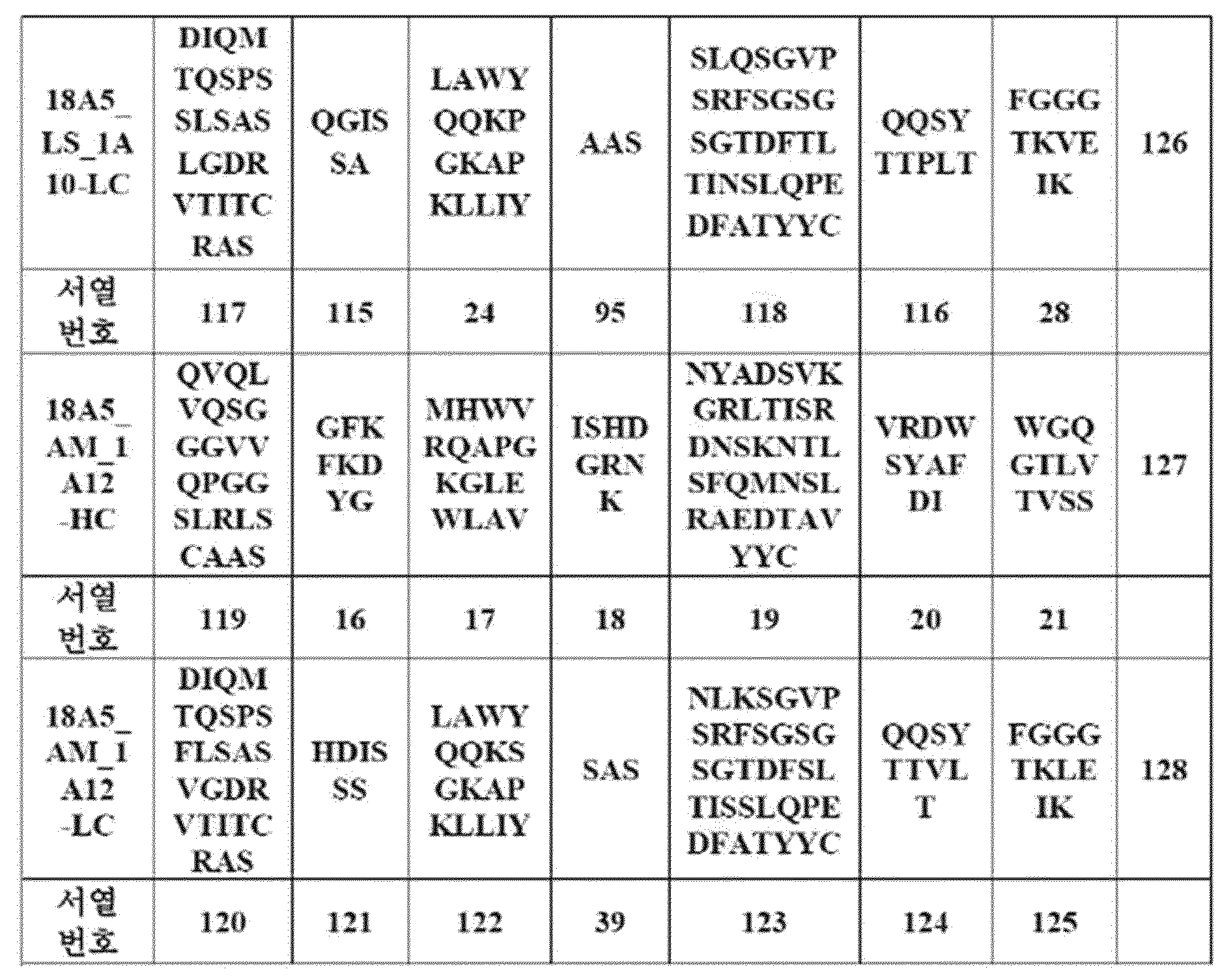


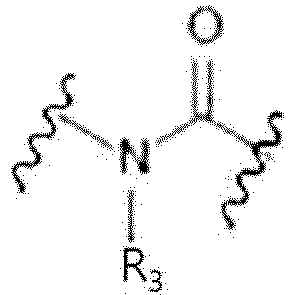


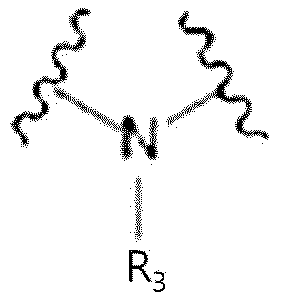


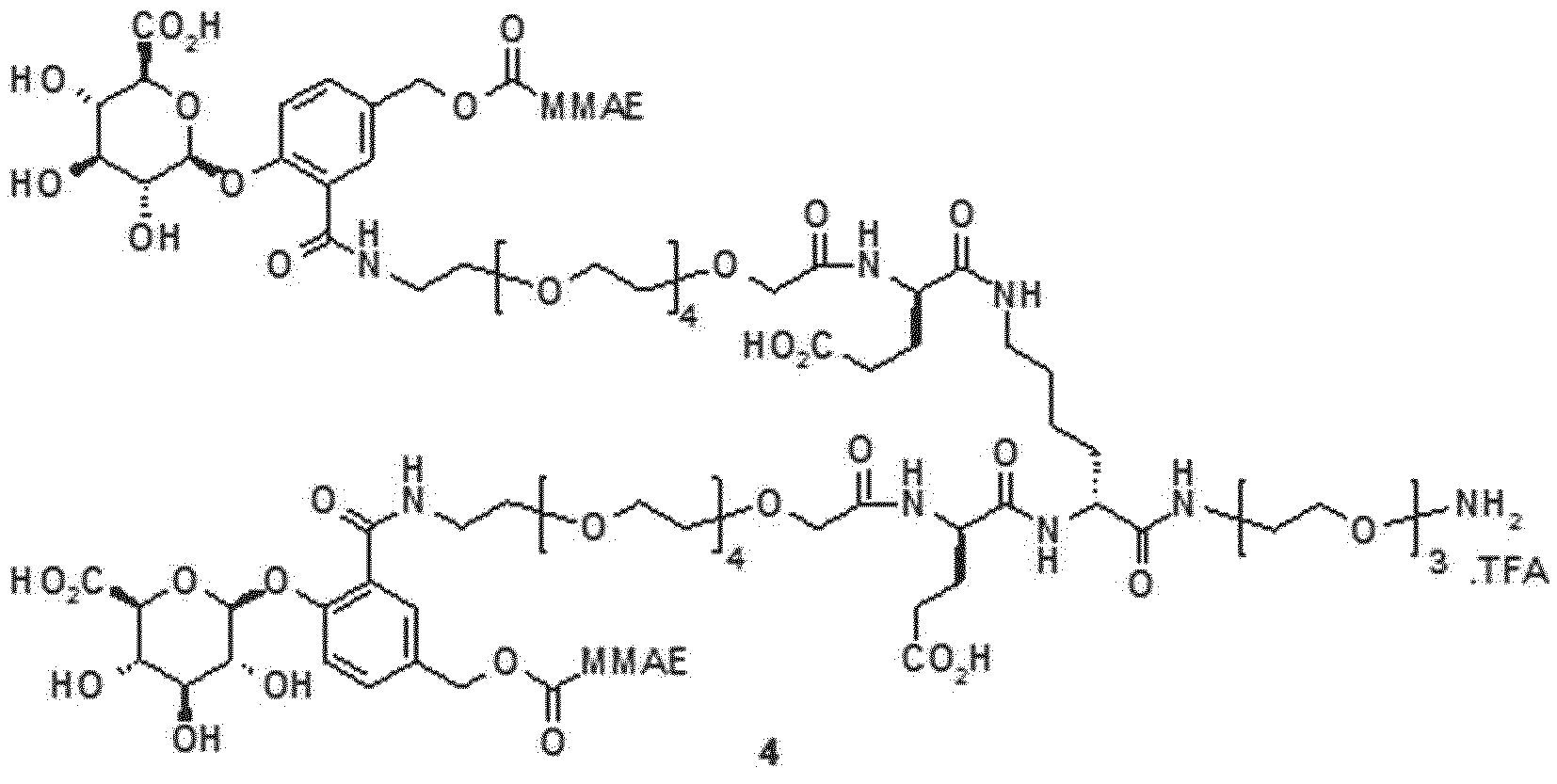


Claims (62)
- 일반식 I의 항체 접합체 또는 이의 약학적으로 허용되는 염 또는 이의 용매화물:[일반식 I]Ab - (X)y상기 식에서,Ab는 중쇄 가변영역 및 경쇄 가변영역을 포함하는 DLK1 (delta-like 1 homolog (Drosophila))에 특이적으로 결합하는 항체 또는 이의 항원 결합단편이고,상기 DLK1에 특이적으로 결합하는 항체 또는 이의 항원 결합단편은 서열번호 2, 16, 30, 44, 58, 72 및 86으로 구성된 군에서 선택된 하나 이상의 중쇄 CDR1,서열번호 4, 18, 32, 46, 60, 74 및 88로 구성된 군에서 선택된 하나 이상의 중쇄 CDR2,서열번호 6, 20, 34, 48, 62, 76 및 90으로 구성된 군에서 선택된 하나 이상의 중쇄 CDR3를 포함하는 중쇄 가변영역; 및서열번호 9, 23, 37, 51, 65, 79, 93, 115 및 121로 구성된 군에서 선택된 하나 이상의 경쇄 CDR1,서열번호 11, 25, 39, 53, 67, 81 및 95로 구성된 군에서 선택된 하나 이상의 경쇄 CDR2, 및서열번호 13, 27, 41, 55, 69, 83, 97, 116 및 125로 구성된 군에서 선택된 하나 이상의 경쇄 CDR3를 포함하는 경쇄 가변영역을 포함하고,상기 X는 독립적으로 하나 이상의 활성제 및 링커를 포함하는 화학적 잔기이며, 및상기 링커는 항체와 활성제를 연결하고,상기 y는 1 내지 20의 정수이다.
- 제 1항에 있어서, 상기 DLK1에 특이적으로 결합하는 항체 또는 이의 항원 결합단편은서열번호 1, 15, 29, 43, 57, 71, 85 및 119로 구성된 군에서 선택된 하나 이상의 중쇄 FR1,서열번호 3, 17, 31, 45, 59, 73 및 87로 구성된 군에서 선택된 하나 이상의 중쇄 FR2,서열번호 5, 19, 33, 47, 61, 75 및 89로 구성된 군에서 선택된 하나 이상의 중쇄 FR3,서열번호 7, 21, 35, 49, 63, 77 및 91로 구성된 군에서 선택된 하나 이상의 중쇄 FR4,서열번호 8, 22, 36, 50, 64, 78, 92, 117 및 120로 구성된 군에서 선택된 하나 이상의 경쇄 FR1,서열번호 10, 24, 38, 52, 66, 80, 94 및 122로 구성된 군에서 선택된 하나 이상의 경쇄 FR2,서열번호 12, 26, 40, 54, 68, 82, 96, 118 및 123으로 구성된 군에서 선택된 하나 이상의 경쇄 FR3, 또는서열번호 14, 28, 42, 56, 70, 84, 98 및 125로 구성된 군에서 선택된 하나 이상의 경쇄 FR4를 포함하는 것을 특징으로 하는 항체 접합체 또는 이의 약학적으로 허용되는 염 또는 이의 용매화물.
- 제 1항에 있어서, 상기 DLK1에 특이적으로 결합하는 항체 또는 이의 항원 결합단편은 서열번호 99, 101, 103, 105, 107, 109, 111 및 127로 구성된 군에서 선택되는 서열과 90% 이상의 서열 상동성을 가지는 서열을 포함하는 중쇄 가변영역을 포함하는 것을 특징으로 하는 항체 접합체 또는 이의 약학적으로 허용되는 염 또는 이의 용매화물.
- 제 1항에 있어서, 상기 DLK1에 특이적으로 결합하는 항체 또는 이의 항원 결합단편은 서열번호 100, 102, 104, 106, 108, 110, 112, 126 및 128로 구성된 군에서 선택되는 서열과 90% 이상의 서열 상동성을 가지는 서열을 포함하는 경쇄 가변영역을 포함하는 것을 특징으로 하는 항체 접합체 또는 이의 약학적으로 허용되는 염 또는 이의 용매화물.
- 제1항에 있어서, 상기 링커는 일반식 Ⅱ의 구조를 갖는 것을 특징으로 하는 항체 접합체 또는 이의 약학적으로 허용되는 염 또는 이의 용매화물:[일반식 Ⅱ]
 상기 식에서,G는 글루쿠론산 모이어티(glucuronic acid moiety) 또는
 이고;상기 R3은 수소 또는 카복실 보호기이고, 상기 각각의 R4는 독립적으로 수소 또는 하이드록실 보호기이며;Ab는 DLK1에 특이적으로 결합하는 항체 또는 이의 항원 결합단편이고;B는 활성제이며;R1 및 R2는 각각 독립적으로 수소, C1-C8 알킬 또는 C3-C8 사이클로알킬이고;W는 -C(O)-, -C(O)NR'-, -C(O)O-, -SO2NR'-, -P(O)R''NR'-, -SONR'- 또는 -PO2NR'-이고, 상기 C, S 또는 P는 직접적으로 페닐링(phenyl ring)에 결합하며, 상기 NR'은 L에 결합하고, 상기 R' 및 R''는 각각 독립적으로 수소, C1-C8 알킬, C3-C8 사이클로알킬, C1-C8 알콕시, C1-C8 알킬티오, 모노- 또는 다이- C1-C8 알킬아미노, C3-C20 헤테로아릴 또는 C6-C20아릴이며;.Z는 독립적으로 C1-C8 알킬, 할로겐, 시아노 또는 나이트로이고;n은 0 내지 3의 정수이며;L은, 하기 중 어느 하나이다:A) C1-C50 알킬렌 또는 1-50 원자 헤테로알킬렌이며, 하기 중 하나 이상을 만족한다:(i) L은 하나 이상의 불포화 결합을 포함하고;(ii) L 내의 2 개의 원자가 치환체와 같은 2가 치환체로 치환되고; 이는 헤테로아릴렌(heteroarylene)을 완성시키며;(iii) L은 1 내지 50 원자 헤테로알킬렌이고;(iv) 상기 알킬렌은 하나 이상의 C1-20 알킬로 치환된다;B) 이소프레노이드 트랜스퍼라제에 의하여 인식될 수 있는 하기 일반식 Ⅲ의 이소프레닐 유도체 유닛을 하나 이상 포함한다;[일반식 Ⅲ].
- 제5항에 있어서, 상기 L은 질소 함유 1-50 원자 헤테로 알킬렌이고, 상기 링커는 친수성 아미노산의 2 이상의 원자를 포함하고, 상기 질소는 아르기닌, 아스파테이트, 아스파라긴, 글루타메이트, 글루타민, 히스티딘, 라이신, 오르니틴, 프롤린, 세린 및 트레오닌으로 이루어진 군으로부터 선택되는 친수성 아미노산의 카르보닐과 펩타이드 결합을 형성하는 것을 특징으로 하는 항체 접합체 또는 이의 약학적으로 허용되는 염 또는 이의 용매화물.
- 제5항에 있어서, 상기 W는 -C(O)NR'- 이고, 상기 W의 질소는 아르기닌, 아스파테이트, 아스파라긴, 글루타메이트, 글루타민, 히스티딘, 라이신, 오르니틴, 프롤린, 세린 및 트레오닌으로 이루어진 군으로부터 선택되는 친수성 아미노산의 질소 원자인 것을 특징으로 하는 항체 접합체 또는 이의 약학적으로 허용되는 염 또는 이의 용매화물.
- 제6항 또는 제7항에 있어서, 상기 아미노산은 링커의 옥심(oxime)을 링커의 폴리에틸렌 글리콜 유닛에 공유 결합시키는 것을 특징으로 하는 항체 접합체 또는 이의 약학적으로 허용되는 염 또는 이의 용매화물.
- 제6항 또는 제7항에 있어서, 상기 친수성 아미노산은 수용액에서 중성 pH에서 전하를 나타내는 모이어티(moiety)를 갖는 측쇄를 포함하는 아스파테이트, 글루타메이트, 오르니틴, 라이신 및 아르기닌으로 이루어진 군으로부터 선택되는 친수성 아미노산인 것을 특징으로 하는 항체 접합체 또는 이의 약학적으로 허용되는 염 또는 이의 용매화물.
- 제5항에 있어서, 상기 링커는 펩타이드를 포함하고, 상기 펩타이드는 2 내지 20개의 아미노산을 포함하며, 알라닌, 아스파테이트, 아스파라긴, 글루타메이트, 글루타민, 글리신, 라이신, 오르니틴, 프롤린, 세린 및 트레오닌으로 구성된 군으로부터 선택되는 친수성 아미노산을 하나 이상 포함하고, 수용액에서 중성 pH에서 전하를 나타내는 모이어티(moiety)를 갖는 측쇄를 포함하는 아스파테이트, 글루타메이트, 오르니틴, 라이신 및 아르기닌으로 이루어진 군으로부터 선택되는 친수성 아미노산을 하나 이상 포함하는 것을 특징으로 하는 항체 접합체 또는 이의 약학적으로 허용되는 염 또는 이의 용매화물.
- 제10항에 있어서, W는 -C(O)NR'- 이고, 상기 W의 질소는 상기 펩타이드의 N-말단 아미노산의 질소 원자인 것을 특징으로 하는 항체 접합체 또는 이의 약학적으로 허용되는 염 또는 이의 용매화물.
- 제10항에 있어서, 상기 펩타이드는 링커의 옥심(oxime)을 링커의 폴리에틸렌 글리콜 유닛에 공유 결합시키는 것을 특징으로 하는 항체 접합체 또는 이의 약학적으로 허용되는 염 또는 이의 용매화물.
- 제5항에 있어서, 상기 L은 티오에테르 결합에 의해 항체와 공유결합하고, 상기 티오에테르 결합은 항체의 시스테인의 황원자를 포함하는 것을 특징으로 하는 항체 접합체 또는 이의 약학적으로 허용되는 염 또는 이의 용매화물.
- 제13항에 있어서, 상기 항체는 이소프레노이드 트랜스퍼라제에 의하여 인식될 수 있는 항체의 C-말단에 아미노산 모티프를 포함하고, 상기 티오에테르 결합은 상기 아미노산 모티프의 시스테인의 황원자를 포함하는 것을 특징으로 하는 항체 접합체 또는 이의 약학적으로 허용되는 염 또는 이의 용매화물.
- 제14항에 있어서, 상기 아미노산 모티프는 CYYX 서열이고,C가 시스테인이고,Y가 알라닌, 이소루이신, 류신, 메티오닌 및 발린으로 이루어진 군으로부터 선택되는 지방족 아미노산이고,X가 글루타민, 글루타메이트, 세린, 시스테인, 메티오닌, 알라닌 및 루신으로 이루어진 군으로부터 선택되는 어느 하나이며; 및상기 티오에테르 결합은 상기 아미노산 모티프의 시스테인의 황원자를 포함하는 것을 특징으로 하는 항체 접합체 또는 이의 약학적으로 허용되는 염 또는 이의 용매화물.
- 제15항에 있어서, 상기 아미노산 모티프는 CVIM 또는 CVLL 서열인 것을 특징으로 하는 항체 접합체 또는 이의 약학적으로 허용되는 염 또는 이의 용매화물.
- 제14항 내지 제16항 중 어느 한 항에 있어서, 아미노산 모티프에 선행하는 1 내지 10 개의 아미노산 중 하나 이상이 글리신, 프롤린, 아스파르트산, 아르기닌 및 세린으로 이루어진 군으로부터 선택되는 것을 특징으로 하는 항체 접합체 또는 이의 약학적으로 허용되는 염 또는 이의 용매화물.
- 제17항에 있어서, 아미노산 모티프에 선행하는 1 내지 10개의 아미노산은 각각 글리신인 것을 특징으로 하는 항체 접합체 또는 이의 약학적으로 허용되는 염 또는 이의 용매화물.
- 제5항에 있어서, 상기 L은 C-말단에 아미노산 서열 GGGGGGGCVIM을 포함하는 것을 특징으로 하는 항체 접합체 또는 이의 약학적으로 허용되는 염 또는 이의 용매화물.
- 제5항에 있어서, 상기 L은 이소프레노이드 트랜스퍼라제에 의하여 인식될 수 있는 하기 일반식 Ⅲ의 이소프레닐 유도체 유닛을 하나 이상 포함하는 것을 특징으로 하는 항체 접합체 또는 이의 약학적으로 허용되는 염 또는 이의 용매화물:[일반식 Ⅲ].

- 제5항에 있어서, 상기 L은 옥심을 포함하는 3 내지 50 헤테로알킬렌이고,상기 옥심의 산소 원자는 W와 연결된 L의 측면에 있고, 옥심의 탄소 원자는 Ab에 연결된 L의 측면에 있으며; 또는상기 옥심의 탄소 원자는 W에 연결된 L의 측면에 있고, 옥심의 산소 원자는 Ab에 연결된 L의 측면에 있는 것을 특징으로 하는 항체 접합체 또는 이의 약학적으로 허용되는 염 또는 이의 용매화물.
- 제20항 또는 제21항에 있어서, 상기 L은 옥심을 포함하고, 하나 이상의 이소 프레닐 유닛은 옥심을 Ab에 공유 결합시키는 것을 특징으로 하는 항체 접합체 또는 이의 약학적으로 허용되는 염 또는 이의 용매화물.
- 제5항에 있어서, 상기 L은또는
 을 포함하는 것을 특징으로 하는 항체 접합체 또는 이의 약학적으로 허용되는 염 또는 이의 용매화물.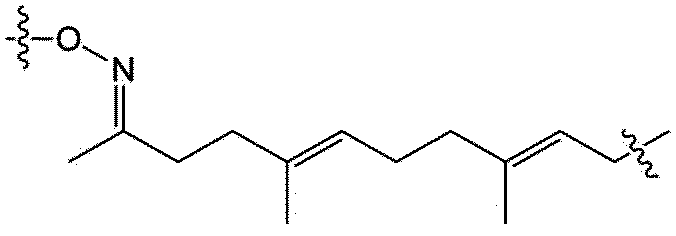
- 제5항에 있어서,상기 L은 일반식 VIII 또는 일반식 IX로 표시되는 연결 유닛을 더 포함하는 것을 특징으로 하는 항체 접합체 또는 이의 약학적으로 허용되는 염 또는 이의 용매화물:[일반식 VIII]-(CH2)r(V(CH2)p)q-[일반식 IX]-(CH2CH2X)w-상기 V는 단일결합, -O-, -S-, -NR21-, -C(O)NR22-, -NR23C(O)-, -NR24SO2- 또는 -SO2NR25-이고;X는 -O-, C1-C8 알킬렌 또는 -NR21-이고;R21 내지 R25는 각각 독립적으로 수소, C1-C6 알킬, C1-C6 알킬 C6-C20 아릴 또는 C1-C6 알킬C3-C20 헤테로아릴이고;r은 0 내지 10의 정수이고;p는 0 내지 10의 정수이고;q는 1 내지 20의 정수이고; 및w는 1 내지 20의 정수이다.
- 제24항에 있어서, 상기 L은또는
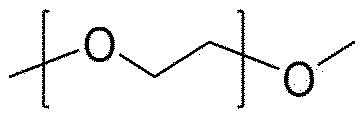 로 표시되는 1 내지 20의 폴리에틸렌 글리콜 유닛을 포함하는 것을 특징으로 하는 항체 접합체 또는 이의 약학적으로 허용되는 염 또는 이의 용매화물.
- 제25항에 있어서, 상기 L은 1 내지 12 -OCH2CH2- 유닛을 포함하는 것을 특징으로 하는 항체 접합체 또는 이의 약학적으로 허용되는 염 또는 이의 용매화물.
- 제25항에 있어서, L은 옥심을 포함하고, 1 내지 20의 폴리에틸렌 글리콜 유닛은 옥심을 활성제에 공유 결합시키는 것을 특징으로 하는 항체 접합체 또는 이의 약학적으로 허용되는 염 또는 이의 용매화물.
- 제5항에 있어서, 상기 L은 1,3-양극성고리 첨가반응(1,3-dipolar cycloaddition reactions), 헤테로-디엘스 반응(hetero-diels reactions), 친핵성 치환 반응(nucloephilic substitution reactions), 논-알돌 형 카보닐 반응(non-aldol type carbonyl reactions), 탄소-탄소 다중 결합에 대한 첨가(additions to carbon-carbon multiple bonds), 산화 반응(oxidation reactions) 또는 클릭 반응(click rection)에 의하여 형성된 결합 유닛을 더 포함하는 것을 특징으로 하는 항체 접합체 또는 이의 약학적으로 허용되는 염 또는 이의 용매화물.
- 제28항에 있어서, 상기 결합 유닛은 아세틸렌과 아지드와의 반응, 또는 알데히드 또는 케톤 그룹과 하이드라진 또는 하이드록실아민과의 반응으로 형성되는 것을 특징으로 하는 항체 접합체 또는 이의 약학적으로 허용되는 염 또는 이의 용매화물.
- 제5항에 있어서, 상기 L은 하기 일반식 Ⅳ, Ⅴ, Ⅵ 또는 Ⅶ로 표시되는 결합 유닛을 더 포함하는 것을 특징으로 하는 항체 접합체 또는 이의 약학적으로 허용되는 염 또는 이의 용매화물:[일반식 Ⅳ],
 [일반식 Ⅴ],
 [일반식 Ⅵ],
 [일반식 Ⅶ], 및
 상기 식에서,상기 L1은 단일결합 또는 C1-C30의 알킬렌이고;R11은 수소 또는 C1-C10의 알킬이다.
 - 제30항에 있어서, 상기 L1은 단일결합, 또는 C11 또는 C12의 알킬렌인 것을 특징으로 하는 항체 접합체 또는 이의 약학적으로 허용되는 염 또는 이의 용매화물.
- 제30항에 있어서, 상기 L은또는
 을 포함하고,
 상기 V는 단일 결합 , -O-, -S-, -NR21-, -C(O)NR22-, -NR23C(O)-, -NR24SO2-, or -SO2NR25-;R21 내지 R25 는 독립적으로 수소, C1-6 알킬, C1-6 알킬 C6-20 아릴, 또는 C1-6 알킬 C3-20 헤테로아릴;r은 1 내지 10의 정수이고;p는 0 내지 10의 정수이며;q는 1 내지 20의 정수이고; 및L1은 단일결합인 것을 특징으로 하는 항체 접합체 또는 이의 약학적으로 허용되는 염 또는 이의 용매화물.
 - 제32항에 있어서, 상기 L은,
 ,
, 및
및 으로 이루어진 군으로 선택된 어느 하나를 포함하며,
 상기 Ab는 DLK1에 특이적으로 결합하는 항체 또는 이의 항원 결합단편이고; B는 활성제이며, n은 0 내지 20의 정수인 것을 특징으로 하는 항체 접합체 또는 이의 약학적으로 허용되는 염 또는 이의 용매화물.
 - 제5항에 있어서, 이소프레노이드 트랜스퍼라제는 파네실 단백질 트랜스퍼라아제(FTase) 또는 게라닐게라닐 트랜스퍼라제(GGTase)인 것을 특징으로 하는 항체 접합체 또는 이의 약학적으로 허용되는 염 또는 이의 용매화물.
- 제5항에 있어서, L은 Ab에 공유 결합된 하나 이상의 분지형 링커를 포함하고,i) 각각의 분지형 링커는 주링커(PL)에 의해 Ab에 공유 결합된 분지 유닛 (BR)을 포함하고;ii) 각각의 분지형 링커는 제 1 활성제를 분지 유닛에 결합시키고, 제 2 링커 (SL) 및 절단기(CG)를 포함하는 제 1 분지(B1)를 포함하며; 및iii) 각각의 분지형 링커는 a) 제 2 활성제가 제 2 링커 (SL) 및 절단기 (CG)에 의해 분지 유닛에 공유 결합 된 제 2 분지 (B2); 또는 b) 폴리에틸렌 글리콜 moiety가 분지 유닛에 공유 결합되어 있는 제 2 분지를 포함하고,상기 각각의 절단기는 항체 접합체부터 활성제를 방출하기 위해 가수분해되는 것을 특징으로 하는 항체 접합체 또는 이의 약학적으로 허용되는 염 또는 이의 용매화물.
- 제35항에 있어서, 상기 분지형 링커는,
 ,
, 또는
또는 이고,
이고, 상기 L2, L3, L4 는 각각 독립적으로 직접 결합 또는 -CnH2n-이며, 상기 n은 1 내지 30의 정수이고,상기 G1, G2, G3은 독립적으로 직접 결합,,
 ,
, 또는
또는 이며,
이며, 상기 R30은 수소 또는 C1-30 알킬인 것을 특징으로 하는 항체 접합체 또는 이의 약학적으로 허용되는 염 또는 이의 용매화물.
 - 제36항에 있어서,를 포함하고,
 상기 B 및 B'는 동일하거나 상이할 수 있는 활성제를 나타내고;n은 각각 독립적으로 0 내지 30의 정수를 나타내며;f는 각각 독립적으로 0 내지 30의 정수를 나타내고; 및L은 Ab에 대한 결합을 나타내는 것을 특징으로 하는 항체 접합체 또는 이의 약학적으로 허용되는 염 또는 이의 용매화물.
 - 제37항에 있어서, L은 옥심을 포함하고, 1 내지 20의 폴리에틸렌 글리콜 유닛은 옥심을 활성제에 공유 결합시키는 것을 특징으로 하는 항체 접합체 또는 이의 약학적으로 허용되는 염 또는 이의 용매화물.
- 제35항에 있어서, 절단기는 표적 세포 내에서 절단될 수 있는 것을 특징으로 하는 항체 접합체 또는 이의 약학적으로 허용되는 염 또는 이의 용매화물.
- 제5항에 있어서, L은 Ab에 공유 결합된 1 내지 6개의 분지형 링커를 포함하고; 및 상기 분지형 링커에 공유 결합된 2 내지 6개의 동일 또는 상이한 활성제를 포함하는 것을 특징으로 하는 항체 접합체 또는 이의 약학적으로 허용되는 염 또는 이의 용매화물.
- 제40항에 있어서, 각각의 활성제는 절단 가능한 결합에 의해 분지형 링커에 결합되는 것을 특징으로 하는 항체 접합체 또는 이의 약학적으로 허용되는 염 또는 이의 용매화물.
- 제40항에 있어서, 각각의 분지형 링커는 분지형 유닛을 포함하고, 각각의 활성제는 2차 링커를 통해 분지형 유닛에 결합하고, 상기 분지형 유닛 1차 링커에 의해 Ab에 결합되는 것을 특징으로 하는 항체 접합체 또는 이의 약학적으로 허용되는 염 또는 이의 용매화물.
- 제42항에 있어서, 상기 분지형 유닛은 질소 원자 또는 라이신 유닛인 것을 특징으로 하는 항체 접합체 또는 이의 약학적으로 허용되는 염 또는 이의 용매화물.
- 제42항에 있어서, 상기 분지형 유닛은 아미드이고, 1차 링커 또는 2차 링커는 아미드의 카르보닐을 포함하는 것을 특징으로 하는 항체 접합체 또는 이의 약학적으로 허용되는 염 또는 이의 용매화물.
- 제5항에 있어서, 활성제는 화학요법제 또는 톡신인 것을 특징으로 하는 항체 접합체 또는 이의 약학적으로 허용되는 염 또는 이의 용매화물.
- 제5항에 있어서, 활성제는 면역조절 화합물, 항암제, 항바이러스제, 항균제, 항진균제, 항기생충제 또는 이들의 조합인 것을 특징으로 하는 항체 접합체 또는 이의 약학적으로 허용되는 염 또는 이의 용매화물.
- 제5항에 있어서, 활성제는 하기로부터 선택되는 어느 하나인 것을 특징으로 하는 항체 접합체 또는 이의 약학적으로 허용되는 염 또는 이의 용매화물:(a) 엘로티닙(erlotinib), 보르테조밉(bortezomib), 풀베스트란트(fulvestrant), 수텐트(sutent), 레트로졸(letrozole), 이마티닙 메실레이트(imatinib mesylate), PTK787/ZK 222584, 옥살리플라틴(oxaliplatin), 5-플루오로우라실(5-fluorouracil), 루코보린(leucovorin), 라파마이신(rapamycin), 라파티닙(lapatinib), 로나파르닙(lonafarnib), 소라페닙(sorafenib), 제피티닙(gefitinib), AG1478, AG1571, 티오테파(thiotepa), 사이클로포스파마이드(cyclophosphamide), 부술판(busulfan), 임프로술판(improsulfan), 피포술판(piposulfan), 벤조도파(benzodopa), 카르보콘(carboquone), 메츄도파(meturedopa), 유레도파(uredopa), 에틸렌이민(ethylenimine), 알트레타민(altretamine), 트리에틸렌멜라민(triethylenemelamine), 트리에틸렌포스포라미드(trietylenephosphoramide), 트리에틸렌티오포스포라미드(triethiylenethiophosphoramide), 트리메틸롤로멜라민(trimethylolomelamine), 불라타신(bullatacin), 불라타시논(bullatacinone), 캄토테신(camptothecin), 토포테칸(topotecan), 브리오스타틴(bryostatin), 칼리스타틴(callystatin), CC-1065, 아도젤레신(adozelesin), 카르젤레신(carzelesin), 비젤레신(bizelesin), 크립토피신 1(cryptophycin 1), 크립토피신 8(cryptophycin 8), 돌라스타틴(dolastatin), 듀오카마이신(duocarmycin), KW-2189, CB1-TM1, 엘루테로빈(eleutherobin), 판크라티스타틴(pancratistatin), 사르코딕티인(sarcodictyin), 스폰지스타틴(spongistatin), 클로람부실(chlorambucil), 클로르나파진(chlornaphazine), 클로로포스파미드(cholophosphamide), 에스트라무스틴(estramustine), 이포스파미드(ifosfamide), 메클로르에타민(mechlorethamine), 멜팔란(melphalan), 노벰비킨(novembichin), 페네스테린(phenesterine), 프레드니무스틴(prednimustine), 트로포스파미드(trofosfamide), 우라실 머스타드(uracil mustard), 카르무스틴(carmustine), 클로로코토신(chlorozotocin), 포테쿠스틴(fotemustine), 로무스틴(lomustine), 니무스틴(nimustine), 라니무스틴(ranimnustine), 칼리키아미신(calicheamicin), 칼리키아미신 감마 1(calicheamicin gamma 1), 칼리키아미신 오메가 1(calicheamicin omega 1), 디네미신(dynemicin), 디네미신 A(dynemicin A), 클로드로네이트(clodronate), 에스페르아미신(esperamicin), 네오카르지노스타틴 크로모포어(neocarzinostatin chromophore), 아클라시노마이신(aclacinomysins), 악티노마이신(actinomycin), 안트르마이신(antrmycin), 아자세린(azaserine), 블레오마이신(bleomycins), 칵티노마이신(cactinomycin), 카라비신(carabicin), 카르니노마이신(carninomycin), 카르지노필린(carzinophilin), 크로모마이신(chromomycins), 닥티노마이신(dactinomycin), 다우노루비신(daunorubicin), 데토루부신(detorubucin), 6-디아조-5-옥소-L-노르루신(6-diazo-5-oxo-L-norleucine), 독소루비신(doxorubicin), 모르폴리노-독소루비신(morpholino-doxorubicin), 시아노모르폴리노-독소루비신(cyanomorpholino-doxorubicin), 2-피롤리노-독소루비신(2-pyrrolino-doxorubucin), 리포소말 독소루비신(liposomal doxorubicin), 데옥시독소루비신(deoxydoxorubicin), 에피루비신(epirubicin), 에소루비신(esorubicin), 마르셀로마이신(marcellomycin), 미토마이신 C(mitomycin C), 미코페놀산(mycophenolic acid), 노갈라마이신(nogalamycin), 올리보마이신(olivomycins), 페플로마이신(peplomycin), 포트피로마이신(potfiromycin), 퓨로마이신(puromycin), 쿠엘라마이신(quelamycin), 로도루비신(rodorubicin), 스트렙토미그린(streptomigrin), 스트렙토조신(streptozocin), 투베르시딘(tubercidin), 우베니멕스(ubenimex), 지노스타틴(zinostatin), 조루비신(zorubicin), 5-플루오로우라신(5-fluorouracil), 데노프테린(denopterin), 메토트렉세이트(methotrexate), 프테로프테린(pteropterin), 트리메트렉세이트(trimetrexate), 플루다라빈(fludarabine), 6-머캅토퓨린(6-mercaptopurine), 티아미프린(thiamiprine), 티구아닌(thiguanine), 안시타빈(ancitabine), 아자시티딘(azacitidine), 6-아자유리딘(6-azauridine), 카르모푸르(carmofur), 시타라빈(cytarabine), 디데옥시유리딘(dideoxyuridine), 독시플루리딘(doxifluridine), 에노시타빈(enocitabine), 플록수리딘(floxuridine), 칼루스테론(calusterone), 드로모스타놀론(dromostanolone), 프로피오네이트(propionate), 에피티오스타놀(epitiostanol), 메피티오스테인(mepitiostane), 테스토락톤(testolactone), 아미노글루테티미드(aminoglutethimide), 미토테인(mitotane), 트릴로스테인(trilostane), 폴린산(folinic acid), 아세글라톤(aceglatone), 알도포스파미드 글리코사이드(aldophosphamide glycoside), 아미노레불린산(aminolevulinic acid), 에닐우라실(eniluracil), 암사크린(amsacrine), 베스트라부실(bestrabucil), 비산트렌(bisantrene), 에다트락세이트(edatraxate), 데포파민(defofamine), 데메콜신(demecolcine), 디아지콘(diaziquone), 엘포르니틴(elfornithine), 엘립티니움 아세테이트(elliptinium acetate), 에토글루시드(etoglucid), 갈리움 나이트레이트(gallium nitrate), 하이드록시우레아(hydroxyurea), 렌티난(lentinan), 로니다이닌(lonidainine), 메이탄신(maytansine), 안사미토신(ansamitocins), 미토구아존(mitoguazone), 미토잔트론(mitoxantrone), 모피단몰(mopidanmol), 니트라에린(nitraerine), 펜토스타틴(pentostatin), 페나메트(phenamet), 피라루비신(pirarubicin), 로소잔트론(losoxantrone), 2-에틸하이드라지드(2-ethylhydrazide), 프로카르바진(procarbazine), 폴리사카라이드-k(polysaccharide-k), 라족세인(razoxane), 리조신(rhizoxin), 시조피란(sizofiran), 스피로게르마늄(spirogermanium), 테누아존산(tenuazonic acid), 트리아지콘(triaziquone), 2,2',2''-트리클로로트리에틸아민(2,2’,2''-trichlorotriethylamine), T-2 톡신, 베라큐린 A(verracurin A), 로리딘 A(roridin A), 안구이딘(anguidine), 우레탄(urethane), 빈데신(vindesine), 다카르바진(dacarbazine), 만노무스틴(mannomustine), 미토브로니톨(mitobronitol), 미토락톨(mitolactol), 피포브로만(pipobroman), 가시토신(gacytosine), 아라비노사이드(arabinoside), 사이클로포스파미드(cyclophosphamide), 티오테파(thiotepa), 파클리탁셀(paclitaxel), 파클리탁셀, 파클리탁셀의 알부민-엔지니어드 나노파티클(albumin-engineered nanoparticle formulation of paclitaxel), 도세탁셀, 클로람부실, 젬시타빈, 6-티오구아닌, 머캅토퓨린, 시스플라틴, 카보플라틴(carboplatin), 빈블라스틴(vinblastine), 플래티늄(platinum), 에토포사이드(etoposide), 이포스파미드(ifosfamide), 미톡산트론(mitoxantrone), 빈크리스틴, 비노렐빈(vinorelbine), 노반트론(novantrone), 테니포사이드(teniposide), 에다트렉세이트(edatrexate), 다우노마이신(daunomycin), 아미노프테린(aminopterin), 젤로다(xeloda), 이반드로네이트(ibandronate), CPT-11, 토포이소머라아제 저해제 RFS 2000, 디플루오로메틸오르니틴(difluoromethylornithine), 레티노산(retinoic acid), 카페시타빈(capecitabine), 또는 이의 약학적으로 허용되는 염, 용매화물 또는 산;(b) 모노카인(monokine), 림포카인(lympokine), 폴리펩타이드 호르몬(traditional polypeptide hormone), 부갑상선 호르몬(parathyroid hormone), 티록신(thyroxine), 릴렉신(relaxin), 프로릴렉신(prorelaxin), 당단백 호르몬(glycoprotein hormone), 여포자극호르몬(follicle stimulating hormone), 갑상샘자극호르몬(thyroid stimulating hormone), 황체형성호르몬(luteinizing hormone), 간 성장인자 섬유모세포성장인자(hepatic growth factor fibroblast growth factor), 프롤락틴(prolactin), 태반성 락토젠(placental lactogen), 종양괴사인자-α(tumor necrosis factor-α), 종양괴사인자-β, 뮐러관 억제물질(mullerian-inhibiting substance), 마우스 고나도트로핀-연관 펩타이드(mouse gonadotropin-associated peptide), 인히빈(inhibin), 액티빈(activin), 혈관내피증식인자(vascular endothelial growth factor), 트롬보포이에틴(thrombopoietin), 에리스로포이에틴(erythropoietin), 골유도 인자(osteoinductive factor), 인터페론, 인터페론-α, 인터페론-β, 인터페론-γ, 콜로니자극인자(colony stimulating factor, CSF), 마크로파지-CSF, 과립구-마크로파지-CSF(granulocyte-macrophage-CSF), 과립구-CSF, 인터루킨(IL), IL-1, IL-1α, IL-2, IL-3, IL-4, IL-5, IL-6, IL-7, IL-8, IL-9, IL-10, IL-11, IL-12, 종양괴사인자(tumor necrosis factor), TNF-α, TNF-β, 폴리펩타이드 인자, LIF, 키트 리간드(kit ligand), 또는 이들의 배합물;(c) 디프테리아 톡신, 보툴리눔 톡신, 테타누스 톡신, 디센터리 톡신, 콜레라 톡신, 아마니틴, α-아마니틴, 피롤로벤조디아제핀, 피롤로벤조디아제핀 유도체, 테트로도톡신, 브레베톡신(brevetoxin), 시구아톡신(ciguatoxin), 리신(ricin), AM 톡신, 오리스타틴(auristatin), 투불리신(tubulysin), 겔다나마이신(geldanamycin), 메이탄시노이드(maytansinoid), 칼리케아마이신(calicheamycin), 다우노마이신(daunomycin), 독소루비신(doxorubicin), 메토트렉세이트(methotrexate), 빈데신(vindesine), SG2285, 돌라스타틴(dolastatin), 돌라스타틴 유사체(dolastatin analog), 오리스타틴(auristatin), 크립토피신(cryptophycin), 캄토테신(camptothecin), 리족신(rhizoxin), 리족신 유도체(rhizoxin derivatives), CC-1065, CC-1065, 유사체 또는 유도체, 듀오카마이신(duocarmycin), 에네다인 항생제(enediyne antibiotic), 에스페라마이신(esperamicin), 에포틸론(epothilone), 톡소이드(toxoid), 또는 이들의 배합물;(d) 친화성 리간드(affinity ligand), 여기에서 친화성 리간드는 기질, 저해제, 활성화제, 신경전달물질, 방사성 동위원소, 또는 이들의 배합물;(e) 방사능표지(radioactive label), 32P, 35S, 형광다이, 전자밀도 반응제(electron dense reagent), 효소, 비오틴, 스트렙타비딘(streptavidin), 디옥시제닌(dioxigenin), 햅텐(hapten), 면역성 단백질(immunogenic protein), 타겟에 컴플러멘터리한 서열을 갖는 핵산 분자(nucleic acid molecule with a sequence complementary to a target) 또는 이들의 배합물;(f) 면역조절 화합물(immunomodulatory compound), 항-암제(anti-cancer agent), 항-바이러스제(anti-viral agent), 항-박테리아제(anti-bacterial agent), 항-곰팡이제(anti-fungal agent), 및 항-기생충제(anti-parasitic agent), 또는 이들의 배합물;(g) 타목시펜(tamoxifen), 랄록시펜(raloxifene), 드롤록시펜(droloxifene), 4-하이드록시타목시펜(4-hydroxytamoxifen), 트리옥시펜(trioxifene), 케옥시펜(keoxifene), LY117018, 오나프리스톤(onapristone) 또는 토레미펜(toremifene);(h) 4(5)-이미다졸, 아미노글루테티미드(aminoglutethimide), 메제스톨 아세테이트(megestrol acetate), 엑스메스탄(exemestane), 레트로졸(letrozole)Ehsms 아나스트로졸(anastrozole)(i) 플루타미드(flutamide), 닐루타미드(nilutamide), 비칼루타미드(bicalutamide), 리우프롤라이드(leuprolide), 고세렐린(goserelin), 또는 트록사시타빈(troxacitabine);(j) 아로마타아제 저해제;(k) 단백질 키나아제 저해제;(l) 리피드 키나아제 저해제;(m) 안티센스 올리고뉴클레오티드;(n) 리보자임;(o) 백신; 및(p) 항-맥관형성제(anti-angiogenic agent).
- 제1항에 있어서,상기 활성제는 피롤로벤조디아제핀(pyrrolobenzodiazepine) 다이머;상기 링커는 Ab를 피롤로벤조디아제핀 다이머의 N10 또는 N'10 위치에 연결하는 것을 특징으로 하는 항체 접합체 또는 이의 약학적으로 허용되는 염 또는 이의 용매화물.
- 제48항에 있어서,상기 활성제는 피롤로벤조디아제핀 다이머;상기 피롤로벤조디아제핀 다이머는 N10 위치에서 X 또는 N'10 위치에서 X '로 치환되고, 여기서 X 또는 X'는 피롤로벤조디아제핀 다이머를 링커에 연결;X 및 X'는 각각 독립적으로 -C(O)O-*, -S(O)O-*, -C(O)-*, -C(O)NRX-*, -S(O)2NRX-*, -(P(O)R')NRX-*, -S(O)NRX-*, 또는 PO2NRX-*;RX 는 H, C1-8 알킬, C3-8 사이클로알킬, C3-20 헤테로아릴, 또는 C5-20 아릴;RX'는 OH, N3, CN, SH, C1-8 알킬, C3-8 사이클로알킬, C1-8 알콕시, C1-8 알킬 티오, C3-20 헤테로아릴, C5-20 아릴, 또는 아미노; 및*는 피롤로벤조디아제핀 다이머와 링커 사이의 결합 지점인 것을 특징으로 하는 항체 접합체 또는 이의 약학적으로 허용되는 염 또는 이의 용매화물.
- 제49항에 있어서, 상기 피롤로벤조디아제핀 다이머 하기 일반식 X 또는 일반식 XI로 기재되는 것을 특징으로 하는 항체 접합체 또는 이의 약학적으로 허용되는 염 또는 이의 용매화물:[일반식 X],
 [일반식 XI],
 상기 식에서,상기 점선은 C1과 C2 사이, C2와 C3 사이, C'1과 C'2 사이, 또는 C'2과 C'3 사이의 이중 결합의 선택적 존재를 나타내며;RX1 및 RX1'는 독립적으로 H, OH, =O, =CH2, CN, Rm, ORm, =CH-Rm' =C(Rm')2, O-SO2-Rm, CO2Rm, CORm, 할로 및 디할로로부터 선택되고;Rm'는 Rm, CO2Rm, CORm, CHO, CO2H, 및 할로로부터 선택되며,각각의 Rm는 독립적으로 C1-12 알킬, C2-12 알케닐, C2-12 알키닐, C5-20 아릴, C5-20 헤테로아릴, C3-6 사이클로알킬, 3 내지 7-원 헤테로사이클릴, 3 내지 7-원 헤테로사이클로알킬, 및 5 내지 7-원 헤테로아릴로 이루어진 군으로부터 선택되고;RX2 , RX2' RX3, RX3', RX5, 및 RX5'는 독립적으로 H, Rm, OH, ORm, SH, SRm, NH2, NHRm, NRm 2, NO2, Me3Sn 및 할로로부터 선택되며;RX4 및 RX4'는 독립적으로 H, Rm, OH, ORm, SH, SRm, NH2, NHRm, NRm 2, NO2, Me3Sn, 할로, C1-6 알킬 C1-6 알콕시, C2-6 알케닐, C2-6 알키닐, C3-6 시클로알킬, 3 내지 7-원 헤테로시클로알킬, C5-12 아릴, 5 내지 7-원 헤테로아릴, -CN, -NCO, -ORn, -OC(O)Rn, -OC(O)NRnRn', -OS(O)Rn, -OS(O)2Rn, -SRn, -S(O)Rn, -S(O)2Rn, -S(O)NRnRn', -S(O)2NRnRn', -OS(O)NRnRn', -OS(O)2NRnRn', -NRnRn', -NRnC(O)Ro, -NRnC(O)ORo, -NRnC(O)NRoRo', -NRnS(O)Ro, -NRnS(O)2Ro, -NRnS(O)NRoRo', -NRnS(O)2NRoRo', -C(O)Rn, -C(O)ORn 및 -C(O)NRnRn'로부터 선택되고;RX 및 RX'는 독립적으로 H, OH, N3, CN, NO2, SH, NH2, ONH2, NHNH2, 할로, C1-8 알킬, C3-8 시클로알킬, C1-8 알콕시, C1-8 알킬티오, C3-20 헤테로아릴, C5-20 아릴 또는 모노- 또는 디(di)-C1-8 알킬아미노로부터 선택되며;Y 및 Y'는 독립적으로 O, S, 및 N(H)으로부터 선택되고;RX6는 독립적으로 C3-12 알킬렌, C3-12 알케닐렌, 또는 C3-12 헤테로알킬렌으로부터 선택되며;RX7 및 RX7'는 독립적으로 H, C1-6 알킬, C2-6 알케닐, C2-6 알키닐, C3-6 시클로알킬, 3 내지 7-원 헤테로시클로알킬, C6-10 아릴, 5 내지 7-원 헤테로아릴, -ORr, -OC(O)Rr, -OC(O)NRrRr', -OS(O)Rr, -OS(O)2Rr, -SRr, -S(O)Rr, -S(O)2Rr, -S(O)NRrRr', -S(O)2NRrRr', -OS(O)NRrRr', -OS(O)2NRrRr', -NRrRr', -NRrC(O)Rs, -NRrC(O)ORs, -NRrC(O)NRsRs', -NRrS(O)Rs, -NRrS(O)2Rs, -NRrS(O)NRsRs', -NRrS(O)2NRsRs, -C(O)Rr, -C(O)ORs 또는 -C(O)NRrRr'으로부터 선택되고;각각의 Rr, Rr', Rs, 및 Rs' 은 독립적으로 H, C1-7 알킬, C2-7 알케닐, C2-7 알키닐, C3-13 시클로알킬, 3 내지 7-원 헤테로시클로알킬, C5-10 아릴, 및 5 내지 7-원 헤테로아릴로부터 선택되며;각 RX8 및 RX8'는 독립적으로 H, C1-6 알킬, C2-6 알케닐, C2-6 알키닐, C3-6 헤테로알킬, 3 내지 7-원 헤테로사이클로알킬, C5-10 아릴, 5 내지 7-원 헤테로아릴, -S(O)Rm, -S(O)2Rm, -S(O)NRmRm', -S(O)2NRmRm', -NRmRm', -NRmC(O)Rm, -NRmC(O)ORn, -NRmC(O)NRnRn', -NRmS(O)Rn, -NRmS(O)2Rn, -NRmS(O)NRnRn', -NRmS(O)2NRnRn', -C(O)Rm, -C(O)ORm 및 -C(O)NRmRm'로부터 선택되고;Za 는 ORX12a, NRX12aRX12a, 또는 SRX12a로부터 선택되며;Zb 는 ORX13a, NRX13aRX13a, 또는 SRX13a로부터 선택되고;Za'는 ORX12a, NRX12aRX12a, 또는r SRX12a로부터 선택되며;Zb'는 ORX13a', NRX13'RX13a' 또는 SRX13a'로부터 선택되고;각 RX12a, RX12a', RX13a' 및 RX13a'는 독립적으로 H, C1-6 알킬, C2-6 알케닐, C2-6 알키닐, C3-6 시클로알킬, 3 to 7-원 헤테로시클로알킬, C5-10 아릴, 5 내지 7-원 헤테아릴, -C(O)RX15a, -C(O)ORX15a 및 -C(O)NRX15aRX15a'로부터 선택되고; 및각각의 RX15a 및 RX15a' 는 독립적으로 C1-12 알킬, C2-12 알케닐, C2-12 알키닐, C5-20 아릴, C5-20 헤테로아릴, C3-6 시클로알킬, 3 내지 7-원 헤테로사이클릴, 3 내지 7-원 헤테로사이클로알킬, 및 5 내지 7-원 헤테로아릴로부터 선택되며;상기 RX13a 및 RX14a는 이들이 부착된 원자와 함께 임의적으로 결합하여 3 내지 7-원 헤테로 사이클 릴, 3 내지 7-원 헤테로 사이클로 알킬, 또는 3 내지 7-원 헤테로아릴을 형성하고, 및 RX13a' 및 RX14a'이들이 부착된 원자와 함께 임의적으로 결합하여 3 내지 7-원 헤테로 사이클릴, 3 내지 7-원 헤테로사이클로알킬, 또는 3 내지 7-원 헤테로아릴을 형성하며; 및상기 각각의 Rn, Rn', Ro, Ro', Rp, 및 Rp'는 독립적으로 H, C1-7 알킬, C2-7 알케닐, C2-7 알키닐, C3-13 시클로알킬, 3 내지 7-원 헤테로사이클로알킬, C5-10 아릴, 및 5 내지 7-원 헤테로아릴로부터 선택됨.
 - 제50항에 있어서, 상기 Rm는 독립적으로 C1-12 알킬, C2-12 알케닐, C2-12 알키닐, C5-20 아릴, C5-20 헤테로아릴, C3-6 사이클로알킬, 3 내지 7-원 헤테로사이클릴, 3 내지 7-원 헤테로사이클로알킬, 및 5 내지 7-원 헤테로아릴로 이루어진 군으로부터 선택되고,상기 Rm는 추가적으로 C1-12 알킬, C2-12 알케닐, C2-12 알키닐, C5-20 아릴, C5-20 헤테로아릴, C3-6 사이클로알킬, 3 내지 7-원 헤테로사이클릴, 3 내지 7-원 헤테로사이클로알킬, 또는 5 내지 7-원 헤테로아릴로 치환되는 것을 특징으로 하는 항체 접합체 또는 이의 약학적으로 허용되는 염 또는 이의 용매화물.
- 제50항에 있어서, 상기 RX4 및 RX4'는 독립적으로 H, Rm, OH, ORm, SH, SRm, NH2, NHRm, NRmRm', NO2, Me3Sn, 할로, C1-6 알킬 C1-6 알콕시, C2-6 알케닐, C2-6 알키닐, C3-6 시클로알킬, 3 내지 7-원 헤테로시클로알킬, C5-12 아릴, 5 내지 7-원 헤테로아릴, -CN, -NCO, -ORn, -OC(O)Rn, -OC(O)NRnRn', -OS(O)Rn, -OS(O)2Rn, -SRn, -S(O)Rn, -S(O)2Rn, -S(O)NRnRn', -S(O)2NRnRn', -OS(O)NRnRn', -OS(O)2NRnRn', -NRnRn', -NRnC(O)Ro, -NRnC(O)ORo, -NRnC(O)NRoRo', -NRnS(O)Ro, -NRnS(O)2Ro, -NRnS(O)NRoRo', -NRnS(O)2NRoRo', -C(O)Rn, -C(O)ORn 및 -C(O)NRnRn'로부터 선택되고,상기 RX4 또는 RX4'는 C1-6 알킬 C1-6 알콕시, C2-6 알케닐, C2-6 알키닐, C3-6 시클로알킬, 3 내지 7-원 헤테로시클로알킬, C5-12 아릴 또는 5 내지 7-원 헤테로아릴이고, 추가적으로 하나 이상의 C1-6 알킬, C1-6 알콕시, C2-6 알케닐, C2-6 알키닐, C3-C6 시클로알킬, 3 내지 7-원 헤테로시클로알킬, C5-10 아릴, 5 내지 7-원 헤테로아릴, -ORp, -OC(O)Rp, -OC(O)NRpRp', -OS(O)Rp, -OS(O)2Rp, -SRp, -S(O)Rp, -S(O)2Rp, -S(O)NRpRp', -S(O)2NRpRp', -OS(O)NRpRp', -OS(O)2NRpRp', -NRpRp', -NRpC(O)Rq, -NRpC(O)ORq, -NRpC(O)NRqRq', -NRpS(O)Rq, -NRpS(O)2Rq, -NRpS(O)NRqRq', -NRpS(O)2NRqRq', -C(O)Rp, -C(O)ORp 또는 -C(O)NRpRp로 치환되는 것을 특징으로 하는 항체 접합체 또는 이의 약학적으로 허용되는 염 또는 이의 용매화물.
- 제50항에 있어서, 상기 RX7 및 RX7'는 독립적으로 H, C1-6 알킬, C2-6 알케닐, C2-6 알키닐, C3-6 시클로알킬, 3 내지 7-원 헤테로시클로알킬, C6-10 아릴, 5 내지 7-원 헤테로아릴, -ORr, -OC(O)Rr, -OC(O)NRrRr', -OS(O)Rr, -OS(O)2Rr, -SRr, -S(O)Rr, -S(O)2Rr, -S(O)NRrRr', -S(O)2NRrRr', -OS(O)NRrRr', -OS(O)2NRrRr', -NRrRr', -NRrC(O)Rs, -NRrC(O)ORs, -NRrC(O)NRsRs', -NRrS(O)Rs, -NRrS(O)2Rs, -NRrS(O)NRsRs', -NRrS(O)2NRsRs, -C(O)Rr, -C(O)ORs 또는 -C(O)NRrRr'으로부터 선택되고,상기 RX7 또는 RX7'는 C1-6 알킬, C2-6 알케닐, C2-6 알키닐, C3-6 시클로알킬, 3 내지 7-원 헤테로시클로알킬, C6-10 아릴, 5 내지 7-원 헤테로아릴이고, 추가적으로 C1-6 알킬, C2-6 알케닐, C2-6 알키닐, C3-6 시클로알킬, 3 내지 7-원 헤테로시클로알킬, C6-10 아릴, 5 내지 7-원 헤테로아릴, -ORt, -OC(O)Rt, -OC(O)NRtRt', -OS(O)Rt, -OS(O)2Rt, -SRt, -S(O)Rt, -S(O)2Rt, -S(O)NRtRt', -S(O)2NRtRt', -OS(O)NRtRt', -OS(O)2NRtRt', -NRtRt', -NRtC(O)Ru, -NRtC(O)ORu, -NRtC(O)NRuRu', -NRtS(O)Ru, -NRtS(O)2Ru, -NRtS(O)NRuRu', -NRtS(O)2NRuRu', -C(O)Rt, -C(O)ORt 또는 -C(O)NRtRt'로 치환되며,상기 Rr, Rr', Rs, Rs', Rt, Rt', Ru 및 Ru'는 독립적으로 H, C1-7 알킬, C2-7 알케닐, C2-7 알키닐, C3-13 시클로알킬, 3 내지 7-원 헤테로시클로알킬, C5-10 아릴, 및 5 내지 7-원 헤테로아릴로부터 선택되는 것을 특징으로 하는 항체 접합체 또는 이의 약학적으로 허용되는 염 또는 이의 용매화물.
- 제50항에 있어서, RX6는 C3-12 알킬렌, C3-12 알케닐렌 또는 C3-12 헤테로알킬렌이고, 상기 RX6은 -NH2, -NHRm, -NHC(O)Rm, -NHC(O)CH2-[OCH2CH2]n-RXX, 또는 -[CH2CH2O]n-RXX치환되고;상기 RXX는 H, OH, N3, CN, NO2, SH, NH2, ONH2, NHNH2, 할로, C1-8 알킬, C3-8 시클로알킬, C1-8 알콕시, C1-8 알킬 티오, C3-20 헤테로아릴, C5-20 아릴 또는 모노- 또는 디-C1-8 알킬아미노; 및n은 1 내지 6의 정수인 것을 특징으로 하는 항체 접합체 또는 이의 약학적으로 허용되는 염 또는 이의 용매화물.
- 제50항에 있어서, 상기 활성제는 일반식 XII 또는 일반식 XIII로 기재되는 피롤로벤조디아제핀 다이머인 것을 특징으로 하는 항체 접합체 또는 이의 약학적으로 허용되는 염 또는 이의 용매화물:[일반식 XII],
 [일반식 XIII],
 상기 Xa 및 Xa'는 독립적으로 결합 또는 C1-6 알킬렌으로부터 선택되고;ZX' 및 ZX 는 독립적으로 수소, C1-8 알킬, 할로겐, 시아노, 니트로,,
 또는 -(CH2)m-OCH3로부터 선택되며;
 각각의 R80, R90 및 R100 는 수소, C1-8 알킬, C2-6 알케닐, 및 C1-6 알콕시로부터 선택되고; 및m은 0 내지 12의 정수이다.
 - 제1항에 있어서, 상기 활성제는,
 ,
, ,
, ,
, ,
, ,
, ,
, ,
, ,
, ,
, ,
, ,
, ,
, ,
, ,
, ,
, ,
, ,
, ,
, ,
, ,
, ,
, ,
, ,
, 및
및 으로 이루어진 군으로부터 선택되는 어느 하나인 것을 특징으로 하는 항체 접합체 또는 이의 약학적으로 허용되는 염 또는 이의 용매화물.
- 제1항의 항체 접합체를 포함하는 과증식, 암 또는 혈관신생질환의 예방 또는 치료용 약학적 조성물.
- 제57항에 있어서, 추가적으로 약학적으로 유효한 양의 화학 치료제(chemotherapeutic agent)를 포함하는 것을 특징으로 하는 약학적 조성물.
- 제57항에 있어서, 상기 암은 폐암, 소세포성 폐암, 위장관암, 대장암, 장암, 유방암, 난소암, 전립선암, 고환암, 간암, 신장암, 방광암, 췌장암, 뇌암, 육종, 골육종, 카포시 육종 및 흑색종으로 이루어진 군으로부터 선택되는 어느 하나인 것을 특징으로 하는 약학적 조성물.
- 약학적으로 유효한 양의 제1항의 접합체를 개체에 투여하는 단계를 포함하는 과증식, 암 또는 혈관신생질환의 예방방법.
- 약학적으로 유효한 양의 제1항의 접합체를 개체에 투여하는 단계를 포함하는 과증식, 암 또는 혈관신생질환의 치료방법.
- 과증식, 암 또는 혈관신생질환의 예방 또는 치료용 약학적 조성물로 사용하기 위한 제1항의 접합체의 용도
Priority Applications (11)
| Application Number | Priority Date | Filing Date | Title |
|---|---|---|---|
| US16/964,965 US20220339291A1 (en) | 2019-03-06 | 2020-03-05 | Antibody-drug conjugates that target dlk1 and uses thereof |
| CA3129581A CA3129581A1 (en) | 2019-03-06 | 2020-03-05 | Antibody-drug conjugates including antibody against human dlk1, and use thereof |
| AU2020233532A AU2020233532B2 (en) | 2019-03-06 | 2020-03-05 | Antibody-drug conjugates including antibody against human DLK1, and use thereof |
| MX2021010453A MX2021010453A (es) | 2019-03-06 | 2020-03-05 | Conjugados anticuerpo-farmaco que comprenden anticuerpos contra dlk1 humana y uso de estos. |
| JP2020541718A JP7664045B2 (ja) | 2019-03-06 | 2020-03-05 | ヒトdlk1に対する抗体を含む抗体薬物コンジュゲート及びその使用 |
| EP20765639.8A EP3936150A4 (en) | 2019-03-06 | 2020-03-05 | ANTIBODY-DRUG CONJUGATES COMPRISING ANTIBODY AGAINST HUMAN DLK1 AND USE THEREOF |
| BR112021017303A BR112021017303A2 (pt) | 2019-03-06 | 2020-03-05 | Conjugado de anticorpo ou um sal ou solvato farmaceuticamente aceitável deste, anticorpo que se liga com especificidade ao dlk1 ou um fragmento de ligação ao antígeno deste, composição farmacêutica para prevenção ou tratamento de doença proliferativa, câncer ou angiogênica, métodos para prevenção e para tratamento de doença proliferativa, câncer ou angiogênica, e, uso do conjugado |
| SG11202108550PA SG11202108550PA (en) | 2019-03-06 | 2020-03-05 | Antibody-drug conjugates including antibody against human dlk1, and use thereof |
| CN202080001611.1A CN112135638A (zh) | 2019-03-06 | 2020-03-05 | 包含抗人dlk1抗体的抗体-药物偶联物及其用途 |
| IL285953A IL285953A (en) | 2019-03-06 | 2021-08-30 | Antibody-drug conjugates comprising anti-human dlk1 antibody and use thereof |
| JP2025009671A JP2025076435A (ja) | 2019-03-06 | 2025-01-23 | ヒトdlk1に対する抗体を含む抗体薬物コンジュゲート及びその使用 |
Applications Claiming Priority (4)
| Application Number | Priority Date | Filing Date | Title |
|---|---|---|---|
| KR20190025987 | 2019-03-06 | ||
| KR10-2019-0025987 | 2019-03-06 | ||
| KR1020200027373A KR102503143B1 (ko) | 2019-03-06 | 2020-03-04 | 인간 dlk1에 대한 항체를 포함하는 항체 약물 접합체 및 이의 용도 |
| KR10-2020-0027373 | 2020-03-04 |
Publications (1)
| Publication Number | Publication Date |
|---|---|
| WO2020180121A1 true WO2020180121A1 (ko) | 2020-09-10 |
Family
ID=72337989
Family Applications (1)
| Application Number | Title | Priority Date | Filing Date |
|---|---|---|---|
| PCT/KR2020/003100 Ceased WO2020180121A1 (ko) | 2019-03-06 | 2020-03-05 | 인간 dlk1에 대한 항체를 포함하는 항체 약물 접합체 및 이의 용도 |
Country Status (6)
| Country | Link |
|---|---|
| US (1) | US20220339291A1 (ko) |
| EP (1) | EP3936150A4 (ko) |
| JP (2) | JP7664045B2 (ko) |
| BR (1) | BR112021017303A2 (ko) |
| MX (1) | MX2021010453A (ko) |
| WO (1) | WO2020180121A1 (ko) |
Cited By (7)
| Publication number | Priority date | Publication date | Assignee | Title |
|---|---|---|---|---|
| US10980890B2 (en) * | 2014-05-28 | 2021-04-20 | Legochem Biosciences, Inc. | Compounds comprising self-immolative group |
| US11167040B2 (en) | 2015-11-25 | 2021-11-09 | Legochem Biosciences, Inc. | Conjugates comprising peptide groups and methods related thereto |
| US11173214B2 (en) | 2015-11-25 | 2021-11-16 | Legochem Biosciences, Inc. | Antibody-drug conjugates comprising branched linkers and methods related thereto |
| US11413353B2 (en) | 2015-11-25 | 2022-08-16 | Legochem Biosciences, Inc. | Conjugates comprising self-immolative groups and methods related thereto |
| US11654197B2 (en) | 2017-03-29 | 2023-05-23 | Legochem Biosciences, Inc. | Pyrrolobenzodiazepine dimer prodrug and ligand-linker conjugate compound of the same |
| US11707533B2 (en) | 2019-09-04 | 2023-07-25 | Legochem Biosciences, Inc. | Antibody-drug conjugate comprising antibody against human ROR1 and use for the same |
| US11827703B2 (en) | 2018-05-09 | 2023-11-28 | Legochem Biosciences, Inc. | Compositions and methods related to anti-CD19 antibody drug conjugates |
Families Citing this family (1)
| Publication number | Priority date | Publication date | Assignee | Title |
|---|---|---|---|---|
| CN119317447A (zh) | 2022-04-12 | 2025-01-14 | 米纳瓦生物技术公司 | 抗可变muc1*抗体及其用途 |
Citations (17)
| Publication number | Priority date | Publication date | Assignee | Title |
|---|---|---|---|---|
| WO1988001649A1 (en) | 1986-09-02 | 1988-03-10 | Genex Corporation | Single polypeptide chain binding molecules |
| WO1988006630A1 (en) | 1987-03-02 | 1988-09-07 | Genex Corporation | Method for the preparation of binding molecules |
| WO1988007085A1 (en) | 1987-03-20 | 1988-09-22 | Creative Biomolecules, Inc. | Process for the purification of recombinant polypeptides |
| WO1988007086A1 (en) | 1987-03-20 | 1988-09-22 | Creative Biomolecules, Inc. | Leader sequences for the production of recombinant proteins |
| WO1988009344A1 (en) | 1987-05-21 | 1988-12-01 | Creative Biomolecules, Inc. | Targeted multifunctional proteins |
| US4816567A (en) | 1983-04-08 | 1989-03-28 | Genentech, Inc. | Recombinant immunoglobin preparations |
| KR20090088893A (ko) * | 2006-11-10 | 2009-08-20 | 가부시키가이샤 리부텍쿠 | in vivo 에서 항종양 활성을 갖는 항인간 Dlk-1 항체 |
| KR20120113175A (ko) * | 2011-04-04 | 2012-10-12 | 한국생명공학연구원 | Dlk1 특이적 인간 항체 및 이를 포함하는 약학적 조성물 |
| KR20140035393A (ko) | 2011-05-08 | 2014-03-21 | 주식회사 레고켐 바이오사이언스 | 단백질-활성제 접합체 및 이의 제조 방법 |
| KR101628872B1 (ko) | 2014-05-28 | 2016-06-09 | 주식회사 레고켐 바이오사이언스 | 자가-희생 기를 포함하는 화합물 |
| WO2017089895A1 (en) | 2015-11-25 | 2017-06-01 | Legochem Biosciences, Inc. | Antibody-drug conjugates comprising branched linkers and methods related thereto |
| WO2018069490A1 (en) * | 2016-10-14 | 2018-04-19 | Medimmune Limited | Pyrrolobenzodiazepine conjugates |
| KR20180107639A (ko) | 2017-03-22 | 2018-10-02 | 신화인터텍 주식회사 | 파장 변환 부재 및 이를 포함하는 디스플레이 장치 |
| KR20180110645A (ko) | 2017-03-29 | 2018-10-10 | 주식회사 레고켐 바이오사이언스 | 피롤로벤조디아제핀 이량체 전구체 및 이의 리간드-링커 접합체 화합물 |
| KR20190000514A (ko) | 2017-06-23 | 2019-01-03 | 현대자동차주식회사 | 차량 네트워크에서 진단 오류 방지를 위한 방법 및 장치 |
| KR20190018400A (ko) * | 2017-08-14 | 2019-02-22 | 주식회사 레고켐 바이오사이언스 | EGFRvIII에 대한 항체를 포함하는 항체 약물 접합체 |
| KR20190028350A (ko) * | 2017-09-08 | 2019-03-18 | 주식회사 와이바이오로직스 | 인간 dlk1에 대한 항체 및 이의 용도 |
Family Cites Families (5)
| Publication number | Priority date | Publication date | Assignee | Title |
|---|---|---|---|---|
| US8017118B2 (en) * | 2008-03-17 | 2011-09-13 | LivTech Inc. — Teikyo University Biotechnology Research Center | Anti-hDlk-1 antibody having an antitumor activity in vivo |
| WO2012138102A2 (ko) * | 2011-04-04 | 2012-10-11 | 한국생명공학연구원 | Dlk1 특이적 인간 항체 및 이를 포함하는 약학적 조성물 |
| HUE056289T2 (hu) * | 2017-02-08 | 2022-02-28 | Adc Therapeutics Sa | Pirrolobenzodiazepin-antitest konjugátumok |
| WO2018182341A1 (ko) * | 2017-03-29 | 2018-10-04 | 주식회사 레고켐 바이오사이언스 | 피롤로벤조디아제핀 이량체 전구체 및 이의 리간드-링커 접합체 화합물 |
| KR20200084802A (ko) * | 2019-01-03 | 2020-07-13 | 주식회사 레고켐 바이오사이언스 | 안전성이 향상된 피롤로벤조디아제핀 이량체 화합물 및 이의 용도 |
-
2020
- 2020-03-05 EP EP20765639.8A patent/EP3936150A4/en active Pending
- 2020-03-05 BR BR112021017303A patent/BR112021017303A2/pt unknown
- 2020-03-05 MX MX2021010453A patent/MX2021010453A/es unknown
- 2020-03-05 JP JP2020541718A patent/JP7664045B2/ja active Active
- 2020-03-05 US US16/964,965 patent/US20220339291A1/en not_active Abandoned
- 2020-03-05 WO PCT/KR2020/003100 patent/WO2020180121A1/ko not_active Ceased
-
2025
- 2025-01-23 JP JP2025009671A patent/JP2025076435A/ja active Pending
Patent Citations (17)
| Publication number | Priority date | Publication date | Assignee | Title |
|---|---|---|---|---|
| US4816567A (en) | 1983-04-08 | 1989-03-28 | Genentech, Inc. | Recombinant immunoglobin preparations |
| WO1988001649A1 (en) | 1986-09-02 | 1988-03-10 | Genex Corporation | Single polypeptide chain binding molecules |
| WO1988006630A1 (en) | 1987-03-02 | 1988-09-07 | Genex Corporation | Method for the preparation of binding molecules |
| WO1988007085A1 (en) | 1987-03-20 | 1988-09-22 | Creative Biomolecules, Inc. | Process for the purification of recombinant polypeptides |
| WO1988007086A1 (en) | 1987-03-20 | 1988-09-22 | Creative Biomolecules, Inc. | Leader sequences for the production of recombinant proteins |
| WO1988009344A1 (en) | 1987-05-21 | 1988-12-01 | Creative Biomolecules, Inc. | Targeted multifunctional proteins |
| KR20090088893A (ko) * | 2006-11-10 | 2009-08-20 | 가부시키가이샤 리부텍쿠 | in vivo 에서 항종양 활성을 갖는 항인간 Dlk-1 항체 |
| KR20120113175A (ko) * | 2011-04-04 | 2012-10-12 | 한국생명공학연구원 | Dlk1 특이적 인간 항체 및 이를 포함하는 약학적 조성물 |
| KR20140035393A (ko) | 2011-05-08 | 2014-03-21 | 주식회사 레고켐 바이오사이언스 | 단백질-활성제 접합체 및 이의 제조 방법 |
| KR101628872B1 (ko) | 2014-05-28 | 2016-06-09 | 주식회사 레고켐 바이오사이언스 | 자가-희생 기를 포함하는 화합물 |
| WO2017089895A1 (en) | 2015-11-25 | 2017-06-01 | Legochem Biosciences, Inc. | Antibody-drug conjugates comprising branched linkers and methods related thereto |
| WO2018069490A1 (en) * | 2016-10-14 | 2018-04-19 | Medimmune Limited | Pyrrolobenzodiazepine conjugates |
| KR20180107639A (ko) | 2017-03-22 | 2018-10-02 | 신화인터텍 주식회사 | 파장 변환 부재 및 이를 포함하는 디스플레이 장치 |
| KR20180110645A (ko) | 2017-03-29 | 2018-10-10 | 주식회사 레고켐 바이오사이언스 | 피롤로벤조디아제핀 이량체 전구체 및 이의 리간드-링커 접합체 화합물 |
| KR20190000514A (ko) | 2017-06-23 | 2019-01-03 | 현대자동차주식회사 | 차량 네트워크에서 진단 오류 방지를 위한 방법 및 장치 |
| KR20190018400A (ko) * | 2017-08-14 | 2019-02-22 | 주식회사 레고켐 바이오사이언스 | EGFRvIII에 대한 항체를 포함하는 항체 약물 접합체 |
| KR20190028350A (ko) * | 2017-09-08 | 2019-03-18 | 주식회사 와이바이오로직스 | 인간 dlk1에 대한 항체 및 이의 용도 |
Non-Patent Citations (2)
| Title |
|---|
| DISCOVERY MEDICINE, vol. 10, no. 53, 2010, pages 329 - 39 |
| HOLLINGERHUDSON, NATURE BIOTECHNOLOGY, vol. 23, no. 9, 2005, pages 1126 - 1136 |
Cited By (9)
| Publication number | Priority date | Publication date | Assignee | Title |
|---|---|---|---|---|
| US10980890B2 (en) * | 2014-05-28 | 2021-04-20 | Legochem Biosciences, Inc. | Compounds comprising self-immolative group |
| US11167040B2 (en) | 2015-11-25 | 2021-11-09 | Legochem Biosciences, Inc. | Conjugates comprising peptide groups and methods related thereto |
| US11173214B2 (en) | 2015-11-25 | 2021-11-16 | Legochem Biosciences, Inc. | Antibody-drug conjugates comprising branched linkers and methods related thereto |
| US11413353B2 (en) | 2015-11-25 | 2022-08-16 | Legochem Biosciences, Inc. | Conjugates comprising self-immolative groups and methods related thereto |
| US11975076B2 (en) | 2015-11-25 | 2024-05-07 | Legochem Biosciences, Inc. | Antibody-drug conjugates comprising branched linkers and methods related thereto |
| US11654197B2 (en) | 2017-03-29 | 2023-05-23 | Legochem Biosciences, Inc. | Pyrrolobenzodiazepine dimer prodrug and ligand-linker conjugate compound of the same |
| US12398124B2 (en) | 2017-03-29 | 2025-08-26 | Ligachem Biosciences Inc. | Pyrrolobenzodiazepine dimer prodrug and ligand-linker conjugate compound of the same |
| US11827703B2 (en) | 2018-05-09 | 2023-11-28 | Legochem Biosciences, Inc. | Compositions and methods related to anti-CD19 antibody drug conjugates |
| US11707533B2 (en) | 2019-09-04 | 2023-07-25 | Legochem Biosciences, Inc. | Antibody-drug conjugate comprising antibody against human ROR1 and use for the same |
Also Published As
| Publication number | Publication date |
|---|---|
| JP2022522547A (ja) | 2022-04-20 |
| MX2021010453A (es) | 2021-09-21 |
| BR112021017303A2 (pt) | 2021-11-16 |
| JP2025076435A (ja) | 2025-05-15 |
| JP7664045B2 (ja) | 2025-04-17 |
| EP3936150A1 (en) | 2022-01-12 |
| US20220339291A1 (en) | 2022-10-27 |
| EP3936150A4 (en) | 2023-03-29 |
Similar Documents
| Publication | Publication Date | Title |
|---|---|---|
| WO2020180121A1 (ko) | 인간 dlk1에 대한 항체를 포함하는 항체 약물 접합체 및 이의 용도 | |
| WO2022211508A1 (ko) | 인간 cldn18.2에 대한 항체를 포함하는 항체 약물 접합체 및 이의 용도 | |
| WO2022245186A1 (ko) | Ror1 및 b7-h3에 결합하는 항체-약물 접합체 및 그 용도 | |
| WO2015182984A1 (ko) | 자가-희생 기를 포함하는 화합물 | |
| WO2018182341A1 (ko) | 피롤로벤조디아제핀 이량체 전구체 및 이의 리간드-링커 접합체 화합물 | |
| EP3847166A1 (en) | Polycyclic amides as cytotoxic agents | |
| WO2020141923A9 (ko) | 안전성이 향상된 피롤로벤조디아제핀 이량체 화합물 및 이의 용도 | |
| WO2020184944A1 (ko) | 위치특이적 항체 콘쥬게이션 및 이의 구체예로서의 항체-약물 콘쥬게이트 | |
| KR102503143B1 (ko) | 인간 dlk1에 대한 항체를 포함하는 항체 약물 접합체 및 이의 용도 | |
| WO2021137646A1 (ko) | 피롤로벤조디아제핀 유도체 및 이의 리간드-링커 접합체 | |
| WO2018194381A1 (ko) | Lrig-1 단백질에 특이적인 결합 분자 및 이의 용도 | |
| WO2020222573A1 (ko) | 트리스 구조를 가지는 링커를 포함하는 리간드-약물 접합체 | |
| EP3030557A1 (en) | A novel phtalazinone derivatives and manufacturing process thereof | |
| WO2020080854A1 (ko) | Lrig-1 단백질에 특이적인 결합 분자 및 이의 용도 | |
| WO2018124758A2 (ko) | 베타-갈락토사이드가 도입된 자가-희생 기를 포함하는 화합물 | |
| WO2025264040A1 (ko) | 항-클라우딘18.2 항체, 항-클라우딘18.2 항체-약물접합체 및 이의 용도 | |
| WO2022031150A1 (ko) | 데옥시사이티딘계 항암제 및 실릴 에테르 함유 링커를 포함하는 접합체 및 이의 용도 | |
| WO2024107014A1 (en) | Anti-basal cell adhesion molecule antibody-drug conjugate | |
| WO2021006714A1 (ko) | 면역체크포인트 억제제 저항성 암의 예방, 개선 또는 치료용 조성물 | |
| WO2024005461A1 (ko) | 신규한 링커 화합물 및 이의 리간드-약물 접합체 | |
| WO2023157989A1 (ko) | 항체-약물 접합체 | |
| WO2019035649A1 (ko) | EGFRvIII에 대한 항체를 포함하는 항체 약물 접합체 | |
| WO2020180158A1 (ko) | 항체-약물 접합체 및 이의 용도 | |
| RU2801630C2 (ru) | Коньюгаты антитело-лекарственное средство, включающие антитело против человеческого dlk1, и их применение | |
| WO2024225838A1 (ko) | 균일한 dar을 갖는 말레이미드 함유 링커를 포함하는 항체-약물 중합체의 제조방법 |
Legal Events
| Date | Code | Title | Description |
|---|---|---|---|
| ENP | Entry into the national phase |
Ref document number: 2020541718 Country of ref document: JP Kind code of ref document: A |
|
| 121 | Ep: the epo has been informed by wipo that ep was designated in this application |
Ref document number: 20765639 Country of ref document: EP Kind code of ref document: A1 |
|
| ENP | Entry into the national phase |
Ref document number: 3129581 Country of ref document: CA |
|
| WWE | Wipo information: entry into national phase |
Ref document number: 285953 Country of ref document: IL |
|
| NENP | Non-entry into the national phase |
Ref country code: DE |
|
| REG | Reference to national code |
Ref country code: BR Ref legal event code: B01A Ref document number: 112021017303 Country of ref document: BR |
|
| ENP | Entry into the national phase |
Ref document number: 2020233532 Country of ref document: AU Date of ref document: 20200305 Kind code of ref document: A |
|
| WWE | Wipo information: entry into national phase |
Ref document number: 2021128538 Country of ref document: RU |
|
| ENP | Entry into the national phase |
Ref document number: 2020765639 Country of ref document: EP Effective date: 20211006 |
|
| ENP | Entry into the national phase |
Ref document number: 112021017303 Country of ref document: BR Kind code of ref document: A2 Effective date: 20210831 |
|
| WWG | Wipo information: grant in national office |
Ref document number: 778812 Country of ref document: NZ |