WO2020189538A1 - Liquide de stockage pour cellules de mammifère - Google Patents
Liquide de stockage pour cellules de mammifère Download PDFInfo
- Publication number
- WO2020189538A1 WO2020189538A1 PCT/JP2020/011002 JP2020011002W WO2020189538A1 WO 2020189538 A1 WO2020189538 A1 WO 2020189538A1 JP 2020011002 W JP2020011002 W JP 2020011002W WO 2020189538 A1 WO2020189538 A1 WO 2020189538A1
- Authority
- WO
- WIPO (PCT)
- Prior art keywords
- solution
- cells
- storage
- salt
- cell
- Prior art date
- Legal status (The legal status is an assumption and is not a legal conclusion. Google has not performed a legal analysis and makes no representation as to the accuracy of the status listed.)
- Ceased
Links
Images











Classifications
-
- C—CHEMISTRY; METALLURGY
- C12—BIOCHEMISTRY; BEER; SPIRITS; WINE; VINEGAR; MICROBIOLOGY; ENZYMOLOGY; MUTATION OR GENETIC ENGINEERING
- C12N—MICROORGANISMS OR ENZYMES; COMPOSITIONS THEREOF; PROPAGATING, PRESERVING, OR MAINTAINING MICROORGANISMS; MUTATION OR GENETIC ENGINEERING; CULTURE MEDIA
- C12N1/00—Microorganisms; Compositions thereof; Processes of propagating, maintaining or preserving microorganisms or compositions thereof; Processes of preparing or isolating a composition containing a microorganism; Culture media therefor
- C12N1/04—Preserving or maintaining viable microorganisms
-
- C—CHEMISTRY; METALLURGY
- C12—BIOCHEMISTRY; BEER; SPIRITS; WINE; VINEGAR; MICROBIOLOGY; ENZYMOLOGY; MUTATION OR GENETIC ENGINEERING
- C12N—MICROORGANISMS OR ENZYMES; COMPOSITIONS THEREOF; PROPAGATING, PRESERVING, OR MAINTAINING MICROORGANISMS; MUTATION OR GENETIC ENGINEERING; CULTURE MEDIA
- C12N5/00—Undifferentiated human, animal or plant cells, e.g. cell lines; Tissues; Cultivation or maintenance thereof; Culture media therefor
- C12N5/06—Animal cells or tissues; Human cells or tissues
- C12N5/0602—Vertebrate cells
- C12N5/0618—Cells of the nervous system
- C12N5/0622—Glial cells, e.g. astrocytes, oligodendrocytes; Schwann cells
-
- C—CHEMISTRY; METALLURGY
- C12—BIOCHEMISTRY; BEER; SPIRITS; WINE; VINEGAR; MICROBIOLOGY; ENZYMOLOGY; MUTATION OR GENETIC ENGINEERING
- C12N—MICROORGANISMS OR ENZYMES; COMPOSITIONS THEREOF; PROPAGATING, PRESERVING, OR MAINTAINING MICROORGANISMS; MUTATION OR GENETIC ENGINEERING; CULTURE MEDIA
- C12N5/00—Undifferentiated human, animal or plant cells, e.g. cell lines; Tissues; Cultivation or maintenance thereof; Culture media therefor
- C12N5/06—Animal cells or tissues; Human cells or tissues
- C12N5/0602—Vertebrate cells
- C12N5/0634—Cells from the blood or the immune system
- C12N5/0636—T lymphocytes
-
- C—CHEMISTRY; METALLURGY
- C12—BIOCHEMISTRY; BEER; SPIRITS; WINE; VINEGAR; MICROBIOLOGY; ENZYMOLOGY; MUTATION OR GENETIC ENGINEERING
- C12N—MICROORGANISMS OR ENZYMES; COMPOSITIONS THEREOF; PROPAGATING, PRESERVING, OR MAINTAINING MICROORGANISMS; MUTATION OR GENETIC ENGINEERING; CULTURE MEDIA
- C12N5/00—Undifferentiated human, animal or plant cells, e.g. cell lines; Tissues; Cultivation or maintenance thereof; Culture media therefor
- C12N5/06—Animal cells or tissues; Human cells or tissues
- C12N5/0602—Vertebrate cells
- C12N5/0634—Cells from the blood or the immune system
- C12N5/0644—Platelets; Megakaryocytes
-
- C—CHEMISTRY; METALLURGY
- C12—BIOCHEMISTRY; BEER; SPIRITS; WINE; VINEGAR; MICROBIOLOGY; ENZYMOLOGY; MUTATION OR GENETIC ENGINEERING
- C12N—MICROORGANISMS OR ENZYMES; COMPOSITIONS THEREOF; PROPAGATING, PRESERVING, OR MAINTAINING MICROORGANISMS; MUTATION OR GENETIC ENGINEERING; CULTURE MEDIA
- C12N5/00—Undifferentiated human, animal or plant cells, e.g. cell lines; Tissues; Cultivation or maintenance thereof; Culture media therefor
- C12N5/06—Animal cells or tissues; Human cells or tissues
- C12N5/0602—Vertebrate cells
- C12N5/0652—Cells of skeletal and connective tissues; Mesenchyme
- C12N5/0662—Stem cells
-
- C—CHEMISTRY; METALLURGY
- C12—BIOCHEMISTRY; BEER; SPIRITS; WINE; VINEGAR; MICROBIOLOGY; ENZYMOLOGY; MUTATION OR GENETIC ENGINEERING
- C12N—MICROORGANISMS OR ENZYMES; COMPOSITIONS THEREOF; PROPAGATING, PRESERVING, OR MAINTAINING MICROORGANISMS; MUTATION OR GENETIC ENGINEERING; CULTURE MEDIA
- C12N5/00—Undifferentiated human, animal or plant cells, e.g. cell lines; Tissues; Cultivation or maintenance thereof; Culture media therefor
- C12N5/06—Animal cells or tissues; Human cells or tissues
- C12N5/0602—Vertebrate cells
- C12N5/0652—Cells of skeletal and connective tissues; Mesenchyme
- C12N5/0662—Stem cells
- C12N5/0663—Bone marrow mesenchymal stem cells (BM-MSC)
-
- C—CHEMISTRY; METALLURGY
- C12—BIOCHEMISTRY; BEER; SPIRITS; WINE; VINEGAR; MICROBIOLOGY; ENZYMOLOGY; MUTATION OR GENETIC ENGINEERING
- C12N—MICROORGANISMS OR ENZYMES; COMPOSITIONS THEREOF; PROPAGATING, PRESERVING, OR MAINTAINING MICROORGANISMS; MUTATION OR GENETIC ENGINEERING; CULTURE MEDIA
- C12N2500/00—Specific components of cell culture medium
- C12N2500/30—Organic components
- C12N2500/34—Sugars
-
- C—CHEMISTRY; METALLURGY
- C12—BIOCHEMISTRY; BEER; SPIRITS; WINE; VINEGAR; MICROBIOLOGY; ENZYMOLOGY; MUTATION OR GENETIC ENGINEERING
- C12N—MICROORGANISMS OR ENZYMES; COMPOSITIONS THEREOF; PROPAGATING, PRESERVING, OR MAINTAINING MICROORGANISMS; MUTATION OR GENETIC ENGINEERING; CULTURE MEDIA
- C12N2500/00—Specific components of cell culture medium
- C12N2500/30—Organic components
- C12N2500/38—Vitamins
-
- C—CHEMISTRY; METALLURGY
- C12—BIOCHEMISTRY; BEER; SPIRITS; WINE; VINEGAR; MICROBIOLOGY; ENZYMOLOGY; MUTATION OR GENETIC ENGINEERING
- C12N—MICROORGANISMS OR ENZYMES; COMPOSITIONS THEREOF; PROPAGATING, PRESERVING, OR MAINTAINING MICROORGANISMS; MUTATION OR GENETIC ENGINEERING; CULTURE MEDIA
- C12N2500/00—Specific components of cell culture medium
- C12N2500/70—Undefined extracts
- C12N2500/80—Undefined extracts from animals
- C12N2500/84—Undefined extracts from animals from mammals
-
- C—CHEMISTRY; METALLURGY
- C12—BIOCHEMISTRY; BEER; SPIRITS; WINE; VINEGAR; MICROBIOLOGY; ENZYMOLOGY; MUTATION OR GENETIC ENGINEERING
- C12N—MICROORGANISMS OR ENZYMES; COMPOSITIONS THEREOF; PROPAGATING, PRESERVING, OR MAINTAINING MICROORGANISMS; MUTATION OR GENETIC ENGINEERING; CULTURE MEDIA
- C12N2501/00—Active agents used in cell culture processes, e.g. differentation
- C12N2501/60—Transcription factors
-
- C—CHEMISTRY; METALLURGY
- C12—BIOCHEMISTRY; BEER; SPIRITS; WINE; VINEGAR; MICROBIOLOGY; ENZYMOLOGY; MUTATION OR GENETIC ENGINEERING
- C12N—MICROORGANISMS OR ENZYMES; COMPOSITIONS THEREOF; PROPAGATING, PRESERVING, OR MAINTAINING MICROORGANISMS; MUTATION OR GENETIC ENGINEERING; CULTURE MEDIA
- C12N2501/00—Active agents used in cell culture processes, e.g. differentation
- C12N2501/60—Transcription factors
- C12N2501/606—Transcription factors c-Myc
-
- C—CHEMISTRY; METALLURGY
- C12—BIOCHEMISTRY; BEER; SPIRITS; WINE; VINEGAR; MICROBIOLOGY; ENZYMOLOGY; MUTATION OR GENETIC ENGINEERING
- C12N—MICROORGANISMS OR ENZYMES; COMPOSITIONS THEREOF; PROPAGATING, PRESERVING, OR MAINTAINING MICROORGANISMS; MUTATION OR GENETIC ENGINEERING; CULTURE MEDIA
- C12N2506/00—Differentiation of animal cells from one lineage to another; Differentiation of pluripotent cells
- C12N2506/45—Differentiation of animal cells from one lineage to another; Differentiation of pluripotent cells from artificially induced pluripotent stem cells
Definitions
- the present invention is a preservation solution for mammalian cells containing niacin or a derivative thereof or a salt thereof (hereinafter, may be collectively referred to as "niacins") and an antioxidant, and a powder for preparing the preservation solution.
- niacins niacins
- the present invention relates to a preparation and a method for preserving mammalian cells using the preservative solution.
- Platelet preparations are administered to patients with platelet depletion as well as during surgery and wound bleeding.
- platelet preparations are produced from blood obtained by donating blood, but there is concern that the amount of blood donated will decrease as the population composition changes, resulting in a shortage of platelet preparations.
- Non-Patent Document 1 a method for producing platelets in vitro has been developed (Non-Patent Document 1), and various techniques for stable mass production have been established (Patent Documents 1 and 2).
- Platelet preparations are manufactured by mixing platelets with an appropriate storage solution and filling them in a blood bag or the like. Since the morphology and function of platelets change rapidly with low temperature, platelet preparations are stored at room temperature (20 to 24 ° C.) with shaking. However, it is known that various problems such as a decrease in platelet function occur during storage, and long-term storage has not been possible. Therefore, there is a need for the development of a storage solution that prevents the functional deterioration of platelets and enables the extension of the storage period of platelet preparations.
- mesenchymal stem cells are somatic stem cells present in bone marrow, adipose tissue, etc., and have the ability to differentiate into bone, cartilage, fat, etc. For this reason, mesenchymal stem cells are attracting attention as a promising cell source in transplantation therapy, and development of culture and storage methods is underway (Patent Documents 3 and 4). More recently, various cancer immunotherapies using T cells have been developed and clinical trials are being conducted (Non-Patent Document 2). However, it has been reported that when T cells are cryopreserved, the expression of PD-1 (immune checkpoint molecule) on the T cell membrane is significantly reduced (Non-Patent Document 3). Development is required.
- PD-1 immune checkpoint molecule
- An object of the present invention is to provide a new storage solution which is superior in storage stability to a conventional storage solution and can store mammalian cells for a long period of time.
- vitamin C platelets in an isotonic solution supplemented with ascorbic acid
- VC ascorbic acid
- niacin hereinafter, may be referred to as “vitamin B3” or "VB3”
- VC niacin
- the present invention has been found to be effective for cryopreservation, and (4) the cell preservation effect of VC and VB3 as described above is inhibited by riboflavin (vitamin B2, hereinafter sometimes referred to as "VB2"). It came to be completed.
- a preservation solution for mammalian cells containing (1) niacin or a derivative thereof or a salt thereof, and an antioxidant, and (2) the antioxidant is ascorbic acid or a derivative thereof or a salt thereof.
- the preservative solution according to (1) or (2) above, wherein the concentration of niacin or a derivative thereof or a salt thereof is 30 to 3000 mg / L, or (5) niacin or a derivative thereof or a derivative thereof.
- the concentration of the preservative solution according to (1) or (2) above, which has a salt concentration of 120 to 1200 mg / L, or (6) ascorbic acid or a derivative thereof, or a salt thereof, is 1 to 10000 mg / L.
- the concentration of the preservative solution according to any one of (2) to (5) above, or (7) ascorbic acid or a derivative thereof or a salt thereof is 30 to 6000 mg / L, the above (2).
- Any one of (2) to (5) above, wherein the concentration of the preservative solution according to any one of (5) and (8) ascorbic acid or a derivative thereof or a salt thereof is 300 to 3000 mg / L.
- the storage solution according to item 1 or (9) the storage solution according to any one of (1) to (8) above for storing mammalian cells at 0 to 40 ° C., or (10).
- the preservation solution according to any one of (1) to (10) above, wherein the (11) mammalian cells are platelets or megakaryocytes, and (12) platelets are the following ( Concentration step of concentrating the preservation solution according to (11) above, which is a purified platelet obtained by a method containing A) and (B), and (A) a culture of megakaryocytes; (B) Concentration obtained. Centrifugation step of centrifuging platelets from a substance; (13) The preservation solution according to (11) or (12) above, which further contains albumin, and (14) the concentration of albumin is 1.25 to 10% (w).
- the preservation solution according to (13) above (15) the preservation solution according to (13) or (14) above, which further contains sugar, and (16) sugar are glucose.
- the preservation solution according to (18) above, which is a stem cell the preservation solution according to (18) above, where (20) immune cells are T cells, (21) niacin or a derivative thereof, or a salt thereof.
- the preservative solution according to any one of (18) to (20) above, which contains an antioxidant in the isotonic solution, and the isotonic solution (22) are lactated Ringer's solution, according to (21) above.
- Item 1 of any one of (21) to (23) above which comprises the above-mentioned preservation solution, (23) further containing trehalose, the above-mentioned (21) or (22), and (24) further containing dextran.
- the present invention relates to a powder preparation for preparing a preservation solution according to any one of (1) to (25) above, which comprises salts thereof and an antioxidant.
- the present invention comprises a method for preserving mammalian cells in a solution containing (27) niacin or a derivative thereof or a salt thereof, and an antioxidant, and (28) anti-preservation of mammalian cells.
- the method according to any one of (27) to (36) above, wherein the (37) mammalian cell is a platelet or a megakaryocyte, and (38) the platelet is the following (A). ) And (B), which are purified platelets obtained by the method according to (37) above, and (A) a concentration step of concentrating a culture of megakaryocytes; (B) from the obtained concentrate. Centrifugal separation step of centrifuging platelets; (39) The method according to (37) or (38) above, wherein the solution further contains albumin, and (40) the concentration of albumin is 1.25 to 10% (w).
- niacin or a derivative thereof or a salt thereof, and an antioxidant i) it is used for preparing niacin or a derivative thereof or a salt thereof, and an antioxidant, and ii) a preservation solution for mammalian cells for use in the preservation of mammalian cells.
- niacin or derivatives thereof or salts thereof, and antioxidants for the purpose can be mentioned.
- mammalian cells such as platelets, which are difficult to cryopreserve, can be stored for a long period of time, and a high-quality cell-containing solution for transplantation in medical treatment can be provided.
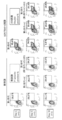
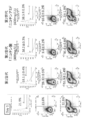
- FIG. 1 It is a schematic diagram which shows the enrichment system of the iPS cell-derived platelet used in the Example of this application. It is a figure which shows the influence of the preservation solution of this invention on the Annexin V positive rate of platelets after storage for 5 days, the P-Selectin positive rate at no stimulation, and the PAC-1 / P-Selectin positive rate at the time of ATR stimulation. ..
- “1st generation” is a conventional preservation solution
- “1st generation + VC” is a preservation solution of the present invention containing 1000 mg / L VC
- “1st generation” is a conventional preservation solution
- “1st generation + VC” is a preservation solution of the present invention containing 1000 mg / L VC
- “1st generation” is a conventional preservation solution
- "+ VC” is a preservation solution of the present invention containing 1000 mg / L VC
- “+ VC, VB3M” is 1000 mg / L VC and 400 mg / L nicotine.
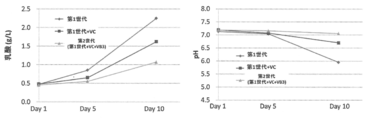
- the preservation solution of the present invention containing an acid is shown respectively. It is a figure which shows the influence of the preservation solution of this invention on the lactic acid concentration and pH of a platelet sample after storage for 5 or 10 days.
- “1st generation” is a conventional preservation solution
- “1st generation + VC” is a preservation solution of the present invention containing 1000 mg / L VC
- “2nd generation (1st generation + VC + VB3)” is 1000 mg /
- the preservation solution of the present invention containing L VC and 400 mg / L nicotinic acid is shown respectively.
- “1st generation” is a conventional preservation solution
- “1st generation + VC” is a preservation solution of the present invention containing 1000 mg / L VC
- “2nd generation (1st generation + VC + VB3)” is 1000 mg /
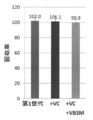
- the preservation solution of the present invention containing L VC and 400 mg / L nicotinic acid is shown respectively. It is a figure which shows the influence of the preservation solution of this invention on the platelet recovery rate in a platelet sample after storage for 5 or 10 days.
- “1st generation” is a conventional preservation solution
- “1st generation + VC” is a preservation solution of the present invention containing 1000 mg / L VC
- “2nd generation (1st generation + VC + VB3)” is 1000 mg /
- the preservation solution of the present invention containing L VC and 400 mg / L nicotinic acid is shown respectively.
- “plt / mL” indicates the platelet concentration in the sample
- “%” indicates the platelet recovery rate. It is a figure which shows the influence of the preservation solution of this invention on the aggregation ability of platelets after storage for 5 or 10 days. TRAP-6 was used as the stimulant in this experiment.
- new preservation solution indicates the preservation solution of the present invention containing 1000 mg / L VC and 400 mg / L nicotinic acid. It is a figure which shows the influence of the preservation solution of this invention on the aggregation ability of platelets after storage for 5 or 10 days. Collagen was used as a stimulant in this experiment.
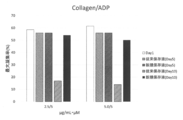
- new preservation solution indicates the preservation solution of the present invention containing 1000 mg / L VC and 400 mg / L nicotinic acid. It is a figure which shows the influence of the preservation solution of this invention on the aggregation ability of platelets after storage for 5 or 10 days. ADP was used as the stimulant in this experiment.
- new preservation solution indicates the preservation solution of the present invention containing 1000 mg / L VC and 400 mg / L nicotinic acid. It is a figure which shows the influence of the preservation solution of this invention on the aggregation ability of platelets after storage for 5 or 10 days. Collagen / ADP was used as a stimulant in this experiment. In the figure, “new preservation solution” indicates the preservation solution of the present invention containing 1000 mg / L VC and 400 mg / L nicotinic acid.
- “Second generation (nicotinamide (400 mg / L)” indicates a preservation solution of the present invention containing 1000 mg / L VC and 400 mg / L nicotinamide, respectively. It is a figure which shows the influence of the preservation solution of this invention on the Annexin V positive rate of platelets after storage for 5 days, the P-Selectin positive rate at no stimulation, and the PAC-1 / P-Selectin positive rate at the time of ATR stimulation. .. In this experiment, a VC reagent containing no additives was used. In the figure, “1st generation” indicates a conventional preservation solution, and “1st generation VC reagent” indicates a preservation solution of the present invention containing 1000 mg / L VC.
- the preservation solution of the present invention Effects of the preservation solution of the present invention and known preservation solutions on the Annexin V positive rate of platelets after storage for 5 days, the P-Selectin positive rate without stimulation, and the PAC-1 / P-Selectin positive rate during ATR stimulation. It is a figure which shows the result of comparison.
- the "new platelet preservation solution” is a preservation solution of the present invention containing 1000 mg / L VC and 400 mg / L nicotinic acid
- the "JRC platelet preservation solution” is about 1 pair of ACD-A solution and bicarbonate Ringer solution.
- the preservation solutions mixed in 20 are shown respectively. It is a figure which shows the hemostatic effect by the platelet sample prepared using the preservation solution of this invention.
- “Vehicle” is a mouse to which only the preservation solution of the present invention (without platelets) was administered
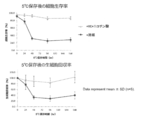
- Platinum is a mouse to which a platelet sample prepared using the preservation solution of the present invention was administered. Shown. It is a figure which shows the influence of the preservation solution of this invention on the survival rate and viable cell recovery rate of mesenchymal stem cells.
- “+ solvent” is a preservation solution obtained by adding water to a CSP-01 solution
- “+ VC + nicotinic acid” is a present invention containing 1000 mg / L VC and 400 mg / L nicotinic acid in a CSP-01 solution. The preservation solutions of are shown respectively.
- “1st generation” is a conventional preservation solution
- “1st generation + water-soluble vitamin” is a preservation solution of the present invention containing 9 kinds of water-soluble vitamins including VB2, "1st generation + water-soluble”.
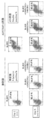
- "Vitamins (excluding VB2)” indicates the preservation solution of the present invention containing eight kinds of water-soluble vitamins containing no VB2. It is a figure which shows the influence of VB2 on the P-Selectin positive rate at the time of non-stimulation of platelets, and the PAC-1 / P-Selectin positive rate at the time of ATR stimulation.
- 1st generation is a conventional preservation solution
- 1st generation + water-soluble vitamin is a preservation solution of the present invention containing 9 kinds of water-soluble vitamins including VB2, "1st generation + water-soluble”.
- Volitamins (excluding VB2) indicates the preservation solution of the present invention containing eight kinds of water-soluble vitamins containing no VB2. It is a figure which shows the influence of the preservation solution of this invention on the survival rate and viable cell recovery rate of mesenchymal stem cells.
- + solvent is a preservative solution in which water is added to a CSP-01 solution
- + VC + nicotinic acid is a book in which 1000 mg / L VC and 400 mg / L nicotinic acid are added to a CSP-01 solution.
- the preservation solutions of the invention are shown respectively. It is a figure which shows the influence of the preservation solution of this invention on the survival rate and viable cell recovery rate of mesenchymal stem cells.
- CSP-01 + VC + nicotinic acid is a preservative solution of the present invention in which 1000 mg / L VC and 400 mg / L nicotinic acid are added to a CSP-01 solution
- "Lactated Ringer's solution + VC + nicotinic acid” is The preservation solution of the present invention in which 1000 mg / L of VC and 400 mg / L of nicotinic acid are added to Lactated Ringer's solution is shown, respectively. It is a figure which shows the influence of the preservation solution of this invention on the survival rate and viable cell recovery rate of mesenchymal stem cells.
- CSP-01 + VC + nicotinic acid is a preservation solution of the present invention in which 1000 mg / L VC and 400 mg / L nicotinic acid are added to a CSP-01 solution
- CSP-01 + VC is CSP-.
- the preservation solution of the present invention in which 1000 mg / L of VC is added to the 01 solution is indicated
- the term "CSP-01 + nicotinic acid” indicates the preservation solution of the present invention in which 400 mg / L of nicotinic acid is added to the CSP-01 solution. ..
- LR indicates Lactated Ringer's solution
- “GLC” is 80 mg / dL of glucose
- “VC” is 1000 mg / L of VC
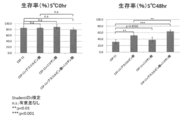
- nicotinic acid is 400 mg / L of nicotinic acid. Shown. It is a figure which shows the influence of the preservation solution of this invention on the T cell viable cell recovery rate. Further, in the figure, “LR” indicates a lactated Ringer solution. Further, “GLC” indicates 80 mg / dL of glucose, “VC” indicates 1000 mg / L of VC, and “nicotinic acid” indicates 400 mg / L of nicotinic acid.
- the mammalian cell preservation solution of the present invention (hereinafter, may be referred to as "preservation solution of the present invention") contains niacins and / or antioxidants, and is referred to as "preservation of mammalian cells".
- preservation solution of the present invention contains niacins and / or antioxidants, and is referred to as "preservation of mammalian cells”.
- the powder preparation of the present invention is not particularly limited as long as it is for preparing the preservation solution of the present invention, and further, the method for preserving mammalian cells of the present invention is in the preservation solution of the present invention.
- the invention is not particularly limited as long as it includes a step of preserving mammalian cells.
- preservation of mammalian cells means (i) maintaining the survival of the target mammalian cells, (ii) suppressing deterioration, (iii) maintaining the desired function, and /. Or, (iv) means suppressing differentiation or proliferation.
- the preservation solution of the present invention means a solution that exerts the above-mentioned preservation effect when mixed with mammalian cells
- the preservation solution of the present invention includes the embodiment of a preservation solution that does not yet contain cells to be preserved. The aspect of the preservation solution already containing the cells to be preserved is also included.
- the preservation solution of the present invention may contain niacins alone or an antioxidant as an active ingredient for preservation of mammalian cells, but niacins may be contained.
- niacins and / or antioxidants may be referred to as "essential protective components of the present invention".
- additives for preparing preservatives or powder formulations of the present invention are also included in the present invention.
- the additive of the present invention always contains the essential protective component of the present invention.
- the additive of the present invention does not have to contain the "arbitrary active ingredient" described later.
- Niacin (VB3) in the above “niacins” means nicotinic acid and / or nicotinamide. That is, the preservation solution of the present invention may be any of a preservation solution containing nicotinic acid, a preservation solution containing nicotinamide, and a preservation solution containing nicotinamide and nicotinamide, but the preservation solution containing nicotinamide. Is preferable. Further, niacin (VB3) can be produced by a known method such as chemical synthesis, but a commercially available product can also be used.
- nicotinic acid injection preparation manufactured by Toa Seiyo Ltd.
- nicotinamide manufactured by Fujifilm Wako Pure Chemical Industries, Ltd.
- niacin derivative in the above-mentioned “niacins” is not particularly limited, and for example, tocopherol nicotinic acid ester, niceritrol, nicomol, inositol hexanicotinic acid ester, 2-chloronicotinamide, 6-methylnicotinamide, 6-aminonicotinamide.
- Preferable examples include nicotinic acid, methylisonicotinic acid, thionicotinamide, nearramid, 2-mercaptonicotinic acid, nearprazine, methyl nicotinate, sodium nicotinate and the like.
- salt of niacin or a derivative thereof in the above “niacins” is not particularly limited, but is an alkali metal salt such as sodium salt and potassium salt, and an alkaline earth metal salt ammonium salt such as calcium salt and magnesium salt.
- alkali metal salt such as sodium salt and potassium salt
- alkaline earth metal salt ammonium salt such as calcium salt and magnesium salt.
- organic base salts such as trialkylamine salts, mineral salts such as hydrochlorides and sulfates, and organic acid salts such as acetates.
- antioxidant is not particularly limited, but for example, ascorbic acid (VC), superoxide dismutase 1, superoxide dismutase 2, superoxide dismutase 3, glutathione, lipoic acid, epigalocatecingalate, etc.
- Derivatives thereof such as curcumin, metranine, hydroxytyrosol, ubiquinone, catalase, vitamin E, uric acid and the like, or salts thereof can be preferably mentioned, among which ascorbic acid (VC) or its derivatives or salts thereof (hereinafter , "Ascorbic acids”) can be preferably mentioned, and ascorbic acid (VC) can be particularly preferably mentioned.
- Ascorbic acid (VC) can be produced by a known method such as chemical synthesis, but a commercially available product can also be used.
- commercially available products such as ascorbic acid injection (manufactured by Sawai Pharmaceutical Co., Ltd.) and L (+)-ascorbic acid standard product (manufactured by Fujifilm Wako Pure Chemical Industries, Ltd.) can be mentioned.
- the derivative of ascorbic acid (VC) in the above “ascorbic acids” is not particularly limited, but for example, ascorbic acid 2-phosphate, ascorbic acid 2-sulfuric acid, ascorbyl-2-glucoside, ascorbyl-6-glucoside and the like are preferable. Can be listed in.
- the salt of ascorbic acid (VC) or a derivative thereof in the above “ascorbic acids” is not particularly limited, but is an alkali metal salt such as sodium salt and potassium salt, and an alkaline earth metal salt ammonium such as calcium salt and magnesium salt.
- organic base salts such as salts and trialkylamine salts, mineral salts such as hydrochlorides and sulfates, and organic acid salts such as acetates.
- the concentration of niacins contained in the preservation solution of the present invention may be, for example, in the range of 1 to 10000 mg / L in terms of nicotinic acid, and specifically, 10 to 5000 mg / L and 20 to 8000 mg / L. , 30-6000 mg / L, 30-4000 mg / L, 30-3000 mg / L, 30-2000 mg / L, 30-1500 mg / L, 30-1200 mg / L, among others, 120-1200 mg. It is preferably within the range of / L.
- the concentration of ascorbic acids contained in the preservation solution of the present invention may be, for example, in the range of 1 to 10000 mg / L in terms of ascorbic acid, for example, 10 to 8000 mg / L, 20 to 7000 mg / L, 30. 6000 mg / L, 30-5000 mg / L, 30-4000 mg / L, 30-3000 mg / L, 50-3000 mg / L, 100-3000 mg / L, among others, 300-3000 mg / L. It is preferably within the range.
- the preservative solution of the present invention may contain the essential protective component of the present invention in an isotonic solution.
- isotonic solution is particularly limited as long as it is an isotonic solution in which the salt concentration or sugar concentration is adjusted by sodium ion, potassium ion, calcium ion or the like so as to be substantially the same as the osmotic pressure of body fluid or cell fluid.
- physiological saline physiological saline having a buffering effect
- PBS phosphate buffered saline
- Tris buffered saline Tris Buffered Saline
- HEPES buffering Phosphate saline etc.
- Ringer's solution Lactated Ringer's solution
- Acetate Ringer's solution Dicarbonate Ringer's solution and the like
- bicarbonate Ringer's solution or Lactated Ringer's solution is preferable.
- the isotonic solution can be produced based on a known composition, but commercially available products can also be used.
- Otsuka Raw Food Injection physiological saline solution, manufactured by Otsuka Pharmaceutical Factory
- Ringer's solution “Otsuka” Ringer's solution, manufactured by Otsuka Pharmaceutical Factory
- Lactec registered trademark
- injection Lactated Ringer's solution, Otsuka Pharmaceutical Factory
- examples thereof include commercially available products such as Veen (registered trademark) F infusion (Ringel acetate solution, manufactured by Fuso Yakuhin Kogyo Co., Ltd.) and Vicanate (registered trademark) infusion solution (Ringel bicarbonate solution, manufactured by Otsuka Pharmaceutical Factory).
- the term “isotonic” means that the osmotic pressure is in the range of 250 to 380 mOsm / L.
- the preservation solution of the present invention may contain albumin or sugar as an arbitrary active ingredient for preservation of mammalian cells.
- arbitrary active ingredient means an ingredient that may or may not be included.
- albumin and / or sugar may be referred to as "an optional protective ingredient of the present invention”.
- examples of the above-mentioned "albumin” include human serum albumin (HSA), bovine serum albumin (BSA), fetal bovine serum albumin (FBS), and the like, but HSA is preferable.
- the concentration of albumin may be in the range of 0.1 to 30 (w / v)%, for example, 1.0 to 20 (w / v)%.
- glucose examples include glucose, trehalose, dextran, hydroxyethyl starch and the like.
- concentration of glucose may be in the range of 1 to 10000 mg / L, for example, 10 to 8000 mg / L, 20 to 6000 mg / L, 30 to 6000 mg / L. , 40-6000 mg / L, 50-6000 mg / L, 100-6000 mg / L, 200-6000 mg / L, 500-6000 mg / L, 1000-6000 mg / L, 2000-6000 mg / L, 2000-5000 mg / L. be able to.
- the concentration of trehalose can be 0.1 to 100 g / L, 5 to 80 g / L, or 20 to 60 g / L.
- the concentration of dextran can be 0.1 to 100 g / L, 5 to 80 g / L, or 40 to 70 g / L.
- the concentration of hydroxyethyl starch can be 1 to 500 g / L or 10 to 100 g / L.
- the preservation solution of the present invention includes (a) vitamin B2 (VB2, also referred to as riboflavin) or a derivative thereof or a salt thereof (hereinafter, may be referred to as "vitamin B2"), (b) a medium or an essential component thereof. Alternatively, (c) it preferably does not contain a cell differentiation promoter.
- vitamin B2 vitamin B2
- a medium or an essential component thereof e.g., riboflavin
- a salt of vitamin B2 or a derivative thereof for example, a sodium salt and the like can be mentioned.
- the “medium” in (b) above means a cell culture solution that provides nutrients necessary for cell maintenance and proliferation in an in vitro environment, and includes, for example, Eagle's Minimal Essential (EME) Medium and Iskov Modified Dalveco Medium.
- EME Eagle's Minimal Essential
- IMDM Dalbecco Modified Eagle's Medium
- TC199 Medium Alpha-Minimum Essential Medium
- ⁇ -MEM Alpha-Minimum Essential Medium
- RPMI1640 Ham-F-12
- E199 MCDB
- Reybowitz L-15 William E Medium, etc. it can.
- essential components of the medium are aqueous nutrients and electrolytes, glycosaminoglycans, deswelling agents, energy sources, buffers, antioxidants, membrane stabilizers, antibiotics (or antispasmodics).
- Fungal agent aqueous nutrient and electrolyte
- one or more media selected from the above-mentioned media may be used.
- glycosaminoglycan includes chondroitin sulfate, dermatane sulfate, dermatine sulfate, heparin sulfate, heparan sulfate, keratin sulfate, keratin sulfate, or hyaluronic acid, and the above-mentioned “deswelling agent” includes dextran, dextran sulfate, and polyvinyl.
- Pyrrolidone polyethylene glycol, polyvinyl acetate, hydroxypropylmethyl cellulose, or carboxypropyl methyl cellulose is used as the above-mentioned "energy source”, pyruvate, shoe cloth, fructose, or dextrose, and the above-mentioned “buffer” is a hydrogen carbonate buffer solution.
- HEPES buffer 2-mercaptoethanol, glutathione, or ⁇ -tocopherol as the "antioxidant”
- vitamin A retinic acid
- ethanolamine ethanolamine
- phosphoethanolamine as the "membrane stabilizer”
- Serene or transferase is used as the above-mentioned "antibiotics and / or antifungal agents”
- amphotelicin-B gentamycin sulfate
- adenosine, inosin, or adenin as the above-mentioned "cell nutritional supplement", such as cholesterol, L-hydroxyproline, d-biotin, calciferol, niacin, p-aminobenzoic acid, pyridoxin hydrochloride, vitamin B12, Fe ( NO 3 ) 3 or non-essential amino acids can be mentioned, and phenol red can be mentioned as the above-mentioned "pH indicator”.
- the “cell differentiation promoter” in (c) above means a drug added to a medium or the like in order to obtain cells of a desired type from cells having differentiation ability, and for example, retinol, vitamin D2, vitamin D3, and the like.
- the "mammalian cell” which is the target of the preservation solution of the present invention is not particularly limited as long as it is a living cell derived from a mammal, and even a primary cell obtained from an individual organism can be a primary cell.
- the cells may be cells grown by culturing for generations or multiple generations, but specifically, cells used for treating diseases / trauma, megakaryocytes used for their production, regenerative medicine / immunity, etc. Stem cells, immune cells and the like used for therapy and the like can be preferably exemplified.
- the "mammals” include rodents such as mice, rats, hamsters and guinea pigs, lagomorphs such as rabbits, ungulates such as pigs, cows, goats, horses and sheep, and cats such as dogs and cats. Primates such as eyes, humans, monkeys, red-tailed monkeys, cynomolgus monkeys, marmosets, orangutans, and chimpanzees can be exemplified, and among them, humans can be preferably exemplified.
- the above-mentioned "platelet” is one of the cell components in blood and means a cell component in which CD41a and CD42b are positive.
- the platelets to be the subject of the preservation solution of the present invention are artificially produced from megakaryocytes cultured in vitro, even if they are concentrated platelets obtained by removing erythrocytes and leukocytes from mammalian blood (whole blood). Purified platelets may be used, but purified platelets are preferable.
- the method for producing the purified platelets is not particularly limited, but is a step of (A) a concentration step of concentrating a culture of megakaryocytes; and (B) a centrifugation step of centrifuging platelets from the obtained concentrate; A method including A) and (B) can be preferably exemplified.
- the "megakaryocytes" used in this method for producing platelets are artificial pluripotent stem cells (iPS cells), embryonic stem cells (ES cells), nuclear transplant ES cells (ntES cells), and reproductive stem cells (EG cells).
- Somatic stem cells Somatic stem cells, embryonic tumor cells, and other pluripotent cells, as well as hematopoietic stem cells, hematopoietic progenitor cells, CD34-positive cells, megakaryocytes / red isolated from bone marrow, umbilical cord blood, peripheral blood, etc. It can also be derived from embryonic stem cells, megakaryocyte progenitor cells, and the like.
- stem cell means an immature cell having self-renewal ability and differentiation / proliferation ability.
- Stem cells include subpopulations such as pluripotent stem cells (pluripotent stem ce11), multipotent stem cells (multipotent stem ce11), and monopotent stem cells (unipotent stem ce11), depending on their ability to differentiate.
- Pluripotent stem cells mean cells that cannot become individuals by themselves, but have the ability to differentiate into all the tissues and cells that make up the living body, and pluripotent stem cells are all types. Although not present, it means a cell capable of differentiating into a plurality of types of tissues and cells, and a unipotent stem cell means a cell having an ability to differentiate into a specific tissue or cell.
- the stem cell to be stored in the preservation solution of the present invention may be any of pluripotent stem cell, pluripotent stem cell, and monopoly stem cell, for example, iPS cell, ES cell, ntES cell, EG cell and the like.
- pluripotent stem cells somatic stem cells such as mesenchymal stem cells, hematopoietic stem cells, neural stem cells, bone marrow stem cells, and germline stem cells, and among them, mesenchymal stem cells are preferable.
- Mesenchymal stem cells can be collected from mammalian bone marrow, adipose tissue, peripheral blood, umbilical cord blood, etc.
- Leafy stem cells can be isolated. Among them, mesenchymal stem cells derived from human bone marrow and mesenchymal stem cells derived from immature porcine bone marrow can be preferably exemplified.
- immune cells mean cells that are present in blood or lymph and are involved in the immune system.
- immune cells to be preserved in the preservation solution of the present invention include T cells, macrophages, dendritic cells, B cells, NK cells, neutrophils, eosinophils, myeloid-derived inhibitory cells (MDSC) and the like.
- T cells a cell expressing an antigen receptor called a T cell receptor (TCR) on the surface, and is, for example, a cytotoxic T cell that is a CD8 positive cell or a CD4 positive cell.
- T cells can be collected from mammalian peripheral blood, lymph nodes, bone marrow, thymus, spleen, umbilical cord blood, etc. by a known general method, or commercially available products can also be used.
- the preservation solution of the present invention can be used to preserve mammals in a non-frozen state.
- the temperature at which mammalian cells are stored using the present invention can be arbitrarily selected depending on the type of cells to be stored, but is preferably in the range of 0 to 40 ° C.
- the temperature at which platelets and megakaryocytes are stored using the preservation solution of the present invention is preferably 15 to 30 ° C, more preferably 20 to 24 ° C, and most preferably 21 to 23 ° C. ..
- the temperature at which the mesenchymal stem cells and T cells are stored using the storage solution of the present invention is preferably 1 to 38 ° C, more preferably 1 to 30 ° C, and particularly preferably 1 to 15.
- the temperature at which mammalian cells are stored using the present invention can be varied within the range of 0-40 ° C.
- T cells when stored using the storage solution of the present invention, they are stored at a low temperature (for example, 1 to 5 ° C, preferably 5 ° C) for a certain period of time, and then stored. It can be stored at room temperature (eg, 20-26 ° C, preferably 22-25 ° C, more preferably 25 ° C) for a further few hours.
- the preservation solution of the present invention can be used for storing mammalian cells for several hours to several tens of days.
- the storage period varies depending on the type of cells to be stored, but as shown in the following examples, 1 to 15 days, preferably 1 to 10 days for platelets and megakaryocytes, and 1 for mesenchymal stem cells. ⁇ 63 days, preferably 1-35 days, more preferably 1-30 days, more preferably 1-28 days, even more preferably 1-14 days, T cells 1-30 days, preferably 1-14 It can be stored for days, more preferably 1-2 days, even more preferably 30 hours.
- the preservation solution of the present invention may be used for the purpose of administering mammalian cells to a mammal. That is, after storing the mixed solution containing the preservation solution of the present invention and the mammalian cells under predetermined conditions, the mixed solution can be directly administered (for example, intravenously) into the living body of the mammal. Therefore, it is preferable that the preservation solution of the present invention does not contain a component that may adversely affect the living body of the mammal when administered into the living body of the mammal. Examples of such "components having an adverse effect" include polyvinylpyrrolidone, 2-mercaptoethanol, okadaic acid, sodium butyrate, G418 and the like.
- a mammalian deterioration inhibitor containing the essential protective component of the present invention can be mentioned.
- Such a deterioration inhibitor may further contain the optional protective component of the present invention.
- the mammalian deterioration inhibitor of the present invention can be used to prepare the preservation solution of the present invention by adding it to the above isotonic solution, and is also used to enhance the preservation property by adding it to a known mammalian preservation solution. You can also do it.
- the present invention also relates to a mammalian cell storage container in which the preservation solution or powder preparation of the present invention is enclosed.
- the storage container of the present invention may be in any form as long as it can maintain sterility after injecting a suspension of mammalian cells, for example, a blood bag, an infusion bag, a syringe, etc. Ampoules, vials and the like can be mentioned, but blood bags are preferred.
- Platelets derived from iPS cells were prepared according to the method described in PCT / JP2018 / 034667. The specific procedure is shown in (1-1) to (1-12) below.
- human ES / iPS cell colonies are co-cultured with C3H10T1 / 2 feeder cells for 14 days in the presence of 20 ng / mL VEGF (manufactured by R & D SYSTEMS) to produce hematopoietic progenitor cells (HPC).
- HPC hematopoietic progenitor cells
- the gene transfer system used the lentiviral vector system.
- the lentiviral vector is a Tetracycline-controlled Tet-on® gene expression induction system vector.
- Tetracycline-controlled Tet-on® gene expression induction system vector By rearranging the mOKS cassette of LV-TRE-mOKS-Ubc-tTA-I2G (Kobayashi et al., Cell, 2010, vol.142, No. 5,787-799) to c-MYC, BMI1, or BCL-xL. Made.
- Vectors into which c-MYC, BMI1, or BCL-xL have been introduced are introduced into LV-TRE-c-Myc-Ubc-tTA-I2G, LVTRE-BMI1-Ubc-tTA-I2G, and LV-TRE-BCL-, respectively. It was designated as xL-Ubc-tTA-I2G.
- the c-MYC, BMI1, and BCL-xL viruses were prepared by gene transfer into 293T cells with the above lentiviral vector. By infecting the cells of interest with the resulting virus, the c-MYC, BMI1, and BCL-xL genes are introduced into the genomic sequence of the cells of interest. These genes, which have been stably introduced into the genome sequence, can be forcibly expressed by adding doxycycline (clontech # 631311) to the medium.
- the spin infection was performed twice every 12 hours.
- the medium is a basal medium (15% Fetal Bovine Serum (manufactured by GIBCO), 1% Pencillin-Streptomycin-Glutamine (manufactured by GIBCO), 1% Insulin, Transferrin, Selenium Solution (manufactured by ITS-G)).
- IMDM IMDM (Sigma-Aldrich) containing .45 mmol / L 1-Thioglycerol (Sigma-Aldrich), 50 ⁇ g / mL L-Ascorbic Acid (Sigma-Aldrich), 50 ng / mL Human Medium ) (R & D SYSTEMS), 50 ng / mL Human Stem Cell Factor (SCF) (R & D SYSTEMS) and 2 ⁇ g / mL Doxycycline (DOX, clonetech, # 631311) (hereinafter, “Differentiation medium”). ”), And further, Protamine was added and used so as to have a final concentration of 10 ⁇ g / mL.
- 2nd day of infection to 11th day of infection On the second day of infection, the virus-infected blood cells obtained by the above method were collected by pipetting, centrifuged at 1200 rpm for 5 minutes to remove the supernatant, and then suspended in a new differentiation medium to obtain new cells. Seeded on C3H10T1 / 2 feeder cells (6 well plate). Subculture was performed by performing the same operation on the 9th day of infection. At the time of re-seeding, after counting the number of cells, the cells were seeded on C3H10T1 / 2 feeder cells so as to have 1 ⁇ 10 5 cells / 2 mL / well (6 well plate).
- the anti-human CD235ab-pacific blue antibody (manufactured by BioLegend) was used to react the blood cells with the antibody. After the above reaction, analysis was performed using FACS Verse TM (manufactured by BD Biosciences). On the 14th day of infection, cells having a CD41a positive rate of 50% or more were designated as megakaryocyte self-proliferating strains.
- BCL-xL Virus Infection of Megakaryocyte Self-Proliferating Strain
- BCL-xL was introduced into the megakaryocyte self-proliferating strain on the 14th day of the above infection by the lentivirus method using BCL-xL virus.
- Virus particles were added to the medium to achieve MOI 10 and infected by spin infection (32 ° C., 900 rpm, centrifuge for 60 minutes). Forced expression of the BCL-xL gene is DO so that it is 1 ⁇ g / mL DOX in the medium. It was carried out by adding X.
- Day 18 of infection The megakaryocyte self-proliferating strain after the introduction of the BCL-xL gene was collected, the number of cells was counted, and the cells were seeded so as to have 3 ⁇ 10 5 cells / 10 mL / 100 mm dish.
- Day 24 of infection The megakaryocyte self-proliferating strain after the introduction of the BCL-xL gene was collected, the number of cells was counted, and the cells were seeded so as to have 1 ⁇ 10 5 cells / 10 mL / 100 mm dish. After that, subculture was carried out in the same manner every 4-7 days, and maintenance culture was carried out.
- the BCL-xL infection day 24 were collected megakaryocyte self-propagating strains transformed gene, cells 1.0 ⁇ 10 5 per, 2 [mu] L of anti-human CD41a-APC antibody (manufactured by BioLegend Corp.), 1 [mu] L of anti-human CD42b -PE antibody (manufactured by eBioscience) and 1 ⁇ L of anti-human CD235ab-Pacific Blue antibody (Anti-CD235ab-PB; manufactured by BioLegend) were immunostained and then analyzed using FACS Verse TM.
- a strain having a CD41a positive rate of 50% or more was designated as an immortalized megakaryocyte cell line.
- These cells which were able to proliferate for 24 days or more after infection, were designated as immortalized megakaryocyte cell lines SeV2-MKCL and NIH5-MKCL.
- the obtained SeV2-MKCL and NIH5-MKCL were statically cultured in a 10 cm dish (10 mL / dish).
- IMDM was used as the basic medium, and the following components were added (concentration is final concentration).
- the culture conditions were 27 ° C. and 5% CO 2 .
- the culture of megakaryocytes was concentrated using a hollow fiber membrane (Plasmaflow OP, manufactured by Asahi Kasei Medical Co., Ltd.), and the obtained concentrate of the culture of megakaryocytes was placed in a storage bag. Recovered.
- a cell bag containing the culture to which the ACD-A solution was added was bonded to the ACP215 disposable set using a sterile bonding device. Then, ACP215 was started up in the service mode, and the rotation speed was set to 2500 rpm (350 ⁇ g). ACP215 was started and the culture in the cell bag was introduced into a separation bowl at about 100 mL / min. The liquid component flowing out of the separation bowl was collected in a collection bag. After introducing the entire amount of the culture in the cell bag into the separation bowl, an additional 500 mL of a wash-preserving solution was introduced into the separation bowl.
- centrifugation was stopped and a collection bag containing the recovery solution (recovered liquid component containing platelets) was separated using a tube sealer.
- a recovery bag containing a recovery solution (including platelets) was joined to the new ACP215 disposable set using the above sterile joining device.
- ACP215 was launched in normal mode. WPC was selected as the program setting, and the ACP215 disposable set to which the above collection bag was joined was set according to the instructions of the device.
- the collection bag containing the collection liquid was installed on the stand.
- the centrifugal speed of ACP215 was changed to 5000 rpm (1398.8 ⁇ g), and the centrifugation was started.
- the recovery liquid began to be introduced into the separation bowl, automatic injection was changed to manual injection. Specifically, the recovered solution was introduced into the separation bowl at an introduction rate of about 100 mL / min. After adding the entire amount of the recovered liquid to the separation bowl, another 500 mL of the washing and preserving liquid was added.
- a solution (ACD-A solution; manufactured by Terumo) (sodium citrate hydrate 2.20 W / V%, citric acid hydrate, 0.80 W / V%, and glucose 2.20 W / V%) was added.
- the solution was prepared.
- the solution is also referred to as a "first generation preservation solution”.
- a solution was prepared by adding a VC preparation (injection preparation containing an additive; manufactured by Sawai Pharmaceutical Co., Ltd.) to the first-generation preservation solution.
- the solution is also referred to as "VC-added preservation solution”.
- the final concentrations of the additives in each preservation solution are shown in Table 2 below.
- all the preservation solutions were adjusted to pH 7.3 ⁇ 0.1 with 1 M NaOH and incubated for 1 hour or more until use (room temperature, 5% CO 2 under shading).
- Annexin V positive rate of platelet samples is one of the indicators of platelet deterioration (activation), and when the positive rate is high, it is evaluated that the platelets are deteriorated or abnormal. Will be done. Therefore, the Annexin V positive rate in the platelet sample obtained in (2-2) above was measured, and the effect of each preservation solution on suppressing the deterioration of platelets was investigated. Specifically, the platelet sample obtained in (2-2) above was diluted 500-fold with Annexin Buffer (manufactured by Beckton Dickinson) and dispensed into three centrifuge tubes (negative control, positive control, respectively). And non-stimulating samples).
- Annexin Buffer manufactured by Beckton Dickinson
- the Annexin V positive rate of platelets (CD41 + fraction) was 60.5 ⁇ 0.3 to 64.4 ⁇ 0.1% when the 1st generation preservation solution was used, whereas VC was added.
- the preservation solution was used, it was 53.9 ⁇ 2.1 to 56.7 ⁇ 1.8%, and it was clarified that it decreased by the addition of VC. From these results, it was clarified that the addition of 300 to 3000 mg / L of VC improves the platelet deterioration inhibitory action of the platelet preservation solution.
- PAC when each platelet sample was stimulated with adenosine diphosphate (ADP) and thrombin receptor activating peptide-6 (TRAP-6), which are platelet activators, in order to know the preservation state of platelet function.
- ADP adenosine diphosphate
- TRAP-6 thrombin receptor activating peptide-6
- ATR the combination of ADP and TRAP-6 may be referred to as "ATR").
- the platelet sample obtained in (2-2) above was diluted 500-fold with Tyroad HEPES Buffer (THB) and dispensed into three centrifuge tubes (negative control, positive control, and none, respectively). Stimulation sample).
- a mixed solution of ADP (manufactured by Sigma, final concentration 20 ⁇ M) and TRAP-6 (manufactured by BACHEEM, final concentration 30 ⁇ M) was added to the positive control sample, and the positive control sample and the non-stimulated sample after stimulation were prepared with an anti-CD41 antibody (anti-CD41 antibody). Staining with BioLegend (), anti-P-Selectin antibody (BioLegend), and anti-PAC-1 antibody (Beckton Dickinson) (light-shielded, room temperature, 30 minutes).
- Negative control samples were stained with an anti-CD41 antibody (manufactured by BioLegend), an anti-P-Selectin antibody isotype control antibody (manufactured by BioLegend), and an anti-PAC-1 antibody isotype control antibody (manufactured by BioLegend) (manufactured by BioLegend). Under shade, room temperature, 30 minutes). The stained sample was fixed by adding 1% paraformaldehyde (under shading, 4 ° C., 30 minutes or more), and then the P-Selectin and / or PAC-1 positive rate was measured by FACS within 24 hours. At the time of analysis, gating was performed so that the P-Selectin positive rate and the PAC-1 positive rate in the iPS platelets (CD41 + fraction) in the negative control sample were 1.0 ⁇ 0.1% or less. It was.
- the middle part of FIG. 2 shows the P-Selectin positive rate without stimulation, and the lower part of FIG. 2 shows the PAC-1 / P-Selectin positive rate with ATR stimulation (both are the results obtained from platelet samples after storage for 5 days). ).
- the P-Selectin positive rate in unstimulated platelets (CD41 + fraction) was 33.2 ⁇ 0.3-45.6 ⁇ 1.2% when the 1st generation preservation solution was used.
- the VC-added preservative solution was used, it was 13.0 ⁇ 0.2 to 19.7 ⁇ 1.1%, and it was clarified that it decreased by the addition of VC.
- the decrease in the P-Selectin positive rate tended to depend on the VC addition concentration.
- VC and VB3 to platelet preservation solution 3-1
- nicotinic acid nicotinic acid injection preparation; manufactured by Toa Seiyo Ltd.
- VB3 means nicotinic acid and / or nicotinamide, but in Examples 3 to 5 and 8 to 13, nicotinic acid is used as VB3, and Examples In No. 6, nicotinic acid or nicotinamide is used as VB3.
- a solution obtained by adding VB3 (nicotinic acid or nicotinamide) to a VC-added preservation solution is also referred to as a “VC / VB3 addition preservation solution” or a “second generation preservation solution”.
- the final concentrations of the additives in each preservation solution are as shown in Table 3 below.
- all the preservation solutions were adjusted to pH 7.3 ⁇ 0.1 with 1 M NaOH and incubated for 1 hour or more until use (room temperature, 5% CO 2 under shading).
- the lactic acid concentration in the supernatant was measured using an N-assay L LAC Nittobo (manufactured by Nittobo Medical Co., Ltd.) and an automatic analyzer 7180 (manufactured by Hitachi High-Technologies Corporation). The results are shown in FIG.
- the lactic acid concentration in the sample supernatant was 0.35 ⁇ 0.01 g / L when the 1st generation preservation solution was used, and 0.16 ⁇ 0.01 g / L when the VC-added preservation solution was used.
- the VC / VB3 added preservative solution was used, it was 0.13 ⁇ 0.01 g / L. From these results, it was clarified that the combined use of VC and VB3 strongly suppressed anaerobic metabolism in platelets during storage as compared with VC alone.
- the above preservation solution (1st generation preservation solution, VC-added preservation solution, or 2nd generation preservation solution) is added to the iPS cell-derived platelet preparation prepared by the method described in Example 1 so as to obtain a uniform suspension. Suspended gently (platelet concentration: about 1.0 ⁇ 10 9 plts / mL). Immediately after each suspension, or after filling a blood storage bag and storing it with horizontal shaking for 5 or 10 days (under shading, 22 ° C., 50 rpm), perform the following experiments (4-2) to (4-4). Served.
- FIG. 7 shows the P-Selectin positive rate without stimulation
- the right side of FIG. 7 shows the PAC-1 / P-Selectin positive rate with ATR stimulation.
- the P-Selectin positive rate was 18.0% before storage (Day 1) when the 1st generation storage solution was used, whereas it was 33.0% after 5 days storage (Day 5) and stored for 10 days. Later (Day 10), it increased to 31.1%.
- the P-Selectin positive rates after storage for 5 and 10 days were both lower than those when the 1st generation preservative solution was used, which were 26.2% (Day 5) and 26.2% (Day 5), respectively. It was 24.4% (Day 10).
- the P-Selectin positive rate after storage for 5 and 10 days was even lower than when the VC-added storage solution was used, which were 24.2% (Day 5) and 19. It was 3% (Day 10). From the above results, it was clarified that the use of the second generation preservation solution suppresses the deterioration of platelets even after storage for 10 days.
- the ATR-stimulated PAC-1 / P-Selectin positive rate was 43.4% before storage (Day 1) when the first-generation storage solution was used, whereas it was 43.4% after storage for 5 days (Day 5). It decreased sharply to 34.5% and 5.9% after storage for 10 days (Day 10).
- the ATR-stimulated PAC-1 / P-Selectin positive rate was the same as when the first-generation preservative solution was used after storage for 5 days (Day 5). It was about 35.9% and 35.3%, respectively, but after storage for 10 days (Day 10), it showed significantly higher values than the 1st generation storage solution (19.4% and 19 respectively). 0.9%). From the above results, it was clarified that the reactivity of platelets was maintained even after storage for 10 days by using the VC-added storage solution or the second-generation storage solution.
- [Aggregation ability of platelet samples] (5-1) Preparation of Preservative Solution and Platelet Sample A first-generation preservation solution and a second-generation preservation solution were prepared by the method described in (3-1) of Example 3. The above-mentioned preservation solution was added to the iPS cell-derived platelet preparation prepared by the method described in Example 1 and gently suspended so as to form a uniform suspension (platelet concentration: about 1.0 ⁇ 10 9 plts /). mL). Each suspension was immediately or filled in a blood storage bag and stored with horizontal shaking for 5 or 10 days (under shading, 22 degrees, 50 rpm), and then subjected to the following experiment (5-2).
- Figures 9 to 12 show the results of using TRAP-6, Collagen, ADP, and Collagen / ADP as stimulants, respectively. It was revealed that the maximum aggregation rate of platelet samples using the 1st generation preservation solution was significantly reduced during storage for 5 to 10 days regardless of which stimulant was used (FIGS. 9 to 12). "Conventional Preservation Solution (Day 10)"). On the other hand, such a sharp decrease in the aggregation rate was not observed in the platelet sample using the second generation preservation solution (“New preservation solution (Day 10)” in FIGS. 9 to 12). From the above results, it was clarified that the aggregation ability (hemostatic ability) of platelets during storage can be maintained for 10 days or more by using the second generation preservation solution.
- second generation preservation solution (nicotinic acid)
- second generation preservation solution the preservation solution obtained by adding VC and nicotinamide to the first generation preservation solution
- generational preservation solution (nicotinamide)
- the above-mentioned preservation solution was added to the iPS cell-derived platelet preparation prepared by the method described in Example 1 and gently suspended so as to form a uniform suspension (platelet concentration: about 0.3 ⁇ 10 9 plts /). mL). Each suspension was immediately or seeded on a 24-well plate and stored with horizontal shaking for 5 days (under shading, 22 degrees, 50 rpm) and then subjected to the following experiments (6-2) and (6-3). ..
- the Annexin V positive rate of platelets was 38.2 ⁇ 0.3% in the nicotinamide-added preservation solution and 38.5 ⁇ 0.3% in the nicotinamide-added preservation solution. there were. All of these values were lower than when the first generation preservation solution was used (53.1 ⁇ 0.4%). From these results, it was clarified that vitamin B3 (nicotinic acid and / or nicotinamide) also suppresses the deterioration of platelets during storage.
- the P-Selectin positive rate increased from 11.6% before storage (Day 1) to 28.3 ⁇ 0.5% after storage for 5 days (Day 5) when the 1st generation storage solution was used. ..
- the second generation storage solution to which nicotinic acid or nicotinamide was added was used, it was kept as low as 9.4 ⁇ 0.2% to 10.6 ⁇ 0.2% even after storage for 5 days. ..
- the ATR-stimulated PAC-1 / P-Selectin positive rate was 33.9 ⁇ 2.4% when the first-generation preservative solution was used, but the second-generation nicotinic acid or nicotinamide was added. When the preservative solution was used, it was 41.6 ⁇ 0.8% to 41.2 ⁇ 1.9%. From these results, it was clarified that nicotinic acid or nicotinamide maintains the reactivity of platelets during storage.
- first generation preservation solution (VC reagent)
- the above-mentioned preservation solution was added to the iPS cell-derived platelet preparation prepared by the method described in Example 1 and gently suspended so as to form a uniform suspension (platelet concentration: about 0.3 ⁇ 10 9 plts /). mL).
- Each suspension was immediately or seeded on a 24-well plate and stored with horizontal shaking for 5 days (under shading, 22 degrees, 50 rpm) and then subjected to the following experiments (7-2) and (7-3). ..
- the unstimulated P-Selectin positive rate was 9.5 ⁇ 0.4% when the 1st generation VC reagent was used than when the 1st generation preservation solution was used (28.3 ⁇ 0.5%). ) was lower. From these results, it was clarified that the addition of VC alone suppresses the deterioration of iPS-derived platelets during storage. In addition, the ATR-stimulated PAC-1 / P-Selectin positive rate was higher when the first-generation VC reagent was used (38.2) than when the first-generation preservation solution was used (33.9 ⁇ 2.4%). ⁇ 1.6%) was higher.
- Each storage solution was adjusted to pH 7.3 ⁇ 0.1 with 1 M NaOH and incubated for 1 hour or more until use (room temperature, 5% CO 2 under shading).
- the above-mentioned preservation solution was added to the iPS cell-derived platelet preparation prepared by the method described in Example 1 and gently suspended so as to form a uniform suspension (platelet concentration: about 1.0 ⁇ 10 9 plts /). mL).
- Each suspension was immediately or filled in a blood storage bag and stored with horizontal shaking for 5 days (under shading, 22 degrees, 50 rpm) and then subjected to the following experiments (8-2) and (8-3). ..
- the unstimulated P-Selectin positive rate was lower when the 2nd generation preservation solution was used (16.5%) than when the JRCS platelet lavage solution was used (30.4%). From these results, it was clarified that the 2nd generation preservative solution exerts an excellent deterioration suppressing effect by the JRCS platelet washing solution in the preservation of iPS-derived platelets.
- the ATR-stimulated PAC-1 / P-Selectin positive rate was higher when the 2nd generation preservation solution was used (24.8%) than when the JRCS platelet lavage solution was used (9.8%). It was. From these results, it was clarified that the second-generation preservative solution exerts an excellent function-maintaining effect on the preservation of iPS-derived platelets by the JRCS platelet washing solution.
- CSP-01 solution lactated Ringer's solution
- JP2012-115253 and WO2014 / 208053 A VC preparation (1000 mg / L, manufactured by Sawai Pharmaceutical Co., Ltd.) and nicotinic acid (400 mg / L, manufactured by Toa Seiyo Ltd.) were added to the above CSP-01 solution to prepare a mesenchymal stem cell preservation solution.
- a control preservation solution was prepared by adding distilled water (Otsuka Distilled Solution; manufactured by Otsuka Pharmaceutical Factory Co., Ltd.) in place of VC and nicotinic acid to the CSP-01 solution.
- (10-2) were suspended human bone marrow-derived mesenchymal stem cells (Lonza, Inc.) using a preservative solution was prepared by mesenchymal stem cells stored above (10-1) (5 ⁇ 10 5 cells / mL) .. After allowing the suspension to stand at 24, 48, 96, and 168 at 5 ° C., total cell count and dead cell count were measured using a microscope. The cell viability (%) and viable cell recovery rate (%) at each time point were calculated using the following formulas 1 and 2.
- Preservation of iPS cell-derived megakaryocytes (11-1) Preparation of iPS cell-derived megakaryocytes The concentration of platelets contained in the culture obtained in Example 1 was measured by FACS. The required amount of culture is collected, ACD-A solution (10 v / v%) and PEG1 (final concentration 2 ⁇ M; manufactured by Cayman Chemical Company) are added, and centrifugation for 12 minutes (1200 ⁇ g, 22 ° C., Brake minimum) was performed. After removing the supernatant, the first-generation or second-generation storage solution added to the pellet and gently suspended in a uniform suspension (platelet concentration: about 1.3 ⁇ 10 9 plts / mL) .. Each suspension was immediately or filled in a blood storage bag and stored with horizontal shaking for 5 or 10 days (under shading, 22 degrees, 50 rpm) before being subjected to the following experiment (11-2).
- Annexin V Negative Rate of Megakaryocyte Samples
- Annexin V is also known as a probe for detecting changes in the cell membrane (expression of phosphatidylserine to the outside of the cell membrane) in apoptotic cells. Therefore, the Annexin V negative rate in the megakaryocyte sample obtained in (11-1) above was measured, and the effect of each preservation solution on suppressing apoptosis of megakaryocytes was examined.
- the megakaryocyte sample (culture containing megakaryocytes and platelets) obtained in (11-1) above is diluted 500-fold with Annexin Buffer (manufactured by Beckton Dickinson) and divided into three centrifuge tubes.
- Annexin Buffer manufactured by Beckton Dickinson
- the Annexin V positive rate in iPS platelets (CD41 + fraction) in the negative control was set to 1.0 ⁇ 0.1%, and the Annexin V negative rate of megakaryocytes in the unstimulated sample was calculated.
- the results are shown in FIG. 18 (“Day 1” indicates a sample before storage, “Day 5” indicates a sample after storage for 5 days, and “Day 10” indicates a sample after storage for 10 days).
- the Annexin V negative rate decreased over time in both the samples using the 1st generation preservation solution and the samples using the 2nd generation preservation solution. However, it was clarified that the decrease in the Annexin V negative rate was suppressed when the second generation preservation solution was used as compared with the case where the first generation preservation solution was used.
- the sample using the second generation preservation solution contained a higher proportion of viable cells having stable cell membranes and not undergoing apoptosis. Therefore, this example shows that the second generation preservation solution is also effective for the preservation of iPS cell-derived megakaryocytes.
- T cell preservation solution 3% trehalose was added to a lactated Ringer solution (Lactec infusion; manufactured by Otsuka Pharmaceutical Factory, Ltd.) (hereinafter, such a solution may be referred to as "CSP-11 solution”).
- a VC preparation 1000 mg / L, manufactured by Sawai Pharmaceutical Co., Ltd.
- nicotinic acid 400 mg / L, manufactured by Toa Eiyo Co., Ltd.
- the cells were washed with CSP-11 solution, dispensed into a stem full tube (manufactured by Sumitomo Bakelite Co., Ltd.), and centrifuged for 10 minutes (300 ⁇ g, room temperature). After removing the supernatant, the preservation solution prepared in (12-1) above was added and suspended (T cell concentration: about 5 ⁇ 10 5 cells / 1 ml). A 20 ⁇ L cell suspension was dispensed from each stem full tube, 20 ⁇ L tripan blue (manufactured by gibco) was mixed, and the survival rate was measured using a one-cell counter (manufactured by Biomedical Science) (1 location). The total number of cells and the number of dead cells in the area of the cell counting chamber at the four corners of the cell counting section were measured). In addition, after storing the cell suspension at 5 ° C. for 48 hours, the survival rate was measured in the same manner.
- the results are shown in Fig. 19.
- the survival rate before storage did not differ between the storage solutions (Fig. 19).
- FIG. 19 After storage for 48 hours, it was revealed that the survival rate was significantly higher when VC alone or a storage solution containing VC and nicotinic acid was used (FIG. 19).
- the survival rate was significantly higher when the preservation solution containing VC and nicotinic acid was used as compared with VC alone. Therefore, it was shown that the preservation solution of the present invention is also effective for refrigerated storage of T cells.
- the cells were washed with a lactated Ringer's solution containing 3% trehalose, dispensed into a stem full tube (manufactured by Sumitomo Bakelite), and centrifuged (300 ⁇ g, room temperature) for 10 minutes. .. After removing the supernatant, the preservation solution prepared in (12-1) above was added and suspended (T cell concentration: about 5 ⁇ 10 5 cells / 1 ml). A 20 ⁇ L cell suspension was dispensed from each stem full tube, 20 ⁇ L tripan blue (manufactured by gibco) was mixed, and the survival rate was measured using a one-cell counter (manufactured by Biomedical Science) (1 location).
- the viable cell recovery rate was calculated using the following formula 3.
- Fig. 20 The results are shown in Fig. 20. There was no difference in the survival rate before storage between the storage solutions (left graph in FIG. 20). On the other hand, after storage for 24 and 48 hours, it was clarified that the survival rate and the recovery rate of living cells were higher when the preservation solution containing VC and nicotinic acid was used (center and right graph of FIG. 20). Therefore, it was shown that the preservation solution of the present invention is also effective for refrigerated storage of T cells. Moreover, it was clarified that the survival rate and the viable cell recovery rate tend to be improved by adding glucose in addition to VC and nicotinic acid.
- Annexin V positive rate was further reduced in the preservative solution to which the water-soluble vitamin group (excluding VB2) was added, and was 40.3%. From these results, it was shown that the platelet deterioration inhibitory effect of VC and VB3 may be inhibited by VB2.
- the P-Selectin positive rate increased from 27.4% before storage (Day 1) to 42.9% after storage for 5 days (Day 5) when the 1st generation storage solution was used.
- the P-Selectin positive rate after storage for 5 days was suppressed as low as 34.9% when the preservative solution containing the water-soluble vitamin group was used, and the water-soluble vitamin group (excluding VB2) was added. When the preservative solution was used, it was further suppressed to 24.0%.
- the ATR-stimulated PAC-1 / P-Selectin positive rate increased from 35.6% before storage (Day 1) to 32.4% after storage for 5 days (Day 5) when the first-generation storage solution was used. It was declining.
- the preservative solution to which the water-soluble vitamin group was added was used, it was 36.8% even after storage for 5 days.
- a preservative solution containing a water-soluble vitamin group (excluding VB2) was used, it increased to 43.0% after storage for 5 days. From these results, it was shown that the platelet function maintenance effect of VC and VB3 may be inhibited by VB2.
- a CSP-01 solution was prepared according to the description in (10-1) of Example 10.
- a VC preparation 1000 mg / L, manufactured by Sawai Pharmaceutical Co., Ltd.
- nicotinic acid 400 mg / L, manufactured by Toa Seiyo Ltd.
- a control preservative solution was prepared by adding distilled water (Otsuka Distilled Solution; manufactured by Otsuka Pharmaceutical Factory Co., Ltd.) as a solvent in place of VC and nicotinic acid to the CSP-01 solution.
- (16-2) between the mesenchymal stem cells stored above (16-1) using a preservative solution was prepared by suspending the human adipose-derived mesenchymal stem cells (Lonza, Inc.) (5x10 5 cells / mL). After allowing the suspension to stand at 5 ° C. for 7, 14, 21 and 28 days, the total number of cells and the number of dead cells were measured using a microscope. The cell viability (%) and the viable cell recovery rate (%) at each time point were calculated using the formulas 1 and 2 described in (10-2) of Example 10.
- a sodium hydrogen carbonate preparation (Meylon intravenous injection 8.4%, manufactured by Otsuka Pharmaceutical Factory, Ltd.) was added to the CSP-01 solution to adjust the pH to 7.0 to 7.3.
- a sodium hydrogen carbonate preparation (Meylon intravenous injection 8.4%, manufactured by Otsuka Pharmaceutical Factory, Ltd.) was added to the CSP-01 solution to adjust the pH to 7.0 to 7.3.
- the following four types of mesenchymal stem cell preservation solutions were prepared.
- CSP-01 CSP-01 + VC CSP-01 + nicotinic acid CSP-01 + VC + nicotinic acid
- (17-2) between leaves system using stock solutions prepared by stem cells stored above (17-1) was suspended human adipose-derived mesenchymal stem cells (Lonza, Inc.) (5x10 5 cells / mL). After allowing the suspension to stand at 5 ° C. for 7, 14, 21 and 28 days, the total number of cells and the number of dead cells were measured using a microscope. The cell viability (%) and the viable cell recovery rate (%) at each time point were calculated using the formulas 1 and 2 described in (10-2) of Example 10.
- np mesenchymal stem cells Immature pig bone marrow-derived mesenchymal stem cells (np mesenchymal stem cells) were prepared according to the method of Nishimura et al. (Xenotransplantation. 2019 May; 26 (3): e12501.). .. Such mp mesenchymal stem cells were suspended using the preservation solution prepared according to (18-1) above (5x10 5 cells / mL). After allowing the suspension to stand at 5 ° C. for 7, 14, 21 and 28 days, the total number of cells and the number of dead cells were measured using a microscope. The cell viability (%) and the viable cell recovery rate (%) at each time point were calculated using the formulas 1 and 2 described in (10-2) of Example 10.
- T cell preservation solution Lactated Ringer's solution (Lactec infusion; manufactured by Otsuka Pharmaceutical Factory), VC preparation (1000 mg / L, manufactured by Sawai Pharmaceutical Co., Ltd.), nicotinic acid (400 mg / L, manufactured by Toa Ayo), And / or glucose (80 mg / dL, manufactured by Otsuka Pharmaceutical Factory, Ltd.) was added to prepare the following eight types of T cell preservation solutions.
- the cells were washed with PBS ( ⁇ ), dispensed into a stem full tube (manufactured by Sumitomo Bakelite), and centrifuged for 10 minutes (300 ⁇ g, room temperature). After removing the supernatant, the preservation solution prepared in (19-1) above was added and suspended (T cell concentration: about 5 ⁇ 10 5 cells / 1 ml). The total number of cells and the number of dead cells were measured using a microscope at the time when the cell suspension was stored at 5 ° C. for 24 hours and then at 25 ° C. for 6 hours (after storage for a total of 30 hours). .. The cell viability (%) and the viable cell recovery rate (%) at each time point were calculated using the formulas 1 and 2 described in (10-2) of Example 10.
- FIG. 27 shows the survival rate of T cells after storage.
- the survival rate after storage at 5 ° C. for 24 hours was higher than that of the LR storage solution, that of the VC-added storage solution (LR + VC, LR + VC + nicotinic acid, LR + VC + glucose, and LR + VC + nicotinic acid + glucose. ) was used, and it was clarified that it increased significantly.
- the survival rate after storage at 5 ° C. for 24 hours + 25 ° C. for 6 hours was higher than that of the LR storage solution in terms of VC and glucose-added storage solution (LR + VC + glucose, and LR + VC + nicotine. It increased significantly when acid + glucose) was used, and further increased when VC and a nicotinic acid-added preservative solution (LR + VC + nicotinic acid) were used.
- FIG. 28 shows the recovery rate of viable T cells after storage.
- the recovery rate of living cells after storage at 5 ° C. for 24 hours was higher than that of the LR storage solution in that of the VC-added storage solution (LR + VC, LR + VC + nicotinic acid, LR + VC + glucose, and LR + VC + nicotinic acid). It was clarified that it increased significantly when + glucose) was used. Among them, in the preservation solution (LR + VC + glucose and LR + VC + nicotinic acid + glucose) added in combination of VC and glucose, a more remarkable effect of improving the recovery rate of living cells was observed. Further, as shown in the lower graph of FIG.
- the recovery rate of living cells after storage at 5 ° C. for 24 hours + 25 ° C. for 6 hours was higher than that of the LR storage solution, that of VC and glucose-added preservation solution (LR + VC + glucose, and It increased significantly when LR + VC + nicotinic acid + glucose) was used, and further increased when VC and a nicotinic acid-added preservative solution (LR + VC + nicotinic acid) were used.
- the present invention since it is possible to store platelets by shaking for at least 10 days while maintaining the function of platelets, it is useful for producing platelet preparations for treating diseases and wounds. Further, according to the present invention, long-term storage is possible even in non-freeze storage of mesenchymal stem cells, megakaryocytes, T cells, etc., which is useful in the fields of transplantation medicine and cancer treatment in regenerative medicine and the like. Is.
Landscapes
- Health & Medical Sciences (AREA)
- Engineering & Computer Science (AREA)
- Life Sciences & Earth Sciences (AREA)
- Biomedical Technology (AREA)
- Chemical & Material Sciences (AREA)
- Bioinformatics & Cheminformatics (AREA)
- Biotechnology (AREA)
- Organic Chemistry (AREA)
- Genetics & Genomics (AREA)
- Wood Science & Technology (AREA)
- Zoology (AREA)
- Microbiology (AREA)
- Biochemistry (AREA)
- General Engineering & Computer Science (AREA)
- General Health & Medical Sciences (AREA)
- Immunology (AREA)
- Hematology (AREA)
- Cell Biology (AREA)
- Developmental Biology & Embryology (AREA)
- Medicinal Chemistry (AREA)
- Tropical Medicine & Parasitology (AREA)
- Virology (AREA)
- Rheumatology (AREA)
- Neurology (AREA)
- Neurosurgery (AREA)
- Micro-Organisms Or Cultivation Processes Thereof (AREA)
- Agricultural Chemicals And Associated Chemicals (AREA)
- Medicines Containing Material From Animals Or Micro-Organisms (AREA)
- Apparatus Associated With Microorganisms And Enzymes (AREA)
- Medicinal Preparation (AREA)
Abstract
Priority Applications (11)
| Application Number | Priority Date | Filing Date | Title |
|---|---|---|---|
| KR1020217029129A KR102784950B1 (ko) | 2019-03-15 | 2020-03-13 | 포유동물 세포의 보존액 |
| CA3129733A CA3129733A1 (fr) | 2019-03-15 | 2020-03-13 | Liquide de stockage pour cellules de mammifere |
| CN202080020194.5A CN113557295A (zh) | 2019-03-15 | 2020-03-13 | 哺乳动物细胞的保存液 |
| KR1020257008707A KR20250040760A (ko) | 2019-03-15 | 2020-03-13 | 포유동물 세포의 보존액 |
| SG11202109825S SG11202109825SA (en) | 2019-03-15 | 2020-03-13 | Storage liquid for mammalian cells |
| EP20773511.9A EP3940061A4 (fr) | 2019-03-15 | 2020-03-13 | Liquide de stockage pour cellules de mammifère |
| JP2021507298A JP7169503B2 (ja) | 2019-03-15 | 2020-03-13 | 哺乳動物細胞の保存液 |
| AU2020241910A AU2020241910B2 (en) | 2019-03-15 | 2020-03-13 | Storage liquid for mammalian cells |
| US17/438,025 US20220145235A1 (en) | 2019-03-15 | 2020-03-13 | Storage liquid for mammalian cells |
| JP2022036343A JP7653944B2 (ja) | 2019-03-15 | 2022-03-09 | 哺乳動物細胞の保存液 |
| AU2024201062A AU2024201062B2 (en) | 2019-03-15 | 2024-02-19 | Storage liquid for mammalian cells |
Applications Claiming Priority (2)
| Application Number | Priority Date | Filing Date | Title |
|---|---|---|---|
| JP2019-047852 | 2019-03-15 | ||
| JP2019047852 | 2019-03-15 |
Publications (1)
| Publication Number | Publication Date |
|---|---|
| WO2020189538A1 true WO2020189538A1 (fr) | 2020-09-24 |
Family
ID=72519323
Family Applications (1)
| Application Number | Title | Priority Date | Filing Date |
|---|---|---|---|
| PCT/JP2020/011002 Ceased WO2020189538A1 (fr) | 2019-03-15 | 2020-03-13 | Liquide de stockage pour cellules de mammifère |
Country Status (10)
| Country | Link |
|---|---|
| US (1) | US20220145235A1 (fr) |
| EP (1) | EP3940061A4 (fr) |
| JP (4) | JP7169503B2 (fr) |
| KR (2) | KR102784950B1 (fr) |
| CN (1) | CN113557295A (fr) |
| AU (2) | AU2020241910B2 (fr) |
| CA (1) | CA3129733A1 (fr) |
| SG (1) | SG11202109825SA (fr) |
| TW (1) | TW202102664A (fr) |
| WO (1) | WO2020189538A1 (fr) |
Cited By (1)
| Publication number | Priority date | Publication date | Assignee | Title |
|---|---|---|---|---|
| CN112998009A (zh) * | 2021-03-31 | 2021-06-22 | 北京益华生物科技有限公司 | Nk细胞冻存液及其制备方法和应用 |
Families Citing this family (8)
| Publication number | Priority date | Publication date | Assignee | Title |
|---|---|---|---|---|
| JP6830294B1 (ja) * | 2019-04-26 | 2021-02-17 | 株式会社大塚製薬工場 | トレハロースを含む哺乳動物細胞保存用液 |
| CN115039759B (zh) * | 2022-03-07 | 2023-11-03 | 细胞生态海河实验室 | 一种红细胞保存液及其应用 |
| JP2023173802A (ja) * | 2022-05-26 | 2023-12-07 | 株式会社カネカ | 細胞凝集塊組成物の製造方法 |
| CN115281180A (zh) * | 2022-07-04 | 2022-11-04 | 四川大学华西医院 | 一种mRNA-血小板复合物冻存液及其制备方法 |
| CN115363016B (zh) * | 2022-08-09 | 2023-07-18 | 广州明迅生物科技有限责任公司 | 细胞储存液及其应用 |
| CN117736985B (zh) * | 2023-12-20 | 2024-12-20 | 深圳泽医细胞治疗集团有限公司 | 适用于干细胞样记忆t细胞培养的血液保存液及应用 |
| CN118370308B (zh) * | 2024-04-18 | 2025-11-11 | 维赛(佛山)生物科技有限公司 | 一种临床用犬自然杀伤细胞冷藏保存液及其制备方法和应用 |
| WO2025257595A1 (fr) * | 2024-06-12 | 2025-12-18 | Biocompatibility Innovation S.r.l. | Solution de conservation |
Citations (11)
| Publication number | Priority date | Publication date | Assignee | Title |
|---|---|---|---|---|
| JP2012115253A (ja) | 2010-11-09 | 2012-06-21 | Otsuka Pharmaceut Factory Inc | 幹細胞懸濁液 |
| WO2014208053A1 (fr) | 2013-06-28 | 2014-12-31 | 株式会社大塚製薬工場 | Solution contenant un tréhalose et un dextrane pour la transplantation de cellules de mammifères |
| US20160205923A1 (en) * | 2015-01-21 | 2016-07-21 | Hong Seung Kim | Activated platelet preservation composition, method for preserving activated platelet and preserved activated platelet using the same |
| JP2016538859A (ja) * | 2013-11-19 | 2016-12-15 | プラトードPlatod | 血小板産生流体装置 |
| WO2017065280A1 (fr) * | 2015-10-14 | 2017-04-20 | 株式会社メガカリオン | Méthode de production de plaquettes purifiées |
| WO2017073656A1 (fr) | 2015-10-27 | 2017-05-04 | 株式会社カネカ | Procédé de production d'une population cellulaire comprenant des cellules souches mésenchymateuses, cellules souches mésenchymateuses, population cellulaire, et composition pharmaceutique |
| WO2017077964A1 (fr) | 2015-11-02 | 2017-05-11 | 株式会社メガカリオン | Procédé de préparation de plaquettes à l'aide d'un dispositif d'agitation à mouvement alternatif |
| WO2018097226A1 (fr) * | 2016-11-25 | 2018-05-31 | テルモ株式会社 | Liquide de conservation de cellules vivantes ou de composition contenant des cellules vivantes |
| JP2018515099A (ja) * | 2015-05-12 | 2018-06-14 | プラトードPlatod | 改善された血小板産生のための薬理学的特徴およびマイクロ流体特徴の組み合わせ |
| JP2018516955A (ja) * | 2015-06-09 | 2018-06-28 | プレジデント・アンド・フェロウズ・オブ・ハーバード・カレッジ | 血小板の長期貯蔵および保存の方法 |
| JP2018153196A (ja) | 2016-12-14 | 2018-10-04 | 株式会社大塚製薬工場 | 哺乳動物細胞投与用液 |
Family Cites Families (16)
| Publication number | Priority date | Publication date | Assignee | Title |
|---|---|---|---|---|
| US4767704A (en) * | 1983-10-07 | 1988-08-30 | Columbia University In The City Of New York | Protein-free culture medium |
| US5104787A (en) * | 1990-03-05 | 1992-04-14 | Lindstrom Richard L | Method for apparatus for a defined serumfree medical solution useful for corneal preservation |
| JPH057619A (ja) * | 1991-06-24 | 1993-01-19 | L Lyndstrom Richard | 血清不含医療用規定溶液およびその溶液を用いた角膜の保存方法 |
| WO2004112631A1 (fr) * | 2003-06-20 | 2004-12-29 | Terumo Penpol Limited | Formulation et procede de reduction de la deterioration des globules rouges du sang lors du stockage, notamment en ce qui concerne la diminution du niveau de 2,3 diphosphoglycerate |
| FR2856891B1 (fr) * | 2003-07-04 | 2007-09-07 | Stem Alpha | Milieu de conservation d'organes, de tissus biologiques ou de cellules vivantes |
| EP1809101B1 (fr) * | 2004-11-12 | 2016-11-02 | Organoflush B.V. | Composition pour la préservation et la perfusion à froid d'organes |
| AU2008216612B2 (en) * | 2007-02-17 | 2014-12-04 | President And Fellows Of Harvard College | Compositions and method for tissue preservation |
| US7960098B2 (en) * | 2007-07-12 | 2011-06-14 | Warsaw Orthoperic, Inc. | Methods and compositions for the preservation of cells and tissues |
| US7892724B2 (en) * | 2007-07-12 | 2011-02-22 | Warsaw Orthopedic, Inc | Method for enhancing the viability of mammalian cells, tissues and organs using a solution comprising two low molecular weight PEGs |
| CN104997803B (zh) * | 2010-07-22 | 2019-07-09 | 雷文制药有限公司 | 包含使用磁偶极子稳定化溶液的治疗或改善疾病并增强表现的方法和组合物 |
| CN103404509B (zh) * | 2013-08-07 | 2015-04-08 | 彭乐 | 一种细胞保存液、其制备方法和应用 |
| ES2536605B1 (es) * | 2013-10-24 | 2016-03-02 | Fundación Pública Andaluza Progreso Y Salud | Método de obtención de megacariocitos y plaquetas |
| EP3230436B1 (fr) | 2014-12-11 | 2020-02-26 | Merck Patent GmbH | Milieux de culture cellulaire |
| FR3040860B1 (fr) * | 2015-09-10 | 2020-05-15 | Universite de Bordeaux | Milieu de conservation injectable pour la conservation de cellules du sang placentaire, de la moelle osseuse et du sang peripherique |
| WO2018034667A1 (fr) | 2016-08-18 | 2018-02-22 | Intel Corporation | Systèmes et procédés pour interconnexions améliorées à travers le silicium |
| EP3530729A4 (fr) | 2016-11-25 | 2020-04-15 | Terumo Kabushiki Kaisha | Liquide de conservation de cellules vivantes ou de composition contenant des cellules vivantes |
-
2020
- 2020-03-13 WO PCT/JP2020/011002 patent/WO2020189538A1/fr not_active Ceased
- 2020-03-13 TW TW109108466A patent/TW202102664A/zh unknown
- 2020-03-13 KR KR1020217029129A patent/KR102784950B1/ko active Active
- 2020-03-13 EP EP20773511.9A patent/EP3940061A4/fr active Pending
- 2020-03-13 CA CA3129733A patent/CA3129733A1/fr active Pending
- 2020-03-13 CN CN202080020194.5A patent/CN113557295A/zh active Pending
- 2020-03-13 JP JP2021507298A patent/JP7169503B2/ja active Active
- 2020-03-13 KR KR1020257008707A patent/KR20250040760A/ko active Pending
- 2020-03-13 US US17/438,025 patent/US20220145235A1/en active Pending
- 2020-03-13 SG SG11202109825S patent/SG11202109825SA/en unknown
- 2020-03-13 AU AU2020241910A patent/AU2020241910B2/en active Active
-
2021
- 2021-09-28 JP JP2021158368A patent/JP7653884B2/ja active Active
-
2022
- 2022-03-09 JP JP2022036343A patent/JP7653944B2/ja active Active
-
2024
- 2024-02-19 AU AU2024201062A patent/AU2024201062B2/en active Active
-
2025
- 2025-03-17 JP JP2025042877A patent/JP2025087922A/ja active Pending
Patent Citations (11)
| Publication number | Priority date | Publication date | Assignee | Title |
|---|---|---|---|---|
| JP2012115253A (ja) | 2010-11-09 | 2012-06-21 | Otsuka Pharmaceut Factory Inc | 幹細胞懸濁液 |
| WO2014208053A1 (fr) | 2013-06-28 | 2014-12-31 | 株式会社大塚製薬工場 | Solution contenant un tréhalose et un dextrane pour la transplantation de cellules de mammifères |
| JP2016538859A (ja) * | 2013-11-19 | 2016-12-15 | プラトードPlatod | 血小板産生流体装置 |
| US20160205923A1 (en) * | 2015-01-21 | 2016-07-21 | Hong Seung Kim | Activated platelet preservation composition, method for preserving activated platelet and preserved activated platelet using the same |
| JP2018515099A (ja) * | 2015-05-12 | 2018-06-14 | プラトードPlatod | 改善された血小板産生のための薬理学的特徴およびマイクロ流体特徴の組み合わせ |
| JP2018516955A (ja) * | 2015-06-09 | 2018-06-28 | プレジデント・アンド・フェロウズ・オブ・ハーバード・カレッジ | 血小板の長期貯蔵および保存の方法 |
| WO2017065280A1 (fr) * | 2015-10-14 | 2017-04-20 | 株式会社メガカリオン | Méthode de production de plaquettes purifiées |
| WO2017073656A1 (fr) | 2015-10-27 | 2017-05-04 | 株式会社カネカ | Procédé de production d'une population cellulaire comprenant des cellules souches mésenchymateuses, cellules souches mésenchymateuses, population cellulaire, et composition pharmaceutique |
| WO2017077964A1 (fr) | 2015-11-02 | 2017-05-11 | 株式会社メガカリオン | Procédé de préparation de plaquettes à l'aide d'un dispositif d'agitation à mouvement alternatif |
| WO2018097226A1 (fr) * | 2016-11-25 | 2018-05-31 | テルモ株式会社 | Liquide de conservation de cellules vivantes ou de composition contenant des cellules vivantes |
| JP2018153196A (ja) | 2016-12-14 | 2018-10-04 | 株式会社大塚製薬工場 | 哺乳動物細胞投与用液 |
Non-Patent Citations (10)
| Title |
|---|
| "Japanese Red Cross Society, the package insert of Irradiated Washed Platelets-LR ''NISSEKI", JAPANESE JOURNAL OF TRANSFUSION AND CELL THERAPY, vol. 59, no. 3, 2013, pages 492 - 498 |
| CAMPBELL, CLIN VACCINE IMMUNOL, vol. 16, 2009, pages 1648 - 53 |
| GIAMMONA, L. M. ET AL.: "Nicotinamide (vitamin B3) increases the polyploidisation and proplatelet formation of cultured primary human megakaryocytes", BRITISH JOURNAL OF HAEMATOLOGY, vol. 135, 2006, pages 554 - 566, XP055135582, DOI: 10.1111/j.1365-2141.2006.06341.x * |
| HIGA, YUKIE : "No. 16 Effect of preserved PC on platelet function by addition of water-soluble vitamins, About the effect of vitamin C", JOURNAL OF THE JAPAN SOCIETY OF BLOOD TRANSFUSION, vol. 48, no. 1, 2002, pages 48, XP009530637, ISSN: 0546-1448 * |
| KOBAYASHI ET AL., CELL, vol. 142, no. 5, 2010, pages 787 - 799 |
| NISHIMURA, XENOTRANSPLANTATION, vol. 26, no. 3, May 2019 (2019-05-01), pages e12501 |
| TAKAYAMA ET AL., J. EXP. MED., vol. 13, 2010, pages 2817 - 2830 |
| TAKAYAMA, BLOOD, vol. 111, 2008, pages 5298 - 5306 |
| TYLER, BLOOD, vol. 121, 2013, pages 308 - 317 |
| XU, Y. ET AL.: "Tannic acid attenuated irradiation-induced apoptosis in megakaryocytes", EXPERIMENTAL CELL RESEARCH, vol. 370, 2018, pages 409 - 416, XP085447194, DOI: 10.1016/j.yexcr.2018.07.003 * |
Cited By (1)
| Publication number | Priority date | Publication date | Assignee | Title |
|---|---|---|---|---|
| CN112998009A (zh) * | 2021-03-31 | 2021-06-22 | 北京益华生物科技有限公司 | Nk细胞冻存液及其制备方法和应用 |
Also Published As
| Publication number | Publication date |
|---|---|
| EP3940061A4 (fr) | 2023-01-04 |
| JP2021192640A (ja) | 2021-12-23 |
| AU2020241910B2 (en) | 2023-12-21 |
| EP3940061A1 (fr) | 2022-01-19 |
| JP2025087922A (ja) | 2025-06-10 |
| CN113557295A (zh) | 2021-10-26 |
| AU2020241910A1 (en) | 2021-10-07 |
| CA3129733A1 (fr) | 2020-09-24 |
| KR20250040760A (ko) | 2025-03-24 |
| KR102784950B1 (ko) | 2025-03-21 |
| SG11202109825SA (en) | 2021-10-28 |
| AU2024201062B2 (en) | 2025-05-29 |
| JP7653944B2 (ja) | 2025-03-31 |
| JPWO2020189538A1 (ja) | 2021-09-13 |
| AU2024201062A1 (en) | 2024-03-07 |
| JP7169503B2 (ja) | 2022-11-11 |
| JP7653884B2 (ja) | 2025-03-31 |
| TW202102664A (zh) | 2021-01-16 |
| JP2022071183A (ja) | 2022-05-13 |
| US20220145235A1 (en) | 2022-05-12 |
| KR20210126086A (ko) | 2021-10-19 |
Similar Documents
| Publication | Publication Date | Title |
|---|---|---|
| JP7653944B2 (ja) | 哺乳動物細胞の保存液 | |
| JP5998265B2 (ja) | トレハロース及びデキストラン含有哺乳動物細胞移植用溶液 | |
| Douay et al. | Ex vivo production of human red blood cells from hematopoietic stem cells: what is the future in transfusion? | |
| KR102689261B1 (ko) | 정제 혈소판의 제조 방법 | |
| CA2711549A1 (fr) | Procede de production d'une population de cellules | |
| JP7570456B2 (ja) | 精製血小板の製造方法、血小板製剤の製造方法、血液製剤の製造方法、血小板保存液、血小板保存剤および血小板の保存方法 | |
| CN110882276B (zh) | 细胞治疗组合物及治疗血管病变的方法 | |
| Glück et al. | Characterization and transfusion of in vitro cultivated hematopoietic progenitor cells | |
| WO2021193606A1 (fr) | Solution de conservation de cellules de mammifère contenant de l'acarbose et du dextrane | |
| WO2025154708A1 (fr) | Liquide de conservation de cellules à haute concentration et procédé de conservation de cellules à haute concentration | |
| WO2021145364A1 (fr) | Liquide pour conservation de cellules hématopoïétiques contenant un tréhalose | |
| McFarland et al. | ASH 2010 meeting report—Top 10 clinically oriented abstracts in transfusion medicine |
Legal Events
| Date | Code | Title | Description |
|---|---|---|---|
| 121 | Ep: the epo has been informed by wipo that ep was designated in this application |
Ref document number: 20773511 Country of ref document: EP Kind code of ref document: A1 |
|
| ENP | Entry into the national phase |
Ref document number: 2021507298 Country of ref document: JP Kind code of ref document: A |
|
| ENP | Entry into the national phase |
Ref document number: 3129733 Country of ref document: CA |
|
| ENP | Entry into the national phase |
Ref document number: 20217029129 Country of ref document: KR Kind code of ref document: A |
|
| NENP | Non-entry into the national phase |
Ref country code: DE |
|
| ENP | Entry into the national phase |
Ref document number: 2020241910 Country of ref document: AU Date of ref document: 20200313 Kind code of ref document: A |
|
| WWE | Wipo information: entry into national phase |
Ref document number: 2020773511 Country of ref document: EP |
|
| WWD | Wipo information: divisional of initial pct application |
Ref document number: 1020257008707 Country of ref document: KR |
|
| WWP | Wipo information: published in national office |
Ref document number: 1020257008707 Country of ref document: KR |
|
| WWG | Wipo information: grant in national office |
Ref document number: 11202109825S Country of ref document: SG |
|
| WWP | Wipo information: published in national office |
Ref document number: 11202109825S Country of ref document: SG |