WO2021040040A1 - 頭部冷却装置及び頭部冷却方法 - Google Patents
頭部冷却装置及び頭部冷却方法 Download PDFInfo
- Publication number
- WO2021040040A1 WO2021040040A1 PCT/JP2020/032791 JP2020032791W WO2021040040A1 WO 2021040040 A1 WO2021040040 A1 WO 2021040040A1 JP 2020032791 W JP2020032791 W JP 2020032791W WO 2021040040 A1 WO2021040040 A1 WO 2021040040A1
- Authority
- WO
- WIPO (PCT)
- Prior art keywords
- temperature
- head
- pillow body
- sleep
- target
- Prior art date
- Legal status (The legal status is an assumption and is not a legal conclusion. Google has not performed a legal analysis and makes no representation as to the accuracy of the status listed.)
- Ceased
Links
Images


Classifications
-
- A—HUMAN NECESSITIES
- A47—FURNITURE; DOMESTIC ARTICLES OR APPLIANCES; COFFEE MILLS; SPICE MILLS; SUCTION CLEANERS IN GENERAL
- A47G—HOUSEHOLD OR TABLE EQUIPMENT
- A47G9/00—Bed-covers; Counterpanes; Travelling rugs; Sleeping rugs; Sleeping bags; Pillows
- A47G9/10—Pillows
- A47G9/1036—Pillows with cooling or heating means
-
- A—HUMAN NECESSITIES
- A61—MEDICAL OR VETERINARY SCIENCE; HYGIENE
- A61F—FILTERS IMPLANTABLE INTO BLOOD VESSELS; PROSTHESES; DEVICES PROVIDING PATENCY TO, OR PREVENTING COLLAPSING OF, TUBULAR STRUCTURES OF THE BODY, e.g. STENTS; ORTHOPAEDIC, NURSING OR CONTRACEPTIVE DEVICES; FOMENTATION; TREATMENT OR PROTECTION OF EYES OR EARS; BANDAGES, DRESSINGS OR ABSORBENT PADS; FIRST-AID KITS
- A61F7/00—Heating or cooling appliances for medical or therapeutic treatment of the human body
- A61F2007/0001—Body part
- A61F2007/0002—Head or parts thereof
-
- A—HUMAN NECESSITIES
- A61—MEDICAL OR VETERINARY SCIENCE; HYGIENE
- A61F—FILTERS IMPLANTABLE INTO BLOOD VESSELS; PROSTHESES; DEVICES PROVIDING PATENCY TO, OR PREVENTING COLLAPSING OF, TUBULAR STRUCTURES OF THE BODY, e.g. STENTS; ORTHOPAEDIC, NURSING OR CONTRACEPTIVE DEVICES; FOMENTATION; TREATMENT OR PROTECTION OF EYES OR EARS; BANDAGES, DRESSINGS OR ABSORBENT PADS; FIRST-AID KITS
- A61F7/00—Heating or cooling appliances for medical or therapeutic treatment of the human body
- A61F2007/0054—Heating or cooling appliances for medical or therapeutic treatment of the human body with a closed fluid circuit, e.g. hot water
- A61F2007/0056—Heating or cooling appliances for medical or therapeutic treatment of the human body with a closed fluid circuit, e.g. hot water for cooling
-
- A—HUMAN NECESSITIES
- A61—MEDICAL OR VETERINARY SCIENCE; HYGIENE
- A61F—FILTERS IMPLANTABLE INTO BLOOD VESSELS; PROSTHESES; DEVICES PROVIDING PATENCY TO, OR PREVENTING COLLAPSING OF, TUBULAR STRUCTURES OF THE BODY, e.g. STENTS; ORTHOPAEDIC, NURSING OR CONTRACEPTIVE DEVICES; FOMENTATION; TREATMENT OR PROTECTION OF EYES OR EARS; BANDAGES, DRESSINGS OR ABSORBENT PADS; FIRST-AID KITS
- A61F7/00—Heating or cooling appliances for medical or therapeutic treatment of the human body
- A61F7/007—Heating or cooling appliances for medical or therapeutic treatment of the human body characterised by electric heating
- A61F2007/0075—Heating or cooling appliances for medical or therapeutic treatment of the human body characterised by electric heating using a Peltier element, e.g. near the spot to be heated or cooled
- A61F2007/0076—Heating or cooling appliances for medical or therapeutic treatment of the human body characterised by electric heating using a Peltier element, e.g. near the spot to be heated or cooled remote from the spot to be heated or cooled
-
- A—HUMAN NECESSITIES
- A61—MEDICAL OR VETERINARY SCIENCE; HYGIENE
- A61F—FILTERS IMPLANTABLE INTO BLOOD VESSELS; PROSTHESES; DEVICES PROVIDING PATENCY TO, OR PREVENTING COLLAPSING OF, TUBULAR STRUCTURES OF THE BODY, e.g. STENTS; ORTHOPAEDIC, NURSING OR CONTRACEPTIVE DEVICES; FOMENTATION; TREATMENT OR PROTECTION OF EYES OR EARS; BANDAGES, DRESSINGS OR ABSORBENT PADS; FIRST-AID KITS
- A61F7/00—Heating or cooling appliances for medical or therapeutic treatment of the human body
- A61F2007/0086—Heating or cooling appliances for medical or therapeutic treatment of the human body with a thermostat
-
- A—HUMAN NECESSITIES
- A61—MEDICAL OR VETERINARY SCIENCE; HYGIENE
- A61F—FILTERS IMPLANTABLE INTO BLOOD VESSELS; PROSTHESES; DEVICES PROVIDING PATENCY TO, OR PREVENTING COLLAPSING OF, TUBULAR STRUCTURES OF THE BODY, e.g. STENTS; ORTHOPAEDIC, NURSING OR CONTRACEPTIVE DEVICES; FOMENTATION; TREATMENT OR PROTECTION OF EYES OR EARS; BANDAGES, DRESSINGS OR ABSORBENT PADS; FIRST-AID KITS
- A61F7/00—Heating or cooling appliances for medical or therapeutic treatment of the human body
- A61F2007/0093—Heating or cooling appliances for medical or therapeutic treatment of the human body programmed
Definitions
- the present invention relates to a cooling device or the like that cools the head of a bed person or a sleeping person.
- the head cooling device 1 As a cooling device for cooling the head of a bed person or a sleeping person, for example, "the head cooling device 1 is installed and used in a bed of, for example, a hospital or a nursing facility. The head cooling device 1 is used. , As shown in FIG. 1, via a head cooling pillow 2 (hereinafter referred to as “pillow 2”) as a liquid holder on which the user's head rests, and flexible tubes 3 and 4. A mechanical unit 5 connected to the pillow 2 is provided. A cooling liquid circulates between the pillow 2 and the mechanical unit 5 ”(for example, Patent Document 1).
- a head cooling pillow 2 hereinafter referred to as “pillow 2”
- a mechanical unit 5 connected to the pillow 2 is provided.
- a cooling liquid circulates between the pillow 2 and the mechanical unit 5 ”(for example, Patent Document 1).
- An object of the present invention is to provide a head cooling device and a head cooling method capable of improving the quality of sleep without overcooling the head of a sleeping person.
- the head cooling device is a head cooling device that circulates a liquid sent from a device main body to and from a pillow body via a connecting body, and the device main body is a temperature for adjusting the temperature of the liquid.
- the temperature adjusting unit and the control unit that controls the pump unit are provided so as to adjust the temperature.
- the head cooling method according to the present invention is a head cooling method for cooling the head of a bed person or a sleeping person by circulating the liquid sent out from the apparatus main body with the pillow body via a connecting body.
- the temperature of the pillow is adjusted to 22 to 24 degrees until the elapsed time from the start of cooling reaches the target time of 200 to 250 minutes.
- the quality of sleep can be improved without overcooling the head of the sleeping person.
- the head cooling device adjusts the temperature of the pillow body to the first target temperature of 22 to 24 degrees until the elapsed time from the start of cooling reaches the target time of 200 to 250 minutes. It includes a control unit that controls a temperature control unit and a pump unit. Since the circulation time is stopped at 200 to 250 minutes, the head is not cooled for a long time.
- the temperature of the pillow is adjusted to 22 to 24 degrees. This is based on 24 degrees, and for those who desire a cold environment, it is possible to select 22 degrees, which is close to the temperature at which a subjective feeling of sleep can be obtained within a range where there is no difference in sleep quality.
- the temperature of the pillow body referred to here is the temperature of the surface of the pillow body (the surface in contact with the head), and the unit of temperature is Celsius. Since the temperature of the pillow body is adjusted to 22 to 24 degrees, the sleep latency is shortened and a deep sleep can be obtained quickly. Further, since the temperature of the pillow body is adjusted to 22 to 24 degrees from the start of cooling until the time of 200 to 250 minutes elapses, the sleep efficiency can be improved.
- the sleep efficiency here is a value (%) obtained by dividing the sleep time (total sleep time) excluding awakening during sleep by the time from falling asleep to waking up (total bedtime), and the sleep latency. At times, sleep efficiency was measured using a sleep activity meter and an electroencephalograph.
- the control unit adjusts the temperature of the pillow body to a second target temperature higher than the first target temperature after the lapse of the target time. This can improve the quality of sleep.
- the quality of sleep here considers three factors: short sleep latency, sleep efficiency, and no discomfort during awakening.
- the control unit controls the first target temperature at the bedtime by accepting the normal bedtime. As a result, the head of the person who goes to bed can be cooled at the first target temperature at the time of going to bed.
- the temperature of the pillow body is adjusted to 22 to 24 degrees until the elapsed time from the start of cooling reaches the target time of 200 minutes to 250 minutes. Since the circulation time is stopped at 200 to 250 minutes, the head is not cooled for a long time. Since the temperature of the pillow body is adjusted to 22 to 24 degrees, the sleep latency is shortened and a deep sleep can be obtained quickly. Further, since the temperature of the pillow body is adjusted to 22 to 24 degrees from the start of cooling until the time of 200 to 250 minutes elapses, the sleep efficiency can be improved.
- the temperature of the pillow body may be adjusted to a second target temperature higher than the first target temperature, or by accepting a normal bedtime, the pillow body may be set to the bedtime. 1
- the target temperature may be reached.
- the head cooling device 1 includes a device main body 3, a connecting body 5, and a pillow body 7.
- the head cooling device 1 circulates a temperature-controlled liquid in the device main body 3 between the device main body 3 and the pillow body 7 via a connecting body 5 to cool the head of a bed person or a sleeping person. To do.
- the device main body 3 includes a temperature adjusting unit 31, a pump unit 32, an operation unit 33, a display unit 34, a control unit 35, a storage unit 36, a temperature sensor 37, and a timer 38. ing.
- the apparatus main body 3 may be provided with the temperature adjusting unit 31 and the like in one housing, or may be provided in a plurality of housings.
- the temperature adjusting unit 31 and the pump unit 32 are separately provided. May be good.
- the temperature adjusting unit 31 adjusts the liquid sent out from the pump unit 32 and / or the liquid received in the pump unit 32 at a constant temperature or a temperature within a certain region. Since the liquid sent out from the apparatus main body 3 is warmed by the head of the bed person or the sleeping person on the pillow body 7, the temperature adjusting unit 31 mainly cools the liquid. For example, a Peltier element is used in the temperature adjusting unit 31, and the liquid is cooled by applying a voltage.
- the pump unit 32 includes a pump that receives the liquid for circulation from the pillow body 7 side and sends the received liquid back to the pillow body 7 side, and is connected to the connecting body 5.
- the operation unit 33 includes a power switch for turning on / off the power of the device, a start switch for starting a mode for cooling the head of a bed person or a sleeping person (this mode is hereinafter referred to as a “cooling mode”), and the like. , Has a stop switch or the like for stopping the cooling mode in the middle.
- the display unit 34 displays the elapsed time from the start of the cooling mode, the temperature of the pillow body 7 (liquid), and the like.
- the control unit 35 is composed of, for example, a CPU, and controls the entire head cooling device 1 (device main body 3) based on a computer program and various setting data stored in the storage unit 36.
- the control unit 101 controls the temperature adjustment unit 31 using the temperature detected by the temperature sensor 37, and uses the time measured by the timer 38 to control the temperature adjustment unit 31 and the temperature adjustment unit 31.
- the pump unit 32 is controlled.
- the control unit 101 sets the temperature of the liquid (water) flowing inside the pillow body 7 for 200 to 250 minutes, and the temperature of the pillow body 7 is 22 to 24 degrees (for example). , 24 degrees), and the temperature control unit 31 and the pump unit are controlled so as to adjust and maintain the temperature.
- the control unit 35 performs processing according to the operation received from the operator via the operation unit 133, and displays the elapsed time in the cooling mode on the display unit 34.
- the storage unit 102 is composed of a RAM, ROM, or flash memory for work of the control unit 35, and stores various setting data including the computer program of the head cooling method according to the present embodiment.
- the setting data includes the temperature of the pillow body 7 in the cooling mode, the time in the cooling mode, and the like.
- the temperature sensor 37 detects the temperature of the pillow body 7 and the temperature corresponding to the temperature of the pillow body 7 (the temperature of the liquid or the temperature corresponding to the temperature of the liquid).
- the timer 38 starts the measurement or outputs the elapsed time to the control unit 35 according to the instruction of the control unit 35.
- the connecting body 5 has a tube portion and connecting portions at both ends of the tube portion.
- the connecting body 5 has an upper flow path from the device main body 3 to the pillow body 7 and a lower flow path from the pillow body 7 to the device main body 3.
- the upstream end of the upper flow path and the downstream end of the lower flow path are connected to the apparatus main body 3, and the downstream end of the upper flow path and the upstream end of the lower flow path are connected to the pillow body 7.
- the pillow body 7 has a flow path inside, and the water supply port at the upstream end of the flow path is the connection portion on the downstream side of the upper flow path of the connecting body 5, and the drainage port at the downstream end of the flow path is the connecting body 5. It is connected to each connection on the upstream side of the lower flow path.
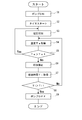
- the cooling mode control content of the control unit 35 will be described with reference to FIG.
- the control unit 35 reads the cooling mode program from the storage unit 36 and starts the control unit 35, turns on the drive of the pump (S1), and starts the timer 38 (S2). ), A voltage is applied to the Peltier element (S3). As a result, circulation of the liquid starts between the apparatus main body 3 and the pillow body 7.
- the control unit 35 acquires the temperature Te measured by the temperature sensor 37 (S4), and when the temperature Te is higher than the target temperature (first target temperature) Te1 (“Yes” in step S5), returns to step S3. Then, steps S3 to S5 are repeated until the temperature Te measured by the temperature sensor 37 becomes equal to or lower than the target temperature Te1.
- the target temperature Te1 is stored in the storage unit 36, and is, for example, 24 degrees (° C.).
- step S5 when the temperature Te becomes equal to or lower than the target temperature Te1 (“No”), the control unit 35 stops applying the voltage to the Pelche element (S6), and acquires the elapsed time Ti measured by the timer 38.
- step S7 If the elapsed time Ti has not reached the target time (first target time) Ti1 (“No” in step S8), the process returns to step S4, and the elapsed time Ti has reached the target time Ti1. (“Yes” in step S8), the drive of the pump is turned off (S9), and the process ends.
- the target time Ti1 is stored in the storage unit 36, and is, for example, 240 minutes (4 hours).
- FIG. 3 is a diagram showing the depth of sleep and core body temperature with the passage of time from falling asleep.
- the depth of sleep and the core body temperature are shown together for convenience, but the depth of sleep and the core body temperature (sleep rhythm) differ depending on the person, gender, age, etc., and an example thereof is shown. is there.
- depth of sleep is composed of a pair of non-REM sleep and REM sleep, which is repeated several times after falling asleep until waking up. This pair of non-REM sleep and REM sleep is called a sleep cycle, and has a periodicity of 90 to 120 minutes. Up to about 3.5 hours after falling asleep, the depth is about deep (lower part of the vertical axis on the left side of the figure), non-REM sleep and REM sleep are repeated about twice, and then the depth is medium (in the figure).
- Non-REM sleep (middle part of the vertical axis on the left side of the left side) or non-REM sleep with a shallow depth (upper part of the vertical axis on the left side in the figure) and REM sleep are repeated, resulting in a relatively light sleep and waking up. This is called sleep rhythm.
- sleep rhythm Approximately 3.5 hours after falling asleep, the brain rests, waste products are removed, the body grows and recovers, and memory is fixed. From about 3.5 hours to waking up, brain rest, memory organization, body rest, etc. are performed, and from the lowest core body temperature to before waking up, preparations for post-wake-up activities are made.
- the skin temperature begins to rise about 1 hour before the habitual bedtime, and the core body temperature decreases as the skin temperature rises.
- the core temperature drops to about 5.5 hours after falling asleep and then rises towards the habitual wake-up time.
- gender and age differences it is usually lowest for humans from 4 to 5 in the early morning. Core body temperature is effectively reduced by cooling the brain, the head.
- the head cooling device 1 is a device that cools the head so as to obtain optimum sleep based on the relationship between the depth of sleep and the core body temperature.
- the head cooling device 1 circulates the liquid so that the temperature of the pillow body 7 becomes 22 to 24 degrees. As a result, the bed person can fall asleep with a comfortable feeling without making the pillow body 7 feel too cold. Further, according to the study by the inventors, it was found that when the temperature of the pillow body 7 is 22 to 24 degrees, the sleeping depth of the sleeping person is deeper than that when cooling in another temperature zone. There is.
- the head cooling device cannot manage the bedtime of the sleeping person and the time from bedtime to falling asleep, it takes about 30 minutes to cool down to the target temperature Te1, but from the viewpoint of introducing sleep. It is preferable that the pillow body 7 is cooled when the patient goes to bed.
- the liquid circulation is stopped, but after the first target time Ti1 elapses,
- the liquid adjusted to the second target temperature Te2, which is higher than the first target temperature Te1 cooled in the first target time Ti1, may be circulated, or the liquid may be circulated with the application stopped.
- the second target temperature Te2 is set to a temperature lower than the temperature of the pillow body whose temperature has risen by stopping the cooling and circulation of the liquid after the lapse of the first target time Ti1, and the temperature of the pillow body rises. You can prevent it from overdoing.
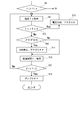
- the control unit 135 according to the second embodiment (not shown, but is referred to as “135” to distinguish it from the control unit 35 of the first embodiment) is the process of steps S1 to S8 described in the first embodiment (not shown). After performing (see FIG. 2), the process according to the second embodiment is performed. Therefore, FIG. 4 shows steps S8 and subsequent steps, and here, the processes after step S8 and subsequent steps will be described.
- step 8 when the elapsed time Ti reaches the first target time Ti1 (“Yes”), the control unit 135 acquires the temperature Te measured by the temperature sensor 37 (S11), and the temperature Te becomes the first. 2
- the temperature is higher than the target temperature Te2 (“Yes” in step S12)
- a voltage is applied to the Peltier element and the flag indicating whether or not the voltage is applied is turned ON (S13), and the process returns to step S11.
- the second target temperature Te2 is stored in the storage unit 36, and is, for example, 28 degrees.
- step S12 the control unit 135 applies a voltage when the temperature Te is equal to or lower than the second target temperature Te2 (“No”) and the flag is ON (“Yes” in S14). In this case, the application is stopped, the flag is turned OFF (in a state where the application is not applied) (S15), and the process proceeds to step S16. If the flag is OFF (“No”) in step 14, the control unit proceeds to step S16.
- the control unit 135 acquires the elapsed time Ti measured by the timer 38 in step S16, and returns to step S11 if the elapsed time Ti has not reached the second target time Ti2 (“No” in step S17).
- the pump drive is turned off (S18), and the process ends.
- the second target time Ti2 is stored in the storage unit 36, for example, 480 minutes (8 hours).
- the embodiment has been described above, the embodiment is not limited to this embodiment, and for example, the following modification may be used. Further, the embodiment, the modified example, and the modified example may be combined. Further, even if there is an example not described in the embodiment or the modified example, or a design change within a range not deviating from the gist, it is included in the present invention.
- the cooling is stopped when the elapsed time Ti from the operation of the start switch is 240 minutes. That is, the starting point of the elapsed time Ti is the operation of the start switch, and includes the cooling time (for example, 20 to 40 minutes) until the temperature of the pillow body 7 is cooled to 22 to 24 degrees.
- the elapsed time Ti may be measured at the time when the temperature of the pillow body 7 reaches 22 to 24 degrees (for example, the time when the step S6 is first reached in FIG. 2). In this case, the elapsed time Ti may be started. Is 200 to 220 minutes (for example, 210 minutes). That is, the control unit controls the temperature adjusting unit and the pump unit so as to maintain the state of the pillow body at 22 to 24 degrees for 200 to 220 minutes.
- the temperature sensor 37 measures the temperature of the member constituting the liquid flow path, grasps the temperature of the member when the temperature of the pillow body reaches 22 to 24 degrees in advance, and determines the temperature.
- the control unit is controlled using.
- a temperature sensor capable of directly measuring the temperature of the liquid may be used. In this case as well, it is necessary to associate the surface temperature of the pillow body with the temperature of the liquid. Further, the temperature sensor may be provided on the pillow body, and for example, the measurement result may be wirelessly transmitted to the control unit.
- the cooling mode when the operator operates the start switch of the operation unit 33, the cooling mode is started.
- the cooling of the liquid may be started so as to reach the first target temperature at the normal bedtime, that is, before going to bed.
Landscapes
- Health & Medical Sciences (AREA)
- General Health & Medical Sciences (AREA)
- Otolaryngology (AREA)
- Pulmonology (AREA)
- Thermotherapy And Cooling Therapy Devices (AREA)
- Bedding Items (AREA)
Abstract
就寝者の頭部を冷やし過ぎることなく、睡眠の質を向上できる頭部冷却装置を提供する。 頭部冷却装置(1)は、装置本体(3)から送り出された液体を枕体(7)との間で連結体(5)を介して循環する頭部冷却装置において、装置本体(3)は、液体の温度を調整する温度調整部(31)と、液体を枕体(7)に向けて送り出すポンプ部(32)と、冷却開始からの経過時間が200分~250分の目標時間に達するまで枕体を22~24度の第1目標温度に温度調整するように、温度調整部(31)及びポンプ部(32)を制御する制御部(35)とを備える。
Description
本発明は、就床者又は就寝者の頭部を冷却する冷却装置等に関する。
就床者又は就寝者の頭部を冷却する冷却装置として、例えば、「頭部冷却装置1は、たとえば、病院や介護施設等のベッドに設置されて使用される。この頭部冷却装置1は、図1に示すように、使用者の頭部が載る液体保持具としての頭部冷却用枕2(以下、「枕2」とする)と、可撓性を有するチューブ3、4を介して、枕2に接続される機械部5とを備えている。枕2と機械部5との間では、冷却用の液体が循環する」ようにしたものが開示されている(例えば特許文献1)。
上記装置では、就寝者の頭部を冷やし過ぎてしまうことがあった。就寝者の頭部を冷やし続けると、就寝者による過剰冷感の主訴がある場合がある。また、頸部や上半身の長時間筋緊張を誘発し血行不全を誘発するなどの問題が起こることがある。
つまり、これらのことにより睡眠の質を低下させるという課題があった。
本発明は、就寝者の頭部を冷やし過ぎることなく、睡眠の質を向上できる頭部冷却装置及び頭部冷却方法を提供することを目的とする。
つまり、これらのことにより睡眠の質を低下させるという課題があった。
本発明は、就寝者の頭部を冷やし過ぎることなく、睡眠の質を向上できる頭部冷却装置及び頭部冷却方法を提供することを目的とする。
本発明に係る頭部冷却装置は、装置本体から送り出された液体を枕体との間で連結体を介して循環する頭部冷却装置において、前記装置本体は、前記液体の温度を調整する温度調整部と、前記液体を前記枕体に向けて送り出すポンプ部と、冷却開始からの経過時間が200分~250分の目標時間に達するまで前記枕体を22~24度の第1目標温度に温度調整するように、前記温度調整部及び前記ポンプ部を制御する制御部とを備える。
本発明に係る頭部冷却方法は、装置本体から送り出された液体を枕体との間で連結体を介して循環させて、就床者又は就寝者の頭部を冷却する頭部冷却方法において、冷却開始からの経過時間が200分~250分の目標時間に達するまで前記枕体を22~24度に温度調整する。
本発明に係る頭部冷却方法は、装置本体から送り出された液体を枕体との間で連結体を介して循環させて、就床者又は就寝者の頭部を冷却する頭部冷却方法において、冷却開始からの経過時間が200分~250分の目標時間に達するまで前記枕体を22~24度に温度調整する。
上記構成によれば、就寝者の頭部を冷やし過ぎることなく、睡眠の質を向上できる。
<概要>
実施形態の一態様に係る頭部冷却装置は、冷却開始からの経過時間が200分~250分の目標時間に達するまで枕体を22~24度の第1目標温度に温度調整するように、温度調整部及びポンプ部を制御する制御部を備える。循環時間が200~250分で停止するため、長時間にわたって頭部を冷却することがなくなる。枕体の温度を22~24度に調整するようにしている。これは、24度を基準とし、寒冷環境の希望者では、睡眠の質に差がない範囲で主観的睡眠感が得られる温度に近い22度の選択が可能となる。なお、ここでいう枕体の温度は、枕体の表面(頭部と接触する面)の温度であり、温度の単位は摂氏である。
枕体の温度を22~24度に調整するようにしているため、睡眠潜時が短縮され、速やかに深い眠りが得られる。また、冷却開始から200~250分の時間が経過するまで、枕体を22~24度に温度調整しているため、睡眠効率を向上できる。
なお、ここでの睡眠効率は、睡眠中の中途覚醒を除いた睡眠時間(総睡眠時間)を、入眠から起床までの時間(総就床時間)で除した値(%)であり、睡眠潜時、睡眠効率は、睡眠活動計や脳波計を用いて測定した。
実施形態の一態様に係る頭部冷却装置は、冷却開始からの経過時間が200分~250分の目標時間に達するまで枕体を22~24度の第1目標温度に温度調整するように、温度調整部及びポンプ部を制御する制御部を備える。循環時間が200~250分で停止するため、長時間にわたって頭部を冷却することがなくなる。枕体の温度を22~24度に調整するようにしている。これは、24度を基準とし、寒冷環境の希望者では、睡眠の質に差がない範囲で主観的睡眠感が得られる温度に近い22度の選択が可能となる。なお、ここでいう枕体の温度は、枕体の表面(頭部と接触する面)の温度であり、温度の単位は摂氏である。
枕体の温度を22~24度に調整するようにしているため、睡眠潜時が短縮され、速やかに深い眠りが得られる。また、冷却開始から200~250分の時間が経過するまで、枕体を22~24度に温度調整しているため、睡眠効率を向上できる。
なお、ここでの睡眠効率は、睡眠中の中途覚醒を除いた睡眠時間(総睡眠時間)を、入眠から起床までの時間(総就床時間)で除した値(%)であり、睡眠潜時、睡眠効率は、睡眠活動計や脳波計を用いて測定した。
実施形態の他の態様に係る頭部冷却装置において、制御部は、目標時間の経過後に、枕体を第1目標温度より高い第2目標温度に温度調整する。これにより、睡眠の質を高めることができる。
なお、ここでの睡眠の質は、睡眠潜時の短さ、睡眠効率及び覚醒時の不快感の無さの3要素を考慮している。
実施形態の他の態様に係る頭部冷却装置において、制御部は、通常の就床時刻を受け付けることにより前記就床時刻に前記第1目標温度になるように制御する。これにより、就床時に就床者の頭部を第1目標温度で冷却することができる。
なお、ここでの睡眠の質は、睡眠潜時の短さ、睡眠効率及び覚醒時の不快感の無さの3要素を考慮している。
実施形態の他の態様に係る頭部冷却装置において、制御部は、通常の就床時刻を受け付けることにより前記就床時刻に前記第1目標温度になるように制御する。これにより、就床時に就床者の頭部を第1目標温度で冷却することができる。
実施形態の一態様に係る頭部冷却方法は、冷却開始からの経過時間が200分~250分の目標時間に達するまで枕体を22~24度に温度調整する。循環時間が200~250分で停止するため、長時間にわたって頭部を冷却することがなくなる。枕体の温度を22~24度に調整するようにしているため、睡眠潜時が短縮され、速やかに深い眠りが得られる。また、冷却開始から200~250分の時間が経過するまで、枕体を22~24度に温度調整しているため、睡眠効率を向上できる。
なお、頭部冷却方法において、目標時間の経過後に、枕体を第1目標温度より高い第2目標温度に温度調整してもよいし、通常の就床時刻を受け付けることにより就床時刻に第1目標温度になるようにしてもよい。
なお、頭部冷却方法において、目標時間の経過後に、枕体を第1目標温度より高い第2目標温度に温度調整してもよいし、通常の就床時刻を受け付けることにより就床時刻に第1目標温度になるようにしてもよい。
<第1実施形態>
1.頭部冷却装置
頭部冷却装置1は、図1に示すように、装置本体3、連結体5及び枕体7を備える。頭部冷却装置1は、装置本体3と枕体7との間で連結体5を介して、装置本体3で温度調整された液体を循環させて、就床者又は就寝者の頭部を冷却する。
1.頭部冷却装置
頭部冷却装置1は、図1に示すように、装置本体3、連結体5及び枕体7を備える。頭部冷却装置1は、装置本体3と枕体7との間で連結体5を介して、装置本体3で温度調整された液体を循環させて、就床者又は就寝者の頭部を冷却する。
(1)装置本体
装置本体3は、図1に示すように、温度調整部31、ポンプ部32、操作部33、表示部34、制御部35、記憶部36、温度センサ37、タイマ38を備えている。装置本体3は、温度調整部31等を、1つの筐体に備えてもよいし、複数の筐体に備えてもよく、例えば、温度調整部31とポンプ部32とを別体で備えてもよい。
装置本体3は、図1に示すように、温度調整部31、ポンプ部32、操作部33、表示部34、制御部35、記憶部36、温度センサ37、タイマ38を備えている。装置本体3は、温度調整部31等を、1つの筐体に備えてもよいし、複数の筐体に備えてもよく、例えば、温度調整部31とポンプ部32とを別体で備えてもよい。
温度調整部31は、ポンプ部32から送り出す液体及び/又はポンプ部32に受け入れる液体を一定温度又は一定領域内の温度で調整する。装置本体3から送り出される液体は枕体7で就床者又は就寝者の頭部により温められるため、主に温度調整部31は液体を冷却する。温度調整部31は、例えば、ペルチェ素子が利用され、電圧印加により液体を冷却する。
ポンプ部32は、循環用の液体を枕体7側から受け入れて、受け入れた液体を再び枕体7側へと送り出すポンプを備え、連結体5に接続されている。
操作部33は、装置の電源のON・OFF用の電源スイッチ、就床者又は就寝者の頭部を冷却するモード(本モードを、以下、「冷却モード」とする)を開始させる開始スイッチや、冷却モードを途中で停止させる停止スイッチ等を有する。
表示部34は、冷却モードの開始からの経過時間や枕体7(液体)の温度等を表示する。
ポンプ部32は、循環用の液体を枕体7側から受け入れて、受け入れた液体を再び枕体7側へと送り出すポンプを備え、連結体5に接続されている。
操作部33は、装置の電源のON・OFF用の電源スイッチ、就床者又は就寝者の頭部を冷却するモード(本モードを、以下、「冷却モード」とする)を開始させる開始スイッチや、冷却モードを途中で停止させる停止スイッチ等を有する。
表示部34は、冷却モードの開始からの経過時間や枕体7(液体)の温度等を表示する。
制御部35は、例えばCPUで構成され、記憶部36に記憶されているコンピュータプログラムや各種の設定データに基づき、頭部冷却装置1(装置本体3)の全体を制御する。
制御部101は、冷却モードの開始スイッチが操作されると、温度センサ37により検出された温度を用いて温度調整部31を制御し、タイマ38により計測された時間を用いて温度調整部31やポンプ部32を制御する。具体的には、制御部101は、冷却モードが開始すると、200~250分にわたって枕体7の内部に流れる液体(水)の温度を、枕体7の温度が22~24度の温度(例えば、24度である)となるように調整及び維持するように、温度調整部31及びポンプ部を制御する。
制御部35は、操作部133を介して操作者から受け付けた操作に応じた処理を行ったり、冷却モード中の経過時間を表示部34に表示したりする。
制御部101は、冷却モードの開始スイッチが操作されると、温度センサ37により検出された温度を用いて温度調整部31を制御し、タイマ38により計測された時間を用いて温度調整部31やポンプ部32を制御する。具体的には、制御部101は、冷却モードが開始すると、200~250分にわたって枕体7の内部に流れる液体(水)の温度を、枕体7の温度が22~24度の温度(例えば、24度である)となるように調整及び維持するように、温度調整部31及びポンプ部を制御する。
制御部35は、操作部133を介して操作者から受け付けた操作に応じた処理を行ったり、冷却モード中の経過時間を表示部34に表示したりする。
記憶部102は、具体的には、制御部35の作業用のRAM、ROMまたはフラッシュメモリで構成され、本実施形態に係る頭部冷却方法のコンピュータプログラムをはじめ、各種の設定データを記憶している。なお、設定データとしては、冷却モードの枕体7の温度や冷却モードの時間等がある。
温度センサ37は、枕体7の温度や枕体7の温度に対応する温度(液体の温度又は液体の温度に対応する温度)を検知する。タイマ38は、制御部35の指示によって、測定を開始したり、経過時間を制御部35に出力したりする。
温度センサ37は、枕体7の温度や枕体7の温度に対応する温度(液体の温度又は液体の温度に対応する温度)を検知する。タイマ38は、制御部35の指示によって、測定を開始したり、経過時間を制御部35に出力したりする。
(2)連結体及び枕体
連結体5は、チューブ部と、チューブ部の両端の接続部とを有する。連結体5は、装置本体3から枕体7に向かう上流路と、枕体7から装置本体3に向かう下流路とを有する。上流路の上流端と下流路の下流端は装置本体3に接続され、上流路の下流端と下流路の上流端は枕体7に接続される。
枕体7は、内部に流路を有し、流路の上流端である給水口が連結体5の上流路の下流側の接続部に、流路の下流端である排水口が連結体5の下流路の上流側の接続部にそれぞれ接続される。
連結体5は、チューブ部と、チューブ部の両端の接続部とを有する。連結体5は、装置本体3から枕体7に向かう上流路と、枕体7から装置本体3に向かう下流路とを有する。上流路の上流端と下流路の下流端は装置本体3に接続され、上流路の下流端と下流路の上流端は枕体7に接続される。
枕体7は、内部に流路を有し、流路の上流端である給水口が連結体5の上流路の下流側の接続部に、流路の下流端である排水口が連結体5の下流路の上流側の接続部にそれぞれ接続される。
2.冷却モードの制御
制御部35の冷却モードの制御内容について、図2を用いて説明する。
制御部35は、操作者が操作部33の開始スイッチを操作すると、冷却モードのプログラムを記憶部36から読み出してスタートし、ポンプの駆動をONし(S1)、タイマ38をスタートさせて(S2)、ペルチェ素子へ電圧を印加する(S3)。
これにより、装置本体3と枕体7との間で液体の循環が開始する。
制御部35の冷却モードの制御内容について、図2を用いて説明する。
制御部35は、操作者が操作部33の開始スイッチを操作すると、冷却モードのプログラムを記憶部36から読み出してスタートし、ポンプの駆動をONし(S1)、タイマ38をスタートさせて(S2)、ペルチェ素子へ電圧を印加する(S3)。
これにより、装置本体3と枕体7との間で液体の循環が開始する。
制御部35は、温度センサ37が測定した温度Teを取得し(S4)、温度Teが目標温度(第1目標温度)Te1より高いと(ステップS5で「Yes」である)、ステップS3に戻って、温度センサ37が測定した温度Teが目標温度Te1以下になるまで、ステップS3~S5を繰り返す。なお、目標温度Te1は記憶部36に記憶されており、例えば24度(℃)である。
制御部35は、ステップS5において、温度Teが目標温度Te1以下になると(「No」である)、ペルチェ素子への電圧印加を停止し(S6)、タイマ38が測定した経過時間Tiを取得し(S7)、経過時間Tiが目標時間(第1目標時間)Ti1に達していないと(ステップS8で「No」である)、ステップS4に戻り、経過時間Tiが目標時間Ti1に達していると(ステップS8で「Yes」である)、ポンプの駆動をOFFして(S9)、処理をエンドする。なお、目標時間Ti1は記憶部36に記憶されており、例えば240分(4時間)である。
制御部35は、ステップS5において、温度Teが目標温度Te1以下になると(「No」である)、ペルチェ素子への電圧印加を停止し(S6)、タイマ38が測定した経過時間Tiを取得し(S7)、経過時間Tiが目標時間(第1目標時間)Ti1に達していないと(ステップS8で「No」である)、ステップS4に戻り、経過時間Tiが目標時間Ti1に達していると(ステップS8で「Yes」である)、ポンプの駆動をOFFして(S9)、処理をエンドする。なお、目標時間Ti1は記憶部36に記憶されており、例えば240分(4時間)である。
3.睡眠効率
図3は、入眠からの時間経過に伴う眠りの深さと深部体温を示す図である。
なお、図3では、眠りの深さと深部体温とを便宜上まとめて示しているが、眠りの深さ及び深部体温(睡眠リズム)は、人、性別、年齢等によって異なり、その一例を示すものである。
図3は、入眠からの時間経過に伴う眠りの深さと深部体温を示す図である。
なお、図3では、眠りの深さと深部体温とを便宜上まとめて示しているが、眠りの深さ及び深部体温(睡眠リズム)は、人、性別、年齢等によって異なり、その一例を示すものである。
(1)眠りの深さ
一般に、夜間睡眠は、nonREM睡眠とREM睡眠とのペアが、入眠後、起床まで数回繰り返され構成されている。このnonREM睡眠とREM睡眠とのペアを睡眠サイクルといい、90分から120分の周期性を持つ。
入眠して約3.5時間までは、深度が深程度(図中左側の縦軸の下部)のnonREM睡眠とREM睡眠とを2回ほど繰り返す深い眠りとなり、その後、深度が中程度(図中の左側の縦軸の中間部)のnonREM睡眠もしくは深度が浅程度(図中の左側の縦軸の上間部)のnonREM睡眠とREM睡眠とを繰り返す比較的浅い眠りとなり、起床となる。なお、これを睡眠リズムという。
入眠後約3.5時間では、脳の休息、老廃物除去、身体の成長・回復、記憶の固定等がなされる。約3.5時間以降から起床まででは、脳の休息、記憶の整理、身体の休息等がなされ、深部体温の最低時から起床前では起床後の活動の準備等がなされる。
一般に、夜間睡眠は、nonREM睡眠とREM睡眠とのペアが、入眠後、起床まで数回繰り返され構成されている。このnonREM睡眠とREM睡眠とのペアを睡眠サイクルといい、90分から120分の周期性を持つ。
入眠して約3.5時間までは、深度が深程度(図中左側の縦軸の下部)のnonREM睡眠とREM睡眠とを2回ほど繰り返す深い眠りとなり、その後、深度が中程度(図中の左側の縦軸の中間部)のnonREM睡眠もしくは深度が浅程度(図中の左側の縦軸の上間部)のnonREM睡眠とREM睡眠とを繰り返す比較的浅い眠りとなり、起床となる。なお、これを睡眠リズムという。
入眠後約3.5時間では、脳の休息、老廃物除去、身体の成長・回復、記憶の固定等がなされる。約3.5時間以降から起床まででは、脳の休息、記憶の整理、身体の休息等がなされ、深部体温の最低時から起床前では起床後の活動の準備等がなされる。
(2)深部体温
深部温度は、習慣的就床時間の約1時間前から皮膚温(体表温度)が上昇し始め、皮膚温の上昇に伴って深部体温が低下する。
深部温度は、入眠から約5.5時間まで低下し、その後、習慣的起床時刻に向けて上昇する。性差や年齢差はあるものの、人では、通常、早朝4時から5時に最低となる。
深部体温は、脳、つまり、頭部を冷却することで効率的に低下する。
深部温度は、習慣的就床時間の約1時間前から皮膚温(体表温度)が上昇し始め、皮膚温の上昇に伴って深部体温が低下する。
深部温度は、入眠から約5.5時間まで低下し、その後、習慣的起床時刻に向けて上昇する。性差や年齢差はあるものの、人では、通常、早朝4時から5時に最低となる。
深部体温は、脳、つまり、頭部を冷却することで効率的に低下する。
(3)眠りの深さと深部体温
図3に示すように、入眠すると、深部体温が低下し、眠りの深度が深くなっている。つまり、入眠後に、深部体温の低下を速やかに進めることで、深度の深い眠りが得られる。
入眠後の深部体温低下の終盤(入眠から約4.5時間後)から浅い眠りへと移行し、深部体温が上昇した後に起床となる。つまり、深部体温の上昇を妨げないことで、心地よい目覚めが得られる。
図3に示すように、入眠すると、深部体温が低下し、眠りの深度が深くなっている。つまり、入眠後に、深部体温の低下を速やかに進めることで、深度の深い眠りが得られる。
入眠後の深部体温低下の終盤(入眠から約4.5時間後)から浅い眠りへと移行し、深部体温が上昇した後に起床となる。つまり、深部体温の上昇を妨げないことで、心地よい目覚めが得られる。
(4)頭部冷却装置
本発明に係る頭部冷却装置1は、上記の眠りの深さと深部体温との関係から、最適な睡眠が得られるように頭部を冷却する装置である。
頭部冷却装置1は、枕体7の温度が22度から24度になるように液体を循環させている。これにより、就床者は、枕体7が冷たすぎると感じさせないで、心地よい感触で入眠できる。
また、発明者らの検討によると、枕体7の温度が22度~24度の場合、就寝者の眠りの深度を他の温度帯で冷却する場合の深度よりも深くなることが判明している。
本発明に係る頭部冷却装置1は、上記の眠りの深さと深部体温との関係から、最適な睡眠が得られるように頭部を冷却する装置である。
頭部冷却装置1は、枕体7の温度が22度から24度になるように液体を循環させている。これにより、就床者は、枕体7が冷たすぎると感じさせないで、心地よい感触で入眠できる。
また、発明者らの検討によると、枕体7の温度が22度~24度の場合、就寝者の眠りの深度を他の温度帯で冷却する場合の深度よりも深くなることが判明している。
なお、頭部冷却装置は、就寝者の就床時間や就床から入眠までの時間等を管理できないため、目標温度Te1まで冷却するのに30分程度要しているが、睡眠導入の観点からは、就床した際に枕体7が冷却されているのが好ましい。
<第2実施形態>
第1実施形態では、冷却モードの制御内容において、開始スイッチを操作からの経過時間Tiが第1目標時間Ti1になると、液体の循環を停止させていたが、第1目標時間Ti1の経過後に、第1目標時間Ti1で冷却していた第1目標温度Te1よりも高い第2目標温度Te2に調整した液体を循環させてもよいし、印加を停止した状態で液体を循環させてもよい。
なお、第2目標温度Te2は、第1目標時間Ti1の経過後に液体の冷却と循環とを停止させて温度上昇した枕体の温度よりも低い温度に設定されており、枕体の温度が上昇しすぎるのを防止できる。
以下、冷却モードが終了するまで(終了する経過時間を第2目標時間Ti2とする)、枕体7の温度が第2目標温度Te2となるように制御する制御部について、図4を用いて説明する。
第2実施形態に係る制御部135(図示しないが、第1実施形態の制御部35と区別するために「135」としている)は、第1実施形態で説明した、ステップS1~S8の処理(図2参照)を行った後、第2実施形態に係る処理を行う。このため、図4ではステップS8以降を示し、ここでは、ステップS8以降の処理について説明する。
第1実施形態では、冷却モードの制御内容において、開始スイッチを操作からの経過時間Tiが第1目標時間Ti1になると、液体の循環を停止させていたが、第1目標時間Ti1の経過後に、第1目標時間Ti1で冷却していた第1目標温度Te1よりも高い第2目標温度Te2に調整した液体を循環させてもよいし、印加を停止した状態で液体を循環させてもよい。
なお、第2目標温度Te2は、第1目標時間Ti1の経過後に液体の冷却と循環とを停止させて温度上昇した枕体の温度よりも低い温度に設定されており、枕体の温度が上昇しすぎるのを防止できる。
以下、冷却モードが終了するまで(終了する経過時間を第2目標時間Ti2とする)、枕体7の温度が第2目標温度Te2となるように制御する制御部について、図4を用いて説明する。
第2実施形態に係る制御部135(図示しないが、第1実施形態の制御部35と区別するために「135」としている)は、第1実施形態で説明した、ステップS1~S8の処理(図2参照)を行った後、第2実施形態に係る処理を行う。このため、図4ではステップS8以降を示し、ここでは、ステップS8以降の処理について説明する。
制御部135は、ステップ8において、経過時間Tiが第1目標時間Ti1に達していると(「Yes」である)、温度センサ37が測定した温度Teを取得し(S11)、温度Teが第2目標温度Te2より高いと(ステップS12で「Yes」である)、ペルチェ素子へ電圧を印加すると共に電圧を印加しているか否かを示すフラグをONにして(S13)、ステップS11に戻る。なお、第2目標温度Te2は記憶部36に記憶されており、例えば28度である。
制御部135は、ステップS12において、温度Teが第2目標温度Te2以下であると(「No」である)、フラグがONの場合(S14で「Yes」である)、つまり、電圧が印加されている場合であり、印加を停止すると共にフラグをOFF(印加していない状態)にして(S15)、ステップS16に進む。制御部は、ステップ14において、フラグがOFFの場合(「No」である)、ステップS16に進む。
制御部135は、ステップS16において、タイマ38が測定した経過時間Tiを取得し、経過時間Tiが第2目標時間Ti2に達していないと(ステップS17で「No」である)、ステップS11に戻り、経過時間Tiが第2目標時間Ti2に達していると(ステップS17で「Yes」である)、ポンプの駆動をOFFして(S18)、処理をエンドする。なお、第2目標時間Ti2は記憶部36に記憶されており、例えば480分(8時間)である。
上記のように制御することで、起床前に深部温度が上昇しすぎるのを防止でき、睡眠の質を高めることができ、気持ちよく目覚めることができる。
また、冷却開始から240分が経過するまで枕体7を冷却し、その後、28度で冷却している。これにより、就寝者が暑いと感じて覚醒するようなことを無くすることができ、睡眠の質を高め、気持ちよく目覚めることができる。
なお、頭部を朝まで(一昼夜)冷却し続けた場合、起床時の熟睡感を損ねることが報告されている。
上記のように制御することで、起床前に深部温度が上昇しすぎるのを防止でき、睡眠の質を高めることができ、気持ちよく目覚めることができる。
また、冷却開始から240分が経過するまで枕体7を冷却し、その後、28度で冷却している。これにより、就寝者が暑いと感じて覚醒するようなことを無くすることができ、睡眠の質を高め、気持ちよく目覚めることができる。
なお、頭部を朝まで(一昼夜)冷却し続けた場合、起床時の熟睡感を損ねることが報告されている。
以上、実施形態を説明したが、この実施形態に限られるものではなく、例えば、以下のような変形例であってもよい。また、実施形態と変形例、変形例同士を組み合わせたものであってもよい。
また、実施形態や変形例に記載していていない例や、要旨を逸脱しない範囲の設計変更があっても本発明に含まれる。
また、実施形態や変形例に記載していていない例や、要旨を逸脱しない範囲の設計変更があっても本発明に含まれる。
(1)第1及び第2実施形態では、冷却モードの制御内容において、開始スイッチを操作からの経過時間Tiが240分で冷却を停止させている。つまり、経過時間Tiの起点は開始スイッチの操作時であり、枕体7の温度が22~24度に冷却させるまでの冷却時間(例えば、20~40分である)を含んでいる。
しかしながら、経過時間Tiは、枕体7の温度が22~24度になった時点(例えば、図2において、最初にステップS6となった時点)を計測開始としてもよく、この場合、経過時間Tiは200~220分(例えば210分)となる。
つまり、制御部は、22~24度の枕体の状態を200~220分間維持するように温度調整部及びポンプ部を制御する。
しかしながら、経過時間Tiは、枕体7の温度が22~24度になった時点(例えば、図2において、最初にステップS6となった時点)を計測開始としてもよく、この場合、経過時間Tiは200~220分(例えば210分)となる。
つまり、制御部は、22~24度の枕体の状態を200~220分間維持するように温度調整部及びポンプ部を制御する。
(2)温度センサ37は、液体の流路を構成している部材の温度を測定し、予め枕体の温度が22~24度となる際の前記部材の温度を把握しておき、当該温度を使って制御部は制御している。
しかしながら、液体の温度を直接する測定できる温度センサを用いてもよい。この場合も、枕体の表面温度と液体の温度との対応付けは必要となる。また、温度センサは枕体に設けられてもよく、例えば、測定結果を無線等で制御部に送信するようにしてもよい。
しかしながら、液体の温度を直接する測定できる温度センサを用いてもよい。この場合も、枕体の表面温度と液体の温度との対応付けは必要となる。また、温度センサは枕体に設けられてもよく、例えば、測定結果を無線等で制御部に送信するようにしてもよい。
(3)第1及び第2実施形態では、操作者が操作部33の開始スイッチを操作すると、冷却モードが開始される。しかしながら、例えば、就寝者の通常の就床時刻を受け付けることにより、通常の就床時刻に第1目標温度になるように、つまり、就寝する前に液体の冷却を開始してもよい。
1 頭部冷却装置
3 装置本体
5 連結体
7 枕体
31 温度調整部
33 ポンプ部
35 制御部
3 装置本体
5 連結体
7 枕体
31 温度調整部
33 ポンプ部
35 制御部
Claims (4)
- 装置本体から送り出された液体を枕体との間で連結体を介して循環する頭部冷却装置において、
前記装置本体は、
前記液体の温度を調整する温度調整部と、
前記液体を前記枕体に向けて送り出すポンプ部と、
冷却開始からの経過時間が200分~250分の目標時間に達するまで前記枕体を22~24度の第1目標温度に温度調整するように、前記温度調整部及び前記ポンプ部を制御する制御部と
を備える
頭部冷却装置。 - 前記制御部は、前記目標時間の経過後に、前記枕体を前記第1目標温度より高い第2目標温度に温度調整する
請求項1に記載の頭部冷却装置。 - 前記制御部は、通常の就床時刻を受け付けることにより前記就床時刻に前記第1目標温度になるように制御する
請求項1又は2に記載の頭部冷却装置。 - 装置本体から送り出された液体を枕体との間で連結体を介して循環させて、就床者又は就寝者の頭部を冷却する頭部冷却方法において、
冷却開始からの経過時間が200分~250分の目標時間に達するまで前記枕体を22~24度に温度調整する
頭部冷却方法。
Priority Applications (3)
| Application Number | Priority Date | Filing Date | Title |
|---|---|---|---|
| US17/636,045 US20220330732A1 (en) | 2019-08-30 | 2020-08-29 | Head cooler and head cooling method |
| EP20859263.4A EP4023111A4 (en) | 2019-08-30 | 2020-08-29 | HEAD COOLING DEVICE AND HEAD COOLING METHOD |
| CN202080053217.2A CN114286636A (zh) | 2019-08-30 | 2020-08-29 | 头部冷却装置以及头部冷却方法 |
Applications Claiming Priority (2)
| Application Number | Priority Date | Filing Date | Title |
|---|---|---|---|
| JP2019-158726 | 2019-08-30 | ||
| JP2019158726A JP7827263B2 (ja) | 2019-08-30 | 2019-08-30 | 頭部冷却装置及び頭部冷却方法 |
Publications (1)
| Publication Number | Publication Date |
|---|---|
| WO2021040040A1 true WO2021040040A1 (ja) | 2021-03-04 |
Family
ID=74683484
Family Applications (1)
| Application Number | Title | Priority Date | Filing Date |
|---|---|---|---|
| PCT/JP2020/032791 Ceased WO2021040040A1 (ja) | 2019-08-30 | 2020-08-29 | 頭部冷却装置及び頭部冷却方法 |
Country Status (5)
| Country | Link |
|---|---|
| US (1) | US20220330732A1 (ja) |
| EP (1) | EP4023111A4 (ja) |
| JP (1) | JP7827263B2 (ja) |
| CN (1) | CN114286636A (ja) |
| WO (1) | WO2021040040A1 (ja) |
Families Citing this family (1)
| Publication number | Priority date | Publication date | Assignee | Title |
|---|---|---|---|---|
| US20250311868A1 (en) * | 2024-04-08 | 2025-10-09 | Jared S. Hobbs | Device for cooling treatment |
Citations (5)
| Publication number | Priority date | Publication date | Assignee | Title |
|---|---|---|---|---|
| JPS49105419U (ja) * | 1972-12-28 | 1974-09-10 | ||
| JP2013126523A (ja) | 2011-11-16 | 2013-06-27 | Raito Koki Seisakusho:Kk | 液体保持具および冷却・加熱装置 |
| JP2013178064A (ja) * | 2012-02-29 | 2013-09-09 | Panahome Corp | 寝室温度制御システム及びそれを具えた建物 |
| US20150025606A1 (en) * | 2013-07-19 | 2015-01-22 | James Elliott Davis | Pillow with integrated cooling system |
| JP2018066547A (ja) * | 2016-10-21 | 2018-04-26 | 三菱電機株式会社 | 空気調和機 |
Family Cites Families (35)
| Publication number | Priority date | Publication date | Assignee | Title |
|---|---|---|---|---|
| US3648469A (en) * | 1970-04-10 | 1972-03-14 | James E Chapman | Thermoelectric pillow |
| US4884304A (en) * | 1988-09-28 | 1989-12-05 | Life Support Systems, Inc. | Bedding system with selective heating and cooling |
| JPH0521930U (ja) * | 1991-09-04 | 1993-03-23 | 岩崎通信機株式会社 | 冷却枕装置 |
| JPH0521926U (ja) * | 1991-09-04 | 1993-03-23 | 岩崎通信機株式会社 | 冷却枕装置 |
| AU2522597A (en) * | 1996-04-18 | 1997-11-07 | Ace Bed Co., Ltd. | Temperature controller for bedding |
| CA2356993C (en) * | 1999-01-04 | 2009-06-23 | Medivance, Inc. | Improved cooling/heating pad and system |
| US6302094B1 (en) * | 1999-08-09 | 2001-10-16 | John D. Wehrly | Indoor/outdoor heating and cooling system |
| CN2413576Y (zh) * | 2000-01-05 | 2001-01-10 | 徐州市蓝迪水床制造有限公司 | 半导体致冷热水床垫 |
| JP3960772B2 (ja) * | 2001-10-25 | 2007-08-15 | 三洋電機株式会社 | 睡眠制御温熱器具 |
| CN2530538Y (zh) * | 2001-12-31 | 2003-01-15 | 于传华 | 自动调节恒温气动枕头 |
| KR100519448B1 (ko) * | 2002-09-10 | 2005-10-11 | 김만 | 취침용 매트리스 |
| JP4483511B2 (ja) | 2004-10-04 | 2010-06-16 | ダイキン工業株式会社 | 体温調節システム |
| US8316649B2 (en) * | 2007-01-12 | 2012-11-27 | Superior Quilting Ltd. | Thermal controlled pillow |
| US8893329B2 (en) * | 2009-05-06 | 2014-11-25 | Gentherm Incorporated | Control schemes and features for climate-controlled beds |
| US8632478B2 (en) * | 2010-05-04 | 2014-01-21 | Solaiman B. Alkhattaf | Pillow with mechanism for simulated respiration |
| KR20130108255A (ko) * | 2010-11-12 | 2013-10-02 | 가부시키가이샤 라이토코키 세이사쿠쇼 | 머리부 냉각용 베개 및 머리부 냉각장치 |
| CN202536892U (zh) * | 2011-10-19 | 2012-11-21 | 华忠 | 一种用半导体制冷块自制冷暖枕头 |
| US11896132B2 (en) * | 2013-03-15 | 2024-02-13 | Sleep Solutions Inc. | System for heat exchange with a circulating fluid |
| US11944204B2 (en) * | 2013-11-06 | 2024-04-02 | Bedjet Llc | Bedding climate control apparatus and method to operate thereof that creates a heat transfer effect |
| JP5937184B2 (ja) * | 2014-06-19 | 2016-06-22 | シャープ株式会社 | 睡眠制御システム |
| US10238222B2 (en) * | 2014-09-05 | 2019-03-26 | Raj Rao | Electronically controllable pillow |
| US20160136385A1 (en) * | 2014-11-14 | 2016-05-19 | Ruggero Scorcioni | System and method for thermally conditioning a sleep environment and managing skin temperature of a user |
| CN205030925U (zh) * | 2015-09-08 | 2016-02-17 | 西华大学 | 一种内置半导体制冷片水冷枕头 |
| EP3262989A1 (en) * | 2016-06-27 | 2018-01-03 | Nitetronic Holding Limited | Airflow control for head support |
| CN107997471B (zh) * | 2018-01-22 | 2021-01-15 | 佛山市晚安床垫有限公司 | 一种智能床垫 |
| US20190307270A1 (en) * | 2018-04-06 | 2019-10-10 | Ronald D. Blum | Cooling Pillow |
| MX2021001977A (es) * | 2018-08-24 | 2021-04-28 | Soft Tex Int Inc | Cojines de soporte corporal con enfriamiento y metodos para manufacturar los mismos. |
| CN109549411A (zh) | 2018-11-26 | 2019-04-02 | 重庆大学 | 嵌入式调温凉席系统 |
| WO2020117704A1 (en) * | 2018-12-03 | 2020-06-11 | Eight Sleep Inc. | Systems and methods for regulating a temperature of an article of furniture |
| JP7530837B2 (ja) * | 2019-04-16 | 2024-08-08 | スリープ ナンバー コーポレイション | 無線充電機能を備えた枕 |
| WO2020219117A1 (en) * | 2019-04-25 | 2020-10-29 | Sleep Number Corporation | Bed having features for improving a sleeper's body thermoregulation during sleep |
| CN110454940A (zh) * | 2019-08-14 | 2019-11-15 | 宁波奥克斯电气股份有限公司 | 一种床温调节的空调控制方法及空调控制系统 |
| CN115120060A (zh) * | 2021-03-26 | 2022-09-30 | 斯利普谧公司 | 床或毯的多区域温度调节系统 |
| US20230276948A1 (en) * | 2022-03-04 | 2023-09-07 | Sleep Number Corporation | Systems and methods for temperature control of beds |
| US12453428B2 (en) * | 2022-07-15 | 2025-10-28 | Wangli Plastic & Electronics (Huizhou) Co., Ltd. | Breathable and comfortable inflatable mattress |
-
2019
- 2019-08-30 JP JP2019158726A patent/JP7827263B2/ja active Active
-
2020
- 2020-08-29 EP EP20859263.4A patent/EP4023111A4/en not_active Withdrawn
- 2020-08-29 WO PCT/JP2020/032791 patent/WO2021040040A1/ja not_active Ceased
- 2020-08-29 US US17/636,045 patent/US20220330732A1/en not_active Abandoned
- 2020-08-29 CN CN202080053217.2A patent/CN114286636A/zh active Pending
Patent Citations (5)
| Publication number | Priority date | Publication date | Assignee | Title |
|---|---|---|---|---|
| JPS49105419U (ja) * | 1972-12-28 | 1974-09-10 | ||
| JP2013126523A (ja) | 2011-11-16 | 2013-06-27 | Raito Koki Seisakusho:Kk | 液体保持具および冷却・加熱装置 |
| JP2013178064A (ja) * | 2012-02-29 | 2013-09-09 | Panahome Corp | 寝室温度制御システム及びそれを具えた建物 |
| US20150025606A1 (en) * | 2013-07-19 | 2015-01-22 | James Elliott Davis | Pillow with integrated cooling system |
| JP2018066547A (ja) * | 2016-10-21 | 2018-04-26 | 三菱電機株式会社 | 空気調和機 |
Non-Patent Citations (1)
| Title |
|---|
| See also references of EP4023111A4 |
Also Published As
| Publication number | Publication date |
|---|---|
| JP2021036954A (ja) | 2021-03-11 |
| US20220330732A1 (en) | 2022-10-20 |
| EP4023111A1 (en) | 2022-07-06 |
| EP4023111A4 (en) | 2023-09-06 |
| CN114286636A (zh) | 2022-04-05 |
| JP7827263B2 (ja) | 2026-03-10 |
Similar Documents
| Publication | Publication Date | Title |
|---|---|---|
| CN112303923B (zh) | 热水器的控制方法、热水器和计算机可读存储介质 | |
| US9526653B2 (en) | Systems, methods and apparatus for delivering nerve stimulation to a patient with physician oversight | |
| US9861519B2 (en) | Apparatus and methods for titrating caloric vestibular stimulation | |
| US10478331B2 (en) | System, methods and apparatus for delivering nerve stimulation to a patient with physician oversight | |
| US10350125B2 (en) | Warming therapy patient care units with automated weaning modes | |
| JP2019523028A (ja) | テザーレス着用可能温度デバイス及び睡眠障害及び神経障害の治療のためにそれらを使用する方法 | |
| US20150320591A1 (en) | Systems and Methods for In-Ear Fluid Vestibular and/or Cranial Nerve Caloric Stimulation | |
| JP5937184B2 (ja) | 睡眠制御システム | |
| JP2011083498A (ja) | 体温調節システム | |
| JP6641271B2 (ja) | 睡眠を調整する器械及び方法 | |
| JPH05322262A (ja) | 体温誘導装置 | |
| CA3121736A1 (en) | Systems and methods for regulating a temperature of an article of furniture | |
| JP7827263B2 (ja) | 頭部冷却装置及び頭部冷却方法 | |
| JP7620834B2 (ja) | 睡眠誘導装置、および睡眠誘導方法 | |
| JP3960772B2 (ja) | 睡眠制御温熱器具 | |
| JP6196785B2 (ja) | 寝床内温度制御装置 | |
| CN116869325A (zh) | 一种基于睡眠监测的控温床垫用控制方法及系统 | |
| JP7387090B2 (ja) | 温度調整システムと温度調整方法 | |
| JPH08131501A (ja) | シャワーシステム | |
| JP2025076771A (ja) | 入眠促進装置 | |
| KR100764626B1 (ko) | 온열 치료기의 온도제어방법 | |
| TWM682702U (zh) | 椅墊之恆溫控制系統 | |
| JPH03184288A (ja) | 採暖布 | |
| KR20070029775A (ko) | 수면 장치 및 신체 착용구 |
Legal Events
| Date | Code | Title | Description |
|---|---|---|---|
| 121 | Ep: the epo has been informed by wipo that ep was designated in this application |
Ref document number: 20859263 Country of ref document: EP Kind code of ref document: A1 |
|
| NENP | Non-entry into the national phase |
Ref country code: DE |
|
| ENP | Entry into the national phase |
Ref document number: 2020859263 Country of ref document: EP Effective date: 20220330 |