WO2021123779A1 - (r)-3-hydroxybutyrate, esters and oligomers thereof for the treatment of multiple sclerosis - Google Patents
(r)-3-hydroxybutyrate, esters and oligomers thereof for the treatment of multiple sclerosis Download PDFInfo
- Publication number
- WO2021123779A1 WO2021123779A1 PCT/GB2020/053251 GB2020053251W WO2021123779A1 WO 2021123779 A1 WO2021123779 A1 WO 2021123779A1 GB 2020053251 W GB2020053251 W GB 2020053251W WO 2021123779 A1 WO2021123779 A1 WO 2021123779A1
- Authority
- WO
- WIPO (PCT)
- Prior art keywords
- compound
- multiple sclerosis
- subject
- hydroxybutyrate
- use according
- Prior art date
- Legal status (The legal status is an assumption and is not a legal conclusion. Google has not performed a legal analysis and makes no representation as to the accuracy of the status listed.)
- Ceased
Links
Classifications
-
- A—HUMAN NECESSITIES
- A61—MEDICAL OR VETERINARY SCIENCE; HYGIENE
- A61P—SPECIFIC THERAPEUTIC ACTIVITY OF CHEMICAL COMPOUNDS OR MEDICINAL PREPARATIONS
- A61P25/00—Drugs for disorders of the nervous system
-
- A—HUMAN NECESSITIES
- A61—MEDICAL OR VETERINARY SCIENCE; HYGIENE
- A61K—PREPARATIONS FOR MEDICAL, DENTAL OR TOILETRY PURPOSES
- A61K31/00—Medicinal preparations containing organic active ingredients
- A61K31/185—Acids; Anhydrides, halides or salts thereof, e.g. sulfur acids, imidic, hydrazonic or hydroximic acids
- A61K31/19—Carboxylic acids, e.g. valproic acid
-
- A—HUMAN NECESSITIES
- A61—MEDICAL OR VETERINARY SCIENCE; HYGIENE
- A61K—PREPARATIONS FOR MEDICAL, DENTAL OR TOILETRY PURPOSES
- A61K31/00—Medicinal preparations containing organic active ingredients
- A61K31/21—Esters, e.g. nitroglycerine, selenocyanates
- A61K31/215—Esters, e.g. nitroglycerine, selenocyanates of carboxylic acids
- A61K31/22—Esters, e.g. nitroglycerine, selenocyanates of carboxylic acids of acyclic acids, e.g. pravastatin
-
- A—HUMAN NECESSITIES
- A61—MEDICAL OR VETERINARY SCIENCE; HYGIENE
- A61K—PREPARATIONS FOR MEDICAL, DENTAL OR TOILETRY PURPOSES
- A61K31/00—Medicinal preparations containing organic active ingredients
- A61K31/74—Synthetic polymeric materials
- A61K31/765—Polymers containing oxygen
Definitions
- the present invention relates to compounds for use in treating multiple sclerosis by preventing or retarding the process of demyelination and encouraging reparative remyelination processes.
- the invention also relates to prophylactic treatment of a subject to impede the progress of the disease and to delay or prevent the appearance of symptoms associated with multiple sclerosis.
- MS Multiple sclerosis
- CNS central nervous system
- RRMS Relapsing-Remitting MS
- PPMS/SPMS Primary/Secondary Progressive MS
- RRMS is characterised by unpredictable attacks (relapses) followed by periods of remission during which no further signs of disease activity are observed.
- Progressive MS is characterised by continuous increase in disability and severity of symptoms without periods of remission. It is possible for a patient to be diagnosed with RRMS upon initial diagnosis and for the disease to modify over time to increasingly resemble progressive MS: where this occurs it is known as Secondary Progressive MS.
- Subjects with PPMS are more likely to experience the severe symptoms associated with multiple sclerosis and will not experience periods of remission.
- the progression of the disease and the associated disability is instead continuous, with disability increasing more rapidly than for RRMS.
- SPMS progressive form of the disease
- the time delay between diagnosis and conversion from relapsing to progressive disease is most commonly 19 years.
- the cause of MS has yet to be established but is believed to arise from autoimmune damage or from the failure of myelin-producing cells (known as oligodendrocytes).
- oligodendrocytes myelin-producing cells
- Oligodendrocytes are the cells responsible for forming and maintaining myelin sheaths, which aid the passage of electrical signals along neurons. In MS, oligodendrocytes are lost, resulting in the thinning or complete loss of myelin. As the disease progresses, this loss of myelin affects the axons (nerve fibres) of the neurons, as when myelin is lost entirely, a neuron can no longer effectively conduct electrical signals.
- remyelination In the early stages of the disease, a process called remyelination is able to partially repair the myelin sheath but is unable to fully restore it to its pre-diseased state. Successive attacks degrade the abilities of the oligodendrocytes to repair myelin sheaths, leading to a reduced repair over time and the formation of scar tissue around the damaged axons, known as lesions or plaques, throughout the CNS, most commonly in white matter in the brain stem, spinal cord, optic nerves, basal ganglia and adjacent to the lateral ventricles. The formation of lesions in the CNS itself prompts further lesion formation from astrogliosis, which further impedes the repair and management of damaged neuronal tissues.
- Inflammation is another key marker of the disease alongside demyelination.
- An immunological basis for the disease is the undesirable movement of T cells (lymphocytes) through disruptions in the blood-brain barrier, which can be caused by bacterial or viral infections. These T cells recognise myelin as a foreign body and attack it, starting inflammatory processes which trigger further immune cells and the release of cytokines and antibodies. These inflammatory processes worsen the disruptions in the blood-brain barrier, causing it to break down. This breakdown then triggers further immune responses, exacerbating neuron damage. Effective MS treatments may therefore modulate immune response, promote remyelination and protect axons and neurons from degeneration.
- the present invention provides, in a first aspect, a compound for use in preventing or treating multiple sclerosis in a subject, wherein the compound is selected from:
- a pharmaceutical composition for use in preventing or treating multiple sclerosis in a subject comprising a compound as defined in the first aspect of the invention, and optionally one or more pharmaceutically acceptable excipients.
- a nutritional composition for use in preventing or treating multiple sclerosis in a subject comprising a compound as defined in the first aspect of the invention, and optionally further comprising water and optionally one or more of a flavouring, a protein, carbohydrate, sugars, fat, fibre, vitamins and minerals.
- a compound as defined in the first aspect of the invention or a composition according to the second or third aspect of the invention in the manufacture of a medicament for use in preventing or treating multiple sclerosis in a subject.
- a method of preventing or treating multiple sclerosis in a subject comprising administering to the subject a compound as defined in the first aspect of the invention or a composition according to the second or third aspect of the invention.
- Ketone bodies exert a broad spectrum of action in the body by serving as alternative fuels for mitochondrial energy generation as well as agonists of several anti-oxidant and antiinflammatory pathways.
- ketone bodies as energy sources are useful in the treatment of multiple sclerosis, as the energetic demands of axons increase significantly after demyelination. This is due to the body producing a stopgap measure to cope with the reduction in signal transduction, which involves the formation and spread of Na + ion channels through demyelinated axons and is metabolically expensive. Where the body is unable to support the metabolic demands of these ion channels, axonal loss is accelerated through the generation of hypoxic conditions. The boosting of the energy supply of axons in addition to promoting remyelination is therefore therapeutically useful.
- Figure 1 represents the protocol of the experimental procedure followed in Example 1 ;
- Figure 2 reports Rotarod data from mice after a six-week Cup/R regimen
- Figure 3 shows the increase in oligodendrocytes nine days post-cessation of cuprizone;
- Figure 4 shows significant improvement in Rotarod performance in mice treated with KE;
- Figure 5 shows a representation of the experimental procedure followed in Example 2;
- Figure 6A compares the effect of ketogenic diets to KE supplementation on ketone levels
- Figure 6B shows the weights of the mice in each treatment group
- Figure 7 shows the average experimental allergic encephalitis (EAE) clinical scores of the three treatment groups
- Figure 8A shows the maximum time to fall during Rotarod testing of each treatment group
- Figure 8B shows the average time to fall during Rotarod testing of each treatment group.
- Figure 9 represents the protocol of the experimental procedure followed in Example 3;
- Figure 10A shows serum ketone levels measured by tail poke
- Figure 10B shows the EAE average score from two blinded scorers
- Figure 10C shows the latency before mice fell from the rotarod
- Figure 10D shows the average distance achieved on the rotarod by each group of mice (SD, KD and SE + KE) at baseline and after 18 days;
- Figure 10E shows the average velocity achieved on the rotarod by each group of mice at baseline and after 18 days;
- Figure 11A shows the intensities of the EC stain in murine brain histology
- Figure 11 B shows the intensities of the MBP stains in murine brain histology
- Figure 11C shows the intensities of the fluoromyelin stains in murine brain histology.
- ketone bodies encompasses three endogenous compounds: D-b- hydroxybutyrate, acetoacetate and acetone.
- D-p-hydroxybutyrate is otherwise known as (R)- 3-hydroxybutyrate, and the latter term will be used hereinafter.
- Ketone bodies are produced by the liver from fatty acids during periods of low food intake.
- Ketone bodies and ketone body esters have been shown to reduce serum cholesterol and/or triglyceride levels.
- W02009/089144 discloses a ketone diet which doubled the plasma b-hydroxybutyrate concentrations in rats. Total serum cholesterol and HDL and LDL levels were significantly lower in the rats fed this ketone diet.
- Ketone bodies and ketone body esters have also been shown to have various other uses, such as treatment of muscle impairment or fatigue, and protection from radiation exposure. Some of these compounds have also been shown to have an effect on muscle recovery after exercise. W02015/018913, for instance, teaches that a ketone body ester can increase skeletal muscle glycogen by decreasing glycolysis. Ketone ester supplementation has also been shown to be neuroprotective in Alzheimer’s disease and to delay the onset of toxic seizures in animal models.
- WO2015/153850 discloses the use of diets which are calorie restricted or ketogenic, mimicking the effects of fasting while high in micronutrient content, to alleviate symptoms of autoimmune diseases by promoting recovery and inhibiting disease progression. This employs solely a dietary approach and uses no supplementation or medicaments to achieve the therapeutic result.
- WO2016/123229 discloses the use of NLRP3 inflammasome inhibitors (of which BHB is one example) in the form of a nanolipogel to treat NLRP3 immunosome-related disorders, including multiple sclerosis.
- WO2016/012657 discloses the use of oligomeric forms of 3-hydroxybutyrate, particularly dimers and trimers, in treating conditions caused by oxidative stress, including multiple sclerosis. It further relates to the use of said compounds as antioxidants and their use to increase plant proliferation.
- D ⁇ -hydroxybutyrate inhibits microglial activation in a cell activation model in vitro
- Xu et al. “D ⁇ -hydroxybutyrate inhibits microglial activation in a cell activation model in vitro”
- microglial activation plays a significant role in a range of neurological disorders, such as multiple sclerosis. It discloses that the use of D ⁇ -hydroxybutyrate in cell culture appears to reduce inflammatory markers and promote cell viability.
- WO2017/213999 discloses compositions of fatty acids of b-hydroxybutyrate and butanediol and their use in treating neurodegenerative disorders such as Alzheimer’s and multiple sclerosis.
- US 2018/057846A1 discloses a foodstuff having a partially buffered free acid of b- hydroxy butyrate or similar compounds for use in rapidly establishing and sustaining bodily ketosis for therapeutic applications, such as the treatment of neurodegenerative conditions such as multiple sclerosis.
- JP 2016210689 discloses compositions for protecting and regenerating the optic nerve wherein these compositions comprise water-insoluble polymers of polymerisation degree of at least 10, such as homopolymers of b-hydroxybutyric acid or copolymers of b-hydroxybutyric acid and b-hydroxy saturated fatty acids bearing 3 to 12 carbons. It discloses that the compositions can be used in the treatment of optic neuropathy associated with multiple sclerosis.
- ketone bodies such as ketone ester
- Exogenous administration of a source of ketone bodies, such as ketone ester has been shown to decrease plasma free fatty acid concentrations within 60 minutes of ingestion, thus reducing the increased fatty acids and allowing glucose to be taken up again by cells.
- the ketone bodies act on nicotinic acid receptors to decrease free fatty acids and to uncouple proteins.
- the ketone bodies thus produced also provide a source of energy for the brain. All of these effects lead to a neuroprotective effect in the present invention.
- the compounds of the invention provide a source of (R) -3-hydroxybutyrate in the body of the subject.
- the compound may be (R) -3-hydroxybutyrate itself, or a precursor to (R)- 3-hydroxybutyrate, such as an ester or oligomer thereof, which can be broken down in the body to form (R) -3-hydroxybutyrate.
- (R) -3-hydroxybutyrate is a ketone body, as defined in “Metabolic Regulation: A Human Perspective” by K N Frayn.
- W02004/108740 discloses that ketone bodies may be administered directly to subjects to achieve elevated levels of ketone bodies.
- direct administration can be difficult and risky under certain circumstances, and the use of esters has therefore been proposed as a preferred alternative.
- the manufacture of ketone esters has been disclosed, for instance, in WO2014/140308, which describes processes for producing (R) -3-hydroxybutyl (R)- 3- hydroxybutyrate.
- An ester of (R) -3-hydroxybutyrate can be produced via a transesterification reaction of ethyl- (R) -3-hydroxybutyrate with an alcohol.
- This reaction may be enzyme catalysed.
- an ethyl ester of (R) -3-hydroxybutyrate and (R )-1,3-butanediol may be reacted together in the presence of immobilized lipase under mild vacuum to remove the resultant ethanol by-product.
- ester of (R)- 3 hydroxybutyrate is a compound of general formula I: wherein
- R 1 is a C 1 -C 6 alkyl group, which alkyl group carries up to five -OR2 substituents,
- R2 represents hydrogen, or C 1 -C 6 alkyl or wherein -OR2 represents a (R)- 3- hydroxybutyrate moiety;
- R 1 is a moiety derived from an alcohol HOR1, wherein said alcohol is a sugar.
- zero, one or two -OR2 groups represent a (R) -3-hydroxybutyrate moiety.
- Preferred compounds of the invention are esters, particularly those as outlined in formula I above.
- the R 1 moiety is derived from a corresponding alcohol HO-R1.
- Alcohol HO-R1 may be, for instance, a mono-alcohol, a diol, a polyol, or a sugar.
- R 1 is a C 1 -C 6 alkyl group substituted with 0,1 , 2, 3, 4 or 5 -OR2 substituents. Most preferably, R 1 is a C 1 -C 6 alkyl group substituted with 1 , 2 or 3 -OR2 substituents, typically 1 or 2 -OR2 substituents.
- R 2 is H.
- R 1 has formula -CH 2 -CH(OH)-CH 2 (OH) or -CH 2 -CH 2 -CH(OH)-CH 3 .
- R 1 is a moiety derived from an alcohol HO-R1, which corresponds to butanediol and glycerol respectively.
- the butanediol may be racemic 1 ,3 butanediol.
- the alcohol HO-R1 corresponds to R-1 ,3 butanediol.
- the group R 1 is of formula:
- the compound of the invention is a monoester, i.e. in cases where the alcohol HO- R 1 comprises more than one pendant hydroxyl, only one of these reacts to form a hydroxybutyrate moiety.
- Partial esters are compounds wherein the alcohol HO-R1 comprises more than one pendant hydroxyl, and not all of these have reacted to form a hydroxybutyrate moiety.
- a particularly preferred compound of the invention is (R) -3-hydroxybutyrate (R )-1,3-butanediol monoester, otherwise known as ('R)-3-hydroxybutyl (R) -3-hydroxybutyrate, of formula:
- a further preferred compound of the invention is (R) -3-hydroxybutyrate-glycerol partial ester, i.e. (R) -3-hydroxybutyrate-glycerol monoester or diester.
- R 1 is derived from an alcohol HOR 1 , wherein said alcohol is a sugar.
- the sugar may be selected from altrose, arabinose, dextrose, erythrose, fructose, galactose, glucose, gulose, idose, lactose, lyxose, mannose, ribose, ribulose, sucrose, talose, threose, and xylose.
- R 1 is derived from an alcohol HOR 1 which is a polyol
- the polyol may be selected from glycerol, ribitol and xylitol.
- the compound of the invention is of formula II: wherein
- - R 1 is as defined above in the first aspect of the invention; and - n is an integer of from 2 to 100.
- n is from 2 to 50, for instance, 2 to 20, 2 to 10 or 2 to 5.
- the oligomer may be linear or cyclic in nature.
- the compounds of the invention may be present as racemic mixtures or pure enantiomeric forms.
- Compounds of the invention may be present as physiologically compatible salts. For instance, sodium, potassium, calcium or magnesium salts thereof, may be employed.
- the invention provides a hydroxybutyrate ester or partial ester, for example(R) -3 -hydroxybutyrate butane-1, 3-diol monoester and (R)- 3- hydroxybutyrate glycerol partial ester for use in preventing or treating multiple sclerosis in a subject.
- a hydroxybutyrate ester or partial ester for example(R) -3 -hydroxybutyrate butane-1, 3-diol monoester and (R)- 3- hydroxybutyrate glycerol partial ester for use in preventing or treating multiple sclerosis in a subject.
- (R) -3-hydroxybutyl- (R) -3-hydroxybutyrate is particularly advantageous as it allows a large rise in blood (R) -3 -hydroxybutyrate to be achieved with oral ingestion of a smaller volume of material than with racemic ketones.
- a subject ingesting the material prior to, or during physical exercise is more readily able to ingest adequate ketone in order to provide a physiologically beneficial response without risk of physical discomfort (due to for instance ingestion of a large volume of liquid, or a bitter/otherwise aversive flavour).
- the high level of blood (R)- 3- hydroxybutyrate concentration also raises (R)-3-hydroxybutyrate concentrations for a longer period than ketone salts.
- a lower frequency of doses is then required to maintain raised (R)- 3- hydroxy butyrate levels. This also facilitates compliance of the subject with dosing regimens.
- the condition to be treated is multiple sclerosis.
- the invention relates to the prophylaxis and/or treatment of multiple sclerosis in a subject.
- the invention may relate to treating a subject displaying severe symptoms of multiple sclerosis, or alternatively to treating a subject showing milder symptoms.
- it may relate to prophylactically treating a subject.
- the subject may have been diagnosed with multiple sclerosis but not displaying significant symptoms thereof. Alternatively, the subject may not yet have been diagnosed.
- MS Multiple sclerosis
- CNS central nervous system
- RRMS Relapsing- Remitting MS
- PPMS/SPMS Primary/Secondary Progressive MS
- the compounds of the invention may be used to treat RRMS and/or PPMS/SPMS.
- the compounds of the invention may treat one or more of the side-effects associated with multiple sclerosis.
- the compounds may, for instance, assist remyelination or help to prevent demyelination, and/or modulate immune responses associated with multiple sclerosis and/or restore axonal energy to protect them from degeneration.
- the compounds may improve nerve and/or muscle function in the subject. Any impairments in the function of the chest, abdomen, legs, bowel, bladder and sexual function caused by or associated with multiple sclerosis may be improved by administration of the compounds of the invention.
- Compounds of the invention may be neuroprotective.
- the compounds of the invention may reduce the behavioural and neuropathical alterations induced by multiple sclerosis in the subject.
- Compounds used in the invention can be administered to a subject to inhibit or delay the onset of multiple sclerosis in a subject.
- the compounds can delay the onset of symptoms in subjects by at least one month, preferably at least 6 or 12 months, more preferably at least a year or several years, compared to subjects who have not received the compound.
- the compounds can delay and/or reduce the intensity of the symptoms of multiple sclerosis.
- Administration of the compounds of the invention to a subject can treat the effects of multiple sclerosis in a subject.
- Compounds of the invention may treat partial or complete loss of sensory function or motor control of the arms, legs, or the body. Compounds of the invention may lead to improved motor function, e.g. improved distal limb motor function and improved motor control and digital manipulation.
- the compound may be used in preventing or treating one or more of the physiological, psychological, immunological or biochemical alterations associated with multiple sclerosis in the subject.
- the compound may be used for reducing the fatigue and/or muscle stiffness associated with multiple sclerosis and/or improving the mobility of subjects with multiple sclerosis.
- the compound may be used for treating impairments to the neurological functions of subjects caused by multiple sclerosis, wherein such neurological functions can comprise the vision, balance, continence and cognitive function of the subject.
- the compound may be used for improving remyelination in subjects with multiple sclerosis, and/or reducing autoimmune demyelination throughout the brain and spinal cord associated with multiple sclerosis, and/or reducing the formation of lesions due to multiple sclerosis.
- the compound may be used in treating or preventing axonal degeneration caused by metabolic stress or oxidative stress, associated with multiple sclerosis.
- the compound may be used in treating the inflammation associated with multiple sclerosis.
- Administration of a compound of the invention with a normal diet is beneficial.
- a normal diet contains carbohydrate, protein and fat in recommended proportions of 45-65% of daily calories from carbohydrates, 20-35% from fats and 10-35% from protein.
- a normal diet generally contains glucose. This leads to maintenance of the weight of the subject - i.e. the subject suffers less weight loss, than if the subject is administered a compound whilst consuming a ketogenic diet.
- a ketogenic diet is generally defined as high-fat, adequate-protein, low- carbohydrate (typically 55-60% fat, 30-35% protein and 5-10% carbohydrates). Accordingly, compounds of the invention should preferably not be administered with a ketogenic diet.
- a compound of the invention can help to prevent further demyelination or degeneration of axonal tissues.
- the patho-mechanism of secondary injuries includes energy failure, oxidative damage and inflammation.
- Compounds of the invention may target these pathways and help treat any secondary damage.
- a subject may ingest the compound of the invention in a prophylactic manner.
- the subject may ingest the compound on a regular basis (for instance, every morning, or before bedtime), before any symptoms of multiple sclerosis develop.
- the subject may ingest the compound more than once a day - for instance, twice or three times per day.
- compounds of the invention are ingested when the symptoms of multiple sclerosis have started to develop, as detailed above.
- the compound of the invention preferably (R) -3-hydroxybutyrate- (R )-1 ,3-butanediol monoester, is ingested at a level of at least 100 mg per kilogram of body weight of ketone per day.
- the ketone body or ketone body ester is ingested at a level adequate to provide a blood plasma ketone level of at least 0.1 mM, preferably at least 0.2 mM, more preferably at least 1 mM and optimally at least 2 mM.
- the ketone body or ketone body ester is ingested at a level such that the blood plasma ketone level does not exceed 20 mM, suitably does not exceed 10 mM or 8 mM and may not exceed 5 mM.
- the blood plasma level of ketone will depend on the body weight of the individual and we have found that oral administration of (R) -3-hydroxybutyrate- (R )-1 ,3-butanediol monoester of at least 300 mg per kilogram of body weight provides a blood plasma concentration of (R)- 3- hydroxybutyrate of around 1.5 mM and administration at 500 mg/kg provides at least 3 mM (R) -3-hydroxybutyrate.
- the blood (R)- 3- hydroxybutyrate concentration is suitably at least 4 mM, preferably 5 mM.
- the blood (R)- 3- hydroxy butyrate concentration is suitably at least 7 mM, preferably at least 8mM, especially at least 9 mM.
- a dosing regime comprises multiple drinks consumed separately.
- Blood levels of (R) -3-hydroxybutyrate may be determined by commercially available testing kits, for example, (R) -3-hydroxybutyrate can be measured on whole blood using a handheld monitor and reagent strips (Precision Xtra, Abbott Diabetes Care, UK).
- the compound of the invention may be used to treat a subject diagnosed with multiple sclerosis but not showing symptoms (e.g. as during a remission period) to reduce the effects of any potential damage associated with multiple sclerosis.
- the nutritional composition comprises water and a source of (R)-3-hydroxybutyrate.
- the composition comprises an ester of (R)-3-hydroxybutyrate, a flavouring and optionally one or more of a protein, carbohydrate, sugars, fat, fibre, vitamins and minerals.
- the flavouring may comprise a fruit-based flavouring.
- the flavouring is suitably bitter, for example coffee, chocolate, and cranberry.
- a bitter flavouring may be combined with other flavourings such as fruit-based flavourings, for example grapefruit, raspberry and cranberry.
- Compounds for use of the invention are preferably administered together with one or more carbohydrates and/or proteins and/or amino acids.
- compositions for use of the invention may comprise mixtures of isomers of the compounds defined herein.
- composition is suitably organoleptically acceptable.
- organoleptically acceptable we mean that the composition must possess acceptable sensory properties of taste, colour, feel and odour.
- the composition may comprise a mid-chain triglyceride (MCT).
- MCT mid-chain triglyceride
- the mid-chain triglyceride preferably comprises a mid-chain triglyceride having a formula CH 2 R a - CH 2 R b - CH 2 R C wherein R a , R b and R c are fatty acids having 5 to 12 carbon atoms.
- R a , R b , and R c are fatty acids containing a six-carbon backbone (tri-C6:0) as tri-C6:0 MCTs are reported to be absorbed very rapidly by the gastrointestinal tract.
- the composition of the invention may comprise L-carnitine or a derivative of L-carnitine.
- derivatives of L-carnitine include decanoylcamitine, hexanoylcarnitine, caproylcarnitine, lauroylcarnitine, octanoylcarnitine, stearoylcarnitine, myristoylcarnitine, acetyl-L-carnitine, O-Acetyl-L-carnitine, and palmitoyl-L-carnitine.
- the composition of the invention comprises i) a ketone body, preferably a ketone monoester, more preferably a (R) -3-hydroxybutyrate monoester and ii) L-carnitine or a derivative of L-carnitine and optionally an MCT.
- a suitable dosage of L-carnitine would be, for instance, 2 portions of 2000mg L-carnitine- tartrate per day.
- the L-carnitine may be administered together with carbohydrates and/or protein.
- the L-carnitine may be administered for a relatively long period of time, for instance, 6 months or more.
- MCT and L-carnitine or its derivative are employed, suitably the MCT is emulsified with the carnitine.
- the MCT is emulsified with the carnitine.
- 10 to 500 g of emulsified MCT is combined with 10 to 2000 mg of carnitine for example 50 g MCT (95% triC8:0) emulsified with 50 g of mono- and di-glycerides combined with 500 mg of L-carnitine.
- the level of the source of (R)- 3- hydroxy butyrate is greater than the level of the MCT.
- compositions according to the invention may be provided in any suitable form, including a solid, for example a powder, tablet, bar, confectionary product or a granule, a liquid, for example a beverage, a gel, a capsule or any other conventional product form.
- the composition may be a food product, food supplement, dietary supplement, functional food or a nutraceutical or a component thereof.
- Examples of food products into which the composition may be incorporated as an additive include snack bars, cereals, confectionery and probiotic formulations including yoghurts.
- Examples of beverages include soft beverages, alcoholic beverages, energy beverages, dry drink mixes, nutritional beverages and herbal teas for infusion or herbal blends for decoction in water.
- a nutraceutical is a food ingredient, food supplement or food product, which is considered to provide a medical or health benefit, including the prevention and treatment of disease.
- a nutraceutical is specifically adapted to confer a health benefit on the consumer.
- a nutraceutical typically comprises a micronutrient such as a vitamin, mineral, herb or phytochemical at a higher level than would be found in a corresponding regular food product. That level is typically selected to optimise the intended health benefit of the nutraceutical when taken either as a single serving or as part of a diet regimen or course of nutritional therapy.
- the compound of the invention is typically formulated as a food or nutraceutical.
- the composition suitably comprises at least 5% by weight of the compound of the invention, which is preferably an ester, more preferably at least 10% by weight and up to 95% by weight of the composition.
- a level of 15 to 30% by weight of a dry composition may be suitable, for example where the composition is a dry powder intended for use with a liquid to produce a liquid composition
- a solid bar or product form suitably comprises from 30 to 95%, especially 50 to 95% by weight of the composition.
- composition when the composition is in solid form the composition may further comprise one or more of the following components:
- a diluent for example lactose, dextrose, saccharose, cellulose, corn starch or potato starch;
- a lubricant for example silica, talc, stearic acid, magnesium or calcium stearate and/or polyethylene glycols;
- binding agent for example starches, gum arabic, gelatine, methylcellulose, carboxymethylcellulose, or polyvinyl pyrrolidone;
- a disintegrating agent such as starch, alginic acid, alginates or sodium starch glycolate
- wetting agent for example lecithin, polysorbates, lauryl sulphates; and/or
- the composition suitably comprises a compound of the invention at a level of at least 1%, for example 3 to 40% by weight of the liquid composition, but may be higher, for example up to 50% by weight of the composition, depending on whether the composition is intended to be taken as a single dose or in multiple smaller doses to reach the desired blood ketone level.
- composition in liquid form may comprise several liquid components that are suitably blended together or may comprise liquid and solid components that are mixed with or dissolved in the liquid component as appropriate.
- a dry composition comprising the ketone is diluted with a suitable liquid, for example water, fruit juice, yoghurt or milk, preferably at a ratio of 1 :1 to 1:10, more preferably 1:3 to 1 :7 of dry composition to liquid.
- the composition may be provided, as desired, as a liquid product in a form ready for consumption or as a concentrate or paste suitable for dilution on use.
- the diluent for use with the liquid composition is preferably milk, fruit juice or water.
- the composition may also be provided in encapsulated form, provided that the encapsulation material and the quantity in which it is used is suitable for safe human consumption.
- the invention provides in further aspect a kit comprising a compound in accordance with the first aspect of the invention, preferably an ester, or a composition according to the invention, and a ketone monitor and optionally instructions as to the level of product to consume per unit body weight and a dosage regimen to prevent or treat multiple sclerosis and the symptoms associated therewith.
- the user consumes the product and may then periodically test their blood plasma ketone level to determine whether further ingestion of ketone is required to reach or to maintain a desired blood plasma ketone level.
- One aspect of the invention provides compounds of the invention as defined above in a pharmaceutical composition, optionally togetherwith one or more pharmaceutically acceptable excipients.
- a pharmaceutically acceptable salt is a salt with a pharmaceutically acceptable acid or base.
- Pharmaceutically acceptable acids include both inorganic acids such as hydrochloric, sulphuric, phosphoric, diphosphoric, hydrobromic or nitric acid and organic acids such as citric, fumaric, maleic, malic, ascorbic, succinic, tartaric, benzoic, acetic, methanesulphonic, ethanesulphonic, benzenesulphonic or p-toluenesulphonic acid.
- Pharmaceutically acceptable bases include alkali metal (e.g. sodium or potassium) and alkali earth metal (e.g. calcium or magnesium) hydroxides and organic bases such as alkyl amines, aralkyl amines and heterocyclic amines.
- solvates refers to a complex or aggregate formed by one or more molecules of a solute, i.e. compounds of the invention or pharmaceutically acceptable salts thereof, and one or more molecules of a solvent.
- solvates are typically crystalline solids having a substantially fixed molar ratio of solute and solvent.
- Representative solvents include by way of example, water, methanol, ethanol, isopropanol, acetic acid, and the like. When the solvent is water, the solvate formed is a hydrate.
- the compounds of the invention contain a chiral centre. Accordingly, they can be used in the form of a racemic mixture, an enantiomer, or a mixture enriched in one or more stereoisomer.
- the scope of the invention as described and claimed encompasses the racemic forms of the compounds of the invention as well as the individual enantiomers, and stereoisomer-enriched mixtures.
- the pharmaceutical composition of the invention comprises a compound of the invention optionally admixed with one or more pharmaceutically acceptable diluents, excipients or carriers. Even though the compounds of the present invention (including their pharmaceutically acceptable salts, esters and pharmaceutically acceptable solvates) can be administered alone, they will generally be administered in admixture with a pharmaceutical carrier, excipient or diluent, particularly for human therapy.
- the pharmaceutical compositions may be for human or animal usage in human and veterinary medicine.
- compositions of the invention may comprise an adsorbent that is pharmaceutically acceptable.
- the adsorbent adsorbs the compound of the invention in or on the adsorbent.
- the flavour of the compound (which may be aversive to taste) is experienced to a lesser degree by the user than would be experienced on consumption of the same composition without the adsorbent.
- the adsorbent comprises a lattice or voids capable of retaining the compound of the invention. Any adsorbents used or known for use in food products may be employed.
- adsorbents include a polymer hydrogel, for example a polymer of a crosslinked polycarboxylate homopolymer or copolymer, a clathrate, a cyclic oligosaccharide, for example cyclodextrins, and milk powder.
- the adsorbent may be present at any desired level according to the particular formulation and may be from 5% to 80% by weight of the composition, for example from 10 to 50%.
- the subject of the invention is a mammal, for instance, a human.
- the present invention also provides a compound, as defined herein, in substantially pure form or in association with one or more pharmaceutically acceptable diluents or carriers for use in a method of preventing or treating multiple sclerosis in a subject.
- substantially pure form typically refers to a compound at a purity of 50% or greater, preferably 75% or greater, more preferably 90% or greater, even more preferably 95% or greater, and most preferably 99% or greater.
- Demyelination was induced by feeding BL6 mice 0.3% cuprizone for six weeks and spontaneous remyelination was inhibited by injection of rapamycin five times a week. This resulted in complete demyelination of the corpus callosum.
- the treatment group received ketogenic diet (KD) for nine days, while the control group received standard diet (SD). Animals were tested on the Rotarod (a standard device used to assess balance and motor coordination in rodents) prior to intoxication and on the ninth day post-intoxication. Performance of both groups declined while on Cup/R. KD fed mice recovered their baseline Rotarod performance within nine days and remained on the Rotarod significantly longer than SD mice (see Figure 2).
- mice were perfused on the ninth day and immunohistochemical analysis of oligodendrocyte lineage markers was conducted. Mice on ketogenic diets recovered motor performance significantly faster than standard diet fed mice.
- oligodendrocyte lineage marker Olig2 combined with either PDGFRa to identify oligodendrocyte precursor cells (OPCs), or with CC1 to identify oligodendrocytes (OL). Cell numbers were counted in the corpus callosum.
- Ketogenic diet significantly increased the number of oligodendrocytes, indicative of an enhanced repair response during the remyelination phase (shown by Figure 3, which details the increase in CC1+ cells and Olig2+ cells after nine days post-cessation of cuprizone, which is indicative of increased differentiation and likely myelination).
- mice treated with KE performed significantly better on the Rotarod when tested on day nine.
- blending the KE into a Standard Diet with somewhat reduced carbohydrate content is preferred over parenteral administration.
- the compositions and nutritional value of each diet are tabulated below.
- mice 10 weeks old, females
- MOG myelin oligodendrocyte glycoprotein
- CFA Complete Freund’s Adjuvant
- the body weights of all three groups were not statistically different, except on day nine when the SD+KE group was heavier.
- Figure 7 shows the average EAE scores of the three treatment groups. Day 0 represents the appearance of EAE, after which each mouse was put into one of three treatment groups, viz. SD, standard diet; KD, ketogenic diet; and SD+KE, standard diet supplemented with ketone ester.
- KE DeltaG elicits significant benefits in two models of MS, the cuprizone model of demyelination and remyelination and Experimental Allergic Encephalitis (EAE).
- EAE Experimental Allergic Encephalitis
- mice C57BL/6 mice (10 weeks old, females) following the method described in Example 2 ( Figure 9), while in this case starting the mice on either ketogenic diet (KD) or a standard diet with ketone ester (SD + KE) or without ketone ester (SD) on the same day as immunisation.
- KD ketogenic diet
- SD + KE standard diet with ketone ester
- SD ketone ester
- Serum ketone levels were measured by tail poke throughout the experiment. The ketone levels were measured at different times of the day for different days but the same time for each group. The ketone levels gradually increased and stabilized at about 1 mmol/L for mice receiving either ketogenic diet (KD) or ketone ester supplemented in the food (Figure 10A). This increase and stabilisation of ketone levels affects the EAE score of the mice either receiving KE or with a KD over time, with SD mice displaying markedly worse EAE scores as assessed by two blind scorers (Figure 10B). Mobility of mice
- EC eriochrome cyanine
- MBP myelin basic protein
- FRP fluoromyelin
Landscapes
- Health & Medical Sciences (AREA)
- Chemical & Material Sciences (AREA)
- Medicinal Chemistry (AREA)
- Pharmacology & Pharmacy (AREA)
- Life Sciences & Earth Sciences (AREA)
- Animal Behavior & Ethology (AREA)
- General Health & Medical Sciences (AREA)
- Public Health (AREA)
- Veterinary Medicine (AREA)
- Epidemiology (AREA)
- Engineering & Computer Science (AREA)
- Bioinformatics & Cheminformatics (AREA)
- Biomedical Technology (AREA)
- Neurology (AREA)
- Neurosurgery (AREA)
- Chemical Kinetics & Catalysis (AREA)
- General Chemical & Material Sciences (AREA)
- Nuclear Medicine, Radiotherapy & Molecular Imaging (AREA)
- Organic Chemistry (AREA)
- Emergency Medicine (AREA)
- Acyclic And Carbocyclic Compounds In Medicinal Compositions (AREA)
Abstract
The present invention provides a compound for use in preventing or treating multiple sclerosis in a subject, wherein the compound is selected from: (i) (R)-3-hydroxybutyrate; (ii) an ester of (R)-3-hydroxybutyrate; and (iii) an oligomer obtainable by oligomerising (R)-3-hydroxybutyrate moieties; or a pharmaceutically acceptable salt or solvate thereof.
Description
(R)-3- H YD ROXYB UTYRATE , ESTERS AND OLIGOMERS THEREOF FOR THE TREATMENT OF MULTIPLE SCLEROSIS
Field of the Invention
The present invention relates to compounds for use in treating multiple sclerosis by preventing or retarding the process of demyelination and encouraging reparative remyelination processes. The invention also relates to prophylactic treatment of a subject to impede the progress of the disease and to delay or prevent the appearance of symptoms associated with multiple sclerosis.
Background of the Invention
Multiple sclerosis (MS) is a chronic inflammatory disease of the central nervous system (CNS) in which the myelin sheaths (i.e. insulating covers) of nerve cells are progressively damaged by demyelination and axonal degeneration.
Clinical classification of MS is based on the time courses of the disease, where the principal forms of MS are Relapsing-Remitting MS (RRMS) and Primary/Secondary Progressive MS (PPMS/SPMS). RRMS is characterised by unpredictable attacks (relapses) followed by periods of remission during which no further signs of disease activity are observed. Progressive MS is characterised by continuous increase in disability and severity of symptoms without periods of remission. It is possible for a patient to be diagnosed with RRMS upon initial diagnosis and for the disease to modify over time to increasingly resemble progressive MS: where this occurs it is known as Secondary Progressive MS.
The impact on a subject’s quality of life from multiple sclerosis depends on the type. Subjects with RRMS are less likely to experience the severe symptoms associated with multiple sclerosis and will experience remission periods lasting months to years between each attack, during which no new signs of disease activity are seen. Notwithstanding the remission periods, a degree of disability will increase with each relapse.
Subjects with PPMS are more likely to experience the severe symptoms associated with multiple sclerosis and will not experience periods of remission. The progression of the disease and the associated disability is instead continuous, with disability increasing more rapidly than for RRMS. In approximately two thirds of cases, subjects with RRMS develop a progressive form of the disease (SPMS) several years after their initial diagnosis. The time delay between diagnosis and conversion from relapsing to progressive disease is most commonly 19 years.
The cause of MS has yet to be established but is believed to arise from autoimmune damage or from the failure of myelin-producing cells (known as oligodendrocytes). Several triggers have been proposed, including genetic predisposition and environmental factors such as viral infections, but the definitive trigger is unknown.
Oligodendrocytes are the cells responsible for forming and maintaining myelin sheaths, which aid the passage of electrical signals along neurons. In MS, oligodendrocytes are lost, resulting in the thinning or complete loss of myelin. As the disease progresses, this loss of myelin affects the axons (nerve fibres) of the neurons, as when myelin is lost entirely, a neuron can no longer effectively conduct electrical signals.
In the early stages of the disease, a process called remyelination is able to partially repair the myelin sheath but is unable to fully restore it to its pre-diseased state. Successive attacks degrade the abilities of the oligodendrocytes to repair myelin sheaths, leading to a reduced repair over time and the formation of scar tissue around the damaged axons, known as lesions or plaques, throughout the CNS, most commonly in white matter in the brain stem, spinal cord, optic nerves, basal ganglia and adjacent to the lateral ventricles. The formation of lesions in the CNS itself prompts further lesion formation from astrogliosis, which further impedes the repair and management of damaged neuronal tissues.
Inflammation is another key marker of the disease alongside demyelination. An immunological basis for the disease is the undesirable movement of T cells (lymphocytes) through disruptions in the blood-brain barrier, which can be caused by bacterial or viral infections. These T cells recognise myelin as a foreign body and attack it, starting inflammatory processes which trigger further immune cells and the release of cytokines and antibodies. These inflammatory processes worsen the disruptions in the blood-brain barrier, causing it to break down. This breakdown then triggers further immune responses, exacerbating neuron damage. Effective MS treatments may therefore modulate immune response, promote remyelination and protect axons and neurons from degeneration.
Summary of the Invention
The present invention provides, in a first aspect, a compound for use in preventing or treating multiple sclerosis in a subject, wherein the compound is selected from:
(i) (R) -3-hydroxybutyrate;
(ii) an ester of (R) -3-hydroxybutyrate; and
(iii) an oligomer obtainable by oligomerising (R) -3-hydroxybutyrate moieties; or a pharmaceutically acceptable salt or solvate thereof.
Also provided, in a second aspect of the invention, is a pharmaceutical composition for use in preventing or treating multiple sclerosis in a subject, comprising a compound as defined in the first aspect of the invention, and optionally one or more pharmaceutically acceptable excipients.
In a third aspect of the invention there is provided a nutritional composition for use in preventing or treating multiple sclerosis in a subject comprising a compound as defined in the first aspect of the invention, and optionally further comprising water and optionally one or more of a flavouring, a protein, carbohydrate, sugars, fat, fibre, vitamins and minerals.
In a fourth aspect of the invention there is provided use of a compound as defined in the first aspect of the invention or a composition according to the second or third aspect of the invention in the manufacture of a medicament for use in preventing or treating multiple sclerosis in a subject.
In a fifth aspect of the invention there is provided a method of preventing or treating multiple sclerosis in a subject comprising administering to the subject a compound as defined in the first aspect of the invention or a composition according to the second or third aspect of the invention.
Ketone bodies exert a broad spectrum of action in the body by serving as alternative fuels for mitochondrial energy generation as well as agonists of several anti-oxidant and antiinflammatory pathways. We have shown in the present invention that ketone bodies as energy sources are useful in the treatment of multiple sclerosis, as the energetic demands of axons increase significantly after demyelination. This is due to the body producing a stopgap measure to cope with the reduction in signal transduction, which involves the formation and spread of Na+ ion channels through demyelinated axons and is metabolically expensive. Where the body is unable to support the metabolic demands of these ion channels, axonal loss is accelerated through the generation of hypoxic conditions. The boosting of the energy supply of axons in addition to promoting remyelination is therefore therapeutically useful.
In addition to axonal damage, higher energy demands can also contribute to and exacerbate oxidative stress and inflammatory processes, eventually triggering self-sustaining axonal
decline. We have shown that ketone bodies as energy sources are also useful in this regard, retarding the progress of degeneration caused by oxidative processes.
It has previously been shown in rodents that administration of a ketogenic diet improves remyelination and recovery from symptoms associated with multiple sclerosis (D.Y. Kim et al., PLoS One, 2012, 7, e35476). Dietary interventions are unpopular, hard to implement and scientifically unsatisfying. Therefore, the present invention offers significant advantages, namely an exogenous source of ketone bodies which can improve the treatment and prevention of multiple sclerosis. This is of high importance to the medical community and sufferers of the disease.
Brief Description of the Figures
Figure 1 represents the protocol of the experimental procedure followed in Example 1 ;
Figure 2 reports Rotarod data from mice after a six-week Cup/R regimen;
Figure 3 shows the increase in oligodendrocytes nine days post-cessation of cuprizone; Figure 4 shows significant improvement in Rotarod performance in mice treated with KE; Figure 5 shows a representation of the experimental procedure followed in Example 2;
Figure 6A compares the effect of ketogenic diets to KE supplementation on ketone levels; Figure 6B shows the weights of the mice in each treatment group;
Figure 7 shows the average experimental allergic encephalitis (EAE) clinical scores of the three treatment groups;
Figure 8A shows the maximum time to fall during Rotarod testing of each treatment group; Figure 8B shows the average time to fall during Rotarod testing of each treatment group. Figure 9 represents the protocol of the experimental procedure followed in Example 3;
Figure 10A shows serum ketone levels measured by tail poke;
Figure 10B shows the EAE average score from two blinded scorers;
Figure 10C shows the latency before mice fell from the rotarod;
Figure 10D shows the average distance achieved on the rotarod by each group of mice (SD, KD and SE + KE) at baseline and after 18 days;
Figure 10E shows the average velocity achieved on the rotarod by each group of mice at baseline and after 18 days;
Figure 11A shows the intensities of the EC stain in murine brain histology;
Figure 11 B shows the intensities of the MBP stains in murine brain histology; and Figure 11C shows the intensities of the fluoromyelin stains in murine brain histology.
Detailed Description of the Invention
The present invention utilises exogenous ketone body precursors. It is generally understood that the term “ketone bodies” encompasses three endogenous compounds: D-b- hydroxybutyrate, acetoacetate and acetone. D-p-hydroxybutyrate is otherwise known as (R)- 3-hydroxybutyrate, and the latter term will be used hereinafter. Ketone bodies are produced by the liver from fatty acids during periods of low food intake.
Ketone bodies and ketone body esters have been shown to reduce serum cholesterol and/or triglyceride levels. For instance, W02009/089144 discloses a ketone diet which doubled the plasma b-hydroxybutyrate concentrations in rats. Total serum cholesterol and HDL and LDL levels were significantly lower in the rats fed this ketone diet.
Ketone bodies and ketone body esters have also been shown to have various other uses, such as treatment of muscle impairment or fatigue, and protection from radiation exposure. Some of these compounds have also been shown to have an effect on muscle recovery after exercise. W02015/018913, for instance, teaches that a ketone body ester can increase skeletal muscle glycogen by decreasing glycolysis. Ketone ester supplementation has also been shown to be neuroprotective in Alzheimer’s disease and to delay the onset of toxic seizures in animal models.
WO2015/153850 discloses the use of diets which are calorie restricted or ketogenic, mimicking the effects of fasting while high in micronutrient content, to alleviate symptoms of autoimmune diseases by promoting recovery and inhibiting disease progression. This employs solely a dietary approach and uses no supplementation or medicaments to achieve the therapeutic result.
WO2016/123229 discloses the use of NLRP3 inflammasome inhibitors (of which BHB is one example) in the form of a nanolipogel to treat NLRP3 immunosome-related disorders, including multiple sclerosis.
WO2016/012657 discloses the use of oligomeric forms of 3-hydroxybutyrate, particularly dimers and trimers, in treating conditions caused by oxidative stress, including multiple sclerosis. It further relates to the use of said compounds as antioxidants and their use to increase plant proliferation.
Xu et al., “D^-hydroxybutyrate inhibits microglial activation in a cell activation model in vitro" (Journal of Medical Colleges ofPLA, 26, 3, 2011, 117-127) discloses that microglial activation plays a significant role in a range of neurological disorders, such as multiple sclerosis. It
discloses that the use of D^-hydroxybutyrate in cell culture appears to reduce inflammatory markers and promote cell viability.
Offermans et al., “Nutritional or pharmacological activation of HCA2 ameliorates neuroinflammation” ( Trends in Molecular Medicine, 21 , 4, 2015, 245-255) discloses that neuroinflammatory cells express a HCA2 receptor, which can be activated by b- hydroxy butyrate and endogenous ketone bodies and in turn provide beneficial effects in cases of neuroinflammation, such as can be found in multiple sclerosis.
WO2017/213999 discloses compositions of fatty acids of b-hydroxybutyrate and butanediol and their use in treating neurodegenerative disorders such as Alzheimer’s and multiple sclerosis.
US 2018/057846A1 discloses a foodstuff having a partially buffered free acid of b- hydroxy butyrate or similar compounds for use in rapidly establishing and sustaining bodily ketosis for therapeutic applications, such as the treatment of neurodegenerative conditions such as multiple sclerosis.
JP 2016210689 discloses compositions for protecting and regenerating the optic nerve wherein these compositions comprise water-insoluble polymers of polymerisation degree of at least 10, such as homopolymers of b-hydroxybutyric acid or copolymers of b-hydroxybutyric acid and b-hydroxy saturated fatty acids bearing 3 to 12 carbons. It discloses that the compositions can be used in the treatment of optic neuropathy associated with multiple sclerosis.
Exogenous administration of a source of ketone bodies, such as ketone ester, has been shown to decrease plasma free fatty acid concentrations within 60 minutes of ingestion, thus reducing the increased fatty acids and allowing glucose to be taken up again by cells. The ketone bodies act on nicotinic acid receptors to decrease free fatty acids and to uncouple proteins. The ketone bodies thus produced also provide a source of energy for the brain. All of these effects lead to a neuroprotective effect in the present invention.
The compounds of the invention provide a source of (R) -3-hydroxybutyrate in the body of the subject. Accordingly, the compound may be (R) -3-hydroxybutyrate itself, or a precursor to (R)- 3-hydroxybutyrate, such as an ester or oligomer thereof, which can be broken down in the body to form (R) -3-hydroxybutyrate.
(R) -3-hydroxybutyrate is a ketone body, as defined in “Metabolic Regulation: A Human Perspective” by K N Frayn.
W02004/108740 discloses that ketone bodies may be administered directly to subjects to achieve elevated levels of ketone bodies. However, direct administration can be difficult and risky under certain circumstances, and the use of esters has therefore been proposed as a preferred alternative. The manufacture of ketone esters has been disclosed, for instance, in WO2014/140308, which describes processes for producing (R) -3-hydroxybutyl (R)- 3- hydroxybutyrate.
An ester of (R) -3-hydroxybutyrate can be produced via a transesterification reaction of ethyl- (R) -3-hydroxybutyrate with an alcohol. This reaction may be enzyme catalysed. For instance, an ethyl ester of (R) -3-hydroxybutyrate and (R )-1,3-butanediol may be reacted together in the presence of immobilized lipase under mild vacuum to remove the resultant ethanol by-product.
In a preferred embodiment of the invention, the ester of (R)- 3 hydroxybutyrate is a compound of general formula I:
 wherein
- R1 is a C1-C6 alkyl group, which alkyl group carries up to five -OR2 substituents,
- wherein R2 represents hydrogen, or C1-C6 alkyl or wherein -OR2 represents a (R)- 3- hydroxybutyrate moiety; or
- R1 is a moiety derived from an alcohol HOR1, wherein said alcohol is a sugar.
Typically, zero, one or two -OR2 groups represent a (R) -3-hydroxybutyrate moiety. Preferably, only zero or one -OR2 groups represent a (R) -3-hydroxybutyrate moiety.
Preferred compounds of the invention are esters, particularly those as outlined in formula I above. The R1 moiety is derived from a corresponding alcohol HO-R1. Alcohol HO-R1 may be, for instance, a mono-alcohol, a diol, a polyol, or a sugar.
Preferably, in formula I, R1 is a C1-C6 alkyl group substituted with 0,1 , 2, 3, 4 or 5 -OR2 substituents. Most preferably, R1 is a C1-C6 alkyl group substituted with 1 , 2 or 3 -OR2 substituents, typically 1 or 2 -OR2 substituents.
Preferably, R2 is H.
Preferably, R1 has formula -CH2-CH(OH)-CH2(OH) or -CH2-CH2-CH(OH)-CH3. In these cases, R1 is a moiety derived from an alcohol HO-R1, which corresponds to butanediol and glycerol respectively. The butanediol may be racemic 1 ,3 butanediol. Most preferably, the alcohol HO-R1 corresponds to R-1 ,3 butanediol. In this case the group R1 is of formula:

Preferably, the compound of the invention is a monoester, i.e. in cases where the alcohol HO- R1 comprises more than one pendant hydroxyl, only one of these reacts to form a hydroxybutyrate moiety. Partial esters are compounds wherein the alcohol HO-R1 comprises more than one pendant hydroxyl, and not all of these have reacted to form a hydroxybutyrate moiety.
A particularly preferred compound of the invention is (R) -3-hydroxybutyrate (R )-1,3-butanediol monoester, otherwise known as ('R)-3-hydroxybutyl (R) -3-hydroxybutyrate, of formula:

A further preferred compound of the invention is (R) -3-hydroxybutyrate-glycerol partial ester, i.e. (R) -3-hydroxybutyrate-glycerol monoester or diester.
In a different embodiment of the invention, R1 is derived from an alcohol HOR1, wherein said alcohol is a sugar. The sugar may be selected from altrose, arabinose, dextrose, erythrose, fructose, galactose, glucose, gulose, idose, lactose, lyxose, mannose, ribose, ribulose, sucrose, talose, threose, and xylose.
In cases where R1 is derived from an alcohol HOR1 which is a polyol, the polyol may be selected from glycerol, ribitol and xylitol.
In an alternative embodiment of the invention, the compound of the invention is of formula II:
 wherein
- R1 is as defined above in the first aspect of the invention; and - n is an integer of from 2 to 100.
Preferably, n is from 2 to 50, for instance, 2 to 20, 2 to 10 or 2 to 5. The oligomer may for instance comprise just 2, 3, 4 or 5 repeating units (n = 2, 3, 4 or 5). The oligomer may be linear or cyclic in nature.
When the compounds of the invention contain a chiral centre in addition to that depicted in the formulae above, the compounds may be present as racemic mixtures or pure enantiomeric forms. Compounds of the invention may be present as physiologically compatible salts. For instance, sodium, potassium, calcium or magnesium salts thereof, may be employed.
We have found that (R) -3 -hydroxybutyrate-R -1,3-butanediol monoester and (R)- 3- hydroxybutyrate-glycerol partial esters provide high circulating levels of (R) -3-hydroxybutyrate in the blood. Furthermore, these esters provide a surprisingly high level of uptake in the gut, thereby enabling high blood concentrations of(R) -3 -hydroxybutyrate to be achieved upon consumption of a drink.
Accordingly, in a preferred embodiment, the invention provides a hydroxybutyrate ester or partial ester, for example(R) -3 -hydroxybutyrate butane-1, 3-diol monoester and (R)- 3- hydroxybutyrate glycerol partial ester for use in preventing or treating multiple sclerosis in a subject.
Particularly advantageous is (R) -3-hydroxybutyl- (R) -3-hydroxybutyrate as it allows a large rise in blood (R) -3 -hydroxybutyrate to be achieved with oral ingestion of a smaller volume of material than with racemic ketones. A subject ingesting the material prior to, or during physical exercise, is more readily able to ingest adequate ketone in order to provide a physiologically beneficial response without risk of physical discomfort (due to for instance ingestion of a large
volume of liquid, or a bitter/otherwise aversive flavour). The high level of blood (R)- 3- hydroxybutyrate concentration also raises (R)-3-hydroxybutyrate concentrations for a longer period than ketone salts. A lower frequency of doses is then required to maintain raised (R)- 3- hydroxy butyrate levels. This also facilitates compliance of the subject with dosing regimens.
Treatment
In the present invention, the condition to be treated is multiple sclerosis. The invention relates to the prophylaxis and/or treatment of multiple sclerosis in a subject. The invention may relate to treating a subject displaying severe symptoms of multiple sclerosis, or alternatively to treating a subject showing milder symptoms. In another embodiment, it may relate to prophylactically treating a subject. The subject may have been diagnosed with multiple sclerosis but not displaying significant symptoms thereof. Alternatively, the subject may not yet have been diagnosed.
Multiple sclerosis (MS) is a chronic inflammatory disease of the central nervous system (CNS) in which the myelin sheaths (i.e. insulating covers) of nerve cells are progressively damaged by demyelination and axonal degeneration. As detailed above, clinical classification of MS is based on the time courses of the disease, where the principal forms of MS are Relapsing- Remitting MS (RRMS) and Primary/Secondary Progressive MS (PPMS/SPMS).
The compounds of the invention may be used to treat RRMS and/or PPMS/SPMS. The compounds of the invention may treat one or more of the side-effects associated with multiple sclerosis. The compounds may, for instance, assist remyelination or help to prevent demyelination, and/or modulate immune responses associated with multiple sclerosis and/or restore axonal energy to protect them from degeneration. The compounds may improve nerve and/or muscle function in the subject. Any impairments in the function of the chest, abdomen, legs, bowel, bladder and sexual function caused by or associated with multiple sclerosis may be improved by administration of the compounds of the invention.
Compounds of the invention may be neuroprotective. In one embodiment, the compounds of the invention may reduce the behavioural and neuropathical alterations induced by multiple sclerosis in the subject.
Compounds used in the invention can be administered to a subject to inhibit or delay the onset of multiple sclerosis in a subject. For instance, the compounds can delay the onset of symptoms in subjects by at least one month, preferably at least 6 or 12 months, more
preferably at least a year or several years, compared to subjects who have not received the compound. The compounds can delay and/or reduce the intensity of the symptoms of multiple sclerosis.
Administration of the compounds of the invention to a subject can treat the effects of multiple sclerosis in a subject. By this, we mean any of the physiological, psychological, immunological or biochemical alterations associated with multiple sclerosis in a subject.
Compounds of the invention may treat partial or complete loss of sensory function or motor control of the arms, legs, or the body. Compounds of the invention may lead to improved motor function, e.g. improved distal limb motor function and improved motor control and digital manipulation.
In an embodiment of the invention, the compound may be used in preventing or treating one or more of the physiological, psychological, immunological or biochemical alterations associated with multiple sclerosis in the subject.
In an embodiment of the invention, the compound may be used for reducing the fatigue and/or muscle stiffness associated with multiple sclerosis and/or improving the mobility of subjects with multiple sclerosis.
In an embodiment of the invention, the compound may be used for treating impairments to the neurological functions of subjects caused by multiple sclerosis, wherein such neurological functions can comprise the vision, balance, continence and cognitive function of the subject.
In an embodiment of the invention, the compound may be used for improving remyelination in subjects with multiple sclerosis, and/or reducing autoimmune demyelination throughout the brain and spinal cord associated with multiple sclerosis, and/or reducing the formation of lesions due to multiple sclerosis.
In an embodiment of the invention, the compound may be used in treating or preventing axonal degeneration caused by metabolic stress or oxidative stress, associated with multiple sclerosis.
In an embodiment of the invention, the compound may be used in treating the inflammation associated with multiple sclerosis.
Administration of a compound of the invention with a normal diet is beneficial. A normal diet contains carbohydrate, protein and fat in recommended proportions of 45-65% of daily calories from carbohydrates, 20-35% from fats and 10-35% from protein. A normal diet generally contains glucose. This leads to maintenance of the weight of the subject - i.e. the subject suffers less weight loss, than if the subject is administered a compound whilst consuming a ketogenic diet. A ketogenic diet is generally defined as high-fat, adequate-protein, low- carbohydrate (typically 55-60% fat, 30-35% protein and 5-10% carbohydrates). Accordingly, compounds of the invention should preferably not be administered with a ketogenic diet.
Early treatment with a compound of the invention can help to prevent further demyelination or degeneration of axonal tissues. The patho-mechanism of secondary injuries includes energy failure, oxidative damage and inflammation. Compounds of the invention may target these pathways and help treat any secondary damage.
In order to prevent or delay the onset of multiple sclerosis, a subject may ingest the compound of the invention in a prophylactic manner. By this, we mean that the subject may ingest the compound on a regular basis (for instance, every morning, or before bedtime), before any symptoms of multiple sclerosis develop. The subject may ingest the compound more than once a day - for instance, twice or three times per day.
In a different embodiment of the invention, compounds of the invention are ingested when the symptoms of multiple sclerosis have started to develop, as detailed above.
Suitably the compound of the invention, preferably (R) -3-hydroxybutyrate- (R )-1 ,3-butanediol monoester, is ingested at a level of at least 100 mg per kilogram of body weight of ketone per day. Desirably, the ketone body or ketone body ester is ingested at a level adequate to provide a blood plasma ketone level of at least 0.1 mM, preferably at least 0.2 mM, more preferably at least 1 mM and optimally at least 2 mM. Suitably the ketone body or ketone body ester is ingested at a level such that the blood plasma ketone level does not exceed 20 mM, suitably does not exceed 10 mM or 8 mM and may not exceed 5 mM.
The blood plasma level of ketone will depend on the body weight of the individual and we have found that oral administration of (R) -3-hydroxybutyrate- (R )-1 ,3-butanediol monoester of at least 300 mg per kilogram of body weight provides a blood plasma concentration of (R)- 3- hydroxybutyrate of around 1.5 mM and administration at 500 mg/kg provides at least 3 mM (R) -3-hydroxybutyrate. At a dose of 1 g/kg of body weight of the subject, the blood (R)- 3- hydroxybutyrate concentration is suitably at least 4 mM, preferably 5 mM. Upon oral administration of monoester of 1.5 g/kg of body weight of the subject, the blood (R)- 3-
hydroxy butyrate concentration is suitably at least 7 mM, preferably at least 8mM, especially at least 9 mM. A dosing regime comprises multiple drinks consumed separately.
Blood levels of (R) -3-hydroxybutyrate may be determined by commercially available testing kits, for example, (R) -3-hydroxybutyrate can be measured on whole blood using a handheld monitor and reagent strips (Precision Xtra, Abbott Diabetes Care, UK).
The compound of the invention may be used to treat a subject diagnosed with multiple sclerosis but not showing symptoms (e.g. as during a remission period) to reduce the effects of any potential damage associated with multiple sclerosis.
Compounds for use of the invention may be included with nutritional compositions. Suitably the nutritional composition comprises water and a source of (R)-3-hydroxybutyrate. Preferably, the composition comprises an ester of (R)-3-hydroxybutyrate, a flavouring and optionally one or more of a protein, carbohydrate, sugars, fat, fibre, vitamins and minerals. Suitably, the flavouring may comprise a fruit-based flavouring. In one embodiment, the flavouring is suitably bitter, for example coffee, chocolate, and cranberry. A bitter flavouring may be combined with other flavourings such as fruit-based flavourings, for example grapefruit, raspberry and cranberry.
Compounds for use of the invention are preferably administered together with one or more carbohydrates and/or proteins and/or amino acids.
Compositions for use of the invention may comprise mixtures of isomers of the compounds defined herein.
The composition is suitably organoleptically acceptable. By “organoleptically acceptable” we mean that the composition must possess acceptable sensory properties of taste, colour, feel and odour.
The composition may comprise a mid-chain triglyceride (MCT). If present, the mid-chain triglyceride preferably comprises a mid-chain triglyceride having a formula CH2Ra- CH2Rb - CH2RC wherein Ra, Rb and Rc are fatty acids having 5 to 12 carbon atoms. Suitably, Ra, Rb, and Rc are fatty acids containing a six-carbon backbone (tri-C6:0) as tri-C6:0 MCTs are reported to be absorbed very rapidly by the gastrointestinal tract.
The composition of the invention may comprise L-carnitine or a derivative of L-carnitine. Examples of derivatives of L-carnitine include decanoylcamitine, hexanoylcarnitine,
caproylcarnitine, lauroylcarnitine, octanoylcarnitine, stearoylcarnitine, myristoylcarnitine, acetyl-L-carnitine, O-Acetyl-L-carnitine, and palmitoyl-L-carnitine. Where a carnitine is employed, suitably the composition of the invention comprises i) a ketone body, preferably a ketone monoester, more preferably a (R) -3-hydroxybutyrate monoester and ii) L-carnitine or a derivative of L-carnitine and optionally an MCT.
A suitable dosage of L-carnitine would be, for instance, 2 portions of 2000mg L-carnitine- tartrate per day. The L-carnitine may be administered together with carbohydrates and/or protein. The L-carnitine may be administered for a relatively long period of time, for instance, 6 months or more.
Where MCT and L-carnitine or its derivative is employed, suitably the MCT is emulsified with the carnitine. Preferably 10 to 500 g of emulsified MCT is combined with 10 to 2000 mg of carnitine for example 50 g MCT (95% triC8:0) emulsified with 50 g of mono- and di-glycerides combined with 500 mg of L-carnitine. Preferably the level of the source of (R)- 3- hydroxy butyrate is greater than the level of the MCT.
Compositions according to the invention may be provided in any suitable form, including a solid, for example a powder, tablet, bar, confectionary product or a granule, a liquid, for example a beverage, a gel, a capsule or any other conventional product form. The composition may be a food product, food supplement, dietary supplement, functional food or a nutraceutical or a component thereof.
Examples of food products into which the composition may be incorporated as an additive include snack bars, cereals, confectionery and probiotic formulations including yoghurts. Examples of beverages include soft beverages, alcoholic beverages, energy beverages, dry drink mixes, nutritional beverages and herbal teas for infusion or herbal blends for decoction in water.
A nutraceutical is a food ingredient, food supplement or food product, which is considered to provide a medical or health benefit, including the prevention and treatment of disease. In general, a nutraceutical is specifically adapted to confer a health benefit on the consumer. A nutraceutical typically comprises a micronutrient such as a vitamin, mineral, herb or phytochemical at a higher level than would be found in a corresponding regular food product. That level is typically selected to optimise the intended health benefit of the nutraceutical when taken either as a single serving or as part of a diet regimen or course of nutritional therapy.
The compound of the invention is typically formulated as a food or nutraceutical.
When in solid form, the composition suitably comprises at least 5% by weight of the compound of the invention, which is preferably an ester, more preferably at least 10% by weight and up to 95% by weight of the composition. Whilst a level of 15 to 30% by weight of a dry composition may be suitable, for example where the composition is a dry powder intended for use with a liquid to produce a liquid composition, a solid bar or product form suitably comprises from 30 to 95%, especially 50 to 95% by weight of the composition.
When the composition is in solid form the composition may further comprise one or more of the following components:
- a diluent for example lactose, dextrose, saccharose, cellulose, corn starch or potato starch;
- a lubricant for example silica, talc, stearic acid, magnesium or calcium stearate and/or polyethylene glycols;
- a binding agent for example starches, gum arabic, gelatine, methylcellulose, carboxymethylcellulose, or polyvinyl pyrrolidone;
- a disintegrating agent such as starch, alginic acid, alginates or sodium starch glycolate;
- an effervescing agent;
- a dyestuff;
- a flavouring;
- a wetting agent, for example lecithin, polysorbates, lauryl sulphates; and/or
- a carrier.
Where the composition is in liquid form, the composition suitably comprises a compound of the invention at a level of at least 1%, for example 3 to 40% by weight of the liquid composition, but may be higher, for example up to 50% by weight of the composition, depending on whether the composition is intended to be taken as a single dose or in multiple smaller doses to reach the desired blood ketone level.
The composition in liquid form may comprise several liquid components that are suitably blended together or may comprise liquid and solid components that are mixed with or dissolved in the liquid component as appropriate. In one embodiment, a dry composition comprising the ketone is diluted with a suitable liquid, for example water, fruit juice, yoghurt or milk, preferably at a ratio of 1 :1 to 1:10, more preferably 1:3 to 1 :7 of dry composition to liquid.
The composition may be provided, as desired, as a liquid product in a form ready for consumption or as a concentrate or paste suitable for dilution on use. The diluent for use with the liquid composition is preferably milk, fruit juice or water.
If desired, the composition may also be provided in encapsulated form, provided that the encapsulation material and the quantity in which it is used is suitable for safe human consumption.
The invention provides in further aspect a kit comprising a compound in accordance with the first aspect of the invention, preferably an ester, or a composition according to the invention, and a ketone monitor and optionally instructions as to the level of product to consume per unit body weight and a dosage regimen to prevent or treat multiple sclerosis and the symptoms associated therewith. Suitably, the user consumes the product and may then periodically test their blood plasma ketone level to determine whether further ingestion of ketone is required to reach or to maintain a desired blood plasma ketone level.
One aspect of the invention provides compounds of the invention as defined above in a pharmaceutical composition, optionally togetherwith one or more pharmaceutically acceptable excipients.
Compounds of the invention may be present as pharmaceutically acceptable salts. As used herein, a pharmaceutically acceptable salt is a salt with a pharmaceutically acceptable acid or base. Pharmaceutically acceptable acids include both inorganic acids such as hydrochloric, sulphuric, phosphoric, diphosphoric, hydrobromic or nitric acid and organic acids such as citric, fumaric, maleic, malic, ascorbic, succinic, tartaric, benzoic, acetic, methanesulphonic, ethanesulphonic, benzenesulphonic or p-toluenesulphonic acid. Pharmaceutically acceptable bases include alkali metal (e.g. sodium or potassium) and alkali earth metal (e.g. calcium or magnesium) hydroxides and organic bases such as alkyl amines, aralkyl amines and heterocyclic amines.
Compounds of the invention may be present as solvates. The term "solvate" refers to a complex or aggregate formed by one or more molecules of a solute, i.e. compounds of the invention or pharmaceutically acceptable salts thereof, and one or more molecules of a solvent. Such solvates are typically crystalline solids having a substantially fixed molar ratio of solute and solvent. Representative solvents include by way of example, water, methanol, ethanol, isopropanol, acetic acid, and the like. When the solvent is water, the solvate formed is a hydrate.
The compounds of the invention contain a chiral centre. Accordingly, they can be used in the form of a racemic mixture, an enantiomer, or a mixture enriched in one or more stereoisomer. The scope of the invention as described and claimed encompasses the racemic forms of the
compounds of the invention as well as the individual enantiomers, and stereoisomer-enriched mixtures.
It will be appreciated that the term "or a pharmaceutically acceptable salt or solvate thereof" is intended to include all permutations of salts and solvates, such as solvates of pharmaceutically acceptable salts of compounds of the invention.
The pharmaceutical composition of the invention comprises a compound of the invention optionally admixed with one or more pharmaceutically acceptable diluents, excipients or carriers. Even though the compounds of the present invention (including their pharmaceutically acceptable salts, esters and pharmaceutically acceptable solvates) can be administered alone, they will generally be administered in admixture with a pharmaceutical carrier, excipient or diluent, particularly for human therapy. The pharmaceutical compositions may be for human or animal usage in human and veterinary medicine.
Examples of such suitable excipients for the different forms of pharmaceutical compositions described herein may be found in the "Handbook of Pharmaceutical Excipients, 2nd Edition, (1994), Edited by A Wade and PJ Weller.
Compositions of the invention (both pharmaceutical and nutritional) may comprise an adsorbent that is pharmaceutically acceptable. Suitably the adsorbent adsorbs the compound of the invention in or on the adsorbent. Advantageously, the flavour of the compound (which may be aversive to taste) is experienced to a lesser degree by the user than would be experienced on consumption of the same composition without the adsorbent. Preferably the adsorbent comprises a lattice or voids capable of retaining the compound of the invention. Any adsorbents used or known for use in food products may be employed. Examples of suitable adsorbents include a polymer hydrogel, for example a polymer of a crosslinked polycarboxylate homopolymer or copolymer, a clathrate, a cyclic oligosaccharide, for example cyclodextrins, and milk powder. The adsorbent may be present at any desired level according to the particular formulation and may be from 5% to 80% by weight of the composition, for example from 10 to 50%.
Typically, the subject of the invention is a mammal, for instance, a human.
Typically, use of the invention involves administering compounds orally, parenterally or intravenously. Oral administration is preferred.
The present invention also provides a compound, as defined herein, in substantially pure form or in association with one or more pharmaceutically acceptable diluents or carriers for use in a method of preventing or treating multiple sclerosis in a subject.
As used herein, the term "substantially pure form" typically refers to a compound at a purity of 50% or greater, preferably 75% or greater, more preferably 90% or greater, even more preferably 95% or greater, and most preferably 99% or greater.
The invention is described by reference to the following non-limiting Examples.
Example 1 - Demyelination and remyelination and recovery from a
Cuprizone/Rapamycin (Cup/R) regimen:
Demyelination was induced by feeding BL6 mice 0.3% cuprizone for six weeks and spontaneous remyelination was inhibited by injection of rapamycin five times a week. This resulted in complete demyelination of the corpus callosum. After the six-week intoxication period, the treatment group received ketogenic diet (KD) for nine days, while the control group received standard diet (SD). Animals were tested on the Rotarod (a standard device used to assess balance and motor coordination in rodents) prior to intoxication and on the ninth day post-intoxication. Performance of both groups declined while on Cup/R. KD fed mice recovered their baseline Rotarod performance within nine days and remained on the Rotarod significantly longer than SD mice (see Figure 2).
The mice were perfused on the ninth day and immunohistochemical analysis of oligodendrocyte lineage markers was conducted. Mice on ketogenic diets recovered motor performance significantly faster than standard diet fed mice.
Serial sections of the forebrains were immunostained for the oligodendrocyte lineage marker Olig2 combined with either PDGFRa to identify oligodendrocyte precursor cells (OPCs), or with CC1 to identify oligodendrocytes (OL). Cell numbers were counted in the corpus callosum. Ketogenic diet significantly increased the number of oligodendrocytes, indicative of an enhanced repair response during the remyelination phase (shown by Figure 3, which details the increase in CC1+ cells and Olig2+ cells after nine days post-cessation of cuprizone, which is indicative of increased differentiation and likely myelination). These data support the hypothesis that KD promotes oligodendrocyte differentiation and implies greater remyelination from KD after cuprizone intoxication.
A second cohort of mice underwent a six-week regimen of Cup/R, following which they received injections of DeltaG, a Ketone Ester (KE), while eating Standard Diet for nine days.
75 pL of KE was initially injected subcutaneously, followed by 50 pL diluted in Ringer’s solution, three times daily for nine days. As shown in Figure 4, mice treated with KE performed significantly better on the Rotarod when tested on day nine. Following this, blending the KE into a Standard Diet with somewhat reduced carbohydrate content is preferred over parenteral administration. The compositions and nutritional value of each diet are tabulated below.

Example 2 - Experimental allergic encephalitis:
Experimental allergic encephalitis was induced in C57BL/6 mice (10 weeks old, females) with the widely used myelin oligodendrocyte glycoprotein, MOG (35-55), emulsified in Complete Freund’s Adjuvant (CFA) model (0.1 ml_ per location at two spots, higher back and lower back)
including intraperitoneal injections with 80 ng of pertussis toxin PTX between one and six hours and again 22-26 hours later. Three groups of mice n=12, 13, 12 received either KD, SD+KE or SD starting on the first day of symptom onset (score=1 limb tail). The body weights of all three groups were not statistically different, except on day nine when the SD+KE group was heavier. The mean BHB levels ranged between 0.8 and 1.8 mM and were higher at night when mice are active and feed more. Both the KD and the SD+KE mice displayed significantly milder clinical scores when assessed by blinded observers. Figure 7 shows the average EAE scores of the three treatment groups. Day 0 represents the appearance of EAE, after which each mouse was put into one of three treatment groups, viz. SD, standard diet; KD, ketogenic diet; and SD+KE, standard diet supplemented with ketone ester.
Clinical scores
In conclusion, it is shown that KE DeltaG elicits significant benefits in two models of MS, the cuprizone model of demyelination and remyelination and Experimental Allergic Encephalitis (EAE). KE improved mouse performance on the Rotarod and increased oligodendrocyte lineage cell numbers after cuprizone intoxication. KE further improved clinical scores in mice subjected to an EAE regimen and enhanced their performance on the Rotarod (Figures 8A and 8B). These robust effects in two models of MS indicate that the KE DeltaG might mitigate neural symptoms of attacks seem in relapsing remittent MS and enhance neural repair.
Example 3 - Prophylactic treatment with ketone ester:
Experimental allergic encephalitis was induced in C57BL/6 mice (10 weeks old, females) following the method described in Example 2 (Figure 9), while in this case starting the mice on either ketogenic diet (KD) or a standard diet with ketone ester (SD + KE) or without ketone ester (SD) on the same day as immunisation. Three mice were sacrificed at day 12, with the remaining mice sacrificed on day 19. The spinal cord and spleen of all mice were collected for analysis.
Serum ketone levels were measured by tail poke throughout the experiment. The ketone levels were measured at different times of the day for different days but the same time for each group. The ketone levels gradually increased and stabilized at about 1 mmol/L for mice receiving either ketogenic diet (KD) or ketone ester supplemented in the food (Figure 10A). This increase and stabilisation of ketone levels affects the EAE score of the mice either receiving KE or with a KD over time, with SD mice displaying markedly worse EAE scores as assessed by two blind scorers (Figure 10B).
Mobility of mice
Significant improvements are also obtained on the rotarod, where SD mice are able to remain on the rotarod for a significantly shorter period than mice given KD or KE (Figure 10C). Similarly, during free exploration of an open field, the distance covered and the speed at which the distance is covered by SD mice are significantly worse than KD or KE mice by day 18 (Figures 10D and 10E). Open field analyses of the distance travelled and the velocity of mice over 10 minutes in a 35 cm x 45 cm open field were conducted. The videos were analyzed blindly using Noldus Ethovision software. (Statistics: 2 tailed t-test. N= 4 for SD and SD+ KE, n =5 for KD).
While SD mice covered approximately a fifth of the distance at day 18 relative to baseline, KD and KE mice were able to cover approximately a third to a half of the distance at day 18 relative to baseline. The same trend is visible for mouse velocity. It can be seen that prophylactic use of KE alongside a standard diet improves murine health and is almost able to match the benefits obtained from a fully ketogenic diet.
Example 4 - Histological analysis of murine brain tissue: The brain tissue of mice sacrificed in the experiments detailed in Example 2 (KE: n=13; KD n=12; SD: n=12) were histologically assessed by staining with eriochrome cyanine (EC), myelin basic protein (MBP) and fluoromyelin. The intensities of these stains for EC (Figure 11 A), MBP (Figure 11 B) and fluoromyelin (Figure 11C) demonstrate that the mice receiving KE generally have more myelin than mice receiving a standard diet.
Claims
1. A compound for use in preventing or treating multiple sclerosis in a subject wherein the compound is selected from:
(i) (R) -3-hydroxybutyrate;
(ii) an ester of (R) -3-hydroxybutyrate; and
(iii) an oligomer obtainable by oligomerising (R) -3-hydroxybutyrate moieties; or a pharmaceutically acceptable salt or solvate thereof.
2. A compound for use according to claim 1 wherein the ester of (R)- 3 hydroxybutyrate is a compound of general formula I:
 wherein
- R1 is a C1-C6 alkyl group, which alkyl group carries up to five -OR2 substituents, wherein R2 represents hydrogen, or C1-C6 alkyl or wherein -OR2 represents a (R)- 3- hydroxybutyrate moiety; or
- R1 is a moiety derived from an alcohol HOR1, wherein said alcohol is a sugar.
3. A compound for use according to claim 2 wherein R1 is a C1-C6 alkyl group substituted with 1, 2 or 3 -OR2 substituents.
4. A compound for use according to claim 2 or 3 wherein R2 is H.
5. A compound for use according to any of claims 2 to 4, wherein when R1 has the formula -CH2-CH(OH)-CH2(OH) or-CH2-CH2-CH(OH)-CH3.
6. A compound for use according to claim 2 wherein R1 is a moiety derived from an alcohol HOR1, wherein said alcohol is a sugar selected from altrose, arabinose, dextrose, erythrose, fructose, galactose, glucose, gulose, idose, lactose, lyxose, mannose, ribose, ribulose, sucrose, talose, threose, and xylose.
7. A compound for use according to claim 1 wherein the oligomer is a compound of formula II:
 wherein
- R1 is as defined in any one of claims 2 to 6; and
- n is an integer of from 2 to 100.
8. A compound for use according to any of claims 1 to 5 which is (R) -3-hydroxybutyrate (R)- 1 ,3-butanediol monoester of formula:
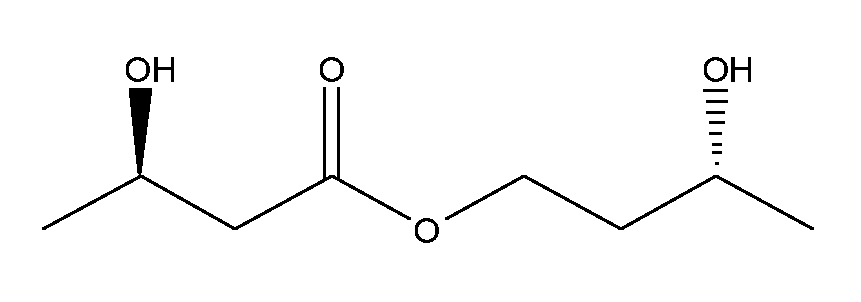
9. A compound for use according to any preceding claim for use in preventing or treating one or more of the physiological, psychological, immunological or biochemical alterations associated with multiple sclerosis in the subject.
10. A compound for use according to any preceding claim for use in reducing fatigue and/or muscle stiffness associated with multiple sclerosis and/or improving mobility of subjects with multiple sclerosis.
11. A compound for use according to any preceding claim for use in treating impairments to neurological functions of subjects caused by multiple sclerosis, wherein the neurological functions are preferably selected from vision, balance, continence and cognitive function of the subject.
12. A compound for use according to any preceding claim for use in improving remyelination in subjects with multiple sclerosis, and/or reducing autoimmune demyelination associated with multiple sclerosis throughout the brain and spinal cord
of the subject, and/or reducing formation of lesions in the subject due to multiple sclerosis.
13. A compound for use according to any preceding claim for use in treating or preventing axonal degeneration associated with multiple sclerosis caused by metabolic stress or oxidative stress in the subject.
14. A compound for use according to any preceding claim for use in treating inflammation associated with multiple sclerosis.
15. A compound for use according to any preceding claim, further for use with a standard (non-ketogenic) diet.
16. A pharmaceutical composition for use in preventing or treating multiple sclerosis in a subject comprising a compound as defined in any preceding claim and optionally one or more pharmaceutically acceptable excipients.
17. A nutritional composition for use in preventing or treating multiple sclerosis in a subject comprising a compound as defined in any one of claims 1-15 and optionally further comprising water and one or more of a flavouring, a protein, carbohydrate, sugars, fat, fibre, vitamins and minerals.
18. A nutritional composition according to claim 17 further comprising a mid-chain triglyceride, preferably wherein the mid chain triglyceride has formula CH2Ra-CH2Rb- CH2Rc wherein Ra, Rb and Rc are fatty acids having 5 to 12 carbon atoms.
19. Use of a compound according to any one of claims 1 to 15 or a composition according to any one of claims 16 to 18 in the manufacture of a medicament for use in preventing or treating multiple sclerosis in a subject.
20. A method of preventing or treating multiple sclerosis in a subject comprising administering to the subject in need thereof a compound as defined in any one of claims 1 to 15 or a composition as defined in any one of claims 16 to 18.
Applications Claiming Priority (2)
| Application Number | Priority Date | Filing Date | Title |
|---|---|---|---|
| GB1918657.6 | 2019-12-17 | ||
| GBGB1918657.6A GB201918657D0 (en) | 2019-12-17 | 2019-12-17 | Compounds for new use |
Publications (1)
| Publication Number | Publication Date |
|---|---|
| WO2021123779A1 true WO2021123779A1 (en) | 2021-06-24 |
Family
ID=69186732
Family Applications (1)
| Application Number | Title | Priority Date | Filing Date |
|---|---|---|---|
| PCT/GB2020/053251 Ceased WO2021123779A1 (en) | 2019-12-17 | 2020-12-16 | (r)-3-hydroxybutyrate, esters and oligomers thereof for the treatment of multiple sclerosis |
Country Status (2)
| Country | Link |
|---|---|
| GB (1) | GB201918657D0 (en) |
| WO (1) | WO2021123779A1 (en) |
Citations (11)
| Publication number | Priority date | Publication date | Assignee | Title |
|---|---|---|---|---|
| WO2004108740A2 (en) | 2003-06-03 | 2004-12-16 | The Government Of The United States Of America As Represented By The Secretary Of The Department Of Health And Human Services | Nutritional supplements and therapeutic compositions comprising (r)-3-hydroxybutyrate derivatives |
| WO2009089144A1 (en) | 2008-01-04 | 2009-07-16 | Isis Innovation Limited | Ketone bodies and ketone body esters as blood lipid lowering agents |
| WO2014140308A1 (en) | 2013-03-14 | 2014-09-18 | Isis Innovation Ltd | Process for producing (r)-3-hydroxybutyl (r)-3-hydroxybutyrate |
| WO2015018913A1 (en) | 2013-08-07 | 2015-02-12 | Tdeltas Limited | Ketone body and ketone body ester for reducing muscle breakdown |
| WO2015153850A2 (en) | 2014-04-02 | 2015-10-08 | University Of Southern California | Autoimmunity and multiple sclerosis treatment |
| WO2016012657A1 (en) | 2014-07-21 | 2016-01-28 | Oulun Yliopisto | Oligomeric forms of 3-hydroxybutyrate |
| WO2016123229A1 (en) | 2015-01-29 | 2016-08-04 | Yale University | Compositions and methods for treating nlrp3 inflammasome-related diseases and disorders |
| JP2016210689A (en) | 2015-04-30 | 2016-12-15 | 公益財団法人東京都医学総合研究所 | Optic nerve protective agent |
| WO2017213999A1 (en) | 2016-06-07 | 2017-12-14 | The J. David Gladstone Institutes | Medium chain fatty acid esters of beta-hydroxybutyrate and butanediol and compositions and methods for using same |
| US20180057846A1 (en) | 2016-08-30 | 2018-03-01 | KetoneAid Inc. | Partially buffered free acid and/or ketone blend for rapid onset ketosis and metabolic therapy |
| WO2019180441A1 (en) * | 2018-03-21 | 2019-09-26 | Chain Biotechnology Limited | Pharmaceutical compositions |
-
2019
- 2019-12-17 GB GBGB1918657.6A patent/GB201918657D0/en not_active Ceased
-
2020
- 2020-12-16 WO PCT/GB2020/053251 patent/WO2021123779A1/en not_active Ceased
Patent Citations (11)
| Publication number | Priority date | Publication date | Assignee | Title |
|---|---|---|---|---|
| WO2004108740A2 (en) | 2003-06-03 | 2004-12-16 | The Government Of The United States Of America As Represented By The Secretary Of The Department Of Health And Human Services | Nutritional supplements and therapeutic compositions comprising (r)-3-hydroxybutyrate derivatives |
| WO2009089144A1 (en) | 2008-01-04 | 2009-07-16 | Isis Innovation Limited | Ketone bodies and ketone body esters as blood lipid lowering agents |
| WO2014140308A1 (en) | 2013-03-14 | 2014-09-18 | Isis Innovation Ltd | Process for producing (r)-3-hydroxybutyl (r)-3-hydroxybutyrate |
| WO2015018913A1 (en) | 2013-08-07 | 2015-02-12 | Tdeltas Limited | Ketone body and ketone body ester for reducing muscle breakdown |
| WO2015153850A2 (en) | 2014-04-02 | 2015-10-08 | University Of Southern California | Autoimmunity and multiple sclerosis treatment |
| WO2016012657A1 (en) | 2014-07-21 | 2016-01-28 | Oulun Yliopisto | Oligomeric forms of 3-hydroxybutyrate |
| WO2016123229A1 (en) | 2015-01-29 | 2016-08-04 | Yale University | Compositions and methods for treating nlrp3 inflammasome-related diseases and disorders |
| JP2016210689A (en) | 2015-04-30 | 2016-12-15 | 公益財団法人東京都医学総合研究所 | Optic nerve protective agent |
| WO2017213999A1 (en) | 2016-06-07 | 2017-12-14 | The J. David Gladstone Institutes | Medium chain fatty acid esters of beta-hydroxybutyrate and butanediol and compositions and methods for using same |
| US20180057846A1 (en) | 2016-08-30 | 2018-03-01 | KetoneAid Inc. | Partially buffered free acid and/or ketone blend for rapid onset ketosis and metabolic therapy |
| WO2019180441A1 (en) * | 2018-03-21 | 2019-09-26 | Chain Biotechnology Limited | Pharmaceutical compositions |
Non-Patent Citations (10)
| Title |
|---|
| "Handbook of Pharmaceutical Excipients", 1994 |
| BOCK MARKUS ET AL: "Ketogenic diets attenuate cyclooxygenase and lipoxygenase gene expression in multiple sclerosis", EBIOMEDICINE, vol. 36, 1 October 2018 (2018-10-01), NL, pages 293 - 303, XP055784379, ISSN: 2352-3964, DOI: 10.1016/j.ebiom.2018.08.057 * |
| CHOI IN YOUNG ET AL: "A Diet Mimicking Fasting Promotes Regeneration and Reduces Autoimmunity and Multiple Sclerosis Symptoms", CELL REPORTS, vol. 15, no. 10, 1 June 2016 (2016-06-01), US, pages 2136 - 2146, XP055784378, ISSN: 2211-1247, DOI: 10.1016/j.celrep.2016.05.009 * |
| D.Y. KIM ET AL., PLOS ONE, vol. 7, 2012, pages e35476 |
| KIERAN CLARKE ET AL: "Kinetics, safety and tolerability of ()-3-hydroxybutyl ()3-hydroxybutyrate in healthy adult subjects", REGULATORY TOXICOLOGY AND PHARMACOLOGY, vol. 63, no. 3, 3 May 2012 (2012-05-03), pages 401 - 408, XP028427124, ISSN: 0273-2300, [retrieved on 20120503], DOI: 10.1016/J.YRTPH.2012.04.008 * |
| KIM DO YOUNG ET AL: "Inflammation-Mediated Memory Dysfunction and Effects of a Ketogenic Diet in a Murine Model of Multiple Sclerosis", PLOS ONE, vol. 7, no. 5, 2 May 2012 (2012-05-02), pages e35476, XP055783847, DOI: 10.1371/journal.pone.0035476 * |
| OFFERMANS ET AL.: "Nutritional or pharmacological activation of HCA ameliorates neuroinflammation", TRENDS IN MOLECULAR MEDICINE, vol. 21, no. 4, 2015, pages 245 - 255, XP055276254, DOI: 10.1016/j.molmed.2015.02.002 |
| XU ET AL.: "D-(3-hydroxybutyrate inhibits microglial activation in a cell activation model in vitro", JOURNAL OF MEDICAL COLLEGES OF PLA, vol. 26, no. 3, 2011, pages 117 - 127, XP055426680, DOI: 10.1016/S1000-1948(11)60042-7 |
| XU XUDONG ZHANG QING TU JIANQI REN ZHENFENG ET AL: "D-β-hydroxybutyrate inhibits microglial activation in a cell activation model in vitro", JOURNAL OF MEDICAL COLLEGES OF PLA, 1 January 2011 (2011-01-01), pages 117 - 127, XP055426680, Retrieved from the Internet <URL:https://ac.els-cdn.com/S1000194811600427/1-s2.0-S1000194811600427-main.pdf?_tid=427fe090-cde8-11e7-b857-00000aacb360&acdnat=1511178489_1d3b29cab5a9aca3573418b873995e04> [retrieved on 20171120], DOI: 10.1016/S1000-1948(11)60042-7 * |
| YOUM Y-H ET AL: "The ketone metabolite [beta]-hydroxybutyrate blocks NLRP3 inflammasome-mediated inflammatory disease", NATURE MEDICINE, NATURE PUB. CO, NEW YORK, vol. 21, no. 3, 1 March 2015 (2015-03-01), pages 263 - 269, XP009501698, ISSN: 1078-8956, [retrieved on 20150216], DOI: 10.1038/NM.3804 * |
Also Published As
| Publication number | Publication date |
|---|---|
| GB201918657D0 (en) | 2020-01-29 |
Similar Documents
| Publication | Publication Date | Title |
|---|---|---|
| JP7632979B2 (en) | 3-hydroxybutyric acid compounds for use in reducing liver fat - Patents.com | |
| EP3873442B1 (en) | A composition for weigth loss or weight management comprising beta-hydroxybutyrate and cannabidiol | |
| KR101809172B1 (en) | Composition for preventing, improving or treating metabolic disease comprising Akkermansia muciniphila strain or its culture broth cultivated in medium without mucin as effective component | |
| ES2585066T3 (en) | Compositions for the treatment of neurological disorders | |
| US8338382B2 (en) | Method of treating impaired mitochondrial function | |
| US12370165B2 (en) | Hunger suppression | |
| KR101734152B1 (en) | Monoglyceride of acetoacetate and derivatives for the treatment of neurological disorders | |
| JP7402826B2 (en) | Compounds used in cancer cachexia | |
| KR20200026884A (en) | Lithium Salts of N-Substituted Glycine Compounds and Their Uses | |
| US20240316001A1 (en) | Use of pharmaceutical composition comprising chlorogenic acid in preparation of drug for treating early alzheimer's disease | |
| EP3939584A1 (en) | Composition for preventing or treating obesity or lipid-related metabolic disorders | |
| WO2021123779A1 (en) | (r)-3-hydroxybutyrate, esters and oligomers thereof for the treatment of multiple sclerosis | |
| KR20210079304A (en) | Compounds for use in preventing or treating overtraining in athletes | |
| KR102563745B1 (en) | Pharmaceutical composition for preventing or treating obesity having garcinia cambogia extract and health functional food having the same | |
| DE60218165T2 (en) | Lipolysis enhancer for body weight reduction and medical application | |
| KR20200047010A (en) | Compositions comprising extract of Crataegi fructus and Lycopus lucidus for prevention or treatment of lipid-related cardiovascular diseases or obesity | |
| KR20170139380A (en) | Composition for improving concentration power or for preventing or treating cognitive dysfunction comprising monoacetyl- diacylglycerol compound |
Legal Events
| Date | Code | Title | Description |
|---|---|---|---|
| 121 | Ep: the epo has been informed by wipo that ep was designated in this application |
Ref document number: 20838183 Country of ref document: EP Kind code of ref document: A1 |
|
| NENP | Non-entry into the national phase |
Ref country code: DE |
|
| 122 | Ep: pct application non-entry in european phase |
Ref document number: 20838183 Country of ref document: EP Kind code of ref document: A1 |