WO2021171987A1 - 情報管理システム、情報管理方法及びプログラム - Google Patents
情報管理システム、情報管理方法及びプログラム Download PDFInfo
- Publication number
- WO2021171987A1 WO2021171987A1 PCT/JP2021/004580 JP2021004580W WO2021171987A1 WO 2021171987 A1 WO2021171987 A1 WO 2021171987A1 JP 2021004580 W JP2021004580 W JP 2021004580W WO 2021171987 A1 WO2021171987 A1 WO 2021171987A1
- Authority
- WO
- WIPO (PCT)
- Prior art keywords
- information
- odor
- user
- unit
- preference
- Prior art date
- Legal status (The legal status is an assumption and is not a legal conclusion. Google has not performed a legal analysis and makes no representation as to the accuracy of the status listed.)
- Ceased
Links
Images








Classifications
-
- G—PHYSICS
- G06—COMPUTING OR CALCULATING; COUNTING
- G06Q—INFORMATION AND COMMUNICATION TECHNOLOGY [ICT] SPECIALLY ADAPTED FOR ADMINISTRATIVE, COMMERCIAL, FINANCIAL, MANAGERIAL OR SUPERVISORY PURPOSES; SYSTEMS OR METHODS SPECIALLY ADAPTED FOR ADMINISTRATIVE, COMMERCIAL, FINANCIAL, MANAGERIAL OR SUPERVISORY PURPOSES, NOT OTHERWISE PROVIDED FOR
- G06Q30/00—Commerce
- G06Q30/02—Marketing; Price estimation or determination; Fundraising
- G06Q30/0201—Market modelling; Market analysis; Collecting market data
- G06Q30/0203—Market surveys; Market polls
-
- G—PHYSICS
- G06—COMPUTING OR CALCULATING; COUNTING
- G06Q—INFORMATION AND COMMUNICATION TECHNOLOGY [ICT] SPECIALLY ADAPTED FOR ADMINISTRATIVE, COMMERCIAL, FINANCIAL, MANAGERIAL OR SUPERVISORY PURPOSES; SYSTEMS OR METHODS SPECIALLY ADAPTED FOR ADMINISTRATIVE, COMMERCIAL, FINANCIAL, MANAGERIAL OR SUPERVISORY PURPOSES, NOT OTHERWISE PROVIDED FOR
- G06Q30/00—Commerce
- G06Q30/02—Marketing; Price estimation or determination; Fundraising
-
- G—PHYSICS
- G01—MEASURING; TESTING
- G01B—MEASURING LENGTH, THICKNESS OR SIMILAR LINEAR DIMENSIONS; MEASURING ANGLES; MEASURING AREAS; MEASURING IRREGULARITIES OF SURFACES OR CONTOURS
- G01B11/00—Measuring arrangements characterised by the use of optical techniques
- G01B11/02—Measuring arrangements characterised by the use of optical techniques for measuring length, width or thickness
- G01B11/026—Measuring arrangements characterised by the use of optical techniques for measuring length, width or thickness by measuring distance between sensor and object
-
- G—PHYSICS
- G01—MEASURING; TESTING
- G01N—INVESTIGATING OR ANALYSING MATERIALS BY DETERMINING THEIR CHEMICAL OR PHYSICAL PROPERTIES
- G01N27/00—Investigating or analysing materials by the use of electric, electrochemical, or magnetic means
- G01N27/02—Investigating or analysing materials by the use of electric, electrochemical, or magnetic means by investigating impedance
- G01N27/04—Investigating or analysing materials by the use of electric, electrochemical, or magnetic means by investigating impedance by investigating resistance
- G01N27/12—Investigating or analysing materials by the use of electric, electrochemical, or magnetic means by investigating impedance by investigating resistance of a solid body in dependence upon absorption of a fluid; of a solid body in dependence upon reaction with a fluid, for detecting components in the fluid
-
- G—PHYSICS
- G01—MEASURING; TESTING
- G01N—INVESTIGATING OR ANALYSING MATERIALS BY DETERMINING THEIR CHEMICAL OR PHYSICAL PROPERTIES
- G01N27/00—Investigating or analysing materials by the use of electric, electrochemical, or magnetic means
- G01N27/02—Investigating or analysing materials by the use of electric, electrochemical, or magnetic means by investigating impedance
- G01N27/22—Investigating or analysing materials by the use of electric, electrochemical, or magnetic means by investigating impedance by investigating capacitance
- G01N27/227—Sensors changing capacitance upon adsorption or absorption of fluid components, e.g. electrolyte-insulator-semiconductor sensors, MOS capacitors
-
- G—PHYSICS
- G01—MEASURING; TESTING
- G01N—INVESTIGATING OR ANALYSING MATERIALS BY DETERMINING THEIR CHEMICAL OR PHYSICAL PROPERTIES
- G01N33/00—Investigating or analysing materials by specific methods not covered by groups G01N1/00 - G01N31/00
- G01N33/0004—Gaseous mixtures, e.g. polluted air
- G01N33/0009—General constructional details of gas analysers, e.g. portable test equipment
- G01N33/0027—General constructional details of gas analysers, e.g. portable test equipment concerning the detector
- G01N33/0031—General constructional details of gas analysers, e.g. portable test equipment concerning the detector comprising two or more sensors, e.g. a sensor array
-
- G—PHYSICS
- G01—MEASURING; TESTING
- G01N—INVESTIGATING OR ANALYSING MATERIALS BY DETERMINING THEIR CHEMICAL OR PHYSICAL PROPERTIES
- G01N33/00—Investigating or analysing materials by specific methods not covered by groups G01N1/00 - G01N31/00
- G01N33/0004—Gaseous mixtures, e.g. polluted air
- G01N33/0009—General constructional details of gas analysers, e.g. portable test equipment
- G01N33/0062—General constructional details of gas analysers, e.g. portable test equipment concerning the measuring method or the display, e.g. intermittent measurement or digital display
-
- G—PHYSICS
- G01—MEASURING; TESTING
- G01S—RADIO DIRECTION-FINDING; RADIO NAVIGATION; DETERMINING DISTANCE OR VELOCITY BY USE OF RADIO WAVES; LOCATING OR PRESENCE-DETECTING BY USE OF THE REFLECTION OR RERADIATION OF RADIO WAVES; ANALOGOUS ARRANGEMENTS USING OTHER WAVES
- G01S15/00—Systems using the reflection or reradiation of acoustic waves, e.g. sonar systems
- G01S15/02—Systems using the reflection or reradiation of acoustic waves, e.g. sonar systems using reflection of acoustic waves
- G01S15/06—Systems determining the position data of a target
- G01S15/08—Systems for measuring distance only
-
- G—PHYSICS
- G01—MEASURING; TESTING
- G01W—METEOROLOGY
- G01W1/00—Meteorology
- G01W1/02—Instruments for indicating weather conditions by measuring two or more variables, e.g. humidity, pressure, temperature, cloud cover or wind speed
-
- G—PHYSICS
- G06—COMPUTING OR CALCULATING; COUNTING
- G06F—ELECTRIC DIGITAL DATA PROCESSING
- G06F16/00—Information retrieval; Database structures therefor; File system structures therefor
- G06F16/20—Information retrieval; Database structures therefor; File system structures therefor of structured data, e.g. relational data
- G06F16/28—Databases characterised by their database models, e.g. relational or object models
- G06F16/284—Relational databases
- G06F16/288—Entity relationship models
-
- G—PHYSICS
- G06—COMPUTING OR CALCULATING; COUNTING
- G06T—IMAGE DATA PROCESSING OR GENERATION, IN GENERAL
- G06T7/00—Image analysis
-
- G—PHYSICS
- G16—INFORMATION AND COMMUNICATION TECHNOLOGY [ICT] SPECIALLY ADAPTED FOR SPECIFIC APPLICATION FIELDS
- G16H—HEALTHCARE INFORMATICS, i.e. INFORMATION AND COMMUNICATION TECHNOLOGY [ICT] SPECIALLY ADAPTED FOR THE HANDLING OR PROCESSING OF MEDICAL OR HEALTHCARE DATA
- G16H10/00—ICT specially adapted for the handling or processing of patient-related medical or healthcare data
- G16H10/60—ICT specially adapted for the handling or processing of patient-related medical or healthcare data for patient-specific data, e.g. for electronic patient records
Definitions
- the present invention relates to an information management system, an information management method and a program.
- Smell sensors that detect odors are used in various places (see, for example, Patent Document 1).
- an odor sensor By using an odor sensor, it is possible to qualitatively or quantitatively determine an odor substance that causes a person to perceive an odor.
- odors such as those that make people feel good and those that make people feel disgusted. Even if the scent is the same, it depends on the person whether he likes or dislikes the scent. It is known that one of the factors of the difference in the way of feeling the same odor is the difference in age, gender, physical condition, and culture to which the odor belongs. Since odor is an indispensable element in social life, it is important to clarify the relationship between the difference in how people feel about odor and its factors. However, the reality is that a mechanism for analyzing the relationship between the difference in perception of odor and its factors has not yet been provided.
- the present invention has been made under the above circumstances, and is an information management system, an information management method, and a program capable of obtaining data that is the basis of a mechanism for analyzing the relationship between the difference in perception of odor and its factor.
- the purpose is to provide.
- the information management system is An odor sensor that detects odors and A user information acquisition unit that acquires user information indicating user attributes, and A preference information input unit for inputting preference information indicating the user's preference for the odor detected by the odor sensor, and a preference information input unit.
- the odor information indicating the type of the odor detected by the odor sensor, the user information acquired by the user information acquisition unit, and the preference information input to the preference information input unit are stored in association with each other. Memory and To be equipped.
- the user information includes at least one of the user's age, gender, region, physique, living environment, occupation, hobby, and physical condition. It may be that.
- the odor information includes the intensity of the odor. It may be that.
- the storage unit stores the odor information, the user information, and the preference information in association with the environmental information acquired by the environmental information acquisition unit. It may be that.
- the environmental information includes at least one of temperature, humidity, atmospheric pressure, weather, and location information. It may be that.
- a biometric information acquisition unit that detects the biometric information of the user is provided.
- the storage unit stores the odor information, the user information, and the preference information in association with the biometric information detected by the biometric information acquisition unit. It may be that.
- the biometric information includes Information on at least one of the user's body temperature, blood pressure, heart rate, electrocardiogram, electroencephalogram, and breath sounds is included. It may be that.
- a distance sensor for detecting distance information between the odor sensor and the source of the odor is provided.
- the storage unit stores the distance information in association with the odor information, the user information, and the preference information. It may be that.
- the storage unit stores the odor information, the user information, and the preference information in association with an image of the source captured by the imaging unit. It may be that.
- the storage unit stores the odor information, the user information, and the preference information in association with the date and time information generated by the timekeeping unit. It may be that.
- an estimation unit that estimates a new user's preference for odor by referring to the information stored in the storage unit. It may be that.
- the user information acquisition unit and the preference information input unit are mounted on a mobile terminal owned by the user.
- the storage unit is mounted on a server computer connected to the mobile terminal via a communication network.
- the odor sensor is connected to the mobile terminal, It may be that.
- the information management method is An odor detection step in which an odor sensor detects an odor
- a user information acquisition step in which the information processing device acquires user information indicating the user's attributes, and The information processing device inputs the preference information indicating the user's preference for the odor detected in the odor detection step, and the preference information input step.
- the information processing device includes odor information indicating the type of odor detected in the odor detection step, the user information acquired in the user information acquisition step, and the preference information input in the preference information input step.
- the memory step to associate and memorize, including.
- the program according to the third aspect of the present invention Computer, User information acquisition unit that acquires user information indicating user attributes, A preference information input unit for inputting preference information indicating the user's preference for the odor detected by the odor sensor that detects the odor.
- the odor information indicating the type of the odor detected by the odor sensor, the user information acquired by the user information acquisition unit, and the preference information input to the preference information input unit are stored in association with each other. Memory To function as.
- preference information indicating a user's preference for odor is stored in a storage unit in association with user information indicating a user's attribute.
- Such information becomes information showing the relationship between the difference in the way of feeling the odor and the factor thereof, and becomes the basic information for analyzing the relationship. Therefore, according to the present invention, it is possible to obtain data that is the basis of a mechanism for analyzing the relationship between the difference in the way of feeling the odor and the factor thereof.
- FIG. It is a flowchart which shows the operation of the information management system of FIG. It is a block diagram which shows the structure of the information management system which concerns on Embodiment 2 of this invention. It is a block diagram which shows the structure of the information management system which concerns on Embodiment 3 of this invention. It is a tree diagram which shows an example of a detailed item of environmental information. It is a table which shows an example of the information stored in the storage part of FIG. It is a block diagram which shows the structure of the information management system which concerns on Embodiment 4 of this invention. It is a tree diagram which shows an example of the detailed item of the biological information. It is a block diagram which shows the structure of the information management system which concerns on Embodiment 5 of this invention.
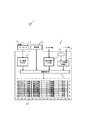
- the information management system 1 includes an odor sensor 2 and an information processing unit 3.
- the odor sensor 2 is a sensor that detects an odor and is also called an odor sensor. Specifically, the odor sensor 2 has a sensitive film 2a that adsorbs an odor substance t that makes a person feel an odor.
- sensitive membranes 2a such as chemically modified metals, metal oxide semiconductors, and lipid membranes.
- any membrane having a receptor for adsorbing the odorant t can be used as a sensitive membrane, and the type thereof is not particularly limited.
- the sensitive film 2a is inserted in a structure or an electric circuit provided in the odor sensor 2.
- the odorant substance t is adsorbed on the sensitive film 2a, the weight of the sensitive film 2a and the like change, and the physical characteristics of the structure including the sensitive film 2a or the electric circuit on which the sensitive film 2a is mounted change.
- Physical properties of the structure include, for example, the vibration frequency, the refractive index, the fluorescence intensity, and the temperature of the structure to which the sensitive film 2a is attached.
- the physical characteristics of the electric circuit including the sensitive film 2a include electric conductivity, resistance value, impedance, potential difference, and capacitance.
- the odor sensor 2 detects an odor by changing the physical characteristics of this structure or an electric circuit.
- the information management system 1 according to the present embodiment is not limited to the types of such physical characteristics.
- the odor sensor 2 outputs a signal indicating such a change in physical characteristics. For example, when a source T that emits an odor is nearby and an odorant substance t emitted from the source T is adsorbed on the sensitive film 2a, the level of a signal indicating the physical characteristics of the sensitive film 2a changes. By changing the level of this signal, the adhesion of the odorant t can be detected.
- the odor sensor 2 may have a plurality of types of sensitive films 2a and can detect a plurality of types of odor substances t at a time. Further, the odor sensor 2 may include a cartridge in which the sensitive film 2a can be replaced, and the detectable odor substance t may be changed by replacing the cartridge. In this way, the odor sensor 2 can detect a wide variety of odors.
- the odor sensor 2 detects and outputs a signal indicating a change in the physical characteristics of the plurality of types of sensitive films 2a.
- the information processing unit 3 is an information processing device that performs information processing.
- the information processing unit 3 is communicably connected to the odor sensor 2.
- the information processing unit 3 inputs a signal indicating a change in the physical characteristics of the sensitive film 2a from the odor sensor 2.
- the information processing unit 3 includes an odor information generation unit 10, a preference information input unit 11, a user information acquisition unit 12, an information integration unit 13, and a storage unit 20. , Equipped with.
- the odor information generation unit 10 inputs a signal indicating a change in the physical characteristics of the sensitive film 2a output from the odor sensor 2.
- the odor information generation unit 10 stores in advance information indicating the type of odor related to the odor substance t adsorbed on the sensitive film 2a.
- the odor information generation unit 10 associates the signal input from the odor sensor 2 with the information indicating the type of odor, and generates odor information indicating the type of odor detected by the odor sensor 2.
- the odor information generated by the odor information generation unit 10 basically includes the type of odor.
- the type of odor There are various types of odors. For example, flowers, cosmetics, food, drinks, body odors, biological odors, etc.
- the type of odor may be the odor substance t itself. In the present embodiment, there is no particular limitation on the type of odor.
- the odor information may include the intensity of the odor in addition to the type of odor, as shown in FIG.
- the intensity of the odor can be determined according to the amount of change in the physical characteristics of the sensitive film 2a in the signal of the odor sensor 2. That is, when the amount of change in the physical characteristics is larger than the threshold value, the odor can be considered to be strong, and when it is equal to or less than the threshold value, the odor can be considered to be weak.
- the odor sensor 2 may send a signal including information on the type of the odor substance t to be detected, that is, the odor type, to the odor information generation unit 10.
- the odor information generation unit 10 only needs to convert the data indicated by the input signal into the format of the information stored in the storage unit 20 as the odor information indicating the type of odor.
- the preference information input unit 11 inputs preference information indicating the user's preference for the odor detected by the odor sensor 2.
- the preference information is information indicating whether the user likes or dislikes the odor.
- the information processing unit 3 is provided with various man-machine interfaces (see FIG. 7) capable of inputting user operations as hardware.
- the preference information input unit 11 inputs preference information via such a man-machine interface.
- the preference information may include information indicating that the odor is neither like nor dislike.
- the user information acquisition unit 12 acquires user information indicating the attributes of the user.
- the user information includes information indicating at least one of the user's age, gender, region, physique, living environment, occupation, hobby, and physical condition.
- the region is a region closely related to the user. Areas include, for example, place of birth, place of residence, place of work, and the like.
- the physique includes height and weight.
- the living environment includes housing (apartment or single-family home), family structure, meals, and the like. Occupations include their content and working hours (monthly, daily, overtime).
- the occupation may include information indicating the characteristics of the occupation, such as whether it is desk work or hard work. Unemployed, students, etc. can also be included as attributes of this profession. Hobbies include the content of the hobby and the time spent on the hobby. Physical condition includes information such as feeling sick, drinking alcohol, and the illness you are suffering from.
- user information is not limited to that shown in FIG. It can include any attributes that the individual user has.
- the user information acquisition unit 12 may be input via the man-machine interface as described above. Further, when the information processing unit 3 includes the user information storage unit 50 and the user information is stored in the user information storage unit 50 in advance, the user information acquisition unit 12 receives the user information from the user information storage unit 50. May be read and obtained. The current situation such as physical condition will be input by the user via the man-machine interface.
- the information integration unit 13 inputs odor information indicating the odor generated by the odor information generation unit 10, preference information input to the preference information input unit 11, and user information acquired by the user information acquisition unit 12. And associate and integrate into one piece of information.
- the information integration unit 13 stores the integrated information in the storage unit 20.
- "associating" means linking a plurality of pieces of information to a state in which the remaining information can be accessed from one piece of information even when a plurality of pieces of information are accumulated together with other pieces of information. ..
- the corresponding odor information and preference information can be accessed using specific user information as a key.
- the corresponding user information and preference information can be accessed from the odor information.
- odor information and user information can be accessed from preference information.
- the storage unit 20 is a relational database.
- the storage unit 20 associates the odor information indicating the odor generated by the odor information generation unit 10 with the preference information input to the preference information input unit 11 and the user information acquired by the user information acquisition unit 12.
- FIG. 1 shows how the integrated information to which the identification numbers D1 to D8 are assigned is stored in the storage unit 20. By assigning the same identification number to the information associated with each other in this way, it is possible to extract the associated information from a large amount of information.
- the identification number may be a unique number for each information.
- the information integration unit 13 does not have to be provided.
- each of the odor information generation unit 10, the preference information input unit 11, and the user information acquisition unit 12 writes the odor information, preference information, and user information of the storage unit 20 in the respective storage areas of the same identification number. You may do so.
- the information shown in FIG. 4 is collected.
- the integrated information is shown collectively for each odor. For example, for each of the odor types A, B, and C, whether each of the plurality of users likes or dislikes, the age, gender, region, etc. of the user are stored in association with each other.
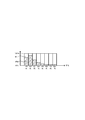
- various personal preferences for odors can be analyzed. For example, as shown in FIG. 5, the ratio of those who answered that they like odor A and those who answered that they dislike it can be obtained for each gender. Further, as shown in FIG. 6, the ratio of the person who answered that he / she likes the odor A and the person who answered that he / she dislikes it can be obtained for each age group. In addition, the ratio of favorite odors and disliked odors can be calculated by region, physique, living environment, occupation, hobbies, physical condition, and the like.
- the information processing unit 3 is designed to realize the functions of the odor information generation unit 10, the preference information input unit 11, the user information acquisition unit 12, the information integration unit 13, the storage unit 20, and the like as described above.
- the main storage unit 32, the external storage unit 33, the operation unit 34, the display unit 35, the audio input unit 36, the audio output unit 37, the camera 38, the communication circuit 39, and the timer 40 are all connected to the processor 31 via the internal bus 30. It is connected.
- the processor 31 is a unit that executes a program composed of a CPU (Central Processing Unit) and the like.
- FIG. 1 shows that the processor 31 executes processes such as an odor information generation unit 10, a preference information input unit 11, a user information acquisition unit 12, and an information integration unit 13 according to a program 41 stored in the external storage unit 33.
- the function of the information processing unit 3 as the information processing device shown in the above is realized.
- the main storage unit 32 is composed of a RAM (Random-Access Memory) and the like.
- the program 41 stored in the external storage unit 33 is loaded into the main storage unit 32.
- the main storage unit 32 is used as a work area (temporary storage area for information) of the processor 31.
- the external storage unit 33 is composed of a flash memory, a hard disk, a non-volatile memory such as a DVD-RAM (Digital Versatile Disc Random-Access Memory) and a DVD-RW (Digital Versatile Disc ReWritable).
- the external storage unit 33 stores in advance a program 41 for causing the processor 31 to execute the program 41. Further, the external storage unit 33 supplies the information used when executing the program 41 to the processor 31 according to the instruction of the processor 31, and stores the information supplied from the processor 31.
- the operation unit 34 is composed of a pointing device such as a keyboard and a mouse, and an interface device for connecting the keyboard and the pointing device and the like to the internal bus 30. Information about the content operated by the user is input to the processor 31 via the operation unit 34.
- the display unit 35 is composed of a CRT (Cathode Ray Tube), an LCD (Liquid Crystal Display), or the like. When the user inputs preference information or user information, an input screen is displayed. It is also possible to integrate the operation unit 34 and the display unit 35 into a touch panel.
- the voice input unit 36 is a microphone for inputting a user's voice or the like.
- the voice input unit 36 is used for the user to input information by voice.
- the audio output unit 37 is a speaker.
- the voice output unit 37 outputs a voice or the like prompting the user to input information.
- the operation unit 34, the display unit 35, the voice input unit 36, and the voice output unit 37 correspond to the man-machine interface.
- the camera 38 is a camera capable of capturing an image or a video.
- the camera 38 is used for imaging the source T, as will be described later.
- the communication circuit 39 is connected to a wireless or wired communication network. It is an interface circuit that communicates with other computers via a communication network.
- the communication network includes, for example, the communication network 4 in FIG. 9, which will be described later.
- the timer 40 measures the time.
- the processor 31 needs the current time information or the date and time information
- the processor 31 obtains the time information or the date and time information measured by the timer 40.
- the information management system 1 prepares for detecting an odor (step S1).
- a source T that emits an odor as a sample is prepared. It is not necessary to prepare such a source T in a place where there is an original odor.
- the state of the odor sensor 2 is set to a state in which the odor emitted from the source T can be detected. For example, the cartridge of the odor sensor 2 is replaced, or the odor substance t already attached to the sensitive film 2a is removed from the sensitive film 2a to bring the odor sensor 2 into an initial state in which the odor can be newly detected. ..
- the odor sensor 2 and the information processing unit 3 of the information management system 1 start the operation (step S2). Specifically, the odor sensor 2 starts outputting a signal indicating a change in the physical characteristics of the structure or the electric circuit including the sensitive film 2a.
- the odor information generation unit 10 of the information processing unit 3 starts inputting the signal output from the odor sensor 2.
- the signal level changes. In this way, the odor sensor 2 detects the odor and outputs a signal indicating a change in the sensitive film 2a (odor detection step).
- the odor information generation unit 10 of the information processing unit 3 monitors the change in the level of the signal input from the odor sensor 2 and waits until the odor is detected (step S3; No).
- the odor information generation unit 10 of the information processing unit 3 generates odor information based on the signal input from the odor sensor 2 (step S4).
- the user information acquisition unit 12 of the information processing unit 3 acquires user information indicating the user's attributes (step S5; user information acquisition step). Specifically, the user information acquisition unit 12 causes the display unit 35 of the information processing unit 3 to display the input image of the user information.
- This input image is, for example, an image displayed by words prompting input such as age, gender, and physical condition, or an image for selecting age, gender, physical condition, and the like.
- the user operates the operation unit 34 while looking at the displayed input image to input or select information such as age, gender, and physical condition.
- the user information acquisition unit 12 acquires the user information by reading the user information stored in the user information storage unit 50. Further, the voice output from the voice output unit 37 prompts the user to input information such as age, gender, and physical condition, and the voice input to the voice input unit 36 prompts the user to input information such as age, gender, and physical condition. It may be.
- the preference information input unit 11 of the information processing unit 3 inputs preference information indicating the user's preference for the odor detected in the above-mentioned odor detection step (step S6; preference information input step).
- the user information acquisition unit 12 causes the display unit 35 of the information processing unit 3 to display an input image of preference information.
- This input image is, for example, an image for selecting whether to like or dislike this odor.
- the user operates the operation unit 34 to input whether he likes or dislikes this odor.
- the voice output by the voice output unit 37 and the voice input by the voice input unit 36 are possible.
- the information integration unit 13 of the information processing unit 3 correlates the odor information generated in step S4, the user information acquired in step S5, and the preference information input in step S6, and integrates them.
- Information is generated and stored in the storage unit 20 (step S7; storage step). After executing step S7, the process returns to step S1.
- steps S1 to S7 are repeated, and the integrated information is accumulated in the storage unit 20 each time the steps S1 to S7 are repeated.
- the odor source T may be changed.
- the setting of the odor sensor 2 may be changed in step S1 in accordance with the change. Note that steps S4 to S6 are in no particular order and may be performed in parallel.
- Various analysis results can be obtained from the information stored in the storage unit 20. For example, it can be seen that certain odors tend to be liked by men of a certain age, but disliked by women of the same age. In addition, depending on the odor, it is possible to identify what is liked or disliked by all age groups, regardless of whether they are male or female. In addition, the preference for odor changes greatly depending on the physique, living environment, occupation, and hobbies, and in the state of drinking and illness, even people of the same age and gender change their preference for odor. Etc. can be obtained as the analysis result. Such analysis results can be used for product development, event holding, and the like.
- the information management system 1 includes an odor information generation unit 10, a preference information input unit 11, a user information acquisition unit 12, an information integration unit 13, a storage unit 20, and a user information storage unit.
- the point that 50 is provided is the same as the information management system 1 according to the first embodiment.
- the odor information generation unit 10, the preference information input unit 11, the user information acquisition unit 12, and the information integration unit 13 are implemented in the mobile terminal 6 owned by the user. Further, the storage unit 20 is mounted on the server computer 7 connected to the mobile terminal 6 via the communication network 4. The odor sensor 2 is connected to the mobile terminal 6.
- the odor sensor 2 detects the odor.
- the odor information generation unit 10 generates odor information from the signal input from the odor sensor 2.
- the preference information input unit 11 inputs preference information indicating the user's preference for the odor detected by the odor sensor.
- the user information acquisition unit 12 acquires user information indicating the attributes of the user.
- the information integration unit 13 associates the odor information, the preference information, and the user information, and generates the integrated information thereof.
- the information integration unit 13 sends the integrated information to the server computer 7 via the communication network 4.
- the mobile terminal 6 owned by the individual user is used as the information processing unit.
- user information about many individual users is stored in the user information storage unit 50.
- the user information acquisition unit 12 can acquire most of the user information from the user information storage unit 50.
- the server computer 7 includes an information writing unit 21.
- the information writing unit 21 receives the integrated information sent via the communication network 4.
- the information writing unit 21 stores the received integrated information in the storage unit 20. That is, the storage unit 20 stores the odor information generated by the odor information generation unit 10, the preference information input to the preference information input unit 11, and the user information acquired by the user information acquisition unit 12 in association with each other. do.
- the hardware configuration of the mobile terminal 6 and the server computer 7 is basically the same as the hardware configuration of the information processing unit 3 shown in FIG. However, the server computer 7 does not need the voice input unit 36, the voice output unit 37, and the camera 38.
- a plurality of mobile terminals 6 having different users are connected to the communication network 4, and an odor sensor 2 is connected to each mobile terminal 6.
- the user uses the mobile terminal 6 and the odor sensor 2 to detect the odor and input the preference information.
- the information integration unit 13 of the mobile terminal 6 sends integrated information in which odor information, preference information, and user information are integrated to the server computer 7 via the communication network 4.
- the information writing unit 21 of the server computer 7 writes the integrated information into the storage unit 20 and accumulates the information.
- the mobile terminal 6 since the mobile terminal 6 is used, it is possible to move and detect the odor or the like regardless of the location.
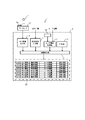
- the information management system 1 according to the present embodiment is the same as the configuration of the information management system 1 according to the first embodiment in that it includes an odor sensor 2 and an information processing unit 3. Is.
- the information management system 1 further includes an environment sensor 14.
- the environment sensor 14 detects the environmental information of the space where the odor drifts.
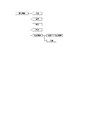
- An environment sensor 14 is connected to the information processing unit 3. As shown in FIG. 11, this environmental information includes at least one piece of information such as temperature, humidity, atmospheric pressure, weather, and location information.
- the position information includes altitude information in addition to position information on a map (planar map).
- environmental information is not limited to this. For example, it may include information on how pollen is scattered, information on the concentration of PM2.5, or information on photochemical smog.
- the information processing unit 3 includes an environmental information acquisition unit 15.
- the environmental information acquisition unit 15 acquires the environmental information detected by the environment sensor 14.
- the information integration unit 13 acquires the odor information generated by the odor information generation unit 10, the user information acquired by the user information acquisition unit 12, and the preference information input to the preference information input unit 11 by the environment information acquisition unit 15.
- the integrated information is generated by associating the generated environment information, and the integrated information is stored in the storage unit 20.
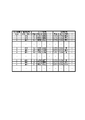
- information as shown in FIG. 12 is stored in the storage unit 20.
- the storage unit 20 For example, information as shown in FIG. 12 is stored in the storage unit 20.
- the temperature and humidity are within a predetermined range and the weather is sunny, it is possible to statistically grasp how a plurality of users perceive an odor.
- the way people perceive odors depends on the environment such as temperature and humidity at that time. Therefore, if preference information such as whether the odor is liked or dislike is stored in association with environmental information and accumulated, how the environment affects the way people perceive the odor based on the accumulated information. Can be analyzed.
- the environment information acquisition unit 15 may acquire the environment information by the operation input of the user, or may acquire the environment information via the communication network 4 (see FIG. 9). good.
- the function of the environment information acquisition unit 15 is realized by the processor 31 of FIG. 7 executing the program 41.
- the information management system 1 according to the present embodiment is the same as the configuration of the information management system 1 according to the first embodiment in that it includes an odor sensor 2 and an information processing unit 3. Is.
- the information management system 1 further includes a biosensor 16.
- the biosensor 16 detects the biometric information of the user.
- a biosensor 16 is connected to the information processing unit 3. As shown in FIG. 14, this biological information includes at least one of body temperature, blood pressure, heart rate, electrocardiogram, electroencephalogram, and respiratory sound. However, biometric information is not limited to this. Any index of health that can be observed by the human body can be included.
- the information processing unit 3 includes a biological information acquisition unit 17.
- the biometric information acquisition unit 17 acquires the biometric information of the user detected by the biosensor 16.
- the information integration unit 13 detects the odor information generated by the odor information generation unit 10, the user information acquired by the user information acquisition unit 12, and the preference information input to the preference information input unit 11 by the biometric information acquisition unit 17.
- the integrated biometric information is associated with each other to generate integrated information, and the integrated information is stored in the storage unit 20.
- the storage unit 20 By referring to the information stored in the storage unit 20, for example, it is possible to statistically grasp how a user having a body temperature of 38 degrees or higher feels a certain odor.
- the biosensor 16 does not have to be provided.
- the biometric information acquisition unit 17 may acquire biometric information by, for example, a user's operation input, or externally having the user's physical examination information by information communication via the communication circuit 39 (FIG. 7).
- the biometric information of the user may be acquired from the computer.
- the function of the biometric information acquisition unit 17 is realized by the processor 31 of FIG. 7 executing the program 41.
- the information management system 1 according to the present embodiment is the same as the configuration of the information management system 1 according to the first embodiment in that it includes an odor sensor 2 and an information processing unit 3. Is.
- the information management system 1 further includes a distance sensor 60.
- the distance sensor 60 detects the distance information between the odor sensor 2 and the odor source T.
- a distance sensor 60 is connected to the information processing unit 3.
- the information processing unit 3 includes a distance information acquisition unit 61.
- the distance information acquisition unit 61 acquires the distance information detected by the distance sensor 60.
- the information integration unit 13 detects the odor information generated by the odor information generation unit 10, the user information acquired by the user information acquisition unit 12, and the preference information input to the preference information input unit 11 by the distance information acquisition unit 61.
- the integrated information is generated by associating the distance information, and the integrated information is stored in the storage unit 20.
- the distance sensor 60 As the distance sensor 60, a camera 38 (see FIG. 7) can be used. As shown in FIG. 16, the camera 38 is arranged close to the odor sensor 2. Therefore, the distance information acquisition unit 61 acquires the distance L (distance information) between the odor sensor 2 and the odor source T based on the image captured by the camera 38. This distance information does not have to be strict, and may be expressed by a numerical value such as several meters, or may be expressed as far or near. If the camera 38 is a compound eye camera, the distance can be accurately detected based on the triangulation method.
- the distance information is also stored in association with the odor information, the preference information, and the user information, it is possible to analyze the user's preference for the odor with the distance from the odor source T.
- the distance sensor 60 may use a sensor other than the camera.
- a sensor other than the camera For example, an ultrasonic sensor or the like can be used.
- the function of the distance information acquisition unit 61 is realized by the processor 31 of FIG. 7 executing the program 41.
- the information management system 1 according to the present embodiment is the same as the configuration of the information management system 1 according to the first embodiment in that it includes an odor sensor 2 and an information processing unit 3. Is.
- the information management system 1 is different from the information management system 1 according to the above embodiment in that it includes an imaging unit 62. As shown in FIG. 16, the image pickup unit 62 takes an image of the odor source T.
- the information integration unit 13 was imaged by the imaging unit 62 on the odor information generated by the odor information generation unit 10, the user information acquired by the user information acquisition unit 12, and the preference information input to the preference information input unit 11.
- the image of the source T is associated and stored in the storage unit 20.
- the odor information, the preference information, and the user information can be stored in association with the image of the odor source T. In this way, it is possible to analyze how the state of the source T affects how a person perceives the odor, although the odor is the same.
- the function of the imaging unit 62 is realized by the processor 31 of FIG. 7 executing the program 41 to control the camera 38.
- Embodiment 7 of the present invention will be described.
- the information management system 1 according to the present embodiment is different from the information management system 1 according to the above embodiment in that it includes a timekeeping unit 70.
- the timekeeping unit 70 generates date and time information for timekeeping, that is, when an odor is detected by the odor sensor 2.
- the information integration unit 13 timed the odor information generated by the odor information generation unit 10, the user information acquired by the user information acquisition unit 12, and the preference information input to the preference information input unit 11 by the timing unit 70.
- the date and time information is associated and stored in the storage unit 20.
- the way people feel about odors also depends on the date and time. Therefore, if the preference information of whether the scent is liked or disliked is memorized in association with the date and time when the scent is smelled and accumulated, the time zone is based on the accumulated information and how the person feels the scent. It is possible to analyze whether it has such an effect.
- the function of the timekeeping unit 70 is realized by the processor 31 of FIG. 7 executing the program 41 and reading the date and time information from the timer 40.
- the environmental information, the biological information, the distance information, the image, and the date and time information are stored in association with each other, but the present invention is limited to this. I can't. All or at least one of the biological information, the distance information, the image, and the date and time information may be stored in association with the odor information, the preference information, and the user information.
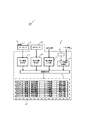
- Embodiment 8 of the present invention will be described. As shown in FIG. 19, the information management system 1 according to the present embodiment is different from the information management system 1 according to the above embodiment in that it includes an estimation unit 80.
- the estimation unit 80 inputs user information of a new user from the user information acquisition unit 12.
- new integrated information is not stored in the storage unit 20.
- the estimation unit 80 refers to the information stored in the storage unit 20 and estimates the preference of the new user for the odor. For example, when the age, gender, etc. of a new user are input, the estimation unit 80 determines the age group to which the new user belongs, the odor that the gender likes, and the odor that the new user dislikes, based on the distribution of odors of the same age group and gender. presume.
- the estimation in the estimation unit 80 can be performed by using various methods. For example, statistical methods can be used to estimate new users' odor preferences. In this case, in addition to the user information of the user, environmental information, biological information, distance information, image, date and time information may be taken into consideration for estimation. Further, the estimation unit 80 has a learning system capable of machine learning and deep learning based on the information stored in the storage unit 20, and the learning system includes user information, environmental information, biological information, and distance information of a new user. , The image, and the date and time information may be input to obtain the estimation result.
- the function of the estimation unit 80 is realized by the processor 31 of FIG. 7 executing the program 41.
- the information management system 1 can perform various analyzes regarding how a person perceives an odor. For example, an odor that many people say they like about a certain age group can be adopted as the odor of a product for that age group. In addition, odors that many people say they like, regardless of age, gender, etc., can be adopted as odors for an unspecified number of people.
- the preference information indicating whether the user likes or dislikes the odor is associated with the user information indicating the user's attributes, and integrated information is provided. Is stored in the storage unit 20. Such information becomes information showing the relationship between the difference in the way of feeling the odor and the factor thereof, and becomes the basic information for analyzing the relationship. Therefore, according to the present embodiment, it is possible to obtain data that is the basis of a mechanism for analyzing the relationship between the difference in the way of feeling the odor and the factor thereof.
- the configuration of the information management system 1 shown in the above embodiments 3 to 8 can be transformed into the configuration of the mobile terminal 6 and the server computer 7.
- the output of the estimation unit 80 may be transmitted to the mobile terminal 6 owned by the new user.
- the odor sensor 2 may be incorporated in the information processing unit 3. The same applies to the environment sensor 14 and the biosensor 16.
- one odor is detected at a time, but the present invention is not limited to this. Two or more odors may be detected at one time. In this case, odor information related to two or more types of odors is stored in the storage unit 20 in association with each other.
- the added information is not limited to environmental information, biological information, distance information, source T image, and date and time information.
- the place where the odor is detected may be stored in association with the integrated information. Anything that changes the way you perceive odors can be included in this information.
- the information processing unit 3 may be realized by using a general computer such as a mobile terminal and a personal computer, or may be realized as a dedicated device.
- the hardware configuration and software configuration of the information processing unit 3 are examples, and can be changed and modified arbitrarily.
- the central portion for processing the processing unit 3 can be realized by using a normal computer system without using a dedicated system.
- a computer program for performing the above operation is stored and distributed on a non-temporary recording medium (flexible disk, CD-ROM, DVD-ROM, etc.) that can be read by a computer, and the computer program is distributed to the computer.
- the information processing unit 3 that executes the above processing may be configured.
- the information processing unit 3 may be configured by storing the computer program in a storage device of a server device on a communication network such as the Internet and downloading it by a normal computer system.
- only the application program part may be stored in the recording medium or the storage device.
- a computer program may be posted on a bulletin board system (BBS, Bulletin Board System) on a communication network, and the computer program may be distributed via the network. Then, the computer program may be started and executed in the same manner as other application programs under the control of the OS so that the above processing can be executed.
- BSS bulletin board System
- the present invention makes it possible to analyze differences in user preferences for odors.
- 1 information management system 2 odor sensor, 2a sensitive film, 3 information processing unit, 4 communication network, 6 mobile terminal, 7 server computer, 10 odor information generation unit, 11 preference information input unit, 12 user information acquisition unit, 13 information Integrated unit, 14 environmental sensor, 15 environmental information acquisition unit, 16 biosensor, 17 biometric information acquisition unit, 20 storage unit, 21 information writing unit, 30 internal bus, 31 processor, 32 main storage unit, 33 external storage unit, 34 Operation unit, 35 display unit, 36 audio input unit, 37 audio output unit, 38 camera, 39 communication circuit, 40 timer, 41 program, 50 user information storage unit, 60 distance sensor, 61 distance information acquisition unit, 62 imaging unit, 70 timing part, 80 estimation part, T source, t odor substance
Landscapes
- Engineering & Computer Science (AREA)
- Physics & Mathematics (AREA)
- General Physics & Mathematics (AREA)
- Chemical & Material Sciences (AREA)
- Business, Economics & Management (AREA)
- Health & Medical Sciences (AREA)
- Life Sciences & Earth Sciences (AREA)
- Development Economics (AREA)
- Finance (AREA)
- Accounting & Taxation (AREA)
- Strategic Management (AREA)
- Theoretical Computer Science (AREA)
- General Health & Medical Sciences (AREA)
- Immunology (AREA)
- Pathology (AREA)
- Analytical Chemistry (AREA)
- Biochemistry (AREA)
- Entrepreneurship & Innovation (AREA)
- General Business, Economics & Management (AREA)
- Marketing (AREA)
- Economics (AREA)
- Game Theory and Decision Science (AREA)
- Databases & Information Systems (AREA)
- Chemical Kinetics & Catalysis (AREA)
- Radar, Positioning & Navigation (AREA)
- Remote Sensing (AREA)
- Combustion & Propulsion (AREA)
- Food Science & Technology (AREA)
- Medicinal Chemistry (AREA)
- Environmental & Geological Engineering (AREA)
- Electrochemistry (AREA)
- Data Mining & Analysis (AREA)
- Computer Vision & Pattern Recognition (AREA)
- Biodiversity & Conservation Biology (AREA)
- Acoustics & Sound (AREA)
- Primary Health Care (AREA)
- Medical Informatics (AREA)
- Power Engineering (AREA)
- Epidemiology (AREA)
- Environmental Sciences (AREA)
Abstract
Description
匂いを検出する匂いセンサと、
ユーザの属性を示すユーザ情報を取得するユーザ情報取得部と、
前記匂いセンサで検出された前記匂いに対する前記ユーザの好みを示す嗜好情報を入力する嗜好情報入力部と、
前記匂いセンサで検出された前記匂いの種別を示す匂い情報と、前記ユーザ情報取得部で取得された前記ユーザ情報と、前記嗜好情報入力部に入力された前記嗜好情報と、を関連付けて記憶する記憶部と、
を備える。
こととしてもよい。
こととしてもよい。
前記記憶部は、前記匂い情報、前記ユーザ情報、前記嗜好情報に、前記環境情報取得部で取得された前記環境情報を関連付けて記憶する、
こととしてもよい。
こととしてもよい。
前記記憶部は、前記匂い情報、前記ユーザ情報、前記嗜好情報に、前記生体情報取得部で検出された前記生体情報を関連付けて記憶する、
こととしてもよい。
前記ユーザの体温、血圧、心拍数、心電図、脳波、呼吸音のうち、少なくとも1つの情報が含まれる、
こととしてもよい。
前記記憶部は、前記匂い情報、前記ユーザ情報、前記嗜好情報に、前記距離情報を関連付けて記憶する、
こととしてもよい。
前記記憶部は、前記匂い情報、前記ユーザ情報、前記嗜好情報に、前記撮像部で撮像された前記発生源の画像を関連付けて記憶する、
こととしてもよい。
前記記憶部は、前記匂い情報、前記ユーザ情報、前記嗜好情報に、前記計時部で生成された日時情報を関連付けて記憶する、
こととしてもよい。
こととしてもよい。
前記記憶部は、前記携帯端末と通信ネットワークを介して接続されるサーバコンピュータに実装されており、
前記匂いセンサは、前記携帯端末に接続されている、
こととしてもよい。
匂いセンサが、匂いを検出する匂い検出ステップと、
情報処理装置が、ユーザの属性を示すユーザ情報を取得するユーザ情報取得ステップと、
情報処理装置が、前記匂い検出ステップで検出された前記匂いに対する前記ユーザの好みを示す嗜好情報を入力する嗜好情報入力ステップと、
情報処理装置が、前記匂い検出ステップで検出された前記匂いの種別を示す匂い情報と、前記ユーザ情報取得ステップで取得された前記ユーザ情報と、前記嗜好情報入力ステップで入力された前記嗜好情報と、を関連付けて記憶する記憶ステップと、
を含む。
コンピュータを、
ユーザの属性を示すユーザ情報を取得するユーザ情報取得部、
匂いを検出する匂いセンサで検出された前記匂いに対する前記ユーザの好みを示す嗜好情報を入力する嗜好情報入力部、
前記匂いセンサで検出された前記匂いの種別を示す匂い情報と、前記ユーザ情報取得部で取得された前記ユーザ情報と、前記嗜好情報入力部に入力された前記嗜好情報と、を関連付けて記憶する記憶部、
として機能させる。
図1に示すように、本実施の形態1に係る情報管理システム1は、匂いセンサ2と、情報処理部3と、を備える。
次に、本発明の実施の形態2について説明する。図9に示すように、本実施の形態に係る情報管理システム1は、匂い情報生成部10、嗜好情報入力部11、ユーザ情報取得部12、情報統合部13、記憶部20及びユーザ情報記憶部50を備える点は、上記実施の形態1に係る情報管理システム1と同じである。
次に、本発明の実施の形態3について説明する。図10に示すように、本実施の形態に係る情報管理システム1は、匂いセンサ2と、情報処理部3と、を備える点では、上記実施の形態1に係る情報管理システム1の構成と同じである。この情報管理システム1は、環境センサ14をさらに備える。環境センサ14は、匂いが漂う空間の環境情報を検出する。
次に、本発明の実施の形態4について説明する。図13に示すように、本実施の形態に係る情報管理システム1は、匂いセンサ2と、情報処理部3と、を備える点では、上記実施の形態1に係る情報管理システム1の構成と同じである。この情報管理システム1は、生体センサ16をさらに備える。生体センサ16は、ユーザの生体情報を検出する。
次に、本発明の実施の形態5について説明する。図15に示すように、本実施の形態に係る情報管理システム1は、匂いセンサ2と、情報処理部3と、を備える点では、上記実施の形態1に係る情報管理システム1の構成と同じである。この情報管理システム1は、距離センサ60をさらに備える。距離センサ60は、匂いセンサ2と匂いの発生源Tとの距離情報を検出する。
次に、本発明の実施の形態6について説明する。図17に示すように、本実施の形態に係る情報管理システム1は、匂いセンサ2と、情報処理部3と、を備える点では、上記実施の形態1に係る情報管理システム1の構成と同じである。
次に、本発明の実施の形態7について説明する。図18に示すように、本実施の形態に係る情報管理システム1は、計時部70を備えている点が、上記実施の形態に係る情報管理システム1と異なる。
次に、本発明の実施の形態8について説明する。図19に示すように、本実施の形態に係る情報管理システム1は、推定部80を備えている点が、上記実施の形態に係る情報管理システム1と異なる。
Claims (14)
- 匂いを検出する匂いセンサと、
ユーザの属性を示すユーザ情報を取得するユーザ情報取得部と、
前記匂いセンサで検出された前記匂いに対する前記ユーザの好みを示す嗜好情報を入力する嗜好情報入力部と、
前記匂いセンサで検出された前記匂いの種別を示す匂い情報と、前記ユーザ情報取得部で取得された前記ユーザ情報と、前記嗜好情報入力部に入力された前記嗜好情報と、を関連付けて記憶する記憶部と、
を備える情報管理システム。 - 前記ユーザ情報には、前記ユーザの年齢、性別、地域、体格、生活環境、職業、趣味、体調のうち、少なくとも1つの情報が含まれる、
請求項1に記載の情報管理システム。 - 前記匂い情報には、前記匂いの強さが含まれる、
請求項1又は2に記載の情報管理システム。 - 前記匂いが漂う空間の環境情報を取得する環境情報取得部を備え、
前記記憶部は、前記匂い情報、前記ユーザ情報、前記嗜好情報に、前記環境情報取得部で取得された前記環境情報を関連付けて記憶する、
請求項1から3のいずれか一項に記載の情報管理システム。 - 前記環境情報には、気温、湿度、気圧、天候、位置情報のうち、少なくとも1つの情報が含まれる、
請求項4に記載の情報管理システム。 - 前記ユーザの生体情報を検出する生体情報取得部を備え、
前記記憶部は、前記匂い情報、前記ユーザ情報、前記嗜好情報に、前記生体情報取得部で検出された前記生体情報を関連付けて記憶する、
請求項1から5のいずれか一項に記載の情報管理システム。 - 前記生体情報には、
前記ユーザの体温、血圧、心拍数、心電図、脳波、呼吸音のうち、少なくとも1つの情報が含まれる、
請求項6に記載の情報管理システム。 - 前記匂いセンサと前記匂いの発生源との距離情報を検出する距離センサを備え、
前記記憶部は、前記匂い情報、前記ユーザ情報、前記嗜好情報に、前記距離情報を関連付けて記憶する、
請求項1から7のいずれか一項に記載の情報管理システム。 - 前記匂いの発生源を撮像する撮像部を備え、
前記記憶部は、前記匂い情報、前記ユーザ情報、前記嗜好情報に、前記撮像部で撮像された前記発生源の画像を関連付けて記憶する、
請求項1から8のいずれか一項に記載の情報管理システム。 - 前記匂いセンサで前記匂いが検出されたときの日時情報を生成する計時部を備え、
前記記憶部は、前記匂い情報、前記ユーザ情報、前記嗜好情報に、前記計時部で生成された日時情報を関連付けて記憶する、
請求項1から9のいずれか一項に記載の情報管理システム。 - 前記記憶部に記憶された情報を参照して、新規のユーザの匂いに対する嗜好を推定する推定部を備える、
請求項1から10のいずれか一項に記載の情報管理システム。 - 前記ユーザ情報取得部及び前記嗜好情報入力部は、前記ユーザが所有する携帯端末に実装され、
前記記憶部は、前記携帯端末と通信ネットワークを介して接続されるサーバコンピュータに実装されており、
前記匂いセンサは、前記携帯端末に接続されている、
請求項1から11のいずれか一項に記載の情報管理システム。 - 匂いセンサが、匂いを検出する匂い検出ステップと、
情報処理装置が、ユーザの属性を示すユーザ情報を取得するユーザ情報取得ステップと、
情報処理装置が、前記匂い検出ステップで検出された前記匂いに対する前記ユーザの好みを示す嗜好情報を入力する嗜好情報入力ステップと、
情報処理装置が、前記匂い検出ステップで検出された前記匂いの種別を示す匂い情報と、前記ユーザ情報取得ステップで取得された前記ユーザ情報と、前記嗜好情報入力ステップで入力された前記嗜好情報と、を関連付けて記憶する記憶ステップと、
を含む情報管理方法。 - コンピュータを、
ユーザの属性を示すユーザ情報を取得するユーザ情報取得部、
匂いを検出する匂いセンサで検出された前記匂いに対する前記ユーザの好みを示す嗜好情報を入力する嗜好情報入力部、
前記匂いセンサで検出された前記匂いの種別を示す匂い情報と、前記ユーザ情報取得部で取得された前記ユーザ情報と、前記嗜好情報入力部に入力された前記嗜好情報と、を関連付けて記憶する記憶部、
として機能させるプログラム。
Priority Applications (5)
| Application Number | Priority Date | Filing Date | Title |
|---|---|---|---|
| US17/798,274 US12205129B2 (en) | 2020-02-28 | 2021-02-08 | Information management system, information management method, and program |
| EP21760590.6A EP4089609A4 (en) | 2020-02-28 | 2021-02-08 | Information management system, information management method, and program |
| JP2022503231A JP7424466B2 (ja) | 2020-02-28 | 2021-02-08 | 情報管理システム、情報管理方法及びプログラム |
| CN202180012233.1A CN115039118B (zh) | 2020-02-28 | 2021-02-08 | 信息管理系统、信息管理方法以及记录介质 |
| KR1020227032706A KR102778610B1 (ko) | 2020-02-28 | 2021-02-08 | 정보 관리 시스템, 정보 관리 방법 및 프로그램 |
Applications Claiming Priority (2)
| Application Number | Priority Date | Filing Date | Title |
|---|---|---|---|
| JP2020-034043 | 2020-02-28 | ||
| JP2020034043 | 2020-02-28 |
Publications (1)
| Publication Number | Publication Date |
|---|---|
| WO2021171987A1 true WO2021171987A1 (ja) | 2021-09-02 |
Family
ID=77490469
Family Applications (1)
| Application Number | Title | Priority Date | Filing Date |
|---|---|---|---|
| PCT/JP2021/004580 Ceased WO2021171987A1 (ja) | 2020-02-28 | 2021-02-08 | 情報管理システム、情報管理方法及びプログラム |
Country Status (7)
| Country | Link |
|---|---|
| US (1) | US12205129B2 (ja) |
| EP (1) | EP4089609A4 (ja) |
| JP (1) | JP7424466B2 (ja) |
| KR (1) | KR102778610B1 (ja) |
| CN (1) | CN115039118B (ja) |
| TW (1) | TWI883124B (ja) |
| WO (1) | WO2021171987A1 (ja) |
Citations (7)
| Publication number | Priority date | Publication date | Assignee | Title |
|---|---|---|---|---|
| JPH028689B2 (ja) | 1984-07-13 | 1990-02-26 | Meiji Milk Prod Co Ltd | |
| US20120143804A1 (en) * | 2009-07-23 | 2012-06-07 | Yada Research And Development Co., Ltd. | Predicting odor pleasantness with an electronic nose |
| JP2017221640A (ja) * | 2016-06-13 | 2017-12-21 | パナソニックIpマネジメント株式会社 | 機器制御システム、ウェアラブルデバイス、情報処理装置、香料吹き出し方法および機器制御方法 |
| JP2018161504A (ja) * | 2018-06-12 | 2018-10-18 | サッポロホールディングス株式会社 | 香りの嗜好性評価方法 |
| JP2020034043A (ja) | 2018-08-28 | 2020-03-05 | 日立オートモティブシステムズ株式会社 | ディスクブレーキ |
| KR20200092468A (ko) * | 2019-01-08 | 2020-08-04 | 재단법인대구경북과학기술원 | 현실세계와 온라인 공간 간에 후각데이터를 공유하는 방법, 단말기 및 시스템 |
| JP6768981B1 (ja) * | 2020-03-13 | 2020-10-14 | 東京瓦斯株式会社 | 室内環境管理システム、管理装置およびプログラム |
Family Cites Families (17)
| Publication number | Priority date | Publication date | Assignee | Title |
|---|---|---|---|---|
| JP2005315802A (ja) * | 2004-04-30 | 2005-11-10 | Olympus Corp | ユーザ支援装置 |
| US20080131858A1 (en) * | 2006-11-30 | 2008-06-05 | Gordon Mckenna | Method and apparatus for creating a custom blended fragrance |
| WO2009101571A1 (en) * | 2008-02-15 | 2009-08-20 | Koninklijke Philips Electronics N.V. | Fragrance dispenser |
| JP6596428B2 (ja) | 2014-08-29 | 2019-10-23 | 株式会社アロマビット | 嗅覚システム、匂い識別方法、匂い識別装置、及び、匂い識別プログラム |
| WO2017085796A1 (ja) | 2015-11-17 | 2017-05-26 | 株式会社アロマビット | 匂いセンサおよび匂い測定システム |
| WO2017094284A1 (ja) * | 2015-11-30 | 2017-06-08 | 株式会社ソニー・インタラクティブエンタテインメント | 情報処理装置 |
| KR101720266B1 (ko) | 2016-03-04 | 2017-03-28 | 피움랩스 주식회사 | 방향물질 배출장치 |
| WO2018026932A1 (en) * | 2016-08-03 | 2018-02-08 | Becker Todd H | Method and system of a networked scent diffusion device |
| JP6811438B2 (ja) | 2016-11-29 | 2021-01-13 | パナソニックIpマネジメント株式会社 | 照明制御システム、照明制御方法及びプログラム |
| TWI717425B (zh) * | 2016-12-01 | 2021-02-01 | 易思醫創有限公司 | 可區別使用者生理特徵的使用者生理感測系統 |
| CN106777322A (zh) * | 2017-01-07 | 2017-05-31 | 珠海市魅族科技有限公司 | 信息推送方法及系统 |
| WO2018133933A1 (en) * | 2017-01-19 | 2018-07-26 | Continental Automotive Gmbh | A predictive scent control system and method thereof |
| KR20180094699A (ko) * | 2017-02-16 | 2018-08-24 | 삼성전자주식회사 | 가스를 측정하는 전자 장치 및 그 방법 |
| WO2018168672A1 (ja) | 2017-03-15 | 2018-09-20 | 太陽誘電株式会社 | 管理装置、空調管理システム及び空調管理方法 |
| CN110612542A (zh) * | 2017-05-10 | 2019-12-24 | 福特全球技术公司 | 使用气味偏好的运输系统 |
| JP6875305B2 (ja) * | 2018-03-23 | 2021-05-19 | 日本ユニシス株式会社 | 嗅覚嗜好とパーソナリティとの関係性解析装置 |
| CN110244582A (zh) * | 2019-05-05 | 2019-09-17 | 浙江乌镇街科技有限公司 | 一种数字化气味数据关联平台 |
-
2021
- 2021-02-08 EP EP21760590.6A patent/EP4089609A4/en not_active Ceased
- 2021-02-08 KR KR1020227032706A patent/KR102778610B1/ko active Active
- 2021-02-08 JP JP2022503231A patent/JP7424466B2/ja active Active
- 2021-02-08 US US17/798,274 patent/US12205129B2/en active Active
- 2021-02-08 CN CN202180012233.1A patent/CN115039118B/zh active Active
- 2021-02-08 WO PCT/JP2021/004580 patent/WO2021171987A1/ja not_active Ceased
- 2021-02-22 TW TW110106066A patent/TWI883124B/zh active
Patent Citations (7)
| Publication number | Priority date | Publication date | Assignee | Title |
|---|---|---|---|---|
| JPH028689B2 (ja) | 1984-07-13 | 1990-02-26 | Meiji Milk Prod Co Ltd | |
| US20120143804A1 (en) * | 2009-07-23 | 2012-06-07 | Yada Research And Development Co., Ltd. | Predicting odor pleasantness with an electronic nose |
| JP2017221640A (ja) * | 2016-06-13 | 2017-12-21 | パナソニックIpマネジメント株式会社 | 機器制御システム、ウェアラブルデバイス、情報処理装置、香料吹き出し方法および機器制御方法 |
| JP2018161504A (ja) * | 2018-06-12 | 2018-10-18 | サッポロホールディングス株式会社 | 香りの嗜好性評価方法 |
| JP2020034043A (ja) | 2018-08-28 | 2020-03-05 | 日立オートモティブシステムズ株式会社 | ディスクブレーキ |
| KR20200092468A (ko) * | 2019-01-08 | 2020-08-04 | 재단법인대구경북과학기술원 | 현실세계와 온라인 공간 간에 후각데이터를 공유하는 방법, 단말기 및 시스템 |
| JP6768981B1 (ja) * | 2020-03-13 | 2020-10-14 | 東京瓦斯株式会社 | 室内環境管理システム、管理装置およびプログラム |
Non-Patent Citations (1)
| Title |
|---|
| See also references of EP4089609A4 |
Also Published As
| Publication number | Publication date |
|---|---|
| CN115039118A (zh) | 2022-09-09 |
| EP4089609A4 (en) | 2023-06-28 |
| KR20220143925A (ko) | 2022-10-25 |
| TW202203117A (zh) | 2022-01-16 |
| US12205129B2 (en) | 2025-01-21 |
| EP4089609A1 (en) | 2022-11-16 |
| KR102778610B1 (ko) | 2025-03-07 |
| CN115039118B (zh) | 2026-03-17 |
| JP7424466B2 (ja) | 2024-01-30 |
| JPWO2021171987A1 (ja) | 2021-09-02 |
| TWI883124B (zh) | 2025-05-11 |
| US20230075086A1 (en) | 2023-03-09 |
Similar Documents
| Publication | Publication Date | Title |
|---|---|---|
| Johnson et al. | A comparative analysis of sepsis identification methods in an electronic database | |
| US12417825B2 (en) | Systems and methods for collecting and analyzing comprehensive medical information | |
| Coulby et al. | A scoping review of technological approaches to environmental monitoring | |
| Lenert et al. | Validity and interpretation of preference-based measures of health-related quality of life | |
| Sultana et al. | Using machine learning and smartphone and smartwatch data to detect emotional states and transitions: exploratory study | |
| Kern et al. | Olfactory function in wave 2 of the national social life, health, and aging project | |
| KR101880159B1 (ko) | 스마트폰 어플리케이션 연계 그림 심리검사 전용 검사지 및 그 검사지와 스마트폰 어플리케이션을 이용한 그림 심리검사 서비스 제공시스템과 방법 | |
| CN111954812A (zh) | 基于电子鼻的气味剂分析的利用 | |
| US8595257B1 (en) | System and method for identifying romantically compatible subjects | |
| CN106845082A (zh) | 一种人体健康数据监测系统及其分析方法 | |
| US20170242971A1 (en) | Characteristic evaluation apparatus, characteristic evaluation system, characteristic evaluation method, and characteristic evaluation program | |
| Adami et al. | Monitoring health parameters of elders to support independent living and improve their quality of life | |
| CN114051621B (zh) | 空间提案系统和空间提案方法 | |
| JP2020030597A (ja) | 香り提示情報出力システム | |
| Lindborg et al. | Real and imagined smellscapes | |
| Dahri et al. | Usability evaluation of mobile health application from AI perspective in rural areas of Pakistan | |
| Gartenberg et al. | Collecting health-related data on the smart phone: mental models, cost of collection, and perceived benefit of feedback | |
| Nakanishi et al. | The digital scent device as a new concept for olfactory assessment | |
| Ren et al. | Research contents, methods and prospects of emotional architecture based on a systematic literature review | |
| Capin et al. | Prospective telehealth analysis of functional performance, frailty, quality of life, and mental health after COVID-19 hospitalization | |
| Banerjee et al. | Exploratory analysis of older adults’ sedentary behavior in the primary living area using kinect depth data | |
| JP2017220181A (ja) | 案内表示システム、案内表示方法及び案内表示プログラム | |
| CN108693974A (zh) | 数据处理方法、系统及非易失性计算机存储介质 | |
| JP7424466B2 (ja) | 情報管理システム、情報管理方法及びプログラム | |
| CN106485083B (zh) | 家庭用户体征数据监控方法 |
Legal Events
| Date | Code | Title | Description |
|---|---|---|---|
| 121 | Ep: the epo has been informed by wipo that ep was designated in this application |
Ref document number: 21760590 Country of ref document: EP Kind code of ref document: A1 |
|
| ENP | Entry into the national phase |
Ref document number: 2022503231 Country of ref document: JP Kind code of ref document: A |
|
| ENP | Entry into the national phase |
Ref document number: 2021760590 Country of ref document: EP Effective date: 20220811 |
|
| ENP | Entry into the national phase |
Ref document number: 20227032706 Country of ref document: KR Kind code of ref document: A |
|
| NENP | Non-entry into the national phase |
Ref country code: DE |
|
| WWW | Wipo information: withdrawn in national office |
Ref document number: 2021760590 Country of ref document: EP |