WO2021206158A1 - がん治療方法 - Google Patents
がん治療方法 Download PDFInfo
- Publication number
- WO2021206158A1 WO2021206158A1 PCT/JP2021/014973 JP2021014973W WO2021206158A1 WO 2021206158 A1 WO2021206158 A1 WO 2021206158A1 JP 2021014973 W JP2021014973 W JP 2021014973W WO 2021206158 A1 WO2021206158 A1 WO 2021206158A1
- Authority
- WO
- WIPO (PCT)
- Prior art keywords
- amino
- cancer
- pyrazole
- pyridin
- isoxazolo
- Prior art date
- Legal status (The legal status is an assumption and is not a legal conclusion. Google has not performed a legal analysis and makes no representation as to the accuracy of the status listed.)
- Ceased
Links
- YJVHXUXWPVQSKB-UHFFFAOYSA-N CC(C)OC(OCOP(O)(OC[n]1ncc(-c(c2c3c(N)n[o]2)cnc3-c(cc(C(C)=O)c(N)c2)c2F)c1)=O)=O Chemical compound CC(C)OC(OCOP(O)(OC[n]1ncc(-c(c2c3c(N)n[o]2)cnc3-c(cc(C(C)=O)c(N)c2)c2F)c1)=O)=O YJVHXUXWPVQSKB-UHFFFAOYSA-N 0.000 description 1
- KMMDXRMVQAEFCD-UHFFFAOYSA-O CC(c(c(N)c1)cc(-c2ncc(-c3c[n](COC(N(C)c4ncccc4COC(C[NH2+]C)=O)=O)nc3)c3c2c(N)n[o]3)c1F)=O Chemical compound CC(c(c(N)c1)cc(-c2ncc(-c3c[n](COC(N(C)c4ncccc4COC(C[NH2+]C)=O)=O)nc3)c3c2c(N)n[o]3)c1F)=O KMMDXRMVQAEFCD-UHFFFAOYSA-O 0.000 description 1
- JUDOCNZHNWXMIA-UHFFFAOYSA-N CC(c(c(N)c1)cc(-c2ncc(-c3c[n](COP(O)(O)=O)nc3)c3c2c(N)n[o]3)c1F)=O Chemical compound CC(c(c(N)c1)cc(-c2ncc(-c3c[n](COP(O)(O)=O)nc3)c3c2c(N)n[o]3)c1F)=O JUDOCNZHNWXMIA-UHFFFAOYSA-N 0.000 description 1
- MCKAIVUMHVLUIO-UHFFFAOYSA-N CC(c(c(N)c1)cc(Br)c1F)=O Chemical compound CC(c(c(N)c1)cc(Br)c1F)=O MCKAIVUMHVLUIO-UHFFFAOYSA-N 0.000 description 1
- XQRJRSNJDCETCD-UHFFFAOYSA-N CC(c1cc(-c2ncc(-c3c[n](COP(O)(O)=O)nc3)c3c2c(N)n[o]3)ccc1N)=O Chemical compound CC(c1cc(-c2ncc(-c3c[n](COP(O)(O)=O)nc3)c3c2c(N)n[o]3)ccc1N)=O XQRJRSNJDCETCD-UHFFFAOYSA-N 0.000 description 1
- HXGJCSUGNPFGDZ-UHFFFAOYSA-N CC1(C)OB(c(cc(C(OC)=O)c(N)c2)c2F)OC1(C)C Chemical compound CC1(C)OB(c(cc(C(OC)=O)c(N)c2)c2F)OC1(C)C HXGJCSUGNPFGDZ-UHFFFAOYSA-N 0.000 description 1
- RWDPHKFZWCMVTD-UHFFFAOYSA-M [O-]C(c(c(Cl)ncc1I)c1F)=O Chemical compound [O-]C(c(c(Cl)ncc1I)c1F)=O RWDPHKFZWCMVTD-UHFFFAOYSA-M 0.000 description 1
Images





Classifications
-
- A—HUMAN NECESSITIES
- A61—MEDICAL OR VETERINARY SCIENCE; HYGIENE
- A61K—PREPARATIONS FOR MEDICAL, DENTAL OR TOILETRY PURPOSES
- A61K31/00—Medicinal preparations containing organic active ingredients
- A61K31/33—Heterocyclic compounds
- A61K31/395—Heterocyclic compounds having nitrogen as a ring hetero atom, e.g. guanethidine or rifamycins
- A61K31/435—Heterocyclic compounds having nitrogen as a ring hetero atom, e.g. guanethidine or rifamycins having six-membered rings with one nitrogen as the only ring hetero atom
- A61K31/4353—Heterocyclic compounds having nitrogen as a ring hetero atom, e.g. guanethidine or rifamycins having six-membered rings with one nitrogen as the only ring hetero atom ortho- or peri-condensed with heterocyclic ring systems
- A61K31/437—Heterocyclic compounds having nitrogen as a ring hetero atom, e.g. guanethidine or rifamycins having six-membered rings with one nitrogen as the only ring hetero atom ortho- or peri-condensed with heterocyclic ring systems the heterocyclic ring system containing a five-membered ring having nitrogen as a ring hetero atom, e.g. indolizine, beta-carboline
-
- C—CHEMISTRY; METALLURGY
- C07—ORGANIC CHEMISTRY
- C07K—PEPTIDES
- C07K16/00—Immunoglobulins [IG], e.g. monoclonal or polyclonal antibodies
- C07K16/18—Immunoglobulins [IG], e.g. monoclonal or polyclonal antibodies against material from animals or humans
- C07K16/28—Immunoglobulins [IG], e.g. monoclonal or polyclonal antibodies against material from animals or humans against receptors, cell surface antigens or cell surface determinants
- C07K16/2803—Immunoglobulins [IG], e.g. monoclonal or polyclonal antibodies against material from animals or humans against receptors, cell surface antigens or cell surface determinants against the immunoglobulin superfamily
- C07K16/2818—Immunoglobulins [IG], e.g. monoclonal or polyclonal antibodies against material from animals or humans against receptors, cell surface antigens or cell surface determinants against the immunoglobulin superfamily against CD28 or CD152
-
- A—HUMAN NECESSITIES
- A61—MEDICAL OR VETERINARY SCIENCE; HYGIENE
- A61K—PREPARATIONS FOR MEDICAL, DENTAL OR TOILETRY PURPOSES
- A61K31/00—Medicinal preparations containing organic active ingredients
- A61K31/33—Heterocyclic compounds
- A61K31/395—Heterocyclic compounds having nitrogen as a ring hetero atom, e.g. guanethidine or rifamycins
- A61K31/435—Heterocyclic compounds having nitrogen as a ring hetero atom, e.g. guanethidine or rifamycins having six-membered rings with one nitrogen as the only ring hetero atom
- A61K31/44—Non condensed pyridines; Hydrogenated derivatives thereof
- A61K31/4427—Non condensed pyridines; Hydrogenated derivatives thereof containing further heterocyclic ring systems
- A61K31/444—Non condensed pyridines; Hydrogenated derivatives thereof containing further heterocyclic ring systems containing a six-membered ring with nitrogen as a ring heteroatom, e.g. amrinone
-
- A—HUMAN NECESSITIES
- A61—MEDICAL OR VETERINARY SCIENCE; HYGIENE
- A61K—PREPARATIONS FOR MEDICAL, DENTAL OR TOILETRY PURPOSES
- A61K31/00—Medicinal preparations containing organic active ingredients
- A61K31/33—Heterocyclic compounds
- A61K31/395—Heterocyclic compounds having nitrogen as a ring hetero atom, e.g. guanethidine or rifamycins
- A61K31/435—Heterocyclic compounds having nitrogen as a ring hetero atom, e.g. guanethidine or rifamycins having six-membered rings with one nitrogen as the only ring hetero atom
- A61K31/44—Non condensed pyridines; Hydrogenated derivatives thereof
- A61K31/445—Non condensed piperidines, e.g. piperocaine
- A61K31/4523—Non condensed piperidines, e.g. piperocaine containing further heterocyclic ring systems
- A61K31/4545—Non condensed piperidines, e.g. piperocaine containing further heterocyclic ring systems containing a six-membered ring with nitrogen as a ring hetero atom, e.g. pipamperone, anabasine
-
- A—HUMAN NECESSITIES
- A61—MEDICAL OR VETERINARY SCIENCE; HYGIENE
- A61K—PREPARATIONS FOR MEDICAL, DENTAL OR TOILETRY PURPOSES
- A61K31/00—Medicinal preparations containing organic active ingredients
- A61K31/33—Heterocyclic compounds
- A61K31/395—Heterocyclic compounds having nitrogen as a ring hetero atom, e.g. guanethidine or rifamycins
- A61K31/535—Heterocyclic compounds having nitrogen as a ring hetero atom, e.g. guanethidine or rifamycins having six-membered rings with at least one nitrogen and one oxygen as the ring hetero atoms, e.g. 1,2-oxazines
- A61K31/5375—1,4-Oxazines, e.g. morpholine
- A61K31/5377—1,4-Oxazines, e.g. morpholine not condensed and containing further heterocyclic rings, e.g. timolol
-
- A—HUMAN NECESSITIES
- A61—MEDICAL OR VETERINARY SCIENCE; HYGIENE
- A61K—PREPARATIONS FOR MEDICAL, DENTAL OR TOILETRY PURPOSES
- A61K31/00—Medicinal preparations containing organic active ingredients
- A61K31/56—Compounds containing cyclopenta[a]hydrophenanthrene ring systems; Derivatives thereof, e.g. steroids
- A61K31/57—Compounds containing cyclopenta[a]hydrophenanthrene ring systems; Derivatives thereof, e.g. steroids substituted in position 17 beta by a chain of two carbon atoms, e.g. pregnane or progesterone
- A61K31/573—Compounds containing cyclopenta[a]hydrophenanthrene ring systems; Derivatives thereof, e.g. steroids substituted in position 17 beta by a chain of two carbon atoms, e.g. pregnane or progesterone substituted in position 21, e.g. cortisone, dexamethasone, prednisone or aldosterone
-
- A—HUMAN NECESSITIES
- A61—MEDICAL OR VETERINARY SCIENCE; HYGIENE
- A61K—PREPARATIONS FOR MEDICAL, DENTAL OR TOILETRY PURPOSES
- A61K31/00—Medicinal preparations containing organic active ingredients
- A61K31/63—Compounds containing para-N-benzenesulfonyl-N-groups, e.g. sulfanilamide, p-nitrobenzenesulfonyl hydrazide
- A61K31/635—Compounds containing para-N-benzenesulfonyl-N-groups, e.g. sulfanilamide, p-nitrobenzenesulfonyl hydrazide having a heterocyclic ring, e.g. sulfadiazine
-
- A—HUMAN NECESSITIES
- A61—MEDICAL OR VETERINARY SCIENCE; HYGIENE
- A61K—PREPARATIONS FOR MEDICAL, DENTAL OR TOILETRY PURPOSES
- A61K31/00—Medicinal preparations containing organic active ingredients
- A61K31/66—Phosphorus compounds
- A61K31/675—Phosphorus compounds having nitrogen as a ring hetero atom, e.g. pyridoxal phosphate
-
- A—HUMAN NECESSITIES
- A61—MEDICAL OR VETERINARY SCIENCE; HYGIENE
- A61K—PREPARATIONS FOR MEDICAL, DENTAL OR TOILETRY PURPOSES
- A61K31/00—Medicinal preparations containing organic active ingredients
- A61K31/66—Phosphorus compounds
- A61K31/683—Diesters of a phosphorus acid with two hydroxy compounds, e.g. phosphatidylinositols
- A61K31/685—Diesters of a phosphorus acid with two hydroxy compounds, e.g. phosphatidylinositols one of the hydroxy compounds having nitrogen atoms, e.g. phosphatidylserine, lecithin
-
- A—HUMAN NECESSITIES
- A61—MEDICAL OR VETERINARY SCIENCE; HYGIENE
- A61K—PREPARATIONS FOR MEDICAL, DENTAL OR TOILETRY PURPOSES
- A61K31/00—Medicinal preparations containing organic active ingredients
- A61K31/70—Carbohydrates; Sugars; Derivatives thereof
- A61K31/7042—Compounds having saccharide radicals and heterocyclic rings
- A61K31/7052—Compounds having saccharide radicals and heterocyclic rings having nitrogen as a ring hetero atom, e.g. nucleosides, nucleotides
- A61K31/706—Compounds having saccharide radicals and heterocyclic rings having nitrogen as a ring hetero atom, e.g. nucleosides, nucleotides containing six-membered rings with nitrogen as a ring hetero atom
-
- A—HUMAN NECESSITIES
- A61—MEDICAL OR VETERINARY SCIENCE; HYGIENE
- A61K—PREPARATIONS FOR MEDICAL, DENTAL OR TOILETRY PURPOSES
- A61K31/00—Medicinal preparations containing organic active ingredients
- A61K31/70—Carbohydrates; Sugars; Derivatives thereof
- A61K31/7042—Compounds having saccharide radicals and heterocyclic rings
- A61K31/7052—Compounds having saccharide radicals and heterocyclic rings having nitrogen as a ring hetero atom, e.g. nucleosides, nucleotides
- A61K31/706—Compounds having saccharide radicals and heterocyclic rings having nitrogen as a ring hetero atom, e.g. nucleosides, nucleotides containing six-membered rings with nitrogen as a ring hetero atom
- A61K31/7064—Compounds having saccharide radicals and heterocyclic rings having nitrogen as a ring hetero atom, e.g. nucleosides, nucleotides containing six-membered rings with nitrogen as a ring hetero atom containing condensed or non-condensed pyrimidines
- A61K31/7068—Compounds having saccharide radicals and heterocyclic rings having nitrogen as a ring hetero atom, e.g. nucleosides, nucleotides containing six-membered rings with nitrogen as a ring hetero atom containing condensed or non-condensed pyrimidines having oxo groups directly attached to the pyrimidine ring, e.g. cytidine, cytidylic acid
-
- A—HUMAN NECESSITIES
- A61—MEDICAL OR VETERINARY SCIENCE; HYGIENE
- A61K—PREPARATIONS FOR MEDICAL, DENTAL OR TOILETRY PURPOSES
- A61K39/00—Medicinal preparations containing antigens or antibodies
- A61K39/395—Antibodies; Immunoglobulins; Immune serum, e.g. antilymphocytic serum
-
- A—HUMAN NECESSITIES
- A61—MEDICAL OR VETERINARY SCIENCE; HYGIENE
- A61K—PREPARATIONS FOR MEDICAL, DENTAL OR TOILETRY PURPOSES
- A61K39/00—Medicinal preparations containing antigens or antibodies
- A61K39/395—Antibodies; Immunoglobulins; Immune serum, e.g. antilymphocytic serum
- A61K39/39533—Antibodies; Immunoglobulins; Immune serum, e.g. antilymphocytic serum against materials from animals
- A61K39/3955—Antibodies; Immunoglobulins; Immune serum, e.g. antilymphocytic serum against materials from animals against proteinaceous materials, e.g. enzymes, hormones, lymphokines
-
- A—HUMAN NECESSITIES
- A61—MEDICAL OR VETERINARY SCIENCE; HYGIENE
- A61K—PREPARATIONS FOR MEDICAL, DENTAL OR TOILETRY PURPOSES
- A61K45/00—Medicinal preparations containing active ingredients not provided for in groups A61K31/00 - A61K41/00
- A61K45/06—Mixtures of active ingredients without chemical characterisation, e.g. antiphlogistics and cardiaca
-
- A—HUMAN NECESSITIES
- A61—MEDICAL OR VETERINARY SCIENCE; HYGIENE
- A61P—SPECIFIC THERAPEUTIC ACTIVITY OF CHEMICAL COMPOUNDS OR MEDICINAL PREPARATIONS
- A61P1/00—Drugs for disorders of the alimentary tract or the digestive system
-
- A—HUMAN NECESSITIES
- A61—MEDICAL OR VETERINARY SCIENCE; HYGIENE
- A61P—SPECIFIC THERAPEUTIC ACTIVITY OF CHEMICAL COMPOUNDS OR MEDICINAL PREPARATIONS
- A61P17/00—Drugs for dermatological disorders
-
- A—HUMAN NECESSITIES
- A61—MEDICAL OR VETERINARY SCIENCE; HYGIENE
- A61P—SPECIFIC THERAPEUTIC ACTIVITY OF CHEMICAL COMPOUNDS OR MEDICINAL PREPARATIONS
- A61P35/00—Antineoplastic agents
-
- A—HUMAN NECESSITIES
- A61—MEDICAL OR VETERINARY SCIENCE; HYGIENE
- A61P—SPECIFIC THERAPEUTIC ACTIVITY OF CHEMICAL COMPOUNDS OR MEDICINAL PREPARATIONS
- A61P35/00—Antineoplastic agents
- A61P35/02—Antineoplastic agents specific for leukemia
-
- A—HUMAN NECESSITIES
- A61—MEDICAL OR VETERINARY SCIENCE; HYGIENE
- A61P—SPECIFIC THERAPEUTIC ACTIVITY OF CHEMICAL COMPOUNDS OR MEDICINAL PREPARATIONS
- A61P43/00—Drugs for specific purposes, not provided for in groups A61P1/00-A61P41/00
-
- C—CHEMISTRY; METALLURGY
- C07—ORGANIC CHEMISTRY
- C07K—PEPTIDES
- C07K16/00—Immunoglobulins [IG], e.g. monoclonal or polyclonal antibodies
- C07K16/18—Immunoglobulins [IG], e.g. monoclonal or polyclonal antibodies against material from animals or humans
- C07K16/28—Immunoglobulins [IG], e.g. monoclonal or polyclonal antibodies against material from animals or humans against receptors, cell surface antigens or cell surface determinants
- C07K16/2863—Immunoglobulins [IG], e.g. monoclonal or polyclonal antibodies against material from animals or humans against receptors, cell surface antigens or cell surface determinants against receptors for growth factors, growth regulators
-
- A—HUMAN NECESSITIES
- A61—MEDICAL OR VETERINARY SCIENCE; HYGIENE
- A61K—PREPARATIONS FOR MEDICAL, DENTAL OR TOILETRY PURPOSES
- A61K39/00—Medicinal preparations containing antigens or antibodies
- A61K2039/505—Medicinal preparations containing antigens or antibodies comprising antibodies
-
- A—HUMAN NECESSITIES
- A61—MEDICAL OR VETERINARY SCIENCE; HYGIENE
- A61K—PREPARATIONS FOR MEDICAL, DENTAL OR TOILETRY PURPOSES
- A61K39/00—Medicinal preparations containing antigens or antibodies
- A61K2039/54—Medicinal preparations containing antigens or antibodies characterised by the route of administration
-
- A—HUMAN NECESSITIES
- A61—MEDICAL OR VETERINARY SCIENCE; HYGIENE
- A61K—PREPARATIONS FOR MEDICAL, DENTAL OR TOILETRY PURPOSES
- A61K39/00—Medicinal preparations containing antigens or antibodies
- A61K2039/545—Medicinal preparations containing antigens or antibodies characterised by the dose, timing or administration schedule
-
- A—HUMAN NECESSITIES
- A61—MEDICAL OR VETERINARY SCIENCE; HYGIENE
- A61K—PREPARATIONS FOR MEDICAL, DENTAL OR TOILETRY PURPOSES
- A61K2300/00—Mixtures or combinations of active ingredients, wherein at least one active ingredient is fully defined in groups A61K31/00 - A61K41/00
-
- A—HUMAN NECESSITIES
- A61—MEDICAL OR VETERINARY SCIENCE; HYGIENE
- A61K—PREPARATIONS FOR MEDICAL, DENTAL OR TOILETRY PURPOSES
- A61K31/00—Medicinal preparations containing organic active ingredients
- A61K31/66—Phosphorus compounds
- A61K31/661—Phosphorus acids or esters thereof not having P—C bonds, e.g. fosfosal, dichlorvos, malathion or mevinphos
-
- A—HUMAN NECESSITIES
- A61—MEDICAL OR VETERINARY SCIENCE; HYGIENE
- A61K—PREPARATIONS FOR MEDICAL, DENTAL OR TOILETRY PURPOSES
- A61K31/00—Medicinal preparations containing organic active ingredients
- A61K31/695—Silicon compounds
-
- A—HUMAN NECESSITIES
- A61—MEDICAL OR VETERINARY SCIENCE; HYGIENE
- A61K—PREPARATIONS FOR MEDICAL, DENTAL OR TOILETRY PURPOSES
- A61K31/00—Medicinal preparations containing organic active ingredients
- A61K31/70—Carbohydrates; Sugars; Derivatives thereof
- A61K31/7042—Compounds having saccharide radicals and heterocyclic rings
- A61K31/7052—Compounds having saccharide radicals and heterocyclic rings having nitrogen as a ring hetero atom, e.g. nucleosides, nucleotides
- A61K31/706—Compounds having saccharide radicals and heterocyclic rings having nitrogen as a ring hetero atom, e.g. nucleosides, nucleotides containing six-membered rings with nitrogen as a ring hetero atom
- A61K31/7064—Compounds having saccharide radicals and heterocyclic rings having nitrogen as a ring hetero atom, e.g. nucleosides, nucleotides containing six-membered rings with nitrogen as a ring hetero atom containing condensed or non-condensed pyrimidines
-
- C—CHEMISTRY; METALLURGY
- C07—ORGANIC CHEMISTRY
- C07K—PEPTIDES
- C07K2317/00—Immunoglobulins specific features
- C07K2317/70—Immunoglobulins specific features characterized by effect upon binding to a cell or to an antigen
- C07K2317/76—Antagonist effect on antigen, e.g. neutralization or inhibition of binding
Definitions
- the present invention relates to a drug (hereinafter, may be abbreviated as "STING agonist”) containing an STING agonist compound prescribed in suppressing cancer progression, suppressing recurrence and / or treating it as an active ingredient.
- STING agonist a drug containing an STING agonist compound prescribed in suppressing cancer progression, suppressing recurrence and / or treating it as an active ingredient.
- STING Stimulation of Interferon Genes
- cGAS cyclic GMP-AMP synthase
- cGAMP cyclic GMP-AMP
- cyclic dinucleotides such as cyclic Di-GMP, which was first identified as a second messenger of bacteria and later confirmed to exist in mammals, also directly binds to STING and activates it (non-patent literature). 1).
- STING is also known to be involved in autoimmune diseases and tumor immunity.
- abnormal host DNA has been shown to leak from the nucleus, activating STING and inducing an pro-inflammatory response, indicating its involvement in autoimmune diseases.
- the STING pathway also detects tumor-derived DNA and promotes T cell responses to tumors.
- the STING-agonizing compound administered to a mouse tumor induces an acquired immune response to cause tumor regression (Non-Patent Document 2), and an activating molecule of the STING pathway enhances IFN production and exhibits an antiviral effect. (Non-Patent Document 3) is known.
- An object of the present invention is to provide a formulation that avoids induction of inflammatory cytokine production caused by a STING agonist.
- the present inventors have diligently studied the formulation of a STING agonist in order to find a formulation that can solve the above problems, and found that it is administered in combination with a corticosteroid. Furthermore, by administering a reduced dose of STING agonist in combination with an antineoplastic agent that is not concerned about the development of cytokine release syndrome, and further in combination with a corticosteroid, there is a greater concern about cytokine release syndrome. A reduced formulation was found and the present invention was completed.
- L 1 is a bond, - It represents O-, -CONH-, -CO-, -CO 2- , -S-, -SO 2- or -SO-, and L 2 is a bond, C1 to 3 alkylene group, C3 to 7 cycloalkylene group.
- R 1 is a hydrogen atom, a halogen atom, a hydroxyl group, a cyano group, N (R 1a ) 2 (where, the two R 1a are independent hydrogen atoms or C1-4 alkyl groups, respectively.
- R 2 represents a hydrogen atom, a halogen atom, a hydroxyl group, an oxo group, a nitro group, a cyano group, a C1-4 alkoxy group or -CH 2 NR 2a R 2b or NR 2a R 2b (here).
- R 2a represents a hydrogen atom or a C1-4 alkyl group
- R 2b represents a hydrogen atom
- m represents an integer of 0 or 1
- R 3 represents a hydrogen atom, a halogen atom, a hydroxyl group
- It represents a C1 to 4 alkyl group, a C1 to 4 alkoxy group, a C1 to 4 haloalkyl group, a C1 to 4 haloalkoxy group or an amino group
- n represents an integer of 1 to 16 (where n is 2 or more, when n is 2 or more).
- R 4 represents a hydrogen atom, C1 ⁇ 4 alkyl group or a carboxy group
- R 5 represents a C1 ⁇ 4 alkyl group
- p is 0 (here, when p is 2 or more, groups represented by a plurality of R 5 may be the same or different.) represents an integer of ⁇ 5
- R 6 represents a hydrogen atom or a C1 ⁇ 4 alkyl group
- R 7 represents a hydrogen atom.
- b represents the bonding position of the ring B.
- Ring A is a 5- to 6-membered monocyclic ring containing (a) C5 to 6 monocyclic carbocycles or (b) 1 to 4 heteroatoms selected from oxygen, nitrogen and sulfur atoms.
- Ring B is a 5- to 6-membered monocyclic ring containing (a) C5 to 6 monocyclic carbocycles or (b) 1 to 4 heteroatoms selected from oxygen, nitrogen and sulfur atoms.
- Ring A is a 5- to 6-membered monocyclic aromatic heterocycle containing (a) a benzene ring or (b) 1 to 4 heteroatoms selected from an oxygen atom, a nitrogen atom and a sulfur atom.
- Ring B is a 5- to 6-membered monocyclic aromatic heterocycle containing (a) a benzene ring or (b) 1 to 4 heteroatoms selected from an oxygen atom, a nitrogen atom and a sulfur atom.
- Ring A is a 5- to 6-membered monocyclic aromatic nitrogen-containing heterocycle containing 1 to 4 nitrogen atoms and no other heteroatoms.
- the compound represented by the general formula (I) is the general formula (III).
- pa represents an integer of 0 to 2, and other symbols have the same meanings as described above.
- L 2 of any of the general formula (I), the general formula (II) and the general formula (III) (hereinafter, may be abbreviated as “general formula (I) etc.”) is a binder or a binder.
- any L 1 of the general formula (I) or the like is -O-, -CONH-, -CO-, -CO 2- , -S-, -SO 2- or -SO-.
- Any L 1 of the general formula (I) or the like is -CONH- (where the left side of the group is bonded to the ring B), -CO-, -CO 2- , -S-,-.
- the compound represented by the general formula (I) is (1) 4- (4-Amino-2-fluoro-5-methoxyphenyl) -7- (1H-pyrazole-4-yl) isoxazolo [5,4-c] pyridin-3-amine, (2) 4- (4-Amino-2-fluoro-5-methoxyphenyl) -7- (1H-pyrazole-4-yl) isoxazolo [4,5-c] pyridin-3-amine, (3) 4- (4-Amino-3-methoxyphenyl) -7- (1H-pyrazole-4-yl) isoxazolo [4,5-c] pyridine-3-amine, (4) 4- (4-Amino-2-fluoro-5- (methylthio) phenyl) -7- (1H-pyrazole-4-yl) isoxazolo [4,5-c] pyridin-3-amine, (5) 4- (4-Amino-2-fluoro-5- (methoxyphenyl) -7- (1H
- ring A represents a 5- to 7-membered monocycle
- ring B represents a 5- to 7-membered monocycle or an 8- to 10-membered bicycle
- L 1 represents a bond,- It represents O-, -CONH-, -CO-, -CO 2- , -S-, -SO 2- or -SO-
- L 2 is a bond, C1 to 3 alkylene group, C3 to 7 cycloalkylene group.
- R 1 is a hydrogen atom, a halogen atom, a hydroxyl group, a cyano group, N (R 1a ) 2 (where, the two R 1a are independent hydrogen atoms or C1-4 alkyl groups, respectively.
- R 2c represents a hydrogen atom, a hydroxyl group, a halogen atom, an oxo group, a nitro group, a cyano group, a C1-4 alkoxy group or -CH 2 NR 2d R 2e or NR 2d R 2e (here).
- R 2d represents a hydrogen atom, C1-4 alkyl group or R FR
- R 2e represents a hydrogen atom
- m represents an integer of 0 or 1
- R 3 represents a hydrogen atom or a halogen atom.
- n represents an integer of 1 to 16 (where n is 2 or more).
- R 4a represents a hydrogen atom, a C1 to 4 alkyl group, a carboxy group or R FR
- R 5 is a C1 to 4 alkyl group.
- R 6a is a hydrogen atom
- C1 ⁇ Represents a 4-alkyl group or R FR
- R 8 is a C1-4 alkyl group, amino group
- R Fd represents a C1-4 alkyl group that may be substituted with a halogen atom, a hydroxyl group, a cyano group, a C1-4 alkyl group, a C1-4 alkoxy group or a C1-4 haloalkyl group
- R Fe each independently represents a hydroxyl group or an amino group, and the other symbols represent the above. Represents the same meaning as. ] Is represented.
- Ring A is a 5- to 6-membered single containing (a) a C5 to 6 monocyclic carbocycle or (b) 1 to 4 heteroatoms selected from an oxygen atom, a nitrogen atom and a sulfur atom.
- Ring B is a 5- to 6-membered single containing (a) a C5 to 6 monocyclic carbocycle or (b) 1 to 4 heteroatoms selected from an oxygen atom, a nitrogen atom and a sulfur atom.
- Ring A is a 5- to 6-membered monocyclic aromatic heterocycle containing (a) a benzene ring or (b) 1 to 4 heteroatoms selected from an oxygen atom, a nitrogen atom and a sulfur atom.
- Ring B is a 5- to 6-membered monocyclic aromatic heterocycle containing (a) a benzene ring or (b) 1 to 4 heteroatoms selected from an oxygen atom, a nitrogen atom and a sulfur atom.
- Ring A represents a 5- to 6-membered monocyclic aromatic nitrogen-containing heterocycle containing 1 to 4 nitrogen atoms and no other heteroatoms.
- Ring A is pyrazole, triazole (eg, 1,2,3-triazole and 1,2,4-triazole), tetrazole, oxazole, isothiazole, imidazole, thiazole or isothiazole. 1-1], [1-3], [1-5] and the compound according to any one of [1-7] to [1-12], its N-oxide form, and pharmaceutically acceptable thereof. Salts or their solvates; [1-14]
- the compound represented by the general formula (I-1) is the general formula (III-1). [In the formula, all symbols have the same meaning as above.
- Any L 1 of the general formula (I-1) or the like is -O-, -CONH-, -CO-, -CO 2- , -S-, -SO 2- or -SO-.
- Any L 1 of the general formula (I-1) or the like is -CONH- (where the left side of the group is bonded to the ring B), -CO-, -CO 2 -,-.
- Tolerable salts or solvates thereof [1-21] The compound according to any one of the above items [1-1] to [1-20], wherein R 3 is a hydrogen atom, a halogen atom or a hydroxyl group, its N-oxide compound, and their pharmaceuticals. Tolerable salts or solvates thereof; [1-22] The compound according to any one of the above items [1-1] to [1-21], wherein R 2d is a hydrogen atom or R FR, an N-oxide compound thereof, and pharmaceutically acceptable thereof.
- R Fc The compound according to any one of the above items [1-1] to [1-29] and [1-32], its N-oxide compound, a pharmaceutically acceptable salt thereof, or a solvate thereof.
- Stuff [1-35]
- R FR is The compound according to any one of the above items [1-1] to [1-29], its N-oxide form, a pharmaceutically acceptable salt thereof, or a solvate thereof;
- R FR is [In the formula, all symbols have the same meaning as above. ],
- the pharmaceutically acceptable salt according to any one of the above items [1-1] to [1-31] is formed together with the same group as an alkali metal salt (for example, a lithium salt, a sodium salt or a salt). 1.
- an alkali metal salt for example, a lithium salt, a sodium salt or a salt.
- the organic amine salt is an aliphatic amine salt (for example, methylamine salt, dimethylamine salt, cyclopentylamine salt, trimethylamine salt, triethylamine salt, dicyclohexylamine salt, monoethanolamine salt, diethanolamine salt, triethanolamine).
- aliphatic amine salt for example, methylamine salt, dimethylamine salt, cyclopentylamine salt, trimethylamine salt, triethylamine salt, dicyclohexylamine salt, monoethanolamine salt, diethanolamine salt, triethanolamine.
- Salts prokine salts, meglumin salts, diethanolamine salts, tris (hydroxymethyl) aminomethane salts or ethylenediamine salts, etc.), aralkylamine salts (eg, benzylamine salts, phenethylamine salts, N, N-dibenzylethylenediamine salts or venetamine salts, etc.) ), Heterocyclic aromatic amine salts (eg, piperidine salts, pyridine salts, picolin salts, quinoline salts or isoquinolin salts, etc.), quaternary ammonium salts (eg, tetramethylammonium salts, tetraethylamonium salts, benzyltrimethylammonium salts, etc.) , Benzyltriethylammonium salt, benzyltributylammonium salt, methyltrioctylammonium salt or tetrabutylammonium salt
- the compound represented by the general formula (I-1) is (1) 4- (4-Amino-2-fluoro-5-methoxyphenyl) -7- (1H-pyrazole-4-yl) isoxazolo [5,4-c] pyridin-3-amine, (2) 4- (4-Amino-2-fluoro-5-methoxyphenyl) -7- (1H-pyrazole-4-yl) isoxazolo [4,5-c] pyridin-3-amine, (3) 4- (4-Amino-3-methoxyphenyl) -7- (1H-pyrazole-4-yl) isoxazolo [4,5-c] pyr
- the pharmaceutically acceptable salt of the compound according to any one of the above items [1-1] to [1-39] or its N-oxide form is an alkali metal salt (for example, a lithium salt, A pharmaceutically acceptable salt of the compound according to any one of the above items [1-1] to [1-39] or an N-oxide salt thereof, which is a sodium salt or a potassium salt), or a solvate thereof; [1-41]
- the solvate of the compound according to any one of the above items [1-1] to [1-40], its N-oxide form, or an acceptable salt thereof is a hydrate.
- An agent for suppressing the progression of cancer, suppressing recurrence, and / or treating the cancer which comprises a STING-acting compound as an active ingredient.
- a STING-acting compound as an active ingredient.
- the agent which is characterized by being administered in combination with an antineoplastic agent and further in combination with a corticosteroid agent; [2-2] The agent according to the preceding paragraph [2-1], which is characterized in that when the STING agonist is administered, it is further administered in combination with an adrenocortical hormone agent; [2-3] Corticosteroids for cancer caused by (1) STING agonist or (2) administration of the STING agonist in combination with one or more antineoplastic agents.
- Corticohormonal agents which are (1) by STING agonists or (2) antineoplastic agents of one or more of the STING agonists.
- the STING working compound is (1) The compounds according to the preceding paragraphs [1] to [26], their N-oxides, their prodrugs, their pharmaceutically acceptable salts or their solvates, or (2) the preceding paragraph [1- 1]-[1-44] compounds, their N-oxides, their pharmaceutically acceptable salts or their solvates (hereinafter, the compounds of this section (1) and (2) are combined.
- the STING working compounds are WO2015 / 185565, WO2017 / 093933, WO2017 / 175147, WO2017 / 175156, WO2019 / 062975, WO2019 / 069270, WO2019 / 069269, WO2016 / 096174, WO2017 / 186711, WO2019 / 129880.
- the STING agonist compounds are ADU-S100 (CAS No.1638241-89-0), MK-1454, MK-2118, SB11285, GSK3745417, BMS-986301, E7766, TAK-676, CRD5500, MAVU. -104, SYNB1891, SB11325, SB11396, TTI-10001, exosTING, VTX-001, SRCB-0074, ISMA-101 or BI-13874456, any one of the preceding paragraphs [2-1] to [2-6].
- the listed agents; [2-10] The STING working compounds described in the patent application specified in WO2018 / 067423 are the following CAS No.2218503-83-2, 2218505-09-8, 2218505-08-7, 2218503-88. -7, 2218504-006, 2218504-44-8, 2218504-06-2 and 2218504-10-8
- the agent according to the preceding paragraph [2-8] which is a compound specified by a number selected from the group.
- the STING working compounds described in the patent application specified in WO 2018/100558 are the following 2228934-37-8, 2228891-92-5, 2228891-91-4, 2228891-93-6, 2228891-97-0, 2228891-94-7, 2228892-02-0, 2228892-01-9, 2228893-53-4, 2228892-08-6, 2228892-16-6, 2228892-15-5, 2228892- 09-7, 2228892-61-1, 2228892-60-0, 2228892-59-7, 2228892-69-9, 2228892-68-8, 2228892-94-0, 2228892-93-9, 2228893-00- 1, 2228892-99-5, 2228893-32-9, 2228893-31-8, 2228893-13-6, 2228893-12-5, 2228893-17-0, 2228893-16-9, 2228893-44-3 and The agent according to the preceding paragraph [2-8
- the STING working compounds described in the patent application specification specified in WO2017 / 093933 are the following 2099072-25-8, 2099072-26-9, 2099072-21-4, 2099072-22- 5, 2099073-79-5, 2099072-28-1, 2099072-29-2, 2099072-30-5, 2099072-27-0, 2099072-31-6, 2099072-23-6, 2099072-24-7,
- the agent according to the preceding paragraph [2-8] which is a compound specified by a CAS Registry Number selected from the group consisting of 2099072-32-7, 2099072-33-8 and 2099072-34-9;
- the STING working compound is The agent according to any one of the above items [2-1] to [2-6]; [2-15]
- the STING working compound is (1) The compounds according to the preceding paragraphs [1] to [26], their N-oxides, their prodrugs, their pharmaceutically acceptable salts or their solvates, or (2) the preceding paragraph [1- 1]-[1-4
- the STING-agonizing compound is 0.03 mg / kg, 0.04 mg / kg, 0.05 mg / kg, 0.06 mg / kg, 0.07 mg / kg, 0.08 mg / kg, once as the compound.
- the STING-acting compound is 0.2 mg / kg, 0.3 mg / kg, 0.4 mg / kg, 0.5 mg / kg, 0.6 mg / kg, 0.7 mg / kg, once as the compound.
- the STING-agonizing compound is 1.1 mg / kg, 1.2 mg / kg, 1.3 mg / kg, 1.4 mg / kg, 1.5 mg / kg, 1.6 mg / kg at a time.
- the STING-agonizing compound is 2.1 mg / kg, 2.2 mg / kg, 2.3 mg / kg, 2.4 mg / kg, 2.5 mg / kg, 2.6 mg / kg, once as the compound.
- the STING-working compound is selected from 1 to 16 times only any number of times (preferably only once, only twice, only three times, only four times, only six times, only eight times).
- the antineoplastic agent includes alkylating agents, platinum preparations, antimetabolites (eg, antimetabolites, pyridine metabolism inhibitors and purine metabolism inhibitors), ribonucleotide reductase inhibitors, nucleotide analogs, One or more agents selected from topoisomerase inhibitors, microtube antimetabolites, microtube depolymerization inhibitors, antitumor antibiotics, cytokine preparations, antihormonal agents, molecular targeting agents and tumor immunotherapeutic agents (preferably) Is a drug that does not cause the onset of cytokine release syndrome), any of the above items [2-1], [2-3], [2-4] and [2-6] to [2-20].
- antimetabolites eg, antimetabolites, pyridine metabolism inhibitors and purine metabolism inhibitors
- the agent described in item 1; [2-22] is a molecular target drug, and the molecular target drug is an ALK inhibitor, a BCR-ABL inhibitor, an EGFR inhibitor, a B-RAF inhibitor, a VEGFR inhibitor, or an FGFR inhibitor.
- the antineoplastic agent is a tumor immunotherapeutic agent, and the tumor immunotherapeutic agent is an anti-PD-1 antibody, an anti-PD-L1 antibody, a PD-1 antagonist, a PD-L1 / VISTA antagonist.
- PD-L1 / TIM3 antagonist anti-PD-L2 antibody, PD-L1 fusion protein, PD-L2 fusion protein, anti-CTLA-4 antibody, anti-LAG-3 antibody, anti-TIM3 antibody, anti-KIR antibody, anti-BTLA antibody , Anti-TIGIT antibody, anti-VISTA antibody, anti-CD137 antibody, anti-CSF-1R antibody / CSF-1R inhibitor, anti-OX40 antibody, OX40L antibody, anti-HVEM antibody, anti-CD27 antibody, anti-GITR antibody / GITR fusion protein, anti-CD28 Antibody, anti-CCR4 antibody, anti-B7-H3 antibody, anti-ICOS agonist antibody, anti-CD4 antibody, anti-DEC-205 antibody / NY-ESO-1 fusion protein, anti-SLAMF7 antibody, anti-CD73 antibody, PEGylated IL-2, IDO From inhibitors, TLR agonists, adenosine A2A receptor antagonists, anti-NKG2
- the tumor immunotherapeutic agent is an anti-PD-1 antibody
- the anti-PD-1 antibody is Nivolumab, Cemiplimab-rwlc, Pembrolizumab, Spartanizumab, Tislelizumab, Dostarlimab, Tripalimab, Camrelizumab, Genolimzumab, Sintilimab, Lodapolimab.
- the tumor immunotherapeutic agent is an anti-PD-L1 antibody, and the anti-PD-L1 antibody is Atezolizumab, Avelumab, Durvalumab, Manelimab, Pacmilimab, Envafolimab, Cosibelimab, Sugemalimab, BMS-936559, STI-1014.
- the tumor immunotherapeutic agent is an anti-CTLA-4 antibody, and the anti-CTLA-4 antibody is any one antibody selected from Ipilimumab, Zalifrelimab, Nurulimab and Tremelimumab.
- anti-CTLA-4 antibody is Ipilimumab, for adults, (1) 3 mg / kg (body weight) once daily, or (2) 1 mg / kg once daily.
- Anti-PD-1 antibody, anti-PD-L1 antibody or anti-CTLA-4 antibody is administered by intravenous drip infusion over 30 minutes, 60 minutes, 30-60 minutes or 60 minutes or more.
- the corticosteroid is administered about 30 minutes, about 1 hour, about 90 minutes, or about 2 hours before each administration of the STING agonist, according to the preceding paragraph [2].
- the corticosteroids include cortisone, cortisone acetate, hydrocortisone, sodium hydrocortisone phosphate, sodium hydrocortisone succinate, fludrocortisone acetate, prednisolone, prednisolone acetate, sodium prednisolone succinate, Butyl acetate prednisolone, prednisolone phosphate sodium, halopredon acetate, methylprednisolone, methylprednisolone acetate, methylprednisolone sodium succinate, triamsinolone, triamsinolone acetate, triamsinolone acetonide, dexamethasone, dexamethasone acetate, dexamethasone.
- Cipesilic acid ester dexamethasone palmitate, dexamethasone propionate, sodium dexamethasone phosphate, dexamethasone palmitate, sodium dexamethasone metasulfobenzoate, parameterzone, parameterzone acetate, betamethasone, betamethasone dipropionate, betamethasone.
- One or more drugs containing an active ingredient selected from valerate, betamethasone acetate, betamethasone butyrate propionate and sodium betamethasone phosphate, the preceding paragraphs [2-1] to [2-43].
- Corticosteroids are derived from sodium hydrocortisone phosphate, sodium hydrocortisone succinate, sodium prednisolone succinate, sodium methylprednisolone succinate, dexamethasone, sodium dexamethasone phosphate and sodium betamethasone phosphate.
- the active ingredient of the corticosteroid is sodium hydrocortisone phosphate
- 100 to 1000 mg of hydrocortisone should be injected intravenously or intravenously 1 to 4 times a day.
- the active ingredient of the corticosteroid is sodium prednisolone succinate, for adults, (1) 10 to 50 mg of prednisolone administered by intravenous injection every 3 to 6 hours, or (2) 20 to 100 mg of prednisolone administered by intravenous drip infusion once or twice daily.
- the agent according to the preceding paragraph [2-45]; [2-49] When the active ingredient of the corticosteroid is methylprednisolone sodium succinate, for adults, 125 to 2000 mg of methylprednisolone is slowly administered by intravenous injection or intravenous drip infusion.
- the agent according to the preceding paragraph [2-45]; [2-50] When the active ingredient of the corticosteroid is sodium dexamethasone phosphate, in adults, (1) 1.65 to 6.6 mg of dexamethasone administered by intravenous injection every 3 to 6 hours, or (2) 1.65 to 8.3 mg of dexamethasone administered by intravenous drip infusion once or twice daily.
- the agent according to the preceding paragraph [2-45]; [2-51] When the active ingredient of the corticosteroid is sodium betamethasone phosphate, for adults, (1) 2 to 8 mg of betamethasone is administered by intravenous injection every 3 to 6 hours, or (2) 2 to 10 mg of betamethasone is administered by intravenous drip infusion once or twice daily.
- malignant melanoma eg, malignant melanoma in the skin, oral mucosal epithelium, intraorbital, etc.
- non-small cell lung cancer eg, flat, non-small.
- Cellular lung cancer and non-flat non-small cell lung cancer small cell lung cancer, head and neck cancer (eg, oral cancer, nasopharyngeal cancer, mesopharyngeal cancer, hypopharyngeal cancer, laryngeal cancer, salivary adenocarcinoma and tongue cancer), renal cell carcinoma (eg, oral cancer, nasopharyngeal cancer, mesopharyngeal cancer)
- renal cell carcinoma eg, oral cancer, nasopharyngeal cancer, mesopharyngeal cancer
- clear cell renal cell carcinoma eg, breast cancer, ovarian cancer (eg, serous ovarian cancer and clear cell adenocarcinoma), nasopharyngeal cancer, uterine cancer (eg, cervical cancer and uterine body cancer), anal cancer Positive for (eg, anal duct cancer), colon cancer (eg, high frequency microsatellite instability (hereinafter abbreviated as "MSI-H”) and
- the cancer is solid cancer, and the solid cancer is bone / soft tissue sarcoma (for example, Ewing sarcoma, pediatric rhabdomyosarcoma, uterine body leiomyosarcoma, chondrosarcoma, lung sarcoma, osteosarcoma).
- bone / soft tissue sarcoma for example, Ewing sarcoma, pediatric rhabdomyosarcoma, uterine body leiomyosarcoma, chondrosarcoma, lung sarcoma, osteosarcoma.
- the cancer is a blood cancer, and the blood cancer is multiple myeloma, malignant lymphoma (eg, non-hodgkin lymphoma (eg, B-cell non-hodgkin lymphoma (eg, prodromal B-cell lymphoblast)).
- malignant lymphoma eg, non-hodgkin lymphoma (eg, B-cell non-hodgkin lymphoma (eg, prodromal B-cell lymphoblast)
- Sex lymphoma precursor B cell acute lymphocytic leukemia, chronic B lymphocytic leukemia (small lymphocytic lymphoma), B precursor cell leukemia, pre-B cell lymphocytic leukemia, lymphoplasmacytic lymphoma, nodal margin Band B-cell lymphoma, extranodal marginal zone B-cell lymphoma (MALT lymphoma), primary splenic marginal zone B-cell lymphoma, hair cell leukemia, hair cell leukemia variant type, follicular lymphoma, pediatric type Follicular lymphoma, diffuse large B-cell lymphoma, diffuse large B-cell lymphoma / non-specific type, splenic diffuse red splenic small B-cell lymphoma, lymphoplasmocyte lymphoma, primary mediastinal large cell Type B cell lymphoma, primary exudative lymphoma, Berkit lymphoma, mantle cell lymphoma, monoclonal B
- TPS Percentage of tumor cells expressing PD-L1 among tumor cells in tumor tissue
- CPS number of PD-L1 positive cells (tumor cells, lymphocytes and Macrophages) divided by the total number of tumor cells and multiplied by 100
- TPS Percentage of tumor cells expressing PD-L1 among tumor cells in tumor tissue
- CPS number of PD-L1 positive cells (tumor cells, lymphocytes and Macrophages) divided by the total number of tumor cells and multiplied by 100
- TMB tumor mutation load of cancer
- NSAIDs non-steroidal anti-inflammatory drugs
- STING agonist preferably (a) the compounds according to the preceding paragraphs [1] to [26], their N-oxides, their prodrugs, and their pharmaceutically acceptable salts.
- the active ingredient thereof is a mixture thereof or (b) the compound according to the preceding paragraphs [1-1] to [1-44], an N-oxide compound thereof, a pharmaceutically acceptable salt thereof or a solvent mixture thereof.
- the STING agonist with one or more antineoplastic agents preferably anti-PD-1 antibody, anti-PD-L1 antibody or anti-CTLA-4 antibody).
- STING agonist for patients in need of cancer progression suppression, recurrence suppression and / or treatment
- STING agonist preferably (a) the compounds according to the preceding paragraphs [1] to [26], their N-oxides, their prodrugs, their pharmaceutically acceptable salts or their solvates.
- B Compounds according to the preceding paragraphs [1-1] to [1-44], their N-oxides, pharmaceutically acceptable salts thereof, or drugs containing their solvates as active ingredients).
- the STING agonist is administered in combination with one or more antineoplastic agents (preferably anti-PD-1 antibody, anti-PD-L1 antibody or anti-CTLA-4 antibody).
- antineoplastic agents preferably anti-PD-1 antibody, anti-PD-L1 antibody or anti-CTLA-4 antibody.
- STING agonist preferably (a) the compounds according to the preceding paragraphs [1] to [26], their N-oxides, their prodrugs, and their pharmaceutically acceptable salts.
- the active ingredient thereof is a mixture thereof or (b) the compound according to the preceding paragraphs [1-1] to [1-44], an N-oxide compound thereof, a pharmaceutically acceptable salt thereof or a solvent mixture thereof.
- the STING agonist with one or more antineoplastic agents (preferably anti-PD-1 antibody, anti-PD-L1 antibody or anti-CTLA-4 antibody). Corticosteroids for suppressing the induction of inflammatory cytokine production in blood or tissues in the suppression of cancer progression, suppression of recurrence and / or treatment consisting of a combination of administrations;
- STING agonist preferably (a) the compounds according to the preceding paragraphs [1] to [26], their N-oxides, their prodrugs, and their pharmaceutically acceptable salts.
- the active ingredient thereof is a mixture thereof or (b) the compound according to the preceding paragraphs [1-1] to [1-44], an N-oxide compound thereof, a pharmaceutically acceptable salt thereof or a solvent mixture thereof.
- the STING agonist with one or more antineoplastic agents preferably anti-PD-1 antibody, anti-PD-L1 antibody or anti-CTLA-4 antibody).
- corticosteroids in the production of blood or tissue inflammatory cytokine production-inducing inhibitors, which are further administered in the suppression of cancer progression, suppression of recurrence and / or treatment consisting of a combination of administrations.
- another aspect of the present invention relates to a STING agonist characterized by being administered with an antineoplastic agent in suppressing the progression of cancer, suppressing recurrence and / or treating it. That is, the configuration of the invention relating to the STING agonist is as follows.
- the STING working compound is (1) The compounds according to the preceding paragraphs [1] to [26], their N-oxides, their prodrugs, their pharmaceutically acceptable salts or their solvates, or (2) the preceding paragraph [1- 1] To [1-44], any of the above-mentioned [7-1] to [
- the agent described in item 1; [7-6] The STING-working compound is selected from the compounds described in any one of the preceding paragraphs [2-8] to [2-14], the preceding paragraphs [7-1] to [7-4].
- the agent according to any one of the above; [7-7] The STING working compound is (1) The compounds according to the preceding paragraphs [1] to [26], their N-oxides, their prodrugs, their pharmaceutically acceptable salts or their solvates, or (2) the preceding paragraph [1- 1]-[1-44] compounds, their N-oxides, their pharmaceutically acceptable salts or solvates thereof. 1.
- the antineoplastic agent is an anti-PD-1 antibody, an anti-VEGFR2 antibody, an anti-CD47 antibody, a nucleotide analog, a platinum preparation, a folic acid antimetabolite, a DNMT inhibitor, a BCL-2 inhibitor, and a BTK inhibitor.
- the anti-PD-1 antibody is Nivolumab, Cemiplimab-rwlc, Pembrolizumab, Spartanizumab, Tislelizumab, Dostarlimab, Tripalimab, Camrelizumab, Genolimzumab, Sintilimab, Lodapolimab, Retifanlimab, Balstilimab, Slimimab, Balstilimab, , Zimberelimab, Geptanolimab, AMP-514, STI-A1110, ENUM 388D4, ENUM 244C8, GLS010, CS1003, BAT-1306, AK105, AK103, BI 754091, LZM009, CMAB819, Sym021, SSI-361, JY034, HX008, ISU106
- the agent according to the preceding paragraph [7-15], wherein the folic acid antimetabolite is Pemetrexed, Leucovorin or Methotrexate; [7-21]
- the compound according to the present invention has operative activity against STING, it can be used as an active ingredient for suppressing the progression of cancer or infectious diseases, suppressing recurrence, and / or a therapeutic agent.
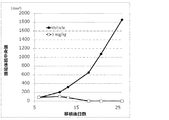
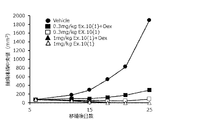
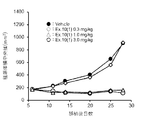
- the antitumor effect of the compound according to the present invention (the compound shown in Example 1) in the mouse colon cancer cell line MC38 subcutaneous cancer-bearing model is shown.
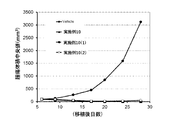
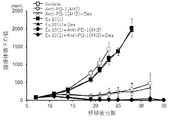
- the antitumor effect of the compound according to the present invention (each compound shown in Examples 10, 10 (1) and 10 (2)) in a mouse colon cancer cell line MC38 subcutaneous cancer-bearing model is shown.
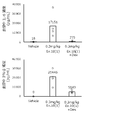
- each column graph represents the average value of each cytokine amount, and the circles are plots representing the cytokine production amount of each individual.
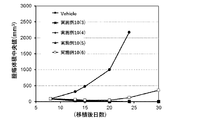
- the effect of dexamethasone on the antitumor effect of compound A in the mouse colon cancer cell line MC38 subcutaneous cancer model is shown.
- the description in the legend has the same meaning as described above.
- the antitumor effects of compound A alone, anti-PD-1 antibody (4H2 clone) alone, and their combined administration in the mouse colon cancer cell line MC38 subcutaneous cancer model are shown.
- Anti-PD-1 represents an anti-PD-1 antibody, and the description in other legends has the same meaning as described above.
- TF represents the complete tumor remission (Tumor Free)
- numerator represents the number of individuals who have completely relieved the tumor
- denominator represents the evaluated number of individuals.
- dexamethasone on the antitumor effect of the combined administration of compound A and anti-PD-1 antibody (4H2) in the mouse colon cancer cell line MC38 subcutaneous cancer model is shown.
- the description in the legend has the same meaning as described above.
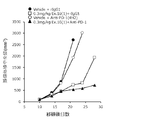
- the antitumor effects of the mouse melanoma cell line B16F10 subcutaneous cancer-bearing model of compound A alone, anti-PD-1 antibody (4H2) alone, and their combination are shown.
- rIgG1 represents a control antibody
- the description in other legends has the same meaning as described above.
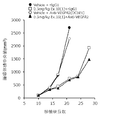
- the antitumor effects of the mouse melanoma cell line B16F10 subcutaneous cancer-bearing model in the administration of compound A alone, the anti-VEGFR2 antibody (DC101 clone) alone, and the combined administration thereof are shown.
- “rIgG1” represents a control antibody
- “Anti-VEGFR2” represents an anti-VEGFR2 antibody
- the other legends have the same meanings as described above.
- the antitumor effect of the compound produced in Example 3 hereinafter, may be abbreviated as “Compound B”) on a human acute myeloid leukemia cell line is shown.
- source represents the origin of the cell line.
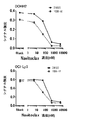
- the antitumor effect of Compound A in a subcutaneous cancer-bearing model in immunodeficient mice transplanted with the human acute myeloid leukemia cell line MV4-11 is shown. All the descriptions in the figure have the same meanings as described above. It shows an antitumor effect on each of human acute myeloid leukemia cell lines (KG-1 ⁇ (upper figure) and THP-1 (lower figure)) in combination with Compound B and the BCL-2 inhibitor Venetoclax.
- the horizontal axis represents the evaluation concentration of Venetoclax (“Blank” indicates that Venetoclax is not included), and the vertical axis represents the absorbance value (450 nm), the lower the value.
- the present invention is characterized in that (1) when an STING agonist is administered, it is further administered in combination with an adrenocortical hormone agent, which comprises suppressing the progression of cancer, suppressing recurrence and / or treating the cancer. (2) When the STING agonist is administered in combination with one or more kinds of antineoplastic agents, it is further administered in combination with a corticosteroid agent, which is characterized by suppressing the progression of cancer, suppressing recurrence, and /. Or treatment, and (3) (a) administration of a STING agonist, or (b) administration of a STING agonist in combination with one or more antineoplastic agents, characterized by cancer progression. Concerning the use of corticosteroids to suppress the induction of inflammatory cytokine production in blood or tissues in suppression, recurrence suppression and / or treatment.
- the present invention suppresses the progression, suppresses recurrence of cancer, and / or suppresses the progression of cancer, suppresses recurrence, and / or reduces the induction of cytokine production caused by the STING agonist administered to treat the cancer to an acceptable level. It is characterized by being further administered in combination with a corticosteroid in order to maximize the inhibitory and / or therapeutic effect. Furthermore, it is characterized by a formulation in which a reduced dose of a STING agonist is administered in combination with one or more antineoplastic agents, and further in combination with a corticosteroid.
- the STING-working compound according to the present invention is not particularly limited as long as it is a compound having STING-working activity, but is preferably a compound according to the present invention, that is, (1) the preceding paragraphs [1] to [26] in the present specification.
- halogen atom examples include a fluorine atom, a chlorine atom, a bromine atom and an iodine atom.
- examples of the "C1-4 alkyl group” include a methyl group, an ethyl group, an n-propyl group, an isopropyl group, an n-butyl group, an isobutyl group, a sec-butyl group and a tert-butyl group. ..
- linear C1-4 alkylene group examples include a methylene group, an ethylene group, an n-propylene group and an n-butylene group.
- linear or branched C1-4 alkylene group includes a methylene group, an ethylene group, an n-propylene group, an isopropylene group, an n-butylene group, an isobutylene group, a sec-butylene group and a tert. -Butylene group can be mentioned.
- the "C1-5 alkyl group” includes a methyl group, an ethyl group, an n-propyl group, an isopropyl group, an n-butyl group, an isobutyl group, a sec-butyl group, a tert-butyl group and a pentyl group. , Isopentyl group and 2,3-dimethylpropyl group.
- C1 to 3 alkylene group is a methylene group, an ethylene group or a propylene group.
- the "C1-4 alkoxy group” includes a methoxy group, an ethoxy group, an n-propoxy group, an isopropoxy group, an n-butoxy group, an isobutoxy group, a sec-butoxy group, a tert-butoxy group and the like. Can be mentioned.
- the "C1-4 haloalkyl group” includes, for example, a fluoromethyl group, a chloromethyl group, a bromomethyl group, an iodomethyl group, a difluoromethyl group, a trifluoromethyl group, a 1-fluoroethyl group, and a 2-fluoro group.
- the "C1-4 haloalkoxy group” includes, for example, a trifluoromethoxy group, a trichloromethoxy group, a chloromethoxy group, a bromomethoxy group, a fluoromethoxy group, an iodomethoxy group, a difluoromethoxy group, and a dibromomethoxy group.
- a trifluoromethoxy group a trichloromethoxy group
- a chloromethoxy group a bromomethoxy group
- a fluoromethoxy group an iodomethoxy group
- a difluoromethoxy group and a dibromomethoxy group.
- examples of the "C3 to 6 cycloalkyl group” include a cyclopropyl group, a cyclobutyl group, a cyclopentyl group and a cyclohexyl group.
- examples of the "C3-7 cycloalkyl group” include a cyclopropyl group, a cyclobutyl group, a cyclopentyl group, a cyclohexyl group and a cycloheptyl group.
- examples of the "C3-7 cycloalkylene group” include a cyclopropylene group, a cyclobutylene group, a cyclopentylene group, a cyclohexylene group and a cycloheptylene group.
- the "C1-4 alkoxycarbonyl group” includes a methoxycarbonyl group, an ethoxycarbonyl group, an n-propoxycarbonyl group, an isopropoxycarbonyl group, an n-butoxycarbonyl group, an isobutoxycarbonyl group, and a sec-butoxy. Examples thereof include a carbonyl group and a tert-butoxycarbonyl group.
- examples of the "C5 to 6 monocyclic carbocycle” include cyclopentane, cyclohexane, cyclopentene, cyclohexene, cyclopentadiene, cyclohexadiene and benzene.
- "5- to 7-membered monocyclic” includes, for example, cyclopentane, cyclohexane, cyclopentene, cyclohexene, cyclopentadiene, cyclohexadiene, benzene, cycloheptane, cycloheptene, cycloheptadiene, pyrrole, oxazole, iso.
- Imidazoline imidazolidine, pyrazoline, pyrazolidine, dihydroflazan, tetrahydroflazan, dihydrooxazazole, tetrahydrooxazole, dihydrothiazol, tetrahydrothiazol, triazole, triazoline, triazolidine, tetrazol, tetrazoline, tetrazolidine, furan, dihydrofuran, Tetrahydrofuran, oxoran, dioxoran, thiophene, dihydrothiophene, tetrahydrothiophene, dithiolane, pyridine, oxazole, thiazine, dihydropyridine, tetrahydropyridine, piperidine, dihydrooxazine, tetrahydrooxazine, dihydrothiazine, tetrahydrothiazine, morpholine, thiomorpholin, pyr
- 8 to 10-membered bicyclic includes, for example, pentalene, perhydropentalene, inden, perhydroinden, indan, azulene, perhydroazulene, naphthalene, dihydronaphthalene, tetrahydronaphthalene, perhydro.
- 5- to 6-membered monocyclic heterocycle containing 1 to 4 heteroatoms selected from oxygen atom, nitrogen atom and sulfur atom includes, for example, pyrrole, oxazole, isooxazole, and the like.
- examples of "5- to 6-membered monocyclic aromatic heterocycle containing 1 to 4 heteroatoms selected from oxygen atom, nitrogen atom and sulfur atom” include pyrazole, imidazole and triazole. , Tetrazole, pyrazole, furan, thiophene, oxazole, isoxazole, thiazole, isothiazole, frazane, oxadiazole, thiazazole, pyridine, pyrazine, pyrimidine, pyridazine and the like.
- examples of the "5- to 6-membered monocyclic aromatic nitrogen-containing heterocycle containing 1 to 4 nitrogen atoms and no other heteroatoms" include pyrrole, imidazole, triazole, and the like. Examples thereof include tetrazole, pyrazole, pyridine, pyrazine, pyrimidine and pyridazine.
- the "3- to 7-membered monocyclic non-aromatic heterocycle” includes, for example, oxylan, aziridine, thiirane, azetidine, oxetane, thietan, pyrrolin, pyrrolidine, imidazoline, imidazolidine, triazoline, and the like.
- t-Bu represents a tert-butyl group
- the general formula radical generating compound or an N- oxide thereof represented by the general formula (I) include groups defined as R FR Be done.
- the ring A in the general formulas (I), (I-1), (II) or (II-1) according to the present invention is preferably 1 to 4 heteros selected from an oxygen atom, a nitrogen atom and a sulfur atom. It is a 5- to 6-membered monocyclic aromatic heterocycle containing an atom, more preferably pyrazole, triazole (eg 1,2,3-triazole and 1,2,4-triazole), tetrazole, oxazole, isooxazole. , Imidazole, thiazole or isothiazole, more preferably pyrazole, while the ring B of the general formula (I) or (I-1) according to the present invention is preferably (i) C5-6 monocyclic. It is a 5- to 6-membered monocyclic heterocycle containing 1 to 4 heteroatoms selected from a carbon ring or (ii) oxygen atom, nitrogen atom and sulfur atom, and more preferably a benzene ring.
- Z is preferably an oxygen atom
- X is preferably a nitrogen atom
- the L 2 in the general formula (I) or the like, the formula (Ib), the general formula (I-1) or the like or the formula (Ib-1) according to the present invention is preferably a bond or a C1 to 3 alkylene group, and more preferably.
- R 2 And R 2c are preferably a nitro group and NR 2a R 2b and NR 2d R 2e , respectively, more preferably an amino group, and R 3 is preferably a hydrogen atom, a
- the m in the general formula (I) and the like, the formula (Ib), the general formula (I-1) and the like or the formula (Ib-1) according to the present invention is preferably 1, and p and pa are preferably 0 or 1. It is an integer, more preferably 0.
- the n in the formula (Ib) or (Ib-1) or the general formula (II), (II-1), (III) or (III-1) according to the present invention is preferably 1 or 2.
- R 2a , R 4 and R 6 in the general formula (I) and the like according to the present invention are preferably hydrogen atoms.
- R 2d , R 4a and R 6a in the general formula (I-1) and the like are preferably hydrogen atoms or R FR .
- two or more of R 2d , R 4a and R 6a may represent R FR , but preferably two or more of R 2d , R 4a and R 6a do not represent R FR at the same time. .. More preferably, any one of R 2d , R 4a and R 6a in the general formula (I-1) or the like is R FR , and more preferably R 2d and R 6 are hydrogen atoms and R. 4a is R FR .
- RFR in the general formula (I-1) or the like
- R Fc has the same meaning as described above.
- the R Fc is, for example, [In the formula, all symbols have the same meaning as above. ].
- R Fc As another aspect of the R Fc , preferably, for example, And so on.
- the U in the formula (Ib), the formula (Ib-1), the general formula (II) or the general formula (II-1) according to the present invention is preferably a carbon atom.
- the T in the general formulas (I), (I-1), (II) or (II-1) according to the present invention is preferably a nitrogen atom.
- the compounds represented by the general formula (I) according to the present invention, their N-oxides, their prodrugs, their pharmaceutically acceptable salts or their solvates are preferably in the general formula (II).
- an N-oxide compound thereof, a prodrug thereof, a pharmaceutically acceptable salt thereof or a solvate thereof for example, the above-mentioned item [26].
- examples thereof include the compounds (1) to (35), their N-oxides, their prodrugs, their pharmaceutically acceptable salts or their solvates.
- an N-oxide compound thereof, a pharmaceutically acceptable salt thereof or a solvate thereof is preferable.
- the compound represented by the general formula (I-1), its N-oxide form, a pharmaceutically acceptable salt thereof or a solvate thereof is preferable, for example, according to the above item [1-39].
- examples thereof include the compounds of 1) to (57), their N-oxides, their pharmaceutically acceptable salts or their solvates.
- the compounds (1) to (57) described in the preceding item [1-39] or their pharmaceuticals are preferable.
- a hydrate of an acceptable salt eg, an alkali metal salt (eg, lithium salt, sodium salt, potassium salt, etc.)).
- isomers include all of them.
- alkyl groups include linear and branched chains.
- geometric isomers E-form, Z-form, cis-form, trans-form
- optical isomers due to the presence of asymmetric carbon atoms (R, S-form, ⁇ , ⁇ arrangement, etc.)
- Enantiomers, diastereomers optically active substances
- D, L, d, l isomers optically active substances
- polar isomers high polar isomers, low polar isomers by chromatograph separation, equilibrium compounds, rotational isomers, these Any proportion of the mixture, the lamellar mixture, are all included in the present invention.
- the present invention also includes all isomers of tautomers.
- optical isomer in the present invention is not only 100% pure, but may contain less than 50% of other optical isomers.
- N-oxide compound in the compound according to the present invention The compound represented by the general formula (I) or the like or the general formula (I-1) or the like can be made into an N-oxide compound by a known method.
- the N-oxide compound represents a compound in which the nitrogen atom of the compound represented by the general formula (I) or the like or the general formula (I-1) or the like is oxidized.
- these N-oxides are further described in the following [Prodrug in the compound according to the present invention] item, the following [Salt in the compound according to the present invention] item and the following [Solvate in the compound according to the present invention]. As described in the item, it may be the prodrug, the pharmaceutically acceptable salt thereof or a solvate thereof.
- the compound represented by the general formula (I) or the like or its N-oxide form can also be made into a prodrug by a known method.
- the prodrug refers to a compound represented by the general formula (I) or the like or a compound converted into an N-oxide compound thereof, for example, by a reaction with an enzyme, gastric acid or the like in a living body.
- a compound represented by the general formula (I-1) or the like in which any one of R 2d , R 4a and R 6a is the above-mentioned R FR or an N-oxide compound thereof is represented by the general formula (I) or the like.
- prodrug of the compound or its N-oxides can be administered as a prodrug of the compound or its N-oxides, preferably as the prodrug, for example, (14), (18), (19), (32) according to the preceding paragraph [1-39]. , (37)-(39), (41), (42) and (45)-(57).
- the compound represented by the general formula (I) or the prodrug of its N-oxide is described in Hirokawa Shoten, 1990, "Drug Development,” Vol. 7, “Molecular Design,” pp. 163-198. Under physiological conditions, the compound may be changed to the corresponding compound represented by the general formula (I) or the like or its N-oxide form.
- the compound represented by the general formula (I) or its N-oxide compound has 1 to 4 nitrogens.
- the nitrogen atom on the nitrogen-containing heterocycle is acylated, alkylated or phosphorylated.
- the nitrogen atom on the nitrogen-containing heterocycle of the compound represented by the general formula (I) or the like is ecosanoyylated, alanylated, pentylaminocarbonylated, (5-methyl-2-oxo-1,3-).
- Dioxolen-4-yl methoxycarbonylated, tetrahydrofuranylated, pyrrolidylmethylated, pivaloyloxymethylated, acetoxymethylated or tert-butylated compounds, etc.
- compounds represented by the general formula (I) etc.
- the compound in which the amino group is acylated, alkylated or phosphorylated is ecosanoyylated, alanylated, pentylaminocarbonylated, etc.
- the carboxy group of the compound represented by the general formula (I) or the like is ethyl esterified, phenyl esterified, carboxymethyl esterified, or dimethylaminomethyl ester.
- salt in the compound according to the present invention The compound represented by the general formula (I) or the like, its N-oxide form or a prodrug thereof, and the compound represented by the general formula (I-1) or the like or its N-oxide form are equivalent pharmaceuticals by a known method. Can be converted to an acceptable salt.
- the pharmaceutically acceptable salt include alkali metal salts (for example, lithium salt, sodium salt, potassium salt, etc.) and alkaline earth metal salts (for example, calcium salt, magnesium salt, barium salt, etc.).
- organic amine salt eg, aliphatic amine salt (eg, methylamine salt, dimethylamine salt, cyclopentylamine salt, trimethylamine salt, triethylamine salt, dicyclohexylamine salt, monoethanolamine salt, diethanolamine salt, triethanolamine) Salts, prokine salts, meglumin salts, diethanolamine salts, tris (hydroxymethyl) aminomethane salts and ethylenediamine salts, etc.), aralkylamine salts (eg, benzylamine salts, phenethylamine salts, N, N-dibenzylethylenediamine salts and venetamine salts, etc.) ), Heterocyclic aromatic amine salts (eg, piperidine salt, pyridine salt, picolin salt, quinoline salt, isoquinoline salt, etc.), quaternary ammonium salt (eg, tetramethylammonium salt, tetraethy
- Acid adduct salts eg, mineral salts (eg, hydrochlorides, hydrobromates, hydroiodates, sulfates, phosphates and nitrates, etc.) and organic acid salts (eg, acetates, trifluoros) Acetate, lactate, tartrate, oxalate, fumarate, maleate, benzoate, citrate, methanesulfonate, ethanesulfonate, benzenesulfonate, toluenesulfonate, isethion Acid salts, gluclon salts, glucone salts, etc.), etc.) and the like can be mentioned.
- the pharmaceutically acceptable salt is preferably water-soluble.
- examples of the compound forming a salt with the same group include, for example.
- preferable alkali metal salts are sodium salt and potassium salt, and preferable alkaline soil.
- the metal salt is a calcium salt
- preferred organic amine salts are a basic amino acid salt (eg, arginine salt (eg, L-arginine salt), lysine salt (eg, L-lysine salt), etc.), and meglumin. Salts and tris (hydroxymethyl) aminomethane salts and the like.
- Examples of the hydrate form of the compound include monohydrate, dihydrate, trihydrate and 2-3 hydrate.
- the forms of these hydrates include clathrate hydrates.
- These hydrates are compounds represented by the general formula (I) or the like, N-oxides thereof, prodrugs thereof or pharmaceutically acceptable salts thereof or compounds represented by the general formula (I-1) or the like.
- the N-oxide compound or a pharmaceutically acceptable salt thereof can be obtained, for example, by precipitating from a hydrous organic solvent.
- crystal Compounds represented by the general formula (I) and the like, N-oxides thereof, prodrugs thereof, pharmaceutically acceptable salts thereof or solvates thereof and compounds represented by the general formula (I-1) and the like.
- the crystals of each of its N-oxides, their pharmaceutically acceptable salts or their solvates are, for example, by physicochemical data such as powder X-ray diffraction spectrum data and differential scanning calorimetry (DSC). Be identified.
- DSC differential scanning calorimetry
- [Co-crystal] Compounds represented by the general formula (I) and the like, N-oxides thereof, prodrugs thereof, pharmaceutically acceptable salts thereof or solvates thereof and compounds represented by the general formula (I-1) and the like.
- the N-oxides, their pharmaceutically acceptable salts or their solvates can form co-crystals with suitable co-crystal forming agents.
- a pharmaceutically acceptable one formed with a pharmaceutically acceptable co-crystal forming agent is preferable.
- a co-crystal is defined as a crystal in which two or more different molecules are formed by an intramolecular interaction different from an ionic bond. Further, the co-crystal may be a complex of a neutral molecule and a salt.
- Co-crystals can be prepared by known methods, such as melt crystallization, recrystallization from a solvent or physical grinding of the components together.
- Suitable co-crystal forming agents include those described in WO2006 / 007448 pamphlet, such as 4-aminobenzoic acid, 4-aminopyridine, adenine, alanine, acetylsalicylic acid and the like.
- Radioactive isotope of the compound according to the present invention Compounds represented by the general formula (I) and the like, N-oxides thereof, their prodrugs, pharmaceutically acceptable salts thereof or solvates thereof and compounds represented by the general formula (I-1) and the like.
- the N-oxides, their pharmaceutically acceptable salts or their solvates are isotopes (eg, 2 H, 3 H, 11 C, 13 C, 14 C, 13 N, 15 N, It may be labeled with 15 O, 17 O, 18 O, 35 S, 18 F, 36 Cl, 123 I, 125 I, etc.).
- 5 , R 6a and R 7 include compounds in which all or part of the hydrogen atoms constituting one or more groups are replaced with deuterium atoms or triple hydrogen atoms, for example, 4- (4-amino Examples thereof include -2-fluoro-5- (methoxy-d 3 ) phenyl) -7- (1H-pyrazol-4-yl) isoxazolo [4,5-c] pyridine-3-amine.
- “methyl-d 3 " and “methoxy-d 3 " represent a triduteiomethyl group and a triduteliomethoxy group, respectively.
- the compound according to the present invention is a known method, for example, the method described in Comprehensive Organic Transformations: A Guide to Functional Group Preparations, 2nd Edition (Richard C. Larock, John Wiley & Sons Inc, 1999), the method shown below. Alternatively, it can be produced by appropriately improving the methods shown in Examples and using them in combination.
- the general formula (IV) [In the formula, all symbols have the same meaning as above. ] Can be produced by the method represented by the following reaction step formula 1.
- Pg represents an amino protective group (eg, tert-butoxycarbonyl group, benzyloxycarbonyl group, fluorenylcarbonyl group, trityl group, o-nitrobenzenesulphenyl group, acetyl group, etc.) and represents R'.
- the coupling reaction 1 in the reaction step formula 1 can be carried out by a known Suzuki coupling reaction, for example, 0.01 to 100 mol% of palladium catalyst (for example, tetrakistriphenylphosphine palladium, bis (triphenylphosphine) palladium).
- palladium catalyst for example, tetrakistriphenylphosphine palladium, bis (triphenylphosphine) palladium.
- bases eg, potassium carbonate, sodium carbonate, cesium carbonate, sodium hydroxide, potassium hydroxide, sodium phosphate, potassium triethylamine phosphate or N, N-diisopropylethylamine, etc.
- bases eg, potassium carbonate, sodium carbonate, cesium carbonate, sodium hydroxide, potassium hydroxide, sodium phosphate, potassium triethylamine phosphate or N, N-diisopropylethylamine, etc.
- Coupling reaction 1 can also be carried out by a known coupling reaction using an organic metal reagent.
- Negishi reaction using a zinc reagent instead of boric acid reagent and tin reagent instead of boric acid reagent instead of boric acid reagent.
- the Stille reaction used, the Hiyama coupling using a silicon reagent instead of the boric acid reagent, the Grinyard reagent instead of the boric acid reagent, and the Kumada reaction using a nickel catalyst instead of the palladium catalyst are also performed.
- the coupling reaction 2 in the reaction process formula 1 is also performed by a known Suzuki coupling reaction, Negishi reaction, Stille reaction, Hiyama coupling, Kumada reaction, or the like.
- the deprotection reaction in Reaction Step 1 can be carried out by a known deprotection reaction under acidic conditions, for example, organic solvents (eg, dichloromethane, chloroform, dioxane, ethyl acetate, methanol, isopropyl alcohol, tetrahydrofuran or Organic acids (eg acetic acid, trifluoroacetic acid, methanesulfonic acid or p-tosyl acid, etc.) or inorganic acids (eg, hydrochloric acid or sulfuric acid, etc.) or mixtures thereof (eg, hydrogen bromide / acetic acid, etc.) in anisole, etc. ), In the presence or absence of 2,2,2-trifluoroethanol, at 0-100 ° C.
- organic solvents eg, dichloromethane, chloroform, dioxane, ethyl acetate, methanol, isopropyl alcohol, tetrahydrofuran or Organic acids
- alkylation reaction and acylation reaction are known, and for example, organic solvents (for example, dichloromethane, chloroform, dioxane, ethyl acetate, methanol, ethanol, isopropyl alcohol, tetrahydrofuran, dimethylformamide, N-methylpyrrolidone and dimethyl) are known.
- organic solvents for example, dichloromethane, chloroform, dioxane, ethyl acetate, methanol, ethanol, isopropyl alcohol, tetrahydrofuran, dimethylformamide, N-methylpyrrolidone and dimethyl
- Inorganic bases potassium carbonate, sodium hydroxide or potassium hydroxide, etc.
- organic bases eg, triethylamine, N, N-diisopropylamine, lithium diisopropylamide, imidazole, lithium bis (eg, sulfoxide, etc.)
- Trimethylsilyl amide sodium bis (trimethylsilyl) amide, potassium bis (trimethylsilyl) amide, tert-butylimino-tris (dimethylamino) phosphorane, tert-butylimimino-tri (pyrrolidino) phosphorane or 1,4-diazabicyclo [2.2.2 ] Octane, etc.
- R Fa when is a protecting group' R Fa also known, for example, a known deprotection reaction or palladium in acidic conditions - even in a hydrogenation reaction in the presence of such carbon catalyst Can be carried out.
- R Fa' represents a protective group, it corresponds to a protective group for a hydroxyl group, for example, a methyl group, a trityl group, a methoxymethyl group, a 1-ethoxyethyl group, a methoxyethoxymethyl group, a 2-tetrahydropyranyl group, and the like.
- Trimethylsilyl group triethylsilyl group, tert-butyldimethylsilyl group, tert-butyldiphenylsilyl group, acetyl group, pivaloyl group, benzoyl group, benzyl group, p-methoxybenzyl group, allyloxycarbonyl group or 2,2,2- Examples thereof include a trichloroethoxycarbonyl group.
- the hydrogenation reaction in the presence of a palladium-carbon catalyst or the like is carried out in an organic solvent (for example, methanol, ethanol, tetrahydrofuran, dioxane, ethyl acetate, isopropyl alcohol, etc.) in a hydrogen gas atmosphere of 1 to 20 atm. It is carried out at room temperature to 120 ° C. in the presence of 0.01 to 100 mol% of catalyst (eg, palladium-carbon, platinum-carbon, palladium-carbon hydroxide or rhodium-carbon, etc.).
- organic solvent for example, methanol, ethanol, tetrahydrofuran, dioxane, ethyl acetate, isopropyl alcohol, etc.
- the compound represented by the general formula (IV-4) in the reaction step formula 1 can be produced by the method represented by the following reaction step formula 2.
- the lithium reaction in the reaction step formula 2 can be carried out by a known method, for example, an organic solvent (for example, tetrahydrofuran, diethyl ether, dioxane, dichloromethane, dichloroethane, n-hexane or toluene or a mixed solvent thereof and the like. ), A base (for example, lithium diisopropylamide, n-butyllithium or tert-butyllithium, etc.) is reacted at -78 ° C to room temperature, and then carbon dioxide (for example, carbon dioxide gas or dry ice, etc.) is added. It is carried out by reacting at 78 ° C. to room temperature.
- an organic solvent for example, tetrahydrofuran, diethyl ether, dioxane, dichloromethane, dichloroethane, n-hexane or toluene or a mixed solvent thereof and the like.
- a base for example,
- the amidation reaction in Reaction Step 2 can be carried out by a known method, for example, in an organic solvent (eg, chloroform, dichloromethane, diethyl ether, tetrahydrofuran, dimethoxyethane, etc.) or in the absence of a solvent.
- an organic solvent eg, chloroform, dichloromethane, diethyl ether, tetrahydrofuran, dimethoxyethane, etc.
- an agent eg, oxalyl chloride or thionyl chloride, etc.
- the resulting acid halide is used as a base (eg, pyridine, triethylamine, dimethylaniline, dimethylaminopyridine or N, N-diisopropyl).
- ammonia for example, ammonia gas, ammonia water, ammonia methanol solution, etc.
- ammonia for example, ammonia gas, ammonia water, ammonia methanol solution, etc.
- the dehydration reaction in Reaction Step 2 can be carried out by a known method, for example, in an organic solvent (eg, chloroform, dichloromethane, diethyl ether, tetrahydrofuran, dimethoxyethane, etc.) or in the absence of a solvent, for example, a base (eg, chloroform, dichloromethane, diethyl ether, tetrahydrofuran, dimethoxyethane, etc.).
- a base eg, chloroform, dichloromethane, diethyl ether, tetrahydrofuran, dimethoxyethane, etc.
- Pyridine triethylamine, dimethylaniline, N, N-dimethylaminopyridine or N, N-diisopropylethylamine, etc.
- dehydrating agents eg, thionyl chloride, trifluoroacetic anhydride, acetic anhydride, dipentoxide, etc.
- dehydrating agents eg, thionyl chloride, trifluoroacetic anhydride, acetic anhydride, dipentoxide, etc.
- phosphorus or (methoxycarbonylsulfamoyl) triethylammonium hydroxide intramolecular salt, etc. at -78 ° C to reflux temperature.
- the aromatic nucleophilic substitution reaction in the reaction step 2 can be carried out by a known method, for example, an organic solvent (for example, N, N-dimethylacetamide, N, N-dimethylformamide, tetrahydrofuran, acetonitrile, 2).
- an organic solvent for example, N, N-dimethylacetamide, N, N-dimethylformamide, tetrahydrofuran, acetonitrile, 2).
- the deprotection reaction in the reaction step formula 2 can be carried out by a known method, for example, a deprotection reaction under acidic conditions.
- a deprotection reaction under acidic conditions for example, in an organic solvent (eg, dichloromethane, chloroform, dioxane, ethyl acetate, methanol, isopropyl alcohol, tetrahydrofuran or anisole, etc.), an organic acid (eg, acetic acid, trifluoroacetic acid, methanesulfonic acid, p-tosyl acid, etc.) or It is carried out at 0-100 ° C. in the presence or absence of 2,2,2-trifluoroethanol in an inorganic acid (eg, hydrochloric acid or sulfuric acid, etc.) or a mixture thereof (eg, hydrogen bromide / acetic acid, etc.).
- an organic solvent eg, dichloromethane, chloroform, dioxane, eth
- the bromide reaction in the reaction step formula 2 can be carried out by a known method, for example, 1 to 10 equivalents in an organic solvent (for example, dichloromethane, chloroform, tetrahydrofuran, acetonitrile, dioxane, ethyl acetate, acetic acid, etc.).
- Bromine agent eg, trimethylsilyl bromide (TMSBr), bromine, hydrobromic acid or phosphorus tribromide, etc.
- 0.1-100 mol% catalyst eg, copper (II) bromide or lithium bromide, etc.
- it is performed at -78 ° C to 100 ° C in the absence.
- reactants used in the reaction step for producing the compound represented by the general formula (V) from the compound represented by the general formula (IV) can be produced according to a known method, or each is represented by the following. Can be manufactured by the above method. [In the formula, all symbols have the same meaning as above. ]
- the acylation reaction is known, for example, in an organic solvent (for example, dichloromethane, chloroform, dioxane, ethyl acetate, methanol, ethanol, isopropyl alcohol, tetrahydrofuran, dimethylformamide, N-methylpyrrolidone, dimethylsulfoxide, etc.).
- organic solvent for example, dichloromethane, chloroform, dioxane, ethyl acetate, methanol, ethanol, isopropyl alcohol, tetrahydrofuran, dimethylformamide, N-methylpyrrolidone, dimethylsulfoxide, etc.
- Inorganic bases potassium carbonate, sodium hydroxide or potassium hydroxide, etc.
- organic bases eg, triethylamine, N, N-diisopropylamine, lithium diisopropylamide, imidazole, lithium bis (trimethylsilyl) amide, Sodium bis (trimethylsilyl) amide, potassium bis (trimethylsilyl) amide, tert-butylimino-tris (dimethylamino) phosphorane, tert-butylimino-tri (pyrrolidino) phosphorane or 1,4-diazabicyclo [2.2.2] octane, etc.) It is carried out by reacting the compound represented by R Fc- H (or a salt thereof) at -78 ° C to 100 ° C in the presence of.
- the compound used as a starting material or the compound or reagent to be added for example, the compound represented by the general formula (IV-3) or the general formula (IV-5) and the alkylation reaction or acylation
- the compound used in the chemical reaction or reaction step formula 2 can be produced according to a known method or a known method or a method described in Examples.
- the compound having optical activity is produced by using a starting material or a reagent having optical activity, or the racemic production intermediate is optically resolved, and then the compound used in the present invention is obtained. It can also be produced by derivation or by optical resolution of a racemic compound. This method of optical resolution is known. For example, a salt / complex or the like is formed with another optically active compound, recrystallized, and then the target compound is isolated or directly using a chiral column or the like. Examples include a method of separation.
- reaction involving heating can be carried out using a water bath, an oil bath, a sand bath or a microwave, as will be apparent to those skilled in the art.
- a solid-phase supporting reagent supported on a high molecular polymer for example, polystyrene, polyacrylamide, polypropylene, polyethylene glycol, etc.
- a high molecular polymer for example, polystyrene, polyacrylamide, polypropylene, polyethylene glycol, etc.
- the reaction product is prepared by conventional purification means, such as distillation under normal pressure or reduced pressure, high performance liquid chromatography with silica gel or magnesium silicate, thin layer chromatography, ion exchange resins. It can be purified by a scavenger resin or a method such as column chromatography, washing or recrystallization. Purification may be performed on a reaction-by-reaction basis or after several reactions have been completed.
- purification means such as distillation under normal pressure or reduced pressure, high performance liquid chromatography with silica gel or magnesium silicate, thin layer chromatography, ion exchange resins. It can be purified by a scavenger resin or a method such as column chromatography, washing or recrystallization. Purification may be performed on a reaction-by-reaction basis or after several reactions have been completed.
- the STING compound that can be used in the present invention includes the following compounds in addition to the above-mentioned compounds according to the present invention.
- ADU-S100 (CAS Registry Number: 1638241-89-0), MK-1454, MK-2118, SB11285, GSK3745417, BMS-986301, E7766, TAK-676, CRD5500, MAVU-104, SYNB1891 , SB11325, SB11396, TTI-10001, exosTING, VTX-001, SRCB-0074, ISMA-101 or BI-13874456, also known as STING agonist compounds can also be used in the present invention.
- 2218503-83-2, 2218505-09-8, 2218505-08- Compounds identified by a CAS Registry Number selected from the group consisting of 7, 2218503-88-7, 2218504-006, 2218504-44-8, 2218504-06-2 and 2218504-10-8 are preferred.
- STING agonist compounds described in the patent application specification specified in WO2018 / 100558 that can be used in the present invention include the following 2228934-37-8, 2228891-92-5, 2228891-91-4. , 2228891-93-6, 2228891-97-0, 2228891-94-7, 2228892-02-0, 2228892-01-9, 2228893-53-4, 2228892-08-6, 2228892-16-6, 2228892 -15-5, 2228892-09-7, 2228892-61-1, 2228892-60-0, 2228892-59-7, 2228892-69-9, 2228892-68-8, 2228892-94-0, 2228892-93 -9, 2228893-00-1, 2228892-99-5, 2228893-32-9, 2228893-31-8, 2228893-13-6, 2228893-12-5, 2228893-17-0, 2228893-16-9 , 222888892-
- STING agonist compounds described in the patent application specification specified in WO2018 / 060323 that can be used in the present invention include the following 2211044-08-3, 2211044-07-2, 2308490-32-4. , 2211044-10-7, 2308490-31-3, 2211044-12-9, 2308490-29-9 and 221144-14-1 selected by CAS Registry Number.
- the STING working compounds described in the patent application specification specified in WO 2017/093933 that can be used in the present invention are the following 2099072-25-8, 2099072-26-9, 2099072-21-4. , 2099072-22-5, 2099073-79-5, 2099072-28-1, 2099072-29-2, 2099072-30-5, 2099072-27-0, 2099072-31-6, 2099072-23-6, 2099072 Compounds identified by a CAS Registry Number selected from the group consisting of -24-7, 2099072-32-7, 2099072-33-8 and 2099072-34-9 are also preferred.
- STING-working compounds that can be used in the present invention include the following compounds: Is similarly preferred.
- the STING agonist compound according to the present invention is, for example, (1) The compounds according to the preceding paragraphs [1] to [26], their N-oxides, their prodrugs, their pharmaceutically acceptable salts or their solvates, or (2) the preceding paragraph [1- 1]-[1-44] compounds, their N-oxides, their pharmaceutically acceptable salts or solvates thereof.
- the STING agonist is about 0.03 to about 10.0 mg / kg (body weight) once or about 2.4 to about 800 mg once as the compound at 1, 2, 3, 4, 6 or 8 week intervals. It can be administered by intravenous injection or intravenous drip.
- Specific doses of the STING agonist include, for example, (A) For adults, 0.03 mg / kg, 0.04 mg / kg, 0.05 mg / kg, 0.06 mg / kg, 0.07 mg / kg, 0.08 mg / kg, 0.09 mg / kg or 0.1 as the STING-acting compound once. Can be administered at mg / kg (body weight), (B) For adults, 0.2 mg / kg, 0.3 mg / kg, 0.4 mg / kg, 0.5 mg / kg, 0.6 mg / kg, 0.7 mg / kg, 0.8 mg / kg, 0.9 once as the STING-acting compound.
- the STING-agonizing compound may be administered in a single dose of 2.4 mg, 3.2 mg, 4.0 mg, 4.8 mg, 5.6 mg, 6.4 mg, 7.2 mg or 8.0 mg.
- the STING-agonizing compound may be administered at a dose of 16.0 mg, 24.0 mg, 32.0 mg, 40.0 mg, 48.0 mg, 56.0 mg, 64.0 mg, 72.0 mg or 80.0 mg.
- the STING-agonizing compound may be administered as a single dose of 88.0 mg, 96.0 mg, 104.0 mg, 112.0 mg, 120.0 mg, 128.0 mg, 136.0 mg, 144.0 mg, 152 mg or 160.0 mg, or (D1) For adults, the STING-agonizing compound may be administered at a dose of 168.0 mg, 176 mg, 184 mg, 192.0 mg, 200.0 mg, 208.0 mg, 216.0 mg, 224.0 mg, 232 mg or 240.0 mg / kg at a time. ..
- the number and method of administration of the STING agonist may be, for example, intravenous injection or intravenous drip infusion at intervals of 1, 2, 3, 4, 6 or 8 weeks, and the administration may be performed by a doctor. It can be continuously administered at any of the above-mentioned administration intervals until the administration is deemed unnecessary or the administration is discontinued due to the occurrence of an adverse event or the like.
- the STING agonist can be administered only at any number of times from 1 to 16 times instead of continuous administration. For example, it may be administered only once, only twice, only three times, only four times, only six times, only eight times, only ten times, only 12 times, only 14 times or only 16 times.
- an arbitrary dose of 0.03 to 0.3 mg / kg (body weight) of the STING agonist compound is administered once every 1, 2, 3 or 4 weeks. It is preferable to administer by intravenous drip infusion.
- Anti-malignant tumor agents that can be used in the present invention include, for example, alkylating agents (eg, dacarbazine, Nimustine, Temozolomide, Fotomustine, Bendamustine, Cyclophosphamide, Ifosfamide, Carmustine, Chlorambucil, Procarbazine, etc.), platinum preparations (eg, Cisplatin, etc.).
- alkylating agents eg, dacarbazine, Nimustine, Temozolomide, Fotomustine, Bendamustine, Cyclophosphamide, Ifosfamide, Carmustine, Chlorambucil, Procarbazine, etc.
- platinum preparations eg, Cisplatin, etc.
- Carboplatin, Nedaplatin and Oxaliplatin, etc. antimetabolites (eg, folic acid antimetabolites (eg, Pemetrexed, Leucovorin, Methotrexate, etc.), pyridine metabolism inhibitors (eg, TS-1®, 5-fluorouracil, UFT, etc.) Carmofur, Doxifluridine, FdUrd, Cytarabine and Capecitabine, etc.), Purine metabolism inhibitors (eg, Fludarabine, Cladribine, Nelarabine, etc.), Ribonucleotide reductase inhibitors, nucleotide analogs (eg, Gemcitabine, etc.), Topoisomerase inhibitors (eg, Irinotecan) , Nogitecan and Etoposide, etc.), microtube antimetabolites (eg, Vinblastine, Vincristine, Vindesine, Vinolelbine, Eribulin, etc.), microtube depolymerization inhibitors (e
- Cytokine preparations eg IFN- ⁇ 2a, IFN- ⁇ 2b, peg IFN- ⁇ 2b - ⁇ and Interleukin-2, etc.
- antihormonal drugs eg, Tamoxifen, Fulvestrant, Goserelin, Leuprorelin, Anastrozole, Letrozole, Exemestane, etc.
- molecular target drugs tumor immunotherapeutic drugs, and other antibody drugs. Is done.
- the antineoplastic agent it is preferable that the antineoplastic agent itself does not cause the onset of cytokine release syndrome by its own administration.
- examples of the molecular target drug include ALK inhibitors (eg, Crizotinib, Ceritinib, Ensartinib, Alectinib, Lorlatinib, etc.), BCR-ABL inhibitors (eg, Imatinib, Dasatinib, etc.), and EGFR inhibitors (eg, Erlotinib).
- ALK inhibitors eg, Crizotinib, Ceritinib, Ensartinib, Alectinib, Lorlatinib, etc.
- BCR-ABL inhibitors eg, Imatinib, Dasatinib, etc.
- EGFR inhibitors eg, Erlotinib
- B-RAF inhibitors eg, Sorafenib, Vemurafenib, TAK-580, Dabrafenib, Encorafenib, LXH254, Emurafenib and Zanubrutinib, etc.
- VEGFR inhibitors eg, Bevaci) Apatinib, Lenvatinib, Aflibercept and Axitinib etc.
- FGFR inhibitors eg AZD4547, Vofatmab, Roblitinib and Pemigatinib etc.
- c-MET inhibitors eg Savolitinib, Merestinib, Capmatinib, Capmatinib and Glesatinib etc.
- AXL inhibitors eg For example, ONO-7475 and Bemcentinib, etc.
- Bleselumab Dacetuzumab, Iscalimab, Lucatumumab, Mitazalimab, Ravagalimab, Selicrelumab, Teneriximab, ABBV-428 and APX005M, etc.
- Bevacizumab beta Ranibizumab, Abicipar pegol, Aflibercept, Brolucizumab, Conbercept, Dilpacimab, Faricimab, Navicixizumab, Varisacumab and IMC-1C11 etc.
- Antibodies CD20 antibody eg Rituximab, Blontuvetmab, Epitumomab, Ibritumomab tiuxetan, Okaratuzumab, Ocrelizumab, Technetium ( 99 mTc) nofetumomab merpentan, Tositumomab, Veltuzumab, Ofatumumab, Ublituximab, Ofatumumab, Ublituximab, Etc.), anti-CD38 antibody (eg Daratumumab, Isatuximab, Mezagitamab, AT13 / 5 and MOR202 etc.), anti-TNFRSF10B antibody (eg Benufutamb, Conatumumab, Drozitumab, Lexatumumab, Tigatuzumab, Ef
- Altumomab Altumomab, Arcitumomab, Cergutuzumab amunaleukin, Labeluzumab, Labeluzumab govitecan, 90 Y-cT84.66, AMG211, BW431 / 26, CE25 / B7, COL-1 and T84.66 M5A, etc.
- Anti-FGFR2 antibody eg, Aprutumab, Aprutumab ixadotin and Bemarituzumab, etc.
- Anti-CD44 antibody eg, bivatuzumab mertansine, etc.
- Anti-PSMA antibody eg, Indium ( 111 In) capromab pendetide, 177 Lu-J591 and ES414, etc.
- Anti-Endoglin antibody eg, Carotuximab, etc.
- anti-IGF1R antibody eg, Cixutumumab, F) igitumumab, Ganitumab, Dalotuzumab, teprotumumab and Robatumumab, etc.
- anti-TNFSF11 antibody eg, Denosumab
- anti-GUCY2C eg, Indusatumab vedotin
- anti-SLC39A6 antibody eg, Ladiratuzuma
- anti-AXL antibody for example, Enapotamab, En apotamab vedotin and Tilvestamab, etc.
- anti-STEAP1 antibodies eg, Vandortuzumab vedotin, etc.
- anti-CTAA16 antibodies eg, technetium ( 99 mTc) votumumab, etc.
- CLDN18 antibodies eg, Zolbetuximab, etc.
- anti-GM3 antibodies eg, Racotumomab, etc.
- anti-PSCA antibodies eg, MK-4721, etc.
- anti-FN extra domain B antibodies eg, AS1409, etc.
- anti-HAVCR1 antibodies eg, CDX-014, etc.
- anti-TNFRSF4 antibodies eg, MEDI6383
- anti-HER1-MET bispecific antibodies eg Amivantamab, etc.
- anti-EPCAM-CD3 bispecific antibodies eg Solitomab and Catumamaxomab, etc.
- anti-Ang2-VEGF bispecific antibodies eg Vanucizumab, etc.
- anti-HER2-CD3 bispecific antibodies eg Ertumaxomab
- anti-HER3-IGF1R bispecific antibodies eg Istiratumab
- anti-PMSA-CD3 bispecific antibodies eg Pasotuxizumab
- Anti-HER1-LGR5 bispecific antibodies eg Petosemtamab, etc.
- anti-SSTR2-CD3 bispecific antibodies eg, Tidutamab, etc.
- anti-CD30-CD16A bispecific antibodies eg, AFM13, etc.
- anti-CEA -CD3 bispecific antibodies eg Cibisatamab and RO6958688
- Sex antibodies eg, Teclistamab, etc.
- anti-CLEC12A-CD3 bispecific antibodies eg, Tepoditamab, etc.
- anti-HER2-HER3 bispecific antibodies eg, Tepoditamab, etc.
- Zenocutuzumab etc. anti-FAP antibody / IL-2 fusion protein (eg RO6874281 etc.) and anti-CEA antibody / IL-2 fusion protein (eg Cergutuzumab amunaleukin etc.) and the like.
- tumor immunotherapeutic agents include anti-PD-1 antibodies (eg, Nivolumab, Cemiplimab-rwlc, Pembrolizumab, Spartanizumab, Tislelizumab, Dostarlimab, Toripalimab, Camrelizumab, Genolimzumab, Sintilimab, Lodapolimab, Retifanlimab, Btil.
- anti-PD-1 antibodies eg, Nivolumab, Cemiplimab-rwlc, Pembrolizumab, Spartanizumab, Tislelizumab, Dostarlimab, Toripalimab, Camrelizumab, Genolimzumab, Sintilimab, Lodapolimab, Retifanlimab, Btil.
- Incyte -1 to Incyte-6 compounds see WO2017 / 070089, WO2017 / 0877777, WO2017 / 106634, WO2017 / 112730, WO2017 / 192961 and WO2017 / 205464), CAMC-1 to CAMC-4 (WO2017 / 202273, WO2017 / 202274, WO2017 / 202275 and WO2017 / 202276), RG_1 (see WO2017 / 118762) and DPPA-1 (see Angew. Chem. Int. Ed.
- PD-L1 / VISTA antagonism Agents eg CA-170
- PD-L1 / TIM3 antagonists eg CA-327
- anti-PD-L2 antibodies eg PD-L1 fusion proteins, PD-L2 fusion proteins (eg AMP-224)
- Anti-CTLA-4 antibodies eg Ipilimumab, Zalifrelimab, Nurulimab, and Tremelimumab, etc.
- anti-LAG-3 antibodies eg, Relatlimab, Ieramilimab, Fianlimab, Ensemlimab, Mavezelimab, etc.
- anti-TIM3 antibodies eg, MBG453 and Cobolimab, etc.
- Anti-KIR antibody eg Lirilumab, IPH2101, LY3321367 and MK-4280 etc.
- Anti-BTLA antibody eg Tiragolumab,
- Nivolumab can be manufactured according to the method described in WO2006 / 121168, Pembrolizumab can be manufactured according to the method described in WO2008 / 156712, and BMS-936559 can be manufactured according to WO2007 / 005874. Ipilimumab can be produced according to the method described in WO2001 / 014424.
- antibody drugs examples include anti-IL-1 ⁇ antibodies (eg, Canakinumab, etc.) and anti-CCR2 antibodies (eg, Plozalizumab, etc.).
- the tumor immunotherapeutic agent according to the present invention can be administered, for example, at the following dosage and administration. That is, about 1 to about 21 mg / kg (body weight) at a time or about 80 to about 1680 mg at a time as an active ingredient of each tumor immunotherapeutic agent at intervals of 1 to 8 weeks for about 30 minutes to about 60 minutes or about.
- Intravenous administration eg, intravenous drip infusion
- the dose in terms of body weight per administration for example, 1 mg / kg, 2 mg / kg, 3 mg / kg, 4 mg / kg, 5 mg / kg, 6 mg / kg, 7 mg / kg, 8 mg / kg, 9 mg / kg, 10 mg / kg, 12 mg / kg, 14 mg / kg, 15 mg / k, 20 mg / kg and 21 mg / kg, while one dose
- the dose per dose is, for example, 200 mg, 240 mg, 250 mg, 280 mg, 300 mg, 320 mg, 350 mg, 360 mg, 400 mg, 420 mg, 450 mg, 480 mg, 500 mg, 540 mg.
- the administration interval includes, for example, 1 week, 2 weeks, 3 weeks, 4 weeks, 6 weeks, and 8 weeks, and the single administration time is, for example, about 30 minutes, about 60 minutes, or about 60. More than a minute can be mentioned.
- the active ingredient of the tumor immunotherapeutic agent is Nivolumab, which is an anti-PD-1 antibody
- Nivolumab which is an anti-PD-1 antibody
- 1 time 3 mg / kg (body weight) at 2 week intervals 3 mg / kg (body weight) at 3 week intervals
- (4) 1 time 80 mg at 3 week intervals (5) 240 mg once at 2-week intervals, (6) 360 mg once at 3-week intervals, or (7) 480 mg once at 4-week intervals can be administered by intravenous drip infusion.
- Nivolumab was administered by intravenous drip infusion at 3 mg / kg (body weight) once at 2-week intervals or 2 mg / kg (body weight) at 3-week intervals for non-small cell lung cancer.
- Patients with renal cell carcinoma, classical Hodgkin lymphoma, head and neck cancer, gastric cancer and malignant pleural mesothelioma may be given 3 mg / kg (body weight) of Nivolumab by intravenous drip infusion at 2-week intervals.
- malignant melanoma for example, malignant melanoma, non-small cell lung cancer, renal cell carcinoma, urinary tract epithelial cancer, MSI-H colon / rectal cancer, gastric cancer, esophageal cancer, hepatocellular carcinoma, small cell lung cancer and
- Each patient with malignant pleural mesenteric carcinoma may be given 240 mg of Nivolumab at 2-week intervals or 480 mg at 4-week intervals.
- Nivolumab 1 mg / kg (body weight) is intravenously infused four times at 3-week intervals, and then 3 mg / kg (body weight) is intravenously infused at 2-week intervals as Nivolumab, or as Nivolumab.
- 80 mg can be infused four times at 3-week intervals, and then 240 mg of Nivolumab can be infused at 2-week intervals, or 480 mg can be infused at 4-week intervals.
- Nivolumab for patients with renal cell carcinoma or MSI-H colon / rectal cancer, combined use with Ipilimumab (1 mg / kg (body weight) once daily 4 times intravenously at 3 week intervals)
- Ipilimumab 1 mg / kg (body weight) once daily 4 times intravenously at 3 week intervals
- 240 mg once was administered by intravenous drip infusion at intervals of 3 weeks, and then 240 mg once as Nivolumab was administered by intravenous drip infusion at intervals of 2 weeks, or 480 mg once at intervals of 4 weeks. It can be administered by intravenous injection.
- Nivolumab is intravenously infused at 2-week intervals or 360 mg of Nivolumab at 3-week intervals. It can be administered by injection.
- the active ingredient of the tumor immunotherapeutic drug is Pembrolizumab, which is an anti-PD-1 antibody
- Pembrolizumab which is an anti-PD-1 antibody
- (3) 2 mg / kg (body weight) per dose (up to 200 mg per dose) can be administered by intravenous drip infusion at 3-week intervals.
- malignant melanoma non-small cell lung cancer, small cell lung cancer, classical Hodgkin lymphoma, head and neck cancer, MSI-H solid or colon cancer, urinary tract epithelial cancer, cervical cancer, uterine body cancer, primary mediastinct
- B-cell lymphoma hepatocellular carcinoma
- gastric cancer esophageal cancer
- Merkel cell carcinoma 200 mg of pembrolizumab at 3 week intervals or 400 mg of Pembrolizumab at 6 week intervals is intravenously infused.
- it can be administered at the same dosage in combination with Axitinib.
- Pembrolizumab in children aged 2 years or older with classical Hodgkin lymphoma, MSI-H solid tumor or colon cancer, primary mediastinal B-cell lymphoma and Merkel cell cancer.
- 2 mg / kg body weight
- 200 mg at a time can be administered by intravenous drip infusion at 3-week intervals.
- Cemiplimab-rwlc which is an anti-PD-1 antibody
- 350 mg of Cemiplimab-rwlc can be administered to adults by intravenous drip infusion at 3-week intervals. In particular, it can be administered to patients with spinous cell cancer at the same dosage.
- Avelumab which is an anti-PD-L1 antibody
- 10 mg / kg (body weight) of Avelumab can be administered to adults by intravenous drip infusion at 2-week intervals.
- 10 mg / kg (body weight) of Avelumab is administered by intravenous drip infusion at 2-week intervals.
- it can be administered at the same dosage in combination with Axitinib.
- Atezolizumab which is an anti-PD-L1 antibody
- the active ingredient of the tumor immunotherapeutic drug is Atezolizumab, which is an anti-PD-L1 antibody
- (3) 1680 mg once can be administered by intravenous drip infusion at 4-week intervals.
- patients with non-small cell lung cancer or small cell lung cancer who have been treated with chemotherapy, urinary tract epithelial cancer and hepatocellular carcinoma are administered as Atezolizumab at the same dose as described above, and here, without chemotherapy.
- Atezolizumab for non-small cell lung cancer, in combination with other antineoplastic agents (Bevacizumab, Paclitaxel and Carboplatin), and for chemotherapy-naive small cell lung cancer, other antineoplastic agents (Carboplatin) And Etoposide), 1200 mg each can be administered at 3-week intervals.
- 840 mg of Atezolizumab can be administered by intravenous drip infusion at 2-week intervals in combination with Paclitaxel.
- Durvalumab which is a PD-L1 antibody
- 10 mg / kg (body weight) of Durvalumab can be administered to adults by intravenous drip infusion at 2-week intervals. In particular, it can be administered at the same dosage for non-small cell lung cancer and bladder cancer.
- an anti-CTLA-4 antibody for adults, (1) once daily 3 mg / kg (body weight) or (2) once daily 1 mg / kg (body weight) can be administered by intravenous drip infusion four times at 3-week intervals.
- Ipilimumab intravenously infused four times at 3-week intervals as Ipilimumab, either alone or in combination with Nivolumab, and renal cell carcinoma and MSI- Patients with H colorectal cancer can be infused with 1 mg / kg (body weight) of Ipilimumab once daily four times at 3-week intervals in combination with Nivolumab.
- corticosteroid agent examples include cortisone, cortisone acetate, hydrocortisone, sodium hydrocortisone phosphate, sodium hydrocortisone succinate, fludrocortisone acetate, prednisolone, prednisolone acetate, and prednisolone succinic acid.
- the corticosteroid used in the present invention is preferably in the form of an injection which can be expected to have a short-term inhibitory effect on the induction of cytokine production in blood or tissue induced by the STING-acting compound in a short period of time.
- Applicable examples include, for example, sodium hydrocortisone phosphate, sodium hydrocortisone succinate, sodium methylprednisolone succinate, sodium prednisolone succinate, dexamethasone, sodium dexamethasone phosphate, sodium betamethasone phosphate and the like. ..
- examples of corticosteroids that can suppress the induction of cytokine production by oral administration include drugs containing dexamethasone as an active ingredient.
- the dosage of the corticosteroid in the present invention varies depending on the type of corticosteroid used, the patient's symptoms, etc., and the judgment of the doctor who treats the corticosteroid, but in principle, the corticosteroid is effective.
- Ingredients (A) In the case of hydrocortisone sodium phosphate, adults are given 100 to 1000 mg of hydrocortisone at a time, 1 to 4 times a day by intravenous injection or intravenous drip.
- (B) In the case of sodium hydrocortisone succinate, for adults, (B1) 50-100 mg of hydrocortisone given intravenously or intravenously 1 to 4 times daily, or (b2) in an emergency, 100-100 mg of hydrocortisone given intravenously or Administered by intravenous drip injection (C) In the case of sodium prednisolone succinate, for adults, (C1) 10 to 50 mg of prednisolone once every 3 to 6 hours by intravenous injection, or (c2) 20 to 100 mg of prednisolone once or twice daily by intravenous drip infusion.
- (D) In the case of sodium methylprednisolone succinate, for adults, 125 to 2000 mg of methylprednisolone is slowly administered by intravenous injection or intravenous drip infusion.
- (E) In the case of sodium dexamethasone phosphate, for adults, (E1) 1.65 to 6.6 mg of dexamethasone administered by intravenous injection every 3 to 6 hours, or (e2) 1.65 to 8.3 mg of dexamethasone administered by intravenous drip infusion once or twice daily.
- (F) In the case of sodium betamethasone phosphate, for adults, (F1) 2 to 8 mg of betamethasone can be administered by intravenous injection every 3 to 6 hours, or (f2) 2 to 10 mg of betamethasone can be administered by intravenous drip infusion once or twice daily. ..
- the adult when the active ingredient of the corticosteroid is dexamethasone, the adult can be orally administered 0.5 to 8 mg of dexamethasone daily in 1 to 4 divided doses.
- the timing of administration of the corticosteroid according to the present invention is, for example, for each administration of the STING agonist, before the administration, for example, at an arbitrary timing between immediately before the administration and about 2 hours before the administration. It may be preferably about 30 minutes, about 1 hour, about 90 minutes or about 2 hours before its administration.
- each administration of the STING agonist may be administered after the administration, for example, immediately after the administration, or each administration of the STING agonist may be administered at the same time.
- the corticosteroid agent according to the present invention when orally administered, it may be administered at least at any timing on the day before the administration of the STING agonist.
- an antihistamine agent for example, diphenhydramine, chlorpheniramine, ketotiphen, oropatazine, etc.
- NSAID nonsteroidal anti-inflammatory drug
- Meloxycam ketoprofen, ibuprofen, flurbiprofen, naproxene and selecoxib, etc.
- antipyretic analgesics eg, aspirin, acetaminophen, isopropylantipyrine, ethenzamide, sazapyrin, salicylamide, sodium salicylate, thialamide hydrochloride and lax It may be administered in combination with (tilphenetidine, etc.).
- STING agonists of the invention are administered with or in place of corticosteroids with IL-6 inhibitors (eg Tocilizumab and Sarilumab) or TNF- ⁇ inhibitors (eg Infliximab, Adalimumab, Etanercept and Golimumab). You may.
- IL-6 inhibitors eg Tocilizumab and Sarilumab
- TNF- ⁇ inhibitors eg Infliximab, Adalimumab, Etanercept and Golimumab. You may.
- the cancer to which the STING agonist of the present invention can be applied is not particularly limited, and includes any solid cancer and blood cancer.
- epithelial cell cancers include, for example, malignant melanoma (eg, malignant melanoma in the skin, oral mucosal epithelium, intraorbital, etc.), non-small cell lung cancer (eg, flat non-squat).
- Small cell lung cancer and non-flat non-small cell lung cancer small cell lung cancer, head and neck cancer (eg, oral cancer, nasopharyngeal cancer, mesopharyngeal cancer, hypopharyngeal cancer, laryngeal cancer, salivary adenocarcinoma and tongue cancer), renal cell cancer (For example, clear cell renal cell carcinoma), breast cancer, ovarian cancer (eg, serous ovarian cancer and clear cell adenocarcinoma), nasopharyngeal cancer, uterine cancer (eg, cervical cancer and uterine body cancer), anal Cancer (eg, anal duct cancer), colon cancer (eg, MSI-H and / or dMMR positive colon cancer), rectal cancer, colon cancer, hepatocellular carcinoma, esophageal cancer, gastric cancer, esophagogastric junction cancer, pancreatic cancer, urine Road epithelial cancer (eg, bladder cancer, upper urinary tract cancer, urinary tract cancer, renal pelvis
- sarcomas include bone and soft tissue sarcomas (eg, Ewing sarcoma, pediatric leiomyosarcoma, uterine body leiomyosarcoma, chondrosarcoma, lung sarcoma, osteosarcoma, and congenital fibrosarcoma). Examples include Kaposi sarcoma.
- Hematological cancers include, for example, multiple myeloma, malignant lymphoma (eg, non-hodgkin lymphoma (eg, B-cell non-hodgkin lymphoma (eg, precursor B-cell lymphoblastic lymphoma, precursor B-cell acute lymphocyte)).
- malignant lymphoma eg, non-hodgkin lymphoma (eg, B-cell non-hodgkin lymphoma (eg, precursor B-cell lymphoblastic lymphoma, precursor B-cell acute lymphocyte)).
- Blast leukemia chronic B lymphocytic leukemia (small lymphocytic lymphoma), B prodromal cell leukemia, B-cell pre-lymphocytic leukemia, lymphplasmocellular lymphoma, nodal marginal zone B-cell lymphoma, extranodal Marginal B-cell lymphoma (MALT lymphoma), primary splenic marginal zone B-cell lymphoma, hair cell leukemia, hair cell leukemia variant type, follicular lymphoma, pediatric follicular lymphoma, diffuse large cell type B-cell lymphoma, diffuse large B-cell lymphoma / non-specific type, splenic diffuse red splenic small B-cell lymphoma, lymphoplasmocyte lymphoma, primary mediasophageal B-cell lymphoma, primary exudation Sexual lymphoma, Berkitt lymphoma, mantle cell lymphoma, monoclonal B-cell lymphocytosis,
- cancers to which the STING agonist of the present invention is applied include childhood cancers and cancers of unknown primary origin.
- the STING agonist of the present invention is (a) a cancer patient whose therapeutic effect by another antineoplastic agent is insufficient or insufficient, or a cancer patient who has exacerbated after treatment with another antineoplastic agent, and (b) a radical cure. Or patients with unresectable, metastatic, recurrent, refractory and / or distant metastatic cancer, (c) 50% or more, 25% or more, 10% or more, 5% or more or 1% or more of TPS or CPS.
- antineoplastic agent that is, an alkylating agent, a platinum preparation, an antimetabolite (for example, a folic acid antimetabolite, a pyridine metabolism inhibitor and purine metabolism) Inhibitors), ribonucleotide reductase inhibitors, nucleotide analogs, topoisomerase inhibitors, microtube metabolism inhibitors, microtube depolymerization inhibitors, antitumor antibiotics, cytokine preparations, antihormone drugs, molecular target drugs, tumor immunoinhibition Drugs and other drugs exemplified as antibody drugs can be mentioned.
- an antimetabolite for example, a folic acid antimetabolite, a pyridine metabolism inhibitor and purine metabolism
- ribonucleotide reductase inhibitors nucleotide analogs
- topoisomerase inhibitors topoisomerase inhibitors
- microtube metabolism inhibitors microtube depolymerization inhibitors
- antitumor antibiotics antitumor antibiotics
- the STING agonists of the present invention are (h) cancer patients who have not been treated with other antineoplastic agents, (i) TPS or CPS of less than 50%, less than 25%, less than 10%, less than 5%. Or less than 1% of cancer patients, (j) patients with cancer without MSI-H and / or dMMR, or with MSI-L, (k) BRAF V600 wild-type malignant melanoma or non-small It may also be applicable to patients with cell lung cancer, (l) patients with EGFR mutation-negative and / or ALK fusion gene-negative non-small cell lung cancer, or (m) patients with cancers with low frequency of TMB.
- the STING agonist of the present invention can also be applied to postoperative adjuvant therapy for prophylactically suppressing recurrence or metastasis after surgical resection of cancer or neoadjuvant therapy performed before surgical resection. ..
- cancer treatment means, for example, (a) reducing the proliferation of cancer cells, (b) reducing the symptoms caused by cancer, and thus the quality of life of cancer patients. To improve (c) reduce the dose of other anticancer agents or cancer treatment aids already administered, and / or (d) to prolong the survival of cancer patients. Including treatment to be treated.
- “suppressing the progression of cancer” means delaying the progression of cancer, stabilizing symptoms related to cancer, and slowing the progression of symptoms.
- pressing recurrence is meant prophylactically suppressing cancer recurrence in a patient whose cancer lesion has been completely or substantially eliminated or removed by cancer treatment or surgical resection of the cancer.
- the STING agonist of the present invention is (a) for suppressing the progression of cancer, suppressing recurrence and / or enhancing the therapeutic effect, and (b) for reducing the dose of antineoplastic agents prescribed in combination. , (C) to reduce the side effects of the anti-neoplastic agents prescribed in combination, and / or (d) to enhance the immunopotentiating effect of the anti-neoplastic agents prescribed in combination, ie, as adjuvant. , May be prescribed in combination with one or more antineoplastic agents.
- the administration form in the case of prescribing in combination with an antineoplastic agent may be a combination preparation in which both components are mixed in one preparation, or may be an administration form as separate preparations. May be good.
- the STING agonist of the present invention and the antineoplastic agent are separately prescribed, they may be administered simultaneously for a certain period of time, and then only the STING agonist of the present invention or only the antineoplastic agent may be administered.
- the STING agonist of the present invention may be administered first and then the antineoplastic agent may be administered, or the antineoplastic agent may be administered first and the STING agonist of the present invention may be administered later.
- the administration method of each drug may be the same or different.
- it can also be provided as a kit of a preparation containing the STING agonist of the present invention and an antineoplastic agent.
- the dose of the antineoplastic agent can be appropriately selected based on the clinically used dose.
- other drugs may be administered in combination of any two or more at an appropriate ratio.
- the antineoplastic agents include not only those found so far but also those found in the future.
- the STING agonist of the present invention is used exclusively as an injection or infusion for parenteral administration.
- Injections or infusions for parenteral administration may be in the form of aqueous solutions, suspensions or emulsions, and at the time of use solvents (eg, distilled water for injection, physiological saline, glucose solution and By adding an isotonic solution (eg, a solution of sodium chloride, potassium chloride, glycerin, mannitol, sorbitol, boric acid, borosand, propylene glycol, etc.), the solution, suspension, or emulsion can be used. It may be formulated as a solid with a pharmaceutically acceptable carrier.
- solvents eg, distilled water for injection, physiological saline, glucose solution
- an isotonic solution eg, a solution of sodium chloride, potassium chloride, glycerin, mannitol, sorbitol, boric acid, borosand, propylene glycol, etc.
- an isotonic solution eg, a solution of sodium chloride, potassium chlor
- examples of the "pharmaceutically acceptable carrier” include stabilizers (for example, various amino acids, albumin, globulin, gelatin, mannitol, glucose, dextran, ethylene glycol, propylene glycol, polyethylene glycol, ascorbic acid, sulfite).
- stabilizers for example, various amino acids, albumin, globulin, gelatin, mannitol, glucose, dextran, ethylene glycol, propylene glycol, polyethylene glycol, ascorbic acid, sulfite).
- solubilizers eg, alcohol (eg, ethanol, etc.), polyalcohol (eg, propylene glycol, polyethylene glycol, etc.) and nonionic Sexual surfactants (eg, Polysolvate 20®, Polysolvate 80® and HCO-50, etc.), suspending agents (eg, glycerin monostearate, aluminum monostearate, methylcellulose, carboxymethylcellulose, etc.) , Hydroxymethyl cellulose and sodium lauryl sulfate, etc.), emulsifiers (eg, gum arabic, sodium alginate, tragant, etc.), soothing agents (eg, benzyl alcohol, chlorobutanol, sorbitol, etc.), buffers (eg, phosphate buffer, etc.) Acetate buffer, borate buffer, carbonate buffer, citrate buffer, tris buffer,
- Antioxidants include, for example, (1) water-soluble antioxidants such as (1) ascorbic acid, cysteine hydrochloride, sodium bicarbonate, sodium metabisulfite, sodium sulfite, etc., (2) ascorbic palmitate, butylated hydroxyanisol, etc.
- water-soluble antioxidants such as butylated hydroxytoluene, lecithin, propyl gallate and ⁇ -tocopherol
- metal chelating agents such as citric acid, ethylenediamine tetraacetic acid, sorbitol, tartaric acid and phosphoric acid. Can be done.
- the injection or infusion solution can be produced by sterilization in the final step or by aseptic technique, for example, filtering with a filter or the like to sterilize, and then filling in a sterile container.
- the injection or infusion solution can also be used by dissolving aseptic powder (which may contain pharmaceutically acceptable carrier powder) by vacuum drying and lyophilization in an appropriate solvent before use. ..
- Hi-flash SI silica gel (manufactured by Yamazen Co., Ltd.)
- Hi-flash NH Represents aminopropyl group-supported silica gel (manufactured by Yamazen Co., Ltd.).
- LC-MS / ELSD was performed under the following conditions.
- YMC Triart C18 particle size: 1.9 x 10 -6 m; column length: 30 x 2.0 mm ID); flow velocity: 1.0 mL / min; column temperature: 40 ° C; mobile phase (A): 0.1% trifluoro Aqueous acetic acid solution; mobile phase (B): 0.1% trifluoroacetic acid-acetoform solution; gradient (state the ratio of mobile phase (A): mobile phase (B)): [0 minutes] 95: 5; [0.1 minutes ] 95: 5; [1.2 minutes] 5:95; [1.4 minutes] 5:95; [1.41 minutes] 95: 5; [1.5 minutes] 95: 5; and detectors: UV (PDA), ELSD, MS]
- the numerical value shown in the place of NMR is the measured value (chemical shift value) of 1 H-NMR when the measuring solvent described in parentheses is used.
- the compound names used in this specification are computer programs that are generally named according to the rules of IUPAC, ACD / Name (registered trademark) (version 6.00, manufactured by Advanced Chemistry Development Inc.), Chemdraw Ultra (version). 12.0, manufactured by CambridgeSoft) or Lexichem Toolkit (version 1.4.2, manufactured by OpenEye Scientific Software), or named according to the IUPAC nomenclature.
- Reference example 1 Lithium 2-chloro-4-fluoro-5-iodonicotinate
- the obtained residue was used in the next step without purification.
- the crude product obtained by the above operation was dissolved in THF (174 mL), pyridine (21.1 mL) and trifluoroacetic anhydride (10.9 mL) were added under ice-cooling, and the mixture was stirred at 0 ° C. for 1 hour.
- a saturated aqueous sodium hydrogen carbonate solution was added to the reaction mixture, and the mixture was extracted with ethyl acetate. The organic layer was washed with saturated brine, dried over sodium sulfate, and concentrated.
- Sodium-tert-butoxide (9.02 g) was added to a solution of propane-2-one oxime (6.86 g) in THF (100 mL) at room temperature, and the mixture was stirred for 1 hour (hereinafter, this solution is referred to as an oxime solution).
- the oxime solution was added dropwise to a solution of the compound (26.5 g) prepared in Reference Example 2 in THF (90 mL) under ice-cooling over 15 minutes. The reaction mixture was heated to room temperature and then stirred for another 30 minutes. A saturated aqueous ammonium chloride solution was added to the reaction mixture, and the mixture was extracted with ethyl acetate.
- Metachloroperbenzoic acid (about 30% water content) (1.41 g) was added to a dichloromethane solution (8.0 mL) of the compound (500 mg) prepared in Reference Example 8 under ice-cooling. After stirring under ice-cooling for 1 hour, a 10% aqueous sodium thiosulfate solution and a saturated aqueous sodium hydrogen carbonate solution were added, and the reaction was stopped. The solution was extracted with ethyl acetate. The organic layer was washed with saturated brine, dried over sodium sulfate, and concentrated.
- 1,4-dioxane (8.0 mL) was added to a mixture of the compound (487 mg), bis (pinacolato) diboron (922 mg) and potassium acetate (713 mg) prepared in Reference Example 9 and degassed. rice field. [1,1'-Bis (diphenylphosphino) ferrocene] dichloropalladium dichloromethane complex (148 mg) was added thereto, and the mixture was stirred at 90 ° C. overnight. The reaction mixture was filtered through Celite® and the filtrate was concentrated.
- Example 2 4- (4-Amino-2-fluoro-5-methoxyphenyl) -7- (1H-pyrazole-4-yl) isoxazolo [4,5-c] Pyridine-3-amine Hydrochloride Under nitrogen atmosphere , 5-Fluoro-2-methoxy-4- (4,4,5,5-tetramethyl-1,3) in a solution of the compound (235 mg) prepared in Reference Example 6 in 1,4-dioxane (7.1 mL).
- Example 4 4- (4-Amino-2-fluoro-5- (methylthio) phenyl) -7- (1H-pyrazol-4-yl) isoxazolo [4,5-c] Pyridine-3-amine hydrochloride Reference Reference example instead of the methyl 2-amino-4-fluoro-5- (4,5,5-tetramethyl-1,3,2-dioxaborolan-2-yl) benzoate produced in Example 12 (1).
- Example 4 4- (4-amino-2-chloro-5- (methylthio) phenyl) -7- (1H-pyrazole-4-yl) isoxazolo [4,5-c] pyridin-3-amine Hydrochloride LCMS retention time (minutes): 0.63; MS (ESI, Pos.): 373 (M + H) + ; 1 H-NMR (DMSO-d 6 ): ⁇ 9.08 (s, 1H), 8.43 (s, 2H), 7.40 (s, 1H), 6.93 (s, 1H), 2.37 (s, 3H).
- Example 4 4- (2-fluoro-5-methoxy-4-nitrophenyl) -7- (1H-pyrazole-4-yl) isoxazolo [4,5-c] pyridin-3-amine trifluoro Acetate LCMS retention time (minutes): 0.92; MS (ESI, Pos.): 371 (M + H) + .
- Example 4 (26): 1- (2-amino-5- (3-amino-7- (1H-pyrazole-4-yl) isoxazolo [4,5-c] pyridin-4-yl) -4-fluoro Phenyl) ethane-1-one hydrochloride Using the compound (200 mg) produced in Reference Example 6 and the compound (168 mg) produced in Reference Example 12 (3), the following physical properties are obtained by the same procedure as in Example 4. The title compound (25 mg) was obtained.
- Example 5 4- (4-amino-2-fluoro-5- (methylsulfinyl) phenyl) -7- (1H-pyrazole-4-yl) isoxazolo [4,5-c] pyridin-3-amine trifluoro Acetate
- the compound prepared in Example 4 (17.2 mg), sodium peroxide tetrahydrate (6.16 mg), acetic acid (0.5 mL) and methanol (0.2 mL) were mixed and stirred at 50 ° C. for 6 hours.
- Example 6 2-amino-5- (3-amino-7- (1H-pyrazole-4-yl) isoxazolo [4,5-c] pyridin-4-yl) -4-fluorobenzoic acid
- THF 0.2 mL
- methanol 0.1 mL
- a 2.0 mol / L sodium hydroxide aqueous solution 81 ⁇ L was added dropwise at room temperature, and the mixture was stirred for 3 hours.
- Example 7 4- (4-amino-2-fluoro-5-methoxyphenyl) -7- (3-methyl-1H-pyrazole-4-yl) isoxazolo [4,5-c] pyridin-3-amine tri Fluoroacetate 1- (tetrahydro-2H-pyran-2-yl) -4- (4,5,5-tetramethyl-1,3,2-dioxaborolan-2-yl) -1H-pyrazole instead Using (1- (tert-butoxycarbonyl) -3-methyl-1H-pyrazole-4-yl) boronic acid, perform the same operation as in Reference Example 6 ⁇ Reference Example 13 ⁇ Example 2 to obtain the following physical property values. The title compound to have was obtained. LCMS retention time (minutes): 0.56; MS (ESI, Pos.): 355 (M + H) + .
- Example 8 1- (2-amino-5- (3-amino-7- (1H-pyrazole-4-yl) isoxazolo [4,5-c] pyridin-4-yl) -4-hydroxyphenyl) ethane -1-one Trifluoroacetate Salt 1- (2-amino-5- (3-amino-7- (1- (tetrahydro-2H-pyran-2-yl) -1H-) produced in the process described in Example 3) Pyrazole-4-yl) isoxazolo [4,5-c] pyridin-4-yl) -4-fluorophenyl) ethane-1-one (150 mg) in 1,3-dimethyl-2-imidazolidinone (3 mL) Acethydroxamic acid (258 mg) and potassium carbonate (618 mg) were added thereto, and the mixture was stirred at 80 ° C.
- Example 10 (4- (4- (5-Acetyl-4-amino-2-fluorophenyl) -3-aminoisoxazolo [4,5-c] Pyridine-7-yl) -1H- Pyrazole-1-yl) Methyl Dihydrogen Phenyl Phenyl (Compound A)
- the title compound (3.9 mg) having a value was obtained.
- Example 10 Ethyl 2-amino-5- (3-amino-7- (1-((phosphonooxy) methyl) -1H-pyrazole-4-yl) isoxazolo [4,5-c] pyridine-4 -Il) -4-fluorobenzoart
- the title compound (15.0 mg) having a value was obtained.
- Example 10 (3) to 10 (7) Using a compound corresponding to the compound produced in Example 1, the same operation as in Reference Example 18 ⁇ Example 10 was carried out to obtain a compound having the following physical property values.
- Example 10 (4- (3-Amino-4- (4-amino-5- (ethylcarbamoyl) -2-fluorophenyl) isoxazolo [4,5-c] pyridin-7-yl) -1H -Pyrazole-1-yl) methyl dihydrogen phosphate
- Example 10 (4- (3-amino-4- (4-amino-2-fluoro-5- (methylthio) phenyl) isoxazolo [4,5-c] pyridin-7-yl) -1H- Pyrazole-1-yl) methyl dihydrogen phosphate
- Example 10 (4- (4- (3-Acetyl-4-aminophenyl) -3-aminoisoxazolo [4,5-c] Pyridine-7-yl) -1H-pyrazole-1- Il) Methyl dihydrogen phosphate
- Example 10 (4- (3-amino-4- (4-amino-2-fluoro-5- (methylsulfonyl) phenyl) isoxazolo [4,5-c] pyridin-7-yl) -1H -Pyrazole-1-yl) methyl dihydrogen phosphate
- Example 10 (4- (3-Amino-4- (4-amino-5- (ethylcarbamoyl) -2-chlorophenyl) isoxazolo [4,5-c] pyridin-7-yl) -1H- Pyrazole-1-yl) methyl dihydrogen phosphate acetate or acetic acid sum
- Example 10 (4- (4- (5-Acetyl-4-amino-2-fluorophenyl) -3-aminoisoxazolo [4,5-c] Pyridine-7-yl) -1H- Pyrazole-1-yl) Methyl Dihydrogen Phenyl Phenyl Hydrate
- Example 10 Example 10 (1) in the crystalline form of a hydrate having the following physical characteristics.
- Example 10 (4- (4- (5-Acetyl-4-amino-2-fluorophenyl) -3-aminoisoxazolo [4,5-c] Pyridine-7-yl) -1H- Pyrazole-1-yl) Methyl Monohydrogen Phosphate Monopotassium Salt
- acetic acid (1.25 mL)
- potassium acetate aqueous solution (0.43 mL, 1 equivalent) was added.
- the mixture was stirred at room temperature for 8 hours.
- the obtained suspension was collected by filtration and dried under reduced pressure to give the title compound (43.5 mg) having the following physical characteristics and in crystalline form.
- Example 10 Ethyl 2-amino-5- (3-amino-7- (1-((phosphonooxy) methyl) -1H-pyrazol-4-yl) isoxazolo [4,5-c] pyridine-4 -Il) -4-fluorobenzoate trifluoroacetate or trifluoroacetic acid sum product
- a DMF 0.5 mL
- cesium carbonate (128 mg)
- di. -Tert-Butyl-chloromethyl phosphate (27 ⁇ L) was added and stirred overnight at room temperature. City water was added to the reaction mixture, and the mixture was extracted with ethyl acetate.
- Purified water (30 mL) and acetic acid (20 mL) were added to the compound (2.13 g) prepared in Example 10 (2), and the temperature was 60 ° C. for 4 hours. Stirred. The solvent was evaporated under reduced pressure and diluted with ethanol (30 mL). The reaction mixture was stirred overnight and collected by filtration to give the title compound (1.50 g) having the following physical characteristics.
- Example 10 (13): 1- (4- (4- (5-Acetyl-4-amino-2-fluorophenyl) -3-aminoisoxazolo [4,5-c] Pyridine-7-yl)- 1H-pyrazole-1-yl) ethyl dihydrogen phosphate
- Example 11 1- (2-amino-5- (3-amino-7- (1H-pyrazole-4-yl) isothiazolo [4,5-c] pyridin-4-yl) -4-fluorophenyl) ethane -1-one trifluoroacetic acid salt
- Example 12 (4- (4- (5-Acetyl-4-amino-2-fluorophenyl) -3-aminoisoxazolo [4,5-c] Pyridine-7-yl) -1H- Pyrazole-1-yl) methyl methyl (3-((phosphonooxy) methyl) pyridin-2-yl) carbamate
- Example 10 Using the compound (74.3 mg) produced in Example 3 and Reference Example 22 (1) (134 mg), the title compound (71 mg) having the following physical property values was obtained in the same manner as in Example 12 ⁇ Example 10 (8). ) Was obtained.
- LCMS retention time (minutes): 0.57; MS (ESI, Pos.): 627 (M + H) + ; 1 H-NMR (DMSO-d 6 ): ⁇ 8.98 (s, 1H), 8.58 (brs, 1H), 8.45-8.41 (m, 1H), 8.31 (m, 1H), 7.99-7.90 (m, 2H) ), 7.70 (brs, 2H), 7.47-7.42 (m, 1H), 6.66 (d, J 12Hz, 1H), 6.10 (brs, 2H), 5.78 (brs, 2H), 4.90-4.62 (m, 2H) ), 3.20 (s, 3H), 2.52 (s, 3H).
- Example 12 (2): ((((1- (4- (4- (5-Acetyl-4-amino-2-fluorophenyl) -3-aminoisoxazolo [4,5-c] pyridine) -7-yl) -1H-pyrazole-1-yl) ethoxy) carbonyl) (methyl) amino) pyridin-3-yl) methyl methylglycinate
- Example 12 2-((2-(((((4- (4- (5-Acetyl-4-amino-2-fluorophenyl) -3-aminoisoxazolo [4,5-c]] Pyridine-7-yl) -1H-pyrazole-1-yl) methoxy) carbonyl) (methyl) amino) pyridin-3-yl) methoxy) -N-methyl-2-oxoethane-1-ammonium chloride
- Example 12 (4- (4- (5-Acetyl-4-amino-2-fluorophenyl) -3-aminoisoxazolo [4,5-c] Pyridine-7-yl) -1H- Pyrazole-1-yl) methyl (2-morpholinoethyl) carbonate hydrochloride
- 2-morpholinoethanol (CAS No. 622-40-2) (167 mg) was dissolved in dichloromethane (3.34 mL), pyridine (123 ⁇ L) was added, and the mixture was cooled to 0 ° C.
- Chloromethyl chloroformate (CAS No. 22128-62-7) (121 ⁇ L) was added dropwise, the temperature was raised to room temperature, and the mixture was stirred for 30 minutes.
- a saturated aqueous sodium hydrogen carbonate solution was added to this solution, and the mixture was extracted with dichloromethane. The organic layer was washed with water, dried over sodium sulfate, and concentrated.
- Example 12 (4- (4- (5-Acetyl-4-amino-2-fluorophenyl) -3-aminoisoxazolo [4,5-c] Pyridine-7-yl) -1H- Pyrazole-1-yl) methyl (((2R, 3S, 4S, 5R) -3,4,5,6-tetrahydroxytetrahydro-2H-pyran-2-yl) methyl) carbonate
- Example 12 (4- (4- (5-Acetyl-4-amino-2-fluorophenyl) -3-aminoisoxazolo [4,5-c] Pyridine-7-yl) -1H- Pyrazole-1-yl) methyl (((2R, 3S, 4R, 5R) -5-amino-3,4,6-trihydroxytetrahydro-2H-pyran-2-yl) methyl) carbonate hydrochloride
- Example 3 The compound prepared in Example 3 (200 mg) and the compound prepared in Reference Example 22 (3) (434 mg) were dissolved in DMF (4.0 mL), and diazabicycloundecene (259 mg) was added. The reaction mixture was heated to 50 ° C. and stirred for 4 hours, then lowered to room temperature and further stirred for 14.5 hours.
- Example 12 (2- (4- (4- (4- (4- (5-acetyl-4-amino-2-fluorophenyl) -3-aminoisoxazolo [4,5-c] pyridine-7-yl)) -N-Methyl-1H-Pyrazole-1-Carboxamide) Pyridine-3-yl) Methyl Methylglycinate
- Example 12 (2- (4- (4- (4- (4- (5-Acetyl-4-amino-2-fluorophenyl) -3-aminoisoxazolo [4,5-c] Pyridine-7-yl)) -N-Methyl-1H-Pyrazole-1-Carboxamide) Pyridine-3-yl) Methyl Dihydrogen Phenyl Phenyl
- Example 12 (4- (4- (5-Acetyl-4-amino-2-fluorophenyl) -3-aminoisoxazolo [4,5-c] Pyridine-7-yl) -1H- Pyrazole-1-carbonyl) glycine
- Example 12 Methyl 4- (4- (5-acetyl-4-amino-2-fluorophenyl) -3-aminoisoxazolo [4,5-c] pyridin-7-yl) -1H- Pyrazole-1-carboxylate
- Methyl chloroformate (CAS No. 79-22-1) (67 mg) was added to a DMI (1.0 mL) solution of the compound (50 mg) prepared in Example 3, and the mixture was stirred at room temperature for 1 hour. Water was added to the reaction solution, and the precipitate was collected by filtration to give the title compound (55 mg) having the following physical characteristics.
- Example 12 (11): ((((4- (4- (5-Acetyl-4-amino-2-fluorophenyl) -3-aminoisoxazolo [4,5-c] Pyridine-7-yl)) -1H-pyrazole-1-yl) methoxy) (hydroxy) phosphoryl) oxy) methyl isopropyl carbonate
- Example 13 Action on the IRF (Interferon regulatory factor) pathway Mol Immunol., 2017, Vol. 90, p. 182-189, p. 183. It became turbid and prepared a cell suspension of 2 ⁇ 10 6 cells / mL. 50 ⁇ L of the cell suspension was dispensed into a 96-well plate, and 50 ⁇ L of a compound solution of 6 to 20,000 nmol / L was further added. After adding the compound, the mixture was incubated at 37 ° C. for about 24 hours. After incubation, 10 ⁇ L of cell suspension was collected from each well and mixed with 50 ⁇ L of Quanti-luc (Invivogen). The activation of the IRF pathway was then measured by detecting luminescence using a microplate reader (Molcular Devices). The EC50 values of the compounds according to the invention shown in each example are shown below.
- Example 14 Confirmation of STING activating activity
- a suspension was prepared. 50 ⁇ L of the cell suspension was dispensed into a 96-well plate, and 50 ⁇ L of a 6 to 20,000 nM compound solution was further added. After adding the compound, the mixture was incubated at 37 ° C. for about 24 hours. After incubation, 10 ⁇ L of cell suspension was collected from each well and mixed with 50 ⁇ L of Quanti-luc (Invivogen). The activation of the IRF pathway was then measured by detecting luminescence using a microplate reader.
- Example 1 did not show an IRF activating effect. Therefore, it was shown that the IRF activating action of the compound according to the present invention exemplified in Example 1 is based on the working activity of the compound according to the present invention on STING.
- Example 15 Evaluation of IDO1 inhibitory activity The evaluation of IDO1 inhibitory activity was carried out using the IDO1 Fluorogenic Inhibitor Screening Assay Kit (BPS Bioscience). Specifically, IDO1 Fluorogenic Reaction Solution was dissolved and 180 ⁇ L was added to each well. Next, 10 ⁇ L of compounds having concentrations of 0.6, 2, 6, 20, 60 and 200 ⁇ mol / L was added. Further, 10 ⁇ L of IDO1 His-Tag solution was added, and then the mixture was incubated at room temperature for 1 hour. Next, 20 ⁇ L of Fluorescence Solutioon was added and incubated at 37 ° C. for 4 hours. After allowing to stand at room temperature for 10 minutes, fluorescence was measured using a microplate reader (excitation: 400 nm, emission: 510 nm). The compound according to the present invention prepared in Example 1 did not show IDO1 inhibitory activity.
- IDO1 Fluorogenic Reaction Solution was dissolved and 180 ⁇ L was added to each well. Next, 10 ⁇
- Example 16 Evaluation of inhibitory activity against various kinases
- a 4 ⁇ mol / L test substance (compound according to the present invention prepared in Example 1) solution (4 times the final concentration) was added to an assay buffer (20 mmol / L HEPES, 0.01% Triton). Prepared at X-100, 1 mmol / L DTT, pH 7.5).
- a 4 ⁇ mol / L substrate / ATP / metal solution (4 times the final concentration) was prepared in kit buffer (20 mmol / L HEPES, 0.01% Triton X-100, 5 mmol / L DTT, pH 7.5).
- kit buffer (20 mmol / L HEPES, 0.01% Triton X-100, 5 mmol / L DTT, pH 7.5).
- Various kinase solutions at twice the final concentration were prepared in assay buffer.
- the various kinases used for the evaluation are as follows. BTK, KDR, PKC ⁇ - ⁇ subtypes, CDK2-9 CDKs, FAK, TIE2, RAF1 and BRAF
- the compound according to the present invention prepared in Example 1 did not show significant inhibitory activity against any of the evaluated kinases.
- Example 19 Conversion of prodrug to active body Plasma (245 ⁇ L) of each example compound solution (50 ⁇ mol / L, 50% acetonitrile containing 5% DMSO) in Table 2 below so that the final concentration is 1 ⁇ mol / L. ). After keeping the temperature at 37 ° C. for 60 minutes, 40 ⁇ L of the reaction solution was collected and added to 200 ⁇ L of acetonitrile / ethanol (7: 3) containing candesartan (internal standard substance). The concentration of the compound (Compound B) produced in Example 3 in the plasma produced as a result of the above reaction was analyzed by LC-MS / MS according to the following method.
- the regression equation is calculated from the peak area ratio of the standard sample for the calibration curve of the same matrix as the actual sample (peak area of compound B / peak area of candesartan), and the peak area ratio of the actual sample is substituted into the regression equation to determine the quantitative value.
- “+” indicates that the conversion rate of each Example compound in the table to compound B is less than 25%
- "++" indicates that it is 25% or more and less than 50%.
- “+++” indicates that it is 50% or more. It was confirmed that the example compound in the above table, which is a prodrug, is converted into the compound produced in Example 3 which is the active body thereof in plasma.
- Example 20 Evaluation of the effect of dexamethasone on antitumor activity in mouse colon cancer cell line MC38 subcutaneous cancer model C57 / BL6 mouse-derived colon cancer cell line MC38 was used in allogeneic mice (C57 / BL6, female, 6 weeks old (Japan)). (Charles River)) was subcutaneously transplanted into the right abdomen (here, the transplantation date was set to Day 0), and MC38 subcutaneous cancer-bearing mice were prepared. Seven days after transplantation, the cells were grouped based on the tumor volume, and the following drugs were intravenously administered once to the MC38 subcutaneous cancer-bearing mice 8 days after transplantation. Dexamethasone was intravenously administered once 1 hour before the administration of compound A.
- Example 21 Evaluation of antitumor effect in mouse colon cancer cell line MC38 subcutaneous cancer model C57 / BL6 mouse-derived colon cancer cell line MC38 was used in allogeneic mice (C57 / BL6, female, 6 weeks old (Charles River, Japan)) ) Was subcutaneously transplanted to the right abdomen (here, the day of transplantation was set to Day 0) to prepare MC38 subcutaneous cancer-bearing mice. Seven days after transplantation, the mice were grouped based on the tumor volume, and the following drugs were administered to the MC38 subcutaneous cancer-bearing mice. Compound A was intravenously administered once 8 days after transplantation, and anti-PD-1 antibody 4H2 was intraperitoneally administered 4 times every 6 days from 8 days after transplantation.
- the anti-PD-1 antibody 4H2 can be obtained according to the method described in WO2006 / 121168. Then, the change in tumor volume was measured over time until 28 days after transplantation (Day 28). The tumor volume was calculated from the formula shown in Example 17. The results are shown in FIGS. 6 and 7.
- Compound A enhanced the antitumor effect observed in the administration of the anti-PD-1 antibody alone, and showed a tumor shrinkage effect even 28 days after transplantation.
- the number of cases of complete tumor remission increased from 2/9 cases with anti-PD-1 antibody alone to 5/9 cases with the combined use of compound A and anti-PD-1 antibody.
- Example 22 Evaluation of antitumor effect in mouse colon cancer cell line MC38 subcutaneous cancer model C57 / BL6 mouse-derived colon cancer cell line MC38 was used in allogeneic mice (C57 / BL6, female, 6 weeks old (Charles River, Japan)) ) Was subcutaneously transplanted to the right abdomen (here, the day of transplantation was set to Day 0) to prepare MC38 subcutaneous cancer-bearing mice. Seven days after transplantation, the mice were grouped based on the tumor volume, and the following drugs were administered to the MC38 subcutaneous cancer-bearing mice. Compound A was intravenously administered four times every 7 days from 7 days after transplantation, and dexamethasone was intravenously administered immediately before each administration of compound A.
- Anti-PD-1 antibody 4H2 was intraperitoneally administered 4 times every 6 days from 7 days after transplantation.
- Example 23 Evaluation of antitumor effect in mouse melanoma cell line B16F10 subcutaneous cancer-bearing model C57 / BL6 mouse-derived melanoma cell line B16F10 in allogeneic mice (C57 / BL6, female, 6 weeks old (Charles River Japan)) Subcutaneous transplantation was performed on the right abdomen (here, the transplantation date was set to Day 0) to prepare B16F10 subcutaneous cancer-bearing mice. Ten days after transplantation, the mice were grouped based on the tumor volume, and the following drugs were administered to the B16F10 subcutaneous cancer-bearing mice.
- compound A was administered once 10 days after transplantation, while anti-PD-1 antibody 4H2 and control antibody were administered 4 times every 6 days from 10 days after transplantation.
- compound A was administered 4 times every 7 days from 10 days after transplantation, while anti-VEGFR2 antibody DC101 and control antibody were administered 7 times every 3 or 4 days from 10 days after transplantation.
- Vehicle and Compound A were intravenously administered, while the control antibody, anti-PD-1 antibody and anti-VEGFR2 antibody were intraperitoneally administered, respectively. Then, changes in tumor volume were measured over time until 30 days after transplantation (Day 30). The tumor volume was calculated from the formula shown in Example 17. The results are shown in FIGS. 9 and 10, respectively. Compound A enhanced the antitumor effects of the anti-PD-1 antibody and the anti-VEGFR2 antibody at the above doses, respectively.
- Example 24 Evaluation of antitumor effect on human acute myeloid leukemia cell line
- the compound (Compound B) produced in Example 3 has antitumor effect on a plurality of human acute myeloid leukemia cell lines shown in the table of FIG. Was evaluated.
- the above cell lines were each suspended in medium (RPMI 1640 containing 10% FBS and 1% Penicillin-Streptomycin) and seeded on 96-well plates at a density of 5.0 ⁇ 10 4 cells / well.
- a medium containing Compound B and Vehicle a final concentration of 0.1% DMSO solution after addition in the medium
- Compound B was prepared so that the final concentration after addition in the medium was 100 to 1000 nmol / L, respectively.
- Example 25 Evaluation of antitumor effect in human acute myeloid leukemia cell line MV4-11 subcutaneous cancer-bearing model
- Human acute myeloid leukemia cell line MV4-11 was used in immunodeficient mice (CB-17 / Icr-scid / scidJcl, A female, 6-week-old (Claire Japan)) was subcutaneously transplanted into the right abdomen (here, the transplantation date was set to Day 0) to prepare MV4-11 subcutaneous cancer-bearing mice.
- Example 26 Evaluation of antitumor effect in combination with various antineoplastic agents regardinging the combined use of the STING-acting compound and the antineoplastic agent according to the present invention, the following multiple human acute myeloid leukemia cell lines (KG-1 ⁇ ) , THP-1 and CMK) and human B-cell lymphoma cell lines (DOHH2 and OLI-Ly3) were evaluated for their antitumor effects.
- Each of the above cell lines was suspended in medium (RPMI 1640 containing 10% FBS and 1% Penicillin-Streptomycin) and seeded on a 96-well plate at a density of 2.5-5 ⁇ 10 4 cells / well.
- compound B prepared to have final concentrations of 0, 10, 30, 100, 300 and 1000 nmol / L after addition in the medium, and antineoplastic agents prepared to have the following final concentrations.
- a medium containing each of the two agents was added to each well and mixed well.
- a DMSO solution prepared so that the final concentration after addition in the medium was 0.1% was separately added.
- -Venetoclax final concentrations: 0, 1, 10, 100, 1000 and 10000 nmol / L, respectively
- -Cytarabine final concentration: 0, 1, 10, 100, 1000 and 10000 nmol / L, respectively
- -Azacitidine final concentrations: 0, 1, 10, 100, 1000 and 10000 nmol / L, respectively
- -Navitoclax final concentrations: 0, 50, 500 and 5000 nmol / L, respectively
- Compound B enhances the antitumor effects of Venetoclax, Azacitidine and Cytarabine on human acute myeloid leukemia cell lines KG-1 ⁇ , THP-1 and CMK, respectively, and also human B cell lymphoma cell lines DOHH2 and OLI-Ly3. The antitumor effect of Navitoclax on each was similarly enhanced.
- a drug containing it as an active ingredient is useful as an agent for suppressing the progression of cancer or an infectious disease, suppressing recurrence, and / or treating it.
Landscapes
- Health & Medical Sciences (AREA)
- Life Sciences & Earth Sciences (AREA)
- Chemical & Material Sciences (AREA)
- Medicinal Chemistry (AREA)
- General Health & Medical Sciences (AREA)
- Pharmacology & Pharmacy (AREA)
- Animal Behavior & Ethology (AREA)
- Public Health (AREA)
- Veterinary Medicine (AREA)
- Epidemiology (AREA)
- Organic Chemistry (AREA)
- Immunology (AREA)
- Chemical Kinetics & Catalysis (AREA)
- General Chemical & Material Sciences (AREA)
- Nuclear Medicine, Radiotherapy & Molecular Imaging (AREA)
- Engineering & Computer Science (AREA)
- Bioinformatics & Cheminformatics (AREA)
- Molecular Biology (AREA)
- Mycology (AREA)
- Microbiology (AREA)
- Endocrinology (AREA)
- Biochemistry (AREA)
- Biophysics (AREA)
- Genetics & Genomics (AREA)
- Proteomics, Peptides & Aminoacids (AREA)
- Dermatology (AREA)
- Hematology (AREA)
- Oncology (AREA)
- Pharmaceuticals Containing Other Organic And Inorganic Compounds (AREA)
Abstract
Description
[1] 一般式(I)
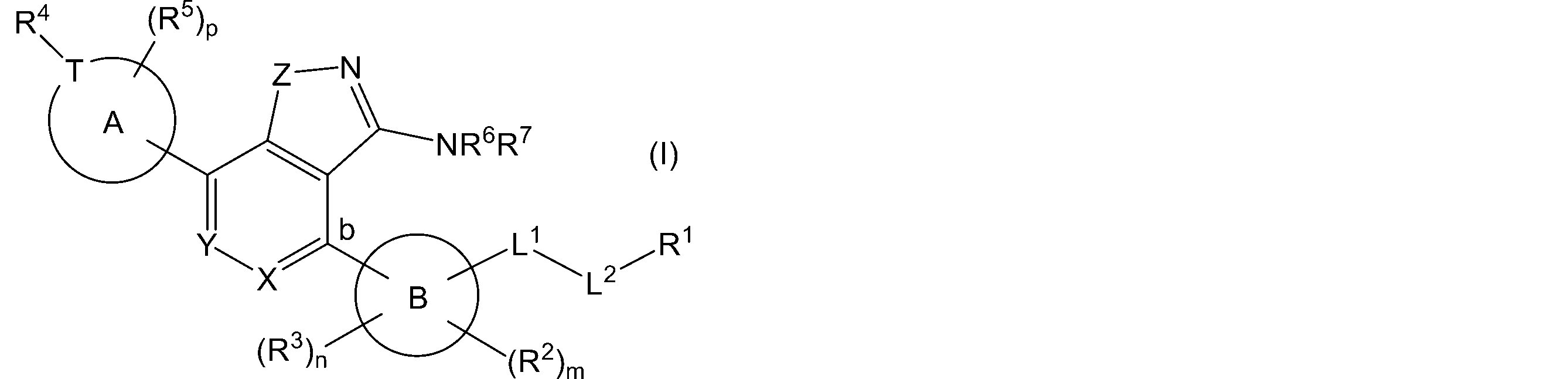
[2] 環Aが、(a)C5~6単環式炭素環もしくは(b)酸素原子、窒素原子および硫黄原子から選択される1~4個のヘテロ原子を含む5~6員単環式複素環である、前項[1]記載の化合物、そのN-オキシド体、それらのプロドラッグ、それらの薬学的に許容される塩またはそれらの溶媒和物;
[3] 環Bが、(a)C5~6単環式炭素環もしくは(b)酸素原子、窒素原子および硫黄原子から選択される1~4個のヘテロ原子を含む5~6員単環式複素環である、前項[1]もしくは[2]記載の化合物、そのN-オキシド体、それらのプロドラッグ、それらの薬学的に許容される塩またはそれらの溶媒和物;
[4] 環Aが、(a)ベンゼン環もしくは(b)酸素原子、窒素原子および硫黄原子から選択される1~4個のヘテロ原子を含む5~6員単環式芳香族複素環である、前項[1]もしくは[3]記載の化合物、そのN-オキシド体、それらのプロドラッグ、それらの薬学的に許容される塩またはそれらの溶媒和物;
[5] 環Bが、(a)ベンゼン環もしくは(b)酸素原子、窒素原子および硫黄原子から選択される1~4個のヘテロ原子を含む5~6員単環式芳香族複素環である、前項[1]、[2]および[4]の何れか一項記載の化合物、そのN-オキシド体、それらのプロドラッグ、それらの薬学的に許容される塩またはそれらの溶媒和物;
[6] 環Aが、1~4個の窒素原子を含み、その他のヘテロ原子を含まない5~6員単環式芳香族含窒素複素環である、前項[1]、[3]および[5]の何れか一項記載の化合物、そのN-オキシド体、それらのプロドラッグ、それらの薬学的に許容される塩またはそれらの溶媒和物;
[7] Zが酸素原子である、前項[1]~[6]の何れか一項記載の化合物、そのN-オキシド体、それらのプロドラッグ、それらの薬学的に許容される塩またはそれらの溶媒和物;
[8] Xが窒素原子であり、Yが-CH=である、前項[1]~[7]の何れか一項記載の化合物、そのN-オキシド体、それらのプロドラッグ、それらの薬学的に許容される塩またはそれらの溶媒和物;
[9]一般式(I)の


[10] 一般式(I)で示される化合物が、一般式(II)

[11] Tが窒素原子である、前項[1]~[10]の何れか一項記載の化合物、そのN-オキシド体、それらのプロドラッグ、それらの薬学的に許容される塩またはそれらの溶媒和物;
[12] Uが炭素原子である、前項[9]~[11]の何れか一項記載の化合物、そのN-オキシド体、それらのプロドラッグ、それらの薬学的に許容される塩またはそれらの溶媒和物;
[13] 環Aが、ピラゾール、トリアゾール(例えば、1,2,3-トリアゾールおよび1,2,4-トリアゾール)、テトラゾール、オキサゾール、イソオキサゾール、イミダゾール、チアゾールまたはイソチアゾールである、前項[1]、[3]、[5]および[7]~[12]の何れか一項記載の化合物、そのN-オキシド体、それらのプロドラッグ、それらの薬学的に許容される塩またはそれらの溶媒和物;
[14] 一般式(I)で示される化合物が、一般式(III)

[15] 一般式(I)、一般式(II)および一般式(III)(以下、「一般式(I)等」と略記することがある。)の何れかのL2が、結合手またはC1~3アルキレン基である、前項[1]~[14]の何れか一項記載の化合物、そのN-オキシド体、それらのプロドラッグ、それらの薬学的に許容される塩またはそれらの溶媒和物;
[16] 一般式(I)等の何れかのL1が、-O-、-CONH-、-CO-、-CO2-、-S-、-SO2-または-SO-である、前項[1]~[15]の何れか一項記載の化合物、そのN-オキシド体、それらのプロドラッグ、それらの薬学的に許容される塩またはそれらの溶媒和物;
[17] 一般式(I)等の何れかのL1が、-CONH-(但し、当該基の左側が環Bに結合する。)、-CO-、-CO2-、-S-、-SO2-または-SO-である、前項[1]~[15]の何れか一項記載の化合物、そのN-オキシド体、それらのプロドラッグ、それらの薬学的に許容される塩またはそれらの溶媒和物;
[18] R1が、水素原子、水酸基、C1~4アルキル基またはカルボキシ基である、前項[1]~[17]の何れか一項記載の化合物、そのN-オキシド体、それらのプロドラッグ、それらの薬学的に許容される塩またはそれらの溶媒和物;
[19] R1が、水素原子またはC1~4アルキル基である、前項[1]~[17]の何れか一項記載の化合物、そのN-オキシド体、それらのプロドラッグ、それらの薬学的に許容される塩またはそれらの溶媒和物;
[20] R2が、ニトロ基またはNR2aR2bである、前項[1]~[19]の何れか一項記載の化合物、そのN-オキシド体、それらのプロドラッグ、それらの薬学的に許容される塩またはそれらの溶媒和物;
[21] R2aおよびR2bがともに水素原子である、前項[1]~[20]の何れか一項記載の化合物、そのN-オキシド体、それらのプロドラッグ、それらの薬学的に許容される塩またはそれらの溶媒和物;
[22] R3が、水素原子、ハロゲン原子または水酸基である、前項[1]~[21]の何れか一項記載の化合物、そのN-オキシド体、それらのプロドラッグ、それらの薬学的に許容される塩またはそれらの溶媒和物;
[23] R4が、水素原子である、前項[1]~[22]の何れか一項記載の化合物、そのN-オキシド体、それらのプロドラッグ、それらの薬学的に許容される塩またはそれらの溶媒和物;
[24] R6が、水素原子である、前項[1]~[23]の何れか一項記載の化合物、そのN-オキシド体、それらのプロドラッグ、それらの薬学的に許容される塩またはそれらの溶媒和物;
[25] pおよびpaが、0または1の整数である、前項[1]~[24]の何れか一項記載の化合物、そのN-オキシド体、それらのプロドラッグ、それらの薬学的に許容される塩またはそれらの溶媒和物;
[26] 一般式(I)で示される化合物が、
(1) 4-(4-アミノ-2-フルオロ-5-メトキシフェニル)-7-(1H-ピラゾール-4-イル)イソキサゾロ[5,4-c]ピリジン-3-アミン、
(2) 4-(4-アミノ-2-フルオロ-5-メトキシフェニル)-7-(1H-ピラゾール-4-イル)イソキサゾロ[4,5-c]ピリジン-3-アミン、
(3) 4-(4-アミノ-3-メトキシフェニル)-7-(1H-ピラゾール-4-イル)イソキサゾロ[4,5-c]ピリジン-3-アミン、
(4) 4-(4-アミノ-2-フルオロ-5-(メチルチオ)フェニル)-7-(1H-ピラゾール-4-イル)イソキサゾロ[4,5-c]ピリジン-3-アミン、
(5) 4-(4-アミノ-2-フルオロ-5-(メトキシ-d3)フェニル)-7-(1H-ピラゾール-4-イル)イソキサゾロ[4,5-c]ピリジン-3-アミン、
(6) 4-(4-アミノ-2-フルオロ-5-(メチルスルホニル)フェニル)-7-(1H-ピラゾール-4-イル)イソキサゾロ[4,5-c]ピリジン-3-アミン、
(7) 4-(4-アミノ-5-(エチルチオ)-2-フルオロフェニル)-7-(1H-ピラゾール-4-イル)イソキサゾロ[4,5-c]ピリジン-3-アミン、
(8) 4-(4-アミノ-2-フルオロ-5-(メチルスルフィニル)フェニル)-7-(1H-ピラゾール-4-イル)イソキサゾロ[4,5-c]ピリジン-3-アミン、
(9) 4-(4-アミノ-2-フルオロ-3-メトキシフェニル)-7-(1H-ピラゾール-4-イル)イソキサゾロ[4,5-c]ピリジン-3-アミン、
(10) メチル 2-アミノ-5-(3-アミノ-7-(1H-ピラゾール-4-イル)イソキサゾロ[4,5-c]ピリジン-4-イル)-4-フルオロベンゾアート、
(11) 2-アミノ-5-(3-アミノ-7-(1H-ピラゾール-4-イル)イソキサゾロ[4,5-c]ピリジン-4-イル)-4-フルオロ安息香酸、
(12) 2-アミノ-5-(3-アミノ-7-(1H-ピラゾール-4-イル)イソキサゾロ[4,5-c]ピリジン-4-イル)-4-フルオロベンズアミド、
(13) 4-(4-アミノ-2-フルオロ-5-メトキシフェニル)-7-(3-メチル-1H-ピラゾール-4-イル)イソキサゾロ[4,5-c]ピリジン-3-アミン、
(14) 1-(2-アミノ-5-(3-アミノ-7-(1H-ピラゾール-4-イル)イソキサゾロ[4,5-c]ピリジン-4-イル)-4-フルオロフェニル)エタン-1-オン、
(15) 4-(4-アミノ-2-クロロ-5-(メチルチオ)フェニル)-7-(1H-ピラゾール-4-イル)イソキサゾロ[4,5-c]ピリジン-3-アミン、
(16) エチル 2-アミノ-5-(3-アミノ-7-(1H-ピラゾール-4-イル)イソキサゾロ[4,5-c]ピリジン-4-イル)-4-フルオロベンゾアート、
(17) 2-アミノ-5-(3-アミノ-7-(1H-ピラゾール-4-イル)イソキサゾロ[4,5-c]ピリジン-4-イル)-4-フルオロ-N-メチルベンズアミド、
(18) 1-(2-アミノ-5-(3-アミノ-7-(1H-ピラゾール-4-イル)イソキサゾロ[4,5-c]ピリジン-4-イル)-4-フルオロフェニル)プロパン-1-オン、
(19) 2-アミノ-5-(3-アミノ-7-(1H-ピラゾール-4-イル)イソキサゾロ[4,5-c]ピリジン-4-イル)-N-エチル-4-フルオロベンズアミド、
(20) 1-(2-アミノ-5-(3-アミノ-7-(1H-ピラゾール-4-イル)イソキサゾロ[4,5-c]ピリジン-4-イル)フェニル)エタン-1-オン、
(21) メチル 2-アミノ-5-(3-アミノ-7-(1H-ピラゾール-4-イル)イソキサゾロ[4,5-c]ピリジン-4-イル)ベンゾアート、
(22) 2-アミノ-5-(3-アミノ-7-(1H-ピラゾール-4-イル)イソキサゾロ[4,5-c]ピリジン-4-イル)-N-プロピルベンズアミド、
(23) 1-(2-アミノ-5-(3-アミノ-7-(1H-ピラゾール-4-イル)イソキサゾロ[4,5-c]ピリジン-4-イル)-4-フルオロフェニル)ブタン-1-オン、
(24) 2-アミノ-5-(3-アミノ-7-(1H-ピラゾール-4-イル)イソキサゾロ[4,5-c]ピリジン-4-イル)-4-フルオロ-N-プロピルベンズアミド、
(25) 1-(2-アミノ-5-(3-アミノ-7-(1H-ピラゾール-4-イル)イソキサゾロ[4,5-c]ピリジン-4-イル)フェニル)ブタン-1-オン、
(26) 2-ヒドロキシエチル 2-アミノ-5-(3-アミノ-7-(1H-ピラゾール-4-イル)イソキサゾロ[4,5-c]ピリジン-4-イル)-4-フルオロベンゾアート、
(27) 2-アミノ-5-(3-アミノ-7-(1H-ピラゾール-4-イル)イソキサゾロ[4,5-c]ピリジン-4-イル)ベンズアミド、
(28) 2-アミノ-5-(3-アミノ-7-(1H-ピラゾール-4-イル)イソキサゾロ[4,5-c]ピリジン-4-イル)-N-メチルベンズアミド、
(29) 1-(2-アミノ-5-(3-アミノ-7-(1H-ピラゾール-4-イル)イソキサゾロ[4,5-c]ピリジン-4-イル)-4-ヒドロキシフェニル)エタン-1-オン、
(30) 2-アミノ-5-(3-アミノ-7-(1H-ピラゾール-4-イル)イソキサゾロ[4,5-c]ピリジン-4-イル)-N-エチルベンズアミド、
(31) 1-(2-アミノ-5-(3-アミノ-7-(1H-ピラゾール-4-イル)イソキサゾロ[4,5-c]ピリジン-4-イル)フェニル)プロパン-1-オン、
(32) 2-アミノ-5-(3-アミノ-7-(1H-ピラゾール-4-イル)イソキサゾロ[4,5-c]ピリジン-4-イル)-4-クロロ-N-エチルベンズアミド、
(33) 4-(2-フルオロ-5-メトキシ-4-ニトロフェニル)-7-(1H-ピラゾール-4-イル)イソキサゾロ[4,5-c]ピリジン-3-アミン、
(34) 1-(2-アミノ-5-(3-アミノ-7-(1H-ピラゾール-4-イル)イソチアゾロ[4,5-c]ピリジン-4-イル)-4-フルオロフェニル)エタン-1-オン、および
(35) 4-(4-アミノ-2-フルオロ-5-(トリフルオロメチル)フェニル)-7-(1H-ピラゾール-4-イル)イソキサゾロ[4,5-c]ピリジン-3-アミンからなる群から選択される化合物である、前項[1]記載の化合物、そのN-オキシド体、それらのプロドラッグ、それらの薬学的に許容される塩またはそれらの溶媒和物;
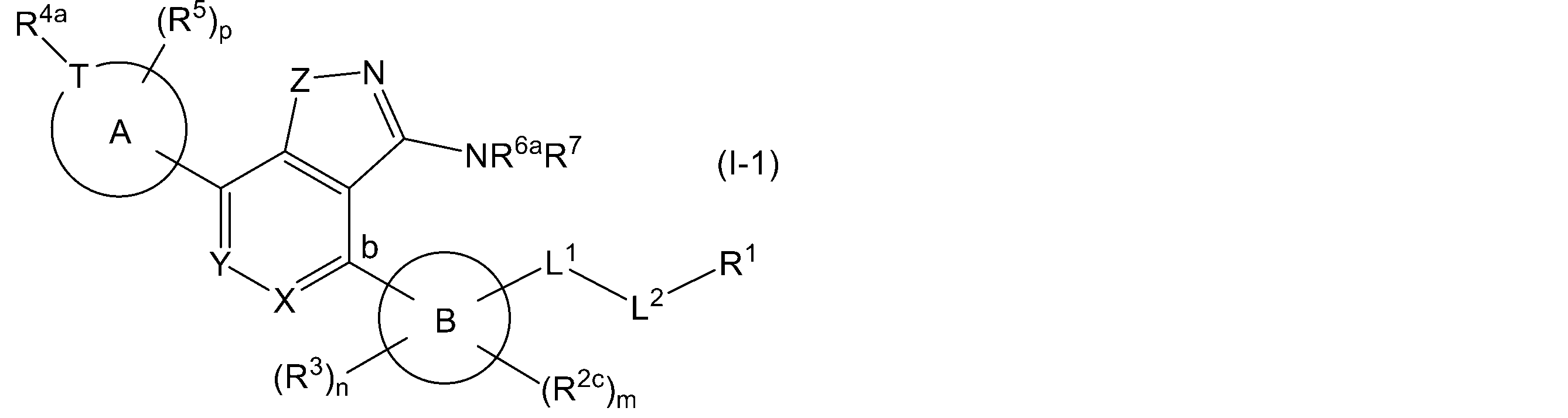
(i)

(ii)

(a)-L3-R8[式中、L3は、結合手、直鎖もしくは分岐鎖のC1~4アルキレン基、C3~6シクロアルキル基、


(b)

(iii)
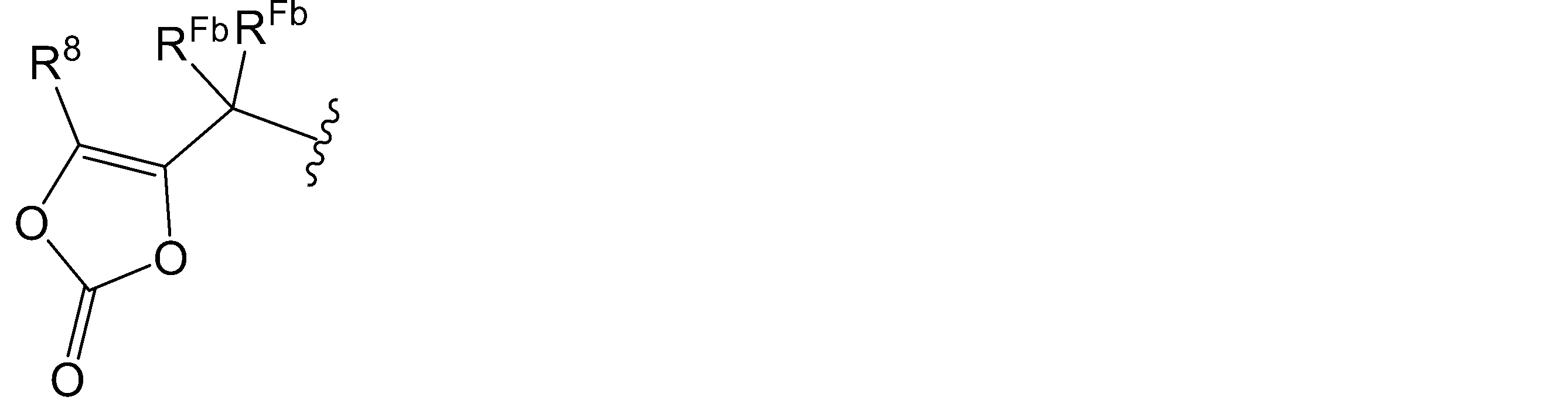
(iv)生体内において分解された結果、一般式(I)で示される化合物またはそのN-オキシド体を生成する遊離基を表し、R7は水素原子を表し、bは環Bの結合位置を表す。但し、R2d、R4aおよびR6aのうちの二つ以上は、同時にRFRを表さない。]で示される化合物、そのN-オキシド体、それらの薬学的に許容される塩またはそれらの溶媒和物;
[1-2] 環Aが、(a)C5~6単環式炭素環もしくは(b)酸素原子、窒素原子および硫黄原子から選択される1~4個のヘテロ原子を含む5~6員単環式複素環である、前項[1-1]記載の化合物、そのN-オキシド体、それらの薬学的に許容される塩またはそれらの溶媒和物;
[1-3] 環Bが、(a)C5~6単環式炭素環もしくは(b)酸素原子、窒素原子および硫黄原子から選択される1~4個のヘテロ原子を含む5~6員単環式複素環である、前項[1-1]もしくは[1-2]記載の化合物、そのN-オキシド体、それらの薬学的に許容される塩またはそれらの溶媒和物;
[1-4] 環Aが、(a)ベンゼン環もしくは(b)酸素原子、窒素原子および硫黄原子から選択される1~4個のヘテロ原子を含む5~6員単環式芳香族複素環である、前項[1-1]もしくは[1-3]記載の化合物、そのN-オキシド体、それらの薬学的に許容される塩またはそれらの溶媒和物;
[1-5] 環Bが、(a)ベンゼン環もしくは(b)酸素原子、窒素原子および硫黄原子から選択される1~4個のヘテロ原子を含む5~6員単環式芳香族複素環である、前項[1-1]、[1-2]および[1-4]の何れか一項記載の化合物、そのN-オキシド体、それらの薬学的に許容される塩またはそれらの溶媒和物;
[1-6] 環Aが、1~4個の窒素原子を含み、その他のヘテロ原子を含まない5~6員単環式芳香族含窒素複素環を表す、前項[1-1]、[1-3]および[1-5]の何れか一項記載の化合物、そのN-オキシド体、それらの薬学的に許容される塩またはそれらの溶媒和物;
[1-7] Zが酸素原子である、前項[1-1]~[1-6]の何れか一項記載の化合物、そのN-オキシド体、それらの薬学的に許容される塩またはそれらの溶媒和物;
[1-8] Xが窒素原子であり、Yが-CH=である、前項[1-1]~[1-7]の何れか一項記載の化合物、そのN-オキシド体、それらの薬学的に許容される塩またはそれらの溶媒和物;
[1-9] 一般式(I-1)の


[1-10] 一般式(I-1)で示される化合物が、一般式(II-1)

[1-11] Tが窒素原子である、前項[1-1]~[1-10]の何れか一項記載の化合物、そのN-オキシド体、それらの薬学的に許容される塩またはそれらの溶媒和物;
[1-12] Uが炭素原子である、前項[1-9]~[1-11]の何れか一項記載の化合物、そのN-オキシド体、それらの薬学的に許容される塩またはそれらの溶媒和物;
[1-13] 環Aが、ピラゾール、トリアゾール(例えば、1,2,3-トリアゾールおよび1,2,4-トリアゾール)、テトラゾール、オキサゾール、イソオキサゾール、イミダゾール、チアゾールまたはイソチアゾールである、前項[1-1]、[1-3]、[1-5]および[1-7]~[1-12]の何れか一項記載の化合物、そのN-オキシド体、それらの薬学的に許容される塩またはそれらの溶媒和物;
[1-14] 一般式(I-1)で示される化合物が、一般式(III-1)
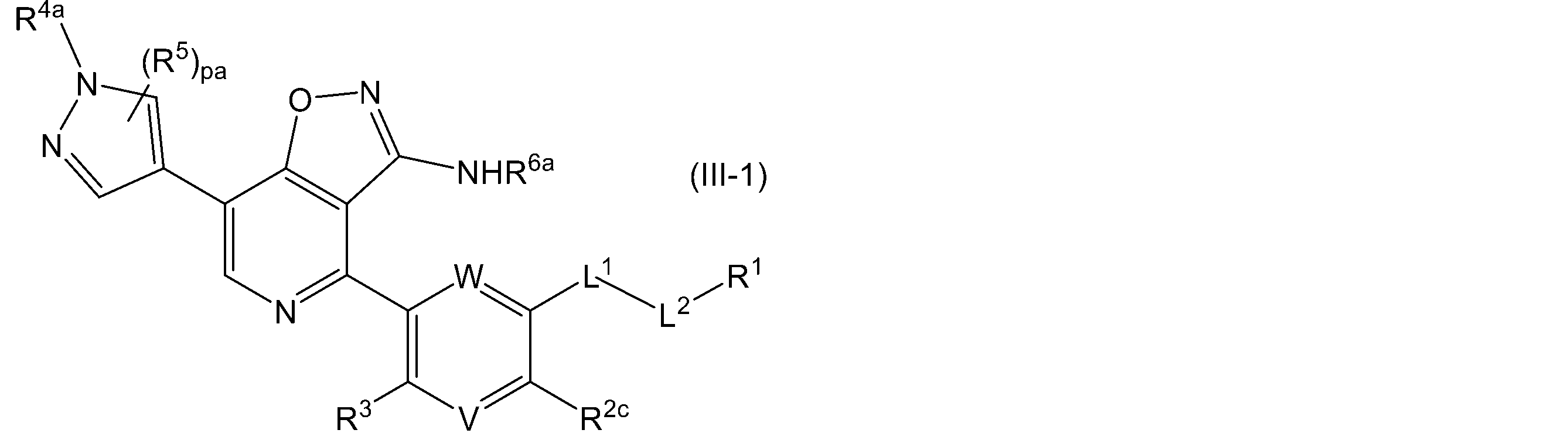
[1-15] 一般式(I-1)、一般式(II-1)および一般式(III-1)(以下、「一般式(I-1)等」と略記することがある。)の何れかのL2が結合手またはC1~3アルキレン基である、前項[1-1]~[1-14]の何れか一項記載の化合物、そのN-オキシド体、それらの薬学的に許容される塩またはそれらの溶媒和物;
[1-16] 一般式(I-1)等の何れかのL1が、-O-、-CONH-、-CO-、-CO2-、-S-、-SO2-または-SO-である、前項[1-1]~[1-15]の何れか一項記載の化合物、そのN-オキシド体、それらの薬学的に許容される塩またはそれらの溶媒和物;
[1-17] 一般式(I-1)等の何れかのL1が、-CONH-(但し、当該基の左側が環Bに結合する。)、-CO-、-CO2-、-S-、-SO2-または-SO-である、前項[1-1]~[1-15]の何れか一項記載の化合物、そのN-オキシド体、それらの薬学的に許容される塩またはそれらの溶媒和物;
[1-18] R1が、水素原子、水酸基、C1~4アルキル基またはカルボキシ基である、前項[1-1]~[1-17]の何れか一項記載の化合物、そのN-オキシド体、それらの薬学的に許容される塩またはそれらの溶媒和物;
[1-19] R1が、水素原子またはC1~4アルキル基である、前項[1-1]~[1-17]の何れか一項記載の化合物、そのN-オキシド体、それらの薬学的に許容される塩またはそれらの溶媒和物;
[1-20] R2cが、ニトロ基またはNR2dR2eである、前項[1-1]~[1-19]の何れか一項記載の化合物、そのN-オキシド体、それらの薬学的に許容される塩またはそれらの溶媒和物;
[1-21] R3が、水素原子、ハロゲン原子または水酸基である、前項[1-1]~[1-20]の何れか一項記載の化合物、そのN-オキシド体、それらの薬学的に許容される塩またはそれらの溶媒和物;
[1-22] R2dが水素原子またはRFRである前項[1-1]~[1-21]の何れか一項記載の化合物、そのN-オキシド体、それらの薬学的に許容される塩またはそれらの溶媒和物;
[1-23] R4aおよびR6aがともに水素原子である、前項[1-1]~[1-22]の何れか一項記載の化合物、そのN-オキシド体、それらの薬学的に許容される塩またはそれらの溶媒和物;
[1-24] R4aが水素原子またはRFRである前項[1-1]~[1-21]の何れか一項記載の化合物、そのN-オキシド体、それらの薬学的に許容される塩またはそれらの溶媒和物;
[1-25] R2dおよびR6aがともに水素原子である、前項[1-1]~[1-21]および[1-24]の何れか一項記載の化合物、そのN-オキシド体、それらの薬学的に許容される塩またはそれらの溶媒和物;
[1-26] R6aが水素原子またはRFRである前項[1-1]~[1-21]の何れか一項記載の化合物、そのN-オキシド体、それらの薬学的に許容される塩またはそれらの溶媒和物;
[1-27] R2dおよびR4aがともに水素原子である、前項[1-1]~[1-21]および[1-26]の何れか一項記載の化合物、そのN-オキシド体、それらの薬学的に許容される塩またはそれらの溶媒和物;
[1-28] R2d、R4aおよびR6aの何れか一つがRFRを表す、前項[1-1]~[1-21]の何れか一項記載の化合物、そのN-オキシド体、それらの薬学的に許容される塩またはそれらの溶媒和物;
[1-29] R4aがRFRを表し、R2dおよびR6aがともに水素原子である、前項[1-1]~[1-21]記載の化合物、そのN-オキシド体、それらの薬学的に許容される塩またはそれらの溶媒和物;
[1-30] RFRが、

[1-31]


[1-32] RFRが、
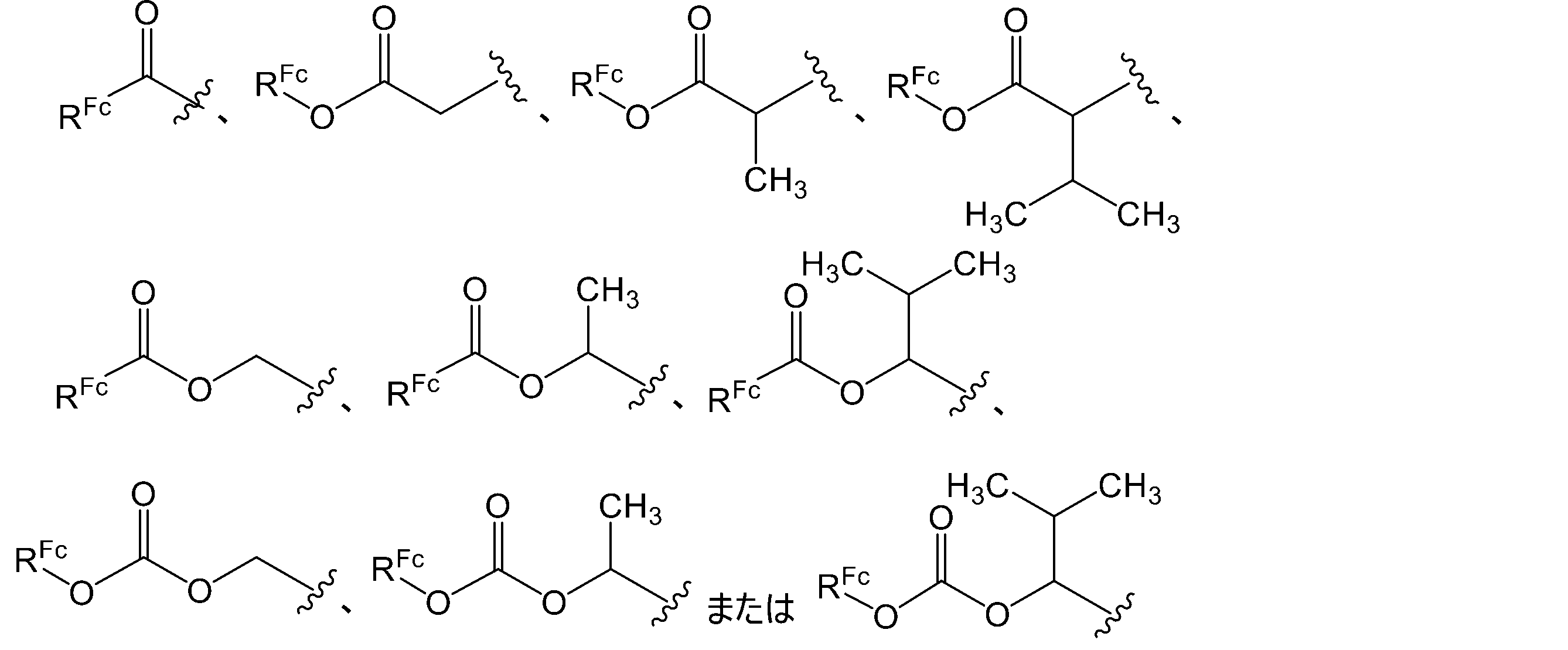
[1-33] RFcが、

[1-34] RFcが、

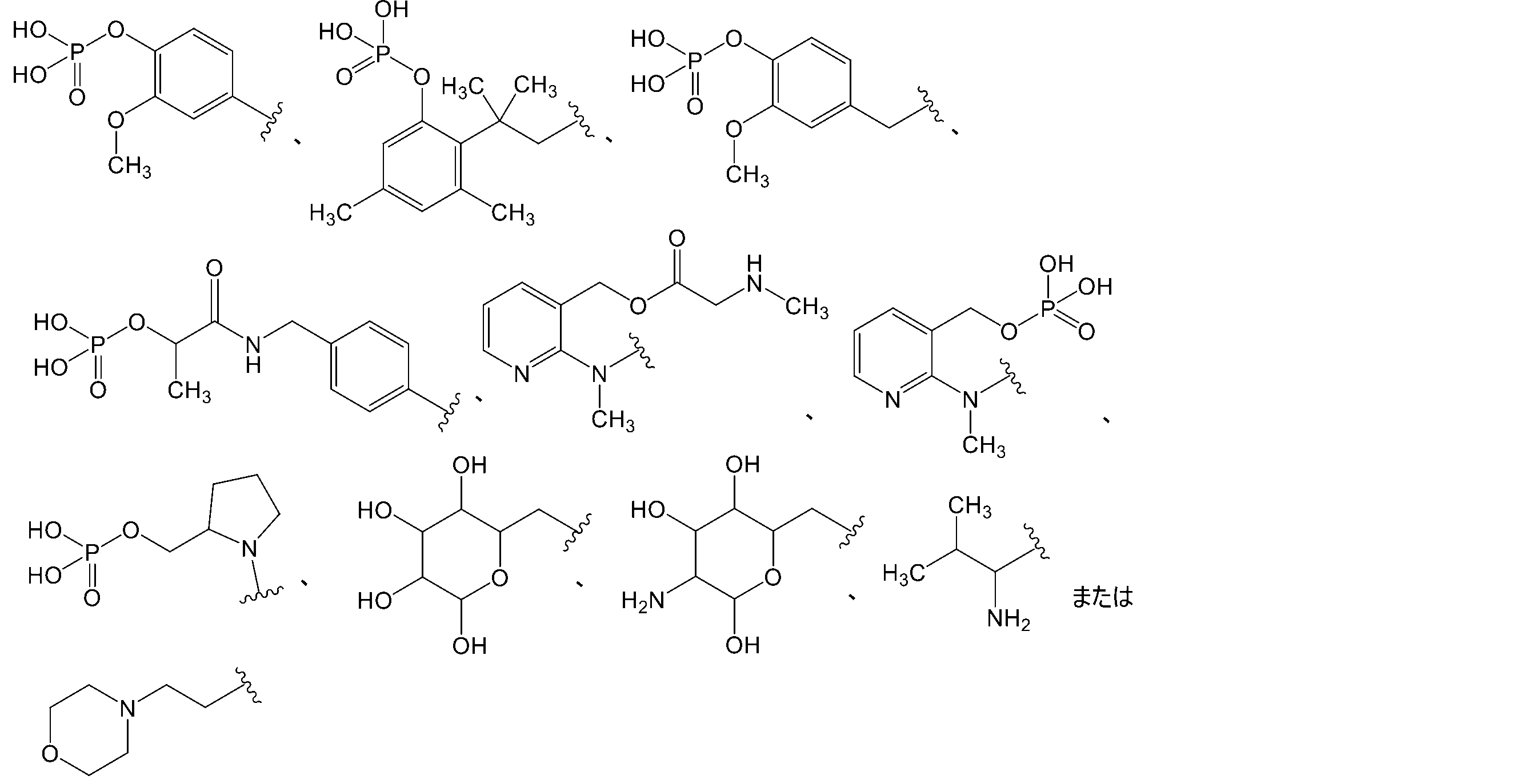
[1-35] RFRが、
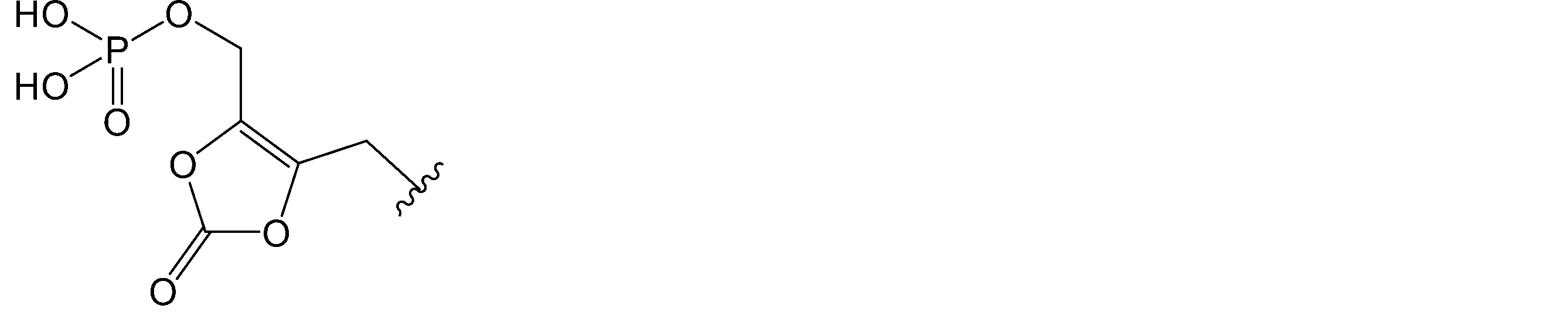
[1-36] RFRが、

[1-37] 有機アミン塩が、脂肪族アミン塩(例えば、メチルアミン塩、ジメチルアミン塩、シクロペンチルアミン塩、トリメチルアミン塩、トリエチルアミン塩、ジシクロヘキシルアミン塩、モノエタノールアミン塩、ジエタノールアミン塩、トリエタノールアミン塩、プロカイン塩、メグルミン塩、ジエタノールアミン塩、トリス(ヒドロキシメチル)アミノメタン塩またはエチレンジアミン塩等)、アラルキルアミン塩(例えば、ベンジルアミン塩、フェネチルアミン塩、N,N-ジベンジルエチレンジアミン塩またはベネタミン塩等)、ヘテロ環芳香族アミン塩(例えば、ピペリジン塩、ピリジン塩、ピコリン塩、キノリン塩またはイソキノリン塩等)、第四級アンモニウム塩(例えば、テトラメチルアンモニウム塩、テトラエチルアモニウム塩、ベンジルトリメチルアンモニウム塩、ベンジルトリエチルアンモニウム塩、ベンジルトリブチルアンモニウム塩、メチルトリオクチルアンモニウム塩またはテトラブチルアンモニウム塩等)、塩基性アミノ酸塩(例えば、アルギニン塩またはリシン塩等)またはN-メチル-D-グルカミン塩である、前項[1-36]記載の化合物の薬学的に許容される塩またはそれらの溶媒和物;
[1-38] pおよびpaが、0または1の整数である、前項[1-1]~[1-37]の何れか一項記載の化合物、そのN-オキシド体、それらの薬学的に許容される塩またはそれらの溶媒和物;
[1-39] 一般式(I-1)で示される化合物が、
(1) 4-(4-アミノ-2-フルオロ-5-メトキシフェニル)-7-(1H-ピラゾール-4-イル)イソキサゾロ[5,4-c]ピリジン-3-アミン、
(2) 4-(4-アミノ-2-フルオロ-5-メトキシフェニル)-7-(1H-ピラゾール-4-イル)イソキサゾロ[4,5-c]ピリジン-3-アミン、
(3) 4-(4-アミノ-3-メトキシフェニル)-7-(1H-ピラゾール-4-イル)イソキサゾロ[4,5-c]ピリジン-3-アミン、
(4) 4-(4-アミノ-2-フルオロ-5-(メチルチオ)フェニル)-7-(1H-ピラゾール-4-イル)イソキサゾロ[4,5-c]ピリジン-3-アミン、
(5) 4-(4-アミノ-2-フルオロ-5-(メトキシ-d3)フェニル)-7-(1H-ピラゾール-4-イル)イソキサゾロ[4,5-c]ピリジン-3-アミン、
(6) 4-(4-アミノ-2-フルオロ-5-(メチルスルホニル)フェニル)-7-(1H-ピラゾール-4-イル)イソキサゾロ[4,5-c]ピリジン-3-アミン、
(7) 4-(4-アミノ-5-(エチルチオ)-2-フルオロフェニル)-7-(1H-ピラゾール-4-イル)イソキサゾロ[4,5-c]ピリジン-3-アミン、
(8) 4-(4-アミノ-2-フルオロ-5-(メチルスルフィニル)フェニル)-7-(1H-ピラゾール-4-イル)イソキサゾロ[4,5-c]ピリジン-3-アミン、
(9) 4-(4-アミノ-2-フルオロ-3-メトキシフェニル)-7-(1H-ピラゾール-4-イル)イソキサゾロ[4,5-c]ピリジン-3-アミン、
(10) メチル 2-アミノ-5-(3-アミノ-7-(1H-ピラゾール-4-イル)イソキサゾロ[4,5-c]ピリジン-4-イル)-4-フルオロベンゾアート、
(11) 2-アミノ-5-(3-アミノ-7-(1H-ピラゾール-4-イル)イソキサゾロ[4,5-c]ピリジン-4-イル)-4-フルオロ安息香酸、
(12) 2-アミノ-5-(3-アミノ-7-(1H-ピラゾール-4-イル)イソキサゾロ[4,5-c]ピリジン-4-イル)-4-フルオロベンズアミド、
(13) 4-(4-アミノ-2-フルオロ-5-メトキシフェニル)-7-(3-メチル-1H-ピラゾール-4-イル)イソキサゾロ[4,5-c]ピリジン-3-アミン、
(14) メチル 2-アミノ-5-(3-アミノ-7-(1-((ホスホノオキシ)メチル)-1H-ピラゾール-4-イル)イソキサゾロ[4,5-c]ピリジン-4-イル)-4-フルオロベンゾアート、
(15) 1-(2-アミノ-5-(3-アミノ-7-(1H-ピラゾール-4-イル)イソキサゾロ[4,5-c]ピリジン-4-イル)-4-フルオロフェニル)エタン-1-オン、
(16) 4-(4-アミノ-2-クロロ-5-(メチルチオ)フェニル)-7-(1H-ピラゾール-4-イル)イソキサゾロ[4,5-c]ピリジン-3-アミン、
(17) エチル 2-アミノ-5-(3-アミノ-7-(1H-ピラゾール-4-イル)イソキサゾロ[4,5-c]ピリジン-4-イル)-4-フルオロベンゾアート、
(18) (4-(4-(5-アセチル-4-アミノ-2-フルオロフェニル)-3-アミノイソキサゾロ[4,5-c]ピリジン-7-イル)-1H-ピラゾール-1-イル)メチル 二水素ホスファート、
(19) エチル 2-アミノ-5-(3-アミノ-7-(1-((ホスホノオキシ)メチル)-1H-ピラゾール-4-イル)イソキサゾロ[4,5-c]ピリジン-4-イル)-4-フルオロベンゾアート、
(20) 2-アミノ-5-(3-アミノ-7-(1H-ピラゾール-4-イル)イソキサゾロ[4,5-c]ピリジン-4-イル)-4-フルオロ-N-メチルベンズアミド、
(21) 1-(2-アミノ-5-(3-アミノ-7-(1H-ピラゾール-4-イル)イソキサゾロ[4,5-c]ピリジン-4-イル)-4-フルオロフェニル)プロパン-1-オン、
(22) 2-アミノ-5-(3-アミノ-7-(1H-ピラゾール-4-イル)イソキサゾロ[4,5-c]ピリジン-4-イル)-N-エチル-4-フルオロベンズアミド、
(23) 1-(2-アミノ-5-(3-アミノ-7-(1H-ピラゾール-4-イル)イソキサゾロ[4,5-c]ピリジン-4-イル)フェニル)エタン-1-オン、
(24) メチル 2-アミノ-5-(3-アミノ-7-(1H-ピラゾール-4-イル)イソキサゾロ[4,5-c]ピリジン-4-イル)ベンゾアート、
(25) 2-アミノ-5-(3-アミノ-7-(1H-ピラゾール-4-イル)イソキサゾロ[4,5-c]ピリジン-4-イル)-N-プロピルベンズアミド、
(26) 1-(2-アミノ-5-(3-アミノ-7-(1H-ピラゾール-4-イル)イソキサゾロ[4,5-c]ピリジン-4-イル)-4-フルオロフェニル)ブタン-1-オン、
(27) 2-アミノ-5-(3-アミノ-7-(1H-ピラゾール-4-イル)イソキサゾロ[4,5-c]ピリジン-4-イル)-4-フルオロ-N-プロピルベンズアミド、
(28) 1-(2-アミノ-5-(3-アミノ-7-(1H-ピラゾール-4-イル)イソキサゾロ[4,5-c]ピリジン-4-イル)フェニル)ブタン-1-オン、
(29) 2-ヒドロキシエチル 2-アミノ-5-(3-アミノ-7-(1H-ピラゾール-4-イル)イソキサゾロ[4,5-c]ピリジン-4-イル)-4-フルオロベンゾアート、
(30) 2-アミノ-5-(3-アミノ-7-(1H-ピラゾール-4-イル)イソキサゾロ[4,5-c]ピリジン-4-イル)ベンズアミド、
(31) 2-アミノ-5-(3-アミノ-7-(1H-ピラゾール-4-イル)イソキサゾロ[4,5-c]ピリジン-4-イル)-N-メチルベンズアミド、
(32) (4-(3-アミノ-4-(4-アミノ-5-(エチルカルバモイル)-2-フルオロフェニル)イソキサゾロ[4,5-c]ピリジン-7-イル)-1H-ピラゾール-1-イル)メチル 二水素ホスファート、
(33) 1-(2-アミノ-5-(3-アミノ-7-(1H-ピラゾール-4-イル)イソキサゾロ[4,5-c]ピリジン-4-イル)-4-ヒドロキシフェニル)エタン-1-オン、
(34) 2-アミノ-5-(3-アミノ-7-(1H-ピラゾール-4-イル)イソキサゾロ[4,5-c]ピリジン-4-イル)-N-エチルベンズアミド、
(35) 1-(2-アミノ-5-(3-アミノ-7-(1H-ピラゾール-4-イル)イソキサゾロ[4,5-c]ピリジン-4-イル)フェニル)プロパン-1-オン、
(36) 2-アミノ-5-(3-アミノ-7-(1H-ピラゾール-4-イル)イソキサゾロ[4,5-c]ピリジン-4-イル)-4-クロロ-N-エチルベンズアミド、
(37) (4-(3-アミノ-4-(4-アミノ-2-フルオロ-5-(メチルチオ)フェニル)イソキサゾロ[4,5-c]ピリジン-7-イル)-1H-ピラゾール-1-イル)メチル 二水素ホスファート、
(38) (4-(3-アミノ-4-(4-アミノ-2-フルオロ-5-プロピオニルフェニル)イソキサゾロ[4,5-c]ピリジン-7-イル)-1H-ピラゾール-1-イル)メチル 二水素ホスファート、
(39) (4-(4-(3-アセチル-4-アミノフェニル)-3-アミノイソキサゾロ[4,5-c]ピリジン-7-イル)-1H-ピラゾール-1-イル)メチル 二水素ホスファート、
(40) 4-(2-フルオロ-5-メトキシ-4-ニトロフェニル)-7-(1H-ピラゾール-4-イル)イソキサゾロ[4,5-c]ピリジン-3-アミン、
(41) (4-(3-アミノ-4-(4-アミノ-2-フルオロ-5-(メチルスルホニル)フェニル)イソキサゾロ[4,5-c]ピリジン-7-イル)-1H-ピラゾール-1-イル)メチル 二水素ホスファート、
(42) (4-(3-アミノ-4-(4-アミノ-5-(エチルカルバモイル)-2-クロロフェニル)イソキサゾロ[4,5-c]ピリジン-7-イル)-1H-ピラゾール-1-イル)メチル 二水素ホスファート、
(43) 1-(2-アミノ-5-(3-アミノ-7-(1H-ピラゾール-4-イル)イソチアゾロ[4,5-c]ピリジン-4-イル)-4-フルオロフェニル)エタン-1-オン、
(44) 4-(4-アミノ-2-フルオロ-5-(トリフルオロメチル)フェニル)-7-(1H-ピラゾール-4-イル)イソキサゾロ[4,5-c]ピリジン-3-アミン、
(45) (4-(4-(5-アセチル-4-アミノ-2-フルオロフェニル)-3-アミノイソキサゾロ[4,5-c]ピリジン-7-イル)-1H-ピラゾール-1-イル)メチル (((2R,3S,4S,5R)-3,4,5,6-テトラヒドロキシテトラヒドロ-2H-ピラン-2-イル)メチル) カルボナート、
(46) ((((4-(4-(5-アセチル-4-アミノ-2-フルオロフェニル)-3-アミノイソキサゾロ[4,5-c]ピリジン-7-イル)-1H-ピラゾール-1-イル)メトキシ)(ヒドロキシ)ホスホリル)オキシ)メチル イソプロピル カルボナート、
(47) 2-((2-((((4-(4-(5-アセチル-4-アミノ-2-フルオロフェニル)-3-アミノイソキサゾロ[4,5-c]ピリジン-7-イル)-1H-ピラゾール-1-イル)メトキシ)カルボニル)(メチル)アミノ)ピリジン-3-イル)メトキシ)-N-メチル-2-オキソエタン-1-アンモニウム クロリド、
(48) (4-(4-(5-アセチル-4-アミノ-2-フルオロフェニル)-3-アミノイソキサゾロ[4,5-c]ピリジン-7-イル)-1H-ピラゾール-1-イル)メチル メチル(3-((ホスホノオキシ)メチル)ピリジン-2-イル)カルバマート、
(49) (4-(4-(5-アセチル-4-アミノ-2-フルオロフェニル)-3-アミノイソキサゾロ[4,5-c]ピリジン-7-イル)-1H-ピラゾール-1-イル)メチル (((2R,3S,4R,5R)-5-アミノ-3,4,6-トリヒドロキシテトラヒドロ-2H-ピラン-2-イル)メチル) カルボナート、
(50) (4-(4-(5-アセチル-4-アミノ-2-フルオロフェニル)-3-アミノイソキサゾロ[4,5-c]ピリジン-7-イル)-1H-ピラゾール-1-イル)メチル [1,4′-ビピペリジン]-1′-カルボキシラート、
(51) (4-(4-(5-アセチル-4-アミノ-2-フルオロフェニル)-3-アミノイソキサゾロ[4,5-c]ピリジン-7-イル)-1H-ピラゾール-1-イル)メチル (2-モルホリノエチル) カルボナート、
(52) (4-(4-(5-アセチル-4-アミノ-2-フルオロフェニル)-3-アミノイソキサゾロ[4,5-c]ピリジン-7-イル)-1H-ピラゾール-1-カルボニル)グリシン、
(53) (2-(((1-(4-(4-(5-アセチル-4-アミノ-2-フルオロフェニル)-3-アミノイソキサゾロ[4,5-c]ピリジン-7-イル)-1H-ピラゾール-1-イル)エトキシ)カルボニル)(メチル)アミノ)ピリジン-3-イル)メチル メチルグリシナート、
(54) メチル 4-(4-(5-アセチル-4-アミノ-2-フルオロフェニル)-3-アミノイソキサゾロ[4,5-c]ピリジン-7-イル)-1H-ピラゾール-1-カルボキシラート、
(55) 1-(4-(4-(5-アセチル-4-アミノ-2-フルオロフェニル)-3-アミノイソキサゾロ[4,5-c]ピリジン-7-イル)-1H-ピラゾール-1-イル)エチル 二水素ホスファート、
(56) (2-(4-(4-(5-アセチル-4-アミノ-2-フルオロフェニル)-3-アミノイソキサゾロ[4,5-c]ピリジン-7-イル)-N-メチル-1H-ピラゾール-1-カルボキサミド)ピリジン-3-イル)メチル メチルグリシナート、および
(57) (2-(4-(4-(5-アセチル-4-アミノ-2-フルオロフェニル)-3-アミノイソキサゾロ[4,5-c]ピリジン-7-イル)-N-メチル-1H-ピラゾール-1-カルボキサミド)ピリジン-3-イル)メチル 二水素ホスファートからなる群から選択される化合物である、前項[1-1]記載の化合物、そのN-オキシド体、それらの薬学的に許容される塩またはそれらの溶媒和物;
[1-40] 前項[1-1]~[1-39]の何れか一項記載の化合物もしくはそのN-オキシド体の薬学的に許容される塩が、アルカリ金属塩(例えば、リチウム塩、ナトリウム塩またはカリウム塩)である、前項[1-1]~[1-39]の何れか一項記載の化合物もしくはそのN-オキシド体の薬学的に許容される塩またはその溶媒和物;
[1-41] 前項[1-1]~[1-40]の何れか一項記載の化合物、そのN-オキシド体もしくはその許容される塩の溶媒和物が水和物である、前項[1-1]~[1-40]の何れか一項記載の化合物、そのN-オキシド体またはその薬学的に許容される塩の溶媒和物;
[1-42] (4-(4-(5-アセチル-4-アミノ-2-フルオロフェニル)-3-アミノイソキサゾロ[4,5-c]ピリジン-7-イル)-1H-ピラゾール-1-イル)メチル 二水素ホスファートの水和物;
[1-43] 包接水和物である、前項[1-42]記載の水和物;
[1-44] (4-(4-(5-アセチル-4-アミノ-2-フルオロフェニル)-3-アミノイソキサゾロ[4,5-c]ピリジン-7-イル)-1H-ピラゾール-1-イル)メチル 二水素ホスファートの1分子当たり2~3個の水分子が配位する前記[1-42]または[1-43]記載の水和物;
(1)当該STING作動化合物を有効成分として含む当該剤(以下、「STING作動剤」と略記することがある。)を投与する際、または
(2)当該STING作動剤を一もしくは二種以上の抗悪性腫瘍剤と組み合わせて投与する際、さらに副腎皮質ホルモン剤と組み合わせて投与することを特徴とする、当該剤;
[2-2] 当該STING作動剤を投与する際、さらに副腎皮質ホルモン剤と組み合わせて投与することを特徴とする、前項[2-1]記載の薬剤;
[2-3] 副腎皮質ホルモン剤であって、(1)STING作動剤による、または(2)当該STING作動剤を一もしくは二種以上の抗悪性腫瘍剤と組み合わせて投与することによるがんの進行抑制、再発抑制および/または治療における、血中または組織中の炎症性サイトカイン産生誘導の抑制剤;
[2-4] STING作動化合物を有効成分として含む、がんの進行抑制、再発抑制および/または治療剤であって、
(1)当該STING作動剤を投与する際、または
(2)当該STING作動剤を一もしくは二種以上の抗悪性腫瘍剤と組み合わせて投与する際、さらに、副腎皮質ホルモン剤、IL-6阻害剤およびTNF-α阻害剤からなる群から選択される一または二種以上の薬剤と組み合わせて投与することを特徴とする、当該薬剤;
[2-5] 当該STING作動剤を投与する際、さらに、副腎皮質ホルモン剤、IL-6阻害剤およびTNF-α阻害剤からなる群から選択される一または二種以上の薬剤と組み合わせて投与することを特徴とする、前項[2-4]記載の薬剤;
[2-6] 副腎皮質ホルモン剤、IL-6阻害剤またはTNF-α阻害剤であって、(1)STING作動剤による、または(2)当該STING作動剤を一もしくは二種以上の抗悪性腫瘍剤と組み合わせて投与することによるがんの進行抑制、再発抑制および/または治療における、血中または組織中の炎症性サイトカイン産生誘導の抑制剤;
[2-7] 当該STING作動化合物が、
(1)前項[1]~[26]記載の化合物、そのN-オキシド体、それらのプロドラッグ、それらの薬学的に許容される塩またはそれらの溶媒和物、または
(2)前項[1-1]~[1-44]記載の化合物、そのN-オキシド体、それらの薬学的に許容される塩またはそれらの溶媒和物(以下、本項(1)および(2)の化合物をあわせて「本発明にかかる化合物」と略記することがある。)である、前項[2-1]~[2-6]の何れか一項記載の剤;
[2-8] 当該STING作動化合物が、WO2015/185565、WO2017/093933、WO2017/175147、WO2017/175156、WO2019/069275、WO2019/069270、WO2019/069269、WO2016/096174、WO2017/186711、WO2019/129880、WO2014/093936、WO2014/189805、WO2014/189806、WO2016/145102、WO2017/075477、WO2017/106740、WO2018/009466、WO2018/198076、WO2018/200812、WO2017/027645、WO2017/027646、WO2018/067423、WO2018/118665、WO2018/118664、WO2018/208667、WO2019/027858、WO2019/027857、WO2019/125974、WO2019/195124、WO2019/195063、WO2017/011622、WO2016/164619、WO2019/046511、WO2019/051489、WO2019/051488、WO2017/161349、WO2018/009648、WO2018/013887、WO2018/013908、WO2019/046511、WO2019/051489、WO2019/051488、WO2019/161171、WO2020/014127、WO2018/013924、WO2018/060323、WO2018/172206、WO2019/185476、WO2019/185477、WO2017/123669、WO2017/123657、WO2018/045204、WO2020/010092、WO2020/010155、WO2018/100558、WO2019/092660、WO2019/180683、WO2018/098203、WO2018/138685、WO2018/138684、WO2019/118839、WO2020/016782、WO2018/065360、WO2018/152450、WO2018/152453、WO2019/232392、WO2018/156625、US2017/0146519、WO2018/234808、WO2018/234807、WO2018/234805、WO2019/243823、WO2019/243825、WO2019/023459、WO2019/046500、WO2019/046498、WO2019/046496、WO2019/074887、WO2019/160884、WO2019/173587、WO2019/043634、US2017/0050967、WO2019/165032、WO2019/158731、WO2019/134705、WO2019/134707、WO2019/123338、WO2019/123339、WO2019/123340、WO2019/122202、WO2019/100061、WO2020/010451、WO2020/006432、WO2019/238786、WO2019/227007、WO2019/219820、WO2019/211799、WO2019/193542、WO2019/193533、WO2019/193543、WO2019/123340、WO2019/123339、WO2019/123338、WO2019/183578、WO2019/175776、WO2019/170912、WO2020/028565、WO2020/028566、WO2020/038387、WO2020/042995、WO2020/050406、WO2020/057546、WO2020/072492、WO2020/074004、WO2020/092127、WO2020/106736、WO2020/117623、WO2020/117624、WO2020/117625、WO2020/115676、WO2020/124059、WO2020/135715、WO2020/146237、WO2020/151682、WO2020/156363、WO2020/163415、WO2020/178768、WO2020/178769、WO2020/178770、WO2020/202091、WO2020/194160、WO2020/221038、WO2020/232375、WO2020/232378、WO2020/227421、WO2020/252240、WO2020/236586、WO2020/243519、WO2020/249773、WO2021/009362、WO2021/009365、WO2021/000770、WO2021/014365、WO2021/013234、WO2021/013250、WO2021/026009、WO2021/035257、WO2021/035258、WO2021/037179およびWO2021/042024からなる群から選択される特許出願の明細書に記載されている何れかのSTING作動化合物である、前項[2-1]~[2-6]の何れか一項記載の剤;
[2-9] 当該STING作動化合物が、ADU-S100(CAS No.1638241-89-0)、MK-1454、MK-2118、SB11285、GSK3745417、BMS-986301、E7766、TAK-676、CRD5500、MAVU-104、SYNB1891、SB11325、SB11396、TTI-10001、exoSTING、VTX-001、SRCB-0074、ISMA-101またはBI-13874456である、前項[2-1]~[2-6]の何れか一項記載の剤;
[2-10] WO2018/067423で特定される特許出願に記載されているSTING作動化合物が、次のCAS No.2218503-83-2、2218505-09-8、2218505-08-7、2218503-88-7、2218504-006、2218504-44-8、2218504-06-2および2218504-10-8からなる群から選択される番号にて特定される化合物である、前項[2-8]記載の剤;
[2-11] WO2018/100558で特定される特許出願に記載されているSTING作動化合物が、次の2228934-37-8、2228891-92-5、2228891-91-4、2228891-93-6、2228891-97-0、2228891-94-7、2228892-02-0、2228892-01-9、2228893-53-4、2228892-08-6、2228892-16-6、2228892-15-5、2228892-09-7、2228892-61-1、2228892-60-0、2228892-59-7、2228892-69-9、2228892-68-8、2228892-94-0、2228892-93-9、2228893-00-1、2228892-99-5、2228893-32-9、2228893-31-8、2228893-13-6、2228893-12-5、2228893-17-0、2228893-16-9、2228893-44-3および2228893-43-2からなる群から選択されるCAS登録番号にて特定される化合物である、前項[2-8]記載の剤;
[2-12] WO2018/060323で特定される特許出願において開示されているSTING作動化合物が、次の2211044-08-3、2211044-07-2、2308490-32-4、2211044-10-7、2308490-31-3、2211044-12-9、2308490-29-9および2211044-14-1からなる群から選択されるCAS登録番号にて特定される化合物である、前項[2-8]記載の剤;
[2-13] WO2017/093933で特定される特許出願明細書に記載されているSTING作動化合物が、次の2099072-25-8、2099072-26-9、2099072-21-4、2099072-22-5、2099073-79-5、2099072-28-1、2099072-29-2、2099072-30-5、2099072-27-0、2099072-31-6、2099072-23-6、2099072-24-7、2099072-32-7、2099072-33-8および2099072-34-9からなる群から選択されるCAS登録番号にて特定される化合物である、前項[2-8]記載の剤;
[2-14] 当該STING作動化合物が、
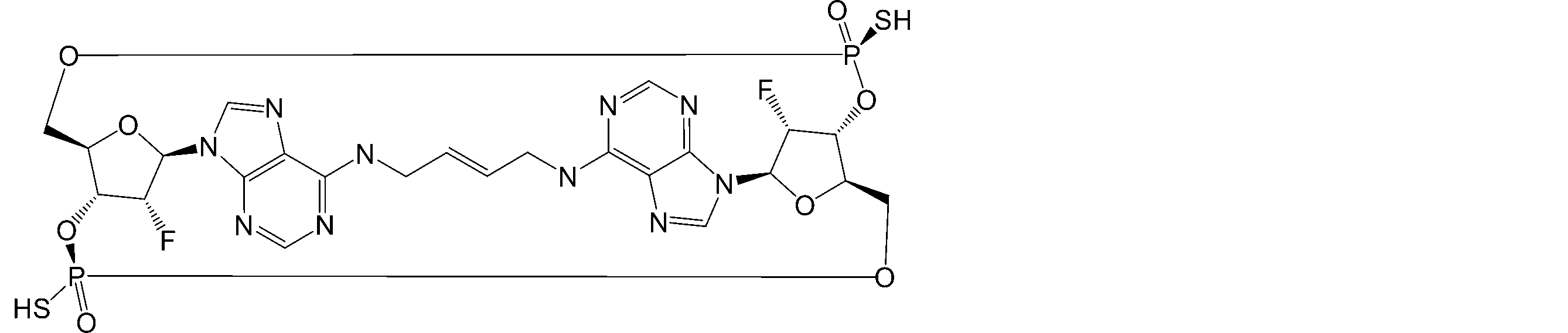
[2-15] STING作動化合物が、
(1)前項[1]~[26]記載の化合物、そのN-オキシド体、それらのプロドラッグ、それらの薬学的に許容される塩またはそれらの溶媒和物、または
(2)前項[1-1]~[1-44]記載の化合物、そのN-オキシド体、それらの薬学的に許容される塩またはそれらの溶媒和物である場合、
成人には、当該化合物として1回約0.03~約10.0 mg/kg(体重)または1回約2.4~約800 mgを1、2、3、4、6または8週間間隔で静脈内注射または点滴静脈内注射にて投与される、前項[2-7]記載の剤;
[2-16] 当該STING作動化合物が、成人には、当該化合物として1回0.03 mg/kg、0.04 mg/kg、0.05 mg/kg、0.06 mg/kg、0.07 mg/kg、0.08 mg/kg、0.09 mg/kgまたは0.1 mg/kg(体重)にて投与される前項[2-15]記載の剤;
[2-17] 当該STING作動化合物が、成人には、当該化合物として1回0.2 mg/kg、0.3 mg/kg、0.4 mg/kg、0.5 mg/kg、0.6 mg/kg、0.7 mg/kg、0.8 mg/kg、0.9 mg/kgまたは1.0 mg/kg(体重)にて投与される前項[2-15]記載の剤;
[2-18] 当該STING作動化合物が、成人には、当該化合物として1回1.1 mg/kg、1.2 mg/kg、1.3 mg/kg、1.4 mg/kg、1.5 mg/kg、1.6 mg/kg、1.7 mg/kg、1.8 mg/kg、1.9 mg/kgまたは2.0 mg/kg(体重)にて投与される前項[2-15]記載の剤;
[2-19] 当該STING作動化合物が、成人には、当該化合物として1回2.1 mg/kg、2.2 mg/kg、2.3 mg/kg、2.4 mg/kg、2.5 mg/kg、2.6 mg/kg、2.7 mg/kg、2.8 mg/kg、2.9 mg/kgまたは3.0 mg/kg(体重)にて投与される前項[2-15]記載の剤;
[2-20] 当該STING作動化合物が、1~16回から選択される任意の回数のみ(好ましくは、1回のみ、2回のみ、3回のみ、4回のみ、6回のみ、8回のみ、10回のみ、12回のみ、14回のみまたは16回のみ)投与される前項[2-15]~[2-19]の何れか一項記載の剤;
[2-21] 当該抗悪性腫瘍剤が、アルキル化薬、白金製剤、代謝拮抗剤(例えば、葉酸代謝拮抗薬、ピリジン代謝阻害薬およびプリン代謝阻害薬)、リボヌクレオチドリダクターゼ阻害薬、ヌクレオチドアナログ、トポイソメラーゼ阻害薬、微小管重合阻害薬、微小管脱重合阻害薬、抗腫瘍性抗生物質、サイトカイン製剤、抗ホルモン薬、分子標的薬および腫瘍免疫治療薬から選択される何れか一種以上の薬剤(好ましくは、サイトカイン放出症候群の発症を伴う懸念のない薬剤)である、前項[2-1]、[2-3]、[2-4]および[2-6]~[2-20]の何れか一項記載の剤;
[2-22] 当該抗悪性腫瘍剤が分子標的薬であり、当該分子標的薬が、ALK阻害剤、BCR-ABL阻害剤、EGFR阻害剤、B-RAF阻害剤、VEGFR阻害剤、FGFR阻害剤、c-MET阻害剤、AXL阻害剤、MEK阻害剤、CDK阻害剤、BTK阻害剤、BCL-2阻害剤、PI3K-δ/γ阻害剤、JAK-1/2阻害剤、TGFbR1阻害剤、Cancer cell stemness キナーゼ阻害剤、SYK/FLT3 dual阻害剤、ATR阻害剤、WEE1キナーゼ阻害剤、マルチチロシンキナーゼ阻害剤、mTOR阻害剤、HDAC阻害剤、PARP阻害剤、アロマターゼ阻害剤、EZH2阻害剤、ガレクチン-3阻害剤、STAT3阻害剤、DNMT阻害剤、SMO阻害剤、HSP90阻害剤、γ-チューブリン特異的阻害剤、HIF2α阻害剤、グルタミナーゼ阻害剤、E3リガーゼ阻害剤、NRF2活性化剤、アルギナーゼ阻害剤、細胞周期阻害剤、IAP拮抗剤、抗CD40抗体、抗CD70抗体、抗HER1抗体、抗HER2抗体、抗HER3抗体、抗VEGF抗体、抗VEGFR1抗体、抗VEGFR2抗体、抗CD20抗体、抗CD30抗体、抗CD38抗体、抗TNFRSF10B抗体、抗TNFRSF10A抗体、抗MUC1抗体、抗MUC5AC抗体、抗MUC16抗体、抗DLL4抗体、抗フコシルGM1抗体、抗gpNMB抗体、抗Mesothelin抗体、抗MMP9抗体、抗GD2抗体、抗MET抗体、抗FOLR1抗体、抗CD79b抗体、抗DLL3抗体、抗CD51抗体、抗EPCAM抗体、抗CEACAM5抗体、抗CEACAM6抗体、抗FGFR2抗体、抗CD44抗体、抗PSMA抗体、抗Endoglin抗体、抗IGF1R抗体、抗TNFSF11抗体、抗GUCY2C、抗SLC39A6抗体、抗SLC34A2抗体、抗NCAM1抗体、抗ganglioside GD3抗体、抗AMHR2抗体、抗CD37抗体、抗IL1RAP抗体、抗PDGFR2抗体、抗CD200抗体、抗TAG-72抗体、抗SLITRK6抗体、抗DPEP3抗体、抗CD19抗体、抗NOTCH2/3抗体、抗tenascin C抗体、抗AXL抗体、抗STEAP1抗体、抗CTAA16抗体、CLDN18抗体、抗GM3抗体、抗PSCA抗体、抗FN extra domain B抗体、抗HAVCR1抗体、抗TNFRSF4抗体、抗HER1-MET二重特異性抗体、抗EPCAM-CD3二重特異性抗体、抗Ang2-VEGF二重特異性抗体、抗HER2-CD3二重特異性抗体、抗HER3-IGF1R二重特異性抗体、抗PMSA-CD3二重特異性抗体、抗HER1-LGR5二重特異性抗体、抗SSTR2-CD3二重特異性抗体、抗CD30-CD16A二重特異性抗体、抗CEA-CD3二重特異性抗体、抗CD3-CD19二重特異性抗体、IL3RA-CD3二重特異性抗体、抗GPRC5D-CD3二重特異性抗体、抗CD20-CD3二重特異性抗体、抗TNFRSF17-CD3二重特異性抗体、抗CLEC12A-CD3二重特異性抗体、抗HER2-HER3二重特異性抗体、抗FAP抗体/IL-2融合蛋白質および抗CEA抗体/IL-2融合蛋白質から選択される何れか一種の薬剤である、前項[2-21]記載の剤;
[2-23] 当該抗悪性腫瘍剤が腫瘍免疫治療薬であり、当該腫瘍免疫治療薬が、抗PD-1抗体、抗PD-L1抗体、PD-1拮抗剤、PD-L1/VISTA拮抗剤、PD-L1/TIM3拮抗剤、抗PD-L2抗体、PD-L1融合タンパク質、PD-L2融合タンパク質、抗CTLA-4抗体、抗LAG-3抗体、抗TIM3抗体、抗KIR抗体、抗BTLA抗体、抗TIGIT抗体、抗VISTA抗体、抗CD137抗体、抗CSF-1R抗体・CSF-1R阻害剤、抗OX40抗体、OX40L抗体、抗HVEM抗体、抗CD27抗体、抗GITR抗体・GITR融合蛋白質、抗CD28抗体、抗CCR4抗体、抗B7-H3抗体、抗ICOSアゴニスト抗体、抗CD4抗体、抗DEC-205抗体/NY-ESO-1融合蛋白質、抗SLAMF7抗体、抗CD73抗体、PEG化IL-2、IDO阻害剤、TLRアゴニスト、アデノシンA2A受容体拮抗剤、抗NKG2A抗体、抗CSF-1抗体、免疫増強剤、IL-15スーパーアゴニスト、可溶性LAG3、抗CD47抗体・CD47拮抗剤およびIL-12拮抗剤から選択される何れか一種の薬剤である、前項[2-21]記載の剤;
[2-24] 当該抗悪性腫瘍剤が腫瘍免疫治療薬であり、当該腫瘍免疫治療薬が、抗PD-1抗体、抗PD-L1抗体または抗CTLA-4抗体である、前項[2-21]記載の剤;
[2-25] 当該腫瘍免疫治療薬が抗PD-1抗体であり、当該抗PD-1抗体が、Nivolumab、Cemiplimab-rwlc、Pembrolizumab、Spartalizumab、Tislelizumab、Dostarlimab、Toripalimab、Camrelizumab、Genolimzumab、Sintilimab、Lodapolimab、Retifanlimab、Balstilimab、Serplulimab、Budigalimab、Prolgolimab、Sasanlimab、Cetrelimab、Zimberelimab、Geptanolimab、AMP-514、STI-A1110、ENUM 388D4、ENUM 244C8、GLS010、CS1003、BAT-1306、AK105、AK103、BI 754091、LZM009、CMAB819、Sym021、SSI-361、JY034、HX008、ISU106およびCX-188から選択される何れか一つの抗体である、前項[2-24]記載の剤;
[2-26] 当該腫瘍免疫治療薬が抗PD-L1抗体であり、当該抗PD-L1抗体が、Atezolizumab、Avelumab、Durvalumab、Manelimab、Pacmilimab、Envafolimab、Cosibelimab、Sugemalimab、BMS-936559、STI-1014、HLX20、SHR-1316、MSB2311、BGB-A333、KL-A167、AK106、AK104、ZKAB001、FAZ053、CBT-502およびJS003から選択される何れか一つの抗体である、前項[2-24]記載の剤;
[2-27] 当該腫瘍免疫治療薬が抗CTLA-4抗体であり、当該抗CTLA-4抗体が、Ipilimumab、Zalifrelimab、NurulimabおよびTremelimumabから選択される何れか一つの抗体である、前項[2-24]記載の剤;
[2-28] 抗PD-1抗体がNivolumabである場合、成人には、Nivolumabとして
(1)1回1 mg/kg(体重)を3週間間隔で、(2)1回3 mg/kg(体重)を2週間間隔で、(3)1回2 mg/kg(体重)を3週間間隔で、(4)1回80 mgを3週間間隔で、(5)1回240 mgを2週間間隔で、(6)1回360 mgを3週間間隔で、または(7)1回480 mgを4週間間隔で点滴静脈内注射にて投与される、前項[2-25]記載の剤;
[2-29] 抗PD-1抗体がPembrolizumabである場合、成人には、Pembrolizumabとして、(1)1回200 mgを3週間間隔で、(2)1回400 mgを6週間間隔で、または(3)1回2 mg/kg(体重)(1回の投与は200 mgまでを上限とする。)を3週間間隔で点滴静脈内注射にて投与される、前項[2-25]記載の剤;
[2-30] 抗PD-1抗体がCemiplimab-rwlcである場合、成人には、Cemiplimab-rwlcとして1回350 mgを3週間間隔で点滴静脈内注射にて投与される、前項[2-25]記載の剤;
[2-31] 抗PD-L1抗体がAvelumabの場合、成人には、Avelumabとして1回10mg/kg(体重)を2週間間隔で点滴静脈内注射にて投与される、前項[2-26]記載の剤;
[2-32] 抗PD-L1抗体がAtezolizumabの場合、成人には、Atezolizumabとして(1)1回840 mgを2週間間隔で、(2)1回1200 mgを3週間間隔で、または(3)1回1680 mgを4週間間隔で点滴静脈内注射にて投与される、前項[2-26]記載の剤;
[2-33] 抗PD-L1抗体であるDurvalumabは、成人には、Durvalumabとして1回10 mg/kg(体重)を2週間間隔で点滴静脈内注射にて投与される、前項[2-26]記載の剤;
[2-34] 抗CTLA-4抗体がIpilimumabである場合、成人には、Ipilimumabとして
(1)1日1回3 mg/kg(体重)を、または(2)1日1回1 mg/kg(体重)を3週間間隔で4回点滴静脈内注射にて投与される、前項[2-27]記載の剤;
[2-35] 抗PD-1抗体、抗PD-L1抗体または抗CTLA-4抗体が、30分間、60分間、30~60分間また60分間以上かけて点滴静脈内注射にて投与される、前項[2-24]~[2-34]の何れか一項記載の剤;
[2-36] 当該副腎皮質ホルモン剤が静脈内投与される、前項[2-1]~[2-35]の何れか一項記載の剤;
[2-37] 当該副腎皮質ホルモン剤が、STING作動剤の投与毎に、その投与前に投与される、前項[2-1]~[2-36]の何れか一項記載の剤;
[2-38] 当該副腎皮質ホルモン剤が、STING作動剤の投与毎に、その投与の直前~投与の約2時間前の任意のタイミングにおいて投与される、前項[2-1]~[2-37]の何れか一項記載の剤;
[2-39] 当該副腎皮質ホルモン剤が、STING作動剤の投与毎に、その投与の約30分前、約1時間前、約90分前または約2時間前に投与される、前項[2-1]~[2-38]の何れか一項記載の剤;
[2-40] 当該副腎皮質ホルモン剤が、STING作動剤の投与毎に、その投与後に投与される、前項[2-1]~[2-36]の何れか一項記載の剤;
[2-41] 当該副腎皮質ホルモン剤が、STING作動剤の投与毎に、その投与直後に投与される、前項[2-1]~[2-36]の何れか一項記載の剤;
[2-42] 副腎皮質ホルモン剤が、STING作動剤の投与毎に、同時に投与される、前項[2-1]~[2-36]の何れか一項記載の剤;
[2-43] 当該副腎皮質ホルモン剤が経口投与される場合、STING作動剤の投与毎に、少なくともその投与の前日の任意のタイミングにおいて投与される、前項[2-1]~[2-35]の何れか一項記載の剤;
[2-44] 当該副腎皮質ホルモン剤が、コルチゾン、コルチゾン酢酸エステル、ヒドロコルチゾン、ヒドロコルチゾンリン酸エステルナトリウム、ヒドロコルチゾンコハク酸エステルナトリウム、フルドロコルチゾン酢酸エステル、プレドニゾロン、プレドニゾロン酢酸エステル、プレドニゾロンコハク酸エステルナトリウム、ブチル酢酸プレドニゾロン、プレドニゾロンリン酸エステルナトリウム、ハロプレドン酢酸エステル、メチルプレドニゾロン、メチルプレドニゾロン酢酸エステル、メチルプレドニゾロンコハク酸エステルナトリウム、トリアムシノロン、酢酸トリアムシノロン、トリアムシノロンアセトニド、デキサメタゾン、デキサメタゾン酢酸エステル、デキサメタゾン吉草酸エステル、デキサメタゾンシペシル酸エステル、デキサメタゾンパルミチン酸エステル、デキサメタゾンプロピオン酸エステル、デキサメタゾンリン酸エステルナトリウム、デキサメタゾンパルミチン酸エステル、デキサメタゾンメタスルホ安息香酸エステルナトリウム、パラメタゾン、パラメタゾン酢酸エステル、ベタメタゾン、ベタメタゾンジプロピオン酸エステル、ベタメタゾン吉草酸エステル、ベタメタゾン酢酸エステル、ベタメタゾン酪酸エステルプロピオン酸エステルおよびベタメタゾンリン酸エステルナトリウムから選択される有効成分を含む一または二種以上の薬剤である、前項[2-1]~[2-43]の何れか一項記載の剤;
[2-45] 副腎皮質ホルモン剤が、ヒドロコルチゾンリン酸エステルナトリウム、ヒドロコルチゾンコハク酸エステルナトリウム、プレドニゾロンコハク酸エステルナトリウム、メチルプレドニゾロンコハク酸エステルナトリウム、デキサメタゾン、デキサメタゾンリン酸エステルナトリウムおよびベタメタゾンリン酸エステルナトリウムから選択される有効成分を含む一または二種以上の薬剤である、前項[2-1]~[2-43]の何れか一項記載の剤;
[2-46] 副腎皮質ホルモン剤の有効成分がヒドロコルチゾンリン酸エステルナトリウムである場合、成人には、ヒドロコルチゾンとして1回100~1000 mgを1日1~4回静脈内注射または点滴静脈内注射にて投与される、前項[2-45]記載の剤;
[2-47] 副腎皮質ホルモン剤の有効成分がヒドロコルチゾンコハク酸エステルナトリウムである場合、成人には、
(1)ヒドロコルチゾンとして1回50~100 mgを1日1~4回静脈内注射または点滴静脈内注射にて投与され、または
(2)緊急時には、ヒドロコルチゾンとして1回100~200 mgが、静脈内注射または点滴静脈内注射にて投与される、前項[2-45]記載の剤;
[2-48] 副腎皮質ホルモン剤の有効成分がプレドニゾロンコハク酸エステルナトリウムである場合、成人には、
(1)プレドニゾロンとして1回10~50 mgを3~6時間毎に静脈内注射にて、または
(2)プレドニゾロンとして1回20~100 mgを1日1~2回点滴静脈内注射にて投与される、前項[2-45]記載の剤;
[2-49] 副腎皮質ホルモン剤の有効成分がメチルプレドニゾロンコハク酸エステルナトリウムである場合、成人には、メチルプレドニゾロンとして1回125~2000 mgを緩徐に静脈内注射または点滴静脈内注射にて投与される、前項[2-45]記載の剤;
[2-50] 副腎皮質ホルモン剤の有効成分がデキサメタゾンリン酸エステルナトリウムである場合、成人には、
(1)デキサメタゾンとして1回1.65~6.6 mgを3~6時間毎に静脈内注射にて、または
(2)デキサメタゾンとして1回1.65~8.3 mgを1日1~2回点滴静脈内注射にて投与される、前項[2-45]記載の剤;
[2-51] 副腎皮質ホルモン剤の有効成分がベタメタゾンリン酸エステルナトリウムである場合、成人には、
(1)ベタメタゾンとして1回2~8 mgを3~6時間毎に静脈内注射にて、または
(2)ベタメタゾンとして1回2~10 mgを1日1~2回点滴静脈内注射にて投与される、前項[2-45]記載の剤;
[2-52] 副腎皮質ホルモン剤の有効成分がデキサメタゾンである場合、成人には、デキサメタゾンとして、1日0.5~8 mgを1~4回に分割して経口投与される、前項[2-45]記載の剤;
[2-53] がんが、固形がんまたは血液がんである、前項[2-1]~[2-52]の何れか一項記載の剤;
[2-54] がんが固形がんであり、当該固形がんが、悪性黒色腫(例えば、皮膚、口腔粘膜上皮または眼窩内等における悪性黒色腫)、非小細胞肺癌(例えば、扁平非小細胞肺癌および非扁平非小細胞肺癌)、小細胞肺癌、頭頸部癌(例えば、口腔癌、上咽頭癌、中咽頭癌、下咽頭癌、喉頭癌、唾液腺癌および舌癌)、腎細胞癌(例えば、淡明細胞型腎細胞癌)、乳癌、卵巣癌(例えば、漿液性卵巣癌および卵巣明細胞腺癌)、鼻咽頭癌、子宮癌(例えば、子宮頸癌および子宮体癌)、肛門癌(例えば、肛門管癌)、大腸癌(例えば、高頻度マイクロサテライト不安定性(以下、「MSI-H」と略記する。)および/またはミスマッチ修復欠損(以下、「dMMR」と略記する。)陽性大腸癌)、直腸癌、結腸癌、肝細胞癌、食道癌、胃癌、食道胃接合部癌、膵癌、尿路上皮癌(例えば、膀胱癌、上部尿路癌、尿管癌、腎盂癌および尿道癌)、前立腺癌、卵管癌、原発性腹膜癌、悪性胸膜中皮腫、胆嚢癌、胆管癌、胆道癌、皮膚癌(例えば、ブドウ膜悪性黒色腫およびメルケル細胞癌)、精巣癌(胚細胞腫瘍)、膣癌、外陰部癌、陰茎癌、小腸癌、内分泌系癌、甲状腺癌、副甲状腺癌、副腎癌、脊椎腫瘍、神経芽細胞腫、髄芽腫、眼網膜芽細胞腫、神経内分泌腫瘍、脳腫瘍(例えば、神経膠腫(例えば、神経膠芽腫および神経膠肉腫)および髄膜腫)および扁平上皮癌から選択される1以上の癌である、前項[2-53]記載の剤;
[2-55] がんが固形がんであり、当該固形がんが、骨・軟部肉腫(例えば、ユーイング肉腫、小児横紋筋肉腫、子宮体部平滑筋肉腫、軟骨肉腫、肺肉腫、骨肉腫および先天性繊維肉腫)またはカポジ肉腫である、前項[2-53]記載の剤;
[2-56] がんが血液がんであり、当該血液がんが、多発性骨髄腫、悪性リンパ腫(例えば、非ホジキンリンパ腫(例えば、B細胞性非ホジキンリンパ腫(例えば、前駆B細胞リンパ芽球性リンパ腫、前駆B細胞急性リンパ球芽性白血病、慢性Bリンパ性白血病(小リンパ球性リンパ腫)、B前駆細胞性白血病、B細胞前リンパ球性白血病、リンパ形質細胞性リンパ腫、節性辺縁帯B細胞性リンパ腫、節外性辺縁帯B細胞性リンパ腫(MALTリンパ腫)、脾原発辺縁帯B細胞性リンパ腫、有毛細胞白血病、有毛細胞白血病・バリアント型、濾胞性リンパ腫、小児型濾胞性リンパ腫、びまん性大細胞型B細胞性リンパ腫、びまん性大細胞型B細胞リンパ腫・非特定型、脾びまん性赤脾髄小型B細胞リンパ腫、リンパ形質細胞性リンパ腫、原発性縦隔大細胞型B細胞性リンパ腫、原発性滲出性リンパ腫、バーキットリンパ腫、マントル細胞リンパ腫、単クローン性B細胞リンパ球増加症、脾B細胞リンパ腫/白血病・分類不能型、意義不明の単クローン性ガンマグロブリン血症・IgM型、μ重鎖病、λ重鎖病、α重鎖病、形質細胞骨髄腫、骨孤在性形質細胞腫、骨外性形質細胞腫、単クローン性免疫グロブリン沈着病、IRF4再構成を伴う大細胞型B細胞リンパ腫、原発性皮膚濾胞中心リンパ腫、T細胞/組織球豊富型大細胞型B細胞リンパ腫、原発性中枢神経系びまん性大細胞型B細胞リンパ腫、原発性皮膚びまん性大細胞型B細胞リンパ腫・下肢型、EBV陽性びまん性大細胞型B細胞リンパ腫・非特定型、EBV陽性粘膜皮膚潰瘍、慢性炎症関連びまん性大細胞型B細胞リンパ腫、リンパ腫様肉芽腫症、血管内大細胞型B細胞リンパ腫、ALK陽性大細胞型B細胞リンパ腫、形質芽球性リンパ腫、原発性体腔液リンパ腫、HHV8陽性びまん性大細胞型B細胞リンパ腫・非特異型、11q異常を伴うバーキット様リンパ腫、MYCおよびBCL2とBCL6の両方か一方の再構成伴う高悪性度B細胞リンパ腫、高悪性度B細胞リンパ腫・非特異型およびびまん性大細胞型B細胞リンパ腫と古典的ホジキンリンパ腫の中間的特徴を伴うB細胞リンパ腫・分類不能型)、T/NK細胞性非ホジキンリンパ腫(例えば、前駆T細胞リンパ芽球性リンパ腫、慢性Tリンパ球性白血病、T細胞型大顆粒リンパ球性白血病、大顆粒NK細胞性白血病、急速進行性NK細胞白血病、末梢性T細胞リンパ腫、末梢性T細胞リンパ腫・非特定型、分類不能末梢性T細胞リンパ腫、血管免疫芽球性T細胞性リンパ腫、未分化大細胞(CD30陽性)リンパ腫、血管中心性リンパ腫、腸管T細胞性リンパ腫、腸症型T細胞リンパ腫、肝脾型γ-δT細胞リンパ腫、皮下脂肪組織炎様T細胞リンパ腫、菌状息肉症、セザリー症候群、ホジキン様/ホジキン関連未分化大細胞リンパ腫、節外性NK/T細胞リンパ腫、成人T細胞性リンパ腫、T細胞前リンパ球性白血病、慢性NK細胞リンパ増殖異常症、小児全身性EBV陽性T細胞リンパ腫、種痘様水疱症様リンパ増殖異常症、節外性NK/T細胞リンパ腫・鼻型、腸症関連T細胞リンパ腫、単形性上皮向性腸管T細胞リンパ腫、胃腸管緩徐進行性T細胞リンパ増殖異常症、肝脾T細胞リンパ腫、原発性皮膚CD30陽性T細胞リンパ増殖異常症、リンパ腫様丘疹症、原発性皮膚未分化大細胞型リンパ腫、原発性皮膚γδT細胞リンパ腫、原発性皮膚CD8陽性急速進行性表皮向性細胞傷害性T細胞リンパ腫、原発性皮膚先端型CD8陽性T細胞リンパ腫、原発性皮膚CD4陽性小型/中型T細胞リンパ増殖性症、濾胞T細胞リンパ腫、濾胞ヘルパーT細胞形質を伴う節性末梢性T細胞リンパ腫、未分化大細胞リンパ腫・ALK陽性型、未分化大細胞リンパ腫・ALK陰性型および乳房インプラント関連未分化大細胞リンパ腫))およびホジキンリンパ腫(例えば、古典的ホジキンリンパ腫(例えば、結節硬化型、混合細胞型、リンパ球豊富型およびリンパ球減少型)または結節性リンパ球優位型ホジキンリンパ腫))、白血病(例えば、急性骨髄性白血病、急性前骨髄球性白血病、急性リンパ芽球性白血病(リンパ芽球性リンパ腫)、慢性リンパ性白血病(小リンパ球性リンパ腫)、骨髄異形成症候群および慢性骨髄性白血病)、中枢神経系原発悪性リンパ腫および骨髄増殖症候群から選択される1以上のがんである、前項[2-53]記載の剤;
[2-57] がんが、小児がんまたは原発不明がんである、前項[2-1]~[2-53]の何れか一項記載の剤;
[2-58] がんが、他の抗悪性腫瘍剤による治療効果が不十分あるいは十分ではないがんである、前項[2-1]~[2-57]の何れか一項記載の剤;
[2-59] がんが、他の抗悪性腫瘍剤治療後に増悪したがんである、前項[2-1]~[2-58]の何れか一項記載の剤;
[2-60] がん患者が、他の抗悪性腫瘍剤による治療歴のない患者である、前項[2-1]~[2-57]の何れか一項記載の剤;
[2-61] 術後補助療法または術前補助療法において処方される、前項[2-1]~[2-60]の何れか一項記載の剤;
[2-62] がんが、根治もしくは切除不能、転移性、再発性、難治性および/または遠隔転移性である、前項[2-1]~[2-61]の何れか一項記載の剤;
[2-63] 腫瘍組織内の腫瘍細胞のうち、PD-L1を発現した腫瘍細胞が占める割合(以下、「TPS」と略記する。)またはPD-L1陽性細胞数(腫瘍細胞、リンパ球およびマクロファージ)を総腫瘍細胞数で除し、100を乗じた数値(以下、「CPS」と略記する。)が、50%以上、25%以上、10%以上、5%以上または1%以上である、前項[2-1]~[2-62]の何れか一項記載の剤;
[2-64] TPSが、50%未満、25%未満、10%未満、5%未満または1%未満である、前項[2-1]~[2-62]の何れか一項記載の剤;
[2-65] がんの腫瘍変異負荷(以下、「TMB」と略記する。)が高頻度(106塩基当たりの変異数が10個以上)である、前項[2-1]~[2-64]の何れか一項記載の剤;
[2-66] がんのTMBが低頻度(106塩基当たりの変異数が10個未満)である、前項[2-1]~[2-64]の何れか一項記載の剤;
[2-67] 必要に応じて、さらに、抗ヒスタミン剤(例えば、ジフェンヒドラミン、クロルフェニラミン、ケトチフェンおよびオロパタジン等)、非ステロイド性抗炎症薬(NSAID)(例えば、イブプロフェン、インドメタシン、フェルビナク、ロキソプロフェン、メロキシカム、ケトプロフェン、イブプロフェン、フルルビプロフェン、ナプロキセンおよびセレコキシブ等)および/または解熱鎮痛剤(例えば、アスピリン、アセトアミノフェン、イソプロピルアンチピリン、エテンザミド、サザピリン、サリチルアミド、サリチル酸ナトリウム、チアラミド塩酸塩およびラクチルフェネチジン等)と組み合わせて投与する、[2-1]~[2-66]の何れか一項記載の剤;
(2)当該STING作動剤を一もしくは二種以上の抗悪性腫瘍剤(好ましくは、抗PD-1抗体、抗PD-L1抗体または抗CTLA-4抗体)と組み合わせて投与することからなるがんの進行抑制、再発抑制および/または治療において、その投与が必要な患者に対して、さらに副腎皮質ホルモン剤を投与することからなる、血中または組織中の炎症性サイトカイン産生誘導抑制方法;
(1)STING作動剤(好ましくは、(a)前項[1]~[26]記載の化合物、そのN-オキシド体、それらのプロドラッグ、それらの薬学的に許容される塩またはそれらの溶媒和物または(b)前項[1-1]~[1-44]記載の化合物、そのN-オキシド体、それらの薬学的に許容される塩またはそれらの溶媒和物を有効成分として含む薬剤)を投与する場合、または
(2)当該STING作動剤を一もしくは二種以上の抗悪性腫瘍剤(好ましくは、抗PD-1抗体、抗PD-L1抗体または抗CTLA-4抗体)と組み合わせて投与する場合、さらに副腎皮質ホルモン剤を投与することからなる、がんの進行抑制、再発抑制および/または治療方法。
(2)当該STING作動剤を一もしくは二種以上の抗悪性腫瘍剤(好ましくは、抗PD-1抗体、抗PD-L1抗体または抗CTLA-4抗体)と組み合わせて投与することからなるがんの進行抑制、再発抑制および/または治療において、血中または組織中の炎症性サイトカイン産生誘導を抑制するための副腎皮質ホルモン剤;ならびに
(2)当該STING作動剤を一もしくは二種以上の抗悪性腫瘍剤(好ましくは、抗PD-1抗体、抗PD-L1抗体または抗CTLA-4抗体)と組み合わせて投与することからなるがんの進行抑制、再発抑制および/または治療においてさらに投与される、血中または組織中の炎症性サイトカイン産生誘導抑制剤の製造における副腎皮質ホルモン剤の使用。
また、本発明の別の態様は、がんの進行抑制、再発抑制および/または治療において、抗悪性腫瘍剤とともに投与されることを特徴とするSTING作動剤に関連する。すなわち、当該STING作動剤に関する発明の構成は以下の通りである。
[7-2] 当該がんが、固形がんまたは血液がんである、前項[7-1]記載の剤;
[7-3] 当該固形がんが、前項[2-54]もしくは[2-55]に記載された何れか1以上のがんである、前項[7-2]記載の剤;
[7-4] 当該血液がんが、前項[2-56]に記載された何れか1以上のがんである、前項[7-2]記載の剤;
[7-5] 当該STING作動化合物が、
(1)前項[1]~[26]記載の化合物、そのN-オキシド体、それらのプロドラッグ、それらの薬学的に許容される塩もしくはそれらの溶媒和物、または
(2)前項[1-1]~[1-44]記載の化合物、そのN-オキシド体、それらの薬学的に許容される塩もしくはそれらの溶媒和物である、前項[7-1]~[7-4]の何れか一項記載の剤;
[7-6] 当該STING作動化合物が、前項[2-8]~[2-14]の何れか一項に記載された化合物から選択される、前項[7-1]~[7-4]の何れか一項記載の剤;
[7-7] 当該STING作動化合物が、
(1)前項[1]~[26]記載の化合物、そのN-オキシド体、それらのプロドラッグ、それらの薬学的に許容される塩もしくはそれらの溶媒和物、または
(2)前項[1-1]~[1-44]記載の化合物、そのN-オキシド体、それらの薬学的に許容される塩もしくはそれらの溶媒和物である場合、
前項[2-15]~[2-20]の何れか一項から選択される用法および/または用量にて処方される、前項[7-1]~[7-5]の何れか一項記載の剤;
[7-8] 当該STING作動化合物と当該抗悪性腫瘍剤が別々の製剤として投与される前項[7-1]~[7-7]の何れか一項記載の剤;
[7-9] 当該STING作動化合物の投与の前に当該抗悪性腫瘍剤が投与される前項[7-1]~[7-8]の何れか一項記載の剤;
[7-10] 当該抗悪性腫瘍剤の投与の前に当該STING作動化合物が投与される前項[7-1]~[7-8]の何れか一項記載の剤;
[7-11] 当該STING作動化合物および当該抗悪性腫瘍剤が同時に投与される期間を含むことを特徴とする前項[7-1]~[7-8]の何れか一項記載の剤;
[7-12] 当該STING作動化合物および当該抗悪性腫瘍剤が同時に投与されることを特徴とする前項[7-1]~[7-8]の何れか一項記載の剤;
[7-13] 当該STING作動化合物および当該抗悪性腫瘍剤が一つの製剤として投与されることを特徴とする前項[7-1]~[7-7]の何れか一項記載の剤;
[7-14] 当該抗悪性腫瘍剤が、前項[2-21]~[2-27]の何れか一項に記載された抗悪性腫瘍剤から選択される一または二種以上の抗悪性腫瘍剤である、前項[7-1]~[7-13]の何れか一項記載の剤;
[7-15] 当該抗悪性腫瘍剤が、抗PD-1抗体、抗VEGFR2抗体、抗CD47抗体、ヌクレオチドアナログ、白金製剤、葉酸代謝拮抗薬、DNMT阻害剤、BCL-2阻害剤、BTK阻害剤またはピリジン代謝阻害薬である、前項[7-1]~[7-13]の何れか一項記載の剤;
[7-16] 当該抗PD-1抗体が、Nivolumab、Cemiplimab-rwlc、Pembrolizumab、Spartalizumab、Tislelizumab、Dostarlimab、Toripalimab、Camrelizumab、Genolimzumab、Sintilimab、Lodapolimab、Retifanlimab、Balstilimab、Serplulimab、Budigalimab、Prolgolimab、Sasanlimab、Cetrelimab、Zimberelimab、Geptanolimab、AMP-514、STI-A1110、ENUM 388D4、ENUM 244C8、GLS010、CS1003、BAT-1306、AK105、AK103、BI 754091、LZM009、CMAB819、Sym021、SSI-361、JY034、HX008、ISU106およびCX-188から選択される何れか一つの抗体である、前項[7-15]記載の剤;
[7-17] 当該抗PD-1抗体が、Nivolumab、PembrolizumabおよびCemiplimab-rwlcの何れかである場合、前項[2-28]~[2-30]に記載の各々対応する用法および/または用量にて処方される、前項[7-15]記載の剤;
[7-18] 当該抗VEGFR2抗体が、Ramucirumab、Alacizumab、Alacizumab pegol、OlinvacimabおよびAMG596から選択される何れか一つの抗体である、前項[7-15]記載の剤;
[7-19] 当該抗CD47抗体が、ALX148である、前項[7-15]記載の剤;
[7-20] 当該ヌクレオチドアナログが、Gemcitabineである、前項[7-15]記載の剤;
[7-21] 当該白金製剤が、Cisplatin、Carboplatin、NedaplatinまたはOxaliplatinである、前項[7-15]記載の剤;
[7-22] 当該葉酸代謝拮抗薬が、Pemetrexed、LeucovorinまたはMethotrexateである、前項[7-15]記載の剤;
[7-21] 当該DNMT阻害剤が、Azacitidineである、前項[7-15]記載の剤;
[7-22] 当該BCL-2阻害剤が、NavitoclaxまたはVenetoclaxである、前項[7-15]記載の剤;
[7-23] 当該BTK阻害剤が、IbrutinibまたはAcalabrutinibである、前項[7-15]記載の剤;ならびに
[7-24] 当該ピリジン代謝阻害薬が、TS-1(登録商標)、5-fluorouracil、UFT、Carmofur、Doxifluridine、FdUrd、CytarabineまたはCapecitabineである、前項[7-15]記載の剤。
(2) STING作動剤を一もしくは二種以上の抗悪性腫瘍剤と組み合わせて投与する際、さらに副腎皮質ホルモン剤と組み合わせて投与することを特徴とする、がんの進行抑制、再発抑制および/または治療、ならびに
(3) (a)STING作動剤を投与する、または(b)STING作動剤を一もしくは二種以上の抗悪性腫瘍剤と組み合わせて投与することを特徴とする、がんの進行抑制、再発抑制および/または治療における、血中または組織中の炎症性サイトカイン産生誘導を抑制するための副腎皮質ホルモン剤の使用に関する。
本発明にかかるSTING作動化合物とは、STING作動活性を有する化合物である限り特に限定されないが、好ましくは、本発明にかかる化合物、すなわち、(1)本明細書における前項[1]~[26]記載の化合物、そのN-オキシド体、それらのプロドラッグ、それらの薬学的に許容される塩およびそれらの溶媒和物、ならびに(2)前項[1-1]~[1-44]記載の化合物、そのN-オキシド体、それらの薬学的に許容される塩およびそれらの溶媒和物が挙げられる。
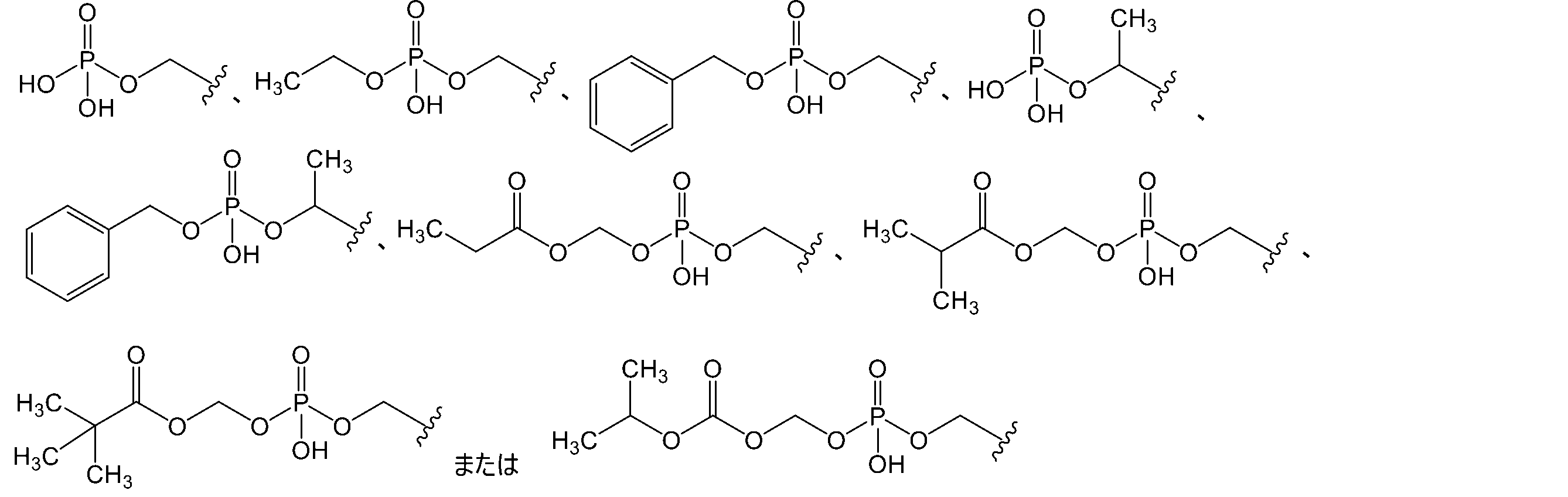
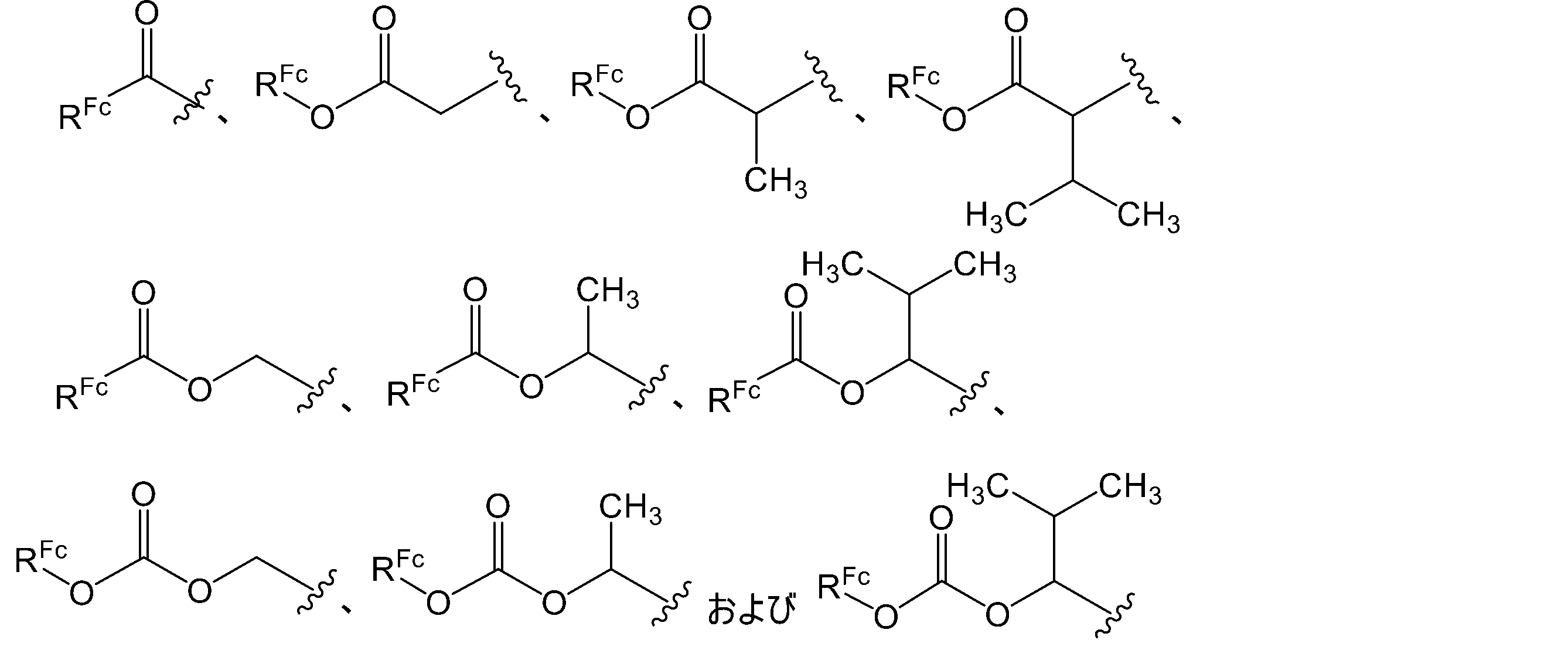


本発明において特に指示しない限り、異性体はこれをすべて包含する。例えば、アルキル基には直鎖のものおよび分枝鎖のものが含まれる。さらに、二重結合、環、縮合環における幾何異性体(E体、Z体、シス体、トランス体)、不斉炭素原子の存在等による光学異性体(R、S体、α、β配置、エナンチオマー、ジアステレオマー)、旋光性を有する光学活性体(D、L、d、l体)、クロマトグラフ分離による極性体(高極性体、低極性体)、平衡化合物、回転異性体、これらの任意の割合の混合物、ラセミ混合物は、すべて本発明に含まれる。また、本発明においては、互変異性体による異性体をもすべて包含する。




一般式(I)等または一般式(I-1)等で示される化合物は、公知の方法でN-オキシド体にすることができる。N-オキシド体とは、一般式(I)等あるいは一般式(I-1)等で示される化合物の窒素原子が、酸化されたものを表す。また、これらN-オキシド体は、さらに下記[本発明にかかる化合物におけるプロドラッグ]の項目、下記[本発明にかかる化合物における塩]の項目および下記[本発明にかかる化合物における溶媒和物]の項目に記載のように、そのプロドラッグ、その薬学的に許容される塩またはその溶媒和物となっていてもよい。
一般式(I)等で示される化合物またはそのN-オキシド体は、公知の方法により、プロドラッグにすることもできる。当該プロドラッグは、生体内において酵素や胃酸等による反応により、例えば、一般式(I)等で示される化合物またはそのN-オキシド体に変換される化合物をいう。例えば、R2d、R4aおよびR6aの何れか一つが前記のRFRである一般式(I-1)等で示される化合物またはそのN-オキシド体は、一般式(I)等で示される化合物またはそのN-オキシド体のプロドラッグとして投与することができ、そのプロドラッグとして好ましくは、例えば、前項[1-39]に記載の(14)、(18)、(19)、(32)、(37)~(39)、(41)、(42)および(45)~(57)の化合物が挙げられる。なお、一般式(I)等で示される化合物またはそのN-オキシド体のプロドラッグは、廣川書店1990年刊「医薬品の開発」第7巻「分子設計」163~198頁に記載されているような生理的条件で、対応する一般式(I)等で示される化合物またはそのN-オキシド体に変化するものであってもよい。
一般式(I)等で示される化合物、そのN-オキシド体もしくはそれらのプロドラッグおよび一般式(I-1)等で示される化合物またはそのN-オキシド体は、公知の方法で相当する薬学的に許容される塩に変換することができる。ここで、薬学的に許容される塩としては、例えば、アルカリ金属塩(例えば、リチウム塩、ナトリウム塩およびカリウム塩等)、アルカリ土類金属塩(例えば、カルシウム塩、マグネシウム塩およびバリウム塩等)、アンモニウム塩、有機アミン塩(例えば、脂肪族アミン塩(例えば、メチルアミン塩、ジメチルアミン塩、シクロペンチルアミン塩、トリメチルアミン塩、トリエチルアミン塩、ジシクロヘキシルアミン塩、モノエタノールアミン塩、ジエタノールアミン塩、トリエタノールアミン塩、プロカイン塩、メグルミン塩、ジエタノールアミン塩、トリス(ヒドロキシメチル)アミノメタン塩およびエチレンジアミン塩等)、アラルキルアミン塩(例えば、ベンジルアミン塩、フェネチルアミン塩、N,N-ジベンジルエチレンジアミン塩およびベネタミン塩等)、ヘテロ環芳香族アミン塩(例えば、ピペリジン塩、ピリジン塩、ピコリン塩、キノリン塩およびイソキノリン塩等)、第四級アンモニウム塩(例えば、テトラメチルアンモニウム塩、テトラエチルアモニウム塩、ベンジルトリメチルアンモニウム塩、ベンジルトリエチルアンモニウム塩、ベンジルトリブチルアンモニウム塩、メチルトリオクチルアンモニウム塩およびテトラブチルアンモニウム塩等)、塩基性アミノ酸塩(例えば、アルギニン塩、リシン塩等)およびN-メチル-D-グルカミン塩等)、酸付加物塩(例えば、無機酸塩(例えば、塩酸塩、臭化水素酸塩、ヨウ化水素酸塩、硫酸塩、リン酸塩および硝酸塩等)および有機酸塩(例えば、酢酸塩、トリフルオロ酢酸塩、乳酸塩、酒石酸塩、シュウ酸塩、フマル酸塩、マレイン酸塩、安息香酸塩、クエン酸塩、メタンスルホン酸塩、エタンスルホン酸塩、ベンゼンスルホン酸塩、トルエンスルホン酸塩、イセチオン酸塩、グルクロン酸塩およびグルコン酸塩等)等)等が挙げられる。薬学的に許容される塩は、水溶性のものが好ましい。
一般式(I)等で示される化合物、そのN-オキシド体、それらのプロドラッグまたはそれらの薬学的に許容される塩および一般式(I-1)等で示される化合物、そのN-オキシド体またはそれらの薬学的に許容される塩は、公知の方法で溶媒和物に変換することもできる。溶媒和物は低毒性かつ水溶性であることが好ましい。適当な溶媒和物としては、例えば、水、アルコール系の溶媒(例えば、エタノール等)との溶媒和物が挙げられる。ここで、水和物としては、例えば、1水和物ないし5水和物などのポリ水和物や、半水和物などの低水和物などの形態を取り得るが、本発明にかかる化合物の水和物の形態としては、例えば、1水和物、2水和物、3水和物および2~3水和物が挙げられる。また、これら水和物の形態には、包接水和物が含まれる。これら水和物は、一般式(I)等で示される化合物、そのN-オキシド体、それらのプロドラッグもしくはそれらの薬学的に許容される塩または一般式(I-1)等で示される化合物、そのN-オキシド体もしくはそれらの薬学的に許容される塩を、例えば、含水有機溶媒から析出させることで得ることができる。
一般式(I)等で示される化合物、そのN-オキシド体、それらのプロドラッグ、それらの薬学的に許容される塩またはそれらの溶媒和物および一般式(I-1)等で示される化合物、そのN-オキシド体、それらの薬学的に許容される塩またはそれらの溶媒和物の各々の結晶は、例えば、粉末X線回折スペクトルデータや示差走査熱量測定(DSC)などの物理化学データによって特定される。但し、粉末X線回折スペクトルデータは、その性質上、結晶の同一性の認定においては、回折角(2θ)や全体的なパターンが重要であり、相対強度は結晶成長の方向、粒子の大きさ、測定条件によって多少変わり得え、また、DSCデータも測定条件によって多少変わり得る。
一般式(I)等で示される化合物、そのN-オキシド体、それらのプロドラッグ、それらの薬学的に許容される塩またはそれらの溶媒和物および一般式(I-1)等で示される化合物、そのN-オキシド体、それらの薬学的に許容される塩またはそれらの溶媒和物は、適切な共結晶形成剤と共結晶を形成することができる。共結晶としては、薬学的に許容される共結晶形成剤と形成される、薬学的に許容されるものが好ましい。共結晶は、2種以上の異なる分子がイオン結合とは異なる分子間相互作用で形成される結晶として定義される。また、共結晶は中性分子と塩の複合体であってもよい。共結晶は、公知の方法、例えば、融解結晶化、溶媒からの再結晶または成分を一緒に物理的に粉砕することにより、調製することができる。適当な共結晶形成剤としては、WO2006/007448パンフレットに記載のもの、例えば、4-アミノ安息香酸、4-アミノピリジン、アデニン、アラニン、アセチルサリチル酸等が挙げられる。
一般式(I)等で示される化合物、そのN-オキシド体、それらのプロドラッグ、それらの薬学的に許容される塩またはそれらの溶媒和物および一般式(I-1)等で示される化合物、そのN-オキシド体、それらの薬学的に許容される塩またはそれらの溶媒和物は、同位元素(例えば、2H、3H、11C、13C、14C、13N、15N、15O、17O、18O、35S、18F、36Cl、123I、125I等)等で標識されていてもよい。例えば、一般式(I)におけるR1、R2、R3、R4、R5、R6およびR7あるいは一般式(I-1)におけるR1、R2c、R3、R4a、R5、R6aおよびR7のうちの一以上の基を構成する水素原子の全部または一部が、重水素原子または三重水素原子に置換された化合物が挙げられ、例えば、4-(4-アミノ-2-フルオロ-5-(メトキシ-d3)フェニル)-7-(1H-ピラゾール-4-イル)イソキサゾロ[4,5-c]ピリジン-3-アミン等が挙げられる。なお、本明細書において、「メチル-d3」および「メトキシ-d3」は、各々トリデューテリオメチル基およびトリデューテリオメトキシ基を表す。
本発明にかかる化合物は、公知の方法、例えば、Comprehensive Organic Transformations : A Guide to Functional Group Preparations, 2nd Edition (Richard C. Larock, John Wiley & Sons Inc, 1999)に記載された方法、以下に示す方法または実施例に示す方法等を適宜改良し、組み合わせて用いることで製造することができる。
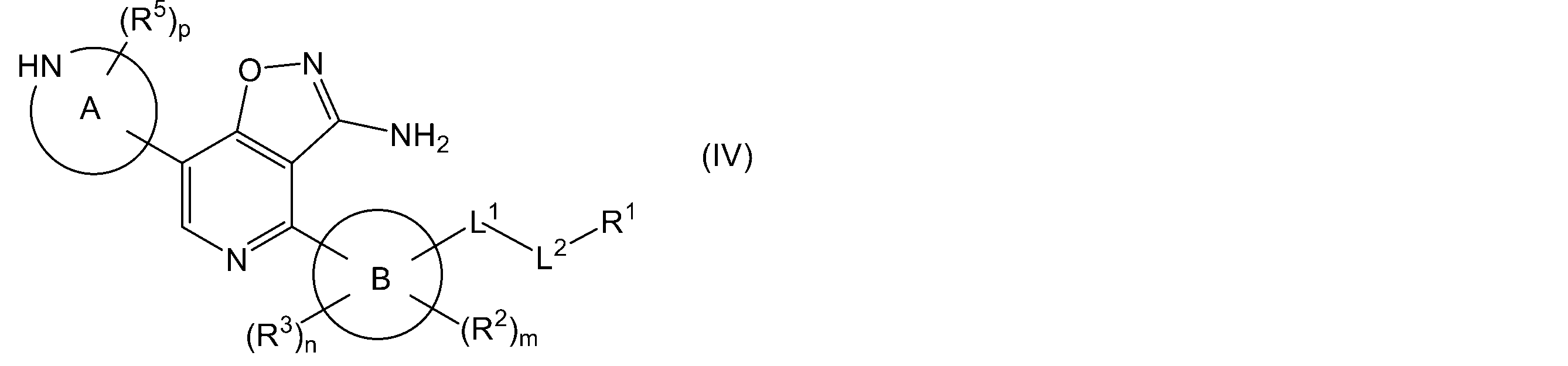
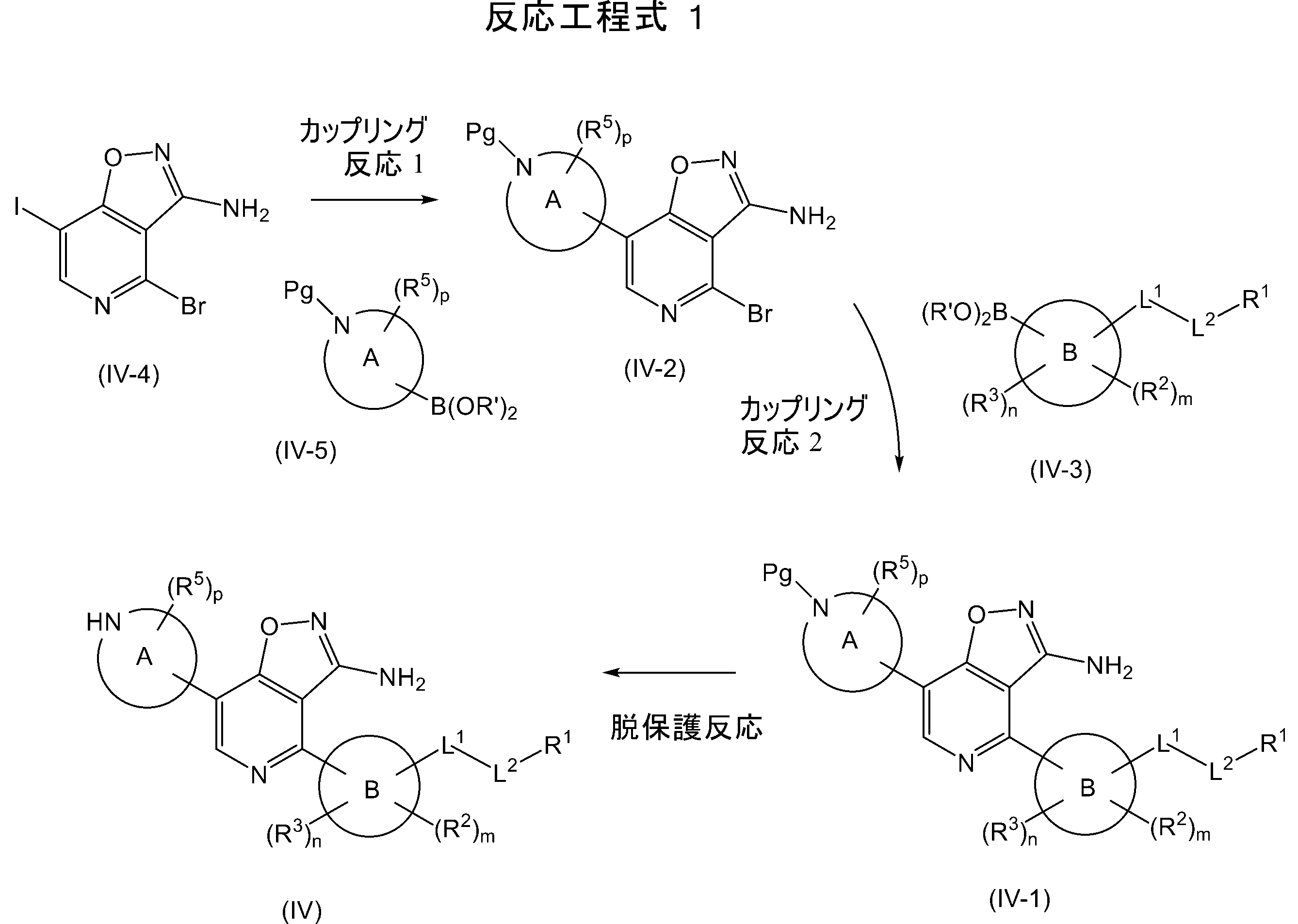
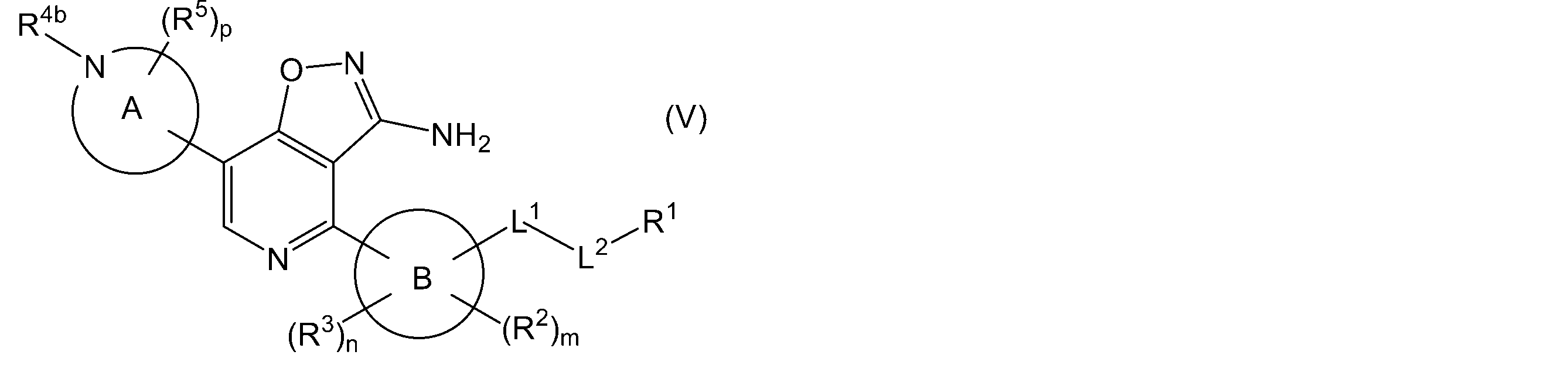


本発明において使用し得るSTING化合物には、上記した本発明にかかる化合物のほかに、以下の化合物も含まれる
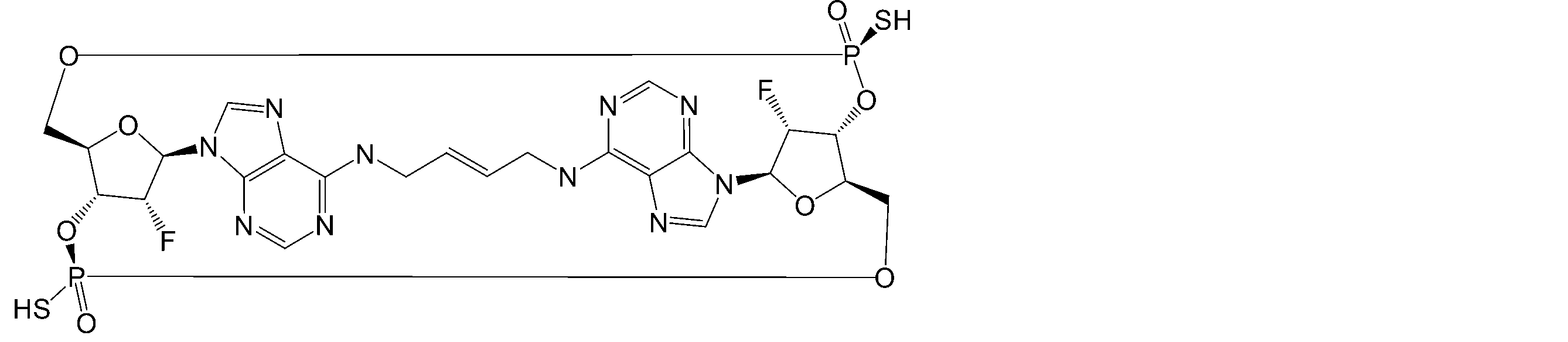
本発明にかかるSTING作動化合物が、例えば、
(1)前項[1]~[26]記載の化合物、そのN-オキシド体、それらのプロドラッグ、それらの薬学的に許容される塩またはそれらの溶媒和物、または
(2)前項[1-1]~[1-44]記載の化合物、そのN-オキシド体、それらの薬学的に許容される塩またはそれらの溶媒和物である場合、
当該STING作動剤は、成人には、当該化合物として1回約0.03~約10.0 mg/kg(体重)または1回約2.4~約800 mgを1、2、3、4、6または8週間間隔で静脈内注射または点滴静脈内注射にて投与され得る。当該STING作動剤の具体的な投与量としては、例えば、
(a)成人には、当該STING作動化合物として1回0.03 mg/kg、0.04 mg/kg、0.05 mg/kg、0.06 mg/kg、0.07 mg/kg、0.08 mg/kg、0.09 mg/kgもしくは0.1 mg/kg(体重)にて投与され得、
(b)成人には、当該STING作動化合物として1回0.2 mg/kg、0.3 mg/kg、0.4 mg/kg、0.5 mg/kg、0.6 mg/kg、0.7 mg/kg、0.8 mg/kg、0.9 mg/kgもしくは1.0 mg/kg(体重)にて投与され得、
(c)成人には、当該STING作動化合物として1回1.1 mg/kg、1.2 mg/kg、1.3 mg/kg、1.4 mg/kg、1.5 mg/kg、1.6 mg/kg、1.7 mg/kg、1.8 mg/kg、1.9 mg/kgもしくは2.0 mg/kg(体重)にて投与され得、または
(d)成人には、当該STING作動化合物として1回2.1 mg/kg、2.2 mg/kg、2.3 mg/kg、2.4 mg/kg、2.5 mg/kg、2.6 mg/kg、2.7 mg/kg、2.8 mg/kg、2.9 mg/kgもしくは3.0 mg/kg(体重)にて投与され得る。
(a1)成人には、当該STING作動化合物として1回2.4 mg、3.2 mg、4.0 mg、4.8 mg、5.6 mg、6.4 mg、7.2 mgもしくは8.0 mgにて投与され得、
(b1)成人には、当該STING作動化合物として1回16.0 mg、24.0 mg、32.0 mg、40.0 mg、48.0 mg、56.0 mg、64.0 mg、72.0 mgもしくは80.0 mgにて投与され得、
(c1)成人には、当該STING作動化合物として1回88.0 mg、96.0 mg、104.0 mg、112.0 mg、120.0 mg、128.0 mg、136.0 mg、144.0 mg、152 mgもしくは160.0 mgにて投与され得、または
(d1)成人には、当該STING作動化合物として1回168.0 mg、176 mg、184 mg、192.0 mg、200.0 mg、208.0 mg、216.0 mg、224.0 mg、232 mgもしくは240.0 mg/kgにて投与され得る。
本発明において使用され得る抗悪性腫瘍剤としては、例えば、アルキル化薬(例えば、Dacarbazine、Nimustine、Temozolomide、Fotemustine、Bendamustine、Cyclophosphamide、Ifosfamide、Carmustine、ChlorambucilおよびProcarbazine等)、白金製剤(例えば、Cisplatin、Carboplatin、NedaplatinおよびOxaliplatin等)、代謝拮抗剤(例えば、葉酸代謝拮抗薬(例えば、Pemetrexed、LeucovorinおよびMethotrexate等)、ピリジン代謝阻害薬(例えば、TS-1(登録商標)、5-fluorouracil、UFT、Carmofur、Doxifluridine、FdUrd、CytarabineおよびCapecitabine等)、プリン代謝阻害薬(例えば、Fludarabine、CladribineおよびNelarabine等)、リボヌクレオチドリダクターゼ阻害薬、ヌクレオチドアナログ(例えば、Gemcitabine等))、トポイソメラーゼ阻害薬(例えば、Irinotecan、NogitecanおよびEtoposide等)、微小管重合阻害薬(例えば、Vinblastine、Vincristine、Vindesine、Vinorelbine、Eribulin等)、微小管脱重合阻害薬(例えば、DocetaxelおよびPaclitaxel等)、抗腫瘍性抗生物質(例えば、Bleomycin、Mitomycin C、Doxorubicin、Daunorubicin、Idarubicin、Etoposide、Mitoxantrone、Vinblastine、Vincristine、Peplomycin、Amrubicin、AclarubicinおよびEpirubicin等)、サイトカイン製剤(例えば、IFN-α2a、IFN-α2b、ペグIFN-α2b、天然型IFN-βおよびInterleukin-2等)、抗ホルモン薬(例えば、Tamoxifen、Fulvestrant、Goserelin、Leuprorelin、Anastrozole、LetrozoleおよびExemestane等)、分子標的薬、腫瘍免疫治療薬およびその他の抗体医薬等が挙げられる。ここで、本発明にかかる抗悪性腫瘍剤としては、それ自体の単独投与により、サイトカイン放出症候群の発症を伴う懸念のないものが好ましい。
本発明において使用され得る副腎皮質ホルモン剤としては、例えば、コルチゾン、コルチゾン酢酸エステル、ヒドロコルチゾン、ヒドロコルチゾンリン酸エステルナトリウム、ヒドロコルチゾンコハク酸エステルナトリウム、フルドロコルチゾン酢酸エステル、プレドニゾロン、プレドニゾロン酢酸エステル、プレドニゾロンコハク酸エステルナトリウム、ブチル酢酸プレドニゾロン、プレドニゾロンリン酸エステルナトリウム、ハロプレドン酢酸エステル、メチルプレドニゾロン、メチルプレドニゾロン酢酸エステル、メチルプレドニゾロンコハク酸エステルナトリウム、トリアムシノロン、酢酸トリアムシノロン、トリアムシノロンアセトニド、デキサメタゾン、デキサメタゾン酢酸エステル、デキサメタゾン吉草酸エステル、デキサメタゾンシペシル酸エステル、デキサメタゾンパルミチン酸エステル、デキサメタゾンプロピオン酸エステル、デキサメタゾンリン酸エステルナトリウム、デキサメタゾンパルミチン酸エステル、デキサメタゾンメタスルホ安息香酸エステルナトリウム、パラメタゾン、パラメタゾン酢酸エステル、ベタメタゾン、ベタメタゾンジプロピオン酸エステル、ベタメタゾン吉草酸エステル、ベタメタゾン酢酸エステル、ベタメタゾン酪酸エステルプロピオン酸エステルおよびベタメタゾンリン酸エステルナトリウムから選択される有効成分を含む一または二種以上の薬剤が挙げられる
(a)ヒドロコルチゾンリン酸エステルナトリウムである場合、成人には、ヒドロコルチゾンとして1回100~1000mgを1日1~4回静脈内注射または点滴静脈内注射にて投与され、
(b)ヒドロコルチゾンコハク酸エステルナトリウムである場合、成人には、
(b1)ヒドロコルチゾンとして1回50~100mgを1日1~4回静脈内注射または点滴静脈内注射にて投与され、または
(b2)緊急時には、ヒドロコルチゾンとして1回100~200mgが、静脈内注射または点滴静脈内注射にて投与され、
(c)プレドニゾロンコハク酸エステルナトリウムである場合、成人には、
(c1)プレドニゾロンとして1回10~50mgを3~6時間毎に静脈内注射にて、または
(c2)プレドニゾロンとして1回20~100mgを1日1~2回点滴静脈内注射にて投与され、
(d)メチルプレドニゾロンコハク酸エステルナトリウムである場合、成人には、メチルプレドニゾロンとして1回125~2000mgを緩徐に静脈内注射または点滴静脈内注射にて投与され、
(e)デキサメタゾンリン酸エステルナトリウムである場合、成人には、
(e1)デキサメタゾンとして1回1.65~6.6mgを3~6時間毎に静脈内注射にて、または
(e2)デキサメタゾンとして1回1.65~8.3mgを1日1~2回点滴静脈内注射にて投与され、
(f)ベタメタゾンリン酸エステルナトリウムである場合、成人には、
(f1)ベタメタゾンとして1回2~8mgを3~6時間毎に静脈内注射にて、または
(f2)ベタメタゾンとして1回2~10mgを1日1~2回点滴静脈内注射にて投与され得る。
本発明のSTING作動剤は、副腎皮質ホルモン剤とともに、またはそれに代えて、IL-6阻害剤(例えば、TocilizumabおよびSarilumab)またはTNF-α阻害剤(例えば、Infliximab、Adalimumab、EtanerceptおよびGolimumab)とともに投与してもよい。
本発明のSTING作動剤が適用され得るがんは特に限定されず、何れの固形がんおよび血液がんも含まれる。ここで、そのような固形がんのうち、上皮細胞癌としては、例えば、悪性黒色腫(例えば、皮膚、口腔粘膜上皮または眼窩内等における悪性黒色腫)、非小細胞肺癌(例えば、扁平非小細胞肺癌および非扁平非小細胞肺癌)、小細胞肺癌、頭頸部癌(例えば、口腔癌、上咽頭癌、中咽頭癌、下咽頭癌、喉頭癌、唾液腺癌および舌癌)、腎細胞癌(例えば、淡明細胞型腎細胞癌)、乳癌、卵巣癌(例えば、漿液性卵巣癌および卵巣明細胞腺癌)、鼻咽頭癌、子宮癌(例えば、子宮頸癌および子宮体癌)、肛門癌(例えば、肛門管癌)、大腸癌(例えば、MSI-Hおよび/またはdMMR陽性大腸癌)、直腸癌、結腸癌、肝細胞癌、食道癌、胃癌、食道胃接合部癌、膵癌、尿路上皮癌(例えば、膀胱癌、上部尿路癌、尿管癌、腎盂癌および尿道癌)、前立腺癌、卵管癌、原発性腹膜癌、悪性胸膜中皮腫、胆嚢癌、胆管癌、胆道癌、皮膚癌(例えば、ブドウ膜悪性黒色腫およびメルケル細胞癌)、精巣癌(胚細胞腫瘍)、膣癌、外陰部癌、陰茎癌、小腸癌、内分泌系癌、甲状腺癌、副甲状腺癌、副腎癌、脊椎腫瘍、神経芽細胞腫、髄芽腫、眼網膜芽細胞腫、神経内分泌腫瘍、脳腫瘍(例えば、神経膠腫(例えば、神経膠芽腫および神経膠肉腫)および髄膜腫)および扁平上皮癌等が挙げられる。
本発明のSTING作動剤は、(a)がんの進行抑制、再発抑制および/または治療効果の増強のために、(b)組み合わせて処方される抗悪性腫瘍剤の投与量の低減のために、(c)組み合わせて処方される抗悪性腫瘍剤の副作用の軽減のために、および/または(d)組み合わせて処方される抗悪性腫瘍剤の免疫増強作用を高めるために、すなわち、アジュバンドとして、一種以上の抗悪性腫瘍剤とともに組み合わせて処方してもよい。本発明において、抗悪性腫瘍剤とともに組み合わせて処方する場合の投与形態には、1つの製剤中に両成分を配合した配合剤の形態であっても、また別々の製剤としての投与形態であってもよい。その併用により、その抗悪性腫瘍剤によるがんの進行抑制、再発抑制および/または治療効果を補完したり、投与量あるいは投与回数を維持ないし低減することができる。本発明のSTING作動剤と抗悪性腫瘍剤を別々に処方する場合には、一定期間同時投与し、その後、本発明のSTING作動剤のみあるいは抗悪性腫瘍剤のみを投与してもよい。また、本発明のSTING作動剤を先に投与し、その投与の後に抗悪性腫瘍剤を投与してもよいし、抗悪性腫瘍剤を先に投与し、本発明のSTING作動剤を後に投与してもよく、また、上記投与において、一定期間、両薬剤が同時に投与される期間があってもよい。また、各々の薬剤の投与方法は同じでも異なっていてもよい。薬剤の性質により本発明のSTING作動剤と抗悪性腫瘍剤を含む製剤のキットとして提供することもできる。ここで、抗悪性腫瘍剤の投与量は、臨床上用いられている用量を基準として適宜選択することができる。また、他の薬剤は任意の2種以上を適宜の割合で組み合わせて投与してもよい。また、抗悪性腫瘍剤には、現在までに見出されているものだけでなく今後見出されるものも含まれる。
本発明のSTING作動剤は、専ら非経口投与用の注射剤または輸液として用いられる。
中圧分取液体クロマトグラフィーの箇所に示されている括弧内のHi-flash SIまたはHi-flash NHの記載は、各々用いたカラムの種別(Hi-flash SI:シリカゲル(山善株式会社製)、Hi-flash NH:アミノプロピル基担持型シリカゲル(山善株式会社製))を表す。
[カラム:YMC Triart C18(粒子径:1.9 x 10⁻⁶ m;カラム長:30 x 2.0 mm I.D.);流速:1.0 mL/分;カラム温度:40℃;移動相(A):0.1%トリフルオロ酢酸水溶液;移動相(B):0.1%トリフルオロ酢酸-アセトニトリル溶液;グラジエント(移動相(A):移動相(B)の比率を記載):[0分]95:5;[0.1分]95:5;[1.2分]5:95;[1.4分]5:95;[1.41分]95:5;[1.5分]95:5;および検出器:UV(PDA)、ELSD、MS]

LCMS保持時間(分):0.63;
MS(ESI, Pos.):302(M+H)+;
1H-NMR(DMSO-d6):δ 8.44(d, J=9.0Hz, 1H)。

上記の操作で得られた粗生成物をTHF(174mL)に溶解し、氷冷下ピリジン(21.1mL)およびトリフルオロ酢酸無水物(10.9mL)を加え、0℃で1時間撹拌した。反応液に飽和炭酸水素ナトリウム水溶液を加え、酢酸エチルで抽出した。有機層を飽和食塩水で洗浄し、硫酸ナトリウムで乾燥後、濃縮した。残渣をシリカゲルクロマトグラフィー(Hi-flash SI)(ヘキサン:酢酸エチル=0:100~70:30)で精製し、下記物性値を有する標題化合物(5.82g)を得た。
LCMS保持時間(分):0.92;
MS(ESI, Pos.):283(M+H)+;
1H-NMR(CDCl3):δ 8.83(d, J=7.7Hz, 1H)。
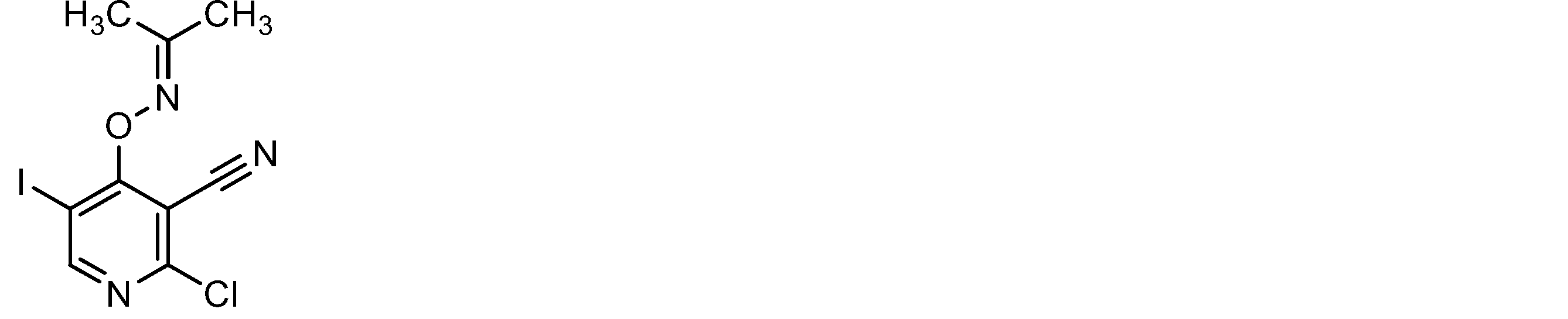
LCMS保持時間(分):1.02;
1H-NMR(CDCl3):δ 8.67(s, 1H), 2.21(s, 3H), 2.13(s, 3H)。

LCMS保持時間(分):0.76;
MS(ESI, Pos.):296(M+H)+;
1H-NMR(DMSO-d6):δ 8.65(s, 1H), 6.59(s, 2H)。
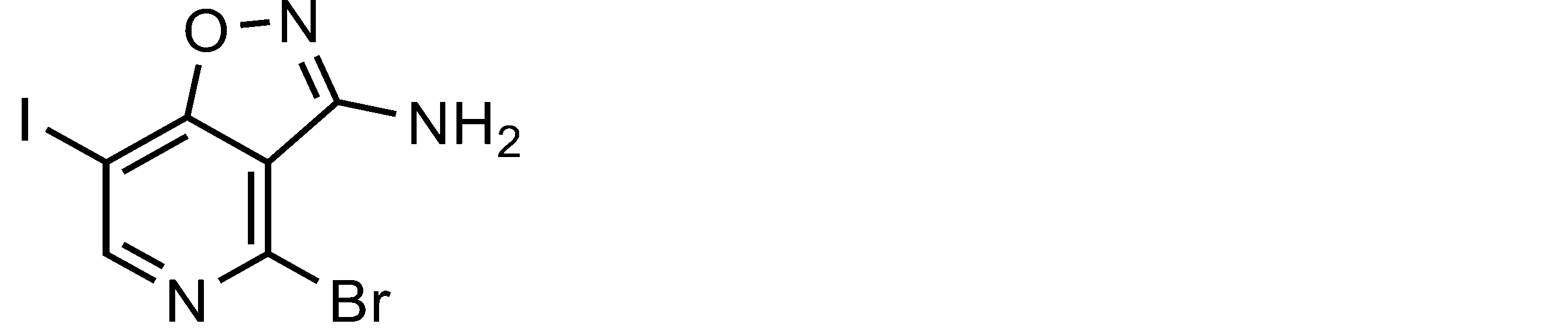
LCMS保持時間(分):0.81;
MS(ESI, Pos.):340 (M+H)+;
1H-NMR(CDCl3):δ 8.64(s, 1H), 6.48(s, 2H)。

LCMS保持時間(分):0.80;
MS(ESI, Pos.):364(M+H)+;

LCMS保持時間(分):1.05;
1H-NMR(CDCl3):δ 8.06(d, J=8.0Hz, 1H), 7.52(d, J=6.0Hz, 1H), 2.52(s, 3H)。

LCMS保持時間(分):1.01;
MS(ESI, Pos.):236(M+H)+。
1H-NMR(CDCl3):δ 7.52(d, J=7.5Hz, 1H), 6.50(d, J=10.5Hz, 1H), 4.45(brs, 2H), 2.31(s, 3H)。

LCMS保持時間(分):0.82;
MS(ESI, Pos.):268(M+H)+。

LCMS保持時間(分):0.91;
MS(ESI, Pos.):232(M+H)+。

LCMS保持時間(分):0.84;
MS(ESI, Pos.):261(M+H)+。

LCMS保持時間(分):0.91;
MS(ESI, Pos.):316(M+H)+。
参考例9の4-ブロモ-5-フルオロ-2-(メチルスルホニル)アニリンの代わりに相当するブロモアリール化合物を用い、参考例12と同様の操作を行い、以下の物性値を有する化合物を得た。

MS(ESI, Pos.):296(M+H)+。

MS(ESI, Pos.):284(M+H)+。

MS(ESI, Pos.):280(M+H)+。

MS(ESI, Pos.):309(M+H)+。

MS(ESI, Pos.):325(M+H)+。

LCMS保持時間(分):0.75;
MS(ESI, Pos.):453(M+H)+。

LCMS保持時間(分):0.59;
MS(ESI, Pos.):369(M+H)+;
1H-NMR(CD3OD):δ 8.86(s, 1H), 8.34(s, 2H), 8.05(d, J=8.5Hz, 1H), 6.66(d, J=12.5Hz, 1H), 3,85(s, 3H)。
窒素雰囲気下、参考例6で製造した化合物(235mg)の1,4-ジオキサン(7.1mL)溶液に、5-フルオロ-2-メトキシ-4-(4,4,5,5-テトラメチル-1,3,2-ジオキサボロラン-2-イル)アニリン(CAS No.1326283-60-6)(224mg)、ビス[トリ-tert-ブチルホスフィン]パラジウム(65.9mg)、および2mol/Lリン酸三カリウム水溶液(1.1mL)を加え、110℃で3時間撹拌した。反応液を直接シリカゲルカラムクロマトグラフィー(Hi-flash SI)(ヘキサン:酢酸エチル=100:0~0:100)で精製し、4-(4-アミノ-2-フルオロ-5-メトキシフェニル)-7-(1-(テトラヒドロ-2H-ピラン-2-イル)-1H-ピラゾール-4-イル)イソキサゾロ[4,5-c]ピリジン-3-アミン(108mg)を得た。
この化合物(108mg)のTHF(2.2mL)溶液に塩酸(10%メタノール溶液,2.0mL)を加えて室温で2時間撹拌した。反応液に飽和炭酸水素ナトリウムを加え、酢酸エチル-メタノール(9:1)で抽出した。有機層を飽和食塩水で洗浄し、硫酸ナトリウムで乾燥後、濃縮した。残渣をシリカゲルカラムクロマトグラフィー(Hi-flash SI)(酢酸エチル:メタノール=100:0~90:10)で精製した。濃縮後、残渣をメタノール(5.0mL)に溶解し、塩酸(10%メタノール溶液,0.8mL)を加え、濃縮した。残渣に酢酸エチル(50mL)を加え、加熱還流下で1時間撹拌した。混合物を濃縮し、以下の物性値を有する標題化合物(87mg)を得た。
LCMS保持時間(分):0.54;
MS(ESI, Pos.):341(M+H)+;
1H-NMR(CD3OD):δ 8.96(s, 1H), 8.44(s, 2H), 7.11(d, J=6.5Hz, 1H), 6.70(d, J=12.0Hz, 1H), 3.93(s, 3H)。

この化合物(6.00g)に、メタノール(24mL)およびメタンスルホン酸(3.96g)を加えて55℃で3時間撹拌した。反応混合物を室温に放冷後、トリエチルアミン(18mL)を加え、55℃で2.5時間撹拌した。放冷後、生じた沈殿物を濾過し、ベージュの粉末を得た。この粉末にメタノール(40mL)を加え、室温下でスラリー洗浄し、ろ過し乾燥することで、以下の物性値を有する標題化合物(4.50g)を得た。
LCMS保持時間(分):0.56;
MS(ESI, Pos.):353(M+H)+;
1H-NMR(DMSO-d6):δ 13.3(s, 1H), 8.97(s, 1H), 8.47(s, 1H), 8.23(s, 1H), 7.98(d, J=8.5Hz, 1H), 7.71(brs, 2H), 6.67(d, J=13.0Hz, 1H), 5.73(s, 2H), 2.52(s, 3H)。
参考例12(1)で製造したメチル 2-アミノ-4-フルオロ-5-(4,4,5,5-テトラメチル-1,3,2-ジオキサボロラン-2-イル)ベンゾアートの代わりに参考例12(2)で製造したボロン酸エステルを用い、参考例13と同様の操作を行うことで、得られた4-(4-アミノ-2-フルオロ-5-(メチルチオ)フェニル)-7-(1-(テトラヒドロ-2H-ピラン-2-イル)-1H-ピラゾール-4-イル)イソキサゾロ[4,5-c]ピリジン-3-アミン(76.6mg)のTHF溶液(1.5mL)に、室温下で塩酸(10%メタノール溶液,1.1mL)を加え、1時間撹拌した。反応後、生じた沈殿をろ取することで、下記の物性値を有する標題化合物(76.1mg)を得た。
LCMS保持時間(分):0.60;
MS(ESI, Pos.):357(M+H)+;
1H-NMR(CD3OD):δ 9.05(s, 1H), 8.53(s, 2H), 7.76(d,J=8.0Hz, 1H), 6.78(d, J=13.0Hz, 1H), 2.41(s, 3H)。
4-(4-アミノ-2-フルオロ-5-(メチルチオ)フェニル)-7-(1-(テトラヒドロ-2H-ピラン-2-イル)-1H-ピラゾール-4-イル)イソキサゾロ[4,5-c]ピリジン-3-アミンの代わりに相当する化合物を、実施例4記載の操作と同様の操作により製造し、続く実施例4記載と同様の操作に付して、以下の物性値を有する化合物を得た。
LCMS保持時間(分):0.51;
MS(ESI, Pos.):323(M+H)+;
1H-NMR(CD3OD):δ 8.99(s, 1H), 8.49(s, 2H), 7.52(s, 1H), 7.42(d, J=7.0Hz, 1H), 7.30(d, J=8.5Hz, 1H), 4.05(s, 3H)。
LCMS保持時間(分):0.55;
MS(ESI, Pos.):344(M+H)+;
1H-NMR(CD3OD):δ 9.09(s, 1H), 8.56(s, 2H), 7.29(d, J=5.5, 1H), 6.95(d, J=9.0Hz, 1H)。
LCMS保持時間(分):0.55;
MS(ESI, Pos.):389(M+H)+;
1H-NMR(CD3OD):δ 9.10(s, 1H), 8.50(s, 2H), 8.12(d, J=8.0, 1H), 6.90(d, J=12.5Hz, 1H), 3.17(s, 3H)。
HPLC保持時間(分):0.55;
MS(ESI, Pos.):341(M+H)+;
1H-NMR(CD3OD):δ 9.04(s, 1H), 8.49(s, 2H), 7.24(dd, J=8.5,7.5, 1H), 6.84(d, J=8.5Hz, 1H), 3.99(s, 3H)。
LCMS保持時間(分):0.50;
MS(ESI, Pos.):354(M+H)+;
1H-NMR(DMSO-d6):δ 9.03(s, 1H), 8.40(s, 2H),7.92(d, J=9.0, 1H), 7.79(br s, 1H), 7.23(br s, 1H), 6.64(d, J=12.0Hz, 1H), 5.98(br s, 2H)。
LCMS保持時間(分):0.69;
MS(ESI, Pos.):383(M+H)+;
1H-NMR(DMSO-d6):δ 9.01(s, 1H), 8.38 (s, 2H), 7.99(d, J=8.5, 1H), 7.30(br s, 1H), 6.72(d, J=13.0Hz, 1H), 5.83(br s, 2H), 4.28(q, J=7.0Hz, 2H), 1.29(t, J=7.0Hz, 3H)。
LCMS保持時間(分):0.77;
MS(ESI, Pos.):367(M+H)+;
1H-NMR(CD3OD):δ 8.94(s, 1H), 8.38(s, 2H), 8.20(d, J=8.5Hz, 1H), 6.66(d, J=13.0Hz, 1H), 2.94(q, J=7.0Hz, 2H), 1.09(t, J=7.0Hz, 3H)。
LCMS保持時間(分):0.70;
MS(ESI, Pos.):382(M+H)+;
1H-NMR(CD3OD):δ 8.98(s, 1H), 8.41(s, 2H), 7.85 (d, J=8.0Hz, 1H), 6.65(d, J=13.0Hz, 1H), 3.29(q, J=7.0Hz, 2H), 1.11(t, J=7.0Hz, 3H)。
LCMS保持時間(分):0.67;
MS(ESI, Pos.):335(M+H)+;
1H-NMR(CD3OD):δ 8.86(s, 1H), 8.37(s, 2H), 8.29(d, J=2.0Hz, 1H), 7.64(dd, J=9.0, 2.0Hz, 1H), 6.95(d, J=9.0Hz, 1H), 2.56(s, 3H)。
LCMS保持時間(分):0.71;
MS(ESI, Pos.):351(M+H)+;
1H-NMR(DMSO-d6):δ 9.00(s, 1H), 8.45(s, 2H), 8.21(s, 1H), 7.71(d, J=9.0Hz, 1H), 7.01(d, J=9.0Hz, 1H), 6.02(br s, 2H), 3.84(s, 3H)。
LCMS保持時間(分):0.70;
MS(ESI, Pos.):378(M+H)+;
1H-NMR(CD3OD):δ 8.86(s, 1H), 8.38(s, 2H), 7.95(d, J=2.0Hz, 1H), 7.60(dd, J=8.5, 2.0Hz, 1H), 6.94(d, J=8.5Hz, 1H), 3.26-3.13(m, 2H), 1.54(q, J=7.0Hz, 2H), 0.90(t, J=7.0Hz, 3H)。
LCMS保持時間(分):0.90;
MS(ESI, Pos.):381(M+H)+;
1H-NMR(CD3OD):δ 8.94(s, 1H), 8.37(s, 2H), 8.20(d, J=8.0Hz, 1H), 6.65(d, J=13.0Hz, 1H), 2.88(t, J=7.0Hz, 2H), 1.65(q, J=7.5Hz, 2H), 0.90(t, J=7.5Hz, 3H)。
LCMS保持時間(分):0.87;
MS(ESI, Pos.):363(M+H)+;
1H-NMR(CD3OD):δ 8.86(s, 1H), 8.38(s, 2H), 8.33(d, J=2.0Hz, 1H), 7.63(dd, J=9.0,2.0Hz, 1H), 6.96(d, J=9.0Hz, 1H), 2.96(t, J=7.5Hz, 2H), 1.70-1.64(m, 2H), 0.92(t, J=7.0Hz, 3H)。
LCMS保持時間(分):0.76;
MS(ESI, Pos.):399(M+H)+;
1H-NMR(CD3OD):δ 8.97(s, 1H), 8.39 (s, 2H), 8.30 (d, J= 8.5 Hz, 1H), 6.69 (d, J = 13.0 Hz, 1H), 4.26 (t, J = 5.0 Hz, 2H), 3.74 (t, J = 5.0 Hz, 2H)。
LCMS保持時間(分):0.69;
MS(ESI, Pos.):350(M+H)+;
1H-NMR(DMSO-d6):δ 9.04 (s, 1H), 8.56 (d, J=4.5 Hz, 1H), 8.52(s, 2H), 8.18 (d, J=2.0Hz, 1H), 7.64(dd, J = 8.5, 2.0Hz, 1H), 6.94(d, J=8.5Hz, 1H), 6.22(s, 2H), 2.78(d, J=4.5Hz, 3H)。
LCMS保持時間(分):0.63;
MS(ESI, Pos.):373(M+H)+;
1H-NMR(DMSO-d6):δ 9.08 (s, 1H), 8.43 (s, 2H), 7.40 (s, 1H), 6.93 (s, 1H), 2.37(s, 3H)。
4-(4-アミノ-2-フルオロ-5-(メチルチオ)フェニル)-7-(1-(テトラヒドロ-2H-ピラン-2-イル)-1H-ピラゾール-4-イル)イソキサゾロ[4,5-c]ピリジン-3-アミンの代わりに相当する化合物を、実施例4記載の操作と同様の操作により製造した後、逆相HPLC(使用カラム:YMC Triart C18(30mm×75mm);移動相:0.1%TFA/水/アセトニトリル=95:5~60:40)で精製し、以下の物性値を有する化合物を得た。
LCMS保持時間(分):0.66;
MS(ESI, Pos.):368(M+H)+;
1H-NMR(DMSO-d6):δ (ロータマー混合物)8.98(s, 1H), 8.35(s, 2H), 8.27-8.21(m, 1H), 7.76(d, J=8.5Hz, 1H), 6.61(d, J=12.5Hz, 1H), 5.69(br s, 2H), 2.71(s, 1.5H), 2.69(s, 1.5H)。
LCMS保持時間(分):0.64;
MS(ESI, Pos.):371(M+H)+;
1H-NMR(CD3OD):δ 8.97(s, 1H), 8.43(s, 2H), 7.69(d, J=8.0Hz, 1H), 6.73(d, J=12.5Hz, 1H), 2.81(q, J=7.0Hz, 2H), 1.25(t, J=7.0Hz, 3H)。
LCMS保持時間(分):0.84;
MS(ESI, Pos.):396(M+H)+;
1H-NMR(CD3OD):δ 8.82(s, 1H), 8.31(s, 2H), 7.67(d, J=8.0 Hz, 1H), 7.56(d, J=12.5 Hz, 1H), 3.26-3.13(m, 2H), 1.53-1.48(m, 2H), 0.86(t, J=7.0 Hz, 3H)。
LCMS保持時間(分):0.67;
MS(ESI, Pos.):336(M+H)+;
1H-NMR(CD3OD):δ 8.79 (s, 1H), 8.29(s, 2H), 7.95(d, J=2.0Hz, 1H), 7.55(dd, J=8.5, 2.0Hz, 1H), 6.88(d, J=8.5 Hz, 1H)。
LCMS保持時間(分):0.55;
MS(ESI, Pos.):364(M+H)+;
1H-NMR(DMSO-d6):δ 8.96(s, 1H), 8.37(s, 2H), 8.30(t, J=6.0Hz, 1H), 7.96(d, J=2.5Hz, 1H), 7.57(dd, J=11.5, 2.5Hz, 1H), 6.88(d, J=11.5Hz, 1H), 5.84(brs, 2H), 3.25(qd, J=9.0 ,6.0Hz, 2H), 1.10(t, J=9.0Hz, 3H)。
HPLC保持時間(分):0.62;
MS(ESI, Pos.):349(M+H)+;
1H-NMR(DMSO-d6):δ 8.97(s, 1H), 8.37(s, 2H), 8.33(s, 1H), 8.25(d, J=2.0Hz, 1H), 7.76(dd, J=9.0, 2.0Hz, 1H), 6.96(d, J=9.0Hz, 1H), 6.46(br s, 2H), 5.94(brs, 2H), 3.06(q, J=7.0Hz, 2H), 1.10(t, J=7.0Hz, 3H)。
LCMS保持時間(分):0.59;
MS(ESI, Pos.):398(M+H)+;
1H-NMR(DMSO-d6):δ 9.00(s, 1H), 8.38(s, 2H), 8.32(t, J=6.5Hz, 1H), 7.71(s, 1H), 6.95(s, 1H), 5.54(brs, 2H), 3.23(qd, J=10.0 ,6.5Hz, 2H), 1.08(t, J=10.0Hz, 3H)。
LCMS保持時間(分):0.92;
MS(ESI, Pos.):371(M+H)+。
4-(4-アミノ-2-フルオロ-5-(メチルチオ)フェニル)-7-(1-(テトラヒドロ-2H-ピラン-2-イル)-1H-ピラゾール-4-イル)イソキサゾロ[4,5-c]ピリジン-3-アミンの代わりに相当する化合物を、実施例4記載の操作と同様の操作により製造した後、逆相HPLC(使用カラム:Xtimate C18(25mm×150mm);移動相:0.225%ギ酸/水/アセトニトリル=75:25~45:55)で精製し、以下の物性値を有する標題化合物を得た。
LCMS保持時間(分):0.90;
MS(ESI, Pos.):379(M+H)+;
1H-NMR(DMSO-d6):δ 8.93(s, 1H), 8.39(s, 2H), 7.69(d, J=7.5Hz, 1H), 6.78(d, J=12.5Hz, 1H)。
参考例6で製造した化合物(200mg)および参考例12(3)で製造した化合物(168mg)を用い、実施例4と同様の手順で以下の物性値を有する標題化合物(25mg)を得た。
LCMS保持時間(分):0.56;
MS(ESI, Pos.):353(M+H)+;
1H-NMR(DMSO-d6):δ9.05(s, 1H), 8.42(s, 2H), 8.09(d, J=9.0Hz, 1H), 6.71(d, J=15.0Hz, 1H), 2.51(s, 3H)。
実施例4で製造した化合物(17.2mg)、過ほう酸ナトリウム四水和物(6.16mg)、酢酸(0.5mL)およびメタノール(0.2mL)を混合し、50℃で6時間撹拌した。反応液を逆相HPLC(使用カラム:YMC Triart C18(30mm×75mm);移動相:0.1%TFA/水/アセトニトリル=95:5~60:40)で精製し、下記の物性値を有する標題化合物(5.0mg)を得た。
LCMS保持時間(分):0.50;
MS(ESI, Pos.):373(M+H)+;
1H-NMR(DMSO-d6):δ 8.99 (s, 1H), 8.37(s, 2H), 7.56 (d, J=8.0Hz, 1H), 6.66(d, J=12.5Hz, 1H), 2.79(s, 3H)。
実施例1で製造した化合物(20mg)に、THF(0.2mL)およびメタノール(0.1mL)を加え、室温下で2.0mol/L水酸化ナトリウム水溶液(81μL)を滴下し、3時間撹拌した。反応液を中和し、逆相HPLC(使用カラム:YMC Triart C18(30mm×75mm);移動相:0.1%TFA/水/アセトニトリル=95:5~60:40)で精製し、以下の物性値を有する標題化合物(12.1mg)を得た。
LCMS保持時間(分):0.53;
MS(ESI, Pos.):355(M+H)+;
1H-NMR(DMSO-d6):δ 8.97(s, 1H), 8.35(s, 2H), 7.93(d, J=8.5Hz, 1H), 7.23(br s, 1H), 6.67(d, J=12.5Hz, 1H), 5.72(br s, 2H)。
1-(テトラヒドロ-2H-ピラン-2-イル)-4-(4,4,5,5-テトラメチル-1,3,2-ジオキサボロラン-2-イル)-1H-ピラゾールの代わりに(1-(tert-ブトキシカルボニル)-3-メチル-1H-ピラゾール-4-イル)ボロン酸を用い、参考例6→参考例13→実施例2と同様の操作を行い、以下の物性値を有する標題化合物を得た。
LCMS保持時間(分):0.56;
MS(ESI, Pos.):355(M+H)+。
実施例3記載の工程において製造した1-(2-アミノ-5-(3-アミノ-7-(1-(テトラヒドロ-2H-ピラン-2-イル)-1H-ピラゾール-4-イル)イソキサゾロ[4,5-c]ピリジン-4-イル)-4-フルオロフェニル)エタン-1-オン(150mg)の1,3-ジメチル-2-イミダゾリジノン(3mL)溶液に、アセトヒドロキサム酸(258mg)および炭酸カリウム(618mg)を加え、80℃で5時間撹拌した。室温に冷却後、市水(15mL)を加え、酢酸エチル(20mL)で抽出した。飽和食塩水で洗浄後、濃縮した。残渣をシリカゲルカラムクロマトグラフィー(Hi-flash NH)(酢酸エチル:メタノール=100:0~50:50)で精製し、1-(2-アミノ-5-(3-アミノ-7-(1-(テトラヒドロ-2H-ピラン-2-イル)-1H-ピラゾール-4-イル)イソキサゾロ[4,5-c]ピリジン-4-イル)-4-ヒドロキシフェニル)エタン-1-オン(50mg)を得た。
この化合物(50mg)に、メタノール(2.0mL)およびメタンスルホン酸(34mg)を加えて室温で64時間撹拌した。反応後生じた沈殿をろ取し,ジメチルスルホキシドに溶解させて逆相HPLC(使用カラム:YMC Triart C18(30mm×75mm);移動相:0.1%TFA/水/アセトニトリル=95:5~60:40)で精製し、以下の物性値を有する標題明化合物(23.1mg)を得た。
LCMS保持時間(分):0.55;
MS(ESI, Pos.):351(M+H)+。

1H-NMR(DMSO-d6):δ 8.81 (s, 1H)。

MS(ESI, Pos.):296(M+H)+;
1H-NMR(CDCl3):δ8.41(s, 1H), 6.76(d, J = 6.5Hz, 1H), 6.55(d, J= 11.5Hz, 1H), 4.25(s, 2H), 3.88(s, 3H)。

MS(ESI, Pos.):412(M+H)+;
1H-NMR(CDCl3):δ 8.57(dd, J=1.5, 0.5Hz, 1H), 8.30(d, J=2.0Hz, 1H), 8.23(d, J=1.0 Hz, 1H), 6.81(d, J=6.5Hz, 1H), 6.56(d, J=11.0Hz, 1H), 5.49-5.44(m, 1H), 4.19(s, 2H), 4.13-4.07(m, 1H), 3.89(s, 3H), 3.79-3.71(m, 1H), 2.17-2.05(m, 3H), 1.80-1.62 (m, 3H)。

MS(ESI, Pos.):425(M+H)+;
1H-NMR(CDCl3):δ 8.56(s, 1H), 8.42(s, 1H), 8.31(d, J=0.5Hz, 1H), 6.76(d, J=6.5Hz, 1H), 6.59(d, J=10.5Hz, 1H), 5.52-5.47(m, 1H), 4.14-4.08(m, 1H), 4.33(s, 2H), 4.15(s, 2H), 3.87(s, 3H), 3.79-3.70(m, 1H), 2.16-2.04(m, 3H), 1.75-1.50(m, 3H)。

LCMS保持時間(分):0.66;
MS(ESI, Pos.):341(M+H)+;
1H-NMR(CD3OD):δ 8.45(s, 2H), 8.24(d, J=1.0Hz, 1H), 6.92(d, J=7.0 Hz, 1H), 6.70(d, J = 11.5Hz, 1H), 3.89(s, 3H)。
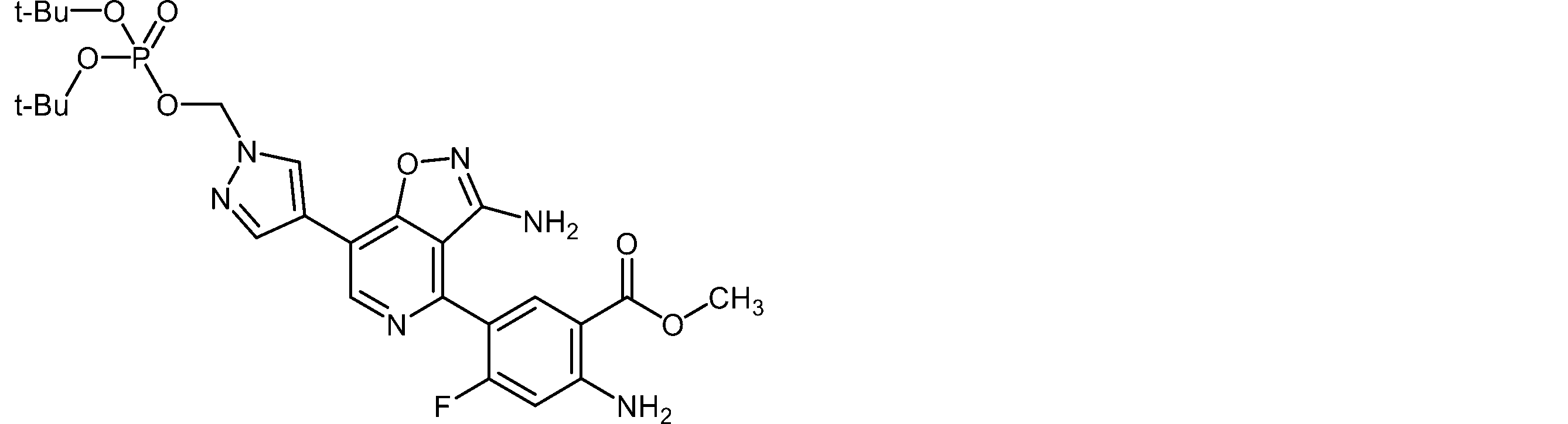
LCMS保持時間(分):0.84;
MS(ESI, Pos.):591(M+H)+。

LCMS保持時間(分):0.51;
MS(ESI, Pos.):479(M+H)+;
1H-NMR(DMSO-d6):δ 8.99(s, 1H), 8.63(s, 1H), 8.35(s, 1H), 7.94(d, J=8.5Hz, 1H), 7.21(brs, 2H), 6.71(d, J=12.5Hz, 1H), 5.91(d, J=10.0Hz, 2H), 5.75(brs, 2H), 3.82(s, 3H)。
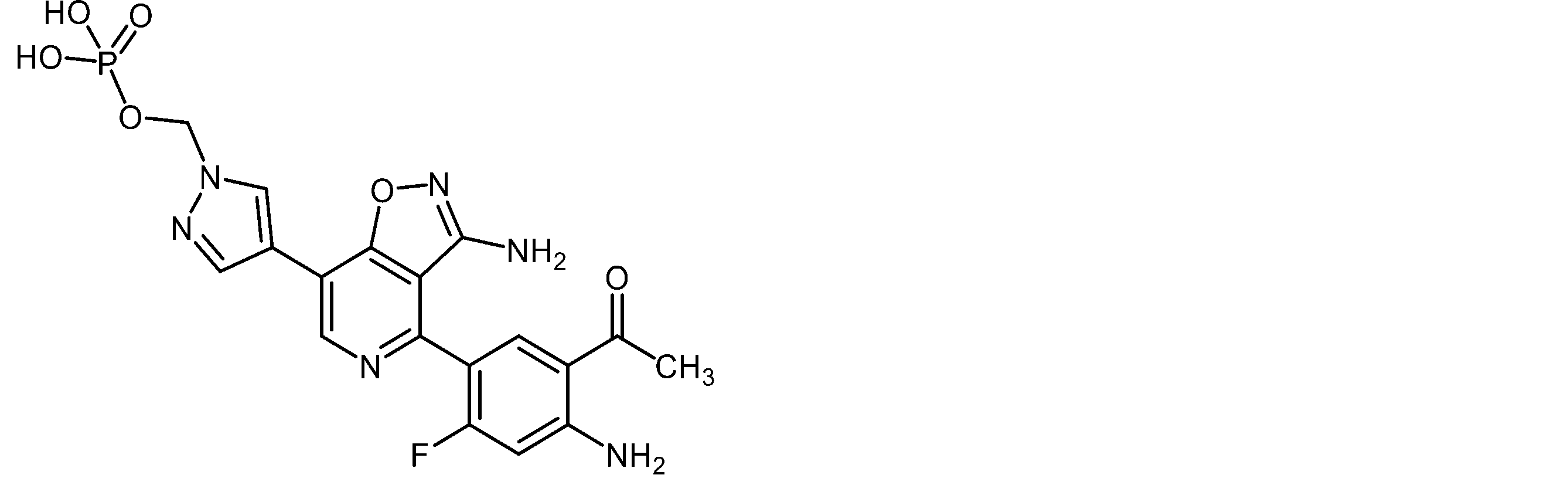
LCMS保持時間(分):0.50;
MS(ESI, Pos.):463(M+H)+;
1H-NMR(DMSO-d6):δ8.98(s, 1H), 8.61(s, 1H), 8.33(s, 1H), 7.97(d, J=8.5Hz, 1H), 7.70(brs, 2H), 6.65(d, J=13.0Hz, 1H), 5.89 (d, J=10.0Hz, 2H), 5.76(brs, 2H), 2.51(s, 3H)。

LCMS保持時間(分):0.55;
MS(ESI, Pos.):493(M+H)+;
1H-NMR(DMSO-d6):δ 8.97(s, 1H), 8.60(s, 1H), 8.31(s, 1H), 7.93(d, J=8.5Hz, 1H), 7.19(br s, 2H), 6.67(d, J=12.5Hz, 1H), 5.87(d, J=10.0Hz, 2H), 5.73(brs, 2H), 4.26(q, J=7.0Hz, 2H), 1.27(t, J=7.0Hz, 3H)。
実施例1で製造した化合物の代わりに相当する化合物を用い、参考例18→実施例10と同様の操作を行い、以下の物性値を有する化合物を得た。
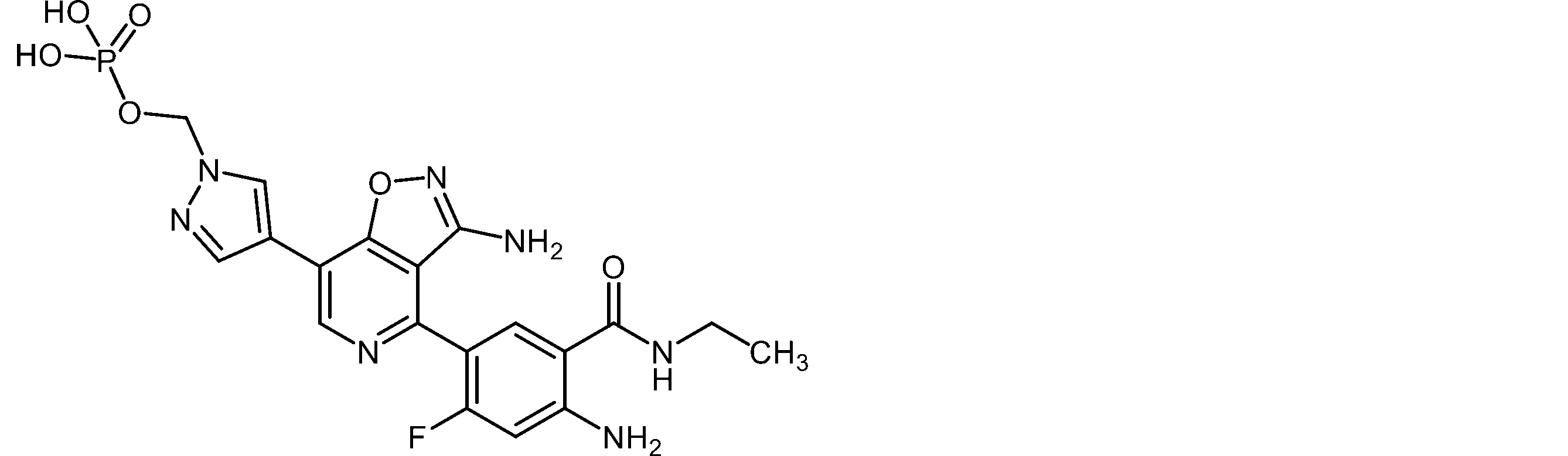
MS(ESI, Pos.):492(M+H)+。
1H-NMR(DMSO-d6):δ 8.99(s, 1H), 8.61(s, 1H), 8.33(s, 1H), 8.27(t, J=5.5Hz, 1H), 7.78(d, J=8.5Hz, 1H), 7.13(brs, 2H), 6.60(d, J=12.5Hz, 1H), 5.88(d, J=10.0Hz, 2H), 5.65(brs, 2H), 3.26-3.18(m, 2H), 1.07(t, J=7.0Hz, 3H)。

MS(ESI, Pos.):467(M+H)+;
1H-NMR(DMSO-d6):δ8.96(s, 1H), 8.60(s, 1H), 8.32(s, 1H), 7.40(d, J=8.5Hz, 1H), 6.62(d, J=12.5Hz, 1H), 5.95(brs, 2H), 5.88 (d, J=10.0Hz, 2H), 5.64(s, 2H), 2.32(s, 3H)。
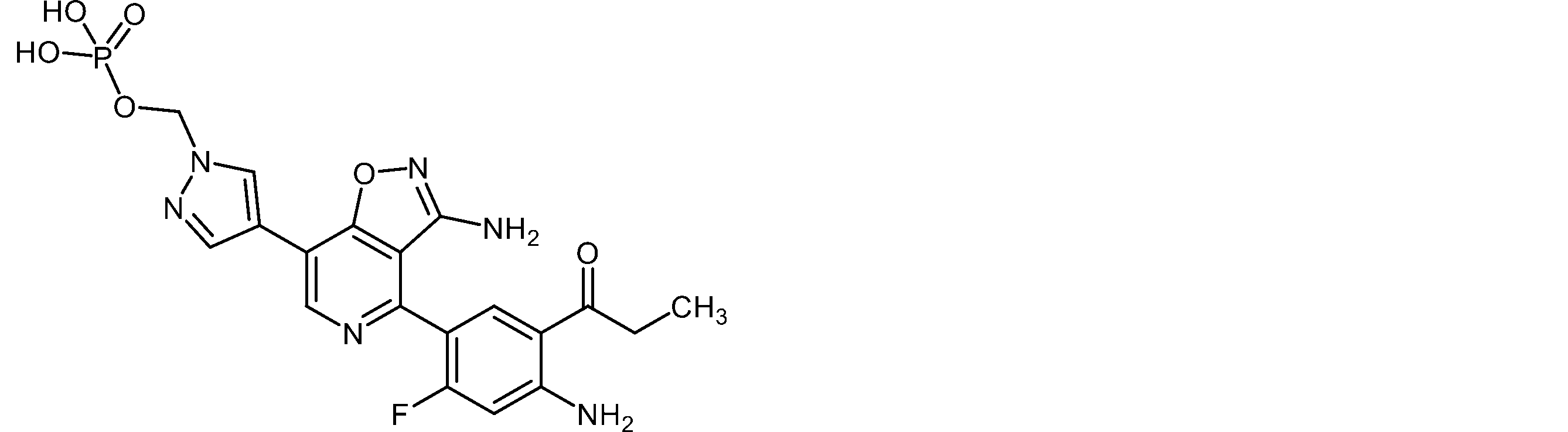
MS(ESI, Pos.):477(M+H)+;
1H-NMR(DMSO-d6):δ8.98(s, 1H), 8.61(s, 1H), 8.33(s, 1H), 7.99(d, J=8.5Hz, 1H), 7.70(brs, 2H), 6.66(d, J=12.0Hz, 1H), 5.88(d, J=10.0Hz, 2H), 5.75(brs, 2H), 2.96(q, J=7.5Hz, 2H), 1.05(t, J=7.5Hz, 3H)。
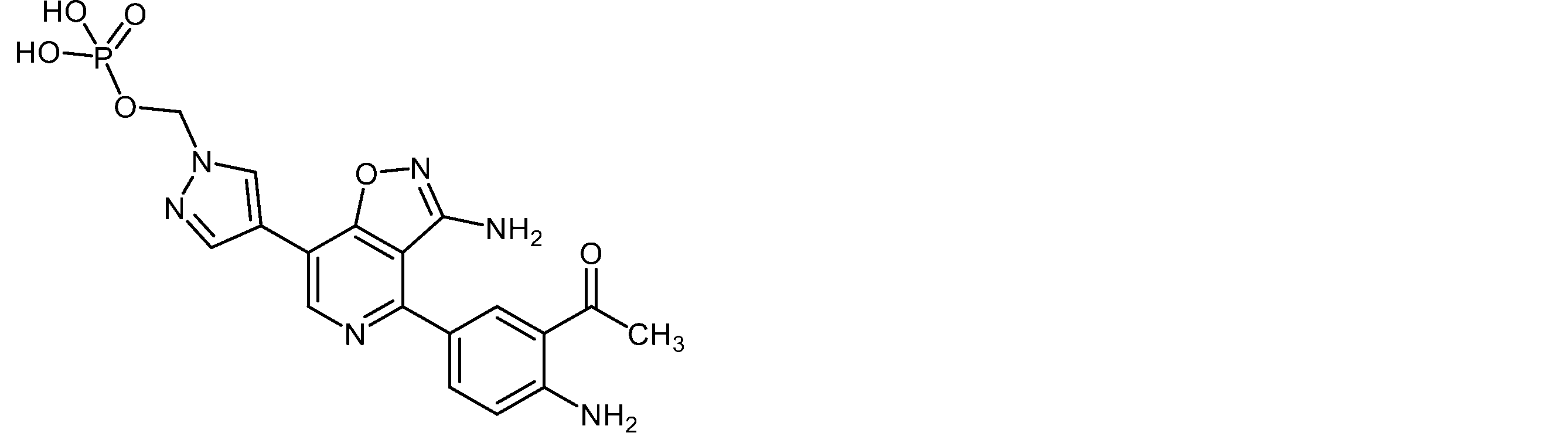
MS(ESI, Pos.):445(M+H)+;
1H-NMR(DMSO-d6):δ8.95(s, 1H), 8.58(s, 1H), 8.31(s, 1H), 8.19(d, J=2.0Hz, 1H), 7.77(dd, J=8.5, 2.0Hz, 1H), 7.58(brs, 2H), 6.92(d, J=8.5Hz, 1H), 5.92-5.85(m, 4H), 2.54(s, 3H)。

MS(ESI, Pos.):499(M+H)+;
1H-NMR(DMSO-d6):δ9.00(s, 1H), 8.63(s, 1H), 8.35(s, 1H), 7.74(d, J=8.0Hz, 1H), 6.79(d, J=12.0Hz, 1H), 6.64(brs, 2H), 5.91(d, J=12.0Hz, 2H), 5.83(brs, 2H), 3.18(s, 3H)。
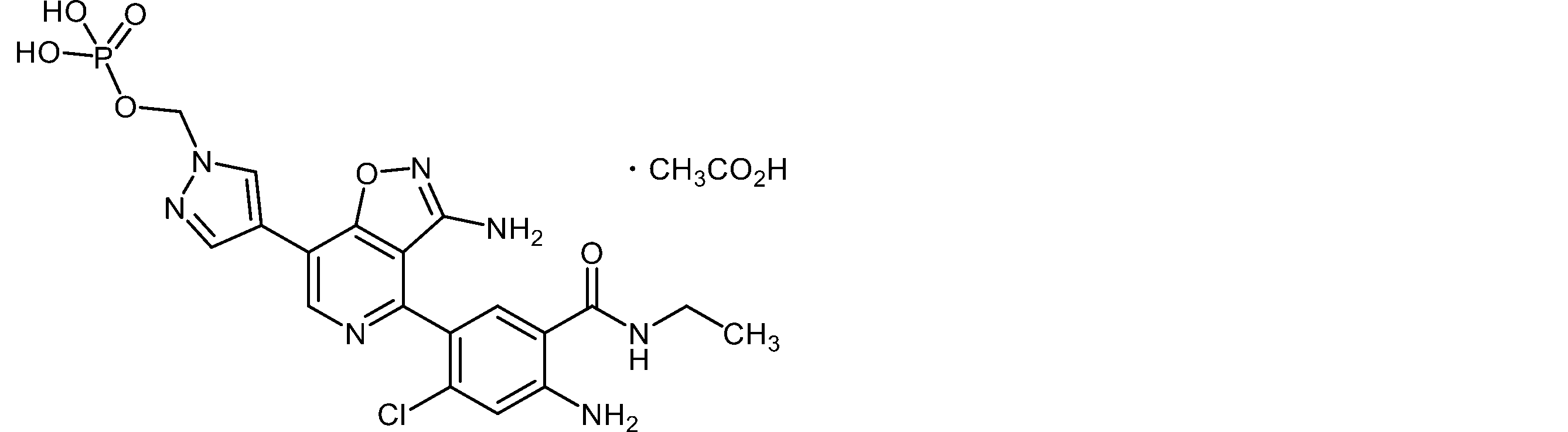
LCMS保持時間(分):0.706;
MS(ESI, Pos.):508(M+H)+;
1H-NMR(DMSO-d6):δ9.01(s, 1H), 8.64(s, 1H), 8.36(s, 1H), 8.33-8.29(m, 1H), 7.70(s, 1H), 7.01(brs, 2H), 6.94(s, 1H), 5.90(d, J=10.0Hz, 2H), 5.53(brs, 2H), 3.24-3.18(m, 2H), 1.91(s, 3H), 1.07(t, J=7.0Hz, 3H)。
実施例3で製造した化合物(100mg)を参考例18と同様の操作に付すことによって、(4-(4-(5-アセチル-4-アミノ-2-フルオロフェニル)-3-アミノイソキサゾロ[4,5-c]ピリジン-7-イル)-1H-ピラゾール-1-イル)メチル ジ-tert-ブチル ホスファート(112mg)を得た。この化合物(25mg)に酢酸(0.20mL)および精製水(0.05mL)を加え、60℃で終夜撹拌した。得られた沈殿物をろ取し、乾燥することで下記の物性値を有する水和物の結晶形態である実施例10(1)の標題化合物(18.0mg)を得た。
LCMS保持時間(分):0.50;
MS(ESI, Pos.):463(M+H)+;
1H-NMR(DMSO-d6):δ8.98(s, 1H), 8.61(s, 1H), 8.33(s, 1H), 7.97(d, J=8.5Hz, 1H), 7.70(brs, 2H), 6.65(d, J=13.0Hz, 1H), 5.89 (d, J=10.0Hz, 2H), 5.76(brs, 2H), 2.51(s, 3H)。
実施例10(1)で製造した化合物(50mg)の酢酸(1.25mL)溶液に、0.25M 酢酸カリウム水溶液(0.43mL、1当量)を加え、室温で8時間撹拌した。得られた懸濁液をろ取し、減圧乾燥し、下記物性値を有し、結晶形態である標題化合物(43.5mg)を得た。
LCMS保持時間(分):0.49;
MS(ESI, Pos.):463(M+H)+;
1H-NMR(DMSO-d6+CD3OD):δ8.94(s, 1H), 8.60(s, 1H), 8.21(s, 1H), 7.99(d, J=8.5Hz, 1H), 7.70(brs, 2H), 6.66(d, J=13.0Hz, 1H), 5.69 (d, J=9.5Hz, 2H), 2.52(s, 3H)。
実施例4(6)で製造した化合物(2.00g)のDMF(0.5mL)溶液に、炭酸セシウム(128mg)およびジ-tert-ブチル-クロロメチルホスファート(27μL)を加え、室温で終夜撹拌した。反応液に市水を加え、酢酸エチルで抽出した。有機層を飽和食塩水で洗浄し、硫酸ナトリウムで乾燥後、濃縮した。残渣をシリカゲルカラムクロマトグラフィー(Hi-flash SI)(ヘキサン:酢酸エチル=90:10~0:100)で精製し、エチル 2-アミノ-5-(3-アミノ-7-(1-(((ジ-tert-ブトキシホスホリル)オキシ)メチル)-1H-ピラゾール-4-イル)イソキサゾロ[4,5-c]ピリジン-4-イル)-4-フルオロベンゾアート(2.12g)を得た。これに精製水(10mL)、エタノール(10mL)およびトリフルオロ酢酸(5.3mL)を順次加え、40℃で撹拌した。2時間後、エタノール(5mL)を加え室温に冷却した。得られた沈殿物をエタノールで洗浄しながらろ取し、減圧乾燥することで下記物性値を有する標題化合物(1.81g)を得た。
LCMS保持時間(分):0.55;
MS(ESI, Pos.):493(M+H)+;
1H-NMR(DMSO-d6):δ 9.02(s, 1H), 8.65(s, 1H), 8.36(s, 1H), 7.98 (d, J=8.5Hz, 1H), 7.32 (brs, 2H), 6.70(d, J=12.5Hz, 1H), 5.91(d, J=10.0Hz, 2H), 5.79(brs, 2H), 4.28(q, J=7.0Hz, 2H), 1.29(t, J=7.0Hz, 3H)。
実施例10(2)で製造した化合物(2.13g)に、精製水(30mL)、酢酸(20mL)を加え、60℃で4時間撹拌した。溶媒を減圧留去し、エタノール(30mL)で希釈した。反応液を終夜撹拌し、ろ取することで下記物性値を有する標題化合物(1.50g)を得た。
LCMS保持時間(分):0.55;
MS(ESI, Pos.):493(M+H)+;
1H-NMR(DMSO-d6):δ8.99(s, 1H), 8.62(s, 1H), 8.34(s, 1H), 7.96(d, J=8.5Hz, 1H), 7.21(brs, 2H), 6.69(d, J=13.0Hz, 1H), 5.91(d, J=10.0Hz, 2H), 5.74(brs, 2H), 4.27(q, J=7.0Hz, 2H), 1.92(s, 3H), 1.29(t, J=7.0Hz, 3H)。

LCMS保持時間(分):0.51;
MS(ESI, Pos.):477(M+H)+;
1H-NMR(DMSO-d6):δ 8.96(s, 1H), 8.56(s, 1H), 8.27(s, 1H), 7.96(d, J=8.4Hz, 1H), 7.70(brs, 2H), 6.65(d, J=13Hz, 1H), 6.34-6.29(m, 1H), 5.75(brs, 2H), 2.51(s, 3H), 1.80(d, J=6Hz, 3H)。

LCMS保持時間(分):0.88;
MS(ESI, Pos.):312(M+H)+;

LCMS保持時間(分):0.91;
MS(ESI, Pos.):356(M+H)+;
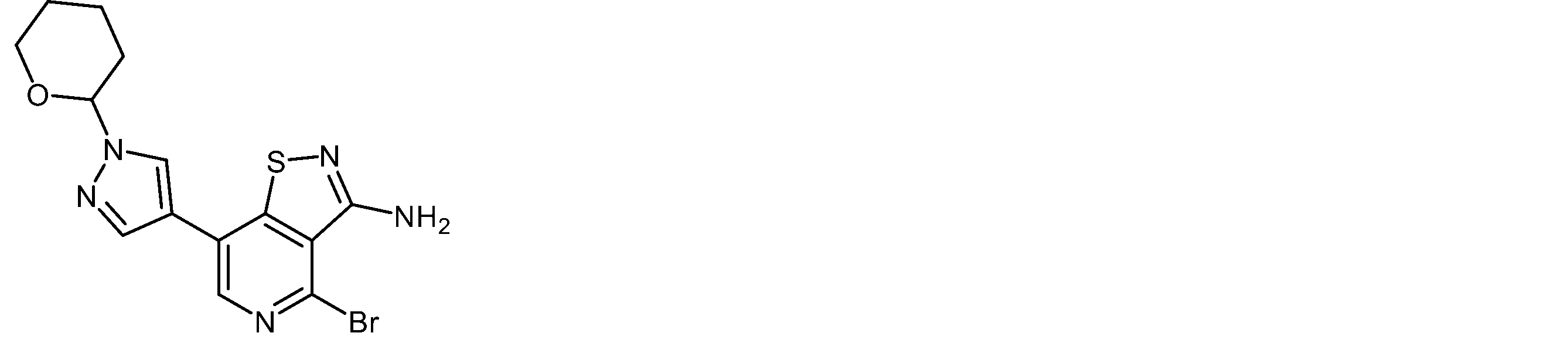
LCMS保持時間(分):0.86;
MS(ESI, Pos.):380(M+H)+。
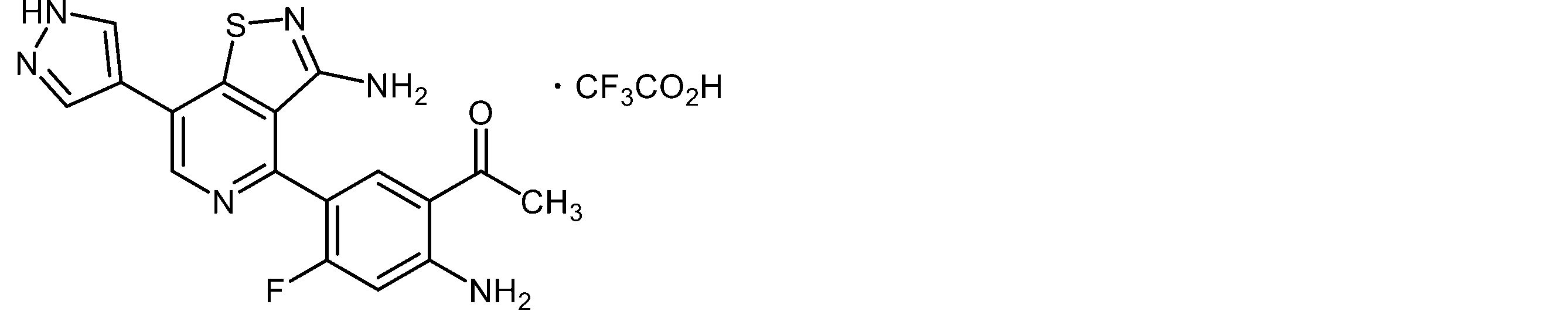
この化合物(13mg)に、メタノール(0.65mL)およびメタンスルホン酸(8.3mg)を加えて室温で3時間撹拌した。反応混合物を室温に放冷後、トリエチルアミン(8.8mg)を加えて濃縮し、残渣を逆相HPLC(使用カラム:YMC Triart C18(30mm×75mm);移動相:0.1%TFA/水/アセトニトリル=95:5~60:40)で精製し、下記の物性値を有する標題化合物(3.0mg)を得た。
LCMS保持時間(分):0.60;
MS(ESI, Pos.):369(M+H)+;
1H-NMR(DMSO-d6):δ8.83(s, 1H), 8.32(brs, 1H), 8.10(brs, 1H), 7.94(d, J=8.5Hz, 1H), 7.69(brs, 2H), 6.67(d, J=13.0Hz, 1H), 5.87(s, 2H), 2.49(s, 3H)。

LCMS保持時間(分):0.49;
MS(ESI, Pos.):262, 264(M+H)+。

LCMS保持時間(分):0.92;
MS(ESI, Pos.):423, 425(M+H)+。
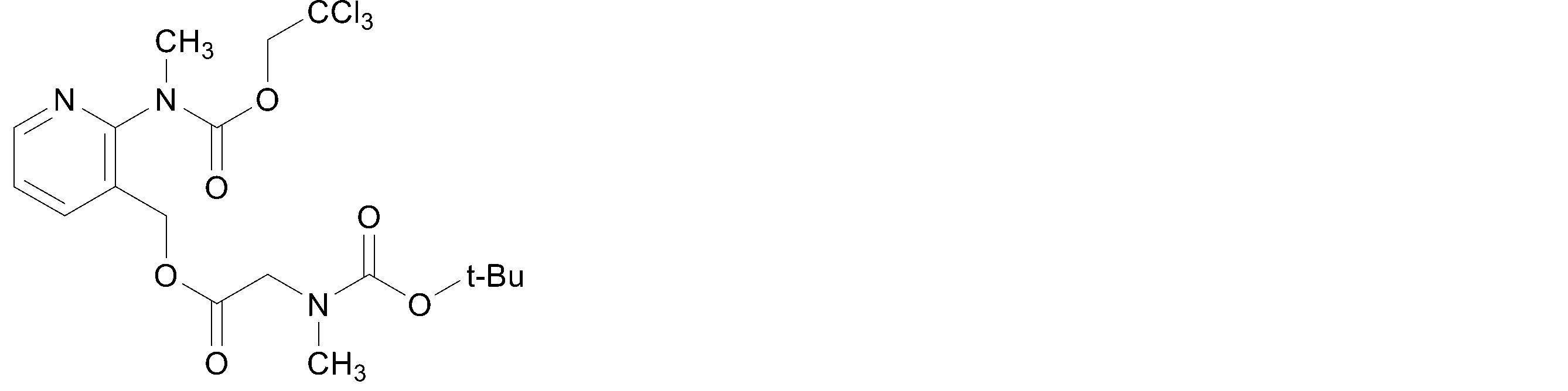
LCMS保持時間(分):1.03;
MS(ESI, Pos.):484, 486(M+H)+。

LCMS保持時間(分):1.07;
MS(ESI, Pos.):507(M+H)+。

LCMS保持時間(分):0.63;
MS(ESI, Pos.):577(M+H)+;
1H-NMR(DMSO-d6):δ8.99(s, 1H), 8.59(s, 1H), 8.34(s, 1H), 7.97(d, J=9.0Hz, 1H), 7.71(brs, 2H), 6.66(d, J=12.0Hz, 1H), 6.12(brs, 2H), 5.78(brs, 2H), 4.07-3.88(m, 2H), 2.89-2.69(m, 3H), 2.52(s, 3H), 2.41-2.30(m, 4H), 1.68-1.60(m, 2H), 1.51-1.21(m, 8H)。
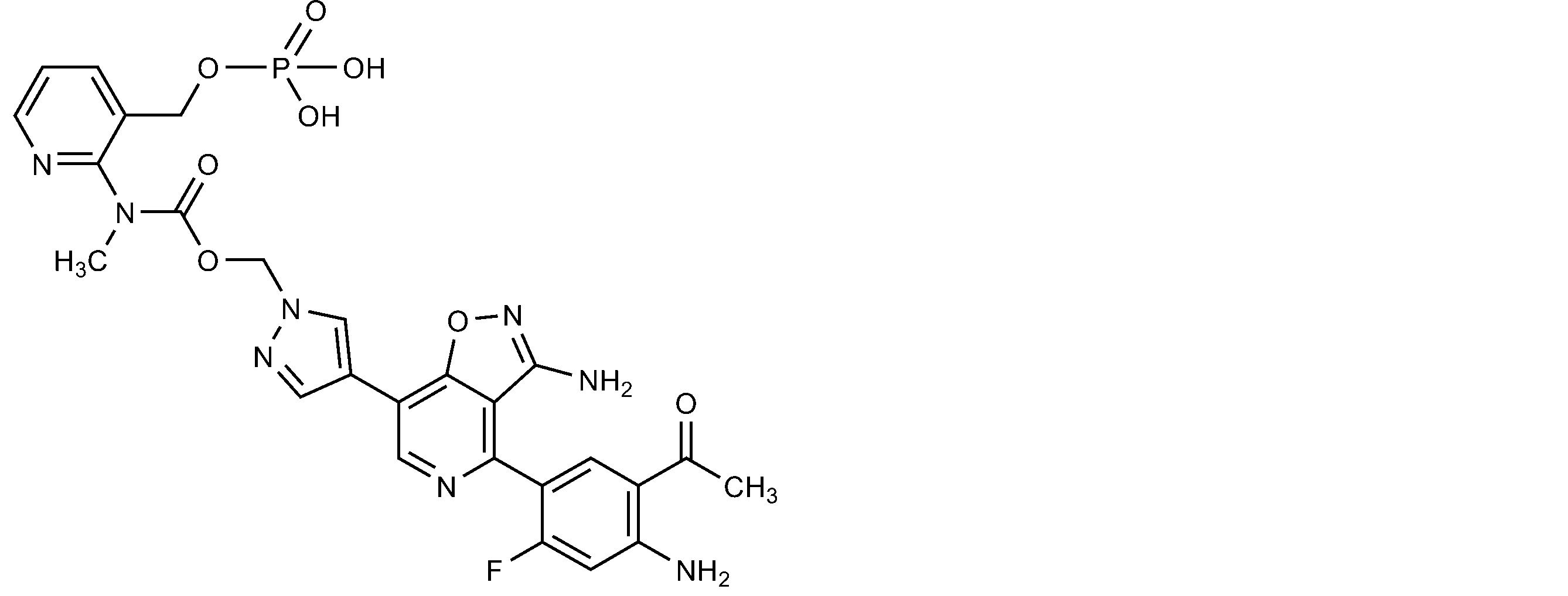
LCMS保持時間(分):0.57;
MS(ESI, Pos.):627(M+H)+;
1H-NMR(DMSO-d6):δ8.98(s, 1H), 8.58(brs, 1H), 8.45-8.41(m, 1H), 8.31(m, 1H), 7.99-7.90(m, 2H), 7.70(brs, 2H), 7.47-7.42(m, 1H), 6.66(d, J= 12Hz, 1H), 6.10(brs, 2H), 5.78(brs, 2H), 4.90-4.62(m, 2H), 3.20(s, 3H), 2.52(s, 3H)。
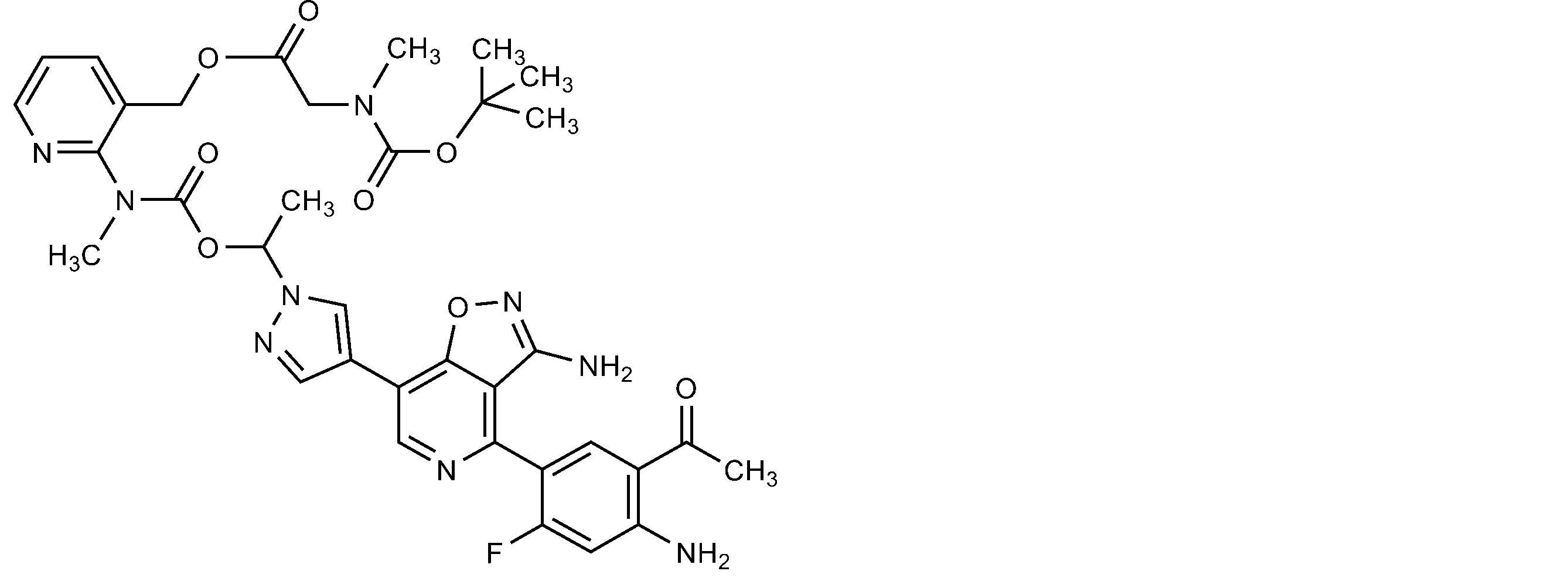
LCMS保持時間(分):0.87;
MS(ESI, Pos.):733(M+H)+。
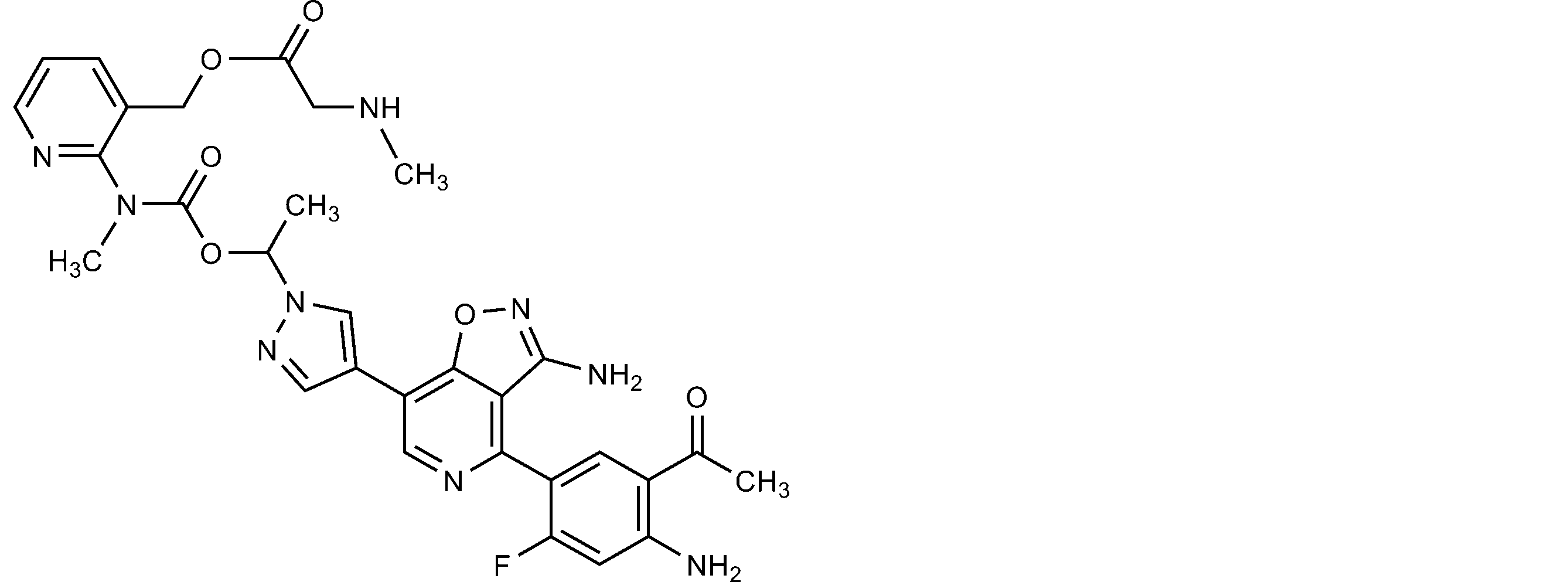
LCMS保持時間(分):0.63;
MS(ESI, Pos.):632(M+H)+。
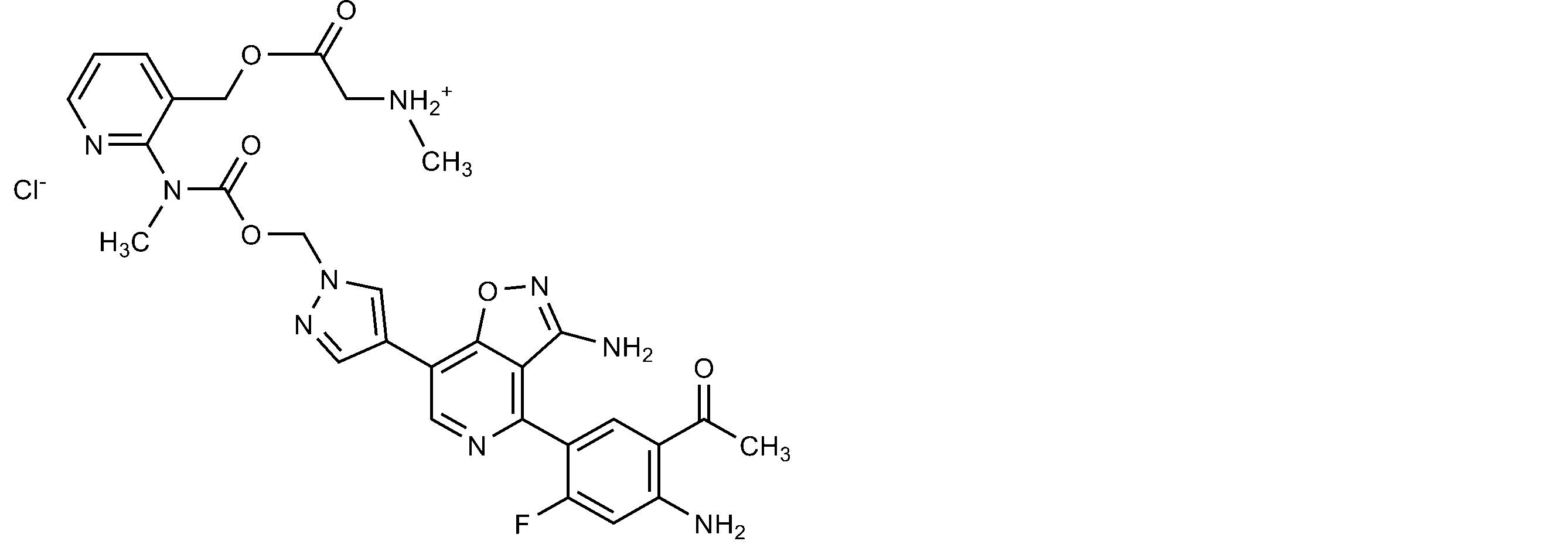
LCMS保持時間(分):0.61;
MS(ESI, Pos.):618(M+H)+;
1H-NMR(DMSO-d6):δ9.19-9.09(m, 3H), 8.70(brs, 1H), 8.56(dd, J=4.7, 1.8Hz, 1H), 8.45(brs, 1H), 8.07(m, 2H), 7.81(brs, 2H), 7.53(dd, J=7.7, 4.7Hz, 1H), 6.75(d, J=12.8Hz, 1H), 6.40-5.83(m, 4H), 5.26-5.03(m, 2H), 4.09(t, J=5.69Hz, 2H), 3.30(brs, 3H), 2.62(m, 3H), 2.58(s, 3H)。

LCMS保持時間(分):0.59;
MS(ESI, Pos.):540(M+H)+;
1H-NMR(DMSO-d6):δ10.47(brs, 1H), 9.03(s, 1H), 8.72(s, 1H), 8.42(s, 1H), 8.00(d, J=8.3Hz, 1H), 7.76(brs, 2H), 6.68(d, J=12.8Hz, 1H), 6.27(s, 2H), 5.84(brs, 2H), 4.57-4.52(m, 2H), 4.00-3.92(m, 2H), 3.76-3.66(m, 2H), 3.20-3.06(m, 2H), 2.52(s, 3H)。
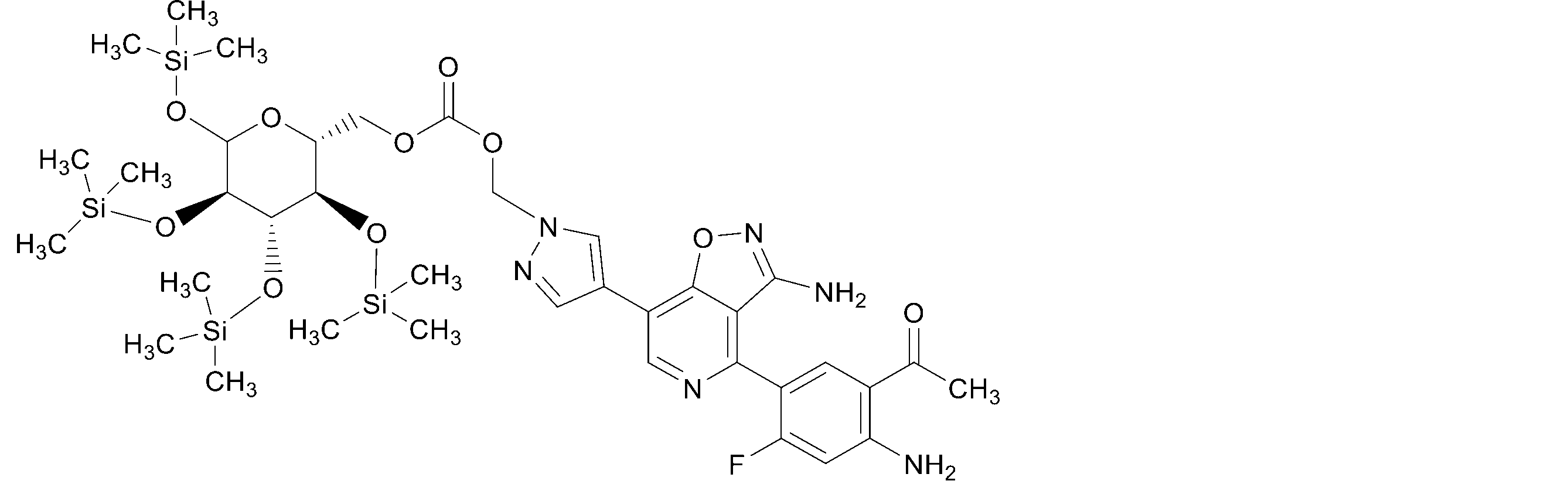
LCMS保持時間(分):1.32;
MS(ESI, Pos.):877(M+H)+。

LCMS保持時間(分):0.56;
MS(ESI, Pos.):589(M+H)+;
1H-NMR(DMSO-d6):δ9.03(s, 1H), 8.71(s, 1H), 8.41(s, 1H), 8.02(d, J=8.3Hz, 1H), 7.77(brs, 2H), 6.68(d, J=12.8Hz, 1H), 6.22(brs, 2H), 5.85(brs, 2H), 4.89(d, J=3.7Hz, 1H), 4.44-4.28(m, 2H), 4.23-4.13(m, 2H), 3.83-3.76(m, 1H), 2.52(s, 3H)。

LCMS保持時間(分):0.56;
MS(ESI, Pos.):588(M+H)+;
1H-NMR(DMSO-d6):δ9.03(s, 1H), 8.71(s, 1H), 8.42(s, 1H), 8.00(d, J=8.2Hz, 1H), 7.73(brs, 2H), 6.69(d, J=12.7Hz, 1H), 6.23(brs, 2H), 5.85(brs, 2H), 5.18(m, 1H), 4.46-4.38(m, 1H), 4.28-4.19(m, 1H), 3.88-3.81(m, 1H), 3.22-3.14(m, 1H), 2.94-2.86(m, 1H), 2.53(s, 3H)。

LCMS保持時間(分):0.90;
MS(ESI, Pos.):688(M+H)+。

LCMS保持時間(分):0.62;
MS(ESI, Pos.):588(M+H)+;
1H-NMR(DMSO-d6):δ8.99(s, 1H), 8.91(s, 1H), 8.37(m, 1H), 8.17(brs, 1H), 8.00-7.95(m, 2H), 7.72(brs, 2H), 7.44(dd, J=7.6, 4.7Hz, 1H), 6.66(d, J=12.8Hz, 1H), 5.80(brs, 2H), 5.21(brs, 2H), 3.40(brs, 3H), 2.53(s, 3H), 2.25(s, 3H)。

LCMS保持時間(分):0.89;
MS(ESI, Pos.):709(M+H)+。

LCMS保持時間(分):0.57;
MS(ESI, Pos.):597(M+H)+;
1H-NMR(DMSO-d6):δ8.99(s, 1H), 8.91(s, 1H), 8.32(m, 1H), 8.17(brs, 1H), 8.02-7.96(m, 2H), 7.73(brs, 2H), 7.46(dd, J=7.6, 4.8Hz, 1H), 6.66(d, J=12.8Hz, 1H), 5.80(brs, 2H), 5.01(brs, 2H), 3.37(s, 3H), 2.52(s, 3H)。
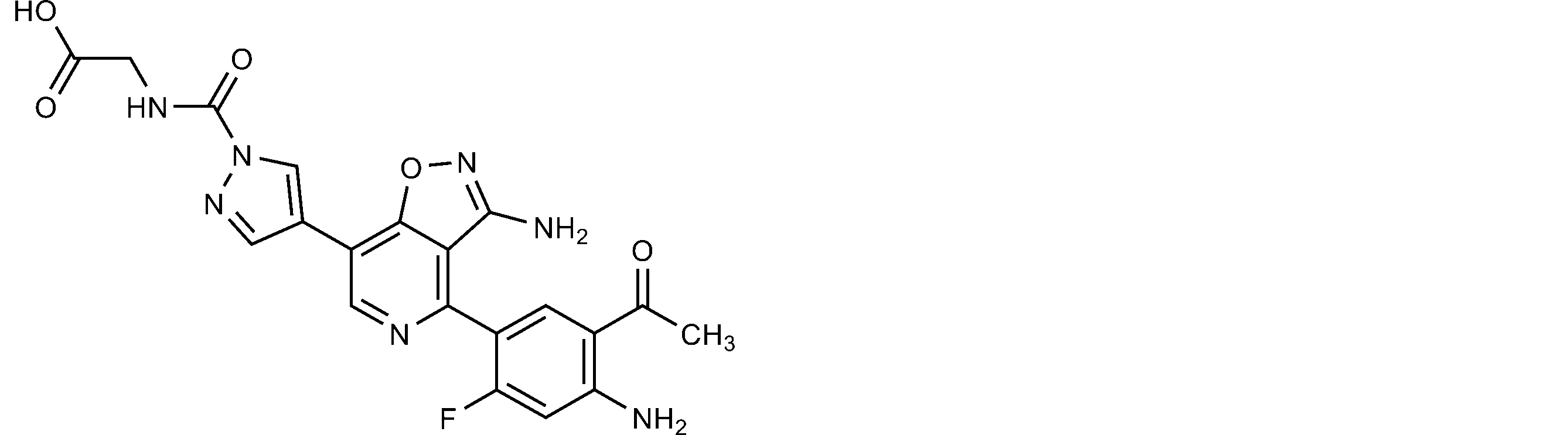
LCMS保持時間(分):0.64;
MS(ESI, Pos.):454(M+H)+;
1H-NMR(DMSO-d6):δ 9.12(s, 1H), 8.97(s, 1H), 8.92(t, J=6Hz, 1H), 8.57(s, 1H), 8.00(d, J=8.5Hz, 1H), 7.73(brs, 2H), 6.67(d, J=12.5Hz, 1H), 5.85(brs, 2H), 3.96(d, J=6Hz, 2H), 2.51(s, 3H)。
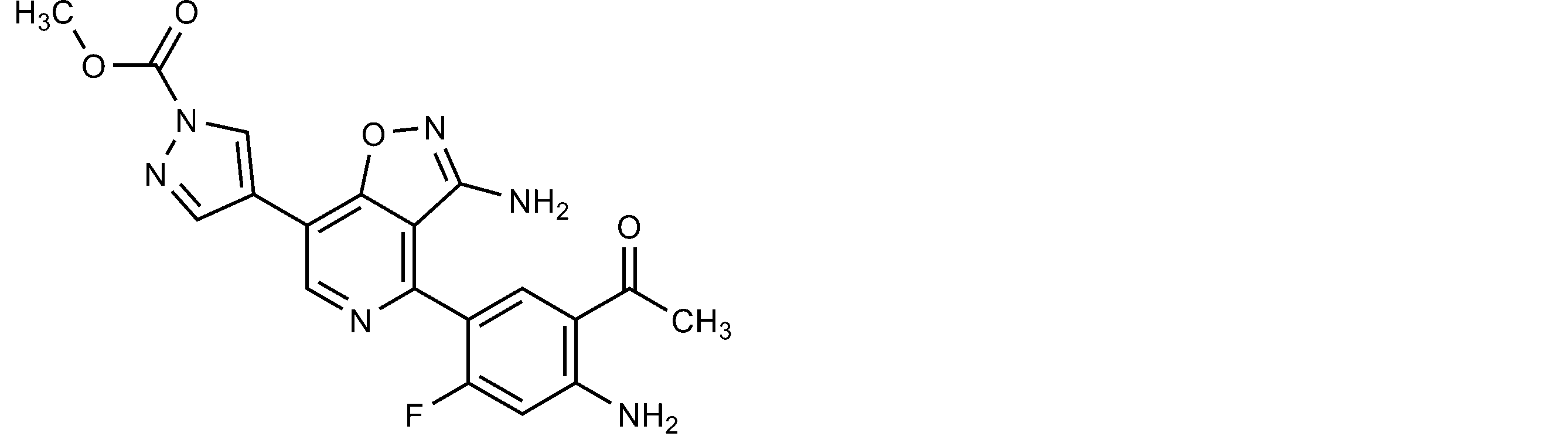
LCMS保持時間(分):0.69;
MS(ESI, Pos.):411(M+H)+;
1H-NMR(DMSO-d6):δ 9.10(s, 1H), 8.94(s, 1H), 8.60(s, 1H), 7.98(d, J=8.6Hz, 1H), 7.73(brs, 2H), 6.66(d, J=13Hz, 1H), 5.83(brs, 2H), 4.05(s, 3H), 2.51(s, 3H)。

LCMS保持時間(分):0.60;
MS(ESI, Pos.):579(M+H)+;
1H-NMR(DMSO-d6):δ9.02(s, 1H), 8.65(s, 1H), 8.37(s, 1H), 8.01(d, J=8.4Hz, 1H), 7.75(brs, 2H), 6.68(d, J=12.8Hz, 1H) , 5.93(d, J=10.3Hz, 2H), 5.81(brs, 2H) , 5.47(d, J=13.3Hz, 2H), 4.81(qq, J=6.2, 6.2Hz, 1H), 2.52(s, 3H), 1.23(d, J=6.2Hz, 6H)。
実施例13:IRF(Interferon regulatory factor)経路に対する作用
Mol Immunol., 2017, Vol. 90, p. 182-189における183頁右覧12~20行に主に記載されている細胞をRPMI培地に懸濁し、2×10⁶細胞/mLの細胞懸濁液を調製した。96穴プレートに50μLずつ細胞懸濁液を分注し、さらに6~20,000 nmol/Lの化合物溶液を50μLずつ添加した。化合物添加後、37℃にて約24時間インキュベートした。インキュベート後、各ウェルから10μLの細胞懸濁液を回収し、Quanti-luc(Invivogen社)50μLと混和した。その後、マイクロプレートリーダー(Molcular Devices社)を用いて発光を検出することで、IRF経路の活性化を測定した。
各実施例において示される本発明にかかる化合物のEC50値を以下に示す。

出願番号PCT/EP2017/59781のPCT出願の公開公報18頁37~39行に記載されている細胞をRPMI培地に懸濁し、2×106細胞/mLの細胞懸濁液を調製した。96穴プレートに50μLずつ細胞懸濁液を分注し、さらに6~20,000nMの化合物溶液を50μLずつ添加した。化合物添加後、37℃にて約24時間インキュベートした。インキュベート後、各ウェルから10μLの細胞懸濁液を回収し、Quanti-luc(Invivogen社)50μLと混和した。その後、マイクロプレートリーダーを用いて発光を検出することで、IRF経路の活性化を測定した。
実施例1に示される本発明にかかる化合物は、IRF活性化作用を示さなかった。したがって、実施例1に例示されている本発明にかかる化合物のIRF活性化作用は、本発明にかかる化合物によるSTINGへの作動活性に基づくものであることが示された。
IDO1阻害活性の評価はIDO1 Fluorogenic Inhibitor Screening Assay Kit(BPS Bioscience社)を用いて実施した。具体的には、IDO1 Fluorogenic Reaction Solutionを溶解させ、各ウェルに180μLずつ添加した。次に0.6、2、6、20、60および200μmol/Lの濃度の化合物を10μLずつ添加した。さらに、IDO1 His-Tag溶液を10μLずつ添加した後、室温で1時間インキュベートした。次に、Fluorescence Solutioonを20μLずつ添加し、37℃にて4時間インキュベートした。室温で10分静置した後、マイクロプレートリーダーを用いて蛍光を測定した(excitation:400nm,emission:510nm)。
実施例1で製造した本発明にかかる化合物は、IDO1阻害活性を示さなかった。
4μmol/L被験物質(実施例1で製造した本発明にかかる化合物)溶液(最終濃度の4倍濃度)をアッセイバッファー(20 mmol/L HEPES,0.01% Triton X-100,1 mmol/L DTT,pH7.5)にて調製した。4μmol/L基質/ATP/金属溶液(最終濃度の4倍濃度)をキットバッファー(20 mmol/L HEPES,0.01% Triton X-100,5 mmol/L DTT,pH7.5)にて調製した。最終濃度の2倍濃度の各種キナーゼ溶液をアッセイバッファーにて調製した。5μLの当該被験物質溶液、5μLの当該基質/ATP/金属溶液および10μLの当該キナーゼ溶液をポリプロピレン製384ウェルプレートのウェル内で混合し、室温にて1ないし5時間反応させた。70μLのターミネーションバッファー(QuickScout Screening Assist MSA; Carna Biosciences社)を添加して反応を停止させた。反応溶液中の基質ペプチドとリン酸化ペプチドをLabChip system(Perkin Elmer社)にて分離、定量した。キナーゼ反応は基質ペプチドピーク高さ(S)とリン酸化ペプチドピーク高さ(P)から計算される生成物比(P/(P+S))にて評価した。なお、評価に用いた各種キナーゼは以下のとおりである。
BTK、KDR、PKCα~ιの各サブタイプ、CDK2~9の各CDK、FAK、TIE2、RAF1およびBRAF
実施例1で製造した本発明にかかる化合物は、評価した何れのキナーゼに対しても、有意な阻害活性を示さなかった。
C57/BL6マウス由来大腸癌細胞株MC38を同種同系マウス(C57/BL6、雌、6週齢(日本チャールズリバー社))の右側腹部に皮下移植し(ここで、移植日をDay0とした。)、MC38皮下担癌マウスを作製した。移植7日後に、腫瘍体積に基づき群分けを実施し、MC38皮下担癌マウスに対して、Vehicle群(n=8)ならびに実施例1に示される化合物投与群(3mg/kg、n=6)を設定した。腫瘍体積の変化を継時的に移植26日後(Day26)まで測定した。腫瘍体積は以下の式より算出した。
[腫瘍体積(mm3)]=[長径(mm)]×[短径(mm)]2×0.5
その結果を図1に示す。
実施例1で製造した化合物は、3mg/kgの投与量において、腫瘍増殖をほぼ完全に抑制した。
C57/BL6マウス由来大腸癌細胞株MC38を同種同系マウス(C57/BL6、雌、6週齢(日本チャールズリバー社))の右側腹部に皮下移植し(ここで、移植日をDay0とした。)、MC38皮下担癌マウスを作製した。移植7または8日後に、腫瘍体積に基づき群分けを実施し、MC38皮下担癌マウスに対して、Vehicle(n=8または6)ならびに実施例10および10(1)~10(6)で製造した各化合物(各々1、1、1、10、3、1および1 mg/kg、n=8または6)を投与した。腫瘍体積の変化を継時的に移植28または30日後(Day28または30)まで測定した。腫瘍体積は実施例17で示した式より算出した。
その結果を図2および3に示す。
実施例10および10(1)~10(6)で各々製造した何れの化合物も、上記各投与量において、腫瘍増殖を抑制した。すなわち、実施例10および10(1)~10(6)で各々製造した各化合物投与群では、移植後30日においても腫瘍体積中央値は500 mm3未満であった。
最終濃度が1μmol/Lとなるよう、下記表2中の各実施例化合物溶液(50μmol/L、5%DMSO含有50%アセトニトリル)を血漿(245μL)に添加した。60分間37℃で保温した後、その反応液を40μL採取し、カンデサルタン(内標準物質)含有アセトニトリル/エタノール(7:3)200μLに添加した。
上記反応の結果生じた当該血漿中の実施例3で製造した化合物(化合物B)の濃度を以下の方法に従い、LC-MS/MSで分析した。
Prominence UFLCXR(島津製作所)、API5000(AB Sciex)
[前処理法]
除蛋白用フィルタープレートに全量を移して吸引ろ過し、ろ液を水で2倍希釈した。
[LCカラム]Shim-pack XR-ODSII 2.0mm ID×75mm(島津製作所)
[LC条件]
カラム温度:40℃;
移動相:A:0.2%ギ酸5mM酢酸アンモニウム水溶液;および
B:アセトニトリル;
グラジエントプログラム:
時間(分)0→1.5→3.0→3.1→4;
移動相B(%)10→90→90→10→10;および
流量:0.5 mL/分。
[MS条件]
エレクトロスプレー法、ポジティブモード、多重反応モニタリング;
MSモニターイオン:
化合物B:m/z353.0→m/z311.2、DP:80、CE:35;および
カンデサルタン(内標準物質):m/z309.1→m/z163.0、DP:71、CE:21。
変換率(%)=60分後試料中の化合物Bの濃度(μmol/L)×100

プロドラッグである上記表中の実施例化合物は、血漿中においてその活性本体である実施例3で製造した化合物に変換されることが確認された。
C57/BL6マウス由来大腸癌細胞株MC38を同種同系マウス(C57/BL6、雌、6週齢(日本チャールズリバー社))の右側腹部に皮下移植し(ここで、移植日をDay0とした。)、MC38皮下担癌マウスを作製した。移植7日後に、腫瘍体積に基づき群分けし、当該MC38皮下担癌マウスに対して、移植8日後に、以下の薬物を1回静脈内投与した。なお、デキサメタゾンは化合物Aの投与1時間前に1回静脈内投与した。
・Vehicle(n=6);
・実施例10(1)に示される化合物(化合物A)(0.3 mg/kg;n=6);
・化合物A(1 mg/kg;n=6);
・化合物A(0.3 mg/kg)およびデキサメタゾン(10 mg/kg)(n=6);ならびに
・化合物A(1 mg/kg)およびデキサメタゾン(10 mg/kg)(n=6)。
その後、腫瘍体積の変化を継時的に移植25日後(Day25)まで各々測定した。なお、腫瘍体積は実施例17で示した式より算出した。また、化合物投与1時間後に血液を回収し、血漿中のIL-6およびIFN-βなどのサイトカイン量を測定した。その結果を図4および5に示す。
デキサメタゾン前処置は、化合物Aと併用した際、当該化合物の単独投与時に比べ、血漿中IL-6の産生量を減少させたが、当該化合物の抗腫瘍効果には影響しなかった。
C57/BL6マウス由来大腸癌細胞株MC38を同種同系マウス(C57/BL6、雌、6週齢(日本チャールズリバー社))の右側腹部に皮下移植し(ここで、移植日をDay0とした。)、MC38皮下担癌マウスを作製した。移植7日後に、腫瘍体積に基づき群分けし、当該MC38皮下担癌マウスに対して、以下の薬物を各々投与した。なお、化合物Aは移植8日後に1回静脈内投与し、抗PD-1抗体4H2は移植8日後から6日毎に4回腹腔内投与した。
・Vehicle(n=9);
・化合物A(0.1 mg/kg;n=9);
・抗PD-1抗体4H2(10 mg/kg(但し、初回投与のみ20 mg/kg);n=9);ならびに
・化合物A(0.1 mg/kg)および抗PD-1抗体4H2(10 mg/kg(但し、初回投与のみ20 mg/kg);n=9)。
なお、抗PD-1抗体4H2は、WO2006/121168に記載された方法に準じて取得することができる。
その後、腫瘍体積の変化を継時的に移植28日後(Day28)まで測定した。なお、腫瘍体積は実施例17で示した式より算出した。その結果を図6および7に示す。
化合物Aは、上記投与量において、抗PD-1抗体単独投与において認められる抗腫瘍効果を増強し、移植後28日においても腫瘍縮小効果を示した。また、腫瘍完全寛解例が抗PD-1抗体単独では2/9例であったのに対し、化合物Aおよび抗PD-1抗体の併用では、5/9例と増加した。
C57/BL6マウス由来大腸癌細胞株MC38を同種同系マウス(C57/BL6、雌、6週齢(日本チャールズリバー社))の右側腹部に皮下移植し(ここで、移植日をDay0とした。)、MC38皮下担癌マウスを作製した。移植7日後に、腫瘍体積に基づき群分けし、当該MC38皮下担癌マウスに対して、以下の薬物を各々投与した。なお、化合物Aは移植7日後から7日毎に4回静脈内投与し、デキサメタゾンは化合物Aの投与毎にその直前に静脈内投与した。抗PD-1抗体4H2は移植7日後から6日毎に4回腹腔内投与した。
・Vehicle(n=8);
・抗PD-1抗体4H2(10 mg/kg(但し、初回投与のみ20 mg/kg))(n=8);
・抗PD-1抗体4H2(10 mg/kg(但し、初回投与のみ20 mg/kg))(n=8)およびデキサメタゾン(0.1 mg/kg)(n=8);
・化合物A(0.1 mg/kg);
・化合物A(0.1 mg/kg)およびデキサメタゾン(0.1 mg/kg)(n=8);
・化合物A(0.1 mg/kg)および抗PD-1抗体4H2(10 mg/kg(但し、初回投与のみ20 mg/kg))(n=8);ならびに
・化合物A(0.1 mg/kg)および抗PD-1抗体4H2(10 mg/kg(但し、初回投与のみ20 mg/kg))ならびにデキサメタゾン(0.1 mg/kg)(n=8)。
その後、腫瘍体積の変化を継時的に移植28または35日後(Day28または35)まで測定した。なお、腫瘍体積は実施例17で示した式より算出した。その結果を図8に示す。
デキサメタゾン前処置は、化合物Aおよび抗PD-1抗体4H2との併用投与に対してさらに適用した際、当該併用投与のみの場合に比べ、血漿中IL-6の産生量を減少させたが、当該併用投与の抗腫瘍効果には影響しなかった。
C57/BL6マウス由来メラノーマ細胞株B16F10を同種同系マウス(C57/BL6、雌、6週齢(日本チャールズリバー社))の右側腹部に皮下移植し(ここで、移植日をDay0とした。)、B16F10皮下担癌マウスを作製した。移植10日後に、腫瘍体積に基づき群分けし、当該B16F10皮下担癌マウスに対して、以下の薬物を各々投与した。
[併用試験1]
・Vehicleおよびコントロール抗体(rIgG1)(n=8または6);
・化合物A(0.3 mg/kg)およびコントロール抗体(rIgG1)(n=6);
・抗PD-1抗体4H2(10 mg/kg(但し、初回投与のみ20 mg/kg);n=6);ならびに
・化合物A(0.3 mg/kg)および抗PD-1抗体4H2(10 mg/kg(但し、初回投与のみ20 mg/kg))(n=6)。
当該併用試験1において、化合物Aは移植10日後に1回、一方、抗PD-1抗体4H2およびコントロール抗体は移植10日後から6日毎に4回各々投与した。
[併用試験2]
・Vehicleおよびコントロール抗体(rIgG1)(n=8または6);
・化合物A(0.3 mg/kg)およびコントロール抗体(rIgG1)(n=6);
・抗VEGFR2抗体DC101(BioXCell社)(10 mg/kg;n=6);ならびに
・化合物A(0.3 mg/kg)および抗VEGFR2抗体DC101(10 mg/kg)(n=6)。
当該併用試験2において、化合物Aは移植10日後から7日毎に4回、一方、抗VEGFR2抗体DC101およびコントロール抗体は移植10日後から3または4日毎に7回各々投与した。
なお、Vehicleおよび化合物Aは静脈内投与し、一方、コントロール抗体、抗PD-1抗体および抗VEGFR2抗体は各々腹腔内投与した。
その後、腫瘍体積の変化を継時的に移植30日後(Day30)まで各々測定した。なお、腫瘍体積は実施例17で示した式より算出した。その結果を図9および10に各々示す。
化合物Aは、上記投与量において、抗PD-1抗体および抗VEGFR2抗体の抗腫瘍効果を各々増強した。
実施例3において製造した化合物(化合物B)について、図13の表中に示す複数のヒト急性骨髄性白血病細胞株に対する抗腫瘍作用を評価した。
上記細胞株を培地(10%FBSおよび1% Penicillin-Streptomycin含有RPMI1640)に各々懸濁し、5.0×10⁴細胞/ウェルの密度で96ウェルプレートに播種した。播種直後に、化合物BおよびVehicle(培地中添加後終濃度0.1%DMSO溶液)を各々含む培地を各ウェルに添加し、よく混和した。なお、化合物Bは、培地中添加後の終濃度が各々100~1000 nmol/Lになるように調製した。37℃、5% CO2条件下にて48時間当該細胞株を培養した後、各ウェルにCell Counting Kit-8(Dojindo)を10μL添加し、続いて60分の培養後、マイクロプレートリーダーで各wellにおける吸光度(450nm)を測定した。Graphpad prism(Graphpad Software社)を用いて当該吸光度値からからEC50値を算出し、化合物Bによる細胞増殖への影響を評価した。その結果を図11に示す。また、Relative cell countを以下の式に従って算出した。Relative minimum cell countは上述値の最小値を表す。

ヒト急性骨髄性白血病細胞株MV4-11を、免疫不全マウス(C.B-17/Icr-scid/scidJcl、雌、6週齢(日本クレア社))の右側腹部に皮下移植し(ここで、移植日をDay0とした。)、MV4-11皮下担癌マウスを作製した。移植6日後に、腫瘍体積に基づき群分けし、当該皮下担癌マウスに対して、化合物A(各々0.3、1.0および3.0 mg/kg;n=8)およびVehicle(n=8)を各々投与した。腫瘍体積の変化を継時的に移植28日後(Day28)まで測定した。腫瘍体積は実施例17で示した式より算出した。その結果を図12に示す。
化合物Aは、投与量1.0 mg/kgおよび3.0 mg/kgにおいて腫瘍増殖を抑制した。本実施例には免疫不全マウスを用いていることから、化合物Aは腫瘍免疫を介さず、直接的な作用でがん細胞の増殖を抑制したことを示している。
本発明にかかるSTING作動化合物および抗悪性腫瘍剤との併用について、以下の複数のヒト急性骨髄性白血病細胞株(KG-1α、THP-1およびCMK)およびヒトB細胞リンパ腫細胞株(DOHH2およびOLI-Ly3)に対する抗腫瘍作用を評価した。
上記各細胞株を培地(10% FBSおよび1% Penicillin-Streptomycin含有RPMI1640)に各々懸濁し、2.5~5×10⁴細胞/ウェルの密度で96ウェルプレートに播種した。播種直後に、培地中添加後の終濃度が0、10、30、100、300および1000 nmol/Lとなるよう各々調製した化合物Bおよび以下の各終濃度となるよう各々調製した抗悪性腫瘍剤の2剤を各々含む培地を各ウェルに添加し、よく混和した。なお、コントロールとして、培地中添加後の終濃度が0.1%となるよう調製したDMSO溶液を別途添加した。
・Venetoclax(終濃度:各々0、1、10、100、1000および10000 nmol/L);
・Cytarabine(終濃度:各々0、1、10、100、1000および10000 nmol/L);
・Azacitidine(終濃度:各々0、1、10、100、1000および10000 nmol/L);および
・Navitoclax(終濃度:各々0、50、500および5000 nmol/L)(なお、Navitoclaxとの併用における化合物Bの濃度は1000 nmol/Lである。)。
37℃/5%CO2条件下にて48時間当該細胞株を培養した後、各ウェルにCell Counting Kit-8(Dojindo)を10μL添加し、続いて60分間培養後、マイクロプレートリーダーで各wellにおける吸光度(450nm)を測定した。その結果を図13、14および15に各々に示す。なお、図中、縦軸の「シグナル強度」は、吸光度値(450nm)を表し、当該数値が低いほど高い抗腫瘍作用を示していることを表す。
化合物Bは、ヒト急性骨髄性白血病細胞株KG-1α、THP-1およびCMK各々に対する、Venetoclax、AzacitidineおよびCytarabine夫々の抗腫瘍作用を増強し、また、ヒトB細胞リンパ腫細胞株DOHH2およびOLI-Ly3各々に対する、Navitoclaxの抗腫瘍作用も同様に増強した。
以下の各成分を常法により混合した後、溶液を常法により滅菌し、5mLずつアンプルに充填し、常法により凍結乾燥し、1アンプル中20mgの活性成分を含有するアンプル1万本を得ることができる。
・メチル 2-アミノ-5-(3-アミノ-7-(1H-ピラゾール-4-イル)イソキサゾロ[4,5-c]ピリジン-4-イル)-4-フルオロベンゾアート 200g
・マンニトール 20g
・蒸留水 50L
Claims (25)
- STING作動化合物を有効成分として含む、がんの進行抑制、再発抑制および/または治療剤であって、
(1)当該STING作動化合物を有効成分として含む当該剤を投与する際、または
(2)当該STING作動化合物を有効成分として含む当該剤を一もしくは二種以上の抗悪性腫瘍剤と組み合わせて投与する際、さらに副腎皮質ホルモン剤と組み合わせて投与することを特徴とする、当該剤。 - 当該STING作動化合物が、一般式(I-1)


- 一般式(I-1)で示される化合物が、
(1) 4-(4-アミノ-2-フルオロ-5-メトキシフェニル)-7-(1H-ピラゾール-4-イル)イソキサゾロ[5,4-c]ピリジン-3-アミン、
(2) 4-(4-アミノ-2-フルオロ-5-メトキシフェニル)-7-(1H-ピラゾール-4-イル)イソキサゾロ[4,5-c]ピリジン-3-アミン、
(3) 4-(4-アミノ-3-メトキシフェニル)-7-(1H-ピラゾール-4-イル)イソキサゾロ[4,5-c]ピリジン-3-アミン、
(4) 4-(4-アミノ-2-フルオロ-5-(メチルチオ)フェニル)-7-(1H-ピラゾール-4-イル)イソキサゾロ[4,5-c]ピリジン-3-アミン、
(5) 4-(4-アミノ-2-フルオロ-5-(メトキシ-d3)フェニル)-7-(1H-ピラゾール-4-イル)イソキサゾロ[4,5-c]ピリジン-3-アミン、
(6) 4-(4-アミノ-2-フルオロ-5-(メチルスルホニル)フェニル)-7-(1H-ピラゾール-4-イル)イソキサゾロ[4,5-c]ピリジン-3-アミン、
(7) 4-(4-アミノ-5-(エチルチオ)-2-フルオロフェニル)-7-(1H-ピラゾール-4-イル)イソキサゾロ[4,5-c]ピリジン-3-アミン、
(8) 4-(4-アミノ-2-フルオロ-5-(メチルスルフィニル)フェニル)-7-(1H-ピラゾール-4-イル)イソキサゾロ[4,5-c]ピリジン-3-アミン、
(9) 4-(4-アミノ-2-フルオロ-3-メトキシフェニル)-7-(1H-ピラゾール-4-イル)イソキサゾロ[4,5-c]ピリジン-3-アミン、
(10) メチル 2-アミノ-5-(3-アミノ-7-(1H-ピラゾール-4-イル)イソキサゾロ[4,5-c]ピリジン-4-イル)-4-フルオロベンゾアート、
(11) 2-アミノ-5-(3-アミノ-7-(1H-ピラゾール-4-イル)イソキサゾロ[4,5-c]ピリジン-4-イル)-4-フルオロ安息香酸、
(12) 2-アミノ-5-(3-アミノ-7-(1H-ピラゾール-4-イル)イソキサゾロ[4,5-c]ピリジン-4-イル)-4-フルオロベンズアミド、
(13) 4-(4-アミノ-2-フルオロ-5-メトキシフェニル)-7-(3-メチル-1H-ピラゾール-4-イル)イソキサゾロ[4,5-c]ピリジン-3-アミン、
(14) メチル 2-アミノ-5-(3-アミノ-7-(1-((ホスホノオキシ)メチル)-1H-ピラゾール-4-イル)イソキサゾロ[4,5-c]ピリジン-4-イル)-4-フルオロベンゾアート、
(15) 1-(2-アミノ-5-(3-アミノ-7-(1H-ピラゾール-4-イル)イソキサゾロ[4,5-c]ピリジン-4-イル)-4-フルオロフェニル)エタン-1-オン、
(16) 4-(4-アミノ-2-クロロ-5-(メチルチオ)フェニル)-7-(1H-ピラゾール-4-イル)イソキサゾロ[4,5-c]ピリジン-3-アミン、
(17) エチル 2-アミノ-5-(3-アミノ-7-(1H-ピラゾール-4-イル)イソキサゾロ[4,5-c]ピリジン-4-イル)-4-フルオロベンゾアート、
(18) (4-(4-(5-アセチル-4-アミノ-2-フルオロフェニル)-3-アミノイソキサゾロ[4,5-c]ピリジン-7-イル)-1H-ピラゾール-1-イル)メチル 二水素ホスファート、
(19) エチル 2-アミノ-5-(3-アミノ-7-(1-((ホスホノオキシ)メチル)-1H-ピラゾール-4-イル)イソキサゾロ[4,5-c]ピリジン-4-イル)-4-フルオロベンゾアート、
(20) 2-アミノ-5-(3-アミノ-7-(1H-ピラゾール-4-イル)イソキサゾロ[4,5-c]ピリジン-4-イル)-4-フルオロ-N-メチルベンズアミド、
(21) 1-(2-アミノ-5-(3-アミノ-7-(1H-ピラゾール-4-イル)イソキサゾロ[4,5-c]ピリジン-4-イル)-4-フルオロフェニル)プロパン-1-オン、
(22) 2-アミノ-5-(3-アミノ-7-(1H-ピラゾール-4-イル)イソキサゾロ[4,5-c]ピリジン-4-イル)-N-エチル-4-フルオロベンズアミド、
(23) 1-(2-アミノ-5-(3-アミノ-7-(1H-ピラゾール-4-イル)イソキサゾロ[4,5-c]ピリジン-4-イル)フェニル)エタン-1-オン、
(24) メチル 2-アミノ-5-(3-アミノ-7-(1H-ピラゾール-4-イル)イソキサゾロ[4,5-c]ピリジン-4-イル)ベンゾアート、
(25) 2-アミノ-5-(3-アミノ-7-(1H-ピラゾール-4-イル)イソキサゾロ[4,5-c]ピリジン-4-イル)-N-プロピルベンズアミド、
(26) 1-(2-アミノ-5-(3-アミノ-7-(1H-ピラゾール-4-イル)イソキサゾロ[4,5-c]ピリジン-4-イル)-4-フルオロフェニル)ブタン-1-オン、
(27) 2-アミノ-5-(3-アミノ-7-(1H-ピラゾール-4-イル)イソキサゾロ[4,5-c]ピリジン-4-イル)-4-フルオロ-N-プロピルベンズアミド、
(28) 1-(2-アミノ-5-(3-アミノ-7-(1H-ピラゾール-4-イル)イソキサゾロ[4,5-c]ピリジン-4-イル)フェニル)ブタン-1-オン、
(29) 2-ヒドロキシエチル 2-アミノ-5-(3-アミノ-7-(1H-ピラゾール-4-イル)イソキサゾロ[4,5-c]ピリジン-4-イル)-4-フルオロベンゾアート、
(30) 2-アミノ-5-(3-アミノ-7-(1H-ピラゾール-4-イル)イソキサゾロ[4,5-c]ピリジン-4-イル)ベンズアミド、
(31) 2-アミノ-5-(3-アミノ-7-(1H-ピラゾール-4-イル)イソキサゾロ[4,5-c]ピリジン-4-イル)-N-メチルベンズアミド、
(32) (4-(3-アミノ-4-(4-アミノ-5-(エチルカルバモイル)-2-フルオロフェニル)イソキサゾロ[4,5-c]ピリジン-7-イル)-1H-ピラゾール-1-イル)メチル 二水素ホスファート、
(33) 1-(2-アミノ-5-(3-アミノ-7-(1H-ピラゾール-4-イル)イソキサゾロ[4,5-c]ピリジン-4-イル)-4-ヒドロキシフェニル)エタン-1-オン、
(34) 2-アミノ-5-(3-アミノ-7-(1H-ピラゾール-4-イル)イソキサゾロ[4,5-c]ピリジン-4-イル)-N-エチルベンズアミド、
(35) 1-(2-アミノ-5-(3-アミノ-7-(1H-ピラゾール-4-イル)イソキサゾロ[4,5-c]ピリジン-4-イル)フェニル)プロパン-1-オン、
(36) 2-アミノ-5-(3-アミノ-7-(1H-ピラゾール-4-イル)イソキサゾロ[4,5-c]ピリジン-4-イル)-4-クロロ-N-エチルベンズアミド、
(37) (4-(3-アミノ-4-(4-アミノ-2-フルオロ-5-(メチルチオ)フェニル)イソキサゾロ[4,5-c]ピリジン-7-イル)-1H-ピラゾール-1-イル)メチル 二水素ホスファート、
(38) (4-(3-アミノ-4-(4-アミノ-2-フルオロ-5-プロピオニルフェニル)イソキサゾロ[4,5-c]ピリジン-7-イル)-1H-ピラゾール-1-イル)メチル 二水素ホスファート、
(39) (4-(4-(3-アセチル-4-アミノフェニル)-3-アミノイソキサゾロ[4,5-c]ピリジン-7-イル)-1H-ピラゾール-1-イル)メチル 二水素ホスファート、
(40) 4-(2-フルオロ-5-メトキシ-4-ニトロフェニル)-7-(1H-ピラゾール-4-イル)イソキサゾロ[4,5-c]ピリジン-3-アミン、
(41) (4-(3-アミノ-4-(4-アミノ-2-フルオロ-5-(メチルスルホニル)フェニル)イソキサゾロ[4,5-c]ピリジン-7-イル)-1H-ピラゾール-1-イル)メチル 二水素ホスファート、
(42) (4-(3-アミノ-4-(4-アミノ-5-(エチルカルバモイル)-2-クロロフェニル)イソキサゾロ[4,5-c]ピリジン-7-イル)-1H-ピラゾール-1-イル)メチル 二水素ホスファート、
(43) 1-(2-アミノ-5-(3-アミノ-7-(1H-ピラゾール-4-イル)イソチアゾロ[4,5-c]ピリジン-4-イル)-4-フルオロフェニル)エタン-1-オン、
(44) 4-(4-アミノ-2-フルオロ-5-(トリフルオロメチル)フェニル)-7-(1H-ピラゾール-4-イル)イソキサゾロ[4,5-c]ピリジン-3-アミン、
(45) ((((4-(4-(5-アセチル-4-アミノ-2-フルオロフェニル)-3-アミノイソキサゾロ[4,5-c]ピリジン-7-イル)-1H-ピラゾール-1-イル)メトキシ)(ヒドロキシ)ホスホリル)オキシ)メチル イソプロピル カルボナート、および
(46) 1-(4-(4-(5-アセチル-4-アミノ-2-フルオロフェニル)-3-アミノイソキサゾロ[4,5-c]ピリジン-7-イル)-1H-ピラゾール-1-イル)エチル 二水素ホスファートからなる群から選択される化合物である、請求項2記載の剤。 - 請求項2または3記載のSTING作動化合物が、成人には、当該化合物として1回0.03~10 mg/kg(体重)を1、2、3もしくは4週間間隔で点滴静脈内注射にて投与される、請求項2または3記載の剤。
- 抗悪性腫瘍剤が、腫瘍免疫治療薬である、請求項1~4の何れか一項記載の剤。
- 腫瘍免疫治療薬が、抗PD-1抗体である、請求項5記載の剤。
- 抗PD-1抗体が、Nivolumab、Cemiplimab-rwlc、Pembrolizumab、Spartalizumab、Tislelizumab、Dostarlimab、Toripalimab、Camrelizumab、Genolimzumab、Sintilimab、Lodapolimab、Retifanlimab、Balstilimab、Serplulimab、Budigalimab、Prolgolimab、Sasanlimab、Cetrelimab、Zimberelimab、Geptanolimab、AMP-514、STI-A1110、ENUM 388D4、ENUM 244C8、GLS010、CS1003、BAT-1306、AK105、AK103、BI 754091、LZM009、CMAB819、Sym021、SSI-361、JY034、HX008、ISU106およびCX-188から選択される何れか一つの抗体である、請求項6記載の剤。
- 抗PD-1抗体がNivolumabである場合、成人には、Nivolumabとして
(1)1回1 mg/kg(体重)を3週間間隔で、(2)1回3 mg/kg(体重)を2週間間隔で、(3)1回2 mg/kg(体重)を3週間間隔で、(4)1回80 mgを3週間間隔で、(5)1回240 mgを2週間間隔で、(6)1回360 mgを3週間間隔で、または(7)1回480 mgを4週間間隔で点滴静脈内注射にて投与される、請求項7記載の剤。 - 抗PD-1抗体がPembrolizumabである場合、成人には、Pembrolizumabとして、(1)1回200 mgを3週間間隔で、(2)1回400 mgを6週間間隔で、または(3)1回2 mg/kg(体重)(1回の投与は200 mgまでを上限とする。)を3週間間隔で点滴静脈内注射にて投与される、請求項7記載の剤。
- 副腎皮質ホルモン剤が静脈内投与される、請求項1~9の何れか一項記載の剤。
- 副腎皮質ホルモン剤が、請求項2または3記載のSTING作動化合物の投与毎に、その投与の直前~投与の約2時間前の任意のタイミングにおいて投与される、請求項10記載の剤。
- 当該副腎皮質ホルモン剤が、請求項2または3記載のSTING作動化合物の投与毎に、その投与の約30分前、約1時間前、約90分前または約2時間前に投与される、請求項10記載の剤。
- 当該副腎皮質ホルモン剤が、請求項2または3記載のSTING作動化合物の投与毎に、その投与直後に投与される、請求項10記載の剤。
- 当該副腎皮質ホルモン剤が経口投与される場合、請求項2または3記載のSTING作動化合物の投与毎に、少なくとも、その投与の前日の任意のタイミングにおいて投与される、請求項1~9の何れか一項記載の剤。
- 副腎皮質ホルモン剤が、ヒドロコルチゾンリン酸エステルナトリウム、ヒドロコルチゾンコハク酸エステルナトリウム、プレドニゾロンコハク酸エステルナトリウム、メチルプレドニゾロンコハク酸エステルナトリウム、デキサメタゾン、デキサメタゾンリン酸エステルナトリウムまたはベタメタゾンリン酸エステルナトリウムの何れかを有効成分とする薬剤から選択される、請求項1~14の何れか一項記載の剤。
- 副腎皮質ホルモン剤の有効成分がヒドロコルチゾンリン酸エステルナトリウムである場合、成人には、ヒドロコルチゾンとして1回100~1000 mgを1日1~4回静脈内注射または点滴静脈内注射にて投与される、請求項15記載の剤。
- 副腎皮質ホルモン剤の有効成分がヒドロコルチゾンコハク酸エステルナトリウムである場合、成人には、
(1)ヒドロコルチゾンとして1回50~100 mgを1日1~4回静脈内注射または点滴静脈内注射にて投与され、または
(2)緊急時には、ヒドロコルチゾンとして1回100~200 mgが、静脈内注射または点滴静脈内注射にて投与される、請求項15記載の剤。 - 副腎皮質ホルモン剤の有効成分がプレドニゾロンコハク酸エステルナトリウムである場合、成人には、
(1)プレドニゾロンとして1回10~50 mgを3~6時間ごとに静脈内注射にて、または
(2)プレドニゾロンとして1回20~100 mgを1日1~2回点滴静脈内注射にて投与される、請求項15記載の剤。 - 副腎皮質ホルモン剤の有効成分がメチルプレドニゾロンコハク酸エステルナトリウムである場合、成人には、メチルプレドニゾロンとして1回125~2000 mgを緩徐に静脈内注射または点滴静脈内注射にて投与される、請求項15記載の剤。
- 副腎皮質ホルモン剤の有効成分がデキサメタゾンリン酸エステルナトリウムである場合、成人には、
(1)デキサメタゾンとして1回1.65~6.6 mgを3~6時間毎に静脈内注射にて、または
(2)デキサメタゾンとして1回1.65~8.3 mgを1日1~2回点滴静脈内注射にて投与される、請求項15記載の剤。 - 副腎皮質ホルモン剤の有効成分がベタメタゾンリン酸エステルナトリウムである場合、成人には、
(1)ベタメタゾンとして1回2~8 mgを3~6時間毎に静脈内注射にて、または
(2)ベタメタゾンとして1回2~10 mgを1日1~2回点滴静脈内注射にて投与される、請求項15記載の剤。 - 副腎皮質ホルモン剤の有効成分がデキサメタゾンである場合、成人には、デキサメタゾンとして、1日0.5~8 mgを1~4回に分割して経口投与される、請求項15記載の剤。
- がんが、固形がんまたは血液がんである、請求項1~22の何れか一項記載の剤。
- がんが固形がんであり、当該固形がんが、悪性黒色腫、非小細胞肺癌、小細胞肺癌、頭頸部癌、腎細胞癌、乳癌、卵巣癌、卵巣明細胞腺癌、鼻咽頭癌、子宮癌、肛門癌、大腸癌、直腸癌、結腸癌、肝細胞癌、食道癌、胃癌、食道胃接合部癌、膵癌、尿路上皮癌、前立腺癌、卵管癌、原発性腹膜癌、悪性胸膜中皮腫、胆嚢癌、胆管癌、胆道癌、皮膚癌、精巣癌(胚細胞腫瘍)、膣癌、外陰部癌、陰茎癌、小腸癌、内分泌系癌、甲状腺癌、副甲状腺癌、副腎癌、脊椎腫瘍、神経芽細胞腫、髄芽腫、眼網膜芽細胞腫、神経内分泌腫瘍、脳腫瘍および扁平上皮癌から選択される一以上のがんである、請求項23記載の剤。
- がんが血液がんであり、当該血液がんが、多発性骨髄腫、悪性リンパ腫、白血病、中枢神経系原発悪性リンパ腫、骨髄異形成症候群および骨髄増殖症候群から選択される1以上のがんである、請求項23記載の剤。
Priority Applications (4)
| Application Number | Priority Date | Filing Date | Title |
|---|---|---|---|
| KR1020227033933A KR20220167275A (ko) | 2020-04-10 | 2021-04-09 | 암 치료 방법 |
| EP21785563.4A EP4134098A4 (en) | 2020-04-10 | 2021-04-09 | Method of cancer therapy |
| US17/916,268 US20230141284A1 (en) | 2020-04-10 | 2021-04-09 | Cancer therapeutic method |
| JP2022514127A JPWO2021206158A1 (ja) | 2020-04-10 | 2021-04-09 |
Applications Claiming Priority (2)
| Application Number | Priority Date | Filing Date | Title |
|---|---|---|---|
| JP2020-070915 | 2020-04-10 | ||
| JP2020070915 | 2020-04-10 |
Publications (1)
| Publication Number | Publication Date |
|---|---|
| WO2021206158A1 true WO2021206158A1 (ja) | 2021-10-14 |
Family
ID=78023306
Family Applications (1)
| Application Number | Title | Priority Date | Filing Date |
|---|---|---|---|
| PCT/JP2021/014973 Ceased WO2021206158A1 (ja) | 2020-04-10 | 2021-04-09 | がん治療方法 |
Country Status (6)
| Country | Link |
|---|---|
| US (1) | US20230141284A1 (ja) |
| EP (1) | EP4134098A4 (ja) |
| JP (1) | JPWO2021206158A1 (ja) |
| KR (1) | KR20220167275A (ja) |
| TW (1) | TW202200136A (ja) |
| WO (1) | WO2021206158A1 (ja) |
Families Citing this family (1)
| Publication number | Priority date | Publication date | Assignee | Title |
|---|---|---|---|---|
| TWI855000B (zh) * | 2018-10-11 | 2024-09-11 | 日商小野藥品工業股份有限公司 | Sting促效化合物 |
Citations (170)
| Publication number | Priority date | Publication date | Assignee | Title |
|---|---|---|---|---|
| WO2001014424A2 (en) | 1999-08-24 | 2001-03-01 | Medarex, Inc. | Human ctla-4 antibodies and their uses |
| WO2006007448A2 (en) | 2004-06-17 | 2006-01-19 | Transform Pharmaceuticals, Inc. | Pharmaceutical co-crystal compositions and related methods of use |
| WO2006121168A1 (en) | 2005-05-09 | 2006-11-16 | Ono Pharmaceutical Co., Ltd. | Human monoclonal antibodies to programmed death 1(pd-1) and methods for treating cancer using anti-pd-1 antibodies alone or in combination with other immunotherapeutics |
| WO2007005874A2 (en) | 2005-07-01 | 2007-01-11 | Medarex, Inc. | Human monoclonal antibodies to programmed death ligand 1 (pd-l1) |
| WO2008156712A1 (en) | 2007-06-18 | 2008-12-24 | N. V. Organon | Antibodies to human programmed death receptor pd-1 |
| WO2014093936A1 (en) | 2012-12-13 | 2014-06-19 | Aduro Biotech, Inc. | Compositions comprising cyclic purine dinucleotides having defined stereochemistries and methods for their preparation and use |
| WO2014151634A1 (en) | 2013-03-15 | 2014-09-25 | Bristol-Myers Squibb Company | Macrocyclic inhibitors of the pd-1/pd-l1 and cd80(b7-1)/pd-l1 protein/protein interactions |
| WO2014189806A1 (en) | 2013-05-18 | 2014-11-27 | Aduro Biotech, Inc. | Compositions and methods for inhibiting "stimulator of interferon gene" dependent signalling |
| WO2014189805A1 (en) | 2013-05-18 | 2014-11-27 | Auro Biotech, Inc. | Compositions and methods for activating "stimulator of interferon gene"-dependent signalling |
| WO2015034820A1 (en) | 2013-09-04 | 2015-03-12 | Bristol-Myers Squibb Company | Compounds useful as immunomodulators |
| WO2015160641A2 (en) | 2014-04-14 | 2015-10-22 | Bristol-Myers Squibb Company | Compounds useful as immunomodulators |
| WO2015185565A1 (en) | 2014-06-04 | 2015-12-10 | Glaxosmithkline Intellectual Property Development Limited | Cyclic di-nucleotides as modulators of sting |
| WO2016039749A1 (en) | 2014-09-11 | 2016-03-17 | Bristol-Myers Squibb Company | Macrocyclic inhibitors of the pd-1/pd-l1 and cd80 (b7-1)/pd-li protein/protein interactions |
| WO2016057624A1 (en) | 2014-10-10 | 2016-04-14 | Bristol-Myers Squibb Company | Immunomodulators |
| WO2016077518A1 (en) | 2014-11-14 | 2016-05-19 | Bristol-Myers Squibb Company | Macrocyclic peptides useful as immunomodulators |
| WO2016100608A1 (en) | 2014-12-19 | 2016-06-23 | Bristol-Myers Squibb Company | Immunomodulators |
| WO2016096174A1 (en) | 2014-12-16 | 2016-06-23 | Invivogen | Fluorinated cyclic dinucleotides for cytokine induction |
| WO2016100285A1 (en) | 2014-12-18 | 2016-06-23 | Bristol-Myers Squibb Company | Immunomodulators |
| WO2016126646A1 (en) | 2015-02-04 | 2016-08-11 | Bristol-Myers Squibb Company | Immunomodulators |
| WO2016145102A1 (en) | 2015-03-10 | 2016-09-15 | Aduro Biotech, Inc. | Compositions and methods for activating "stimulator of interferon gene" -dependent signalling |
| WO2016149351A1 (en) | 2015-03-18 | 2016-09-22 | Bristol-Myers Squibb Company | Immunomodulators |
| WO2016164619A2 (en) | 2015-04-07 | 2016-10-13 | Spring Bank Pharmaceuticals, Inc. | Compositions and methods for the treatment of hbv infection |
| WO2017011622A1 (en) | 2015-07-14 | 2017-01-19 | Spring Bank Pharmaceuticals, Inc. | Compounds and compositions that induce rig-i-and other pattern recongnition receptors |
| WO2017027646A1 (en) | 2015-08-13 | 2017-02-16 | Merck Sharp & Dohme Corp. | Cyclic di-nucleotide compounds as sting agonists |
| US20170050967A1 (en) | 2015-08-20 | 2017-02-23 | The Board Of Trustees Of The Leland Stanford Junior University | Ganciclovir derivatives for modulating innate and adaptive immunity and for use in immunotherapy |
| WO2017066227A1 (en) | 2015-10-15 | 2017-04-20 | Bristol-Myers Squibb Company | Compounds useful as immunomodulators |
| WO2017070089A1 (en) | 2015-10-19 | 2017-04-27 | Incyte Corporation | Heterocyclic compounds as immunomodulators |
| WO2017075477A1 (en) | 2015-10-28 | 2017-05-04 | Aduro Biotech, Inc. | Compositions and methods for activating "stimulator of interferon gene"-dependent signalling |
| US20170146519A1 (en) | 2015-11-20 | 2017-05-25 | Oregon Health & Science University | Sting agonists and methods of selecting sting agonists |
| WO2017087777A1 (en) | 2015-11-19 | 2017-05-26 | Incyte Corporation | Heterocyclic compounds as immunomodulators |
| WO2017093933A1 (en) | 2015-12-03 | 2017-06-08 | Glaxosmithkline Intellectual Property Development Limited | Cyclic purine dinucleotides as modulators of sting |
| WO2017106634A1 (en) | 2015-12-17 | 2017-06-22 | Incyte Corporation | N-phenyl-pyridine-2-carboxamide derivatives and their use as pd-1/pd-l1 protein/protein interaction modulators |
| WO2017106740A1 (en) | 2015-12-16 | 2017-06-22 | Aduro Biotech, Inc. | Methods for identifying inhibitors of "stimulator of interferon gene"-dependent interferon production |
| WO2017112730A1 (en) | 2015-12-22 | 2017-06-29 | Incyte Corporation | Heterocyclic compounds as immunomodulators |
| WO2017118762A1 (en) | 2016-01-08 | 2017-07-13 | Rijksuniversiteit Groningen | Inhibitors of the pd-1/pd-l1 protein/protein interaction |
| WO2017123669A1 (en) | 2016-01-11 | 2017-07-20 | Gary Glick | Cyclic dinucleotides for treating conditions associated with sting activity such as cancer |
| WO2017123657A1 (en) | 2016-01-11 | 2017-07-20 | Gary Glick | Cyclic dinucleotides for treating conditions associated with sting activity such as cancer |
| WO2017151830A1 (en) | 2016-03-04 | 2017-09-08 | Bristol-Myers Squibb Company | Immunomodulators |
| WO2017161349A1 (en) | 2016-03-18 | 2017-09-21 | Immune Sensor, Llc | Cyclic di-nucleotide compounds and methods of use |
| WO2017175156A1 (en) | 2016-04-07 | 2017-10-12 | Glaxosmithkline Intellectual Property Development Limited | Heterocyclic amides useful as protein modulators |
| WO2017176608A1 (en) | 2016-04-05 | 2017-10-12 | Bristol-Myers Squibb Company | Macrocyclic inhibitors of the pd-1/pd-l1 and cd80/pd-l1 protein/protein interactions |
| WO2017175147A1 (en) | 2016-04-07 | 2017-10-12 | Glaxosmithkline Intellectual Property Development Limited | Heterocyclic amides useful as protein modulators |
| WO2017186711A1 (en) | 2016-04-25 | 2017-11-02 | Invivogen | Novel complexes of immunostimulatory compounds, and uses thereof |
| WO2017192961A1 (en) | 2016-05-06 | 2017-11-09 | Incyte Corporation | Heterocyclic compounds as immunomodulators |
| WO2017202273A1 (zh) | 2016-05-23 | 2017-11-30 | 中国医学科学院药物研究所 | 苄苯醚类衍生物、及其制法和药物组合物与用途 |
| WO2017205464A1 (en) | 2016-05-26 | 2017-11-30 | Incyte Corporation | Heterocyclic compounds as immunomodulators |
| WO2018009466A1 (en) | 2016-07-05 | 2018-01-11 | Aduro Biotech, Inc. | Locked nucleic acid cyclic dinucleotide compounds and uses thereof |
| WO2018009648A1 (en) | 2016-07-06 | 2018-01-11 | Sperovie Biosciences, Inc. | Compounds, compositions, and methods for the treatment of disease |
| WO2018013887A1 (en) | 2016-07-15 | 2018-01-18 | Sperovie Biosciences, Inc. | Compounds, compositions, and methods for the treatment of disease |
| WO2018013924A1 (en) | 2016-07-15 | 2018-01-18 | Massachusetts Institute Of Technology | Synthetic nanoparticles for delivery of immunomodulatory compounds |
| WO2018013908A1 (en) | 2016-07-15 | 2018-01-18 | Sperovie Biosciences, Inc. | Compounds, compositions, and methods for the treatment of disease |
| WO2018045204A1 (en) | 2016-08-31 | 2018-03-08 | Ifm Therapeutics, Inc | Cyclic dinucleotide analogs for treating conditions associated with sting (stimulator of interferon genes) activity |
| WO2018060323A1 (en) | 2016-09-30 | 2018-04-05 | Boehringer Ingelheim International Gmbh | Cyclic dinucleotide compounds |
| WO2018065360A1 (de) | 2016-10-07 | 2018-04-12 | Biolog Life Science Institute Forschungslabor Und Biochemica-Vertrieb Gmbh | Benzimidazolhaltige cyclische dinukleotide, verfahren zu deren herstellung und ihre verwendung zur aktivierung von stimulator von interferongenen (sting)-abhängigen signalwegen |
| WO2018067423A1 (en) | 2016-10-04 | 2018-04-12 | Merck Sharp & Dohme Corp. | BENZO[b]THIOPHENE COMPOUNDS AS STING AGONISTS |
| WO2018098203A1 (en) | 2016-11-25 | 2018-05-31 | Janssen Biotech, Inc. | Cyclic dinucleotides as sting agonists |
| WO2018100558A2 (en) | 2016-12-01 | 2018-06-07 | Takeda Pharmaceutical Company Limited | Cyclic dinucleotide |
| WO2018118665A1 (en) | 2016-12-20 | 2018-06-28 | Merck Sharp & Dohme Corp. | Cyclic dinucleotide sting agonists for cancer treatment |
| WO2018118664A1 (en) | 2016-12-20 | 2018-06-28 | Merck Sharp & Dohme Corp. | Combinations of pd-1 antagonists and cyclic dinucleotide sting agonists for cancer treatment |
| WO2018138685A2 (en) | 2017-01-27 | 2018-08-02 | Janssen Biotech, Inc. | Cyclic dinucleotides as sting agonists |
| WO2018138684A1 (en) | 2017-01-27 | 2018-08-02 | Janssen Biotech, Inc. | Cyclic dinucleotides as sting agonists |
| JP2018522027A (ja) * | 2015-07-29 | 2018-08-09 | ノバルティス アーゲー | Pd−1に対する抗体分子を含む組み合わせ治療 |
| WO2018152453A1 (en) | 2017-02-17 | 2018-08-23 | Eisai R&D Management Co., Ltd. | Cyclic di-nucleotides derivative for the treatment of cancer |
| WO2018156625A1 (en) | 2017-02-21 | 2018-08-30 | Board Of Regents,The University Of Texas System | Cyclic dinucleotides as agonists of stimulator of interferon gene dependent signalling |
| WO2018172206A1 (en) | 2017-03-22 | 2018-09-27 | Boehringer Ingelheim International Gmbh | Modified cyclic dinucleotide compounds |
| WO2018200812A1 (en) | 2017-04-28 | 2018-11-01 | Novartis Ag | Antibody conjugates comprising sting agonist |
| WO2018198076A1 (en) | 2017-04-28 | 2018-11-01 | Aduro Biotech, Inc. | Bis 2'-5'-rr-(3'f-a)(3'f-a) cyclic dinucleotide compound and uses thereof |
| WO2018208667A1 (en) | 2017-05-12 | 2018-11-15 | Merck Sharp & Dohme Corp. | Cyclic di-nucleotide compounds as sting agonists |
| WO2018234805A1 (en) | 2017-06-22 | 2018-12-27 | Curadev Pharma Limited | Small molecule modulators of human sting |
| WO2018234808A1 (en) | 2017-06-22 | 2018-12-27 | Curadev Pharma Limited | MODULATORS WITH SMALL MOLECULES OF STING HUMAIN |
| WO2018234807A1 (en) | 2017-06-22 | 2018-12-27 | Curadev Pharma Limited | Heterocyclic small molecule modulators of human sting |
| WO2019023459A1 (en) | 2017-07-28 | 2019-01-31 | Bristol-Myers Squibb Company | CYCLIC DINUCLEOTIDES AS ANTICANCER AGENTS |
| WO2019027858A1 (en) | 2017-08-04 | 2019-02-07 | Merck Sharp & Dohme Corp. | BENZO [B] STING THIOPHEN AGONISTS FOR THE TREATMENT OF CANCER |
| WO2019027857A1 (en) | 2017-08-04 | 2019-02-07 | Merck Sharp & Dohme Corp. | COMBINATIONS OF PD-1 ANTAGONISTS AND STING BENZO [B] THIOPHENIC AGONISTS FOR THE TREATMENT OF CANCER |
| WO2019046500A1 (en) | 2017-08-31 | 2019-03-07 | Bristol-Myers Squibb Company | CYCLIC DINUCLEOTIDES AS ANTICANCER AGENTS |
| WO2019043634A2 (en) | 2017-08-30 | 2019-03-07 | Beijing Xuanyi Pharmasciences Co., Ltd. | CYCLIC DI-NUCLEOTIDES AS STIMULATORS OF INTERFERON GENE MODULATORS |
| WO2019046511A1 (en) | 2017-08-31 | 2019-03-07 | Sperovie Biosciences, Inc. | COMPOUNDS, COMPOSITIONS AND METHODS FOR THE TREATMENT OF DISEASE |
| WO2019046498A1 (en) | 2017-08-31 | 2019-03-07 | Bristol-Myers Squibb Company | CYCLIC DINUCLEOTIDES AS ANTICANCER AGENTS |
| WO2019046496A1 (en) | 2017-08-31 | 2019-03-07 | Bristol-Myers Squibb Company | CYCLIC DINUCLEOTIDES AS ANTICANCER AGENTS |
| WO2019051488A1 (en) | 2017-09-11 | 2019-03-14 | Sperovie Biosciences, Inc. | COMPOUNDS, COMPOSITIONS AND METHODS OF TREATING DISEASE |
| WO2019051489A1 (en) | 2017-09-11 | 2019-03-14 | Sperovie Biosciences, Inc. | COMPOUNDS, COMPOSITIONS AND METHODS OF TREATING DISEASE |
| WO2019069275A1 (en) | 2017-10-05 | 2019-04-11 | Glaxosmithkline Intellectual Property Development Limited | STING AGONIST ADMINISTRATION METHODS |
| WO2019069270A1 (en) | 2017-10-05 | 2019-04-11 | Glaxosmithkline Intellectual Property Development Limited | GENERATOR STIMULATOR MODULATORS (STING) INTERFERON |
| WO2019069269A1 (en) | 2017-10-05 | 2019-04-11 | Glaxosmithkline Intellectual Property Development Limited | INTERFERON GENE STIMULATOR MODULATORS USEFUL IN THE TREATMENT OF HIV |
| WO2019074887A1 (en) | 2017-10-10 | 2019-04-18 | Bristol-Myers Squibb Company | CYCLIC DINUCLEOTIDES AS ANTICANCER AGENTS |
| WO2019092660A1 (en) | 2017-11-10 | 2019-05-16 | Takeda Pharmaceutical Company Limited | Sting modulator compounds, and methods of making and using |
| WO2019100061A1 (en) | 2017-11-20 | 2019-05-23 | Silicon Swat, Inc. | Oxoacridinyl acetic acid derivatives and methods of use |
| WO2019118839A1 (en) | 2017-12-15 | 2019-06-20 | Janssen Biotech, Inc. | Cyclic dinucleotides as sting agonists |
| WO2019123340A1 (en) | 2017-12-20 | 2019-06-27 | Institute Of Organic Chemistry And Biochemistry Ascr, V.V.I. | 3'3' cyclic dinucleotides with phosphonate bond activating the sting adaptor protein |
| WO2019122202A1 (en) | 2017-12-20 | 2019-06-27 | Ecole Polytechnique Federale De Lausanne (Epfl) | Sting inhibitors |
| WO2019125974A1 (en) | 2017-12-20 | 2019-06-27 | Merck Sharp & Dohme Corp. | Cyclic di-nucleotide compounds as sting agonists |
| WO2019123339A1 (en) | 2017-12-20 | 2019-06-27 | Institute Of Organic Chemistry And Biochemistry Ascr, V.V.I. | 2'3' cyclic dinucleotides with phosphonate bond activating the sting adaptor protein |
| WO2019123338A1 (en) | 2017-12-20 | 2019-06-27 | Institute Of Organic Chemistry And Biochemistry Ascr, V.V.I. | 2'2' cyclic dinucleotides with phosphonate bond activating the sting adaptor protein |
| WO2019129880A1 (en) | 2017-12-29 | 2019-07-04 | Invivogen | Pro-cyclic dinucleotides and pro-cyclic dinucleotide conjugates for cytokine induction |
| WO2019134707A1 (zh) | 2018-01-08 | 2019-07-11 | 成都先导药物开发股份有限公司 | 一种免疫调节剂 |
| WO2019134705A1 (zh) | 2018-01-08 | 2019-07-11 | 成都先导药物开发股份有限公司 | 一种免疫调节剂 |
| WO2019160884A1 (en) | 2018-02-13 | 2019-08-22 | Bristol-Myers Squibb Company | Cyclic dinucleotides as anticancer agents |
| WO2019161171A1 (en) | 2018-02-16 | 2019-08-22 | Sperovie Biosciences, Inc. | Nanoparticle formulations of sting agonists |
| WO2019158731A1 (en) | 2018-02-16 | 2019-08-22 | Ucb Biopharma Sprl | Pharmaceutical 6,5 heterobicyclic ring derivatives |
| WO2019165032A1 (en) | 2018-02-21 | 2019-08-29 | The Scripps Research Institute | Agonists of stimulator of interferon genes sting |
| WO2019173587A1 (en) | 2018-03-08 | 2019-09-12 | Bristol-Myers Squibb Company | Cyclic dinucleotides as anticancer agents |
| WO2019170912A1 (en) | 2018-03-09 | 2019-09-12 | Lidds Ab | Bioresorbable controlled-release compositions with sting modulating molecules |
| WO2019175776A1 (en) | 2018-03-15 | 2019-09-19 | Pfizer Inc. | Cyclopentane-based modulators of sting (stimulator of interferon genes) |
| WO2019180683A1 (en) | 2018-03-23 | 2019-09-26 | Takeda Pharmaceutical Company Limited | Sting modulator compounds with sulfamate linkages, and methods of making and using |
| WO2019183578A1 (en) | 2018-03-23 | 2019-09-26 | Codiak Biosciences, Inc. | Extracellular vesicles comprising sting-agonist |
| WO2019185476A1 (en) | 2018-03-27 | 2019-10-03 | Boehringer Ingelheim International Gmbh | Modified cyclic dinucleotide compounds |
| WO2019185477A1 (en) | 2018-03-27 | 2019-10-03 | Boehringer Ingelheim International Gmbh | Cyclic dinucleotide compounds containing 2-aza-hypoxanthine or 6h-pytazolo[1,5-d][1,2,4]triazin-7-one as sting agonists |
| WO2019195124A1 (en) | 2018-04-03 | 2019-10-10 | Merck Sharp & Dohme Corp. | Benzothiophenes and related compounds as sting agonists |
| WO2019193542A1 (en) | 2018-04-06 | 2019-10-10 | Institute Of Organic Chemistry And Biochemistry Ascr, V.V.I. | 2'3'-cyclic dinucleotides |
| WO2019193543A1 (en) | 2018-04-06 | 2019-10-10 | Institute Of Organic Chemistry And Biochemistry Ascr, V.V.I. | 3'3'-cyclic dinucleotides |
| WO2019193533A1 (en) | 2018-04-06 | 2019-10-10 | Institute Of Organic Chemistry And Biochemistry Ascr, V.V.I. | 2'2'-cyclic dinucleotides |
| WO2019195063A1 (en) | 2018-04-03 | 2019-10-10 | Merck Sharp & Dohme Corp. | Aza-benzothiophene compounds as sting agonists |
| JP2019530658A (ja) * | 2016-08-30 | 2019-10-24 | ダナ−ファーバー キャンサー インスティテュート, インコーポレイテッド | 薬物送達組成物およびその使用 |
| WO2019211799A1 (en) | 2018-05-03 | 2019-11-07 | Institute Of Organic Chemistry And Biochemistry Ascr, V.V.I. | 2'3'-cyclic dinucleotide analogue comprising a cyclopentanyl modified nucleotide |
| WO2019219820A1 (en) | 2018-05-16 | 2019-11-21 | Ctxt Pty Limited | Substituted condensed thiophenes as modulators of sting |
| WO2019227007A1 (en) | 2018-05-25 | 2019-11-28 | Incyte Corporation | Tricyclic heterocyclic compounds as sting activators |
| WO2019232392A1 (en) | 2018-06-01 | 2019-12-05 | Eisai R&D Management Co., Ltd. | Methods for the treatment of bladder cancer |
| WO2019238786A1 (en) | 2018-06-12 | 2019-12-19 | Ryvu Therapeutics S.A. | Modulators of stimulator of interferon genes (sting) |
| WO2019243823A1 (en) | 2018-06-21 | 2019-12-26 | Curadev Pharma Limited | Azaheterocyclic small molecule modulators of human sting |
| WO2019243825A1 (en) | 2018-06-21 | 2019-12-26 | Curadev Pharma Limited | Small molecule modulators of human sting, conjugates and therapeutic applications |
| WO2020006432A1 (en) | 2018-06-28 | 2020-01-02 | Eternity Bioscience Inc. | Fused tricyclic heterocycle compounds and therapeutic uses thereof |
| WO2020010155A1 (en) | 2018-07-03 | 2020-01-09 | Ifm Due, Inc. | Compounds and compositions for treating conditions associated with sting activity |
| WO2020010092A1 (en) | 2018-07-03 | 2020-01-09 | Ifm Due, Inc. | Compounds and compositions for treating conditions associated with sting activity |
| WO2020014127A1 (en) | 2018-07-10 | 2020-01-16 | Sperovie Biosciences, Inc. | Compounds, compositions, and methods for the treatment of disease |
| WO2020010451A1 (en) | 2018-07-10 | 2020-01-16 | Trillium Therapeutics Inc. | Heteroaromatic-fused imidazolyl amides, compositions and uses thereof as sting agonists |
| WO2020016782A1 (en) | 2018-07-17 | 2020-01-23 | Janssen Biotech, Inc. | Cyclic dinucleotides as sting agonists |
| WO2020028565A1 (en) | 2018-07-31 | 2020-02-06 | Incyte Corporation | Tricyclic heteraryl compounds as sting activators |
| WO2020028566A1 (en) | 2018-07-31 | 2020-02-06 | Incyte Corporation | Heteroaryl amide compounds as sting activators |
| WO2020038387A1 (zh) | 2018-08-24 | 2020-02-27 | 杭州阿诺生物医药科技有限公司 | 高活性sting蛋白激动剂 |
| WO2020042995A1 (zh) | 2018-08-29 | 2020-03-05 | 杭州阿诺生物医药科技有限公司 | 一种高活性sting蛋白激动剂化合物 |
| WO2020050406A1 (ja) | 2018-09-06 | 2020-03-12 | 第一三共株式会社 | 新規環状ジヌクレオチド誘導体及びその抗体薬物コンジュゲート |
| WO2020057546A1 (zh) | 2018-09-21 | 2020-03-26 | 上海迪诺医药科技有限公司 | 环状二核苷酸类似物、其药物组合物及应用 |
| WO2020072492A1 (en) | 2018-10-02 | 2020-04-09 | Baruch S. Blumberg Institute | Benzamide derivatives as cgas-sting pathway agonists |
| WO2020074004A1 (zh) | 2018-10-12 | 2020-04-16 | 上海济煜医药科技有限公司 | 环二核苷酸类化合物及其应用 |
| WO2020092127A1 (en) | 2018-10-29 | 2020-05-07 | Venenum Biodesign, LLC | Novel sting agonists |
| WO2020106736A1 (en) | 2018-11-19 | 2020-05-28 | Ifm Due, Inc. | Compounds and compositions for treating conditions associated with sting activity |
| WO2020117625A1 (en) | 2018-12-07 | 2020-06-11 | Merck Sharp & Dohme Corp. | Cyclic di-nucleotide compounds as sting agonists |
| WO2020115676A1 (en) | 2018-12-06 | 2020-06-11 | Glaxosmithkline Intellectual Property Development Limited | Novel pharmaceutical formulation |
| WO2020117623A1 (en) | 2018-12-07 | 2020-06-11 | Merck Sharp & Dohme Corp. | Cyclic di-nucleotide compounds as sting agonists |
| WO2020117624A1 (en) | 2018-12-07 | 2020-06-11 | Merck Sharp & Dohme Corp. | Cyclic di-nucleotide compounds as sting agonists |
| WO2020124059A1 (en) | 2018-12-14 | 2020-06-18 | Eternity Bioscience Inc. | Tricyclic compounds as sting agonists, and preparation methods and medicinal uses thereof |
| WO2020135715A1 (zh) | 2018-12-29 | 2020-07-02 | 上海济煜医药科技有限公司 | 作为肿瘤免疫类的化合物及其应用 |
| WO2020146237A1 (en) | 2019-01-07 | 2020-07-16 | Incyte Corporation | Heteroaryl amide compounds as sting activators |
| WO2020151682A1 (zh) | 2019-01-23 | 2020-07-30 | 成都先导药物开发股份有限公司 | 一种大环类免疫调节剂 |
| WO2020156363A1 (zh) | 2019-01-31 | 2020-08-06 | 成都先导药物开发股份有限公司 | 一种免疫调节剂 |
| WO2020163415A1 (en) | 2019-02-05 | 2020-08-13 | Bristol-Myers Squibb Company | Synthesis of 1,2,5-tri-0-benz0yl-3-dibenzylamin0-3-de0xyrib0se as intermediate for producing 3'-amino-3'-deoxyadenosine and 3'-amino-3'-deoxyguanosine and the protected derivatives thereof |
| WO2020178768A1 (en) | 2019-03-07 | 2020-09-10 | Institute Of Organic Chemistry And Biochemistry Ascr, V.V.I. | 3'3'-cyclic dinucleotide analogue comprising a cyclopentanyl modified nucleotide as sting modulator |
| WO2020178770A1 (en) | 2019-03-07 | 2020-09-10 | Institute Of Organic Chemistry And Biochemistry Ascr, V.V.I. | 3'3'-cyclic dinucleotides and prodrugs thereof |
| WO2020178769A1 (en) | 2019-03-07 | 2020-09-10 | Institute Of Organic Chemistry And Biochemistry Ascr, V.V.I. | 2'3'-cyclic dinucleotides and prodrugs thereof |
| WO2020194160A1 (en) | 2019-03-28 | 2020-10-01 | Lupin Limited | Macrocyclic compounds as sting agonists |
| WO2020202091A1 (en) | 2019-04-05 | 2020-10-08 | Glaxosmithkline Intellectual Property Development Limited | Chemical compounds |
| WO2020221038A1 (zh) | 2019-04-30 | 2020-11-05 | 四川科伦博泰生物医药股份有限公司 | 苯并噻吩类化合物及其制备方法和用途 |
| WO2020227421A1 (en) | 2019-05-09 | 2020-11-12 | Aligos Therapeutics, Inc. | Modified cyclic dinucleoside compounds as sting modulators |
| WO2020232375A1 (en) | 2019-05-16 | 2020-11-19 | Silicon Swat, Inc. | Oxoacridinyl acetic acid derivatives and methods of use |
| WO2020232378A1 (en) | 2019-05-16 | 2020-11-19 | Silicon Swat, Inc. | Benzo[b][1,8]naphthyridine acetic acid derivatives and methods of use |
| WO2020236586A1 (en) | 2019-05-17 | 2020-11-26 | Ifm Due, Inc. | N-hetaryl-squaramide compounds for treating conditions associated with sting activity |
| WO2020243519A1 (en) | 2019-05-29 | 2020-12-03 | Ifm Due, Inc. | Compounds and compositions for treating conditions associated with sting activity |
| WO2020249773A1 (en) | 2019-06-12 | 2020-12-17 | Ryvu Therapeutics S.A. | Next-generation modulators of stimulator of interferon genes (sting) |
| WO2020252240A1 (en) | 2019-06-14 | 2020-12-17 | Ifm Due, Inc. | Compounds and compositions for treating conditions associated with sting activity |
| WO2021000770A1 (zh) | 2019-07-02 | 2021-01-07 | 凯复制药有限公司 | 可增强免疫活性的杂环化合物、其制备方法及其在医药上的应用 |
| WO2021009362A1 (en) | 2019-07-18 | 2021-01-21 | Ctxt Pty Limited | Benzothiophene, thienopyridine and thienopyrimidine derivatives for the modulation of sting |
| WO2021009365A1 (en) | 2019-07-18 | 2021-01-21 | Ctxt Pty Limited | Benzothiophene, thienopyridine and thienopyrimidine derivatives for the modulation of sting |
| WO2021014365A1 (en) | 2019-07-22 | 2021-01-28 | Lupin Limited | Macrocyclic compounds as sting agonists and methods and uses thereof |
| WO2021013250A1 (zh) | 2019-07-25 | 2021-01-28 | 上海济煜医药科技有限公司 | 杂环酰胺类化合物及其制备方法和应用 |
| WO2021013234A1 (en) | 2019-07-25 | 2021-01-28 | Beigene, Ltd. | Cyclic dinucleotides as sting agonists |
| WO2021026009A1 (en) | 2019-08-02 | 2021-02-11 | Mersana Therapeutics, Inc. | Bis-[n-((5-carbamoyl)-1h-benzo[d]imidazol-2-yl)-pyrazol-5-carboxamide] derivatives and related compounds as sting (stimulator of interferon genes) agonists for the treatment of cancer |
| WO2021035257A1 (en) | 2019-08-21 | 2021-02-25 | The Scripps Research Institute | Monocyclic agonists of stimulator of interferon genes sting |
| WO2021035258A1 (en) | 2019-08-21 | 2021-02-25 | The Scripps Research Institute | Bicyclic agonists of stimulator of interferon genes sting |
| WO2021042024A1 (en) | 2019-08-30 | 2021-03-04 | University Of South Florida | Sting modulators, compositions, and methods of use |
| WO2021037179A1 (zh) | 2019-08-28 | 2021-03-04 | 迈德欣国际有限公司 | Sting通路调节剂及其用途 |
Family Cites Families (7)
| Publication number | Priority date | Publication date | Assignee | Title |
|---|---|---|---|---|
| EP2975031A4 (en) * | 2013-03-14 | 2017-04-19 | Takeda Pharmaceutical Company Limited | Heterocyclic compound |
| EP3558990B1 (en) * | 2016-12-22 | 2022-08-10 | Incyte Corporation | Tetrahydro imidazo[4,5-c]pyridine derivatives as pd-l1 internalization inducers |
| WO2019201283A1 (en) * | 2018-04-20 | 2019-10-24 | Xrad Therapeutics, Inc. | Dual atm and dna-pk inhibitors for use in anti-tumor therapy |
| EP3817774A4 (en) * | 2018-07-05 | 2022-08-03 | The General Hospital Corporation | COMPOSITIONS AND METHODS FOR LOCAL ADMINISTRATION OF PHARMACEUTICAL AGENTS FOR THE TREATMENT OF CANCER |
| TWI855000B (zh) * | 2018-10-11 | 2024-09-11 | 日商小野藥品工業股份有限公司 | Sting促效化合物 |
| EP4134134A4 (en) * | 2020-04-10 | 2023-12-27 | ONO Pharmaceutical Co., Ltd. | STING AGONISTIC COMPOUND |
| JP2023072104A (ja) * | 2020-04-10 | 2023-05-24 | 小野薬品工業株式会社 | 抗体薬物複合体 |
-
2021
- 2021-04-09 WO PCT/JP2021/014973 patent/WO2021206158A1/ja not_active Ceased
- 2021-04-09 JP JP2022514127A patent/JPWO2021206158A1/ja active Pending
- 2021-04-09 KR KR1020227033933A patent/KR20220167275A/ko active Pending
- 2021-04-09 EP EP21785563.4A patent/EP4134098A4/en not_active Withdrawn
- 2021-04-09 US US17/916,268 patent/US20230141284A1/en not_active Abandoned
- 2021-04-09 TW TW110112953A patent/TW202200136A/zh unknown
Patent Citations (175)
| Publication number | Priority date | Publication date | Assignee | Title |
|---|---|---|---|---|
| WO2001014424A2 (en) | 1999-08-24 | 2001-03-01 | Medarex, Inc. | Human ctla-4 antibodies and their uses |
| WO2006007448A2 (en) | 2004-06-17 | 2006-01-19 | Transform Pharmaceuticals, Inc. | Pharmaceutical co-crystal compositions and related methods of use |
| WO2006121168A1 (en) | 2005-05-09 | 2006-11-16 | Ono Pharmaceutical Co., Ltd. | Human monoclonal antibodies to programmed death 1(pd-1) and methods for treating cancer using anti-pd-1 antibodies alone or in combination with other immunotherapeutics |
| WO2007005874A2 (en) | 2005-07-01 | 2007-01-11 | Medarex, Inc. | Human monoclonal antibodies to programmed death ligand 1 (pd-l1) |
| WO2008156712A1 (en) | 2007-06-18 | 2008-12-24 | N. V. Organon | Antibodies to human programmed death receptor pd-1 |
| WO2014093936A1 (en) | 2012-12-13 | 2014-06-19 | Aduro Biotech, Inc. | Compositions comprising cyclic purine dinucleotides having defined stereochemistries and methods for their preparation and use |
| WO2014151634A1 (en) | 2013-03-15 | 2014-09-25 | Bristol-Myers Squibb Company | Macrocyclic inhibitors of the pd-1/pd-l1 and cd80(b7-1)/pd-l1 protein/protein interactions |
| WO2014189806A1 (en) | 2013-05-18 | 2014-11-27 | Aduro Biotech, Inc. | Compositions and methods for inhibiting "stimulator of interferon gene" dependent signalling |
| WO2014189805A1 (en) | 2013-05-18 | 2014-11-27 | Auro Biotech, Inc. | Compositions and methods for activating "stimulator of interferon gene"-dependent signalling |
| WO2015034820A1 (en) | 2013-09-04 | 2015-03-12 | Bristol-Myers Squibb Company | Compounds useful as immunomodulators |
| WO2015160641A2 (en) | 2014-04-14 | 2015-10-22 | Bristol-Myers Squibb Company | Compounds useful as immunomodulators |
| WO2015185565A1 (en) | 2014-06-04 | 2015-12-10 | Glaxosmithkline Intellectual Property Development Limited | Cyclic di-nucleotides as modulators of sting |
| WO2016039749A1 (en) | 2014-09-11 | 2016-03-17 | Bristol-Myers Squibb Company | Macrocyclic inhibitors of the pd-1/pd-l1 and cd80 (b7-1)/pd-li protein/protein interactions |
| WO2016057624A1 (en) | 2014-10-10 | 2016-04-14 | Bristol-Myers Squibb Company | Immunomodulators |
| WO2016077518A1 (en) | 2014-11-14 | 2016-05-19 | Bristol-Myers Squibb Company | Macrocyclic peptides useful as immunomodulators |
| WO2016096174A1 (en) | 2014-12-16 | 2016-06-23 | Invivogen | Fluorinated cyclic dinucleotides for cytokine induction |
| WO2016100285A1 (en) | 2014-12-18 | 2016-06-23 | Bristol-Myers Squibb Company | Immunomodulators |
| WO2016100608A1 (en) | 2014-12-19 | 2016-06-23 | Bristol-Myers Squibb Company | Immunomodulators |
| WO2016126646A1 (en) | 2015-02-04 | 2016-08-11 | Bristol-Myers Squibb Company | Immunomodulators |
| WO2016145102A1 (en) | 2015-03-10 | 2016-09-15 | Aduro Biotech, Inc. | Compositions and methods for activating "stimulator of interferon gene" -dependent signalling |
| WO2016149351A1 (en) | 2015-03-18 | 2016-09-22 | Bristol-Myers Squibb Company | Immunomodulators |
| WO2016164619A2 (en) | 2015-04-07 | 2016-10-13 | Spring Bank Pharmaceuticals, Inc. | Compositions and methods for the treatment of hbv infection |
| WO2017011622A1 (en) | 2015-07-14 | 2017-01-19 | Spring Bank Pharmaceuticals, Inc. | Compounds and compositions that induce rig-i-and other pattern recongnition receptors |
| JP2018522027A (ja) * | 2015-07-29 | 2018-08-09 | ノバルティス アーゲー | Pd−1に対する抗体分子を含む組み合わせ治療 |
| WO2017027646A1 (en) | 2015-08-13 | 2017-02-16 | Merck Sharp & Dohme Corp. | Cyclic di-nucleotide compounds as sting agonists |
| WO2017027645A1 (en) | 2015-08-13 | 2017-02-16 | Merck Sharp & Dohme Corp. | Cyclic di-nucleotide compounds as sting agonists |
| US20170050967A1 (en) | 2015-08-20 | 2017-02-23 | The Board Of Trustees Of The Leland Stanford Junior University | Ganciclovir derivatives for modulating innate and adaptive immunity and for use in immunotherapy |
| WO2017066227A1 (en) | 2015-10-15 | 2017-04-20 | Bristol-Myers Squibb Company | Compounds useful as immunomodulators |
| WO2017070089A1 (en) | 2015-10-19 | 2017-04-27 | Incyte Corporation | Heterocyclic compounds as immunomodulators |
| WO2017075477A1 (en) | 2015-10-28 | 2017-05-04 | Aduro Biotech, Inc. | Compositions and methods for activating "stimulator of interferon gene"-dependent signalling |
| WO2017087777A1 (en) | 2015-11-19 | 2017-05-26 | Incyte Corporation | Heterocyclic compounds as immunomodulators |
| US20170146519A1 (en) | 2015-11-20 | 2017-05-25 | Oregon Health & Science University | Sting agonists and methods of selecting sting agonists |
| WO2017093933A1 (en) | 2015-12-03 | 2017-06-08 | Glaxosmithkline Intellectual Property Development Limited | Cyclic purine dinucleotides as modulators of sting |
| WO2017106740A1 (en) | 2015-12-16 | 2017-06-22 | Aduro Biotech, Inc. | Methods for identifying inhibitors of "stimulator of interferon gene"-dependent interferon production |
| WO2017106634A1 (en) | 2015-12-17 | 2017-06-22 | Incyte Corporation | N-phenyl-pyridine-2-carboxamide derivatives and their use as pd-1/pd-l1 protein/protein interaction modulators |
| WO2017112730A1 (en) | 2015-12-22 | 2017-06-29 | Incyte Corporation | Heterocyclic compounds as immunomodulators |
| WO2017118762A1 (en) | 2016-01-08 | 2017-07-13 | Rijksuniversiteit Groningen | Inhibitors of the pd-1/pd-l1 protein/protein interaction |
| WO2017123669A1 (en) | 2016-01-11 | 2017-07-20 | Gary Glick | Cyclic dinucleotides for treating conditions associated with sting activity such as cancer |
| WO2017123657A1 (en) | 2016-01-11 | 2017-07-20 | Gary Glick | Cyclic dinucleotides for treating conditions associated with sting activity such as cancer |
| WO2017151830A1 (en) | 2016-03-04 | 2017-09-08 | Bristol-Myers Squibb Company | Immunomodulators |
| WO2017161349A1 (en) | 2016-03-18 | 2017-09-21 | Immune Sensor, Llc | Cyclic di-nucleotide compounds and methods of use |
| WO2017176608A1 (en) | 2016-04-05 | 2017-10-12 | Bristol-Myers Squibb Company | Macrocyclic inhibitors of the pd-1/pd-l1 and cd80/pd-l1 protein/protein interactions |
| WO2017175156A1 (en) | 2016-04-07 | 2017-10-12 | Glaxosmithkline Intellectual Property Development Limited | Heterocyclic amides useful as protein modulators |
| WO2017175147A1 (en) | 2016-04-07 | 2017-10-12 | Glaxosmithkline Intellectual Property Development Limited | Heterocyclic amides useful as protein modulators |
| WO2017186711A1 (en) | 2016-04-25 | 2017-11-02 | Invivogen | Novel complexes of immunostimulatory compounds, and uses thereof |
| WO2017192961A1 (en) | 2016-05-06 | 2017-11-09 | Incyte Corporation | Heterocyclic compounds as immunomodulators |
| WO2017202273A1 (zh) | 2016-05-23 | 2017-11-30 | 中国医学科学院药物研究所 | 苄苯醚类衍生物、及其制法和药物组合物与用途 |
| WO2017202276A1 (zh) | 2016-05-23 | 2017-11-30 | 中国医学科学院药物研究所 | 苯醚类衍生物、及其制法和药物组合物与用途 |
| WO2017202274A1 (zh) | 2016-05-23 | 2017-11-30 | 中国医学科学院药物研究所 | 烟醇醚类衍生物、及其制法和药物组合物与用途 |
| WO2017202275A1 (zh) | 2016-05-23 | 2017-11-30 | 中国医学科学院药物研究所 | 溴代苄醚衍生物、及其制法和药物组合物与用途 |
| WO2017205464A1 (en) | 2016-05-26 | 2017-11-30 | Incyte Corporation | Heterocyclic compounds as immunomodulators |
| WO2018009466A1 (en) | 2016-07-05 | 2018-01-11 | Aduro Biotech, Inc. | Locked nucleic acid cyclic dinucleotide compounds and uses thereof |
| WO2018009648A1 (en) | 2016-07-06 | 2018-01-11 | Sperovie Biosciences, Inc. | Compounds, compositions, and methods for the treatment of disease |
| WO2018013887A1 (en) | 2016-07-15 | 2018-01-18 | Sperovie Biosciences, Inc. | Compounds, compositions, and methods for the treatment of disease |
| WO2018013924A1 (en) | 2016-07-15 | 2018-01-18 | Massachusetts Institute Of Technology | Synthetic nanoparticles for delivery of immunomodulatory compounds |
| WO2018013908A1 (en) | 2016-07-15 | 2018-01-18 | Sperovie Biosciences, Inc. | Compounds, compositions, and methods for the treatment of disease |
| JP2019530658A (ja) * | 2016-08-30 | 2019-10-24 | ダナ−ファーバー キャンサー インスティテュート, インコーポレイテッド | 薬物送達組成物およびその使用 |
| WO2018045204A1 (en) | 2016-08-31 | 2018-03-08 | Ifm Therapeutics, Inc | Cyclic dinucleotide analogs for treating conditions associated with sting (stimulator of interferon genes) activity |
| WO2018060323A1 (en) | 2016-09-30 | 2018-04-05 | Boehringer Ingelheim International Gmbh | Cyclic dinucleotide compounds |
| WO2018067423A1 (en) | 2016-10-04 | 2018-04-12 | Merck Sharp & Dohme Corp. | BENZO[b]THIOPHENE COMPOUNDS AS STING AGONISTS |
| WO2018065360A1 (de) | 2016-10-07 | 2018-04-12 | Biolog Life Science Institute Forschungslabor Und Biochemica-Vertrieb Gmbh | Benzimidazolhaltige cyclische dinukleotide, verfahren zu deren herstellung und ihre verwendung zur aktivierung von stimulator von interferongenen (sting)-abhängigen signalwegen |
| WO2018098203A1 (en) | 2016-11-25 | 2018-05-31 | Janssen Biotech, Inc. | Cyclic dinucleotides as sting agonists |
| WO2018100558A2 (en) | 2016-12-01 | 2018-06-07 | Takeda Pharmaceutical Company Limited | Cyclic dinucleotide |
| WO2018118665A1 (en) | 2016-12-20 | 2018-06-28 | Merck Sharp & Dohme Corp. | Cyclic dinucleotide sting agonists for cancer treatment |
| WO2018118664A1 (en) | 2016-12-20 | 2018-06-28 | Merck Sharp & Dohme Corp. | Combinations of pd-1 antagonists and cyclic dinucleotide sting agonists for cancer treatment |
| WO2018138685A2 (en) | 2017-01-27 | 2018-08-02 | Janssen Biotech, Inc. | Cyclic dinucleotides as sting agonists |
| WO2018138684A1 (en) | 2017-01-27 | 2018-08-02 | Janssen Biotech, Inc. | Cyclic dinucleotides as sting agonists |
| WO2018152453A1 (en) | 2017-02-17 | 2018-08-23 | Eisai R&D Management Co., Ltd. | Cyclic di-nucleotides derivative for the treatment of cancer |
| WO2018152450A1 (en) | 2017-02-17 | 2018-08-23 | Eisai R&D Management Co., Ltd. | Cyclic di-nucleotides compounds for the treatment of cancer |
| WO2018156625A1 (en) | 2017-02-21 | 2018-08-30 | Board Of Regents,The University Of Texas System | Cyclic dinucleotides as agonists of stimulator of interferon gene dependent signalling |
| WO2018172206A1 (en) | 2017-03-22 | 2018-09-27 | Boehringer Ingelheim International Gmbh | Modified cyclic dinucleotide compounds |
| WO2018200812A1 (en) | 2017-04-28 | 2018-11-01 | Novartis Ag | Antibody conjugates comprising sting agonist |
| WO2018198076A1 (en) | 2017-04-28 | 2018-11-01 | Aduro Biotech, Inc. | Bis 2'-5'-rr-(3'f-a)(3'f-a) cyclic dinucleotide compound and uses thereof |
| WO2018208667A1 (en) | 2017-05-12 | 2018-11-15 | Merck Sharp & Dohme Corp. | Cyclic di-nucleotide compounds as sting agonists |
| WO2018234805A1 (en) | 2017-06-22 | 2018-12-27 | Curadev Pharma Limited | Small molecule modulators of human sting |
| WO2018234808A1 (en) | 2017-06-22 | 2018-12-27 | Curadev Pharma Limited | MODULATORS WITH SMALL MOLECULES OF STING HUMAIN |
| WO2018234807A1 (en) | 2017-06-22 | 2018-12-27 | Curadev Pharma Limited | Heterocyclic small molecule modulators of human sting |
| WO2019023459A1 (en) | 2017-07-28 | 2019-01-31 | Bristol-Myers Squibb Company | CYCLIC DINUCLEOTIDES AS ANTICANCER AGENTS |
| WO2019027858A1 (en) | 2017-08-04 | 2019-02-07 | Merck Sharp & Dohme Corp. | BENZO [B] STING THIOPHEN AGONISTS FOR THE TREATMENT OF CANCER |
| WO2019027857A1 (en) | 2017-08-04 | 2019-02-07 | Merck Sharp & Dohme Corp. | COMBINATIONS OF PD-1 ANTAGONISTS AND STING BENZO [B] THIOPHENIC AGONISTS FOR THE TREATMENT OF CANCER |
| WO2019043634A2 (en) | 2017-08-30 | 2019-03-07 | Beijing Xuanyi Pharmasciences Co., Ltd. | CYCLIC DI-NUCLEOTIDES AS STIMULATORS OF INTERFERON GENE MODULATORS |
| WO2019046500A1 (en) | 2017-08-31 | 2019-03-07 | Bristol-Myers Squibb Company | CYCLIC DINUCLEOTIDES AS ANTICANCER AGENTS |
| WO2019046511A1 (en) | 2017-08-31 | 2019-03-07 | Sperovie Biosciences, Inc. | COMPOUNDS, COMPOSITIONS AND METHODS FOR THE TREATMENT OF DISEASE |
| WO2019046498A1 (en) | 2017-08-31 | 2019-03-07 | Bristol-Myers Squibb Company | CYCLIC DINUCLEOTIDES AS ANTICANCER AGENTS |
| WO2019046496A1 (en) | 2017-08-31 | 2019-03-07 | Bristol-Myers Squibb Company | CYCLIC DINUCLEOTIDES AS ANTICANCER AGENTS |
| WO2019051488A1 (en) | 2017-09-11 | 2019-03-14 | Sperovie Biosciences, Inc. | COMPOUNDS, COMPOSITIONS AND METHODS OF TREATING DISEASE |
| WO2019051489A1 (en) | 2017-09-11 | 2019-03-14 | Sperovie Biosciences, Inc. | COMPOUNDS, COMPOSITIONS AND METHODS OF TREATING DISEASE |
| WO2019069275A1 (en) | 2017-10-05 | 2019-04-11 | Glaxosmithkline Intellectual Property Development Limited | STING AGONIST ADMINISTRATION METHODS |
| WO2019069269A1 (en) | 2017-10-05 | 2019-04-11 | Glaxosmithkline Intellectual Property Development Limited | INTERFERON GENE STIMULATOR MODULATORS USEFUL IN THE TREATMENT OF HIV |
| WO2019069270A1 (en) | 2017-10-05 | 2019-04-11 | Glaxosmithkline Intellectual Property Development Limited | GENERATOR STIMULATOR MODULATORS (STING) INTERFERON |
| WO2019074887A1 (en) | 2017-10-10 | 2019-04-18 | Bristol-Myers Squibb Company | CYCLIC DINUCLEOTIDES AS ANTICANCER AGENTS |
| WO2019092660A1 (en) | 2017-11-10 | 2019-05-16 | Takeda Pharmaceutical Company Limited | Sting modulator compounds, and methods of making and using |
| WO2019100061A1 (en) | 2017-11-20 | 2019-05-23 | Silicon Swat, Inc. | Oxoacridinyl acetic acid derivatives and methods of use |
| WO2019118839A1 (en) | 2017-12-15 | 2019-06-20 | Janssen Biotech, Inc. | Cyclic dinucleotides as sting agonists |
| WO2019123340A1 (en) | 2017-12-20 | 2019-06-27 | Institute Of Organic Chemistry And Biochemistry Ascr, V.V.I. | 3'3' cyclic dinucleotides with phosphonate bond activating the sting adaptor protein |
| WO2019122202A1 (en) | 2017-12-20 | 2019-06-27 | Ecole Polytechnique Federale De Lausanne (Epfl) | Sting inhibitors |
| WO2019125974A1 (en) | 2017-12-20 | 2019-06-27 | Merck Sharp & Dohme Corp. | Cyclic di-nucleotide compounds as sting agonists |
| WO2019123339A1 (en) | 2017-12-20 | 2019-06-27 | Institute Of Organic Chemistry And Biochemistry Ascr, V.V.I. | 2'3' cyclic dinucleotides with phosphonate bond activating the sting adaptor protein |
| WO2019123338A1 (en) | 2017-12-20 | 2019-06-27 | Institute Of Organic Chemistry And Biochemistry Ascr, V.V.I. | 2'2' cyclic dinucleotides with phosphonate bond activating the sting adaptor protein |
| WO2019129880A1 (en) | 2017-12-29 | 2019-07-04 | Invivogen | Pro-cyclic dinucleotides and pro-cyclic dinucleotide conjugates for cytokine induction |
| WO2019134705A1 (zh) | 2018-01-08 | 2019-07-11 | 成都先导药物开发股份有限公司 | 一种免疫调节剂 |
| WO2019134707A1 (zh) | 2018-01-08 | 2019-07-11 | 成都先导药物开发股份有限公司 | 一种免疫调节剂 |
| WO2019160884A1 (en) | 2018-02-13 | 2019-08-22 | Bristol-Myers Squibb Company | Cyclic dinucleotides as anticancer agents |
| WO2019161171A1 (en) | 2018-02-16 | 2019-08-22 | Sperovie Biosciences, Inc. | Nanoparticle formulations of sting agonists |
| WO2019158731A1 (en) | 2018-02-16 | 2019-08-22 | Ucb Biopharma Sprl | Pharmaceutical 6,5 heterobicyclic ring derivatives |
| WO2019165032A1 (en) | 2018-02-21 | 2019-08-29 | The Scripps Research Institute | Agonists of stimulator of interferon genes sting |
| WO2019173587A1 (en) | 2018-03-08 | 2019-09-12 | Bristol-Myers Squibb Company | Cyclic dinucleotides as anticancer agents |
| WO2019170912A1 (en) | 2018-03-09 | 2019-09-12 | Lidds Ab | Bioresorbable controlled-release compositions with sting modulating molecules |
| WO2019175776A1 (en) | 2018-03-15 | 2019-09-19 | Pfizer Inc. | Cyclopentane-based modulators of sting (stimulator of interferon genes) |
| WO2019180683A1 (en) | 2018-03-23 | 2019-09-26 | Takeda Pharmaceutical Company Limited | Sting modulator compounds with sulfamate linkages, and methods of making and using |
| WO2019183578A1 (en) | 2018-03-23 | 2019-09-26 | Codiak Biosciences, Inc. | Extracellular vesicles comprising sting-agonist |
| WO2019185476A1 (en) | 2018-03-27 | 2019-10-03 | Boehringer Ingelheim International Gmbh | Modified cyclic dinucleotide compounds |
| WO2019185477A1 (en) | 2018-03-27 | 2019-10-03 | Boehringer Ingelheim International Gmbh | Cyclic dinucleotide compounds containing 2-aza-hypoxanthine or 6h-pytazolo[1,5-d][1,2,4]triazin-7-one as sting agonists |
| WO2019195124A1 (en) | 2018-04-03 | 2019-10-10 | Merck Sharp & Dohme Corp. | Benzothiophenes and related compounds as sting agonists |
| WO2019195063A1 (en) | 2018-04-03 | 2019-10-10 | Merck Sharp & Dohme Corp. | Aza-benzothiophene compounds as sting agonists |
| WO2019193542A1 (en) | 2018-04-06 | 2019-10-10 | Institute Of Organic Chemistry And Biochemistry Ascr, V.V.I. | 2'3'-cyclic dinucleotides |
| WO2019193543A1 (en) | 2018-04-06 | 2019-10-10 | Institute Of Organic Chemistry And Biochemistry Ascr, V.V.I. | 3'3'-cyclic dinucleotides |
| WO2019193533A1 (en) | 2018-04-06 | 2019-10-10 | Institute Of Organic Chemistry And Biochemistry Ascr, V.V.I. | 2'2'-cyclic dinucleotides |
| WO2019211799A1 (en) | 2018-05-03 | 2019-11-07 | Institute Of Organic Chemistry And Biochemistry Ascr, V.V.I. | 2'3'-cyclic dinucleotide analogue comprising a cyclopentanyl modified nucleotide |
| WO2019219820A1 (en) | 2018-05-16 | 2019-11-21 | Ctxt Pty Limited | Substituted condensed thiophenes as modulators of sting |
| WO2019227007A1 (en) | 2018-05-25 | 2019-11-28 | Incyte Corporation | Tricyclic heterocyclic compounds as sting activators |
| WO2019232392A1 (en) | 2018-06-01 | 2019-12-05 | Eisai R&D Management Co., Ltd. | Methods for the treatment of bladder cancer |
| WO2019238786A1 (en) | 2018-06-12 | 2019-12-19 | Ryvu Therapeutics S.A. | Modulators of stimulator of interferon genes (sting) |
| WO2019243823A1 (en) | 2018-06-21 | 2019-12-26 | Curadev Pharma Limited | Azaheterocyclic small molecule modulators of human sting |
| WO2019243825A1 (en) | 2018-06-21 | 2019-12-26 | Curadev Pharma Limited | Small molecule modulators of human sting, conjugates and therapeutic applications |
| WO2020006432A1 (en) | 2018-06-28 | 2020-01-02 | Eternity Bioscience Inc. | Fused tricyclic heterocycle compounds and therapeutic uses thereof |
| WO2020010155A1 (en) | 2018-07-03 | 2020-01-09 | Ifm Due, Inc. | Compounds and compositions for treating conditions associated with sting activity |
| WO2020010092A1 (en) | 2018-07-03 | 2020-01-09 | Ifm Due, Inc. | Compounds and compositions for treating conditions associated with sting activity |
| WO2020014127A1 (en) | 2018-07-10 | 2020-01-16 | Sperovie Biosciences, Inc. | Compounds, compositions, and methods for the treatment of disease |
| WO2020010451A1 (en) | 2018-07-10 | 2020-01-16 | Trillium Therapeutics Inc. | Heteroaromatic-fused imidazolyl amides, compositions and uses thereof as sting agonists |
| WO2020016782A1 (en) | 2018-07-17 | 2020-01-23 | Janssen Biotech, Inc. | Cyclic dinucleotides as sting agonists |
| WO2020028566A1 (en) | 2018-07-31 | 2020-02-06 | Incyte Corporation | Heteroaryl amide compounds as sting activators |
| WO2020028565A1 (en) | 2018-07-31 | 2020-02-06 | Incyte Corporation | Tricyclic heteraryl compounds as sting activators |
| WO2020038387A1 (zh) | 2018-08-24 | 2020-02-27 | 杭州阿诺生物医药科技有限公司 | 高活性sting蛋白激动剂 |
| WO2020042995A1 (zh) | 2018-08-29 | 2020-03-05 | 杭州阿诺生物医药科技有限公司 | 一种高活性sting蛋白激动剂化合物 |
| WO2020050406A1 (ja) | 2018-09-06 | 2020-03-12 | 第一三共株式会社 | 新規環状ジヌクレオチド誘導体及びその抗体薬物コンジュゲート |
| WO2020057546A1 (zh) | 2018-09-21 | 2020-03-26 | 上海迪诺医药科技有限公司 | 环状二核苷酸类似物、其药物组合物及应用 |
| WO2020072492A1 (en) | 2018-10-02 | 2020-04-09 | Baruch S. Blumberg Institute | Benzamide derivatives as cgas-sting pathway agonists |
| WO2020074004A1 (zh) | 2018-10-12 | 2020-04-16 | 上海济煜医药科技有限公司 | 环二核苷酸类化合物及其应用 |
| WO2020092127A1 (en) | 2018-10-29 | 2020-05-07 | Venenum Biodesign, LLC | Novel sting agonists |
| WO2020106736A1 (en) | 2018-11-19 | 2020-05-28 | Ifm Due, Inc. | Compounds and compositions for treating conditions associated with sting activity |
| WO2020115676A1 (en) | 2018-12-06 | 2020-06-11 | Glaxosmithkline Intellectual Property Development Limited | Novel pharmaceutical formulation |
| WO2020117625A1 (en) | 2018-12-07 | 2020-06-11 | Merck Sharp & Dohme Corp. | Cyclic di-nucleotide compounds as sting agonists |
| WO2020117623A1 (en) | 2018-12-07 | 2020-06-11 | Merck Sharp & Dohme Corp. | Cyclic di-nucleotide compounds as sting agonists |
| WO2020117624A1 (en) | 2018-12-07 | 2020-06-11 | Merck Sharp & Dohme Corp. | Cyclic di-nucleotide compounds as sting agonists |
| WO2020124059A1 (en) | 2018-12-14 | 2020-06-18 | Eternity Bioscience Inc. | Tricyclic compounds as sting agonists, and preparation methods and medicinal uses thereof |
| WO2020135715A1 (zh) | 2018-12-29 | 2020-07-02 | 上海济煜医药科技有限公司 | 作为肿瘤免疫类的化合物及其应用 |
| WO2020146237A1 (en) | 2019-01-07 | 2020-07-16 | Incyte Corporation | Heteroaryl amide compounds as sting activators |
| WO2020151682A1 (zh) | 2019-01-23 | 2020-07-30 | 成都先导药物开发股份有限公司 | 一种大环类免疫调节剂 |
| WO2020156363A1 (zh) | 2019-01-31 | 2020-08-06 | 成都先导药物开发股份有限公司 | 一种免疫调节剂 |
| WO2020163415A1 (en) | 2019-02-05 | 2020-08-13 | Bristol-Myers Squibb Company | Synthesis of 1,2,5-tri-0-benz0yl-3-dibenzylamin0-3-de0xyrib0se as intermediate for producing 3'-amino-3'-deoxyadenosine and 3'-amino-3'-deoxyguanosine and the protected derivatives thereof |
| WO2020178769A1 (en) | 2019-03-07 | 2020-09-10 | Institute Of Organic Chemistry And Biochemistry Ascr, V.V.I. | 2'3'-cyclic dinucleotides and prodrugs thereof |
| WO2020178770A1 (en) | 2019-03-07 | 2020-09-10 | Institute Of Organic Chemistry And Biochemistry Ascr, V.V.I. | 3'3'-cyclic dinucleotides and prodrugs thereof |
| WO2020178768A1 (en) | 2019-03-07 | 2020-09-10 | Institute Of Organic Chemistry And Biochemistry Ascr, V.V.I. | 3'3'-cyclic dinucleotide analogue comprising a cyclopentanyl modified nucleotide as sting modulator |
| WO2020194160A1 (en) | 2019-03-28 | 2020-10-01 | Lupin Limited | Macrocyclic compounds as sting agonists |
| WO2020202091A1 (en) | 2019-04-05 | 2020-10-08 | Glaxosmithkline Intellectual Property Development Limited | Chemical compounds |
| WO2020221038A1 (zh) | 2019-04-30 | 2020-11-05 | 四川科伦博泰生物医药股份有限公司 | 苯并噻吩类化合物及其制备方法和用途 |
| WO2020227421A1 (en) | 2019-05-09 | 2020-11-12 | Aligos Therapeutics, Inc. | Modified cyclic dinucleoside compounds as sting modulators |
| WO2020232375A1 (en) | 2019-05-16 | 2020-11-19 | Silicon Swat, Inc. | Oxoacridinyl acetic acid derivatives and methods of use |
| WO2020232378A1 (en) | 2019-05-16 | 2020-11-19 | Silicon Swat, Inc. | Benzo[b][1,8]naphthyridine acetic acid derivatives and methods of use |
| WO2020236586A1 (en) | 2019-05-17 | 2020-11-26 | Ifm Due, Inc. | N-hetaryl-squaramide compounds for treating conditions associated with sting activity |
| WO2020243519A1 (en) | 2019-05-29 | 2020-12-03 | Ifm Due, Inc. | Compounds and compositions for treating conditions associated with sting activity |
| WO2020249773A1 (en) | 2019-06-12 | 2020-12-17 | Ryvu Therapeutics S.A. | Next-generation modulators of stimulator of interferon genes (sting) |
| WO2020252240A1 (en) | 2019-06-14 | 2020-12-17 | Ifm Due, Inc. | Compounds and compositions for treating conditions associated with sting activity |
| WO2021000770A1 (zh) | 2019-07-02 | 2021-01-07 | 凯复制药有限公司 | 可增强免疫活性的杂环化合物、其制备方法及其在医药上的应用 |
| WO2021009362A1 (en) | 2019-07-18 | 2021-01-21 | Ctxt Pty Limited | Benzothiophene, thienopyridine and thienopyrimidine derivatives for the modulation of sting |
| WO2021009365A1 (en) | 2019-07-18 | 2021-01-21 | Ctxt Pty Limited | Benzothiophene, thienopyridine and thienopyrimidine derivatives for the modulation of sting |
| WO2021014365A1 (en) | 2019-07-22 | 2021-01-28 | Lupin Limited | Macrocyclic compounds as sting agonists and methods and uses thereof |
| WO2021013250A1 (zh) | 2019-07-25 | 2021-01-28 | 上海济煜医药科技有限公司 | 杂环酰胺类化合物及其制备方法和应用 |
| WO2021013234A1 (en) | 2019-07-25 | 2021-01-28 | Beigene, Ltd. | Cyclic dinucleotides as sting agonists |
| WO2021026009A1 (en) | 2019-08-02 | 2021-02-11 | Mersana Therapeutics, Inc. | Bis-[n-((5-carbamoyl)-1h-benzo[d]imidazol-2-yl)-pyrazol-5-carboxamide] derivatives and related compounds as sting (stimulator of interferon genes) agonists for the treatment of cancer |
| WO2021035257A1 (en) | 2019-08-21 | 2021-02-25 | The Scripps Research Institute | Monocyclic agonists of stimulator of interferon genes sting |
| WO2021035258A1 (en) | 2019-08-21 | 2021-02-25 | The Scripps Research Institute | Bicyclic agonists of stimulator of interferon genes sting |
| WO2021037179A1 (zh) | 2019-08-28 | 2021-03-04 | 迈德欣国际有限公司 | Sting通路调节剂及其用途 |
| WO2021042024A1 (en) | 2019-08-30 | 2021-03-04 | University Of South Florida | Sting modulators, compositions, and methods of use |
Non-Patent Citations (13)
| Title |
|---|
| A. KOSAKA, T. OHKURI, K. ISHIBASHI: "Combination of a STING agonist and dexamethasone induces antitumor effects", TRANSACTIONES SOCIETATIS PATHOLOGICAE JAPONICAE, vol. 105, no. 1, 30 November 2015 (2015-11-30), JP , pages 392, XP009539770, ISSN: 0300-9181 * |
| ANGEW. CHEM. INT. ED., vol. 54, 2015, pages 11760 - 11764 |
| CAS , no. 1326283-60-6 |
| CAS, no. 1567347-31-2 |
| CAS, no. 338990-31-1 |
| CORRALES L., CELL REP., vol. 11, no. 7, 2015, pages 1018 - 1030 |
| DEVAUX L., CURR. OPI. MICROBIOL., vol. 41, 2018, pages 21 - 28 |
| HIROKAWA SHOTEN: "Development of Pharmaceuticals", MOLECULAR DESIGN, vol. 7, 1990, pages 163 - 198 |
| MOL IMMUNOL., vol. 90, 2017, pages 182 - 189 |
| ONCOTARGET, vol. 8, no. 42, 22 September 2017 (2017-09-22), pages 72167 - 72181 |
| RICHARD C. LAROCK: "Comprehensive Organic Transformations: A Guide to Functional Group Preparations", 1999, JOHN WILEY & SONS INC |
| SALI T.M., PLOS PATHOG., vol. 11, no. 12, pages el005324 |
| See also references of EP4134098A4 |
Also Published As
| Publication number | Publication date |
|---|---|
| JPWO2021206158A1 (ja) | 2021-10-14 |
| EP4134098A4 (en) | 2024-05-15 |
| EP4134098A1 (en) | 2023-02-15 |
| KR20220167275A (ko) | 2022-12-20 |
| TW202200136A (zh) | 2022-01-01 |
| US20230141284A1 (en) | 2023-05-11 |
Similar Documents
| Publication | Publication Date | Title |
|---|---|---|
| JP6784348B2 (ja) | Sting作動化合物 | |
| WO2024091409A1 (en) | Tricyclic derivatives as kras inhibitors | |
| ES2896079T3 (es) | Fármaco para la terapia del cáncer, caracterizado por la administración de la combinación entre un inhibidor de Axl y un inhibidor del punto de control inmunitario | |
| WO2017155018A1 (ja) | Trk阻害剤抵抗性の癌治療剤 | |
| WO2021206160A1 (ja) | 抗体薬物複合体 | |
| WO2021206158A1 (ja) | がん治療方法 | |
| WO2021205631A1 (ja) | Sting作動化合物 | |
| JP6912016B1 (ja) | Sting作動化合物 | |
| US20210000830A1 (en) | CANCER TREATMENT METHOD USING Trk INHIBITOR AND KINASE INHIBITOR IN COMBINATION | |
| TW202340142A (zh) | Gcl抑制劑 | |
| RU2798265C2 (ru) | Соединение, обладающее агонистической активностью в отношении sting | |
| HK40053745A (en) | Sting-agonist compound | |
| HK40053745B (zh) | Sting激动性化合物 |
Legal Events
| Date | Code | Title | Description |
|---|---|---|---|
| 121 | Ep: the epo has been informed by wipo that ep was designated in this application |
Ref document number: 21785563 Country of ref document: EP Kind code of ref document: A1 |
|
| ENP | Entry into the national phase |
Ref document number: 2022514127 Country of ref document: JP Kind code of ref document: A |
|
| ENP | Entry into the national phase |
Ref document number: 2021785563 Country of ref document: EP Effective date: 20221110 |
|
| NENP | Non-entry into the national phase |
Ref country code: DE |
|
| WWW | Wipo information: withdrawn in national office |
Ref document number: 2021785563 Country of ref document: EP |