WO2022201280A1 - 報知システム、ライセンス管理装置、ライセンス管理方法及びコンピュータプログラム - Google Patents
報知システム、ライセンス管理装置、ライセンス管理方法及びコンピュータプログラム Download PDFInfo
- Publication number
- WO2022201280A1 WO2022201280A1 PCT/JP2021/011850 JP2021011850W WO2022201280A1 WO 2022201280 A1 WO2022201280 A1 WO 2022201280A1 JP 2021011850 W JP2021011850 W JP 2021011850W WO 2022201280 A1 WO2022201280 A1 WO 2022201280A1
- Authority
- WO
- WIPO (PCT)
- Prior art keywords
- license
- monitored program
- program
- release request
- monitored
- Prior art date
- Legal status (The legal status is an assumption and is not a legal conclusion. Google has not performed a legal analysis and makes no representation as to the accuracy of the status listed.)
- Ceased
Links
Images





Classifications
-
- G—PHYSICS
- G06—COMPUTING OR CALCULATING; COUNTING
- G06F—ELECTRIC DIGITAL DATA PROCESSING
- G06F21/00—Security arrangements for protecting computers, components thereof, programs or data against unauthorised activity
- G06F21/10—Protecting distributed programs or content, e.g. vending or licensing of copyrighted material ; Digital rights management [DRM]
-
- G—PHYSICS
- G06—COMPUTING OR CALCULATING; COUNTING
- G06F—ELECTRIC DIGITAL DATA PROCESSING
- G06F8/00—Arrangements for software engineering
- G06F8/60—Software deployment
Definitions
- the present invention relates to a notification system, a license management device, a license management method, and a computer program for monitoring the usage status of software related to floating licenses.
- a lot of software that can be used with a certain number of licenses due to floating licenses is widespread.
- a user who wishes to use the software can check whether or not there is a vacant license, and can use the software if there is a vacant license.
- Patent Document 1 discloses an unused license detection method that detects activated programs at regular time intervals and detects programs that are licensed but not in use based on the detected programs. ing.
- a program that is registered but not detected to be in use is determined to be in an unused state.
- Patent Document 1 use/non-use of the license is determined depending on whether the program is running or not. There are also cases where other work is done without using the program. In Patent Literature 1, there is a problem that such a case cannot be detected, and it is difficult to effectively use up the license of the program. In particular, with the expansion of the telework environment these days, unlike working in the same office, it is difficult to grasp the work status itself, so judging only by starting the program is a hindrance to the effective use of licenses. can also be
- the present invention has been made in view of such circumstances, and enables a user to easily determine whether or not it is possible to release a program associated with a floating license. It is an object of the present invention to provide a notification system, a license management device, a license management method, and a computer program that can be used effectively.
- a license management apparatus provides a license usage status of a monitored program related to a floating license installed in an external computer connected to enable data communication via a network. information on whether or not the monitored program is running, information on whether or not the monitored program is in an active state, and whether or not a screen saver is running, from the external computer, in a license management device that manages and a license of the monitored program when the monitored program is activated, when the monitored program is not in an active state, and/or when a screen saver is activated.
- a release request transmitting means for transmitting a release request signal requesting release of use to the external computer.
- the usage status acquisition means also acquires identification information of a user who has logged in to the monitored program, and the release request transmission means transmits the release request signal to the identification user.
- the information is transmitted to the external computer used by the user corresponding to the information.
- the monitored program when the monitored program is activated and the monitored program is in an active state, or when the screen saver is not activated, the monitored program It is preferable to provide a usage notification signal output means for outputting a usage notification signal notifying that the license is in use.
- the license management apparatus comprises release request receiving means for storing identification information of the user who sent the signal together with the time of reception when a release request signal requesting release of the license is received from an external computer; It is preferable to include license assigning means for assigning licenses in order from the user whose release request is received earliest, when it is detected that the license has been released.
- a license management method provides a license for a monitored program related to a floating license installed in an external computer connected to enable data communication via a network.
- the license management device receives from the external computer information on whether or not the monitored program is running, the monitored program receiving information about whether the is active and information about whether a screen saver is running; if the monitored program is running, if the monitored program is not active, and and/or transmitting a release request signal requesting release of license use of the monitored program to the external computer when the screen saver is activated.
- the license management method includes the step of acquiring identification information of a user logged in to the monitored program by the license management device, and transmitting the release request signal to the user corresponding to the identification information. sending to said external computer in use.
- the license management device when the monitored program is activated and the monitored program is in an active state, or when the screen saver is not activated, the license management device and outputting a usage notification signal notifying that the license of the monitored program is in a usage state.
- the license management device when the license management device receives a release request signal requesting release of a license from an external computer, the step of storing the transmitted user identification information together with the reception time; When it is detected that the license has been released on another computer, it is preferable to perform the step of allocating the license in order from the user whose stored release request was received earliest.
- a computer program provides a license for a monitored program related to a floating license installed in an external computer connected to enable data communication via a network.
- the license management device receives information on whether or not a monitored program is running from the external computer, and information on whether or not the monitored program is active.
- usage status acquisition means for receiving information about whether the monitor is in a state and information about whether a screen saver is running; And/or, when the screen saver is activated, it functions as a release request transmitting means for transmitting a release request signal requesting release of license use of the monitored program to the external computer.
- the computer program according to the present invention causes the usage status obtaining means to function as means for obtaining identification information of a user who has logged in to the monitored program, and causes the release request transmission means to transmit the release request signal. , preferably functions as means for transmitting to the external computer used by the user corresponding to the identification information.
- the computer program according to the present invention causes the license management device to operate when the monitored program is activated and when the monitored program is in an active state or when a screen saver is not activated. It is preferable to function as use notification signal output means for outputting a use notification signal notifying that the license of the monitored program is in use.
- the computer program according to the present invention provides release request receiving means for storing, when the license management device receives a release request signal requesting release of a license from an external computer, identification information of a user who has sent the signal along with the reception time. , and when another computer detects that the license has been released, it preferably functions as license allocation means for allocating licenses in order from the user who received the stored release request earliest.
- a notification system provides a terminal device capable of operating a monitored program, constantly monitoring information regarding the usage status of the monitored program, and transmitting the information regarding the usage status.
- a terminal device capable of operating a monitored program, constantly monitoring information regarding the usage status of the monitored program, and transmitting the information regarding the usage status.
- a usage status management device wherein the terminal device transmits a license release request signal for the monitored program to the usage status management device, and the usage status management device receives the release request signal. is received, a release request signal is transmitted to all terminal devices to which the license for the monitored program is assigned.
- the usage status management device when the usage status management device receives the release request signal, the license for the monitored program has been assigned, and furthermore, the monitored program has been assigned a license based on the stored usage status. It is preferable to transmit a release request signal to a terminal device that can be determined to be unused.
- the present invention even if a monitored program is running on an external computer, it can be detected that it is substantially unused, and the license can be reliably released when necessary. Therefore, it is possible to provide licenses to users who need licenses in just the right amount.
- FIG. 1 is a block diagram schematically showing the configuration of a notification system using a license management device according to Embodiment 1 of the present invention
- FIG. 1 is a block diagram schematically showing a configuration using a CPU of a license management device according to Embodiment 1 of the present invention
- FIG. 2 is a block diagram schematically showing a configuration using a CPU of the terminal device according to Embodiment 1 of the present invention
- 1 is a functional block diagram of a license management device according to Embodiment 1 of the present invention
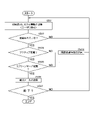
- FIG. 4 is a flow chart showing a processing procedure of the CPU of the license management device according to Embodiment 1 of the present invention
- FIG. 1 is a block diagram schematically showing the configuration of a notification system using a license management device according to Embodiment 1 of the present invention
- FIG. 1 is a block diagram schematically showing a configuration using a CPU of a license management device according to Embodiment 1 of the present invention
- FIG. 2 is a block diagram schematically showing
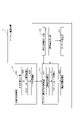
- FIG. 10 is an exemplary diagram of a confirmation screen displayed on each terminal device in response to a usage notification signal from the license management device according to Embodiment 1 of the present invention
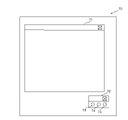
- FIG. 5 is an exemplary diagram of a current status display screen displayed on each terminal device in response to a usage notification signal from the license management device according to Embodiment 1 of the present invention
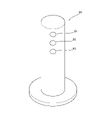
- FIG. 4 is a perspective view showing an example of an information lamp that is lit by a usage notification signal from the license management device according to Embodiment 1 of the present invention
- 4 is a flow chart showing another processing procedure of the CPU of the license management device according to Embodiment 1 of the present invention
- FIG. 10 is a block diagram schematically showing the configuration of a notification system using a usage status management device according to Embodiment 2 of the present invention
- FIG. 9 is a block diagram schematically showing a configuration using a CPU of a usage management device according to Embodiment 2 of the present invention
- It is a functional block diagram of a notification system according to Embodiment 2 of the present invention.
- FIG. 11 is an exemplary diagram of a data structure of information on usage status stored in a usage status information storage unit of the notification system according to Embodiment 2 of the present invention
- 9 is a flow chart showing a processing procedure of a CPU of a usage status management device according to Embodiment 2 of the present invention;
- a license management device in which a computer program is installed in a computer system will be described. can be implemented. Therefore, the present invention can detect the use/non-use of a program in an external computer and transmit a license release request, which is a license management device, which is a hardware embodiment, a software embodiment, or Embodiments can be a combination of software and hardware.
- the computer program can be recorded on any computer-readable recording medium such as a hard disk, DVD, CD, optical storage device, or magnetic storage device.
- the embodiment of the present invention even if the monitored program is running on the external computer, it is possible to detect that it is substantially unused, and reliably Since the license can be released, it becomes possible to provide the user who needs the license with just the right amount of license.
- FIG. 1 is a block diagram schematically showing the configuration of a notification system using a license management device according to Embodiment 1 of the present invention.
- the notification system according to the first embodiment connects one or a plurality of terminal devices 1 in which a monitored program is installed via a network 2 such as the Internet so as to enable data communication with the terminal devices 1. It is configured with a license management device 3 that is set up.
- the terminal device 1 is assumed to be a stationary PC to which a microphone, a speaker, and a camera (imaging means) are connected, but may be a portable terminal device such as a smart phone.
- FIG. 2 is a block diagram schematically showing the configuration using a CPU of the license management device 3 according to Embodiment 1 of the present invention.
- the license management device 3 includes at least a CPU (Central Processing Unit) 31, a memory 32, a storage device 33, an I/O interface 34, a video interface 35, a portable memory drive 36, a communication interface 37, and the above-described It consists of an internal bus 38 that connects hardware.
- CPU Central Processing Unit
- the CPU 31 is connected to the above-described hardware units of the license management device 3 via the internal bus 38, controls the operation of the above-described hardware units, and executes the computer program 100 stored in the storage device 33. perform various software-like functions according to
- the memory 32 is composed of a volatile memory such as SRAM, SDRAM, etc.
- a load module is expanded when the computer program 100 is executed, and temporary data generated when the computer program 100 is executed is stored.
- the storage device 33 is composed of a built-in fixed storage device (hard disk), ROM, and the like.
- the computer program 100 stored in the storage device 33 is downloaded by the portable memory drive 36 from a portable recording medium 90 such as a DVD, CD-ROM, USB memory, SD card, etc. that records information such as programs and data, When executed, it is expanded from the storage device 33 to the memory 32 and executed.
- a portable recording medium 90 such as a DVD, CD-ROM, USB memory, SD card, etc.
- it may be a computer program downloaded from an external computer connected via the communication interface 37 .
- the storage device 33 includes a license information storage unit 331.
- the license information storage unit 331 stores the maximum number of licenses that can be assigned, and the identification information of the currently assigned license and the assigned user in association with each other.
- the communication interface 37 is connected to the internal bus 38, and by connecting to an external network 2 such as the Internet, LAN, WAN, etc., it is possible to transmit and receive data to and from an external computer or the like.
- an external network 2 such as the Internet, LAN, WAN, etc.
- the I/O interface 34 is connected to input devices such as the keyboard 301 and mouse 302, and inputs and outputs data.
- the video interface 35 is connected to a display device 303 such as a CRT display or liquid crystal display.
- FIG. 3 is a block diagram schematically showing the configuration using a CPU of the terminal device 1 according to Embodiment 1 of the present invention.
- the terminal device 1 according to the first embodiment includes at least a CPU (Central Processing Unit) 11, a memory 12, a storage device 13, an I/O interface 14, a video interface 15, a portable memory drive 16, a communication interface 17, and the above-described It consists of an internal bus 18 that connects hardware.
- CPU Central Processing Unit
- the CPU 11 is connected to the above-described hardware units of the terminal device 1 via the internal bus 18 , controls the operation of the above-described hardware units, and executes computer programs 101 stored in the storage device 13 . , which performs various software-like functions.
- the memory 12 is composed of a volatile memory such as SRAM, SDRAM, etc.
- a load module is expanded when the computer program 101 is executed, and temporary data generated when the computer program 101 is executed is stored.
- the storage device 13 is composed of a built-in fixed storage device (hard disk), ROM, and the like.
- a computer program 101 stored in the storage device 13 is downloaded from an external computer connected via the communication interface 17, and expanded from the storage device 13 to the memory 12 at the time of execution.
- it may be a computer program downloaded via the portable memory drive 16 from a portable recording medium 91 such as an SD card recording information such as programs and data.
- the communication interface 17 is connected to the internal bus 18, and by connecting to an external network 2 such as the Internet, LAN, WAN, etc., it is possible to transmit and receive data to and from an external computer or the like.
- an external network 2 such as the Internet, LAN, WAN, etc.
- the I/O interface 14 is connected to input devices such as the keyboard 201 and the mouse 202, as well as voice input devices such as the microphone 203 and voice output devices such as the speaker 204, and inputs and outputs data.
- a smart phone or the like may be connected via the communication interface 17 to substitute the voice input device and the voice output device.
- the video interface 15 is connected not only to the display device 205, but also to an imaging device such as a camera 206.
- the camera 206 may be a camera built into the terminal device 1 or an external camera.
- a smart phone may be connected via the communication interface 17 and used as an imaging device.
- FIG. 4 is a functional block diagram of the license management device 3 according to Embodiment 1 of the present invention.
- a usage status acquisition unit 401 acquires information about the usage status of a monitored program related to a floating license from each terminal device 1 connected for data communication.
- the usage status of the monitored program in each terminal device 1 is monitored by a monitoring program installed in each terminal device 1 .
- the monitoring program first acquires information on whether the monitored program is running. This is because if it is not activated, the license can be assigned to another user.
- the monitoring program acquires information on whether the window launched by the monitored program is displayed in the foreground, that is, whether it is active. This is because if it is not in the active state, it can be determined that the monitored program is running but not being used.
- the monitoring program acquires information on whether the screen saver is running. This is because even if the monitored program is running and in use, if the screen saver is running, it is likely that the user is away from the desk for a long time or is doing other work.
- the usage status acquisition unit 401 includes a startup information reception unit 402 , a screen saver reception unit 403 and a user ID reception unit 404 .
- the activation information receiving unit 402 receives from the terminal device 1 information regarding whether or not the monitored program has been activated and information regarding whether or not the monitored program is in an active state, among the information regarding the usage status of the monitored program. receive.
- the screen saver receiving unit 403 receives from the terminal device 1 information regarding whether or not the screen saver is running on the terminal device 1 on which the monitored program is running, among the information regarding the usage status of the monitored program.
- the user ID receiving unit 404 receives a user ID, which is identification information for identifying the user who has sent the usage status information. That is, the received user ID is used to log in to the monitored program. As a result, it is possible to distinguish which user is using the terminal device 1 and which information is related to the usage status of the monitored program.
- the license release possibility determination unit 405 determines whether or not the license of the monitored program can be released based on the received usage information.
- the license release possibility determination unit 405 includes an activation status determination unit 406 and a screen saver determination unit 407 .
- the activation status determination unit 406 first determines whether or not the monitored program has been activated. If it is determined that the monitored program is not started, the license is released, and if there is a surplus in the number of licenses, licenses can be assigned to other users.
- the monitored program determines whether the monitored program is active. If it is determined that the monitored program is not in an active state, that is, the window displayed by the monitored program is not in the foreground, it can be determined that a program other than the monitored program is in use.
- the screen saver determination unit 407 determines whether or not the screen saver is activated when the monitored program is active in the activation status determination unit 406, that is, when the window displayed by the monitored program is displayed in the foreground. do. If the screen saver is not activated, it can be determined that the monitored program is in use. If the screensaver is running, it can be determined that there is a possibility that the user has been away from the desk for a certain amount of time or is doing something else, even though the monitored program is being used. .
- the release request transmission unit 408 sends the user ID that received the information on the usage status of the monitored program related to the floating license. Send a release request signal to Specifically, when the monitored program is running but is not in an active state and/or when the screen saver is running, a request is made to release the license for the monitored program. A release request signal is transmitted to the terminal device 1 used by the user of the received user ID.
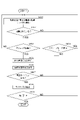
- FIG. 5 is a flow chart showing the processing procedure of the CPU 31 of the license management device 3 according to Embodiment 1 of the present invention.
- FIG. 5 is merely an example, and it goes without saying that the combination and order of the judgment elements used to determine whether or not the floating license is being used may be changed.
- the CPU 31 of the license management device 3 receives information regarding the usage status of the monitored program in the terminal device 1 together with the user ID that identifies the user (step S501).
- CPU 31 determines whether or not the monitored program is activated based on the received usage information (step S502).
- step S502 NO
- the CPU 31 determines that the license of the monitored program is not used, and returns the process to step S501.
- step S503 determines whether the monitored program is in an active state (step S503).
- step S503: NO determines that the monitored program is not in use, and transmits an release request signal to prompt release of the license of the monitored program (step S503: NO).
- step S503 determines whether it is active (step S503: YES)
- step S505 determines whether the screen saver is running (step S505).
- step S505 determines that the screen saver is not activated (step S505: NO)
- step S504 transmits a release request signal.
- step S505 YES
- the CPU 31 determines that the user has left the desk for a long time or has interrupted the work, and continues the work or keeps an eye on it. Then, a notification mail is sent to prompt the user (step S506).
- the notification mail is sent because the screen saver is running and there is no way to confirm the release request.
- the screen saver is running, it is highly likely that the user has left the desk for a long time or has stopped working. Even if it is, the possibility that the user can confirm it is considered to be small. In this case, if there is no change in the usage status after a certain period of time has passed since the release request signal was sent (when it cannot be determined that the user is working), a forced release signal is sent and the The license may be forcibly released by stopping the monitoring program itself.
- CPU 31 determines whether or not to end the process (step S507). When CPU 31 determines to continue the process (step S507: NO), CPU 31 returns the process to step S501 and repeats the above-described process. . When the CPU 31 determines to end the process (step S507: YES), the CPU 31 ends the process.
- the usage notification signal output unit 409 outputs a signal when the license release possibility determination unit 405 determines that the monitored program is activated, or when the monitored program is determined to be in an active state. Alternatively, if it is determined that the screen saver is not activated, it outputs to the outside a use notification signal notifying that the license of the monitored program is in use. Specifically, to each terminal device 1, a usage notification signal for notifying the usage status of other terminal devices 1 may be output. , it may be a usage notification signal that notifies how the licensor management device 3 determines the current usage status.
- FIG. 6 is an exemplary diagram of a confirmation screen displayed on each terminal device 1 in response to a usage notification signal from the license management device 3 according to Embodiment 1 of the present invention.
- a list of the usage status of the monitored program for each user ID can be displayed as a confirmation screen 60.
- the usage status is displayed by simulating three-color lights of green, yellow, and red.
- the green portion 61 is lit, it indicates that the user ID 1 has activated the monitored program and the screen saver is in an active state without activation. It can be seen that the user is using the monitored program.
- the yellow part 62 When the yellow part 62 is lit, it indicates that user ID 1 has activated the monitored program and the screen saver has not been activated and is not in an active state. In this case, since there is a possibility that a license release request will be received, it is possible to inform the user that the work needs to be carried out with priority if the work is still in progress.
- the red part 63 When the red part 63 is lit, it indicates that the user ID 1 has activated the monitored program and the screen saver has been activated. In this case, if the license is released quickly, the overall work efficiency may increase, and if it takes a long time, the monitored program will be forcibly terminated, and the risk of being forced to release the license is high. can.
- FIG. 7 is an exemplary diagram of a current display screen displayed on each terminal device 1 in response to a usage notification signal from the license management device 3 according to Embodiment 1 of the present invention.
- the current status display screen 70 displays a current status display window 72 separately from a main window 71 in which the monitored program is running.
- the meanings and contents indicated by the green portion 73, the yellow portion 74, and the red portion 75 are the same as those in FIG.
- FIG. 8 is a perspective view showing an example of an information lamp that is lit by a usage notification signal from the license management device 3 according to Embodiment 1 of the present invention.
- the notification light 80 has a green light 81, a yellow light 82, and a red light 83, and the meanings indicated by the respective lights are the green part 61, the yellow part 62, and the red part shown in FIG. Similar to 63.
- the release request receiving unit 410 receives from each terminal device 1 a release request signal requesting release of the license of the monitored program. That is, when a user who uses each terminal device 1 checks the usage status, or wants to use the monitored program without checking the usage status, it is possible to transmit a license release request to have a license assigned. can.
- the received release request signal is stored in the storage device 31 together with the user ID indicating the sender and the reception time.
- the license allocation unit 411 When the license allocation unit 411 detects that the license has been released by another computer, it allocates the license in order from the user ID with the earliest reception time among the stored release request signals. Accordingly, by transmitting the release request signal in advance, it becomes possible to allocate the license without causing waste time.
- FIG. 9 is a flow chart showing another processing procedure of the CPU 31 of the license management device 3 according to Embodiment 1 of the present invention. Needless to say, FIG. 9 is just one embodiment.
- the CPU 31 of the license management device 3 receives information regarding the usage status of the monitored program in the terminal device 1 together with the user ID that identifies the user (step S901).
- CPU 31 determines whether or not the monitored program is activated based on the received usage information (step S902).
- step S902 NO
- the CPU 31 determines that the license of the monitored program is not used, and returns the process to step S901.
- step S902 When the CPU 31 determines that it has been started (step S902: YES), the CPU 31 first determines whether the monitored program is in an active state (step S903). When the CPU 31 determines that it is not in the active state (step S903: NO), the CPU 31 returns the process to step S901.
- step S904 determines whether the screen saver is activated.
- step S904 determines that the screen saver is activated.
- step S903 YES
- step S904 NO
- the CPU 31 indicates that the license of the monitored program is in use. to the terminal device 1 (step S905).
- the terminal device 1 that has received the usage notification signal may display a list of usage statuses of other terminal devices 1 (as illustrated in FIG. 6), or the current usage status of its own terminal device 1 may be 3 may be displayed (illustrated in FIG. 7).
- the CPU 31 receives a release request signal requesting release of the license of the monitored program from each terminal device 1 (step S906). That is, when a user who uses each terminal device 1 checks the usage status, or wants to use the monitored program without checking the usage status, it is possible to transmit a license release request to have a license assigned. can.
- the CPU 31 stores the user ID indicating the transmission source of the release request signal and the reception time in the storage device 31 as a history of the release request signal.
- the CPU 31 determines whether or not there is a released license (step S907). When the CPU 31 determines that there is no released license (step S907: NO), the CPU 31 returns the process to step S906 and enters a waiting state.
- step S907 When the CPU 31 determines that there is a released license (step S907: YES), the CPU 31 assigns licenses in order from the user ID with the earliest reception time among the stored release request signals (step S908). Accordingly, by transmitting the release request signal in advance, it becomes possible to allocate the license without causing waste time.
- CPU 31 determines whether or not to end the process (step S909). When CPU 31 determines to continue the process (step S909: NO), CPU 31 returns the process to step S901 and repeats the above-described process. . When the CPU 31 determines to end the process (step S909: YES), the CPU 31 ends the process.
- the monitored program is activated on the terminal device 1 connected to enable data communication via the network, substantially It is possible to detect a situation in which it cannot be said that the license is being used for a long period of time, and to ensure that the license is released when necessary. becomes possible.
- FIG. 10 is a block diagram schematically showing the configuration of a notification system using a usage status management device according to Embodiment 2 of the present invention.
- the notification system according to the second embodiment connects one or a plurality of terminal devices 1 in which a monitored program is installed via a network 2 such as the Internet so as to enable data communication with the terminal devices 1. It is composed of a usage status management device 4 that is set up.
- the terminal device 1 is assumed to be a stationary PC to which a microphone, a speaker, and a camera (imaging means) are connected, but may be a portable terminal device such as a smart phone.
- FIG. 11 is a block diagram schematically showing the configuration using a CPU of the usage management device 4 according to Embodiment 2 of the present invention.
- the usage management device 4 includes at least a CPU (Central Processing Unit) 41, a memory 42, a storage device 43, an I/O interface 44, a video interface 45, a portable memory drive 46, a communication interface 47, and the above It is composed of an internal bus 48 that connects the hardware connected to it.
- CPU Central Processing Unit
- the CPU 31 is connected to the above-described hardware units of the usage status management device 4 via the internal bus 48, controls the operation of the above-described hardware units, and executes computer programs stored in the storage device 43. 102 to perform various software functions.
- the memory 42 is composed of a volatile memory such as SRAM, SDRAM, etc.
- a load module is expanded when the computer program 102 is executed, and temporary data generated when the computer program 102 is executed is stored.
- the storage device 43 is composed of a built-in fixed storage device (hard disk), ROM, and the like.
- the computer program 102 stored in the storage device 43 is downloaded by the portable memory drive 46 from a portable recording medium 92 such as a DVD, CD-ROM, USB memory, SD card, etc. that records information such as programs and data, When executed, it is expanded from the storage device 33 to the memory 42 and executed.
- a portable recording medium 92 such as a DVD, CD-ROM, USB memory, SD card, etc.
- it may be a computer program downloaded from an external computer connected via the communication interface 47 .
- the storage device 43 includes a usage information storage unit 431.
- the usage information storage unit 431 stores the maximum number of licenses that can be assigned, and the identification information of the currently assigned license and the assigned user in association with each other. Also, the time stamp information of receiving the release request signal and the identification information of the user who sent the release request signal are stored in association with each other.
- the communication interface 47 is connected to the internal bus 48, and by connecting to an external network 2 such as the Internet, LAN, WAN, etc., it is possible to transmit and receive data to and from an external computer or the like.
- an external network 2 such as the Internet, LAN, WAN, etc.
- the I/O interface 44 is connected to input devices such as the keyboard 301 and mouse 302, and inputs and outputs data.
- the video interface 35 is connected to a display device 303 such as a CRT display or liquid crystal display.
- the configuration of the terminal device 1 according to Embodiment 2 of the present invention is the same as that of Embodiment 1, so the same reference numerals are assigned and detailed description thereof is omitted.
- FIG. 12 is a functional block diagram of a notification system according to Embodiment 2 of the present invention.
- the usage status acquisition unit 1001 of the terminal device 1 acquires information about the usage status of the monitored program related to the floating license.
- Information about the usage status to be acquired includes whether or not the monitored program is running, whether or not it is active, and whether or not the screen saver is running. Get real-time information about these usages.
- the usage status transmission unit 1002 transmits information about the acquired usage status to the usage status management device 4 .
- the usage status receiving unit 4001 of the usage status management device 4 receives information about the usage status of the monitored program related to the floating license from each terminal device 1 .
- the usage status storage unit 4002 stores the received usage status information in the usage status information storage unit 431 of the storage device 41 .
- FIG. 13 is an exemplary diagram of the data configuration of information on usage status stored in the usage status information storage unit 431 of the notification system according to Embodiment 2 of the present invention.
- the usage status information may include at least for each user ID whether or not a license is assigned, how the usage status is, and the reception time of the usage status information. desirable.
- the release request transmission unit 1003 of the terminal device 1 transmits a license release request to the usage status management device 4 in association with the program ID that identifies the monitored program.
- the release request reception unit 4003 of the usage status management device 4 receives the license release request, and the release request transmission unit 4004 requests release of the license to all the terminal devices 1 to which the license of the monitored program is assigned. Send a request signal.
- the release request signal is not limited to transmission to all terminal devices 1. For example, it is opened only to the terminal device 1 to which the license for the monitored program is assigned and to which the monitored program is determined not to be in use based on the usage status stored in the usage status information storage unit 431 of the storage device 43. Send a request signal. As a result, by confirming the release request signal, the user who does not need the license can release the license, and the user who used the monitored program can be assigned the license.
- FIG. 14 is a flow chart showing the processing procedure of the CPU 41 of the usage management device 4 according to Embodiment 2 of the present invention.
- the CPU 41 of the usage status management device 4 receives information about the usage status of the monitored program related to the floating license from each terminal device 1 (step S1401), and receives the received information about the usage status. It is stored in the usage information storage unit 431 of the storage device 41 (step S1402).
- the CPU 41 determines whether or not it has received a license release request from each terminal device 1 (step S1403). When the CPU 41 determines that it has not received (step S1403: NO), the CPU 41 waits for reception.
- step S1403 YES
- the CPU 41 transmits a license release request signal to all the terminal devices 1 to which the license for the monitored program is assigned (step S1404). ).
- the release request signal is transmitted, thereby indicating that another user needs to release the license.
- the release request signal can be known, and a user who does not need a license can actively release the license, so that the license can be transferred smoothly.
- the notification lamp is a three-color triple lamp or the notification screen is a display imitating a three-color triple lamp. It may be a display that simulates a single light, or a display that changes the lighting color of a single light, or a display that simulates a single light.
Landscapes
- Engineering & Computer Science (AREA)
- Software Systems (AREA)
- Theoretical Computer Science (AREA)
- General Engineering & Computer Science (AREA)
- Physics & Mathematics (AREA)
- General Physics & Mathematics (AREA)
- Multimedia (AREA)
- Technology Law (AREA)
- Computer Hardware Design (AREA)
- Computer Security & Cryptography (AREA)
- Management, Administration, Business Operations System, And Electronic Commerce (AREA)
Abstract
ユーザが、フローティングライセンスに係るプログラムを開放することが可能な状況であるか否かを容易に判断することができ、全体としてフローティングライセンスを有効活用することが可能な報知システム、ライセンス管理装置、ライセンス管理方法及びコンピュータプログラムを提供する。 外部のコンピュータから、被監視プログラムが起動されているか否かに関する情報、被監視プログラムがアクティブ状態であるか否かに関する情報及びスクリーンセーバが起動されているか否かに関する情報を受信し、被監視プログラムが起動されている場合であって、被監視プログラムがアクティブ状態ではないとき、及び/又はスクリーンセーバが起動されているときには、被監視プログラムのライセンス利用の開放を要請する開放要請信号を外部のコンピュータへ送信する。
Description
本発明は、フローティングライセンスに係るソフトウェアの利用状況を監視する報知システム、ライセンス管理装置、ライセンス管理方法及びコンピュータプログラムに関する。
フローティングライセンスにより、一定のライセンス数だけ使用可能となるソフトウェアが多々普及している。該ソフトウェアの使用を希望するユーザは、ライセンスの空きの有無を確認して、ライセンスに空きがある場合に使用することが可能となる。
しかし、ライセンスを割り当てられているにもかかわらず該ソフトウェアを使用していないユーザも存在する。該ソフトウェアを起動したまま離席したり、起動したまま他のソフトウェアで作業をしたりする場合がこれに相当する。これらの場合、他のユーザは、該ソフトウェアを使用したいにもかかわらず、しかも該ソフトウェアが使用されていないにもかかわらず、使用することができない。
そこで、例えば特許文献1では、起動されているプログラムを一定時間間隔で検出して、検出されたプログラムに基づいて、ライセンスがありながら使用されていないプログラムを検出する未使用ライセンス検出方式が開示されている。特許文献1では、登録されているが使用中であることを検出していないプログラムを未使用状態であると判断している。
しかし、特許文献1では、プログラムが起動しているか否かに応じてライセンスの使用/不使用を判断しているが、プログラムが起動している場合であっても、離席していたり、当該プログラムを使用することなく他の作業をしていたりする場合も存在する。特許文献1では、このような場合を検出することができず、プログラムのライセンスを有効に使いきることが困難であるという問題点があった。特に、テレワーク環境が拡大している昨今では、同じ事務所内での作業とは異なり作業状況の把握自体が困難であることから、プログラムの起動だけで判断することはライセンスの有効活用の阻害要因にもなりうる。
本発明は斯かる事情に鑑みてなされたものであり、ユーザが、フローティングライセンスに係るプログラムを開放することが可能な状況であるか否かを容易に判断することができ、全体としてフローティングライセンスを有効活用することが可能な報知システム、ライセンス管理装置、ライセンス管理方法及びコンピュータプログラムを提供することを目的とする。
上記目的を達成するために本発明に係るライセンス管理装置は、ネットワークを介してデータ通信することが可能に接続された外部のコンピュータにインストールされているフローティングライセンスに係る被監視プログラムのライセンスの利用状況を管理するライセンス管理装置において、前記外部のコンピュータから、被監視プログラムが起動されているか否かに関する情報、前記被監視プログラムがアクティブ状態であるか否かに関する情報及びスクリーンセーバが起動されているか否かに関する情報を受信する利用状況取得手段と、前記被監視プログラムが起動されている場合、前記被監視プログラムがアクティブ状態ではないとき、及び/又はスクリーンセーバが起動されているときには、前記被監視プログラムのライセンス利用の開放を要請する開放要請信号を前記外部のコンピュータへ送信する開放要請送信手段とを備えることを特徴とする。
また、本発明に係るライセンス管理装置は、前記利用状況取得手段が、前記被監視プログラムへログインしているユーザの識別情報も取得し、前記開放要請送信手段が、前記開放要請信号を、前記識別情報に対応するユーザが使用している前記外部のコンピュータへ送信することが好ましい。
また、本発明に係るライセンス管理装置は、前記被監視プログラムが起動されている場合であって、前記被監視プログラムがアクティブ状態であるとき、又はスクリーンセーバが起動されていないときには、前記被監視プログラムのライセンスが利用状態である旨を通知する利用通知信号を出力する利用通知信号出力手段を備えることが好ましい。
また、本発明に係るライセンス管理装置は、外部のコンピュータからライセンスの開放を要請する開放要請信号を受信した場合、送信したユーザの識別情報を受信時刻とともに記憶する開放要請受信手段と、他のコンピュータでライセンスが開放されたことを検知した場合、記憶されている開放要請の最も受信時刻が早いユーザから順にライセンスを割り当てるライセンス割当手段とを備えることが好ましい。
次に、上記目的を達成するために本発明に係るライセンス管理方法は、ネットワークを介してデータ通信することが可能に接続された外部のコンピュータにインストールされているフローティングライセンスに係る被監視プログラムのライセンスの利用状況を管理するライセンス管理装置で実行することが可能なライセンス管理方法において、前記ライセンス管理装置が、前記外部のコンピュータから、被監視プログラムが起動されているか否かに関する情報、前記被監視プログラムがアクティブ状態であるか否かに関する情報及びスクリーンセーバが起動されているか否かに関する情報を受信する工程と、前記被監視プログラムが起動されている場合、前記被監視プログラムがアクティブ状態ではないとき、及び/又はスクリーンセーバが起動されているときには、前記被監視プログラムのライセンス利用の開放を要請する開放要請信号を前記外部のコンピュータへ送信する工程とを実行することを特徴とする。
また、本発明に係るライセンス管理方法は、前記ライセンス管理装置が、前記被監視プログラムへログインしているユーザの識別情報も取得する工程と、前記開放要請信号を、前記識別情報に対応するユーザが使用している前記外部のコンピュータへ送信する工程とを実行することが好ましい。
また、本発明に係るライセンス管理方法は、前記ライセンス管理装置が、前記被監視プログラムが起動されている場合であって、前記被監視プログラムがアクティブ状態であるとき、又はスクリーンセーバが起動されていないときには、前記被監視プログラムのライセンスが利用状態である旨を通知する利用通知信号を出力する工程を実行することが好ましい。
また、本発明に係るライセンス管理方法は、前記ライセンス管理装置が、外部のコンピュータからライセンスの開放を要請する開放要請信号を受信した場合、送信したユーザの識別情報を受信時刻とともに記憶する工程と、他のコンピュータでライセンスが開放されたことを検知した場合、記憶されている開放要請の最も受信時刻が早いユーザから順にライセンスを割り当てる工程とを実行することが好ましい。
次に、上記目的を達成するために本発明に係るコンピュータプログラムは、ネットワークを介してデータ通信することが可能に接続された外部のコンピュータにインストールされているフローティングライセンスに係る被監視プログラムのライセンスの利用状況を管理するライセンス管理装置で実行することが可能なコンピュータプログラムにおいて、前記ライセンス管理装置を、前記外部のコンピュータから、被監視プログラムが起動されているか否かに関する情報、前記被監視プログラムがアクティブ状態であるか否かに関する情報及びスクリーンセーバが起動されているか否かに関する情報を受信する利用状況取得手段、及び前記被監視プログラムが起動されている場合、前記被監視プログラムがアクティブ状態ではないとき、及び/又はスクリーンセーバが起動されているときには、前記被監視プログラムのライセンス利用の開放を要請する開放要請信号を前記外部のコンピュータへ送信する開放要請送信手段として機能させることを特徴とする。
また、本発明に係るコンピュータプログラムは、前記利用状況取得手段を、前記被監視プログラムへログインしているユーザの識別情報も取得する手段として機能させ、前記開放要請送信手段を、前記開放要請信号を、前記識別情報に対応するユーザが使用している前記外部のコンピュータへ送信する手段として機能させることが好ましい。
また、本発明に係るコンピュータプログラムは、前記ライセンス管理装置を、前記被監視プログラムが起動されている場合であって、前記被監視プログラムがアクティブ状態であるとき、又はスクリーンセーバが起動されていないときには、前記被監視プログラムのライセンスが利用状態である旨を通知する利用通知信号を出力する利用通知信号出力手段として機能させることが好ましい。
また、本発明に係るコンピュータプログラムは、前記ライセンス管理装置を、外部のコンピュータからライセンスの開放を要請する開放要請信号を受信した場合、送信したユーザの識別情報を受信時刻とともに記憶する開放要請受信手段、及び他のコンピュータでライセンスが開放されたことを検知した場合、記憶されている開放要請の最も受信時刻が早いユーザから順にライセンスを割り当てるライセンス割当手段として機能させることが好ましい。
次に、上記目的を達成するために本発明に係る報知システムは、被監視プログラムが稼働可能で、該被監視プログラムの利用状況に関する情報を常時監視し、前記利用状況に関する情報を送信する端末装置と、該端末装置とデータ通信することが可能に接続されており、前記端末装置から前記利用状況に関する情報を受信し、ネットワーク上の全ての端末装置における前記被監視プログラムの利用状況を記憶しておく利用状況管理装置とで構成される報知システムにおいて、前記端末装置は、前記利用状況管理装置へ該被監視プログラムのライセンスの開放要求信号を送信し、前記利用状況管理装置は、前記開放要求信号を受信した場合、前記被監視プログラムのライセンスが割り当てられているすべての端末装置へ開放要請信号を送信することを特徴とする。
また、本発明に係る報知システムは、前記利用状況管理装置は、前記開放要求信号を受信した場合、前記被監視プログラムのライセンスが割り当てられており、しかも記憶されている利用状況から前記被監視プログラムが未使用であると判断できる端末装置へ開放要請信号を送信することが好ましい。
本発明によれば、外部のコンピュータにおいて被監視プログラムが起動されている場合であっても、実質的に不使用状態であることを検知することができ、必要な場合に確実にライセンスを開放することができるので、ライセンスを必要とするユーザに過不足なくライセンスを提供することが可能となる。
以下、本発明の実施の形態に係るライセンス管理装置を用いた報知システムについて、図面を参照しながら説明する。以下の実施の形態は、特許請求の範囲に記載された発明を限定するものではなく、実施の形態の中で説明されている特徴的事項の組み合わせの全てが解決手段の必須事項であるとは限らないことは言うまでもない。
また、本発明は多くの異なる態様にて実施することが可能であり、実施の形態の記載内容に限定して解釈されるべきものではない。実施の形態を通じて同じ要素には同一の符号を付している。
以下の実施の形態では、コンピュータシステムにコンピュータプログラムを導入したライセンス管理装置として説明するが、当業者であれば明らかな通り、本発明はその一部をコンピュータで実行することが可能なコンピュータプログラムとして実施することができる。したがって、本発明は、外部のコンピュータにおけるプログラムの使用/不使用を検知することができ、ライセンスの開放要求を送信するライセンス管理装置というハードウェアとしての実施の形態、ソフトウェアとしての実施の形態、又はソフトウェアとハードウェアとの組み合わせの実施の形態をとることができる。コンピュータプログラムは、ハードディスク、DVD、CD、光記憶装置、磁気記憶装置等の任意のコンピュータで読み取ることが可能な記録媒体に記録することができる。
本発明の実施の形態によれば、外部のコンピュータにおいて被監視プログラムが起動されている場合であっても、実質的に不使用状態であることを検知することができ、必要な場合に確実にライセンスを開放することができるので、ライセンスを必要とするユーザに過不足なくライセンスを提供することが可能となる。
(実施の形態1)
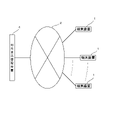
図1は、本発明の実施の形態1に係るライセンス管理装置を用いた報知システムの構成を模式的に示すブロック図である。本実施の形態1に係る報知システムは、被監視プログラムがインストールされている一又は複数の端末装置1と、該端末装置1とデータ通信することが可能にインターネット等のネットワーク網2を介して接続されているライセンス管理装置3とで構成されている。端末装置1は、マイク、スピーカ、カメラ(撮像手段)を接続してある据え置き型のPCを想定しているが、スマートホンのような携帯型端末装置であっても良い。
図1は、本発明の実施の形態1に係るライセンス管理装置を用いた報知システムの構成を模式的に示すブロック図である。本実施の形態1に係る報知システムは、被監視プログラムがインストールされている一又は複数の端末装置1と、該端末装置1とデータ通信することが可能にインターネット等のネットワーク網2を介して接続されているライセンス管理装置3とで構成されている。端末装置1は、マイク、スピーカ、カメラ(撮像手段)を接続してある据え置き型のPCを想定しているが、スマートホンのような携帯型端末装置であっても良い。
図2は、本発明の実施の形態1に係るライセンス管理装置3の、CPUを用いた構成を模式的に示すブロック図である。本実施の形態に係るライセンス管理装置3は、少なくともCPU(中央演算装置)31、メモリ32、記憶装置33、I/Oインタフェース34、ビデオインタフェース35、可搬型メモリドライブ36、通信インタフェース37及び上述したハードウェアを接続する内部バス38で構成されている。
CPU31は、内部バス38を介してライセンス管理装置3の上述したようなハードウェア各部と接続されており、上述したハードウェア各部の動作を制御するとともに、記憶装置33に記憶されているコンピュータプログラム100に従って、種々のソフトウェア的機能を実行する。メモリ32は、SRAM、SDRAM等の揮発性メモリで構成され、コンピュータプログラム100の実行時にロードモジュールが展開され、コンピュータプログラム100の実行時に発生する一時的なデータ等を記憶する。
記憶装置33は、内蔵される固定型記憶装置(ハードディスク)、ROM等で構成されている。記憶装置33に記憶されたコンピュータプログラム100は、プログラム及びデータ等の情報を記録したDVD、CD-ROM、USBメモリ、SDカード等の可搬型記録媒体90から、可搬型メモリドライブ36によりダウンロードされ、実行時には記憶装置33からメモリ32へ展開して実行される。もちろん、通信インタフェース37を介して接続されている外部コンピュータからダウンロードされたコンピュータプログラムであっても良い。
記憶装置33は、ライセンス情報記憶部331を備えている。ライセンス情報記憶部331には、割り当てることが可能な最大ライセンス数と、現在割り当てられているライセンスと割り当てられているユーザの識別情報とを対応付けて記憶してある。
通信インタフェース37は内部バス38に接続されており、インターネット、LAN、WAN等の外部のネットワーク網2に接続されることにより、外部コンピュータ等とデータ送受信を行うことが可能となっている。
I/Oインタフェース34は、キーボード301、マウス302等の入力装置と接続され、データの入出力を行う。ビデオインタフェース35は、CRTディスプレイ、液晶ディスプレイ等の表示装置303と接続されている。
図3は、本発明の実施の形態1に係る端末装置1の、CPUを用いた構成を模式的に示すブロック図である。本実施の形態1に係る端末装置1は、少なくともCPU(中央演算装置)11、メモリ12、記憶装置13、I/Oインタフェース14、ビデオインタフェース15、可搬型メモリドライブ16、通信インタフェース17及び上述したハードウェアを接続する内部バス18で構成されている。
CPU11は、内部バス18を介して端末装置1の上述したようなハードウェア各部と接続されており、上述したハードウェア各部の動作を制御するとともに、記憶装置13に記憶されているコンピュータプログラム101に従って、種々のソフトウェア的機能を実行する。メモリ12は、SRAM、SDRAM等の揮発性メモリで構成され、コンピュータプログラム101の実行時にロードモジュールが展開され、コンピュータプログラム101の実行時に発生する一時的なデータ等を記憶する。
記憶装置13は、内蔵される固定型記憶装置(ハードディスク)、ROM等で構成されている。記憶装置13に記憶されたコンピュータプログラム101は、通信インタフェース17を介して接続されている外部コンピュータからダウンロードされ、実行時には記憶装置13からメモリ12へ展開して実行される。もちろん、プログラム及びデータ等の情報を記録したSDカード等の可搬型記録媒体91から可搬型メモリドライブ16を介してダウンロードされたコンピュータプログラムであっても良い。
通信インタフェース17は内部バス18に接続されており、インターネット、LAN、WAN等の外部のネットワーク網2に接続されることにより、外部コンピュータ等とデータ送受信を行うことが可能となっている。
I/Oインタフェース14は、キーボード201、マウス202等の入力装置の他、マイク203等の音声入力装置、スピーカ204等の音声出力装置と接続され、データの入出力を行う。通信インタフェース17を介してスマートホン等を接続し、音声入力装置及び音声出力装置を代用しても良い。
ビデオインタフェース15は、表示装置205の他、カメラ206等の撮像装置と接続されている。カメラ206は、端末装置1に内蔵されているカメラでも良いし、外付けのカメラでも良い。もちろん、通信インタフェース17を介してスマートホンを接続し、撮像装置を代用しても良い。
以下、上述した構成のライセンス管理装置3の動作について説明する。図4は、本発明の実施の形態1に係るライセンス管理装置3の機能ブロック図である。図4において、利用状況取得部401は、データ通信することが可能に接続されている各端末装置1から、フローティングライセンスに係る被監視プログラムの利用状況に関する情報を取得する。各端末装置1における被監視プログラムの利用状況は、各端末装置1にインストールされている監視プログラムが行う。
監視プログラムは、まず被監視プログラムが起動されているか否かに関する情報を取得する。起動されていない場合には、他のユーザにライセンスを割り当てることができるからである。
次に、監視プログラムは、被監視プログラムが立ち上げているウィンドウが最前面で表示されているか、すなわちアクティブ状態であるか否かに関する情報を取得する。アクティブ状態でない場合には、被監視プログラムを起動はしているものの使用していないと判断することができるからである。
そして、監視プログラムは、スクリーンセーバが起動しているか否かに関する情報を取得する。被監視プログラムが起動して使用状態であっても、スクリーンセーバが起動している場合には長時間離席しているか、他の作業を行っている可能性が高いからである。
利用状況取得部401は、起動情報受信部402、スクリーンセーバ受信部403及びユーザID受信部404を備えている。起動情報受信部402は、被監視プログラムの利用状況に関する情報のうち、被監視プログラムが起動されているか否かに関する情報及び被監視プログラムがアクティブ状態であるか否かに関する情報を、端末装置1から受信する。
スクリーンセーバ受信部403は、被監視プログラムの利用状況に関する情報のうち、被監視プログラムが起動されている端末装置1においてスクリーンセーバが起動しているか否かに関する情報を、端末装置1から受信する。
ユーザID受信部404は、利用状況に関する情報を送信してきたユーザを識別する識別情報であるユーザIDを受信する。すなわち、受信するユーザIDで、被監視プログラムにログインしていることになる。これにより、どのユーザが使用している端末装置1の被監視プログラムの利用状況に関する情報であるのか区別することができる。
ライセンス開放可能性判断部405は、受信した利用状況に関する情報に基づいて、被監視プログラムのライセンスを開放できるか否かを判断する。ライセンス開放可能性判断部405は、起動状況判断部406及びスクリーンセーバ判断部407を備えている。
起動状況判断部406は、まず被監視プログラムが起動されているか否かを判断する。被監視プログラムが起動されていないと判断した場合には、ライセンスは開放されており、ライセンス数に余裕があるときには他のユーザに対してライセンスを割り付けることができる。
被監視プログラムが起動されていると判断した場合には、被監視プログラムがアクティブ状態であるか否かを判断する。被監視プログラムがアクティブ状態ではない、すなわち被監視プログラムが表示しているウィンドウが最前面ではないと判断した場合には、被監視プログラム以外のプログラムを使用中であると判断することができる。
スクリーンセーバ判断部407は、起動状況判断部406において被監視プログラムがアクティブ状態、すなわち被監視プログラムが表示しているウィンドウが最前面に表示されている場合に、スクリーンセーバが起動しているか否かを判断する。スクリーンセーバが起動していない場合には、被監視プログラムの使用中であると判断することができる。スクリーンセーバが起動している場合には、被監視プログラムの使用中であるにもかかわらず、一定時間以上離席している、あるいは別の作業をしている可能性があると判断することができる。
開放要請送信部408は、ライセンス開放可能性判断部405において、被監視プログラムのライセンスを開放可能であると判断した場合に、フローティングライセンスに係る被監視プログラムの利用状況に関する情報を受信したユーザIDに対して開放要請信号を送信する。具体的には、被監視プログラムが起動されている場合であって、被監視プログラムがアクティブ状態ではないとき、及び/又はスクリーンセーバが起動されているときには、被監視プログラムのライセンス利用の開放を要請する開放要請信号を、受信したユーザIDのユーザが使用している端末装置1へ送信する。
これにより、被監視プログラムが起動されている場合であって、被監視プログラムがアクティブ状態ではないときには、被監視プログラムを使用していないものと判断して、ライセンスの開放要請信号を送信する。また、被監視プログラムがアクティブ状態であるか否かに関わらず、スクリーンセーバが起動されているときには、被監視プログラムを起動したまま離席する又は他の作業を行っていると判断して、ライセンスの開放要請信号を送信する。
図5は、本発明の実施の形態1に係るライセンス管理装置3のCPU31の処理手順を示すフローチャートである。図5はあくまでも一例であり、フローティングライセンスを使用中であるか否かの判断は、判断に至るまでの各判断子の組み合わせや順序が変わっても良いことは言うまでもない。
図5に示すように、本実施の形態1に係るライセンス管理装置3のCPU31は、端末装置1における被監視プログラムの利用状況に関する情報を、ユーザを識別するユーザIDとともに受信する(ステップS501)。CPU31は、受信した利用状況に関する情報に基づいて、被監視プログラムが起動されているか否かを判断する(ステップS502)。CPU31が、起動されていないと判断した場合(ステップS502:NO)、CPU31は、被監視プログラムのライセンスを使用していないと判断して、処理をステップS501へ戻す。
CPU31が、起動されていると判断した場合(ステップS502:YES)、CPU31は、被監視プログラムがアクティブ状態であるか否かを判断する(ステップS503)。CPU31が、アクティブ状態ではないと判断した場合(ステップS503:NO)、CPU31は、被監視プログラムが使用されていないと判断し、被監視プログラムのライセンスの開放を促す開放要請信号を送信する(ステップS504)。
CPU31が、アクティブ状態であると判断した場合(ステップS503:YES)、CPU31は、スクリーンセーバが起動しているか否かを判断する(ステップS505)。CPU31が、スクリーンセーバが起動していないと判断した場合(ステップS505:NO)、CPU31は、処理をステップS504へ進め、開放要請信号を送信する。
CPU31が、スクリーンセーバが起動していると判断した場合(ステップS505:YES)、CPU31は、ユーザが長時間にわたって離席、あるいは作業を中断しているものと判断し、作業を継続するか注視するかを促す報知メールを送信する(ステップS506)。報知メールを送信するのは、スクリーンセーバが起動しているので、開放要請を確認する手段がないからである。
なお、スクリーンセーバが起動している場合、ユーザが長時間にわたって離席、あるいは作業を中断している可能性が高く、被監視プログラムの開放要請信号を受信した時点で端末装置1のスクリーンセーバが停止させたとしてもユーザが確認できる可能性は少ないとも考えられる。この場合、開放要請信号を送信して一定時間経過した時点でも利用状況に変化がない場合(ユーザが作業をしていると判断できない状態である場合)には、強制開放信号を送信して被監視プログラム自体を停止させてライセンスを強制的に開放しても良い。
CPU31は、処理を終了するか否かを判断する(ステップS507)、CPU31が、処理を継続すると判断した場合(ステップS507:NO)、CPU31は、処理をステップS501へ戻して上述した処理を繰り返す。CPU31が処理を終了すると判断した場合(ステップS507:YES)、CPU31は、処理を終了する。
図4に戻って、利用通知信号出力部409は、ライセンス開放可能性判断部405において、被監視プログラムが起動されていると判断された場合、被監視プログラムがアクティブ状態であると判断された場合、又はスクリーンセーバが起動されていないと判断された場合には、被監視プログラムのライセンスが利用状態である旨を通知する利用通知信号を外部へ出力する。具体的には、各端末装置1に対して、他の端末装置1の利用状況を通知する利用通知信号を出力しても良いし、自らが被監視プログラムを使用している端末装置1上に、現状の利用状況がライセンサ管理装置3においてどう判断されているのかを通知する利用通知信号であっても良い。
例えば、各端末装置1に対して、他の端末装置1の利用状況を通知する利用通知信号を出力する場合、利用通知信号を受信した各端末装置1にインストールされている監視プログラムは、利用状況を一覧できる確認画面を表示することができる。図6は、本発明の実施の形態1に係るライセンス管理装置3による利用通知信号により各端末装置1に表示される確認画面の例示図である。
図6に示すように、監視プログラムの操作により、ユーザIDごとの被監視プログラムの利用状況の一覧を確認画面60として表示することができる。例えばユーザID1について、緑、黄、赤の三色灯を模して利用状況が表示される。緑色部61が点灯している場合には、ユーザID1が被監視プログラムを起動させ、スクリーンセーバが起動することなくアクティブ状態である旨を示している。ユーザが被監視プログラムを使用していることがわかる。
黄色部62が点灯している場合には、ユーザID1が被監視プログラムを起動させ、スクリーンセーバが起動することなくアクティブ状態でもない旨を示している。この場合、ライセンス開放要請を受信する可能性があるので、作業途上であれば優先的に作業を進める必要があることを知らせることができる。
赤色部63が点灯している場合、ユーザID1が被監視プログラムを起動させ、スクリーンセーバが起動している状態である旨を示している。この場合、ライセンスを速やかに開放する方が全体として作業効率が高まる可能性があり、長時間にわたる場合、強制的に被監視プログラムが終了され、ライセンスを開放させられるリスクが高いことを知らせることができる。
なお、緑色部61、黄色部62、赤色部63のいずれも点灯していない場合、被監視プログラムが起動していないことを示している。
また、図7は、本発明の実施の形態1に係るライセンス管理装置3による利用通知信号により各端末装置1に表示される現状表示画面の例示図である。図7に示すように、現状表示画面70では、被監視プログラムが起動されている主ウィンドウ71とは別個に、現状表示ウィンドウ72を表示している。緑色部73、黄色部74、赤色部75の示す意味内容は、図6と同様である。
さらに、各端末装置1が設置されている机等に、被監視プログラムの利用状況を報知する報知灯を設けても良い。図8は、本発明の実施の形態1に係るライセンス管理装置3による利用通知信号により点灯する報知灯の一例を示す斜視図である。
図8に示すように、報知灯80は、緑色灯81、黄色灯82、赤色灯83を備えており、それぞれ点灯により示す意味内容は、図6に示す緑色部61、黄色部62、赤色部63と同様である。このように各端末装置1で利用状況を確認できるようにすることで、ライセンス保持が不要な場合には速やかに開放するよう促すことが可能となる。
図4に戻って、開放要請受信部410は、各端末装置1から被監視プログラムのライセンス開放を要請する開放要請信号を受信する。すなわち、各端末装置1を使用するユーザが利用状況を確認して、あるいは確認していなくても被監視プログラムを使用したい場合には、ライセンスを割り当ててもらうようライセンスの開放要請を送信することができる。受信した開放要請信号は、送信元を示すユーザIDと受信時刻とともに記憶装置31に記憶される。
ライセンス割当部411は、他のコンピュータでライセンスが開放されたことを検知した場合、記憶されている開放要請信号のうち、最も受信時刻が早いユーザIDから順にライセンスを割り当てる。これにより、開放要請信号を送信しておくことで、無駄時間が発生することなくライセンスを割り当てることが可能となる。
図9は、本発明の実施の形態1に係るライセンス管理装置3のCPU31の他の処理手順を示すフローチャートである。図9はあくまでも一の実施例であることは言うまでもない。
図9に示すように、本実施の形態1に係るライセンス管理装置3のCPU31は、端末装置1における被監視プログラムの利用状況に関する情報を、ユーザを識別するユーザIDとともに受信する(ステップS901)。CPU31は、受信した利用状況に関する情報に基づいて、被監視プログラムが起動されているか否かを判断する(ステップS902)。CPU31が、起動されていないと判断した場合(ステップS902:NO)、CPU31は、被監視プログラムのライセンスを使用していないと判断して、処理をステップS901へ戻す。
CPU31が、起動されていると判断した場合(ステップS902:YES)、CPU31は、まず被監視プログラムがアクティブ状態であるか否かを判断する(ステップS903)。CPU31が、アクティブ状態ではないと判断した場合(ステップS903:NO)、CPU31は、処理をステップS901へ戻す。
同時に、CPU31は、スクリーンセーバが起動されているか否かを判断する(ステップS904)。CPU31が、スクリーンセーバが起動されていると判断した場合(ステップS904:YES)、CPU31は、処理をステップS901へ戻す。
CPU31が、アクティブ状態であると判断した場合(ステップS903:YES)、又はスクリーンセーバが起動されていないと判断した場合(ステップS904:NO)、CPU31は、被監視プログラムのライセンスが利用状態である旨を通知する利用通知信号を端末装置1へ送信する(ステップS905)。利用通知信号を受信した端末装置1は、他の端末装置1の利用状況を一覧表示できるようにしても良いし(図6に例示)、自らの端末装置1の現在の利用状況がライセンサ管理装置3においてどう判断されているのかを表示しても良い(図7に例示)。
CPU31は、各端末装置1から被監視プログラムのライセンス開放を要請する開放要請信号を受信する(ステップS906)。すなわち、各端末装置1を使用するユーザが利用状況を確認して、あるいは確認していなくても被監視プログラムを使用したい場合には、ライセンスを割り当ててもらうようライセンスの開放要請を送信することができる。CPU31は、開放要請信号の履歴として開放要請信号の送信元を示すユーザIDと受信時刻を記憶装置31に記憶しておく。
CPU31は、開放されたライセンスが存在するか否かを判断する(ステップS907)。CPU31が、開放されたライセンスが存在しないと判断した場合(ステップS907:NO)、CPU31は、処理をステップS906へ戻して待ち状態となる。
CPU31が、開放されたライセンスが存在すると判断した場合(ステップS907:YES)、CPU31は、記憶されている開放要請信号のうち、最も受信時刻が早いユーザIDから順にライセンスを割り当てる(ステップS908)。これにより、開放要請信号を送信しておくことで、無駄時間が発生することなくライセンスを割り当てることが可能となる。
CPU31は、処理を終了するか否かを判断する(ステップS909)、CPU31が、処理を継続すると判断した場合(ステップS909:NO)、CPU31は、処理をステップS901へ戻して上述した処理を繰り返す。CPU31が処理を終了すると判断した場合(ステップS909:YES)、CPU31は、処理を終了する。
以上のように、本実施の形態1によれば、ネットワークを介してデータ通信することが可能に接続されている端末装置1上で被監視プログラムが起動されている場合であっても、実質的に使用している状態であるとは言えない状況を検知することができ、必要な場合に確実にライセンスを開放することができるので、ライセンスを必要とするユーザに過不足なくライセンスを提供することが可能となる。
(実施の形態2)
以下、本発明の実施の形態2に係る報知システムの動作について説明する。図10は、本発明の実施の形態2に係る利用状況管理装置を用いた報知システムの構成を模式的に示すブロック図である。本実施の形態2に係る報知システムは、被監視プログラムがインストールされている一又は複数の端末装置1と、該端末装置1とデータ通信することが可能にインターネット等のネットワーク網2を介して接続されている利用状況管理装置4とで構成されている。端末装置1は、マイク、スピーカ、カメラ(撮像手段)を接続してある据え置き型のPCを想定しているが、スマートホンのような携帯型端末装置であっても良い。
以下、本発明の実施の形態2に係る報知システムの動作について説明する。図10は、本発明の実施の形態2に係る利用状況管理装置を用いた報知システムの構成を模式的に示すブロック図である。本実施の形態2に係る報知システムは、被監視プログラムがインストールされている一又は複数の端末装置1と、該端末装置1とデータ通信することが可能にインターネット等のネットワーク網2を介して接続されている利用状況管理装置4とで構成されている。端末装置1は、マイク、スピーカ、カメラ(撮像手段)を接続してある据え置き型のPCを想定しているが、スマートホンのような携帯型端末装置であっても良い。
図11は、本発明の実施の形態2に係る利用状況管理装置4の、CPUを用いた構成を模式的に示すブロック図である。本実施の形態に係る利用状況管理装置4は、少なくともCPU(中央演算装置)41、メモリ42、記憶装置43、I/Oインタフース44、ビデオインタフェース45、可搬型メモリドライブ46、通信インタフェース47及び上述したハードウェアを接続する内部バス48で構成されている。
CPU31は、内部バス48を介して利用状況管理装置4の上述したようなハードウェア各部と接続されており、上述したハードウェア各部の動作を制御するとともに、記憶装置43に記憶されているコンピュータプログラム102に従って、種々のソフトウェア的機能を実行する。メモリ42は、SRAM、SDRAM等の揮発性メモリで構成され、コンピュータプログラム102の実行時にロードモジュールが展開され、コンピュータプログラム102の実行時に発生する一時的なデータ等を記憶する。
記憶装置43は、内蔵される固定型記憶装置(ハードディスク)、ROM等で構成されている。記憶装置43に記憶されたコンピュータプログラム102は、プログラム及びデータ等の情報を記録したDVD、CD-ROM、USBメモリ、SDカード等の可搬型記録媒体92から、可搬型メモリドライブ46によりダウンロードされ、実行時には記憶装置33からメモリ42へ展開して実行される。もちろん、通信インタフェース47を介して接続されている外部コンピュータからダウンロードされたコンピュータプログラムであっても良い。
記憶装置43は、利用状況情報記憶部431を備えている。利用状況情報記憶部431には、割り当てることが可能な最大ライセンス数と、現在割り当てられているライセンスと割り当てられているユーザの識別情報とを対応付けて記憶してある。また、開放要請信号を受信したタイムスタンプ情報と、開放要請信号の送信元であるユーザの識別情報とを対応付けて記憶してある。
通信インタフェース47は内部バス48に接続されており、インターネット、LAN、WAN等の外部のネットワーク網2に接続されることにより、外部コンピュータ等とデータ送受信を行うことが可能となっている。
I/Oインタフェース44は、キーボード301、マウス302等の入力装置と接続され、データの入出力を行う。ビデオインタフェース35は、CRTディスプレイ、液晶ディスプレイ等の表示装置303と接続されている。
本発明の実施の形態2に係る端末装置1の構成は、実施の形態1と同様であるので、同一の符号を付することで詳細な説明は省略する。
以下、上述した構成の報知システムの動作について説明する。図12は、本発明の実施の形態2に係る報知システムの機能ブロック図である。図12において、端末装置1の利用状況取得部1001は、フローティングライセンスに係る被監視プログラムの利用状況に関する情報を取得する。
取得する利用状況に関する情報としては、被監視プログラムが起動しているか否か、アクティ状態であるか否か、スクリーンセーバが起動しているか否か等である。これらの利用状況に関する情報をリアルタイムで取得する。
利用状況送信部1002は、取得した利用状況に関する情報を利用状況管理装置4へ送信する。利用状況管理装置4の利用状況受信部4001は、各端末装置1からの、フローティングライセンスに係る被監視プログラムの利用状況に関する情報を受信する。利用状況記憶部4002は、受信した利用状況に関する情報を記憶装置41の利用状況情報記憶部431に記憶する。
図13は、本発明の実施の形態2に係る報知システムの利用状況情報記憶部431に記憶される利用状況に関する情報のデータ構成の例示図である。図13に示すように、利用状況に関する情報は、少なくともユーザIDごとに、ライセンスが割り当てられているか否か、使用状態がどのようになっているか、そして利用状況に関する情報の受信時刻を含むことが望ましい。
図13の例では、ライセンスが割り当てられているユーザであっても、被監視プログラムを使用しているのか、別の作業をしているのかを確認することができる。別の作業をしているユーザにライセンスの開放要請を送信することで、割当可能なライセンス数を増やすことができる。
図12に戻って、端末装置1の開放要求送信部1003は、利用状況管理装置4へ被監視プログラムを識別するプログラムIDに対応付けて、ライセンス開放要求を送信する。利用状況管理装置4の開放要求受信部4003は、ライセンス開放要求を受信し、開放要請送信部4004は、被監視プログラムのライセンスが割り当てられているすべての端末装置1へライセンスの開放を要請する開放要請信号を送信する。
開放要請信号は、全ての端末装置1へ送信することに限定されるものではない。例えば、被監視プログラムのライセンスが割り当てられており、しかも記憶装置43の利用状況情報記憶部431に記憶されている利用状況から被監視プログラムが使用状態ではないと判断される端末装置1のみへ開放要請信号を送信すれば良い。これにより、開放要請信号を確認することで、ライセンスが不要なユーザはライセンスを開放し、被監視プログラムを使用したユーザにライセンスを割り当てることが可能となる。
図14は、本発明の実施の形態2に係る利用状況管理装置4のCPU41の処理手順を示すフローチャートである。図14に示すように、利用状況管理装置4のCPU41は、各端末装置1からの、フローティングライセンスに係る被監視プログラムの利用状況に関する情報を受信し(ステップS1401)、受信した利用状況に関する情報を記憶装置41の利用状況情報記憶部431に記憶する(ステップS1402)。
CPU41は、各端末装置1からのライセンス開放要求を受信したか否かを判断する(ステップS1403)。CPU41が、受信していないと判断した場合(ステップS1403:NO)、CPU41は、受信待ち状態となる。
CPU41が、受信したと判断した場合(ステップS1403:YES)、CPU41は、被監視プログラムのライセンスが割り当てられているすべての端末装置1へライセンスの開放を要請する開放要請信号を送信する(ステップS1404)。
以上のように、本実施の形態2に係る報知システムによれば、被監視プログラムが起動している場合に開放要請信号が送信されることにより、他のユーザがライセンスの開放を必要としていることを知ることができ、ライセンスが不要なユーザが積極的にライセンスを開放することができるので、円滑なライセンスの移動が可能となる。
なお、本発明は上記実施例に限定されるものではなく、本発明の趣旨の範囲内であれば多種の変更、改良等が可能である。例えば、上述した実施例では、報知灯を三色の三連灯あるいは報知画面を三色の三連灯を模した表示にしているが、特にこれに限定されるものではなく、単色の三連灯あるいはそれを模した表示であっても良いし、単灯で点灯色を変更する、あるいは単灯を模した表示であっても良い。
1 端末装置
3 ライセンス管理装置
4 利用状況管理装置
11、31、41 CPU
12、32、42 メモリ
13、33、43 記憶装置
14、34、44 I/Oインタフェース
15、35、45 ビデオインタフェース
16、36、46 可搬型メモリドライブ
17、37、47 通信インタフェース
18、38、48 内部バス
80 報知灯
90、91、92 可搬型記録媒体
100、101、102 コンピュータプログラム
203 マイク
204 スピーカ
206 カメラ(撮像装置)
3 ライセンス管理装置
4 利用状況管理装置
11、31、41 CPU
12、32、42 メモリ
13、33、43 記憶装置
14、34、44 I/Oインタフェース
15、35、45 ビデオインタフェース
16、36、46 可搬型メモリドライブ
17、37、47 通信インタフェース
18、38、48 内部バス
80 報知灯
90、91、92 可搬型記録媒体
100、101、102 コンピュータプログラム
203 マイク
204 スピーカ
206 カメラ(撮像装置)
Claims (14)
- ネットワークを介してデータ通信することが可能に接続された外部のコンピュータにインストールされているフローティングライセンスに係る被監視プログラムのライセンスの利用状況を管理するライセンス管理装置において、
前記外部のコンピュータから、被監視プログラムが起動されているか否かに関する情報、前記被監視プログラムがアクティブ状態であるか否かに関する情報及びスクリーンセーバが起動されているか否かに関する情報を受信する利用状況取得手段と、
前記被監視プログラムが起動されている場合、前記被監視プログラムがアクティブ状態ではないとき、及び/又はスクリーンセーバが起動されているときには、前記被監視プログラムのライセンス利用の開放を要請する開放要請信号を前記外部のコンピュータへ送信する開放要請送信手段と
を備えることを特徴とするライセンス管理装置。 - 前記利用状況取得手段は、前記被監視プログラムへログインしているユーザの識別情報も取得し、
前記開放要請送信手段は、前記開放要請信号を、前記識別情報に対応するユーザが使用している前記外部のコンピュータへ送信することを特徴とする請求項1に記載のライセンス管理装置。 - 前記被監視プログラムが起動されている場合であって、前記被監視プログラムがアクティブ状態であるとき、又はスクリーンセーバが起動されていないときには、前記被監視プログラムのライセンスが利用状態である旨を通知する利用通知信号を外部へ出力する利用通知信号出力手段を備えることを特徴とする請求項1又は2に記載のライセンス管理装置。
- 外部のコンピュータからライセンスの開放を要請する開放要請信号を受信した場合、送信したユーザの識別情報を受信時刻とともに記憶する開放要請受信手段と、
他のコンピュータでライセンスが開放されたことを検知した場合、記憶されている開放要請の最も受信時刻が早いユーザから順にライセンスを割り当てるライセンス割当手段と
を備えることを特徴とする請求項1乃至3のいずれか一項に記載のライセンス管理装置。 - ネットワークを介してデータ通信することが可能に接続された外部のコンピュータにインストールされているフローティングライセンスに係る被監視プログラムのライセンスの利用状況を管理するライセンス管理装置で実行することが可能なライセンス管理方法において、
前記ライセンス管理装置が、
前記外部のコンピュータから、被監視プログラムが起動されているか否かに関する情報、前記被監視プログラムがアクティブ状態であるか否かに関する情報及びスクリーンセーバが起動されているか否かに関する情報を受信する工程と、
前記被監視プログラムが起動されている場合、前記被監視プログラムがアクティブ状態ではないとき、及び/又はスクリーンセーバが起動されているときには、前記被監視プログラムのライセンス利用の開放を要請する開放要請信号を前記外部のコンピュータへ送信する工程と
を実行することを特徴とするライセンス管理方法。 - 前記ライセンス管理装置が、
前記被監視プログラムへログインしているユーザの識別情報も取得する工程と、
前記開放要請信号を、前記識別情報に対応するユーザが使用している前記外部のコンピュータへ送信する工程と
を実行することを特徴とする請求項5に記載のライセンス管理方法。 - 前記ライセンス管理装置が、前記被監視プログラムが起動されている場合であって、前記被監視プログラムがアクティブ状態であるとき、又はスクリーンセーバが起動されていないときには、前記被監視プログラムのライセンスが利用状態である旨を通知する利用通知信号を出力する工程を実行することを特徴とする請求項5又は6に記載のライセンス管理方法。
- 前記ライセンス管理装置が、
外部のコンピュータからライセンスの開放を要請する開放要請信号を受信した場合、送信したユーザの識別情報を受信時刻とともに記憶する工程と、
他のコンピュータでライセンスが開放されたことを検知した場合、記憶されている開放要請の最も受信時刻が早いユーザから順にライセンスを割り当てる工程と
を実行することを特徴とする請求項5乃至7のいずれか一項に記載のライセンス管理方法。 - ネットワークを介してデータ通信することが可能に接続された外部のコンピュータにインストールされているフローティングライセンスに係る被監視プログラムのライセンスの利用状況を管理するライセンス管理装置で実行することが可能なコンピュータプログラムにおいて、
前記ライセンス管理装置を、
前記外部のコンピュータから、被監視プログラムが起動されているか否かに関する情報、前記被監視プログラムがアクティブ状態であるか否かに関する情報及びスクリーンセーバが起動されているか否かに関する情報を受信する利用状況取得手段、及び
前記被監視プログラムが起動されている場合、前記被監視プログラムがアクティブ状態ではないとき、及び/又はスクリーンセーバが起動されているときには、前記被監視プログラムのライセンス利用の開放を要請する開放要請信号を前記外部のコンピュータへ送信する開放要請送信手段
として機能させることを特徴とするコンピュータプログラム。 - 前記利用状況取得手段を、前記被監視プログラムへログインしているユーザの識別情報も取得する手段として機能させ、
前記開放要請送信手段を、前記開放要請信号を、前記識別情報に対応するユーザが使用している前記外部のコンピュータへ送信する手段として機能させることを特徴とする請求項9に記載のコンピュータプログラム。 - 前記ライセンス管理装置を、
前記被監視プログラムが起動されている場合であって、前記被監視プログラムがアクティブ状態であるとき、又はスクリーンセーバが起動されていないときには、前記被監視プログラムのライセンスが利用状態である旨を通知する利用通知信号を出力する利用通知信号出力手段
として機能させることを特徴とする請求項9又は10に記載のコンピュータプログラム。 - 前記ライセンス管理装置を、
外部のコンピュータからライセンスの開放を要請する開放要請信号を受信した場合、送信したユーザの識別情報を受信時刻とともに記憶する開放要請受信手段、及び
他のコンピュータでライセンスが開放されたことを検知した場合、記憶されている開放要請の最も受信時刻が早いユーザから順にライセンスを割り当てるライセンス割当手段
として機能させることを特徴とする請求項9乃至11のいずれか一項に記載のコンピュータプログラム。 - 被監視プログラムが稼働可能で、該被監視プログラムの利用状況に関する情報を常時監視し、前記利用状況に関する情報を送信する端末装置と、
該端末装置とデータ通信することが可能に接続されており、前記端末装置から前記利用状況に関する情報を受信し、ネットワーク上の全ての端末装置における前記被監視プログラムの利用状況を記憶しておく利用状況管理装置と
で構成される報知システムにおいて、
前記端末装置は、前記利用状況管理装置へ該被監視プログラムのライセンスの開放要求信号を送信し、
前記利用状況管理装置は、前記開放要求信号を受信した場合、前記被監視プログラムのライセンスが割り当てられているすべての端末装置へ開放要請信号を送信することを特徴とする報知システム。 - 前記利用状況管理装置は、前記開放要求信号を受信した場合、前記被監視プログラムのライセンスが割り当てられており、しかも記憶されている利用状況から前記被監視プログラムが未使用であると判断可能な端末装置へ開放要請信号を送信することを特徴とする請求項13に記載の報知システム。
Priority Applications (2)
| Application Number | Priority Date | Filing Date | Title |
|---|---|---|---|
| JP2023508197A JPWO2022201280A1 (ja) | 2021-03-23 | 2021-03-23 | |
| PCT/JP2021/011850 WO2022201280A1 (ja) | 2021-03-23 | 2021-03-23 | 報知システム、ライセンス管理装置、ライセンス管理方法及びコンピュータプログラム |
Applications Claiming Priority (1)
| Application Number | Priority Date | Filing Date | Title |
|---|---|---|---|
| PCT/JP2021/011850 WO2022201280A1 (ja) | 2021-03-23 | 2021-03-23 | 報知システム、ライセンス管理装置、ライセンス管理方法及びコンピュータプログラム |
Publications (1)
| Publication Number | Publication Date |
|---|---|
| WO2022201280A1 true WO2022201280A1 (ja) | 2022-09-29 |
Family
ID=83396495
Family Applications (1)
| Application Number | Title | Priority Date | Filing Date |
|---|---|---|---|
| PCT/JP2021/011850 Ceased WO2022201280A1 (ja) | 2021-03-23 | 2021-03-23 | 報知システム、ライセンス管理装置、ライセンス管理方法及びコンピュータプログラム |
Country Status (2)
| Country | Link |
|---|---|
| JP (1) | JPWO2022201280A1 (ja) |
| WO (1) | WO2022201280A1 (ja) |
Citations (3)
| Publication number | Priority date | Publication date | Assignee | Title |
|---|---|---|---|---|
| JP2012079111A (ja) * | 2010-10-01 | 2012-04-19 | Daikin Ind Ltd | 情報処理装置および方法、並びにプログラム |
| JP2017049712A (ja) * | 2015-08-31 | 2017-03-09 | キヤノン株式会社 | ライセンス管理システム、クライアント、コンピュータプログラム |
| JP2019211950A (ja) * | 2018-06-04 | 2019-12-12 | 富士通株式会社 | ライセンス制御装置、ライセンス制御プログラム、ライセンス制御方法及びライセンス制御システム |
-
2021
- 2021-03-23 JP JP2023508197A patent/JPWO2022201280A1/ja active Pending
- 2021-03-23 WO PCT/JP2021/011850 patent/WO2022201280A1/ja not_active Ceased
Patent Citations (3)
| Publication number | Priority date | Publication date | Assignee | Title |
|---|---|---|---|---|
| JP2012079111A (ja) * | 2010-10-01 | 2012-04-19 | Daikin Ind Ltd | 情報処理装置および方法、並びにプログラム |
| JP2017049712A (ja) * | 2015-08-31 | 2017-03-09 | キヤノン株式会社 | ライセンス管理システム、クライアント、コンピュータプログラム |
| JP2019211950A (ja) * | 2018-06-04 | 2019-12-12 | 富士通株式会社 | ライセンス制御装置、ライセンス制御プログラム、ライセンス制御方法及びライセンス制御システム |
Also Published As
| Publication number | Publication date |
|---|---|
| JPWO2022201280A1 (ja) | 2022-09-29 |
Similar Documents
| Publication | Publication Date | Title |
|---|---|---|
| US20240089381A1 (en) | Voice control device, printing apparatus, control methods thereof, and storage medium | |
| CN102541661B (zh) | 实现等待地址同步接口的方法和设备 | |
| CN108664229B (zh) | 传屏方法、装置、电子设备及计算机可读存储介质 | |
| US20120127512A1 (en) | Branch office direct printing | |
| US9628631B2 (en) | Conference terminal control system, conference terminal control device, and conference terminal control method | |
| US9600152B2 (en) | Providing feedback for screen sharing | |
| CN107835984B (zh) | 热减轻用户体验 | |
| CN111831436B (zh) | Io请求的调度方法、装置、存储介质及电子设备 | |
| JP6848340B2 (ja) | 情報処理システム、更新方法、情報処理装置及びプログラム | |
| WO2019160323A1 (ko) | 어플리케이션과 관련된 데이터를 관리하기 위한 방법 및 그 전자 장치 | |
| CN106293945A (zh) | 一种跨虚拟机的资源感知方法及系统 | |
| WO2010113248A1 (ja) | 仮想計算機システム、情報処理装置、コンピュータプログラム及び接続制御方法 | |
| CN101751349B (zh) | 虚拟usb接口编号的方法 | |
| CN108345496B (zh) | 一种运行应用程序的方法及装置 | |
| JP2008152591A (ja) | 情報処理装置の割当て方法、情報処理システム及び管理サーバ | |
| WO2022201281A1 (ja) | ライセンス管理装置、ライセンス管理方法及びコンピュータプログラム | |
| CN115033542A (zh) | 文件传输方法、文件传输装置、电子设备及存储介质 | |
| US10437606B2 (en) | Distributed application execution based on device-specific support for platform-independent device functions | |
| CN113810204A (zh) | 线上会议的主持人确定方法、装置、设备及存储介质 | |
| CN116707890A (zh) | 容器安全检测方法、设备、系统及存储介质 | |
| CN109582265B (zh) | 多电脑切换控制方法、存储介质、控制装置及其系统 | |
| CN114168290A (zh) | 一种任务处理方法、装置、电子设备及存储介质 | |
| CN107301089A (zh) | 一种app部署及调用方法和终端 | |
| CN118550676B (zh) | Hpc集群下的资源调度方法、资源调度系统和存储介质 | |
| CN113467654A (zh) | 应用程序的控制方法、装置、电子设备及存储介质 |
Legal Events
| Date | Code | Title | Description |
|---|---|---|---|
| 121 | Ep: the epo has been informed by wipo that ep was designated in this application |
Ref document number: 21932890 Country of ref document: EP Kind code of ref document: A1 |
|
| ENP | Entry into the national phase |
Ref document number: 2023508197 Country of ref document: JP Kind code of ref document: A |
|
| NENP | Non-entry into the national phase |
Ref country code: DE |
|
| 122 | Ep: pct application non-entry in european phase |
Ref document number: 21932890 Country of ref document: EP Kind code of ref document: A1 |