WO2022211075A1 - 抗体薬物複合体の製造方法及びそれに用いる酵素 - Google Patents
抗体薬物複合体の製造方法及びそれに用いる酵素 Download PDFInfo
- Publication number
- WO2022211075A1 WO2022211075A1 PCT/JP2022/016786 JP2022016786W WO2022211075A1 WO 2022211075 A1 WO2022211075 A1 WO 2022211075A1 JP 2022016786 W JP2022016786 W JP 2022016786W WO 2022211075 A1 WO2022211075 A1 WO 2022211075A1
- Authority
- WO
- WIPO (PCT)
- Prior art keywords
- amino acid
- acid sequence
- seq
- protein
- antibody
- Prior art date
- Legal status (The legal status is an assumption and is not a legal conclusion. Google has not performed a legal analysis and makes no representation as to the accuracy of the status listed.)
- Ceased
Links
Images










Classifications
-
- C—CHEMISTRY; METALLURGY
- C12—BIOCHEMISTRY; BEER; SPIRITS; WINE; VINEGAR; MICROBIOLOGY; ENZYMOLOGY; MUTATION OR GENETIC ENGINEERING
- C12P—FERMENTATION OR ENZYME-USING PROCESSES TO SYNTHESISE A DESIRED CHEMICAL COMPOUND OR COMPOSITION OR TO SEPARATE OPTICAL ISOMERS FROM A RACEMIC MIXTURE
- C12P19/00—Preparation of compounds containing saccharide radicals
- C12P19/44—Preparation of O-glycosides, e.g. glucosides
-
- A—HUMAN NECESSITIES
- A61—MEDICAL OR VETERINARY SCIENCE; HYGIENE
- A61K—PREPARATIONS FOR MEDICAL, DENTAL OR TOILETRY PURPOSES
- A61K45/00—Medicinal preparations containing active ingredients not provided for in groups A61K31/00 - A61K41/00
- A61K45/06—Mixtures of active ingredients without chemical characterisation, e.g. antiphlogistics and cardiaca
-
- A—HUMAN NECESSITIES
- A61—MEDICAL OR VETERINARY SCIENCE; HYGIENE
- A61K—PREPARATIONS FOR MEDICAL, DENTAL OR TOILETRY PURPOSES
- A61K47/00—Medicinal preparations characterised by the non-active ingredients used, e.g. carriers or inert additives; Targeting or modifying agents chemically bound to the active ingredient
- A61K47/50—Medicinal preparations characterised by the non-active ingredients used, e.g. carriers or inert additives; Targeting or modifying agents chemically bound to the active ingredient the non-active ingredient being chemically bound to the active ingredient, e.g. polymer-drug conjugates
- A61K47/51—Medicinal preparations characterised by the non-active ingredients used, e.g. carriers or inert additives; Targeting or modifying agents chemically bound to the active ingredient the non-active ingredient being chemically bound to the active ingredient, e.g. polymer-drug conjugates the non-active ingredient being a modifying agent
- A61K47/68—Medicinal preparations characterised by the non-active ingredients used, e.g. carriers or inert additives; Targeting or modifying agents chemically bound to the active ingredient the non-active ingredient being chemically bound to the active ingredient, e.g. polymer-drug conjugates the non-active ingredient being a modifying agent the modifying agent being an antibody, an immunoglobulin or a fragment thereof, e.g. an Fc-fragment
- A61K47/6801—Drug-antibody or immunoglobulin conjugates defined by the pharmacologically or therapeutically active agent
- A61K47/6803—Drugs conjugated to an antibody or immunoglobulin, e.g. cisplatin-antibody conjugates
-
- A—HUMAN NECESSITIES
- A61—MEDICAL OR VETERINARY SCIENCE; HYGIENE
- A61K—PREPARATIONS FOR MEDICAL, DENTAL OR TOILETRY PURPOSES
- A61K47/00—Medicinal preparations characterised by the non-active ingredients used, e.g. carriers or inert additives; Targeting or modifying agents chemically bound to the active ingredient
- A61K47/50—Medicinal preparations characterised by the non-active ingredients used, e.g. carriers or inert additives; Targeting or modifying agents chemically bound to the active ingredient the non-active ingredient being chemically bound to the active ingredient, e.g. polymer-drug conjugates
- A61K47/51—Medicinal preparations characterised by the non-active ingredients used, e.g. carriers or inert additives; Targeting or modifying agents chemically bound to the active ingredient the non-active ingredient being chemically bound to the active ingredient, e.g. polymer-drug conjugates the non-active ingredient being a modifying agent
- A61K47/68—Medicinal preparations characterised by the non-active ingredients used, e.g. carriers or inert additives; Targeting or modifying agents chemically bound to the active ingredient the non-active ingredient being chemically bound to the active ingredient, e.g. polymer-drug conjugates the non-active ingredient being a modifying agent the modifying agent being an antibody, an immunoglobulin or a fragment thereof, e.g. an Fc-fragment
- A61K47/6801—Drug-antibody or immunoglobulin conjugates defined by the pharmacologically or therapeutically active agent
- A61K47/6803—Drugs conjugated to an antibody or immunoglobulin, e.g. cisplatin-antibody conjugates
- A61K47/68031—Drugs conjugated to an antibody or immunoglobulin, e.g. cisplatin-antibody conjugates the drug being an auristatin
-
- A—HUMAN NECESSITIES
- A61—MEDICAL OR VETERINARY SCIENCE; HYGIENE
- A61K—PREPARATIONS FOR MEDICAL, DENTAL OR TOILETRY PURPOSES
- A61K47/00—Medicinal preparations characterised by the non-active ingredients used, e.g. carriers or inert additives; Targeting or modifying agents chemically bound to the active ingredient
- A61K47/50—Medicinal preparations characterised by the non-active ingredients used, e.g. carriers or inert additives; Targeting or modifying agents chemically bound to the active ingredient the non-active ingredient being chemically bound to the active ingredient, e.g. polymer-drug conjugates
- A61K47/51—Medicinal preparations characterised by the non-active ingredients used, e.g. carriers or inert additives; Targeting or modifying agents chemically bound to the active ingredient the non-active ingredient being chemically bound to the active ingredient, e.g. polymer-drug conjugates the non-active ingredient being a modifying agent
- A61K47/68—Medicinal preparations characterised by the non-active ingredients used, e.g. carriers or inert additives; Targeting or modifying agents chemically bound to the active ingredient the non-active ingredient being chemically bound to the active ingredient, e.g. polymer-drug conjugates the non-active ingredient being a modifying agent the modifying agent being an antibody, an immunoglobulin or a fragment thereof, e.g. an Fc-fragment
- A61K47/6801—Drug-antibody or immunoglobulin conjugates defined by the pharmacologically or therapeutically active agent
- A61K47/6803—Drugs conjugated to an antibody or immunoglobulin, e.g. cisplatin-antibody conjugates
- A61K47/68033—Drugs conjugated to an antibody or immunoglobulin, e.g. cisplatin-antibody conjugates the drug being a maytansine
-
- A—HUMAN NECESSITIES
- A61—MEDICAL OR VETERINARY SCIENCE; HYGIENE
- A61K—PREPARATIONS FOR MEDICAL, DENTAL OR TOILETRY PURPOSES
- A61K47/00—Medicinal preparations characterised by the non-active ingredients used, e.g. carriers or inert additives; Targeting or modifying agents chemically bound to the active ingredient
- A61K47/50—Medicinal preparations characterised by the non-active ingredients used, e.g. carriers or inert additives; Targeting or modifying agents chemically bound to the active ingredient the non-active ingredient being chemically bound to the active ingredient, e.g. polymer-drug conjugates
- A61K47/51—Medicinal preparations characterised by the non-active ingredients used, e.g. carriers or inert additives; Targeting or modifying agents chemically bound to the active ingredient the non-active ingredient being chemically bound to the active ingredient, e.g. polymer-drug conjugates the non-active ingredient being a modifying agent
- A61K47/68—Medicinal preparations characterised by the non-active ingredients used, e.g. carriers or inert additives; Targeting or modifying agents chemically bound to the active ingredient the non-active ingredient being chemically bound to the active ingredient, e.g. polymer-drug conjugates the non-active ingredient being a modifying agent the modifying agent being an antibody, an immunoglobulin or a fragment thereof, e.g. an Fc-fragment
- A61K47/6801—Drug-antibody or immunoglobulin conjugates defined by the pharmacologically or therapeutically active agent
- A61K47/6803—Drugs conjugated to an antibody or immunoglobulin, e.g. cisplatin-antibody conjugates
- A61K47/68037—Drugs conjugated to an antibody or immunoglobulin, e.g. cisplatin-antibody conjugates the drug being a camptothecin [CPT] or derivatives
-
- A—HUMAN NECESSITIES
- A61—MEDICAL OR VETERINARY SCIENCE; HYGIENE
- A61K—PREPARATIONS FOR MEDICAL, DENTAL OR TOILETRY PURPOSES
- A61K47/00—Medicinal preparations characterised by the non-active ingredients used, e.g. carriers or inert additives; Targeting or modifying agents chemically bound to the active ingredient
- A61K47/50—Medicinal preparations characterised by the non-active ingredients used, e.g. carriers or inert additives; Targeting or modifying agents chemically bound to the active ingredient the non-active ingredient being chemically bound to the active ingredient, e.g. polymer-drug conjugates
- A61K47/51—Medicinal preparations characterised by the non-active ingredients used, e.g. carriers or inert additives; Targeting or modifying agents chemically bound to the active ingredient the non-active ingredient being chemically bound to the active ingredient, e.g. polymer-drug conjugates the non-active ingredient being a modifying agent
- A61K47/68—Medicinal preparations characterised by the non-active ingredients used, e.g. carriers or inert additives; Targeting or modifying agents chemically bound to the active ingredient the non-active ingredient being chemically bound to the active ingredient, e.g. polymer-drug conjugates the non-active ingredient being a modifying agent the modifying agent being an antibody, an immunoglobulin or a fragment thereof, e.g. an Fc-fragment
- A61K47/6801—Drug-antibody or immunoglobulin conjugates defined by the pharmacologically or therapeutically active agent
- A61K47/6803—Drugs conjugated to an antibody or immunoglobulin, e.g. cisplatin-antibody conjugates
- A61K47/6807—Drugs conjugated to an antibody or immunoglobulin, e.g. cisplatin-antibody conjugates the drug or compound being a sugar, nucleoside, nucleotide, nucleic acid, e.g. RNA antisense
- A61K47/6809—Antibiotics, e.g. antitumor antibiotics anthracyclins, adriamycin, doxorubicin or daunomycin
-
- A—HUMAN NECESSITIES
- A61—MEDICAL OR VETERINARY SCIENCE; HYGIENE
- A61K—PREPARATIONS FOR MEDICAL, DENTAL OR TOILETRY PURPOSES
- A61K47/00—Medicinal preparations characterised by the non-active ingredients used, e.g. carriers or inert additives; Targeting or modifying agents chemically bound to the active ingredient
- A61K47/50—Medicinal preparations characterised by the non-active ingredients used, e.g. carriers or inert additives; Targeting or modifying agents chemically bound to the active ingredient the non-active ingredient being chemically bound to the active ingredient, e.g. polymer-drug conjugates
- A61K47/51—Medicinal preparations characterised by the non-active ingredients used, e.g. carriers or inert additives; Targeting or modifying agents chemically bound to the active ingredient the non-active ingredient being chemically bound to the active ingredient, e.g. polymer-drug conjugates the non-active ingredient being a modifying agent
- A61K47/68—Medicinal preparations characterised by the non-active ingredients used, e.g. carriers or inert additives; Targeting or modifying agents chemically bound to the active ingredient the non-active ingredient being chemically bound to the active ingredient, e.g. polymer-drug conjugates the non-active ingredient being a modifying agent the modifying agent being an antibody, an immunoglobulin or a fragment thereof, e.g. an Fc-fragment
- A61K47/6835—Medicinal preparations characterised by the non-active ingredients used, e.g. carriers or inert additives; Targeting or modifying agents chemically bound to the active ingredient the non-active ingredient being chemically bound to the active ingredient, e.g. polymer-drug conjugates the non-active ingredient being a modifying agent the modifying agent being an antibody, an immunoglobulin or a fragment thereof, e.g. an Fc-fragment the modifying agent being an antibody or an immunoglobulin bearing at least one antigen-binding site
- A61K47/6851—Medicinal preparations characterised by the non-active ingredients used, e.g. carriers or inert additives; Targeting or modifying agents chemically bound to the active ingredient the non-active ingredient being chemically bound to the active ingredient, e.g. polymer-drug conjugates the non-active ingredient being a modifying agent the modifying agent being an antibody, an immunoglobulin or a fragment thereof, e.g. an Fc-fragment the modifying agent being an antibody or an immunoglobulin bearing at least one antigen-binding site the antibody targeting a determinant of a tumour cell
- A61K47/6855—Medicinal preparations characterised by the non-active ingredients used, e.g. carriers or inert additives; Targeting or modifying agents chemically bound to the active ingredient the non-active ingredient being chemically bound to the active ingredient, e.g. polymer-drug conjugates the non-active ingredient being a modifying agent the modifying agent being an antibody, an immunoglobulin or a fragment thereof, e.g. an Fc-fragment the modifying agent being an antibody or an immunoglobulin bearing at least one antigen-binding site the antibody targeting a determinant of a tumour cell the tumour determinant being from breast cancer cell
-
- A—HUMAN NECESSITIES
- A61—MEDICAL OR VETERINARY SCIENCE; HYGIENE
- A61K—PREPARATIONS FOR MEDICAL, DENTAL OR TOILETRY PURPOSES
- A61K47/00—Medicinal preparations characterised by the non-active ingredients used, e.g. carriers or inert additives; Targeting or modifying agents chemically bound to the active ingredient
- A61K47/50—Medicinal preparations characterised by the non-active ingredients used, e.g. carriers or inert additives; Targeting or modifying agents chemically bound to the active ingredient the non-active ingredient being chemically bound to the active ingredient, e.g. polymer-drug conjugates
- A61K47/51—Medicinal preparations characterised by the non-active ingredients used, e.g. carriers or inert additives; Targeting or modifying agents chemically bound to the active ingredient the non-active ingredient being chemically bound to the active ingredient, e.g. polymer-drug conjugates the non-active ingredient being a modifying agent
- A61K47/68—Medicinal preparations characterised by the non-active ingredients used, e.g. carriers or inert additives; Targeting or modifying agents chemically bound to the active ingredient the non-active ingredient being chemically bound to the active ingredient, e.g. polymer-drug conjugates the non-active ingredient being a modifying agent the modifying agent being an antibody, an immunoglobulin or a fragment thereof, e.g. an Fc-fragment
- A61K47/6889—Conjugates wherein the antibody being the modifying agent and wherein the linker, binder or spacer confers particular properties to the conjugates, e.g. peptidic enzyme-labile linkers or acid-labile linkers, providing for an acid-labile immuno conjugate wherein the drug may be released from its antibody conjugated part in an acidic, e.g. tumoural or environment
-
- A—HUMAN NECESSITIES
- A61—MEDICAL OR VETERINARY SCIENCE; HYGIENE
- A61P—SPECIFIC THERAPEUTIC ACTIVITY OF CHEMICAL COMPOUNDS OR MEDICINAL PREPARATIONS
- A61P35/00—Antineoplastic agents
-
- C—CHEMISTRY; METALLURGY
- C07—ORGANIC CHEMISTRY
- C07K—PEPTIDES
- C07K16/00—Immunoglobulins [IG], e.g. monoclonal or polyclonal antibodies
- C07K16/18—Immunoglobulins [IG], e.g. monoclonal or polyclonal antibodies against material from animals or humans
- C07K16/32—Immunoglobulins [IG], e.g. monoclonal or polyclonal antibodies against material from animals or humans against translation products of oncogenes
-
- C—CHEMISTRY; METALLURGY
- C12—BIOCHEMISTRY; BEER; SPIRITS; WINE; VINEGAR; MICROBIOLOGY; ENZYMOLOGY; MUTATION OR GENETIC ENGINEERING
- C12N—MICROORGANISMS OR ENZYMES; COMPOSITIONS THEREOF; PROPAGATING, PRESERVING, OR MAINTAINING MICROORGANISMS; MUTATION OR GENETIC ENGINEERING; CULTURE MEDIA
- C12N15/00—Mutation or genetic engineering; DNA or RNA concerning genetic engineering, vectors, e.g. plasmids, or their isolation, preparation or purification; Use of hosts therefor
- C12N15/09—Recombinant DNA-technology
- C12N15/11—DNA or RNA fragments; Modified forms thereof; Non-coding nucleic acids having a biological activity
- C12N15/52—Genes encoding for enzymes or proenzymes
-
- C—CHEMISTRY; METALLURGY
- C12—BIOCHEMISTRY; BEER; SPIRITS; WINE; VINEGAR; MICROBIOLOGY; ENZYMOLOGY; MUTATION OR GENETIC ENGINEERING
- C12N—MICROORGANISMS OR ENZYMES; COMPOSITIONS THEREOF; PROPAGATING, PRESERVING, OR MAINTAINING MICROORGANISMS; MUTATION OR GENETIC ENGINEERING; CULTURE MEDIA
- C12N9/00—Enzymes; Proenzymes; Compositions thereof; Processes for preparing, activating, inhibiting, separating or purifying enzymes
- C12N9/14—Hydrolases (3)
- C12N9/24—Hydrolases (3) acting on glycosyl compounds (3.2)
- C12N9/2402—Hydrolases (3) acting on glycosyl compounds (3.2) hydrolysing O- and S- glycosyl compounds (3.2.1)
-
- C—CHEMISTRY; METALLURGY
- C12—BIOCHEMISTRY; BEER; SPIRITS; WINE; VINEGAR; MICROBIOLOGY; ENZYMOLOGY; MUTATION OR GENETIC ENGINEERING
- C12Y—ENZYMES
- C12Y302/00—Hydrolases acting on glycosyl compounds, i.e. glycosylases (3.2)
- C12Y302/01—Glycosidases, i.e. enzymes hydrolysing O- and S-glycosyl compounds (3.2.1)
- C12Y302/01096—Mannosyl-glycoprotein endo-beta-N-acetylglucosaminidase (3.2.1.96)
Definitions
- the present invention relates to a method for producing an antibody-drug conjugate. It also relates to a mutant enzyme of endo- ⁇ -N-acetylglucosaminidase used in the production method thereof.
- Antibody Drug Conjugates are drugs conjugated to antibodies that specifically bind to targets.
- an ADC that conjugates a cancer cell-targeting antibody with a payload that has a strong cell-killing effect can selectively deliver a drug (payload) to cancer cells, reducing side effects compared to using a single payload. It greatly reduces systemic toxicity and can effectively kill cancer cells.
- T-DM1 Kadcyla (registered trademark)
- T-DM1 is an anti-HER2 antibody trastuzumab conjugated with a tubulin inhibitor
- T-DM1 randomly binds the payload to the Lys residue on the antibody, it is produced as a mixture with heterogeneous binding positions and binding numbers of the payload to the antibody.
- Similar ADCs include gemtuzumab ozogamicin (generic name: Mylotarg) (Non-Patent Document 4), brentuximab vedotin (generic name: ADCETRIS) (Non-Patent Document 5), and the like.
- Non-Patent Document 6 In recent years, it has been reported that ADC homogeneity affects pharmacokinetics, drug release rate, and efficacy (Non-Patent Document 6). In addition, from the viewpoint of quality control of ADC, methods for binding site-selective payloads are being actively developed with the aim of manufacturing ADCs with high homogeneity. As one method, there is a binding method to an antibody sugar chain using an enzyme. The ADC production steps reported so far by this method are as follows: (1) homogenization of sugar chains by enzymatic cleavage of heterogeneous antibody sugar chains (hydrolysis step), (2) sugars. Enzymatic binding of the chain-homogenized antibody and another sugar chain (transglycosylation step), (3) binding of the azide group of another sugar chain and the payload (chemical reaction step).
- Endo- ⁇ -N-acetylglucosaminidase is used in the hydrolysis and transglycosylation steps (Non-Patent Document 7).
- Endo- ⁇ -N-acetylglucosaminidase is isolated from various species and used according to the type of antibody sugar chain.
- Representative endo- ⁇ -N-acetylglucosaminidases used in the hydrolysis step include EndoA, EndoD, EndoM, EndoH, EndoF2, EndoF3, EndoE, EndoS, EndoS2, and the like.
- EndoS D233Q (Patent Document 1, Non-Patent Document 8) in which the 233rd Asp of EndoS is replaced with Gln, EndoS2 D184M or EndoS2 D184Q (Patent Document 2) in which the 184th Asp of EndoS2 is replaced with Met or Gln , Non-Patent Document 9), and EndoF3 D165A or EndoF3 D165Q in which Asp at position 165 of EndoF3 is replaced with Ala or Gln (Patent Document 3, Non-Patent Document 10) are reported to have suppressed hydrolysis. It has also been reported that these mutant enzymes promote transglycosylation between a sugar chain homogenizing antibody (GlcNAc antibody) and a substrate with an oxazolinated sugar chain reducing end.
- GlcNAc antibody sugar chain homogenizing antibody
- the production processes for ADC using glycosylated antibodies and enzymes that have been reported so far include the hydrolysis process of antibody sugar chains, the transglycosylation process to glycosylated antibodies, and the ligation of payloads to antibody-sugar chains. It requires three processes. Considering the ADC purification in each step, it is expected that the ADC production cost will increase and the performance and function of the antibody will deteriorate due to purification, so a simpler production method is expected.
- enzymatic reactions are substrate-specific. Therefore, if a substrate sugar chain modified with a payload is to be conjugated to a sugar chain-homogenizing antibody in one step using a glycosyltransferase, the reaction efficiency of the enzyme is expected to be significantly reduced.
- the present inventors attempted to conjugate peptide- or drug-modified sugar chains to antibodies using various glycosyltransferases, but found that the reactions were significantly lower than those in which simple sugar chains are linked to antibodies. Decreased efficiency.
- the present invention provides an enzyme capable of efficiently conjugating a payload-modified sugar chain to a sugar chain-homogenizing antibody, and by using this enzyme, conjugating an antibody and a payload, which conventionally required two steps, can be performed in one step.
- An object of the present invention is to provide a novel method for manufacturing an ADC performed in
- the present invention provides the following.
- a method for producing an antibody-drug conjugate comprising the following steps: A step of conjugating a glycosylated antibody and a glycosylated drug, A step in which the sugar chain-binding drug is a drug that is bound via a linker to a sugar chain whose reducing end is oxazolated.
- the sugar chain-homogenizing antibody and the sugar chain-binding drug are conjugated with an endo- ⁇ -N-acetylglucosaminidase mutant enzyme.
- the endo- ⁇ -N-acetylglucosaminidase mutant enzyme is any one of the following proteins: (1) A protein consisting of the amino acid sequence of SEQ ID NO: 1, or an amino acid sequence in which position 165 in the amino acid sequence of SEQ ID NO: 1 is substituted with an amino acid other than aspartic acid (D); (2) The amino acid sequence of the protein described in (1) consists of an amino acid sequence in which one or more amino acids are substituted, deleted, inserted, and/or added, provided that the 165th amino acid is an amino acid other than D, and a protein having conjugation activity; (3) A protein consisting of an amino acid sequence having at least 90% identity with the amino acid sequence of the protein described in (1), wherein position 165 is an amino acid other than D, and having conjugation activity; (4) A protein consisting of the amino acid sequence of SEQ ID NO: 11, or an amino acid sequence in which the 233rd amino acid in the amino acid sequence of SEQ ID NO: 11 is substituted with an amino acid other than aspartic acid (D);
- A, B, C, and E are each independently selected from the group consisting of an alkyl group, an ester group, a carbamoyl group, an alkoxyalkyl group, an imine group, a hydrazone group, an azo group, a sulfone group, an aromatic group, and a single bond; selected; D is a peptide consisting of 2-6 amino acid residues.
- A is -( CH2CH2O ) m1- ( CH2 ) m2- , -( CH2 ) m2- , or a single bond ;
- B is any one selected from the group consisting of [In the formula, each R is independently a hydrogen atom, alkyl having 1 to 4 carbon atoms, alkoxy having 1 to 4 carbon atoms, -CN, -OH, -CF 3 , or NRR.
- C is -C(O)-( CH2 ) n1 -C(O)-, -C(O)-( CH2 ) n1 -C(O) -NH- ( CH2CH2O ) n2- ( CH2 ) n3 -C(O)-, -C(O)-( CH2 ) n1 -C(O)-NH-( CH2 ) n3 -C(O)-, or a single bond;
- E is -aminobenzylalcohol-C( O )-, NH-( CH2 )o-, or a single bond;
- m1 is an integer from 1 to 12
- m2 is an integer from 1 to 6
- n1 is an integer from 1 to 6
- n2 is an integer from 1 to 12
- n3 is an integer from 1 to 6
- o is an integer from 1 to 6.
- An enzymatic agent for use in the reaction between a glycosylated antibody and a glycosylated drug which contains any one of the following proteins: (1) A protein consisting of the amino acid sequence of SEQ ID NO: 1, or an amino acid sequence in which position 165 in the amino acid sequence of SEQ ID NO: 1 is substituted with an amino acid other than aspartic acid (D); (2) The amino acid sequence of the protein described in (1) consists of an amino acid sequence in which one or more amino acids are substituted, deleted, inserted, and/or added, provided that the 165th amino acid is an amino acid other than D, and a protein having conjugation activity; (3) A protein consisting of an amino acid sequence having at least 90% identity with the amino acid sequence of the protein described in (1), wherein position 165 is an amino acid other than D, and having conjugation activity; (4) A protein consisting of the amino acid sequence of SEQ ID NO: 11, or an amino acid sequence in which the 233rd amino acid in the amino acid sequence of SEQ ID NO: 11 is substituted with
- FIG. 3 is a schematic diagram showing antibody-GlcNAc obtained by hydrolyzing the N297-linked sugar chain of the antibody using EndoS as the antibody.
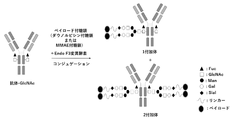
- FIG. 4 is a diagram schematically showing conjugation using an EndoF3 mutant enzyme.
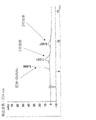
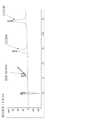
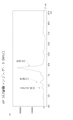
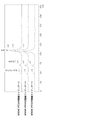
- FIG. 5 is a diagram showing an HPLC chromatogram of ADC obtained by conjugation of antibody-GlcNAc and daunorubicin-attached sugar chain using EndoF3 mutant enzyme.
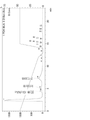
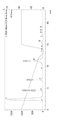
- FIG. 6 is a diagram showing an HPLC chromatogram of ADC obtained by conjugation of antibody-GlcNAc and MMAE-attached sugar chain using EndoF3 mutant enzyme.
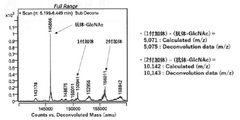
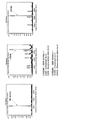
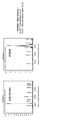
- FIG. 7 is a diagram showing an MS chromatogram of ADC obtained by conjugation of antibody-GlcNAc and daunorubicin-attached sugar chain using EndoF3 mutant enzyme.
- FIG. 8 is a diagram showing MS chromatograms of ADCs obtained by conjugating antibody-GlcNAc and MMAE-attached sugar chains using EndoF3 mutant enzymes.
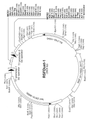
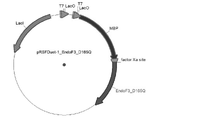
- EndoF3 Amino acid sequence of D165Q (SEQ ID NO:1), EndoF3 Optimized nucleotide sequence of D165Q (SEQ ID NO:2), amino acid sequence of Matlose Binding protein (SEQ ID NO:5) Full-length nucleotide sequence of pRSFDuet-1-MBP-EndoF3 D165Q (SEQ ID NO:10) EndoS Amino acid sequence of D233Q (SEQ ID NO:11), EndoS Optimized nucleotide sequence of D233Q (SEQ ID NO:12) Full-length nucleotide sequence of pRSFDuet-1-EndoS D233Q (SEQ ID NO:19) Glycoconjugate with AP3 (HPLC) Glycoconjugate with AP3 (MS).
- the invention relates to a method for producing antibody drug conjugates (ADC), including the following steps.
- the production method of the present invention includes a step of conjugating a glycosylated antibody and a glycosylated drug.
- the step of conjugating the glycosylated antibody and the glycosylated drug can be performed by a synthetic method or an enzymatic method.
- an endo- ⁇ -N-acetylglucosaminidase mutant enzyme can be used.
- the term endo- ⁇ -N-acetylglucosaminidase mutant enzyme refers to an endo- ⁇ -N-acetylglucosaminidase mutant enzyme with suppressed hydrolysis.
- Examples of representative endo- ⁇ -N-acetylglucosaminidases include EndoA, EndoD, EndoM, EndoH, EndoF2, EndoF3, EndoE, EndoS, EndoS2.
- a mutant enzyme in which the 233rd asparagine (D) of EndoS is substituted a mutant enzyme in which the 184th asparagine (D) of EndoS2 is substituted, and EndoF3
- EndoF3 A mutant enzyme in which the 165th asparagine (D) is substituted, preferably a mutant enzyme in which the 233rd asparagine (D) of EndoS is substituted, or a mutant enzyme in which the 165th asparagine (D) of EndoF3 is substituted is used.
- An example of a more preferred endo- ⁇ -N-acetylglucosaminidase mutant enzyme is a mutant enzyme consisting of any one of the following proteins.
- the amino acid sequence of the protein described in (1) consists of an amino acid sequence in which one or more amino acids are substituted, deleted, inserted, and/or added, provided that the 165th amino acid is an amino acid other than D, and a protein having conjugation activity;
- an endo- ⁇ -N-acetylglucosaminidase mutant enzyme is a mutant enzyme consisting of any one of the following proteins: (1) A protein consisting of the amino acid sequence of SEQ ID NO: 1, or an amino acid sequence in which glutamine (Q) at position 165 in the amino acid sequence of SEQ ID NO: 1 is alanine (A); (2) The amino acid sequence of the protein described in (1), consisting of an amino acid sequence in which one or more amino acids are substituted, deleted, inserted, and / or added, provided that the 165th is Q or A, and the conjugation a protein having gating activity; (3) a protein consisting of an amino acid sequence having identity with the amino acid sequence of the protein described in (1), wherein position 165 is Q or A, and having conjugation activity; (4) a protein consisting of the amino acid sequence of SEQ ID NO: 11; (5) The amino acid sequence of the protein described in (4), consisting of an amino acid sequence in which one or more amino acids are substituted, deleted, inserted,
- the sequence listing shows the amino acid sequence of EndoF3 D165Q in which position 165 of EndoF3 is replaced with glutamine (Q) as SEQ ID NO: 1.
- SEQ ID NO: 11 shows the amino acid sequence of EndoS D233Q in which position 233 of EndoS is replaced with glutamine (Q).
- the present invention may be described using EndoF3 D165Q or EndoS D233Q as an endo- ⁇ -N-acetylglucosaminidase mutant enzyme, but a person skilled in the art may refer to other descriptions. It can be understood by appropriately applying it to the case of using the mutant enzyme of.
- the endo- ⁇ -N-acetylglucosaminidase mutant enzyme used for conjugation may be the above-mentioned mutant enzyme into which a point mutation is further introduced.
- proteins include the amino acid sequence of SEQ ID NO: 1, or a protein consisting of an amino acid sequence in which glutamine (Q) at position 165 in the amino acid sequence of SEQ ID NO: 1 is alanine (A), , F, V, G, S, or Q, V129G, Q250I, N270R, L, or T, and Y282W. .
- a particularly preferred example is a protein consisting of the amino acid sequence of SEQ ID NO: 1, or an amino acid sequence in which glutamine (Q) at position 165 in the amino acid sequence of SEQ ID NO: 1 is alanine (A), wherein (M) at position 97 is (G) substituted EndoF3 D165Q/M97G.
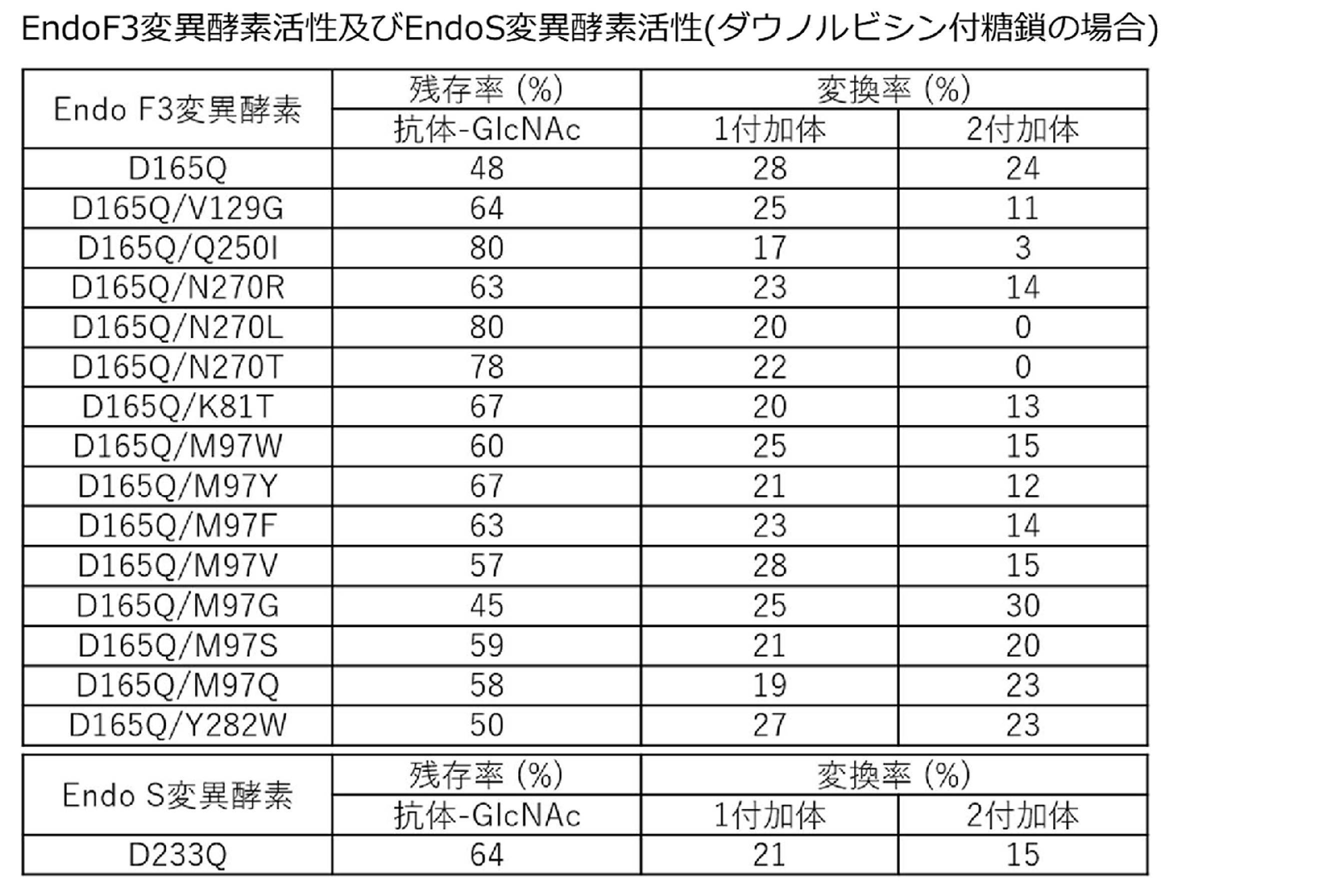
- the conjugation activity means that the conjugation reaction between the sugar chain homogenizing antibody and the sugar chain-binding drug is performed. , means that at least 20% of antibody (adduct) to which the drug is added can be generated (100 (%) - residual rate (%) is 20% or more).
- the rate (%) referred to here can be calculated based on the peak area of the HPLC chromatogram of the conjugation reaction solution.
- Residual rate (%) [Peak area value of unreacted antibody] / [(Peak area value of unreacted antibody) + (Peak area value of adduct: When multiple types of adducts are formed, each peak total area value) x 100
- 1-adduct conversion rate (%) [Peak area value of 1-adduct] / [(Peak area value of unreacted antibody) + (Peak area value of 1-adduct) + (Peak area value of 2-adduct) ] x 100
- 2-adduct conversion rate (%) [peak area value of 2-adduct] / [(peak area value of unreacted antibody) + (peak area value of 1-adduct) + (peak area value of 2-adduct) ] x 100
- the present invention also provides a polynucleotide encoding an endo- ⁇ -N-acetylglucosaminidase mutant enzyme that can be used in a method for producing an antibody-drug conjugate. i.e. A polynucleotide encoding any one of the following proteins is provided.
- the amino acid sequence of the protein described in (1) consists of an amino acid sequence in which one or more amino acids are substituted, deleted, inserted, and/or added, provided that the 165th amino acid is an amino acid other than D, and a protein having conjugation activity;
- (5) In the amino acid sequence of the protein described in (4) one or more amino acids are substituted, deleted, inserted, and / or added amino
- polynucleotide encoding an endo- ⁇ -N-acetylglucosaminidase mutant enzyme that can be used in the method for producing an antibody-drug conjugate is a polynucleotide encoding any one of the following proteins.
- the amino acid sequence of the protein described in (1) consisting of an amino acid sequence in which one or more amino acids are substituted, deleted, inserted, and / or added, provided that the 165th is Q or A, and the conjugation a protein having gating activity;
- the amino acid sequence of the protein described in (4) consisting of an amino acid sequence in which one or more amino acids are substituted, deleted, inserted, and/or added, wherein the 233rd is Q, and conjugation activity a protein;
- (6) a protein consisting of an amino acid sequence
- Antibodies used in the present invention may be mouse antibodies, chimeric antibodies, humanized antibodies, or human antibodies, but are preferably humanized antibodies or human antibodies.
- the antibodies used may also be modified and may be those produced by Potelligent technology (removal of fucose from the Fc region of IgG).
- Anti-HER2 antibodies are recombinant anti-HER2 monoclonal antibodies, chimeric antibodies with human constant regions, and humanized antibodies ( CDR-grafted antibodies) and human antibodies that are expression products of human-derived antibody genes are included, but humanized antibodies and human antibodies are preferred. Fully human monoclonal antibodies can be produced by immunizing mice transgenic for large portions of human immunoglobulin heavy and light chain loci.
- Preferred anti-HER2 antibodies include Trastuzumab (Herceptin®), a humanized IgG1 antibody.
- the present invention can be applied to antibodies used as antibody drugs.
- Specific examples include ibritumomabtiuxetan, iodine131, catumaxomab, blinatumomab, muromonab-CD3, abciximab, rituximab, basiliximab, infliximab, cetuximab, brentuximab, siltuximab, dinutuximab, obiltoximab, daclizumab, palivizumab, gemmizutabuzumab, vactalizumizumabizumabizumab, vacalemtabizumabizumab, omalizumabizumab, and ⁇ tocilizumab ⁇ ranibizumab ⁇ eculizumab ⁇ certolizumabpegol ⁇ mogamulizumab ⁇ pertuzumab ⁇ obinutuzumab ⁇ vedolizumab ⁇ pembroli
- An example of the antibody class used in the production method of the present invention is IgG, and an example of the subclass is IgG1.
- An anticancer agent can be used as a drug in the present invention.
- anticancer agents include tubulin synthesis inhibitors (anticancer plant alkaloids), topoisomerase inhibitors, alkylating agents that are inhibitors of nucleic acid synthesis, antimetabolites, antibiotics anticancer agents, and hormone preparations. , platinum agents, non-specific anti-cancer agents and other known anti-cancer agents, as well as newly developed anti-cancer agents.
- tubulin synthesis inhibitors such as auristatin, vincristine sulfate, vinblastine sulfate, vindesine sulfate, docetaxel hydrate, paclitaxel, vinorelbine tartrate, maytansinoids; camptothecin, topotecan, topoisomerase inhibitors such as etoposide, irinotecan hydrochloride, and nogitecan hydrochloride; alkylating agents such as cyclophosphamide, ifosfamide, melphalan, thioteva, busulfan, carbocone, dacarbazine, nimustine hydrochloride, and ranimustine; methotrexate, mercaptopurine, 6-mercaptopurine Antimetabolites such as riboside, fluorouracil (5-FU), tegafur, tegafururacil, carmofur, doxiflur
- tubulin synthesis inhibitors such as
- Non-specific antineoplastic agents such as krestin, lenatin, schizophyllan, and ubenimex; mitoxantrone hydrochloride, procarbazine hydrochloride, pentostatin, sobuzoxan, tretinoin, L-asparaginase, acegratone, mitotane, porfimer sodium, and the like.
- the drug is any one selected from the group consisting of anthracyclines, auristatins, maytansines, camptothecins, pyrrolobenzodiazepine dimers, calicheamicins, and duocarmycins.
- Examples of anthracyclines include daunorubicin (daunomycin), doxorubicin (adriamycin), PNU-159682, pirarubicin.
- Examples of auristatins include auristatin, a tubulin synthesis inhibitor and a very potent anti-tumor agent.
- Auristatins include monomethyl auristatin E (MMAE, monomethyl auristatin E), monomethyl auristatin D (MMAD, monomethyl auristatin D), monomethyl auristatin F (MMAF, monomethyl auristatin F), and the like. Among these, monomethyl auristatin E (MMAE, monomethyl auristatin E) is preferred.
- Examples of maytansines include ansamitocin P3 (AP3), DM1, DM4.
- Examples of camptothecins include Exatecan, SN-38, DXd.
- Other specific examples include PBD-dimer, calicheamicin, Duocarmycin.
- Linker In the present invention, a sugar chain-binding drug is bound via a linker to a sugar chain whose reducing end is oxazolated.
- the linker comprises a spacer (-CBA- described below) and a cleavable moiety (-ED-).
- a spacer is a site that connects a sugar chain, a linker (in a narrow sense, -E-D- described later), and a conjugate of a drug.
- binding groups include amide, ester, alkoxyalkyl, carbamoyl, sulfonic acid amide, sulfonic acid ester, phosphonic acid amide, phosphonic acid ester, aldoimine, ketimine, oxime, click binding sites formed from alkyne and azide, and the like. are mentioned.
- Typical click binding sites are listed in the following literature information (Chem Rev.113, 4905-4979 (2013), Method Mol Biol.2078, 83-97 (2020), Chem.Soc.Rev.48 , 4361-4374 (2019), Protein Cell. Jan; 9 (1), 33-46 (2016)).
- Preferred examples of such binding sites include tetracyclic sites containing 1,2,3-triazole sites formed from alkynes and azides, and 1,2,3-triazole sites formed from DBCO and azides. .
- a more preferred example is a tetracyclic moiety containing a 1,2,3-triazole formed from an azide.
- a common method is to introduce a PEG group.
- a PEG group is introduced into the spacer.
- PEGs may be linear or branched, preferably linear PEGs.
- the PEG chain length is not particularly limited, and examples thereof include PEG2 (the number represents the number of repeats), PEG3, PEG4, and PEG5-12.
- a cleavable portion is a site that can be cleaved under specific conditions that do not cause protein denaturation or degradation. That is, it includes structures that are cleavable in vivo. Specific conditions that do not cause denaturation/degradation of proteins are degradation conditions using one or more substances selected from the group consisting of acidic substances, basic substances, reducing agents, oxidizing agents, and enzymes (Reference: Bioorg Med. Chem.20 571-582 (2012), J.Control.Release, 99, 423-434 (2004), Bioconjugate Chem.28, 1906-1915 (2017)).
- cleavage moieties examples include disulfide bond, acetal bond, ketal bond, aldoimine bond, ketimine bond, oxime bond, ester bond, amide bond, carbamoyl bond, carbonate bond, alkoxyalkyl bond, sulfone-containing bond, and phosphonic acid-containing bond. etc.
- Preferred examples of these cleavable moieties include peptides consisting of 2-6 amino acid residues. Examples of this include Val-Cit, Gly-Gly-Phe-Gly (GGFG), Val-Ala, Lys-Phe (KF), Gly-Gly-Val-Gly (GGVG).
- the linker has a structure represented by the general formula -E-D-C-B-A-, where A binds to the sugar chain and E binds to the drug.
- A, B, C, and E are each independently selected from the group consisting of an alkyl group, an ester group, a carbamoyl group, an alkoxyalkyl group, an imine group, a hydrazone group, an azo group, a sulfone group, an aromatic group, and a single bond; selected; D is a peptide consisting of 2-6 amino acid residues.
- A can be -( CH2CH2O ) m1- ( CH2 ) m2- , -( CH2 ) m2- , or a single bond .
- B may be any one selected from the group consisting of the following.
- each R is independently a hydrogen atom, alkyl having 1-4 carbon atoms, alkoxy having 1-4 carbon atoms, -CN, -OH, -CF3 , or NRR.
- C is -C(O)-( CH2 ) n1 -C(O)-, -C(O)-( CH2 ) n1 -C(O) -NH- ( CH2CH2O ) n2- ( CH2 ) n3 -C(O)-, -C(O)-( CH2 ) n1 -C(O)-NH-( CH2 ) n3 -C(O)-, or a single bond;
- E is -aminobenzylalcohol-C( O )-, NH-( CH2 )o-, or a single bond;
- m1 is an integer from 1 to 12
- m2 is an integer from 1 to 6
- n1 is an integer from 1 to 6
- n2 is an integer from 1 to 12
- n3 is an integer from 1 to 6
- o is an integer from 1 to 6.
- B may be any of the following.
- the linker has the following structure.
- the production method of the present invention can be carried out as follows. (1) Cleavage the sugar chains of anti-HER2 antibodies, which originally have heterogeneous sugar chain structures. Sugar chain cleavage can be performed using endo- ⁇ -N-acetylglucosaminidase (EndoS). Cleaved by EndoS leaving one N-acetylglucosamine (GlcNAc) residue at the reducing end of the N-type complex-type sugar chain bound to the 297th asparagine (Asn) located in the CH domain of the Fc region of the antibody. be. N-acetylglucosamine at the reducing end may or may not be bound with fucose.
- EndoS endo- ⁇ -N-acetylglucosaminidase
- GlcNAc N-acetylglucosamine
- chromatography may be used to purify the antibody in which the sugar chain has been cleaved. Chromatography includes gel filtration chromatography, affinity chromatography, ion exchange chromatography, hydrophobic chromatography and the like.
- a sugar chain-binding drug is conjugated to the antibody-GlcNAc sugar chain obtained in (1). Conjugation can be performed using an endo- ⁇ -N-acetylglucosaminidase mutant enzyme.
- Glycoconjugate drug is attached to one N-acetylglucosamine (GlcNAc) residue at the reducing end of the N-type complex-type sugar chain bound to the 297th asparagine (Asn) located in the CH domain of the Fc region of antibody-GlcNAc.
- Glycoconjugate drug is attached to one N-acetylglucosamine (GlcNAc) residue at the reducing end of the N-type complex-type sugar chain bound to the 297th asparagine (Asn) located in the CH domain of the Fc region of antibody-GlcNAc.
- chromatography may be used to purify the antibody in which the sugar chain has been cleaved. Chromatography includes gel filtration chromatography, affinity chromatography, ion exchange chromatography, hydrophobic chromatography and the like.
- any protein is not particularly limited as long as the protein consisting of the amino acid sequence has the desired function, but 1-750, 1-500, 1-250, 1-200, 1-150, 1-100, 1-50, 1-40, 1-30, 1-20, 1-15, 1-9, or 1-4 amino acids or amino acids with similar properties permutation, there can be a larger number of permutations, and so on.
- Means for preparing polynucleotides or proteins according to such amino acid sequences are well known to those skilled in the art.
- amino acids or amino acid residues are A for alanine, C for cysteine, D for aspartic acid, E for glutamic acid, F for phenylalanine, G for glycine, H for histidine, I is isoleucine, K is lysine, L is leucine, M is methionine, N is asparagine, P is proline, Q is glutamine, R is arginine, S is serine, T is threonine, U is selenocysteine (3), V is Valine, W for tryptophan, Y for tyrosine.
- searches and analyzes for the identity of nucleotide sequences or amino acid sequences can be performed by algorithms or programs (eg, BLASTN, BLASTP, BLASTX, ClustalW) well known to those skilled in the art. Parameters when using programs can be appropriately set by those skilled in the art, and default parameters of each program may be used. Specific techniques of these analysis methods are also well known to those skilled in the art. Gene information processing software Genetyx (registered trademark) (Genetics Inc.) may be used for identity calculation. If the target sequence for which percent identity is to be determined has an additional sequence such as a tag sequence at the end that does not exist in the sequence to be compared, the additional sequence portion is not included in the calculation of percent identity.
- Genetyx registered trademark
- the identity of the nucleotide sequence or amino acid sequence is at least 50%, for example, 60% or more, 70% or more, preferably 80% or more, more preferably 80% or more, and more preferably, unless otherwise specified. refers to a sequence identity of 85% or more, more preferably 90% or more, more preferably 95% or more, still more preferably 97.5% or more, still more preferably 99% or more.
- Polynucleotides or genes and proteins or enzymes used in the present invention can be prepared by those skilled in the art using conventional techniques.
- CDMBI 2-Chloro-1,3-dimethyl-1H-benzimidazol-3-ium chloride
- HOAt 1-Hydroxy-7-azabenzotriazole
- HOBt 1-Hydroxybenzotirazole
- IPTG Isopropyl ⁇ -D-1-thiogalactopyranoside
- MMAE Monomethyl Auristatin E
- Example 1 Preparation of EndoF3 mutant enzyme
- pRSFDuet-1-MBP-EndoF3 D165Q Nucleotide sequence of EndoF3 (NZ CP067018, locus tag I6H88 03475; protein sequence is WP 034868774.1) was added with the D165Q mutation (the amino acid sequence of EndoF3 D165Q is SEQ ID NO: 1), and a codon-optimized sequence (SEQ ID NO: 2) was artificially synthesized for E.
- Nucleotide sequence of FEndoF3-NtermMBP (SEQ ID NO:3) ACTATCGAGGGAAGGGCAACCGCACTGGCAGGTAGC
- Nucleotide sequence of REndoF3-NtermMBP (SEQ ID NO:4) CCAATTGAGATCTTTCAGTTTTTAACGGCATCACGAACTG
- Maltose binding protein (amino acid sequence is SEQ ID NO: 5) and Factor Xa cleavage sequence ATCGAGGGAAGG (SEQ ID NO: 6) (amino acid sequence: IEGR ( The vector into which SEQ ID NO:7)) was cloned was amplified by PCR (30 cycles of 98°C for 10 seconds, 60°C for 5 seconds, 68°C for 8 seconds) using primers FNtermMBP and RNtermMBP.
- Nucleotide sequence of FNtermMBP (SEQ ID NO:8) AGATTCCAATTGGATATCGG
- Nucleotide sequence of RNtermMBP SEQ ID NO:9 CCTTCCCTCGATAGTCTGCGCGTCTTTCAGGGGC
- the resulting two fragments were cloned using the In-Fusion kit (TAKARA) so that the Factor Xa sequence was placed at the C-terminus of MBP, and the EndoF3 sequence with the N-terminal signal sequence removed downstream thereof.
- the resulting In-Fusion solution was used to transform E. coli JM109 (TAKARA) and cultured overnight at 37°C. Colony PCR was performed on the obtained colonies, and pRSFDuet-1-MBP-EndoF3 D165Q (SEQ ID NO: 10) was obtained as a plasmid from positive clones.
- Point mutation-introducing construction PCR was performed to introduce the target point mutation into pRSFDuet-1-MBP-EndoF3 D165Q.
- 0.001 mL of DpnI was added to the fragment obtained by PCR, and the mixture was reacted at 37°C for 1 hour to purify the DNA fragment.
- the obtained fragment was introduced into E. coli JM109 by heat shock method, then spread on LK plate and cultured overnight at 37°C to obtain colonies. This colony was inoculated into a kanamycin-containing LB medium (3 mL), cultured overnight, and plasmid extraction was performed using Wizard Plus SV Minipreps DNA Purification Systems to obtain 0.05 mL of a plasmid DNA solution from the culture.
- Example 2 Preparation of EndoS mutant enzyme
- Plasmid construction EndoS base sequence (CP043530, locus tag MGAS2221 1552; protein sequence is WP 011285695.1) was added with the D233Q mutation (the amino acid sequence of EndoS D233Q is SEQ ID NO: 11), and a sequence (SEQ ID NO: 12) codon-optimized for E. coli expression was added to the N-terminal and C-terminal sides. It was divided into two parts and artificially synthesized (ThermoFisher Scientific).
- primers FEndoS_D233Q_His_pRSF and RendoS D233Q Amplify the N-terminal side with front, FendoS D233Q
- the C-terminal side was amplified by PCR using back and REndoS_D233Q_His_pRSF (30 cycles of 98°C for 10 seconds, 60°C for 5 seconds, and 68°C for 8 seconds).
- REndoS_D233Q_His_pRSF 30 cycles of 98°C for 10 seconds, 60°C for 5 seconds, and 68°C for 8 seconds.
- primer FpRSF InF His BamHI and RpRSF InF His Amplification was performed by PCR using NcoI (30 cycles of 98°C for 10 seconds, 60°C for 5 seconds, and 68°C for 8 seconds).
- FendoSD233Q His pRSF (SEQ ID NO:13) CACCATCATCACCACGATAAACATTTGTTGGTAAAAAG RendoSD233Q front (SEQ ID NO:14) GCTAATTTTTTAAATTTATTTAGACCTTCTAAAC Fend SD233Q back (SEQ ID NO:15) GGTCTAAAAATTTAAAAAATTAGCTCAATTAGACTTG RendoSD233Q His pRSF (SEQ ID NO:16) CTCGAATTCGGATCCTTATTTTTTTAGCAGCTGCC FpRSF InF His BamHI (SEQ ID NO:17) GGATCCGAATTCGAGCTCG RpRSF InF His NcoI (SEQ ID NO:18) GTGGTGATGATGGTGATGGCTGCTGCCCAT
- the resulting 3 fragments were cloned using an In-Fusion kit (TAKARA) to remove Met from the initiation codon and place the EndoS sequence downstream of the His tag.
- the resulting In-Fusion solution was used to transform E. coli JM109 (TAKARA) and cultured overnight at 37°C. Colony PCR was performed on the obtained colonies, and pRSFDuet-1-EndoSD233Q (SEQ ID NO: 19) was obtained as a plasmid from positive clones.
- Example 3 Preparation of antibody-GlcNAc
- FIG. 3 A schematic diagram of the preparation of antibody-GlcNAc is shown in FIG.
- an Eppendorf tube replace 0.050 g of anti-HER2 antibody (prepared with reference to US Patent No. 5821337; subclass is IgG 1 ) with sodium acetate buffer (GlycoBuffer 1; NEW ENGLAND BioLabs) to make 0.3 mL. was added to this buffer.
- EndoS 0.025 mL; NEW ENGLAND BioLabs was added to the solution and incubated at 37° C. for 16 hours.
- Example 4 Measurement of EndoF3 mutant enzyme activity and EndoS mutant enzyme activity
- the EndoF3 mutant enzyme prepared in Example 1 or the EndoS mutant enzyme prepared in Example 2 the antibody-GlcNAc prepared in Example 3 and the payload-attached sugar chain (the daunorubicin-attached sugar chain in Production Example 6 below , or the MMAE-attached sugar chain of Production Example 11 below) was conjugated (see Examples 5 and 6 below). A schematic diagram of this conjugation is shown in FIG. The obtained conjugate was measured by HPLC. The HPLC analysis conditions are shown below.
- Figure 5 shows the conjugation with the daunorubicin-attached sugar chain by the EndoF3 mutant enzyme
- Figure 6 shows the conjugation with the MMAE-attached sugar chain by the EndoF3 mutant enzyme
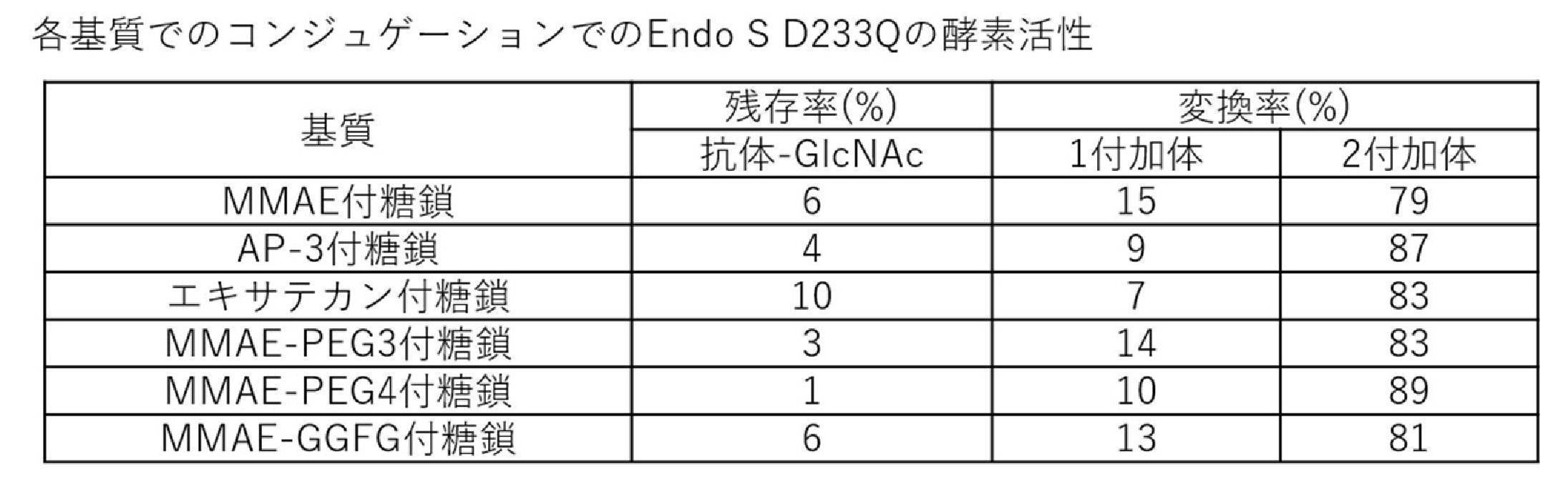
- the antibody-GlcNAc residual rate and the conjugation conversion rate were calculated from the following formulas. Note that the peak area at 214 nm was used to calculate the conversion rate.
- Antibody-GlcNAc residual rate (%) [antibody-GlcNAc peak area value] / [(antibody-GlcNAc peak area value) + (1-adduct peak area value) + (2-adduct peak area value)] ⁇ 100
- 1-adduct conversion rate (%) [Peak area value of 1-adduct] / [(Peak area value of antibody-GlcNAc) + (Peak area value of 1-adduct) + (Peak area value of 2-adduct)] ⁇ 100
- 2-adduct conversion rate (%) [peak area value of 2-adduct] / [(peak area value of antibody-GlcNAc) + (peak area value of 1-adduct) + (peak area value of 2-adduct)] ⁇ 100
- FIG. 7 shows the results of conjugation with the daunorubicin-attached sugar chain by the EndoF3 mutant enzyme
- FIG. 8 shows the conjugation result with the MMAE-attached sugar chain by the EndoF3 mutant enzyme.
- the activity of the EndoS mutant enzyme was measured in the same way as the EndoF3 mutant enzyme.
- D165Q/M97G had the lowest survival rate.
- This mutant enzyme can be expected to exhibit similarly high activity even when the sugar chain structure is different.
- the EndoS2 mutant enzyme can be converted at a certain rate
- the EndoF3 and EndoS mutant enzymes had higher conversion rates under the experimental conditions.
- the conversion rate would be inferior in the case of conjugating a sugar chain with a payload added than in the case of conjugating a sugar chain with a linker. Unexpectedly higher conversion was found when conjugating.
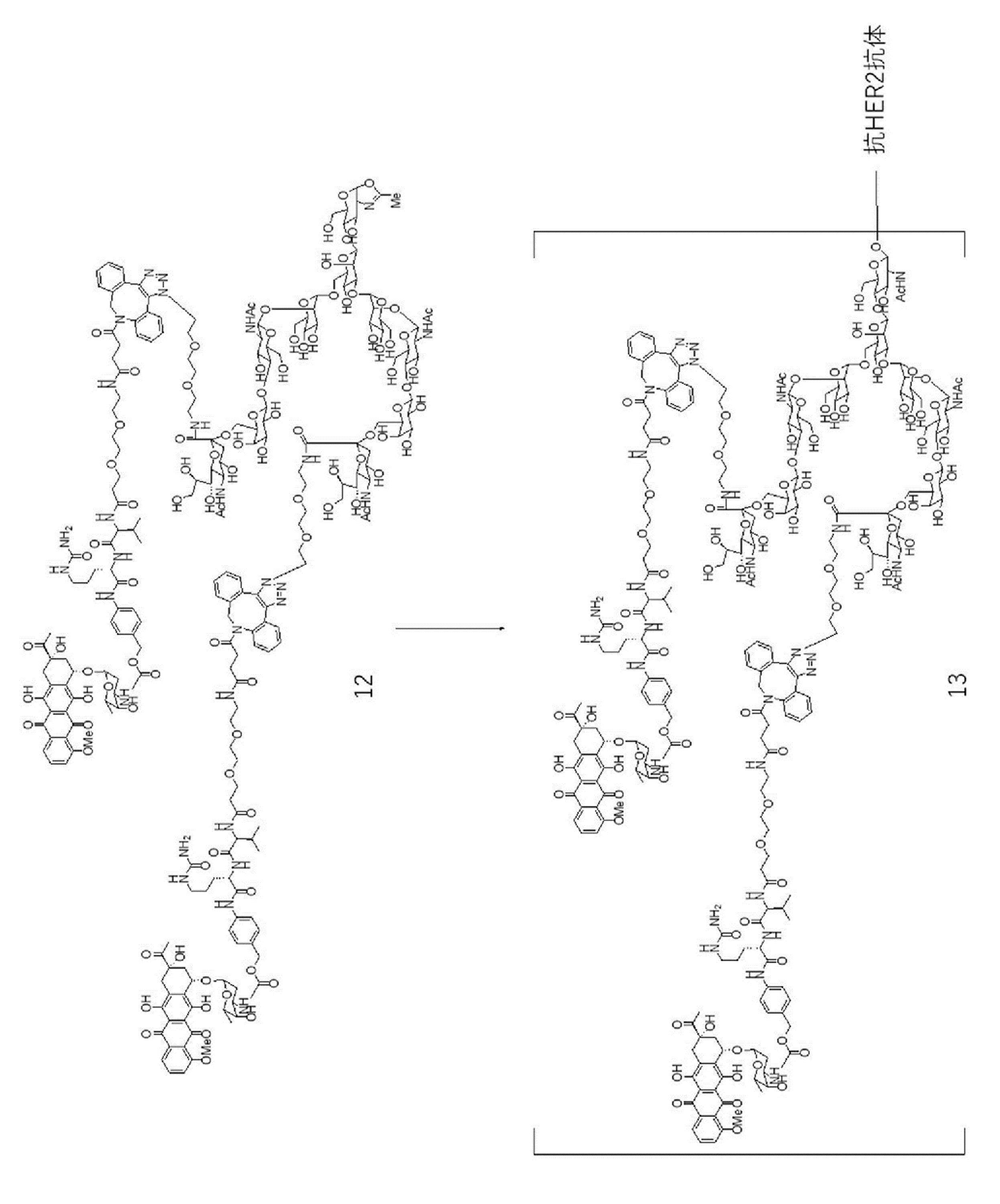
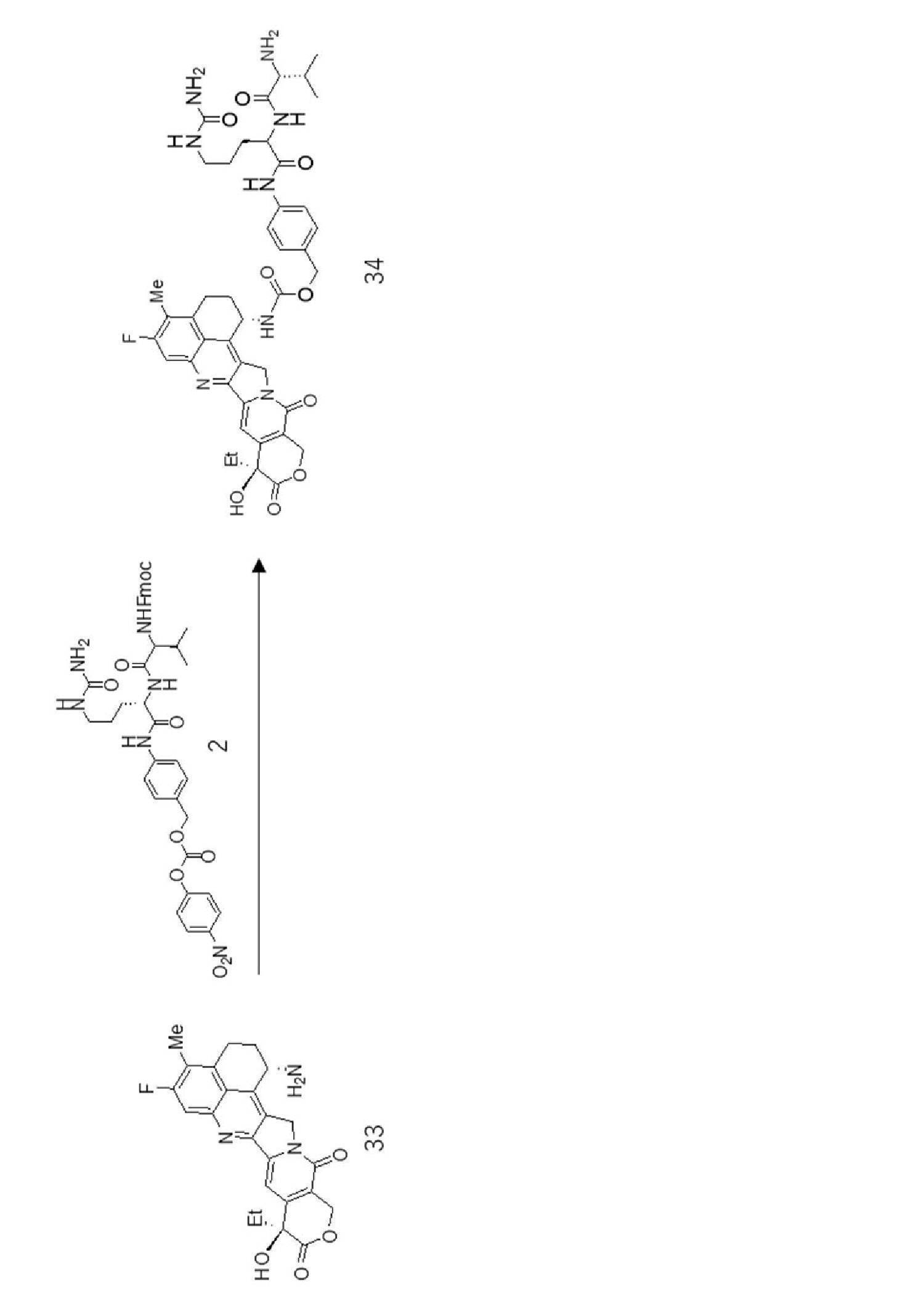
- CDMBI (0.02 g) and triethylamine (0.02 mL) were added to a mixed solution of compound 11 (0.02 g) in DMF/water (1.5 mL/1.5 mL) and stirred at 0°C for 30 minutes.
- the reaction solution was purified by gel filtration column chromatography (LH-20:DMF) to obtain compound 12 (0.01 g).
- Solution A was prepared by adding HOBt (0.11 g) and diisopropylethylamine (0.08 mL) to DMF (10 mL).
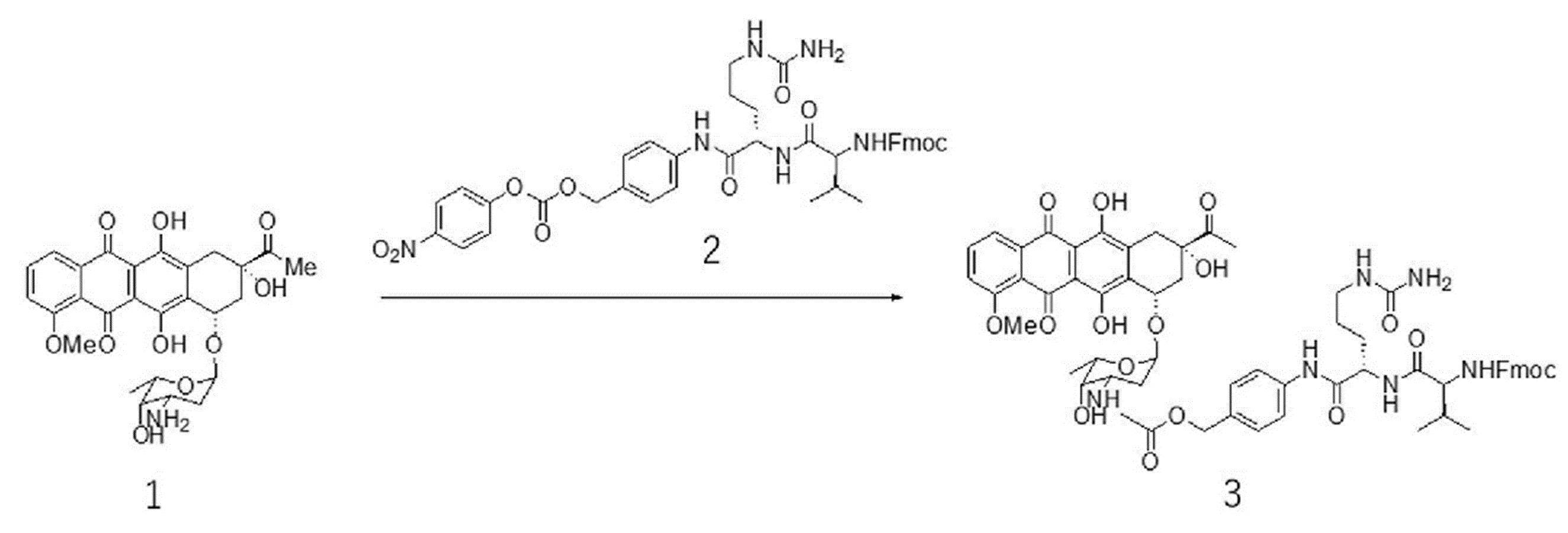
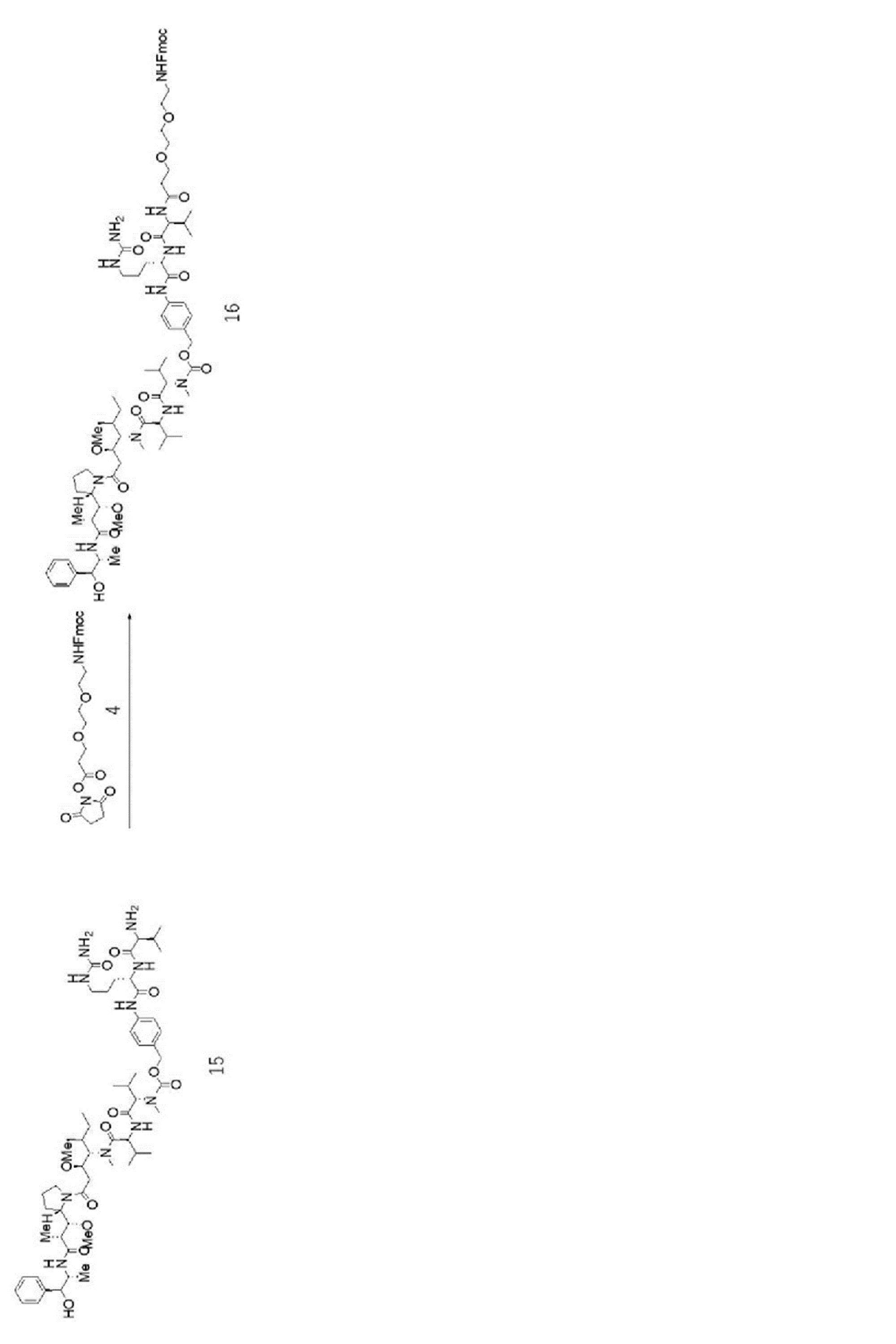
- Compound 14 (Asta Tech, Inc.) (0.22 g) and compound 2 (0.22 g) were dissolved in this solution A (6.3 mL).
- the reaction solution was stirred at room temperature for 3 hours.
- the reaction solution was concentrated under reduced pressure, and the obtained residue was purified by a reprecipitation method (chloroform/ethyl acetate) to obtain compound 15 (0.31 g).
- a solution B was prepared with DMF (10 mL), HOAt (0.11 g) and diisopropylethylamine (0.08 mL). Compound 9 (0.09 g) and compound 6 (0.03 g) were dissolved in this solution B (2.5 mL). The reaction solution was stirred at 30°C for 3 hours. The reaction solution was concentrated under reduced pressure, and the obtained residue was purified by a reprecipitation method (chloroform/methanol/ether) to obtain compound 17 (0.11 g). MS (ESI) m/z: 1571 (M + H) +
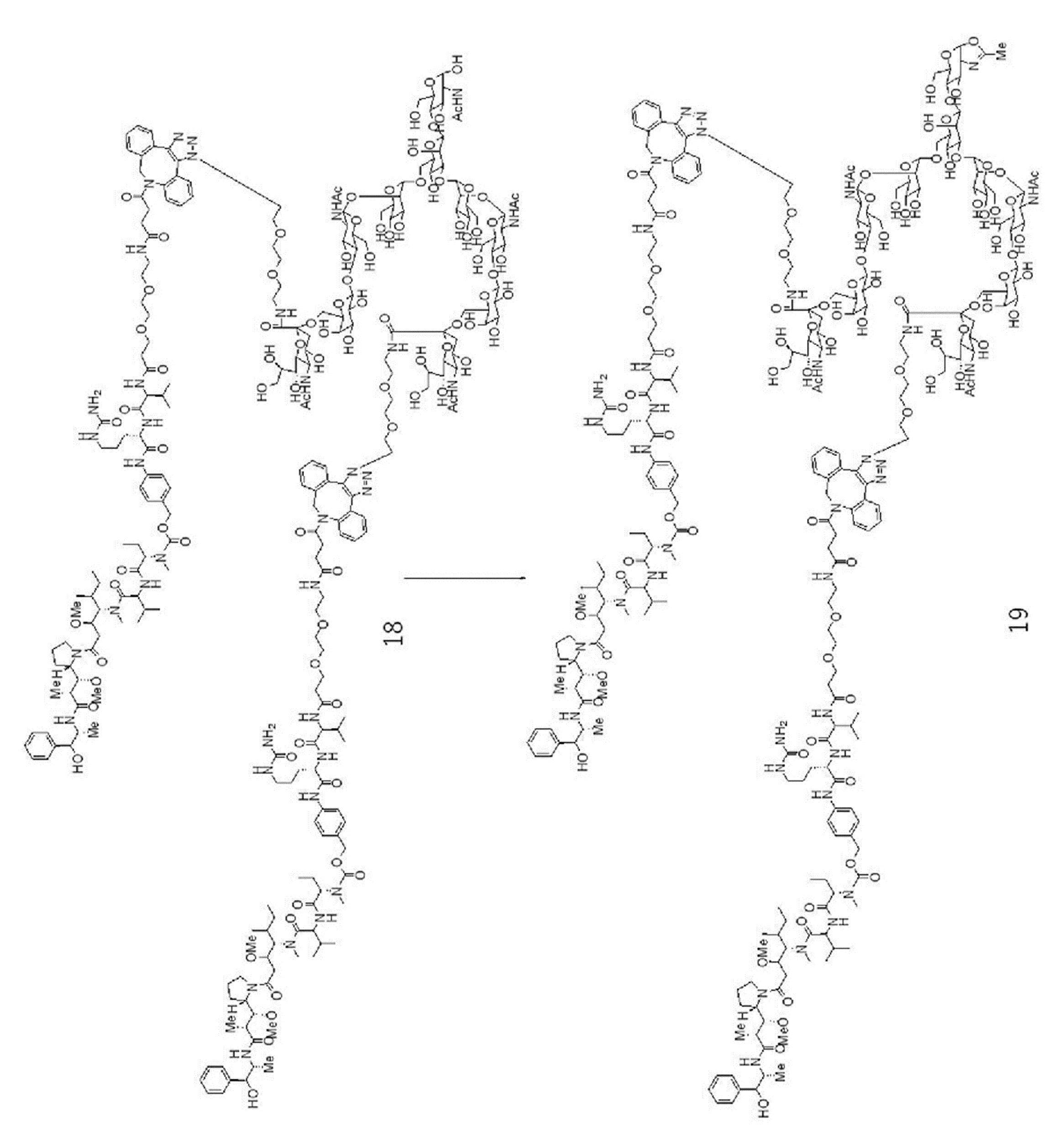
- CDMBI (0.01 g) and triethylamine (0.1 mL) were added to a DMF/water mixed solution (2.0 mL/2.0 mL) of compound 18 (0.004 g), and the mixture was stirred at 0°C for 2 hours.
- This reaction solution was purified by gel filtration chromatography (LH-20:DMF) to obtain compound 19 (0.005 g).
- Antibody-GlcNAc (0.03 mg) obtained in Example 2, each EndoF3 mutant enzyme (0.003 mg) prepared in Example 1, or EndoS mutant enzyme (0.003 mg) prepared in Example 2, and A compound 19/DMSO solution (40 mg/mL, 0.002 mL) was added, and a 50 mM pH 7.4 Tris-HCl buffer was further added so that the antibody-GlcNAc concentration was 5.0 mg/mL.
- the reaction solution was incubated at 37°C for 1.5 hours.
- the reaction solution was ultrafiltered (Amicon Ultra 100 kDa), replaced with 50 mM pH 7.0 phosphate buffer, and compound 20 was analyzed (Figs. 6 and 8).
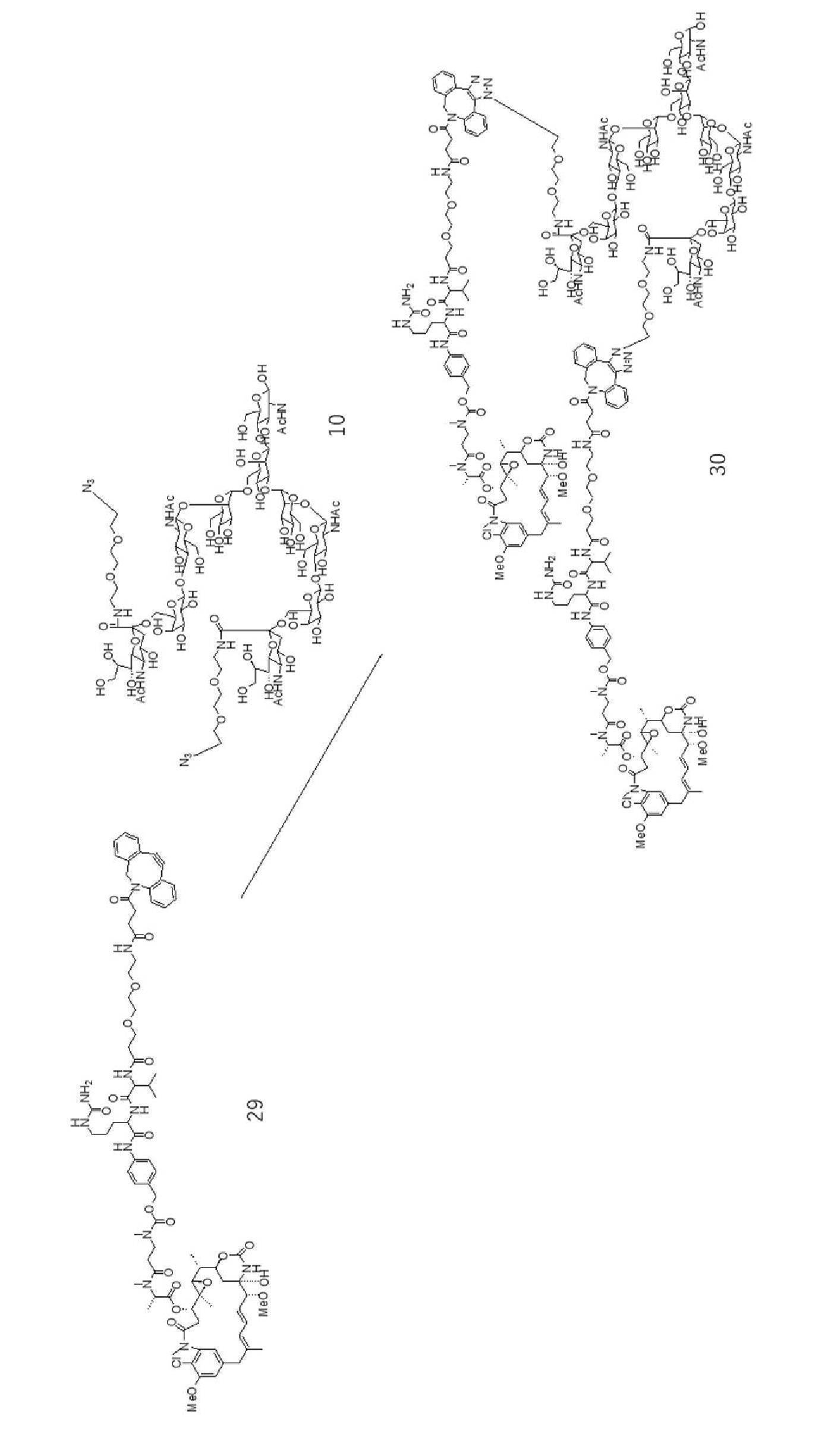
- CDMBI (0.04 g) and triethylamine (0.002 mL) were added to a DMF/water mixed solution (0.5 mL/0.5 mL) of compound 30 (0.002 g), and the mixture was stirred at 0°C for 1 hour.
- This reaction solution was purified by gel filtration chromatography (LH-20:DMF) to obtain compound 31 (0.003 g).
- Antibody-GlcNAc (0.03 mg) obtained in Example 2, EndoF3 mutant enzyme (0.003 mg) prepared in Example 1, or EndoS mutant enzyme (0.003 mg) prepared in Example 2, or WP1328 enzyme (0.003 mg) prepared in Example 12 and compound 31/DMSO solution (40 mg/mL, 0.002 mL) were added, and 50 mM pH 7.4 Tris was added so that the antibody-GlcNAc concentration was 5.0 mg/mL. -HCl buffer was added. The reaction solution was incubated at 30°C or 37°C for 1.5-3.0 hours. The reaction solution was ultrafiltered (Amicon Ultra 100 kDa), substituted with 50 mM pH 7.0 phosphate buffer, and compound 32 was analyzed (Figs. 13 and 14).
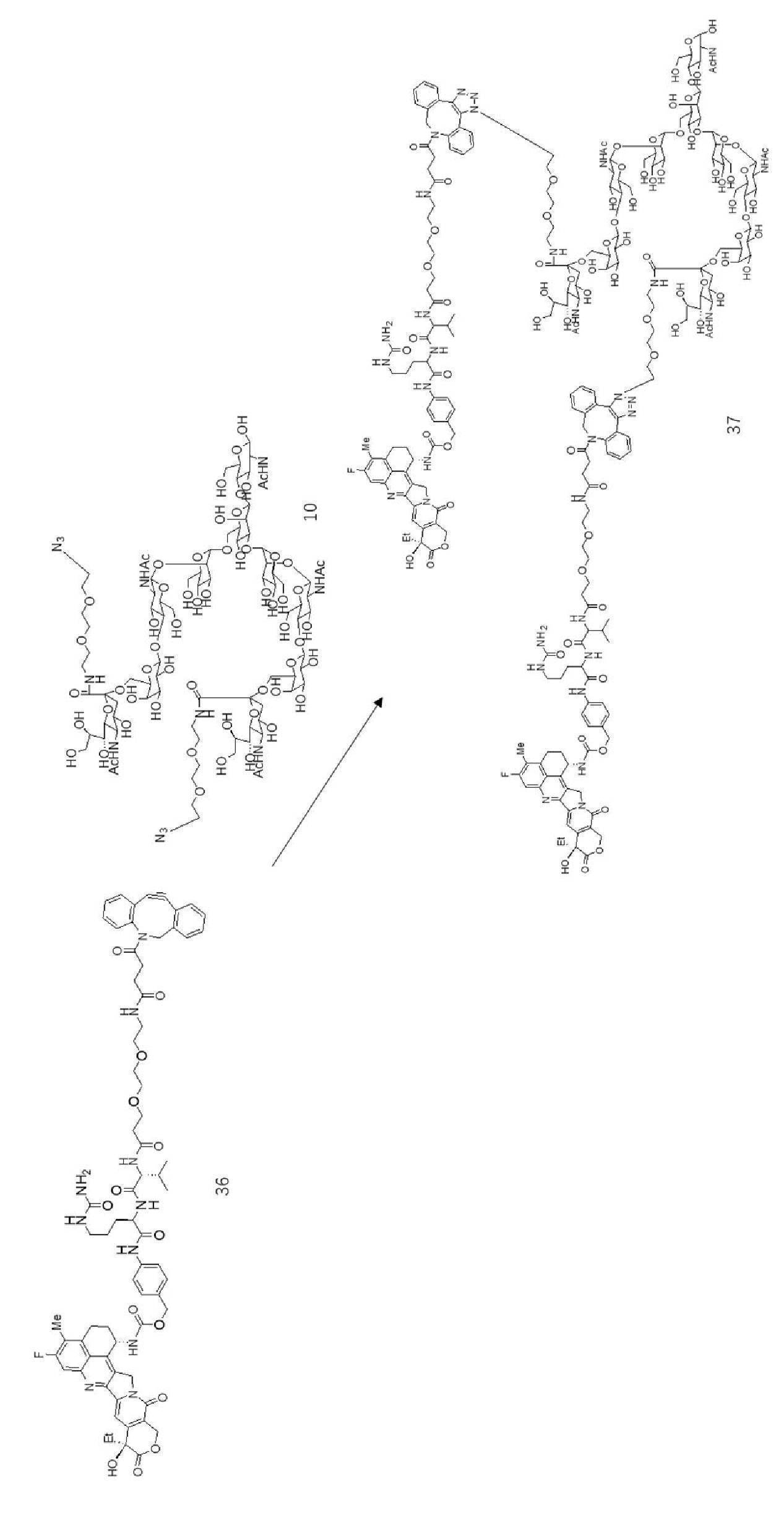
- CDMBI (0.007 g) and triethylamine (0.001 mL) were added to a DMF/water mixed solution (1.0 mL/1.0 mL) of compound 37 (0.003 g) and stirred at 0°C for 30 minutes.
- This reaction solution was purified by gel filtration chromatography (LH-20:DMF) to obtain compound 38 (0.003 g).
- Antibody-GlcNAc (0.03 mg) obtained in Example 2, each EndoF3 mutant enzyme prepared in Example 1 (0.003 mg), or EndoS mutant enzyme prepared in Example 2 (0.003 mg), or WP1328 enzyme (0.003 mg) prepared in Example 12 and compound 38/DMSO solution (40 mg/mL, 0.002 mL) were added, and the antibody-GlcNAc concentration was 50 mM pH 7.4 so that the concentration was 5.0 mg/mL. Tris-HCl buffer was added. The reaction solution was incubated at 30°C or 37°C for 1.5-3.0 hours. The reaction solution was ultrafiltered (Amicon Ultra 100 kDa), substituted with 50 mM pH 7.0 phosphate buffer, and analyzed for compound 39 (Figs. 15 and 16).
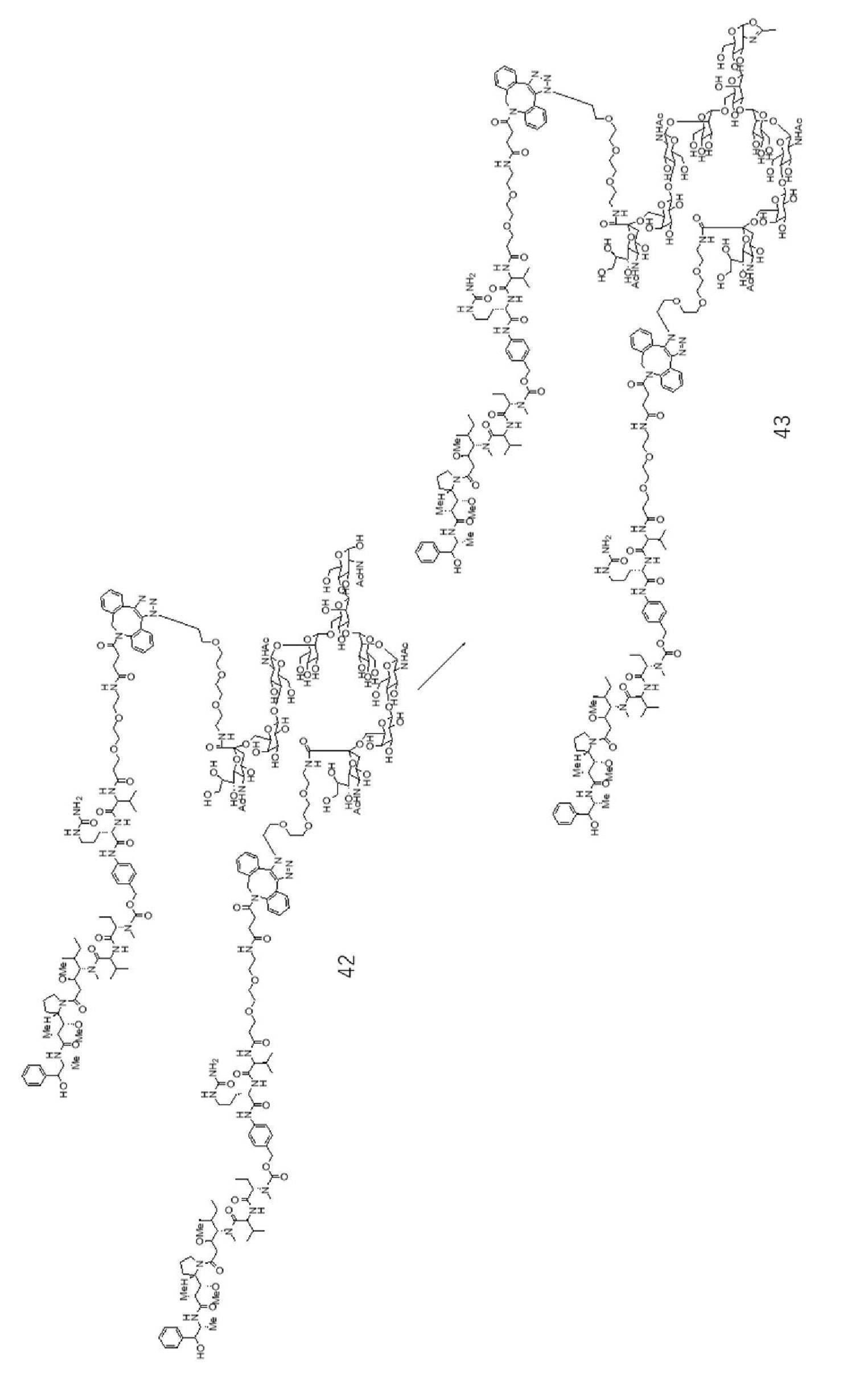
- CDMBI (0.008 g) and triethylamine (0.001 mL) were added to a DMF/water mixed solution (1.0 mL/1.0 mL) of compound 42 (0.004 g) and stirred at 0°C for 30 minutes.
- This reaction solution was purified by gel filtration chromatography (LH-20:DMF) to obtain compound 43 (0.004 g).
- Antibody-GlcNAc (0.03 mg) obtained in Example 2, each EndoF3 mutant enzyme prepared in Example 1 (0.003 mg), or EndoS mutant enzyme prepared in Example 2 (0.003 mg), or WP1328 enzyme (0.003 mg) prepared in Example 12 and compound 43/DMSO solution (40 mg/mL, 0.002 mL) were added, and the antibody-GlcNAc concentration was 50 mM pH 7.4 so that the concentration was 5.0 mg/mL. Tris-HCl buffer was added. The reaction solution was incubated at 30°C or 37°C for 1.5-3.0 hours. The reaction solution was ultrafiltered (Amicon Ultra 100 kDa), substituted with 50 mM pH 7.0 phosphate buffer, and analyzed for Compound 44 (Figs. 17, 18, 19).
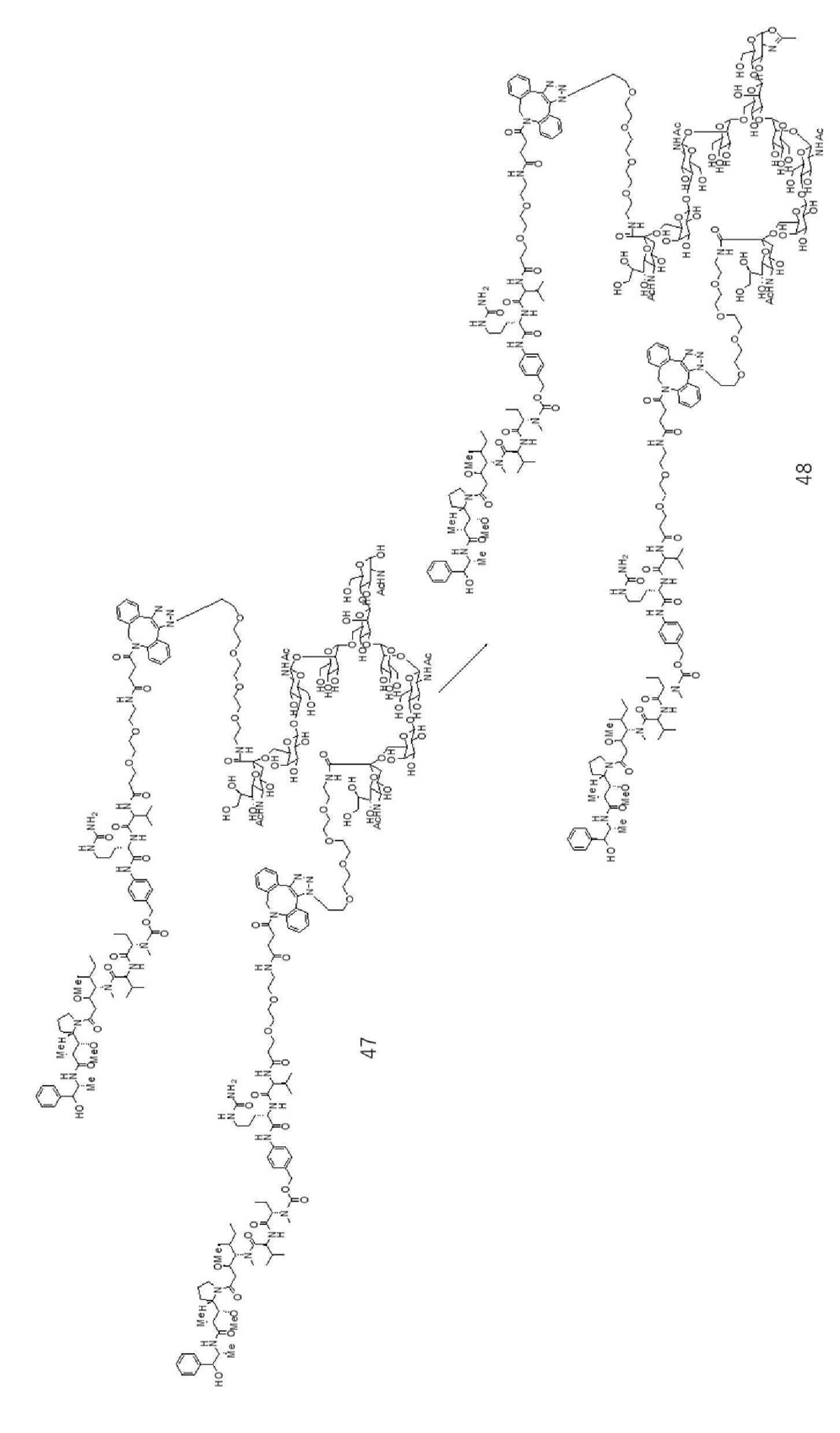
- CDMBI (0.008 g) and triethylamine (0.001 mL) were added to a DMF/water mixed solution (0.5 mL/0.5 mL) of compound 47 (0.004 g) and stirred at 0°C for 30 minutes.
- This reaction solution was purified by gel filtration chromatography (LH-20:DMF) to obtain compound 48 (0.004 g).
- Antibody-GlcNAc (0.03 mg) obtained in Example 2, each EndoF3 mutant enzyme prepared in Example 1 (0.003 mg), or EndoS mutant enzyme prepared in Example 2 (0.003 mg), or WP1328 enzyme (0.003 mg) prepared in Example 12 and compound 48/DMSO solution (40 mg/mL, 0.002 mL) were added, and the antibody-GlcNAc concentration was 50 mM pH 7.4 so that the concentration was 5.0 mg/mL. Tris-HCl buffer was added. The reaction solution was incubated at 30°C or 37°C for 1.5-3.0 hours. The reaction solution was ultrafiltered (Amicon Ultra 100 kDa), replaced with 50 mM pH 7.0 phosphate buffer, and compound 49 was analyzed ( Figures E and G).
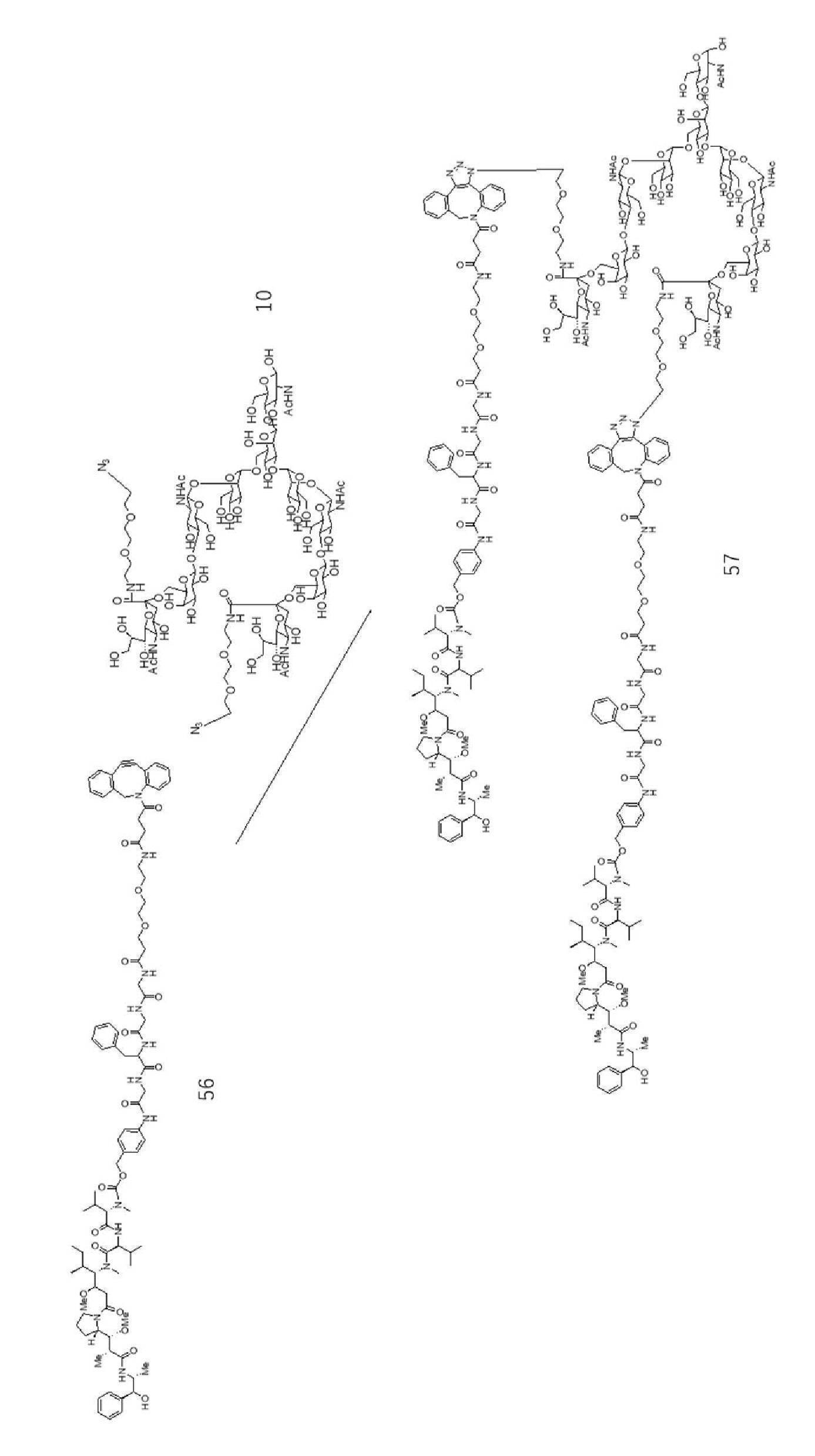
- CDMBI (0.006 g) and triethylamine (0.002 mL) were added to a DMF/water mixed solution (0.5 mL/0.5 mL) of compound 57 (0.003 g) and stirred at 0°C for 30 minutes.
- This reaction solution was purified by gel filtration chromatography (LH-20:DMF) to obtain compound 58 (0.001 g).
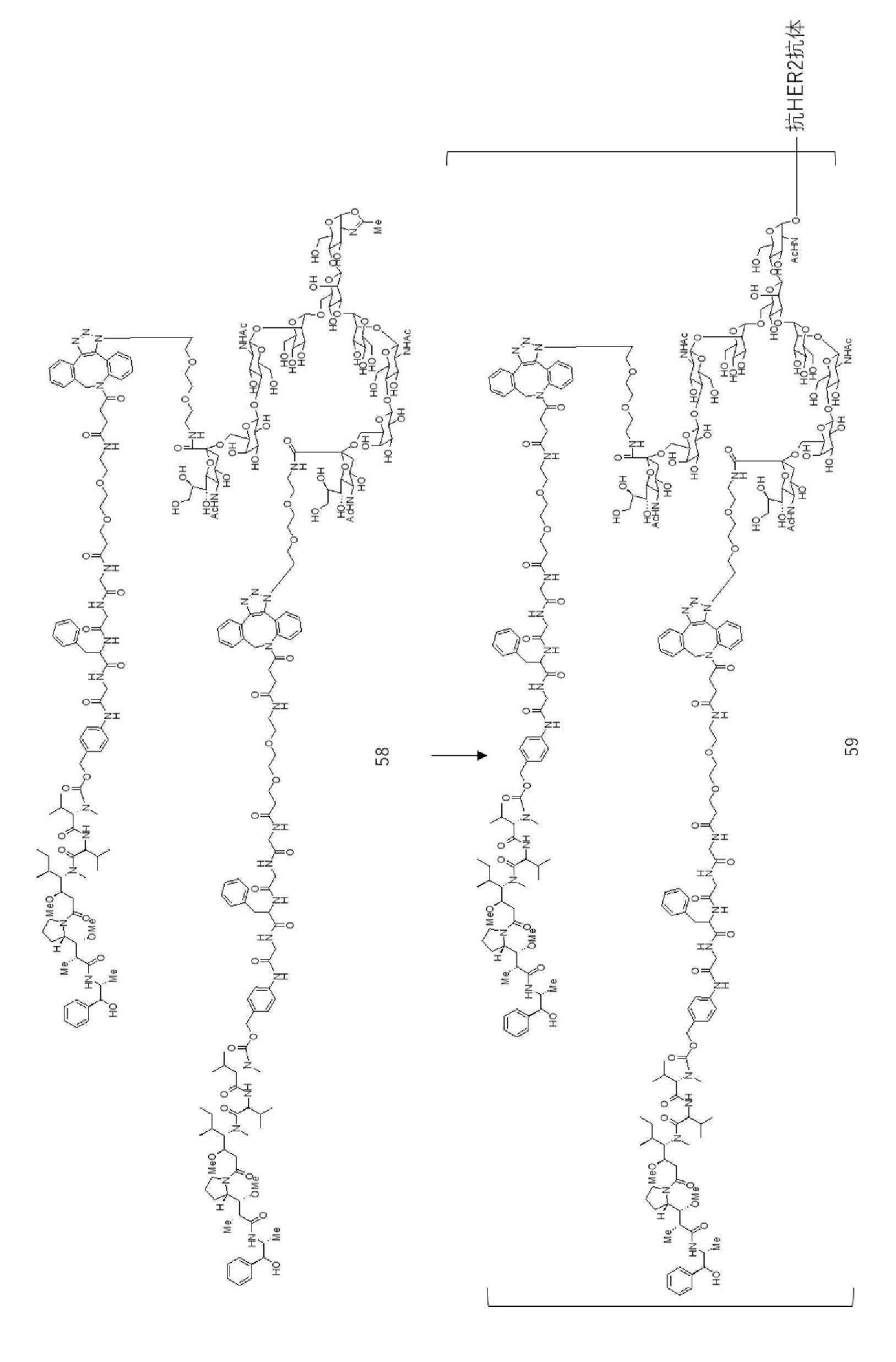
- Antibody-GlcNAc (0.03 mg) obtained in Example 2, each EndoF3 mutant enzyme prepared in Example 1 (0.003 mg), or EndoS mutant enzyme prepared in Example 2 (0.003 mg), or WP1328 enzyme (0.003 mg) prepared in Example 12 and compound 58/DMSO solution (40 mg/mL, 0.002 mL) were added, and the antibody-GlcNAc concentration was adjusted to 5.0 mg/mL at 50 mM pH 7.4. Tris-HCl buffer was added. The reaction solution was incubated at 30°C or 37°C for 1.5-3.0 hours. The reaction solution was ultrafiltered (Amicon Ultra 100 kDa), substituted with 50 mM pH 7.0 phosphate buffer, and analyzed for compound 59 (Figs. 20 and 21).
- Example 12 Preparation of WP1328 enzyme
- Nucleotide sequence of WP1328 (protein sequence is WP 069215570.1) was codon-optimized for E. coli expression (SEQ ID NO: 20) was artificially synthesized (Genewiz), and this sequence was used as primer WP 1328 f and WP 1328 Amplification was performed by PCR using r (30 cycles of 98°C for 10 seconds, 60°C for 5 seconds, and 68°C for 30 seconds).
- WP1328 Nucleotide sequence of f (SEQ ID NO:21) ACTATCGAGGGAAGGAGTCGCGCGCTGGCG WP1328 Nucleotide sequence of r (SEQ ID NO:22) ATCCAATTGAGATCTTCATTTCACCGCGTTCTTAACGG
- Maltose binding protein (amino acid sequence is SEQ ID NO: 5) and Factor Xa cleavage sequence ATCGAGGGAAGG (SEQ ID NO: 6) (amino acid sequence: A vector into which IEGR (SEQ ID NO:7)) was cloned was amplified by PCR (30 cycles of 98°C for 10 seconds, 60°C for 5 seconds, 68°C for 30 seconds) using primers FNtermMBP and RNtermMBP.
- Nucleotide sequence of FNtermMBP (SEQ ID NO:8) AGATTCCAATTGGATATCGG
- Nucleotide sequence of RNtermMBP SEQ ID NO:9 CCTTCCCTCGATAGTCTGCGCGTCTTTCAGGGGC
- the resulting 2 fragments were cloned so that the Factor Xa sequence was placed at the C-terminus of MBP, and the WP1328 sequence with the N-terminal signal sequence removed downstream thereof.
- the resulting In-Fusion solution was used to transform E. coli JM109 (TAKARA) and cultured overnight at 37°C. Colony PCR was performed on the obtained colonies, and pRSFDuet-1-MBP-WP1328 (SEQ ID NO: ⁇ ) was obtained as a plasmid from positive clones.
Landscapes
- Health & Medical Sciences (AREA)
- Engineering & Computer Science (AREA)
- Bioinformatics & Cheminformatics (AREA)
- Chemical & Material Sciences (AREA)
- Life Sciences & Earth Sciences (AREA)
- General Health & Medical Sciences (AREA)
- Organic Chemistry (AREA)
- Medicinal Chemistry (AREA)
- Genetics & Genomics (AREA)
- Veterinary Medicine (AREA)
- Public Health (AREA)
- Pharmacology & Pharmacy (AREA)
- Animal Behavior & Ethology (AREA)
- Zoology (AREA)
- Wood Science & Technology (AREA)
- Epidemiology (AREA)
- Immunology (AREA)
- Biochemistry (AREA)
- General Engineering & Computer Science (AREA)
- Biotechnology (AREA)
- Molecular Biology (AREA)
- Microbiology (AREA)
- Biomedical Technology (AREA)
- Chemical Kinetics & Catalysis (AREA)
- General Chemical & Material Sciences (AREA)
- Cell Biology (AREA)
- Biophysics (AREA)
- Oncology (AREA)
- Proteomics, Peptides & Aminoacids (AREA)
- Physics & Mathematics (AREA)
- Plant Pathology (AREA)
- Nuclear Medicine, Radiotherapy & Molecular Imaging (AREA)
- Enzymes And Modification Thereof (AREA)
- Peptides Or Proteins (AREA)
Abstract
Description
[1] 下記の工程を含む、抗体薬物複合体の製造方法:
糖鎖均一化抗体と糖鎖結合薬物とを、コンジュゲーションする工程であって、
糖鎖結合薬物が、還元末端がオキサゾリン化された糖鎖にリンカーを介して薬物が結合したものである、工程。
[2] 糖鎖均一化抗体と糖鎖結合薬物とを、エンド-β-N-アセチルグルコサミニダーゼ変異酵素によりコンジュゲーションする、1に記載の製造方法。
[3] エンド-β-N-アセチルグルコサミニダーゼ変異酵素が、下記のいずれか一のタンパク質である、2に記載の製造方法:
(1) 配列番号1のアミノ酸配列、又は配列番号1のアミノ酸配列において、165番目がアスパラギン酸(D)以外のアミノ酸に置換されたアミノ酸配列からなるタンパク質;
(2)(1)に記載のタンパク質のアミノ酸配列において、1若しくは複数のアミノ酸が置換、欠失、挿入、及び/又は付加したアミノ酸配列からなり、ただし165番目はD以外のアミノ酸であり、かつコンジュゲーション活性を有する、タンパク質;
(3)(1)に記載のタンパク質のアミノ酸配列と少なくとも90%の同一性を有するアミノ酸配列からなり、ただし165番目はD以外のアミノ酸であり、かつコンジュゲーション活性を有する、タンパク質;
(4) 配列番号11のアミノ酸配列、又は配列番号11のアミノ酸配列において、233番目がD以外のアミノ酸に置換されたアミノ酸配列からなるタンパク質;
(5)(4)に記載のタンパク質のアミノ酸配列において、1若しくは複数のアミノ酸が置換、欠失、挿入、及び/又は付加したアミノ酸配列からなり、ただし233番目はD以外のアミノ酸であり、かつコンジュゲーション活性を有する、タンパク質;
(6)(4)に記載のタンパク質のアミノ酸配列と少なくとも90%の同一性を有するアミノ酸配列からなり、ただし233番目はD以外のアミノ酸であり、かつコンジュゲーション活性を有する、タンパク質;
(7)配列番号24のアミノ酸配列、又は配列番号24のアミノ酸配列において、165番目がアスパラギン酸(D)以外のアミノ酸に置換されたアミノ酸配列からなるタンパク質。
[5] リンカーが、ペプチドを含む構造である、1から4のいずれか1項に記載の製造方法。
[6] リンカーが、一般式-E-D-C-B-A-で表される構造であり、ただしAは糖鎖に結合し、Eは薬物に結合する、1から5のいずれか1項に記載の製造方法
[式中、
A、B、C、及びEが、各々独立に、アルキル基、エステル基、カルバモイル基、アルコキシアルキル基、イミン基、ヒドラゾン基、アゾ基、スルホン基、芳香族基、及び単結合からなる群より選択され;
Dは、2-6個のアミノ酸残基からなるペプチドである。]。
[7] Aは、-(CH2CH2O)m1-(CH2)m2-、-(CH2)m2-、又は単結合であり;
Bは、下記からなる群より選択されるいずれかであり

Cは、-C(O)-(CH2)n1-C(O)-、-C(O)-(CH2)n1-C(O)-NH-(CH2CH2O)n2-(CH2)n3-C(O)-、-C(O)-(CH2)n1-C(O)-NH-(CH2)n3-C(O)-、又は単結合であり、
Eは、-アミノベンジルアルコール-C(O)-、NH-(CH2)o-、又は単結合であり、
m1は、1から12の整数であり、
m2は、1から6の整数であり、
n1は、1から6の整数であり、
n2は、1から12の整数であり、
n3は、1から6の整数であり、
oは、1から6の整数である。]、6に記載の製造方法。
[8] Bが、

[9] 薬物が、アンスラサイクリン類、アウリスタチン類、メイタンシン類、カンプトテシン類、ピロロベンゾジアゼピン二量体、カリケアミシン類、及びデュオカルマイシン類からなる群より選択されるいずれかである、1から8のいずれか1項に記載の製造方法。
[10] 下記のいずれか一のタンパク質を含む、糖鎖均一化抗体と糖鎖結合薬物との反応に用いるための酵素剤:
(1) 配列番号1のアミノ酸配列、又は配列番号1のアミノ酸配列において、165番目がアスパラギン酸(D)以外のアミノ酸に置換されたアミノ酸配列からなるタンパク質;
(2)(1)に記載のタンパク質のアミノ酸配列において、1若しくは複数のアミノ酸が置換、欠失、挿入、及び/又は付加したアミノ酸配列からなり、ただし165番目はD以外のアミノ酸であり、かつコンジュゲーション活性を有する、タンパク質;
(3)(1)に記載のタンパク質のアミノ酸配列と少なくとも90%の同一性を有するアミノ酸配列からなり、ただし165番目はD以外のアミノ酸であり、かつコンジュゲーション活性を有する、タンパク質;
(4) 配列番号11のアミノ酸配列、又は配列番号11のアミノ酸配列において、233番目がD以外のアミノ酸に置換されたアミノ酸配列からなるタンパク質;
(5)(4)に記載のタンパク質のアミノ酸配列において、1若しくは複数のアミノ酸が置換、欠失、挿入、及び/又は付加したアミノ酸配列からなり、ただし233番目はD以外のアミノ酸であり、かつコンジュゲーション活性を有する、タンパク質;
(6)(4)に記載のタンパク質のアミノ酸配列と少なくとも90%の同一性を有するアミノ酸配列からなり、ただし233番目はD以外のアミノ酸であり、かつコンジュゲーション活性を有する、タンパク質;
(7)配列番号24のアミノ酸配列、又は配列番号24のアミノ酸配列において、165番目がアスパラギン酸(D)以外のアミノ酸に置換されたアミノ酸配列からなるタンパク質。
[11] 下記のいずれか一のタンパク質をコードするポリヌクレオチドの、糖鎖均一化抗体と、糖鎖結合薬物との反応に用いるための酵素の製造における使用:
(1) 配列番号1のアミノ酸配列、又は配列番号1のアミノ酸配列において、165番目がアスパラギン酸(D)以外のアミノ酸に置換されたアミノ酸配列からなるタンパク質;
(2)(1)に記載のタンパク質のアミノ酸配列において、1若しくは複数のアミノ酸が置換、欠失、挿入、及び/又は付加したアミノ酸配列からなり、ただし165番目はD以外のアミノ酸であり、かつコンジュゲーション活性を有する、タンパク質;
(3)(1)に記載のタンパク質のアミノ酸配列と少なくとも90%の同一性を有するアミノ酸配列からなり、ただし165番目はD以外のアミノ酸であり、かつコンジュゲーション活性を有する、タンパク質;
(4) 配列番号11のアミノ酸配列、又は配列番号11のアミノ酸配列において、233番目がD以外のアミノ酸に置換されたアミノ酸配列からなるタンパク質;
(5)(4)に記載のタンパク質のアミノ酸配列において、1若しくは複数のアミノ酸が置換、欠失、挿入、及び/又は付加したアミノ酸配列からなり、ただし233番目はD以外のアミノ酸であり、かつコンジュゲーション活性を有する、タンパク質;
(6)(4)に記載のタンパク質のアミノ酸配列と少なくとも90%の同一性を有するアミノ酸配列からなり、ただし233番目はD以外のアミノ酸であり、かつコンジュゲーション活性を有する、タンパク質;
(7)配列番号24のアミノ酸配列、又は配列番号24のアミノ酸配列において、165番目がアスパラギン酸(D)以外のアミノ酸に置換されたアミノ酸配列からなるタンパク質。
コンジュゲーション工程を酵素法で行う場合、エンド-β-N-アセチルグルコサミニダーゼ変異酵素を用いることができる。本発明に関し、エンド-β-N-アセチルグルコサミニダーゼ変異酵素というときは、エンド-β-N-アセチルグルコサミニダーゼであって、加水分解能が抑制された変異酵素をいう。代表的なエンド-β-N-アセチルグルコサミニダーゼの例として、EndoA、EndoD、EndoM、EndoH、EndoF2、EndoF3、EndoE、EndoS、EndoS2が挙げられる。
(1) 配列番号1のアミノ酸配列、又は配列番号1のアミノ酸配列において、165番目がアスパラギン酸(D)以外のアミノ酸に置換されたアミノ酸配列からなるタンパク質;
(2)(1)に記載のタンパク質のアミノ酸配列において、1若しくは複数のアミノ酸が置換、欠失、挿入、及び/又は付加したアミノ酸配列からなり、ただし165番目はD以外のアミノ酸であり、かつコンジュゲーション活性を有する、タンパク質;
(3)(1)に記載のタンパク質のアミノ酸配列と少なくとも90%の同一性を有するアミノ酸配列からなり、ただし165番目はD以外のアミノ酸であり、かつコンジュゲーション活性を有する、タンパク質;
(4) 配列番号11のアミノ酸配列、又は配列番号11のアミノ酸配列において、233番目がD以外のアミノ酸に置換されたアミノ酸配列からなるタンパク質;
(5)(4)に記載のタンパク質のアミノ酸配列において、1若しくは複数のアミノ酸が置換、欠失、挿入、及び/又は付加したアミノ酸配列からなり、ただし233番目はD以外のアミノ酸であり、かつコンジュゲーション活性を有する、タンパク質;
(6)(4)に記載のタンパク質のアミノ酸配列と少なくとも90%の同一性を有するアミノ酸配列からなり、ただし233番目はD以外のアミノ酸であり、かつコンジュゲーション活性を有する、タンパク質;
(7)配列番号24のアミノ酸配列、又は配列番号24のアミノ酸配列において、165番目がアスパラギン酸(D)以外のアミノ酸に置換されたアミノ酸配列からなるタンパク質。
(1)配列番号1のアミノ酸配列、又は配列番号1のアミノ酸配列において165番目のグルタミン(Q)がアラニン(A)であるアミノ酸配列からなるタンパク質;
(2)(1)に記載のタンパク質のアミノ酸配列において、1若しくは複数のアミノ酸が置換、欠失、挿入、及び/又は付加したアミノ酸配列からなり、ただし165番目はQ又はAであり、かつコンジュゲーション活性を有する、タンパク質;
(3)(1)に記載のタンパク質のアミノ酸配列と同一性を有するアミノ酸配列からなり、ただし165番目はQ又はAであり、かつコンジュゲーション活性を有する、タンパク質;
(4)配列番号11のアミノ酸配列からなるタンパク質;
(5)(4)に記載のタンパク質のアミノ酸配列において、1若しくは複数のアミノ酸が置換、欠失、挿入、及び/又は付加したアミノ酸配列からなり、ただし233番目はQであり、かつコンジュゲーション活性を有する、タンパク質;
(6)(4)に記載のタンパク質のアミノ酸配列と同一性を有するアミノ酸配列からなり、ただし233番目はQであり、かつコンジュゲーション活性を有する、タンパク質;
(7)配列番号24のアミノ酸配列、又は配列番号24のアミノ酸配列において、165番目がアスパラギン酸(D)以外のアミノ酸に置換されたアミノ酸配列からなるタンパク質。
下記のいずれか一のタンパク質をコードする、ポリヌクレオチドを提供する。
(1) 配列番号1のアミノ酸配列、又は配列番号1のアミノ酸配列において、165番目がアスパラギン酸(D)以外のアミノ酸に置換されたアミノ酸配列からなるタンパク質;
(2)(1)に記載のタンパク質のアミノ酸配列において、1若しくは複数のアミノ酸が置換、欠失、挿入、及び/又は付加したアミノ酸配列からなり、ただし165番目はD以外のアミノ酸であり、かつコンジュゲーション活性を有する、タンパク質;
(3)(1)に記載のタンパク質のアミノ酸配列と少なくとも90%の同一性を有するアミノ酸配列からなり、ただし165番目はD以外のアミノ酸であり、かつコンジュゲーション活性を有する、タンパク質;
(4) 配列番号11のアミノ酸配列、又は配列番号11のアミノ酸配列において、233番目がD以外のアミノ酸に置換されたアミノ酸配列からなるタンパク質;
(5)(4)に記載のタンパク質のアミノ酸配列において、1若しくは複数のアミノ酸が置換、欠失、挿入、及び/又は付加したアミノ酸配列からなり、ただし233番目はD以外のアミノ酸であり、かつコンジュゲーション活性を有する、タンパク質;
(6)(4)に記載のタンパク質のアミノ酸配列と少なくとも90%の同一性を有するアミノ酸配列からなり、ただし233番目はD以外のアミノ酸であり、かつコンジュゲーション活性を有する、タンパク質;
(7)配列番号24のアミノ酸配列、又は配列番号24のアミノ酸配列において、165番目がアスパラギン酸(D)以外のアミノ酸に置換されたアミノ酸配列からなるタンパク質。
(1)配列番号1のアミノ酸配列、又は配列番号1のアミノ酸配列において165番目のグルタミン(Q)がアラニン(A)であるアミノ酸配列からなるタンパク質;
(2)(1)に記載のタンパク質のアミノ酸配列において、1若しくは複数のアミノ酸が置換、欠失、挿入、及び/又は付加したアミノ酸配列からなり、ただし165番目はQ又はAであり、かつコンジュゲーション活性を有する、タンパク質;
(3)(1)に記載のタンパク質のアミノ酸配列と少なくとも90%の同一性を有するアミノ酸配列からなり、ただし165番目はQ又はAであり、かつコンジュゲーション活性を有する、タンパク質;
(4)配列番号11のアミノ酸配列からなるタンパク質;
(5)(4)に記載のタンパク質のアミノ酸配列において、1若しくは複数のアミノ酸が置換、欠失、挿入、及び/又は付加したアミノ酸配列からなり、ただし233番目はQであり、かつコンジュゲーション活性を有する、タンパク質;
(6)(4)に記載のタンパク質のアミノ酸配列と少なくとも90%の同一性を有するアミノ酸配列からなり、ただし233番目はQであり、かつコンジュゲーション活性を有する、タンパク質;
(7)配列番号24のアミノ酸配列、又は配列番号24のアミノ酸配列において、165番目がアスパラギン酸(D)以外のアミノ酸に置換されたアミノ酸配列からなるタンパク質。
本発明に用いる抗体は、マウス抗体、キメラ抗体、ヒト化抗体、ヒト抗体のいずれでもよいが、ヒト化抗体、又はヒト抗体であることが好ましい。用いる抗体はまた、修飾されていてもよく、ポテリジェント技術(IgGのFc領域のフコースを除去)により作成されたものであってもよい。
本発明には、薬物として、抗がん剤を用いることができる。抗がん剤の例として、チューブリン合成阻害剤(抗がん性植物アルカロイド)、トポイソメラーゼ阻害剤、核酸合成の阻害剤であるアルキル化剤、代謝拮抗剤、抗生物質抗がん剤、ホルモン製剤、白金製剤、非特異的抗悪性腫瘍剤等の公知の抗がん剤の他新規に開発される抗がん剤を含む。具体的には、アウリスタチン、硫酸ビンクリスチン、硫酸ビンブラスチン、硫酸ビンデシン、ドセタキセル水和物、パクリタキセル、酒石酸ビノレルビン、メイタンシノイド等のチューブリン合成阻害剤(抗がん性植物アルカロイド);カンプトテシン、トポテカン、エトポシド、塩酸イリノテカン、塩酸ノギテカン等のトポイソメラーゼ阻害薬;シクロフォスファミド、イフォスファミド、メルファラン、チオテバ、ブスルファン、カルボコン、ダカルバジン、塩酸ニムスチン、ラニムスチン等のアルキル化剤;メトトレキサート、メルカプトプリン、6-メルカプトプリンリボシド、フルオロウラシル(5-FU)、テガフール、テガフールウラシル、カルモフール、ドキシフルリジン、シタラビンオクホスファート、ヒドロキシカルバミド、シタラビン、塩酸ゲムシタビン、リン酸フルダラビン、エノシタビン、ロイコボリン等の代謝拮抗剤;塩酸ドキソルビシン、塩酸イダルビシン、塩酸エピルビシン、塩酸ピラルビシン、塩酸ダウノルビシン、塩酸アクラルビシン、マイトマイシンC、アクチノマイシンD、ブレオマイシン、硫酸ペプロマイシン、ネオカルチノスタチン、ジノスタチンスチマラマー等の抗がん性抗生物質;リン酸エストラムスチンタトリウム、フルタミド、ビカルタミド、酢酸ゴセレリン、酢酸ニュープロレリン、クエン酸タモキシフェン、塩酸フォドロゾール水和物、アナストロゾール、メピチオスタン、エピチオスタノール、酢酸メドロキシプロゲステロン等のホルモン製剤;シスプラチン、カルボプラチン、ネダプラチン等の白金製剤;クレスチン、レンアチン、シゾフィラン、ウベニメクス等の非特異的抗悪性腫瘍剤;塩酸ミトキサントロン、塩酸プロカルバジン、ペントスタチン、ソブゾキサン、トレチノイン、L-アスパラギナーゼ、アセグラトン、ミトタン、ポルフィマーナトリウム等が挙げられる。
アウリスタチン類の例として、チューブリン合成阻害剤であり、非常に強い抗腫瘍剤であるauristatin(アウリスタチン)が挙げられる。アウリスタチンには、monomethyl auristatin E (MMAE、モノメチルアウリスタチンE)、monomethyl auristatin D (MMAD、モノメチルアウリスタチンD)、monomethyl auristatin F (MMAF、モノメチルアウリスタチンF)等が含まれる。この中でも、monomethyl auristatin E (MMAE、モノメチルアウリスタチンE)が好ましい。
メイタンシン類の例として、アンサマイトシンP3(AP3)、DM1、DM4が挙げられる。
カンプトテシン類の例として、Exatecan、SN-38、DXdが挙げられる。
その他の具体例として、PBD-dimer、カリケアミシン、Duocarmycinが挙げられる。
本発明では、糖鎖結合薬物が、還元末端がオキサゾリン化された糖鎖にリンカーを介して薬物が結合している。好ましい態様において、リンカーは、スペーサー(後述する-C-B-A-)と切断性部分(-E-D-)を含む。
A、B、C、及びEが、各々独立に、アルキル基、エステル基、カルバモイル基、アルコキシアルキル基、イミン基、ヒドラゾン基、アゾ基、スルホン基、芳香族基、及び単結合からなる群より選択され;
Dは、2-6個のアミノ酸残基からなるペプチドである。
A、B、C、及びEはまた、各々独立に、-(CH2)1-12-、-(CH2)1-12-0-C(O)- (CH2)0-12、-0-C(O)-NH-、-(CH2CH2O)1-12-(CH2)1-12-、-C(=NR1)-又は-(CH2)1-12- N(R1)- (このときR1は、水素原子、又は-(CH2)1-6である。)、-R2C=N-NR3-又は-R2C=N-OR3- (このときR2 及びR3は、各々独立に、水素原子、又は-(CH2)1-6である。)、-N=N-、-SO3-、2価の芳香族炭化水素基(芳香族炭化水素環から2個の水素原子を除去して形成される基、例えばフェニレン、インデニレン、ナフチレン、フルオレニレン、フェナントレニレン、アントリレン及びピレニレン)、及び単結合からなる群より選択されていてもよい。

Eは、-アミノベンジルアルコール-C(O)-、NH-(CH2)o-、又は単結合であり、
m1は、1から12の整数であり、
m2は、1から6の整数であり、
n1は、1から6の整数であり、
n2は、1から12の整数であり、
n3は、1から6の整数であり、
oは、1から6の整数である。

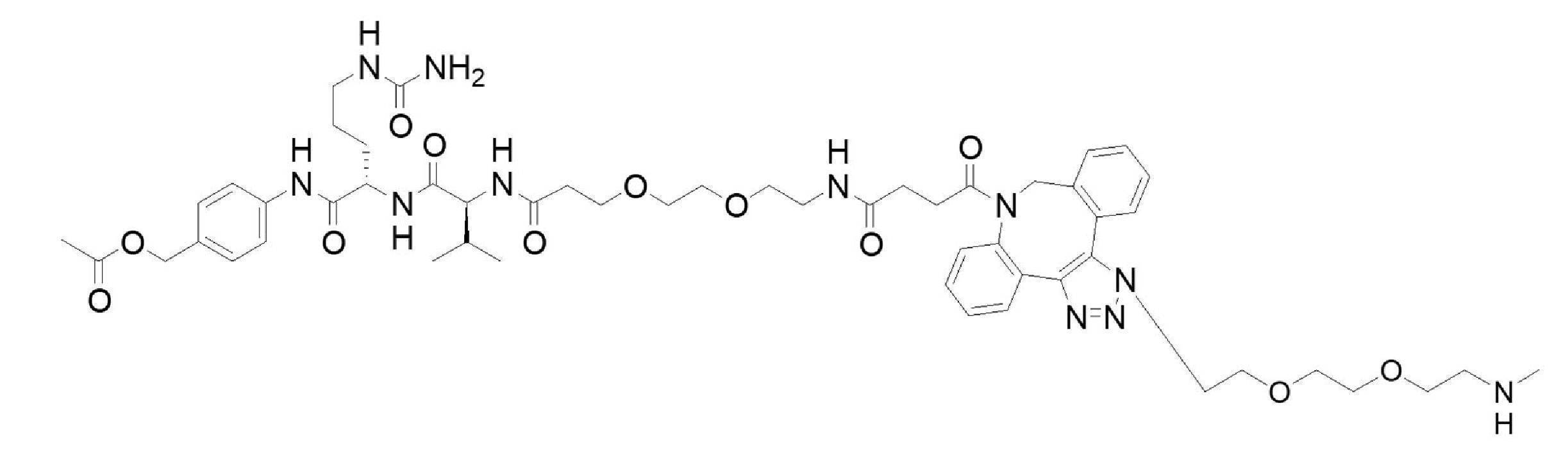
(1)元々糖鎖構造が不均一な抗HER2抗体の糖鎖を切断する。糖鎖の切断は、エンド-β-N-アセチルグルコサミニダーゼ(EndoS)を用いて行うことができる。EndoSにより、抗体のFc領域のCHドメインに位置する297番目のアスパラギン(Asn)に結合しているN型複合型糖鎖の還元末端のN-アセチルグルコサミン(GlcNAc)1残基を残して切断される。還元末端のN-アセチルグルコサミンには、フコースが結合していても、結合していなくてもよい。この後、クロマトグラフィーを用いて、糖鎖が切断された抗体を精製すればよい。クロマトグラフィーとしては、ゲル濾過クロマトグラフィー、アフィニティークロマトグラフィー、イオン交換クロマトグラフィー、疎水性クロマトグラフィー等が挙げられる。
(2)(1)により取得した抗体-GlcNAcの糖鎖に糖鎖結合薬物をコンジュゲーションする。コンジュゲーションは、エンド-β-N-アセチルグルコサミニダーゼ変異酵素を用いて行うことができる。抗体-GlcNAcのFc領域のCHドメインに位置する297番目のアスパラギン(Asn)に結合しているN型複合型糖鎖の還元末端のN-アセチルグルコサミン(GlcNAc)1残基に糖鎖複合薬物の還元末端がオキサゾリン化されたN-アセチルグルコサミンが結合する。この後、クロマトグラフィーを用いて、糖鎖が切断された抗体を精製すればよい。クロマトグラフィーとしては、ゲル濾過クロマトグラフィー、アフィニティークロマトグラフィー、イオン交換クロマトグラフィー、疎水性クロマトグラフィー等が挙げられる。
本発明に関し、タンパク質又はアミノ酸配列について「1若しくは複数のアミノ酸が置換、欠失、挿入、及び/又は付加されたアミノ酸配列」というときの置換等されるアミノ酸の個数は、特に記載した場合を除き、いずれのタンパク質においても、そのアミノ酸配列からなるタンパク質が所望の機能を有する限り特に限定されないが、1-750個、1-500個、1-250個、1-200個、1-150個、1-100個、1-50個、1-40個、1-30個、1-20個、1-15個、1-9個又は1-4個程度であるか、性質の似たアミノ酸への置換であれば、さらに多くの個数の置換等がありうる。このようなアミノ酸配列に係るポリヌクレオチド又はタンパク質を調製するための手段は、当業者にはよく知られている。
なお、以下の実施例においては下記の略号を使用する。
CDMBI:2-Chloro-1,3-dimethyl-1H-benzimidazol-3-ium chloride
HOAt:1-Hydroxy―7-azabenzotriazole
HOBt:1-Hydroxybenzotirazole
IPTG:Isopropyl β-D-1-thiogalactopyranoside
MMAE:Monomethyl Auristatin E
(1) pRSFDuet-1-MBP-EndoF3 D165Qの調製
EndoF3 の塩基配列 (NZ CP067018, locus tag I6H88 03475;タンパク配列はWP 034868774.1) にD165Q変異を付与の上(EndoF3 D165Qのアミノ酸配列はSEQ ID NO:1)、E.coli発現用にコドン最適化した配列 (SEQ ID NO:2) を人工合成し(ThermoFisher Scientific社)、この配列をプライマーFEndoF3-NtermMBP及びREndoF3-NtermMBPを用いたPCR(98℃10秒、60℃5秒、68℃8秒を30サイクル)により増幅した。
ACTATCGAGGGAAGGGCAACCGCACTGGCAGGTAGC
REndoF3-NtermMBPの塩基配列 (SEQ ID NO:4)
CCAATTGAGATCTTCAGTTTTTAACGGCATCACGAACTG
AGATCTCAATTGGATATCGG
RNtermMBPの塩基配列 (SEQ ID NO:9)
CCTTCCCTCGATAGTCTGCGCGTCTTTCAGGGC
pRSFDuet-1-MBP-EndoF3 D165Qに対し目的の点変異を導入するため、PCRを行った。PCRにより得られた断片にDpnIを0.001mL加え、37℃で1時間反応し、DNA断片を精製した。得られた断片をE.coliJM109にヒートショック法で導入し、次いでLK plateに塗布後、37℃で終夜培養し、コロニーを取得した。このコロニーをカナマイシン含有LB培地(3mL)に接種し、終夜培養後、Wizard Plus SV Minipreps DNA Purification Systemsにてプラスミド抽出を行い、培養物からプラスミドDNA溶液0.05mLを取得した。
BL21(DE3)コンピテントセル(Novagen)(0.05mL)に上記プラスミド(0.001mL)を加え、0℃で20分静置後、42℃アルミブロックで45秒静置し、ヒートショック処理した。37℃に加温したSOC培地(0.45mL)を加え、37℃で1時間培養した。培養液を遠心分離(室温、6000g、3分)し、菌体を沈殿させた。上清(0.4mL)を除去後、菌体を再懸濁し、LB-Agarプレート(0.05mg/mLのカナマイシン含有)に播種し、37℃で終夜静置培養した。
Superbroth(10mL;Bacto Trypton(32g)、BactoYeast Extract(5g)、NaCl(5g)、1M 水酸化ナトリウム水溶液(5mL)、純水(950mL)、0.05mg/mLのカナマイシン含有)に上記形質転換で得られたコロニー1つを加え、37℃で終夜培養した。500mLバッフル付フラスコ中のSuperbroth(200mL、0.05mg/mLのカナマイシン含有)に培養液(2mL)を加えた。37℃で6時間培養し、終濃度が1mMとなるようにIPTGを加え、37℃で終夜培養した。培養液を遠心分離(4℃、10000rpm、5分)し、上清を除去し、菌体を回収した。
菌体にBugBuster(40mL)、及びLysonase(0.04mL)を加え、ピペッティングにより菌体を懸濁し、20分転倒混和した。この菌体懸濁液を遠心分離(室温、10000rpm、20分)し、上清を除去し、沈殿物を不溶性画分として取得した。この不溶性画分に0.15%CHAPS/20%酢酸溶液(40mL)を加えた。37℃で2.5時間転倒混和し、遠心分離(室温、10000rpm、10分)し、上清を取得した。Slide-A-Lyzer Dialysis Flask(20kDa MWCO;Thermo Fischer Scientific)にこの上清を加え、超純水に浸し、4℃で2日透析した(4時間以上の時間を空けて透析外液を3回交換)。さらに10mM Tris-HClバッファー(pH8.0)に浸し、4℃で終夜透析した。本溶液を50mM pH7.4 Tris-HClバッファーで限外濾過(Amicon Ultra 30kDa)により置換し、EndoF3変異酵素を取得した。
(1)プラスミド構築
EndoS の塩基配列 (CP043530, locus tag MGAS2221 1552;タンパク配列はWP 011285695.1) にD233Q変異を付与の上(EndoS D233Qのアミノ酸配列はSEQ ID NO:11)、E.coli発現用にコドン最適化した配列 (SEQ ID NO:12) をN末端側及びC末端側の2つの部分に分割して人工合成した(ThermoFisher Scientific社)。この配列を鋳型にプライマーFEndoS_D233Q_His_pRSF及びRendoS D233Q frontでN末端側を増幅し、FendoS D233Q back及びREndoS_D233Q_His_pRSFを用いたPCR(98℃10秒、60℃5秒、68℃8秒を30サイクル)によりC末端側を増幅した。同様にpRSFDuet-1を、プライマーFpRSF InF His BamHI及びRpRSF InF His NcoIを用いたPCR(98℃10秒、60℃5秒、68℃8秒を30サイクル)により増幅した。
CACCATCATCACCACGATAAACATTTGTTGGTAAAAAG
RendoSD233Q front (SEQ ID NO:14)
GCTAATTTTTTAAATTTATTTAGACCTTCTAAAC
FendSD233Q back (SEQ ID NO:15)
GGTCTAAATAAATTTAAAAAATTAGCTCAATTAGACTTG
RendoSD233Q His pRSF (SEQ ID NO:16)
CTCGAATTCGGATCCTTATTTTTTTAGCAGCTGCC
FpRSF InF His BamHI (SEQ ID NO:17)
GGATCCGAATTCGAGCTCG
RpRSF InF His NcoI (SEQ ID NO:18)
GTGGTGATGATGGTGATGGCTGCTGCCCAT
得られたIn-Fusion溶液を用いてE.coliJM109(TAKARA)を形質転換し、37℃で終夜培養した。得られたコロニーに対してコロニーPCRを行い、ポジティブクローンからプラスミドとしてpRSFDuet-1-EndoSD233Q(SEQ ID NO:19)を取得した。
BL21(DE3)コンピテントセル(Novagen)(0.05mL)に上記プラスミド(0.001mL)を加え、0℃で20分静置後、42℃アルミブロックで45秒静置し、ヒートショック処理した。37℃に加温したSOC培地(0.45mL)を加え、37℃で1時間培養した。培養液を遠心分離(室温、6000g、3分)し、菌体を沈殿させた。上清(0.4mL)を除去後、菌体を再懸濁し、LB-Agarプレート(0.05mg/mLのカナマイシン含有)に播種し、37℃で終夜静置培養した。
Superbroth(10mL;Bacto Trypton(32g)、BactoYeast Extract(5g)、NaCl(5g)、1M 水酸化ナトリウム水溶液(5mL)、純水(950mL)、0.05mg/mLのカナマイシン含有)に上記形質転換で得られたコロニー1つを加え、37℃で終夜培養した。500mLバッフル付フラスコ中のSuperbroth(200mL、0.05mg/mLのカナマイシン含有)に培養液(2mL)を加えた。37℃で6時間培養し、終濃度が1mMとなるようにIPTGを加え、37℃で終夜培養した。培養液を遠心分離(4℃、10000rpm、5分)し、上清を除去し、菌体を回収した。
菌体にBugBuster(5mL)、及びLysonase(0.5mL)を加え、ピペッティングにより菌体を懸濁し、20分転倒混和した。この菌体懸濁液を遠心分離(4℃、10000rpm、20分)し、上清を回収した。この上清に終濃度が1%になるようにStreptomycin sulfateを加え、4℃で終夜静置した。この懸濁液を遠心分離(4℃、10000rpm、20分)し、上清を回収した。この上清に終濃度が40%になるように硫酸アンモニウムを加え、0℃にて1時間静置した。この懸濁液を遠心分離(4℃、10000rpm、20分)し、上清を回収した。この上清に終濃度が60%になるように硫酸アンモニウムを加え、0℃にて1時間静置した。この懸濁液を遠心分離(4℃、10000rpm、20分)し、上清を回収した。この上清に終濃度が20%となるように1M pH7.5 Tris-HClバッファーを加え、カラムクトマトグラフィー(His Trap HP)にアプライし、精製し、EndoS D233Q(SEQ ID NO:11)を取得した。
抗体-GlcNAcの調製の模式図を図3に示す。エッペンドルフチューブにて、抗HER2抗体0.050g(米国特許第5821337を参考に調製したもの。サブクラスはIgG1。)を酢酸ナトリウムバッファー(GlycoBuffer 1;NEW ENGLAND BioLabs)にて置換し、0.3mLになるように本バッファーを加えた。その溶液にEndoS(0.025mL;NEW ENGLAND BioLabs)を加え、37℃で16時間インキュベーションした。反応溶液のEndoSをChitin Beads(NEW ENGLAND BioLabs)にて除去し、回収画分をアフィニティカラム(rProtein A Sepharose Fast Flow(GEヘルスケア))にて精製した。50mM pH7.4 Tris-HClバッファーにて限外濾過(Amicon Ultra 30kDa)で置換し、抗体-GlcNAc(0.050g)を取得した。
実施例1で調製したEndoF3変異酵素、又は実施例2で調製したEndoS変異酵素にて、実施例3で調製した抗体-GlcNAcと、ペイロード付糖鎖(後掲の製造例6のダウノルビシン付糖鎖、又は後掲の製造例11のMMAE付糖鎖)をコンジュゲーションした(後掲の実施例5及び6参照)。本コンジュゲーションの模式図を図4に示す。取得したコンジュゲーション体をHPLCにより測定した。以下にHPLC分析条件を示す。
カラムサイズ:30 x 4.6 mm
充填剤粒子径:3.5 μm
移動相A:50 mM pH 7.4 リン酸ナトリウム水溶液
移動相B:2 M pH 7.0 硫酸アンモニウム水溶液
移動相C:2-プロパノール
グラジエントは以下の通り。

流速:0.50 mL/min, カラム温度:25℃, 検出波長:214 nm,280nm インジェクション量:10 μL.


MS(ESI)m/z:1155(M+H)+

MS(ESI)m/z:1315(M+H)+

MS(ESI)m/z:1380(M+H)+

MS(ESI)m/z:2333(M+H)+

MS(ESI)m/z:1698(M+3H)3+、1274(M+4H)4+


MS(ESI)m/z:1346(M+H)+
MS(ESI)m/z:1505(M+H)+

MS(ESI)m/z:1571(M+H)+

MS(ESI)m/z:1822(M+H+H+Na)3+、1373(M+H+H+Na+Na)4+


記載の調整法
MS(ESI)m/z:835(M+H)+
MS(ESI)m/z:735(M+H)+
MS(ESI)m/z:761(M+H)+

MS(ESI)m/z:826(M+H)+

MS(ESI)m/z:991(M+H)+

MS(ESI)m/z:1587(M+H)+
MS(ESI)m/z:1837(M+3H)3+, 1378(M+4H)4+


MS(ESI)m/z:841(M+H)+

MS(ESI)m/z:1001(M+H)+

MS(ESI)m/z:1288(M+H)+
MS(ESI)m/z:1637(M+3H)3+, 1228(M+4H)4+


MS(ESI)m/z:2422(M+H)+

MS(ESI)m/z:1855(M+3H)3+, 1391(M+4H)4+

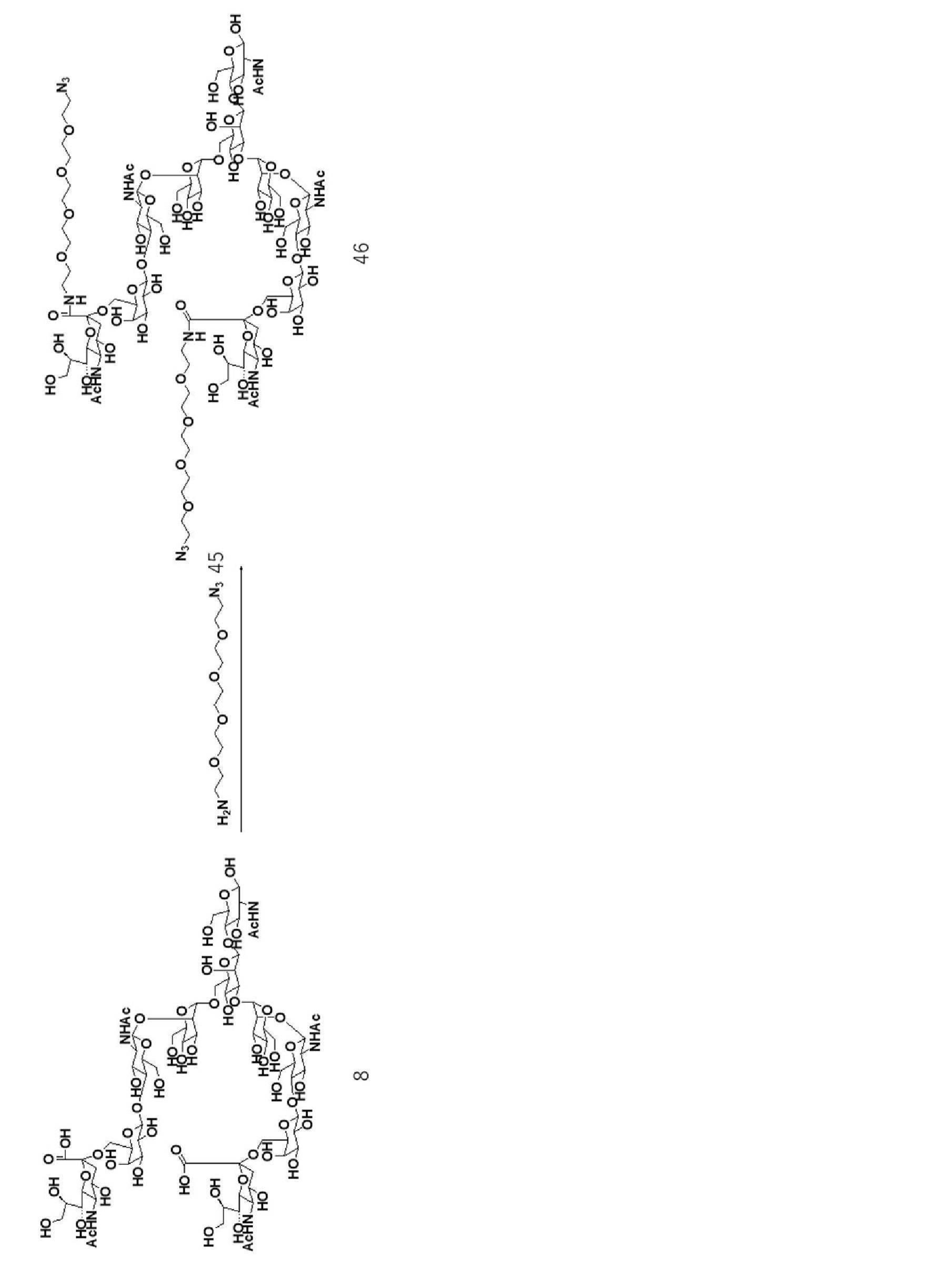
MS(ESI)m/z:1256(M+2H)2+, 837(M+3H)3+

MS(ESI)m/z:1884(M+3H)3+, 1413(M+4H)4+


MS(ESI)m/z:542 (M+H)+

MS(ESI)m/z:707 (M+H)+

MS(ESI)m/z:1286 (M+H)+

MS(ESI)m/z:1567 (M+H)+

MS(ESI)m/z:1632 (M+H)+
MS(ESI)m/z:1867(M+3H)3+, 1400(M+4H)4+



(1) pRSFDuet-1-MBP-WP1328の調製
WP1328の塩基配列 (タンパク配列はWP 069215570.1) をE.coli発現用にコドン最適化した配列 (SEQ ID NO:20) を人工合成し(Genewiz社)、この配列をプライマーWP 1328 f及びWP 1328 rを用いたPCR(98℃10秒、60℃5秒、68℃30秒を30サイクル)により増幅した。
ACTATCGAGGGAAGGAGTCGCGCGCTGGCG
WP1328 rの塩基配列 (SEQ ID NO:22)
ATCCAATTGAGATCTTCATTTCACCGCGTTCTTAACGG
AGATCTCAATTGGATATCGG
RNtermMBPの塩基配列 (SEQ ID NO:9)
CCTTCCCTCGATAGTCTGCGCGTCTTTCAGGGC
SEQ ID NO:2 EndoF3 D165Q
SEQ ID NO:3 FEndoF3-NtermMBP
SEQ ID NO:4 REndoF3-NtermMBP
SEQ ID NO:5 Matlose Binding protein
SEQ ID NO:6 Factor Xa
SEQ ID NO:7 Factor Xa
SEQ ID NO:8 FNtermMBP
SEQ ID NO:9 RNtermMBP
SEQ ID NO:10 pRSFDuet-1-MBP-EndoF3 D165Q
SEQ ID NO:11 EndoS D233Q
SEQ ID NO:12 EndoS D233Q
SEQ ID NO:13 FendoS D233Q His pRSF
SEQ ID NO:14 RendoS D233Q front
SEQ ID NO:15 FendS D233Q back
SEQ ID NO:16 RendoS D233Q His pRSF
SEQ ID NO:17 FpRSF InF His BamHI
SEQ ID NO:18 RpRSF InF His NcoI
SEQ ID NO:19 pRSFDuet-1-EndoS D233Q
SEQ ID NO:20 EndoF3 D165Q
SEQ ID NO:21 WP1328f
SEQ ID NO:22 WP1328r
SEQ ID NO:23 pRSFDuet-1-MBP-WP1328
SEQ ID NO:24 WP1328
Claims (11)
- 下記の工程を含む、抗体薬物複合体の製造方法:
糖鎖均一化抗体と糖鎖結合薬物とを、コンジュゲーションする工程であって、
糖鎖結合薬物が、還元末端がオキサゾリン化された糖鎖にリンカーを介して薬物が結合したものである、工程。 - 糖鎖均一化抗体と糖鎖結合薬物とを、エンド-β-N-アセチルグルコサミニダーゼ変異酵素によりコンジュゲーションする、請求項1に記載の製造方法。
- エンド-β-N-アセチルグルコサミニダーゼ変異酵素が、下記のいずれか一のタンパク質である、請求項2に記載の製造方法:
(1) 配列番号1のアミノ酸配列、又は配列番号1のアミノ酸配列において、165番目がアスパラギン酸(D)以外のアミノ酸に置換されたアミノ酸配列からなるタンパク質;
(2)(1)に記載のタンパク質のアミノ酸配列において、1若しくは複数のアミノ酸が置換、欠失、挿入、及び/又は付加したアミノ酸配列からなり、ただし165番目はD以外のアミノ酸であり、かつコンジュゲーション活性を有する、タンパク質;
(3)(1)に記載のタンパク質のアミノ酸配列と少なくとも90%の同一性を有するアミノ酸配列からなり、ただし165番目はD以外のアミノ酸であり、かつコンジュゲーション活性を有する、タンパク質;
(4) 配列番号11のアミノ酸配列、又は配列番号11のアミノ酸配列において、233番目がD以外のアミノ酸に置換されたアミノ酸配列からなるタンパク質;
(5)(4)に記載のタンパク質のアミノ酸配列において、1若しくは複数のアミノ酸が置換、欠失、挿入、及び/又は付加したアミノ酸配列からなり、ただし233番目はD以外のアミノ酸であり、かつコンジュゲーション活性を有する、タンパク質;
(6)(4)に記載のタンパク質のアミノ酸配列と少なくとも90%の同一性を有するアミノ酸配列からなり、ただし233番目はD以外のアミノ酸であり、かつコンジュゲーション活性を有する、タンパク質;
(7)配列番号24のアミノ酸配列、又は配列番号24のアミノ酸配列において、165番目がD以外のアミノ酸に置換されたアミノ酸配列からなるタンパク質。 - リンカーが、生体内で開裂可能な構造を含む、請求項1から3のいずれか1項に記載の製造方法。
- リンカーが、ペプチドを含む構造である、請求項1から4のいずれか1項に記載の製造方法。
- リンカーが、一般式-E-D-C-B-A-で表される構造であり、ただしAは糖鎖に結合し、Eは薬物に結合する、請求項1から5のいずれか1項に記載の製造方法
[式中、
A、B、C、及びEが、各々独立に、アルキル基、エステル基、カルバモイル基、アルコキシアルキル基、イミン基、ヒドラゾン基、アゾ基、スルホン基、芳香族基、及び単結合からなる群より選択され;
Dは、2-6個のアミノ酸残基からなるペプチドである。]。 - Aは、-(CH2CH2O)m1-(CH2)m2-、-(CH2)m2-、又は単結合であり;
Bは、下記からなる群より選択されるいずれかであり

Cは、-C(O)-(CH2)n1-C(O)-、-C(O)-(CH2)n1-C(O)-NH-(CH2CH2O)n2-(CH2)n3-C(O)-、-C(O)-(CH2)n1-C(O)-NH-(CH2)n3-C(O)-、又は単結合であり、
Eは、-アミノベンジルアルコール-C(O)-、NH-(CH2)o-、又は単結合であり、
m1は、1から12の整数であり、
m2は、1から6の整数であり、
n1は、1から6の整数であり、
n2は、1から12の整数であり、
n3は、1から6の整数であり、
oは、1から6の整数である。]、請求項6に記載の製造方法。 - Bが、

- 薬物が、アンスラサイクリン類、アウリスタチン類、メイタンシン類、カンプトテシン類、ピロロベンゾジアゼピン二量体、カリケアミシン類、及びデュオカルマイシン類からなる群より選択されるいずれかである、請求項1から8のいずれか1項に記載の製造方法。
- 下記のいずれか一のタンパク質を含む、糖鎖均一化抗体と糖鎖結合薬物との反応に用いるための酵素剤:
(1) 配列番号1のアミノ酸配列、又は配列番号1のアミノ酸配列において、165番目がアスパラギン酸(D)以外のアミノ酸に置換されたアミノ酸配列からなるタンパク質;
(2)(1)に記載のタンパク質のアミノ酸配列において、1若しくは複数のアミノ酸が置換、欠失、挿入、及び/又は付加したアミノ酸配列からなり、ただし165番目はD以外のアミノ酸であり、かつコンジュゲーション活性を有する、タンパク質;
(3)(1)に記載のタンパク質のアミノ酸配列と少なくとも90%の同一性を有するアミノ酸配列からなり、ただし165番目はD以外のアミノ酸であり、かつコンジュゲーション活性を有する、タンパク質;
(4) 配列番号11のアミノ酸配列、又は配列番号11のアミノ酸配列において、233番目がD以外のアミノ酸に置換されたアミノ酸配列からなるタンパク質;
(5)(4)に記載のタンパク質のアミノ酸配列において、1若しくは複数のアミノ酸が置換、欠失、挿入、及び/又は付加したアミノ酸配列からなり、ただし233番目はD以外のアミノ酸であり、かつコンジュゲーション活性を有する、タンパク質;
(6)(4)に記載のタンパク質のアミノ酸配列と少なくとも90%の同一性を有するアミノ酸配列からなり、ただし233番目はD以外のアミノ酸であり、かつコンジュゲーション活性を有する、タンパク質;
(7)配列番号24のアミノ酸配列、又は配列番号24のアミノ酸配列において、165番目がアスパラギン酸(D)以外のアミノ酸に置換されたアミノ酸配列からなるタンパク質。 - 下記のいずれか一のタンパク質をコードするポリヌクレオチドの、糖鎖均一化抗体と、糖鎖結合薬物との反応に用いるための酵素の製造における使用:
(1) 配列番号1のアミノ酸配列、又は配列番号1のアミノ酸配列において、165番目がアスパラギン酸(D)以外のアミノ酸に置換されたアミノ酸配列からなるタンパク質;
(2)(1)に記載のタンパク質のアミノ酸配列において、1若しくは複数のアミノ酸が置換、欠失、挿入、及び/又は付加したアミノ酸配列からなり、ただし165番目はD以外のアミノ酸であり、かつコンジュゲーション活性を有する、タンパク質;
(3)(1)に記載のタンパク質のアミノ酸配列と少なくとも90%の同一性を有するアミノ酸配列からなり、ただし165番目はD以外のアミノ酸であり、かつコンジュゲーション活性を有する、タンパク質;
(4) 配列番号11のアミノ酸配列、又は配列番号11のアミノ酸配列において、233番目がD以外のアミノ酸に置換されたアミノ酸配列からなるタンパク質;
(5)(4)に記載のタンパク質のアミノ酸配列において、1若しくは複数のアミノ酸が置換、欠失、挿入、及び/又は付加したアミノ酸配列からなり、ただし233番目はD以外のアミノ酸であり、かつコンジュゲーション活性を有する、タンパク質;
(6)(4)に記載のタンパク質のアミノ酸配列と少なくとも90%の同一性を有するアミノ酸配列からなり、ただし233番目はD以外のアミノ酸であり、かつコンジュゲーション活性を有する、タンパク質;
(7)配列番号24のアミノ酸配列、又は配列番号24のアミノ酸配列において、165番目がアスパラギン酸(D)以外のアミノ酸に置換されたアミノ酸配列からなるタンパク質。
Priority Applications (3)
| Application Number | Priority Date | Filing Date | Title |
|---|---|---|---|
| EP22781285.6A EP4316527A4 (en) | 2021-03-31 | 2022-03-31 | METHOD FOR MANUFACTURED AN ANTIBODY-DRUG AND ENZYME CONJUGATE USED IN SAID METHOD |
| US18/284,708 US20240191272A1 (en) | 2021-03-31 | 2022-03-31 | Method for producing antibody-drug conjugate and enzyme used for the same |
| JP2023511738A JP7624255B2 (ja) | 2021-03-31 | 2022-03-31 | 抗体薬物複合体の製造方法及びそれに用いる酵素 |
Applications Claiming Priority (2)
| Application Number | Priority Date | Filing Date | Title |
|---|---|---|---|
| JP2021-061693 | 2021-03-31 | ||
| JP2021061693 | 2021-03-31 |
Publications (1)
| Publication Number | Publication Date |
|---|---|
| WO2022211075A1 true WO2022211075A1 (ja) | 2022-10-06 |
Family
ID=83459629
Family Applications (1)
| Application Number | Title | Priority Date | Filing Date |
|---|---|---|---|
| PCT/JP2022/016786 Ceased WO2022211075A1 (ja) | 2021-03-31 | 2022-03-31 | 抗体薬物複合体の製造方法及びそれに用いる酵素 |
Country Status (4)
| Country | Link |
|---|---|
| US (1) | US20240191272A1 (ja) |
| EP (1) | EP4316527A4 (ja) |
| JP (1) | JP7624255B2 (ja) |
| WO (1) | WO2022211075A1 (ja) |
Cited By (2)
| Publication number | Priority date | Publication date | Assignee | Title |
|---|---|---|---|---|
| WO2024075764A1 (ja) * | 2022-10-05 | 2024-04-11 | 日本マイクロバイオファーマ株式会社 | 抗体薬物複合体の製造方法及びそれに用いる酵素 |
| WO2024158047A1 (ja) * | 2023-01-27 | 2024-08-02 | 第一三共株式会社 | 抗lrrc15抗体 |
Citations (11)
| Publication number | Priority date | Publication date | Assignee | Title |
|---|---|---|---|---|
| US5821337A (en) | 1991-06-14 | 1998-10-13 | Genentech, Inc. | Immunoglobulin variants |
| WO2004010957A2 (en) | 2002-07-31 | 2004-02-05 | Seattle Genetics, Inc. | Drug conjugates and their use for treating cancer, an autoimmune disease or an infectious disease |
| US20120226024A1 (en) | 2011-03-03 | 2012-09-06 | Lai-Xi Wang | Core fucosylated glycopeptides and glycoproteins: chemoenzymatic synthesis and uses thereof |
| WO2013120066A1 (en) | 2012-02-10 | 2013-08-15 | University Of Maryland, Baltimore | Chemoenzymatic glycoengineering of antibodies and fc fragments thereof |
| WO2014145090A1 (en) | 2013-03-15 | 2014-09-18 | Regeneron Pharmaceuticals, Inc. | Biologically active molecules, conjugates thereof, and therapeutic uses |
| WO2017010559A1 (ja) * | 2015-07-16 | 2017-01-19 | 第一三共株式会社 | 新規EndoS変異酵素 |
| WO2017124084A1 (en) | 2016-01-15 | 2017-07-20 | University Of Maryland, College Park | Endo-s2 mutants as glycosynthases, method of making and use for glycoengineering of glycoproteins |
| CN107778372A (zh) * | 2016-08-22 | 2018-03-09 | 中国科学院上海药物研究所 | 一种寡糖连接子以及利用该寡糖连接子制备的定点连接的抗体‑药物偶联物 |
| JP2019206491A (ja) * | 2018-05-29 | 2019-12-05 | 国立研究開発法人理化学研究所 | 乳がんまたは胃がんの治療のための抗体−薬物複合体 |
| WO2020196475A1 (ja) * | 2019-03-25 | 2020-10-01 | 第一三共株式会社 | 抗her2抗体-ピロロベンゾジアゼピン誘導体コンジュゲート |
| JP2021145548A (ja) * | 2020-03-16 | 2021-09-27 | 公益財団法人野口研究所 | ENGaseまたはその変異体を用いた4本鎖糖鎖を有するIgG抗体の調製方法 |
Family Cites Families (3)
| Publication number | Priority date | Publication date | Assignee | Title |
|---|---|---|---|---|
| WO2020146541A2 (en) * | 2019-01-08 | 2020-07-16 | Regeneron Pharmaceuticals, Inc. | Traceless linkers and protein-conjugates thereof |
| CN114949236B (zh) * | 2021-02-22 | 2024-09-06 | 中国科学院上海药物研究所 | 二糖连接子、二糖-小分子药物偶联物以及糖链定点抗体-药物偶联物,其制备方法及用途 |
| EP4326314A4 (en) * | 2021-04-23 | 2025-12-17 | Univ Maryland | FC-GLYCAN REMODELING FOR SITE-SPECIFIC ANTIBODIES CONJUGATION AND APPLICATIONS THEREOF |
-
2022
- 2022-03-31 JP JP2023511738A patent/JP7624255B2/ja active Active
- 2022-03-31 WO PCT/JP2022/016786 patent/WO2022211075A1/ja not_active Ceased
- 2022-03-31 US US18/284,708 patent/US20240191272A1/en active Pending
- 2022-03-31 EP EP22781285.6A patent/EP4316527A4/en active Pending
Patent Citations (11)
| Publication number | Priority date | Publication date | Assignee | Title |
|---|---|---|---|---|
| US5821337A (en) | 1991-06-14 | 1998-10-13 | Genentech, Inc. | Immunoglobulin variants |
| WO2004010957A2 (en) | 2002-07-31 | 2004-02-05 | Seattle Genetics, Inc. | Drug conjugates and their use for treating cancer, an autoimmune disease or an infectious disease |
| US20120226024A1 (en) | 2011-03-03 | 2012-09-06 | Lai-Xi Wang | Core fucosylated glycopeptides and glycoproteins: chemoenzymatic synthesis and uses thereof |
| WO2013120066A1 (en) | 2012-02-10 | 2013-08-15 | University Of Maryland, Baltimore | Chemoenzymatic glycoengineering of antibodies and fc fragments thereof |
| WO2014145090A1 (en) | 2013-03-15 | 2014-09-18 | Regeneron Pharmaceuticals, Inc. | Biologically active molecules, conjugates thereof, and therapeutic uses |
| WO2017010559A1 (ja) * | 2015-07-16 | 2017-01-19 | 第一三共株式会社 | 新規EndoS変異酵素 |
| WO2017124084A1 (en) | 2016-01-15 | 2017-07-20 | University Of Maryland, College Park | Endo-s2 mutants as glycosynthases, method of making and use for glycoengineering of glycoproteins |
| CN107778372A (zh) * | 2016-08-22 | 2018-03-09 | 中国科学院上海药物研究所 | 一种寡糖连接子以及利用该寡糖连接子制备的定点连接的抗体‑药物偶联物 |
| JP2019206491A (ja) * | 2018-05-29 | 2019-12-05 | 国立研究開発法人理化学研究所 | 乳がんまたは胃がんの治療のための抗体−薬物複合体 |
| WO2020196475A1 (ja) * | 2019-03-25 | 2020-10-01 | 第一三共株式会社 | 抗her2抗体-ピロロベンゾジアゼピン誘導体コンジュゲート |
| JP2021145548A (ja) * | 2020-03-16 | 2021-09-27 | 公益財団法人野口研究所 | ENGaseまたはその変異体を用いた4本鎖糖鎖を有するIgG抗体の調製方法 |
Non-Patent Citations (23)
| Title |
|---|
| ALTSCHU ET AL., J. MOL. BIOL., vol. 215, 1990, pages 403 - 410 |
| BIOCONJUG. CHEM., vol. 30, 2019, pages 1343 - 1355 |
| BIOCONJUGATE CHEM., vol. 28, 2017, pages 1906 - 1915 |
| BIOORG. MED. CHEM., vol. 20, 2012, pages 571 - 582 |
| CANCER SCI., vol. 100, 2009, pages 1566 - 1572 |
| CHEM, REV., vol. 113, 2013, pages 4905 - 4979 |
| CHEM. SOC. REV., vol. 46, 2017, pages 5128 - 5146 |
| CHEM. SOC. REV., vol. 48, 2019, pages 4361 - 4374 |
| CLIN. CANCER RES., vol. 7, 2001, pages 1490 - 1496 |
| DATABASE UNIPROTKB 1 June 1994 (1994-06-01), ANONYMOUS : "P36913 · EBA3_ELIME", XP055973264, retrieved from UNIPROT Database accession no. P36913 * |
| DATABASE UNIPROTKB 7 June 2017 (2017-06-07), ANONYMOUS : "A0A1V3U698 · A0A1V3U698_ELIME", XP055973262, retrieved from UNIPROT Database accession no. A0A1V3U698 * |
| GIDDENS JOHN P., LOMINO JOSEPH V., AMIN MOHAMMED N., WANG LAI-XI: "Endo-F3 Glycosynthase Mutants Enable Chemoenzymatic Synthesis of Core-fucosylated Triantennary Complex Type Glycopeptides and Glycoproteins", JOURNAL OF BIOLOGICAL CHEMISTRY, AMERICAN SOCIETY FOR BIOCHEMISTRY AND MOLECULAR BIOLOGY, US, vol. 291, no. 17, 10 March 2016 (2016-03-10), US , pages 9356 - 9370, XP055907121, ISSN: 0021-9258, DOI: 10.1074/jbc.M116.721597 * |
| J. AM. CHEM. SOC., vol. 134, 2012, pages 12308 - 12318 |
| J. BIOL. CHEM., vol. 291, 2016, pages 16508 - 16518 |
| J. CONTROL. RELEASE, vol. 99, 2004, pages 423 - 434 |
| MABS, vol. 4, 2012, pages 458 - 465 |
| METHOD MOL. BIOL., vol. 2078, 2020, pages 83 - 97 |
| MIZUNO, MAMORU ET AL.: "3B-06 Synthesis of antibody-drug conjugate (ADC) precursor using PEGylated disaccharide oxazoline derivative", 40TH ANNUAL MEETING OF JAPANESE SOCIETY OF CARBOHYDRATE RESEARCH; OCTOBER 27-29, 2021, JAPANESE SOCIETY OF CARBOHYDRATE RESEARCH, JP, vol. 40, 15 October 2021 (2021-10-15) - 29 October 2021 (2021-10-29), JP, pages 114, XP009540124 * |
| NAT. BIOTECHNOL., vol. 23, 2005, pages 1137 - 1146 |
| NAT. BIOTECHNOL., vol. 26, 2008, pages 952 - 932 |
| NAT. PROTOC., vol. 6, 2011, pages 1183 - 1191 |
| PROTEIN CELL, vol. 9, no. 1, 2018, pages 33 - 46 |
| See also references of EP4316527A4 |
Cited By (2)
| Publication number | Priority date | Publication date | Assignee | Title |
|---|---|---|---|---|
| WO2024075764A1 (ja) * | 2022-10-05 | 2024-04-11 | 日本マイクロバイオファーマ株式会社 | 抗体薬物複合体の製造方法及びそれに用いる酵素 |
| WO2024158047A1 (ja) * | 2023-01-27 | 2024-08-02 | 第一三共株式会社 | 抗lrrc15抗体 |
Also Published As
| Publication number | Publication date |
|---|---|
| EP4316527A1 (en) | 2024-02-07 |
| JPWO2022211075A1 (ja) | 2022-10-06 |
| JP7624255B2 (ja) | 2025-01-30 |
| EP4316527A4 (en) | 2026-05-06 |
| US20240191272A1 (en) | 2024-06-13 |
Similar Documents
| Publication | Publication Date | Title |
|---|---|---|
| JP7522097B2 (ja) | 抗体-ピロロベンゾジアゼピン誘導体コンジュゲートとparp阻害剤の組み合わせ | |
| KR102880460B1 (ko) | 항체에 대한 친화성 물질 및 생체 직교성 관능기를 갖는 화합물 또는 이의 염 | |
| JP7529654B2 (ja) | 抗her2抗体-ピロロベンゾジアゼピン誘導体コンジュゲート | |
| CN1227034C (zh) | 药物复合物的制造方法 | |
| RU2747581C2 (ru) | Конъюгированные иммуноглобулины с c-концевым лизином | |
| JP2021502341A (ja) | 抗体薬物コンジュゲートのための親水性リンカー | |
| CN113260384A (zh) | 用于靶向表达trop-2的肿瘤的抗体缀合物 | |
| KR20240046307A (ko) | 가용성 단백질에 대한 친화성 물질, 절단성 부분 및 반응성기를 갖는 화합물 또는 이의 염 | |
| EP3273998A1 (en) | Maytansinoid derivatives, conjugates thereof, and methods of use | |
| CN105142672A (zh) | 经修饰的抗体、抗体-缀合物及其制备方法 | |
| JP7624255B2 (ja) | 抗体薬物複合体の製造方法及びそれに用いる酵素 | |
| WO2018086239A1 (zh) | 靶向tacstd2的抗体与药物偶联体(adc)分子 | |
| JP7811217B2 (ja) | 抗her2抗体-免疫アゴニストコンジュゲート及びその使用 | |
| AU2023281032A1 (en) | Oligosaccharide linker, linker-payload comprising the same and glycan chain-remodeled antibody-drug conjugate, preparation methods and uses thereof | |
| JP2020532523A (ja) | 抗egfr抗体薬物コンジュゲート(adc)及びその使用 | |
| WO2024075764A1 (ja) | 抗体薬物複合体の製造方法及びそれに用いる酵素 | |
| EP4496594A1 (en) | Antibody-conjugates for targeting of tumours expressing trop-2 | |
| JP2013518922A (ja) | Igf−iポリ(エチレングリコール)コンジュゲート | |
| US20240424127A1 (en) | Il-7 polypeptides, immunocytokines comprising same, and uses thereof | |
| WO2024207177A1 (en) | Antibody, linkers, payload, conjugates and applications thereof | |
| JP2025531032A (ja) | 抗体薬物複合体の医薬組成物 | |
| KR101536037B1 (ko) | 아포리포단백질을 포함하는 항체-약물 결합체 | |
| WO2026075204A1 (ja) | トランスグルタミナーゼ融合体、この融合体を含む抗体修飾剤、及び、この融合体を用いた抗体薬物複合体の製造方法 | |
| CN120981487A (zh) | 位点特异性正交生物偶联模式及其应用 | |
| TW202540064A (zh) | 新穎的菸鹼醯胺磷酸核糖基轉移酶抑制劑及其用途 |
Legal Events
| Date | Code | Title | Description |
|---|---|---|---|
| 121 | Ep: the epo has been informed by wipo that ep was designated in this application |
Ref document number: 22781285 Country of ref document: EP Kind code of ref document: A1 |
|
| WWE | Wipo information: entry into national phase |
Ref document number: 2023511738 Country of ref document: JP |
|
| WWE | Wipo information: entry into national phase |
Ref document number: 18284708 Country of ref document: US |
|
| WWE | Wipo information: entry into national phase |
Ref document number: 2022781285 Country of ref document: EP |
|
| ENP | Entry into the national phase |
Ref document number: 2022781285 Country of ref document: EP Effective date: 20231031 |
|
| NENP | Non-entry into the national phase |
Ref country code: DE |