WO2023140281A1 - 生産支援装置、方法およびプログラム - Google Patents
生産支援装置、方法およびプログラム Download PDFInfo
- Publication number
- WO2023140281A1 WO2023140281A1 PCT/JP2023/001314 JP2023001314W WO2023140281A1 WO 2023140281 A1 WO2023140281 A1 WO 2023140281A1 JP 2023001314 W JP2023001314 W JP 2023001314W WO 2023140281 A1 WO2023140281 A1 WO 2023140281A1
- Authority
- WO
- WIPO (PCT)
- Prior art keywords
- production
- information
- emissions
- processing unit
- plan
- Prior art date
- Legal status (The legal status is an assumption and is not a legal conclusion. Google has not performed a legal analysis and makes no representation as to the accuracy of the status listed.)
- Ceased
Links
Images


Classifications
-
- G—PHYSICS
- G05—CONTROLLING; REGULATING
- G05B—CONTROL OR REGULATING SYSTEMS IN GENERAL; FUNCTIONAL ELEMENTS OF SUCH SYSTEMS; MONITORING OR TESTING ARRANGEMENTS FOR SUCH SYSTEMS OR ELEMENTS
- G05B19/00—Program-control systems
- G05B19/02—Program-control systems electric
- G05B19/418—Total factory control, i.e. centrally controlling a plurality of machines, e.g. direct or distributed numerical control [DNC], flexible manufacturing systems [FMS], integrated manufacturing systems [IMS] or computer integrated manufacturing [CIM]
-
- G—PHYSICS
- G06—COMPUTING OR CALCULATING; COUNTING
- G06Q—INFORMATION AND COMMUNICATION TECHNOLOGY [ICT] SPECIALLY ADAPTED FOR ADMINISTRATIVE, COMMERCIAL, FINANCIAL, MANAGERIAL OR SUPERVISORY PURPOSES; SYSTEMS OR METHODS SPECIALLY ADAPTED FOR ADMINISTRATIVE, COMMERCIAL, FINANCIAL, MANAGERIAL OR SUPERVISORY PURPOSES, NOT OTHERWISE PROVIDED FOR
- G06Q10/00—Administration; Management
- G06Q10/06—Resources, workflows, human or project management; Enterprise or organisation planning; Enterprise or organisation modelling
-
- G—PHYSICS
- G06—COMPUTING OR CALCULATING; COUNTING
- G06Q—INFORMATION AND COMMUNICATION TECHNOLOGY [ICT] SPECIALLY ADAPTED FOR ADMINISTRATIVE, COMMERCIAL, FINANCIAL, MANAGERIAL OR SUPERVISORY PURPOSES; SYSTEMS OR METHODS SPECIALLY ADAPTED FOR ADMINISTRATIVE, COMMERCIAL, FINANCIAL, MANAGERIAL OR SUPERVISORY PURPOSES, NOT OTHERWISE PROVIDED FOR
- G06Q10/00—Administration; Management
- G06Q10/06—Resources, workflows, human or project management; Enterprise or organisation planning; Enterprise or organisation modelling
- G06Q10/063—Operations research, analysis or management
- G06Q10/0631—Resource planning, allocation, distributing or scheduling for enterprises or organisations
-
- G—PHYSICS
- G06—COMPUTING OR CALCULATING; COUNTING
- G06Q—INFORMATION AND COMMUNICATION TECHNOLOGY [ICT] SPECIALLY ADAPTED FOR ADMINISTRATIVE, COMMERCIAL, FINANCIAL, MANAGERIAL OR SUPERVISORY PURPOSES; SYSTEMS OR METHODS SPECIALLY ADAPTED FOR ADMINISTRATIVE, COMMERCIAL, FINANCIAL, MANAGERIAL OR SUPERVISORY PURPOSES, NOT OTHERWISE PROVIDED FOR
- G06Q10/00—Administration; Management
- G06Q10/06—Resources, workflows, human or project management; Enterprise or organisation planning; Enterprise or organisation modelling
- G06Q10/063—Operations research, analysis or management
- G06Q10/0637—Strategic management or analysis, e.g. setting a goal or target of an organisation; Planning actions based on goals; Analysis or evaluation of effectiveness of goals
- G06Q10/06375—Prediction of business process outcome or impact based on a proposed change
-
- G—PHYSICS
- G06—COMPUTING OR CALCULATING; COUNTING
- G06Q—INFORMATION AND COMMUNICATION TECHNOLOGY [ICT] SPECIALLY ADAPTED FOR ADMINISTRATIVE, COMMERCIAL, FINANCIAL, MANAGERIAL OR SUPERVISORY PURPOSES; SYSTEMS OR METHODS SPECIALLY ADAPTED FOR ADMINISTRATIVE, COMMERCIAL, FINANCIAL, MANAGERIAL OR SUPERVISORY PURPOSES, NOT OTHERWISE PROVIDED FOR
- G06Q50/00—Information and communication technology [ICT] specially adapted for implementation of business processes of specific business sectors, e.g. utilities or tourism
- G06Q50/04—Manufacturing
-
- G—PHYSICS
- G06—COMPUTING OR CALCULATING; COUNTING
- G06Q—INFORMATION AND COMMUNICATION TECHNOLOGY [ICT] SPECIALLY ADAPTED FOR ADMINISTRATIVE, COMMERCIAL, FINANCIAL, MANAGERIAL OR SUPERVISORY PURPOSES; SYSTEMS OR METHODS SPECIALLY ADAPTED FOR ADMINISTRATIVE, COMMERCIAL, FINANCIAL, MANAGERIAL OR SUPERVISORY PURPOSES, NOT OTHERWISE PROVIDED FOR
- G06Q50/00—Information and communication technology [ICT] specially adapted for implementation of business processes of specific business sectors, e.g. utilities or tourism
- G06Q50/06—Energy or water supply
-
- Y—GENERAL TAGGING OF NEW TECHNOLOGICAL DEVELOPMENTS; GENERAL TAGGING OF CROSS-SECTIONAL TECHNOLOGIES SPANNING OVER SEVERAL SECTIONS OF THE IPC; TECHNICAL SUBJECTS COVERED BY FORMER USPC CROSS-REFERENCE ART COLLECTIONS [XRACs] AND DIGESTS
- Y02—TECHNOLOGIES OR APPLICATIONS FOR MITIGATION OR ADAPTATION AGAINST CLIMATE CHANGE
- Y02P—CLIMATE CHANGE MITIGATION TECHNOLOGIES IN THE PRODUCTION OR PROCESSING OF GOODS
- Y02P90/00—Enabling technologies with a potential contribution to greenhouse gas [GHG] emissions mitigation
- Y02P90/30—Computing systems specially adapted for manufacturing
Definitions
- One aspect of the present invention relates to a production support device, method, and program that provide production support for a system that produces products such as industrial products.
- This invention was made with a focus on the above circumstances, and aims to provide technology that enables production that takes into consideration the reduction of CO2 emissions, while reducing the time and burden required for formulating a production plan for the manufacturer.
- a first aspect of the production support device or production support method acquires forecast information on the power rate and CO2 emissions per unit of power for each date and time for each of a plurality of power supply sources that are assumed to be used, and acquires information specifying the production conditions of the product from the terminal of the production client. Then, based on the acquired power prediction information and the information specifying the production conditions, first production plan information that prioritizes reduction of CO2 emissions is generated, and the generated first production plan information is output.
- the production support device automatically generates and outputs first production plan information that prioritizes reduction of CO2 emissions. For this reason, for example, the producer does not need to independently measure the amount of CO2 emissions when producing products using production equipment and formulate a production plan that reflects the amount of CO2 emissions. Therefore, it is possible to shorten the time required for formulating a production plan, reduce the workload, and perform production in consideration of the reduction of CO2 emissions.
- At least one of second production planning information giving priority to delivery date and third production planning information giving priority to production cost is generated, and at least one of the generated first production planning information, the second production planning information and the third production planning information is output.
- the production requester can request production by selecting the second production planning information or the third production planning information as required.
- each aspect of the present invention it is possible to provide a technology that enables production that takes into account the reduction of CO2 emissions while suppressing the time and burden required for formulating a production plan for the manufacturer.
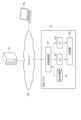
- FIG. 1 is a diagram showing an example of the overall configuration of a production control system equipped with a production support device according to one embodiment of the invention.
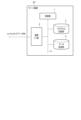
- FIG. 2 is a block diagram showing an example of the hardware configuration of a server device that functions as a production support device according to one embodiment of the present invention.
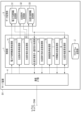
- FIG. 3 is a block diagram showing an example of the software configuration of a server device that functions as a production support device according to one embodiment of the present invention.
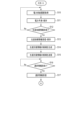
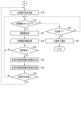
- FIG. 4 is a flow chart showing the first half of the processing procedure and processing contents of the production support processing executed by the production support apparatus shown in FIGS.
- FIG. 5 is a flow chart showing the second half of the processing procedure and processing contents of the production support processing executed by the production support apparatus shown in FIGS.
- FIG. 1 is a diagram showing an example of the overall configuration of a production control system equipped with a production support device according to one embodiment of the invention.
- FIG. 2 is a block diagram showing an example of the hardware configuration of a server device that functions as a production support device
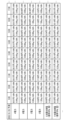
- FIG. 6 is a diagram showing an example of power rates and CO2 emissions per unit power amount for each date and time for each of a plurality of power supply sources that are assumed to use power.
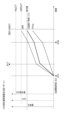
- FIG. 7 is a diagram showing an example of a production pattern that prioritizes reduction of CO2 emissions generated by the production support apparatus shown in FIG.
- FIG. 8 is a diagram showing an example of production plan information corresponding to the production pattern shown in FIG.
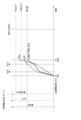
- FIG. 9 is a diagram showing an example of a production pattern that gives priority to delivery dates, generated by the production support device shown in FIG.
- FIG. 10 is a diagram showing an example of production plan information corresponding to the production pattern shown in FIG.
- FIG. 1 is a diagram showing an example of the overall configuration of a production control system equipped with a production support device according to one embodiment of the present invention.
- a production management system connects a server device SV having a function as a production support device to a production system CS operated by a manufacturer via a network NW, and furthermore, connects a terminal TM of a production client to this server device SV via the network NW.
- the production system CS includes, for example, a production facility WS, a plurality of controllers (PLC: Programmable Logic Controllers) PL1 and PL2, a power meter PD, and a production control device CP.
- the production equipment WS consists of, for example, a puncher system with a work feeder, a plurality of conveyors and robots.
- the controllers PL1 and PL2 control the operation of the production equipment WS according to preset manufacturing logic.
- the power meter PD measures the power consumed by the production equipment WS, and outputs measurement data including the measured power consumption and the measurement time to the production control device CP.
- the production control device CP consists of, for example, a personal computer, and manages and controls the operation of the entire production system CS. For example, the production control device CP sets control logic for production to the controllers PL1 and PL2 according to production plan information sent from the server device SV, which will be described later, and performs processing for selecting a power supply source to be supplied to the production facility WS. Further, the production control device CP acquires power consumption measurement data from the power meter PD during the operation period of the production equipment WS, and transmits the acquired measurement data to the server device SV in response to an acquisition request from the server device SV.
- the terminal TM of the production client consists of a personal computer, and is used by the production client to send and receive various information data related to production requests and instructions to and from the server device SV.
- the terminal TM of the production requester transmits production request information including product production conditions to the server device SV.
- the terminal TM of the production client receives and displays the candidate of the production plan information and the candidate of the production plan change information sent from the server device SV, respectively, and transmits the selection information of the production plan input by the production client and the permission/denial information on the production plan change to the server device SV.
- the network NW comprises, for example, a wide area network centered on the Internet and an access network for accessing this wide area network.
- the access network for example, a wired or wireless public communication network, a wired or wireless LAN (Local Area Network), and a CATV (Cable Television) network are used.
- the production facility WS is not limited to the puncher system, but may also be a system that processes, paints, assembles, or packages products or semi-finished products, and is not limited to industrial products. Also, the configuration of the production system SC is not limited to the configuration described above.
- Server device SV 2 and 3 are block diagrams showing examples of hardware and software configurations of the server device SV, respectively.
- the server device SV consists of a server computer arranged, for example, on the cloud, on the edge, or on the Web.
- the server device SV includes a control unit 1 using a hardware processor such as a central processing unit (CPU), and a storage unit having a program storage unit 2 and a data storage unit 3 and a communication interface (hereafter referred to as I/F) unit 4 are connected to the control unit 1 via a bus 5.
- a hardware processor such as a central processing unit (CPU)
- I/F communication interface
- the communication I/F unit 4 uses a communication protocol defined by the network NW to transmit and receive information data between the production control device CP of the production system CS and the terminal TM of the production client.
- the program storage unit 2 is configured by combining a non-volatile memory such as a HDD (Hard Disk Drive) or SSD (Solid State Drive) that can be written and read at any time as a storage medium and a non-volatile memory such as a ROM (Read Only Memory), and stores application programs necessary for executing various control processes according to one embodiment of the present invention in addition to middleware such as an OS (Operating System).
- a non-volatile memory such as a HDD (Hard Disk Drive) or SSD (Solid State Drive) that can be written and read at any time as a storage medium
- a non-volatile memory such as a ROM (Read Only Memory)
- middleware such as an OS (Operating System).
- the data storage unit 3 is, for example, a combination of a non-volatile memory such as an HDD or SSD that can be written and read at any time as a storage medium and a volatile memory such as a RAM (Random Access Memory).
- a non-volatile memory such as an HDD or SSD that can be written and read at any time as a storage medium
- a volatile memory such as a RAM (Random Access Memory).
- the power prediction information storage unit 31 is used to store power prediction information representing predicted values of power rates and CO2 emissions for the power to be supplied for each of a plurality of power supply sources (e.g., electric power companies) that are assumed to be used for production operations in the production system CS in the future.
- a plurality of power supply sources e.g., electric power companies
- the production condition storage unit 32 is used to store the production request information sent from the production client's terminal TM at least until production is completed.
- the production plan information storage unit 33 is used to store the production plan information generated by the control unit 1 and its change information at least until production is completed.
- the control unit 1 includes a power forecast information acquisition processing unit 11, a production condition acquisition processing unit 12, a production plan generation processing unit 13, a production plan presentation/selection acceptance processing unit 14, a production execution instruction transmission processing unit 15, an actual value acquisition processing unit 16, an interim report transmission processing unit 17, and a production plan change processing unit 18 as processing functions according to one embodiment of the present invention.
- Each of these processing units 11 to 18 is realized by causing the hardware processor of the control unit 1 to execute the application program stored in the program storage unit 2.
- the power prediction information acquisition processing unit 11 acquires power profile information representing past power supply performance from each of a plurality of power supply sources (for example, electric power companies) that are assumed to be used in the production system CS. Then, based on the acquired power profile information, the power prediction information acquisition processing unit 11 predicts the power charges and CO2 emissions per unit power amount for each date and time in the future for each of the plurality of power supply sources, and performs processing to store each predicted value in the power prediction information storage unit 31 as power prediction information.
- a plurality of power supply sources for example, electric power companies
- the production condition acquisition processing unit 12 receives the production request information transmitted from the production client's terminal TM via the communication I/F unit 4, and stores the received production request information in the production condition storage unit 32.
- the production request information includes identification information and production quantities of products to be produced, production conditions thereof, and production requestor attribute information including the name and contact information of the production requestor.
- the production conditions include target values for delivery date, cost and CO2 emissions.
- the production plan generation processing unit 13 generates production plan information candidates based on the production conditions stored in the production condition storage unit 32 and the power prediction information stored in the power prediction information storage unit 31 for the products to be produced specified by the production request information. Then, the production plan generation processing unit 13 performs a process of storing the produced candidates for the production plan information in the production plan information storage unit 33 .
- Candidates for production plan information include first production plan information that prioritizes reduction of CO2 emissions, second production plan information that prioritizes delivery dates, and third production plan information that prioritizes production costs. At least one of the first production plan information, the second production plan information, and the third production plan information may be generated as candidates for the production plan information.
- An example of the processing for generating each piece of production planning information will be described in an operation example.
- the production plan presentation/selection acceptance processing unit 14 reads the production plan information candidates from the production plan information storage unit 33, and performs processing to transmit the read production plan information candidates from the communication I/F unit 4 to the production requester's terminal TM.
- the production plan presentation/selection acceptance processing unit 14 receives selection information representing the production plan information selected by the production requester from among the generated production plan information candidates via the communication I/F unit 4 from the terminal TM. Then, the process of outputting the production plan information represented by the received selection information to the production execution instruction transmission processing section 15 is performed.
- the production execution instruction transmission processing unit 15 performs processing for transmitting the production plan information output from the production plan presentation/selection reception processing unit 14 to the production control device CP of the production system CS together with the production execution instruction.
- the actual value acquisition processing unit 16 acquires the actual values of the delivery date, production cost, and CO2 emissions from the production control device CP periodically or at an arbitrary timing during the period when the production operation of the product is being executed in the production system CS.
- the interim report transmission processing unit 17 includes the actual values of the delivery date, production cost, and CO2 emission amount acquired by the actual value acquisition processing unit 16 in the interim report information together with the respective target values of the delivery date, production cost, and CO2 emission amount specified as the production conditions by the production client, and transmits this interim report information from the communication I/F unit 4 to the terminal TM of the production client.
- the production plan change processing unit 18 obtains the degree of divergence of the actual values from the target values based on the actual values of the delivery date, production cost, and CO2 emissions acquired by the actual value acquisition processing unit 16, and the target values of the delivery date, production cost, and CO2 emissions specified in the production conditions, and performs processing to change the production plan in order to reduce the degree of deviation.
- This change processing will be described in an operation example.
- 4 and 5 are flowcharts showing an example of the processing procedure and processing contents of the production support processing executed by the control unit 1 of the server device SV.
- the control unit 1 of the server device SV under the control of the power prediction information acquisition processing unit 11, periodically or at an arbitrary timing, predicts the power rates and CO2 emissions related to the power that is scheduled to be supplied in the future for each of the plurality of power supply sources assumed to be used in the production system CS.
- the power prediction information acquisition processing unit 11 first acquires power profile information representing past power supply performance from each of a plurality of power supply sources (for example, power companies) expected to be used in the production system CS. Then, in step S11, the power prediction information acquisition processing unit 11 predicts the power charges and CO2 emissions per unit power amount for each date and time in the future for each of the plurality of power companies based on the acquired power profile information, and stores the predicted values in the power prediction information storage unit 31 as power prediction information.
- a plurality of power supply sources for example, power companies
- FIG. 6 shows an example of the power prediction information generated by the power prediction information acquisition processing unit 11.
- power companies A power, B power, C power, D power, E photovoltaic power generation (probability 30%: sunny), and F photovoltaic power generation (probability 70%: cloudy) are assumed to be used as power supply sources.
- the electric power supplied by each electric power company differs in electric power rate and CO2 emission amount per unit electric energy for each date and time according to the power generation method.
- the production requester When a production requester requests a producer to produce a product, the production requester generates production request information including identification information of the product to be produced, the production quantity, the production conditions, and production requester attribute information including the name and contact information of the production requester. As the production conditions, target values for delivery date, cost, and CO2 emissions are specified. Then, the generated production request information is transmitted from the terminal TM to the server device SV via the network NW.
- control unit 1 of the server device SV monitors the arrival of the production request information from the terminal TM in step S12. In this state, when the production request information is transmitted from the production requester's terminal TM, the control unit 1 of the server device SV receives the production request information via the communication I/F unit 4 and stores the received production request information in the production condition storage unit 32 in step S13 under the control of the production condition acquisition processing unit 12.
- control section 1 of the server device SV Upon obtaining the production request information, the control section 1 of the server device SV generates production plan information in step S14 under the control of the production plan generation processing section 13 as follows.
- the production plan generation processing unit 13 first reads the production conditions included in the production request information from the production conditions storage unit 32 .
- the production conditions include target values for delivery date, production cost, and CO2 emissions, as described above.
- the production plan generation processing unit 13 changes the weighting of the delivery date, production cost, and CO2 emissions specified by the production conditions in steps of a predetermined amount, thereby generating a first production pattern that prioritizes the reduction of CO2 emissions, a second production pattern that prioritizes the delivery date, and a third production pattern that prioritizes the production cost.
- the production plan generation processing unit 13 calculates and sets the optimum solution for the combination of the production start time, the production speed for each time zone, and the power supply source based on the power prediction information stored in the power prediction information storage unit 31 and the information indicating the production speed range obtained in advance from the production system CS for each of the generated first, second, and third production patterns.
- the production plan reflecting this optimum solution is used as the first, second and third production plan information.
- the target values for the production conditions specified by the production client are the delivery date (until 12:00 the next day), production cost (100 yen or less), and CO2 emissions (10 kg or less).
- the production pattern shown in FIG. 7, for example is generated.
- the production ends at 11:31 the next day the production cost is 99 yen, and the CO2 emission is 4.91 kg.
- the first production plan information becomes, for example, as shown in FIG.
- the production pattern shown in Fig. 9, for example is generated.
- the production cost is 93 yen
- CO2 emissions are 9.42 kg
- the shortest delivery time is 20:38 minutes.
- a third production pattern is generated that satisfies the target values for the delivery date (until 12:00 the next day), production cost (100 yen or less), and CO2 emissions (10 kg or less) and minimizes the production cost, and furthermore, the third production plan information corresponding to this third production pattern is generated.
- the production plan generation processing unit 13 determines whether or not the optimum solution for the combination of the production speed and the power supply source satisfies the target value specified by the production conditions. If it is determined that the target value is not satisfied, the additional cost is added to the production cost. For example, if the CO2 emission target value is not met or the delivery date is not met, a predetermined penalty is added to the production cost.
- the control unit 1 of the server device SV performs processing for presenting candidates for the production planning information to the production requester in step S15 under the control of the production plan presentation/selection reception processing unit 14.
- the production plan presentation/selection acceptance processing unit 14 reads the first, second, and third production plan information from the production plan information storage unit 33 . Then, each piece of the read production plan information is transmitted from the communication I/F section 4 to the terminal TM of the production client as a candidate for the production plan. As a result, at the terminal TM of the production requester, the first, second and third production plan information are displayed as production plan candidates on a display, for example.
- the operator of the production requester selects and designates the desired production plan information from among the above-described each of the displayed production plan information on the terminal TM. Then, the selection information of the production planning information is transmitted from the terminal TM to the server device SV via the network NW.
- control unit 1 of the server device SV under the control of the production plan presentation/selection reception processing unit 14, monitors transmission of selection information from the terminal TM of the production client in step S16, and when the selection information is sent, receives the selection information in step S17.
- the production control device CP sets the control logic for production to the controllers PL1 and PL2 according to the production plan information sent from the server device SV, and selects a combination of power supply sources (for example, electric power companies) to supply power to the production equipment WS.
- a combination of power supply sources for example, electric power companies
- the production control device CP sets the production speed so as to minimize the CO2 emissions and selects a combination of electric power companies with low CO2 emissions according to the first production plan information. Therefore, in the production facility WS, the production operation of products is performed so as to minimize CO2 emissions according to the production pattern based on the first production plan information.
- the production control device CP sets the production speed to a high speed so that the delivery date is the shortest, and selects a combination of electric power companies corresponding to this production speed, according to the second production planning information. Therefore, in the production facility WS, the production operation of the product is performed so that the delivery date is maximized according to the production pattern based on the second production plan information.
- the production control device CP sets the production speed so as to minimize the production cost and selects a combination of power companies with low power rates according to the third production plan information.
- the production operation of the product is performed so as to minimize the production cost according to the production pattern based on the second production plan information.
- the power consumption of the production equipment WS and the controllers PL1 and PL2 is measured in chronological order by the power meter PD and notified to the production controller CP.
- the notified power consumption includes the power consumption of the production control device CP itself.
- the production control device CP calculates the production cost by adding various fixed costs required for production to the electricity rate corresponding to the power consumption.
- the production control device CP acquires the production quantity of the products from the controllers PL1 and PL2, and also acquires or calculates the CO2 emission amount from the production start time to the present time from the electric power company receiving power supply.
- control unit 1 of the server device SV monitors whether the interim report timing has come in step S19 under the control of the performance value acquisition processing unit 16 while monitoring the end of the production operation in step S20 during the production operation by the production system CS. Then, when the interim report timing comes in this state, the performance value acquisition processing unit 16 transmits an interim performance value acquisition request to the production control device CP in step S21.
- the production control device CP transmits the production quantity, production cost, and intermediate actual values of CO2 emissions at this time to the server device SV.
- the actual value acquisition processing unit 16 of the server device SV receives, via the communication I/F unit 4, the actual values of the production quantity, production cost, and CO2 emissions transmitted from the production control device CP.
- step S22 Under the control of the interim report transmission processing unit 17, the control unit 1 of the server device SV generates interim report information by associating the received interim result values of the production quantity, production cost, and CO2 emissions with the respective target values of the delivery date, production cost, and CO2 emissions specified in advance as production conditions by the production client. Then, the generated interim report information is transmitted from the communication I/F section 4 to the terminal TM of the production client.
- the interim report transmission processing unit 17 may predict the final delivery date, production cost, and CO2 emission amount at the end of the production operation based on the intermediate actual values of the production quantity, production cost, and CO2 emission amount, and include these predicted values in the interim report information together with each target value specified in the production conditions.
- the interim report transmission processing unit 17 may calculate the interim target values for the production quantity, production cost, and CO2 emissions at the time of the interim report from the target values for the delivery date, production cost, and CO2 emissions specified in the production conditions, and include the calculated interim target values in the interim report information together with the intermediate actual values for the production quantity, production cost, and CO2 emissions.
- the interim report information may include only the interim actual values of the production quantity, production cost, and CO2 emissions.
- the above interim report information is received at the production client's terminal TM and displayed, for example, on the display. Therefore, the production client can confirm the progress of production during the production operation.
- the production client determines that the production plan needs to be changed in order to achieve the target value as a result of confirming the progress, the production client can send a production plan change request from the terminal TM to the server SV.
- control section 1 of the server device SV executes the following processing related to the change of the production plan under the control of the production plan change processing section 18 .
- step S23 the production plan change processing unit 18 monitors the production plan change request from the terminal TM of the production client. In this state, when a production plan change request is received, the production plan change processor 18 generates candidates for production plan change information in step S24.
- the production plan change processing unit 18 first predicts the final delivery date, production cost, and CO2 emissions after the end of production from the intermediate actual values of the production quantity, production cost, and CO2 emissions acquired by the actual value acquisition processing unit 16. Then, the production plan change processing unit 18 obtains the degree of divergence between the predicted values of the delivery date, production cost and CO2 emission amount and the target values of delivery date, production cost and CO2 emission amount specified by the production conditions sent from the production client. Specifically, a difference value is calculated as the degree of divergence. Then, candidates for production plan change information for reducing the calculated difference value are generated. Next, in step S25, the production plan change processing section 18 transmits the generated candidates for the production plan change information from the communication I/F section 4 to the terminal TM of the production client.
- candidates for the production plan change information are displayed, for example, on the display of the terminal TM of the production requester.
- the production requester inputs to the terminal TM whether to approve or reject the change content for the displayed candidates for the production plan change information as reply information.
- the terminal TM transmits the input reply information to the server device SV via the network NW.
- control unit 1 of the server device SV monitors the arrival of the reply information in step S26 under the production plan change processing unit 18. Then, if the reply information is received and the content indicates that the change is permitted, the production plan change processing section 18 updates the production plan information stored in the production plan information storage section 33 . At the same time, the production plan change processing unit 18 returns to step S18, and transmits the approved production plan change information to the production control device CP of the production system CS together with a production plan change instruction.
- the production control device CP of the production system CS instructs the controllers PL1 and PL2 to change the control logic for production and to change the combination of power supply sources (for example, power companies) in accordance with the production plan change information sent from the server device SV.
- the production pattern is changed during the production operation according to the production pattern corresponding to the changed production plan information.
- the production system CS changes to a production pattern that prioritizes reduction of CO2 emissions in the middle of the production operation based on the production plan change information sent from the server device SV.
- the power supply source is switched to, for example, an electric power company that emits less CO2, thereby making it possible to keep the final CO2 emissions below the target value.
- the production system CS changes the production pattern in the middle of the production operation based on the production plan change information sent from the server device SV, thereby increasing the production speed of the production facility WS, for example. This makes it possible to meet production deadlines.
- the production requester can determine whether or not to change the production plan after confirming the advantages of preventing delays in delivery and the disadvantages of increased production costs and increased CO2 emissions.
- the production pattern in the production facility WS is changed in the middle of the production operation based on the production plan change information sent from the server device SV. This makes it possible to keep the production cost below the target value.
- the control unit 1 of the server device SV generates a production end notification in step S28, and transmits the generated production end notification from the communication I/F unit 4 to the terminal TM of the production client.
- the production end notification for example, the final result of the delivery date, production cost and CO2 emissions after the end of production obtained from the production control device CP is inserted together with the target values of the delivery date, production cost and CO2 emissions specified as production conditions by the production client. Note that only the final results of the delivery date, production cost, and CO2 emissions after the end of production may be inserted into the production end notification.
- the following processing is performed in the server device SV having a function as a production support device.
- the power charges and CO2 emissions per unit power amount for each day and time are predicted, and the prediction results are saved as power prediction information.
- three types of production plan information are generated based on the power prediction information and information indicating the production speed range of the production equipment.
- the three types of production planning information are the first production planning information that satisfies each target value specified by the production conditions and minimizes CO2 emissions, the second production planning information that satisfies each target value and minimizes the delivery date, and the third production planning information that satisfies each target value and minimizes production cost.
- each of the generated production plan information is transmitted to the terminal TM of the production client.
- the production planning information selected and designated by the production client from among the above production planning information is sent to the production system CS, and the production facility WS executes the production operation according to the production pattern represented by this production planning information.
- both the production requester and the producer do not need to generate the production plan information by themselves, and this makes it possible for the production system CS to start the production operation according to the production plan suitable for their wishes with less workload and in a short time.
- the production requester can cause the production system CS to perform production operations that emphasize the reduction of CO2 emissions simply by selecting the first production plan information that prioritizes the reduction of CO2 emissions presented by the server device SV.
- the production requester when the production requester desires the production giving priority to the delivery date or the production cost, the production requester only selects the second or third production planning information, respectively, and can cause the production system CS to perform the production operation that emphasizes the delivery date or the production cost.
- the server device SV acquires actual values of production quantity, production cost, and CO2 emissions from the production system CS during the production operation, and transmits the intermediate actual values or the final estimated values of the delivery date, production cost, and CO2 emissions calculated from the intermediate actual values to the terminal TM of the production client, including the interim report information. Therefore, during the production operation of the production system CS, the production requester can confirm the intermediate progress or the final predicted value of the production quantity, production cost, and CO2 emission based on the interim report information, and can request an intermediate change in the production plan as necessary.
- the server device SV when a request for mid-way change of the production plan is received from the production client, the server device SV obtains the difference between the target values of the delivery date, production cost and CO2 emission amount specified by the production conditions and the final predicted values calculated from the intermediate actual values of the production quantity, production cost and CO2 emission amount, and generates production plan change information for reducing this difference value. Then, the generated production plan change information is transmitted to the terminal TM of the production client, and the production plan of the production system CS is changed midway with the permission of the production client.
- the server apparatus SV acquires power profile information from a plurality of power supply sources (for example, power companies) that are assumed to be used in the production system CS, and based on this power profile information, predicts the power rate and CO2 emissions for the power to be supplied for each power company.
- the server device SV may acquire the power supply schedule information from each power company without performing the power prediction process.
- the second production plan information that prioritizes the delivery date and the third production plan information that prioritizes the production cost are generated in the server device SV and presented to the production client as candidates for the production plan information.
- the first production planning information may be generated and presented to the production requester, or in addition to the first production planning information, only one of the second and third production planning information may be generated and presented to the production requester.
- the server device SV presents the generated first, second, or third production planning information to the production requester, and according to the production planning information selected and designated by the production requester, instructs the production system CS to execute the production operation.
- the present invention is not limited to this, and the production operation may be executed by directly transmitting the production plan information from the server device SV to the production system CS without going through the process of selecting and designating the production client.
- the server device SV generates production plan change information and transmits it to the terminal TM of the production client when it receives a request for a midway change of the production plan from the terminal TM of the production client.
- the server device SV may determine whether or not the production plan needs to be changed based on, for example, the difference between the intermediate actual value obtained from the production system CS and the target value specified by the production conditions, and when it is determined that the production plan needs to be changed, the production plan change information may be generated and transmitted to the terminal TM of the production requester.
- each processing function provided in the production support device is provided in the server device SV on the cloud, edge or Web has been described as an example.
- each processing function of the production support device may be provided in the production control device CP in the production system CS.
- each processing function of the production support device may be distributed to a plurality of server devices or personal computers.
- the present invention is not limited to the above-described embodiments as they are, and can be embodied by modifying the constituent elements without departing from the gist of the invention at the implementation stage.
- various inventions can be formed by appropriate combinations of the plurality of constituent elements disclosed in the above embodiments. For example, some components may be omitted from all components shown in the embodiments.
- constituent elements of different embodiments may be combined as appropriate.
Landscapes
- Business, Economics & Management (AREA)
- Engineering & Computer Science (AREA)
- Human Resources & Organizations (AREA)
- Economics (AREA)
- Strategic Management (AREA)
- General Physics & Mathematics (AREA)
- Physics & Mathematics (AREA)
- Entrepreneurship & Innovation (AREA)
- Tourism & Hospitality (AREA)
- General Business, Economics & Management (AREA)
- Marketing (AREA)
- Theoretical Computer Science (AREA)
- Educational Administration (AREA)
- Quality & Reliability (AREA)
- Health & Medical Sciences (AREA)
- Development Economics (AREA)
- Game Theory and Decision Science (AREA)
- Operations Research (AREA)
- General Health & Medical Sciences (AREA)
- Primary Health Care (AREA)
- Manufacturing & Machinery (AREA)
- Public Health (AREA)
- Water Supply & Treatment (AREA)
- General Engineering & Computer Science (AREA)
- Automation & Control Theory (AREA)
- Management, Administration, Business Operations System, And Electronic Commerce (AREA)
- General Factory Administration (AREA)
Abstract
この発明の課題は、業者の生産計画の策定に要する時間と負担を抑えた上で、CO2排出量の削減を考慮した生産を可能にすることである。 この発明の一態様は、生産設備による生産物の生産動作を支援する際に、前記生産動作に対し使用が想定される複数の電力供給源の各々について、日時別の単位電力量当たりの電力料金およびCO2排出量の予測情報を取得し、生産依頼者の端末から、前記生産物の生産条件を指定する情報を取得する。そして、取得された前記電力予測情報と、前記生産条件を指定する情報とに基づいて、少なくとも、CO2排出量の削減を優先する第1の生産計画情報を生成し、生成された前記第1の生産計画情報を出力するようにしたものである。
Description
この発明の一態様は、例えば工業製品等の生産物を生産するシステムに対する生産支援を行う生産支援装置、方法およびプログラムに関する。
例えば、完成品や部品等の工業製品を製造する製造業では、設備の自動化が推進されている。この傾向は、工業製品以外に各種食品の製造業や農水産物の育成・養殖等を行うその他の生産業においても同様である。
一方、近年では脱炭素社会の実現やSDGs(Sustainable Development Goals)の早期達成に向け、製造業を始めとするあらゆる生産業に対し二酸化炭素排出量(CO2排出量)の削減目標が設定され、その達成が求められるようになっている。ところが、現状の生産システムでは、生産物の仕様、納期および価格に基づいて生産計画を策定し、生産を行うものが一般的となっている(例えば特許文献1または2を参照)。このため、現在の多くの生産システムでは、CO2排出量の削減を生産計画に反映させるところまでは対応できない。
そこで、一部の製造業者では、生産計画にCO2排出量の削減を反映させるために、業者が自ら生産設備によるCO2排出量を計測または推定し、その結果を生産計画に反映させる試みもなされている。
ところが、生産業者が自らCO2排出量を計測または推定することは業者にとって大きな負担となり、その結果生産計画を策定し生産を開始するまでに多くの時間と労力が必要となっていた。
この発明は上記事情に着目してなされたもので、業者の生産計画の策定に要する時間と負担を抑えた上で、CO2排出量の削減を考慮した生産を可能にする技術を提供しようとするものである。
上記課題を解決するために、この発明に係る生産支援装置または生産支援方法の第1の態様は、使用が想定される複数の電力供給源の各々について、日時ごとの単位電力量当たりの電力料金およびCO2排出量の予測情報を取得すると共に、生産依頼者の端末から、前記生産物の生産条件を指定する情報を取得する。そして、取得された前記電力予測情報と、前記生産条件を指定する情報とに基づいて、CO2排出量の削減を優先する第1の生産計画情報を生成し、生成された前記第1の生産計画情報を出力するようにしたものである。
この発明の第1の態様によれば、生産支援装置により、CO2排出量の削減を優先する第1の生産計画情報が自動的に生成されて出力される。このため、例えば生産業者は、独自に生産設備により生産物を生産する際のCO2排出量を計測してCO2排出量を反映した生産計画を策定する作業が不要となる。従って、生産計画の策定に要する時間を短縮し、かつ作業負荷を軽減した上で、CO2排出量の削減を考慮した生産を行うことが可能となる。
この発明の第2の態様は、前記第1の生産計画情報に加え、納期を優先する第2の生産計画情報および生産コストを優先する第3の生産計画情報の少なくとも一方をさらに生成し、生成された前記第1の生産計画情報と、前記第2の生産計画情報および前記第3の生産計画情報の少なくとも一方を出力するようにしたものである。
この発明の第2の態様によれば、CO2排出量の削減を優先する第1の生産計画情報に加え、納期を優先する第2の生産計画情報と生産コストを優先する第3の生産計画情報の少なくとも一方がさらに生成されて出力される。このため、例えば生産依頼者は、必要に応じて、第2の生産計画情報または第3の生産計画情報を選択して生産を依頼することが可能となる。
すなわちこの発明の各態様によれば、業者の生産計画の策定に要する時間と負荷を抑制しつつ、CO2排出量の削減を考慮した生産を可能にする技術を提供することができる。
以下、図面を参照してこの発明に係わる実施形態を説明する。
[一実施形態]
(構成例)
(1)システム
図1は、この発明の一実施形態に係る生産支援装置を備えた生産管理システムの全体構成の一例を示す図である。
(構成例)
(1)システム
図1は、この発明の一実施形態に係る生産支援装置を備えた生産管理システムの全体構成の一例を示す図である。
一実施形態に係る生産管理システムは、生産業者が運用する生産システムCSに対し、生産支援装置としての機能を有するサーバ装置SVをネットワークNWを介して接続し、さらにこのサーバ装置SVに対しネットワークNWを介して生産依頼者の端末TMを接続可能にしたものである。
生産システムCSは、例えば、生産設備WSと、複数台のコントローラ(PLC:Programmable Logic Controller)PL1,PL2と、電力計測器PDと、生産制御装置CPとを備えている。生産設備WSは、例えば、ワークフィーダと、複数台のコンベアおよびロボットとを備えたパンチャシステムからなる。
コントローラPL1,PL2は、予め設定された製造ロジックに従い上記生産設備WSの動作を制御する。電力計測器PDは、上記生産設備WSが消費する電力を計測し、計測された電力消費量とその計測時刻を含む計測データを生産制御装置CPへ出力する。
生産制御装置CPは、例えばパーソナルコンピュータからなり、生産システムCS全体の動作を管理および制御する。例えば、生産制御装置CPは、後述するサーバ装置SVから送られる生産計画情報に従い、上記コントローラPL1,PL2に対し生産のための制御ロジックを設定すると共に、上記生産設備WSに供給する電力の供給源を選択する処理を行う。また生産制御装置CPは、上記生産設備WSの動作期間中に電力計測器PDから電力消費量の計測データを取得し、取得された計測データをサーバ装置SVからの取得要求に応じてサーバ装置SVへ送信する処理を行う。
生産依頼者の端末TMは、パーソナルコンピュータからなり、生産依頼者がサーバ装置SVとの間で生産の依頼や指示等に係る種々情報データを送受信するために使用される。例えば、生産依頼者の端末TMは、サーバ装置SVに対し製品の生産条件を含む生産依頼情報を送信する。また、生産依頼者の端末TMは、サーバ装置SVから送られる生産計画情報の候補および生産計画変更情報の候補をそれぞれ受信して表示し、これに対し生産依頼者が入力した生産計画の選択情報および生産計画変更に対する許否情報をサーバ装置SVへ送信する。
ネットワークNWは、例えばインターネットを中核とする広域ネットワークと、この広域ネットワークにアクセスするためのアクセスネットワークとを備える。アクセスネットワークとしては、例えば、有線または無線を使用する公衆通信ネットワーク、有線または無線を使用するLAN(Local Area Network)、CATV(Cable Television)ネットワークが使用される。
なお、生産設備WSはパンチャシステムに限らず、他にも製品または半製品の加工や塗装、組立、パッケージング等を行うシステムであってもよく、さらには工業製品に限らず農産物や畜産物、水産物を育成および生産するシステム等であってもよい。また、生産システムSCの構成等についても上記構成に限らない。
(2)サーバ装置SV
図2および図3は、それぞれサーバ装置SVのハードウェアおよびソフトウェアの構成の一例を示すブロック図である。
図2および図3は、それぞれサーバ装置SVのハードウェアおよびソフトウェアの構成の一例を示すブロック図である。
サーバ装置SVは、例えばクラウド上、エッジ上またはWeb上に配置されるサーバコンピュータからなる。サーバ装置SVは、中央処理ユニット(Central Processing Unit:CPU)等のハードウェアプロセッサを使用した制御部1を備え、この制御部1に対し、バス5を介して、プログラム記憶部2およびデータ記憶部3を有する記憶ユニットと、通信インタフェース(以後インタフェースをI/Fと記載する)部4を接続したものとなっている。
通信I/F部4は、制御部1の制御の下、ネットワークNWにより定義される通信プロトコルを使用して、生産システムCSの生産制御装置CPおよび生産依頼者の端末TMとの間で、それぞれ情報データの送受信を行う。
プログラム記憶部2は、例えば、記憶媒体としてHDD(Hard Disk Drive)またはSSD(Solid State Drive)等の随時書込みおよび読出しが可能な不揮発性メモリと、ROM(Read Only Memory)等の不揮発性メモリとを組み合わせて構成したもので、OS(Operating System)等のミドルウェアに加えて、この発明の一実施形態に係る各種制御処理を実行するために必要なアプリケーション・プログラムを格納する。
データ記憶部3は、例えば、記憶媒体としてHDDまたはSSD等の随時書込みおよび読出しが可能な不揮発性メモリとRAM(Random Access Memory)等の揮発性メモリと組み合わせたもので、一実施形態に係る記憶領域として、電力予測情報記憶部31と、生産条件記憶部32と、生産計画情報記憶部33とを備える。
電力予測情報記憶部31は、今後生産システムCSにおいて生産動作のために使用が想定される複数の電力供給源(例えば電力会社に相当)の各々について、供給予定の電力に係る電力料金とCO2排出量の予測値を表す電力予測情報を記憶するために使用される。
生産条件記憶部32は、生産依頼者の端末TMから送られる生産依頼情報を、少なくとも生産が終了するまで保存するために使用される。
生産計画情報記憶部33は、制御部1により生成される生産計画情報およびその変更情報を、少なくとも生産が終了するまで保存するために使用される。
制御部1は、この発明の一実施形態に係る処理機能として、電力予測情報取得処理部11と、生産条件取得処理部12と、生産計画生成処理部13と、生産計画提示・選択受付処理部14と、生産実行指示送信処理部15と、実績値取得処理部16と、中間報告送信処理部17と、生産計画変更処理部18とを備える。これらの処理部11~18は、何れも、プログラム記憶部2に格納されたアプリケーション・プログラムを制御部1のハードウェアプロセッサに実行させることにより実現される。
電力予測情報取得処理部11は、例えば、生産システムCSにおいて使用が想定される複数の電力供給源(例えば電力会社)の各々から、過去の電力供給実績を表す電力プロファイル情報を取得する。そして、電力予測情報取得処理部11は、取得された上記電力プロファイル情報をもとに、上記複数の電力供給源の各々について、今後の日時ごとの単位電力量当たりの電力料金とCO2排出量を予測し、その各予測値を電力予測情報として電力予測情報記憶部31に記憶させる処理を行う。
生産条件取得処理部12は、生産依頼者の端末TMから送信される生産依頼情報を通信I/F部4を介して受信し、受信された上記生産依頼情報を生産条件記憶部32に記憶させる処理を行う。生産依頼情報には、生産対象の生産物の識別情報と生産数量、その生産条件、および生産依頼者の名称や連絡先等を含む生産依頼者属性情報が含まれる。上記生産条件には、納期、コストおよびCO2排出量の目標値が含まれる。
生産計画生成処理部13は、上記生産依頼情報により指定される生産対象の生産物について、上記生産条件記憶部32に記憶された生産条件と、上記電力予測情報記憶部31に記憶された電力予測情報とに基づいて、生産計画情報の候補を生成する。そして、生産計画生成処理部13は、生成された上記生産計画情報の候補を生産計画情報記憶部33に記憶させる処理を行う。
生産計画情報の候補には、CO2排出量の削減を優先する第1の生産計画情報と、納期を優先する第2の生産計画情報と、生産コストを優先する第3の生産計画情報とがある。なお、生産計画情報の候補としては、第1の生産計画情報と、第2の生産計画情報および第3の生産計画情報の少なくとも一方が生成されてもよい。上記各生産計画情報の生成処理の一例は動作例において説明する。
生産計画提示・選択受付処理部14は、上記生産計画情報記憶部33から上記生産計画情報の候補を読み出し、読み出された上記生産計画情報の候補を通信I/F部4から生産依頼者の端末TMへ送信する処理を行う。
また、生産計画提示・選択受付処理部14は、生成された上記生産計画情報の候補のうち、生産依頼者が選択した生産計画情報を表す選択情報を端末TMから通信I/F部4を介して受信する。そして、受信された上記選択情報により表される生産計画情報を生産実行指示送信処理部15へ出力する処理を行う。
生産実行指示送信処理部15は、上記生産計画提示・選択受付処理部14から出力された生産計画情報を、生産システムCSの生産制御装置CPへ生産実行指示と共に送信する処理を行う。
実績値取得処理部16は、生産システムCSにおいて生産物の生産動作が実行されている期間に、定期的または任意のタイミングで、生産制御装置CPから納期、生産コストおよびCO2排出量の各実績値を取得する処理を行う。
中間報告送信処理部17は、上記実績値取得処理部16により取得された上記納期、生産コストおよびCO2排出量の各実績値を、生産依頼者から生産条件として指定された納期、生産コストおよびCO2排出量の各目標値と共に中間報告情報に含め、この中間報告情報を通信I/F部4から生産依頼者の端末TMへ送信する処理を行う。
生産計画変更処理部18は、上記実績値取得処理部16により取得された上記納期、生産コストおよびCO2排出量の各実績値と、生産条件において指定された上記納期、生産コストおよびCO2排出量の各目標値とに基づいて、上記各目標値に対する上記各実績値の乖離度合いを求め、この乖離度合いを縮小するべく生産計画を変更する処理を行う。この変更処理の一例は動作例において説明する。
(動作例)
次に、以上のように構成されたサーバ装置SVの動作例を説明する。
次に、以上のように構成されたサーバ装置SVの動作例を説明する。
図4および図5は、サーバ装置SVの制御部1が実行する生産支援処理の処理手順と処理内容の一例を示すフローチャートである。
(1)供給予定の電力に係る情報の予測
サーバ装置SVの制御部1は、電力予測情報取得処理部11の制御の下、定期的または任意のタイミングで、生産システムCSにおいて使用が想定される複数の電力供給源の各々について、今後の供給予定の電力に係る電力料金とCO2排出量の予測を行う。
サーバ装置SVの制御部1は、電力予測情報取得処理部11の制御の下、定期的または任意のタイミングで、生産システムCSにおいて使用が想定される複数の電力供給源の各々について、今後の供給予定の電力に係る電力料金とCO2排出量の予測を行う。
例えば、電力予測情報取得処理部11は、先ずステップS10において、生産システムCSで使用が想定される複数の電力供給源(例えば電力会社)の各々から、過去の電力供給実績を表す電力プロファイル情報を取得する。そして、電力予測情報取得処理部11は、ステップS11において、取得された上記電力プロファイル情報をもとに、上記複数の電力会社の各々について、今後の日時ごとの単位電力量当たりの電力料金とCO2排出量を予測し、その予測値を電力予測情報として電力予測情報記憶部31に記憶させる。
図6は、上記電力予測情報取得処理部11により生成された電力予測情報の一例を示すもので、この例では電力供給源として、A電力、B電力、C電力、D電力、E太陽光発電(確率30%:晴)、F太陽光発電(確率70%:曇)の各電力会社の利用を想定した場合を例示している。図6に示すように、各電力会社が供給する電力は、発電方式に応じて日時ごとの単位電力量当たりの電力料金とCO2排出量が異なる。
(2)生産条件の取得
生産依頼者は、生産業者に生産物の生産を依頼する際に、生産対象の生産物の識別情報と、生産数量と、その生産条件と、生産依頼者の名称や連絡先等を含む生産依頼者属性情報とを含む生産依頼情報を生成する。上記生産条件としては、納期、コストおよびCO2排出量の各目標値が指定される。そして、生成された上記生産依頼情報を、端末TMからネットワークNWを介してサーバ装置SVへ送信する。
生産依頼者は、生産業者に生産物の生産を依頼する際に、生産対象の生産物の識別情報と、生産数量と、その生産条件と、生産依頼者の名称や連絡先等を含む生産依頼者属性情報とを含む生産依頼情報を生成する。上記生産条件としては、納期、コストおよびCO2排出量の各目標値が指定される。そして、生成された上記生産依頼情報を、端末TMからネットワークNWを介してサーバ装置SVへ送信する。
これに対し、サーバ装置SVの制御部1は、ステップS12において端末TMからの上記生産依頼情報の到来を監視している。この状態で、生産依頼者の端末TMから生産依頼情報が送信されると、サーバ装置SVの制御部1は、生産条件取得処理部12の制御の下、ステップS13において、上記生産依頼情報を通信I/F部4を介して受信し、受信された上記生産依頼情報を生産条件記憶部32に記憶させる。
(3)生産計画情報の生成
上記生産依頼情報を取得するとサーバ装置SVの制御部1は、生産計画生成処理部13の制御の下、ステップS14において生産計画情報の生成を以下のように実行する。
上記生産依頼情報を取得するとサーバ装置SVの制御部1は、生産計画生成処理部13の制御の下、ステップS14において生産計画情報の生成を以下のように実行する。
すなわち、生産計画生成処理部13は、先ず上記生産条件記憶部32から上記生産依頼情報に含まれる生産条件を読み込む。この生産条件には、先に述べたように納期、生産コストおよびCO2排出量の各目標値が含まれている。
生産計画生成処理部13は、次に上記生産条件により指定された上記納期、生産コストおよびCO2排出量に対する重み付けをそれぞれ所定量ずつステップ的に変化させることで、CO2排出量の削減を優先する第1の生産パターンと、納期を優先する第2の生産パターンと、生産コストを優先する第3の生産パターンをそれぞれ生成する。
続いて生産計画生成処理部13は、生成された上記第1、第2および第3の各生産パターンの各々について、上記電力予測情報記憶部31に記憶された電力予測情報と、生産システムCSから事前に取得した生産速度の範囲を示す情報とに基づいて、生産開始時刻、時間帯ごとの生産速度および電力供給源の組合せの最適解を計算し設定する。そして、この最適解が反映された生産計画を第1、第2および第3の生産計画情報とする。
例えば、いま生産依頼者から指定された生産条件の目標値が、納期(翌日12:00まで)、生産コスト(100円以下)、CO2排出量(10kg以下)だったとする。この生産条件のもとで、各目標値を満たしかつCO2排出量が最小となる第1の生産パターンを生成すると、例えば図7に示す生産パターンが生成される。この第1の生産パターンによれば、生産は翌日11:31に終了し、生産コストは99円、そしてCO2排出量は4.91kgとなる。そして、上記第1の生産パターンに対し生産速度と電力会社の最適値を設定すると、第1の生産計画情報は例えば図8に示すようになる。
また、上記生産条件のもとで、納期(翌日12:00まで)、生産コスト(100円以下)、CO2排出量(10kg以下)の各目標値を満たし、かつ納期が最短となる第2の生産パターンを生成すると、例えば図9に示すような生産パターンが生成される。この第2の生産パターンによれば、生産コストは93円、CO2排出量は9.42kg、納期は最短の20:38分となる。そして、上記第2の生産パターンに対し生産速度と電力会社の最適値を設定すると、第2の生産計画情報は例えば図10に示すようになる。
以下同様に、上記生産条件のもとで、納期(翌日12:00まで)、生産コスト(100円以下)、CO2排出量(10kg以下)の各目標値を満たし、かつ生産コストが最小となる第3の生産パターンが生成され、さらにこの第3の生産パターンに対応する第3の生産計画情報が生成される。
なお、上記生産計画情報を生成する際に生産計画生成処理部13は、生産速度および電力供給源の組合せの最適解が、生産条件により指定された目標値を満たすか否かを判定し、満たさないと判定される場合には、生産コストに追加コストを加算する。例えば、CO2排出量の目標値を満たさない場合や、納期を満たさない場合には、予め定められた違約金を生産コストに加算する。
(4)生産計画情報の候補の提示およびその選択情報の取得
上記第1、第2および第3の各生産計画情報の生成が終了すると、サーバ装置SVの制御部1は、続いて生産計画提示・選択受付処理部14の制御の下、ステップS15において、生産計画情報の候補を生産依頼者に提示する処理を行う。
上記第1、第2および第3の各生産計画情報の生成が終了すると、サーバ装置SVの制御部1は、続いて生産計画提示・選択受付処理部14の制御の下、ステップS15において、生産計画情報の候補を生産依頼者に提示する処理を行う。
例えば、生産計画提示・選択受付処理部14は、生産計画情報記憶部33から上記第1、第2のおよび第3の各生産計画情報を読み出す。そして、読み出された上記各生産計画情報を、生産計画の候補として通信I/F部4から生産依頼者の端末TMへ送信する。この結果、生産依頼者の端末TMでは、上記第1、第2のおよび第3の各生産計画情報が、生産計画の候補として例えばディスプレイに表示される。
この状態で、生産依頼者のオペレータが、端末TMにおいて、表示された上記各生産計画情報のうち、希望する生産計画情報を選択指定したとする。そうすると、生産計画情報の選択情報が端末TMからネットワークNWを介してサーバ装置SVへ送信される。
これに対し、サーバ装置SVの制御部1は、生産計画提示・選択受付処理部14の制御の下、ステップS16において生産依頼者の端末TMによる選択情報の送信を監視し、選択情報が送られると、ステップS17において上記選択情報を受信する。
(5)生産システムCSに対する生産動作の実行指示
サーバ装置SVの制御部1は、生産依頼者から上記選択情報を受信すると、次に生産実行指示送信処理部15の制御の下、ステップS18において、受信された上記選択情報により指示される生産計画情報を、生産システムCSの生産制御装置CPに対し生産実行指示と共に送信する。
サーバ装置SVの制御部1は、生産依頼者から上記選択情報を受信すると、次に生産実行指示送信処理部15の制御の下、ステップS18において、受信された上記選択情報により指示される生産計画情報を、生産システムCSの生産制御装置CPに対し生産実行指示と共に送信する。
この結果、生産制御装置CPは、サーバ装置SVから送られた生産計画情報に従い、コントローラPL1,PL2に対し生産のための制御ロジックを設定すると共に、上記生産設備WSに電力を供給する電力供給源(例えば電力会社)の組合せを選択する。かくして、生産設備WSでは、上記生産計画情報に基づく生産パターンに従い、生産対象として指定された生産物の生産動作が開始される。
例えば、サーバ装置SVからCO2排出量の削減を優先する第1の生産計画情報が与えられた場合、生産制御装置CPは上記第1の生産計画情報に従い、CO2排出量が最小となるように生産速度を設定し、かつCO2排出量の少ない電力会社の組合せを選択する。従って、生産設備WSでは、上記第1の生産計画情報に基づく生産パターンに従い、CO2排出量が最小となるように生産物の生産動作が行われる。
また、サーバ装置SVから納期を優先する第2の生産計画情報が与えられた場合、生産制御装置CPは上記第2の生産計画情報に従い、納期が最短となるように生産速度を高速に設定し、かつこの生産速度に対応する電力会社の組合せを選択する。従って、生産設備WSでは、上記第2の生産計画情報に基づく生産パターンに従い、納期が最多となるように生産物の生産動作が行われる。
同様に、サーバ装置SVから納期を優先する第3の生産計画情報が与えられた場合、生産制御装置CPは上記第3の生産計画情報に従い、生産コストが最小となるように生産速度を設定し、かつ電力料金が安価な電力会社の組合せを選択する。この結果、生産設備WSでは、上記第2の生産計画情報に基づく生産パターンに従い、生産コストが最小となるように生産物の生産動作が行われる。
(6)生産動作中の中間報告
生産動作が開始されると生産システムCSでは、生産動作中に、生産設備WSおよび各コントローラPL1,PL2における電力消費量が電力計測器PDにより時系列で計測され、生産制御装置CPに通知される。なお、この場合、通知される電力消費量には、生産制御装置CP自体の電力消費量も含まれる。生産制御装置CPは、上記電力消費量に対応する電気料金に、生産に必要な種々の固定費等を加味して、生産コストを算出する。また、それと共に生産制御装置CPは、コントローラPL1,PL2から生産物の生産数量を取得し、さらに電力の供給を受けている電力会社から生産開始時刻から現時点までのCO2排出量を取得または算出する。
生産動作が開始されると生産システムCSでは、生産動作中に、生産設備WSおよび各コントローラPL1,PL2における電力消費量が電力計測器PDにより時系列で計測され、生産制御装置CPに通知される。なお、この場合、通知される電力消費量には、生産制御装置CP自体の電力消費量も含まれる。生産制御装置CPは、上記電力消費量に対応する電気料金に、生産に必要な種々の固定費等を加味して、生産コストを算出する。また、それと共に生産制御装置CPは、コントローラPL1,PL2から生産物の生産数量を取得し、さらに電力の供給を受けている電力会社から生産開始時刻から現時点までのCO2排出量を取得または算出する。
これに対し、サーバ装置SVの制御部1は、上記生産システムCSによる生産動作中に、ステップS20により生産動作の終了を監視しながら、実績値取得処理部16の制御の下、ステップS19において中間報告タイミングになったか否かを監視する。そして、この状態で中間報告タイミングになると、実績値取得処理部16はステップS21において、生産制御装置CPに対し中間実績値の取得要求を送信する。
上記取得要求を受信すると生産制御装置CPは、この時点での生産数量、生産コストおよびCO2排出量の中間実績値を、サーバ装置SVへ送信する。サーバ装置SVの実績値取得処理部16は、上記生産制御装置CPから送信された生産数量、生産コストおよびCO2排出量の実績値を通信I/F部4を介して受信する。
上記中間実績値が受信されるとサーバ装置SVの制御部1は、中間報告送信処理部17の制御の下、ステップS22において、受信された上記生産数量、生産コストおよびCO2排出量の中間実績値と、生産依頼者から事前に生産条件として指定されている納期、生産コストおよびCO2排出量の各目標値とを対応付けて中間報告情報を生成する。そして、生成された中間報告情報を、通信I/F部4から生産依頼者の端末TMへ送信する。
なお、上記中間報告情報を生成する際に中間報告送信処理部17は、上記生産数量、生産コストおよびCO2排出量の中間実績値をもとに、生産動作終了時の最終的な納期、生産コストおよびCO2排出量を予測し、この予測値を生産条件で指定された各目標値と共に中間報告情報に含めるようにしてもよい。
また中間報告送信処理部17は、生産条件で指定された納期、生産コストおよびCO2排出量の各目標値から、上記中間報告時点での生産数量、生産コストおよびCO2排出量の中間目標値を算出し、算出された中間目標値を上記生産数量、生産コストおよびCO2排出量の中間実績値と共に中間報告情報に含めるようにしてもよい。
その他、中間報告情報には、上記生産数量、生産コストおよびCO2排出量の中間実績値のみを含めるようにしてもよい。
上記中間報告情報は、生産依頼者の端末TMにおいて受信され、例えばディスプレイに表示される。従って、生産依頼者は、生産動作中において生産の進捗状況を確認することが可能となる。そして生産依頼者は、上記進捗状況を確認した結果、目標値を達成するために生産計画の変更が必要と判断した場合、端末TMからサーバ装置SVに対し生産計画の変更要求を送信することができる。
(7)生産計画の変更
上記生産動作中にサーバ装置SVの制御部1は、生産計画変更処理部18の制御の下、生産計画の変更に係る処理を次のように実行する。
上記生産動作中にサーバ装置SVの制御部1は、生産計画変更処理部18の制御の下、生産計画の変更に係る処理を次のように実行する。
すなわち、生産計画変更処理部18は、ステップS23において、生産依頼者の端末TMから生産計画の変更要求を監視する。この状態で、生産計画の変更要求が受信されると、生産計画変更処理部18は、ステップS24において生産計画変更情報の候補を生成する。
例えば、生産計画変更処理部18は、先ず上記実績値取得処理部16により取得された生産数量、生産コストおよびCO2排出量の各中間実績値から、生産終了後の最終的な納期、生産コストおよびCO2排出量を予測する。そして生産計画変更処理部18は、上記納期、生産コストおよびCO2排出量の各予測値と、生産依頼者から送られた生産条件により指定された納期、生産コストおよびCO2排出量の各目標値との間の乖離の度合いを求める。具体的には、乖離度合いとして差分値を算出する。そして、算出された上記差分値を縮小するための生産計画変更情報の候補を生成する。次に生産計画変更処理部18は、ステップS25において、生成された上記生産計画変更情報の候補を通信I/F部4から生産依頼者の端末TMへ送信する。
この結果、生産依頼者の端末TMでは、上記生産計画変更情報の候補が例えばディスプレイに表示される。生産依頼者は、表示された上記生産計画変更情報の候補に対し、変更内容を許諾するか、或いは拒否するかを回答情報として端末TMに入力する。端末TMは、入力された上記回答情報を、ネットワークNWを介してサーバ装置SVへ送信する。
これに対し、サーバ装置SVの制御部1は、生産計画変更処理部18の下、ステップS26により上記回答情報の到来を監視する。そして、回答情報が受信され、かつその内容が変更に許諾することを示すものであれば、生産計画変更処理部18は生産計画情報記憶部33に記憶されている生産計画情報を更新する。また、それと共に生産計画変更処理部18は、ステップS18に戻り、許諾された上記生産計画変更情報を、生産システムCSの生産制御装置CPに対し生産計画の変更指示と共に送信する。
この結果、生産システムCSの生産制御装置CPでは、上記サーバ装置SVから送られた生産計画変更情報に従い、コントローラPL1,PL2に対し生産のための制御ロジックの変更を指示すると共に、電力供給源(例えば電力会社)の組合せの変更を指示する。かくして、生産設備WSでは、上記変更された生産計画情報に対応する生産パターンに従い、生産動作の途中で生産パターンが変更される。
従って、例えばCO2排出量の実績値から推定される最終的なCO2排出量が、生産条件により指定されたCO2排出量の目標値を超えると予測される場合に、生産システムCSでは、サーバ装置SVから送られる生産計画変更情報に基づいて、生産動作の途中でCO2排出量の削減を優先した生産パターンに変更される。この結果、電力供給源は例えばCO2排出量の少ない電力会社に切り替えられ、これにより最終的なCO2排出量を目標値未満に抑えることが可能となる。
但し、CO2排出量の少ない電力会社に切り替えることで、例えば電力料金が増加して生産コストが上昇することが予想される。しかし、この生産コストの上昇は、生産計画変更情報に事前に記載される。これにより生産依頼者は、CO2排出量を目標値未満に抑えるというメリットと共に、生産コストの上昇というデメリットについても確認した上で、生産計画の変更の許否を判断することが可能となる。
また、納期が生産条件により指定される目標値以内にならないと予想される場合に、生産システムCSでは、サーバ装置SVから送られる生産計画変更情報に基づいて、生産動作の途中で生産パターンが変更され、これにより例えば生産設備WSの生産速度が高速化される。これにより生産納期を間に合わせることが可能となる。
但し、生産速度を高速化することで、例えば電力消費量が増加して生産コストが高くなることが予想される。また、同時にCO2排出量の増加を招くことも予想される。しかし、この生産コストの上昇およびCO2排出量の増加は、生産計画変更情報に事前に記載される。従って生産依頼者は、納期遅れを防止するというメリットと共に、生産コストの上昇およびCO2排出量の増加というデメリットについても確認した上で、生産計画の変更の許否を判断することが可能となる。
同様に、生産コストが生産条件により指定される目標値を超えると予想される場合に、生産システムCSでは、サーバ装置SVから送られる生産計画変更情報に基づいて、生産動作の途中で生産設備WSにおける生産パターンが変更され、これにより例えば電力料金の安価な電力会社に切り替えられる。これにより生産コストを目標値未満に抑えることが可能となる。
但し、電力料金の安価な電力会社に切り替えることによって、CO2排出量の増加を招くことが予想される。しかし、このCO2排出量の増加は、生産計画変更情報に記載される。これにより生産依頼者は、生産コストを抑えるというメリットと共に、CO2排出量の増加というデメリットについても確認した上で、生産計画の変更の許否を判断することが可能となる。
(8)生産終了後の処理
生産設備WSにおいて生産計画情報またはその変更情報に基づく生産動作が終了し、生産制御装置CPから生産終了が送信されると、サーバ装置SVの制御部1はステップS20で上記生産終了を受信する。
生産設備WSにおいて生産計画情報またはその変更情報に基づく生産動作が終了し、生産制御装置CPから生産終了が送信されると、サーバ装置SVの制御部1はステップS20で上記生産終了を受信する。
そして、サーバ装置SVの制御部1は、ステップS28により生産終了通知を生成し、生成された生産終了通知を通信I/F部4から生産依頼者の端末TMへ送信する。生産終了通知には、例えば、生産制御装置CPから取得された生産終了後の納期、生産コストおよびCO2排出量の最終結果が、生産依頼者から生産条件として指定された納期、生産コストおよびCO2排出量の目標値と共に挿入される。なお、生産終了通知には、生産終了後の納期、生産コストおよびCO2排出量の最終結果のみが挿入されてもよい。
(効果)
以上述べたように一実施形態では、生産支援装置としての機能を有するサーバ装置SVにおいて、以下のような処理が行われる。
以上述べたように一実施形態では、生産支援装置としての機能を有するサーバ装置SVにおいて、以下のような処理が行われる。
すなわち、生産システムCSで使用が想定される複数の電力会社の各々について、日時ごとの単位電力量当たりの電力料金とCO2排出量が予測され、この予測結果が電力予測情報として保存される。そして、生産依頼者の端末TMから、納期、生産コストおよびCO2排出量の目標値を指定する生産条件を受け取った場合に、上記電力予測情報と生産設備の生産速度の範囲を示す情報とに基づいて、3種類の生産計画情報が生成される。3種類の生産計画情報とは、上記生産条件により指定された各目標値を満たしかつCO2排出量が最小となる第1の生産計画情報と、上記各目標値を満たしかつ納期が最短となる第2の生産計画情報と、上記各目標値を満たしかつ生産コストが最小となる第3の生産計画情報である。次に、生成された上記各生産計画情報が生産依頼者の端末TMへ送信される。そして、上記各生産計画情報のうち、生産依頼者が選択指定した生産計画情報を生産システムCSに送り、この生産計画情報により表される生産パターンに従い生産設備WSに生産動作を実行される処理が行われる。
従って、一実施形態によれば、生産依頼者および生産業者は、いずれも生産計画情報を自力で生成する作業か不要となり、これにより少ない作業負荷でかつ短時間のうちに、自己の希望に適した生産計画に従い生産システムCSに生産動作を開始させることが可能となる。特に、CO2排出量の目標値の達成を主目的とする場合に生産依頼者は、サーバ装置SVから提示された、CO2排出量の削減を優先する第1の生産計画情報を選択するだけで、CO2排出量の削減を重視した生産動作を生産システムCSに行わせることができる。一方、納期或いは生産コストを優先した生産を希望する場合に生産依頼者は、それぞれ第2または第3の生産計画情報を選択するだけで、納期または生産コストを重視した生産動作を生産システムCSに行わせることが可能となる。
また一実施形態では、サーバ装置SVにおいて、生産システムCSから生産動作中に生産数量、生産コストおよびCO2排出量の実績値を取得し、この中間実績値またはこの中間実績値から計算される納期、生産コストおよびCO2排出量の最終的な予測値を中間報告情報に含めて生産依頼者の端末TMへ送信するようにしている。このため、生産依頼者は、生産システムCSの生産動作中に、上記中間報告情報をもとに、生産数量、生産コストおよびCO2排出量の途中経過、または最終的な予測値を確認することが可能となり、必要に応じて生産計画の途中変更を要求することが可能となる。
さらに一実施形態では、生産依頼者から生産計画の途中変更の要求を受信した場合に、サーバ装置SVにおいて、生産条件により指定された納期、生産コストおよびCO2排出量の目標値と、上記生産数量、生産コストおよびCO2排出量の中間実績値から計算される上記最終的な予測値との間の差分値を求め、この差分値を縮小するための生産計画変更情報を生成する。そして、生成された上記生産計画変更情報を生産依頼者の端末TMへ送信し、生産依頼者の許諾を得て生産システムCSの生産計画を途中変更するようにしている。
従って、生産システムCSにおける生産動作の実情に応じて生産計画を適宜変更することが可能となり、これにより当初指定した納期、生産コストおよびCO2排出量の目標値を達成することが可能となる。
[その他の実施形態]
(1)前記一実施形態では、サーバ装置SVにおいて、生産システムCSで使用が想定される複数の電力供給源(例えば電力会社)から電力プロファイル情報を取得し、この電力プロファイル情報をもとに、各電力会社について供給予定の電力に係る電力料金とCO2排出量を予測する場合を例にとって説明した。しかし、それに限らず、例えば各電力会社が、供給予定の電力に係る電力料金およびCO2排出量を示す電力供給予定情報を保持している場合には、サーバ装置SVは上記電力予測処理を行わずに、上記各電力会社から上記電力供給予定情報を取得するようにしてもよい。
(1)前記一実施形態では、サーバ装置SVにおいて、生産システムCSで使用が想定される複数の電力供給源(例えば電力会社)から電力プロファイル情報を取得し、この電力プロファイル情報をもとに、各電力会社について供給予定の電力に係る電力料金とCO2排出量を予測する場合を例にとって説明した。しかし、それに限らず、例えば各電力会社が、供給予定の電力に係る電力料金およびCO2排出量を示す電力供給予定情報を保持している場合には、サーバ装置SVは上記電力予測処理を行わずに、上記各電力会社から上記電力供給予定情報を取得するようにしてもよい。
(2)前記一実施形態では、サーバ装置SVにおいて、CO2排出量の削減を優先する第1の生産計画情報に加え、納期を優先する第2の生産計画情報と、生産コストを優先する第3の生産計画情報をそれぞれ生成し、これらを生産計画情報の候補として生産依頼者に提示するようにした。しかし、それに限らず、第1の生産計画情報のみを生成して生産依頼者に提示するようにしてもよく、また第1の生産計画情報に加えて、第2および第3の各生産計画情報の一方のみを生成して生産依頼者に提示するようにしてもよい。
(3)前記一実施形態では、サーバ装置SVが、生成した第1、第2または第3の各生産計画情報を生産依頼者に提示し、生産依頼者が選択指定した生産計画情報に従い、生産システムCSに対し生産動作の実行指示を与える場合を例にとって説明した。しかし、これに限らず、例えば生産依頼者の選択指定処理を経ずに、サーバ装置SVから生産システムCSへ生産計画情報を直接送信して生産動作を実行させるようにしてもよい。
(4)前記一実施形態では、サーバ装置SVが、生産依頼者の端末TMから生産計画の途中変更の要求を受信した場合に、生産計画変更情報を生成して生産依頼者の端末TMへ送信する場合を例にとって説明した。しかし、それに限らず、サーバ装置SVが、例えば生産システムCSから取得される中間実績値と生産条件により指定された目標値との差分をもとに生産計画の変更の要否を判定し、生産計画の変更が必要と判定された場合に生産計画変更情報を生成して生産依頼者の端末TMへ送信するようにしてもよい。
(5)前記一実施形態では、生産支援装置が備える各処理機能をクラウド、エッジまたはWeb上のサーバ装置SVに備えた場合を例にとって説明した。しかし、生産支援装置の各処理機能を生産システムCS内の生産制御装置CPに備えるようにしてもよい。また、生産支援装置の各処理機能を複数のサーバ装置やパーソナルコンピュータに分散配置するようにしてもよい。
(6)その他、生産支援装置が備える各処理機能による処理手順と処理内容、生産システムの構成と処理機能、生産物や生産動作の種類、生産依頼者の端末の処理機能等についても、この発明の要旨を逸脱しない範囲で種々変形して実施できる。
以上、この発明の実施形態を詳細に説明してきたが、前述までの説明はあらゆる点においてこの発明の例示に過ぎない。この発明の範囲を逸脱することなく種々の改良や変形を行うことができることは言うまでもない。つまり、この発明の実施にあたって、実施形態に応じた具体的構成が適宜採用されてもよい。
要するにこの発明は、上記実施形態そのままに限定されるものではなく、実施段階ではその要旨を逸脱しない範囲で構成要素を変形して具体化できる。また、上記実施形態に開示されている複数の構成要素の適宜な組み合せにより種々の発明を形成できる。例えば、実施形態に示される全構成要素から幾つかの構成要素を削除してもよい。さらに、異なる実施形態に亘る構成要素を適宜組み合せてもよい。
SV…サーバ装置
TM…生産依頼者の端末
CS…生産システム
CP…生産制御装置
PL1,PL2…コントローラ
PD…電力計測器
WS…生産設備
NW…ネットワーク
1…制御部
2…プログラム記憶部
3…データ記憶部
4…通信I/F部
5…バス
11…電力予測情報取得処理部
12…生産条件取得処理部
13…生産計画生成処理部
14…生産計画提示・選択受付処理部
15…生産実行指示送信処理部
16…実績値取得処理部
17…中間報告送信処理部
18…生産計画変更処理部
31…電力予測情報記憶部
32…生産条件記憶部
33…生産計画情報記憶部
TM…生産依頼者の端末
CS…生産システム
CP…生産制御装置
PL1,PL2…コントローラ
PD…電力計測器
WS…生産設備
NW…ネットワーク
1…制御部
2…プログラム記憶部
3…データ記憶部
4…通信I/F部
5…バス
11…電力予測情報取得処理部
12…生産条件取得処理部
13…生産計画生成処理部
14…生産計画提示・選択受付処理部
15…生産実行指示送信処理部
16…実績値取得処理部
17…中間報告送信処理部
18…生産計画変更処理部
31…電力予測情報記憶部
32…生産条件記憶部
33…生産計画情報記憶部
Claims (11)
- 生産設備による生産物の生産動作を支援する生産支援装置であって、
前記生産動作に対し使用が想定される複数の電力供給源の各々について、日時別の単位電力量当たりの電力料金およびCO2排出量の予測情報を取得する第1の処理部と、
生産依頼者の端末から、前記生産物の生産条件を指定する情報を取得する第2の処理部と、
取得された前記予測情報と、前記生産条件を指定する情報とに基づいて、少なくとも、CO2排出量の削減を優先する第1の生産計画情報を生成する第3の処理部と、
生成された前記第1の生産計画情報を出力する第4の処理部と
を具備する生産支援装置。 - 前記第3の処理部は、前記第1の生産計画情報に加え、納期を優先する第2の生産計画情報および生産コストを優先する第3の生産計画情報の少なくとも一方をさらに生成し、 前記第4の処理部は、前記第1の生産計画情報と、生成された前記第2の生産計画情報および前記第3の生産計画情報の少なくとも一方を出力する、
請求項1に記載の生産支援装置。 - 前記第1の処理部は、前記複数の電力供給源の過去の電力供給実績を表す情報をもとに、前記複数の電力供給源の各々について日時ごとの単位電力量当たりの電力料金およびCO2排出量を予測し、その予測結果を前記予測情報とする、請求項1に記載の生産支援装置。
- 前記第3の処理部は、
前記生産条件を指定する情報に含まれる、納期、生産コストおよびCO2排出量の各目標値に対する重み付けを変化させることにより、前記CO2排出量の削減を優先する第1の生産パターンと、前記納期を優先する第2の生産パターンおよび前記生産コストを優先する第3の生産パターンの少なくとも一方を生成し、
生成された前記第1の生産パターンと、前記第2の生産パターンおよび前記第3の生産パターンの少なくとも一方に対し、前記予測情報および前記生産設備の生産速度を表す情報に基づいて、前記電力供給源および前記生産速度の最適解を適用することで、前記第1の生産計画情報と、前記第2の生産計画情報および前記第3の生産計画情報の少なくとも一方を生成する、
請求項2に記載の生産支援装置。 - 前記第3の処理部は、前記最適解が、前記生産条件を指定する情報に含まれる、前記納期、前記生産コストおよび前記CO2排出量の各目標値を満たすか否かを判定し、満たさないと判定された場合に、追加コストを前記生産コストに加算する処理を行う、請求項4に記載の生産支援装置。
- 前記生産依頼者の前記端末から、前記第1の生産計画情報と、前記第2の生産計画情報および前記第3の生産計画情報の少なくとも一方に対し、前記生産依頼者が選択した生産計画情報を表す選択情報を取得する第5の処理部を、さらに具備する請求項2に記載の生産支援装置。
- 前記生産動作が行われている期間に、前記納期、前記生産コストおよび前記CO2排出量の各実績値を取得し、取得された前記各実績値を含む中間報告情報を前記生産依頼者の前記端末へ出力する第6の処理部を、さらに具備する請求項2に記載の生産支援装置。
- 前記生産動作が行われている期間に、前記納期、前記生産コストおよび前記CO2排出量の各実績値を取得し、取得された前記各実績値と、前記生産条件を指定する情報に含まれる前記納期、前記生産コストおよび前記CO2排出量の各目標値とに基づいて、前記各目標値に対する前記各実績値の乖離度合いを算出し、算出された前記乖離度合いを縮小するための生産計画変更情報を生成する第7の処理部を、さらに具備する請求項2に記載の生産支援装置。
- 生産設備による生産物の生産動作を情報処理装置が支援する生産支援方法であって、
前記生産動作に対し使用が想定される複数の電力供給源の各々について、日時別の単位電力量当たりの電力料金およびCO2排出量の予測情報を取得する第1の処理過程と、
生産依頼者の端末から、前記生産物の生産条件を指定する情報を取得する第2の処理過程と、
取得された前記予測情報と、前記生産条件を指定する情報とに基づいて、少なくとも、CO2排出量の削減を優先する第1の生産計画情報を生成する第3の処理過程と、
生成された前記第1の生産計画情報を出力する第4の処理過程と
を具備する生産支援方法。 - 前記第3の処理過程は、前記第1の生産計画情報に加え、納期を優先する第2の生産計画情報および生産コストを優先する第3の生産計画情報の少なくとも一方をさらに生成し、
前記第4の処理過程は、前記第1の生産計画情報と、生成された前記第2の生産計画情報および前記第3の生産計画情報の少なくとも一方を出力する、
請求項9に記載の生産支援方法。 - 請求項1乃至8のいずれかに記載の生産支援装置が具備する前記第1の処理部乃至前記第7の処理部による処理の少なくとも1つを、前記生産支援装置が備えるプロセッサに実行させるプログラム。
Priority Applications (1)
| Application Number | Priority Date | Filing Date | Title |
|---|---|---|---|
| EP23743275.2A EP4451076A4 (en) | 2022-01-24 | 2023-01-18 | Production assistance device, method, and program |
Applications Claiming Priority (2)
| Application Number | Priority Date | Filing Date | Title |
|---|---|---|---|
| JP2022-008924 | 2022-01-24 | ||
| JP2022008924A JP7689088B2 (ja) | 2022-01-24 | 2022-01-24 | 生産支援装置、方法およびプログラム |
Publications (1)
| Publication Number | Publication Date |
|---|---|
| WO2023140281A1 true WO2023140281A1 (ja) | 2023-07-27 |
Family
ID=87348292
Family Applications (1)
| Application Number | Title | Priority Date | Filing Date |
|---|---|---|---|
| PCT/JP2023/001314 Ceased WO2023140281A1 (ja) | 2022-01-24 | 2023-01-18 | 生産支援装置、方法およびプログラム |
Country Status (4)
| Country | Link |
|---|---|
| US (1) | US20240378538A1 (ja) |
| EP (1) | EP4451076A4 (ja) |
| JP (1) | JP7689088B2 (ja) |
| WO (1) | WO2023140281A1 (ja) |
Families Citing this family (2)
| Publication number | Priority date | Publication date | Assignee | Title |
|---|---|---|---|---|
| JP7687300B2 (ja) * | 2022-08-03 | 2025-06-03 | トヨタ自動車株式会社 | 管理装置および管理方法 |
| JP7761018B2 (ja) * | 2023-03-14 | 2025-10-28 | 横河電機株式会社 | 情報処理装置、生産計画作成方法及び生産計画作成プログラム |
Citations (9)
| Publication number | Priority date | Publication date | Assignee | Title |
|---|---|---|---|---|
| US20110288668A1 (en) * | 2010-05-20 | 2011-11-24 | International Business Machines Corporation | Manufacturing Management Using Tool Operating Data |
| JP5487720B2 (ja) * | 2009-05-20 | 2014-05-07 | 日本電気株式会社 | 作業管理装置、プログラム、及び作業管理方法 |
| JP2020140253A (ja) * | 2019-02-26 | 2020-09-03 | 三菱重工業株式会社 | 運転指標提示装置、運転指標提示方法、およびプログラム |
| JP2020204903A (ja) * | 2019-06-17 | 2020-12-24 | トヨタ紡織株式会社 | エネルギー管理システム及びエネルギー管理方法 |
| JP2021005186A (ja) * | 2019-06-26 | 2021-01-14 | 株式会社日立製作所 | サプライチェーン設計システム及びサプライチェーン設計方法 |
| EP3825949A1 (en) * | 2019-11-19 | 2021-05-26 | Linde GmbH | Online plant optimizer for operating, performance rating, energy nd cost optimization and design of a process plant and integration with a smart plant three-dimensional piping model |
| JP2021189567A (ja) * | 2020-05-26 | 2021-12-13 | エヌ・ティ・ティ・コミュニケーションズ株式会社 | 情報処理装置、情報処理方法、及びそのプログラム |
| JP7054487B1 (ja) * | 2021-05-18 | 2022-04-14 | 山本 隆義 | 製造業における循環型・低炭素型生産システムの構築方法 |
| JP2023015847A (ja) * | 2021-07-20 | 2023-02-01 | トヨタ自動車株式会社 | 情報処理装置、情報処理方法、及びプログラム |
Family Cites Families (30)
| Publication number | Priority date | Publication date | Assignee | Title |
|---|---|---|---|---|
| JPH1125064A (ja) * | 1997-06-27 | 1999-01-29 | Sony Corp | 環境影響評価導出方法 |
| JP2005275688A (ja) | 2004-03-24 | 2005-10-06 | Mitani Sangyo Co Ltd | 生地生産計画管理システム |
| JP2008040917A (ja) | 2006-08-09 | 2008-02-21 | Jfe Steel Kk | 製造計画立案方法及び装置 |
| US8214249B2 (en) * | 2008-06-09 | 2012-07-03 | Oracle International Corporation | Resource planning system with carbon emission input |
| JP5294146B2 (ja) | 2008-09-12 | 2013-09-18 | 横河電機株式会社 | 生産エネルギー管理システム |
| JP2010108090A (ja) | 2008-10-28 | 2010-05-13 | Chubu Electric Power Co Inc | 稼働状態表示装置 |
| JP2010108092A (ja) | 2008-10-28 | 2010-05-13 | Chubu Electric Power Co Inc | 稼働状態表示システム |
| JP4870200B2 (ja) | 2009-08-26 | 2012-02-08 | 新日本製鐵株式会社 | プレス成形加工システム、プレス成形加工方法、及びコンピュータプログラム |
| JP2011175463A (ja) * | 2010-02-24 | 2011-09-08 | Hitachi Ltd | 生産計画決定支援方法および装置 |
| JP2011186570A (ja) | 2010-03-05 | 2011-09-22 | Hitachi Ltd | 二酸化炭素排出量の算出装置 |
| US10134012B1 (en) | 2010-10-07 | 2018-11-20 | United Rentals (North America), Inc. | System and method for utilization-based computing of emissions attributable to specific equipment |
| US8938314B2 (en) * | 2010-11-16 | 2015-01-20 | International Business Machines Corporation | Smart energy consumption management |
| JP5642016B2 (ja) | 2011-05-13 | 2014-12-17 | 株式会社日立製作所 | 生産計画作成システム及び生産計画作成方法 |
| JP5881336B2 (ja) | 2011-08-26 | 2016-03-09 | 三菱重工航空エンジン株式会社 | 製造コスト管理システム及び管理方法 |
| JP5787733B2 (ja) | 2011-12-02 | 2015-09-30 | 三菱重工業株式会社 | 作業状況管理サーバ、作業状況管理システム、作業状況管理方法、および作業状況管理プログラム |
| JP5591786B2 (ja) | 2011-12-07 | 2014-09-17 | 中部電力株式会社 | 熱源転換ソリューション装置および方法 |
| US20130151303A1 (en) * | 2011-12-13 | 2013-06-13 | Sap Ag | Carbon footprint restriction in sequencing process |
| JP5929159B2 (ja) | 2011-12-20 | 2016-06-01 | 株式会社リコー | 情報処理装置及びプログラム |
| JP6096735B2 (ja) * | 2014-10-09 | 2017-03-15 | 横河電機株式会社 | 産業用デマンドレスポンス実現システム |
| US9798343B2 (en) * | 2014-11-25 | 2017-10-24 | Rockwell Automation Technologies, Inc. | Quantifying operating strategy energy usage |
| JP6459530B2 (ja) | 2015-01-13 | 2019-01-30 | オムロン株式会社 | 管理装置、検出装置、管理システム、管理装置の制御方法、制御プログラムおよび記録媒体 |
| JP6582582B2 (ja) | 2015-06-15 | 2019-10-02 | 日本製鉄株式会社 | 操業スケジュール作成装置、操業スケジュール作成方法、及びプログラム |
| JP6647934B2 (ja) | 2016-03-25 | 2020-02-14 | 株式会社日立ソリューションズ東日本 | 生産計画改善支援システム |
| KR101730450B1 (ko) | 2016-09-08 | 2017-04-26 | 진이진 | 액티브 블랙박스를 이용한 공장설비 모니터링 시스템 및 방법 |
| KR102362136B1 (ko) | 2016-10-26 | 2022-02-11 | 가부시끼가이샤 도시바 | 정보 관리 시스템 |
| US20180164353A1 (en) * | 2016-12-09 | 2018-06-14 | Sejoongis Co., Ltd. | Platform for dyeing industry comprising factory energy management system linked with optimized production management system |
| CN112513753B (zh) | 2018-08-06 | 2023-10-03 | 三菱电机株式会社 | 生产调度装置以及生产调度方法 |
| KR102219993B1 (ko) * | 2020-01-10 | 2021-02-25 | 한국전자기술연구원 | 병렬형 열처리 공정을 위한 에너지 절감형 동적 생산 스케줄링 운영 방법 |
| JP7526935B2 (ja) | 2020-02-18 | 2024-08-02 | パナソニックIpマネジメント株式会社 | 作業管理支援方法および情報処理装置 |
| EP3907573B1 (en) * | 2020-05-06 | 2024-02-21 | Seco Tools Ab | A method, an electronic device and a computer program product for reducing a carbon dioxide footprint associated with a production process |
-
2022
- 2022-01-24 JP JP2022008924A patent/JP7689088B2/ja active Active
-
2023
- 2023-01-18 WO PCT/JP2023/001314 patent/WO2023140281A1/ja not_active Ceased
- 2023-01-18 EP EP23743275.2A patent/EP4451076A4/en active Pending
-
2024
- 2024-07-22 US US18/779,990 patent/US20240378538A1/en active Pending
Patent Citations (9)
| Publication number | Priority date | Publication date | Assignee | Title |
|---|---|---|---|---|
| JP5487720B2 (ja) * | 2009-05-20 | 2014-05-07 | 日本電気株式会社 | 作業管理装置、プログラム、及び作業管理方法 |
| US20110288668A1 (en) * | 2010-05-20 | 2011-11-24 | International Business Machines Corporation | Manufacturing Management Using Tool Operating Data |
| JP2020140253A (ja) * | 2019-02-26 | 2020-09-03 | 三菱重工業株式会社 | 運転指標提示装置、運転指標提示方法、およびプログラム |
| JP2020204903A (ja) * | 2019-06-17 | 2020-12-24 | トヨタ紡織株式会社 | エネルギー管理システム及びエネルギー管理方法 |
| JP2021005186A (ja) * | 2019-06-26 | 2021-01-14 | 株式会社日立製作所 | サプライチェーン設計システム及びサプライチェーン設計方法 |
| EP3825949A1 (en) * | 2019-11-19 | 2021-05-26 | Linde GmbH | Online plant optimizer for operating, performance rating, energy nd cost optimization and design of a process plant and integration with a smart plant three-dimensional piping model |
| JP2021189567A (ja) * | 2020-05-26 | 2021-12-13 | エヌ・ティ・ティ・コミュニケーションズ株式会社 | 情報処理装置、情報処理方法、及びそのプログラム |
| JP7054487B1 (ja) * | 2021-05-18 | 2022-04-14 | 山本 隆義 | 製造業における循環型・低炭素型生産システムの構築方法 |
| JP2023015847A (ja) * | 2021-07-20 | 2023-02-01 | トヨタ自動車株式会社 | 情報処理装置、情報処理方法、及びプログラム |
Non-Patent Citations (1)
| Title |
|---|
| See also references of EP4451076A4 * |
Also Published As
| Publication number | Publication date |
|---|---|
| JP2023107636A (ja) | 2023-08-03 |
| EP4451076A4 (en) | 2025-02-26 |
| JP7689088B2 (ja) | 2025-06-05 |
| EP4451076A1 (en) | 2024-10-23 |
| US20240378538A1 (en) | 2024-11-14 |
Similar Documents
| Publication | Publication Date | Title |
|---|---|---|
| US20240378538A1 (en) | Production support apparatus, method, and non-transitory computerreadable storage medium | |
| JP7024256B2 (ja) | 電力取引策定装置 | |
| JP2021520560A (ja) | 半導体後端工場をスケジューリングするための方法 | |
| CN120770010A (zh) | 基于元宇宙控制生产单位的方法、装置、设备及存储介质 | |
| US20140130459A1 (en) | Computer program, method, and system for optimized kit nesting | |
| JP7377392B1 (ja) | 装置、方法およびプログラム | |
| Marchetti et al. | Simultaneous lot sizing and scheduling of multistage batch processes handling multiple orders per product | |
| JP7560201B2 (ja) | 交渉システム、交渉方法および交渉プログラム | |
| JP7392725B2 (ja) | 交渉システム、交渉方法および交渉プログラム | |
| CN102402734A (zh) | 一种柔性路径下机加与装配交替混合调度方法 | |
| Zeng et al. | Auction-based approach to the job-shop problem with parallel batch processing and a machine availability constraint | |
| US9310402B2 (en) | Systems and methods for automated electricity delivery management for out-of-control-area resources | |
| US20050096769A1 (en) | Industrial information technology (IT) workflow optimizer for discrete manufacturing | |
| US10268973B2 (en) | Systems, methods and apparatus for a stakeholder market simulator for energy delivery systems | |
| Kazemi et al. | Minimizing the sum of earliness and tardiness in the multi-factory two-stage assembly scheduling problem | |
| Heimgaertner et al. | A distributed control architecture for a loosely coupled virtual power plant | |
| JP7482012B2 (ja) | 情報処理装置、情報処理方法及びプログラム | |
| EP3535713A1 (en) | Method, system and apparatus for coordinating production of goods | |
| CN117436625A (zh) | 一种生产排程管理方法、系统、设备及介质 | |
| Reiman et al. | Application deconfliction characterization and alternatives analysis | |
| Álvarez et al. | A web-based approach for exceptions management in the supply chain | |
| JP4615818B2 (ja) | 企業集合体における最適運用方法およびシステム | |
| Bragin et al. | Toward Robust Manufacturing Scheduling: Stochastic Job-Shop Scheduling | |
| US20240202753A1 (en) | Electric power supply-demand adjustment system and electric power supply-demand adjustment method | |
| EP4439425A1 (en) | Server device, information processing method, and non-temporary storage medium |
Legal Events
| Date | Code | Title | Description |
|---|---|---|---|
| 121 | Ep: the epo has been informed by wipo that ep was designated in this application |
Ref document number: 23743275 Country of ref document: EP Kind code of ref document: A1 |
|
| ENP | Entry into the national phase |
Ref document number: 2023743275 Country of ref document: EP Effective date: 20240718 |
|
| NENP | Non-entry into the national phase |
Ref country code: DE |