WO2024159287A1 - Hidroxamatos bloqueadores de nav 1.7 e/ou nav 1.8, seus processos de obtenção, composições, usos, métodos de tratamento destes e kits - Google Patents
Hidroxamatos bloqueadores de nav 1.7 e/ou nav 1.8, seus processos de obtenção, composições, usos, métodos de tratamento destes e kits Download PDFInfo
- Publication number
- WO2024159287A1 WO2024159287A1 PCT/BR2024/050027 BR2024050027W WO2024159287A1 WO 2024159287 A1 WO2024159287 A1 WO 2024159287A1 BR 2024050027 W BR2024050027 W BR 2024050027W WO 2024159287 A1 WO2024159287 A1 WO 2024159287A1
- Authority
- WO
- WIPO (PCT)
- Prior art keywords
- compound
- carboxamide
- pyrazine
- fluoro
- oxy
- Prior art date
- Legal status (The legal status is an assumption and is not a legal conclusion. Google has not performed a legal analysis and makes no representation as to the accuracy of the status listed.)
- Ceased
Links
Classifications
-
- A—HUMAN NECESSITIES
- A61—MEDICAL OR VETERINARY SCIENCE; HYGIENE
- A61P—SPECIFIC THERAPEUTIC ACTIVITY OF CHEMICAL COMPOUNDS OR MEDICINAL PREPARATIONS
- A61P25/00—Drugs for disorders of the nervous system
- A61P25/04—Centrally acting analgesics, e.g. opioids
-
- A—HUMAN NECESSITIES
- A61—MEDICAL OR VETERINARY SCIENCE; HYGIENE
- A61K—PREPARATIONS FOR MEDICAL, DENTAL OR TOILETRY PURPOSES
- A61K31/00—Medicinal preparations containing organic active ingredients
- A61K31/33—Heterocyclic compounds
- A61K31/395—Heterocyclic compounds having nitrogen as a ring hetero atom, e.g. guanethidine or rifamycins
- A61K31/435—Heterocyclic compounds having nitrogen as a ring hetero atom, e.g. guanethidine or rifamycins having six-membered rings with one nitrogen as the only ring hetero atom
- A61K31/44—Non condensed pyridines; Hydrogenated derivatives thereof
- A61K31/4427—Non condensed pyridines; Hydrogenated derivatives thereof containing further heterocyclic ring systems
- A61K31/444—Non condensed pyridines; Hydrogenated derivatives thereof containing further heterocyclic ring systems containing a six-membered ring with nitrogen as a ring heteroatom, e.g. amrinone
-
- A—HUMAN NECESSITIES
- A61—MEDICAL OR VETERINARY SCIENCE; HYGIENE
- A61K—PREPARATIONS FOR MEDICAL, DENTAL OR TOILETRY PURPOSES
- A61K31/00—Medicinal preparations containing organic active ingredients
- A61K31/33—Heterocyclic compounds
- A61K31/395—Heterocyclic compounds having nitrogen as a ring hetero atom, e.g. guanethidine or rifamycins
- A61K31/495—Heterocyclic compounds having nitrogen as a ring hetero atom, e.g. guanethidine or rifamycins having six-membered rings with two or more nitrogen atoms as the only ring heteroatoms, e.g. piperazine or tetrazines
-
- A—HUMAN NECESSITIES
- A61—MEDICAL OR VETERINARY SCIENCE; HYGIENE
- A61K—PREPARATIONS FOR MEDICAL, DENTAL OR TOILETRY PURPOSES
- A61K31/00—Medicinal preparations containing organic active ingredients
- A61K31/33—Heterocyclic compounds
- A61K31/395—Heterocyclic compounds having nitrogen as a ring hetero atom, e.g. guanethidine or rifamycins
- A61K31/495—Heterocyclic compounds having nitrogen as a ring hetero atom, e.g. guanethidine or rifamycins having six-membered rings with two or more nitrogen atoms as the only ring heteroatoms, e.g. piperazine or tetrazines
- A61K31/4965—Non-condensed pyrazines
- A61K31/497—Non-condensed pyrazines containing further heterocyclic rings
-
- A—HUMAN NECESSITIES
- A61—MEDICAL OR VETERINARY SCIENCE; HYGIENE
- A61K—PREPARATIONS FOR MEDICAL, DENTAL OR TOILETRY PURPOSES
- A61K31/00—Medicinal preparations containing organic active ingredients
- A61K31/33—Heterocyclic compounds
- A61K31/395—Heterocyclic compounds having nitrogen as a ring hetero atom, e.g. guanethidine or rifamycins
- A61K31/495—Heterocyclic compounds having nitrogen as a ring hetero atom, e.g. guanethidine or rifamycins having six-membered rings with two or more nitrogen atoms as the only ring heteroatoms, e.g. piperazine or tetrazines
- A61K31/505—Pyrimidines; Hydrogenated pyrimidines, e.g. trimethoprim
-
- A—HUMAN NECESSITIES
- A61—MEDICAL OR VETERINARY SCIENCE; HYGIENE
- A61K—PREPARATIONS FOR MEDICAL, DENTAL OR TOILETRY PURPOSES
- A61K31/00—Medicinal preparations containing organic active ingredients
- A61K31/33—Heterocyclic compounds
- A61K31/395—Heterocyclic compounds having nitrogen as a ring hetero atom, e.g. guanethidine or rifamycins
- A61K31/495—Heterocyclic compounds having nitrogen as a ring hetero atom, e.g. guanethidine or rifamycins having six-membered rings with two or more nitrogen atoms as the only ring heteroatoms, e.g. piperazine or tetrazines
- A61K31/505—Pyrimidines; Hydrogenated pyrimidines, e.g. trimethoprim
- A61K31/506—Pyrimidines; Hydrogenated pyrimidines, e.g. trimethoprim not condensed and containing further heterocyclic rings
-
- A—HUMAN NECESSITIES
- A61—MEDICAL OR VETERINARY SCIENCE; HYGIENE
- A61P—SPECIFIC THERAPEUTIC ACTIVITY OF CHEMICAL COMPOUNDS OR MEDICINAL PREPARATIONS
- A61P25/00—Drugs for disorders of the nervous system
- A61P25/02—Drugs for disorders of the nervous system for peripheral neuropathies
-
- A—HUMAN NECESSITIES
- A61—MEDICAL OR VETERINARY SCIENCE; HYGIENE
- A61P—SPECIFIC THERAPEUTIC ACTIVITY OF CHEMICAL COMPOUNDS OR MEDICINAL PREPARATIONS
- A61P29/00—Non-central analgesic, antipyretic or antiinflammatory agents, e.g. antirheumatic agents; Non-steroidal antiinflammatory drugs [NSAID]
-
- C—CHEMISTRY; METALLURGY
- C07—ORGANIC CHEMISTRY
- C07C—ACYCLIC OR CARBOCYCLIC COMPOUNDS
- C07C233/00—Carboxylic acid amides
- C07C233/64—Carboxylic acid amides having carbon atoms of carboxamide groups bound to carbon atoms of six-membered aromatic rings
-
- C—CHEMISTRY; METALLURGY
- C07—ORGANIC CHEMISTRY
- C07D—HETEROCYCLIC COMPOUNDS
- C07D213/00—Heterocyclic compounds containing six-membered rings, not condensed with other rings, with one nitrogen atom as the only ring hetero atom and three or more double bonds between ring members or between ring members and non-ring members
- C07D213/02—Heterocyclic compounds containing six-membered rings, not condensed with other rings, with one nitrogen atom as the only ring hetero atom and three or more double bonds between ring members or between ring members and non-ring members having three double bonds between ring members or between ring members and non-ring members
- C07D213/04—Heterocyclic compounds containing six-membered rings, not condensed with other rings, with one nitrogen atom as the only ring hetero atom and three or more double bonds between ring members or between ring members and non-ring members having three double bonds between ring members or between ring members and non-ring members having no bond between the ring nitrogen atom and a non-ring member or having only hydrogen or carbon atoms directly attached to the ring nitrogen atom
- C07D213/60—Heterocyclic compounds containing six-membered rings, not condensed with other rings, with one nitrogen atom as the only ring hetero atom and three or more double bonds between ring members or between ring members and non-ring members having three double bonds between ring members or between ring members and non-ring members having no bond between the ring nitrogen atom and a non-ring member or having only hydrogen or carbon atoms directly attached to the ring nitrogen atom with hetero atoms or with carbon atoms having three bonds to hetero atoms with at the most one bond to halogen, e.g. ester or nitrile radicals, directly attached to ring carbon atoms
- C07D213/78—Carbon atoms having three bonds to hetero atoms, with at the most one bond to halogen, e.g. ester or nitrile radicals
-
- C—CHEMISTRY; METALLURGY
- C07—ORGANIC CHEMISTRY
- C07D—HETEROCYCLIC COMPOUNDS
- C07D213/00—Heterocyclic compounds containing six-membered rings, not condensed with other rings, with one nitrogen atom as the only ring hetero atom and three or more double bonds between ring members or between ring members and non-ring members
- C07D213/02—Heterocyclic compounds containing six-membered rings, not condensed with other rings, with one nitrogen atom as the only ring hetero atom and three or more double bonds between ring members or between ring members and non-ring members having three double bonds between ring members or between ring members and non-ring members
- C07D213/04—Heterocyclic compounds containing six-membered rings, not condensed with other rings, with one nitrogen atom as the only ring hetero atom and three or more double bonds between ring members or between ring members and non-ring members having three double bonds between ring members or between ring members and non-ring members having no bond between the ring nitrogen atom and a non-ring member or having only hydrogen or carbon atoms directly attached to the ring nitrogen atom
- C07D213/60—Heterocyclic compounds containing six-membered rings, not condensed with other rings, with one nitrogen atom as the only ring hetero atom and three or more double bonds between ring members or between ring members and non-ring members having three double bonds between ring members or between ring members and non-ring members having no bond between the ring nitrogen atom and a non-ring member or having only hydrogen or carbon atoms directly attached to the ring nitrogen atom with hetero atoms or with carbon atoms having three bonds to hetero atoms with at the most one bond to halogen, e.g. ester or nitrile radicals, directly attached to ring carbon atoms
- C07D213/78—Carbon atoms having three bonds to hetero atoms, with at the most one bond to halogen, e.g. ester or nitrile radicals
- C07D213/81—Amides; Imides
-
- C—CHEMISTRY; METALLURGY
- C07—ORGANIC CHEMISTRY
- C07D—HETEROCYCLIC COMPOUNDS
- C07D239/00—Heterocyclic compounds containing 1,3-diazine or hydrogenated 1,3-diazine rings
- C07D239/02—Heterocyclic compounds containing 1,3-diazine or hydrogenated 1,3-diazine rings not condensed with other rings
- C07D239/24—Heterocyclic compounds containing 1,3-diazine or hydrogenated 1,3-diazine rings not condensed with other rings having three or more double bonds between ring members or between ring members and non-ring members
- C07D239/28—Heterocyclic compounds containing 1,3-diazine or hydrogenated 1,3-diazine rings not condensed with other rings having three or more double bonds between ring members or between ring members and non-ring members with hetero atoms or with carbon atoms having three bonds to hetero atoms with at the most one bond to halogen, directly attached to ring carbon atoms
- C07D239/32—One oxygen, sulfur or nitrogen atom
- C07D239/34—One oxygen atom
- C07D239/36—One oxygen atom as doubly bound oxygen atom or as unsubstituted hydroxy radical
-
- C—CHEMISTRY; METALLURGY
- C07—ORGANIC CHEMISTRY
- C07D—HETEROCYCLIC COMPOUNDS
- C07D241/00—Heterocyclic compounds containing 1,4-diazine or hydrogenated 1,4-diazine rings
- C07D241/02—Heterocyclic compounds containing 1,4-diazine or hydrogenated 1,4-diazine rings not condensed with other rings
- C07D241/10—Heterocyclic compounds containing 1,4-diazine or hydrogenated 1,4-diazine rings not condensed with other rings having three double bonds between ring members or between ring members and non-ring members
- C07D241/14—Heterocyclic compounds containing 1,4-diazine or hydrogenated 1,4-diazine rings not condensed with other rings having three double bonds between ring members or between ring members and non-ring members with hetero atoms or with carbon atoms having three bonds to hetero atoms with at the most one bond to halogen, e.g. ester or nitrile radicals, directly attached to ring carbon atoms
- C07D241/24—Carbon atoms having three bonds to hetero atoms with at the most one bond to halogen, e.g. ester or nitrile radicals
-
- C—CHEMISTRY; METALLURGY
- C07—ORGANIC CHEMISTRY
- C07D—HETEROCYCLIC COMPOUNDS
- C07D401/00—Heterocyclic compounds containing two or more hetero rings, having nitrogen atoms as the only ring hetero atoms, at least one ring being a six-membered ring with only one nitrogen atom
- C07D401/02—Heterocyclic compounds containing two or more hetero rings, having nitrogen atoms as the only ring hetero atoms, at least one ring being a six-membered ring with only one nitrogen atom containing two hetero rings
- C07D401/04—Heterocyclic compounds containing two or more hetero rings, having nitrogen atoms as the only ring hetero atoms, at least one ring being a six-membered ring with only one nitrogen atom containing two hetero rings directly linked by a ring-member-to-ring-member bond
-
- C—CHEMISTRY; METALLURGY
- C07—ORGANIC CHEMISTRY
- C07D—HETEROCYCLIC COMPOUNDS
- C07D401/00—Heterocyclic compounds containing two or more hetero rings, having nitrogen atoms as the only ring hetero atoms, at least one ring being a six-membered ring with only one nitrogen atom
- C07D401/02—Heterocyclic compounds containing two or more hetero rings, having nitrogen atoms as the only ring hetero atoms, at least one ring being a six-membered ring with only one nitrogen atom containing two hetero rings
- C07D401/12—Heterocyclic compounds containing two or more hetero rings, having nitrogen atoms as the only ring hetero atoms, at least one ring being a six-membered ring with only one nitrogen atom containing two hetero rings linked by a chain containing hetero atoms as chain links
-
- C—CHEMISTRY; METALLURGY
- C07—ORGANIC CHEMISTRY
- C07D—HETEROCYCLIC COMPOUNDS
- C07D401/00—Heterocyclic compounds containing two or more hetero rings, having nitrogen atoms as the only ring hetero atoms, at least one ring being a six-membered ring with only one nitrogen atom
- C07D401/14—Heterocyclic compounds containing two or more hetero rings, having nitrogen atoms as the only ring hetero atoms, at least one ring being a six-membered ring with only one nitrogen atom containing three or more hetero rings
-
- C—CHEMISTRY; METALLURGY
- C07—ORGANIC CHEMISTRY
- C07D—HETEROCYCLIC COMPOUNDS
- C07D403/00—Heterocyclic compounds containing two or more hetero rings, having nitrogen atoms as the only ring hetero atoms, not provided for by group C07D401/00
- C07D403/02—Heterocyclic compounds containing two or more hetero rings, having nitrogen atoms as the only ring hetero atoms, not provided for by group C07D401/00 containing two hetero rings
- C07D403/12—Heterocyclic compounds containing two or more hetero rings, having nitrogen atoms as the only ring hetero atoms, not provided for by group C07D401/00 containing two hetero rings linked by a chain containing hetero atoms as chain links
-
- C—CHEMISTRY; METALLURGY
- C07—ORGANIC CHEMISTRY
- C07D—HETEROCYCLIC COMPOUNDS
- C07D405/00—Heterocyclic compounds containing both one or more hetero rings having oxygen atoms as the only ring hetero atoms, and one or more rings having nitrogen as the only ring hetero atom
- C07D405/14—Heterocyclic compounds containing both one or more hetero rings having oxygen atoms as the only ring hetero atoms, and one or more rings having nitrogen as the only ring hetero atom containing three or more hetero rings
-
- C—CHEMISTRY; METALLURGY
- C07—ORGANIC CHEMISTRY
- C07D—HETEROCYCLIC COMPOUNDS
- C07D413/00—Heterocyclic compounds containing two or more hetero rings, at least one ring having nitrogen and oxygen atoms as the only ring hetero atoms
- C07D413/14—Heterocyclic compounds containing two or more hetero rings, at least one ring having nitrogen and oxygen atoms as the only ring hetero atoms containing three or more hetero rings
Definitions
- the present invention relates to Nav 1.7 and/or Nav 1.8 blocking hydroxamates, their processes for obtaining them, compositions containing them, uses, kits and treatment methods for treating or preventing pain-related pathologies.
- the present invention lies in the fields of medicinal chemistry, organic synthesis, as well as the treatment of pain-related diseases.
- Physiological pain is an important protective mechanism developed to alert the body to real or potential injuries that could put its integrity at risk.
- physiological pain can be classified into nociceptive pain and inflammatory pain.
- Nociceptive pain is characterized by having a high activation threshold, which remains until the stimulus that generated it is eliminated.
- Inflammatory pain which arises as a response to tissue damage, is characterized by having a low activation threshold and is a consequence of the activity of molecular mediators of the inflammatory process in the sensitization of nociceptors (Schaible. Langenbecks Arch. Surg. 2004, 389, 237 ).
- neuropathic pain has a high prevalence and impact today (Smith. Pain. 2020, 161, 1:S127; Cavalli. Int. J. Immunopathol. Pharmacol. 2019, 33:2058738419838383; Bouhassira. Rev Neurol (Paris).
- Neuropathic pain is defined by the International Association for the Study of Pain (IASP) as pain initiated or caused by a dysfunction or primary injury in the central and/or peripheral nervous system (Dworkin. Clin. J. Pain, 2002, 18(6), 343).
- Central neuropathic pain comes from injuries to the spinal cord or diseases of the central nervous system, such as multiple sclerosis or Parkinson's disease (Ducreux. Brain, 2006, 129, 963).
- Peripheral neuropathic pain can be caused by trauma, metabolic disorders, chemical neurotoxicity, infection or tumor invasion, among others.
- neuropathic pain syndromes are chemotherapy-induced neuropathic pain, complex regional pain, neuropathy related to viral infection, neuropathy secondary to tumor infiltration, neuropathy diabetic, phantom limb pain, postherpetic neuralgia, trigeminal neuralgia, and postsurgical neuralgia (Pak. Curr. Pain Headache Rep., 2018, 22(2), 9).
- Voltage-gated sodium channels play a fundamental role in the transmission of pain-related stimuli. These channels are activated in response to membrane depolarization, allowing the generation and propagation of action potentials in neurons (and other electrically excitable cells) by controlling the flow of sodium ions across membranes.
- voltage-gated sodium channels are heteromeric transmembrane proteins consisting of an a subunit and two auxiliary p subunits. The a subunit is organized into four homologous domains (I-IV), each with six transmembrane segments (S1-S6). The S4 segment of each domain is characterized by a conserved region of arginine residues, which act as sensors of the intra- and extracellular electrical environment of the neuron.
- tetrodotoxin tetrodotoxin
- the a subunits can also be classified according to their susceptibility to blockade by tetrodotoxin (TTX), being classified as sensitive to tetrodotoxin (Nav 1.1, Nav 1.2, Nav 1.3, Nav 1.4, Nav 1.6 and Nav 1.7) or resistant to tetrodotoxin (Nav 1.5, Nav 1.8 and Nav 1.9) (Lera-Ruiz. J. Med. Chem., 2015, 58(18), 7093; Bagal. J. Med. Chem., 2013, 56(3), 593).
- TTX tetrodotoxin
- Each of these subunits has a different profile of expression and function, so that some of them are essential for the proper functioning of organs such as the heart and/or brain. Therefore, the non-selective blocking of these channels is related to several types of adverse effects, such as migraine, epilepsy, paralysis and muscular and cardiac syndromes, among others (Bagal. J. Med. Chem., 2013, 56(3), 593; Bagal. Channels, 2015, 9(6), 360).
- Nav channels 1.1, 1.2 and 1.3 are mainly expressed in the brain.
- Nav 1.4 and Nav 1.5 channels are mainly in skeletal and cardiac muscles, respectively.
- Nav 1.6 channels are expressed in the central and peripheral nervous system, while Nav 1.9 channels are selectively expressed in type C nociceptive fibers in the dorsal root ganglion.
- Nav 1.7 and Nav 1.8 channels are mainly found in the peripheral nervous system and are directly related to pain transmission processes (Lei. Drug Discovery Today, 2019, 24(7), 1389; Bagal. Channels (Austin), 2015, 9(6), 360; Lera-Ruiz.
- Nav 1.7 sodium channels are widely expressed in the olfactory epithelium, sympathetic ganglion and dorsal root ganglion, predominantly in C and A ⁇ 5 nociceptive fibers.
- a large amount of evidence supports the important role of Nav 1.7 sodium channels in pain transmission processes.
- gain-of-function mutations in the gene (SCN9A) which encodes the Nav 1.7 sodium channel, are associated with extreme pain disorders such as congenital insensitivity to pain, paroxysmal extreme pain disorder, and primary erythromelalgia.
- mutations related to loss of function of the gene (SCN9A) are related to congenital insensitivity to pain in individuals who, in general terms, are free from motor or cognitive impairment (Vetter. Pharmacology & Therapeutics, 2017, 172, 73; Ahuja. Science, 2015, 350(6267), 1491; Chem., 2019, 62, 831; Bankar. Cell Reports, 2018, 24, 3133).
- Nav 1.8 sodium channels show greater expression in the peripheral nervous system, largely (but not exclusively) in type C nociceptive fibers in the dorsal root ganglion. Recent evidence includes elevated expression levels of Nav 1.8 in chronic pain states, data with Nav 1.8 knockout animals, and analgesic activity of Nav 1.8-specific desensitizing oligodeoxynucleotides, among others (Brown. Bioorg. Med. Chem., 2019, 27( 1), 230; , 407; Zhang. Neuropharmacology, 2010, 59, 201 and 207), support the role of the Nav 1.8 sodium channel in the development and process of pain-related pathologies (Kingwell. Nat. Rev. Drug Discov., 2019, 18, 321; Law. Drug Discovery Today, 2019, 24(7), 1389; , 7093).
- the present invention refers to hydroxamates as an alternative and/or complement to the treatment of pain-related diseases.
- the present invention discloses hydroxamates with blocking activity of Nav 1.7 and/or 1.8 channels, against pain-related pathologies, in addition to related compositions, uses, kits, treatment methods and preparation processes.
- the present invention relates to compound(s) of Formula (I): Formula (I) or a pharmaceutically acceptable salt, hydrate, solvate, ester and isomer thereof, wherein:
- X2, X3 and X4 are independently selected from the group consisting of carbon, CH, COH or nitrogen; on what
- Xe, X7, Xs and Xg are independently selected from the group consisting of carbon, CH or nitrogen; on what:
- Rg, R10, Ri 1 and R12 are independently selected from the group consisting of hydrogen, halogen, linear or branched Ci-Ce alkyl, linear or branched Ci-Ce alkoxy, hydroxy, linear or branched C1-C6 haloalkoxy, azetidinyloxy, Ci-Ce azetidinylalkoxy, Ci-Ce alkylazetidinyloxy, Ci-Ce alkylazetidinylalkoxy, Ci-Ce alkylsulfinyl, Ci-Ce alkoxy containing one or more isotopically enriched atoms such as, for example, hydrogen isotope 2 H, but not limited to the same;
- R2 and R3 are independently selected from the group consisting of hydrogen, halogen, amine, hydroxy, linear or branched Ci-Ce alkoxy, linear or branched Ci-Ce alkyl;
- R4 and R5 are independently selected from the group consisting of hydrogen, deuterium, linear or branched Ci-Ce haloalkyl, linear or branched Ci-Ce alkyl;
- - Re is selected from the group consisting of aryl, pyridinyl or substituted pyridinyl, or R or Ru:
- X10, X11, X12, X13 and X14 are independently selected from the group consisting of carbon, CH or nitrogen, where:
- R15 Rn, Rn, Ris and R19 are independently selected from the group consisting of hydrogen, halogen, hydroxy, linear or branched Ci-Ce alkyl, C3-C6 cycloalkyl, linear or branched Ci-Ce alkoxy, C3-C6 cycloalkoxy, C1 hydroxyalkyl .C4 linear or branched, linear or branched Ci-Ce aminoalkyl, Ci-Ce alkoxy containing one or more isotopically enriched atoms such as, for example, hydrogen isotope 2H , but not limited to the same.
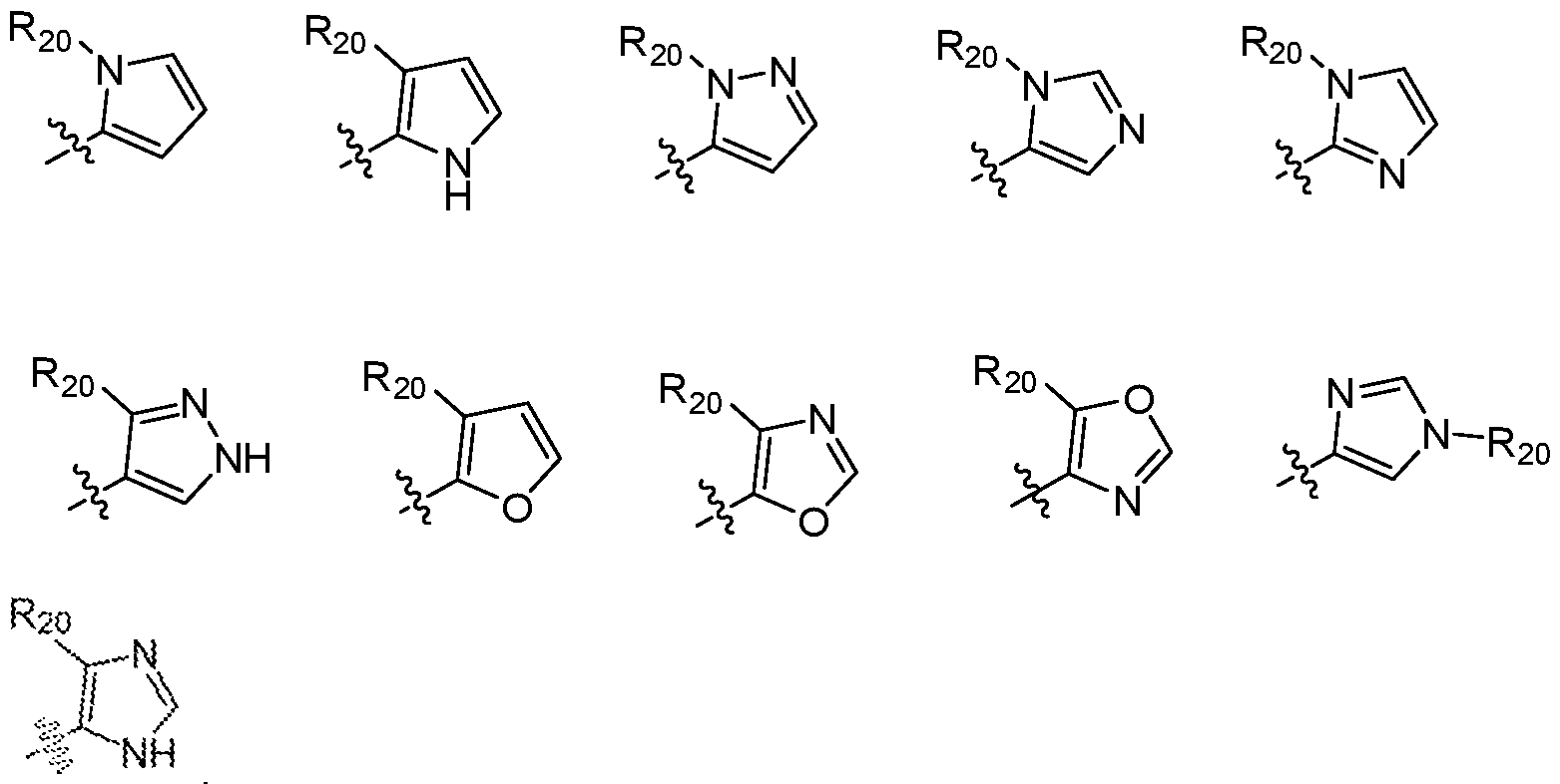
- R14 is selected from the group consisting of: wherein R20 is independently selected from the group consisting of hydrogen, halogen, hydroxy, linear or branched C1.C4 hydroxyalkyl, linear or branched C1-Ce alkyl, linear or branched C1-C4 alkoxy, C3-C7 cycloalkoxy, haloalkoxy, nitrile, carboxyl , C1-C3 carboxyalkyl ester, amine, /V-alkylamine, /V, /V-dialkylamine, linear or branched C1-Ce aminoalkyl, sulfonamide, C1-Ce alkylsulfonylamide, /V, /V-C1-Ce dialkylsulfonylamide.
- sulfonyl Ci-Ce alkylsulfonyl, sulfinyl, Ci-Ce alkylsulfinyl, azetidinyloxy, C1-C3 azetidinylalkoxy, linear or branched C1-C2 alkoxy, hydroxyazetidinyl.
- R7 is independently selected from the group consisting of hydrogen and linear or branched Ci-Ce alkyl.
- compositions comprising one or more compound(s) of Formula (I) or a pharmaceutically acceptable salt, hydrate, solvate and isomer thereof; and one or more pharmaceutically acceptable excipients.
- kits according to the present invention may comprise such compositions and application devices, which may include ampoules, syringes and others.
- kits according to the present invention comprise more than one compound of Formula (I) arranged in one or more pharmaceutical forms, including without limitation, tablets, accompanied by administration instructions.
- the present invention further relates to methods of treating, preventing, alleviating, suppressing and/or controlling diseases related to neuropathic pain.
- Uses of compound(s) of Formula (I) to prepare a medicament for the treatment of pathologies related to neuropathic pain are also taught.
- the present invention teaches processes for obtaining compound(s) of Formula (I).
- the present invention presents, in a first embodiment, the compound of Formula (I): Formula (I) or a pharmaceutically acceptable salt, hydrate, solvate, ester and isomer thereof, wherein:
- X2, X3 and X4 are independently selected from the group consisting of carbon, CH, COH or nitrogen; on what:
- Xe, X7, Xs and Xg are independently selected from the group consisting of carbon, CH or nitrogen; on what:
- R (R8-R12) when at least one of the substituents X5-X9 is N or CH, the corresponding R (R8-R12) is null; and Rs, Rg, R10, R11 and R12 are independently selected from the group consisting of hydrogen, halogen, linear or branched Ci-Ce alkyl, linear or branched Ci-Ce alkoxy, azetidinyloxy, Ci-Ce azetidinylalkoxy, Ci-Ce alkylazetidinyloxy, alkylazetidinylalkoxy Ci-Ce, Ci-Ce alkylsulfinyl, trifluoromethoxy, hydroxy, difluoromethoxy, Ci-Ce alkoxy containing one or more isotopically enriched atoms such as, but not limited to, hydrogen isotope 2H .
- R2 and R3 are independently selected from the group consisting of hydrogen, halogen, amine, hydroxy, linear or branched Ci-Ce alkoxy, linear or branched Ci-Ce alkyl;
- R4 and R5 are independently selected from the group consisting of hydrogen, deuterium, linear or branched Ci-Ce haloalkyl, linear or branched Ci-Ce alkyl;
- - Re is selected from the group consisting of aryl, pyridinyl or substituted pyridinyl, or R-3OR RI 4 ;
- X10, X11, X12, X13 and X14 are independently selected from the group consisting of carbon, CH or nitrogen, where:
- Ris, Rn, Ris and R19 are independently selected from the group consisting of hydrogen, halogen, hydroxy, linear or branched Ci-Ce alkyl, C3-C6 cycloalkyl, saturated or unsaturated C3-C6 cycloalkoxy, linear or branched Ci-Ce alkoxy , linear or branched Ci-Ce hydroxyalkyl, linear Ci-Ce aminoalkyl or branched Ci-Ce alkoxy containing one or more isotopically enriched atoms such as, for example, hydrogen isotope 2 H, but not limited to the same;
- R20 is independently selected from the group consisting of hydrogen, halogen, hydroxy, linear or branched C1.C4 hydroxyalkyl, linear or branched Ci-Ce alkyl, linear or branched Ci-Ce alkoxy, C3-C7 cycloalkoxy, haloalkoxy, nitrile, carboxyl , C1-Ce carboxyalkyl ester, amine, /V-alkylamine, /V, /V-dialkylamine, linear or branched C1-Ce aminoalkyl, sulfonamide, C1-Ce alkylsulfonylamide, /V, /V-C1-Ce dialkylsulfonylamide.
- sulfonyl Ci-Ce alkylsulfonyl, sulfinyl, Ci-Ce alkylsulfinyl, azetidinyloxy, Ci-Ce azetidinylalkoxy, linear or branched Ci-Ce alkoxy, hydroxyazetidinyl.
- R7 is independently selected from the group consisting of hydrogen and linear or branched Ci-Ce alkyl.
- the compounds of the present invention comprise multiple variable groups (R, Xi, etc.).
- combinations of groups contemplated by this invention are those combinations that result in the formation of stable or chemically viable compounds.
- stable in this context refers to compounds that are not substantially altered when subjected to conditions that allow their production, detection and preferably their recovery, purification and use for one or more of the purposes disclosed herein.
- a stable compound or chemically viable compound is one that is not substantially changed when maintained at a temperature of 40 °C or less, in the absence of moisture or other chemically reactive conditions, for at least one week
- R2 and R3 are independently selected from the group consisting of hydrogen, halogen, amine, hydroxy, linear or branched C1-Ce alkoxy, linear or branched C1-C6 alkyl.
- R4 and R5 are independently selected from the group consisting of hydrogen, deuterium, linear or branched Ci-Ce haloalkyl, linear or branched Ci-Ce alkyl.
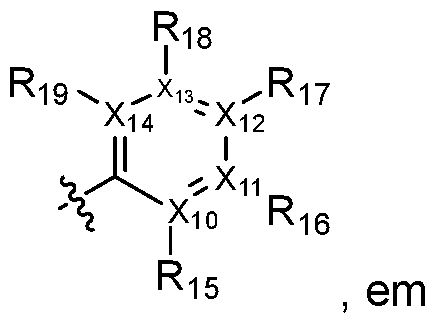
- Re is selected from the group consisting of aryl, pyridinyl or substituted pyridinyl, or R13 or Ru, where that X, Xu, X12, X13 and
- X are independently selected from the group consisting of carbon, CH, or nitrogen; when at least one of the substituents X -X is nitrogen or CH, the corresponding R (R15-
- R19 is null.
- RI 5 , Rw, Rn, Ris and R are independently selected from the group consisting of hydrogen, halogen, hydroxy, linear or branched Ci-Ce alkyl, saturated or unsaturated C3-C7 cycloalkyl, linear Ci-Ce alkoxy or branched, C3-C7 cycloalkoxy, linear or branched Ci-Ce hydroxyalkyl, linear or branched Ci-Ce aminoalkyl, C1-C2 alkoxy containing one or more isotopically enriched atoms such as, but not limited to, hydrogen isotope 2H at the same.
- Ru is selected from the group consisting of: wherein R20 is selected from the group consisting of hydrogen, halogen, hydroxy, linear or branched C1-C6 hydroxyalkyl, linear or branched Ci-Ce alkyl, linear or branched Ci-Ce alkoxy, saturated or unsaturated C3-C7 cycloalkoxy, Ci-haloalkoxy linear or branched Ce, nitrile, carboxyl, carboxyalkyl Ci-Ce ester, amine, /V-alkylamine, /V, /V-dialkylamine, linear or branched Ci-Ce aminoalkyl, sulfonamide, Ci-Ce alkylsulfonylamide, N, /V- Ci-Ce dialkylsulfonylamide, sulfonyl, Ci-Ce alkylsulfinyl, sulfinyl, Ci-Ce alkylsulfinyl, Ci-C
- R7 is selected from the group consisting of hydrogen and linear or branched C1-C6 alkyl.
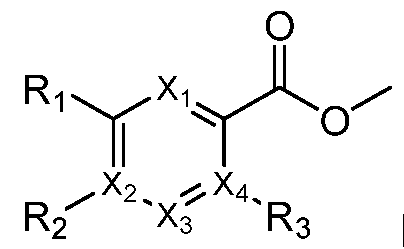
- Xi, X 2 and X 4 are carbon or nitrogen.
- X 3 is carbon, COH or nitrogen.
- Xs, s, X7, Xs, and Xg are independently selected from the group consisting of carbon, CH, and nitrogen.
- Xs, X7, and Xg are carbon.
- Xe and Xs are carbon or nitrogen.
- Rs is hydrogen or hydroxy
- Rg is hydrogen, hydroxy or zero when Xe is nitrogen.
- Rw is hydroxy, methoxy, ethoxy, propoxy, isopropoxy, n-butoxy, sec-butoxy, tert-butoxy, azetidinyloxy, azetidinylmethoxy, azetidinylethoxy, azetidinylpropoxy, 1-methylazetidin-3-ylmethoxy, 2-methylazetidin-3-ylmethoxy, 1-ethylazetidin-3-ylmethoxy, 2-ethylazetidin-3-ylmethoxy, 1-methylazetidin-3-ylethoxy, 2-methylazetidin-3-ylethoxy, 1-methylazetin-3-ylpropoxy, chloromethoxy, dichloromethoxy, trichloromethoxy, fluoromethoxy, difluoromethoxy, trifluoromethoxy, methylsulfinyl, ethylsulfin
- R is selected from the group consisting of hydroxy, methoxy, ethoxy, isopropoxy, azetidinyloxy, azetidinylmethoxy, 1-methylazetidin-3-ylmethoxy, 1-methylazetidin-3-ylethoxy, methylsulfinyl, ethoxy-ds, ethoxy-1,1-d2, ethoxy-2,2,2-ds, trifluoromethoxy and difluoromethoxy.
- Rn is hydrogen or null when Xs is nitrogen.
- Rw is hydrogen, hydroxy, methyl, ethyl, propyl, isopropyl, butyl, isobutyl, sec-butyl, tert-butyl, methoxy, ethoxy, propoxy, isopropoxy, butoxy, isobutoxy, sec-butoxy and tert -butoxy.
- Rw is selected from the group consisting of hydrogen, hydroxy, methyl and methoxy.
- R2 is hydrogen, hydroxy, amine, fluorine, chlorine, bromine, methyl, ethyl, propyl, isopropyl, butyl, isobutyl, sec-butyl, tert-butyl, methoxy, ethoxy, propoxy, isopropoxy, butoxy , isobutoxy, sec-butoxy and tert-butoxy, or null when X2 is nitrogen.
- R2 is hydrogen, hydroxy, amine, fluorine or zero when X2 is nitrogen.
- R3 is hydrogen, hydroxy, amine, fluorine, chlorine, bromine, methyl, ethyl, propyl, isopropyl, butyl, isobutyl, sec-butyl, tert-butyl, methoxy, ethoxy, propoxy, isopropoxy, butoxy , isobutoxy, sec-butoxy, tert-butoxy or null when X4 is nitrogen.
- R3 is hydrogen, hydroxy, amine, fluorine or zero when X4 is nitrogen.
- R4 is hydrogen, deuterium, methyl, ethyl, propyl, isopropyl, butyl, isobutyl, sec-butyl or tert-butyl. In a preferred embodiment, R4 is hydrogen, deuterium or methyl.
- Rs is hydrogen, deuterium, methyl, ethyl, propyl, isopropyl, butyl, isobutyl, sec-butyl or tert-butyl. In a preferred embodiment, Rs is hydrogen, deuterium or methyl.
- Re is aryl, pyridinyl, substituted pyridinyl, R or Ru.
- Re is Ru or Ru.
- Xw, Xu, Xu and Xu are carbon, CH or nitrogen. Preferably, they are carbon or nitrogen, where, when they are nitrogen, their respective R (Ru, RU, RU, RU) is zero.
- X is carbon, CH or nitrogen.
- X is carbon.
- Ru is hydrogen or null when Xu is nitrogen.
- Ru is hydrogen, hydroxy, methyl, ethyl, propyl, isopropyl, butyl, isobutyl, sec-butyl, tert-butyl, methoxy, ethoxy, propoxy, isopropoxy, butoxy, isobutoxy, sec-butoxy, tert -butoxy, methylamine, ethylamine, propylamine, dimethylamine, diethylamine, dipropylamine, cyclopropoxy, cyclobutoxy, cyclopentoxy, cyclohexyloxy, methoxy-di, methoxy-d2, methoxy-ds, ethoxy-1-di, ethoxy-2-di, ethoxy-1 ,1-d2, ethoxy-1 ,2-d2, ethoxy-2,2-d2, ethoxy-1,1,1-ds, ethoxy-1 ,1 ,2-ds, ethoxy-1
- Ru is hydrogen or null when Xu is nitrogen.
- Ru is hydrogen, methyl, ethyl, propyl, isopropyl, butyl, isobutyl, sec-butyl, tert-butyl, methoxy, ethoxy, propoxy, isopropoxy, butoxy, isobutoxy, sec-butoxy, tert-butoxy, or null when Xu is nitrogen.
- Ru is hydrogen, methyl, methoxy or zero when Xu is nitrogen.
- Rw is hydrogen, hydroxy, fluorine, chlorine, bromine, methyl, ethyl, propyl, isopropyl, butyl, isobutyl, sec-butyl, tert-butyl, cycloheptyl, cyclopropyl, cyclobutyl, cyclopentyl, cyclopentenyl, cycloheptenyl , cyclobutenyl, cyclopropenyl, cyclohexenyl or null when X is nitrogen.
- Rw is hydrogen, fluorine, chlorine, hydroxy, methyl, cyclopropyl, or zero when Xu is nitrogen.
- Ru is N-[0054] In one embodiment, Ru is N-[0054]
- R20 is methyl, ethyl, propyl, isopropyl, butyl, isobutyl, sec-butyl, tert-butyl, nitrile, methoxy, ethoxy, propoxy, isopropoxy, butoxy, isobutoxy, sec-butoxy, tert-butoxy .
- R20 is nitrile, methoxy, methyl, ethyl, isopropyl.
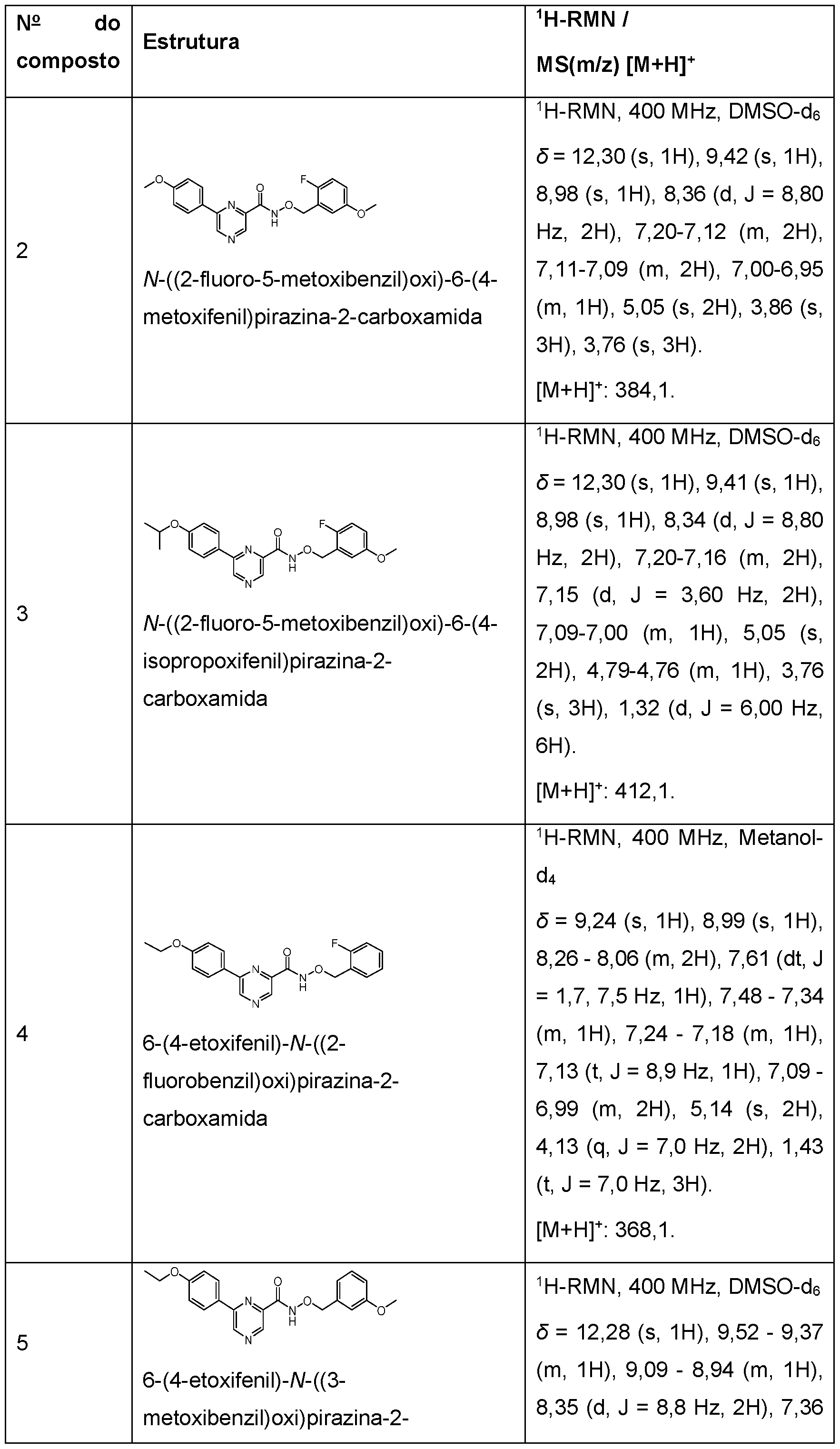
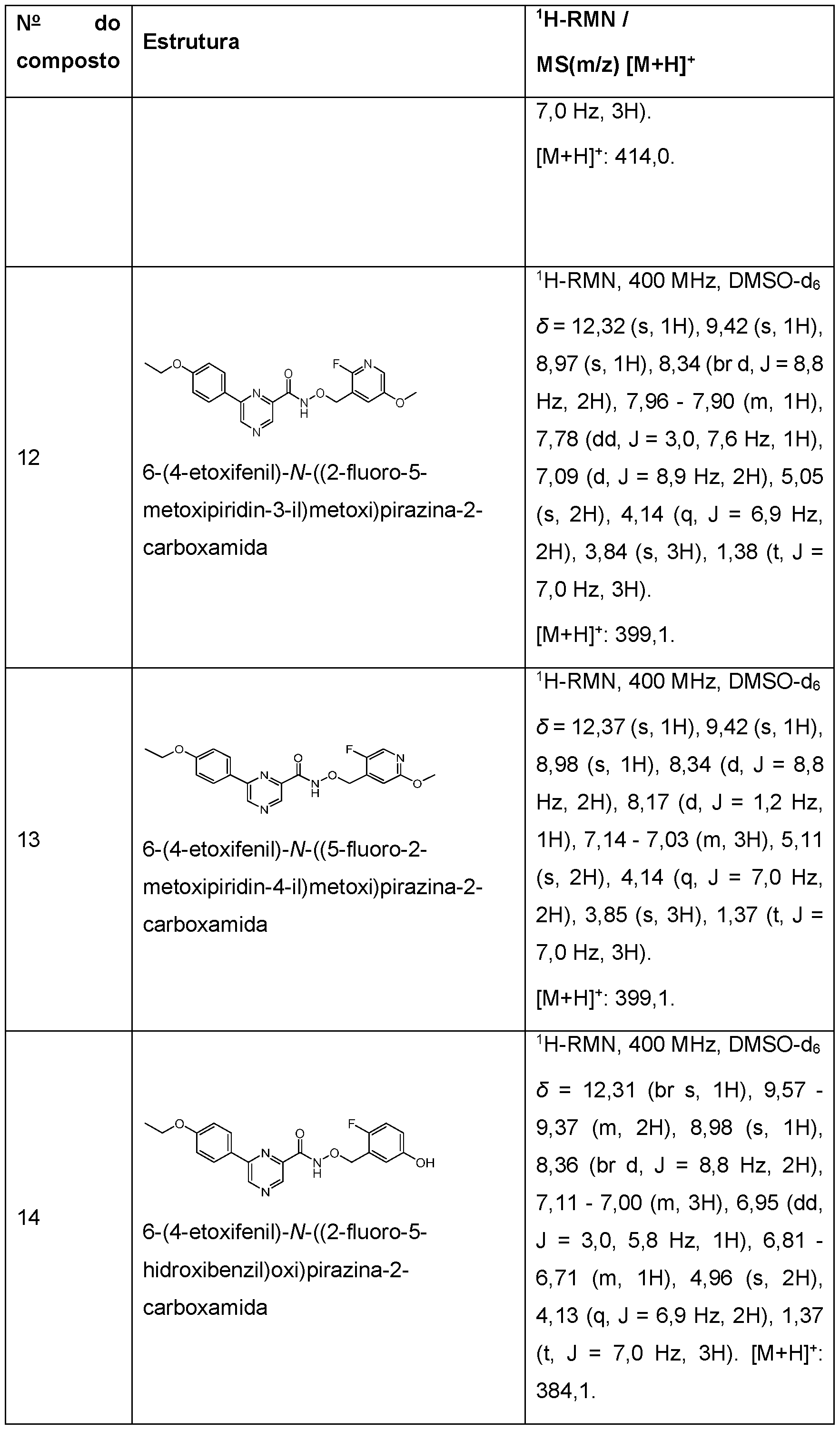
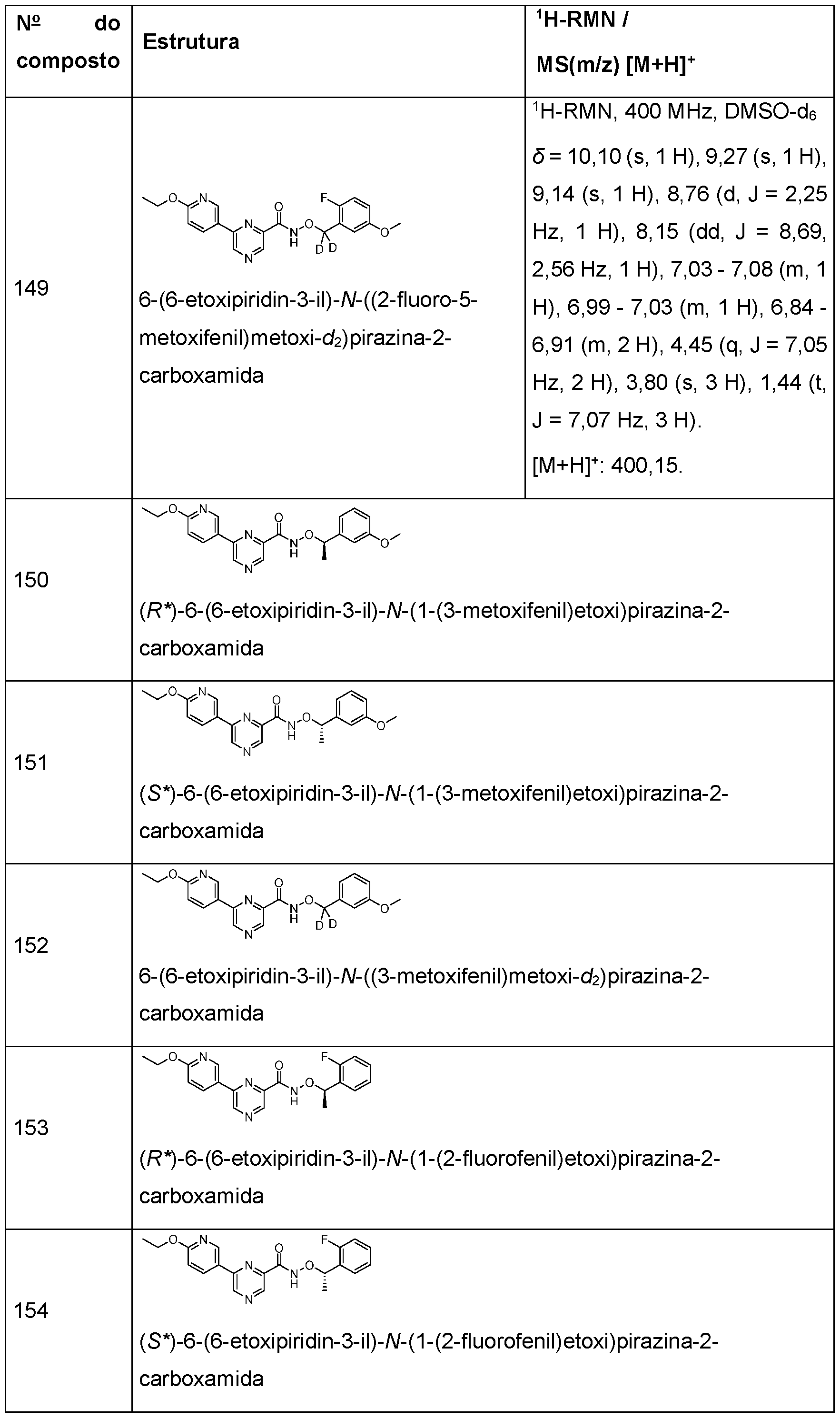
- the compound(s) of Formula (I) is/are selected from the group(s) consisting of:
- the compound(s) Formula (I) are blockers of voltage-gated sodium channels Nav 1.7 and/or Nav 1.8. In a preferred embodiment, the compound(s) Formula (I) are dual blockers of voltage-gated sodium channels Nav 1.7 and Nav 1.8.
- the compound(s) of Formula (I) may be basic in nature and, consequently, pharmaceutically acceptable salts may be obtained by the addition of organic or inorganic acids.
- organic acids that may be used are fumaric, maleic, benzoic, lactic acids, among others.
- inorganic acids hydrochloric acid, phosphoric acid, hydrobromic acid, sulfuric acid, nitric acid, among others, may be mentioned.
- the compound(s) of Formula (I) can be obtained in the form of crystals, which can optionally be presented as pharmaceutically acceptable solvates, in which the solvent is incorporated in stoichiometric proportions or not to the crystal lattice.
- the crystallization solvent is water, resulting in pharmaceutically acceptable hydrates.
- the compound(s) of Formula (I) may have more than one isomer, including without limitation, spatial isomerism, such as geometric and optical isomerism.
- halogen refers to the elements in family 7a of the periodic table, which are: fluorine (F), chlorine (Cl), bromine (Br), iodine (I), astatine (At) and tennessine (Ts).
- linear or branched Ci-Ce alkyl refers to straight or branched chain saturated hydrocarbon groups such as, for example, methyl, ethyl, propyl, isopropyl, butyl, isobutyl, sec-butyl, tert-butyl , but not limited to them.
- Ci-Ce alkoxy refers to alkyl groups linked to an oxygen radical such as, for example, methoxy, ethoxy, propoxy, isopropoxy, butoxy, sec-butoxy, tert-butoxy, but not limited to them.
- Ci-Ce haloalkoxy refers to alkyl groups linked to a radical oxygen and at least one halogen such as, for example, chloromethoxy, dichloromethoxy, trichloromethoxy, fluoromethoxy, difluoromethoxy and trifluoromethoxy, but not limited to the same.
- linear or branched Ci-Ce hydroxyalkyl refers to saturated, linear or branched alkyl groups, substituted with at least one hydroxyl such as, for example, hydroxymethyl, 1-hydroxyethyl, 2-hydroxyethyl, 1-hydroxypropyl , 2-hydroxypropyl, 3-hydroxypropyl, isopropoxy, but not limited to the same.
- COH refers to a carbon atom linked to a hydroxyl through a single bond.
- azetidinyl alkoxy C1-C3 refers to azetidinyl groups linked to a “C1-C3 alkoxy” group, for example, azetidinyl methoxy, azetidinyl ethoxy, azetidinyl propoxy and azetidinyl butoxy.
- Ci-Ce alkylazetidinylalkoxy refers to azetidinylalkoxy groups linked to “Ci-Ce alkyl” groups such as, for example, 1-methylazetidin-3-ylmethoxy, 2-methylazetidin-3-ylmethoxy, 1-ethylazetidin -3-ylmethoxy, 2-ethylazetidin-3-ylmethoxy, 1-methylazetidin-3-ylethoxy, 2-methylazetidin-3-ylethoxy, 1-methylazetin-3-ylpropoxy, but not limited to these.
- C1-C2 alkoxy containing one or more isotopically enriched atoms such as, for example, hydrogen isotope 2 H
- saturated or unsaturated C3-C7 cycloalkyl refers to cycloalkyl groups such as, for example, cyclopropyl, cyclobutyl, cyclopentyl, cyclopentenyl, cyclohexyl, cyclohexenyl, cycloheptyl, cycloheptenyl, but not limited to these.
- C3-C7 cycloalkoxy refers to cycloalkyl groups linked to an oxygen radical, such as cyclopropoxy, cyclobutoxy, cyclopentoxy and cyclohexoxy, but not limiting to these.
- linear or branched Ci-Ce aminoalkyl refers to amines that are linked to one or two linear or branched alkyl groups through simple bonds such as, for example, methylamine, ethylamine, propylamine, dimethylamine, diethylamine, dipropylamine, but not limited to these.
- the present invention presents a composition
- a composition comprising a therapeutically effective amount of compound(s) of Formula (I) of the present invention or a pharmaceutically acceptable salt, hydrate, solvate and isomer thereof; and one or more pharmaceutically acceptable excipients.
- compositions are considered to be any substance, other than the active pharmaceutical ingredient, that has been evaluated for its safety and that is intentionally added to the dosage form. Such excipients are selected according to the pharmaceutical dosage form of interest, its route of administration, physicochemical compatibility with the active ingredient and the effect on efficacy.
- excipients are widely known in the state of the art and are classified according to their function, including without limitation diluents, binders, disintegrants or disintegrants, lubricants, suspending agents, thickeners, solvents, surfactants, glidants, anti-caking agents or flow agents, coating agents, plasticizers, sweeteners, sweeteners, isotonicity agents, dyes and pigments, preservatives, antioxidants, pH modifying or controlling agents, complexing agents, chelating agents, flavorings, flavorings, viscosity modifying agents , opacifiers, permeation promoters, among others.
- compositions of the present invention can be administered by various routes including oral, sublingual, nasal, parenteral, injectable, submuscular, topical, transdermal, ocular, rectal, but not limited to these .
- the present invention presents the use of compound(s) of Formula (I) or a pharmaceutically acceptable salt, hydrate, solvate and isomer thereof to prepare a medicament for treating pathologies related to neuropathic pain.
- said pathologies are selected from the group consisting of peripheral neuropathic pain, chemotherapy-induced neuropathy, complex regional pain, neuropathy related to viral infection, neuropathy secondary to tumor infiltration, diabetic neuropathy, pain in the phantom limb, post-herpetic neuralgia, trigeminal neuralgia and post-surgical neuralgia.
- the present invention presents a method of treating, preventing, relieving, suppressing and/or controlling pathologies related to neuropathic pain comprising administering an effective amount of compound(s) of Formula (I) or a pharmaceutically acceptable salt, hydrate, solvate and isomer thereof.
- the method is for the treatment, prevention, relief, suppression and/or control of peripheral neuropathic pain, chemotherapy-induced neuropathy, complex regional pain, neuropathy related to viral infection, neuropathy secondary to infiltration tumor, diabetic neuropathy, phantom limb pain, post-herpetic neuralgia, trigeminal neuralgia and post-surgical neuralgia.
- the administration of at least one compound of Formula (I) is selected from the group comprising oral, sublingual, nasal, parenteral, injectable, submuscular, topical, transdermal, ocular and rectal routes.
- Xi, X2, X3 and X4 are independently selected from the group consisting of carbon, CH, COH or nitrogen; where: when at least one of the substituents X2, X4 is nitrogen or CH, the corresponding R (R2, R3) is null.
- Ri is: , on what:
- X5, X6 , X7, Xs and Xg are independently selected from the group consisting of carbon, CH or nitrogen; where: when at least one of the substituents X5-X9 is nitrogen or CH, the corresponding R (R8-R12) is null; and Rs, Rg, R10, Rn and R12 are independently selected from the group consisting of hydrogen, halogen, linear or branched Ci-Ce alkyl, linear or branched Ci-Ce alkoxy, linear or branched Ci-Ce haloalkoxy, hydroxy, azetidinyloxy, azetidinylalkoxy C1-C3, Ci-Ce alkylazetidinyloxy, Ci-Ce alkylazetidinylalkoxy, Ci-Ce alkylsulfinyl, C1-C2 alkoxy containing one or more isotopically enriched atoms such as, for example, hydrogen isotope 2 H, but
- R2 and R3 are independently selected from the group consisting of hydrogen, halogen, amine, hydroxy, linear or branched Ci-Ce alkoxy, linear or branched Ci-Ce alkyl;
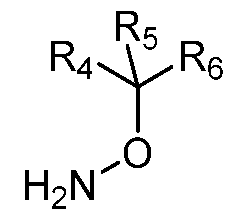
- R4 and R5 are independently selected from the group consisting of hydrogen, deuterium, linear or branched Ci-Ce haloalkyl, linear or branched Ci-Ce alkyl;
- Re is selected from the group consisting of aryl, pyridinyl or substituted pyridinyl, or R13 OR R14, wherein:
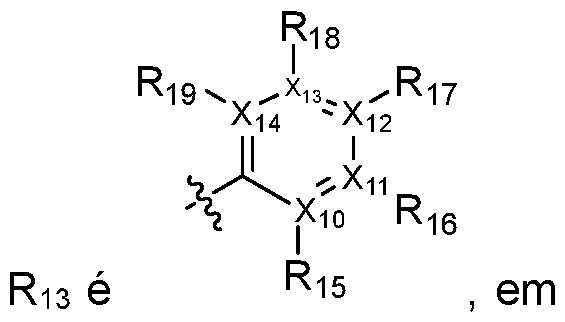
- R13 is: , on what:
- X10, X11, X12, X13 and X14 are independently selected from the group consisting of carbon, CH or nitrogen; where: when at least one of the substituents X10-14 is nitrogen or CH, the corresponding R (R15-R19) is null; It is R15 Ris, Rn, Ris and R19 are independently selected from the group consisting of hydrogen, halogen, hydroxy, linear or branched Ci-Ce alkyl, C3-C7 cycloalkyl, linear or branched Ci-Ce alkoxy, C3-C7 cycloalkoxy, Ci-hydroxyalkyl Linear or branched Ce, aminoalkyl Ci- Linear or branched Ce, C1-C2 alkoxy containing one or more isotopically enriched atoms such as, but not limited to, hydrogen isotope 2H .
- R is selected from the group consisting of: wherein R20 is independently selected from the group consisting of hydrogen, halogen, hydroxy, linear or branched Ci-Ce hydroxyalkyl, linear or branched Ci-Ce alkyl, linear or branched Ci-Ce alkoxy, C3-C7 cycloalkoxy, linear Ci-Ce haloalkoxy or branched, nitrile, carboxyl, carboxyalkyl Ci-Ce ester, amine, /V-alkylamine, /V, /V-dialkylamine, linear or branched C1-C4 aminoalkyl, sulfonamide, Ci-Ce alkylsulfonylamide, /V, /V-dialkylsulfonylamide Ci-Ce, sulfonyl, Ci-Ce alkylsulfonyl, sulfinyl, Ci-Ce alkylsulfinyl, aze
- R7 is independently selected from the group consisting of hydrogen and linear or branched C1-C6 alkyl.
- the process additionally comprises a step (c) of forming compound(s) of Formula (I) in which R? is linear or branched Ci-Ce alkyl from the nucleophilic substitution reaction of a compound obtained in step (b), with linear or branched Ci-Ce alkyl halides in the presence of inorganic base and polar aprotic solvents.
- step (b) the coupling agent is selected from T3P or combination between TCFH and NMI or suitable coupling agents and said selected solvent is dichloromethane or classical aprotic solvents.
- kits comprising a pharmaceutical composition of the present invention and an application device.
- kits of the present invention can understand such compositions and application devices, which may include ampoules, syringes and the like.
- the kits of the present invention comprise more than one compound of Formula (I) arranged in one or more pharmaceutical forms, including without limitation, tablets, accompanied by administration instructions.
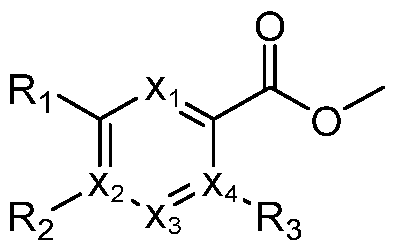
- compounds of Formula la can be prepared from amide coupling reactions between intermediates of Formula III with intermediates of Formula II, in the presence of coupling agents in suitable solvents, such as DCM or other aprotic solvents such as DMF.
- suitable solvents such as DCM or other aprotic solvents such as DMF.
- the intermediates of Formula III can be prepared through a hydrolysis reaction from the corresponding esters (Formula IV) obtained following different methods.
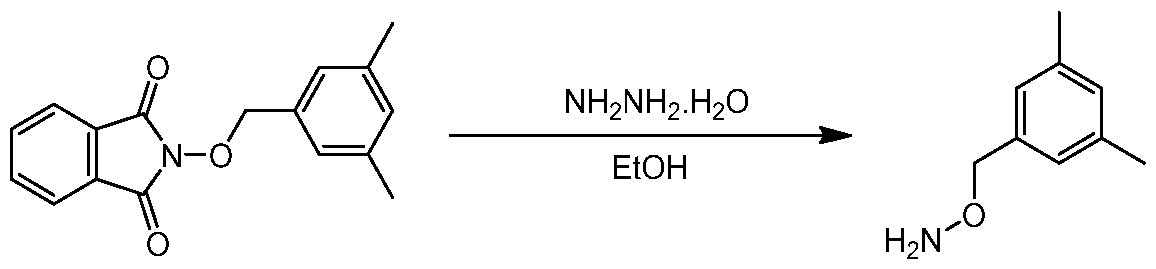
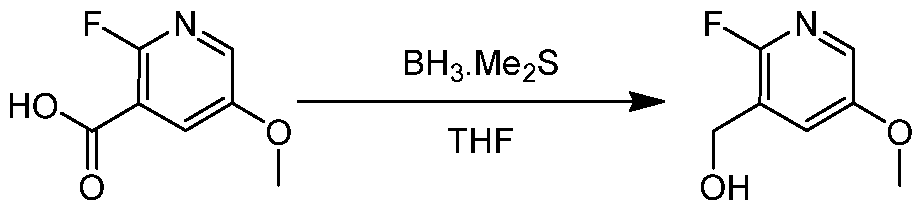
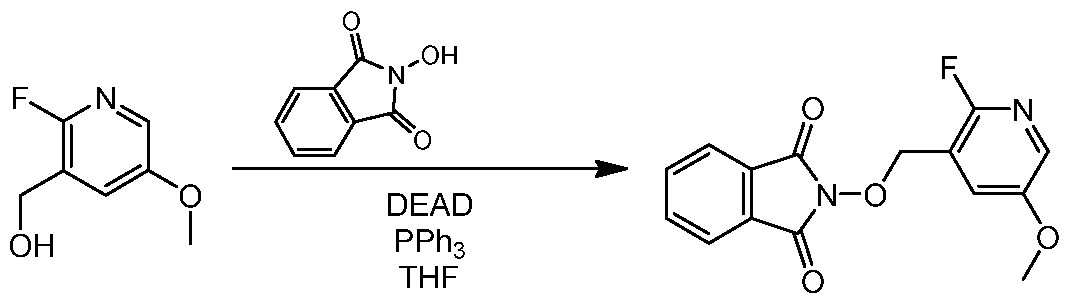
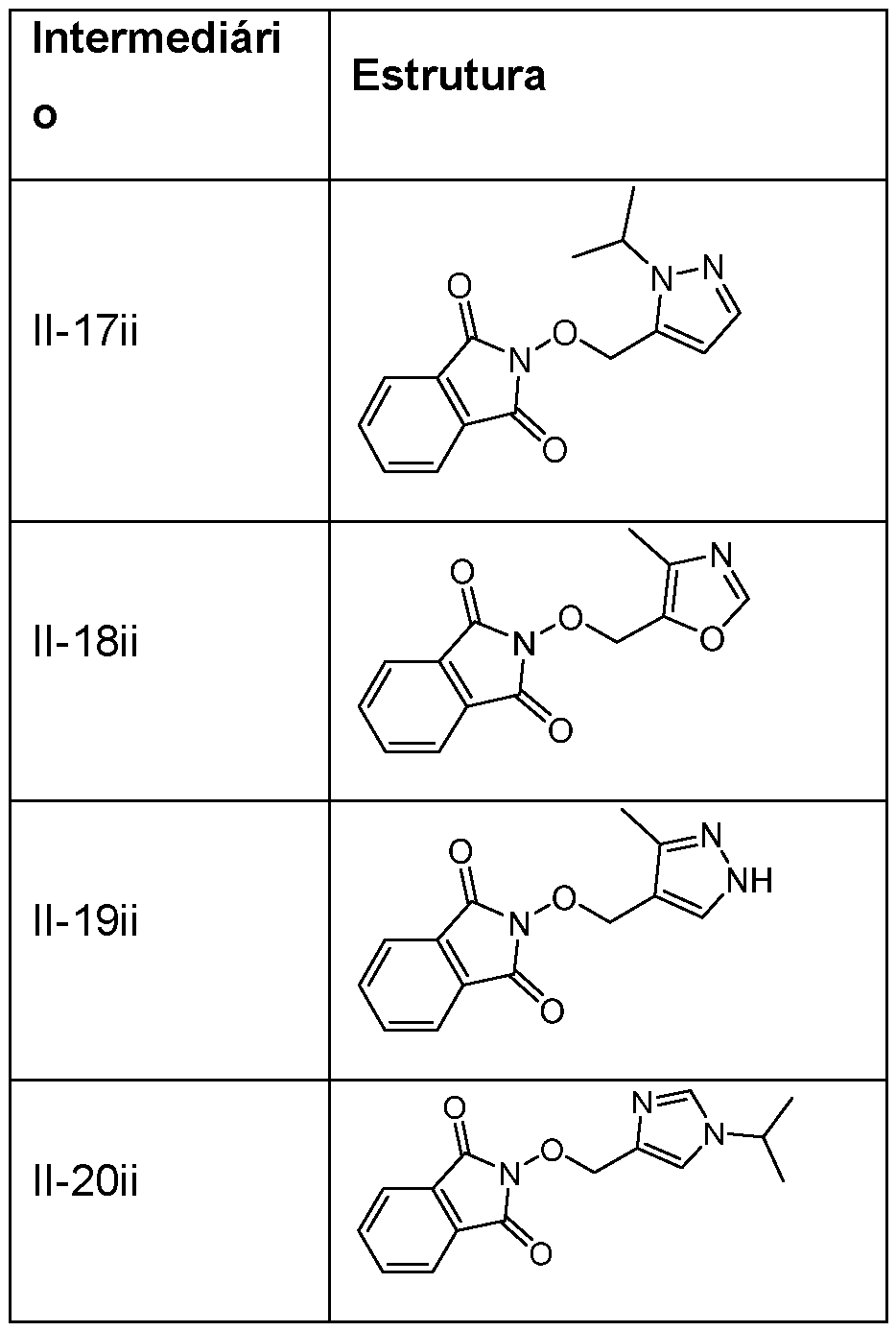
- Intermediates of Formula II can be prepared from the corresponding reagents following different methods, some of which can be obtained commercially. The intermediates obtained by such methodologies are described below.
- the reaction mixture was diluted in H2O (50.0 ml_) and extracted with AcOEt (30.0 ml_ x 3). Subsequently, the organic phase was washed with saturated sodium chloride solution (brine) (50.0 ml), dried over anhydrous sodium sulfate, filtered and concentrated under reduced pressure. The residue was purified by column chromatography (petroleum ether/EtOAc: 100/1 — > 10/1). 1.60 g (33.0% yield) of the product of interest were obtained.
- Step ll-li Precursors II-9 ⁇ - II-20 ⁇ :
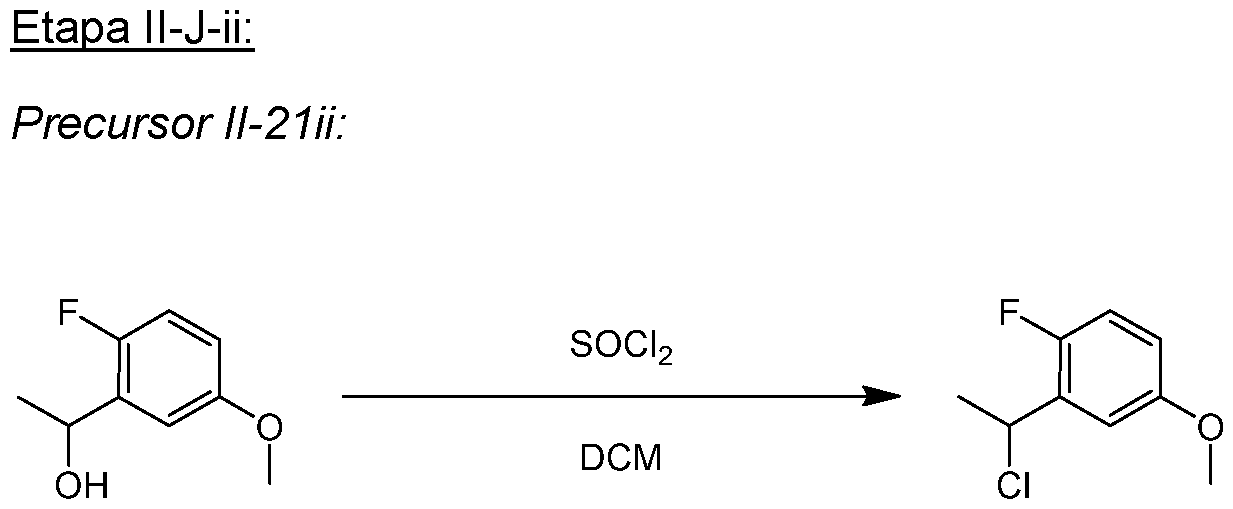
- Step ll-Ji Precursor 11-21 i:
- Biological assays were performed in Chinese hamster ovary (CHO) cells that stably express human Nav 1.8 or Nav 1.7 sodium channels.
- Compounds of Formula I were diluted in eight concentrations in the extracellular solution composed of physiological saline solution, buffered with HEPES (mM): NaCl, 137; KCI, 4; CaCh, 3.8; MgCh, 1; HEPES, 10; Glucose, 10; pH 7.4.
- the extracellular solution is composed of (mM) CsCI, 50; CsF, 90; MgCh, 5; EGTA, 5; HEPES, 10; pH 7.2.
- the duration of exposure of each compound with cells expressing Nav 1.7 or Nav 1.8 was at least five minutes and the tests were carried out at room temperature.
- a holding voltage of -100 mV was established followed by an inactivation voltage step at -40 mV for 8 seconds, followed by a -100 mV step for 20 ms, followed by a 20 ms step to 10 mV for Nav 1.8 or 0 mV for Nav 1.7 (TP1 A) before returning to the holding voltage of -100 mV.
- the protocol was repeated at a frequency of 0.05 Hz and the current amplitude was quantified throughout the TP1A phase recording.
- the variation in the amplitude of the current peak was evaluated according to the Formula described below, after exposing the cells expressing the channels, to each concentration of the different compounds: % Block - (1 - (ITP1 A, molecule / ITP1A, basal) , respectively.
- % Blocking' 100% - ((% Blocking - % CP) * (100% / (%V - % CP)), where %V and % CP represent the averages of the current inhibition values with a vehicle (DMSO) and positive controls, respectively. Positive control sodium currents were considered as 100%.
- % Blocking' (% 100 / [1 + ([Test] / IC 5 o) N ], where [Test] represents the concentration of the molecule evaluated, IC50 is the concentration of the compound that generates half of the maximum inhibition, N is the Hill coefficient and %Block' is the percentage of sodium channel current (Nav 1.8 and Nav 1.7) blocked at each concentration of the molecule evaluated. Data were obtained by nonlinear regression (nonlinear least squares) with XLfit for Excel (Microsoft). , Redmond, WA).
- the compounds were tested in at least one assay to obtain the IC50 value.
- the results are described as the average of the IC50 values.
- Table 5 presents the in vitro efficacy of selected compounds against Nav1.8 and Nav1.7. IC50 values lower than 500 nM are represented with the legend (+++); IC50 values between 500 nM and 1000 nM are represented with the legend (++), IC50 values greater than 1000 nM are shown with the symbol (+).
- results indicate the possibility of using compounds of Formula (I) in the preparation of medicines for the treatment of conditions such as peripheral neuropathic pain, chemotherapy-induced neuropathy, complex regional pain, neuropathy related to viral infection, secondary neuropathy to tumor infiltration, diabetic neuropathy, phantom limb pain, postherpetic neuralgia, trigeminal neuralgia and postsurgical neuralgia.
- conditions such as peripheral neuropathic pain, chemotherapy-induced neuropathy, complex regional pain, neuropathy related to viral infection, secondary neuropathy to tumor infiltration, diabetic neuropathy, phantom limb pain, postherpetic neuralgia, trigeminal neuralgia and postsurgical neuralgia.
Landscapes
- Chemical & Material Sciences (AREA)
- Organic Chemistry (AREA)
- Health & Medical Sciences (AREA)
- General Health & Medical Sciences (AREA)
- Veterinary Medicine (AREA)
- Public Health (AREA)
- Medicinal Chemistry (AREA)
- Animal Behavior & Ethology (AREA)
- Life Sciences & Earth Sciences (AREA)
- Pharmacology & Pharmacy (AREA)
- Epidemiology (AREA)
- Chemical Kinetics & Catalysis (AREA)
- Nuclear Medicine, Radiotherapy & Molecular Imaging (AREA)
- General Chemical & Material Sciences (AREA)
- Bioinformatics & Cheminformatics (AREA)
- Engineering & Computer Science (AREA)
- Biomedical Technology (AREA)
- Neurology (AREA)
- Neurosurgery (AREA)
- Pain & Pain Management (AREA)
- Rheumatology (AREA)
- Pharmaceuticals Containing Other Organic And Inorganic Compounds (AREA)
- Heterocyclic Carbon Compounds Containing A Hetero Ring Having Nitrogen And Oxygen As The Only Ring Hetero Atoms (AREA)
- Plural Heterocyclic Compounds (AREA)
Abstract
Description
























Claims





Priority Applications (3)
| Application Number | Priority Date | Filing Date | Title |
|---|---|---|---|
| EP24749440.4A EP4660184A1 (en) | 2023-01-30 | 2024-01-26 | Nav1.7- and/or nav1.8-inhibiting hydroxamates, processes for the preparation thereof, compositions, uses, methods for treatment using same, and kits |
| MX2025008866A MX2025008866A (es) | 2023-01-30 | 2025-07-29 | Hidroxamatos bloqueadores de nav 1.7 y/o nav 1.8, sus procesos de obtencion, composiciones, usos, metodos de tratamiento de los mismos y kits |
| CONC2025/0011772A CO2025011772A2 (es) | 2023-01-30 | 2025-08-29 | Hidroxamatos bloqueadores de nav 1.7 y/o nav 1.8, sus procesos de obtención, composiciones, usos, métodos de tratamiento de los mismos y kits |
Applications Claiming Priority (2)
| Application Number | Priority Date | Filing Date | Title |
|---|---|---|---|
| US202363482216P | 2023-01-30 | 2023-01-30 | |
| US63/482,216 | 2023-01-30 |
Publications (1)
| Publication Number | Publication Date |
|---|---|
| WO2024159287A1 true WO2024159287A1 (pt) | 2024-08-08 |
Family
ID=92145587
Family Applications (1)
| Application Number | Title | Priority Date | Filing Date |
|---|---|---|---|
| PCT/BR2024/050027 Ceased WO2024159287A1 (pt) | 2023-01-30 | 2024-01-26 | Hidroxamatos bloqueadores de nav 1.7 e/ou nav 1.8, seus processos de obtenção, composições, usos, métodos de tratamento destes e kits |
Country Status (7)
| Country | Link |
|---|---|
| EP (1) | EP4660184A1 (pt) |
| AR (1) | AR131716A1 (pt) |
| CO (1) | CO2025011772A2 (pt) |
| MX (1) | MX2025008866A (pt) |
| PY (1) | PY2405733A (pt) |
| UY (1) | UY40628A (pt) |
| WO (1) | WO2024159287A1 (pt) |
Citations (15)
| Publication number | Priority date | Publication date | Assignee | Title |
|---|---|---|---|---|
| US4607053A (en) * | 1984-05-17 | 1986-08-19 | E. R. Squibb & Sons, Inc. | Arylhydroxamates useful as antiallergy agents |
| WO2001051456A2 (en) * | 2000-01-13 | 2001-07-19 | Tularik Inc. | Antibacterial agents |
| WO2003051366A2 (en) * | 2001-12-13 | 2003-06-26 | Abbott Laboratories | 3-(phenyl-alkoxy)-5-(phenyl)-pyridine derivatives and related compounds as kinase inhibitors for the treatment of cancer |
| JP2004203871A (ja) * | 2002-12-13 | 2004-07-22 | Yamanouchi Pharmaceut Co Ltd | 医薬組成物 |
| WO2006006569A1 (ja) * | 2004-07-12 | 2006-01-19 | Nihon Nohyaku Co., Ltd. | フェニルピリジン類又はその塩類、これらを有効成分とする除草剤及びその使用方法 |
| WO2006065204A1 (en) * | 2004-12-14 | 2006-06-22 | Astrazeneca Ab | Substituted aminopyridines and uses thereof |
| WO2008096005A1 (en) * | 2007-02-09 | 2008-08-14 | Basf Se | Crystalline complexes of agriculturally active organic compounds |
| US20080300240A1 (en) * | 2006-11-21 | 2008-12-04 | Omeros Corporation | Pde10 inhibitors and related compositions and methods |
| WO2010099279A1 (en) * | 2009-02-27 | 2010-09-02 | Dow Agrosciences Llc | N-alkoxyamides of 6-(substituted phenyl)-4-aminopicolinates and 2-(substituted phenyl)-6-amino-4-pyrimidinecarboxylates and their use as selective herbicides for crops |
| WO2012129562A2 (en) * | 2011-03-24 | 2012-09-27 | The Scripps Research Institute | Compounds and methods for inducing chondrogenesis |
| WO2012151567A1 (en) * | 2011-05-05 | 2012-11-08 | St. Jude Children's Research Hospital | Pyrimidinone compounds and methods for preventing and treating influenza |
| WO2015048547A2 (en) * | 2013-09-26 | 2015-04-02 | Rigel Pharmaceuticals, Inc. | Methods for using and biomarkers for ampk-activating compounds |
| CN108503501A (zh) * | 2018-03-08 | 2018-09-07 | 浙江工业大学 | 一种合成2-氟代-n-取代芳基甲酰胺类化合物的方法 |
| WO2018235851A1 (en) * | 2017-06-20 | 2018-12-27 | Raqualia Pharma Inc. | AMIDE DERIVATIVES AS Nav1.7 and Nav1.8 BLOCKERS |
| WO2020138271A1 (en) * | 2018-12-26 | 2020-07-02 | Raqualia Pharma Inc. | HETEROCYCLIC DERIVATIVES AS Nav1.7 and Nav1.8 BLOCKERS |
Family Cites Families (14)
| Publication number | Priority date | Publication date | Assignee | Title |
|---|---|---|---|---|
| US7928107B2 (en) | 2004-09-02 | 2011-04-19 | Vertex Pharmaceuticals Incorporated | Quinazolines useful as modulators of ion channels |
| WO2011026240A1 (en) | 2009-09-04 | 2011-03-10 | Zalicus Pharmaceuticals Ltd. | Oxopiperazine derivatives for the treatment of pain and epilepsy |
| JP2013531687A (ja) | 2010-07-16 | 2013-08-08 | パーデュー、ファーマ、リミテッド、パートナーシップ | ナトリウムチャネル遮断剤としてのピリジン化合物 |
| RS56015B1 (sr) | 2013-01-31 | 2017-09-29 | Vertex Pharma | Piridon amidi kao modulatori natrijumovih kanala |
| RU2683788C2 (ru) | 2013-01-31 | 2019-04-02 | Вертекс Фармасьютикалз Инкорпорейтед | Амиды хинолина и хиназолина, полезные в качестве модуляторов натриевых каналов |
| US9120786B2 (en) | 2013-03-04 | 2015-09-01 | Purdue Pharma, L.P. | Triazine carboxamides as sodium channel blockers |
| CN105473554B (zh) | 2013-07-10 | 2019-08-13 | 沃泰克斯药物股份有限公司 | 作为离子通道调节剂的稠合的哌啶酰胺类 |
| CA2931550C (en) | 2013-12-13 | 2023-09-26 | Vertex Pharmaceuticals Incorporated | Prodrugs of pyridone amides useful as modulators of sodium channels |
| JP2017001991A (ja) | 2015-06-11 | 2017-01-05 | 大日本住友製薬株式会社 | 新規ベンズオキサゾロン化合物 |
| CN109071434A (zh) | 2016-04-20 | 2018-12-21 | 百时美施贵宝公司 | 酰基磺酰胺NaV1.7抑制剂 |
| EP3625214B1 (en) | 2017-05-16 | 2022-07-06 | Vertex Pharmaceuticals Incorporated | Deuterated pyridone amides and prodrugs thereof as modulators of sodium channels |
| AU2018300150A1 (en) | 2017-07-11 | 2020-01-30 | Vertex Pharmaceuticals Incorporated | Carboxamides as modulators of sodium channels |
| JP7288051B2 (ja) | 2018-11-02 | 2023-06-06 | メルク・シャープ・アンド・ドーム・エルエルシー | Nav1.8阻害薬としての2-アミノ-N-ヘテロアリール-ニコチンアミド類 |
| MX2021015605A (es) | 2019-06-27 | 2022-02-16 | Glaxosmithkline Ip Dev Ltd | Compuestos 2,3-dihidroquinazolin como inhibidores nav1.8. |
-
2024
- 2024-01-26 WO PCT/BR2024/050027 patent/WO2024159287A1/pt not_active Ceased
- 2024-01-26 EP EP24749440.4A patent/EP4660184A1/en active Pending
- 2024-01-29 AR ARP240100202A patent/AR131716A1/es unknown
- 2024-01-30 PY PY202402405733A patent/PY2405733A/es unknown
- 2024-01-30 UY UY0001040628A patent/UY40628A/es unknown
-
2025
- 2025-07-29 MX MX2025008866A patent/MX2025008866A/es unknown
- 2025-08-29 CO CONC2025/0011772A patent/CO2025011772A2/es unknown
Patent Citations (15)
| Publication number | Priority date | Publication date | Assignee | Title |
|---|---|---|---|---|
| US4607053A (en) * | 1984-05-17 | 1986-08-19 | E. R. Squibb & Sons, Inc. | Arylhydroxamates useful as antiallergy agents |
| WO2001051456A2 (en) * | 2000-01-13 | 2001-07-19 | Tularik Inc. | Antibacterial agents |
| WO2003051366A2 (en) * | 2001-12-13 | 2003-06-26 | Abbott Laboratories | 3-(phenyl-alkoxy)-5-(phenyl)-pyridine derivatives and related compounds as kinase inhibitors for the treatment of cancer |
| JP2004203871A (ja) * | 2002-12-13 | 2004-07-22 | Yamanouchi Pharmaceut Co Ltd | 医薬組成物 |
| WO2006006569A1 (ja) * | 2004-07-12 | 2006-01-19 | Nihon Nohyaku Co., Ltd. | フェニルピリジン類又はその塩類、これらを有効成分とする除草剤及びその使用方法 |
| WO2006065204A1 (en) * | 2004-12-14 | 2006-06-22 | Astrazeneca Ab | Substituted aminopyridines and uses thereof |
| US20080300240A1 (en) * | 2006-11-21 | 2008-12-04 | Omeros Corporation | Pde10 inhibitors and related compositions and methods |
| WO2008096005A1 (en) * | 2007-02-09 | 2008-08-14 | Basf Se | Crystalline complexes of agriculturally active organic compounds |
| WO2010099279A1 (en) * | 2009-02-27 | 2010-09-02 | Dow Agrosciences Llc | N-alkoxyamides of 6-(substituted phenyl)-4-aminopicolinates and 2-(substituted phenyl)-6-amino-4-pyrimidinecarboxylates and their use as selective herbicides for crops |
| WO2012129562A2 (en) * | 2011-03-24 | 2012-09-27 | The Scripps Research Institute | Compounds and methods for inducing chondrogenesis |
| WO2012151567A1 (en) * | 2011-05-05 | 2012-11-08 | St. Jude Children's Research Hospital | Pyrimidinone compounds and methods for preventing and treating influenza |
| WO2015048547A2 (en) * | 2013-09-26 | 2015-04-02 | Rigel Pharmaceuticals, Inc. | Methods for using and biomarkers for ampk-activating compounds |
| WO2018235851A1 (en) * | 2017-06-20 | 2018-12-27 | Raqualia Pharma Inc. | AMIDE DERIVATIVES AS Nav1.7 and Nav1.8 BLOCKERS |
| CN108503501A (zh) * | 2018-03-08 | 2018-09-07 | 浙江工业大学 | 一种合成2-氟代-n-取代芳基甲酰胺类化合物的方法 |
| WO2020138271A1 (en) * | 2018-12-26 | 2020-07-02 | Raqualia Pharma Inc. | HETEROCYCLIC DERIVATIVES AS Nav1.7 and Nav1.8 BLOCKERS |
Non-Patent Citations (3)
| Title |
|---|
| ALEXANDRA BASILIO LOPES ET AL.: "Characterization of Amide Bond Conformers for a Novel Heterocyclic Template of N-acylhydrazone Derivatives", MOLECULES, MDPI AG, CH, vol. 18, no. 10, 25 September 2013 (2013-09-25), CH , pages 11683 - 11704, XP002774849, ISSN: 1420-3049, DOI: 10.3390/molecules181011683 * |
| See also references of EP4660184A1 * |
| SILVA, Y.K.C.D. ; AUGUSTO, C.V. ; BARBOSA, M.L.D.C. ; MELO, G.M.D.A. ; QUEIROZ, A.C.D. ; DIAS, T.D.L.M.F. ; JUNIOR, W.B. ; BARREIR: "Synthesis and pharmacological evaluation of pyrazine N-acylhydrazone derivatives designed as novel analgesic and anti-inflammatory drug candidates", BIOORGANIC & MEDICINAL CHEMISTRY, ELSEVIER, AMSTERDAM, NL, vol. 18, no. 14, 15 July 2010 (2010-07-15), AMSTERDAM, NL, pages 5007 - 5015, XP027263462, ISSN: 0968-0896 * |
Also Published As
| Publication number | Publication date |
|---|---|
| PY2405733A (es) | 2024-11-18 |
| EP4660184A1 (en) | 2025-12-10 |
| AR131716A1 (es) | 2025-04-23 |
| CO2025011772A2 (es) | 2025-09-08 |
| MX2025008866A (es) | 2025-10-01 |
| UY40628A (es) | 2024-10-31 |
Similar Documents
| Publication | Publication Date | Title |
|---|---|---|
| DK2380881T3 (en) | NEW BICYCLIC HETEROCYCLIC COMPOUND | |
| ES2760974T3 (es) | Derivados de amida sustituida que tienen actividad multimodal contra el dolor | |
| EA016829B1 (ru) | Производные n-(аминогетероарил)-1h-индол-2-карбоксамидов, их получение и их применение в терапии | |
| BR112013021566B1 (pt) | composto, composição farmacêutica e uso de um composto de fórmula (i) | |
| BR112019020691A2 (pt) | Composição farmacêutica contendo agonista do mor e agonista do kor, e usos da mesma | |
| ES2554360T3 (es) | Bencenosulfonato de 2-[[[2-[(hidroxiacetil)amino]-4-piridinil]metil]tio]-n-[4 (trifluorometoxi)fenil]-3-piridincarboxamida, cristales del mismo, polimorfos del mismo y procesos para la producción del mismo | |
| BR112020013449A2 (pt) | métodos de preparação de um inibidor de parp e de um intermediário do mesmo e método de purificação de um intermediário | |
| WO2023010191A1 (pt) | Compostos n-acilidrazônicos inibidores de nav 1.7 e/ou nav 1.8, seus processos de obtenção, composições, usos, métodos de tratamento destes e kits | |
| WO1998028257A1 (en) | Aromatic amine derivatives having nos inhibitory effect | |
| CN107531642A (zh) | 咪唑衍生物 | |
| ES2694757T3 (es) | Derivados de bendamustina y compuestos relacionados, y uso médico de los mismos para el tratamiento del cáncer | |
| ES2234935T3 (es) | Agentes antitumorales de tioxantenona. | |
| WO2024159287A1 (pt) | Hidroxamatos bloqueadores de nav 1.7 e/ou nav 1.8, seus processos de obtenção, composições, usos, métodos de tratamento destes e kits | |
| TW202502346A (zh) | 作為at2r拮抗劑的雜環化合物及其用途 | |
| WO2024159285A1 (pt) | Compostos aril piridinas bloqueadores de nav 1.7 e/ou nav 1.8, seus processos de obtenção, composições, usos, métodos de tratamento destes e kits | |
| WO2024159284A1 (pt) | Hidrazidas bloqueadoras de nav 1.7 e/ou nav 1.8, seus processos de obtenção, composições, usos, métodos de tratamento destes e kits | |
| WO2020089397A1 (en) | Substituted quinazolin-4(3h)-one derivatives having multimodal activity against pain | |
| WO2024159288A1 (pt) | Amidas bloqueadoras de nav 1.7 e/ou nav 1.8, seus processos de obtenção, composições, usos, métodos de tratamento destes e kits | |
| BR112020026563A2 (pt) | Composto, composição farmacêutica, método de tratamento e/ou prevenção de uma doença, uso de um composto, produto de combinação, kit de partes, e, processo para a preparação de um composto | |
| WO2024159286A1 (pt) | Compostos fenólicos bloqueadores de nav 1.7 e/ou nav 1.8, seus processos de obtenção, composições, usos, métodos de tratamento destes e kits | |
| WO2023010192A1 (pt) | Compostos n-acilidrazônicos inibidores de nav 1.7 e/ou nav 1.8, seus processos de obtenção, composições, usos, métodos de tratamento destes e kits | |
| ES3011633T3 (en) | Thiophene compounds, process for synthesis and use thereof for the treatment of autoimmune disorders | |
| TW202227401A (zh) | 用於持續釋放治療劑的前藥及其用途 | |
| CA2914541A1 (en) | Novel aza-oxo-indoles for the treatment and prophylaxis of respiratory syncytial virus infection | |
| CN120865149A (zh) | Lpar2靶向性4-甲基喹啉衍生物及其应用 |
Legal Events
| Date | Code | Title | Description |
|---|---|---|---|
| 121 | Ep: the epo has been informed by wipo that ep was designated in this application |
Ref document number: 24749440 Country of ref document: EP Kind code of ref document: A1 |
|
| WWE | Wipo information: entry into national phase |
Ref document number: MX/A/2025/008866 Country of ref document: MX |
|
| REG | Reference to national code |
Ref country code: BR Ref legal event code: B01A Ref document number: 112025015965 Country of ref document: BR |
|
| NENP | Non-entry into the national phase |
Ref country code: DE |
|
| WWP | Wipo information: published in national office |
Ref document number: MX/A/2025/008866 Country of ref document: MX |
|
| WWP | Wipo information: published in national office |
Ref document number: 2024749440 Country of ref document: EP |