WO2024237331A1 - Sel de choline de dérivé de phénanthridinone - Google Patents
Sel de choline de dérivé de phénanthridinone Download PDFInfo
- Publication number
- WO2024237331A1 WO2024237331A1 PCT/JP2024/018284 JP2024018284W WO2024237331A1 WO 2024237331 A1 WO2024237331 A1 WO 2024237331A1 JP 2024018284 W JP2024018284 W JP 2024018284W WO 2024237331 A1 WO2024237331 A1 WO 2024237331A1
- Authority
- WO
- WIPO (PCT)
- Prior art keywords
- alkyl
- heterocyclyl
- cycloalkyl
- cycloalkenyl
- cycloalkynyl
- Prior art date
- Legal status (The legal status is an assumption and is not a legal conclusion. Google has not performed a legal analysis and makes no representation as to the accuracy of the status listed.)
- Ceased
Links
Images

Classifications
-
- A—HUMAN NECESSITIES
- A61—MEDICAL OR VETERINARY SCIENCE; HYGIENE
- A61K—PREPARATIONS FOR MEDICAL, DENTAL OR TOILETRY PURPOSES
- A61K31/00—Medicinal preparations containing organic active ingredients
- A61K31/33—Heterocyclic compounds
- A61K31/395—Heterocyclic compounds having nitrogen as a ring hetero atom, e.g. guanethidine or rifamycins
- A61K31/435—Heterocyclic compounds having nitrogen as a ring hetero atom, e.g. guanethidine or rifamycins having six-membered rings with one nitrogen as the only ring hetero atom
- A61K31/47—Quinolines; Isoquinolines
- A61K31/473—Quinolines; Isoquinolines ortho- or peri-condensed with carbocyclic ring systems, e.g. acridines, phenanthridines
-
- A—HUMAN NECESSITIES
- A61—MEDICAL OR VETERINARY SCIENCE; HYGIENE
- A61P—SPECIFIC THERAPEUTIC ACTIVITY OF CHEMICAL COMPOUNDS OR MEDICINAL PREPARATIONS
- A61P31/00—Antiinfectives, i.e. antibiotics, antiseptics, chemotherapeutics
- A61P31/12—Antivirals
- A61P31/14—Antivirals for RNA viruses
-
- C—CHEMISTRY; METALLURGY
- C07—ORGANIC CHEMISTRY
- C07D—HETEROCYCLIC COMPOUNDS
- C07D221/00—Heterocyclic compounds containing six-membered rings having one nitrogen atom as the only ring hetero atom, not provided for by groups C07D211/00 - C07D219/00
- C07D221/02—Heterocyclic compounds containing six-membered rings having one nitrogen atom as the only ring hetero atom, not provided for by groups C07D211/00 - C07D219/00 condensed with carbocyclic rings or ring systems
- C07D221/04—Ortho- or peri-condensed ring systems
- C07D221/06—Ring systems of three rings
- C07D221/10—Aza-phenanthrenes
- C07D221/12—Phenanthridines
Definitions
- the present invention relates to a choline salt of a phenanthridinone derivative that is useful as an anti-coronavirus drug.
- Coronaviruses are viruses that originally cause cold symptoms in humans. Four types of coronaviruses are known, and 10-15% of colds are caused by these viruses. In addition, coronaviruses that cause Severe Acute Respiratory Syndrome (SARS) and Middle East Respiratory Syndrome (MERS), which have high fatality rates, have been known so far. SARS patients number about 8,000, with a fatality rate of about 10%, and MERS patients number about 2,500, with a fatality rate of about 35%. Coronaviruses are enveloped positive-strand RNA viruses with a diameter of approximately 100 nm, and SARS-CoV is classified as a type 2 pathogen, while MERS-CoV is classified as a type 3 pathogen.
- SARS Severe Acute Respiratory Syndrome
- MERS Middle East Respiratory Syndrome
- molnupiravir developed as an anti-influenza drug
- paxlovid paxlovid
- Paxlovid is a combination drug of the low-molecular-weight compound nilmatrevir, which inhibits the function of the main protease required for viral replication, and ritonavir, which acts as a booster to maintain its blood concentration.
- these drugs have several drawbacks, such as side effects such as teratogenicity and problems with combination with other drugs. Therefore, it is very important to identify and develop new drugs that have selective and strong antiviral effects against SARS-CoV-2.
- Patent Document 1 The inventors have discovered that certain phenanthridinone derivatives have anti-SARS-CoV-2 activity and have filed a patent application (Patent Document 1).
- the objective of the present invention is to provide a salt of a phenanthridinone derivative and a crystal thereof that have excellent anti-coronavirus effects and excellent solubility.
- the inventors have succeeded in synthesizing a novel phenanthridinone derivative that has a more excellent anti-coronavirus effect than the phenanthridinone derivative described in Patent Document 1, and have filed a patent application (PCT/JP2022/042332). As a result of further research, the inventors have found that the solubility of the novel phenanthridinone derivative can be improved by making it into a choline salt, which led to the completion of the present invention.
- R1 is selected from the group consisting of C1 - C8 alkyl, C2 - C8 alkenyl, C2 - C8 alkynyl, C3- C6 cycloalkyl, C3 - C6 cycloalkenyl, C4 - C6 cycloalkynyl, heterocyclyl, aryl, arylalkyl, arylalkenyl, heteroaryl, and heteroarylalkyl, each of which is independently unsubstituted or substituted with one or more halogen, hydroxyl, NH2 , NO2 , C(O)Z, where Z is hydrogen, hydroxyl, C1 - C8 alkyl, C2 - C8 alkenyl, C2 - C8 alkynyl, C3 - C6 cycloalkyl, C3 - C6 cycloalkenyl,
- Q-( C1 - C8 alkyl ) Q- ( C2 - C8 alkenyl), Q-( C2 - C8 alkynyl), Q-(C3- C6 cycloalkyl) , Q-( C3 - C6 cycloalkenyl), Q-( C4 - C6 cycloalkynyl), Q- (heterocyclyl), Q-(aryl), Q-(arylalkyl), Q-(heteroaryl) and Q-(heteroarylalkyl) (Q is O , NH or S), as well as C1 - C8 alkyl, C2 - C8 alkenyl , C2 - C8 alkynyl, C3- C6 cycloalkyl, C3 - C6 cycloalkenyl, C4 - C6 cycloalkynyl, arylalkyl or heterocyclyl.
- R 10 and R 11 are each independently C 1 -C 8 alkyl, C 2 -C 8 alkenyl, C 2 -C 8 alkynyl, C 3 -C 6 cycloalkyl, C 3 -C 6 cycloalkenyl, C 4 -C 6 cycloalkynyl, arylalkyl or heterocyclyl), C 1 -C 8 alkyl, C 2 -C 8 alkenyl, C 2 -C 8 alkynyl, C 3 -C 6 cycloalkyl, C 3 -C 6 cycloalkenyl, C 4 -C 6 cycloalkynyl , heterocyclyl, aryl , arylalkyl, arylalkenyl, heteroaryl, heteroarylalkyl, Q- (C 1 -C 8 alkyl), Q- (C 2 -C Q-( C2 - C8 alkenyl), Q- (C 1 -C 8 alkyl
- a choline salt of the compound represented by the formula: (8) A crystal of the choline salt according to any one of (1) to (7). (9) The crystal according to (8) above, having at least three peaks selected from 8.8, 14.6, 19.6, 23.8 and 27.0 at 2 ⁇ 0.2 in powder X-ray diffraction. (10) The crystal according to (8) or (9) above, which exhibits an onset of melting at 210 ⁇ 1° C. or 216 ⁇ 1° C. by differential scanning calorimetry. (11) The crystal according to any one of (8) to (10), which is crystalline form I, IV or XII. (12) The crystal according to (11) above, wherein the crystalline form XII is a hydrate.
- a pharmaceutical composition comprising, as an active ingredient, the choline salt according to any one of (1) to (7) above, or the crystal according to any one of (8) to (12) above.
- An anti-coronavirus drug comprising, as an active ingredient, the choline salt according to any one of (1) to (7) above, or the crystal according to any one of (8) to (12) above.
- This specification includes the disclosure of Japanese Patent Application No. 2023-081209, which is the priority basis of this application.
- the present invention provides salts of phenanthridinone derivatives and their crystals that have excellent anti-coronavirus effects and excellent solubility.
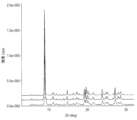
- FIG. 1 shows PXRD data for Form IV of the choline salt cocrystal.
- FIG. 2 shows the results of a dog pharmacokinetic study.
- alkyl refers to a straight or branched chain aliphatic hydrocarbon group containing the specified number of carbon atoms.
- C1 - C8 alkyl refers to a straight or branched chain saturated hydrocarbon chain containing at least 1 and at most 8 carbon atoms.
- Suitable alkyls include, but are not limited to, methyl, ethyl, n-propyl, isopropyl, n-butyl, sec-butyl, isobutyl, tert-butyl, n-pentyl, n-hexyl, n-heptyl, n-octyl, and the like.
- alkenyl refers to a group in which one or more C-C single bonds of the alkyl are replaced with double bonds.
- Suitable alkenyls include, but are not limited to, vinyl, 1-propenyl, allyl, 1-methylethenyl (isopropenyl), 1-butenyl, 2-butenyl, 3-butenyl, 1-methyl-2-propenyl, 2-methyl-2-propenyl, 1-methyl-1-propenyl, 2-methyl-1-propenyl, 1-pentenyl, 1-hexenyl, n-heptenyl, 1-octenyl, etc.
- alkynyl refers to a group in which one or more C-C single bonds of the alkyl are replaced with a triple bond.
- Suitable alkynyls include, but are not limited to, ethynyl, 1-propynyl, 2-propynyl, 1-butynyl, 2-butynyl, 3-butynyl, 1-methyl-2-propynyl, 1-pentynyl, 1-hexynyl, 1-heptynyl, 1-octynyl, etc.
- cycloalkyl refers to an alicyclic alkyl having the specified number of carbon atoms.
- C3 - C6 cycloalkyl refers to a cyclic hydrocarbon group having at least 3 and at most 6 carbon atoms.
- Suitable cycloalkyls include, but are not limited to, cyclopropyl, cyclobutyl, cyclopentyl, cyclohexyl, and the like.
- cycloalkenyl refers to a group in which one or more C-C single bonds of the cycloalkyl are replaced with double bonds. Suitable cycloalkenyls include, but are not limited to, cyclopropenyl, cyclobutenyl, cyclopentenyl, cyclohexenyl, etc.
- cycloalkynyl refers to a group in which one or more C-C single bonds of the cycloalkyl are replaced with a triple bond.
- Suitable cycloalkynyls include, but are not limited to, cyclobutynyl, cyclopentynyl, cyclohexynyl, etc.
- heterocyclyl refers to a group in which one or more carbon atoms of the cycloalkyl, cycloalkenyl, or cycloalkynyl are each independently replaced with a heteroatom selected from nitrogen (N), sulfur (S), and oxygen (O).
- N nitrogen
- S sulfur
- O oxygen
- substitution with N or S includes substitution with N-oxide or S oxide or dioxide, respectively.
- Suitable heterocyclyls include, but are not limited to, pyrrolidinyl, tetrahydrofuranyl, dihydrofuranyl, tetrahydrothienyl, tetrahydropyranyl, dihydropyranyl, tetrahydrothiopyranyl, piperidino, morpholino, thiomorpholino, thioxanyl, piperazinyl, and the like.
- aryl refers to an aromatic ring group having 6 to 15 carbon atoms. Suitable aryls include, but are not limited to, phenyl, naphthyl, anthryl (anthracenyl), etc.
- arylalkyl refers to a group in which one of the hydrogen atoms of the alkyl is replaced by the aryl. Suitable arylalkyls include, but are not limited to, benzyl, 1-phenethyl, 2-phenethyl, etc.
- arylalkenyl refers to a group in which one of the hydrogen atoms of the alkenyl is replaced by the aryl.
- Suitable arylalkenyls include, but are not limited to, styryl, etc.
- heteroaryl refers to a group in which one or more carbon atoms of the aryl are each independently substituted with a heteroatom selected from nitrogen (N), sulfur (S) and oxygen (O).
- N nitrogen
- S sulfur
- O oxygen
- substitution with N or S includes substitution with N-oxide or oxide or dioxide of S, respectively.
- Suitable heteroaryls include, but are not limited to, furanyl, thienyl, pyrrolyl, imidazolyl, pyrazolyl, triazolyl, tetrazolyl, thiazolyl, oxazolyl, isoxazolyl, oxadiazolyl, thiadiazolyl, isothiazolyl, pyridyl, pyridazinyl, pyrazinyl, pyrimidinyl, quinolinyl, isoquinolinyl, indolyl, etc.
- heteroarylalkyl refers to a group in which one of the hydrogen atoms of the alkyl is replaced by the heteroaryl.
- the above-described groups are each independently unsubstituted or substituted with one or more of halogen, hydroxyl, NH2 , NO2 , C(O)Z (wherein Z is hydrogen, hydroxyl , C1 - C8 alkyl, C2 - C8 alkenyl, C2 - C8 alkynyl, C3-C6 cycloalkyl, C3 - C6 cycloalkenyl, C4 - C6 cycloalkynyl, heterocyclyl, NH2 , or NH-( C1 - C8 alkyl)), NH-C(O)Z (wherein Z is hydrogen, hydroxyl, C1- C8 alkyl, C2 - C8 alkenyl, C2 -C8 alkynyl, C3 - C6 cycloalkyl, C3 - C6 cycloalkenyl, C4 - C6 cycloalkynyl, heterocyclyl
- halogen or halo means fluorine, chlorine, bromine or iodine.
- the compound represented by formula (I) may be a deuterium conversion product in which 1 H is converted to 2 H (D).
- the compounds represented by formula (I) also include stereoisomers such as racemates and optically active compounds.
- R 1 is preferably a C 3 -C 7 alkyl, more preferably a C 4 alkyl, and R 3 is preferably 1,1,1,3,3,3-hexafluoro-2-hydroxypropan-2-yl.
- R 7 and R 8 is NH 2 , NH-C(O)Z, where Z is C 1 -C 8 alkyl, heterocyclyl or NH-(C 1 -C 8 alkyl), which is unsubstituted or substituted by one or more hydroxyl or NH 2 , N(R 10 )(R 11 ), where R 10 and R 11 are each independently C 1 -C 8 alkyl or arylalkyl, which is unsubstituted or substituted by one or more hydroxyl, O-(C 1 -C 8 alkyl), NH 2 , N(CH 3 ) 2 or CONH 2 , or NH(R 10 ) where R 10 is C 1 -C 8 alkyl, arylalkyl or heterocyclyl, which is unsubstituted or substituted by one or more hydroxyl, O-(C 1 -C Preferred compounds are those in which R 8 is NH(R 10 ) (R
- R1 is C3 - C7 alkyl
- R3 is 1,1,1,3,3,3-hexafluoro-2-hydroxypropan-2-yl
- R2 , R4 , R5 , R6 and R9 are hydrogen
- at least one of R7 and R8 is NH2 , NH-C(O)Z, where Z is C1 - C8 alkyl, heterocyclyl or NH-( C1 - C8 alkyl), which groups are unsubstituted or substituted by one or more hydroxyl or NH2 , N( R10 )( R11 ), where R10 and R11 are each independently C1 - C8 alkyl or arylalkyl, which groups are unsubstituted or substituted by one or more hydroxyl, O-( C1 - C8 alkyl), NH2 , N( CH3 ) 2 or CONH 2 ) or NH
- R1 is C4 alkyl
- R3 is 1,1,1,3,3,3-hexafluoro-2-hydroxypropan-2-yl
- R2 , R4 , R5 , R6 and R9 are hydrogen
- at least one of R7 and R8 is NH2 , NH-C(O)Z, Z being C1 - C8 alkyl, heterocyclyl or NH-( C1 - C8 alkyl), which groups are unsubstituted or substituted by one or more hydroxyl or NH2 , N( R10 )( R11 ), R10 and R11 each independently being C1 - C8 alkyl or arylalkyl, which groups are unsubstituted or substituted by one or more hydroxyl, O-(
- R1 is C4 alkyl
- R3 is 1,1,1,3,3,3-hexafluoro-2-hydroxypropan-2-yl
- R2 , R4 , R5 , R6 , R7 and R9 are hydrogen
- R8 is NH( R10 )
- R10 is C2 - C3 alkyl substituted by 1 or 2 hydroxyls, e.g. CH2CH2OH , CH2CH (OH) CH2OH ).
- the compound (NR-31-5) in which R1 is C4 alkyl, R3 is 1,1,1,3,3,3-hexafluoro-2-hydroxypropan-2-yl, R8 is NH2 , and R2 , R4 , R5 , R6 , R7 and R9 are hydrogen, can be prepared as follows.
- a bromine/acetonitrile solution is added dropwise to an acetonitrile solution of compound 10c (NR-31-2) described in Y. Nishiyama, et al., Bioorganic & Medicinal Chemistry 22 (2014) 2799-2808 under ice cooling, and after stirring at room temperature, diisopropylethylamine is added dropwise under ice cooling, followed by the addition of p-nitrobenzoyl chloride and reacting at room temperature.
- reaction solution is poured into ice water, extracted with ethyl acetate, the organic layer is washed with saturated saline, dried over sodium sulfate, the desiccant is filtered off, and the filtrate is concentrated to obtain a residue, to which an aqueous solution of tetrahydrofuran and lithium hydroxide monohydrate is added and reacted at room temperature to obtain an N-(p-nitrobenzoyl)-substituted compound (NR-31-3).
- the N-(p-nitrobenzoyl)-substituted product is dissolved in N,N-dimethylacetamide, and cesium carbonate, palladium(II) acetate, and tricyclohexylphosphine tetrafluoroborate are added in that order, and the mixture is stirred under heating to obtain the 9-nitrophenanthridinone derivative (NR-31-4).
- the 9-nitrophenanthridinone derivative is dissolved in methanol, and palladium-carbon is added, and the mixture is substituted with hydrogen and reacted at room temperature to obtain the 9-aminophenanthridinone derivative (NR-31-5).
- the 9-aminophenanthridinone derivative (NR-31-5) can be modified by N-alkylation, N-acylation, etc. to convert it into various N-substituted derivatives.
- p-fluorobenzoyl chloride can be used instead of p-nitrobenzoyl chloride to obtain a 9-fluorophenanthridinone derivative, which can then be reacted with an amine compound such as 3-amino-1,2-propanediol to convert it into various N-substituted products.
- 8-aminophenanthridinone derivatives can be obtained, which can be converted to various N-substituted compounds by modification such as N-alkylation and N-acylation.
- the product obtained can be purified by commonly used methods, such as column chromatography using silica gel or the like as a carrier, or recrystallization using methanol, ethanol, chloroform, dimethyl sulfoxide, n-hexane-ethyl acetate, water, etc.
- elution solvents for column chromatography include methanol, ethanol, chloroform, acetone, hexane, dichloromethane, ethyl acetate, and mixtures of these solvents.
- the choline salt of the present invention can be produced, for example, by mixing a compound represented by formula (I) and choline in ethanol, and then distilling off the ethanol. Crystals of the choline salt of the present invention can be obtained by adding a good solvent (e.g., ethanol, 1-butanol) and a poor solvent (e.g., n-heptane) to the choline salt thus obtained.
- a good solvent e.g., ethanol, 1-butanol
- a poor solvent e.g., n-heptane
- the choline salt of the present invention may be a solvate, for example a hydrate.
- Crystals of the choline salt of the present invention can also be produced by dissolving the free form of the compound represented by formula (I) in 1-butanol, adding an aqueous solution of choline, adding seed crystals as necessary, and then adding n-heptane to the resulting solution to cause crystallization.
- the choline salt or a crystal thereof of the present invention can be formulated in combination with a conventional pharmaceutical carrier as a pharmaceutical composition such as an anti-coronavirus drug.
- a conventional pharmaceutical carrier such as an anti-coronavirus drug.
- the administration form includes oral preparations such as tablets, capsules, granules, fine granules, powders, sustained-release preparations, liquids, suspensions, emulsions, syrups, and elixirs, and parenteral preparations such as injections and suppositories.
- Oral preparations are manufactured in the usual manner using, for example, starch, lactose, sucrose, mannitol, carboxymethylcellulose, inorganic salts, etc.
- binders, disintegrants, surfactants, lubricants, flow enhancers, flavorings, colorants, fragrances, etc. can be added as appropriate.
- Binders include, for example, starch, dextrin, gum arabic, gelatin, hydroxypropyl starch, methylcellulose, sodium carboxymethylcellulose, hydroxypropylcellulose, crystalline cellulose, ethylcellulose, polyvinylpyrrolidone, macrogol, etc.
- Disintegrants include, for example, starch, hydroxypropyl starch, sodium carboxymethylcellulose, calcium carboxymethylcellulose, carboxymethylcellulose, low-substituted hydroxypropylcellulose, etc.
- Surfactants include, for example, sodium lauryl sulfate, soybean lecithin, sucrose fatty acid esters, polysorbate 80, etc.
- Lubricants include, for example, talc, waxes, hydrogenated vegetable oils, sucrose fatty acid esters, magnesium stearate, calcium stearate, aluminum stearate, polyethylene glycol, etc.
- flow enhancers examples include light anhydrous silicic acid, dried aluminum hydroxide gel, synthetic aluminum silicate, magnesium silicate, etc.
- Injectables are produced according to conventional methods, and diluents that can generally be used include distilled water for injection, physiological saline, aqueous glucose solution, olive oil, sesame oil, peanut oil, soybean oil, corn oil, propylene glycol, polyethylene glycol, etc. Furthermore, bactericides, preservatives, stabilizers, isotonicity agents, soothing agents, etc. may be added as necessary. From the standpoint of stability, the injectables can be frozen after being filled into vials, etc., and water removed by conventional freeze-drying techniques, and the liquid can be reconstituted from the freeze-dried material immediately before use.
- the proportion of the choline salt of the present invention in the injectable can vary between 5 and 50% by weight, but is not limited to this.
- parenteral preparations include suppositories for rectal administration, which are prepared according to standard methods.
- Formulated anti-coronavirus drugs vary depending on the dosage form and route of administration, but can be administered, for example, 1 to 4 times a day for a period of 1 week to 3 months.
- the dosage will vary depending on the patient's age, weight, and severity of the disease, but for adults, it is appropriate to administer, for example, 0.1 to 6000 mg, and preferably 100 to 2000 mg, of the choline salt of the present invention in divided doses several times a day.
- the amount of the choline salt of the present invention is usually administered to an adult patient at a dose of, for example, 0.1 to 6,000 mg, preferably 100 to 2,000 mg, by intravenous injection, intravenous drip, subcutaneous injection, or intramuscular injection, although this will vary depending on the patient's age, weight, and severity of the disease.
- the anti-coronavirus drug of the present invention exhibits antiviral activity against coronaviruses that cause COVID-19, Severe Acute Respiratory Syndrome (SARS), Middle East Respiratory Syndrome (MERS), etc., and is used to prevent or treat coronavirus infections such as COVID-19, SARS, and MERS.
- treatment also includes preventing the disease from becoming severe.
- the choline salt of the present invention can be contained as the sole active ingredient in a pharmaceutical composition, or it can contain other active ingredients.
- the choline salts of the present invention may also be used in combination with other drugs that are effective against coronavirus infections, such as SARS-CoV-2. These may be administered separately during the course of treatment or may be combined with the choline salts of the present invention in a single dosage form, such as a tablet, intravenous solution, or capsule.
- other drugs may include, for example, remdesivir.
- Coronaviruses are known to infect a variety of animals, and SARS-CoV is also known to infect a variety of animals across species barriers. Therefore, the subjects of treatment with the anti-coronavirus drug of the present invention are not limited to humans, but also include various animals such as pets (e.g., dogs and cats), pigs, camels, bats, palm civets, tigers, ferrets, golden hamsters, minks, and sparrows.
- Anti-SARS-CoV-2 effect (assay in HEK293T/ACE2 cells) (1) Cell viability determination (absorbance) HEK293T/ACE2 cells ( 2x10⁴ cells/well) were seeded on a microplate with 100 ⁇ L of cell culture solution. After 24 hours of culture, 50 ⁇ L of various drugs diluted with the drug stock solution to 4 times the final concentration was added to each well, and 50 ⁇ L of virus solution of SARS-CoV-2 (WK-521) (obtained from the National Institute of Infectious Diseases) was added at a multiplicity of infection (MOI) of 0.1 (infection plate).
- MOI multiplicity of infection
- IC50 50% inhibitory concentration (the drug concentration that reduces virus production and replication by 50%)
- IC 90 90% inhibitory concentration (the drug concentration that reduces virus production and replication by 90%)
- CC50 50% toxic concentration (concentration of drug that reduces the number of viable cells by 50%)
- IC 50 and IC 90 indicate the results of qPCR measurement
- CC 50 indicates the results of cell viability determination (absorbance).
- Table 3 shows that phenanthridinone derivatives have anti-SARS-CoV-2 effects.
- Example 2 Anti-SARS-CoV Effect IC50 and IC90 were obtained in the same manner as in Example 1, except that SARS-CoV (SARS-CoV-HKU-39849) was used instead of SARS-CoV-2.
- SARS-CoV SARS-CoV-HKU-39849
- SARS-CoV-2 SARS-CoV-2
- Table 4 The evaluation results of the anti-SARS-CoV effect of various phenanthridinone derivatives are shown in Table 4.
- Example 3 Anti-MERS-CoV Effect IC50 and IC90 were obtained in the same manner as in Example 1, except that MERS-CoV (MERS-CoV-EMC/2012) was used instead of SARS-CoV-2.
- MERS-CoV MERS-CoV
- SARS-CoV-2 SARS-CoV-2
- Anti-SARS-CoV-2 (mutant strain) effect (assay using VeroE6/TMPRESS2 cells)
- VeroE6/TMPRSS2 cells which are highly susceptible to SARS-CoV-2, were seeded on a microplate together with 100 ⁇ L of cell culture solution (2 ⁇ 10 4 cells/well). After 24 hours of culture, 50 ⁇ L of NR-31, which was prepared by diluting the drug stock solution to a concentration 4 times the final concentration, was added to each well, and 50 ⁇ L of each SARS-CoV-2 mutant strain (obtained from the National Institute of Infectious Diseases) was added at a multiplicity of infection (MOI) of 0.01, and the cells were cultured at 37°C for 3 days.
- MOI multiplicity of infection
- the anti-SARS-CoV-2 effect and cytotoxicity of the drug were determined by comparing the number of viable cells in infected and uninfected cells with those in the absence of the drug.
- the evaluation results of the effect of NR-31 against each SARS-CoV-2 strain are shown in Table 6.
- EC50 50% effective concentration (the drug concentration that inhibits 50% of cell death induced by SARS-CoV-2 infection)
- CC50 50% toxic concentration (concentration of drug that reduces the number of viable cells by 50%)
- Example 5 Anti-SARS-CoV-2 effect of the choline salt of the present invention (assay in HEK293T/ACE2 cells)
- NR-31 which showed the most excellent effect in Example 1
- a choline salt of NR-31 was prepared, and the anti-SARS-CoV-2 effects of NR-31 and its choline salt (NR-31 choline) were evaluated in the same manner as in Example 1, except that the conditions for the qPCR measurement shown in Table 2 were changed as shown in Table 7 below.
- the results for NR-31 are shown in Table 8, and the results for the choline salt (NR-31 choline) are shown in Table 9.
- Example 6 Preparation of various salts and co-crystals and examination of solubility Among the phenanthridinone derivatives represented by formula (I), NR-31, which showed the most excellent effect in Example 1, was selected as a representative phenanthridinone derivative, and the preparation of salts and co-crystals and the examination of solubility were carried out for the choline salt and other salts.
- Example 7 Study of polymorphism of cocrystal with choline salt The solubility of each polymorphism of the cocrystal with the choline salt of NR-31 was confirmed according to the method described in the Japanese Pharmacopoeia, and was confirmed by appearance. As a result, Form I, Form IV, and Form XII were examined multiple times, and all of them showed good solubility. The results are shown in Table 11.
- NR-31 Choline Salt Production Method 500 mg of NR-31 and 5 mL of 1-butanol were placed in a flask and heated to 80°C to dissolve NR-31. After cooling to 50°C, 260 ⁇ L of 50% choline aqueous solution was added. Then, the mixture was cooled to room temperature and 1 mg of seed crystals was added. Next, when crystals started to precipitate, 2 mL of n-heptane was added dropwise over 30 minutes. After the dropwise addition, the mixture was cooled to 0°C in an ice bath, and after 30 minutes, it was filtered under reduced pressure using a Kiriyama funnel (Kiriyama filter paper No.
- FIG. 1 shows the Form IV preparation of the choline salt cocrystal
- the second line from the top shows the product after drying (NR-31 choline salt)
- the bottom line shows a part of the slurry taken during crystallization.
- Figure 1 shows that the powder X-ray diffraction analysis has five peaks at 8.8, 14.6, 19.6, 23.8, and 27.0 with respect to 2 ⁇ 0.2.
- Example 9 Study on thermal behavior of choline salt, etc. Thermal analysis was carried out on the free form, DMSO solvate, and choline salt of NR-31 to confirm their thermal behavior such as melting. The results are shown in Table 12.
- Example 10 Pharmacokinetic study in dogs (comparison of salt and free form) The crystals of the NR-31 choline salt (Form IV) obtained in Example 8 and capsules of the free form of NR-31 were prepared and subjected to a pharmacokinetic test at a dose of 100 mg/kg in 8-month-old male beagle dogs (2 dogs). The results are shown in Figure 2. It can be seen from FIG. 2 that the capsules containing NR-31 choline salt crystals (Form IV) showed a blood concentration that was about 10 times higher than that of the capsules containing NR-31 in free form. The phenanthridinone derivatives were synthesized as follows.
- NR-31-2 (78.5 g, 249 mmol) was charged in acetonitrile (393 mL). Under ice cooling, a solution of bromine (41.8 g, 262 mmol)/acetonitrile (79.0 mL) was added dropwise and the mixture was stirred at room temperature for 1 hour. Under ice cooling, diisopropylethylamine (89.0 mL, 511 mmol) was added dropwise, followed by the addition of p-nitrobenzoyl chloride (106 g, 573 mmol) in portions. The mixture was stirred at room temperature for 15 hours. The reaction solution was poured into ice water and extracted with ethyl acetate.
- NR-31-3 (97.5 g, 179 mmol) was charged into N,N-dimethylacetamide (1.43 L).
- Cesium carbonate (263 g, 808 mmol), palladium (II) acetate (8.06 g, 35.9 mmol) and tricyclohexylphosphine tetrafluoroborate (16.5 g, 44.9 mmol) were added in that order to the reaction mixture and stirred at 100°C for 45 minutes.
- the mixture was cooled to room temperature and filtered through Celite. The filtrate was poured into city water and adjusted to pH 4-5 with hydrochloric acid, then extracted with ethyl acetate/heptane.
- NR-31-5 (25.0 g, 57.8 mmol) was charged into acetonitrile (501 mL) and dimethyl sulfoxide (62.5 mL).
- Glycolaldehyde dimer (6.25 g, 52.0 mmol) and sodium triacetoxyborohydride (22.1 g, 104 mmol) were added to the reaction solution, which was then stirred at room temperature for 21 hours.
- the solvent was removed, and city water, ethyl acetate, and heptane were added to the residue.
- the aqueous layer was extracted with ethyl acetate, and the organic layer was washed successively with city water and saturated brine.
- the organic layer was dried over sodium sulfate, the desiccant was filtered off, and the filtrate was concentrated.
- the residue was purified to obtain NR-31 (15.7 g).
- NR-31-5 was condensed with 1-(tert-butoxycarbonyl)-trans-4-(tert-butyldimethylsilyloxy)-L-proline in the presence of HATU and diisopropylethylamine in N,N-dimethylformamide solvent.
- the reaction solution was added to water, and the aqueous layer was extracted with ethyl acetate.
- the organic layer was washed with city water and saturated saline in that order.
- the organic layer was dried over sodium sulfate, the drying agent was removed by filtration, and the filtrate was concentrated. The residue was dissolved in cyclopentyl methyl ether and treated with hydrochloric acid to carry out the deprotection reaction.
- the reaction solution was neutralized with saturated sodium bicarbonate water, and the aqueous layer was extracted with ethyl acetate.
- the organic layer was washed with city water and saturated saline in that order.
- the organic layer was dried over sodium sulfate, the drying agent was removed by filtration, and the filtrate was concentrated. NR-30 was obtained by purifying the residue.
- NR-31-5 and isobutyryl chloride were mixed with dichloromethane and N,N-diisopropylethylamine, and reacted in the presence of methanol and potassium carbonate to obtain NR-16.
Landscapes
- Health & Medical Sciences (AREA)
- Chemical & Material Sciences (AREA)
- Life Sciences & Earth Sciences (AREA)
- Organic Chemistry (AREA)
- Virology (AREA)
- Medicinal Chemistry (AREA)
- Pharmacology & Pharmacy (AREA)
- Animal Behavior & Ethology (AREA)
- General Health & Medical Sciences (AREA)
- Public Health (AREA)
- Veterinary Medicine (AREA)
- Epidemiology (AREA)
- Communicable Diseases (AREA)
- Oncology (AREA)
- Chemical Kinetics & Catalysis (AREA)
- General Chemical & Material Sciences (AREA)
- Nuclear Medicine, Radiotherapy & Molecular Imaging (AREA)
- Molecular Biology (AREA)
- Pharmaceuticals Containing Other Organic And Inorganic Compounds (AREA)
Abstract
L'invention concerne un sel d'un dérivé de phénanthridinone ayant un excellent effet anti-coronavirus et une excellente solubilité. L'invention concerne également des cristaux du sel. L'invention concerne en particulier un sel de choline d'un composé représenté par la formule (I), des cristaux du sel, et l'utilisation du sel ou des cristaux. [Dans la formule, R1 est un alkyle en C1-C8 ou similaire ; R2-R9 sont chacun indépendamment hydrogène, halogène, hydroxyle, NH2, Q-(C1-C8 alkyle) (Q est O, NH ou S) ou similaire ; et au moins l'un parmi R7 et R8 est NH2 ou NH(R10) (R10 est un alkyle en C1-C8 éventuellement substitué ou similaire).]
Applications Claiming Priority (2)
| Application Number | Priority Date | Filing Date | Title |
|---|---|---|---|
| JP2023081209 | 2023-05-17 | ||
| JP2023-081209 | 2023-05-17 |
Publications (1)
| Publication Number | Publication Date |
|---|---|
| WO2024237331A1 true WO2024237331A1 (fr) | 2024-11-21 |
Family
ID=93519174
Family Applications (1)
| Application Number | Title | Priority Date | Filing Date |
|---|---|---|---|
| PCT/JP2024/018284 Ceased WO2024237331A1 (fr) | 2023-05-17 | 2024-05-17 | Sel de choline de dérivé de phénanthridinone |
Country Status (1)
| Country | Link |
|---|---|
| WO (1) | WO2024237331A1 (fr) |
Citations (5)
| Publication number | Priority date | Publication date | Assignee | Title |
|---|---|---|---|---|
| WO2011093483A1 (fr) * | 2010-02-01 | 2011-08-04 | 国立大学法人鹿児島大学 | Agent therapeutique de l'hepatite c |
| JP2013522221A (ja) * | 2010-03-11 | 2013-06-13 | ベーリンガー インゲルハイム インターナショナル ゲゼルシャフト ミット ベシュレンクテル ハフツング | 強力なhcv阻害剤の結晶塩 |
| JP2020531429A (ja) * | 2017-08-17 | 2020-11-05 | ギリアード サイエンシーズ, インコーポレイテッド | Hivカプシド阻害剤のコリン塩形態 |
| WO2021235392A1 (fr) * | 2020-05-18 | 2021-11-25 | オンコリスバイオファーマ株式会社 | Médicament anti-sars-cov-2 |
| WO2023085432A1 (fr) * | 2021-11-15 | 2023-05-19 | オンコリスバイオファーマ株式会社 | Médicament anti-sars-cov-2 |
-
2024
- 2024-05-17 WO PCT/JP2024/018284 patent/WO2024237331A1/fr not_active Ceased
Patent Citations (5)
| Publication number | Priority date | Publication date | Assignee | Title |
|---|---|---|---|---|
| WO2011093483A1 (fr) * | 2010-02-01 | 2011-08-04 | 国立大学法人鹿児島大学 | Agent therapeutique de l'hepatite c |
| JP2013522221A (ja) * | 2010-03-11 | 2013-06-13 | ベーリンガー インゲルハイム インターナショナル ゲゼルシャフト ミット ベシュレンクテル ハフツング | 強力なhcv阻害剤の結晶塩 |
| JP2020531429A (ja) * | 2017-08-17 | 2020-11-05 | ギリアード サイエンシーズ, インコーポレイテッド | Hivカプシド阻害剤のコリン塩形態 |
| WO2021235392A1 (fr) * | 2020-05-18 | 2021-11-25 | オンコリスバイオファーマ株式会社 | Médicament anti-sars-cov-2 |
| WO2023085432A1 (fr) * | 2021-11-15 | 2023-05-19 | オンコリスバイオファーマ株式会社 | Médicament anti-sars-cov-2 |
Non-Patent Citations (4)
| Title |
|---|
| GOULD P. L.: "SALT SELECTION FOR BASIC DRUGS.", INTERNATIONAL JOURNAL OF PHARMACEUTICS, vol. 33., no. 01/03., 1 January 1986 (1986-01-01), AMSTERDAM, NL, pages 201 - 217., XP002074725, ISSN: 0378-5173, DOI: 10.1016/0378-5173(86)90055-4 * |
| HIROSHI AOYAMA, KAZUYUKI SUGITA, MASAHIKO NAKAMURA, ATSUSHI AOYAMA, MOHAMMED T.A. SALIM, MIKA OKAMOTO, MASANORI BABA, YUICHI HASHI: "Fused heterocyclic amido compounds as anti-hepatitis C virus agents", BIOORGANIC & MEDICINAL CHEMISTRY, vol. 19, no. 8, 1 April 2011 (2011-04-01), AMSTERDAM, NL, pages 2675 - 2687, XP055439664, ISSN: 0968-0896, DOI: 10.1016/j.bmc.2011.03.002 * |
| NAKAMURA, M. ; AOYAMA, A. ; SALIM, M.T.A. ; OKAMOTO, M. ; BABA, M. ; MIYACHI, H. ; HASHIMOTO, Y. ; AOYAMA, H.: "Structural development studies of anti-hepatitis C virus agents with a phenanthridinone skeleton", BIOORGANIC & MEDICINAL CHEMISTRY, vol. 18, no. 7, 1 April 2010 (2010-04-01), AMSTERDAM, NL, pages 2402 - 2411, XP027027247, ISSN: 0968-0896 * |
| RICHARD J. BASTIN , MICHAEL J. BOWKER , BRYAN J. SLATER: "salt selection and optimisation procedures for pharmaceutical new chemical entities", ORGANIC PROCESS RESEARCH & DEVELOPMENT, vol. 4, no. 5, 15 September 2000 (2000-09-15), US , pages 427 - 435, XP002728118, ISSN: 1083-6160, DOI: 10.1021/op000018u * |
Similar Documents
| Publication | Publication Date | Title |
|---|---|---|
| TWI491591B (zh) | 吲哚化合物及其醫藥用途 | |
| JP7187575B2 (ja) | Rhoキナーゼ阻害剤としてのベンゾピラゾール系化合物 | |
| US20260042774A1 (en) | Camptothecin-7-ethylamine derivative, preparation method therefor, and use thereof | |
| CN115490681A (zh) | 三嗪衍生物 | |
| TWI851890B (zh) | 抗病毒性1,3-二氧代茚化合物 | |
| TW479058B (en) | 2,7-substituted octahydro-pyrrolo[1,2-a]pyrazine derivatives | |
| CN118678957A (zh) | 一种杂环化合物的应用 | |
| WO2023085432A1 (fr) | Médicament anti-sars-cov-2 | |
| JP7765835B2 (ja) | 抗SARS-CoV-2薬 | |
| US20250090491A1 (en) | Antiviral 1,3-di-oxo-indene compounds | |
| CN118176202B (zh) | 一种含氰基取代的多肽类化合物的晶型及其制备方法 | |
| WO2024237331A1 (fr) | Sel de choline de dérivé de phénanthridinone | |
| RU2405779C2 (ru) | Бензимидазольные производные и их применение для модуляции рецепторного комплекса гамма-аминомасляной кислоты (gabaa) | |
| CN111471037B (zh) | 烯丙基胺类化合物及其应用 | |
| TW202342467A (zh) | 含氮雜環化合物的製備方法 | |
| EP4340839B1 (fr) | Nouveaux derives azaindole en tant qu'agents antiviraux | |
| CN109422739A (zh) | 氘代的吲哚胺2,3-双加氧酶抑制剂及其应用 | |
| WO2025074997A1 (fr) | Dérivé hétérocyclique condensé ayant une activité inhibitrice vis-à-vis de la prolifération virale, et composition pharmaceutique le contenant | |
| CN108290842B (zh) | 一种取代的喹啉化合物及其药物组合物 | |
| WO2022119928A1 (fr) | Composés d'imidazole en tant qu'inhibiteurs d'enpp1 | |
| US20240254082A1 (en) | Substituted Isoindoline-1, 3-diketone PDE4 Inhibitor and Pharmaceutical Application Thereof | |
| CN116621917A (zh) | 一种二氟吲哚-螺环化合物及其制备方法与应用 | |
| CN118580233A (zh) | 3CLpro蛋白酶抑制剂的盐酸盐晶型 | |
| HK40061853B (zh) | 用作cdk7激酶抑制剂的化合物及其应用 | |
| HK40116388A (zh) | 用作cdk7激酶抑制剂的化合物及其应用 |
Legal Events
| Date | Code | Title | Description |
|---|---|---|---|
| 121 | Ep: the epo has been informed by wipo that ep was designated in this application |
Ref document number: 24807281 Country of ref document: EP Kind code of ref document: A1 |
|
| NENP | Non-entry into the national phase |
Ref country code: DE |