WO2024242111A1 - Composition pharmaceutique pour le traitement de la douleur neuropathique - Google Patents
Composition pharmaceutique pour le traitement de la douleur neuropathique Download PDFInfo
- Publication number
- WO2024242111A1 WO2024242111A1 PCT/JP2024/018707 JP2024018707W WO2024242111A1 WO 2024242111 A1 WO2024242111 A1 WO 2024242111A1 JP 2024018707 W JP2024018707 W JP 2024018707W WO 2024242111 A1 WO2024242111 A1 WO 2024242111A1
- Authority
- WO
- WIPO (PCT)
- Prior art keywords
- pain
- inhibitor
- jak
- pharmaceutical composition
- administration
- Prior art date
- Legal status (The legal status is an assumption and is not a legal conclusion. Google has not performed a legal analysis and makes no representation as to the accuracy of the status listed.)
- Ceased
Links
Images




Classifications
-
- A—HUMAN NECESSITIES
- A61—MEDICAL OR VETERINARY SCIENCE; HYGIENE
- A61K—PREPARATIONS FOR MEDICAL, DENTAL OR TOILETRY PURPOSES
- A61K31/00—Medicinal preparations containing organic active ingredients
- A61K31/185—Acids; Anhydrides, halides or salts thereof, e.g. sulfur acids, imidic, hydrazonic or hydroximic acids
- A61K31/19—Carboxylic acids, e.g. valproic acid
- A61K31/195—Carboxylic acids, e.g. valproic acid having an amino group
-
- A—HUMAN NECESSITIES
- A61—MEDICAL OR VETERINARY SCIENCE; HYGIENE
- A61K—PREPARATIONS FOR MEDICAL, DENTAL OR TOILETRY PURPOSES
- A61K31/00—Medicinal preparations containing organic active ingredients
- A61K31/275—Nitriles; Isonitriles
- A61K31/277—Nitriles; Isonitriles having a ring, e.g. verapamil
-
- A—HUMAN NECESSITIES
- A61—MEDICAL OR VETERINARY SCIENCE; HYGIENE
- A61K—PREPARATIONS FOR MEDICAL, DENTAL OR TOILETRY PURPOSES
- A61K31/00—Medicinal preparations containing organic active ingredients
- A61K31/33—Heterocyclic compounds
- A61K31/395—Heterocyclic compounds having nitrogen as a ring hetero atom, e.g. guanethidine or rifamycins
- A61K31/495—Heterocyclic compounds having nitrogen as a ring hetero atom, e.g. guanethidine or rifamycins having six-membered rings with two or more nitrogen atoms as the only ring heteroatoms, e.g. piperazine or tetrazines
- A61K31/505—Pyrimidines; Hydrogenated pyrimidines, e.g. trimethoprim
- A61K31/506—Pyrimidines; Hydrogenated pyrimidines, e.g. trimethoprim not condensed and containing further heterocyclic rings
-
- A—HUMAN NECESSITIES
- A61—MEDICAL OR VETERINARY SCIENCE; HYGIENE
- A61K—PREPARATIONS FOR MEDICAL, DENTAL OR TOILETRY PURPOSES
- A61K45/00—Medicinal preparations containing active ingredients not provided for in groups A61K31/00 - A61K41/00
-
- A—HUMAN NECESSITIES
- A61—MEDICAL OR VETERINARY SCIENCE; HYGIENE
- A61P—SPECIFIC THERAPEUTIC ACTIVITY OF CHEMICAL COMPOUNDS OR MEDICINAL PREPARATIONS
- A61P25/00—Drugs for disorders of the nervous system
- A61P25/04—Centrally acting analgesics, e.g. opioids
Definitions
- the present invention relates to a pharmaceutical composition for treating and/or preventing neuropathic pain (particularly central neuropathic pain).
- Stroke is the fourth leading cause of death in Japan and is known as the number one cause of requiring nursing care.
- various aftereffects such as paralysis, pain disorder, memory disorder, infection, depression, anxiety, and convulsions often occur depending on the site of damage (Non-Patent Document 1), which is a serious problem that reduces the quality of life (QOL) of stroke patients.
- CPSP Central post-stroke pain
- somatosensory pathway which is a pathway in which external information input to sensory receptors is projected to the somatosensory area in the parietal lobe of the cerebral cortex via the spinal cord and thalamus via sensory nerves, due to cerebral hemorrhage or cerebral infarction.
- damage to the thalamus often causes post-stroke pain, and chronic pain that occurs after thalamic hemorrhage is difficult to treat and is a major clinical problem.
- the incidence rate is said to be about 8-11% of stroke patients (Non-Patent Document 2).
- Non-Patent Document 3 The underlying pathology of persistent post-stroke pain has not yet been fully elucidated, and elucidation of the molecular mechanism and the development of a technological pain treatment based on that mechanism are awaited.
- AG490 is a synthetic derivative of benzylidenemalonitrile and is a JAK2 (Janus kinase 2, an upstream gene of STAT3) phosphorylation inhibitor that inhibits the phosphorylation of STAT3 (Non-Patent Document 4).
- STAT3 is activated by JAK2 bound to the cytokine receptor complex after cytokine binding. Phosphorylation of STAT3 tyrosine residues leads to homo- or heterodimerization of STAT, translocation from the cytoplasm to the nucleus, and binding to specific DNA elements (STAT recognition sites), thereby controlling target gene expression (Non-Patent Documents 5 and 6).
- Non-Patent Document 7 It has been reported that administration of AG490 improves itch in chronic itch pathology (Non-Patent Document 7) and reduces neuronal cell death and neuronal dysfunction in post-ischemic cerebral infarction pathology (Non-Patent Document 8). However, there have been no research reports showing the therapeutic effect of AG490 in post-stroke pain pathology.
- AZD1480 is an ATP-competitive inhibitor of JAK1 and JAK2, and exerts beneficial effects in cancer models by suppressing downstream activation of STATs, particularly STAT3 (Non-Patent Documents 9 and 10). It has also been reported that administration of AZD1480 reduces STAT activation in central nervous tissues, reduces pathogenic Th1 and Th17 cell responses, alters the function of dendritic cells and macrophages, and reduces the infiltration ability of immune cells into central nervous tissues in the pathology of autoimmune encephalomyelitis (Non-Patent Document 11). However, there have been no research reports showing the therapeutic effect of AZD1480 in post-stroke pain pathology.
- Stattic is a STAT3 inhibitor that selectively inhibits STAT3 activation, dimerization, and nuclear translocation, and induces apoptosis in STAT3-dependent cancer cell lines (Non-Patent Document 12). It has been reported that administration of Stattic is effective in Alzheimer's disease, depression, and transient middle cerebral artery occlusion. However, there have been no research reports showing the therapeutic effect of Stattic in post-stroke pain.
- BP-1-102 is a STAT3 inhibitor that inhibits the activation, phosphorylation, and dimerization of STAT3 by binding to three subpockets of the SH2 domain possessed by STAT3 (Non-Patent Document 13). It has been reported that administration of BP-1-102 is effective in ischemic stroke, glioblastoma, and intracranial aneurysm pathologies. However, there have been no research reports to date demonstrating the therapeutic effect of BP-1-102 in post-stroke pain pathologies.
- Apolipoprotein E Exerts a Whole-Brain Protective Property by Promoting M1 Microglia Quiescence After Experimental Subarachnoid Hemorrhage in Mice. Translational Stroke Research 9:654-668 (2016). Hedvat et al. The JAK2 inhibitor AZD1480 potently blocks Stat3 signaling and oncogenesis in solid tumors. Cancer Cell 16: 487-497 (2009). McFarland et al. Therapeutic potential of AZD1480 for the treatment of human glioblastoma. Mol. Cancer Ther. 10: 2384-2393 (2011). Liu et al.
- the objective of the present invention is to provide a pharmaceutical composition for treating and/or preventing neuropathic pain.
- the inventors have conducted extensive research to achieve the above-mentioned objective, and have found that administering JAK/STAT inhibitors, AG490, AZD1480, Stattic, and BP-1-102, to a mouse model of post-stroke pain can improve pain and even prevent the onset of pain. All of the existing drugs are symptomatic treatments and cannot be called disease-modifying drugs, and their effects are temporary. In contrast, the present invention provides a long-term therapeutic effect, indicating that JAK/STAT inhibitors provide a long-term therapeutic effect by modifying the pathology of pain. Furthermore, it was confirmed that knocking out CCL2 and administering an MMP2 inhibitor can also improve pain in a mouse model of post-stroke pain, similar to JAK/STAT inhibitors.
- the present invention was completed based on these findings and through further investigation, and provides the following pharmaceutical composition.
- Item 1 A pharmaceutical composition for treating and/or preventing central neuropathic pain, comprising at least one selected from the group consisting of a JAK/STAT inhibitor, a CCL2 inhibitor, and an MMP2 inhibitor.
- Item 2. The pharmaceutical composition according to Item 1, comprising a JAK/STAT inhibitor.
- Item 3. The pharmaceutical composition according to Item 1, wherein the central neuropathic pain is pain caused by a brain disorder.
- the pharmaceutical composition according to Item 1, wherein the central neuropathic pain is post-stroke pain.
- Item 5 The pharmaceutical composition according to Item 1, wherein the central neuropathic pain is thalamic pain.
- the JAK/STAT inhibitor is at least one selected from the group consisting of a STAT3 SH2 domain inhibitor and a JAK inhibitor.
- a pharmaceutical composition for treating and/or preventing neuropathic pain comprising at least one selected from the group consisting of a JAK/STAT inhibitor, a CCL2 inhibitor, and an MMP2 inhibitor, the administration interval of which is 6 days or longer.
- the pharmaceutical composition according to Item 9 comprising a JAK/STAT inhibitor.
- Item 11 A method for treating and/or preventing central neuropathic pain, comprising the step of administering at least one selected from the group consisting of a JAK/STAT inhibitor, a CCL2 inhibitor, and an MMP2 inhibitor to a mammal in need of said treatment and/or prevention.
- a method for treating and/or preventing neuropathic pain comprising the step of administering at least one selected from the group consisting of a JAK/STAT inhibitor, a CCL2 inhibitor, and an MMP2 inhibitor to a mammal in need of said treatment and/or prevention at an administration interval of 6 days or more.
- a JAK/STAT inhibitor a JAK/STAT inhibitor
- a CCL2 inhibitor a CCL2 inhibitor
- an MMP2 inhibitor Use of at least one selected from the group consisting of a JAK/STAT inhibitor, a CCL2 inhibitor, and an MMP2 inhibitor in the manufacture of a pharmaceutical composition for treating and/or preventing central neuropathic pain.
- the pharmaceutical composition of the present invention is capable of treating and preventing neuropathic pain (particularly central neuropathic pain).
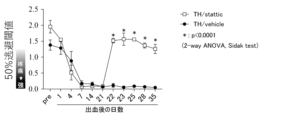
- the legend in the figure is as follows.
- TH thalamic hemorrhage
- vehicle solvent-administered group as a control group for the drug group. Values are the mean ⁇ standard error.
- Each group n 7, *p ⁇ 0.0001 (both against the TH/vehicle group. 2-way ANOVA, Sidak test).
- the legend in the figure is as follows.
- TH thalamic hemorrhage
- vehicle solvent-administered group as a control group for the drug group.
- Values are mean ⁇ standard error.
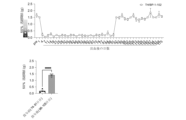
- n 6, *p ⁇ 0.0001 (2-way ANOVA, Sidak test). This is a graph showing the results of investigating the effect of BP-1-102 on pain in a chronic post-stroke pain model mouse. The legend in the figure is as follows.
- TH thalamic hemorrhage, vehicle: solvent-administered group as a control group for the drug group. Values are the mean ⁇ standard error.
- TH thalamic hemorrhage. Values are mean ⁇ standard error.
- BP-1-102 administration group n 4. In the graph below, the average value from 74 to 81 days after hemorrhage is the value before administration, and the average value from 98 to 105 days after hemorrhage is the value after administration.
- ***p ⁇ 0.0001 (Paired t test) 1 is a graph showing the results of investigating the effect on pain caused by administration of AG490 in the early stage of the onset of thalamic hemorrhage.
- TH thalamic hemorrhage. Values are mean ⁇ standard error.
- Baricitinib administration group n 4.
- This graph shows the results of investigating the effect on pain caused by direct administration of an astrocyte activation inhibitor (fluorocitric acid) to the S1 region of the cerebral cortex in a chronic phase post-stroke pain model mouse.
- an astrocyte activation inhibitor fluorocitric acid
- TH thalamic hemorrhage
- vehicle solvent-administered group as a control group for the drug group. Values are the mean ⁇ standard error.
- nucleic acid refers to RNA or DNA.
- gene includes double-stranded DNA, single-stranded DNA (sense strand or antisense strand), and fragments thereof, unless otherwise specified.
- gene refers to regulatory regions, coding regions, exons, and introns without distinction, unless otherwise specified.
- nucleic acid “nucleotide,” and “polynucleotide” are synonymous and include both DNA and RNA, and may be double-stranded or single-stranded.
- the pharmaceutical composition of the present invention contains at least one selected from the group consisting of a JAK/STAT inhibitor, a CCL2 inhibitor, and an MMP2 inhibitor (preferably a JAK/STAT inhibitor), and is characterized in that it is for treating and/or preventing central neuropathic pain.
- the pharmaceutical composition of the present invention is for treating and/or preventing neuropathic pain, and is characterized in that it contains at least one selected from the group consisting of a JAK/STAT inhibitor, a CCL2 inhibitor, and an MMP2 inhibitor (preferably a JAK/STAT inhibitor), and the administration interval is 6 days or more.
- Neuropathic pain is defined as pain caused as a direct result of damage or disease to the somatosensory system (the nerves that transmit pain). Neuropathic pain is further classified into central neuropathic pain and peripheral neuropathic pain.
- Central neuropathic pain is pain caused by central nerve lesions, and refers to unbearable pain deep in the body.
- Central neuropathic pain is pain caused by damage (injury) to the brain and spinal cord (particularly the brain) with the brain and spinal cord (particularly the brain) being the responsible lesion.
- the responsible lesion is preferably the thalamus in particular.
- Examples of central neuropathic pain include post-stroke pain, post-traumatic spinal cord injury pain, pain due to multiple sclerosis, compressive myelopathy due to spinal canal stenosis, pain associated with Parkinson's disease, HIV myelopathy, post-ischemic myelopathy, post-radiation myelopathy/post-radiation encephalopathy, syringomyelia/syringomyelia, etc.
- post-stroke pain is preferable, and thalamic pain is particularly preferable.
- post-stroke pain and thalamic pain pain due to bleeding is more preferable.
- JAK/STAT inhibitor refers to any compound capable of inhibiting the JAK/STAT signaling pathway, and examples of such compounds include compounds that inhibit or suppress the expression of JAK and/or STAT, and compounds that inhibit or reduce the function or activity of JAK and/or STAT.
- a "JAK/STAT inhibitor” may be a compound that inhibits either SJAK or STAT, or a compound that inhibits both JAK and STAT.
- a "JAK/STAT inhibitor” is preferably a compound that has high central nervous system penetration and minimal effect on peripheral nerves.
- JAK1 JAK2, JAK3, and Tyk2.
- STATs signal transducers and activators of transcription
- STAT2 include STAT1, STAT2, STAT3, STAT4, STAT5, and STAT6, with STAT3 being preferred.
- JAK/STAT inhibitors include, for example, low molecular weight compounds, medium molecular weight compounds, antibodies, antibody fragments, and nucleic acids that have an inhibitory effect on the JAK/STAT signaling pathway.
- SJAK/STAT inhibitors can be used alone or in combination of two or more types.
- JAK/STAT inhibitors examples include STAT3 SH2 domain inhibitors, JAK inhibitors (e.g., STAT3 phosphorylation inhibitors), STAT3 DNA binding domain inhibitors, double-stranded RNA having an RNAi effect on the JAK or STAT3 gene, and antisense nucleic acids against the JAK or STAT3 gene, with STAT3 SH2 domain inhibitors and JAK inhibitors being preferred.
- JAK inhibitors e.g., STAT3 phosphorylation inhibitors
- STAT3 DNA binding domain inhibitors double-stranded RNA having an RNAi effect on the JAK or STAT3 gene
- antisense nucleic acids against the JAK or STAT3 gene examples include STAT3 SH2 domain inhibitors, JAK inhibitors (e.g., STAT3 phosphorylation inhibitors), STAT3 DNA binding domain inhibitors, double-stranded RNA having an RNAi effect on the JAK or STAT3 gene, and antisense nucleic acids against the JAK or STAT
- STAT3 SH2 domain inhibitors have the function of inhibiting the SH2 domain and inhibiting the formation of STAT3 homo- or heterodimers.
- STAT3 SH2 domain inhibitors include Stattic, BP-1-102, STA-21, C188-9, S3I-201, YHO-1701, STX-0119, LLL12B, LL1, etc.
- JAK inhibitors have the function of inhibiting JAK (for example, those that have the function of inhibiting phosphorylation of STAT3 by JAK).
- the JAK inhibitor may be any of those that inhibit JAK1, JAK2, JAK3, and Tyk2, and examples thereof include AZD1480, AG490, ruxolitinib, tofacitinib, baricitinib, peficitinib, upadacitinib, filgotinib, delgocitinib, abrocitinib, etc.
- the STAT3 DNA binding domain inhibitor has the function of inhibiting STAT3 that has been transferred into the nucleus from binding to DNA. Examples of STAT3 DNA binding domain inhibitors include CPA-1, CPA-7, and inS3-54A18.
- an antibody or antibody fragment having an inhibitory effect on the JAK/STAT signal transduction pathway can be used.
- antibody fragments of antibodies having antigen binding activity against proteins involved in JAK, STAT and other signal transduction pathways include Fd, Fv, Fab, F(ab'), F(ab) 2 , F(ab') 2 , single chain Fv (scFv), diabody, triabody, tetrabody, minibody, etc.
- Examples of antibodies include those derived from animals such as mouse, rat, cow, rabbit, goat, sheep, and guinea pig.
- the isotype of the antibody is not particularly limited, and examples of the isotype include IgG (IgG1, IgG2, IgG3, IgG4), IgA, IgD, IgE, and IgM.
- the antibody may be either a monoclonal antibody or a polyclonal antibody, and is preferably a monoclonal antibody, and may be a humanized antibody, a chimeric antibody, a multispecific antibody (e.g., a bispecific antibody), etc.
- the antibody can be produced by known methods, for example, by constructing an expression vector containing a nucleic acid encoding the antibody, culturing a transformant into which the nucleic acid has been introduced, or culturing a hybridoma that produces the antibody.
- nucleic acids that have an inhibitory effect on the JAK/STAT signaling pathway include double-stranded RNA (e.g., siRNA (small interfering RNA), shRNA (small hairpin RNA), dsRNA (double-stranded RNA)) that has an RNAi effect on JAK and/or STAT genes (including their transcription products), and antisense nucleic acids against JAK and/or STAT genes (including their transcription products).
- siRNA small interfering RNA
- shRNA small hairpin RNA
- dsRNA double-stranded RNA
- expression vectors that express such siRNA, shRNA, dsRNA, and antisense nucleic acids can also be used.
- siRNA is a double-stranded oligo-RNA consisting of an RNA having a sequence complementary to the nucleotide sequence of the mRNA of a target gene or a partial sequence thereof (target nucleotide sequence) and its complementary strand. Also included in siRNA are single-stranded RNA in which a sequence complementary to the target nucleotide sequence (first sequence) and its complementary sequence (second sequence) are linked via a hairpin loop portion, and in which the first sequence forms a double-stranded structure with the second sequence by adopting a hairpin loop structure (shRNA), and dumbbell-shaped nucleic acids in which both ends of the double-stranded structure of the first sequence and the second sequence are closed with loop structures.
- first sequence a sequence complementary to the target nucleotide sequence
- second sequence complementary sequence
- dumbbell-shaped nucleic acids in which both ends of the double-stranded structure of the first sequence and the second sequence are closed with loop structures.
- the siRNA may have an overhang at the 5' or 3' end of one or both of the sense and antisense strands.
- An overhang is formed by adding one to several (e.g., 1, 2, or 3) bases to the end of the sense and/or antisense strand.
- the base length of the siRNA is not particularly limited as long as it can induce RNA interference, and is, for example, 10 to 50 bases, 15 to 30 bases, or 21 to 27 bases per strand.
- the siRNA targets the mRNA encoding JAK and/or STAT, and can be designed based on information on the base sequence of the mRNA.
- the sequence is not particularly limited as long as it can induce RNA interference.
- the siRNA can be chemically synthesized using known techniques, or produced using recombinant gene technology.
- the dsRNA has an RNAi effect, and is usually a dsRNA consisting of a sense RNA having a sequence identical to any contiguous RNA region in the JAK or STAT mRNA, and an antisense RNA having a sequence complementary to the sense RNA.
- the length of the "any contiguous RNA region" is usually 20 to 30 bases, and preferably 21 to 23 bases.
- the sequence of the antisense nucleic acid is preferably complementary to the target gene or a part thereof, but does not need to be completely complementary as long as it can effectively suppress gene expression. It is sufficient that the sequence has a complementarity of preferably 90% or more, more preferably 95% or more, to the transcription product of the target gene.
- the length of the antisense nucleic acid is preferably 15 bases or more.
- antisense nucleic acids nucleic acids containing antisense sequences of not only the translated region of the target gene but also sequences of the untranslated region are included in the antisense nucleic acids of the present invention.
- JAK/STAT inhibitors include CP690550 (CAS 540737-29-9), Cpd188 (CAS 823828-18-8), 5,15-DPP (CAS 22112-89-6), WP1066 (CAS 857064-38-1), Ethyl-1-(4-cyano-2,3,5,6-tetrafluoyl) rophenyl)-6,7,8-trifluoro-4-oxo-1,4-dihydroquinoline-3-carboxylate (CAS 1041438- 68-9), 4-(N-(4-Cyclohexylbensyl)-2-(2,3,4,5,6-pentafluoro-N-methylphenylsulfonami do) acetamido)-2-Hydroxybenzoic acid, 5-Hydroxy-9,10-dioxo-9,10-dihydroanthracene -1-sulfonamide, N-(5-(Furan-2-yl)
- CCL2 inhibitor refers to any compound capable of inhibiting CCL2 (C-C motif chemokine ligand 2), and examples of such compounds include compounds that inhibit or suppress the expression of CCL2, and compounds that inhibit or reduce the function or activity of CCL2.
- a “CCL2 inhibitor” is preferably a compound that has high central nervous system migration and little effect on peripheral nerves.
- CCL2 is a cytokine that belongs to the CC chemokine family, and is also known as MCP-1 (monocyte chemoattractant protein-1).
- CCL2 inhibitors include, for example, low molecular weight compounds, medium molecular weight compounds, antibodies, antibody fragments, and nucleic acids that have a CCL2 inhibitory effect.
- CCL2 inhibitors can be used alone or in combination of two or more types.
- CCL2 inhibitors include bindarit, propagermanium, dominant-negative mutants of CCL2, antibodies or antibody fragments against CCL2, double-stranded RNA with an RNAi effect on the CCL2 gene, and antisense nucleic acids against the CCL2 gene.
- bindarit propagermanium
- dominant-negative mutants of CCL2 antibodies or antibody fragments against CCL2
- double-stranded RNA with an RNAi effect on the CCL2 gene double-stranded RNA with an RNAi effect on the CCL2 gene
- antisense nucleic acids against the CCL2 gene antisense nucleic acids against the CCL2 gene.
- MMP2 inhibitor refers to any compound capable of inhibiting MMP2 (matrix metalloproteinase-2), and examples of such compounds include compounds that inhibit or suppress the expression of MMP2, and compounds that inhibit or reduce the function or activity of MMP2.
- MMP2 inhibitor a compound that has high central nervous system migration and little effect on peripheral nerves is desirable.
- MMP2 belongs to the MMP family and is an enzyme that breaks down the extracellular matrix as a substrate, and is also called 72 kDa type IV collagenase.
- MMP2 inhibitors include low molecular weight compounds, medium molecular weight compounds, antibodies, antibody fragments, and nucleic acids that have MMP2 inhibitory activity. MMP2 inhibitors can be used alone or in combination of two or more types.
- MMP2 inhibitors examples include ARP100, ARP101, SB-3CT, Ilomastat (GM6001), Batimstat (BB-94), Marimstat (BB-2516), Solasodine, MMP2-IN-3, BPHA, MMP-2 Inhibitor I, II, III, IV, dominant negative mutants of MMP2, antibodies or antibody fragments against MMP2, double-stranded RNA with an RNAi effect on the MMP2 gene, and antisense nucleic acids against the MMP2 gene.
- ARP100 ARP101, SB-3CT, Ilomastat (GM6001), Batimstat (BB-94), Marimstat (BB-2516), Solasodine, MMP2-IN-3, BPHA, MMP-2 Inhibitor I, II, III, IV, dominant negative mutants of MMP2, antibodies or antibody fragments against MMP2, double-stranded RNA with an RNAi effect on the MMP2 gene, and antisense nucleic acids against the MMP2 gene.
- JAK/STAT inhibitors As JAK/STAT inhibitors, CCL2 inhibitors, and MMP2 inhibitors, JAK/STAT inhibitors, CCL2 inhibitors, and MMP2 inhibitors that will be newly developed in the future can also be used in the present invention.
- the JAK/STAT inhibitors, CCL2 inhibitors, and MMP2 inhibitors can be used in a free state or in a salt state.
- salts include salts with inorganic bases such as sodium salts, potassium salts, calcium salts, magnesium salts, and aluminum salts; salts with organic bases such as methylamine, ethylamine, and ethanolamine; salts with basic amino acids such as lysine, arginine, and ornithine, and ammonium salts.
- the salts may be acid addition salts, and examples of such salts include acid addition salts with mineral acids such as hydrochloric acid, hydrobromic acid, hydroiodic acid, sulfuric acid, nitric acid, and phosphoric acid; organic acids such as formic acid, acetic acid, propionic acid, oxalic acid, malonic acid, succinic acid, fumaric acid, maleic acid, lactic acid, malic acid, tartaric acid, citric acid, methanesulfonic acid, and ethanesulfonic acid; and acidic amino acids such as aspartic acid and glutamic acid.
- JAK/STAT inhibitors, CCL2 inhibitors, and MMP2 inhibitors also include their hydrates, solvates, and crystalline polymorphs.
- the content of the JAK/STAT inhibitor, CCL2 inhibitor, and MMP2 inhibitor in the pharmaceutical composition of the present invention may be, for example, 0.001 to 100% by mass of the total amount of the pharmaceutical composition.
- the upper or lower limit of the range is, for example, 0.01% by mass, 0.1% by mass, 1% by mass, 5% by mass, 10% by mass, 20% by mass, 30% by mass, 40% by mass, 50% by mass, 60% by mass, 70% by mass, 80% by mass, 90% by mass, 95% by mass, 99% by mass, or 99.9% by mass.
- the pharmaceutical composition of the present invention may contain, as necessary, pharma- ceutically acceptable ingredients such as excipients, binders, disintegrants, lubricants, colorants, suspending agents, thickeners, antioxidants, absorption enhancers, pH regulators, preservatives, antiseptics, stabilizers, surfactants, sweeteners, flavorings, and fragrances.
- pharma- ceutically acceptable ingredients such as excipients, binders, disintegrants, lubricants, colorants, suspending agents, thickeners, antioxidants, absorption enhancers, pH regulators, preservatives, antiseptics, stabilizers, surfactants, sweeteners, flavorings, and fragrances.
- excipients examples include lactose, white sugar, refined white sugar, D-mannitol, D-sorbitol, corn starch, potato starch, dextrin, crystalline cellulose, sodium carboxymethylcellulose, light anhydrous silicic acid, talc, kaolin, etc.
- Binders include, for example, pregelatinized starch, gelatin, gum arabic, methylcellulose, ethylcellulose, carboxymethylcellulose, sodium carboxymethylcellulose, crystalline cellulose, white sugar, refined white sugar, pullulan, hydroxypropylcellulose, hydroxypropylmethylcellulose, polyvinylpyrrolidone, etc.
- Disintegrants include, for example, lactose, sucrose, corn starch, potato starch, carboxymethylcellulose, calcium carboxymethylcellulose, croscarmellose sodium, sodium carboxymethylstarch, low-substituted hydroxypropylcellulose, alginic acid, crospovidone, etc.
- Lubricants include, for example, stearic acid, magnesium stearate, calcium stearate, talc, polyethylene glycol, etc.
- colorants examples include iron sesquioxide, yellow iron sesquioxide, brown iron oxide, black iron oxide, titanium oxide, etc.
- Suspending agents include, for example, polysorbates, polyethylene glycol, glycerin, etc.
- the pharmaceutical composition may be in the form of, for example, tablets (including plain tablets, sugar-coated tablets, effervescent tablets, film-coated tablets, chewable tablets, troches, etc.), capsules, pills, powders (dispersed medicines), granules, fine granules, liquids, suspensions, emulsions, pastes, syrups, injections (including cases where the composition is mixed with distilled water or infusions such as amino acid infusions or electrolyte infusions at the time of use to prepare the composition as a liquid), etc.
- tablets including plain tablets, sugar-coated tablets, effervescent tablets, film-coated tablets, chewable tablets, troches, etc.
- capsules pills
- powders dispersed medicines
- granules fine granules
- liquids including suspensions, emulsions, pastes, syrups
- injections including cases where the composition is mixed with distilled water or infusions such as amino acid infusions or electrolyte infusion
- the method of administration of the pharmaceutical composition of the present invention is not particularly limited, and may be local or systemic.
- the administration route may be, for example, intra-arterial administration, intravenous administration, subcutaneous administration, intraperitoneal administration, intramuscular administration, rectal administration, intrathecal administration, oral administration, etc.
- the pharmaceutical composition of the present invention is administered to mammals, including humans.
- the dosage of the pharmaceutical composition of the present invention can be determined appropriately depending on various conditions such as the patient's weight, age, sex, and symptoms.
- the administration period of the pharmaceutical composition of the present invention is not particularly limited, and a preferred period can be selected while observing the condition of the patient.
- the withdrawal period of the pharmaceutical composition of the present invention is also not particularly limited, and a preferred period can be selected while observing the condition of the patient.
- the administration interval of the pharmaceutical composition of the present invention is not particularly limited, and examples thereof include daily administration, alternate day administration, 6 days or more, 7 days or more, 8 days or more, 9 days or more, 10 days or more, 11 days or more, 12 days or more, 13 days or more, 14 days or more, 15 days or more, 16 days or more, 17 days or more, 18 days or more, 19 days or more, 20 days or more, 30 days or more, 40 days or more, and 50 days or more.
- the pharmaceutical composition of the present invention may be administered only once without multiple administrations. As shown in the examples below, a literature on peripheral neuropathic pain (Brain.
- administering JAK/STAT inhibitors AG490, AZD1480, Stattic, BP-1-102, and baricitinib to a mouse model of post-stroke pain can improve pain and even prevent the onset of pain, indicating that JAK/STAT inhibitors are effective against central neuropathic pain.
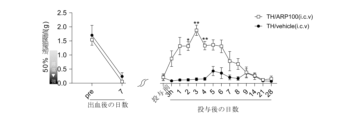
- knocking out CCL2 and administering ARP100, an MMP2 inhibitor has been shown to improve pain in a mouse model of post-stroke pain, indicating that CCL2 inhibitors and MMP2 inhibitors are also effective against central neuropathic pain.
- All existing drugs are symptomatic and cannot be called disease-modifying drugs, and their effects are temporary.
- the present invention provides long-term therapeutic effects, and it has been shown that JAK/STAT inhibitors, CCL2 inhibitors, and MMP2 inhibitors provide long-term therapeutic effects by modifying pain pathology.
- Existing drugs are used for both peripheral and central neuropathic pain, but this is because they are symptomatic.
- the pharmaceutical composition of the present invention aims to alleviate the molecular pathology of central neuropathic pain itself, and has a clearly different treatment strategy from existing drugs.
- the pharmaceutical composition of the present invention is useful for treating and preventing neuropathic pain (particularly central neuropathic pain).
- a custom-made cannula was inserted at the following coordinates: 1.1 mm posterior to the bregma, 1.5 mm lateral from the midline, and 3.5 mm ventral from the cortical surface.
- a total of 25 nL of collagenase was released into the ventral posterolateral nucleus of the thalamus through the tubing, and the cannula was connected to a 25 ⁇ L gas-tight syringe (Hamilton, 80200) and infused at a constant rate of 5 nL/min using an infusion pump (Eicom, ESP-32).
- AG490 Teyrphostin B42, Zinc02557947; Selleck Biotech
- SIGMA-ALDRICH; D8418-100ML 5% dimethyl sulfoxide
- 40% Polyethylene Glycol 300 FJIFILM Wako Pure Chemical Industries; 164-09055
- TweenTM 80 Tokyo Chemical Industry Co., Ltd.; T546
- 50% dH 2 O 5% dimethyl sulfoxide
- the body weight of the mouse was measured, and 10 ⁇ g/g of AG490 was administered intraperitoneally to the mouse.
- the von Frey test was performed 24 and 48 hours after administration, and on the 4th, 7th, 11th, and 14th days, to examine changes in the withdrawal threshold.
- AZD1480 (S2162; Selleck Biotech) was dissolved in 5% dimethyl sulfoxide (SIGMA-ALDRICH; D8418-100ML), 40% polyethylene glycol 300 (FUJIFILM Wako Pure Chemical Industries; 164-09055), 5% Tween (trademark) 80 (Tokyo Chemical Industry Co., Ltd.; T546), and 50% dH 2 O to a concentration of 5 mg/mL.
- SIGMA-ALDRICH dimethyl sulfoxide
- 40% polyethylene glycol 300 (FUJIFILM Wako Pure Chemical Industries; 164-09055)
- Tween 80 Tokyo Chemical Industry Co., Ltd.; T546)
- 50% dH 2 O 50% dH 2 O to a concentration of 5 mg/mL.
- the body weight of the mice was measured, and 30 ⁇ g/g of AZD1480 was administered intraperitoneally to the mice.
- the von Frey test was performed 24 and 48 hours after administration, and on the 4th
- Stattic (S7024; Selleck Biotech) was dissolved in 5% dimethyl sulfoxide (SIGMA-ALDRICH; D8418-100ML), 40% polyethylene glycol 300 (FUJIFILM Wako Pure Chemical Industries; 164-09055), 5% Tween (trademark) 80 (Tokyo Chemical Industry Co., Ltd.; T546), and 50% dH 2 O to a concentration of 5 mg/mL.
- SIGMA-ALDRICH D8418-100ML
- 40% polyethylene glycol 300 (FUJIFILM Wako Pure Chemical Industries; 164-09055)
- Tween 80 Tokyo Chemical Industry Co., Ltd.; T546)
- 50% dH 2 O 50% dH 2 O to a concentration of 5 mg/mL.
- the von Frey test was performed 24 and 48 hours after administration, and on the 4th, 7th, and 14th days to examine the change in the escape threshold.
- BP-1-102 (S7769; Selleck Biotech) was dissolved in 5% dimethyl sulfoxide (SIGMA-ALDRICH; D8418-100ML), 40% polyethylene glycol 300 (FUJIFILM Wako Pure Chemical Industries; 164-09055), 5% Tween (trademark) 80 (Tokyo Chemical Industry Co., Ltd.; T546), and 50% dH 2 O to a concentration of 5 mg/mL.
- SIGMA-ALDRICH dimethyl sulfoxide
- 40% polyethylene glycol 300 (FUJIFILM Wako Pure Chemical Industries; 164-09055)
- Tween 80 Tokyo Chemical Industry Co., Ltd.; T546)
- 50% dH 2 O 50% dH 2 O to a concentration of 5 mg/mL.
- the body weight of the mouse was measured, and 25 ⁇ g/g of BP-1-102 was administered intraperitoneally to the mouse.
- von Frey test was performed at the time points shown in FIG. 3, 24 and 48 hours
- BP-1-102 (S7769; Selleck Biotech) was dissolved in 5% dimethyl sulfoxide (SIGMA-ALDRICH; D8418-100ML), 40% polyethylene glycol 300 (FUJIFILM Wako Pure Chemical Industries; 164-09055), 5% Tween (trademark) 80 (Tokyo Chemical Industry Co., Ltd.; T546), and 50% dH 2 O to a concentration of 5 mg/mL.
- SIGMA-ALDRICH dimethyl sulfoxide
- 40% polyethylene glycol 300 (FUJIFILM Wako Pure Chemical Industries; 164-09055)
- Tween 80 Tokyo Chemical Industry Co., Ltd.; T546)
- 50% dH 2 O 50% dH 2 O to a concentration of 5 mg/mL.
- the body weight of the mouse was measured, and 25 ⁇ g/g of BP-1-102 was administered intraperitoneally to the mouse.
- the von Frey test was performed 24 and 48 hours after administration, and changes in the escape
- Baricitinib (S2851; Selleck Biotech) was dissolved in 5% dimethyl sulfoxide (SIGMA-ALDRICH; D8418-100ML), 40% polyethylene glycol 300 (FUJIFILM Wako Pure Chemical Industries; 164-09055), 5% TweenTM 80 (Tokyo Chemical Industry Co., Ltd.; T546), and 50% dH 2 O to a concentration of 0.8 mg/mL.
- the body weight of the mouse was measured, and 2 ⁇ g/g of baricitinib was administered intraperitoneally to the mouse.
- the von Frey test was performed 24 and 48 hours after administration, and changes in the escape threshold were examined for 111 days after administration.
- baricitinib was administered again on day 32 after administration, when the drug efficacy was observed to be weakened.
- the body weight of the mice was measured immediately before administration of baricitinib, and 0.2 ⁇ g/g of baricitinib was administered intraperitoneally to the mice for five consecutive days.
- DL-fluorocitrate barium salt (SIGMA-ALDRICH; F9634) was dissolved to 1 nM in 0.1 mM hydrochloric acid (FUJIFILM Wako Pure Chemical Industries, Ltd.; 080-01066), 0.1 mM sodium sulfate (FUJIFILM Wako Pure Chemical Industries, Ltd.; 197-03345), 0.1 mM disodium hydrogen phosphate (FUJIFILM Wako Pure Chemical Industries, Ltd.; 197-02865), and physiological saline (Otsuka Pharmaceutical Factory, Inc.; 1326).
- mice were fixed in WPI Mouse Stereotaxic Instruments (World Precision Instruments; 505314) under mixed anesthesia with medetomidine chloride (0.3 mg/kg; Orion Pharma), midazolam (4 mg/kg; Astellas Pharma Inc.), and butorphanol (5 mg/kg; Vetorphale, Meiji Seika Pharma Co., Ltd.).
- a Nanoliter Glass Capillary (World Precision Instruments; 504949) was connected to a NANOLITER 2020 INJECTOR (World Precision Instruments; NANOLITER 2020) and inserted at the following coordinates: 0.35 mm posterior to the bregma, 1.5 mm lateral from the midline, and 0.5 mm ventral from the cortical surface. A total of 1 ⁇ L was injected at a constant rate of 50 nL/min.
- the von Frey test was performed 24 and 48 hours after administration, and changes in the escape threshold were examined for 42 days after administration.
- BP-1-102 (S7769, Selleck Biotech) was dissolved in 5% dimethyl sulfoxide (D8418-100ML, SIGMA-ALDRICH), 40% Polyethylene Glycol 300 (Fujifilm Wako Pure Chemical Industries, Ltd., 164-09055), 5% TweenTM 80 (T546, Tokyo Chemical Industry Co., Ltd.), and 50% dH 2 O to a concentration of 5 mg/mL.
- mice were fixed in WPI Mouse Stereotaxic Instruments (World Precision Instruments; 505314) under mixed anesthesia with medetomidine chloride (0.3 mg/kg; Orion Pharma), midazolam (4 mg/kg; Astellas Pharma Inc.), and butorphanol (5 mg/kg; Vetorphale, Meiji Seika Pharma Co., Ltd.).
- a Nanoliter Glass Capillary (World Precision Instruments; 504949) was connected to a NANOLITER 2020 INJECTOR (World Precision Instruments; NANOLITER 2020) and inserted at the following coordinates: 0.35 mm posterior to the bregma, 1.5 mm lateral from the midline, and 0.5 mm ventral from the cortical surface. A total of 1 ⁇ L was injected at a constant rate of 50 nL/min. The von Frey test was performed 24 and 48 hours after administration, and changes in the escape threshold were examined for 21 days after administration.
- Aldh1l1-CreERT2+/-::CCL2 flox/flox mice were induced with thalamic hemorrhage at 9 to 13 weeks of age to generate post-stroke pain mice.
- Aldh1l1-CreERT2-/-::CCL2 flox/flox was used as a control group. It is considered that administration of tamoxifen in the control group would not result in knockout of CCL2.
- Von Frey tests were performed before induction of thalamic hemorrhage and 7, 14, and 21 days after hemorrhage, and mice in which pain was confirmed to be induced by thalamic hemorrhage were used in the subsequent experiments.
- Tamoxifen (SIGMA-ALDRICH; T5648) was dissolved in corn oil (SIGMA-ALDRICH; C8297) to a concentration of 5 mg/mL. Just before administration of tamoxifen, the body weight of the mice was measured, and 75 ⁇ g/g of tamoxifen was administered intraperitoneally to the mice for 5 days. The von Frey test was performed from the 7th day after the start of administration, and changes in escape threshold were examined for 39 days after administration.
- ARP100 (S9909; Selleck Biotech, Inc.) was dissolved in 5% dimethyl sulfoxide (Sigma-Aldrich; D8418-100ML), 40% Polyethylene Glycol 300 (Fujifilm Wako Pure Chemical Industries, Ltd.; 164-09055), 5% TweenTM 80 (Tokyo Chemical Industry Co., Ltd.; T546), and 50% dH 2 O to a concentration of 7.2 mg/mL.
- mice were fixed in WPI Mouse Stereotaxic Instruments (World Precision Instruments; 505314) under mixed anesthesia with medetomidine chloride (0.3 mg/kg; Orion Pharma), midazolam (4 mg/kg; Astellas Pharma Inc.), and butorphanol (5 mg/kg; Vetorphale, Meiji Seika Pharma Co., Ltd.).
- a Nanoliter Glass Capillary (World Precision Instruments; 504949) was connected to a NANOLITER 2020 INJECTOR (World Precision Instruments; NANOLITER 2020) and inserted at the following coordinates: 0.75 mm posterior to the bregma, 1.0 mm lateral from the midline, and 1.5 mm ventral from the cortical surface. A total of 1 ⁇ L was injected at a constant rate of 50 nL/min. The von Frey test was performed 3 and 24 hours after administration, and changes in the escape threshold were examined 4 weeks after administration.
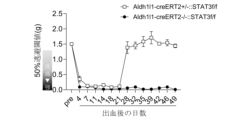
- mice Aldh1l1-CreERT2+/-::STAT3 flox/flox which have both of the two gene mutations, at the age of 9 to 11 weeks to create post-stroke pain mice.
- mice with only one of the two gene mutations, Aldh1l1-CreERT2-/-::STAT3 flox/flox were used. It is believed that STAT3 would not be knocked out in the control group even if tamoxifen was administered.
- mice were fixed in WPI Mouse Stereotaxic Instruments (World Precision Instruments; 505314) under mixed anesthesia with medetomidine chloride (0.3 mg/kg; Orion Pharma), midazolam (4 mg/kg; Astellas Pharma Inc.), and butorphanol (5 mg/kg; Vetorphale, Meiji Seika Pharma Co., Ltd.).
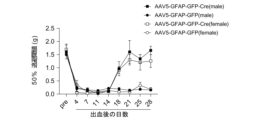
- a Nanoliter Glass Capillary (World Precision Instruments; 504949) was connected to a NANOLITER 2020 INJECTOR (World Precision Instruments; NANOLITER 2020), and AAV5-GFAP-GFP-Cre (4.1 x 10 12 virus molecules/n) was administered to the S1 region of the cerebral cortex at the following coordinates: 0.50 mm posterior to the bregma, 1.5 mm lateral from the midline, 0.7, 0.4 mm ventral from the cortical surface. In addition, a total of 250 ⁇ L was injected at a constant rate of 50 nL/min. After administration, changes in the escape threshold were examined for 14 days. As a control, AAV5-GFAP-GFP (4.1 ⁇ 10 12 virus molecules/n) was administered.
- Figure 3 shows the escape threshold measured by von Frey test after administration of BP-1-102 under post-stroke pain pathology.
- a significant decrease in escape threshold was observed one week after thalamic hemorrhage, indicating the onset of pain. This symptom continued for up to three weeks after thalamic hemorrhage, and no improvement trend was observed in the control group until the end of the experiment.
- a STAT3 inhibitor in the chronic phase (21 days after hemorrhage) two weeks after the onset of pain, a significant increase in escape threshold was observed within 48 hours, and it was considered that the pain had improved.
- FIG. 8 shows the escape threshold measured by BP-1-102 administration to the cerebral cortex S1 region under post-stroke pain pathology by the von Frey test.
- a significant decrease in escape threshold was observed one week after thalamic hemorrhage, indicating that pain had developed. This symptom persisted for up to three weeks after thalamic hemorrhage.
- a significant increase in escape threshold was observed within 48 hours after administration, which was considered to have a pain-suppressing effect.
- FIG. 9 shows the escape threshold measured by astrocyte-specific CCL2 knockout under post-stroke pain pathology using the von Frey test.
- a significant decrease in escape threshold was observed one week after thalamic hemorrhage, indicating the onset of pain. This symptom persisted for up to three weeks after thalamic hemorrhage, and no improvement was observed.
- astrocyte-specific CCL2 knockout was performed by administering tamoxifen for five days starting 21 days after thalamic hemorrhage, an increase in escape threshold was observed from the seventh day after the start of administration. This effect also persisted throughout the observation period.
- AAV AAV5-GFAP-GFP-Cre
- peripheral neuropathic pain (Brain. 134(4):1127-1139 (2011)) reports the results of administering the drug to an animal model of peripheral neuropathic pain, but notes that the effect disappeared promptly (at least three days after administration). On the other hand, the above experimental results show that the effect continued for at least two weeks after administration, indicating a significant difference in efficacy.
- the peripheral and central nervous systems have significantly different molecular mechanisms for nerve regeneration and response to disorders, and therefore the two systems are generally examined as completely separate entities when developing treatments.
- the findings obtained in this study suggest that the mechanism of action of the same drug differs between peripheral and central neuropathic pain.
Landscapes
- Health & Medical Sciences (AREA)
- Animal Behavior & Ethology (AREA)
- Pharmacology & Pharmacy (AREA)
- Veterinary Medicine (AREA)
- Public Health (AREA)
- General Health & Medical Sciences (AREA)
- Chemical & Material Sciences (AREA)
- Life Sciences & Earth Sciences (AREA)
- Medicinal Chemistry (AREA)
- Epidemiology (AREA)
- Neurosurgery (AREA)
- Engineering & Computer Science (AREA)
- Organic Chemistry (AREA)
- Nuclear Medicine, Radiotherapy & Molecular Imaging (AREA)
- Chemical Kinetics & Catalysis (AREA)
- Pain & Pain Management (AREA)
- General Chemical & Material Sciences (AREA)
- Neurology (AREA)
- Biomedical Technology (AREA)
- Bioinformatics & Cheminformatics (AREA)
- Pharmaceuticals Containing Other Organic And Inorganic Compounds (AREA)
Abstract
L'invention concerne une composition pharmaceutique pour le traitement et/ou la prévention de la douleur neuropathique centrale, la composition pharmaceutique contenant au moins un composant choisi dans le groupe constitué par un inhibiteur de JAK/STAT, un inhibiteur de CCL2 et un inhibiteur de MMP2. L'invention concerne également une composition pharmaceutique pour le traitement et/ou la prévention de la douleur neuropathique, la composition pharmaceutique contenant au moins un composant choisi dans le groupe constitué par un inhibiteur de JAK/STAT, un inhibiteur de CCL2, et un inhibiteur de MMP2 et étant à administrer à intervalles de 6 jours ou plus.
Priority Applications (1)
| Application Number | Priority Date | Filing Date | Title |
|---|---|---|---|
| JP2025522418A JPWO2024242111A1 (fr) | 2023-05-22 | 2024-05-21 |
Applications Claiming Priority (2)
| Application Number | Priority Date | Filing Date | Title |
|---|---|---|---|
| JP2023-083875 | 2023-05-22 | ||
| JP2023083875 | 2023-05-22 |
Publications (1)
| Publication Number | Publication Date |
|---|---|
| WO2024242111A1 true WO2024242111A1 (fr) | 2024-11-28 |
Family
ID=93589989
Family Applications (1)
| Application Number | Title | Priority Date | Filing Date |
|---|---|---|---|
| PCT/JP2024/018707 Ceased WO2024242111A1 (fr) | 2023-05-22 | 2024-05-21 | Composition pharmaceutique pour le traitement de la douleur neuropathique |
Country Status (2)
| Country | Link |
|---|---|
| JP (1) | JPWO2024242111A1 (fr) |
| WO (1) | WO2024242111A1 (fr) |
-
2024
- 2024-05-21 JP JP2025522418A patent/JPWO2024242111A1/ja active Pending
- 2024-05-21 WO PCT/JP2024/018707 patent/WO2024242111A1/fr not_active Ceased
Non-Patent Citations (7)
| Title |
|---|
| CHONG M.SAM, BAJWA ZAHID H: "Diagnosis and Treatment of Neuropathic Pain", JOURNAL OF PAIN AND SYMPTOM MANAGEMENT., ELSEVIER, NEW YORK, NY., US, vol. 25, no. 5, 1 May 2003 (2003-05-01), US , pages S4 - S11, XP093243651, ISSN: 0885-3924, DOI: 10.1016/S0885-3924(03)00064-2 * |
| DWORKIN ROBERT H., BACKONJA MIROSLAV, ROWBOTHAM MICHAEL C., ALLEN ROBERT R., ARGOFF CHARLES R., BENNETT GARY J., BUSHNELL M. CATHE: "Advances in Neuropathic Pain : Diagnosis, Mechanisms, and Treatment Recommendations", ARCHIVES OF NEUROLOGY, AMERICAN MEDICAL ASSOCIATION, vol. 60, no. 11, 1 November 2003 (2003-11-01), pages 1524 - 1534, XP009559179, ISSN: 0003-9942, DOI: 10.1001/archneur.60.11.1524 * |
| HAN JIE, HUA ZHEN, YANG WEN-JIE, WANG SHU, YAN FANG, WANG JUN-NAN, SUN TAO: "Resveratrol suppresses neuroinflammation to alleviate mechanical allodynia by inhibiting Janus kinase 2/signal transducer and activator of transcription 3 signaling pathway in a rat model of spinal cord injury", FRONTIERS IN MOLECULAR NEUROSCIENCE, FRONTIERS RESEARCH FOUNDATION, CH, vol. 16, CH , XP093243631, ISSN: 1662-5099, DOI: 10.3389/fnmol.2023.1116679 * |
| MICHAEL COSTIGAN, JOACHIM SCHOLZ, CLIFFORD J. WOOLF: "Neuropathic Pain: A Maladaptive Response of the Nervous System to Damage", ANNUAL REVIEW OF NEUROSCIENCE, ANNUAL REVIEWS, vol. 32, no. 1, 1 June 2009 (2009-06-01), pages 1 - 32, XP055169072, ISSN: 0147006X, DOI: 10.1146/annurev.neuro.051508.135531 * |
| MIRANPURI GURWATTAN S., MEETHAL SIVAN VADAKKADATH, SAMPENE EMMANUEL, CHOPRA ABHISHEK, BUTTAR SEAH, NACHT CARRIE, MORENO NEYDIS, PA: "Folic Acid Modulates Matrix Metalloproteinase-2 Expression, Alleviates Neuropathic Pain, and Improves Functional Recovery in Spinal Cord-Injured Rats", ANNALS OF NEUROSCIENCES, vol. 24, no. 2, 1 January 2017 (2017-01-01), pages 74 - 81, XP093243646, ISSN: 0972-7531, DOI: 10.1159/000475896 * |
| YANG FEI, JING JUN-JIE, FU SI-YIN, SU XIU-ZHU, ZHONG YU-LING, CHEN DONG-SHENG, WU XIAO-ZHI, ZOU YI-QING: "Spinal MCP-1 Contributes to Central Post-stroke Pain by Inducing Central Sensitization in Rats", MOLECULAR NEUROBIOLOGY, SPRINGER US, NEW YORK, vol. 60, no. 4, 1 April 2023 (2023-04-01), New York, pages 2086 - 2098, XP093243638, ISSN: 0893-7648, DOI: 10.1007/s12035-022-03184-9 * |
| YUAN QIN-QIN; ZHOU YU-MIN; GU BING; LIU JIAN-TAO; LI HUA-NAN; YU ZHAO-ZHONG: "Anti-inflammatory mechanism of low dose methotrexate and its application in spinal cord injury", ZHONGGUO YAOLIXUE TONGBAO - CHINESE PHARMACOLOGICAL BULLETIN, LINCHUANG YAOLI YANJIUSUO, HEFEI, CN, vol. 33, no. 3, 1 March 2017 (2017-03-01), CN , pages 312 - 316, XP009559195, ISSN: 1001-1978 * |
Also Published As
| Publication number | Publication date |
|---|---|
| JPWO2024242111A1 (fr) | 2024-11-28 |
Similar Documents
| Publication | Publication Date | Title |
|---|---|---|
| JP2025172101A (ja) | ドライアイの治療用医薬組成物 | |
| US11221329B2 (en) | Treatment of neurological and neurodevelopmental diseases and disorders associated with aberrant ion channel expression and activity | |
| US20220339169A1 (en) | Methods of treating or selecting a treatment for a subject resistant to tnf inhibitor using a nlrp3 antagonist | |
| Liang et al. | The transcription factor GLI2 as a downstream mediator of transforming growth factor-β-induced fibroblast activation in SSc | |
| JP2017197575A (ja) | 代謝を調節する組成物および方法 | |
| JP6093180B2 (ja) | ヒストンアセチルトランスフェラーゼ活性化剤及びその使用 | |
| KR20190131078A (ko) | Ccr3-억제제를 사용한 노화 관련 장애 치료를 위한 방법 및 조성물 | |
| JP2011504474A (ja) | アルツハイマー氏病を治療するためのMnkインヒビターの使用 | |
| JP2018111723A (ja) | アルツハイマー病を処置するためのil−1アンタゴニストを使用する方法 | |
| Xu et al. | OTULIN is a new target of EA treatment in the alleviation of brain injury and glial cell activation via suppression of the NF-κB signalling pathway in acute ischaemic stroke rats | |
| JP2021106625A (ja) | Il−34アンチセンスオリゴヌクレオチドおよびその使用方法 | |
| JP7590084B2 (ja) | 癌治療のためのcxcr7阻害剤 | |
| WO2014124523A1 (fr) | Méthode de traitement de l'obésité | |
| US20220160688A1 (en) | Inhibition of nampt and/or sarm1 for the treatment of axonal degradation | |
| AU2016265523B2 (en) | Oligopeptide having proinflammatory cytokine secretion-inhibiting activity | |
| JP2022529009A (ja) | 神経発生 | |
| JPWO2010016590A1 (ja) | 全身性疼痛症候群の治療または予防薬 | |
| US20180318379A1 (en) | Inhibition of triggering receptor expressed on myeloid cells 1 (trem1) to treat central nervous system disorders | |
| EP3747468A1 (fr) | Agent thérapeutique contre la dégénérescence lobaire fronto-temporale, procédé de criblage d'agents thérapeutiques contre la dégénérescence lobaire fronto-temporale et méthode de traitement de la dégénérescence lobaire fronto-temporale | |
| US20140056910A1 (en) | Therapeutic agent for cancer having reduced sensitivity to molecular target drug and pharmaceutical composition for enhancing sensitivity to molecular target drug | |
| JP6501251B2 (ja) | 慢性疼痛の治療薬 | |
| KR20210065950A (ko) | Ccr3-억제제를 사용한 노화 관련 장애 치료를 위한 방법 및 조성물 | |
| JP7072260B2 (ja) | マックル・ウェルズ症候群の治療用医薬組成物 | |
| KR102200605B1 (ko) | 기분 장애 예방 또는 치료를 위한 Npas4 유전자 및 이를 이용한 스크리닝 방법 | |
| WO2019030151A1 (fr) | Composés pour le traitement de la maladie de von hippel-lindau |
Legal Events
| Date | Code | Title | Description |
|---|---|---|---|
| 121 | Ep: the epo has been informed by wipo that ep was designated in this application |
Ref document number: 24811118 Country of ref document: EP Kind code of ref document: A1 |
|
| ENP | Entry into the national phase |
Ref document number: 2025522418 Country of ref document: JP Kind code of ref document: A |
|
| NENP | Non-entry into the national phase |
Ref country code: DE |