WO2024252410A1 - Synergistic bioactive composition for enhancing activity of pink1/parkin pathway - Google Patents
Synergistic bioactive composition for enhancing activity of pink1/parkin pathway Download PDFInfo
- Publication number
- WO2024252410A1 WO2024252410A1 PCT/IN2023/051209 IN2023051209W WO2024252410A1 WO 2024252410 A1 WO2024252410 A1 WO 2024252410A1 IN 2023051209 W IN2023051209 W IN 2023051209W WO 2024252410 A1 WO2024252410 A1 WO 2024252410A1
- Authority
- WO
- WIPO (PCT)
- Prior art keywords
- composition
- present
- range
- acid
- diseases
- Prior art date
- Legal status (The legal status is an assumption and is not a legal conclusion. Google has not performed a legal analysis and makes no representation as to the accuracy of the status listed.)
- Ceased
Links
Classifications
-
- A—HUMAN NECESSITIES
- A61—MEDICAL OR VETERINARY SCIENCE; HYGIENE
- A61P—SPECIFIC THERAPEUTIC ACTIVITY OF CHEMICAL COMPOUNDS OR MEDICINAL PREPARATIONS
- A61P9/00—Drugs for disorders of the cardiovascular system
-
- A—HUMAN NECESSITIES
- A61—MEDICAL OR VETERINARY SCIENCE; HYGIENE
- A61K—PREPARATIONS FOR MEDICAL, DENTAL OR TOILETRY PURPOSES
- A61K31/00—Medicinal preparations containing organic active ingredients
- A61K31/185—Acids; Anhydrides, halides or salts thereof, e.g. sulfur acids, imidic, hydrazonic or hydroximic acids
- A61K31/19—Carboxylic acids, e.g. valproic acid
- A61K31/195—Carboxylic acids, e.g. valproic acid having an amino group
-
- A—HUMAN NECESSITIES
- A61—MEDICAL OR VETERINARY SCIENCE; HYGIENE
- A61K—PREPARATIONS FOR MEDICAL, DENTAL OR TOILETRY PURPOSES
- A61K31/00—Medicinal preparations containing organic active ingredients
- A61K31/33—Heterocyclic compounds
- A61K31/335—Heterocyclic compounds having oxygen as the only ring hetero atom, e.g. fungichromin
- A61K31/365—Lactones
- A61K31/366—Lactones having six-membered rings, e.g. delta-lactones
- A61K31/37—Coumarins, e.g. psoralen
-
- A—HUMAN NECESSITIES
- A61—MEDICAL OR VETERINARY SCIENCE; HYGIENE
- A61K—PREPARATIONS FOR MEDICAL, DENTAL OR TOILETRY PURPOSES
- A61K45/00—Medicinal preparations containing active ingredients not provided for in groups A61K31/00 - A61K41/00
- A61K45/06—Mixtures of active ingredients without chemical characterisation, e.g. antiphlogistics and cardiaca
-
- A—HUMAN NECESSITIES
- A61—MEDICAL OR VETERINARY SCIENCE; HYGIENE
- A61P—SPECIFIC THERAPEUTIC ACTIVITY OF CHEMICAL COMPOUNDS OR MEDICINAL PREPARATIONS
- A61P15/00—Drugs for genital or sexual disorders; Contraceptives
-
- A—HUMAN NECESSITIES
- A61—MEDICAL OR VETERINARY SCIENCE; HYGIENE
- A61P—SPECIFIC THERAPEUTIC ACTIVITY OF CHEMICAL COMPOUNDS OR MEDICINAL PREPARATIONS
- A61P21/00—Drugs for disorders of the muscular or neuromuscular system
-
- A—HUMAN NECESSITIES
- A61—MEDICAL OR VETERINARY SCIENCE; HYGIENE
- A61P—SPECIFIC THERAPEUTIC ACTIVITY OF CHEMICAL COMPOUNDS OR MEDICINAL PREPARATIONS
- A61P25/00—Drugs for disorders of the nervous system
Definitions
- the present invention relates to a synergistic bioactive composition for enhancing activity of PINK 1 /PARKIN pathway.
- a synergistic bioactive composition comprising a combination of benzo-coumarin compound and at least one cell viability enhancer along with pharmaceutically acceptable excipients.
- the composition is useful in improving mitochondrial function and cellular metabolism as well as in the treating and managing different disorder such as obesity, diabetes, cancer, liver diseases, sexual dysfunction, neurodegenerative diseases, cardiovascular diseases, osteoarthritis, musculoskeletal diseases, neuromuscular diseases, and kidney diseases.
- PTEN-induced kinase 1 is a mitochondrial serine/threonine-protein kinase encoded by the PINK1 gene. It protects cells from stress-induced mitochondrial dysfunction. PINK1 maintains mitochondrial quality control by identifying damaged mitochondria and targeting the same for degradation. Particularly, PINK1 controls mitochondria quality through mitochondrial fission. In the mitochondrial fission, small and round mitochondria are created. Mitochondrial fission promotes the segregation of terminally dysfunctional mitochondria for degradation in the lysosome. Mitochondrial fission is essential for cell growth and division by providing enough new mitochondria and eliminating damaged mitochondria.
- Parkin is a 465-amino acid protein with a molecular mass of 53kDa that is present in humans and mice, and it is encoded by the PARK2 gene.
- Parkin is a primarily cytosolic ubiquitin E3 ligase that contains a ubiquitin-like domain.
- Parkin recognizes proteins on the outer membrane of mitochondria upon cellular insult and facilitates the clearance of damaged mitochondria via proteasomal mechanisms.
- Parkin also enhances cell survival by suppressing both mitochondria-dependent and -independent apoptosis.
- Parkin is highly expressed in the heart, testis, brain and skeletal muscle.
- PINK1 encodes a mitochondrially targeted Ser/Thr kinase and Parkin encodes a ubiquitin-protein ligase which controls the specific elimination of dysfunctional or surplus mitochondria which leads to fine-tuning of mitochondrial network and preserving cellular metabolism.
- Parkin amplifies a damage detection signal from PINK1 by facilitating the formation of ubiquitin chains, which recruit more Parkin to the mitochondria to exhibit ubiquitination to clear the dysfunctional mitochondria.
- the main function of the mitochondria is to produce energy. More healthy mitochondria are needed to make more energy for organs such as the heart, muscles, and brain. When mitochondria in the cell are dysfunctional, less energy is produced which results in organ dysfunction. Inadequate mitochondrial activity leads to many health-related conditions such as obesity, fatigue, reduced metabolic rate, metabolic syndrome, diabetes mellitus, impairment of hearing and vision, liver diseases, gastrointestinal diseases, kidney dysfunction, cardiovascular disease, hyperlipidemia, neurodegenerative diseases, cognitive disorders, mood disorders, stress, and anxiety disorders.
- PTEN-induced kinase 1 (PINK1) and Parkin RBR E3 ubiquitin-protein ligase (PARKIN) signaling play a key role in mitochondrial motility and size. Mutations in the PINK1/PARKIN signaling pathway disrupt the sensitive homeostatic and quality control processes conducted by mitochondria. PINK1 and PARKIN mutations are responsible for the hereditary neurodegenerative disorder cases, such as Alzheimer, Huntington’s disease, and Parkinson. Further, dysregulation of PINK1/P ARKIN signaling has been associated with neurological disorder, such as amyotrophic lateral sclerosis (ALS) as well as in eye diseases, such as age-related macular degeneration (AMD) which is associated with retinal degeneration.
- ALS amyotrophic lateral sclerosis
- AMD age-related macular degeneration
- WO202 1236981A2 discloses PINK1 and Parkin together protect mitochondria from oxidative stress.
- PINK1 is translocated into mitochondria via an N-terminal mitochondrial signaling sequence (MTS). Absent mitochondrial stress, PINK1 is proteolytically cleaved within the healthy mitochondria by mitochondrial processing peptidase (MMP) and protease presenilin- associated rhomboid-like protein (PARL).
- MMP mitochondrial processing peptidase
- PARL protease presenilin- associated rhomboid-like protein
- PINK1 fails to fully translocate and instead accumulates at the mitochondrial surface with its transmembrane domain (TMD) embedded in the membrane of the damaged mitochondrial and protected from proteolysis from MMP and PARL.
- TMD transmembrane domain
- US 11202795 describes that inhibitors reducing FAS activity can be used for treatment of Parkinson's disease, particularly, the treatment of patients suffering from Parkinson's disease having loss of function mutations in PINK1 or PARKIN genes.
- US9585945 relates to a composition for preventing or treating an autoimmune disease comprising, as an active ingredient, PTEN-induced kinase 1 (PINK1) protein or polynucleotide encoding the same wherein the autoimmune disease is selected from a group comprised of rheumatoid arthritis, systemic lupus erythematosus, digestive diabetes, atopic dermatitis, autoimmune encephalomyelitis, asthma and Crohn's disease.
- PINK1 PTEN-induced kinase 1
- W02007135570A2 provides compositions comprising an agent that mimics the activity of PINK1 in vivo and causes increased parkin expression in PINK1 deficient subjects to reduce mitochondrial related dysfunction.
- the mitochondrial related dysfunction is evidenced by a phenotype selected from the group consisting of: reduced mitochondrial DNA expression; reduced mitochondrial protein expression; reduced ATP levels in said cell; irregular arrangement of myofibrils; enlarged mitochondria; reduced number of mitochondria organelles in said cell; a decreased anti- tyrosine hydroxylase staining intensity; and a reduced level of dopamine levels.
- US20220105117 relates to nutritional and medical formulations for treating muscle- related pathological conditions, neurodegenerative diseases, and/or mitochondrial diseases and as dietary supplements, functional foods and beverages, and specialized nutrition or medical foods.
- EP3278800B 1 relates to use of ellagitannins in the treatment or prevention of a muscle disease, muscle-related pathological condition, a myopathy, a muscular dystrophy, a musculoskeletal disorder, or a neuromuscular disease.
- PINK 1 -Parkin signaling regulates damage-induced mitochondrial homeostasis.
- PINKl-Parkin signaling regulates damage-induced mitochondrial homeostasis.
- PINK1 and PARKIN genes are the most common cause of early-onset familial Parkinson disease. These genes code for the PINK1 and Parkin proteins, respectively, which are involved in the degradation of dysfunctional mitochondria. Both proteins act in the same quality control pathway to sense damaged mitochondria and target them for degradation through a specialized form of macro-autophagy, also known as mitophagy. (PLOS ONE, Aaron V. et.al., November 11, 2021).
- benzo-coumarin compound is a therapeutically active candidate to activate the PINK1/P ARKIN pathway
- a single dose of benzo-coumarin compound is not much effective for maintaining and improving the mitochondrial function and cellular metabolism.
- Enhancing cell viability results in the enrichment of the PINK1/P ARKIN pathway, ultimately boosting the activity of this pathway.
- the primary objective of the present invention is to provide synergistic bioactive compositions for enhancing activity of PINK1/P ARKIN pathway.
- Another objective of the present invention is to provide bioavailable, safe, non-toxic, rapid acting bioactive composition.
- Yet another objective of the present invention is to provide synergistic bioactive composition to synergistically activate the PINK1/P ARKIN pathway with no severe adverse effects.
- Further objective of the present invention is to provide effective composition for oral administration for maintaining and improving the mitochondrial function and cellular metabolism in a therapeutically effective amount for the treatment of diseases associated with the same.
- Another objective of the present invention is to provide effective composition for the treatment of obesity, diabetes, cancer, liver diseases, sexual dysfunction, neurodegenerative diseases, cardiovascular diseases, osteoarthritis, musculoskeletal diseases, neuromuscular diseases, and kidney diseases.
- the inventors of the instant invention carried out thorough experiments to establish significant therapeutic effects of the active ingredients or biomolecules or peptides or amino acids or nutrients present in the composition for improving cellular function in a subject in need thereof in safer way.
- the present invention relates to synergistic compositions comprising therapeutically active ingredients along with pharmaceutically acceptable carriers, diluents or excipients for treating metabolic, neurological, age-related disorders.
- the present invention provides synergistic composition for enhancing activity of pinkl/parkin pathway, comprising a combination of benzo-coumarin compound or salt thereof and at least one cell viability enhancer or salt thereof which synergistically enhances activity of PINK1/P ARKIN pathway.
- the composition optionally comprises at least one pharmaceutically acceptable carrier, diluent or excipient.
- the impairment in activity of PINK1/PARKIN pathway results in diseases such as obesity, diabetes, cancer, liver diseases, sexual dysfunction, neurodegenerative diseases, cardiovascular diseases, osteoarthritis, musculoskeletal diseases, neuromuscular diseases, and kidney diseases.
- the present invention provides synergistic composition, wherein the benzo-coumarin compound is 3,8-Dihydroxy-6H-dibenzo[b,d]pyran-6-one or its salt thereof.
- the present invention provides synergistic composition, wherein the at least one cell viability enhancer is selected from the group consisting of N,N,N- trimethylglycine, Oxobutanedioic acid, (R)-2-Amino-3-prop-2-enylsulfanylpropanoic acid, 2- Oxopentanedioic acid, 3-Amino-2-methylpropanoic acid, (3p,5p,7a,12a)-7,12-Dihydroxy-3- (icosanoylamino)cholan-24-oic acid, dileucine, (2Z,4E)-5-[(lS)-l-hydroxy-2,6,6-trimethyl-4- oxocyclohex-2-en-l-yl]-3-methylpenta-2,4-dienoic acid, (2S)-2-[[(2S)-2- hydroxypropanoyl]amino]-3-phenylpropanoic acid, Pentadecanoic
- the present invention discloses a synergistic composition is useful in improving mitochondrial function and cellular metabolism.
- PINK1 PTEN-induced kinase 1
- PTEN Phosphatase and tensin homolog
- ALS amyotrophic lateral sclerosis
- AMD age-related macular degeneration
- MMP mitochondrial processing peptidase
- PARL protease presenilin- associated rhomboid-like protein
- TMD transmembrane domain
- LC3 protein 1 A/ IB -light chain 3
- P62 ubiquitin-binding protein
- BNIP3 adenovirus E1B 19 kDa protein-interacting protein 3
- CRP C-reactive protein
- MTS N-terminal mitochondrial signaling sequence
- Fig- 1 illustrates percentage of THP-1 cells in autophagy.
- Fig- 2 illustrates percentage of PINK 1 expression.
- the present invention is directed to a cost-effective, non-toxic, safe, and therapeutically bioactive combination of benzo-coumarin compound and the at least one cell viability enhancer or salts thereof wherein both active moieties work synergistically to activate PINK1/P ARKIN pathway with no adverse effect.
- composition does not limit the scope of the invention for multiple compositions that can be illustrated for best mode of the invention.
- pharmaceutically/ nutraceutically acceptable salt represents those salts which are within the scope of sound medical judgment, suitable for use in contact with the tissues of humans and animals without undue toxicity, irritation, allergic response and the like and are commensurate with a reasonable benefit/risk ratio.
- salts refers to the relatively nontoxic, inorganic and organic acid addition salts of compounds, amino acid salt, sugar-based salt, alkali or alkaline earth metal salts, as well as solvates, co-crystals, polymorphs and the like of the salts.
- the salts are preferably selected from chloride, bromide, calcium, sodium, hydroxide, aspartate, taurate, threonate, phosphate, acetate, fumarate, lactate, maleate, sulphate, tartrate, citrate, hydrates carbonate, gluconate, mesylate, hydrochloride, hydrobromide and glucosamine.
- terapéuticaally active is an ⁇ ngredient which is accountable for a therapeutic effect.
- the present invention provides synergistic bioactive compositions for enhancing activity of PINK1/P ARKIN pathway.
- the present invention provides a synergistic bioactive composition for enhancing activity of pinkl/parkin pathway, wherein the composition comprises: bioactive benzo-coumarin compound or salt thereof; at least one cell viability enhancer(s) or salt thereof; and at least one pharmaceutically acceptable excipient.
- the compound 3,8-Dihydroxy-6H-dibenzo[b,d]pyran-6-one belongs to the class of benzo-coumarins or dibenzo-a-pyrones. These are polycyclic aromatic compounds containing a 1-benzopyran moiety with a ketone group at the C2 carbon atom (l-benzopyran-2-one). 3,8- Dihydroxy-6H-dibenzo[b,d]pyran-6-one is a metabolite resulting from ellagitannins.
- 3,8-Dihydroxy-6H-dibenzo[b,d]pyran-6-one activates PINKl-Parkin- mediated pathway by stabilizing the kinase PINK1. Parkin is then recruited to PINK1 and ubiquitinates mitochondrial proteins. Ubiquitin chains are in turn phosphorylated by PINK1 which lead accumulation of7rabic71o-ubiquitinated mitochondrial proteins. These serve as docking sites for adapter proteins, such as optineurin and p62, which then bind LC3.
- This compound also activates a PINK 1 -Parkin-independent pathway by increasing mitochondrial BNIP3 levels.
- BNIP3 recruits LC3 independently of Parkin and other docking proteins.
- LC3 allows the formation of a phagosome membrane around the mitochondria. The deriving mitophagosome fuses with lysosomes. Low pH and hydrolytic enzymes from lysosomes finally breakdown the mitochondria.
- the present invention relates to synergistic bioactive composition
- synergistic bioactive composition comprising combination of benzo-coumarin compound and at least one cell viability enhancer and salts thereof along with pharmaceutically acceptable excipients.
- the present invention provides a synergistic bioactive composition
- a synergistic bioactive composition comprising a therapeutically effective amount of benzo-coumarin compound or pharmaceutically acceptable salts thereof, wherein benzo-coumarin compound is present in a range of 1-1000 mg of the total composition.
- the present invention provides a synergistic bioactive composition
- a synergistic bioactive composition comprising a therapeutically effective amount of at least one cell viability enhancer or pharmaceutically acceptable salts thereof, wherein at least one cell viability enhancer(s) is present in a range of 0.1-1000 mg of the total composition.
- the present composition provides at least one cell viability enhancer, wherein the cell viability enhancer is selected from the group consisting of N,N,N- trimethylglycine, Oxobutanedioic acid,®)-2-Amino-3-prop-2-enylsulfanylpropanoic acid, 2- Oxopentanedioic acid, 3-Amino-2-methylpropanoic acid, (3p,5p,7a,12a)-7,12-Dihydroxy-3- (icosanoylamino)cholan-24-oic acid, dileucine, (2Z,4E)-5-[(lS)-l-hydroxy-2,6,6-trimethyl-4- oxocyclohex-2-en-l-yl]-3-methylpenta-2,4-dienoic acid, (2S)-2-[[(2S)-2- hydroxypropanoyl]amino]-3-phenylpropanoic acid, Pentadecanoic acid,
- the present invention provides a synergistic bioactive composition
- a synergistic bioactive composition comprising synergistic exogenous blend of 3,8-Dihydroxy-6H- dibenzo[b,d]pyran-6-one and at least one cell viability enhancer, wherein the at least one cell viability enhancer is selected from the group consisting of N,N,N-trimethylglycine, Oxobutanedioic ac® (R)-2-Amino-3-prop-2-enylsulfanylpropanoic acid, 2-Oxopentanedioic acid, 3-Amino-2-methylpropanoic acid, (3p,5p,7a,12a)-7,12-Dihydroxy-3- (icosanoylamino)cholan-24-oic acid, dileucine, (2Z,4E)-5-[(lS)-l-hydroxy-2,6,6-trimethyl-4- oxocyclohex-2-en-l-yl]-3-
- the present biologically active composition is composed of synergistic combination of 3,8-Dihydroxy-6H-dibenzo[b,d]pyran-6-one and at least one cell viability enhancer, wherein the at least one cell viability enhancer is selected from the group consisting of N,N,N- trimethylglycine, OxobutanedioicOid, (R)-2-Amino-3-prop-2-enylsulfanylpropanoic acid, 2- Oxopentanedioic acid, 3-Amino-2-methylpropanoic acid, (3p,5p,7a,12a)-7,12-Dihydroxy-3- (icosanoylamino)cholan-24-oic acid, dileucine, (2Z,4E)-5-[(lS)-l-hydroxy-2,6,6-trimethyl-4- oxocyclohex-2-en-l-yl]-3-methylpenta-2,4-dienoic acid, (2S)-2-[[
- the synergistic combination of benzo-coumarin compound and at least one cell viability enhancer enhances activity of PINK1/P ARKIN pathway which is required for the improvement in autophagy.
- composition of the present invention increases cell viability and thus improves mitochondrial function and cell health with enhanced bioavailability, solubility, and therapeutic efficacy.
- the present invention provides synergistic bioactive compositions for inducing or promoting mitochondrial health comprising exogenous blend or combination of effective amount of 3,8-Dihydroxy-6H-dibenzo[b,d]pyran-6-one and at least one cell viability enhancer, wherein the at least one cell viability enhancer is selected from the group consisting of N,N,N-trimethylglycine, Oxobutanedi® acid, (R)-2-Amino-3-prop-2- enylsulfanylpropanoic acid, 2-Oxopentanedioic acid, 3-Amino-2-methylpropanoic acid, (3p,5p,7a,12a)-7,12-Dihydroxy-3-(icosanoylamino)cholan-24-oic acid, dileucine, (2Z,4E)-5- [(lS)-l-hydroxy-2,6,6-trimethyl-4-oxocyclohex-2-en-l-yl]-3-
- the present invention relates to synergistic bioactive composition, which is useful for improving or inducing autophagy, lysosomal biogenesis, mitophagy, and/or lipophagy.
- subject in need thereof pertains to subject preferably mammal, more preferably human suffering or suspected with dysregulation of PINK 1 /PARKIN pathway.
- the present synergistic composition is non-hazardous, non-toxic, and safe for human consumption without any severe adverse effects.
- the present medicinal composition is also used as preventive therapy/ adjuvant therapy/ add-on therapy/ combination/ adjunctive therapy in a subject in need thereof.
- Certain compounds of the present invention exist in unsolvated forms as well as solvated forms, including hydrated forms. Further, some compounds of the present invention exist in multiple crystalline or amorphous forms (“polymorphs”). Compounds of the present invention are formulated in geometric or, enantiomeric or stereoisomeric forms.
- Excipients also include antiadherents, antioxidants, binders, coatings, compression aids, disintegrants, dyes (colors), emollients, emulsifiers, fillers (diluents), film formers or coatings, fragrances, glidants (flow enhancers), lubricants, preservatives, sorbents, suspending or dispersing agents, sweeteners, surfactant, anticaking agent, food additives, waters of hydration, or salts.
- the present invention relates to a synergistic bioactive composition prepared in a manner well known in the pharmaceutical art, and administered by a variety of routes, depending upon whether local or systemic treatment is desired and upon the area to be treated.
- the preferable route of administration includes but is not limited to sublingual, rectal, topical, parenteral, nasal, or oral.
- the present synergistic bioactive composition is administered to a subject in need thereof, in the form which is suitable for oral use, such as a tablet, capsule (in the form of delayed release, extended release, sustained release, enteric coated release); hard gelatin capsules, soft gelatin capsules in an oily vehicle, veg capsule, hard or soft cellulose capsule, granulate for sublingual use, effervescent or carbon tablets, aqueous or oily solution, suspension or emulsion, encapsulate, matrix, coat, beadlets, nanoparticles, caplet, granule, particulate, agglomerate, spansule, chewable tablet, lozenge, troche, solution, suspension, rapidly dissolving film, elixir, gel, tablets, pellets, granules, capsules, lozenges, aqueous or oily solutions, suspensions, emulsions, sprays or reconstituted dry powdered form with a liquid medium or syrup; for topical use including transm
- the synergistic composition of the present invention is nontoxic, cost effective, enriched with bioactive ingredients, and provides treatment against dysregulation of PINK 1 /PARKIN pathway.
- the composition provides therapeutic approach in the treatment of neurodegenerative diseases [including Alzheimer’s disease, Parkinson’s disease, and Huntington’s disease], myopathy, muscular dystrophy, liver diseases, muscle diseases, cerebral ischemia, amyotrophic lateral sclerosis (ALS), psychiatric disorders, cardiac diseases, cancer, age- related disorders, Infection, Immunity, and Inflammatory diseases, pregnancy complications, neonatal neurological disorders, fetal and infant brain development.
- neurodegenerative diseases including Alzheimer’s disease, Parkinson’s disease, and Huntington’s disease
- myopathy muscular dystrophy
- liver diseases including muscle diseases, cerebral ischemia, amyotrophic lateral sclerosis (ALS), psychiatric disorders, cardiac diseases, cancer, age- related disorders, Infection, Immunity, and Inflammatory diseases, pregnancy complications, neonatal neurological disorders, fetal and infant
- the diluents are selected from a group comprising starches, hydrolyzed starches, partially pregelatinized starches, anhydrous lactose, cellulose powder, lactose monohydrate, sugar alcohols such as sorbitol, xylitol and mannitol, silicified microcrystalline cellulose, ammonium alginate, calcium carbonate, calcium lactate, dibasic calcium phosphate (anhydrous/ dibasic dehydrate/ tribasic), calcium silicate, calcium sulphate, cellulose acetate, com starch, pregelatinized starch, dextrin, P-cyclodextrin, methylated-P-cyclodextrin, dextrates, dextrose, erythritol, ethyl cellulose, fructose, fumaric acid, glyceryl palmitostearate, magnesium carbonate, magnesium oxide, maltodextrin, maltose, medium-chain t
- the diluent in the composition/formulation is present in a range of 1% to 30% by weight of the total compo sition/formulation .
- the binder is selected from a group comprising disaccharides such as sucrose, lactose, polysaccharides and their derivatives like starches, cellulose, or modified cellulose such as microcrystalline cellulose and cellulose ethers such as hydroxypropyl cellulose (HPC); hydroxypropyl methyl cellulose (HPMC); sugar alcohols such as xylitol, sorbitol, or mannitol; protein like gelatin; synthetic polymers such as polyvinylpyrrolidone (PVP), polyethylene glycol (PEG), starch, acacia, agar, alginic acid, calcium carbonate, calcium lactate, carbomers, carboxy methylcellulose sodium, carrageenan, cellulose acetate phthalate, chitosan, copovidone, com starch, pregelatinized starch, cottonseed oil, dextrates, dextrin, dextrose, ethyl cellulose, guar gum,
- disaccharides such as
- the antioxidant is selected from a group comprising tocopherol (vitamin E), sesamol, guaiac resin, methionine, beta-carotene, lycopene, lutein, zeaxanthin, butylated hydroxy anisole (BHA), butylated hydroxytoluene (BHT), sodium ascorbate, sodium metabisulfite (SMB), 1-carnosine, propyl gallate (PG), tertiary butyl hydroquinone, cysteine (CYS), citric acid, tartaric acid, phosphoric acid and ascorbic acid or any combination thereof.
- vitamin E tocopherol
- sesamol guaiac resin
- methionine beta-carotene
- beta-carotene beta-carotene
- lycopene lycopene
- lutein zeaxanthin
- BHA butylated hydroxy anisole
- BHT butylated hydroxytoluen
- the amount of antioxidant in the composition/formulation is present in the range of 0.1 to 10% by wt. of the composition/ formulation.
- the lubricant is selected from a group comprising magnesium stearate, zinc stearate, calcium stearate, glycerin monostearate, glyceryl behenate, glyceryl palmitostearate, hydrogenated castor oil, hydrogenated vegetable oil, light mineral oil, magnesium lauryl sulphate, medium-chain triglycerides, mineral oil, myristic acid, palmitic acid, poloxamer, polyethylene glycol, sodium benzoate, sodium chloride, sodium lauryl sulphate, sodium stearyl fumarate, stearic acid, talc, potassium, and sodium benzoate or any combination thereof.
- the lubricant in the composition/formulation is present in a range of 0.1% to 10.0% by weight of the total compo sition/formulation .
- the solubilizing agent/surfactant is selected from a group comprising polysorbate 80, sodium lauryl sulphate, anionic emulsifying wax, nonionic emulsifying wax, glyceryl monooleate, phospholipids, polyoxyethylene alkyl ethers, polyoxyethylene castor oil derivatives, polyoxyethylene sorbitan fatty acid esters, polyoxyethylene stearates, polyoxylglycerides, sorbitan esters, triethyl citrate, vitamin E, polyethylene glycol succinate, microcrystalline cellulose, carboxymethylcellulose sodium, diethanolamine, ethylene glycol palmitostearate, glycerin ml3rabicl311ose hl3rabicl311ose hypromellose, acetate succinate, lecithin, polyethylene alkyl ethers, aluminum oxide, poly(methylvinyl ether/maleic anhydride), calcium carbonate, crospovidone
- the amount of solubilizing agent or surfactant in the composition/formulation ranges from 0.1% to 10% by weight of the compo sition/formulation .
- the glidant is selected from a group comprising colloidal silicon dioxide, magnesium stearate, fumed silica (colloidal silicon dioxide), starch, talc, calcium phosphate tribasic, cellulose powdered, hydrophobic colloidal silica, magnesium oxide, zinc stearate, magnesium silicate, magnesium trisilicate and silicon dioxide or any combination thereof.
- the glidant in the composition/formulation is present in a range of 0.1% to 5.0% by weight of the total compo sition/formulation .
- the stabilizer is selected from a group comprising alginate, agar, carrageen, gelatin, gl4rabicm, gum arabic, locust bean gum, pectin, starch, xanthan gum and trehalose or any combination thereof.
- the stabilizer in the composition/formulation is present in a range of 0.1% to 10.0% by weight of the total composition/ formulation.
- the plasticizer added to coating of the formulation is selected from a group comprising propylene glycol, glycerol, glyceryl triacetate (triacetin), triethyl citrate, acetyl triethyl citrate, diethyl phthalate, acetylated monoglycerides, castor oil and mineral oil or any combination thereof.
- the plasticizer in the composition/formulation is present in a range of 0.1% to 5.0% by weight of the total composition/ formulation.
- the solvent is selected from a group comprising water, alcohol, isopropyl alcohol, propylene glycol, mineral oil, benzyl alcohol, benzyl benzoate, flavored glycol, carbon dioxide, castor oil, corn oil (maize), cottonseed oil, dimethyl ether, albumin, dimethylacetamide, ethyl acetate, ethyl lactate, medium-chain triglycerides, methyl lactate, olive oil, peanut oil, polyethylene glycol, polyoxyl, castor oil, propylene carbonate, pyrrolidone, safflower oil, sesame oil, soybean oil, sunflower oil, water- miscible solvents, organic polar or non-polar solvents or any combination/mixtures thereof.
- the solvent in the composition/formulation is used in a quantity sufficient to make the weight of the composition/formulation 100% by weight.
- Additional additives that may be present in the composition of the present invention include a polymer, a plasticizer, a sweetener, and a powdered flavor, a preservative, a colorant, a surfactant, and other excipients.
- the powdered flavor composition includes a flavourant associated with a solid carrier. Coating materials such as synthetic polymers, shellac, corn protein (zein) or other polysaccharides, gelatin, fatty acids, waxes, shellac, plastics, and plant fibers and like thereof are used.
- the additives are used in a range of 0.1 to 10% w/w of unit dose.
- the present invention provides the composition/formulation comprising a therapeutic blend of benzo-coumarin compound or salts thereof and at least one cell viability enhancer or salts thereof along with pharmaceutical excipients, wherein the pharmaceutical excipients are selected from a diluent, a binder, a lubricant, a glidant, an additive, a surfactant, a stabilizer, an antioxidant, a plasticizer or mixtures thereof.
- the present invention provides the composition/formulation wherein the pharmaceutically acceptable excipients are selected from a group consisting of the diluent is present in a range of 1 to 30%; the binder present is present in a range of 0.1 to 25%; the lubricant is present in a range of 0.1 to 10.0 %; the glidant is present in a range of 0.1 to 5.0%; the additive is present in a range of 0.1 to 10%; the surfactant is present in a range of 0.1 to 5.0%; the stabilizer is present in a range of 0.1 to 5.0%; %; the antioxidant is present in a range of 0.1 to 5.0%; and the plasticizer is present in a range of 0.1 to 5.0%; by weight of total composition.
- the pharmaceutically acceptable excipients are selected from a group consisting of the diluent is present in a range of 1 to 30%; the binder present is present in a range of 0.1 to 25%; the lubricant is present in a range of 0.1 to
- compositions containing compounds of the present invention can be conveniently presented in unit dosage form and prepared by any of the methods well known in the art of pharmacy.
- Preferred unit dosage formulations are those containing an effective dose, or an appropriate fraction thereof, of the active ingredient, or a pharmaceutically acceptable salt thereof.
- a prophylactic or therapeutic dose typically varies with the nature and severity of the condition to be treated and the route of administration.
- the dose, and perhaps the dose frequency, will also vary according to the age, body weight and response of the individual patient.
- the total daily dose (in single or divided doses) ranges from about 1 mg per day to about 5000 mg per day, preferably from about 10 mg per day to about 1500 mg per day.
- the present invention provides the oral composition wherein the effective unit dose for an oral administration is formulated in solid form which is present in a range of 1 to 3000 mg, preferably 10 to 1000 mg.
- administration of effective dose is useful for treating obesity, diabetes, cancer, liver diseases, sexual dysfunction, neurodegenerative diseases, cardiovascular diseases, osteoarthritis, musculoskeletal diseases, neuromuscular diseases, and kidney diseases.
- the present composition can be used as adult as well as infant formula by varying the concentration of active ingredients. Further, it is noted that the dietician or nutritionist or certified physician, medical practitioner knows how and when to interrupt, adjust or terminate therapy in conjunction with an individual patient's response.
- Example 1 Various compositions/formulations i.
- Composition 1 Tablet / Capsule ii.
- Composition 2 Tablet / Capsule iii.
- Composition 3 Tablet / Capsule iv.
- Composition 4 Tablet / Capsule v.
- Composition 5 Tablet / Capsule vi.
- Composition 6 Tablet / Capsule vii.
- Composition 7 Tablet / Capsule viii.
- Composition 8 Tablet / Capsule ix.
- Composition 9 Tablet / Capsule x.
- Composition 10 Tablet / Capsule xi.
- Composition 11 Tablet / Capsule xii.
- Composition 12 Tablet / Capsule xii.
- Composition 13 Tablet / Capsule xiv.
- Composition 14 Tablet / Capsule xv.
- Composition 15 Tablet / Capsule xvi.
- Composition 16 Tablet / Capsule xvii.
- Composition 17 Tablet / Capsule xviii.
- Composition 18 Tablet / Capsule xix.
- Composition 19 Tablet / Capsule xx.
- Composition 21 Tablet / Capsule xxii.
- Composition 22 Tablet / Capsule
- the purpose of this study is to assess autophagy inducing potential of test substances in Human Monocytes (THP-1) cell line.
- test substances were evaluated for its in vitro potency to induce autophagy in THP- 1 cell line.
- treatments with the test substance and their combination among all the groups tested have shown considerable increase in autophagic activity.
- G14-G35 with the combination of two ingredients exhibited the highest percentage of autophagic activity when analysed by CYTO-ID® Autophagy Detection Kit.
- THP-1 Human Monocyte cells
- FBS Fetal Bovine Serum
- penicillin 100 lU/mL
- streptomycin 100 pg/mL
- amphotericin B 5 pg/mL
- the cell count was adjusted to 1.5-2 x 10 5 cells/mL using RPMI-1640 containing 10% FBS.
- 2 mL of the diluted cell suspension was added to each well of the 6 well plates.
- ImL of different test concentrations and combinations of test substances were added.
- the plate was then incubated at 37°C for 24 h in a 5% CO2 atmosphere, and microscopic examination was carried out and observations were noted after 24 h time.
- Table 1 Percentage of THP-1 cells in autophagy analysed by CYTO-ID® Autophagy
- test compound and groups of the test formulations screened could be a good autophagy modulating agent which improves mitochondrial quality via enhancing activity of pinkl/parkin pathway.
- PINKl/Parkin pathway mediated autophagy could effectively eliminate damaged mitochondria and improves overall cell health (cell viability) in the combination of test sample as compared with the individual test sample.
Landscapes
- Health & Medical Sciences (AREA)
- Veterinary Medicine (AREA)
- Chemical & Material Sciences (AREA)
- Medicinal Chemistry (AREA)
- Pharmacology & Pharmacy (AREA)
- Life Sciences & Earth Sciences (AREA)
- Animal Behavior & Ethology (AREA)
- General Health & Medical Sciences (AREA)
- Public Health (AREA)
- Organic Chemistry (AREA)
- Nuclear Medicine, Radiotherapy & Molecular Imaging (AREA)
- Bioinformatics & Cheminformatics (AREA)
- Engineering & Computer Science (AREA)
- Chemical Kinetics & Catalysis (AREA)
- General Chemical & Material Sciences (AREA)
- Epidemiology (AREA)
- Neurology (AREA)
- Physical Education & Sports Medicine (AREA)
- Orthopedic Medicine & Surgery (AREA)
- Biomedical Technology (AREA)
- Neurosurgery (AREA)
- Endocrinology (AREA)
- Reproductive Health (AREA)
- Cardiology (AREA)
- Heart & Thoracic Surgery (AREA)
- Pharmaceuticals Containing Other Organic And Inorganic Compounds (AREA)
- Acyclic And Carbocyclic Compounds In Medicinal Compositions (AREA)
Abstract
The present invention relates to a synergistic composition for enhancing activity of PINK1/PARKIN pathway. Particularly, the present invention relates to synergistic bioactive composition comprising combination of benzo-coumarin compound and at least one cell viability enhancer along with pharmaceutically acceptable excipients. The composition is useful in the treatment of obesity, diabetes, cancer, liver diseases, sexual dysfunction, neurodegenerative diseases, cardiovascular diseases, osteoarthritis, musculoskeletal diseases, neuromuscular diseases, and kidney diseases.
Description
TITLE OF THE INVENTION
SYNERGISTIC BIOACTIVE COMPOSITION FOR ENHANCING ACTIVITY OF PINK1/PARKIN PATHWAY
FIELD OF THE INVENTION:
The present invention relates to a synergistic bioactive composition for enhancing activity of PINK 1 /PARKIN pathway. Particularly the present invention relates to a synergistic bioactive composition comprising a combination of benzo-coumarin compound and at least one cell viability enhancer along with pharmaceutically acceptable excipients. The composition is useful in improving mitochondrial function and cellular metabolism as well as in the treating and managing different disorder such as obesity, diabetes, cancer, liver diseases, sexual dysfunction, neurodegenerative diseases, cardiovascular diseases, osteoarthritis, musculoskeletal diseases, neuromuscular diseases, and kidney diseases.
BACKGROUND OF THE INVENTION:
PTEN-induced kinase 1 (PINK1) is a mitochondrial serine/threonine-protein kinase encoded by the PINK1 gene. It protects cells from stress-induced mitochondrial dysfunction. PINK1 maintains mitochondrial quality control by identifying damaged mitochondria and targeting the same for degradation. Particularly, PINK1 controls mitochondria quality through mitochondrial fission. In the mitochondrial fission, small and round mitochondria are created. Mitochondrial fission promotes the segregation of terminally dysfunctional mitochondria for degradation in the lysosome. Mitochondrial fission is essential for cell growth and division by providing enough new mitochondria and eliminating damaged mitochondria.
Parkin is a 465-amino acid protein with a molecular mass of 53kDa that is present in humans and mice, and it is encoded by the PARK2 gene. Parkin is a primarily cytosolic ubiquitin E3 ligase that contains a ubiquitin-like domain. Parkin recognizes proteins on the outer membrane of mitochondria upon cellular insult and facilitates the clearance of damaged mitochondria via proteasomal mechanisms. Parkin also enhances cell survival by suppressing both mitochondria-dependent and -independent apoptosis. Parkin is highly expressed in the heart, testis, brain and skeletal muscle.
In PINK1/PARKIN pathway, PINK1 encodes a mitochondrially targeted Ser/Thr kinase and Parkin encodes a ubiquitin-protein ligase which controls the specific elimination of dysfunctional or surplus mitochondria which leads to fine-tuning of mitochondrial network and
preserving cellular metabolism. Thus, Parkin amplifies a damage detection signal from PINK1 by facilitating the formation of ubiquitin chains, which recruit more Parkin to the mitochondria to exhibit ubiquitination to clear the dysfunctional mitochondria.
The main function of the mitochondria is to produce energy. More healthy mitochondria are needed to make more energy for organs such as the heart, muscles, and brain. When mitochondria in the cell are dysfunctional, less energy is produced which results in organ dysfunction. Inadequate mitochondrial activity leads to many health-related conditions such as obesity, fatigue, reduced metabolic rate, metabolic syndrome, diabetes mellitus, impairment of hearing and vision, liver diseases, gastrointestinal diseases, kidney dysfunction, cardiovascular disease, hyperlipidemia, neurodegenerative diseases, cognitive disorders, mood disorders, stress, and anxiety disorders.
PTEN-induced kinase 1 (PINK1) and Parkin RBR E3 ubiquitin-protein ligase (PARKIN) signaling play a key role in mitochondrial motility and size. Mutations in the PINK1/PARKIN signaling pathway disrupt the sensitive homeostatic and quality control processes conducted by mitochondria. PINK1 and PARKIN mutations are responsible for the hereditary neurodegenerative disorder cases, such as Alzheimer, Huntington’s disease, and Parkinson. Further, dysregulation of PINK1/P ARKIN signaling has been associated with neurological disorder, such as amyotrophic lateral sclerosis (ALS) as well as in eye diseases, such as age-related macular degeneration (AMD) which is associated with retinal degeneration.
WO202 1236981A2 discloses PINK1 and Parkin together protect mitochondria from oxidative stress. PINK1 is translocated into mitochondria via an N-terminal mitochondrial signaling sequence (MTS). Absent mitochondrial stress, PINK1 is proteolytically cleaved within the healthy mitochondria by mitochondrial processing peptidase (MMP) and protease presenilin- associated rhomboid-like protein (PARL). Upon mitochondrial damage, PINK1 fails to fully translocate and instead accumulates at the mitochondrial surface with its transmembrane domain (TMD) embedded in the membrane of the damaged mitochondrial and protected from proteolysis from MMP and PARL.
US 11202795 describes that inhibitors reducing FAS activity can be used for treatment of Parkinson's disease, particularly, the treatment of patients suffering from Parkinson's disease having loss of function mutations in PINK1 or PARKIN genes.
US9585945 relates to a composition for preventing or treating an autoimmune disease comprising, as an active ingredient, PTEN-induced kinase 1 (PINK1) protein or polynucleotide encoding the same wherein the autoimmune disease is selected from a group comprised of
rheumatoid arthritis, systemic lupus erythematosus, digestive diabetes, atopic dermatitis, autoimmune encephalomyelitis, asthma and Crohn's disease.
W02007135570A2 provides compositions comprising an agent that mimics the activity of PINK1 in vivo and causes increased parkin expression in PINK1 deficient subjects to reduce mitochondrial related dysfunction. The mitochondrial related dysfunction is evidenced by a phenotype selected from the group consisting of: reduced mitochondrial DNA expression; reduced mitochondrial protein expression; reduced ATP levels in said cell; irregular arrangement of myofibrils; enlarged mitochondria; reduced number of mitochondria organelles in said cell; a decreased anti- tyrosine hydroxylase staining intensity; and a reduced level of dopamine levels.
US20220105117 relates to nutritional and medical formulations for treating muscle- related pathological conditions, neurodegenerative diseases, and/or mitochondrial diseases and as dietary supplements, functional foods and beverages, and specialized nutrition or medical foods.
EP3278800B 1 relates to use of ellagitannins in the treatment or prevention of a muscle disease, muscle-related pathological condition, a myopathy, a muscular dystrophy, a musculoskeletal disorder, or a neuromuscular disease.
PINK 1 -Parkin signaling regulates damage-induced mitochondrial homeostasis. PINKl-Parkin signaling regulates damage-induced mitochondrial homeostasis. The multistep activation of this pathway, as well as an unexpected convergence between the post-translational modifications of ubiquitylation and phosphorylation, has added scope to understanding of cellular damage responses during human disease (Current Opinion in Cell Biology 2017, 45:83-91).
Mutations in the PINK1 and PARKIN genes are the most common cause of early-onset familial Parkinson disease. These genes code for the PINK1 and Parkin proteins, respectively, which are involved in the degradation of dysfunctional mitochondria. Both proteins act in the same quality control pathway to sense damaged mitochondria and target them for degradation through a specialized form of macro-autophagy, also known as mitophagy. (PLOS ONE, Aaron V. et.al., November 11, 2021).
Genetic studies of PINK1 and Parkin orthologs in flies have shown that PINK1 acts upstream from Parkin in a common pathway that appears to regulate mitochondrial morphology. (J Bioenerg Biomembr (2009) 41:499-503)
The inventors of the present invention found that while benzo-coumarin compound is a therapeutically active candidate to activate the PINK1/P ARKIN pathway, a single dose of
benzo-coumarin compound is not much effective for maintaining and improving the mitochondrial function and cellular metabolism.
Enhancing cell viability results in the enrichment of the PINK1/P ARKIN pathway, ultimately boosting the activity of this pathway. There is a need in the art to identify additional ingredients that enhance cell viability synergistically ameliorating the PINK1/PARKIN pathway. Consequently, there is a need for composition that improves mitochondrial function and cellular metabolism, and effectively treats conditions associated with the same.
OBJECTIVE OF THE INVENTION:
The primary objective of the present invention is to provide synergistic bioactive compositions for enhancing activity of PINK1/P ARKIN pathway.
Another objective of the present invention is to provide bioavailable, safe, non-toxic, rapid acting bioactive composition.
Yet another objective of the present invention is to provide synergistic bioactive composition to synergistically activate the PINK1/P ARKIN pathway with no severe adverse effects.
Further objective of the present invention is to provide effective composition for oral administration for maintaining and improving the mitochondrial function and cellular metabolism in a therapeutically effective amount for the treatment of diseases associated with the same.
Another objective of the present invention is to provide effective composition for the treatment of obesity, diabetes, cancer, liver diseases, sexual dysfunction, neurodegenerative diseases, cardiovascular diseases, osteoarthritis, musculoskeletal diseases, neuromuscular diseases, and kidney diseases.
SUMMARY OF THE INVENTION:
To meet the above objectives, the inventors of the instant invention carried out thorough experiments to establish significant therapeutic effects of the active ingredients or biomolecules or peptides or amino acids or nutrients present in the composition for improving cellular function in a subject in need thereof in safer way.
In an aspect, the present invention relates to synergistic compositions comprising therapeutically active ingredients along with pharmaceutically acceptable carriers, diluents or excipients for treating metabolic, neurological, age-related disorders.
In yet another aspect, the present invention provides synergistic composition for enhancing activity of pinkl/parkin pathway, comprising a combination of benzo-coumarin compound or salt thereof and at least one cell viability enhancer or salt thereof which synergistically enhances activity of PINK1/P ARKIN pathway. The composition optionally comprises at least one pharmaceutically acceptable carrier, diluent or excipient. The impairment in activity of PINK1/PARKIN pathway results in diseases such as obesity, diabetes, cancer, liver diseases, sexual dysfunction, neurodegenerative diseases, cardiovascular diseases, osteoarthritis, musculoskeletal diseases, neuromuscular diseases, and kidney diseases.
In yet another aspect, the present invention provides synergistic composition, wherein the benzo-coumarin compound is 3,8-Dihydroxy-6H-dibenzo[b,d]pyran-6-one or its salt thereof.
In yet another aspect, the present invention provides synergistic composition, wherein the at least one cell viability enhancer is selected from the group consisting of N,N,N- trimethylglycine, Oxobutanedioic acid, (R)-2-Amino-3-prop-2-enylsulfanylpropanoic acid, 2- Oxopentanedioic acid, 3-Amino-2-methylpropanoic acid, (3p,5p,7a,12a)-7,12-Dihydroxy-3- (icosanoylamino)cholan-24-oic acid, dileucine, (2Z,4E)-5-[(lS)-l-hydroxy-2,6,6-trimethyl-4- oxocyclohex-2-en-l-yl]-3-methylpenta-2,4-dienoic acid, (2S)-2-[[(2S)-2- hydroxypropanoyl]amino]-3-phenylpropanoic acid, Pentadecanoic acid, (2R,3S,4S)-Pentane- 1,2, 3, 4, 5 -pentol and salts thereof.
In yet one more aspect, the present invention discloses a synergistic composition is useful in improving mitochondrial function and cellular metabolism.
Abbreviations:
PINK1: PTEN-induced kinase 1
PTEN: Phosphatase and tensin homolog
ALS: amyotrophic lateral sclerosis
AMD: age-related macular degeneration
MMP: mitochondrial processing peptidase
PARL: protease presenilin- associated rhomboid-like protein
TMD: transmembrane domain
LC3: protein 1 A/ IB -light chain 3
P62: ubiquitin-binding protein
BNIP3: adenovirus E1B 19 kDa protein-interacting protein 3
CRP: C-reactive protein
MTS: N-terminal mitochondrial signaling sequence
BRIEF DESCRIPTION OF FIGURES:
These and other features, aspects, and advantages of the present invention will become better understood when the following detailed description is read with reference to the accompanying drawings in which like characters represent like parts throughout the drawings, wherein:
Fig- 1 illustrates percentage of THP-1 cells in autophagy.
Fig- 2 illustrates percentage of PINK 1 expression.
DESCRIPTION OF THE INVENTION:
In order to address the drawbacks of the art, after long rigorous multiple experiments and research, the inventors of the present invention found effective additional ingredients which can work as a cell viability enhancer concurrently with benzo-coumarin compound and effectively activate the PINK1/P ARKIN pathway.
Therefore, the present invention is directed to a cost-effective, non-toxic, safe, and therapeutically bioactive combination of benzo-coumarin compound and the at least one cell viability enhancer or salts thereof wherein both active moieties work synergistically to activate PINK1/P ARKIN pathway with no adverse effect.
The present invention will now be described in connection with certain preferred and optional embodiments, so that various aspects thereof may be more fully interpreted and comprehended. However, any skilled person or artisan will appreciate the extent to which such embodiments could be generalized in practice.
It is further to be understood that all terminology used herein is for the purpose of describing embodiments only and is not intended to be limiting in any manner or scope.
Unless defined otherwise, all technical and scientific expressions used herein have the same meaning as commonly understood by one of ordinary skill in the art to which embodiments of the invention pertain.
In describing and claiming the embodiments of the present invention, the following terminology will be used in accordance with the definitions set out below which are known in the state of art.
The singular forms “a,” “an,” and “the” include plural reference unless the context clearly dictates otherwise. Also, the term ‘composition’ does not limit the scope of the invention for multiple compositions that can be illustrated for best mode of the invention.
The term “pharmaceutically/ nutraceutically acceptable salt,” as used herein, represents those salts which are within the scope of sound medical judgment, suitable for use in contact with the tissues of humans and animals without undue toxicity, irritation, allergic response and the like and are commensurate with a reasonable benefit/risk ratio.
Particularly the term “pharmaceutically acceptable salts” refers to the relatively nontoxic, inorganic and organic acid addition salts of compounds, amino acid salt, sugar-based salt, alkali or alkaline earth metal salts, as well as solvates, co-crystals, polymorphs and the like of the salts. The salts are preferably selected from chloride, bromide, calcium, sodium, hydroxide, aspartate, taurate, threonate, phosphate, acetate, fumarate, lactate, maleate, sulphate, tartrate, citrate, hydrates carbonate, gluconate, mesylate, hydrochloride, hydrobromide and glucosamine.
The term ‘therapeutically active” is an ©ngredient which is accountable for a therapeutic effect.
All modifications and substitutions that come within the meaning of the description and the range of their legal equivalents are to be embraced within their scope. A description using the transition “comprising” allows the inclusion of other elements to be within the scope of the invention.
In a preferred embodiment, the present invention provides synergistic bioactive compositions for enhancing activity of PINK1/P ARKIN pathway.
In another preferred embodiment, the present invention provides a synergistic bioactive composition for enhancing activity of pinkl/parkin pathway, wherein the composition comprises: bioactive benzo-coumarin compound or salt thereof; at least one cell viability enhancer(s) or salt thereof; and at least one pharmaceutically acceptable excipient.
The compound 3,8-Dihydroxy-6H-dibenzo[b,d]pyran-6-one belongs to the class of benzo-coumarins or dibenzo-a-pyrones. These are polycyclic aromatic compounds containing a 1-benzopyran moiety with a ketone group at the C2 carbon atom (l-benzopyran-2-one). 3,8- Dihydroxy-6H-dibenzo[b,d]pyran-6-one is a metabolite resulting from ellagitannins.
Particularly, 3,8-Dihydroxy-6H-dibenzo[b,d]pyran-6-one activates PINKl-Parkin- mediated pathway by stabilizing the kinase PINK1. Parkin is then recruited to PINK1 and ubiquitinates mitochondrial proteins. Ubiquitin chains are in turn phosphorylated by PINK1 which lead accumulation of7rabic71o-ubiquitinated mitochondrial proteins. These serve as docking sites for adapter proteins, such as optineurin and p62, which then bind LC3.
This compound also activates a PINK 1 -Parkin-independent pathway by increasing mitochondrial BNIP3 levels. BNIP3 recruits LC3 independently of Parkin and other docking
proteins. For both pathways, LC3 allows the formation of a phagosome membrane around the mitochondria. The deriving mitophagosome fuses with lysosomes. Low pH and hydrolytic enzymes from lysosomes finally breakdown the mitochondria.
In another embodiment, the present invention relates to synergistic bioactive composition comprising combination of benzo-coumarin compound and at least one cell viability enhancer and salts thereof along with pharmaceutically acceptable excipients.
In yet another embodiment, the present invention provides a synergistic bioactive composition comprising a therapeutically effective amount of benzo-coumarin compound or pharmaceutically acceptable salts thereof, wherein benzo-coumarin compound is present in a range of 1-1000 mg of the total composition.
In yet another embodiment, the present invention provides a synergistic bioactive composition comprising a therapeutically effective amount of at least one cell viability enhancer or pharmaceutically acceptable salts thereof, wherein at least one cell viability enhancer(s) is present in a range of 0.1-1000 mg of the total composition.
In another embodiment, the present composition provides at least one cell viability enhancer, wherein the cell viability enhancer is selected from the group consisting of N,N,N- trimethylglycine, Oxobutanedioic acid,®)-2-Amino-3-prop-2-enylsulfanylpropanoic acid, 2- Oxopentanedioic acid, 3-Amino-2-methylpropanoic acid, (3p,5p,7a,12a)-7,12-Dihydroxy-3- (icosanoylamino)cholan-24-oic acid, dileucine, (2Z,4E)-5-[(lS)-l-hydroxy-2,6,6-trimethyl-4- oxocyclohex-2-en-l-yl]-3-methylpenta-2,4-dienoic acid, (2S)-2-[[(2S)-2- hydroxypropanoyl]amino]-3-phenylpropanoic acid, Pentadecanoic acid, (2R,3S,4S)-Pentane- 1,2, 3, 4, 5 -pentol and salts thereof.
In a particular embodiment, the present invention provides a synergistic bioactive composition comprising synergistic exogenous blend of 3,8-Dihydroxy-6H- dibenzo[b,d]pyran-6-one and at least one cell viability enhancer, wherein the at least one cell viability enhancer is selected from the group consisting of N,N,N-trimethylglycine, Oxobutanedioic ac® (R)-2-Amino-3-prop-2-enylsulfanylpropanoic acid, 2-Oxopentanedioic acid, 3-Amino-2-methylpropanoic acid, (3p,5p,7a,12a)-7,12-Dihydroxy-3- (icosanoylamino)cholan-24-oic acid, dileucine, (2Z,4E)-5-[(lS)-l-hydroxy-2,6,6-trimethyl-4- oxocyclohex-2-en-l-yl]-3-methylpenta-2,4-dienoic acid, (2S)-2-[[(2S)-2- hydroxypropanoyl]amino]-3-phenylpropanoic acid, Pentadecanoic acid, (2R,3S,4S)-Pentane- 1,2, 3, 4, 5 -pentol and salts thereof present in specific weight ratio along with pharmaceutically acceptable excipients.
In a preferred embodiment, the present invention provides synergistic bioactive composition comprising combination of benzo-coumarin compound and at least one cell viability enhancer or salts thereof present in the weight ratio of 1: 0.001 to 1:2 along with pharmaceutically acceptable excipients.
In another embodiment, the present invention provides synergistic bioactive composition comprising benzo-coumarin compound or its salt is present in a range of 30% to 99% by weight of the total composition.
In yet another embodiment, the present invention provides synergistic bioactive composition wherein the at least one cell viability enhancer or its salt is present in a range of 0.1% to 70% by weight of the total composition.
The present biologically active composition is composed of synergistic combination of 3,8-Dihydroxy-6H-dibenzo[b,d]pyran-6-one and at least one cell viability enhancer, wherein the at least one cell viability enhancer is selected from the group consisting of N,N,N- trimethylglycine, OxobutanedioicOid, (R)-2-Amino-3-prop-2-enylsulfanylpropanoic acid, 2- Oxopentanedioic acid, 3-Amino-2-methylpropanoic acid, (3p,5p,7a,12a)-7,12-Dihydroxy-3- (icosanoylamino)cholan-24-oic acid, dileucine, (2Z,4E)-5-[(lS)-l-hydroxy-2,6,6-trimethyl-4- oxocyclohex-2-en-l-yl]-3-methylpenta-2,4-dienoic acid, (2S)-2-[[(2S)-2- hydroxypropanoyl]amino]-3-phenylpropanoic acid, Pentadecanoic acid, (2R,3S,4S)-Pentane- 1,2, 3, 4, 5 -pentol and salts which are present in therapeutically effective amount. The composition significantly enhances activity of PINK1/P ARKIN pathway.
Particularly, the synergistic combination of benzo-coumarin compound and at least one cell viability enhancer enhances activity of PINK1/P ARKIN pathway which is required for the improvement in autophagy.
Further, the composition of the present invention increases cell viability and thus improves mitochondrial function and cell health with enhanced bioavailability, solubility, and therapeutic efficacy.
In another embodiment, the present invention provides synergistic bioactive compositions to maintain mitochondrial homeostasis and functions and plays an important role in the survival of cellular metabolism.
In another embodiment, the present invention provides synergistic bioactive compositions for inducing or promoting mitochondrial health comprising exogenous blend or combination of effective amount of 3,8-Dihydroxy-6H-dibenzo[b,d]pyran-6-one and at least one cell viability enhancer, wherein the at least one cell viability enhancer is selected from the group consisting of N,N,N-trimethylglycine, Oxobutanedi® acid, (R)-2-Amino-3-prop-2-
enylsulfanylpropanoic acid, 2-Oxopentanedioic acid, 3-Amino-2-methylpropanoic acid, (3p,5p,7a,12a)-7,12-Dihydroxy-3-(icosanoylamino)cholan-24-oic acid, dileucine, (2Z,4E)-5- [(lS)-l-hydroxy-2,6,6-trimethyl-4-oxocyclohex-2-en-l-yl]-3-methylpenta-2,4-dienoic acid, (2S)-2-[[(2S)-2-hydroxypropanoyl]amino]-3-phenylpropanoic acid, Pentadecanoic acid, (2R,3S,4S)-Pentane-l,2,3,4,5-pentol and salts, along with pharmaceutically acceptable excipients.
In yet another embodiment, the present invention relates to synergistic bioactive composition, which is useful for improving or inducing autophagy, lysosomal biogenesis, mitophagy, and/or lipophagy.
The term "therapeutically effective amount" denotes an amount that reduces the risk, potential, possibility or occurrence of a disease or disorder, or provides advanced alleviation, mitigation, and/or reduction or restoration or modulation, regulation of at least one indicator/biomarker (e.g., blood or serum CRP level), and/or minimize at least one clinical symptom related to mitochondrial function and cellular metabolism.
The term ‘subject in need thereof pertains to subject preferably mammal, more preferably human suffering or suspected with dysregulation of PINK 1 /PARKIN pathway.
In the context of the present invention, the term “treatment” relates to alleviate, mitigate, prevent, prophylaxis, attenuate, manage, regulate, modulate, control, minimize, lessen, decrease, down regulate, up regulate, moderate, inhibit, restore, suppress, reverse, limit, block, decrease, prevent, stabilize, ameliorate, or cure, heal metabolic disorders.
Notably, the present synergistic composition is non-hazardous, non-toxic, and safe for human consumption without any severe adverse effects. The present medicinal composition is also used as preventive therapy/ adjuvant therapy/ add-on therapy/ combination/ adjunctive therapy in a subject in need thereof.
Certain compounds of the present invention exist in unsolvated forms as well as solvated forms, including hydrated forms. Further, some compounds of the present invention exist in multiple crystalline or amorphous forms (“polymorphs”). Compounds of the present invention are formulated in geometric or, enantiomeric or stereoisomeric forms.
As used herein, the term “pharmaceutically acceptable carriers, diluents or excipients” is purported to mean, without limitation, any adjuvant, carrier, excipient, sweetening agent, diluents, preservative, dye/colorant, flavor enhancer, surfactant, wetting agent, dispersing agent, suspending agent, stabilizer, isotonic agent, solvent, emulsifier, or encapsulating agent, encapsulating polymeric delivery systems or polyethyleneglycol matrix, which is acceptable for use in the subject, preferably humans. Excipients also include antiadherents, antioxidants,
binders, coatings, compression aids, disintegrants, dyes (colors), emollients, emulsifiers, fillers (diluents), film formers or coatings, fragrances, glidants (flow enhancers), lubricants, preservatives, sorbents, suspending or dispersing agents, sweeteners, surfactant, anticaking agent, food additives, waters of hydration, or salts.
In another embodiment, the present invention relates to a synergistic bioactive composition prepared in a manner well known in the pharmaceutical art, and administered by a variety of routes, depending upon whether local or systemic treatment is desired and upon the area to be treated. The preferable route of administration includes but is not limited to sublingual, rectal, topical, parenteral, nasal, or oral.
In yet another embodiment, the present synergistic bioactive composition is administered to a subject in need thereof, in the form which is suitable for oral use, such as a tablet, capsule (in the form of delayed release, extended release, sustained release, enteric coated release); hard gelatin capsules, soft gelatin capsules in an oily vehicle, veg capsule, hard or soft cellulose capsule, granulate for sublingual use, effervescent or carbon tablets, aqueous or oily solution, suspension or emulsion, encapsulate, matrix, coat, beadlets, nanoparticles, caplet, granule, particulate, agglomerate, spansule, chewable tablet, lozenge, troche, solution, suspension, rapidly dissolving film, elixir, gel, tablets, pellets, granules, capsules, lozenges, aqueous or oily solutions, suspensions, emulsions, sprays or reconstituted dry powdered form with a liquid medium or syrup; for topical use including transmucosal and transdermal use, such as a cream, ointment, gel, aqueous or oil solution or suspension, salve, parch or plaster; for nasal use, such as a snuff nasal spray or nasal drops; for vaginal or rectal use, such as a suppository; for administration by inhalation, such as a finely divided powder or a liquid aerosol; for sub-lingual or buccal use, such as a tablet, capsule, film or spray. In a further embodiment, the composition is formulated for parenteral use including intravenous, subcutaneous, intramuscular, intravascular, infusion, intraperitoneal, intracerebral, intracerebroventricular, or intradermal routes of administration.
In another embodiment, the synergistic composition of the present invention is nontoxic, cost effective, enriched with bioactive ingredients, and provides treatment against dysregulation of PINK 1 /PARKIN pathway. Particularly the composition provides therapeutic approach in the treatment of neurodegenerative diseases [including Alzheimer’s disease, Parkinson’s disease, and Huntington’s disease], myopathy, muscular dystrophy, liver diseases, muscle diseases, cerebral ischemia, amyotrophic lateral sclerosis (ALS), psychiatric disorders, cardiac diseases, cancer, age- related disorders, Infection, Immunity, and Inflammatory
diseases, pregnancy complications, neonatal neurological disorders, fetal and infant brain development.
In another embodiment of the present invention, the diluents are selected from a group comprising starches, hydrolyzed starches, partially pregelatinized starches, anhydrous lactose, cellulose powder, lactose monohydrate, sugar alcohols such as sorbitol, xylitol and mannitol, silicified microcrystalline cellulose, ammonium alginate, calcium carbonate, calcium lactate, dibasic calcium phosphate (anhydrous/ dibasic dehydrate/ tribasic), calcium silicate, calcium sulphate, cellulose acetate, com starch, pregelatinized starch, dextrin, P-cyclodextrin, methylated-P-cyclodextrin, dextrates, dextrose, erythritol, ethyl cellulose, fructose, fumaric acid, glyceryl palmitostearate, magnesium carbonate, magnesium oxide, maltodextrin, maltose, medium-chain triglycerides, polydextrose, polymethacrylates, sodium alginate, sodium chloride, sterilizable maize, sucrose, sugar spheres, talc, trehalose, xylitol, vehicles like petrolatum, dimethyl sulfoxide and mineral oil or any combination thereof.
In some embodiments of the present invention, the diluent in the composition/formulation is present in a range of 1% to 30% by weight of the total compo sition/formulation .
In yet another embodiment of the present invention, the binder is selected from a group comprising disaccharides such as sucrose, lactose, polysaccharides and their derivatives like starches, cellulose, or modified cellulose such as microcrystalline cellulose and cellulose ethers such as hydroxypropyl cellulose (HPC); hydroxypropyl methyl cellulose (HPMC); sugar alcohols such as xylitol, sorbitol, or mannitol; protein like gelatin; synthetic polymers such as polyvinylpyrrolidone (PVP), polyethylene glycol (PEG), starch, acacia, agar, alginic acid, calcium carbonate, calcium lactate, carbomers, carboxy methylcellulose sodium, carrageenan, cellulose acetate phthalate, chitosan, copovidone, com starch, pregelatinized starch, cottonseed oil, dextrates, dextrin, dextrose, ethyl cellulose, guar gum, hydrogenated vegetable oil, mineral oil, hydroxyethyl cellulose, hydroxymethyl cellulose, hydroxyl ethyl methyl cellulose, hydroxypropyl cellulose, inulin, cellulose, methyl cellulose, polyvinylpyrrolidone and polyethylene glycol, lactose, Iiql2rabicl211ose hypromellose, magnesium aluminium silicate, maltodextrin, maltose, methyl-cellulose, microcrystalline cellulose, pectin, poloxamer, polydextrose, polymethacrylates, povidone, sodium alginate, stearic acid, sucrose, sunflower oil, various animal vegetable oils, and white soft paraffin, paraffin, flavorants, colorants and wax or any combination thereof.
In a further embodiment of the present invention, the binder in the composition/formulation is present in a range of 0.1 to 30% by weight of the compo sition/formulation .
In some embodiments, the antioxidant is selected from a group comprising tocopherol (vitamin E), sesamol, guaiac resin, methionine, beta-carotene, lycopene, lutein, zeaxanthin, butylated hydroxy anisole (BHA), butylated hydroxytoluene (BHT), sodium ascorbate, sodium metabisulfite (SMB), 1-carnosine, propyl gallate (PG), tertiary butyl hydroquinone, cysteine (CYS), citric acid, tartaric acid, phosphoric acid and ascorbic acid or any combination thereof.
In another embodiment of the present invention, the amount of antioxidant in the composition/formulation is present in the range of 0.1 to 10% by wt. of the composition/ formulation.
In another embodiment of the present invention, the lubricant is selected from a group comprising magnesium stearate, zinc stearate, calcium stearate, glycerin monostearate, glyceryl behenate, glyceryl palmitostearate, hydrogenated castor oil, hydrogenated vegetable oil, light mineral oil, magnesium lauryl sulphate, medium-chain triglycerides, mineral oil, myristic acid, palmitic acid, poloxamer, polyethylene glycol, sodium benzoate, sodium chloride, sodium lauryl sulphate, sodium stearyl fumarate, stearic acid, talc, potassium, and sodium benzoate or any combination thereof.
In another embodiment of the present invention, the lubricant in the composition/formulation is present in a range of 0.1% to 10.0% by weight of the total compo sition/formulation .
In another embodiment of the present invention, the solubilizing agent/surfactant is selected from a group comprising polysorbate 80, sodium lauryl sulphate, anionic emulsifying wax, nonionic emulsifying wax, glyceryl monooleate, phospholipids, polyoxyethylene alkyl ethers, polyoxyethylene castor oil derivatives, polyoxyethylene sorbitan fatty acid esters, polyoxyethylene stearates, polyoxylglycerides, sorbitan esters, triethyl citrate, vitamin E, polyethylene glycol succinate, microcrystalline cellulose, carboxymethylcellulose sodium, diethanolamine, ethylene glycol palmitostearate, glycerin ml3rabicl311ose hl3rabicl311ose hypromellose, acetate succinate, lecithin, polyethylene alkyl ethers, aluminum oxide, poly(methylvinyl ether/maleic anhydride), calcium carbonate, crospovidone, cyclodextrins, fructose, hydroxpropyl betadex, oleyl alcohol, povidone, benzalkonium chloride, benzethonium chloride, benzyl alcohol, benzyl benzoate, cetylpyridinium chloride, inulin, meglumine, poloxamer, pyrrolidone, sodium bicarbonate, starch, stearic acid, sulfobutylether beta cyclodextrin, tricaprylin, triolein, docusate sodium, glycine, alcohol, self-emulsifying
glyceryl monooleate, cationic benzethonium chloride, cetrimide, xanthan gum, lauric acid, myristyl alcohol, butylparaben, ethylparaben, methylparaben, propylparaben, sorbic acid or the like.
In another embodiment of the present invention, the amount of solubilizing agent or surfactant in the composition/formulation ranges from 0.1% to 10% by weight of the compo sition/formulation .
In a preferred embodiment of the present invention, the solubilizing agent or surfactant is present in a range of 0.1% to 5.0% by weight of the composition/formulation.
In some embodiments of the present invention, the glidant is selected from a group comprising colloidal silicon dioxide, magnesium stearate, fumed silica (colloidal silicon dioxide), starch, talc, calcium phosphate tribasic, cellulose powdered, hydrophobic colloidal silica, magnesium oxide, zinc stearate, magnesium silicate, magnesium trisilicate and silicon dioxide or any combination thereof.
In another embodiment of the present invention, the glidant in the composition/formulation is present in a range of 0.1% to 5.0% by weight of the total compo sition/formulation .
In some embodiment of the present invention, the stabilizer is selected from a group comprising alginate, agar, carrageen, gelatin, gl4rabicm, gum arabic, locust bean gum, pectin, starch, xanthan gum and trehalose or any combination thereof.
In some embodiment of the present invention, the stabilizer in the composition/formulation is present in a range of 0.1% to 10.0% by weight of the total composition/ formulation.
In some embodiments of the present invention, the plasticizer added to coating of the formulation is selected from a group comprising propylene glycol, glycerol, glyceryl triacetate (triacetin), triethyl citrate, acetyl triethyl citrate, diethyl phthalate, acetylated monoglycerides, castor oil and mineral oil or any combination thereof.
In some embodiment of the present invention, the plasticizer in the composition/formulation is present in a range of 0.1% to 5.0% by weight of the total composition/ formulation.
In some embodiment of the present invention, the solvent is selected from a group comprising water, alcohol, isopropyl alcohol, propylene glycol, mineral oil, benzyl alcohol, benzyl benzoate, flavored glycol, carbon dioxide, castor oil, corn oil (maize), cottonseed oil, dimethyl ether, albumin, dimethylacetamide, ethyl acetate, ethyl lactate, medium-chain triglycerides, methyl lactate, olive oil, peanut oil, polyethylene glycol, polyoxyl, castor oil,
propylene carbonate, pyrrolidone, safflower oil, sesame oil, soybean oil, sunflower oil, water- miscible solvents, organic polar or non-polar solvents or any combination/mixtures thereof.
In a preferred embodiment of the present invention, the solvent in the composition/formulation is used in a quantity sufficient to make the weight of the composition/formulation 100% by weight.
Additional additives that may be present in the composition of the present invention include a polymer, a plasticizer, a sweetener, and a powdered flavor, a preservative, a colorant, a surfactant, and other excipients. The powdered flavor composition includes a flavourant associated with a solid carrier. Coating materials such as synthetic polymers, shellac, corn protein (zein) or other polysaccharides, gelatin, fatty acids, waxes, shellac, plastics, and plant fibers and like thereof are used.
In a preferred embodiment of the present invention, the additives are used in a range of 0.1 to 10% w/w of unit dose.
In yet another embodiment, the present invention provides the composition/formulation comprising a therapeutic blend of benzo-coumarin compound or salts thereof and at least one cell viability enhancer or salts thereof along with pharmaceutical excipients, wherein the pharmaceutical excipients are selected from a diluent, a binder, a lubricant, a glidant, an additive, a surfactant, a stabilizer, an antioxidant, a plasticizer or mixtures thereof.
In a preferred embodiment, the present invention provides the composition/formulation wherein the pharmaceutically acceptable excipients are selected from a group consisting of the diluent is present in a range of 1 to 30%; the binder present is present in a range of 0.1 to 25%; the lubricant is present in a range of 0.1 to 10.0 %; the glidant is present in a range of 0.1 to 5.0%; the additive is present in a range of 0.1 to 10%; the surfactant is present in a range of 0.1 to 5.0%; the stabilizer is present in a range of 0.1 to 5.0%; %; the antioxidant is present in a range of 0.1 to 5.0%; and the plasticizer is present in a range of 0.1 to 5.0%; by weight of total composition.
In some embodiments, compositions containing compounds of the present invention, can be conveniently presented in unit dosage form and prepared by any of the methods well known in the art of pharmacy. Preferred unit dosage formulations are those containing an effective dose, or an appropriate fraction thereof, of the active ingredient, or a pharmaceutically acceptable salt thereof.
The magnitude of a prophylactic or therapeutic dose typically varies with the nature and severity of the condition to be treated and the route of administration. The dose, and
perhaps the dose frequency, will also vary according to the age, body weight and response of the individual patient.
In general, the total daily dose (in single or divided doses) ranges from about 1 mg per day to about 5000 mg per day, preferably from about 10 mg per day to about 1500 mg per day.
In certain embodiments, the present invention provides the oral composition wherein the effective unit dose for an oral administration is formulated in solid form which is present in a range of 1 to 3000 mg, preferably 10 to 1000 mg.
In some embodiments, administration of effective dose is useful for treating obesity, diabetes, cancer, liver diseases, sexual dysfunction, neurodegenerative diseases, cardiovascular diseases, osteoarthritis, musculoskeletal diseases, neuromuscular diseases, and kidney diseases.
The present composition can be used as adult as well as infant formula by varying the concentration of active ingredients. Further, it is noted that the dietician or nutritionist or certified physician, medical practitioner knows how and when to interrupt, adjust or terminate therapy in conjunction with an individual patient's response.
The use of any and all examples, or exemplary language (e.g., such as) provided herein, is intended merely to better illuminate the present invention, and does not pose a limitation on the scope of the invention unless otherwise claimed.
Various other examples of compositions and modifications or adaptations thereof can be devised by a person skilled in the art after reading the foregoing preferred embodiments without departing from the spirit and scope of the invention. All such further examples, modifications and adaptations are included within the scope of the invention.
It will be appreciated by those versed in the art that the present invention makes available novel and useful compositions, which have effects in several administration forms. Also, it will be understood by those with knowledge in the dietary supplement and nutraceutical art, that many embodiments of this invention may be made without departing from the spirit and scope of the invention, and the invention is not to be construed as limited, as it embraces all equivalents therein.
The present invention is further illustrated by the following examples, which are for illustrative purposes only and should not be construed as limiting the scope of the invention in anyway.
The present disclosure is therefore to be considered as in all respects illustrative and not restrictive, the scope of the invention being indicated by the appended claims and examples,
and all changes or alterations which come within the ambit of equivalency are intended to be encompassed therein.
Examples: Having described the basic aspects of the present invention, the following non-limiting examples illustrate specific embodiments thereof. Those skilled in the art will appreciate that many modifications may be made in the invention without changing the essence of invention.
Example 1: Various compositions/formulations i. Composition 1: Tablet / Capsule
 ii. Composition 2: Tablet / Capsule

 iii. Composition 3: Tablet / Capsule
 iv. Composition 4: Tablet / Capsule

 v. Composition 5: Tablet / Capsule

 vi. Composition 6: Tablet / Capsule
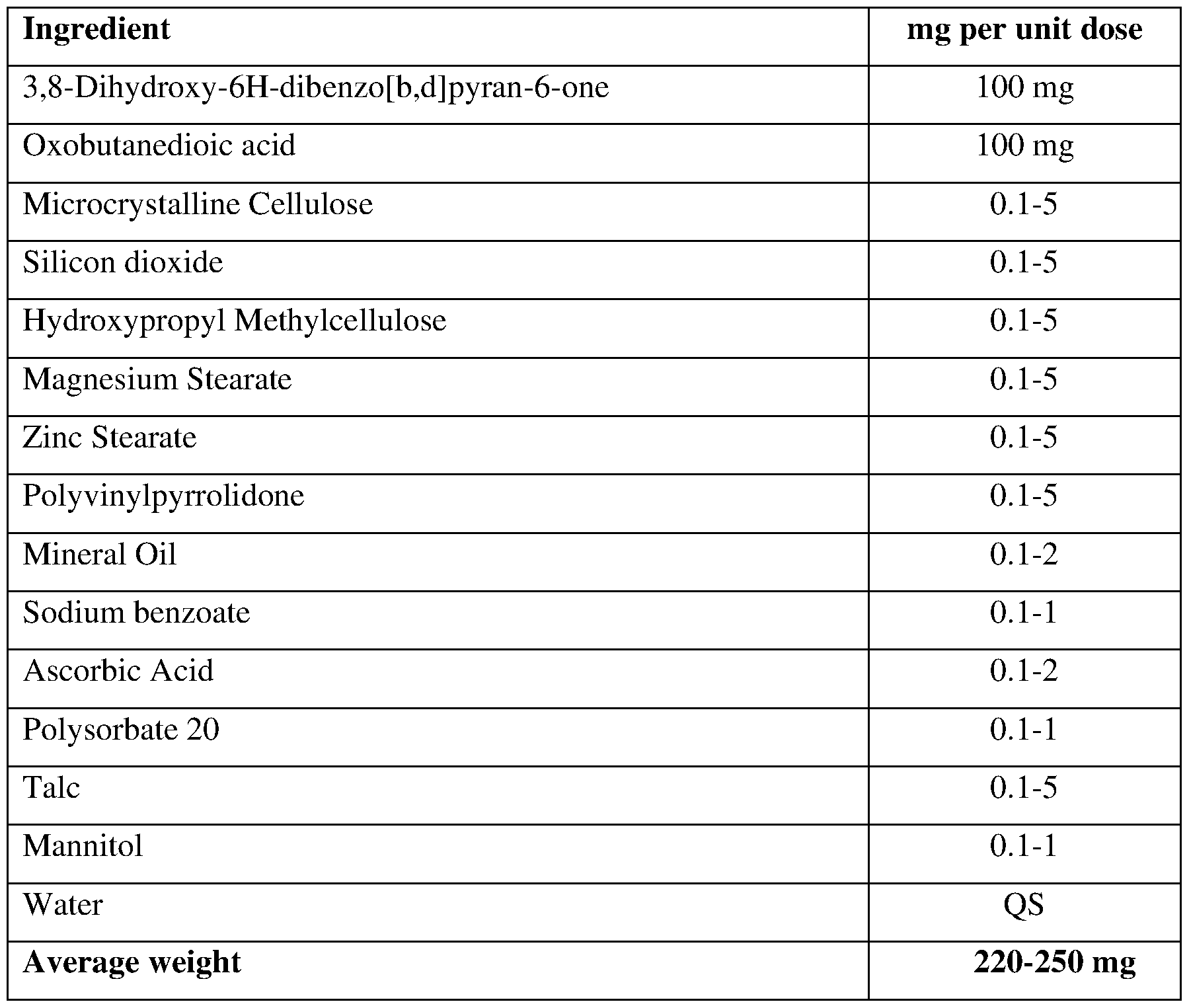 vii. Composition 7: Tablet / Capsule

 viii. Composition 8: Tablet / Capsule
 ix. Composition 9: Tablet / Capsule

 x. Composition 10: Tablet / Capsule
 xi. Composition 11: Tablet / Capsule

 xii. Composition 12: Tablet / Capsule
 xiii. Composition 13: Tablet / Capsule

 xiv. Composition 14: Tablet / Capsule
 xv. Composition 15: Tablet / Capsule

 xvi. Composition 16: Tablet / Capsule
 xvii. Composition 17: Tablet / Capsule

 xviii. Composition 18: Tablet / Capsule
 xix. Composition 19: Tablet / Capsule

 xx. Composition 20: Tablet / Capsule
 xxi. Composition 21: Tablet / Capsule
 xxii. Composition 22: Tablet / Capsule


Example 2: Cell line study
The purpose of this study is to assess autophagy inducing potential of test substances in Human Monocytes (THP-1) cell line.
The test substances were evaluated for its in vitro potency to induce autophagy in THP- 1 cell line. In the given experimental conditions, treatments with the test substance and their combination among all the groups tested have shown considerable increase in autophagic activity. (G14-G35) with the combination of two ingredients exhibited the highest percentage of autophagic activity when analysed by CYTO-ID® Autophagy Detection Kit.
Outline of the method
The in vitro study was performed on Human Monocytes (THP-1) cell line to evaluate their autophagic activity in Human Monocytes by CYTO-ID® Autophagy Detection Kit.
Preparation of test solution
All test substances were dissolved separately with ImL RPMI-1640 supplemented with 2% inactivated Fetal Bovine Serum (FBS) to obtain a stock solution of 10 mg/mL concentration. The stock was diluted to desired concentrations for carrying out further studies.
Cell line and Culture medium
THP-1 (Human Monocyte cells) was procured from NCCS, India. Stock cells were cultured in RPMI-1640 supplemented with 10% inactivated Fetal Bovine Serum (FBS), penicillin (100 lU/mL), streptomycin (100 pg/mL) and amphotericin B (5 pg/mL) in a humidified atmosphere of 5% CO2 at 37°C until confluent. The stock cultures were grown in 25 cm2 culture flasks and all experiments were carried out in 96 microtitre plates and 6 well plate (Tarsons India Pvt. Ltd., Kolkata, India).
Study Design


Sample treatment
The cell count was adjusted to 1.5-2 x 10⁵ cells/mL using RPMI-1640 containing 10% FBS. To each well of the 6 well plates, 2 mL of the diluted cell suspension was added. After 24 h, ImL of different test concentrations and combinations of test substances were added. The plate was then incubated at 37°C for 24 h in a 5% CO2 atmosphere, and microscopic examination was carried out and observations were noted after 24 h time.
Estimation of autophagy using Flow cytometer by CYTO-ID THP-1 cells were incubated with test substances in a 6-well plate. Followed by incubation, cells from different groups were harvested and measured using CYTO- ID autophagy detection kit by flow cytometer. All the reagents, standard solutions and samples will be thawed to room temperature before use. The assay was carried out as per manufacturer’ s instructions.
RESULTS
Table 1: Percentage of THP-1 cells in autophagy analysed by CYTO-ID® Autophagy
Detection Kit


Percentage of THP-1 cells in autophagy and PINK1 expression is depicted in Fig. 1 and Fig. 2, respectively. Discussion and Conclusion
In the current study, the effect of test compounds for inducing autophagy in Human Monocytes cell line (THP-1) was analyzed.
Among all the groups tested in specific ratio show highest percentage of autophagic activity when analysed by CYTO-ID® Autophagy Detection Kit. Most of the test groups and combinations tested have shown considerable increase in autophagic activity. The evidence from this study suggests that the test compound and groups of the test formulations screened could be a good autophagy modulating agent which improves mitochondrial quality via enhancing activity of pinkl/parkin pathway.
From the above results it can be concluded that PINKl/Parkin pathway mediated autophagy could effectively eliminate damaged mitochondria and improves overall cell health (cell viability) in the combination of test sample as compared with the individual test sample.
Claims
1. A synergistic bioactive composition for enhancing activity of pinkl/parkin pathway, comprising: a. benzo-coumarin compound or salt thereof; b. at least one cell viability enhancer(s) or salt thereof; and c. at least one pharmaceutically acceptable excipient.
2. The composition as claimed in claim 1, wherein the benzo-coumarin compound or salt thereof is present in a range of 30% to 99% by weight of the total composition.
3. The composition as claimed in claim 1, wherein the cell viability enhancer or salt thereof is present in a range of 0.1% to 70% by weight of the total composition.
4. The composition as claimed in claim 1 or 2, wherein the benzo-coumarin compound is 3,8- Dihydroxy-6H-dibenzo[b,d]pyran-6-one or salt thereof.
5. The composition as claimed in claim 1 or 3, wherein the cell viability enhancer is selected from N,N,N-trimethylglycine, Oxobutanedioic acid, (R)-2-Amino-3-prop-2- enylsulfanylpropanoic acid, 2-Oxopentanedioic acid, 3-Amino-2-methylpropanoic acid, (3p,5p,7a,12a)-7,12-Dihydroxy-3-(icosanoylamino)cholan-24-oic acid, dileucine, (2Z,4E)-5- [(lS)-l-hydroxy-2,6,6-trimethyl-4-oxocyclohex-2-en-l-yl]-3-methylpenta-2,4-dienoic acid, (2S)-2-[[(2S)-2-hydroxypropanoyl]amino]-3-phenylpropanoic acid, Pentadecanoic acid, (2R,3S,4S)-Pentane-l,2,3,4,5-pentol or salts thereof.
6. The composition as claimed in any of claims 1-5, wherein the composition comprises a combination of benzo-coumarin compound or salt thereof and cell viability enhancer(s) or salt(s) thereof which are present in the weight ratio of 1: 0.001 to 1:2 along with pharmaceutically acceptable excipient.
7. The composition as claimed in claim 1 or 6, wherein the pharmaceutically acceptable excipient is selected from a group comprising diluent, binder, surfactant, lubricant, glidant, additive, stabilizer, antioxidant, plasticizer and solvent or any combination thereof.
8. The composition as claimed in claim 7, wherein the diluent is present in a range of 0.1 to 30%; the binder is present in a range of 0.1 to 25%; the surfactant is present in a range of 0.1 to 5.0%; the lubricant is present in a range of 0.1 to 10.0 %; the glidant is present in a range of 0.1 to 5.0%; the additive is present in a range of 0.1 to 10%; the stabilizer is present in a
range of 0.1 to 10%; %; the antioxidant is present in a range of 0.01 to 10%; and the plasticizer is present in a range of 0.1 to 5.0%; by weight of total composition.
9. The composition as claimed in any of claims 1-8, wherein effective unit dose for an administration of the composition is formulated in a range of 10 to 1000 mg.
10. The composition as claimed in any of claims 1-9, wherein the administration of effective dose is useful for treating obesity, diabetes, cancer, liver diseases, sexual dysfunction, neurodegenerative diseases, cardiovascular diseases, osteoarthritis, musculoskeletal diseases, neuromuscular diseases, and kidney diseases.
Applications Claiming Priority (2)
| Application Number | Priority Date | Filing Date | Title |
|---|---|---|---|
| IN202321039605 | 2023-06-09 | ||
| IN202321039605 | 2023-06-09 |
Publications (1)
| Publication Number | Publication Date |
|---|---|
| WO2024252410A1 true WO2024252410A1 (en) | 2024-12-12 |
Family
ID=93795258
Family Applications (1)
| Application Number | Title | Priority Date | Filing Date |
|---|---|---|---|
| PCT/IN2023/051209 Ceased WO2024252410A1 (en) | 2023-06-09 | 2023-12-21 | Synergistic bioactive composition for enhancing activity of pink1/parkin pathway |
Country Status (1)
| Country | Link |
|---|---|
| WO (1) | WO2024252410A1 (en) |
Citations (5)
| Publication number | Priority date | Publication date | Assignee | Title |
|---|---|---|---|---|
| US20180256539A1 (en) * | 2017-03-08 | 2018-09-13 | Amazentis Sa | Method for improving mitophagy in subjects |
| US20190240181A1 (en) * | 2016-12-29 | 2019-08-08 | The United States Of America As Represented By The Secretary Of The Navy | Compositions for Diagnosis and Treatment of Inflammation |
| WO2019222146A1 (en) * | 2018-05-15 | 2019-11-21 | University Of Louisville Research Foundation, Inc. | Urolithin a and derivatives thereof for use in therapy |
| CN115887392A (en) * | 2021-09-30 | 2023-04-04 | 大连五音方科技有限公司 | A pharmaceutical composition of urolithin A dispersible tablet and its 3D printing preparation method |
| US20230115416A1 (en) * | 2021-10-07 | 2023-04-13 | Todd Ewing | Compositions and methods for promoting cellular metabolic fitness |
-
2023
- 2023-12-21 WO PCT/IN2023/051209 patent/WO2024252410A1/en not_active Ceased
Patent Citations (5)
| Publication number | Priority date | Publication date | Assignee | Title |
|---|---|---|---|---|
| US20190240181A1 (en) * | 2016-12-29 | 2019-08-08 | The United States Of America As Represented By The Secretary Of The Navy | Compositions for Diagnosis and Treatment of Inflammation |
| US20180256539A1 (en) * | 2017-03-08 | 2018-09-13 | Amazentis Sa | Method for improving mitophagy in subjects |
| WO2019222146A1 (en) * | 2018-05-15 | 2019-11-21 | University Of Louisville Research Foundation, Inc. | Urolithin a and derivatives thereof for use in therapy |
| CN115887392A (en) * | 2021-09-30 | 2023-04-04 | 大连五音方科技有限公司 | A pharmaceutical composition of urolithin A dispersible tablet and its 3D printing preparation method |
| US20230115416A1 (en) * | 2021-10-07 | 2023-04-13 | Todd Ewing | Compositions and methods for promoting cellular metabolic fitness |
Similar Documents
| Publication | Publication Date | Title |
|---|---|---|
| US20100098759A1 (en) | Controlled-release preparation containing cilostazol and process for the preparation thereof | |
| US20240139169A1 (en) | Methods and compositions for treating agitation | |
| US11285167B2 (en) | Synergistic nutritional neuroprotective compositions for ameliorating neural dysfunction | |
| JP5317055B2 (en) | Drugs for delaying the onset or progression of movement disorders due to rare sugar amyotrophic lateral sclerosis | |
| EP3449943B1 (en) | A pharmaceutical composition for improving or preventing progression of chronic kidney disease | |
| TW202339709A (en) | Compositions of micronized solabegron and methods of use | |
| WO2024252410A1 (en) | Synergistic bioactive composition for enhancing activity of pink1/parkin pathway | |
| RU2536269C1 (en) | Composition for treating disturbed innervation (versions) | |
| CA3123524C (en) | Synergistic nutritional compositions for pain management | |
| WO2022157808A1 (en) | Synergistic nutritional compositions for treating vestibular associated neurodegenerative diseases | |
| US20250099531A1 (en) | Synergistic compositions for enhancing tfeb-mediated intracellular clearance | |
| US11311565B2 (en) | Synergistic nutritional compositions for promoting axonal regeneration | |
| WO2022157798A1 (en) | Synergistic nutritional compositions for treating neurocognitive disorders | |
| JP5070040B2 (en) | Vascular insufficiency improving agent | |
| US20220040226A1 (en) | Synergistic medicinal compositions for treating dysfunctional d-serine signaling | |
| EP4724065A1 (en) | Synergistic composition for modulating expression of cd38 | |
| US12336972B2 (en) | Synergistic nutritional compositions for treating neurocognitive disorders | |
| WO2023084531A1 (en) | A synergistic composition for activating intracellular secondary messenger(camp) pathway | |
| US20240277681A1 (en) | A synergistic composition for inhibiting vascular calcification | |
| US20230050208A1 (en) | Synergistic nutritional compositions for treating cerebrovascular diseases | |
| US12208077B2 (en) | Synergistic composition for potentiating stabilized ATP | |
| CA3156687C (en) | Synergistic nutritional compositions for treating cerebrovascular diseases | |
| US12036193B2 (en) | Synergistic bioactive compositions for treating neurological disorders | |
| WO2025017570A1 (en) | Synergistic bioactive composition for modulating choline dehydrogenase (chd) activity | |
| WO2025022407A1 (en) | Synergistic composition for improving hypothalamic pituitary gonadal (hpg) axis activity |
Legal Events
| Date | Code | Title | Description |
|---|---|---|---|
| 121 | Ep: the epo has been informed by wipo that ep was designated in this application |
Ref document number: 23940547 Country of ref document: EP Kind code of ref document: A1 |
|
| NENP | Non-entry into the national phase |
Ref country code: DE |