WO2024252676A1 - 検知装置、検知方法及び検知プログラム - Google Patents
検知装置、検知方法及び検知プログラム Download PDFInfo
- Publication number
- WO2024252676A1 WO2024252676A1 PCT/JP2023/021570 JP2023021570W WO2024252676A1 WO 2024252676 A1 WO2024252676 A1 WO 2024252676A1 JP 2023021570 W JP2023021570 W JP 2023021570W WO 2024252676 A1 WO2024252676 A1 WO 2024252676A1
- Authority
- WO
- WIPO (PCT)
- Prior art keywords
- function
- source code
- software
- patch
- similarity
- Prior art date
- Legal status (The legal status is an assumption and is not a legal conclusion. Google has not performed a legal analysis and makes no representation as to the accuracy of the status listed.)
- Ceased
Links
Images






Classifications
-
- G—PHYSICS
- G06—COMPUTING OR CALCULATING; COUNTING
- G06F—ELECTRIC DIGITAL DATA PROCESSING
- G06F21/00—Security arrangements for protecting computers, components thereof, programs or data against unauthorised activity
- G06F21/50—Monitoring users, programs or devices to maintain the integrity of platforms, e.g. of processors, firmware or operating systems
- G06F21/57—Certifying or maintaining trusted computer platforms, e.g. secure boots or power-downs, version controls, system software checks, secure updates or assessing vulnerabilities
Definitions
- the present invention relates to a detection device, a detection method, and a detection program.
- the detection device of the present invention is characterized by having an acquisition unit that acquires at least one of the source code of a function of software having a vulnerability before application of a patch and the source code of the function after application of the patch, and a determination unit that uses feature vectors created from the function included in the source code acquired by the acquisition unit and the function included in the source code of the function of the software to be inspected by a set similarity calculation algorithm to calculate the similarity between the feature vectors, and determines whether the function included in the software to be inspected is vulnerable based on the similarity.
- the present invention has the effect of being able to properly detect vulnerabilities in edited software.
- FIG. 1 is a diagram showing an overview of a detection process performed by a detection device according to an embodiment.
- FIG. 2 is a diagram showing software to be inspected that was used in a comparative experiment using the detection device according to the embodiment.
- FIG. 3 is a diagram showing experimental results of a comparative experiment using the detection device according to the embodiment.
- FIG. 4 is a diagram illustrating an example of the configuration of a detection device according to an embodiment.
- FIG. 5 is a diagram illustrating an example of data stored in the detection device according to the embodiment.
- FIG. 6 is a diagram illustrating a specific example of a feature vector according to the embodiment.
- FIG. 7 is a diagram showing a specific example of the detection process according to the embodiment.
- FIG. 1 is a diagram showing an overview of a detection process performed by a detection device according to an embodiment.
- FIG. 2 is a diagram showing software to be inspected that was used in a comparative experiment using the detection device according to the embodiment.
- FIG. 3 is a
- FIG. 8 is a diagram showing a specific example of the detection process according to the embodiment.
- FIG. 9 is a diagram showing a specific example of the detection process according to the embodiment.
- FIG. 10 is a diagram showing a specific example of the detection process according to the embodiment.
- FIG. 11 is a diagram showing a specific example of information output by the detection process according to the embodiment.
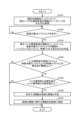
- FIG. 12 is a flowchart illustrating an example of the flow of the detection process according to the embodiment.
- FIG. 13 is a diagram illustrating an example of a computer that executes a detection program.
- Non-Patent Documents 1 to 3 all involve three common processes. First, as a preprocessing of the source code, only the function description section is extracted from each of the three pieces of code - the software code to be inspected and the source code before and after the patch to be compared - and variable names, type names, etc. are abstracted. Next, each piece of code that has been preprocessed is converted into data such as hash values and signatures. The converted data are then compared, and if there is a certain percentage or more of match with the vulnerable code before the patch was applied, it is detected that a known vulnerability exists in the software to be inspected.
- ReDeBug does not abstract variable names, but divides the source file into four lines, hashes the token strings within them, and stores them in a data structure called Bloom Filter. It then compares the stored bit strings and outputs a vulnerability detection result if the data matches.
- VUDDY abstracts variable names and type names, and builds a database for each function with "key: string length of function body” and "value: hash value”. It then compares the "key” and "value” in the database and outputs a vulnerability detection result if the record in the function database of the target OSS matches the record in the function database before the patch was applied.
- MOVERY then creates a "pre-patch signature" and a "post-patch signature” in advance for each function for which a vulnerability has been reported.
- the "pre-patch signature” is created by taking the difference between the pre-patch state of the function at the time of the initial report and the pre-patch state at the time of the most recent report, and combining the common lines into a function-specific pre-patch signature.
- the "post-patch signature” is created by combining the lines to which the patch has been applied.
- MOVERY compares the lines of the software being inspected with the signature, and outputs a vulnerability detection result if the data matches.
- function editing refers to code editing such as adding or deleting lines or changing the order, and survey results have shown that code editing occurs at a rate of over 90% when an SA developer updates the version of the SA itself, or when a developer of another software (SB) partially reuses an SA, edits it, and incorporates it into the SA.
- SB software
- the detection device 100 according to the present embodiment has been invented for the purpose of appropriately detecting vulnerabilities even when code edits such as those described above have been made, and has the effect of being able to appropriately detect vulnerabilities in software that has been edited.
- FIG. 1 is a diagram showing an overview of the detection processing performed by the detection device according to the embodiment.
- the detection device 100 is a server device that transmits and receives information via a network to, for example, an external database having data related to vulnerability information, or an external information processing device having software to be inspected, and stores vulnerability detection results, and is realized by a PC (Personal Computer), a cloud system, or the like.
- PC Personal Computer
- the detection device 100 acquires at least one of the source code of the function before the patch is applied and the source code of the function after the patch is applied for the function of the software having a vulnerability.
- the detection device 100 uses feature vectors created from the function included in the acquired source code and the function included in the source code of the function of the software being inspected by a set similarity calculation algorithm to calculate the similarity between the feature vectors, and determines whether the function included in the software being inspected is vulnerable based on the similarity.
- the detection device 100 first obtains at least one of the source code of the function before the patch is applied and the source code of the function after the patch is applied for the function of the software having a vulnerability.
- the acquisition unit 121 of the detection device 100 obtains the latest CVE (Common Vulnerabilities and Exposures) number listed in the NVD database, and obtains at least one of the source codes of the function before or after the patch is applied from the vulnerability information linked to the CVE number.
- CVE Common Vulnerabilities and Exposures
- the detection device 100 extracts the portion of the acquired source code in which functions are written, and creates a feature vector for each function by applying the set similarity calculation algorithm described below to the extracted functions. The detection device 100 then determines whether the functions included in the test target are vulnerable by, for example, calculating the similarity between the feature vector of the function before or after patch application and the feature vector of the software to be tested, and comparing it with a threshold value.
- FIG. 5(A) is a specific example of data stored in the function information storage unit 131, and shows that the source code before and after patch application are stored separately for each CVE number.
- FIG. 5(B) is a specific example of data stored in the detection information storage unit 132, and shows that information about functions determined to be vulnerable, such as "function name: b_unpack”, “file name: sample”, “similarity (before application): 0.95312", “similarity (after application) 0.78125”, and "CVE number: CVE-2018-11219", is stored for each function.
- control unit 120 is realized by a CPU (Central Processing Unit), MPU (Micro Processing Unit), etc., executing various programs stored in a storage device inside the device using RAM as a working area.
- the control unit 120 is also realized by an integrated circuit such as an ASIC (Application Specific Integrated Circuit) or FPGA (Field Programmable Gate Array).
- the control unit 120 has an acquisition unit 121 and a determination unit 122, and may have a preprocessing unit 123 and a storage unit 124 as necessary.
- the acquisition unit 121 acquires at least one of the source code of the function before the patch is applied and the source code of the function after the patch is applied for a function of software having a vulnerability.
- the acquisition unit 121 may also acquire the source code of the function before the patch is applied and the source code of the function after the patch is applied.
- the determination unit 122 compares the calculated similarity with a preset threshold value and determines that the function included in the software being inspected is vulnerable if the similarity with the function before the patch is applied is equal to or greater than the threshold value, or if the similarity with the function after the patch is applied is equal to or less than the threshold value.
- the determination unit 122 first compares the similarity between the feature vector of the function included in the software to be inspected and the feature vector of the function before the patch is applied with a preset threshold value. After that, for functions whose similarity is equal to or greater than the threshold value, the determination unit 122 compares the magnitude of the similarity between the feature vector of the function before the patch is applied and the feature vector of the function after the patch is applied, and if the similarity between the feature vector of the function before the patch is greater, it determines that the function included in the software to be inspected is vulnerable.
- FIG. 6 is a diagram for explaining a specific example of a feature vector according to an embodiment.
- the seed setting value is "128”
- a feature vector is shown in which the lowest 1 bit of each hash value is used as an element.
- the preprocessing unit 123 creates a feature vector by recording only the lowest "1 bit" of each function with the number of seed values "128".
- the preprocessing unit 123 creates a set of elements each consisting of a logical block included in the portion of the source code in which the function is described, as a feature vector. For example, after performing the above-mentioned process from the extraction process to the standardization process of the function description unit, the preprocessing unit 123 creates a set of elements each consisting of a logical block included in the function, as a feature vector of the function.
- a logical block refers to a certain number of lines or control statement blocks written in the function description unit in the source code.
- Fig. 7 to Fig. 10 are diagrams showing a specific example of the detection process according to the embodiment.
- a specific example of the process using b-bit minhash as the inter-set similarity calculation algorithm will be described with reference to Fig. 7. Note that in the example of Fig. 7, it is assumed that the feature vector is set to be created using the lowest 1 bit.
- the similarity is calculated using the formula "(number of matching bits/length of feature vector of b-bitminhash-1/2) x 2".
- the number of matching bits is expressed by subtracting the number of different bits from the length of the feature vector of b-bitminhash, and the length of the feature vector corresponds to the seed value.
- the number of different bits is calculated using an XOR operation, and 1/2 in the above formula indicates the probability of an error of 0 or 1.
- the determination unit 122 compares "similarity S: 95%” with "similarity S': 78%”. As a result, since similarity S is a higher value, the determination unit 122 determines that the function included in the software being inspected is a vulnerable function.
- Fig. 12 is a flowchart showing an example of the flow of the detection process according to the embodiment. Note that the order of the processing steps described in the flowchart shown in Fig. 12 may be changed.
- the acquisition unit 121 acquires the source code of a function before and after application of a patch for a known vulnerability code (step S101).
- the preprocessing unit 123 accepts the software to be inspected (step S102). If the software to be inspected has been accepted (step S102; Yes), the preprocessing unit 123 creates feature vectors for the source code of the function before and after application of the patch and for the source code of the function of the software to be inspected (step S103). On the other hand, if the software to be inspected has not been accepted (step S102; No), the preprocessing unit 123 waits until the software to be inspected is accepted.
- the determination unit 122 determines whether the similarity between the feature vector before application of the patch and the feature vector of the software to be inspected is equal to or greater than a threshold value (step S104). If the similarity between the feature vector before application of the patch and the feature vector of the software to be inspected is equal to or greater than the threshold value (step S104; Yes), the determination unit 122 determines whether the similarity before application of the patch is equal to or greater than the similarity after application of the patch (step S105). On the other hand, if the similarity between the feature vector before application of the patch and the feature vector of the software to be inspected is not equal to or greater than the threshold value (step S104; No), the detection device 100 ends the process.
- the determination unit 122 uses feature vectors created from the functions included in the source code acquired by the acquisition unit 121 and the functions included in the source code of the software to be inspected by a set similarity calculation algorithm to calculate the similarity between the feature vectors, and determines whether the functions included in the software to be inspected are vulnerable based on the similarity.
- the detection device 100 creates a set (feature vector) whose components are data based on part of the function for each of the functions to be inspected and the functions to be compared, and calculates the similarity between the sets, thereby achieving the effect of being able to appropriately detect vulnerabilities even in software that has been edited.
- the acquisition unit 121 of the detection device 100 acquires the source code of the function before application of the patch and the source code of the function after application of the patch, and the determination unit 122 determines that the function included in the software to be inspected is vulnerable if the similarity between the feature vector of the function before application of the patch and the feature vector of the function of the software to be inspected is equal to or greater than a predetermined threshold value and the similarity between the feature vector of the function before application of the patch and the feature vector of the function of the software to be inspected is higher than the similarity between the feature vector of the function after application of the patch and the feature vector of the function of the software to be inspected.
- the detection device 100 compares the magnitude of similarity before and after patch application only for functions whose similarity to vulnerable functions before patch application exceeds a threshold value, thereby preventing the detection device 100 from treating functions whose similarity to vulnerable functions after patch application is higher than a certain level as functions whose vulnerabilities have already been eliminated, and erroneously detecting them as vulnerable functions.
- the detection device 100 creates a set (feature vector) with each line of a vulnerable function included in the software being inspected as an element, and applies b-bitminhash, a fast and lightweight algorithm for calculating similarity between sets, to appropriately detect vulnerabilities.
- the preprocessing unit 123 of the detection device 100 creates a feature vector, which is a set of elements each of which is a token included in the portion of the source code where the function is written. In this way, the detection device 100 creates a set of elements each of which is a token (word unit) for each function, thereby calculating the degree of agreement of finer elements as the degree of similarity, which has the effect of enabling highly accurate vulnerability detection.
- the preprocessing unit 123 of the detection device 100 also creates a feature vector, which is a set whose elements are the logical blocks contained in the portion of the source code where the function is written. This allows the detection device 100 to create a set whose elements are logical blocks (a certain number of lines or control statement blocks) for each function, thereby achieving the effect of being able to perform vulnerability detection under conditions where each set has a relatively small number of elements.
- the detection device 100 further includes a storage unit 124.
- the storage unit 124 stores information about functions that have been determined to be vulnerable by the determination unit in the memory unit 130. This allows the detection device 100 to provide an effect of allowing the user to easily grasp the detection results, etc., of functions that have been determined to have vulnerabilities among the functions included in the software to be inspected.
- each component of each device shown in the figure is a functional concept, and does not necessarily have to be physically configured as shown in the figure.
- the specific form of distribution and integration of each device is not limited to that shown in the figure, and all or part of it can be functionally or physically distributed and integrated in any unit depending on various loads and usage conditions.
- each processing function performed by each device can be realized in whole or in part by a CPU and a program analyzed and executed by the CPU, or can be realized as hardware using wired logic.
- Hardware Configuration 13 is a diagram showing an example of a hardware configuration of the detection device 100 according to the embodiment described above, which is realized by a computer 1000 having a configuration as shown in FIG.
- FIG. 13 is a diagram showing an example of a computer that executes a detection program.
- the computer 1000 has, for example, a memory 1010 and a CPU 1020.
- the computer 1000 also has a hard disk drive interface 1030, a disk drive interface 1040, a serial port interface 1050, a video adapter 1060, and a network interface 1070. Each of these components is connected by a bus 1080.
- the memory 1010 includes a ROM (Read Only Memory) 1011 and a RAM 1012.
- the ROM 1011 stores a boot program such as a BIOS (Basic Input Output System).
- BIOS Basic Input Output System
- the hard disk drive interface 1030 is connected to a hard disk drive 1090.
- the disk drive interface 1040 is connected to a disk drive 1041.
- a removable storage medium such as a magnetic disk or optical disk is inserted into the disk drive 1041.
- the serial port interface 1050 is connected to a mouse 1110 and a keyboard 1120, for example.
- the video adapter 1060 is connected to a display 1130, for example.
- the hard disk drive 1090 stores, for example, an OS (Operating System) 1091, an application program 1092, a program module 1093, and program data 1094. That is, the programs that define each process of the detection device 100 are implemented as program modules 1093 in which code executable by the computer 1000 is written.
- the program modules 1093 are stored, for example, in the hard disk drive 1090.
- a program module 1093 for executing processes similar to the functional configuration of the detection device 100 is stored in the hard disk drive 1090.
- the hard disk drive 1090 may be replaced by an SSD (Solid State Drive).
- the setting data used in the processing of the above-mentioned embodiment is stored as program data 1094, for example, in memory 1010 or hard disk drive 1090.
- the CPU 1020 reads the program module 1093 or program data 1094 stored in memory 1010 or hard disk drive 1090 into RAM 1012 as necessary and executes it.
- the program module 1093 and program data 1094 are not limited to being stored in the hard disk drive 1090, but may be stored in, for example, a removable storage medium and read by the CPU 1020 via the disk drive 1041 or the like. Alternatively, the program module 1093 and program data 1094 may be stored in another computer connected via a network (LAN, WAN, etc.). The program module 1093 and program data 1094 may then be read by the CPU 1020 from the other computer via the network interface 1070.
- Detection device 110 Communication unit 120 Control unit 121 Acquisition unit 122 Determination unit 123 Preprocessing unit 124 Storage unit 130 Memory unit 131 Function information storage unit 132 Detection information storage unit
Landscapes
- Engineering & Computer Science (AREA)
- Computer Hardware Design (AREA)
- General Engineering & Computer Science (AREA)
- Computer Security & Cryptography (AREA)
- Software Systems (AREA)
- Theoretical Computer Science (AREA)
- Physics & Mathematics (AREA)
- General Physics & Mathematics (AREA)
- Stored Programmes (AREA)
Abstract
本実施形態に係る検知装置(100)は、取得部(121)と判定部(122)とを有する。取得部(121)は、脆弱性を有するソフトウェアの関数について、パッチの適用前の関数のソースコードと、パッチの適用後の関数のソースコードとのうち、少なくともいずれか一つを取得する。判定部(122)は、取得部(121)によって取得されたソースコードに含まれる関数と、検査対象のソフトウェアの関数のソースコードに含まれる関数とから集合間類似度算出アルゴリズムにより、それぞれ作成された特徴ベクトルを用いて、当該特徴ベクトル同士の類似度を算出し、当該類似度に基づき、検査対象のソフトウェアに含まれる関数が脆弱であるか否かを判定する。
Description
本発明は、検知装置、検知方法及び検知プログラムに関する。
近年のソフトウェア開発は、開発効率化のためにサードパーティのライブラリやOSS(Open Source Software)のソースコードの利用が進んでいる。ソースコードの再利用は複数の利点が存在するが、再利用を行う者は、コードの管理と保守について責任を負うことが求められる。
また、ソフトウェアの複雑性の増加に伴い再利用元の最新の脆弱性情報を入手することが困難となっている。そのため、再利用元のソースコードについての修正パッチの情報が公開されたとしても、再利用先で修正されずに残存してしまい、それらの脆弱性を狙ったサイバー攻撃が増加している。
そこで、検査対象のソフトウェアに既知の脆弱性が存在するか否かを、NVD(National Vulnerability Database)の脆弱性情報データベースから収集した脆弱性情報のソースコードを用いて検査するという検査方式が存在する(例えば、非特許文献1~3参照)。非特許文献1~3の方式は、字句列特徴に基づく検査方式であり、検査対象のソフトウェアコードとパッチ適用前後のソースコードとから関数記述部を抽出・データ変換し、変換したデータを比較することにより、検査対象に存在する既知の脆弱性を検知する。
"ReDeBug: Finding Unpatched Code Clones in Entire OS Distributions", 2012 IEEE symposium on Security and Privacy, USENIX"
"VUDDY:A Scalable Approach for Vulnerable Code Clone Discovery",2017 IEEE Symposium on Security and Privacy
"MOVERY:A Precise Approach for Modified Vulnerable Code Clone Discovery from Modified Open-Source Software Components",2022 USENIX
しかし、上記の従来技術では、編集が行われたソフトウェアについて、適切に脆弱性を検知することができない場合があるという課題がある。例えば、上記の従来技術においては、検査対象のソフトウェアに、変数名の変更や行の追加等のコード編集が行われている場合に、検知漏れが発生することがある。また、従来技術では、検査対象のシグネチャと比較対象のシグネチャが一致しない場合には、検知漏れが発生することがあり、シグネチャが事前に作成されているOSSしか検査を行うことができないという課題がある。
上述した課題を解決し、目的を達成するために、本発明の検知装置は、脆弱性を有するソフトウェアの関数について、パッチの適用前の関数のソースコードと、パッチの適用後の関数のソースコードとのうち、少なくともいずれか一つを取得する取得部と、取得部によって取得されたソースコードに含まれる関数と、検査対象のソフトウェアの関数のソースコードに含まれる関数とから集合間類似度算出アルゴリズムにより、それぞれ作成された特徴ベクトルを用いて、当該特徴ベクトル同士の類似度を算出し、当該類似度に基づき、検査対象のソフトウェアに含まれる関数が脆弱であるか否かを判定する判定部とを有することを特徴とする。
本発明によれば、編集が行われたソフトウェアについて、適切に脆弱性を検知することができるという効果を奏する。
以下に、本願に係る検知装置、検知方法及び検知プログラムの実施形態を図面に基づいて詳細に説明する。なお、この実施形態により本願に係る検知装置、検知方法及び検知プログラムが限定されるものではない。
〔1.はじめに〕
(1-1.先行技術の概要)
まず、本実施例に係るソフトウェアの脆弱性検査技術における先行技術の概要について説明する。前述したように、ソフトウェアの脆弱性検査方式として、「ReDeBug」、「VUDDY」、「MOVERY」の3つの検査方式が知られている(非特許文献1~3参照)。
(1-1.先行技術の概要)
まず、本実施例に係るソフトウェアの脆弱性検査技術における先行技術の概要について説明する。前述したように、ソフトウェアの脆弱性検査方式として、「ReDeBug」、「VUDDY」、「MOVERY」の3つの検査方式が知られている(非特許文献1~3参照)。
非特許文献1~3の方式は、共通して3つの処理が行われる。まず、ソースコードの前処理として、検査対象のソフトウェアコードと、比較対象のパッチ適用前後のソースコードとである3つのコードそれぞれから関数記述部のみを抽出し、変数名や型名等の抽象化が行われる。次に、前処理が行われた各コードは、ハッシュ値やシグネチャ等のデータへ変換される。その後、変換したデータ同士が比較され、パッチ適用前の脆弱性コードと一定以上の割合で一致している場合には、検査対象のソフトウェアに既知の脆弱性が存在していると検知される。
さらに、非特許文献1~3の方式は、データ変換の違いにより、ハッシュ値を用いるアプローチである「ReDeBug」及び「VUDDY」と、脆弱性が報告されているOSSの関数ごとにシグネチャを作成するアプローチである「MOVERY」とに大別される。
ここで、それぞれの先行技術の処理について順に説明する。まず、「ReDeBug」は、変数名の抽象化は行わず、ソースファイルを4行ごとに区切り、その中のトークン列をハッシュ化してBloom Filterというデータ構造で保持し、保持されたビット列の比較によって、データが一致している場合に脆弱性検知結果を出力する。
次に、「VUDDY」は、変数名や型名の抽象化を行い、関数ごとに「key:関数本体の文字列長」、「value:ハッシュ値」としてデータベースを構築した後、データベースの「key」と「value」の比較により、検知対象のOSSの関数データベースのレコードが、パッチ適用前の関数データベースのレコードに一致している場合に脆弱性検知結果を出力する。
そして、「MOVERY」は、脆弱性が報告されている関数ごとに、「パッチ適用前のシグネチャ」と「パッチ適用後のシグネチャ」とを事前に作成する。ここで、「パッチ適用前のシグネチャ」は、初期の報告時のパッチ適用前状態の関数と最新の報告時のパッチ適用前状態で差分を取り、共通する行をまとめて関数固有のパッチ適用前のシグネチャとすることにより作成される。一方で、「パッチ適用後のシグネチャ」は、パッチが適用された行をまとめたものとして作成される。その後、「MOVERY」は、検査対象のソフトウェアとシグネチャの行比較を行うことにより、データが一致した場合に脆弱性検知結果を出力する。
しかし、前述の先行技術では、検査対象ソフトウェア内の関数が編集されることにより、脆弱性データベースに報告されている関数の記述状態と字句列的に同一でない場合には、検知漏れが発生する場合があるという課題がある。ここで、関数の編集とは、行の追加や削除、順序変更といったコード編集を指し、SA開発者によるSA自体のバージョンアップデートや、別のソフトウェア(SB)開発者がSAを部分的に再利用し、編集してSAに組み込むことにより、約90%以上の割合でコード編集が生じるという調査結果も報告されている。
ここで、先行技術の課題についてそれぞれ具体的に説明する。まず、「ReDeBug」は、変数名の変更や、4行以上にわたる範囲でコード編集が存在する場合には、検知漏れが発生する。次に、「VUDDY」は、一行でも行の追加や削除のコード編集が存在する場合には、検知漏れが発生する。そして、「MOVERY」は、シグネチャが一致しない場合には、検知漏れが発生し、また、シグネチャが事前作成されているOSSしか適用することができないという課題がある。
(1-2.本実施例に係る検知処理の概要)
本実施例に係る検知装置100は、前述したようなコード編集が存在する場合であっても適切に脆弱性検知を行うことを目的として発明されたものであり、編集が行われたソフトウェアについて、適切に脆弱性を検知することができるという効果を奏する。
本実施例に係る検知装置100は、前述したようなコード編集が存在する場合であっても適切に脆弱性検知を行うことを目的として発明されたものであり、編集が行われたソフトウェアについて、適切に脆弱性を検知することができるという効果を奏する。
ここで、本実施例に係る検知装置100による処理の概要について説明する。図1は、実施形態に係る検知装置による検知処理の概要を示す図である。検知装置100は、例えば、脆弱性情報に関するデータを有する外部のデータベースや、検査対象のソフトウェアを有する外部の情報処理装置等と、ネットワークを介して情報の送受信を行い、脆弱性検知結果を記憶するサーバ装置であり、PC(Personal Computer)やクラウドシステム等により実現される。
検知装置100は、脆弱性を有するソフトウェアの関数について、パッチの適用前の関数のソースコードと、パッチの適用後の関数のソースコードとのうち、少なくともいずれか一つを取得する。そして、検知装置100は、取得されたソースコードに含まれる関数と、検査対象のソフトウェアの関数のソースコードに含まれる関数とから集合間類似度算出アルゴリズムにより、それぞれ作成された特徴ベクトルを用いて、当該特徴ベクトル同士の類似度を算出し、当該類似度に基づき、検査対象のソフトウェアに含まれる関数が脆弱であるか否かを判定する。
検知装置100は、まず、脆弱性を有するソフトウェアの関数について、パッチの適用前の関数のソースコードと、パッチの適用後の関数のソースコードとの少なくともいずれか一つを取得する。例えば、検知装置100の取得部121は、NVDデータベースに掲載されている最新のCVE(Common Vulnerabilities and Exposures)番号を取得し、CVE番号に紐づく脆弱性情報から、パッチの適用前またはパッチ適用後の関数の少なくともいずれか一つのソースコードを取得する。
次に、検知装置100は、取得されたソースコードに含まれる関数と、検査対象のソフトウェアの関数のソースコードに含まれる関数とから集合間類似度算出アルゴリズムにより、それぞれ作成された特徴ベクトルを用いて、当該特徴ベクトル同士の類似度を算出し、当該類似度に基づき、検査対象のソフトウェアに含まれる関数が脆弱であるか否かを判定する。
例えば、検知装置100は、取得されたソースコードから関数が記述されている部分を抽出し、抽出された関数について後述する集合間類似度算出アルゴリズムを適用することにより、関数ごとに特徴ベクトルを作成する。その後、検知装置100は、例えば、パッチ適用前またはパッチ適用後の関数の特徴ベクトルと、検査対象のソフトウェアの特徴ベクトルとの類似度を算出して閾値と比較することにより、検査対象に含まれる関数が脆弱であるか否かを判定する。
(1-3.先行技術と本実施例に係る検知装置との比較検証)
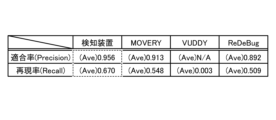
次に、前述した3つの先行技術と、本実施例に係る検知装置100との脆弱性検知精度の比較検証の実験について説明する。以下では、3つの先行技術と検知装置100とにそれぞれ検査対象のOSSを入力し、脆弱性の検知精度を適合率(パッチ適用前関数と検知したうち、正しく検知することができている割合)と、再現率(パッチ適用前関数と漏れなく検知したうち、正しく検知することができている割合)とにより評価した例について説明する。なお、前述の適合率と再現率とは、どちらも値が1に近いほど高精度に脆弱性を検知できていることが示される。
次に、前述した3つの先行技術と、本実施例に係る検知装置100との脆弱性検知精度の比較検証の実験について説明する。以下では、3つの先行技術と検知装置100とにそれぞれ検査対象のOSSを入力し、脆弱性の検知精度を適合率(パッチ適用前関数と検知したうち、正しく検知することができている割合)と、再現率(パッチ適用前関数と漏れなく検知したうち、正しく検知することができている割合)とにより評価した例について説明する。なお、前述の適合率と再現率とは、どちらも値が1に近いほど高精度に脆弱性を検知できていることが示される。
なお、実験データの概要として、検査対象のOSSは、「MOVERY」により検査可能である8種のOSS(2023/2/1の最新バージョン)であり、各方式によりそれぞれ入力が行われた。また、脆弱と判定するための正解情報として、1999-2023/2/13までのCVE、NVDに報告されている脆弱コード情報を取得することにより行われた。そして、取得された脆弱コード情報の内訳として、パッチ適用前の関数群(Git diff結果で[-]の行を含み、[+]の行は含まない状態の関数)が9686個であり、パッチ適用後の関数群(Git diff結果で[-]の行を含まず、[+]の行を含んだ状態の関数)が9933個であった。
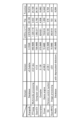
ここで、図2を参照し、前述の実験で検査対象となったOSSについて説明する。図2は、実施形態に係る検知装置による比較実験に使用された検査対象ソフトウェアを示す図である。図2に示す通り、「Redis」、「OpenMVG」、「Git」、「Crown」、「Emscripten」、「OpenCV」、「FFmpeg」、「Arangodb」の8種類のOSSが、検査対象となったOSSであり、それぞれのOSSについて、「Domain」、「Version」、「Size」、「LOC(Line Of Code):ソースコードに含まれている行数」、「File」、「Function」が記載されている。
続いて、図3を参照し、実験結果について説明する。図3は、実施形態に係る検知装置による比較実験の実験結果を示す図である。図3に示す通り、本実施例に係る検知装置100は、「適合率:(Ave)0.956」であり、「再現率:(Ave)0.670」である。そして、この結果は、比較対象である「MOVERY」、「VUDDY」、「ReDeBug」のそれぞれの結果よりも高い値であることを示している。つまり、検知装置100は、前述の3つの先行技術よりも高精度にソフトウェアの脆弱性を検知することができるといえる。
〔2.検知装置100の構成〕
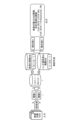
次に、図4を参照し、図1に示した検知装置100の構成を説明する。図4は、実施形態に係る検知装置の構成例を示すブロック図である。検知装置100は、通信部110と制御部120と記憶部130とを有し、検知装置100は、ネットワークNを介して、外部の装置とそれぞれ互いに通信可能に接続される。
次に、図4を参照し、図1に示した検知装置100の構成を説明する。図4は、実施形態に係る検知装置の構成例を示すブロック図である。検知装置100は、通信部110と制御部120と記憶部130とを有し、検知装置100は、ネットワークNを介して、外部の装置とそれぞれ互いに通信可能に接続される。
通信部110は、例えば、NIC(Network Interface Card)等によって実現される。通信部110は、ネットワークNと接続され、外部の装置やデータベースと情報の送受信を行う。通信部110は、例えば、NVDの脆弱性情報データベースに登録されている脆弱性が報告されている関数の情報の取得や、脆弱性が検知されたファイルや関数等の情報を外部の情報処理装置に出力することを仲介する。
記憶部130は、例えば、RAM(Random Access Memory)やハードディスク等の記憶装置によって実現される。記憶部130は、制御部120による各種処理に必要なデータ及びプログラムを格納する。そして、検知装置100の記憶部130は、本発明に密接に関連するものとして、関数情報記憶部131と、検知情報記憶部132とを有する。
関数情報記憶部131は、脆弱性が報告されているソースコードについての情報を記憶する。例えば、関数情報記憶部131は、NVDデータベースに掲載されているCVE番号に紐づく脆弱性情報から取得されたソースコードを、パッチ適用前とパッチ適用後に分類して、それぞれ記憶する。
検知情報記憶部132は、後述する判定部122によって脆弱であると判定された関数についての情報を記憶する。例えば、検知情報記憶部132は、後述する判定部122により脆弱であると判定された関数名とそのファイル名、パッチ適用前後の類似度、CVE番号等の情報を記憶する。
ここで、図5を参照し、関数情報記憶部131及び検知情報記憶部132に記憶されるデータについて説明する。図5は、実施形態に係る検知装置に記憶されるデータの一例を示す図である。
図5(A)は、関数情報記憶部131に記憶されるデータの具体例であり、CVE番号ごとに、パッチ適用前のソースコードとパッチ適用後のソースコードとが区別されて記憶されることが示されている。また、図5(B)は、検知情報記憶部132に記憶されるデータの具体例であり、「関数名:b_unpack」、「ファイル名:sample」、「類似度(適用前):0.95312」、「類似度(適用後)0.78125」、「CVE番号:CVE-2018-11219」といった、脆弱であると判定された関数についての情報が、関数ごとに記憶されることが示されている。
図4の説明に戻る。制御部120は、CPU(Central Processing Unit)やMPU(Micro Processing Unit)等によって、装置内部の記憶装置に記憶されている各種プログラムがRAMを作業領域として実行されることにより実現される。また、制御部120は、例えば、ASIC(Application Specific Integrated Circuit)やFPGA(Field Programmable Gate Array)などの集積回路により実現される。制御部120は、取得部121と、判定部122とを有し、必要に応じて、前処理部123と、格納部124とを有してもよい。
取得部121は、脆弱性を有するソフトウェアの関数について、パッチの適用前の関数のソースコードと、パッチの適用後の関数のソースコードとのうち、少なくともいずれか一つを取得する。また、取得部121は、パッチの適用前の関数のソースコードと、パッチの適用後の関数のソースコードとを取得するようにしてもよい。
例えば、取得部121は、ネットワークNを介して、NVDの脆弱性情報データベースから取得した最新のCVE番号から、CVE番号に対応するOSS名を特定し、CVE番号に紐づくコミット情報から脆弱性を有するコードをクローンすることによりソースコードを取得する。
ここで、取得部121は、例えば、コミット情報から、パッチを適用する前後のどちらか一つ又はその両方のソースコードを抽出し、一つの関数ごとにパッチ適用前のソースコードと、パッチ適用後のソースコードとを区別して、関数情報記憶部131に格納する。
判定部122は、取得部121によって取得されたソースコードに含まれる関数と、検査対象のソフトウェアの関数のソースコードに含まれる関数とから集合間類似度算出アルゴリズムにより、それぞれ作成された特徴ベクトルを用いて、当該特徴ベクトル同士の類似度を算出し、当該類似度に基づき、検査対象のソフトウェアに含まれる関数が脆弱であるか否かを判定する。
例えば、判定部122は、関数情報記憶部131に記憶されている情報を参照し、それぞれのソースコードに含まれる関数から、集合間類似度算出アルゴリズムを適用することにより作成された特徴ベクトルを用いて、パッチ適用前の関数の特徴ベクトルまたはパッチ適用後の関数の特徴ベクトルと、検査対象のソフトウェアに含まれる関数の特徴ベクトルとの一致確率(共通要素の割合)を、特徴ベクトル同士の類似度として算出する。
その後、判定部122は、例えば、算出された類似度と予め設定された閾値とを比較することにより、パッチ適用前の関数との類似度が閾値以上である場合、または、パッチ適用後の関数との類似度が閾値以下である場合に、検査対象のソフトウェアに含まれる関数が脆弱であると判定する。
ここで、前述の集合間類似度算出アルゴリズムとは、2つの集合同士の類似度(一致度)を算出するアルゴリズムであり、例えば、Jaccard係数やb-bit minhashといった手法が挙げられる。本実施例において、集合間類似度算出アルゴリズムは、ソースコードに含まれる関数のトークンや論理ブロック、各行をハッシュ化したものの一部を要素とした集合を特徴ベクトルとして作成し、作成した特徴ベクトル同士の一致度を算出する。
また、判定部122は、パッチ適用前の関数の特徴ベクトルと検査対象のソフトウェアの関数の特徴ベクトルとの類似度が所定の閾値以上であり、かつ、パッチ適用前の関数の特徴ベクトルと検査対象のソフトウェアの関数の特徴ベクトルとの類似度が、パッチ適用後の関数の特徴ベクトルと検査対象のソフトウェアの関数の特徴ベクトルとの類似度よりも高い場合に、検査対象ソフトウェアに含まれる関数が脆弱であると判定してもよい。
例えば、判定部122は、まず、検査対象のソフトウェアに含まれる関数の特徴ベクトルについて、パッチ適用前の関数の特徴ベクトルとの類似度と予め設定された閾値とを比較する。その後、判定部122は、例えば、類似度が閾値以上となった関数に対して、パッチ適用前の関数の特徴ベクトルとの類似度と、パッチ適用後の関数の特徴ベクトルとの類似度との大小を比較し、パッチ適用前の関数の特徴ベクトルとの類似度の方が大きい場合に、検査対象のソフトウェアに含まれる関数が脆弱であると判定する。
前処理部123は、ソースコードにおける関数が記述された部分の各行をハッシュ化し、予め設定されたシード値の数のハッシュ値それぞれにおける所定数の下位ビットを要素とする集合を特徴ベクトルとして作成する。
例えば、前処理部123は、まず、関数情報記憶部131に記憶された情報を参照し、ソースコードにおける関数記述部を抽出する。そして、前処理部123は、例えば、関数内のパラメータをPARAM、型名をDTYPE、変数名をLVALに置換することにより抽象化を行う。続いて、前処理部123は、例えば、抽象化した関数記述部を空白、タブ、コメントを除去することにより、標準化する。
その後、前処理部123は、例えば、関数記述部の各行と予め設定されたシード値とをハッシュ化し、最小ハッシュ値のみを記録することにより、シード値の数の最小ハッシュ値列を作成する。そして、前処理部123は、例えば、各ハッシュ値の下位b(所定数)-bitを要素とする集合であるb-bit minhashの特徴ベクトルを作成する。つまり、前処理部123は、前述の一連の処理を行うことにより、集合間類似度算出アルゴリズムであるb-bit minhashに対応する特徴ベクトルを作成する。
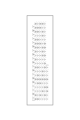
ここで、図6を参照し、前処理部123により作成されたb-bit minhashの特徴ベクトルについて説明する。図6は、実施形態に係る特徴ベクトルの具体例について説明する図である。図6の例では、シードの設定値が「128」であり、各ハッシュ値の下位1bitを要素とする特徴ベクトルが示されている。例えば、前処理部123は、図6に示すように、各関数をシード値の数「128」でそれぞれ下位「1bit」のみを記録することにより、特徴ベクトルを作成する。
図4の説明に戻る。また、前処理部123は、ソースコードにおける関数が記述された部分に含まれるそれぞれのトークンを要素とする集合を特徴ベクトルとして作成する。例えば、前処理部123は、ソースコードについて、前述の関数記述部の抽出処理から標準化処理までを行った後、関数に含まれるトークンを要素とする集合を、関数の特徴ベクトルとして作成する。なお、本実施例において、前述のトークンは、ソースコードにおける最小単位の構成要素を指し、関数記述部に記載されたそれぞれの演算子やキーワードを指す。
さらに、前処理部123は、ソースコードにおける関数が記述された部分に含まれるそれぞれの論理ブロックを要素とする集合を特徴ベクトルとして作成する。例えば、前処理部123は、前述の関数記述部の抽出処理から標準化処理までを行った後、関数に含まれる論理ブロックを要素とする集合を、関数の特徴ベクトルとして作成する。なお、本実施例において、論理ブロックは、ソースコードにおける関数記述部に記載された一定数の行や制御文ブロックを指す。
格納部124は、判定部122によって脆弱な関数と判定された関数に関する情報を記憶部130に格納する。例えば、格納部124は、前述の判定部122によって脆弱と判定された関数の関数名やファイル名、パッチ適用前またはパッチ適用後のどちらか一方又はその両方の類似度の値、CVE番号等を、検知情報記憶部132に格納する。
〔3.検知処理の具体例〕
ここで、図7から図10を参照し、検知装置100による検知処理の具体例について説明する。図7から図10は、実施形態に係る検知処理の具体例を示す図である。まず、図7を参照し、集合間類似度算出アルゴリズムとしてb-bit minhashを用いた場合の処理の具体例について説明する。なお、図7の例では、下位1bitにより特徴ベクトルを作成すると設定されているものとする。
ここで、図7から図10を参照し、検知装置100による検知処理の具体例について説明する。図7から図10は、実施形態に係る検知処理の具体例を示す図である。まず、図7を参照し、集合間類似度算出アルゴリズムとしてb-bit minhashを用いた場合の処理の具体例について説明する。なお、図7の例では、下位1bitにより特徴ベクトルを作成すると設定されているものとする。
まず、取得部121は、NVDの脆弱性情報データベースから、CVE番号とそれに紐づくソースコードを取得して、パッチ適用前のソースコードとパッチ適用後のソースコードとを取得する。その後、前処理部123は、取得されたソースコードのそれぞれに対して、1-bitminhashの特徴ベクトルを作成して、パッチ適用前の関数の特徴ベクトル[1,0,1,1・・・]を「脆弱な関数DB」に格納し、パッチ適用後の関数の特徴ベクトル[1,1,0,0・・・]を「パッチ適用済み関数DB」に格納することにより、比較対象の特徴ベクトルを事前に作成する。
その後、前処理部123は、外部から入力された検査対象OSSについても、ソースファイルに含まれる関数(関数1、関数2・・・)ごとに特徴ベクトル([1,0,1,1・・・]、[0,0,1,0・・・]・・・)を作成する。その後、判定部122は、検査対象のソフトウェアに含まれる各関数の特徴ベクトルについて、それぞれのDBの特徴ベクトルと総当たりで類似度(一致確率)を算出する。なお、脆弱な関数DBの特徴ベクトルとの類似度をSとし、パッチ適用済み関数の特徴ベクトルとの類似度をS´とする。
具体的には、「(一致するビットの数/b-bitminhashの特徴ベクトルの長さ―1/2)×2」の式により類似度が求められる。なお、一致するビットの数は、b-bitminhashの特徴ベクトルの長さから異なるビットの数を引いた数で表され、特徴ベクトルの長さはシード値に該当する。また、異なるビットの数は、XOR演算で求められ、上記式中の1/2は、0か1の誤り確率を示す。ここで、例えば、特徴ベクトルの長さであるシード値が「128」と設定され、検査対象のソフトウェアの関数に対し、脆弱な関数DB中に特徴ベクトルの一致するビット数が「125」となる関数が存在する場合には、類似度Sは「(125/128-1/2)×2=0.953125」と算出される。
同様に、検査対象のソフトウェアの関数に対し、パッチ適用済み関数DB中に特徴ベクトルの一致するビット数が「114」となる関数が存在する場合には、その類似度は(114/128-1/2)×2=0.78125と算出される。その後、判定部122は、「類似度S:95%」が閾値である「80%」よりも大きい値であるため、「類似度S:95%」と、「類似度S´:78%」とを比較する。その結果、類似度Sの方が高い値であるため、判定部122は、検査対象のソフトウェアに含まれる関数が脆弱な関数であると判定する。
続いて、図8を参照し、集合間類似度算出アルゴリズムとしてb-bit minhashを用いて、下位2bitにより特徴ベクトルを作成する場合の処理の具体例について説明する。図8の例についても、図7の例と同様に、関数の各行を要素とみなして、b-bitminhasを適用して特徴ベクトルを作成して類似度を算出するが、ハッシュ値の下位2bitから特徴ベクトルを作成する点が図7の例と異なる。
図8の例では、前処理部123は、入力された検査対象のソフトウェアに含まれる関数記述部について、「“redisReply *r, *parent;”」や、「“r= createReplyObject(task->type);”」のように1行ごとにまとめる。その後、前処理部123は、まとめられた各行を要素とみなしてハッシュ化し、[24,36,10,90,33,78,53,・・・]のように下位2bitを記録することにより、特徴ベクトルを作成する。
次に、図9を参照して、集合間類似度算出アルゴリズムとして、Jaccard係数を使用した場合の処理の具体例について説明する。図9の例では、前処理部123は、入力された検査対象のソフトウェアに含まれる関数記述部について、「“redisReply”」や、「“*r”」のようにトークンごとにまとめ、各トークンを要素とみなす集合である特徴ベクトルを作成する。
その後、判定部122は、作成された特徴ベクトルについて、集合間類似度算出アルゴリズムの一つであるJaccard係数を用いて、特徴ベクトル同士の類似度を算出する。ここで、Jaccard係数は、2つの集合間の積集合/和集合によって算出され、2つの集合間における要素の一致度を示す計算手法である。
続いて、図10を参照し、集合間類似度算出アルゴリズムとしてJaccard係数を用いて、論理ブロックにより特徴ベクトルを作成する場合の処理の具体例について説明する。図10の例についても、図9の例と同様に、Jaccard係数を用いて特徴ベクトルを作成して類似度を算出するが、関数記述部の論理ブロックを要素として特徴ベクトルを作成する点が図9の例と異なる。
図10の例では、前処理部123は、入力された検査対象のソフトウェアに含まれる関数記述部について、「“redisReply *r, *parent;”」や、「“if (r == NULL) return NULL;”」のように論理ブロックごとにまとめ、各論理ブロックを要素とみなす集合である特徴ベクトルを作成する。
次に図11を参照し、判定処理の結果の出力例について説明する。図11は、実施形態に係る検知処理により出力される情報の具体例について説明する図である。図11に示す通り、検知装置100は、脆弱と判定された関数について、関数名とファイル名とパッチ適用前後の類似度とCVE番号とを出力する。図11の例では、「関数名:b_unpack」、「ファイル名:sample」、「パッチ適用前の類似度:0.95312」、パッチ適用後の類似度:0.78125」、「CVE番号:CVE-2018-11219」がそれぞれ示されている。
〔4.検知処理の一例〕
次に、図12を参照して、検知装置100による検知処理の流れについて説明する。図12は、実施形態に係る検知処理の流れの一例を示すフローチャートである。なお、図12に示すフローチャートに記載された各処理工程は、処理の順番が前後してもよいものとする。まず、取得部121は、既知の脆弱性コードについて、修正パッチの適用前後の関数のソースコードをそれぞれ取得する(ステップS101)。
次に、図12を参照して、検知装置100による検知処理の流れについて説明する。図12は、実施形態に係る検知処理の流れの一例を示すフローチャートである。なお、図12に示すフローチャートに記載された各処理工程は、処理の順番が前後してもよいものとする。まず、取得部121は、既知の脆弱性コードについて、修正パッチの適用前後の関数のソースコードをそれぞれ取得する(ステップS101)。
次に、前処理部123は、検査対象のソフトウェアを受け付ける(ステップS102)。検査対象のソフトウェアを受け付けた場合には(ステップS102;Yes)、前処理部123は、修正パッチ適用前後の関数のソースコードと、検査対象のソフトウェアの関数のソースコードとについて、特徴ベクトルをそれぞれ作成する(ステップS103)。一方、検査対象のソフトウェアを受付けていない場合には(ステップS102;No)、前処理部123は、検査対象のソフトウェアを受付けるまで待機する。
そして、判定部122は、パッチ適用前の特徴ベクトルと検査対象のソフトウェアの特徴ベクトルとの類似度が閾値以上であるか否かを判定する(ステップS104)。パッチ適用前の特徴ベクトルと検査対象のソフトウェアの特徴ベクトルとの類似度が閾値以上である場合には(ステップS104;Yes)、判定部122は、パッチ適用前との類似度がパッチ適用後との類似度以上であるか否かを判定する(ステップS105)。一方で、パッチ適用前の特徴ベクトルと検査対象のソフトウェアの特徴ベクトルとの類似度が閾値以上でない場合には(ステップS104;No)、検知装置100は工程を終了する。
そして、S105の処理の後、パッチ適用前との類似度がパッチ適用後との類似度以上である場合には(ステップS105;Yes)、判定部122は、類似度を比較した特徴ベクトルに対応する関数を脆弱な関数と判定する(ステップS106)。一方で、パッチ適用前との類似度がパッチ適用後との類似度以上でない場合には(ステップS105;No)、検知装置100は工程を終了する。そして、S106の処理の後、格納部124は、脆弱な関数に関する情報を記憶部130に格納し(ステップS107)、検知装置100は工程を終了する。
〔5.実施形態の効果〕
前述してきたように、本実施形態に係る検知装置100は、取得部121と判定部122とを有する。取得部121は、脆弱性を有するソフトウェアの関数について、パッチの適用前の関数のソースコードと、パッチの適用後の関数のソースコードとのうち、少なくともいずれか一つを取得する。
前述してきたように、本実施形態に係る検知装置100は、取得部121と判定部122とを有する。取得部121は、脆弱性を有するソフトウェアの関数について、パッチの適用前の関数のソースコードと、パッチの適用後の関数のソースコードとのうち、少なくともいずれか一つを取得する。
判定部122は、取得部121によって取得されたソースコードに含まれる関数と、検査対象のソフトウェアの関数のソースコードに含まれる関数とから集合間類似度算出アルゴリズムにより、それぞれ作成された特徴ベクトルを用いて、当該特徴ベクトル同士の類似度を算出し、当該類似度に基づき、検査対象のソフトウェアに含まれる関数が脆弱であるか否かを判定する。
これにより、検知装置100は、関数の一部に基づくデータを構成要素とする集合(特徴ベクトル)を、検査対象の関数と比較対象の関数とについてそれぞれ作成して、集合同士の類似度を算出することにより、編集が行われたソフトウェアであっても、適切に脆弱性を検知することができるという効果を奏する。
また、検知装置100の取得部121は、パッチの適用前の関数のソースコードと、パッチの適用後の関数のソースコードとを取得し、判定部122は、パッチ適用前の関数の特徴ベクトルと検査対象のソフトウェアの関数の特徴ベクトルとの類似度が所定の閾値以上であり、かつ、パッチ適用前の関数の特徴ベクトルと検査対象のソフトウェアの関数の特徴ベクトルとの類似度が、パッチ適用後の関数の特徴ベクトルと検査対象のソフトウェアの関数の特徴ベクトルとの類似度よりも高い場合に、検査対象ソフトウェアに含まれる関数が脆弱であると判定する。
これにより、検知装置100は、パッチ適用前の脆弱な関数との類似度が閾値を上回ったもののみについて、パッチ適用前後で類似度の大きさを比較することにより、パッチ適用前との類似度が一定以上であっても、パッチ適用後との類似度の方が高い関数を、既に脆弱性が解消された関数とみなし、誤って脆弱な関数と検知することを防ぐことができるという効果を奏する。
また、検知装置100は、前処理部123をさらに有する。前処理部123は、ソースコードにおける関数が記述された部分の各行をハッシュ化し、予め設定されたシード値の数のハッシュ値それぞれにおける所定数の下位ビットを要素とする集合を特徴ベクトルとして作成する。
これにより、検知装置100は、検査対象のソフトウェアに含まれる脆弱性を有する関数について、関数の各行を要素とする集合(特徴ベクトル)を作成することにより、高速で軽量な集合間類似度算出アルゴリズムであるb-bitminhashを適用して、適切に脆弱性を検知することができるという効果を奏する。
さらに、検知装置100の前処理部123は、ソースコードにおける関数が記述された部分に含まれるそれぞれのトークンを要素とする集合を特徴ベクトルとして作成する。これにより、検知装置100は、それぞれの関数について、トークン(ワード単位)を要素とする集合を作成することにより、より細かい要素の一致度を類似度として算出するため、精度の高い脆弱性検知を行うことができるという効果を奏する。
また、検知装置100の前処理部123は、ソースコードにおける関数が記述された部分に含まれるそれぞれの論理ブロックを要素とする集合を特徴ベクトルとして作成する。これにより、検知装置100は、それぞれの関数について、論理ブロック(一定数の行または制御文ブロック)を要素とする集合を作成することにより、各集合が有する要素の数が比較的少ない条件で脆弱性検知を行うことができるという効果を奏する。
そして、検知装置100は、格納部124をさらに有する。格納部124は、判定部によって脆弱な関数と判定された関数に関する情報を記憶部130に格納する。これにより、検知装置100は、検査対象のソフトウェアに含まれる各関数の中で、脆弱性を有すると判定された関数の検知結果等をユーザに容易に把握させることができるという効果を奏する。
〔6.システム構成等〕
上記実施形態において説明した各処理のうち、自動的に行われるものとして説明した処理の一部を手動的に行うこともできる。あるいは、手動的に行われるものとして説明した処理の全部または一部を公知の方法で自動的に行うこともできる。この他、上記文書中や図面中で示した処理手順、具体的名称、各種のデータやパラメータを含む情報については、特記する場合を除いて任意に変更することができる。例えば、各図に示した各種情報は、図示した情報に限られない。
上記実施形態において説明した各処理のうち、自動的に行われるものとして説明した処理の一部を手動的に行うこともできる。あるいは、手動的に行われるものとして説明した処理の全部または一部を公知の方法で自動的に行うこともできる。この他、上記文書中や図面中で示した処理手順、具体的名称、各種のデータやパラメータを含む情報については、特記する場合を除いて任意に変更することができる。例えば、各図に示した各種情報は、図示した情報に限られない。
また、図示した各装置の各構成要素は機能概念的なものであり、必ずしも物理的に図示の如く構成されていることを要しない。すなわち、各装置の分散・統合の具体的形態は図示のものに限られず、その全部または一部を、各種の負荷や使用状況などに応じて、任意の単位で機能的または物理的に分散・統合して構成することができる。さらに、各装置にて行なわれる各処理機能は、その全部又は任意の一部が、CPU及び当該CPUにて解析実行されるプログラムにて実現され、あるいは、ワイヤードロジックによるハードウェアとして実現され得る。
例えば、図4に示した記憶部130の一部又は全部は、検知装置100によって保持されるのではなく、ストレージサーバ等に保持されてもよい。この場合、検知装置100は、ストレージサーバにアクセスすることで、各種情報を取得する。
〔7.ハードウェア構成〕
図13は、ハードウェア構成の一例を示す図である。上述してきた実施形態に係る検知装置100は、例えば図13に示すような構成のコンピュータ1000によって実現される。
図13は、ハードウェア構成の一例を示す図である。上述してきた実施形態に係る検知装置100は、例えば図13に示すような構成のコンピュータ1000によって実現される。
図13は、検知プログラムを実行するコンピュータの一例を示す図である。コンピュータ1000は、例えば、メモリ1010、CPU1020を有する。また、コンピュータ1000は、ハードディスクドライブインタフェース1030、ディスクドライブインタフェース1040、シリアルポートインタフェース1050、ビデオアダプタ1060、ネットワークインタフェース1070を有する。これらの各部は、バス1080によって接続される。
メモリ1010は、ROM(Read Only Memory)1011及びRAM1012を含む。ROM1011は、例えば、BIOS(Basic Input Output System)等のブートプログラムを記憶する。ハードディスクドライブインタフェース1030は、ハードディスクドライブ1090に接続される。ディスクドライブインタフェース1040は、ディスクドライブ1041に接続される。例えば磁気ディスクや光ディスク等の着脱可能な記憶媒体が、ディスクドライブ1041に挿入される。シリアルポートインタフェース1050は、例えばマウス1110、キーボード1120に接続される。ビデオアダプタ1060は、例えばディスプレイ1130に接続される。
ハードディスクドライブ1090は、例えば、OS(Operating System)1091、アプリケーションプログラム1092、プログラムモジュール1093、プログラムデータ1094を記憶する。すなわち検知装置100の各処理を規定するプログラムは、コンピュータ1000により実行可能なコードが記述されたプログラムモジュール1093として実装される。プログラムモジュール1093は、例えばハードディスクドライブ1090に記憶される。例えば、検知装置100における機能構成と同様の処理を実行するためのプログラムモジュール1093が、ハードディスクドライブ1090に記憶される。なお、ハードディスクドライブ1090は、SSD(Solid State Drive)により代替されてもよい。
また、上述した実施の形態の処理で用いられる設定データは、プログラムデータ1094として、例えばメモリ1010やハードディスクドライブ1090に記憶される。そして、CPU1020が、メモリ1010やハードディスクドライブ1090に記憶されたプログラムモジュール1093やプログラムデータ1094を必要に応じてRAM1012に読み出して実行する。
なお、プログラムモジュール1093やプログラムデータ1094は、ハードディスクドライブ1090に記憶される場合に限らず、例えば着脱可能な記憶媒体に記憶され、ディスクドライブ1041等を介してCPU1020によって読み出されてもよい。あるいは、プログラムモジュール1093及びプログラムデータ1094は、ネットワーク(LAN、WAN等)を介して接続された他のコンピュータに記憶されてもよい。そして、プログラムモジュール1093及びプログラムデータ1094は、他のコンピュータから、ネットワークインタフェース1070を介してCPU1020によって読み出されてもよい。
100 検知装置
110 通信部
120 制御部
121 取得部
122 判定部
123 前処理部
124 格納部
130 記憶部
131 関数情報記憶部
132 検知情報記憶部
110 通信部
120 制御部
121 取得部
122 判定部
123 前処理部
124 格納部
130 記憶部
131 関数情報記憶部
132 検知情報記憶部
Claims (8)
- 脆弱性を有するソフトウェアの関数について、パッチの適用前の関数のソースコードと、前記パッチの適用後の関数のソースコードとのうち、少なくともいずれか一つを取得する取得部と、
前記取得部によって取得されたソースコードに含まれる関数と、検査対象のソフトウェアの関数のソースコードに含まれる関数とから集合間類似度算出アルゴリズムにより、それぞれ作成された特徴ベクトルを用いて、当該特徴ベクトル同士の類似度を算出し、当該類似度に基づき、前記検査対象のソフトウェアに含まれる関数が脆弱であるか否かを判定する判定部と、
を有することを特徴とする検知装置。 - 前記取得部は、前記パッチの適用前の関数のソースコードと、前記パッチの適用後の関数のソースコードとを取得し、
前記判定部は、前記パッチの適用前の関数の特徴ベクトルと前記検査対象のソフトウェアの関数の特徴ベクトルとの類似度が所定の閾値以上であり、かつ、前記パッチの適用前の関数の特徴ベクトルと前記検査対象のソフトウェアの関数の特徴ベクトルとの類似度が、前記パッチの適用後の関数の特徴ベクトルと前記検査対象のソフトウェアの関数の特徴ベクトルとの類似度よりも高い場合に、前記検査対象のソフトウェアに含まれる関数が脆弱であると判定する、
ことを特徴とする請求項1に記載の検知装置。 - ソースコードにおける関数が記述された部分の各行をハッシュ化し、予め設定されたシード値の数のハッシュ値それぞれにおける所定数の下位ビットを要素とする集合を前記特徴ベクトルとして作成する前処理部をさらに有する
ことを特徴とする請求項1に記載の検知装置。 - ソースコードにおける関数が記述された部分に含まれるそれぞれのトークンを要素とする集合を前記特徴ベクトルとして作成する前処理部をさらに有する
ことを特徴とする請求項1に記載の検知装置。 - ソースコードにおける関数が記述された部分に含まれるそれぞれの論理ブロックを要素とする集合を前記特徴ベクトルとして作成する前処理部をさらに有する
ことを特徴とする請求項1に記載の検知装置。 - 前記判定部によって脆弱な関数と判定された前記関数に関する情報を記憶部に格納する格納部をさらに有する
ことを特徴とする請求項1に記載の検知装置。 - 検知装置によって実行される検知方法であって、
脆弱性を有するソフトウェアの関数について、パッチの適用前の関数のソースコードと、前記パッチの適用後の関数のソースコードとのうち、少なくともいずれか一つを取得する取得工程と、
前記取得工程によって取得されたソースコードに含まれる関数と、検査対象のソフトウェアの関数のソースコードに含まれる関数とから集合間類似度算出アルゴリズムにより、それぞれ作成された特徴ベクトルを用いて、当該特徴ベクトル同士の類似度を算出し、当該類似度に基づき、前記検査対象のソフトウェアに含まれる関数が脆弱であるか否かを判定する判定工程と、
を含んだことを特徴とする検知方法。 - 脆弱性を有するソフトウェアの関数について、パッチの適用前の関数のソースコードと、前記パッチの適用後の関数のソースコードとのうち、少なくともいずれか一つを取得する取得手順と、
前記取得手順によって取得されたソースコードに含まれる関数と、検査対象のソフトウェアの関数のソースコードに含まれる関数とから集合間類似度算出アルゴリズムにより、それぞれ作成された特徴ベクトルを用いて、当該特徴ベクトル同士の類似度を算出し、当該類似度に基づき、前記検査対象のソフトウェアに含まれる関数が脆弱であるか否かを判定する判定手順と、
をコンピュータに実行させるための検知プログラム。
Priority Applications (2)
| Application Number | Priority Date | Filing Date | Title |
|---|---|---|---|
| PCT/JP2023/021570 WO2024252676A1 (ja) | 2023-06-09 | 2023-06-09 | 検知装置、検知方法及び検知プログラム |
| JP2025525919A JPWO2024252676A1 (ja) | 2023-06-09 | 2023-06-09 |
Applications Claiming Priority (1)
| Application Number | Priority Date | Filing Date | Title |
|---|---|---|---|
| PCT/JP2023/021570 WO2024252676A1 (ja) | 2023-06-09 | 2023-06-09 | 検知装置、検知方法及び検知プログラム |
Publications (1)
| Publication Number | Publication Date |
|---|---|
| WO2024252676A1 true WO2024252676A1 (ja) | 2024-12-12 |
Family
ID=93795820
Family Applications (1)
| Application Number | Title | Priority Date | Filing Date |
|---|---|---|---|
| PCT/JP2023/021570 Ceased WO2024252676A1 (ja) | 2023-06-09 | 2023-06-09 | 検知装置、検知方法及び検知プログラム |
Country Status (2)
| Country | Link |
|---|---|
| JP (1) | JPWO2024252676A1 (ja) |
| WO (1) | WO2024252676A1 (ja) |
Citations (3)
| Publication number | Priority date | Publication date | Assignee | Title |
|---|---|---|---|---|
| JP2008046695A (ja) * | 2006-08-11 | 2008-02-28 | Kobe Univ | 類似度評価プログラム、類似度評価装置及び類似度評価方法 |
| WO2017061270A1 (ja) * | 2015-10-09 | 2017-04-13 | 日本電信電話株式会社 | 脆弱性発見装置、脆弱性発見方法、および、脆弱性発見プログラム |
| JP2023031614A (ja) * | 2021-08-25 | 2023-03-09 | 株式会社東芝 | 変更度計測装置、方法及びプログラム |
-
2023
- 2023-06-09 WO PCT/JP2023/021570 patent/WO2024252676A1/ja not_active Ceased
- 2023-06-09 JP JP2025525919A patent/JPWO2024252676A1/ja active Pending
Patent Citations (3)
| Publication number | Priority date | Publication date | Assignee | Title |
|---|---|---|---|---|
| JP2008046695A (ja) * | 2006-08-11 | 2008-02-28 | Kobe Univ | 類似度評価プログラム、類似度評価装置及び類似度評価方法 |
| WO2017061270A1 (ja) * | 2015-10-09 | 2017-04-13 | 日本電信電話株式会社 | 脆弱性発見装置、脆弱性発見方法、および、脆弱性発見プログラム |
| JP2023031614A (ja) * | 2021-08-25 | 2023-03-09 | 株式会社東芝 | 変更度計測装置、方法及びプログラム |
Also Published As
| Publication number | Publication date |
|---|---|
| JPWO2024252676A1 (ja) | 2024-12-12 |
Similar Documents
| Publication | Publication Date | Title |
|---|---|---|
| US11693962B2 (en) | Malware clustering based on function call graph similarity | |
| Zhang et al. | Libid: reliable identification of obfuscated third-party android libraries | |
| Wang et al. | Orlis: Obfuscation-resilient library detection for android | |
| JP6088713B2 (ja) | 脆弱性発見装置、脆弱性発見方法、及び脆弱性発見プログラム | |
| CN108268777B (zh) | 一种利用补丁信息进行未知漏洞发现的相似性检测方法 | |
| CN103473346B (zh) | 一种基于应用程序编程接口的安卓重打包应用检测方法 | |
| US20170372068A1 (en) | Method to identify known compilers functions, libraries and objects inside files and data items containing an executable code | |
| US20180089430A1 (en) | Computer security profiling | |
| CN111222137A (zh) | 一种程序分类模型训练方法、程序分类方法及装置 | |
| US20070152854A1 (en) | Forgery detection using entropy modeling | |
| US20130160125A1 (en) | Method and system for rapid signature search over encrypted content | |
| CN112651028B (zh) | 基于上下文语义和补丁验证的漏洞代码克隆检测方法 | |
| US11960597B2 (en) | Method and system for static analysis of executable files | |
| CN117940894A (zh) | 用于检测代码克隆的系统和方法 | |
| CN114936366A (zh) | 基于混合分析的恶意软件家族标签更正方法及装置 | |
| Breitinger et al. | Evaluating detection error trade-offs for bytewise approximate matching algorithms | |
| JP7315023B2 (ja) | ルール生成装置およびルール生成プログラム | |
| Hubballi et al. | Detecting packed executable file: Supervised or anomaly detection method? | |
| Namanya et al. | Evaluation of automated static analysis tools for malware detection in Portable Executable files | |
| Chen et al. | IHB: A scalable and efficient scheme to identify homologous binaries in IoT firmwares | |
| WO2024252676A1 (ja) | 検知装置、検知方法及び検知プログラム | |
| JP2022522383A (ja) | 既知及び/又は未知のサイバーセキュリティ脅威の形態素解析によりデータ異常を検出するシステム及び方法 | |
| Rowe | Identifying forensically uninteresting files in a large corpus. | |
| RU101223U1 (ru) | Система для быстрого обнаружения похожих объектов с использованием сверток | |
| Akram et al. | DroidSD: An Efficient Indexed Based Android Applications Similarity Detection Tool. |
Legal Events
| Date | Code | Title | Description |
|---|---|---|---|
| 121 | Ep: the epo has been informed by wipo that ep was designated in this application |
Ref document number: 23940773 Country of ref document: EP Kind code of ref document: A1 |
|
| ENP | Entry into the national phase |
Ref document number: 2025525919 Country of ref document: JP Kind code of ref document: A |
|
| NENP | Non-entry into the national phase |
Ref country code: DE |