WO2024253462A1 - Composition pharmaceutique contenant un inhibiteur de sclérostine en tant que principe actif pour la prévention ou le traitement d'une maladie oculaire diabétique - Google Patents
Composition pharmaceutique contenant un inhibiteur de sclérostine en tant que principe actif pour la prévention ou le traitement d'une maladie oculaire diabétique Download PDFInfo
- Publication number
- WO2024253462A1 WO2024253462A1 PCT/KR2024/007814 KR2024007814W WO2024253462A1 WO 2024253462 A1 WO2024253462 A1 WO 2024253462A1 KR 2024007814 W KR2024007814 W KR 2024007814W WO 2024253462 A1 WO2024253462 A1 WO 2024253462A1
- Authority
- WO
- WIPO (PCT)
- Prior art keywords
- eye disease
- composition
- sclerostin
- present
- inhibitor
- Prior art date
- Legal status (The legal status is an assumption and is not a legal conclusion. Google has not performed a legal analysis and makes no representation as to the accuracy of the status listed.)
- Ceased
Links
Images






Classifications
-
- A—HUMAN NECESSITIES
- A61—MEDICAL OR VETERINARY SCIENCE; HYGIENE
- A61P—SPECIFIC THERAPEUTIC ACTIVITY OF CHEMICAL COMPOUNDS OR MEDICINAL PREPARATIONS
- A61P27/00—Drugs for disorders of the senses
- A61P27/02—Ophthalmic agents
-
- A—HUMAN NECESSITIES
- A61—MEDICAL OR VETERINARY SCIENCE; HYGIENE
- A61K—PREPARATIONS FOR MEDICAL, DENTAL OR TOILETRY PURPOSES
- A61K31/00—Medicinal preparations containing organic active ingredients
- A61K31/70—Carbohydrates; Sugars; Derivatives thereof
- A61K31/7088—Compounds having three or more nucleosides or nucleotides
- A61K31/7105—Natural ribonucleic acids, i.e. containing only riboses attached to adenine, guanine, cytosine or uracil and having 3'-5' phosphodiester links
-
- A—HUMAN NECESSITIES
- A61—MEDICAL OR VETERINARY SCIENCE; HYGIENE
- A61K—PREPARATIONS FOR MEDICAL, DENTAL OR TOILETRY PURPOSES
- A61K31/00—Medicinal preparations containing organic active ingredients
- A61K31/70—Carbohydrates; Sugars; Derivatives thereof
- A61K31/7088—Compounds having three or more nucleosides or nucleotides
- A61K31/713—Double-stranded nucleic acids or oligonucleotides
-
- A—HUMAN NECESSITIES
- A61—MEDICAL OR VETERINARY SCIENCE; HYGIENE
- A61K—PREPARATIONS FOR MEDICAL, DENTAL OR TOILETRY PURPOSES
- A61K39/00—Medicinal preparations containing antigens or antibodies
Definitions
- the present invention relates to a pharmaceutical composition for preventing or treating diabetic eye disease, comprising a sclerostin inhibitor as an active ingredient.
- Diabetes mellitus is a representative metabolic disorder caused by an abnormal increase in blood glucose concentration (sugar) and long-term persistence, and is a systemic, non-communicable chronic disease.
- Insulin is produced in the beta cells of the pancreas and plays a central role in the metabolism of glucose, which is produced by the digestion and absorption of carbohydrates, and is a hormone that regulates blood glucose concentration within a certain range to prevent hyperglycemia.
- Diabetes is the result of absolute or relative insulin production deficiency caused by destruction of pancreatic beta cells by autoimmune mechanisms, or the result of decreased effective action of insulin in target organs (insulin resistance) even if insulin is secreted.
- target organs insulin resistance
- blood sugar levels remain elevated, and metabolic functions, including glucose metabolism in the body, cannot be carried out smoothly.
- Diabetic patients cannot use sugar, which is the body's energy source, and the body's balance is disrupted, causing various complications and threatening life.
- Chronic inflammation involves mild elevations of inflammatory cytokines such as TNF- ⁇ , IL-1 ⁇ , and IL-6, which are induced by endogenous or exogenous factors.
- inflammatory cytokines such as TNF- ⁇ , IL-1 ⁇ , and IL-6
- macrophages are the major source of inflammatory cytokines, and human macrophages have been shown to produce more proinflammatory cytokines in response to hyperglycemia.
- Chronic inflammation asymptomatic persistent systemic inflammation, has been demonstrated to promote vascular damage.
- hyperglycemia is known to increase inflammatory and oxidative stress markers through a vicious cycle, which play an important role in the development of diabetic complications.
- hyperglycemia induces numerous pathophysiological pathways associated with the development of diabetic complications, including the polyol pathway, oxidative stress, non-enzymatic glycation, and activation of protein kinase C.
- Diabetic retinopathy diabetic macular edema, glaucoma, and cataracts are known as representative complications of diabetes.
- Diabetic retinopathy (DR) the most common microvascular consequence of diabetes, is the leading cause of vision loss worldwide, with an estimated 93 million patients and 21 million suffering from diabetic macular edema.
- the purpose of the present invention is to provide a pharmaceutical composition for preventing or treating diabetic eye disease, comprising a sclerostin inhibitor as an active ingredient.
- Another object of the present invention is to provide a food composition for preventing or improving diabetic eye disease, comprising a sclerostin inhibitor as an active ingredient.
- Another object of the present invention is to provide a kit for preventing or treating diabetic eye disease, comprising a composition comprising a sclerostin inhibitor as an active ingredient, and an instruction manual.
- the present invention provides a pharmaceutical composition for preventing or treating diabetic eye disease, comprising a sclerostin inhibitor as an active ingredient.
- the inhibitor may be at least one of an expression inhibitor or an activity inhibitor, but is not limited thereto.
- the expression inhibitor or activity inhibitor may be at least one selected from the group consisting of siRNA (small interfering RNA), shRNA (short hairpin RNA), miRNA (micro RNA), antisense oligonucleotides (ASO), CRISPR/Cas (Clustered Regularly Interspaced Short Palindromic Repeats), natural products, proteins, peptidomimetics, antibodies, exosomes, and compounds, but is not limited thereto.
- siRNA small interfering RNA
- shRNA short hairpin RNA
- miRNA micro RNA
- ASO antisense oligonucleotides
- CRISPR/Cas Clustered Regularly Interspaced Short Palindromic Repeats
- the diabetic eye disease may be at least one selected from the group consisting of diabetic retinopathy, diabetic macular edema, glaucoma, and cataract, but is not limited thereto.
- the composition may be in the form of any one formulation selected from the group consisting of a suspension, a gel, an ointment, an injectable solution, a spray, and an eye drop, but is not limited thereto.
- the composition can suppress inflammatory responses and microvascular complications, but is not limited thereto.
- the composition may be characterized by at least one selected from the group consisting of, but not limited to:
- the present invention provides a food composition for preventing or improving diabetic eye disease, comprising a sclerostin inhibitor as an active ingredient.
- the food may be a health functional food, but is not limited thereto.
- the present invention provides a kit for preventing or treating diabetic eye disease, comprising a composition comprising a sclerostin inhibitor as an active ingredient, and an instruction manual.
- the present invention provides a method for preventing or treating diabetic eye disease, comprising a step of administering a composition containing a sclerostin inhibitor as an active ingredient in a pharmaceutically effective amount to a subject in need thereof.
- the present invention provides a composition comprising a sclerostin inhibitor as an active ingredient for preventing or treating diabetic eye disease.
- the present invention provides a use for manufacturing a preparation for preventing or treating diabetic eye disease comprising a composition comprising a sclerostin inhibitor as an active ingredient.
- a pharmaceutical composition for preventing or treating diabetic eye disease containing a sclerostin inhibitor as an active ingredient, when sclerostin is inhibited, the expression level of inflammatory cytokines is significantly reduced even under conditions of hyperglycemia and VEGF treatment, so that not only is the anti-inflammatory activity excellent, but also an angiogenic effect due to a decrease in the expression of vascular endothelial growth factor and vascular adhesion markers is remarkable, so that it was confirmed that the inflammatory response, which is the biggest characteristic of diabetic eye disease, and microvascular complications can be suppressed.
- it since it reduces oxidative stress caused by diabetes and does not induce cell death, it can be usefully utilized as an agent for preventing or treating diabetic eye disease.
- Figure 1a shows the results of mRNA expression and Western blot analysis for SOST expression after siRNA transfection at various concentrations (10, 30, and 50 nM siRNA) designated si10, si30, and si50 under HG treatment.
- Figure 1b shows the results of Western blot analysis of mRNA expression and SOST expression after siRNA transfection at different concentrations (10, 30, 50 nM siRNA) under VEGF treatment (*P ⁇ 0.05, **P ⁇ 0.01, ***P ⁇ 0.001 control, #P ⁇ 0.05, ##P ⁇ 0.01, ##P ⁇ 0.001.01, ##P ⁇ 0.001.)
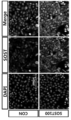
- Figure 1c shows the results of immunofluorescence analysis of SOST expression under HG and VEGF treatment.
- Figure 1d shows the results of analyzing HREC viability by MTT after transfection with siRNA at various concentrations (10 nM, 30 nM, and 50 nM siRNA) under high glucose conditions.
- Figures 2a and 2b show the results of analyzing the changes in mRNA and protein expression levels of pro-inflammatory cytokine gene markers by SOST inhibition, respectively. They show a tendency for high protein expression of pro-inflammatory cytokines under hyperglycemic conditions and low expression after SOST knockdown.
- Figure 3a shows the mRNA level of the Wnt/ ⁇ -catenin gene marker.
- Figure 3b shows the protein expression level of Wnt/ ⁇ -catenin after glucose treatment.
- Figures 4a and 4b show the high expression of pro-inflammatory genes after VEGF treatment and the low expression observed after sclerostin/SOST knockdown.
- Figure 4a shows the mRNA levels of pro-inflammatory gene markers.
- Figure 4b shows the protein expression levels of pro-inflammatory chemokines and cytokines after VEGF treatment.
- Figures 5a to 5c show the results of a study analyzing SOST overexpression in HREC after CRISPR-SOST knockin.
- Figure 5a shows high expression levels of SOST mRNA and protein.
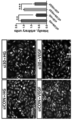
- Figure 5b shows the results of immunofluorescence analysis of SOST overexpression.
- Figure 5c shows high expression levels of proinflammatory proteins after CRISPR-SOST knockin.
- Figures 6a and 6b show the results of measuring the effect of SOST knockdown on reducing oxidative stress in HRECs.
- Figure 6a shows the high oxidative stress found after HG and VEGF treatment and the low oxidative stress observed after SOST knockdown.
- Figure 6b shows the results of measuring oxidative stress in HRECs after CRISPR-SOST knockin.
- Figures 7a and 7b show the results of analyzing the expression levels of vascular endothelial growth factor A (VEGFA) and blood adhesion factors ICAM-1 and VCAM-1 in HREC cells transfected with SOST siRNA.
- Figure 7a shows the mRNA and protein expression levels of VEGFA, ICAM-1, and VCAM-1 after HG treatment.
- Figure 7b shows the mRNA and protein expression levels of VEGFA, ICAM-1, and VCAM-1 after VEGF treatment.
- VEGFA vascular endothelial growth factor A
- Figures 8a and 8b show the results of analyzing angiogenic activity when SOST was silenced.
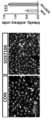
- Figure 8a shows a phase contrast image of tube formation in HRECs treated with HG and VEGF.
- Figure 8b shows the results of analyzing the total tube length (pixels, px) and the number of branch points of tube formation using ImageJ densitometer.
- Figures 8c and 8d show the results of analyzing the angiogenic activity when SOST was overexpressed.
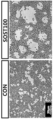
- Figure 8c shows a phase-contrast image of tube formation when CRISPR-SOST was knocked in.
- Figure 8d shows the results of analyzing the phase-contrast image of tube formation in HREC after total tube length (pixel, px) and the number of branch points of tube formation using ImageJ densitometer. Increased tube formation was observed in siCON + HG, siCON + VEGF, and SOST100 samples compared to siRNA transfection samples.
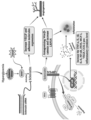
- Figure 9 is a schematic diagram showing the role of sclerostin in activating angiogenesis and endothelial inflammation through the NF-B pathway under hyperglycemic conditions in HREC, and antagonizing Wnt/ ⁇ -catenin signaling by binding to (LRP) 5/6, and the inhibitory effect of sclerostin-siRNA on the inflammatory response.
- the present invention provides a pharmaceutical composition for preventing or treating diabetic eye disease, comprising a sclerostin inhibitor as an active ingredient.
- the sclerostin inhibitor in the present invention may include a SOST expression inhibitor. Accordingly, the present invention provides a pharmaceutical composition for preventing or treating diabetic eye disease, which includes a SOST expression inhibitor as an active ingredient.
- the “sclerostin inhibitor” may include both a sclerostin expression inhibitor and a sclerostin activity inhibitor. Therefore, in one embodiment of the present invention, the inhibitor may be at least one of an expression inhibitor and an activity inhibitor, but is not limited thereto.
- expression suppression may include expression reduction in addition to expression suppression.
- Expression reduction means any act of reducing the expression of a gene, and specifically, it may be achieved by gene knock-out, knock-down, gene interference, or introducing mutations such as deletion, duplication, inversion, or replacement into the gene DNA sequence, and includes all cases where expression is reduced by any method exemplarily proposed in the present invention.
- activity inhibition may include activity reduction in addition to activity inhibition.
- Activity reduction means that one or more functions caused by sclerostin are inhibited, and the functions may be functions directly or indirectly related to the occurrence/worsening of symptoms of diabetic eye disease, such as causing diabetic eye disease, progressing or worsening symptoms of diabetic eye disease, or increasing the progression rate of diabetic eye disease, but are not limited thereto.
- the knockdown of the SOST gene may mean that sclerostin is reduced to a level below the average level generally understood in the art. Therefore, the activity inhibitor or expression inhibitor of the present invention does not mean that the expression of the SOST gene is completely suppressed or the level of sclerostin is completely reduced.
- the sclerostin inhibitor or SOST expression inhibitor in the present invention may include any substance that lowers the amount/activity level of sclerostin below the level generally understood in the art.
- the feature of the present invention is that the symptoms of diabetic eye disease that appear under hyperglycemic conditions or VEGF treatment conditions are treated when the expression of sclerostin is suppressed, and it does not lie in the specific type of the sclerostin inhibitor. Therefore, it is obvious that a person skilled in the art will understand that the same diabetic eye disease treatment activity as that of the present invention will be exhibited by applying general techniques capable of suppressing the expression or activity of sclerostin in the art.
- the material may be at least one selected from the group consisting of siRNA (small interfering RNA), shRNA (short hairpin RNA), miRNA (micro RNA), antisense oligonucleotides (ASO), CRISPR/Cas (Clustered Regularly Interspaced Short Palindromic Repeats), natural products, proteins, peptidomimetics, antibodies, exosomes, and compounds, but is not limited thereto.
- siRNA small interfering RNA
- shRNA short hairpin RNA
- miRNA micro RNA
- ASO antisense oligonucleotides
- CRISPR/Cas Clustered Regularly Interspaced Short Palindromic Repeats
- polynucleotide or “nucleic acid” refers to deoxyribonucleic acid (DNA) or ribonucleic acid (RNA) in the form of single or double strands. Unless otherwise limited, known analogs of natural nucleotides that hybridize to nucleic acids in a similar manner to naturally occurring nucleotides are also included.
- RNA means, but is not limited to, an RNA molecule, generally 17-24 bp in length, which can inhibit expression of a gene by interfering with the expression of the gene containing a nucleic acid sequence complementary to the sequence of the siRNA in a process called RNA interference.
- siRNA may include both single-stranded siRNA and double-stranded siRNA.
- double-stranded siRNA is derived from a longer double-stranded RNA molecule (dsRNA), and dsRNA is cleaved by endo-ribonuclease (Dicer) to form double-stranded siRNA
- RISC nuclear protein complex
- methods for synthesizing or purifying siRNA, methods for delivering siRNA, etc. can be applied using methods generally used in the art, and for example, non-viral vectors such as various plasmids and liposomes capable of being expressed in eukaryotic cells can be used, but are not limited thereto.
- shRNA refers to a substance that induces the NAi phenomenon by complementarily binding to a target mRNA and inducing mRNA degradation with a short hairpin RNA having a loop structure.
- shRNA may be microRNA-adapted shRNAs or Simple hairpin shRNAs, but is not limited thereto, and includes all forms modified to improve the function of shRNA.
- RNA refers to a fine regulator that is a single-stranded RNA molecule generally having a length of ⁇ 22 nucleotides (nt) and binds to the 3’UTR of a target mRNA in a complex with the Argonaute protein (AGO) to suppress the expression of the corresponding gene.
- nt ⁇ 22 nucleotides
- AGO Argonaute protein
- the “antisense oligonucleotide” is a drug with the potential ability to realize personalized medicine together with an RNAi therapeutic agent, and is a single-stranded nucleic acid polymer synthesized with an average of 12 to 25 nucleotides, has sequence complementarity specifically to a target RNA, and can regulate protein expression through various mechanisms.
- the antisense oligonucleotide is a single-stranded ASO, which can regulate gene expression or affect mRNA splicing through various mechanisms depending on the chemical or binding site and target.
- RNase H Ribonuclease H
- the antisense oligonucleotide may be used after being modified with phosphorothioate (PS), phosphorodiamidate morpholino oligonucleotide (PMO), peptide nucleic acid (PNA), locked nucleic acid (LNA), ribose modifications, etc., but is not limited thereto, and includes all modifications to which techniques that can be generally applied in the art are applied to improve functionality.
- PS phosphorothioate
- PMO phosphorodiamidate morpholino oligonucleotide
- PNA peptide nucleic acid
- LNA locked nucleic acid
- ribose modifications etc.
- CRISPR/Cas may mean ‘guide RNA (gRNA)’ made of RNA and ‘Cas’, an enzyme that cuts DNA, and may be, for example, Cas9, Cas11, or Cas12, but is not limited thereto, and Cas may have a broad meaning including all forms of enzymes that can be used in the CRISPR system.
- gRNA guide RNA
- Cas Cas9, Cas11, or Cas12
- CRISPR-Cas9 refers to “CRISPR-Cas9,” and CRISPR-Cas9 is a third-generation genetic scissors that recognizes, cuts, and edits a specific base sequence to be used, and can be usefully used to simply, quickly, and efficiently perform operations to insert a specific gene into a target location in the genome or to stop the activity of a specific gene.
- Cas9 protein or gene information can be obtained from known databases such as GenBank of NCBI (National Center for Biotechnology Information), but is not limited thereto.
- Cas9 protein can be appropriately linked to additional domains by those skilled in the art according to its purpose.
- the Cas9 protein may include not only the wild-type Cas9 but also all mutants of Cas9 as long as they have the function of a nuclease for gene editing, and the origin of the Cas9 protein is not limited, and non-limiting examples thereof include Streptococcus pyogenes, Francisella novicida, Streptococcus thermophilus, Legionella pneumophila, Listeria innocua, or Streptococcus mutans, and those skilled in the art may appropriately select and use them, but are not limited thereto.
- gRNA refers to a single-stranded RNA that serves to find the position of a specific target DNA to be edited and guides the Cas protein to the target DNA.
- the gRNA may be adjacent to a PAM (protospacer adjacent motif) site and include a sequence complementary to a 10 to 25 bp base sequence of the DNA to be edited.
- the guide RNA may have 1 to 3 additional nucleotides, more specifically, 2 or 3 nucleotides, in front of the 5’ portion of the sequence capable of forming base pairs with a complementary strand of the target DNA sequence.
- the guide RNA may include a portion having a sequence complementary to a sequence in the target DNA (also referred to as a spacer region, a target DNA recognition sequence, a base pairing region, etc.) and a hairpin structure for Cas protein binding. More specifically, it may include, but is not limited to, a portion having a sequence complementary to a sequence in the target DNA, a hairpin structure for Cas protein binding, and a terminator sequence.
- the gRNA of the present invention may target the sclerostin gene, and may be configured as a pair to simultaneously target different regions of the gene, but is not limited thereto.
- the term “natural product” refers to a product derived from a living organism, such as a plant or animal living on land or in the ocean, or a cell or tissue culture product of a living organism, and may mean a natural product without any artificial processing, and its origin is not particularly limited as long as it is an extract of a natural product, and may be, for example, a plant extract, an animal extract, a microbial extract, or a mineral extract.
- the natural product may refer to itself, but is not limited thereto, and may refer to all modified forms containing a pharmacologically active ingredient of the natural product. For example, it may be an extract, or a fraction, fermentation product, juice, etc. thereof, but is not limited thereto.
- the method of fractionating into fractions in the present invention is not particularly limited as long as it is a method of fractionating a commonly used extract, and non-limiting examples thereof include a chromatographic separation method, a liquid separation method using differences in solubility, a separation method using differences in specific gravity, a centrifugal separation method using differences in density, a solid sample extraction method, and a separation method using differences in color, and may be fractionated using at least one method selected from the group consisting of:
- “recombinant expression vector” means a bacterial plasmid, a phage, a yeast plasmid, a plant cell virus, a mammalian cell virus or other vectors. In general, any plasmid and vector can be used as long as it can be replicated and stabilized in the host.
- the recombinant expression vector of the present invention preferably includes a promoter, which is a transcription initiation factor to which RNA polymerase binds, an optional operator sequence for regulating transcription, a sequence encoding a suitable mRNA ribosome binding site and a sequence for regulating the termination of transcription and translation, a terminator, etc., and the recombinant expression vector and the expression vector including a suitable transcription/translation control signal can be constructed by a method well known to those skilled in the art.
- a promoter which is a transcription initiation factor to which RNA polymerase binds
- an optional operator sequence for regulating transcription a sequence encoding a suitable mRNA ribosome binding site and a sequence for regulating the termination of transcription and translation, a terminator, etc.
- the recombinant expression vector and the expression vector including a suitable transcription/translation control signal can be constructed by a method well known to those skilled in the art.
- a selection marker gene such as a tag gene for increasing the production amount of the recombinant protein, a tag gene for maintaining the structural stability of the recombinant protein, a tag gene for easily separating the recombinant protein, an antibiotic resistance gene for selecting a transformant, etc.
- the tag for easy separation may include, but is not limited to, an Avi tag, a Calmodulin tag, a polyglutamate tag, an E tag, a FLAG tag, an HA tag, a His tag, a Myc tag, an S tag, an SBP tag, an IgG-Fc tag, a CTB tag, a Softag 1 tag, a Softag 3 tag, a Strep tag, a TC tag, a V5 tag, a VSV tag, an Xpress tag, etc.
- the selection marker gene may representatively include a herbicide resistance gene such as glyphosate or phosphinothricin, kanamycin, G418,
- the promoters may include, for example, pEMU promoter, MAS promoter, histone promoter, Clp promoter, cauliflower mosaic virus derived 35S promoter, cauliflower mosaic virus derived 19S RNA promoter, plant actin protein promoter, ubiquitin protein promoter, CMV (Cytomegalovirus) promoter, SV40 (Simian virus 40) promoter, RSV (Respiratory syncytial virus) promoter, EF-1 ⁇ (Elongation factor-1 alpha) promoter, etc.
- the terminators may include, for example, nopaline synthase (NOS), rice amylase RAmy1 A terminator, phaseolin terminator, Agrobacterium The terminator of the Octopine gene of Tumorpathians, the rrnB1/B2 terminator of E. coli, etc., but there is no limitation on the type of gene added as long as it is a type that has been used in the production of recombinant proteins.
- any method known in the art can be used for transforming with a recombinant vector, producing a target protein from a transformant transformed with a recombinant vector, etc.
- the transformant may be an animal or a plant, but is not limited thereto, and any method can be applied as long as it is for obtaining a protein with excellent functionality from the transformant at a high yield.
- peptidomimetic means something designed to mimic a biologically active peptide, which may be, but is not limited to, a non-natural amino acid or other specific compound to stabilize the structure or alter the biological activity.
- a peptidomimetic may be modified to enhance the target specificity, stability, and reduce the possibility of degradation of the peptide. For example, bending may be restricted to limit the conformational mobility of the peptide, or a non-natural compound may be included in the structure to reduce the possibility of degradation by an enzyme, but is not limited thereto.
- antibody is a term that is compatible with “antibody fragment”, and means, but is not limited to, an antibody that naturally exists in the body, and includes all antibodies obtained from human antibody phage libraries and human antibody-producing transgenic animals produced by advances in genetic engineering, cell engineering, and developmental engineering technologies.
- an antibody fragment refers to a part of an antibody that can perform the same function as an antibody, and may be, for example, Fab, Fab’, F(ab’)2, scFv, diabody, dsFv, and a peptide including CDR, but is not limited thereto.
- the antibody fragment can be manufactured by applying a method generally performed in the art.
- exosome may refer to, but is not limited to, exosomes secreted from somatic cells derived from human tissues, including neurospheres, fibroblasts, epithelial cells, muscle cells, cardiac cells, kidney cells, nerve cells, hair cells, hair root cells, hair follicle cells, epithelial cells, beta cells, gastric mucosal cells, goblet cells, G cells, immune cells, pericytes, mast cells, endothelial cells, etc.
- exosomes may refer to, but are not limited to, exosomes secreted from cells extracted from solutions secreted from the human body, such as urine, saliva, sweat, and blood, or exosomes secreted from bone marrow-derived stem cells such as umbilical cord blood, adipose-derived stem cells, adult stem cells, embryonic stem cells, iPSCs, pluripotent stem cells, placental stem cells, etc.
- physical stimulation such as electrical stimulation, heat, sound waves, laser, oxidative stress, LED light
- chemical stimulation such as chemical substance treatment
- biological stimulation such as substance treatment with enzymes that act on in vivo mechanisms, etc.
- the size of the exosome in the present invention may be the size of a general exosome, but is not limited thereto, and may vary depending on the discharge method, stimulation method, or culture method, and may vary depending on the amount and type of the loaded material.
- any method for stimulating, secreting, and obtaining exosomes that is obvious to those skilled in the art may be applied, and is not limited thereto.
- compound refers to a substance formed by chemically combining two or more different elements, and includes both organic compounds and inorganic compounds.
- the compound of the present invention may refer to any chemical substance capable of inhibiting the expression or activity of sclerostin.
- the “sclerostin inhibitor” can be delivered to the target cell through a method or carrier that can be generally used in the art.
- it can be delivered by a vector, but is not limited thereto.
- the material of the present invention can be delivered through a method or carrier that can be generally applied according to the dosage of the material, cycle, age, sex, clinical symptoms, progression of the disease, etc., but is not limited thereto.
- the diabetic eye disease may be at least one selected from the group consisting of diabetic retinopathy, diabetic macular edema, glaucoma, and cataract, but is not limited thereto.
- diabetic retinopathy is a retinal disease caused by diabetes, and is classified into non-proliferative and proliferative.
- nonproliferative diabetic retinopathy is the most common type of diabetic retinopathy, and is characterized by retinal capillaries growing like small balloons and transforming into a bell shape. The progression of nonproliferative diabetic retinopathy is divided into three stages, and retinal vascular occlusion tends to become increasingly severe.
- Nonproliferative retinopathy usually does not cause blindness, but when the capillary walls become weak and water leaks out, the macula swells, causing visual impairment.
- Nonproliferative retinopathy usually does not require treatment, but if macular edema occurs, treatment is always required.
- retinopathy can progress to a more severe form called “proliferative diabetic retinopathy” after several years.
- Proliferative diabetic retinopathy occurs when retinal blood vessels are blocked and damaged, causing new blood vessels to grow from the retina toward the vitreous.
- the new blood vessels are weak and easily burst, leaking blood and causing bleeding that obscures vision, which is called vitreous hemorrhage.
- the new blood vessels grow together with fibrous tissue, and when the fibrous tissue contracts and is pulled, the retina can become wrinkled or detached, causing retinal detachment. New blood vessels can also form in the iris, causing serious glaucoma.
- DME diabetic macular edema
- glaucoma or “cataract” may be diabetic glaucoma or cataract induced by diabetes. Therefore, in the present invention, glaucoma or cataract may be diabetic glaucoma or diabetic cataract. It is known that diabetic patients have a 40% higher probability of developing glaucoma than the general public, and the probability increases further as they suffer from diabetes for a longer period of time and as they age. In addition, cataracts also occur more frequently, and have the characteristics of occurring at a younger age and progressing rapidly.
- the composition may be in the form of any one formulation selected from the group consisting of a suspension, a gel, an ointment, an injectable solution, a spray, and an eye drop, but is not limited thereto.
- the composition can suppress inflammatory responses and microvascular complications, but is not limited thereto.
- the main purpose of the present invention may be to suppress inflammatory response and microvascular complications by reducing inflammatory cytokines or angiogenesis by suppressing sclerostin in hyperglycemia, and thereby treat diabetic eye disease.
- the inflammatory cytokines may be increased by diabetes.
- angiogenesis was inhibited as angiogenic activity was reduced and vascular endothelial marker expression was suppressed, thereby inhibiting tube formation.
- Hyperglycemia causes microvascular damage and induces the release of inflammatory cytokines, which are hallmarks of vasculopathy.
- hyperglycemic conditions were induced in HRECs using high concentrations of glucose (30 mM) and changes in molecular expression were evaluated.
- Hyperglycemia can induce inflammatory conditions in both type 1 and type 2 DM, and the elevated cytokine levels can lead to the degradation of pancreatic beta cells.
- Inflammatory cytokines are significantly elevated in the serum of DM patients.
- In vivo studies have shown that high glucose exposure significantly enhanced TNF- ⁇ mRNA and protein expression, which further increased sclerostin expression in an NF- ⁇ B-dependent manner under hyperglycemic conditions.
- the composition may be characterized by at least one selected from the group consisting of, but not limited to:
- SOST sclerostin
- SOST is a protein encoded by the SOST gene. Since it is a secreted glycoprotein preferentially produced by osteocytes, SOST is known to inhibit bone formation.
- Dickkopf family protein (DKK) and sclerostin are two additional Wnt antagonists that bind to the co-receptor LDL receptor-related protein (LRP) 5/6 and inhibit Wnt signaling, respectively.
- Sclerostine a well-known antagonist of Wnt signaling, promotes angiogenesis through LRP6. Furthermore, it increases VEGF and PIGF, which further promote angiogenesis.
- silencing of sclerostin was shown to decrease retinal endothelial angiogenic activity and angiogenic capacity.
- SOST siRNA treatment was shown to decrease tube formation, thereby reducing angiogenesis.
- the present invention demonstrated that sclerostin reduces inflammation by minimally inhibiting Wnt/ ⁇ -catenin.
- the pharmaceutical composition according to the present invention may be formulated and used in the form of external preparations such as powders, granules, sustained-release granules, enteric-coated granules, liquids, eye drops, ellipses, emulsions, suspensions, alcohols, troches, aromatic waters, limonades, tablets, sustained-release tablets, enteric-coated tablets, sublingual tablets, hard capsules, soft capsules, sustained-release capsules, enteric capsules, pills, tinctures, soft extracts, dry extracts, fluid extracts, injections, capsules, irrigants, ointments, pastes, sprays, inhalants, patches, sterile injection solutions, or aerosols, and the external preparations may have formulations such as creams, gels, patches, sprays, ointments, ointments, lotions, liniments, pastes, or cataplasmas.
- external preparations may have formulations such as creams, gels, patches, sprays
- Carriers, excipients and diluents that may be included in the pharmaceutical composition according to the present invention include lactose, dextrose, sucrose, oligosaccharides, sorbitol, mannitol, xylitol, erythritol, maltitol, starch, acacia gum, alginate, gelatin, calcium phosphate, calcium silicate, cellulose, methyl cellulose, microcrystalline cellulose, polyvinyl pyrrolidone, water, methylhydroxybenzoate, propylhydroxybenzoate, talc, magnesium stearate, and mineral oil.
- diluents or excipients such as fillers, bulking agents, binders, wetting agents, disintegrants, and surfactants.
- the additives of the tablets, powders, granules, capsules, pills and troches according to the present invention include excipients such as corn starch, potato starch, wheat starch, lactose, sucrose, glucose, fructose, D-mannitol, precipitated calcium carbonate, synthetic aluminum silicate, calcium monohydrogen phosphate, calcium sulfate, sodium chloride, sodium bicarbonate, purified lanolin, microcrystalline cellulose, dextrin, sodium alginate, methylcellulose, sodium carboxymethyl cellulose, kaolin, urea, colloidal silica gel, hydroxypropyl starch, hydroxypropyl methyl cellulose (HPMC), HPMC 1928, HPMC 2208, HPMC 2906, HPMC 2910, propylene glycol, casein, calcium lactate and Primogel; Gelatin, gum arabic, ethanol, agar powder, cellulose acetate phthalate, carboxymethylcellulose, calcium carboxymethylcellulose, glucose, purified water, sodium caseinate,
- Additives that can be used in the liquid formulation according to the present invention include water, diluted hydrochloric acid, diluted sulfuric acid, sodium citrate, monostearate sucrose, polyoxyethylene sorbitol fatty acid esters (twin esters), polyoxyethylene monoalkyl ethers, lanolin ethers, lanolin esters, acetic acid, hydrochloric acid, ammonia water, ammonium carbonate, potassium hydroxide, sodium hydroxide, prolamine, polyvinylpyrrolidone, ethylcellulose, sodium carboxymethylcellulose, etc.
- the syrup according to the present invention may use a solution of white sugar, other sugars or sweeteners, and may also use a flavoring agent, a coloring agent, a preservative, a stabilizer, a suspending agent, an emulsifier, a viscosity increasing agent, etc., as needed.
- Purified water may be used in the emulsion according to the present invention, and an emulsifier, preservative, stabilizer, fragrance, etc. may be used as needed.
- the suspension according to the present invention may use suspending agents such as acacia, tragacanth, methylcellulose, carboxymethylcellulose, sodium carboxymethylcellulose, microcrystalline cellulose, sodium alginate, hydroxypropylmethylcellulose (HPMC), HPMC 1828, HPMC 2906, HPMC 2910, and the like.
- suspending agents such as acacia, tragacanth, methylcellulose, carboxymethylcellulose, sodium carboxymethylcellulose, microcrystalline cellulose, sodium alginate, hydroxypropylmethylcellulose (HPMC), HPMC 1828, HPMC 2906, HPMC 2910, and the like.
- Surfactants, preservatives, stabilizers, colorants, and fragrances may also be used as needed.
- the injection according to the present invention includes: solvents such as distilled water for injection, 0.9% sodium chloride injection, Ringer's injection, dextrose injection, dextrose + sodium chloride injection, PEG, lactated Ringer's injection, ethanol, propylene glycol, nonvolatile oils such as sesame oil, cottonseed oil, peanut oil, soybean oil, corn oil, ethyl oleate, isopropyl myristate, and benzene benzoate; solubilizers such as sodium benzoate, sodium salicylate, sodium acetate, urea, urethane, monoethylacetamide, butazolidine, propylene glycol, Tween, nitrile acid amide, hexamine, and dimethylacetamide; buffers such as weak acids and their salts (acetic acid and sodium acetate), weak bases and their salts (ammonia and ammonium acetate), organic compounds, proteins, albumin, peptone, and gums; It may
- the suppository according to the present invention comprises cocoa butter, lanolin, witepsol, polyethylene glycol, glycerogelatin, methylcellulose, carboxymethylcellulose, a mixture of stearic acid and oleic acid, subanal, cottonseed oil, peanut oil, palm oil, cocoa butter + cholesterol, lecithin, ranette wax, glycerol monostearate, Tween or Span, Imhausen, monolene (propylene glycol monostearate), glycerin, Adeps solidus, Buytyrum Tego-G, Cebes Pharma 16, hexalide base 95, Cotomar, Hydroxocote SP, S-70-XXA, S-70-XX75 (S-70-XX95), Mechanisms such as Hydrokote 25, Hydrokote 711, Idropostal, Massa estrarium (A, AS, B, C, D, E, I, T), Massa-MF, Masupol, Masupol-15, Neos
- Solid preparations for oral administration include tablets, pills, powders, granules, capsules, etc., and these solid preparations are prepared by mixing the extract with at least one excipient, such as starch, calcium carbonate, sucrose or lactose, gelatin, etc.
- excipients such as starch, calcium carbonate, sucrose or lactose, gelatin, etc.
- lubricants such as magnesium stearate and talc are also used.
- Liquid preparations for oral administration include suspensions, solutions, emulsions, and syrups, and in addition to commonly used simple diluents such as water and liquid paraffin, various excipients such as wetting agents, sweeteners, flavoring agents, and preservatives may be included.
- Preparations for parenteral administration include sterile aqueous solutions, non-aqueous solvents, suspensions, emulsions, lyophilized preparations, and suppositories.
- Non-aqueous solvents and suspensions may include propylene glycol, polyethylene glycol, vegetable oils such as olive oil, and injectable esters such as ethyl oleate.
- the pharmaceutical composition according to the present invention is administered in a pharmaceutically effective amount.
- the “pharmaceutically effective amount” means an amount sufficient to treat a disease with a reasonable benefit/risk ratio applicable to medical treatment. Therefore, in the present invention, the “pharmaceutically effective amount” can be used interchangeably with the “therapeutically effective amount.”
- the effective dosage level can be determined according to factors including the type and severity of the patient’s disease, the activity of the drug, the sensitivity to the drug, the time of administration, the route of administration and the excretion rate, the treatment period, concurrently used drugs, and other factors well known in the medical field.
- the pharmaceutical composition according to the present invention may be administered as an individual therapeutic agent or in combination with other therapeutic agents, may be administered sequentially or simultaneously with conventional therapeutic agents, and may be administered singly or in multiple doses. It is important to administer an amount that can achieve the maximum effect with the minimum amount without side effects by taking all of the above factors into consideration, and this can be easily determined by a person skilled in the art to which the present invention belongs.
- the pharmaceutical composition of the present invention can be administered to a subject by various routes. All modes of administration can be envisaged, for example, oral administration, subcutaneous injection, intraperitoneal administration, intravenous injection, intramuscular injection, intrathecal injection, sublingual administration, buccal mucosa administration, rectal insertion, vaginal insertion, ocular administration, otic administration, nasal administration, inhalation, spraying through the mouth or nose, skin administration, transdermal administration, etc.
- the pharmaceutical composition of the present invention is determined according to the type of drug as an active ingredient along with various related factors such as the disease to be treated, route of administration, age, sex, weight of the patient, and severity of the disease.
- subject means a subject requiring treatment for a disease, and more specifically, a mammal such as a human or non-human primate, mouse, rat, dog, cat, horse, and cow.
- “administration” means providing a composition of the present invention to a subject by any appropriate method.
- prevention means any act of suppressing or delaying the onset of a target disease
- treatment means any act of improving or beneficially changing a target disease and its metabolic abnormality symptoms by administering a pharmaceutical composition according to the present invention
- improvement means any act of reducing a parameter related to a target disease, for example, the degree of symptoms, by administering a composition according to the present invention.
- the present invention provides a food composition for preventing or improving diabetic eye disease, comprising a sclerostin inhibitor as an active ingredient.
- the food may be a health functional food, but is not limited thereto.
- the material may be at least one selected from the group consisting of siRNA (small interfering RNA), shRNA (short hairpin RNA), miRNA (micro RNA), antisense oligonucleotides (ASO), CRISPR/Cas (Clustered Regularly Interspaced Short Palindromic Repeats), natural products, proteins, peptidomimetics, antibodies, exosomes, and compounds, but is not limited thereto.
- siRNA small interfering RNA
- shRNA short hairpin RNA
- miRNA micro RNA
- ASO antisense oligonucleotides
- CRISPR/Cas Clustered Regularly Interspaced Short Palindromic Repeats
- the diabetic eye disease may be at least one selected from the group consisting of diabetic retinopathy, diabetic macular edema, glaucoma, and cataract, but is not limited thereto.
- the health food and health functional food composition containing the effective substance according to the present invention can be added to food as is or used together with other foods or food ingredients, and can be used appropriately according to a general method.
- the mixing amount of the effective substance can be appropriately determined depending on the purpose of use (e.g., for prevention or improvement).
- the amount of the composition in health foods and health functional foods may be added in an amount of 0.1 to 90 parts by weight of the total food weight.
- the amount may be below the above range, and in terms of safety, the effective ingredient according to the present invention may also be used in an amount above the above range.
- the health food and health functional food composition of the present invention contains the effective substance of the present invention as an essential ingredient in the indicated ratio, and other ingredients are not particularly limited, and various flavoring agents or natural carbohydrates, etc. may be included as additional ingredients like conventional beverages.
- natural carbohydrates are conventional sugars such as monosaccharides, e.g., glucose, fructose, etc.; disaccharides, e.g., maltose, sucrose, etc.; and polysaccharides, e.g., dextrin, cyclodextrin, etc.; and sugar alcohols, e.g., xylitol, sorbitol, erythritol, etc.
- natural flavoring agents thaumatin, stevia extract (e.g., rebaudioside A, glycyrrhizin, etc.) and synthetic flavoring agents (saccharin, aspartame, etc.) can be used.
- the proportion of the natural carbohydrate may be generally about 1 to 20 parts by weight, preferably about 5 to 12 parts by weight, per 100 parts by weight of the health functional food composition of the present invention, but is not limited thereto.
- the health food and health functional food composition containing the effective substance of the present invention may include various nutrients, vitamins, minerals (electrolytes), flavoring agents such as synthetic flavoring agents and natural flavoring agents, coloring agents and thickeners (cheese, chocolate, etc.), pectic acid and its salts, alginic acid and its salts, organic acids, protective colloid thickeners, pH regulators, stabilizers, preservatives, glycerin, alcohol, carbonating agents used in carbonated beverages, etc.
- the health food and health functional food composition of the present invention may include fruit pulp for the production of natural fruit juice and fruit juice drinks and vegetable drinks.
- These components may be used independently or in combination, and are generally selected in the range of 0.1 to about 20 parts by weight per 100 parts by weight of the health food and health functional food composition containing the effective substance of the present invention, but are not limited thereto.
- the present invention provides a kit for preventing or treating diabetic eye disease, comprising a sclerostin inhibitor; or a composition comprising a sclerostin inhibitor as an active ingredient; and instructions.
- the “kit” of the present invention may include other components, devices, materials, etc. that are usually necessary for storage, management, and enhancement of the effectiveness of the composition of the present invention.
- all components included in the kit may be used more than once without limitation on the number of times, there is no limitation on the order in which each material is used, and the application of each material may be performed simultaneously or microscopically.
- the kit of the present invention may include a container in addition to the formulation and instructions.
- the container may serve to package the composition, and may also serve to store and fix it.
- the material of the container may take the form of, for example, a bottle, a tub, a sachet, an envelope, a tube, an ampoule, and the like, and these may be formed partly or wholly from plastic, glass, paper, foil, wax, and the like.
- the container may be initially equipped with a completely or partially detachable stopper, which may be a part of the container or may be attached to the container by mechanical, adhesive, or other means, and may also be equipped with a stopper for allowing access to the contents by means of a syringe needle.
- the kit may include an outer package, which may include, but is not limited to, instructions for the use of the components.
- the term “a combination of these” included in the expressions in the Makushi format means a mixture or combination of one or more selected from the group consisting of the components described in the expressions in the Makushi format, and means including one or more selected from the group consisting of said components.
- Phenylmethylsulphonyl fluoride Roche Mannheim, Germany
- Human VEGF 165 (PeproTech, Cranbury, NJ, USA) Mounting Medium with 4’,6-diamidino-2-phenylindole(DAPI)-Aqueous Fluoroshield Abcam (Cambridge, MA, USA)
- Antibodies against VEGFA, LRP6, Wnt3a, and COX-2 Antibodies against TNF- ⁇ and Wnt5a R&D Systems (Minneapolis, MN, USA) Sclerostin siRNA(h) Santa Cruz Biotechnology (Dallas, TX, USA).
- HREC Human retinal endothelial cells
- human retinal endothelial cell culture complete medium (Celprogen Inc, Torrance, CA, USA) containing serum and antibiotics.
- Monocytes were quantified using the trypan blue exclusion technique before seeding at a specific density of 1.0 x 10 6 mL -1 in extracellular matrix-coated T75 culture flasks (Celprogen Inc, Torrance, CA, USA). The cell seeding density was maintained the same in subsequent experiments.
- HREC were maintained in an incubator set at 37°C and 5% CO 2 .
- HRECs were plated onto 6-well tissue culture dishes coated with extracellular matrix and treated with human retinal endothelial cell culture complete medium containing serum and antibiotics from Celprogen Inc. and maintained at 37°C in a humidified environment.
- a glucose concentration of 30 mM was prepared in the cell growth medium and applied to 80% confluent cells for hyperglycemic treatment and maintained for 24 h.
- VEGF treatment of HREC 50 ng Human VEGF165 (PeproTech, Cranbury, NJ, USA) was prepared with cell growth medium and used after 80% cell confluence and stored for 24 hours.
- siRNA Small interfering RNA
- HRECs were seeded in serum- and antibiotic-free human retinal endothelial cell culture complete medium (Celprogen Inc, Torrance, CA, USA) onto 6-well tissue culture plates coated with extracellular matrix.
- Sclerostin siRNA(h) sc-61503, a pool of three target-specific 19-25 nt siRNAs from Santa Cruz Biotechnology
- control siRNA at final concentrations of 10 nM, 30 nM, and 50 nM using Lipofectamine RNAiMAX transfection reagent according to the manufacturer's instructions.
- HRECs were separately treated with 30 mM glucose and 50 ng VEGF for 24 h before further experiments.
- Control siRNA used was sc-37007 (Santa Cruz, Dallas, Tx, USA).
- the MTT assay was performed using the standard test protocol [ISO10993-5:2009I] to evaluate the in vitro cell viability after high glucose (HG) and siRNA transfection.
- the MTT test was performed after 24 h of glucose treatment and siRNA transfection.
- the previous protocol was used to determine cell viability (measured by optical density) (Sayed, S., et al., Thermal cycling effect on osteogenic differentiation of MC3T3-E1 cells loaded on 3D-porous Biphasic Calcium Phosphate (BCP) scaffolds for early osteogenesis. Mater Sci Eng C Mater Biol Appl, 2019. 105: p. 110027.).
- MTT solution (5 mg/mL in PBS) was added to the cell culture medium at a ratio of 1:9, and the mixture was incubated at 37°C for 4 h.
- DMSO was added and dissolved for 1 hour.
- the absorbance was measured at 595 nm using an ELISA reader (EL,312, Biodynamics Reader; Bio-Tek Instruments, Winooski, VT, USA). Triplicate tests were performed for each sample.
- CRISPR Clustered regularly interspaced short palindromic repeats
- HRECs were plated in serum- and antibiotic-free human retinal endothelial cell culture complete medium (HRECs) in 6-well tissue culture plates with extracellular matrix coating.
- HRECs serum- and antibiotic-free human retinal endothelial cell culture complete medium
- SAM transcription activator system of control CRISPR pools of three target-specific 19-25 nt
- 10 ng, 30 ng, 50 ng and 100 ng were used at a final concentration of 10 ng, 30 ng, 50 ng and 100 ng, respectively, using UltraCruz Transfection Reagent and Plasmid Transfection Medium, respectively, according to the manufacturer's instructions. Additional testing was performed after 24 h.
- qRT-PCR was performed using TB Green ® Premix Ex TaqTM (Takara Bio Inc., Kusatsu, Shiga, Japan) and a CFX96TM RT-PCR Detection System (Bio-Rad, Singapore). Real-time PCR tests were performed in triplicate. After normalizing the data to the GAPDH level, the relative mRNA expression level was estimated using the 2- ⁇ Ct method.
- the qRT-PCR primer sequences used in the present invention are shown in Table 2 below.
- total protein was obtained using RIPA lysis buffer containing 1X protease and phosphatase inhibitor cocktail. Total protein concentration was determined using the BCA protein assay kit from Thermo Scientific (Rockford, Illinois, USA). Protein samples were separated using 8% and 12% SDS-PAGE and transferred to polyvinylidene difluoride membranes. The membranes were then treated with specific primary antibodies overnight and then incubated with specific secondary antibodies (HRP-conjugated). Bands were identified using chemiluminescence ECL reagents, and densitometry analysis was performed using a ChemiDocTM XRS+ system (Bio-Rad, Hercules, CA, USA). Anti- ⁇ -actin antibody served as a loading control.
- HRECs transfected with SOST siRNA were fixed in 4% paraformaldehyde solution.
- Cells were permeabilized with 0.25% Triton X-100 and then blocked with 2.5% bovine serum albumin (BSA).
- BSA bovine serum albumin
- Cells were then immunostained with antibodies to mouse sclerostin (1:50) overnight at 4°C according to the previous protocol.
- Cells were incubated with primary antibodies and then secondary antibodies (Alexa Fluor 594, 1:1000). After rinsing, cells were mounted with Fluoroshield-DAPI aqueous solution. Images were observed using a fluorescence microscope (Leica DMi8) and Leica LAS AF software.
- Matrigel (phenol red-free) was coated onto pre-chilled 48-well plates. The coating process was completed on ice. It was then stored in a 37°C incubator for 30 min. The pretreated HRECs were collected and diluted in serum- and antibiotic-free medium (4 ⁇ 10 5 cells/mL). After collection, the treated HRECs were seeded in triplicate onto Matrigel-coated 48-well plates and incubated at 37°C. Tube formation of HRECs appeared after 8 h. Phase-contrast images of tube formation were captured using a Leica DMi8 microscope.
- HRECs human retinal endothelial cells
- HG hyperglycemic
- HRECs human retinal endothelial cells
- HRECs were treated with 30 mM glucose and 50 ng VEGF for 24 h.
- the 30 mM glucose treatment to create hyperglycemic conditions was selected from a previous experiment (Int J Mol Sci. 2023 Mar 12;24(6):5428. doi: 10.3390/ijms24065428.). According to the research experiment, more than 80% of the cells survived after 24 h of 30 mM glucose treatment, while less than 80% of the cells survived in the 60 mM glucose treatment.
- Treatment with 30 mM glucose for 24 h induced an increase in the expression of TNF- ⁇ , NF- ⁇ B, MCP-1, IL-1 ⁇ , IL-6, COX-2, iNOS, VEGFA, and adhesion markers VCAM-1 and ICAM-1.
- HRECs Treatment with 30 mM glucose for 24 h induced an increase in the expression of TNF- ⁇ , NF- ⁇ B, MCP-1, IL-1 ⁇ , IL-6, COX-2, iNOS, VEGFA, and adhesion markers VCAM-1 and ICAM-1.
- siRNA 10 nM, 30 nM, and 50 nM
- the cytotoxic effect by SOST knockdown was confirmed. Specifically, the cytotoxic effect of SOST knockdown was examined by transfecting HRECs with 10 nM, 30 nM, and 50 nM siRNA, regardless of HG treatment, and then examining the cell death effect.
- the expression of proinflammatory cytokines was increased in the HG-treated samples (siCON+HG).
- the expression of all investigated gene markers was confirmed to be decreased in a concentration-dependent manner of SOST siRNA.
- the expression levels of proinflammatory cytokines were significantly down-regulated from the sample transfected with 10 nM SOST siRNA (si10+HG), which was the lowest concentration among the treatment concentrations, and this effect was confirmed to be statistically significant (Fig. 2a and Fig. 2b).
- Sclerostin expressed by the SOST gene, is known as a Wnt antagonist. Since Wnt signaling is known to be increased by hyperglycemia and to induce retinal vascular dysfunction, we analyzed whether suppression of the SOST gene could indirectly induce retinal vascular dysfunction related to Wnt signaling. Specifically, the effect of sclerostin/SOST knockdown on Wnt/ ⁇ -catenin was confirmed by qRT-PCR and WB analysis after glucose treatment.
- cytokine levels were confirmed to be down-regulated in a dose-dependent manner of siRNA after sclerostin/SOST knockdown.
- the expression of proinflammatory cytokines was significantly reduced in samples treated with 30 nM and 50 nM SOST siRNA (si30+VEGF and si50+VEGF), and this anti-inflammatory effect was confirmed to be statistically significant.
- qRT-PCR, WB, and immunostaining analyses were performed to determine the effect of sclerostin overexpression on HREC and proinflammatory cytokines.
- SOST overexpression studies in HREC were evaluated using CRISPR-SOST knock-in at various concentrations (10 ng, 30 ng, 50 ng, and 100 ng).
- Example 7 Confirmation of the effect of reducing the expression of vascular endothelial growth factor and vascular adhesion markers by SOST inhibition
- vascular endothelial growth factor and vascular adhesion markers were confirmed. Specifically, the gene expression of vascular adhesion markers VCAM-1 and ICAM-1 and vascular endothelial growth factor A (VEGFA) was analyzed after HG treatment or VEGF treatment, respectively, using qRT-PCR.
- VCAM-1 and ICAM-1 and vascular endothelial growth factor A VCAM-1 and ICAM-1 and vascular endothelial growth factor A (VEGFA) was analyzed after HG treatment or VEGF treatment, respectively, using qRT-PCR.
- VEGFA, VCAM-1, and ICAM-1 were found to be highly expressed after HG treatment or VEGF treatment, and were significantly down-regulated after SOST knockdown (Fig. 7a). Reduced protein expression was detected after SOST knockdown, and it was confirmed that the WB data of such protein expression were mostly consistent with the gene expression data (Fig. 7b). In particular, when 30 and 50 nM siRNA were transfected, the expression levels of ICAM-1 and VCAM-1 were found to be barely expressed.
- HG and VEGF stimulated the expression of inflammatory cytokines and that SOST silencing significantly reduced the inflammatory expression. Furthermore, in siRNA-transfected samples, sclerostin knockdown significantly reduced the expression of VEGFA, ICAM-1, and VCAM-1, as well as the protein transcription factor nuclear factor kappa B (NF- ⁇ B) and inducible NO synthase (iNOS). In contrast, greater expression was observed only in samples treated with HG and VEG.
- NF- ⁇ B protein transcription factor nuclear factor kappa B
- iNOS inducible NO synthase
- Fig. 8a and Fig. 8b it was shown that hyperglycemia induced intensive tube formation in siCON+HG and siCON+VEGF samples.
- SOST knockdown prevented tube formation even under hyperglycemic conditions.
- angiogenesis was significantly inhibited by SOST siRNA treatment in si30+HG and si30+VEGF samples, and this effect was confirmed to be statistically significant.
- SOST100 SOST overexpression sample treated with 100 ng CRISPR-SOST also showed a higher tube formation ability of sclerostin compared to the control group (Fig. 8c and Fig. 8d), reproducing that sclerostin expressed by SOST induces angiogenesis and that tube formation is significantly inhibited when it is inhibited.
- a pharmaceutical composition for preventing or treating diabetic eye disease containing a sclerostin inhibitor as an active ingredient, when sclerostin is inhibited, the expression level of inflammatory cytokines is significantly reduced even under conditions of hyperglycemia and VEGF treatment, so that not only is the inflammatory activity excellent, but also the angiogenic effect due to the reduced expression of vascular endothelial growth factor and vascular adhesion markers is remarkable, so that it was confirmed that the inflammatory response, which is the biggest characteristic of diabetic eye disease, and microvascular complications can be suppressed.
- it since it reduces oxidative stress caused by diabetes and does not induce cell death, it can be usefully utilized as a preparation for preventing or treating diabetic eye disease, and thus its industrial applicability is recognized.
Landscapes
- Health & Medical Sciences (AREA)
- Life Sciences & Earth Sciences (AREA)
- Chemical & Material Sciences (AREA)
- Public Health (AREA)
- Medicinal Chemistry (AREA)
- Pharmacology & Pharmacy (AREA)
- Animal Behavior & Ethology (AREA)
- General Health & Medical Sciences (AREA)
- Veterinary Medicine (AREA)
- Epidemiology (AREA)
- Molecular Biology (AREA)
- Biochemistry (AREA)
- Immunology (AREA)
- Microbiology (AREA)
- Mycology (AREA)
- Ophthalmology & Optometry (AREA)
- Engineering & Computer Science (AREA)
- Bioinformatics & Cheminformatics (AREA)
- Chemical Kinetics & Catalysis (AREA)
- General Chemical & Material Sciences (AREA)
- Nuclear Medicine, Radiotherapy & Molecular Imaging (AREA)
- Organic Chemistry (AREA)
- Medicines That Contain Protein Lipid Enzymes And Other Medicines (AREA)
Abstract
Priority Applications (1)
| Application Number | Priority Date | Filing Date | Title |
|---|---|---|---|
| EP24819613.1A EP4706686A1 (fr) | 2023-06-07 | 2024-06-07 | Composition pharmaceutique contenant un inhibiteur de sclérostine en tant que principe actif pour la prévention ou le traitement d'une maladie oculaire diabétique |
Applications Claiming Priority (4)
| Application Number | Priority Date | Filing Date | Title |
|---|---|---|---|
| KR20230073048 | 2023-06-07 | ||
| KR10-2023-0073048 | 2023-06-07 | ||
| KR1020240073989A KR20240174503A (ko) | 2023-06-07 | 2024-06-05 | 스클레로스틴 억제제를 유효성분으로 포함하는 당뇨병성 안질환 예방 또는 치료용 약학적 조성물 |
| KR10-2024-0073989 | 2024-06-05 |
Publications (1)
| Publication Number | Publication Date |
|---|---|
| WO2024253462A1 true WO2024253462A1 (fr) | 2024-12-12 |
Family
ID=93796253
Family Applications (1)
| Application Number | Title | Priority Date | Filing Date |
|---|---|---|---|
| PCT/KR2024/007814 Ceased WO2024253462A1 (fr) | 2023-06-07 | 2024-06-07 | Composition pharmaceutique contenant un inhibiteur de sclérostine en tant que principe actif pour la prévention ou le traitement d'une maladie oculaire diabétique |
Country Status (2)
| Country | Link |
|---|---|
| EP (1) | EP4706686A1 (fr) |
| WO (1) | WO2024253462A1 (fr) |
Citations (7)
| Publication number | Priority date | Publication date | Assignee | Title |
|---|---|---|---|---|
| KR20140041362A (ko) * | 2012-09-27 | 2014-04-04 | 사단법인 분자설계연구소 | 크로멘-4-온 유도체 또는 이의 약학적으로 허용가능한 염을 유효성분으로 포함하는 골형성 촉진용 약학적 조성물 |
| US20180111985A1 (en) * | 2010-10-27 | 2018-04-26 | Amgen Inc. | Dkk1 antibodies and methods of use |
| US20190352387A1 (en) * | 2017-01-30 | 2019-11-21 | Chugai Seiyaku Kabushiki Kaisha | Anti-sclerostin antibodies and methods of use |
| JP2020152729A (ja) * | 2013-12-17 | 2020-09-24 | カイマブ・リミテッド | 対象とするヒト標的に特異的に結合するリガンド |
| US20220241273A1 (en) * | 2020-12-10 | 2022-08-04 | Bayer Aktiengesellschaft | Use of sgc activators for the treatment of ophthalmologic diseases |
| KR20230073048A (ko) | 2021-11-18 | 2023-05-25 | (주) 위트젠 | 이용자의 키에 따른 포그토출구의 자동각도 조절장치 |
| KR20240073989A (ko) | 2021-10-14 | 2024-05-27 | 루미레즈 엘엘씨 | 반사율 재분배를 갖는 마이크로-led |
-
2024
- 2024-06-07 WO PCT/KR2024/007814 patent/WO2024253462A1/fr not_active Ceased
- 2024-06-07 EP EP24819613.1A patent/EP4706686A1/fr active Pending
Patent Citations (7)
| Publication number | Priority date | Publication date | Assignee | Title |
|---|---|---|---|---|
| US20180111985A1 (en) * | 2010-10-27 | 2018-04-26 | Amgen Inc. | Dkk1 antibodies and methods of use |
| KR20140041362A (ko) * | 2012-09-27 | 2014-04-04 | 사단법인 분자설계연구소 | 크로멘-4-온 유도체 또는 이의 약학적으로 허용가능한 염을 유효성분으로 포함하는 골형성 촉진용 약학적 조성물 |
| JP2020152729A (ja) * | 2013-12-17 | 2020-09-24 | カイマブ・リミテッド | 対象とするヒト標的に特異的に結合するリガンド |
| US20190352387A1 (en) * | 2017-01-30 | 2019-11-21 | Chugai Seiyaku Kabushiki Kaisha | Anti-sclerostin antibodies and methods of use |
| US20220241273A1 (en) * | 2020-12-10 | 2022-08-04 | Bayer Aktiengesellschaft | Use of sgc activators for the treatment of ophthalmologic diseases |
| KR20240073989A (ko) | 2021-10-14 | 2024-05-27 | 루미레즈 엘엘씨 | 반사율 재분배를 갖는 마이크로-led |
| KR20230073048A (ko) | 2021-11-18 | 2023-05-25 | (주) 위트젠 | 이용자의 키에 따른 포그토출구의 자동각도 조절장치 |
Non-Patent Citations (1)
| Title |
|---|
| INT J MOL SCI, vol. 24, no. 6, 12 March 2023 (2023-03-12), pages 5428 |
Also Published As
| Publication number | Publication date |
|---|---|
| EP4706686A1 (fr) | 2026-03-11 |
Similar Documents
| Publication | Publication Date | Title |
|---|---|---|
| WO2010041913A2 (fr) | Nouvelles utilisations des protéines grs ou de leurs fragments | |
| WO2019050071A1 (fr) | Composition destinée à la prévention ou au traitement de la fibrose hépatique, contenant un exosome ou un acide ribonucléique dérivé d'exosome | |
| WO2018155890A1 (fr) | Petit arni asymétrique permettant d'inhiber l'expression d'un gène cible de perte de cheveux masculine | |
| WO2024210530A1 (fr) | Agents arni ciblant le gène lpa et leur utilisation | |
| WO2024253462A1 (fr) | Composition pharmaceutique contenant un inhibiteur de sclérostine en tant que principe actif pour la prévention ou le traitement d'une maladie oculaire diabétique | |
| WO2024014792A1 (fr) | Composition pharmaceutique pour traiter des maladies oculaires comprenant des exosomes dérivés d'organoïdes rétiniens | |
| WO2021246755A1 (fr) | Composition pour prévenir, soulager ou traiter une maladie métabolique, comprenant un inhibiteur de la phospholipase d2 | |
| WO2019066519A1 (fr) | Composition pharmaceutique pour la prévention ou le traitement de la dégénérescence maculaire liée à l'âge contenant un complexe d'arn ciblant le facteur de croissance du tissu conjonctif | |
| WO2021225214A1 (fr) | Composition présentant un effet anti-inflammatoire et antiviral, comprenant des vésicules extracellulaires placentaires | |
| KR20240174503A (ko) | 스클레로스틴 억제제를 유효성분으로 포함하는 당뇨병성 안질환 예방 또는 치료용 약학적 조성물 | |
| WO2013165061A1 (fr) | Composition comprenant une matière pour inhiber un facteur de cellules souches (fcs) ou son récepteur pour traiter ou prévenir des maladies associées à une perméabilité vasculaire | |
| WO2025170157A1 (fr) | Composition pharmaceutique pour la prévention ou le traitement de maladies ophtalmiques comprenant un inhibiteur de nr2f1 | |
| WO2012133992A1 (fr) | Procédé de différenciation de cellules souches mésenchymateuses dérivées de tissus adipeux en chondrocytes | |
| WO2020213982A1 (fr) | Composition pour la prévention ou le traitement de maladies neurodégénératives utilisant la protéine cd9 et procédé de criblage d'un agent thérapeutique contre les maladies neurodégénératives | |
| WO2022124626A1 (fr) | Procédé de sélection de cellules souches mésenchymateuses ayant une capacité d'auto-entretien améliorée, et cellules souches mésenchymateuses sélectionnées à l'aide de ce dernier | |
| WO2025058417A1 (fr) | Protéine de fusion d'angiopoïétine-1 et son utilisation | |
| US20230043161A1 (en) | Application of cst1 in prevention and/or treatment of liver immune dysregulation diseases | |
| WO2023140524A1 (fr) | Composition inhibitrice antifibrotique | |
| WO2022119349A1 (fr) | Composition destinée à supprimer la résistance à l'inhibiteur de kras | |
| WO2020122534A1 (fr) | Arnsi asymétrique pour inhiber l'expression de snai1 | |
| WO2025005688A1 (fr) | Vésicules extracellulaires issues de cellules souches mésenchymateuses et leur utilisation | |
| JP7838772B2 (ja) | Fgf5の転写体変異体-2及びそのタンパク質の肝線維症の予防、抑制、及び治療用途 | |
| KR102883890B1 (ko) | miR-30c-1 발현 수준을 증가시키기 위한 제제를 사용하는 각막 내피 세포 배양 방법 및 각막 내피 세포 질환 치료용 조성물 | |
| KR20220140176A (ko) | 혈관신생 촉진용 약학적 조성물 | |
| WO2016178519A1 (fr) | Composition pour inhiber le vieillissement musculaire ou traiter des maladies associées au vieillissement musculaire |
Legal Events
| Date | Code | Title | Description |
|---|---|---|---|
| 121 | Ep: the epo has been informed by wipo that ep was designated in this application |
Ref document number: 24819613 Country of ref document: EP Kind code of ref document: A1 |
|
| ENP | Entry into the national phase |
Ref document number: 2025571450 Country of ref document: JP Kind code of ref document: A |
|
| WWE | Wipo information: entry into national phase |
Ref document number: 2024819613 Country of ref document: EP Ref document number: 2025571450 Country of ref document: JP |
|
| ENP | Entry into the national phase |
Ref document number: 2024819613 Country of ref document: EP Effective date: 20251205 |
|
| ENP | Entry into the national phase |
Ref document number: 2024819613 Country of ref document: EP Effective date: 20251205 |
|
| ENP | Entry into the national phase |
Ref document number: 2024819613 Country of ref document: EP Effective date: 20251205 |
|
| ENP | Entry into the national phase |
Ref document number: 2024819613 Country of ref document: EP Effective date: 20251205 |
|
| NENP | Non-entry into the national phase |
Ref country code: DE |
|
| ENP | Entry into the national phase |
Ref document number: 2024819613 Country of ref document: EP Effective date: 20251205 |
|
| ENP | Entry into the national phase |
Ref document number: 2024819613 Country of ref document: EP Effective date: 20251205 |
|
| ENP | Entry into the national phase |
Ref document number: 2024819613 Country of ref document: EP Effective date: 20251205 |
|
| ENP | Entry into the national phase |
Ref document number: 2024819613 Country of ref document: EP Effective date: 20251205 |
|
| WWP | Wipo information: published in national office |
Ref document number: 2024819613 Country of ref document: EP |