WO2024257845A1 - エネルギー消費促進剤 - Google Patents
エネルギー消費促進剤 Download PDFInfo
- Publication number
- WO2024257845A1 WO2024257845A1 PCT/JP2024/021602 JP2024021602W WO2024257845A1 WO 2024257845 A1 WO2024257845 A1 WO 2024257845A1 JP 2024021602 W JP2024021602 W JP 2024021602W WO 2024257845 A1 WO2024257845 A1 WO 2024257845A1
- Authority
- WO
- WIPO (PCT)
- Prior art keywords
- salt
- agent
- compound
- increase
- fat
- Prior art date
- Legal status (The legal status is an assumption and is not a legal conclusion. Google has not performed a legal analysis and makes no representation as to the accuracy of the status listed.)
- Ceased
Links
Classifications
-
- A—HUMAN NECESSITIES
- A23—FOODS OR FOODSTUFFS; TREATMENT THEREOF, NOT COVERED BY OTHER CLASSES
- A23L—FOODS, FOODSTUFFS OR NON-ALCOHOLIC BEVERAGES, NOT OTHERWISE PROVIDED FOR; PREPARATION OR TREATMENT THEREOF
- A23L33/00—Modifying nutritive qualities of foods; Dietetic products; Preparation or treatment thereof
- A23L33/10—Modifying nutritive qualities of foods; Dietetic products; Preparation or treatment thereof using additives
-
- A—HUMAN NECESSITIES
- A61—MEDICAL OR VETERINARY SCIENCE; HYGIENE
- A61K—PREPARATIONS FOR MEDICAL, DENTAL OR TOILETRY PURPOSES
- A61K31/00—Medicinal preparations containing organic active ingredients
- A61K31/33—Heterocyclic compounds
- A61K31/395—Heterocyclic compounds having nitrogen as a ring hetero atom, e.g. guanethidine or rifamycins
- A61K31/40—Heterocyclic compounds having nitrogen as a ring hetero atom, e.g. guanethidine or rifamycins having five-membered rings with one nitrogen as the only ring hetero atom, e.g. sulpiride, succinimide, tolmetin, buflomedil
- A61K31/4015—Heterocyclic compounds having nitrogen as a ring hetero atom, e.g. guanethidine or rifamycins having five-membered rings with one nitrogen as the only ring hetero atom, e.g. sulpiride, succinimide, tolmetin, buflomedil having oxo groups directly attached to the heterocyclic ring, e.g. piracetam, ethosuximide
-
- A—HUMAN NECESSITIES
- A61—MEDICAL OR VETERINARY SCIENCE; HYGIENE
- A61P—SPECIFIC THERAPEUTIC ACTIVITY OF CHEMICAL COMPOUNDS OR MEDICINAL PREPARATIONS
- A61P21/00—Drugs for disorders of the muscular or neuromuscular system
-
- A—HUMAN NECESSITIES
- A61—MEDICAL OR VETERINARY SCIENCE; HYGIENE
- A61P—SPECIFIC THERAPEUTIC ACTIVITY OF CHEMICAL COMPOUNDS OR MEDICINAL PREPARATIONS
- A61P3/00—Drugs for disorders of the metabolism
-
- A—HUMAN NECESSITIES
- A61—MEDICAL OR VETERINARY SCIENCE; HYGIENE
- A61P—SPECIFIC THERAPEUTIC ACTIVITY OF CHEMICAL COMPOUNDS OR MEDICINAL PREPARATIONS
- A61P3/00—Drugs for disorders of the metabolism
- A61P3/04—Anorexiants; Antiobesity agents
-
- A—HUMAN NECESSITIES
- A61—MEDICAL OR VETERINARY SCIENCE; HYGIENE
- A61P—SPECIFIC THERAPEUTIC ACTIVITY OF CHEMICAL COMPOUNDS OR MEDICINAL PREPARATIONS
- A61P3/00—Drugs for disorders of the metabolism
- A61P3/06—Antihyperlipidemics
-
- A—HUMAN NECESSITIES
- A23—FOODS OR FOODSTUFFS; TREATMENT THEREOF, NOT COVERED BY OTHER CLASSES
- A23V—INDEXING SCHEME RELATING TO FOODS, FOODSTUFFS OR NON-ALCOHOLIC BEVERAGES AND LACTIC OR PROPIONIC ACID BACTERIA USED IN FOODSTUFFS OR FOOD PREPARATION
- A23V2002/00—Food compositions, function of food ingredients or processes for food or foodstuffs
-
- A—HUMAN NECESSITIES
- A23—FOODS OR FOODSTUFFS; TREATMENT THEREOF, NOT COVERED BY OTHER CLASSES
- A23V—INDEXING SCHEME RELATING TO FOODS, FOODSTUFFS OR NON-ALCOHOLIC BEVERAGES AND LACTIC OR PROPIONIC ACID BACTERIA USED IN FOODSTUFFS OR FOOD PREPARATION
- A23V2200/00—Function of food ingredients
- A23V2200/30—Foods, ingredients or supplements having a functional effect on health
- A23V2200/316—Foods, ingredients or supplements having a functional effect on health having an effect on regeneration or building of ligaments or muscles
-
- A—HUMAN NECESSITIES
- A23—FOODS OR FOODSTUFFS; TREATMENT THEREOF, NOT COVERED BY OTHER CLASSES
- A23V—INDEXING SCHEME RELATING TO FOODS, FOODSTUFFS OR NON-ALCOHOLIC BEVERAGES AND LACTIC OR PROPIONIC ACID BACTERIA USED IN FOODSTUFFS OR FOOD PREPARATION
- A23V2200/00—Function of food ingredients
- A23V2200/30—Foods, ingredients or supplements having a functional effect on health
- A23V2200/3262—Foods, ingredients or supplements having a functional effect on health having an effect on blood cholesterol
-
- A—HUMAN NECESSITIES
- A23—FOODS OR FOODSTUFFS; TREATMENT THEREOF, NOT COVERED BY OTHER CLASSES
- A23V—INDEXING SCHEME RELATING TO FOODS, FOODSTUFFS OR NON-ALCOHOLIC BEVERAGES AND LACTIC OR PROPIONIC ACID BACTERIA USED IN FOODSTUFFS OR FOOD PREPARATION
- A23V2200/00—Function of food ingredients
- A23V2200/30—Foods, ingredients or supplements having a functional effect on health
- A23V2200/332—Promoters of weight control and weight loss
-
- A—HUMAN NECESSITIES
- A23—FOODS OR FOODSTUFFS; TREATMENT THEREOF, NOT COVERED BY OTHER CLASSES
- A23V—INDEXING SCHEME RELATING TO FOODS, FOODSTUFFS OR NON-ALCOHOLIC BEVERAGES AND LACTIC OR PROPIONIC ACID BACTERIA USED IN FOODSTUFFS OR FOOD PREPARATION
- A23V2250/00—Food ingredients
- A23V2250/30—Other Organic compounds
Definitions
- the present invention relates to an energy consumption promoter, a lipid burning promoter, a heat production promoter, a weight gain inhibitor, an agent for inhibiting or reducing an increase in body fat percentage, a muscle building agent, an agent for preventing or improving obesity, an agent for inhibiting or reducing an increase in total cholesterol amount, etc.
- Obesity is a condition in which ingested energy such as carbohydrates and lipids accumulates as fat under the skin and around the internal organs, resulting in a higher body weight than normal.
- ingested energy such as carbohydrates and lipids accumulates as fat under the skin and around the internal organs, resulting in a higher body weight than normal.
- the concept of metabolic syndrome has been attracting attention. This is a condition that is based on the excessive accumulation of visceral fat (obesity) and is accompanied by impaired glucose tolerance (hyperglycemia), high triglycerides (hyperlipidemia), and high blood pressure, making people susceptible to developing arteriosclerosis, and increases the risk of developing lifestyle-related diseases.
- obesity is induced when the amount of energy intake exceeds the amount of energy expenditure
- possible ways to improve obesity include reducing the amount of energy intake from fats, etc., or using some method to promote the body's metabolism and increase the amount of energy expenditure.
- Natural products may be preferable in terms of safety when taken over a long period of time, but they have problems such as unstable quality and the tendency for problems to arise due to impurities. For this reason, compounds that can be chemically synthesized are easier to use as active ingredients. However, when considering industrial use, compounds are required to be able to be synthesized in large quantities at low cost. Furthermore, synthetic compounds that have not been consumed may pose safety concerns.
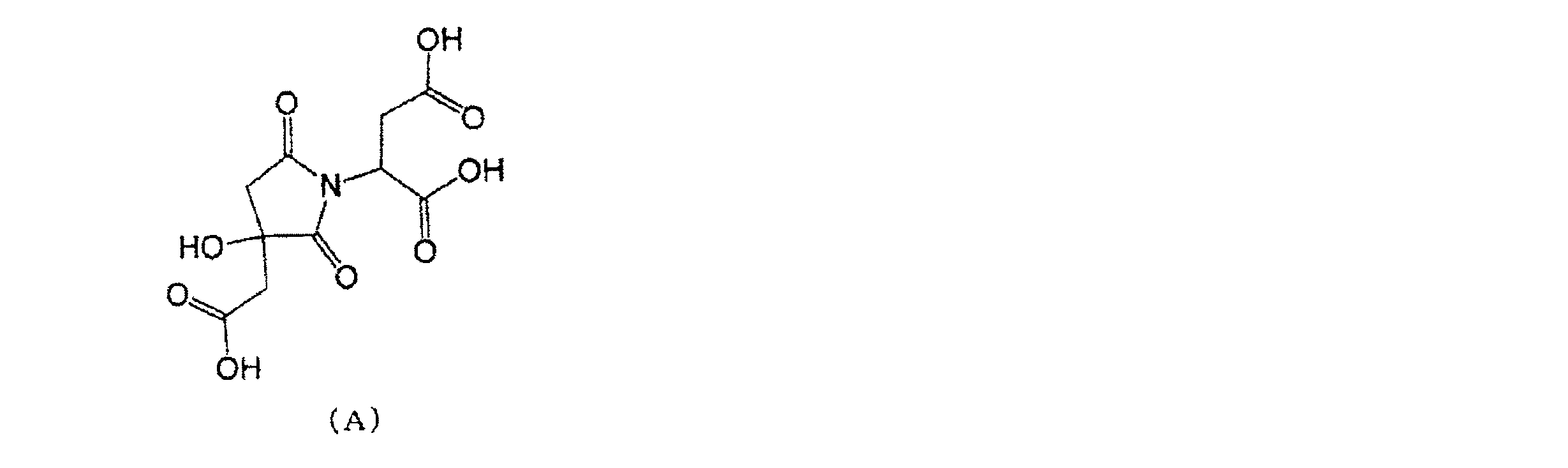
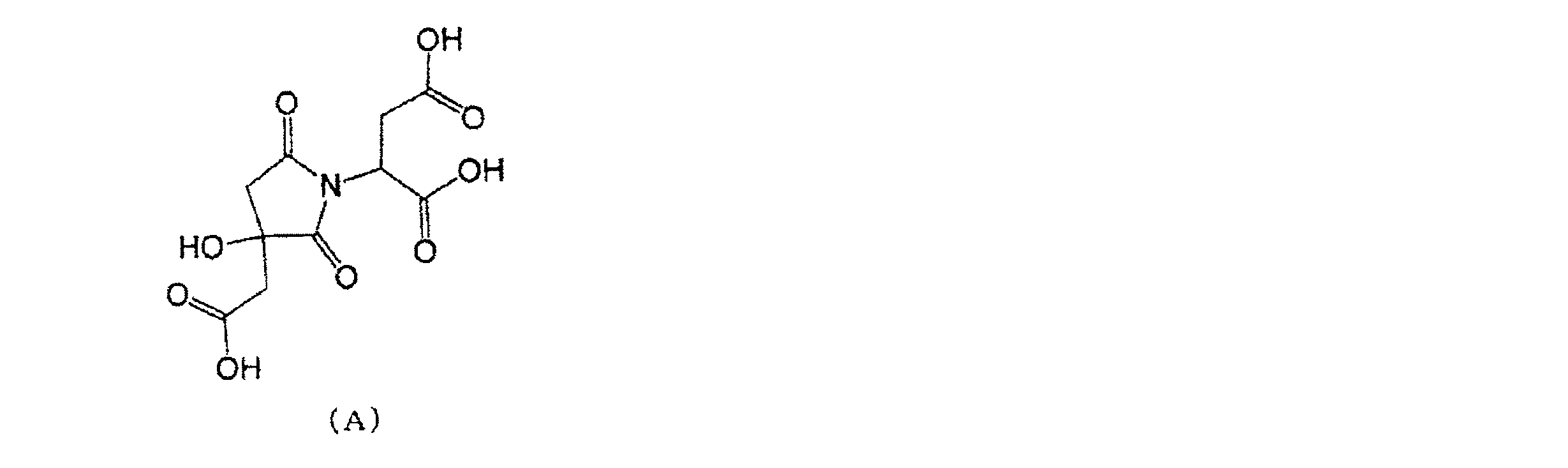
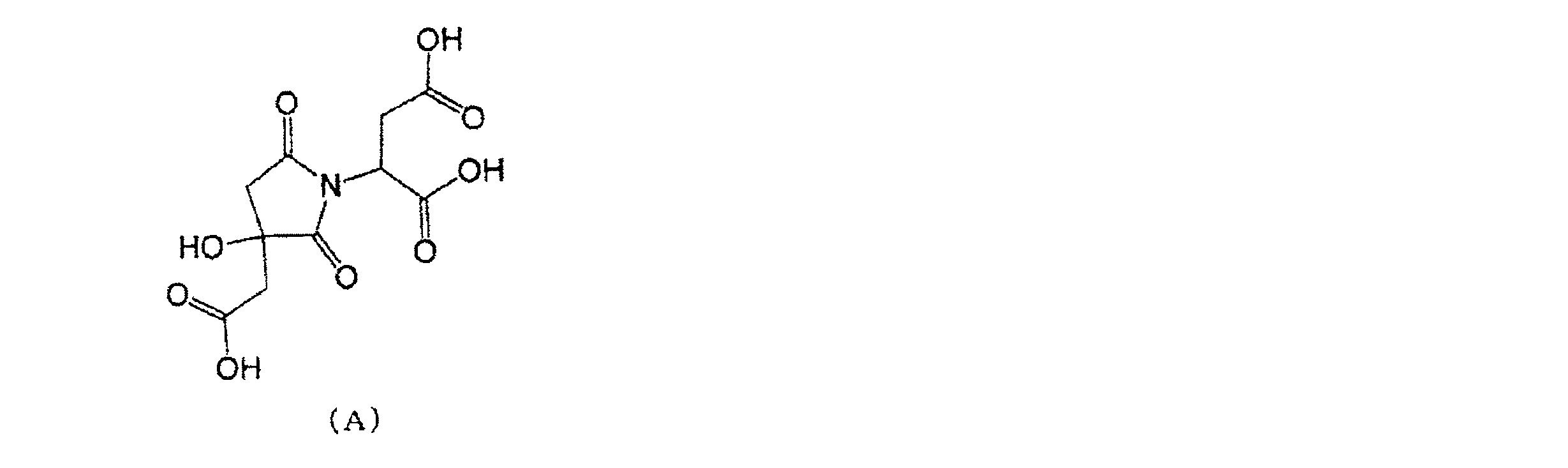
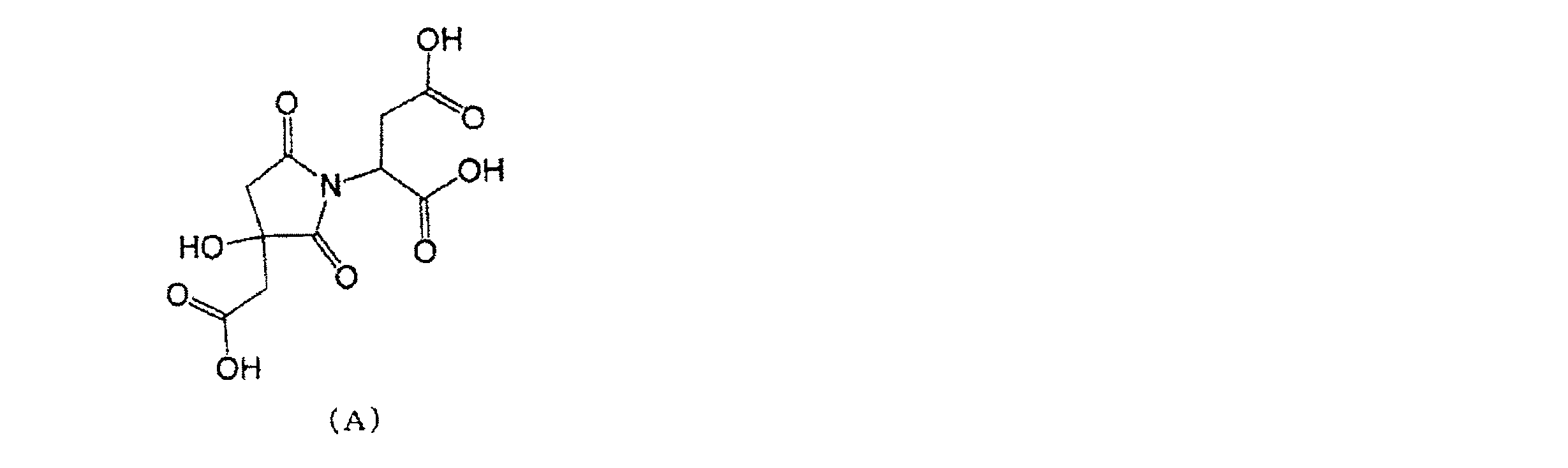
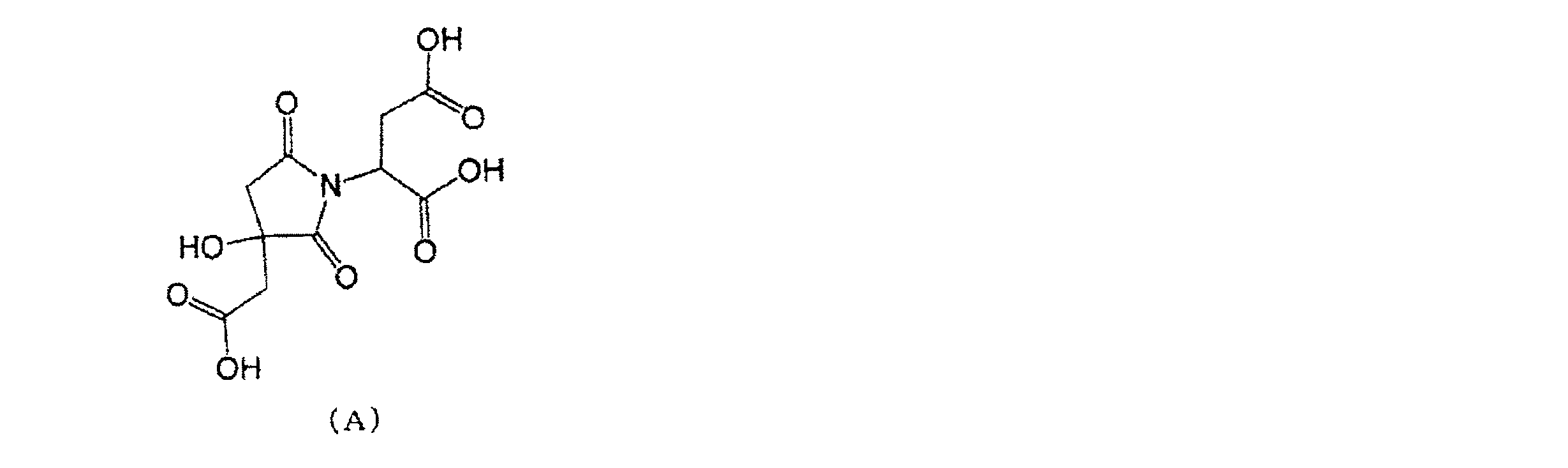
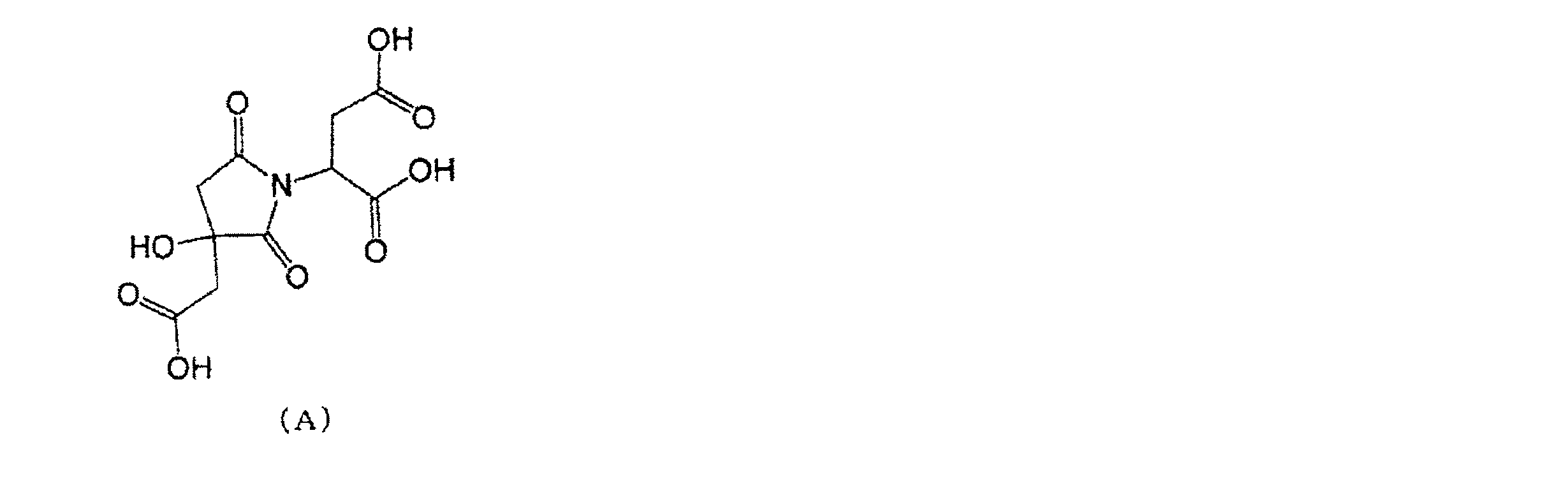
- a compound represented by the following formula (A) is known, and this compound is also known to have the effect of suppressing liver disorders such as non-alcoholic steatohepatitis (NASH) (Patent Document 3).
- NASH non-alcoholic steatohepatitis
- This compound is a substance contained in a neutralized product of plum flesh extract, so it is widely consumed, and technology has also been established to inexpensively synthesize, separate and purify it in large quantities (Patent Document 4). Therefore, it is suitable for industrial use as an ingredient in foods, medicines, etc.
- the object of the present invention is to provide an excellent agent that has an effect of promoting energy consumption, suppresses increases in body weight and body fat percentage, and/or contributes to the prevention or amelioration of obesity, as well as a pharmaceutical composition or food composition containing the same.
- compound A a compound represented by the following formula (A) (hereinafter sometimes referred to as “compound A”) has an effect of promoting energy consumption, inhibits increases in body weight and body fat percentage, and can contribute to the prevention or improvement of obesity, and have completed the present invention.
- An energy consumption promoter comprising, as an active ingredient, a compound represented by the following formula (A) or a salt thereof: [2] The energy consumption promoter described in [1] above, which promotes energy consumption by increasing oxygen consumption. [3] A lipid burning promoter comprising a compound represented by the following formula (A) or a salt thereof as an active ingredient: [4] The lipid burning promoter according to [3] above for promoting fat burning. [5] A heat production promoter comprising, as an active ingredient, a compound represented by the following formula (A) or a salt thereof: [6] The heat production promoter described in [5] above for increasing body temperature.
- a weight gain inhibitor comprising a compound represented by the following formula (A) or a salt thereof as an active ingredient:
- An agent for suppressing or reducing an increase in body fat percentage comprising a compound represented by the following formula (A) or a salt thereof as an active ingredient: [9] The agent for suppressing or reducing an increase in body fat percentage described in [8] above, for suppressing an increase in body fat mass. [10] The agent for suppressing or reducing an increase in body fat percentage described in [8] above, for suppressing accumulation of body fat.
- a muscle-building agent comprising, as an active ingredient, a compound represented by the following formula (A) or a salt thereof: [12] The muscle-building agent according to the above-mentioned [11] for promoting an increase in muscle mass. [13] An agent for preventing or ameliorating obesity, comprising a compound represented by the following formula (A) or a salt thereof as an active ingredient: [14] An agent for suppressing an increase in or reducing total cholesterol amount, comprising a compound represented by the following formula (A) or a salt thereof as an active ingredient: [15] A pharmaceutical composition or food composition comprising the agent according to any one of [1] to [14] above.
- compound A or a salt thereof for producing an energy consumption promoter for producing an energy consumption promoter, an oxygen consumption increaser, a lipid burning promoter, a fat burning promoter, a heat production promoter, a body temperature elevating agent, a weight gain suppressor, an agent for suppressing or reducing an increase in body fat percentage, an agent for suppressing an increase in body fat mass, an agent for suppressing body fat accumulation, a muscle-building agent, an agent for promoting an increase in muscle mass, an agent for preventing or ameliorating obesity, or an agent for suppressing or reducing an increase in total cholesterol amount, etc.
- Compound A or a salt thereof for use in the prevention or treatment of dyslipidemia Compound A or a salt thereof for use in the prevention or treatment of a pathology or disease caused by an increase in total cholesterol amount.
- 3-1) A method for promoting energy consumption, increasing oxygen consumption, promoting lipid burning, promoting fat burning, promoting thermogenesis, increasing body temperature, suppressing weight gain, suppressing or reducing an increase in body fat percentage, suppressing an increase in body fat mass, suppressing body fat accumulation, building muscle, promoting an increase in muscle mass, preventing or ameliorating obesity, or suppressing an increase in or reducing total cholesterol amount, which comprises administering an effective amount of compound A or a salt thereof to a subject in need thereof.
- a method for preventing or treating hypothermia or poor circulation which comprises administering an effective amount of compound A or a salt thereof to a subject in need of such prevention or treatment.
- 3-3) A method for preventing or treating obesity or metabolic syndrome which comprises administering an effective amount of compound A or a salt thereof to a subject in need of such prevention or treatment.
- a method for preventing or treating dyslipidemia which comprises administering an effective amount of compound A or a salt thereof to a subject in need of such prevention or treatment.
- a method for preventing or treating a pathology or disease caused by an increase in total cholesterol amount comprising administering an effective amount of compound A or a salt thereof to a subject in need of the prevention or treatment of a pathology or disease caused by an increase in total cholesterol amount.
- the present invention can provide agents, food compositions, pharmaceutical compositions, and the like that are useful for promoting energy consumption, promoting lipid burning, promoting thermogenesis, suppressing weight gain, suppressing or reducing an increase in body fat percentage, building muscle, preventing or improving obesity, and/or suppressing or reducing an increase in total cholesterol, etc.
- CON represents the “CON group” described in the Examples
- Compound A represents the “Compound A administration group” described in the Examples.
- 1 is a graph showing the cumulative carbon dioxide production over 24 hours after administration in the morning on day 82 of the study.
- 1 is a graph showing rectal temperature before necropsy.
- 1 is a graph showing changes in body weight during the administration period of the test diet.
- 1 is a graph showing the body fat percentage and the lean body mass percentage after 6 weeks, 9 weeks, and 12 weeks of taking the test diet.
- 1 is a graph showing the weight of white fat (periepididymal fat, mesenteric fat, perirenal fat, and interscapular fat) per body weight at the time of autopsy.
- 1 is a graph showing the weights of the plantaris, tibialis anterior, and extensor digitorum longus muscles per body weight at the time of necropsy, as well as the total weight of the three muscles.
- 1 is a graph showing the total cholesterol amount in plasma at the time of autopsy.
- the energy consumption promoter, lipid burning promoter, heat production promoter, weight gain inhibitor, body fat percentage increase inhibitor or reducer, muscle builder, obesity prevention or amelioration agent, and total cholesterol amount increase inhibitor or reducer (hereinafter, these may be collectively referred to as "agents of the present invention") of the present invention contain compound A or a salt thereof as an active ingredient.
- containing as an active ingredient means containing an effective amount.
- An effective amount means an amount sufficient to exert a desired effect in the living body.
- using as an active ingredient also means that ingredients other than compound A or a salt thereof may be contained, so long as they do not impair the effects of the present invention.
- the effective amount may vary depending on the condition of the subject, the degree of pathology or disease, the animal species, age (months), sex, or weight of the subject, etc.
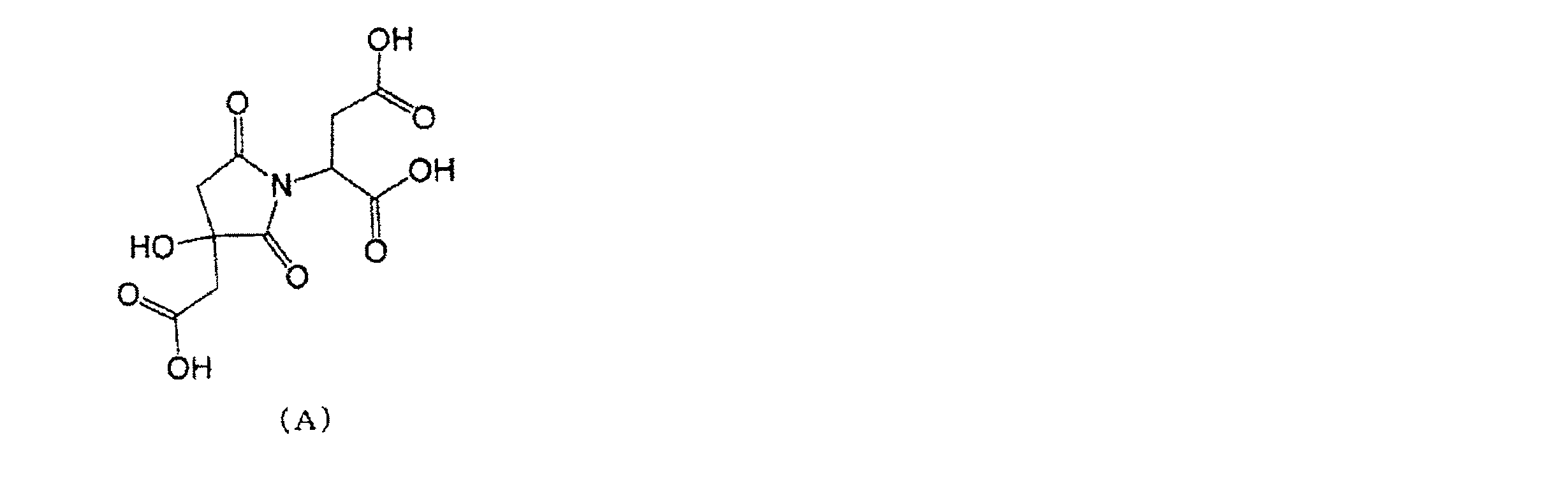
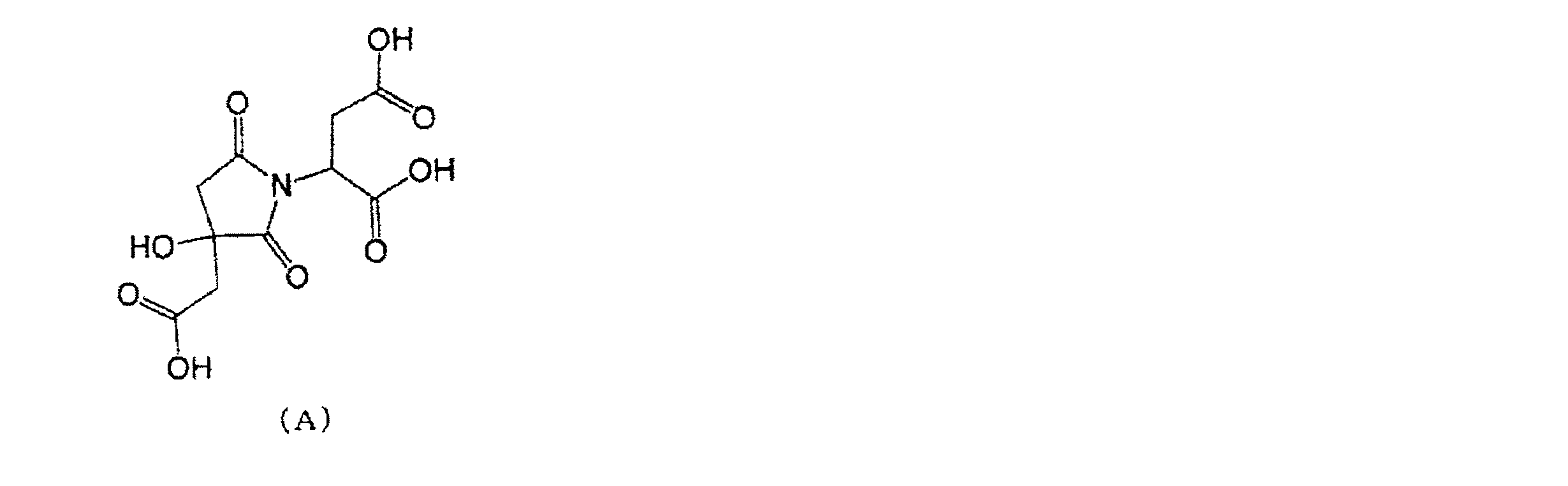
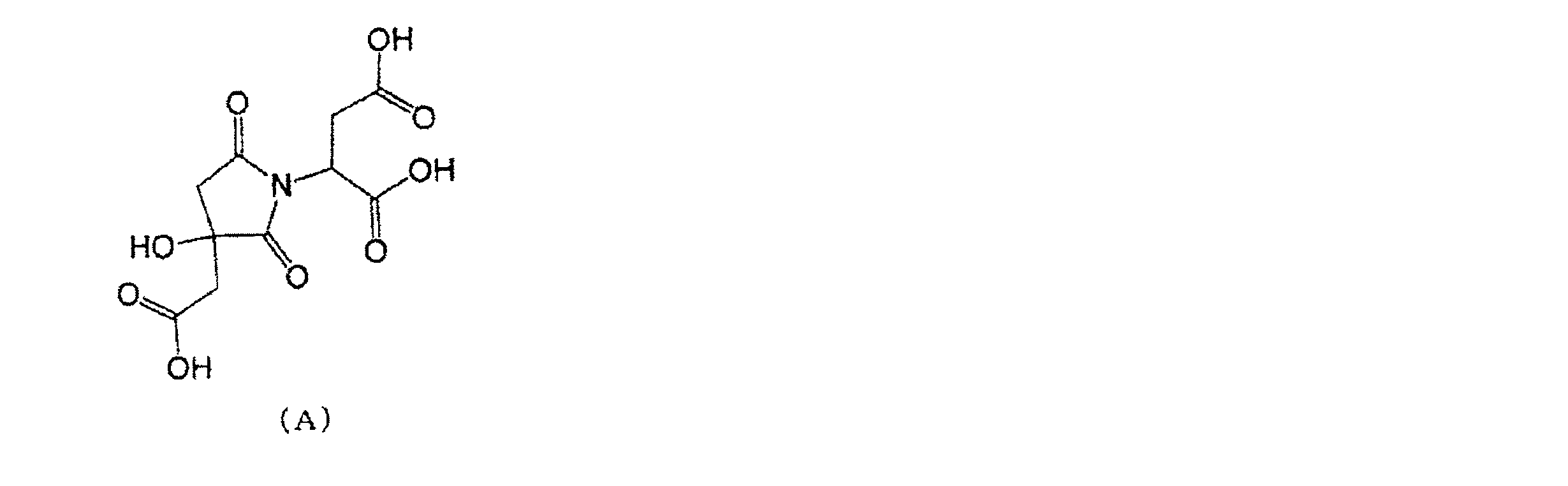
- Compound A The compound A used in the present invention is a compound represented by the following formula (A).
- Compound A has two asymmetric carbons and therefore exists in four stereoisomers (i.e., compound A whose stereostructure is SS, SR, RS, or RR according to the RS representation method), but in the present invention, there is no particular limitation on which stereoisomer is used. That is, in the present invention, any stereoisomer may be used alone, or a mixture of any two, three, or four of them in any ratio may be used.
- compound A whose stereostructure is SS and RR according to the RS representation method is crystalline (WO2018/199040) and easier to handle
- compound A since it is known that compound A is contained in plum, plum extract, neutralized product of plum extract, etc., compound A may be separated and purified from these by any method, or may be chemically synthesized and used, or may be purchased and used as a commercially available product. However, since the amount of compound A contained in plum, plum extract, neutralized product of plum extract, etc.
- the agent of the present invention may be an embodiment that does not contain or substantially does not contain plum, plum extract, neutralized product of plum extract, etc.
- the agent of the present invention may be an embodiment that does not contain or substantially does not contain other natural products (e.g., plants of the Rosaceae family), natural product extracts (e.g., extracts of plants of the Rosaceae family), neutralized products of natural product extracts (e.g., neutralized products of extracts of plants of the Rosaceae family), etc.
- substantially free means that it does not contain an effective amount and/or may contain an amount that is less than the effective amount.
- the method for chemically synthesizing, isolating, and purifying compound A or a salt thereof is not particularly limited, but for example, compound A can be obtained by a reaction between citric acid and L-aspartic acid.
- the salt of compound A used in the present invention may be a metal salt or an amino acid salt of compound A.
- the metal salt may be a metal salt selected from the group consisting of sodium salts, potassium salts, magnesium salts, and calcium salts, preferably a calcium salt.
- the amino acid salt may be selected from the group consisting of arginine salt, citrulline salt, ornithine salt, and histidine salt.
- the amino acid salt is preferably an L-amino acid salt.
- Energy consumption refers to the metabolism of nutrients (energy sources) such as lipids, proteins, and carbohydrates in each tissue of the living body and conversion into chemical energy or thermal energy.
- Methodabolism includes “combustion” and “oxidation.”
- Efficiency of energy consumption refers to increasing energy consumption, for example, increasing the cumulative energy consumption for a certain period of time after administration of compound A. For example, the cumulative energy consumption for 24 hours can be calculated from the average oxygen consumption and average carbon dioxide production for about 24 hours (for example, 24 hours ⁇ 1 hour) according to the following formula.
- Cumulative energy expenditure [ ⁇ 3.816 x average VO2 over approximately 24 hours (mL/min) + 1.231 x average VCO2 over approximately 24 hours (mL/min) ⁇ / body weight (kg) x 60 (min/h) x 24 (h))] / 1000 (cal/kcal) ( VO2 : oxygen consumption, VCO2 : carbon dioxide production)
- the cumulative energy consumption over a certain period of time can be increased compared to when compound A or a salt thereof is not administered.
- the increase is preferably 3% or more, more preferably 5% or more, even more preferably 7% or more, and particularly preferably 10% or more.
- the increase is preferably 20% or less, more preferably 18% or less, and particularly preferably 15% or less.
- the increase can be 3-20%, 5-20%, 7-20%, 10-20%, 3-18%, 5-18%, 7-18%, 10-18%, 3-15%, 5-15%, 7-15%, 10-15%, etc.
- the energy consumption promoter of the present invention can also be used as an energy consumption promoter by increasing oxygen consumption (an energy consumption promoter that promotes energy consumption by increasing oxygen consumption). That is, compound A or a salt thereof can also be suitably used as an active ingredient of an oxygen consumption increaser or an oxygen consumption promoter.
- the method of calculating oxygen consumption is not particularly limited, and for example, it can be measured using a commercially available device that can measure exhaled gas.
- Increasing oxygen consumption or “promoting oxygen consumption” refers to increasing oxygen consumption.
- oxygen consumption over a certain period of time e.g., 24 hours
- the increase is preferably 3% or more, more preferably 5% or more, even more preferably 7% or more, and particularly preferably 10% or more.
- the increase is preferably 20% or less, more preferably 18% or less, and particularly preferably 15% or less.
- the increase can be 3-20%, 5-20%, 7-20%, 10-20%, 3-18%, 5-18%, 7-18%, 10-18%, 3-15%, 5-15%, 7-15%, 10-15%, etc.
- lipid burning refers to the metabolism of lipids, particularly fatty acids, derived from diet or fat accumulated in the body in various tissues of the body and converted into chemical energy or thermal energy.
- Promotion of lipid burning refers to increasing the amount of lipid burned, for example, increasing the cumulative lipid burned amount for a certain period of time after administration of compound A.
- the cumulative lipid burned amount for 24 hours can be calculated from the average oxygen consumption and average carbon dioxide production for about 24 hours (for example, 24 hours ⁇ 1 hour) according to the following formula.
- the cumulative amount of fat burned over a certain period of time can be increased compared to when compound A or a salt thereof is not administered.
- the increase is preferably 1% or more, more preferably 2% or more, and even more preferably 3% or more.
- the increase is preferably 10% or less, more preferably 8% or less, and even more preferably 5% or less.
- the increase can be 1-10%, 2-10%, 3-10%, 1-8%, 2-8%, 3-8%, 1-5%, 2-5%, 3-5%, etc.
- the lipid burning promoter of the present invention can also be suitably used to promote the burning of fat (particularly white fat) stored in the body.
- compound A or a salt thereof can also be suitably used as an active ingredient of a lipid burning promoter.
- thermogenesis promoter As described above, compound A or a salt thereof has an action of promoting energy consumption, and when energy consumption is promoted in the body, heat production is also promoted. Therefore, compound A or a salt thereof has an action of promoting heat production and can be suitably used as an active ingredient of a heat production promoter.
- thermalgenesis refers to the body generating heat, that is, energy, by activating metabolism more than usual.
- the method for evaluating heat production is not particularly limited, and may be, for example, by measuring body temperature.
- the body temperature may be the temperature of any part of the body, such as the rectum, armpit, mouth, ear, etc.
- the heat production promoter of the present invention can also be used to increase body temperature. That is, compound A or a salt thereof can also be suitably used as an active ingredient of a body temperature elevating agent.
- the heat production promoter or body temperature elevating agent of the present invention may be used to prevent or improve hypothermia or body chill (e.g., poor circulation).
- hypothermia or body chill e.g., poor circulation
- the rectal temperature can be increased after a certain period of time (e.g., administration twice a day for 12 weeks) compared to when compound A or a salt thereof is not administered.
- the increase is preferably 1% or more, more preferably 2% or more, and even more preferably 3% or more.
- the increase is preferably 10% or less, more preferably 9% or less, and even more preferably 7% or less.
- the increase can be 1-10%, 2-10%, 3-10%, 1-9%, 2-9%, 3-9%, 1-7%, 2-7%, 3-7%, etc.
- the increase is preferably 0.1° C. or more, more preferably 0.2° C. or more, and even more preferably 0.3° C. or more.
- the increase is preferably 3° C. or less, more preferably 2.8° C. or less, and even more preferably 2.5° C. or less.
- the increase can be 0.1 to 3° C., 0.2 to 3° C., 0.3 to 3° C., 0.1 to 2.8° C., 0.2 to 2.8° C., 0.3 to 2.8° C., 0.1 to 2.5° C., 0.2 to 2.5° C., 0.3 to 2.5° C., etc.
- Weight gain inhibitor Since compound A or a salt thereof has an inhibitory effect on weight gain, it can be suitably used as an active ingredient of a weight gain inhibitor.
- the weight gain inhibitor of the present invention may also be used as a weight-reducing agent.
- the method for calculating body weight is not particularly limited, and for example, the body weight can be calculated using a commercially available weighing scale or body composition analyzer. For example, if the weight gain over a certain period (e.g., 12 weeks) in the absence of administration of compound A or a salt thereof is taken as 100%, the weight gain in the presence of administration of compound A or a salt thereof can be 10-90%, 20-90%, 30-90%, 10-80%, 20-80%, 30-80%, 10-70%, 20-70%, 30-70%, etc.
- compound A or a salt thereof has an inhibitory effect on an increase in body fat percentage or body fat mass (for example, body fat weight per body weight, particularly white fat weight), it can be suitably used as an active ingredient of an agent for inhibiting an increase in body fat percentage or an agent for reducing body fat percentage, or an agent for inhibiting an increase in body fat mass or an agent for reducing body fat mass.
- the agent for inhibiting or reducing an increase in body fat percentage or an agent for inhibiting or increasing an increase in lean body mass of the present invention can also be suitably used as an agent for inhibiting or increasing a decrease in lean body mass, or an agent for inhibiting or increasing a decrease in lean body weight.
- the agent for inhibiting or reducing an increase in body fat percentage of the present invention can also be suitably used to inhibit an increase in body fat mass, as described above, and further to inhibit the accumulation of body fat. That is, compound A or a salt thereof can also be suitably used as an active ingredient of an agent for inhibiting body fat accumulation.
- Body fat refers to fat stored in the body, most of which is triglyceride, and is stored mainly in fat cells. Fat cells are broadly divided into two types: white fat cells, such as subcutaneous fat and visceral fat, and brown fat cells. White fat cells have unilocular fat droplets, and have the function of storing surplus energy in the form of triglyceride, and breaking it down into glycerol and free fatty acids as necessary to resupply it to the whole body as an energy source. Therefore, in an obese state in which the energy supply chronically exceeds the energy consumption, the fat droplets stored in the white fat cells become enlarged. The majority of adipose tissue in adults is white adipose tissue. White fat (tissue) consisting of white fat cells is not particularly limited, but examples include epididymal fat, mesenteric fat, perirenal fat, and interscapular fat.
- the method of calculating body fat mass is not particularly limited, but can be calculated, for example, using a commercially available body composition analyzer, computed tomography (CT scan), magnetic resonance imaging (MRI), etc.
- CT scan computed tomography
- MRI magnetic resonance imaging
- body fat percentage is also not particularly limited, but can be calculated, for example, by the same method as for body fat mass, or can be calculated as the percentage of body fat mass in body weight.
- body fat mass can be calculated by extracting each fat (e.g., white fat) from the body and directly measuring its weight.
- Muscle-enhancing agent and muscle mass increase promoter Compound A or a salt thereof can be suitably used as an active ingredient of a muscle-building agent.
- muscle building refers to increasing muscle strength and/or increasing muscle mass.
- Compound A or a salt thereof has an effect of promoting an increase in muscle mass (e.g., muscle weight per body weight, particularly skeletal muscle weight), and therefore can also be used to promote an increase in muscle mass. That is, compound A or a salt thereof can also be suitably used as an active ingredient of a muscle mass increase promoter.
- the muscle is not particularly limited, but examples thereof include skeletal muscles, particularly the left and right lower limb skeletal muscles such as the plantaris muscle, tibialis anterior muscle, and extensor digitorum longus muscle.
- the method of calculating muscle mass is not particularly limited, and can be calculated using, for example, a commercially available body composition analyzer, computed tomography (CT scan), magnetic resonance imaging (MRI), etc.
- CT scan computed tomography
- MRI magnetic resonance imaging
- muscle mass can be calculated by taking out each muscle (e.g., skeletal muscle) in the body and directly measuring its weight.
- muscle mass can be evaluated, for example, for each of the muscles exemplified above, or by adding up the weights of a plurality of such muscles.
- the proportion of muscle in body weight can also be called muscle ratio or muscle mass ratio. That is, compound A or a salt thereof can also be used as an active ingredient of an agent for promoting an increase in muscle ratio or muscle mass ratio. In addition, since muscle strength increases (increases) when muscle mass or muscle (mass) ratio increases, compound A or a salt thereof can also be suitably used as an active ingredient of a muscle strength increaser or muscle strength enhancer.
- compound A or a salt thereof has the effects of promoting energy consumption, promoting fat burning, inhibiting an increase in body fat percentage, inhibiting weight gain, and the like, and can therefore be suitably used as an active ingredient of an agent for preventing or ameliorating obesity.
- "Obesity” does not only mean being overweight, but also refers to a state in which body fat has accumulated excessively.
- the standard BMI for both men and women is 22.0, and obesity is defined as "a state in which fat has accumulated excessively in adipose tissue, with a body mass index (BMI) of 25 or more.”
- Compound A or its salt can also be suitably used as an active ingredient of a preventive agent for metabolic syndrome or an ameliorative agent for metabolic syndrome.
- Metabolic syndrome is a combination of obesity, hypertension, dyslipidemia, hyperglycemia (diabetes), etc., and refers to a state in which cardiovascular disease is likely to develop.
- compound A or its salt can also be suitably used as a preventive agent or therapeutic agent for pathology or disease caused by obesity or metabolic syndrome.
- Diseases caused by obesity or metabolic syndrome are not particularly limited, and examples thereof include arteriosclerosis, heart disease (angina pectoris, myocardial infarction, etc.), stroke, cerebral infarction, etc.
- Total cholesterol refers to the total amount of cholesterol in the blood. High total cholesterol may be considered dyslipidemia, which can lead to various diseases such as arteriosclerosis, myocardial infarction, and cerebral infarction.
- the method for calculating the total cholesterol amount is not particularly limited, and for example, the total cholesterol amount can be calculated by taking a blood sample and measuring the total cholesterol amount in the blood.
- Compound A or a salt thereof can also be suitably used as a preventive or therapeutic agent for pathology or disease caused by an increase in total cholesterol.
- Diseases caused by an increase in total cholesterol include, but are not limited to, arteriosclerosis, heart disease (angina pectoris, myocardial infarction, etc.), stroke, cerebral infarction, etc.
- composition Compound A or a salt thereof can be used as it is, but can also be used as a composition by appropriately mixing other components within the range that does not impair the effects of the present invention. That is, the present invention can provide a composition containing an energy consumption promoter, a lipid burning promoter, a heat production promoter, a weight gain inhibitor, an agent for inhibiting or reducing an increase in body fat percentage, an agent for increasing muscle mass, a muscle building agent, an agent for preventing or improving obesity, an agent for inhibiting or reducing an increase in total cholesterol amount, etc.
- the composition of the present invention can be suitably used as a composition for promoting energy consumption, promoting lipid burning, promoting heat production, inhibiting weight gain, inhibiting or reducing an increase in body fat percentage, promoting an increase in muscle mass, building muscle, preventing or improving obesity, inhibiting or reducing an increase in total cholesterol amount, etc.
- a food composition or a pharmaceutical composition can be preferably mentioned.
- the food includes beverages.
- the form of the food composition in the present invention is not particularly limited as long as it can be ingested by subjects such as mammals and is suitable for consumption, and examples of the form include solid, liquid, semi-liquid, granular, powder, capsule, cream, paste, etc.
- the food composition of the present invention may contain other ingredients according to the form of each food.
- the other ingredients are not particularly limited as long as they do not impair the effects of the present invention, and examples thereof include various proteins, sugars, fats, trace elements, nutritional tonic ingredients, vitamins, and organic acid salts such as citric acid and acetic acid.
- the food of the present invention may contain additives that are permitted and commonly used in foods depending on the type of food, such as sweeteners such as aspartame and stevia, acidulants such as citric acid, malic acid, and tartaric acid, and excipients such as dextrin and starch, as well as colorants, flavorings, bittering agents, buffers, thickening stabilizers, gelling agents, stabilizers, gum bases, binders, diluents, emulsifiers, dispersants, suspending agents, antioxidants, preservatives, preservatives, fungicides, colorants, bleaching agents, glossing agents, enzymes, seasonings, spice extracts, etc., as appropriate, or may not contain them.
- sweeteners such as aspartame and stevia
- acidulants such as citric acid, malic acid, and tartaric acid
- excipients such as dextrin and starch
- “food” is used to include health foods, functional foods, foods for specified health uses, nutritional supplements, and foods for the sick.
- foods suitable for consumers who expect the food to prevent or improve obesity i.e., foods for specified health uses.
- Foods for specified health uses refers to foods that may be subject to some legal restrictions from a health perspective when they are manufactured or sold for the purpose of preventing or improving obesity.
- the above health foods, etc. may be in the form of ordinary foods, but are preferably in the form of drinks or supplements (tablets, granules, fine granules, tablets, chewable tablets, capsules (soft capsules, hard capsules), etc.).
- examples of foods to which compound A or a salt thereof may be added include, but are not limited to, beverages such as soft drinks, carbonated drinks, nutritional drinks, fruit drinks, and dairy drinks (including concentrated concentrates and powders for adjusting these beverages); carbohydrate-containing foods and beverages such as rice, noodles, bread, and pasta; Western confectionery such as cookies and cakes, Japanese confectionery such as buns and yokan, candies, gums, and various confectionery such as frozen desserts and ice desserts such as yogurt, pudding, and jelly; processed seafood and livestock foods such as kamaboko, chikuwa, hamburger steak, ham, and sausage; dairy products such as processed milk, fermented milk, yogurt, butter, and cheese; fats and oil-based processed foods such as margarine, mayonnaise, shortening, whipped cream, and dressing; and seasonings such as sauces and sauces.
- beverages such as soft drinks, carbonated drinks, nutritional drinks, fruit drinks, and dairy drinks (including concentrated concentrates and powders for adjusting these beverages); carbohydrate-containing foods
- the pharmaceutical product includes quasi-drugs.
- the pharmaceutical composition of the present invention may or may not contain suitable additives (e.g., carriers, excipients, diluents, binders, lubricants, disintegrants or disintegration aids, solubilizers, stabilizers, preservatives, antiseptics, bulking agents, thickeners, emulsifiers, dispersants, suspending agents, buffers, etc.) that are pharma- ceutical acceptable and appropriately selected depending on the dosage form, and can be prepared and provided in various dosage forms that can be administered orally or parenterally, systemically or locally, by various known methods.
- suitable additives e.g., carriers, excipients, diluents, binders, lubricants, disintegrants or disintegration aids, solubilizers, stabilizers, preservatives, antiseptics, bulking agents, thickeners, emulsifiers, dispersants, suspending agents, buffers,
- the pharmaceutical composition of the present invention can be administered orally or parenterally.
- the pharmaceutical composition of the present invention may be formulated into tablets (including sugar-coated tablets), capsules, granules, powders, pills, oral solutions, suspensions, emulsions, syrups, etc., or may be made into a dry product that is redissolved when used.
- the pharmaceutical composition of the present invention When administered parenterally, it may be formulated into injections (e.g., subcutaneous injections, intravenous injections, intramuscular injections, intraperitoneal injections), drip infusions, suppositories (e.g., rectal suppositories, vaginal suppositories), etc., and in the case of injection preparations, they are provided in the form of unit-dose ampoules or multi-dose containers.
- injections e.g., subcutaneous injections, intravenous injections, intramuscular injections, intraperitoneal injections
- drip infusions e.g., suppositories (e.g., rectal suppositories, vaginal suppositories), etc.
- the preparation can be manufactured, for example, as follows.
- Oral preparations can be manufactured by adding excipients (e.g., lactose, sucrose, starch, mannitol), disintegrants (e.g., calcium carbonate, calcium carboxymethylcellulose), binders (e.g., pregelatinized starch, gum arabic, carboxymethylcellulose, polyvinylpyrrolidone, hydroxypropylcellulose), and lubricants (e.g., talc, magnesium stearate, polyethylene glycol 6000) to the active ingredient, compressing and molding the mixture, and then coating the mixture by a method known per se for the purposes of taste masking, enteric properties, and durability, if necessary.
- excipients e.g., lactose, sucrose, starch, mannitol
- disintegrants e.g., calcium carbonate, calcium carboxymethylcellulose
- binders e.g., pregelatinized starch, gum arabic, carboxy
- coating agents examples include ethyl cellulose, hydroxymethyl cellulose, polyoxyethylene glycol, cellulose acetate phthalate, hydroxypropyl methylcellulose phthalate, and Eudragit (manufactured by Rohm, Germany, methacrylic acid-acrylic acid copolymer).
- the content of compound A or a salt thereof is, for example, 0.01% by mass or more, 0.1% by mass or more, 1.0% by mass or more, 95% by mass or less, 80% by mass or less, 60% by mass or less, etc., based on the total mass of the composition. Further, the content may be 0.01 to 95% by mass, 0.1 to 80% by mass, 1.0% by mass to 60% by mass, etc.
- the dosage of the active ingredient, Compound A or a salt thereof is not particularly limited as long as it does not impair the effects of the present invention, but is, for example, in the range of 0.6 mg to 36,000 mg/day, preferably 30 mg to 720 mg/day (adult), and most preferably 60 to 360 mg/day (adult). However, it may be appropriately determined depending on the age (months), body weight, sex, symptoms, sensitivity to Compound A or a salt thereof, etc. of the subject to be administered.
- the method of administration of the agent or composition of the present invention containing compound A or a salt thereof is not particularly limited as long as it does not impair the effects of the present invention, and examples of the administration method include a period of 1 day or more, 3 days or more, 5 days or more, 1 week or more, 2 weeks or more, 3 weeks or more, 4 weeks or more, 5 weeks or more, 6 weeks or more, 7 weeks or more, preferably 8 weeks or more, 9 weeks or more, more preferably 10 weeks or more, 11 weeks or more, and even more preferably 12 weeks or more.
- the number of administrations per day is not particularly limited, and the agent or composition may be administered once a day, or in multiple doses, such as 2 or 3 times a day or more.
- the subject to which the agent or composition of the present invention containing compound A or a salt thereof is administered is not particularly limited as long as it is an animal that requires or desires it, and examples thereof include mammals such as humans, pigs, cows, horses, goats, sheep, wild boars, rabbits, mice, rats, hamsters, guinea pigs, monkeys, rhesus monkeys, cynomolgus monkeys, marmosets, orangutans, chimpanzees, dogs, and cats, with humans being preferred.
- mammals such as humans, pigs, cows, horses, goats, sheep, wild boars, rabbits, mice, rats, hamsters, guinea pigs, monkeys, rhesus monkeys, cynomolgus monkeys, marmosets, orangutans, chimpanzees, dogs, and cats, with humans being preferred.
- the agent or composition of the present invention may further contain one or more active ingredients other than compound A or a salt thereof.
- one or more active ingredients other than compound A or a salt thereof or an agent containing them may be administered in combination.
- the agent or composition of the present invention can be used for promoting energy consumption, increasing oxygen consumption, promoting lipid burning, promoting fat burning, promoting thermogenesis, increasing body temperature, suppressing weight gain, suppressing or reducing an increase in body fat percentage, suppressing or reducing an increase in body fat mass, suppressing body fat accumulation, promoting an increase in muscle mass, building muscle, preventing or improving obesity, and/or suppressing or reducing an increase in total cholesterol.
- the use may be either therapeutic or non-therapeutic.
- Non-therapeutic is a concept that does not include medical procedures, that is, a concept that does not include a method of surgery, treatment, or diagnosis of humans, more specifically, a concept that does not include a method of surgery, treatment, or diagnosis performed on humans by a doctor or a person under the instruction of a doctor.
- Test materials and experimental methods 1-1 Test materials (1) Name of test substance: Compound A (a compound represented by the following formula (A)) Production method: Crystalline compound A (a mixture of SS and RR forms in the stereostructure represented by the RS representation method) was produced according to the method described in paragraphs [0048]-[0049] of WO2018/199040. Properties: Powder, white color Storage conditions: Refrigerated Method of use: A given weight was weighed out and dispersed in a 0.5% carboxymethylcellulose (CMC) solution as a solvent to prepare a liquid for oral administration.
- CMC carboxymethylcellulose
- Control substance name CMC Manufacturer: Nacalai Tesque, Inc.
- Container 500 mL plastic bottle Lot number: M0A9874 Properties: Powder, white Storage conditions: Refrigerated Method of use: A given weight was weighed out and dissolved in Otsuka distilled water to a concentration of 0.5% to give a liquid for oral administration.
- Drinking water Tap water was provided ad libitum from a water bottle.
- Group composition The composition is shown in Table 2. On the day of grouping, animals that showed no abnormalities were weighed, and the animals were randomly assigned to groups stratified by weight using the statistical analysis system EXSUS Ver. 10 (EP Clore Co., Ltd.).
- test substances Preparation and administration of test substances
- Compound A was weighed, and a small amount of 0.5% CMC was added in a magnetic mortar and crushed to be homogeneous. 0.5% CMC was further added to the crushed compound A to adjust the concentration to 720 mg/10 mL. After preparation, it was stored in a refrigerator.
- Method of administration of test substance The test substance was orally administered (10 mL/kg) using an oral probe twice a day, once in the morning and once in the afternoon, for 12 weeks. During oral administration, the rats were held in a manual position.
- Measurements were performed for approximately 24 hours from the end of oral administration in the morning of the day before autopsy, and the cumulative oxygen consumption (mL/kg/day), energy consumption (kcal/kg/day), and lipid combustion (mg/kg/day) for 24 hours were calculated using the following formulas.
- Cumulative energy expenditure [ ⁇ 3.816 x average VO2 over approximately 24 hours (mL/min) + 1.231 x average VCO2 over approximately 24 hours (mL/min) ⁇ / body weight (kg) x 60 (min/h) x 24 (h)] / 1000 (cal/kcal)
- Body weight measurements were performed every week from the time of arrival and group allocation until autopsy. Body weight measurements were also performed on the day of body composition measurement and immediately before autopsy. (6) Body composition Body fat mass and lean body mass were measured using a body composition analyzer (EchoMRI-700, Hitachi, Ltd.) at 6, 9, and 12 weeks after intake of the test diet, and body fat percentage and lean body mass percentage were calculated by dividing by body weight.
- test method After arrival, the animals were fed with ultra-high fat solid feed (D12492) ad libitum. After the acclimatization period, the animals were divided into groups based on their body weight. After that, the animals were fed with ultra-high fat diet ad libitum under individual breeding. All groups were orally administered the test substance twice a day (once in the morning and once in the afternoon) (CON group: 0.5% CMC orally administered, Compound A administration group: Compound A orally administered). The first administration day was counted as day 0 of the test.
- Oral administration was performed in the afternoon (15:30) of the same day and the morning (8:30) of the next day, and after administration, the animals were promptly housed again in the breath gas measurement chamber. After acclimatization, the animals were returned to their breeding cages. On the 82nd day, all the animals were promptly housed in the breath gas measurement chamber before oral administration in the morning (10:00). Oral administration was performed in the morning (11:00) and afternoon (15:30) of the same day, and after oral administration in the morning (8:30) of the next day, the breath gas was measured until autopsy. On the 83rd day, the animals were autopsied in the afternoon (13:00).
- the abdomen was opened under isoflurane anesthesia and blood was collected from the posterior vena cava. After blood collection, the animals were euthanized by exsanguination from the blood collection site, and organs (fat, skeletal muscle) were harvested.
- Sample collection (1) White adipose tissue 1: Fat surrounding the epididymis At the time of autopsy, the fat surrounding the left and right epididymis was removed, and then the epididymis was removed. After lightly flushing with physiological saline (0.9% sodium chloride aqueous solution, manufactured by Otsuka Pharmaceutical Factory, Inc.) and wiping off moisture, the weights of the left and right were measured together using a precision balance. The right tissue was frozen in liquid nitrogen and then frozen and stored in a freezer set at -80°C until analysis. The left organ was stored in 10% neutral buffered formalin until analysis.
- physiological saline 0.9% sodium chloride aqueous solution, manufactured by Otsuka Pharmaceutical Factory, Inc.
- White adipose tissue 4 interscapular white fat
- saline 0.9% sodium chloride aqueous solution, Otsuka Pharmaceutical Factory, Inc.
- saline 0.9% sodium chloride aqueous solution, Otsuka Pharmaceutical Factory, Inc.
- the left and right lower limb skeletal muscles namely the plantaris muscle, tibialis anterior muscle, and extensor digitorum longus muscle, were collected and the combined weights of the left and right lower limbs were measured using a precision balance. After freezing in liquid nitrogen, they were frozen in a freezer set at -80°C until analysis.
- Rectal temperature Rectal temperature was significantly higher in the compound A administration group than in the CON group (Table 5, Figure 6). This result indicates that the intake of compound A promoted heat production in the mouse body and raised the body temperature. In other words, it was shown that compound A has the effect of promoting heat production and raising the body temperature.
- Muscle weight Regarding weight per body weight the weights of the plantaris muscle, tibialis anterior muscle, and extensor digitorum longus muscle, as well as the total weight of these three types of muscles, were significantly higher in the compound A administration group (Table 9, Figure 10). These results indicate that compound A has the effect of promoting an increase in muscle weight per body weight.
- the present invention can be particularly effectively used in the fields of food and pharmaceutical manufacturing.
Landscapes
- Health & Medical Sciences (AREA)
- Life Sciences & Earth Sciences (AREA)
- Chemical & Material Sciences (AREA)
- Veterinary Medicine (AREA)
- Engineering & Computer Science (AREA)
- Public Health (AREA)
- General Health & Medical Sciences (AREA)
- Animal Behavior & Ethology (AREA)
- Pharmacology & Pharmacy (AREA)
- Medicinal Chemistry (AREA)
- Nuclear Medicine, Radiotherapy & Molecular Imaging (AREA)
- Bioinformatics & Cheminformatics (AREA)
- Organic Chemistry (AREA)
- Chemical Kinetics & Catalysis (AREA)
- General Chemical & Material Sciences (AREA)
- Hematology (AREA)
- Diabetes (AREA)
- Obesity (AREA)
- Neurology (AREA)
- Polymers & Plastics (AREA)
- Food Science & Technology (AREA)
- Mycology (AREA)
- Nutrition Science (AREA)
- Orthopedic Medicine & Surgery (AREA)
- Physical Education & Sports Medicine (AREA)
- Child & Adolescent Psychology (AREA)
- Epidemiology (AREA)
- Acyclic And Carbocyclic Compounds In Medicinal Compositions (AREA)
- Pharmaceuticals Containing Other Organic And Inorganic Compounds (AREA)
Abstract
Description
[1]下記式(A)で表される化合物又はその塩を有効成分として含有する、エネルギー消費促進剤。
[2]酸素消費量を増加させることにより、エネルギー消費を促進する、上記[1]に記載のエネルギー消費促進剤。
[3]下記式(A)で表される化合物又はその塩を有効成分として含有する、脂質燃焼促進剤。
[4]脂肪の燃焼を促進するための、上記[3]に記載の脂質燃焼促進剤。
[5]下記式(A)で表される化合物又はその塩を有効成分として含有する、熱産生促進剤。

[6]体温を上昇させるための、上記[5]に記載の熱産生促進剤。
[7]下記式(A)で表される化合物又はその塩を有効成分として含有する、体重増加抑制剤。
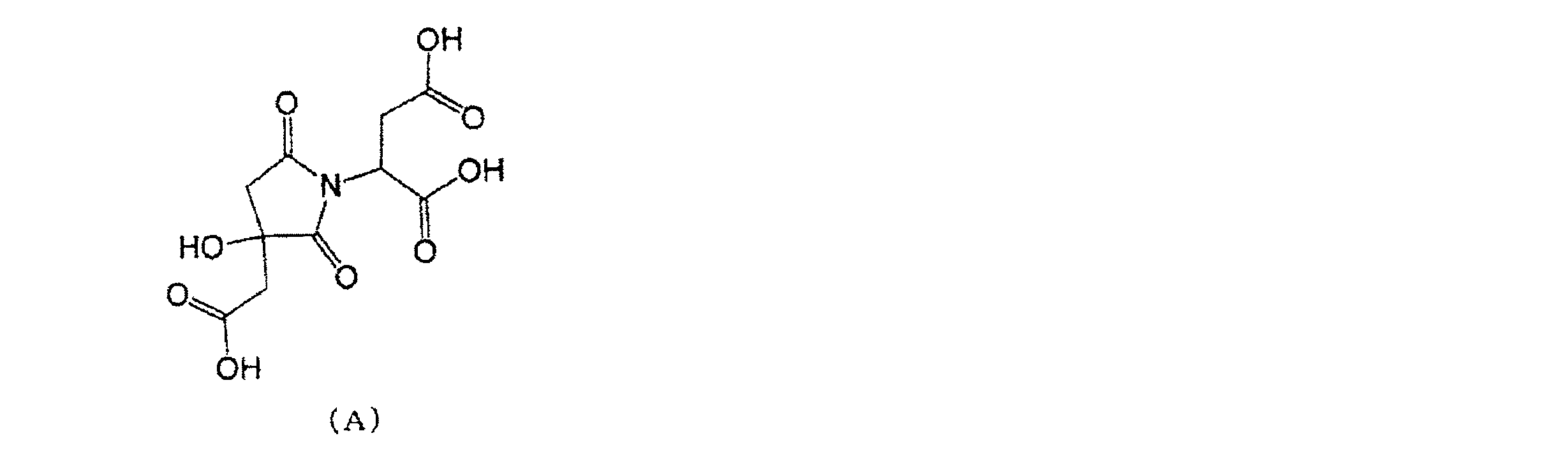
[8]下記式(A)で表される化合物又はその塩を有効成分として含有する、体脂肪率の増加抑制又は低減剤。
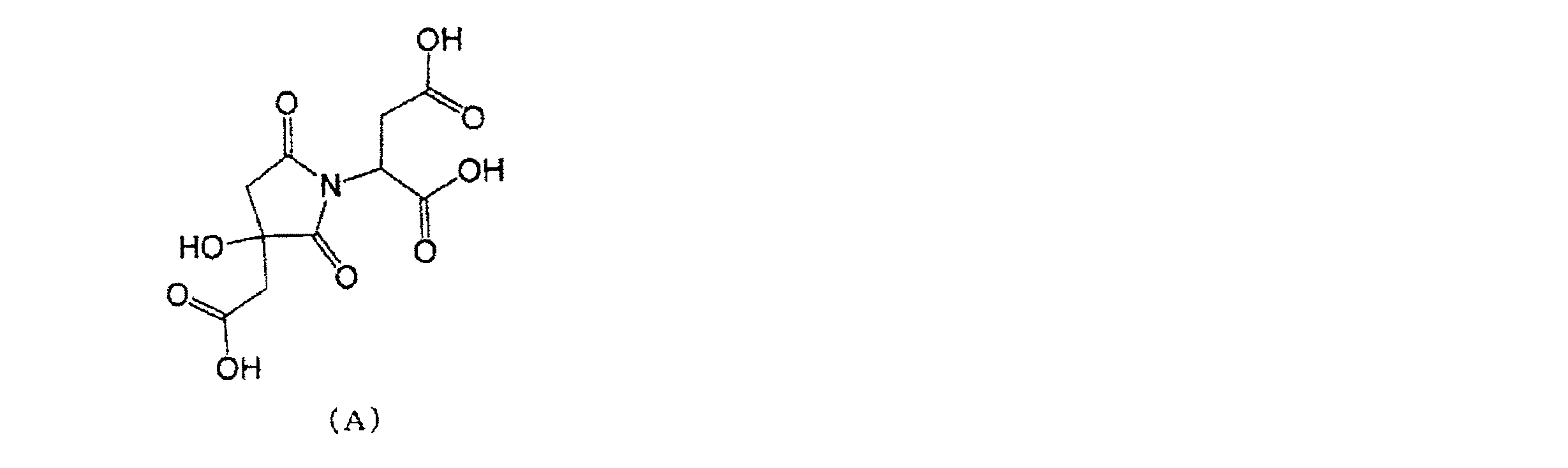
[9]体脂肪量の増加を抑制するための、上記[8]に記載の体脂肪率の増加抑制又は低減剤。
[10]体脂肪の蓄積を抑制するための、上記[8]に記載の体脂肪率の増加抑制又は低減剤。
[11]下記式(A)で表される化合物又はその塩を有効成分として含有する、筋肉増強剤。

[12]筋肉量の増加を促進するための、上記[11]に記載の筋肉増強剤。
[13]下記式(A)で表される化合物又はその塩を有効成分として含有する、肥満の予防又は改善剤。
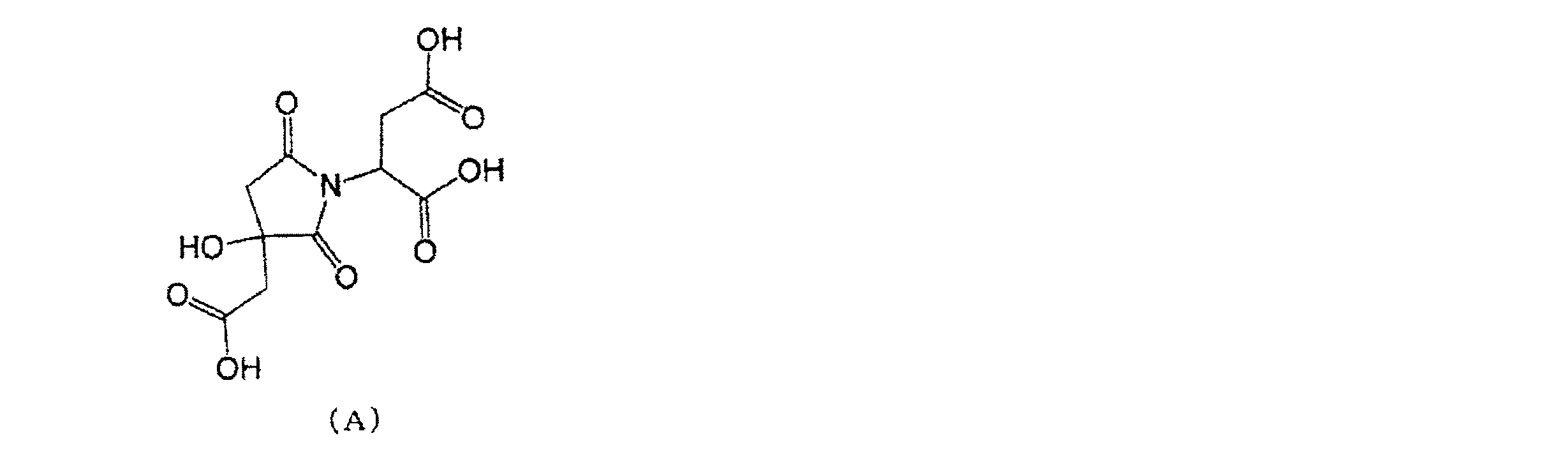
[14]下記式(A)で表される化合物又はその塩を有効成分として含有する、総コレステロール量増加抑制又は低減剤。
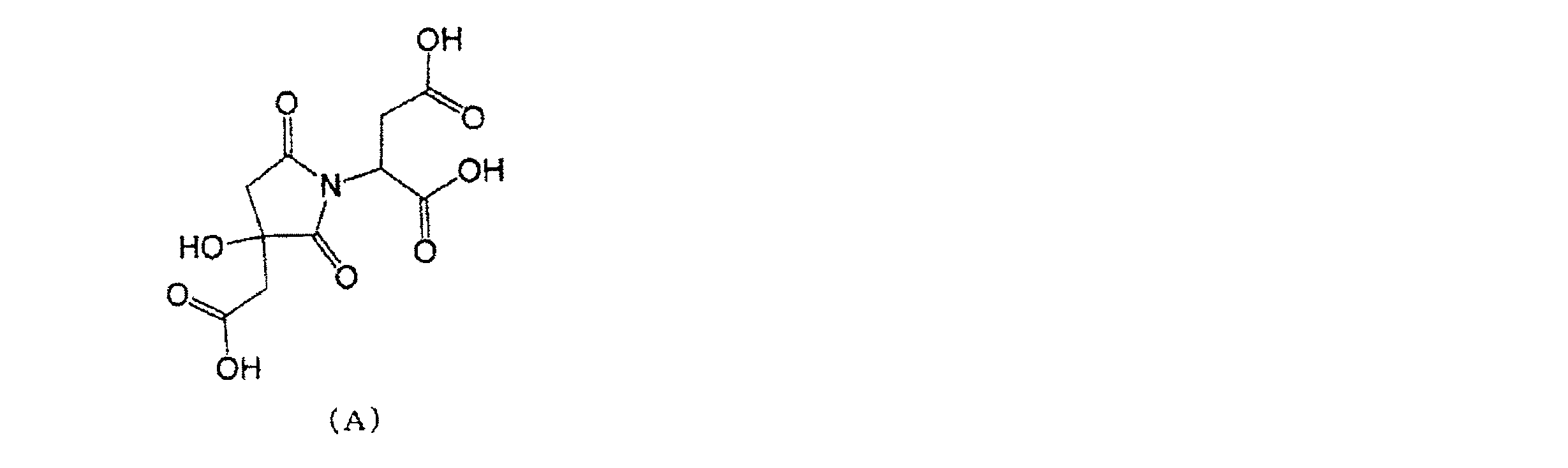
[15]上記[1]~[14]のいずれかに記載の剤を含有する、医薬組成物又は食品組成物。
1)エネルギー消費促進剤、酸素消費量増加剤、脂質燃焼促進剤、脂肪燃焼促進剤、熱産生促進剤、体温上昇剤、体重増加抑制剤、体脂肪率の増加抑制若しくは低減剤、体脂肪量増加抑制剤、体脂肪蓄積抑制剤、筋肉増強剤、筋肉量増加促進剤、肥満の予防若しくは改善剤、又は総コレステロール量増加抑制若しくは低減剤等を製造するための、化合物A又はその塩の使用。
2-1)エネルギー消費の促進、酸素消費量の増加、脂質燃焼の促進、脂肪燃焼の促進、熱産生の促進、体温の上昇、体重増加の抑制、体脂肪率の増加の抑制若しくは低減、体脂肪量の増加抑制、体脂肪の蓄積の抑制、筋肉の増強、筋肉量の増加の促進、肥満の予防若しくは改善、又は総コレステロール量の増加抑制若しくは低減における使用のための、化合物A又はその塩。
2-2)低体温症又は冷え性の予防又は治療における使用のための、化合物A又はその塩。
2-3)肥満又はメタボリックシンドロームの予防又は治療における使用のための、化合物A又はその塩。
2-4)肥満又はメタボリックシンドロームに起因する病態又は疾患の予防又は治療における使用のための、化合物A又はその塩。
2-5)脂質異常症の予防又は治療における使用のための、化合物A又はその塩。
2-6)総コレステロール量の増加に起因する病態又は疾患の予防又は治療における使用のための、化合物A又はその塩。
3-1)化合物A又はその塩を、必要とする対象に有効量投与することを含む、エネルギー消費促進方法、酸素消費量増加方法、脂質燃焼促進方法、脂肪燃焼促進方法、熱産生促進方法、体温上昇方法、体重増加抑制方法、体脂肪率の増加抑制方法若しくは低減方法、体脂肪量増加抑制方法、体脂肪蓄積抑制方法、筋肉増強方法、筋肉量増加促進方法、肥満の予防方法若しくは改善方法、又は総コレステロール量増加抑制方法若しくは低減方法。
3-2)化合物A又はその塩を、低体温症又は冷え性の予防又は治療を必要とする対象に有効量投与することを含む、低体温症又は冷え性の予防方法又は治療方法。
3-3)化合物A又はその塩を、肥満又はメタボリックシンドロームの予防又は治療を必要とする対象に有効量投与することを含む、肥満又はメタボリックシンドロームの予防方法又は治療方法。
3-4)化合物A又はその塩を、肥満又はメタボリックシンドロームに起因する病態又は疾患の予防又は治療を必要とする対象に有効量投与することを含む、肥満又はメタボリックシンドロームに起因する病態又は疾患の予防方法又は治療方法。
3-5)化合物A又はその塩を、脂質異常症の予防又は治療を必要とする対象に有効量投与することを含む、脂質異常症の予防方法又は治療方法。
3-6)化合物A又はその塩を、総コレステロール量の増加に起因する病態又は疾患の予防又は治療を必要とする対象に有効量投与することを含む、総コレステロール量の増加に起因する病態又は疾患の予防方法又は治療方法。
本発明で用いられる化合物Aは、下記式(A)で表される化合物である。
化合物Aはウメ、ウメ抽出物、ウメ抽出物の中和処理物等に含まれることが知られているため、これらから化合物Aを任意の方法により分離・精製して使用してもよいし、化学的に合成して用いてもよいし、それらの市販品を購入して用いてもよい。ただし、ウメ、ウメ抽出物、ウメ抽出物の中和処理物等に含まれる化合物Aは量が限られているため、それを本発明の剤の有効成分として使用することは効率が悪い場合があることや、天然物に由来すると品質が安定しない場合や不純物の問題もあることから、化学的に合成した化合物A又はその塩を使用することが好ましい。すなわち、本発明の剤は、ウメ、ウメ抽出物、ウメ抽出物の中和処理物等を含まない、又は実質的に含まない態様であってもよい。また、本発明の剤は、その他の天然物(例えば、バラ科植物)、天然物抽出物(例えば、バラ科植物抽出物)、天然物抽出物の中和処理物(例えば、バラ科植物抽出物の中和処理物)等を含まない、又は実質的に含まない態様であってもよい。ここで、「実質的に含まない」とは、有効量を含まないこと、及び/又は有効量に至らない程度の量であれば含んでよいことを意味する。
化合物A又はその塩を化学的に合成したり、それを分離したり、精製したりする方法は特に制限されないが、例えば、化合物Aはクエン酸とL-アスパラギン酸との反応によって得ることができる。化合物A又はその塩を化学的に合成し、分離・精製する場合には、例えば、WO2017/07707やWO2018/19940に記載された方法を用いると、安価かつ大量に、精製された(高純度化された)化合物A又はその塩を得ることができるため好ましい。
本発明で用いられる化合物Aの塩としては、化合物Aの金属塩又はアミノ酸塩を挙げることができる。
金属塩としては、ナトリウム塩、カリウム塩、マグネシウム塩、及びカルシウム塩からなる群より選ばれる金属塩を、好ましくはカルシウム塩を挙げることができる。
アミノ酸塩としては、アルギニン塩、シトルリン塩、オルニチン塩、及びヒスチジン塩からなる群より選ばれるアミノ酸塩を挙げることができる。当該アミノ酸塩は、好ましくはL体のアミノ酸塩である。
化合物A又はその塩は、エネルギー消費促進作用を有するため、エネルギー消費促進剤の有効成分として好適に使用することができる。
本発明において「エネルギー消費」とは、脂質、タンパク質、炭水化物等の栄養素(エネルギー源)が生体各組織において代謝され、化学エネルギーや熱エネルギーに変換されることをいう。「代謝」は、「燃焼」又は「酸化」を含む。
「エネルギー消費促進」とは、エネルギー消費量を増加させることをいい、例えば、化合物A投与後の一定時間の累計エネルギー消費量を増加させることをいう。例えば、24時間の累計エネルギー消費量は、約24時間(例えば、24時間±1時間)の平均酸素消費量及び平均二酸化炭素産生量から、以下に示す式によって算出することができる。
累計エネルギー消費量(kcal/kg/day)=[{3.816×約24時間の平均VO2(mL/min)+1.231×約24時間の平均VCO2(mL/min)}/体重(kg)×60(min/h)×24(h))]/1000(cal/kcal)
(VO2:酸素消費量、VCO2:二酸化炭素産生量)
累計酸素消費量(mL/kg/day)=約24時間の平均VO2(mL/min)/体重(kg)×60(min/h)×24(h)
(VO2:酸素消費量)
化合物A又はその塩は、脂質燃焼促進作用を有するため、脂質燃焼促進剤の有効成分として好適に使用することができる。
本発明において「脂質燃焼」とは、食事由来の、又は体内に蓄積された脂肪由来の脂質、特に脂肪酸が生体各組織において代謝され、化学エネルギーや熱エネルギーに変換されることをいう。
「脂質燃焼促進」とは、脂質燃焼量を増加させることをいい、例えば、化合物A投与後の一定時間の累計脂質燃焼量を増加させることをいう。例えば、24時間の累計脂質燃焼量は、約24時間(例えば、24時間±1時間)の平均酸素消費量及び平均二酸化炭素産生量から、以下に示す式によって算出することができる。
累計脂質燃焼量(mg/kg/day)=1.67×[約24時間の平均VO2(mL/min)-約24時間の平均VCO2(mL/min)] /体重(kg)×60(min/h)×24(h)
(VO2:酸素消費量、VCO2:二酸化炭素産生量)
前述のとおり、化合物A又はその塩はエネルギー消費促進作用を有し、体内でエネルギー消費が促進されると、熱産生も促進される。そのため、化合物A又はその塩は、熱産生促進作用を有し、熱産生促進剤の有効成分として好適に使用することができる。
本発明において「熱産生」とは、通常より代謝が活性化することによって身体が熱、すなわちエネルギーを発生させることをいう。
熱産生の評価方法は特に制限されないが、例えば、体温を計測することにより評価することができる。なお、体温は、身体のどの部分の温度であってもよく、例えば、直腸、腋窩、口、耳等の温度であってもよい。
また、体内で熱産生が促進されると体温が上昇し得るため、本発明の熱産生促進剤は、体温を上昇させるために使用することもできる。すなわち、化合物A又はその塩は、体温上昇剤の有効成分として好適に使用することもできる。本発明の熱産生促進剤又は体温上昇剤は、低体温症や身体の冷え(例えば、冷え性)の予防又は改善に使用されてもよい。
例えば、化合物A又はその塩を投与する場合に、投与しない場合と比較して、一定期間(例えば、1日あたり2回の投与を12週間)経過後の直腸温度を上昇させることができる。上昇は、好ましくは1%以上、より好ましくは2%以上、さらに好ましくは3%以上の上昇であることを挙げることができる。また、上昇は、好ましくは10%以下、より好ましくは9%以下、さらに好ましくは7%以下の上昇であることを挙げることができる。したがって、上昇は、1~10%、2~10%、3~10%、1~9%、2~9%、3~9%、1~7%、2~7%、3~7%等の上昇であることを挙げることができる。
また、上昇は、好ましくは0.1℃以上、より好ましくは0.2℃以上、さらに好ましくは0.3℃以上の上昇であることを挙げることができる。また、上昇は、好ましくは3℃以下、より好ましくは2.8℃以下、さらに好ましくは2.5℃以下の上昇であることを挙げることができる。したがって、上昇は、0.1~3℃、0.2~3℃、0.3~3℃、0.1~2.8℃、0.2~2.8℃、0.3~2.8℃、0.1~2.5℃、0.2~2.5℃、0.3~2.5℃等の上昇であることを挙げることができる。
化合物A又はその塩は、体重増加抑制作用を有するため、体重増加抑制剤の有効成分として好適に使用することができる。また、本発明の体重増加抑制剤は、体重低減剤として使用されてもよい。
体重の算出方法は特に制限されないが、例えば、市販の体重計や体組成分析装置等により算出することができる。
例えば、化合物A又はその塩を投与しない場合に一定期間(例えば、12週間)に増加する体重増加を100%とした場合、化合物A又はその塩を投与する場合は体重増加を、10~90%、20~90%、30~90%、10~80%、20~80%、30~80%、10~70%、20~70%、30~70%等とすることができる。
化合物A又はその塩は、体脂肪率又は体脂肪量(例えば、体重あたりの体脂肪重量、特に白色脂肪重量)の増加抑制作用を有するため、体脂肪率の増加抑制剤若しくは体脂肪率の低減剤、又は体脂肪量の増加抑制剤若しくは体脂肪量の低減剤の有効成分として好適に使用することができる。また、体脂肪率又は体脂肪量が減少すると除脂肪体重率又は除脂肪体重量が増加し、また逆も然りであるため、本発明の体脂肪率の増加抑制若しくは低減剤、又は体脂肪量の増加抑制若しくは低減剤は、除脂肪体重率の減少抑制若しくは増加剤、又は除脂肪体重量の減少抑制若しくは増加剤として好適に使用することもできる。また、本発明の体脂肪率の増加抑制又は低減剤は、前述のとおり体脂肪量の増加を抑制するため、さらには体脂肪の蓄積を抑制するために好適に使用することもできる。すなわち、化合物A又はその塩は、体脂肪蓄積抑制剤の有効成分として好適に使用することもできる。
化合物A又はその塩は、筋肉増強剤の有効成分として好適に使用することができる。本発明において「筋肉増強」とは、筋力を増強及び/又は筋肉量を増加することをいう。化合物A又はその塩は、特に筋肉量(例えば、体重あたりの筋肉重量、特に骨格筋重量)の増加促進作用を有するため、筋肉量の増加を促進するために使用することもできる。すなわち、化合物A又はその塩は、筋肉量増加促進剤の有効成分として好適に使用することもできる。
筋肉としては、特に制限されないが、例えば、骨格筋を挙げることができ、特に左右の下肢骨格筋である足底筋、前脛骨筋、長趾伸筋等を挙げることができる。
筋肉量(例えば、骨格筋重量)の算出方法は特に制限されないが、例えば、市販の体組成分析装置、コンピュータ断層撮影(CTスキャン)、磁気共鳴画像法(MRI)等を使用して算出することができる。また、実験動物を用いる場合には、筋肉量は、体内の各筋肉(例えば、骨格筋)を取り出してその重量を直接的に測定することで算出してもよい。また、筋肉量は、例えば上記のように例示した筋肉ごとに、又はそれらの複数の筋肉の重量を合計して評価してもよい。体重に占める筋肉の割合を筋肉率又は筋肉量率ということもできる。すなわち、化合物A又はその塩は、筋肉率又は筋肉量率の増加促進剤の有効成分として使用することもできる。また、筋肉量や筋肉(量)率が増加すれば筋力も増加(増強)するため、化合物A又はその塩は、筋力増加剤又は筋力増強剤の有効成分として好適に使用することもできる。
化合物A又はその塩は、前述のとおりエネルギー消費促進作用、脂肪燃焼促進作用、体脂肪率の増加抑制作用、体重増加抑制作用等を有するため、肥満の予防剤又は肥満の改善剤の有効成分として好適に使用することができる。
「肥満」とは、体重が多いだけではなく、体脂肪が過剰に蓄積した状態を言う。肥満度の判定には、国際的な標準指標であるBMI(Body Mass Index)=[体重(kg)]÷[身長(m)2]が用いられる。男女とも標準とされるBMIは22.0であり、「脂肪組織に脂肪が過剰に蓄積した状態で、体格指数(BMI)25以上のもの」が肥満と定義される。
また、化合物A又はその塩は、メタボリックシンドロームの予防剤又はメタボリックシンドロームの改善剤の有効成分として好適に使用することもできる。メタボリックシンドロームとは、肥満、高血圧、脂質異常症、高血糖(糖尿病)等の複合したもので、心血管病を発症し易い状態をいう。さらには、化合物A又はその塩は、肥満又はメタボリックシンドロームに起因する病態又は疾患の予防剤又は治療剤として好適に使用することもできる。肥満又はメタボリックシンドロームに起因する疾患としては、特に制限されないが、例えば、動脈硬化、心臓病(狭心症、心筋梗塞等)、脳卒中、脳梗塞等を挙げることができる。
化合物A又はその塩は、総コレステロール量増加抑制作用を有するため、総コレステロール量増加抑制剤又は総コレステロール量低減剤の有効成分として好適に使用することができる。
「総コレステロール量」とは、血液中に含まれるすべてのコレステロールを測定した総量をいう。総コレステロール量が高値であると、脂質異常症と考えられる場合があり、動脈硬化をはじめとして、心筋梗塞、脳梗塞等の様々な病気の原因になり得る。
総コレステロール量の算出方法は特に制限されないが、例えば、血液を採取して血液中の総コレステロール量を測定することで算出することができる。
また、化合物A又はその塩は、総コレステロール量の増加に起因する病態又は疾患の予防剤又は治療剤として好適に使用することもできる。総コレステロール量の増加に起因する疾患としては、特に制限されないが、例えば、動脈硬化、心臓病(狭心症、心筋梗塞等)、脳卒中、脳梗塞等を挙げることができる。
化合物A又はその塩は、そのまま使用することもできるが、本発明の効果を損なわない範囲内で、適宜他の成分を配合して組成物として使用することもできる。すなわち、本発明のエネルギー消費促進剤、脂質燃焼促進剤、熱産生促進剤、体重増加抑制剤、体脂肪率の増加抑制又は低減剤、筋肉量増加促進剤、筋肉増強剤、肥満の予防又は改善剤、総コレステロール量増加抑制又は低減剤等を含有する組成物を提供することができる。すなわち、本発明の組成物は、エネルギー消費促進用、脂質燃焼促進用、熱産生促進用、体重増加抑制用、体脂肪率の増加抑制用又は低減用、筋肉量増加促進用、筋肉増強用、肥満の予防用又は改善用、総コレステロール量増加抑制用又は低減用等の組成物として好適に使用することができる。組成物としては、食品組成物又は医薬品組成物を好ましく挙げることができる。特に、日常的に摂取する観点からは食品組成物とすることが好ましい。
本発明において食品は、飲料を含む。本発明における食品組成物の形態は、哺乳動物等の対象が摂取可能であり、かつ食用に適した形態であれば特に制限はないが、例えば、固形状、液状、半液体状、顆粒状、粒状、粉末状、カプセル状、クリーム状、ペースト状等が挙げられる。
本発明において医薬品は、医薬部外品を含む。本発明の医薬品組成物は、医薬上許容され、かつ剤型に応じて適宜選択した適当な添加剤(例えば担体、賦形剤、希釈剤、結合剤、滑沢剤、崩壊剤又は崩壊補助剤、可溶化剤、安定化剤、保存剤、防腐剤、増量剤、増粘剤、乳化剤、分散剤、懸濁化剤、緩衝剤等)を含んでも含まなくてもよく、公知の種々の方法にて経口又は非経口的に全身又は局所投与することができる各種製剤形態に調製して提供することができる。
上記食品組成物又は医薬品組成物等の組成物において、化合物A又はその塩の含有量は、例えば、組成物全質量の0.01質量%以上、0.1質量%以上、1.0質量%以上、95質量%以下、80質量%以下、60質量%以下等であることが挙げられる。また、0.01~95質量%、0.1~80質量%、1.0質量%~60質量%等であることが挙げられる。
本発明において、有効成分である化合物A又はその塩の投与量は、本発明の効果を損なわない限り特に制限されないが、例えば、0.6mg~36000mg/日となる範囲で、好ましくは30mg~720mg/日(成人)、最も好ましくは60~360mg/日(成人)の範囲である。ただし、投与対象の年齢(月齢)、体重、性別、症状、化合物A又はその塩への感受性等に応じて適宜決定してよい。
化合物A又はその塩を含有する本発明の剤又は組成物の投与方法は、本発明の効果を損なわない限り特に制限されないが、例えば、1日以上、3日以上、5日以上、1週間以上、2週間以上、3週間以上、4週間以上、5週間以上、6週間以上、7週間以上、好ましくは8週間以上、9週間以上、より好ましくは10週間以上、11週間以上、さらに好ましくは12週間以上の期間を挙げることができる。長期間連用することで、より高い効果を得ることができる。また、1日あたりの投与回数は特に制限されず、例えば1日1回、又は1日2回若しくは3回以上の複数回に分けて投与されてもよい。
化合物A又はその塩を含有する本発明の剤又は組成物の投与対象は、それを必要としているか、希望している動物であれば特に制限されないが、例えば、ヒト、ブタ、ウシ、ウマ、ヤギ、ヒツジ、イノシシ、ウサギ、マウス、ラット、ハムスター、モルモット、サル、アカゲザル、カニクイザル、マーモセット、オランウータン、チンパンジー、イヌ、ネコ等の哺乳動物を挙げることができ、ヒトが好ましい。
本発明の剤又は組成物は、化合物A又はその塩以外の1種又は2種以上の有効成分をさらに含有してもよい。また、本発明の組成物の投与に当たっては、化合物A又はその塩以外の1種又は2種以上の有効成分又はそれ(ら)を含む剤を組み合わせて投与してもよい。
本発明の剤又は組成物は、エネルギー消費促進、酸素消費量増加、脂質燃焼促進、脂肪燃焼促進、熱産生促進、体温上昇、体重増加抑制、体脂肪率の増加抑制若しくは低減、体脂肪量の増加抑制若しくは低減、体脂肪蓄積抑制、筋肉量増加促進、筋肉増強、肥満の予防若しくは改善、及び/又は総コレステロール量増加抑制若しくは低減等のために使用することができる。ここで、当該使用は、治療的使用又は非治療的使用のいずれであってもよい。非治療的とは、医療行為を含まない概念、すなわち人間を手術、治療又は診断する方法を含まない概念、より具体的には医師又は医師の指示を受けた者が人間に対して手術、治療又は診断を実施する方法を含まない概念である。
1-1.試験材料
(1)被験物質
名称:化合物A(下記式(A)で表される化合物である。)

製造方法:WO2018/199040の段落[0048]-[0049]に記載の方法にしたがって、結晶性の化合物A(立体構造がRS表示法でSS体とRR体の混合物)を製造した。
性状:粉末、白色
保存条件:冷蔵
使用方法:所定の重量を秤量し溶媒の0.5%カルボキシメチルセルロース(CMC)溶液へ分散して経口投与液とした。
名称:CMC
製造元:ナカライテスク株式会社
容器:500mLプラスチックボトル
ロット番号:M0A9874
性状:粉末、白色
保存条件:冷蔵
使用方法:所定の重量を秤量し大塚蒸留水で0.5%となるように溶解して経口投与液とした。
(1)種、系統及び性
マウス、C57BL/6J、雄
(2)種及び系統の選択理由
マウスは医薬品及び医療機器等の安全性試験及び薬効薬理試験に広く用いられており、この試験に用いる系統のマウスは特性がよく知られていることから選択した。
(3)微生物統御
SPF
(4)生産業者
ジャクソン・ラボラトリー・ジャパン株式会社
(5)入荷動物数
48匹
(6)入荷時週齢
7~8週齢
(7)入荷時体重
21~28g
(8)個体識別法
油性マジックで尻尾に番号をつけ識別した。本試験では1~40の番号を各動物に割り当てた。
(9)検疫及び馴化
検疫は行わなかった。入荷後に馴化期間を設け、この間は飼育室内で固形飼料である超高脂肪食(D12492)を与えて飼育し、随時健康状態の観察を行った。
温度:23±3°C
湿度:55±15%
換気回数:13~16回/時
照明時間:12時間(7:00~19:00)
試験期間中は超高脂肪飼料であるD12492(EPトレーディング株式会社、Lot:22041308を自由摂取させた。試験終了後、動物に給餌した試験食は全て廃棄した。
名称:D12492(超高脂肪飼料、60kcal%脂肪、青色)
製造元:EPトレーディング株式会社
ロット番号:22041308
使用方法:給餌の際に冷蔵庫より取り出して使用した。
組成:表1に示した。
専用水道水を、給水ボトルから自由摂取させた。
表2に示した。群分け日に外観に異常のみられない動物の体重を測定し、統計解析システムEXSUS Ver.10(株式会社EPクロア)を用いて、体重による層別無作為化割付にて群分けした。
(1)試験物質の調製方法
化合物Aを秤量し、磁乳鉢内で少量の0.5%CMCを加えて均一になるよう粉砕した。粉砕した化合物Aへさらに0.5%CMCを加え濃度を720mg/10mLへ調製した。作製後は冷蔵保存した。
(2)試験物質の投与方法
12週間、午前1回と午後1回の計2回/日、経口ゾンデを用いて試験物質を経口投与(10mL/kg)した。経口投与時は用手法で保定した。
(1)一般状態の観察
試験物質の投与期間は、動物の一般状態を詳細に観察した。
(2)摂取熱量の算出
群分け日より剖検時まで週1回以上、摂餌量(g)を測定し、個体ごとに重量当たりの熱量(kcal)を掛けて摂取熱量を算出した。
(3)呼気ガス分析
32チャンネル小動物用エネルギー代謝測定システム(ARCO-2000-RAT、有限会社アルコシステム)を用いて呼気ガスを測定した。動物の酸素消費量(mL/min)、二酸化炭素産生量(mL/min)は、空気流量速度を0.3L/minとして10分間隔で測定した。剖検前日の午前の経口投与終了後から約24時間測定し、24時間の累計酸素消費量(mL/kg/day)、エネルギー消費量(kcal/kg/day)、脂質燃焼量(mg/kg/day)を以下の式により算出した。
計算式:
累計酸素消費量(mL/kg/day)=約24時間の平均VO2(mL/min)/体重(kg)×60(min/h)×24(h)
累計エネルギー消費量(kcal/kg/day)=[{3.816×約24時間の平均VO2(mL/min)+1.231×約24時間の平均VCO2(mL/min)}/体重(kg)×60(min/h)×24(h)]/1000(cal/kcal)
累計脂質燃焼量(mg/kg/day)=1.67×[約24時間の平均VO2(mL/min)-約24時間の平均VCO2(mL/min)] /体重(kg)×60(min/h)×24(h)
(VO2:酸素消費量、VCO2:二酸化炭素産生量)
(4)直腸温度
剖検前に直腸温度測定用プローブを接続した小動物用体温保持装置(NS-TC10 Temperature Controller、(株)ニューロサイエンス)を直腸に挿入し、直腸温度を測定した。
(5)体重測定
入荷時及び群分け日より剖検時まで毎週実施した。体組成測定日、剖検直前にも実施した。
(6)体組成
試験食摂取6、9及び12週間時点において体脂肪量と除脂肪体重を体組成分析装置(EchoMRI-700、Hitachi, Ltd.)により測定し、体重で除することで体脂肪率と除脂肪体重率を算出した。
動物は入荷後より超高脂肪食の固形飼料(D12492)を自由摂餌させた。馴化期間の後に体重を指標として群分けした。その後、個別飼育下で超高脂肪食を自由摂餌させた。全群とも、毎日2回(午前1回、午後1回)、試験物質を経口投与した(CON群:0.5%CMCを経口投与、化合物A投与群:化合物Aを経口投与)。第1回目の投与日を試験開始0日目として起算した。ここで、動物は各群5匹を前半動物、残りを後半動物とし、前半動物の試験開始2日目に後半動物の給餌及び投与を開始した(後半動物は試験開始0日目)。動物を呼気ガス計測チャンバー内の環境へ馴化させるため、試験開始7、21、49日目の午前(9:00)の経口投与後に呼気ガス計測チャンバーに自由飲水、絶食下で5時間半(10:00-15:30)個別に収容した。28、65日目は、午前(11:00)の経口投与後、全ての該当動物を呼気ガス計測チャンバー内に速やかに個別収容し、自由飲水・摂餌下で約24時間馴化した。同日の午後(15:30)、翌日の午前(8:30)に経口投与を行い、投与後は再び呼気ガス計測チャンバー内に速やかに収容した。馴化終了後は動物を飼育ケージに戻した。82日目は午前の経口投与の前(10:00)に全ての該当動物を呼気ガス計測チャンバー内に速やかに収容した。同日の午前(11:00)、午後(15:30)に経口投与し、翌日の午前(8:30)の経口投与後は剖検に供するまで呼気ガスを測定した。83日目の午後(13:00)に動物を剖検に供した。剖検時はイソフルラン麻酔下に開腹して後大静脈より採血を行った。採血後は採血部位からの放血により安楽死させ、臓器(脂肪、骨格筋)を採取した。
(1)白色脂肪組織1:精巣上体周囲脂肪
剖検時に、左右の精巣上体の周囲にある脂肪を取り出した後、精巣上体を除去した。生理食塩液(0.9%塩化ナトリウム水溶液、株式会社大塚製薬工場製)で軽くフラッシュし、水分を拭き取った後、精密天秤で左右の重量を合わせて測定した。右の組織は液体窒素中で凍結した後、分析に供するまで-80℃に設定した冷凍庫で凍結保存した。左の臓器は分析に供するまで10%中性緩衝ホルマリン液に保存した。
剖検時に、胃から直腸までの脂肪を取り出した。生理食塩液(0.9%塩化ナトリウム水溶液、株式会社大塚製薬工場製)で軽くフラッシュし、水分を拭き取った後、精密天秤で重量を測定した。液体窒素中で凍結した後、分析に供するまで-80℃に設定した冷凍庫で凍結保存した。
剖検時に、左右の腎臓の周囲にある脂肪を取り出した後、生理食塩液(0.9%塩化ナトリウム水溶液、株式会社大塚製薬工場製)で軽くフラッシュし、水分を拭き取った後、精密天秤で左右の重量を合わせて測定した。液体窒素中で凍結した後、分析に供するまで-80℃に設定した冷凍庫で凍結保存した。
剖検時に、肩甲骨間の褐色脂肪の周囲にある白色脂肪を取り出した後、生理食塩液(0.9%塩化ナトリウム水溶液、株式会社大塚製薬工場)で軽くフラッシュし、水分を拭き取った後、精密天秤で重量を測定した。液体窒素中で凍結した後、分析に供するまで-80℃に設定した冷凍庫で凍結保存した。
剖検時に左右の下肢骨格筋である足底筋、前脛骨筋、及び長趾伸筋を採取し、精密天秤で左右合わせた重量を測定した。液体窒素中で凍結した後、分析に供するまで-80℃に設定した冷凍庫で凍結保存した。
剖検時に、イソフルラン麻酔下で開腹し、後大静脈から約0.5mL採血し、ヘパリン入り血漿分離用採血管(BD Microtainer PSTTM Tubes with Lithium Heparin 365985(黄緑);日本ベクトン・ディッキンソン株式会社)に採取し、氷冷下に一時保存した。遠心分離(3000rpm,10min,4℃)し、上清である血漿を1.5mLマイクロチューブ(1.5mLハイパーマイクロチューブ 丸底 ハードタッチ131-715C、WATSON)に移し、分析に供するまで-80℃に設定した冷凍庫で凍結保存した。血漿中の総コレステロールを、オリエンタル酵母工業株式会社 長浜事業所 長浜ライフサイエンスラボラトリーに委託して測定した。
データは平均値±標準偏差で表記する。統計処理については、2標本の等分散t検定(両側検定)を行い、CON群を対照とした群間比較を行った。いずれも有意水準は5%とした。これらの解析にはExcel(2013 ver. Microsoft)を使用した。
2-1.摂取熱量
試験期間中の一日あたりの平均摂取熱量に群間差はなかった(表3、図1)。CON群の1匹は、測定不備による欠測があったため、該当箇所(4及び5日目の摂餌量)を除き数値化した。
化合物A投与群はCON群に比して、投与を開始してから測定を終了するまでの24時間(11:32-11:32)の酸素消費量、エネルギー消費量、及び脂質燃焼量の累計値が有意に高値であった(表4、図2~図5)。この結果から、化合物Aは酸素消費量、エネルギー消費量、及び脂質燃焼量を増加させる作用を有することが示された。
直腸温度は、CON群に比して化合物A投与群で有意に高値を認めた(表5、図6)。この結果から、化合物Aの摂取によりマウス体内で熱産生が促進され、体温が上昇したことが示された。すなわち、化合物Aは熱産生を促進する作用及び体温を上昇させる作用を有することが示された。
試験食投与期間中の体重推移について、化合物A投与群はCON群に比して、試験開始7、8及び9週間時点で体重が低値傾向であり、10、11及び12週間時点で有意に低値を認めた(表6、図7)。この結果から、化合物Aは体重の増加を抑制する作用を有することが示された。
例えば、12週間の投与では、CON群では平均7.2gの体重が増加したところ、化合物A投与群では、平均3.8gの増加であった。すなわち、CON群の体重増加を100%とした場合、化合物A投与群の体重増加は52.8((3.8÷7.2)×100)%であった。
体脂肪率と除脂肪体重率について、試験食摂取6週間時点で化合物A投与群はCON群に比して体脂肪率が低値傾向、除脂肪体重率が高値傾向であり、9及び12週間時点で化合物A投与群は体脂肪率が有意に低値、除脂肪体重率が高値であった(表7、図8)。この結果から、化合物Aは体脂肪率の増加を抑制する作用(すなわち、除脂肪体重率の減少を抑制する作用)を有することが示された。
体重あたりの白色脂肪重量について、化合物A投与群はCON群に比して精巣上体周囲脂肪、腸間膜脂肪、腎周囲脂肪、肩甲骨間脂肪が有意に低値であった(表8、図9)。この結果から、化合物Aは体重あたりの白色脂肪重量の増加を抑制する作用を有することが示された。
体重あたりの重量について、足底筋、前脛骨筋、及び長趾伸筋の重量、並びにそれらの3種類の筋肉の総重量は、化合物A投与群で有意に高値を認めた。(表9、図10)。この結果から、化合物Aは体重あたりの筋肉重量の増加を促進する作用を有することが示された。
化合物A投与群はCON群に比して血漿中の総コレステロールが有意に低値を認めた(表10、図11)。この結果から、化合物Aは総コレステロール量の増加を抑制する作用を有することが示された。
Claims (15)
- 下記式(A)で表される化合物又はその塩を有効成分として含有する、エネルギー消費促進剤。

- 酸素消費量を増加させることにより、エネルギー消費を促進する、請求項1に記載のエネルギー消費促進剤。
- 下記式(A)で表される化合物又はその塩を有効成分として含有する、脂質燃焼促進剤。
- 脂肪の燃焼を促進するための、請求項3に記載の脂質燃焼促進剤。
- 下記式(A)で表される化合物又はその塩を有効成分として含有する、熱産生促進剤。
- 体温を上昇させるための、請求項5に記載の熱産生促進剤。
- 下記式(A)で表される化合物又はその塩を有効成分として含有する、体重増加抑制剤。

- 下記式(A)で表される化合物又はその塩を有効成分として含有する、体脂肪率の増加抑制又は低減剤。
- 体脂肪量の増加を抑制するための、請求項8に記載の体脂肪率の増加抑制又は低減剤。
- 体脂肪の蓄積を抑制するための、請求項8に記載の体脂肪率の増加抑制又は低減剤。
- 下記式(A)で表される化合物又はその塩を有効成分として含有する、筋肉増強剤。

- 筋肉量の増加を促進するための、請求項11に記載の筋肉増強剤。
- 下記式(A)で表される化合物又はその塩を有効成分として含有する、肥満の予防又は改善剤。
- 下記式(A)で表される化合物又はその塩を有効成分として含有する、総コレステロール量増加抑制又は低減剤。

- 請求項1~14のいずれかに記載の剤を含有する、医薬組成物又は食品組成物。
Priority Applications (5)
| Application Number | Priority Date | Filing Date | Title |
|---|---|---|---|
| AU2024302487A AU2024302487A1 (en) | 2023-06-16 | 2024-06-14 | Agent for promoting energy consumption |
| CN202480037771.XA CN121285373A (zh) | 2023-06-16 | 2024-06-14 | 能量消耗促进剂 |
| JP2025527999A JPWO2024257845A1 (ja) | 2023-06-16 | 2024-06-14 | |
| KR1020257040978A KR20260022943A (ko) | 2023-06-16 | 2024-06-14 | 에너지 소비 촉진제 |
| EP24823458.5A EP4729058A1 (en) | 2023-06-16 | 2024-06-14 | Agent for promoting energy consumption |
Applications Claiming Priority (2)
| Application Number | Priority Date | Filing Date | Title |
|---|---|---|---|
| JP2023-099429 | 2023-06-16 | ||
| JP2023099429 | 2023-06-16 |
Publications (1)
| Publication Number | Publication Date |
|---|---|
| WO2024257845A1 true WO2024257845A1 (ja) | 2024-12-19 |
Family
ID=93852164
Family Applications (1)
| Application Number | Title | Priority Date | Filing Date |
|---|---|---|---|
| PCT/JP2024/021602 Ceased WO2024257845A1 (ja) | 2023-06-16 | 2024-06-14 | エネルギー消費促進剤 |
Country Status (7)
| Country | Link |
|---|---|
| EP (1) | EP4729058A1 (ja) |
| JP (1) | JPWO2024257845A1 (ja) |
| KR (1) | KR20260022943A (ja) |
| CN (1) | CN121285373A (ja) |
| AU (1) | AU2024302487A1 (ja) |
| TW (1) | TW202500136A (ja) |
| WO (1) | WO2024257845A1 (ja) |
Citations (9)
| Publication number | Priority date | Publication date | Assignee | Title |
|---|---|---|---|---|
| JP2010241800A (ja) * | 2009-03-18 | 2010-10-28 | Kao Corp | エネルギー消費促進剤 |
| JP2012020941A (ja) | 2010-07-12 | 2012-02-02 | Kao Corp | エネルギー消費促進剤 |
| WO2017007707A1 (en) | 2015-07-03 | 2017-01-12 | Vid Scale, Inc. | Methods, apparatus and systems for predicting user traits using non-camera sensors in a mobile device |
| WO2017077707A1 (ja) * | 2015-11-02 | 2017-05-11 | AdaBio株式会社 | 新規なクエン酸誘導体 |
| WO2018019940A1 (en) | 2016-07-29 | 2018-02-01 | Mahle Metal Leve S/A | Sliding element for internal combustion engines |
| JP2018058832A (ja) | 2016-09-29 | 2018-04-12 | 株式会社 資生堂 | 甘草抽出物を含有する褐色脂肪細胞活性化剤 |
| WO2018199040A1 (ja) | 2017-04-28 | 2018-11-01 | 株式会社大塚製薬工場 | クエン酸誘導体のジアステレオマーの製造方法 |
| WO2020096002A1 (ja) * | 2018-11-08 | 2020-05-14 | 国立大学法人香川大学 | D-アルロースを有効成分とする褐色脂肪・ベージュ脂肪細胞活性化剤 |
| JP2022165316A (ja) * | 2021-04-19 | 2022-10-31 | 国立大学法人京都大学 | Trpv1活性化剤 |
-
2024
- 2024-06-14 WO PCT/JP2024/021602 patent/WO2024257845A1/ja not_active Ceased
- 2024-06-14 CN CN202480037771.XA patent/CN121285373A/zh active Pending
- 2024-06-14 AU AU2024302487A patent/AU2024302487A1/en active Pending
- 2024-06-14 TW TW113122135A patent/TW202500136A/zh unknown
- 2024-06-14 KR KR1020257040978A patent/KR20260022943A/ko active Pending
- 2024-06-14 JP JP2025527999A patent/JPWO2024257845A1/ja active Pending
- 2024-06-14 EP EP24823458.5A patent/EP4729058A1/en active Pending
Patent Citations (9)
| Publication number | Priority date | Publication date | Assignee | Title |
|---|---|---|---|---|
| JP2010241800A (ja) * | 2009-03-18 | 2010-10-28 | Kao Corp | エネルギー消費促進剤 |
| JP2012020941A (ja) | 2010-07-12 | 2012-02-02 | Kao Corp | エネルギー消費促進剤 |
| WO2017007707A1 (en) | 2015-07-03 | 2017-01-12 | Vid Scale, Inc. | Methods, apparatus and systems for predicting user traits using non-camera sensors in a mobile device |
| WO2017077707A1 (ja) * | 2015-11-02 | 2017-05-11 | AdaBio株式会社 | 新規なクエン酸誘導体 |
| WO2018019940A1 (en) | 2016-07-29 | 2018-02-01 | Mahle Metal Leve S/A | Sliding element for internal combustion engines |
| JP2018058832A (ja) | 2016-09-29 | 2018-04-12 | 株式会社 資生堂 | 甘草抽出物を含有する褐色脂肪細胞活性化剤 |
| WO2018199040A1 (ja) | 2017-04-28 | 2018-11-01 | 株式会社大塚製薬工場 | クエン酸誘導体のジアステレオマーの製造方法 |
| WO2020096002A1 (ja) * | 2018-11-08 | 2020-05-14 | 国立大学法人香川大学 | D-アルロースを有効成分とする褐色脂肪・ベージュ脂肪細胞活性化剤 |
| JP2022165316A (ja) * | 2021-04-19 | 2022-10-31 | 国立大学法人京都大学 | Trpv1活性化剤 |
Non-Patent Citations (1)
| Title |
|---|
| "Nagahama Life Science", LABORATORY OF ORIENTAL YEAST CO., LTD. |
Also Published As
| Publication number | Publication date |
|---|---|
| AU2024302487A1 (en) | 2025-12-18 |
| CN121285373A (zh) | 2026-01-06 |
| TW202500136A (zh) | 2025-01-01 |
| KR20260022943A (ko) | 2026-02-20 |
| JPWO2024257845A1 (ja) | 2024-12-19 |
| EP4729058A1 (en) | 2026-04-22 |
Similar Documents
| Publication | Publication Date | Title |
|---|---|---|
| JP5831851B2 (ja) | 高齢者の骨格筋量減少を防止又は改善するためのアミノ酸含有組成物 | |
| TW201134470A (en) | Anaplerotic therapy for Alzheimer's disease and the aging brain | |
| JP2008255063A (ja) | 血圧上昇抑制作用を有する組成物 | |
| TW200307538A (en) | Body temperature elevating agents | |
| US20100035810A1 (en) | Adiponectin production enhancer | |
| AU2013298354A1 (en) | Compounds and their effects on appetite control and insulin sensitivity | |
| WO2018207929A1 (ja) | 動脈血中酸素飽和度の向上剤 | |
| WO2024257845A1 (ja) | エネルギー消費促進剤 | |
| TWI850233B (zh) | 脂肪蓄積抑制劑及血中脂質改善劑 | |
| JP7162917B2 (ja) | 心拍数低下剤 | |
| JP2023154540A (ja) | 加齢性難聴の予防又は改善のための組成物 | |
| JPWO2008136173A1 (ja) | スチルベン誘導体を有効成分とする脂肪細胞分化抑制剤 | |
| KR101372526B1 (ko) | 효모 가수분해물을 포함하는 체지방 감소 및 근력 강화용 조성물 | |
| JP4316224B2 (ja) | 医薬用体温上昇剤 | |
| US20230149330A1 (en) | Sleep quality improver | |
| JP2025088928A (ja) | 低栄養状態改善剤、組成物、低栄養状態改善食品及び低栄養状態を改善する方法 | |
| JP2005314435A (ja) | 循環器疾患治療剤および健康食品 | |
| JP2021001902A (ja) | 血中尿酸値上昇を抑制する成分の評価方法 | |
| JP2023173641A (ja) | 内臓脂肪低減剤およびその用途 | |
| WO2014163150A1 (ja) | 内服組成物 | |
| HK40083684A (en) | Agent for improving quality of sleep | |
| JP2011051952A (ja) | 皮膚角質層水分量の増加用組成物およびその経口摂取用製剤 | |
| JP2006089392A (ja) | 生活習慣病改善食品および生活習慣病治療薬 | |
| JP2007269750A (ja) | インスリン抵抗性改善作用組成物、アディポネクチン増加作用組成物、ヘモグロビンA1c改善作用組成物、血糖値改善作用組成物、尿酸値減少作用組成物、肝機能改善作用組成物、腹囲値減少作用組成物および体重減少作用組成物 | |
| JP2020145941A (ja) | アレルギー性鼻炎抑制用組成物 |
Legal Events
| Date | Code | Title | Description |
|---|---|---|---|
| 121 | Ep: the epo has been informed by wipo that ep was designated in this application |
Ref document number: 24823458 Country of ref document: EP Kind code of ref document: A1 |
|
| ENP | Entry into the national phase |
Ref document number: 2025527999 Country of ref document: JP Kind code of ref document: A |
|
| WWE | Wipo information: entry into national phase |
Ref document number: 202517121324 Country of ref document: IN |
|
| WWE | Wipo information: entry into national phase |
Ref document number: AU2024302487 Country of ref document: AU Ref document number: 827927 Country of ref document: NZ |
|
| WWE | Wipo information: entry into national phase |
Ref document number: 2501008365 Country of ref document: TH |
|
| ENP | Entry into the national phase |
Ref document number: 2024302487 Country of ref document: AU Date of ref document: 20240614 Kind code of ref document: A |
|
| WWP | Wipo information: published in national office |
Ref document number: 827927 Country of ref document: NZ |
|
| WWP | Wipo information: published in national office |
Ref document number: 202517121324 Country of ref document: IN |
|
| WWE | Wipo information: entry into national phase |
Ref document number: 2024823458 Country of ref document: EP |
|
| NENP | Non-entry into the national phase |
Ref country code: DE |
|
| ENP | Entry into the national phase |
Ref document number: 2024823458 Country of ref document: EP Effective date: 20260116 |
|
| ENP | Entry into the national phase |
Ref document number: 2024823458 Country of ref document: EP Effective date: 20260116 |
|
| WWE | Wipo information: entry into national phase |
Ref document number: 11202508320X Country of ref document: SG |
|
| WWP | Wipo information: published in national office |
Ref document number: 11202508320X Country of ref document: SG |
|
| ENP | Entry into the national phase |
Ref document number: 2024823458 Country of ref document: EP Effective date: 20260116 |
|
| ENP | Entry into the national phase |
Ref document number: 2024823458 Country of ref document: EP Effective date: 20260116 |
|
| WWP | Wipo information: published in national office |
Ref document number: 2024823458 Country of ref document: EP |