WO2024257852A1 - Procédé de cryoconservation de cellules, procédé de culture de cellules et substrat de cryoconservation - Google Patents
Procédé de cryoconservation de cellules, procédé de culture de cellules et substrat de cryoconservation Download PDFInfo
- Publication number
- WO2024257852A1 WO2024257852A1 PCT/JP2024/021655 JP2024021655W WO2024257852A1 WO 2024257852 A1 WO2024257852 A1 WO 2024257852A1 JP 2024021655 W JP2024021655 W JP 2024021655W WO 2024257852 A1 WO2024257852 A1 WO 2024257852A1
- Authority
- WO
- WIPO (PCT)
- Prior art keywords
- cells
- porous membrane
- bis
- cryopreservation
- culture
- Prior art date
- Legal status (The legal status is an assumption and is not a legal conclusion. Google has not performed a legal analysis and makes no representation as to the accuracy of the status listed.)
- Ceased
Links
Images
Classifications
-
- C—CHEMISTRY; METALLURGY
- C12—BIOCHEMISTRY; BEER; SPIRITS; WINE; VINEGAR; MICROBIOLOGY; ENZYMOLOGY; MUTATION OR GENETIC ENGINEERING
- C12N—MICROORGANISMS OR ENZYMES; COMPOSITIONS THEREOF; PROPAGATING, PRESERVING, OR MAINTAINING MICROORGANISMS; MUTATION OR GENETIC ENGINEERING; CULTURE MEDIA
- C12N5/00—Undifferentiated human, animal or plant cells, e.g. cell lines; Tissues; Cultivation or maintenance thereof; Culture media therefor
- C12N5/52—Chemical aspects of preservation of animal cells or human cells
- C12N5/522—Preservation media
- C12N5/525—Freeze protecting agents, e.g. cryoprotectants or osmolarity regulators
-
- C—CHEMISTRY; METALLURGY
- C12—BIOCHEMISTRY; BEER; SPIRITS; WINE; VINEGAR; MICROBIOLOGY; ENZYMOLOGY; MUTATION OR GENETIC ENGINEERING
- C12M—APPARATUS FOR ENZYMOLOGY OR MICROBIOLOGY; APPARATUS FOR CULTURING MICROORGANISMS FOR PRODUCING BIOMASS, FOR GROWING CELLS OR FOR OBTAINING FERMENTATION OR METABOLIC PRODUCTS, i.e. BIOREACTORS OR FERMENTERS
- C12M25/00—Means for supporting, enclosing or fixing the microorganisms, e.g. immunocoatings
- C12M25/14—Scaffolds; Matrices
-
- C—CHEMISTRY; METALLURGY
- C12—BIOCHEMISTRY; BEER; SPIRITS; WINE; VINEGAR; MICROBIOLOGY; ENZYMOLOGY; MUTATION OR GENETIC ENGINEERING
- C12M—APPARATUS FOR ENZYMOLOGY OR MICROBIOLOGY; APPARATUS FOR CULTURING MICROORGANISMS FOR PRODUCING BIOMASS, FOR GROWING CELLS OR FOR OBTAINING FERMENTATION OR METABOLIC PRODUCTS, i.e. BIOREACTORS OR FERMENTERS
- C12M1/00—Apparatus for enzymology or microbiology
-
- C—CHEMISTRY; METALLURGY
- C12—BIOCHEMISTRY; BEER; SPIRITS; WINE; VINEGAR; MICROBIOLOGY; ENZYMOLOGY; MUTATION OR GENETIC ENGINEERING
- C12M—APPARATUS FOR ENZYMOLOGY OR MICROBIOLOGY; APPARATUS FOR CULTURING MICROORGANISMS FOR PRODUCING BIOMASS, FOR GROWING CELLS OR FOR OBTAINING FERMENTATION OR METABOLIC PRODUCTS, i.e. BIOREACTORS OR FERMENTERS
- C12M3/00—Tissue, human, animal or plant cell, or virus culture apparatus
-
- C—CHEMISTRY; METALLURGY
- C12—BIOCHEMISTRY; BEER; SPIRITS; WINE; VINEGAR; MICROBIOLOGY; ENZYMOLOGY; MUTATION OR GENETIC ENGINEERING
- C12M—APPARATUS FOR ENZYMOLOGY OR MICROBIOLOGY; APPARATUS FOR CULTURING MICROORGANISMS FOR PRODUCING BIOMASS, FOR GROWING CELLS OR FOR OBTAINING FERMENTATION OR METABOLIC PRODUCTS, i.e. BIOREACTORS OR FERMENTERS
- C12M45/00—Means for pre-treatment of biological substances
- C12M45/22—Means for packing or storing viable microorganisms
-
- C—CHEMISTRY; METALLURGY
- C12—BIOCHEMISTRY; BEER; SPIRITS; WINE; VINEGAR; MICROBIOLOGY; ENZYMOLOGY; MUTATION OR GENETIC ENGINEERING
- C12N—MICROORGANISMS OR ENZYMES; COMPOSITIONS THEREOF; PROPAGATING, PRESERVING, OR MAINTAINING MICROORGANISMS; MUTATION OR GENETIC ENGINEERING; CULTURE MEDIA
- C12N5/00—Undifferentiated human, animal or plant cells, e.g. cell lines; Tissues; Cultivation or maintenance thereof; Culture media therefor
- C12N5/0006—Modification of the membrane of cells, e.g. cell decoration
-
- C—CHEMISTRY; METALLURGY
- C12—BIOCHEMISTRY; BEER; SPIRITS; WINE; VINEGAR; MICROBIOLOGY; ENZYMOLOGY; MUTATION OR GENETIC ENGINEERING
- C12N—MICROORGANISMS OR ENZYMES; COMPOSITIONS THEREOF; PROPAGATING, PRESERVING, OR MAINTAINING MICROORGANISMS; MUTATION OR GENETIC ENGINEERING; CULTURE MEDIA
- C12N5/00—Undifferentiated human, animal or plant cells, e.g. cell lines; Tissues; Cultivation or maintenance thereof; Culture media therefor
- C12N5/06—Animal cells or tissues; Human cells or tissues
Definitions
- the present invention relates to a method for cryopreserving cells, a cell culture method, and a cryopreservation substrate, and in particular to a technique for cryopreserving cells seeded on a porous membrane.
- Non-Patent Document 1 Non-Patent Document 1
- Patent Document 1 a technology using a nonwoven fabric with a special surface treatment as a substrate
- Patent Document 2 a technology using a nanofiber substrate
- Patent Document 3 a technology using a polyimide porous membrane substrate
- Patent Document 4 a technology using a hollow microfiber substrate
- Non-Patent Document 2 Patent Document 5
- Non-Patent Document 2 and Patent Document 5 are performed in a suspension state even for adhesive cells.
- this technique of cryopreserving cells in a suspension state cells cultured in a dish or bottle are detached, for example, by trypsin treatment, and recovered by centrifugation, after which repeated washing and centrifugation are performed.
- the cells are then placed in a storage tube or the like, the tube is filled with a storage solution, the cells are frozen in an ultra-low temperature freezer, and then stored in liquid nitrogen.
- trypsin treatment and washing place stress on the cells are performed in a suspension state even for adhesive cells.
- Patent Documents 1 to 4 are primarily focused on the adhesion between cells and cell culture substrates, and only suggest that cells can be cryopreserved even in an extremely low-temperature environment using liquid nitrogen. As a result, the cryopreservation period is only a short period of a few days to around 20 days. In other words, there has been nothing to date that focuses on cell culture substrates to attempt to solve the issues related to the storage temperature and storage period at which cells are cryopreserved.
- the present invention was made in consideration of these circumstances, and its object is to provide a method that enables cryopreservation for a long period of time inexpensively and easily without impairing the functions of cells. Another object is to provide a cell culture method for cells that have been cryopreserved for a long period of time. Yet another object is to provide a cryopreservation substrate for long-term cryopreservation.
- the present invention provides the following:
- a cell culture method comprising the steps of:
- the porous membrane is a porous membrane provided on a cell culture insert.
- the present invention it is now possible to freeze-preserve cells for the longest possible period without using liquid nitrogen, while maintaining the cells' functions without alteration. This makes it possible to transport cells over long distances, both domestically and internationally. In addition, since expensive liquid nitrogen and special equipment are not required, costs can be significantly reduced compared to conventional cryogenic conditions. From another perspective, the operation is simplified because the cells can be frozen, stored, and thawed while still attached to the porous membrane. From yet another perspective, it is now possible to freeze-preserve and culture cells without exchanging the cell culture substrate and the freezing substrate, making it possible to freeze-preserve and culture cells simply and inexpensively, without placing a burden on the cells.
- FIG. 1 is a graph showing the viral titer of cells cryopreserved in an ultra-low temperature freezer.
- FIG. 2 is a graph showing the viral titer of cells cryopreserved using liquid nitrogen.
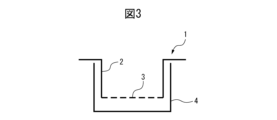
- FIG. 3 shows the state in which a cell culture insert is inserted into a well.
- porous membrane in the present invention refers to a membrane (film) that has many small voids inside or on its surface, and the material that forms this porous membrane is not particularly limited and may be an inorganic or organic substance, or a composite of both.
- the term “porous membrane” does not include so-called “woven fabric” or “nonwoven fabric” that are mostly made of fibers.
- the term does include porous membranes that contain fibers as a secondary component (for example, less than 30 wt% of the entire porous membrane).
- laminates of porous membranes and nonwoven fabrics, etc. are related to the present invention, since they use a porous membrane.
- liquid nitrogen is not used as a refrigerant during freezing and/or storage, and the concept of "without using liquid nitrogen” does not include cases where liquid nitrogen is used in other processes. In particular, it is preferable not to use liquid nitrogen other than during freezing and/or storage.
- seeding refers to a state in which cells are in contact with a substrate, or the act of doing so, and preferably refers to a state in which cells are attached or cultured on a substrate (such as a porous membrane), or the act of doing so.
- side A and “side B” refer to one of the two main surfaces of the porous membrane, side A, and the other side B.
- side A and “side B” are numbers given to the main surfaces for convenience, and do not represent the front or back side, etc.
- cryopreservation method cell culture method, and cryopreservation substrate of the present invention.
- cryopreservation method of the present invention involves cryopreserving cells for 30 days or more in a state where the cells are seeded on a porous membrane without using liquid nitrogen.
- the present specification will be described in the order of cells, porous membrane, and cryopreservation method.
- Cells The cells applicable to the present invention are not particularly limited. This is because the method of the present invention places a low burden on cells. Examples of cells that can be used include animal cells, insect cells, plant cells, yeast cells, and bacteria.
- Animal cells are broadly classified into cells derived from animals belonging to the phylum Vertebrate and cells derived from invertebrates (animals other than those belonging to the phylum Vertebrate), but in this specification, the origin of the animal cells is not particularly limited.
- the phylum Vertebrate includes the classes Agnathostomata and Gnathostomomata, and examples of the Gnathostomomata include the classes Mammalia, Aves, Amphibia, and Reptilia.
- the cells are derived from animals belonging to the class Mammalia, which are generally referred to as mammals.
- mammals include mice, rats, humans, monkeys, pigs, dogs, sheep, and goats.
- the origin of the plant cells in this specification is not particularly limited.
- cells of plants including mosses, ferns, and spermatophytes are of interest.
- Plants from which seed plant cells are derived include both monocotyledonous and dicotyledonous plants.
- monocotyledonous plants include, but are not limited to, plants of the Orchidaceae family, Gramineae plants (rice, corn, barley, wheat, sorghum, etc.), and Cyperaceae plants.
- dicotyledonous plants include plants belonging to many subclasses such as the Asteraceae, Magnolias, and Rosaceae.
- Algae can be considered as cell-derived organisms. They include different groups, such as the true bacteria, cyanobacteria (blue-green algae), the eukaryotic unicellular organisms (diatoms, xanthophytes, dinoflagellates, etc.), and the multicellular marine algae (red algae, brown algae, green algae).
- the method of the present invention is not limited to the type of animal or plant cells that can be used, but preferably, the cells can be selected from the group consisting of hybridomas, pluripotent stem cells, tissue stem cells, somatic cells, and germ cells.
- hybrida refers to antibody-producing cells obtained by cell fusion between B cells obtained by immunizing an animal other than a human with an antigen and myeloma cells.
- B cells and myeloma cells There are no particular limitations on the organisms from which the B cells and myeloma cells are derived, and examples include mice (including nude mice), rats, guinea pigs, rabbits, goats, sheep, and chickens.
- pluripotent stem cells refers collectively to stem cells that have the ability to differentiate into cells of any tissue (pluripotency).
- Pluripotent stem cells include, but are not limited to, embryonic stem cells (ES cells), induced pluripotent stem cells (iPS cells), embryonic germ stem cells (EG cells), and germ stem cells (GS cells).
- ES cells and iPS cells are preferred.
- iPS cells are particularly preferred because they are free of ethical issues. Any known pluripotent stem cells can be used, but for example, the pluripotent stem cells described in International Publication No. 2009/123349 (PCT/JP2009/057041) can be used.
- tissue stem cells refers to stem cells whose cell lineages are limited to specific tissues, but which have the ability to differentiate into a variety of cell types (multipotency). For example, hematopoietic stem cells in bone marrow become the source of blood cells, and neural stem cells differentiate into nerve cells. There are also various other types, such as hepatic stem cells that create the liver and skin stem cells that become skin tissue. Preferably, tissue stem cells can be selected from mesenchymal stem cells, hepatic stem cells, pancreatic stem cells, neural stem cells, skin stem cells, or hematopoietic stem cells.
- somatic cells refers to cells other than germ cells that make up a multicellular organism.
- somatic cells can be selected from liver cells, pancreatic cells, muscle cells, bone cells, osteoblasts, osteoclasts, chondrocytes, adipocytes, skin cells, fibroblasts, pancreatic cells, kidney cells, lung cells, or blood cells such as lymphocytes, red blood cells, white blood cells, monocytes, macrophages, or megakaryocytes.
- germ cells refers to cells that have the role of transmitting genetic information to the next generation during reproduction. Examples include gametes for sexual reproduction, i.e. eggs, egg cells, sperm, sperm cells, and spores for asexual reproduction.
- the cells may also be selected from the group consisting of sarcoma cells, cell lines, and transformed cells.
- sarcoma refers to cancer that develops in connective tissue cells derived from non-epithelial cells such as bone, cartilage, fat, muscle, and blood, and includes soft tissue sarcoma and malignant bone tumors.
- Sarcoma cells are cells derived from sarcoma.
- cell line refers to cultured cells that have been maintained outside the body for a long period of time, have acquired certain stable properties, and can be subcultured semi-permanently.
- cell lines derived from various tissues of various species, including humans, such as PC12 cells (derived from rat adrenal medulla), CHO cells (derived from Chinese hamster ovary), HEK293 cells (derived from human fetal kidney), HL-60 cells (derived from human white blood cells), HeLa cells (derived from human cervical cancer), Vero cells (derived from African green monkey kidney epithelial cells), MDCK cells (derived from dog kidney tubular epithelial cells), HepG2 cells (derived from human hepatoma), and pig kidney-derived cell line (CPK), and these can be used.
- Virus-producing cells for example, cell lines infected with various viruses (virus-producing cell lines) and cell lines into which vectors that produce various viruses (virus-producing vectors) have been introduced, can also be cryopreserved for a virus-producing cell lines
- transformed cells refers to cells whose genetic properties have been changed by introducing nucleic acid (such as DNA) from outside the cell. Suitable methods are known for the transformation of animal cells, plant cells, and bacteria, and these methods can also be used for transformed cells.
- any cell can be cryopreserved for a long period of time, and among them, hybridomas, tissue stem cells, and cell lines can be preferably selected, and in particular, hybridomas, mesenchymal stem cells, cell lines, and virus-producing cells can be selected.
- the method of the present invention allows for the cryopreservation for a long period of time of a single layer of cells or tissue, or a multi-layered (e.g., 2 to 5 layers, 2 to 4 layers, or 2 to 3 layers) cell layer or tissue.
- tissue refers to a structure formed by accumulating multiple cells, and examples of such tissue include skin tissue (e.g., skin tissue associated with hair roots), cardiac muscle tissue, skeletal muscle tissue, smooth muscle tissue, liver tissue, kidney tissue, digestive tract tissue, eye tissue (e.g., corneal tissue), brain tissue, thymus tissue, testis tissue, pancreatic tissue, thyroid tissue, mammary gland tissue, salivary gland tissue, and lung tissue.
- the tissue may be a sheet-like tissue (e.g., a cell sheet) formed by culturing cells derived from the tissue, or a sheet-like tissue isolated from a living tissue.
- porous membrane The porous membrane of the present invention mainly functions as a substrate for seeding cells during cryopreservation.
- This porous membrane means a membrane (film) with many small voids inside or on the surface, and the material forming this porous membrane is not particularly limited, and may be an inorganic material such as ceramics, an organic material such as polymeric porous membrane, or a composite of these.
- a polymeric porous membrane formed from a polymer will be described in detail.
- polymeric porous membrane refers to a surface layer A (hereinafter, also referred to as “side A” or “mesh side”) and a surface layer B (hereinafter, also referred to as “side B” or “large hole side”).
- the shape of the pores on the sides A and B may be the same or different.
- the size of the pores (average pore size) on the sides A and B is not particularly limited, but it is preferable that the average pore size of the pores on the side B is larger than the average pore size of the pores on the side A.
- the average pore diameter of the pores present on surface A (hereinafter sometimes referred to as "average pore diameter") is not particularly limited, but is preferably 0.01 ⁇ m or more, more preferably 0.05 ⁇ m or more, even more preferably 0.1 ⁇ m or more, and particularly preferably 0.5 ⁇ m or more.
- the upper limit is preferably less than 200 ⁇ m, more preferably 150 ⁇ m or less, even more preferably 100 ⁇ m or less, and particularly preferably 50 ⁇ m or less, 40 ⁇ m or less, 30 ⁇ m or less, 20 ⁇ m, and 15 ⁇ m or less.
- the average pore size of the pores present on surface B is preferably larger than the average pore size of the pores present on surface layer A.
- it is preferably greater than 5 ⁇ m, more preferably 20 ⁇ m or more, even more preferably 30 ⁇ m or more, and particularly preferably 50 ⁇ m or more, or 60 ⁇ m or more.
- the upper limit is preferably 200 ⁇ m or less, and more preferably 100 ⁇ m or less.
- the average pore size of the pores present in the surface layer of the polymeric porous membrane can be determined by measuring the pore area of 200 or more openings in a scanning electron microscope photograph of the porous membrane surface, and calculating the average diameter of the pores based on the average pore area according to the following formula (1), assuming that the pores are perfectly circular.
- the polymeric porous membrane used in the present invention may have an intermediate layer between the A side and the B side.
- This intermediate layer may be a solid layer with no pores, or a porous layer with pores. If it has pores, it may be the same as or different from the surface layer of the polymeric porous membrane.
- the intermediate layer is a porous layer, and the porous layer forms a macrovoid layer.
- macrovoid layer means a film in which the average pore size in the film plane direction of the layer is 10 ⁇ m or more.
- the average pore size in the film plane direction of the macrovoids in the macrovoid layer is not particularly limited, but for example, the upper limit of the average pore size is preferably 500 ⁇ m or less, more preferably 100 ⁇ m or less, and particularly preferably 80 ⁇ m or less.
- the thickness of the partition walls (frames that form the holes in the macrovoid layer) in the macrovoid layer is not particularly limited, but for example, it is preferably 0.01 ⁇ m or more, and the upper limit is preferably 50 ⁇ m or less, and more preferably 20 ⁇ m or less.
- At least one partition wall in the macrovoid layer may have a hole that connects adjacent macrovoids.
- the average pore size of the connecting holes is preferably 0.01 or more, and the upper limit is preferably 100 ⁇ m or less, and more preferably 50 ⁇ m or less.
- the partition wall in the macrovoid layer may not have a hole.
- the total thickness of the polymeric porous membrane (total thickness of sides A and B, and any intermediate layer, if any) is not particularly limited, but may be 5 ⁇ m or more, 10 ⁇ m or more, 20 ⁇ m or more, or 25 ⁇ m or more, and may be 500 ⁇ m or less, 300 ⁇ m or less, 100 ⁇ m or less, 75 ⁇ m or less, or 50 ⁇ m or less. It is preferably 5 to 500 ⁇ m, and more preferably 10 to 100 ⁇ m.
- the thickness of the polymeric porous membrane can be measured using a contact thickness gauge.
- the porosity of the polymeric porous membrane is not particularly limited, but is preferably 40% or more, more preferably 50% or more, and even more preferably 60% or more, and the upper limit is preferably less than 95%, more preferably 90% or less, and even more preferably 85% or less.
- the porosity of a polymeric porous membrane can be determined by measuring the thickness and mass of a polymeric porous membrane cut to a specified size, and calculating the porosity from the basis weight according to the following formula (2).
- S is the area of the polymer porous membrane
- d is the total membrane thickness
- w is the measured mass
- D is the density of the polymer.
- the density is 1.34 g/ cm3 .
- the polymeric porous membrane is preferably a three-layer structure polymeric porous membrane having surface layers A and B having a plurality of pores, and a macrovoid layer sandwiched between the surface layers A and B.
- the average pore size of the pores present in the surface layer A is preferably 0.01 ⁇ m or more and 15 ⁇ m or less
- the average pore size of the pores present in the surface layer B is preferably 20 ⁇ m or more and 100 ⁇ m or less.
- the shape of the polymeric porous membrane is not particularly limited, and the size can be adjusted to match the shape of the culture vessel or cryopreservation vessel to be used, for example.
- the polymeric porous membrane can be used in a state where it is a single membrane and placed in a culture dish or the like, but it may also be used in a state where a part of the membrane is fixed to a resin or metal, or in a state where it is housed in an appropriate casing such as that described in WO2018/021368.
- the polymeric porous membrane is sterilized.
- the sterilization process is not particularly limited, but any sterilization process can be selected from dry heat sterilization, ethylene oxide gas sterilization, high-pressure steam sterilization, sterilization with a disinfectant such as ethanol, and sterilization with electromagnetic waves such as ultraviolet rays and gamma rays and/or radiation. It is also possible to select multiple sterilization methods from these methods and combine them as appropriate.
- the polymer porous membrane has the structural characteristics described above, but it is particularly preferable to use a polyimide porous membrane formed from a polyimide porous material, or a polyethersulfone porous membrane formed from polyethersulfone (PES).
- a polyimide porous membrane formed from a polyimide porous material or a polyethersulfone porous membrane formed from polyethersulfone (PES).
- a cylindrical container and a cell culture insert in which the above-mentioned porous membrane is disposed at the bottom of the cylindrical container can be applied as a substrate for cryopreservation.
- the cell culture insert is also referred to as the "cell culture insert of the present invention” below.
- the term “cell culture insert” can be simply referred to as "insert”, and even if they are changed, they mean the same thing.
- the term "cell culture insert” refers to a cell culture insert that is inserted into each well of a dish or multi-well plate, which is commonly used for cell culture.
- a typical insert is a cylindrical container having a size that can be inserted into a dish or well, and has a bottom and sides to ensure a certain volume that allows cell culture.
- a cell culture insert is provided by disposing the above-mentioned porous membrane on the bottom of a cylindrical container.
- the cylindrical container has a space that allows cell culture inside the cell culture insert, and has a size that allows it to be inserted into a typical dish or well.
- the upper surface of the cylindrical container has an arm structure that can be hung on the upper surface of the dish or well so as not to come into contact with the bottom of the dish or well.
- the cylindrical container is not limited as long as it has the above-mentioned shape, and a commonly used, general-purpose, or commercially available container can be used, and a cell culture insert is provided by adhering a porous membrane to the bottom surface of this cylindrical container.
- a commonly used, general-purpose, or commercially available insert with a membrane disposed thereon may be used to apply a cell culture insert in which the porous membrane applied in the present invention is replaced.
- the size and shape of the porous membrane used in the present invention can be easily molded to match the shape of the bottom of the insert to be used.
- a schematic diagram of a cell culture insert inserted into a well is shown in Figure 3.
- the bottom of the insert generally has a circular or elliptical shape, and if it is circular, it is equal to or smaller than the upper opening diameter of the dish or well. Therefore, the diameter of the porous membrane placed at the bottom is appropriately adjusted to be equal to or smaller than the opening diameter of the dish (e.g., nominal diameter 35 mm, nominal diameter 60 mm, nominal diameter 100 mm, nominal diameter 150 mm, etc.) or well (e.g., 6 wells, 12 wells, 24 wells, 96 wells, etc.) into which the cell culture insert is inserted and used.
- the nominal diameter of the dish is a general value, and when the nominal diameter is 100 mm, the actual diameter of the dish is around 80 mm, and does not represent the exact diameter.
- the diameter of the porous membrane is typically 3 to 130 mm, which is the size that fits into the dish or well.
- the insert used in the present invention is preferably sterilized.
- the sterilization process is not particularly limited, but any sterilization process can be selected from dry heat sterilization, ethylene oxide gas sterilization, high-pressure steam sterilization, sterilization with a disinfectant such as ethanol, electromagnetic wave sterilization such as ultraviolet rays or gamma rays, and/or radiation sterilization. It is also possible to select multiple sterilization methods from these methods and combine them as appropriate.
- cryopreservation method can be carried out in a similar manner to the conventional method, except that the porous membrane (or the cell culture insert provided with the porous membrane) is used with the cells attached and supported thereon, and there is no need to detach the cells or use a centrifuge.
- the porous membrane (or the cell culture insert provided with the porous membrane) with the cells attached and supported thereon can be moved from the culture medium into a cryopreservation container containing a cryoprotectant, slowly frozen in an ultra-low temperature freezer (e.g., a deep freezer at about -80°C), and then cryopreserved at the desired temperature.
- an ultra-low temperature freezer e.g., a deep freezer at about -80°C
- the culture medium can be removed from the container, a cryoprotectant can be added, slowly frozen in an ultra-low temperature freezer, and then cryopreserved at the desired temperature.
- washing with, for example, PBS can be carried out as appropriate during these operations.
- a cryoprotectant solution may be placed only on the inside of the cell culture insert, or on both the inside and the outside, and the insert may be frozen in an ultra-low temperature freezer (e.g., a deep freezer at about -80°C), and then further cryopreserved at a desired temperature.
- higher temperature conditions without using liquid nitrogen refers to higher temperature conditions than liquid phase storage or gas phase storage using liquid nitrogen, with the lower limit being -150°C or higher, preferably -120°C or higher, and more preferably -90°C or higher.
- the ultra-low temperature freezer can be set to -150°C or higher, -120°C or higher, -100°C or higher, or -80°C.
- the upper limit may be, for example, -10°C or less, -20°C or less, -30°C or less, -40°C or less, -50°C or less, -60°C or less, or -70°C or less.
- the "higher temperature condition without using liquid nitrogen” may be any combination of the above lower and upper limits, for example, -150°C to -10°C, -150°C to -20°C, -150°C to -30°C, -150°C to -40°C, -150°C to -50°C, -150°C to -60°C, or -150°C to -70°C.
- It may also be, for example, -120°C to -10°C, -120°C to -20°C, -120°C to -30°C, -120°C to -40°C, -120°C to -50°C, -120°C to -60°C, or -120°C to -70°C. It may also be, for example, -100°C to -10°C, -100°C to -20°C, -100°C to -30°C, -100°C to -40°C, -100°C to -50°C, -100°C to -60°C, or -100°C to -70°C.
- It may also be, for example, -90°C to -10°C, -90°C to -20°C, -90°C to -30°C, -90°C to -40°C, -90°C to -50°C, -90°C to -60°C, or -90°C to -70°C.
- a "long-term" period for the cryopreservation of cells refers to a period of more than 1 month (or 30 days), preferably more than 3 months (or 90 days), more preferably more than 6 months (or 180 days), and more preferably more than 12 months (or 365 days).
- a "long-term” period for the cryopreservation of cells may be a period of at least 1 month (or at least 30 days), preferably at least 3 months (or at least 90 days), more preferably at least 6 months (or at least 180 days), and more preferably at least 12 months (or at least 365 days).
- the cell culture method of the present invention is a method comprising the following steps:
- Step (1) is a step of seeding cells before they are cryopreserved onto a porous membrane.
- the cells to be cryopreserved can be cultured using the porous membrane as a substrate.
- the cells may simply be attached to the porous membrane, or the cells may be cultured. This can be selected appropriately depending on the type and amount of cells to be cryopreserved.
- a known method can be used for cell culture, and the culture conditions can be appropriately determined depending on the type of cells, etc.
- Culture methods suitable for animal cells, plant cells, and bacterial cells are known, and a person skilled in the art can culture cells in a polymeric porous membrane using any known method.
- the cell culture medium can also be prepared appropriately depending on the type of cells.
- the (2) step is a step of cryopreserving the cells seeded on the porous membrane, and the details are as described in the cryopreservation method.
- To freeze the cells so-called slow cooling can be adopted. Slow cooling is preferable because it freezes the water outside the cells before ice is formed inside the cells.
- the technology of Non-Patent Document 2 or Patent Document 5 may be used, but the present invention is advantageous in that it maintains the function of the cells without using these technologies and allows them to be cryopreserved without deterioration.
- Step is a step of thawing the cryopreserved cells. This step can be carried out in a similar manner to the conventional method, except that washing procedures using a centrifuge are not required.
- Step (4) is a step of culturing the thawed cells (hereinafter also referred to as "re-culturing").
- This step can be performed in a similar manner to the conventional method, except that washing operations using a centrifuge and cell seeding are not required.
- the cryoprotectant after thawing the cryoprotectant, the polymer porous membrane with the cells attached and supported thereon can be moved from the cryoprotectant to the culture medium, and culture can be resumed.
- the cryoprotectant can be removed after thawing, and culture can be resumed by adding culture medium.
- washing with, for example, PBS can be performed as appropriate during these operations.
- cryopreservation substrate of the present invention is meaningful in that it is selected and used as a substrate with a porous membrane.
- the details of the porous membrane, particularly the details of the polymeric porous membrane, are as described above.
- polymeric porous membrane polyimide porous membrane and polyethersulfone porous membrane are taken as examples, and the manufacturing method thereof is described in detail.
- polyimide is a general term for polymers containing imide bonds in repeating units, preferably those containing 50 mol% or more of all repeating units, and usually means aromatic polyimides in which aromatic compounds are directly linked by imide bonds.
- Aromatic polyimides have a rigid and strong molecular structure because aromatics have a conjugated structure via imide bonds, and the imide bonds have strong intermolecular forces, so they have very high levels of thermal, mechanical, and chemical properties.
- the polyimide porous film that can be used in the present invention is preferably a polyimide porous film containing, as a main component, a polyimide obtained from a tetracarboxylic dianhydride and a diamine, and more preferably a polyimide porous film consisting of a polyimide obtained from a tetracarboxylic dianhydride and a diamine.
- Constants as a main component means that the polyimide porous film does not essentially contain any components other than the polyimide obtained from the tetracarboxylic dianhydride and the diamine as constituent components, or may contain such components, but these are additional components that do not affect the properties of the polyimide obtained from the tetracarboxylic dianhydride and the diamine.
- Polyamic acid is obtained by polymerizing a tetracarboxylic acid component and a diamine component.
- Polyamic acid is a precursor for forming polyimide that can be ring-closed to form polyimide by thermal or chemical imidization.
- the polyamic acid may be partially imidized as long as it does not affect the present invention.
- the polyamic acid may be partially thermally or chemically imidized.
- additives such as an imidization catalyst, an organic phosphorus-containing compound, inorganic fine particles, organic fine particles, etc.
- a solution in which polyamic acid is dissolved hereinafter also referred to as a "polyamic acid solution"
- additives such as a chemical imidization agent, a dehydrating agent, inorganic fine particles, organic fine particles, etc., can be added to a polyamic acid solution as needed.
- the polyimide porous film that can be used in the present invention includes a colored polyimide porous film obtained by molding a polyamic acid solution composition containing a polyamic acid solution obtained from a tetracarboxylic acid component and a diamine component and a colored precursor, and then heat treating the polyamic acid solution composition at 250°C or higher.
- colored precursor refers to a precursor that is partially or completely carbonized by heat treatment at 250°C or higher to produce a colored product.
- the colored precursor that can be used in the manufacture of the polyimide porous film is preferably one that is uniformly dissolved or dispersed in a polyamic acid solution or polyimide solution, and thermally decomposed by heat treatment at 250°C or higher, preferably 260°C or higher, more preferably 280°C or higher, and more preferably 300°C or higher, preferably in the presence of oxygen such as air, at 250°C or higher, preferably 260°C or higher, more preferably 280°C or higher, and more preferably 300°C or higher, and carbonized to produce a colored product, more preferably one that produces a black colored product, and more preferably a carbon-based colored precursor.
- the colored precursors When the colored precursors are heated, they appear to be carbonized at first glance, but in terms of their structure they contain elements other than carbon, and include layered structures, aromatic bridged structures, and disordered structures that include tetrahedral carbon.
- the carbon-based coloring precursor is not particularly limited, and examples include tar or pitch such as petroleum tar, petroleum pitch, coal tar, and coal pitch, coke, polymers obtained from monomers containing acrylonitrile, ferrocene compounds (ferrocene and ferrocene derivatives), etc.
- tar or pitch such as petroleum tar, petroleum pitch, coal tar, and coal pitch
- polymers obtained from monomers containing acrylonitrile ferrocene compounds (ferrocene and ferrocene derivatives), etc.
- polymers and/or ferrocene compounds obtained from monomers containing acrylonitrile are preferred, and polyacrylonitrile is preferred as a polymer obtained from a monomer containing acrylonitrile.
- the above-mentioned additives may be used. In this case, it is preferable to carry out the process under conditions where the colored precursor does not precipitate even if the additive is mixed into the polyamic acid solution.
- the polyimide porous film that can be used in the present invention includes a polyimide porous film obtained by molding a polyamic acid solution obtained from a tetracarboxylic acid component and a diamine component, without using the above-mentioned colored precursor, and then heat-treating the polyimide porous film.
- the polyimide porous film may be produced, whether or not a colored precursor is used, by casting a polyamic acid solution consisting of 3 to 60% by mass of a polyamic acid having an intrinsic viscosity of 1.0 to 3.0 and 40 to 97% by mass of an organic polar solvent into a film, immersing or contacting the film with a coagulation solvent containing water as an essential component to produce a porous film of polyamic acid, and then heat-treating the porous film of polyamic acid to imidize it.
- the coagulation solvent containing water as an essential component may be water, or a mixture of 5% to less than 100% by mass of water and more than 0% to 95% by mass of an organic polar solvent. After the imidization, at least one side of the resulting porous polyimide film may be subjected to a plasma treatment.
- tetracarboxylic dianhydride can be used in the production of the above-mentioned polyimide porous film, and can be appropriately selected depending on the desired properties, etc.
- tetracarboxylic dianhydrides include pyromellitic dianhydride, biphenyl tetracarboxylic dianhydrides such as 3,3',4,4'-biphenyl tetracarboxylic dianhydride (s-BPDA) and 2,3,3',4'-biphenyl tetracarboxylic dianhydride (a-BPDA), oxydiphthalic dianhydride, diphenylsulfone-3,4,3',4'-tetracarboxylic dianhydride, bis(3,4-dicarboxyphenyl)sulfide dianhydride, 2,2-bis(3,4-dicarboxyphenyl)-1,1,1,3,3,3-hexafluoropropane dianhydride, 2,2-
- dianhydride p-phenylene bis(trimellitic acid monoester acid anhydride), p-biphenylene bis(trimellitic acid monoester acid anhydride), m-terphenyl-3,4,3',4'-tetracarboxylic acid dianhydride, p-terphenyl-3,4,3',4'-tetracarboxylic acid dianhydride, 1,3-bis(3,4-dicarboxyphenoxy)benzene dianhydride, 1,4-bis(3,4-dicarboxyphenoxy)benzene dianhydride, 1,4-bis(3,4-dicarboxyphenoxy)biphenyl dianhydride, 2,2-bis[(3,4-dicarboxyphenoxy)phenyl]propane dianhydride, 2,3,6,7-naphthalene tetracarboxylic acid dianhydride, 1,4,5,8-naphthalene tetracarboxylic acid dianhydride, 4,4
- At least one aromatic tetracarboxylic dianhydride selected from the group consisting of biphenyltetracarboxylic dianhydride and pyromellitic dianhydride is particularly preferred.
- the biphenyltetracarboxylic dianhydride those containing 3,3',4,4'-biphenyltetracarboxylic dianhydride can be preferably used.
- diamine Any diamine can be used in the production of the polyimide porous film.
- diamines include the following:
- Benzenediamines having one benzene nucleus such as 1,4-diaminobenzene (paraphenylenediamine), 1,3-diaminobenzene, 2,4-diaminotoluene, and 2,6-diaminotoluene;
- Diaminodiphenyl ethers such as 4,4'-diaminodiphenyl ether and 3,4'-diaminodiphenyl ether, 4,4'-diaminodiphenylmethane, 3,3'-dimethyl-4,4'-diaminobiphenyl, 2,2'-dimethyl-4,4'-diaminobiphenyl, 2,2'-bis(trifluoromethyl)-4,4'-diaminobiphenyl, 3,3'-dimethyl-4,4'-diaminodiphenylmethane, 3,3'-dicarboxy-4,4'-diaminodiphenyl
- diamine to be used can be selected appropriately depending on the desired properties, etc.
- aromatic diamine compounds are preferred, and 3,3'-diaminodiphenyl ether, 3,4'-diaminodiphenyl ether, 4,4'-diaminodiphenyl ether, paraphenylenediamine, 1,3-bis(3-aminophenyl)benzene, 1,3-bis(4-aminophenyl)benzene, 1,4-bis(3-aminophenyl)benzene, 1,4-bis(4-aminophenyl)benzene, 1,3-bis(4-aminophenoxy)benzene, and 1,4-bis(3-aminophenoxy)benzene can be suitably used.
- at least one diamine selected from the group consisting of benzenediamine, diaminodiphenyl ether, and bis(aminophenoxy)phenyl is preferred.
- the polyimide porous film that can be used in the present invention is preferably formed from a polyimide obtained by combining a tetracarboxylic dianhydride and a diamine that has a glass transition temperature of 240°C or higher or has no clear transition point at 300°C or higher.
- the polyimide porous film that can be used in the present invention is preferably a polyimide porous film made of the following aromatic polyimides, from the viewpoints of heat resistance and dimensional stability at high temperatures.
- an aromatic polyimide comprising at least one tetracarboxylic acid unit selected from the group consisting of biphenyltetracarboxylic acid units and pyromellitic acid units, and an aromatic diamine unit;
- an aromatic polyimide comprising a tetracarboxylic acid unit and at least one aromatic diamine unit selected from the group consisting of a benzenediamine unit, a diaminodiphenyl ether unit and a bis(aminophenoxy)phenyl unit; and/or
- An aromatic polyimide comprising at least one tetracarboxylic acid unit selected from the group consisting of biphenyltetracarboxylic acid units and pyromellitic acid units, and at least one aromatic diamine unit selected from the group consisting of benzenediamine units, diaminodiphenyl ether units, and bis(aminophenoxy)phenyl units.
- the polyimide porous film that can be used in the present invention is preferably a three-layer polyimide porous film having a surface layer A and a surface layer B having a plurality of pores, and a macrovoid layer sandwiched between the surface layer A and the surface layer B, in which the average pore size of the pores in the surface layer A is preferably 0.01 ⁇ m or more and 15 ⁇ m or less, and the average pore size of the pores in the surface layer B is preferably 20 ⁇ m or more and 100 ⁇ m or less.
- the macrovoid layer preferably has a partition wall bonded to the surface layers A and B, and a plurality of macrovoids surrounded by the partition wall and the surface layers A and B, and the thickness of the partition wall of the macrovoid layer and the surface layers A and B is preferably 0.01 or more and 20 ⁇ m or less.
- the pores in the surface layers A and B are connected to the macrovoids, and the total film thickness is preferably 5 ⁇ m or more and 500 ⁇ m or less.
- the porosity of the polyimide porous film is preferably 40% or more and less than 95%.
- At least one partition wall in the macrovoid layer may have one or more holes that connect adjacent macrovoids and have an average pore size of 0.01 ⁇ m or more and 100 ⁇ m or less, preferably 0.01 ⁇ m or more and 50 ⁇ m or less.
- polyimide porous films described in International Publication No. 2010/038873, Japanese Patent Application Publication No. 2011-219585, or Japanese Patent Application Publication No. 2011-219586 can also be used in the present invention.
- PES porous membrane that can be used in the present invention contains polyethersulfone, and typically consists essentially of polyethersulfone.
- the polyethersulfone may be synthesized by a method known to those skilled in the art, for example, a method in which a dihydric phenol, an alkali metal compound, and a dihalogenodiphenyl compound are subjected to a polycondensation reaction in an organic polar solvent, or a method in which an alkali metal disalt of a dihydric phenol is synthesized in advance and then subjected to a polycondensation reaction with a dihalogenodiphenyl compound in an organic polar solvent.
- alkali metal compounds include alkali metal carbonates, alkali metal hydroxides, alkali metal hydrides, and alkali metal alkoxides. Sodium carbonate and potassium carbonate are particularly preferred.
- Dihydric phenol compounds include hydroquinone, catechol, resorcin, 4,4'-biphenol, bis(hydroxyphenyl)alkanes (e.g., 2,2-bis(hydroxyphenyl)propane and 2,2-bis(hydroxyphenyl)methane), dihydroxydiphenyl sulfones, dihydroxydiphenyl ethers, and compounds in which at least one hydrogen atom on the benzene ring is substituted with a lower alkyl group such as a methyl group, an ethyl group, or a propyl group, or a lower alkoxy group such as a methoxy group or an ethoxy group. Two or more of the above compounds can be mixed together to use as the dihydric phenol compound.
- the logarithmic viscosity of the polyethersulfone is preferably 0.5 or more, more preferably 0.55 or more, from the viewpoint of favorable formation of macrovoids in the PES porous membrane, and is preferably 1.0 or less, more preferably 0.9 or less, even more preferably 0.8 or less, and particularly preferably 0.75 or less, from the viewpoint of ease of manufacturing the PES porous membrane.
- the PES porous membrane or the polyethersulfone used as its raw material has a glass transition temperature of 200°C or higher, or that no clear glass transition temperature is observed.
- the method for producing the PES porous membrane that can be used in the present invention is not particularly limited, but may be, for example,
- the porous PES membrane may be produced by a method including the steps of: casting a polyethersulfone solution containing 0.3% by mass to 60% by mass of polyethersulfone having an inherent viscosity of 0.5 to 1.0 and 40% by mass to 99.7% by mass of an organic polar solvent into a film; and immersing or contacting the film with a coagulation solvent containing a poor solvent or a non-solvent for polyethersulfone as an essential component to produce a coagulated membrane having pores; and heat-treating the coagulated membrane having pores obtained in the above step to coarsen the pores, thereby obtaining a porous PES membrane, wherein the heat treatment includes raising the temperature of the coagulated membrane having pores to a temperature equal to or higher than the glass transition temperature of the polyethersulfone, or to 240° C. or higher.
- the PES porous membrane that can be used in the present invention is preferably a PES porous membrane having a surface layer A, a surface layer B, and a macrovoid layer sandwiched between the surface layer A and the surface layer B, the macrovoid layer has partition walls bonded to the surface layers A and B, and a plurality of macrovoids surrounded by the partition walls and the surface layers A and B, the average pore size in a membrane plane direction being 10 ⁇ m to 500 ⁇ m;
- the partition walls of the macrovoid layer have a thickness of 0.1 ⁇ m to 50 ⁇ m, Each of the surface layers A and B has a thickness of 0.1 ⁇ m to 50 ⁇ m;
- One of the surface layers A and B has a plurality of pores having an average pore diameter of more than 5 ⁇ m and not more than 200 ⁇ m, and the other has a plurality of pores having an average pore diameter of 0.01 ⁇ m or more and less than 200 ⁇ m, one of the surface layers A and B has a surface opening ratio
- the cryopreservation substrate of the present invention may be a porous membrane as is, or may be a laminated porous membrane made by laminating multiple porous membranes, or the laminated porous membrane may be laminated with another layer such as a mesh.
- the cryopreservation substrate obtained in this way can be used not only for cryopreservation but also as a substrate for cell culture, reducing the burden on the cells being cryopreserved.
- the modularized polymer porous membrane (hereinafter also referred to as "module") was obtained by alternately stacking the laminated polyimide porous membrane (A) and mesh (B) described below in the order of ABABA, housing the stack in a polyethylene casing having 16 medium inlet/outlet ports of 2 mm x 2 mm on one side, and then sterilizing it with gamma rays.
- FBS-Eagle medium Eagle medium to which FBS (fetal bovine serum) (hereinafter also referred to as "FBS") has been added so that the FBS concentration is 5 wt%.
- FBS-Eagle medium Eagle medium to which FBS has been added so that the FBS concentration is 2 wt%.
- 10 wt% FBS/10 wt% DMSO-Eagle medium Eagle medium to which FBS and DMSO have been added so that the FBS concentration is 10 wt% and the DMSO concentration is 10 wt%.
- the evaluation methods in the present examples are as follows. ⁇ Virus titer> The culture supernatant was centrifuged at 3,000 rpm at 4° C. for 15 minutes, and the supernatant was recovered and serially diluted 10-fold with 5 wt % FBS-Eagle medium to obtain diluted solutions.
- a 96-well plate was seeded with 0.15 mL/well of a porcine kidney-derived cell line (1.5 x 10⁵ cells/mL), which had been previously suspended in 5% FBS-Eagle medium, and each dilution was inoculated into 4 wells at 0.05 mL/well, and cultured at 37°C and 5% CO2 .
- 0.05 mL of the supernatant from each well was transferred to a new 96-well V-bottom plate, and 0.05 mL of a 0.5 vol% guinea pig red blood cell suspension was added to each well and allowed to stand overnight at 4°C.
- the virus titer was calculated by the Behrens-Karber method using the presence or absence of red blood cell agglutination as an indicator.
- the program from 98°C for 10 seconds to 72°C for 1 minute means that 98°C for 10 seconds, 55°C for 30 seconds, and 72°C for 1 minute are counted as one set, and this means that a total of 30 cycles of one set were performed.
- PCR products were subjected to 2% agarose gel electrophoresis to confirm that bands of the target sizes shown in Table 2 were detected, and the PCR products were purified using NucleoSpin (registered trademark) Gel and PCR Clean-up (manufactured by TaKaRa) in accordance with the attached operating instructions.
- NucleoSpin registered trademark
- PCR Clean-up manufactured by TaKaRa
- the entire content of the 50 mL tube was transferred to a 75 cm 2 flask for tissue culture, and static culture was continued for an additional 6 days at 37° C. under 5% CO 2 , after which the module was washed with PBS.
- virus solution a porcine parvovirus solution
- the module was removed from the virus solution and transferred to a new 75 cm 2 flask for tissue culture containing 30 mL of 2% FBS-Eagle medium, and static culture was initiated at 37° C. under 5% CO 2 .
- porcine parvovirus-infected porcine kidney-derived cell line was cultured for 14 days after virus infection (a total of 14 days of culture after virus inoculation).
- porcine parvovirus-infected porcine kidney-derived cell lines were frozen and stored for periods of 3, 6, 9, and 12 months instead of 1 month.
- porcine parvovirus-infected porcine kidney-derived cell lines with different frozen storage periods were frozen and preserved.
- the module was removed from the storage tube, immersed in PBS to wash, and then transferred to a 75 cm2 flask for tissue culture containing 30 mL of Eagle's medium supplemented with 2% FBS, and static culture was resumed at 37°C under 5 % CO2.
- a porcine parvovirus-infected porcine kidney cell line was cultured in flasks.
- (1) Initial inoculation A porcine kidney-derived cell line (20 mL) adjusted to 2.0 ⁇ 10 cells/mL with 5% FBS-Eagle medium was placed in a 75 cm2 flask for tissue culture, and a porcine parvovirus solution was added to give a multiplicity of infection of 0.01. The cells were then cultured at 37°C under 5% CO2.
- the culture supernatant was removed by aspiration, 30 mL of 2% FBS-Eagle medium was added, and the cells were further cultured at 37° C. under 5% CO 2 for an additional 6 days (a total of 7 days of culture after inoculation).
- Table 4 and Figures 1 and 2 show that compared to cells cryopreserved in liquid nitrogen and cells that were not cryopreserved, cells cryopreserved in an ultra-low temperature freezer for 12 months showed no change in virus titer over a period of four weeks, and cell function was maintained.
- Tables 5 to 11 show that compared to cells frozen and stored in liquid nitrogen and cells that were not cryopreserved, cells frozen and stored in an ultra-low temperature freezer for 12 months showed no significant difference in viral genome mutations over a period of four weeks.
- Example 2 The following 6-well inserts were used in this example.
- the existing membrane was peeled off from a 6-well cell culture insert (Greiner ThinCert (registered trademark), 6-well, product number 657641), and a polyimide porous membrane was attached to prepare an insert.
- the "polyimide porous membrane” used refers to a polyimide porous membrane with a total thickness of 25 ⁇ m and a porosity of 73%.
- the polyimide porous membrane had two different surface layers (side A and side B) and a macrovoid layer sandwiched between the two surface layers.
- the average pore size of the holes present on side A was 6 ⁇ m
- the average pore size of the holes present on side B was 30 ⁇ m.
- the following 24-well inserts were used in this example.
- the existing membrane was peeled off from a 24-well cell culture insert (Greiner ThinCert (registered trademark), 24-well, product number 662640), and a polyimide porous membrane was attached to prepare an insert.
- the "polyimide porous membrane” used refers to a polyimide porous membrane with a total thickness of 25 ⁇ m and a porosity of 73%.
- the polyimide porous membrane had two different surface layers (side A and side B) and a macrovoid layer sandwiched between the two surface layers.
- the average pore size of the holes present on side A was 6 ⁇ m
- the average pore size of the holes present on side B was 30 ⁇ m.
- the 6-well plate was wrapped in parafilm (product number PM-996, Bemis), placed in a zipper bag (ziplock bag, thickness 0.04 mm, product number 4J, Monotaro), and placed in an ultra-low temperature freezer (Mybio, product number VT-78HC, Nippon Freezer) set at -80°C, and frozen for approximately 9 months to 5 months.
- the 24-well plate was wrapped around the periphery with parafilm, then placed in a zipper bag (ziplock bag, thickness 0.04 mm, product number: 4J, Monotaro), placed in an ultra-low temperature freezer with a set temperature of -80 degrees, and frozen for approximately 9 months and 5 months.
- a zipper bag ziplock bag, thickness 0.04 mm, product number: 4J, Monotaro
- the insert was removed from the thawed frozen solution and placed in the well of the 6-well plate to which PBS had been added in advance. 2 mL of PBS was added to the inside of the insert. After removing the PBS, 4.5 mL of PBS was added.
- 0.5 mL of medium was added per well to a 24-well plate (Tissue Culture Plate, product number: 353047, FALCON). The inserts immersed in PBS for washing were removed and placed in the 24-well plate to which medium had been added. 0.5 mL of medium was added to the inside of the inserts. Static culture was resumed at 37°C in the presence of 5% CO2 . The medium was replaced twice a week, and 0.5 to 1 mL of the medium was collected to obtain a culture supernatant.
- Table 12 shows that compared to cells before freezing, cells cryopreserved in an ultra-low temperature freezer for 5 or 9 months maintained the fibronectin concentration in the culture supernatant, indicating that the fibronectin production function was maintained.
- cells can be frozen for long periods without changing the substrate, simplifying the process of freezing and thawing cells and enabling cells to maintain their function for long periods without using liquid nitrogen. This makes it possible to significantly reduce the costs of long-term storage and transportation of frozen cells.
- the present invention can make a significant contribution, particularly to the field of biology, including regenerative medicine.
Landscapes
- Health & Medical Sciences (AREA)
- Life Sciences & Earth Sciences (AREA)
- Engineering & Computer Science (AREA)
- Bioinformatics & Cheminformatics (AREA)
- Chemical & Material Sciences (AREA)
- Wood Science & Technology (AREA)
- Organic Chemistry (AREA)
- Zoology (AREA)
- Biomedical Technology (AREA)
- Biotechnology (AREA)
- Genetics & Genomics (AREA)
- Biochemistry (AREA)
- General Engineering & Computer Science (AREA)
- General Health & Medical Sciences (AREA)
- Microbiology (AREA)
- Sustainable Development (AREA)
- Cell Biology (AREA)
- Immunology (AREA)
- Molecular Biology (AREA)
- Virology (AREA)
- Medicinal Chemistry (AREA)
- Micro-Organisms Or Cultivation Processes Thereof (AREA)
Abstract
Priority Applications (4)
| Application Number | Priority Date | Filing Date | Title |
|---|---|---|---|
| JP2025528007A JPWO2024257852A1 (fr) | 2023-06-15 | 2024-06-14 | |
| CN202480039093.0A CN121285618A (zh) | 2023-06-15 | 2024-06-14 | 细胞的冷冻保存方法、细胞培养方法及冷冻保存基材 |
| KR1020257041716A KR20260026017A (ko) | 2023-06-15 | 2024-06-14 | 세포의 동결 보존 방법, 세포 배양 방법 및 동결 보존 기재 |
| EP24823465.0A EP4729607A1 (fr) | 2023-06-15 | 2024-06-14 | Procédé de cryoconservation de cellules, procédé de culture de cellules et substrat de cryoconservation |
Applications Claiming Priority (4)
| Application Number | Priority Date | Filing Date | Title |
|---|---|---|---|
| JP2023-098735 | 2023-06-15 | ||
| JP2023098735 | 2023-06-15 | ||
| JP2023-103140 | 2023-06-23 | ||
| JP2023103140 | 2023-06-23 |
Publications (1)
| Publication Number | Publication Date |
|---|---|
| WO2024257852A1 true WO2024257852A1 (fr) | 2024-12-19 |
Family
ID=93852274
Family Applications (1)
| Application Number | Title | Priority Date | Filing Date |
|---|---|---|---|
| PCT/JP2024/021655 Ceased WO2024257852A1 (fr) | 2023-06-15 | 2024-06-14 | Procédé de cryoconservation de cellules, procédé de culture de cellules et substrat de cryoconservation |
Country Status (5)
| Country | Link |
|---|---|
| EP (1) | EP4729607A1 (fr) |
| JP (1) | JPWO2024257852A1 (fr) |
| KR (1) | KR20260026017A (fr) |
| CN (1) | CN121285618A (fr) |
| WO (1) | WO2024257852A1 (fr) |
Citations (13)
| Publication number | Priority date | Publication date | Assignee | Title |
|---|---|---|---|---|
| JPH06209767A (ja) | 1993-01-16 | 1994-08-02 | Japan Vilene Co Ltd | 動物細胞の凍結保存方法及び凍結保存担体 |
| JP2004057031A (ja) * | 2002-07-25 | 2004-02-26 | Sanyo Electric Co Ltd | 細胞の凍結保存方法 |
| WO2009123349A1 (fr) | 2008-03-31 | 2009-10-08 | オリエンタル酵母工業株式会社 | Procédé pour la prolifération d'une cellule souche pluripotente |
| WO2010038873A1 (fr) | 2008-10-02 | 2010-04-08 | 宇部興産株式会社 | Membrane de polyimide poreuse et son procédé de production |
| JP2011219585A (ja) | 2010-04-07 | 2011-11-04 | Ube Industries Ltd | 多孔質ポリイミド膜及びその製造方法 |
| JP2011219586A (ja) | 2010-04-07 | 2011-11-04 | Ube Industries Ltd | 多孔質ポリイミド膜及びその製造方法 |
| WO2014196549A1 (fr) | 2013-06-03 | 2014-12-11 | 国立大学法人京都大学 | Procédé de culture tridimensionnelle de cellules au moyen de fibre sur fibre et substrat pour ce faire |
| WO2016121767A1 (fr) | 2015-01-26 | 2016-08-04 | 宇部興産株式会社 | Culture de cellules à long terme utilisant une membrane poreuse en polyimide et procédé de cryoconservation de cellules utilisant ladite membrane poreuse en polyimide |
| WO2018021368A1 (fr) | 2016-07-25 | 2018-02-01 | 宇部興産株式会社 | Module de culture cellulaire |
| JP2020505033A (ja) * | 2017-01-27 | 2020-02-20 | ストラタテック コーポレーション | 組織容器システム |
| JP2020039326A (ja) | 2018-09-13 | 2020-03-19 | 極東製薬工業株式会社 | 間葉系幹細胞の凍害保護液とその利用 |
| JP2020171317A (ja) | 2015-11-30 | 2020-10-22 | 一般財団法人生産技術研究奨励会 | 細胞培養方法及びマイクロファイバ |
| WO2021029409A1 (fr) * | 2019-08-09 | 2021-02-18 | 宇部興産株式会社 | Procédé de culture cellulaire utilisant une membrane poreuse de petite taille |
-
2024
- 2024-06-14 WO PCT/JP2024/021655 patent/WO2024257852A1/fr not_active Ceased
- 2024-06-14 CN CN202480039093.0A patent/CN121285618A/zh active Pending
- 2024-06-14 JP JP2025528007A patent/JPWO2024257852A1/ja active Pending
- 2024-06-14 EP EP24823465.0A patent/EP4729607A1/fr active Pending
- 2024-06-14 KR KR1020257041716A patent/KR20260026017A/ko active Pending
Patent Citations (13)
| Publication number | Priority date | Publication date | Assignee | Title |
|---|---|---|---|---|
| JPH06209767A (ja) | 1993-01-16 | 1994-08-02 | Japan Vilene Co Ltd | 動物細胞の凍結保存方法及び凍結保存担体 |
| JP2004057031A (ja) * | 2002-07-25 | 2004-02-26 | Sanyo Electric Co Ltd | 細胞の凍結保存方法 |
| WO2009123349A1 (fr) | 2008-03-31 | 2009-10-08 | オリエンタル酵母工業株式会社 | Procédé pour la prolifération d'une cellule souche pluripotente |
| WO2010038873A1 (fr) | 2008-10-02 | 2010-04-08 | 宇部興産株式会社 | Membrane de polyimide poreuse et son procédé de production |
| JP2011219585A (ja) | 2010-04-07 | 2011-11-04 | Ube Industries Ltd | 多孔質ポリイミド膜及びその製造方法 |
| JP2011219586A (ja) | 2010-04-07 | 2011-11-04 | Ube Industries Ltd | 多孔質ポリイミド膜及びその製造方法 |
| WO2014196549A1 (fr) | 2013-06-03 | 2014-12-11 | 国立大学法人京都大学 | Procédé de culture tridimensionnelle de cellules au moyen de fibre sur fibre et substrat pour ce faire |
| WO2016121767A1 (fr) | 2015-01-26 | 2016-08-04 | 宇部興産株式会社 | Culture de cellules à long terme utilisant une membrane poreuse en polyimide et procédé de cryoconservation de cellules utilisant ladite membrane poreuse en polyimide |
| JP2020171317A (ja) | 2015-11-30 | 2020-10-22 | 一般財団法人生産技術研究奨励会 | 細胞培養方法及びマイクロファイバ |
| WO2018021368A1 (fr) | 2016-07-25 | 2018-02-01 | 宇部興産株式会社 | Module de culture cellulaire |
| JP2020505033A (ja) * | 2017-01-27 | 2020-02-20 | ストラタテック コーポレーション | 組織容器システム |
| JP2020039326A (ja) | 2018-09-13 | 2020-03-19 | 極東製薬工業株式会社 | 間葉系幹細胞の凍害保護液とその利用 |
| WO2021029409A1 (fr) * | 2019-08-09 | 2021-02-18 | 宇部興産株式会社 | Procédé de culture cellulaire utilisant une membrane poreuse de petite taille |
Non-Patent Citations (2)
| Title |
|---|
| CELL, vol. 126, 2006, pages 677 - 689 |
| SCIENTIFIC REPORTS, vol. 6, 2016, pages 1 - 13 |
Also Published As
| Publication number | Publication date |
|---|---|
| CN121285618A (zh) | 2026-01-06 |
| EP4729607A1 (fr) | 2026-04-22 |
| KR20260026017A (ko) | 2026-02-25 |
| JPWO2024257852A1 (fr) | 2024-12-19 |
Similar Documents
| Publication | Publication Date | Title |
|---|---|---|
| EP3026108B1 (fr) | Procédé de culture cellulaire, appareil et kit de culture cellulaire | |
| CA2974276C (fr) | Culture de cellules a long terme utilisant une membrane poreuse en polyimide et procede de cryoconservation de cellules utilisant ladite membrane poreuse en polyimide | |
| CN109563476B (zh) | 细胞的培养方法、悬浮的细胞的除去方法及杀灭悬浮的细胞的方法 | |
| US11932841B2 (en) | Cell cultivation module | |
| KR102314057B1 (ko) | 세포 배양 장치 및 그것을 사용한 세포 배양 방법 | |
| WO2024257852A1 (fr) | Procédé de cryoconservation de cellules, procédé de culture de cellules et substrat de cryoconservation | |
| JPWO2018021357A1 (ja) | 幹細胞の分化を抑制する方法、幹細胞を調製する方法、及び幹細胞を分化誘導する方法 | |
| CA2974071C (fr) | Procede de production de substance | |
| CN110475859A (zh) | 抑制神经干细胞分化的方法、制备神经干细胞的方法、和诱导神经干细胞分化的方法 | |
| CN109477055B (zh) | 细胞的制备方法、细胞培养装置和试剂盒 | |
| JPWO2018021362A1 (ja) | 脱分化しやすい細胞の脱分化を抑制する方法、当該細胞の調製方法、及び物質の産生方法 | |
| JP2024131799A (ja) | 細胞の増殖速度及び/又は物質産生を促進させる方法、増殖速度及び/又は物質産生が促進された細胞並びに細胞の増殖速度及び/又は物質産生を促進させるためのモジュール化ポリイミド多孔質膜 | |
| JP2025156245A (ja) | 一過性遺伝子発現ベクターに導入された遺伝子からの遺伝子産物を製造する方法 | |
| JP2024071498A (ja) | スキャフォールドフリー三次元軟骨組織体を製造する方法、スキャフォールドフリー三次元軟骨組織体、及びスキャフォールドフリー三次元軟骨組織体を製造するためのモジュール化ポリイミド多孔質膜 | |
| EP3489346A1 (fr) | Dispositif de culture cellulaire, et procédé de culture cellulaire l'utilisant |
Legal Events
| Date | Code | Title | Description |
|---|---|---|---|
| 121 | Ep: the epo has been informed by wipo that ep was designated in this application |
Ref document number: 24823465 Country of ref document: EP Kind code of ref document: A1 |
|
| ENP | Entry into the national phase |
Ref document number: 2025528007 Country of ref document: JP Kind code of ref document: A |
|
| WWE | Wipo information: entry into national phase |
Ref document number: 2025528007 Country of ref document: JP |
|
| WWE | Wipo information: entry into national phase |
Ref document number: 2024823465 Country of ref document: EP |
|
| NENP | Non-entry into the national phase |
Ref country code: DE |
|
| ENP | Entry into the national phase |
Ref document number: 2024823465 Country of ref document: EP Effective date: 20260115 |
|
| ENP | Entry into the national phase |
Ref document number: 2024823465 Country of ref document: EP Effective date: 20260115 |
|
| ENP | Entry into the national phase |
Ref document number: 2024823465 Country of ref document: EP Effective date: 20260115 |
|
| ENP | Entry into the national phase |
Ref document number: 2024823465 Country of ref document: EP Effective date: 20260115 |