WO2025006830A2 - Compounds for the treatment of retinitis pigmentosa and methods of making and using the same - Google Patents
Compounds for the treatment of retinitis pigmentosa and methods of making and using the same Download PDFInfo
- Publication number
- WO2025006830A2 WO2025006830A2 PCT/US2024/035948 US2024035948W WO2025006830A2 WO 2025006830 A2 WO2025006830 A2 WO 2025006830A2 US 2024035948 W US2024035948 W US 2024035948W WO 2025006830 A2 WO2025006830 A2 WO 2025006830A2
- Authority
- WO
- WIPO (PCT)
- Prior art keywords
- formula
- group
- compounds
- substituted
- analogue
- Prior art date
- Legal status (The legal status is an assumption and is not a legal conclusion. Google has not performed a legal analysis and makes no representation as to the accuracy of the status listed.)
- Ceased
Links
Classifications
-
- C—CHEMISTRY; METALLURGY
- C07—ORGANIC CHEMISTRY
- C07C—ACYCLIC OR CARBOCYCLIC COMPOUNDS
- C07C323/00—Thiols, sulfides, hydropolysulfides or polysulfides substituted by halogen, oxygen or nitrogen atoms, or by sulfur atoms not being part of thio groups
- C07C323/50—Thiols, sulfides, hydropolysulfides or polysulfides substituted by halogen, oxygen or nitrogen atoms, or by sulfur atoms not being part of thio groups containing thio groups and carboxyl groups bound to the same carbon skeleton
- C07C323/51—Thiols, sulfides, hydropolysulfides or polysulfides substituted by halogen, oxygen or nitrogen atoms, or by sulfur atoms not being part of thio groups containing thio groups and carboxyl groups bound to the same carbon skeleton having the sulfur atoms of the thio groups bound to acyclic carbon atoms of the carbon skeleton
- C07C323/60—Thiols, sulfides, hydropolysulfides or polysulfides substituted by halogen, oxygen or nitrogen atoms, or by sulfur atoms not being part of thio groups containing thio groups and carboxyl groups bound to the same carbon skeleton having the sulfur atoms of the thio groups bound to acyclic carbon atoms of the carbon skeleton with the carbon atom of at least one of the carboxyl groups bound to nitrogen atoms
-
- C—CHEMISTRY; METALLURGY
- C07—ORGANIC CHEMISTRY
- C07B—GENERAL METHODS OF ORGANIC CHEMISTRY; APPARATUS THEREFOR
- C07B2200/00—Indexing scheme relating to specific properties of organic compounds
- C07B2200/05—Isotopically modified compounds, e.g. labelled
Definitions
- Retinitis pigmentosa is a rare eye condition in which genetic mutations cause the loss of rods and result in an increase in tissue oxygen in the eye.
- Glutathione GSH
- GSH Glutathione
- NACA N-acetylcysteine amide
- diNACA di-N-acetylcysteine amide
- NACA N-acetylcysteine
- NDM-1 is an enzyme with the ability to inactivate a wide range of [3-lactam antibiotics. Although various potential inhibitors for this enzyme have been designed and tested, NDM-1 has a complex active site and no inhibitor has been brought to market. Numerous bacterial strains, including, but not limited to, certain Escherichia coli, Klebsiella pneumoniae, Enterobacter cloacae, Acinetobacter baumannii, and Pseudomonas spp. have been found to carry NDM-1 and/or its variants. Any potential increase in resistant bacterial infections caused by NDM-1 is of great public health concern.
- the disclosure in one aspect, relates to compounds having Formula I wherein V is S or Se; wherein stereochemistry at the carbon atom indicated by * is R or S; wherein Y is selected from substituted or unsubstituted alkyl, aryl, heteroaryl, arylalkyl, or sulfonyl aryl; wherein X is hydrogen or Formula II wherein W is S or Se; wherein stereochemistry at the carbon atom indicated by ** is R or S; wherein Z is selected from substituted or unsubstituted alkyl, aryl, heteroaryl, arylalkyl, or sulfonyl aryl; wherein n is 0 or 1 ; and wherein m is 0 or 1.
- RP retinitis pigmentosa
- AMD age-related macular degeneration
- the compounds can have antimicrobial activity.
- FIGs. 1A-1B show 1 H and 19 F NMR spectra, respectively, of a protected intermediate in the synthesis of compound ROY-002.
- FIGs. 2A-2D show 1 H, 19 F, and 13 C NMR spectra and a mass spectrum, respectively of compound ROY-002.
- FIGs. 3A-3D show 1 H, 19 F, and 13 C NMR spectra and a mass spectrum, respectively of compound ROY-003.
- FIGs. 4A-4B show 1 H and 19 F NMR spectra, respectively, of a protected intermediate in the synthesis of compound ROY-001.
- FIGs. 5A-5B show 1 H and 19 F NMR spectra, respectively, of crude compound ROY-001.
- FIGs. 6A-6B show 1 H and 19 F NMR spectra, respectively, of a protected crude intermediate in the synthesis of compound ROY-005.
- FIG. 6C shows stacked 19F NMR spectra of the starting material and crude reaction mixture for a crude intermediate in the synthesis of compound NP-ROY-005.
- FIGs. 7A-7C show 1 H, 19 F, and 13 C NMR spectra, respectively, of crude compound ROY- 005.
- N-acetyl cysteine amide analogue having a structure according to Formula I:
- V is S or Se; wherein stereochemistry at the carbon atom indicated by * is R or S; wherein Y is selected from substituted or unsubstituted alkyl, aryl, heteroaryl, arylalkyl, or sulfonyl aryl; wherein X is hydrogen or Formula II wherein W is S or Se; wherein stereochemistry at the carbon atom indicated by ** is R or S; wherein Z is selected from substituted or unsubstituted alkyl, aryl, heteroaryl, arylalkyl, or sulfonyl aryl; wherein n is 0 or 1; and wherein m is 0 or 1 ; provided the analogue is not N-acetylcysteine amide or di-N-acetylcysteine amide.
- the stereochemistry at the carbon indicated by * can be substantially R, substantially S, or can be a mixture of enantiomers.
- the stereochemistry at the carbon indicated b ** can be substantially R, substantially S, or can be a mixture of enantiomers.
- the compounds can be substantially R at both stereocenters, or can be substantially S at both stereocenters.
- the compounds can be R at the carbon indicated by * and S at the carbon indicated by **, or can be S at the carbon indicated by * and R at the carbon indicated by **.
- the compounds can be a mixture of diastereomers.
- N-Ac unit changes can be made in the N-Ac unit.
- aliphatic and/or aromatic groups with or without fluorine and deuterium substituents, can be attached to the N-Ac unit.
- these analogs will require minimal changes to the synthetic scheme while benefitting from lipophilicity and half-life alterations as outlined below.
- Fluorine is often used to influence permeability of drug molecules by way of modulation of lipophilicity, association with pendant H-bond donors, and/or reduction of amine basicity.
- LogP value is a common measure of lipophilicity that typically has a value between 1 and 5 for orally- delivered drugs.
- the judicious introduction of fluorine into a molecule can productively influence conformation, pK a , intrinsic potency, membrane permeability, metabolism, and pharmacokinetic properties in addition to lipophilicity as described by LogP. Incorporation of fluorine molecules may also reduce toxicity relative to bulky alkyl groups in some aspects.
- One or more well-placed deuterium atoms in place of hydrogen in a drug molecule can delay metabolism and extend a drug’s half-life since a carbon-deuterium bond is more stable in the body than a carbon-hydrogen bond.
- results are not always predictable, and the path to regulatory approval is not always shortened.
- changes can be made in the thiol and/or disulfide unit, including the formation of asymmetrical S-S bonds such that the two NACA analogs making up a dimer are different.
- different NACA analogs may prove beneficial in terms of extended release and extended action of the compounds, other pharmacokinetic properties, and the like.
- X can be H.
- X can be Formula II and Y and Z can be the same; in other words, the compound can be a symmetrical dimer.
- X can be Formula II and Y and Z can be different; in other words, the compound can be an asymmetrical dimer.
- Y and Z can be independently selected from wherein Ri a -Ri e and R 2a -R2c are independently selected from H, D, F, SF 5 , CF 3 , and OCD 3 .
- Y and, if present, Z are independently selected from wherein Q1-Q5 are independently selected from C, N, S, and O; and wherein Ri a -Rie are independently selected from H, D, F, SF 5 , CF 3 , and OCD 3 or are absent.
- N-acetylcysteine analogues include at least the following:
- a method for making the disclosed N-acetylcysteine amide analogues including at least the steps of:
- Y can have a formula as described above, and n, Ri a -Ri e , R2a-R2c, and Q1-Q5 can be selected as described above.
- a base can be mixed with the protected precursor molecule and second compound (e.g. A-CI or A-O-A) in step (a).
- the base can be triethylamine.
- the solvent can be selected from dichloromethane, acetonitrile, or a combination thereof.
- step (b) can be accomplished using trifluoroacetic acid and Et 2 SiH.
- the disclosed method for making the N-acetylcysteine amide analogues is milder and requires fewer steps than previously described methods.
- the disclosed method provides higher yields than previously described methods.
- yields for a first intermediate can be as high as 50, 60, 70, 80, or 90% or greater, while overall yields for the final product can be at least 50, 55, 60, or 65% or greater.
- compositions including the N-acetylcysteine analogues disclosed herein.
- the pharmaceutical compositions include at least one excipient.
- the pharmaceutical compositions can be formulated as an eye drop or another formulation suitable for topical administration to the eye.
- the pharmaceutical compositions can also be antibacterial and/or antifungal or both antibacterial and antifungal.
- the pharmaceutical compositions may be active against bacteria including, but not limited to, Escherichia coli, methicillin-resistant Staphylococcus aureus (RSA), Klebsiella pneumoniae, vancomycin-resistant Enterococcus faecium (VRE), or Pseudomonas aeruginosa, or may be active against fungi including, but not limited to, Candida albicans, Cryptococcus neoformans, or Aspergillus fumigatus.
- bacteria including, but not limited to, Escherichia coli, methicillin-resistant Staphylococcus aureus (RSA), Klebsiella pneumoniae, vancomycin-resistant Enterococcus faecium (VRE), or Pseudomonas aeruginosa
- fungi including, but not limited to, Candida albicans, Cryptococcus neoformans, or Aspergillus fumigatus.
- a method for treating or preventing a disease or disorder of the eye in a subject including administering to the subject a disclosed N- acetylcysteine amide analogue or a disclosed pharmaceutical composition.
- the disease or disorder of the eye can be retinitis pigmentosa, age-related macular degeneration, or any combination thereof.
- a method for treating an infection of the eye caused by at least one microbial species comprising the method comprising administering to the subject a disclosed N-acetylcysteine amide analogue or a disclosed pharmaceutical composition to the subject.
- ratios, concentrations, amounts, and other numerical data can be expressed herein in a range format. It will be further understood that the endpoints of each of the ranges are significant both in relation to the other endpoint, and independently of the other endpoint. It is also understood that there are a number of values disclosed herein, and that each value is also herein disclosed as “about” that particular value in addition to the value itself. For example, if the value “10” is disclosed, then “about 10” is also disclosed. Ranges can be expressed herein as from “about” one particular value, and/or to “about” another particular value. Similarly, when values are expressed as approximations, by use of the antecedent “about,” it will be understood that the particular value forms a further aspect. For example, if the value “about 10” is disclosed, then “10” is also disclosed.
- a further aspect includes from the one particular value and/or to the other particular value.
- ranges excluding either or both of those included limits are also included in the disclosure, e.g. the phrase “x to y” includes the range from ‘x’ to ‘y’ as well as the range greater than ‘x’ and less than ‘y’.
- the range can also be expressed as an upper limit, e.g.
- a numerical range of “about 0.1 % to 5%” should be interpreted to include not only the explicitly recited values of about 0.1 % to about 5%, but also include individual values (e.g., about 1 %, about 2%, about 3%, and about 4%) and the sub-ranges (e.g., about 0.5% to about 1.1%; about 5% to about 2.4%; about 0.5% to about 3.2%, and about 0.5% to about 4.4%, and other possible sub-ranges) within the indicated range.
- the terms “about,” “approximate,” “at or about,” and “substantially” mean that the amount or value in question can be the exact value or a value that provides equivalent results or effects as recited in the claims or taught herein. That is, it is understood that amounts, sizes, formulations, parameters, and other quantities and characteristics are not and need not be exact, but may be approximate and/or larger or smaller, as desired, reflecting tolerances, conversion factors, rounding off, measurement error and the like, and other factors known to those of skill in the art such that equivalent results or effects are obtained. In some circumstances, the value that provides equivalent results or effects cannot be reasonably determined.
- an “effective amount” refers to an amount that is sufficient to achieve the desired modification of a physical property of the composition or material.
- an “effective amount” of a drug refers to an amount that is sufficient to achieve the desired improvement in the property modulated by the formulation component, e.g. achieving the desired level of reduction of RP symptoms.
- the specific level in terms of wt% in a composition required as an effective amount will depend upon a variety of factors including the extent of RP symptoms, any concurrent treatments being administered, number of daily treatments with the compound, and the like.
- temperatures referred to herein are based on atmospheric pressure (i.e. one atmosphere).
- administering can refer to an administration that is oral, topical, intravenous, subcutaneous, transcutaneous, transdermal, intramuscular, intra-joint, parenteral, intra-arteriole, intradermal, intraventricular, intraosseous, intraocular, intracranial, intraperitoneal, intralesional, intranasal, intracardiac, intraarticular, intracavernous, intrathecal, intravitreal, intracerebral, and intracerebroventricular, intratympanic, intracochlear, rectal, vaginal, by inhalation, by catheters, stents or via an implanted reservoir or other device that administers, either actively or passively (e.g.
- a composition the perivascular space and adventitia can contain a composition or formulation disposed on its surface, which can then dissolve or be otherwise distributed to the surrounding tissue and cells.
- parenteral can include subcutaneous, intravenous, intramuscular, intra-articular, intra-synovial, intrasternal, intrathecal, intrahepatic, intralesional, and intracranial injections or infusion techniques. Administration can be continuous or intermittent.
- a preparation can be administered therapeutically; that is, administered to treat an existing disease or condition.
- a preparation can be administered prophylactically; that is, administered for prevention of a disease or condition.
- therapeutic agent can refer to any substance, compound, molecule, and the like, which can be biologically active or otherwise can induce a pharmacologic, immunogenic, biologic and/or physiologic effect on a subject to which it is administered to by local and/or systemic action.
- a therapeutic agent can be a primary active agent, or in other words, the component(s) of a composition to which the whole or part of the effect of the composition is attributed.
- a therapeutic agent can be a secondary therapeutic agent, or in other words, the component(s) of a composition to which an additional part and/or other effect of the composition is attributed.
- the term therefore encompasses those compounds or chemicals traditionally regarded as drugs, vaccines, and biopharmaceuticals including molecules such as proteins, peptides, hormones, nucleic acids, gene constructs and the like.
- subject can refer to a vertebrate organism, such as a mammal (e.g. human).
- Subject can also refer to a cell, a population of cells, a tissue, an organ, or an organism, preferably to human and constituents thereof.
- the terms “treating” and “treatment” can refer generally to obtaining a desired pharmacological and/or physiological effect.
- the effect can be, but does not necessarily have to be, prophylactic in terms of preventing or partially preventing a disease, symptom or condition thereof, such as vision loss associated with RP.
- the effect can be therapeutic in terms of a partial or complete cure of a disease, condition, symptom or adverse effect attributed to the disease, disorder, or condition.
- treatment can include any treatment of RP in a subject, particularly a human and can include any one or more of the following: (a) preventing the disease from occurring in a subject which may be predisposed to the disease but has not yet been diagnosed as having it; (b) inhibiting the disease, i.e., arresting its development; and (c) relieving the disease, i.e., mitigating or ameliorating the disease and/or its symptoms or conditions.
- treatment as used herein can refer to both therapeutic treatment alone, prophylactic treatment alone, or both therapeutic and prophylactic treatment.
- Those in need of treatment can include those already with the disorder and/or those in which the disorder is to be prevented.
- treating can include inhibiting the disease, disorder or condition, e.g., impeding its progress; and relieving the disease, disorder, or condition, e.g., causing regression of the disease, disorder and/or condition.
- Treating the disease, disorder, or condition can include ameliorating at least one symptom of the particular disease, disorder, or condition, even if the underlying pathophysiology is not affected, e.g., such as treating the pain of a subject by administration of an analgesic agent even though such agent does not treat the cause of the pain.
- dose can refer to physically discrete units suitable for use in a subject, each unit containing a predetermined quantity of a disclosed compound and/or a pharmaceutical composition thereof calculated to produce the desired response or responses in association with its administration.
- terapéutica can refer to treating, healing, and/or ameliorating a disease, disorder, condition, or side effect, or to decreasing in the rate of advancement of a disease, disorder, condition, or side effect.
- the term “therapeutically effective amount” refers to an amount that is sufficient to achieve the desired therapeutic result or to have an effect on undesired symptoms, but is generally insufficient to cause adverse side effects.
- the specific therapeutically effective dose level for any particular patient will depend upon a variety of factors including the disorder being treated and the severity of the disorder; the specific composition employed; the age, body weight, general health, sex and diet of the patient; the time of administration; the route of administration; the rate of excretion of the specific compound employed; the duration of the treatment; drugs used in combination or coincidental with the specific compound employed and like factors within the knowledge and expertise of the health practitioner and which may be well known in the medical arts.
- the desired response can be inhibiting the progression of the disease or condition. This may involve only slowing the progression of the disease temporarily. However, in other instances, it may be desirable to halt the progression of the disease permanently. This can be monitored by routine diagnostic methods known to one of ordinary skill in the art for any particular disease.
- the desired response to treatment of the disease or condition also can be delaying the onset or even preventing the onset of the disease or condition.
- the effective daily dose can be divided into multiple doses for purposes of administration. Consequently, single dose compositions can contain such amounts or submultiples thereof to make up the daily dose.
- the dosage can be adjusted by the individual physician in the event of any contraindications. It is generally preferred that a maximum dose of the pharmacological agents of the invention (alone or in combination with other therapeutic agents) be used, that is, the highest safe dose according to sound medical judgment. It will be understood by those of ordinary skill in the art however, that a patient may insist upon a lower dose or tolerable dose for medical reasons, psychological reasons or for virtually any other reasons.
- a response to a therapeutically effective dose of a disclosed compound and/or pharmaceutical composition can be measured by determining the physiological effects of the treatment or medication, such as the decrease or lack of disease symptoms following administration of the treatment or pharmacological agent.
- Other assays will be known to one of ordinary skill in the art and can be employed for measuring the level of the response.
- the amount of a treatment may be varied for example by increasing or decreasing the amount of a disclosed compound and/or pharmaceutical composition, by changing the disclosed compound and/or pharmaceutical composition administered, by changing the route of administration, by changing the dosage timing and so on. Dosage can vary, and can be administered in one or more dose administrations daily, for one or several days. Guidance can be found in the literature for appropriate dosages for given classes of pharmaceutical products.
- the term “prophylactically effective amount” refers to an amount effective for preventing onset or initiation of a disease or condition.
- prevent refers to precluding, averting, obviating, forestalling, stopping, or hindering something from happening, especially by advance action. It is understood that where reduce, inhibit or prevent are used herein, unless specifically indicated otherwise, the use of the other two words is also expressly disclosed.
- pharmaceutically acceptable describes a material that is not biologically or otherwise undesirable, i.e., without causing an unacceptable level of undesirable biological effects or interacting in a deleterious manner.
- pharmaceutically acceptable salts means salts of the active principal agents which are prepared with acids or bases that are tolerated by a biological system or tolerated by a subject or tolerated by a biological system and tolerated by a subject when administered in a therapeutically effective amount.
- base addition salts can be obtained by contacting the neutral form of such compounds with a sufficient amount of the desired base, either neat or in a suitable inert solvent.
- pharmaceutically acceptable base addition salts include, but are not limited to; sodium, potassium, calcium, ammonium, organic amino, magnesium salt, lithium salt, strontium salt or a similar salt.
- acid addition salts can be obtained by contacting the neutral form of such compounds with a sufficient amount of the desired acid, either neat or in a suitable inert solvent.
- pharmaceutically acceptable acid addition salts include, but are not limited to; those derived from inorganic acids like hydrochloric, hydrobromic, nitric, carbonic, monohydrogencarbonic, phosphoric, monohydrogenphosphoric, dihydrogenphosphoric, sulfuric, monohydrogensulfuric, hydriodic, or phosphorous acids and the like, as well as the salts derived from relatively nontoxic organic acids like acetic, propionic, isobutyric, maleic, malonic, benzoic, succinic, suberic, fumaric, lactic, mandelic, phthalic, benzenesulfonic, p-tolylsulfonic, citric, tartaric, methanesulfonic, and the like. Also included are salts of amino acids such as arginate
- esters of compounds of the present disclosure which hydrolyze in vivo and include those that break down readily in the human body to leave the parent compound or a salt thereof.
- examples of pharmaceutically acceptable, nontoxic esters of the present disclosure include C 1 -to-C 6 alkyl esters and C 5 -to-C 7 cycloalkyl esters, although C 1 -to-C 4 alkyl esters are preferred.
- Esters of disclosed compounds can be prepared according to conventional methods.
- esters can be appended onto hydroxy groups by reaction of the compound that contains the hydroxy group with acid and an alkylcarboxylic acid such as acetic acid, or with acid and an arylcarboxylic acid such as benzoic acid.
- the pharmaceutically acceptable esters are prepared from compounds containing the carboxylic acid groups by reaction of the compound with base such as triethylamine and an alkyl halide, for example with methyl iodide, benzyl iodide, cyclopentyl iodide or alkyl triflate. They also can be prepared by reaction of the compound with an acid such as hydrochloric acid and an alcohol such as ethanol or methanol.
- amide refers to non-toxic amides of the present disclosure derived from ammonia, primary C 1 -to-C 6 alkyl amines and secondary C 1 -to-C 6 dialkyl amines. In the case of secondary amines, the amine can also be in the form of a 5- or 6- membered heterocycle containing one nitrogen atom. Amides derived from ammonia, C 1 -to-C 3 alkyl primary amides and C 1 -to-C 2 dialkyl secondary amides are preferred. Amides of disclosed compounds can be prepared according to conventional methods.
- Pharmaceutically acceptable amides can be prepared from compounds containing primary or secondary amine groups by reaction of the compound that contains the amino group with an alkyl anhydride, aryl anhydride, acyl halide, or aroyl halide.
- the pharmaceutically acceptable amides are prepared from compounds containing the carboxylic acid groups by reaction of the compound with base such as triethylamine, a dehydrating agent such as dicyclohexyl carbodiimide or carbonyl diimidazole, and an alkyl amine, dialkylamine, for example with methylamine, diethylamine, and piperidine.
- compositions can contain a compound of the present disclosure in the form of a pharmaceutically acceptable prodrug.
- prodrug represents those prodrugs of the compounds of the present disclosure which are, within the scope of sound medical judgment, suitable for use in contact with the tissues of humans and lower animals without undue toxicity, irritation, allergic response, and the like, commensurate with a reasonable benefit/risk ratio, and effective for their intended use.
- Prodrugs of the present disclosure can be rapidly transformed in vivo to a parent compound having a structure of a disclosed compound, for example, by hydrolysis in blood.
- a thorough discussion is provided in T. Higuchi and V. Stella, Pro-drugs as Novel Delivery Systems, V. 14 of the A.C.S. Symposium Series, and in Edward B. Roche, ed., Bioreversible Carriers in Drug Design, American Pharmaceutical Association and Pergamon Press (1987).
- the term “derivative” refers to a compound having a structure derived from the structure of a parent compound (e.g., a compound disclosed herein) and whose structure is sufficiently similar to those disclosed herein and based upon that similarity, would be expected by one skilled in the art to exhibit the same or similar activities and utilities as the claimed compounds, or to induce, as a precursor, the same or similar activities and utilities as the claimed compounds.
- exemplary derivatives include salts, esters, amides, salts of esters or amides, and N-oxides of a parent compound.
- contacting refers to bringing a disclosed compound or pharmaceutical composition in proximity to a cell, a target protein, or other biological entity together in such a manner that the disclosed compound or pharmaceutical composition can affect the activity of the a cell, target protein, or other biological entity, either directly; i.e., by interacting with the cell, target protein, or other biological entity itself, or indirectly; i.e., by interacting with another molecule, co-factor, factor, or protein on which the activity of the cell, target protein, or other biological entity itself is dependent.
- biosteric equivalent refers to compounds or groups that possess near equal molecular shapes and volumes, approximately the same distribution of electrons, and which exhibit similar physical and biological properties. Examples of such equivalents are: (i) fluorine vs. hydrogen, (ii) oxo vs. thia, (iii) hydroxyl vs. amide, (iv) carbonyl vs. oxime, (v) carboxylate vs. tetrazole.
- bioisosteres are atoms, ions, or molecules in which the peripheral layers of electrons can be considered substantially identical.
- the term bioisostere is usually used to mean a portion of an overall molecule, as opposed to the entire molecule itself.
- Bioisosteric replacement involves using one bioisostere to replace another with the expectation of maintaining or slightly modifying the biological activity of the first bioisostere.
- the bioisosteres in this case are thus atoms or groups of atoms having similar size, shape and electron density.
- Preferred bioisosteres of esters, amides or carboxylic acids are compounds containing two sites for hydrogen bond acceptance.
- the ester, amide or carboxylic acid bioisostere is a 5-membered monocyclic heteroaryl ring, such as an optionally substituted 1 H-imidazolyl, an optionally substituted oxazolyl, 1 H-tetrazolyl, [1 ,2,4]triazolyl, or an optionally substituted [1 ,2,4]oxadiazolyl.
- the disclosed compounds further comprise their isotopically-labelled or isotopically-substituted variants, i.e., compounds identical to those described, but for the fact that one or more atoms are replaced by an atom having an atomic mass or mass number different from the atomic mass or mass number typically found in nature.
- isotopes that can be incorporated into compounds of the invention include isotopes of hydrogen, carbon, nitrogen, oxygen, phosphorous, fluorine and chlorine, such as 2 H, 3 H, 13 C, 14 C, 15 N, 18 0, 17 0, 35 S, 18 F and 36 Cl, respectively.
- Compounds further comprise prodrugs thereof, and pharmaceutically acceptable salts of said compounds or of said prodrugs which contain the aforementioned isotopes and/or other isotopes of other atoms are within the scope of this invention.
- Certain isotopically-labelled compounds of the present invention for example those into which radioactive isotopes such as 3 H and 14 C are incorporated, are useful in drug and/or substrate tissue distribution assays. Tritiated, i.e., 3 H, and carbon-14, i.e., 14 C, isotopes are particularly preferred for their ease of preparation and detectability.
- Isotopically labelled compounds of the present invention and prodrugs thereof can generally be prepared by carrying out the procedures below, by substituting a readily available isotopically labelled reagent for a non- isotopically labelled reagent.
- the disclosed compounds can possess at least one center of asymmetry, they can be present in the form of their racemates, in the form of the pure enantiomers and/or diastereomers or in the form of mixtures of these enantiomers and/or diastereomers.
- the stereoisomers can be present in the mixtures in any arbitrary proportions.
- the disclosed compounds can be present in the form of the tautomers.
- the disclosed compounds can be in the form of a co-crystal.
- co-crystal means a physical association of two or more molecules which owe their stability through non-covalent interaction.
- One or more components of this molecular complex provide a stable framework in the crystalline lattice.
- the guest molecules are incorporated in the crystalline lattice as anhydrates or solvates, see e.g. “Crystal Engineering of the Composition of Pharmaceutical Phases. Do Pharmaceutical Co-crystals Represent a New Path to Improved Medicines?” Almarasson, O., et. al., The Royal Society of Chemistry, 1889- 1896, 2004.
- Preferred co-crystals include p-toluenesulfonic acid and benzenesulfonic acid.
- pharmaceutically acceptable co-crystal means one that is compatible with the other ingredients of the formulation and not deleterious to the recipient thereof.
- the disclosed compounds can be isolated as solvates and, in particular, as hydrates of a disclosed compound, which can be obtained, for example, by crystallization from a solvent or from aqueous solution.
- solvates and hydrates of a disclosed compound, which can be obtained, for example, by crystallization from a solvent or from aqueous solution.
- one, two, three or any arbitrary number of solvate or water molecules can combine with the compounds according to the invention to form solvates and hydrates.
- the disclosed compounds can be used in the form of salts derived from inorganic or organic acids.
- Pharmaceutically acceptable salts include salts of acidic or basic groups present in the disclosed compounds.
- Suitable pharmaceutically acceptable salts include base addition salts, including alkali metal salts, e.g., sodium or potassium salts; alkaline earth metal salts, e.g., calcium or magnesium salts; and salts formed with suitable organic ligands, e.g., quaternary ammonium salts, which may be similarly prepared by reacting the drug compound with a suitable pharmaceutically acceptable base.
- the salts can be prepared in situ during the final isolation and purification of the compounds of the present disclosure; or following final isolation by reacting a free base function, such as a secondary or tertiary amine, of a disclosed compound with a suitable inorganic or organic acid; or reacting a free acid function, such as a carboxylic acid, of a disclosed compound with a suitable inorganic or organic base.
- a free base function such as a secondary or tertiary amine
- a free acid function such as a carboxylic acid
- Acidic addition salts can be prepared in situ during the final isolation and purification of a disclosed compound, or separately by reacting moieties comprising one or more nitrogen groups with a suitable acid.
- acids which may be employed to form pharmaceutically acceptable acid addition salts include such inorganic acids as hydrochloric acid, sulfuric acid and phosphoric acid and such organic acids as oxalic acid, maleic acid, succinic acid and citric acid.
- salts further include, but are not limited, to the following: hydrochloride, hydrobromide, hydroiodide, nitrate, sulfate, bisulfate, phosphate, acid phosphate, isonicotinate, acetate, lactate, salicylate, citrate, tartrate, pantothenate, bitartrate, ascorbate, succinate, maleate, gentisinate, fumarate, gluconate, glucaronate, saccharate, formate, benzoate, glutamate, methanesulfonate, ethanesulfonate, benzensulfonate, p-toluenesulfonate, butyrate, camphorate, camphorsulfonate, digluconate, glycerophosphate, hemisulfate, heptanoate, hexanoate, fumarate, hydrochloride, 2-hydroxyethanesulfonate (iseth)
- basic nitrogencontaining groups can be quatemized with such agents as lower alkyl halides, such as methyl, ethyl, propyl, and butyl chloride, bromides, and iodides; dialkyl sulfates like dimethyl, diethyl, dibutyl, and diamyl sulfates, long chain halides such as decyl, lauryl, myristyl and stearyl chlorides, bromides and iodides, aralkyl halides like benzyl and phenethyl bromides, and others.
- lower alkyl halides such as methyl, ethyl, propyl, and butyl chloride, bromides, and iodides
- dialkyl sulfates like dimethyl, diethyl, dibutyl, and diamyl sulfates
- long chain halides such as decyl, lauryl, myristyl and
- Basic addition salts can be prepared in situ during the final isolation and purification of a disclosed compound, or separately by reacting carboxylic acid moieties with a suitable base such as the hydroxide, carbonate or bicarbonate of a pharmaceutical acceptable metal cation or with ammonia, or an organic primary, secondary or tertiary amine.
- a suitable base such as the hydroxide, carbonate or bicarbonate of a pharmaceutical acceptable metal cation or with ammonia, or an organic primary, secondary or tertiary amine.
- Pharmaceutical acceptable salts include, but are not limited to, cations based on the alkali and alkaline earth metals, such as sodium, lithium, potassium, calcium, magnesium, aluminum salts and the like, as well as nontoxic ammonium, quaternary ammonium, and amine cations, including, but not limited to ammonium, tetramethylammonium, tetraethylammonium, methylamine, dimethylamine, trimethylamine, triethylamine, ethylamine, and the like.
- Other representative organic amines useful for the formation of base addition salts include diethylamine, ethylenediamine, ethanolamine, diethanolamine, piperazine and the like.
- bases which may be used in the preparation of pharmaceutically acceptable salts include the following: ammonia, L-arginine, benethamine, benzathine, calcium hydroxide, choline, deanol, diethanolamine, diethylamine, 2- (diethylamino)-ethanol, ethanolamine, ethylenediamine, N-methyl-glucamine, hydrabamine, 1 H- imidazole, L-lysine, magnesium hydroxide, 4-(2-hydroxyethyl)-morpholine, piperazine, potassium hydroxide, 1-(2-hydroxyethyl)-pyrrolidine, secondary amine, sodium hydroxide, triethanolamine, tromethamine and zinc hydroxide.
- a residue of a chemical species refers to the moiety that is the resulting product of the chemical species in a particular reaction scheme or subsequent formulation or chemical product, regardless of whether the moiety is actually obtained from the chemical species.
- an ethylene glycol residue in a polyester refers to one or more -OCH 2 CH 2 O- units in the polyester, regardless of whether ethylene glycol was used to prepare the polyester.
- a sebacic acid residue in a polyester refers to one or more - CO(CH 2 ) 8 CO- moieties in the polyester, regardless of whether the residue is obtained by reacting sebacic acid or an ester thereof to obtain the polyester.
- the term “substituted” is contemplated to include all permissible substituents of organic compounds.
- the permissible substituents include acyclic and cyclic, branched and unbranched, carbocyclic and heterocyclic, and aromatic and nonaromatic substituents of organic compounds.
- Illustrative substituents include, for example, those described below.
- the permissible substituents can be one or more and the same or different for appropriate organic compounds.
- the heteroatoms, such as nitrogen can have hydrogen substituents and/or any permissible substituents of organic compounds described herein which satisfy the valences of the heteroatoms.
- substitution or “substituted with” include the implicit proviso that such substitution is in accordance with permitted valence of the substituted atom and the substituent, and that the substitution results in a stable compound, e.g., a compound that does not spontaneously undergo transformation such as by rearrangement, cyclization, elimination, etc. It is also contemplated that, in certain aspects, unless expressly indicated to the contrary, individual substituents can be further optionally substituted (/.e., further substituted or unsubstituted).
- a 1 ,” “A 2 ,” “A 3 ,” and “A 4 ” are used herein as generic symbols to represent various specific substituents. These symbols can be any substituent, not limited to those disclosed herein, and when they are defined to be certain substituents in one instance, they can, in another instance, be defined as some other substituents.
- aliphatic or “aliphatic group,” as used herein, denotes a hydrocarbon moiety that may be straight-chain (/.e., unbranched), branched, or cyclic (including fused, bridging, and spirofused polycyclic) and may be completely saturated or may contain one or more units of unsaturation, but which is not aromatic. Unless otherwise specified, aliphatic groups contain 1-20 carbon atoms. Aliphatic groups include, but are not limited to, linear or branched, alkyl, alkenyl, and alkynyl groups, and hybrids thereof such as (cycloalkyl)alkyl, (cycloalkenyl)alkyl or (cycloalkyl)alkenyl.
- alkyl as used herein is a branched or unbranched saturated hydrocarbon group of 1 to 24 carbon atoms, such as methyl, ethyl, n-propyl, isopropyl, n-butyl, isobutyl, s-butyl, t- butyl, n-pentyl, isopentyl, s-pentyl, neopentyl, hexyl, heptyl, octyl, nonyl, decyl, dodecyl, tetradecyl, hexadecyl, eicosyl, tetracosyl, and the like.
- the alkyl group can be cyclic or acyclic.
- the alkyl group can be branched or unbranched.
- the alkyl group can also be substituted or unsubstituted.
- the alkyl group can be substituted with one or more groups including, but not limited to, alkyl, cycloalkyl, alkoxy, amino, ether, halide, hydroxy, nitro, silyl, sulfo-oxo, or thiol, as described herein.
- a “lower alkyl” group is an alkyl group containing from one to six (e.g., from one to four) carbon atoms.
- alkyl group can also be a C1 alkyl, C1-C2 alkyl, C1-C3 alkyl, C1-C4 alkyl, C1-C5 alkyl, C1-C6 alkyl, C1-C7 alkyl, C1-C8 alkyl, C1-C9 alkyl, C1-C10 alkyl, and the like up to and including a C1-C24 alkyl.
- alkyl is generally used to refer to both unsubstituted alkyl groups and substituted alkyl groups; however, substituted alkyl groups are also specifically referred to herein by identifying the specific substituent(s) on the alkyl group.
- halogenated alkyl or “haloalkyl” specifically refers to an alkyl group that is substituted with one or more halide, e.g., fluorine, chlorine, bromine, or iodine.
- the term “monohaloalkyl” specifically refers to an alkyl group that is substituted with a single halide, e.g. fluorine, chlorine, bromine, or iodine.
- polyhaloalkyl specifically refers to an alkyl group that is independently substituted with two or more halides, i.e. each halide substituent need not be the same halide as another halide substituent, nor do the multiple instances of a halide substituent need to be on the same carbon.
- alkoxyalkyl specifically refers to an alkyl group that is substituted with one or more alkoxy groups, as described below.
- aminoalkyl specifically refers to an alkyl group that is substituted with one or more amino groups.
- hydroxyalkyl specifically refers to an alkyl group that is substituted with one or more hydroxy groups.
- cycloalkyl refers to both unsubstituted and substituted cycloalkyl moieties
- the substituted moieties can, in addition, be specifically identified herein; for example, a particular substituted cycloalkyl can be referred to as, e.g., an “alkylcycloalkyl.”
- a substituted alkoxy can be specifically referred to as, e.g., a “halogenated alkoxy”
- a particular substituted alkenyl can be, e.g., an “alkenylalcohol,” and the like.
- the practice of using a general term, such as “cycloalkyl,” and a specific term, such as “alkylcycloalkyl,” is not meant to imply that the general term does not also include the specific term.
- cycloalkyl as used herein is a non-aromatic carbon-based ring composed of at least three carbon atoms.
- examples of cycloalkyl groups include, but are not limited to, cyclopropyl, cyclobutyl, cyclopentyl, cyclohexyl, norbornyl, and the like.
- heterocycloalkyl is a type of cycloalkyl group as defined above, and is included within the meaning of the term “cycloalkyl,” where at least one of the carbon atoms of the ring is replaced with a heteroatom such as, but not limited to, nitrogen, oxygen, sulfur, or phosphorus.
- the cycloalkyl group and heterocycloalkyl group can be substituted or unsubstituted.
- the cycloalkyl group and heterocycloalkyl group can be substituted with one or more groups including, but not limited to, alkyl, cycloalkyl, alkoxy, amino, ether, halide, hydroxy, nitro, silyl, sulfo-oxo, or thiol as described herein.
- alkanediyl refers to a divalent saturated aliphatic group, with one or two saturated carbon atom(s) as the point(s) of attachment, a linear or branched, cyclo, cyclic or acyclic structure, no carbon-carbon double or triple bonds, and no atoms other than carbon and hydrogen.
- the groups, — CH 2 — (methylene), — CH 2 CH 2 — , — CH 2 C(CH 3 )2CH 2 — , and — CH 2 CH 2 CH 2 — are non-limiting examples of alkanediyl groups.
- Alkoxy also includes polymers of alkoxy groups as just described; that is, an alkoxy can be a polyether such as — OA 1 — OA 2 or — OA 1 — (OA 2 ) a — OA 3 , where “a” is an integer of from 1 to 200 and A 1 , A 2 , and A 3 are alkyl and/or cycloalkyl groups.
- alkenyl as used herein is a hydrocarbon group of from 2 to 24 carbon atoms with a structural formula containing at least one carbon-carbon double bond.
- the alkenyl group can be substituted with one or more groups including, but not limited to, alkyl, cycloalkyl, alkoxy, alkenyl, cycloalkenyl, alkynyl, cycloalkynyl, aryl, heteroaryl, aldehyde, amino, carboxylic acid, ester, ether, halide, hydroxy, ketone, azide, nitro, silyl, sulfo-oxo, or thiol, as described herein.
- groups including, but not limited to, alkyl, cycloalkyl, alkoxy, alkenyl, cycloalkenyl, alkynyl, cycloalkynyl, aryl, heteroaryl, aldehyde, amino, carboxylic acid, ester, ether, halide, hydroxy, ketone, azide, nitro, silyl, sulfo-oxo, or thiol, as described here
- Examples of cycloalkenyl groups include, but are not limited to, cyclopropenyl, cyclobutenyl, cyclopentenyl, cyclopentadienyl, cyclohexenyl, cyclohexadienyl, norbornenyl, and the like.
- heterocycloalkenyl is a type of cycloalkenyl group as defined above, and is included within the meaning of the term “cycloalkenyl,” where at least one of the carbon atoms of the ring is replaced with a heteroatom such as, but not limited to, nitrogen, oxygen, sulfur, or phosphorus.
- the cycloalkenyl group and heterocycloalkenyl group can be substituted or unsubstituted.
- the cycloalkenyl group and heterocycloalkenyl group can be substituted with one or more groups including, but not limited to, alkyl, cycloalkyl, alkoxy, alkenyl, cycloalkenyl, alkynyl, cycloalkynyl, aryl, heteroaryl, aldehyde, amino, carboxylic acid, ester, ether, halide, hydroxy, ketone, azide, nitro, silyl, sulfo-oxo, or thiol as described herein.
- alkynyl as used herein is a hydrocarbon group of 2 to 24 carbon atoms with a structural formula containing at least one carbon-carbon triple bond.
- the alkynyl group can be unsubstituted or substituted with one or more groups including, but not limited to, alkyl, cycloalkyl, alkoxy, alkenyl, cycloalkenyl, alkynyl, cycloalkynyl, aryl, heteroaryl, aldehyde, amino, carboxylic acid, ester, ether, halide, hydroxy, ketone, azide, nitro, silyl, sulfo-oxo, or thiol, as described herein.
- cycloalkynyl as used herein is a non-aromatic carbon-based ring composed of at least seven carbon atoms and containing at least one carbon-carbon triple bound.
- cycloalkynyl groups include, but are not limited to, cycloheptynyl, cyclooctynyl, cyclononynyl, and the like.
- heterocycloalkynyl is a type of cycloalkenyl group as defined above, and is included within the meaning of the term “cycloalkynyl,” where at least one of the carbon atoms of the ring is replaced with a heteroatom such as, but not limited to, nitrogen, oxygen, sulfur, or phosphorus.
- the cycloalkynyl group and heterocycloalkynyl group can be substituted or unsubstituted.
- the cycloalkynyl group and heterocycloalkynyl group can be substituted with one or more groups including, but not limited to, alkyl, cycloalkyl, alkoxy, alkenyl, cycloalkenyl, alkynyl, cycloalkynyl, aryl, heteroaryl, aldehyde, amino, carboxylic acid, ester, ether, halide, hydroxy, ketone, azide, nitro, silyl, sulfo-oxo, or thiol as described herein.
- aromatic group refers to a ring structure having cyclic clouds of delocalized TT electrons above and below the plane of the molecule, where the TT clouds contain (4n+2) TT electrons.
- aryl as used herein is a group that contains any carbon-based aromatic group including, but not limited to, benzene, naphthalene, phenyl, biphenyl, anthracene, and the like.
- the aryl group can be substituted or unsubstituted.
- the aryl group can be substituted with one or more groups including, but not limited to, alkyl, cycloalkyl, alkoxy, alkenyl, cycloalkenyl, alkynyl, cycloalkynyl, aryl, heteroaryl, aldehyde, — NH 2 , carboxylic acid, ester, ether, halide, hydroxy, ketone, azide, nitro, silyl, sulfo-oxo, or thiol as described herein.
- biasing is a specific type of aryl group and is included in the definition of “aryl.”
- the aryl group can be a single ring structure or comprise multiple ring structures that are either fused ring structures or attached via one or more bridging groups such as a carbon-carbon bond.
- biaryl to two aryl groups that are bound together via a fused ring structure, as in naphthalene, or are attached via one or more carbon-carbon bonds, as in biphenyl.
- amine or “amino” as used herein are represented by the formula — NA 1 A 2 , where A 1 and A 2 can be, independently, hydrogen or alkyl, cycloalkyl, alkenyl, cycloalkenyl, alkynyl, cycloalkynyl, aryl, or heteroaryl group as described herein.
- a specific example of amino is — NH 2 .
- alkylamino as used herein is represented by the formula — NH(-alkyl) and — N(-alkyl) 2 , where alkyl is a described herein.
- Representative examples include, but are not limited to, methylamino group, ethylamino group, propylamino group, isopropylamino group, butylamino group, isobutylamino group, (sec-butyl)amino group, (tert-butyl)amino group, pentylamino group, isopentylamino group, (tert-pentyl)amino group, hexylamino group, dimethylamino group, diethylamino group, dipropylamino group, diisopropylamino group, dibutylamino group, diisobutylamino group, di(sec-butyl)amino group, di(tert-butyl)amino
- esters as used herein is represented by the formula — OC(O)A 1 or — C(O)OA 1 , where A 1 can be alkyl, cycloalkyl, alkenyl, cycloalkenyl, alkynyl, cycloalkynyl, aryl, or heteroaryl group as described herein.
- polyester as used herein is represented by the formula — (A 1 O(O)C-A 2 -C(O)O) a — or — (A 1 O(O)C-A 2 -OC(O)) a — , where A 1 and A 2 can be, independently, an alkyl, cycloalkyl, alkenyl, cycloalkenyl, alkynyl, cycloalkynyl, aryl, or heteroaryl group described herein and “a” is an integer from 1 to 500. “Polyester” is as the term used to describe a group that is produced by the reaction between a compound having at least two carboxylic acid groups with a compound having at least two hydroxyl groups.
- ether as used herein is represented by the formula A 1 OA 2 , where A 1 and A 2 can be, independently, an alkyl, cycloalkyl, alkenyl, cycloalkenyl, alkynyl, cycloalkynyl, aryl, or heteroaryl group described herein.
- polyether as used herein is represented by the formula — (A 1 O-A 2 O) a — , where A 1 and A 2 can be, independently, an alkyl, cycloalkyl, alkenyl, cycloalkenyl, alkynyl, cycloalkynyl, aryl, or heteroaryl group described herein and “a” is an integer of from 1 to 500.
- Examples of polyether groups include polyethylene oxide, polypropylene oxide, and polybutylene oxide.
- halo halogen
- halide halogen or halide
- pseudohalide pseudohalogen or “pseudohalo,” as used herein can be used interchangeably and refer to functional groups that behave substantially similar to halides.
- Such functional groups include, by way of example, cyano, thiocyanato, azido, trifluoromethyl, trifluoromethoxy, perfluoroalkyl, and perfluoroalkoxy groups.
- heteroalkyl refers to an alkyl group containing at least one heteroatom. Suitable heteroatoms include, but are not limited to, O, N, Si, P and S, wherein the nitrogen, phosphorous and sulfur atoms are optionally oxidized, and the nitrogen heteroatom is optionally quaternized. Heteroalkyls can be substituted as defined above for alkyl groups.
- heteroaryl refers to an aromatic group that has at least one heteroatom incorporated within the ring of the aromatic group.
- heteroatoms include, but are not limited to, nitrogen, oxygen, sulfur, and phosphorus, where N-oxides, sulfur oxides, and dioxides are permissible heteroatom substitutions.
- the heteroaryl group can be substituted or unsubstituted.
- the heteroaryl group can be substituted with one or more groups including, but not limited to, alkyl, cycloalkyl, alkoxy, amino, ether, halide, hydroxy, nitro, silyl, sulfo-oxo, or thiol as described herein.
- Heteroaryl groups can be monocyclic, or alternatively fused ring systems. Heteroaryl groups include, but are not limited to, furyl, imidazolyl, pyrimidinyl, tetrazolyl, thienyl, pyridinyl, pyrrolyl, N-methylpyrrolyl, quinolinyl, isoquinolinyl, pyrazolyl, triazolyl, thiazolyl, oxazolyl, isoxazolyl, oxadiazolyl, thiadiazolyl, isothiazolyl, pyridazinyl, pyrazinyl, benzofuranyl, benzodioxolyl, benzothiophenyl, indolyl, indazolyl, benzimidazolyl, imidazopyridinyl, pyrazolopyridinyl, and pyrazolopyrimidinyl.
- heteroaryl groups include, but are not limited to, pyridinyl, pyridazinyl, pyrimidinyl, pyrazinyl, thiophenyl, pyrazolyl, imidazolyl, benzo[d]oxazolyl, benzo[d]thiazolyl, quinolinyl, quinazolinyl, indazolyl, imidazo[1 ,2- b]pyridazinyl, imidazo[1 ,2-a]pyrazinyl, benzo[c][1 ,2,5]thiadiazolyl, benzo[c][1 ,2,5]oxadiazolyl, and pyrido[2,3-b]pyrazinyl.
- heterocycle or “heterocyclyl,” as used herein can be used interchangeably and refer to single and multi-cyclic aromatic or non-aromatic ring systems in which at least one of the ring members is other than carbon.
- Heterocycle includes pyridine, pyrimidine, furan, thiophene, pyrrole, isoxazole, isothiazole, pyrazole, oxazole, thiazole, imidazole, oxazole, including, 1 ,2,3-oxadiazole, 1 ,2,5-oxadiazole and 1 ,3,4-oxadiazole, thiadiazole, including, 1 ,2,3-thiadiazole, 1,2,5-thiadiazole, and 1 ,3,4-thiadiazole, triazole, including, 1,2,3-triazole, 1,3,4-triazole, tetrazole, including 1 ,2,3,4-tetrazole and 1 ,2,4,5-tetrazole, pyridazine,
- heterocyclyl group can also be a C2 heterocyclyl, C2-C3 heterocyclyl, C2-C4 heterocyclyl, C2-C5 heterocyclyl, C2-C6 heterocyclyl, C2-C7 heterocyclyl, C2-C8 heterocyclyl, C2-C9 heterocyclyl, C2-C10 heterocyclyl, C2-C11 heterocyclyl, and the like up to and including a C2-C18 heterocyclyl.
- a C2 heterocyclyl comprises a group which has two carbon atoms and at least one heteroatom, including, but not limited to, aziridinyl, diazetidinyl, dihydrodiazetyl, oxiranyl, thiiranyl, and the like.
- a C5 heterocyclyl comprises a group which has five carbon atoms and at least one heteroatom, including, but not limited to, piperidinyl, tetrahydropyranyl, tetrahydrothiopyranyl, diazepanyl, pyridinyl, and the like. It is understood that a heterocyclyl group may be bound either through a heteroatom in the ring, where chemically possible, or one of carbons comprising the heterocyclyl ring.
- bicyclic heterocycle or “bicyclic heterocyclyl” as used herein refers to a ring system in which at least one of the ring members is other than carbon.
- Bicyclic heterocyclyl encompasses ring systems wherein an aromatic ring is fused with another aromatic ring, or wherein an aromatic ring is fused with a non-aromatic ring.
- Bicyclic heterocyclyl encompasses ring systems wherein a benzene ring is fused to a 5- or a 6-membered ring containing 1, 2 or 3 ring heteroatoms or wherein a pyridine ring is fused to a 5- or a 6-membered ring containing 1 , 2 or 3 ring heteroatoms.
- Bicyclic heterocyclic groups include, but are not limited to, indolyl, indazolyl, pyrazolo[1 ,5-a]pyridinyl, benzofuranyl, quinolinyl, quinoxalinyl, 1 ,3-benzodioxolyl, 2,3-dihydro- 1 ,4-benzodioxinyl, 3,4-dihydro-2H-chromenyl, 1 H-pyrazolo[4,3-c]pyridin-3-yl; 1 H-pyrrolo[3,2- b]pyridin-3-yl; and 1 H-pyrazolo[3,2-b]pyridin-3-yl.
- heterocycloalkyl refers to an aliphatic, partially unsaturated or fully saturated, 3- to 14-membered ring system, including single rings of 3 to 8 atoms and bi- and tricyclic ring systems.
- the heterocycloalkyl ring-systems include one to four heteroatoms independently selected from oxygen, nitrogen, and sulfur, wherein a nitrogen and sulfur heteroatom optionally can be oxidized and a nitrogen heteroatom optionally can be substituted.
- heterocycloalkyl groups include, but are not limited to, pyrrolidinyl, pyrazolinyl, pyrazolidinyl, imidazolinyl, imidazolidinyl, piperidinyl, piperazinyl, oxazolidinyl, isoxazolidinyl, morpholinyl, thiazolidinyl, isothiazolidinyl, and tetrahydrofuryl.
- hydroxyl or “hydroxy” as used herein is represented by the formula — OH.
- ketone as used herein is represented by the formula A 1 C(O)A 2 , where A 1 and A 2 can be, independently, an alkyl, cycloalkyl, alkenyl, cycloalkenyl, alkynyl, cycloalkynyl, aryl, or heteroaryl group as described herein.
- nitro as used herein is represented by the formula — NO2.
- nitrile or “cyano” as used herein is represented by the formula — CN.
- sil as used herein is represented by the formula — SiA 1 A 2 A 3 , where A 1 , A 2 , and A 3 can be, independently, hydrogen or an alkyl, cycloalkyl, alkoxy, alkenyl, cycloalkenyl, alkynyl, cycloalkynyl, aryl, or heteroaryl group as described herein.
- sulfonyl is used herein to refer to the sulfo-oxo group represented by the formula — S(O)2A 1 , where A 1 can be hydrogen or an alkyl, cycloalkyl, alkenyl, cycloalkenyl, alkynyl, cycloalkynyl, aryl, or heteroaryl group as described herein.
- a 1 S(O)2A 2 is represented by the formula A 1 S(O)2A 2 , where A 1 and A 2 can be, independently, an alkyl, cycloalkyl, alkenyl, cycloalkenyl, alkynyl, cycloalkynyl, aryl, or heteroaryl group as described herein.
- sulfoxide as used herein is represented by the formula A 1 S(O)A 2 , where A 1 and A 2 can be, independently, an alkyl, cycloalkyl, alkenyl, cycloalkenyl, alkynyl, cycloalkynyl, aryl, or heteroaryl group as described herein.
- R 1 ,” “R 2 ,” “R 3 ,”... “R n ,” where n is an integer, as used herein can, independently, possess one or more of the groups listed above.
- R 1 is a straight chain alkyl group
- one of the hydrogen atoms of the alkyl group can optionally be substituted with a hydroxyl group, an alkoxy group, an alkyl group, a halide, and the like.
- a first group can be incorporated within second group or, alternatively, the first group can be pendant (/.e., attached) to the second group.
- an alkyl group comprising an amino group the amino group can be incorporated within the backbone of the alkyl group.
- the amino group can be attached to the backbone of the alkyl group.
- the nature of the group(s) that is (are) selected will determine if the first group is embedded or attached to the second group.
- compounds of the invention may contain “optionally substituted” moieties.
- substituted whether preceded by the term “optionally” or not, means that one or more hydrogens of the designated moiety are replaced with a suitable substituent.
- an “optionally substituted” group may have a suitable substituent at each substitutable position of the group, and when more than one position in any given structure may be substituted with more than one substituent selected from a specified group, the substituent may be either the same or different at every position.
- Combinations of substituents envisioned by this invention are preferably those that result in the formation of stable or chemically feasible compounds.
- individual substituents can be further optionally substituted (/.e., further substituted or unsubstituted).
- stable refers to compounds that are not substantially altered when subjected to conditions to allow for their production, detection, and, in certain aspects, their recovery, purification, and use for one or more of the purposes disclosed herein.
- each R° may be substituted as defined below and is independently hydrogen, C1-6 aliphatic, -CH 2 Ph, -0(CH 2 )o- iPh, -CH 2 -(5-6 membered heteroaryl ring), or a 5-6-membered saturated, partially unsaturated, or aryl ring having 0-4 heteroatoms independently selected from nitrogen, oxygen, or sulfur, or, notwithstanding the definition above, two independent occurrences of R°, taken together with their intervening atom(s), form a 3-12-membered saturated, partially unsaturated, or aryl
- Suitable monovalent substituents on R° are independently halogen, -(CH 2 ) 0-2 R*, alkylene)C(O)OR*, or -SSR* wherein each R* is unsubstituted or where preceded by “halo” is substituted only with one or more halogens, and is independently selected from C1-4 aliphatic, - CH 2 Ph, -O(CH 2 ) 0 -iPh, or a 5-6-membered saturated, partially unsaturated, or aryl ring having 0-4 heteroatoms independently selected from nitrogen, oxygen, or sulfur.
- Suitable divalent substituents that are bound to vicinal substitutable carbons of an “optionally substituted” group include: -O(CR* 2 ) 2 -3O-, wherein each independent occurrence of R* is selected from hydrogen, C1-6 aliphatic which may be substituted as defined below, or an unsubstituted 5-6-membered saturated, partially unsaturated, or aryl ring having 0-4 heteroatoms independently selected from nitrogen, oxygen, or sulfur.
- Suitable substituents on the aliphatic group of R* include halogen, -R*, -(haloR*), -OH, - OR*, -O(haloR’), -CN, -C(O)OH, -C(O)OR*, -NH 2 , -NHR*, -NR* 2 , or -NO 2 , wherein each R* is unsubstituted or where preceded by “halo” is substituted only with one or more halogens, and is independently C1-4 aliphatic, -CH 2 Ph, -0(CH 2 )o-iPh, or a 5-6-membered saturated, partially unsaturated, or aryl ring having 0-4 heteroatoms independently selected from nitrogen, oxygen, or sulfur.
- Suitable substituents on a substitutable nitrogen of an “optionally substituted” group include -Rt, -NRt 2 , -C(O)Rt, -C(O)ORt, -C(O)C(O)Rt, -C(O)CH 2 C(O)Rt, - S(O) 2 Rt, -S(O) 2 NRt 2 , -C(S)NRt 2 , -C(NH)NRt 2 , or -N(Rt)S(O) 2 R f ; wherein each Rt is independently hydrogen, C1-6 aliphatic which may be substituted as defined below, unsubstituted -OPh, or an unsubstituted 5-6-membered saturated, partially unsaturated, or aryl ring having 0- 4 heteroatoms independently selected from nitrogen, oxygen, or sulfur, or, notwithstanding the definition above, two independent occurrences of R f , taken together with their intervening atom(s
- Suitable substituents on the aliphatic group of Rt are independently halogen, - R*, -(haloR*), -OH, -OR*, -O(haloR’), -CN, -C(O)OH, -C(O)OR*, -NH 2 , -NHR*, -NR* 2 , or - NO 2 , wherein each R* is unsubstituted or where preceded by “halo” is substituted only with one or more halogens, and is independently C1-4 aliphatic, -CH 2 Ph, -0(CH 2 )o-iPh, or a 5-6- membered saturated, partially unsaturated, or aryl ring having 0-4 heteroatoms independently selected from nitrogen, oxygen, or sulfur.
- leaving group refers to an atom (or a group of atoms) with electron withdrawing ability that can be displaced as a stable species, taking with it the bonding electrons.
- suitable leaving groups include halides and sulfonate esters, including, but not limited to, triflate, mesylate, tosylate, and brosylate.
- hydrolysable group and “hydrolysable moiety” refer to a functional group capable of undergoing hydrolysis, e.g., under basic or acidic conditions.
- hydrolysable residues include, without limitation, acid halides, activated carboxylic acids, and various protecting groups known in the art (see, for example, “Protective Groups in Organic Synthesis,” T. W. Greene, P. G. M. Wuts, Wiley-lnterscience, 1999).
- organic residue defines a carbon containing residue, i.e., a residue comprising at least one carbon atom, and includes but is not limited to the carbon-containing groups, residues, or radicals defined hereinabove.
- Organic residues can contain various heteroatoms, or be bonded to another molecule through a heteroatom, including oxygen, nitrogen, sulfur, phosphorus, or the like. Examples of organic residues include but are not limited alkyl or substituted alkyls, alkoxy or substituted alkoxy, mono or di-substituted amino, amide groups, etc.
- Organic residues can preferably comprise 1 to 18 carbon atoms, 1 to 15, carbon atoms, 1 to 12 carbon atoms, 1 to 8 carbon atoms, 1 to 6 carbon atoms, or 1 to 4 carbon atoms.
- an organic residue can comprise 2 to 18 carbon atoms, 2 to 15, carbon atoms, 2 to 12 carbon atoms, 2 to 8 carbon atoms, 2 to 4 carbon atoms, or 2 to 4 carbon atoms.
- a very close synonym of the term “residue” is the term “radical,” which as used in the specification and concluding claims, refers to a fragment, group, or substructure of a molecule described herein, regardless of how the molecule is prepared.
- a 2,4- thiazolidinedione radical in a particular compound has the structure: regardless of whether thiazolidinedione is used to prepare the compound.
- the radical for example an alkyl
- the number of atoms in a given radical is not critical to the present invention unless it is indicated to the contrary elsewhere herein.
- Organic radicals contain one or more carbon atoms.
- An organic radical can have, for example, 1-26 carbon atoms, 1-18 carbon atoms, 1-12 carbon atoms, 1-8 carbon atoms, 1-6 carbon atoms, or 1-4 carbon atoms.
- an organic radical can have 2-26 carbon atoms, 2-18 carbon atoms, 2-12 carbon atoms, 2-8 carbon atoms, 2-6 carbon atoms, or 2-4 carbon atoms.
- Organic radicals often have hydrogen bound to at least some of the carbon atoms of the organic radical.
- an organic radical that comprises no inorganic atoms is a 5, 6, 7, 8-tetrahydro-2-naphthyl radical.
- an organic radical can contain 1-10 inorganic heteroatoms bound thereto or therein, including halogens, oxygen, sulfur, nitrogen, phosphorus, and the like.
- organic radicals include but are not limited to an alkyl, substituted alkyl, cycloalkyl, substituted cycloalkyl, monosubstituted amino, di-substituted amino, acyloxy, cyano, carboxy, carboalkoxy, alkylcarboxamide, substituted alkylcarboxamide, dialkylcarboxamide, substituted dialkylcarboxamide, alkylsulfonyl, alkylsulfinyl, thioalkyl, thiohaloalkyl, alkoxy, substituted alkoxy, haloalkyl, haloalkoxy, aryl, substituted aryl, heteroaryl, heterocyclic, or substituted heterocyclic radicals, wherein the terms are defined elsewhere herein.
- organic radicals that include heteroatoms include alkoxy radicals, trifluoromethoxy radicals, acetoxy radicals, dimethylamino radicals and the like.
- Inorganic radicals contain no carbon atoms and therefore comprise only atoms other than carbon. Inorganic radicals comprise bonded combinations of atoms selected from hydrogen, nitrogen, oxygen, silicon, phosphorus, sulfur, selenium, and halogens such as fluorine, chlorine, bromine, and iodine, which can be present individually or bonded together in their chemically stable combinations. Inorganic radicals have 10 or fewer, or preferably one to six or one to four inorganic atoms as listed above bonded together.
- inorganic radicals include, but not limited to, amino, hydroxy, halogens, nitro, thiol, sulfate, phosphate, and like commonly known inorganic radicals.
- the inorganic radicals do not have bonded therein the metallic elements of the periodic table (such as the alkali metals, alkaline earth metals, transition metals, lanthanide metals, or actinide metals), although such metal ions can sometimes serve as a pharmaceutically acceptable cation for anionic inorganic radicals such as a sulfate, phosphate, or like anionic inorganic radical.
- Inorganic radicals do not comprise metalloids elements such as boron, aluminum, gallium, germanium, arsenic, tin, lead, or tellurium, or the noble gas elements, unless otherwise specifically indicated elsewhere herein.
- a formula with chemical bonds shown only as solid lines and not as wedges or dashed lines contemplates each possible isomer, e.g., each enantiomer and diastereomer, and a mixture of isomers, such as a racemic or scalemic mixture.
- Compounds described herein can contain one or more asymmetric centers and, thus, potentially give rise to diastereomers and optical isomers.
- the present invention includes all such possible diastereomers as well as their racemic mixtures, their substantially pure resolved enantiomers, all possible geometric isomers, and pharmaceutically acceptable salts thereof. Mixtures of stereoisomers, as well as isolated specific stereoisomers, are also included.
- the products of such procedures can be a mixture of stereoisomers.
- a specific stereoisomer can also be referred to as an enantiomer, and a mixture of such isomers is often called an enantiomeric mixture.
- a 50:50 mixture of enantiomers is referred to as a racemic mixture.
- Many of the compounds described herein can have one or more chiral centers and therefore can exist in different enantiomeric forms. If desired, a chiral carbon can be designated with an asterisk (*). When bonds to the chiral carbon are depicted as straight lines in the disclosed formulas, it is understood that both the (R) and (S) configurations of the chiral carbon, and hence both enantiomers and mixtures thereof, are embraced within the formula.
- one of the bonds to the chiral carbon can be depicted as a wedge (bonds to atoms above the plane) and the other can be depicted as a series or wedge of short parallel lines is (bonds to atoms below the plane).
- the Cahn-lngold-Prelog system can be used to assign the (R) or (S) configuration to a chiral carbon.
- Compounds described herein comprise atoms in both their natural isotopic abundance and in non-natural abundance.
- the disclosed compounds can be isotopically-labeled or isotopically-substituted compounds identical to those described, but for the fact that one or more atoms are replaced by an atom having an atomic mass or mass number different from the atomic mass or mass number typically found in nature.
- isotopes that can be incorporated into compounds of the invention include isotopes of hydrogen, carbon, nitrogen, oxygen, sulfur, fluorine and chlorine, such as 2 H, 3 H, 13 C, 14 C, 15 N, 18 O, 17 O, 35 S, 18 F, and 36 CI, respectively.
- Compounds further comprise prodrugs thereof and pharmaceutically acceptable salts of said compounds or of said prodrugs which contain the aforementioned isotopes and/or other isotopes of other atoms are within the scope of this invention.
- Certain isotopically-labeled compounds of the present invention for example those into which radioactive isotopes such as 3 H and 14 C are incorporated, are useful in drug and/or substrate tissue distribution assays. Tritiated, i.e., 3 H, and carbon-14, i.e., 14 C, isotopes are particularly preferred for their ease of preparation and detectability.
- I sotopical ly labeled compounds of the present invention and prodrugs thereof can generally be prepared by carrying out the procedures below, by substituting a readily available isotopically labeled reagent for a non- isotopically labeled reagent.
- the compounds described in the invention can be present as a solvate.
- the solvent used to prepare the solvate is an aqueous solution, and the solvate is then often referred to as a hydrate.
- the compounds can be present as a hydrate, which can be obtained, for example, by crystallization from a solvent or from aqueous solution.
- a solvent or from aqueous solution can be obtained, for example, by crystallization from a solvent or from aqueous solution.
- solvent or water molecules can combine with the compounds according to the invention to form solvates and hydrates.
- the invention includes all such possible solvates.
- co-crystal means a physical association of two or more molecules which owe their stability through non-covalent interaction.
- One or more components of this molecular complex provide a stable framework in the crystalline lattice.
- the guest molecules are incorporated in the crystalline lattice as anhydrates or solvates, see e.g. “Crystal Engineering of the Composition of Pharmaceutical Phases. Do Pharmaceutical Co-crystals Represent a New Path to Improved Medicines?” Almarasson, O., et al., The Royal Society of Chemistry, 1889-1896, 2004.
- Examples of co-crystals include p-toluenesulfonic acid and benzenesulfonic acid.
- ketones with an a-hydrogen can exist in an equilibrium of the keto form and the enol form.
- amides with an N-hydrogen can exist in an equilibrium of the amide form and the imidic acid form. Unless stated to the contrary, the invention includes all such possible tautomers.
- polymorphic forms or modifications It is known that chemical substances form solids which are present in different states of order which are termed polymorphic forms or modifications.
- the different modifications of a polymorphic substance can differ greatly in their physical properties.
- the compounds according to the invention can be present in different polymorphic forms, with it being possible for particular modifications to be metastable. Unless stated to the contrary, the invention includes all such possible polymorphic forms.
- a structure of a compound can be represented by a formula: which is understood to be equivalent to a formula: wherein n is typically an integer. That is, R" is understood to represent five independent substituents, R n(a) , R n(b) , R n(c) , R n(d) , and R n(e) .
- independent substituents it is meant that each R substituent can be independently defined. For example, if in one instance R n(a) is halogen, then R n(b) is not necessarily halogen in that instance.
- Certain materials, compounds, compositions, and components disclosed herein can be obtained commercially or readily synthesized using techniques generally known to those of skill in the art.
- the starting materials and reagents used in preparing the disclosed compounds and compositions are either available from commercial suppliers such as Aldrich Chemical Co., (Milwaukee, Wis.), Acros Organics (Morris Plains, N.J.), Fisher Scientific (Pittsburgh, Pa.), or Sigma (St.
- the present disclosure relates to pharmaceutical compositions comprising a therapeutically effective amount of at least one disclosed compound, at least one product of a disclosed method, or a pharmaceutically acceptable salt thereof.
- pharmaceutically-acceptable carriers means one or more of a pharmaceutically acceptable diluents, preservatives, antioxidants, solubilizers, emulsifiers, coloring agents, releasing agents, coating agents, sweetening, flavoring and perfuming agents, and adjuvants.
- the disclosed pharmaceutical compositions can be conveniently presented in unit dosage form and prepared by any of the methods well known in the art of pharmacy and pharmaceutical sciences.
- the disclosed pharmaceutical compositions comprise a therapeutically effective amount of at least one disclosed compound, at least one product of a disclosed method, or a pharmaceutically acceptable salt thereof as an active ingredient, a pharmaceutically acceptable carrier, optionally one or more other therapeutic agent, and optionally one or more adjuvant.
- the disclosed pharmaceutical compositions include those suitable for topical (i.e. ocular) or intraocular administration.
- the present disclosure also relates to a pharmaceutical composition
- a pharmaceutical composition comprising a pharmaceutically acceptable carrier or diluent and, as active ingredient, a therapeutically effective amount of a disclosed compound, a product of a disclosed method of making, a pharmaceutically acceptable salt, a hydrate thereof, a solvate thereof, a polymorph thereof, or a stereochemically isomeric form thereof.
- a disclosed compound, a product of a disclosed method of making, a pharmaceutically acceptable salt, a hydrate thereof, a solvate thereof, a polymorph thereof, or a stereochemically isomeric form thereof, or any subgroup or combination thereof may be formulated into various pharmaceutical forms for administration purposes.
- compositions can be prepared from pharmaceutically acceptable non-toxic bases or acids.
- salts of the disclosed compounds are those wherein the counter ion is pharmaceutically acceptable.
- salts of acids and bases which are non- pharmaceutically acceptable may also find use, for example, in the preparation or purification of a pharmaceutically acceptable compound. All salts, whether pharmaceutically acceptable or not, are contemplated by the present disclosure.
- Pharmaceutically acceptable acid and base addition salts are meant to comprise the therapeutically active non-toxic acid and base addition salt forms which the disclosed compounds are able to form.
- a disclosed compound comprising an acidic group or moiety e.g., a carboxylic acid group, can be used to prepare a pharmaceutically acceptable salt.
- such a disclosed compound may comprise an isolation step comprising treatment with a suitable inorganic or organic base.
- a suitable inorganic or organic base may be desirable in practice to initially isolate a compound from the reaction mixture as a pharmaceutically unacceptable salt and then simply convert the latter back to the free acid compound by treatment with an acidic reagent, and subsequently convert the free acid to a pharmaceutically acceptable base addition salt.
- These base addition salts can be readily prepared using conventional techniques, e.g., by treating the corresponding acidic compounds with an aqueous solution containing the desired pharmacologically acceptable cations and then evaporating the resulting solution to dryness, preferably under reduced pressure.
- they also can be prepared by mixing lower alkanolic solutions of the acidic compounds and the desired alkali metal alkoxide together, and then evaporating the resulting solution to dryness in the same manner as before.
- Bases which can be used to prepare the pharmaceutically acceptable base-addition salts of the base compounds are those which can form non-toxic base-addition salts, i.e., salts containing pharmacologically acceptable cations such as, alkali metal cations (e.g., lithium, potassium and sodium), alkaline earth metal cations (e.g., calcium and magnesium), ammonium or other water-soluble amine addition salts such as N-methylglucamine-(meglumine), lower alkanolammonium and other such bases of organic amines.
- pharmacologically acceptable cations such as, alkali metal cations (e.g., lithium, potassium and sodium), alkaline earth metal cations (e.g., calcium and magnesium), ammonium or other water-soluble amine addition salts such as N-methylglucamine-(meglumine), lower alkanolammonium and other such bases of organic amines.
- derived from pharmaceutically acceptable organic non-toxic bases include primary, secondary, and tertiary amines, as well as cyclic amines and substituted amines such as naturally occurring and synthesized substituted amines.
- such pharmaceutically acceptable organic non-toxic bases include, but are not limited to, ammonia, methylamine, ethylamine, propylamine, isopropylamine, any of the four butylamine isomers, betaine, caffeine, choline, dimethylamine, diethylamine, diethanolamine, dipropylamine, diisopropylamine, di-n-butylamine, N,N'- dibenzylethylenediamine, pyrrolidine, piperidine, morpholine, trimethylamine, triethylamine, tripropylamine, tromethamine, 2-diethylaminoethanol, 2-dimethylaminoethanol, ethanolamine, quinuclidine, pyridine, quinoline and
- a disclosed compound comprising a protonatable group or moiety, e.g., an amino group
- a pharmaceutically acceptable salt can be used to prepare a pharmaceutically acceptable salt.
- such a disclosed compound may comprise an isolation step comprising treatment with a suitable inorganic or organic acid.
- acid addition salts can be readily prepared using conventional techniques, e g., by treating the corresponding basic compounds with an aqueous solution containing the desired pharmacologically acceptable anions and then evaporating the resulting solution to dryness, preferably under reduced pressure.
- they also can be prepared by treating the free base form of the disclosed compound with a suitable pharmaceutically acceptable non-toxic inorganic or organic acid.
- Acids that can be used to prepare the pharmaceutically acceptable acid-addition salts of the base compounds are those which can form non-toxic acid-addition salts, i.e., salts containing pharmacologically acceptable anions formed from their corresponding inorganic and organic acids.
- non-toxic acid-addition salts i.e., salts containing pharmacologically acceptable anions formed from their corresponding inorganic and organic acids.
- inorganic acids include hydrochloric hydrobromic, sulfuric, nitric, phosphoric and the like.
- organic acids include acetic, benzenesulfonic, benzoic, camphorsulfonic, citric, ethanesulfonic, fumaric, gluconic, glutamic, isethionic, lactic, maleic, malic, mandelicmethanesulfonic, mucic, pamoic, pantothenic, succinic, tartaric, p-toluenesulfonic acid and the like.
- the acid-addition salt comprises an anion formed from hydrobromic, hydrochloric, maleic, phosphoric, sulfuric, and tartaric acids.
- the compounds of the present disclosure, or pharmaceutically acceptable salts thereof, of the present disclosure can be combined as the active ingredient in intimate admixture with a pharmaceutical carrier according to conventional pharmaceutical compounding techniques.
- the carrier can take a wide variety of forms depending on the form of preparation desired for administration, e.g., oral or parenteral (including intravenous).
- the pharmaceutical compositions of the present disclosure can be presented as discrete units suitable for oral administration such as capsules, cachets or tablets each containing a predetermined amount of the active ingredient.
- compositions can be presented as a powder, as granules, as a solution, as a suspension in an aqueous liquid, as a non-aqueous liquid, as an oil-in-water emulsion or as a water-in-oil liquid emulsion.
- the compounds of the present disclosure, and/or pharmaceutically acceptable salt(s) thereof can also be administered by controlled release means and/or delivery devices.
- the compositions can be prepared by any of the methods of pharmacy. In general, such methods include a step of bringing into association the active ingredient with the carrier that constitutes one or more necessary ingredients. In general, the compositions are prepared by uniformly and intimately admixing the active ingredient with liquid carriers or finely divided solid carriers or both. The product can then be conveniently shaped into the desired presentation.
- unit dosage form refers to physically discrete units suitable as unitary dosages, each unit containing a predetermined quantity of active ingredient calculated to produce the desired therapeutic effect in association with the required pharmaceutical carrier. That is, a “unit dosage form” is taken to mean a single dose wherein all active and inactive ingredients are combined in a suitable system, such that the patient or person administering the drug to the patient can open a single container or package with the entire dose contained therein, and does not have to mix any components together from two or more containers or packages.
- unit dosage forms are tablets (including scored or coated tablets), capsules or pills for oral administration; single dose vials for injectable solutions or suspension; suppositories for rectal administration; powder packets; wafers; and segregated multiples thereof.
- This list of unit dosage forms is not intended to be limiting in any way, but merely to represent typical examples of unit dosage forms.
- compositions disclosed herein comprise a compound of the present disclosure (or pharmaceutically acceptable salts thereof) as an active ingredient, a pharmaceutically acceptable carrier, and optionally one or more additional therapeutic agents.
- the disclosed pharmaceutical compositions can include a pharmaceutically acceptable carrier and a disclosed compound, or a pharmaceutically acceptable salt thereof.
- a disclosed compound, or pharmaceutically acceptable salt thereof can also be included in a pharmaceutical composition in combination with one or more other therapeutically active compounds.
- the instant compositions include compositions suitable for oral, rectal, topical, and parenteral (including subcutaneous, intramuscular, and intravenous) administration, although the most suitable route in any given case will depend on the particular host, and nature and severity of the conditions for which the active ingredient is being administered.
- compositions can be conveniently presented in unit dosage form and prepared by any of the methods well known in the art of pharmacy.
- Techniques and compositions for making dosage forms useful for materials and methods described herein are described, for example, in the following references: Modern Pharmaceutics, Chapters 9 and 10 (Banker & Rhodes, Editors, 1979); Pharmaceutical Dosage Forms: Tablets (Lieberman et al., 1981); Ansel, Introduction to Pharmaceutical Dosage Forms 2nd Edition (1976); Remington's Pharmaceutical Sciences, 17th ed. (Mack Publishing Company, Easton, Pa., 1985); Advances in Pharmaceutical Sciences (David Ganderton, Trevor Jones, Eds., 1992); Advances in Pharmaceutical Sciences Vol 7.
- Examples of pharmaceutically acceptable carriers that are suitable for pharmaceutical compositions for topical applications include carrier materials that are well-known for use in the cosmetic and medical arts as bases for e.g., emulsions, creams, aqueous solutions, oils, ointments, pastes, gels, lotions, milks, foams, suspensions, aerosols and the like, depending on the final form of the composition.
- suitable carriers according to the present invention therefore include, without limitation, water, liquid alcohols, liquid glycols, liquid polyalkylene glycols, liquid esters, liquid amides, liquid protein hydrolysates, liquid alkylated protein hydrolysates, liquid lanolin and lanolin derivatives, and like materials commonly employed in cosmetic and medicinal compositions.
- suitable carriers include, without limitation, alcohols, such as, for example, monohydric and polyhydric alcohols, e.g., ethanol, isopropanol, glycerol, sorbitol, 2-methoxyethanol, diethyleneglycol, ethylene glycol, hexyleneglycol, mannitol, and propylene glycol; ethers such as diethyl or dipropyl ether; polyethylene glycols and methoxypolyoxyethylenes (carbowaxes having molecular weight ranging from 200 to 20,000); polyoxyethylene glycerols, polyoxyethylene sorbitols, stearoyl diacetin, and the like.
- alcohols such as, for example, monohydric and polyhydric alcohols, e.g., ethanol, isopropanol, glycerol, sorbitol, 2-methoxyethanol, diethyleneglycol, ethylene glycol, hexyleneglycol, mannito
- the exact dosage and frequency of administration depends on the particular disclosed compound, a product of a disclosed method of making, a pharmaceutically acceptable salt, solvate, or polymorph thereof, a hydrate thereof, a solvate thereof, a polymorph thereof, or a stereochemically isomeric form thereof; the particular condition being treated and the severity of the condition being treated; various factors specific to the medical history of the subject to whom the dosage is administered such as the age; weight, sex, extent of disorder and general physical condition of the particular subject, as well as other medication the individual may be taking; as is well known to those skilled in the art. Furthermore, it is evident that said effective daily amount may be lowered or increased depending on the response of the treated subject and/or depending on the evaluation of the physician prescribing the compounds of the present disclosure.
- the pharmaceutical composition will comprise from 0.05 to 99 % by weight, preferably from 0.1 to 70 % by weight, more preferably from 0.1 to 50 % by weight of the active ingredient, and, from 1 to 99.95 % by weight, preferably from 30 to 99.9 % by weight, more preferably from 50 to 99.9 % by weight of a pharmaceutically acceptable carrier, all percentages being based on the total weight of the composition.
- Aspect 1 An N-acetyl cysteine amide analogue having a structure according to Formula I: wherein V is S or Se; wherein stereochemistry at a carbon atom indicated by * is R or S; wherein Y is selected from substituted or unsubstituted alkyl, aryl, heteroaryl, arylalkyl, or sulfonyl aryl; wherein X is hydrogen or Formula II
- W is S or Se; wherein stereochemistry at a carbon atom indicated by ** is R or S; wherein Z is selected from substituted or unsubstituted alkyl, aryl, heteroaryl, arylalkyl, or sulfonyl aryl; wherein n is 0 or 1 ; and wherein m is 0 or 1 ; provided the analogue is not N-acetylcysteine amide or di-N-acetylcysteine amide.
- Aspect 2 The N-acetyl cysteine amide analogue of aspect 1 wherein X is Formula I, and wherein stereochemistry at the carbon atoms indicated by * and ** is, respectively, selected from R,R; R,S; S,R; S,S, or any combination thereof.
- Aspect 3 The N-acetyl cysteine amide analogue of aspect 1 , wherein X is H.
- Aspect 4 The N-acetyl cysteine amide analogue of aspect 1 or 2, wherein X is Formula II and wherein Y and Z are the same.
- Aspect 5 The N-acetyl cysteine amide analogue of aspect 1 or 2, wherein X is Formula II and wherein Y and Z are different.
- Aspect 6 The N-acetylcysteine amide analogue of aspect 1 , 2, 4, or 5, wherein Y and, if present, Z, are independently selected from wherein Ri a -Ri e and R2a-R2 C are independently selected from H, D, F, SFs, CF3, and OCD 3 .
- Aspect 7 The N-acetylcysteine amide analogue of aspect 1 , 2, 4, or 5, wherein Y and, if present, Z, are independently selected from , and J wherein Q1-Q5 are independently selected from C, N, S, and O; and wherein Ri a -Rie are independently selected from H, D, F, SF5, CF3, and OCD3 or are absent.
- Aspect 8 The N-acetylcysteine amide analogue of any one of aspects 1-7, wherein the analogue is selected from
- a pharmaceutical composition comprising the N-acetylcysteine amide analogue of any one of aspects 1-8.
- Aspect 10 The pharmaceutical composition of aspect 9, further comprising at least one excipient.
- Aspect 11 The pharmaceutical composition of aspect 9 or 10, wherein the pharmaceutical composition is formulated as an eye drop.
- Aspect 12 The pharmaceutical composition of any one of aspects 9-11 , wherein the pharmaceutical composition is antibacterial, antifungal, or both.
- Aspect 13 A method for treating or preventing a disease or disorder of the eye in a subject, the method comprising administering to the subject the N-acetylcysteine amide analogue of any one of aspects 1-8 or the pharmaceutical composition of any one of aspects 9-12 to the subject.
- Aspect 14 The method of aspect 13, wherein the disease or disorder of the eye comprises retinitis pigmentosa, age-related macular degeneration, or any combination thereof.
- Aspect 15 The method of aspect 12 or 13, wherein the N-acetylcysteine amide analog or pharmaceutical composition is administered topically to the eye.
- a method for treating an infection of the eye caused by at least one microbial species comprising the method comprising administering to the subject the N- acetylcysteine amide analogue of any one of aspects 1-8 or the pharmaceutical composition of any one of aspects 9-12 to the subject.
- Aspect 17 The method of aspect 16, wherein the at least one microbial species is a bacterium.
- Aspect 18 The method of aspect 17, wherein the bacterium comprises Escherichia coli, methicillin-resistant Staphylococcus aureus (MRSA), Klebsiella pneumoniae, vancomycin- resistant Enterococcus faecium (VRE), or Pseudomonas aeruginosa.
- MRSA methicillin-resistant Staphylococcus aureus
- VRE vancomycin- resistant Enterococcus faecium
- Pseudomonas aeruginosa comprises Escherichia coli, methicillin-resistant Staphylococcus aureus (MRSA), Klebsiella pneumoniae, vancomycin- resistant Enterococcus faecium (VRE), or Pseudomonas aeruginosa.
- Aspect 19 The method of aspect 16, wherein the at least one microbial species is a fungus.
- Aspect 20 The method of aspect 19, wherein the fungus comprises Candida albicans, Cryptococcus neoformans, or Aspergillus fumigatus.
- Aspect 21 A method for making the N-acetylcysteine amide analogue of any one of aspects 1-8, the method comprising:
- Aspect 22 The method of aspect 21 , wherein Y is selected from wherein Ri a -Rie and R2a-R2c are independently selected from H, D, F, SFs, CF3, and OCD 3 .
- Aspect 23 The method of aspect 21 , wherein Y is selected from wherein Q1-Q5 are independently selected from C, N, S, and O; and wherein Ri a -Rie are independently selected from H, D, F, SF5, CF3, and OCD3 or are absent.
- Aspect 24 The method of any one of aspects 21-23, further comprising admixing a base with the protected precursor molecule comprising Formula II and the compound comprising A-CI or A-O-A in step (a).
- Aspect 25 The method of aspect 24, wherein the base comprises triethylamine.
- Aspect 26 The method of any one of aspects 21-25, wherein the solvent comprises dichloromethane, acetonitrile, or any combination thereof.
- Aspect 27 The method of any one of aspects 21-26, wherein step (b) is accomplished using trifluoroacetic acid and Et 2 SiH.
- reaction was checked by TLC, the reaction was codistilled with toluene (3 * 2 mL) in order to remove the TFA. Next, filtration with hexanes is performed at 65 °C, three times.
- the compounds were screened for antifungal activity against Candida albicans, Cryptococcus neoformans, and Aspergillus fumigatus and for antibacterial activity against Escherichia coli, methicillin-resistant Staphylococcus aureus (MRSA), Klebsiella pneumoniae, vancomycin-resistant Enterococcus faecium (VRE), and Pseudomonas aeruginosa.
- MRSA methicillin-resistant Staphylococcus aureus
- VRE vancomycin-resistant Enterococcus faecium
- Pseudomonas aeruginosa Pseudomonas aeruginosa.
Landscapes
- Chemical & Material Sciences (AREA)
- Organic Chemistry (AREA)
- Pharmaceuticals Containing Other Organic And Inorganic Compounds (AREA)
- Organic Low-Molecular-Weight Compounds And Preparation Thereof (AREA)
- Acyclic And Carbocyclic Compounds In Medicinal Compositions (AREA)
Abstract
In one aspect, the disclosure relates to substituted N-acetylated cysteine- and selenocysteine-based compounds. Also disclosed are methods of making the same, pharmaceutical compositions comprising the same, and methods of treating eye disorders including retinitis pigmentosa (RP) using the same. In some aspects, the compounds can also have antimicrobial activity. This abstract is intended as a scanning tool for purposes of searching in the particular art and is not intended to be limiting of the present disclosure.
Description
COMPOUNDS FOR THE TREATMENT OF RETINITIS PIGMENTOSA AND METHODS OF MAKING AND USING THE SAME
CROSS REFERENCE TO RELATED APPLICATIONS
[0001] This application claims the benefit of U.S. Provisional Application No. 63/510,709 filed on June 28, 2023, which is incorporated herein by reference in its entirety.
BACKGROUND
[0002] Retinitis pigmentosa (RP) is a rare eye condition in which genetic mutations cause the loss of rods and result in an increase in tissue oxygen in the eye. Glutathione (GSH), an endogenous antioxidant generated from the amino acid cysteine, is the body’s first line of defense in the oxidative stress associated with RP, and the lack of available cysteine in the retina in RP cases is the rate-limiting step for GSH synthesis.
[0003] Several products, including N-acetylcysteine amide (NACA) and di-N-acetylcysteine amide (diNACA), are currently in Phase 1 and 2 clinical trials for the treatment of RP. Both diNACA and NACA ultimately facilitate the biosynthesis of GSH in the retina via the release of cysteine. The amide functionality in NACA and diNACA aids in penetration in the retina and hence is advantageous over orally administered N-acetylcysteine (NAC), which has also been administered as an RP treatment. It is believed that even greater penetration of the retina can be achieved with additional modifications to the NACA structure. However, to date, no such NACA derivatives have been prepared.
[0004] It is hypothesized that NACA derivatives may have additional useful properties, including antimicrobial properties against New Delhi metallo-p-lactamse (NDM-1). NDM-1 is an enzyme with the ability to inactivate a wide range of [3-lactam antibiotics. Although various potential inhibitors for this enzyme have been designed and tested, NDM-1 has a complex active site and no inhibitor has been brought to market. Numerous bacterial strains, including, but not limited to, certain Escherichia coli, Klebsiella pneumoniae, Enterobacter cloacae, Acinetobacter baumannii, and Pseudomonas spp. have been found to carry NDM-1 and/or its variants. Any potential increase in resistant bacterial infections caused by NDM-1 is of great public health concern.
[0005] Despite advances in RP research, there is still a scarcity of compounds that are potent and effective at replenishing retinal cysteine while reducing damage to the eye from oxidative stress that also suitably penetrate the retina for maximum efficacy. Ideally, the compounds would
be multi-functional and able to combat microbial diseases, replenish glutathione in the eye, and neutralize reactive oxygen species (ROS). These needs and other needs are satisfied by the present disclosure.
SUMMARY
[0006] In accordance with the purpose(s) of the present disclosure, as embodied and broadly described herein, the disclosure, in one aspect, relates to compounds having Formula I
 wherein V is S or Se; wherein stereochemistry at the carbon atom indicated by * is R or S; wherein Y is selected from substituted or unsubstituted alkyl, aryl, heteroaryl, arylalkyl, or sulfonyl aryl; wherein X is hydrogen or Formula II
 wherein W is S or Se; wherein stereochemistry at the carbon atom indicated by ** is R or S; wherein Z is selected from substituted or unsubstituted alkyl, aryl, heteroaryl, arylalkyl, or sulfonyl aryl; wherein n is 0 or 1 ; and wherein m is 0 or 1.
[0007] Also disclosed are methods of making the same, pharmaceutical compositions comprising the same, and methods of treating eye disorders including retinitis pigmentosa (RP), age-related macular degeneration (AMD), or any combination thereof using the same. In some aspects, the compounds can have antimicrobial activity.
wherein W is S or Se; wherein stereochemistry at the carbon atom indicated by ** is R or S; wherein Z is selected from substituted or unsubstituted alkyl, aryl, heteroaryl, arylalkyl, or sulfonyl aryl; wherein n is 0 or 1 ; and wherein m is 0 or 1.
[0007] Also disclosed are methods of making the same, pharmaceutical compositions comprising the same, and methods of treating eye disorders including retinitis pigmentosa (RP), age-related macular degeneration (AMD), or any combination thereof using the same. In some aspects, the compounds can have antimicrobial activity.
[0008] Other systems, methods, features, and advantages of the present disclosure will be or become apparent to one with skill in the art upon examination of the following drawings and detailed description. It is intended that all such additional systems, methods, features, and advantages be included within this description, be within the scope of the present disclosure, and be protected by the accompanying claims. In addition, all optional and preferred features and modifications of the described embodiments are usable in all aspects of the disclosure taught herein. Furthermore, the individual features of the dependent claims, as well as all optional and preferred features and modifications of the described embodiments are combinable and interchangeable with one another.
BRIEF DESCRIPTION OF THE DRAWINGS
[0009] Many aspects of the present disclosure can be better understood with reference to the following drawings. The components in the drawings are not necessarily to scale, emphasis instead being placed upon clearly illustrating the principles of the present disclosure. Moreover, in the drawings, like reference numerals designate corresponding parts throughout the several views.
[0010] FIGs. 1A-1B show 1H and 19F NMR spectra, respectively, of a protected intermediate in the synthesis of compound ROY-002.
[0011] FIGs. 2A-2D show 1H, 19F, and 13C NMR spectra and a mass spectrum, respectively of compound ROY-002.
[0012] FIGs. 3A-3D show 1H, 19F, and 13C NMR spectra and a mass spectrum, respectively of compound ROY-003.
[0013] FIGs. 4A-4B show 1H and 19F NMR spectra, respectively, of a protected intermediate in the synthesis of compound ROY-001.
[0014] FIGs. 5A-5B show 1H and 19F NMR spectra, respectively, of crude compound ROY-001.
[0015] FIGs. 6A-6B show 1H and 19F NMR spectra, respectively, of a protected crude intermediate in the synthesis of compound ROY-005. FIG. 6C shows stacked 19F NMR spectra
of the starting material and crude reaction mixture for a crude intermediate in the synthesis of compound NP-ROY-005.
[0016] FIGs. 7A-7C show 1H, 19F, and 13C NMR spectra, respectively, of crude compound ROY- 005.
[0017] Additional advantages of the invention will be set forth in part in the description which follows, and in part will be obvious from the description, or can be learned by practice of the invention. The advantages of the invention will be realized and attained by means of the elements and combinations particularly pointed out in the appended claims. It is to be understood that both the foregoing general description and the following detailed description are exemplary and explanatory only and are not restrictive of the invention, as claimed.
DETAILED DESCRIPTION
[0018] In one aspect, disclosed herein is an N-acetyl cysteine amide analogue having a structure according to Formula I:

Formula I wherein V is S or Se; wherein stereochemistry at the carbon atom indicated by * is R or S; wherein Y is selected from substituted or unsubstituted alkyl, aryl, heteroaryl, arylalkyl, or sulfonyl aryl; wherein X is hydrogen or Formula II
 wherein W is S or Se; wherein stereochemistry at the carbon atom indicated by ** is R or S; wherein Z is selected from substituted or unsubstituted alkyl, aryl, heteroaryl, arylalkyl, or sulfonyl aryl; wherein n is 0 or 1; and wherein m is 0 or 1 ; provided the analogue is not N-acetylcysteine amide or di-N-acetylcysteine amide.
[0019] In an aspect, the stereochemistry at the carbon indicated by * can be substantially R, substantially S, or can be a mixture of enantiomers. In another aspect, the stereochemistry at the carbon indicated b ** can be substantially R, substantially S, or can be a mixture of enantiomers. In compounds according to the present disclosure that include both carbons indicated by * and **, the compounds can be substantially R at both stereocenters, or can be substantially S at both stereocenters. In another aspect, the compounds can be R at the carbon indicated by * and S at the carbon indicated by **, or can be S at the carbon indicated by * and R at the carbon indicated by **. In still another aspect, the compounds can be a mixture of diastereomers.
[0020] In some aspects, changes can be made in the N-Ac unit. Further in this aspect, aliphatic and/or aromatic groups, with or without fluorine and deuterium substituents, can be attached to the N-Ac unit. In a still further aspect, these analogs will require minimal changes to the synthetic scheme while benefitting from lipophilicity and half-life alterations as outlined below.
[0021] Fluorine is often used to influence permeability of drug molecules by way of modulation of lipophilicity, association with pendant H-bond donors, and/or reduction of amine basicity. LogP value is a common measure of lipophilicity that typically has a value between 1 and 5 for orally- delivered drugs. The judicious introduction of fluorine into a molecule can productively influence conformation, pKa, intrinsic potency, membrane permeability, metabolism, and pharmacokinetic properties in addition to lipophilicity as described by LogP. Incorporation of fluorine molecules may also reduce toxicity relative to bulky alkyl groups in some aspects.
[0022] One or more well-placed deuterium atoms in place of hydrogen in a drug molecule can delay metabolism and extend a drug’s half-life since a carbon-deuterium bond is more stable in the body than a carbon-hydrogen bond. However, results are not always predictable, and the path to regulatory approval is not always shortened.
[0023] In another aspect, changes can be made in the thiol and/or disulfide unit, including the formation of asymmetrical S-S bonds such that the two NACA analogs making up a dimer are different. In one aspect, different NACA analogs may prove beneficial in terms of extended release and extended action of the compounds, other pharmacokinetic properties, and the like.
[0024] In a further aspect, X can be H. In aspects when X is not H, X can be Formula II and Y and Z can be the same; in other words, the compound can be a symmetrical dimer. In aspects when X is not H, X can be Formula II and Y and Z can be different; in other words, the compound can be an asymmetrical dimer.
[0025] In any of these aspects, Y and Z, if present, can be independently selected from
 wherein Ria-Rie and R2a-R2c are independently selected from H, D, F, SF5, CF3, and OCD3.
[0026] In an alternative aspect, Y and, if present, Z, are independently selected from
 wherein Q1-Q5 are independently selected from C, N, S, and O; and wherein Ria-Rie are independently selected from H, D, F, SF5, CF3, and OCD3 or are absent.
[0027] Exemplary and non-limiting N-acetylcysteine analogues include at least the following:


[0028] In another aspect, disclosed herein is a method for making the disclosed N-acetylcysteine amide analogues, the method including at least the steps of:
(a) admixing a protected precursor molecule having Formula II with a compound having the formula A-CI or A-O-A in a solvent to form a protected intermediate; and

Formula II
(b) deprotecting the protected intermediate to form the N-acetylcysteine amide analogue; wherein A comprises Formula III;
 wherein Y is selected from substituted or unsubstituted alkyl, aryl, heteroaryl, arylalkyl, or sulfonyl aryl; and wherein n is 0 or 1.
[0029] Further in this aspect, Y can have a formula as described above, and n, Ria-Rie, R2a-R2c, and Q1-Q5 can be selected as described above. In another method, a base can be mixed with the protected precursor molecule and second compound (e.g. A-CI or A-O-A) in step (a). In a further aspect, the base can be triethylamine. In still another aspect, the solvent can be selected from dichloromethane, acetonitrile, or a combination thereof. In one aspect, step (b) can be accomplished using trifluoroacetic acid and Et2SiH.
[0030] In any of these aspects, the disclosed method for making the N-acetylcysteine amide analogues is milder and requires fewer steps than previously described methods. In a further aspect, the disclosed method provides higher yields than previously described methods. In an aspect, in the disclosed two-step synthesis method, yields for a first intermediate can be as high as 50, 60, 70, 80, or 90% or greater, while overall yields for the final product can be at least 50, 55, 60, or 65% or greater.
[0031] Also disclosed are pharmaceutical compositions including the N-acetylcysteine analogues disclosed herein. In some aspects, the pharmaceutical compositions include at least one excipient. In any of these aspects, the pharmaceutical compositions can be formulated as an eye drop or another formulation suitable for topical administration to the eye. In some aspects, the pharmaceutical compositions can also be antibacterial and/or antifungal or both antibacterial and
antifungal. In one aspect, the pharmaceutical compositions may be active against bacteria including, but not limited to, Escherichia coli, methicillin-resistant Staphylococcus aureus ( RSA), Klebsiella pneumoniae, vancomycin-resistant Enterococcus faecium (VRE), or Pseudomonas aeruginosa, or may be active against fungi including, but not limited to, Candida albicans, Cryptococcus neoformans, or Aspergillus fumigatus.
[0032] In another aspect, disclosed herein is a method for treating or preventing a disease or disorder of the eye in a subject, the method including administering to the subject a disclosed N- acetylcysteine amide analogue or a disclosed pharmaceutical composition. In one aspect, the disease or disorder of the eye can be retinitis pigmentosa, age-related macular degeneration, or any combination thereof. In some aspects, disclosed herein is a method for treating an infection of the eye caused by at least one microbial species, the method comprising the method comprising administering to the subject a disclosed N-acetylcysteine amide analogue or a disclosed pharmaceutical composition to the subject.
[0033] Many modifications and other embodiments disclosed herein will come to mind to one skilled in the art to which the disclosed compositions and methods pertain having the benefit of the teachings presented in the foregoing descriptions and the associated drawings. Therefore, it is to be understood that the disclosures are not to be limited to the specific embodiments disclosed and that modifications and other embodiments are intended to be included within the scope of the appended claims. The skilled artisan will recognize many variants and adaptations of the aspects described herein. These variants and adaptations are intended to be included in the teachings of this disclosure and to be encompassed by the claims herein.
[0034] Although specific terms are employed herein, they are used in a generic and descriptive sense only and not for purposes of limitation.
[0035] As will be apparent to those of skill in the art upon reading this disclosure, each of the individual embodiments described and illustrated herein has discrete components and features which may be readily separated from or combined with the features of any of the other several embodiments without departing from the scope or spirit of the present disclosure.
[0036] Any recited method can be carried out in the order of events recited or in any other order that is logically possible. That is, unless otherwise expressly stated, it is in no way intended that any method or aspect set forth herein be construed as requiring that its steps be performed in a specific order. Accordingly, where a method claim does not specifically state in the claims or descriptions that the steps are to be limited to a specific order, it is no way intended that an order
be inferred, in any respect. This holds for any possible non-express basis for interpretation, including matters of logic with respect to arrangement of steps or operational flow, plain meaning derived from grammatical organization or punctuation, or the number or type of aspects described in the specification.
[0037] All publications mentioned herein are incorporated herein by reference to disclose and describe the methods and/or materials in connection with which the publications are cited. The publications discussed herein are provided solely for their disclosure prior to the filing date of the present application. Nothing herein is to be construed as an admission that the present invention is not entitled to antedate such publication by virtue of prior invention. Further, the dates of publication provided herein can be different from the actual publication dates, which can require independent confirmation.
[0038] While aspects of the present disclosure can be described and claimed in a particular statutory class, such as the system statutory class, this is for convenience only and one of skill in the art will understand that each aspect of the present disclosure can be described and claimed in any statutory class.
[0039] It is also to be understood that the terminology used herein is for the purpose of describing particular aspects only and is not intended to be limiting. Unless defined otherwise, all technical and scientific terms used herein have the same meaning as commonly understood by one of ordinary skill in the art to which the disclosed compositions and methods belong. It will be further understood that terms, such as those defined in commonly used dictionaries, should be interpreted as having a meaning that is consistent with their meaning in the context of the specification and relevant art and should not be interpreted in an idealized or overly formal sense unless expressly defined herein.
[0040] Prior to describing the various aspects of the present disclosure, the following definitions are provided and should be used unless otherwise indicated. Additional terms may be defined elsewhere in the present disclosure.
Definitions
[0041] As used herein, “comprising” is to be interpreted as specifying the presence of the stated features, integers, steps, or components as referred to, but does not preclude the presence or addition of one or more features, integers, steps, or components, or groups thereof. Moreover, each of the terms “by”, “comprising,” “comprises”, “comprised of,” “including,” “includes,”
“included,” “involving,” “involves,” “involved,” and “such as” are used in their open, non-limiting sense and may be used interchangeably. Further, the term “comprising” is intended to include examples and aspects encompassed by the terms “consisting essentially of” and “consisting of.” Similarly, the term “consisting essentially of” is intended to include examples encompassed by the term “consisting of.
[0042] As used in the specification and the appended claims, the singular forms “a,” “an” and “the” include plural referents unless the context clearly dictates otherwise. Thus, for example, reference to “a fluorine substituent,” “a carrier,” or “an analogue,” include, but are not limited to, mixtures or combinations of two or more such fluorine substituents, carriers, or analogues, and the like.
[0043] It should be noted that ratios, concentrations, amounts, and other numerical data can be expressed herein in a range format. It will be further understood that the endpoints of each of the ranges are significant both in relation to the other endpoint, and independently of the other endpoint. It is also understood that there are a number of values disclosed herein, and that each value is also herein disclosed as “about” that particular value in addition to the value itself. For example, if the value “10” is disclosed, then “about 10” is also disclosed. Ranges can be expressed herein as from “about” one particular value, and/or to “about” another particular value. Similarly, when values are expressed as approximations, by use of the antecedent “about,” it will be understood that the particular value forms a further aspect. For example, if the value “about 10” is disclosed, then “10” is also disclosed.
[0044] When a range is expressed, a further aspect includes from the one particular value and/or to the other particular value. For example, where the stated range includes one or both of the limits, ranges excluding either or both of those included limits are also included in the disclosure, e.g. the phrase “x to y” includes the range from ‘x’ to ‘y’ as well as the range greater than ‘x’ and less than ‘y’. The range can also be expressed as an upper limit, e.g. 'about x, y, z, or less’ and should be interpreted to include the specific ranges of ‘about x’, ‘about y’, and ‘about z’ as well as the ranges of ‘less than x’, less than y’, and ‘less than z’. Likewise, the phrase ‘about x, y, z, or greater’ should be interpreted to include the specific ranges of ‘about x’, ‘about y’, and ‘about z’ as well as the ranges of ‘greater than x’, greater than y’, and ‘greater than z’. In addition, the phrase “about ‘x’ to ‘y’”, where ‘x’ and ‘y’ are numerical values, includes “about ‘x’ to about ‘y’”.
[0045] It is to be understood that such a range format is used for convenience and brevity, and thus, should be interpreted in a flexible manner to include not only the numerical values explicitly
recited as the limits of the range, but also to include all the individual numerical values or subranges encompassed within that range as if each numerical value and sub-range is explicitly recited. To illustrate, a numerical range of “about 0.1 % to 5%” should be interpreted to include not only the explicitly recited values of about 0.1 % to about 5%, but also include individual values (e.g., about 1 %, about 2%, about 3%, and about 4%) and the sub-ranges (e.g., about 0.5% to about 1.1%; about 5% to about 2.4%; about 0.5% to about 3.2%, and about 0.5% to about 4.4%, and other possible sub-ranges) within the indicated range.
[0046] As used herein, the terms “about,” “approximate,” “at or about,” and “substantially” mean that the amount or value in question can be the exact value or a value that provides equivalent results or effects as recited in the claims or taught herein. That is, it is understood that amounts, sizes, formulations, parameters, and other quantities and characteristics are not and need not be exact, but may be approximate and/or larger or smaller, as desired, reflecting tolerances, conversion factors, rounding off, measurement error and the like, and other factors known to those of skill in the art such that equivalent results or effects are obtained. In some circumstances, the value that provides equivalent results or effects cannot be reasonably determined. In such cases, it is generally understood, as used herein, that “about” and “at or about” mean the nominal value indicated ±10% variation unless otherwise indicated or inferred. In general, an amount, size, formulation, parameter or other quantity or characteristic is “about,” “approximate,” or “at or about” whether or not expressly stated to be such. It is understood that where “about,” “approximate,” or “at or about” is used before a quantitative value, the parameter also includes the specific quantitative value itself, unless specifically stated otherwise.
[0047] As used herein, the term “effective amount” refers to an amount that is sufficient to achieve the desired modification of a physical property of the composition or material. For example, an “effective amount” of a drug refers to an amount that is sufficient to achieve the desired improvement in the property modulated by the formulation component, e.g. achieving the desired level of reduction of RP symptoms. The specific level in terms of wt% in a composition required as an effective amount will depend upon a variety of factors including the extent of RP symptoms, any concurrent treatments being administered, number of daily treatments with the compound, and the like.
[0048] As used herein, the terms “optional” or “optionally” means that the subsequently described event or circumstance can or cannot occur, and that the description includes instances where said event or circumstance occurs and instances where it does not.
[0049] Unless otherwise specified, temperatures referred to herein are based on atmospheric pressure (i.e. one atmosphere).
[0050] As used herein, “administering” can refer to an administration that is oral, topical, intravenous, subcutaneous, transcutaneous, transdermal, intramuscular, intra-joint, parenteral, intra-arteriole, intradermal, intraventricular, intraosseous, intraocular, intracranial, intraperitoneal, intralesional, intranasal, intracardiac, intraarticular, intracavernous, intrathecal, intravitreal, intracerebral, and intracerebroventricular, intratympanic, intracochlear, rectal, vaginal, by inhalation, by catheters, stents or via an implanted reservoir or other device that administers, either actively or passively (e.g. by diffusion) a composition the perivascular space and adventitia. For example a medical device such as a stent can contain a composition or formulation disposed on its surface, which can then dissolve or be otherwise distributed to the surrounding tissue and cells. The term “parenteral” can include subcutaneous, intravenous, intramuscular, intra-articular, intra-synovial, intrasternal, intrathecal, intrahepatic, intralesional, and intracranial injections or infusion techniques. Administration can be continuous or intermittent. In various aspects, a preparation can be administered therapeutically; that is, administered to treat an existing disease or condition. In further various aspects, a preparation can be administered prophylactically; that is, administered for prevention of a disease or condition.
[0051] As used herein, “therapeutic agent” can refer to any substance, compound, molecule, and the like, which can be biologically active or otherwise can induce a pharmacologic, immunogenic, biologic and/or physiologic effect on a subject to which it is administered to by local and/or systemic action. A therapeutic agent can be a primary active agent, or in other words, the component(s) of a composition to which the whole or part of the effect of the composition is attributed. A therapeutic agent can be a secondary therapeutic agent, or in other words, the component(s) of a composition to which an additional part and/or other effect of the composition is attributed. The term therefore encompasses those compounds or chemicals traditionally regarded as drugs, vaccines, and biopharmaceuticals including molecules such as proteins, peptides, hormones, nucleic acids, gene constructs and the like.
[0052] As used interchangeably herein, “subject,” “individual,” or “patient” can refer to a vertebrate organism, such as a mammal (e.g. human). "Subject" can also refer to a cell, a population of cells, a tissue, an organ, or an organism, preferably to human and constituents thereof.
[0053] As used herein, the terms "treating" and "treatment" can refer generally to obtaining a
desired pharmacological and/or physiological effect. The effect can be, but does not necessarily have to be, prophylactic in terms of preventing or partially preventing a disease, symptom or condition thereof, such as vision loss associated with RP. The effect can be therapeutic in terms of a partial or complete cure of a disease, condition, symptom or adverse effect attributed to the disease, disorder, or condition. The term "treatment" as used herein can include any treatment of RP in a subject, particularly a human and can include any one or more of the following: (a) preventing the disease from occurring in a subject which may be predisposed to the disease but has not yet been diagnosed as having it; (b) inhibiting the disease, i.e., arresting its development; and (c) relieving the disease, i.e., mitigating or ameliorating the disease and/or its symptoms or conditions. The term "treatment" as used herein can refer to both therapeutic treatment alone, prophylactic treatment alone, or both therapeutic and prophylactic treatment. Those in need of treatment (subjects in need thereof) can include those already with the disorder and/or those in which the disorder is to be prevented. As used herein, the term "treating", can include inhibiting the disease, disorder or condition, e.g., impeding its progress; and relieving the disease, disorder, or condition, e.g., causing regression of the disease, disorder and/or condition. Treating the disease, disorder, or condition can include ameliorating at least one symptom of the particular disease, disorder, or condition, even if the underlying pathophysiology is not affected, e.g., such as treating the pain of a subject by administration of an analgesic agent even though such agent does not treat the cause of the pain.
[0054] As used herein, “dose,” “unit dose,” or “dosage” can refer to physically discrete units suitable for use in a subject, each unit containing a predetermined quantity of a disclosed compound and/or a pharmaceutical composition thereof calculated to produce the desired response or responses in association with its administration.
[0055] As used herein, “therapeutic” can refer to treating, healing, and/or ameliorating a disease, disorder, condition, or side effect, or to decreasing in the rate of advancement of a disease, disorder, condition, or side effect.
[0056] As used herein, the term “therapeutically effective amount” refers to an amount that is sufficient to achieve the desired therapeutic result or to have an effect on undesired symptoms, but is generally insufficient to cause adverse side effects. The specific therapeutically effective dose level for any particular patient will depend upon a variety of factors including the disorder being treated and the severity of the disorder; the specific composition employed; the age, body weight, general health, sex and diet of the patient; the time of administration; the route of
administration; the rate of excretion of the specific compound employed; the duration of the treatment; drugs used in combination or coincidental with the specific compound employed and like factors within the knowledge and expertise of the health practitioner and which may be well known in the medical arts. In the case of treating a particular disease or condition, in some instances, the desired response can be inhibiting the progression of the disease or condition. This may involve only slowing the progression of the disease temporarily. However, in other instances, it may be desirable to halt the progression of the disease permanently. This can be monitored by routine diagnostic methods known to one of ordinary skill in the art for any particular disease. The desired response to treatment of the disease or condition also can be delaying the onset or even preventing the onset of the disease or condition.
[0057] For example, it is well within the skill of the art to start doses of a compound at levels lower than those required to achieve the desired therapeutic effect and to gradually increase the dosage until the desired effect is achieved. If desired, the effective daily dose can be divided into multiple doses for purposes of administration. Consequently, single dose compositions can contain such amounts or submultiples thereof to make up the daily dose. The dosage can be adjusted by the individual physician in the event of any contraindications. It is generally preferred that a maximum dose of the pharmacological agents of the invention (alone or in combination with other therapeutic agents) be used, that is, the highest safe dose according to sound medical judgment. It will be understood by those of ordinary skill in the art however, that a patient may insist upon a lower dose or tolerable dose for medical reasons, psychological reasons or for virtually any other reasons.
[0058] A response to a therapeutically effective dose of a disclosed compound and/or pharmaceutical composition, for example, can be measured by determining the physiological effects of the treatment or medication, such as the decrease or lack of disease symptoms following administration of the treatment or pharmacological agent. Other assays will be known to one of ordinary skill in the art and can be employed for measuring the level of the response. The amount of a treatment may be varied for example by increasing or decreasing the amount of a disclosed compound and/or pharmaceutical composition, by changing the disclosed compound and/or pharmaceutical composition administered, by changing the route of administration, by changing the dosage timing and so on. Dosage can vary, and can be administered in one or more dose administrations daily, for one or several days. Guidance can be found in the literature for appropriate dosages for given classes of pharmaceutical products.
[0059] As used herein, the term “prophylactically effective amount” refers to an amount effective for preventing onset or initiation of a disease or condition.
[0060] As used herein, the term “prevent” or “preventing” refers to precluding, averting, obviating, forestalling, stopping, or hindering something from happening, especially by advance action. It is understood that where reduce, inhibit or prevent are used herein, unless specifically indicated otherwise, the use of the other two words is also expressly disclosed.
[0061] The term “pharmaceutically acceptable” describes a material that is not biologically or otherwise undesirable, i.e., without causing an unacceptable level of undesirable biological effects or interacting in a deleterious manner.
[0062] The term “pharmaceutically acceptable salts”, as used herein, means salts of the active principal agents which are prepared with acids or bases that are tolerated by a biological system or tolerated by a subject or tolerated by a biological system and tolerated by a subject when administered in a therapeutically effective amount. When compounds of the present disclosure contain relatively acidic functionalities, base addition salts can be obtained by contacting the neutral form of such compounds with a sufficient amount of the desired base, either neat or in a suitable inert solvent. Examples of pharmaceutically acceptable base addition salts include, but are not limited to; sodium, potassium, calcium, ammonium, organic amino, magnesium salt, lithium salt, strontium salt or a similar salt. When compounds of the present disclosure contain relatively basic functionalities, acid addition salts can be obtained by contacting the neutral form of such compounds with a sufficient amount of the desired acid, either neat or in a suitable inert solvent. Examples of pharmaceutically acceptable acid addition salts include, but are not limited to; those derived from inorganic acids like hydrochloric, hydrobromic, nitric, carbonic, monohydrogencarbonic, phosphoric, monohydrogenphosphoric, dihydrogenphosphoric, sulfuric, monohydrogensulfuric, hydriodic, or phosphorous acids and the like, as well as the salts derived from relatively nontoxic organic acids like acetic, propionic, isobutyric, maleic, malonic, benzoic, succinic, suberic, fumaric, lactic, mandelic, phthalic, benzenesulfonic, p-tolylsulfonic, citric, tartaric, methanesulfonic, and the like. Also included are salts of amino acids such as arginate and the like, and salts of organic acids like glucuronic or galactunoric acids and the like.
[0063] The term “pharmaceutically acceptable ester” refers to esters of compounds of the present disclosure which hydrolyze in vivo and include those that break down readily in the human body to leave the parent compound or a salt thereof. Examples of pharmaceutically acceptable, nontoxic esters of the present disclosure include C 1 -to-C 6 alkyl esters and C 5 -to-C 7 cycloalkyl
esters, although C 1 -to-C 4 alkyl esters are preferred. Esters of disclosed compounds can be prepared according to conventional methods. Pharmaceutically acceptable esters can be appended onto hydroxy groups by reaction of the compound that contains the hydroxy group with acid and an alkylcarboxylic acid such as acetic acid, or with acid and an arylcarboxylic acid such as benzoic acid. In the case of compounds containing carboxylic acid groups, the pharmaceutically acceptable esters are prepared from compounds containing the carboxylic acid groups by reaction of the compound with base such as triethylamine and an alkyl halide, for example with methyl iodide, benzyl iodide, cyclopentyl iodide or alkyl triflate. They also can be prepared by reaction of the compound with an acid such as hydrochloric acid and an alcohol such as ethanol or methanol.
[0064] The term “pharmaceutically acceptable amide” refers to non-toxic amides of the present disclosure derived from ammonia, primary C 1 -to-C 6 alkyl amines and secondary C 1 -to-C 6 dialkyl amines. In the case of secondary amines, the amine can also be in the form of a 5- or 6- membered heterocycle containing one nitrogen atom. Amides derived from ammonia, C 1 -to-C 3 alkyl primary amides and C 1 -to-C 2 dialkyl secondary amides are preferred. Amides of disclosed compounds can be prepared according to conventional methods. Pharmaceutically acceptable amides can be prepared from compounds containing primary or secondary amine groups by reaction of the compound that contains the amino group with an alkyl anhydride, aryl anhydride, acyl halide, or aroyl halide. In the case of compounds containing carboxylic acid groups, the pharmaceutically acceptable amides are prepared from compounds containing the carboxylic acid groups by reaction of the compound with base such as triethylamine, a dehydrating agent such as dicyclohexyl carbodiimide or carbonyl diimidazole, and an alkyl amine, dialkylamine, for example with methylamine, diethylamine, and piperidine. They also can be prepared by reaction of the compound with an acid such as sulfuric acid and an alkylcarboxylic acid such as acetic acid, or with acid and an arylcarboxylic acid such as benzoic acid under dehydrating conditions such as with molecular sieves added. The composition can contain a compound of the present disclosure in the form of a pharmaceutically acceptable prodrug.
[0065] The term “pharmaceutically acceptable prodrug” or “prodrug” represents those prodrugs of the compounds of the present disclosure which are, within the scope of sound medical judgment, suitable for use in contact with the tissues of humans and lower animals without undue toxicity, irritation, allergic response, and the like, commensurate with a reasonable benefit/risk ratio, and effective for their intended use. Prodrugs of the present disclosure can be rapidly transformed in vivo to a parent compound having a structure of a disclosed compound, for
example, by hydrolysis in blood. A thorough discussion is provided in T. Higuchi and V. Stella, Pro-drugs as Novel Delivery Systems, V. 14 of the A.C.S. Symposium Series, and in Edward B. Roche, ed., Bioreversible Carriers in Drug Design, American Pharmaceutical Association and Pergamon Press (1987).
[0066] As used herein, the term “derivative” refers to a compound having a structure derived from the structure of a parent compound (e.g., a compound disclosed herein) and whose structure is sufficiently similar to those disclosed herein and based upon that similarity, would be expected by one skilled in the art to exhibit the same or similar activities and utilities as the claimed compounds, or to induce, as a precursor, the same or similar activities and utilities as the claimed compounds. Exemplary derivatives include salts, esters, amides, salts of esters or amides, and N-oxides of a parent compound.
[0067] The term “contacting” as used herein refers to bringing a disclosed compound or pharmaceutical composition in proximity to a cell, a target protein, or other biological entity together in such a manner that the disclosed compound or pharmaceutical composition can affect the activity of the a cell, target protein, or other biological entity, either directly; i.e., by interacting with the cell, target protein, or other biological entity itself, or indirectly; i.e., by interacting with another molecule, co-factor, factor, or protein on which the activity of the cell, target protein, or other biological entity itself is dependent.
[0068] As used herein, nomenclature for compounds, including organic compounds, can be given using common names, IUPAC, IUBMB, or CAS recommendations for nomenclature. When one or more stereochemical features are present, Cahn-lngold-Prelog rules for stereochemistry can be employed to designate stereochemical priority, E/Z specification, and the like. One of skill in the art can readily ascertain the structure of a compound if given a name, either by systemic reduction of the compound structure using naming conventions, or by commercially available software, such as CHEMDRAW™ (Cambridgesoft Corporation, U.S.A.).
Compounds
[0069] In various aspects, it is contemplated herein that the disclosed compounds further comprise their biosteric equivalents. The term “bioisosteric equivalent” refers to compounds or groups that possess near equal molecular shapes and volumes, approximately the same distribution of electrons, and which exhibit similar physical and biological properties. Examples of such equivalents are: (i) fluorine vs. hydrogen, (ii) oxo vs. thia, (iii) hydroxyl vs. amide, (iv) carbonyl vs. oxime, (v) carboxylate vs. tetrazole. Examples of such bioisosteric replacements can be found
in the literature and examples of such are: (i) Burger A, Relation of chemical structure and biological activity; in Medicinal Chemistry Third ed., Burger A, ed.; Wiiey-lnterscience: New York, 1970, 64-80; (ii) Burger, A.; “Isosterism and bioisosterism in drug design”; Prog. Drug Res. 1991 , 37, 287-371 ; (iii) Burger A, “Isosterism and bioanalogy in drug design”, Med. Chem. Res. 1994, 4, 89-92; (iv) Clark R D, Ferguson A M, Cramer R D, “Bioisosterism and molecular diversity”, Perspect. Drug Discovery Des. 1998, 9/10/11, 213-224; (v) Koyanagi T, Haga T, “Bioisosterism in agrochemicals”, ACS Symp. Ser. 1995, 584, 15-24; (vi) Kubinyi H, “Molecular similarities. Part 1. Chemical structure and biological activity”, Pharm. UnsererZeit 1998, 27, 92-106; (vii) Lipinski C A.; “Bioisosterism in drug design”; Annu. Rep. Med. Chem. 1986, 21 , 283-91 ; (viii) Patani G A, LaVoie E J, “Bioisosterism: A rational approach in drug design”, Chem. Rev. (Washington, D.C.) 1996, 96, 3147-3176; (ix) Soskic V, Joksimovic J, “Bioisosteric approach in the design of new dopaminergic/serotonergic ligands”, Curr. Med. Chem. 1998, 5, 493-512 (x) Thornber C W, “Isosterism and molecular modification in drug design”, Chem. Soc. Rev. 1979, 8, 563-80.
[0070] In further aspects, bioisosteres are atoms, ions, or molecules in which the peripheral layers of electrons can be considered substantially identical. The term bioisostere is usually used to mean a portion of an overall molecule, as opposed to the entire molecule itself. Bioisosteric replacement involves using one bioisostere to replace another with the expectation of maintaining or slightly modifying the biological activity of the first bioisostere. The bioisosteres in this case are thus atoms or groups of atoms having similar size, shape and electron density. Preferred bioisosteres of esters, amides or carboxylic acids are compounds containing two sites for hydrogen bond acceptance. In one embodiment, the ester, amide or carboxylic acid bioisostere is a 5-membered monocyclic heteroaryl ring, such as an optionally substituted 1 H-imidazolyl, an optionally substituted oxazolyl, 1 H-tetrazolyl, [1 ,2,4]triazolyl, or an optionally substituted [1 ,2,4]oxadiazolyl.
[0071] In various aspects, it is contemplated herein that the disclosed compounds further comprise their isotopically-labelled or isotopically-substituted variants, i.e., compounds identical to those described, but for the fact that one or more atoms are replaced by an atom having an atomic mass or mass number different from the atomic mass or mass number typically found in nature. Examples of isotopes that can be incorporated into compounds of the invention include isotopes of hydrogen, carbon, nitrogen, oxygen, phosphorous, fluorine and chlorine, such as 2 H, 3 H, 13C, 14C, 15N, 180, 170, 35S, 18 F and 36 Cl, respectively. Compounds further comprise prodrugs thereof, and pharmaceutically acceptable salts of said compounds or of said prodrugs which contain the aforementioned isotopes and/or other isotopes of other atoms are within the scope of
this invention. Certain isotopically-labelled compounds of the present invention, for example those into which radioactive isotopes such as 3H and 14C are incorporated, are useful in drug and/or substrate tissue distribution assays. Tritiated, i.e., 3H, and carbon-14, i.e., 14C, isotopes are particularly preferred for their ease of preparation and detectability. Further, substitution with heavier isotopes such as deuterium, i.e., 2H, can afford certain therapeutic advantages resulting from greater metabolic stability, for example increased in vivo half-life or reduced dosage requirements and, hence, may be preferred in some circumstances. Isotopically labelled compounds of the present invention and prodrugs thereof can generally be prepared by carrying out the procedures below, by substituting a readily available isotopically labelled reagent for a non- isotopically labelled reagent.
[0072] In various aspects, the disclosed compounds can possess at least one center of asymmetry, they can be present in the form of their racemates, in the form of the pure enantiomers and/or diastereomers or in the form of mixtures of these enantiomers and/or diastereomers. The stereoisomers can be present in the mixtures in any arbitrary proportions. In some aspects, provided this is possible, the disclosed compounds can be present in the form of the tautomers.
[0073] Thus, methods which are known per se can be used, for example, to separate the disclosed compounds which possess one or more chiral centers and occur as racemates into their optical isomers, i.e., enantiomers or diastereomers. The separation can be effected by means of column separation on chiral phases or by means of recrystallization from an optically active solvent or using an optically active acid or base or by means of derivatizing with an optically active reagent, such as an optically active alcohol, and subsequently cleaving off the residue.
[0074] In various aspects, the disclosed compounds can be in the form of a co-crystal. The term “co-crystal” means a physical association of two or more molecules which owe their stability through non-covalent interaction. One or more components of this molecular complex provide a stable framework in the crystalline lattice. In certain instances, the guest molecules are incorporated in the crystalline lattice as anhydrates or solvates, see e.g. “Crystal Engineering of the Composition of Pharmaceutical Phases. Do Pharmaceutical Co-crystals Represent a New Path to Improved Medicines?” Almarasson, O., et. al., The Royal Society of Chemistry, 1889- 1896, 2004. Preferred co-crystals include p-toluenesulfonic acid and benzenesulfonic acid.
[0075] The term “pharmaceutically acceptable co-crystal” means one that is compatible with the other ingredients of the formulation and not deleterious to the recipient thereof.
[0076] In a further aspect, the disclosed compounds can be isolated as solvates and, in particular,
as hydrates of a disclosed compound, which can be obtained, for example, by crystallization from a solvent or from aqueous solution. In this connection, one, two, three or any arbitrary number of solvate or water molecules can combine with the compounds according to the invention to form solvates and hydrates.
[0077] The disclosed compounds can be used in the form of salts derived from inorganic or organic acids. Pharmaceutically acceptable salts include salts of acidic or basic groups present in the disclosed compounds. Suitable pharmaceutically acceptable salts include base addition salts, including alkali metal salts, e.g., sodium or potassium salts; alkaline earth metal salts, e.g., calcium or magnesium salts; and salts formed with suitable organic ligands, e.g., quaternary ammonium salts, which may be similarly prepared by reacting the drug compound with a suitable pharmaceutically acceptable base. The salts can be prepared in situ during the final isolation and purification of the compounds of the present disclosure; or following final isolation by reacting a free base function, such as a secondary or tertiary amine, of a disclosed compound with a suitable inorganic or organic acid; or reacting a free acid function, such as a carboxylic acid, of a disclosed compound with a suitable inorganic or organic base.
[0078] Acidic addition salts can be prepared in situ during the final isolation and purification of a disclosed compound, or separately by reacting moieties comprising one or more nitrogen groups with a suitable acid. In various aspects, acids which may be employed to form pharmaceutically acceptable acid addition salts include such inorganic acids as hydrochloric acid, sulfuric acid and phosphoric acid and such organic acids as oxalic acid, maleic acid, succinic acid and citric acid. In a further aspect, salts further include, but are not limited, to the following: hydrochloride, hydrobromide, hydroiodide, nitrate, sulfate, bisulfate, phosphate, acid phosphate, isonicotinate, acetate, lactate, salicylate, citrate, tartrate, pantothenate, bitartrate, ascorbate, succinate, maleate, gentisinate, fumarate, gluconate, glucaronate, saccharate, formate, benzoate, glutamate, methanesulfonate, ethanesulfonate, benzensulfonate, p-toluenesulfonate, butyrate, camphorate, camphorsulfonate, digluconate, glycerophosphate, hemisulfate, heptanoate, hexanoate, fumarate, hydrochloride, 2-hydroxyethanesulfonate (isethionate), nicotinate, 2- naphthalenesulfonate, oxalate, pectinate, persulfate, 3-phenylpropionate, picrate, pivalate, propionate, succinate, tartrate, thiocyanate, phosphate, glutamate, bicarbonate, undecanoate, and pamoate (i.e., 1,1'-methylene-bis-(2-hydroxy-3-naphthoate)) salts. Also, basic nitrogencontaining groups can be quatemized with such agents as lower alkyl halides, such as methyl, ethyl, propyl, and butyl chloride, bromides, and iodides; dialkyl sulfates like dimethyl, diethyl, dibutyl, and diamyl sulfates, long chain halides such as decyl, lauryl, myristyl and stearyl
chlorides, bromides and iodides, aralkyl halides like benzyl and phenethyl bromides, and others.
[0079] Basic addition salts can be prepared in situ during the final isolation and purification of a disclosed compound, or separately by reacting carboxylic acid moieties with a suitable base such as the hydroxide, carbonate or bicarbonate of a pharmaceutical acceptable metal cation or with ammonia, or an organic primary, secondary or tertiary amine. Pharmaceutical acceptable salts include, but are not limited to, cations based on the alkali and alkaline earth metals, such as sodium, lithium, potassium, calcium, magnesium, aluminum salts and the like, as well as nontoxic ammonium, quaternary ammonium, and amine cations, including, but not limited to ammonium, tetramethylammonium, tetraethylammonium, methylamine, dimethylamine, trimethylamine, triethylamine, ethylamine, and the like. Other representative organic amines useful for the formation of base addition salts include diethylamine, ethylenediamine, ethanolamine, diethanolamine, piperazine and the like. In further aspects, bases which may be used in the preparation of pharmaceutically acceptable salts include the following: ammonia, L-arginine, benethamine, benzathine, calcium hydroxide, choline, deanol, diethanolamine, diethylamine, 2- (diethylamino)-ethanol, ethanolamine, ethylenediamine, N-methyl-glucamine, hydrabamine, 1 H- imidazole, L-lysine, magnesium hydroxide, 4-(2-hydroxyethyl)-morpholine, piperazine, potassium hydroxide, 1-(2-hydroxyethyl)-pyrrolidine, secondary amine, sodium hydroxide, triethanolamine, tromethamine and zinc hydroxide.
[0080] A residue of a chemical species, as used in the specification and concluding claims, refers to the moiety that is the resulting product of the chemical species in a particular reaction scheme or subsequent formulation or chemical product, regardless of whether the moiety is actually obtained from the chemical species. Thus, an ethylene glycol residue in a polyester refers to one or more -OCH2CH2O- units in the polyester, regardless of whether ethylene glycol was used to prepare the polyester. Similarly, a sebacic acid residue in a polyester refers to one or more - CO(CH2)8CO- moieties in the polyester, regardless of whether the residue is obtained by reacting sebacic acid or an ester thereof to obtain the polyester.
[0081] As used herein, the term “substituted” is contemplated to include all permissible substituents of organic compounds. In a broad aspect, the permissible substituents include acyclic and cyclic, branched and unbranched, carbocyclic and heterocyclic, and aromatic and nonaromatic substituents of organic compounds. Illustrative substituents include, for example, those described below. The permissible substituents can be one or more and the same or different for appropriate organic compounds. For purposes of this disclosure, the heteroatoms, such as
nitrogen, can have hydrogen substituents and/or any permissible substituents of organic compounds described herein which satisfy the valences of the heteroatoms. This disclosure is not intended to be limited in any manner by the permissible substituents of organic compounds. Also, the terms “substitution” or “substituted with” include the implicit proviso that such substitution is in accordance with permitted valence of the substituted atom and the substituent, and that the substitution results in a stable compound, e.g., a compound that does not spontaneously undergo transformation such as by rearrangement, cyclization, elimination, etc. It is also contemplated that, in certain aspects, unless expressly indicated to the contrary, individual substituents can be further optionally substituted (/.e., further substituted or unsubstituted).
[0082] In defining various terms, “A1,” “A2,” “A3,” and “A4” are used herein as generic symbols to represent various specific substituents. These symbols can be any substituent, not limited to those disclosed herein, and when they are defined to be certain substituents in one instance, they can, in another instance, be defined as some other substituents.
[0083] The term “aliphatic” or “aliphatic group,” as used herein, denotes a hydrocarbon moiety that may be straight-chain (/.e., unbranched), branched, or cyclic (including fused, bridging, and spirofused polycyclic) and may be completely saturated or may contain one or more units of unsaturation, but which is not aromatic. Unless otherwise specified, aliphatic groups contain 1-20 carbon atoms. Aliphatic groups include, but are not limited to, linear or branched, alkyl, alkenyl, and alkynyl groups, and hybrids thereof such as (cycloalkyl)alkyl, (cycloalkenyl)alkyl or (cycloalkyl)alkenyl.
[0084] The term “alkyl” as used herein is a branched or unbranched saturated hydrocarbon group of 1 to 24 carbon atoms, such as methyl, ethyl, n-propyl, isopropyl, n-butyl, isobutyl, s-butyl, t- butyl, n-pentyl, isopentyl, s-pentyl, neopentyl, hexyl, heptyl, octyl, nonyl, decyl, dodecyl, tetradecyl, hexadecyl, eicosyl, tetracosyl, and the like. The alkyl group can be cyclic or acyclic. The alkyl group can be branched or unbranched. The alkyl group can also be substituted or unsubstituted. For example, the alkyl group can be substituted with one or more groups including, but not limited to, alkyl, cycloalkyl, alkoxy, amino, ether, halide, hydroxy, nitro, silyl, sulfo-oxo, or thiol, as described herein. A “lower alkyl” group is an alkyl group containing from one to six (e.g., from one to four) carbon atoms. The term alkyl group can also be a C1 alkyl, C1-C2 alkyl, C1-C3 alkyl, C1-C4 alkyl, C1-C5 alkyl, C1-C6 alkyl, C1-C7 alkyl, C1-C8 alkyl, C1-C9 alkyl, C1-C10 alkyl, and the like up to and including a C1-C24 alkyl.
[0085] Throughout the specification “alkyl” is generally used to refer to both unsubstituted alkyl
groups and substituted alkyl groups; however, substituted alkyl groups are also specifically referred to herein by identifying the specific substituent(s) on the alkyl group. For example, the term “halogenated alkyl” or “haloalkyl” specifically refers to an alkyl group that is substituted with one or more halide, e.g., fluorine, chlorine, bromine, or iodine. Alternatively, the term “monohaloalkyl” specifically refers to an alkyl group that is substituted with a single halide, e.g. fluorine, chlorine, bromine, or iodine. The term “polyhaloalkyl” specifically refers to an alkyl group that is independently substituted with two or more halides, i.e. each halide substituent need not be the same halide as another halide substituent, nor do the multiple instances of a halide substituent need to be on the same carbon. The term “alkoxyalkyl” specifically refers to an alkyl group that is substituted with one or more alkoxy groups, as described below. The term “aminoalkyl” specifically refers to an alkyl group that is substituted with one or more amino groups. The term “hydroxyalkyl” specifically refers to an alkyl group that is substituted with one or more hydroxy groups. When “alkyl” is used in one instance and a specific term such as “hydroxyalkyl” is used in another, it is not meant to imply that the term “alkyl” does not also refer to specific terms such as “hydroxyalkyl” and the like.
[0086] This practice is also used for other groups described herein. That is, while a term such as “cycloalkyl” refers to both unsubstituted and substituted cycloalkyl moieties, the substituted moieties can, in addition, be specifically identified herein; for example, a particular substituted cycloalkyl can be referred to as, e.g., an “alkylcycloalkyl.” Similarly, a substituted alkoxy can be specifically referred to as, e.g., a “halogenated alkoxy,” a particular substituted alkenyl can be, e.g., an “alkenylalcohol,” and the like. Again, the practice of using a general term, such as “cycloalkyl,” and a specific term, such as “alkylcycloalkyl,” is not meant to imply that the general term does not also include the specific term.
[0087] The term “cycloalkyl” as used herein is a non-aromatic carbon-based ring composed of at least three carbon atoms. Examples of cycloalkyl groups include, but are not limited to, cyclopropyl, cyclobutyl, cyclopentyl, cyclohexyl, norbornyl, and the like. The term “heterocycloalkyl” is a type of cycloalkyl group as defined above, and is included within the meaning of the term “cycloalkyl,” where at least one of the carbon atoms of the ring is replaced with a heteroatom such as, but not limited to, nitrogen, oxygen, sulfur, or phosphorus. The cycloalkyl group and heterocycloalkyl group can be substituted or unsubstituted. The cycloalkyl group and heterocycloalkyl group can be substituted with one or more groups including, but not limited to, alkyl, cycloalkyl, alkoxy, amino, ether, halide, hydroxy, nitro, silyl, sulfo-oxo, or thiol as described herein.
[0088] The term “alkanediyl” as used herein, refers to a divalent saturated aliphatic group, with one or two saturated carbon atom(s) as the point(s) of attachment, a linear or branched, cyclo, cyclic or acyclic structure, no carbon-carbon double or triple bonds, and no atoms other than carbon and hydrogen. The groups, — CH2 — (methylene), — CH2CH2 — , — CH2C(CH3)2CH2 — , and — CH2CH2CH2 — are non-limiting examples of alkanediyl groups.
[0089] The terms “alkoxy” and “alkoxyl” as used herein to refer to an alkyl or cycloalkyl group bonded through an ether linkage; that is, an “alkoxy” group can be defined as — OA1 where A1 is alkyl or cycloalkyl as defined above. “Alkoxy” also includes polymers of alkoxy groups as just described; that is, an alkoxy can be a polyether such as — OA1 — OA2 or — OA1 — (OA2)a — OA3, where “a” is an integer of from 1 to 200 and A1, A2, and A3 are alkyl and/or cycloalkyl groups.
[0090] The term “alkenyl” as used herein is a hydrocarbon group of from 2 to 24 carbon atoms with a structural formula containing at least one carbon-carbon double bond. Asymmetric structures such as (A1A2)C=C(A3A4) are intended to include both the E and Z isomers. This can be presumed in structural formulae herein wherein an asymmetric alkene is present, or it can be explicitly indicated by the bond symbol C=C. The alkenyl group can be substituted with one or more groups including, but not limited to, alkyl, cycloalkyl, alkoxy, alkenyl, cycloalkenyl, alkynyl, cycloalkynyl, aryl, heteroaryl, aldehyde, amino, carboxylic acid, ester, ether, halide, hydroxy, ketone, azide, nitro, silyl, sulfo-oxo, or thiol, as described herein.
[0091] The term “cycloalkenyl” as used herein is a non-aromatic carbon-based ring composed of at least three carbon atoms and containing at least one carbon-carbon double bound, i.e., C=C. Examples of cycloalkenyl groups include, but are not limited to, cyclopropenyl, cyclobutenyl, cyclopentenyl, cyclopentadienyl, cyclohexenyl, cyclohexadienyl, norbornenyl, and the like. The term “heterocycloalkenyl” is a type of cycloalkenyl group as defined above, and is included within the meaning of the term “cycloalkenyl,” where at least one of the carbon atoms of the ring is replaced with a heteroatom such as, but not limited to, nitrogen, oxygen, sulfur, or phosphorus. The cycloalkenyl group and heterocycloalkenyl group can be substituted or unsubstituted. The cycloalkenyl group and heterocycloalkenyl group can be substituted with one or more groups including, but not limited to, alkyl, cycloalkyl, alkoxy, alkenyl, cycloalkenyl, alkynyl, cycloalkynyl, aryl, heteroaryl, aldehyde, amino, carboxylic acid, ester, ether, halide, hydroxy, ketone, azide, nitro, silyl, sulfo-oxo, or thiol as described herein.
[0092] The term “alkynyl” as used herein is a hydrocarbon group of 2 to 24 carbon atoms with a structural formula containing at least one carbon-carbon triple bond. The alkynyl group can be
unsubstituted or substituted with one or more groups including, but not limited to, alkyl, cycloalkyl, alkoxy, alkenyl, cycloalkenyl, alkynyl, cycloalkynyl, aryl, heteroaryl, aldehyde, amino, carboxylic acid, ester, ether, halide, hydroxy, ketone, azide, nitro, silyl, sulfo-oxo, or thiol, as described herein.
[0093] The term “cycloalkynyl” as used herein is a non-aromatic carbon-based ring composed of at least seven carbon atoms and containing at least one carbon-carbon triple bound. Examples of cycloalkynyl groups include, but are not limited to, cycloheptynyl, cyclooctynyl, cyclononynyl, and the like. The term “heterocycloalkynyl” is a type of cycloalkenyl group as defined above, and is included within the meaning of the term “cycloalkynyl,” where at least one of the carbon atoms of the ring is replaced with a heteroatom such as, but not limited to, nitrogen, oxygen, sulfur, or phosphorus. The cycloalkynyl group and heterocycloalkynyl group can be substituted or unsubstituted. The cycloalkynyl group and heterocycloalkynyl group can be substituted with one or more groups including, but not limited to, alkyl, cycloalkyl, alkoxy, alkenyl, cycloalkenyl, alkynyl, cycloalkynyl, aryl, heteroaryl, aldehyde, amino, carboxylic acid, ester, ether, halide, hydroxy, ketone, azide, nitro, silyl, sulfo-oxo, or thiol as described herein.
[0094] The term “aromatic group” as used herein refers to a ring structure having cyclic clouds of delocalized TT electrons above and below the plane of the molecule, where the TT clouds contain (4n+2) TT electrons. A further discussion of aromaticity is found in Morrison and Boyd, Organic Chemistry, (5th Ed., 1987), Chapter 13, entitled “ Aromaticity,” pages 477-497, incorporated herein by reference. The term “aromatic group” is inclusive of both aryl and heteroaryl groups.
[0095] The term “aryl” as used herein is a group that contains any carbon-based aromatic group including, but not limited to, benzene, naphthalene, phenyl, biphenyl, anthracene, and the like. The aryl group can be substituted or unsubstituted. The aryl group can be substituted with one or more groups including, but not limited to, alkyl, cycloalkyl, alkoxy, alkenyl, cycloalkenyl, alkynyl, cycloalkynyl, aryl, heteroaryl, aldehyde, — NH2, carboxylic acid, ester, ether, halide, hydroxy, ketone, azide, nitro, silyl, sulfo-oxo, or thiol as described herein. The term “biaryl” is a specific type of aryl group and is included in the definition of “aryl.” In addition, the aryl group can be a single ring structure or comprise multiple ring structures that are either fused ring structures or attached via one or more bridging groups such as a carbon-carbon bond. For example, biaryl to two aryl groups that are bound together via a fused ring structure, as in naphthalene, or are attached via one or more carbon-carbon bonds, as in biphenyl.
[0096] The term “aldehyde” as used herein is represented by the formula — C(O)H. Throughout
this specification “C(O)” is a short hand notation for a carbonyl group, /.e., C=O.
[0097] The terms “amine” or “amino” as used herein are represented by the formula — NA1A2, where A1 and A2 can be, independently, hydrogen or alkyl, cycloalkyl, alkenyl, cycloalkenyl, alkynyl, cycloalkynyl, aryl, or heteroaryl group as described herein. A specific example of amino is — NH2.
[0098] The term “alkylamino” as used herein is represented by the formula — NH(-alkyl) and — N(-alkyl)2, where alkyl is a described herein. Representative examples include, but are not limited to, methylamino group, ethylamino group, propylamino group, isopropylamino group, butylamino group, isobutylamino group, (sec-butyl)amino group, (tert-butyl)amino group, pentylamino group, isopentylamino group, (tert-pentyl)amino group, hexylamino group, dimethylamino group, diethylamino group, dipropylamino group, diisopropylamino group, dibutylamino group, diisobutylamino group, di(sec-butyl)amino group, di(tert-butyl)amino group, dipentylamino group, diisopentylamino group, di(tert-pentyl)amino group, dihexylamino group, N-ethyl-N-methylamino group, N-methyl-N-propylamino group, N-ethyl-N-propylamino group and the like.
[0099] The term “carboxylic acid” as used herein is represented by the formula — C(O)OH.
[0100] The term “ester” as used herein is represented by the formula — OC(O)A1 or — C(O)OA1, where A1 can be alkyl, cycloalkyl, alkenyl, cycloalkenyl, alkynyl, cycloalkynyl, aryl, or heteroaryl group as described herein. The term “polyester” as used herein is represented by the formula — (A1O(O)C-A2-C(O)O)a — or — (A1O(O)C-A2-OC(O))a — , where A1 and A2 can be, independently, an alkyl, cycloalkyl, alkenyl, cycloalkenyl, alkynyl, cycloalkynyl, aryl, or heteroaryl group described herein and “a” is an integer from 1 to 500. “Polyester” is as the term used to describe a group that is produced by the reaction between a compound having at least two carboxylic acid groups with a compound having at least two hydroxyl groups.
[0101] The term “ether” as used herein is represented by the formula A1OA2, where A1 and A2 can be, independently, an alkyl, cycloalkyl, alkenyl, cycloalkenyl, alkynyl, cycloalkynyl, aryl, or heteroaryl group described herein. The term “polyether” as used herein is represented by the formula — (A1O-A2O)a — , where A1 and A2 can be, independently, an alkyl, cycloalkyl, alkenyl, cycloalkenyl, alkynyl, cycloalkynyl, aryl, or heteroaryl group described herein and “a” is an integer of from 1 to 500. Examples of polyether groups include polyethylene oxide, polypropylene oxide, and polybutylene oxide.
[0102] The terms “halo,” “halogen” or “halide,” as used herein can be used interchangeably and
refer to F, Cl, Br, or I.
[0103] The terms “pseudohalide,” “pseudohalogen” or “pseudohalo,” as used herein can be used interchangeably and refer to functional groups that behave substantially similar to halides. Such functional groups include, by way of example, cyano, thiocyanato, azido, trifluoromethyl, trifluoromethoxy, perfluoroalkyl, and perfluoroalkoxy groups.
[0104] The term “heteroalkyl” as used herein refers to an alkyl group containing at least one heteroatom. Suitable heteroatoms include, but are not limited to, O, N, Si, P and S, wherein the nitrogen, phosphorous and sulfur atoms are optionally oxidized, and the nitrogen heteroatom is optionally quaternized. Heteroalkyls can be substituted as defined above for alkyl groups.
[0105] The term “heteroaryl” as used herein refers to an aromatic group that has at least one heteroatom incorporated within the ring of the aromatic group. Examples of heteroatoms include, but are not limited to, nitrogen, oxygen, sulfur, and phosphorus, where N-oxides, sulfur oxides, and dioxides are permissible heteroatom substitutions. The heteroaryl group can be substituted or unsubstituted. The heteroaryl group can be substituted with one or more groups including, but not limited to, alkyl, cycloalkyl, alkoxy, amino, ether, halide, hydroxy, nitro, silyl, sulfo-oxo, or thiol as described herein. Heteroaryl groups can be monocyclic, or alternatively fused ring systems. Heteroaryl groups include, but are not limited to, furyl, imidazolyl, pyrimidinyl, tetrazolyl, thienyl, pyridinyl, pyrrolyl, N-methylpyrrolyl, quinolinyl, isoquinolinyl, pyrazolyl, triazolyl, thiazolyl, oxazolyl, isoxazolyl, oxadiazolyl, thiadiazolyl, isothiazolyl, pyridazinyl, pyrazinyl, benzofuranyl, benzodioxolyl, benzothiophenyl, indolyl, indazolyl, benzimidazolyl, imidazopyridinyl, pyrazolopyridinyl, and pyrazolopyrimidinyl. Further not limiting examples of heteroaryl groups include, but are not limited to, pyridinyl, pyridazinyl, pyrimidinyl, pyrazinyl, thiophenyl, pyrazolyl, imidazolyl, benzo[d]oxazolyl, benzo[d]thiazolyl, quinolinyl, quinazolinyl, indazolyl, imidazo[1 ,2- b]pyridazinyl, imidazo[1 ,2-a]pyrazinyl, benzo[c][1 ,2,5]thiadiazolyl, benzo[c][1 ,2,5]oxadiazolyl, and pyrido[2,3-b]pyrazinyl.
[0106] The terms “heterocycle” or “heterocyclyl,” as used herein can be used interchangeably and refer to single and multi-cyclic aromatic or non-aromatic ring systems in which at least one of the ring members is other than carbon. Thus, the term is inclusive of, but not limited to, “heterocycloalkyl,” “heteroaryl,” “bicyclic heterocycle,” and “polycyclic heterocycle.” Heterocycle includes pyridine, pyrimidine, furan, thiophene, pyrrole, isoxazole, isothiazole, pyrazole, oxazole, thiazole, imidazole, oxazole, including, 1 ,2,3-oxadiazole, 1 ,2,5-oxadiazole and 1 ,3,4-oxadiazole, thiadiazole, including, 1 ,2,3-thiadiazole, 1,2,5-thiadiazole, and 1 ,3,4-thiadiazole, triazole,
including, 1,2,3-triazole, 1,3,4-triazole, tetrazole, including 1 ,2,3,4-tetrazole and 1 ,2,4,5-tetrazole, pyridazine, pyrazine, triazine, including 1,2,4-triazine and 1 ,3,5-triazine, tetrazine, including 1 ,2,4,5-tetrazine, pyrrolidine, piperidine, piperazine, morpholine, azetidine, tetrahydropyran, tetrahydrofuran, dioxane, and the like. The term heterocyclyl group can also be a C2 heterocyclyl, C2-C3 heterocyclyl, C2-C4 heterocyclyl, C2-C5 heterocyclyl, C2-C6 heterocyclyl, C2-C7 heterocyclyl, C2-C8 heterocyclyl, C2-C9 heterocyclyl, C2-C10 heterocyclyl, C2-C11 heterocyclyl, and the like up to and including a C2-C18 heterocyclyl. For example, a C2 heterocyclyl comprises a group which has two carbon atoms and at least one heteroatom, including, but not limited to, aziridinyl, diazetidinyl, dihydrodiazetyl, oxiranyl, thiiranyl, and the like. Alternatively, for example, a C5 heterocyclyl comprises a group which has five carbon atoms and at least one heteroatom, including, but not limited to, piperidinyl, tetrahydropyranyl, tetrahydrothiopyranyl, diazepanyl, pyridinyl, and the like. It is understood that a heterocyclyl group may be bound either through a heteroatom in the ring, where chemically possible, or one of carbons comprising the heterocyclyl ring.
[0107] The term “bicyclic heterocycle” or “bicyclic heterocyclyl” as used herein refers to a ring system in which at least one of the ring members is other than carbon. Bicyclic heterocyclyl encompasses ring systems wherein an aromatic ring is fused with another aromatic ring, or wherein an aromatic ring is fused with a non-aromatic ring. Bicyclic heterocyclyl encompasses ring systems wherein a benzene ring is fused to a 5- or a 6-membered ring containing 1, 2 or 3 ring heteroatoms or wherein a pyridine ring is fused to a 5- or a 6-membered ring containing 1 , 2 or 3 ring heteroatoms. Bicyclic heterocyclic groups include, but are not limited to, indolyl, indazolyl, pyrazolo[1 ,5-a]pyridinyl, benzofuranyl, quinolinyl, quinoxalinyl, 1 ,3-benzodioxolyl, 2,3-dihydro- 1 ,4-benzodioxinyl, 3,4-dihydro-2H-chromenyl, 1 H-pyrazolo[4,3-c]pyridin-3-yl; 1 H-pyrrolo[3,2- b]pyridin-3-yl; and 1 H-pyrazolo[3,2-b]pyridin-3-yl.
[0108] The term “heterocycloalkyl” as used herein refers to an aliphatic, partially unsaturated or fully saturated, 3- to 14-membered ring system, including single rings of 3 to 8 atoms and bi- and tricyclic ring systems. The heterocycloalkyl ring-systems include one to four heteroatoms independently selected from oxygen, nitrogen, and sulfur, wherein a nitrogen and sulfur heteroatom optionally can be oxidized and a nitrogen heteroatom optionally can be substituted. Representative heterocycloalkyl groups include, but are not limited to, pyrrolidinyl, pyrazolinyl, pyrazolidinyl, imidazolinyl, imidazolidinyl, piperidinyl, piperazinyl, oxazolidinyl, isoxazolidinyl, morpholinyl, thiazolidinyl, isothiazolidinyl, and tetrahydrofuryl.
[0109] The term “hydroxyl” or “hydroxy” as used herein is represented by the formula — OH.
[0110] The term “ketone” as used herein is represented by the formula A1C(O)A2, where A1 and A2 can be, independently, an alkyl, cycloalkyl, alkenyl, cycloalkenyl, alkynyl, cycloalkynyl, aryl, or heteroaryl group as described herein.
[0111] The term “azide” or “azido” as used herein is represented by the formula — N3.
[0112] The term “nitro” as used herein is represented by the formula — NO2.
[0113] The term “nitrile” or “cyano” as used herein is represented by the formula — CN.
[0114] The term “silyl” as used herein is represented by the formula — SiA1A2A3, where A1, A2, and A3 can be, independently, hydrogen or an alkyl, cycloalkyl, alkoxy, alkenyl, cycloalkenyl, alkynyl, cycloalkynyl, aryl, or heteroaryl group as described herein.
[0115] The term “sulfo-oxo” as used herein is represented by the formulas — S(O)A1, — S(O)2A1, — OS(O)2A1, or — OS(O)2OA1, where A1 can be hydrogen or an alkyl, cycloalkyl, alkenyl, cycloalkenyl, alkynyl, cycloalkynyl, aryl, or heteroaryl group as described herein. Throughout this specification “S(O)” is a short hand notation for S=O. The term “sulfonyl” is used herein to refer to the sulfo-oxo group represented by the formula — S(O)2A1, where A1 can be hydrogen or an alkyl, cycloalkyl, alkenyl, cycloalkenyl, alkynyl, cycloalkynyl, aryl, or heteroaryl group as described herein. The term “sulfone” as used herein is represented by the formula A1S(O)2A2, where A1 and A2 can be, independently, an alkyl, cycloalkyl, alkenyl, cycloalkenyl, alkynyl, cycloalkynyl, aryl, or heteroaryl group as described herein. The term “sulfoxide” as used herein is represented by the formula A1S(O)A2, where A1 and A2 can be, independently, an alkyl, cycloalkyl, alkenyl, cycloalkenyl, alkynyl, cycloalkynyl, aryl, or heteroaryl group as described herein.
[0116] The term “thiol” as used herein is represented by the formula — SH.
[0117] “R1,” “R2,” “R3,”... “Rn,” where n is an integer, as used herein can, independently, possess one or more of the groups listed above. For example, if R1 is a straight chain alkyl group, one of the hydrogen atoms of the alkyl group can optionally be substituted with a hydroxyl group, an alkoxy group, an alkyl group, a halide, and the like. Depending upon the groups that are selected, a first group can be incorporated within second group or, alternatively, the first group can be pendant (/.e., attached) to the second group. For example, with the phrase “an alkyl group comprising an amino group,” the amino group can be incorporated within the backbone of the alkyl group. Alternatively, the amino group can be attached to the backbone of the alkyl group. The nature of the group(s) that is (are) selected will determine if the first group is embedded or
attached to the second group.
[0118] As described herein, compounds of the invention may contain “optionally substituted” moieties. In general, the term “substituted,” whether preceded by the term “optionally” or not, means that one or more hydrogens of the designated moiety are replaced with a suitable substituent. Unless otherwise indicated, an “optionally substituted” group may have a suitable substituent at each substitutable position of the group, and when more than one position in any given structure may be substituted with more than one substituent selected from a specified group, the substituent may be either the same or different at every position. Combinations of substituents envisioned by this invention are preferably those that result in the formation of stable or chemically feasible compounds. In is also contemplated that, in certain aspects, unless expressly indicated to the contrary, individual substituents can be further optionally substituted (/.e., further substituted or unsubstituted).
[0119] The term “stable,” as used herein, refers to compounds that are not substantially altered when subjected to conditions to allow for their production, detection, and, in certain aspects, their recovery, purification, and use for one or more of the purposes disclosed herein.
[0120] Suitable monovalent substituents on a substitutable carbon atom of an “optionally substituted” group are independently halogen; -(CH2)o-4R°; -(CH2)o-40R°; -0(CH2)o-4R°, -O- (CH2)O-4C(0)OR°; -(CH2)0-4CH(ORO)2; -(CH2)O-4SR°; -(CH2)o-4Ph, which may be substituted with R°; -(CH2)o-40(CH2)o-iPh which may be substituted with R°; -CH=CHPh, which may be substituted with R°; -(CH2)o-40(CH2)o-i-pyridyl which may be substituted with R°; -NO2; -CN; - N3; -(CH2)O-4N(R°)2; -(CH2)O-4N(R°)C(0)R°; -N(R°)C(S)R°; -(CH2)O-
4N(RO)C(O)NR°2; -N(RO)C(S)NR°2; -(CH2)0-4N(RO)C(O)OR°;
N(R°)N(R°)C(O)R°; -N(R°)N(R°)C(O)NR°2; -N(R°)N(R°)C(O)OR°; -(CH2)0-4C(O)R°; -C(S)R°; - (CH2)O-4C(0)OR°; -(CH2)O-4C(0)SR°; -(CH2)o-4C(0)OSiR°3; -(CH2)o-40C(0)R°; -OC(0)(CH2)o- 4SR-, SC(S)SR°; -(CH2)o-4SC(0)R°; -(CH2)O-4C(0)NR0 2; -C(S)NRO 2; -C(S)SR°; -(CH2)O_ 4OC(O)NRO 2; -C(O)N(OR°)R°; -C(O)C(O)R°; -C(O)CH2C(O)RO; -C(NOR°)R°; -(CH2)0-4SSRO; - (CH2)0-4S(O)2R°; -(CH2)O-4S(0)2OR°; -(CH2)O-40S(0)2R°; -S(O)2NRO 2; -(CH2)O-
4S(O)RO; -N(RO)S(O)2NR°2; -N(RO)S(O)2R°; -N(OR°)R°; -C(NH)NRO 2;
P(O)2RO; -P(O)RO 2; -OP(O)RO 2; -OP(O)(ORO)2; SiR°3; -(C1-4 straight or branched alkylene)O- N(R°)2; or -(C1-4 straight or branched alkylene)C(O)O-N(R°)2, wherein each R° may be substituted as defined below and is independently hydrogen, C1-6 aliphatic, -CH2Ph, -0(CH2)o- iPh, -CH2-(5-6 membered heteroaryl ring), or a 5-6-membered saturated, partially unsaturated,
or aryl ring having 0-4 heteroatoms independently selected from nitrogen, oxygen, or sulfur, or, notwithstanding the definition above, two independent occurrences of R°, taken together with their intervening atom(s), form a 3-12-membered saturated, partially unsaturated, or aryl mono- or bicyclic ring having 0-4 heteroatoms independently selected from nitrogen, oxygen, or sulfur, which may be substituted as defined below.
[0121] Suitable monovalent substituents on R° (or the ring formed by taking two independent occurrences of R° together with their intervening atoms), are independently halogen, -(CH2)0-2R*,
 alkylene)C(O)OR*, or -SSR* wherein each R* is unsubstituted or where preceded by “halo” is substituted only with one or more halogens, and is independently selected from C1-4 aliphatic, - CH2Ph, -O(CH2)0-iPh, or a 5-6-membered saturated, partially unsaturated, or aryl ring having 0-4 heteroatoms independently selected from nitrogen, oxygen, or sulfur. Suitable divalent substituents on a saturated carbon atom of R° include =0 and =S.
[0122] Suitable divalent substituents on a saturated carbon atom of an “optionally substituted” group include the following: =0, =S, =NNR*2, =NNHC(O)R*, =NNHC(O)OR‘, =NNHS(O)2R‘, =NR*, =NOR*, -O(C(R*2))2-3O-, or -S(C(R*2))2-3S-, wherein each independent occurrence of R* is selected from hydrogen, C1-6 aliphatic which may be substituted as defined below, or an unsubstituted 5-6-membered saturated, partially unsaturated, or aryl ring having 0-4 heteroatoms independently selected from nitrogen, oxygen, or sulfur. Suitable divalent substituents that are bound to vicinal substitutable carbons of an “optionally substituted” group include: -O(CR*2)2-3O-, wherein each independent occurrence of R* is selected from hydrogen, C1-6 aliphatic which may be substituted as defined below, or an unsubstituted 5-6-membered saturated, partially unsaturated, or aryl ring having 0-4 heteroatoms independently selected from nitrogen, oxygen, or sulfur.
[0123] Suitable substituents on the aliphatic group of R* include halogen, -R*, -(haloR*), -OH, - OR*, -O(haloR’), -CN, -C(O)OH, -C(O)OR*, -NH2, -NHR*, -NR*2, or -NO2, wherein each R* is unsubstituted or where preceded by “halo” is substituted only with one or more halogens, and is independently C1-4 aliphatic, -CH2Ph, -0(CH2)o-iPh, or a 5-6-membered saturated, partially unsaturated, or aryl ring having 0-4 heteroatoms independently selected from nitrogen, oxygen, or sulfur.
[0124] Suitable substituents on a substitutable nitrogen of an “optionally substituted” group include -Rt, -NRt2, -C(O)Rt, -C(O)ORt, -C(O)C(O)Rt, -C(O)CH2C(O)Rt, - S(O)2Rt, -S(O)2NRt2, -C(S)NRt2, -C(NH)NRt2, or -N(Rt)S(O)2Rf; wherein each Rt is independently hydrogen, C1-6 aliphatic which may be substituted as defined below, unsubstituted -OPh, or an unsubstituted 5-6-membered saturated, partially unsaturated, or aryl ring having 0- 4 heteroatoms independently selected from nitrogen, oxygen, or sulfur, or, notwithstanding the definition above, two independent occurrences of Rf, taken together with their intervening atom(s) form an unsubstituted 3-12-membered saturated, partially unsaturated, or aryl mono- or bicyclic ring having C heteroatoms independently selected from nitrogen, oxygen, or sulfur.
[0125] Suitable substituents on the aliphatic group of Rt are independently halogen, - R*, -(haloR*), -OH, -OR*, -O(haloR’), -CN, -C(O)OH, -C(O)OR*, -NH2, -NHR*, -NR*2, or - NO2, wherein each R* is unsubstituted or where preceded by “halo” is substituted only with one or more halogens, and is independently C1-4 aliphatic, -CH2Ph, -0(CH2)o-iPh, or a 5-6- membered saturated, partially unsaturated, or aryl ring having 0-4 heteroatoms independently selected from nitrogen, oxygen, or sulfur.
[0126] The term “leaving group” refers to an atom (or a group of atoms) with electron withdrawing ability that can be displaced as a stable species, taking with it the bonding electrons. Examples of suitable leaving groups include halides and sulfonate esters, including, but not limited to, triflate, mesylate, tosylate, and brosylate.
[0127] The terms “hydrolysable group” and “hydrolysable moiety” refer to a functional group capable of undergoing hydrolysis, e.g., under basic or acidic conditions. Examples of hydrolysable residues include, without limitation, acid halides, activated carboxylic acids, and various protecting groups known in the art (see, for example, “Protective Groups in Organic Synthesis,” T. W. Greene, P. G. M. Wuts, Wiley-lnterscience, 1999).
[0128] The term “organic residue” defines a carbon containing residue, i.e., a residue comprising at least one carbon atom, and includes but is not limited to the carbon-containing groups, residues, or radicals defined hereinabove. Organic residues can contain various heteroatoms, or be bonded to another molecule through a heteroatom, including oxygen, nitrogen, sulfur, phosphorus, or the like. Examples of organic residues include but are not limited alkyl or substituted alkyls, alkoxy or substituted alkoxy, mono or di-substituted amino, amide groups, etc. Organic residues can preferably comprise 1 to 18 carbon atoms, 1 to 15, carbon atoms, 1 to 12 carbon atoms, 1 to 8 carbon atoms, 1 to 6 carbon atoms, or 1 to 4 carbon atoms. In a further
aspect, an organic residue can comprise 2 to 18 carbon atoms, 2 to 15, carbon atoms, 2 to 12 carbon atoms, 2 to 8 carbon atoms, 2 to 4 carbon atoms, or 2 to 4 carbon atoms.
[0129] A very close synonym of the term “residue” is the term “radical,” which as used in the specification and concluding claims, refers to a fragment, group, or substructure of a molecule described herein, regardless of how the molecule is prepared. For example, a 2,4- thiazolidinedione radical in a particular compound has the structure:
 regardless of whether thiazolidinedione is used to prepare the compound. In some embodiments the radical (for example an alkyl) can be further modified (/.e., substituted alkyl) by having bonded thereto one or more “substituent radicals.” The number of atoms in a given radical is not critical to the present invention unless it is indicated to the contrary elsewhere herein.
[0130] “Organic radicals,” as the term is defined and used herein, contain one or more carbon atoms. An organic radical can have, for example, 1-26 carbon atoms, 1-18 carbon atoms, 1-12 carbon atoms, 1-8 carbon atoms, 1-6 carbon atoms, or 1-4 carbon atoms. In a further aspect, an organic radical can have 2-26 carbon atoms, 2-18 carbon atoms, 2-12 carbon atoms, 2-8 carbon atoms, 2-6 carbon atoms, or 2-4 carbon atoms. Organic radicals often have hydrogen bound to at least some of the carbon atoms of the organic radical. One example of an organic radical that comprises no inorganic atoms is a 5, 6, 7, 8-tetrahydro-2-naphthyl radical. In some embodiments, an organic radical can contain 1-10 inorganic heteroatoms bound thereto or therein, including halogens, oxygen, sulfur, nitrogen, phosphorus, and the like. Examples of organic radicals include but are not limited to an alkyl, substituted alkyl, cycloalkyl, substituted cycloalkyl, monosubstituted amino, di-substituted amino, acyloxy, cyano, carboxy, carboalkoxy, alkylcarboxamide, substituted alkylcarboxamide, dialkylcarboxamide, substituted dialkylcarboxamide, alkylsulfonyl, alkylsulfinyl, thioalkyl, thiohaloalkyl, alkoxy, substituted alkoxy, haloalkyl, haloalkoxy, aryl, substituted aryl, heteroaryl, heterocyclic, or substituted heterocyclic radicals, wherein the terms are defined elsewhere herein. A few non-limiting examples of organic radicals that include heteroatoms include alkoxy radicals, trifluoromethoxy radicals, acetoxy radicals, dimethylamino radicals and the like.
[0131] “Inorganic radicals,” as the term is defined and used herein, contain no carbon atoms and therefore comprise only atoms other than carbon. Inorganic radicals comprise bonded
combinations of atoms selected from hydrogen, nitrogen, oxygen, silicon, phosphorus, sulfur, selenium, and halogens such as fluorine, chlorine, bromine, and iodine, which can be present individually or bonded together in their chemically stable combinations. Inorganic radicals have 10 or fewer, or preferably one to six or one to four inorganic atoms as listed above bonded together. Examples of inorganic radicals include, but not limited to, amino, hydroxy, halogens, nitro, thiol, sulfate, phosphate, and like commonly known inorganic radicals. The inorganic radicals do not have bonded therein the metallic elements of the periodic table (such as the alkali metals, alkaline earth metals, transition metals, lanthanide metals, or actinide metals), although such metal ions can sometimes serve as a pharmaceutically acceptable cation for anionic inorganic radicals such as a sulfate, phosphate, or like anionic inorganic radical. Inorganic radicals do not comprise metalloids elements such as boron, aluminum, gallium, germanium, arsenic, tin, lead, or tellurium, or the noble gas elements, unless otherwise specifically indicated elsewhere herein.
[0132] Compounds described herein can contain one or more double bonds and, thus, potentially give rise to cis/trans (E/Z) isomers, as well as other conformational isomers. Unless stated to the contrary, the invention includes all such possible isomers, as well as mixtures of such isomers.
[0133] Unless stated to the contrary, a formula with chemical bonds shown only as solid lines and not as wedges or dashed lines contemplates each possible isomer, e.g., each enantiomer and diastereomer, and a mixture of isomers, such as a racemic or scalemic mixture. Compounds described herein can contain one or more asymmetric centers and, thus, potentially give rise to diastereomers and optical isomers. Unless stated to the contrary, the present invention includes all such possible diastereomers as well as their racemic mixtures, their substantially pure resolved enantiomers, all possible geometric isomers, and pharmaceutically acceptable salts thereof. Mixtures of stereoisomers, as well as isolated specific stereoisomers, are also included. During the course of the synthetic procedures used to prepare such compounds, or in using racemization or epimerization procedures known to those skilled in the art, the products of such procedures can be a mixture of stereoisomers.
[0134] Many organic compounds exist in optically active forms having the ability to rotate the plane of plane-polarized light. In describing an optically active compound, the prefixes D and L or R and S are used to denote the absolute configuration of the molecule about its chiral center(s). The prefixes d and I or (+) and (-) are employed to designate the sign of rotation of plane-polarized light by the compound, with (-) or meaning that the compound is levorotatory. A compound
prefixed with (+) or d is dextrorotatory. For a given chemical structure, these compounds, called stereoisomers, are identical except that they are non-superimposable mirror images of one another. A specific stereoisomer can also be referred to as an enantiomer, and a mixture of such isomers is often called an enantiomeric mixture. A 50:50 mixture of enantiomers is referred to as a racemic mixture. Many of the compounds described herein can have one or more chiral centers and therefore can exist in different enantiomeric forms. If desired, a chiral carbon can be designated with an asterisk (*). When bonds to the chiral carbon are depicted as straight lines in the disclosed formulas, it is understood that both the (R) and (S) configurations of the chiral carbon, and hence both enantiomers and mixtures thereof, are embraced within the formula. As is used in the art, when it is desired to specify the absolute configuration about a chiral carbon, one of the bonds to the chiral carbon can be depicted as a wedge (bonds to atoms above the plane) and the other can be depicted as a series or wedge of short parallel lines is (bonds to atoms below the plane). The Cahn-lngold-Prelog system can be used to assign the (R) or (S) configuration to a chiral carbon.
[0135] Compounds described herein comprise atoms in both their natural isotopic abundance and in non-natural abundance. The disclosed compounds can be isotopically-labeled or isotopically-substituted compounds identical to those described, but for the fact that one or more atoms are replaced by an atom having an atomic mass or mass number different from the atomic mass or mass number typically found in nature. Examples of isotopes that can be incorporated into compounds of the invention include isotopes of hydrogen, carbon, nitrogen, oxygen, sulfur, fluorine and chlorine, such as 2H, 3H, 13C, 14C, 15N, 18O, 17O, 35S, 18F, and 36CI, respectively. Compounds further comprise prodrugs thereof and pharmaceutically acceptable salts of said compounds or of said prodrugs which contain the aforementioned isotopes and/or other isotopes of other atoms are within the scope of this invention. Certain isotopically-labeled compounds of the present invention, for example those into which radioactive isotopes such as 3H and 14C are incorporated, are useful in drug and/or substrate tissue distribution assays. Tritiated, i.e., 3H, and carbon-14, i.e., 14C, isotopes are particularly preferred for their ease of preparation and detectability. Further, substitution with heavier isotopes such as deuterium, i.e., 2H, can afford certain therapeutic advantages resulting from greater metabolic stability, for example increased in vivo half-life or reduced dosage requirements and, hence, may be preferred in some circumstances. I sotopical ly labeled compounds of the present invention and prodrugs thereof can generally be prepared by carrying out the procedures below, by substituting a readily available isotopically labeled reagent for a non- isotopically labeled reagent.
[0136] The compounds described in the invention can be present as a solvate. In some cases, the solvent used to prepare the solvate is an aqueous solution, and the solvate is then often referred to as a hydrate. The compounds can be present as a hydrate, which can be obtained, for example, by crystallization from a solvent or from aqueous solution. In this connection, one, two, three or any arbitrary number of solvent or water molecules can combine with the compounds according to the invention to form solvates and hydrates. Unless stated to the contrary, the invention includes all such possible solvates.
[0137] The term “co-crystal” means a physical association of two or more molecules which owe their stability through non-covalent interaction. One or more components of this molecular complex provide a stable framework in the crystalline lattice. In certain instances, the guest molecules are incorporated in the crystalline lattice as anhydrates or solvates, see e.g. “Crystal Engineering of the Composition of Pharmaceutical Phases. Do Pharmaceutical Co-crystals Represent a New Path to Improved Medicines?” Almarasson, O., et al., The Royal Society of Chemistry, 1889-1896, 2004. Examples of co-crystals include p-toluenesulfonic acid and benzenesulfonic acid.
[0138] It is also appreciated that certain compounds described herein can be present as an equilibrium of tautomers. For example, ketones with an a-hydrogen can exist in an equilibrium of the keto form and the enol form.

Likewise, amides with an N-hydrogen can exist in an equilibrium of the amide form and the imidic acid form. Unless stated to the contrary, the invention includes all such possible tautomers.
[0139] It is known that chemical substances form solids which are present in different states of order which are termed polymorphic forms or modifications. The different modifications of a polymorphic substance can differ greatly in their physical properties. The compounds according to the invention can be present in different polymorphic forms, with it being possible for particular modifications to be metastable. Unless stated to the contrary, the invention includes all such possible polymorphic forms.
[0140] In some aspects, a structure of a compound can be represented by a formula:
 which is understood to be equivalent to a formula:
 wherein n is typically an integer. That is, R" is understood to represent five independent substituents, Rn(a), Rn(b), Rn(c), Rn(d), and Rn(e). By “independent substituents,” it is meant that each R substituent can be independently defined. For example, if in one instance Rn(a) is halogen, then Rn(b) is not necessarily halogen in that instance.
[0141] Certain materials, compounds, compositions, and components disclosed herein can be obtained commercially or readily synthesized using techniques generally known to those of skill in the art. For example, the starting materials and reagents used in preparing the disclosed compounds and compositions are either available from commercial suppliers such as Aldrich Chemical Co., (Milwaukee, Wis.), Acros Organics (Morris Plains, N.J.), Fisher Scientific (Pittsburgh, Pa.), or Sigma (St. Louis, Mo.) or are prepared by methods known to those skilled in the art following procedures set forth in references such as Fieser and Fieser’s Reagents for Organic Synthesis, Volumes 1-17 (John Wiley and Sons, 1991); Rodd’s Chemistry of Carbon Compounds, Volumes 1-5 and Supplemental (Elsevier Science Publishers, 1989); Organic Reactions, Volumes 1-40 (John Wiley and Sons, 1991); March’s Advanced Organic Chemistry, (John Wiley and Sons, 4th Edition); and Larock’s Comprehensive Organic Transformations (VCH Publishers Inc., 1989).
[0142] Unless otherwise expressly stated, it is in no way intended that any method set forth herein be construed as requiring that its steps be performed in a specific order. Accordingly, where a method claim does not actually recite an order to be followed by its steps or it is not otherwise specifically stated in the claims or descriptions that the steps are to be limited to a specific order, it is no way intended that an order be inferred, in any respect. This holds for any possible nonexpress basis for interpretation, including: matters of logic with respect to arrangement of steps or operational flow; plain meaning derived from grammatical organization or punctuation; and the number or type of embodiments described in the specification.
Pharmaceutical Compositions
[0143] In various aspects, the present disclosure relates to pharmaceutical compositions comprising a therapeutically effective amount of at least one disclosed compound, at least one product of a disclosed method, or a pharmaceutically acceptable salt thereof. As used herein, “pharmaceutically-acceptable carriers” means one or more of a pharmaceutically acceptable diluents, preservatives, antioxidants, solubilizers, emulsifiers, coloring agents, releasing agents, coating agents, sweetening, flavoring and perfuming agents, and adjuvants. The disclosed pharmaceutical compositions can be conveniently presented in unit dosage form and prepared by any of the methods well known in the art of pharmacy and pharmaceutical sciences.
[0144] In a further aspect, the disclosed pharmaceutical compositions comprise a therapeutically effective amount of at least one disclosed compound, at least one product of a disclosed method, or a pharmaceutically acceptable salt thereof as an active ingredient, a pharmaceutically acceptable carrier, optionally one or more other therapeutic agent, and optionally one or more adjuvant. The disclosed pharmaceutical compositions include those suitable for topical (i.e. ocular) or intraocular administration.
[0145] In various aspects, the present disclosure also relates to a pharmaceutical composition comprising a pharmaceutically acceptable carrier or diluent and, as active ingredient, a therapeutically effective amount of a disclosed compound, a product of a disclosed method of making, a pharmaceutically acceptable salt, a hydrate thereof, a solvate thereof, a polymorph thereof, or a stereochemically isomeric form thereof. In a further aspect, a disclosed compound, a product of a disclosed method of making, a pharmaceutically acceptable salt, a hydrate thereof, a solvate thereof, a polymorph thereof, or a stereochemically isomeric form thereof, or any subgroup or combination thereof may be formulated into various pharmaceutical forms for administration purposes.
[0146] Pharmaceutically acceptable salts can be prepared from pharmaceutically acceptable non-toxic bases or acids. For therapeutic use, salts of the disclosed compounds are those wherein the counter ion is pharmaceutically acceptable. However, salts of acids and bases which are non- pharmaceutically acceptable may also find use, for example, in the preparation or purification of a pharmaceutically acceptable compound. All salts, whether pharmaceutically acceptable or not, are contemplated by the present disclosure. Pharmaceutically acceptable acid and base addition salts are meant to comprise the therapeutically active non-toxic acid and base addition salt forms which the disclosed compounds are able to form.
[0147] In various aspects, a disclosed compound comprising an acidic group or moiety, e.g., a carboxylic acid group, can be used to prepare a pharmaceutically acceptable salt. For example, such a disclosed compound may comprise an isolation step comprising treatment with a suitable inorganic or organic base. In some cases, it may be desirable in practice to initially isolate a compound from the reaction mixture as a pharmaceutically unacceptable salt and then simply convert the latter back to the free acid compound by treatment with an acidic reagent, and subsequently convert the free acid to a pharmaceutically acceptable base addition salt. These base addition salts can be readily prepared using conventional techniques, e.g., by treating the corresponding acidic compounds with an aqueous solution containing the desired pharmacologically acceptable cations and then evaporating the resulting solution to dryness, preferably under reduced pressure. Alternatively, they also can be prepared by mixing lower alkanolic solutions of the acidic compounds and the desired alkali metal alkoxide together, and then evaporating the resulting solution to dryness in the same manner as before.
[0148] Bases which can be used to prepare the pharmaceutically acceptable base-addition salts of the base compounds are those which can form non-toxic base-addition salts, i.e., salts containing pharmacologically acceptable cations such as, alkali metal cations (e.g., lithium, potassium and sodium), alkaline earth metal cations (e.g., calcium and magnesium), ammonium or other water-soluble amine addition salts such as N-methylglucamine-(meglumine), lower alkanolammonium and other such bases of organic amines. In a further aspect, derived from pharmaceutically acceptable organic non-toxic bases include primary, secondary, and tertiary amines, as well as cyclic amines and substituted amines such as naturally occurring and synthesized substituted amines. In various aspects, such pharmaceutically acceptable organic non-toxic bases include, but are not limited to, ammonia, methylamine, ethylamine, propylamine, isopropylamine, any of the four butylamine isomers, betaine, caffeine, choline, dimethylamine, diethylamine, diethanolamine, dipropylamine, diisopropylamine, di-n-butylamine, N,N'- dibenzylethylenediamine, pyrrolidine, piperidine, morpholine, trimethylamine, triethylamine, tripropylamine, tromethamine, 2-diethylaminoethanol, 2-dimethylaminoethanol, ethanolamine, quinuclidine, pyridine, quinoline and isoquinoline; benzathine, A/-methyl-D-glucamine, ethylenediamine, N-ethylmorpholine, N-ethylpiperidine, glucamine, glucosamine, methylglucamine, morpholine, piperazine, piperidine, polyamine resins, procaine, purines, theobromine, hydrabamine salts, and salts with amino acids such as, for example, histidine, arginine, lysine and the like. The foregoing salt forms can be converted by treatment with acid back into the free acid form.
[0149] In various aspects, a disclosed compound comprising a protonatable group or moiety, e.g., an amino group, can be used to prepare a pharmaceutically acceptable salt. For example, such a disclosed compound may comprise an isolation step comprising treatment with a suitable inorganic or organic acid. In some cases, it may be desirable in practice to initially isolate a compound from the reaction mixture as a pharmaceutically unacceptable salt and then simply convert the latter back to the free base compound by treatment with a basic reagent, and subsequently convert the free base to a pharmaceutically acceptable acid addition salt. These acid addition salts can be readily prepared using conventional techniques, e g., by treating the corresponding basic compounds with an aqueous solution containing the desired pharmacologically acceptable anions and then evaporating the resulting solution to dryness, preferably under reduced pressure. Alternatively, they also can be prepared by treating the free base form of the disclosed compound with a suitable pharmaceutically acceptable non-toxic inorganic or organic acid.
[0150] Acids that can be used to prepare the pharmaceutically acceptable acid-addition salts of the base compounds are those which can form non-toxic acid-addition salts, i.e., salts containing pharmacologically acceptable anions formed from their corresponding inorganic and organic acids. Exemplary, but non-limiting, inorganic acids include hydrochloric hydrobromic, sulfuric, nitric, phosphoric and the like. Exemplary, but non-limiting, organic acids include acetic, benzenesulfonic, benzoic, camphorsulfonic, citric, ethanesulfonic, fumaric, gluconic, glutamic, isethionic, lactic, maleic, malic, mandelicmethanesulfonic, mucic, pamoic, pantothenic, succinic, tartaric, p-toluenesulfonic acid and the like. In a further aspect, the acid-addition salt comprises an anion formed from hydrobromic, hydrochloric, maleic, phosphoric, sulfuric, and tartaric acids.
[0151] In practice, the compounds of the present disclosure, or pharmaceutically acceptable salts thereof, of the present disclosure can be combined as the active ingredient in intimate admixture with a pharmaceutical carrier according to conventional pharmaceutical compounding techniques. The carrier can take a wide variety of forms depending on the form of preparation desired for administration, e.g., oral or parenteral (including intravenous). Thus, the pharmaceutical compositions of the present disclosure can be presented as discrete units suitable for oral administration such as capsules, cachets or tablets each containing a predetermined amount of the active ingredient. Further, the compositions can be presented as a powder, as granules, as a solution, as a suspension in an aqueous liquid, as a non-aqueous liquid, as an oil-in-water emulsion or as a water-in-oil liquid emulsion. In addition to the common dosage forms set out above, the compounds of the present disclosure, and/or pharmaceutically acceptable salt(s)
thereof, can also be administered by controlled release means and/or delivery devices. The compositions can be prepared by any of the methods of pharmacy. In general, such methods include a step of bringing into association the active ingredient with the carrier that constitutes one or more necessary ingredients. In general, the compositions are prepared by uniformly and intimately admixing the active ingredient with liquid carriers or finely divided solid carriers or both. The product can then be conveniently shaped into the desired presentation.
[0152] It is especially advantageous to formulate the aforementioned pharmaceutical compositions in unit dosage form for ease of administration and uniformity of dosage. The term “unit dosage form,” as used herein, refers to physically discrete units suitable as unitary dosages, each unit containing a predetermined quantity of active ingredient calculated to produce the desired therapeutic effect in association with the required pharmaceutical carrier. That is, a “unit dosage form” is taken to mean a single dose wherein all active and inactive ingredients are combined in a suitable system, such that the patient or person administering the drug to the patient can open a single container or package with the entire dose contained therein, and does not have to mix any components together from two or more containers or packages. Typical examples of unit dosage forms are tablets (including scored or coated tablets), capsules or pills for oral administration; single dose vials for injectable solutions or suspension; suppositories for rectal administration; powder packets; wafers; and segregated multiples thereof. This list of unit dosage forms is not intended to be limiting in any way, but merely to represent typical examples of unit dosage forms.
[0153] The pharmaceutical compositions disclosed herein comprise a compound of the present disclosure (or pharmaceutically acceptable salts thereof) as an active ingredient, a pharmaceutically acceptable carrier, and optionally one or more additional therapeutic agents. In various aspects, the disclosed pharmaceutical compositions can include a pharmaceutically acceptable carrier and a disclosed compound, or a pharmaceutically acceptable salt thereof. In a further aspect, a disclosed compound, or pharmaceutically acceptable salt thereof, can also be included in a pharmaceutical composition in combination with one or more other therapeutically active compounds. The instant compositions include compositions suitable for oral, rectal, topical, and parenteral (including subcutaneous, intramuscular, and intravenous) administration, although the most suitable route in any given case will depend on the particular host, and nature and severity of the conditions for which the active ingredient is being administered. The pharmaceutical compositions can be conveniently presented in unit dosage form and prepared by any of the methods well known in the art of pharmacy.
[0154] Techniques and compositions for making dosage forms useful for materials and methods described herein are described, for example, in the following references: Modern Pharmaceutics, Chapters 9 and 10 (Banker & Rhodes, Editors, 1979); Pharmaceutical Dosage Forms: Tablets (Lieberman et al., 1981); Ansel, Introduction to Pharmaceutical Dosage Forms 2nd Edition (1976); Remington's Pharmaceutical Sciences, 17th ed. (Mack Publishing Company, Easton, Pa., 1985); Advances in Pharmaceutical Sciences (David Ganderton, Trevor Jones, Eds., 1992); Advances in Pharmaceutical Sciences Vol 7. (David Ganderton, Trevor Jones, James McGinity, Eds., 1995); Aqueous Polymeric Coatings for Pharmaceutical Dosage Forms (Drugs and the Pharmaceutical Sciences, Series 36 (James McGinity, Ed., 1989); Pharmaceutical Particulate Carriers: Therapeutic Applications: Drugs and the Pharmaceutical Sciences, Vol 61 (Alain Rolland, Ed., 1993); Drug Delivery to the Gastrointestinal Tract (Ellis Horwood Books in the Biological Sciences. Series in Pharmaceutical Technology; J. G. Hardy, S. S. Davis, Clive G. Wilson, Eds.); Modern Pharmaceutics Drugs and the Pharmaceutical Sciences, Vol 40 (Gilbert S. Banker, Christopher T. Rhodes, Eds.).
[0155] Examples of pharmaceutically acceptable carriers that are suitable for pharmaceutical compositions for topical applications include carrier materials that are well-known for use in the cosmetic and medical arts as bases for e.g., emulsions, creams, aqueous solutions, oils, ointments, pastes, gels, lotions, milks, foams, suspensions, aerosols and the like, depending on the final form of the composition. Representative examples of suitable carriers according to the present invention therefore include, without limitation, water, liquid alcohols, liquid glycols, liquid polyalkylene glycols, liquid esters, liquid amides, liquid protein hydrolysates, liquid alkylated protein hydrolysates, liquid lanolin and lanolin derivatives, and like materials commonly employed in cosmetic and medicinal compositions. Other suitable carriers according to the present invention include, without limitation, alcohols, such as, for example, monohydric and polyhydric alcohols, e.g., ethanol, isopropanol, glycerol, sorbitol, 2-methoxyethanol, diethyleneglycol, ethylene glycol, hexyleneglycol, mannitol, and propylene glycol; ethers such as diethyl or dipropyl ether; polyethylene glycols and methoxypolyoxyethylenes (carbowaxes having molecular weight ranging from 200 to 20,000); polyoxyethylene glycerols, polyoxyethylene sorbitols, stearoyl diacetin, and the like.
[0156] The exact dosage and frequency of administration depends on the particular disclosed compound, a product of a disclosed method of making, a pharmaceutically acceptable salt, solvate, or polymorph thereof, a hydrate thereof, a solvate thereof, a polymorph thereof, or a stereochemically isomeric form thereof; the particular condition being treated and the severity of
the condition being treated; various factors specific to the medical history of the subject to whom the dosage is administered such as the age; weight, sex, extent of disorder and general physical condition of the particular subject, as well as other medication the individual may be taking; as is well known to those skilled in the art. Furthermore, it is evident that said effective daily amount may be lowered or increased depending on the response of the treated subject and/or depending on the evaluation of the physician prescribing the compounds of the present disclosure.
[0157] Depending on the mode of administration, the pharmaceutical composition will comprise from 0.05 to 99 % by weight, preferably from 0.1 to 70 % by weight, more preferably from 0.1 to 50 % by weight of the active ingredient, and, from 1 to 99.95 % by weight, preferably from 30 to 99.9 % by weight, more preferably from 50 to 99.9 % by weight of a pharmaceutically acceptable carrier, all percentages being based on the total weight of the composition.
[0158] Now having described the aspects of the present disclosure, in general, the following Examples describe some additional aspects of the present disclosure. While aspects of the present disclosure are described in connection with the following examples and the corresponding text and figures, there is no intent to limit aspects of the present disclosure to this description. On the contrary, the intent is to cover all alternatives, modifications, and equivalents included within the spirit and scope of the present disclosure.
ASPECTS
[0159] The present disclosure can be described in accordance with the following numbered aspects, which should not be confused with the claims.
[0160] Aspect 1. An N-acetyl cysteine amide analogue having a structure according to Formula I:
 wherein V is S or Se; wherein stereochemistry at a carbon atom indicated by * is R or S;
wherein Y is selected from substituted or unsubstituted alkyl, aryl, heteroaryl, arylalkyl, or sulfonyl aryl; wherein X is hydrogen or Formula II
wherein V is S or Se; wherein stereochemistry at a carbon atom indicated by * is R or S;
wherein Y is selected from substituted or unsubstituted alkyl, aryl, heteroaryl, arylalkyl, or sulfonyl aryl; wherein X is hydrogen or Formula II

Formula II wherein W is S or Se; wherein stereochemistry at a carbon atom indicated by ** is R or S; wherein Z is selected from substituted or unsubstituted alkyl, aryl, heteroaryl, arylalkyl, or sulfonyl aryl; wherein n is 0 or 1 ; and wherein m is 0 or 1 ; provided the analogue is not N-acetylcysteine amide or di-N-acetylcysteine amide.
[0161] Aspect 2. The N-acetyl cysteine amide analogue of aspect 1 wherein X is Formula I, and wherein stereochemistry at the carbon atoms indicated by * and ** is, respectively, selected from R,R; R,S; S,R; S,S, or any combination thereof.
[0162] Aspect 3. The N-acetyl cysteine amide analogue of aspect 1 , wherein X is H.
[0163] Aspect 4. The N-acetyl cysteine amide analogue of aspect 1 or 2, wherein X is Formula II and wherein Y and Z are the same.
[0164] Aspect 5. The N-acetyl cysteine amide analogue of aspect 1 or 2, wherein X is Formula II and wherein Y and Z are different.
[0165] Aspect 6. The N-acetylcysteine amide analogue of aspect 1 , 2, 4, or 5, wherein Y and, if present, Z, are independently selected from

 wherein Ria-Rie and R2a-R2C are independently selected from H, D, F, SFs, CF3, and OCD3.
[0166] Aspect 7. The N-acetylcysteine amide analogue of aspect 1 , 2, 4, or 5, wherein Y and, if present, Z, are independently selected from , and J

 wherein Q1-Q5 are independently selected from C, N, S, and O; and wherein Ria-Rie are independently selected from H, D, F, SF5, CF3, and OCD3 or are absent.
[0167] Aspect 8. The N-acetylcysteine amide analogue of any one of aspects 1-7, wherein the analogue is selected from


[0168] Aspect 9. A pharmaceutical composition comprising the N-acetylcysteine amide analogue of any one of aspects 1-8.
[0169] Aspect 10. The pharmaceutical composition of aspect 9, further comprising at least one excipient.
[0170] Aspect 11. The pharmaceutical composition of aspect 9 or 10, wherein the pharmaceutical composition is formulated as an eye drop.
[0171] Aspect 12. The pharmaceutical composition of any one of aspects 9-11 , wherein the pharmaceutical composition is antibacterial, antifungal, or both.
[0172] Aspect 13. A method for treating or preventing a disease or disorder of the eye in a subject, the method comprising administering to the subject the N-acetylcysteine amide analogue of any one of aspects 1-8 or the pharmaceutical composition of any one of aspects 9-12 to the subject.
[0173] Aspect 14. The method of aspect 13, wherein the disease or disorder of the eye comprises retinitis pigmentosa, age-related macular degeneration, or any combination thereof.
[0174] Aspect 15. The method of aspect 12 or 13, wherein the N-acetylcysteine amide analog or pharmaceutical composition is administered topically to the eye.
[0175] Aspect 16. A method for treating an infection of the eye caused by at least one microbial species, the method comprising the method comprising administering to the subject the N- acetylcysteine amide analogue of any one of aspects 1-8 or the pharmaceutical composition of any one of aspects 9-12 to the subject.
[0176] Aspect 17. The method of aspect 16, wherein the at least one microbial species is a bacterium.
[0177] Aspect 18. The method of aspect 17, wherein the bacterium comprises Escherichia coli, methicillin-resistant Staphylococcus aureus (MRSA), Klebsiella pneumoniae, vancomycin- resistant Enterococcus faecium (VRE), or Pseudomonas aeruginosa.
[0178] Aspect 19. The method of aspect 16, wherein the at least one microbial species is a fungus.
[0179] Aspect 20. The method of aspect 19, wherein the fungus comprises Candida albicans, Cryptococcus neoformans, or Aspergillus fumigatus.
[0180] Aspect 21. A method for making the N-acetylcysteine amide analogue of any one of aspects 1-8, the method comprising:
(a) admixing a protected precursor molecule comprising Formula II with a compound comprising A-CI or A-O-A in a solvent to form a protected intermediate; and

Formula II
(b) deprotecting the protected intermediate to form the N-acetylcysteine amide analogue; wherein A comprises Formula III;
 wherein Y is selected from substituted or unsubstituted alkyl, aryl, heteroaryl, arylalkyl, or sulfonyl aryl; and wherein n is 0 or 1.
[0181] Aspect 22. The method of aspect 21 , wherein Y is selected from

 wherein Ria-Rie and R2a-R2c are independently selected from H, D, F, SFs, CF3, and OCD3.
[0182] Aspect 23. The method of aspect 21 , wherein Y is selected from

 wherein Q1-Q5 are independently selected from C, N, S, and O; and wherein Ria-Rie are independently selected from H, D, F, SF5, CF3, and OCD3 or are absent.
[0183] Aspect 24. The method of any one of aspects 21-23, further comprising admixing a base with the protected precursor molecule comprising Formula II and the compound comprising A-CI or A-O-A in step (a).
[0184] Aspect 25. The method of aspect 24, wherein the base comprises triethylamine.
[0185] Aspect 26. The method of any one of aspects 21-25, wherein the solvent comprises dichloromethane, acetonitrile, or any combination thereof.
[0186] Aspect 27. The method of any one of aspects 21-26, wherein step (b) is accomplished using trifluoroacetic acid and Et2SiH.
EXAMPLES
[0187] The following examples are put forth so as to provide those of ordinary skill in the art with a complete disclosure and description of how the compounds, compositions, articles, devices and/or methods claimed herein are made and evaluated, and are intended to be purely exemplary of the disclosure and are not intended to limit the scope of what the inventors regard as their disclosure. Efforts have been made to ensure accuracy with respect to numbers (e.g., amounts, temperature, etc.), but some errors and deviations should be accounted for. Unless indicated otherwise, parts are parts by weight, temperature is in °C or is at ambient temperature, and pressure is at or near atmospheric.
Example 1 : Synthesis and Characterization
[0188] An exemplary general synthetic method is shown in Scheme 1 :

Scheme 1
[0189] Synthetic methods for selected analogs and intermediates are presented below:
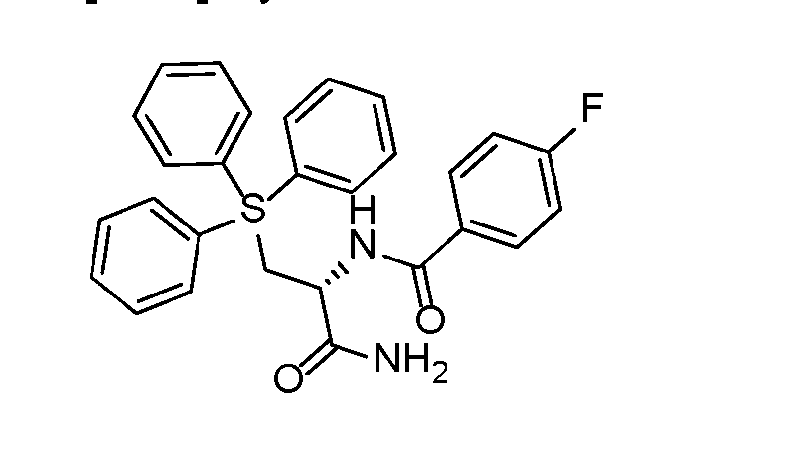
[0190] (R)-2-Amino-3-(tritylthio)propanamide (200 mg, 1 equiv,) and acetonitrile (2.70 ml_) were added to a reaction vial and stirred while cooling to 0 °C. Triethylamine (0.34 mL, 4.20 equiv.) was added to the reactor at <5 °C. 4-Fluorobenzoyl chloride (190 mg, 2.10 equiv.) was slowly added to the reaction mixture at <5 °C. Upon addition completion, the reaction was stirred for 3 hours at 5 ± 5 °C.
[0191] After the reaction was checked by TLC, EtOAc (3 volumes) was charged to the reaction mixture while still in the ice bath. Next, the vial was taken out of the ice bath and let to go back up to room temperature. The aqueous layer was back-extracted with EtOAc/H2O. All organics were combined and dried over sodium sulfate. Column chromatography was performed using EtOAc/Hexanes as eluent.
[0192] Yield: 81% white solid (225 mg).

[0193] (R)-N-(1-Amino-1-oxo-3-(tritylthio)propan-2-yl)-4-fluorobenzamide (50 mg, 1.0 equiv.) was dissolved in dry DCM (0.36 mL). Triethylsilane (83 pL, 5.6 equiv.) was added. Trifluoroacetic acid (39 pL, 5.5 equiv.) was added, and it was stirred for 2 hours under Ar condition. Another
portion of trifluoroacetic acid was added and the reaction mixture was stirred for another 30 min or until no SM was present on TLC (toluene/EtOAc, 1 :1).
[0194] After the reaction was checked by TLC, the reaction was codistilled with toluene (3 * 2 mL) in order to remove the TFA. Next, filtration with hexanes is performed at 65 °C, three times.
[0195] Yield: 99% white solid (22 mg). HPLC: >95%. HRMS: C10H11N2O2FS [M-Hp; calculated 242.0450, found 242.0443.

[0196] The same procedure was followed as above but substituting in step

1. Yield: 61 % white solid (13 mg). HPLC: >95%. HRMS: C12H13F3N2O2S [M-Hp; calculated 305.0570, found 305.0567.

[0197] The same procedure was followed as above but substituting in step 1
 and using dichloromethane as solvent. Yield: 28% yellow solid (18 mg).

[0198] To a solution of 3,3,3-Trifluoropropanoic acid (200.00 mg, 5.00 equiv.) in dry tetra hydrofuran (1.19 mL), thionyl chloride (55.741 mg, 1.5 equiv.) was added and the resulting solution was stirred at reflux for 1 h. After cooling the reaction mixture to room temperature, the procedure proceeded same as outlined above.
[0199] Exemplary compounds are shown in Table 1. FIGs. 1A-6B show characterization data for selected compounds.

[0200] Additional exemplary compounds are shown below:
diNACA Derivatives
 Example 2: Biological Evaluation
[0201] The compounds were screened for antifungal activity against Candida albicans, Cryptococcus neoformans, and Aspergillus fumigatus and for antibacterial activity against Escherichia coli, methicillin-resistant Staphylococcus aureus (MRSA), Klebsiella pneumoniae, vancomycin-resistant Enterococcus faecium (VRE), and Pseudomonas aeruginosa.
[0202] It should be emphasized that the above-described embodiments of the present disclosure are merely possible examples of implementations set forth for a clear understanding of the principles of the disclosure. Many variations and modifications may be made to the abovedescribed embodiment(s) without departing substantially from the spirit and principles of the disclosure. All such modifications and variations are intended to be included herein within the scope of this disclosure and protected by the following claims.
REFERENCES
1. Aldini, G.; et al, N-Acetylcysteine as an antioxidant and disulphide breaking agent: the reasons why. Free Radical Res. 2018, 52 (7), 751-762.
1. Bai, C.-G.; et al, Cysteine and Its Derivatives as New Delhi Metallo-beta-lactamase-1 Inhibitors. Current Enzyme Inhibition 2015, 11 (1), 46-57.
2. Blum, E.; et al., Rational Alteration of Pharmacokinetics of Chiral Fluorinated and Deuterated Derivatives of Emixustat for Retinal Therapy. J. Med. Chem. 2021 , 64 (12), 8287-8302.
3. Ghosh, A. K.; et al, Organic Carbamates in Drug Design and Medicinal Chemistry. J. Med. Chem. 2015, 58 (7), 2895-2940.
4. Gillis, E. P.; et al., Applications of Fluorine in Medicinal Chemistry. J. Med. Chem. 2015, 58 (21), 8315-8359.
5. Raffa, R, et al. (2018) The First Approved “Deuterated” Drug: A Short Review of the Concept. Pharmacology & Pharmacy, 9, 440-446.
6. Simplicio, A. L; et al, Prodrugs for Amines. Molecules 2008, 13 (3), 519-547.
7. Stump, B.; et al, Pentafluorosulfanyl as a Novel Building Block for Enzyme Inhibitors: Trypanothione Reductase Inhibition and Antiprotozoal Activities of Diarylamines. ChemBioChem 2009, 10 (1), 79-83.
8. Wall, G.M. et al., US 10,590,073, March 17, 2020.
9. Zhao, Z.; et al, Mechanism, Structure-Activity Studies, and Potential Applications of Glutathione-S-Transferase-Catalyzed Cleavage of Sulfonamides. Drug Metabolism and Disposition 1999, 27 (9), 992.
Claims
What is claimed is:
An N-acetyl cysteine amide analogue having a structure according to Formula I:

Formula I wherein V is S or Se; wherein stereochemistry at a carbon atom indicated by * is R or S; wherein Y is selected from substituted or unsubstituted alkyl, aryl, heteroaryl, arylalkyl, or sulfonyl aryl; wherein X is hydrogen or Formula II

Formula II wherein W is S or Se; wherein stereochemistry at a carbon atom indicated by ** is R or S; wherein Z is selected from substituted or unsubstituted alkyl, aryl, heteroaryl, arylalkyl, or sulfonyl aryl; wherein n is 0 or 1 ; and wherein m is 0 or 1 ; provided the analogue is not N-acetylcysteine amide or di-N-acetylcysteine amide.
2. The N-acetyl cysteine amide analogue of claim 1 wherein X is Formula I, and wherein stereochemistry at the carbon atoms indicated by * and ** is, respectively, selected from
R,R; R,S; S,R; S,S, or any combination thereof.
3. The N-acetyl cysteine amide analogue of claim 1, wherein X is H.
4. The N-acetyl cysteine amide analogue of claim 1, wherein X is Formula II and wherein Y and Z are the same.
5. The N-acetyl cysteine amide analogue of claim 1, wherein X is Formula II and wherein Y and Z are different.
6. The N-acetylcysteine amide analogue of claim 1 , wherein Y and, if present, Z, are
 wherein Ria-Rie and 2a- 2c are independently selected from H, D, F, SF5, CF3, and OCD3.
7. The N-acetylcysteine amide analogue of claim 1 wherein Y and if present Z are independently selected from
 wherein Q1-Q5 are independently selected from C, N, S, and O; and wherein Ria-Rie are independently selected from H, D, F, SF5, CF3, and OCD3 or are absent.
8. The N-acetylcysteine amide analogue of claim 1 , wherein the analogue is selected from

9. A pharmaceutical composition comprising the N-acetylcysteine amide analogue of claim 1.
10. The pharmaceutical composition of claim 9, further comprising at least one excipient.
11. The pharmaceutical composition of claim 9, wherein the pharmaceutical composition is formulated as an eye drop.
12. The pharmaceutical composition of claim 9, wherein the pharmaceutical composition is antibacterial, antifungal, or both.
13. A method for treating or preventing a disease or disorder of the eye in a subject, the method comprising administering to the subject the N-acetylcysteine amide analogue of any one of claims 1-8 or the pharmaceutical composition of any one of claims 9-12 to the subject.
14. The method of claim 13, wherein the disease or disorder of the eye comprises retinitis pigmentosa, age-related macular degeneration, or any combination thereof.
15. The method of claim 13, wherein the N-acetylcysteine amide analog or pharmaceutical composition is administered topically to the eye.
16. A method for treating an infection of the eye caused by at least one microbial species, the method comprising the method comprising administering to the subject the N- acetylcysteine amide analogue of any one of claims 1-8 or the pharmaceutical composition of any one of claims 9-12 to the subject.
17. The method of claim 16, wherein the at least one microbial species is a bacterium.
18. The method of claim 17, wherein the bacterium comprises Escherichia coli, methicillin- resistant Staphylococcus aureus (MRSA), Klebsiella pneumoniae, vancomycin-resistant Enterococcus faecium (VRE), or Pseudomonas aeruginosa.
19. The method of claim 16, wherein the at least one microbial species is a fungus.
20. The method of claim 19, wherein the fungus comprises Candida albicans, Cryptococcus neoformans, or Aspergillus fumigatus.
21. A method for making the N-acetylcysteine amide analogue of any one of claims 1-8, the method comprising:
(a) admixing a protected precursor molecule comprising Formula II with a compound comprising A-CI or A-O-A in a solvent to form a protected intermediate; and
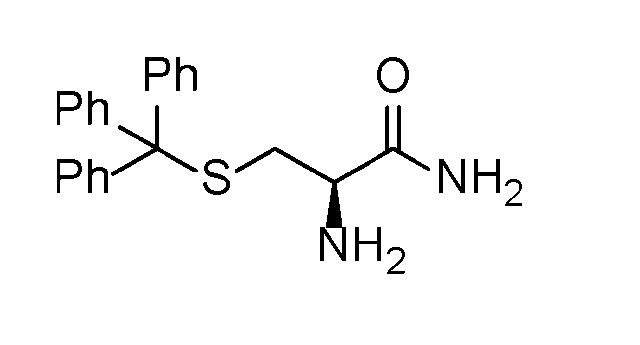
Formula II
(b) deprotecting the protected intermediate to form the N-acetylcysteine amide analogue; wherein A comprises Formula III;
 wherein Y is selected from substituted or unsubstituted alkyl, aryl, heteroaryl, arylalkyl, or sulfonyl aryl; and wherein n is 0 or 1.
 wherein Ria-Rie and R2a-R2c are independently selected from H, D, F, SF5, CF3, and OCD3.
23. The method of claim 21, wherein Y is selected from
 wherein Q1-Q5 are independently selected from C, N, S, and O; and wherein Ria- ie are independently selected from H, D, F, SF5, CF3, and OCD3 or are
absent.
wherein Q1-Q5 are independently selected from C, N, S, and O; and wherein Ria- ie are independently selected from H, D, F, SF5, CF3, and OCD3 or are
absent.
24. The method of claim 21, further comprising admixing a base with the protected precursor molecule comprising Formula II and the compound comprising A-CI or A-O-A in step (a).
25. The method of claim 24, wherein the base comprises triethylamine.
26. The method of claim 21, wherein the solvent comprises dichloromethane, acetonitrile, or any combination thereof.
27. The method of claim 21, wherein step (b) is accomplished using trifluoroacetic acid and Et2SiH.
Applications Claiming Priority (2)
| Application Number | Priority Date | Filing Date | Title |
|---|---|---|---|
| US202363510709P | 2023-06-28 | 2023-06-28 | |
| US63/510,709 | 2023-06-28 |
Publications (2)
| Publication Number | Publication Date |
|---|---|
| WO2025006830A2 true WO2025006830A2 (en) | 2025-01-02 |
| WO2025006830A3 WO2025006830A3 (en) | 2025-04-24 |
Family
ID=93940011
Family Applications (1)
| Application Number | Title | Priority Date | Filing Date |
|---|---|---|---|
| PCT/US2024/035948 Ceased WO2025006830A2 (en) | 2023-06-28 | 2024-06-28 | Compounds for the treatment of retinitis pigmentosa and methods of making and using the same |
Country Status (1)
| Country | Link |
|---|---|
| WO (1) | WO2025006830A2 (en) |
Family Cites Families (2)
| Publication number | Priority date | Publication date | Assignee | Title |
|---|---|---|---|---|
| MX392606B (en) * | 2016-03-17 | 2025-03-24 | Thiogenesis Therapeutics Inc | COMPOSITIONS FOR THE CONTROLLED RELEASE OF CYSTEAMINE AND THE SYSTEMIC TREATMENT OF CYSTEAMINE-SENSITIVE DISORDERS. |
| GB2562777A (en) * | 2017-05-25 | 2018-11-28 | Taisho Pharmaceutical Co Ltd | Novel alpha-amino amide derivatives |
-
2024
- 2024-06-28 WO PCT/US2024/035948 patent/WO2025006830A2/en not_active Ceased
Also Published As
| Publication number | Publication date |
|---|---|
| WO2025006830A3 (en) | 2025-04-24 |
Similar Documents
| Publication | Publication Date | Title |
|---|---|---|
| EP2038268B1 (en) | Carbonylated (aza)cyclohexanes as dopamine d3 receptor ligands | |
| JP5897566B2 (en) | Cyclic N, N'-diarylthiourea and N, N'-diarylurea-androgen receptor antagonists, anticancer agents, methods for their preparation and uses | |
| CA3126162A1 (en) | Ketamine derivatives and compositions thereof | |
| EP2427425B1 (en) | Tetracycline compounds | |
| JP2018522012A (en) | Prepare N- (4-fluorobenzyl) -N- (1-methylpiperidin-4-yl) -N ′-(4- (2-methylpropyloxy) phenylmethyl) carbamide and its tartrate salt and polymorph Form C how to | |
| JP6621329B2 (en) | Novel compounds, their synthesis and their use | |
| CN114555571A (en) | N-((1,2,3,5,6,7-hexahydro-s-indac-4-yl)carbamoyl)- as an NLPR3 modulator for the treatment of multiple sclerosis (MS) 4,5,6,7-Tetrahydrobenzofuran-2-sulfonamide derivatives and related compounds | |
| EP4153160A1 (en) | Benzoylhydrazide-derived hdac degraders as therapeutics for treating cancer and other human diseases | |
| FR2876692A1 (en) | 2-AMIDO-4-PHENYLTHIAZOLE DERIVATIVES, THEIR PREPARATION AND THEIR THERAPEUTIC USE | |
| JP2024510778A (en) | 1,3-substituted cyclobutyl derivatives and uses thereof | |
| FR2533564A1 (en) | PIPERAZINE DERIVATIVES HAVING ANTICHOLINERGIC AND / OR ANTIHISTAMINE ACTIVITY | |
| WO2012051502A1 (en) | Methods and compositions related to neuroactive thiazoline compounds | |
| EP3357907B1 (en) | Maleic acid salt of a silodosin intermediate | |
| WO2024015618A2 (en) | Substituted 3-(1-oxoisoindolin-2-yl)piperidine-2,6-dione/2-(2,6-dioxopiperidin-3-yl)isoindoline-1,3-dione analogs as modulators of cereblon protein | |
| US6362203B1 (en) | 4-hydroxy-4-phenylpiperidine derivatives and pharmaceuticals containing the same | |
| DE4141218A1 (en) | THIADIAZINCARBONE ACIDAMIDE DERIVATIVES, METHOD FOR THE PRODUCTION THEREOF AND MEDICAMENTS | |
| JPWO2002030896A1 (en) | 2,2-Diphenylbutanamide derivative and drug containing the same | |
| NZ336733A (en) | Xamoneline tartrate for treating Alzheimer's disease | |
| US20250034107A1 (en) | Substituted 2-(2-(2,6-dioxopiperidin-3-yl)-1- oxoisoindolin-5-yl) acetamide analogs as modulators of gspt1 and/or ikzf1 protein | |
| KR20150042275A (en) | Pharmaceutical formulations containing 3-(4-cinnamyl-l-piperazinyl) amino derivatives of 3-formylrifamycin sv and 3-formylrifamycin s and a process of their preparation | |
| SK2632003A3 (en) | The hydrochloride salt of 5-[4-[2-(N-methyl-N-(2- pyridyl)amino)ethoxy]benzyl]thiazolidine-2,4-dione | |
| EP2185525B1 (en) | Pyrazole 3,5 carboxylate derivatives preparation and therapeutic application thereof | |
| KR102756414B1 (en) | Stemospironine in solid form and salts thereof | |
| WO2023081224A1 (en) | Substituted n-((2-(2,6-dioxopiperidin-3-yl)-1-oxoisoindolin-4- yl)methyl)benzamide analogs as modulators of cereblon protein | |
| JP3113447B2 (en) | Aminocarboxylic acid derivatives, their production and use |
Legal Events
| Date | Code | Title | Description |
|---|---|---|---|
| NENP | Non-entry into the national phase |
Ref country code: DE |
|
| 122 | Ep: pct application non-entry in european phase |
Ref document number: 24832976 Country of ref document: EP Kind code of ref document: A2 |