BRPI1016151B1 - process for producing a peptide thioester, processes for producing a polypeptide, process for producing a second intermediate used for the process for producing the peptide thioester and process for removing a tag for purification added to a c-terminal side of a recombinant protein - Google Patents
process for producing a peptide thioester, processes for producing a polypeptide, process for producing a second intermediate used for the process for producing the peptide thioester and process for removing a tag for purification added to a c-terminal side of a recombinant protein Download PDFInfo
- Publication number
- BRPI1016151B1 BRPI1016151B1 BRPI1016151-1A BRPI1016151A BRPI1016151B1 BR PI1016151 B1 BRPI1016151 B1 BR PI1016151B1 BR PI1016151 A BRPI1016151 A BR PI1016151A BR PI1016151 B1 BRPI1016151 B1 BR PI1016151B1
- Authority
- BR
- Brazil
- Prior art keywords
- group
- peptide
- cysteine residue
- thiol
- terminal side
- Prior art date
Links
- 108090000765 processed proteins & peptides Proteins 0.000 title claims abstract description 184
- 238000000034 method Methods 0.000 title claims abstract description 146
- 230000008569 process Effects 0.000 title claims abstract description 61
- 150000007970 thio esters Chemical class 0.000 title claims abstract description 44
- 102000004196 processed proteins & peptides Human genes 0.000 title claims description 25
- 238000000746 purification Methods 0.000 title claims description 25
- 102000007056 Recombinant Fusion Proteins Human genes 0.000 title claims description 17
- 108010008281 Recombinant Fusion Proteins Proteins 0.000 title claims description 17
- 229920001184 polypeptide Polymers 0.000 title claims description 15
- 125000000151 cysteine group Chemical group N[C@@H](CS)C(=O)* 0.000 claims abstract description 56
- 238000006243 chemical reaction Methods 0.000 claims abstract description 47
- 239000000126 substance Substances 0.000 claims abstract description 38
- 150000001875 compounds Chemical class 0.000 claims abstract description 29
- 101100294106 Caenorhabditis elegans nhr-3 gene Proteins 0.000 claims abstract description 27
- 125000003396 thiol group Chemical group [H]S* 0.000 claims abstract description 25
- 102000007079 Peptide Fragments Human genes 0.000 claims abstract description 16
- 108010033276 Peptide Fragments Proteins 0.000 claims abstract description 15
- 210000004899 c-terminal region Anatomy 0.000 claims abstract description 15
- 125000003178 carboxy group Chemical group [H]OC(*)=O 0.000 claims abstract description 14
- 238000004519 manufacturing process Methods 0.000 claims abstract description 14
- 239000003960 organic solvent Substances 0.000 claims abstract description 14
- 235000001014 amino acid Nutrition 0.000 claims description 30
- 150000001413 amino acids Chemical class 0.000 claims description 29
- 229910052717 sulfur Inorganic materials 0.000 claims description 19
- 125000004434 sulfur atom Chemical group 0.000 claims description 18
- 125000004430 oxygen atom Chemical group O* 0.000 claims description 16
- 150000003573 thiols Chemical class 0.000 claims description 16
- 125000002252 acyl group Chemical group 0.000 claims description 15
- 125000004453 alkoxycarbonyl group Chemical group 0.000 claims description 14
- 125000003118 aryl group Chemical group 0.000 claims description 13
- 229940126062 Compound A Drugs 0.000 claims description 11
- NLDMNSXOCDLTTB-UHFFFAOYSA-N Heterophylliin A Natural products O1C2COC(=O)C3=CC(O)=C(O)C(O)=C3C3=C(O)C(O)=C(O)C=C3C(=O)OC2C(OC(=O)C=2C=C(O)C(O)=C(O)C=2)C(O)C1OC(=O)C1=CC(O)=C(O)C(O)=C1 NLDMNSXOCDLTTB-UHFFFAOYSA-N 0.000 claims description 11
- 238000003776 cleavage reaction Methods 0.000 claims description 11
- 125000004435 hydrogen atom Chemical group [H]* 0.000 claims description 11
- 230000007017 scission Effects 0.000 claims description 11
- 125000000217 alkyl group Chemical group 0.000 claims description 10
- 235000018417 cysteine Nutrition 0.000 claims description 8
- XUJNEKJLAYXESH-UHFFFAOYSA-N cysteine Natural products SCC(N)C(O)=O XUJNEKJLAYXESH-UHFFFAOYSA-N 0.000 claims description 8
- 230000008030 elimination Effects 0.000 claims description 8
- 238000003379 elimination reaction Methods 0.000 claims description 8
- 125000002777 acetyl group Chemical group [H]C([H])([H])C(*)=O 0.000 claims description 6
- 125000001797 benzyl group Chemical group [H]C1=C([H])C([H])=C(C([H])=C1[H])C([H])([H])* 0.000 claims description 6
- 125000005843 halogen group Chemical group 0.000 claims description 5
- QVGXLLKOCUKJST-UHFFFAOYSA-N atomic oxygen Chemical compound [O] QVGXLLKOCUKJST-UHFFFAOYSA-N 0.000 claims 1
- 229910052760 oxygen Inorganic materials 0.000 claims 1
- 239000001301 oxygen Substances 0.000 claims 1
- 239000007853 buffer solution Substances 0.000 abstract description 15
- VILAVOFMIJHSJA-UHFFFAOYSA-N dicarbon monoxide Chemical compound [C]=C=O VILAVOFMIJHSJA-UHFFFAOYSA-N 0.000 abstract description 4
- 238000007259 addition reaction Methods 0.000 abstract 1
- WEVYAHXRMPXWCK-UHFFFAOYSA-N Acetonitrile Chemical compound CC#N WEVYAHXRMPXWCK-UHFFFAOYSA-N 0.000 description 27
- 229940024606 amino acid Drugs 0.000 description 27
- 108090000623 proteins and genes Proteins 0.000 description 25
- RTZKZFJDLAIYFH-UHFFFAOYSA-N Diethyl ether Chemical compound CCOCC RTZKZFJDLAIYFH-UHFFFAOYSA-N 0.000 description 24
- IAZDPXIOMUYVGZ-UHFFFAOYSA-N Dimethylsulphoxide Chemical compound CS(C)=O IAZDPXIOMUYVGZ-UHFFFAOYSA-N 0.000 description 24
- 210000004027 cell Anatomy 0.000 description 23
- 102000004169 proteins and genes Human genes 0.000 description 23
- 230000015572 biosynthetic process Effects 0.000 description 22
- 235000018102 proteins Nutrition 0.000 description 22
- 238000004128 high performance liquid chromatography Methods 0.000 description 21
- 239000000243 solution Substances 0.000 description 20
- 238000002330 electrospray ionisation mass spectrometry Methods 0.000 description 19
- DHMQDGOQFOQNFH-UHFFFAOYSA-N Glycine Chemical compound NCC(O)=O DHMQDGOQFOQNFH-UHFFFAOYSA-N 0.000 description 18
- 238000003786 synthesis reaction Methods 0.000 description 17
- 125000004432 carbon atom Chemical group C* 0.000 description 13
- -1 thiol compound Chemical class 0.000 description 13
- MTCFGRXMJLQNBG-REOHCLBHSA-N (2S)-2-Amino-3-hydroxypropansäure Chemical compound OC[C@H](N)C(O)=O MTCFGRXMJLQNBG-REOHCLBHSA-N 0.000 description 9
- ROHFNLRQFUQHCH-YFKPBYRVSA-N L-leucine Chemical compound CC(C)C[C@H](N)C(O)=O ROHFNLRQFUQHCH-YFKPBYRVSA-N 0.000 description 9
- 125000006239 protecting group Chemical group 0.000 description 9
- KDXKERNSBIXSRK-UHFFFAOYSA-N Lysine Natural products NCCCCC(N)C(O)=O KDXKERNSBIXSRK-UHFFFAOYSA-N 0.000 description 8
- BNIILDVGGAEEIG-UHFFFAOYSA-L disodium hydrogen phosphate Chemical compound [Na+].[Na+].OP([O-])([O-])=O BNIILDVGGAEEIG-UHFFFAOYSA-L 0.000 description 8
- 229910000397 disodium phosphate Inorganic materials 0.000 description 8
- 235000019800 disodium phosphate Nutrition 0.000 description 8
- 239000012634 fragment Substances 0.000 description 8
- 230000004048 modification Effects 0.000 description 8
- 238000012986 modification Methods 0.000 description 8
- 108091005601 modified peptides Proteins 0.000 description 8
- 125000000738 acetamido group Chemical group [H]C([H])([H])C(=O)N([H])[*] 0.000 description 7
- 125000003545 alkoxy group Chemical group 0.000 description 7
- 239000003153 chemical reaction reagent Substances 0.000 description 7
- 239000003446 ligand Substances 0.000 description 7
- 238000010532 solid phase synthesis reaction Methods 0.000 description 7
- CGWVCWFQGXOUSJ-ULQDDVLXSA-N Arg-Tyr-Leu Chemical compound [H]N[C@@H](CCCNC(N)=N)C(=O)N[C@@H](CC1=CC=C(O)C=C1)C(=O)N[C@@H](CC(C)C)C(O)=O CGWVCWFQGXOUSJ-ULQDDVLXSA-N 0.000 description 6
- ZBYLEBZCVKLPCY-FXQIFTODSA-N Asp-Ser-Arg Chemical compound [H]N[C@@H](CC(O)=O)C(=O)N[C@@H](CO)C(=O)N[C@@H](CCCNC(N)=N)C(O)=O ZBYLEBZCVKLPCY-FXQIFTODSA-N 0.000 description 6
- HEDRZPFGACZZDS-UHFFFAOYSA-N Chloroform Chemical compound ClC(Cl)Cl HEDRZPFGACZZDS-UHFFFAOYSA-N 0.000 description 6
- KDXKERNSBIXSRK-YFKPBYRVSA-N L-lysine Chemical compound NCCCC[C@H](N)C(O)=O KDXKERNSBIXSRK-YFKPBYRVSA-N 0.000 description 6
- COLNVLDHVKWLRT-QMMMGPOBSA-N L-phenylalanine Chemical compound OC(=O)[C@@H](N)CC1=CC=CC=C1 COLNVLDHVKWLRT-QMMMGPOBSA-N 0.000 description 6
- DZQMXBALGUHGJT-GUBZILKMSA-N Leu-Glu-Ala Chemical compound [H]N[C@@H](CC(C)C)C(=O)N[C@@H](CCC(O)=O)C(=O)N[C@@H](C)C(O)=O DZQMXBALGUHGJT-GUBZILKMSA-N 0.000 description 6
- ZMANZCXQSJIPKH-UHFFFAOYSA-N Triethylamine Chemical compound CCN(CC)CC ZMANZCXQSJIPKH-UHFFFAOYSA-N 0.000 description 6
- LYERIXUFCYVFFX-GVXVVHGQSA-N Val-Leu-Glu Chemical compound CC(C)C[C@@H](C(=O)N[C@@H](CCC(=O)O)C(=O)O)NC(=O)[C@H](C(C)C)N LYERIXUFCYVFFX-GVXVVHGQSA-N 0.000 description 6
- 125000003342 alkenyl group Chemical group 0.000 description 6
- 125000000304 alkynyl group Chemical group 0.000 description 6
- NGGXACLSAZXJGM-UHFFFAOYSA-N n-(diaminomethylidene)acetamide Chemical compound CC(=O)N=C(N)N NGGXACLSAZXJGM-UHFFFAOYSA-N 0.000 description 6
- KOSYAAIZOGNATQ-UHFFFAOYSA-N o-phenyl chloromethanethioate Chemical compound ClC(=S)OC1=CC=CC=C1 KOSYAAIZOGNATQ-UHFFFAOYSA-N 0.000 description 6
- 241000588724 Escherichia coli Species 0.000 description 5
- KZSNJWFQEVHDMF-UHFFFAOYSA-N Valine Natural products CC(C)C(N)C(O)=O KZSNJWFQEVHDMF-UHFFFAOYSA-N 0.000 description 5
- 150000003862 amino acid derivatives Chemical class 0.000 description 5
- 230000027455 binding Effects 0.000 description 5
- 238000009739 binding Methods 0.000 description 5
- 239000000203 mixture Substances 0.000 description 5
- NRGLDOQPRFMCPR-UHFFFAOYSA-N o-phenyl methanethioate Chemical compound S=COC1=CC=CC=C1 NRGLDOQPRFMCPR-UHFFFAOYSA-N 0.000 description 5
- 239000007790 solid phase Substances 0.000 description 5
- 239000013598 vector Substances 0.000 description 5
- VVQIIIAZJXTLRE-QMMMGPOBSA-N (2s)-2-amino-6-[(2-methylpropan-2-yl)oxycarbonylamino]hexanoic acid Chemical compound CC(C)(C)OC(=O)NCCCC[C@H](N)C(O)=O VVQIIIAZJXTLRE-QMMMGPOBSA-N 0.000 description 4
- 125000003088 (fluoren-9-ylmethoxy)carbonyl group Chemical group 0.000 description 4
- ZRALSGWEFCBTJO-UHFFFAOYSA-N Guanidine Chemical compound NC(N)=N ZRALSGWEFCBTJO-UHFFFAOYSA-N 0.000 description 4
- CKLJMWTZIZZHCS-REOHCLBHSA-N L-aspartic acid Chemical compound OC(=O)[C@@H](N)CC(O)=O CKLJMWTZIZZHCS-REOHCLBHSA-N 0.000 description 4
- 230000001580 bacterial effect Effects 0.000 description 4
- 125000002915 carbonyl group Chemical group [*:2]C([*:1])=O 0.000 description 4
- 125000001072 heteroaryl group Chemical group 0.000 description 4
- 230000017730 intein-mediated protein splicing Effects 0.000 description 4
- 125000001424 substituent group Chemical group 0.000 description 4
- DYHSDKLCOJIUFX-UHFFFAOYSA-N tert-butoxycarbonyl anhydride Chemical compound CC(C)(C)OC(=O)OC(=O)OC(C)(C)C DYHSDKLCOJIUFX-UHFFFAOYSA-N 0.000 description 4
- ORXSLDYRYTVAPC-UHFFFAOYSA-N 2-(4-sulfanylphenyl)acetic acid Chemical compound OC(=O)CC1=CC=C(S)C=C1 ORXSLDYRYTVAPC-UHFFFAOYSA-N 0.000 description 3
- IBLAOXSULLECQZ-IUKAMOBKSA-N Asn-Ile-Thr Chemical compound C[C@@H](O)[C@@H](C(O)=O)NC(=O)[C@H]([C@@H](C)CC)NC(=O)[C@@H](N)CC(N)=O IBLAOXSULLECQZ-IUKAMOBKSA-N 0.000 description 3
- YMWUJEATGCHHMB-UHFFFAOYSA-N Dichloromethane Chemical compound ClCCl YMWUJEATGCHHMB-UHFFFAOYSA-N 0.000 description 3
- LKDIBBOKUAASNP-FXQIFTODSA-N Glu-Ala-Glu Chemical compound OC(=O)CC[C@H](N)C(=O)N[C@@H](C)C(=O)N[C@@H](CCC(O)=O)C(O)=O LKDIBBOKUAASNP-FXQIFTODSA-N 0.000 description 3
- AFODTOLGSZQDSL-PEFMBERDSA-N Glu-Asn-Ile Chemical compound CC[C@H](C)[C@@H](C(=O)O)NC(=O)[C@H](CC(=O)N)NC(=O)[C@H](CCC(=O)O)N AFODTOLGSZQDSL-PEFMBERDSA-N 0.000 description 3
- GJJQCBVRWDGLMQ-GUBZILKMSA-N Lys-Glu-Ala Chemical compound [H]N[C@@H](CCCCN)C(=O)N[C@@H](CCC(O)=O)C(=O)N[C@@H](C)C(O)=O GJJQCBVRWDGLMQ-GUBZILKMSA-N 0.000 description 3
- 240000004808 Saccharomyces cerevisiae Species 0.000 description 3
- UIIMBOGNXHQVGW-UHFFFAOYSA-M Sodium bicarbonate Chemical compound [Na+].OC([O-])=O UIIMBOGNXHQVGW-UHFFFAOYSA-M 0.000 description 3
- UQCNIMDPYICBTR-KYNKHSRBSA-N Thr-Thr-Gly Chemical compound [H]N[C@@H]([C@@H](C)O)C(=O)N[C@@H]([C@@H](C)O)C(=O)NCC(O)=O UQCNIMDPYICBTR-KYNKHSRBSA-N 0.000 description 3
- 108010005233 alanylglutamic acid Proteins 0.000 description 3
- 125000000539 amino acid group Chemical group 0.000 description 3
- KTRFZWJCHOQHMN-UHFFFAOYSA-N chloromethanethioic s-acid Chemical compound SC(Cl)=O KTRFZWJCHOQHMN-UHFFFAOYSA-N 0.000 description 3
- 238000004520 electroporation Methods 0.000 description 3
- 150000002148 esters Chemical class 0.000 description 3
- 125000005647 linker group Chemical group 0.000 description 3
- 125000001997 phenyl group Chemical group [H]C1=C([H])C([H])=C(*)C([H])=C1[H] 0.000 description 3
- 239000013612 plasmid Substances 0.000 description 3
- 238000001243 protein synthesis Methods 0.000 description 3
- RMVRSNDYEFQCLF-UHFFFAOYSA-N thiophenol Chemical group SC1=CC=CC=C1 RMVRSNDYEFQCLF-UHFFFAOYSA-N 0.000 description 3
- 230000014616 translation Effects 0.000 description 3
- 125000004209 (C1-C8) alkyl group Chemical group 0.000 description 2
- 125000003903 2-propenyl group Chemical group [H]C([*])([H])C([H])=C([H])[H] 0.000 description 2
- 244000063299 Bacillus subtilis Species 0.000 description 2
- 235000014469 Bacillus subtilis Nutrition 0.000 description 2
- 125000000041 C6-C10 aryl group Chemical group 0.000 description 2
- WHUUTDBJXJRKMK-UHFFFAOYSA-N Glutamic acid Natural products OC(=O)C(N)CCC(O)=O WHUUTDBJXJRKMK-UHFFFAOYSA-N 0.000 description 2
- DCXYFEDJOCDNAF-REOHCLBHSA-N L-asparagine Chemical compound OC(=O)[C@@H](N)CC(N)=O DCXYFEDJOCDNAF-REOHCLBHSA-N 0.000 description 2
- AGPKZVBTJJNPAG-WHFBIAKZSA-N L-isoleucine Chemical compound CC[C@H](C)[C@H](N)C(O)=O AGPKZVBTJJNPAG-WHFBIAKZSA-N 0.000 description 2
- FFEARJCKVFRZRR-BYPYZUCNSA-N L-methionine Chemical compound CSCC[C@H](N)C(O)=O FFEARJCKVFRZRR-BYPYZUCNSA-N 0.000 description 2
- OUYCCCASQSFEME-QMMMGPOBSA-N L-tyrosine Chemical compound OC(=O)[C@@H](N)CC1=CC=C(O)C=C1 OUYCCCASQSFEME-QMMMGPOBSA-N 0.000 description 2
- CSNNHWWHGAXBCP-UHFFFAOYSA-L Magnesium sulfate Chemical compound [Mg+2].[O-][S+2]([O-])([O-])[O-] CSNNHWWHGAXBCP-UHFFFAOYSA-L 0.000 description 2
- 101710175625 Maltose/maltodextrin-binding periplasmic protein Proteins 0.000 description 2
- XOGTZOOQQBDUSI-UHFFFAOYSA-M Mesna Chemical compound [Na+].[O-]S(=O)(=O)CCS XOGTZOOQQBDUSI-UHFFFAOYSA-M 0.000 description 2
- ZMXDDKWLCZADIW-UHFFFAOYSA-N N,N-Dimethylformamide Chemical compound CN(C)C=O ZMXDDKWLCZADIW-UHFFFAOYSA-N 0.000 description 2
- CHJJGSNFBQVOTG-UHFFFAOYSA-N N-methyl-guanidine Natural products CNC(N)=N CHJJGSNFBQVOTG-UHFFFAOYSA-N 0.000 description 2
- AYFVYJQAPQTCCC-UHFFFAOYSA-N Threonine Natural products CC(O)C(N)C(O)=O AYFVYJQAPQTCCC-UHFFFAOYSA-N 0.000 description 2
- 239000004473 Threonine Substances 0.000 description 2
- XSQUKJJJFZCRTK-UHFFFAOYSA-N Urea Chemical compound NC(N)=O XSQUKJJJFZCRTK-UHFFFAOYSA-N 0.000 description 2
- 125000003275 alpha amino acid group Chemical group 0.000 description 2
- 230000009435 amidation Effects 0.000 description 2
- 238000007112 amidation reaction Methods 0.000 description 2
- 125000003277 amino group Chemical group 0.000 description 2
- 210000004102 animal cell Anatomy 0.000 description 2
- 125000004429 atom Chemical group 0.000 description 2
- UCMIRNVEIXFBKS-UHFFFAOYSA-N beta-alanine Chemical compound NCCC(O)=O UCMIRNVEIXFBKS-UHFFFAOYSA-N 0.000 description 2
- 238000007796 conventional method Methods 0.000 description 2
- ATDGTVJJHBUTRL-UHFFFAOYSA-N cyanogen bromide Chemical compound BrC#N ATDGTVJJHBUTRL-UHFFFAOYSA-N 0.000 description 2
- SWSQBOPZIKWTGO-UHFFFAOYSA-N dimethylaminoamidine Natural products CN(C)C(N)=N SWSQBOPZIKWTGO-UHFFFAOYSA-N 0.000 description 2
- 229960004198 guanidine Drugs 0.000 description 2
- 150000002632 lipids Chemical class 0.000 description 2
- KWGKDLIKAYFUFQ-UHFFFAOYSA-M lithium chloride Chemical compound [Li+].[Cl-] KWGKDLIKAYFUFQ-UHFFFAOYSA-M 0.000 description 2
- 229930182817 methionine Natural products 0.000 description 2
- 125000001360 methionine group Chemical group N[C@@H](CCSC)C(=O)* 0.000 description 2
- 108091005573 modified proteins Proteins 0.000 description 2
- 102000035118 modified proteins Human genes 0.000 description 2
- 230000007030 peptide scission Effects 0.000 description 2
- 238000002360 preparation method Methods 0.000 description 2
- 239000011347 resin Substances 0.000 description 2
- 229920005989 resin Polymers 0.000 description 2
- 125000002653 sulfanylmethyl group Chemical group [H]SC([H])([H])[*] 0.000 description 2
- 241001430294 unidentified retrovirus Species 0.000 description 2
- WMSUFWLPZLCIHP-UHFFFAOYSA-N (2,5-dioxopyrrolidin-1-yl) 9h-fluoren-9-ylmethyl carbonate Chemical compound C12=CC=CC=C2C2=CC=CC=C2C1COC(=O)ON1C(=O)CCC1=O WMSUFWLPZLCIHP-UHFFFAOYSA-N 0.000 description 1
- RYHBNJHYFVUHQT-UHFFFAOYSA-N 1,4-Dioxane Chemical compound C1COCCO1 RYHBNJHYFVUHQT-UHFFFAOYSA-N 0.000 description 1
- 125000001637 1-naphthyl group Chemical group [H]C1=C([H])C([H])=C2C(*)=C([H])C([H])=C([H])C2=C1[H] 0.000 description 1
- 125000000530 1-propynyl group Chemical group [H]C([H])([H])C#C* 0.000 description 1
- AEUVIXACNOXTBX-UHFFFAOYSA-N 1-sulfanylpropan-1-ol Chemical compound CCC(O)S AEUVIXACNOXTBX-UHFFFAOYSA-N 0.000 description 1
- 229940006193 2-mercaptoethanesulfonic acid Drugs 0.000 description 1
- 125000001622 2-naphthyl group Chemical group [H]C1=C([H])C([H])=C2C([H])=C(*)C([H])=C([H])C2=C1[H] 0.000 description 1
- 125000001494 2-propynyl group Chemical group [H]C#CC([H])([H])* 0.000 description 1
- DKIDEFUBRARXTE-UHFFFAOYSA-M 3-mercaptopropionate Chemical compound [O-]C(=O)CCS DKIDEFUBRARXTE-UHFFFAOYSA-M 0.000 description 1
- FWMNVWWHGCHHJJ-SKKKGAJSSA-N 4-amino-1-[(2r)-6-amino-2-[[(2r)-2-[[(2r)-2-[[(2r)-2-amino-3-phenylpropanoyl]amino]-3-phenylpropanoyl]amino]-4-methylpentanoyl]amino]hexanoyl]piperidine-4-carboxylic acid Chemical compound C([C@H](C(=O)N[C@H](CC(C)C)C(=O)N[C@H](CCCCN)C(=O)N1CCC(N)(CC1)C(O)=O)NC(=O)[C@H](N)CC=1C=CC=CC=1)C1=CC=CC=C1 FWMNVWWHGCHHJJ-SKKKGAJSSA-N 0.000 description 1
- 239000004475 Arginine Substances 0.000 description 1
- DCXYFEDJOCDNAF-UHFFFAOYSA-N Asparagine Natural products OC(=O)C(N)CC(N)=O DCXYFEDJOCDNAF-UHFFFAOYSA-N 0.000 description 1
- 101800001415 Bri23 peptide Proteins 0.000 description 1
- 102400000107 C-terminal peptide Human genes 0.000 description 1
- 101800000655 C-terminal peptide Proteins 0.000 description 1
- 125000004648 C2-C8 alkenyl group Chemical group 0.000 description 1
- 125000004649 C2-C8 alkynyl group Chemical group 0.000 description 1
- UXVMQQNJUSDDNG-UHFFFAOYSA-L Calcium chloride Chemical compound [Cl-].[Cl-].[Ca+2] UXVMQQNJUSDDNG-UHFFFAOYSA-L 0.000 description 1
- 239000004215 Carbon black (E152) Substances 0.000 description 1
- 150000008574 D-amino acids Chemical class 0.000 description 1
- 108090000790 Enzymes Proteins 0.000 description 1
- 102000004190 Enzymes Human genes 0.000 description 1
- 239000004471 Glycine Substances 0.000 description 1
- 241000238631 Hexapoda Species 0.000 description 1
- UFHFLCQGNIYNRP-UHFFFAOYSA-N Hydrogen Chemical compound [H][H] UFHFLCQGNIYNRP-UHFFFAOYSA-N 0.000 description 1
- AHLPHDHHMVZTML-BYPYZUCNSA-N L-Ornithine Chemical compound NCCC[C@H](N)C(O)=O AHLPHDHHMVZTML-BYPYZUCNSA-N 0.000 description 1
- QNAYBMKLOCPYGJ-REOHCLBHSA-N L-alanine Chemical compound C[C@H](N)C(O)=O QNAYBMKLOCPYGJ-REOHCLBHSA-N 0.000 description 1
- 150000008575 L-amino acids Chemical class 0.000 description 1
- LRQKBLKVPFOOQJ-YFKPBYRVSA-N L-norleucine Chemical compound CCCC[C@H]([NH3+])C([O-])=O LRQKBLKVPFOOQJ-YFKPBYRVSA-N 0.000 description 1
- QIVBCDIJIAJPQS-VIFPVBQESA-N L-tryptophane Chemical compound C1=CC=C2C(C[C@H](N)C(O)=O)=CNC2=C1 QIVBCDIJIAJPQS-VIFPVBQESA-N 0.000 description 1
- KZSNJWFQEVHDMF-BYPYZUCNSA-N L-valine Chemical compound CC(C)[C@H](N)C(O)=O KZSNJWFQEVHDMF-BYPYZUCNSA-N 0.000 description 1
- ROHFNLRQFUQHCH-UHFFFAOYSA-N Leucine Natural products CC(C)CC(N)C(O)=O ROHFNLRQFUQHCH-UHFFFAOYSA-N 0.000 description 1
- 239000004472 Lysine Substances 0.000 description 1
- UEZVMMHDMIWARA-UHFFFAOYSA-N Metaphosphoric acid Chemical compound OP(=O)=O UEZVMMHDMIWARA-UHFFFAOYSA-N 0.000 description 1
- 241001465754 Metazoa Species 0.000 description 1
- 102000016943 Muramidase Human genes 0.000 description 1
- 108010014251 Muramidase Proteins 0.000 description 1
- 108010062010 N-Acetylmuramoyl-L-alanine Amidase Proteins 0.000 description 1
- AHLPHDHHMVZTML-UHFFFAOYSA-N Orn-delta-NH2 Natural products NCCCC(N)C(O)=O AHLPHDHHMVZTML-UHFFFAOYSA-N 0.000 description 1
- UTJLXEIPEHZYQJ-UHFFFAOYSA-N Ornithine Natural products OC(=O)C(C)CCCN UTJLXEIPEHZYQJ-UHFFFAOYSA-N 0.000 description 1
- ONIBWKKTOPOVIA-UHFFFAOYSA-N Proline Natural products OC(=O)C1CCCN1 ONIBWKKTOPOVIA-UHFFFAOYSA-N 0.000 description 1
- MTCFGRXMJLQNBG-UHFFFAOYSA-N Serine Natural products OCC(N)C(O)=O MTCFGRXMJLQNBG-UHFFFAOYSA-N 0.000 description 1
- FAPWRFPIFSIZLT-UHFFFAOYSA-M Sodium chloride Chemical class [Na+].[Cl-] FAPWRFPIFSIZLT-UHFFFAOYSA-M 0.000 description 1
- NINIDFKCEFEMDL-UHFFFAOYSA-N Sulfur Chemical compound [S] NINIDFKCEFEMDL-UHFFFAOYSA-N 0.000 description 1
- 239000013504 Triton X-100 Substances 0.000 description 1
- 229920004890 Triton X-100 Polymers 0.000 description 1
- QIVBCDIJIAJPQS-UHFFFAOYSA-N Tryptophan Natural products C1=CC=C2C(CC(N)C(O)=O)=CNC2=C1 QIVBCDIJIAJPQS-UHFFFAOYSA-N 0.000 description 1
- 241000700618 Vaccinia virus Species 0.000 description 1
- 241000700605 Viruses Species 0.000 description 1
- 230000021736 acetylation Effects 0.000 description 1
- 238000006640 acetylation reaction Methods 0.000 description 1
- 230000002378 acidificating effect Effects 0.000 description 1
- 230000003213 activating effect Effects 0.000 description 1
- 230000004913 activation Effects 0.000 description 1
- 230000010933 acylation Effects 0.000 description 1
- 238000005917 acylation reaction Methods 0.000 description 1
- 238000001042 affinity chromatography Methods 0.000 description 1
- 235000004279 alanine Nutrition 0.000 description 1
- 150000001338 aliphatic hydrocarbons Chemical class 0.000 description 1
- 125000004448 alkyl carbonyl group Chemical group 0.000 description 1
- 230000029936 alkylation Effects 0.000 description 1
- 238000005804 alkylation reaction Methods 0.000 description 1
- HSFWRNGVRCDJHI-UHFFFAOYSA-N alpha-acetylene Natural products C#C HSFWRNGVRCDJHI-UHFFFAOYSA-N 0.000 description 1
- 125000003368 amide group Chemical group 0.000 description 1
- ODKSFYDXXFIFQN-UHFFFAOYSA-N arginine Natural products OC(=O)C(N)CCCNC(N)=N ODKSFYDXXFIFQN-UHFFFAOYSA-N 0.000 description 1
- 125000002029 aromatic hydrocarbon group Chemical group 0.000 description 1
- 235000009582 asparagine Nutrition 0.000 description 1
- 229960001230 asparagine Drugs 0.000 description 1
- 235000003704 aspartic acid Nutrition 0.000 description 1
- 230000008901 benefit Effects 0.000 description 1
- 125000000499 benzofuranyl group Chemical group O1C(=CC2=C1C=CC=C2)* 0.000 description 1
- 125000004196 benzothienyl group Chemical group S1C(=CC2=C1C=CC=C2)* 0.000 description 1
- UENWRTRMUIOCKN-UHFFFAOYSA-N benzyl thiol Chemical group SCC1=CC=CC=C1 UENWRTRMUIOCKN-UHFFFAOYSA-N 0.000 description 1
- 229940000635 beta-alanine Drugs 0.000 description 1
- OQFSQFPPLPISGP-UHFFFAOYSA-N beta-carboxyaspartic acid Natural products OC(=O)C(N)C(C(O)=O)C(O)=O OQFSQFPPLPISGP-UHFFFAOYSA-N 0.000 description 1
- 125000002619 bicyclic group Chemical group 0.000 description 1
- 238000006664 bond formation reaction Methods 0.000 description 1
- 239000000872 buffer Substances 0.000 description 1
- 125000004369 butenyl group Chemical group C(=CCC)* 0.000 description 1
- 125000000484 butyl group Chemical group [H]C([*])([H])C([H])([H])C([H])([H])C([H])([H])[H] 0.000 description 1
- 125000000480 butynyl group Chemical group [*]C#CC([H])([H])C([H])([H])[H] 0.000 description 1
- 125000004063 butyryl group Chemical group O=C([*])C([H])([H])C([H])([H])C([H])([H])[H] 0.000 description 1
- 239000001110 calcium chloride Substances 0.000 description 1
- 229910001628 calcium chloride Inorganic materials 0.000 description 1
- 239000001506 calcium phosphate Substances 0.000 description 1
- 229910000389 calcium phosphate Inorganic materials 0.000 description 1
- 235000011010 calcium phosphates Nutrition 0.000 description 1
- 239000004202 carbamide Substances 0.000 description 1
- 230000021523 carboxylation Effects 0.000 description 1
- 238000006473 carboxylation reaction Methods 0.000 description 1
- 150000001732 carboxylic acid derivatives Chemical class 0.000 description 1
- 210000004671 cell-free system Anatomy 0.000 description 1
- 238000005119 centrifugation Methods 0.000 description 1
- 239000003795 chemical substances by application Substances 0.000 description 1
- ZNEWHQLOPFWXOF-UHFFFAOYSA-N coenzyme M Chemical compound OS(=O)(=O)CCS ZNEWHQLOPFWXOF-UHFFFAOYSA-N 0.000 description 1
- 230000001427 coherent effect Effects 0.000 description 1
- 238000009833 condensation Methods 0.000 description 1
- 230000005494 condensation Effects 0.000 description 1
- 238000010276 construction Methods 0.000 description 1
- 239000012228 culture supernatant Substances 0.000 description 1
- 238000005520 cutting process Methods 0.000 description 1
- 238000000502 dialysis Methods 0.000 description 1
- 230000000694 effects Effects 0.000 description 1
- 238000001962 electrophoresis Methods 0.000 description 1
- 229940088598 enzyme Drugs 0.000 description 1
- 125000003754 ethoxycarbonyl group Chemical group C(=O)(OCC)* 0.000 description 1
- 125000001495 ethyl group Chemical group [H]C([H])([H])C([H])([H])* 0.000 description 1
- 125000002534 ethynyl group Chemical group [H]C#C* 0.000 description 1
- 239000013604 expression vector Substances 0.000 description 1
- 238000001914 filtration Methods 0.000 description 1
- 125000002485 formyl group Chemical group [H]C(*)=O 0.000 description 1
- 230000008014 freezing Effects 0.000 description 1
- 238000007710 freezing Methods 0.000 description 1
- 125000000524 functional group Chemical group 0.000 description 1
- 125000002541 furyl group Chemical group 0.000 description 1
- 230000004927 fusion Effects 0.000 description 1
- 238000002523 gelfiltration Methods 0.000 description 1
- 235000013922 glutamic acid Nutrition 0.000 description 1
- 239000004220 glutamic acid Substances 0.000 description 1
- ZDXPYRJPNDTMRX-UHFFFAOYSA-N glutamine Natural products OC(=O)C(N)CCC(N)=O ZDXPYRJPNDTMRX-UHFFFAOYSA-N 0.000 description 1
- 230000013595 glycosylation Effects 0.000 description 1
- 238000006206 glycosylation reaction Methods 0.000 description 1
- 229960000789 guanidine hydrochloride Drugs 0.000 description 1
- PJJJBBJSCAKJQF-UHFFFAOYSA-N guanidinium chloride Chemical compound [Cl-].NC(N)=[NH2+] PJJJBBJSCAKJQF-UHFFFAOYSA-N 0.000 description 1
- 125000003187 heptyl group Chemical group [H]C([*])([H])C([H])([H])C([H])([H])C([H])([H])C([H])([H])C([H])([H])C([H])([H])[H] 0.000 description 1
- 125000005842 heteroatom Chemical group 0.000 description 1
- 125000006038 hexenyl group Chemical group 0.000 description 1
- 125000004051 hexyl group Chemical group [H]C([H])([H])C([H])([H])C([H])([H])C([H])([H])C([H])([H])C([H])([H])* 0.000 description 1
- 125000005980 hexynyl group Chemical group 0.000 description 1
- HNDVDQJCIGZPNO-UHFFFAOYSA-N histidine Natural products OC(=O)C(N)CC1=CN=CN1 HNDVDQJCIGZPNO-UHFFFAOYSA-N 0.000 description 1
- 229930195733 hydrocarbon Natural products 0.000 description 1
- 150000002430 hydrocarbons Chemical class 0.000 description 1
- 125000001183 hydrocarbyl group Chemical group 0.000 description 1
- 229910052739 hydrogen Inorganic materials 0.000 description 1
- 239000001257 hydrogen Substances 0.000 description 1
- 125000002887 hydroxy group Chemical group [H]O* 0.000 description 1
- 230000033444 hydroxylation Effects 0.000 description 1
- 238000005805 hydroxylation reaction Methods 0.000 description 1
- 238000001727 in vivo Methods 0.000 description 1
- 125000001041 indolyl group Chemical group 0.000 description 1
- 238000004255 ion exchange chromatography Methods 0.000 description 1
- 238000002955 isolation Methods 0.000 description 1
- AGPKZVBTJJNPAG-UHFFFAOYSA-N isoleucine Natural products CCC(C)C(N)C(O)=O AGPKZVBTJJNPAG-UHFFFAOYSA-N 0.000 description 1
- 229960000310 isoleucine Drugs 0.000 description 1
- 125000005928 isopropyloxycarbonyl group Chemical group [H]C([H])([H])C([H])(OC(*)=O)C([H])([H])[H] 0.000 description 1
- 230000029226 lipidation Effects 0.000 description 1
- 239000002502 liposome Substances 0.000 description 1
- 229960000274 lysozyme Drugs 0.000 description 1
- 235000010335 lysozyme Nutrition 0.000 description 1
- 239000004325 lysozyme Substances 0.000 description 1
- 229910052943 magnesium sulfate Inorganic materials 0.000 description 1
- 235000019341 magnesium sulphate Nutrition 0.000 description 1
- 239000000463 material Substances 0.000 description 1
- 229960004635 mesna Drugs 0.000 description 1
- 125000001160 methoxycarbonyl group Chemical group [H]C([H])([H])OC(*)=O 0.000 description 1
- 125000002496 methyl group Chemical group [H]C([H])([H])* 0.000 description 1
- 239000012046 mixed solvent Substances 0.000 description 1
- 238000002156 mixing Methods 0.000 description 1
- 125000002950 monocyclic group Chemical group 0.000 description 1
- 230000035772 mutation Effects 0.000 description 1
- 125000006256 n-propyloxycarbonyl group Chemical group [H]C([H])([H])C([H])([H])C([H])([H])OC(*)=O 0.000 description 1
- 238000011328 necessary treatment Methods 0.000 description 1
- 235000016709 nutrition Nutrition 0.000 description 1
- 125000004365 octenyl group Chemical group C(=CCCCCCC)* 0.000 description 1
- 125000002347 octyl group Chemical group [H]C([*])([H])C([H])([H])C([H])([H])C([H])([H])C([H])([H])C([H])([H])C([H])([H])C([H])([H])[H] 0.000 description 1
- 238000005457 optimization Methods 0.000 description 1
- 229960003104 ornithine Drugs 0.000 description 1
- 125000001820 oxy group Chemical group [*:1]O[*:2] 0.000 description 1
- 125000002255 pentenyl group Chemical group C(=CCCC)* 0.000 description 1
- 125000001147 pentyl group Chemical group C(CCCC)* 0.000 description 1
- 125000005981 pentynyl group Chemical group 0.000 description 1
- 238000010647 peptide synthesis reaction Methods 0.000 description 1
- COLNVLDHVKWLRT-UHFFFAOYSA-N phenylalanine Natural products OC(=O)C(N)CC1=CC=CC=C1 COLNVLDHVKWLRT-UHFFFAOYSA-N 0.000 description 1
- 230000026731 phosphorylation Effects 0.000 description 1
- 238000006366 phosphorylation reaction Methods 0.000 description 1
- 238000000053 physical method Methods 0.000 description 1
- 230000001766 physiological effect Effects 0.000 description 1
- 230000001323 posttranslational effect Effects 0.000 description 1
- 125000004368 propenyl group Chemical group C(=CC)* 0.000 description 1
- 125000001501 propionyl group Chemical group O=C([*])C([H])([H])C([H])([H])[H] 0.000 description 1
- 125000001436 propyl group Chemical group [H]C([*])([H])C([H])([H])C([H])([H])[H] 0.000 description 1
- 230000016434 protein splicing Effects 0.000 description 1
- 125000004076 pyridyl group Chemical group 0.000 description 1
- 125000000168 pyrrolyl group Chemical group 0.000 description 1
- 125000005493 quinolyl group Chemical group 0.000 description 1
- 239000002994 raw material Substances 0.000 description 1
- 230000009257 reactivity Effects 0.000 description 1
- 230000001172 regenerating effect Effects 0.000 description 1
- 230000001105 regulatory effect Effects 0.000 description 1
- 150000003839 salts Chemical class 0.000 description 1
- 230000011218 segmentation Effects 0.000 description 1
- 235000017557 sodium bicarbonate Nutrition 0.000 description 1
- 229910000030 sodium bicarbonate Inorganic materials 0.000 description 1
- 238000000527 sonication Methods 0.000 description 1
- 238000006467 substitution reaction Methods 0.000 description 1
- 125000000446 sulfanediyl group Chemical group *S* 0.000 description 1
- 239000011593 sulfur Substances 0.000 description 1
- 239000004094 surface-active agent Substances 0.000 description 1
- 239000006188 syrup Substances 0.000 description 1
- 235000020357 syrup Nutrition 0.000 description 1
- 230000008685 targeting Effects 0.000 description 1
- 238000010257 thawing Methods 0.000 description 1
- 125000001544 thienyl group Chemical group 0.000 description 1
- 238000007079 thiolysis reaction Methods 0.000 description 1
- 238000001890 transfection Methods 0.000 description 1
- 230000009466 transformation Effects 0.000 description 1
- 230000001131 transforming effect Effects 0.000 description 1
- 238000011282 treatment Methods 0.000 description 1
- QORWJWZARLRLPR-UHFFFAOYSA-H tricalcium bis(phosphate) Chemical compound [Ca+2].[Ca+2].[Ca+2].[O-]P([O-])([O-])=O.[O-]P([O-])([O-])=O QORWJWZARLRLPR-UHFFFAOYSA-H 0.000 description 1
- 238000013024 troubleshooting Methods 0.000 description 1
- OUYCCCASQSFEME-UHFFFAOYSA-N tyrosine Natural products OC(=O)C(N)CC1=CC=C(O)C=C1 OUYCCCASQSFEME-UHFFFAOYSA-N 0.000 description 1
- 238000000108 ultra-filtration Methods 0.000 description 1
- 241000701447 unidentified baculovirus Species 0.000 description 1
- 239000004474 valine Substances 0.000 description 1
- 125000000391 vinyl group Chemical group [H]C([*])=C([H])[H] 0.000 description 1
- 229920002554 vinyl polymer Polymers 0.000 description 1
- 239000013603 viral vector Substances 0.000 description 1
Classifications
-
- C—CHEMISTRY; METALLURGY
- C07—ORGANIC CHEMISTRY
- C07K—PEPTIDES
- C07K1/00—General methods for the preparation of peptides, i.e. processes for the organic chemical preparation of peptides or proteins of any length
- C07K1/107—General methods for the preparation of peptides, i.e. processes for the organic chemical preparation of peptides or proteins of any length by chemical modification of precursor peptides
- C07K1/1072—General methods for the preparation of peptides, i.e. processes for the organic chemical preparation of peptides or proteins of any length by chemical modification of precursor peptides by covalent attachment of residues or functional groups
- C07K1/1077—General methods for the preparation of peptides, i.e. processes for the organic chemical preparation of peptides or proteins of any length by chemical modification of precursor peptides by covalent attachment of residues or functional groups by covalent attachment of residues other than amino acids or peptide residues, e.g. sugars, polyols, fatty acids
-
- C—CHEMISTRY; METALLURGY
- C07—ORGANIC CHEMISTRY
- C07K—PEPTIDES
- C07K1/00—General methods for the preparation of peptides, i.e. processes for the organic chemical preparation of peptides or proteins of any length
- C07K1/06—General methods for the preparation of peptides, i.e. processes for the organic chemical preparation of peptides or proteins of any length using protecting groups or activating agents
-
- C—CHEMISTRY; METALLURGY
- C07—ORGANIC CHEMISTRY
- C07K—PEPTIDES
- C07K1/00—General methods for the preparation of peptides, i.e. processes for the organic chemical preparation of peptides or proteins of any length
- C07K1/107—General methods for the preparation of peptides, i.e. processes for the organic chemical preparation of peptides or proteins of any length by chemical modification of precursor peptides
- C07K1/1072—General methods for the preparation of peptides, i.e. processes for the organic chemical preparation of peptides or proteins of any length by chemical modification of precursor peptides by covalent attachment of residues or functional groups
-
- C—CHEMISTRY; METALLURGY
- C07—ORGANIC CHEMISTRY
- C07K—PEPTIDES
- C07K1/00—General methods for the preparation of peptides, i.e. processes for the organic chemical preparation of peptides or proteins of any length
- C07K1/12—General methods for the preparation of peptides, i.e. processes for the organic chemical preparation of peptides or proteins of any length by hydrolysis, i.e. solvolysis in general
-
- C—CHEMISTRY; METALLURGY
- C07—ORGANIC CHEMISTRY
- C07K—PEPTIDES
- C07K1/00—General methods for the preparation of peptides, i.e. processes for the organic chemical preparation of peptides or proteins of any length
- C07K1/14—Extraction; Separation; Purification
-
- C—CHEMISTRY; METALLURGY
- C07—ORGANIC CHEMISTRY
- C07K—PEPTIDES
- C07K14/00—Peptides having more than 20 amino acids; Gastrins; Somatostatins; Melanotropins; Derivatives thereof
-
- C—CHEMISTRY; METALLURGY
- C07—ORGANIC CHEMISTRY
- C07K—PEPTIDES
- C07K7/00—Peptides having 5 to 20 amino acids in a fully defined sequence; Derivatives thereof
- C07K7/04—Linear peptides containing only normal peptide links
- C07K7/06—Linear peptides containing only normal peptide links having 5 to 11 amino acids
Landscapes
- Chemical & Material Sciences (AREA)
- Organic Chemistry (AREA)
- Health & Medical Sciences (AREA)
- General Health & Medical Sciences (AREA)
- Medicinal Chemistry (AREA)
- Life Sciences & Earth Sciences (AREA)
- Biochemistry (AREA)
- Biophysics (AREA)
- Proteomics, Peptides & Aminoacids (AREA)
- Genetics & Genomics (AREA)
- Molecular Biology (AREA)
- Analytical Chemistry (AREA)
- General Chemical & Material Sciences (AREA)
- Chemical Kinetics & Catalysis (AREA)
- Gastroenterology & Hepatology (AREA)
- Peptides Or Proteins (AREA)
- Preparation Of Compounds By Using Micro-Organisms (AREA)
Abstract
PROCESSO PARA PRODUÇÃO DE TIOÉSTER DE PEPTÍDEO. É fornecido um novo processo para a conversão química de uma cadeia peptídica em um tioéster de peptídeo. Os inventores deram atenção ao resíduo de cisteína de uma cadeia peptídica. Como resultado, o seguinte foi encontrado. Quando um grupo -C (=X)-R1 é introduzido no grupo tiol do resíduo de cisteína e, em seguida, o peptídeo resultante é reagido com um composto tendo um grupo retirante, representado pela fórmula: - NH-C(=Y)NHR3 em um solvente orgânico, o grupo -NH-C(=Y)NHR3 se Iiga através da reação de adição para o grupo carboxila da ligação peptídica lateral N-terminal do resíduo de cisteína, através da qual a ligação peptídica é clivada e o fragmento peptídico lateral C-terminal é cortada. Além disso, quando a cadeia peptídica resultante tendo o grupo -NH-C(=Y)NHR3 é reagida com um tiol em uma solução tampão, uma reação de troca de tiol ocorre, a saber, o grupo tiol do tiol liga-se ao carbono carbonílico ao qual o grupo -NH-C(=Y)NHR3 se Iigou, através do qual o grupo -NH-C(=Y)NHR3 é eliminado. Assim, a conversão em um tioéster de peptídeo é (...).PROCESS FOR PRODUCTION OF PEPTIDE TIOESTER. A new process is provided for the chemical conversion of a peptide chain to a peptide thioester. The inventors paid attention to the cysteine residue of a peptide chain. As a result, the following was found. When a -C (= X) -R1 group is introduced into the thiol group of the cysteine residue, then the resulting peptide is reacted with a compound having a leaving group, represented by the formula: - NH-C (= Y) NHR3 in an organic solvent, the group -NH-C (= Y) NHR3 is bound by the addition reaction to the carboxyl group of the N-terminal side peptide bond of the cysteine residue, through which the peptide bond is cleaved and the C-terminal lateral peptide fragment is cut. In addition, when the resulting peptide chain having the -NH-C (= Y) NHR3 group is reacted with a thiol in a buffer solution, a thiol exchange reaction occurs, namely, the thiol group of the thiol binds to the carbonyl carbon to which the -NH-C (= Y) NHR3 group is attached, through which the -NH-C (= Y) NHR3 group is removed. Thus, the conversion to a peptide thioester is (...).
Description
A presente invenção refere-se a um processo para a produção de um tioéster de peptídeo.The present invention relates to a process for the production of a peptide thioester.
Vários métodos tais como a biossíntese, a síntese química e síntese livre de células são conhecidos pelo uso na síntese de proteínas. No método de biossíntese, uma proteína é obtida utilizando o interior de uma célula, tal como uma célula de Escherichia coli e introduzindo e expressando o DNA que codifica a proteína a ser sintetizada na célula. Na síntese química, a proteína alvo é sintetizada por ligação sequencial de aminoácidos de uma maneira organoquímica. Na síntese livre de células, a proteína é sintetizada em sistema livre de células, utilizando uma enzima, etc., presente em várias células, tais como a célula de Escherichia coli. Esses métodos são adequadamente utilizados separadamente ou em combinação, dependendo da utilização pretendida, do tamanho e da natureza a ser adicionada, da proteína.Various methods such as biosynthesis, chemical synthesis and free cell synthesis are known for their use in protein synthesis. In the biosynthesis method, a protein is obtained using the inside of a cell, such as an Escherichia coli cell and introducing and expressing the DNA that encodes the protein to be synthesized in the cell. In chemical synthesis, the target protein is synthesized by sequentially linking amino acids in an organo-chemical manner. In cell-free synthesis, the protein is synthesized in a cell-free system, using an enzyme, etc., present in several cells, such as the Escherichia coli cell. These methods are suitably used separately or in combination, depending on the intended use, the size and nature to be added, of the protein.
Atualmente, a fim de sintetizar uma proteína de forma homogênea tendo uma modificação particular com uma cadeia de açúcar ou um lipídio, etc., em uma parte do meio da sua sequência de aminoácidos, os aminoácidos são modificados com a cadeia de açúcar ou o lípido, etc., antecipadamente e, em seguida, uma cadeia peptídica incluindo os ácidos aminados modificados é quimicamente sintetizada.Currently, in order to synthesize a protein homogeneously having a particular modification with a sugar chain or a lipid, etc., in a middle part of its amino acid sequence, the amino acids are modified with the sugar chain or the lipid , etc., in advance and then a peptide chain including the modified amino acids is chemically synthesized.
Uma síntese em fase sólida é utilizada principalmente como o método para sintetizar quimicamente a cadeia peptídica. No entanto, a cadeia peptídica obtida pela síntese de fase sólida é geralmente uma cadeia curta, e é composta de no máximo cerca de 50 resíduos.A solid phase synthesis is mainly used as the method to chemically synthesize the peptide chain. However, the peptide chain obtained by solid phase synthesis is generally a short chain, and is composed of a maximum of about 50 residues.
Assim, as cadeias peptídicas curtas são preparadas separadamente e, em seguida, elas são ligadas, a fim de sintetizar o peptídeo de cadeia longa que possui a modificação. Várias técnicas para a ligadura das cadeias peptídicas foram relatadas, e uma técnica amplamente utilizada é o método de ligadura química nativa (método NCL). O método NCL também pode ser aplicado entre cadeias peptídicas desprotegidas, e é conhecido por sua utilidade na formação de uma ligação amida nativa (ligação peptídica) em um sítio de ligadura (por exemplo, Literatura Patentária 1). O método NCL é uma reação quimiosseletiva entre um primeiro peptídeo tendo uma porção a-carboxitioéster em seu C-terminal e um segundo peptídeo tendo um resíduo de cisteína em seu N-terminal, e um grupo tiol (grupo SH, também referido como um grupo sulfidrila) da cadeia lateral da cisteína é seletivamente reagido com o carbono carbonílico de um grupo tioéster, através do qual um intermediário inicial de ligação de tioéster é formado pela reação de troca de tiol. Esse intermediário espontaneamente realiza a transposição intramolecular a fim de proporcionar uma ligação amida nativa no sítio de ligadura ao mesmo tempo que regenera o tiol da cadeia lateral de cisteína.Thus, the short peptide chains are prepared separately and then they are linked in order to synthesize the long chain peptide that has the modification. Several techniques for ligating peptide chains have been reported, and a widely used technique is the native chemical ligation method (NCL method). The NCL method can also be applied between unprotected peptide chains, and is known for its usefulness in forming a native amide bond (peptide bond) at a ligation site (for example, Patent Literature 1). The NCL method is a chemoselective reaction between a first peptide having an α-carboxythioester moiety at its C-terminus and a second peptide having a cysteine residue at its N-terminus, and a thiol group (SH group, also referred to as a group sulfhydryl) of the cysteine side chain is selectively reacted with the carbonyl carbon of a thioester group, through which an initial thioester bonding intermediate is formed by the thiol exchange reaction. This intermediate spontaneously transposes intramolecular in order to provide a native amide bond at the ligation site while regenerating the thiol of the cysteine side chain.
Nesse método, duas cadeias peptídicas podem ser ligadas através da ligação peptídica apenas por mistura dos peptídeos desprotegidos em uma solução tampão. No método NCL, mesmo quando os compostos tais como peptídeos possuindo muitos grupos funcionais são reagidos, o terminal C de um peptídeo pode ser ligado seletivamente ao terminal N do outro peptídeo. A partir desses pontos, é importante determinar de que modo utilizar o método NCL, a fim de sintetizar quimicamente a proteína.In this method, two peptide chains can be linked by peptide bonding only by mixing the unprotected peptides in a buffer solution. In the NCL method, even when compounds such as peptides having many functional groups are reacted, the C-terminus of one peptide can be selectively linked to the N-terminus of the other peptide. From these points, it is important to determine how to use the NCL method in order to chemically synthesize the protein.
No entanto, um problema quando o método NCL é utilizado inclui a preparação de um tioéster de peptídeo tendo uma porção a-carboxitioésster em seu C-terminal, que é necessário como matéria-prima. Vários métodos foram relatados para a preparação do tioéster de peptídeo, e esses métodos podem ser geralmente classificados em dois tipos com base na síntese em fase sólida.However, a problem when the NCL method is used includes the preparation of a peptide thioester having an α-carboxythioester ester at its C-terminus, which is needed as a raw material. Several methods have been reported for the preparation of the peptide thioester, and these methods can generally be classified into two types based on solid phase synthesis.
Um primeiro é o método de construção do tioéster de peptídeo em uma resina. Neste método, o tioéster de peptídeo pode ser obtido em conjunto com a clivagem da cadeia peptídica a partir da resina após a construção do peptídeo (por exemplo, síntese de Boc em fase sólida, síntese de Fmoc em fase sólida). Um segundo é o método de construção da cadeia peptídica em fase sólida através de um ligante equivalente ao tioéster (ligante de captura de Segurança, método Fujii, método Dawson, método mercapto propanol, método Kawakami, método Danishefsky, método Hojo, o Aimoto, etc.). Nesse método, o tioéster é obtido através da ativação do terminal C da cadeia peptídica construído por tratamento apropriado com o ligante, seguido por tiólise da cadeia peptídica (literatura não-patentária 1).A first is the method of constructing the peptide thioester on a resin. In this method, the peptide thioester can be obtained together with the cleavage of the peptide chain from the resin after the construction of the peptide (for example, solid phase Boc synthesis, solid phase Fmoc synthesis). A second is the method of constructing the solid phase peptide chain using a thioester equivalent ligand (Security capture ligand, Fujii method, Dawson method, mercapto propanol method, Kawakami method, Danishefsky method, Hojo method, Aimoto, etc. .). In this method, the thioester is obtained by activating the C-terminal of the peptide chain constructed by appropriate treatment with the ligand, followed by thiolysis of the peptide chain (non-patent literature 1).
Além desses métodos, o método no qual um peptídeo protegido de modo que a cadeia lateral seja protegida pela síntese de fase sólida e apenas o grupo carboxila na posição C-terminal seja livre é sintetizado seguido por tioesterificação em uma condição de condensação adequada e também foi relatado(por exemplo, Literatura Patentária 2). Qualquer desses métodos foram bem estabelecidos, e utilizados para várias sínteses de proteínas. No entanto, o tamanho do tioéster de peptídeo capaz de ser sintetizado é limitado porque esses métodos estão limitados a restrições da síntese de fase sólida. Além disso, no método utilizando o ligante, um derivado de aminoácido não-nativo ou um derivado específico deve ser quimicamente separadamente sintetizado. Assim, os respectivos processos nem sempre podem ser ditos simples.In addition to these methods, the method in which a peptide protected so that the side chain is protected by solid phase synthesis and only the carboxyl group at the C-terminal position is free is synthesized followed by thioesterification in an appropriate condensation condition and was also reported (eg Patent Literature 2). Any of these methods have been well established, and used for various protein syntheses. However, the size of the peptide thioester capable of being synthesized is limited because these methods are limited to restrictions on solid phase synthesis. In addition, in the method using the linker, a non-native amino acid derivative or a specific derivative must be chemically synthesized separately. Thus, the respective processes cannot always be said to be simple.
Um método de inteína resolveu a restrição da tioesterrificação através da síntese de fase sólida (Literatura não-patentária 2). Nesse método, um fragmento de polippetídeo biossintetizado a partir de uma célula pode ser obtido na forma de tioéster. No método inteína, a cadeia peptídica é tioesterificada utilizando uma função de emenda da proteína que ocorre na sequência da proteína particular, e a cadeia polipeptídica é obtida como tioéster. Uma vantagem desse método é que um tioéster de peptídeo de cadeia longa pode ser obtido. A síntese da proteína grande modificada, que havia sido considerada difícil de sintetizar até agora, tornou-se possível através da combinação desse método com o método de síntese química (literatura não-patentária 3). O método de expressar a cadeia polipeptídica e sua obtenção foi estudada extensivamente, e bem estabelecida como uma técnica básica em biologia.An intein method solved the restriction of thioesterrification through solid phase synthesis (Non-patent literature 2). In this method, a fragment of polypetide biosynthesized from a cell can be obtained in the form of thioester. In the intein method, the peptide chain is thioesterified using a protein splice function that occurs in the sequence of the particular protein, and the polypeptide chain is obtained as a thioester. An advantage of this method is that a long chain peptide thioester can be obtained. The synthesis of the large modified protein, which had been considered difficult to synthesize until now, was made possible by combining this method with the chemical synthesis method (non-patent literature 3). The method of expressing the polypeptide chain and obtaining it has been studied extensively, and well established as a basic technique in biology.
No entanto, quando o método inteína é utilizado, uma sequência peptídica a ser direcionada é necessária e uma proteína complexa inteína expressada deve ser dobradas para assumir uma estrutura tridimensional inerente, não apenas porque é o polipeptídeo expresso, mas também a emenda de proteína levada a funcionar. Assim, dependendo da sequência de polipeptídeos a ser expressa, o tioéster de peptídeo nem sempre é obtido em associação com condições suficientes para a otimização e as complicações que a acompanham nos trabalhos.However, when the intein method is used, a peptide sequence to be targeted is required and an expressed expressed intein complex protein must be folded to assume an inherent three-dimensional structure, not only because it is the expressed polypeptide, but also the protein splicing carried out. work. Thus, depending on the sequence of polypeptides to be expressed, the peptide thioester is not always obtained in association with sufficient conditions for optimization and the complications that accompany it in the works.
Enquanto isso, o método de clivagem da cadeia peptídica em uma posição de um resíduo de cisteína por reação de um composto com o grupo SH do resíduo de cisteína no peptídeo (Literaturas não-patentárias 4 e 5), e o método de clivagem do peptídeo ligado à fase sólida utilizando o ligante (Literaturas não-patentárias 6 e 7) são conhecidos como os métodos de clivagem do peptídeo. Além disso, o método de clivagem da ligação peptídica no lado C-terminal de um resíduo de metionina utilizando brometo de cianogênio (CNBr) é conhecido. No entanto, esses não são métodos para a obtenção de um fragmento peptídico como a tioéster.Meanwhile, the peptide chain cleavage method at a position of a cysteine residue by reacting a compound with the SH group of the cysteine residue on the peptide (Non-patent literature 4 and 5), and the peptide cleavage method bound to the solid phase using the ligand (non-patent literature 6 and 7) are known as peptide cleavage methods. In addition, the method of cleaving the peptide bond on the C-terminal side of a methionine residue using cyanogen bromide (CNBr) is known. However, these are not methods for obtaining a peptide fragment such as thioester.
Literatura da Técnica Relacionada Literatura Patentária Literatura Patentária 1: Publicação Internacional WO 96/34878 Literatura Patentária 2: Publicação Internacional WO 2007/114454 Literatura não-Patentária Literatura não-patentária 1: Ingenito et al., J. Am. Chem. Soc., 121: 11369-11374, 1999. Literatura não-patentária 2: Schwartz et al., CHEM COMMUN., 2087-2090, 2003. Literatura não-Patentária 3: Muir, Annu. Rev. Biochem., 72: 249-289, 2003. Literatura não-Patentária 4:Stark GR, Methods of Enzymology, 47: 129-132, 1977. Literatura não-Patentária 5:Nakagawa et al., J. Am. Chem. Soc., 116: 5513-5514, 1994. Literatura não-Patentária 6: Sola et al., J. Chem. Soc. Chem. Commun., 1786-1788, 1993. Literatura não-Patentária 7: Pascal et al., Tetrahedron Letters, Vol. 35, No. 34: 6291-6294, 1994.Related Art Literature Patent Literature Patent Literature 1: International Publication WO 96/34878 Patent Literature 2: International Publication WO 2007/114454 Non-Patent Literature Non-Patent Literature 1: Ingenito et al., J. Am. Chem. Soc., 121: 11369-11374, 1999. Non-patent literature 2: Schwartz et al., CHEM COMMUN., 2087-2090, 2003. Non-patent literature 3: Muir, Annu. Rev. Biochem., 72: 249-289, 2003. Non-Patent Literature 4: Stark GR, Methods of Enzymology, 47: 129-132, 1977. Non-Patent Literature 5: Nakagawa et al., J. Am. Chem . Soc., 116: 5513-5514, 1994. Non-Patent Literature 6: Sola et al., J. Chem. Soc. Chem. Commun., 1786-1788, 1993. Non-Patent Literature 7: Pascal et al., Tetrahedron Letters, Vol. 35, No. 34: 6291-6294, 1994.
Problema a ser resolvido pela invenção Na tioesterificação de peptídeo mostrada nos antecedentes da técnica acima, o peptídeo capaz de ser tioesterificado está limitado à cadeia peptídica sintetizada na fase sólida e cadeia peptídica a ser direcionada pela emenda da proteína. Isso ocorre porque qualquer um desses métodos requer um derivado de aminoácido não nativo, o ligante e a estrutura tridimensional particular, etc. Assim, é um objeto da presente invenção o fornecimento de um novo processo para a conversão química de uma cadeia peptídica em um tioéster de peptídeo.Problem to be solved by the invention In the peptide thioesterification shown in the background of the above technique, the peptide capable of being thioesterified is limited to the peptide chain synthesized in the solid phase and the peptide chain to be directed by the splice of the protein. This is because either of these methods requires a non-native amino acid derivative, the ligand and the particular three-dimensional structure, etc. Thus, it is an object of the present invention to provide a new process for the chemical conversion of a peptide chain to a peptide thioester.
Os presentes inventores consideraram que um processo para a ativação seletiva de um C-terminal peptídico direcionando um resíduo de aminoácidos nativo em uma sequência peptídica é necessário. Em tal processo, a cadeia peptídica em qualquer peptídeo obtido por qualquer método tal como a biossíntese pode ser seletivamente ativada e tioesterificada.The present inventors considered that a process for the selective activation of a C-terminal peptide targeting a native amino acid residue in a peptide sequence is necessary. In such a process, the peptide chain in any peptide obtained by any method such as biosynthesis can be selectively activated and thioesterified.
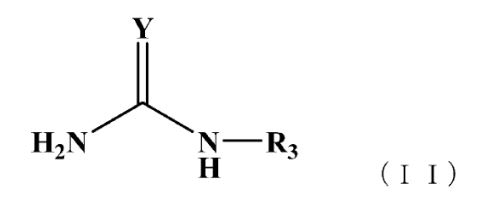
Assim, os presentes inventores focaram em um resíduo de cisteína que é um aminoácido contendo enxofre especial dentre os aminoácidos nativos. E os presentes inventores descobriram que conforme mostrado na figura a seguir, um grupo -C(=X)-R1 é introduzido em um grupo tiol do resíduo de cisteína, e um composto tendo um grupo retirante representado por -NH-C(=Y)NHR3 é reagido com esse em solvente orgânico a fim de adicionar o grupo -NH-C(=Y)NHR3 a um grupo carboxila de uma ligação peptídica em um lado N- terminal do resíduo de cisteína, através do qual a ligação peptídica é clivada e um fragmento de peptídeo em um lado C-terminal é cortado. Além disso, os presentes inventores descobriram que a cadeia peptídica resultante pode ser convertida em um tioéster peptídico por uma reação de troca com tiol no qual um composto tiol é reagido com a cadeia peptídica a qual o grupo -NH-C(=Y)NHR3 foi adicionado em uma solução tampão, permitindo assim que o grupo tiol do composto tiol fosse ligado ao carbono carbonílico ao qual o grupo -NH-C(=Y)NHR3 foi ligado e eliminando o grupo -NH- C(=Y)NHR3.Thus, the present inventors focused on a cysteine residue that is an amino acid containing special sulfur among the native amino acids. And the present inventors have found that as shown in the following figure, a -C (= X) -R1 group is introduced into a thiol group of the cysteine residue, and a compound having a leaving group represented by -NH-C (= Y ) NHR3 is reacted with that in an organic solvent in order to add the -NH-C (= Y) NHR3 group to a carboxyl group of a peptide bond on an N-terminal side of the cysteine residue, through which the peptide bond is cleaved and a peptide fragment on a C-terminal side is cut. In addition, the present inventors have found that the resulting peptide chain can be converted to a peptide thioester by a thiol exchange reaction in which a thiol compound is reacted with the peptide chain to which the -NH-C (= Y) NHR3 group was added in a buffer solution, thus allowing the thiol group of the thiol compound to be attached to the carbonyl carbon to which the -NH-C (= Y) NHR3 group was attached and eliminating the -NH-C (= Y) NHR3 group.
Como um exemplo relatado acima, especificamente, um grupo tionoformiato foi primeiramente introduzido no grupo tiol do resíduo de cisteína. E, uma cadeia peptídica em que N-acetilguanidido foi adicionado à região C-terminal foi obtida por reação de N-acetilguanidina com esse grupo tionoformiato no solvente orgânico para provocar a clivagem da cadeia peptídica no lado N-terminal do resíduo de cisteína. Além disso, essa cadeia peptídica adicionada com N-acetilguanidido foi reagida com tiol R4-SH na solução tampão a fim de converter para o tioéster de peptídeo. [0018] Os presentes inventores também descobriram que a cadeia peptídica adicionada com N-acetilguanidido e o tioéster de peptídeo obtido acima pode ser utilizado no método NCL. [Fórmula Química 1]
Um processo para a produção de um tioéster de peptídeo, compreendendo as seguintes etapas (a) a (c): uma etapa de produção de um primeiro intermediário por reação de um composto A representado pela seguinte fórmula (I) com um grupo tiol de um resíduo de cisteína em uma cadeia de peptídeo tendo o resíduo de cisteína para a eliminação de R2: [Fórmula Química 2]


Um processo para a remoção de uma marca para a purificação adicionada a um lado N-terminal de uma proteína recombinante, compreendendo as seguintes etapas de (a) a (c): uma etapa de produção de um primeiro intermediário por reação de um composto A representado pela seguinte fórmula (I) com um grupo tiol de um resíduo de cisteína em uma proteína recombinante compreendendo uma marca para a purificação em seu terminal C para a eliminação de R2: [Fórmula Química 6]

De acordo com a presente invenção, um novo processo para a conversão química da cadeia polipeptídica para o tioéster de peptídeo foi fornecido.In accordance with the present invention, a new process for the chemical conversion of the polypeptide chain to the peptide thioester has been provided.
No processo da presente invenção, a cadeia peptídica não possuindo um derivado de aminoácido não-ativo, o ligante e a estrutura tridimensional particular, etc., necessários para os métodos convencionais de tioesterificação pode ser tioesterificada. Portanto, mesmo o fragmento polipeptídico de cadeia longa obtido pela biossíntese, etc., pode ser facilmente tioesterificado.In the process of the present invention, the peptide chain lacking a non-active amino acid derivative, the ligand and the particular three-dimensional structure, etc., necessary for conventional methods of thioesterification can be thioesterified. Therefore, even the long-chain polypeptide fragment obtained by biosynthesis, etc., can be easily thioesterified.
Além disso, através da combinação do processo da presente invenção com o método convencional de síntese de peptídeos, o polipeptídeo de cadeia longa tendo parcialmente a modificação do peptídeo, que era até então difícil de ser sintetizada, pode ser produzido facilmente e simplesmente fazendo um fragmento da porção sem modificação utilizando o método pelo qual a biossíntese de cadeia longa é relativamente e facilmente sintetizada, fazendo um fragmento da porção tendo a modificação utilizando o método de síntese em fase sólida, e ligando-os.In addition, by combining the process of the present invention with the conventional peptide synthesis method, the long chain polypeptide having partially modified the peptide, which was hitherto difficult to synthesize, can be produced easily and simply by making a fragment of the unmodified portion using the method by which long chain biosynthesis is relatively and easily synthesized, making a fragment of the portion having the modification using the solid phase synthesis method, and ligating them.
Mais especificamente, o peptídeo de cadeia de açúcar mais longa pode ser produzido facilmente e simplesmente por síntese química de um fragmento sozinho contendo aminoácidos aos quais uma forma nativa de ligação da cadeia de açúcar foi adicionada quando a modificação foi realizada com a cadeia de açúcar, preparando outra porção por biossíntese e tioesterificação pelo processo da presente invenção, e ligando-as. O método de adição subsequente da cadeia de açúcar e similares à cadeia peptídica através do ligante é também conhecido publicamente, e esse também pode subsequentemente adicionar a cadeia de açúcar ao peptídeo de cadeia longa biossintetizada. No entanto, esse método de ligação de cadeia de açúcar através do ligante se liga à cadeia de açúcar e similares utilizando o aminoácido particular e a sua estrutura. Portanto, por exemplo, quando múltiplos sítios capazes de se ligarem à cadeia de açúcar estão presentes no peptídeo, a cadeia de açúcar pode ser adicionada mais fácil e simplesmente da maneira específica do sítio em comparação aos métodos convencionais, através do corte (retirada) de um fragmento peptídico contendo o sítio de ligação desejado sozinho de um peptídeo de cadeia longa após a obtenção do peptídeo de cadeia longa por biossintetização, adicionando a respectivo cadeia de açúcar, tioesterificando o fragmento peptídico adicionado com cadeia de açúcar utilizando o processo de tioesterificação da presente invenção, e ligando novamente à porção restante.More specifically, the longer sugar chain peptide can be produced easily and simply by chemical synthesis of a fragment alone containing amino acids to which a native form of sugar chain binding was added when the modification was carried out with the sugar chain, preparing another portion by biosynthesis and thioesterification by the process of the present invention, and ligating them. The method of subsequently adding the sugar chain and similar to the peptide chain via the linker is also publicly known, and this can also subsequently add the sugar chain to the biosynthesized long chain peptide. However, this method of linking the sugar chain through the linker binds to the sugar chain and the like using the particular amino acid and its structure. So, for example, when multiple sites capable of binding to the sugar chain are present in the peptide, the sugar chain can be added more easily and simply in the specific way of the site compared to conventional methods, by cutting (removing) a peptide fragment containing the desired binding site alone of a long chain peptide after obtaining the long chain peptide by biosynthesis, adding the respective sugar chain, thioesterifying the peptide fragment added with the sugar chain using the thioesterification process of the present invention, and reconnecting to the remaining portion.
Além disso, na biossíntese, mesmo se a proteína de comprimento total for expressada normalmente, o seu fragmento peptídico pode ser indevidamente reconhecido, degradado ou não expressado normalmente na célula. É também possível que, após a síntese da proteína de comprimento total, o seu fragmento sozinho a ser modificado seja cortado, o tratamento necessário, tal como a modificação, é dado ao mesmo, o fragmento peptídico modificado é tioesterificado utilizando o processo da presente invenção, e o fragmento tioesterificado é novamente ligado à porção restante a fim de produzir a proteína modificada desejada.In addition, in biosynthesis, even if the full-length protein is expressed normally, its peptide fragment can be improperly recognized, degraded or not normally expressed in the cell. It is also possible that, after the synthesis of the full-length protein, its fragment alone to be modified is cut, the necessary treatment, such as the modification, is given to it, the modified peptide fragment is thioesterified using the process of the present invention. , and the thioesterified fragment is reconnected to the remaining portion in order to produce the desired modified protein.
Conforme descrito acima, o processo de tioesterificação de peptídeo da presente invenção é geralmente útil para a síntese protéica.As described above, the peptide thioesterification process of the present invention is generally useful for protein synthesis.
Descrição Detalhada das Modalidades PreferidasDetailed Description of Preferred Modalities
As modalidades adequadas da presente invenção são descritas abaixo.Suitable embodiments of the present invention are described below.
A presente invenção fornece um novo processo para a produção de um tioéster de peptídeo, compreendendo as seguintes etapas (a) a (c): uma etapa de produção de um primeiro intermediário por reação de um composto A representado pela seguinte fórmula (I) com um grupo tiol de um resíduo de cisteína em uma cadeia de peptídeo tendo o resíduo de cisteína para a eliminação de R2: [Fórmula Química 8]
Na presente invenção, o "peptídeo" não é particularmente limitado contanto que dois ou mais aminoácidos sejam ligados por meio de ligação (ões) amida, e inclui peptídeos publicamente conhecidos, novos peptídeos e peptídeos modificados. Os vulgarmente referidos como proteína estão incluídos nos peptídeos da presente invenção. Também na presente invenção, o "polipeptídeo" está incluído nos peptídeos. A cadeia peptídica utilizada para o processo da presente invenção pode ser a proteína nativa ou a cadeia peptídica obtida por métodos tais como a biossíntese, a síntese química ou a síntese livre de células.In the present invention, the "peptide" is not particularly limited as long as two or more amino acids are linked by means of amide bond (s), and includes publicly known peptides, new peptides and modified peptides. Those commonly referred to as protein are included in the peptides of the present invention. Also in the present invention, the "polypeptide" is included in the peptides. The peptide chain used for the process of the present invention can be the native protein or the peptide chain obtained by methods such as biosynthesis, chemical synthesis or cell-free synthesis.
Na presente invenção, o "peptídeo modificado" inclui variantes naturais dos peptídeos, peptídeos modificados pós-translacionais, ou compostos artificialmente modificados. Tal modificação inclui, por exemplo, alquilação, acilação (por exemplo, acetilação), amidação (por exemplo, amidação do terminal C do peptídeo), carboxilação, formação de éster, formação de ligação de dissulfeto, glicosilação, lipidação, fosforilação, hidroxilação, ligação de componente rotulado, etc., em um ou mais resíduos de aminoácidos no peptídeo.In the present invention, the "modified peptide" includes natural variants of the peptides, modified post-translational peptides, or artificially modified compounds. Such modification includes, for example, alkylation, acylation (eg, acetylation), amidation (eg, C-terminal amidation of the peptide), carboxylation, ester formation, disulfide bond formation, glycosylation, lipidation, phosphorylation, hydroxylation, binding of labeled component, etc., to one or more amino acid residues in the peptide.
Na presente invenção, o "aminoácido" é utilizado no seu contexto mais amplo, e inclui não apenas aminoácidos nativos, tais como serina (Ser), asparagina (Asn), valina (Val), leucina (Leu), isoleucina (Ile) , alanina (Ala), tirosina (Tyr), glicina (Gly), lisina (Lys), arginina (Arg), histidina (His), ácido aspártico (Asp), ácido glutâmico (Glu), glutamina (Gln), treonina ( Thr), cisteína (Cys), metionina (Met), fenilalanina (Phe), triptofano (Trp) e prolina (Pro), mas também aminoácidos não-nativos, tais como variantes e derivados de aminoácidos. Os técnicos no assunto entenderão que os aminoácidos na presente invenção incluem, por exemplo, L-aminoácidos; D- aminoácidos, aminoácidos quimicamente modificados, tais como variantes e derivados de aminoácidos; aminoácidos tais como norleucina, β-alanina e ornitina que não são materiais constitutivos para as proteínas in vivo; e os compostos sintetizados quimicamente para ter propriedades de aminoácidos conhecidas dos técnicos no assunto, etc., tendo em consideração essa definição ampla.In the present invention, the "amino acid" is used in its broadest context, and includes not only native amino acids, such as serine (Ser), asparagine (Asn), valine (Val), leucine (Leu), isoleucine (Ile), alanine (Ala), tyrosine (Tyr), glycine (Gly), lysine (Lys), arginine (Arg), histidine (His), aspartic acid (Asp), glutamic acid (Glu), glutamine (Gln), threonine (Thr ), cysteine (Cys), methionine (Met), phenylalanine (Phe), tryptophan (Trp) and proline (Pro), but also non-native amino acids, such as variants and derivatives of amino acids. Those skilled in the art will understand that the amino acids in the present invention include, for example, L-amino acids; D- amino acids, chemically modified amino acids, such as variants and derivatives of amino acids; amino acids such as norleucine, β-alanine and ornithine which are not constitutive materials for proteins in vivo; and compounds chemically synthesized to have amino acid properties known to those skilled in the art, etc., taking this broad definition into account.
Na presente invenção, a cadeia peptídica a ser tioesterificada não é particularmente limitada, desde que a cadeia peptídica contenha o resíduo de cisteína. Por exemplo, uma origem, um método de síntese, um tamanho e formas semelhantes de cadeia peptídica não são particularmente limitados. A cadeia peptídica podem também ter a modificação e um grupo de proteção.In the present invention, the peptide chain to be thioesterified is not particularly limited, as long as the peptide chain contains the cysteine residue. For example, an origin, a method of synthesis, a size and similar forms of the peptide chain are not particularly limited. The peptide chain may also have the modification and a protecting group.
O número de resíduos de cisteína contidos na cadeia peptídica utilizada na presente invenção não é particularmente limitado, e a cadeia peptídica é clivada pela segmentação dos resíduos de cisteína. Portanto, é necessário conceber um esqueleto básico da proteína finalmente sintetizada dependendo dos sítios tendo o resíduo de cisteína, e os técnicos no assunto podem facilmente conceber tal esqueleto básico. Os resíduos de cisteína que não sejam os resíduos de cisteína desejados podem ser protegidos com grupos protetores com antecedência de modo que a tioesterificação seja realizada nas posições de apenas os resíduos de cisteína desejados e os resíduos restantes de cisteína que não são afetados pela reação na cadeia peptídica contendo os resíduos múltiplos de cisteína. Os exemplos de um tal grupo protetor incluem um grupo Acm.The number of cysteine residues contained in the peptide chain used in the present invention is not particularly limited, and the peptide chain is cleaved by the segmentation of cysteine residues. Therefore, it is necessary to design a basic skeleton of the protein finally synthesized depending on the sites having the cysteine residue, and those skilled in the art can easily design such a basic skeleton. Cysteine residues other than the desired cysteine residues can be protected with protective groups in advance so that thioesterification is performed in the positions of only the desired cysteine residues and the remaining cysteine residues that are not affected by the chain reaction peptide containing multiple cysteine residues. Examples of such a protecting group include an mAb group.
A cadeia peptídica utilizada na presente invenção pode ter um grupo de proteção solúvel em gordura no lado N- terminal. Preferivelmente, os grupos de proteção podem incluir, entre outros, os grupos acila tais como um grupo acetila(Ac),grupos contendo carbonila tais como um grupo t- butiloxicarbonila (Boc), um grupo 9-fluorenilmetoxicarbonila (Fmoc) e uma grupo aliloxicarbonila (Alloc), e um grupo alila e um grupo benzila.The peptide chain used in the present invention can have a fat-soluble protecting group on the N-terminal side. Preferably, protecting groups may include, but are not limited to, acyl groups such as an acetyl group (Ac), carbonyl-containing groups such as a t-butyloxycarbonyl group (Boc), a 9-fluorenylmethoxycarbonyl group (Fmoc) and an allyloxycarbonyl group (Alloc), and an allyl group and a benzyl group.
A cadeia de péptido utilizado para o processo da presente invenção pode ser uma proteína nativa ou a cadeia de péptido obtido por métodos tais como a biossíntese, a síntese química ou a síntese livre de células, e é de preferência uma proteína recombinante expressa em uma célula bacteriana ou uma célula. A proteína recombinante pode ser aquelas que possuem a mesma sequência peptídica como na proteína nativa ou aquelas possuindo a sequência peptídica tendo a modificação, tal como uma marca para a mutação ou purificação, desde que a proteína seja expressada artificialmente na célula bacteriana ou célula.The peptide chain used for the process of the present invention can be a native protein or the peptide chain obtained by methods such as biosynthesis, chemical synthesis or cell-free synthesis, and is preferably a recombinant protein expressed in a cell bacterial or a cell. The recombinant protein can be those having the same peptide sequence as in the native protein or those having the peptide sequence having the modification, such as a tag for mutation or purification, as long as the protein is artificially expressed in the bacterial cell or cell.
A proteína recombinante utilizada na presente invenção pode ser preparada pelo método conhecido pelos técnicos no assunto. Por exemplo, a proteína recombinante pode ser expressada através da introdução de um gene objetivo em um vector recombinante. O vetor recombinante utilizado na presente invenção pode ser aquele capaz de transformar uma célula hospedeira, e um plasmídeo para a Escherichia coli, um plasmídeo para Bacillus subtilis, um plasmídeo para leveduras, e vetores de vírus de animais tais como retrovírus, vírus vaccinia e baculovirus são utilizados. Esses preferivelmente possuem uma sequência reguladora tal como um promotor capaz de expressar a proteína de forma adequada na célula hospedeira. Além disso, a célula hospedeira pode ser aquelas capazes de expressar um gene estranho no vetor recombinante, e geralmente Escherichia coli, Bacillus subtilis, leveduras, células de insetos e células animais são utilizadas.The recombinant protein used in the present invention can be prepared by the method known to those skilled in the art. For example, the recombinant protein can be expressed by introducing an objective gene into a recombinant vector. The recombinant vector used in the present invention can be that capable of transforming a host cell, and a plasmid for Escherichia coli, a plasmid for Bacillus subtilis, a plasmid for yeast, and vectors of animal viruses such as retroviruses, vaccinia virus and baculovirus are used. These preferably have a regulatory sequence such as a promoter capable of expressing the protein appropriately in the host cell. In addition, the host cell may be those capable of expressing a foreign gene in the recombinant vector, and generally Escherichia coli, Bacillus subtilis, yeast, insect cells and animal cells are used.
O método normalmente utilizado, em geral, pode ser utilizado como o método de transfecção do vector recombinante na célula hospedeira. Por exemplo, um método de cloreto de cálcio e um método de eletroporação, no caso da Escherichia coli e um método de cloreto de lítio e o método de eletroporação, no caso da levedura podem ser utilizados. A transformação da célula animal pode ser realizada utilizando um método físico, tal como o método de eletroporação, um método químico, tal como um método de lipossoma e um método de fosfato de cálcio, ou um vector viral, tal como retrovírus. Uma condição de cultura da célula hospedeira que é um transformante pode ser selecionada tendo em consideração as propriedades nutricionais e fisiológicas da célula hospedeira.The method normally used, in general, can be used as the method of transfection of the recombinant vector in the host cell. For example, a calcium chloride method and an electroporation method, in the case of Escherichia coli, and a lithium chloride method and an electroporation method, in the case of yeast. The transformation of the animal cell can be carried out using a physical method, such as the electroporation method, a chemical method, such as a liposome method and a calcium phosphate method, or a viral vector, such as retrovirus. A culture condition of the host cell that is a transformant can be selected taking into account the nutritional and physiological properties of the host cell.
É preferível que o peptídeo utilizado na presente invenção seja purificado. O peptídeo pode ser purificado por um método de purificação comum. Por exemplo, no caso de uma proteína recombinante, uma célula bacteriana ou uma célula que expressa a proteína recombinante utilizada na presente invenção é cultivada, subsequentemente, a célula bacteriana ou a célula é colhida por um método conhecido, em seguida, suspensa em uma solução tampão apropriada , rompida por sonicação, lisozima e/ou congelamento e descongelamento, e em seguida uma solução de extrato bruto de um peptídeo é preparada por centrifugação ou filtração. Um agente de desnaturação de proteína, tal como ureia e cloridrato de guanidina, e um agente tensoativo tal como Triton X-100 TM podem estar contidos na solução tampão. O peptídeo contido na solução de extrato ou no sobrenadante da cultura obtido conforme acima pode ser purificado pelo método de purificação conhecido. Por exemplo, o peptídeo pode ser isolado e purificado por seleção adequada e combinação de cromatografia de afinidade, cromatografia de troca iônica, filtro, ultrafiltração, filtração em gel, electroforese, adição de sal, diálise, e similares.It is preferable that the peptide used in the present invention is purified. The peptide can be purified by a standard purification method. For example, in the case of a recombinant protein, a bacterial cell or a cell expressing the recombinant protein used in the present invention is cultured, subsequently, the bacterial cell or the cell is harvested by a known method, then suspended in a solution appropriate buffer, disrupted by sonication, lysozyme and / or freezing and thawing, and then a solution of a crude peptide extract is prepared by centrifugation or filtration. A protein denaturing agent, such as urea and guanidine hydrochloride, and a surfactant such as Triton X-100 TM can be contained in the buffer solution. The peptide contained in the extract solution or in the culture supernatant obtained as above can be purified by the known purification method. For example, the peptide can be isolated and purified by proper selection and combination of affinity chromatography, ion exchange chromatography, filter, ultrafiltration, gel filtration, electrophoresis, salt addition, dialysis, and the like.
Uma marca para a purificação pode ser incorporada no vetor de expressão, a fim de tornar a purificação da proteína recombinante fácil. Os exemplos da marca para a purificação incluem, por exemplo, uma marca (etiqueta) His, uma marca GST, uma marca Myc, uma marca FLAG, e uma proteína de ligação de maltose (MBP). Na presente invenção, o lado N-terminal da Cys disposta dentro da cadeia peptídica é tioesterificada, assim, a marca para a purificação é adicionada ao lado C-terminal do peptídeo e o peptídeo após a purificação é tioesterificado, através do qual o lado C-terminal da Cys na cadeia peptídica que inclui a marca é cortada e o tio éster de peptídeo pode ser obtido de forma eficiente. Através da disposição da Cys na posição desejada na cadeia peptídica, é também possível utilizar o processo da presente invenção para a remoção da marca (etiqueta) no lado C-terminal.A tag for purification can be incorporated into the expression vector to make purification of the recombinant protein easy. Examples of the tag for purification include, for example, a His tag (tag), a GST tag, a Myc tag, a FLAG tag, and a maltose binding protein (MBP). In the present invention, the N-terminal side of the Cys arranged within the peptide chain is thioesterified, thus the tag for purification is added to the C-terminal side of the peptide and the peptide after purification is thioesterified, through which the C side -Cys end in the peptide chain that includes the tag is cut and the thio peptide ester can be obtained efficiently. By placing the Cys in the desired position on the peptide chain, it is also possible to use the process of the present invention for removing the mark (label) on the C-terminal side.
Portanto, o processo para a remoção da marca para a purificação adicionada ao C-terminal da proteína recombinante utilizando o processo para a produção do tioéster de peptídeo da presente invenção também está incluído na presente invenção.Therefore, the process for removing the tag for purification added to the C-terminal of the recombinant protein using the process for producing the peptide thioester of the present invention is also included in the present invention.
Na presente invenção, o "tioéster de peptídeo" (doravante à vezes também descrito simplesmente como o "tioéster") refere-se ao peptídeo que possui uma porção carboxitioéster (-C=O-SR) no C-terminal. O tioéster de peptídeo utilizado na presente invenção não é particularmente limitado, desde que o tioéster possa causar a reação de troca com outros grupos tiol. O grupo R inclui, por exemplo, os grupos exemplificado em R4 abaixo.In the present invention, the "peptide thioester" (hereinafter also simply described as the "thioester") refers to the peptide that has a carboxythioester moiety (-C = O-SR) at the C-terminus. The peptide thioester used in the present invention is not particularly limited, as long as the thioester can cause the exchange reaction with other thiol groups. The group R includes, for example, the groups exemplified in R4 below.
No processo da presente invenção, em primeiro lugar (a) uma etapa de reação de um composto A com um grupo tiol de um resíduo de cisteína em uma cadeia de peptídeo possuindo o resíduo de cisteína a fim de produzir o primeiro intermediário é realizada.In the process of the present invention, first (a) a step of reacting a compound A with a thiol group of a cysteine residue in a peptide chain having the cysteine residue in order to produce the first intermediate is carried out.
Na presente invenção, o composto A é representado pela seguinte fórmula (I). [Fórmula Química 10]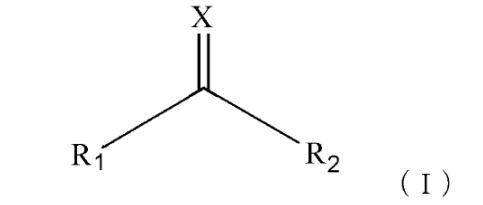
Na fórmula, X é um átomo de enxofre ou um átomo de oxigênio, e de preferência o átomo de enxofre.In the formula, X is a sulfur atom or an oxygen atom, and preferably the sulfur atom.
R1 e R2 não são particularmente limitados desde que eles tenham menor nucleofilicidade do que um átomo ou um grupo atômico a ser substituído e têm uma função de eliminação em uma condição de reação da etapa (a) a seguir como grupos retirantes, e é preferível que R1 e R2 sejam grupos retirantes diferentes entre si. Os exemplos de R1 e R2 incluem especificamente átomos de halogêneo, grupos -O- alquila substituídos ou insubstituídos, grupos -O-alquenila substituídos ou insubstituídos, grupos -O-alquinila substituídos ou insubstituídos, grupos -O-arila substituídos ou insubstituídos, grupos- O-heteroarila substituídos ou insubstituídos, grupos -S-alquila substituídos ou insubstituídos, grupos -S-alquenila substituídos ou insubstituídos, grupos -S-alquinila substituídos ou insubstituídos, grupos -S-arila substituídos ou insubstituídos, grupos -S-heteroarila substituídos ou insubstituídos. Mais preferivelmente, os exemplos de R1 e R2 incluem combinações de R1 que é o grupo retirante selecionado do grupo que consiste em grupos arila -O-C6-10 substituídos ou insubstituídos, grupos alquila -S- C1-8 substituídos ou insubstituídos e R2 que é o grupo retirante selecionado do grupo consistindo em átomos de halogêneo, grupos alquila -S-C1-8 substituídos ou insubstituídos e grupos arila -S-C6-10 substituídos ou insubstituídos.R1 and R2 are not particularly limited as long as they have less nucleophilicity than an atom or atomic group to be replaced and have an elimination function in a reaction condition of step (a) below as leaving groups, and it is preferable that R1 and R2 are different withdrawal groups. Examples of R1 and R2 specifically include halogen atoms, substituted or unsubstituted -O-alkyl groups, substituted or unsubstituted -O-alkenyl groups, substituted or unsubstituted -O-alkynyl groups, substituted or unsubstituted -O-aryl groups, groups- Substituted or unsubstituted O-heteroaryl, substituted or unsubstituted -S-alkyl groups, substituted or unsubstituted -S-alkenyl groups, substituted or unsubstituted -S-aryl groups, substituted or -S-heteroaryl groups unsubstituted. More preferably, the examples of R1 and R2 include combinations of R1 which is the leaving group selected from the group consisting of substituted or unsubstituted -O-C6-10 aryl groups, substituted or unsubstituted -S- C1-8 alkyl groups and R2 that is the leaving group selected from the group consisting of halogen atoms, substituted or unsubstituted -S-C1-8 alkyl groups and substituted or unsubstituted -S-C6-10 aryl groups.
Na presente invenção, o "grupo alquila" é um grupo monovalente derivado de hidrocarboneto alifático por remoção de qualquer um átomo de hidrogênio, e possui um subconjunto de hidrocarbila ou hidrocarboneto contendo átomos de hidrogênio e carbono. O grupo alquila inclui uma estrutura de cadeia linear ou de cadeia ramificada. O grupo alquila da presente invenção inclui de preferência os grupos alquila tendo 1 a 8 átomos de carbono. "Grupo alquila C1-8" indica que o grupo alquila tendo 1 a 8 átomos de carbono, e exemplos específicos desses incluem metila, etila, propila, butila, pentila, hexila, heptila e octila.In the present invention, the "alkyl group" is a monovalent group derived from aliphatic hydrocarbon by removing any one hydrogen atom, and has a subset of hydrocarbyl or hydrocarbon containing hydrogen and carbon atoms. The alkyl group includes a straight chain or branched chain structure. The alkyl group of the present invention preferably includes alkyl groups having 1 to 8 carbon atoms. "C1-8 alkyl group" indicates that the alkyl group having 1 to 8 carbon atoms, and specific examples of these include methyl, ethyl, propyl, butyl, pentyl, hexyl, heptyl and octyl.
Na presente invenção, o "grupo alquenila" é um grupo monovalente tendo pelo menos uma ligação dupla. As formas geométricas das ligações duplas podem tomar configurações entgegen (E), zusammen (Z), cis ou trans, dependendo da configuração das ligações duplas e dos substituintes. O grupo alquenila inclui a forma de cadeia linear ou de cadeia ramificada. O grupo alquenila da presente invenção inclui de preferência os grupos alquenila tendo 2 a 8 átomos de carbono. "Grupo alquenila C2-8" indica o grupo alquenila tendo de 2 a 8 átomos de carbono, e exemplos específicos desse incluem grupos vinila, alila, propenila, butenila, pentenila, hexenila, heptenila e octenila.In the present invention, the "alkenyl group" is a monovalent group having at least one double bond. The geometric shapes of the double bonds can take entgegen (E), zusammen (Z), cis or trans configurations, depending on the configuration of the double bonds and the substituents. The alkenyl group includes the straight-chain or branched-chain form. The alkenyl group of the present invention preferably includes alkenyl groups having 2 to 8 carbon atoms. "C2-8 alkenyl group" indicates the alkenyl group having 2 to 8 carbon atoms, and specific examples thereof include vinyl, allyl, propenyl, butenyl, pentenyl, hexenyl, heptenyl and octenyl groups.
Na presente invenção, o "grupo alcinilo" é um grupo monovalente tendo pelo menos uma ligação tripla. O grupo alquinila inclui grupos de cadeia linear ou alquinila de cadeia ramificada. O grupo alquinila da presente invenção inclui de preferência os grupos alquinila tendo 2 a 8 átomos de carbono. "Grupo alquinila C2-8" indica o grupo alquinila tendo 2 a 8 átomos de carbono, e exemplos específicos desse incluem grupos etinila, 1-propinila, 2- propinila, butinila, pentinila, hexinila, heptinila, octinila.In the present invention, the "alkynyl group" is a monovalent group having at least one triple bond. The alkynyl group includes straight-chain or branched-chain alkynyl groups. The alkynyl group of the present invention preferably includes alkynyl groups having 2 to 8 carbon atoms. "C2-8 alkynyl group" indicates the alkynyl group having 2 to 8 carbon atoms, and specific examples thereof include ethynyl, 1-propynyl, 2-propynyl, butynyl, pentynyl, hexynyl, heptinyl, octinyl groups.
Na presente invenção, o "grupo arila" significa um grupo de anel aromático de hidrocarboneto. O grupo arila da presente invenção inclui de preferência os grupos arila tendo 6 a 10 átomos de carbono. "Grupo arila C6-10" indica o grupo arila tendo 6 a 10 átomos de carbono, e exemplos específicos desses incluem os grupos fenila, 1-naftila e 2- naftila.In the present invention, the "aryl group" means an aromatic hydrocarbon ring group. The aryl group of the present invention preferably includes aryl groups having 6 to 10 carbon atoms. "C6-10 aryl group" indicates the aryl group having 6 to 10 carbon atoms, and specific examples of these include the phenyl, 1-naphthyl and 2-naphthyl groups.
Na presente invenção, o "grupo heteroarila" significa um grupo monovalente ou bivalente derivado de um anel heteroarila através da remoção de um ou dois átomos de hidrogênio, em qualquer posição. Na presente invenção, o "anel heteroarila" significa um anel aromático possuindo um ou vários heteroátomos nos átomos que compõem o anel, e possui de preferência anéis de 5-9 membros. O anel pode ser um grupo heteroarila monocíclico ou bicíclico obtido por fusão com um anel benzeno ou um anel heteroarila monocíclico. Os exemplos específicos desses incluem os grupos furanila, tiofenila, pirrolila, benzofuranila, benzotiofenila, indolila, piridila, quinolila. Tipos, números e as posições substituídas de substituintes que os grupos retirantes acima mencionados não são particularmente limitados, e os exemplos dos substituintes incluem os grupos alquila, alquenila, alcóxi, arila, formila, carbonila, carboxila, alquilcarbonila, alcoxicarbonila, halogêneoIn the present invention, the "heteroaryl group" means a monovalent or divalent group derived from a heteroaryl ring by removing one or two hydrogen atoms, at any position. In the present invention, the "heteroaryl ring" means an aromatic ring having one or more hetero atoms in the atoms that make up the ring, and preferably has 5-9 membered rings. The ring may be a monocyclic or bicyclic heteroaryl group obtained by fusion with a benzene ring or a monocyclic heteroaryl ring. Specific examples of these include the furanyl, thiophenyl, pyrrolyl, benzofuranyl, benzothiophenyl, indolyl, pyridyl, quinolyl groups. Types, numbers and substituted positions of substituents that the aforementioned leaving groups are not particularly limited, and examples of substituents include the alkyl, alkenyl, alkoxy, aryl, formyl, carbonyl, carboxyl, alkylcarbonyl, alkoxycarbonyl, halogen groups
O composto A da presente invenção inclui, especificamente, os seguintes.
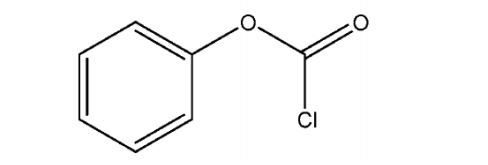


O primeiro intermediário no qual o grupo -C(=X)-R1 está ligado ao grupo SH no resíduo de cisteína, conforme mostrado na figura a seguir, pode ser obtido por reação do composto A da presente invenção com o resíduo de cisteína no peptídeo. [Fórmula Química 19]

Na fórmula, Y é um átomo de oxigênio, um átomo de enxofre ou um grupo NH, e R3 é um átomo de hidrogênio, um grupo acila, ou um grupo alcoxicarbonila.In the formula, Y is an oxygen atom, a sulfur atom or an NH group, and R3 is a hydrogen atom, an acyl group, or an alkoxycarbonyl group.
Na presente invenção, o "grupo acila" significa um grupo obtido por remoção atômica de um grupo OH a partir de um grupo carboxila de um ácido carboxílico. O grupo acila do presente invento inclui de preferência os grupos acila tendo 1 a 4 átomos de carbono, e exemplos específicos desses incluem os grupos acetila, propionila e butiroila.In the present invention, the "acyl group" means a group obtained by atomic removal of an OH group from a carboxyl group of a carboxylic acid. The acyl group of the present invention preferably includes acyl groups having 1 to 4 carbon atoms, and specific examples of which include the acetyl, propionyl and butyryl groups.
Na presente invenção, o "grupo alcóxi" significa um grupo oxi ligado ao "grupo alquila." O grupo alcóxi da presente invenção pode ser de cadeia linear ou de cadeia ramificada. O grupo alcóxi da presente invenção inclui de preferência os grupos alcóxi de cadeia linear tendo 1 a 14 átomos de carbono e os grupos alcóxi de cadeia ramificada tendo de 3 a 14 átomos de carbono. Especificamente, por exemplo, os grupos metóxi, etóxi, n-propilóxi, isopropóxi, n-butóxi, 2-metil-2-propilóxi, n-pentilóxi, n-hexilóxi podem ser incluídos.In the present invention, the "alkoxy group" means an oxy group attached to the "alkyl group." The alkoxy group of the present invention can be straight-chain or branched-chain. The alkoxy group of the present invention preferably includes straight chain alkoxy groups having 1 to 14 carbon atoms and branched chain alkoxy groups having 3 to 14 carbon atoms. Specifically, for example, the methoxy, ethoxy, n-propyloxy, isopropoxy, n-butoxy, 2-methyl-2-propyloxy, n-pentyloxy, n-hexyloxy groups can be included.
Além disso, "grupo alcoxicarbonila C2-n" significa o grupo carbonila tendo um grupo alcóxi C1-(n-1). O grupo alcoxicarbonila da presente invenção inclui de preferência os grupos alcoxicarbonila tendo 2 a 15 átomos de carbono. Especificamente, por exemplo, os grupos metoxicarbonila, etoxicarbonila, n-propiloxicarbonila, isopropoxicarbonila, n-butoxicarbonila, 2-metil-2-propiloxicarbonila, n- pentiloxicarbonila, e n-hexiloxicarbonila podem ser incluídos. O grupo acila inclui de preferência o grupo acetila. Além disso, o grupo alcoxicarbonila preferivelmente inclui um grupo (Boc) terc-butoxicarbonila. O composto B da presente invenção inclui, mais especificamente, os seguintes. [Fórmula Química 21]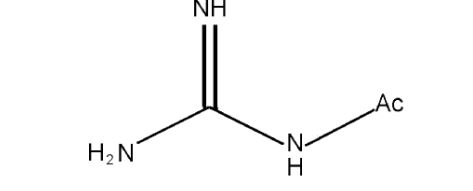


Na presente invenção, a etapa (b) é preferencialmente realizada na presença do solvente orgânico. É preferível que o solvente orgânico seja de alta solubilidade e baixa nucleofilicidade. Tal solvente orgânico pode incluir, por exemplo, DMSO, DMF e dioxano. A reação é preferencialmente realizada de 0 a 50 °C, preferivelmente de 15 a 25 °C durante cerca de 1 a 24 horas, preferivelmente de 5 a 10 horas, mas sem quaisquer limitações. A cadeia peptídica é clivada no lado N-terminal do resíduo de cisteína, conforme mostrado na figura a seguir, adicionando grupo -NH-C(=Y)NHR3 ao o grupo carboxila formando a ligação peptídica entre o resíduo de cisteína e o amino ácido adjacente ao lado N-terminal do resíduo de cisteína. [Fórmula Química 25]
A fim de introduzir o grupo de proteção solúvel em gordura, por exemplo, o grupo Fmoc pode ser introduzido por adição de carbonato de 9-fluorenilmetil-N-succinimidila e hidrogenocarbonato de sódio e reação desses. A reação é preferencialmente realizada de 0 a 50 °C, preferivelmente à temperatura ambiente por cerca de 1 a 5 horas, mas sem quaisquer limitações. O fragmento peptídico no lado N-terminal mais próximo ao lado N-terminal do que o sítio clivado da cadeia peptídica clivada pode ser obtido como o segundo intermediário com a seguinte fórmula (1) na etapa (b). [Fórmula Química 26]
O processo para a produção do tio éster de peptídeo da presente invenção inclui ainda a etapa (c) de tioesterificação de um terminal C do segundo intermediário por reação de tiol com o segundo intermediário a fim de trocar o grupo -NH-C(=Y)NHR3 na posição C-terminal para o grupo tiol.The process for producing the peptide thio ester of the present invention also includes step (c) of thioesterification of a C-terminus of the second intermediate by thiol reaction with the second intermediate in order to exchange the -NH-C group (= Y ) NHR3 at the C-terminal position for the thiol group.
O segundo intermediário utilizado para a etapa (c) pode ser isolado ou não necessita isolamento após a etapa (b). Em modalidades preferíveis, o tiol representado pela seguinte fórmula (III): R4-SH (Fórmula III) é utilizado na etapa (c). R4 não é particularmente limitado contanto que não iniba a reação de troca de tiol e se torne o grupo retirante em uma reação de substituição em carbono carbonílico. Preferivelmente, R4 é qualquer grupo selecionado a partir de grupos benzila substituídos ou insubstituídos, grupos arila substituídos ou insubstituídos e grupos alquila substituídos ou insubstituídos. Mais preferivelmente, R4 é qualquer grupo selecionado a partir de grupos benzila substituídos ou insubstituídos, grupos arila C6-10 substituídos ou insubstituídos ou grupos alquila C1-8 substituídos ou insubstituídos. Mais especificamente, R4 pode ser selecionado a partir de grupos retirantes do tipo benzila tais como benzilmercaptano, grupos retirantes tipo arila tais como tiofenol e 4-(carboximetil)tiofenol, grupos retirantes tipo alquila tais como um grupo de ácido 2-mercaptoetanossulfônico e amida de 3-mercaptopropionato, etc . O tipo, o número e a posição dos substituintes substituídos que esses grupos retirantes possuem não são particularmente limitados. [0067] O segundo intermediário é completamente convertido no tioéster conforme a figura a seguir através da realização da etapa (c).
O tioéster de peptídeo obtido conforme o exemplo acima pode ser ligado a um peptídeo (ou um peptídeo modificado), que contém um resíduo de aminoácido tendo o grupo -SH no terminal N entre os peptídeos ou os peptídeos modificados utilizando o método de ligadura. Portanto, a presente invenção proporciona também um processo para a produção de um polipeptídeo compreendendo uma etapa de ligação do tio éster de peptídeo obtido pelo processo da presente invenção na cadeia peptídica possuindo cisteína no terminal N através do método de ligadura.The peptide thioester obtained according to the example above can be linked to a peptide (or a modified peptide), which contains an amino acid residue having the -SH group at the N-terminus between the modified peptides or peptides using the ligation method. Therefore, the present invention also provides a process for the production of a polypeptide comprising a step of linking the peptide thio ester obtained by the process of the present invention to the peptide chain having N-terminal cysteine through the ligation method.
Também é possível utilizar o segundo intermediário obtido na etapa (b) no lugar do tioéster de peptídeo acima para o método de ligadura.It is also possible to use the second intermediate obtained in step (b) in place of the above peptide thioester for the ligation method.
Na presente invenção, o “método de ligadura" inclui não apenas o método de ligação química nativa (método NCL) descrito na literatura patentária 1, mas também nos casos de aplicação do método de ligadura química nativa para os peptídeos que contêm o aminoácido não nativo e derivado de aminoácido (por exemplo, derivado de treonina A, metionina protegida, aminoácidos adicionados com cadeia de açúcar, etc.). O peptídeo possuindo a ligação amida nativa (ligação peptídica) no sítio da ligadura pode ser produzido pelo método de ligadura.In the present invention, the "ligation method" includes not only the native chemical ligation method (NCL method) described in the patent literature 1, but also in cases of application of the native chemical ligation method for peptides containing the non-native amino acid and amino acid derivative (e.g., threonine A derivative, protected methionine, added amino acids with sugar chain, etc.). The peptide having the native amide bond (peptide bond) at the ligation site can be produced by the ligation method.
A ligadura utilizando o método de ligadura pode ser realizada em todos os casos entre o peptídeo e o peptídeo, entre o peptídeo e o peptídeo modificado, e entre o peptídeo modificado e o peptídeo modificado.The ligation using the ligation method can be performed in all cases between the peptide and the peptide, between the peptide and the modified peptide, and between the modified peptide and the modified peptide.
Os termos aqui utilizados são utilizados para descrever aspectos particulares e não se destinam a limitar a presente invenção.The terms used herein are used to describe particular aspects and are not intended to limit the present invention.
O termo "compreendendo" (também “contendo" e "incluindo") aqui utilizado pretende que os aspectos descritos (membros, etapas, elementos e números, etc.) estejam presentes, exceto os casos entendidos como obviamente diferentes em contexto, e não se excluem os aspectos (membros, etapas, elementos e números, etc.) outros que não os presentes. Salvo definição diferente, todos os termos (incluindo os termos técnicos e termos científicos) aqui utilizados têm os mesmos significados que os compreendido amplamente pelos técnicos no assunto ao qual pertence a presente invenção. Os termos aqui utilizados devem ser interpretados como tendo os significados coerentes para os significados neste relatório descritivo e o campo técnico relacionado a a menos que uma definição diferente seja de outra forma manifesta, e não devem ser interpretados em significados idealizados ou indevidamente formais. Os aspectos da presente invenção são por vezes descritos com referência à visão esquemática. Quando descrito na visão esquemática, a modalidade é, por vezes expressada de uma forma exagerada, a fim de descrevê-la claramente. Os termos, tais como primeiro e segundo são utilizados para expressar vários elementos, mas entende-se que esses elementos não devam ser limitados a esses termos. Esses termos são utilizados apenas para distinguir um elemento do outro elemento, e sem se afastar do escopo da presente invenção, é possível que o primeiro elemento seja escrito como o segundo elemento, como também o segundo elemento seja escrito como o primeiro elemento. A presente invenção será descrita em maiores detalhes com referência aos Exemplos a seguir. No entanto, a presente invenção pode ser incorporada por vários aspectos, e não deve ser interpretada de forma a limitar aos Exemplos aqui descritos.The term "comprising" (also "containing" and "including") used herein intends that the aspects described (members, stages, elements and numbers, etc.) are present, except in cases understood as obviously different in context, and not exclude aspects (members, stages, elements and numbers, etc.) other than those present. Unless otherwise defined, all terms (including technical terms and scientific terms) used herein have the same meanings as those widely understood by technicians in the subject to which the present invention belongs.The terms used herein should be interpreted as having the coherent meanings for the meanings in this specification and the related technical field unless a different definition is otherwise manifest, and should not be interpreted in meanings idealized or improperly formal. Aspects of the present invention are sometimes described with reference to the schematic view. o in the schematic view, the modality is sometimes expressed in an exaggerated way, in order to describe it clearly. The terms, such as first and second, are used to express various elements, but it is understood that these elements should not be limited to those terms. These terms are used only to distinguish one element from the other element, and without departing from the scope of the present invention, it is possible for the first element to be written as the second element, as well as the second element to be written as the first element. The present invention will be described in more detail with reference to the Examples below. However, the present invention can be incorporated by several aspects, and should not be interpreted in a way that is limited to the Examples described herein.
Exemplo 1. Introdução do grupo tionoformiato (Síntese de tionoformiato de fenila de MPAA) [Fórmula Química 28]
Um peptídeo (Ac-Val Try Ala Xaa Cys Gly-OH) (SEQ ID n°: 1), Xaa=Lys (SEQ ID n°: 2), Ser (SEQ ID n°: 3), Asp (SEQ ID n°: 4), Ala (SEQ ID n°: 5), Val (SEQ ID n°: 6), em bruto (mistura de Lys, Ser, Asp, Ala e Val), 6 mg) foi dissolvido em uma solução tampão a pH 5,5 (1,0 mL de 0,2 M de Na2HPO4 e 6 M de Gn-HCl), e, em seguida, uma quantidade total de MPAA fenil tionoformiato (15 μL) dissolvida em acetonitrila (230 uL) foi adicionada. Após uma hora, a solução reacional foi lavada com Et2O. A purificação foi realizada por HPLC para se obter um composto de objetivo. A reação foi quantitativamente realizada como um resultado de HPLC. (Xaa=Lys, ESIMS calc [M+H]+ 818,3, encontrado [M+H]+ 818,4) (Xaa=Ser, ESIMS calc [M+H]+ 777,3, encontrado [M+H]+ 777,3) (Xaa=Asp, ESIMS calc [M+H]+ 805,3, encontrado [M+H]+ 805,3) (Xaa=Ala, ESIMS calc [M+H]+ 761,3, encontrado [M+H]+ 761,3) (Xaa=Val, ESIMS calc [M+H]+ 789,3, encontrado [M+H]+ - --) [0080] Um peptídeo (Ac-Val Try Ala Xaa Cys Gly-OH) (SEQ ID n°: 1), Xaa=Ser(SEQ ID n°: 3), Phe (SEQ ID n°: 8),A peptide (Ac-Val Try Ala Xaa Cys Gly-OH) (SEQ ID no: 1), Xaa = Lys (SEQ ID no: 2), Ser (SEQ ID no: 3), Asp (SEQ ID no. °: 4), Ala (SEQ ID no: 5), Val (SEQ ID no: 6), crude (mixture of Lys, Ser, Asp, Ala and Val), 6 mg) was dissolved in a buffer solution at pH 5.5 (1.0 mL of 0.2 M Na2HPO4 and 6 M of Gn-HCl), and then a total amount of MPAA phenyl thionoformate (15 μL) dissolved in acetonitrile (230 uL) was added. After one hour, the reaction solution was washed with Et2O. Purification was performed by HPLC to obtain an objective compound. The reaction was quantitatively carried out as a result of HPLC. (Xaa = Lys, ESIMS calc [M + H] + 818.3, found [M + H] + 818.4) (Xaa = Ser, ESIMS calc [M + H] + 777.3, found [M + H ] + 777.3) (Xaa = Asp, ESIMS calc [M + H] + 805.3, found [M + H] + 805.3) (Xaa = Ala, ESIMS calc [M + H] + 761.3 , found [M + H] + 761.3) (Xaa = Val, ESIMS calc [M + H] + 789.3, found [M + H] + - -) [0080] A peptide (Ac-Val Try Ala Xaa Cys Gly-OH) (SEQ ID no: 1), Xaa = Ser (SEQ ID no: 3), Phe (SEQ ID no: 8),
Leu (SEQ ID n°: 7), bruto (mistura de Ser, Fen e Leu), 10 mg) foi dissolvido na solução tampão a pH 5,0 (2,0 mL de 0,2 M de Na2HPO4 e 6 M de Gn-HCl), e, em seguida, MPAA fenil tionoformiato (5 μL) dissolvido em acetonitrila (700 uL) foi adicionado. Após 1,5 hora, a solução reacional foi lavada com Et2O. A purificação foi realizada por HPLC para se obter um composto de objetivo. A reação foi quantitativa como um resultado de HPLC. (Xaa=Ser, ESIMS calc [M+H]+ 777,3, encontrado [M+H]+ 777,3) (Xaa=Leu, ESIMS calc [M+H]+ 803,4, encontrado [M+H]+ 803,3) (Xaa=Phe, ESIMS calc [M+H]+ 837,4, encontrado [M+H]+ 837,3) O grupo tioformiato foi introduzido no grupo -SH da cisteína, independentemente do tipo de aminoácido adjacente ao lado N-terminal da cisteína.Leu (SEQ ID no: 7), crude (mixture of Ser, Fen and Leu), 10 mg) was dissolved in the buffer solution at pH 5.0 (2.0 mL of 0.2 M Na2HPO4 and 6 M of Gn-HCl), and then MPAA phenyl thionoformate (5 μL) dissolved in acetonitrile (700 μL) was added. After 1.5 hours, the reaction solution was washed with Et2O. Purification was performed by HPLC to obtain an objective compound. The reaction was quantitative as a result of HPLC. (Xaa = Ser, ESIMS calc [M + H] + 777.3, found [M + H] + 777.3) (Xaa = Leu, ESIMS calc [M + H] + 803.4, found [M + H ] + 803.3) (Xaa = Phe, ESIMS calc [M + H] + 837.4, found [M + H] + 837.3) The thioformiate group was introduced in the -SH group of cysteine, regardless of the type of amino acid adjacent to the N-terminal side of cysteine.
Exemplo 2. Reação de N-acetilguanidinilação [Fórmula Química 29]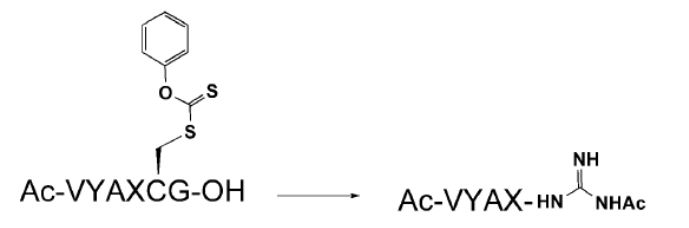
Uma mistura de Ac-Val Tyr Ala Leu Cys(C(S)OPh)Gly-OH (SEQ ID n°: 11) (0,1 mg, 0,12 μmol) e Ac-Val Tyr Ala Phe Cys(C(S)OPh)Gly-OH (SEQ ID n°: 12) (0,1 mg, 0,12 μmol) foi dissolvida em 250 mM de solução de N-acetilguanidina/DMSO (100 μL). Após 4,5 horas, compostos foram precipitados com e lavados com Et2O. Os compostos objeto foram purificados por HPLC a fim de obter o N-acetilguanidido objeto (Ac-Val Tyr Ala Leu-NHC(NH)NHAc (SEQ ID n°: 13) e Ac-Val Tyr Ala Phe-NHC(NH)NHAc (SEQ ID n°: 14) (rendimento: 80%, calculado a partir de intensidade de área de HPLC). (Xaa=Leu, ESIMS calc [M+H]+ 590,3, encontrado [M+H]+ 590,3) (Xaa=Phe, ESIMS calc [M+H]+ 624,3, encontrado [M+H]+ 624,3) (Caso de Xaa=Ser) Ac-Val Tyr Ala Ser Cys(C(S)OPh)Gly-OH (SEQ ID n°: 15) (0,2 mg, 0,26 μmol) foi dissolvido em 250 mM de solução de N-acetilguanidina/DMSO (100 μL). Após 3,5 horas, um composto foi precipitado com e lavado com Et2O. O composto objeto foi purificado por HPLC a fim de obter o N- acetilguanidido objeto (Ac-Val Tyr Ala Ser-NHC(NH)NHAc (SEQ ID n°: 16) (rendimento: 70%, a partir de intensidade de área de HPLC). (Caso de Xaa=Lys)A mixture of Ac-Val Tyr Ala Leu Cys (C (S) OPh) Gly-OH (SEQ ID NO: 11) (0.1 mg, 0.12 μmol) and Ac-Val Tyr Ala Phe Cys (C ( S) OPh) Gly-OH (SEQ ID NO: 12) (0.1 mg, 0.12 μmol) was dissolved in 250 mM N-acetylguanidine / DMSO solution (100 μL). After 4.5 hours, compounds were precipitated with and washed with Et2O. The object compounds were purified by HPLC to obtain the object N-acetylguanidide (Ac-Val Tyr Ala Leu-NHC (NH) NHAc (SEQ ID NO: 13) and Ac-Val Tyr Ala Phe-NHC (NH) NHAc (SEQ ID NO: 14) (yield: 80%, calculated from HPLC area intensity). (Xaa = Leu, ESIMS calc [M + H] + 590.3, found [M + H] + 590 , 3) (Xaa = Phe, ESIMS calc [M + H] + 624,3, found [M + H] + 624,3) (Case of Xaa = Ser) Ac-Val Tyr Ala Ser Cys (C (S) OPh) Gly-OH (SEQ ID No.: 15) (0.2 mg, 0.26 μmol) was dissolved in 250 mM N-acetylguanidine / DMSO solution (100 μL). After 3.5 hours, a compound was precipitated with and washed with Et2 O. The object compound was purified by HPLC to obtain the object N-acetylguanidide (Ac-Val Tyr Ala Ser-NHC (NH) NHAc (SEQ ID n °: 16) (yield: 70% , based on the HPLC area intensity). (Case of Xaa = Lys)
Um peptídeo (Ac-Val Tyr Ala Lys Cys(C(S)OPh)Gly-OH (SEQ ID n°: 17) (0,1 mg) foi dissolvido em DMSO (30 μL) contendo Boc2O (0,3 mg) e trietilamina (0,14 μL). Após 1,5 hora, a solução reacional foi precipitada com e lavada com Et2O. O resíduo resultante foi dissolvido em 250 mM de 5 solução de N-acetilguanidina/DMSO (100 μL). Após 2,5 horas, O composto objeto foi purificado por HPLC a fim de obter o N-acetilguanidido objeto (Ac-Val Tyr Ala Lys(Boc)- NHC(NH)NHAc (SEQ ID n°: 18) (rendimento: 70%, calculado a partir de intensidade de área de HPLC). 10 Identificou-se que o resíduo de cisteína ao qual o tionoformiato havia sido adicionado possuía a reatividade com guanidina para a ligação peptídica no lado N-terminal, independentemente do tipo de aminoácido adjacente ao lado N-terminal da cisteína. 15 Exemplo 3. Tioesterificação de peptídeo 24 aa [Fórmula Química 30]
Um peptídeo (H2N-Leu Ile Cys(Acm)Asp Ser Arg Val Leu Glu Arg Tyr Leu Leu Glu Ala Lys Glu Ala Glu Asn Ile Thr Thr Gly Cys Gly-OH (SEQ ID n°: 19), bruto (sem purificação), em 5 uma quantidade apropriada (estimada de cerca de 1 mg), foi dissolvido na solução tampão a pH 5,0 (300 μL de 0,2 M de Na2HPO4 e 6 M de Gn-HCl), e, em seguida, a quantidade total de MPAA fenil tionoformiato (1 μL) dissolvido em acetonitrila (100 μL) foi adicionada. Após 50 minutos, a 10 solução reacional foi lavada com Et2O. A purificação foi realizada por HPLC a fim de se obter um composto objeto (H2N-Leu Ile Cys(Acm)Asp Ser Arg Val Leu Glu Arg Tyr Leu Leu Glu Ala Lys Glu Ala Glu Asn Ile Thr Thr Gly Cys(C(S)OPh)Gly-OH (SEQ ID n°: 20)). Cys na posição 3 foi previamente protegida com Acm para não ser afetada com o reagente de tionoformiato. (ESIMS calc [M+2H]2+ 1553,8, [M+3H]3+ 1035,8, encontrado [M+2H]2+ 1552,9, [M+3H]3+ 1035,7) O peptídeo (H2N-Leu Ile Cys(Acm)Asp Ser Arg Val Leu Glu Arg Tyr Leu Leu Glu Ala Lys Glu Ala Glu Asn Ile Thr Thr Gly Cys(C(S)OPh)Gly-OH (SEQ ID n°: 20), ca. 0,3 mg) foi dissolvido em DMSO (20 μL) contendo Boc2O (0,4 mg) e trietilamina (0,03 μL). Após 1,5 hora, a solução reacional foi precipitada com e lavada com Et2O. O resíduo resultante foi dissolvido em 250 mM de solução de N- acetilguanidina/DMSO (50 μL). Após 2,5 horas, O composto objeto foi purificado por HPLC a fim de obter o N- acetilguanidido objeto (BocHN-Leu Ile Cys(Acm)Asp Ser Arg Val Leu Glu Arg Tyr Leu Leu Glu Ala Lys(Boc)Glu Ala Glu Asn Ile Thr Thr Gly-NHC(NH)NHAc (SEQ ID n°: 21)). (ESIMS calc [M+2H]2+ 1546,8, [M+3H]3+ 1031,5, encontrado [M+2H]2+ 1547,0, [M+3H]3+ 1031,4) O peptídeo 24 aa (BocHN-Leu Ile Cys(Acm)Asp Ser Arg Val Leu Glu Arg Tyr Leu Leu Glu Ala Lys(Boc)Glu Ala Glu Asn Ile Thr Thr Gly-NHC(NH)NHAc (SEQ ID n°: 21), ca. 0,1 mg>) foi dissolvido em uma solução tampão a pH 7,05 (0,2 M de ácido fosfórico, 6 M de guanidina, 50 μL) contendo MESNa (sódio 2-sulfaniletanossulfonato) (1 mg, 2% v/v). Após 3,5 horas, o composto objeto foi purificado por HPLC a fim de obter tioéster (BocHN-Leu Ile Cys(Acm)Asp Ser Arg Val Leu Glu Arg Tyr Leu Leu Glu Ala Lys(Boc)Glu Ala Glu Asn Ile Thr Thr Gly-SCH2CH2SO3 (SEQ ID n°: 22)) (rendimento desconhecido, cerca de 70% em HPLC). (ESIMS calc [M+2H]2+ 1567,3, encontrado [M+2H]2+ 1566,8)A peptide (H2N-Leu Ile Cys (Acm) Asp Ser Arg Val Leu Glu Arg Tyr Leu Leu Glu Ala Lys Glu Ala Glu Asn Ile Thr Thr Gly Cys Gly-OH (SEQ ID NO: 19), crude (without purification) , in 5 an appropriate amount (estimated of about 1 mg), was dissolved in the buffer solution at pH 5.0 (300 μL of 0.2 M Na2HPO4 and 6 M of Gn-HCl), and then Total amount of MPAA phenyl thionoformate (1 μL) dissolved in acetonitrile (100 μL) was added.After 50 minutes, the reaction solution was washed with Et2O. Purification was performed by HPLC to obtain an object compound (H2N- Leu Ile Cys (Acm) Asp Ser Arg Val Leu Glu Arg Tyr Leu Leu Glu Ala Lys Glu Ala Glu Asn Ile Thr Thr Gly Cys (C (S) OPh) Gly-OH (SEQ ID NO: 20)). position 3 was previously protected with mAb to not be affected with the thionoformiate reagent. (ESIMS calc [M + 2H] 2+ 1553.8, [M + 3H] 3+ 1035.8, found [M + 2H] 2+ 1552.9, [M + 3H] 3+ 1035.7) The peptide (H2N-Leu Ile Cys (Acm) Asp Ser Arg Val Leu Glu Arg Tyr Leu Leu Glu Ala Lys Glu Ala Glu Asn Ile Thr Thr Gly Cys (C (S) OPh) Gly-OH (SEQ ID NO: 20), ca. 0.3 mg) was dissolved in DMSO (20 μL) containing Boc2O (0.4 mg) and triethylamine (0.03 μL). After 1.5 hours, the reaction solution was precipitated with and washed with Et2O. The resulting residue was dissolved in 250 mM N-acetylguanidine / DMSO solution (50 μL). After 2.5 hours, the object compound was purified by HPLC to obtain the object N-acetylguanidide (BocHN-Leu Ile Cys (Acm) Asp Ser Arg Val Leu Glu Arg Tyr Leu Leu Glu Ala Lys (Boc) Glu Ala Glu Asn Ile Thr Thr Gly-NHC (NH) NHAc (SEQ ID NO: 21)). (ESIMS calc [M + 2H] 2+ 1546.8, [M + 3H] 3+ 1031.5, found [M + 2H] 2+ 1547.0, [M + 3H] 3+ 1031.4) The peptide 24 aa (BocHN-Leu Ile Cys (Acm) Asp Ser Arg Val Leu Glu Arg Tyr Leu Leu Glu Ala Lys (Boc) Glu Ala Glu Asn Ile Thr Thr Gly-NHC (NH) NHAc (SEQ ID NO: 21), ca. 0.1 mg>) was dissolved in a buffer solution at pH 7.05 (0.2 M phosphoric acid, 6 M guanidine, 50 μL) containing MESNa (sodium 2-sulfanylethanesulfonate) (1 mg, 2% v / v). After 3.5 hours, the object compound was purified by HPLC to obtain thioester (BocHN-Leu Ile Cys (Acm) Asp Ser Arg Val Leu Glu Arg Tyr Leu Leu Glu Ala Lys (Boc) Glu Ala Glu Asn Ile Thr Thr Gly-SCH2CH2SO3 (SEQ ID NO: 22)) (unknown yield, about 70% by HPLC). (ESIMS calc [M + 2H] 2+ 1567.3, found [M + 2H] 2+ 1566.8)
Exemplo 4. Introdução do grupo tionoformiato por reagente de clorotionoformiatoExample 4. Introduction of the thionoformiate group by chlorothionoformate reagent
O peptídeo (Ac-Val Tyr Ala Ala Cys Gly-OH (SEQ ID n°: 5), 6 mg) foi dissolvido na solução tampão a pH 5,0 (961 μL de 0,2 M de Na2HPO4 e 6 M de Gn-HCl), e fenil clorotionoformiato (6,5 μL ) dissolvido em acetonitrila (320 μL ) foi adicionado. Após uma hora, a solução reacional foi lavada com Et2O. A purificação foi realizada por HPLC a fim de obter um peptídeo adicionado com tionoformiato objeto (SEQ ID n°: 9) (6,4 mg, 88%). (Xaa=Ala, ESIMS calc [M+H]+ 761,3, encontrado [M+H]+ 761,3)The peptide (Ac-Val Tyr Ala Ala Cys Gly-OH (SEQ ID NO: 5), 6 mg) was dissolved in the buffer solution at pH 5.0 (961 μL of 0.2 M Na2HPO4 and 6 M of Gn -HCl), and phenyl chlorothionoformate (6.5 μL) dissolved in acetonitrile (320 μL) was added. After one hour, the reaction solution was washed with Et2O. Purification was performed by HPLC in order to obtain a peptide added with object thionoformiate (SEQ ID NO: 9) (6.4 mg, 88%). (Xaa = Ala, ESIMS calc [M + H] + 761.3, found [M + H] + 761.3)
O peptídeo (Ac-Val Tyr Ala Leu Cys Gly-OH (SEQ ID n°: 7), 3.4 mg) foi dissolvido na solução tampão a pH 5,0 (510 μL de 0,2 M de Na2HPO4 e 6 M de Gn-HCl), e fenil clorotionoformiato (3,5 μL ) dissolvido em acetonitrila (170 μL ) foi adicionado. Após uma hora, a solução reacional foi lavada com Et2O. A purificação foi realizada por HPLC a fim de obter um peptídeo adicionado com tionoformiato objeto (SEQ ID n°: 11) (3,8 mg, 92%). (Xaa=Leu, ESIMS calc [M+H]+ 803,4, encontrado [M+H]+ 803,3)The peptide (Ac-Val Tyr Ala Leu Cys Gly-OH (SEQ ID NO: 7), 3.4 mg) was dissolved in the buffer solution at pH 5.0 (510 μL of 0.2 M Na2HPO4 and 6 M of Gn -HCl), and phenyl chlorothionoformate (3.5 μL) dissolved in acetonitrile (170 μL) was added. After one hour, the reaction solution was washed with Et2O. Purification was performed by HPLC in order to obtain a peptide added with object thionoformate (SEQ ID NO: 11) (3.8 mg, 92%). (Xaa = Leu, ESIMS calc [M + H] + 803.4, found [M + H] + 803.3)
O peptídeo (Ac-Val Tyr Ala Phe Cys Gly-OH (SEQ ID n°: 8), 5,1 mg) foi dissolvido na solução tampão a pH 5,0 (729 μL de 0,2 M de Na2HPO4 e 6 M de Gn-HCl), e fenil clorotionoformiato (5,0 μL ) dissolvido em acetonitrila (243 μL ) foi adicionado. Após uma hora, a solução reacional foi lavada com Et2O. A purificação foi realizada por HPLC a fim de obter um peptídeo adicionado com tionoformiato objeto (SEQ ID n°: 12) (5,1 mg, 84%). (ESIMS calc [M+H]+ 837,4, encontrado [M+H]+ 837,3)The peptide (Ac-Val Tyr Ala Phe Cys Gly-OH (SEQ ID NO: 8), 5.1 mg) was dissolved in the buffer solution at pH 5.0 (729 μL of 0.2 M Na2HPO4 and 6 M of Gn-HCl), and phenyl chlorothionoformate (5.0 μL) dissolved in acetonitrile (243 μL) was added. After one hour, the reaction solution was washed with Et2O. Purification was performed by HPLC in order to obtain a peptide added with object thionoformate (SEQ ID no: 12) (5.1 mg, 84%). (ESIMS calc [M + H] + 837.4, found [M + H] + 837.3)
O peptídeo (Ac-Val Tyr Ala Ser Cys Gly-OH (SEQ ID n°: 3), 4,9 mg) foi dissolvido na solução tampão a pH 5,0 (766 μL de 0,2 M de Na2HPO4 e 6 M de Gn-HCl), e fenil clorotionoformiato (5,2 μL ) dissolvido em acetonitrila (265 μL) foi adicionado. Após uma hora, a solução reacional foi lavada com Et2O. A purificação foi realizada por HPLC a fim de obter um peptídeo adicionado com tionoformiato objeto (SEQ ID n°: 15) (5,5 mg, 92%). (ESIMS calc [M+H]+ 777,3, encontrado [M+H]+ 777,3)The peptide (Ac-Val Tyr Ala Ser Cys Gly-OH (SEQ ID NO: 3), 4.9 mg) was dissolved in the buffer solution at pH 5.0 (766 μL of 0.2 M Na2HPO4 and 6 M of Gn-HCl), and phenyl chlorothionoformate (5.2 μL) dissolved in acetonitrile (265 μL) was added. After one hour, the reaction solution was washed with Et2O. Purification was carried out by HPLC in order to obtain a peptide added with object thionoformiate (SEQ ID NO: 15) (5.5 mg, 92%). (ESIMS calc [M + H] + 777.3, found [M + H] + 777.3)
O peptídeo (Ac-Val Tyr Ala Lys Cys Gly-OH (SEQ ID n°: 2), 5,5 mg) foi dissolvido na solução tampão a pH 5,0 (810 μL de 0,2 M de Na2HPO4 e 6 M de Gn-HCl), e fenil clorotionoformiato (5,5 μL ) dissolvido em acetonitrila (270 μL) foi adicionado. Após uma hora, a solução reacional foi lavada com Et2O. A purificação foi realizada por HPLC a fim de obter um peptídeo adicionado com tionoformiato objeto (SEQ ID n°: 17) (6,1 mg, 94%). (Xaa=Leu, ESIMS calc [M+H]+ 818,3, encontrado [M+H]+ 818,4)The peptide (Ac-Val Tyr Ala Lys Cys Gly-OH (SEQ ID NO: 2), 5.5 mg) was dissolved in the buffer solution at pH 5.0 (810 μL of 0.2 M Na2HPO4 and 6 M of Gn-HCl), and phenyl chlorothionoformate (5.5 μL) dissolved in acetonitrile (270 μL) was added. After one hour, the reaction solution was washed with Et2O. Purification was performed by HPLC in order to obtain a peptide added with object thionoformiate (SEQ ID No.: 17) (6.1 mg, 94%). (Xaa = Leu, ESIMS calc [M + H] + 818.3, found [M + H] + 818.4)
Utilizando o reagente de clorotionoformiato, a cadeia peptídica adicionada com tionoformiato como o obtido no Exemplo 1 foi obtida. Assim, verificou-se que o tioéster de peptídeo pode também ser obtido a partir da cadeia peptídica na qual o grupo tionoformiato foi introduzido pelo reagente de clorotionoformiato através da realização da adição de N-acetilguanidido e em seguida a tioesterificação da mesma maneira como na cadeia peptídica na qual o grupo tionoformiato foi introduzido nos Exemplos 1 e 3 acima.Using the chlorothionoformate reagent, the peptide chain added with thionoformiate as obtained in Example 1 was obtained. Thus, it was found that the peptide thioester can also be obtained from the peptide chain in which the thionoformiate group was introduced by the chlorothionoformate reagent by performing the addition of N-acetylguanidide and then thioesterification in the same way as in the chain peptide into which the thionoformate group was introduced in Examples 1 and 3 above.
De acordo com a presente invenção, um novo processo para a conversão química da cadeia polipeptídica para o tioéster de peptídeo foi fornecido.In accordance with the present invention, a new process for the chemical conversion of the polypeptide chain to the peptide thioester has been provided.
No processo da presente invenção, a tioesterificação é possível na cadeia peptídica que não possua um derivado de aminoácido não-nativo, o ligante ou a estrutura tridimensional particular, etc., necessários para o método de tioesterificação convencional, e é possível tioesterificar facilmente mesmo no fragmento polipeptídico de cadeia longa obtido pela biossíntese, etc. Portanto, o processo de tioesterificação da presente invenção pode ser geralmente utilizado para a síntese proteica.In the process of the present invention, thioesterification is possible in the peptide chain that does not have a non-native amino acid derivative, the particular ligand or three-dimensional structure, etc., necessary for the conventional thioesterification method, and it is possible to thioesterify easily even in the long-chain polypeptide fragment obtained by biosynthesis, etc. Therefore, the thioesterification process of the present invention can generally be used for protein synthesis.
Claims (12)
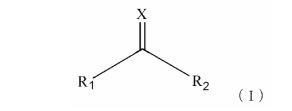


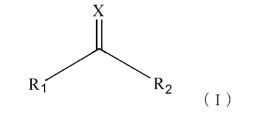

Applications Claiming Priority (3)
| Application Number | Priority Date | Filing Date | Title |
|---|---|---|---|
| JP2009151713 | 2009-06-26 | ||
| JP2009-151713 | 2009-06-26 | ||
| PCT/JP2010/060443 WO2010150730A1 (en) | 2009-06-26 | 2010-06-21 | Process for production of peptide thioester |
Publications (2)
| Publication Number | Publication Date |
|---|---|
| BRPI1016151A2 BRPI1016151A2 (en) | 2016-04-19 |
| BRPI1016151B1 true BRPI1016151B1 (en) | 2021-01-19 |
Family
ID=43386499
Family Applications (1)
| Application Number | Title | Priority Date | Filing Date |
|---|---|---|---|
| BRPI1016151-1A BRPI1016151B1 (en) | 2009-06-26 | 2010-06-21 | process for producing a peptide thioester, processes for producing a polypeptide, process for producing a second intermediate used for the process for producing the peptide thioester and process for removing a tag for purification added to a c-terminal side of a recombinant protein |
Country Status (13)
| Country | Link |
|---|---|
| US (2) | US8642725B2 (en) |
| EP (1) | EP2450364B1 (en) |
| JP (1) | JP5730197B2 (en) |
| KR (1) | KR101676515B1 (en) |
| CN (1) | CN102803286B (en) |
| AU (1) | AU2010263701B2 (en) |
| BR (1) | BRPI1016151B1 (en) |
| CA (1) | CA2766040C (en) |
| DK (1) | DK2450364T3 (en) |
| RU (1) | RU2529998C2 (en) |
| SG (1) | SG176300A1 (en) |
| TW (1) | TWI485156B (en) |
| WO (1) | WO2010150730A1 (en) |
Families Citing this family (2)
| Publication number | Priority date | Publication date | Assignee | Title |
|---|---|---|---|---|
| US20140377807A1 (en) * | 2011-09-26 | 2014-12-25 | Glytech, Inc. | Method for producing polypeptide fragment with high efficiency, which is suitable for ncl method |
| WO2022143532A1 (en) * | 2020-12-28 | 2022-07-07 | 江苏金斯瑞生物科技有限公司 | Method for synthesizing peptide thioesters and head-to-tail amide cyclic peptide thereof |
Family Cites Families (8)
| Publication number | Priority date | Publication date | Assignee | Title |
|---|---|---|---|---|
| US2539483A (en) * | 1945-03-28 | 1951-01-30 | Simon L Ruskin | Urea ascorbate and complexes containing the same and process for their manufacture |
| NL6513990A (en) * | 1964-10-29 | 1966-01-25 | ||
| DK0832096T3 (en) | 1995-05-04 | 2001-10-01 | Scripps Research Inst | Synthesis of proteins by native chemical ligation |
| GB0113657D0 (en) * | 2001-06-05 | 2001-07-25 | Geneprot Inc | Improved native chemical ligation with three or more components |
| WO2007043615A1 (en) * | 2005-10-14 | 2007-04-19 | Osaka University | Peptide ester reagent, and use thereof for ligation or production of thioester compound |
| DK2000474T3 (en) * | 2006-03-29 | 2018-01-22 | Glytech Inc | PROCEDURE FOR PRODUCING A PEPTID THIOESTER COMPOUND |
| CA2694542C (en) * | 2007-07-31 | 2017-08-29 | Otsuka Chemical Co., Ltd. | Method for producing peptide |
| WO2009042668A2 (en) * | 2007-09-24 | 2009-04-02 | Achillion Pharmaceuticals, Inc. | Urea-containing peptides as inhibitors of viral replication |
-
2010
- 2010-06-21 BR BRPI1016151-1A patent/BRPI1016151B1/en not_active IP Right Cessation
- 2010-06-21 RU RU2012102519/04A patent/RU2529998C2/en active
- 2010-06-21 KR KR1020127001146A patent/KR101676515B1/en not_active Expired - Fee Related
- 2010-06-21 US US13/379,832 patent/US8642725B2/en active Active
- 2010-06-21 SG SG2011089158A patent/SG176300A1/en unknown
- 2010-06-21 WO PCT/JP2010/060443 patent/WO2010150730A1/en not_active Ceased
- 2010-06-21 CN CN201080028424.9A patent/CN102803286B/en not_active Expired - Fee Related
- 2010-06-21 EP EP10792048.0A patent/EP2450364B1/en active Active
- 2010-06-21 JP JP2011519878A patent/JP5730197B2/en active Active
- 2010-06-21 DK DK10792048.0T patent/DK2450364T3/en active
- 2010-06-21 AU AU2010263701A patent/AU2010263701B2/en not_active Ceased
- 2010-06-21 CA CA2766040A patent/CA2766040C/en active Active
- 2010-06-24 TW TW099120685A patent/TWI485156B/en not_active IP Right Cessation
-
2014
- 2014-01-23 US US14/162,642 patent/US9127041B2/en active Active
Also Published As
| Publication number | Publication date |
|---|---|
| KR101676515B1 (en) | 2016-11-15 |
| RU2012102519A (en) | 2013-08-10 |
| CN102803286A (en) | 2012-11-28 |
| EP2450364A4 (en) | 2014-07-02 |
| US20140249294A1 (en) | 2014-09-04 |
| CA2766040C (en) | 2018-05-01 |
| EP2450364B1 (en) | 2016-11-09 |
| TWI485156B (en) | 2015-05-21 |
| US9127041B2 (en) | 2015-09-08 |
| JPWO2010150730A1 (en) | 2012-12-10 |
| EP2450364A1 (en) | 2012-05-09 |
| US20120178905A1 (en) | 2012-07-12 |
| WO2010150730A1 (en) | 2010-12-29 |
| SG176300A1 (en) | 2012-01-30 |
| US8642725B2 (en) | 2014-02-04 |
| AU2010263701A1 (en) | 2011-12-15 |
| CA2766040A1 (en) | 2010-12-29 |
| AU2010263701B2 (en) | 2014-01-23 |
| DK2450364T3 (en) | 2017-01-16 |
| JP5730197B2 (en) | 2015-06-03 |
| KR20120039637A (en) | 2012-04-25 |
| TW201100445A (en) | 2011-01-01 |
| BRPI1016151A2 (en) | 2016-04-19 |
| RU2529998C2 (en) | 2014-10-10 |
| CN102803286B (en) | 2015-01-14 |
Similar Documents
| Publication | Publication Date | Title |
|---|---|---|
| Kang et al. | Peptide and protein thioester synthesis via N→ S acyl transfer | |
| JP2012526805A (en) | Lysine compounds and their use in site-selective and functional group-selective modification of peptides and proteins | |
| SG193377A1 (en) | Method for producing glycopeptide having sialyl sugar chain, sialyl sugar chain-added amino acid derivative to be used in same, and glycopeptide | |
| Chen et al. | Thiol-assisted one-pot synthesis of peptide/protein C-terminal thioacids from peptide/protein hydrazides at neutral conditions | |
| BRPI1016151B1 (en) | process for producing a peptide thioester, processes for producing a polypeptide, process for producing a second intermediate used for the process for producing the peptide thioester and process for removing a tag for purification added to a c-terminal side of a recombinant protein | |
| AU2023201107B2 (en) | New synthetic methods | |
| AU2012317742B2 (en) | Method for producing polypeptide fragment with high efficiency, which is suitable for NCL method | |
| Ackrill et al. | Towards biomolecular assembly employing extended native chemical ligation in combination with thioester synthesis using an N→ S acyl shift | |
| SG186922A1 (en) | Compound for use in peptide synthesis | |
| Kajihara et al. | Synthesis of glycopeptides | |
| Li | Chemical synthesis of proteins containing post‐translational modifications and PNA‐templated disulfide bond formation |
Legal Events
| Date | Code | Title | Description |
|---|---|---|---|
| B25A | Requested transfer of rights approved |
Owner name: GLYTECH, INC. (JP) |
|
| B06F | Objections, documents and/or translations needed after an examination request according [chapter 6.6 patent gazette] | ||
| B07D | Technical examination (opinion) related to article 229 of industrial property law [chapter 7.4 patent gazette] |
Free format text: DE ACORDO COM O ARTIGO 229-C DA LEI NAO 10196/2001, QUE MODIFICOU A LEI NAO 9279/96, A CONCESSAO DA PATENTE ESTA CONDICIONADA A ANUAANCIA PRA VIA DA ANVISA. CONSIDERANDO A APROVAA AO DOS TERMOS DO PARECER NAO 337/PGF/EA/2010, BEM COMO A PORTARIA INTERMINISTERIAL NAO 1065 DE 24/05/2012, ENCAMINHA-SE O PRESENTE PEDIDO PARA AS PROVIDAANCIAS CABA-VEIS. |
|
| B07G | Grant request does not fulfill article 229-c lpi (prior consent of anvisa) [chapter 7.7 patent gazette] | ||
| B06U | Preliminary requirement: requests with searches performed by other patent offices: procedure suspended [chapter 6.21 patent gazette] | ||
| B09A | Decision: intention to grant [chapter 9.1 patent gazette] | ||
| B16A | Patent or certificate of addition of invention granted [chapter 16.1 patent gazette] |
Free format text: PRAZO DE VALIDADE: 10 (DEZ) ANOS CONTADOS A PARTIR DE 19/01/2021, OBSERVADAS AS CONDICOES LEGAIS. |
|
| B21F | Lapse acc. art. 78, item iv - on non-payment of the annual fees in time |
Free format text: REFERENTE A 14A ANUIDADE. |
|
| B24J | Lapse because of non-payment of annual fees (definitively: art 78 iv lpi, resolution 113/2013 art. 12) |
Free format text: EM VIRTUDE DA EXTINCAO PUBLICADA NA RPI 2780 DE 16-04-2024 E CONSIDERANDO AUSENCIA DE MANIFESTACAO DENTRO DOS PRAZOS LEGAIS, INFORMO QUE CABE SER MANTIDA A EXTINCAO DA PATENTE E SEUS CERTIFICADOS, CONFORME O DISPOSTO NO ARTIGO 12, DA RESOLUCAO 113/2013. |