CN102755638A - Application of AGGF1 in preparing medicines for promoting angiogenesis - Google Patents
Application of AGGF1 in preparing medicines for promoting angiogenesis Download PDFInfo
- Publication number
- CN102755638A CN102755638A CN201210240339XA CN201210240339A CN102755638A CN 102755638 A CN102755638 A CN 102755638A CN 201210240339X A CN201210240339X A CN 201210240339XA CN 201210240339 A CN201210240339 A CN 201210240339A CN 102755638 A CN102755638 A CN 102755638A
- Authority
- CN
- China
- Prior art keywords
- aggf1
- albumen
- purposes
- active fragment
- coding
- Prior art date
- Legal status (The legal status is an assumption and is not a legal conclusion. Google has not performed a legal analysis and makes no representation as to the accuracy of the status listed.)
- Pending
Links
Images


Landscapes
- Medicines That Contain Protein Lipid Enzymes And Other Medicines (AREA)
- Medicines Containing Material From Animals Or Micro-Organisms (AREA)
Abstract
Description
发明领域 field of invention
本发明涉及一种通过作用于骨骼肌和心肌的治疗心血管系统及其疾病的方法,更具体地说涉及一种利用生长因子刺激内皮细胞的增殖和生长,进而刺激血管新生来治疗心血管疾病的方法。本发明还涉及生长因子AGGF1在制备促进血管形成的药物中的用途,其中所述AGGF1可以是AGGF1蛋白、编码AGGF1的核苷酸序列或其活性片段。The present invention relates to a method for treating cardiovascular system and its diseases by acting on skeletal muscle and cardiac muscle, and more specifically relates to a method of using growth factors to stimulate the proliferation and growth of endothelial cells, thereby stimulating angiogenesis to treat cardiovascular diseases Methods. The present invention also relates to the use of growth factor AGGF1 in the preparation of drugs for promoting angiogenesis, wherein the AGGF1 can be AGGF1 protein, nucleotide sequence encoding AGGF1 or active fragments thereof.
背景技术 Background technique
外周血管疾病,尤其是下肢血管疾病通常是由动脉粥样硬化导致血管的狭窄或者闭塞,从而阻止血流流向下肢(J Am Coll Cardiol47:1239-1312(2006);循环(Circulation)94:3026-3049(1994))。当今社会,尤其是老年化程度越来越高的时代,下肢血管疾病的发病率也越来越高,成年人的发病率达到了12%(J Am Coll Cardiol58:2020-2045(2011);新英格兰医学杂志(N Engl J Med)344:1608-1621(2001))。在美国大约有8百万到1千2百万的下肢血管疾病患者(循环(Circulation)110:738-743(2004))。而在德国,65岁以上的女性患病率甚至达到了17%,男性更高,其患病率达到20%(糖尿病治疗(Diabetes Care)26:3357-3358(2003))。Peripheral vascular disease, especially vascular disease of the lower extremities, is usually caused by narrowing or occlusion of blood vessels caused by atherosclerosis, thereby preventing blood flow to the lower extremities (J Am Coll Cardiol47: 1239-1312 (2006); Circulation 94: 3026- 3049 (1994)). In today's society, especially in the era of increasing aging, the incidence of lower extremity vascular diseases is also increasing, and the incidence rate of adults has reached 12% (J Am Coll Cardiol58: 2020-2045 (2011); New N Engl J Med 344:1608-1621 (2001)). There are approximately 8 to 12 million patients with lower extremity vascular disease in the United States (Circulation 110:738-743 (2004)). In Germany, the prevalence rate of women over 65 years old even reached 17%, and the prevalence rate of men was even higher, reaching 20% (Diabetes Care (Diabetes Care) 26: 3357-3358 (2003)).
下肢缺血性疾病的临床症状也很多,有的呈现出典型的症状,例如间接性跛行,但很多情况下,下肢缺血疾病患者却表现出别的症状(J AmColl Cardiol 47:1239-1312(2006);国际流行病学杂志(IntJ Epidemiol)25: 1172-1181 (1996))。在一些严重的患者中,下肢缺血严重影响生活质量,并且导致了较高的发病率和死亡率(新英格兰医学杂志(N Engl J Med)326: 381-386 (1992))。严重的下肢缺血病人的一年生存率接近25%。更为重要的是,下肢缺血患者中46%同时患有冠状动脉疾病,10%以上的病人还有脑血管疾病(J ClinEpidemiol 45: 529-542(1992);循环(Circulation)122:1862-1875(2010))。There are also many clinical symptoms of lower limb ischemic disease, and some present typical symptoms, such as indirect claudication, but in many cases, patients with lower limb ischemic disease show other symptoms (J AmColl Cardiol 47:1239-1312( 2006); International Journal of Epidemiol (IntJ Epidemiol) 25: 1172-1181 (1996)). In some severe patients, lower extremity ischemia seriously affects quality of life and leads to high morbidity and mortality (New England Journal of Medicine (N Engl J Med) 326: 381-386 (1992)). The one-year survival rate of patients with severe lower extremity ischemia is close to 25%. More importantly, 46% of patients with lower extremity ischemia also suffer from coronary artery disease, and more than 10% of patients also have cerebrovascular disease (J Clin Epidemiol 45: 529-542 (1992); Circulation (Circulation) 122:1862- 1875 (2010)).
当前下肢血管疾病的治疗主要集中在降低心脑血管的发病率和死亡率上,同时缓解下肢血管疾病的症状等方面糖尿病治疗(梅奥临床进展(Mayo Clin Proc)85(7): 678-692(2010))。降脂类药物。降血压药物和抗血栓药物等药物用于预防心梗和脑梗等疾病(梅奥临床进展(Mayo Clin Proc)85(7): 678-692(2010))。但是一些下肢血管疾病患者可能遭受着巨大的疼痛,而不得不选择截肢。为了避免截肢等其他严重的病症,血管形成术,支架和外周血管搭桥等外科手术常常用于腿部的血流再灌(血栓研究(Thromb Res) 106(6): V285-294(2002))。但是,一些接受过血管外科手术的下肢血管患者比接受外科手术的冠心病患者的长期生存率明显低(J Am Coll Cardiol 51: 1588-1596(2008)。最为重要的是很多下肢缺血患者因为种种原因,不适合做血管外科或者介入手术(循环研究(Circ Res)105: 724-736(2009))。所以采用血管生成因子等促血管新生和改善微循环的治疗性血管新生的方法,越来越被人们认可,尤其是在下肢血管疾病的治疗中。一些血管生成因子,例如血管内皮生长因子(VEGF),成纤维生长因子(FGF),肝细胞生长因子(HGF)和胎盘来源的生长因子(PDGF)等,都已经在下肢缺血动物和严重的下肢缺血病人中进行了实验。The current treatment of lower extremity vascular diseases mainly focuses on reducing the morbidity and mortality of cardiovascular and cerebrovascular diseases, while alleviating the symptoms of lower extremity vascular diseases Diabetes treatment (Mayo Clin Proc) 85(7): 678-692 (2010)). Lipid-lowering drugs. Drugs such as blood pressure-lowering drugs and antithrombotic drugs are used to prevent diseases such as myocardial infarction and cerebral infarction (Mayo Clin Proc 85(7): 678-692 (2010)). However, some patients with lower extremity vascular disease may suffer from great pain and have to choose amputation. Surgical procedures such as angioplasty, stenting, and peripheral vascular bypass are often used to reperfuse blood flow in the legs to avoid amputation and other serious conditions (Thromb Res 106(6): V285-294 (2002)) . However, some lower extremity vascular patients who underwent vascular surgery had a significantly lower long-term survival rate than patients with coronary heart disease who underwent surgery (J Am Coll Cardiol 51: 1588-1596 (2008). Most importantly, many patients with lower extremity ischemia because For various reasons, it is not suitable for vascular surgery or interventional surgery (Circulation Research (Circ Res) 105: 724-736 (2009)). Therefore, the use of angiogenesis factors and other therapeutic angiogenesis methods to promote angiogenesis and improve microcirculation, the more Increasingly recognized, especially in the treatment of lower extremity vascular diseases. Some angiogenic factors such as vascular endothelial growth factor (VEGF), fibroblast growth factor (FGF), hepatocyte growth factor (HGF) and placenta-derived growth Factors (PDGF), etc., have been tested in lower limb ischemia animals and severe lower limb ischemia patients.
Tsurumi第一次将VEGF用于缺血性治疗,利用兔的下肢缺血模型,将VEGF质粒注射入缺血部位,从而促进血管新生,改善微循环(循环(Circulation)94: 3281-3290(1996))。Tsurumi used VEGF for ischemic treatment for the first time, using the rabbit lower limb ischemia model, injecting VEGF plasmid into the ischemic site, thereby promoting angiogenesis and improving microcirculation (Circulation (Circulation) 94: 3281-3290 (1996) )).
利用由水凝胶包裹的气囊导管将质粒DNA导入动脉血管内来进行基因治疗。随后,临床研究证实肌肉内注射也能够成功表达转入基因(循环(Circulation)94: 3281-3290(1996))。Baumgartner进行了前期临床试验,通过将VEGF165质粒注射到病人具有静息痛或者是难以治愈的溃疡的四肢肌肉进行治疗(循环(Circulation)97: 1114-1123(1998))。而Folkman认为这一结果需要通过解剖学和生理结构的证实,其中包括血液动力学、血管造影、疼痛的减轻效果、缺血性溃疡的恢复状况、肢端恢复、内皮增殖细胞的免疫组化来验证(循环(Circulation)97: 1108-1110(1998))。Gene therapy is performed by introducing plasmid DNA into arterial vessels using a hydrogel-coated balloon catheter. Subsequently, clinical studies confirmed that intramuscular injection can also successfully express the transgene (Circulation (Circulation) 94: 3281-3290 (1996)). Baumgartner conducted preclinical trials by injecting VEGF 165 plasmids into the limb muscles of patients with rest pain or intractable ulcers (Circulation 97: 1114-1123 (1998)). Folkman believes that this result needs to be confirmed by anatomical and physiological structures, including hemodynamics, angiography, pain relief, ischemic ulcer recovery, extremity recovery, and immunohistochemistry of endothelial proliferating cells. Validation (Circulation 97: 1108-1110 (1998)).
Makinen等人比较了将VEGF165的质粒与其编码腺病毒对表现出跛行以及严重的肢端缺血(critical limb ischemia, CLI)的PAD的治疗效果。参与该经皮腔内血管成形术的45位PAD患者随机的接受了VEGF165的质粒、VEGF165编码腺病毒和乳酸林格氏安慰剂(分子治疗(Mol Ther)6: 127–133(2002))。而VEGF165的治疗均表现出一定的安全性以及显著的血管形成的疗效,但是VEGF165临床实验中,治疗组与对照组却没有显著区别。Makinen et al. compared the therapeutic effects of a plasmid encoding VEGF 165 and an adenovirus encoding it on PAD exhibiting lameness and critical limb ischemia (CLI). Forty-five patients with PAD who participated in this percutaneous transluminal angioplasty were randomized to receive VEGF 165 plasmid, VEGF 165- encoding adenovirus, and lactated Ringer's placebo (Mol Ther 6: 127–133 (2002) ). The treatment of VEGF 165 has shown certain safety and significant angiogenesis effect, but in the clinical trials of VEGF 165 , there is no significant difference between the treatment group and the control group.
在VEGF的异构体中,缺乏发卡结合域的VEGF121也被认为可以与蛋白复合体结合。这是由于区域性表达的VEGF121在组织中的半衰期比较短。因此,它只能诱导血管形成的早期阶段,也就是说它与内皮细胞松散的结合可能导致了组织水肿。而具有较长的组织半衰期的VEGF165可以有效的介导血管形成的整个时期。Among the isoforms of VEGF, VEGF 121 lacking the hairpin-binding domain is also thought to bind the protein complex. This is due to the relatively short half-life of regionally expressed VEGF 121 in tissues. Therefore, it can only induce the early stages of angiogenesis, which means that its loose association with endothelial cells may lead to tissue edema. However, VEGF 165, which has a longer tissue half-life, can effectively mediate the entire period of angiogenesis.
RAVE (Regional Angiogenesis with Vascular EndothelialGrowth Factor)的临床实验是第一次随机双盲且设有安慰剂对照组的肌内注射腺病毒载体的PAD治疗(循环(Circulation)108: 1933-1938(2003))。其中,105名患有单侧运动受限的跛行被随机的分别进行肌内注射低浓度AdVEGF121、高浓度AdVEGF121以及安慰剂进行治疗。经过一个季度以及半年的治疗,研究人员在这三组患者中并没有发现主要疗效终点以及辅助疗效终点之间的区别,而AdVEGF121组的治疗表现出了与给药计量相关的外周水肿。这一结果非常引人注目,由于VEGF能够提高血管的渗透性,因此显示出AdVEGF121在该实验中是具有生物活性的。The clinical trial of RAVE (Regional Angiogenesis with Vascular Endothelial Growth Factor) is the first randomized double-blind and placebo-controlled intramuscular injection of adenoviral vector for PAD treatment (Circulation (Circulation) 108: 1933-1938 (2003)) . Among them, 105 patients with claudication with unilateral motion limitation were randomly treated with intramuscular injection of low concentration AdVEGF 121 , high concentration AdVEGF 121 and placebo. After one quarter and six months of treatment, the researchers did not find a difference between the primary efficacy endpoint and the auxiliary efficacy endpoint among the three groups of patients, while the treatment of the AdVEGF 121 group showed peripheral edema related to the dosage. This result is striking, as VEGF can increase the permeability of blood vessels, thus showing that AdVEGF 121 is biologically active in this experiment.
Comerota等人发表了第一篇有关FGF1基因对CLI的临床治疗研究(血管外科杂志(J Vasc Surg)35:930-936(2002))。结果表明在外周动脉疾病患者肌肉注射FGF1(NV1FGF)的裸质粒的治疗过程中,对伤口愈合、疼痛减轻乃至经皮氧压力的改善方面都颇有成效。然而,Nikol等人在TALISMAN201 (Therapeutic Angiogenesiswith Intramuscular NV1FGF Improves Amputation-Free Survivalin Patients with Critical Limb Ischemia)的临床试验中对CLI的病人进行了临床II期的实验(分子治疗(Mol Ther)16: 972–978(2008))。这些病人随机的接受NV1FGF(n=59)或者是安慰剂(n=66)的肌肉内注射。在接受治疗的25周后,分别有19.6%来自于治疗组以及14.3%来自于对照组的病人到达了主要疗效终点。这一结果并不十分理想,但在实验组汇总截止率接近37.3%,相比较于对照组的55.4%有一个明显的减少(风险比率=0.498;P=0.015)。另外,接受NV1FGF治疗的患者的死亡率呈现出下降的趋势。而截肢与死亡均是作为CLI病人的NV1FGF的临床III期试验的主要疗效终点。Comerota et al. published the first clinical study of the FGF1 gene on CLI (J Vasc Surg 35:930-936 (2002)). The results showed that intramuscular injection of naked plasmid FGF1 (NV1FGF) in patients with peripheral arterial disease was effective in wound healing, pain relief and even improvement of percutaneous oxygen pressure. However, in the TALISMAN201 (Therapeutic Angiogenesis with Intramuscular NV1FGF Improves Amputation-Free Survivalin Patients with Critical Limb Ischemia) clinical trial, Nikol et al. conducted clinical phase II trials on patients with CLI (Molecular Therapy (Mol Ther) 16: 972–978 (2008)). These patients were randomized to receive intramuscular injections of NV1FGF (n=59) or placebo (n=66). After 25 weeks of treatment, 19.6% of patients in the treatment group and 14.3% of patients in the control group reached the primary efficacy endpoint. This result is not ideal, but the pooled cut-off rate in the experimental group was close to 37.3%, which is a significant reduction compared to 55.4% in the control group (hazard ratio = 0.498; P = 0.015). In addition, the mortality rate of patients treated with NV1FGF showed a downward trend. Both amputation and death are the main efficacy endpoints of clinical phase III trials of NV1FGF in patients with CLI.
Taniyama等将外源性HGF作为治疗缺血性疾病的基因药物进行研究,在大鼠和兔子的下肢缺血模型中,都取得了很好的效果,可以促进血管新生,减轻溃烂程度,缓解坏死程度(基因治疗(Gene Ther)8:181-189(2001))。Morishita及同事们进行了一项有关HGF的基因治疗的预实验以及其安全性的评估,该项研究将会为临床II期的HGFSTAT研究提供依据(高血压(hypertension)44:203-209(2004);高血压(hypertension)33:1379-1384(1999))。参与这项实验的104名患者将随机的接受安慰剂以及三种不同剂量的HGF质粒的注射治疗(循环(Circulation)118: 58-65(2008))。在试验过程中出现了大约60%的严重的不良事件,但这一结果并不是出现在所有的分组中。而其也证明了我们无需对HGF质粒治疗安全性担忧。但是,当那些在治疗前就表现出15 mm汞柱高的TcPO2提高的病人被排除在外后,接受最大剂量的HGF质粒的病人该指标的提高最为明显。这一结论强调了当使用代理终结点来衡量严重的PAD患者时,传统的结果往往会遭到严峻的挑战。Taniyama et al. studied exogenous HGF as a gene drug for the treatment of ischemic diseases, and achieved good results in lower limb ischemia models of rats and rabbits, which can promote angiogenesis, reduce the degree of ulceration, and relieve necrosis extent (Gene Ther 8:181-189 (2001)). Morishita and colleagues conducted a pilot study of HGF gene therapy and its safety assessment, which will provide the basis for the clinical phase II HGFSTAT study (hypertension (hypertension) 44: 203-209 (2004) ); Hypertension 33:1379-1384 (1999)). The 104 patients participating in this experiment will be randomized to receive placebo and three different doses of HGF plasmid injection (Circulation (Circulation) 118: 58-65 (2008)). Serious adverse events occurred in approximately 60% of the trials, but not in all groups. And it also proves that we don't need to worry about the safety of HGF plasmid therapy. However, when those patients who showed a TcPO2 increase of 15 mm Hg before treatment were excluded, the increase was most pronounced in patients who received the highest dose of HGF plasmid. This conclusion underscores how conventional results are often severely challenged when using surrogate endpoints to measure patients with severe PAD.
另外一种HGF的载体在最近的早期临床研究中得到了应用。VM202包括了人类HGF基因和HGF-X7的基因组cDNA杂交,它可以通过不同的剪接方式来表达多种HGF的异构体。2009年3月,一项涵盖了12位CLI患者的治疗安全性以及计量梯度研究(ClinicalTrials. govIdentifier :NCT00696124)结果为该治疗方法的安全性以及生物活性提供了初步的证据。Another carrier of HGF has been applied in recent early clinical studies. VM202 includes the genomic cDNA hybrid of human HGF gene and HGF-X7, which can express various HGF isoforms through different splicing methods. In March 2009, the results of a treatment safety and dose gradient study (ClinicalTrials.govIdentifier: NCT00696124) covering 12 CLI patients provided preliminary evidence for the safety and biological activity of this treatment.
HIF-1的转录作为一个典型的基因总开关可以在血管形成的生理学以及病理学过程中调控多个下游靶点。例如,学者已经对以HIF-1或者是其他氧气敏感型细胞中的调控因子为靶点的治疗缺血性疾病的方案进行了研究(自然医学(Nat Med)9:677-684(2003))。并且在年轻和老年小鼠的下肢缺血模型中开展了实验,发现HIF-1可以促进血管新生,提高血流再灌的情况,尤其是对于老年小鼠而言,这种情况更加明显(循环研究(Circ Res)101: 1310-1318(2007))。 Rajagopalan等人开展了针对利用修饰以及激活HIF-1来治疗38位PAD以及CLI患者的计量检定临床试验的安全性评估。他们并没有发现任何该方法的负面效应(循环(Circulation)115: 1234-1243(2007))。与此同时,尽管他们所选取的样本量比较小,但是在这些病人中,学者们观察到疼痛症状的减轻以及溃烂的恢复。在WALK这项临床研究中(ClinicalTrials.gov Identifier: NCT00117650),研究者们拥有了包括了289位病人,更为随机,病情也更为严重的病人样本。The transcription of HIF-1, as a typical gene master switch, can regulate multiple downstream targets in the physiological and pathological processes of angiogenesis. For example, strategies targeting HIF-1 or other regulators in oxygen-sensitive cells have been investigated for the treatment of ischemic diseases (Nat Med 9:677-684 (2003)) . And carried out experiments in the lower limb ischemia model of young and old mice, found that HIF-1 can promote angiogenesis, improve blood flow reperfusion, especially for old mice, this situation is more obvious (circulatory Research (Circ Res) 101: 1310-1318 (2007)). Rajagopalan et al conducted a safety assessment of a quantitative clinical trial of the modification and activation of HIF-1 in 38 patients with PAD and CLI. They did not find any negative effects of the approach (Circulation 115: 1234-1243 (2007)). At the same time, although the sample size they selected was relatively small, in these patients, the scholars observed the reduction of pain symptoms and the recovery of ulcers. In the WALK clinical study (ClinicalTrials.gov Identifier: NCT00117650), the researchers had a more randomized and more severe patient sample including 289 patients.
AGGF1,又名VG5Q,是于2004年发现的一个先天性静脉畸形骨肥大综合征(Klippel-Trenaunay Syndrome,KTS)。KTS是一种罕见的先天性血管疾病,主要症状为毛细血管、静脉管、淋巴管畸形和过度增生,该病于1900年首次由法国医生Klippel和Tranaunay归类、描述并定义。承受疾病带来的疼痛等生理上的痛苦,还得承受由于残疾和畸形而引起的巨大的精神压力。AGGF1, also known as VG5Q, is a congenital venous malformation hypertrophy syndrome (Klippel-Trenaunay Syndrome, KTS) discovered in 2004. KTS is a rare congenital vascular disease whose main symptoms are malformations and hyperplasia of capillaries, venous vessels, and lymphatic vessels. The disease was first classified, described, and defined by French doctors Klippel and Tranaunay in 1900. They have to endure physical pain such as the pain caused by the disease, and also have to bear the huge mental pressure caused by disability and deformity.
KTS临床最主要的特征有3个:皮肤毛细血管、淋巴管畸形和增生,常常伴有红色血管斑(port-wine stains);早发性静脉曲张或者静脉畸形(Venous malformations orvaricose veins);骨骼或者软组织生长过度,通常表现为单侧肢体肥大。一般而言,大多数病人具有上述2个特征,但KTS的临床诊断标准仍然为这三个基本特征。There are three main clinical features of KTS: skin capillary and lymphatic malformation and hyperplasia, often accompanied by red vascular spots (port-wine stains); premature varicose veins or venous malformations (Venous malformations or varicose veins); bone or Soft tissue overgrowth, usually manifested as unilateral extremity hypertrophy. Generally speaking, most patients have the above two characteristics, but the clinical diagnostic criteria of KTS are still these three basic characteristics.
由于KTS是一种综合征,所以常常伴有很多其他的临床症状:Since KTS is a syndrome, it is often accompanied by many other clinical symptoms:
毛细血管畸形(capillary malformations,CMs)是最常见的皮肤血管畸形,95-100%的KTS病人都有明显的毛细血管畸形,并且形成血管斑,由于症状不同其颜色也不同,从浅色到紫红色不等。KTS患者的毛细血管相对较薄,其内层的内皮细胞一般呈扁平状。Capillary malformations (capillary malformations, CMs) are the most common skin vascular malformations. 95-100% of KTS patients have obvious capillary malformations and form vascular spots. The color varies from light to purple due to different symptoms. Red varies. Capillaries in KTS patients are relatively thin, and the endothelial cells lining them are generally flat.
静脉畸形(Venous malformations)在70-80%的KTS病人中都会出现的,但其病症的表现差别较大,有的较轻,只有小的浅静脉异常,有的则比较也暗中,往往出现大面积的病变,并伴有溃烂。这种表征在婴儿时期不太明显,但伴随着年龄的增长,其症状逐渐严重。大多数静脉曲张不出现在皮肤表面,但是还是有很多KTS患者在病腿的内部的静脉出现畸形,例如内部静脉管腔曲张,静脉瓣缺失,静脉发育不全,以及某些深度静脉缺失,更有甚者,在有些病人中发现其腹腔或者盆腔的静脉出现畸形。Venous malformations (Venous malformations) will appear in 70-80% of KTS patients, but the manifestations of the symptoms are quite different, some are mild, with only small superficial vein abnormalities, and some are relatively dark, often appearing in large veins. area of lesions with ulceration. This symptom is less obvious in infancy, but with age, its symptoms gradually become more severe. Most varicose veins do not appear on the skin surface, but there are still many patients with KTS who have malformations in the internal veins of the affected legs, such as internal venous lumen varicose, missing venous valves, venous hypoplasia, and some deep veins are absent, and more Furthermore, malformations of the abdominal or pelvic veins have been found in some patients.
淋巴管异常(Lymphatic abnormalities,LMs)多指皮肤或皮下的淋巴管缺陷,这种情况多发于KTS患者的面颈部。而且大约20%KTS患者的淋巴管中的淋巴液渗漏出来。Lymphatic abnormalities (LMs) mostly refer to skin or subcutaneous lymphatic defects, which are more common in the face and neck of KTS patients. And about 20% of KTS patients have lymphatic fluid leaking from the lymphatic vessels.
Tian在KTS患者家系中,通过定位克隆的方法,发现一位KTS患者的淋巴细胞中出现了t(5;11)(q3.3;p15.1)平衡易位,采用PCR的方法,找到了这2条染色体的精确的易位断裂点,从而克隆出在易位断裂点附件的KTS候选基因,AGGF1(VG5Q)就是在5号染色体的断裂点附近克隆到的,也正是这个原因,这个基因一开始就被命名为VG5Q。In the family of KTS patients, Tian found a balanced translocation of t(5;11)(q3.3;p15.1) in the lymphocytes of a KTS patient by positional cloning. The precise translocation breakpoints of these two chromosomes, so as to clone the KTS candidate gene near the translocation breakpoints, AGGF1 (VG5Q) was cloned near the breakpoints of chromosome 5, and it is for this reason, this The gene was originally named VG5Q.
随后的研究发现VG5Q的全长蛋白有718个氨基酸,通过蛋白质结构分析发现VG5Q含有多个结构域,在N端有一个环状结构,还有个OCTamer重复结构域(OCRE),Forkhead相关结构域(FHA),C端有G-patch结构域。根据CG5Q的蛋白质结构域,所以,人们就把VG5Q重新命名为AGGF1(Angiogenic Factor with G-patch and FHA domains 1, AGGF1)Subsequent studies found that the full-length protein of VG5Q has 718 amino acids. Through protein structure analysis, it was found that VG5Q contains multiple domains, including a loop structure at the N-terminus, and an OCTamer repeat domain (OCRE), Forkhead-related domains (FHA), with a G-patch domain at the C-terminus. According to the protein structure domain of CG5Q, people renamed VG5Q as AGGF1 ( Angio g enic Factor with G -patch and
1995年Hofmann和Bucher发现FHA结构域(Forkhead-associated domain)是一个可以特异性识别苏氨酸的磷酸激酶的蛋白结构域。到目前为止,有200多种蛋白质含有这个结构域。这个结构域涉及到一系列的反应,例如信号传导通路,转录,蛋白翻译,DNA修复和蛋白质降解等,这个结构域常常在激酶,磷酸酶,驱动蛋白,转录因子,RNA结合蛋白,和一些代谢酶中。In 1995, Hofmann and Bucher discovered that the FHA domain ( Fork head- a ssociated domain) is a protein domain of a phosphokinase that can specifically recognize threonine. So far, more than 200 proteins contain this domain. This domain is involved in a series of reactions, such as signal transduction pathways, transcription, protein translation, DNA repair and protein degradation, etc. This domain is often involved in kinases, phosphatases, kinesins, transcription factors, RNA binding proteins, and some metabolic in the enzyme.
AGGF1蛋白序列在各物种之间的保守性较高,尤其是Forkhead相关结构域(FHA)和C端的G-patch结构域,但是AGGF1的这些结构域的功能研究得却不深入。The protein sequence of AGGF1 is highly conserved among various species, especially the Forkhead-associated domain (FHA) and the C-terminal G-patch domain, but the functions of these domains of AGGF1 have not been studied in depth.
目前在现有技术中,没有发现有关AGGF1的促血管生成能力的报道。At present, in the prior art, there is no report about the ability of AGGF1 to promote angiogenesis.
发明内容 Contents of the invention
本发明的目的是提供一种新的刺激和促进缺血组织的血管新生的方法,The purpose of the present invention is to provide a new method for stimulating and promoting angiogenesis in ischemic tissue,
依照本发明的第一方面,通过提供了一种促进生物体组织的血管重建的方法而实验这些和其他目的,包括给予上述需要这些治疗的生物体有效量的AGGF1蛋白,或它的有着AGGF1生物活性的片段或类似物。According to a first aspect of the present invention, these and other objects are achieved by providing a method of promoting revascularization of tissues in an organism comprising administering to the above-mentioned organism in need of such treatment an effective amount of the AGGF1 protein, or its AGGF1-bearing organism. Active fragments or analogs.
所述的AGGF1可以是人类AGGF1,也可以是小鼠、大鼠等其他哺乳动物的AGGF1。人的AGGF1的氨基酸序列如序列表中SEQ ID NO:1所示;其编码核苷酸序列如序列表中SEQ ID NO:2所示;小鼠的AGGF1的氨基酸序列如序列表中SEQ ID NO:3所示;其编码核苷酸序列如序列表中SEQ ID NO:4所示。如序列表所示,人类AGGF1的氨基酸序列与小鼠的AGGF1的氨基酸序列具有很高的同源性。各物种中的AGGF1基因具有高度同源性,其氨基酸序列的具有高度的同一性,因此在本发明中可以相互替换使用。此外,还可使用各种AGGF1基因的变体、活性片段、缀合物和其他衍生物。The AGGF1 may be human AGGF1, or AGGF1 of other mammals such as mice and rats. The amino acid sequence of human AGGF1 is shown in SEQ ID NO: 1 in the sequence listing; its coding nucleotide sequence is shown in SEQ ID NO: 2 in the sequence listing; the amino acid sequence of AGGF1 in mice is shown in SEQ ID NO in the sequence listing Shown in: 3; Its coded nucleotide sequence is shown in SEQ ID NO: 4 in the sequence listing. As shown in the sequence table, the amino acid sequence of human AGGF1 has high homology with the amino acid sequence of mouse AGGF1. The AGGF1 genes in various species have a high degree of homology, and their amino acid sequences have a high degree of identity, so they can be used interchangeably in the present invention. In addition, variants, active fragments, conjugates and other derivatives of various AGGF1 genes can also be used.
依照本发明的另外一方面,通过提供一种通过血管发生刺激缺血组织血管新生的方法而实现本发明的目的,包括给予有效的血管刺激量的AGGF1蛋白,或它的有着AGGF1生物学活性的片段或类似物的步骤。According to another aspect of the present invention, the object of the present invention is achieved by providing a method for stimulating angiogenesis in ischemic tissue through angiogenesis, comprising administering an effective blood vessel stimulating amount of AGGF1 protein, or its AGGF1 biologically active protein Steps for fragments or analogues.
梗死后的缺血性疾病状态时血流减少后引起的灌注减少所造成的。通过血液对梗死区域的再灌注可以减缓这个问题。因为梗死区域的绝大多数血管和肌肉细胞将坏死,只有通过增加血流才能达到再灌注,血流的增加依赖于梗死区域的新血管。Post-infarct ischemic disease states are caused by decreased perfusion following decreased blood flow. This problem can be mitigated by reperfusion of the infarcted area with blood. Because most of the blood vessels and muscle cells in the infarcted area will die, reperfusion can only be achieved by increasing blood flow, which depends on the new blood vessels in the infarcted area.
因此,利用AGGF1进行血管新生进行治疗的候选疾病包括,其中,(1)肢体缺血性或慢性静脉腿部溃疡患者;(2)脑梗患者;(3)血管造影证实的冠状动脉疾病引起的慢性稳定型心绞痛患者(CarmelietP和Collen D,血管发生和心血管疾病的转基因小鼠模型(综述),病理学杂志,2000;190(3)387-405);(4)出生后动脉不良患者;(5)球囊成形术后再狭窄患者(Carmeliet P,Moons L,及Collen D,血管发生、动脉狭窄、粥样硬化和止血的小鼠模型(综述),心血管研究,1998;39(1)8-33);(6)缺血性心血管疾病患者;以及(7)终末期冠状动脉疾病患者。Therefore, candidates for treatment of angiogenesis using AGGF1 include, among others, (1) patients with ischemic extremity or chronic venous leg ulcers; (2) patients with cerebral infarction; (3) patients with angiographically confirmed coronary artery disease. Patients with chronic stable angina (Carmeliet P and Collen D, Transgenic mouse models of angiogenesis and cardiovascular disease (review), Journal of Pathology, 2000; 190(3) 387-405); (4) patients with postnatal arterial dysmorphia; (5) Patients with restenosis after balloon angioplasty (Carmeliet P, Moons L, and Collen D, Mouse models of angiogenesis, arterial stenosis, atherosclerosis, and hemostasis (review), Cardiovascular Research, 1998; 39 (1 ) 8-33); (6) patients with ischemic cardiovascular disease; and (7) patients with end-stage coronary artery disease.
依照本发明,有很多种可以用于给予患者没能有效促进血管新生的AGGF1的技术,这些患有缺血性或者其他一些可以通过血管新生而缓解的病变的患者。给予的AGGF1,可以以裸DNA或其以载体基因给予,也可以是重组蛋白,也可以是病毒。当然了,如果需要,可以使用可调控的载体。这些给予方式,同样可以和一些辅料,例如一些高分子材料(树脂等),一起进行给予,从而提高转染效率,延长表达时间。可以采取肌肉直接注射或采取静脉注射,还可以采用电穿孔方法,同样也可以将其附着在支架上,缓慢释放,也可以采取超声微泡技术,或者纳米泡等手段进行给药治疗。According to the present invention, there are a variety of techniques that can be used to administer AGGF1 that is not effective in promoting angiogenesis to patients suffering from ischemia or some other disease that can be alleviated by angiogenesis. The administered AGGF1 may be administered as naked DNA or as a carrier gene, or may be a recombinant protein, or may be a virus. Of course, regulatable vectors can be used if desired. These administration methods can also be administered together with some auxiliary materials, such as some polymer materials (resin, etc.), so as to improve the transfection efficiency and prolong the expression time. Direct intramuscular injection or intravenous injection can be used, electroporation can also be used, and it can also be attached to a stent for slow release, and ultrasonic microbubble technology or nanobubbles can also be used for drug delivery.
例如,在手术期间或者通过微开胸术,可以通过心肌直接注射编码AGGF1的裸质粒DNA,或者包裹AGGF1的病毒,或者AGGF1蛋白给予心肌缺血患者AGGF1。For example, naked plasmid DNA encoding AGGF1, or AGGF1-encapsulating virus, or AGGF1 protein can be administered to patients with myocardial ischemia by direct myocardial injection of AGGF1 during surgery or through microthoracotomy.
同样在超声引导下,可以让超声微泡在心梗部位或者肢体缺血部位裂开,从而将AGGF1释放出来作用在目的部位。Mukherjee等 通过超声介导包裹有人重组VEGF蛋白的造影剂,从而明显促进血管新生(J AmColl Cardiol 2000;35:1678–86)。Enomoto等采用超声微泡的技术,将BMC细胞特异性释放到了大鼠心梗部位(Heart 2006;92:515–520)。Also under the guidance of ultrasound, ultrasonic microbubbles can be split at the site of myocardial infarction or limb ischemia, thereby releasing AGGF1 to act on the target site. Mukherjee et al. used ultrasound-mediated contrast agent coated with human recombinant VEGF protein to significantly promote angiogenesis (J AmColl Cardiol 2000;35:1678–86). Enomoto et al. used ultrasonic microbubble technology to specifically release BMC cells to myocardial infarction sites in rats (Heart 2006;92:515–520).
另一种AGGF1给药的可能性是在缺血肢体的肌肉内注射AGGF1质粒或者包裹AGGF1的病毒,以腺相关病毒或逆转录病毒等为主。Korpisalo等将腺病毒直接注射在下肢缺血兔稍微肌肉上(Circ. Res. 2008;103;1092-1099)。Shimpo等将包裹有VEGF的腺相关病毒直接打入到下肢缺血的大鼠的腿部肌肉中(Cardiovasc Res (2002) 53 (4):993-1001 )。Hiraoka等则是直接将裸质粒注射到下肢缺血大鼠的肌肉内(Circulation 2003;108;2689-2696)。有的人为了提高表达量,甚至采用电穿孔的技术。在下肢缺血的兔子的后肢肌肉上注射FGF质粒后,采用电穿孔的技术提高了FGF的表达量(Journal of SurgicalResearch 120, 37–46 (2004))。Another possibility of AGGF1 administration is intramuscular injection of AGGF1 plasmid or AGGF1-encapsulated virus, mainly adeno-associated virus or retrovirus, etc. in the ischemic limb. Korpisalo et al. injected adenovirus directly into the muscle of ischemic lower limb rabbits (Circ. Res. 2008; 103; 1092-1099). Shimpo et al injected adeno-associated virus coated with VEGF directly into the leg muscles of rats with lower limb ischemia (Cardiovasc Res (2002) 53 (4): 993-1001 ). Hiraoka et al. directly injected the naked plasmid into the muscle of lower limb ischemic rats (Circulation 2003; 108; 2689-2696). Some people even use electroporation technology in order to increase the expression level. After injection of FGF plasmids into the hindlimb muscles of rabbits with lower limb ischemia, the expression of FGF was increased by electroporation (Journal of Surgical Research 120, 37–46 (2004)).
重组AGGF1蛋白可以通过静脉注射,从而改善缺血部位的坏死程度,促进血管新生。Sumi等通过尾静脉注射重组高密度脂蛋白给下肢缺血小鼠,从而促进血管新生,改善缺血导致的不良反应(ArteriosclerThromb Vasc Biol 2007;27;813-818)。Recombinant AGGF1 protein can be injected intravenously to improve the degree of necrosis in ischemic sites and promote angiogenesis. Sumi et al injected recombinant high-density lipoprotein into lower limb ischemic mice through the tail vein to promote angiogenesis and improve adverse reactions caused by ischemia (ArteriosclerThromb Vasc Biol 2007;27;813-818).
此外,本发明还提供了AGGF1蛋白或其活性片段在制备促进血管形成药物中的用途;其中所述AGGF1蛋白可以是天然AGGF1蛋白蛋白或重组AGGF1蛋白;所述药物可以是注射剂。In addition, the present invention also provides the use of AGGF1 protein or its active fragments in the preparation of drugs for promoting angiogenesis; wherein the AGGF1 protein can be natural AGGF1 protein or recombinant AGGF1 protein; and the drug can be an injection.
本发明还提供了编码AGGF1蛋白或其活性片段的核苷酸片段在制备促进血管形成药物中的用途;其中所述核苷酸片段可以与质粒连接,也可以与腺病毒载体、腺相关病毒载体或者其他复制缺陷的逆转录病毒载体连接;所述含有AGGF1的质粒或者病毒包裹在微泡中。The present invention also provides the use of nucleotide fragments encoding AGGF1 protein or its active fragments in the preparation of drugs for promoting angiogenesis; wherein the nucleotide fragments can be connected with plasmids, or with adenovirus vectors and adeno-associated virus vectors or other replication defective retroviral vectors; the plasmid or virus containing AGGF1 is encapsulated in microvesicles.
上述药物用于可治疗选自冠状动脉疾病导致的慢性稳定型心绞痛、严重肢体缺血、慢性静脉性腿部溃疡、糖尿病神经病变、出生后动脉功能不全、再狭窄、缺血性心血管病和终末期冠状动脉病变的病症。The above drugs are used for the treatment of chronic stable angina pectoris due to coronary artery disease, critical limb ischemia, chronic venous leg ulcers, diabetic neuropathy, postnatal arterial insufficiency, restenosis, ischemic cardiovascular disease and A condition of end-stage coronary artery disease.
在另一实施方案中,所述AGGF1蛋白或其活性片段、或编码AGGF1蛋白或其活性片段的核苷酸片段与至少一种选自VEGF-A、VEGF-B、VEGF-C、PIGF、PDGF-A、PDGF-B、PDGF-C、HGF和FGF的生长因子一起用于促进血管形成。In another embodiment, the AGGF1 protein or its active fragment, or the nucleotide fragment encoding the AGGF1 protein or its active fragment and at least one selected from VEGF-A, VEGF-B, VEGF-C, PIGF, PDGF Together the growth factors of -A, PDGF-B, PDGF-C, HGF and FGF are used to promote angiogenesis.
在另一个实施方案中,所述AGGF1蛋白或其活性片段、或编码AGGF1蛋白或其活性片段的核苷酸片段与内皮祖细胞、骨髓干细胞和/或心肌干细胞等细胞一起用于促进血管的形成。In another embodiment, the AGGF1 protein or its active fragment, or the nucleotide fragment encoding the AGGF1 protein or its active fragment is used together with cells such as endothelial progenitor cells, bone marrow stem cells and/or cardiac stem cells to promote the formation of blood vessels .
本发明的有益效果:针对缺血组织或者部位导入外源性的治疗性的AGGF1,发现能够明显提高缺血部位的血液流速,促进血管新生,提高缺氧部位的氧气供应,缓解缺血症状,提高运动能力,坏死程度明显降低。Beneficial effects of the present invention: Introducing exogenous therapeutic AGGF1 to ischemic tissue or parts, it is found that the blood flow rate in the ischemic part can be significantly increased, angiogenesis can be promoted, oxygen supply in the hypoxic part can be improved, and ischemic symptoms can be alleviated. Improve exercise capacity and significantly reduce the degree of necrosis.
附图说明 Description of drawings
通过参照下面的实验可以进一步详细的描述本发明,这些实验说明了AGGF1在促进缺血组织的血管形成中的活性,附图显示了这些实验的结果,其中:The present invention can be described in further detail by reference to the following experiments illustrating the activity of AGGF1 in promoting angiogenesis in ischemic tissue, the accompanying drawings showing the results of these experiments, wherein:
图1是手术前小鼠的股动脉的血流情况图。通过小动物高频超声多普勒,在彩色脉冲多普勒的模式下,检测正常小鼠的股动脉的血流情况。Fig. 1 is a diagram of the blood flow of the femoral artery of mice before operation. The blood flow of the femoral artery of normal mice was detected by small animal high-frequency ultrasound Doppler in the mode of color pulse Doppler.
图2是手术后小鼠的股动脉的血流情况图。通过小动物高频超声多普勒,在彩色脉冲多普勒的模式下,检测下肢缺血小鼠的股动脉的血流情况。通过频谱发现,股动脉近心端被结扎或者出现较大程度的狭窄,下肢供血明显不足,收缩期最大血流速度发生了明显的下降。若频谱,没有发生改变,且收缩期最大血流速度没有较大程度的降低,则认为手术不成功,应剔除造模失败小鼠。Fig. 2 is a graph showing the blood flow of femoral artery of mice after operation. The blood flow of the femoral artery of mice with ischemic lower extremity was detected by small animal high-frequency ultrasound Doppler in the mode of color pulsed Doppler. Through the frequency spectrum, it was found that the proximal end of the femoral artery was ligated or narrowed to a greater extent, the blood supply to the lower extremities was obviously insufficient, and the maximum blood flow velocity during systole decreased significantly. If the frequency spectrum does not change, and the maximum systolic blood flow velocity does not decrease to a large extent, it is considered that the operation is unsuccessful, and the mice that fail to make models should be excluded.
图3是不同时间点超声检测的左右腿的血流速度的比率情况图。由于血流与温度的有一定相关性,所以为了排除这些因素的影响,所以采用血流比率的统计方法。Fig. 3 is a graph showing the ratio of the blood flow velocity of the left and right legs detected by ultrasound at different time points. Because there is a certain correlation between blood flow and temperature, in order to exclude the influence of these factors, the statistical method of blood flow ratio is used.
图4是不同时间点小鼠组织坏死情况图。0,没有坏死;1,一个脚趾坏死;2,2个或多个脚趾坏死;3,脚坏死;4,整条腿的坏死;5,自行截肢。所有组均为n=9。Fig. 4 is a diagram of mouse tissue necrosis at different time points. 0, no necrosis; 1, one toe necrosis; 2, two or more toes necrosis; 3, foot necrosis; 4, whole leg necrosis; 5, spontaneous amputation. All groups were n=9.
图5是不同时间点小鼠后肢行为能力的评分图。1,对于尾部的牵拉,后肢能伸缩,但脚趾没有反应;2,后肢和脚趾皆没有反应;3,后肢拖行。所有组均为n=9。Fig. 5 is a score chart of mouse hindlimb behavior ability at different time points. 1. For the pulling of the tail, the hind limbs can stretch, but the toes do not respond; 2. Neither the hind limbs nor the toes respond; 3. The hind limbs drag. All groups were n=9.
图6是给药7天,14天和28天的小鼠腓肠肌的免疫组化结果图。血管特异性标记物CD31标记的新生血管的情况。Fig. 6 is a diagram of immunohistochemical results of mouse gastrocnemius muscle administered for 7 days, 14 days and 28 days. The presence of neovascularization marked by the vessel-specific marker CD31.
图7是给药28天的小鼠腓肠肌的新生血管的统计结果图。针对血管特异性标记物CD31标记的新生血管的进行统计,图7A是单位面积新生血管数量的情况图。图7B是相对于肌束而言新生血管的数量图。Fig. 7 is a graph showing the statistical results of new blood vessels in gastrocnemius muscle of mice administered for 28 days. For the statistics of new blood vessels marked by the blood vessel-specific marker CD31, FIG. 7A is a graph of the number of new blood vessels per unit area. Figure 7B is a graph of the number of neovascularization relative to muscle fascicles.
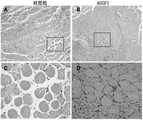
图8是小鼠腓肠肌肌肉组织切片的HE染色示意图。图8C是图8A图片中方框的放大图;图8D是图8C图片中方框的放大图。Fig. 8 is a schematic diagram of HE staining of mouse gastrocnemius muscle tissue sections. Fig. 8C is an enlarged view of the box in the picture of Fig. 8A; Fig. 8D is an enlarged view of the box in the picture of Fig. 8C.
具体实施方式 Detailed ways
材料和实验方法Materials and Experimental Methods
1)单侧下肢动脉结扎1) Unilateral lower extremity artery ligation
10-12周雄性C57BL/6小鼠用戊巴比妥钠(50mg/kg)腹腔麻醉,并使其在手术中能自发呼吸。在小鼠左侧和右侧的腹股沟部到大腿部位用脱毛膏脱毛,使其表面干净。横向剪开皮肤,钝性分离出血管和神经。再小心将静脉和动脉分离开。右侧用6-0丝线将髂动脉结扎。顺着髂动脉往下分离血管,随后将股动脉进行结扎。在结扎过程中,不要伤及静脉和伴行的神经。左侧用6-0丝线将动脉绕一圈,在实验中作为对照,即假手术腿。Male C57BL/6 mice at 10-12 weeks were anesthetized with pentobarbital sodium (50 mg/kg) intraperitoneally, and allowed to breathe spontaneously during the operation. Depilate the left and right sides of the mouse from the groin to the thigh with depilatory cream to make the surface clean. Cut the skin transversely and bluntly separate the blood vessels and nerves. Carefully separate the vein from the artery. The iliac artery was ligated on the right side with 6-0 silk suture. The vessel was dissected down the iliac artery, and the femoral artery was subsequently ligated. During ligation, do not injure the vein and accompanying nerve. The artery on the left side was wrapped around a circle with 6-0 silk thread, which was used as a control in the experiment, that is, the sham-operated leg.
2)AGGF1和bFGF的质粒制备2) Plasmid preparation of AGGF1 and bFGF
使用已将目的基因整合进常用基因表达载体的重组表达载体,用于制备AGGF1和bFGF质粒的方法先前已有描述,根据Circulation 108:2689-2696(2003)中的方法制得AGGF1和bFGF质粒的。通过酚氯仿萃取和乙酸钾沉淀,纯化AGGF1和bFGF质粒,不含有内毒素。The method for preparing AGGF1 and bFGF plasmids has been previously described using a recombinant expression vector that has integrated the target gene into a commonly used gene expression vector. AGGF1 and bFGF plasmids were prepared according to the method in Circulation 108:2689-2696 (2003). . AGGF1 and bFGF plasmids were purified free of endotoxin by phenol chloroform extraction and potassium acetate precipitation.
3)小动物超声检测股动脉血流3) Ultrasonic detection of femoral artery blood flow in small animals
采用Vevo 2100 高分辨率小动物超声系统(Visualsonics Inc,Toronto,Canada)检测小鼠血流。采用1%异戊烷麻醉小鼠,将其仰放在37℃的鼠板上,用脱毛膏将小鼠的两支腿的大腿部位到小腿部位的毛脱掉,减除毛发对超声检测的影响。采用MS550型探头进行检测。在彩色脉冲多普勒的模式下检测股动脉的血流速度。在手术前先检测小鼠股动脉的血流情况如图1所示,手术后第1天,再次通过超声检测如图2所示,判断下肢缺血模型是否成功。手术成功的标准为,脉冲多普勒的频谱出现了异常,基本上没有出现收缩期的最大血流,而且血流速度,明显降低,基本上小于手术前的10%。Blood flow in mice was detected using a Vevo 2100 high-resolution small animal ultrasound system (Visualsonics Inc, Toronto, Canada). The mouse was anesthetized with 1% isopentane, placed on the mouse board at 37°C, and the hair from the thigh to the calf of the two legs of the mouse was removed with depilatory cream to reduce the effect of the hair on the ultrasonic detection. Influence. The MS550 type probe was used for detection. The blood velocity of the femoral artery was detected in the color pulsed Doppler mode. Before the operation, the blood flow of the femoral artery of the mouse was detected as shown in Figure 1, and on the first day after the operation, the ultrasonic detection was performed again, as shown in Figure 2, to determine whether the lower limb ischemia model was successful. The criterion for the success of the operation is that the pulse Doppler spectrum is abnormal, basically there is no maximum systolic blood flow, and the blood flow velocity is significantly reduced, which is basically less than 10% of the pre-operation.
4)组织坏死和行为能力的检测4) Detection of tissue necrosis and behavior
未参加本实验的人,对小鼠的组织坏死和行为能力的情况进行评分。组织坏死的评分标准(Eur J Pharmacol 634(1-3): 121-131(2010))为:0,没有坏死;1,一个脚趾坏死;2,2个或多个脚趾坏死;3,脚坏死;4,整条腿的坏死;5,自行截肢,如图4所示。通过评分,我们发现相对于空质粒而言,AGGF1可以改善缺血组织坏死的情况,减轻小鼠的缺血症状,从而减轻因缺血而带来的病痛。Humans who did not participate in the experiment scored the mice for tissue necrosis and performance. The scoring criteria for tissue necrosis (Eur J Pharmacol 634(1-3): 121-131 (2010)) are: 0, no necrosis; 1, one toe necrosis; 2, two or more toes necrosis; 3, foot necrosis ; 4, necrosis of the whole leg; 5, self-amputation, as shown in Figure 4. Through scoring, we found that compared with the empty plasmid, AGGF1 can improve the necrosis of ischemic tissue, alleviate the ischemic symptoms of mice, and thus alleviate the pain caused by ischemia.
行为能力的评分标准(循环研究(Circ Res)101: 1310-1318(2007))为:0,对于尾部的牵拉,后肢有正常反应;1,对于尾部的牵拉,后肢能伸缩,但脚趾没有反应;2,后肢和脚趾皆没有反应;3,后肢拖行,如图5所示。下肢缺血小鼠的后肢的活动能力,在AGGF1的作用下,明显得到了增强,有利于缓解小鼠的缺血症状。运动能力的增强,也有利于缺血下肢的血管新生,从而改善由于缺血导致的各种不良的后果(循环(Circulation)122: 707-716(2010))。The scoring standard of behavioral ability (Circle Research (Circ Res) 101: 1310-1318 (2007)) is: 0, the hind limbs respond normally to the pulling of the tail; No response; 2, no response from the hind limbs and toes; 3, dragging of the hind limbs, as shown in Figure 5. Under the action of AGGF1, the mobility of the hindlimbs of mice with lower limb ischemia was significantly enhanced, which was beneficial to alleviate the ischemic symptoms of mice. The enhancement of exercise capacity is also conducive to angiogenesis in the ischemic lower limbs, thereby improving various adverse consequences caused by ischemia (Circulation (Circulation) 122: 707-716 (2010)).
5)免疫组化检测5) Immunohistochemical detection
手术后29天,将小鼠处死,分离出腓肠肌,4%的多聚甲醛固定过夜,石蜡包埋后,切片。采用新生血管的特异标记物CD31进行免疫组化检测,如图6所示。Twenty-nine days after the operation, the mice were sacrificed, the gastrocnemius muscle was isolated, fixed overnight in 4% paraformaldehyde, embedded in paraffin, and sectioned. CD31, a specific marker for neovascularization, was used for immunohistochemical detection, as shown in FIG. 6 .
实施例1Example 1
针对缺血组织,采用AGGF1基因进行血管新生的治疗Targeting ischemic tissue, using the AGGF1 gene for angiogenesis therapy
按照上述方法,建立小鼠下肢缺血模型。According to the method described above, a mouse model of lower limb ischemia was established.
采用肌肉注射DNA质粒的给药方式,对小鼠下肢缺血模型的缺血性部位进行血管新生治疗。手术1天后,在结扎部位下方,即腓肠肌部位,进行单点注射0.15ml的质粒。The method of intramuscular injection of DNA plasmid was used to treat the ischemic part of the mouse lower limb ischemia model for angiogenesis. One day after the operation, a single point injection of 0.15 ml of the plasmid was performed below the ligation site, ie, the gastrocnemius muscle site.
在手术后8天,15天,29天进行血流检测,如图3所示。手术后8天,AGGF1治疗小鼠的左右腿血流流速比是0.22 ± 0.10,而对照组的小鼠的左右腿血流流速比为0.10± 0.04, (P < 0.05, n=9)。手术后29天的时候,AGGF1治疗小鼠的左右腿血流流速比是0.31±0.06,而对照组的小鼠的左右腿血流流速比为0.14±0.03, (P < 0.01, n=9)。发现通过AGGF1治疗确实可以明显提高血流速度,血流再灌能力增强。Blood flow detection was performed at 8 days, 15 days, and 29 days after surgery, as shown in Figure 3. Eight days after surgery, the blood flow velocity ratio of the left and right legs of the AGGF1-treated mice was 0.22 ± 0.10, while that of the mice in the control group was 0.10 ± 0.04, (P < 0.05, n=9). At 29 days after surgery, the blood flow velocity ratio of the left and right legs of the AGGF1-treated mice was 0.31±0.06, while that of the mice in the control group was 0.14±0.03, (P < 0.01, n=9) . It is found that AGGF1 treatment can indeed significantly increase the blood flow velocity and enhance the blood flow reperfusion ability.
根据免疫组化检测结果,发现外源性AGGF1能明显的刺激微血管的生成。AGGF1刺激28天后新生血管数量达到了0.934±0.413/mm2,而对照组仅仅0.538±0.388/mm2 (P < 0.01), 如图7A所示,同时相对于肌束而言新生血管的数量是439.2±250.1,对照组为172.5±109.4(P< 0.05),如图7B所示。According to the results of immunohistochemistry, it was found that exogenous AGGF1 could significantly stimulate the formation of microvessels. After AGGF1 stimulation for 28 days, the number of new blood vessels reached 0.934±0.413/mm 2 , while that of the control group was only 0.538±0.388/mm 2 (P < 0.01), as shown in Figure 7A. At the same time, the number of new blood vessels was 439.2±250.1, and 172.5±109.4 in the control group (P<0.05), as shown in Figure 7B.
通过对切片进行HE染色,发现接受AGGF1注射的小鼠,细胞核的集中化并不显著。并且,坏死的肌肉纤维数量也明显下降,如图8所示。由此可见,AGGF1可以明显促进血管生成。By HE staining of the sections, it was found that the concentration of nuclei was not significant in mice injected with AGGF1. Moreover, the number of necrotic muscle fibers also decreased significantly, as shown in Figure 8. Thus, AGGF1 can significantly promote angiogenesis.
实施例2:Example 2:
针对缺血组织,采用重组AGGF1蛋白进行血管新生的治疗For ischemic tissue, using recombinant AGGF1 protein for angiogenesis treatment
按照上述方法,建立小鼠下肢缺血模型。According to the method described above, a mouse model of lower limb ischemia was established.
建立小鼠下肢缺血模型后,在手术的第二天将纯化的AGGF1蛋白,通过尾静脉进行注射,诱导缺血组织中血管发生,缓解缺血导致的不良反应。按照上述方法进行组织坏死和行为能力的检测,发现给予AGGF1蛋白的小鼠的后肢运动能力明显增强,坏死程度也得到了改善。After the mouse lower limb ischemia model was established, the purified AGGF1 protein was injected through the tail vein on the second day after the operation to induce angiogenesis in the ischemic tissue and alleviate the adverse reactions caused by ischemia. Tissue necrosis and behavioral ability were detected according to the above method, and it was found that the hindlimb motor ability of mice given AGGF1 protein was significantly enhanced, and the degree of necrosis was also improved.
实施例3:Example 3:
针对缺血组织,采用AGGF1腺相关病毒进行血管新生的治疗Targeting ischemic tissue, angiogenesis therapy using AGGF1 adeno-associated virus
将编码AGGF1的cDNA克隆到腺相关病毒载体,转染,纯化,鉴定,测定其滴度,得到AGGF1腺相关病毒。The cDNA encoding AGGF1 is cloned into the adeno-associated virus vector, transfected, purified, identified, and its titer is determined to obtain the AGGF1 adeno-associated virus.
按照上述方法,建立小鼠下肢缺血模型。在手术的第二天,将纯化后得到AGGF1腺相关病毒,通过尾静脉进行注射。并在注射后的不同时间点检测股动脉血流、以及进行组织坏死和行为能力的检测。检测结果表明,与对照(缺乏编码AGGF1的cDNA的空腺相关病毒载体)相比,注射了AGGF1腺相关病毒的小鼠股动脉血流明显增加,小鼠的后肢运动能力明显增强,坏死程度也得到了改善。这些实验结果证实了AGGF1腺相关病毒能有效诱导缺血组织中血管发生,缓解缺血导致的不良反应。According to the method described above, a mouse model of lower limb ischemia was established. On the second day of surgery, the purified AGGF1 adeno-associated virus was injected through the tail vein. Femoral artery blood flow, tissue necrosis and behavioral ability were detected at different time points after injection. The test results showed that, compared with the control (empty adeno-associated virus vector lacking the cDNA encoding AGGF1), the femoral artery blood flow of mice injected with AGGF1 adeno-associated virus was significantly increased, the hindlimb motor ability of the mice was significantly enhanced, and the degree of necrosis was also reduced. improved. These experimental results confirmed that AGGF1 AAV can effectively induce angiogenesis in ischemic tissue and alleviate the adverse reactions caused by ischemia.
上述三个实施例分别通过注射编码AGGF1的质粒、注射AGGF1蛋白、以及注射AGGF1腺相关病毒至小鼠下肢缺血模型中,结果均表明AGGF1能有效诱导缺血组织中血管发生,缓解缺血导致的不良反应。从而证实了AGGF1能够诱导血管发生,并治疗由局部缺血所导致的疾病和其他不良反应。In the above three examples, the plasmids encoding AGGF1, the AGGF1 protein, and the AGGF1 adeno-associated virus were injected into the mouse lower limb ischemia model. adverse reactions. Thus confirming that AGGF1 can induce angiogenesis and treat diseases and other adverse reactions caused by local ischemia.
本发明虽然通过以上实施例进行了详细说明,但应当理解的是,这些实施例仅用于描述的目的,不应理解为对本发明的限制。Although the present invention has been described in detail through the above examples, it should be understood that these examples are only for the purpose of description, and should not be construed as limiting the present invention.


Claims (12)
Priority Applications (1)
| Application Number | Priority Date | Filing Date | Title |
|---|---|---|---|
| CN201210240339XA CN102755638A (en) | 2012-07-12 | 2012-07-12 | Application of AGGF1 in preparing medicines for promoting angiogenesis |
Applications Claiming Priority (1)
| Application Number | Priority Date | Filing Date | Title |
|---|---|---|---|
| CN201210240339XA CN102755638A (en) | 2012-07-12 | 2012-07-12 | Application of AGGF1 in preparing medicines for promoting angiogenesis |
Publications (1)
| Publication Number | Publication Date |
|---|---|
| CN102755638A true CN102755638A (en) | 2012-10-31 |
Family
ID=47050443
Family Applications (1)
| Application Number | Title | Priority Date | Filing Date |
|---|---|---|---|
| CN201210240339XA Pending CN102755638A (en) | 2012-07-12 | 2012-07-12 | Application of AGGF1 in preparing medicines for promoting angiogenesis |
Country Status (1)
| Country | Link |
|---|---|
| CN (1) | CN102755638A (en) |
Cited By (5)
| Publication number | Priority date | Publication date | Assignee | Title |
|---|---|---|---|---|
| CN103254296A (en) * | 2013-04-28 | 2013-08-21 | 田小利 | Protein AGGF1 and application of FHA polypeptide of protein AGGF1 in preparation of anti-inflammatory drug |
| CN106243212A (en) * | 2016-07-29 | 2016-12-21 | 华中科技大学 | A kind of recombiant protein and application thereof |
| CN115957300A (en) * | 2022-12-22 | 2023-04-14 | 华中科技大学 | Application of recombinant protein in preparation of drug for inhibiting aneurysm |
| CN116059319A (en) * | 2022-07-13 | 2023-05-05 | 华中科技大学 | Application of a recombinant protein in the preparation of drugs for inhibiting muscle atrophy |
| WO2025208818A1 (en) * | 2024-04-02 | 2025-10-09 | 深圳近邻生物科技有限公司 | Nucleic acid molecule and pharmaceutical composition for treatment of peripheral arterial disease in lower limb, and use thereof |
Citations (1)
| Publication number | Priority date | Publication date | Assignee | Title |
|---|---|---|---|---|
| WO2005019432A2 (en) * | 2003-08-20 | 2005-03-03 | Cleveland Clinic Foundation Innovations | A novel gene and protein associated with angiogenesis and endothelial apoptosis |
-
2012
- 2012-07-12 CN CN201210240339XA patent/CN102755638A/en active Pending
Patent Citations (1)
| Publication number | Priority date | Publication date | Assignee | Title |
|---|---|---|---|---|
| WO2005019432A2 (en) * | 2003-08-20 | 2005-03-03 | Cleveland Clinic Foundation Innovations | A novel gene and protein associated with angiogenesis and endothelial apoptosis |
Non-Patent Citations (1)
| Title |
|---|
| 刘木根: "先天性静脉畸形骨肥大综合征和长QT综合征的分子遗传学研究", 《万方学位论文》 * |
Cited By (7)
| Publication number | Priority date | Publication date | Assignee | Title |
|---|---|---|---|---|
| CN103254296A (en) * | 2013-04-28 | 2013-08-21 | 田小利 | Protein AGGF1 and application of FHA polypeptide of protein AGGF1 in preparation of anti-inflammatory drug |
| CN106243212A (en) * | 2016-07-29 | 2016-12-21 | 华中科技大学 | A kind of recombiant protein and application thereof |
| CN116059319A (en) * | 2022-07-13 | 2023-05-05 | 华中科技大学 | Application of a recombinant protein in the preparation of drugs for inhibiting muscle atrophy |
| CN115957300A (en) * | 2022-12-22 | 2023-04-14 | 华中科技大学 | Application of recombinant protein in preparation of drug for inhibiting aneurysm |
| CN115957300B (en) * | 2022-12-22 | 2024-04-05 | 华中科技大学 | Application of recombinant protein in preparation of aneurysm inhibiting drugs |
| WO2024130872A1 (en) * | 2022-12-22 | 2024-06-27 | 华中科技大学 | Use of recombinant protein in preparing drug for inhibiting aneurysm |
| WO2025208818A1 (en) * | 2024-04-02 | 2025-10-09 | 深圳近邻生物科技有限公司 | Nucleic acid molecule and pharmaceutical composition for treatment of peripheral arterial disease in lower limb, and use thereof |
Similar Documents
| Publication | Publication Date | Title |
|---|---|---|
| JP5231587B2 (en) | Prevention of restenosis using VEGF-C or VEGF-D gene or protein | |
| Molin et al. | Therapeutic angiogenesis in the heart: protect and serve | |
| CN102755638A (en) | Application of AGGF1 in preparing medicines for promoting angiogenesis | |
| Boodhwani et al. | The future of therapeutic myocardial angiogenesis | |
| AU772857B2 (en) | Method of inducing angiogenesis | |
| US7709450B2 (en) | Stimulation of vascularization with VEGF-B-186 | |
| Mikroulis et al. | Angiogenic growth factors in the treatment of peripheral arterial disease | |
| JP2006526592A (en) | Plasmid encoding fibroblast growth factor for the treatment of hypercholesterolemia or diabetes associated with vascular defects | |
| Su et al. | APJ/apelin: A promising target for the treatment of retinopathy of prematurity | |
| JP7450244B2 (en) | Methods for treating ischemic tissue | |
| Shim et al. | Angiopoietin-1 promotes functional neovascularization that relieves ischemia by improving regional reperfusion in a swine chronic myocardial ischemia model | |
| Webster | Therapeutic angiogenesis: a case for targeted, regulated gene delivery | |
| Khan et al. | Therapeutic angiogenesis for coronary artery disease | |
| Kaplan et al. | Cardiovascular gene therapy: angiogenesis and beyond | |
| Melillo et al. | Gene therapy in peripheral artery disease | |
| EP2007404A2 (en) | Methods and systems for treating injured cardiac tissue | |
| EP1402902A1 (en) | Method for treatment of vascular regeneration | |
| Liddell et al. | Therapeutic angiogenesis: the next frontier for interventional radiology | |
| WO2025208818A1 (en) | Nucleic acid molecule and pharmaceutical composition for treatment of peripheral arterial disease in lower limb, and use thereof | |
| Rusiecka et al. | The cardiologists\'dream may come true–vascular therapy | |
| Charleston | 593. Delivery of Pleiotrophin Plasmid Induces Neovasculature Formation in Ischemic Myocardium | |
| CN116251115A (en) | Application of a kind of miR-342-5p in the preparation of drugs for preventing and treating ischemic diseases of lower limbs | |
| Merentie | Cardiological studies in mice: special emphasis on gene therapy, imaging and ECG findings | |
| Kent | Therapeutic Angiogenesis | |
| Levy et al. | Basic principles of angiogenesis for the interventional cardiologist |
Legal Events
| Date | Code | Title | Description |
|---|---|---|---|
| C06 | Publication | ||
| PB01 | Publication | ||
| C10 | Entry into substantive examination | ||
| SE01 | Entry into force of request for substantive examination | ||
| C12 | Rejection of a patent application after its publication | ||
| RJ01 | Rejection of invention patent application after publication |
Application publication date: 20121031 |