EP0022019A1 - Totales enzymatisches Hydrolysat von Laktoserum-Proteinen, Herstellung und Verwendungen - Google Patents
Totales enzymatisches Hydrolysat von Laktoserum-Proteinen, Herstellung und Verwendungen Download PDFInfo
- Publication number
- EP0022019A1 EP0022019A1 EP80400946A EP80400946A EP0022019A1 EP 0022019 A1 EP0022019 A1 EP 0022019A1 EP 80400946 A EP80400946 A EP 80400946A EP 80400946 A EP80400946 A EP 80400946A EP 0022019 A1 EP0022019 A1 EP 0022019A1
- Authority
- EP
- European Patent Office
- Prior art keywords
- whey
- hydrolyzate
- proteins
- ultrafiltration
- hydrolysis
- Prior art date
- Legal status (The legal status is an assumption and is not a legal conclusion. Google has not performed a legal analysis and makes no representation as to the accuracy of the status listed.)
- Granted
Links
Images





Classifications
-
- A—HUMAN NECESSITIES
- A23—FOODS OR FOODSTUFFS; TREATMENT THEREOF, NOT COVERED BY OTHER CLASSES
- A23J—PROTEIN COMPOSITIONS FOR FOODSTUFFS; WORKING-UP PROTEINS FOR FOODSTUFFS; PHOSPHATIDE COMPOSITIONS FOR FOODSTUFFS
- A23J3/00—Working-up of proteins for foodstuffs
- A23J3/30—Working-up of proteins for foodstuffs by hydrolysis
- A23J3/32—Working-up of proteins for foodstuffs by hydrolysis using chemical agents
- A23J3/34—Working-up of proteins for foodstuffs by hydrolysis using chemical agents using enzymes
- A23J3/341—Working-up of proteins for foodstuffs by hydrolysis using chemical agents using enzymes of animal proteins
- A23J3/343—Working-up of proteins for foodstuffs by hydrolysis using chemical agents using enzymes of animal proteins of dairy proteins
-
- A—HUMAN NECESSITIES
- A23—FOODS OR FOODSTUFFS; TREATMENT THEREOF, NOT COVERED BY OTHER CLASSES
- A23J—PROTEIN COMPOSITIONS FOR FOODSTUFFS; WORKING-UP PROTEINS FOR FOODSTUFFS; PHOSPHATIDE COMPOSITIONS FOR FOODSTUFFS
- A23J3/00—Working-up of proteins for foodstuffs
- A23J3/04—Animal proteins
- A23J3/08—Dairy proteins
-
- A—HUMAN NECESSITIES
- A61—MEDICAL OR VETERINARY SCIENCE; HYGIENE
- A61P—SPECIFIC THERAPEUTIC ACTIVITY OF CHEMICAL COMPOUNDS OR MEDICINAL PREPARATIONS
- A61P3/00—Drugs for disorders of the metabolism
Definitions
- the invention relates to the field of whey treatment. It relates more particularly to obtaining products resulting from the hydrolysis of the proteins contained in said whey. It relates in particular to an enzymatic hydrolysis process, using, as an enzyme, an enzyme capable of proteolysing all the proteins of the whey, and preferably pancreatin. The invention also relates to the applications of the products thus obtained, in particular as foods which have to meet specific nutritional needs.
- Whey is a well-known by-product of the dairy industry. Its composition is approximately that of a skimmed milk, deprived of its casein.
- An acid type whey is obtained by acidifying the milk either by adding an inorganic acid or by producing lactic acid (inoculating the milk with lactic ferments) at a pH close to the isoelectric point of the caseins. The whey is recovered after separation from the curd. Adding rennet to milk also causes the casein to flocculate. The whey obtained after syneresis is called rennet whey. If the flocculation takes place at the pH of milk or at a slightly lower pH but above 5.8-6.0, the whey is called sweet whey.
- whey in relation to the nature of milk coagulation.
- Most whey is in fact mixed whey where one of the coagulation processes is predominant over the other.
- Sweet whey comes from the manufacture of pressed or uncooked pressed pasta (Emmental, Gruyère, Cheddar, Cantal, Saint-Paulin).
- Acid whey is mainly produced from the production of fresh pasta and from caseineries.
- mixed whey from most soft cheeses and parsley.
- the composition of whey can therefore vary within fairly wide limits depending on the starting milk and the cheese technology used. All whey contains mineral elements, fat, a certain amount of lactic acid, coagulating enzymes, the most interesting fraction being clearly avoided. reduce the nitrogen fraction. It is it which is essentially constituted by the soluble proteins of milk having a high biological value.
- proteins Although in relative value, proteins represent a small part of the dry matter of whey (less than 12%) they are the main attraction in the promotion of this by-product.
- the protein fraction essentially constituted by the soluble proteins of milk, ⁇ -lactoglobulin, e-lactalbumin, serum albumin and imunoglobulins is interesting because of its nutritional value and its functional properties.
- the subject of the invention is an original use of whey proteins, in particular for human nutrition. Rapid advances in medicine and surgery allow the survival of many patients in whom nutrition, rehabilitation to a normal diet are becoming an important problem (progress in surgical techniques but also resuscitation techniques). At each stage of resuscitation, from metabolic therapy to normal nutrition, the nutritive mixture offered must be closely adapted to the patient's needs.
- New feeding techniques such as enteral feeding with low continuous flow (see LEVY E. (1976) - Continuous enteral feeding. Principle-Technique. Indications, Results. 64, (4), 235-256, allow the optimal use of the nutrients by their direct delivery, in the state, at their place of use or action.
- the industrial manufacture of these substitute products consists in fact of reproducing in vitro the deficient function which can go from the impossibility of ingesting, of chewing, to certain deficiencies or enzymatic deficiencies.
- the invention relates to the obtaining from whey proteins of a protein hydrolyzate capable of being directly assimilated by the intestinal mucosa and which can have a stimulating action in deficient enzyme systems.
- Acid hydrolysis effectively leads to obtaining free amino acid solutions.
- Acid hydrolysis destroys certain amino acids.
- Alkaline hydrolysis preserves tryptophan but causes insolubilization which greatly reduces the nutritional value of the initial protein concentrates.
- Enzyme proteolysis has been known and practiced for a very long time, for analytical purposes or for food purposes, the main aim being to solubilize proteins.
- the literature widely reports numerous food uses of soy protein hydrolysates (See ARAI, S. NOGUCHI, M. KUROSA-WA, S. KATO, H. and FUJIMAKI, M. (1970) Applying proteolytic enzymes on soybean, 6-Deodorization effect, fish proteins: see HEVIA, P. WHITAKER, JR and OLCOTT, HS (1976) - Solubilization of a fish protein concentrate with proteolytic enzymes. J. Agric. Food Chem., Vol 24 (2) 383 -385, or rapeseed, by the action of animal, microbial or vegetable protease.
- hydrolysis leads to peptides with a pronounced bitter taste. This character limits the use of these hydrolysates in human food.
- the intensity of the bitterness of a hydrolyzate depends mainly on the nature of the protein substrate and the specificity of the enzymes.
- exopeptidases See for example ARAI, S .. YAMASHITA, M., KATO, H. FUJIMAKI, M. (1970) - Agric. Biol. Chem., 34, 729, as well as CLEGG, K.M. SMITH, G. and WALKER, A.L. (1974) - Production of an enzymatic hydrolysate of casein on a kilogram scale. J. Food Technol. 9, 425-431. It has also been proposed to modify the peptides by adding glutamic acids before plasteic reaction. It is also possible to resort to the elimination of hydrophobic amino acids.
- US Patent 2,180,637 describes a process for producing purified amino acids from certain protein fractions, milk casein being preferred.
- the process can consist of an enzymatic hydrolysis in basic medium, and provides a mixture of pure, undenatured amino acids.
- the enzymes that can be used are pancreatic enzymes.
- Such hydrolysis leads to free amino acids, as is explicitly mentioned in the description of US Patent 2,180,637.
- the process described in this patent aims to provide protein hydrolysates containing a maximum proportion of free amino acids thanks to a total hydrolysis which must be carried out with a prolonged contact time between the enzyme and the substrate. The product thus obtained is therefore not necessarily free of enzymes.
- composition of the product obtained by US Patent 2,180,637 because of its composition in free amino acids, is not suitable for certain fields of application such as for resuscitation and human therapeutic nutrition.
- Recent studies have in fact revealed that it is advisable to use mixtures of peptides rather than free amino acids (see for example DBA SILK.in Peptide Transport and Hydrolysis CIBA Foundation Symposium 50 1977 Elsevier Exurpta Medica North. Holland) .
- the administration of products essentially consisting of free amino acids is therefore not recommended due to the drawbacks that this may present during clinical application, since the free amino acids cannot be immediately and safely assimilated by the human body. (see for example DM MATTHEWS in Physiological Reviews Vol.
- enzymatic hydrolysis most often uses a batch reactor system.
- the enzyme is added to the protein solution to be treated. After a longer or shorter residence time, under conditions favorable to the enzymatic activity and the attack of the substrate, the pH is modified and a light heat treatment inactivates the enzyme. Centrifugation can be done to remove the undigested insoluble fraction.
- it is difficult to use a high enzyme / substrate ratio.
- the invention has taken advantage of the means already known in certain other applications and which consist in using enzymatic membrane reactors.
- the ultrafiltration membrane makes it possible to retain the enzyme in solution in the reactor as well as the protein substrate. Only the hydrolysis products, peptides, are eliminated as and when they are formed. This in- p ing, in practice, the implementation of such a reactor is not easy as lIVESTOCK points. the substrate must be completely dissolvable by the enzyme and the protein solution must have an irreproachable bacteriological quality.
- the invention relates to a total enzymatic hydrolyzate of whey proteins consisting of a peptidi hydrolyzate that contains practically no residual proteins and of which at least 50% of the peptides contain 2 to 5 amino acids.
- the hydrolysates mentioned above contain 70 to 90% of the nitrogen present in the form of peptides having a number of amino acids less than 10.
- the invention also relates to a method for obtaining such hydrolysates from whey proteins, characterized in that said proteins are brought into contact with a proteolytic enzyme capable of reconstituting the protein digestion which takes place in vivo in the human organism, said enzyme preferably being pancreatin, the hydrolysis being carried out until the product no longer contains residual proteins, that is to say does not present any nitrogen precipitable by 12% trichloroacetic acid, after which the hydrolyzate obtained which represents the desired total enzymatic hydrolyzate is recovered.
- the invention relates to a method in which the ultrafiltration of whey is first carried out, said method being characterized in that the ultrafiltration retentate is brought into contact with a proteolytic enzyme capable of reconstituting digestion protein which takes place in vivo in the human organism, said enzyme preferably being pancreatin, hydrolysis being carried out until the product no longer contains residual proteins, that is to say does not present any nitrogen precipitable with 12% trichloroacetic acid, after which the hydrolyzate obtained which represents the desired total enzymatic hydrolyzate is recovered.
- the similarity in amino acid composition of the flocculating fraction and of the supernatant fraction obtained during the concentration by evaporation at 100 g per liter of the hydrolyzate leaving the reactor indicates an equal distribution of the hydrophobic and hydrophilic characters between the different classes of peptides.
- the concentration operation can be continued up to a high dry substance content, which can be up to 25% before spray drying.
- the hydrolysates obtained are derived from dairy proteins recognized as having an excellent biological value. They therefore meet the nutritional needs of patients suffering from pancreatic insufficiency or metabolic patients.
- the invention therefore finds direct application in dietetic foods which can be fully assimilated by the human body since they are capable of directly passing the barrier in testinal and thus to be conveniently digested and assimilated.
- the invention therefore relates to a resuscitation food containing, as active fraction, a product of the invention based on total enzymatic hydrolyzate of whey proteins, in possible combination with a neutral vehicle suitable for oral or enteral feeding.
- any whey can be used. It is possible, for example, to use whey of industrial origin, in particular mixed whey resulting from the mixture of whey from various cheese productions. It is possible to use a whey directly prepared from raw or thermised milk, by lactic precipitation or rennet. Alternatively, you can also use a reconstituted whey.
- the original whey, after skimming, can be thermized, for example at a temperature of the order of 58-60 ° C. It can then be concentrated by evaporation. The preconcentrate is optionally diluted to avoid excessive crystallization of the lactose and stored at a temperature of the order of 4 ° C. It is indeed convenient to use whey protein concentrates reconstituted from powder.
- the process of the invention is applicable to whey proteins whatever their technique of production.
- the whey proteins can be isolated by any known means before subjecting them to enzymatic hydrolysis. We can for example coagulate these proteins by heat. Preference is given to obtaining proteins by ultrafiltration of the whey, since this operation does not lead to any denaturation. For various reasons, economic for example, the method of the invention is however successfully applicable to proteins precipitated by heating the whey.
- the whey or preconcentrated is advantageously purified by ultrafiltration and by diafiltration.
- the various retentates are then dried, for example by atomization.
- the ultrafiltration membranes are conventional: they are those which are known to retain all the soluble proteins of the whey. Their breaking capacity is generally between 500 and 50,000.
- the nature of these membranes is arbitrary. They can be both inorganic and organic membranes.
- organic membranes polyolefin, polyacylonitrile, polyvinyl chloride, cellulose acetate, polycarbonate and other similar materials can be used.
- inorganic membranes any porous substrate corresponding to the above definitions can be used. All these concepts are well known to those skilled in the art in the field of ultrafiltration of milk or whey and therefore do not need to be explained further.
- the pH will be adjusted to a value generally between 6 and 7 to take account of the origin of the whey (acid coagulation or rennet).
- Changing the pH can significantly improve the performance of the equipment. This improvement is increased when the pH adjustment occurs after preheating the whey at 80 ° C for 15 ": see HAYES, JF DUN-KERLEY, JA MULLER, LL GRIFFIN, AT (1974) Studies on whey processing by ultrafiltration.II. Improving permeation rates by preventing fouling. The Australian J. Of Dairy Tech., 37, (3), 132-140. In addition, the elimination of certain minerals improves the perfusion rates.
- the step of ultrafiltration of the whey is combined with a step of enzymatic hydrolysis of the retentate of said ultrafiltration.
- the enzymatic hydrolysis is carried out continuously by introducing the protein concentrate into a reaction zone with a view to bringing it into intimate contact with the enzyme, continuously withdrawing the reaction product by bringing it from the reaction zone into an ultrafiltration zone, from which a permeate is also continuously drawn off which constitutes the peptide hydrolyzate constituting the desired product according to the invention, the reaction being continued until that the permeate is a total enzymatic hydrolyzate, recycling can be provided from the ultrafiltration to the reaction zone.
- pancreatin is preferably used, which is a complex mixture containing trypsin, chymotripsin and other proteolytic enzymes.
- pancreatin is a complex mixture containing trypsin, chymotripsin and other proteolytic enzymes.
- pancreatin is preferably used, which is a complex mixture containing trypsin, chymotripsin and other proteolytic enzymes.
- pancreatin is a complex mixture containing trypsin, chymotripsin and other proteolytic enzymes.
- pancreatin is a complex mixture containing trypsin, chymotripsin and other proteolytic enzymes.
- pancreatin Another important parameter in the reaction zone is the ratio between the concentration of enzymes and the concentration of proteins. This ratio must be high, as is the case during protein digestion in vivo. In the case of pancreatin, pancreatin / substrate ratios of the order of 8 to 15%, in particular of the order of 12%, have given suitable results.
- the membranes used are of any type, organic or inorganic. They can be in the form of modules as is known in this kind of apparatus.
- One organization of the membranes which has given good results is that of the hollow fiber modules.
- the raw material treated that is to say the protein solution from whey
- the raw material treated may have components which affect the proper functioning of the membrane.
- an insolubilized protein fraction may be present due to the usual heat treatment, 72 ° C-15 ". This is why it is preferable to eliminate this protein fraction beforehand by centrifugation at high speed.
- Whey may also contain a fraction consisting essentially of lipids and lipoprotein complexes. These components, although of high molecular size, are not centrifugable. Their accumulation at the level of the membrane used in connection with the enzymatic reactor can limit the reactor operation.
- membranes are used whose pore profile is well determined.
- the destination of the protein hydrolysates according to the invention requires that the products entering the reactor be of good bacteriological hygienic quality.
- the generalized addition of potassium nitrate to the milk used in the manufacture of pressed cheeses can lead either to reject the whey resulting from this transformation or to carry out an additional demineralization treatment by elec trodialysis or on ion exchange resin, if the residual nitrate level is considered unacceptable.
- whey from the production of casein using mineral acids is a preferred raw material for the process of invention.
- a basic compound which may be sodium hydroxide or carbonate, potassium hydroxide or carbonate, calcium hydroxide, hydroxide, is continuously or discontinuously introduced into the reaction zone. ammonium or a mixture of these products.
- the choice of a particular basic compound will depend on the destination of the final product, the content of sodium, potassium, calcium or ammonium ions in said product then being the determining criterion of choice.
- the hydrolysis of the whey proteins should be carried out until enzymatic hydrolysates are obtained which no longer contain detectable proteins.
- the hydrolyzate is then brought into contact with the membrane of the ultrafiltration module combined with the enzyma reactor. tick gold
- the process of the invention can be implemented in two separate steps: a first step consisting of enzymatic hydrolysis and a second step consisting of ultrafiltration.
- the equipment for carrying out each of these operations can be separated or integrated.
- the method can also be carried out continuously, the two above steps being carried out in a single apparatus.
- the permeate liquid passing through the membrane
- the protein concentrate to be treated is introduced into the reactor at a flow rate identical to that of the permeate.
- the total duration of continuous operation was of the order of 7 to 8 hours.
- serum albumin was the one which was the most difficult to hydrolyze by pancreatin.
- the products of the invention can receive numerous applications in the food and therapeutic field.
- the products of the invention are capable of triggering, by action on the intestinal receptors, the secretion of internal pancreatic hormones (insulin and glucagon, for example) and of triggering secretion of gastrointestinal hormones (gastrin, gastric inhibitor polypeptide, for example).
- the products of the invention can be used for therapeutic nutrition or as a drug for resuscitation: they make it possible to obtain an improvement in the trophicity of the resected intestine making it possible to regain nutritional autonomy after a certain time and thus to stop feeding the patient by tube. More generally, the products of the invention can be used for therapeutic nutrition or as a medicament in the treatment of infections of the digestive type such as, for example, gastritis, peptic ulcers, ileitis, resected intestines and colitis.
- the invention also relates to pharmaceutical compositions containing a product of the invention in admixture with the usual excipients.
- the form of presentation does not raise any difficulty.
- the new products can be ingested or administered as such enterally, for example in admixture with the usual food. They can also be presented in the form of compositions with usual excipients, for example suitable for oral administration. Compositions suitable for the purposes of the invention can thus be presented in the form of tablets or capsules, with known excipients such as talc, magnesium stearate, finely divided silica, and any other similar vehicle known to man. art.
- the device comprises: an ultrafiltration installation and an enzymatic reactor.
- the whey is introduced via line 1 to first pass through a temperature exchanger 2 and a centrifugal separator 3 before being introduced into the ultrafiltration module proper.
- the whey, heated and freed from insoluble centrifugables, is introduced via line 4 into a tank 5, together with water supplied by line 6. Water is used continuously for diafiltration.
- the ultrafiltration module proper is generally represented by the reference 7; the retentate is recovered in the pipe 8.
- the equipment necessary for adjusting the pH of the retentate as well as its concentration is shown at 9. Once these operations have been carried out, the retentate passes through line 10- and is introduced into a buffer tank 11 of which it is.
- the whey or preconcentrate was ultrafiltered on a DDS module of- a surface of 9 m 2 , equipped with BR 6 P membranes also placed on the market by the company DE DANSKE SUKKER FABRIK, the operation d ultrafiltration being carried out batchwise at a temperature of 50 ° C.
- the different retentates obtained by simple ultrafiltration or after diafiltration were then spray-dried.
- FIG. 2 shows the membrane membrane reactor.
- This first comprises a reaction tank designated by the general reference 15.
- the continuous supply of whey proteins is done via the pipe 16.
- a device 17 is used both to measure and to maintain the pH in the tank reaction by neutralizing the H ions released when the peptide bonds are cut.
- the apparatus was a pH stat Mettler comprising a potential amplifier, an equivalence point preselector and an automatic burette for dispensing the reagent, the latter being a basic compound as mentioned above. No excessive fouling of the electrode was found.
- the hydrolysis product withdrawn from the reaction tank through line 18 is conveyed by a pneumatic membrane pump 19.
- a practical example is the AMICON LP 20 A model pump, capable of delivering 720 l / h at 1.7 bar.
- Reference 22 designates the ultrafiltration module.
- the permeate was collected in a line 23 and constituted the peptide hydrolyzate sought.
- the retentate from module 22 was taken off through line 24, introduced into an exchanger 25 and conveyed through line 26 to be recycled in the reaction tank 15.
- whey of industrial origin was used, resulting from a mixture of Emmental and Saint Paulin whey, its pH varying between 6.2 and 6.4. After skimming, the whey was thermized at 58-60 ° C for about 15 seconds. It could then be concentrated by evaporation at a dry matter content of around 50%. This preconcentrate was then diluted 2.5 times to avoid excessive crystallization of the lactose and cooled to a temperature close to 4 ° C. before storage overnight. As a variant, certain whey used in the examples below were prepared on the spot from raw or thermised milk by lactic precipitation or rennet.
- the protein concentrate was reconstituted at a protein content of 100 g / l in the reaction tank. 15.
- the reaction temperature was set at about 40 ° C.
- the protein solution was added to the tank 15.
- the equipment 17 allows the pH to be measured and maintained.
- the enzyme was added. (pancreatin) reconstituted extemporaneously.
- the addition of the alkaline compound was continuously recorded in order to maintain the pH in the reaction zone.
- Each sample was subjected to precipitation in 12% trichloroacetic acid. Proteolysis was followed by determining the soluble nitrogen and the NH 2 groups released on the supernatant.
- the dry substance contents of the whey, retentate, ultrafiltrate and hydrolysate samples were determined by drying in an oven at 102-105 ° C for 7 hours.
- the ash contents were determined according to the AOAC method (Reference AOAC Standard, 1945).
- the amino acid assay was carried out according to the method of SPACKMAN et al. (1958) Anal. Chem. 30, 1180.
- the peptides (2 mg) are hydrolyzed for 24 h, 48 h and 96 h at 110 ° C. in tubes sealed under vacuum with 1 ml of 6N HCl, distilled twice.
- the results are expressed in g per 100 g of amino acids, after correction for destruction during hydrolysis for threonine, serine, cystine and tyrosine.
- Tryptophan was dosed separately according to the method of SPIES (1957) by colorimetric reaction with paradimethylaminobenzaldehyde after hydrolysis by pronase.
- optical densities at 280 nm, at 420 nm (assay of NH 2 groups by TNBS) at 570 nm (assay of NH z groups with ninhydrin), or the Plotting absorption spectra of proteins, peptides or amino acids for the purpose of their identification were carried out on a Beckman spectrophotometer type Acta VI, in quartz cell with a centimeter of optical path.
- the eluates were analyzed by measuring the optical density at 280 nm and by assaying the free NH 2 groups with ninhydrin.
- the fractionation of peptides and amino acids according to their isoelectric point and their charge was obtained through the use of cationic ion exchange resins (AG 50 XW 2 - Biorad Laboratory, Richmond California).
- the peptide hydrolyzate was brought into contact with the resin batchwise at different pHs. After a certain time of contact and decantation, the supernatant was analyzed.
- a device of the general type represented in FIG. 1 was used and an enzymatic reactor of the type represented in FIG. 2.
- the whey was treated beforehand in a centrifugal separator 3 'at the speed of 1000 g for 15 minutes. before entering the system.
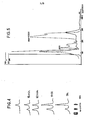
- FIG. 3 This figure shows at different stages of the reaction, at times 0, 7 minutes and 70 minutes respectively, the shape of the electrophoresis curves corresponding to the solubilization of the whey proteins.
- the diagram at the bottom of Figure 3 shows the migration of the various proteins.
- ⁇ -lactoglobulin is represented by the abbreviation p-lacto, alpha-lactalbumin by the abbreviation d-lacta and bovine serum albumin by the abbreviation BSA.
- Polyacrylamide gel can be used at a concentration of 9%.
- the results represented in FIG. 3 show that the rate of protein hydrolysis is different.
- ⁇ -lactoglobulin is more rapidly hydrolyzed than ⁇ lactalbumin and itself than serum albumin. The latter is at least partially insensitive to proteolysis.
- Bovine serum albumin from whey cannot therefore be completely hydrolyzed.
- Figure 4 is a figure similar to that of Figure 3 but providing results on the continuous operation of the reactor. Electrophoresis measurements on polyacrylamide gel at 9% of the continuous hydrolysis of the whey protein concentrate by pancreatin in an enzymatic reactor confirm that bovine serum albumin accumulates at the level of the reactor.
- the apparent hydrolysis rate (soluble nitrogen / total nitrogen) in the permeate was kept constant thanks to a weak supply of enzyme.
- the operating time of the reactor was 7 to 8 hours.
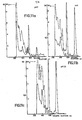
- FIG. 8 illustrates the molecular distribution of the peptides obtained by pancreatic hydrolysis of a whey protein concentrate as a function of the enzyme / substrate contact time. The measurements were carried out by filtration on Sephadex G 50 gel. and with elution with acetic acid at 30%. Figure 8 highlights the influence of the enzyme / substrate contact time.
- FIG. 9 illustrates the molecular distribution of the peptides obtained by pancreatic hydrolysis of a whey protein concentrate after total hydrolysis in an enzymatic reactor, the measurements having been made on SEPHADEX G15 gel (elution with acetic acid at 30%). As illustrated in Figure 9, all peptides.
- FIG. 10 shows that the passage of a pancreatic hydrolyzate, obtained on a membrane with a cutoff threshold 5000, over a membrane with a cutoff threshold 15000 codifies the molecular distribution profile of the peptides. This figure therefore illustrates the possibility of modifying the distribution of the peptides by subjecting the hydrolyzate initi al total previously obtained on membrane 5000 to ultrafiltration on PM2 membrane. 1500-2000 cutoff threshold. The measurements were made on Sephadex G15 gel (elution with acetic acid at 30%.
- the results are expressed in g / 100 g of protein except for tryptophan (g / 100 g of lyophilized powder).
- pancreatic hydrolyzate To further characterize the pancreatic hydrolyzate, it was placed in the presence of a cationic resin at the rate of 7 g of resin per 100 ml of hydrolyzate having a content of 36 g / l of peptides. The contacting was carried out for two hours at room temperature and at various.pH.
- FIGS. 11a, 11b, and 11c show the molecular distribution of the peptides which are not fixed on the cationic resin contained in the different supernatants at pH 2, pH 5 and pH 7: 5 respectively.
- the diagrams represented in FIG. 12 indicate their composition in essential amino acids (expressed in% of the initial hydrolyzate).
- the amino acid sequence in the diagrams is, from left to. right, the following: Ile, Leu, Lys, Met, Cys, Phe, Tyr, Thr, Trp and Val.
- a differential fixation of the peptides is observed according to the pH of the reaction.
- pH 2 the small free peptides and amino acids bind preferentially to the larger ones. The latter are depleted in lysine, cysteine, tyrosine, phenylalanine and tryptophan.
- pH 7.5 the amino acid composition of the supernatant is very close to that of the initial hydrolyzate.
- FIG. 13 illustrates the molecular distribution of the peptides and free amino acids contained in the fraction not retained by the membrane 2000 (Sephadex G15 gel-acetic acid 30%).
- the fraction of the pancreatic hydrolyzate not retained is depleted in cysteine and enriched in phenylalanine, tryptophan, compared to the original hydrolyzate.
- FIG. 14 illustrates the essential amino acid composition (expressed as a% of their content in the initial hydrolyzate) of the peptides and free amino acids contained in the fraction not retained by the membrane 2000.
- This example concerns a resuscitation product usable by the enteral route in patients requiring a protein intake of the order of 7 to 12% of the total caloric intake.
- a product meets nutritional needs in the case of cystic fibrosis or cystic fibrosis of the pancreas, renal insufficiency, as well as for patients with infectious or inflammatory damage to the intestinal wall.
- These proteins are preferably brought in pre-digested form.
- This example relates to a resuscitation product usable by the enteral route in patients requiring a protein intake of the order of 25% of the total caloric intake, in predigested form and a low lipid intake. This can be the case in the event of significant tissue destruction after major trauma and burns.
- the excipient used was talc, magnesium stearate or silica available on the market under the name "aerosil”.
- Capsules containing 100 mg of peptide hydrolyzate according to the invention were prepared in the same manner and containing a usual QS excipient for a finished capsule at 200 mg.
Landscapes
- Life Sciences & Earth Sciences (AREA)
- Chemical & Material Sciences (AREA)
- Health & Medical Sciences (AREA)
- Engineering & Computer Science (AREA)
- Polymers & Plastics (AREA)
- Food Science & Technology (AREA)
- Biochemistry (AREA)
- Nutrition Science (AREA)
- Zoology (AREA)
- Chemical Kinetics & Catalysis (AREA)
- General Chemical & Material Sciences (AREA)
- Animal Behavior & Ethology (AREA)
- Hematology (AREA)
- Medicinal Chemistry (AREA)
- Nuclear Medicine, Radiotherapy & Molecular Imaging (AREA)
- General Health & Medical Sciences (AREA)
- Public Health (AREA)
- Veterinary Medicine (AREA)
- Organic Chemistry (AREA)
- Pharmacology & Pharmacy (AREA)
- Diabetes (AREA)
- Obesity (AREA)
- Bioinformatics & Cheminformatics (AREA)
- Medicines That Contain Protein Lipid Enzymes And Other Medicines (AREA)
- Dairy Products (AREA)
- Preparation Of Compounds By Using Micro-Organisms (AREA)
- Peptides Or Proteins (AREA)
- Coloring Foods And Improving Nutritive Qualities (AREA)
Applications Claiming Priority (2)
| Application Number | Priority Date | Filing Date | Title |
|---|---|---|---|
| FR7916483 | 1979-06-26 | ||
| FR7916483A FR2459620B1 (fr) | 1979-06-26 | 1979-06-26 | Hydrolisat enzymatique total de proteines de lactoserum, obtention et application |
Publications (3)
| Publication Number | Publication Date |
|---|---|
| EP0022019A1 true EP0022019A1 (de) | 1981-01-07 |
| EP0022019B1 EP0022019B1 (de) | 1983-09-28 |
| EP0022019B2 EP0022019B2 (de) | 1991-11-21 |
Family
ID=9227125
Family Applications (1)
| Application Number | Title | Priority Date | Filing Date |
|---|---|---|---|
| EP80400946A Expired - Lifetime EP0022019B2 (de) | 1979-06-26 | 1980-06-24 | Totales enzymatisches Hydrolysat von Laktoserum-Proteinen, Herstellung und Verwendungen |
Country Status (14)
| Country | Link |
|---|---|
| US (1) | US4427658A (de) |
| EP (1) | EP0022019B2 (de) |
| JP (1) | JPS5632488A (de) |
| AR (1) | AR231376A1 (de) |
| AU (2) | AU535601B1 (de) |
| BR (1) | BR8003974A (de) |
| CA (1) | CA1150564A (de) |
| DE (1) | DE3065039D1 (de) |
| DK (1) | DK273480A (de) |
| ES (1) | ES8105559A1 (de) |
| FI (1) | FI68503C (de) |
| FR (1) | FR2459620B1 (de) |
| NO (1) | NO153202C (de) |
| ZA (1) | ZA803749B (de) |
Cited By (16)
| Publication number | Priority date | Publication date | Assignee | Title |
|---|---|---|---|---|
| EP0034083B1 (de) * | 1980-02-01 | 1983-07-13 | Institut National De La Recherche Agronomique (Inra) | Verfahren zur Behandlung eines Phosphocaseinate einwertiger Katione enthaltenden Materials auf der Basis von Casein, erhaltene Produkte und Verwendungen |
| GB2132466A (en) * | 1982-12-22 | 1984-07-11 | Impro Products Inc | Whey product and method for obtaining same |
| EP0226221A1 (de) * | 1985-12-18 | 1987-06-24 | Ernst-Gunnar Samuelsson | Peptidpräparat, Verfahren zu dessen Herstellung und Verwendung dieses Peptidpräparates |
| FR2608050A1 (fr) * | 1986-12-15 | 1988-06-17 | Bellon Labor Sa Roger | Procede de preparation d'un melange peptidique riche en di- et tri-peptides, utilisable notamment en nutrition artificielle et en dietetique, melange ainsi obtenu, et utilisation de ce melange en nutrition artificielle et en dietetique |
| EP0322589A1 (de) | 1987-12-23 | 1989-07-05 | Societe Des Produits Nestle S.A. | Verfahren zur Herstellung eines Molkeeiweisshydrolysates und eines hypoallergenen Nahrungsmittels |
| US4847096A (en) * | 1986-11-25 | 1989-07-11 | Albuglobe Aktiebolag | Process for treating whey proteins, and product obtained |
| FR2634104A1 (fr) * | 1988-07-18 | 1990-01-19 | Union Coop Agricole | Hydrolysat partiel de proteines de lactoserum, procede enzymatique de preparation de cet hydrolysat, et aliment lacte dietetique hypoallergenique le contenant |
| EP0355399A1 (de) * | 1988-07-20 | 1990-02-28 | Meiji Milk Products Company Limited | Selektive enzymatische Zersetzung von beta-Lactoglobulin in Molkeeiweiss von Kuhmilch |
| EP0390633A1 (de) * | 1989-03-31 | 1990-10-03 | Union des Coopératives Laitières d'ISIGNY-SUR-MER et de SAINTE-MERE-EGLISE (Union de Coopératives Agricoles) | Teilhydrolysat aus Molkeproteinen, frei von Lactoglobulin und enzymatisches Verfahren zu dessen Gewinnung |
| EP0421309A3 (en) * | 1989-10-02 | 1991-10-23 | Sandoz Nutrition Ltd. | Improvements in or relating to organic compounds |
| US5135869A (en) * | 1988-07-20 | 1992-08-04 | Meiji Milk Products Company Limited | Selective enzymatic degradation of β-lactoglobulin contained in cow's milk-serum protein |
| WO1993004593A1 (en) * | 1991-08-30 | 1993-03-18 | Teagasc, The Agriculture And Food Development Authority | Hypoallergenic whey protein hydrolysate |
| US5405835A (en) * | 1983-04-20 | 1995-04-11 | Clintec Nutrition Company | Compositions for use in dietetics, reanimation and therapeutics, containing a protein fraction based on three types of minipeptides |
| EP0827697A1 (de) * | 1996-09-06 | 1998-03-11 | Societe Des Produits Nestle S.A. | Induktion von Toleranz gegen Kuhmilch |
| US5869444A (en) * | 1985-09-10 | 1999-02-09 | Research Corporation Technologies, Inc. | Osmotic agents for peritoneal dialysis |
| WO1999049741A1 (en) * | 1998-03-31 | 1999-10-07 | Societe Des Produits Nestle S.A. | Method for providing glutamine |
Families Citing this family (67)
| Publication number | Priority date | Publication date | Assignee | Title |
|---|---|---|---|---|
| JPS5718623A (en) * | 1980-07-10 | 1982-01-30 | Terumo Corp | Nutrition supplement containing peptide oligomer |
| US4529543A (en) * | 1981-02-24 | 1985-07-16 | Newport Pharmaceuticals International | Hepatosin |
| JPS57183797A (en) * | 1981-05-06 | 1982-11-12 | Yamanouchi Pharmaceut Co Ltd | Straight and purely short-chain peptide and its preparation |
| DE3143947A1 (de) * | 1981-11-05 | 1983-05-11 | Hoechst Ag, 6230 Frankfurt | "funktionelle eiweisshydrolysate, verfahren zu ihrer herstellung und diese eiweisshydrolysate enthaltende nahrungsmittel" |
| DE3313330A1 (de) * | 1983-04-13 | 1984-10-25 | Hoechst Ag, 6230 Frankfurt | Stickstoffquelle fuer organismen |
| JPS6119454A (ja) * | 1984-07-09 | 1986-01-28 | Terumo Corp | 蛋白質水解物の製造法 |
| US5055399A (en) * | 1985-01-15 | 1991-10-08 | Genentech, Inc. | Enzymatic synthesis of alpha-L-aspartyl-L-phenyalanine lower alkyl esters |
| US4698303A (en) * | 1985-02-15 | 1987-10-06 | Engenics, Inc. | Production of lactic acid by continuous fermentation using an inexpensive raw material and a simplified method of lactic acid purification |
| GB8521712D0 (en) * | 1985-08-31 | 1985-10-02 | Giltech Ltd | Solution for peritoneal dialysis |
| US4771001A (en) * | 1986-03-27 | 1988-09-13 | Neurex Corp. | Production of lactic acid by continuous fermentation using an inexpensive raw material and a simplified method of lactic acid purification |
| US5665216A (en) * | 1986-10-21 | 1997-09-09 | Northeastern University | Capillary column for high performance electrophoretic separation and detection of SDS proteins and system and using the same |
| US4997537A (en) * | 1986-10-21 | 1991-03-05 | Northeastern University | High performance microcapillary gel electrophoresis |
| JPH082269B2 (ja) * | 1987-03-09 | 1996-01-17 | 雪印乳業株式会社 | 窒素源の吸収性と栄養効果の優れた栄養剤 |
| DE3712825A1 (de) * | 1987-04-15 | 1988-11-03 | Diamalt Ag | Gesamteiweiss-abbauprodukt |
| JP2631470B2 (ja) * | 1987-05-15 | 1997-07-16 | 雪印乳業株式会社 | 感染防御剤 |
| US5344820A (en) * | 1987-05-15 | 1994-09-06 | Snow Brand Milk Products Co., Ltd. | Infection protectant |
| US5019390A (en) * | 1987-05-29 | 1991-05-28 | Research Corporation Technologies, Inc. | Anticancer agent--IMIC |
| EP0321603A1 (de) * | 1987-12-23 | 1989-06-28 | Societe Des Produits Nestle S.A. | Verfahren zur Herstellung eines Molke-Eiweisshydrolysates und eines hypoallergenen Nahrungsmittels |
| US4999422A (en) * | 1988-04-15 | 1991-03-12 | Biogen, N.V. | Continuous method of refolding proteins |
| JPH0773507B2 (ja) * | 1988-11-19 | 1995-08-09 | 森永乳業株式会社 | 低分子量ペプチド組成物およびその製造方法 |
| BE1003298A3 (nl) * | 1990-01-12 | 1992-02-18 | Tessenderlo Chem Nv | Werkwijze voor het bereiden van een enzymatisch hydrolysaat. |
| DK19991D0 (da) * | 1991-02-06 | 1991-02-06 | Novo Nordisk As | Proteinpraeparationer |
| EP0457565B1 (de) * | 1990-05-18 | 1997-07-30 | Morinaga Milk Industry Co., Ltd. | Milchproteinhydrolysate und Zusammensetzungen zur Verwendung als Haar- und Hautbehandlungsmittel |
| US5747459A (en) * | 1991-02-04 | 1998-05-05 | Nestec, Ltd. | Method for insuring adequate intracellular glutathione in tissue |
| DE69220821T2 (de) * | 1991-02-04 | 1997-11-20 | Nestle Sa | Verfahren zur Sicherstellung eines angemessenen intrazellulären Glutathionspiegels im Gewebe |
| US5691165A (en) * | 1991-05-31 | 1997-11-25 | Novo Nordisk A/S | Method for production of a whey protein hydrolyzate |
| JP2622789B2 (ja) * | 1992-02-18 | 1997-06-18 | 雪印乳業株式会社 | ホエーからα−ラクトアルブミン含有量の高い画分を製造する方法及び該画分を含有せしめてなる母乳代替物または栄養組成物 |
| DK71292D0 (de) * | 1992-05-27 | 1992-05-27 | Novo Nordisk As | |
| JP3059595B2 (ja) * | 1992-11-20 | 2000-07-04 | 森永乳業株式会社 | 沈澱を生じない乳清蛋白質分解物の製造法 |
| US5714472A (en) * | 1993-12-23 | 1998-02-03 | Nestec Ltd. | Enternal formulation designed for optimized nutrient absorption and wound healing |
| US6348346B1 (en) | 1994-05-27 | 2002-02-19 | University Of Kentucky Research Foundation | Method of inhibiting binding activity of immunoglobulins |
| WO1996011584A1 (en) * | 1994-10-14 | 1996-04-25 | Morinaga Milk Industry Co., Ltd. | Peptide mixture and products thereof |
| US5618689A (en) * | 1995-05-25 | 1997-04-08 | Nestec S.A. | Enhanced procedures for preparing food hydrolysates |
| EP0871371B1 (de) * | 1995-06-30 | 2004-03-03 | Arla Foods amba | Verfahren zur herstellung einer peptidmischung |
| US6200950B1 (en) | 1998-02-18 | 2001-03-13 | Nestec S.A. | Calorically dense nutritional composition |
| US6998259B1 (en) | 1999-05-20 | 2006-02-14 | Davisco Foods International | Enzymatic treatment of whey proteins for the production of antihypertensive peptides and the resulting products |
| US6630320B1 (en) | 2000-05-08 | 2003-10-07 | Devisco Foods International, Inc. | Treatment of hypertension in mammals with hydrolyzed whey proteins |
| CA2373166C (en) | 1999-07-28 | 2009-05-19 | Morinaga Milk Industry Co., Ltd. | Antiulcer agent |
| US7157221B2 (en) * | 1999-09-09 | 2007-01-02 | Land O'lakes, Inc. | Processes for making protein hydrolysates from animal peptone and for preserving mucosa |
| HUP0204439A3 (en) * | 2000-02-04 | 2004-12-28 | Nestle Sa | A method for maintaining or improving the synthesis of mucins |
| NZ507335A (en) * | 2000-10-05 | 2004-10-29 | New Zealand Dairy Board | Bone health compositions derived from milk comprising an acidic protein fraction but that does not contain CGMP |
| CA2439293A1 (en) * | 2001-03-05 | 2002-09-12 | Stephen P. Ernest | Enteral formulation |
| US6605310B2 (en) | 2001-06-06 | 2003-08-12 | Nestec S.A. | Calorically dense liquid oral supplement |
| US6875459B2 (en) * | 2001-09-10 | 2005-04-05 | Henry B. Kopf | Method and apparatus for separation of milk, colostrum, and whey |
| WO2003023046A1 (en) * | 2001-09-13 | 2003-03-20 | Novozymes Biotech, Inc. | Methods for producing coagulated whey protein |
| US6797290B2 (en) * | 2001-09-17 | 2004-09-28 | Mcneil-Ppc, Inc. | Compositions for appetite control and related methods |
| US20040009261A1 (en) * | 2002-02-21 | 2004-01-15 | Brody Ernest P. | Method of preparing a milk polar lipid enriched concentrate and a sphingolipid enriched concentrate |
| US7393659B2 (en) * | 2002-08-29 | 2008-07-01 | Abbott Laboratories | Analytical method for the determination of infant formula protein digestibility in vitro |
| DK175501B1 (da) * | 2002-12-02 | 2004-11-15 | Green Earth | Anlæg og fremgangsmåde til kontinuerlig hydrolyse af et proteinholdigt animalsk eller vegetabilsk råmateriale |
| US20050112176A1 (en) * | 2002-12-20 | 2005-05-26 | Dopson Minter H. | Nutritional supplement composition and method |
| US20060062827A1 (en) * | 2002-12-20 | 2006-03-23 | Gel Dynamics, Llc | Nutritional supplement composition and method |
| US20050112177A1 (en) * | 2002-12-20 | 2005-05-26 | Dopson Minter H. | Nutritional supplement composition and method |
| US7399496B2 (en) * | 2003-02-07 | 2008-07-15 | Glanbia Nutritionals (Ireland) Limited | Hydrolyzed whey protein compositions |
| US20050148647A1 (en) * | 2003-10-31 | 2005-07-07 | Landry Donald W. | Hemodialysis solutions and uses thereof |
| PL368179A1 (en) * | 2004-05-24 | 2005-11-28 | Sgp & Sons Ab | Proteollytic method for processing proteins and protein hydrolysis products, enriched with exogenous, semi-exogenous and conditionally exogenous amino acids for making therapeutic preparation used in normal and medicinal diets |
| WO2007005349A2 (en) * | 2005-06-29 | 2007-01-11 | Coastside Bio Resources | Improved method of processing sea cucumbers, with new compositions of matter |
| US20110206806A1 (en) * | 2007-11-02 | 2011-08-25 | Shakeel Ur-Rehman | Methods for Recovering Lactase Enzyme |
| RU2375910C1 (ru) * | 2008-06-03 | 2009-12-20 | Закрытое акционерное общество "Компания "Нутритек" (ЗАО "Компания "Нутритек") | Способ получения ферментативного гидролизата сывороточных белков со средней степенью гидролиза |
| US9055752B2 (en) | 2008-11-06 | 2015-06-16 | Intercontinental Great Brands Llc | Shelf-stable concentrated dairy liquids and methods of forming thereof |
| UA112972C2 (uk) | 2010-09-08 | 2016-11-25 | Інтерконтінентал Грейт Брендс ЛЛС | Рідкий молочний концентрат з високим вмістом сухих речовин |
| EP2436389A1 (de) * | 2010-10-01 | 2012-04-04 | Nestec S.A. | Proteinhydrolysate auf Milchbasis und Babynahrungsformeln und Nährstoffzusammensetzungen daraus |
| US8974843B2 (en) | 2010-10-01 | 2015-03-10 | Ronald E. Rosedale | mTOR pathway optimized nutritional compositions |
| EP2883457B1 (de) * | 2013-12-10 | 2017-02-15 | DMK Deutsches Milchkontor GmbH | Vorrichtung und Verfahren zur kontinuierlichen Herstellung von Proteinhydrolysaten |
| WO2017125350A1 (en) * | 2016-01-22 | 2017-07-27 | Tetra Laval Holdings & Finance S.A. | Method and arrangement for hydrolyzing infant formula |
| CN112513283B (zh) | 2018-06-15 | 2024-02-06 | 龟甲万株式会社 | 麦角硒因的制造方法 |
| JP6599583B1 (ja) | 2018-11-05 | 2019-10-30 | キッコーマン株式会社 | 多重遺伝子破壊アスペルギルス属微生物及びその製造方法 |
| CN112690459B (zh) * | 2020-12-23 | 2023-03-31 | 内蒙古蒙牛乳业(集团)股份有限公司 | 水解乳清蛋白、组合物及其临床应用 |
Citations (1)
| Publication number | Priority date | Publication date | Assignee | Title |
|---|---|---|---|---|
| US2180637A (en) * | 1938-08-19 | 1939-11-21 | Mead Johnson & Co | Amino acids product and method of manufacture |
Family Cites Families (7)
| Publication number | Priority date | Publication date | Assignee | Title |
|---|---|---|---|---|
| CA489111A (en) | 1952-12-23 | W. Kaufmann Oliver | Amino acid compositions and their preparation | |
| CA501070A (en) | 1954-03-30 | H. Tinkler Frank | Milk product enhanced in amino acids and peptides | |
| GB966857A (en) | 1960-10-11 | 1964-08-19 | Howard Lloyd & Company Ltd | Improvements in or relating to nutrient food bases |
| US3857966A (en) | 1973-08-16 | 1974-12-31 | Gen Foods Corp | Process for bland, soluble protein |
| US3970520A (en) | 1973-09-17 | 1976-07-20 | General Foods Corporation | Nutritionally improved foodstuffs |
| JPS5279083A (en) * | 1975-12-26 | 1977-07-02 | Morinaga Milk Industry Co Ltd | Production of protein decomposed substance not having bitterness and antigen property |
| US4107334A (en) | 1976-10-13 | 1978-08-15 | Pfizer Inc. | Modified protein |
-
1979
- 1979-06-26 FR FR7916483A patent/FR2459620B1/fr not_active Expired
-
1980
- 1980-06-23 FI FI802011A patent/FI68503C/fi not_active IP Right Cessation
- 1980-06-24 DE DE8080400946T patent/DE3065039D1/de not_active Expired
- 1980-06-24 EP EP80400946A patent/EP0022019B2/de not_active Expired - Lifetime
- 1980-06-24 ZA ZA00803749A patent/ZA803749B/xx unknown
- 1980-06-25 ES ES492754A patent/ES8105559A1/es not_active Expired
- 1980-06-25 CA CA000354751A patent/CA1150564A/en not_active Expired
- 1980-06-25 DK DK273480A patent/DK273480A/da not_active Application Discontinuation
- 1980-06-25 NO NO801904A patent/NO153202C/no unknown
- 1980-06-25 BR BR8003974A patent/BR8003974A/pt unknown
- 1980-06-26 AU AU59667/80A patent/AU535601B1/en not_active Ceased
- 1980-06-26 JP JP8719780A patent/JPS5632488A/ja active Granted
- 1980-06-26 AR AR281541A patent/AR231376A1/es active
- 1980-06-26 AU AU59667/80D patent/AU5966780A/en active Granted
-
1981
- 1981-12-09 US US06/329,000 patent/US4427658A/en not_active Expired - Lifetime
Patent Citations (1)
| Publication number | Priority date | Publication date | Assignee | Title |
|---|---|---|---|---|
| US2180637A (en) * | 1938-08-19 | 1939-11-21 | Mead Johnson & Co | Amino acids product and method of manufacture |
Non-Patent Citations (1)
| Title |
|---|
| CHEMICAL ABSTRACTS, Vol. 81, No. 3, 22 Juillet 1974, abrege 11969w, page 218 Columbus, Ohio, (US) & Sci. Tecnol. Alimenti 1973, 3(4) 209-15 C. POMPEI et al.: "Whey proteins purification by ultrafiltration and diafiltration" * resume * * |
Cited By (27)
| Publication number | Priority date | Publication date | Assignee | Title |
|---|---|---|---|---|
| EP0034083B1 (de) * | 1980-02-01 | 1983-07-13 | Institut National De La Recherche Agronomique (Inra) | Verfahren zur Behandlung eines Phosphocaseinate einwertiger Katione enthaltenden Materials auf der Basis von Casein, erhaltene Produkte und Verwendungen |
| GB2132466A (en) * | 1982-12-22 | 1984-07-11 | Impro Products Inc | Whey product and method for obtaining same |
| US5405835A (en) * | 1983-04-20 | 1995-04-11 | Clintec Nutrition Company | Compositions for use in dietetics, reanimation and therapeutics, containing a protein fraction based on three types of minipeptides |
| US5869444A (en) * | 1985-09-10 | 1999-02-09 | Research Corporation Technologies, Inc. | Osmotic agents for peritoneal dialysis |
| WO1987003785A1 (en) * | 1985-12-18 | 1987-07-02 | Otto Melchior Poulsen | A process for the preparation of a heat resistant non-bitter water-soluble peptide product, the product produced by the process, and nutrients, refreshments and dietetics comprising the product |
| WO1987003786A1 (en) * | 1985-12-18 | 1987-07-02 | Samuelsson Ernst Gunnar | A peptide preparation, a process for producing it and use of the peptide preparation |
| US5112812A (en) * | 1985-12-18 | 1992-05-12 | Samuelsson Ernst Gunnar | Peptide preparation, a process for producing it and use of the peptide preparation |
| EP0226221A1 (de) * | 1985-12-18 | 1987-06-24 | Ernst-Gunnar Samuelsson | Peptidpräparat, Verfahren zu dessen Herstellung und Verwendung dieses Peptidpräparates |
| US4847096A (en) * | 1986-11-25 | 1989-07-11 | Albuglobe Aktiebolag | Process for treating whey proteins, and product obtained |
| EP0274939A3 (de) * | 1986-12-15 | 1988-07-27 | Société anonyme dite: LABORATOIRE ROGER BELLON | Verfahren zur Herstellung einer mit Di- und Tripeptiden angereicherten Peptidmischung, verwendbar in künstlicher und in Diätnahrung, auf diese Weise erhaltene Mischung und ihre Verwendung in künstlicher und in Diätnahrung |
| FR2608050A1 (fr) * | 1986-12-15 | 1988-06-17 | Bellon Labor Sa Roger | Procede de preparation d'un melange peptidique riche en di- et tri-peptides, utilisable notamment en nutrition artificielle et en dietetique, melange ainsi obtenu, et utilisation de ce melange en nutrition artificielle et en dietetique |
| EP0322589A1 (de) | 1987-12-23 | 1989-07-05 | Societe Des Produits Nestle S.A. | Verfahren zur Herstellung eines Molkeeiweisshydrolysates und eines hypoallergenen Nahrungsmittels |
| US4981704A (en) * | 1988-07-18 | 1991-01-01 | Union Des Cooperatives Laitieres D'isigny-Sur-Mer Et De Sainte-Mer-Eglise | Partial hydrolysate of whey proteins, enzymatic process for the preparation of this hydrolysate, and hypoallergenic dietetic milk food containing it |
| EP0353122A1 (de) * | 1988-07-18 | 1990-01-31 | Union des Coopératives Laitières d'ISIGNY-SUR-MER et de SAINTE-MERE-EGLISE (Union de Coopératives Agricoles) | Partielles Lactoserum-Proteinhydrolysat, enzymatisches Verfahren zur Herstellung dieses Hydrolysates und dieses enthaltende diätetische, hypoallergetische Milchnahrungsmittel |
| FR2634104A1 (fr) * | 1988-07-18 | 1990-01-19 | Union Coop Agricole | Hydrolysat partiel de proteines de lactoserum, procede enzymatique de preparation de cet hydrolysat, et aliment lacte dietetique hypoallergenique le contenant |
| US5322773A (en) * | 1988-07-20 | 1994-06-21 | Meiji Milk Products Co., Ltd. | Selective enzymatic degradation of β-lactoglobulin contained in cow's milk-serum protein |
| EP0355399A1 (de) * | 1988-07-20 | 1990-02-28 | Meiji Milk Products Company Limited | Selektive enzymatische Zersetzung von beta-Lactoglobulin in Molkeeiweiss von Kuhmilch |
| US5135869A (en) * | 1988-07-20 | 1992-08-04 | Meiji Milk Products Company Limited | Selective enzymatic degradation of β-lactoglobulin contained in cow's milk-serum protein |
| EP0390633A1 (de) * | 1989-03-31 | 1990-10-03 | Union des Coopératives Laitières d'ISIGNY-SUR-MER et de SAINTE-MERE-EGLISE (Union de Coopératives Agricoles) | Teilhydrolysat aus Molkeproteinen, frei von Lactoglobulin und enzymatisches Verfahren zu dessen Gewinnung |
| FR2644986A1 (fr) * | 1989-03-31 | 1990-10-05 | Union Coop Agricole | Hydrolysat partiel des proteines de lactoserum exempt de lactoglobulines et procede enzymatique pour son obtention |
| EP0421309B1 (de) * | 1989-10-02 | 1994-11-02 | Novartis Nutrition AG | Proteinhydrolysaten |
| EP0421309A3 (en) * | 1989-10-02 | 1991-10-23 | Sandoz Nutrition Ltd. | Improvements in or relating to organic compounds |
| US5780439A (en) * | 1989-10-02 | 1998-07-14 | Novartis Nutrition Ag | Whey protein hydrolysates and mixtures thereof with casein and/or soy protein hydrolysates |
| WO1993004593A1 (en) * | 1991-08-30 | 1993-03-18 | Teagasc, The Agriculture And Food Development Authority | Hypoallergenic whey protein hydrolysate |
| EP0827697A1 (de) * | 1996-09-06 | 1998-03-11 | Societe Des Produits Nestle S.A. | Induktion von Toleranz gegen Kuhmilch |
| WO1999049741A1 (en) * | 1998-03-31 | 1999-10-07 | Societe Des Produits Nestle S.A. | Method for providing glutamine |
| US8178487B2 (en) | 1998-03-31 | 2012-05-15 | Nestec S.A. | Method for providing glutamine |
Also Published As
| Publication number | Publication date |
|---|---|
| FI802011A7 (fi) | 1980-12-27 |
| FR2459620B1 (fr) | 1983-08-05 |
| NO153202B (no) | 1985-10-28 |
| NO801904L (no) | 1980-12-29 |
| FI68503C (fi) | 1985-10-10 |
| CA1150564A (en) | 1983-07-26 |
| FR2459620A1 (fr) | 1981-01-16 |
| JPS6261039B2 (de) | 1987-12-18 |
| NO153202C (no) | 1986-02-05 |
| BR8003974A (pt) | 1981-01-13 |
| AU5966780A (en) | 1981-01-08 |
| DE3065039D1 (en) | 1983-11-03 |
| EP0022019B2 (de) | 1991-11-21 |
| ZA803749B (en) | 1981-06-24 |
| AU535601B1 (en) | 1984-03-29 |
| US4427658A (en) | 1984-01-24 |
| ES492754A0 (es) | 1981-06-16 |
| AR231376A1 (es) | 1984-11-30 |
| FI68503B (fi) | 1985-06-28 |
| ES8105559A1 (es) | 1981-06-16 |
| DK273480A (da) | 1980-12-27 |
| EP0022019B1 (de) | 1983-09-28 |
| JPS5632488A (en) | 1981-04-01 |
Similar Documents
| Publication | Publication Date | Title |
|---|---|---|
| EP0022019B1 (de) | Totales enzymatisches Hydrolysat von Laktoserum-Proteinen, Herstellung und Verwendungen | |
| EP0034083B1 (de) | Verfahren zur Behandlung eines Phosphocaseinate einwertiger Katione enthaltenden Materials auf der Basis von Casein, erhaltene Produkte und Verwendungen | |
| EP0033686B1 (de) | Verfahren zur Behandlung eines Rohmaterials auf der Basis von Casein, das zweiwertige Katione der Phosphocaseinate enthält, erhaltene Produkte und Verwendungen | |
| EP0022696B1 (de) | Mit Alpha-Laktalbumin angereichertes Produkt, seine Erzeugung aus Laktoserum und Verwendungen dieses Produktes | |
| EP0511970B1 (de) | Verfahren zur herstellung eines enzymhydrolysates | |
| EP0799577B1 (de) | Peptid-mischung und produkte davon | |
| KR940003938B1 (ko) | 펩타이드 제제의 제조방법 | |
| FR2634104A1 (fr) | Hydrolysat partiel de proteines de lactoserum, procede enzymatique de preparation de cet hydrolysat, et aliment lacte dietetique hypoallergenique le contenant | |
| CN1064216C (zh) | 生产肽混合物的方法 | |
| EP3691461A1 (de) | Erbsenproteinzusammensetzung mit verbesserter nährwertqualität | |
| EP1483978A1 (de) | Biologisches Verfahren zur Herstellung eines Hämeisenpräparats und daraus hergestellte Nahrungsmittelprodukte | |
| EP0487619B1 (de) | Von casein-beta ausgehendes verfahren zur herstellung von fraktionen, die mit biologisch aktiven peptiden angereichert sind sowie die so erhaltenen peptidfraktionen | |
| JP2000516635A (ja) | 加水分解度の高い植物性ペプトンを得る方法およびその利用法 | |
| EP0390633B1 (de) | Teilhydrolysat aus Molkeproteinen, frei von Lactoglobulin und enzymatisches Verfahren zu dessen Gewinnung | |
| EP3697228B1 (de) | Konzentrat oder isolat von löslichen milchproteinen, das bei wärmebehandlungen stabil ist, und verfahren zu dessen herstellung | |
| AU701507B2 (en) | Peptide mixture and products thereof | |
| EP0722952B1 (de) | Hypoallergenische Serokolostrahlfraktion mit hoher Antikörperaktivität, Verwendung und Verfahren zur Herstellung solcher Fraktion | |
| BE1010300A3 (fr) | Procede de preparation de peptides exempts de phenylalanine. | |
| FR2628118A1 (fr) | Fractions peptidiques issues d'hemolysats de cruor, leur obtention et leurs applications | |
| FR2677850A1 (fr) | Composition nutritive hypoallergenique. |
Legal Events
| Date | Code | Title | Description |
|---|---|---|---|
| PUAI | Public reference made under article 153(3) epc to a published international application that has entered the european phase |
Free format text: ORIGINAL CODE: 0009012 |
|
| AK | Designated contracting states |
Designated state(s): BE CH DE FR GB IT LU NL SE |
|
| 17P | Request for examination filed |
Effective date: 19810206 |
|
| ITF | It: translation for a ep patent filed | ||
| GRAA | (expected) grant |
Free format text: ORIGINAL CODE: 0009210 |
|
| AK | Designated contracting states |
Designated state(s): BE CH DE FR GB IT LI LU NL SE |
|
| REF | Corresponds to: |
Ref document number: 3065039 Country of ref document: DE Date of ref document: 19831103 |
|
| PLBI | Opposition filed |
Free format text: ORIGINAL CODE: 0009260 |
|
| PLBI | Opposition filed |
Free format text: ORIGINAL CODE: 0009260 |
|
| 26 | Opposition filed |
Opponent name: KALI-CHEMIE AKTIENGESELLSCHAFT Effective date: 19840618 |
|
| 26 | Opposition filed |
Opponent name: SOCIETE DES PRODUITS NESTLE S.A. Effective date: 19840623 |
|
| ITTA | It: last paid annual fee | ||
| PUAH | Patent maintained in amended form |
Free format text: ORIGINAL CODE: 0009272 |
|
| STAA | Information on the status of an ep patent application or granted ep patent |
Free format text: STATUS: PATENT MAINTAINED AS AMENDED |
|
| 27A | Patent maintained in amended form |
Effective date: 19911121 |
|
| AK | Designated contracting states |
Kind code of ref document: B2 Designated state(s): BE CH DE FR GB IT LI LU NL SE |
|
| REG | Reference to a national code |
Ref country code: CH Ref legal event code: AEN |
|
| ITF | It: translation for a ep patent filed | ||
| NLR2 | Nl: decision of opposition | ||
| NLR3 | Nl: receipt of modified translations in the netherlands language after an opposition procedure | ||
| EPTA | Lu: last paid annual fee | ||
| EAL | Se: european patent in force in sweden |
Ref document number: 80400946.2 |
|
| APAC | Appeal dossier modified |
Free format text: ORIGINAL CODE: EPIDOS NOAPO |
|
| APAC | Appeal dossier modified |
Free format text: ORIGINAL CODE: EPIDOS NOAPO |
|
| PGFP | Annual fee paid to national office [announced via postgrant information from national office to epo] |
Ref country code: NL Payment date: 19990603 Year of fee payment: 20 Ref country code: FR Payment date: 19990603 Year of fee payment: 20 |
|
| PGFP | Annual fee paid to national office [announced via postgrant information from national office to epo] |
Ref country code: SE Payment date: 19990616 Year of fee payment: 20 |
|
| PGFP | Annual fee paid to national office [announced via postgrant information from national office to epo] |
Ref country code: LU Payment date: 19990618 Year of fee payment: 20 |
|
| PGFP | Annual fee paid to national office [announced via postgrant information from national office to epo] |
Ref country code: GB Payment date: 19990623 Year of fee payment: 20 |
|
| PGFP | Annual fee paid to national office [announced via postgrant information from national office to epo] |
Ref country code: BE Payment date: 19990715 Year of fee payment: 20 |
|
| PGFP | Annual fee paid to national office [announced via postgrant information from national office to epo] |
Ref country code: DE Payment date: 19990721 Year of fee payment: 20 |
|
| PGFP | Annual fee paid to national office [announced via postgrant information from national office to epo] |
Ref country code: CH Payment date: 19990914 Year of fee payment: 20 |
|
| BE20 | Be: patent expired |
Free format text: 20000624 INSTITUT NATIONAL DE LA RECHERCHE AGRONOMIQUE *INRA |
|
| PG25 | Lapsed in a contracting state [announced via postgrant information from national office to epo] |
Ref country code: LI Free format text: LAPSE BECAUSE OF NON-PAYMENT OF DUE FEES Effective date: 20000623 Ref country code: GB Free format text: LAPSE BECAUSE OF EXPIRATION OF PROTECTION Effective date: 20000623 Ref country code: CH Free format text: LAPSE BECAUSE OF NON-PAYMENT OF DUE FEES Effective date: 20000623 |
|
| PG25 | Lapsed in a contracting state [announced via postgrant information from national office to epo] |
Ref country code: NL Free format text: LAPSE BECAUSE OF EXPIRATION OF PROTECTION Effective date: 20000624 Ref country code: LU Free format text: LAPSE BECAUSE OF NON-PAYMENT OF DUE FEES Effective date: 20000624 |
|
| PG25 | Lapsed in a contracting state [announced via postgrant information from national office to epo] |
Ref country code: SE Free format text: THE PATENT HAS BEEN ANNULLED BY A DECISION OF A NATIONAL AUTHORITY Effective date: 20000629 |
|
| REG | Reference to a national code |
Ref country code: CH Ref legal event code: PL |
|
| REG | Reference to a national code |
Ref country code: GB Ref legal event code: PE20 Effective date: 20000623 |
|
| EUG | Se: european patent has lapsed |
Ref document number: 80400946.2 |
|
| NLV7 | Nl: ceased due to reaching the maximum lifetime of a patent |
Effective date: 20000624 |
|
| APAH | Appeal reference modified |
Free format text: ORIGINAL CODE: EPIDOSCREFNO |
|
| APAW | Appeal reference deleted |
Free format text: ORIGINAL CODE: EPIDOSDREFNO |
|
| APAY | Date of receipt of notice of appeal deleted |
Free format text: ORIGINAL CODE: EPIDOSDNOA2O |
|
| APBA | Date of receipt of statement of grounds of appeal deleted |
Free format text: ORIGINAL CODE: EPIDOSDNOA3O |
|
| APBE | Information on interlocutory revision deleted |
Free format text: ORIGINAL CODE: EPIDOSDIRAPO |