EP0054725A1 - Verwendung von Polysiloxan-Fettsäurederivaten als Entschäumer in wässrigen Systemen - Google Patents
Verwendung von Polysiloxan-Fettsäurederivaten als Entschäumer in wässrigen Systemen Download PDFInfo
- Publication number
- EP0054725A1 EP0054725A1 EP19810109352 EP81109352A EP0054725A1 EP 0054725 A1 EP0054725 A1 EP 0054725A1 EP 19810109352 EP19810109352 EP 19810109352 EP 81109352 A EP81109352 A EP 81109352A EP 0054725 A1 EP0054725 A1 EP 0054725A1
- Authority
- EP
- European Patent Office
- Prior art keywords
- fatty acid
- weight
- polysiloxane
- acid derivatives
- sodium
- Prior art date
- Legal status (The legal status is an assumption and is not a legal conclusion. Google has not performed a legal analysis and makes no representation as to the accuracy of the status listed.)
- Withdrawn
Links
- 229940053200 antiepileptics fatty acid derivative Drugs 0.000 title claims abstract description 11
- 239000002518 antifoaming agent Substances 0.000 title abstract description 8
- -1 polysiloxane Polymers 0.000 claims abstract description 35
- VYPSYNLAJGMNEJ-UHFFFAOYSA-N Silicium dioxide Chemical compound O=[Si]=O VYPSYNLAJGMNEJ-UHFFFAOYSA-N 0.000 claims abstract description 29
- 239000000203 mixture Substances 0.000 claims abstract description 24
- 239000003599 detergent Substances 0.000 claims abstract description 23
- 239000011734 sodium Substances 0.000 claims abstract description 21
- 150000003839 salts Chemical class 0.000 claims abstract description 18
- 239000000377 silicon dioxide Substances 0.000 claims abstract description 15
- 229910052708 sodium Inorganic materials 0.000 claims abstract description 14
- 125000004432 carbon atom Chemical group C* 0.000 claims abstract description 11
- 229920001296 polysiloxane Polymers 0.000 claims abstract description 11
- DGAQECJNVWCQMB-PUAWFVPOSA-M Ilexoside XXIX Chemical compound C[C@@H]1CC[C@@]2(CC[C@@]3(C(=CC[C@H]4[C@]3(CC[C@@H]5[C@@]4(CC[C@@H](C5(C)C)OS(=O)(=O)[O-])C)C)[C@@H]2[C@]1(C)O)C)C(=O)O[C@H]6[C@@H]([C@H]([C@@H]([C@H](O6)CO)O)O)O.[Na+] DGAQECJNVWCQMB-PUAWFVPOSA-M 0.000 claims abstract description 7
- 239000012459 cleaning agent Substances 0.000 claims abstract description 7
- 230000007062 hydrolysis Effects 0.000 claims abstract description 7
- 238000006460 hydrolysis reaction Methods 0.000 claims abstract description 7
- 150000004760 silicates Chemical class 0.000 claims abstract description 6
- 150000004649 carbonic acid derivatives Chemical class 0.000 claims abstract description 5
- 150000003467 sulfuric acid derivatives Chemical class 0.000 claims abstract description 5
- 229920000388 Polyphosphate Polymers 0.000 claims abstract description 3
- 239000001205 polyphosphate Substances 0.000 claims abstract description 3
- 235000011176 polyphosphates Nutrition 0.000 claims abstract description 3
- 239000000126 substance Substances 0.000 claims description 13
- 239000013530 defoamer Substances 0.000 claims description 12
- 235000019832 sodium triphosphate Nutrition 0.000 claims description 9
- 238000005406 washing Methods 0.000 claims description 8
- PMZURENOXWZQFD-UHFFFAOYSA-L Sodium Sulfate Chemical compound [Na+].[Na+].[O-]S([O-])(=O)=O PMZURENOXWZQFD-UHFFFAOYSA-L 0.000 claims description 7
- 239000004115 Sodium Silicate Substances 0.000 claims description 6
- NTHWMYGWWRZVTN-UHFFFAOYSA-N sodium silicate Chemical compound [Na+].[Na+].[O-][Si]([O-])=O NTHWMYGWWRZVTN-UHFFFAOYSA-N 0.000 claims description 6
- 229910052911 sodium silicate Inorganic materials 0.000 claims description 6
- 229910052938 sodium sulfate Inorganic materials 0.000 claims description 6
- 235000011152 sodium sulphate Nutrition 0.000 claims description 6
- 229910004298 SiO 2 Inorganic materials 0.000 claims description 5
- 239000011363 dried mixture Substances 0.000 claims 1
- 235000014113 dietary fatty acids Nutrition 0.000 abstract description 15
- 239000000194 fatty acid Substances 0.000 abstract description 15
- 229930195729 fatty acid Natural products 0.000 abstract description 15
- 150000004665 fatty acids Chemical class 0.000 abstract description 11
- 230000000694 effects Effects 0.000 abstract description 8
- 238000002156 mixing Methods 0.000 abstract description 8
- 238000003860 storage Methods 0.000 abstract description 5
- ZDHXKXAHOVTTAH-UHFFFAOYSA-N trichlorosilane Chemical compound Cl[SiH](Cl)Cl ZDHXKXAHOVTTAH-UHFFFAOYSA-N 0.000 abstract description 4
- 239000003795 chemical substances by application Substances 0.000 abstract description 3
- 239000005052 trichlorosilane Substances 0.000 abstract description 3
- 125000000373 fatty alcohol group Chemical group 0.000 abstract description 2
- 239000000463 material Substances 0.000 abstract description 2
- 238000006243 chemical reaction Methods 0.000 abstract 1
- 230000002209 hydrophobic effect Effects 0.000 abstract 1
- 239000000843 powder Substances 0.000 description 22
- 239000002253 acid Substances 0.000 description 14
- LYCAIKOWRPUZTN-UHFFFAOYSA-N ethylene glycol Natural products OCCO LYCAIKOWRPUZTN-UHFFFAOYSA-N 0.000 description 14
- 150000001875 compounds Chemical class 0.000 description 13
- XLYOFNOQVPJJNP-UHFFFAOYSA-N water Substances O XLYOFNOQVPJJNP-UHFFFAOYSA-N 0.000 description 12
- 150000001298 alcohols Chemical class 0.000 description 8
- 239000006260 foam Substances 0.000 description 7
- 239000007921 spray Substances 0.000 description 7
- 150000007513 acids Chemical class 0.000 description 6
- 239000002736 nonionic surfactant Substances 0.000 description 6
- ZQPPMHVWECSIRJ-UHFFFAOYSA-N Oleic acid Natural products CCCCCCCCC=CCCCCCCCC(O)=O ZQPPMHVWECSIRJ-UHFFFAOYSA-N 0.000 description 5
- CDBYLPFSWZWCQE-UHFFFAOYSA-L Sodium Carbonate Chemical compound [Na+].[Na+].[O-]C([O-])=O CDBYLPFSWZWCQE-UHFFFAOYSA-L 0.000 description 5
- 239000011521 glass Substances 0.000 description 5
- QXJSBBXBKPUZAA-UHFFFAOYSA-N isooleic acid Natural products CCCCCCCC=CCCCCCCCCC(O)=O QXJSBBXBKPUZAA-UHFFFAOYSA-N 0.000 description 5
- 238000000034 method Methods 0.000 description 5
- YKLJGMBLPUQQOI-UHFFFAOYSA-M sodium;oxidooxy(oxo)borane Chemical compound [Na+].[O-]OB=O YKLJGMBLPUQQOI-UHFFFAOYSA-M 0.000 description 5
- 239000003760 tallow Substances 0.000 description 5
- 229920002134 Carboxymethyl cellulose Polymers 0.000 description 4
- 239000007844 bleaching agent Substances 0.000 description 4
- 239000001768 carboxy methyl cellulose Substances 0.000 description 4
- 235000010948 carboxy methyl cellulose Nutrition 0.000 description 4
- 239000008112 carboxymethyl-cellulose Substances 0.000 description 4
- 239000000470 constituent Substances 0.000 description 4
- 150000002148 esters Chemical class 0.000 description 4
- 238000007046 ethoxylation reaction Methods 0.000 description 4
- 230000003287 optical effect Effects 0.000 description 4
- 238000001694 spray drying Methods 0.000 description 4
- 238000005507 spraying Methods 0.000 description 4
- 239000004094 surface-active agent Substances 0.000 description 4
- UNXRWKVEANCORM-UHFFFAOYSA-I triphosphate(5-) Chemical compound [O-]P([O-])(=O)OP([O-])(=O)OP([O-])([O-])=O UNXRWKVEANCORM-UHFFFAOYSA-I 0.000 description 4
- WRIDQFICGBMAFQ-UHFFFAOYSA-N (E)-8-Octadecenoic acid Natural products CCCCCCCCCC=CCCCCCCC(O)=O WRIDQFICGBMAFQ-UHFFFAOYSA-N 0.000 description 3
- JDSQBDGCMUXRBM-UHFFFAOYSA-N 2-[2-(2-butoxypropoxy)propoxy]propan-1-ol Chemical group CCCCOC(C)COC(C)COC(C)CO JDSQBDGCMUXRBM-UHFFFAOYSA-N 0.000 description 3
- LQJBNNIYVWPHFW-UHFFFAOYSA-N 20:1omega9c fatty acid Natural products CCCCCCCCCCC=CCCCCCCCC(O)=O LQJBNNIYVWPHFW-UHFFFAOYSA-N 0.000 description 3
- QSBYPNXLFMSGKH-UHFFFAOYSA-N 9-Heptadecensaeure Natural products CCCCCCCC=CCCCCCCCC(O)=O QSBYPNXLFMSGKH-UHFFFAOYSA-N 0.000 description 3
- DPUOLQHDNGRHBS-UHFFFAOYSA-N Brassidinsaeure Natural products CCCCCCCCC=CCCCCCCCCCCCC(O)=O DPUOLQHDNGRHBS-UHFFFAOYSA-N 0.000 description 3
- 244000060011 Cocos nucifera Species 0.000 description 3
- 235000013162 Cocos nucifera Nutrition 0.000 description 3
- 102000004190 Enzymes Human genes 0.000 description 3
- 108090000790 Enzymes Proteins 0.000 description 3
- URXZXNYJPAJJOQ-UHFFFAOYSA-N Erucic acid Natural products CCCCCCC=CCCCCCCCCCCCC(O)=O URXZXNYJPAJJOQ-UHFFFAOYSA-N 0.000 description 3
- LFQSCWFLJHTTHZ-UHFFFAOYSA-N Ethanol Chemical compound CCO LFQSCWFLJHTTHZ-UHFFFAOYSA-N 0.000 description 3
- KKCBUQHMOMHUOY-UHFFFAOYSA-N Na2O Inorganic materials [O-2].[Na+].[Na+] KKCBUQHMOMHUOY-UHFFFAOYSA-N 0.000 description 3
- BPQQTUXANYXVAA-UHFFFAOYSA-N Orthosilicate Chemical compound [O-][Si]([O-])([O-])[O-] BPQQTUXANYXVAA-UHFFFAOYSA-N 0.000 description 3
- 229910019142 PO4 Inorganic materials 0.000 description 3
- 239000004952 Polyamide Substances 0.000 description 3
- QAOWNCQODCNURD-UHFFFAOYSA-L Sulfate Chemical compound [O-]S([O-])(=O)=O QAOWNCQODCNURD-UHFFFAOYSA-L 0.000 description 3
- YXFVVABEGXRONW-UHFFFAOYSA-N Toluene Chemical class CC1=CC=CC=C1 YXFVVABEGXRONW-UHFFFAOYSA-N 0.000 description 3
- 239000012190 activator Substances 0.000 description 3
- 150000001447 alkali salts Chemical class 0.000 description 3
- 125000000129 anionic group Chemical group 0.000 description 3
- 239000003945 anionic surfactant Substances 0.000 description 3
- 239000007864 aqueous solution Substances 0.000 description 3
- 150000001735 carboxylic acids Chemical class 0.000 description 3
- 239000001913 cellulose Substances 0.000 description 3
- 229920002678 cellulose Polymers 0.000 description 3
- KRKNYBCHXYNGOX-UHFFFAOYSA-N citric acid Chemical compound OC(=O)CC(O)(C(O)=O)CC(O)=O KRKNYBCHXYNGOX-UHFFFAOYSA-N 0.000 description 3
- 239000003112 inhibitor Substances 0.000 description 3
- 239000007788 liquid Substances 0.000 description 3
- 230000007935 neutral effect Effects 0.000 description 3
- 239000002245 particle Substances 0.000 description 3
- 235000021317 phosphate Nutrition 0.000 description 3
- 229920002647 polyamide Polymers 0.000 description 3
- 229920000642 polymer Polymers 0.000 description 3
- 229920006395 saturated elastomer Polymers 0.000 description 3
- 239000000344 soap Substances 0.000 description 3
- JUUBMADBGZQVFT-KHPPLWFESA-N (z)-2-methyloctadec-9-enoic acid Chemical compound CCCCCCCC\C=C/CCCCCCC(C)C(O)=O JUUBMADBGZQVFT-KHPPLWFESA-N 0.000 description 2
- IJGRMHOSHXDMSA-UHFFFAOYSA-N Atomic nitrogen Chemical compound N#N IJGRMHOSHXDMSA-UHFFFAOYSA-N 0.000 description 2
- KCXVZYZYPLLWCC-UHFFFAOYSA-N EDTA Chemical compound OC(=O)CN(CC(O)=O)CCN(CC(O)=O)CC(O)=O KCXVZYZYPLLWCC-UHFFFAOYSA-N 0.000 description 2
- YLQBMQCUIZJEEH-UHFFFAOYSA-N Furan Chemical compound C=1C=COC=1 YLQBMQCUIZJEEH-UHFFFAOYSA-N 0.000 description 2
- AEMRFAOFKBGASW-UHFFFAOYSA-N Glycolic acid Chemical compound OCC(O)=O AEMRFAOFKBGASW-UHFFFAOYSA-N 0.000 description 2
- ZLMJMSJWJFRBEC-UHFFFAOYSA-N Potassium Chemical compound [K] ZLMJMSJWJFRBEC-UHFFFAOYSA-N 0.000 description 2
- FAPWRFPIFSIZLT-UHFFFAOYSA-M Sodium chloride Chemical compound [Na+].[Cl-] FAPWRFPIFSIZLT-UHFFFAOYSA-M 0.000 description 2
- 239000003513 alkali Substances 0.000 description 2
- 125000000217 alkyl group Chemical group 0.000 description 2
- 229910000323 aluminium silicate Inorganic materials 0.000 description 2
- 150000001414 amino alcohols Chemical group 0.000 description 2
- 230000015572 biosynthetic process Effects 0.000 description 2
- 238000004061 bleaching Methods 0.000 description 2
- 125000002057 carboxymethyl group Chemical group [H]OC(=O)C([H])([H])[*] 0.000 description 2
- 229910052681 coesite Inorganic materials 0.000 description 2
- 230000000536 complexating effect Effects 0.000 description 2
- 229920001577 copolymer Polymers 0.000 description 2
- 229910052906 cristobalite Inorganic materials 0.000 description 2
- MTHSVFCYNBDYFN-UHFFFAOYSA-N diethylene glycol Chemical group OCCOCCO MTHSVFCYNBDYFN-UHFFFAOYSA-N 0.000 description 2
- UKMSUNONTOPOIO-UHFFFAOYSA-N docosanoic acid Chemical compound CCCCCCCCCCCCCCCCCCCCCC(O)=O UKMSUNONTOPOIO-UHFFFAOYSA-N 0.000 description 2
- YRIUSKIDOIARQF-UHFFFAOYSA-N dodecyl benzenesulfonate Chemical compound CCCCCCCCCCCCOS(=O)(=O)C1=CC=CC=C1 YRIUSKIDOIARQF-UHFFFAOYSA-N 0.000 description 2
- 239000000975 dye Substances 0.000 description 2
- ZQPPMHVWECSIRJ-MDZDMXLPSA-N elaidic acid Chemical compound CCCCCCCC\C=C\CCCCCCCC(O)=O ZQPPMHVWECSIRJ-MDZDMXLPSA-N 0.000 description 2
- DPUOLQHDNGRHBS-KTKRTIGZSA-N erucic acid Chemical compound CCCCCCCC\C=C/CCCCCCCCCCCC(O)=O DPUOLQHDNGRHBS-KTKRTIGZSA-N 0.000 description 2
- 239000000835 fiber Substances 0.000 description 2
- 238000005187 foaming Methods 0.000 description 2
- 238000005469 granulation Methods 0.000 description 2
- 230000003179 granulation Effects 0.000 description 2
- WGCNASOHLSPBMP-UHFFFAOYSA-N hydroxyacetaldehyde Natural products OCC=O WGCNASOHLSPBMP-UHFFFAOYSA-N 0.000 description 2
- 230000003993 interaction Effects 0.000 description 2
- YDSWCNNOKPMOTP-UHFFFAOYSA-N mellitic acid Chemical compound OC(=O)C1=C(C(O)=O)C(C(O)=O)=C(C(O)=O)C(C(O)=O)=C1C(O)=O YDSWCNNOKPMOTP-UHFFFAOYSA-N 0.000 description 2
- QYDYPVFESGNLHU-KHPPLWFESA-N methyl oleate Chemical compound CCCCCCCC\C=C/CCCCCCCC(=O)OC QYDYPVFESGNLHU-KHPPLWFESA-N 0.000 description 2
- 150000002888 oleic acid derivatives Chemical class 0.000 description 2
- 150000003013 phosphoric acid derivatives Chemical class 0.000 description 2
- 229910052700 potassium Inorganic materials 0.000 description 2
- 239000011591 potassium Substances 0.000 description 2
- 239000002002 slurry Substances 0.000 description 2
- 229910000029 sodium carbonate Inorganic materials 0.000 description 2
- 229960001922 sodium perborate Drugs 0.000 description 2
- 239000003381 stabilizer Substances 0.000 description 2
- 229910052682 stishovite Inorganic materials 0.000 description 2
- 229910052905 tridymite Inorganic materials 0.000 description 2
- 125000000391 vinyl group Chemical group [H]C([*])=C([H])[H] 0.000 description 2
- 229920002554 vinyl polymer Polymers 0.000 description 2
- 239000002888 zwitterionic surfactant Substances 0.000 description 2
- ALSTYHKOOCGGFT-KTKRTIGZSA-N (9Z)-octadecen-1-ol Chemical compound CCCCCCCC\C=C/CCCCCCCCO ALSTYHKOOCGGFT-KTKRTIGZSA-N 0.000 description 1
- CIOXZGOUEYHNBF-UHFFFAOYSA-N (carboxymethoxy)succinic acid Chemical compound OC(=O)COC(C(O)=O)CC(O)=O CIOXZGOUEYHNBF-UHFFFAOYSA-N 0.000 description 1
- ZDPCJSPHBWBXMV-QXMHVHEDSA-N (z)-2-(6-methylheptyl)octadec-9-enoic acid Chemical compound CCCCCCCC\C=C/CCCCCCC(C(O)=O)CCCCCC(C)C ZDPCJSPHBWBXMV-QXMHVHEDSA-N 0.000 description 1
- CFPOJWPDQWJEMO-UHFFFAOYSA-N 2-(1,2-dicarboxyethoxy)butanedioic acid Chemical compound OC(=O)CC(C(O)=O)OC(C(O)=O)CC(O)=O CFPOJWPDQWJEMO-UHFFFAOYSA-N 0.000 description 1
- UGFSLKRMHPGLFU-UHFFFAOYSA-N 2-[5-(1,3-benzoxazol-2-yl)thiophen-2-yl]-1,3-benzoxazole Chemical compound C1=CC=C2OC(C3=CC=C(S3)C=3OC4=CC=CC=C4N=3)=NC2=C1 UGFSLKRMHPGLFU-UHFFFAOYSA-N 0.000 description 1
- 125000003903 2-propenyl group Chemical group [H]C([*])([H])C([H])=C([H])[H] 0.000 description 1
- QWZHDKGQKYEBKK-UHFFFAOYSA-N 3-aminochromen-2-one Chemical class C1=CC=C2OC(=O)C(N)=CC2=C1 QWZHDKGQKYEBKK-UHFFFAOYSA-N 0.000 description 1
- MCGBIXXDQFWVDW-UHFFFAOYSA-N 4,5-dihydro-1h-pyrazole Chemical compound C1CC=NN1 MCGBIXXDQFWVDW-UHFFFAOYSA-N 0.000 description 1
- CVLHGLWXLDOELD-UHFFFAOYSA-N 4-(Propan-2-yl)benzenesulfonic acid Chemical compound CC(C)C1=CC=C(S(O)(=O)=O)C=C1 CVLHGLWXLDOELD-UHFFFAOYSA-N 0.000 description 1
- VKRZNAWSCAUDRQ-BQYQJAHWSA-N 5-methyl-2-[(e)-2-(5-methyl-1,3-benzoxazol-2-yl)ethenyl]-1,3-benzoxazole Chemical group CC1=CC=C2OC(/C=C/C=3OC4=CC=C(C=C4N=3)C)=NC2=C1 VKRZNAWSCAUDRQ-BQYQJAHWSA-N 0.000 description 1
- SAUIGQBKPDQYHL-QXMHVHEDSA-N 6-methylheptyl (z)-octadec-9-enoate Chemical compound CCCCCCCC\C=C/CCCCCCCC(=O)OCCCCCC(C)C SAUIGQBKPDQYHL-QXMHVHEDSA-N 0.000 description 1
- GZEYLLPOQRZUDF-UHFFFAOYSA-N 7-(dimethylamino)-4-methylchromen-2-one Chemical compound CC1=CC(=O)OC2=CC(N(C)C)=CC=C21 GZEYLLPOQRZUDF-UHFFFAOYSA-N 0.000 description 1
- NLHHRLWOUZZQLW-UHFFFAOYSA-N Acrylonitrile Chemical compound C=CC#N NLHHRLWOUZZQLW-UHFFFAOYSA-N 0.000 description 1
- 229910018072 Al 2 O 3 Inorganic materials 0.000 description 1
- 235000021357 Behenic acid Nutrition 0.000 description 1
- BVKZGUZCCUSVTD-UHFFFAOYSA-M Bicarbonate Chemical class OC([O-])=O BVKZGUZCCUSVTD-UHFFFAOYSA-M 0.000 description 1
- GAWIXWVDTYZWAW-UHFFFAOYSA-N C[CH]O Chemical group C[CH]O GAWIXWVDTYZWAW-UHFFFAOYSA-N 0.000 description 1
- BHPQYMZQTOCNFJ-UHFFFAOYSA-N Calcium cation Chemical compound [Ca+2] BHPQYMZQTOCNFJ-UHFFFAOYSA-N 0.000 description 1
- 239000004215 Carbon black (E152) Substances 0.000 description 1
- ZAMOUSCENKQFHK-UHFFFAOYSA-N Chlorine atom Chemical compound [Cl] ZAMOUSCENKQFHK-UHFFFAOYSA-N 0.000 description 1
- 241000737241 Cocos Species 0.000 description 1
- 229920000742 Cotton Polymers 0.000 description 1
- 241001448862 Croton Species 0.000 description 1
- FEWJPZIEWOKRBE-JCYAYHJZSA-N Dextrotartaric acid Chemical compound OC(=O)[C@H](O)[C@@H](O)C(O)=O FEWJPZIEWOKRBE-JCYAYHJZSA-N 0.000 description 1
- RWSOTUBLDIXVET-UHFFFAOYSA-N Dihydrogen sulfide Chemical class S RWSOTUBLDIXVET-UHFFFAOYSA-N 0.000 description 1
- LVGKNOAMLMIIKO-UHFFFAOYSA-N Elaidinsaeure-aethylester Natural products CCCCCCCCC=CCCCCCCCC(=O)OCC LVGKNOAMLMIIKO-UHFFFAOYSA-N 0.000 description 1
- VGGSQFUCUMXWEO-UHFFFAOYSA-N Ethene Chemical compound C=C VGGSQFUCUMXWEO-UHFFFAOYSA-N 0.000 description 1
- 239000005977 Ethylene Substances 0.000 description 1
- IAYPIBMASNFSPL-UHFFFAOYSA-N Ethylene oxide Chemical compound C1CO1 IAYPIBMASNFSPL-UHFFFAOYSA-N 0.000 description 1
- DBVJJBKOTRCVKF-UHFFFAOYSA-N Etidronic acid Chemical compound OP(=O)(O)C(O)(C)P(O)(O)=O DBVJJBKOTRCVKF-UHFFFAOYSA-N 0.000 description 1
- 229910000503 Na-aluminosilicate Inorganic materials 0.000 description 1
- CTQNGGLPUBDAKN-UHFFFAOYSA-N O-Xylene Chemical compound CC1=CC=CC=C1C CTQNGGLPUBDAKN-UHFFFAOYSA-N 0.000 description 1
- QHUFCAZXADDQDX-UHFFFAOYSA-N OP(=O)OP(O)=O.OCC1=CC=CC=C1 Chemical compound OP(=O)OP(O)=O.OCC1=CC=CC=C1 QHUFCAZXADDQDX-UHFFFAOYSA-N 0.000 description 1
- 239000005642 Oleic acid Substances 0.000 description 1
- 239000004435 Oxo alcohol Substances 0.000 description 1
- 229920003171 Poly (ethylene oxide) Polymers 0.000 description 1
- 229920002845 Poly(methacrylic acid) Polymers 0.000 description 1
- DNIAPMSPPWPWGF-UHFFFAOYSA-N Propylene glycol Chemical group CC(O)CO DNIAPMSPPWPWGF-UHFFFAOYSA-N 0.000 description 1
- GOOHAUXETOMSMM-UHFFFAOYSA-N Propylene oxide Chemical compound CC1CO1 GOOHAUXETOMSMM-UHFFFAOYSA-N 0.000 description 1
- BLRPTPMANUNPDV-UHFFFAOYSA-N Silane Chemical compound [SiH4] BLRPTPMANUNPDV-UHFFFAOYSA-N 0.000 description 1
- 229920002125 Sokalan® Polymers 0.000 description 1
- FEWJPZIEWOKRBE-UHFFFAOYSA-N Tartaric acid Natural products [H+].[H+].[O-]C(=O)C(O)C(O)C([O-])=O FEWJPZIEWOKRBE-UHFFFAOYSA-N 0.000 description 1
- XSTXAVWGXDQKEL-UHFFFAOYSA-N Trichloroethylene Chemical group ClC=C(Cl)Cl XSTXAVWGXDQKEL-UHFFFAOYSA-N 0.000 description 1
- YDONNITUKPKTIG-UHFFFAOYSA-N [Nitrilotris(methylene)]trisphosphonic acid Chemical compound OP(O)(=O)CN(CP(O)(O)=O)CP(O)(O)=O YDONNITUKPKTIG-UHFFFAOYSA-N 0.000 description 1
- 125000000738 acetamido group Chemical group [H]C([H])([H])C(=O)N([H])[*] 0.000 description 1
- NIXOWILDQLNWCW-UHFFFAOYSA-N acrylic acid group Chemical group C(C=C)(=O)O NIXOWILDQLNWCW-UHFFFAOYSA-N 0.000 description 1
- 239000013543 active substance Substances 0.000 description 1
- 239000000654 additive Substances 0.000 description 1
- 229910052783 alkali metal Inorganic materials 0.000 description 1
- 150000008051 alkyl sulfates Chemical class 0.000 description 1
- 229940045714 alkyl sulfonate alkylating agent Drugs 0.000 description 1
- 150000008052 alkyl sulfonates Chemical class 0.000 description 1
- 150000001412 amines Chemical class 0.000 description 1
- 229940116226 behenic acid Drugs 0.000 description 1
- 150000001642 boronic acid derivatives Chemical class 0.000 description 1
- 229910001424 calcium ion Inorganic materials 0.000 description 1
- BVKZGUZCCUSVTD-UHFFFAOYSA-N carbonic acid Chemical class OC(O)=O BVKZGUZCCUSVTD-UHFFFAOYSA-N 0.000 description 1
- 125000003178 carboxy group Chemical group [H]OC(*)=O 0.000 description 1
- 239000012876 carrier material Substances 0.000 description 1
- 238000005341 cation exchange Methods 0.000 description 1
- 239000000460 chlorine Substances 0.000 description 1
- 229910052801 chlorine Inorganic materials 0.000 description 1
- 239000011248 coating agent Substances 0.000 description 1
- 238000000576 coating method Methods 0.000 description 1
- 239000008139 complexing agent Substances 0.000 description 1
- AFYCEAFSNDLKSX-UHFFFAOYSA-N coumarin 460 Chemical compound CC1=CC(=O)OC2=CC(N(CC)CC)=CC=C21 AFYCEAFSNDLKSX-UHFFFAOYSA-N 0.000 description 1
- 238000002425 crystallisation Methods 0.000 description 1
- 230000008025 crystallization Effects 0.000 description 1
- 238000000354 decomposition reaction Methods 0.000 description 1
- 230000003247 decreasing effect Effects 0.000 description 1
- 235000013870 dimethyl polysiloxane Nutrition 0.000 description 1
- 150000002009 diols Chemical group 0.000 description 1
- 239000001177 diphosphate Substances 0.000 description 1
- XPPKVPWEQAFLFU-UHFFFAOYSA-J diphosphate(4-) Chemical class [O-]P([O-])(=O)OP([O-])([O-])=O XPPKVPWEQAFLFU-UHFFFAOYSA-J 0.000 description 1
- 235000011180 diphosphates Nutrition 0.000 description 1
- KPUWHANPEXNPJT-UHFFFAOYSA-N disiloxane Chemical class [SiH3]O[SiH3] KPUWHANPEXNPJT-UHFFFAOYSA-N 0.000 description 1
- VTIIJXUACCWYHX-UHFFFAOYSA-L disodium;carboxylatooxy carbonate Chemical compound [Na+].[Na+].[O-]C(=O)OOC([O-])=O VTIIJXUACCWYHX-UHFFFAOYSA-L 0.000 description 1
- 239000002270 dispersing agent Substances 0.000 description 1
- 239000006185 dispersion Substances 0.000 description 1
- 238000004821 distillation Methods 0.000 description 1
- QYDYPVFESGNLHU-UHFFFAOYSA-N elaidic acid methyl ester Natural products CCCCCCCCC=CCCCCCCCC(=O)OC QYDYPVFESGNLHU-UHFFFAOYSA-N 0.000 description 1
- 150000002170 ethers Chemical class 0.000 description 1
- ZYNDJIBBPLNPOW-UHFFFAOYSA-N eurucic acid methyl ester Natural products CCCCCCCCC=CCCCCCCCCCCCC(=O)OC ZYNDJIBBPLNPOW-UHFFFAOYSA-N 0.000 description 1
- 238000002474 experimental method Methods 0.000 description 1
- 150000002191 fatty alcohols Chemical class 0.000 description 1
- 230000002349 favourable effect Effects 0.000 description 1
- 238000011049 filling Methods 0.000 description 1
- 239000004872 foam stabilizing agent Substances 0.000 description 1
- 239000003205 fragrance Substances 0.000 description 1
- 229910021485 fumed silica Inorganic materials 0.000 description 1
- 150000004676 glycans Chemical class 0.000 description 1
- 239000008187 granular material Substances 0.000 description 1
- 150000004687 hexahydrates Chemical class 0.000 description 1
- 229930195733 hydrocarbon Natural products 0.000 description 1
- 230000002401 inhibitory effect Effects 0.000 description 1
- 150000002605 large molecules Chemical class 0.000 description 1
- 150000004668 long chain fatty acids Chemical class 0.000 description 1
- 239000011777 magnesium Substances 0.000 description 1
- 229910052749 magnesium Inorganic materials 0.000 description 1
- HCWCAKKEBCNQJP-UHFFFAOYSA-N magnesium orthosilicate Chemical compound [Mg+2].[Mg+2].[O-][Si]([O-])([O-])[O-] HCWCAKKEBCNQJP-UHFFFAOYSA-N 0.000 description 1
- 239000000391 magnesium silicate Substances 0.000 description 1
- 235000019792 magnesium silicate Nutrition 0.000 description 1
- 229910052919 magnesium silicate Inorganic materials 0.000 description 1
- 238000004519 manufacturing process Methods 0.000 description 1
- MBKDYNNUVRNNRF-UHFFFAOYSA-N medronic acid Chemical compound OP(O)(=O)CP(O)(O)=O MBKDYNNUVRNNRF-UHFFFAOYSA-N 0.000 description 1
- 229920000609 methyl cellulose Polymers 0.000 description 1
- ZYNDJIBBPLNPOW-KHPPLWFESA-N methyl erucate Chemical compound CCCCCCCC\C=C/CCCCCCCCCCCC(=O)OC ZYNDJIBBPLNPOW-KHPPLWFESA-N 0.000 description 1
- 125000002496 methyl group Chemical group [H]C([H])([H])* 0.000 description 1
- CXHHBNMLPJOKQD-UHFFFAOYSA-N methyl hydrogen carbonate Chemical group COC(O)=O CXHHBNMLPJOKQD-UHFFFAOYSA-N 0.000 description 1
- XJRBAMWJDBPFIM-UHFFFAOYSA-N methyl vinyl ether Chemical compound COC=C XJRBAMWJDBPFIM-UHFFFAOYSA-N 0.000 description 1
- 125000000250 methylamino group Chemical group [H]N(*)C([H])([H])[H] 0.000 description 1
- 239000001923 methylcellulose Substances 0.000 description 1
- 235000010981 methylcellulose Nutrition 0.000 description 1
- 150000004712 monophosphates Chemical class 0.000 description 1
- 125000004573 morpholin-4-yl group Chemical group N1(CCOCC1)* 0.000 description 1
- WIBFFTLQMKKBLZ-SEYXRHQNSA-N n-butyl oleate Chemical compound CCCCCCCC\C=C/CCCCCCCC(=O)OCCCC WIBFFTLQMKKBLZ-SEYXRHQNSA-N 0.000 description 1
- MGFYIUFZLHCRTH-UHFFFAOYSA-N nitrilotriacetic acid Chemical class OC(=O)CN(CC(O)=O)CC(O)=O MGFYIUFZLHCRTH-UHFFFAOYSA-N 0.000 description 1
- 229910052757 nitrogen Inorganic materials 0.000 description 1
- 239000003921 oil Substances 0.000 description 1
- JRZJOMJEPLMPRA-UHFFFAOYSA-N olefin Natural products CCCCCCCC=C JRZJOMJEPLMPRA-UHFFFAOYSA-N 0.000 description 1
- 229940055577 oleyl alcohol Drugs 0.000 description 1
- XMLQWXUVTXCDDL-UHFFFAOYSA-N oleyl alcohol Natural products CCCCCCC=CCCCCCCCCCCO XMLQWXUVTXCDDL-UHFFFAOYSA-N 0.000 description 1
- 238000009896 oxidative bleaching Methods 0.000 description 1
- UFOIOXZLTXNHQH-UHFFFAOYSA-N oxolane-2,3,4,5-tetracarboxylic acid Chemical compound OC(=O)C1OC(C(O)=O)C(C(O)=O)C1C(O)=O UFOIOXZLTXNHQH-UHFFFAOYSA-N 0.000 description 1
- HWGNBUXHKFFFIH-UHFFFAOYSA-I pentasodium;[oxido(phosphonatooxy)phosphoryl] phosphate Chemical compound [Na+].[Na+].[Na+].[Na+].[Na+].[O-]P([O-])(=O)OP([O-])(=O)OP([O-])([O-])=O HWGNBUXHKFFFIH-UHFFFAOYSA-I 0.000 description 1
- NBIIXXVUZAFLBC-UHFFFAOYSA-K phosphate Chemical compound [O-]P([O-])([O-])=O NBIIXXVUZAFLBC-UHFFFAOYSA-K 0.000 description 1
- 239000010452 phosphate Substances 0.000 description 1
- 229920000435 poly(dimethylsiloxane) Polymers 0.000 description 1
- 239000004584 polyacrylic acid Substances 0.000 description 1
- 229920001083 polybutene Polymers 0.000 description 1
- 229920006149 polyester-amide block copolymer Polymers 0.000 description 1
- 229920001444 polymaleic acid Polymers 0.000 description 1
- 238000006116 polymerization reaction Methods 0.000 description 1
- 229920001451 polypropylene glycol Polymers 0.000 description 1
- 229920001282 polysaccharide Polymers 0.000 description 1
- 239000005017 polysaccharide Substances 0.000 description 1
- 159000000001 potassium salts Chemical class 0.000 description 1
- 238000002360 preparation method Methods 0.000 description 1
- 230000002265 prevention Effects 0.000 description 1
- 238000010992 reflux Methods 0.000 description 1
- 239000011833 salt mixture Substances 0.000 description 1
- 150000004671 saturated fatty acids Chemical class 0.000 description 1
- 235000003441 saturated fatty acids Nutrition 0.000 description 1
- 125000002914 sec-butyl group Chemical group [H]C([H])([H])C([H])([H])C([H])(*)C([H])([H])[H] 0.000 description 1
- 150000003333 secondary alcohols Chemical class 0.000 description 1
- 229910000077 silane Inorganic materials 0.000 description 1
- 239000000429 sodium aluminium silicate Substances 0.000 description 1
- 235000012217 sodium aluminium silicate Nutrition 0.000 description 1
- URGAHOPLAPQHLN-UHFFFAOYSA-N sodium aluminosilicate Chemical compound [Na+].[Al+3].[O-][Si]([O-])=O.[O-][Si]([O-])=O URGAHOPLAPQHLN-UHFFFAOYSA-N 0.000 description 1
- 239000011780 sodium chloride Substances 0.000 description 1
- 239000012418 sodium perborate tetrahydrate Substances 0.000 description 1
- 229940045872 sodium percarbonate Drugs 0.000 description 1
- 159000000000 sodium salts Chemical class 0.000 description 1
- 235000019794 sodium silicate Nutrition 0.000 description 1
- IBDSNZLUHYKHQP-UHFFFAOYSA-N sodium;3-oxidodioxaborirane;tetrahydrate Chemical compound O.O.O.O.[Na+].[O-]B1OO1 IBDSNZLUHYKHQP-UHFFFAOYSA-N 0.000 description 1
- 239000000243 solution Substances 0.000 description 1
- 239000002904 solvent Substances 0.000 description 1
- 239000007858 starting material Substances 0.000 description 1
- 238000003756 stirring Methods 0.000 description 1
- 150000005846 sugar alcohols Polymers 0.000 description 1
- 125000005420 sulfonamido group Chemical group S(=O)(=O)(N*)* 0.000 description 1
- BDHFUVZGWQCTTF-UHFFFAOYSA-M sulfonate Chemical compound [O-]S(=O)=O BDHFUVZGWQCTTF-UHFFFAOYSA-M 0.000 description 1
- 150000003462 sulfoxides Chemical class 0.000 description 1
- 239000011975 tartaric acid Substances 0.000 description 1
- 235000002906 tartaric acid Nutrition 0.000 description 1
- 150000003628 tricarboxylic acids Chemical class 0.000 description 1
- 239000001226 triphosphate Substances 0.000 description 1
- 229920003169 water-soluble polymer Polymers 0.000 description 1
- 239000008096 xylene Substances 0.000 description 1
Classifications
-
- C—CHEMISTRY; METALLURGY
- C11—ANIMAL OR VEGETABLE OILS, FATS, FATTY SUBSTANCES OR WAXES; FATTY ACIDS THEREFROM; DETERGENTS; CANDLES
- C11D—DETERGENT COMPOSITIONS; USE OF SINGLE SUBSTANCES AS DETERGENTS; SOAP OR SOAP-MAKING; RESIN SOAPS; RECOVERY OF GLYCEROL
- C11D3/00—Other compounding ingredients of detergent compositions covered in group C11D1/00
- C11D3/16—Organic compounds
- C11D3/37—Polymers
- C11D3/3703—Macromolecular compounds obtained otherwise than by reactions only involving carbon-to-carbon unsaturated bonds
- C11D3/373—Macromolecular compounds obtained otherwise than by reactions only involving carbon-to-carbon unsaturated bonds containing silicones
-
- B—PERFORMING OPERATIONS; TRANSPORTING
- B01—PHYSICAL OR CHEMICAL PROCESSES OR APPARATUS IN GENERAL
- B01D—SEPARATION
- B01D19/00—Degasification of liquids
- B01D19/02—Foam dispersion or prevention
- B01D19/04—Foam dispersion or prevention by addition of chemical substances
- B01D19/0404—Foam dispersion or prevention by addition of chemical substances characterised by the nature of the chemical substance
- B01D19/0409—Foam dispersion or prevention by addition of chemical substances characterised by the nature of the chemical substance compounds containing Si-atoms
-
- C—CHEMISTRY; METALLURGY
- C11—ANIMAL OR VEGETABLE OILS, FATS, FATTY SUBSTANCES OR WAXES; FATTY ACIDS THEREFROM; DETERGENTS; CANDLES
- C11D—DETERGENT COMPOSITIONS; USE OF SINGLE SUBSTANCES AS DETERGENTS; SOAP OR SOAP-MAKING; RESIN SOAPS; RECOVERY OF GLYCEROL
- C11D3/00—Other compounding ingredients of detergent compositions covered in group C11D1/00
- C11D3/0005—Other compounding ingredients characterised by their effect
- C11D3/0026—Low foaming or foam regulating compositions
Definitions
- the invention relates to the use of certain fatty acid derivatives which have been treated with finely divided silica as anti-foaming agents in aqueous systems, preferably in cleaning agents.
- Foam control and prevention play an important role in numerous technical processes. Undesired foam formation can completely question the feasibility of a process and render certain products unusable.
- the causes of foam formation in liquids, solutions and liquid mixtures, in aqueous, non-aqueous or mixed systems are quite different.
- the special state of the liquid / gaseous boundary layer is essential.
- numerous factors obviously play a role, so that it can only be predicted to a limited extent to what extent certain compounds are effective as foam stabilizers or anti-foaming agents.
- Polysiloxanes have already been used as defoamers in aqueous systems, in particular cleaning agents, with dimethylpolysiloxanes in particular having proven themselves.
- hydrolysis products of fatty acid derivatives of the formula are used with great success as anti-foaming agents in aqueous systems, preferably in cleaning agents wherein R 1 and R 3 are alkyl radicals and R 2 is an alkylene radical with a total of 15 to 35 carbon atoms and X is the group represent that have been treated at an elevated temperature of 100 to 200 ° C with 1 to 10% finely divided, optionally hydrophobicized silica.
- the fatty acid derivatives used can be obtained in a manner known per se by first reacting the corresponding fatty acid esters which contain a double bond in the fatty acid or alcohol residue with trichlorosilane.
- esters of unsaturated C 3 -C 22 carboxylic acids such as acrylic, croton, undecylene, oleic, elaidic and erucic acid with saturated alcohols, are suitable, the total number of C atoms being supposed to be 1.6 to 36.
- esters of unsaturated alcohols such as allyl, undecylene, hexadecylene, octadecylene and eicosenyl alcohol come with saturated Fatty acids in question, which also have a total of 16 to 36 carbon atoms.
- the resulting sililized fatty acid esters are then hydrolyzed.
- the hydrolysis is preferably carried out with about 1.5 moles of H 2 O per mole of trichlorosilane derivative. This is followed by treatment of the hydrolysis product with 1 to 10 percent by weight of finely divided silica, in particular pyrogenic silica, at an elevated temperature of 100 to 200 ° C.
- the particle size of the silica is approximately in the range from 5 to 50 ⁇ .
- the surface areas are approximately 100 to 350 m 2 / g.
- Hydrophobicized silica is known, for example, from DE-AS 16 19 859.
- the products thus obtained are particularly suitable as anti-foaming agents in conventional detergents. They are generally used in concentrations of 0.01 to 2.5, preferably 0.05 to 1%, based on the detergent or cleaning agent.
- the defoamer to be used according to the invention is preferably adsorbed on a powdery carrier substance and mixed in this form with the preferably powdery to granular detergent and cleaning agent.
- This type of introduction has the advantage that the defoamer maintains its full activity when mixed with the other constituents of the detergent and during storage of the mixtures.
- a partial loss of activity must be expected as a result of interactions with surface-active substances.
- Suitable carrier substances are inorganic, water-soluble builder salts commonly used in detergents, such as polyphosphates, silicates, carbonates and sulfates of sodium, and mixtures thereof, which have a porous, granular structure by spray drying from aqueous solutions or granulation and are preferably free from surfactants.
- a granular salt mixture of 7 to 12 percent by weight sodium silicate and 93 to 98 percent by weight of a mixture of sodium tripolyphosphate with sodium sulfate in a weight ratio of 5: 1 to 1: 5 has proven to be particularly suitable by hot spray drying.
- the application of the silica-treated polysiloxane fatty acid derivative to the carrier substance can be done, for example, by dispersing the defoamer in the aqueous solution intended for spraying, non-surfactant dispersants, such as carboxymethyl cellulose, methyl cellulose or similar high molecular weight compounds, can also be added in order to stabilize the dispersion in proportions of about 0.1 to 5 percent by weight.
- non-surfactant dispersants such as carboxymethyl cellulose, methyl cellulose or similar high molecular weight compounds
- the defoamer can also be subsequently adsorbed on it after the spraying of the carrier substance, for example by spraying or mixing onto the moving carrier material.
- the weight ratio of defoamer to carrier substance is advantageously 1:50 to 1: 6, in particular 1:25 to 1: 8.
- the carrier substance loaded with the defoamer (hereinafter called powder component A) has a bulk density of 450 to 700, preferably 500 to 650 g / l. It is of the same order of magnitude as the bulk density of spray-dried detergent powder, which is why the powder mixtures cannot separate during transport and storage.
- the powder component A is mixed with other powdery to granular detergent constituents in a manner known per se, the quantitative ratios being measured such that - depending on the strength of the desired effect - 0.01 to 0.5, preferably 0.05 to 0.2 Weight percent polysiloxane-silica mixture contained in the detergent.
- the detergent component (hereinafter called powder component B) containing surfactants and skeleton salts should have a particle size of 0.05 to 2.5 mm, preferably 0.1 to 1.6 mm. It contains at least one anionic non-ionic or zwitterionic surfactant, skeleton salts and other non-bleaching detergent components, which include washing alkalis, graying inhibitors, optical brighteners, stabilizers, neutral salts and dyes, but not per compounds or bleaches containing active chlorine, bleach activators and enzymes that are not resistant under the conditions of hot spray drying.
- Anionic surfactants suitable for the preparation of component (B) are those of the sulfonate or sulfate type, in particular alkylbenzenesulfonates, olefin sulfonates, alkyl sulfonates and ⁇ -sulfofatty acid esters, primary alkyl sulfates and the sulfates of ethoxylated, 2 to 3 glycol ether groups having higher molecular weight alcohols.
- alkali soaps from fatty acids of natural or synthetic origin for example the sodium soaps from coconut, palm kernel or tallow fatty acids.
- the ; Anionic surfactants are preferably in the form of the sodium salts.
- anionic and zwitterionic compounds mentioned have an aliphatic hydrocarbon radical, this should preferably be straight-chain and have 8 to 22, preferably 12 to 18, carbon atoms.
- the preferably unbranched alkyl chains contain 6 to 16, in particular 10 to 14, carbon atoms.
- Suitable nonionic surfactants are, in particular, ethoxylation products of saturated or monounsaturated aliphatic primary alcohols having 12 to 24, preferably 12 to 18 carbon atoms and 3 to 20, in total; special 4 to 15 ethylene glycol ether groups.
- Suitable Alcohols from which the present ethoxylation products are derived are, for example, those of natural origin, such as coconut or tallow fatty alcohols or oleyl alcohol, furthermore oxo alcohols or synthetic alcohols obtained by ethylene polymerization.
- nonionic surfactants are ethoxylation products of secondary alcohols, vicinal diols and amino alcohols each having 12 to 18 carbon atoms and of alkylphenols with 6 to 12 carbon atoms in the alkyl radical, the number of glycol ether groups likewise being 3 to 20, preferably 4 to 15.
- the abovementioned ethoxylated alcohols, amino alcohols and alkylphenols can also be replaced in whole or in part by those which are prepared with 0.5 to 3 moles of propylene oxide per mole of starting compound and only in the second stage the envisaged amount of ethylene oxide is added.
- nonionic surfactants can also be present which are derived from the abovementioned compounds and which have ethylene glycol and propylene glycol ether groups in a different order, for example alcohols with 10 to 30 ethylene glycol ether groups and 3 to 30 propylene glycol ether groups; also ethoxylation products of mercaptans, fatty acid amides and fatty acids.
- the water-soluble polyethylene oxide adducts containing 20 to 250 ethylene glycol ether groups and 10 to 100 propylene glycol ether groups on polypropylene glycol, ethylenediaminopolypropylene glycol and alkylpolypropylene glycol with 1 to 10 carbon atoms in the alkyl chain are also useful.
- the compounds mentioned usually contain 1 to 5 ethylene glycol units per propylene glycol unit.
- Nonionic compounds of the amine oxide and sulfoxide type which can optionally also be ethoxylated, can also be used.
- Suitable builder substances are the polymer phosphates, carbonates, silicates and sulfates of potassium and in particular of sodium, the silicates being a ratio. from SiO 2 to Na 2 O from 1: 1 to 3.5: 1.
- the pentasodium triphosphate is suitable as the polymer phosphate, which can be present in a mixture with its hydrolysis products, the mono- and diphosphates, and also more highly condensed phosphates, for example the tetraphosphates.
- aluminosilicates generally have a grain size of 0.1 to 20 ⁇ and are preferably crystalline.
- the skeleton salts also include salts of complexing aminopolycarboxylic acids, in particular alkali salts of nitrilotriacetic acid and ethylenediaminotetraacetic acid.
- the higher homologues of the aminopolycarboxylic acids mentioned are also suitable.
- Salts are also nitrogen-free polycarboxylic acids which form complex salts with calcium ions, which also include polymers containing carboxyl groups suitable. Examples are citric acid, tartaric acid, benzene hexacarboxylic acid and tetrahydrofuran tetracarboxylic acid.
- Polycarboxylic acids containing carboxymethyl ether groups can also be used, such as 2,2'-oxydisuccinic acid and polyhydric alcohols partially or completely etherified with glycolic acid or hydroxycarboxylic acids, for example triscarboxymethylglycerol, biscarboxymethylglyceric acid, carboxymethyloxysuccinic acid and carboxymethylaccharated or oxidized polysaccharide.
- the polymeric carboxylic acids with a molecular weight of at least 350 are also suitable in the form of the water-soluble sodium or potassium salts, such as polyacrylic acid, polymethacrylic acid, poly ⁇ -hydroxyacrylic acid, polymaleic acid, polyitaconic acid, polymesaconic acid, polybutene tricarboxylic acid and the copolymers of the corresponding monomeric carboxylic acids with one another or with ethylenically unsaturated compounds such as ethylene, propylene, isobutylene, vinyl methyl ether or furan.
- the water-soluble sodium or potassium salts such as polyacrylic acid, polymethacrylic acid, poly ⁇ -hydroxyacrylic acid, polymaleic acid, polyitaconic acid, polymesaconic acid, polybutene tricarboxylic acid and the copolymers of the corresponding monomeric carboxylic acids with one another or with ethylenically unsaturated compounds such as ethylene, propylene, isobutylene, vinyl
- complexing polyphosphonic acid salts can be present, for example the alkali salts of aminopolyphosphonic acids, in particular aminotri- (methylenephosphonic acid), 1-hydroxyethane-1,1-diphosphonic acid, phenylhydroxymethane diphosphonic acid, methylene diphosphonic acid and salts of the higher homologues of the polyphosphonic acids mentioned. Mixtures of the aforementioned complexing agents can also be used.
- component (B) The other constituents which can be contained in component (B) include washing alkalis, neutral salts, graying inhibitors, optical brighteners, stabilizers such as magnesium silicate, substances which have a softening effect and dyes, and also additives which improve the sprayability, for example alkali metal salts of toluene. , Xylene or cumene sulfonic acid.
- Suitable washing alkalis are alkali carbonates, bicarbonates, borates and silicates with a Na 2 O: Si0 2 ratio of 1 1 to 1: 3.5.
- Sodium sulfate and sodium chloride are suitable as neutral salts.
- Suitable graying inhibitors are, in particular, carboxymethyl cellulose and cellulose mixed ethers which have varying amounts of carboxymethyl, methyl and / or hydroxyethyl, hydroxypropyl and hydroxybutyl groups, in particular methylhydroxypropyl cellulose and methylhydroxybutyl cellulose, furthermore colloidally water-soluble polymers or copolymers of vinyl alcoholide, vinyl alcoholide and acrylonitrile.
- Suitable optical brighteners are the alkali salts of 4,4-bis (-2 "-anilino-4" -morpholino-1,3,5-triazinyl-6 "- amino) -stilbene-2,2'-disulfonic acid or compounds of the same structure which carry a diethanolamino group, a .methylamino group or a .beta.-methoxyethylamino group instead of the morpholino group.
- Further possible brighteners for polyamide fibers are those of the diarylpyrazoline type, for example 1- (p-sulfonamido-phenyl) -3-tp-chlorophenyl) - ⁇ 2 -pyrazoline and compounds of the same structure which carry a carboxymethyl or acetylamino group instead of the sulfonamido group:
- Substituted aminocoumarins for example 4-methyl-7-dimethylamino- or 4-methyl-7-diethylaminocoumarin, may also be used.
- the compounds 1- (2-benzimidazolyl) -2- (1-hydroxyethyl-2-benzimidazolyl) ethylene and 1-ethyl-3-phenyl-7-diethylamino-carbostyryl are also useful as polyamide brighteners.
- the brighteners for polyester and polyamide fibers are the compounds 2,5-di- (2-benzoxazolyl) -thiophene, 2- (2-benzoxazolyl) -naphto- [2,3-b] -thiophene and 1,2-di- (5-methyl-2-benzoxazolyl) ethylene suitable.
- Brighteners of the substituted diphenylstyryl type may also be present. Mixtures of the aforementioned brighteners can also be used.
- Any further powder component (C) which is present preferably contains a per compound, for example sodium percarbonate, but especially sodium perborate tetrahydrate.
- Additional powder components may also be present, which may contain enzymes or bleach activators, for example.
- enzymes or bleach activators for example.
- For protection against decomposition or interaction with the other P ulver suits way of detergent enzymes and bleach activators are soluble or dispersible coating substances with water to be excessive.
- the powder component (B) is advantageously produced by spray drying in a known manner from an aqueous slurry.
- Such spray powders usually have a liter weight of 30 0 to 6 00 g and, after mixing with the component (A) produced by spraying, do not tend to separate during filling and transportation. If necessary, component (B) can also be produced by known granulation processes.
- the various powder components are combined by mixing in conventional mixing devices, which preferably operate continuously or on the free-fall principle. Before or during the mixing process, further constituents, for example fragrances, can also be introduced or sprayed onto one of the powder components or the powder mixture. Finally, one of the powder components (B) or (C), but in particular the sodium perborate (component C) - as described in the patent applications DE-OSS 27 48 970 and 27 53 680 - can be acted upon with nonionic surfactants to improve the washing-in behavior of the washing powder to improve.
- the powder detergents produced in the manner indicated are characterized by favorable foaming behavior. It is advantageous that when the agents are used there is no graying of the tissues or no exposure of the washing machine parts to a siloxane film which is very difficult to remove.
- the defoamer applied to the carrier substance retains its full effect even after the powder mixtures have been stored for several months.
- Methyl oleic acid is reacted in a known manner with trichlorosilane and the resulting silane is isolated by distillation.
- the products reacted with silica were added to the detergents in proportions of 0.1 to 0.3 percent by weight.
- the product had an average grain size of 0.2 to 0.4 mm, the proportion with a grain size of over 1.6 mm was 0.1 percent by weight, that with less than: 0.1 mm 2 percent by weight.
- the coarse portions were screened out.
- the activity of the defoamer had not decreased after storage.
Landscapes
- Chemical & Material Sciences (AREA)
- Chemical Kinetics & Catalysis (AREA)
- Life Sciences & Earth Sciences (AREA)
- Engineering & Computer Science (AREA)
- Oil, Petroleum & Natural Gas (AREA)
- Wood Science & Technology (AREA)
- Organic Chemistry (AREA)
- Health & Medical Sciences (AREA)
- Toxicology (AREA)
- Dispersion Chemistry (AREA)
- Detergent Compositions (AREA)
Abstract
Als Antischaummittel in wäßrigen Systemen werden Hydrolyseprodukte von Polysiloxan-Fettsäurederivaten der Formel (I) verwendet, die bei 100-200° C aus Fettsäureestern mit einer Doppelbindung im Fettsäure- oder Alkoholrest durch Umsetzung mit Trichlorsilan, anschließende Hydrolyse und weitere Behandlung mit 1-10% feinverteilter, ggf. hydrophobierter Kieselsäure erhalten wurden. <IMAGE> R¹, R³ = Alkylreste, R³ = Alkylenreste, wobei R¹ + R² + R³ insgesamt 15-35 C-Atome enthalten <IMAGE> In Wasch- und Reinigungsmitteln werden die Mittel in Mengen von 0,05-1 Gew.-% eingesetzt, wobei sie bevorzugt an eine pulverförmige bis körnige, tensidfreie Trägersubstanz adsorbiert sind, die aus einem sprühgetrockneten bzw. granulierten Gemisch von mindestens 2 wasserlöslichen Salzen aus der Klasse der Polyphosphate, Silikate, Carbonate und Sulfate des Natriums besteht. Dadurch behält der Entschäumer beim Vermischen mit anderen Waschmittelbestandteilen und beim Lagern des Produktes seine volle Aktivität.
Description
- Gegenstand der Erfindung ist die Verwendung von bestimmten Fettsäurederivaten, die mit feinverteilter Kieselsäure behandelt wurden, als Antischaummittel in wässrigen Systemen, vorzugsweise in Reinigungsmitteln.
- Schaumbekämpfung und -verhütung spielen bei zahlreichen technischen Vorgängen eine wichtige Rolle. Unerwünschte Schaumbildungen können die Durchführbarkeit eines Verfahrens vollständig in Frage stellen und gewisse Produkte unbrauchbar machen. Die Ursache für die Schaumbildung in Flüssigkeiten, Lösungen und Flüssigkeitsgemischen, in wässrigen, nicht-wässrigen oder gemischten Systemen sind recht verschiedenartig. Auf jeden Fall ist der besondere Zustand der Grenzschicht flüssig/gasförmig von wesentlicher Bedeutung. Im einzelnen spielen jedoch offensichtlich zahlreiche Faktoren eine Rolle, so daß nur in begrenztem Umfang vorausgesagt werden kann, inwieweit bestimmte Verbindungen als Schaumstabilisatoren oder Antischaummittel wirksam sind. Als Entschäumer in wässrigen Systemen, insbesondere Reinigungsmittel, hat man bereits Polysiloxane eingesetzt, wobei sich speziell Dimethylpolysiloxane bewährt haben. Es ist jedoch nicht in allen Fällen zweckmäßig, derartige Verbindungen zu verwenden, da sie teilweise auf die Oberfläche des zu behandelnden Gutes aufziehen, was nicht immer erwünscht ist. Auch ist die Herstellung derartiger Produkte relativ aufwendig. Man hat daher auch schon Fettsäurederivate und insbesondere langkettige Fettsäuren wie Behensäure oder deren Salze als Antischaummittel verwendet. Jedoch ist die Wirksamkeit nicht immer hinreichend.
- Es wurde nun gefunden, daß man als Antischaummittel in wässrigen Systemen, vorzugsweise in Reinigungsmitteln, mit gutem Erfolg Hydrolyseprodukte von Fettsäurederivaten der Formel

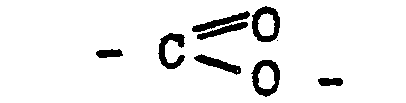
- Die zur Verwendung gelangenden Fettsäurederivate können in an sich bekannter Weise erhalten werden, indem zunächst die entsprechenden Fettsäureester, die eine Doppelbindung im Fettsäure- oder Alkoholrest enthalten, mit Trichlorsilan umgesetzt werden. Geeignet sind zum Beispiel Ester aus ungesättigten C3 - C22 -Carbonsäuren, wie Acryl-, Croton-, Undecylen-, Öl-, Elaidin- und Erucasäure mit gesättigten Alkoholen, wobei die Gesamtzahl der C-Atome 1.6 bis 36 betragen soll. Weiterhin kommen Ester ungesättigter Alkohole, wie Allyl-, Undecylen-, Hexadecylen-, Octadecylen und Eicosenylalkohol mit gesättigten Fettsäuren in Frage, die ebenfalls insgesamt 16 bis 36 C-Atomen aufweisen. Als besonders geeignet haben sich die Ester der Öl-, Elaidin- und Erucasäure mit gesättigten C1-C8-Alkoholen erwiesen, wie Ölsäuremethylester, Erucasäuremethylester, Ölsäurebutylester und Ölsäureisooctylester. Die anfallenden sililierten Fettsäureester werden anschließend hydrolisiert. Je nach der Wassermenge erhält man mehr oder weniger viskose öle; vorzugsweise wird die Hydrolyse mit etwa 1,5 Mol H20 pro Mol Trichlorsilanderivat durchgeführt. Danach erfolgt bei erhöhter Temperatur von 100 bis 200 °C eine Behandlung des Hydrolysenproduktes mit 1 bis 10 Gewichtsprozent fein verteilter Kieselsäure, insbesondere pyrogener Kieselsäure. Die Teilchengröße der Kieselsäure liegt ungefähr im Bereich von 5 bis 50 µ. Die Oberflächen betragen etwa 100 bis 350 m2/g.
- Es hat sich als zweckmäßig erwiesen, nach dem Eintragen der fein verteilten, gegebenenfalls hydrophobierten Kieselsäure noch eine Zeit lang bei der genannten Temperatur nachzurühren. Hydrophobierte Kieselsäure ist beispiels- weise aus der DE-AS 16 19 859 bekannt.
- Die so erhaltenen Produkte sind vorzüglich als Antischaummittel in üblichen Waschmitteln geeignet. Dabei werden sie im allgemeinen in Konzentrationen von 0,01 bis 2,5, vorzugsweise 0,05 bis 1 %, bezogen auf das Wasch- beziehungsweise Reinigungsmittel, angewandt.
- Der erfindungsgemäß zu verwendende Entschäumer wird vorzugsweise an einer pulverförmigen Trägersubstanz adsorbiert und in dieser Form dem vorzugsweise pulverförmigen bis körnigen Wasch- und Reinigungsmittel zugemischt.
- Diese Art des Einbringens hat den Vorteil, daß der Entschäumer bei dem Vermischen mit den übrigen Bestandteilen des Waschmittels sowie während der Lagerung der Gemische seine volle Aktivität beibehält. Beim Einbringen in einen Waschmittelslurry und Sprühtrocknen beziehungsweise beim einfachen Aufmischen auf tensidhaltige Waschmittelkörner muß infolge von Wechselwirkungen mit oberflächenaktiven Substanzen mit einem teilweisen Wirkungsverlust gerechnet werden.
- Geeignete Trägersubstanzen sind in Waschmitteln üblicherweise verwendete anorganische, wasserlösliche Buildersalze, wie Polyphosphate, Silikate, Carbonate und Sulfate des Natriums sowie deren Gemische, die durch Sprühtrocknung aus wässrigen Lösungen oder Granulierung eine poröse, körnige Struktur aufweisen und vorzugsweise frei von Tensiden sind. Besonders geeignet sind Gemische aus 2 oder mehr der genannten Salze, so zum Beispiel solche aus 25 bis 97 Gewichtsprozent Natriumtripolyphosphat oder 25 bis 97 Gewichtsprozent Natriumsulfat und 75 bis 3 Gewichtsprozent Natriumsilikat, in denen das Tripolyphos- phat vorzugsweise als Hexahydrat vorliegt und das Natriumsilikat aus einem solchen der Zusammensetzung Na20: Si02 = 1 : 1,5 bis 1 : 3 besteht. Als besonders geeignet hat sich ein durch Heißsprühtrocknung hergestelltes, granulares Salzgemisch aus 7 bis 12 Gewichtsprozent Natriumsilikat und 93 bis 98 Gewichtsprozent einer Mischung von Natriumtripolyphosphat mit Natriumsulfat im Gewichtsverhältnis 5 : 1 bis 1 : 5 erwiesen.
- Das Aufbringen des mit Kieselsäure behandelten Polysiloxan-Fettsäurederivates auf die Trägersubstanz kann bei- spielsweise 'durch Dispergieren des Entschäumers in der zum Versprühen bestimmten wässrigen Lösung erfolgen, wobei auch nichttensidische Dispergiermittel, wie Carboxymethylcellulose, Methylcellulose oder ähnliche hochmolekulare Verbindungen zwecks Stabilisierung der Dispersion in Anteilen von etwa 0,1 bis 5 Gewichtsprozent zugesetzt werden können. Der Entschäumer kann aber auch nach dem Versprühen der Trägersubstanz nachträglich daran adsor- biert werden, beispielsweise durch Aufsprühen beziehungsweise Aufmischen auf das bewegte Trägermaterial. Das Gewichtsverhältnis von Entschäumer zu Trägersubstanz (berechnet als wasserfreies Salz) beträgt zweckmäßigerweise 1 : 50 bis 1 : 6, insbesondere 1 : 25 bis 1 : 8.
- Die mit dem Entschäumer beladene Trägersubstanz (im folgenden Pulverkomponente A genannt) weist ein Schüttgewicht von 450 bis 700, vorzugsweise von 500 bis 650 g/1 auf. Es liegt damit in der gleichen Größenordnung wie das Schüttgewicht sprühgetrockneter Waschmittelpulver, wes- i halb die Pulvergemische beim Transport und der Lagerung sich nicht entmischen können.
- Die Pulverkomponente A wird mit weiteren pulverförmigen bis körnigen Waschmittelbestandteilen in an sich bekannter Weise vermischt, wobei die Mengenverhältnisse.so bemessen werden, daß - je nach Stärke des gewünschten Effektes - 0,01 bis 0,5, vorzugsweise 0,05 bis 0,2 Gewichtsprozent Polysiloxan-Kieselsäuregemisch im Waschmittel enthalten sind.
- Die Tenside und Gerüstsalze enthaltende Waschmittelkomponente (im folgenden Pulverkomponente B genannt) soll eine Korngröße von 0,05 bis 2,5 mm, vorzugsweise von 0,1 bis 1,6 mm aufweisen. Sie enthält mindestens ein anionisches, nichtionisches oder zwitterionisches Tensid, Gerüstsalze sowie sonstige, nichtbleichende Waschmittelbestandteile, wozu Waschalkalien, Vergrauungsinhibitoren, optische Aufheller, Stabilisatoren, Neutralsalze und Farbstoffe zählen, nicht jedoch Perverbindungen beziehungsweise aktivchlorhaltige Bleichmittel, Bleichaktivatoreh und Enzyme, die unter den Bedingungen einer Heißsprühtrocknung nicht beständig sind.
- Zur Herstellung der Komponente (B) geeignete anionische Tenside sind solche vom Sulfonat- oder Sulfattyp, insbesondere Alkylbenzolsulfonate, Olefinsulfonate, Alkylsulfonate undα-Sulfofettsäureester, primäre Alkylsulfate sowie die Sulfate von ethoxylierten, 2 bis 3 Glykolethergruppen aufweisenden höhermolekularen Alkoholen. In Frage kommen ferner Alkaliseifen von Fettsäuren natürlichen oder synthetischen Ursprungs, zum Beispiel die Natrium- seifen von Cocos-, Palmkern- oder Talgfettsäuren. Die ; anionischen Tenside liegen vorzugsweise in Form der Natriumsalze vor. Sofern die genannten anionischen und zwitterionischen Verbindungen einen aliphaitschen Kohlenwasserstoffrest besitzen, soll dieser bevorzugt geradkettig sein und 8 bis 22, vorzugsweise 12 bis 18 Kohlenstoffatome aufweisen. In den Verbindungen mit einem araliphatischen Kohlenwasserstoffrest enthalten die vorzugsweise unverzweigten Alkylketten 6 bis 16, insbesondere 10 bis 14 Kohlenstoffatome.
- Geeignete nichtionische Tenside sind insbesondere Ethoxylierungsprodukte von gesättigten oder einfach ungesättigten aliphatischen primären Alkoholen mit 12 bis 24, voraugsweise 12 bis 18 Kohlenstoffatomen und 3 bis 20, ins- ; besondere 4 bis 15 Ethylenglykolethergruppen. Geeignete Alkohole, von denen sich die vorliegenden Ethoxylierungsprodukte ableiten, sind beispielsweise solche natürlichen Ursprungs, wie Cocos- oder Talgfettalkohole beziehungsweise Oleylalkohol, ferner Oxoalkohole oder durch Ethylenpolymerisation gewonnene Synthesealkohole.
- Weitere geeignete nichtionische Tenside sind Ethoxylierungsprodukte von sekundären Alkoholen, vicinalen Diolen und Aminoalkoholen mit jeweils 12 bis 18 Kohlenstoffatomen sowie von Alkylphenolen mit 6 bis 12 Kohlenstoffatomen im Alkylrest, wobei die Zahl der Glykolethergruppen ebenfalls 3 bis 20, vorzugsweise 4 bis 15 beträgt. Die vorstehend genannten ethoxylierten Alkohole, Aminoalkohole und Alkylphenole können auch ganz oder teilweise durch solche ersetzt sein, bei deren Herstellung mit 0,5 bis 3 Mol Propylenoxid pro Mol Ausgangsverbindung und erst in 2. Stufe die in Aussicht genommene Menge an Ethylenoxid angelagert wird.
- Gegebenenfalls können auch solche nichtionischen Tenside anwesend sein, die sich von den vorgenannten Verbindungen ableiten und die Ethylenglykol- als auch Propylenglykolethergruppen in anderer Reihenfolge aufweisen, beispielsweise Alkohole mit 10 bis 30 Ethylenglykolethergruppen und 3 bis 30 Propylenglykolethergruppen; ferner Ethoxylierungsprodukte von Mercaptanen, Fettsäureamiden und Fettsäuren. Brauchbar sind auch.die wasserlöslichen, 20 bis 250 Ethylenglykolethergruppen und 10 bis 100 Propylenglykolethergruppen enthaltenden Polyethylenoxidaddukte an Polypropylenglykol, Ethylendiaminopolypropylenglykol und Alkylpolypropylenglykol mit 1 bis 10 Kohlenstoffatomen in der Alkylkette. Die genannten Verbindungen enthalten üblicherweise pro Propylenglykol-Einheit 1 bis 5 Ethylenglykoleinheiten. Auch nichtionische Verbindungen vom Typ der Aminoxide und Sulfoxide, die gegebenenfalls auch ethoxyliert sein können, sind verwendbar.
- Geeignete Gerüstsubstanzen sind die Polymerphosphate, Carbonate, Silikate und Sulfate des Kaliums und insbesondere des Natriums, wobei die Silikate ein Verhältnis . von SiO2 zu Na2O von 1 : 1 bis 3,5 : 1 aufweisen. Als Polymerphosphat kommt insbesondere das Pentanatriumtriphosphat in Frage, das im Gemisch mit seinen Hydrolyseprodukten, den Mono- und Diphosphaten, sowie höherkondensierten Phosphaten, z.B. den Tetraphosphaten, vorliegen kann. Brauchbar sind ferner zum Kationenaustausch befähigte, wasserhaltige Alumosilikate des Kaliums oder insbesondere des Natriums der allgemeinen Formel (Na2O)x . Al2O3 . (SiO2)y. (H2O)Z mit x = 0,9 bis 1,5, y = 1,3 bis 4,0 und z = 1 bis 6.
- Diese Alumosilikate weisen allgemein eine Korngröße von 0,1 bis 20µ auf und sind vorzugsweise kristallin.
- Zu den Gerüstsalzen zählen ferner Salze von komplexierend wirkenden Aminopolycarbonsäuren, insbesondere Alkalisalze der Nitrilotriessigsäure und Ethylendiaminotetraessigsäure. Geeignet sind ferner die höheren Homologen der genannten Aminopolycarbonsäuren. Auch Salze stickstofffreier, mit Calciumionen Komplexsalze bildender Polycarbonsäuren, wozu auch Carboxylgruppen enthaltende Polymerisate zählen, sind geeignet. Beispiele sind Citronensäure, Weinsäure, Benzolhexacarbonsäure und Tetrahydrofurantetracarbonsäure. Auch Carboxymethylethergruppen enthaltende Polycarbonsäuren sind brauchbar, wie 2,2'-Oxydibernsteinsäure sowie mit Glykolsäure teilweise oder vollständig veretherte mehrwertige Alkohole oder Hydroxycarbonsäuren, beispielsweise Triscarboxymethylglycerin, Biscarboxymethylglycerinsäure, Carboxymethyl-oxybernsteinsäure und carboxymethylierte beziehungsweise oxydierte Polysaccharide. Weiterhin eignen sich die polymeren Carbonsäuren mit einem Molekulargewicht von mindestens 350 in Form der wasserlöslichen Natrium- oder Kaliumsalze, wie Polyacrylsäure, Polymethacrylsäure, Polyα-hydroxyacrylsäure, Polymaleinsäure, Polyitaconsäure, Polymesaconsäure, Polybutentricarbonsäure sowie die Copolymerisate der entsprechenden monomeren Carbonsäuren untereinander oder mit ethylenisch ungesättigten Verbindungen wie Ethylen, Propylen, Isobutylen, Vinylmethylether oder Furan.
- Weiterhin können komplexierend wirkende polyphosphonsaure Salze anwesend sein, zum Beispiel die Alkalisalze von Aminopolyphosphonsäuren, insbesondere Aminotri-(methylen- phosphonsäure), 1-Hydroxyethan-1,1-diphosphonsäure, Phenylhydroxymethandiphosphonsäure, Methylendiphosphonsäure sowie Salze der höheren Homologen der genannten Polyphosphonsäuren. Auch Gemische der vorgenannten Komplexierungsmittel sind verwendbar.
- Zu den sonstigen Bestandteilen, die in der Komponente (B) enthalten sein können, zählen Waschalkalien, Neutralsalze, Vergrauungsinhibitoren, optische Aufheller, Stabilisatoren wie Magnesiumsilikat, avivierend wirkende Stoffe sowie Farbstoffe, ferner Zusätze, welche die Versprühbarkeit verbessern, zum Beispiel Alkalisalze der Toluol-, Xylol- oder Cumolsulfonsäure.
- Geeignete Waschalkalien sind Alkalicarbonate, -bicarbonate, -borate und -silikate mit einem Na2O: Si02-Verhältnis von 1 1 bis 1 : 3,5. Als Neutralsalze kommen Natriumsulfat und Natriumchlorid in Betracht.
- Als Vergrauungsinhibitoren eignen sich insbesondere Carboxymethylcellulose sowie Cellulosemischether, die wechselnde Mengen an Carboxymethyl-, Methyl- und/oder Hydroxyethyl-, Hydroxypropyl- und Hydroxybutylgruppen aufweisen, insbesondere Methylhydroxypropylcellulose und Methylhydroxybutylcellulose, ferner kolloidal in Wasser lösliche-Polymere beziehungsweise Copolymere des Vinylalkohols, Vinylpyrrolidons, Acrylamids und Acrylnitrils.
- Geeignete optische Aufheller sind die Alkalisalze der 4,4-Bis(-2"-anilino-4"-morpholino-1,3,5-triazinyl-6"- amino)-stilben-2,2'-disulfonsäure oder gleichartig aufgebaute Verbindungen, die anstelle der Morpholinogruppe eine Diethanolaminogruppe, eine. Methylaminogruppe oder eine ß-Methoxyethylaminogruppe tragen. Weiterhin kommen als Aufheller für Polyamidfasern solche vom Typ der Diarylpyrazoline in Frage, beispielsweise 1-(p-Sulfonamido- phenyl)-3-tp-chlorphenyl)-Δ2-pyrazolin sowie gleichartig aufgebaute Verbindungen, die anstelle der Sulfonamido- : gruppe eine Carboxymethyl- oder Acetylaminogruppe tragen. Brauchbar sind ferner substituierte Aminocumarine, zum Beispiel das 4-Methyl-7-dimethylamino- oder das 4-Methyl-7-diethylaminocumarin. Weiterhin sind als Polyamidaufheller die Verbindungen 1-(2-Benzimidazolyl)-2-(1-hydroxyethyl-2-benzimidazolyl)-ethylen und 1-Ethyl-3-phenyl-7-diethylamino-carbostyryl brauchbar. Als Aufheller für Polyester- und Polyamidfasern sind die Verbindungen 2,5-Di-(2-benzoxazolyl)-thiophen, 2-(2-Benzoxazolyl)-naphto- [2,3-b]-thiophen und 1,2-Di-(5-methyl-2-benzoxazolyl)-ethylen geeignet. Weiterhin können Aufheller vom Typ der substituierten Diphenylstyryle anwesend sein. Auch Gemische der vorgenannten Auf- heller können verwendet werden.
- Eine gegebenenfalls anwesende weitere Pulverkomponente (C) enthält vorzugsweise eine Perverbindung, beispielsweise Natriumpercarbonat, insbesondere jedoch Natriumperborattetrahydrat.
- Weiterhin können noch zusätzliche Pulverkomponenten anwesend sein, die beispielsweise Enzyme oder Bleichaktivatoren enthalten können. Zum Schutz gegen Zersetzung oder Wechselwirkungen mit den übrigen Pulverbestandteilen des Waschmittels können die Enzyme und Bleichaktivatoren mit in Wasser löslichen bzw. dispergierbaren Hüllsubstanzen überzogen sein.
- Die Pulverkomponente (B) wird vorteilhaft durch Sprühtrocknung in bekannter Weise aus einem wäßrigen Slurry hergestellt. Derartige Sprühpulver weisen üblicherweise ein Litergewicht von 300 bis 600 g auf und neigen nach dem Vermischen mit der durch Versprühen hergestellten Komponente (A) nicht zu Entmischungen während des Abfüllens und beim Transport. Gegebenenfalls kann die Komponente (B) auch durch bekannte Granulierverfahren herge- stellt werden.
- Die Vereinigung der verschiedenen Pulverkomponenten erfolgt durch Vermischen in üblichen Mischvorrichtungen, die vorzugsweise kontinuierlich beziehungsweise nach dem Freifallprinzip arbeiten. Vor oder während des Mischprozesses können auch noch weitere Bestandteile, zum Beispiel Duftstoffe eingebracht beziehungsweise auf eine der Pulverkomponenten oder das Pulvergemisch aufgesprüht werden. Schließlich kann auch eine der Pulverkomponenten (B) oder (C), insbesondere jedoch das Natriumperborat (Komponente C) - wie in den Patentanmeldungen DE-OSS 27 48 970 und 27 53 680 beschrieben - mit nichtionischen Tensiden beaufschlagt sein, um das Einspülverhalten des Waschpulvers zu verbessern.
- Die in der angegebenen Weise hergestellten pulverförmigen Waschmittel zeichnen sich durch ein günstiges Schaumverhalten aus. Von Vorteil ist, daß bei der Anwendung der Mittel keine Vergrauung der Gewebe beziehungsweise keine Beaufschlagung der Waschmaschinenteile mit einem nur sehr schwer entfernbaren Siloxanfilm eintritt. Der auf die Trägersubstanz aufgebrachte Entschäumer behält auch nach mehrmonatlicher Lagerung der Pulvergemische seine volle Wirkung bei.
- Die nach dem angegebenen Verfahren hergestellten Waschmittel können demnach die folgende Zusammensetzung aufweisen:
- A) 1 Gewichtsteil einer körnigen Pulverkomponente, enthaltend
- 1 bis 15 Gewichtsprozent eines Gemisches aus Polysiloxan-Fettsäurederivat und Kieselsäure im ;
- Verhältnis 99 : 1 bis 9 : 1, das einem Sprüh- produkt adsorbiert ist, enthaltend 5 bis 15 Gewichtsprozent Natriumsilikat der Zusammensetzung Na20 : SiO2 = 1 : 1,5 - 1 : 3, insbesondere 1 : 2,
- 30 bis 80 Gewichtsprozent Pentanatriumtripolyphosphat und/oder Natriumsulfat und/oder Natriumcarbonat
- 5 bis 20 Gewichtsprozent Wasser (einschließlich Kristallwasser),
- B) 5 bis 80 Gewichtsteilen einer körnigen Pulverkomponente, enthaltend
- 10 bis 40 Gewichtsprozent mindestens eines anionischen, nichtionischen oder zwitterionischen Tensids,
- 40 bis 80 Gewichtsprozent mindestens eines Gerüstsalzes und
- 10 bis 50 Gewichtsprozent an sonstigen, nichtbleichenden Waschmittelbestandteilen,
- C) 0 bis 30 Gewichtsteilen einer körnigen Pulverkomponente, enthaltend ein oxidativ wirkendes Bleichmittel, wobei das Mischungsverhältnis der einzelnen Pulverkomponenten so bemessen ist, daß das Mittel insgesamt 0,01 bis 0,5 Gewichtsprozent an Polysiloxan enthält.
- Ölsäuremethylester wird in bekannter Weise mit Trichlorsilan umgesetzt und das dabei entstandene Silan durch Destillation isoliert.
- 120 g des Produktes wurden in 500 ml Trichlorethylen mit 22 g Wasser versetzt und am Rückfluß erwärmt. Nach beendeter HCI-Entwicklung wurde mit 200 g Soda aufgekocht und abfiltriert und das Lösungsmittel im Vakuum abgezogen. Das anfallende ölförmige Hydrolysat wird bei einer Temperatur von etwa 150 °C mit 3 Gewichtsprozent fein verteilter Kieselsäure (Teilchengröße: 10 bis 15 µ) versetzt und noch 5 Stunden unter Stickstoff nachgerührt. Der so hergestellte Entschäumer zeigt bei 0,1 % Einsatz in üblichen Vollwaschmitteln ausgezeichnete schauminhibierende Eigenschaften.
- Das Schaumverhalten wurde geprüft an einem Vollwaschmittel der nachstehenden Zusammensetzung (Angaben in Gewichtsprozent):
- 8,0 % n-Dodecylbenzolsulfonat
- 3,5 % Seife (Talg : Cocos = 9 : 1)
- 1,7 % Talgalkohol + 5 EO
- 1,6 % Talgalkohol + 14 EO
- 20,0 % Na-Tripolyphosphat
- 20,0 % Natriumalumosilikat
- 2,5 % Na-Silikat (Na2O : SiO2 = 1 : 3)
- 1,7 % Mg-Silikat
- 0,2 % EDTA
- 0,7 % Carboxymethylcellulose
- 0,2 % optischer Aufheller
- 13,5 % Na-Sulfat
- 19,0 % Na-Perborat
- Rest Wasser
- Die Prüfung wurde in einer handelsüblichen Waschmaschine mit horizontal angeordneter Trommel bei Temperaturen von 30°, 60° und 95 °C durchgeführt. Hierzu wurde die Maschine mit 3,5 kg sauberer Füllwäsche (Baumwolle) beschickt. Die Waschmittelkonzentration betrug 7,5 g und die Wasserhärte.16° dH. Die jeweilige Schaumhöhe wurde durch das Sichtglas der.Fronttür kontrolliert und wie folgt benotet:
- kein Schaum = 0
- 1/4 der Sichtglashöhe = 1
- 1/2 der Sichtglashöhe = 2
- 3/4 der Sichtglashöhe = 3
- 4/4 der Sichtglashöhe = 4
- Überschäumen = 5
- Es wurden die Polysiloxan-Derivate folgender Fettsäuren verwendet:
- S1 Ölsäuremethylester
- S2 Ölsäurebutylester ;
- S3 Ölsäureisooctylester
- S4 Erucasäuremethylester
- S5 Fettsäureallylester aus hydrierter Palmkernfettsäure (im wesentlichen C16-C18-Fettsäure).
- Die mit Kieselsäure umgesetzten Produkte wurden den Waschmitteln in Anteilen von 0,1 bis 0,3 Gewichtsprozent zugesetzt.
- Die Ergebnisse sind in Tabelle I zusammengestellt.

- In einer zweiten Versuchsreihe wurden 60 gewichtsprozentige wässrige Lösungen, enthaltend Natriumtripolyphos- phat, Natriumsulfat und Natriumsilikat (Na2O : Si02 = 1 : 2) sowie die mit S3 und S4 bezeichneten Entschäumer durch Sprühtrocknung (Lufttemperatur am Eingang 270 °C, am Ausgang 90 °C) sprühgetrocknet. Die Sprühprodukte enthielten:
- 37,5 % Na-Tripolyphosphat
- 33,5 % Na-Sulfat
- 12,0 % Na-Silikat
- 12,0 % Wasser
- 5,0 % Entschäumer.
- Das Produkt wies eine mittlere Korngröße von 0,2 bis 0,4 mm auf, der Anteil mit einer Korngröße von über 1,6 mm betrug 0,1 Gewichtsprozent, der mit weniger als : 0,1 mm 2 Gewichtsprozent. Die Grobanteile wurden ausgesiebt.
- Von diesem Sprühprodukt (A) wurden jeweils 2 Gewichtsteile mit dem in Beispiel 1 - 15 verwendeten Pulvergemisch aus Waschpulver (B) und Natriumperborat (0) gleichmäßig vermischt. Der Gehalt der Aufmischung an Entschäumern betrug somit 0,1 Gewichtsprozent. Das Schaumverhalten wurde in der vorgenannten Weise unmittelbar nach dem Vermischen . und nach 10-tägiger Lagerung bei 30 °C geprüft. Die Ergebnisse sind in Tabelle II zusammengestellt.

- Die Aktivität des Entschäumers hatte nach der Lagerung nicht abgenommen.
Claims (6)
1. Verwendung von Polysiloxan-Fettsäurederivaten, bestehend aus Hydrolyseprodukten von Fettsäurederivaten der Formel

worin R1 und R3 Alkylreste und R2 einen Alkylenrest mit insgesamt 15 bis 35 C-Atomen und X die Gruppe

darstellen, die bei erhöhter Temperatur von 100 bis 200 °C mit 1 bis 10 % feinverteilter, gegebenenfalls hydrophobierter Kieselsäure behandelt wurden, als Entschäumer in wäßrigen Systemen.
2. Verwendung der Polysiloxan-Fettsäurederivate nach Anspruch 1 in Wasch- und Reinigungsmitteln.
3. Verwendung der Polysiloxan-Fettsäurederivate nach den Ansprüchen 1 und 2 in Mengen von 0,05 bis 1 Gewichtsprozent, bezogen auf das Wasch- und Reinigungsmittel.
4. Verwendung der Polysiloxan-Fettsäurederivate nach den Ansprüchen 1 und 2, wobei diese an einer pulverförmigen bis körnigen, tensidfreien Trägersubstanz adsorbiert sind.
5. Verwendung nach Anspruch 4, wobei die Trägersubstanz aus einem sprühgetrockneten beziehungsweise granulierten Gemisch von mindestens 2 wasserlöslichen Salzen aus der Klasse der Polyphosphate, Silikate, Carbonate und Sulfate des Natriums besteht.
6. Verwendung nach den Ansprüchen 4 und 5, wobei die Trägersubstanz aus einem sprühgetrockneten Gemisch von 7 bis 12 Gewichtsprozent Natriumsilikat der Zusammensetzung Na20 : SiO2 = 1 : 1,5 - 1 : 3 und 93 bis 98 Gewichtsprozent einer Mischung aus Natriumtripolyphosphat und Natriumsulfat im Gewichtsverhältnis 5 : 1 bis 1 : 5 besteht.
Applications Claiming Priority (2)
| Application Number | Priority Date | Filing Date | Title |
|---|---|---|---|
| DE19803048125 DE3048125A1 (de) | 1980-12-19 | 1980-12-19 | "verwendung von polysiloxan-fettsaeurederivaten als entschaeumer in waessrigen systemen" |
| DE3048125 | 1980-12-19 |
Publications (1)
| Publication Number | Publication Date |
|---|---|
| EP0054725A1 true EP0054725A1 (de) | 1982-06-30 |
Family
ID=6119735
Family Applications (1)
| Application Number | Title | Priority Date | Filing Date |
|---|---|---|---|
| EP19810109352 Withdrawn EP0054725A1 (de) | 1980-12-19 | 1981-10-30 | Verwendung von Polysiloxan-Fettsäurederivaten als Entschäumer in wässrigen Systemen |
Country Status (2)
| Country | Link |
|---|---|
| EP (1) | EP0054725A1 (de) |
| DE (1) | DE3048125A1 (de) |
Cited By (1)
| Publication number | Priority date | Publication date | Assignee | Title |
|---|---|---|---|---|
| EP0908511A1 (de) * | 1997-10-08 | 1999-04-14 | The Procter & Gamble Company | Flüssige Mehrzweckreinigungszusammensetzungen mit wirksamer Schaumkontrolle |
Families Citing this family (1)
| Publication number | Priority date | Publication date | Assignee | Title |
|---|---|---|---|---|
| DE102008037757A1 (de) | 2007-10-26 | 2009-04-30 | Dracowo Forschungs- Und Entwicklungs Gmbh | In situ Hydrophobierungen - Stoffe, Verfahren und Verwendungen |
Citations (7)
| Publication number | Priority date | Publication date | Assignee | Title |
|---|---|---|---|---|
| DE1052614B (de) * | 1955-01-18 | 1959-03-12 | Union Carbide Corp | Schaumverhinderung bei Kohlenwasserstoffoelen |
| US3223474A (en) * | 1961-03-15 | 1965-12-14 | Wacker Chemie Gmbh | Method of hydrolyzing silicon chlorides |
| DE2232262A1 (de) * | 1971-07-01 | 1973-01-11 | Dow Corning Ltd | Schaumbekaempfungsmittel |
| DE2241171A1 (de) * | 1971-08-31 | 1973-03-08 | Ici Ltd | Organosiliciumverbindungen und verfahren zur herstellung derselben |
| CH571881A5 (de) * | 1971-05-17 | 1976-01-30 | Dow Corning | |
| US4101443A (en) * | 1976-06-01 | 1978-07-18 | Union Carbide Corporation | Transient antifoam compositions |
| DE2909757A1 (de) * | 1978-06-07 | 1979-12-13 | Ciba Geigy Ag | Verfahren zur herstellung schaumregulierter waschmittel |
-
1980
- 1980-12-19 DE DE19803048125 patent/DE3048125A1/de not_active Withdrawn
-
1981
- 1981-10-30 EP EP19810109352 patent/EP0054725A1/de not_active Withdrawn
Patent Citations (7)
| Publication number | Priority date | Publication date | Assignee | Title |
|---|---|---|---|---|
| DE1052614B (de) * | 1955-01-18 | 1959-03-12 | Union Carbide Corp | Schaumverhinderung bei Kohlenwasserstoffoelen |
| US3223474A (en) * | 1961-03-15 | 1965-12-14 | Wacker Chemie Gmbh | Method of hydrolyzing silicon chlorides |
| CH571881A5 (de) * | 1971-05-17 | 1976-01-30 | Dow Corning | |
| DE2232262A1 (de) * | 1971-07-01 | 1973-01-11 | Dow Corning Ltd | Schaumbekaempfungsmittel |
| DE2241171A1 (de) * | 1971-08-31 | 1973-03-08 | Ici Ltd | Organosiliciumverbindungen und verfahren zur herstellung derselben |
| US4101443A (en) * | 1976-06-01 | 1978-07-18 | Union Carbide Corporation | Transient antifoam compositions |
| DE2909757A1 (de) * | 1978-06-07 | 1979-12-13 | Ciba Geigy Ag | Verfahren zur herstellung schaumregulierter waschmittel |
Non-Patent Citations (1)
| Title |
|---|
| Kolloid-Zeitschrift & Zeitschrift Fur Polymere, Band 236, Nr. 1, Januar 1970, Leverkusen W. NOLL et al. "Beitrage Zur Grenzflachenchemie der Polyorganosiloxane.III" seiten 1 bis 19 *vollstandiges dokument* * |
Cited By (3)
| Publication number | Priority date | Publication date | Assignee | Title |
|---|---|---|---|---|
| EP0908511A1 (de) * | 1997-10-08 | 1999-04-14 | The Procter & Gamble Company | Flüssige Mehrzweckreinigungszusammensetzungen mit wirksamer Schaumkontrolle |
| WO1999018181A1 (en) * | 1997-10-08 | 1999-04-15 | The Procter & Gamble Company | Liquid multipurpose-cleaning compositions with effective foam control |
| US6451064B1 (en) | 1997-10-08 | 2002-09-17 | Procter & Gamble | Liquid multipurpose-cleaning compositions with effective foam control |
Also Published As
| Publication number | Publication date |
|---|---|
| DE3048125A1 (de) | 1982-07-15 |
Similar Documents
| Publication | Publication Date | Title |
|---|---|---|
| DE69421570T2 (de) | Teilchenförmige Schaumkontrollmittel und ihre Verwendung | |
| DE2636673C2 (de) | ||
| CH678191A5 (de) | ||
| EP0013028B1 (de) | Waschmittel mit einem Gehalt an schaumdämpfend wirkendem Polydimethylsiloxan und Verfahren zu dessen Herstellung | |
| DE3717227A1 (de) | Phosphatfreies waschmittel mit reduzierter inkrustierungstendenz | |
| DE69121563T2 (de) | Vorläufer für die bleiche mit peroxysäure und reinigungsmittelzusammensetzungen die diese vorläufer enthalten | |
| EP0344629A1 (de) | Körniges Adsorptionsmittel mit verbessertem Einspülverhalten | |
| DE69421462T2 (de) | Teilchenförmige Schaumkontrollmittel | |
| DE2432757A1 (de) | Als schauminhibitoren geeignete, hydroxylgruppen enthaltende polyaethylenglykol-diaether | |
| DE69125938T3 (de) | Reinigungsmittelzusammensetzungen | |
| DE69225677T2 (de) | Flüssige Reinigungsmittel | |
| DE69225968T2 (de) | Reinigungsmittelzusätze | |
| DE3311568A1 (de) | Teilchenfoermiges und weichmachendes grobwaschmittel fuer textilien | |
| EP0658189B1 (de) | Wasch- und reinigungsmittel mit buildersubstanzen | |
| EP0374472A1 (de) | Pastöses, Phosphatfreies Waschmittel mit Verringerter Schaumneigung | |
| DE4131906A1 (de) | Fluessiges oder pastenfoermiges wasch- oder reinigungsmittel | |
| DE2753680C2 (de) | Verfahren zur Herstellung pulverförmiger, organische Siliciumpolymere enthaltender Waschmittel mit verbesserten Lösungseigenschaften | |
| EP0425804B1 (de) | Körniges, nichtionische Tenside enthaltendes Additiv für Wasch- und Reinigungsmittel mit verbessertem Einspülverhalten | |
| EP0034194B1 (de) | Verfahren zur Herstellung eines schüttfähigen, nichtionische Tenside enthaltenden Wasch- und Reinigungsmittelgranulates | |
| DE19500644B4 (de) | Sprühgetrocknetes Waschmittel oder Komponente hierfür | |
| DE2837504C2 (de) | Verfahren zur Herstellung eines schüttfähigen, nichtionische Tenside enthaltenden Wasch- und Reinigungsmittelgranulates | |
| EP0054725A1 (de) | Verwendung von Polysiloxan-Fettsäurederivaten als Entschäumer in wässrigen Systemen | |
| EP0022998B1 (de) | Verfahren zur Herstellung eines schaumgedämpften Waschmittels | |
| DE2748970C2 (de) | Verfahren zur Herstellung pulverförmiger, organische Siliciumpolymere enthaltender Waschmittel mit verbesserten Lösungseigenschaften | |
| EP0036162A1 (de) | Phosphatarmes, schaumreguliertes Waschmittel |
Legal Events
| Date | Code | Title | Description |
|---|---|---|---|
| PUAI | Public reference made under article 153(3) epc to a published international application that has entered the european phase |
Free format text: ORIGINAL CODE: 0009012 |
|
| AK | Designated contracting states |
Designated state(s): AT BE CH DE FR GB IT LU NL SE |
|
| 17P | Request for examination filed |
Effective date: 19821209 |
|
| STAA | Information on the status of an ep patent application or granted ep patent |
Free format text: STATUS: THE APPLICATION HAS BEEN WITHDRAWN |
|
| 18W | Application withdrawn |
Withdrawal date: 19840714 |
|
| RIN1 | Information on inventor provided before grant (corrected) |
Inventor name: SCHMADEL, EDMUND, DR. Inventor name: HEMPEL, HANS-ULRICH, DR. Inventor name: VOLGNANDT, PETER, DR. Inventor name: KLUEPPEL, HANS-JUERGEN, DR. |