EP0095947B1 - Partition proficiency encoded dna and plasmids incorporating the same for transforming gram-positive organisms - Google Patents
Partition proficiency encoded dna and plasmids incorporating the same for transforming gram-positive organisms Download PDFInfo
- Publication number
- EP0095947B1 EP0095947B1 EP83303195A EP83303195A EP0095947B1 EP 0095947 B1 EP0095947 B1 EP 0095947B1 EP 83303195 A EP83303195 A EP 83303195A EP 83303195 A EP83303195 A EP 83303195A EP 0095947 B1 EP0095947 B1 EP 0095947B1
- Authority
- EP
- European Patent Office
- Prior art keywords
- subtilis
- plasmid
- partition
- plasmids
- organisms
- Prior art date
- Legal status (The legal status is an assumption and is not a legal conclusion. Google has not performed a legal analysis and makes no representation as to the accuracy of the status listed.)
- Expired
Links
- 239000013612 plasmid Substances 0.000 title claims description 241
- 238000005192 partition Methods 0.000 title claims description 93
- 230000001131 transforming effect Effects 0.000 title claims description 12
- 239000012634 fragment Substances 0.000 claims description 99
- 235000014469 Bacillus subtilis Nutrition 0.000 claims description 82
- 244000063299 Bacillus subtilis Species 0.000 claims description 41
- 238000000034 method Methods 0.000 claims description 39
- 108090000623 proteins and genes Proteins 0.000 claims description 37
- 108091008146 restriction endonucleases Proteins 0.000 claims description 30
- 230000032823 cell division Effects 0.000 claims description 12
- 102000004169 proteins and genes Human genes 0.000 claims description 12
- 239000003550 marker Substances 0.000 claims description 11
- 241000894007 species Species 0.000 claims description 10
- 230000012010 growth Effects 0.000 claims description 9
- 238000004519 manufacturing process Methods 0.000 claims description 9
- 230000010076 replication Effects 0.000 claims description 9
- 230000001580 bacterial effect Effects 0.000 claims description 8
- 230000009466 transformation Effects 0.000 claims description 8
- 229960005091 chloramphenicol Drugs 0.000 claims description 7
- WIIZWVCIJKGZOK-RKDXNWHRSA-N chloramphenicol Chemical compound ClC(Cl)C(=O)N[C@H](CO)[C@H](O)C1=CC=C([N+]([O-])=O)C=C1 WIIZWVCIJKGZOK-RKDXNWHRSA-N 0.000 claims description 7
- 230000003115 biocidal effect Effects 0.000 claims description 5
- 239000002773 nucleotide Substances 0.000 claims description 5
- 125000003729 nucleotide group Chemical group 0.000 claims description 5
- 238000010367 cloning Methods 0.000 claims description 2
- 238000003306 harvesting Methods 0.000 claims description 2
- 108020004414 DNA Proteins 0.000 description 40
- 241000588724 Escherichia coli Species 0.000 description 21
- 238000010276 construction Methods 0.000 description 9
- 108010087702 Penicillinase Proteins 0.000 description 8
- 238000012423 maintenance Methods 0.000 description 8
- 238000000638 solvent extraction Methods 0.000 description 8
- 239000003242 anti bacterial agent Substances 0.000 description 7
- 102000004190 Enzymes Human genes 0.000 description 6
- 108090000790 Enzymes Proteins 0.000 description 6
- 239000004098 Tetracycline Substances 0.000 description 5
- 229940088710 antibiotic agent Drugs 0.000 description 5
- 229960002180 tetracycline Drugs 0.000 description 5
- 229930101283 tetracycline Natural products 0.000 description 5
- 235000019364 tetracycline Nutrition 0.000 description 5
- 150000003522 tetracyclines Chemical class 0.000 description 5
- 101100355997 Bacillus subtilis (strain 168) recA gene Proteins 0.000 description 4
- 101100301301 Escherichia coli (strain K12) recE gene Proteins 0.000 description 4
- 229960000723 ampicillin Drugs 0.000 description 4
- AVKUERGKIZMTKX-NJBDSQKTSA-N ampicillin Chemical compound C1([C@@H](N)C(=O)N[C@H]2[C@H]3SC([C@@H](N3C2=O)C(O)=O)(C)C)=CC=CC=C1 AVKUERGKIZMTKX-NJBDSQKTSA-N 0.000 description 4
- 230000029087 digestion Effects 0.000 description 4
- 238000000855 fermentation Methods 0.000 description 4
- 230000004151 fermentation Effects 0.000 description 4
- 108020004707 nucleic acids Proteins 0.000 description 4
- 102000039446 nucleic acids Human genes 0.000 description 4
- 150000007523 nucleic acids Chemical class 0.000 description 4
- 229950009506 penicillinase Drugs 0.000 description 4
- 238000002360 preparation method Methods 0.000 description 4
- 102000012410 DNA Ligases Human genes 0.000 description 3
- 108010061982 DNA Ligases Proteins 0.000 description 3
- 108090000204 Dipeptidase 1 Proteins 0.000 description 3
- 101900234631 Escherichia coli DNA polymerase I Proteins 0.000 description 3
- 102100036263 Glutamyl-tRNA(Gln) amidotransferase subunit C, mitochondrial Human genes 0.000 description 3
- 101001001786 Homo sapiens Glutamyl-tRNA(Gln) amidotransferase subunit C, mitochondrial Proteins 0.000 description 3
- 239000011543 agarose gel Substances 0.000 description 3
- 101150049515 bla gene Proteins 0.000 description 3
- 239000003795 chemical substances by application Substances 0.000 description 3
- 238000003776 cleavage reaction Methods 0.000 description 3
- 230000007774 longterm Effects 0.000 description 3
- 230000007017 scission Effects 0.000 description 3
- 230000028327 secretion Effects 0.000 description 3
- 241000193830 Bacillus <bacterium> Species 0.000 description 2
- 241000194108 Bacillus licheniformis Species 0.000 description 2
- 101100004567 Bacillus licheniformis penP gene Proteins 0.000 description 2
- 241000192125 Firmicutes Species 0.000 description 2
- 102000003960 Ligases Human genes 0.000 description 2
- 108090000364 Ligases Proteins 0.000 description 2
- TWRXJAOTZQYOKJ-UHFFFAOYSA-L Magnesium chloride Chemical compound [Mg+2].[Cl-].[Cl-] TWRXJAOTZQYOKJ-UHFFFAOYSA-L 0.000 description 2
- 108091028043 Nucleic acid sequence Proteins 0.000 description 2
- 108020004511 Recombinant DNA Proteins 0.000 description 2
- FAPWRFPIFSIZLT-UHFFFAOYSA-M Sodium chloride Chemical compound [Na+].[Cl-] FAPWRFPIFSIZLT-UHFFFAOYSA-M 0.000 description 2
- 230000008901 benefit Effects 0.000 description 2
- 230000001086 cytosolic effect Effects 0.000 description 2
- 230000002950 deficient Effects 0.000 description 2
- 238000012217 deletion Methods 0.000 description 2
- 230000037430 deletion Effects 0.000 description 2
- 230000000694 effects Effects 0.000 description 2
- 238000001976 enzyme digestion Methods 0.000 description 2
- 230000002068 genetic effect Effects 0.000 description 2
- 238000010353 genetic engineering Methods 0.000 description 2
- 239000001963 growth medium Substances 0.000 description 2
- 238000003780 insertion Methods 0.000 description 2
- 230000037431 insertion Effects 0.000 description 2
- 239000000203 mixture Substances 0.000 description 2
- 238000010369 molecular cloning Methods 0.000 description 2
- 101150019841 penP gene Proteins 0.000 description 2
- 230000008569 process Effects 0.000 description 2
- 230000000644 propagated effect Effects 0.000 description 2
- 238000011160 research Methods 0.000 description 2
- 238000010561 standard procedure Methods 0.000 description 2
- 238000012360 testing method Methods 0.000 description 2
- 101150079396 trpC2 gene Proteins 0.000 description 2
- LHNIIDJCEODSHA-OQRUQETBSA-N (6r,7r)-3-[(e)-2-(2,4-dinitrophenyl)ethenyl]-8-oxo-7-[(2-thiophen-2-ylacetyl)amino]-5-thia-1-azabicyclo[4.2.0]oct-2-ene-2-carboxylic acid Chemical compound N([C@H]1[C@H]2SCC(=C(N2C1=O)C(=O)O)\C=C\C=1C(=CC(=CC=1)[N+]([O-])=O)[N+]([O-])=O)C(=O)CC1=CC=CS1 LHNIIDJCEODSHA-OQRUQETBSA-N 0.000 description 1
- 101000695691 Bacillus licheniformis Beta-lactamase Proteins 0.000 description 1
- 241000894006 Bacteria Species 0.000 description 1
- 102100025570 Cancer/testis antigen 1 Human genes 0.000 description 1
- 229930186147 Cephalosporin Natural products 0.000 description 1
- 102000053602 DNA Human genes 0.000 description 1
- 108010017826 DNA Polymerase I Proteins 0.000 description 1
- 102000004594 DNA Polymerase I Human genes 0.000 description 1
- 108010042407 Endonucleases Proteins 0.000 description 1
- 102000004533 Endonucleases Human genes 0.000 description 1
- 101000856237 Homo sapiens Cancer/testis antigen 1 Proteins 0.000 description 1
- 238000012300 Sequence Analysis Methods 0.000 description 1
- 241000191967 Staphylococcus aureus Species 0.000 description 1
- 230000009471 action Effects 0.000 description 1
- 102000006635 beta-lactamase Human genes 0.000 description 1
- 230000015572 biosynthetic process Effects 0.000 description 1
- 230000010261 cell growth Effects 0.000 description 1
- 230000001413 cellular effect Effects 0.000 description 1
- 230000007248 cellular mechanism Effects 0.000 description 1
- 229940124587 cephalosporin Drugs 0.000 description 1
- 150000001780 cephalosporins Chemical class 0.000 description 1
- 230000006835 compression Effects 0.000 description 1
- 238000007906 compression Methods 0.000 description 1
- 238000009826 distribution Methods 0.000 description 1
- 108010092809 exonuclease Bal 31 Proteins 0.000 description 1
- 238000002474 experimental method Methods 0.000 description 1
- 238000010348 incorporation Methods 0.000 description 1
- 230000000977 initiatory effect Effects 0.000 description 1
- 229910001629 magnesium chloride Inorganic materials 0.000 description 1
- 238000013507 mapping Methods 0.000 description 1
- 239000000463 material Substances 0.000 description 1
- 230000007246 mechanism Effects 0.000 description 1
- 239000012528 membrane Substances 0.000 description 1
- 230000000813 microbial effect Effects 0.000 description 1
- 238000012986 modification Methods 0.000 description 1
- 230000004048 modification Effects 0.000 description 1
- 238000000746 purification Methods 0.000 description 1
- 230000003362 replicative effect Effects 0.000 description 1
- 230000000717 retained effect Effects 0.000 description 1
- 238000005204 segregation Methods 0.000 description 1
- 239000011780 sodium chloride Substances 0.000 description 1
Images


Classifications
-
- C—CHEMISTRY; METALLURGY
- C12—BIOCHEMISTRY; BEER; SPIRITS; WINE; VINEGAR; MICROBIOLOGY; ENZYMOLOGY; MUTATION OR GENETIC ENGINEERING
- C12N—MICROORGANISMS OR ENZYMES; COMPOSITIONS THEREOF; PROPAGATING, PRESERVING, OR MAINTAINING MICROORGANISMS; MUTATION OR GENETIC ENGINEERING; CULTURE MEDIA
- C12N15/00—Mutation or genetic engineering; DNA or RNA concerning genetic engineering, vectors, e.g. plasmids, or their isolation, preparation or purification; Use of hosts therefor
- C12N15/09—Recombinant DNA-technology
- C12N15/63—Introduction of foreign genetic material using vectors; Vectors; Use of hosts therefor; Regulation of expression
- C12N15/67—General methods for enhancing the expression
- C12N15/68—Stabilisation of the vector
-
- C—CHEMISTRY; METALLURGY
- C12—BIOCHEMISTRY; BEER; SPIRITS; WINE; VINEGAR; MICROBIOLOGY; ENZYMOLOGY; MUTATION OR GENETIC ENGINEERING
- C12N—MICROORGANISMS OR ENZYMES; COMPOSITIONS THEREOF; PROPAGATING, PRESERVING, OR MAINTAINING MICROORGANISMS; MUTATION OR GENETIC ENGINEERING; CULTURE MEDIA
- C12N15/00—Mutation or genetic engineering; DNA or RNA concerning genetic engineering, vectors, e.g. plasmids, or their isolation, preparation or purification; Use of hosts therefor
- C12N15/09—Recombinant DNA-technology
- C12N15/63—Introduction of foreign genetic material using vectors; Vectors; Use of hosts therefor; Regulation of expression
- C12N15/74—Vectors or expression systems specially adapted for prokaryotic hosts other than E. coli, e.g. Lactobacillus, Micromonospora
- C12N15/75—Vectors or expression systems specially adapted for prokaryotic hosts other than E. coli, e.g. Lactobacillus, Micromonospora for Bacillus
Definitions
- This invention relates generally to the field of molecular biology.
- the invention is specifically based upon a method for conferring long term stability to engineered recombinant plasmids which propagate in Gram-positive organisms.
- the method of the invention may be used to construct novel engineered recombinant plasmids that are stably propagated within a growing population of Gram-positive organisms.
- a parental plasmid that can be used to construct the novel engineered recombinant plasmids of the invention is pLS11. Plasmid pLS11 is found in Bacillus subtilis strain IF03022 which is on deposit at the Institute for Fermentation in Osaka, Japan.
- An example of a novel plasmid constructed according to the method of the present invention in Bacillus subtilis strain BD224 has been deposited in the American Type Culture Collection, Rock- ville, Maryland, 20852. This plasmid is identified as plasmid pOG2381. Bacillus subtilis strain BD224 harboring pOG2381 has been assigned ATCC Number 39038.
- plasmid replication In order for autonomously replicating plasmids to be propagated stably within a growing bacterial cell population, several requirements must be satisfied.
- the rate of plasmid replication must be monitored by some cellular mechanism and adjusted to the growth rate of the culture. It has been suggested that this is probably accomplished through the action of a cytoplasmic agent which acts to regulate the frequency of replication initiation of the plasmid DNA molecule.
- the alleged cytoplasmic agent appears to be synthesized in proportion to the number of plasmid copies. See Pritchard, R., et al., Symp. Soc. Gen. Microbial., 19:263-297 (1968). In this way the plasmid is maintained at a constant concentration within the total cellular mass.
- Stable maintenance of a plasmid in a growing cell population also requires that each of the daughter cells produced during cell division receive at least one copy of the plasmid from the parental cell.
- distribution of the plasmid molecules between the daughter cells would occur purely by random and a finite proportion of the cells would not inherit the plasmids. Since loss of naturally occurring plasmids is ordinarily not observed during growth of bacterial cell populations, it is now believed that most such plasmids undergo active partitioning at the time of cell division. See Meacock, P. and Cohen, S., Cell 20:529-542 (1980).
- Stable maintenance of a plasmid in a growing cell population further requires structural stability of the plasmid DNA.
- structural stability means faithful propagation of the plasmid DNA during replication.
- the present invention relates to the component of stable plasmid propagation which involves active partitioning, i.e. partition proficiency.
- the invention is significant because, unfortunately, the "engineered" plasmids constructed by modern recombinant DNA techniques do not always undergo active partitioning at the time of host cell division. That is, many engineered recombinant plasmids are not partition proficient or are only weakly so. Lack of active partitioning is especially evident when genetic fragments taken from plasmids native to one type of organism are used in the construction of engineered recombinant plasmids capable of transforming another type of organism.
- engineered recombinant plasmids and their progeny are not always stably maintained during cell population growth because they are not actively partitioned in cell divisions.
- lack of stable maintenance during cell population growth diminishes the industrial usefulness of engineered recombinant plasmids constructed to code for useful gene products.
- the maintenance of such structurally stable but not actively partitioned plasmids requires the presence in the growth medium of an antibiotic, or another type of selection pressure, against which the plasmid provides a selective advantage to cells harboring it. Stably maintaining plasmids in this way, e.g. with an antibiotic in the growth medium, is costly and inefficient.
- the present invention in one aspect, provides a B. subtilis-effective partition proficiency segment which when integrated into a recominant plasmid replicatable in B. subtilis confers partition proficiency to said recombinant plasmid in B. subtilis and which is obtainable from engineered recombinant B.
- subtilis plasmid pOG2381 (obtainable from ATCC 39,038), in the form of Mbol or Sau3A fragments of approximately 1200 base pairs or Hindlll-Haelll fragments of approximately 350 base pairs or Haelll-Pstl fragments of approximately 260 base pairs, or DNA fragments having homology to at least part of any of the aforesaid fragments and wherein the homologous fragments confer partition proficiency to recombinant plasmids in B. subtilis.
- the invention also includes B. subtilis partition proficiency recombinant plasmids incorporating such segments and their manufacture and B. subtilis transformed thereby.
- Another aspect of the invention is a method for obtaining B. subtilis-effective partition segments, which method comprises ligating DNA fragments as defined above into a compatible restriction enzyme site produced by enzymatically digesting a plasmid capable of transforming a B. subtilis host to produce engineered plasmids incorporating said DNA fragments, using the resulting engineered plasmids to transform cells of the host, growing the host cells after transformation and selecting for transformants, and, if desired, enzymatically digesting the resulting partition proficient plasmids and isolating the B. subtilis partition segments from the digest.
- Another aspect of the invention provides a method for obtaining a B. subtilis effective partition segment as defined above which comprises
- the invention discloses a method useful in the production of engineered recombinant plasmids that will be partition proficient and stably transmitted during Gram-positive host cell divisions and stably maintained during growth of host cell populations.
- Engineered recombinant plasmids produced by the method of the invention are capable of replication in Gram-positive organisms and include a partition segment, par T , which confers the partition proficiency in host cell divisions and is required for stable maintenance of the engineered recombinant plasmids within growing Gram-positive host cell populations.
- the engineered recombinant plasmids can include DNA coding for a desired protein or other gene products.
- engineered recombinant plasmid means a plasmid constructed using techniques of genetic engineering.
- Techniques of genetic engineering mean techniques which lead to the formation of new combinations of heritable material by the insertion of nucleic acid molecules, produced or derived by whatever means outside the cell, into a bacterial plasmid or other vector system so as to allow their incorporation into a host organism in which they do not naturally occur at high frequency but in which they are capable of replication.
- a Gram-positive organism means a Gram-positive bacterium.
- a transformable host means a Gram-positive host organism capable of accepting plasmid DNA from Gram-positive par+ recombinant plasmids. Gram-positive transformable host organisms are thus capable of being transformed by Gram-positive par * recombinant plasmids.
- a compatible host organism means a transformable Gram-positive host organism capable of allowing replication of the par * recombinant plasmid DNA. Said compatible host organism will also allow expression of the par+ phenotype, in addition to at least one other gene carried the Gram-positive par+ recombinant plasmids.
- Progeny means offspring or daughter cells produced during cell division where the offspring or daughter cells are substantially equivalent to the parental cell.
- Partitioning means the process, random or active, whereby copies of a plasmid are distributed or transmitted to daughter cells during host cell division.
- Active partitioning means partitioning of plasmids in a partition proficient plasmid-host cell system.
- Partition proficiency is a phenotypical trait of a plasmid in a cell such that copies of the plasmid are partitioned in cell division by other than purely random processes. Partition proficiency in a plasmid-Gram-positive host cell system requires the presence of a Gram-positive partition segment on the plasmids of such a system.
- a Gram-positive partition segment comprises a sequence of DNA nucleotides, herein defined as a partition proficiency gene (par+), which must be on a plasmid for partition proficiency.
- par+ partition proficiency gene
- plasmid lacks the partition proficiency gene, the plasmid will be unevenly partitioned during cell division. Unless the plasmid confers a selective advantage on cells harboring it, its prevalence in the host cells may decrease at a substantial rate after several generations of cell divisions. Thus production of useful gene products from genes carried on the plasmids may diminish or stop entirely.
- the par+ segment can be derived from naturally occurring Gram-positive plasmids. Examples of such plasmids have been described by Tanaka, T., et al., J. Bacterial., (129:1487-1494 (1977).
- the par+ segment can also be obtained from engineered recombinant plasmid pOG2381 (ATCC 39038).
- An engineered recombinantpar + plasmid of the invention will have a stability in growing, Gram-positive host cell populations that is greater than that of an engineered recombinant plasmid that is structurally the same but for lack of the partition segment.
- Par+ engineered recombinant plasmids of this invention may be obtained having stability as high as 100% after at least 100 generations of Gram-positive host cell growth. As used herein, one generation means a doubling of host cell number.
- Gram-positive plasmids that contain the par+ function are cleaved with restriction enzymes to create linear DNA segments having ligatible termini.
- the partition proficiency gene will be contained on some of the linear DNA fragment segments (Gram-positive partition segments).
- the partition proficiency gene can also be obtained from engineered recombinant plasmid pOG2381 (ATCC 39038). Plasmid pOG2381 may be cleaved with restriction enzymes to yield a fragment which contains the partition proficient gene. Cleavage with restriction enzymes Mbol or Sau3A yields a large fragment of about 1200 bp (1.2kb) which includes the partition proficient gene.
- Cleavage with restriction enzymes Haelll and Hindlll yields a smaller fragment of about 350 base pairs which also includes the partition proficient gene.
- Cleavage of pOG2381 with restriction enzymes Pstl and Haelll yields a still smaller fragment of about 260 bp which includes the partition proficient gene.
- Recombinant plasmids capable of replication in Gram-positive host organisms are also cleaved with restriction enzymes to yield linear DNA having termini ligatible with the termini of Gram-positive partition gene segments. The termini are bound together to form novel recombinant plasmids used to transform transformable and compatible Gram-positive host organisms. After transformation, the cells are grown and selection is made for partition proficient (par) plasmids. Transformants carrying the par+ plasmids are harvested and used in applications where long term growth or fermentation for the production of protein or other gene products is desired.
- the preferred source of the partition proficiency gene may be ligated into a compatible restriction enzyme site on an engineered recombinant plasmid capable of transforming Gram-positive bacteria.
- engineered recombinant plasmids are the recombinant plasmids disclosed in European Patent Application Publication Number 0,036,259.
- novel engineered recombinant plasmids carrying the Gram-positive par+ fragment are used to transform transformable and compatible Gram-positive host cells.
- Bacillus subtilis strain BD224 trpC2 thr-5 recE4
- Transformants are selected and then inoculated into broth without antibiotics and grown for about 50 generations to allow the unstable partition deficient, par, clones to segregate.
- Transformants carrying the par+ plasmids are harvested and used in the production of desired gene products.
- Plasmid pLS11 was isolated and purified from Bacillus subtilis strain IF03022. See Tanaka, T., et al., J. Bacterial., 129:1487-1494, (1977). Two micrograms of pLS11 DNA were digested with 2 units of restriction enzyme Mbol, (New England Biolabs, supra), in 50 microliters of 6mM Tris-HCI, pH 7.5, 6mM MgCl 2 , 50mM NaCl, at 37°C for 30 minutes.
- Mbol New England Biolabs, supra
- Plasmid DNA from pLS11 was ligated with DNA originating from the engineered recombinant plasmids described in European Patent Application Publication Number 0,036,259. Specifically, DNA from pLS11 was ligated with DNA from plasmid pOG2326.
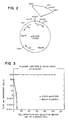
- Plasmid pOG2326 which replicates in both Bacillus subtilis and Escherichia coli was constructed from Bacillus subtilis plasmid pOG1196 (ATCC 31776) and Escherichia coli plasmid pBR322 (ATCC 37017). See Fig. 1.
- pOG2326 3 micrograms of DNA from plasmid pOG1196 was digested with Mbol enzyme under the same conditions described above for pLS11 DNA.
- the digested DNA was ligated with 2 units of T4-DNA ligase in 20 microliters of 66mM Tris-HCI, pH 7.6, 6.6mM MgC1 2 , 10mM DTT, 0.1mM ATP, at 14°C for 18 hours.
- a plasmid-carrying, chloramphenicol-resistant transformant was characterized further.
- the plasmid found in the transformant was designated pDH1086; it had the same structure as pOG1196 except that a small Mbol fragment has been deleted. See Fig. 1.
- plasmid pHD1086 and Escherichia coli plasmid pBR322 Two micrograms each of plasmid pHD1086 and Escherichia coli plasmid pBR322, were digested with PVUII endonuclease under the same conditions described above for Mbol. The resulting fragments were ligated with T4-DNA ligase using procedures described supra for this ligase. The ligated DNA was used to transform Escherichia coli strain CS412 (an hsdR- derivative of C600 strain); transformants resistant to chloramphenicol were selected. The plasmid from one transformant, designated pOG2326, was characterized further. It has the structure shown in Fig. 1.
- plasmid pOG2326 The low stability of plasmid pOG2326 was shown by the fact that, after 10 generations in broth without antibiotics, less than 0.002% of the cells in a population still harbored the plasmid, when assayed using chloramphenicol (Cm) resistance as described below. These data are shown in Fig. 3.
- plasmid pOG2381 In constructing plasmid pOG2381, 0.5 micrograms of DNA from plasmid pOG2326 was digested with BamH1 enzyme; then 2 micrograms of the Mbol fragments of pLS11 were added. The pOG2326 fragments and the pLS11 fragments were ligated with T4-DNA ligase using procedures described supra for this ligase. The ligated DNA was used to transform Escherichia coli strain CS412 (an hsdR- derivative of C600 strain). Those skilled in the art will recognize that any other hsdR- strain of Escherichia coli could have been used in this transformation.
- the plasmid DNA was then transformed into Bacillus subtilis strain BD224 (trpC2 thr-5 recE4). Transformants were selected initially on Cm-containing plates. Following this selection, about one thousand of the selected clones were innoculated into broth without antibiotics and grown for about 50 generations. This allowed unstable partition deficient, par - , clones to segregate. This culture was then grown overnight in Cm-containing broth to enrich for the par+ clones. After two more cycles of this type of segregation-enrichment treatment, eight individual clmces were isolated to test for par+ phenotype. They were all 100% stable. Stability was tested by growing transformed BD224 strain in broth without antibiotics for 100 generations.
- One hundred or more colonies from each culture were grown up on plate and tested individually for resistance to Cm.
- One plasmid, pOG2381, ATCC Number 39038, isolated from these clones was characterized further. It contains an Mbol insert of about 1.2kb at the BamH1 site of pOG2326. Upon transformation into BD224, it again showed par+ phenotype demonstrating that the phenotype is associated with sequences on the plasmid.
- plasmid was constructed that carries both the Gram-positive par+ fragment and a heterologous gene coding for a protein known to be expressed and secreted in Bacillus subtilis.
- the plasmid thus constructed has been designated pOG2428.
- plasmid pOG2428 a hybrid plasmid was made first that carried sequences from Escherichia coli plasmid pBR322 (ATCC 37017) and Bacillus subtilis plasmid pOG1196 (ATCC 31776).
- Escherichia coli plasmid pBR322 has been described by Sutcliffe, J. G., Nucleic Acids Res. 5:2721-2728 (1978), and Cold Spring Harbor Symp. Quant. Biol. 43:77-90 (1979).
- Bacillus subtilis plasmid pOG1196 has been described by Gray, 0., and Chang, S., J. Bacterial. 145:422-428 (1981). Plasmids pBR322 and pOG1196 were each digested with the PVUII restriction enzyme and then ligated and transformed into CS412 strain of Eschericia coli; chloramphenicol resistant transformants were selected.
- a plasmid from one transformant, plasmid pDH5060 was utilized further.
- a restriction enzyme map of pDH5060 is shown in Fig. 4.
- the conditions used for digestion and ligation of the plasmid fractions, as well as transformation of the host, and selection are standard procedures well known to those skilled in the art of recombinant DNA.
- Plasmid pDH5060 was digested with restriction enzymes EcoRl and BamHl.
- the "large plasmid fragment" produced by this enzyme digestion was purified from an agarose gel as described by Maniatis, T., et al, supra.
- plasmid In the plasmid, pSYC189, a small deletion was made in the bla gene which originated from retained portion of the plasmid pBR322. See Sutcliffe, J. G., Cold Spring Harbor Symp. Quant. Biol. 43:77-90 (1979).
- the bla gene encodes beta-latamase protein.
- the plasmid was digested at the Pvul site in the bla gene.
- the resulting Pvul digested plasmid DNA was treated with exonuclease BAL-31 using conditions well-known to those skilled in the art. Such conditions are described in Maniatis, T., et al., supra.
- the BAL-31 treated fragment was recircularized by ligation. This digestion deleted about 120 base pairs from from the wild-type sequence of beta-lactamase gene, resulting in a plasmid designated pSYC274.
- Gray and Chang have shown that the cloned beta-lactamase, hereinafter referred to as penicillinase or penP, gene from Bacillus licheniformis is functionally expressed in Bacillus subtilis. See Gray, O. and Chang, S., J. Bacterial. 145:422-428 (1981).
- the heterologous penicillinase molecules produced in transformed Bacillus subtilis cells are translocated across the limiting membrane and subsequently processed proteolytically to form the penicillinase exoenzyme.
- the Gram-positive partition function is located within a fragment of about 350 base pairs contained within the larger 1.2kb Mbol fragment.
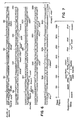
- the 1.2kb Mbol fragment contains a Hindlll restriction site. See Fig. 2. Mapping with restriction enzymes revealed a Haelll site located about 350 base pairs away from the Hindlll in the 1.2 kb Mbol fragment. Double digestion of plasmid pOG2381 with restriction enzymes Haelll and Hindlll made it possible to purify this 350 base pair fragment from an agarose gel. The purified 350 base pair fragment was cloned into an engineered recombinant plasmid to determine whether the Gram-positive partition function was located within this smaller 350 bp fragment.
- Plasmid pDH5060 was treated with Hindlll enzyme so that it would only partially cut at one of the two Hindlll sites located on that plasmid.
- the locations of the Hindlll sites in plasmid pDH5060 are illustrated in Fig. 4.
- the partially digested pDH5060 DNA preparation was treated with Escherichia coli DNA polymerase I Klenow fragment as described by Maniatis, T., et al., supra. After the Hindlll generated protruding ends had been filled in with the Escherichia coli DNA polymerase I Klenow fragment, they where ligated using standard methods.
- the ligated DNA was transformed into Escherichia coli strain CS412 competent cells.
- This plasmid is designated pLP1201. It retains the Hindlll site located in the tetracycline gene but has lost the Hindlll site that originated from the bacillus replicon.
- Plasmid pLP1201 was digested with Hindlll and BamHl restriction enzymes. BamHl was used first. Once the BamHl protruding ends had been filled in with Escherichia coli DNA polymerase I Klenow fragment, the plasmid was digested with Hindlll. A partition fragment of approximately 350 base pairs obtained by the method described above was added to this DNA preparation. The DNA mixture was ligated, and then used to transform Escherichia coli strai CS412 competent cells. The transformants were screened by isolating and analyzing the DNA structures for the presence of the partition fragment. When a repaired BamHl site is ligated to a Haelll site, a BamHl site will be regenerated.
- Bacillus subtilis cells BD224 harboring plasmid pSYC706 did not spontaneously lose the plasmid as did Bacillus subtilis cells BD224 carrying the parental plasmid. This experiment clearly demonstrated that the approximate 350 base pair sequence located between the Hindlll site and the Haelll site in the 1.2kb Mbol fragment contains the Gram-positive partition proficiency function.
- the Gram-positive partition function is located within a fragment of about 260 base pairs contained within the 350 bp Hindlll-Haelll fragment.
- a fragment of approximately 260 base pairs fragment was isolated by digesting plasmid pOG2381 with restriction enzymes Haelll and PStl. The 260 base pair was purified on an agarose gel. Plasmid pDH5060 was digested with restriction enzyme EcoRl; the 5' protruding ends were filled in by DNA polymerase I Klenow fragment as described by Maniatis, T., et al., supra. The preparation was further digested with Pstl enzyme to generate 2 fragments.
- the purified Haelll-Pstl fragment of approximately 260 base pairs was added at equal molar ratio to the preparation described above. It was then ligated with the digested pDH5060 fragments. The ligated DNA was used to transform Escherichia coli strain CS412. A tetracycline-resistant ampicillin-sensitive transformant was characterized further. It carries a plasmid designated pSYC730 which has the 260 base pair Gram-positive par+ fragment cloned in place of the small EcoRl to Pstl fragment on pDH5060. Plasmid pSYC730 was transformed into Bacillus subtilis strain BD244 and then tested for partition proficiency.
- Fig. 6 shows the nucleotide sequence of this DNA. There is some ambiguity in the region around positions 60 to 70 due to compression which is probably caused by the presence of the GC-rich region adjacent to it (located between positions 20 to 65). However, many restriction enzyme sites found in this fragment, as predicted by sequence analysis, are also found by actual restriction enzyme digestion.
- the Gram-positive par+ recombinant plasmids of the present invention show improved stability in Gram-positive recE + transformed hosts.
- the Gram-positive par+ recombinant plasmids of the present invention show improved stability when transformed into a recE- strain of Bacillus subtilis (BD224).
- improved stability means that the recombinant plasmids with the Gram-positive par+ fragment are more stable than are identical plasmids that do not contain the Gram-positive par+ fragment.
- the Gram-positive par+ recombinant plasmids were used to transform a recE + strain of Bacillus subtilis (BD170). Except for being recE + , Bacillus subtilis strain BD170 is identical to strain BD224.
- Bacillus subtilis strain BD170 was transformed with plasmid pOG2381, it was 99% stable, i.e., pOG2381 was present in 99% of the transformed host cells, after 15 generations.
- strain BD170 was transformed with pOG2428, it was 100% stable after 14 generations. Transformation techniques were identical to those described in the previous examples.
- the Gram-positive par+ fragment of the present invention shows an orientation dependency.
- the partition fragment of the present invention can be inserted into the recombinant plasmids in two possible orientations. Only one orientation shows the partition phenotype. The reason for the orientation dependency of the par+ fragment is unclear.
- the invention provides compositions and methods useful for the production of engineered recombinant plasmids that include a partition segment which enhances the stability of the plasmids in Gram-positive host cell populations, especially growing Gram-positive host cell populations.
- the invention also provides par+ fragments as well as par+ - engineered recombinant plasmids, i.e., engineered recombinant plasmids which include a Gram-positive partition segment. It further provides, engineered Gram-positive par+ recombinant plasmids which are substantially more partition stable than are identical plasmids that do not contain such a par+ partition fragment.
- the engineered par ⁇ recombinant plasmids, and organisms transformed with them are especially useful in industrial applications where long term growth or fermentation, e.g. a continuous fermentation process, is desired for the production of protein products.
Landscapes
- Genetics & Genomics (AREA)
- Health & Medical Sciences (AREA)
- Engineering & Computer Science (AREA)
- Life Sciences & Earth Sciences (AREA)
- Chemical & Material Sciences (AREA)
- Wood Science & Technology (AREA)
- Organic Chemistry (AREA)
- Biotechnology (AREA)
- General Engineering & Computer Science (AREA)
- Biomedical Technology (AREA)
- Zoology (AREA)
- Bioinformatics & Cheminformatics (AREA)
- Molecular Biology (AREA)
- Microbiology (AREA)
- Plant Pathology (AREA)
- Physics & Mathematics (AREA)
- Biochemistry (AREA)
- General Health & Medical Sciences (AREA)
- Biophysics (AREA)
- Micro-Organisms Or Cultivation Processes Thereof (AREA)
- Preparation Of Compounds By Using Micro-Organisms (AREA)
- Saccharide Compounds (AREA)
Priority Applications (1)
| Application Number | Priority Date | Filing Date | Title |
|---|---|---|---|
| AT83303195T ATE39000T1 (de) | 1982-06-02 | 1983-06-02 | Mit der faehigkeit zur teilung kodierte dns und diese enthaltende plasmide zur herstellung von gram-positiven organismen. |
Applications Claiming Priority (4)
| Application Number | Priority Date | Filing Date | Title |
|---|---|---|---|
| US38425382A | 1982-06-02 | 1982-06-02 | |
| US384253 | 1982-06-02 | ||
| US47057683A | 1983-02-28 | 1983-02-28 | |
| US470576 | 1983-02-28 |
Publications (3)
| Publication Number | Publication Date |
|---|---|
| EP0095947A2 EP0095947A2 (en) | 1983-12-07 |
| EP0095947A3 EP0095947A3 (en) | 1984-05-09 |
| EP0095947B1 true EP0095947B1 (en) | 1988-11-30 |
Family
ID=27010534
Family Applications (1)
| Application Number | Title | Priority Date | Filing Date |
|---|---|---|---|
| EP83303195A Expired EP0095947B1 (en) | 1982-06-02 | 1983-06-02 | Partition proficiency encoded dna and plasmids incorporating the same for transforming gram-positive organisms |
Country Status (5)
| Country | Link |
|---|---|
| EP (1) | EP0095947B1 (da) |
| JP (1) | JPH0634719B2 (da) |
| CA (1) | CA1201669A (da) |
| DE (1) | DE3378588D1 (da) |
| DK (1) | DK242883A (da) |
Families Citing this family (5)
| Publication number | Priority date | Publication date | Assignee | Title |
|---|---|---|---|---|
| DK410783D0 (da) * | 1982-09-16 | 1983-09-09 | Benzon A Salfred | Fremgangsmade til stabilisering af plasmider |
| ES8705033A1 (es) * | 1984-12-04 | 1987-04-16 | Biotech Australia Pty Ltd | Un metodo para preparar una vacuna para uso en el tratamiento prevencion de diarrea porcina neonatol. |
| DK275685D0 (da) * | 1985-06-18 | 1985-06-18 | Benzon As Alfred | Stabilisering af biologiske systemer |
| JP2707446B2 (ja) * | 1988-01-14 | 1998-01-28 | 出光興産 株式会社 | スチレン系重合体繊維状成形品 |
| JPH0723432B2 (ja) * | 1986-09-30 | 1995-03-15 | 株式会社新素材総合研究所 | 多孔質フイルム |
-
1983
- 1983-05-30 DK DK242883A patent/DK242883A/da not_active Application Discontinuation
- 1983-06-02 CA CA000429548A patent/CA1201669A/en not_active Expired
- 1983-06-02 DE DE8383303195T patent/DE3378588D1/de not_active Expired
- 1983-06-02 JP JP58098732A patent/JPH0634719B2/ja not_active Expired - Lifetime
- 1983-06-02 EP EP83303195A patent/EP0095947B1/en not_active Expired
Non-Patent Citations (3)
| Title |
|---|
| CHEMICAL ABSTRACTS, vol. 92, no. 17, 28th April 1980, page 275, no. 143073m, Columbus, Ohio, USA T. MIKI et al.: "Cloning of replication, incompatibility and stability functions of R plasmid NR1" * |
| J. Gen. Appl. Microbiol. 29, 1983, 345-354 Agric. Biol. Chem., 1978, 42 (10), 1841-1846 * |
| PLASMID, vol. 4, 1980, pages 332-349 K. NORDSTRÖM et al.: "Partitioning of plasmid R1 in Escherichia coli. II. Incompatibility properties of the partitioning system" * |
Also Published As
| Publication number | Publication date |
|---|---|
| EP0095947A2 (en) | 1983-12-07 |
| DK242883D0 (da) | 1983-05-30 |
| DE3378588D1 (en) | 1989-01-05 |
| EP0095947A3 (en) | 1984-05-09 |
| CA1201669A (en) | 1986-03-11 |
| JPH0634719B2 (ja) | 1994-05-11 |
| JPS592690A (ja) | 1984-01-09 |
| DK242883A (da) | 1983-12-03 |
Similar Documents
| Publication | Publication Date | Title |
|---|---|---|
| US5882888A (en) | DNA integration by transposition | |
| STASsI et al. | Cloning of chromosomal genes in Streptococcus pneumoniae. | |
| Jannière et al. | Structurally stable Bacillus subtilis cloning vectors | |
| Camilli et al. | Insertional mutagenesis of Listeria monocytogenes with a novel Tn917 derivative that allows direct cloning of DNA flanking transposon insertions | |
| Udaka et al. | [3] High-level secretion of heterologous proteins Bacillus brevis | |
| RU2091487C1 (ru) | Способ получения штамма bacillus, содержащего две копии последовательности днк, кодирующей фермент с гидролазной активностью | |
| Mühlenhoff et al. | Gene transfer and manipulation in the thermophilic cyanobacterium Synechococcus elongatus | |
| US4760022A (en) | Stabilized plasmids | |
| EP0127328A2 (en) | The use of chromosomal integration to stabilize heterologous genes | |
| Huang et al. | A bacterial model system for chromosomal targeting | |
| AU4011599A (en) | New Escherichia coli Host/vector System Based on Antibiotic-free Selection by Complementation of an Auxotrophy | |
| JP2004501651A (ja) | 遺伝子の安定した染色体多コピー組み込みのための方法 | |
| Ballester et al. | Selective advantage of deletions enhancing chloramphenicol acetyltransferase gene expression in Streptococcus pneumoniae plasmids | |
| WO2010084349A1 (en) | Method of double crossover homologous recombination in clostridia | |
| US5024943A (en) | Regulatory region cloning and analysis plasmid for bacillus | |
| US5688683A (en) | Plasmid pBUL1 derived from a lactobacillus and derivatives thereof | |
| Lévq̂ue et al. | Design and characterization of Escherichia coli mutants devoid of Ap4N-hydrolase activity | |
| Kulik et al. | Regulation of the activity of the type ICEcoR124I restriction enzyme | |
| EP0095947B1 (en) | Partition proficiency encoded dna and plasmids incorporating the same for transforming gram-positive organisms | |
| US4595660A (en) | Molecular cloning with bifunctional plasmid vectors in Bacillus subtilis, mutants and substantially stably transformed mutants of Bacillus subtilis, and methods for utilizing the transformed mutants | |
| Leemans et al. | A broad-host-range expression vector based on the pL promoter of coliphage lambda: regulated synthesis of human interleukin 2 in Erwinia and Serratia species | |
| Rhee et al. | Genetic transformation in Streptococcus pneumoniae: molecular cloning and characterization of recP, a gene required for genetic recombination | |
| Itoh et al. | Essential DNA sequence for the replication of Rts1 | |
| Hottinger et al. | Allele-specific complementation of an Escherichia coli leuB mutation by a Lactobacillus bulgaricus tRNA gene | |
| US20050153398A1 (en) | Flavobacterium heparinum expression system |
Legal Events
| Date | Code | Title | Description |
|---|---|---|---|
| PUAI | Public reference made under article 153(3) epc to a published international application that has entered the european phase |
Free format text: ORIGINAL CODE: 0009012 |
|
| AK | Designated contracting states |
Designated state(s): AT BE CH DE FR GB IT LI LU NL SE |
|
| PUAL | Search report despatched |
Free format text: ORIGINAL CODE: 0009013 |
|
| AK | Designated contracting states |
Designated state(s): AT BE CH DE FR GB IT LI LU NL SE |
|
| 17P | Request for examination filed |
Effective date: 19840525 |
|
| RAP1 | Party data changed (applicant data changed or rights of an application transferred) |
Owner name: CETUS CORPORATION |
|
| GRAA | (expected) grant |
Free format text: ORIGINAL CODE: 0009210 |
|
| ITF | It: translation for a ep patent filed | ||
| AK | Designated contracting states |
Kind code of ref document: B1 Designated state(s): AT BE CH DE FR GB IT LI LU NL SE |
|
| REF | Corresponds to: |
Ref document number: 39000 Country of ref document: AT Date of ref document: 19881215 Kind code of ref document: T |
|
| REF | Corresponds to: |
Ref document number: 3378588 Country of ref document: DE Date of ref document: 19890105 |
|
| ET | Fr: translation filed | ||
| PLBE | No opposition filed within time limit |
Free format text: ORIGINAL CODE: 0009261 |
|
| STAA | Information on the status of an ep patent application or granted ep patent |
Free format text: STATUS: NO OPPOSITION FILED WITHIN TIME LIMIT |
|
| 26N | No opposition filed | ||
| ITTA | It: last paid annual fee | ||
| EPTA | Lu: last paid annual fee | ||
| EAL | Se: european patent in force in sweden |
Ref document number: 83303195.8 |
|
| BECH | Be: change of holder |
Free format text: 960724 *CHIRON CORP. |
|
| REG | Reference to a national code |
Ref country code: FR Ref legal event code: TP Ref country code: FR Ref legal event code: CD Ref country code: FR Ref legal event code: CA |
|
| REG | Reference to a national code |
Ref country code: CH Ref legal event code: PFA Free format text: CETUS CORPORATION TRANSFER- CETUS ONCOLOGY CORPORATION * CETUS ONCOLOGY CORPORATION TRANSFER- CHIRON CORPORATION Ref country code: CH Ref legal event code: NV Representative=s name: PATENTANWAELTE SCHAAD, BALASS, MENZL & PARTNER AG |
|
| PGFP | Annual fee paid to national office [announced via postgrant information from national office to epo] |
Ref country code: FR Payment date: 19990519 Year of fee payment: 17 |
|
| PGFP | Annual fee paid to national office [announced via postgrant information from national office to epo] |
Ref country code: SE Payment date: 19990520 Year of fee payment: 17 Ref country code: GB Payment date: 19990520 Year of fee payment: 17 Ref country code: AT Payment date: 19990520 Year of fee payment: 17 |
|
| PGFP | Annual fee paid to national office [announced via postgrant information from national office to epo] |
Ref country code: DE Payment date: 19990521 Year of fee payment: 17 |
|
| PGFP | Annual fee paid to national office [announced via postgrant information from national office to epo] |
Ref country code: CH Payment date: 19990525 Year of fee payment: 17 |
|
| PGFP | Annual fee paid to national office [announced via postgrant information from national office to epo] |
Ref country code: NL Payment date: 19990526 Year of fee payment: 17 |
|
| PGFP | Annual fee paid to national office [announced via postgrant information from national office to epo] |
Ref country code: LU Payment date: 19990528 Year of fee payment: 17 |
|
| PGFP | Annual fee paid to national office [announced via postgrant information from national office to epo] |
Ref country code: BE Payment date: 19990614 Year of fee payment: 17 |
|
| PG25 | Lapsed in a contracting state [announced via postgrant information from national office to epo] |
Ref country code: LU Free format text: LAPSE BECAUSE OF NON-PAYMENT OF DUE FEES Effective date: 20000602 Ref country code: GB Free format text: LAPSE BECAUSE OF NON-PAYMENT OF DUE FEES Effective date: 20000602 Ref country code: AT Free format text: LAPSE BECAUSE OF NON-PAYMENT OF DUE FEES Effective date: 20000602 |
|
| PG25 | Lapsed in a contracting state [announced via postgrant information from national office to epo] |
Ref country code: SE Free format text: LAPSE BECAUSE OF NON-PAYMENT OF DUE FEES Effective date: 20000603 |
|
| PG25 | Lapsed in a contracting state [announced via postgrant information from national office to epo] |
Ref country code: LI Free format text: LAPSE BECAUSE OF NON-PAYMENT OF DUE FEES Effective date: 20000630 Ref country code: CH Free format text: LAPSE BECAUSE OF NON-PAYMENT OF DUE FEES Effective date: 20000630 Ref country code: BE Free format text: LAPSE BECAUSE OF NON-PAYMENT OF DUE FEES Effective date: 20000630 |
|
| BERE | Be: lapsed |
Owner name: CHIRON CORP. Effective date: 20000630 |
|
| PG25 | Lapsed in a contracting state [announced via postgrant information from national office to epo] |
Ref country code: NL Free format text: LAPSE BECAUSE OF NON-PAYMENT OF DUE FEES Effective date: 20010101 |
|
| GBPC | Gb: european patent ceased through non-payment of renewal fee |
Effective date: 20000602 |
|
| REG | Reference to a national code |
Ref country code: CH Ref legal event code: PL |
|
| EUG | Se: european patent has lapsed |
Ref document number: 83303195.8 |
|
| PG25 | Lapsed in a contracting state [announced via postgrant information from national office to epo] |
Ref country code: FR Free format text: LAPSE BECAUSE OF NON-PAYMENT OF DUE FEES Effective date: 20010228 |
|
| NLV4 | Nl: lapsed or anulled due to non-payment of the annual fee |
Effective date: 20010101 |
|
| REG | Reference to a national code |
Ref country code: FR Ref legal event code: ST |
|
| PG25 | Lapsed in a contracting state [announced via postgrant information from national office to epo] |
Ref country code: DE Free format text: LAPSE BECAUSE OF NON-PAYMENT OF DUE FEES Effective date: 20010403 |