EP0109089A1 - Verfahren zur Reinigung von Modulatoren des Immunsystems - Google Patents
Verfahren zur Reinigung von Modulatoren des Immunsystems Download PDFInfo
- Publication number
- EP0109089A1 EP0109089A1 EP83111442A EP83111442A EP0109089A1 EP 0109089 A1 EP0109089 A1 EP 0109089A1 EP 83111442 A EP83111442 A EP 83111442A EP 83111442 A EP83111442 A EP 83111442A EP 0109089 A1 EP0109089 A1 EP 0109089A1
- Authority
- EP
- European Patent Office
- Prior art keywords
- approximately
- amplifier
- elutable
- gradient
- effluent
- Prior art date
- Legal status (The legal status is an assumption and is not a legal conclusion. Google has not performed a legal analysis and makes no representation as to the accuracy of the status listed.)
- Granted
Links
Images


Classifications
-
- A—HUMAN NECESSITIES
- A61—MEDICAL OR VETERINARY SCIENCE; HYGIENE
- A61K—PREPARATIONS FOR MEDICAL, DENTAL OR TOILETRY PURPOSES
- A61K45/00—Medicinal preparations containing active ingredients not provided for in groups A61K31/00 - A61K41/00
- A61K45/05—Immunological preparations stimulating the reticulo-endothelial system, e.g. against cancer
-
- A—HUMAN NECESSITIES
- A61—MEDICAL OR VETERINARY SCIENCE; HYGIENE
- A61K—PREPARATIONS FOR MEDICAL, DENTAL OR TOILETRY PURPOSES
- A61K35/00—Medicinal preparations containing materials or reaction products thereof with undetermined constitution
- A61K35/12—Materials from mammals; Compositions comprising non-specified tissues or cells; Compositions comprising non-embryonic stem cells; Genetically modified cells
- A61K35/14—Blood; Artificial blood
- A61K35/15—Cells of the myeloid line, e.g. granulocytes, basophils, eosinophils, neutrophils, leucocytes, monocytes, macrophages or mast cells; Myeloid precursor cells; Antigen-presenting cells, e.g. dendritic cells
-
- B—PERFORMING OPERATIONS; TRANSPORTING
- B01—PHYSICAL OR CHEMICAL PROCESSES OR APPARATUS IN GENERAL
- B01D—SEPARATION
- B01D61/00—Processes of separation using semi-permeable membranes, e.g. dialysis, osmosis or ultrafiltration; Apparatus, accessories or auxiliary operations specially adapted therefor
- B01D61/24—Dialysis ; Membrane extraction
- B01D61/243—Dialysis
- B01D61/244—Dialysis comprising multiple dialysis steps
-
- A—HUMAN NECESSITIES
- A61—MEDICAL OR VETERINARY SCIENCE; HYGIENE
- A61K—PREPARATIONS FOR MEDICAL, DENTAL OR TOILETRY PURPOSES
- A61K35/00—Medicinal preparations containing materials or reaction products thereof with undetermined constitution
- A61K35/12—Materials from mammals; Compositions comprising non-specified tissues or cells; Compositions comprising non-embryonic stem cells; Genetically modified cells
- A61K35/14—Blood; Artificial blood
-
- B—PERFORMING OPERATIONS; TRANSPORTING
- B01—PHYSICAL OR CHEMICAL PROCESSES OR APPARATUS IN GENERAL
- B01D—SEPARATION
- B01D15/00—Separating processes involving the treatment of liquids with solid sorbents; Apparatus therefor
- B01D15/08—Selective adsorption, e.g. chromatography
- B01D15/26—Selective adsorption, e.g. chromatography characterised by the separation mechanism
- B01D15/32—Bonded phase chromatography
- B01D15/325—Reversed phase
-
- B—PERFORMING OPERATIONS; TRANSPORTING
- B01—PHYSICAL OR CHEMICAL PROCESSES OR APPARATUS IN GENERAL
- B01D—SEPARATION
- B01D2311/00—Details relating to membrane separation process operations and control
- B01D2311/06—Specific process operations in the permeate stream
-
- B—PERFORMING OPERATIONS; TRANSPORTING
- B01—PHYSICAL OR CHEMICAL PROCESSES OR APPARATUS IN GENERAL
- B01D—SEPARATION
- B01D2311/00—Details relating to membrane separation process operations and control
- B01D2311/26—Further operations combined with membrane separation processes
- B01D2311/2649—Filtration
-
- B—PERFORMING OPERATIONS; TRANSPORTING
- B01—PHYSICAL OR CHEMICAL PROCESSES OR APPARATUS IN GENERAL
- B01D—SEPARATION
- B01D2311/00—Details relating to membrane separation process operations and control
- B01D2311/26—Further operations combined with membrane separation processes
- B01D2311/2697—Chromatography
Definitions
- The'human immune system is highly complex and at present imperfectly understood. It is presently considered to have two principal aspects: (1) humoral immunity, which is mediated by circulating antibodies; and (2) cell-mediated immunity, which, as the name implies, is mediated by cells, viz., lymphoid cells.
- Humoral immunity is transferred from an immune donor to a non-immune recipient by means of serum immunoglobulins. Such serum-mediated transfers result in immune responses that are manifest almost instantly.
- Cell-mediated immunity is transferred by means of peripheral blood leukocytes, and such immune responses develop slowly, over a period of several hours.
- the present invention concerns cell-mediated immunity.
- DH delayed hypersensitivity
- a DH skin reaction is observed when the appropriate antigen is injected subcutaneously. Within 24 to 48 hours, local inflammation (erythema) and a swelling and thickening (induration) are observed in a sensitive individual. The degree of sensitivity may be measured by the size and severity of the reaction.
- the DH reaction also presents characteristic histological findings, specifically, perivascular infiltration of lymphocytes and monocytes in the inflamed area. The cells seen at the site of a DH reaction are derived from the peripheral blood leukocyte population.
- the mechanisms of cell-mediated immunity are as yet incompletely understood. It is known that the cells which mediate the response are capable of responding in a variety of ways to an antigenic challcnge. These responses include: proliferation of cells bearing specific sensitivity to a given antigen; the induction and multiplication of cells mediating a variety of immune functions, including antibody production; and reactions against foreign cells and tumors. The quality and quantity of these response patterns is affected by many factors, including (1) hormones of the thymus and adrenal cortex; (2) interferons; and (3) other effectors of cellular responses, including histamine, serotonin, and the prostaglandins.
- the present invention relates to the discovery of modulators of the immunity system, isolated from dialyzed extracts of leukocytes; profoundly affecting the quality and quantity of cell-mediated immunity responses; useful in the treatment of a variety of clinical conditions characterized by overreaction or by inadequate reaction to a specific antigen; and useful in the alleviation of certain anergic conditions.
- transfer factor The "transfer factor" phenomenon is demonstrable only in human beings. Consequently, research progress in isolating and characterizing the active principle has been slow.
- two patients must be Identified (1) a donor, known to display a DH reaction to a given antigen, and (2) a recipient, known to give no DH reaction when challenged with the same antigen (and therefore presumably lacking cell-mediated immunity to that antigen).
- Leukocytes prepared from the blood of the donor are disrupted, and the cell contents dialyzed.
- the concentrated dialysate in a suitable buffer, is injected subcutaneously in the forearm or other convenient location of the recipient. After about twt. days, the recipient is then challenged by a subcutaneous injection of the antigen at the same or another location. A typical DH reaction can be observed about one week later. Immunity thus transferred reportedly may persist in the recipient for as long as two years.
- transfer factor appears in literature as applied to fractionated, preparations, and as monitored by criteria other than a DH skin response, it is unclear whether in such terminology the term “transfer-factor” is indeed used to refer to a single biochemical entity or to an activity that represents a single biological function, or rather to refer to a mixture of materials of various kinds.
- transfer factor is restricted to the crude leukocyte dialysate as isolated by Lawrence and having an activity as originally characterized by Lawrence, i.e., the ability to transfer immunity to a specific antigen from a highly sensitive donor to a non-sensitive recipient. Such dialysate may, and the inventor believes that it does, contain various different molecules and entities.
- the dialyzable leukocyte extract material was fractionated on a iSephadex G-10 (trademark of Pharmacia, Inc., Uppsala, Sweden) column. Biological activity was found associated with a major fluroescamine-reactive peak. DH reactions were observed. whether or not antigen was added, although response was somewhat greater in the presence of antigen.
- D i alyzable leukocyte extracts were further fractionated by Gott Kunststoff, A.A., et al., as reported in J. Reticuloendothelial Soc., 21:403 (1977).
- the extracts were first subjected to differential molecular weight ("M.W.") dialysis, using dialysis membranes having nominal M.W. cutoffs of about 12,000 and about 3500, respectively.
- S for "small” fraction
- L for "large” fraction.
- Both fractions were subjected to g el filtration on Sephadex G-10.
- Biological activity was again associated with the fluorescamine-reactive peak fractions. However, the activity did not appear to be a function of the immunologic state of
- the second activity was the ability to augment intradermal reactions to antigens to which the recipient was sensitive but not to antigens to which the recipient had no prior exposure. This augmentor activity was found in the fluorescamine-reactive chromatographic fractions, and appeared to augment the recipient's DH response to an antigen to which he was already sensitive. In both instances, the sensitivity of the donor appeared irrelevant.
- Uotila in Transfer Factor and Other ImmunologIcal Activities of Human Leukocyte Dialysate and Other Dialysates or Mammalian Tissues (1979).
- Uotila's monograph indicates that preparations of so-called "transfer factor” may contain a large variety of substances.
- Uotila suggests that an "augmenting activity" can be derived from dialyzable leukocyte extracts ("DLE”) in guinea pigs, but does not disclose whether this is one or several different materials or activities, or if the latter, how to separate them from one another.
- DLE dialyzable leukocyte extracts
- modulators of the human immune system relates to modulators of the human immune system.
- a “modulator” as herein defined - is, in general terms, any substance or material that affects a response, whether direct or indirect, of an animal or human body, portion thereof, or matter taken therefrom, to reintroduction of antigens to which said body has been previously exposed, where such response is specifically attributable to the function of the immunity system of said animal or human.
- a narrower and more precise definition of the term is used subsequently, after further characteristics of the present invention are explained.
- modulator material refers collectively or generically to material having modulator activity and containing one or more particular materials (“species”) causing such activity, while the term “modulator” refers specifically to one of the approximately eight particular, extractable materials (“species”) having an activity described herein.
- modulator manifest their activity in a DH skin reaction test, and therefore appear to exert their primary effect on the cell-mediated immunity system. It will be understood, however that the described modulators have broad effects on the entire immunity system, and may also affect the humoral immunity system.
- transfer factor For purposes of discussion herein, the terms "transfer factor,” “inducer,” “amplifier,” and “suppressor” are each defined, below, in terms of their respective activities in regard to affecting a DH response in a skin reaction.
- transfer factor denotes a dialysate of a crude leukocyte extract, as described above.
- a "transfer factor activity" is manifest when the transfer factor preparation is made from leukocytes of a donor known to be sensitive to a given antigen and is injected subcutaneously into the skin of a recipient known to be insensitive to the same antigen. The recipient is challenged, at a later time, with'the antigen, and a DH response is observed. Normally, the recipient, in the absence of the injected transfer factor activity, would have been unresponsive.
- transfer factors are not modulators, as defined above, since the effect of a transfer factor is observed in a recipient who has not previously been exposed to a given antigen, while the effect of a modulator is observed only upon or following reintroduction of an antigen to which the recipient was previously exposed. Furthermore, transfer factor effects are specific with respect to a given antigen, but the amplifiers and suppressors herein described exert non-specific effects with respect to any antigen to which the recipient was previously exposed.
- Inducer is defined as that material producing a D H response in the absence of added antigen and irrespective of the sensitivities of donor and recipient. Inducer materials are also therefore, not modulators.
- Amplifier material is that modulator material characterized, in general terms, by “amplifier” activity, i.e., the production of a greater than normal response (faster or stronger, or both) in a sensitive recipient, following injection of the antigen to which the recipient is sensitive. Amplifier activity is not dependent upon the specific immunological sensitivity of the donor.
- “Suppressor” material is that modulator material characterized by “suppressor” activity, which is, in general terms, that modulator activity observed in a sensitive recipient when the suppressor material is injected and an antigen to which the recipient is already sensitive is injected at the same time or soon thereafter, with the result that the recipient manifests a less than normal (slower or weaker, or both) response.
- modulators of the human immune system have been isolated from dialysates of leukocyte extracts.
- Six such modulators described herein have amplifier activity and two have suppressor activity.
- Amplifier material is considered useful in the treatment of anergic conditions and conditions of immune hyposensiti v ity, both local and systemic, while suppressor material is considered useful for the preparation and treatment of local hypersensitivity conditions, such as poison ivy.
- These six amplifiers are designated amplifiers 1-6. These two suppressors are identified as the S-suppressor and the L-suppressor.
- a principal contribution of the present invention lies the discovery of substances that modulate immune responsiveness.
- Present techniques have permitted identification of modulators which amplify or suppress the magnitude or rapidity of response to antigens to which an individual human being has been previously exposed.
- modulating functions are or may be manifested by substances, including duration of response, threshold of sensitivity, and type of response, such as inflammatory, proliferation of lymphocytes or production of circulating antibody.
- modulating functions will be defined in terms of the test system used to detect and measure them.
- the modulators of the present invention include not only amplifiers and suppressors of a DH response, but also such other manifestations of immune modulation as may be detected and measured in other appropriate test systems.
- modulators herein described are therefore but part of a system of modulator substances which constitute a natural means of Intercellular communication between components of the animal (including human) immune system, whereby the state of immune responsiveness is continually monitored and modified in the body in accordance with the level and activity of current antigen challenge to the body. Therefore, further modulators are likely to be discovered, now that it is understood from the present invention that such a system of modulators exists. Further investigation, employing other purification techniques and other test procedures, will result in the identification and purification of such further modulators. The present invention paves the way for such discoveries, by making known to the art the existence of such modulators and by pioneering the isolation and characterization of eight specific modulators having new and unexpected properties useful for treatment of a variety of immunity-related conditions.
- the initial step in the preparation of the modulator material of this invention is preparation of leukocyte pellets, followed by separation of the small M.W . (under 3500) and large M.W. (3500 to 12,000) fractions of leukocyte extractor interest herein.
- Leukocytes were prepared by standard methods, employing either fractionation of whole blood samples or leukophoresi s .
- a 450 ml sample of whole blood was fractionated by sedimentation to separate red blood cells from leukocytes at 1 x g in Macrodex (trademark of Pharmacia Corporation, Piscataway, N.J., for 6% (W/V) Dextran 70 in normal saline).
- W/V Macrodex
- Leukophoresis was preferred for obtaining larger amounts of cells, using a cell separator (Haemonetics Model 30 5 , Haemonetics Corp., Braintree, Mass.).
- the system was primed with 30 cc of 46.7% trisodium citrate ;Haemonetics, Braintree Mass.) and 500 ml of 6% (W/V) Volex (trademark of McGaw Co ., Irvine, Calif.), which is a high-molecular-weight starch preparation used to enhance recovery of leukocytes from the peripheral blood and removal of red blood cells from the final leukocyte preparation by sedimentation.
- leukocyte-rich plasma was obtained following a 60-minute incubation at 37°C.
- the leukocytes were recovered from the plasma by centrifugation at 400 x g for 15 minutes followed by three washes with 0.15 M saline. After washing, the leukocyte pellet was stored frozen at -20°C.
- An average yield of leukocytes from six passes in the cell separator was 1 x 1 0 10 cells.
- Leukocyte extracts were prepared under sterile conditions, as in Example 1. Leukocyte pellets were resuspended in 10 ml of 5 mM ammonium bicarbonate, then subjected to 10 cycles of freeze-thawing in a dry ice and acetone bath. The lysate was first dialyzed against 5 mM ammonium bicarbonate, using cellulose dialysis tubing having a nominal 12,000 M.W. cutoff (Arthur H. Thomas, Inc., Chicago, Ill.). The retentate of the dialysis is discarded.
- dialysates were lyophilized, redissolved in a small volume of ammonium bicarbonate, and dialyzed in cellulose tubing of nominal 3500 M.W. cutoff, against 5 mM ammonium bicarbonate, as before.
- ultrafiltration As an alternative to dialysis, the inventor has found ultrafiltration to be an expedient technique.
- the protocol for this technique begins with leukocyte pellets, as in Example 2. An equal volume of 5 mM ammonium bicarbonate solution is added to the leukocyte pellet. The resultant mixture is freeze- thawed 10 times in a dry ice/acetone bath. The volume of the mixture is then adjusted to 50 ml by addition of ammonium bicarbonate solution, and centrifuged at 1200 rpm for 6 minutes at 4°C. The supernatant is saved; the pellet is resuspended in 5mM ammonium bicarbonate solution and washed three times. The washes are added to the original supernatant.
- the pooled supernatant is filtered through an HP10-8 Amicon hollow fiber cartridge (Danvers, Mass.) having a M. W. cutoff of 10,000, at a flow rate of 70-80 ml/min.
- the supernatant is continuously recycled through the Amicon hollow fiber cartridge until about 20 ml remain.
- the ultrafiltered fraction having M.W. less than approximately 10,000, is recovered and lyophilized.
- the material of M.W. more than approximately 10,000 is discarded.
- the resultant ultrafiltered fraction is freeze-dried, as before, and the product is subjected to dialysis against a dialysis membrane having a M.W. cutoff of about 3500.
- the resultant dialysate is the "S" fraction--the retentate is the "L” fraction. (The 12,00 0 M.W. cutoff of the membrane and 10,000 M.W. cutoff of the filter do not make a material difference in this process.) * * * * * * * * * * * * * * * * * * * * * * * * * * * * * * * * * * * * * * * * * * * * * * * * * * * * * * * * * * * * * * * * * * * * * * * * * * *
- dialysis applies to either of the above procedures, described in Examples 2 and 3, or any other equivalent means of separating large and small molecules.
- references to the nominal M .W. cutoff of the dialysis membrane must be understood as references to the nominal M.W. cutoff of the hollow fiber cartridge; and similar equation of retentate and dialysate to ultrafiltered fraction and supernatant must be made.
- the next step in the preparation of modulator material is gel filtration of the S fraction, to purify the material of interest from other material, and to separate the S-f ractio n material into a number of separate fractions having different elutability characteristics.
- modulator assays The location of modulator activities of the fractions in relation to the fluorescamine reactiv'ty was discovered by assays ("modulator assays") of DH response over a series of 10- fold dilutions.
- amplification of the DH response, relative to the control was observed.
- Even more surprisingly, at dilutions of the order of 10 -5 suppression of the DH response was observed.
- modulator - assayed fractions The fractions displaying such unusual response properties ( termed " modulator - assayed” fractions herein) were selected and subjected to additional purification described below. From such experiments, the materials of interest (“modulator-assayed” materials) were located in a region containing the major fluorescamine-reactive peak and a smaller fluores- camine- reactive peak preceding the major fluorescamine-reactive peak. For subsequent purification steps, fractions 152 through 178 (shown in Figure 1) were pooled and lyophilized. The possibility exists that final yields can be improved by pooling additional fractions on either side of those chosen. The optimal choice of fractions is not as yet determined.
- gel filtration was carried out using a shorter (80 cm) column of Sephadex G-10.
- the results were comparable, except that the longer column gave improved resolution.
- an antigen independent inducer was separated from the main fluorescamine-reactive peak on the longer column.
- purifications can be carried out by high-performance gel exclusion chromatography using a 1 x 25 cm column of sulfonated polystyrene divinyl benzene having a 5000 M.W. exclusion limit (Shodex S-802/S, manufactured by Showa Denko KK, Tokyo, Japan), eluted with water at the rate of 0.8 ml/min.
- gel filtrat ion * as used herein should therefore be understood to include the foregoing equivalent purification means and other equivalents
- Example 2 Further purification of the material of Example was carried out by reverse-phase high pressure liquid chromatography ("HPLC") using an octadecyl silane (“O.S.”) resin column eluted with a 0 to 100% (v/v) gradient of ethanol in water. (All percentage references to ethanol-in-water gradients herein are on a v/v basis.)
- HPLC reverse-phase high pressure liquid chromatography
- O.S. octadecyl silane
- the inventor has used two different versions of the HPLC process, with two respective O.S. columns.
- the first method was with a 0.26 cm (I.D.) x 25 cm “analytic column” packed with Perkin-Elmer ODS-HC-SIL-X-1 octadecyl silane resin.
- the second method used a 2.3 cm (I.D.) x 28 cm “preparative column” packed with the same O.S. resin. Both columns were used with a Series 3B Perkin-Elmer high pressure liquid chromatograph, but the elution characteristics of the two columns differ substantially, as explained below.
- the Perkin-Elmer Series 3B High Pressure Liquid Chromatograph can be programmed to operate at a specified flow rate, such as 0.5 ml/min. Sampler can then be collected at 2.0 minute intervals.
- the 0% to 100% ethanol-in-water gradient can be programmed to run, for example, from 0% to 100% ethanol in 6 0 minutes. This, in principle, divides the gradient into 30 2-minute intervals, during each of which a 1.0 ml sample is collected. Each such 1.0 ml sample should, in principle, represent a 100/30 or 3.33% change in ethanol concentration.
- the visual display of the Perkin-Elmer machine shows the ethanol concentration going into the column in accordance with the foregoing data.
- the actual ethanol concentration in the effluent from the column appears, in the earlier portions of the gradient, to be substantially less than the concentration of ethanol being programmed (at that moment) into the machine.
- concentration of ethanol being programmed (at that moment) into the machine.
- the display of the Perkin-Elmer machine indicates an apparent concentration of ethanol of 45% when the concentration in the effluent is actually 36%.
- the display indicates a 32% apparent concentration when the actual concentration in the effluent is 13%.
- factors include size of the particular column, internal volume of the column, and the volume of tubes and connections leading into and out of the column.
- % EtOH is the Y-axis and elution time (or tube number) is the X-axis a series of approximately S-shaped curves can be plotted.
- the 0.5 ml/min "analytic column" curve is that furthest to the right. To its left is the curve for 5 ml/min and the "preparative column.” To the left of that is the curve for 6 ml/min and the same column and so on.
- refractive index rather than elution time or tube number, as a measure of actual EtOH concentration, the latter being the factor directly related to the solubility and chemical structure of the materials of interest. Accordingly, refractive index data are used hereafter to identify the modulators in this specification and in the claims thereof. In referring to gradient composition, however it was deemed more appropriate to describe the separation process in terms of v/v percentage composition, because that is the basis on which ethanol and water are mixed to form the gradient.
- Example 4 The material of Example 4 was purified and separated by HPLC on the analytic column, as described above, yielding 34 effluent fractions (30 plus 4 more at the end, after inputting pure ethanol, to fine tune the high concentration part of the gradient), which were each set aside.
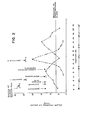
- Example 5 The 30-plus fractions of Example 5 were lyophilized and redissolved in 0.5 ml normal saline. Individual odd-numbered fractions, 0 . 1 ml each, were injected intradermally in a recipient person, in combination with an antigen to which the recipient had been previously shown to be sensitive. The dermal responses at 24 hours were measured. The results are shown in Figure 2.
- the material was obtained from a donor person who was insensitive to the antigen streptokinase (hereinafter "SK").
- the recipient person was known to be sensitive to streptokinase.
- the extent of his dermal reaction to SK in the absence of any modulators is presented as a horizontal line in Figure 2.
- DH responses above the line show amplifier activity, while responses below the normal level suggest suppressor activity.
- Also indicated in Figure 2 are the positions of the fractions containing fluorescamine-reactive material and of various small molecules (serotonin, histamine, ascorbic acid, nicotinamide, and hydrocortisone phosphate) known to be vasoactive, inflammatory, or anti-inflammatory.
- the solid line of the graph shows the dermal reactivity of individual fractions in the concentrations obtained from the gradient.
- HP-1 pooled fractions 1-10) designated HP-PK-1 on the patient's arm
- HP - 2 fractions 11-20
- HP-PK-2 fractions 11-20
- HP-3 fractions 2 1 - 30
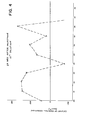
- DH response relative to controls was plotted as the extent or dermal reaction, defined as (a x b)-(a* x b*), where a and bare diameters in millimeters of the erythematous lesion resulting from injections of fraction plus antigen, measured along mutually perpendicular axes, and a* and b * are the respective diameters of the control lesion resulting from injection of antigen alone.
- the extent of dermal reaction is therefore the difference between the approximate areas of lesions produced by antigen alone and antigen mixed with modulator. Values appreciably below the control level of zero, such as those observed in fractions 29 and 30, indicate suppressor activity, while values appreciably above zero indicate amplifier activity. It should be noted that the pattern in Figure 4 is compatible with that of Figure 2, when one considers the results of the odd-numbered fractions which were the only fractions assayed in the experiment shown in Figure 2.
- Amplifier 6 was eluted from the HPLC column after the ethanol-water gradient had reached an apparent concentration of 99.9% ethanol, by continuing the elution of the column with 100% ethanol at 0.5 ml/min. collecting 1 ml fractions. Amplifier 6 was detected in tubes 32 through 34 under these conditions, with the greatest apparent concentration in tube 33.
- Amplifier 6 caused an accelerated and augmented response to antigens to which the recipient was sensitive.
- a dose equivalent to the yield from 2 x 10 8 leukocytes in the described purification improved, and in some instances restored, the DH response of patients rendered weakly responsive by intercurrent illness, to antigens to which they were previously exposed.
- the responses to amplifier 6 were enhanced by dilution, although the optimal dilution was variable with the individual recipient and perhaps depended upon the antigen as well.
- Table 4 shows the results of two dilution experiments. In part A, a streptokinase sensitive recipient received 2.5 units of streptokinase simultaneously with the amplifier.
- Material with amplifier activity is extractable from aqueous solution with ether.
- the extractable material requires dilution for maximal activity.
- the ether extract is therefore presumed to contain at least some of the described amplifiers.
- Reverse-phase chromatographic separation of the above-described modulators can be carried out using a variety of known reverse-phase column materials known in the art. While conditions of elution may vary, the optimal conditions for separating the above-described modulators will be readily determined by those of ordinary skill in the art.
- Amplifiers 1-6 and S-suppressor are all characterized by (a) M.W. under 3500,-and (b) being O.S. elutable with an ethanol-in-water gradient.
- O.S. elutable with an ethanol-in-water gradient, means capable of being eluted from.octadecyl silane by means of reverse-phase high pressure liquid chromatography with an ethanol-in-water gradient of increasing ethanol concentration.
- the property of being O.S. elutable permits the further characterization and separation of these seven modulators because they can be ordered in terms of their relative solubility or elutability.
- Amplifier 1 is 0 . S.
- Amplifier 2 is O.S. elutable only in a greater concentration of ethanol, and so on, until Amplifier 6 is reached, which is O.S. elutable only in almost pure ethanol.
- the third and fourth items may warrant further explanation. If an ethanol-in-water gradient is used that begins at a concentration in the middle or upper part of the range, e.g., 80%, then the first fraction that comes off will contain substantially all of the material O.S. elutable from 0 to 80%. Therefore, to properly purify material O.S. elutable from 80% to 88%, the gradient should begin below 80%, e.g., at 70% or 0%, so that all the material elutable in ethanol less concentrated than 80% will come off the column before the material elutable at 80% to 88% begins to come off. Otherwise, an ineffective purification will occur. This explains the presence of item (3) above.
- the fourth item states a characteristic that should automatically occur in any procedure using a gradient of increasing concentration. If the gradient begins, e .g., at 80% or below, and stops at 88% or above, what elutes between 80% and 88% will be free of material O.S. elutable only at higher ethanol concentrations such as 90%. This indicates, of course, that ethanol concentration in the gradient should always monotonically increase with time, in a proper purification procedure. That is the customary methodology.
- Table _C characterizes these seven small M.W. modulators in terms of the four parameters discussed above.
- the data in Table C is essentially the same as that of Table B above, presented in a different form.
- the horizontal lines of Table B separate the seven elution zones of interest with regard to these seven modulators.
- the basis of selection of the data tabulated in Table C was the result of dilution assays such as those of Figure 4. That is, the seven zones were defined by the assays.
- Amplifier 1 is characterized as having both an accelerating and augmenting effect on the DH skin response of recipients sen - sitive to a given antigen.
- the reactions produced by amplifier 1 administered with antigen reach peak intensity at about 6 to 14 hours after subcutaneous injection and fade rapidly thereafter. (In contrast, normal DH response, in the absence of amplifier, reaches a peak 24 to 30 hours after injection of antigen.)
- Amplifier 1 is O.S. elutable between approximately 0 to 12% (v/v) ethanol concentration, that is, in the portion of the ethanol-in-water HPLC gradient where the effluent has a refractive index of from approximately 1.332 to 1.336.
- the 1.336 refractive index figure and 12% concentration figure represent data from the use of the preparative column.
- Table C reflects only data from the use of the analytic column, which has shown a narrower elution range for amplifier 1.
- Amplifier 1 is not demonstrably reactive with fluorescamin e , and is separated from the main peak of fluorescamine reactivity on HPLC. Amplifier 1 passes through a dialysis membrane having a nominal M.W. cutoff of 3500, so that the M.W. of amplifier 1 may be presumed to be less than 3500.
- Amplifier 2 also causes both an accelerated and augmented response to antigen, although the degree of acceleration is somewhat less rapid than the response to amplifier 1. Reaction sites are more circumscribed than those produced by amplifier 1 plus antigen, and they persist considerably longer (up to seven days). Most suprisingly, maximal amplifying activity with amplifier 2 is observable only at an optimum concentration, with greater than o p - timal concentrations giving reduced amplification or even s u pp res- sion of the DH response.
- Amplifier 2 is O.S. elutable in the portions of the foregoing ethanol-in-water gradient between approximately 28 to 50%, where the refractive index of the effluent is from approximately 1 . 340 to 1.347. Otherwise, amplifier 2 has the properties of amplifier 1 described above. In addition, it has been observed'that amplifier 2 is stable to heating for 30 minutes at 56°C, but loses its ac ti - vity if heated for 30 minutes at 90°C. (As in the case of am p l i - fier 1, the immediately preceding concentration and refractive index data reflect data from the use of the preparative column while Table C reflects data from the analytic column, which has a narrower elution range for amplifier 2.)
- Amplifiers 3 , 4, 5, and 6 cause augmented response to antigen. Dilution studies indicate that the activity of amplifiers 3, 5, and 6 is enhanced by dilution. The activity of amplifier 4 may also be so enhanced, but the data is more equivocal. Amplifier 6 has been shown to have systemic effects. Otherwise, amplifiers 3 to 6 have substantially the properties of amplifier 1 described above. Amplifiers 3 to 6 are O.S. elutable in the approximate portions of the gradient indicated below in Table D. Data for amplifiers 1 and 2 are also restated for comparison.
- S-suppressor is characterized as having a temporary suppre s - sing effect on DH response to the reintroduction of an antigen that previously challenged the subject. The effect lasts about 48 hours, after which DH response returns. S-suppressor has this s u p-pressing effect when administered before or substantially concurrently with the antigen, but not when administered six hours or more after the antigen.
- S-suppressor also is capable of affecting the phenomenon of leukocyte migration inhibition.
- leukocytes from a sensitive individual are exposed to an antigen to which the individual is sensitive, the leukocytes lose their ability to migrate in a fluid or semi-solid medium.
- This phenomenon of leukocyte migration inhibition is reversed by S-suppressor, if S-suppressor is present at an optimal concentration.
- S-suppressor inhibits the phenomenon of leukocyte migration inhibition permitting the leukocytes to migrate normally.
- the phenomenon of leukocyte migration inhibition in the presence of antigen is known to be correlated with a state of delayed hypersensitivity to that antigen.
- the reversal of leukocyte migration inhibition by S- su p-pressor is therefore believed by the inventor to be correlated with S-suppressor's suppression of a DH response.
- S-suppressor is isolated from the dialysate passing through a membrane having a nominal 3500 M.W. cutoff, so that it too may be presumed to have M.W. less than 3500.
- S-suppressor is identifiable and separable from amplifiers 1 to 6 by HPLC.
- S-suppressor is O.S. elutable in fractions eluting from approximately 97% to 99% ethanol, where the refractive index of the effluent is from approximately 1.3600 to approximately 1.3608.
- S-suppressor is not demonstrably reactive with fluorescamine, as Judged by its separability from the major fluorescamine-reactive peak on HPLC. Suppression of a DH skin reaction is manifested when S-suppressor is injected before or concurrently with a test antigen to which the recipient gives a DH response. Suppression is r ever - sible or short-acting, in effect delaying the onset of the DH res - ponse about 72 hours. Suppression is not observed when amplifier 2 is injected concurrently with S-suppressor.
- L-suppressor An eighth modulator, designated herein as "L-suppressor,” is found in that fraction of the leukocyte extract passing through a dialysis membrane having a nominal 12,000 M.W. cutoff, but retained by membrane having a 3500 M.W. cutoff, so that M.W. may be presumed to be greater than 3500 and less than approximately 12,000.
- L-suppressor activity is reversible, like that of S-suppressor, having a suppressing effect lasting about 72 hours.
- L-suppressor is not fluorescamine-reactive, as judged by the fact that it is separable from the major fluorescamine-reactive peak, upon hydroxy- 'lapatite chromatography.
- Examples 8 and 9 exemplify the purification procedure for preparing L-suppressor.
- Example 2 The "L" dialysis fraction of Example 2 (or Example 3, which is an equivalent of Example 2) was further fractionated by chromatography on hydroxylapatite. After removal of fines, hydroxylapatite previously equilibrated with 5 mM ammonium bicarbonate was packed in a 1.5 x 20 cm column. The L fraction, lyophilized and redissolved in 0.05 M ammonium bicarbonate, was applied to the column. The column was eluted with a gradient of 0.05 M to 0.2 M aqueous ammonium bicarbonate (115 ml), followed by a gradient of 0.2 M to 0.6 M ammonium bicarbonate (65 ml). 1 ml fractions were collected and set aside.
- Example 8 The 1 ml fractions of Example 8 were monitored for absorbance at 260 nm and reactivities with fluorescamine. Individual fra - ctions were pooled in seven combined fractions spanning most of the gradient. The combined fractions were analyzed for biological activity by injecting each fraction intradermally in the presence of an antigen to which the recipient individual was sensitive. The results are shown in Table 2. Relative DH response is indicated in Table 2 by the diameter of the region of induration, in millimeters, measured at 25 and 43 hours, compared to a control-reaction site wherein antigen alone was injected.
- Fractions 450 and 451 eluting between 0.1 M and 0.1 5 M ammonium bicarbonate were those of interest. They strongly suppressed the DH reaction for at least 43 hours. At 72 hours reactions measuring 10 mm x 10 mm were seen at sites receiving fractions 450 and 451, indicating that the suppressor activity is temporary and reversible over time.
- Dialyzed red blood cell extracts were prepared in the same fashion that leukocyte extracts were prepared in Example 2. D i f - ferential dialysis and column chromatography on Sephadex G-10 were performed as described above. No immune modulator activity was observed in the resulting fractions. Therefore, it was concluded that the observed biological activity was not introduced by the extraction and purification steps. In addition, extracts of platelets subjected to identical purification steps, were devoid of modulator activity. Some of the purified amplifiers have been re-chromatographed and found to behave in essentially the manner observed during initial purification.
- PPD a purified protein derivative of tubercle bacillus
- Histoplasmin is a geographically-localized antigen. Sensitivity to histoplasmin is widespread in the southern United States and in tropical regions, where histoplasmosis is endemic. But sens - itivity to histoplasmin is not found in northern Europe, where histoplasmin does not occur.
- the donor a native of the south- eastern United States, was skin-test sensitive to histoplasmin, but was non-reactive to PPD.
- the recipients were lifetime residents of the United Kingdom with either a demonstrable skin test sensitivity to PPD or prior history of vaccination with BCG.
- the amplifier preparation employed in this experiment was purified as described, through the Sephadex G-10 fractionation step, except that a shorter, 80 cm column with somewhat lower resolution was employed. Consequently, test material was a mixture of amplifiers 1-6 and S -suppressor, in addition to fluorescamine-reactive material. The results are nevertheless significant as proof of the lack of transfer factor activity in the preparation.
- the intensity of the dermal skin reaction is expressed in terms of the diameter in mm of the zone of induration surrounding the injection site.
- the data show that the recipients lacked any capacity to react with histoplasmin, either before or after injection of leukocyte extract fractions. Both the accelerating and'augmenting aspects of amplifier activity are obs erv - able. On the other hand, no transfer of histoplasmin sensitivity is observable.
- An important aspect of the amplifier activities described herein is their systemic effectiveness. Furthermore, their systemic effects can be observed in anergic patients (those who have lost their normal immune responsiveness due to illness). Patients with a history of BCG vaccination and who were currently non-responsive to PPD as a result of illness could be rendered responsive to PPD by a subcutaneous injection of the amplifier fraction described in Example 2B, supra, using a 10- to 100-fold higher dose of the amplifier. Response to the antigen was not localized to the site of amplifier injection.
- the patient received a subcutaneous injection of amplifier 6 from fraction 33 of the reverse-phase chromatography, in an amount equivalent to that extractable from approximately 2 x 10 8 leukocytes.
- the patient was again challenged with tetanus toxoid, alone and in combination with several dilutions of amplifier 6, as before. However, this time there was a substantial response to a m - plifier 6, with some induration noted, as shown in Table 5.
- the results indicate a substantially increased responsiveness to the antigen, modulated by a systemic effect of the injection of amplifier 6 administered on day 2.
- Lymphocyte activation is a well-known phenomenon.
- a sample of peripheral blood lymphocytes of normal individuals is induced to proliferate in cell culture by a variety of known activating agents, including various plant mitogens and phytohemagglutinin (hereinafter PHA ) .
- PHA phytohemagglutinin
- the rate of proliferation is manifested by uptake of 3 H-thymidine from the culture medium into DNA of the dividing cells.
- the test procedure is described by Oppenheim, J.J., et al., in In Vitro Methods of Cell Mediated and Tumor Immunity (Bloom and David, eds.), pp. 573-585, Academic Press, New York, N.Y. (1976).
- Amplifiers 1-6 are prepared and purified as described in Example 1-5, using HPLC. Active fractions are pooled, lyophiliz and redissolved in normal saline or other physiologically acceptable vehicle. An effective dose, e.g., 0.1 ml containing equivalent amount of amplifiers 1-6 purified from 5 x 10 7 leukocytes, is injected subcutaneously. Increased immune responsiveness is monitored by the patient's reactivity to an antigen to which he is known to be sensitive, comparing reacti- before and after administering the amplifiers. The amplifiers administered either individually, or in combination, dependin f the desired effects.
- the persistence of the systemic modulat produced by administration of the amplifiers varies from pati patient, and must therefore be monitored periodically with a suitable sensitivity test, as described. Additional doses a administered as required to maintain a desired amplificatior immunity based upon the professional judgment of the attend ' physician.
- the amplifiers can be used to produce an immune response to weak vaccines.
- Many p athagens including several Staphylococcus varieties and fungi responsible. for Histoplasmosis or Candidiasis, fail to provoke a strong response in certain patients.
- Such fungal infections are especially dangerous for patients subjected to cancer chemothera p hy, or immunosuppressive drugs.
- amplifiers 1-6 are expected to expand the scope of preventative measures in medicine, and to enlarge the range of weak antigens which can be used for immunization.
- Vaccine is preferably prepared by combining amplifiers 1 -6 with antigens of the desired pathogen, prepared according to known methods in the art to ensure adequate attenuation and sterility. The vaccine is then administered by standard procedures.
- Severe skin reactions to poison ivy or other contact hypersensitivity reactions are preventable by treatment with S-suppressor.
- Such a treatment would proceed on the basis of the known fact that the major portion of contact dermatitis reactions, such as that of poison ivy or other allergens, is a DH reaction.
- S-suppressor is purified and incorporated into a salve or ointment suitable for topical application, such as a cold-cream-base composition.
- One suppressor unit may be defined as the minimum amount necessary to reduce the diameter of induration in an individual's DH response, by 5 mm.
- the skin area of the patient to be treated should receive a dose of at least one suppressor unit per 100 cm 2 3 which is an effective doseage amount, with larger doses being administered if clinically indicated. Treatment should be continued as long as there is danger of exposure, with reapplications at least every seven days, but more frequently if clinically indicated.
- the response of individual patients will vary depending upon their degree of sensitivity to the antigen, and their responsiveness to suppressor.
- Such compositions may also advantageously include steroids or other anti-inflammatory agents to enhance their therapeutic effect.
- Severe poison ivy and other contact skin reactions are preventable by the administration of L-suppressor. Again, the known DH component of such skin reactions indicates the effectiveness of such a therapeutic approach. Active fractions from hydroxylapatite chromatography should be pooled, lyophilized, and incorporated into a salve or ointment composition suitable for topical application. Where the reaction is generalized, parenteral administration may be preferred. Dosage and method of treatment follow essentially as described in the preceding example.
- the L-suppressor material and S-suppressor material may be applied separately, or mixed together in a single composition.
- the above described modulators of the immune system are considered to be materials whose natural function is regulation of the immune response, directly with respect to cell mediated immunity and perhaps indirectly affecting humoral immunity as well.
- the materials - have been prepared with a high degree of purity such that their properties have now been characterized and shown to be entirely and unexpectedly different from transfer factor and from partial fractionations thereof reported in the prior art. It will be understood, however, that the materials disclosed and claimed herein are defined in terms of their biological activities and physical properties and do not necessarily consist of single molecules or chemical entities.
- the amplifier and suppressor materials herein described are medically useful for the treatment of patients suffering from a variety of hyperimmune and hypoimmune conditions. It is especially significant that these materials may be isolated from normal individuals, rather than from specific identified donors, so that large-scale purification from pooled sources is feasible.
- modulator and modulator material are generically applied to all of the biologically active materials of this invention. They are derived from leukocytes. They are in purified form, and in particular are purified substantially free of fluorescamine-reactive substances. They affect a response, whether direct or indirect, of the immunity system of an animal or human body, portion of said body, or matter taken from said body. The response is to the reintroduction of antigens to which the animal or human body was previously exposed; the response occurs upon or following the reintroduction of such an antigen; the response is specifically attributable to a function of the immunity system.
- modulator material is collective and has several different components, each component being termed a "modulator.”
- the given modulator or specimen of modulator material used for any biological purpose is substantially free of other material, such as a second modulator, that has an opposite effect to the effect of the given modulator on the immune system.
- modulator material is a generic term for material containing amplifiers, or suppressors, or other modulators. This can include a mixture of amplifiers or a mixture of suppressors. But the term is not used to refer to a mixture in which both amplifier material and suppressor material are present at the same time, as such a mixture would contain mutually antagonistic or nullifying ingredients.
- modulator is applied to a particular, even though not specifically designated, species (member of the genus) of modulator, such as amplifier 3 or L-suppressor.
- human modulators There is a major subgenus of modulators, "human modulators.”
- human modulator material the leukocytes from which the material is derived are human leukocytes, and the kind of immune response of a body that the modulator material affects is that of a human body.
- a “human modulator” is an individual substance present in human modulator material.
- the human modulators of principal interest herein are those modulators that increase or decrease the speed or magnitude of immune response.
- This principal subgenus does not include those modulators, referred to but not described herein, that primarily modulate other aspects of immunity response, such as duration of response, threshold of sensitivity, and type of response (e.g., proliferation of lymphocytes).
- Amplifie material is human modulator material that increases the speed (accelerates onset) of or increases the magnitude (augments) the immune response, or does both.
- Amplifie material includes at least six specific amplifiers. The six disclosed herein are designated by the numbers 1 to 6. These art all S-fraction (M.W. under 3500) and O.S. elutable modulators. Other amplifiers may hereafter be extracted by extrapolation fro the teachings of this disclosure.
- the six claimed amplifier species designated by the numbers 1-6 are all characterized by the four parameters referred to previously, in terms of the respective zones in which they are C elutable, and below which they are not O.S. elutable, as well af their purification from and freedom from materials O.S. elutable outside that zone.
- the six approximate zones are tabulated abo in Table D. The same zones of Table D are used in the claims hereinbelow.
- S-suppressor material is human modulator material that decreases the speed of onset of or decreases the magnitude of immune response.
- a suppressor is a particular kind of such material.
- the invention includes two specific suppressors, S-suppressor and L-suppressor.
- S-suppressor is an S-fraction material, characterized in terms of the same parameters as amplifiers 1-6.
- L-suppressor is characterized in terms of its 3500-12,000 M.W. and its elutability characteristics.
- the invention is also considered to include the novel processes for purification and extraction of these new material described herein, as well as the novel compositions including materials and the methods using them, disclosed herein.
- dialysis and "dialyzed through a dialysis membrane” are used herein, they should be understood to include equivalent methods of separating molecules and/or biological "activities" of different sizes and/or weights.
- dialysis as used herein includes ultrafiltration, ultracentrifugation, and electrophoresis.
- g el filtration includes gel exclusion chromatography on a high performance liquid chromatographic system.
Landscapes
- Health & Medical Sciences (AREA)
- Life Sciences & Earth Sciences (AREA)
- Immunology (AREA)
- Chemical & Material Sciences (AREA)
- Hematology (AREA)
- Engineering & Computer Science (AREA)
- Epidemiology (AREA)
- Medicinal Chemistry (AREA)
- Animal Behavior & Ethology (AREA)
- General Health & Medical Sciences (AREA)
- Public Health (AREA)
- Veterinary Medicine (AREA)
- Pharmacology & Pharmacy (AREA)
- Biotechnology (AREA)
- Urology & Nephrology (AREA)
- Oncology (AREA)
- Cell Biology (AREA)
- Developmental Biology & Embryology (AREA)
- Virology (AREA)
- Zoology (AREA)
- Biomedical Technology (AREA)
- Water Supply & Treatment (AREA)
- Chemical Kinetics & Catalysis (AREA)
- Medicines Containing Material From Animals Or Micro-Organisms (AREA)
- Investigating Or Analysing Biological Materials (AREA)
- Amplifiers (AREA)
- Purification Treatments By Anaerobic Or Anaerobic And Aerobic Bacteria Or Animals (AREA)
Priority Applications (1)
| Application Number | Priority Date | Filing Date | Title |
|---|---|---|---|
| AT83111442T ATE32661T1 (de) | 1982-11-15 | 1983-11-15 | Verfahren zur reinigung von modulatoren des immunsystems. |
Applications Claiming Priority (2)
| Application Number | Priority Date | Filing Date | Title |
|---|---|---|---|
| US441432 | 1982-11-15 | ||
| US06/441,432 US4468379A (en) | 1982-05-06 | 1982-11-15 | Leukocyte extracts for affecting the immune system |
Publications (2)
| Publication Number | Publication Date |
|---|---|
| EP0109089A1 true EP0109089A1 (de) | 1984-05-23 |
| EP0109089B1 EP0109089B1 (de) | 1988-03-02 |
Family
ID=23752845
Family Applications (1)
| Application Number | Title | Priority Date | Filing Date |
|---|---|---|---|
| EP83111442A Expired EP0109089B1 (de) | 1982-11-15 | 1983-11-15 | Verfahren zur Reinigung von Modulatoren des Immunsystems |
Country Status (4)
| Country | Link |
|---|---|
| US (1) | US4468379A (de) |
| EP (1) | EP0109089B1 (de) |
| AT (1) | ATE32661T1 (de) |
| DE (1) | DE3375759D1 (de) |
Cited By (11)
| Publication number | Priority date | Publication date | Assignee | Title |
|---|---|---|---|---|
| EP0173889A3 (en) * | 1984-08-24 | 1987-02-04 | Arthur A. Gottlieb | Immunoamplifiers and processes for the extraction thereof |
| FR2599971A1 (fr) * | 1986-06-17 | 1987-12-18 | New Therapeutics Ltd | Procede d'obtention de modulateurs immunologiques pour le traitement de deficiences immunitaires provoquees par des virus, et produit ainsi obtenu |
| EP0238656A4 (de) * | 1985-10-07 | 1988-06-08 | Neogen Corp | Verabreichungsverfahren für impfstoffe und zusammensetzungen dazu. |
| EP0230052A3 (en) * | 1985-12-26 | 1989-08-30 | Arthur A. Gottlieb | Immunoamplifiers and related compositions |
| EP0247538A3 (de) * | 1986-05-28 | 1989-08-30 | Imreg, Inc. | Immunosuppressivum und Verfahren zu seiner Extraktion |
| EP0240033A3 (en) * | 1986-04-04 | 1990-01-17 | Imreg, Inc. | Treatment of autoimmune disorders with immunoamplifiers |
| EP0673652A4 (de) * | 1992-07-21 | 1996-07-03 | Nikolaenko Alexandr N | Biologisch aktive substanz mit immunmodulierenden eigenschaften, verfahren zu ihrer gewinnung und aus ihr hergestellte, pharmazeutische zubereitung. |
| WO2003072117A1 (es) * | 2002-02-28 | 2003-09-04 | Luis Antonio Calzada Nova | Extracto de leucocitos dializado para el tratamiento de enfermedades infecciosas en animales |
| WO2008065334A1 (en) * | 2006-11-30 | 2008-06-05 | Systagenix Wound Management Ip Co. B.V. | Wound dressing compositions containing non-viable cell lysate |
| CZ299296B6 (cs) * | 2006-06-13 | 2008-06-11 | Sevapharma A.S. | Lécivo transfer faktor - zpusob výroby a použití |
| EP2792685A4 (de) * | 2011-12-16 | 2015-05-06 | Inst Politecnico Nacional | Verfahren zur herstellung eines dialysierbaren leukozytenextrakts |
Families Citing this family (24)
| Publication number | Priority date | Publication date | Assignee | Title |
|---|---|---|---|---|
| US4988676A (en) * | 1984-05-11 | 1991-01-29 | Sloan-Kettering Institute For Cancer Research | Cellular proliferation T cell suppressor factor |
| US4618494A (en) * | 1984-07-20 | 1986-10-21 | Immunology Development Corporation | Human Immune Factors and processes for their production and use |
| US5100663A (en) * | 1984-08-24 | 1992-03-31 | Imreg, Inc. | Tyr-Gly compositions useful in increasing immune response |
| US5093321A (en) * | 1984-08-24 | 1992-03-03 | Imreg, Inc. | Dialysates for treating aids and arc and for otherwise increasing immune response |
| EP0212285A1 (de) * | 1985-07-29 | 1987-03-04 | Arthur A. Gottlieb | Herleitung und Verwendung ausgewählter Genprodukte |
| US5643565A (en) * | 1985-09-20 | 1997-07-01 | Chiron Corporation | Human IL-2 as a vaccine adjuvant |
| US4778750A (en) * | 1986-02-19 | 1988-10-18 | Imreg, Inc. | Diagnostic methods for immune function |
| US4920097A (en) * | 1986-05-28 | 1990-04-24 | Imreg, Inc. | Immunosuppressor and method of extraction thereof from leukocytes |
| US4874608A (en) * | 1987-04-27 | 1989-10-17 | Imreg, Inc. | Therapeutic method for treating malignancies |
| US5316775A (en) * | 1988-08-04 | 1994-05-31 | Kremers-Urban Company | Method of treating hepatitis B infection |
| US5284664A (en) * | 1988-08-04 | 1994-02-08 | Kremers-Urban Company | Method of treating the symptoms of Alzheimer's disease |
| US5334395A (en) * | 1988-08-04 | 1994-08-02 | Kremers-Urban Company | Method of treating an epstein-barr viral infection |
| US5055296A (en) * | 1988-08-04 | 1991-10-08 | Wagle Sudhakar S | Method of treating chronic fatigue syndrome |
| US5013546A (en) * | 1988-08-23 | 1991-05-07 | Imreg, Inc. | Methods for modulating antibody production in treating patients with AIDS, ARC and other diseases |
| IL96477A0 (en) * | 1989-12-01 | 1991-08-16 | Amgen Inc | Megakaryocyte production |
| JPH05508847A (ja) * | 1990-07-02 | 1993-12-09 | ナシヨナル・ジユーイツシユ・センター・フオー・イミユノロジー・アンド・レスピラトリー・メデイシン | 伝達因子および使用方法 |
| AU8107191A (en) * | 1990-07-02 | 1992-01-23 | National Jewish Center For Immunology And Respiratory Medicine | Process for obtaining pure peptide transfer factor, transfer factor thus obtained and uses thereof |
| US5883224A (en) * | 1996-04-19 | 1999-03-16 | Cytokine Sciences, Inc. | Characterization of transfer factors and methods of use |
| US6783987B2 (en) | 1999-12-09 | 2004-08-31 | Tsukasa Matsumoto | Method for obtaining components from cultured leucocyte |
| US7632818B2 (en) * | 2003-03-20 | 2009-12-15 | Gottlieb Marise S | Method for treating conditions associated with the Metabolic Syndrome (Syndrome X) |
| CN100333787C (zh) * | 2004-08-17 | 2007-08-29 | 麦瑞斯·高特莱布 | Yg及ygg作为维持和改善免疫反应的药物中的应用 |
| DE102004047262A1 (de) * | 2004-09-24 | 2006-04-06 | Ipss International Pharmaceutical Strategies & Solutions | Pharmazeutisches Mittel umfassend Blutprodukte und deren Verwendung als Injektions- oder Infusionsmittel zur Prophylaxe und Behandlung von Defekten des Immunsystems beim Menschen |
| US20060067942A1 (en) * | 2004-09-24 | 2006-03-30 | Salama Zoser B | Pharmaceutical agent comprising amino acids, peptides, proteins and/or fractions and fragments thereof and the use of same in the prophylaxis and treatment of immune system deficiency in humans and animals |
| EP1640012A1 (de) * | 2004-09-24 | 2006-03-29 | Salama, Zoser B. nat.rer.Dr. | Pharmazeutisches Mittel enthaltend Blutbestandteile 10 kDa und deren Verwendung zur Prophylaxe und Behandlung von Defekten des Immunsystems |
Citations (5)
| Publication number | Priority date | Publication date | Assignee | Title |
|---|---|---|---|---|
| US3991182A (en) * | 1971-10-19 | 1976-11-09 | The Regents Of The University Of California | Transfer factor |
| US4132776A (en) * | 1978-02-15 | 1979-01-02 | University Patents, Inc. | Delivery of immunologically active components of transfer factor |
| US4180627A (en) * | 1978-08-17 | 1979-12-25 | The United States Of America As Represented By The Secretary Of Agriculture | Process for in vivo transfer of cell-mediated immunity in mammals with alcoholic precipitates of Bovine Transfer factor |
| EP0010738A1 (de) * | 1978-10-25 | 1980-05-14 | A/S Alfred Benzon | Übertragungsfaktor und Verfahren zu seiner Herstellung |
| EP0042064A2 (de) * | 1980-05-14 | 1981-12-23 | Arthur A. Gottlieb | Immunsystemmodulatoren |
-
1982
- 1982-11-15 US US06/441,432 patent/US4468379A/en not_active Expired - Fee Related
-
1983
- 1983-11-15 AT AT83111442T patent/ATE32661T1/de not_active IP Right Cessation
- 1983-11-15 DE DE8383111442T patent/DE3375759D1/de not_active Expired
- 1983-11-15 EP EP83111442A patent/EP0109089B1/de not_active Expired
Patent Citations (5)
| Publication number | Priority date | Publication date | Assignee | Title |
|---|---|---|---|---|
| US3991182A (en) * | 1971-10-19 | 1976-11-09 | The Regents Of The University Of California | Transfer factor |
| US4132776A (en) * | 1978-02-15 | 1979-01-02 | University Patents, Inc. | Delivery of immunologically active components of transfer factor |
| US4180627A (en) * | 1978-08-17 | 1979-12-25 | The United States Of America As Represented By The Secretary Of Agriculture | Process for in vivo transfer of cell-mediated immunity in mammals with alcoholic precipitates of Bovine Transfer factor |
| EP0010738A1 (de) * | 1978-10-25 | 1980-05-14 | A/S Alfred Benzon | Übertragungsfaktor und Verfahren zu seiner Herstellung |
| EP0042064A2 (de) * | 1980-05-14 | 1981-12-23 | Arthur A. Gottlieb | Immunsystemmodulatoren |
Non-Patent Citations (5)
| Title |
|---|
| BIOLOGICAL ABSTRACTS, vol. 68, no. 9, 1979, abstract no. 54018 * |
| CHEMICAL ABSTRACTS, vol. 92, no. 23, 9th June 1980, page 499, no. 196150r, Columbus, Ohio, US * |
| CHEMICAL ABSTRACTS, vol. 94, no. 19, 11th May 1981, page 473, no. 154692e, Columbus, Ohio, US * |
| JOURNAL OF CLINICAL HEMATOLOGY AND ONCOLOGY, vol. 8, no. 4, 1978, article 36, page 122 * |
| THE JOURNAL OF IMMUNOLOGY, vol. 122, no. 3, March 1979, pages 1091-1098, The Williams & Wilkins Co., US * |
Cited By (14)
| Publication number | Priority date | Publication date | Assignee | Title |
|---|---|---|---|---|
| EP0173889A3 (en) * | 1984-08-24 | 1987-02-04 | Arthur A. Gottlieb | Immunoamplifiers and processes for the extraction thereof |
| EP0238656A4 (de) * | 1985-10-07 | 1988-06-08 | Neogen Corp | Verabreichungsverfahren für impfstoffe und zusammensetzungen dazu. |
| EP0230052A3 (en) * | 1985-12-26 | 1989-08-30 | Arthur A. Gottlieb | Immunoamplifiers and related compositions |
| EP0240033A3 (en) * | 1986-04-04 | 1990-01-17 | Imreg, Inc. | Treatment of autoimmune disorders with immunoamplifiers |
| EP0247538A3 (de) * | 1986-05-28 | 1989-08-30 | Imreg, Inc. | Immunosuppressivum und Verfahren zu seiner Extraktion |
| EP0250234A1 (de) * | 1986-06-17 | 1987-12-23 | Newtherapeutics Limited | Verwendung spezifischer Immunomodulatoren zur Behandlung HIV-induzierter Immundefektsyndrome |
| FR2599971A1 (fr) * | 1986-06-17 | 1987-12-18 | New Therapeutics Ltd | Procede d'obtention de modulateurs immunologiques pour le traitement de deficiences immunitaires provoquees par des virus, et produit ainsi obtenu |
| EP0673652A4 (de) * | 1992-07-21 | 1996-07-03 | Nikolaenko Alexandr N | Biologisch aktive substanz mit immunmodulierenden eigenschaften, verfahren zu ihrer gewinnung und aus ihr hergestellte, pharmazeutische zubereitung. |
| WO2003072117A1 (es) * | 2002-02-28 | 2003-09-04 | Luis Antonio Calzada Nova | Extracto de leucocitos dializado para el tratamiento de enfermedades infecciosas en animales |
| CZ299296B6 (cs) * | 2006-06-13 | 2008-06-11 | Sevapharma A.S. | Lécivo transfer faktor - zpusob výroby a použití |
| WO2008065334A1 (en) * | 2006-11-30 | 2008-06-05 | Systagenix Wound Management Ip Co. B.V. | Wound dressing compositions containing non-viable cell lysate |
| US8834905B2 (en) | 2006-11-30 | 2014-09-16 | Systagenix Wound Management (Us), Inc. | Wound dressing compositions |
| US10183093B2 (en) | 2006-11-30 | 2019-01-22 | Kci Usa, Inc. | Wound dressing compositions |
| EP2792685A4 (de) * | 2011-12-16 | 2015-05-06 | Inst Politecnico Nacional | Verfahren zur herstellung eines dialysierbaren leukozytenextrakts |
Also Published As
| Publication number | Publication date |
|---|---|
| ATE32661T1 (de) | 1988-03-15 |
| EP0109089B1 (de) | 1988-03-02 |
| DE3375759D1 (en) | 1988-04-07 |
| US4468379A (en) | 1984-08-28 |
Similar Documents
| Publication | Publication Date | Title |
|---|---|---|
| EP0109089B1 (de) | Verfahren zur Reinigung von Modulatoren des Immunsystems | |
| CA1231643A (en) | Composition of intravenous immune globulin | |
| Cooper et al. | In vivo release of glycoprotein I from the Ha subline of TA3 murine tumor into ascites fluid and serum | |
| US4616079A (en) | Immunoamplifiers and processes for the extraction thereof | |
| Shaper et al. | Purification of wheat germ agglutinin by affinity chromatography | |
| EP0042064B1 (de) | Immunsystemmodulatoren | |
| JP3148895B2 (ja) | 精製方法 | |
| JPS6053009B2 (ja) | 肝炎ウイルスbによる急性または慢性の感染治療用の新規医薬 | |
| Jepson et al. | Decreased in vivo and in vitro erythropoiesis induced by plasma of ten patients with thymoma, lymphosarcoma, or idiopathic erythroblastopenia | |
| US4956278A (en) | Anaplasma marginale antigen, antigen compositions, vaccine and process for the production of said antigen, antigen compositions and vaccine | |
| Appleyard et al. | A protective antigen from the pox-viruses: I. Reaction with neutralising antibody | |
| HK1004555B (en) | Process | |
| White et al. | Solubilization and characterization of a protective antigen of Erysipelothrix rhusiopathiae | |
| Bout et al. | Purification, immunochemical and biological characterization of malate dehydrogenase ofSchistosoma mansoni | |
| EP0230052A2 (de) | Immunverstärker und verwandte Zusammensetzungen | |
| Herz | On the effects of tannic acid on erythrocyte membrane acetylcholinesterase | |
| Burton et al. | Progesterone-binding globulin from the serum of pregnant guinea pigs, a polydisperse glycoprotein | |
| Kalf et al. | The isolation of deoxyribonucleic acid from lamb heart mitochondria | |
| WO1991018104A1 (en) | Indh enzyme compositions and their methods of use | |
| RU2799637C1 (ru) | Способ получения биологически активного пептидно-аминокислотного препарата на основе плазмы крови человека | |
| US5391715A (en) | Method for isolating and purifying bordetella pertussis antigenic factors | |
| Fletcher et al. | Micropolyspora faeni and farmer's lung disease | |
| Gottlieb et al. | In vivo modification of delayed type hypersensitivity by small molecular weight components derived from human leucocytes: partial purification of components causing amplification of response | |
| Lockshin | Normal macrophage migration inhibition in dexamethasone-treated guinea-pigs | |
| Bhatnagar et al. | Proteins from salmonella R-mutants mediating protection against Salmonella typhimurium infection in mice III. Separation and purification of soluble proteins and their use as vaccines and as precipitating antigens |
Legal Events
| Date | Code | Title | Description |
|---|---|---|---|
| PUAI | Public reference made under article 153(3) epc to a published international application that has entered the european phase |
Free format text: ORIGINAL CODE: 0009012 |
|
| AK | Designated contracting states |
Designated state(s): AT BE CH DE FR GB IT LI LU NL SE |
|
| 17P | Request for examination filed |
Effective date: 19841123 |
|
| 17Q | First examination report despatched |
Effective date: 19860616 |
|
| GRAA | (expected) grant |
Free format text: ORIGINAL CODE: 0009210 |
|
| AK | Designated contracting states |
Kind code of ref document: B1 Designated state(s): AT BE CH DE FR GB IT LI LU NL SE |
|
| PG25 | Lapsed in a contracting state [announced via postgrant information from national office to epo] |
Ref country code: NL Effective date: 19880302 Ref country code: IT Free format text: LAPSE BECAUSE OF FAILURE TO SUBMIT A TRANSLATION OF THE DESCRIPTION OR TO PAY THE FEE WITHIN THE PRESCRIBED TIME-LIMIT;WARNING: LAPSES OF ITALIAN PATENTS WITH EFFECTIVE DATE BEFORE 2007 MAY HAVE OCCURRED AT ANY TIME BEFORE 2007. THE CORRECT EFFECTIVE DATE MAY BE DIFFERENT FROM THE ONE RECORDED. Effective date: 19880302 |
|
| REF | Corresponds to: |
Ref document number: 32661 Country of ref document: AT Date of ref document: 19880315 Kind code of ref document: T |
|
| PG25 | Lapsed in a contracting state [announced via postgrant information from national office to epo] |
Ref country code: SE Effective date: 19880331 |
|
| REF | Corresponds to: |
Ref document number: 3375759 Country of ref document: DE Date of ref document: 19880407 |
|
| ET | Fr: translation filed | ||
| NLV1 | Nl: lapsed or annulled due to failure to fulfill the requirements of art. 29p and 29m of the patents act | ||
| PLBE | No opposition filed within time limit |
Free format text: ORIGINAL CODE: 0009261 |
|
| STAA | Information on the status of an ep patent application or granted ep patent |
Free format text: STATUS: NO OPPOSITION FILED WITHIN TIME LIMIT |
|
| 26N | No opposition filed | ||
| PGFP | Annual fee paid to national office [announced via postgrant information from national office to epo] |
Ref country code: LU Payment date: 19921022 Year of fee payment: 10 |
|
| ITTA | It: last paid annual fee | ||
| EPTA | Lu: last paid annual fee | ||
| PG25 | Lapsed in a contracting state [announced via postgrant information from national office to epo] |
Ref country code: LU Free format text: LAPSE BECAUSE OF NON-PAYMENT OF DUE FEES Effective date: 19931115 |
|
| PGFP | Annual fee paid to national office [announced via postgrant information from national office to epo] |
Ref country code: CH Payment date: 19941013 Year of fee payment: 12 |
|
| PGFP | Annual fee paid to national office [announced via postgrant information from national office to epo] |
Ref country code: AT Payment date: 19941017 Year of fee payment: 12 |
|
| PGFP | Annual fee paid to national office [announced via postgrant information from national office to epo] |
Ref country code: DE Payment date: 19941026 Year of fee payment: 12 |
|
| PGFP | Annual fee paid to national office [announced via postgrant information from national office to epo] |
Ref country code: BE Payment date: 19941027 Year of fee payment: 12 |
|
| PG25 | Lapsed in a contracting state [announced via postgrant information from national office to epo] |
Ref country code: AT Effective date: 19951115 |
|
| PG25 | Lapsed in a contracting state [announced via postgrant information from national office to epo] |
Ref country code: LI Effective date: 19951130 Ref country code: CH Effective date: 19951130 Ref country code: BE Effective date: 19951130 |
|
| PGFP | Annual fee paid to national office [announced via postgrant information from national office to epo] |
Ref country code: GB Payment date: 19960508 Year of fee payment: 13 |
|
| BERE | Be: lapsed |
Owner name: GOTTLIEB ARTHUR A. Effective date: 19951130 |
|
| PGFP | Annual fee paid to national office [announced via postgrant information from national office to epo] |
Ref country code: FR Payment date: 19960607 Year of fee payment: 13 |
|
| REG | Reference to a national code |
Ref country code: CH Ref legal event code: PL |
|
| PG25 | Lapsed in a contracting state [announced via postgrant information from national office to epo] |
Ref country code: FR Effective date: 19960731 |
|
| PG25 | Lapsed in a contracting state [announced via postgrant information from national office to epo] |
Ref country code: DE Effective date: 19960801 |
|
| REG | Reference to a national code |
Ref country code: FR Ref legal event code: ST |
|
| PG25 | Lapsed in a contracting state [announced via postgrant information from national office to epo] |
Ref country code: GB Effective date: 19961115 |
|
| GBPC | Gb: european patent ceased through non-payment of renewal fee |
Effective date: 19961115 |