EP0117060A2 - Verfahren zum Aussieben und Amplifizieren in eukarotischen Wirtzellen und Nukleotidensequenzen und Expressionsvektoren zur Verwendung in diesem Verfahren - Google Patents
Verfahren zum Aussieben und Amplifizieren in eukarotischen Wirtzellen und Nukleotidensequenzen und Expressionsvektoren zur Verwendung in diesem Verfahren Download PDFInfo
- Publication number
- EP0117060A2 EP0117060A2 EP84300300A EP84300300A EP0117060A2 EP 0117060 A2 EP0117060 A2 EP 0117060A2 EP 84300300 A EP84300300 A EP 84300300A EP 84300300 A EP84300300 A EP 84300300A EP 0117060 A2 EP0117060 A2 EP 0117060A2
- Authority
- EP
- European Patent Office
- Prior art keywords
- cells
- dhfr
- protein
- mtx
- plasmid
- Prior art date
- Legal status (The legal status is an assumption and is not a legal conclusion. Google has not performed a legal analysis and makes no representation as to the accuracy of the status listed.)
- Withdrawn
Links
Images




Classifications
-
- C—CHEMISTRY; METALLURGY
- C07—ORGANIC CHEMISTRY
- C07K—PEPTIDES
- C07K14/00—Peptides having more than 20 amino acids; Gastrins; Somatostatins; Melanotropins; Derivatives thereof
- C07K14/005—Peptides having more than 20 amino acids; Gastrins; Somatostatins; Melanotropins; Derivatives thereof from viruses
-
- C—CHEMISTRY; METALLURGY
- C12—BIOCHEMISTRY; BEER; SPIRITS; WINE; VINEGAR; MICROBIOLOGY; ENZYMOLOGY; MUTATION OR GENETIC ENGINEERING
- C12N—MICROORGANISMS OR ENZYMES; COMPOSITIONS THEREOF; PROPAGATING, PRESERVING, OR MAINTAINING MICROORGANISMS; MUTATION OR GENETIC ENGINEERING; CULTURE MEDIA
- C12N15/00—Mutation or genetic engineering; DNA or RNA concerning genetic engineering, vectors, e.g. plasmids, or their isolation, preparation or purification; Use of hosts therefor
-
- C—CHEMISTRY; METALLURGY
- C12—BIOCHEMISTRY; BEER; SPIRITS; WINE; VINEGAR; MICROBIOLOGY; ENZYMOLOGY; MUTATION OR GENETIC ENGINEERING
- C12N—MICROORGANISMS OR ENZYMES; COMPOSITIONS THEREOF; PROPAGATING, PRESERVING, OR MAINTAINING MICROORGANISMS; MUTATION OR GENETIC ENGINEERING; CULTURE MEDIA
- C12N15/00—Mutation or genetic engineering; DNA or RNA concerning genetic engineering, vectors, e.g. plasmids, or their isolation, preparation or purification; Use of hosts therefor
- C12N15/09—Recombinant DNA-technology
- C12N15/63—Introduction of foreign genetic material using vectors; Vectors; Use of hosts therefor; Regulation of expression
- C12N15/79—Vectors or expression systems specially adapted for eukaryotic hosts
- C12N15/85—Vectors or expression systems specially adapted for eukaryotic hosts for animal cells
-
- C—CHEMISTRY; METALLURGY
- C12—BIOCHEMISTRY; BEER; SPIRITS; WINE; VINEGAR; MICROBIOLOGY; ENZYMOLOGY; MUTATION OR GENETIC ENGINEERING
- C12N—MICROORGANISMS OR ENZYMES; COMPOSITIONS THEREOF; PROPAGATING, PRESERVING, OR MAINTAINING MICROORGANISMS; MUTATION OR GENETIC ENGINEERING; CULTURE MEDIA
- C12N9/00—Enzymes; Proenzymes; Compositions thereof; Processes for preparing, activating, inhibiting, separating or purifying enzymes
- C12N9/0004—Oxidoreductases (1.)
- C12N9/0012—Oxidoreductases (1.) acting on nitrogen containing compounds as donors (1.4, 1.5, 1.6, 1.7)
- C12N9/0026—Oxidoreductases (1.) acting on nitrogen containing compounds as donors (1.4, 1.5, 1.6, 1.7) acting on CH-NH groups of donors (1.5)
- C12N9/0028—Oxidoreductases (1.) acting on nitrogen containing compounds as donors (1.4, 1.5, 1.6, 1.7) acting on CH-NH groups of donors (1.5) with NAD or NADP as acceptor (1.5.1)
-
- C—CHEMISTRY; METALLURGY
- C12—BIOCHEMISTRY; BEER; SPIRITS; WINE; VINEGAR; MICROBIOLOGY; ENZYMOLOGY; MUTATION OR GENETIC ENGINEERING
- C12N—MICROORGANISMS OR ENZYMES; COMPOSITIONS THEREOF; PROPAGATING, PRESERVING, OR MAINTAINING MICROORGANISMS; MUTATION OR GENETIC ENGINEERING; CULTURE MEDIA
- C12N9/00—Enzymes; Proenzymes; Compositions thereof; Processes for preparing, activating, inhibiting, separating or purifying enzymes
- C12N9/14—Hydrolases (3)
- C12N9/48—Hydrolases (3) acting on peptide bonds (3.4)
- C12N9/50—Proteinases, e.g. Endopeptidases (3.4.21-3.4.25)
- C12N9/64—Proteinases, e.g. Endopeptidases (3.4.21-3.4.25) derived from animal tissue
- C12N9/6421—Proteinases, e.g. Endopeptidases (3.4.21-3.4.25) derived from animal tissue from mammals
- C12N9/6424—Serine endopeptidases (3.4.21)
- C12N9/6456—Plasminogen activators
- C12N9/6459—Plasminogen activators t-plasminogen activator (3.4.21.68), i.e. tPA
-
- C—CHEMISTRY; METALLURGY
- C12—BIOCHEMISTRY; BEER; SPIRITS; WINE; VINEGAR; MICROBIOLOGY; ENZYMOLOGY; MUTATION OR GENETIC ENGINEERING
- C12Y—ENZYMES
- C12Y304/00—Hydrolases acting on peptide bonds, i.e. peptidases (3.4)
- C12Y304/21—Serine endopeptidases (3.4.21)
- C12Y304/21069—Protein C activated (3.4.21.69)
-
- C—CHEMISTRY; METALLURGY
- C12—BIOCHEMISTRY; BEER; SPIRITS; WINE; VINEGAR; MICROBIOLOGY; ENZYMOLOGY; MUTATION OR GENETIC ENGINEERING
- C12N—MICROORGANISMS OR ENZYMES; COMPOSITIONS THEREOF; PROPAGATING, PRESERVING, OR MAINTAINING MICROORGANISMS; MUTATION OR GENETIC ENGINEERING; CULTURE MEDIA
- C12N2730/00—Reverse transcribing DNA viruses
- C12N2730/00011—Details
- C12N2730/10011—Hepadnaviridae
- C12N2730/10111—Orthohepadnavirus, e.g. hepatitis B virus
- C12N2730/10122—New viral proteins or individual genes, new structural or functional aspects of known viral proteins or genes
Definitions
- the present invention relates to the field of transforming eukaryotic cells, selecting for transformants, and effecting increases in expression level of DNA sequences whose products are desired.
- the invention relates to employing a mutant gene which confers drug resistance on vertebrate cells to permit detection of cells which have been transformed with a vector, which vector also includes the coding sequence for a desired heterologous protein.
- the invention also relates to using the sequence conferring drug resistance to control the expression of the sequence for the desired protein product.
- eukaryotic cells such as, for example, transformed mammalian cells, or other eukaryotic cell lines, as host cells for the expression of the desired protein sequences.
- mutant cell lines may conveniently be used as host cells, permitting selection of transformants when the transforming D NA includes an expressable sequence encoding the enzymes in which the cells are deficient, simply by growing the transformed cells on minimal medium i.e., deficient in the products of the enzymes encoded by the endogenously missing genes, and selecting those colonies capable of growth.
- neomycin resistance is conferred by a sequence whose presence is detected by using G418 as a selecting agent (Southern, P.J. and Berg, P.; J. Mol. Appl. Genet. 1:127, 1982).
- the present invention permits the use of "wild type" vertebrate host cells by utilizing a DNA sequence which encodes a protein conferring drug resistance on the mammalian or other vertebrate cell line. This capability is particularly useful in conjunction with an expression vector which includes the coding sequence for a heterologous protein desired to be produced by the host cells.
- an expression vector which includes the coding sequence for a heterologous protein desired to be produced by the host cells.
- the susceptibility of eukaryotic cells to methotrexate (MTX) a known inhibitor of DHFR is utilized.
- a low affinity DHFR has been detected in a Chinese hamster ovary (CHO) cell line mutant, A29 which permitted the growth of such cells in the presence of 20 v g/ml of MTX, a concentration that would kill all cells containing only normal levels of a wild type DHFR.
- DNA isolated from A29 cells has been ligated to the bacterial plasmid pBR322 and used to transform NIH 3T3 mouse fibroblast cells, and the resulting transformed cells were capable of surviving high concentrations of MTX.
- A29 genomic DNA has also been used in conjunction with a plasmid containing the genome of hepatitis B virus (HBV) to transform NIH 3T3 cells which cells, upon selection with MTX, gave rise to colonies expressing HBV proteins.
- HBV hepatitis B virus
- the present invention is directed to a specifically modified DHFR coding sequence which results in DHFR protein conferring MTX resistance apparently due both to decreased MTX affinity and to amplification of its gene, thus enabling growth of wild type cells transformed with sequences coding for the modified DHFR at MTX concentrations which would ordinarily be lethal. It also comprises, in another aspect, utilizing such elevated concentrations of MTX to amplify not only the DHFR gene itself, but a coding sequence for a desired heterologous peptide with which the cells have been cotransformed.
- the invention herein relates to a nucleotide sequence which codes for the amino acid sequence of DHFR 3T6 R400, a DHFR enzyme produced by a mutant line of mouse fibroblast cells.
- the invention is directed to a plasmid which comprises a DNA sequence coding for a DHFR protein with a low binding affinity for MTX.
- the invention is directed to plasmids which contain the foregoing sequence along with a sequence encoding a desired heterologous protein, each sequence operably linked to a sequence capable of effecting its expression.
- the invention includes not only plasmids which are capable of expressing the gene for suitably modified DHFR, but also plasmids which co-express the gene for another desired protein.
- the invention relates to methods of transforming eukaryotic cells with the genetic sequences for a desired protein, selecting the successful transformants, and ,anplifying in the transformants, by employing the aeguence coding for DHFR protein with low MTX binding affinty.
- wild type eukaryotic cells may be used as hosts; it is not necessary to use mutants which have become deficient in a particular enzyme or cofactor.
- the invention is further directed to a method for selecting vertebrate cells by utilizing an expression vector conferring drug resistance.
- the invention also includes the host cell lines transformed according to the methods, and with the vectors, described hereinabove.
- the invention also includes desired heterologous protein produced by the methods claimed.
- nucleotide sequence refers to a nucleic acid which is comprised of a series of nucleotides in a 5' to 3' phosphate diester linkage which may be either an RNA or a DNA sequence. If a DNA, the nucleotide sequence may be either single or double stranded. Similarly, “DNA sequence” refers to both single and double stranded embodiments.
- nucleotide sequence When the formula for a nucleotide sequence is given, it will be given starting at the 5' end with the left and terminating with the 3' end at the right. If the sequence is intended to represent a double stranded DNA, it will be understood that a complementary strand runs with the 3' at the left and the 5' at the right.
- DHFR protein with a low binding affinity for MTX has, herein, a functional definition. This is a DHFR protein which, when generated as the DHFR-type protein within cells, will permit the growth of MTX sensitive cells in a medium containing 0.2 u g/ml or more of MTX. It is recognized that such a functional definition depends on the facility with which the organism produces the "DHFR protein with a low binding affinity for MTX", as well as upon the protein itself. However, as used in the context of this invention, such a balance between these two mechanisms should not be troublesome. The invention operates with respect to conferring the capability of surviving these levels of MTX, and it is not consequential whether the ability to do so is impacted by increased expression in addition to the innate nature of the DHFR produced.
- MTX sensitive cells are cells which, unless genetically altered, or otherwise supplemented, will fail to grow under ambient and medium conditions suitable for the cell type when the MTX concentration is 0.2 u g/ml or more.
- DHFR 3T6 R400 refers to the altered DHFR found in the 3T6 line of mouse fibroblasts as described by Haber, D.A. et al., J. Biol. Chem. 256:9501 (1981); Haber, D.A. and Schimke, R.T., Cell 26:355 (1981), both incorporated herein by reference.
- “Desired heterologous protein” refers to a protein which is desired to be expressed in a host cell, but which the host cell normally does not itself produce, at least in large enough quantities to be detectable, and which is not normally necessary for the cells continued existence.
- viral coat antigen for hepatitis B virus HBsAg
- HBsAg hepatitis B virus
- “Expression vector” includes vectors which are capable of expressing DNA sequences contained therein, where such sequences are operably linked to other sequences capable of effecting their expression. It is implied, although not always explicitly stated, that these expression vectors must be replicable in the host organisms either as episomes or as an integral part of the chromosomal DNA. Clearly a lack of replicability would render them effectively inoperable. In sum "expression vector” is given a functional definition, and any DNA sequence which is capable of effecting expression of a specified contained DNA code is included in this term as it is applied to the specified sequence.
- the invention is operable or useful as appropriate in host cell cultures which are normally sensitive to MTX (or in vertebrate cell cultures sensitive to other suitable drug).
- the host cells in the examples herein are therefore not intended to be limiting, but representative. Any cell which is prevented from growth by MTX levels 0.2 pg/ml or less will be workable.
- tissue culture A number of vertebrate lines have been grown in tissue culture in recent years. (Tissue Culture, Acad. Press, (1973)). Among the most commonly used as host cells for the production of heterologous proteins are the COS-7 line of monkey fibroblasts (Gluzman, Cell 23:275, 1981), and continuous cell lines such as Chinese hamster ovary cells (CHO), HeLa cell lines, L cells, and Vero cells.
- COS-7 line of monkey fibroblasts
- continuous cell lines such as Chinese hamster ovary cells (CHO), HeLa cell lines, L cells, and Vero cells.
- control functions on the expression vectors are generally provided by viral material.
- viral material For example, commonly used promoters are derived from polyoma, Adenovirus 2, and most frequently Simian Virus 40 (SV40).
- SV40 Simian Virus 40
- the early and late promoters of SV40 virus are particularly useful because both are obtained easily from the virus as a fragment which also contains the SV40 viral origin of replication (Fiers, et al., Nature 273:113, 1978) incorporated by reference.
- expression vectors containing this origin fragment will replicate in permissive cell nuclei and will promote the transcription of sequences lying 3' of the early and late promoters at high levels (Gluzman, et al., Cold Spring Harbor Symposium Quant. Biol. 44:293, 1980). Gluzman, et al., Cold Spring Harbor Symposium Quant. Biol. 44:293, 1980). Gluzman, et al., Cold Spring Harbor Symposium Quant. Biol. 44:293, 1980). Gluzman, et al., Cold Spring Harbor Symposium Quant. Biol. 44:293, 1980). Gluzman,
- Smaller or larger SV40 fragments may also be used, provided there is included the approximately 250 bp sequence extending from the HindIII site toward the BglI site located in the viral origin of replication.
- cDNA has been prepared from mouse fibroblast 3T6-400 cells, which cells are mutants capable of growing in relatively high levels of MTX.
- Other DHFR mutants could similarly be used as source of mRNA for construction of appropriate cDNA.
- the scope of the invention includes such other alternatives, as well as the specific DHFR embodiment employed in the example.
- modified DNA sequences capable of encoding "DHFR protein with a low binding affinity for MTX" can be prepared synthetically according to the method of Goeddel, et al., as described in U.S. Patent No. 4,342,832.
- the cDNA obtained as described herein is ligated into an expression plasmid derived from pBR322, containing the SV40 origin oriented such that early promoter directs transcription of the DHFR sequence, a polyadenylation signal, a plasmid origin of replication, and an ampicillin resistance marker. Construction of this plasmid is oescribed below. Clearly, however, other expression vectors, employing control mechanisms derived from other eukaryotic organisms, could also be used.
- expression vectors capable of expressing heterologous genes such as those for interferons, growth hormones, and the like may be created by inserting the appropriate coding sequence.
- 3T6 R400 cells were obtained, with permission, from Dr. R. Schimke (Haber and Schimke) (supra). Cultures of 3T6 R400 were grown, in Dulbeccos modified Eagles medium, obtained from Grand Island Biologicals, comprising simple salts, nutrients and supplemented with calf serum, to a cell density of approximately 10 7 cells/150 mm tissue culture dish. Cell monolayers from 3 plates were washed with sterile phosphate buffered saline (PBS) and lysed by the addition of approximately 5 ml per 10 7 cells of a solution containing 0.65 percent Triton X-100, 0.01 M Tris, pH8, 0.15 M NaCl, and 0.015 M MgCl 2 .
- PBS sterile phosphate buffered saline
- RNA was taken up in about 2 ml of a buffer composed of 0.01 mTris pH 7.5, 0.4M NaCl, and .01 M EDTA. 0.1 percent SDS was added and the solution loaded onto an oligo dT-cellulose column preequilibrated with the same buffer. The solution was recycled through the column twice and the column washed with 20-30 ml of the above buffer. mRNA was eluted by the addition of 0.01M Tris pH 7.5, 0.01 M EDTA. The fractions containing mRNA were concentrated by ethanol precipitation and resuspended in sterile water. Approximately 50 ⁇ g mRNA was obtained.
- the initial 32 P labeled single strand DNA was formed by placing the mRNA prepared as described above in 100 ⁇ l of reverse transcriptase buffer solution (20 mM, Tris, pH 8.3, 20 mM KC1, 8 mM MgCl 2 , 30 mM beta mercaptoethanol (BMSH)) which is 1 mM each in the four dNTPs, 100 microcuries in dCTP, and contains approximately 2 ⁇ g oligo-dT (12-18) (Collaborative Res.) primer, and 20 units of reverse transcriptase (BRL).
- the solution was incubated at 42°C for 30 minutes; then quenched in ice water and boiled for 3 minutes. After cooling, denatured protein was removed by centrifugation, and the supernatant recovered.
- the complementary DNA chain was then formed by adding an equal volume of 1/2 times reverse transcriptase buffer containing 10 units DNA polymerase I (Klenow) (NEN). The solution was incubated at 14°C for 3 hours and then at 4° for 15 hours. Reaction was stopped and protein extracted by vortexing with 100 pl of phenol saturated with buffer (5 mM Tris, pH 8, 200 mM NaCl, 1 mM EDTA) and adding 100 ⁇ l chloroform. The aqueous phase was then removed and the nucleic acid precipitated with about 2-2.5 times the volume of ethanol at -20°C. The precipitate was spun down and washed with cold 70 percent ethanol. (The foregoing method of protein removal and nucleic acid recovery was followed throughout.)
- the pellet was then dissolved in 100 pl Sl buffer (25 mM NaOAc, pH 4.5, 1 mM ZnCl 2 , 300 mM NaCl) and treated with approximately 80 units SI nuclease (BRL) at 37°C for 90 minutes to cleave the "hairpin" in the cDNA.
- Sl buffer 25 mM NaOAc, pH 4.5, 1 mM ZnCl 2 , 300 mM NaCl
- EDTA was added to 0.025 M and the mixture phenol-choloform extracted as set forth above. Nucleic acids were precipitated using 3 volumes ethanol at dry ice temperatures.
- the pellet was resuspended in 45 ⁇ l water and 5 ⁇ l 50 percent glycerol, 0.1 percent xylene cyanol (XC), 0.1 percent bromophenol blue (BPB) added.
- the solution was loaded onto 6 percent acrylamide gel prepared as described by Goeddel (supra) (5 ml lOx TEB, 0.5 ml 10 percent ammonium persulfate (APS), 7.5 ml 40 percent acrylamide, 36 ml water, 50 pl TEMED.) After 60 minutes at 200 volts the gel was stained in ethidium bromide to determine size locations.
- the spun down (nucleic acid) precipitate was resuspended in 90 ⁇ l water plus 10 ⁇ l lOx annealing buffer (100 mM Tris, pH 7.5, 2.5 mM EDTA, 1 M NaCl) and incubated at 70°C diminishing to 37°C overnight, and diminishing to 4° during the next day.
- 10 ⁇ l lOx annealing buffer 100 mM Tris, pH 7.5, 2.5 mM EDTA, 1 M NaCl
- the colonies were picked into fresh plates, incubated overnight, and transferred onto nitrocellulose filters (Schleicher a Schuell BA85) placed on LB plates containing 5 pg per ml Tc. The remaining portions of the colonies in the dishes were preserved by storing at -20°C.
- the transferred portions of the colonies were incubated for 8 to 9 hours at 37°C, and then amplified by transferring from the filters to plates containing 12.5 ⁇ g/ml chloramphenicol and incubating at 37°C overnight.
- Nick-translated probe was prepared by the method of Davis et al., Advanced Bacterial Genetics, Cold Spring Harbor Laboratory, Cold Spring Harbor, New York (1980) incorporated herein by reference. A mixture of DNA fragments was obtained by digesting with PstI and BgIII the cDNA insert from murine DHFR cDNA coding region as described by Nunberg, J.H.
- 300 ng of the 700 bp Pst-BglII fragment was treated in 30 pl Pol 1 buffer (50 mM Tris pH 7.5, 10 mM MgSO 4 , 1 mM dithiothreitol, 250 uM dG,A,TTP, 50 pg/ml BSA) to which was added 50 ⁇ Ci alpha 32 P-dCTP (Amersham No. 10205) and 0.5 ⁇ l of a 1/40,000 dilution (in Pol 1 buffer) of 5 mg/ml DNase.
- DNA polymerase I (holoenzyme) was added and the mixture incubated 3 hours at 14°C. Labeled probe was separated from unincorporated nucleotides with a Sephadex G-50 column.
- the filters are washed 5 times with 200 mls of 2x SSPE, .3 percent SDS at 42°, dried, and placed against x-ray film to locate colonies containing 32P, i.e. those which hybridize with probe.
- pR400-12 the cloned DNA with the longest 5' untranslated region was designated pR400-12. This sequence extended over 100 base pairs 5' of the TaqI site adjacent to the initiation codon, and over 300 base pairs 3' of the termination codon, as judged by restriction analysis using TaqI, HinfI, HaeIII, HpaII and PstI.
- Fragments of the cloned cDNA containing plasmids were prepared for sequencing by treating 20 ⁇ g of plasmids with 20 units of the appropriate restriction enzyme or sequence of restriction enzymes in approximately 200 u l solution containing the appropriate buffer for the restriction used (or sequence of buffers); each enzyme incubation was at 37°C for one hour. After incubation with the enzyme, protein was removed and nucleic acids recovered by phenol-cloroform extraction and ethanol precipitation as set forth above. The nucleic acids were then resuspended in 40 ⁇ l of loading buffer for loading onto 6 percent polyacrylamide gel as described above for sizing.
- pR400-12 DNA was digested with either HinfI, TaqI, or BgIII, dephosphorylated using calf intestinal alkaline phosphatase, and phenol-chloroform extracted. The 5' termini were labeled with 32 P-ATP in the presence of 1 ⁇ l T4 polynucleotide kinase (NEN, 18 u/ ⁇ l) for 30' at 37°.
- the labeled DNAs were again phenol chloroform extracted and ethanol precipitated.
- the HinfI and TaqI DNAs were resuspended in 1x gel buffer, and electrophoresed on an acrylamide gel.
- the HinfI 1800 bp and TaqI 800 bp bands were cut out, electroeluted, and phenol-chloroformed and ethanol precipitated using the standard method. These fragments were digested as follows:
- the DHFR insert was digested with Fnu4HI, made blunt with Klenow DNA polymerase I, and subcut with BgIII.
- the 660 bp fragment generated by such treatment was isolated from an acrylamide gel, phenol and chloroform extracted, and ethanol precipitated as described above. Approximately 0.2 ug of this fragment was ligated into SmaI-BglII digested M13 mp8 and 9 as described by Chen et al., supra in combination with Smith, et al., (supra).
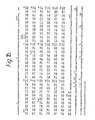
- Figure 1 shows the complete sequence of the cDNA insert.
- expression plasmids for 3T6 R400 were assembled by ligating approximately equimolar amounts of the desired components, which components were suitably end tailored to provide correct matching, with T4 DNA ligase. Approximately 10 units ligase were required for 0.5 ⁇ g quantities of vector and sequence components. The resulting plasmid vectors were then cloned by transforming E. coli K12 strain 294 (ATCC 31446). The transformation and cloning, and selection of transformed colonies were carried out as described above. Presence of the desired sequence was confirmed by isolation of the plasmids from selected colonies, restriction analysis and/or DNA sequencing as described above.
- Expression plasmids were constructed by cleaving the R400-12 plasmid with the restriction enzyme Fnu 4HI. The ends were filled in with Klenow DNA polymerase I as described above. These were then subcut with BglII and electrophoresed on polyacrylamide gel.
- the 660 base pair band encompassing the DHFR coding region was thus isolated and inserted into pCVESVHBV (described below) which contained an SV40 origin, a polyadenylation signal from hepatitis B virus, a plasmid origin of replication, and an ampicillin resistance marker.
- This vector plasmid was obtained as follows: The 540 bp Hind II-HindIII fragment encompassing the SV40 origin of replication (Liu et al., DNA 1:213, 1982) was ligated into plasmid pML (Lusky, M. and Botchan, M., Nature 293:79, 1981) between the EcoRI site and the HindIII site. The plasmid EcoRI site and SV40 HindII site were made blunt by the addition of Klenow DNA polymerase I in the presence of the 4 dNTPs prior to digestion with HindIII. The resulting plasmid, pESV was digested with HindIII and BamHI and the 2900 bp vector fragment isolated.
- HindIII-BgIII fragment 2025 bp from HBV modified to contain a polylinker (DNA fragment containing multiple restriction sites) at the EcoRI site.
- the HBV fragment encompasses the surface antigen gene and is derived by EcoRI-BgIII digestion of cloned HBV DNA described by Liu et al. supra (DNA 1:213, 1982).
- the double stranded linker DNA fragment (5'dAAGCTTATCGATTCTAGAATTC3'7) was digested with HindIII and Eco RI and added to the HBV fragment, converting the EcoRI-BglII fragment to a HindIII-BgIII fragment.
- pCVESVHBV contains a bacterial origin of replication from the pBR322 derived pML, and ampicillin resistance marker, also from pML, an SV40 fragment oriented such that the early promoter will direct the transcription of the ingested HBV fragment, and the surface antigen gene from HBV.
- the HBV fragment also provides a polyadenylation signal for the production of polyadenylated mRNAs such as are normally formed in the cytoplasm of mammalian cells.
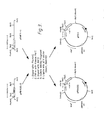
- the HBsAg coding region is removed by digesting with EcoRI, filling-in the ends with Klenow DNA polymerase as previously described, and subcutting with the BamHI. Into this area is inserted the Fnu 4HI-BglII fragment from the R400 DHFR cDNA. The resulting plasmids are diagrammed in Figure 3.
- pFD11 was constructed using the Fnu4HI-BglII fragment of wildtype DHFR cDNA plasmid pDHFR-11 (Nunberg, et al., supra).
- pFR400 was constructed using the similar fragment from pR400.12.
- Tissue culture cells were transfected by mixing 1 pg of the DHFR expression plasmid as prepared above with 10 pg rat carrier DNA in a volume of 250 pl, 0.25 M CaCl 2 , followed by dropwise addition of 250 ⁇ l HEPES buffered saline (280 mM NaCl, 1.5 mM Na 2 P0 4 , 50 mM HEPES, pH 7.1). After 30 minutes at room temperature, the solution was added to tissue culture cells growing in 60 mm plastic tissue culture dishes. CHO 1, CHO DHFR-DUX-B11, and Ltk - cells were used. The dishes contained 3 ml culture medium appropriate to the host cell.
- the medium was Ham F-12 media (Gibco) supplemented with 10 percent calf serum, 100 p/ml penicillin 100 ⁇ g/ml streptomycin, and 2 pmM L-glutamine.
- the medium used was Dulbecco modified Eagle's medium (DMEM) supplemented as above.
- transfected host cells were carried out by trypsinizing the cells after 2-days growth (which comprises treating the cells with sterile trypsin 0.5 mg/ml containing 0.2 mg/ml EDTA) and adding - 3x10 cells to 10 mm tissue culture plates with selective media.
- the medium is a formulation of (F-12 GIBCO) medium lacking glycine, hypoxanthine, and thymidine (GHT - medium).
- GHT - medium thymidine
- MTX is added to the normal growth medium. Colonies arising from cells which take up and express the DHFR plasmid were apparent within 1-2 weeks.
- Controls were run using transfection conditions with no plasmid and with plasmid pFD-11 containing normal DHFR.
- Table 1 shows the frequency of colony formation using dhfr - CHO cells when the colonies are selected using GHT medium.
- the colonies were plated onto 10 cm dishes and fed with Hams medium F-12 lacking glycine, hypoxanthine, and thymidine, supplemented with 7 percent dialyzed calf serum. In some cases MTX at the indicated concentration was added. Cells were re-fed 3 days later with the same medium in each case. Colonies were counted 10 days after transfection by staining with crystal violet.
- the plasmid containing the normal DHFR was highly successful in transforming the colonies in the absence of MTX as was the pFR-400 plasmid, albeit slightly less efficient.
- concentrations greater than 10 4 nM were capable of providing a suitable selective medium for these transfected cells.
- a deficiency of the wild type DHFR as a selectable marker in tissue culture systems is the relatively low degree of MTX resistance conferred upon the transfected cells by the transfected wild type enzyme expression plasmid.
- Figure 4 shows the growth inhibition exerted by MTX on CHO-DUX-B11 (dhfr-) cells transfected with either pFR400 or pFDll in comparison to wild type untransformed CHO-K1 cells. Individual colonies were isolated from pFR400 or pFDll transfected dhfr- cells and propagated in the absence of MTX. Equal amounts of cells from two clones and of CHO-Kl cells were trypsinized and split into 60 mm dishes. Various levels of MTX were added to each dish, the cells incubated for 3 days, and then counted.
- the pFDll transfected cells were clearly less capable of growing in high levels of MTX than were the CHO-K1 (DHFR + ) cells grown under identical conditions.
- the level of MTX which inhibits cell growth by 50 percent over the 3 day assay was approximately 3 nM for cells derived from the pFDll transfected colony (pFD11.1) and was 20nM for CHO-K1 cells.
- the colony (pFR400.1) isolated from the cells transfected with pFR400 was able to grow in extremely high levels of MTX.
- the 50 percent inhibition level for FR400.1 cells is approximately 3000 nM.
- Table 2 shows the transfectional efficiency of pR400 in both DHFR + and dhfr- cell lines. Transfection with pR400 results in the appearance of MTX resistant colonies at 100, 250, and 500 nM MTX. No colonies capable of being propagated arise from the cells transfected with the wild type enzyme expression plasmid pFDll nor from cells transfected only with carrier DNA.
- This DHFR encoded by pFR400 is capable of being used as a dominant selectable marker in tissue culture cells by employing selection in MTX-supplemented medium.
- the thus prepared p342E 3500 bp vector was digested with EcoRI and SacII and the 3500 bp fragment containing a portion of the HBsAg coding sequence, isolated from an acrylamide gel.
- Plasmid pFR400 was digested with ClaI and SacII and the 720 bp fragment isolated.
- the EcoRI-TaqI fragment spanning the HBV surface antigen gene was obtained by digesting HBV DNA cloned into pBR322 (Liu et al., DNA 1:213, 1982) with EcoRI and TaqI and isolating the approximately 2000 bp fragment on an acrylamide gel.
- Plasmid pML was digested with HindIII and BamHI and the 3000 bp fragment isolated.
- Cloned SV40 viral DNA (Liu et al., supra) was digested with HpaII; ends were made blunt using Klenow DNA polymerase, and subcut with HindIII. The approximately 410 bp fragment encompassing the SV40 origin was isolated.
- cloned HBV DN A ( L iu et al., supra) was digested with EcoRI, filled in using Klenow DNA polymerase, and subcut with BgIII. The 1985 bp fragment was isolated on an acrylamide gel. The three fragments were ligated together as indicated in Figure 5, creating pL400.
- the origin fragment of pL400 is flanked by a ClaI site on the early side of the origin and a BamHI site on the late side.
- pL400 was digested with Clal and BamHI and the origin fragment was isolated on an acrylamide gel.
- Plasmid pCVSVEHBVR400 was digested with ClaI and BgIII treated with calf intestinal alkaline phosphatase (Boehringer). The origin fragment was added to the pCVSVEHBVR400 mixture and ligated, creating pCVSVEHBVE400R400 (also referred to herein as pEHER) as shown in Figure 5.
- Plasmid pEHER was used to transfect and select CHO-KI DUX-B11 cells, CHO-K1, and Ltk - cells as described above. Colonies are isolated by placing a glass cylinder around the colony and trypsinizing to detach the cells from the plate surface. The cells are placed into culture dishes-with the appropriate media as set forth above, propagated for several days, and then assayed for the production of HBsAg using a radio-immunoassay kit (Abbot) as described by Liu et al. (supra).
- Abbot radio-immunoassay kit
- surface antigen is produced in extremely high levels in colonies isolated from pEHER transfected cell lines. Similar levels of HBsAg production are observed from dhfr- cells transfected with the analogous wild type DHFR/HBsAg plasmid (pE342.HBV.E400.D22), but no colonies arise from Ltk- or CHO cells transfected with this plasmid and thus no surface antigen is produced. When cells are transfected with a tissue plasminogen activator expressing plasmid (see below), colonies also produce the cotransfected gene encoded protein.
- Indicated cell lines were transfected with the appropriate plasmid as described above, and were split at 2 days post- transfection into the level of Mtx in selective media as described before. Colonies were subcloned using cloning rings and were passaged in selective media. HBsAg expression was monitored using the Ausria (tm) RIA kit by Abbott as performed by Liu et al., (supra). Tissue plasminogen activator was encoded by pE342TPAER400 (pETPER) and assayed using the fibrin overlay technique described herein.
- the cDNA insert from a plasmid containing the sequence encoding human tissue plasminogen activator (tPA) is inserted into a pFR400 expression plasmid as follows: 0242L
- cDNA plasmids encoding tPA have been described by Goeddel et al., Patent Application Serial No. 374,860, filed May 5, 1982 (EPO Publication No. 0093619), which is hereby incorporated by reference.
- Human melanoma cells (Bowes) were cultured to confluent monolayers in 100 ml Earles Minimal Essential Media supplemented with sodium bicarbonate (0.12 percent final concentration), 2 mM glutamine and 10 percent heat-inactivated fetal calf serum. To confirm that the melanoma cells were actively producing human tissue plasminogen activator, human melanoma cells were cultured to confluency in a 24 well microtiter dish.
- the cells were washed once with phosphate buffered saline and 0.3 ml of serum free methionine free medium was added. 75 pCi of [ 35 S]-methionine was added and the cells were labeled at 37° for 3 hours. At the end of the 3 hour labelling period the media was removed from the cells and treated with either tissue plasminogen activator specific IgG or pre-immune serum for immunoprecipitation (54). The immunoprecipitated products were displayed by electrophoresis on a 10 percent SDS-acrylamide gel. The slab gel was fixed, dried and subjected to fluorography.
- RNA from melanoma cell cultures was extracted essentially as reported by Ward et al., J. Virol. 9:61 (1972). Cells were pelleted by centrifugation and then resuspended in 10 mM NaCl, 10 mM Tris-HCl pH 7.5, 1.5 mM MgCl 2 . Cells were lysed by the addition of NP-40 (1 percent final concentration), and nuclei were pelleted by centrifugation. The supernatant contained the total RNA which was further purified by multiple phenol and chloroform extractions. The aqueous phase was made 0.2 M in NaCl and then total RNA was precipitated by the addition of two volumes of ethanol.
- Oligo-dT cellulose chromatography was utilized to purify mRNA from the total RNA preparations (Crea et al., Nucl. Acids Res. 8:2331, 1980). Typical yields from 10 grams of cultured melanoma cells were 5 to 10 milligrams of total RNA and 50-200 micrograms of Poly(A) plus mRNA.
- the resulting translation products from each gel fraction were immunoprecipitated with rabbit anti-human tissue plasminogen activator specific IgG.
- One major immunoprecipitated polypeptide band was observed in the translation of RNA fraction numbers 7 and 8 (migration of 21 to 24S) having a molecular weight of approximately 63,000 daltons. This band was not observed when preimmune IgG was used for immunoprecipitation which suggested these polypeptides were tissue plasminogen activator specific.
- the molecule was scanned in order to locate regions best suited for making synthetic probes, as follows:
- the resulting lyophilized carboxymethylated protein was redissolved in 3 ml of 0.1 M sodium phosphate buffer (pH 7.5). Trypsin (TPCK) was added (1 to 50 ratio) and digested at 37°C. Aliquots (0.1 ml) were taken at 3 hours, 6 hours, and 12 hours. A second addition of trypsin was made at 12 hours. The reaction was stopped after 24 hours by freezing the sample until it could be injected on the HPLC. The progress of the digestion was determined by SDS gels on the aliquots. All gels were blank except for a faint band on the 3 hour aliquot. This indicated that the 24 hour digestion was complete and no large peptides remained.
- TPCK Trypsin
- a sample (ca. 0.5 ml) was injected into a high resolution Altex C-8 ultrasphere 5 p column with two runs. A gradient of acetonitrile was made gradual (1 percent to 5 percent in 5 minutes, 5 percent to 35 percent in 100 minutes, 35-50 percent in 30 minutes). In one of the two preparative runs, the eluant was monitored at two wavelengths (210 nm and 280 nm). The ratio of the two wavelength absorptions was used to indicate the tryptophan containing peptides.
- the colonies were individually inoculated into wells of microtiter plates containing LB + 5 pg/ml tetracycline and stored at -20°C after addition of DMSO to 7 percent. Two copies of the colony library were grown up on nitrocellulose filters and the DNA from each colony fixed to the filter by the Grunstein Hogness procedure (PNAS 72:3961, 1975).
- the 32P -labelled - TC( A G )CA( A G )TA( C T )TCCCA probe was prepared (from the synthetic oligomer) (W-E-Y-C-D) 14-mer pool as described above. Filters containing 4,600 transformants were prehybridized for 2 hours at room temperature in 50 mm sodium phosphate pH 6.8, 5X SSC (Blin et al., Nucl. Acids Res. 3:2303, 1976), 150 ⁇ g/ml sonicated salmon sperm DNA, 5X Denhardt's solution 10 percent formamide and then hybridized with 50X 10 counts per minute of the labelled probe in the same solution.
- the filters were washed 3 times at room temperature in 6X SSC, 0.1 percent SDS for 30 minutes, once in 2X SSC and then exposed to Kodak XR-5 x-ray film with Dupont Lightning Plus intensifying screens for 16 hours.
- Plasmid DNA was isolated by a rapid method (Birnboim et al., Nucl. Acids Res. 7:1513, 1979) from all colonies showing a positive hybridization reaction. The cDNA inserts from these clones were then sequenced after subcloning fragments into the M13 vector mp 7 (Messing et al., Nucl. Acids Res. 9:309, 1981) and by the Maxam Gilbert chemical procedure (74).
- the cDNA insert in clone 25E10 was demonstrated to be the DNA coding for tissue plasminogen activator by comparing its amino acid sequence with peptide sequence (See Supra) obtained from purified tissue plasminogen activator and by its expression product produced in E. coli as described in more detail infra.
- Clone 25E10 was 2304 base pairs in length with the longest open reading frame encoding a protein of 508 amino acids (MW of 56,756) and containing a 772 bp 3' untranslated region. This cDNA clone lacked the N-terminal coding sequences.
- pPA25E10 50 ⁇ g of pPA25E10 (supra) were digested with PstI and the 376 bp fragment isolated by electrophoresis on a 6 percent polyacrylamide gel. Approximately 3 pg of this fragment was isolated from the gel by electroeluting, digested with 30 units of DdeI for 1 hour at 37° phenol and chloroform extracted, and ethanol precipitated. The resulting DdeI sticky ends were extended to blunt ends by adding 5 units of DNA polymerase I (Klenow fragment) and 0.1 mM each of dATP, dCTP, dGTP, dTTP to the reaction mixture and incubating at 4°C for 8 hours.
- DNA polymerase I Klenow fragment
- the DNA was digested with 15 units of NarI for 2 hours and the reaction mixture electrophoresed on a 6 percent polyacrylamide gel. Approximately 0.5 ⁇ g of the desired 125 bp blunt end NarI fragment was recovered. This fragment codes for amino acids number 69 through 110 of the mature full length tissue plasminogen activator protein.
- the plasmid pdeltaRlSRC is a derivative of the plasmid pSRCex16 (McGrath et al., Nature 295:423, 1982) in which the EcoRI sites proximal to the trp promoter and distal to the SRC gene have been removed by repair with DNA polymerase I, and the self-complementary oligodeoxynucleotide AATTATGAATTCAT (synthesized by the phosphotriester method was inserted into the remaining Eco RI sile immediately adjacent to the XbaI site. 20 ⁇ g of pdeltaRlSRC were digested to completion with EcoRI, phenol and chloroform extracted, and ethanol precipitated.
- the plasmid was then digested with 100 units of nuclease Sl at 16°C for 30 minutes in 25 mM sodium acetate (pH 4.6), 1 mM ZnCl 2 and 0.3 M NaCl to create a blunt end with the sequence ATG. After phenol and chloroform extraction and ethanol precipitation, the DNA was digested with Bam H1, electrophoresed on a 6 percent polyacrylamide gel, and the large (4,300 bp) vector fragment recovered by electroelution.
- the expression plasmid was assembled by ligating together 0.2 pg of vector, 0.06 pg of the 125 bp blunt end - N arI fragment and 0 . 6 pg of the 1645 bp NarI-BglII fragment with 10 units of T 4 DNA ligase for 7 hours at room temperature and used to transform E. coli strain 294 (ATCC No. 31446) to ampicillin resistance. Plasmid DNA was prepared from 26 of the colonies and digested with XbaI and EcoRI. Twelve of these plasmids contained the desired 415 bp XbaI-EcoRI and 472 bp Eco RI-fragments.
- DNA sequence analysis verified that several of these plasmids had an ATG initiation codon correctly placed at the start of amino acid number 69 (serine).
- One of these plasmids, p ⁇ RIPA° was tested and produced the desired tissue plasminogen activator.
- the first step in this process involved establishing the fact that only a single homologous tissue plasminogen activator gene is present in human genomic DNA.
- a Southern hybridization was performed. In this procedure, 5 ⁇ g of high molecular weight human lymphocyte DNA was digested to completion with various restriction endonucleases, electrophoresed on 1.0 percent agarose gels and blotted to a nitrocellulose filter. A 32 P-labelled DNA probe was prepared from the 5' end of the cDNA insert of the cDNA clone pPA25E10 (a 230 bp HpaII-RsaI fragment) and hybridized with the nitrocellulose filter.
- the strategy used to identify x phage recombinants carrying tissue plasminogen activator genes consisted in detecting nucleotide homology with a radioactive probe prepared from the tissue plasminogen activator clone pPA25E10.
- a radioactive probe prepared from the tissue plasminogen activator clone pPA25E10.
- One million recombinant x phage were plated out on DP 50 Sup F at a density of 10,000 pfu/15 cm plate, and nitrocellulose filter replicas were prepared for each plate by the method of Benton and Davis (Science 196:180, 1977).
- a 32 P-labelled DNA probe was prepared by standard procedures from a 230 base pair HpaII-RsaI fragment located 34 base pairs from the 5' end of the clone p25E10.
- Each nitrocellulose filter was prehybridized at 42° for 2 hours in 50 mM sodium phosphate (pH 6.5), 5X SSC (77), .05 mg/ml sonicated salmon sperm DNA, 5X Denhardt's solution, 50 percent formamide and then hybridized with 50 x 10 6 counts per minute of the labelled probe in the same solution containing 10 percent sodium dextran sulfate. After an overnight incubation at 42°C, the filters were washed 4 times at 50° in 0.2X SSC, 0.1 percent SDS for 30 minutes, once in 2 x SSC at room temperature and then exposed to Kodak XR-5 X-ray film with Dupont Cronex intensifying screens overnight.
- Phage DNA was prepared as previously described from 6 recombinants. ⁇ Clone C was selected for preparation of a PvuII fragment for colony screening. 30 pg of DNA was digested with PvuII for 1 hour at 37°, and electrophoresed on 1.0 percent agarose gels. A 4.2 Kilobase pair fragment previously shown to contain tissue plasminogen activator sequences was electroeluted and purified. A 32 P labelled probe was prepared by standard procedures for colony hybridizations as described infra.
- the colonies were transferred from plates and grown on nitrocellulose filters and the DNA from each colony fixed to the filter by the Grunstein-Hogness procedure.
- a 32 P-labelled probe was made by calf-thymus priming (Taylor et al., Biochem. Biophy. Acta 442:324, 1976) a 4.2 kilobase pair PvuII fragment from an isolated tissue plasminogen activator ⁇ genomic clone. Filters containing the 1,500 transformants were hybridized with 112 x 10 6 cpm of 32 P-genomic PvuII fragment. Hybridization was for 16 hours using conditions described by Fritsch et al.
- Plasmid p PA 17 is digested with DdeI, filled in using Klenow DNA polymerase 1, and subcut with PstI; the approximately 190 bp fragment containing 5' terminal tPA sequence thus generated was isolated.
- the second tPA fragment is obtained by digesting P ⁇ RIPA° with PstI and NarI and isolating the 320 bp fragment.
- the third tPA fragment is obtained by digesting pPA25E10 with NarI and BglII and isolating the 1645 bp fragment which contains, in addition to much of the tPA coding region, some 3' non-translated sequences.
- HBV surface antigen expressing plasmid p342E (also referred to as pHBs348-E) has been described by Levinson et al., Patent Application Serial No. 326,980,(EP 0073656), which is hereby incorporated by reference, and is similar to pCVSVEHBV except that the promoter is a 342 bp PvuII-HindIII fragment encompassing the SV40 origin.
- pE342 is modified by digesting with trace amounts of EcoRI, filling in the cleaved site using Klenow DNA polymerase I, and ligating the plasmid back together, thus removing the EcoRI site preceding the SV40 origin in pE342.
- This plasmid designated pE342aR1
- pE342aR1 is digested with EcoRI, filled in using Klenow DNA polymerase I, and subcut with BamHI. After electrophoresing on an acrylamide gel, the approximately 3500 bp fragment is electroeluted, phenol-chloroformed, and ethanoled as above.
- Plasmid pE342 which expresses HBV surface antigen (also referred to as pHBs348-E) has been described by Levinson et al, Patent Application Serial No. 326,980, filed December 3, 1981, which is incorporated herein by reference (EPO Publication No. 0073656).
- the p342E 3500 bp vector, and above described tPA fragments comprising approximately 2160 bp were ligated together using standard techniques.
- a plasmid containing the three tPA encoding fragments in the proper orientation was isolated, characterized, and designated pE342-t-PA.
- This plasmid was digested with SacII and treated with bacterial alkaline phosphatase (BRL).
- BBL bacterial alkaline phosphatase
- This fragment was ligated into the pE342-t-PA plasmid to create pEdPAER400, a plasmid which is analogous to pEHER except that the HBsAg coding region has been replaced by the cDNA sequences from t-PA.
- pETPAER400 (pETPER) was transfected into both dhfr CHO-DUX Bll cells and DHFR + CHO-K1 (ATCC CCL61) cells.
- Transformed dhfr - cells were selected by growth in glycine, hypoxanthine and thymidine deficient medium.
- Transformed DHFR + cells were selected by growth in >100 nM MTX. Colonies which arose on the appropriate selection medium were isolated using cloning rings and propagated in the same medium to several generations.
- cells from the colonies are split into media containing 5 x 10 4 , 10 5 , 2.5 x 10 5 , 5 x 10 5 , and .. 10 6 nM MTX and passaged several times.
- Cells are plated at very low (10 2 -103 cells/plate) cell densities in 10 cm dishes and the resulting colonies are isolated.
- a plasmid containing the DNA sequence encoding wild type DHFR, pETPFR was constructed.
- the construction was as described above but using in place of plasmid pEHER as a source for the DHFR protein gene sequence, the plasmid pE342.HBV.E400.D22.
- the plasmid pE342.HBV.E400.D22 is the same as pE H ER except for a single base pair difference between wild type and mutant DHFR. It can be constructed analogously to pEHER, using pFDll in place of pFR400.
- the resulting plasmid pETPFR is analogous in every way to pETPER except that the DNA sequence encoding for wild type DHFR is substituted for that of the mutant.
- pETPAER400 (pETPER) was.transfected into both dhfr- and DHFR + CHO cells as described above. After selection, either with glycine, hypoxanthine and thymidine deficient medium for dhfr- cells, or with MTX for the CHO-K1 cells, colonies were isolated using cloning rings and propagated in the selective medium to several generations. For amplification cells from the colonies will be split into 5 x 10 4 , 5 5 5 6 10 5 , 2.5 x 10 , 5 x 10 , and 10 6 nM MTX and passaged several times. Cells are plated at very low (10 2 -10 3 cells/plate) cell densities in 10 cm dishes and the resulting colonies are isolated as usual.
- tPA in the transfected amplified colonies is assayed as follows. Media from pETPAER400 transfected cells are added to an agarose plate containing fibrin and plasminogen. Samples having tPA activity rapidly clear a zone around the well in the otherwise opaque gel Goeddel et al., supra; Granelli-Piperno and Reich, J. Exp. Med. 148:223 (1978).
- Coamplification of DHFR and tPA sequences is assayed by isolating DNA from confluent monolayers of amplified colonies as follows: Confluent monolayers in 150 mm plates are washed with 50 ml sterile PBS and lysed by the addition of 5 mls of 0.1 percent SDS, 0.4 M CaCl 2 , 0.1 M EDTA, pH 8. After 5-10 minutes, the mixture is removed, phenol extracted, chloroform extracted, and ethanol precipitated. The DNA is resuspended in 1 ml (per 150 mm plate) 10 mM Tris pH 8, 1 mM EDTA (TE), RNase added to 0.1 mg/ml, and the solution incubated 30 minutes at 37°.
- the gel is removed and stained with ethidium bromide. After visualizing the DNA with ultraviolet light, the gel is treated with HC1, NaOH, and NaCI-Tris and transferred to nitrocellulose filters according to the procedure of Southern (J. Mol. Biol. 98:503, 1975). The filters are then hybridized with a nick translated probe made from the 1700 bp SacII fragment of pEHER (prepared and hybridized as described above), or from the 1950 bp BglII fragment of pPA25E210.
Landscapes
- Health & Medical Sciences (AREA)
- Life Sciences & Earth Sciences (AREA)
- Chemical & Material Sciences (AREA)
- Genetics & Genomics (AREA)
- Engineering & Computer Science (AREA)
- Organic Chemistry (AREA)
- Bioinformatics & Cheminformatics (AREA)
- Zoology (AREA)
- Wood Science & Technology (AREA)
- General Engineering & Computer Science (AREA)
- Biomedical Technology (AREA)
- Biotechnology (AREA)
- Biochemistry (AREA)
- General Health & Medical Sciences (AREA)
- Molecular Biology (AREA)
- Microbiology (AREA)
- Medicinal Chemistry (AREA)
- Biophysics (AREA)
- Physics & Mathematics (AREA)
- Plant Pathology (AREA)
- Virology (AREA)
- Gastroenterology & Hepatology (AREA)
- Proteomics, Peptides & Aminoacids (AREA)
- Micro-Organisms Or Cultivation Processes Thereof (AREA)
- Preparation Of Compounds By Using Micro-Organisms (AREA)
- Measuring Or Testing Involving Enzymes Or Micro-Organisms (AREA)
- Saccharide Compounds (AREA)
- Peptides Or Proteins (AREA)
Applications Claiming Priority (2)
| Application Number | Priority Date | Filing Date | Title |
|---|---|---|---|
| US45915183A | 1983-01-19 | 1983-01-19 | |
| US459151 | 1983-01-19 |
Publications (2)
| Publication Number | Publication Date |
|---|---|
| EP0117060A2 true EP0117060A2 (de) | 1984-08-29 |
| EP0117060A3 EP0117060A3 (de) | 1986-05-14 |
Family
ID=23823619
Family Applications (1)
| Application Number | Title | Priority Date | Filing Date |
|---|---|---|---|
| EP84300300A Withdrawn EP0117060A3 (de) | 1983-01-19 | 1984-01-18 | Verfahren zum Aussieben und Amplifizieren in eukarotischen Wirtzellen und Nukleotidensequenzen und Expressionsvektoren zur Verwendung in diesem Verfahren |
Country Status (7)
| Country | Link |
|---|---|
| EP (1) | EP0117060A3 (de) |
| JP (1) | JPS59192089A (de) |
| KR (1) | KR840007254A (de) |
| AU (1) | AU2353384A (de) |
| DK (1) | DK21084A (de) |
| ES (1) | ES529021A0 (de) |
| ZA (1) | ZA84376B (de) |
Cited By (200)
| Publication number | Priority date | Publication date | Assignee | Title |
|---|---|---|---|---|
| EP0123372A3 (de) * | 1983-01-31 | 1986-02-12 | Stauffer Chemical Company | Hybrides Plasmid mit Markierung |
| EP0117058A3 (en) * | 1983-01-19 | 1986-02-12 | Genentech, Inc. | Methods for producing mature protein in vertebrate host cells and polycistronic expression vectors therefor |
| EP0117059A3 (en) * | 1983-01-19 | 1986-03-05 | Genentech, Inc. | Methods for producing human tpa and expression vectors therefor |
| EP0240250A1 (de) * | 1986-03-26 | 1987-10-07 | Antibioticos, S.A. | Pilzresistente Markierungsmaterialien |
| US4703008A (en) * | 1983-12-13 | 1987-10-27 | Kiren-Amgen, Inc. | DNA sequences encoding erythropoietin |
| EP0246049A1 (de) * | 1986-05-10 | 1987-11-19 | MITSUI TOATSU CHEMICALS, Inc. | Transformant einer tierischen Zelle, Verfahren zur Herstellung des Transformanten und dessen Verwendung zur Präparation eines gewünschten Fremdgenproduktes |
| EP0221955A4 (de) * | 1985-05-01 | 1988-12-22 | Genetics Inst | Hochstufige verstärkung und expression von exogener dns. |
| EP0265874A3 (de) * | 1986-10-23 | 1989-10-04 | Green Cross Corporation | Verfahren zur Herstellung menschlicher Prourokinase |
| US4966849A (en) * | 1985-09-20 | 1990-10-30 | President And Fellows Of Harvard College | CDNA and genes for human angiogenin (angiogenesis factor) and methods of expression |
| US5010002A (en) * | 1983-01-19 | 1991-04-23 | Genentech, Inc. | Human t-PA production using vectors coding DHFR protein |
| US5011795A (en) * | 1983-01-19 | 1991-04-30 | Genentech, Inc. | Human tPA production using vectors coding for DHFR protein |
| US5017478A (en) * | 1987-07-16 | 1991-05-21 | Berlex Laboratories, Inc. | Transfected cells containing plasmids having genes oriented in opposing directions and methods of using |
| AU612572B2 (en) * | 1986-05-02 | 1991-07-18 | Genentech Inc. | Nucleic acid and methods for the synthesis of novel DAF compositions |
| AU660671B2 (en) * | 1991-03-29 | 1995-07-06 | Genentech Inc. | Methods for selection of recombinant host cells expressing high levels of a desired protein |
| US5441868A (en) * | 1983-12-13 | 1995-08-15 | Kirin-Amgen, Inc. | Production of recombinant erythropoietin |
| US5547933A (en) * | 1983-12-13 | 1996-08-20 | Kirin-Amgen, Inc. | Production of erythropoietin |
| US5824509A (en) * | 1984-05-31 | 1998-10-20 | Genentech, Inc. | Recombinant lymphotoxin cDNA and variants |
| US5851984A (en) * | 1996-08-16 | 1998-12-22 | Genentech, Inc. | Method of enhancing proliferation or differentiation of hematopoietic stem cells using Wnt polypeptides |
| US5990281A (en) * | 1996-09-30 | 1999-11-23 | Genentech, Inc. | Vertebrate smoothened proteins |
| US6030945A (en) * | 1996-01-09 | 2000-02-29 | Genentech, Inc. | Apo-2 ligand |
| US6159462A (en) * | 1996-08-16 | 2000-12-12 | Genentech, Inc. | Uses of Wnt polypeptides |
| US6270987B1 (en) | 1997-01-31 | 2001-08-07 | Genentech, Inc. | O-fucosyltransferase |
| US6291643B1 (en) | 1997-06-05 | 2001-09-18 | Board Of Reports, The University Of Texas System | Apaf-1 an activator of caspase-3 |
| US6342369B1 (en) | 1997-05-15 | 2002-01-29 | Genentech, Inc. | Apo-2-receptor |
| US6462176B1 (en) | 1996-09-23 | 2002-10-08 | Genentech, Inc. | Apo-3 polypeptide |
| US6469144B1 (en) | 1996-04-01 | 2002-10-22 | Genentech, Inc. | Apo-2LI and Apo-3 polypeptides |
| US6673580B2 (en) | 2000-10-27 | 2004-01-06 | Genentech, Inc. | Identification and modification of immunodominant epitopes in polypeptides |
| EP1382679A2 (de) | 1995-09-08 | 2004-01-21 | Genentech, Inc. | Antagonisten gegen Vaskuläres Endothelzellen Wachstumsfaktor-verwandtes Protein (VRP) |
| US6727079B1 (en) | 1998-02-25 | 2004-04-27 | The United States Of America As Represented By The Department Of Health And Human Services | cDNA encoding a gene BOG (B5T Over-expressed Gene) and its protein product |
| US6737420B2 (en) | 2000-03-23 | 2004-05-18 | Elan Pharmaceuticals, Inc. | Compounds to treat Alzheimer's disease |
| US6740739B1 (en) | 1998-01-15 | 2004-05-25 | Genentech, Inc. | Substitutional variants of APO-2 ligand |
| US6746668B2 (en) | 1996-01-09 | 2004-06-08 | Genentech, Inc. | Apo-2 ligand |
| US6764679B2 (en) | 1997-09-18 | 2004-07-20 | Genentech, Inc. | Antibodies to DcR3 Polypeptide, a TNFR Homolog |
| WO2004096124A2 (en) | 2003-04-01 | 2004-11-11 | Genentech, Inc. | Compositions and methods for the diagnosis and treatment of tumor |
| US6846813B2 (en) | 2000-06-30 | 2005-01-25 | Pharmacia & Upjohn Company | Compounds to treat alzheimer's disease |
| US6982264B2 (en) | 2001-06-27 | 2006-01-03 | Elan Pharmaceuticals, Inc. | Substituted alcohols useful in treatment of Alzheimer's disease |
| WO2006014928A1 (en) | 2004-07-26 | 2006-02-09 | Genentech, Inc. | Methods and compositions for modulating hepatocyte growth factor activation |
| US7034182B2 (en) | 2000-06-30 | 2006-04-25 | Elan Pharmaceuticals, Inc. | Compounds to treat Alzheimer's disease |
| US7052881B2 (en) | 1995-06-15 | 2006-05-30 | Crucell Holland B.V. | Packaging systems for human recombinant adenovirus to be used in gene therapy |
| EP1666052A1 (de) | 2000-02-16 | 2006-06-07 | Genentech, Inc. | Verwendungen von agonisten und antagonisten zur modulierung von tnf relatierten molekülen |
| US7173115B2 (en) | 2000-01-13 | 2007-02-06 | Genentech, Inc. | Stra6 polypeptides |
| US7214715B2 (en) | 2000-06-30 | 2007-05-08 | Pharmacia & Upjohn | Compounds to treat Alzheimer's disease |
| EP1829970A1 (de) | 1997-01-31 | 2007-09-05 | Genentech, Inc. | O-Fucosyltransferase |
| US7294484B2 (en) | 2004-08-27 | 2007-11-13 | Wyeth Research Ireland Limited | Production of polypeptides |
| US7300773B2 (en) | 2004-08-27 | 2007-11-27 | Wyeth Research Ireland Limited | Production of TNFR-Ig |
| EP1860187A1 (de) | 1997-05-15 | 2007-11-28 | Genentech, Inc. | Apo-2-Rezeptor |
| EP1865061A2 (de) | 1998-05-15 | 2007-12-12 | Genentech, Inc. | IL-17-homologe Polypeptide und ihre therapeutische Verwendung |
| US7335491B2 (en) | 2004-08-27 | 2008-02-26 | Wyeth Research Ireland Limited | Production of anti-abeta |
| EP1911766A1 (de) * | 2006-10-13 | 2008-04-16 | Glycotope Gmbh | Verwendung aus myeloischer Leukämie stammender humaner Zellen für die Exprimierung von Antikörpern |
| WO2008055260A2 (en) | 2006-11-03 | 2008-05-08 | Wyeth | Glycolysis-inhibiting substances in cell culture |
| WO2008028686A3 (en) * | 2006-09-10 | 2008-06-12 | Glycotope Gmbh | Use of human cells of myeloid leukaemia origin for expression of antibodies |
| EP1944317A2 (de) | 2000-09-01 | 2008-07-16 | Genentech, Inc. | Sekretierte und Transmembran-Polypeptide sowie Nukleinsäure zu deren Kodierung |
| EP1953173A1 (de) | 1999-06-15 | 2008-08-06 | Genentech, Inc. | Sekretierte und Transmembran-Polypeptide sowie Nukleinsäuren zu deren Kodierung |
| EP1958965A2 (de) | 1997-08-25 | 2008-08-20 | Genentech, Inc. | Agonisten-Antikörper für einen Muskrezeptor und deren therapeutische Anwendungen |
| EP1967587A1 (de) | 1997-10-10 | 2008-09-10 | Genentech, Inc. | APO-3-Liganden |
| EP1992643A2 (de) | 2001-06-20 | 2008-11-19 | Genentech, Inc. | Zusammensetzungen und Verfahren zur Behandlung und Diagnose von Tumoren |
| EP1995321A2 (de) | 2005-08-15 | 2008-11-26 | Genentech, Inc. | Neuartige Genunterbrechungen, dazugehörige Zusammensetzungen und Verfahren in Zusammenhang damit |
| EP2002714A1 (de) | 2005-11-21 | 2008-12-17 | Genentech, Inc. | Neuartige Genunterbrechung, dazugehörige Zusammensetzungen und Verfahren |
| EP2011886A2 (de) | 2002-04-16 | 2009-01-07 | Genentech, Inc. | Zusammensetzungen und Verfahren zur Behandlung und Diagnose von Tumoren |
| EP2011873A2 (de) | 1994-05-27 | 2009-01-07 | Genentech, Inc. | Tumornekrosefaktorrezeptor-assoziierte Faktoren |
| EP2014770A2 (de) | 1997-10-29 | 2009-01-14 | Genentech, Inc. | WNT-1-induziertes sekretiertes Polypeptid WISP-2 |
| EP2014675A1 (de) | 2003-08-11 | 2009-01-14 | Genentech, Inc. | Zusammensetzungen und Verfahren zur Behandlung von Immunerkrankungen |
| EP2014298A2 (de) | 2000-08-24 | 2009-01-14 | Genentech, Inc. | Interleukin-22-Polypeptide, Nukleinsäuren zu deren Codierung und Verfahren zur Behandlung von Bauchspeicheldrüsenerkrankungen |
| EP2014677A1 (de) | 1997-11-21 | 2009-01-14 | Genentech, Inc. | Mit A33 vewandte Antigene und deren pharmazeutische Verwendung |
| EP2016951A1 (de) | 1998-03-17 | 2009-01-21 | Genentech, Inc. | VEGF- und BMP1-homologe Peptide |
| EP2033970A2 (de) | 1997-10-29 | 2009-03-11 | Genentech, Inc. | WNT-1-induzierbare Gene |
| EP2042597A1 (de) | 2000-06-23 | 2009-04-01 | Genentech, Inc. | Zusammensetzungen und Verfahren zur Diagnose und Behandlung von Erkrankungen in Verbindung mit Angiogenese |
| EP2050335A1 (de) | 2006-02-17 | 2009-04-22 | Genentech, Inc. | Genunterbrechungen, dazugehörige Zusammensetzungen und Verfahren in Zusammenhang damit |
| EP2050762A2 (de) | 1998-03-10 | 2009-04-22 | Genentech, Inc. | Neue Polypeptide und für diese kodierende Nukleinsäuren |
| EP2067472A1 (de) | 2002-01-02 | 2009-06-10 | Genentech, Inc. | Zusammensetzungen und Verfahren zur Behandlung und Diagnose von Tumoren |
| EP2075335A2 (de) | 1998-12-22 | 2009-07-01 | Genentech, Inc. | Verfahren und Zusammensetzungen zur Hemmung des neoplastischen Zellenwachstums |
| EP2075253A1 (de) | 2000-06-23 | 2009-07-01 | Genentech, Inc. | Methoden und Verbindungen zur Diagnose und Behandlung von Krankheiten, an denen Angiogenese beteiligt ist |
| EP2075334A1 (de) | 2000-06-23 | 2009-07-01 | Genentech, Inc. | EG-VEGF-Nukleinsäuren und Polypeptide und Verwendungsverfahren |
| EP2083079A1 (de) | 1997-06-18 | 2009-07-29 | Genentech, Inc. | Apo-2DcR |
| EP2083018A2 (de) | 2003-04-16 | 2009-07-29 | Genentech, Inc. | Zusammensetzungen und Verfahren mit Bezug zu STOP-1 |
| EP2082645A1 (de) | 2006-04-19 | 2009-07-29 | Genentech, Inc. | Neuartige Genunterbrechungen, dazugehörige Zusammensetzungen und Verfahren in Zusammenhang damit |
| EP2085096A2 (de) | 2002-09-11 | 2009-08-05 | Genentech, Inc. | Neuartige Zusammensetzung und Verfahren zur Behandlung von Immunerkrankungen |
| EP2110434A1 (de) | 2002-02-25 | 2009-10-21 | Genentech, Inc. | Typ-1 Cytokine Rezeptor GLM-R |
| EP2116551A1 (de) | 2002-09-11 | 2009-11-11 | Genentech, Inc. | Zusammensetzungen und Verfahren zur Behandlung von Immunerkrankungen |
| EP2143438A1 (de) | 2001-09-18 | 2010-01-13 | Genentech, Inc. | Zusammensetzungen und Verfahren zur Behandlung und Diagnose von Tumoren |
| US7662584B2 (en) | 2000-03-24 | 2010-02-16 | Danisco Us Inc. | Increased production of secreted proteins by recombinant eukaryotic cells |
| US7666413B2 (en) | 2000-10-12 | 2010-02-23 | Genetech, Inc. | Method of reducing viscosity of high concentration protein formulations |
| EP2161283A1 (de) | 2003-11-17 | 2010-03-10 | Genentech, Inc. | Zusammensetzungen, die Antikörper gegen CD79b enthalten, die an Wachstumshemmer oder an zytotoxische Subtanzen gekoppelt sind und Verfahren zur Behandlung von Tumoren hämatopoetischen Ursprungs |
| WO2010031074A2 (en) | 2008-09-15 | 2010-03-18 | Genentech, Inc. | Compositions and methods for regulating cell osmolarity |
| US7705195B2 (en) | 2002-06-07 | 2010-04-27 | Genentech, Inc. | Screening method |
| EP2186402A1 (de) | 2005-06-06 | 2010-05-19 | Genentech, Inc. | Knock-out Tiermodelle für neue Gene und deren Verwendung |
| EP2228446A1 (de) | 1999-12-01 | 2010-09-15 | Genentech, Inc. | Sekretierte und transmembrane Polypeptide, sowie dafür codierende Nukleinsäuren |
| EP2233149A1 (de) | 2007-10-16 | 2010-09-29 | ZymoGenetics, Inc. | Kombination von BLYS-inhibierung und anti-CD20 Mitteln zur Behandlung von Autoimmunerkrankungen |
| EP2241622A2 (de) | 1994-03-18 | 2010-10-20 | Genentech, Inc. | Humane Trk-Rezeptoren und deren Abarten |
| WO2010120561A1 (en) | 2009-04-01 | 2010-10-21 | Genentech, Inc. | Anti-fcrh5 antibodies and immunoconjugates and methods of use |
| EP2258848A1 (de) | 1999-12-23 | 2010-12-08 | Genentech, Inc. | IL-17-homologe Polypeptide und ihre therapeutische Verwendung |
| EP2272868A2 (de) | 2003-06-05 | 2011-01-12 | Genentech, Inc. | Kombinationstherapie für B-Zell-Erkrankungen |
| EP2277908A2 (de) | 2003-07-08 | 2011-01-26 | Genentech, Inc. | Heterologe IL-17A/F-Polypeptide, Antikörper und deren therapeutische Verwendungen |
| WO2011019619A1 (en) | 2009-08-11 | 2011-02-17 | Genentech, Inc. | Production of proteins in glutamine-free cell culture media |
| EP2308968A1 (de) | 2002-11-26 | 2011-04-13 | Genentech, Inc. | Zusammensetzung und Verfahren zur Behandlung von Immunerkrankungen |
| EP2311956A1 (de) | 1999-06-28 | 2011-04-20 | Genentech, Inc. | Verfahren zur Herstellung von APO-2 Ligand unter Gebrauch von divalenten Metallionen |
| EP2311960A2 (de) | 2001-08-29 | 2011-04-20 | Genentech, Inc. | Bv8-Nukleinsäuren und Polypeptide mit mitogener Aktivität |
| WO2011050194A1 (en) | 2009-10-22 | 2011-04-28 | Genentech, Inc. | Methods and compositions for modulating hepsin activation of macrophage-stimulating protein |
| WO2011053738A1 (en) | 2009-10-30 | 2011-05-05 | Inspiration Biopharmaceuticals, Inc. | Method of producing recombinant vitamin k dependent proteins |
| US7939317B1 (en) | 1986-04-09 | 2011-05-10 | Genzyme Corporation | Transgenic animals secreting desired proteins into milk |
| EP2319929A1 (de) | 1998-12-23 | 2011-05-11 | Genentech, Inc. | Mit IL-1 in Zusammenhang stehende Polypeptide |
| WO2011056502A1 (en) | 2009-10-26 | 2011-05-12 | Genentech, Inc. | Bone morphogenetic protein receptor type ii compositions and methods of use |
| WO2011056497A1 (en) | 2009-10-26 | 2011-05-12 | Genentech, Inc. | Activin receptor type iib compositions and methods of use |
| WO2011056494A1 (en) | 2009-10-26 | 2011-05-12 | Genentech, Inc. | Activin receptor-like kinase-1 antagonist and vegfr3 antagonist combinations |
| EP2322202A2 (de) | 2002-10-29 | 2011-05-18 | Genentech, Inc. | Gestaltungen und methoden für die behandlung von Immune verwandte Krankheiten |
| EP2322165A1 (de) | 2001-11-13 | 2011-05-18 | Genentech, Inc. | Apo2-Ligand/TRAIL-Formulierungen |
| WO2011060246A2 (en) | 2009-11-12 | 2011-05-19 | Genentech, Inc. | A method of promoting dendritic spine density |
| WO2011066503A2 (en) | 2009-11-30 | 2011-06-03 | Genentech, Inc. | Compositions and methods for the diagnosis and treatment of tumor |
| EP2333069A2 (de) | 1998-05-15 | 2011-06-15 | Genentech, Inc. | Therapeutische Verwendungen von IL-17 homologe Polypeptide |
| EP2332956A1 (de) | 2002-07-08 | 2011-06-15 | Genentech, Inc. | PRO71238 bindender Antikörper |
| WO2011071957A1 (en) | 2009-12-07 | 2011-06-16 | Sea Lane Biotechnologies, Llc | Conjugates comprising an antibody surrogate scaffold with improved pharmacokinetic properties |
| EP2335725A1 (de) | 2003-04-04 | 2011-06-22 | Genentech, Inc. | Hochkonzentrierte Antikörper- und Proteinformulierungen |
| EP2348043A1 (de) | 2001-10-02 | 2011-07-27 | Genentech, Inc. | APO-2-Ligandvarianten und Verwendungen dafür |
| WO2011106297A2 (en) | 2010-02-23 | 2011-09-01 | Genentech, Inc. | Compositions and methods for the diagnosis and treatment of tumor |
| EP2364716A2 (de) | 2002-11-08 | 2011-09-14 | Genentech, Inc. | Zusammensetzungen und Verfahren zur Behandlung von Erkrankungen im Zusammenhang mit natürlichen Killerzellen |
| EP2385125A2 (de) | 2005-12-21 | 2011-11-09 | Inspiration Biopharmaceuticals, Inc. | Verfahren zur Herstellung von Biologisch aktiven Vitamin K-abhängigen Proteinen aus rekombinanten Verfahren |
| WO2011139985A1 (en) | 2010-05-03 | 2011-11-10 | Genentech, Inc. | Compositions and methods for the diagnosis and treatment of tumor |
| EP2388265A1 (de) | 2002-02-22 | 2011-11-23 | Genentech, Inc. | Zusammensetzungen und Verfahren zur Behandlung von Immunerkrankungen |
| WO2011161491A1 (en) | 2010-06-25 | 2011-12-29 | Inserm (Institut National De La Sante Et De La Recherche Medicale) | Methods and pharmaceutical compositions for the treatment of respiratory tract infections |
| WO2012023085A1 (en) | 2010-08-20 | 2012-02-23 | Wyeth Llc | Cell culture of growth factor-free adapted cells |
| WO2012036884A2 (en) | 2010-09-15 | 2012-03-22 | Aligna Technologies, Inc. | Bioproduction of aromatic chemicals from lignin-derived compounds |
| EP2434022A2 (de) | 2002-10-03 | 2012-03-28 | Genentech, Inc. | Verwendung von A33-Antigenen und JAM-IT |
| EP2436781A1 (de) | 2007-02-22 | 2012-04-04 | Genentech, Inc. | Verfahren für den Nachweis von entzündlicher Darmerkrankung |
| EP2444409A2 (de) | 2002-09-16 | 2012-04-25 | Genentech, Inc. | Zusammensetzungen und Verfahren zur Behandlung von Immunerkrankungen |
| EP2450050A1 (de) | 2006-11-29 | 2012-05-09 | Genentech, Inc. | Heterodimere IL-17A/F-Polypeptide und ihre therapeutische Verwendung |
| EP2474557A2 (de) | 2007-07-16 | 2012-07-11 | Genentech, Inc. | Anti-CD79b Antikörper und Immunkonjugate sowie Verwendungsverfahren |
| EP2495307A1 (de) | 2006-07-13 | 2012-09-05 | Wyeth LLC | Herstellung von Glykoproteinen |
| EP2500438A2 (de) | 2002-09-25 | 2012-09-19 | Genentech, Inc. | Neue Zusammensetzungen und Verfahren zur Behandlung von Psoriasis |
| EP2500032A1 (de) | 2002-06-24 | 2012-09-19 | Genentech, Inc. | APO-2-Liganden-/Trailvarianten und Verwendungen dafür |
| EP2517714A1 (de) | 2007-04-26 | 2012-10-31 | Inspiration Biopharmaceuticals, Inc. | Rekombinante Vitamin-K-abhängige Proteine mit hohem Sialsäuregehalt und Verfahren zu ihrer Herstellung |
| EP2520586A1 (de) | 2006-06-30 | 2012-11-07 | The Regents of the University of Michigan | Verfahren zur Herstellung von Faktor-VIII-Proteinen durch Rekombinationsverfahren |
| WO2012151317A1 (en) | 2011-05-03 | 2012-11-08 | Genentech, Inc. | Vascular disruption agents and uses thereof |
| US8318161B2 (en) | 2009-03-06 | 2012-11-27 | Genentech, Inc. | Anti-oxidized LDL antibody formulation |
| EP2526960A1 (de) | 2003-03-12 | 2012-11-28 | Genentech, Inc. | Verwendung von BV8 und/oder EG-VEGF zum Fördern der Hämatopoiese |
| WO2013057628A1 (en) | 2011-10-21 | 2013-04-25 | Pfizer Inc. | Addition of iron to improve cell culture |
| EP2614839A2 (de) | 2006-04-05 | 2013-07-17 | Genentech, Inc. | Verfahren zur Verwendung von BOC/CDO zur Modulation der Hedgehog-Signalisierung |
| US8535912B2 (en) | 2009-10-15 | 2013-09-17 | Genentech, Inc. | Chimeric fibroblast growth factors with altered receptor specificity |
| EP2641618A2 (de) | 2007-07-16 | 2013-09-25 | Genentech, Inc. | Humanisierte Anti-CD79b Antikörper und Immunkonjugate sowie Verwendungsverfahren |
| EP2657253A2 (de) | 2008-01-31 | 2013-10-30 | Genentech, Inc. | Anti-CD79b-Antikörper und Immunokonjugate sowie Verwendungsverfahren |
| WO2013163294A1 (en) | 2012-04-24 | 2013-10-31 | Genentech, Inc. | Cell culture compositions and methods for polypeptide production |
| WO2013163606A1 (en) | 2012-04-27 | 2013-10-31 | The United States Of America, As Represented By The Secretary, Department Of Health And Human Services | Vascular endothelial growth factor antagonists and methods for their use |
| US8592165B2 (en) | 2006-11-10 | 2013-11-26 | Glycotope Gmbh | Carbohydrate specific cellular immunity inducing microorganisms and fractions thereof |
| US8603740B2 (en) | 2010-12-29 | 2013-12-10 | Quest Diagnostics Investments Incorporated | BCR-ABL1 splice variants and uses thereof |
| WO2013192395A1 (en) | 2012-06-20 | 2013-12-27 | Genentech, Inc. | Methods for inactivation of viruses and bacteria in cell culture media |
| US8703126B2 (en) | 2000-10-12 | 2014-04-22 | Genentech, Inc. | Reduced-viscosity concentrated protein formulations |
| WO2014081831A1 (en) | 2012-11-20 | 2014-05-30 | The University Of North Carolina At Chapel Hill | Methods and compositions for modified factor ix proteins |
| WO2014144911A2 (en) | 2013-03-15 | 2014-09-18 | Capon Daniel J | Hybrid immunoglobulin containing non-peptidyl linkage |
| WO2014145016A2 (en) | 2013-03-15 | 2014-09-18 | Genentech, Inc. | Il-22 polypeptides and il-22 fc fusion proteins and methods of use |
| US9012180B2 (en) | 2007-03-02 | 2015-04-21 | Wyeth Llc | Use of copper and glutamate in cell culture for production of polypeptides |
| WO2015073633A1 (en) | 2013-11-15 | 2015-05-21 | Genentech, Inc. | Methods for viral inactivation using eco-friendly detergents |
| WO2015116902A1 (en) | 2014-01-31 | 2015-08-06 | Genentech, Inc. | G-protein coupled receptors in hedgehog signaling |
| AU2013203482B2 (en) * | 2006-09-10 | 2015-08-27 | Glycotope Gmbh | Fully human high yield production system for improved antibodies and proteins |
| WO2015140708A1 (en) | 2014-03-19 | 2015-09-24 | Pfizer Inc. | Method of cell culture |
| EP3026123A1 (de) | 2006-04-27 | 2016-06-01 | Klaritos, Inc. | Verfahren und zusammensetzungen zur vorhersage in der antikörper-basierten therapie |
| WO2016090546A1 (en) | 2014-12-09 | 2016-06-16 | Wentao Zhang | Nbp158 and uses thereof |
| WO2016127057A1 (en) | 2015-02-06 | 2016-08-11 | The University Of North Carolina At Chapel Hill | Optimized human clotting factor viii gene expression cassettes and their use |
| WO2016188905A1 (en) | 2015-05-22 | 2016-12-01 | Csl Behring Recombinant Facility Ag | Methods for preparing modified von willebrand factor |
| WO2016188907A1 (en) | 2015-05-22 | 2016-12-01 | Csl Behring Recombinant Facility Ag | Truncated von willebrand factor polypeptides for treating hemophilia |
| EP3112468A1 (de) | 1998-05-15 | 2017-01-04 | Genentech, Inc. | Il-17-homologe polypeptide und therapeutische verwendung davon |
| EP3184149A1 (de) | 2015-12-23 | 2017-06-28 | Julius-Maximilians-Universität Würzburg | Lösliches glycoprotein v zur behandlung von thrombose-erkrankungen |
| US9700610B2 (en) | 2011-08-22 | 2017-07-11 | Glycotope Gmbh | Microorganisms carrying a tumor antigen |
| US9702877B2 (en) | 2008-10-31 | 2017-07-11 | Quest Diagnostics Investments Incorporated | BCR-ABL variants |
| WO2017117631A1 (en) | 2016-01-07 | 2017-07-13 | Csl Limited | Mutated truncated von willebrand factor |
| EP3196295A1 (de) | 2016-01-25 | 2017-07-26 | Albert-Ludwigs-Universität Freiburg | Verfahren zur herstellung von nierenzellen aus fibroblasten |
| EP3208612A1 (de) | 2008-04-09 | 2017-08-23 | Genentech, Inc. | Zusammensetzungen und verfahren zur behandlung von immunbedingten erkrankungen |
| WO2017175086A1 (en) | 2016-04-05 | 2017-10-12 | Pfizer Inc. | Cell culture process |
| EP3284825A1 (de) | 2006-11-02 | 2018-02-21 | Daniel J. Capon | Verfahren zur herstellung von hybriden polypeptiden mit beweglichen teilen |
| WO2018087267A1 (en) | 2016-11-11 | 2018-05-17 | Csl Behring Recombinant Facility Ag | Truncated von willebrand factor polypeptides for treating hemophilia |
| WO2018087271A1 (en) | 2016-11-11 | 2018-05-17 | Csl Behring Recombinant Facility Ag | Truncated von willebrand factor polypeptides for extravascular administration in the treatment or prophylaxis of a blood coagulation disorder |
| EP3332798A1 (de) | 2010-08-31 | 2018-06-13 | Generon (Shanghai) Corporation Ltd. | Verwendung von interleukin-22 bei der behandlung viraler hepatitis |
| WO2018152496A1 (en) | 2017-02-17 | 2018-08-23 | The Usa, As Represented By The Secretary, Dept. Of Health And Human Services | Compositions and methods for the diagnosis and treatment of zika virus infection |
| WO2018167621A1 (en) | 2017-03-16 | 2018-09-20 | Pfizer Inc. | Tyrosine prototrophy |
| WO2018200742A1 (en) | 2017-04-25 | 2018-11-01 | The Usa, As Represented By The Secretary, Dept. Of Health And Human Services | Antibodies and methods for the diagnosis and treatment of epstein barr virus infection |
| WO2018234518A1 (en) | 2017-06-22 | 2018-12-27 | CSL Behring Lengnau AG | Modulation of fviii immunogenicity by truncated vwf |
| WO2019018629A1 (en) | 2017-07-19 | 2019-01-24 | The Usa, As Represented By The Secretary, Dept. Of Health And Human Services | ANTIBODIES AND METHODS FOR DIAGNOSING AND TREATING INFECTION WITH HEPATITIS B VIRUS |
| WO2019148026A1 (en) | 2018-01-26 | 2019-08-01 | Genentech, Inc. | Il-22 fc fusion proteins and methods of use |
| WO2019148020A1 (en) | 2018-01-26 | 2019-08-01 | Genentech, Inc. | Compositions and methods of use |
| WO2019165140A1 (en) | 2018-02-21 | 2019-08-29 | Genentech, Inc. | DOSING FOR TREATMENT WITH IL-22 Fc FUSION PROTEINS |
| WO2019213416A1 (en) | 2018-05-02 | 2019-11-07 | The Usa, As Represented By The Secretary, Dept. Of Health And Human Services | Antibodies and methods for the diagnosis, prevention, and treatment of epstein barr virus infection |
| US10543169B2 (en) | 2013-11-07 | 2020-01-28 | Generon (Shanghai) Corporation Ltd. | Use of IL-22 dimer in manufacture of a medicament for intravenous administration |
| WO2020115655A1 (en) | 2018-12-06 | 2020-06-11 | Pfizer Inc. | Cells with reduced inhibitor production and methods of use thereof |
| EP3701971A1 (de) | 2014-03-14 | 2020-09-02 | Daniel J. Capon | Verbindungen zur herstellung von hybrides immunglobulin mit nichtpeptidylverbindung |
| US10786551B2 (en) | 2007-08-06 | 2020-09-29 | Generon (Shanghai) Corporation Ltd. | Use of interleukin-22 in the treatment of fatty liver disease |
| WO2021001522A1 (en) | 2019-07-04 | 2021-01-07 | CSL Behring Lengnau AG | A truncated von willebrand factor (vwf) for increasing the in vitro stability of coagulation factor viii |
| WO2021094344A1 (en) | 2019-11-11 | 2021-05-20 | CSL Behring Lengnau AG | Polypeptides for inducing tolerance to factor viii |
| EP3678682A4 (de) * | 2017-09-06 | 2021-06-09 | Airway Therapeutics, Inc. | Verfahren, zusammensetzungen und zellen zur herstellung von tensidprotein d (sp-d) |
| WO2021207662A1 (en) | 2020-04-10 | 2021-10-14 | Genentech, Inc. | Use of il-22fc for the treatment or prevention of pneumonia, acute respiratory distress syndrome, or cytokine release syndrome |
| WO2022023972A1 (en) | 2020-07-30 | 2022-02-03 | Pfizer Inc. | Cells having gene duplications and uses thereof |
| WO2022070129A1 (en) | 2020-10-02 | 2022-04-07 | Pfizer Inc. | Cell culture process for producing rsv f protein |
| US11345964B2 (en) | 2009-09-30 | 2022-05-31 | Quest Diagnostics Investments, LLC | BCR-ABL truncation mutations |
| US11510966B2 (en) | 2016-04-15 | 2022-11-29 | Evive Biotechnology (Shanghai) Ltd | Use of IL-22 in treating necrotizing enterocolitis |
| WO2022254319A1 (en) | 2021-06-01 | 2022-12-08 | Pfizer Inc. | Cell culture method for producing sfgfr3 polypeptide |
| WO2023012627A1 (en) | 2021-08-02 | 2023-02-09 | Pfizer Inc. | Improved expression vectors and uses thereof |
| WO2023079058A1 (en) | 2021-11-05 | 2023-05-11 | Yokogawa Insilico Biotechnology Gmbh | Cell culture with reduced production of lactate |
| WO2023143610A2 (zh) | 2022-01-30 | 2023-08-03 | 斯莱普泰(上海)生物医药科技有限公司 | 载脂蛋白e的c端片段及其在抑制γ分泌酶酶活中的应用 |
| WO2023148598A1 (en) | 2022-02-02 | 2023-08-10 | Pfizer Inc. | Cysteine prototrophy |
| US11872289B2 (en) | 2018-05-18 | 2024-01-16 | Daiichi Sankyo Co., Ltd. | Anti-MUC1 antibody-drug conjugate |
| EP4446338A2 (de) | 2015-09-23 | 2024-10-16 | Pfizer Inc. | Zellen und verfahren zur zellkultur |
| WO2024218706A1 (en) | 2023-04-21 | 2024-10-24 | Pfizer Inc. | Improved cells and cell cultures |
| US12527875B2 (en) | 2020-02-19 | 2026-01-20 | Evive Biotechnology (Shanghai) Ltd | Methods for treating graft versus host disease |
Families Citing this family (2)
| Publication number | Priority date | Publication date | Assignee | Title |
|---|---|---|---|---|
| US3004784A (en) * | 1959-07-20 | 1961-10-17 | Tubular Structures Corp Of Ame | Coupling pin |
| JPH0714341B2 (ja) * | 1985-11-20 | 1995-02-22 | 鐘淵化学工業株式会社 | 蛋白質の高生産株の取得方法 |
Family Cites Families (3)
| Publication number | Priority date | Publication date | Assignee | Title |
|---|---|---|---|---|
| AR241654A1 (es) * | 1982-05-05 | 1992-10-30 | Genentech Inc | Procedimiento para producir activador de plasminogeno de tejido humano. |
| AU572108B2 (en) * | 1983-01-19 | 1988-05-05 | Genentech Inc. | Human tpa production using vectors coding for dhfr protein |
| US4670399A (en) * | 1983-01-31 | 1987-06-02 | Stauffer Chemical Co. | Hybrid plasmid with marker |
-
1984
- 1984-01-17 AU AU23533/84A patent/AU2353384A/en not_active Abandoned
- 1984-01-18 DK DK21084A patent/DK21084A/da not_active Application Discontinuation
- 1984-01-18 ZA ZA84376A patent/ZA84376B/xx unknown
- 1984-01-18 EP EP84300300A patent/EP0117060A3/de not_active Withdrawn
- 1984-01-19 JP JP59007900A patent/JPS59192089A/ja active Pending
- 1984-01-19 ES ES529021A patent/ES529021A0/es active Granted
- 1984-01-19 KR KR1019840000219A patent/KR840007254A/ko not_active Withdrawn
Cited By (329)
| Publication number | Priority date | Publication date | Assignee | Title |
|---|---|---|---|---|
| AU572108B2 (en) * | 1983-01-19 | 1988-05-05 | Genentech Inc. | Human tpa production using vectors coding for dhfr protein |
| EP0117058A3 (en) * | 1983-01-19 | 1986-02-12 | Genentech, Inc. | Methods for producing mature protein in vertebrate host cells and polycistronic expression vectors therefor |
| EP0117059A3 (en) * | 1983-01-19 | 1986-03-05 | Genentech, Inc. | Methods for producing human tpa and expression vectors therefor |
| US5011795A (en) * | 1983-01-19 | 1991-04-30 | Genentech, Inc. | Human tPA production using vectors coding for DHFR protein |
| US5010002A (en) * | 1983-01-19 | 1991-04-23 | Genentech, Inc. | Human t-PA production using vectors coding DHFR protein |
| AU578011B2 (en) * | 1983-01-19 | 1988-10-13 | Genentech Inc. | A polycistronic expression vector for vertebrate cells |
| EP0123372A3 (de) * | 1983-01-31 | 1986-02-12 | Stauffer Chemical Company | Hybrides Plasmid mit Markierung |
| US5441868A (en) * | 1983-12-13 | 1995-08-15 | Kirin-Amgen, Inc. | Production of recombinant erythropoietin |
| US5618698A (en) * | 1983-12-13 | 1997-04-08 | Kirin-Amgen, Inc. | Production of erythropoietin |
| US5756349A (en) * | 1983-12-13 | 1998-05-26 | Amgen Inc. | Production of erythropoietin |
| US5621080A (en) * | 1983-12-13 | 1997-04-15 | Kirin-Amgen, Inc. | Production of erythropoietin |
| US5547933A (en) * | 1983-12-13 | 1996-08-20 | Kirin-Amgen, Inc. | Production of erythropoietin |
| US4703008A (en) * | 1983-12-13 | 1987-10-27 | Kiren-Amgen, Inc. | DNA sequences encoding erythropoietin |
| US5955422A (en) * | 1983-12-13 | 1999-09-21 | Kirin-Amgen, Inc. | Production of erthropoietin |
| US6177543B1 (en) | 1984-05-31 | 2001-01-23 | Genentech, Inc. | Recombinant lymphotoxin |
| US5824509A (en) * | 1984-05-31 | 1998-10-20 | Genentech, Inc. | Recombinant lymphotoxin cDNA and variants |
| EP0221955A4 (de) * | 1985-05-01 | 1988-12-22 | Genetics Inst | Hochstufige verstärkung und expression von exogener dns. |
| US4966849A (en) * | 1985-09-20 | 1990-10-30 | President And Fellows Of Harvard College | CDNA and genes for human angiogenin (angiogenesis factor) and methods of expression |
| EP0240250A1 (de) * | 1986-03-26 | 1987-10-07 | Antibioticos, S.A. | Pilzresistente Markierungsmaterialien |
| WO1987005933A1 (en) * | 1986-03-26 | 1987-10-08 | Antibioticos S.A. | Fungal resistance markers |
| US7939317B1 (en) | 1986-04-09 | 2011-05-10 | Genzyme Corporation | Transgenic animals secreting desired proteins into milk |
| AU612572B2 (en) * | 1986-05-02 | 1991-07-18 | Genentech Inc. | Nucleic acid and methods for the synthesis of novel DAF compositions |
| US5219738A (en) * | 1986-05-10 | 1993-06-15 | Mitsui Toatsu Chemicals, Incorporated | Animal cell transformant, method for obtaining the transformant and method for producing desired foreign gene product by using the transformant |
| EP0246049A1 (de) * | 1986-05-10 | 1987-11-19 | MITSUI TOATSU CHEMICALS, Inc. | Transformant einer tierischen Zelle, Verfahren zur Herstellung des Transformanten und dessen Verwendung zur Präparation eines gewünschten Fremdgenproduktes |
| EP0265874A3 (de) * | 1986-10-23 | 1989-10-04 | Green Cross Corporation | Verfahren zur Herstellung menschlicher Prourokinase |
| US5017478A (en) * | 1987-07-16 | 1991-05-21 | Berlex Laboratories, Inc. | Transfected cells containing plasmids having genes oriented in opposing directions and methods of using |
| AU660671B2 (en) * | 1991-03-29 | 1995-07-06 | Genentech Inc. | Methods for selection of recombinant host cells expressing high levels of a desired protein |
| EP2241622A2 (de) | 1994-03-18 | 2010-10-20 | Genentech, Inc. | Humane Trk-Rezeptoren und deren Abarten |
| EP2011873A2 (de) | 1994-05-27 | 2009-01-07 | Genentech, Inc. | Tumornekrosefaktorrezeptor-assoziierte Faktoren |
| US7105346B2 (en) * | 1995-06-15 | 2006-09-12 | Crucell Holland B.V. | Packaging systems for human recombinant adenovirus to be used in gene therapy |
| US7052881B2 (en) | 1995-06-15 | 2006-05-30 | Crucell Holland B.V. | Packaging systems for human recombinant adenovirus to be used in gene therapy |
| EP1382679A2 (de) | 1995-09-08 | 2004-01-21 | Genentech, Inc. | Antagonisten gegen Vaskuläres Endothelzellen Wachstumsfaktor-verwandtes Protein (VRP) |
| US7285533B2 (en) | 1996-01-09 | 2007-10-23 | Genentech, Inc. | Apo-2 ligand |
| US6030945A (en) * | 1996-01-09 | 2000-02-29 | Genentech, Inc. | Apo-2 ligand |
| US6998116B1 (en) | 1996-01-09 | 2006-02-14 | Genentech, Inc. | Apo-2 ligand |
| US6746668B2 (en) | 1996-01-09 | 2004-06-08 | Genentech, Inc. | Apo-2 ligand |
| US6469144B1 (en) | 1996-04-01 | 2002-10-22 | Genentech, Inc. | Apo-2LI and Apo-3 polypeptides |
| US6159462A (en) * | 1996-08-16 | 2000-12-12 | Genentech, Inc. | Uses of Wnt polypeptides |
| US5851984A (en) * | 1996-08-16 | 1998-12-22 | Genentech, Inc. | Method of enhancing proliferation or differentiation of hematopoietic stem cells using Wnt polypeptides |
| US6462176B1 (en) | 1996-09-23 | 2002-10-08 | Genentech, Inc. | Apo-3 polypeptide |
| US6407216B1 (en) | 1996-09-30 | 2002-06-18 | Genentech, Inc. | Vertebrate smoothened antibodies |
| US5990281A (en) * | 1996-09-30 | 1999-11-23 | Genentech, Inc. | Vertebrate smoothened proteins |
| US6270987B1 (en) | 1997-01-31 | 2001-08-07 | Genentech, Inc. | O-fucosyltransferase |
| EP1829970A1 (de) | 1997-01-31 | 2007-09-05 | Genentech, Inc. | O-Fucosyltransferase |
| US7595046B2 (en) | 1997-05-15 | 2009-09-29 | Genentech, Inc. | Treatment of cancer using anti-Apo-2 antibodies |
| EP1860187A1 (de) | 1997-05-15 | 2007-11-28 | Genentech, Inc. | Apo-2-Rezeptor |
| US7750118B2 (en) | 1997-05-15 | 2010-07-06 | Genentech, Inc. | Apo-2 receptor polypeptides |
| US7314619B2 (en) | 1997-05-15 | 2008-01-01 | Genentech, Inc. | Inducing apoptosis using anti-Apo-2 antibodies |
| US7749755B2 (en) | 1997-05-15 | 2010-07-06 | Genentech, Inc. | Apo-2 receptor polynucleotides |
| US7939631B2 (en) | 1997-05-15 | 2011-05-10 | Genentech, Inc. | APO-2 receptor polypeptides |
| US7807153B2 (en) | 1997-05-15 | 2010-10-05 | Genentech, Inc. | Apo-2 receptor agonist antibodies |
| US6342369B1 (en) | 1997-05-15 | 2002-01-29 | Genentech, Inc. | Apo-2-receptor |
| US8092799B2 (en) | 1997-05-15 | 2012-01-10 | Genentech, Inc. | Antibodies to Apo-2 receptor polypeptides |
| US6291643B1 (en) | 1997-06-05 | 2001-09-18 | Board Of Reports, The University Of Texas System | Apaf-1 an activator of caspase-3 |
| EP2083079A1 (de) | 1997-06-18 | 2009-07-29 | Genentech, Inc. | Apo-2DcR |
| EP1958965A2 (de) | 1997-08-25 | 2008-08-20 | Genentech, Inc. | Agonisten-Antikörper für einen Muskrezeptor und deren therapeutische Anwendungen |
| US6764679B2 (en) | 1997-09-18 | 2004-07-20 | Genentech, Inc. | Antibodies to DcR3 Polypeptide, a TNFR Homolog |
| EP1967587A1 (de) | 1997-10-10 | 2008-09-10 | Genentech, Inc. | APO-3-Liganden |
| EP2033970A2 (de) | 1997-10-29 | 2009-03-11 | Genentech, Inc. | WNT-1-induzierbare Gene |
| EP2014770A2 (de) | 1997-10-29 | 2009-01-14 | Genentech, Inc. | WNT-1-induziertes sekretiertes Polypeptid WISP-2 |
| EP2014677A1 (de) | 1997-11-21 | 2009-01-14 | Genentech, Inc. | Mit A33 vewandte Antigene und deren pharmazeutische Verwendung |
| EP2017341A2 (de) | 1998-01-15 | 2009-01-21 | Genentech, Inc. | Apo-2-Ligand |
| US6740739B1 (en) | 1998-01-15 | 2004-05-25 | Genentech, Inc. | Substitutional variants of APO-2 ligand |
| US6727079B1 (en) | 1998-02-25 | 2004-04-27 | The United States Of America As Represented By The Department Of Health And Human Services | cDNA encoding a gene BOG (B5T Over-expressed Gene) and its protein product |
| US7342099B2 (en) | 1998-02-25 | 2008-03-11 | The United States Of America As Represented By The Secretary, Department Of Health And Human Services | cDNA encoding a gene BOG (B5T over-expressed gene) and its protein product |
| EP2050762A2 (de) | 1998-03-10 | 2009-04-22 | Genentech, Inc. | Neue Polypeptide und für diese kodierende Nukleinsäuren |
| EP2016951A1 (de) | 1998-03-17 | 2009-01-21 | Genentech, Inc. | VEGF- und BMP1-homologe Peptide |
| EP2333069A2 (de) | 1998-05-15 | 2011-06-15 | Genentech, Inc. | Therapeutische Verwendungen von IL-17 homologe Polypeptide |
| EP3112468A1 (de) | 1998-05-15 | 2017-01-04 | Genentech, Inc. | Il-17-homologe polypeptide und therapeutische verwendung davon |
| EP1865061A2 (de) | 1998-05-15 | 2007-12-12 | Genentech, Inc. | IL-17-homologe Polypeptide und ihre therapeutische Verwendung |
| EP2075335A2 (de) | 1998-12-22 | 2009-07-01 | Genentech, Inc. | Verfahren und Zusammensetzungen zur Hemmung des neoplastischen Zellenwachstums |
| EP2330198A1 (de) | 1998-12-23 | 2011-06-08 | Genentech, Inc. | Mit IL-1 in Zusammenhang stehende Polypeptide |
| EP2319929A1 (de) | 1998-12-23 | 2011-05-11 | Genentech, Inc. | Mit IL-1 in Zusammenhang stehende Polypeptide |
| EP1953173A1 (de) | 1999-06-15 | 2008-08-06 | Genentech, Inc. | Sekretierte und Transmembran-Polypeptide sowie Nukleinsäuren zu deren Kodierung |
| EP1956030A1 (de) | 1999-06-15 | 2008-08-13 | Genentech, Inc. | Sekretierte und Transmembran-Polypeptide sowie Nukleinsäuren zu deren Kodierung |
| EP2311956A1 (de) | 1999-06-28 | 2011-04-20 | Genentech, Inc. | Verfahren zur Herstellung von APO-2 Ligand unter Gebrauch von divalenten Metallionen |
| EP2339003A2 (de) | 1999-06-28 | 2011-06-29 | Genentech, Inc. | APO-2 Ligand substitutionnelle Varianten |
| EP2228446A1 (de) | 1999-12-01 | 2010-09-15 | Genentech, Inc. | Sekretierte und transmembrane Polypeptide, sowie dafür codierende Nukleinsäuren |
| EP2258848A1 (de) | 1999-12-23 | 2010-12-08 | Genentech, Inc. | IL-17-homologe Polypeptide und ihre therapeutische Verwendung |
| EP2290081A2 (de) | 1999-12-23 | 2011-03-02 | Genentech, Inc. | IL-17-homologe Polypeptide und ihre therapeutische Verwendung |
| US7855278B2 (en) | 2000-01-13 | 2010-12-21 | Genentech, Inc. | Antibodies to Stra6 polypeptides |
| US7939650B2 (en) | 2000-01-13 | 2011-05-10 | Genentech, Inc. | Stra6 polypeptides |
| US7741439B2 (en) | 2000-01-13 | 2010-06-22 | Genentech, Inc. | Isolated stra6 polypeptides |
| US7173115B2 (en) | 2000-01-13 | 2007-02-06 | Genentech, Inc. | Stra6 polypeptides |
| EP1666052A1 (de) | 2000-02-16 | 2006-06-07 | Genentech, Inc. | Verwendungen von agonisten und antagonisten zur modulierung von tnf relatierten molekülen |
| US7119085B2 (en) | 2000-03-23 | 2006-10-10 | Elan Pharmaceuticals, Inc. | Methods to treat alzheimer's disease |
| US6737420B2 (en) | 2000-03-23 | 2004-05-18 | Elan Pharmaceuticals, Inc. | Compounds to treat Alzheimer's disease |
| US7030239B2 (en) | 2000-03-23 | 2006-04-18 | Elan Pharmaceuticals, Inc. | Compounds to treat Alzheimer's disease |
| US8753866B2 (en) | 2000-03-24 | 2014-06-17 | Danisco Us Inc. | Increased production of secreted proteins by recombinant eukaryotic cells |
| US7662584B2 (en) | 2000-03-24 | 2010-02-16 | Danisco Us Inc. | Increased production of secreted proteins by recombinant eukaryotic cells |
| EP2077276A1 (de) | 2000-06-23 | 2009-07-08 | Genentech, Inc. | Zusammensetzungen und Verfahren zur Diagnose und Behandlung von Erkrankungen in Verbindung mit Angiogenese |
| EP2275549A1 (de) | 2000-06-23 | 2011-01-19 | Genentech, Inc. | Zusammensetzungen und Verfahren zur Diagnose und Behandlung von Erkrankungen in Verbindung mit Angiogenese |
| EP2042597A1 (de) | 2000-06-23 | 2009-04-01 | Genentech, Inc. | Zusammensetzungen und Verfahren zur Diagnose und Behandlung von Erkrankungen in Verbindung mit Angiogenese |
| EP2168980A1 (de) | 2000-06-23 | 2010-03-31 | Genentech, Inc. | Zusammensetzungen und Verfahren zur Diagnose und Behandlung von Erkrankungen in Verbindung mit Angiogenese |
| EP2792747A1 (de) | 2000-06-23 | 2014-10-22 | Genentech, Inc. | Zusammensetzungen und Verfahren zur Diagnose und Behandlung von Erkrankungen in Verbindung mit Angiogenese |
| EP2075253A1 (de) | 2000-06-23 | 2009-07-01 | Genentech, Inc. | Methoden und Verbindungen zur Diagnose und Behandlung von Krankheiten, an denen Angiogenese beteiligt ist |
| EP2075334A1 (de) | 2000-06-23 | 2009-07-01 | Genentech, Inc. | EG-VEGF-Nukleinsäuren und Polypeptide und Verwendungsverfahren |
| US7432389B2 (en) | 2000-06-30 | 2008-10-07 | Elan Pharmaceuticals, Inc. | Compounds for the treatment of Alzheimer's disease |
| US7553831B2 (en) | 2000-06-30 | 2009-06-30 | Elan Pharmaceuticals, Inc. | Compounds to treat Alzheimer's disease |
| US7214715B2 (en) | 2000-06-30 | 2007-05-08 | Pharmacia & Upjohn | Compounds to treat Alzheimer's disease |
| US6846813B2 (en) | 2000-06-30 | 2005-01-25 | Pharmacia & Upjohn Company | Compounds to treat alzheimer's disease |
| US7034182B2 (en) | 2000-06-30 | 2006-04-25 | Elan Pharmaceuticals, Inc. | Compounds to treat Alzheimer's disease |
| EP2014298A2 (de) | 2000-08-24 | 2009-01-14 | Genentech, Inc. | Interleukin-22-Polypeptide, Nukleinsäuren zu deren Codierung und Verfahren zur Behandlung von Bauchspeicheldrüsenerkrankungen |
| EP1944317A2 (de) | 2000-09-01 | 2008-07-16 | Genentech, Inc. | Sekretierte und Transmembran-Polypeptide sowie Nukleinsäure zu deren Kodierung |
| US8703126B2 (en) | 2000-10-12 | 2014-04-22 | Genentech, Inc. | Reduced-viscosity concentrated protein formulations |
| US7666413B2 (en) | 2000-10-12 | 2010-02-23 | Genetech, Inc. | Method of reducing viscosity of high concentration protein formulations |
| US10166293B2 (en) | 2000-10-12 | 2019-01-01 | Genentech, Inc. | Reduced-viscosity concentrated protein formulations |
| US6673580B2 (en) | 2000-10-27 | 2004-01-06 | Genentech, Inc. | Identification and modification of immunodominant epitopes in polypeptides |
| EP1992643A2 (de) | 2001-06-20 | 2008-11-19 | Genentech, Inc. | Zusammensetzungen und Verfahren zur Behandlung und Diagnose von Tumoren |
| EP2000148A1 (de) | 2001-06-20 | 2008-12-10 | Genentech, Inc. | Zusammensetzungen und Verfahren zur Behandlung und Diagnose von Prostatakarzinom |
| EP2000545A1 (de) | 2001-06-20 | 2008-12-10 | Genentech, Inc. | Zusammensetzungen und Verfahren zur Behandlung und Diagnose von Tumoren |
| EP2000482A1 (de) | 2001-06-20 | 2008-12-10 | Genentech, Inc. | Zusammensetzungen und Verfahren zur Behandlung und Diagnose von Tumoren |
| US6982264B2 (en) | 2001-06-27 | 2006-01-03 | Elan Pharmaceuticals, Inc. | Substituted alcohols useful in treatment of Alzheimer's disease |
| EP2311960A2 (de) | 2001-08-29 | 2011-04-20 | Genentech, Inc. | Bv8-Nukleinsäuren und Polypeptide mit mitogener Aktivität |
| EP2153843A1 (de) | 2001-09-18 | 2010-02-17 | Genentech, Inc. | Zusammensetzungen und Verfahren zur Behandlung und Diagnose von Tumoren |
| EP2143438A1 (de) | 2001-09-18 | 2010-01-13 | Genentech, Inc. | Zusammensetzungen und Verfahren zur Behandlung und Diagnose von Tumoren |
| EP2151244A1 (de) | 2001-09-18 | 2010-02-10 | Genentech, Inc. | Zusammensetzungen und Verfahren zur Behandlung und Diagnose von Tumoren |
| EP2348043A1 (de) | 2001-10-02 | 2011-07-27 | Genentech, Inc. | APO-2-Ligandvarianten und Verwendungen dafür |
| EP2322165A1 (de) | 2001-11-13 | 2011-05-18 | Genentech, Inc. | Apo2-Ligand/TRAIL-Formulierungen |
| EP2332531A1 (de) | 2001-11-13 | 2011-06-15 | Genentech, Inc. | Apo2-Ligand/TRAIL-Formulierungen |
| EP2067472A1 (de) | 2002-01-02 | 2009-06-10 | Genentech, Inc. | Zusammensetzungen und Verfahren zur Behandlung und Diagnose von Tumoren |
| EP2388265A1 (de) | 2002-02-22 | 2011-11-23 | Genentech, Inc. | Zusammensetzungen und Verfahren zur Behandlung von Immunerkrankungen |
| EP2110434A1 (de) | 2002-02-25 | 2009-10-21 | Genentech, Inc. | Typ-1 Cytokine Rezeptor GLM-R |
| EP2011886A2 (de) | 2002-04-16 | 2009-01-07 | Genentech, Inc. | Zusammensetzungen und Verfahren zur Behandlung und Diagnose von Tumoren |
| US7705195B2 (en) | 2002-06-07 | 2010-04-27 | Genentech, Inc. | Screening method |
| EP2500032A1 (de) | 2002-06-24 | 2012-09-19 | Genentech, Inc. | APO-2-Liganden-/Trailvarianten und Verwendungen dafür |
| EP2332956A1 (de) | 2002-07-08 | 2011-06-15 | Genentech, Inc. | PRO71238 bindender Antikörper |
| EP2116551A1 (de) | 2002-09-11 | 2009-11-11 | Genentech, Inc. | Zusammensetzungen und Verfahren zur Behandlung von Immunerkrankungen |
| EP2085096A2 (de) | 2002-09-11 | 2009-08-05 | Genentech, Inc. | Neuartige Zusammensetzung und Verfahren zur Behandlung von Immunerkrankungen |
| EP2444409A2 (de) | 2002-09-16 | 2012-04-25 | Genentech, Inc. | Zusammensetzungen und Verfahren zur Behandlung von Immunerkrankungen |
| EP2500438A2 (de) | 2002-09-25 | 2012-09-19 | Genentech, Inc. | Neue Zusammensetzungen und Verfahren zur Behandlung von Psoriasis |
| EP2434022A2 (de) | 2002-10-03 | 2012-03-28 | Genentech, Inc. | Verwendung von A33-Antigenen und JAM-IT |
| EP2322203A2 (de) | 2002-10-29 | 2011-05-18 | Genentech, Inc. | Gestaltungen und methoden für die behandlung von Immune verwandte Krankheiten |
| EP2322200A2 (de) | 2002-10-29 | 2011-05-18 | Genentech, Inc. | Gestaltungen und Methoden für die Behandlung von immune verwandte Krankheiten |
| EP2322202A2 (de) | 2002-10-29 | 2011-05-18 | Genentech, Inc. | Gestaltungen und methoden für die behandlung von Immune verwandte Krankheiten |
| EP2364716A2 (de) | 2002-11-08 | 2011-09-14 | Genentech, Inc. | Zusammensetzungen und Verfahren zur Behandlung von Erkrankungen im Zusammenhang mit natürlichen Killerzellen |
| EP2308968A1 (de) | 2002-11-26 | 2011-04-13 | Genentech, Inc. | Zusammensetzung und Verfahren zur Behandlung von Immunerkrankungen |
| EP2311868A1 (de) | 2002-11-26 | 2011-04-20 | Genentech, Inc. | Zusammensetzung und Verfahren zur Behandlung von Immunerkrankungen |
| EP2311870A1 (de) | 2002-11-26 | 2011-04-20 | Genentech, Inc. | Zusammensetzungen und Verfahren zur Behandlung von Immunerkrankungen |
| EP2314676A1 (de) | 2002-11-26 | 2011-04-27 | Genentech, Inc. | Zusammensetzung und Verfahren zur Behandlung von Immunerkrankungen |
| EP2526960A1 (de) | 2003-03-12 | 2012-11-28 | Genentech, Inc. | Verwendung von BV8 und/oder EG-VEGF zum Fördern der Hämatopoiese |
| WO2004096124A2 (en) | 2003-04-01 | 2004-11-11 | Genentech, Inc. | Compositions and methods for the diagnosis and treatment of tumor |
| EP2335725A1 (de) | 2003-04-04 | 2011-06-22 | Genentech, Inc. | Hochkonzentrierte Antikörper- und Proteinformulierungen |
| US8961964B2 (en) | 2003-04-04 | 2015-02-24 | Genentech, Inc. | High concentration antibody and protein formulations |
| EP3178492A1 (de) | 2003-04-04 | 2017-06-14 | Genentech, Inc. | Hochkonzentrierte antikörper- und proteinformulierungen |
| US10034940B2 (en) | 2003-04-04 | 2018-07-31 | Genentech, Inc. | High concentration antibody and protein formulations |
| EP2083018A2 (de) | 2003-04-16 | 2009-07-29 | Genentech, Inc. | Zusammensetzungen und Verfahren mit Bezug zu STOP-1 |
| EP2272868A2 (de) | 2003-06-05 | 2011-01-12 | Genentech, Inc. | Kombinationstherapie für B-Zell-Erkrankungen |
| EP2784084A1 (de) | 2003-07-08 | 2014-10-01 | Genentech, Inc. | Heterologe IL-17A/F-Polypeptide und deren therapeutische Verwendungen |
| EP3594228A1 (de) | 2003-07-08 | 2020-01-15 | Genentech, Inc. | Heterologe il-17a/f-polypeptide und deren therapeutische verwendungen |
| EP2277908A2 (de) | 2003-07-08 | 2011-01-26 | Genentech, Inc. | Heterologe IL-17A/F-Polypeptide, Antikörper und deren therapeutische Verwendungen |
| EP2014675A1 (de) | 2003-08-11 | 2009-01-14 | Genentech, Inc. | Zusammensetzungen und Verfahren zur Behandlung von Immunerkrankungen |
| EP2301568A1 (de) | 2003-11-17 | 2011-03-30 | Genentech, Inc. | Antikörper gegen IRTA2 für die Behandlung von hämatopoetischen Tumoren |
| EP2295073A1 (de) | 2003-11-17 | 2011-03-16 | Genentech, Inc. | Antikörper gegen CD22 für die Behandlung von hämatopoetischen Tumoren |
| EP2161283A1 (de) | 2003-11-17 | 2010-03-10 | Genentech, Inc. | Zusammensetzungen, die Antikörper gegen CD79b enthalten, die an Wachstumshemmer oder an zytotoxische Subtanzen gekoppelt sind und Verfahren zur Behandlung von Tumoren hämatopoetischen Ursprungs |
| WO2006014928A1 (en) | 2004-07-26 | 2006-02-09 | Genentech, Inc. | Methods and compositions for modulating hepatocyte growth factor activation |
| EP2357250A2 (de) | 2004-08-27 | 2011-08-17 | Wyeth Research Ireland Limited | Produktion von Polypeptiden |
| US7294484B2 (en) | 2004-08-27 | 2007-11-13 | Wyeth Research Ireland Limited | Production of polypeptides |
| US7335491B2 (en) | 2004-08-27 | 2008-02-26 | Wyeth Research Ireland Limited | Production of anti-abeta |
| US7300773B2 (en) | 2004-08-27 | 2007-11-27 | Wyeth Research Ireland Limited | Production of TNFR-Ig |
| EP2348126A2 (de) | 2004-08-27 | 2011-07-27 | Wyeth Research Ireland Limited | Herstellung von Anti-Amyloid-Beta Antikörpern |
| EP2186402A1 (de) | 2005-06-06 | 2010-05-19 | Genentech, Inc. | Knock-out Tiermodelle für neue Gene und deren Verwendung |
| EP1995321A2 (de) | 2005-08-15 | 2008-11-26 | Genentech, Inc. | Neuartige Genunterbrechungen, dazugehörige Zusammensetzungen und Verfahren in Zusammenhang damit |
| EP2002714A1 (de) | 2005-11-21 | 2008-12-17 | Genentech, Inc. | Neuartige Genunterbrechung, dazugehörige Zusammensetzungen und Verfahren |
| EP2385125A2 (de) | 2005-12-21 | 2011-11-09 | Inspiration Biopharmaceuticals, Inc. | Verfahren zur Herstellung von Biologisch aktiven Vitamin K-abhängigen Proteinen aus rekombinanten Verfahren |
| EP2050335A1 (de) | 2006-02-17 | 2009-04-22 | Genentech, Inc. | Genunterbrechungen, dazugehörige Zusammensetzungen und Verfahren in Zusammenhang damit |
| EP2614839A2 (de) | 2006-04-05 | 2013-07-17 | Genentech, Inc. | Verfahren zur Verwendung von BOC/CDO zur Modulation der Hedgehog-Signalisierung |
| EP2082645A1 (de) | 2006-04-19 | 2009-07-29 | Genentech, Inc. | Neuartige Genunterbrechungen, dazugehörige Zusammensetzungen und Verfahren in Zusammenhang damit |
| EP3026123A1 (de) | 2006-04-27 | 2016-06-01 | Klaritos, Inc. | Verfahren und zusammensetzungen zur vorhersage in der antikörper-basierten therapie |
| EP2520586A1 (de) | 2006-06-30 | 2012-11-07 | The Regents of the University of Michigan | Verfahren zur Herstellung von Faktor-VIII-Proteinen durch Rekombinationsverfahren |
| EP3255141A1 (de) | 2006-07-13 | 2017-12-13 | Wyeth LLC | Herstellung von antikörpern mit verbessertem glykosylierungsmuster |
| EP2495307A1 (de) | 2006-07-13 | 2012-09-05 | Wyeth LLC | Herstellung von Glykoproteinen |
| US9051356B2 (en) | 2006-09-10 | 2015-06-09 | Glycotope Gmbh | Use of human cells of myeloid leukaemia origin for expression of antibodies |
| US10280230B2 (en) | 2006-09-10 | 2019-05-07 | Glycotope Gmbh | Use of human cells of myeloid leukemia origin for expression of antibodies |
| EP3539981A1 (de) * | 2006-09-10 | 2019-09-18 | Glycotope GmbH | Verwendung von menschlichen zellen myeloischen leukämieursprungs zur expression von antikörpern |
| WO2008028686A3 (en) * | 2006-09-10 | 2008-06-12 | Glycotope Gmbh | Use of human cells of myeloid leukaemia origin for expression of antibodies |
| EP2428224A3 (de) * | 2006-09-10 | 2012-05-09 | Glycotope GmbH | Verwendung von menschlichen Zellen von Myeloischer Leukämie zur Expression von Antikörpern |
| EA017622B1 (ru) * | 2006-09-10 | 2013-01-30 | Гликотоп Гмбх | Полностью человеческая высокопродуктивная система получения усовершенствованных антител и белков |
| EP2428225A3 (de) * | 2006-09-10 | 2012-05-09 | Glycotope GmbH | Verwendung von menschlichen Zellen von Myeloischer Leukämie zur Expression von Antikörpern |
| EP2428223A3 (de) * | 2006-09-10 | 2012-05-16 | Glycotope GmbH | Verwendung von menschlichen Zellen von Myeloischer Leukämie zur Expression von Antikörpern |
| JP2010502204A (ja) * | 2006-09-10 | 2010-01-28 | グリコトープ ゲーエムベーハー | 抗体の発現のための骨髄白血病起源のヒト細胞の使用 |
| AU2013203482B2 (en) * | 2006-09-10 | 2015-08-27 | Glycotope Gmbh | Fully human high yield production system for improved antibodies and proteins |
| EP1911766A1 (de) * | 2006-10-13 | 2008-04-16 | Glycotope Gmbh | Verwendung aus myeloischer Leukämie stammender humaner Zellen für die Exprimierung von Antikörpern |
| US10428332B2 (en) | 2006-11-02 | 2019-10-01 | Daniel Capon | Hybrid immunoglobulins with moving parts |
| US12467053B2 (en) | 2006-11-02 | 2025-11-11 | Biomolecular Holdings Llc | Hybrid immunoglobulins with moving parts |
| EP3284825A1 (de) | 2006-11-02 | 2018-02-21 | Daniel J. Capon | Verfahren zur herstellung von hybriden polypeptiden mit beweglichen teilen |
| US8192951B2 (en) | 2006-11-03 | 2012-06-05 | Wyeth Llc | Glycolysis-inhibiting substances in cell culture |
| EP2395077A1 (de) | 2006-11-03 | 2011-12-14 | Wyeth LLC | Glycolysehemmstoffe in Zellkulturen |
| WO2008055260A2 (en) | 2006-11-03 | 2008-05-08 | Wyeth | Glycolysis-inhibiting substances in cell culture |
| US8592165B2 (en) | 2006-11-10 | 2013-11-26 | Glycotope Gmbh | Carbohydrate specific cellular immunity inducing microorganisms and fractions thereof |
| US9494587B2 (en) | 2006-11-10 | 2016-11-15 | Glycotope Gmbh | Microorganisms or fractions thereof capable of activating cellular immunity against carbohydrates |
| EP2450050A1 (de) | 2006-11-29 | 2012-05-09 | Genentech, Inc. | Heterodimere IL-17A/F-Polypeptide und ihre therapeutische Verwendung |
| EP3181147A1 (de) | 2006-11-29 | 2017-06-21 | Genentech, Inc. | Heterodimere il-17a/f-polypeptide und therapeutkum damit |
| EP2436781A1 (de) | 2007-02-22 | 2012-04-04 | Genentech, Inc. | Verfahren für den Nachweis von entzündlicher Darmerkrankung |
| US9012180B2 (en) | 2007-03-02 | 2015-04-21 | Wyeth Llc | Use of copper and glutamate in cell culture for production of polypeptides |
| EP2924113A1 (de) | 2007-03-02 | 2015-09-30 | Wyeth LLC | Verwendung von kupfer und glutamat in zellkulturen zur herstellung von polypeptiden |
| EP2517714A1 (de) | 2007-04-26 | 2012-10-31 | Inspiration Biopharmaceuticals, Inc. | Rekombinante Vitamin-K-abhängige Proteine mit hohem Sialsäuregehalt und Verfahren zu ihrer Herstellung |
| EP2641618A2 (de) | 2007-07-16 | 2013-09-25 | Genentech, Inc. | Humanisierte Anti-CD79b Antikörper und Immunkonjugate sowie Verwendungsverfahren |
| EP2474557A2 (de) | 2007-07-16 | 2012-07-11 | Genentech, Inc. | Anti-CD79b Antikörper und Immunkonjugate sowie Verwendungsverfahren |
| EP2502937A2 (de) | 2007-07-16 | 2012-09-26 | Genentech, Inc. | Anti-CD 79b Antikörper und Immunkonjugate sowie Verwendungsverfahren |
| US10786551B2 (en) | 2007-08-06 | 2020-09-29 | Generon (Shanghai) Corporation Ltd. | Use of interleukin-22 in the treatment of fatty liver disease |
| EP2233149A1 (de) | 2007-10-16 | 2010-09-29 | ZymoGenetics, Inc. | Kombination von BLYS-inhibierung und anti-CD20 Mitteln zur Behandlung von Autoimmunerkrankungen |
| EP2657253A2 (de) | 2008-01-31 | 2013-10-30 | Genentech, Inc. | Anti-CD79b-Antikörper und Immunokonjugate sowie Verwendungsverfahren |
| EP4427805A2 (de) | 2008-01-31 | 2024-09-11 | Genentech, Inc. | Anti-cd79b-antikörper und immunkonjugate sowie verfahren zur verwendung |
| EP3208612A1 (de) | 2008-04-09 | 2017-08-23 | Genentech, Inc. | Zusammensetzungen und verfahren zur behandlung von immunbedingten erkrankungen |
| EP3605088A1 (de) | 2008-04-09 | 2020-02-05 | Genentech, Inc. | Zusammensetzungen und verfahren zur behandlung von immunbedingten erkrankungen |
| WO2010031074A2 (en) | 2008-09-15 | 2010-03-18 | Genentech, Inc. | Compositions and methods for regulating cell osmolarity |
| US12153049B2 (en) | 2008-10-31 | 2024-11-26 | Quest Diagnostics Investments Llc | BCR-ABL variants |
| US9702877B2 (en) | 2008-10-31 | 2017-07-11 | Quest Diagnostics Investments Incorporated | BCR-ABL variants |
| US10739345B2 (en) | 2008-10-31 | 2020-08-11 | Quest Diagnostics Investments Incorporated | BCR-ABL variants |
| US11275088B2 (en) | 2008-10-31 | 2022-03-15 | Quest Diagnostics Investments Llc | BCR-ABL variants |
| US8318161B2 (en) | 2009-03-06 | 2012-11-27 | Genentech, Inc. | Anti-oxidized LDL antibody formulation |
| WO2010120561A1 (en) | 2009-04-01 | 2010-10-21 | Genentech, Inc. | Anti-fcrh5 antibodies and immunoconjugates and methods of use |
| US12103975B2 (en) | 2009-08-11 | 2024-10-01 | Genentech, Inc. | Production of proteins in glutamine-free cell culture media |
| US12351641B2 (en) | 2009-08-11 | 2025-07-08 | Genentech, Inc. | Production of proteins in glutamine-free cell culture media |
| US8512983B2 (en) | 2009-08-11 | 2013-08-20 | Martin Gawlitzek | Production of proteins in glutamine-free cell culture media |
| WO2011019619A1 (en) | 2009-08-11 | 2011-02-17 | Genentech, Inc. | Production of proteins in glutamine-free cell culture media |
| EP3760712A1 (de) | 2009-08-11 | 2021-01-06 | F. Hoffmann-La Roche AG | Herstellung von proteinen in glutamin-freien zellkulturmedien |
| US9714293B2 (en) | 2009-08-11 | 2017-07-25 | Genentech, Inc. | Production of proteins in glutamine-free cell culture media |
| US10982003B2 (en) | 2009-08-11 | 2021-04-20 | Genentech, Inc. | Production of proteins in glutamine-free cell culture media |
| US11345964B2 (en) | 2009-09-30 | 2022-05-31 | Quest Diagnostics Investments, LLC | BCR-ABL truncation mutations |
| US8535912B2 (en) | 2009-10-15 | 2013-09-17 | Genentech, Inc. | Chimeric fibroblast growth factors with altered receptor specificity |
| WO2011050194A1 (en) | 2009-10-22 | 2011-04-28 | Genentech, Inc. | Methods and compositions for modulating hepsin activation of macrophage-stimulating protein |
| WO2011056494A1 (en) | 2009-10-26 | 2011-05-12 | Genentech, Inc. | Activin receptor-like kinase-1 antagonist and vegfr3 antagonist combinations |
| WO2011056497A1 (en) | 2009-10-26 | 2011-05-12 | Genentech, Inc. | Activin receptor type iib compositions and methods of use |
| WO2011056502A1 (en) | 2009-10-26 | 2011-05-12 | Genentech, Inc. | Bone morphogenetic protein receptor type ii compositions and methods of use |
| WO2011053738A1 (en) | 2009-10-30 | 2011-05-05 | Inspiration Biopharmaceuticals, Inc. | Method of producing recombinant vitamin k dependent proteins |
| WO2011060246A2 (en) | 2009-11-12 | 2011-05-19 | Genentech, Inc. | A method of promoting dendritic spine density |
| WO2011066503A2 (en) | 2009-11-30 | 2011-06-03 | Genentech, Inc. | Compositions and methods for the diagnosis and treatment of tumor |
| EP3002297A2 (de) | 2009-11-30 | 2016-04-06 | F. Hoffmann-La Roche AG | Antikörper zur behandlung und der diagnose slc34a2 (tat211) exprimierender tumore |
| WO2011071957A1 (en) | 2009-12-07 | 2011-06-16 | Sea Lane Biotechnologies, Llc | Conjugates comprising an antibody surrogate scaffold with improved pharmacokinetic properties |
| WO2011106297A2 (en) | 2010-02-23 | 2011-09-01 | Genentech, Inc. | Compositions and methods for the diagnosis and treatment of tumor |
| WO2011139985A1 (en) | 2010-05-03 | 2011-11-10 | Genentech, Inc. | Compositions and methods for the diagnosis and treatment of tumor |
| WO2011161491A1 (en) | 2010-06-25 | 2011-12-29 | Inserm (Institut National De La Sante Et De La Recherche Medicale) | Methods and pharmaceutical compositions for the treatment of respiratory tract infections |
| WO2012023085A1 (en) | 2010-08-20 | 2012-02-23 | Wyeth Llc | Cell culture of growth factor-free adapted cells |
| EP3332798A1 (de) | 2010-08-31 | 2018-06-13 | Generon (Shanghai) Corporation Ltd. | Verwendung von interleukin-22 bei der behandlung viraler hepatitis |
| WO2012036884A2 (en) | 2010-09-15 | 2012-03-22 | Aligna Technologies, Inc. | Bioproduction of aromatic chemicals from lignin-derived compounds |
| US9593378B2 (en) | 2010-12-29 | 2017-03-14 | Quest Diagnostics Investements Incorporated | BCR-ABL1 splice variants and uses thereof |
| US8603740B2 (en) | 2010-12-29 | 2013-12-10 | Quest Diagnostics Investments Incorporated | BCR-ABL1 splice variants and uses thereof |
| US11162142B2 (en) | 2010-12-29 | 2021-11-02 | Quest Diagnostics Investments Incorporated | BCR-ABL1 splice variants and uses thereof |
| US9957574B2 (en) | 2010-12-29 | 2018-05-01 | Quest Diagnostics Investments Incorporated | BCR-ABL1 splice variants and uses thereof |
| WO2012151317A1 (en) | 2011-05-03 | 2012-11-08 | Genentech, Inc. | Vascular disruption agents and uses thereof |
| US9700610B2 (en) | 2011-08-22 | 2017-07-11 | Glycotope Gmbh | Microorganisms carrying a tumor antigen |
| WO2013057628A1 (en) | 2011-10-21 | 2013-04-25 | Pfizer Inc. | Addition of iron to improve cell culture |
| WO2013163294A1 (en) | 2012-04-24 | 2013-10-31 | Genentech, Inc. | Cell culture compositions and methods for polypeptide production |
| EP3533864A1 (de) | 2012-04-24 | 2019-09-04 | F. Hoffmann-La Roche AG | Zellkulturzusammensetzungen und verfahren zur polypeptidherstellung |
| WO2013163606A1 (en) | 2012-04-27 | 2013-10-31 | The United States Of America, As Represented By The Secretary, Department Of Health And Human Services | Vascular endothelial growth factor antagonists and methods for their use |
| US10184106B2 (en) | 2012-06-20 | 2019-01-22 | Genentech, Inc. | Methods for viral inactivation and other adventitious agents |
| US9493744B2 (en) | 2012-06-20 | 2016-11-15 | Genentech, Inc. | Methods for viral inactivation and other adventitious agents |
| WO2013192395A1 (en) | 2012-06-20 | 2013-12-27 | Genentech, Inc. | Methods for inactivation of viruses and bacteria in cell culture media |
| EP3205715A1 (de) | 2012-06-20 | 2017-08-16 | F. Hoffmann-La Roche AG | Verfahren für virusinaktivierung und andere fremd-agenzien |
| WO2014081831A1 (en) | 2012-11-20 | 2014-05-30 | The University Of North Carolina At Chapel Hill | Methods and compositions for modified factor ix proteins |
| US11136365B2 (en) | 2013-03-15 | 2021-10-05 | Genentech, Inc. | Methods for preventing or treating cardiovascular conditions using il-22 fc fusion proteins |
| US9815880B2 (en) | 2013-03-15 | 2017-11-14 | Genentech, Inc. | IL-22 Fc fusion proteins |
| WO2014144911A2 (en) | 2013-03-15 | 2014-09-18 | Capon Daniel J | Hybrid immunoglobulin containing non-peptidyl linkage |
| EP4039281A1 (de) | 2013-03-15 | 2022-08-10 | Biomolecular Holdings LLC | Hybrides immunglobulin mit nichtpeptidylverbindung |
| US10584155B2 (en) | 2013-03-15 | 2020-03-10 | Genentech, Inc. | Pharmaceutical compositions of IL-22 Fc fusion proteins |
| US11332507B2 (en) | 2013-03-15 | 2022-05-17 | Genentech, Inc. | IL-22 Fc fusion proteins |
| EP3385277A1 (de) | 2013-03-15 | 2018-10-10 | F. Hoffmann-La Roche AG | Il-22-polypeptide und il-22-fc-fusionsproteine sowie verfahren zur verwendung |
| US10087227B2 (en) | 2013-03-15 | 2018-10-02 | Genentech, Inc. | Nucleic acids encoding IL-22 Fc fusion proteins |
| EP3611180A1 (de) | 2013-03-15 | 2020-02-19 | Daniel J. Capon | Hybrides immunglobulin mit nichtpeptidylverbindung |
| WO2014145016A2 (en) | 2013-03-15 | 2014-09-18 | Genentech, Inc. | Il-22 polypeptides and il-22 fc fusion proteins and methods of use |
| US10544198B2 (en) | 2013-03-15 | 2020-01-28 | Genentech, Inc. | Methods of accelerating or improving wound healing using IL-22 FC fusion proteins |
| US11155591B2 (en) | 2013-03-15 | 2021-10-26 | Genentech, Inc. | Methods of treating acute pancreatitis using IL-22 fc fusion proteins |
| US11130791B2 (en) | 2013-03-15 | 2021-09-28 | Genentech, Inc. | Methods for treating metabolic syndrome using IL-22 Fc fusion proteins |
| US10160793B2 (en) | 2013-03-15 | 2018-12-25 | Genentech, Inc. | Methods of treating inflammatory bowel disease using IL-22 Fc fusion proteins |
| US11654104B2 (en) | 2013-11-07 | 2023-05-23 | Evive Biotechnology (Shanghai) Ltd | Use of IL-22 dimer in manufacture of a medicament for intravenous administration |
| US10543169B2 (en) | 2013-11-07 | 2020-01-28 | Generon (Shanghai) Corporation Ltd. | Use of IL-22 dimer in manufacture of a medicament for intravenous administration |
| EP4389157A2 (de) | 2013-11-15 | 2024-06-26 | F. Hoffmann-La Roche AG | Verfahren zur virusinaktivierung mit umweltfreundlichen waschmitteln |
| WO2015073633A1 (en) | 2013-11-15 | 2015-05-21 | Genentech, Inc. | Methods for viral inactivation using eco-friendly detergents |
| US10611795B2 (en) | 2013-11-15 | 2020-04-07 | Genentech, Inc. | Methods for viral inactivation using eco-friendly detergents |
| WO2015116902A1 (en) | 2014-01-31 | 2015-08-06 | Genentech, Inc. | G-protein coupled receptors in hedgehog signaling |
| EP3701971A1 (de) | 2014-03-14 | 2020-09-02 | Daniel J. Capon | Verbindungen zur herstellung von hybrides immunglobulin mit nichtpeptidylverbindung |
| EP4169944A1 (de) | 2014-03-14 | 2023-04-26 | Biomolecular Holdings LLC | Verfahren zur herstellung von hybridimmunglobulin mit nichtpeptidylverbindung |
| WO2015140708A1 (en) | 2014-03-19 | 2015-09-24 | Pfizer Inc. | Method of cell culture |
| EP4512889A2 (de) | 2014-03-19 | 2025-02-26 | Pfizer Inc. | Zellkultur-verfahren |
| WO2016090546A1 (en) | 2014-12-09 | 2016-06-16 | Wentao Zhang | Nbp158 and uses thereof |
| WO2016127057A1 (en) | 2015-02-06 | 2016-08-11 | The University Of North Carolina At Chapel Hill | Optimized human clotting factor viii gene expression cassettes and their use |
| EP3611186A1 (de) | 2015-02-06 | 2020-02-19 | The University of North Carolina at Chapel Hill | Optimierte genexpressionskassetten des menschlichen gerinnungsfaktors viii und deren verwendung |
| US10772936B2 (en) | 2015-05-22 | 2020-09-15 | CSL Behring Lengnau AG | Methods for preparing modified von Willebrand factor |
| US11564976B2 (en) | 2015-05-22 | 2023-01-31 | CSL Behring Lengnau AG | Methods for preparing modified von Willebrand Factor |
| WO2016188905A1 (en) | 2015-05-22 | 2016-12-01 | Csl Behring Recombinant Facility Ag | Methods for preparing modified von willebrand factor |
| US10688157B2 (en) | 2015-05-22 | 2020-06-23 | CSL Behring Lengnau AG | Truncated von Willebrand factor polypeptides for treating hemophilia |
| US10905747B2 (en) | 2015-05-22 | 2021-02-02 | CSL Behring Lengnau AG | Methods for preparing modified von Willebrand factor |
| WO2016188907A1 (en) | 2015-05-22 | 2016-12-01 | Csl Behring Recombinant Facility Ag | Truncated von willebrand factor polypeptides for treating hemophilia |
| EP4089109A2 (de) | 2015-05-22 | 2022-11-16 | CSL Behring Lengnau AG | Verfahren zur herstellung von modifiziertem von-willebrand-faktor |
| EP4446338A2 (de) | 2015-09-23 | 2024-10-16 | Pfizer Inc. | Zellen und verfahren zur zellkultur |
| EP3184149A1 (de) | 2015-12-23 | 2017-06-28 | Julius-Maximilians-Universität Würzburg | Lösliches glycoprotein v zur behandlung von thrombose-erkrankungen |
| US11028144B2 (en) | 2015-12-23 | 2021-06-08 | Julius-Maximilians-Universität Würzburg | Soluble glycoprotein V for treating thrombotic diseases |
| WO2017117631A1 (en) | 2016-01-07 | 2017-07-13 | Csl Limited | Mutated truncated von willebrand factor |
| US10806774B2 (en) | 2016-01-07 | 2020-10-20 | CSL Behring Lengnau AG | Mutated truncated von Willebrand Factor |
| EP3196295A1 (de) | 2016-01-25 | 2017-07-26 | Albert-Ludwigs-Universität Freiburg | Verfahren zur herstellung von nierenzellen aus fibroblasten |
| WO2017175086A1 (en) | 2016-04-05 | 2017-10-12 | Pfizer Inc. | Cell culture process |
| US11510966B2 (en) | 2016-04-15 | 2022-11-29 | Evive Biotechnology (Shanghai) Ltd | Use of IL-22 in treating necrotizing enterocolitis |
| WO2018087267A1 (en) | 2016-11-11 | 2018-05-17 | Csl Behring Recombinant Facility Ag | Truncated von willebrand factor polypeptides for treating hemophilia |
| US11890327B2 (en) | 2016-11-11 | 2024-02-06 | CSL Behring Lengnau AG | Truncated von Willebrand factor polypeptides for extravascular administration in the treatment or prophylaxis of a blood coagulation disorder |
| WO2018087271A1 (en) | 2016-11-11 | 2018-05-17 | Csl Behring Recombinant Facility Ag | Truncated von willebrand factor polypeptides for extravascular administration in the treatment or prophylaxis of a blood coagulation disorder |
| US11814421B2 (en) | 2016-11-11 | 2023-11-14 | CSL Behring Lengnau AG | Truncated von Willebrand Factor polypeptides for treating hemophilia |
| WO2018152496A1 (en) | 2017-02-17 | 2018-08-23 | The Usa, As Represented By The Secretary, Dept. Of Health And Human Services | Compositions and methods for the diagnosis and treatment of zika virus infection |
| WO2018167621A1 (en) | 2017-03-16 | 2018-09-20 | Pfizer Inc. | Tyrosine prototrophy |
| EP3596206A1 (de) * | 2017-03-16 | 2020-01-22 | Pfizer Inc | Tyrosinprototrophie |
| WO2018200742A1 (en) | 2017-04-25 | 2018-11-01 | The Usa, As Represented By The Secretary, Dept. Of Health And Human Services | Antibodies and methods for the diagnosis and treatment of epstein barr virus infection |
| EP4230649A2 (de) | 2017-04-25 | 2023-08-23 | The U.S.A. As Represented By The Secretary, Department Of Health And Human Services | Antikörper und verfahren zur diagnose und behandlung von epstein barr-virusinfektion |
| US11141466B2 (en) | 2017-06-22 | 2021-10-12 | CSL Behring Lengnau AG | Modulation of FVIII immunogenicity by truncated VWF |
| WO2018234518A1 (en) | 2017-06-22 | 2018-12-27 | CSL Behring Lengnau AG | Modulation of fviii immunogenicity by truncated vwf |
| WO2019018629A1 (en) | 2017-07-19 | 2019-01-24 | The Usa, As Represented By The Secretary, Dept. Of Health And Human Services | ANTIBODIES AND METHODS FOR DIAGNOSING AND TREATING INFECTION WITH HEPATITIS B VIRUS |
| EP3678682A4 (de) * | 2017-09-06 | 2021-06-09 | Airway Therapeutics, Inc. | Verfahren, zusammensetzungen und zellen zur herstellung von tensidprotein d (sp-d) |
| US12391956B2 (en) | 2017-09-06 | 2025-08-19 | Airway Therapeutics, Inc. | Methods, compositions and cells for preparing surfactant protein D (SP-D) |
| WO2019148026A1 (en) | 2018-01-26 | 2019-08-01 | Genentech, Inc. | Il-22 fc fusion proteins and methods of use |
| WO2019148020A1 (en) | 2018-01-26 | 2019-08-01 | Genentech, Inc. | Compositions and methods of use |
| WO2019165140A1 (en) | 2018-02-21 | 2019-08-29 | Genentech, Inc. | DOSING FOR TREATMENT WITH IL-22 Fc FUSION PROTEINS |
| WO2019213416A1 (en) | 2018-05-02 | 2019-11-07 | The Usa, As Represented By The Secretary, Dept. Of Health And Human Services | Antibodies and methods for the diagnosis, prevention, and treatment of epstein barr virus infection |
| US12479926B2 (en) | 2018-05-18 | 2025-11-25 | Daiichi Sankyo Co., Ltd. | Anti-MUC1 antibody-drug conjugate |
| US12297289B2 (en) | 2018-05-18 | 2025-05-13 | Glycotope Gmbh | Anti-MUC1 antibody |
| US11872289B2 (en) | 2018-05-18 | 2024-01-16 | Daiichi Sankyo Co., Ltd. | Anti-MUC1 antibody-drug conjugate |
| US12291577B2 (en) | 2018-05-18 | 2025-05-06 | Daiichi Sankyo Co., Ltd. | Anti-MUC1 antibody-drug conjugate |
| WO2020115655A1 (en) | 2018-12-06 | 2020-06-11 | Pfizer Inc. | Cells with reduced inhibitor production and methods of use thereof |
| WO2021001522A1 (en) | 2019-07-04 | 2021-01-07 | CSL Behring Lengnau AG | A truncated von willebrand factor (vwf) for increasing the in vitro stability of coagulation factor viii |
| WO2021094344A1 (en) | 2019-11-11 | 2021-05-20 | CSL Behring Lengnau AG | Polypeptides for inducing tolerance to factor viii |
| US12527875B2 (en) | 2020-02-19 | 2026-01-20 | Evive Biotechnology (Shanghai) Ltd | Methods for treating graft versus host disease |
| WO2021207662A1 (en) | 2020-04-10 | 2021-10-14 | Genentech, Inc. | Use of il-22fc for the treatment or prevention of pneumonia, acute respiratory distress syndrome, or cytokine release syndrome |
| WO2022023972A1 (en) | 2020-07-30 | 2022-02-03 | Pfizer Inc. | Cells having gene duplications and uses thereof |
| WO2022070129A1 (en) | 2020-10-02 | 2022-04-07 | Pfizer Inc. | Cell culture process for producing rsv f protein |
| WO2022254319A1 (en) | 2021-06-01 | 2022-12-08 | Pfizer Inc. | Cell culture method for producing sfgfr3 polypeptide |
| WO2023012627A1 (en) | 2021-08-02 | 2023-02-09 | Pfizer Inc. | Improved expression vectors and uses thereof |
| WO2023079058A1 (en) | 2021-11-05 | 2023-05-11 | Yokogawa Insilico Biotechnology Gmbh | Cell culture with reduced production of lactate |
| WO2023143610A2 (zh) | 2022-01-30 | 2023-08-03 | 斯莱普泰(上海)生物医药科技有限公司 | 载脂蛋白e的c端片段及其在抑制γ分泌酶酶活中的应用 |
| WO2023148598A1 (en) | 2022-02-02 | 2023-08-10 | Pfizer Inc. | Cysteine prototrophy |
| WO2024218706A1 (en) | 2023-04-21 | 2024-10-24 | Pfizer Inc. | Improved cells and cell cultures |
Also Published As
| Publication number | Publication date |
|---|---|
| ES8600780A1 (es) | 1985-11-01 |
| AU2353384A (en) | 1984-07-26 |
| DK21084D0 (da) | 1984-01-18 |
| KR840007254A (ko) | 1984-12-06 |
| ZA84376B (en) | 1985-02-27 |
| EP0117060A3 (de) | 1986-05-14 |
| JPS59192089A (ja) | 1984-10-31 |
| DK21084A (da) | 1984-08-24 |
| ES529021A0 (es) | 1985-11-01 |
Similar Documents
| Publication | Publication Date | Title |
|---|---|---|
| EP0117059B1 (de) | Verfahren zur Herstellung von menschlichem tPA und Expressionsvektoren dafür | |
| AU599081B2 (en) | Recombinant dna sequences, vectors containing them and method for the use thereof | |
| AU608841B2 (en) | Sterol regulatory elements | |
| Patel et al. | Fine structure of the human hypoxanthine phosphoribosyltransferase gene | |
| Mosca et al. | Transcriptional and posttranscriptional regulation of exogenous human beta interferon gene in simian cells defective in interferon synthesis | |
| US6528314B1 (en) | Procedure for specific replacement of a copy of a gene present in the recipient genome by the integration of a gene different from that where the integration is made | |
| EP0117058B1 (de) | Verfahren zur Herstellung von reifen Proteinen in Wirtzellen von Wirbeltieren | |
| IE51850B1 (en) | Hybrid human leukocyte interferons | |
| PL152438B1 (en) | Method of obtaining of the human tissular plasminogen activator | |
| Schmidt et al. | Cloning and sequence analysis of two monkey metallothionein cDNAs | |
| JP2645237B2 (ja) | ハイブリッドプラスミノーゲンアクチベータをコードする遺伝子 | |
| HK1005037B (en) | Hybrid plasminogen activators | |
| US5378603A (en) | Method and composition for identifying substances which activate transcription of the LDL receptor gene | |
| US5486462A (en) | Differentiative expression modules | |
| CA2102628A1 (en) | Gene manipulation and expression using genomic elements | |
| Dingermann et al. | Expression of human antithrombin III in the cellular slime mould Dictyostelium discoideum | |
| US5010002A (en) | Human t-PA production using vectors coding DHFR protein | |
| US5002874A (en) | Genetically engineered eucaryotic host cells capable of expressing modified forms of eIF-2α | |
| EP0555203A1 (de) | Verfahren zur induzierbaren genexpression unter verwendung eines mutanten dhfr-gens. | |
| JPH09107978A (ja) | 組織プラスミノーゲン活性化因子の生産方法 | |
| US5268291A (en) | Human t-PA production using vectors coding for DHFR protein | |
| USH2181H1 (en) | Human tPA production using vectors coding for DHFR protein | |
| US5215910A (en) | Host cells transformed with sterol regulatory elements | |
| EP0368926A1 (de) | Transfizierte zellen, die plasmide mit in entgegengesetzten richtungen orientierten genen enthalten, und verfahren zu ihrer herstellung | |
| JP2515299B2 (ja) | ヒ−トシヨツクたんぱく質遺伝子hsp83を含む発現ベクタ−及びこれを用いる誘導的発現 |
Legal Events
| Date | Code | Title | Description |
|---|---|---|---|
| PUAI | Public reference made under article 153(3) epc to a published international application that has entered the european phase |
Free format text: ORIGINAL CODE: 0009012 |
|
| AK | Designated contracting states |
Designated state(s): AT BE CH DE FR GB IT LI LU NL SE |
|
| PUAL | Search report despatched |
Free format text: ORIGINAL CODE: 0009013 |
|
| 17P | Request for examination filed |
Effective date: 19860224 |
|
| AK | Designated contracting states |
Kind code of ref document: A3 Designated state(s): AT BE CH DE FR GB IT LI LU NL SE |
|
| STAA | Information on the status of an ep patent application or granted ep patent |
Free format text: STATUS: THE APPLICATION IS DEEMED TO BE WITHDRAWN |
|
| 18D | Application deemed to be withdrawn |
Effective date: 19880802 |
|
| RIN1 | Information on inventor provided before grant (corrected) |
Inventor name: SIMONSEN, CHRISTIAN CLINTON Inventor name: LEVINSON, ARTHUR DAVID Inventor name: YELVERTON, ELIZABETH MCLEOD |