EP0129507B1 - Microbicides - Google Patents
Microbicides Download PDFInfo
- Publication number
- EP0129507B1 EP0129507B1 EP84810234A EP84810234A EP0129507B1 EP 0129507 B1 EP0129507 B1 EP 0129507B1 EP 84810234 A EP84810234 A EP 84810234A EP 84810234 A EP84810234 A EP 84810234A EP 0129507 B1 EP0129507 B1 EP 0129507B1
- Authority
- EP
- European Patent Office
- Prior art keywords
- alkyl
- hydrogen
- formula
- methyl
- phenyl
- Prior art date
- Legal status (The legal status is an assumption and is not a legal conclusion. Google has not performed a legal analysis and makes no representation as to the accuracy of the status listed.)
- Expired
Links
- 230000003641 microbiacidal effect Effects 0.000 title description 12
- 229940124561 microbicide Drugs 0.000 title description 8
- 229910052739 hydrogen Inorganic materials 0.000 claims abstract description 77
- 239000001257 hydrogen Substances 0.000 claims abstract description 77
- 125000001997 phenyl group Chemical group [H]C1=C([H])C([H])=C(*)C([H])=C1[H] 0.000 claims abstract description 59
- 150000002431 hydrogen Chemical group 0.000 claims abstract description 53
- 229910052736 halogen Inorganic materials 0.000 claims abstract description 51
- 150000002367 halogens Chemical group 0.000 claims abstract description 51
- 125000004178 (C1-C4) alkyl group Chemical group 0.000 claims abstract description 38
- 239000000203 mixture Substances 0.000 claims abstract description 33
- -1 or is C3-C4-alkenyl Chemical group 0.000 claims abstract description 32
- 125000000229 (C1-C4)alkoxy group Chemical group 0.000 claims abstract description 28
- 125000001797 benzyl group Chemical group [H]C1=C([H])C([H])=C(C([H])=C1[H])C([H])([H])* 0.000 claims abstract description 25
- 150000003839 salts Chemical class 0.000 claims abstract description 22
- 125000002023 trifluoromethyl group Chemical group FC(F)(F)* 0.000 claims abstract description 22
- UFHFLCQGNIYNRP-UHFFFAOYSA-N Hydrogen Chemical compound [H][H] UFHFLCQGNIYNRP-UHFFFAOYSA-N 0.000 claims abstract description 21
- 239000002253 acid Substances 0.000 claims abstract description 21
- 125000000217 alkyl group Chemical group 0.000 claims abstract description 21
- JCXJVPUVTGWSNB-UHFFFAOYSA-N Nitrogen dioxide Chemical group O=[N]=O JCXJVPUVTGWSNB-UHFFFAOYSA-N 0.000 claims abstract description 19
- 125000004400 (C1-C12) alkyl group Chemical group 0.000 claims abstract description 11
- 244000005700 microbiome Species 0.000 claims abstract description 10
- 229910052760 oxygen Inorganic materials 0.000 claims abstract description 9
- 239000001301 oxygen Substances 0.000 claims abstract description 9
- 230000003032 phytopathogenic effect Effects 0.000 claims abstract description 9
- NINIDFKCEFEMDL-UHFFFAOYSA-N Sulfur Chemical compound [S] NINIDFKCEFEMDL-UHFFFAOYSA-N 0.000 claims abstract description 8
- QVGXLLKOCUKJST-UHFFFAOYSA-N atomic oxygen Chemical compound [O] QVGXLLKOCUKJST-UHFFFAOYSA-N 0.000 claims abstract description 8
- 125000001494 2-propynyl group Chemical group [H]C#CC([H])([H])* 0.000 claims abstract description 7
- 229910052717 sulfur Inorganic materials 0.000 claims abstract description 7
- 239000011593 sulfur Substances 0.000 claims abstract description 7
- 125000004169 (C1-C6) alkyl group Chemical group 0.000 claims abstract description 6
- 125000004209 (C1-C8) alkyl group Chemical group 0.000 claims abstract description 6
- 125000005913 (C3-C6) cycloalkyl group Chemical group 0.000 claims abstract description 4
- 239000010948 rhodium Substances 0.000 claims abstract 4
- 150000001875 compounds Chemical class 0.000 claims description 72
- 125000002496 methyl group Chemical group [H]C([H])([H])* 0.000 claims description 50
- ZAMOUSCENKQFHK-UHFFFAOYSA-N Chlorine atom Chemical compound [Cl] ZAMOUSCENKQFHK-UHFFFAOYSA-N 0.000 claims description 46
- 229910052801 chlorine Inorganic materials 0.000 claims description 46
- 239000000460 chlorine Substances 0.000 claims description 46
- GDTBXPJZTBHREO-UHFFFAOYSA-N bromine Substances BrBr GDTBXPJZTBHREO-UHFFFAOYSA-N 0.000 claims description 45
- 229910052794 bromium Inorganic materials 0.000 claims description 45
- WKBOTKDWSSQWDR-UHFFFAOYSA-N Bromine atom Chemical compound [Br] WKBOTKDWSSQWDR-UHFFFAOYSA-N 0.000 claims description 44
- 229910052731 fluorine Inorganic materials 0.000 claims description 44
- 239000011737 fluorine Substances 0.000 claims description 44
- 125000000956 methoxy group Chemical group [H]C([H])([H])O* 0.000 claims description 32
- PXGOKWXKJXAPGV-UHFFFAOYSA-N Fluorine Chemical compound FF PXGOKWXKJXAPGV-UHFFFAOYSA-N 0.000 claims description 27
- 125000001153 fluoro group Chemical group F* 0.000 claims description 17
- 125000001424 substituent group Chemical group 0.000 claims description 16
- 238000006243 chemical reaction Methods 0.000 claims description 13
- 125000001495 ethyl group Chemical group [H]C([H])([H])C([H])([H])* 0.000 claims description 11
- 238000000034 method Methods 0.000 claims description 11
- LFQSCWFLJHTTHZ-UHFFFAOYSA-N Ethanol Chemical compound CCO LFQSCWFLJHTTHZ-UHFFFAOYSA-N 0.000 claims description 10
- 206010061217 Infestation Diseases 0.000 claims description 10
- 239000000654 additive Substances 0.000 claims description 10
- 239000003795 chemical substances by application Substances 0.000 claims description 10
- 125000004435 hydrogen atom Chemical group [H]* 0.000 claims description 10
- 125000004432 carbon atom Chemical group C* 0.000 claims description 9
- 150000002009 diols Chemical class 0.000 claims description 8
- 150000002576 ketones Chemical class 0.000 claims description 6
- CPRRHERYRRXBRZ-SRVKXCTJSA-N methyl n-[(2s)-1-[[(2s)-1-hydroxy-3-[(3s)-2-oxopyrrolidin-3-yl]propan-2-yl]amino]-4-methyl-1-oxopentan-2-yl]carbamate Chemical group COC(=O)N[C@@H](CC(C)C)C(=O)N[C@H](CO)C[C@@H]1CCNC1=O CPRRHERYRRXBRZ-SRVKXCTJSA-N 0.000 claims description 6
- 125000000449 nitro group Chemical group [O-][N+](*)=O 0.000 claims description 6
- CJEOEMBBCLIWME-UHFFFAOYSA-N 3-[2-[(2,4-dichlorophenyl)methyl]-4-methyl-1,3-dioxolan-2-yl]pyridine Chemical compound O1C(C)COC1(C=1C=NC=CC=1)CC1=CC=C(Cl)C=C1Cl CJEOEMBBCLIWME-UHFFFAOYSA-N 0.000 claims description 5
- 229910052751 metal Inorganic materials 0.000 claims description 5
- 239000002184 metal Substances 0.000 claims description 5
- GRUKWAAYJOTKRE-UHFFFAOYSA-N 3-[4-(chloromethyl)-2-[(2,4-dichlorophenyl)methyl]-1,3-dioxolan-2-yl]pyridine Chemical compound O1C(CCl)COC1(C=1C=NC=CC=1)CC1=CC=C(Cl)C=C1Cl GRUKWAAYJOTKRE-UHFFFAOYSA-N 0.000 claims description 4
- 150000001298 alcohols Chemical class 0.000 claims description 4
- 125000003342 alkenyl group Chemical group 0.000 claims description 4
- IVXDESIWPWNFOL-UHFFFAOYSA-N 3-[2-[(2,4-dichlorophenyl)methyl]-1,3-dioxan-2-yl]pyridine Chemical compound ClC1=CC(Cl)=CC=C1CC1(C=2C=NC=CC=2)OCCCO1 IVXDESIWPWNFOL-UHFFFAOYSA-N 0.000 claims description 3
- AOMHWQVCARTWNY-UHFFFAOYSA-N 3-[2-[(2,4-dichlorophenyl)methyl]-4-(methoxymethyl)-1,3-dioxolan-2-yl]pyridine Chemical compound O1C(COC)COC1(C=1C=NC=CC=1)CC1=CC=C(Cl)C=C1Cl AOMHWQVCARTWNY-UHFFFAOYSA-N 0.000 claims description 3
- HQEFJJSWILSOQA-UHFFFAOYSA-N 3-[2-[(2,4-dichlorophenyl)methyl]-4-ethyl-1,3-dioxolan-2-yl]pyridine Chemical compound O1C(CC)COC1(C=1C=NC=CC=1)CC1=CC=C(Cl)C=C1Cl HQEFJJSWILSOQA-UHFFFAOYSA-N 0.000 claims description 3
- VJELOEMNOIVJHU-UHFFFAOYSA-N [2-[(2,4-dichlorophenyl)methyl]-2-pyridin-3-yl-1,3-dioxolan-4-yl]methanol Chemical compound O1C(CO)COC1(C=1C=NC=CC=1)CC1=CC=C(Cl)C=C1Cl VJELOEMNOIVJHU-UHFFFAOYSA-N 0.000 claims description 3
- 229910052783 alkali metal Inorganic materials 0.000 claims description 3
- 150000001340 alkali metals Chemical group 0.000 claims description 3
- 238000005804 alkylation reaction Methods 0.000 claims description 3
- 238000006482 condensation reaction Methods 0.000 claims description 3
- 150000002148 esters Chemical class 0.000 claims description 3
- 239000002855 microbicide agent Substances 0.000 claims description 3
- 125000006273 (C1-C3) alkyl group Chemical group 0.000 claims 3
- 238000010934 O-alkylation reaction Methods 0.000 claims 1
- 125000004429 atom Chemical group 0.000 claims 1
- 239000004480 active ingredient Substances 0.000 abstract description 32
- 238000004519 manufacturing process Methods 0.000 abstract description 9
- 239000000126 substance Substances 0.000 abstract description 9
- 239000003905 agrochemical Substances 0.000 abstract description 5
- 150000003222 pyridines Chemical class 0.000 abstract description 3
- 241000196324 Embryophyta Species 0.000 description 38
- 241000233866 Fungi Species 0.000 description 15
- LYCAIKOWRPUZTN-UHFFFAOYSA-N Ethylene glycol Chemical compound OCCO LYCAIKOWRPUZTN-UHFFFAOYSA-N 0.000 description 12
- YXFVVABEGXRONW-UHFFFAOYSA-N Toluene Chemical compound CC1=CC=CC=C1 YXFVVABEGXRONW-UHFFFAOYSA-N 0.000 description 12
- 239000013543 active substance Substances 0.000 description 12
- XLYOFNOQVPJJNP-UHFFFAOYSA-N water Substances O XLYOFNOQVPJJNP-UHFFFAOYSA-N 0.000 description 12
- RTZKZFJDLAIYFH-UHFFFAOYSA-N Diethyl ether Chemical class CCOCC RTZKZFJDLAIYFH-UHFFFAOYSA-N 0.000 description 11
- 238000002360 preparation method Methods 0.000 description 10
- 239000002904 solvent Substances 0.000 description 10
- 239000007921 spray Substances 0.000 description 10
- UHOVQNZJYSORNB-UHFFFAOYSA-N Benzene Chemical compound C1=CC=CC=C1 UHOVQNZJYSORNB-UHFFFAOYSA-N 0.000 description 9
- 239000007787 solid Substances 0.000 description 9
- JOXIMZWYDAKGHI-UHFFFAOYSA-N toluene-4-sulfonic acid Chemical compound CC1=CC=C(S(O)(=O)=O)C=C1 JOXIMZWYDAKGHI-UHFFFAOYSA-N 0.000 description 9
- 239000000725 suspension Substances 0.000 description 8
- 239000004563 wettable powder Substances 0.000 description 8
- 240000005979 Hordeum vulgare Species 0.000 description 7
- 235000019441 ethanol Nutrition 0.000 description 7
- 239000004094 surface-active agent Substances 0.000 description 7
- IAZDPXIOMUYVGZ-UHFFFAOYSA-N Dimethylsulphoxide Chemical compound CS(C)=O IAZDPXIOMUYVGZ-UHFFFAOYSA-N 0.000 description 6
- ZMXDDKWLCZADIW-UHFFFAOYSA-N N,N-Dimethylformamide Chemical compound CN(C)C=O ZMXDDKWLCZADIW-UHFFFAOYSA-N 0.000 description 6
- CTQNGGLPUBDAKN-UHFFFAOYSA-N O-Xylene Chemical compound CC1=CC=CC=C1C CTQNGGLPUBDAKN-UHFFFAOYSA-N 0.000 description 6
- HEMHJVSKTPXQMS-UHFFFAOYSA-M Sodium hydroxide Chemical compound [OH-].[Na+] HEMHJVSKTPXQMS-UHFFFAOYSA-M 0.000 description 6
- 238000009472 formulation Methods 0.000 description 6
- 239000008187 granular material Substances 0.000 description 6
- 239000007788 liquid Substances 0.000 description 6
- 230000009885 systemic effect Effects 0.000 description 6
- 244000105624 Arachis hypogaea Species 0.000 description 5
- 239000000969 carrier Substances 0.000 description 5
- 235000014113 dietary fatty acids Nutrition 0.000 description 5
- 239000000839 emulsion Substances 0.000 description 5
- 239000000194 fatty acid Substances 0.000 description 5
- 229930195729 fatty acid Natural products 0.000 description 5
- 230000002538 fungal effect Effects 0.000 description 5
- 238000005907 ketalization reaction Methods 0.000 description 5
- 238000002156 mixing Methods 0.000 description 5
- 230000001681 protective effect Effects 0.000 description 5
- 239000008096 xylene Substances 0.000 description 5
- IGFHQQFPSIBGKE-UHFFFAOYSA-N 4-nonylphenol Chemical compound CCCCCCCCCC1=CC=C(O)C=C1 IGFHQQFPSIBGKE-UHFFFAOYSA-N 0.000 description 4
- 241000221300 Puccinia Species 0.000 description 4
- VYPSYNLAJGMNEJ-UHFFFAOYSA-N Silicium dioxide Chemical compound O=[Si]=O VYPSYNLAJGMNEJ-UHFFFAOYSA-N 0.000 description 4
- 241000209140 Triticum Species 0.000 description 4
- 239000003513 alkali Substances 0.000 description 4
- 150000004945 aromatic hydrocarbons Chemical class 0.000 description 4
- 239000002585 base Substances 0.000 description 4
- 239000011248 coating agent Substances 0.000 description 4
- 238000000576 coating method Methods 0.000 description 4
- 239000012141 concentrate Substances 0.000 description 4
- 235000008504 concentrate Nutrition 0.000 description 4
- 230000000694 effects Effects 0.000 description 4
- 238000005516 engineering process Methods 0.000 description 4
- 150000004665 fatty acids Chemical class 0.000 description 4
- 208000015181 infectious disease Diseases 0.000 description 4
- 239000002736 nonionic surfactant Substances 0.000 description 4
- 239000000843 powder Substances 0.000 description 4
- 239000011734 sodium Substances 0.000 description 4
- ZMZDMBWJUHKJPS-UHFFFAOYSA-N thiocyanic acid Chemical compound SC#N ZMZDMBWJUHKJPS-UHFFFAOYSA-N 0.000 description 4
- QTBSBXVTEAMEQO-UHFFFAOYSA-N Acetic acid Chemical compound CC(O)=O QTBSBXVTEAMEQO-UHFFFAOYSA-N 0.000 description 3
- YMWUJEATGCHHMB-UHFFFAOYSA-N Dichloromethane Chemical compound ClCCl YMWUJEATGCHHMB-UHFFFAOYSA-N 0.000 description 3
- 241000221787 Erysiphe Species 0.000 description 3
- XEKOWRVHYACXOJ-UHFFFAOYSA-N Ethyl acetate Chemical compound CCOC(C)=O XEKOWRVHYACXOJ-UHFFFAOYSA-N 0.000 description 3
- 235000007340 Hordeum vulgare Nutrition 0.000 description 3
- MUBZPKHOEPUJKR-UHFFFAOYSA-N Oxalic acid Chemical compound OC(=O)C(O)=O MUBZPKHOEPUJKR-UHFFFAOYSA-N 0.000 description 3
- 244000046052 Phaseolus vulgaris Species 0.000 description 3
- PMZURENOXWZQFD-UHFFFAOYSA-L Sodium Sulfate Chemical compound [Na+].[Na+].[O-]S([O-])(=O)=O PMZURENOXWZQFD-UHFFFAOYSA-L 0.000 description 3
- QAOWNCQODCNURD-UHFFFAOYSA-N Sulfuric acid Chemical compound OS(O)(=O)=O QAOWNCQODCNURD-UHFFFAOYSA-N 0.000 description 3
- DTQVDTLACAAQTR-UHFFFAOYSA-N Trifluoroacetic acid Chemical compound OC(=O)C(F)(F)F DTQVDTLACAAQTR-UHFFFAOYSA-N 0.000 description 3
- 125000004369 butenyl group Chemical group C(=CCC)* 0.000 description 3
- 235000013339 cereals Nutrition 0.000 description 3
- 238000010790 dilution Methods 0.000 description 3
- 239000012895 dilution Substances 0.000 description 3
- 235000013399 edible fruits Nutrition 0.000 description 3
- 150000002170 ethers Chemical class 0.000 description 3
- 239000003337 fertilizer Substances 0.000 description 3
- PNDPGZBMCMUPRI-UHFFFAOYSA-N iodine Chemical compound II PNDPGZBMCMUPRI-UHFFFAOYSA-N 0.000 description 3
- 239000000463 material Substances 0.000 description 3
- 150000007522 mineralic acids Chemical class 0.000 description 3
- 150000007524 organic acids Chemical class 0.000 description 3
- 239000003960 organic solvent Substances 0.000 description 3
- 239000011541 reaction mixture Substances 0.000 description 3
- 229910052708 sodium Inorganic materials 0.000 description 3
- FVAUCKIRQBBSSJ-UHFFFAOYSA-M sodium iodide Chemical compound [Na+].[I-] FVAUCKIRQBBSSJ-UHFFFAOYSA-M 0.000 description 3
- 239000002689 soil Substances 0.000 description 3
- 239000000243 solution Substances 0.000 description 3
- 239000005995 Aluminium silicate Substances 0.000 description 2
- 235000016068 Berberis vulgaris Nutrition 0.000 description 2
- 241000335053 Beta vulgaris Species 0.000 description 2
- 229910021532 Calcite Inorganic materials 0.000 description 2
- OKTJSMMVPCPJKN-UHFFFAOYSA-N Carbon Chemical compound [C] OKTJSMMVPCPJKN-UHFFFAOYSA-N 0.000 description 2
- 241001157813 Cercospora Species 0.000 description 2
- HEDRZPFGACZZDS-UHFFFAOYSA-N Chloroform Chemical compound ClC(Cl)Cl HEDRZPFGACZZDS-UHFFFAOYSA-N 0.000 description 2
- 235000013162 Cocos nucifera Nutrition 0.000 description 2
- 244000060011 Cocos nucifera Species 0.000 description 2
- KRHYYFGTRYWZRS-UHFFFAOYSA-N Fluorane Chemical compound F KRHYYFGTRYWZRS-UHFFFAOYSA-N 0.000 description 2
- 240000009088 Fragaria x ananassa Species 0.000 description 2
- 206010017533 Fungal infection Diseases 0.000 description 2
- 235000010469 Glycine max Nutrition 0.000 description 2
- AEMRFAOFKBGASW-UHFFFAOYSA-N Glycolic acid Chemical compound OCC(O)=O AEMRFAOFKBGASW-UHFFFAOYSA-N 0.000 description 2
- VEXZGXHMUGYJMC-UHFFFAOYSA-N Hydrochloric acid Chemical compound Cl VEXZGXHMUGYJMC-UHFFFAOYSA-N 0.000 description 2
- 244000070406 Malus silvestris Species 0.000 description 2
- 241001465754 Metazoa Species 0.000 description 2
- AFVFQIVMOAPDHO-UHFFFAOYSA-N Methanesulfonic acid Chemical compound CS(O)(=O)=O AFVFQIVMOAPDHO-UHFFFAOYSA-N 0.000 description 2
- 208000031888 Mycoses Diseases 0.000 description 2
- SECXISVLQFMRJM-UHFFFAOYSA-N N-Methylpyrrolidone Chemical compound CN1CCCC1=O SECXISVLQFMRJM-UHFFFAOYSA-N 0.000 description 2
- 235000010627 Phaseolus vulgaris Nutrition 0.000 description 2
- NBIIXXVUZAFLBC-UHFFFAOYSA-N Phosphoric acid Chemical compound OP(O)(O)=O NBIIXXVUZAFLBC-UHFFFAOYSA-N 0.000 description 2
- 229920003171 Poly (ethylene oxide) Polymers 0.000 description 2
- 239000002202 Polyethylene glycol Substances 0.000 description 2
- 229920001214 Polysorbate 60 Polymers 0.000 description 2
- DNIAPMSPPWPWGF-UHFFFAOYSA-N Propylene glycol Chemical group CC(O)CO DNIAPMSPPWPWGF-UHFFFAOYSA-N 0.000 description 2
- 206010037888 Rash pustular Diseases 0.000 description 2
- WQDUMFSSJAZKTM-UHFFFAOYSA-N Sodium methoxide Chemical compound [Na+].[O-]C WQDUMFSSJAZKTM-UHFFFAOYSA-N 0.000 description 2
- 235000021307 Triticum Nutrition 0.000 description 2
- 241000317942 Venturia <ichneumonid wasp> Species 0.000 description 2
- 150000007513 acids Chemical class 0.000 description 2
- 230000000996 additive effect Effects 0.000 description 2
- 239000000853 adhesive Substances 0.000 description 2
- 230000001070 adhesive effect Effects 0.000 description 2
- 150000008055 alkyl aryl sulfonates Chemical class 0.000 description 2
- 235000012211 aluminium silicate Nutrition 0.000 description 2
- 150000003863 ammonium salts Chemical class 0.000 description 2
- 239000003945 anionic surfactant Substances 0.000 description 2
- 150000001556 benzimidazoles Chemical class 0.000 description 2
- WPYMKLBDIGXBTP-UHFFFAOYSA-N benzoic acid Chemical compound OC(=O)C1=CC=CC=C1 WPYMKLBDIGXBTP-UHFFFAOYSA-N 0.000 description 2
- 239000011230 binding agent Substances 0.000 description 2
- RYMVFUBYDSOTTR-UHFFFAOYSA-N bis[2-[(2,4-dichlorophenyl)methyl]pyridin-3-yl]methanone Chemical compound ClC1=CC(Cl)=CC=C1CC1=NC=CC=C1C(=O)C1=CC=CN=C1CC1=CC=C(Cl)C=C1Cl RYMVFUBYDSOTTR-UHFFFAOYSA-N 0.000 description 2
- 239000003093 cationic surfactant Substances 0.000 description 2
- 239000007795 chemical reaction product Substances 0.000 description 2
- 238000004587 chromatography analysis Methods 0.000 description 2
- 239000003240 coconut oil Substances 0.000 description 2
- 238000004440 column chromatography Methods 0.000 description 2
- 238000001816 cooling Methods 0.000 description 2
- 238000005520 cutting process Methods 0.000 description 2
- JHIVVAPYMSGYDF-UHFFFAOYSA-N cyclohexanone Chemical compound O=C1CCCCC1 JHIVVAPYMSGYDF-UHFFFAOYSA-N 0.000 description 2
- 239000003599 detergent Substances 0.000 description 2
- XBDQKXXYIPTUBI-UHFFFAOYSA-N dimethylselenoniopropionate Natural products CCC(O)=O XBDQKXXYIPTUBI-UHFFFAOYSA-N 0.000 description 2
- 239000003995 emulsifying agent Substances 0.000 description 2
- 230000002349 favourable effect Effects 0.000 description 2
- 230000000855 fungicidal effect Effects 0.000 description 2
- 238000000227 grinding Methods 0.000 description 2
- WGCNASOHLSPBMP-UHFFFAOYSA-N hydroxyacetaldehyde Natural products OCC=O WGCNASOHLSPBMP-UHFFFAOYSA-N 0.000 description 2
- 238000011534 incubation Methods 0.000 description 2
- 239000000543 intermediate Substances 0.000 description 2
- JEIPFZHSYJVQDO-UHFFFAOYSA-N iron(III) oxide Inorganic materials O=[Fe]O[Fe]=O JEIPFZHSYJVQDO-UHFFFAOYSA-N 0.000 description 2
- NLYAJNPCOHFWQQ-UHFFFAOYSA-N kaolin Chemical compound O.O.O=[Al]O[Si](=O)O[Si](=O)O[Al]=O NLYAJNPCOHFWQQ-UHFFFAOYSA-N 0.000 description 2
- BDAGIHXWWSANSR-UHFFFAOYSA-N methanoic acid Natural products OC=O BDAGIHXWWSANSR-UHFFFAOYSA-N 0.000 description 2
- VLKZOEOYAKHREP-UHFFFAOYSA-N n-Hexane Chemical compound CCCCCC VLKZOEOYAKHREP-UHFFFAOYSA-N 0.000 description 2
- 239000003921 oil Substances 0.000 description 2
- 235000019198 oils Nutrition 0.000 description 2
- 235000005985 organic acids Nutrition 0.000 description 2
- 239000012074 organic phase Substances 0.000 description 2
- WTJKGGKOPKCXLL-RRHRGVEJSA-N phosphatidylcholine Chemical compound CCCCCCCCCCCCCCCC(=O)OC[C@H](COP([O-])(=O)OCC[N+](C)(C)C)OC(=O)CCCCCCCC=CCCCCCCCC WTJKGGKOPKCXLL-RRHRGVEJSA-N 0.000 description 2
- 150000003904 phospholipids Chemical class 0.000 description 2
- 229920001223 polyethylene glycol Polymers 0.000 description 2
- 229920000151 polyglycol Polymers 0.000 description 2
- 239000010695 polyglycol Substances 0.000 description 2
- 230000003449 preventive effect Effects 0.000 description 2
- 239000000047 product Substances 0.000 description 2
- 208000029561 pustule Diseases 0.000 description 2
- 239000000376 reactant Substances 0.000 description 2
- 238000010992 reflux Methods 0.000 description 2
- YGSDEFSMJLZEOE-UHFFFAOYSA-N salicylic acid Chemical compound OC(=O)C1=CC=CC=C1O YGSDEFSMJLZEOE-UHFFFAOYSA-N 0.000 description 2
- 239000000344 soap Substances 0.000 description 2
- 229910052938 sodium sulfate Inorganic materials 0.000 description 2
- 235000011152 sodium sulphate Nutrition 0.000 description 2
- 238000009331 sowing Methods 0.000 description 2
- 238000001228 spectrum Methods 0.000 description 2
- 239000007858 starting material Substances 0.000 description 2
- 235000021012 strawberries Nutrition 0.000 description 2
- 125000001273 sulfonato group Chemical class [O-]S(*)(=O)=O 0.000 description 2
- 150000003467 sulfuric acid derivatives Chemical class 0.000 description 2
- VZGDMQKNWNREIO-UHFFFAOYSA-N tetrachloromethane Chemical compound ClC(Cl)(Cl)Cl VZGDMQKNWNREIO-UHFFFAOYSA-N 0.000 description 2
- 235000013311 vegetables Nutrition 0.000 description 2
- ASWBNKHCZGQVJV-UHFFFAOYSA-N (3-hexadecanoyloxy-2-hydroxypropyl) 2-(trimethylazaniumyl)ethyl phosphate Chemical compound CCCCCCCCCCCCCCCC(=O)OCC(O)COP([O-])(=O)OCC[N+](C)(C)C ASWBNKHCZGQVJV-UHFFFAOYSA-N 0.000 description 1
- WRIDQFICGBMAFQ-UHFFFAOYSA-N (E)-8-Octadecenoic acid Natural products CCCCCCCCCC=CCCCCCCC(O)=O WRIDQFICGBMAFQ-UHFFFAOYSA-N 0.000 description 1
- DNIAPMSPPWPWGF-GSVOUGTGSA-N (R)-(-)-Propylene glycol Chemical compound C[C@@H](O)CO DNIAPMSPPWPWGF-GSVOUGTGSA-N 0.000 description 1
- DSSYKIVIOFKYAU-XCBNKYQSSA-N (R)-camphor Chemical compound C1C[C@@]2(C)C(=O)C[C@@H]1C2(C)C DSSYKIVIOFKYAU-XCBNKYQSSA-N 0.000 description 1
- WBYWAXJHAXSJNI-VOTSOKGWSA-M .beta-Phenylacrylic acid Natural products [O-]C(=O)\C=C\C1=CC=CC=C1 WBYWAXJHAXSJNI-VOTSOKGWSA-M 0.000 description 1
- KILNVBDSWZSGLL-KXQOOQHDSA-N 1,2-dihexadecanoyl-sn-glycero-3-phosphocholine Chemical compound CCCCCCCCCCCCCCCC(=O)OC[C@H](COP([O-])(=O)OCC[N+](C)(C)C)OC(=O)CCCCCCCCCCCCCCC KILNVBDSWZSGLL-KXQOOQHDSA-N 0.000 description 1
- TZCPCKNHXULUIY-RGULYWFUSA-N 1,2-distearoyl-sn-glycero-3-phosphoserine Chemical compound CCCCCCCCCCCCCCCCCC(=O)OC[C@H](COP(O)(=O)OC[C@H](N)C(O)=O)OC(=O)CCCCCCCCCCCCCCCCC TZCPCKNHXULUIY-RGULYWFUSA-N 0.000 description 1
- WNXJIVFYUVYPPR-UHFFFAOYSA-N 1,3-dioxolane Chemical class C1COCO1 WNXJIVFYUVYPPR-UHFFFAOYSA-N 0.000 description 1
- PIVQOLRJROCTMB-UHFFFAOYSA-N 2-(bromomethyl)-2,4-diphenyl-1,3-dioxolane Chemical compound O1C(CBr)(C=2C=CC=CC=2)OCC1C1=CC=CC=C1 PIVQOLRJROCTMB-UHFFFAOYSA-N 0.000 description 1
- JDSQBDGCMUXRBM-UHFFFAOYSA-N 2-[2-(2-butoxypropoxy)propoxy]propan-1-ol Chemical group CCCCOC(C)COC(C)COC(C)CO JDSQBDGCMUXRBM-UHFFFAOYSA-N 0.000 description 1
- WBIQQQGBSDOWNP-UHFFFAOYSA-N 2-dodecylbenzenesulfonic acid Chemical class CCCCCCCCCCCCC1=CC=CC=C1S(O)(=O)=O WBIQQQGBSDOWNP-UHFFFAOYSA-N 0.000 description 1
- PKRSYEPBQPFNRB-UHFFFAOYSA-N 2-phenoxybenzoic acid Chemical compound OC(=O)C1=CC=CC=C1OC1=CC=CC=C1 PKRSYEPBQPFNRB-UHFFFAOYSA-N 0.000 description 1
- 125000003903 2-propenyl group Chemical group [H]C([*])([H])C([H])=C([H])[H] 0.000 description 1
- LQJBNNIYVWPHFW-UHFFFAOYSA-N 20:1omega9c fatty acid Natural products CCCCCCCCCCC=CCCCCCCCC(O)=O LQJBNNIYVWPHFW-UHFFFAOYSA-N 0.000 description 1
- FOGYNLXERPKEGN-UHFFFAOYSA-N 3-(2-hydroxy-3-methoxyphenyl)-2-[2-methoxy-4-(3-sulfopropyl)phenoxy]propane-1-sulfonic acid Chemical compound COC1=CC=CC(CC(CS(O)(=O)=O)OC=2C(=CC(CCCS(O)(=O)=O)=CC=2)OC)=C1O FOGYNLXERPKEGN-UHFFFAOYSA-N 0.000 description 1
- BMYNFMYTOJXKLE-UHFFFAOYSA-N 3-azaniumyl-2-hydroxypropanoate Chemical compound NCC(O)C(O)=O BMYNFMYTOJXKLE-UHFFFAOYSA-N 0.000 description 1
- OSWFIVFLDKOXQC-UHFFFAOYSA-N 4-(3-methoxyphenyl)aniline Chemical compound COC1=CC=CC(C=2C=CC(N)=CC=2)=C1 OSWFIVFLDKOXQC-UHFFFAOYSA-N 0.000 description 1
- WUBBRNOQWQTFEX-UHFFFAOYSA-N 4-aminosalicylic acid Chemical compound NC1=CC=C(C(O)=O)C(O)=C1 WUBBRNOQWQTFEX-UHFFFAOYSA-N 0.000 description 1
- UHPMCKVQTMMPCG-UHFFFAOYSA-N 5,8-dihydroxy-2-methoxy-6-methyl-7-(2-oxopropyl)naphthalene-1,4-dione Chemical compound CC1=C(CC(C)=O)C(O)=C2C(=O)C(OC)=CC(=O)C2=C1O UHPMCKVQTMMPCG-UHFFFAOYSA-N 0.000 description 1
- RJCHCFQTUKAYAA-UHFFFAOYSA-N 5-[[2-amino-5-[(4-methoxyphenyl)methyl]-3-methylimidazol-4-yl]methyl]-2-methoxybenzene-1,3-diol Chemical compound C1=CC(OC)=CC=C1CC1=C(CC=2C=C(O)C(OC)=C(O)C=2)N(C)C(=N)N1 RJCHCFQTUKAYAA-UHFFFAOYSA-N 0.000 description 1
- QSBYPNXLFMSGKH-UHFFFAOYSA-N 9-Heptadecensaeure Natural products CCCCCCCC=CCCCCCCCC(O)=O QSBYPNXLFMSGKH-UHFFFAOYSA-N 0.000 description 1
- 244000291564 Allium cepa Species 0.000 description 1
- 235000002732 Allium cepa var. cepa Nutrition 0.000 description 1
- 241000223600 Alternaria Species 0.000 description 1
- 244000144725 Amygdalus communis Species 0.000 description 1
- 241000235349 Ascomycota Species 0.000 description 1
- 244000003416 Asparagus officinalis Species 0.000 description 1
- 235000005340 Asparagus officinalis Nutrition 0.000 description 1
- BSYNRYMUTXBXSQ-UHFFFAOYSA-N Aspirin Chemical compound CC(=O)OC1=CC=CC=C1C(O)=O BSYNRYMUTXBXSQ-UHFFFAOYSA-N 0.000 description 1
- 235000007319 Avena orientalis Nutrition 0.000 description 1
- 244000075850 Avena orientalis Species 0.000 description 1
- 235000000832 Ayote Nutrition 0.000 description 1
- 241000894006 Bacteria Species 0.000 description 1
- 241000221198 Basidiomycota Species 0.000 description 1
- 239000005711 Benzoic acid Substances 0.000 description 1
- 241001465180 Botrytis Species 0.000 description 1
- 241000123650 Botrytis cinerea Species 0.000 description 1
- 241000167854 Bourreria succulenta Species 0.000 description 1
- 244000056139 Brassica cretica Species 0.000 description 1
- 235000003351 Brassica cretica Nutrition 0.000 description 1
- 240000007124 Brassica oleracea Species 0.000 description 1
- 235000003899 Brassica oleracea var acephala Nutrition 0.000 description 1
- 235000011301 Brassica oleracea var capitata Nutrition 0.000 description 1
- 235000001169 Brassica oleracea var oleracea Nutrition 0.000 description 1
- 235000003343 Brassica rupestris Nutrition 0.000 description 1
- 244000025254 Cannabis sativa Species 0.000 description 1
- 235000012766 Cannabis sativa ssp. sativa var. sativa Nutrition 0.000 description 1
- 235000012765 Cannabis sativa ssp. sativa var. spontanea Nutrition 0.000 description 1
- 235000002566 Capsicum Nutrition 0.000 description 1
- 239000004215 Carbon black (E152) Substances 0.000 description 1
- WBYWAXJHAXSJNI-SREVYHEPSA-N Cinnamic acid Chemical compound OC(=O)\C=C/C1=CC=CC=C1 WBYWAXJHAXSJNI-SREVYHEPSA-N 0.000 description 1
- 241000723346 Cinnamomum camphora Species 0.000 description 1
- 235000005979 Citrus limon Nutrition 0.000 description 1
- 244000131522 Citrus pyriformis Species 0.000 description 1
- 241001672694 Citrus reticulata Species 0.000 description 1
- 240000000560 Citrus x paradisi Species 0.000 description 1
- 240000007154 Coffea arabica Species 0.000 description 1
- 240000000491 Corchorus aestuans Species 0.000 description 1
- 235000011777 Corchorus aestuans Nutrition 0.000 description 1
- 235000010862 Corchorus capsularis Nutrition 0.000 description 1
- 229920000742 Cotton Polymers 0.000 description 1
- 241000219112 Cucumis Species 0.000 description 1
- 235000015510 Cucumis melo subsp melo Nutrition 0.000 description 1
- 240000008067 Cucumis sativus Species 0.000 description 1
- 235000010799 Cucumis sativus var sativus Nutrition 0.000 description 1
- 235000009854 Cucurbita moschata Nutrition 0.000 description 1
- 240000001980 Cucurbita pepo Species 0.000 description 1
- 235000009804 Cucurbita pepo subsp pepo Nutrition 0.000 description 1
- 241000219104 Cucurbitaceae Species 0.000 description 1
- 241000371644 Curvularia ravenelii Species 0.000 description 1
- XDTMQSROBMDMFD-UHFFFAOYSA-N Cyclohexane Chemical compound C1CCCCC1 XDTMQSROBMDMFD-UHFFFAOYSA-N 0.000 description 1
- 235000002767 Daucus carota Nutrition 0.000 description 1
- 244000000626 Daucus carota Species 0.000 description 1
- FEWJPZIEWOKRBE-JCYAYHJZSA-N Dextrotartaric acid Chemical compound OC(=O)[C@H](O)[C@@H](O)C(O)=O FEWJPZIEWOKRBE-JCYAYHJZSA-N 0.000 description 1
- MQIUGAXCHLFZKX-UHFFFAOYSA-N Di-n-octyl phthalate Natural products CCCCCCCCOC(=O)C1=CC=CC=C1C(=O)OCCCCCCCC MQIUGAXCHLFZKX-UHFFFAOYSA-N 0.000 description 1
- MYMOFIZGZYHOMD-UHFFFAOYSA-N Dioxygen Chemical compound O=O MYMOFIZGZYHOMD-UHFFFAOYSA-N 0.000 description 1
- SNRUBQQJIBEYMU-UHFFFAOYSA-N Dodecane Natural products CCCCCCCCCCCC SNRUBQQJIBEYMU-UHFFFAOYSA-N 0.000 description 1
- 102000002322 Egg Proteins Human genes 0.000 description 1
- 108010000912 Egg Proteins Proteins 0.000 description 1
- IAYPIBMASNFSPL-UHFFFAOYSA-N Ethylene oxide Chemical compound C1CO1 IAYPIBMASNFSPL-UHFFFAOYSA-N 0.000 description 1
- 239000004606 Fillers/Extenders Substances 0.000 description 1
- 241000223218 Fusarium Species 0.000 description 1
- JZNWSCPGTDBMEW-UHFFFAOYSA-N Glycerophosphorylethanolamin Natural products NCCOP(O)(=O)OCC(O)CO JZNWSCPGTDBMEW-UHFFFAOYSA-N 0.000 description 1
- ZWZWYGMENQVNFU-UHFFFAOYSA-N Glycerophosphorylserin Natural products OC(=O)C(N)COP(O)(=O)OCC(O)CO ZWZWYGMENQVNFU-UHFFFAOYSA-N 0.000 description 1
- 244000068988 Glycine max Species 0.000 description 1
- 244000299507 Gossypium hirsutum Species 0.000 description 1
- 241000208818 Helianthus Species 0.000 description 1
- 235000003222 Helianthus annuus Nutrition 0.000 description 1
- 241001181537 Hemileia Species 0.000 description 1
- 244000043261 Hevea brasiliensis Species 0.000 description 1
- 235000008694 Humulus lupulus Nutrition 0.000 description 1
- 244000025221 Humulus lupulus Species 0.000 description 1
- 235000003228 Lactuca sativa Nutrition 0.000 description 1
- 240000008415 Lactuca sativa Species 0.000 description 1
- 240000004322 Lens culinaris Species 0.000 description 1
- 235000014647 Lens culinaris subsp culinaris Nutrition 0.000 description 1
- 235000004431 Linum usitatissimum Nutrition 0.000 description 1
- 240000006240 Linum usitatissimum Species 0.000 description 1
- 235000007688 Lycopersicon esculentum Nutrition 0.000 description 1
- 244000081841 Malus domestica Species 0.000 description 1
- NTIZESTWPVYFNL-UHFFFAOYSA-N Methyl isobutyl ketone Chemical compound CC(C)CC(C)=O NTIZESTWPVYFNL-UHFFFAOYSA-N 0.000 description 1
- UIHCLUNTQKBZGK-UHFFFAOYSA-N Methyl isobutyl ketone Natural products CCC(C)C(C)=O UIHCLUNTQKBZGK-UHFFFAOYSA-N 0.000 description 1
- 241001518729 Monilinia Species 0.000 description 1
- 240000005561 Musa balbisiana Species 0.000 description 1
- 235000018290 Musa x paradisiaca Nutrition 0.000 description 1
- FXHOOIRPVKKKFG-UHFFFAOYSA-N N,N-Dimethylacetamide Chemical compound CN(C)C(C)=O FXHOOIRPVKKKFG-UHFFFAOYSA-N 0.000 description 1
- 235000002637 Nicotiana tabacum Nutrition 0.000 description 1
- 244000061176 Nicotiana tabacum Species 0.000 description 1
- GRYLNZFGIOXLOG-UHFFFAOYSA-N Nitric acid Chemical compound O[N+]([O-])=O GRYLNZFGIOXLOG-UHFFFAOYSA-N 0.000 description 1
- 241000207836 Olea <angiosperm> Species 0.000 description 1
- 239000005642 Oleic acid Substances 0.000 description 1
- ZQPPMHVWECSIRJ-UHFFFAOYSA-N Oleic acid Natural products CCCCCCCCC=CCCCCCCCC(O)=O ZQPPMHVWECSIRJ-UHFFFAOYSA-N 0.000 description 1
- 240000007594 Oryza sativa Species 0.000 description 1
- 235000007164 Oryza sativa Nutrition 0.000 description 1
- 229910019142 PO4 Inorganic materials 0.000 description 1
- 235000008753 Papaver somniferum Nutrition 0.000 description 1
- 241000315044 Passalora arachidicola Species 0.000 description 1
- 244000025272 Persea americana Species 0.000 description 1
- 235000008673 Persea americana Nutrition 0.000 description 1
- 241000758706 Piperaceae Species 0.000 description 1
- 235000010582 Pisum sativum Nutrition 0.000 description 1
- 240000004713 Pisum sativum Species 0.000 description 1
- 241000896242 Podosphaera Species 0.000 description 1
- 240000005809 Prunus persica Species 0.000 description 1
- 235000006040 Prunus persica var persica Nutrition 0.000 description 1
- 241000221301 Puccinia graminis Species 0.000 description 1
- 241000220324 Pyrus Species 0.000 description 1
- 241001361634 Rhizoctonia Species 0.000 description 1
- 235000004443 Ricinus communis Nutrition 0.000 description 1
- 240000000111 Saccharum officinarum Species 0.000 description 1
- 235000007201 Saccharum officinarum Nutrition 0.000 description 1
- 206010039509 Scab Diseases 0.000 description 1
- 235000007238 Secale cereale Nutrition 0.000 description 1
- 244000082988 Secale cereale Species 0.000 description 1
- 239000004113 Sepiolite Substances 0.000 description 1
- 241001533598 Septoria Species 0.000 description 1
- KEAYESYHFKHZAL-UHFFFAOYSA-N Sodium Chemical compound [Na] KEAYESYHFKHZAL-UHFFFAOYSA-N 0.000 description 1
- 240000003768 Solanum lycopersicum Species 0.000 description 1
- 235000002595 Solanum tuberosum Nutrition 0.000 description 1
- 244000061456 Solanum tuberosum Species 0.000 description 1
- PRXRUNOAOLTIEF-ADSICKODSA-N Sorbitan trioleate Chemical compound CCCCCCCC\C=C/CCCCCCCC(=O)OC[C@@H](OC(=O)CCCCCCC\C=C/CCCCCCCC)[C@H]1OC[C@H](O)[C@H]1OC(=O)CCCCCCC\C=C/CCCCCCCC PRXRUNOAOLTIEF-ADSICKODSA-N 0.000 description 1
- 239000004147 Sorbitan trioleate Substances 0.000 description 1
- 240000003829 Sorghum propinquum Species 0.000 description 1
- 235000011684 Sorghum saccharatum Nutrition 0.000 description 1
- 235000009337 Spinacia oleracea Nutrition 0.000 description 1
- 244000300264 Spinacia oleracea Species 0.000 description 1
- 235000021355 Stearic acid Nutrition 0.000 description 1
- VBIIFPGSPJYLRR-UHFFFAOYSA-M Stearyltrimethylammonium chloride Chemical compound [Cl-].CCCCCCCCCCCCCCCCCC[N+](C)(C)C VBIIFPGSPJYLRR-UHFFFAOYSA-M 0.000 description 1
- FEWJPZIEWOKRBE-UHFFFAOYSA-N Tartaric acid Natural products [H+].[H+].[O-]C(=O)C(O)C(O)C([O-])=O FEWJPZIEWOKRBE-UHFFFAOYSA-N 0.000 description 1
- 244000125380 Terminalia tomentosa Species 0.000 description 1
- 244000269722 Thea sinensis Species 0.000 description 1
- 244000299461 Theobroma cacao Species 0.000 description 1
- 235000009470 Theobroma cacao Nutrition 0.000 description 1
- GSEJCLTVZPLZKY-UHFFFAOYSA-N Triethanolamine Chemical class OCCN(CCO)CCO GSEJCLTVZPLZKY-UHFFFAOYSA-N 0.000 description 1
- 241000510929 Uncinula Species 0.000 description 1
- 244000078534 Vaccinium myrtillus Species 0.000 description 1
- 241000228452 Venturia inaequalis Species 0.000 description 1
- 235000014787 Vitis vinifera Nutrition 0.000 description 1
- 240000006365 Vitis vinifera Species 0.000 description 1
- 240000008042 Zea mays Species 0.000 description 1
- 235000005824 Zea mays ssp. parviglumis Nutrition 0.000 description 1
- 235000002017 Zea mays subsp mays Nutrition 0.000 description 1
- ATBOMIWRCZXYSZ-XZBBILGWSA-N [1-[2,3-dihydroxypropoxy(hydroxy)phosphoryl]oxy-3-hexadecanoyloxypropan-2-yl] (9e,12e)-octadeca-9,12-dienoate Chemical compound CCCCCCCCCCCCCCCC(=O)OCC(COP(O)(=O)OCC(O)CO)OC(=O)CCCCCCC\C=C\C\C=C\CCCCC ATBOMIWRCZXYSZ-XZBBILGWSA-N 0.000 description 1
- FJJCIZWZNKZHII-UHFFFAOYSA-N [4,6-bis(cyanoamino)-1,3,5-triazin-2-yl]cyanamide Chemical compound N#CNC1=NC(NC#N)=NC(NC#N)=N1 FJJCIZWZNKZHII-UHFFFAOYSA-N 0.000 description 1
- 239000002250 absorbent Substances 0.000 description 1
- 230000002745 absorbent Effects 0.000 description 1
- 230000000274 adsorptive effect Effects 0.000 description 1
- 239000012872 agrochemical composition Substances 0.000 description 1
- 125000001931 aliphatic group Chemical group 0.000 description 1
- 150000001338 aliphatic hydrocarbons Chemical class 0.000 description 1
- 229910000288 alkali metal carbonate Inorganic materials 0.000 description 1
- 150000008041 alkali metal carbonates Chemical class 0.000 description 1
- 150000008044 alkali metal hydroxides Chemical class 0.000 description 1
- 150000001447 alkali salts Chemical class 0.000 description 1
- 125000005278 alkyl sulfonyloxy group Chemical group 0.000 description 1
- 235000020224 almond Nutrition 0.000 description 1
- AWUCVROLDVIAJX-UHFFFAOYSA-N alpha-glycerophosphate Natural products OCC(O)COP(O)(O)=O AWUCVROLDVIAJX-UHFFFAOYSA-N 0.000 description 1
- 229910000147 aluminium phosphate Inorganic materials 0.000 description 1
- 229960004909 aminosalicylic acid Drugs 0.000 description 1
- MDFFNEOEWAXZRQ-UHFFFAOYSA-N aminyl Chemical class [NH2] MDFFNEOEWAXZRQ-UHFFFAOYSA-N 0.000 description 1
- 230000000844 anti-bacterial effect Effects 0.000 description 1
- 235000021016 apples Nutrition 0.000 description 1
- 229960000892 attapulgite Drugs 0.000 description 1
- 239000003899 bactericide agent Substances 0.000 description 1
- 239000000440 bentonite Substances 0.000 description 1
- 229910000278 bentonite Inorganic materials 0.000 description 1
- SVPXDRXYRYOSEX-UHFFFAOYSA-N bentoquatam Chemical compound O.O=[Si]=O.O=[Al]O[Al]=O SVPXDRXYRYOSEX-UHFFFAOYSA-N 0.000 description 1
- SRSXLGNVWSONIS-UHFFFAOYSA-N benzenesulfonic acid Chemical compound OS(=O)(=O)C1=CC=CC=C1 SRSXLGNVWSONIS-UHFFFAOYSA-N 0.000 description 1
- 229940092714 benzenesulfonic acid Drugs 0.000 description 1
- 235000010233 benzoic acid Nutrition 0.000 description 1
- BCOZLGOHQFNXBI-UHFFFAOYSA-M benzyl-bis(2-chloroethyl)-ethylazanium;bromide Chemical compound [Br-].ClCC[N+](CC)(CCCl)CC1=CC=CC=C1 BCOZLGOHQFNXBI-UHFFFAOYSA-M 0.000 description 1
- 235000021028 berry Nutrition 0.000 description 1
- 230000015572 biosynthetic process Effects 0.000 description 1
- QKSKPIVNLNLAAV-UHFFFAOYSA-N bis(2-chloroethyl) sulfide Chemical compound ClCCSCCCl QKSKPIVNLNLAAV-UHFFFAOYSA-N 0.000 description 1
- BJQHLKABXJIVAM-UHFFFAOYSA-N bis(2-ethylhexyl) phthalate Chemical compound CCCCC(CC)COC(=O)C1=CC=CC=C1C(=O)OCC(CC)CCCC BJQHLKABXJIVAM-UHFFFAOYSA-N 0.000 description 1
- 235000021029 blackberry Nutrition 0.000 description 1
- 238000009835 boiling Methods 0.000 description 1
- 210000004556 brain Anatomy 0.000 description 1
- 239000011449 brick Substances 0.000 description 1
- 230000001680 brushing effect Effects 0.000 description 1
- 125000000484 butyl group Chemical group [H]C([*])([H])C([H])([H])C([H])([H])C([H])([H])[H] 0.000 description 1
- 229940105847 calamine Drugs 0.000 description 1
- 235000009120 camo Nutrition 0.000 description 1
- 229960000846 camphor Drugs 0.000 description 1
- 229930008380 camphor Natural products 0.000 description 1
- BVKZGUZCCUSVTD-UHFFFAOYSA-N carbonic acid Chemical compound OC(O)=O BVKZGUZCCUSVTD-UHFFFAOYSA-N 0.000 description 1
- 239000004359 castor oil Substances 0.000 description 1
- 235000019438 castor oil Nutrition 0.000 description 1
- 230000003197 catalytic effect Effects 0.000 description 1
- 125000002091 cationic group Chemical group 0.000 description 1
- 210000004027 cell Anatomy 0.000 description 1
- 235000005607 chanvre indien Nutrition 0.000 description 1
- 235000019693 cherries Nutrition 0.000 description 1
- 235000013985 cinnamic acid Nutrition 0.000 description 1
- 229930016911 cinnamic acid Natural products 0.000 description 1
- 235000020971 citrus fruits Nutrition 0.000 description 1
- 235000019864 coconut oil Nutrition 0.000 description 1
- 235000016213 coffee Nutrition 0.000 description 1
- 235000013353 coffee beverage Nutrition 0.000 description 1
- 239000012230 colorless oil Substances 0.000 description 1
- 239000002131 composite material Substances 0.000 description 1
- 239000007859 condensation product Substances 0.000 description 1
- 235000005822 corn Nutrition 0.000 description 1
- 239000012043 crude product Substances 0.000 description 1
- 125000002704 decyl group Chemical group [H]C([H])([H])C([H])([H])C([H])([H])C([H])([H])C([H])([H])C([H])([H])C([H])([H])C([H])([H])C([H])([H])C([H])([H])* 0.000 description 1
- GUJOJGAPFQRJSV-UHFFFAOYSA-N dialuminum;dioxosilane;oxygen(2-);hydrate Chemical compound O.[O-2].[O-2].[O-2].[Al+3].[Al+3].O=[Si]=O.O=[Si]=O.O=[Si]=O.O=[Si]=O GUJOJGAPFQRJSV-UHFFFAOYSA-N 0.000 description 1
- DOIRQSBPFJWKBE-UHFFFAOYSA-N dibutyl phthalate Chemical group CCCCOC(=O)C1=CC=CC=C1C(=O)OCCCC DOIRQSBPFJWKBE-UHFFFAOYSA-N 0.000 description 1
- MTHSVFCYNBDYFN-UHFFFAOYSA-N diethylene glycol Chemical group OCCOCCO MTHSVFCYNBDYFN-UHFFFAOYSA-N 0.000 description 1
- 150000004862 dioxolanes Chemical group 0.000 description 1
- 201000010099 disease Diseases 0.000 description 1
- 208000037265 diseases, disorders, signs and symptoms Diseases 0.000 description 1
- ZGSPNIOCEDOHGS-UHFFFAOYSA-L disodium [3-[2,3-di(octadeca-9,12-dienoyloxy)propoxy-oxidophosphoryl]oxy-2-hydroxypropyl] 2,3-di(octadeca-9,12-dienoyloxy)propyl phosphate Chemical compound [Na+].[Na+].CCCCCC=CCC=CCCCCCCCC(=O)OCC(OC(=O)CCCCCCCC=CCC=CCCCCC)COP([O-])(=O)OCC(O)COP([O-])(=O)OCC(OC(=O)CCCCCCCC=CCC=CCCCCC)COC(=O)CCCCCCCC=CCC=CCCCCC ZGSPNIOCEDOHGS-UHFFFAOYSA-L 0.000 description 1
- 239000002270 dispersing agent Substances 0.000 description 1
- 125000003438 dodecyl group Chemical group [H]C([H])([H])C([H])([H])C([H])([H])C([H])([H])C([H])([H])C([H])([H])C([H])([H])C([H])([H])C([H])([H])C([H])([H])C([H])([H])C([H])([H])* 0.000 description 1
- 229940060296 dodecylbenzenesulfonic acid Drugs 0.000 description 1
- 239000010459 dolomite Substances 0.000 description 1
- 229910000514 dolomite Inorganic materials 0.000 description 1
- 238000010410 dusting Methods 0.000 description 1
- 235000013345 egg yolk Nutrition 0.000 description 1
- 210000002969 egg yolk Anatomy 0.000 description 1
- 230000001804 emulsifying effect Effects 0.000 description 1
- 238000005538 encapsulation Methods 0.000 description 1
- NLFBCYMMUAKCPC-KQQUZDAGSA-N ethyl (e)-3-[3-amino-2-cyano-1-[(e)-3-ethoxy-3-oxoprop-1-enyl]sulfanyl-3-oxoprop-1-enyl]sulfanylprop-2-enoate Chemical compound CCOC(=O)\C=C\SC(=C(C#N)C(N)=O)S\C=C\C(=O)OCC NLFBCYMMUAKCPC-KQQUZDAGSA-N 0.000 description 1
- 150000005452 ethyl sulfates Chemical class 0.000 description 1
- 239000000835 fiber Substances 0.000 description 1
- 235000013312 flour Nutrition 0.000 description 1
- NVVZQXQBYZPMLJ-UHFFFAOYSA-N formaldehyde;naphthalene-1-sulfonic acid Chemical compound O=C.C1=CC=C2C(S(=O)(=O)O)=CC=CC2=C1 NVVZQXQBYZPMLJ-UHFFFAOYSA-N 0.000 description 1
- 235000019253 formic acid Nutrition 0.000 description 1
- 238000001640 fractional crystallisation Methods 0.000 description 1
- 239000000417 fungicide Substances 0.000 description 1
- ZEMPKEQAKRGZGQ-XOQCFJPHSA-N glycerol triricinoleate Natural products CCCCCC[C@@H](O)CC=CCCCCCCCC(=O)OC[C@@H](COC(=O)CCCCCCCC=CC[C@@H](O)CCCCCC)OC(=O)CCCCCCCC=CC[C@H](O)CCCCCC ZEMPKEQAKRGZGQ-XOQCFJPHSA-N 0.000 description 1
- 150000002334 glycols Chemical class 0.000 description 1
- 150000004820 halides Chemical class 0.000 description 1
- 210000002216 heart Anatomy 0.000 description 1
- 239000011487 hemp Substances 0.000 description 1
- 125000003187 heptyl group Chemical group [H]C([*])([H])C([H])([H])C([H])([H])C([H])([H])C([H])([H])C([H])([H])C([H])([H])[H] 0.000 description 1
- 239000004009 herbicide Substances 0.000 description 1
- GNOIPBMMFNIUFM-UHFFFAOYSA-N hexamethylphosphoric triamide Chemical compound CN(C)P(=O)(N(C)C)N(C)C GNOIPBMMFNIUFM-UHFFFAOYSA-N 0.000 description 1
- 125000004051 hexyl group Chemical group [H]C([H])([H])C([H])([H])C([H])([H])C([H])([H])C([H])([H])C([H])([H])* 0.000 description 1
- 238000004128 high performance liquid chromatography Methods 0.000 description 1
- 229930195733 hydrocarbon Natural products 0.000 description 1
- XMBWDFGMSWQBCA-UHFFFAOYSA-N hydrogen iodide Chemical compound I XMBWDFGMSWQBCA-UHFFFAOYSA-N 0.000 description 1
- 229940071870 hydroiodic acid Drugs 0.000 description 1
- 239000012442 inert solvent Substances 0.000 description 1
- 229910052500 inorganic mineral Inorganic materials 0.000 description 1
- 239000002917 insecticide Substances 0.000 description 1
- 239000013067 intermediate product Substances 0.000 description 1
- 125000000959 isobutyl group Chemical group [H]C([H])([H])C([H])(C([H])([H])[H])C([H])([H])* 0.000 description 1
- QXJSBBXBKPUZAA-UHFFFAOYSA-N isooleic acid Natural products CCCCCCCC=CCCCCCCCCC(O)=O QXJSBBXBKPUZAA-UHFFFAOYSA-N 0.000 description 1
- 125000001972 isopentyl group Chemical group [H]C([H])([H])C([H])(C([H])([H])[H])C([H])([H])C([H])([H])* 0.000 description 1
- 125000001449 isopropyl group Chemical group [H]C([H])([H])C([H])(*)C([H])([H])[H] 0.000 description 1
- 239000000787 lecithin Substances 0.000 description 1
- 235000010445 lecithin Nutrition 0.000 description 1
- 235000021374 legumes Nutrition 0.000 description 1
- 210000004185 liver Anatomy 0.000 description 1
- 125000005905 mesyloxy group Chemical group 0.000 description 1
- 229940098779 methanesulfonic acid Drugs 0.000 description 1
- WBYWAXJHAXSJNI-UHFFFAOYSA-N methyl p-hydroxycinnamate Natural products OC(=O)C=CC1=CC=CC=C1 WBYWAXJHAXSJNI-UHFFFAOYSA-N 0.000 description 1
- 150000005451 methyl sulfates Chemical class 0.000 description 1
- 239000011707 mineral Substances 0.000 description 1
- 235000010755 mineral Nutrition 0.000 description 1
- 239000003750 molluscacide Substances 0.000 description 1
- 230000002013 molluscicidal effect Effects 0.000 description 1
- 229910052901 montmorillonite Inorganic materials 0.000 description 1
- 125000004573 morpholin-4-yl group Chemical group N1(CCOCC1)* 0.000 description 1
- 235000010460 mustard Nutrition 0.000 description 1
- 150000002790 naphthalenes Chemical class 0.000 description 1
- 239000005645 nematicide Substances 0.000 description 1
- 229910017604 nitric acid Inorganic materials 0.000 description 1
- 125000001400 nonyl group Chemical group [H]C([*])([H])C([H])([H])C([H])([H])C([H])([H])C([H])([H])C([H])([H])C([H])([H])C([H])([H])C([H])([H])[H] 0.000 description 1
- 235000014571 nuts Nutrition 0.000 description 1
- QIQXTHQIDYTFRH-UHFFFAOYSA-N octadecanoic acid Chemical class CCCCCCCCCCCCCCCCCC(O)=O QIQXTHQIDYTFRH-UHFFFAOYSA-N 0.000 description 1
- OQCDKBAXFALNLD-UHFFFAOYSA-N octadecanoic acid Chemical class CCCCCCCC(C)CCCCCCCCC(O)=O OQCDKBAXFALNLD-UHFFFAOYSA-N 0.000 description 1
- 125000002347 octyl group Chemical group [H]C([*])([H])C([H])([H])C([H])([H])C([H])([H])C([H])([H])C([H])([H])C([H])([H])C([H])([H])[H] 0.000 description 1
- UYDLBVPAAFVANX-UHFFFAOYSA-N octylphenoxy polyethoxyethanol Chemical compound CC(C)(C)CC(C)(C)C1=CC=C(OCCOCCOCCOCCO)C=C1 UYDLBVPAAFVANX-UHFFFAOYSA-N 0.000 description 1
- 150000002888 oleic acid derivatives Chemical class 0.000 description 1
- 235000006408 oxalic acid Nutrition 0.000 description 1
- 229910052625 palygorskite Inorganic materials 0.000 description 1
- FJKROLUGYXJWQN-UHFFFAOYSA-N papa-hydroxy-benzoic acid Natural products OC(=O)C1=CC=C(O)C=C1 FJKROLUGYXJWQN-UHFFFAOYSA-N 0.000 description 1
- 244000052769 pathogen Species 0.000 description 1
- 230000001717 pathogenic effect Effects 0.000 description 1
- 235000020232 peanut Nutrition 0.000 description 1
- 235000021017 pears Nutrition 0.000 description 1
- 125000001147 pentyl group Chemical group C(CCCC)* 0.000 description 1
- 235000021317 phosphate Nutrition 0.000 description 1
- 150000008104 phosphatidylethanolamines Chemical class 0.000 description 1
- 150000003905 phosphatidylinositols Chemical class 0.000 description 1
- 150000003013 phosphoric acid derivatives Chemical class 0.000 description 1
- 150000003014 phosphoric acid esters Chemical class 0.000 description 1
- 150000003021 phthalic acid derivatives Chemical class 0.000 description 1
- 230000000704 physical effect Effects 0.000 description 1
- 230000008635 plant growth Effects 0.000 description 1
- 235000021018 plums Nutrition 0.000 description 1
- 239000002798 polar solvent Substances 0.000 description 1
- 229920000642 polymer Polymers 0.000 description 1
- 229920001451 polypropylene glycol Polymers 0.000 description 1
- 229910052700 potassium Inorganic materials 0.000 description 1
- 235000012015 potatoes Nutrition 0.000 description 1
- 230000002265 prevention Effects 0.000 description 1
- 125000004368 propenyl group Chemical group C(=CC)* 0.000 description 1
- 235000019260 propionic acid Nutrition 0.000 description 1
- 125000001436 propyl group Chemical group [H]C([*])([H])C([H])([H])C([H])([H])[H] 0.000 description 1
- 235000013772 propylene glycol Nutrition 0.000 description 1
- 239000008262 pumice Substances 0.000 description 1
- 235000015136 pumpkin Nutrition 0.000 description 1
- 150000003242 quaternary ammonium salts Chemical class 0.000 description 1
- IUVKMZGDUIUOCP-BTNSXGMBSA-N quinbolone Chemical compound O([C@H]1CC[C@H]2[C@H]3[C@@H]([C@]4(C=CC(=O)C=C4CC3)C)CC[C@@]21C)C1=CCCC1 IUVKMZGDUIUOCP-BTNSXGMBSA-N 0.000 description 1
- 150000003254 radicals Chemical class 0.000 description 1
- 239000011347 resin Substances 0.000 description 1
- 229920005989 resin Polymers 0.000 description 1
- 235000009566 rice Nutrition 0.000 description 1
- 239000011435 rock Substances 0.000 description 1
- 229960004889 salicylic acid Drugs 0.000 description 1
- 239000004576 sand Substances 0.000 description 1
- 229920006395 saturated elastomer Polymers 0.000 description 1
- 150000004671 saturated fatty acids Chemical class 0.000 description 1
- 235000003441 saturated fatty acids Nutrition 0.000 description 1
- 229930195734 saturated hydrocarbon Natural products 0.000 description 1
- 125000002914 sec-butyl group Chemical group [H]C([H])([H])C([H])([H])C([H])(*)C([H])([H])[H] 0.000 description 1
- 229910052624 sepiolite Inorganic materials 0.000 description 1
- 235000019355 sepiolite Nutrition 0.000 description 1
- 239000000741 silica gel Substances 0.000 description 1
- 229910002027 silica gel Inorganic materials 0.000 description 1
- 239000000377 silicon dioxide Substances 0.000 description 1
- 238000002791 soaking Methods 0.000 description 1
- 239000012312 sodium hydride Substances 0.000 description 1
- 229910000104 sodium hydride Inorganic materials 0.000 description 1
- 235000009518 sodium iodide Nutrition 0.000 description 1
- 235000019337 sorbitan trioleate Nutrition 0.000 description 1
- 229960000391 sorbitan trioleate Drugs 0.000 description 1
- 235000012424 soybean oil Nutrition 0.000 description 1
- 239000003549 soybean oil Substances 0.000 description 1
- 238000005507 spraying Methods 0.000 description 1
- 235000020354 squash Nutrition 0.000 description 1
- 239000003381 stabilizer Substances 0.000 description 1
- 239000008117 stearic acid Chemical class 0.000 description 1
- 239000004575 stone Substances 0.000 description 1
- 150000003460 sulfonic acids Chemical class 0.000 description 1
- 239000004546 suspension concentrate Substances 0.000 description 1
- 238000003786 synthesis reaction Methods 0.000 description 1
- 239000000454 talc Substances 0.000 description 1
- 229910052623 talc Inorganic materials 0.000 description 1
- 239000003760 tallow Substances 0.000 description 1
- 239000011975 tartaric acid Substances 0.000 description 1
- 235000002906 tartaric acid Nutrition 0.000 description 1
- 235000013616 tea Nutrition 0.000 description 1
- ISIJQEHRDSCQIU-UHFFFAOYSA-N tert-butyl 2,7-diazaspiro[4.5]decane-7-carboxylate Chemical compound C1N(C(=O)OC(C)(C)C)CCCC11CNCC1 ISIJQEHRDSCQIU-UHFFFAOYSA-N 0.000 description 1
- 125000000999 tert-butyl group Chemical group [H]C([H])([H])C(*)(C([H])([H])[H])C([H])([H])[H] 0.000 description 1
- 239000002562 thickening agent Substances 0.000 description 1
- 239000011573 trace mineral Substances 0.000 description 1
- 235000013619 trace mineral Nutrition 0.000 description 1
- YNJBWRMUSHSURL-UHFFFAOYSA-N trichloroacetic acid Chemical compound OC(=O)C(Cl)(Cl)Cl YNJBWRMUSHSURL-UHFFFAOYSA-N 0.000 description 1
- 125000002948 undecyl group Chemical group [H]C([*])([H])C([H])([H])C([H])([H])C([H])([H])C([H])([H])C([H])([H])C([H])([H])C([H])([H])C([H])([H])C([H])([H])C([H])([H])[H] 0.000 description 1
- 150000004670 unsaturated fatty acids Chemical class 0.000 description 1
- 235000021122 unsaturated fatty acids Nutrition 0.000 description 1
- 235000015112 vegetable and seed oil Nutrition 0.000 description 1
- 239000008158 vegetable oil Substances 0.000 description 1
- 238000009736 wetting Methods 0.000 description 1
- 239000000080 wetting agent Substances 0.000 description 1
- CPYIZQLXMGRKSW-UHFFFAOYSA-N zinc;iron(3+);oxygen(2-) Chemical compound [O-2].[O-2].[O-2].[O-2].[Fe+3].[Fe+3].[Zn+2] CPYIZQLXMGRKSW-UHFFFAOYSA-N 0.000 description 1
Classifications
-
- C—CHEMISTRY; METALLURGY
- C07—ORGANIC CHEMISTRY
- C07D—HETEROCYCLIC COMPOUNDS
- C07D213/00—Heterocyclic compounds containing six-membered rings, not condensed with other rings, with one nitrogen atom as the only ring hetero atom and three or more double bonds between ring members or between ring members and non-ring members
- C07D213/02—Heterocyclic compounds containing six-membered rings, not condensed with other rings, with one nitrogen atom as the only ring hetero atom and three or more double bonds between ring members or between ring members and non-ring members having three double bonds between ring members or between ring members and non-ring members
- C07D213/04—Heterocyclic compounds containing six-membered rings, not condensed with other rings, with one nitrogen atom as the only ring hetero atom and three or more double bonds between ring members or between ring members and non-ring members having three double bonds between ring members or between ring members and non-ring members having no bond between the ring nitrogen atom and a non-ring member or having only hydrogen or carbon atoms directly attached to the ring nitrogen atom
- C07D213/60—Heterocyclic compounds containing six-membered rings, not condensed with other rings, with one nitrogen atom as the only ring hetero atom and three or more double bonds between ring members or between ring members and non-ring members having three double bonds between ring members or between ring members and non-ring members having no bond between the ring nitrogen atom and a non-ring member or having only hydrogen or carbon atoms directly attached to the ring nitrogen atom with hetero atoms or with carbon atoms having three bonds to hetero atoms with at the most one bond to halogen, e.g. ester or nitrile radicals, directly attached to ring carbon atoms
- C07D213/62—Oxygen or sulfur atoms
- C07D213/63—One oxygen atom
- C07D213/64—One oxygen atom attached in position 2 or 6
-
- A—HUMAN NECESSITIES
- A01—AGRICULTURE; FORESTRY; ANIMAL HUSBANDRY; HUNTING; TRAPPING; FISHING
- A01N—PRESERVATION OF BODIES OF HUMANS OR ANIMALS OR PLANTS OR PARTS THEREOF; BIOCIDES, e.g. AS DISINFECTANTS, AS PESTICIDES OR AS HERBICIDES; PEST REPELLANTS OR ATTRACTANTS; PLANT GROWTH REGULATORS
- A01N47/00—Biocides, pest repellants or attractants, or plant growth regulators containing organic compounds containing a carbon atom not being member of a ring and having no bond to a carbon or hydrogen atom, e.g. derivatives of carbonic acid
- A01N47/40—Biocides, pest repellants or attractants, or plant growth regulators containing organic compounds containing a carbon atom not being member of a ring and having no bond to a carbon or hydrogen atom, e.g. derivatives of carbonic acid the carbon atom having a double or triple bond to nitrogen, e.g. cyanates, cyanamides
-
- C—CHEMISTRY; METALLURGY
- C07—ORGANIC CHEMISTRY
- C07D—HETEROCYCLIC COMPOUNDS
- C07D213/00—Heterocyclic compounds containing six-membered rings, not condensed with other rings, with one nitrogen atom as the only ring hetero atom and three or more double bonds between ring members or between ring members and non-ring members
- C07D213/02—Heterocyclic compounds containing six-membered rings, not condensed with other rings, with one nitrogen atom as the only ring hetero atom and three or more double bonds between ring members or between ring members and non-ring members having three double bonds between ring members or between ring members and non-ring members
- C07D213/04—Heterocyclic compounds containing six-membered rings, not condensed with other rings, with one nitrogen atom as the only ring hetero atom and three or more double bonds between ring members or between ring members and non-ring members having three double bonds between ring members or between ring members and non-ring members having no bond between the ring nitrogen atom and a non-ring member or having only hydrogen or carbon atoms directly attached to the ring nitrogen atom
- C07D213/24—Heterocyclic compounds containing six-membered rings, not condensed with other rings, with one nitrogen atom as the only ring hetero atom and three or more double bonds between ring members or between ring members and non-ring members having three double bonds between ring members or between ring members and non-ring members having no bond between the ring nitrogen atom and a non-ring member or having only hydrogen or carbon atoms directly attached to the ring nitrogen atom with substituted hydrocarbon radicals attached to ring carbon atoms
- C07D213/44—Radicals substituted by doubly-bound oxygen, sulfur, or nitrogen atoms, or by two such atoms singly-bound to the same carbon atom
- C07D213/46—Oxygen atoms
- C07D213/50—Ketonic radicals
-
- C—CHEMISTRY; METALLURGY
- C07—ORGANIC CHEMISTRY
- C07D—HETEROCYCLIC COMPOUNDS
- C07D213/00—Heterocyclic compounds containing six-membered rings, not condensed with other rings, with one nitrogen atom as the only ring hetero atom and three or more double bonds between ring members or between ring members and non-ring members
- C07D213/02—Heterocyclic compounds containing six-membered rings, not condensed with other rings, with one nitrogen atom as the only ring hetero atom and three or more double bonds between ring members or between ring members and non-ring members having three double bonds between ring members or between ring members and non-ring members
- C07D213/04—Heterocyclic compounds containing six-membered rings, not condensed with other rings, with one nitrogen atom as the only ring hetero atom and three or more double bonds between ring members or between ring members and non-ring members having three double bonds between ring members or between ring members and non-ring members having no bond between the ring nitrogen atom and a non-ring member or having only hydrogen or carbon atoms directly attached to the ring nitrogen atom
- C07D213/60—Heterocyclic compounds containing six-membered rings, not condensed with other rings, with one nitrogen atom as the only ring hetero atom and three or more double bonds between ring members or between ring members and non-ring members having three double bonds between ring members or between ring members and non-ring members having no bond between the ring nitrogen atom and a non-ring member or having only hydrogen or carbon atoms directly attached to the ring nitrogen atom with hetero atoms or with carbon atoms having three bonds to hetero atoms with at the most one bond to halogen, e.g. ester or nitrile radicals, directly attached to ring carbon atoms
- C07D213/61—Halogen atoms or nitro radicals
-
- C—CHEMISTRY; METALLURGY
- C07—ORGANIC CHEMISTRY
- C07D—HETEROCYCLIC COMPOUNDS
- C07D403/00—Heterocyclic compounds containing two or more hetero rings, having nitrogen atoms as the only ring hetero atoms, not provided for by group C07D401/00
- C07D403/02—Heterocyclic compounds containing two or more hetero rings, having nitrogen atoms as the only ring hetero atoms, not provided for by group C07D401/00 containing two hetero rings
- C07D403/04—Heterocyclic compounds containing two or more hetero rings, having nitrogen atoms as the only ring hetero atoms, not provided for by group C07D401/00 containing two hetero rings directly linked by a ring-member-to-ring-member bond
-
- C—CHEMISTRY; METALLURGY
- C07—ORGANIC CHEMISTRY
- C07D—HETEROCYCLIC COMPOUNDS
- C07D405/00—Heterocyclic compounds containing both one or more hetero rings having oxygen atoms as the only ring hetero atoms, and one or more rings having nitrogen as the only ring hetero atom
- C07D405/02—Heterocyclic compounds containing both one or more hetero rings having oxygen atoms as the only ring hetero atoms, and one or more rings having nitrogen as the only ring hetero atom containing two hetero rings
- C07D405/04—Heterocyclic compounds containing both one or more hetero rings having oxygen atoms as the only ring hetero atoms, and one or more rings having nitrogen as the only ring hetero atom containing two hetero rings directly linked by a ring-member-to-ring-member bond
Definitions
- the present invention relates to the pyridine derivatives of the formula I defined below and to their acid addition salts. It also relates to the preparation of these compounds and agrochemical compositions which contain at least one of the compounds of the formula as active ingredient; furthermore the production of these agents and a method for controlling or preventing infestation of plants by phytopathogenic microorganisms.
- alkyl itself or as part of another substituent means, depending on the number of carbon atoms indicated, for example the following groups: methyl, ethyl, propyl, butyl, pentyl, hexyl, heptyl, octyl, nonyl, decyl, undecyl or dodecyl and their isomers such as B. isopropyl, isobutyl, tert-butyl, sec-butyl, isopentyl etc.
- Halogen here and below means fluorine, chlorine, bromine or iodine, preferably fluorine, chlorine or bromine.
- the invention relates both to the free compounds of the formula I and to their addition salts with organic and inorganic acids.
- salt-forming acids are inorganic acids: hydrohalic acids such as hydrofluoric acid, hydrochloric acid, hydrobromic acid or hydroiodic acid as well as sulfuric acid, phosphoric acid, phosphorous acid, nitric acid and organic acids such as acetic acid, trifluoroacetic acid, trichloroacetic acid, propionic acid, tartaric acid, glycolic acid, benzoic acid, thiocyanic acid, biconic acid, biconic acid, thiocyanic acid , Cinnamic acid, oxalic acid, formic acid, benzenesulfonic acid, p-toluenesulfonic acid, methanesulfonic acid, salicylic acid, p-aminosalicylic acid, 2-phenoxybenzoic acid or 2-acetoxybenzoic acid.
- hydrohalic acids such as hydrofluoric acid, hydrochloric acid, hydrobromic acid or hydroiodic acid as well as sulfuric acid, phosphoric acid
- the compounds of formula 1 are oils, resins or solids which are stable at room temperature and which have very valuable microbicidal, in particular plant fungicidal, properties. They can therefore preferably be used in the agricultural sector or related fields to control phytopathogenic microorganisms.
- a preferred group of microbicides form compounds of the formula I in which R is hydrogen or methyl; R 1 and R 2 are independently hydrogen, methyl, ethyl, fluorine, chlorine, bromine or methoxy; R 3 , R 4 and R 5 independently of one another represent hydrogen, fluorine, chlorine, bromine, CF 3 , N0 2 , methyl or methoxy; U and V independently of one another are C 1 -C 3 -alkyl or together the following alkylene bridge form, where R a stands for.
- microbicides form compounds of the formula I in which R is hydrogen or methyl; R 1 and R 2 are independently hydrogen, methyl, ethyl, fluorine, chlorine, bromine or methoxy; R 3 , R 4 and R 5 independently of one another represent hydrogen, fluorine, chlorine, bromine, CF 3 , N0 2 , methyl or methoxy; U and V independently of one another are C 1 -C 3 -alkyl or together the following alkylene bridge where R c , R d and R e independently represent hydrogen or C 1 -C 4 alkyl and the sum of the carbon atoms in R c , R d and R e does not exceed 6; including their acid addition salts.
- a preferred group of microbicides form compounds of the formula I in which R is hydrogen or methyl; R 1 and R 2 are independently hydrogen, methyl, ethyl, fluorine, chlorine, bromine or methoxy; R 3 , R 4 and R 5 independently represent hydrogen, fluorine, chlorine, bromine, CF 3 , NO 2 , methyl or methoxy; U and V independently of one another are C 1 -C 3 -alkyl or together the following alkylene bridge form, wherein Rg is hydrogen or C 1 -C 4 alkyl; including their acid addition salts.
- a particularly preferred group of microbicides form compounds of the formula in which R is hydrogen; R and R 2 are independently hydrogen, methyl, fluorine, chlorine, bromine or methoxy; R 3 , R 4 and R 5 independently represent hydrogen, fluorine, chlorine, bromine, CF 3 , NO 2 , methyl or methoxy; U and V together following alkylene bridge form, where R a is hydrogen or methyl; R b 4 alkyl, C 1 -C, by fluorine, chlorine or bromine-substituted C 1 -C 4 alkyl, phenyl, mono- to trisubstituted by fluorine, chlorine, bromine and / or methyl-substituted phenyl or the group -CH 2 ⁇ Z ⁇ Rh stands; where Z is oxygen or sulfur; R h Hydrogen, C 1 -C 4 alkyl, a C 1 -C 4 alkoxy substituted C 1 -C 2 alkyl, C 3 -C 4 alkenyl, 2-
- microbicides form compounds of the formula I in which R is hydrogen; R and R 2 are independently hydrogen, methyl, fluorine, chlorine, bromine or methoxy; R 3 , R 4 and R 5 independently represent hydrogen, fluorine, chlorine, bromine, CF 3 , NO 2 , methyl or methoxy; U and V together following alkylene bridge form, where R e is hydrogen and R d and R e are independently hydrogen, methyl or ethyl.
- microbicides form compounds of the formula I in which R is hydrogen; R 1 and R 2 are independently hydrogen, methyl, fluorine, chlorine, bromine or methoxy; R 3 , R 4 and R 5 independently represent hydrogen, fluorine, chlorine, bromine, CF 3 , NO 2 , methyl or methoxy; U and V together following alkylene bridge form, where Rg is hydrogen, methyl or ethyl.
- the compounds of the formula I can be prepared by a whole series of reaction variants A to E. The individual variants are then described in detail.
- the substituents R, R 9 , R 2 , R 3 , R 4 , R 5 , U, V, R a , R b , R c . R d . R e , R f , Rg and R h in the starting and intermediate products have the meanings given under formula I.
- This ketalization reaction can be carried out analogously to known ketalization reactions, for example analogously to the preparation of 2-bromomethyl-2,4-diphenyl-1,3-dioxolane [Synthesis, 1974 (I), 23].
- both reactants become several hours heated together with an azeotrope in a common organic solvent under reflux.
- azeotrope z.
- benzene, toluene, xylene, chloroform or carbon tetrachloride in question with the addition of a strong acid, such as. B. p-toluenesulfonic acid may be advantageous.
- usable organic solvents are e.g. B. aromatic hydrocarbons such as benzene, toluene, xylene, etc. and saturated hydrocarbons such as n-hexane.
- the reaction is preferably carried out in inert organic solvents.
- inert organic solvents There are z. B. N, N-dimethylformamide, N, N-dimethylacetamide, hexamethylphosphoric triamide, dimethyl sulfoxide, 4-methyl-2-pentanone, etc.
- mixtures with other inert solvents e.g. B. with aromatic hydrocarbons such as benzene, toluene, xylene, etc. can be used.
- a base e.g. B. alkali metal hybrids or alkali metal carbonates.
- a ketal of the formula V can also be used with a compound of formula VI react; here the substituents R to R 5 , R h and Z are as defined under formula I, X has the meanings given in variant B and M represents hydrogen or preferably a metal, in particular an alkali metal atom.
- the reactants can be heated under reflux in a suitable solvent, at the same time the water formed is distilled off azeotropically from the reaction mixture.
- Aromatic hydrocarbons such as toluene or alcohol VIII itself are suitable as solvents. This reaction is conveniently carried out in the presence of a strong acid, for. B. p-toluenesulfonic acid.
- salts of the formula I can be converted into the free bases of the formula I, for example by reaction with alkali (hydrogen) carbonate or alkali metal hydroxide.
- the starting ketones of formula II can z. B. be prepared by using a benzyl halide of the formula X wherein R to R 5 has the meanings given under formula and Y represents halogen, preferably chlorine, bromine or iodine, with a pyridine derivative of the formula XI, wherein R 1 and R 2 have the meanings given under formula I and E for a disubstituted amino radical, such as. B. dimethylamino, diethylamino, piperidino or morpholino, etc., converted to a compound of formula XII and hydrolyzed the latter.
- diastereomer mixtures of the end products I generally form from the starting ketones.
- the compounds of the formula I can be present, for example, in the following two diastereomeric forms:
- the type B configuration should accordingly be referred to as the “cis” isomer.
- the two diastereomers can be separated, for example, by fractional crystallization or by chromatography (thin, thick layer, column chromatography, high pressure liquid chromatography, etc.). The two isomers show different microbicidal effects. In general, the diastereomer mixtures are used for practical purposes.
- the invention relates to all isomeric compounds of formula 1, their salts and metal complexes.
- European patent application No. 062238 describes 1,3-dioxolane derivatives for combating phytopathogenic fungi.
- compounds of the formula I have a microbicide spectrum which is very favorable for practical needs against phytopathogenic fungi and bacteria. They have very advantageous curative, preventive and systemic properties and can be used to protect crops.
- the microorganisms occurring on plants or on parts of plants (fruits, flowers, foliage, stems, tubers, roots) of different crops can be contained or destroyed, with the result that parts of plants which grow later are also spared by such microorganisms.
- the active substances are active against the phytopathogenic fungi belonging to the following classes: Ascomycetes (e.g. Venturia, Podosphaera, Erysiphe, Monilinia, Uncinula); Basidiomycetes (e.g. the genera Hemileia, Rhizoctonia, Puccinia); Fungi imperfecti (e.g. botrytis, helminthosporium, Fusarium, Septoria, Cercospora and Alternaria).
- the compounds of the formula I have a systemic action. They can also be used as dressings for the treatment of seeds (fruits, tubers, grains) and plant cuttings to protect against fungal infections and against phytopathogenic fungi occurring in the soil.
- the active compounds according to the invention are notable for particularly good plant tolerance. Surprisingly, the compounds of the formula I according to the invention not only show better tolerance to plants, even at high application rates, but also a broader spectrum of activity than the basic bodies unsubstituted in the dioxolane ring, and moreover they contain a more practical effect at low dosage.
- the invention thus also relates to microbicidal agents and to the use of the compounds of the formula I for combating phytopathogenic microorganisms, in particular fungi which damage plants, and the preventive prevention of an attack on plants.
- the present invention also includes the production of agrochemicals, which is characterized by the intimate mixing of the active substance with one or more substances or groups of substances described herein. Also included is a method for the treatment of plants which is characterized by the application of the compounds of the formula I or the new agents.
- the following plant species count as target cultures for the indication areas disclosed here: cereals: (wheat, barley, rye, oats, rice, sorghum and relatives); Beets: (sugar and fodder beets); Pome, stone and berry fruit: (apples, pears, plums, peaches, almonds, cherries, strawberries, strawberries and blackberries); Legumes: (beans, lentils, peas, soy); Oetkutturen: (rape, mustard, poppy seeds, olives, sunflowers, coconut, castor, cocoa, peanuts); Cucumber Family: (Pumpkin, Cucumber, Melon); Fiber plants: (cotton, flax, hemp, jute); Citrus fruits: (oranges, lemons, grapefruit, mandarins); Vegetables: (spinach, lettuce, asparagus, cabbage, carrots, onions, tomatoes, potatoes, peppers); Laurel plants: (avocado, cinnamonum
- Active ingredients of the formula I are usually used in the form of compositions and can be applied simultaneously or in succession to the area or plant to be treated with further active ingredients.
- These other active ingredients can be both fertilizers, trace element mediators or other preparations which influence plant growth.
- it can also be selective herbicides, insecticides, fungicides, bactericides, nematicides, molluscicides or mixtures of these preparations, together with, if appropriate, other carriers, surfactants or other application-promoting additives customary in formulation technology.
- Suitable carriers and additives can be solid or liquid and correspond to the substances useful in formulation technology, such as. B. natural or regenerated mineral substances, solvents, dispersants, wetting agents, adhesives, thickeners, binders or fertilizers.
- a preferred method for applying an active ingredient of the formula I or an agrochemical composition which contains at least one of these active ingredients is application to the foliage (leaf application).
- the number of applications and the application rate depend on the infestation pressure for the corresponding pathogen (type of fungus).
- the active ingredients of formula I can also get into the plant through the roots through the roots (systemic effect) by soaking the location of the plant with a liquid preparation or introducing the substances in solid form into the soil, e.g. B. in the form of granules (floor application).
- the compounds of the formula I can also be applied to seeds (coating) by either impregnating the grains with a liquid preparation of the active ingredient or coating them with a solid preparation.
- other types of application are possible in special cases, such. B. the targeted treatment of plant stems or buds.
- the compounds of formula I are used in unchanged form or preferably together with the auxiliaries customary in formulation technology and are therefore used, for.
- the application methods such as spraying, atomizing, dusting, scattering, brushing or pouring, are selected in the same way as the type of agent, in accordance with the intended objectives and the prevailing conditions.
- Favorable application rates are generally 50 g to 5 kg of active substance (AS) per ha; preferably 100 g to 2 kg ai / ha, in particular at 200 g to 600 g ai / ha.
- the agents, preparations or compositions containing the active ingredient of formula I and optionally a solid or liquid additive are prepared in a known manner, for. B. by intimately mixing and / or grinding the active ingredients with extenders, such as. B. with solvents, solid carriers, and optionally surface-active compounds (surfactants).
- Aromatic hydrocarbons preferably fractions C 8 to C 12 , such as.
- solid carriers e.g. B. for dusts and dispersible powders, natural rock flours are usually used, such as calcite, talc, kaolin, montmorillonite or attapulgite.
- highly disperse silica or highly disperse absorbent polymers can also be added.
- adsorptive granulate carriers come porous types such.
- pumice broken brick, sepiolite or bentonite, as non-sorptive support materials such.
- B. calcite or sand in question.
- a large number of pregranulated materials of inorganic or organic nature such as, in particular, dolomite or comminuted plant residues can be used.
- application-promoting additives that can lead to a large reduction in the application rate are also natural (animal or vegetable) or synthetic phospholipids from the series of cephalins and lecithins, such as. B. phosphatidylethanolamine, phosphatidylserine, phosphatidylcholine, sphingomyelin, phosphatidylinositol, phosphatidylglycerol, lysolecithin, plasmalogens or cardiolipin, which can be obtained, for example, from animal or plant cells, in particular from the brain, heart, liver, egg yolk or soybean.
- Usable commercial mixtures are e.g. B. phosphatidylcholine mixtures.
- Synthetic phospholipids are e.g. B. dioctanoylphosphatidylcholine and dipalmitoylphosphatidylcholine.
- suitable surface-active compounds are nonionic, cationic and / or anionic surfactants with good emulsifying, dispersing and wetting properties.
- surfactants are also to be understood as mixtures of surfactants.
- Suitable anionic surfactants can be both so-called water-soluble soaps and water-soluble synthetic surface-active compounds.
- soaps are the alkali, alkaline earth or optionally substituted ammonium salts of higher fatty acids (C 10 -C 22 ), such as. B. the Na or K salts of oleic or stearic acid, or of natural fatty acid mixtures which, for. B. can be obtained from coconut or tallow oil.
- the fatty acid methyl laurine salts should also be mentioned.
- the fatty sulfonates or sulfates are usually present as alkali, alkaline earth or optionally substituted ammonium salts and have an alkali radical having 8 to 22 carbon atoms, alkyl also including the alkyl part of acyl radicals, for.
- the salts of the sulfuric acid esters and sulfonic acids of fatty alcohol-ethylene oxide adducts also belong here.
- the sulfonated benzimidazole derivatives contain, preferably 2-sulfonic acid groups and a fatty acid residue with 8-22 carbon atoms.
- Alkylarylsulfonates are e.g. B. the Na, Ca or triethanolamine salts of dodecylbenzenesulfonic acid, dibutylnaphthalenesulfonic acid, or a naphthalenesulfonic acid-formaldehyde condensation product.
- Corresponding phosphates such as. B. salts of the phosphoric acid ester of a p-nonylphenol (4-14) ethylene oxide adduct in question.
- Suitable nonionic surfactants are primarily polyglycol ether derivatives of aliphatic or cycloaliphatic alcohols, saturated or unsaturated fatty acids and alkylphenols, which can contain 3 to 30 glycol ether groups and 8 to 20 carbon atoms in the (aliphatic) hydrocarbon radical and 6 to 18 carbon atoms in the alkyl radical of the alkylphenols.
- nonionic surfactants are the water-soluble polyethylene oxide adducts containing 20 to 250 ethylene glycol ether groups and 10 to 100 propylene glycol ether groups with polypropylene glycol, ethylenediaminopolypropylene glycol and alkylpolypropylene glycol with 1 to 10 carbon atoms in the alkyl chain.
- the compounds mentioned usually contain 1 to 5 ethylene glycol units per propylene glycol unit.
- nonionic surfactants are nonylphenol polyethoxyethanols, castor oil polyglycol ethers, polypropylene-polyethylene oxide adducts, tributylphenoxypolyethoxyethanol, polyethylene glycol and octylphenoxypolyethoxyethanol.
- Fatty acid esters of polyoxyethylene sorbitan such as polyoxyethylene sorbitan trioleate, are also suitable.
- the cationic surfactants are primarily quaternary ammonium salts which contain at least one alkyl radical having 8 to 22 carbon atoms as N substituents and, as further substituents, have lower, optionally halogenated alkyl, benzyl or lower hydroxyalkyl radicals.
- the salts are preferably in the form of halides, methyl sulfates or ethyl sulfates, e.g. B. the stearyltrimethylammonium chloride or the benzyldi (2-chloroethyl) ethylammonium bromide.
- the agrochemical preparations generally contain 0.1 to 99%, in particular 0.1 to 95% active ingredient of the formula I, 99.9 to 1%, in particular 99.8 to 5% of a solid or liquid additive and 0 to 25% , in particular 0.1 to 25% of a surfactant.
- the agents can also contain other additives such as stabilizers, defoamers, viscosity regulators, binders, adhesives and fertilizers or other active ingredients to achieve special effects.
- Such agrochemicals are part of the present invention.
- Emulsions of any desired concentration can be prepared from such concentrates by dilution with water.
- the solutions are suitable for use in the form of tiny drops.
- the active ingredient is dissolved in methylene chloride, sprayed onto the carrier and the solvent is then evaporated off in vacuo.
- Ready-to-use dusts are obtained by intimately mixing carrier substances with the active ingredient.
- the active ingredient is mixed well with the additives and ground well in a suitable mill.
- Spray powder is obtained which can be diluted with water to form suspensions of any desired concentration.
- Emulsions of any desired concentration can be prepared from this concentrate by dilution with water.
- Ready-to-use dusts are obtained by mixing the active ingredient with the carrier and grinding it in a suitable mill.
- the active ingredient is mixed with the additives, ground and moistened with water. This mixture is extruded and then dried in an air stream.
- the finely ground active ingredient is applied evenly in a mixer to the kaolin moistened with polyethylene glycol. In this way, dust-free coating granules are obtained.
- the finely ground active ingredient is intimately mixed with the additives. This gives a suspension concentrate from which suspensions of any desired concentration can be prepared by dilution with water.
- Example B1 Action against Puccinia graminis on wheat
- Wheat plants were sprayed 6 days after sowing with a spray mixture (0.06% active ingredient) prepared from wettable powder of the active ingredient. After 24 hours, the treated plants were infected with an uredospore suspension of the fungus. After incubation for 48 hours at 95-100% relative humidity and approx. 20 ° C, the infected plants were placed in a greenhouse at approx. 22 ° C. The rust pustule development was assessed 12 days after infection.
- a spray mixture 0.06% active ingredient
- a spray liquor prepared from wettable powder of the active ingredient was poured into wheat plants 5 days after sowing (0.006% of active ingredient based on the volume of the soil). After 48 hours, the treated plants were infected with an uredospore suspension of the fungus. After incubation for 48 hours at 95-100% relative humidity and approx. 20 ° C, the infected plants were placed in a greenhouse at approx. 22 ° C. The rust pustule development was assessed 12 days after infection.
- Example B2 Action against Cercospora arachidicola on peanut plants
- Peanut plants 10-15 cm high were sprayed with a spray mixture (0.02% active substance) made from wettable powder of the active substance and infected with a conidia suspension of the fungus 48 hours later.
- the infected plants were incubated for 72 hours at about 21 ° C. and high atmospheric humidity and then placed in a greenhouse until the typical leaf spots appeared.
- the fungicidal activity was assessed 12 days after infection based on the number and size of the spots that appeared.
- a spray mixture prepared from wettable powder of the active ingredient was poured into 10-15 cm high peanut plants (0.06% of active substance based on the volume of the earth). After 48 hours, the treated plants were infected with a conidia suspension of the fungus and incubated for 72 hours at approx. 21 ° C. and high air humidity. The plants were then placed in the greenhouse and the fungal attack was assessed after 11 days.
- Example B3 Action against Erysiphae graminis on barley
- a spray mixture prepared from a wettable powder of the active ingredient was poured into barley plants about 8 cm high (0.006% active substance based on the volume of the earth). Care was taken to ensure that the spray mixture did not come into contact with the parts of the plants above ground. After 48 hours, the treated plants were dusted with conidia of the fungus. The infected barley plants were placed in a greenhouse at approx. 22 ° C. and the fungal attack was assessed after 10 days.
- Example B4 Residual protective action against Venturia inaequalis on apple shoots
- Apple cuttings with 10-20 cm long fresh shoots were sprayed with a spray mixture (0.06% active substance) made from wettable powder of the active ingredient. After 24 hours, the treated plants were infected with a conidia suspension of the fungus. The plants were then incubated for 5 days at 90-100% relative atmospheric humidity and placed in a greenhouse at 20-24 ° C. for a further 10 days. Scab infestation was assessed 15 days after infection. Compounds from the tables inhibited disease infestation to less than 10%. Untreated but infected shoots showed 100% Venturia infestation.
- Example B5 Action against Botrytis cinerea on beans Residual protective action
- Approx. Bean plants 10 cm high were sprayed with a spray mixture (0.02% active substance) prepared from wettable powder of the active ingredient. After 48 hours, the treated plants are infected with a conidia suspension of the fungus. After the infected plants had been incubated for 3 days at 95-100% relative atmospheric humidity and 21 ° C., the fungal attack was assessed. In many cases, the compounds from the tables inhibited the fungal infection very strongly, in particular the compounds No. 2.1, 2.6, 2.12, 2.16, 2.25, 2.26, 2.27, 2.28, 2.34, 2.38 to 2.40, 3.8 and 6.5.
Landscapes
- Chemical & Material Sciences (AREA)
- Organic Chemistry (AREA)
- Life Sciences & Earth Sciences (AREA)
- Wood Science & Technology (AREA)
- Environmental Sciences (AREA)
- Plant Pathology (AREA)
- Health & Medical Sciences (AREA)
- Engineering & Computer Science (AREA)
- Dentistry (AREA)
- General Health & Medical Sciences (AREA)
- Agronomy & Crop Science (AREA)
- Zoology (AREA)
- Pest Control & Pesticides (AREA)
- Agricultural Chemicals And Associated Chemicals (AREA)
- Food Preservation Except Freezing, Refrigeration, And Drying (AREA)
- Pyridine Compounds (AREA)
- Cosmetics (AREA)
- Carbon And Carbon Compounds (AREA)
- Plural Heterocyclic Compounds (AREA)
- Organic Low-Molecular-Weight Compounds And Preparation Thereof (AREA)
- Micro-Organisms Or Cultivation Processes Thereof (AREA)
- Pharmaceuticals Containing Other Organic And Inorganic Compounds (AREA)
Claims (15)


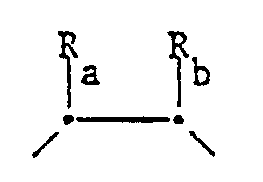


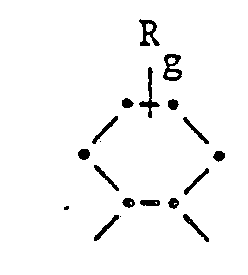
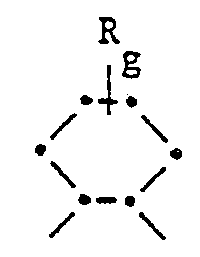





Priority Applications (1)
| Application Number | Priority Date | Filing Date | Title |
|---|---|---|---|
| AT84810234T ATE40553T1 (de) | 1983-05-19 | 1984-05-14 | Mikrobizide mittel. |
Applications Claiming Priority (2)
| Application Number | Priority Date | Filing Date | Title |
|---|---|---|---|
| CH2729/83 | 1983-05-19 | ||
| CH272983 | 1983-05-19 |
Publications (3)
| Publication Number | Publication Date |
|---|---|
| EP0129507A2 EP0129507A2 (fr) | 1984-12-27 |
| EP0129507A3 EP0129507A3 (en) | 1986-01-08 |
| EP0129507B1 true EP0129507B1 (fr) | 1989-02-01 |
Family
ID=4240294
Family Applications (1)
| Application Number | Title | Priority Date | Filing Date |
|---|---|---|---|
| EP84810234A Expired EP0129507B1 (fr) | 1983-05-19 | 1984-05-14 | Microbicides |
Country Status (14)
| Country | Link |
|---|---|
| US (1) | US4859687A (fr) |
| EP (1) | EP0129507B1 (fr) |
| JP (1) | JPS59222476A (fr) |
| AT (1) | ATE40553T1 (fr) |
| AU (1) | AU571523B2 (fr) |
| BR (1) | BR8402393A (fr) |
| CA (1) | CA1247106A (fr) |
| DD (1) | DD223622A5 (fr) |
| DE (1) | DE3476543D1 (fr) |
| GB (1) | GB2142624B (fr) |
| IL (1) | IL71859A (fr) |
| NZ (1) | NZ208208A (fr) |
| PT (1) | PT78601A (fr) |
| ZA (1) | ZA843773B (fr) |
Families Citing this family (4)
| Publication number | Priority date | Publication date | Assignee | Title |
|---|---|---|---|---|
| JPH01230577A (ja) * | 1987-11-10 | 1989-09-14 | Nippon Tokushu Noyaku Seizo Kk | 3−置換−ピリジン類及び農園芸用殺菌除草剤 |
| DE3812521A1 (de) * | 1988-04-15 | 1989-10-26 | Bayer Ag | Heterocyclisch substituierte pyri(mi)dine |
| EP0435127A3 (en) * | 1989-12-29 | 1991-12-27 | Basf Aktiengesellschaft | 3-substituted pyridines |
| US5071862A (en) * | 1990-10-26 | 1991-12-10 | Uniroyal Chemical Company, Inc. | 2-(3-oxypyridinyl)-1,3-dioxolane and dioxane compounds, compositions containing same and process for controlling fungi using same |
Family Cites Families (9)
| Publication number | Priority date | Publication date | Assignee | Title |
|---|---|---|---|---|
| CA960676A (en) * | 1970-05-21 | 1975-01-07 | Smith Kline And French Canada Ltd. | 3-sulfonamido-4-hydroxyphenyl-2-piperidinylcarbinols |
| US4443455A (en) * | 1978-02-17 | 1984-04-17 | Imperial Chemical Industries Plc | Fungidical thiazolidinones |
| GB2015524A (en) * | 1978-03-06 | 1979-09-12 | Ici Ltd | Pyridine derivatives |
| DE2909287A1 (de) * | 1979-03-09 | 1980-09-18 | Bayer Ag | 3-substituierte pyridin-derivate, verfahren zu ihrer herstellung sowie ihre verwendung als fungizide |
| EP0062238B1 (fr) * | 1981-03-30 | 1985-01-30 | F. HOFFMANN-LA ROCHE & CO. Aktiengesellschaft | Dérivés de 1,3-dioxolanes, leur préparation, fongicides contenant ces composés comme principe actif et utilisation de tels composés ou agents fongicides pour combattre les champignons en agriculture et en jardinage |
| SE425822B (sv) * | 1981-04-02 | 1982-11-08 | Asea Ab | Anordning for omvandling av information i elektrisk form till optisk form och/eller vice versa |
| DE3126819A1 (de) * | 1981-07-08 | 1983-01-27 | Basf Ag, 6700 Ludwigshafen | Pyridincarbinole, verfahren zu ihrer herstellung und diese enthaltende fungizide |
| AU554104B2 (en) * | 1981-09-01 | 1986-08-07 | F. Hoffmann-La Roche Ag | Heterocyclic compounds and fungicides containing same |
| US4590198A (en) * | 1983-02-24 | 1986-05-20 | Chugai Seiyaku Kabushiki Kaisha | Fungicidal isonicotinanllide retals, their compositions and method of using them |
-
1984
- 1984-05-14 DE DE8484810234T patent/DE3476543D1/de not_active Expired
- 1984-05-14 AT AT84810234T patent/ATE40553T1/de not_active IP Right Cessation
- 1984-05-14 EP EP84810234A patent/EP0129507B1/fr not_active Expired
- 1984-05-16 GB GB08412507A patent/GB2142624B/en not_active Expired
- 1984-05-17 PT PT78601A patent/PT78601A/pt not_active IP Right Cessation
- 1984-05-17 CA CA000454549A patent/CA1247106A/fr not_active Expired
- 1984-05-17 IL IL71859A patent/IL71859A/xx unknown
- 1984-05-17 DD DD84263129A patent/DD223622A5/de not_active IP Right Cessation
- 1984-05-18 ZA ZA843773A patent/ZA843773B/xx unknown
- 1984-05-18 AU AU28359/84A patent/AU571523B2/en not_active Ceased
- 1984-05-18 BR BR8402393A patent/BR8402393A/pt unknown
- 1984-05-18 NZ NZ208208A patent/NZ208208A/en unknown
- 1984-05-19 JP JP59101624A patent/JPS59222476A/ja active Pending
-
1986
- 1986-02-20 US US06/833,503 patent/US4859687A/en not_active Expired - Fee Related
Also Published As
| Publication number | Publication date |
|---|---|
| DE3476543D1 (en) | 1989-03-09 |
| EP0129507A3 (en) | 1986-01-08 |
| ZA843773B (en) | 1985-02-27 |
| US4859687A (en) | 1989-08-22 |
| GB2142624B (en) | 1987-05-13 |
| PT78601A (de) | 1984-06-01 |
| AU571523B2 (en) | 1988-04-21 |
| NZ208208A (en) | 1987-06-30 |
| GB2142624A (en) | 1985-01-23 |
| JPS59222476A (ja) | 1984-12-14 |
| BR8402393A (pt) | 1985-04-02 |
| CA1247106A (fr) | 1988-12-20 |
| EP0129507A2 (fr) | 1984-12-27 |
| ATE40553T1 (de) | 1989-02-15 |
| GB8412507D0 (en) | 1984-06-20 |
| AU2835984A (en) | 1984-11-22 |
| IL71859A (en) | 1987-10-30 |
| IL71859A0 (en) | 1984-09-30 |
| DD223622A5 (de) | 1985-06-19 |
Similar Documents
| Publication | Publication Date | Title |
|---|---|---|
| EP0065485B1 (fr) | Dérivés d'arylphényléthers comme microbicide, procédé pour leur préparation et leur application | |
| EP0275955B1 (fr) | Composition microbicide | |
| EP0113640B1 (fr) | 1-Azolyl-2-aryl-3-fluoralcane-2-ols microbicides | |
| EP0126430B1 (fr) | Procédé pour la préparation de dérivés de 1-triazolyléthyléthers, composés microbicides contenant des dérivés nouveaux de 1-triazolyl-phenoxyphényléthyléther comme ingrédients actifs et leur application | |
| EP0126254B1 (fr) | Dérivés de N-(2-nitrophényl)-4-aminopyrimidine comme microbicides | |
| EP0276432A2 (fr) | Pesticides | |
| DE3801233A1 (de) | Mikrobizides mittel | |
| EP0139613A1 (fr) | Dérivés de la N-(nitro-2 phényl) amino-4 pyrimidine, leur préparation et leur application | |
| EP0114567A2 (fr) | Dérivés du 1-carbonyl-1-phényl-2-azolyl-éthanol possédant des propriétés microbicides et étant des agents régulateurs de croissance des plantes et leurs intermédiaires | |
| EP0198797B1 (fr) | Parasiticide | |
| EP0060223A2 (fr) | Agent microbicide | |
| EP0149426B1 (fr) | Microbicides | |
| EP0082340B1 (fr) | Triazolyl-éthyl-éthers | |
| EP0163606B1 (fr) | Dérivés de 1-fluoro-1-azolyl-2,2-diaryléthane à activité microbicide | |
| EP0221844A1 (fr) | Dérivés de la pyridine à activité microbicide | |
| EP0079856A1 (fr) | Microbicide triazolyl-vinyl éthers | |
| EP0296518A1 (fr) | Dérivés de phényléthers comme microbicide, procédé de leur préparation et leur application | |
| EP0241429A2 (fr) | Silanes microbicides | |
| EP0129507A2 (fr) | Microbicides | |
| EP0228343A2 (fr) | Dérivés microbiens de 2-(1-triazolyl)-1-phényl-éthanone-(1)-cétals | |
| EP0215307B1 (fr) | Dérivés de la pyrimidine, leur procédé de préparation et leur application en tant que microbicides | |
| EP0207000B1 (fr) | Microbicides | |
| DE3505869A1 (de) | 2-((arylthio)phenyl)-2-(1h-azolylmethyl)-diox(ol)ane als mikrobizide | |
| EP0462931B1 (fr) | Dérivés de benzotriazole-1-sulfonyle à propriétés microbicides | |
| EP0443980A1 (fr) | Microbicides |
Legal Events
| Date | Code | Title | Description |
|---|---|---|---|
| PUAI | Public reference made under article 153(3) epc to a published international application that has entered the european phase |
Free format text: ORIGINAL CODE: 0009012 |
|
| 17P | Request for examination filed |
Effective date: 19840517 |
|
| AK | Designated contracting states |
Designated state(s): AT BE CH DE FR IT LI LU SE |
|
| PUAL | Search report despatched |
Free format text: ORIGINAL CODE: 0009013 |
|
| AK | Designated contracting states |
Designated state(s): AT BE CH DE FR IT LI LU SE |
|
| 17Q | First examination report despatched |
Effective date: 19870911 |
|
| GRAA | (expected) grant |
Free format text: ORIGINAL CODE: 0009210 |
|
| AK | Designated contracting states |
Kind code of ref document: B1 Designated state(s): AT BE CH DE FR IT LI LU SE |
|
| REF | Corresponds to: |
Ref document number: 40553 Country of ref document: AT Date of ref document: 19890215 Kind code of ref document: T |
|
| REF | Corresponds to: |
Ref document number: 3476543 Country of ref document: DE Date of ref document: 19890309 |
|
| ITF | It: translation for a ep patent filed | ||
| ET | Fr: translation filed | ||
| PLBE | No opposition filed within time limit |
Free format text: ORIGINAL CODE: 0009261 |
|
| STAA | Information on the status of an ep patent application or granted ep patent |
Free format text: STATUS: NO OPPOSITION FILED WITHIN TIME LIMIT |
|
| 26N | No opposition filed | ||
| PGFP | Annual fee paid to national office [announced via postgrant information from national office to epo] |
Ref country code: FR Payment date: 19910307 Year of fee payment: 8 |
|
| PGFP | Annual fee paid to national office [announced via postgrant information from national office to epo] |
Ref country code: LU Payment date: 19910313 Year of fee payment: 8 |
|
| PGFP | Annual fee paid to national office [announced via postgrant information from national office to epo] |
Ref country code: CH Payment date: 19910408 Year of fee payment: 8 |
|
| PGFP | Annual fee paid to national office [announced via postgrant information from national office to epo] |
Ref country code: AT Payment date: 19910417 Year of fee payment: 8 |
|
| PGFP | Annual fee paid to national office [announced via postgrant information from national office to epo] |
Ref country code: DE Payment date: 19910419 Year of fee payment: 8 |
|
| PGFP | Annual fee paid to national office [announced via postgrant information from national office to epo] |
Ref country code: SE Payment date: 19910521 Year of fee payment: 8 |
|
| PGFP | Annual fee paid to national office [announced via postgrant information from national office to epo] |
Ref country code: BE Payment date: 19910529 Year of fee payment: 8 |
|
| ITTA | It: last paid annual fee | ||
| EPTA | Lu: last paid annual fee | ||
| PG25 | Lapsed in a contracting state [announced via postgrant information from national office to epo] |
Ref country code: LU Free format text: LAPSE BECAUSE OF NON-PAYMENT OF DUE FEES Effective date: 19920514 Ref country code: AT Effective date: 19920514 |
|
| PG25 | Lapsed in a contracting state [announced via postgrant information from national office to epo] |
Ref country code: SE Effective date: 19920515 |
|
| PG25 | Lapsed in a contracting state [announced via postgrant information from national office to epo] |
Ref country code: LI Effective date: 19920531 Ref country code: CH Effective date: 19920531 Ref country code: BE Effective date: 19920531 |
|
| BERE | Be: lapsed |
Owner name: CIBA-GEIGY A.G. Effective date: 19920531 |
|
| PG25 | Lapsed in a contracting state [announced via postgrant information from national office to epo] |
Ref country code: FR Effective date: 19930129 |
|
| REG | Reference to a national code |
Ref country code: CH Ref legal event code: PL |
|
| PG25 | Lapsed in a contracting state [announced via postgrant information from national office to epo] |
Ref country code: DE Effective date: 19930202 |
|
| REG | Reference to a national code |
Ref country code: FR Ref legal event code: ST |
|
| EUG | Se: european patent has lapsed |
Ref document number: 84810234.9 Effective date: 19921204 |