EP0139457A2 - Composé antibiotique et sa préparation - Google Patents
Composé antibiotique et sa préparation Download PDFInfo
- Publication number
- EP0139457A2 EP0139457A2 EP84306190A EP84306190A EP0139457A2 EP 0139457 A2 EP0139457 A2 EP 0139457A2 EP 84306190 A EP84306190 A EP 84306190A EP 84306190 A EP84306190 A EP 84306190A EP 0139457 A2 EP0139457 A2 EP 0139457A2
- Authority
- EP
- European Patent Office
- Prior art keywords
- proton
- doublet
- compound
- protons
- multiplet
- Prior art date
- Legal status (The legal status is an assumption and is not a legal conclusion. Google has not performed a legal analysis and makes no representation as to the accuracy of the status listed.)
- Ceased
Links
Images
Classifications
-
- C—CHEMISTRY; METALLURGY
- C07—ORGANIC CHEMISTRY
- C07D—HETEROCYCLIC COMPOUNDS
- C07D309/00—Heterocyclic compounds containing six-membered rings having one oxygen atom as the only ring hetero atom, not condensed with other rings
- C07D309/16—Heterocyclic compounds containing six-membered rings having one oxygen atom as the only ring hetero atom, not condensed with other rings having one double bond between ring members or between a ring member and a non-ring member
- C07D309/20—Heterocyclic compounds containing six-membered rings having one oxygen atom as the only ring hetero atom, not condensed with other rings having one double bond between ring members or between a ring member and a non-ring member with hydrogen atoms and substituted hydrocarbon radicals directly attached to ring carbon atoms
- C07D309/22—Radicals substituted by oxygen atoms
-
- A—HUMAN NECESSITIES
- A61—MEDICAL OR VETERINARY SCIENCE; HYGIENE
- A61P—SPECIFIC THERAPEUTIC ACTIVITY OF CHEMICAL COMPOUNDS OR MEDICINAL PREPARATIONS
- A61P31/00—Antiinfectives, i.e. antibiotics, antiseptics, chemotherapeutics
- A61P31/04—Antibacterial agents
-
- A—HUMAN NECESSITIES
- A61—MEDICAL OR VETERINARY SCIENCE; HYGIENE
- A61P—SPECIFIC THERAPEUTIC ACTIVITY OF CHEMICAL COMPOUNDS OR MEDICINAL PREPARATIONS
- A61P35/00—Antineoplastic agents
-
- C—CHEMISTRY; METALLURGY
- C07—ORGANIC CHEMISTRY
- C07D—HETEROCYCLIC COMPOUNDS
- C07D309/00—Heterocyclic compounds containing six-membered rings having one oxygen atom as the only ring hetero atom, not condensed with other rings
- C07D309/32—Heterocyclic compounds containing six-membered rings having one oxygen atom as the only ring hetero atom, not condensed with other rings having two double bonds between ring members or between ring members and non-ring members
-
- C—CHEMISTRY; METALLURGY
- C12—BIOCHEMISTRY; BEER; SPIRITS; WINE; VINEGAR; MICROBIOLOGY; ENZYMOLOGY; MUTATION OR GENETIC ENGINEERING
- C12N—MICROORGANISMS OR ENZYMES; COMPOSITIONS THEREOF; PROPAGATING, PRESERVING, OR MAINTAINING MICROORGANISMS; MUTATION OR GENETIC ENGINEERING; CULTURE MEDIA
- C12N1/00—Microorganisms; Compositions thereof; Processes of propagating, maintaining or preserving microorganisms or compositions thereof; Processes of preparing or isolating a composition containing a microorganism; Culture media therefor
- C12N1/20—Bacteria; Culture media therefor
- C12N1/205—Bacterial isolates
-
- C—CHEMISTRY; METALLURGY
- C12—BIOCHEMISTRY; BEER; SPIRITS; WINE; VINEGAR; MICROBIOLOGY; ENZYMOLOGY; MUTATION OR GENETIC ENGINEERING
- C12P—FERMENTATION OR ENZYME-USING PROCESSES TO SYNTHESISE A DESIRED CHEMICAL COMPOUND OR COMPOSITION OR TO SEPARATE OPTICAL ISOMERS FROM A RACEMIC MIXTURE
- C12P17/00—Preparation of heterocyclic carbon compounds with only O, N, S, Se or Te as ring hetero atoms
- C12P17/02—Oxygen as only ring hetero atoms
- C12P17/06—Oxygen as only ring hetero atoms containing a six-membered hetero ring, e.g. fluorescein
-
- C—CHEMISTRY; METALLURGY
- C12—BIOCHEMISTRY; BEER; SPIRITS; WINE; VINEGAR; MICROBIOLOGY; ENZYMOLOGY; MUTATION OR GENETIC ENGINEERING
- C12R—INDEXING SCHEME ASSOCIATED WITH SUBCLASSES C12C - C12Q, RELATING TO MICROORGANISMS
- C12R2001/00—Microorganisms ; Processes using microorganisms
- C12R2001/01—Bacteria or Actinomycetales ; using bacteria or Actinomycetales
Definitions
- the present invention relates to an antibiotic compound demonstrating antitumor activity, designated CL-1957B and its pharmaceutically acceptable salts, to a process for the production of said compound, and to a purified isolate of an actinomycete capable of producing this compound.
- the process of producing the CL-1957B antibiotic compound relates to an aerobic fermentation process using a purified isolate of an actinomycete, identified as isolate ATCC 39366.
- a purified isolate of an actinomycete having the identifying characteristics of ATCC 39366 which is capable of producing the antibiotic compound CL-1957B.
- the antibiotic compound CL-1957B and its pharmaceutically acceptable salts which compounds exhibit both antimicrobial and antitumor properties.
- compositions comprising at least one CL-1957B compound, its pharmaceutically acceptable salts and, optionally, additional antimicrobial and/or antitumor compounds together with a pharmaceutically acceptable carrier.
- the compound of the present invention is useful in a method of treating microbial infections in a mammal which method comprises administering an effective amount of the compound CL-1957 or a pharmaceutically acceptable salt thereof in combination with a pharmaceutically acceptable carrier.
- the compound of the present invention is also useful in a method of treating tumours in mammals which method comprises administering an effective amount of the compound CL-1957B or a pharmaceutically acceptable salt thereof in combination with a pharmaceutically acceptable carrier.
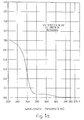
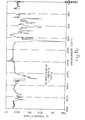
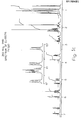
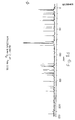
- FIGURES la, lb, lc, and 1d are the ultraviolet, infrared, 360 MHz proton magnetic resonance, and 90.5 MHz 13 C nuclear magnetic resonance spectra, respectively, of the compound designated CL-1957B.
- the CL-1957B antibiotic compound is produced by cultivating a selected isolate of actinomycete, isolate ATCC 39366, under artificial conditions until a substantial quantity of CL-1957B is formed, and subsequently isolating the compound.
- the strain of actinomycete suitable for the purpose of this invention was found in a soil sample collected in Pennsylvania, USA. This microorganism was isolated from the soil sample using a suitable agar plating medium, one containing salts such as potassium phosphate, magnesium sulfate, and ferrous sulfate, and carbon sources such as glycerol and asparagine. The strain of microorganism was plated onto the agar medium and, once plated, was incubated at a favorable temperature, particularly 45°C, to allow for the development of the soil microorganisms.
- a suitable agar plating medium one containing salts such as potassium phosphate, magnesium sulfate, and ferrous sulfate, and carbon sources such as glycerol and asparagine.
- the strain of microorganism was plated onto the agar medium and, once plated, was incubated at a favorable temperature, particularly 45°C, to allow for the development of the soil microorganisms.
- the CL-1957B producing organism that was isolated from the soil sample by the agar plating technique is an unidentified isolate of actinomycete and has been deposited with the American Type Culture Collection, Rockville, Maryland 20852, where it is being maintained in their permanent' culture collection as ATCC 39366.
- This organism, which produces CL-1957B is also being maintained as a dormant culture in lyophile tubes, cryogenic vials, and in soil tubes in the Warner-Lambert/Parke-Davis Culture Collection, 2800 National Road, Ann Arbor, Michigan 48105, where it is designated as culture WP-2053.
- the compound CL-1957B which demonstrates both antimicrobial and antitumor properties, is produced by isolate ATCC 39366 during aerobic fermentation under controlled conditions.
- the fermentation medium consists of sources of carbon, nitrogen, minerals, and growth factors. Examples of carbon sources are glycerol and various simple sugars, such as glucose, mannose, fructose, xylose, ribose, or other carbohydrate-containing compounds such as dextrin, starch, cornmeal, and whey.
- the normal quantity of carbon source materials in the fermentation medium varies from about 0.1 to about 10 weight percent.
- Nitrogen sources in the fermentation medium are organic, inorganic, or mixed organic-inorganic material. Examples of such materials are cottonseed meal, soybean meal, corn germ flour, corn steep liquor, distillers dried solubles, peanut meal, peptonized milk, and various ammonium salts.
- fermentation medium mineral additives include potassium chloride, sodium chloride, ferrous sulfate, calcium carbonate, cobalt chloride, and zinc sulfate.
- Sources of growth factors include various yeast and milk products.
- the preferred method for producing the CL-1957B compound is by submerged culture fermentation.
- the fermentation ingredients are prepared in solution or suspension and the mixture subsequently sterilized by autoclaving or steam heating.
- the pH of the aqueous medium is adjusted to preferably between about pH 4 and about pH 8 and the mixture cooled following sterilization to a temperature between about 16°C to about 45°C.
- the cooled, sterile fermentation medium is inoculated with the organism and thereafter fermentation is carried out with aeration and agitation.
- fermentation is carried out in shake-flasks or in stationary tank fermentors.
- shake-flasks aeration is achieved by agitation of the flasks to bring about mixing of the medium with air.
- stationary tank fermentors agitation is provided by impellers which may take the form of disc turbines, vaned discs, open turbine or marine propellers. Aeration is accomplished by injecting air or oxygen into the agitated mixture.
- the CL-1957B compound may also be produced by solid state fermentation of the microorganism.
- ATCC 39366 differs from 81-484 in the utilization of d-fructose, raffinose and d-xylose. It differs in nitrate reduction-gelatin liquefaction. ATCC 39366 belongs to the grey series and 81-484 belongs to the yellow series.
- the culture of actinomycete (ATCC 39366) of the present invention following its isolation from the agar plate, was transferred to an agar slant employing CIM 23 medium and incubated at 28°C for 7 to 14 days.
- a portion of the microbial growth from the agar slant was used to inoculate an 18-mm x 150-mm test tube containing 5 ml of SD-05 seed medium.
- the inoculated seed was shaken at 24°C, 170 rpm, for three to four days.
- Example 2 A 1-ml portion of the microbial growth of Example 2 was transferred to a 185-ml shake-tube containing 25 ml of SM-57 screening medium.
- the inoculated shake-tube was incubated at 24°C for four days with shaking (170 rpm gyratory shaking, 5 cm throw). Production of the CL-1957B compound was observed for the first time in this broth.
- a second 50-ml batch of SM-57 screening medium contained in a 300-ml baffled shake-flask, was inoculated with 2 ml of microbial seed from Example 2. This mixture was incubated at 24°C for four days with shaking (170 rpm gyratory shaking, 5 cm throw). After four days, the fermentation beer was granular to mycelial in appearance, and the pH was in the range of pH 5.5-6.0.
- the crude fermentation beer from Example 3 was also tested for antimicrobial activity against several microorganisms employing the agar-disc method.
- the crude beer was found to be active against Agrobacterium tumefaciens, Alcaligenes viscolactis, Bacillus subtilis, Branhamella catarhalis, Escherichia coli, Micrococcus luteus, and Micrococcus lysodeikticus.
- Two 2-liter shake-flasks each containing 300 ml of SM-57 screening medium, were inoculated with 12 ml of microbial seed. The flasks were incubated for four days at 24°C with shaking (170 rpm gyratory shaking, 5 cm throw).
- the fermentation beer from the two flasks was pooled and tested for antitumor activity against both L1210 mouse leukemia cells grown in tissue culture and P388 murine lymphocytic leukemia in vivo. Both tests were conducted in accordance with the methods detailed in Cancer Chemotherapy Reports, Part 3, Vol. 3, No. 2 (1972) referenced above.
- the contents of the seed flask were transferred aseptically to a 30-liter jar fermentor containing 16 liters of SD-05 seed medium.
- the inoculated jar contents were incubated for 24 hours at 24°C while being stirred at 300 rpm and sparged with air at a rate of 1 vol/vol/min.
- the production of the CL-1957B compound was monitored throughout the fermentation cycle by assay against L1210 mouse leukemia in vitro, and by measuring antimicrobial activity against several microorganisms. In addition, such fermentation parameters as pH and percent sedimentation were recorded throughout the fermentation cycle. The data are presented in Table VII.
- a 1-ml portion of a cryogenically preserved culture of isolate ATCC 39366 was used to inoculate 600 ml of SD-05 seed medium contained in a 2-liter baffled shake-flask.
- the inoculated shake-flask contents were incubated for 71 hours at 24°C with shaking (130 rpm gyratory shaking, 5 cm throw).
- the microbial growth from the 2-liter flask was used to inoculate 16 liters of SD-05 seed medium contained in a 30-liter stirred jar fermentor.
- the inoculated fermentor contents were incubated at 24°C for 24 hours while being stirred at 300 rpm and sparged with air at a rate of 1 vol/vol/min.
- a 200-gallon (757-liter) fermentor containing 160 gallons (606 liters) of PM-10 production medium was sterilized by heating with steam for 40 minutes at 121°C.
- the fermentor and its contents were cooled to 24°C and inoculated with about 15 liters of the microbial growth from the 30-liter stirred jar fermentor.
- the inoculated production medium was incubated at 24°C for five days with stirring at 155 rpm while being sparged with air at a rate of 0.75 vol/vol/min.
- Dow Corning "C" antifoam agent was added as needed to control foaming of the fermentation medium.
- the crude beer was harvested, and the CL-1957 B compound isolated as described below.
- Fermentation beer as prepared above in Example 7 was adjusted to pH 3.5 with sulfuric acid and mixed for one hour with ethyl acetate (227 liters). Celite 545 (11.4 kg) was added and the mixture filtered through a 46-cm plate-and-frame filter press. The filtrate was allowed to stand to let the lower aqueous phase separate from the ethyl acetate -extract. The filter cake was washed with ethyl acetate (132 liters) and the wash, after dilution with 76 liters of fresh ethyl acetate, was used to extract the separated aqueous layer from above.
- the compound of the present invention forms pharmaceutically acceptable salts with organic and inorganic bases.
- suitable inorganic bases are ammonium hydroxide, sodium hydroxide, potassium hydroxide, sodium carbonate, calcium hydroxide, sodium bicarbonate, and the like.
- Pharmaceutically acceptable salts are also formed with amine cations derived from organic nitrogenous bases strong enough to form cations.
- the pharmaceutically acceptable salts of the acid are prepared by, for example, suspending the acid in water and adjusting the pH with the pharmaceutically acceptable base, or by reacting the compounds with one equivalent of the pharmaceutically acceptable base in a solvent and removing the solvent under reduced pressure.
- the term, pharmaceutically acceptable metal cation contemplates the positively charged ions derived from such metals as sodium, potassium, calcium, magnesium, aluminum, zinc, iron, and the like.
- the salts are prepared by contacting the free acid form of the compound with an equivalent amount of the desired base in the conventional manner.
- the free acid form may be regenerated by treating the salt form with an acid.
- dilute aqueous acid solutions may be utilized to regenerate the free acid form from a respective salt.
- Dilute aqueous hydrochloric acid is suitable for this purpose.
- the free forms differ from their respective salt forms somewhat in certain physical properties such as solubility in polar solvents, but the salts are otherwise equivalent to their respective free base forms for purposes of the invention.
- amine cation contemplates the positively charged ammonium ion and analogous ions derived from organic nitrogenous bases strong enough to form such cations.
- Bases useful for the purpose of forming pharmacologically acceptable nontoxic addition salts of such compounds containing free carboxyl groups form a class whose limits are readily understood by those skilled in the art.
- R a , R b , and R c independently, are hydrogen, alkyl of from about one to about six carbon atoms, cycloalkyl of from about three to about six carbon atoms, aryl of about six carbon atoms, aralkyl of from about 7 to about 11 carbon atoms, hydroxyalkyl of from about 2 to about 4 carbon atoms, or monoarylhydroxyalkyl of from about 8 to about 15 carbon atoms, or, when taken together with the nitrogen atom to which they are attached, any two of R a , R b , and R c may form part of a 5- to 6-membered heterocyclic ring containing carbon, hydrogen, oxygen, or nitrogen, said heterocyclic rings and said aryl groups being unsubstituted or mono- or dialkyl substituted said alkyl groups containing from about one to about six carbon atoms.
- R a , R b , and R c groups comprising pharmaceutically acceptable cations derived from ammonia or a basic amine are ammonium, mono-, di-, and trimethylammonium, mono, di- and triethylammonium, mono-, di-, and tripropylammonium (iso and normal), ethyl- dimethylammonium, benzyldimethylammonium, cyclohexyl- ammonium, benzylammonium, dibenzylammonium, piperidinium, morpholinium, pyrrolidinium, piperazinium, pyridinium, 1-methylpiperidinium, 4-ethylmorpholinium, 1-isopropylpyrrolidinium, 1,4-dimethylpiperazinium, 1-n-butylpiperidinium, 2-methylpiperidinium, l-ethyl-2-methylpiperidinium, mono-, di-, and triethanolammonium,
- the antimicrobial activity of CL-1957B was evaluated by saturating 12.7 mm paper discs with solutions of CL-1957B prepared at concentrations of 10, 100, and 500 pg/ml and placing each saturated paper disc on a bioassay tray containing an agar medium seeded with a particular organism. The disc and inoculated medium were incubated for 16 hours at 37°C and the diameter of the resulting growth inhibition zone, if any, was measured. The data from these tests appear in Table X.
- mice received intraperitoneal injections of the test compound dissolved in 0.9% sodium chloride solution on Days 2, 6, and 10, and then weekly thereafter. Tumors were measured on Days 24 and 35. The results are presented in Table XIII as % T/C (as defined below.) % T/C values of less than 40 on Day 35 are considered active.
- the antimicrobial compound CL-1957B is useful for its antimicrobial and antitumor activity as pharmaceutical compositions in combination with a compatible pharmaceutically acceptable carrier. These compositions may also contain other antimicrobial and/or antitumor agents.
- the compositions may be made up in any pharmaceutically appropriate form for the desired route of administration. Examples of such forms include solid forms for oral administration as tablets, capsules, pills, powders and granules, liquid forms for topical or oral administration as solutions, suspensions, syrups, and elixirs, and forms suitable for parenteral administration such as sterile solutions, suspensions, or emulsions.
- inert, pharmaceutically acceptable carriers can be either solid or liquid.
- Solid form preparations include powders, tablets, dispersible granules, capsules, cachets, and suppositories.
- a solid carrier can be one or more substances which may also act as diluents, flavoring agents, solubilizers, lubricants, suspending agents, binders, or tablet disintegrating agents; it can also be an encapsulating material.
- the carrier is a finely divided solid which is in admixture with the finely divided active compound.
- the active compound is mixed with carrier having the necessary binding properties in suitable proportions and compacted in the shape and size desired.
- the powders and tablets preferably contain from 5 or 10 to about 70 percent of the active ingredient.
- Suitable solid carriers are magnesium carbonate, magnesium stearate, talc, sugar, lactose, pectin, dextrin, starch, gelatin, tragacanth, methylcellulose, sodium carboxymethylcellulose, a low melting wax, cocoa butter, and the like.
- the term "preparation" is intended to include the formulation of the active compound with encapsulating material as carrier providing a capsule in which the active component with encapsulating material as carrier providing a capsule in which the active component (with or without other carriers) is surrounded by carrier, which is thus in association with it.
- cachets are included. Tablets, powders, cachets, and capsules can be used as solid dosage forms suitable for oral administration.
- a low melting wax such as a mixture of fatty acid glycerides or cocoa butter is first melted, and the active ingredient is dispersed homogeneously therein as by stirring. The molten homogeneous mixture is then poured into convenient sized molds, allowed to cool and thereby to solidify.
- Liquid form preparations include solutions, suspensions, and emulsions. As an example may be mentioned water or water-propylene glycol solutions for parenteral injection. Liquid preparations can also be formulated in solution in aqueous polyethylene glycol solution.
- Aqueous solutions suitable for oral use can be prepared by dissolving the active component in water and adding suitable colorants, flavors, stabilizing, and thickening agents as desired.
- Aqueous suspensions suitable for oral use can be made by dispersing the finely divided active component in water with viscous material, i.e., natural or synthetic gums, resins, methylcellulose, sodium carboxymethylcellulose, and other well-known suspending agents.
- solid form preparations which are intended to be converted, shortly before use, to liquid form preparations for either oral or parenteral administration.
- liquid forms include solutions, suspensions, and emulsions.
- solid form preparations are most conveniently provided in unit dose form and as such are used to provide a single liquid dosage unit. Alternately, sufficient solid may be provided so that after conversion to liquid form, multiple individual liquid doses may be obtained by measuring predetermined volumes of the liquid form preparation as with a syringe, teaspoon, or other volumetric container. When multiple liquid doses are so prepared, it is preferred to maintain the unused portion of said liquid doses at low temperature (i.e., under refrigeration) in order to retard possible decomposition.
- the solid form preparations intended to be converted to liquid form may contain, in addition to the active material, flavor- ants, colorants, stabilizers, buffers, artificial and natural sweeteners, dispersants, thickeners, solubilizing agents, and the like.
- the liquid utilized for preparing the liquid form preparation may be water, isotonic water, ethanol, glycerine, propylene glycol, and the like as well as mixtures thereof. Naturally; the liquid utilized will be chosen with regard to the route of administration, for example, liquid preparations containing large amounts of ethanol are not suitable for parenteral use.
- the pharmaceutical preparation is in unit dosage form.
- the preparation is subdivided into unit doses containing appropriate quantities of the active component.
- the unit dosage form can be a packaged preparation, the package containing discrete quantities of preparation, for example, packeted tablets, capsules, and powders in vials or ampoules.
- the unit dosage form can also be a capsule, cachet, or tablet itself or it can be the appropriate number of any of these in packaged form.
- the quantity of active compound in a unit dose of preparation may be varied or adjusted from 0.1 mg to 500 mg preferably to 5 to 100 mg according to the particular application and the potency of the active ingredient.
- the compositions can, if desired, also contain other compatible therapeutic agents.
- the mammalian dosage range for a 70 kg subject is from 1 to 1500 mg/kg of body weight per day or preferably 2 to 750 mg/kg of body weight per day.
- the dosages may be varied depending upon the requirements of the patient, the severity of the condition being treated, and the compound being employed. Determination of the proper dosage for a particular situation is within the skill of the art. Generally, treatment is initiated with smaller dosages which are less than the optimum dose of the compound. Thereafter the dosage is increased by small increments until the optimum effect under the circumstances is reached. For convenience, the total daily dosage may be divided and administered in portions during the day if desired.
Landscapes
- Chemical & Material Sciences (AREA)
- Organic Chemistry (AREA)
- Health & Medical Sciences (AREA)
- Life Sciences & Earth Sciences (AREA)
- Engineering & Computer Science (AREA)
- Zoology (AREA)
- Wood Science & Technology (AREA)
- General Health & Medical Sciences (AREA)
- Biotechnology (AREA)
- General Chemical & Material Sciences (AREA)
- Bioinformatics & Cheminformatics (AREA)
- Genetics & Genomics (AREA)
- Medicinal Chemistry (AREA)
- Chemical Kinetics & Catalysis (AREA)
- Veterinary Medicine (AREA)
- General Engineering & Computer Science (AREA)
- Public Health (AREA)
- Microbiology (AREA)
- Animal Behavior & Ethology (AREA)
- Pharmacology & Pharmacy (AREA)
- Biochemistry (AREA)
- Nuclear Medicine, Radiotherapy & Molecular Imaging (AREA)
- Communicable Diseases (AREA)
- Oncology (AREA)
- Tropical Medicine & Parasitology (AREA)
- Virology (AREA)
- Biomedical Technology (AREA)
- Preparation Of Compounds By Using Micro-Organisms (AREA)
- Pharmaceuticals Containing Other Organic And Inorganic Compounds (AREA)
- Medicines Containing Material From Animals Or Micro-Organisms (AREA)
- Nitrogen And Oxygen Or Sulfur-Condensed Heterocyclic Ring Systems (AREA)
- Pyrane Compounds (AREA)
Applications Claiming Priority (2)
| Application Number | Priority Date | Filing Date | Title |
|---|---|---|---|
| US53112883A | 1983-09-12 | 1983-09-12 | |
| US531128 | 1983-09-12 |
Publications (2)
| Publication Number | Publication Date |
|---|---|
| EP0139457A2 true EP0139457A2 (fr) | 1985-05-02 |
| EP0139457A3 EP0139457A3 (fr) | 1987-03-25 |
Family
ID=24116352
Family Applications (1)
| Application Number | Title | Priority Date | Filing Date |
|---|---|---|---|
| EP84306190A Ceased EP0139457A3 (fr) | 1983-09-12 | 1984-09-11 | Composé antibiotique et sa préparation |
Country Status (7)
| Country | Link |
|---|---|
| EP (1) | EP0139457A3 (fr) |
| JP (1) | JPS60120874A (fr) |
| AU (1) | AU572878B2 (fr) |
| CA (1) | CA1232852A (fr) |
| DK (1) | DK431284A (fr) |
| ES (1) | ES8601953A1 (fr) |
| GR (1) | GR80315B (fr) |
Cited By (3)
| Publication number | Priority date | Publication date | Assignee | Title |
|---|---|---|---|---|
| DE3419076A1 (de) * | 1983-12-28 | 1985-07-11 | The Kitasato Institute, Tokio/Tokyo | Neues antitumor-antibiotikum 81-484 und seine herstellung |
| EP0408336A3 (en) * | 1989-07-12 | 1991-04-03 | Bristol-Myers Squibb Company | Antitumor antibiotic bu-3285t |
| WO2004045602A1 (fr) * | 2002-11-20 | 2004-06-03 | Japan Science And Technology Agency | Medicament permettant d'inhiber la production de metalloprotease-9 de matrice |
Families Citing this family (2)
| Publication number | Priority date | Publication date | Assignee | Title |
|---|---|---|---|---|
| AU574713B2 (en) * | 1983-09-12 | 1988-07-14 | Warner-Lambert Company | Cl-1957a antibiotic compound and its production |
| JPH04354545A (ja) * | 1991-05-29 | 1992-12-08 | Hajime Tomokage | 循環式小型クリーンルーム |
Family Cites Families (4)
| Publication number | Priority date | Publication date | Assignee | Title |
|---|---|---|---|---|
| IE54287B1 (en) * | 1982-02-24 | 1989-08-16 | Warner Lambert Co | Cl 1565 antibiotic compounds and their production |
| GB2119787B (en) * | 1982-04-07 | 1985-07-10 | Ss Pharmaceutical Co | Pyrones |
| EP0128651A3 (fr) * | 1983-05-12 | 1987-01-07 | Warner-Lambert Company | Pyranones et composés apparentés, procédé pour leur préparation et utilisation |
| AU574713B2 (en) * | 1983-09-12 | 1988-07-14 | Warner-Lambert Company | Cl-1957a antibiotic compound and its production |
-
1984
- 1984-08-16 CA CA000461119A patent/CA1232852A/fr not_active Expired
- 1984-08-17 AU AU32039/84A patent/AU572878B2/en not_active Ceased
- 1984-09-07 GR GR80315A patent/GR80315B/el unknown
- 1984-09-10 DK DK431284A patent/DK431284A/da not_active Application Discontinuation
- 1984-09-11 JP JP59188977A patent/JPS60120874A/ja active Pending
- 1984-09-11 EP EP84306190A patent/EP0139457A3/fr not_active Ceased
- 1984-09-11 ES ES535810A patent/ES8601953A1/es not_active Expired
Cited By (4)
| Publication number | Priority date | Publication date | Assignee | Title |
|---|---|---|---|---|
| DE3419076A1 (de) * | 1983-12-28 | 1985-07-11 | The Kitasato Institute, Tokio/Tokyo | Neues antitumor-antibiotikum 81-484 und seine herstellung |
| GB2152028A (en) * | 1983-12-28 | 1985-07-31 | Kitasato Inst | Antitumor antibiotic |
| EP0408336A3 (en) * | 1989-07-12 | 1991-04-03 | Bristol-Myers Squibb Company | Antitumor antibiotic bu-3285t |
| WO2004045602A1 (fr) * | 2002-11-20 | 2004-06-03 | Japan Science And Technology Agency | Medicament permettant d'inhiber la production de metalloprotease-9 de matrice |
Also Published As
| Publication number | Publication date |
|---|---|
| DK431284D0 (da) | 1984-09-10 |
| AU572878B2 (en) | 1988-05-19 |
| DK431284A (da) | 1985-03-13 |
| CA1232852A (fr) | 1988-02-16 |
| ES535810A0 (es) | 1985-11-01 |
| EP0139457A3 (fr) | 1987-03-25 |
| JPS60120874A (ja) | 1985-06-28 |
| GR80315B (en) | 1985-01-08 |
| AU3203984A (en) | 1985-03-21 |
| ES8601953A1 (es) | 1985-11-01 |
Similar Documents
| Publication | Publication Date | Title |
|---|---|---|
| US4981792A (en) | Immunosuppressant compound | |
| EP0132082B1 (fr) | Composés antibiotiques/antitumoraux et leur production | |
| EP0388956B1 (fr) | Dérivé de phtalinide, composition pharmaceutique et utilisation | |
| US4578271A (en) | Biologically active WS 6049 substances, a process for the production thereof and their pharmaceutical compositions | |
| EP0185456B1 (fr) | Composés antibiotiques/antitumoraux CL-1577D et CL-1577E, leur obtention et leur emploi | |
| EP0139458B1 (fr) | Composé antibiotique et sa préparation | |
| US4771070A (en) | CL-1957A antibiotic compound | |
| EP0139457A2 (fr) | Composé antibiotique et sa préparation | |
| FR2568892A1 (fr) | Nouvel antibiotique sandramycine, procede de preparation de celui-ci, culture biologiquement pure du micro-organisme nocardioides sp, atcc no 39419, et composition pharmaceutique contenant la sandramycine | |
| US4578383A (en) | CL 1565 antibiotic compounds | |
| US4487761A (en) | Dopamine β-hydroxylase inhibitors | |
| EP0087021B1 (fr) | Composés antibiotiques CL 1565 et leur préparation | |
| US5221625A (en) | Cyclcic FR-900520 microbial biotransformation agent | |
| US5756536A (en) | Microbial transformation of taxol and cephalomannine | |
| US4792522A (en) | Rigolettone antitumor complex | |
| EP0004128B1 (fr) | Frénolicine B, procédé de préparation et compositions pharmaceutiques le contenant | |
| US4918100A (en) | CL-1957B antibiotic compound and its production | |
| EP0136923B1 (fr) | 2-Amino-1,9-dihydro-6H-purin-6-one-7-oxyde, sels pharmaceutiquement acceptables et procédé de préparation | |
| US4725621A (en) | CL-1957E antibiotic compound and its production | |
| US5217885A (en) | Antitumor substance BE-13793C | |
| US5217882A (en) | Microbial transformation process for producing antihypertensive N2 -glucuronide products | |
| US5334613A (en) | Antibacterial substance BE-24566B | |
| US5290689A (en) | New cyclic FR-900520 microbial biotransformation agent | |
| US5283183A (en) | Cyclic FR-900520 microbial biotransformation agent | |
| EP1324980B1 (fr) | Citrullimycines, leur procede de production et leur utilisation en tant qu'agents pharmaceutiques |
Legal Events
| Date | Code | Title | Description |
|---|---|---|---|
| PUAI | Public reference made under article 153(3) epc to a published international application that has entered the european phase |
Free format text: ORIGINAL CODE: 0009012 |
|
| AK | Designated contracting states |
Designated state(s): AT BE CH DE FR GB IT LI LU NL SE |
|
| PUAL | Search report despatched |
Free format text: ORIGINAL CODE: 0009013 |
|
| AK | Designated contracting states |
Kind code of ref document: A3 Designated state(s): AT BE CH DE FR GB IT LI LU NL SE |
|
| 17P | Request for examination filed |
Effective date: 19870921 |
|
| 17Q | First examination report despatched |
Effective date: 19880627 |
|
| STAA | Information on the status of an ep patent application or granted ep patent |
Free format text: STATUS: THE APPLICATION HAS BEEN REFUSED |
|
| 18R | Application refused |
Effective date: 19890728 |
|
| RIN1 | Information on inventor provided before grant (corrected) |
Inventor name: FRENCH, JAMES CLARK Inventor name: SCHAUMBERG, JOHN PHILLIP Inventor name: HOKANSON, GERARD CLIFFORD Inventor name: TUNAC, JOSEFINO BALLESTEROS |