EP0163143A1 - Hochfester und temperaturbeständiger Formkörper aus Zirkoniumdioxid (Zr02) und Verfahren zu seiner Herstellung - Google Patents
Hochfester und temperaturbeständiger Formkörper aus Zirkoniumdioxid (Zr02) und Verfahren zu seiner Herstellung Download PDFInfo
- Publication number
- EP0163143A1 EP0163143A1 EP85105152A EP85105152A EP0163143A1 EP 0163143 A1 EP0163143 A1 EP 0163143A1 EP 85105152 A EP85105152 A EP 85105152A EP 85105152 A EP85105152 A EP 85105152A EP 0163143 A1 EP0163143 A1 EP 0163143A1
- Authority
- EP
- European Patent Office
- Prior art keywords
- mgo
- powder
- temperatures
- zro
- psz
- Prior art date
- Legal status (The legal status is an assumption and is not a legal conclusion. Google has not performed a legal analysis and makes no representation as to the accuracy of the status listed.)
- Granted
Links
Classifications
-
- C—CHEMISTRY; METALLURGY
- C04—CEMENTS; CONCRETE; ARTIFICIAL STONE; CERAMICS; REFRACTORIES
- C04B—LIME, MAGNESIA; SLAG; CEMENTS; COMPOSITIONS THEREOF, e.g. MORTARS, CONCRETE OR LIKE BUILDING MATERIALS; ARTIFICIAL STONE; CERAMICS; REFRACTORIES; TREATMENT OF NATURAL STONE
- C04B35/00—Shaped ceramic products characterised by their composition; Ceramics compositions; Processing powders of inorganic compounds preparatory to the manufacturing of ceramic products
- C04B35/01—Shaped ceramic products characterised by their composition; Ceramics compositions; Processing powders of inorganic compounds preparatory to the manufacturing of ceramic products based on oxide ceramics
- C04B35/48—Shaped ceramic products characterised by their composition; Ceramics compositions; Processing powders of inorganic compounds preparatory to the manufacturing of ceramic products based on oxide ceramics based on zirconium or hafnium oxides, zirconates, zircon or hafnates
- C04B35/486—Fine ceramics
- C04B35/488—Composites
-
- C—CHEMISTRY; METALLURGY
- C04—CEMENTS; CONCRETE; ARTIFICIAL STONE; CERAMICS; REFRACTORIES
- C04B—LIME, MAGNESIA; SLAG; CEMENTS; COMPOSITIONS THEREOF, e.g. MORTARS, CONCRETE OR LIKE BUILDING MATERIALS; ARTIFICIAL STONE; CERAMICS; REFRACTORIES; TREATMENT OF NATURAL STONE
- C04B35/00—Shaped ceramic products characterised by their composition; Ceramics compositions; Processing powders of inorganic compounds preparatory to the manufacturing of ceramic products
- C04B35/01—Shaped ceramic products characterised by their composition; Ceramics compositions; Processing powders of inorganic compounds preparatory to the manufacturing of ceramic products based on oxide ceramics
- C04B35/48—Shaped ceramic products characterised by their composition; Ceramics compositions; Processing powders of inorganic compounds preparatory to the manufacturing of ceramic products based on oxide ceramics based on zirconium or hafnium oxides, zirconates, zircon or hafnates
- C04B35/486—Fine ceramics
-
- C—CHEMISTRY; METALLURGY
- C04—CEMENTS; CONCRETE; ARTIFICIAL STONE; CERAMICS; REFRACTORIES
- C04B—LIME, MAGNESIA; SLAG; CEMENTS; COMPOSITIONS THEREOF, e.g. MORTARS, CONCRETE OR LIKE BUILDING MATERIALS; ARTIFICIAL STONE; CERAMICS; REFRACTORIES; TREATMENT OF NATURAL STONE
- C04B35/00—Shaped ceramic products characterised by their composition; Ceramics compositions; Processing powders of inorganic compounds preparatory to the manufacturing of ceramic products
- C04B35/01—Shaped ceramic products characterised by their composition; Ceramics compositions; Processing powders of inorganic compounds preparatory to the manufacturing of ceramic products based on oxide ceramics
- C04B35/48—Shaped ceramic products characterised by their composition; Ceramics compositions; Processing powders of inorganic compounds preparatory to the manufacturing of ceramic products based on oxide ceramics based on zirconium or hafnium oxides, zirconates, zircon or hafnates
- C04B35/486—Fine ceramics
- C04B35/488—Composites
- C04B35/4885—Composites with aluminium oxide
-
- C—CHEMISTRY; METALLURGY
- C04—CEMENTS; CONCRETE; ARTIFICIAL STONE; CERAMICS; REFRACTORIES
- C04B—LIME, MAGNESIA; SLAG; CEMENTS; COMPOSITIONS THEREOF, e.g. MORTARS, CONCRETE OR LIKE BUILDING MATERIALS; ARTIFICIAL STONE; CERAMICS; REFRACTORIES; TREATMENT OF NATURAL STONE
- C04B35/00—Shaped ceramic products characterised by their composition; Ceramics compositions; Processing powders of inorganic compounds preparatory to the manufacturing of ceramic products
- C04B35/622—Forming processes; Processing powders of inorganic compounds preparatory to the manufacturing of ceramic products
- C04B35/626—Preparing or treating the powders individually or as batches ; preparing or treating macroscopic reinforcing agents for ceramic products, e.g. fibres; mechanical aspects section B
- C04B35/628—Coating the powders or the macroscopic reinforcing agents
- C04B35/62802—Powder coating materials
- C04B35/62805—Oxide ceramics
- C04B35/62813—Alumina or aluminates
-
- C—CHEMISTRY; METALLURGY
- C04—CEMENTS; CONCRETE; ARTIFICIAL STONE; CERAMICS; REFRACTORIES
- C04B—LIME, MAGNESIA; SLAG; CEMENTS; COMPOSITIONS THEREOF, e.g. MORTARS, CONCRETE OR LIKE BUILDING MATERIALS; ARTIFICIAL STONE; CERAMICS; REFRACTORIES; TREATMENT OF NATURAL STONE
- C04B2235/00—Aspects relating to ceramic starting mixtures or sintered ceramic products
- C04B2235/02—Composition of constituents of the starting material or of secondary phases of the final product
- C04B2235/30—Constituents and secondary phases not being of a fibrous nature
- C04B2235/32—Metal oxides, mixed metal oxides, or oxide-forming salts thereof, e.g. carbonates, nitrates, (oxy)hydroxides, chlorides
- C04B2235/3205—Alkaline earth oxides or oxide forming salts thereof, e.g. beryllium oxide
- C04B2235/3206—Magnesium oxides or oxide-forming salts thereof
-
- C—CHEMISTRY; METALLURGY
- C04—CEMENTS; CONCRETE; ARTIFICIAL STONE; CERAMICS; REFRACTORIES
- C04B—LIME, MAGNESIA; SLAG; CEMENTS; COMPOSITIONS THEREOF, e.g. MORTARS, CONCRETE OR LIKE BUILDING MATERIALS; ARTIFICIAL STONE; CERAMICS; REFRACTORIES; TREATMENT OF NATURAL STONE
- C04B2235/00—Aspects relating to ceramic starting mixtures or sintered ceramic products
- C04B2235/02—Composition of constituents of the starting material or of secondary phases of the final product
- C04B2235/30—Constituents and secondary phases not being of a fibrous nature
- C04B2235/32—Metal oxides, mixed metal oxides, or oxide-forming salts thereof, e.g. carbonates, nitrates, (oxy)hydroxides, chlorides
- C04B2235/3205—Alkaline earth oxides or oxide forming salts thereof, e.g. beryllium oxide
- C04B2235/3213—Strontium oxides or oxide-forming salts thereof
-
- C—CHEMISTRY; METALLURGY
- C04—CEMENTS; CONCRETE; ARTIFICIAL STONE; CERAMICS; REFRACTORIES
- C04B—LIME, MAGNESIA; SLAG; CEMENTS; COMPOSITIONS THEREOF, e.g. MORTARS, CONCRETE OR LIKE BUILDING MATERIALS; ARTIFICIAL STONE; CERAMICS; REFRACTORIES; TREATMENT OF NATURAL STONE
- C04B2235/00—Aspects relating to ceramic starting mixtures or sintered ceramic products
- C04B2235/02—Composition of constituents of the starting material or of secondary phases of the final product
- C04B2235/30—Constituents and secondary phases not being of a fibrous nature
- C04B2235/32—Metal oxides, mixed metal oxides, or oxide-forming salts thereof, e.g. carbonates, nitrates, (oxy)hydroxides, chlorides
- C04B2235/3217—Aluminum oxide or oxide forming salts thereof, e.g. bauxite, alpha-alumina
-
- C—CHEMISTRY; METALLURGY
- C04—CEMENTS; CONCRETE; ARTIFICIAL STONE; CERAMICS; REFRACTORIES
- C04B—LIME, MAGNESIA; SLAG; CEMENTS; COMPOSITIONS THEREOF, e.g. MORTARS, CONCRETE OR LIKE BUILDING MATERIALS; ARTIFICIAL STONE; CERAMICS; REFRACTORIES; TREATMENT OF NATURAL STONE
- C04B2235/00—Aspects relating to ceramic starting mixtures or sintered ceramic products
- C04B2235/02—Composition of constituents of the starting material or of secondary phases of the final product
- C04B2235/30—Constituents and secondary phases not being of a fibrous nature
- C04B2235/32—Metal oxides, mixed metal oxides, or oxide-forming salts thereof, e.g. carbonates, nitrates, (oxy)hydroxides, chlorides
- C04B2235/3217—Aluminum oxide or oxide forming salts thereof, e.g. bauxite, alpha-alumina
- C04B2235/3222—Aluminates other than alumino-silicates, e.g. spinel (MgAl2O4)
-
- C—CHEMISTRY; METALLURGY
- C04—CEMENTS; CONCRETE; ARTIFICIAL STONE; CERAMICS; REFRACTORIES
- C04B—LIME, MAGNESIA; SLAG; CEMENTS; COMPOSITIONS THEREOF, e.g. MORTARS, CONCRETE OR LIKE BUILDING MATERIALS; ARTIFICIAL STONE; CERAMICS; REFRACTORIES; TREATMENT OF NATURAL STONE
- C04B2235/00—Aspects relating to ceramic starting mixtures or sintered ceramic products
- C04B2235/02—Composition of constituents of the starting material or of secondary phases of the final product
- C04B2235/30—Constituents and secondary phases not being of a fibrous nature
- C04B2235/32—Metal oxides, mixed metal oxides, or oxide-forming salts thereof, e.g. carbonates, nitrates, (oxy)hydroxides, chlorides
- C04B2235/3224—Rare earth oxide or oxide forming salts thereof, e.g. scandium oxide
-
- C—CHEMISTRY; METALLURGY
- C04—CEMENTS; CONCRETE; ARTIFICIAL STONE; CERAMICS; REFRACTORIES
- C04B—LIME, MAGNESIA; SLAG; CEMENTS; COMPOSITIONS THEREOF, e.g. MORTARS, CONCRETE OR LIKE BUILDING MATERIALS; ARTIFICIAL STONE; CERAMICS; REFRACTORIES; TREATMENT OF NATURAL STONE
- C04B2235/00—Aspects relating to ceramic starting mixtures or sintered ceramic products
- C04B2235/02—Composition of constituents of the starting material or of secondary phases of the final product
- C04B2235/30—Constituents and secondary phases not being of a fibrous nature
- C04B2235/32—Metal oxides, mixed metal oxides, or oxide-forming salts thereof, e.g. carbonates, nitrates, (oxy)hydroxides, chlorides
- C04B2235/3224—Rare earth oxide or oxide forming salts thereof, e.g. scandium oxide
- C04B2235/3225—Yttrium oxide or oxide-forming salts thereof
-
- C—CHEMISTRY; METALLURGY
- C04—CEMENTS; CONCRETE; ARTIFICIAL STONE; CERAMICS; REFRACTORIES
- C04B—LIME, MAGNESIA; SLAG; CEMENTS; COMPOSITIONS THEREOF, e.g. MORTARS, CONCRETE OR LIKE BUILDING MATERIALS; ARTIFICIAL STONE; CERAMICS; REFRACTORIES; TREATMENT OF NATURAL STONE
- C04B2235/00—Aspects relating to ceramic starting mixtures or sintered ceramic products
- C04B2235/02—Composition of constituents of the starting material or of secondary phases of the final product
- C04B2235/30—Constituents and secondary phases not being of a fibrous nature
- C04B2235/32—Metal oxides, mixed metal oxides, or oxide-forming salts thereof, e.g. carbonates, nitrates, (oxy)hydroxides, chlorides
- C04B2235/3224—Rare earth oxide or oxide forming salts thereof, e.g. scandium oxide
- C04B2235/3227—Lanthanum oxide or oxide-forming salts thereof
-
- C—CHEMISTRY; METALLURGY
- C04—CEMENTS; CONCRETE; ARTIFICIAL STONE; CERAMICS; REFRACTORIES
- C04B—LIME, MAGNESIA; SLAG; CEMENTS; COMPOSITIONS THEREOF, e.g. MORTARS, CONCRETE OR LIKE BUILDING MATERIALS; ARTIFICIAL STONE; CERAMICS; REFRACTORIES; TREATMENT OF NATURAL STONE
- C04B2235/00—Aspects relating to ceramic starting mixtures or sintered ceramic products
- C04B2235/02—Composition of constituents of the starting material or of secondary phases of the final product
- C04B2235/30—Constituents and secondary phases not being of a fibrous nature
- C04B2235/32—Metal oxides, mixed metal oxides, or oxide-forming salts thereof, e.g. carbonates, nitrates, (oxy)hydroxides, chlorides
- C04B2235/3224—Rare earth oxide or oxide forming salts thereof, e.g. scandium oxide
- C04B2235/3229—Cerium oxides or oxide-forming salts thereof
-
- C—CHEMISTRY; METALLURGY
- C04—CEMENTS; CONCRETE; ARTIFICIAL STONE; CERAMICS; REFRACTORIES
- C04B—LIME, MAGNESIA; SLAG; CEMENTS; COMPOSITIONS THEREOF, e.g. MORTARS, CONCRETE OR LIKE BUILDING MATERIALS; ARTIFICIAL STONE; CERAMICS; REFRACTORIES; TREATMENT OF NATURAL STONE
- C04B2235/00—Aspects relating to ceramic starting mixtures or sintered ceramic products
- C04B2235/70—Aspects relating to sintered or melt-casted ceramic products
- C04B2235/74—Physical characteristics
- C04B2235/76—Crystal structural characteristics, e.g. symmetry
- C04B2235/762—Cubic symmetry, e.g. beta-SiC
-
- C—CHEMISTRY; METALLURGY
- C04—CEMENTS; CONCRETE; ARTIFICIAL STONE; CERAMICS; REFRACTORIES
- C04B—LIME, MAGNESIA; SLAG; CEMENTS; COMPOSITIONS THEREOF, e.g. MORTARS, CONCRETE OR LIKE BUILDING MATERIALS; ARTIFICIAL STONE; CERAMICS; REFRACTORIES; TREATMENT OF NATURAL STONE
- C04B2235/00—Aspects relating to ceramic starting mixtures or sintered ceramic products
- C04B2235/70—Aspects relating to sintered or melt-casted ceramic products
- C04B2235/74—Physical characteristics
- C04B2235/78—Grain sizes and shapes, product microstructures, e.g. acicular grains, equiaxed grains, platelet-structures
- C04B2235/785—Submicron sized grains, i.e. from 0,1 to 1 micron
-
- C—CHEMISTRY; METALLURGY
- C04—CEMENTS; CONCRETE; ARTIFICIAL STONE; CERAMICS; REFRACTORIES
- C04B—LIME, MAGNESIA; SLAG; CEMENTS; COMPOSITIONS THEREOF, e.g. MORTARS, CONCRETE OR LIKE BUILDING MATERIALS; ARTIFICIAL STONE; CERAMICS; REFRACTORIES; TREATMENT OF NATURAL STONE
- C04B2235/00—Aspects relating to ceramic starting mixtures or sintered ceramic products
- C04B2235/70—Aspects relating to sintered or melt-casted ceramic products
- C04B2235/74—Physical characteristics
- C04B2235/78—Grain sizes and shapes, product microstructures, e.g. acicular grains, equiaxed grains, platelet-structures
- C04B2235/786—Micrometer sized grains, i.e. from 1 to 100 micron
-
- C—CHEMISTRY; METALLURGY
- C04—CEMENTS; CONCRETE; ARTIFICIAL STONE; CERAMICS; REFRACTORIES
- C04B—LIME, MAGNESIA; SLAG; CEMENTS; COMPOSITIONS THEREOF, e.g. MORTARS, CONCRETE OR LIKE BUILDING MATERIALS; ARTIFICIAL STONE; CERAMICS; REFRACTORIES; TREATMENT OF NATURAL STONE
- C04B2235/00—Aspects relating to ceramic starting mixtures or sintered ceramic products
- C04B2235/70—Aspects relating to sintered or melt-casted ceramic products
- C04B2235/80—Phases present in the sintered or melt-cast ceramic products other than the main phase
-
- C—CHEMISTRY; METALLURGY
- C04—CEMENTS; CONCRETE; ARTIFICIAL STONE; CERAMICS; REFRACTORIES
- C04B—LIME, MAGNESIA; SLAG; CEMENTS; COMPOSITIONS THEREOF, e.g. MORTARS, CONCRETE OR LIKE BUILDING MATERIALS; ARTIFICIAL STONE; CERAMICS; REFRACTORIES; TREATMENT OF NATURAL STONE
- C04B2235/00—Aspects relating to ceramic starting mixtures or sintered ceramic products
- C04B2235/70—Aspects relating to sintered or melt-casted ceramic products
- C04B2235/80—Phases present in the sintered or melt-cast ceramic products other than the main phase
- C04B2235/85—Intergranular or grain boundary phases
-
- C—CHEMISTRY; METALLURGY
- C04—CEMENTS; CONCRETE; ARTIFICIAL STONE; CERAMICS; REFRACTORIES
- C04B—LIME, MAGNESIA; SLAG; CEMENTS; COMPOSITIONS THEREOF, e.g. MORTARS, CONCRETE OR LIKE BUILDING MATERIALS; ARTIFICIAL STONE; CERAMICS; REFRACTORIES; TREATMENT OF NATURAL STONE
- C04B2235/00—Aspects relating to ceramic starting mixtures or sintered ceramic products
- C04B2235/70—Aspects relating to sintered or melt-casted ceramic products
- C04B2235/96—Properties of ceramic products, e.g. mechanical properties such as strength, toughness, wear resistance
Definitions
- MgO, CaO, Y 2 0 3 and a number of rare earth oxides are generally used as partially stabilizing oxide additives.
- the large grain size in the Mg or Ca-PSZ ceramics is due to the fact that sintering or solution annealing can only be carried out in the cubic single-phase area at high temperatures (1700 ° C) with a relatively low stabilizer addition (e.g. 8 mol% CaO or MgO).
- a relatively low stabilizer addition e.g. 8 mol% CaO or MgO.
- sintering in a tempering process at temperatures between 1100 ° C (see, inter alia, MV Swain et al., J. Am. Ceram. Soc. 66 (1983) 358) and 1420 ° C (see, inter alia, DL Porter and AH Heuer, J. Am. Ceram. Soc. 62 (1979) 298), eliminated the tetragonal phase necessary for increasing the breaking resistance.
- TZP ceramics As an alternative to PSZ ceramics, TZP ceramics have been developed which, due to their very small grain size, achieve strengths of> 1000 Mpa. They have the major disadvantage that the tetragonal lattice form stabilized by 3 to 4 mol% of Y 2 O 3 (or other rare earth oxides) in aqueous solutions, moist air and other steamy atmospheres at temperatures between 200 and 500 ° C. from the sample surface destabilized here, which drastically reduces the strength.
- a certain remedy can be achieved here according to an older proposal by a more stabilized protective layer, but the tetragonal (metastable at low temperatures) grain shape remains more susceptible in aqueous or humid atmospheres than the cubic grain structure of the PSZ ceramics.
- the Al 2 O 3 addition to the ZrO 2 powder can take place in the powder production process, for example by coprecipitation, or also in powder preparation, for example by the abrasion of Al 2 0 3 grinding media with which the Zr0 2 powder is finely ground.
- the ceramic bodies according to the invention are particularly suitable as structural parts for heat engines, as bone substitute materials or as solid electrolytes.
- the following examples further illustrate the invention with reference to ZrO 2 shaped bodies, to which Y 2 O 3 is added as rare earth oxide.
- Y 2 0 3 can also be wholly or partly by other rare earth oxides such.
Landscapes
- Chemical & Material Sciences (AREA)
- Engineering & Computer Science (AREA)
- Ceramic Engineering (AREA)
- Composite Materials (AREA)
- Manufacturing & Machinery (AREA)
- Materials Engineering (AREA)
- Structural Engineering (AREA)
- Organic Chemistry (AREA)
- Inorganic Chemistry (AREA)
- Compositions Of Oxide Ceramics (AREA)
Abstract
Description
- Teilstabilisiertes Zirkoniumoxid (PSZ = Partially Stabilized Zirconia) ist seit langem als hochfeste Oxidkeramik mit guten Verschleißeigenschaften und hoher chemischer Stabilität bekannt (z. B. Stuhrhahn et al., Ber. Dt. Ker. Ges. 52 (1975) 59 und R.C. Garvie et al., Nature 258 (1975) 703). Als teilstabilisierende Oxidzusätze werden im allgemeinen MgO, CaO, Y203 und eine Reihe von Seltenerdoxiden verwendet. In der PCT-OS PCT/AY/83/oo (R.R. Hughan et al.,) wird eine Art Übersicht über die Herstellungsweise von insbesondere MgOteilstabilisiertem Zr02 (Mg-PSZ) gegeben (s.a. R.C. Garvie, US-Patent 4279655). CaO-PSZ ist u. a. in der australischen Anmeldung No. 85680/75 (1979) beschrieben. Eine weitere ausführliche Übersicht über diese Werkstoffklasse ist in dem Buch Science and Technology of Zirconia, Advances in Ceramics, Vol. 3 (1981) und in dem Mitte 1984 erscheinenden zweiten Band dieser Konferenzserie, Science and Technology of ZIRCONIA II, Advences in Ceramics, Vol. 11 (1984) gegeben.
- Alle sogenannten PSZ-Keramiken leiden unter dem Nachteil einer relativ großen Korngröße (Korngrößen zwischen 50 und 100 µm sind üblich). Dies hat zur Folge, daß trotz der verfestigenden, in den kubischen Körnern ausgeschiedenen tetragonalen Phase die Festigkeit im Vergleich zu den extrem feinkörnigen TZP-Keramiken (TZP: tetragonal zirconia polycrystals, Korngröße 0,1 bis 2 µm) gering ist (dazu siehe z. B. M. Rühle, N. Claussen und A.H. Heuer, Advances in Ceramics, Vol. 11 (1984) oder M. Matsui et al., Am. Ceram. Soc. 17 (1982) 427). Die große Korngröße in den Mg- bzw. Ca-PSZ-Keramiken ist dadurch bedingt, daß nur bei hohen Temperaturen (1700°C) bei einem relativ geringen Stabilisatorzusatz (z. B. 8 Mol-% CaO oder MgO) im kubischen Einphasengebiet gesintert bzw. lösungsgeglüht werden kann. Üblicherweise wird nach der Sinterung in einem Anlaßprozeß bei Temperaturen zwischen 1100°C (siehe u.a. M.V. Swain et al., J. Am. Ceram. Soc. 66 (1983) 358) und 1420°C (siehe u.a. D.L. Porter und A.H. Heuer, J. Am. Ceram. Soc. 62 (1979) 298), die für die Erhöhung des Bruchwiderstands notwendige tetragonale Phase ausgeschieden.
- Als Alternative zu den PSZ-Keramiken wurden TZP-Keramiken entwickelt, die aufgrund ihrer sehr geringen Korngröße Festigkeiten von >1000 Mpa erreichen. Sie weisen den großen Nachteil auf, daß die durch 3 bis 4 Mol-% Y2O3 (bzw. andere Seltenerdoxide) stabilisierte tetragonale Gitterform in wäßrigen Lösungen, feuchter Luft und anderen dampfhaltigen Atmosphären bei Temperaturen zwischen 200 und 500°C von der Probenoberfläche her destabilisiert wird, wodurch die Festigkeit drastisch herabgesetzt wird. Eine gewisse Abhilfe kann hier zwar gemäß einem älteren Vorschlag durch eine höher stabilisierte Schutzschicht erzielt werden, doch bleibt die tetragonale (bei tiefen Temperaturen metastabile) Kornform in wäßrigen oder feuchten Atmosphären anfälliger als das kubische Korngefüge der PSZ-Keramiken.
- Es ist an sich bekannt, daß Zweitphasenzusätze das Kornwachstum.behindern bzw. reduzieren können (z.B. 0,1 bis 1 % MgO in A1203). Derartige Versuche bei PSZ-Keramiken sind bisher jedoch aufgrund der hohen Sintertemperaturen gescheitert.-In der DE-OS 28 101 314 wird zwar der Zusatz von Al2O3 und anderer Al2O3-Verbindungen zu kubisch vollstabilisiertem ZrO2 für Festkörperelektrolyten beschrieben, wobei eine gewisse Kornfeinung erzielbar sein soll. Korngrößen und die damit korrelierbaren Festigkeiten werden jedoch nicht angegeben bzw. wurden nicht gemessen. Der in dieser Anmeldung angegebene hohe Volumenanteil von Al2O3 (8 bis 85 %) würde außerdem den Bruchwiderstand (KIc) der PSZ-Keramiken verringern. Ein derart Al2O3-reiches Zr02 würde damit nicht mehr unter die PSZ-Keramiken, sondern eher unter die z. B. in der DE-OS 25 49 652 beschriebenen A1203-Zr02 (Zr02-verstärktes Al2O3) fallen.
- Der Erfindung liegt daher die Aufgabe zugrunde, die oben geschilderten Nachteile der bekannten Seltenerdoxid-haltigen keramischen Formkörper auf Basis von Zirkoniumdioxid zu beseitigen und derartige Formkörper zu schaffen, welche feinkörniger als die PSZ-Keramiken sind, andererseits aber auch gegenüber TZP-Keramiken eine verbesserte thermische Stabilität im Bereich von 200 bis 500°C in feuchter Umgebung und verbesserte Hochtemperaturfestigkeit aufweisen.
- Gelöst wird diese Aufgabe erfindungsgemäß durch einen feinkörnigen keramischen Formkörper aus 0,5 bis 4 Mol-% Seltenerdoxid und 0,5 bis 7 Mol-% MgO enthaltendem Zr02, welcher dadurch gekennzeichnet ist, daß seine kubischen Körner (Kristallite) von Mg-A1-Spinellteilchen (MgAl2O4) überzogen sind. Die Korngröße liegt im allgemeinen zwischen 1 und 15 µm. Die Spinellteilchen entstehen während des Sinterprozesses durch Reaktion von MgO mit geringen Mengen (etwa 0,1 bis 5 Vol.-%) Al2O3 im ZrO2-Pulver. Als Seltenerdoxid (SE-Oxid) wird Y2O3 bevorzugt. Es kann ganz oder teilweise auch durch andere als Stabilisierungsmittel bekannte SE-Oxide wie Ce02, Gd203, La2O3 oder Sr0 ersetzt werden.
- Der Erfindung liegen Versuche zugrunde, die Oberfläche von 3Y-TZP-Keramiken (TZP mit 3 Mol-% Y203) mit einer MgO-reichen Schicht zu stabilisieren. Hierbei wurde überraschenderweise gefunden, daß bei der Eindiffusion von MgO in einen 3Y-TZP-Grünling an den TZP-Korngrenzen MgA1204 (Spinell)-Teilchen gebildet werden, die das Kornwachstum der während dieser Wärmebehandlung (ca. 1500°C an Luft) entstehenden MgO- und Y203-haltigen ZrO2-Keramik behindern und eine stark verzahnte Korngrenzenform zur Folge haben. Die weitere Untersuchung ergab, daß das für die TZP-Keramik verwendete ZrO2-Pulver geringere Mengen an Al2O3 ( 1 Vol.-%) vom Aufbereitungsprozeß her enthielt, das wiederum mit dem eindiffundierenden MgO zu Mg-Spinell reagierte. Elektronenmikroskopische Untersuchungen (STEM) zeigten, daß es sich um fast stöchiometrische Spinellteilchen mit ca. 0,1 µm Durchmesser handelte.
- Das erfindungsgemäße Verfahren zur Herstellung des oben definierten neuen Formkörpers ist daher dadurch gekennzeichnet, daß ein mit Seltenerdoxid, insbesondere mit Y2O3, legiertes Zr02-Pulver, das geringe Mengen an Al2O3 enthält, verpreßt und in Gegenwart von MgO bei Temperaturen zwischen 1400 und 1600°C, vorzugsweise um etwa 1500°C, gesintert und gegebenenfalls anschließend bei Temperaturen zwischen 1200 und 1350°C angelassen wird. Die Al203-Menge liegt im allgemeinen zwischen etwa 0,1 und 5 Vol.-%, vorzugsweise zwischen 0,1 und 2 Vol.-%.
- Das Sintern in Gegenwart von MgO kann erfolgen, indem man dem Zr02-Pulver MgO zumischt. Alternativ kann in einer MgO-haltigen Atmosphäre gesintert werden.
- Gemäß einer alternativen Ausführungsform kann der das Seltenerdoxid, insbesondere Y2O3, und Al203 enthaltende Zr02-Preßkörper zunächst an Luft bei Temperaturen zwischen etwa 1350 und 1450°C gesintert und anschließend in der MgO-haltigen Atmosphäre bei Temperaturen zwischen 1450 und 1650°C geglüht werden. Bei dieser Abwandlung des Herstellungsverfahrens können bis zu 50°C höhere Temperaturen beim Sintern angewendet werden als bei einer Sinterung in Gegenwart von MgO.
- Der Al2O3-Zusatz zum ZrO2-Pulver kann beim Pulverherstellungsprozeß erfolgen, beispielsweise durch Copräzipitation, oder auch bei der Pulveraufbereitung, beispielsweise durch den Abrieb von AI203-Mahlkörpern, mit denen das Zr02-Pulver feingemahlen wird.
- MgO kann im Rahmen der Erfindung auch in Form von Verbindungen verwendet werden, die sich bei den anzuwendenden Sintertemperaturen unter Bildung von MgO zersetzen. Ein typisches Beispiel hierfür sind leicht zersetzliche Mg-Salze, insbesondere mit organischen Säuren wie z. B. Magnesiumacetat.
- Die erfindungsgemäße Herstellungsweise ist auch zur Herstellung von PSZ-Deckschichten auf TZP- und konventionellen PSZ-Keramiken geeignet.
- Die kritische Bedeutung der erfindungsgemäßen Verfahrensbedingungen zeigen folgende Versuche:
- 9Mg-PSZ-Pulver (ZrO2 mit 9 Mol-% MgO) wurde mit feinen Spinell- bzw. Al2O3-Teilchen vermischt und nach einer isostatischen Verdichtung im kubischen Einphasengebiet (~1700°C) gesintert. Hierbei zeigte sich nur eine unwesentliche Kornwachstumsbehinderung; außerdem erfolgte eine Vergröberung der dispergierten Spinellteilchen. Versuche, bei denen reines ZrO2-Pulver mit Al2O3 « 2 Vol.-%) vermischt, gepreßt und in MgO-Pulver gesintert wurde, führten zu ähnlichen, wenig erfolgversprechenden Ergebnissen. Es mußte daher angenommen werden, daß die Reduzierung der Sintertemperatur (von ~1700 auf ~1500°C) beim ursprünglich verwendeten Y203-haltigen Pulver der entscheidende Grund für das Erzielen eines feinkörnigen PSZ-Materials war.
- In weiteren Untersuchungen wurde wiederum mit 2 bis 3 Mol-% Y203 legiertes Zr02-Pulver mit geringen Mengen an Al2O3 (0,1 bis 2 Vol-%) versetzt und entweder mit MgO-Pulver (bzw. auch Mg-Acetatlösung) vermischt oder der Preßkörper in einer MgO-haltigen Atmosphäre (z. B. in MgO-haltigem Pulver) bei verschiedenen Temperaturen und Zeiten gesintert. Die Körper enthielten ausschließlich kubische Körner mit Korngrößen zwischen 1 und 15 µm mit stark verzahnten Korngrenzen. Die MgA1204-Teilchen waren sowohl innerhalb der Mg/Y-PSZ-Körner als auch an den Korngrenzen dispergiert. Eine Anlaßbehandlung bei ~1300°C an Luft führte zu den erwünschten tetragonalen Ausscheidungen innerhalb der Körner. Es wird angenommen, daß der Y2O3-haltige ZrO2-Preßling anfänglich in dem tetragonalen Einphasengebiet die TZP-übliche Feinkörnigkeit und Dichte erreicht und während der weiteren Sinterzeit durch MgO-Aufnahme in einen kubischen Kristall umgewandelt wird, wobei entsprechend der vorhandenen Al2O3-Menge Spinellteilchen durch Reaktion mit dem MgO entstehen. Dadurch wird das auch bei TZP-Keramiken vorhandene Kornwachstum bei Sintertemperaturen >1500°C stark limitiert. Während des Abkühlens bzw. nach Abkühlen und Wiederanlassen bei Temperaturen zwischen 1100 und 1400°C können die aus der kubischen Phase ausscheidenden tetragonalen Teilchen optimiert, d. h. umwandlungsfähig, gemacht werden.
- Die wesentlichen Vorteile der erfindungsgemäßen ZrO2-Keramik gegenüber den herkömmlichen Mg-PSZ- bzw. Ca-PSZ-Keramiken und den tetragonalen Y-TZP-Keramiken sind folgende:
- 1. Infolge der feinen Korngröße (1-15 µm) ist die Festigkeit höher als die des grobkörnigen (50-100 µm) PSZ; dies macht sich insbesondere bei überschliffenen Proben bemerkbar.
- 2. Der Y203-Gehalt führt zu einer verbesserten thermischen Stabilität bei Temperaturen >800°C, bei denen konventionelles Mg-PSZ durch MgO-Diffusion bzw. -Verlust instabil wird.
- 3. Die Hochtemperaturfestigkeit ist gegenüber konventionellem PSZ einerseits infolge der an den Kprngrenzen sitzenden Spinellteilchen und andererseits durch die ausgeprägte Korngrenzenverzahnung deutilch besser.
- 4. Gegenüber den hochfesten TZP-Keramiken besteht thermische Stabilität im Temperaturbereich 200 bis 500°C in wäßrigen Lösungen, wasserhaltigen Atmosphären und Dämpfen.
- 5. Die tieferen Sintertemperaturen sind energietechnisch günstiger als die bei der konventionellen PSZ-Keramikherstellung notwendigen Temperaturen (etwa 1500°C statt ~1700°C).
- Die erfindungsgemäßen Keramikkörper eignen sich aufgrund ihrer oben erläuterten Eigenschaften besonders als Konstruktionsteile für Wärmekraftmaschinen, als Knochenersatzwerkstoffe oder als Festkörperelektrolyte. Die folgenden Beispiele erläutern die Erfindung weiter anhand von ZrO2-Formkörpern, welchen als Seltenerdoxid Y203 zugesetzt wird. Jedoch kann, wie erwähnt, Y203 auch ganz oder teilweise durch andere Seltenerdoxide wie z. B. CeO2, Gd2O3, La2O3 und dergleichen oder durch SrO ersetzt werden.
- Osostatisch bei 600 MPa gepreßte Grünlinge aus durch Kofällung hergestelltem 2,2 Mol-% Y203-haltigem ZrO2-Pulver mit 0,3 Gew.-% Al2O3 als Verunreinigung werden in einem Pulverbett aus MgO und ZrO2 (in gleichen Mengen) bei 1500°C 3 Stunden gesintert und anschließend 5 Stunden bei 1300°C an Luft angelassen. Das Gefüge besteht danach aus stark ineinander verzahnten kubischen, 5 bis 10 µm großen Körnern, in denen und an deren Korngrenzen kleine (~0,1 um) MgAl2O4-Teilchen gleichmäßig dispergiert sind. Die kubischen Körner enthalten tetragonale Ausscheidungen.
- Die Festigkeit bei Raumtemperatur beträgt 810 MPa und bei 1000°C 470 MPa (3-Punkt-Auflage mit 20 mm Abstand). Der KIc-Faktor bei Raumtemperatur (Vickerseindruckverfahren) beträgt 12 MPa
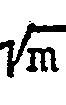
- Ein in gleicher Weise hergestelltes, jedoch an Luft ohne MgO-Pulverbett gesintertes Material zeigte starke Oberflächenzersetzungen in den hier beschriebenen Autoklavtests.
- Ein durch Sprühreaktion hergestelltes 2 Mol-% Y203-haltiges ZrO2-Pulver wurde mit A1203-Kugeln 4 Stunden attritiert, zu Formkörpern isostatisch verpreßt und wie im Beispiel 1 gesintert. Der Autoklavtest ergab ebenfalls keine Oberflächenzersetzung. Der Vickers-KIc-Faktor betrug 11 MPa

- Einem kommerziellen 3 Mol-% Y203-haltigem ZrO2-Pulver werden 5 Mol-% MgO-Pulver in einem Attritor mit Al203-Kugeln zugemischt (4 Stunden). Daraus isostatisch bei 600 MPa gepreßte Grünkörper werden 2 Stunden bei 1550°C an Luft gesintert. Das Gefüge enthält danach kubische Körner mit 2 bis 15 um Durchmesser, die von Spinellpartikeln (0,3 bis 1 µm) umgeben sind. Nach einem Anlaßglühen bei 1280°C für 6 Stunden bildeten sich tetragonale Ausscheidungen. Der KIc-Faktor betrug 10,5 MPa

- Ein sprühreagiertes 2 Mol-% Y203- und 2 Mol-% MgO-haltiges Zr02-Pulver wird 4 Stunden mit A1203-Kugeln attritiert, bei 600 MPa isostatisch gepreßt und 2 Stunden bei 1550°C in einem 20 Mol-% MgO-haltigen ZrO2-Pulver gesintert und anschließend bei 1350°C 4 Stunden an Luft angelassen. Der Autoklavtest aus Beispiel 1 führte zu keiner Oberflächenumwandlung in die monokline Zr02-Gitterform.
- Das Pulver aus Beispiel 1 wurde wie im Beispiel 1 beschrieben, gepreßt, jedoch zunächst an Luft bei 1400°C 1 Stunde gesintert und anschließend in einem 20 Mol-% MgO-haltigen ZrO2-Pulverbett 2 Stunden bei 1500°C geglüht. Eine etwa 50 µm breite Randzone bestand danach aus dem im Beispiel 1 beschriebenen Gefüge, während der innere Bereich der Proben ein feinkörniges (~0,6 µm) TZP-Gefüge aufwies. Auch hier wurde der Oberflächenbereich durch den Autoklavtest aus Beispiel 1 nicht geschädigt.
Claims (9)
Priority Applications (1)
| Application Number | Priority Date | Filing Date | Title |
|---|---|---|---|
| AT85105152T ATE30311T1 (de) | 1984-04-27 | 1985-04-26 | Hochfester und temperaturbestaendiger formkoerper aus zirkoniumdioxid (zr02) und verfahren zu seiner herstellung. |
Applications Claiming Priority (2)
| Application Number | Priority Date | Filing Date | Title |
|---|---|---|---|
| DE19843415803 DE3415803A1 (de) | 1984-04-27 | 1984-04-27 | Hochfester und temperaturbestaendiger formkoerper aus zirkoniumdioxid (zro(pfeil abwaerts)2(pfeil abwaerts)) und verfahren zu seiner herstellung |
| DE3415803 | 1984-04-27 |
Publications (3)
| Publication Number | Publication Date |
|---|---|
| EP0163143A1 true EP0163143A1 (de) | 1985-12-04 |
| EP0163143B1 EP0163143B1 (de) | 1987-10-21 |
| EP0163143B2 EP0163143B2 (de) | 1991-08-07 |
Family
ID=6234551
Family Applications (1)
| Application Number | Title | Priority Date | Filing Date |
|---|---|---|---|
| EP85105152A Expired - Lifetime EP0163143B2 (de) | 1984-04-27 | 1985-04-26 | Hochfester und temperaturbeständiger Formkörper aus Zirkoniumdioxid (Zr02) und Verfahren zu seiner Herstellung |
Country Status (5)
| Country | Link |
|---|---|
| US (1) | US4900492A (de) |
| EP (1) | EP0163143B2 (de) |
| JP (1) | JPS60235763A (de) |
| AT (1) | ATE30311T1 (de) |
| DE (2) | DE3415803A1 (de) |
Cited By (2)
| Publication number | Priority date | Publication date | Assignee | Title |
|---|---|---|---|---|
| EP0559215A1 (de) * | 1992-03-05 | 1993-09-08 | Eastman Kodak Company | Keramische Gegenstände sowie Verfahren zur Herstellung von keramischen Gegenständen und zum Sintern |
| WO1999042420A1 (en) * | 1998-02-19 | 1999-08-26 | Alliedsignal Inc. | Method for preventing low-temperature degradation of tetragonal zirconia containing materials |
Families Citing this family (17)
| Publication number | Priority date | Publication date | Assignee | Title |
|---|---|---|---|---|
| DE3634588A1 (de) * | 1986-10-10 | 1988-04-21 | Feldmuehle Ag | Sinterformkoerper |
| DE3716589A1 (de) * | 1987-05-18 | 1988-12-01 | Max Planck Gesellschaft | Verfahren zur herstellung von schneidwerkstoffen aus tetragonalem zirkoniumdioxid insbesondere fuer die bearbeitung von staehlen |
| JPH04357165A (ja) * | 1991-05-29 | 1992-12-10 | Ngk Insulators Ltd | ジルコニア磁器およびこれを用いた電気化学的素子 |
| DE4139105C2 (de) * | 1991-11-28 | 1994-03-24 | Cerasiv Gmbh | Verwendung einer PSZ-Keramik mit Zusatz von Spinell als Verschleißbauteil |
| DE4221786C2 (de) * | 1992-07-03 | 1995-12-14 | Bosch Gmbh Robert | Temperaturfeste Keramik |
| US5681784A (en) * | 1992-07-03 | 1997-10-28 | Robert Bosch Gmbh | Thermal shock resistant ceramic |
| EP0603818B1 (de) * | 1992-12-22 | 1996-07-31 | Eastman Kodak Company | Verfahren zur Herstellung von Gegenständen aus Zirkoniumoxid mit tetragonalen Kernen und monoclinen Umhüllungen |
| EP0729927A1 (de) * | 1995-03-03 | 1996-09-04 | Eastman Kodak Company | Gegenstände aus Aluminiumoxid-Keramik mit Oberflächen-kubischem Spinell, Verfahren zu ihrer Herstellung sowie Sintern |
| DE19733700C2 (de) * | 1996-10-04 | 1999-06-02 | Fraunhofer Ges Forschung | Hartstoffverstärkte stabilisierte Zr02-Keramik mit mechanischer Stabilität unter hydrothermaler Beanspruchung, Verfahren zu deren Herstellung und Verwendung |
| DE19752674B4 (de) * | 1997-11-28 | 2006-12-14 | Ceramtec Ag Innovative Ceramic Engineering | Künstliches Gelenk einer Prothese |
| ATE253536T1 (de) * | 1999-01-26 | 2003-11-15 | Carpenter Advanced Ceramics In | Magnesiumoxid-teilstabilisiertes zirkonoxid hoher festigkeit |
| US6723672B1 (en) | 1999-01-26 | 2004-04-20 | Carpenter Advanced Ceramics, Inc. | High-strength magnesia partially stabilized zirconia |
| CN1453242A (zh) * | 2002-04-27 | 2003-11-05 | 艾默生电气(中国)投资有限公司 | 一种形状记忆陶瓷及其制备方法 |
| US7148167B2 (en) * | 2003-08-28 | 2006-12-12 | Kyocera Corporation | Alumina/zirconia ceramics and method of producing the same |
| DE102017005800A1 (de) * | 2017-06-21 | 2018-12-27 | H.C. Starck Surface Technology and Ceramic Powders GmbH | Zirkoniumoxidpulver zum thermischen Spritzen |
| US11279656B2 (en) | 2017-10-27 | 2022-03-22 | Applied Materials, Inc. | Nanopowders, nanoceramic materials and methods of making and use thereof |
| CN109516801A (zh) * | 2018-12-24 | 2019-03-26 | 南通金源智能技术有限公司 | 高温合金粉末3d打印局部义齿 |
Citations (2)
| Publication number | Priority date | Publication date | Assignee | Title |
|---|---|---|---|---|
| EP0106739A1 (de) * | 1982-09-22 | 1984-04-25 | Societe Europeenne Des Produits Refractaires | Formbare feuerfeste Zusammensetzung auf der Basis von teilstabilisiertem Zirconiumdioxid und einem tonerdehaltigen Bindemittel, seine Herstellung und Formkörper hergestellt unter Anwendung dieser Zusammensetzung |
| EP0129188A2 (de) * | 1983-06-16 | 1984-12-27 | Max-Planck-Gesellschaft zur Förderung der Wissenschaften e.V. | Keramikkörper aus Zirkoniumdioxid (Zr02) und Verfahren zu seiner Herstellung |
Family Cites Families (9)
| Publication number | Priority date | Publication date | Assignee | Title |
|---|---|---|---|---|
| US3083123A (en) * | 1960-06-01 | 1963-03-26 | Gen Electric | Magnesia alumina spinel articles and process of preparing same |
| DE2810134A1 (de) * | 1978-03-09 | 1979-09-20 | Bosch Gmbh Robert | Zirkonoxid-keramik mit feinkoernigem und thermisch stabilem gefuege sowie mit hoher thermoschockbestaendigkeit, daraus hergestellte formkoerper, verfahren zur herstellung der formkoerper und ihre verwendung |
| JPS5614474A (en) * | 1979-07-10 | 1981-02-12 | Matsushita Electric Industrial Co Ltd | Oxygen sensor ceramic composition |
| US4382997A (en) * | 1980-09-04 | 1983-05-10 | The Dow Chemical Company | Spinel surfaced objects |
| JPS5832066A (ja) * | 1981-08-13 | 1983-02-24 | 日本特殊陶業株式会社 | 高靭性ジルコニア焼結体 |
| DE3230216A1 (de) * | 1981-08-13 | 1983-08-04 | Ngk Spark Plug Co., Ltd., Nagoya, Aichi | Sinterkoerper mit hoher zaehigkeit |
| JPS59111976A (ja) * | 1982-12-14 | 1984-06-28 | 松下電器産業株式会社 | ジルコニア磁器 |
| EP0140638B1 (de) * | 1983-10-17 | 1988-06-29 | Tosoh Corporation | Hochbruchfester Sinterkörper auf Basis von Zirkoniumdioxid und Verfahren zu seiner Herstellung |
| US4525464A (en) * | 1984-06-12 | 1985-06-25 | Max-Planck-Gesellschaft Zur Forderung Der Wissenschaften | Ceramic body of zirconium dioxide (ZrO2) and method for its preparation |
-
1984
- 1984-04-27 DE DE19843415803 patent/DE3415803A1/de not_active Withdrawn
-
1985
- 1985-04-26 EP EP85105152A patent/EP0163143B2/de not_active Expired - Lifetime
- 1985-04-26 AT AT85105152T patent/ATE30311T1/de not_active IP Right Cessation
- 1985-04-26 JP JP60089147A patent/JPS60235763A/ja active Granted
- 1985-04-26 DE DE8585105152T patent/DE3560787D1/de not_active Expired
-
1988
- 1988-02-09 US US07/157,101 patent/US4900492A/en not_active Expired - Fee Related
Patent Citations (2)
| Publication number | Priority date | Publication date | Assignee | Title |
|---|---|---|---|---|
| EP0106739A1 (de) * | 1982-09-22 | 1984-04-25 | Societe Europeenne Des Produits Refractaires | Formbare feuerfeste Zusammensetzung auf der Basis von teilstabilisiertem Zirconiumdioxid und einem tonerdehaltigen Bindemittel, seine Herstellung und Formkörper hergestellt unter Anwendung dieser Zusammensetzung |
| EP0129188A2 (de) * | 1983-06-16 | 1984-12-27 | Max-Planck-Gesellschaft zur Förderung der Wissenschaften e.V. | Keramikkörper aus Zirkoniumdioxid (Zr02) und Verfahren zu seiner Herstellung |
Cited By (3)
| Publication number | Priority date | Publication date | Assignee | Title |
|---|---|---|---|---|
| EP0559215A1 (de) * | 1992-03-05 | 1993-09-08 | Eastman Kodak Company | Keramische Gegenstände sowie Verfahren zur Herstellung von keramischen Gegenständen und zum Sintern |
| US5358913A (en) * | 1992-03-05 | 1994-10-25 | Eastman Kodak Company | Zirconia ceramic articles having a tetragonal core and cubic casing |
| WO1999042420A1 (en) * | 1998-02-19 | 1999-08-26 | Alliedsignal Inc. | Method for preventing low-temperature degradation of tetragonal zirconia containing materials |
Also Published As
| Publication number | Publication date |
|---|---|
| JPS60235763A (ja) | 1985-11-22 |
| EP0163143B1 (de) | 1987-10-21 |
| DE3560787D1 (en) | 1987-11-26 |
| DE3415803A1 (de) | 1985-10-31 |
| JPH0475188B2 (de) | 1992-11-30 |
| ATE30311T1 (de) | 1987-11-15 |
| US4900492A (en) | 1990-02-13 |
| EP0163143B2 (de) | 1991-08-07 |
Similar Documents
| Publication | Publication Date | Title |
|---|---|---|
| EP0163143B1 (de) | Hochfester und temperaturbeständiger Formkörper aus Zirkoniumdioxid (Zr02) und Verfahren zu seiner Herstellung | |
| DE4331877C2 (de) | Verbundmaterial auf der Basis von Zirconiumdioxid und Verfahren zu dessen Herstellung | |
| DE3874006T2 (de) | Zirkonoxid-sinterkoerper mit hoher zaehigkeit und verfahren zur herstellung desselben. | |
| DE3610041C2 (de) | Keramik auf Zirkoniumdioxidbasis mit Aluminiumoxid, Spinell, Mullit oder Spinell und Mullit und mit verbesserter hydrothermaler und thermischer Stabilität | |
| EP0129188A2 (de) | Keramikkörper aus Zirkoniumdioxid (Zr02) und Verfahren zu seiner Herstellung | |
| DE69022045T2 (de) | Keramiken mit hoher zähigkeit, festigkeit und härte. | |
| DE2920795C2 (de) | ||
| DE69104862T2 (de) | Keramisches Material auf Basis von Tonerde. | |
| DE19850366B4 (de) | Plateletverstärkter Sinterformkörper, dessen Verwendung und Verfahren zu seiner Herstellung | |
| DE4020893A1 (de) | Verfahren zur herstellung eines anorganischen, biologisch vertraeglichen materials | |
| DE3230216A1 (de) | Sinterkoerper mit hoher zaehigkeit | |
| DE4217605C2 (de) | Gesinterte Zirkoniumdioxidkeramik und deren Verwendung | |
| EP0490245A1 (de) | ZrO2-haltiger Keramikformkörper | |
| WO1992002470A1 (de) | Sinterformkörper und seine verwendung | |
| DE102010003605A1 (de) | Schnittschablone aus Keramik | |
| DE69923635T2 (de) | Piezoelektrische Keramiken | |
| EP0497156B1 (de) | Verfahren zur Herstellung eines Werkstoffes auf Siliciumnitrid-Basis. | |
| DE102009027371A1 (de) | Bandscheibenendoprothese | |
| DE4217721C1 (de) | Gesintertes verbundschleifkorn, verfahren zu seiner herstellung sowie seine verwendung | |
| DE3853349T2 (de) | Gesinterter Aluminiumoxidkörper von hoher Festigkeit und Verfahren zu seiner Herstellung. | |
| EP0263272B1 (de) | Sinterformkörper | |
| EP0200954B1 (de) | Sinterformkörper, Verfahren zu seiner Herstellung und seine Verwendung | |
| DE69031586T2 (de) | Supraleitende 247-Metalloxidzusammensetzungen | |
| DE68905396T2 (de) | Sintermaterial auf der basis von zirkoniumoxid und verfahren zu seiner herstellung. | |
| DE4107795C2 (de) | Verfahren zur Verringerung des dielektrischen Verlustfaktors bei einer keramischen Masse auf Titanatbasis als Dielektrikum von Kondensatoren |
Legal Events
| Date | Code | Title | Description |
|---|---|---|---|
| PUAI | Public reference made under article 153(3) epc to a published international application that has entered the european phase |
Free format text: ORIGINAL CODE: 0009012 |
|
| AK | Designated contracting states |
Designated state(s): AT BE CH DE FR GB IT LI LU NL SE |
|
| 17P | Request for examination filed |
Effective date: 19860313 |
|
| 17Q | First examination report despatched |
Effective date: 19870109 |
|
| GRAA | (expected) grant |
Free format text: ORIGINAL CODE: 0009210 |
|
| AK | Designated contracting states |
Kind code of ref document: B1 Designated state(s): AT BE CH DE FR GB IT LI LU NL SE |
|
| PG25 | Lapsed in a contracting state [announced via postgrant information from national office to epo] |
Ref country code: NL Effective date: 19871021 Ref country code: BE Effective date: 19871021 |
|
| REF | Corresponds to: |
Ref document number: 30311 Country of ref document: AT Date of ref document: 19871115 Kind code of ref document: T |
|
| ITF | It: translation for a ep patent filed | ||
| REF | Corresponds to: |
Ref document number: 3560787 Country of ref document: DE Date of ref document: 19871126 |
|
| ET | Fr: translation filed | ||
| GBT | Gb: translation of ep patent filed (gb section 77(6)(a)/1977) | ||
| NLV1 | Nl: lapsed or annulled due to failure to fulfill the requirements of art. 29p and 29m of the patents act | ||
| PG25 | Lapsed in a contracting state [announced via postgrant information from national office to epo] |
Ref country code: AT Effective date: 19880426 |
|
| PG25 | Lapsed in a contracting state [announced via postgrant information from national office to epo] |
Ref country code: LU Free format text: LAPSE BECAUSE OF NON-PAYMENT OF DUE FEES Effective date: 19880430 Ref country code: LI Effective date: 19880430 Ref country code: CH Effective date: 19880430 |
|
| PLBI | Opposition filed |
Free format text: ORIGINAL CODE: 0009260 |
|
| 26 | Opposition filed |
Opponent name: FELDMUEHLE AKTIENGESELLSCHAFT, DUESSELDORF Effective date: 19880705 |
|
| REG | Reference to a national code |
Ref country code: CH Ref legal event code: PL |
|
| PUAH | Patent maintained in amended form |
Free format text: ORIGINAL CODE: 0009272 |
|
| STAA | Information on the status of an ep patent application or granted ep patent |
Free format text: STATUS: PATENT MAINTAINED AS AMENDED |
|
| 27A | Patent maintained in amended form |
Effective date: 19910807 |
|
| AK | Designated contracting states |
Kind code of ref document: B2 Designated state(s): AT BE CH DE FR GB IT LI LU NL SE |
|
| ITF | It: translation for a ep patent filed | ||
| GBTA | Gb: translation of amended ep patent filed (gb section 77(6)(b)/1977) | ||
| ET3 | Fr: translation filed ** decision concerning opposition | ||
| ITTA | It: last paid annual fee | ||
| PGFP | Annual fee paid to national office [announced via postgrant information from national office to epo] |
Ref country code: SE Payment date: 19940330 Year of fee payment: 10 |
|
| PGFP | Annual fee paid to national office [announced via postgrant information from national office to epo] |
Ref country code: GB Payment date: 19940412 Year of fee payment: 10 |
|
| PGFP | Annual fee paid to national office [announced via postgrant information from national office to epo] |
Ref country code: FR Payment date: 19940418 Year of fee payment: 10 |
|
| PGFP | Annual fee paid to national office [announced via postgrant information from national office to epo] |
Ref country code: DE Payment date: 19940505 Year of fee payment: 10 |
|
| EAL | Se: european patent in force in sweden |
Ref document number: 85105152.4 |
|
| PG25 | Lapsed in a contracting state [announced via postgrant information from national office to epo] |
Ref country code: GB Effective date: 19950426 |
|
| PG25 | Lapsed in a contracting state [announced via postgrant information from national office to epo] |
Ref country code: SE Effective date: 19950427 |
|
| GBPC | Gb: european patent ceased through non-payment of renewal fee |
Effective date: 19950426 |
|
| PG25 | Lapsed in a contracting state [announced via postgrant information from national office to epo] |
Ref country code: FR Effective date: 19951229 |
|
| PG25 | Lapsed in a contracting state [announced via postgrant information from national office to epo] |
Ref country code: DE Effective date: 19960103 |
|
| EUG | Se: european patent has lapsed |
Ref document number: 85105152.4 |
|
| REG | Reference to a national code |
Ref country code: FR Ref legal event code: ST |