EP0174853A2 - Fragments d'anticorps marqués - Google Patents
Fragments d'anticorps marqués Download PDFInfo
- Publication number
- EP0174853A2 EP0174853A2 EP85306486A EP85306486A EP0174853A2 EP 0174853 A2 EP0174853 A2 EP 0174853A2 EP 85306486 A EP85306486 A EP 85306486A EP 85306486 A EP85306486 A EP 85306486A EP 0174853 A2 EP0174853 A2 EP 0174853A2
- Authority
- EP
- European Patent Office
- Prior art keywords
- antibody
- radionuclide
- conjugate
- fab
- fragment
- Prior art date
- Legal status (The legal status is an assumption and is not a legal conclusion. Google has not performed a legal analysis and makes no representation as to the accuracy of the status listed.)
- Granted
Links
- 0 CC(C=CC(N**)=O)=O Chemical compound CC(C=CC(N**)=O)=O 0.000 description 2
Images
Classifications
-
- C—CHEMISTRY; METALLURGY
- C07—ORGANIC CHEMISTRY
- C07D—HETEROCYCLIC COMPOUNDS
- C07D207/00—Heterocyclic compounds containing five-membered rings not condensed with other rings, with one nitrogen atom as the only ring hetero atom
- C07D207/02—Heterocyclic compounds containing five-membered rings not condensed with other rings, with one nitrogen atom as the only ring hetero atom with only hydrogen or carbon atoms directly attached to the ring nitrogen atom
- C07D207/44—Heterocyclic compounds containing five-membered rings not condensed with other rings, with one nitrogen atom as the only ring hetero atom with only hydrogen or carbon atoms directly attached to the ring nitrogen atom having three double bonds between ring members or between ring members and non-ring members
- C07D207/444—Heterocyclic compounds containing five-membered rings not condensed with other rings, with one nitrogen atom as the only ring hetero atom with only hydrogen or carbon atoms directly attached to the ring nitrogen atom having three double bonds between ring members or between ring members and non-ring members having two doubly-bound oxygen atoms directly attached in positions 2 and 5
- C07D207/448—Heterocyclic compounds containing five-membered rings not condensed with other rings, with one nitrogen atom as the only ring hetero atom with only hydrogen or carbon atoms directly attached to the ring nitrogen atom having three double bonds between ring members or between ring members and non-ring members having two doubly-bound oxygen atoms directly attached in positions 2 and 5 with only hydrogen atoms or radicals containing only hydrogen and carbon atoms directly attached to other ring carbon atoms, e.g. maleimide
- C07D207/452—Heterocyclic compounds containing five-membered rings not condensed with other rings, with one nitrogen atom as the only ring hetero atom with only hydrogen or carbon atoms directly attached to the ring nitrogen atom having three double bonds between ring members or between ring members and non-ring members having two doubly-bound oxygen atoms directly attached in positions 2 and 5 with only hydrogen atoms or radicals containing only hydrogen and carbon atoms directly attached to other ring carbon atoms, e.g. maleimide with hydrocarbon radicals, substituted by hetero atoms, directly attached to the ring nitrogen atom
-
- A—HUMAN NECESSITIES
- A61—MEDICAL OR VETERINARY SCIENCE; HYGIENE
- A61K—PREPARATIONS FOR MEDICAL, DENTAL OR TOILETRY PURPOSES
- A61K51/00—Preparations containing radioactive substances for use in therapy or testing in vivo
- A61K51/02—Preparations containing radioactive substances for use in therapy or testing in vivo characterised by the carrier, i.e. characterised by the agent or material covalently linked or complexing the radioactive nucleus
- A61K51/04—Organic compounds
- A61K51/08—Peptides, e.g. proteins, carriers being peptides, polyamino acids, proteins
- A61K51/10—Antibodies or immunoglobulins; Fragments thereof, the carrier being an antibody, an immunoglobulin or a fragment thereof, e.g. a camelised human single domain antibody or the Fc fragment of an antibody
- A61K51/1093—Antibodies or immunoglobulins; Fragments thereof, the carrier being an antibody, an immunoglobulin or a fragment thereof, e.g. a camelised human single domain antibody or the Fc fragment of an antibody conjugates with carriers being antibodies
-
- A—HUMAN NECESSITIES
- A61—MEDICAL OR VETERINARY SCIENCE; HYGIENE
- A61P—SPECIFIC THERAPEUTIC ACTIVITY OF CHEMICAL COMPOUNDS OR MEDICINAL PREPARATIONS
- A61P35/00—Antineoplastic agents
-
- A—HUMAN NECESSITIES
- A61—MEDICAL OR VETERINARY SCIENCE; HYGIENE
- A61K—PREPARATIONS FOR MEDICAL, DENTAL OR TOILETRY PURPOSES
- A61K2121/00—Preparations for use in therapy
-
- A—HUMAN NECESSITIES
- A61—MEDICAL OR VETERINARY SCIENCE; HYGIENE
- A61K—PREPARATIONS FOR MEDICAL, DENTAL OR TOILETRY PURPOSES
- A61K2123/00—Preparations for testing in vivo
-
- Y—GENERAL TAGGING OF NEW TECHNOLOGICAL DEVELOPMENTS; GENERAL TAGGING OF CROSS-SECTIONAL TECHNOLOGIES SPANNING OVER SEVERAL SECTIONS OF THE IPC; TECHNICAL SUBJECTS COVERED BY FORMER USPC CROSS-REFERENCE ART COLLECTIONS [XRACs] AND DIGESTS
- Y10—TECHNICAL SUBJECTS COVERED BY FORMER USPC
- Y10S—TECHNICAL SUBJECTS COVERED BY FORMER USPC CROSS-REFERENCE ART COLLECTIONS [XRACs] AND DIGESTS
- Y10S436/00—Chemistry: analytical and immunological testing
- Y10S436/804—Radioisotope, e.g. radioimmunoassay
-
- Y—GENERAL TAGGING OF NEW TECHNOLOGICAL DEVELOPMENTS; GENERAL TAGGING OF CROSS-SECTIONAL TECHNOLOGIES SPANNING OVER SEVERAL SECTIONS OF THE IPC; TECHNICAL SUBJECTS COVERED BY FORMER USPC CROSS-REFERENCE ART COLLECTIONS [XRACs] AND DIGESTS
- Y10—TECHNICAL SUBJECTS COVERED BY FORMER USPC
- Y10S—TECHNICAL SUBJECTS COVERED BY FORMER USPC CROSS-REFERENCE ART COLLECTIONS [XRACs] AND DIGESTS
- Y10S436/00—Chemistry: analytical and immunological testing
- Y10S436/811—Test for named disease, body condition or organ function
- Y10S436/813—Cancer
-
- Y—GENERAL TAGGING OF NEW TECHNOLOGICAL DEVELOPMENTS; GENERAL TAGGING OF CROSS-SECTIONAL TECHNOLOGIES SPANNING OVER SEVERAL SECTIONS OF THE IPC; TECHNICAL SUBJECTS COVERED BY FORMER USPC CROSS-REFERENCE ART COLLECTIONS [XRACs] AND DIGESTS
- Y10—TECHNICAL SUBJECTS COVERED BY FORMER USPC
- Y10S—TECHNICAL SUBJECTS COVERED BY FORMER USPC CROSS-REFERENCE ART COLLECTIONS [XRACs] AND DIGESTS
- Y10S530/00—Chemistry: natural resins or derivatives; peptides or proteins; lignins or reaction products thereof
- Y10S530/866—Chemistry: natural resins or derivatives; peptides or proteins; lignins or reaction products thereof involving immunoglobulin or antibody fragment, e.g. fab', fab, fv, fc, heavy chain or light chain
Definitions
- This invention relates to radiolabeled antibody fragments.
- the radiolabeled antibody fragments of the invention are useful in therapeutic and in vivo diagnostic applications.
- radionuclide metal ions in therapeutic and in vivo diagnostic applications has been practiced for some time.
- gamma-emitting radionuclide metal ions such as indium-111, gallium-67 and technetium-99m
- Beta-emitting isotopes such as rhenium-186, rhenium-188, rhenium-189, samarium-153, yttrium-90 and copper-67, can be used therapeutically in the treatment of tumors.
- the efficacy of radionuclides in in vivo diagnostic and therapeutic applications depends on the ability to deliver the radionuclide to the site of the target cells.
- One method of delivering the radionuclide to the site of the target cells entails coupling the radionuclide metal ions to antibodies which selectively recognize and bind unique ligands associated with the target cells.
- antigens which are known to be produced by or associated with malignant tumor cells can be bound by the antibody-conjugated radionuclide for the purpose of diagnostic imaging or for the purpose of irradiating the tumor to destroy it.
- Radiolabeled antibody fragments rather than radiolabeled whole antibodies, be used for in vivo diagnostic and therapeutic applications since the fragments may be better able to penetrate to the desired target site and the antibody fragments may minimize problems of immunogenicity and cross-reactivity associated with whole antibodies (see, e.g., U.S. Patent No. 4,036,945; Lancet, Vol. II, No. 8087, 462 [1978]; Belitsky et al., J. Nucl. Med., 19:429 [1978]).
- Antibody fragments can be produced in several ways.
- the antibody molecule can be enzymatically treated to remove carboxyl- terminal portions of the heavy chains (the Fc fragment), leaving a bivalent F(ab') 2 fragment, i.e., two Fab' segments joined by one or more disulfide bonds which link the heavy chains.
- the F(ab') 2 fragment can then be selectively reduced at the disulfide bond(s) joining the two heavy chains, resulting in the production of two monovalent Fab' fragments each having a single antigen-binding site.
- Antibody molecules contain a number of reactive side chains which can be employed as sites of attachment for binding a radionuclide metal ion to the antibody.
- the radionuclide can be conjugated to the antibody through a linker molecule which is reactive with the carboxyl groups of aspartic acid or glutamic acid residues, the amino groups of lysine residues or the aromatic groups of tyrosine or histidine.
- linker molecule which is reactive with the carboxyl groups of aspartic acid or glutamic acid residues, the amino groups of lysine residues or the aromatic groups of tyrosine or histidine.
- these residues are distributed randomly throughout the antibody molecule. Consequently, attachment of a radionuclide through these reactive groups can occur at any of a number of points along the antibody molecule.
- Attachment of the radionuclide-bearing moiety at or near the antigen binding site on the antibody molecule could inhibit the ability of the antibody to bind antigen, resulting in a loss or reduction of the effectiveness of the antibody-radionuclide conjugate as a diagnostic or therapeutic agent.
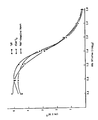
- the single Figure represents a series of binding curves in which the binding of an anti-CEA Fab'/Coupling Agent conjugate of the invention to human colon adenocarcinoma cell extracts is compared with that of intact monoclonal anti-CEA IgG and F(ab') 2 fragment.
- This invention provides antibody conjugates which can be coupled with radionuclide metal ions to ⁇ provide materials useful for in vivo diagnostic and therapeutic applications.
- the antibody conjugates of the invention which are produced by reacting a bifunctional coupling agent with the free sulfhydryl group of an antibody Fab' fragment, retain the antigen-binding activity, i.e., immunoreactivity of the whole antibodies from which they are derived.
- the bifunctional coupling agent contains a maleimide group, which reacts specifically with the free sulfhydryl group of the Fab' fragment, and a group which is capable of forming a chelate complex with the radionuclide metal ion.
- the antibody conjugates of the invention can be represented by the general formula: wherein Ab is the residue of a Fab' fragment of an antibody which retains antigen-binding activity following enzymatic removal of the Fc fragment and reductive cleavage of the disulfide bond joining the heavy chains; R is a divalent organic linker; and R' is a group which is capable of chelating a radionuclide metal ion.
- the antibody conjugate of the invention is complexed with a radionuclide through the chelating group to form an antibody-radionuclide conjugate which can be employed therapeutically, e.g., in the treatment of malignant tumors, or as an in vivo diagnostic imaging agent.
- a method of detecting and localizing a tumor in vivo which employs an antibody-radionuclide.conjugate of the invention in which the Fab' fragment is derived from a monoclonal antibody to a tumor associated antigen, such as carcinoembryonic antigen (CEA).
- CEA carcinoembryonic antigen
- the antibody conjugates of the invention are prepared by reacting a bifunctional coupling agent with a Fab' fragment of an antibody.
- the Fab' fragment employed is derived from an antibody which is capable of retaining antigen-binding activity after it has undergone enzymatic and chemical treatments which convert the whole antibody to a Fab' fragment having at least one free sulfhydryl group.
- the whole antibody is first treated with an enzyme which effects a site-specific cleavage of the two heavy chains, removing the Fc portion at the carboxyl- terminal ends of the heavy chains.
- the resultant F(ab') 2 antibody fragment is subjected to mild reducing conditions which preferably cleave the interchain disulfide bonds joining the two heavy chains, without concomitant cleavage of the intrachain disulfide bonds.
- mild reducing conditions which preferably cleave the interchain disulfide bonds joining the two heavy chains, without concomitant cleavage of the intrachain disulfide bonds.
- the sulfhydryl group serves as a reactive site at which the Fab' fragment is joined to the coupling agent to produce the antibody conjugate. Since this site is located distant from the antigen-binding site, the conjugated coupling agent does not interfere with antigen binding.
- the Fab' fragments containing free sulfhydryl groups are produced by enzymatic removal of the Fc portion of whole antibodies followed by reduction of the resulting F(ab') 2 dimer. It is desirable to prevent concomitant cleavage of the light-heavy chain disulfide bonds by carrying out the reduction under relatively mild chemical conditions which selectively reduce the interchain disulfide bonds between the two heavy chains.
- the antibody employed preferably has an enzymatic cleavage site which is situated such that removal of the Fc portion leaves the two halves of the F(ab') 2 dimer joined by a single disulfide bond.
- the single disulfide bond can be preferentially cleaved under mild reducing conditions which do not disrupt the light-heavy chain bonds.
- Antibodies which are enzymatically cleaved, e.g., by pepsin or papain, to yield F(ab l ) 2 dimers in which the two halves are joined by multiple disulfide bonds are generally non-preferred for use in the invention inasmuch as the relatively harsh chemical conditions which would be required to cleave the multiple bonds between the heavy chains would be likely to cleave the light-heavy chain bonds as well.
- Antibodies which are enzymatically cleaved with papain in the presence of a thiol activating agent yield Fab fragments that are not useful in the invention inasmuch as the resulting antibody fragments lack free sulfhydryl groups which are necessary for coupling.
- Antibodies which are useful in the practice of the invention include antibodies to any of the antigens which are known to be effective as in vivo tumor markers such as carcinoembryonic antigen, alpha-fetoprotein, human chorionic gonadotropin or its beta subunit, colon specific antigen-p, tumor specific glycoprotein and the like.
- Antibodies of the subclass IgG 1 are preferred for use in the practice of the invention.
- This subclass of antibodies is the predominant subclass of monoclonal antibodies produced by hybridoma cells.
- the monoclonal antibody producing hybridoma cells are prepared by fusing a myeloma cell and an antibody-producing lymphocyte (G. Kohler and C. Millstein, Nature (London), 256:495-497 [1975]).
- An example of an antibody for use in producing the Fab' fragments employed in the practice of the invention is an IgG 1 type monoclonal antibodies to the tumor associated antigen, CEA.
- This murine monoclonal anti-CEA antibody (subclass IgG 1 ) can be cleaved with preactivated thiol free papain, using the procedure of Parham, et al. (J. Immunol. Methods, 53:133-173 [1982]) to produce an F(ab') 2 fragment having a single disulfide bond joining the heavy chains.
- This fragment is then reduced, using a reducing agent such as 2-mercaptoethanol or cysteine, under mild reducing conditions which preferentially cleave the interchain disulfide bond joining the heavy chains to produce two Fab' fragments each having a single pendent sulfhydryl group.
- the reduction is conveniently carried out by incubation in a buffered solution at or near neutral pH. Temperature of the incubation is not critical and room temperature is suitable. Incubation is generally carried out for about 1 to 2 hours. Cysteine is the preferred reducing agent for the preferential cleavage of the interchain disulfide bond joining the heavy chains.
- the concentration of cysteine in the reduction reaction can be from about 2.5 to about 40 mM, preferably from 5 to 20 mM. At lower cysteine concentrations, substantial amounts of F(ab l ) 2 are not reduced, while higher concentrations result in the undesired cleavage of the disulfide bonds joining the heavy and light chains.
- the antibody conjugate of formula I is produced by reacting the Fab' fragment with a coupling agent of the formula:
- R is a divalent organic radical which serves to join the maleimide group to the R' group. Any divalent organic radical which is nonreactive with the side chains on the antibody molecule can be employed.
- R is -(CH 2 ) n -I in which n is an integer from-1 to 20, or phenylene.
- R is -(CH 2 ) n - in which n is 7.
- R' is a group which is capable of chelating the radionuclide metal ion.
- the chelating group should have a sufficiently high stability constant to minimize the exchange of the radionuclide with circulating transferrin.
- the chelate complex should be thermodynamically stable under physiological conditions. It should be derived from a chelating agent which is non-toxic to the host. Moreover, the chelating group should be weakly acidic so that the molecule will partition extracellularly upon bio- carrier degradation and subsequently be excreted in the urine.
- the coupling agent of formula II is reacted with the antibody Fab' fragment to produce the antibody-conjugate of formula I.
- the reaction may be represented as follows: wherein Ab-SH represents the antibody Fab' fragment and R and R' have the previously defined meanings.
- the reaction is carried out in a suitable buffer solution such as 20 mM phosphate, pH 7.0. Temperature of reaction is not critical and is preferably about room temperature. At room temperature, the reaction proceeds to completion in about 1 hour.
- the product can be isolated by conventional chromatographic means such as by chromatography on a DEAE column.
- the antibody conjugate of formula I is complexed with a radionuclide metal ion under chelating conditions.
- a radionuclide metal ion which is useful in therapeutic or in vivo diagnostic techniques and which one desires to bind to the antibody fragment can be employed.
- radionuclide metal ions gamma-emitting radionuclides useful in diagnostic scintigraphy such as indium-111, gallium-67 and technetium-99m, and beta-emitting nuclides useful in therapeutic applications such as yttrium-90 and copper-67, rhenium-186, rhenium-188, rhenium-189, samarium-153.
- the complex can be formed by reacting the conjugate of formula I with the radionuclide in a buffered solution in which the conjugate is physiologically stable. If necessary, the radionuclide can be provided to the solution as a complex with an intermediate chelating agent, i.e., * a chelating agent which forms a chelate complex that renders the radionuclide soluble at the physiological pH of the antibody conjugate but is less thermodynamically stable than the chelate complex which is formed with the antibody conjugate of formula I.
- an intermediate chelating agent i.e., * a chelating agent which forms a chelate complex that renders the radionuclide soluble at the physiological pH of the antibody conjugate but is less thermodynamically stable than the chelate complex which is formed with the antibody conjugate of formula I.
- indium-111 is insoluble as the chloride salt in an antibody solution at physiological pH. It is preferred to provide the indium-111 to the chelation reaction in the form of an intermediate complex with 4,5-dihydroxy-1,3-benzene- disulfonic acid (Tiron), which renders the indium-111 soluble at physiological pH, but readily transfers the indium-111 to form a stable chelate complex with the antibody conjugate.
- Tiron 4,5-dihydroxy-1,3-benzene- disulfonic acid
- Coupling of the radionuclide to the antibody conjugate of formula I produces an antibody-radionuclide conjugate of the formula: wherein Ab and R are as previously described and R" represents a chelate complex between the radionuclide metal ion and the previously described group R'.
- the antibody-radionuclide conjugate of formula III can be formulated in a physiologically acceptable buffer for therapeutic or in vivo diagnostic use.
- a Fab' fragment of a murine monoclonal antibody to CEA (subclass IgG ] ) is conjugated to a coupling agent of formula II in which R is -(CH 2 ) 7 -and R' is the group -N[CH 2 CH 2 N(CH 2 CO 2 H 2 ]2.
- the CEA- antibody conjugate is chelated with a gamma-emitting radionuclide such as indium-111 and employed as an in vivo tumor imaging agent using photoscanning procedures known in the art.
- the CEA-antibody-radionuclide conjugate is administered intravenously and the subject is subsequently photoscanned to determine the site of uptake of the radionuclide conjugate in vivo.
- CEA was radiolabeled by the Iodogen method. 50 ⁇ g of antigen was added to a microfuge tube coated with 2 ⁇ g of I odogen. One MCi of Na 125 I was added and incubated at 4°C for fifteen minutes. After the incubation period, 20 ⁇ l of' 10 mg/ml histidine was added to react with free iodine. Iodohistidine was removed by gel filtration on a Sephadex G-25M column (Pharmacia, Piscataway, N.J.). Preparation of Human Colon Adenocarcinoma Cell Extracts
- Cell extracts were prepared from colon adenocarcinoma. Tissues were minced and homogenized for 3 minutes at 4°C in 10 mM tris-HCl (pH 7.2), 0.2 mM CaCl 2 (1 gm/10 ml), and then centrifuged at 1,000 x g for 10 minutes. The pellet was resuspended in phosphate buffered saline and sonicated at 4°C for 1 minute at 15 second intervals. The sonicate was centrifuged at 10,000 x g for 15 minutes and the supernatant was used for solid phase radioimmunoassays (Example V).
- the product showed one spot on TLC (ethanol, 7% aqueous NH 3 , 4:1 silica gel plate).
- the maleimides could be detected on TLC as white spots on a bright yellow background by spraying with reagent A followed by reagent B.
- Reagent A 0.1% 5,5'-dithio-bis-2-nitrobenzoic acid (DTNB) in ethanol/tris-HCl buffer (pH 8.2), 1:1.
- DTNB 5,5'-dithio-bis-2-nitrobenzoic acid
- Reagent B 2% sodium 2-mercaptoethanesulfone (Mensa ) in 80% aqueous ethanol.
- F(ab') 2 fragment from anti-CEA monoclonal antibody (subclass IgG l ).
- Murine anti-CEA monoclonal antibody (IgG 1 subclass) was purified from ascitic fluid by (NH 4 ) 2 S0 4 precipitation and ion-exchange chromatography. Enzymatic fragmentation of intact antibody, IgG 1 , to yield F(ab') 2 was accomplished by using thiol- free pre-activated papain according to Parham, et al., J. Immunol. Methods, 53:133-173 (1982). Purified F(ab') 2 fragment was obtained by sequential column chromatography over Whatman DE-52 and Sephadex G-100 resins. Denaturing gel electrophoresis (SDS-PAGE) showed the isolated protein to be greater than 95% pure.
- the reduced fragments were then reacted with 3 H-NEM -- which reacts at the free sulfhydryl groups -- and run on SDS-polyacrylamide gels, resulting in bands corresponding to heavy and light chains, each having its free sulfhydryl groups tritiated.
- the gel was protein stained, fluorophore soaked, dried and exposed to x-ray film to determine the relative intensity in the heavy and light chain bands. The fluor- soaked bands were excised and placed in a scintillation counter.
- the ⁇ heavy chain was found to contain two sulfhydryls, one of which corresponds to the interchain disulfide bond with the light chain. Consequently, the other sulfhydryl corresponds to a single interchain disulfide bond between the heavy chains of the F(ab') 2 fragment produced by papain cleavage of the whole CEA antibody.
- the reduced fragments produced with various concentrations of cysteine were run in separate lanes on SDS-polyacrylamide gels with whole antibody and F(ab') 2 fragment as controls, and the gels were protein stained. Observation of the stained gels indicated that, as cysteine concentration increased, the F(ab l ) 2 band gradually disappeared and a band corresponding in molecular weight to Fab' fragment appeared. Continued increase in the cysteine concentration resulted in the disappearance of the Fab' band, with concomitant appearance of two lower molecular weight bands corresponding to individual heavy'and light ' chains. Optimal cysteine concentration, i.e., the concentration at which the F(ab') 2 band disappeared, but the individual heavy and light chain bands had not yet appeared, was found to be 10 mM.
- An antibody-radionuclide conjugate was prepared by adding 1 0 ⁇ l of 111 InCl 3 (approximately 50 to 100 ⁇ Ci) in 50 mM HCl (Rad-Pharm) to 5 ⁇ l of 10 mM Tiron, 4 mM HC1, pH 2.4, and incubating for 5 minutes at room temperature. There were then added 10 ⁇ l of 200 mM MES, pH 6.0, and 10 ⁇ l of 2-15 mg/ml of the conjugate of anti-CEA Fab' and Coupling Agent produced by the procedure of Example II. The reaction mixture was incubated for 1 hour at room temperature, after which 2-5 ⁇ l were spotted onto a cellulose acetate strip for electrophoretic analysis.
- Electrophoresis was conducted using 50 mM Hepes, pH 7.0, as the electrode buffer. In the electrophoretic field, the 111 In-chelated anti-CEA Fab' conjugate remained at the origin and unreacted indium-111 migrated as a separate peak. In a separate electrophoresis, 7 ⁇ l of the chelate-conjugate reaction mixture were first incubated with 2 ⁇ l of 200 mM Na 2 EDTA, pH 6.0, prior to electrophoresis. Addition of the EDTA caused a shift in the unreacted indium-111 peak but did not affect the chelate-conjugate peak, indicating that the chelated antibody conjugate was more stable than the 111 In-Tiron chelate.
- the anti-CEA Fab'/indium-111 conjugate can be administered intravenously in the form of a physiologically acceptable buffered solution for use as a tumor-imaging agent, for example, for imaging tumors of the colon using known photoscanning techniques.
- the immunoaffinity of the monoclonal anti-CEA Fab'/Coupling Agent conjugate produced by the procedure of Example II was determined by radioimmunoassay with CEA antigen.
- IgGSORB Staph A
- rat anti-mouse Kappa 300 ⁇ g of rat anti-mouse Kappa/I ml of Staph A
- Binding curves (counts per minute vs. antibody dilution) were prepared for each antibody or fragment and for each concentration of unlabeled antigen. In each case, the addition of unlabeled CEA reduced the binding activity. Maximum binding for the monoclonal anti-CEA IgG was 30,000 cpm; for the anti-CEA F(ab') 2 , 25,000 cpm; and for the monoclonal anti-CEA Fab'/Coupling Agent conjugate, 19,000 cpm. Double reciprocal binding plots (I/bound vs. 1/free) were prepared for the antibody and fragments at various antibody dilutions. From the slopes and intercepts, the binding affinity was determined for each antibody or fragment and each dilution.
- Fifty ⁇ l of human colon adenocarcinoma cell extracts were added to the well of polyvinyl plates and allowed to dry on an orbital aggitation plate. Then 200 pl of 1% bovine serum albumin (BSA) in phosphate buffered saline was added and incubated for 1 hour at room temperature. After the incubation period, 150 ⁇ l of the antibody (monoclonal anti-CEA IgG, F(ab') 2 fragment or anti-CEA Fab'/Coupling Agent conjugate) were added varying dilutions and incubated for another hour at room temperature. The wells were washed three times, and radioiodinated rat anti-mouse kappa was added and incubated for an hour. The wells were washed five times with phosphate buffer, and then analyzed for gamma emissions.
- BSA bovine serum albumin
- a binding curve (counts per minute vs. antibody dilution) was prepared for each antibody or fragment.
- the superimposed curves are presented in the Figure. It can be seen from the Figure that the monoclonal anti-CEA Fab'/Coupling Agent conjugate displayed a binding curve which was essentially identical to that of monoclonal anti-CEA IgG and anti-CEA F(ab') 2 .
- mice Female outbred Hsd athymic nude mice (nu/nu) were obtained from Harlin Sprague Dawley, Inc. (Indianapolis, Indiana) and inoculated subcutaneously with 10 7 LS 174 CEA producing human tumor cells. After three (3) weeks when the tumors had reached approximately 6 grams, two (2) animals each were injected with either In-111 chelate labeled Fab' fragment of an anti-CEA monoclonal antibody produced as described in Example IV or the 1-125 labeled Fab' fragment of an isotype matched nonspecific monoclonal antibody. Each group of animals received 12.5 ⁇ Ci in one ml of phosphate buffered. saline.
- Table II shows the biodistribution of the specific In-111 labeled and nonspecific 1-125 labeled antibody fragments. As can be seen, the specific labeled antibody fragment localized to the tumor 5.2 fold more than did the nonspecific antibody (localization index). The higher doses of In-111 in the kidney and liver are attributable to a more rapid clearance of 1-125 than In-111 from these organs rather than differential uptake, as revealed from liver and kidney uptake and clearance kinetics (data not shown).
Landscapes
- Health & Medical Sciences (AREA)
- Chemical & Material Sciences (AREA)
- Organic Chemistry (AREA)
- Life Sciences & Earth Sciences (AREA)
- Proteomics, Peptides & Aminoacids (AREA)
- Public Health (AREA)
- Medicinal Chemistry (AREA)
- Veterinary Medicine (AREA)
- Pharmacology & Pharmacy (AREA)
- Animal Behavior & Ethology (AREA)
- General Health & Medical Sciences (AREA)
- Physics & Mathematics (AREA)
- Immunology (AREA)
- Optics & Photonics (AREA)
- Epidemiology (AREA)
- Nuclear Medicine, Radiotherapy & Molecular Imaging (AREA)
- General Chemical & Material Sciences (AREA)
- Chemical Kinetics & Catalysis (AREA)
- Medicines Containing Antibodies Or Antigens For Use As Internal Diagnostic Agents (AREA)
- Peptides Or Proteins (AREA)
- Medicines That Contain Protein Lipid Enzymes And Other Medicines (AREA)
Priority Applications (1)
| Application Number | Priority Date | Filing Date | Title |
|---|---|---|---|
| AT85306486T ATE54417T1 (de) | 1984-09-13 | 1985-09-12 | Radioaktiv markierte antikoerperstuecke. |
Applications Claiming Priority (2)
| Application Number | Priority Date | Filing Date | Title |
|---|---|---|---|
| US06/650,127 US4837003A (en) | 1984-09-13 | 1984-09-13 | Radiolabeled antibody fragments |
| US650127 | 1984-09-13 |
Related Child Applications (2)
| Application Number | Title | Priority Date | Filing Date |
|---|---|---|---|
| EP19890116236 Division EP0350972A3 (fr) | 1984-09-13 | 1985-09-12 | Fragments d'anticorps radio-marqués |
| EP89116236.4 Division-Into | 1989-09-02 |
Publications (3)
| Publication Number | Publication Date |
|---|---|
| EP0174853A2 true EP0174853A2 (fr) | 1986-03-19 |
| EP0174853A3 EP0174853A3 (en) | 1987-03-25 |
| EP0174853B1 EP0174853B1 (fr) | 1990-07-11 |
Family
ID=24607586
Family Applications (3)
| Application Number | Title | Priority Date | Filing Date |
|---|---|---|---|
| EP90111068A Withdrawn EP0397213A1 (fr) | 1984-09-13 | 1985-09-12 | Fragments d'anticorps marqués |
| EP85306486A Expired - Lifetime EP0174853B1 (fr) | 1984-09-13 | 1985-09-12 | Fragments d'anticorps marqués |
| EP19890116236 Withdrawn EP0350972A3 (fr) | 1984-09-13 | 1985-09-12 | Fragments d'anticorps radio-marqués |
Family Applications Before (1)
| Application Number | Title | Priority Date | Filing Date |
|---|---|---|---|
| EP90111068A Withdrawn EP0397213A1 (fr) | 1984-09-13 | 1985-09-12 | Fragments d'anticorps marqués |
Family Applications After (1)
| Application Number | Title | Priority Date | Filing Date |
|---|---|---|---|
| EP19890116236 Withdrawn EP0350972A3 (fr) | 1984-09-13 | 1985-09-12 | Fragments d'anticorps radio-marqués |
Country Status (7)
| Country | Link |
|---|---|
| US (1) | US4837003A (fr) |
| EP (3) | EP0397213A1 (fr) |
| JP (1) | JPH0647557B2 (fr) |
| AT (1) | ATE54417T1 (fr) |
| AU (1) | AU595164B2 (fr) |
| CA (1) | CA1276878C (fr) |
| DE (1) | DE3578625D1 (fr) |
Cited By (19)
| Publication number | Priority date | Publication date | Assignee | Title |
|---|---|---|---|---|
| EP0178125A3 (en) * | 1984-10-10 | 1987-07-01 | Mallinckrodt, Inc. (A Delaware Corporation) | Coupling agents for radiolabeled antibody fragments |
| EP0248506A1 (fr) * | 1986-03-05 | 1987-12-09 | Mallinckrodt, Inc. (a Delaware corporation) | Marquage de molécules de support par les ions métalliques |
| EP0308757A1 (fr) * | 1987-09-24 | 1989-03-29 | Abbott Laboratories | Agents chélateurs à plusieurs liaisons coordonnées à base d'unités de l'hydroxy-8 quinoléine |
| EP0339389A1 (fr) * | 1988-04-25 | 1989-11-02 | F. Hoffmann-La Roche Ag | Moyen auxiliaire de test |
| EP0315188A3 (en) * | 1987-11-06 | 1990-01-10 | Abbott Laboratories | Methods and materials for the preparation of metal labelled antibody solutions |
| EP0345723A3 (fr) * | 1988-06-07 | 1991-01-09 | Nihon Medi-Physics Co., Ltd. | Dérivés de l'acide diéthylènetriaminepentaacétique |
| US5057302A (en) * | 1987-02-13 | 1991-10-15 | Abbott Laboratories | Bifunctional chelating agents |
| WO1992000759A3 (fr) * | 1990-07-09 | 1992-02-20 | Mallinckrodt Medical Inc | Complexes radiopharmaceutiques therapeutiques stabilises |
| EP0524722A1 (fr) * | 1991-06-14 | 1993-01-27 | Merck & Co. Inc. | Radiomarqueurs réagissant sur la fonction thiol, à base de maléimides |
| US5208007A (en) * | 1988-11-22 | 1993-05-04 | Board Of Regents Of The University Of Oklahoma | Isotopic tracer composition and method for making and using same |
| WO1993009813A1 (fr) * | 1991-11-12 | 1993-05-27 | Imperial Cancer Research Technology Limited | Composes therapeutiques |
| US5227474A (en) * | 1987-02-13 | 1993-07-13 | Abbott Laboratories | Bifunctional chelating agents |
| US5245026A (en) * | 1987-09-24 | 1993-09-14 | Abbott Laboratories | Metal containing 8-hydroxyquinoline chelating agents |
| WO1993017719A1 (fr) * | 1992-03-13 | 1993-09-16 | Diatech, Inc. | PEPTIDES MARQUES AU TECHNETIUM-99m POUR LA MISE EN IMAGE D'UNE INFLAMMATION |
| US5250702A (en) * | 1988-06-07 | 1993-10-05 | Nihon Medi-Physics Co., Ltd. | Diethylenetriamine pentaacetic acid derivatives |
| WO1993021962A1 (fr) * | 1992-04-30 | 1993-11-11 | Diatech, Inc. | PEPTIDES MARQUES AU TECHNETIUM-99m DESTINES A L'IMAGERIE A RESONANCE MAGNETIQUE |
| DE19505960A1 (de) * | 1995-02-21 | 1996-08-22 | Deutsches Krebsforsch | Konjugat zur individuellen Dosierung von Arzneimitteln |
| US5989519A (en) * | 1992-03-13 | 1999-11-23 | Diatide, Inc. | Technetium-99m labeled peptides for imaging inflammation |
| US5997844A (en) * | 1991-02-08 | 1999-12-07 | Diatide, Inc. | Technetium-99m labeled peptides for imaging |
Families Citing this family (28)
| Publication number | Priority date | Publication date | Assignee | Title |
|---|---|---|---|---|
| US5393512A (en) * | 1985-01-14 | 1995-02-28 | Vanderheyden; Jean-Luc | Stable therapeutic radionuclide compositions and methods for preparation thereof |
| US5082930A (en) * | 1986-05-29 | 1992-01-21 | Mallinckrodt Medical, Inc. | Coupling agents for joining radionuclide metal ions with biologically useful proteins |
| DE3728599A1 (de) * | 1986-12-10 | 1988-06-23 | Hoechst Ag | Verfahren zur herstellung einer mit technetium-99m-markierten organspezifischen substanz |
| US5612016A (en) * | 1988-04-01 | 1997-03-18 | Immunomedics, Inc. | Conjugates of antibodies and bifunctional ligands |
| JPH05502219A (ja) * | 1989-09-22 | 1993-04-22 | ネオルクス コーポレイション | 安定な治療用放射性核種およびそれを調製する方法 |
| US5273743A (en) * | 1990-03-09 | 1993-12-28 | Hybritech Incorporated | Trifunctional antibody-like compounds as a combined diagnostic and therapeutic agent |
| US5091542A (en) * | 1990-03-09 | 1992-02-25 | Hybritech Incorporated | Tris-maleimido compounds as intermediates in trifunctional antibody synthesis |
| US5011676A (en) * | 1990-03-27 | 1991-04-30 | Thomas Jefferson University | Method to directly radiolabel antibodies for diagnostic imaging and therapy |
| US5371184A (en) * | 1992-02-05 | 1994-12-06 | Mallinckrodt Medical, Inc. | Radiolabelled peptide compounds |
| JPH08504166A (ja) * | 1992-02-05 | 1996-05-07 | マリンクロッド・メディカル・インコーポレイテッド | 放射標識ペプチド化合物 |
| US6749853B1 (en) * | 1992-03-05 | 2004-06-15 | Board Of Regents, The University Of Texas System | Combined methods and compositions for coagulation and tumor treatment |
| US5965132A (en) * | 1992-03-05 | 1999-10-12 | Board Of Regents, The University Of Texas System | Methods and compositions for targeting the vasculature of solid tumors |
| US5413778A (en) * | 1992-10-05 | 1995-05-09 | The Regents Of The University Of Michigan | Labelled monocyte chemoattractant protein material and medical uses thereof |
| US5605671A (en) * | 1992-10-05 | 1997-02-25 | The Regents Of The University Of Michigan | Radiolabeled neutrophil activating peptides for imaging |
| US5346686A (en) * | 1992-10-05 | 1994-09-13 | Mallinckrodt Medical, Inc. | Labelled interleukin-8 and medical uses thereof |
| WO1994009128A1 (fr) * | 1992-10-22 | 1994-04-28 | Mallinckrodt Medical, Inc. | Traitement therapeutique permettant d'inhiber la restenose vasculaire |
| WO1998016254A1 (fr) | 1996-10-17 | 1998-04-23 | Immunomedics, Inc. | Conjugue d'une toxine non antigenique et proteine de fusion d'un systeme recepteur de penetration intracellulaire |
| AU771224B2 (en) | 1998-07-13 | 2004-03-18 | Board Of Regents, The University Of Texas System | Cancer treatment methods using antibodies to aminophospholipids |
| US6818213B1 (en) * | 1998-07-13 | 2004-11-16 | Board Of Regents, The University Of Texas System | Cancer treatment compositions comprising therapeutic conjugates that bind to aminophospholipids |
| AU750414B2 (en) * | 1998-07-13 | 2002-07-18 | Board Of Regents, The University Of Texas System | Cancer treatment methods using therapeutic conjugates that bind to aminophospholipids |
| US6406693B1 (en) * | 1998-07-13 | 2002-06-18 | Board Of Regents, The University Of Texas System | Cancer treatment methods using antibodies to aminophospholipids |
| AU2002305478A1 (en) * | 2001-06-20 | 2003-01-08 | Molecular Staging, Inc. | Conjugates of reduced antibodies and biomolecules |
| US20030031627A1 (en) * | 2001-07-31 | 2003-02-13 | Mallinckrodt Inc. | Internal image antibodies for optical imaging and therapy |
| US9487823B2 (en) | 2002-12-20 | 2016-11-08 | Qiagen Gmbh | Nucleic acid amplification |
| US8043834B2 (en) * | 2003-03-31 | 2011-10-25 | Qiagen Gmbh | Universal reagents for rolling circle amplification and methods of use |
| WO2005005482A1 (fr) * | 2003-07-09 | 2005-01-20 | Schering Ag | Peptides se liant a des emetteurs, qui provoquent une modification des emissions spectrales de l'emetteur |
| US8309303B2 (en) | 2005-04-01 | 2012-11-13 | Qiagen Gmbh | Reverse transcription and amplification of RNA with simultaneous degradation of DNA |
| EP1762627A1 (fr) | 2005-09-09 | 2007-03-14 | Qiagen GmbH | Procédé pour l'activation d'acides nucléiques pour effectuer une réaction d'une polymérase |
Family Cites Families (15)
| Publication number | Priority date | Publication date | Assignee | Title |
|---|---|---|---|---|
| US3927193A (en) * | 1973-05-18 | 1975-12-16 | Hoffmann La Roche | Localization of tumors by radiolabelled antibodies |
| US4036945A (en) | 1976-05-03 | 1977-07-19 | The Massachusetts General Hospital | Composition and method for determining the size and location of myocardial infarcts |
| DE3173342D1 (en) * | 1980-03-03 | 1986-02-13 | Milton David Goldenberg | Agent for tumor localization and therapy with labeled antibodies and antibody fragments |
| US4331647A (en) * | 1980-03-03 | 1982-05-25 | Goldenberg Milton David | Tumor localization and therapy with labeled antibody fragments specific to tumor-associated markers |
| JPS57106626A (en) * | 1980-12-22 | 1982-07-02 | Teijin Ltd | Cytotoxic protein complex and its preparation |
| EP0090025A4 (fr) * | 1981-09-28 | 1984-01-12 | Roberto Luis Ceriani | Marquage specifique de glandes mammaires. |
| NO169947C (no) * | 1981-10-27 | 1992-08-26 | Hybritech Inc | Fremgangsmaate for fremstilling av et monoklonalt antistoff til et tumorassosiert antigen |
| US4429008B1 (en) * | 1981-12-10 | 1995-05-16 | Univ California | Thiol reactive liposomes |
| CA1203164A (fr) * | 1982-03-09 | 1986-04-15 | Thomas J. Mckearn | Conjugats d'anticorps |
| US4454106A (en) * | 1982-06-07 | 1984-06-12 | Gansow Otto A | Use of metal chelate conjugated monoclonal antibodies |
| US4434236A (en) * | 1982-10-20 | 1984-02-28 | E. I. Du Pont De Nemours & Co. | Immunoassay wherein labeled antibody is displaced from immobilized analyte-analogue |
| JPS59215321A (ja) * | 1983-05-23 | 1984-12-05 | Sumitomo Chem Co Ltd | 二官能性配位子化合物を結合した反応性高分子 |
| US4695624A (en) * | 1984-05-10 | 1987-09-22 | Merck & Co., Inc. | Covalently-modified polyanionic bacterial polysaccharides, stable covalent conjugates of such polysaccharides and immunogenic proteins with bigeneric spacers, and methods of preparing such polysaccharides and conjugates and of confirming covalency |
| FR2566271B1 (fr) * | 1984-06-20 | 1986-11-07 | Sanofi Sa | Nouveaux conjugues cytotoxiques utilisables en therapeutique et procede d'obtention |
| US4659839A (en) * | 1984-10-10 | 1987-04-21 | Mallinckrodt, Inc. | Coupling agents for radiolabeled antibody fragments |
-
1984
- 1984-09-13 US US06/650,127 patent/US4837003A/en not_active Expired - Fee Related
-
1985
- 1985-09-11 AU AU47376/85A patent/AU595164B2/en not_active Ceased
- 1985-09-12 DE DE8585306486T patent/DE3578625D1/de not_active Expired - Fee Related
- 1985-09-12 EP EP90111068A patent/EP0397213A1/fr not_active Withdrawn
- 1985-09-12 AT AT85306486T patent/ATE54417T1/de not_active IP Right Cessation
- 1985-09-12 EP EP85306486A patent/EP0174853B1/fr not_active Expired - Lifetime
- 1985-09-12 CA CA000490611A patent/CA1276878C/fr not_active Expired - Lifetime
- 1985-09-12 EP EP19890116236 patent/EP0350972A3/fr not_active Withdrawn
- 1985-09-13 JP JP60201927A patent/JPH0647557B2/ja not_active Expired - Lifetime
Cited By (32)
| Publication number | Priority date | Publication date | Assignee | Title |
|---|---|---|---|---|
| EP0178125A3 (en) * | 1984-10-10 | 1987-07-01 | Mallinckrodt, Inc. (A Delaware Corporation) | Coupling agents for radiolabeled antibody fragments |
| EP0911323A1 (fr) * | 1984-10-10 | 1999-04-28 | Mallinckrodt, Inc. | Conjugués biologiquement utiles |
| EP0455268A1 (fr) * | 1984-10-10 | 1991-11-06 | Mallinckrodt, Inc. | Conjugués biologiquement utiles |
| EP0248506A1 (fr) * | 1986-03-05 | 1987-12-09 | Mallinckrodt, Inc. (a Delaware corporation) | Marquage de molécules de support par les ions métalliques |
| US5057302A (en) * | 1987-02-13 | 1991-10-15 | Abbott Laboratories | Bifunctional chelating agents |
| US5227474A (en) * | 1987-02-13 | 1993-07-13 | Abbott Laboratories | Bifunctional chelating agents |
| US5021567A (en) * | 1987-09-24 | 1991-06-04 | Abbott Laboratories | 8-hydroxyquinoline chelating agents |
| AU612407B2 (en) * | 1987-09-24 | 1991-07-11 | Abbott Laboratories | 8-hydroxyquinoline chelating agents |
| EP0308757A1 (fr) * | 1987-09-24 | 1989-03-29 | Abbott Laboratories | Agents chélateurs à plusieurs liaisons coordonnées à base d'unités de l'hydroxy-8 quinoléine |
| US5245026A (en) * | 1987-09-24 | 1993-09-14 | Abbott Laboratories | Metal containing 8-hydroxyquinoline chelating agents |
| EP0315188A3 (en) * | 1987-11-06 | 1990-01-10 | Abbott Laboratories | Methods and materials for the preparation of metal labelled antibody solutions |
| EP0339389A1 (fr) * | 1988-04-25 | 1989-11-02 | F. Hoffmann-La Roche Ag | Moyen auxiliaire de test |
| EP0345723A3 (fr) * | 1988-06-07 | 1991-01-09 | Nihon Medi-Physics Co., Ltd. | Dérivés de l'acide diéthylènetriaminepentaacétique |
| US5094950A (en) * | 1988-06-07 | 1992-03-10 | Nihon Medi-Physics Co., Ltd. | Diethylenetriamine pentaacetic acid derivatives |
| US5250702A (en) * | 1988-06-07 | 1993-10-05 | Nihon Medi-Physics Co., Ltd. | Diethylenetriamine pentaacetic acid derivatives |
| US5208007A (en) * | 1988-11-22 | 1993-05-04 | Board Of Regents Of The University Of Oklahoma | Isotopic tracer composition and method for making and using same |
| WO1992000759A3 (fr) * | 1990-07-09 | 1992-02-20 | Mallinckrodt Medical Inc | Complexes radiopharmaceutiques therapeutiques stabilises |
| US6074627A (en) * | 1991-02-08 | 2000-06-13 | Diatide, Inc. | Technetium-99m labeled peptides for imaging |
| US5997844A (en) * | 1991-02-08 | 1999-12-07 | Diatide, Inc. | Technetium-99m labeled peptides for imaging |
| EP0524722A1 (fr) * | 1991-06-14 | 1993-01-27 | Merck & Co. Inc. | Radiomarqueurs réagissant sur la fonction thiol, à base de maléimides |
| WO1993009813A1 (fr) * | 1991-11-12 | 1993-05-27 | Imperial Cancer Research Technology Limited | Composes therapeutiques |
| GB2275928A (en) * | 1991-11-12 | 1994-09-14 | Imp Cancer Res Tech | Therapeutic compounds |
| GB2275928B (en) * | 1991-11-12 | 1995-09-06 | Imp Cancer Res Tech | Compound comprising a nucleic acid and a radioactive moiety |
| WO1993017719A1 (fr) * | 1992-03-13 | 1993-09-16 | Diatech, Inc. | PEPTIDES MARQUES AU TECHNETIUM-99m POUR LA MISE EN IMAGE D'UNE INFLAMMATION |
| US5989519A (en) * | 1992-03-13 | 1999-11-23 | Diatide, Inc. | Technetium-99m labeled peptides for imaging inflammation |
| US6017510A (en) * | 1992-03-13 | 2000-01-25 | Diatide, Inc. | Technetium-99M labeled peptides for imaging inflammation |
| US5780007A (en) * | 1992-04-30 | 1998-07-14 | Diatide, Inc. | Technetium-99m labeled peptides for imaging |
| US5922303A (en) * | 1992-04-30 | 1999-07-13 | Diatide, Inc. | Technetium-99M labeled peptides for imaging |
| WO1993021962A1 (fr) * | 1992-04-30 | 1993-11-11 | Diatech, Inc. | PEPTIDES MARQUES AU TECHNETIUM-99m DESTINES A L'IMAGERIE A RESONANCE MAGNETIQUE |
| US6086849A (en) * | 1992-04-30 | 2000-07-11 | Diatide, Inc. | Technetium-99m labeled peptides for imaging |
| US6093383A (en) * | 1992-04-30 | 2000-07-25 | Diatide, Inc. | Bisamine bisthiol radiolabel binding moieties |
| DE19505960A1 (de) * | 1995-02-21 | 1996-08-22 | Deutsches Krebsforsch | Konjugat zur individuellen Dosierung von Arzneimitteln |
Also Published As
| Publication number | Publication date |
|---|---|
| EP0350972A3 (fr) | 1990-09-05 |
| AU4737685A (en) | 1986-03-20 |
| EP0174853A3 (en) | 1987-03-25 |
| CA1276878C (fr) | 1990-11-27 |
| AU595164B2 (en) | 1990-03-29 |
| JPS6172723A (ja) | 1986-04-14 |
| DE3578625D1 (de) | 1990-08-16 |
| US4837003A (en) | 1989-06-06 |
| ATE54417T1 (de) | 1990-07-15 |
| EP0350972A2 (fr) | 1990-01-17 |
| EP0397213A1 (fr) | 1990-11-14 |
| EP0174853B1 (fr) | 1990-07-11 |
| JPH0647557B2 (ja) | 1994-06-22 |
Similar Documents
| Publication | Publication Date | Title |
|---|---|---|
| EP0174853B1 (fr) | Fragments d'anticorps marqués | |
| US4659839A (en) | Coupling agents for radiolabeled antibody fragments | |
| EP0247866B1 (fr) | Agents de couplage pour la préparation de protéines marquées par la radioactivité | |
| US5162505A (en) | Proteins modified with positively charged carriers and compositions prepared therefrom | |
| US5053503A (en) | Chelating agents | |
| EP0560947B1 (fr) | Proteines monospecifiques trivalentes de liaison aux antigenes | |
| US6511663B1 (en) | Tri- and tetra-valent monospecific antigen-binding proteins | |
| EP0188256B1 (fr) | Protéines marquées par un radionuclide d'un métal pour diagnostic et thérapie | |
| US5635157A (en) | Synthesis of 4-substituted-trans-1,2-diaminocyclohexyl polyaminocarboxylate metal chelating agents for the preparation of stable radiometal antibody immunoconjugates for therapy and spect and pet imaging | |
| EP0248506B1 (fr) | Marquage de molécules de support par les ions métalliques | |
| US5082930A (en) | Coupling agents for joining radionuclide metal ions with biologically useful proteins | |
| EP0385601A2 (fr) | Anticorps réticulés et leurs procédés de préparation | |
| US5218128A (en) | Bifunctional coupling agents and radionuclide labeled compositions prepared therefrom | |
| US6022522A (en) | Rigid bifunctional chelating agents | |
| US5354554A (en) | Crosslinked antibodies and processes for their preparation | |
| US5185433A (en) | Cross-linking protein compositions having two or more identical binding sites | |
| Del Rosario et al. | Sulfhydryl site-specific crosslinking and labeling of monoclonal antibodies by a fluorescent equilibrium transfer alkylation crosslink reagent | |
| Fisch et al. | Site-specific modification of a fragment of a chimeric monoclonal antibody using reverse proteolysis | |
| US5334729A (en) | Stable radiometal antibody immunoconjugates | |
| US5714149A (en) | Crosslinked antibodies and processes for their preparation | |
| Gestin et al. | Introduction of five potentially metabolizable linking groups between 111In-cyclohexyl EDTA derivatives and F (ab′) 2 fragments of anti-carcinoembryonic antigen antibody—I. A new reproducible synthetic method |
Legal Events
| Date | Code | Title | Description |
|---|---|---|---|
| PUAI | Public reference made under article 153(3) epc to a published international application that has entered the european phase |
Free format text: ORIGINAL CODE: 0009012 |
|
| AK | Designated contracting states |
Kind code of ref document: A2 Designated state(s): AT BE CH DE FR GB IT LI NL SE |
|
| RAP1 | Party data changed (applicant data changed or rights of an application transferred) |
Owner name: MALLINCKRODT, INC. (A DELAWARE CORPORATION) |
|
| PUAL | Search report despatched |
Free format text: ORIGINAL CODE: 0009013 |
|
| AK | Designated contracting states |
Kind code of ref document: A3 Designated state(s): AT BE CH DE FR GB IT LI NL SE |
|
| 17P | Request for examination filed |
Effective date: 19870918 |
|
| 17Q | First examination report despatched |
Effective date: 19890321 |
|
| GRAA | (expected) grant |
Free format text: ORIGINAL CODE: 0009210 |
|
| AK | Designated contracting states |
Kind code of ref document: B1 Designated state(s): AT BE CH DE FR GB IT LI NL SE |
|
| REF | Corresponds to: |
Ref document number: 54417 Country of ref document: AT Date of ref document: 19900715 Kind code of ref document: T |
|
| XX | Miscellaneous (additional remarks) |
Free format text: TEILANMELDUNG 89116236.4 EINGEREICHT AM 12/09/85. |
|
| ITF | It: translation for a ep patent filed | ||
| REF | Corresponds to: |
Ref document number: 3578625 Country of ref document: DE Date of ref document: 19900816 |
|
| ET | Fr: translation filed | ||
| PLBE | No opposition filed within time limit |
Free format text: ORIGINAL CODE: 0009261 |
|
| STAA | Information on the status of an ep patent application or granted ep patent |
Free format text: STATUS: NO OPPOSITION FILED WITHIN TIME LIMIT |
|
| 26N | No opposition filed | ||
| ITTA | It: last paid annual fee | ||
| PGFP | Annual fee paid to national office [announced via postgrant information from national office to epo] |
Ref country code: CH Payment date: 19940811 Year of fee payment: 10 |
|
| PGFP | Annual fee paid to national office [announced via postgrant information from national office to epo] |
Ref country code: SE Payment date: 19940812 Year of fee payment: 10 |
|
| PGFP | Annual fee paid to national office [announced via postgrant information from national office to epo] |
Ref country code: AT Payment date: 19940816 Year of fee payment: 10 |
|
| PGFP | Annual fee paid to national office [announced via postgrant information from national office to epo] |
Ref country code: FR Payment date: 19940818 Year of fee payment: 10 |
|
| PGFP | Annual fee paid to national office [announced via postgrant information from national office to epo] |
Ref country code: DE Payment date: 19940822 Year of fee payment: 10 |
|
| PGFP | Annual fee paid to national office [announced via postgrant information from national office to epo] |
Ref country code: GB Payment date: 19940825 Year of fee payment: 10 |
|
| PGFP | Annual fee paid to national office [announced via postgrant information from national office to epo] |
Ref country code: BE Payment date: 19940829 Year of fee payment: 10 |
|
| PGFP | Annual fee paid to national office [announced via postgrant information from national office to epo] |
Ref country code: NL Payment date: 19940930 Year of fee payment: 10 |
|
| EAL | Se: european patent in force in sweden |
Ref document number: 85306486.3 |
|
| PG25 | Lapsed in a contracting state [announced via postgrant information from national office to epo] |
Ref country code: GB Effective date: 19950912 Ref country code: AT Effective date: 19950912 |
|
| PG25 | Lapsed in a contracting state [announced via postgrant information from national office to epo] |
Ref country code: SE Effective date: 19950913 |
|
| PG25 | Lapsed in a contracting state [announced via postgrant information from national office to epo] |
Ref country code: LI Effective date: 19950930 Ref country code: CH Effective date: 19950930 Ref country code: BE Effective date: 19950930 |
|
| BERE | Be: lapsed |
Owner name: MALLINCKRODT INC. (A DELAWARE CORP.) Effective date: 19950930 |
|
| PG25 | Lapsed in a contracting state [announced via postgrant information from national office to epo] |
Ref country code: NL Effective date: 19960401 |
|
| GBPC | Gb: european patent ceased through non-payment of renewal fee |
Effective date: 19950912 |
|
| REG | Reference to a national code |
Ref country code: CH Ref legal event code: PL |
|
| PG25 | Lapsed in a contracting state [announced via postgrant information from national office to epo] |
Ref country code: FR Effective date: 19960531 |
|
| PG25 | Lapsed in a contracting state [announced via postgrant information from national office to epo] |
Ref country code: DE Effective date: 19960601 |
|
| NLV4 | Nl: lapsed or anulled due to non-payment of the annual fee |
Effective date: 19960401 |
|
| EUG | Se: european patent has lapsed |
Ref document number: 85306486.3 |
|
| REG | Reference to a national code |
Ref country code: FR Ref legal event code: ST |