EP0195939A2 - Imidazodiazepin-Derivate - Google Patents
Imidazodiazepin-Derivate Download PDFInfo
- Publication number
- EP0195939A2 EP0195939A2 EP86102386A EP86102386A EP0195939A2 EP 0195939 A2 EP0195939 A2 EP 0195939A2 EP 86102386 A EP86102386 A EP 86102386A EP 86102386 A EP86102386 A EP 86102386A EP 0195939 A2 EP0195939 A2 EP 0195939A2
- Authority
- EP
- European Patent Office
- Prior art keywords
- imidazo
- tetrahydro
- pyrrolo
- benzodiazepin
- chloro
- Prior art date
- Legal status (The legal status is an assumption and is not a legal conclusion. Google has not performed a legal analysis and makes no representation as to the accuracy of the status listed.)
- Granted
Links
Classifications
-
- C—CHEMISTRY; METALLURGY
- C07—ORGANIC CHEMISTRY
- C07D—HETEROCYCLIC COMPOUNDS
- C07D487/00—Heterocyclic compounds containing nitrogen atoms as the only ring hetero atoms in the condensed system, not provided for by groups C07D451/00 - C07D477/00
- C07D487/12—Heterocyclic compounds containing nitrogen atoms as the only ring hetero atoms in the condensed system, not provided for by groups C07D451/00 - C07D477/00 in which the condensed system contains three hetero rings
- C07D487/14—Ortho-condensed systems
-
- A—HUMAN NECESSITIES
- A61—MEDICAL OR VETERINARY SCIENCE; HYGIENE
- A61P—SPECIFIC THERAPEUTIC ACTIVITY OF CHEMICAL COMPOUNDS OR MEDICINAL PREPARATIONS
- A61P25/00—Drugs for disorders of the nervous system
- A61P25/20—Hypnotics; Sedatives
Definitions
- the present invention relates to imidazodiazepine derivatives.
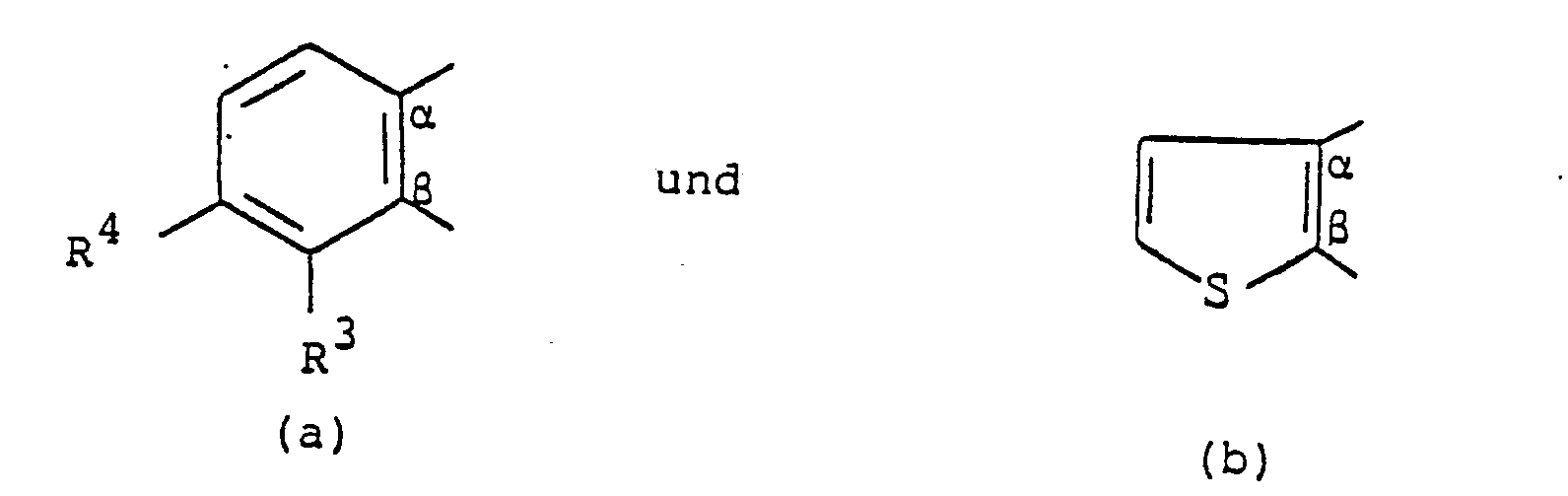
- it relates to imidazodiazepine derivatives of the general formula where A together with the carbon atoms designated ⁇ and ⁇ is one of the groups one of R 'and R' is hydrogen and the other is hydrogen, halogen or trifluoromethyl, R 3 and R 4 are each hydrogen or halogen and n is the number 2 or 3, the compounds with respect to the carbon atom denoted by y being the (S) -or Have (R, S) configuration,
- the present invention relates to compounds of the above formula 1 and pharmaceutically acceptable acid addition salts thereof as such and as active pharmaceutical ingredients, the preparation of these compounds and salts, medicaments comprising a compound of the formula I or a pharmaceutically acceptable acid addition salt thereof, the preparation of such medicaments and the Use of compounds of the formula I and their pharmaceutically acceptable acid addition salts for combating or preventing diseases - (in particular convulsions, anxiety, muscle tension, states of tension and insomnia) or for the production of medicaments, in particular anti-convulsive, anxiolytic, muscle-relaxing and sedative-hypnotic effective drugs.
- diseases - in particular convulsions, anxiety, muscle tension, states of tension and insomnia
- medicaments in particular anti-convulsive, anxiolytic, muscle-relaxing and sedative-hypnotic effective drugs.
- lower denotes residues and compounds with at most 7, preferably at most 4, carbon atoms.
- alkyl denotes straight-chain or branched saturated hydrocarbon residues, such as methyl, ethyl, n-propyl, isopropyl, n-butyl, s-butyl, t-butyl and the like.
- aryl denotes monocyclic aromatic hydrocarbon residues which are characterized by lower Alkyl, lower alkoxy, halogen, etc. may be substituted.
- aralkyl denotes an aryl-substituted alkyl radical in the sense of the above definitions.
- alkoxy denotes alkyl groups bonded via an oxygen atom, such as methoxy, ethoxy and the like.
- alkylthio and “aralkylthio” denote alkyl or. Aralkyl groups.
- R ' is halogen - (in particular chlorine or bromine) and R 4 is hydrogen.
- R ' is preferably halogen (especially fluorine, chlorine or bromine) or trifluoromethyl, and R 2 is preferably hydrogen.
- the carbon atom denoted by y in formula I preferably has the (S) configuration.
- the compounds of the formula I and their pharmaceutically acceptable acid addition salts can be prepared by using a compound of the general formula wherein A and n are as defined above and X is a leaving group, in the presence of a base with an isonitrile of the general formula where R 'and R 2 have the above meaning,
- compounds of the general formula I can accordingly be prepared from compounds of the general formula II and isocyanessigestem of the general formula III.
- the leaving group denoted by the symbol X in formula II is, for example, an easily removable phosphinyl group, for example a group of the formula wherein R 5 is lower alkyl or aryl (such as phenyl) and R 6 and R T each lower alkyl, allyl, aryl (such as phenyl) or together with the nitrogen atom represent an unsubstituted or substituted heterocyclic ring with 3-8 members (such as morpholine),
- a halogen atom a lower alkylthio group, a lower aralkylthio group, a lower N-nitrosoalkylamino group, a lower alkoxy group, a mercapto group and the like (when X represents a mercapto group, the corresponding compound of formula II is the iminothiol form of the corresponding thiolactam ).
- the implementation of the compounds of formulas II and III is carried out in an inert solvent such as dimethylformamide, hexamethylphosphoric triamide, dimethyl sulfoxide, tetrahydrofuran or any other suitable organic solvent and in the presence of a base which is sufficiently basic to form the anion of the isocyanoacetic ester of formula III.
- Suitable bases are alkali metal alkoxides such as sodium methoxide or potassium t-butoxide, alkali metal hydrides such as sodium hydride, alkali metal amides such as lithium amide or lithium diisopropylamide, tertiary amines such as triethylamine and the like.
- the reaction temperature is advantageously between about -40 ° C and about room temperature.
- compounds of general formula 1 can be converted according to the invention into pharmaceutically acceptable acid addition salts.
- pharmaceutically acceptable acid addition salts are prepared by generally customary methods. Both salts with inorganic and salts with organic acids are suitable, for example hydrochlorides, hydrobromides, sulfates, methanesulfonates, p-toluenesulfonates, oxalates and the like.
- the compounds of formulas 11 and III used as starting materials are known or can be prepared analogously to the known representatives of these classes of substances.
- the compounds of the formula II are generally not taken, but instead are reacted in situ with the compounds of the formula III.
- the compounds of formula 1 are new; they have extremely valuable pharmacodynamic properties and are low in toxicity. As a common feature, they have a pronounced affinity for the central benzodiazepine receptors and have pronounced anxiolytic, anticonvulsive, muscle relaxant and sedative-hypnotic properties.
- This method is used to determine the inhibition of the binding of tritiated diazepam to the specific benzodiazepine receptors in the cerebral cortex by the respective test substances.
- the IC 50 (“50% inhibiting concentration") is the concentration of the test substance, which is a 50 percent. Inhibition of the specific binding of the tritiated diazepam to the specific benzodiazepine receptors in the cerebral cortex.
- the central properties of the compounds of formula 1 according to the invention can be demonstrated, for example, in the antipentetrazole test described below and generally recognized for the detection of anticonvulsant properties.
- the compounds of formula I and their pharmaceutically acceptable acid addition salts can be used as medicines, e.g. in the form of pharmaceutical preparations.
- the pharmaceutical preparations can be administered orally, e.g. in the form of tablets, coated tablets, coated tablets, hard and soft gelatin capsules, solutions, emulsions or suspensions.
- administration can also be rectal, e.g. in the form of suppositories, or parenterally, e.g. in the form of injection solutions.
- the products according to the invention can be processed with pharmaceutically inert, inorganic or organic carriers.
- a carrier can be used for tablets, coated tablets, coated tablets and hard gelatin capsules, for example Wise lactose, corn starch or derivatives thereof, talc, stearic acid or its salts and the like.
- Suitable carriers for soft gelatin capsules are, for example, vegetable oils, waxes, fats, semi-solid and liquid polyols and the like, but depending on the nature of the active ingredient, no carriers are required at all for soft gelatin capsules.
- Suitable carriers for the preparation of solutions and syrups are, for example, water, polyols, sucrose, invert sugar, glucose and the like.
- Suitable carriers for injection solutions are, for example, water, alcohols, polyols, glycerin, vegetable oils and the like.
- Suitable carriers for suppositories are, for example, natural or hardened oils, waxes, fats, semi-liquid or liquid polyols and the like.
- the pharmaceutical preparations can also contain preservatives, solubilizers, stabilizers, wetting agents, emulsifiers, sweeteners, colorants, flavoring agents, salts, to change the osmotic pressure, buffers, coating agents or antioxidants. They can also contain other therapeutically valuable substances.
- medicaments containing a compound of the formula I or a pharmaceutically acceptable acid addition salt thereof and a therapeutically inert excipient are also a process for the preparation of such medicaments, which is characterized in that one or more compounds of the formula I or pharmaceutically acceptable acid addition salts thereof and optionally one or more other therapeutically valuable substances together with one or more therapeutically inert excipients in a pharmaceutical dosage form
- the compounds of the formula I and their pharmaceutically acceptable acid addition salts can be used according to the invention in combating or preventing diseases, in particular in combating convulsions, anxiety, muscle tension, tension and insomnia.
- the dosage can vary within wide limits and is of course to be adapted to the individual circumstances in each individual case. In general, a daily dose of about 1 mg to 100 mg is suitable for oral administration.
- the invention also relates, as mentioned at the outset, to the use of the compounds of the formula I and their pharmaceutically acceptable acid addition salts for the preparation of medicaments, in particular medicaments with anxiolytic, anticonvulsive, muscle relaxant and sedative-hypnotic properties.
- the mixture is allowed to warm to room temperature and neutralized with 2 ml of glacial acetic acid. It is poured onto 250 ml of water and extracted five times with methylene chloride. The combined organic extracts are washed three times with water, dried over magnesium sulfate and evaporated. The crude product is chromatographed on silica gel while eluting with ethyl acetate and recrystallized from methylene chloride and ethyl acetate.
- the mixture is stirred for 45 minutes in an acetone / dry ice bath and a solution of 4.44 g (37.9 mmol) of benzyl isocyanide in 5 ml of dry N, N-dimethylformamide and then a solution of 4. 28 g (38.2 mmol) of potassium t-butoxide in 12 ml of dry N, N-dimethylformamide.
- the mixture is allowed to warm to room temperature and neutralized by adding 2 ml of glacial acetic acid. It is poured onto 250 ml of water and extracted five times with methylene chloride. The combined organic extracts are washed three times with water, dried over magnesium sulfate and evaporated.
Landscapes
- Organic Chemistry (AREA)
- Chemical & Material Sciences (AREA)
- Health & Medical Sciences (AREA)
- Neurosurgery (AREA)
- Life Sciences & Earth Sciences (AREA)
- Neurology (AREA)
- Bioinformatics & Cheminformatics (AREA)
- Engineering & Computer Science (AREA)
- Chemical Kinetics & Catalysis (AREA)
- General Chemical & Material Sciences (AREA)
- Medicinal Chemistry (AREA)
- Nuclear Medicine, Radiotherapy & Molecular Imaging (AREA)
- Anesthesiology (AREA)
- Pharmacology & Pharmacy (AREA)
- Biomedical Technology (AREA)
- Animal Behavior & Ethology (AREA)
- General Health & Medical Sciences (AREA)
- Public Health (AREA)
- Veterinary Medicine (AREA)
- Nitrogen Condensed Heterocyclic Rings (AREA)
- Pharmaceuticals Containing Other Organic And Inorganic Compounds (AREA)
- Heterocyclic Carbon Compounds Containing A Hetero Ring Having Oxygen Or Sulfur (AREA)
- Lubricants (AREA)
- Solid-Sorbent Or Filter-Aiding Compositions (AREA)
Abstract


Description
- Die vorliegende Erfindung betrifft Imidazodiazepin-Derivate. Im speziellen betrifft sie Imidazodiazepin-Derivate der allgemeinen Formel

- und pharmazeutisch annehmbare Säureadditionssalze davon.
- Diese Verbindungen sind neu und zeichnen sich durch wertvolle pharmakodynamische Eigenschaften aus.
- Gegenstand der vorliegenden Erfindung sind Verbindungen der obigen Formel 1 und pharmazeutisch annehmbare Säureadditionssalze davon als solche und als pharmazeutische Wirkstoffe, die Herstellung dieser Verbindungen und Salze, Arzneimittel, enthaltend eine Verbindung der Formel I oder ein pharmazeutisch annehmbares Säureadditionssalz davon, die Herstellung solcher Arzneimittel und die Verwendung von Verbindungen der Formel I und ihrer pharmazeutisch annehmbaren Säureadditionssalze bei der Bekämpfung oder Verhütung von Krankheiten - (insbesondere von Konvulsionen, Angstzuständen, Muskelspannungen, Spannungszuständen und Schlaflosigkeit) bzw. zur Herstellung von Arzneimitteln, insbesondere von anitkonvulsiv, anxiolytisch, muskelrelaxierend und sedativ-hypnotisch wirksamen Arzneimitteln.
- Der Ausdruck "nieder" bezeichnet Reste und Verbindungen mit höchstens 7, vorzugsweise höchstens 4 Kohlenstoffatomen. Der Ausdruck "Alkyl" bezeichnet geradkettige oder verzweigte gesättigte Kohlenwasserstoffreste, wie Methyl, Aethyl, n-Propyl, Isopropyl, n-Butyl, s-Butyl, t-Butyl und dgl. Der Ausdruck "Aryl" bezeichnet monocyclische aromatische Kohlenwasserstoffreste, welche durch niederes Alkyl, niederes Alkoxy, Halogen usw. substituiert sein können. Der Ausdruck "Aralkyl" bezeichnet einen durch Aryl substituierten Alkylrest im Sinne der vorstehenden Definitionen. Der Ausdruck "Alkoxy" bezeichnet über ein Sauerstoffatom gebundene Alkylgruppen, wie Methoxy, Aethoxy und dgl. Die Ausdrücke "Alkylthio" und "Aralkylthio" bezeichnen über ein Schwefelatom gebundene Alkyl-bzw. Aralkylgruppen.
- Wenn das Symbol A in Formel I die Grupppe (a) bedeutet, dann bedeuten vorzugsweise R' Halogen - (insbesondere Chlor oder Brom) und R4 Wasserstoff. R' bedeutet vorzugsweise Halogen (insbesondere Fluor, Chlor oder Brom) oder Trifluormethyl, und R2 bedeutet vorzugsweise Wasserstoff. Das in Formel I mit y bezeichnete Kohlenstoffatom weist vorzugsweise die (S)-Konfiguration auf.
- Im Rahmen der vorliegenden Erfindung bevorzugte Vertreter der durch die allgemeinen Formel 1 definierten Stoffklasse sind:
- (S)-8-Chlor-1-(m-chlorphenyl)-11,12,13,13a-tetrahydro-9H-imidazo[1,5-a]pyrrolo[2,1-c][1,4]benzodiazepin-9-on,
- (S)-8-Chlor-1-(m-fluorphenyl)-11,12,13,13a-tetrahydro-9H-imidazo[1,5-a]pyrrolo[2,1-c][1,4]benzodiazepin-9-on und
- (S)-8-Brom-1-(m-chlorphenyl)-11,12,13,13a-tetrahydro-9H-imidazo[1,5-a]pyrrolo[2,1-c][1,4]benzodiazepin-9-on.
- Weitere repräsentative Verbindungen der Formel 1 sind:
- (S)-8-Chlor-11,12,13,13a-tetrahydro-1-phenyl-9H-imidazo-[1,5-a]pyrrolo[2,1 -c][1,4]benzodiazepin-9-on,
- (S)-1-(m-Chlorphenyl)-11,12,13,13a-tetrahydro-9H-imidazo-[1,5-a]pyrrolo[2,1-c][1,4]benzodiazepin-9-on,
- (S)-8-Chlor-1-(m-chlorphenyl)-7-fluor-11,12,13,13a-tetrahydro-9H-imidazo-[1,5-a]pyrrolo[2,1-c][1,4]-benzodiazepin-9-on,
- (S)-8-Chlor- 11,12,13,13a-tetrahydro-1-(α,α,α-trifluor-m-tolyl)-9H-imidazo-[1,5-a]pyrrolo[2,1-c][1,4]benzodiazepin-9- on,
- (S)-1-(m-Chlorphenyl)-7-fluor-11,12,13,13a-tetrahydro-9H-imidazo-[1,5-a]pyrrolo[2,1-c][1,4]benzodiazepin-9-on,
- (S)-1 -(m-Bromphenyl)-8-chlor-11,12,13,13a-tetrahydro-9H-imidazo-[1,5-a]pyrrolo[2,1-c][1,4]benzodiazepin-9-on,
- (S)-1-(m-Bromphenyl)-10,11,12,12a-tetrahydro-8H-imidazo-[5,1-c]pyrrolo[1,2-a]thieno[3,2-e][1,4]diazepin-8-on,
- (S)-8-Chlor-1-(m-chlorphenyl)-12,12a-dihydro-9H-azeto-[2,1-c]imidazo[1,5-a][1,4]benzodiazepin-9-on und
- (S)-8-Chlor-1-(o-chlorphenyl)-11,12,13,13a-tetrahydro-9H-imidazo-[1,5-a]pyrrolo[2,1-c][1,4]benzodiazepin-9-on.
- Die Verbindungen der Formel I und ihre pharmazeutisch annehmbaren Säureadditionssalze können erfindungsgemäss dadurch hergestellt werden, dass man eine Verbindung der allgemeinen Formel


- umsetzt und erwünschtenfalls eine erhaltene Verbindung der allgemeinen Formel I in ein pharmazeutisch annehmbares Säureadditionssalz überführt.
- Erfindungsgemäss können Verbindungen der allgemeinen Formel I demnach aus Verbindungen der allgemeinen Formel II und isocyanessigestem der allgemeinen Formel III hergestellt werden. Die in Formel II durch das Symbol X bezeichnete Abgangsgruppe ist beispielsweise eine leicht abspaltbare Phosphinylgruppe, z.B. eine Gruppe der Formel

- ein Halogenatom, eine niedere Alkylthiogruppe, eine niedere Aralkylthiogruppe, eine niedere N-Nitrosoalkylaminogruppe, eine niedere Alkoxygruppe, eine Mercaptogruppe und dergleichen (wenn X eine Mercaptogruppe bedeutet so handelt es sich bei der entsprechenden Verbindung der Formel II um die iminothiol-Form des entsprechenden Thiolactams). Die Umsetzung der Verbindungen der Formeln II und III erfolgt in einem inerten Lösungsmittel, wie Dimethylformamid, Hexamethylphosphorsäuretriamid, Dimethylsulfoxid, Tetrahydrofuran oder irgend einem anderen geeigneten organischen Lösungsmittel und in Gegenwart einer Base, die genügend stark basisch ist, um das Anion des Isocyanessigesters der Formel III zu bilden. Als Basen eignen sich Alkalimetallalkoxide, wie Natriummethoxid oder Kalium-t-butoxid, Alkalimetallhydride, wie Natriumhydrid, Alkalimetallamide, wie Lithiumamid oder Lithiumdiisopropylamid, tertiäre Amine, wie Triäthylamin, und dergleichen. Die Reaktionstemperaratur liegt zweckmässigerweise zwischen etwa -40°C und etwa Raumtemperatur.
- Erwünschtenfalls können Verbindungen der allgemeinen Formel 1 erfindungsgemäss in pharmazeutisch annehmbare Säureadditionssalze übergeführt werden. Die Herstellung von solchen pharmazeutisch annehmbaren Säureadditionssalzen erfolgt nach allgemein üblichen Methoden. Es kommen sowohl Salze mit anorganischen als auch Salze mit organischen Säuren in Betracht beispielsweise Hydrochloride, Hydrobromide, Sulfate, Methansulfonate, p-Toluolsulfonate, Oxalate und dergleichen.
- Die als Ausgangsstoffe verwendeten Verbindungen der Formeln 11 und III sind bekannt oder können in Analogie zu den bekannten Vertretern dieser Stoffklassen hergestellt werden. Die Verbindungen der Formel II werden in der Regel nicht gefasst, sondern in situ mit den Verbindungen der Formel III umgesetzt.
- Wie eingangs erwähnt sind die Verbindungen der Formel 1 neu; sie besitzen äusserst wertvolle pharmakodynamische Eigenschaften und weisen nur eine geringe Toxizität auf. Sie besitzen als gemeinsames Merkmal eine ausgeprägte Affinität zu den zentralen Benzodiazepin-Rezeptoren und haben ausgeprägte anxiolytische, antikonvulsive, muskelrelaxierende und sedativ-hypnotische Eigenschaften.
- Die Affinität von Verbindungen der allgemeinen Formel 1 zu den zentralen Benzodiazepin-Rezeptoren wurde nach der in Life Science 20, 2101-2110 (1977) und Science 198, 849-851 (1977) beschriebenen Methode festgestellt.
- Nach dieser Methode ermittelt man die Hemmung der Bindung von tritiiertem Diazepam an die spezifischen Benzodiazepin-Rezeptoren im cerebralen Cortex durch die jeweiligen Testsubstanzen. Man bezeichnet als IC50 ("50% inhibiting concentration") diejenige Konzentration der jeweiligen Testsubstanz, welch eine 50-proz. Hemmung der spezifischen Bindung des tritiierten Diazepams an die spezifischen Benzodiazepin-Rezeptoren im cerebralen Cortex bewirkt.
- Die zentralen Eigenschaften der erfindungsgemässen Verbindungen der Formel 1 können beispielsweise im nachfolgend beschriebenen und für die Erfassung antikonvulsiver Eigenschaften allgemein anerkannten Antipentetrazoltest nachgewiesen werden.
- In diesem Tierversuch verabreicht man 60-80 g - schweren, weiblichen Ratten die zu testende Verbindung oral und 30 Minuten später 120 mg/kg i.p. Pentetrazol, das in ungeschützten Versuchstieren 1 bis 4 Minuten nach der Injektion Emprosthotonus und tonische Streckungen der vorderen und/oder hinteren Gliedmassen bewirkt. Man verwendet zehn Versuchstiere pro Dosis Testsubstanz. Nach Auszählen der geschützten Versuchstiere ermittelt man die ED50 nach der Probit-Methode. Die ED50 ist diejenige Dosis, welche 50% der Versuchstiere von den durch Pentetrazol bewirkten krampfartigen Anfällen schützt.
- In der nachfolgenden Tabelle werden die Resultate dargestellt, welche mit repräsentativen Vertretem der durch die allgemeinen Formel 1 definierten Verbindungsklasse in den vorstehend geschilderten Versuchen erhalten worden sind. Ausserdem enthält die Tabelle Angaben über die akute Toxizität einiger dieser Verbindungen (DL50 in mg/kg bei einmaliger oraler Verabreichung an Mäuse).

- A: (S)-8-Chlor-1-(m-chlorphenyl)-11,12,13,13a-tetrahydro-9H-imidazo[1,5-a]pyrrolo[2,1-c]benzodiazepin-9-on
- B: (S)-8-Chlor-11,12,13,13a-tetrahydro-1-(α,α,α-trifluor-m-tolyl)-9H-imidazo[1,5-a]pyrrolo[2,1-c][1,4]-benzodiazepin-9- on
- C: (S)-8-Brom-1-(m-chlorphenyl)-11,12,13,13a-tetrahydro-9H-imidazo[1,5-a]pyrrolo[2,1 -c][1,4]benzodiazepin-9-on
- Die Verbindungen der Formel I und ihre pharmazeutisch annehmbaren Säureadditionssalze können als Heilmittel, z.B. in Form pharmazeutischer Präparate, Verwendung finden. Die pharmazeutischen Präparate können oral, z.B. in Form von Tabletten, Lacktabletten, Dragees, Hart-und Weichgelatinekapseln, Lösungen, Emulsionen oder Suspensionen, verabreicht werden. Die Verabreichung kann aber auch rektal, z.B. in Form von Suppositorien, oder parenteral, z.B. in Form von Injektionslösungen, erfolgen.
- Zur Herstellung von pharmazeutischen Präparaten können die erfindungsgemässen Produkte mit pharmazeutisch inerten, anorganischen oder organischen Trägern verarbeitet werden. Als solche Träger kann man für Tabletten, Lacktabletten, Dragees und Hartgelatinekapseln beispielsweise Lactose, Maisstärke oder Derivate davon, Talk, Stearinsäure oder deren Salze und dergleichen verwenden. Für Weichgelatinekapseln eignen sich als Träger beispielsweise pflanzliche Oele, Wachse, Fette, halbfeste und flüssige Polyole und dergleichen, je nach Beschaffenheit des Wirkstoffes sind jedoch bei Weichgelatinekapseln überhaupt keine Träger erforderlich. Zur Herstellung von Lösungen und Sirupen eignen sich als Träger beispielsweise Wasser, Polyole, Saccharose, Invertzucker, Glukose und dergleichen. Für Injektionslösungen eignen sich als Träger beispielsweise Wasser, Alkohole, Polyole, Glyzerin, pflanzliche Oele und dergleichen. Für Suppositorien eignen sich als Träger beispielsweise natürliche oder gehärtete Oele, Wachse, Fette, halbflüssige oder flüssige Polyole und dergleichen.
- Die pharmazeutischen Präparate können daneben noch Konservierungsmittel, Lösungsvermittler, Stabilisierungsmittel, Netzmittel, Emulgiermittel, Süssmittel, Färbemittel, Aromatisierungsmittel, Salze, zur Veränderung des osmotischen Druckes, Puffer, Ueberzugsmittel oder Antioxidantien enthalten. Sie können auch noch andere therapeutisch wertvolle Stoffe enthalten.
- Wie eingangs erwähnt sind Arzneimittel, enthaltend eine Verbindung der Formel I oder ein pharmazeutisch annehmbares Säureadditionssalz davon und ein therapeutisch inertes Excipiens, ebenfalls Gegenstand der vorliegenden Erfindung, weiterhin auch ein Verfahren zur Herstellung solcher Arzneimittel, welches dadurch gekennzeichnet ist, dass man eine oder mehrere Verbindungen der Formel I oder pharmazeutisch annehmbare Säureaditionssalze davon und gegebenenfalls einen oder mehrere andere therapeutisch wertvolle Stoffe zusammen mit einem oder mehreren therapeutisch inerten Excipientien in eine galenische Darreichungsform bringt
- Wie eingangs erwähnt, können die Verbindungen der Formel I und ihre pharmazeutisch annehmbaren Säureadditionssalze erfindungsgemäss bei der Bekämpfung bzw. Verhütung von Krankheiten verwendet werden, und zwar insbesondere bei der Bekämpfung von Konvulsionen, Angstzuständen Muskelspannungen, Spannungszuständen und Schlaflosigket. Die Dosierung kann innerhalb weiter Grenzen variieren und ist natürlich in jedem einzelnen Fall den individuellen Gegebenheiten anzupassen. Im allgemeinen kommt bei oraler Verabreichung eine Tagesdosis von etwa 1 mg bis 100 mg in Frage.
- Ebenfalls Gegenstand der Erfindung ist, wie eingangs erwähnt, die Verwendung der Verbindungen der Formel I und ihrer pharmazeutisch annehmbaren Säureadditionssalze zur Herstellung von Arzneimitteln, insbesondere von Arzneimitteln mit anxiolytischen, antikonvulsiven, muskelrelaxierenden und sedativ-hypnotischen Eigenschaften.
- Die nachfolgenden Beispiele sollen die vorliegende Erfindung näher erläutern, ihren Umfang jedoch in keiner Weise beschränken. Sämtliche Temperaturen sind in Celsiusgraden angegeben.
- Man versetzt eine Suspension von 9,57 g (38,2 mMol) (S)-6-Chlor-1,2,3,11a-tetrahydro-5H -pyrrolo[2,1-c]-[1,4]-benzodiazepin-5,11(10H)-dion in 25 ml trockenem N,N-Dimethylformamid bei -30° bis -20° mit 1,60 g (36,6 mMol) Natriumhydrid (55-proz. Oeldispersion), rührt noch während 25 minuten bei obiger Temperatur und tropft dann bei -650 eine Lösung von 9,75 g (36,3 mMol) Phosphorsäure-diphenylesterchlorid in 8 ml trockenem N,N-Dimethylformamid zu. Man rührt 15 Minuten im Aceton/Trockeneisbad und gibt bei -70° eine Lösung von 5,79 g (38,2 mMol) 3-Chlorbenzylisocyanid in 4 ml trockenem N,N-Dimethylformamid und anschliessend bei 70° bis -45° eine Lösung von 4,28 g (38,2 mMol) Kalium-t-butylat in 10 ml trockenem N,N-Dimethylformamid zu. Man lässt auf Raumtemperatur erwärmen und neutralisiert mit 2 ml Eisessig. Man giesst auf 250 ml Wasser und extrahiert fünfmal mit Methylenchlorid. Die vereinigten organischen Auszüge werden dreimal mit Wasser gewaschen, über Magnesiumsulfat getrocknet und eingedampft. Das Rohprodukt wird unter Eluieren mit Essigester an Kieselgel chromatographiert und aus Methylenchlorid und Essigester umkristallisiert. Man erhält (S)-8-Chlor-1-(m-chlorphenyl)-11,12,13,13a-tetrahydro-9H-imidazo[1,5-a]pyrrolo[2,1-c]-[1,4]benzodiazepin-9-on vom Schmelzpunkt 244-245°.
- Man versetzt eine Suspension von 9,57 g (38,2 mMol) (S)-6-Chlor-1,2,3,11a-tetrahydro-5H -pyrrolo[2,1-c]-[1,4]-benzodiazepin-5,11(10H)-dion in 35 ml trockenem N,N-Dimethylformamid bei -30° bis -20° mit 1,60 g (36,6 mMol) Natriumhydrid (55-proz. Oeldispersion), rührt noch während 45 Minuten bei obiger Temperatur und tropft dann bei -70° eine Lösung von 9,75 g (36,3 mMol) Phosphorsäure-diphenylesterchlorid in 8 ml trockenem N,N-Dimethylformamid zu. Man rührt noch während 45 Minuten im Aceton/Trockeneisbad und tropft bei -70° bis -60° eine Lösung von 4,44 g (37,9 mMol) Benzylisocyanid in 5 ml trockenem N,N-Dimethylformamid und anschliessend eine Lösung von 4,28 g (38,2 mMol) Kalium-t-butylat in 12 ml trockenem N,N-Dimetehylformamid zu. Man lässt auf Raumtemperatur erwärmen und neutralisiert durch Zugabe von 2 ml Eisessig. Man giesst auf 250 ml Wasser und extrahiert fünfmal mit Methylenchlorid. Man wäscht die vereinigten organischen Auszüge dreimal mit Wasser, trocknet sie über Magnesiumsulfat und dampft sie ein. Durch Chromatographieren des Rückstands an Kieselgel unter Eluieren mit Essigester und anschliessende Umkristallisation aus Essigester erhält man (S)-8-Chlor-11,12,13,13a-tetrahydro-1-phenyl -9H-imidazo[1,5-a]pyrrolo[2,1-c][1,4]benzodiazepin-9-on vom Schmelzpunkt 233-234°.
- Man versetzt eine Suspension von 12,53 g (50 mMol) (S)-6-Chior-1,2,3,11a-tetrahydro -5H-pyrrofo[2,1-c][1,4]-benzodiazepin-5,11(10H)-dion in 40 ml trockenem N,N-Dimethylformamid bei -30° bis -20° mit 2,18 g (50 mMol) Natriumhydrid (55-proz. Oeldispersion), rührt noch während 45 Minuten bei obiger Temperatur und tropft dann bei -65° eine Lösung von 13,43 g (50 mMol) Phosphorsäure-diphenylesterohlorid in 8 ml trockenem N,N-Dimethyfformamid zu. Man rührt 20 Minuten im Aceton/Trockeneisbad und tropft dann bei -70° eine Lösung von 6,80 g (50 mMol) 3-Fluorbenzylisocyanid in 4 ml trockenem N,N-Dimethylformamid und anschliessend bei -70° bis -45° eine Lösung von 5,60 g (50 mMol) Kalium-t-butylat in 10 ml trockenem N,N-Dimethylformamid zu. Man lässt auf Raumtemperatur erwärmen und versetzt mit 2,5 ml Eisessig. Man giesst auf 300 ml Wasser und extrahiert fünfmal mit Methylenchlorid. Man wäscht die vereinigten organischen Auszüge dreimal mit Wasser, trocknet sie über Magnesiumsulfat und dampft ein. Durch Chromatographieren des Rückstands an Kieselgel unter Eluieren mit Essigester und anschliessende Umkristallisation aus Essigester erhält man (S)-8-Ch(or-1-(m-fluorphenyl)-11,12,13,13a-tetrahydro -9H-imidazo[1,5-a]-pyrrolo[2,1-c][1,4]benzodiazepin-9-on vom Schmelzpunkt 239-240°.
- Man versetzt eine Suspension von 6,49 g (30 mMol) (S)-1,2,3,11 a-Tetrahydro-5H-pyrrolo[2,1-c][1,4]-benzodiazepin-5,11(10H)-dion in 30 ml trockenem N,N-Dimethylformamid bei -30° bis -20° mit 1,31 g (30 mMol) Natriumhydrid (55-proz. Oeldispersion), rührt noch während 35 Minuten bei obiger Temperatur und tropft dann bei -650 eine Lösung von 8,06 g (30 mMol) Phosphorsäure-diphenylesterchlorid in 6 ml trockenem N,N-Dimethylformamid zu. Man lässt auf -40° erwärmen, kühlt wieder ab gibt dann - 70° eine Lösung von 4,55 g (30 mMol) 3-Chlorbenzylisocyanid in 5 ml trockenem N,N-Dimethylformamid und anschliessend bei -70° bis -40° eine Lösung von 3,37 g (30 mMol) Kalium-t-butylat in 6 ml trockenem N,N-Dimethylformamid zu. Man lässt auf Raumtemperatur erwärmen und neutralisiert durch Zugabe von 1 ml Eisessig. Man giesst auf 250 ml Wasser und extrahiert fünfmal mit Methylenchlorid. Die vereinigten organischen Auszüge werden dreimal mit Wasser geswaschen, über Magnesiumsulfat getrocknet und eingedampft. Man chromatographiert den Rückstand unter Eluieren mit Essigester an Kieselgel und kristallisiert aus Essigester um. Man erhält (S)-1-(m-Chlorphenyl)-11,12,13,13a-tetrahydro -9H-imidazo[1,5-a]pyrrolo[2,1-c]-[1,4]benzodiazepin-g-on vom Schmelzpunkt 242-2430.
- Man versetzt eine Suspension von 9,40 g (35 mMol) - (S)-6-Chlor-7-fluor-1,2,3,11a-tetrahydro-5H -pyrrolo[2,1-c]-[1,4]benzodiazepin-5,11(10H)-dion in 40 ml trockenem N,N-Dimethylformamid bei -30° bis -20° mit 1,53 g (35 mMol) Natriumhydrid (55-proz. Oeldispersion), rührt noch während 40 Minuten bei obiger Temperatur und tropft dann bei -650 eine Lösung von 9,40 g (35 mMol) Phosphorsäure-diphenylesterchlorid in 8 ml trockenem N,N-Dimethylformamid zu. Man lässt auf -40° erwärmen, kühlt wieder ab und tropft bei -650 eine Lösung von 5,03 g (35 mMol) 3-Chlorbenzylisocyanid in 5 ml trockenem N,N-Dimethylformamid und anschliessend bei -60° bis -40° eine Lösung von 3,92 g (35 mMol) Kalium-t-butylat in 10 ml trockenem N,N-Dimethylformamid zu. Man lässt auf Raumtemperatur erwärmen und neutralisiert mit 2 ml Eisessig. Man giesst auf 300 ml Wasser und extrahiert fünfmal mit Methylenchlorid. Man wäscht die vereinigten organischen Auszüge dreimal mit Wasser, trocknet sie über Magnesiumsulfat und dampft sie ein. Man chromatographiert den Rückstand unter Eluieren mit Essigester an Kieselgel und kristallisiert aus Essigester um. Man erhält (S)-8-Chlor-1-(m-chlorphenyl)-7-fluor-11,12,13,13a-tetrahydro -9H-imi- dazo [1,5-a]pyrrolo[2,1-c][1,4]benzodiazepin-9-on vom Schmelzpunkt 238-239°.
- Man versetzt eine Suspension von 8,85 g (30 mMol) - (S)-6-Brom-1,2,3,1 a-tetrahydro -5H-pyrroio[2,1-c][1,4]-benzodiazepin-5,11(10H)-dion in 30 ml trockenem N,N-Dimethylformamid bei -30° bis -20° mit 1,31 g (30 mMol) Natriumhydrid (55-proz. Oeldispersion), rührt noch während 35 Minuten bei obiger Temperatur und tropft dann bei -65° eine Lösung von 8,06 g (30 mMol) Phosphorsäure-diphenylesterchlorid in 8 ml trockenem N,N-Dimethylformamid zu. Man lässt auf -40° erwärmen, kühlt wieder ab und tropft bei -650 eine Lösung von 4,55 g (30 mMol) 3-Chlorbenzylisocyanid in 5 ml trockenem N,N-Dimethylformamid und anschliessend bei -60° bis -40° eine Lösung von 3,37 g (30 mMol) Kalium-t-butylat in 7 ml trockenem N,N-Dimethylformamid zu. Man lässt auf Raumtemperatur erwärmen und neutralisiert durch Zugabe von 2 ml Eisessig. Man giesst auf 250 ml Wasser und extrahiert fünfmal mit Methylenchlorid. Man wäscht die vereinigten organischen Auszüge dreimal mit Wasser, trocknet sie über Magnesiumsulfat und dampft ein. Man chromatographiert den Rückstand unter Eluieren mit Essigester an Kieselgel und kristallisiert aus Essigester um. Man erhält (S)-8-Brom-1-(m-chlorphenyl)-1 1,12,13,13a-tetrahydro-9H -imidazo[1,5-a]pyrrolo[2,1-c][1,4]benzodiazepin-9-on vom Schmelzpunkt 238-2390.
- Man versetzt eine Suspension von 12,53 g (50 mMol) (S)-6-Chlor-1,2,3,1 a-tetrahydro -5H-pyrroio[2,1-c][1,4]-benzodiazepin-5,11(10H)-dion in 40 ml trockenem N,N-Dimethylformamid bei -30° bis -20° mit 2,18 g (50 mMol) Natriumhydrid (55-proz. Oeldispersion), rührt noch während 40 Minuten bei obiger Temperatur und tropft dann bei -70° eine Lösung von 13,43 g (50 mMol) Phosphorsäure-diphenylesterchlorid in 8 ml trockenem N,N-Dimethylformamid zu. Man rührt 20 Minuten im Aceton/Trockeneisbad und tropft dann bei -70° eine Lösung von 9,26 g (50 mMol) 3-Trifluormethyl-benzylisocyanid in 7 ml trockenem N,N-Dimethylformamid und anschliessend bei -70° bis -50° eine Lösung von 5,60 g (50 mMol) Kalium-t-butylat in 10 ml trockenem N,N-Dimethylformamid zu. Man lässt auf Raumtemperatur erwärmen und neutralisiert mit 2,5 ml Eisessig. Man giesst auf 300 ml Wasser und extrahiert fünfmal mit Methylenchlorid. Man wäscht die vereinigten organischen Auszüge dreimal mit Wasser, trocknet sie über Magnesiumsulfat und dampft ein. Der Rückstand wird unter Eluieren mit Essigester an Kieselgel chromatographiert und aus Essigester umkristallisiert. Man erhält (S)-8-Chlor-11,12,13,13a-tetrahydro-1-(α,α,α-trifluor -m-tolyl)-9H-imidazo[1,5-ä]-pyrrolo[2,1-c][1,4]benzodiazepin -9-on vom Schmelzpunkt 202-204°.
- Man versetzt eine Suspension von 8,20 g (35 mMol) - (S)-7-Fluor-1,2,3,11a-tetrahydro-5H -pyrrolo[2,1-c][1,4]-benzodiazepin-5,11(10H)-dion in 40 ml trockenem N,N-Dimethylformamid bei -30° bis -20° mit 1,53 g (35 mMol) Natriumhydrid (55-proz. Oeldispersion), rührt noch während 35 Minuten bei obiger Temperatur und tropft dann bei -60° 7,25 ml (35 mMol) Phosphorsäure-diphenylesterchlorid in 7 ml trockenem N,N-Dimethylformamid zu. Man lässt die Temperatur auf -35° steigen, kühlt dann wieder auf -70° ab und gibt eine Lösung von 5,03 g (35 mMol) 3-Chlorbenzylisocyanid in 5 ml trockenem N,N-Dimethylformamid und anschliessend eine Lösung von 3,92 g (35 mMol) Kalium-t-butylat in 7 ml trockenem N,N-Dimethylformamid zu. Nach beendeter Zugabe lässt man auf 20° erwärmen, neutralisiert durch Zugabe von 1,5 ml Eisessig und giesst auf 250 ml Wasser. Man extrahiert fünfmal mit Methylenchlorid, wäscht die vereinigten organischen Auszüge dreimal mit Wasser, trocknet sie über Magnesiumsulfat und dampft ein. Man chromatographiert den Rückstand unter Eluieren mit Essigester an Kieselgel und kristallisiert aus Essigester und n-Hexan um. Man erhält (S)-1-(m-Chlorphenyl)-7-fluor-11,12,13,13a-tetrahydro-9H -imidazo[1,5-a]-pyrrolo[2,1-c]-[1,4]benzodiazepin-9-on vom Schmelzpunkt 182-183°.
- 10,03 g (40 mMol) (S)-6-Chlor-1,2,3,11a,-tetrahydro-5H-pyrrolo[2,1-c][1,4]benzodiazepin-5,11(10H)-dion werden in 35 ml trockenem N,N-Dimethylformamid suspendiert und bei -30° bis -20° mit 1,75 g (40 mMol) Natriumhydrid (55- proz. Oeldispersion) versetzt Man rührt noch 35 Minuten bei -30° bis -20°, tropft anschliessend bei -60° eine Lösung von 8,3 ml (40 mMol) Phosphorsäure-diphenylesterchlorid in 8 ml trockenem N,N-Dimethylformamid zu und lässt auf -35° erwärmen. Man kühlt wieder auf -70° ab und gibt eine Lösung von 7,80 g (40 mMol) 3-Brombenzylisocyanid in 4 ml trockenem N,N-Dimethylformamid und anschliessend eine Lösung von 4,50 g (40 mMol) Kalium-t-butylat in 10 ml trockenem N,N-Dimethy(formamid zu. Nach beendeter Zugabe lässt man auf 20° erwärmen, neutralisiert mit 1 ml Eisessig und giesst auf 250 ml Wasser. Man extrahiert fünfmal mit Methylenchlorid, wäscht die vereinigten organischen Auszüge dreimal mit Wasser, trocknet sie über Magnesiumsulfat und dampft ein. Man chromatographiert den Rückstand unter Eluieren mit Essigester an Kieselgel und kristallisiert anschliessend aus Essigester um. Man erhält (S)-1-(m-Bromphenyl)-8-chlor-11,12,13,13a-tetrahydro-9H -imidazo[1,5-a]pyrrolo[2,1-c][1,4]-benzodiazepin-9-on vom Schmelzpunkt 247-248°.
- Man versetzt eine Suspension von 8,17 g (36,8 mMol) (S)-5a,6,7,8a-Tetrahydro-5H -pyrrolo[1,2-a]thieno-[3,2-e][1,4]diazepin-5,10(4H)-dion in 35 ml trockenem N,N-Dimethylformamid bei -30° bis -20° mit 1,60 g (36,8 mMol) Natriumhydrid (55-proz. Oeldispersion), rührt während 45 Minuten bei obiger Temperatur und tropft dann bei -70° eine Lösung von 9,90 g (36,8 mMol) Phosphorsäure-diphenylesterchlorid in 7 ml trockenem N,N-Dimethylformamid zu. Man lässt auf -40° erwärmen, kühlt wieder ab und gibt bei -70° eine Lösung von 7,21 g (36,8 mMol) 3-Brombenzylisocyanid in 4 ml trockenem N,N-Dimethylformamid und anschliessend bei -70° bis -40° eine Lösung von 4,13 g (36,8 mMol) Kalium-t-butylat in 10 ml trockenem N,N-Dimethytformamid zu. Man lässt auf Raumtemperatur erwärmen und neutralisiert durch Zugabe von 2 ml Eisessig. Man giesst auf 400 ml Wasser und extrahiert viermal mit Methylenchlorid. Man wäscht die organischen Auszüge viermal mit Wasser, trocknet sie über Magnesiumsulfat und dampft sie ein. Man chromatographiert den Rückstand an Kieselgel unter Eluieren mit Essigester und kristallisiert anschliessend aus Essigester und Hexan um. Man erhält (S)-1-(m-Bromphenyl)-10,11,12,12a-tetrahydro-8H -imidazo[5,1-c]pyrrolo[1,2-a]thieno[3,2-e][1,4]diazepin-8-on vom Schmelzpunkt 169-170°.
- Man versetzt eine Suspension von 11,83 g (50 mMol) (S)-5-Chlor-1,10a-dihydro-azeto[2,1-c][1,4]benzodiazepin - 4,10(2H,9H)-dion in 35 ml trockenem N,N-Dimethylformamid bei -30° bis -20° mit 2,18 g (50 mMol) Natriumhydrid - (55-proz- Oeldispersion), rührt noch während 35 Minuten bei obiger Temperatur und tropft dann bei -70° eine Lösung von 13,43 g (50 mMol) Phosphorsäure-diphenylesterchlorid in 8 ml trockenem N,N-Dimethylformamid zu. Nach 20-minütigem Rühren im Aceton/Trockeneisbad tropft man bei -70° eine Lösung von 7,58 g (50 mMol) 3-Chlorbenzylisocyanid in 4 ml trockenem N,N-Dimethylformamid und anschliessend bei -650 bis -40° eine Lösung von 5,61 g (50 mMol) Kalium-t-butylat in 9 ml trockenem N,N-Dimethylformamid zu. Man lässt auf Raumtemperatur erwärmen und neutralisiert durch Zugabe von 2,5 ml Eisessig. Man giesst auf 300 ml Wasser und extrahiert fünfmal mit Methylenchlorid. Die vereinigten organischen Auszüge werden dreimal mit Wasser gewaschen, über Magnesiumsulfat getrocknet und eingeengt Man chromatographiert den Rückstand an Kieselgel unter Eluieren mit Essigester und kristallisiert zweimal aus Essigester um. Man erhält (S)-8-Chlor-1-(m-chlorphenyl)-12,12a-dihydro-9H -azeto[2,1-c]-imidazo[1,5-a][1,4]benzodiazepin-9-on vom Schmelzpunkt 221-223°.
- Man versetzt eine Suspension von 12,53 g (50 mMol) (S)-6-Chlor-1,2,3,11a-tetrahydro-5H -pyrroto[2,1-c][1,4]-benzodiazepin-5,11(10H)-dion in 50 ml trockenem N,N-Dimethylformamid bei -30° bis -20° mit 2,07 g (47,5 mMol) Natriumhydrid (55-proz. Oeldispersion), rührt noch während 30 Minuten bei obiger Temperatur und tropft dann bei -650 eine Lösung von 12,89 g (48 mMol) Phosphorsäure-diphenylesterchlorid in 6 ml trockenem N,N-Dimethylformamid zu. Man rührt während 20 Minuten im Aceton/Trockeneisbad und gibt dann bei -70° eine Lösung von 7,58 g (50 mMol) 2-Chlorbenzylisocyanid in 5 ml trockenem N,N-Dimethyiformamid und anschliessend bei - 70° bis -40° eine Lösung von 5,61 g (50 mMol) Kalium-t butylat in 10 ml trockenem N,N-Dimethylformamid zu. Man lässt auf Raumtemperatur erwärmen und neutralisiert mit 2 ml Eisessig. Man giesst auf 300 ml Wasser und extrahiert fünfmal mit Methylenchlorid. Man wäscht die vereinigten organischen Auszüge dreimal mit Wasser, trocknet sie über Magnesiumsulfat und dampft ein. Durch Chromatographieren des Rückstands an Kieselgel unter Eluieren mit Essigester und anschliessende Umkristallisation aus Essigester und n-Hexan erhält man (S)-8-Chlor-1-(o-chlorphenyl)-11,12,13,13a-tetrahydro-9H -imidazo[1,5-a]pyrrolo[2,1-c]-[1,4]benzodiazepin-9-on vom Schmelzpunkt 246-247°.
- Verbindungen der eingangs definierten Formel I, wie (S)-8-Chlor-1-(m-chlorphenyl)-11,12,13,13a-tetrahydro-9H - imidazo[1,5-a]pyrrolo[2,1-c][1,4]benzodiazepin-9-on, können wie im nachstehenden Beispiel A angegeben, als Wirkstoffe zur Herstellung von pharmazeutischen Präparaten verwendet werden.
- Es werden in üblicher Weise Tabletten folgender Zusammensetzung hergestellt

Claims (18)


und pharmazeutisch annehmbare Säureadditionssalze davon.

in Gegenwart einer Base mit einem Isonitril der allgemeinen Formel

umsetzt und erwünschtenfalls eine erhaltene Verbindung der allgemeinen Formel I in ein pharmazeutisch annehmbares Säureadditionssalz überführt.
Priority Applications (1)
| Application Number | Priority Date | Filing Date | Title |
|---|---|---|---|
| AT86102386T ATE64395T1 (de) | 1985-02-28 | 1986-02-24 | Imidazodiazepin-derivate. |
Applications Claiming Priority (2)
| Application Number | Priority Date | Filing Date | Title |
|---|---|---|---|
| CH902/85 | 1985-02-28 | ||
| CH90285 | 1985-02-28 |
Publications (3)
| Publication Number | Publication Date |
|---|---|
| EP0195939A2 true EP0195939A2 (de) | 1986-10-01 |
| EP0195939A3 EP0195939A3 (en) | 1988-01-07 |
| EP0195939B1 EP0195939B1 (de) | 1991-06-12 |
Family
ID=4197839
Family Applications (1)
| Application Number | Title | Priority Date | Filing Date |
|---|---|---|---|
| EP86102386A Expired - Lifetime EP0195939B1 (de) | 1985-02-28 | 1986-02-24 | Imidazodiazepin-Derivate |
Country Status (20)
| Country | Link |
|---|---|
| US (1) | US4616010A (de) |
| EP (1) | EP0195939B1 (de) |
| JP (1) | JPS61200990A (de) |
| KR (1) | KR860006469A (de) |
| AT (1) | ATE64395T1 (de) |
| AU (1) | AU589946B2 (de) |
| CA (1) | CA1259612A (de) |
| DE (1) | DE3679692D1 (de) |
| DK (1) | DK90286A (de) |
| ES (1) | ES8800226A1 (de) |
| FI (1) | FI860587A7 (de) |
| GR (1) | GR860537B (de) |
| HU (1) | HU193401B (de) |
| IL (1) | IL77970A (de) |
| MC (1) | MC1730A1 (de) |
| NO (1) | NO164240C (de) |
| NZ (1) | NZ215262A (de) |
| PH (1) | PH21720A (de) |
| PT (1) | PT82098B (de) |
| ZA (1) | ZA861325B (de) |
Cited By (1)
| Publication number | Priority date | Publication date | Assignee | Title |
|---|---|---|---|---|
| EP0241682A3 (en) * | 1986-04-16 | 1988-10-26 | A/S Ferrosan | Novel benzodiazepine derivatives and their preparation and use |
Families Citing this family (1)
| Publication number | Priority date | Publication date | Assignee | Title |
|---|---|---|---|---|
| CA1327572C (en) * | 1988-08-31 | 1994-03-08 | F. Hoffmann-La Roche Ag | Imidazodiazepine derivatives |
Family Cites Families (2)
| Publication number | Priority date | Publication date | Assignee | Title |
|---|---|---|---|---|
| MC1528A1 (fr) * | 1982-07-21 | 1984-04-13 | Hoffmann La Roche | Imidazobenzodiazepines |
| FI850191A7 (fi) * | 1984-01-19 | 1985-07-20 | Hoffmann La Roche | Imidatsodiatsepiini-johdannaisia. |
-
1986
- 1986-01-30 CA CA000500747A patent/CA1259612A/en not_active Expired
- 1986-02-06 KR KR1019860001345A patent/KR860006469A/ko not_active Ceased
- 1986-02-10 FI FI860587A patent/FI860587A7/fi not_active Application Discontinuation
- 1986-02-20 US US06/831,206 patent/US4616010A/en not_active Expired - Fee Related
- 1986-02-21 ZA ZA861325A patent/ZA861325B/xx unknown
- 1986-02-21 NZ NZ215262A patent/NZ215262A/xx unknown
- 1986-02-24 AU AU53897/86A patent/AU589946B2/en not_active Ceased
- 1986-02-24 EP EP86102386A patent/EP0195939B1/de not_active Expired - Lifetime
- 1986-02-24 IL IL77970A patent/IL77970A/xx unknown
- 1986-02-24 AT AT86102386T patent/ATE64395T1/de active
- 1986-02-24 DE DE8686102386T patent/DE3679692D1/de not_active Expired - Lifetime
- 1986-02-25 JP JP61038458A patent/JPS61200990A/ja active Pending
- 1986-02-26 MC MC861824A patent/MC1730A1/fr unknown
- 1986-02-26 HU HU86804A patent/HU193401B/hu not_active IP Right Cessation
- 1986-02-26 GR GR860537A patent/GR860537B/el unknown
- 1986-02-26 PH PH23451A patent/PH21720A/en unknown
- 1986-02-27 PT PT82098A patent/PT82098B/pt not_active IP Right Cessation
- 1986-02-27 ES ES552453A patent/ES8800226A1/es not_active Expired
- 1986-02-27 DK DK90286A patent/DK90286A/da not_active Application Discontinuation
- 1986-02-27 NO NO860735A patent/NO164240C/no unknown
Cited By (1)
| Publication number | Priority date | Publication date | Assignee | Title |
|---|---|---|---|---|
| EP0241682A3 (en) * | 1986-04-16 | 1988-10-26 | A/S Ferrosan | Novel benzodiazepine derivatives and their preparation and use |
Also Published As
| Publication number | Publication date |
|---|---|
| DE3679692D1 (de) | 1991-07-18 |
| DK90286D0 (da) | 1986-02-27 |
| IL77970A (en) | 1989-01-31 |
| KR860006469A (ko) | 1986-09-11 |
| PH21720A (en) | 1988-02-03 |
| HUT40439A (en) | 1986-12-28 |
| EP0195939A3 (en) | 1988-01-07 |
| HU193401B (en) | 1987-10-28 |
| MC1730A1 (fr) | 1986-12-15 |
| ES8800226A1 (es) | 1987-10-16 |
| ZA861325B (en) | 1986-10-29 |
| PT82098A (en) | 1986-03-01 |
| NO164240C (no) | 1990-09-12 |
| PT82098B (pt) | 1988-07-01 |
| DK90286A (da) | 1986-08-29 |
| US4616010A (en) | 1986-10-07 |
| NZ215262A (en) | 1989-06-28 |
| ATE64395T1 (de) | 1991-06-15 |
| AU589946B2 (en) | 1989-10-26 |
| EP0195939B1 (de) | 1991-06-12 |
| NO164240B (no) | 1990-06-05 |
| NO860735L (no) | 1986-08-29 |
| ES552453A0 (es) | 1987-10-16 |
| FI860587A0 (fi) | 1986-02-10 |
| GR860537B (en) | 1986-06-27 |
| JPS61200990A (ja) | 1986-09-05 |
| AU5389786A (en) | 1986-09-04 |
| CA1259612A (en) | 1989-09-19 |
| FI860587A7 (fi) | 1986-08-29 |
Similar Documents
| Publication | Publication Date | Title |
|---|---|---|
| EP0059386B1 (de) | Imidazodiazepine, Zwischenprodukte und Verfahren zu ihrer Herstellung, sowie diese enthaltende Arzneimittel | |
| EP0059387B1 (de) | Imidazodiazepine, Verfahren und Zwischenprodukte zu ihrer Herstellung, sowie diese enthaltende Arzneimittel | |
| EP0150040B1 (de) | Imidazodiazepin-Derivate | |
| EP0059391B1 (de) | Imidazodiazepine, Verfahren zu ihrer Herstellung und diese enthaltende Arzneimittel | |
| EP0165904B1 (de) | Substituierte bicyclische Verbindungen | |
| EP0005205B1 (de) | Substituierte 5,6-Dimethylpyrrolo(2,3-d)pyrimidine, Verfahren zu ihrer Herstellung und diese enthaltende Arzneimittel | |
| EP0027214A1 (de) | Imidazodiazepin-Derivate, Verfahren und Zwischenprodukte zu ihrer Herstellung, diese enthaltende Arzneimittel und deren therapeutische Verwendung | |
| EP0059390B1 (de) | Imidazodiazepine, Zwischenprodukte und Verfahren für ihre Herstellung, sowie diese enthaltende Arzneimittel | |
| DD265799A5 (de) | Verwendung von neuen thieno-triazolo-1,4-diazepino-2-carbonsaeureamiden | |
| EP0059389B1 (de) | Imidazodiazepine, Verfahren zu ihrer Herstellung, sowie diese enthaltende Arzneimittel | |
| EP0801651A1 (de) | Hydroxymethyl-imidazodiazepine und deren ester | |
| DE2540522C2 (de) | ||
| EP0100906B1 (de) | Tri- und tetracyclische Imidazo(1,5-a)(1,4)Benzodiazepin-1-carbonsäurederivate | |
| DE69318563T2 (de) | 5H,10H-IMIDAZO[1,2-a]INDENO[1,2-e]PYRAZIN-4-ONE DERIVATE, IHRE HERSTELLUNG UND DIE SIE ENTHALTENDEN ARZNEIMITTEL | |
| EP0431371B1 (de) | 3-Aminopyrrole, Verfahren zu ihrer Herstellung und ihre Verwendung als Antikonvulsiva | |
| EP0059388B1 (de) | Imidazodiazepine, Verfahren und Zwischenprodukte zu deren Herstellung, sowie diese enthaltende Arzneimittel | |
| DE1932885A1 (de) | Imidazolidinochinazoline | |
| EP0285837B1 (de) | Imidazodiazepin-Derivate | |
| DE2719607C2 (de) | ||
| EP0195939B1 (de) | Imidazodiazepin-Derivate | |
| DE2242059A1 (de) | 2,4-dihydro-1h-s-triazolo eckige klammer auf 4,3-a eckige klammer zu eckige klammer auf 1,4 eckige klammer zu benzodiazepine und verfahren zu ihrer herstellung | |
| EP0072029B1 (de) | Triazolobenzazepine, Verfahren und Zwischenprodukte zu deren Herstellung und diese enthaltende Arzneimittel | |
| EP0045519B1 (de) | Pyrrolo(3,4-d)(2)benzazepine, Zwischenprodukte und Verfahren zu deren Herstellung sowie diese enthaltende Arzneimittel | |
| EP0045521B1 (de) | Pyrazolobenzazepine, Verfahren zu ihrer Herstellung und diese enthaltende Arzneimittel | |
| EP0357043A2 (de) | Imidazodiazepin-Derivate |
Legal Events
| Date | Code | Title | Description |
|---|---|---|---|
| PUAI | Public reference made under article 153(3) epc to a published international application that has entered the european phase |
Free format text: ORIGINAL CODE: 0009012 |
|
| 17P | Request for examination filed |
Effective date: 19860224 |
|
| AK | Designated contracting states |
Kind code of ref document: A2 Designated state(s): AT BE CH DE FR GB IT LI LU NL SE |
|
| PUAL | Search report despatched |
Free format text: ORIGINAL CODE: 0009013 |
|
| AK | Designated contracting states |
Kind code of ref document: A3 Designated state(s): AT BE CH DE FR GB IT LI LU NL SE |
|
| RAP1 | Party data changed (applicant data changed or rights of an application transferred) |
Owner name: F. HOFFMANN-LA ROCHE AG |
|
| 17Q | First examination report despatched |
Effective date: 19900117 |
|
| GRAA | (expected) grant |
Free format text: ORIGINAL CODE: 0009210 |
|
| AK | Designated contracting states |
Kind code of ref document: B1 Designated state(s): AT BE CH DE FR GB IT LI LU NL SE |
|
| PG25 | Lapsed in a contracting state [announced via postgrant information from national office to epo] |
Ref country code: IT Free format text: LAPSE BECAUSE OF FAILURE TO SUBMIT A TRANSLATION OF THE DESCRIPTION OR TO PAY THE FEE WITHIN THE PRE;WARNING: LAPSES OF ITALIAN PATENTS WITH EFFECTIVE DATE BEFORE 2007 MAY HAVE OCCURRED AT ANY TIME BEFORE 2007. THE CORRECT EFFECTIVE DATE MAY BE DIFFERENT FROM THE ONE RECORDED.SCRIBED TIME-LIMIT Effective date: 19910612 Ref country code: NL Effective date: 19910612 Ref country code: BE Effective date: 19910612 Ref country code: SE Effective date: 19910612 Ref country code: GB Effective date: 19910612 |
|
| REF | Corresponds to: |
Ref document number: 64395 Country of ref document: AT Date of ref document: 19910615 Kind code of ref document: T |
|
| REF | Corresponds to: |
Ref document number: 3679692 Country of ref document: DE Date of ref document: 19910718 |
|
| EN | Fr: translation not filed | ||
| PG25 | Lapsed in a contracting state [announced via postgrant information from national office to epo] |
Ref country code: FR Effective date: 19911031 |
|
| NLV1 | Nl: lapsed or annulled due to failure to fulfill the requirements of art. 29p and 29m of the patents act | ||
| GBV | Gb: ep patent (uk) treated as always having been void in accordance with gb section 77(7)/1977 [no translation filed] | ||
| PG25 | Lapsed in a contracting state [announced via postgrant information from national office to epo] |
Ref country code: AT Effective date: 19920224 |
|
| PG25 | Lapsed in a contracting state [announced via postgrant information from national office to epo] |
Ref country code: LU Free format text: LAPSE BECAUSE OF NON-PAYMENT OF DUE FEES Effective date: 19920229 Ref country code: LI Effective date: 19920229 Ref country code: CH Effective date: 19920229 |
|
| PLBE | No opposition filed within time limit |
Free format text: ORIGINAL CODE: 0009261 |
|
| STAA | Information on the status of an ep patent application or granted ep patent |
Free format text: STATUS: NO OPPOSITION FILED WITHIN TIME LIMIT |
|
| 26N | No opposition filed | ||
| REG | Reference to a national code |
Ref country code: CH Ref legal event code: PL |
|
| PG25 | Lapsed in a contracting state [announced via postgrant information from national office to epo] |
Ref country code: DE Effective date: 19921103 |
|
| REG | Reference to a national code |
Ref country code: FR Ref legal event code: ST |