EP0201153A2 - Modifiziertes Enzym und Verfahren zu dessen Herstellung - Google Patents
Modifiziertes Enzym und Verfahren zu dessen Herstellung Download PDFInfo
- Publication number
- EP0201153A2 EP0201153A2 EP86300788A EP86300788A EP0201153A2 EP 0201153 A2 EP0201153 A2 EP 0201153A2 EP 86300788 A EP86300788 A EP 86300788A EP 86300788 A EP86300788 A EP 86300788A EP 0201153 A2 EP0201153 A2 EP 0201153A2
- Authority
- EP
- European Patent Office
- Prior art keywords
- dna
- plasminogen activator
- type plasminogen
- modified
- modified tissue
- Prior art date
- Legal status (The legal status is an assumption and is not a legal conclusion. Google has not performed a legal analysis and makes no representation as to the accuracy of the status listed.)
- Ceased
Links
- HGCIXCUEYOPUTN-UHFFFAOYSA-N C1CC=CCC1 Chemical compound C1CC=CCC1 HGCIXCUEYOPUTN-UHFFFAOYSA-N 0.000 description 1
Images

Classifications
-
- C—CHEMISTRY; METALLURGY
- C12—BIOCHEMISTRY; BEER; SPIRITS; WINE; VINEGAR; MICROBIOLOGY; ENZYMOLOGY; MUTATION OR GENETIC ENGINEERING
- C12N—MICROORGANISMS OR ENZYMES; COMPOSITIONS THEREOF; PROPAGATING, PRESERVING, OR MAINTAINING MICROORGANISMS; MUTATION OR GENETIC ENGINEERING; CULTURE MEDIA
- C12N9/00—Enzymes; Proenzymes; Compositions thereof; Processes for preparing, activating, inhibiting, separating or purifying enzymes
- C12N9/14—Hydrolases (3)
- C12N9/48—Hydrolases (3) acting on peptide bonds (3.4)
- C12N9/50—Proteinases, e.g. Endopeptidases (3.4.21-3.4.25)
- C12N9/64—Proteinases, e.g. Endopeptidases (3.4.21-3.4.25) derived from animal tissue
- C12N9/6421—Proteinases, e.g. Endopeptidases (3.4.21-3.4.25) derived from animal tissue from mammals
- C12N9/6424—Serine endopeptidases (3.4.21)
- C12N9/6456—Plasminogen activators
- C12N9/6459—Plasminogen activators t-plasminogen activator (3.4.21.68), i.e. tPA
-
- C—CHEMISTRY; METALLURGY
- C12—BIOCHEMISTRY; BEER; SPIRITS; WINE; VINEGAR; MICROBIOLOGY; ENZYMOLOGY; MUTATION OR GENETIC ENGINEERING
- C12Y—ENZYMES
- C12Y304/00—Hydrolases acting on peptide bonds, i.e. peptidases (3.4)
- C12Y304/21—Serine endopeptidases (3.4.21)
- C12Y304/21069—Protein C activated (3.4.21.69)
Definitions
- the present invention relates to a modified fibrinolytic enzyme in particular modified tissue-type plasminogen activator, preparation of the modified enzyme, pharmaceutical compositions containing the modified enzyme and its use in the treatment of thrombotic disease.
- Tissue-type plasminogen activator (t-PA) is known to have useful fibrinolytic activity.
- the sequence of amino acids which make up the enzyme and the nucleotide sequence of the cDNA which codes for t-PA are known (see e.g. Pennica et al, Nature, 1983, 301, 214-221).
- the applicants have now identified a modified t-PA enzyme which retains fibrinolytic activity but in which the activity is more specific.
- a modified tissue-type plasminogen activator comprising an amino acid without a charged side chain in place of lysine at position 277.
- the amino acid without a charged side chain at position 277 is isoleucine.
- tissue-type plasminogen activator denotes a plasminogen activator of the group having the immunological properties defined for t-PA at the XXVIII Meeting of the International Committee on Thrombosis and Haemostasis, Bergamo, Italy, 27 July 1982.
- the numbering system for the amino acid sequence of t-PA used herein is that described in the Nature 1983 reference for mature (S-chain) t-PA in which the N-terminal serine is numbered 1.
- L-chain t-PA has an N-terminal glycine residue at position -3 and U-chain t-PA has an N-terminal valine at position 4.
- tissue-type plasminogen activator modified in accordance with the present invention encompasses all such variant forms.
- modified t-PA of the invention may be derivatised to provide pharmaceutically useful conjugates analogous to known t-PA-containing conjugates, for example:
- modified t-PA of the invention may take the place of t-PA as the (pro) enzyme or (human) protein component, as appropriate, of any of the conjugates described above.
- modified t-PA of the invention or conjugate thereof can be further derivatised such that any catalytic site essential for fibrinolytic activity is optionally blocked by a removable blocking group.
- modified t-PA may be used in any of the methods and compositions described hereinafter for the modified t-PA itself.
- the expression 'removable blocking group' includes groups which are removable by hydrolysis at a rate such that the pseudo-first order rate constant for hydrolysis is in the range of 10-6 s ec- 1 to 10- 3 sec- 1 in isotonic aqueous media at pH 7.4 at 37°C.
- blocking groups are described in European Patent No.0009879 and include acyl groups such as optionally substituted benzoyl or optionally substituted acryloyl.
- Suitable optional substituents for benzoyl blocking groups include halogen, C 1-6 alkyl, C l - 6 alkoxy, C l - 6 alkanoyloxy, C l - 6 alkanoylamino, amino or p-guanidino.
- Suitable optional substituents for acryloyl blocking groups include C 1-5 alkyl, furyl, phenyl or C l - 6 alkylphenyl.
- the invention provides a process for preparing modified tissue-type plasminogen activator according to the invention which process comprises expressing DNA encoding said modified tissue-type plasminogen activator in a recombinant host cell and recovering the modified tissue-type plasminogen activator product.
- the DNA polymer comprising a nucleotide sequence that encodes the modified t-PA also forms part of the invention.
- the process of the invention may be performed by conventional recombinant techniques such as described in Maniatis et. al., Molecular Cloning - A Laboratory Manual; Cold Spring Harbor, 1982.
- the process may comprise the steps of:
- the invention also provides a process for preparing the DNA polymer by the condensation of appropriate mono-, di- or oligomeric nucleotide units.
- the preparation may be carried out chemically, enzymatically, or by a combination of the two methods, in vitro or in vivo as appropriate.
- the DNA polymer may be prepared by the enzymatic ligation of chemically synthesised DNA fragments, by conventional methods such as those described by D. M. Roberts et al in Biochemistry 1985, 24, 5090-5098.
- the chemical synthesis may be performed generally as described hereinafter for the synthesis of an oligodeoxyribonucleotide.
- Enzymatic polymerisation of DNA may be carried out in vitro using a DNA polymerase such as DNA polymerase I (Klenow fragment) in an appropriate buffer containing the nucleoside triphosphates dATP, dCTP, dGTP and dTTP as required at a temperature of 10°-37°C, generally in a volume of 50pl or less.
- Enzymatic ligation of DNA fragments may be carried out using a DNA ligase such as T4 DNA ligase in an appropriate buffer at a temperature of 4°C to ambient, generally in a volume of 50u1 or less.
- DNA polymer which encodes the modified t-PA may be prepared by site-directed mutagenesis of the cDNA which codes for tissue-type plasminogen activator, by conventional methods such as those described by G. Winter et al in Nature 1982, 299, 756-758 or by Zoller and Smith 1982; Nucl. Acids Res., 10, 6487-6500.
- the site-directed mutagenesis may be effected by means of an oligodeoxyribonucleotide which is complementary or corresponds to tissue-type plasminogen activator cDNA in the region on either side of the codon formed by the nucleotides 1018-1020 but which mismatches in the region 1018-1020 such that the triplet of the oligodeoxyribonucleotide in the mismatch region is complementary or corresponds to a codon which encodes an amino acid without a charged side chain.
- the oligodeoxyribonucleotide also forms part of the invention.
- a process for preparing a modified tissue-type plasminogen activator enzyme comprises effecting a site-directed mutagenesis upon the cDNA which codes for tissue-type plasminogen activator using an oligonucleotide which is complementary or corresponds to the t-PA cDNA in the region on either side of the codon formed by the nucleotides 1018-1020 but which mismatches in the region 1018-1020 such that cDNA is produced which contains a codon suitable for producing an amino acid without a charged side chain at this position; and expressing the modified cDNA in a prokaryote or eukaryote host.
- modified tissue-type plasminogen activator obtained by the above described process.
- the triplet in the mismatch region of the oligodeoxyribonucleotide is complementary or corresponds to a codon which encodes isoleucine.
- the invention also provides a process for preparing an oligodeoxyribonucleotide of the invention, which process comprises the deprotection of a second oligodeoxyribonucleotide having the same sequence of bases as said oligodeoxyribonucleotide and in which all free hydroxy and amino groups are protected.
- the oligodeoxyribonucleotides used in the process can be prepared by conventional phosphotriester, phosphite or phosphoramidite chemistry, using solid phase techniques such as those described in 'Chemical and Enzymatic Synthesis of Gene Fragments - A Laboratory Manual' (ed. H.G. Gassen and A. Lang), Verlag Chemie, Weinheim (1982),or in other scientific publications, for example M.J. Gait, H.W.D. Matthes, M. Singh, B.S. Sproat, and R.C. Titmas, Nucleic Acids Research, 1982, 10, 6243; B.S. Sproat and W. Bannwarth, Tetrahedron Letters, 1983, 24, 5771; M.D.
- Solid supports which may be employed include conventional supports known in the art, for example kieselguhr-polydimethylacrylamide, silica, controlled-pore glass, or cellulose paper discs.
- the base at the 3'-end of the oligodeoxyribonucleotide to be prepared is attached, via a spacer group connected to the 3'-oxygen of the terminal 2'-deoxyribose unit, to the solid support and assembly of the oligodeoxyribo-nucleotide (in a protected form) is carried out in the 3'-> 5'-direction by cycles of synthesis, the required operations being performed either manually or by an automated instrument.
- the protected oligodeoxyribonucleotide may be cleaved from the solid support either before, after, or at the same time as other deprotection steps that are carried out once the desired sequence of bases has been assembled, as described hereinbelow.
- the oligodeoxyribonucleotide is removed from the solid support by treatment with a basic reagent such as aqueous ammonia at ambient or slightly elevated temperature, or with 1,1,3,3 -tetramethyl- guanidinium-syn- 2-nitrobenzaldoximate or similar reagents in aqueous dioxan at ambient or slightly elevated temperature.
- the preparation may be carried out conventionally by phosphotriester chemistry in solution as described, for example, by C.B. Reese,-Tetrahedron, 1978, 34, 3143-3179.
- the required sequence of nucleotide bases in the oligodeoxyribonucleotide may be built up conventionally, for example as described in the aforementioned publications, by the condensation of appropriate mono-, di- or oligomeric nucleotide units in the presence of a suitable condensing agent such as l-(mesitylene- sulphonyl)-3- nitro-l,2,4-triazole in a solvent such as pyridine at ambient or slightly elevated temperature (when phosphotriester chemistry is employed) or by a condensing agent such as tetrazole in acetonitrile at ambient temperature (when phosphite or phosphoramidite chemistry is used).
- a suitable condensing agent such as l-(mesitylene- sulphonyl)-3- nitro-l,2,4-triazole
- a solvent such as pyridine at ambient or slightly elevated temperature (when phosphotriester chemistry is employed) or by a condensing agent such
- a 'capping' step is introduced after each condensation step to inactivate any unreacted starting material containing a free 5'-hydroxy group.
- a capping step may suitably be carried out by an acylating agent such as acetic anhydride in 2,6-lutidine and 4-N,N-dimethylamino-pyridine in tetrahydrofuran at ambient temperature.
- the phosphorus (III) atom in the phosphite-triester internucleotide linkage created in each condensation step is oxidised, giving the corresponding phosphotriester linkage, before a further condensation step. is carried out.
- Such oxidations may be carried out using a convenient oxidising agent, for example iodine in aqueous tetrahydrofuran in the presence of a base such as lutidine.
- the oxidation step is conveniently carried out after the optional 'capping' step as hereinbefore described.
- the hydroxy groups in each of the internucleotide phosphodiester bridges may be protected by an aryl group or alkyl group conventionally employed for the purpose, for example 2- or 4-chlorophenyl, methyl, or 2-cyanoethyl, to prevent branching of the molecule.
- the aryl protecting groups are removed at the end of the synthesis by treatment with an agent conventionally employed for the purpose, for example 1,1,3,3-tetramethyl-guanidinium- syn -2-nitrobenzaldoximate in an aqueous solvent such as aqueous dioxan at ambient temperature.
- the methyl groups may be removed at the end of the synthesis by treatment with triethylammonium thiophenolate in dioxan at ambient temperature.
- the 2-cyanoethyl groups may be removed at the end of the synthesis with a basic reagent such as triethylamine or tert-butylamine in pyridine at ambient temperature, or alternatively by treatment with concentrated aqueous ammonia at about 50°C (a step which simultaneously and advantageously removes the protecting groups present on the A, C and G bases as described hereinbelow).
- the amino groups present in the A, C and G bases are protected by base-labile protecting groups, such as benzoyl for A and C, and isobutyryl for G.
- bases-labile protecting groups such as benzoyl for A and C, and isobutyryl for G.
- Such groups may be removed by treatment with basic reagents, for example ammonia at ambient or slightly elevated temperature, for example 50 0 C.
- the 5'-hydroxy group of the terminal ribose moiety is protected by an acid- labile group such as trityl, 4,4'-dimethoxytrityl or pixyl (9-phenyl-9-xanthyl), which is removed before each condensation step and at the end of synthesis.
- Such groups may be removed by treatment with an acidic reagent such as di- or trichloroacetic acid in an anhydrous solvent such as dichloromethane or chloroform, at ambient temperature.
- the expression of the DNA polymer encoding the modified t-PA in a recombinant host cell may be carried out by means of a replicable expression vector capable, in the host cell, of expressing the DNA polymer.
- the expression vector is novel and also forms part of the invention.
- the replicable expression vector may be prepared in accordance with the invention, by cleaving a vector compatible with the host cell to provide a linear DNA segment having an intact replicon, and combining said linear segment with the DNA polymer encoding the modified t-PA under ligating conditions.
- vector The choice of vector will be determined in part by the host cell, which may be prokaryotic or eukaryotic. Suitable vectors include plasmids and bacteriophages.
- the preparation of the replicable expression vector may be carried out conventionally with appropriate enzymes for restriction, polymerisation and ligation of the DNA, by procedures described in, for example, Maniatis et al cited above. Polymerisation and ligation may be performed as described above for the preparation of the DNA polymer. Digestion with restriction enzymes may be performed in an appropriate buffer at a temperature of 20°-70°C, generally in a volume of 50ul or less with 0.1-10 ⁇ g DNA.
- the recombinant host cell is prepared, in accordance with the invention, by transforming a host cell with a replicable expression vector of the invention under transforming conditions.
- Suitable transforming conditions are conventional and are described in, for example, Maniatis et al cited above, or ''DNA Cloning" Vol. II, D.M. Glover ed., IRL Press Ltd, 1985.
- a bacterial host such as E. coli may be treated with a solution of CaC1 2 (Cohen et al, Proc. Nat. Acad. Sci., 1973, 69, 2110) or with a solution comprising a mixture of RbCl, MnCl 2 , potassium acetate and glycerol, and then with 3-[N-morpholino]-propane-sulphonic acid, RbCl and glycerol.
- Mammalian cells in culture may be transformed by calcium co-precipitation of the vector DNA onto the cells.
- the invention also extends to a host cell transformed with a replicable expression vector of the invention.
- Culturing the transformed host cell under conditions permitting expression of the DNA polymer is carried out conventionally, as described in, for example, Maniatis et al and ''DNA Cloning" cited above.
- the cell is supplied with nutrient and cultured at a temperature below 45 0 C
- the modified t-PA expression product is recovered by conventional methods according to the host cell.
- the host cell is bacterial, such as E. coli it may be lysed physically, chemically or enzymatically and the protein product isolated from the resulting lysate.
- the product may generally be isolated from the nutrient medium.
- the DNA polymer may be assembled into vectors designed for isolation of stable transformed mammalian cell lines expressing the modified t-PA; e.g. bovine papillomavirus vectors (DNA cloning Vol.II D.M. Glover Ed. IRL Press 1985; Kaufman, R.J. et al, Molecular and Cellular Biology 5, 1750-1759, 1985; Pavlakis G.N. and Hamer, D.H., Proceedings of the National Academy of Sciences (USA) 80, 397-401, 1983; Goeddel, D.V. et al., European Patent Application No. 0093619, 1983).
- the modified t-PA prepared in accordance with the invention may be glycosylated to varying degrees. Furthermore, as observed by Pohl et.al., Biochemistry, 1984, 23_, 3701-3707, varying degress of glycosylation may also be found in unmodified, naturally occurring t-PA.
- the modified t-PA of the invention is understood to include such glycosylated variations.
- a particularly useful oligodeoxyribonucleotide for use in the process is of sequence (I):
- the oligodeoxyribonucleotide of sequence (I) is novel and as such forms part of the invention.
- the oligodeoxyribonucleotide of sequence (I) is complementary to the nucleotides 1013-1028 inclusive of t-PA cDNA except for one mismatch at the nucleotide at position 1019.
- the codon at position 1018-1020 has thus been changed from AAA to ATA. Consequently it is believed that the cDNA obtained following mutagenesis is substantially similar to the cDNA reported by Pennica et al 1983 with the following new sequence:-
- the modified t-PA of the invention is preferably administered as a pharmaceutical composition for the treatment of thrombotic disease.
- the present invention also provides a pharmaceutical composition
- a pharmaceutical composition comprising modified t-PA of the invention in combination with a pharmaceutically acceptable carrier.
- compositions according to the invention may be formulated in accordance with routine procedures as pharmaceutical compositions adapted for intravenous administration to human beings.
- compositions for intravenous administration are solutions of the sterile modified t-PA in sterile isotonic aqueous buffer.
- the composition may also include a solubilising agent to keep the modified t-PA in solution and a local anaesthetic such as lignocaine to ease pain at the site of injection.
- the modified t-PA will be supplied in unit dosage form for example as a dry powder or water free concentrate in a hermetically sealed container such as an ampoule or sachette indicating the quantity of protein in activity units.
- the modified t-PA includes a removable blocking group an indication of the time within which the free protein will be liberated may be given.
- the protein is to be administered by infusion, it will be dispensed with an infusion bottle containing sterile pharmaceutical grade 'Water for Injection' or saline. Where the protein is to be administered by injection, it is dispensed with an ampoule of sterile water for injection or saline.
- the injectable or infusable composition will be made up by mixing the ingredients prior to administration.
- the quantity of material administered will depend upon the amount of fibrinolysis required and the speed with which it is required, the seriousness of the thromboembolic condition and position and size of the clot.
- the precise dose to be employed and mode of administration must per force in view of the nature of the complaint be decided according to the circumstances by the physician supervising treatment.
- a patient being treated for a thrombus will generally receive a daily dose of from 0.01 to 3.0 mg/kg- 1 of body weight either by injection or by infusion.
- a method of treating thrombotic diseases which comprises administering to the sufferer an effective non-toxic amount of modified t-PA of the invention.
- the above mentioned 16-mer(hexadecamer) was prepared by the solid phase phosphotriester method on a polydimethylacrylamide-kieselguhr support using monomer building blocks following the standard procedure described in 'Chemical and Enzymatic Synthesis of Gene Fragments - A Laboratory Manual' (ed. H.G. Gassen and A. Lang), Verlag Chemie, Weinheim (1982) Chapter 1, or M.J. Gait, H.W.D. Matthes, M. Singh, B.S. Sproat, and R.C. Titmas, Nucleic Acids Research, 1982, 10, 6243.
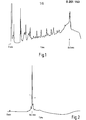
- the length of the oligonucleotide was verified by a sizing experiment in which the electrophoretic mobility of the oligonucleotide was compared with that of oligo (dT) fragments contained in a commercially available oligo (dT) ladder.
- cleavage of about 1 ⁇ g of plasmid DNA or DNA fragments was effected using about 5 units of a restriction enzyme (or enzymes) in about 20pl of an appropriate buffer solution.
- blunt ends If blunt ends were required they were produced by treating the DNA preparation with DNA Polymerase I, Klenow fragment (Molecular Cloning, A Laboratory Manual, Cold Spring Harbor Laboratory 1982).
- Ligation reactions were carried out as described (Maniatis et al Molecular Cloning - A Laboratory Manual, Cold Spring Harbor Laboratory 1982).
- Transformation of M13 DNA into bacterial cells was carried out using treatment with calcium chloride (Cohen et al 1973, P.N.A.S. 69, 2110).
- RNA was isolated from the TRBM6 cell line (Browne et al 1985, Thrombosis and Haemostasis; 54; 422-424) using hot phenol/SDS extraction (M.R.D. Scott, 1982, Ph.D. Thesis, University of London) and messenger RNA purified using oligo dT cellulose chromatography.
- a TRBM6 cDNA library was established by synthesizing double-stranded cDNA using this messenger RNA essentially as described by M.R.D. Scott (Ph.D. Thesis 1982, University of London).
- This cDNA preparation was digested with BglII, size fractionated on a Biogel A150 column and ligated into a pAT153 vector which had been modified by introduction of a BglII linker at the NruI site; the resultant DNA clone was propagated in E. coli K12 DH1 cells.
- a t-PA-specific oligonucleotide probe (Browne et al, 1985; Gene 33, 279-284) was used to identify a t-PA cDNA clone in the cDNA library, this clone is known as pTR108, and carries a 2kb BglII fragment encoding the mature t-PA protein (Pennica et al, 1983, Nature, 301, 214-221).
- a further cDNA clone XTR10 was isolated from a second TRBM6 cDNA library.
- the cDNA library was constructed using the ⁇ gt10 vector as described in 'DNA Cloning' Volume I, Chapters 2 and 3 (Ed. D.M. Glover (IRL Press, 1985)).
- the library was screened using appropriate t-PA specific oligonucleotide and plasmid probes using methods described previously (Browne et al, 1985, Gene, 33, 279-284).
- Clone ⁇ TR10 isolated from this library carries additional DNA 5' to that in pTR108, corresponding to the prepro-coding region and part of the 5' untranslated region (Pennica et al, 1983, Nature, 301, 214-221).
- M13 single strand DNA A single M13 phage plaque was picked into a 1:100 dilution in 2YT (1.6% Bactotryptone, 1% Yeast extract, 1% NaCl) of a fresh overnight culture of E. coli strain BMH 71-18 (Gronenborn et al, 1976, Mol. Gen. Genet. 148, 243-250). The culture was grown at 37 0 C with shaking for 5-6 hours. The bacteria were pelleted and the supernatant retained. To this was added 200pl of 2.5M NaCl, 20% PEG6000 and the mixture was incubated at room temperature for 15 minutes.
- the mixture was centrifuged for 5 minutes in an Eppendorf microfuge and the resulting phage pellet was resuspended in 100pl of 10mM Tris pH 7.9, O.lmM EDTA. After phenol extraction the phage DNA was precipitated with ethanol. The DNA pellet was washed with 70% ethanol, air dried and resuspended in 30pl of 10mM Tris pH 7.9, O.lmM EDTA.
- Site directed mutagenesis The site-directed mutagenesis reactions were carried out essentially as described by Carter et al (Oligonucleotide site-directed mutagenesis in M13, An Experimental Manual, Yalen Biotechnology Ltd., 1985).
- the following priming mixture was set up in a total volume of 10 ⁇ l: lug template DNA (mTR30 single stranded form, see Example 2); 3 ⁇ g kinased mutagenic oligonucleotide primer (as described above); 1 ⁇ l 10 x TM Buffer (100mM Tris pH 8.0, 100mM MgC1 2 ); 5.5 ⁇ l H 2 O.
- lug template DNA mTR30 single stranded form, see Example 2
- 3 ⁇ g kinased mutagenic oligonucleotide primer as described above
- 1 ⁇ l 10 x TM Buffer 100mM Tris pH 8.0, 100mM MgC1 2
- 5.5 ⁇ l H 2 O The mixture was sealed into a glass capillary, boiled for three minutes and allowed to cool to room temperature.
- the DNA was transformed in 3ul aliquots into E. coli strain BMH 71-18 mut L (Kramer et al, 1984, Cell 38, 879-887).
- the transformed bacteria were plated onto a lawn formed from E. coli strain BMH 71-18. Some of the plaques resulting from the transformations were picked and plated to form duplicate gridded arrays of bacterial colonies. These were lifted onto nitrocellulose and lysed as described (Grunstein and Hogness, 1975, P.N.A.S. 72, 3961).
- nitrocellulose filters were prehybridised for 3h at 30°C in 6 x SSC (1 x SSC is 150mM NaCl, 15mM Na 3 C 6 H 5 O 7 2H 2 O) 0.1% SDS, 10 x Denhardt's (Denhardt's is 0.02% Polyvinyl-pyrrolidone, 0.02% Ficoll, 0.02% BSA), 50 ⁇ g sonicated salmon sperm DNA.
- the filters were then mixed with radioactively labelled mutagenic primer under the same buffer conditions and were hybridised overnight at 30 o C.
- the filters were washed at a series of different temperatures in 6 x SSC plus 0.1% SDS: 15 minutes at 30°C; 3 minutes at 44°C; 3 minutes at 49 0 C; 3 minutes at 51°C; 3 minutes at 54°C. After each wash the filters were exposed, wet (with an intensifying screen) to Fuji RX-100 X-ray film.
- DNA sequencing was carried out by the dideoxy termination method (Sanger, Nicklen and Coulson, 1977, P.N.A.S. 74, 5463).
- Plasmid preparation Large scale preparation of plasmid DNA and plasmid mini-preparations were carried out as described in Maniatis et al (Molecular Cloning - A Laboratory Manual, Cold Spring Harbor Laboratory, 1982).
- DNA fragments were isolated from LMP agarose gels as described by Maniatis et al (Molecular Cloning, A Laboratory Manual, 1982, Cold Spring Harbor).
- Vector DNA was dephosphorylated, where appropriate, by treatment with calf intestinal alkaline phosphatase as described by Maniatis et al (Molecular Cloning, A Laboratory Manual, 1982, Cold Spring Harbor).
- Cell preparation cells were trypsinised and plated out at 10 6 cells per 60mm dish and left overnight in growth medium (10% Serum, 1% stock solution of penicillin/ streptomycin; Flow Laboratories, 1% Glutamine, 1% stock solution of non-essential amino acids; Flow Laboratories, in Eagles MEM) at 37 0 C in a humidified incubator in an atmosphere of 5% C0 2/ 95% air.
- growth medium 10% Serum, 1% stock solution of penicillin/ streptomycin; Flow Laboratories, 1% Glutamine, 1% stock solution of non-essential amino acids; Flow Laboratories, in Eagles MEM
- Transfection procedure The transfection used (calcium coprecipitation) is described in 'DNA Cloning' Ed. D.M. Glover (Chap. 15, C. Gorman). Glycerol shock and 10mM butyrate treatment were used. Following transfection the cells were rested overnight in growth medium.
- Overlay Agarose (Indubiose A 37 ), 2.4g in 95ml Eagles MEM (Gibco) heated to melting point in a bunsen flame, was then placed in a water bath maintained at 48°C.
- 5.6 ml of fibrinogen (20mg/ml) were diluted 1:1 with 5.6 ml of Eagles MEM (containing an extra 7 mg/ml of NaCl) and retained on ice.
- 3.3 ml of Eagles MEM (no additions) were aliquoted into a bijou containing 86 ⁇ l of bovine thrombin at 50 NIH Units/ml (retained on ice).
- the cells were washed 3 times with Eagles MEM to remove serum.
- the thrombin and fibrinogen were warmed to 37 0 C in a water bath.
- 9.5 ml agarose were aliquoted into a pre-warmed universal. The thrombin was added to the agar, followed by the fibrinogen. The gel was poured over the cell layer and incubated at 37°C until lysis zones appeared.
- Modified t-PA was extracted from cultures of E. coli JM101 (pTRB8) using a procedure based on that described by Heynecker et al, (1983) European Patent Application No. 0092182 for the extraction of active urokinase from E. coli cells.
- 10ml prewarmed L-broth (5g NaCl, 5g Yeast Extract, lOg Tryptone/litre of water) containing 50ug/ml ampicillin, were inoculated with 100pl of a standing overnight culture of E. coli JM101 (pTRB8) and incubated, with aeration, at 37°C until the A 550 ⁇ 0.5.
- modified t-PA was then induced with O.lmM IPTG (isopropyl B-D-thiogalactopyranoside) and ZnS0 4 was added to a final concentration of 0.5mM to minimise bacterial protease activity (Gross et al, Biochim. Biophys. Acta. 825, 207-213, 1985). Growth was continued for a further 2h (final A550 ⁇ 1.0-1.2) and the cells placed in an ice bath.
- O.lmM IPTG isopropyl B-D-thiogalactopyranoside
- ZnS0 4 was added to a final concentration of 0.5mM to minimise bacterial protease activity (Gross et al, Biochim. Biophys. Acta. 825, 207-213, 1985). Growth was continued for a further 2h (final A550 ⁇ 1.0-1.2) and the cells placed in an ice bath.
- the cells were harvested, washed once with 1 volume ice-cold lOmM phosphate buffer pH 7.0 and the pellet resuspended in lml lysis buffer (50mM Tris pH 8.0, 50mM EDTA, 2mg/ml lysozyme). After 30 min at 0°C, 3 ml 6M guani.dine HC1, 50mM Tris pH 8.0 were added and mixed well. The cell debris was removed by centrifugation at 12,000g for 30 mins at 4 0 C and the supernatant decanted and incubated at 24 0 C for 30 mins.
- the solution was subsequently diluted to 1M guanidine HC1, 50mM Tris pH 9.0 and made 2mM reduced glutathione (GSH), 0.2mM oxidized glutathione (GSSG).
- This redox mixture was incubated at 14 0 C for 16h and then dialysed against 50mM Tris pH 9.5, 250mM NaCl, 0.25mM EDTA, 0.01% Tween for 8h (one change of buffer). 10pl of the dialysed extract were placed onto a fibrin plate (Robinson, J. Thrombos. Res. 1984; 33, 155-62) together with standards.
- DNA coding for a novel, modified t-PA protein has been produced using the above mentioned oligonucleotide (Example 1) with sequence:-
- This oligonucleotide is complementary to nucleotides 1013-1028 inclusive of t-PA cDNA (Pennica et al, Nature, 1983, 301, 214-221) except for one mismatch at position 1019.
- the codon at position 1018-1020 has thus been changed from AAA to ATA.
- the resulting DNA sequence has been expressed in both prokaryotic and eukaryotic cell systems to give a novel fibrinolytically active protein.
- a cDNA clone coding for the protein t-PA was isolated from mRNA prepared from the TRBM6 cell line described in Thrombosis and Haemostasis, 1985, 54, 422-424.
- the 2kb BglII fragment encoding the mature t-PA cDNA sequence was isolated, blunt-ended and subcloned into M13 mp10 (Amersham International PLC Prod. No. N.4536) at the SalI site which had also been blunt-ended.
- Clones were isolated with the insert in both orientations. The two types of clone will henceforth be known as mTR10 and mTR20.
- mTR20 placed the t-PA cDNA insert 'in frame' and in the correct orientation, to allow expression of a t-PA fusion protein from the lacZ promoter in the M13 mpl0 genome (Slocombe et al, 1982, P.N.A.S. 79, 5455-5459).
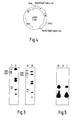
- the t-PA cDNA was put out of reading-frame by cutting double stranded DNA from the clone mTR10 with the enzymes BamHI and HindIII. The whole DNA mixture comprising the cleaved vector DNA and the t-PA insert DNA was blunt-ended and religated. The resulting construct was shown by DNA sequencing to have the following structure at the point of insertion indicating that the t-PA cDNA is out of reading-frame with respect to the M13 lacZ promoter. This clone will be known as mTR30. Site directed mutagenesis was carried out on the clone mTR30 as described in Methods. After screening, five duplicate positive signals were selected. DNA sequencing was carried out on single stranded DNA from the five isolates and all clearly showed a changed DNA sequence. An example of this changed DNA sequence from the mutant clone mTR40 is shown in Fig. 3.
- the tracks shown in Fig. 3, I, III represent terminations at all positions where the base A is present in the DNA sequence.
- the tracks shown in Fig. 3, II, IV represent terminations at all positions where the base T is present in the DNA sequence.
- Fig. 3, tracks I, II are derived from normal t-PA DNA.
- Fig. 3, III, IV are derived from the novel t-PA DNA. In each case the triplet 1018-1020 is indicated. The change from the sequence AAA to ATA was therefore confirmed.
- the 2kb BglII fragment carrying the modified t-PA sequence was excised from mTR40 by restriction with BglII. This was subsequently ligated with BamHI cut pUC8. Competent E. coli JM101 cells were transformed with O.lpg ligated DNA and after a 60 min incubation in L-broth (LB) to allow expression of plasmid encoded ⁇ -lactamase, transformants were selected on L-agar (LB +1.5% Bacto agar) incorporating ampicillin at 50pg/ml and X-gal (5-bromo, 4-chloro, 3-indolyl- ⁇ -D-galactopyranoside) a chromogenic P-galactosidase substrate, at 20pg/ml.
- Modified t-PA was expressed from the fused lacZ/t-PA coding DNA in E. coli JM101 as described in the methods section. Analysis of the dialysed extract reveals a major band of fibrinolytic activity apparently identical in size to unmodified material from E. coli using the described protocol (Fig.5). Several bands of lower apparent molecular weight are visible on zymography of modified and unmodified material, these are believed to be either degradation products or the result of internal translation initiation events on the mRNA template. No fibrinolytic activity was detected in extracts from E. coli JM101 (pTRB9) (a plasmid construction carrying the modified t-PA sequence in the opposite orientation with respect to the lacZ promoter of the vector).
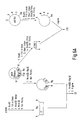
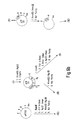
- the vector pRSV- ⁇ -globin (Gorman et al, Science, 221, 551-553, 1983) was modified to allow the insertion and expression of t-PA cDNA (see Fig.6).
- the ⁇ -globin sequences were removed by digesting 10 ⁇ g of pRSV- ⁇ -globin DNA with 20 units each of HindIII and BglII for 2h and isolating the large DNA fragment from a 1% low melting point agarose gel as described in the methods section.
- the ⁇ -globin sequences were replaced with a DNA fragment encoding the 5' region of the cDNA from XTR10 which is a ⁇ gt10 cDNA clone ('DNA Cloning, Vol.I, chapters 2 and 3, Ed.
- the cDNA insert in the ⁇ TR10 encodes the 5' untranslated region, prepro sequences and mature protein sequences up to the EcoRI site equivalent to base 801 (Pennica et al, Nature, 1983, 301, 214-221).
- the cDNA insert was cleaved from the vector by digestion of 5pg of DNA with 24 units of EcoRI for 1.5h. The DNA was then extracted with phenol/ chloroform, ethanol precipitated, resuspended, blunt-ended and ligated to kinased HindIII linkers as described in the Methods section.
- Linkers were at ambient temperature for 7 hours then overnight at 4 o C.
- the DNA was then digested with 20 units of HindIII for 2 hours and a 800bp fragment corresponding to the HindIII-linkered t-PA cDNA was isolated after electrophoresis in a 1% low melting point agarose gel. This 800bp fragment was mixed with the large DNA fragment derived from pRSV-P-globin described above and ethanol precipitated.
- the DNA was resuspended and digested with 10 units each of HindIII and BglII for 1.7h, phenol/chloroform extracted, ethanol precipitated, resuspended and ligated as described in the methods section for 5h at ambient temperature and overnight at 4 o C.
- 2pl of DNA was used to transform E. coli HB101 and colonies carrying plasmids containing the 5' end of the t-PA cDNA up to the BglII site equivalent to that numbered 187 in Pennica et al (Nature, 1983, 301, 214-221), were identified by HindIII/BglII digestion of plasmid mini-preps and the plasmid named pTREl.
- Rous sarcoma virus long terminal repeat (RSV-LTR), 5' region of t-PA cDNA, and Simian virus 40 (SV40) 3' sequences were then reconstructed in pAT153 in such a way that they formed a single XhoI fragment.
- RSV LTR was removed from pRSV-ß-globin by digestion of 6ug DNA with 4U of SfaNI for 2.5h. The DNA was then phenol/ chloroform extracted, ethanol precipitated, resuspended and blunt-ended.
- XhoI linkers were kinased and ligated to the DNA at ambient temperature for 8h and overnight at 4 o C , then incubated at 70°C for 15 minutes to inactivate the ligase and ethanol precipitated.
- the linkered DNA was then resuspended and digested with 15 units each of HindIII and Xhol for 6h and a ⁇ 500 bp fragment corresponding to the RSV-LTR isolated after electrophoresis in a 1% LMP agarose gel. This DNA fragment was cloned into pAT153 prepared as follows: 6pg of pATl53 was digested with 30U of EcoRI for 2h, then phenol/chloroform extracted and ethanol precipitated.
- the DNA was resuspended, blunt-ended, ligated to XhoI linkers, resuspended and digested with HindIII and XhoI as above.
- a 3.4kb fragment was isolated after electrophoresis in a 1% LMP agarose gel and ethanol precipitated with the ⁇ 500bp fragment above.
- the DNA was ligated to give pTREO.
- the ⁇ 0.2kb fragment encoding the 5' part of the t-PA cDNA was isolated from pTREl by digesting l0ug of DNA with 30 units each of HindIII and BglII for 2 hours and the fragment isolated after electrophoresis in a 1% LMP agarose gel. This fragment was cloned into pAT153 prepared as follows: 5pg of pATl53 was digested to completion with BamHI. Following phenol/chloroform extraction and ethanol precipitation, the DNA was resuspended and blunt-ended then ligated to kinased BglII linkers.
- the DNA was phenol/chloroform extracted, ethanol precipitated, resuspended and digested with 30 units each of HindIII and BglII for 3h.
- the large DNA band was isolated after electrophoresis in a 1% LMP agarose gel, ethanol precipitated with the ⁇ 0.2kb fragment above and ligated together to give pTRE8.
- a DNA fragment encoding the SV40 sequences from pTREl was isolated as follows: 5 ⁇ g of pTREl was digested with 60 units of EcoRI for 2h, blunt-ended and ligated to Xhol linkers as described previously. After phenol/chloroform extraction and ethanol precipitation, the DNA was resuspended and digested sequentially with BglII and XhoI.
- a ⁇ 1.6kb band encoding the SV40 sequences was isolated after electrophoresis in a 1% LMP agarose gel and cloned into pTRE8 prepared as follows: 5 ⁇ g of pTRE8 was digested with 15 units of SalI for 31 ⁇ 2h, blunt-ended and ligated to XhoI linkers as described previously. Following phenol/chloroform extraction and ethanol precipitation, the DNA was resuspended and digested sequentially with 30 units of BglII for lh and 10 units XhoI for 2h. The large DNA band was isolated after electrophoresis in a 1% LMP agarose gel, ethanol precipitated with the 1.6kb fragment above and ligated to give pTREll.
- a ⁇ 2kb DNA fragment encoding the 5' t-PA cDNA sequences, SV40 sequences and part of pAT153 were cleaved from pTREll by digestion of 5ug DNA with 30 units HindIII and 6 units XmaIII for 6h. After electrophoresis in a 1% LMP agarose gel a ⁇ 2kb band was isolated and cloned into pTREO prepared as follows: 4.8ug pTREO was digested with HindIII and XmaIII as above and the large DNA fragment isolated after electrophoresis in a 1% LMP agarose gel. This fragment was ethanol precipitated with the 2kb fragment above and ligated to give pTREl2.
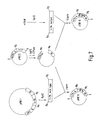
- t-PA cDNA BglII fragments were cloned into the unique BglII site of pTREl2 as shown in Figure 7.
- pTRE7 contains a 2kb BglII fragment, encoding the mature t-PA protein and part of the 3' untranslated region, derived from a cDNA library produced from TRBM6 cells, (Thrombosis and Haemostasis, 1985, 54, 422-424), cloned into the unique BglII site of pTREl. 5gg of pTRE7 was digested to completion with BglII and the ⁇ 2kb fragment isolated after electrophoresis in a 1% LMP agarose gel.
- pTRE12 This was ethanol precipitated and ligated with pTRE12, previously digested with BglII and phosphatased as described in the methods section, to give pTRE15 which expresses wild-type t-PA.
- mTR40 was digested with BglII and a 2kb fragment isolated and cloned into pTR12 as described above to give pTRE18 which expresses mutated t-PA.
- t-PA modified and unmodified t-PA from transfected mouse C127 cells (24 hours post-transfection) was detected using the fibrin/agarose overlay technique as described in the Methods section. Lytic zones were obtained from pTRE15 (unmodified t-PA) and pTRE18 (modified t-PA) transfected cells, but not from cells transfected with the empty parent vector pTRE12 (t-PA - ).
- the orientation of the t-PA encoding insert was determined by restriction with SmaI.
- the expression plasmid carrying an unmodified t-PA insert, pTRB5, was constructed in a similar fashion.
- Figure 7 Construction of vectors expressing wild-type or mutant t-PA (pTRE15 and pTRE18 respectively)
- t-PA wild type is cDNA encoding normal t-PA
- t-PA mutant is cDNA encoding altered t-PA.
Landscapes
- Chemical & Material Sciences (AREA)
- Health & Medical Sciences (AREA)
- Organic Chemistry (AREA)
- Life Sciences & Earth Sciences (AREA)
- Engineering & Computer Science (AREA)
- Bioinformatics & Cheminformatics (AREA)
- Zoology (AREA)
- Wood Science & Technology (AREA)
- Genetics & Genomics (AREA)
- Biochemistry (AREA)
- General Health & Medical Sciences (AREA)
- General Engineering & Computer Science (AREA)
- Biomedical Technology (AREA)
- Medicinal Chemistry (AREA)
- Molecular Biology (AREA)
- Biotechnology (AREA)
- Microbiology (AREA)
- Enzymes And Modification Thereof (AREA)
- Medicines That Contain Protein Lipid Enzymes And Other Medicines (AREA)
Applications Claiming Priority (4)
| Application Number | Priority Date | Filing Date | Title |
|---|---|---|---|
| GB858503358A GB8503358D0 (en) | 1985-02-09 | 1985-02-09 | Compounds |
| GB8503358 | 1985-02-09 | ||
| GB8600979 | 1986-01-16 | ||
| GB868600979A GB8600979D0 (en) | 1986-01-16 | 1986-01-16 | Compounds |
Publications (2)
| Publication Number | Publication Date |
|---|---|
| EP0201153A2 true EP0201153A2 (de) | 1986-11-12 |
| EP0201153A3 EP0201153A3 (de) | 1987-10-07 |
Family
ID=26288793
Family Applications (1)
| Application Number | Title | Priority Date | Filing Date |
|---|---|---|---|
| EP86300788A Ceased EP0201153A3 (de) | 1985-02-09 | 1986-02-06 | Modifiziertes Enzym und Verfahren zu dessen Herstellung |
Country Status (6)
| Country | Link |
|---|---|
| EP (1) | EP0201153A3 (de) |
| AU (1) | AU5330286A (de) |
| DK (1) | DK62586A (de) |
| ES (4) | ES8706724A1 (de) |
| GR (1) | GR860364B (de) |
| PT (1) | PT81999B (de) |
Cited By (22)
| Publication number | Priority date | Publication date | Assignee | Title |
|---|---|---|---|---|
| EP0227462A3 (en) * | 1985-12-23 | 1987-10-07 | Chiron Corporation | Novel peptide plasminogen activators |
| EP0233013A3 (de) * | 1986-01-29 | 1987-10-14 | Beecham Group Plc | Modifiziertes Enzym |
| EP0241209A1 (de) * | 1986-04-02 | 1987-10-14 | Beecham Group Plc | Modifiziertes Enzym |
| EP0241208A1 (de) * | 1986-04-02 | 1987-10-14 | Beecham Group Plc | Modifiziertes fibrinolytisches Enzym |
| WO1988005081A3 (en) * | 1986-12-30 | 1988-10-20 | Cetus Corp | Novel plasminogen activator |
| WO1988010295A1 (en) * | 1987-06-25 | 1988-12-29 | Novo-Nordisk A/S | MODIFIED FACTOR VII/VIIa |
| EP0302456A1 (de) * | 1987-08-03 | 1989-02-08 | Fujisawa Pharmaceutical Co., Ltd. | Gewebe-Plasminogenaktivator |
| GB2173804B (en) * | 1985-04-22 | 1989-07-05 | Genentech Inc | Human tissue plasminogen activator mutants, methods and intermediates therefor, and compositions using such mutants |
| US5087572A (en) * | 1989-12-01 | 1992-02-11 | Genentech, Inc. | Dna encoding human plasminogen modified at the cleavage site |
| US5108901A (en) * | 1988-09-02 | 1992-04-28 | Genentech, Inc. | Tissue plasminogen activator having zymogenic or fibrin specific properties |
| US5190756A (en) * | 1989-12-01 | 1993-03-02 | Genentech, Inc. | Methods and materials for expression of human plasminogen variant |
| US5258180A (en) * | 1988-09-02 | 1993-11-02 | Genetech, Inc. | Tissue plasminogen activator having fibrin specific properties and deletion of amino acids 466-970, compositions and methods of treatment |
| US5262170A (en) * | 1988-09-02 | 1993-11-16 | Genentech, Inc. | Tissue plasminogen activator having zymogenic or fibrin specific properties and substituted at amino acid positions 296-299, DNA molecules encoding them, vectors, and host cells |
| US5302390A (en) * | 1987-07-01 | 1994-04-12 | Beecham Group Plc | Hybrid proteins of human plasminogen and human t-PA, pharmaceutical compositions and methods of treatment |
| US5580560A (en) * | 1989-11-13 | 1996-12-03 | Novo Nordisk A/S | Modified factor VII/VIIa |
| US5612029A (en) * | 1992-06-03 | 1997-03-18 | Genentech, Inc. | Tissue plasminogen activator glycosylation variants with improved therapeutic properties |
| WO1997033984A1 (en) * | 1996-03-12 | 1997-09-18 | Novo Nordisk A/S | Novel achromobacter lyticus protease variants |
| US5714372A (en) * | 1985-04-22 | 1998-02-03 | Genentech, Inc. | Tissue plasminogen activator variants |
| US5714145A (en) * | 1988-09-02 | 1998-02-03 | Genentech, Inc. | Tissue plasminogen activator having zymogenic or fibrin specific properties |
| US5736134A (en) * | 1985-04-22 | 1998-04-07 | Genentech, In.C | Tissue plasminogen activator variants |
| US5756093A (en) * | 1985-04-22 | 1998-05-26 | Genentech, Inc. | Tissue plasminogen activator variants |
| US6706504B1 (en) | 1996-11-12 | 2004-03-16 | The Scripps Research Institute | Tissue type plasminogen activator (t-PA) variants: compositions and methods of use |
Families Citing this family (6)
| Publication number | Priority date | Publication date | Assignee | Title |
|---|---|---|---|---|
| US4661469A (en) * | 1984-08-08 | 1987-04-28 | Survival Technology, Inc. | t-PA composition capable of being absorbed into the blood stream and method of administration |
| EP0191814B1 (de) * | 1984-08-08 | 1992-11-04 | Survival Technology, Inc. | Absorptionsverbesserer für proteine |
| US4929444A (en) * | 1985-05-28 | 1990-05-29 | Burroughs Wellcome Co. | Low pH pharmaceutical formulation containing t-PA |
| GB8619098D0 (en) * | 1986-08-05 | 1986-09-17 | Wellcome Found | Combination |
| ES2066697B1 (es) * | 1992-12-29 | 1995-08-16 | Azkoyen Ind Sa | Perfeccionamientos introducidos en columnas expendedoras automaticas de productos. |
| AU2800797A (en) | 1996-04-05 | 1997-10-29 | Chiron Corporation | Recombinant alphavirus-based vectors with reduced inhibition of cellular macromolecular synthesis |
Family Cites Families (3)
| Publication number | Priority date | Publication date | Assignee | Title |
|---|---|---|---|---|
| GR79202B (de) * | 1982-05-05 | 1984-10-22 | Genentech Inc | |
| US4753879A (en) * | 1984-08-27 | 1988-06-28 | Biogen N.V. | Modified tissue plasminogen activators |
| GR861037B (en) * | 1985-04-22 | 1986-07-16 | Genentech Inc | Novel human tissue plasminogen activator mutants |
-
1986
- 1986-02-06 EP EP86300788A patent/EP0201153A3/de not_active Ceased
- 1986-02-07 PT PT8199986A patent/PT81999B/pt unknown
- 1986-02-07 ES ES551770A patent/ES8706724A1/es not_active Expired
- 1986-02-07 GR GR860364A patent/GR860364B/el unknown
- 1986-02-07 DK DK62586A patent/DK62586A/da not_active Application Discontinuation
- 1986-02-07 AU AU53302/86A patent/AU5330286A/en not_active Abandoned
-
1987
- 1987-03-31 ES ES557479A patent/ES8801707A1/es not_active Expired
- 1987-03-31 ES ES557478A patent/ES8801706A1/es not_active Expired
- 1987-03-31 ES ES557477A patent/ES8800354A1/es not_active Expired
Cited By (36)
| Publication number | Priority date | Publication date | Assignee | Title |
|---|---|---|---|---|
| GB2173804B (en) * | 1985-04-22 | 1989-07-05 | Genentech Inc | Human tissue plasminogen activator mutants, methods and intermediates therefor, and compositions using such mutants |
| US5714372A (en) * | 1985-04-22 | 1998-02-03 | Genentech, Inc. | Tissue plasminogen activator variants |
| US5736134A (en) * | 1985-04-22 | 1998-04-07 | Genentech, In.C | Tissue plasminogen activator variants |
| US5756093A (en) * | 1985-04-22 | 1998-05-26 | Genentech, Inc. | Tissue plasminogen activator variants |
| EP0227462A3 (en) * | 1985-12-23 | 1987-10-07 | Chiron Corporation | Novel peptide plasminogen activators |
| US5976530A (en) * | 1985-12-23 | 1999-11-02 | Chiron Corporation | Peptide plasminogen activators |
| US5439679A (en) * | 1985-12-23 | 1995-08-08 | Chiron Corporation | Peptide plasminogen activators |
| US5656269A (en) * | 1985-12-23 | 1997-08-12 | Chiron Corp. | Peptide plasminogen activators |
| EP0233013A3 (de) * | 1986-01-29 | 1987-10-14 | Beecham Group Plc | Modifiziertes Enzym |
| EP0241208A1 (de) * | 1986-04-02 | 1987-10-14 | Beecham Group Plc | Modifiziertes fibrinolytisches Enzym |
| EP0241209A1 (de) * | 1986-04-02 | 1987-10-14 | Beecham Group Plc | Modifiziertes Enzym |
| EP0273774A3 (de) * | 1986-12-30 | 1988-12-14 | Cetus Corporation | Plasminogenaktivatoren, dafür kodierende DNS, ihre Herstellung und Anwendung |
| WO1988005081A3 (en) * | 1986-12-30 | 1988-10-20 | Cetus Corp | Novel plasminogen activator |
| WO1988010295A1 (en) * | 1987-06-25 | 1988-12-29 | Novo-Nordisk A/S | MODIFIED FACTOR VII/VIIa |
| US5302390A (en) * | 1987-07-01 | 1994-04-12 | Beecham Group Plc | Hybrid proteins of human plasminogen and human t-PA, pharmaceutical compositions and methods of treatment |
| EP0302456A1 (de) * | 1987-08-03 | 1989-02-08 | Fujisawa Pharmaceutical Co., Ltd. | Gewebe-Plasminogenaktivator |
| US5728567A (en) * | 1988-09-02 | 1998-03-17 | Genentech, Inc. | Tissue plasminogen activator having zymogenic or fibrin specific properties |
| US5262170A (en) * | 1988-09-02 | 1993-11-16 | Genentech, Inc. | Tissue plasminogen activator having zymogenic or fibrin specific properties and substituted at amino acid positions 296-299, DNA molecules encoding them, vectors, and host cells |
| US5520913A (en) * | 1988-09-02 | 1996-05-28 | Genentech, Inc. | Tissue plasminogen activator having zymogenic properties |
| US5840564A (en) * | 1988-09-02 | 1998-11-24 | Genentech, Inc. | Tussue plasminogen activator having zymogenic or fibrin specific properties |
| US5821105A (en) * | 1988-09-02 | 1998-10-13 | Genentech, Inc. | Tissue plasminogen activator having zymognic or fibrin specific properties |
| US5614190A (en) * | 1988-09-02 | 1997-03-25 | Genentech, Inc. | Tissue plasminogen activator having zymogenic or fibrin specific properties |
| US5616486A (en) * | 1988-09-02 | 1997-04-01 | Genentech, Inc. | Tissue plasminogen activator having zymogenic or fibrin specific properties |
| US5405771A (en) * | 1988-09-02 | 1995-04-11 | Genentech, Inc. | Tissue plasminogen activator having zymogenic or fibrin specific properties |
| US5770426A (en) * | 1988-09-02 | 1998-06-23 | Genentech, Inc. | Tissue plasminogen activator having zymogenic or fibrin specific properties |
| US5411871A (en) * | 1988-09-02 | 1995-05-02 | Genentech, Inc. | Method for identifying tissue plasminogen activator having zymogenic or fibrin specific properties |
| US5714145A (en) * | 1988-09-02 | 1998-02-03 | Genentech, Inc. | Tissue plasminogen activator having zymogenic or fibrin specific properties |
| US5258180A (en) * | 1988-09-02 | 1993-11-02 | Genetech, Inc. | Tissue plasminogen activator having fibrin specific properties and deletion of amino acids 466-970, compositions and methods of treatment |
| US5108901A (en) * | 1988-09-02 | 1992-04-28 | Genentech, Inc. | Tissue plasminogen activator having zymogenic or fibrin specific properties |
| US5580560A (en) * | 1989-11-13 | 1996-12-03 | Novo Nordisk A/S | Modified factor VII/VIIa |
| US5190756A (en) * | 1989-12-01 | 1993-03-02 | Genentech, Inc. | Methods and materials for expression of human plasminogen variant |
| US5087572A (en) * | 1989-12-01 | 1992-02-11 | Genentech, Inc. | Dna encoding human plasminogen modified at the cleavage site |
| US5612029A (en) * | 1992-06-03 | 1997-03-18 | Genentech, Inc. | Tissue plasminogen activator glycosylation variants with improved therapeutic properties |
| WO1997033984A1 (en) * | 1996-03-12 | 1997-09-18 | Novo Nordisk A/S | Novel achromobacter lyticus protease variants |
| US6706504B1 (en) | 1996-11-12 | 2004-03-16 | The Scripps Research Institute | Tissue type plasminogen activator (t-PA) variants: compositions and methods of use |
| US6869778B2 (en) | 1996-11-12 | 2005-03-22 | The Scripps Research Institute | Tissue type plasminogen activator (t-PA) variants: compositions and methods of use |
Also Published As
| Publication number | Publication date |
|---|---|
| ES557478A0 (es) | 1988-02-16 |
| EP0201153A3 (de) | 1987-10-07 |
| ES8800354A1 (es) | 1987-10-16 |
| PT81999A (en) | 1986-03-01 |
| PT81999B (en) | 1987-12-22 |
| ES8801707A1 (es) | 1988-02-16 |
| ES557477A0 (es) | 1987-10-16 |
| GR860364B (en) | 1986-06-10 |
| AU5330286A (en) | 1986-08-14 |
| DK62586D0 (da) | 1986-02-07 |
| ES557479A0 (es) | 1988-02-16 |
| ES8801706A1 (es) | 1988-02-16 |
| DK62586A (da) | 1986-08-10 |
| ES551770A0 (es) | 1987-07-01 |
| ES8706724A1 (es) | 1987-07-01 |
Similar Documents
| Publication | Publication Date | Title |
|---|---|---|
| EP0201153A2 (de) | Modifiziertes Enzym und Verfahren zu dessen Herstellung | |
| EP0207589A1 (de) | Modifiziertes fibrinolytisches Enzym | |
| EP0233013A2 (de) | Modifiziertes Enzym | |
| JP2610783B2 (ja) | ポリクリングルプラスミノーゲン活性化因子をコードする遺伝子およびそれを含有するベクター | |
| EP0266032A1 (de) | Modifiziertes fibrinolytisches Enzym | |
| EP0241208A1 (de) | Modifiziertes fibrinolytisches Enzym | |
| CA1341580C (en) | Tissue-type plasminogen activator mutants | |
| EP0218713B1 (de) | Herstellung mit hoher leistung des aktivfaktors ix | |
| KR960016560B1 (ko) | 인체 과립구 콜로니 자극인자 폴리펩타이드 유도체, 이를 코드화하는 dna, dna를 함유하는 재조합 플라스미드, 플라스미드를 함유하는 미생물 및 폴리펩타이드를 제조하는 방법 | |
| EP0196920B1 (de) | Degradierte Spezies eines Gewebeplasminogenaktivators, pharmazeutische Zubereitung und Verfahren zur Herstellung derselben | |
| EP0241209A1 (de) | Modifiziertes Enzym | |
| WO1991018989A1 (en) | Hybrid plasminogen activator mutants | |
| EP0240334A1 (de) | Modifizierte Enzym | |
| US5073494A (en) | Human tissue plasminogen activator substituted at position 275 or at positions 275 and 277 | |
| KR0167761B1 (ko) | 플라스미드, 이의 작제방법 및 플라스미노겐 활성자 제조에 있어서의 이의 용도 | |
| EP0290118A2 (de) | Fibrinolytisch wirksames Enzym | |
| EP0297066B1 (de) | Neue fibrinolytische Enzyme | |
| EP0241210B1 (de) | Modifiziertes Enzym | |
| EP0440709B1 (de) | Trombolytischer wirkstoff mit modifikation der domäne der kringle | |
| IE914040A1 (en) | New polypeptides, plasmids coding for these polypeptides and¹processes for their manufacture and use | |
| AU611409B2 (en) | Modified fibrinolytic enzymes | |
| WO1989007146A1 (en) | Rearranged tissue plasminogen activators and method for producing same | |
| EP0292326A2 (de) | Modifiziertes Enzym | |
| JPS61233630A (ja) | 新規化合物、その製法及びそれを含む医薬組成物 | |
| KR950012901B1 (ko) | 스트렙토키나제 유전자 및 그의 발현 |
Legal Events
| Date | Code | Title | Description |
|---|---|---|---|
| PUAI | Public reference made under article 153(3) epc to a published international application that has entered the european phase |
Free format text: ORIGINAL CODE: 0009012 |
|
| AK | Designated contracting states |
Kind code of ref document: A2 Designated state(s): BE CH DE FR GB IT LI LU NL SE |
|
| PUAL | Search report despatched |
Free format text: ORIGINAL CODE: 0009013 |
|
| AK | Designated contracting states |
Kind code of ref document: A3 Designated state(s): BE CH DE FR GB IT LI LU NL SE |
|
| 17P | Request for examination filed |
Effective date: 19880325 |
|
| 17Q | First examination report despatched |
Effective date: 19900716 |
|
| STAA | Information on the status of an ep patent application or granted ep patent |
Free format text: STATUS: THE APPLICATION HAS BEEN REFUSED |
|
| 18R | Application refused |
Effective date: 19911229 |
|
| RIN1 | Information on inventor provided before grant (corrected) |
Inventor name: TYRRELL, ARTHUR WILLIAM RUSSELL Inventor name: BROWNE, MICHAEL JOSEPH Inventor name: ROBINSON, JEFFERY HUGH |