EP0218717B1 - Recombinant inhibin - Google Patents
Recombinant inhibin Download PDFInfo
- Publication number
- EP0218717B1 EP0218717B1 EP86903112A EP86903112A EP0218717B1 EP 0218717 B1 EP0218717 B1 EP 0218717B1 EP 86903112 A EP86903112 A EP 86903112A EP 86903112 A EP86903112 A EP 86903112A EP 0218717 B1 EP0218717 B1 EP 0218717B1
- Authority
- EP
- European Patent Office
- Prior art keywords
- inhibin
- dna
- sequence
- host
- recombinant
- Prior art date
- Legal status (The legal status is an assumption and is not a legal conclusion. Google has not performed a legal analysis and makes no representation as to the accuracy of the status listed.)
- Expired - Lifetime
Links
Images









Classifications
-
- C—CHEMISTRY; METALLURGY
- C07—ORGANIC CHEMISTRY
- C07H—SUGARS; DERIVATIVES THEREOF; NUCLEOSIDES; NUCLEOTIDES; NUCLEIC ACIDS
- C07H21/00—Compounds containing two or more mononucleotide units having separate phosphate or polyphosphate groups linked by saccharide radicals of nucleoside groups, e.g. nucleic acids
- C07H21/04—Compounds containing two or more mononucleotide units having separate phosphate or polyphosphate groups linked by saccharide radicals of nucleoside groups, e.g. nucleic acids with deoxyribosyl as saccharide radical
-
- C—CHEMISTRY; METALLURGY
- C07—ORGANIC CHEMISTRY
- C07K—PEPTIDES
- C07K14/00—Peptides having more than 20 amino acids; Gastrins; Somatostatins; Melanotropins; Derivatives thereof
- C07K14/435—Peptides having more than 20 amino acids; Gastrins; Somatostatins; Melanotropins; Derivatives thereof from animals; from humans
- C07K14/575—Hormones
-
- A—HUMAN NECESSITIES
- A61—MEDICAL OR VETERINARY SCIENCE; HYGIENE
- A61P—SPECIFIC THERAPEUTIC ACTIVITY OF CHEMICAL COMPOUNDS OR MEDICINAL PREPARATIONS
- A61P13/00—Drugs for disorders of the urinary system
- A61P13/02—Drugs for disorders of the urinary system of urine or of the urinary tract, e.g. urine acidifiers
-
- A—HUMAN NECESSITIES
- A61—MEDICAL OR VETERINARY SCIENCE; HYGIENE
- A61P—SPECIFIC THERAPEUTIC ACTIVITY OF CHEMICAL COMPOUNDS OR MEDICINAL PREPARATIONS
- A61P15/00—Drugs for genital or sexual disorders; Contraceptives
-
- C—CHEMISTRY; METALLURGY
- C07—ORGANIC CHEMISTRY
- C07K—PEPTIDES
- C07K16/00—Immunoglobulins [IG], e.g. monoclonal or polyclonal antibodies
- C07K16/18—Immunoglobulins [IG], e.g. monoclonal or polyclonal antibodies against material from animals or humans
- C07K16/26—Immunoglobulins [IG], e.g. monoclonal or polyclonal antibodies against material from animals or humans against hormones ; against hormone releasing or inhibiting factors
-
- C—CHEMISTRY; METALLURGY
- C12—BIOCHEMISTRY; BEER; SPIRITS; WINE; VINEGAR; MICROBIOLOGY; ENZYMOLOGY; MUTATION OR GENETIC ENGINEERING
- C12N—MICROORGANISMS OR ENZYMES; COMPOSITIONS THEREOF; PROPAGATING, PRESERVING, OR MAINTAINING MICROORGANISMS; MUTATION OR GENETIC ENGINEERING; CULTURE MEDIA
- C12N1/00—Microorganisms; Compositions thereof; Processes of propagating, maintaining or preserving microorganisms or compositions thereof; Processes of preparing or isolating a composition containing a microorganism; Culture media therefor
- C12N1/20—Bacteria; Culture media therefor
-
- A—HUMAN NECESSITIES
- A61—MEDICAL OR VETERINARY SCIENCE; HYGIENE
- A61K—PREPARATIONS FOR MEDICAL, DENTAL OR TOILETRY PURPOSES
- A61K38/00—Medicinal preparations containing peptides
-
- A—HUMAN NECESSITIES
- A61—MEDICAL OR VETERINARY SCIENCE; HYGIENE
- A61K—PREPARATIONS FOR MEDICAL, DENTAL OR TOILETRY PURPOSES
- A61K39/00—Medicinal preparations containing antigens or antibodies
Definitions
- This invention relates, inter alia, to the construction of cloning vectors that contain deoxyribonucleic acid (DNA) sequences which code for part or all of the hormone inhibin, and of host cells such as bacterial strains containing such vectors, and of host cells such as bacterial strains which produce part, all or precursors of inhibin.
- DNA deoxyribonucleic acid
- host cells such as bacterial strains containing such vectors
- host cells such as bacterial strains which produce part, all or precursors of inhibin.
- fragments of the expression products and vectors be they natural or synthetic in origin.
- Inhibin can now be defined as a protein or glycoprotein hormone secreted from the granulosa cells in the ovary or Sertoli cells in the testis. It is secreted in response to FSH and acts on the pituitary as a feedback inhibitor of FSH synthesis and secretion but which leaves the basal synthesis and secretion of LH largely intact. Whether inhibin, its mRNA or precursors are formed in other cells and tissues is not yet known.
- the standard employed was a bovine follicular fluid preparation with an inhibin activity of 20 U/ml in terms of a previously described ovine testicular lymph standard assigned an arbitary activity of 1 U/mg (Scott, R.S. et al., (1980) Endocrinol. 107, 1536-1542)
- the inhibin from bFF was purified about 3,500-fold to a specific activity of 200,000 units/mg protein and is a protein of 58 kD composed of two disulphide-linked subunits A and B of approximately 43 kD and 15 kD respectively as evidenced from electrophoresis in polyacrylamide gels in the presence of sodium dodecylsulphate (SDS-PAGE).
- SDS-PAGE sodium dodecylsulphate
- the amino acid sequences for the NH 2 -terminus of each subunit have been determined.
- This purified substance has the in vitro physiological properties defined earlier as those of inhibin, namely inhibiting the synthesis and release of endogenous FSH from rat pituitary cells whilst leaving intact the synthesis and release of LH, prolactin and thyroid stimulating hormone.
- EP-A-0185034 discloses the isolation of a protein identified as inhibin, characterised by having an apparent molecular weight as determined by SDS-Page of 56000 ⁇ 1000 with an isoelectric point of 6.9 to 7.3.
- the patent application identifies some of the properties of inhibin and describes potential uses of the protein.
- EP-A-0222491 describes recombinant human or porcine inhibin, used for modulating the clinical condition or reproductive physiology of animals.
- the present invention seeks, inter alia, to overcome these limitations by the identification and characterisation of the genes which code inhibin so as to allow the molecular cloning of genes or parts of genes coding for inhibin into a host such as Escherichia coli and by manipulating the cloned genes or parts thereof to create hosts, such as bacterial strains, which can synthesise all, part or precursors of the inhibin molecule, including subunits thereof.
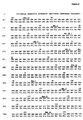
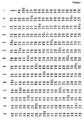
- a first embodiment of the invention provides a polynucleotide sequence coding for inhibin having the amino acid sequence as illustrated in Figures 5 and 6, preferably in substantially pure form.
- Such a sequence on expression may code for the 43kD sub-unit of inhibin, or the 20kD sub-unit of inhibin or the 15kD sub-unit of inhibin.
- the polynucleotide sequence codes for the -60 to 166 amino acid sequence of Figure 5, the -10 to 166 amino acid sequence of Figure 5 or the 1 to 166 amino acid sequence of Figure 5.
- a second embodiment of the invention provides a process for selecting an RNA or DNA sequence coding of inhibin having the amino acid sequence as illustrated in Figures 5 and 6, which process comprises providing one or more DNA or RNA sequences and determining which of said sequences hybridises to a DNA or RNA sequence known to encode said inhibin or providing an antiserum to said inhibin and identifying host vector combinations that express said inhibin.
- the process comprises the steps of:
- a third aspect of the invention provides a recombinant DNA molecule characterised by a DNA insert comprising a DNA sequence coding for inhibin having the amino acid sequence as illustrated in Figures 5 and 6, and vector DNA.
- Said vector DNA may comprise plasmid, virus or bacteriophage DNA.
- recombinant DNA molecules may comprise a plasmid selected from: pBR322, pUR290, pUR291, pUR292, pBTA286, pUC7, pUC8, pUC9, pUC13, ptrpll, pWT111, pWT121 or pWT131, into which has been inserted said DNA insert.
- the recombinant DNA molecule contains an expression control sequence which is operatively linked to said DNA insert.
- This may be selected from the ⁇ -galactosidase gene of E. coli , the trp operon, the leftward promoter of bacteriophage lambda or the long terminal repeat of Moloney leukaemia virus.
- the expression control sequence preferably comprises a promoter and a translation start signal.
- a fourth embodiment of the invention provides a process for the manufacture of a recombinant DNA molecule, which process comprises; providing a DNA insert comprising a DNA sequence coding for inhibin having the amino acid sequence as illustrated in Figures 5 and 6; and introducing said DNA insert into a cloning vehicle.
- Said cloning vehicle may be selected from a bacterial plasmid, a bacteriophage or a plasmid or virus capable of replicating in a eukaryotic cell in vitro or in whole organisms.
- the DNA insert may be introduced into the cloning vehicle in correct reading frame with an expression control sequence and is preferably introduced into the ⁇ -galactosidase gene of E. coli.
- the invention also provides a host transformed with a recombinant DNA molecule according to the third aspect of the invention.
- the host may be selected from bacterial cells, bacteriophage, yeasts, fungi and eukaryotic cells including vertebrate and plant cells.
- the host is capable of expressing inhibin, especially the 43kD, 20kD or 15kD sub-units of inhibin in unglycosylated form.
- a fifth aspect of the invention provides a process for transforming a host so that it is capable of producing inhibin having the amino acid sequence as illustrated in Figures 5 and 6, which process comprises providing a suitable host and introducing into said host a recombinant DNA molecule according to the third aspect of the invention.
- the host may be selected from bacterial cells, bacteriophage, yeasts, fungi and eukaryotic cells including vertebrate and plant cells.
- a sixth aspect of the invention provides a process for the biosynthesis of a polypeptide which comprises inhibin having the amino acid sequence as illustrated in Figures 5 and 6, which process comprises:
- a further aspect of the invention provides recombinant inhibin produced according to the invention for use as contraceptive agents in humans, particularly males.
- the recombinant inhibin produced may also be for use as agents to generate antibodies both monoclonal and polyclonal, useful in the diagnostic measurement of the levels of inhibin in vertebrates and as standards for such diagnostic measurement systems.
- inhibitor is non-species specific and accordingly embraces related species of inhibin such as bovine, human, ovine, porcine, chicken and fish and particularly human and bovine inhibin. Also the term embraces non-glycosylated and glycosylated inhibin species.
- vertebrate embraces species of fish, amphibians, reptiles, birds and mammals including humans.
- inhibin as secreted into follicular fluid is a 58kD protein comprising two subunits; a 43kD and a 15kD subunit - A and B respectively.
- the A or 43kD species is a homologous protein between species with certain differences such that it would be likely to act as an antigen when one inhibin species was administered to another expression products comprise a first polypeptide sequence homologous to the host and a second polypeptide sequence which is the amino acid sequence coding for all, part or precursors, analogues or homologues of a polypeptide which is inhibin or which has similar immunological or biological properties to inhibin.
- the first amino acid sequence is part or all of ⁇ -galactosidase and the host cell is E.coli.
- the first sequence is the NH 2 -terminal sequence of the expression product.
- a process for the biosynthesis of a polypeptide which comprises all, part or precursors of inhibin or a polypeptide having similar immunological or biological activity comprises: transforming a suitable host with a recombinant DNA molecule of the present invention so that the host is capable of expressing a proteinaceous product which includes a polypeptide which is all, part or a precursor of inhibin or a polypeptide having similar biological or immunological activity; culturing said host to obtain said expression; and collecting said polypeptide.
- the expression product is formed as an insoluble inclusion body and is purified from cell extracts by centrifugation away from the soluble cell proteins.
- Preferred purification methods include the addition of proteolysis inhibitors and membrane disrupting agents and density gradient centrifugation. If necessary, the purified inclusion bodies may be solubilised and the proteins released be further treated, such as by selective cleavage and/or by additional purification, so as to remove unnecessary proteinaceous matter.
- the present invention will yield an inhibin-like protein expressed by bacteria transformed with the plasmids pBTA28, pBTA29, pBTA292 and pBTA296- pBTA305.
- the invention provides a pharmaceutical composition comprising one or more expressed products of the invention in pharmaceutically acceptable form or synthetic equivalent.
- the invention embraces synthetic peptides which are part of inhibin and which may be inhibin agonists, antagonists or capable of eliciting an antigenic response and used to affect FSH levels or reproductive physiology.
- compositions include those suitable for oral administration or in injectable form and preferably include a pharmaceutically acceptable adjuvant. Also included in the pharmaceutical compositions of the present invention are those in sustained release form, particularly suited for implantation and sustained release in an vertebrate. In such a form the composition can be implanted into an vertebrate to affect gonadal function and removed when the desired effect is obtained.
- the invention provides a vaccine comprising one or more of the expressed proteins in pharmaceutically acceptable form.
- the invention also includes a method of affecting gonadal function in a vertebrate comprising administering to said vertebrate an effective amount of a pharmaceutical composition of the present invention.
- the invention embraces antibody preparations prepared as a result of immunological challenge to a vertebrate by administration of one or more expression products of the present invention or pharmaceutical compositions of the present invention.
- antibody preparations include polyclonal and monoclonal antibody preparations.
- inhibitor is non-species specific and accordingly embraces related species of inhibin such as bovine, human, ovine, porcine, chicken and fish and particularly human and bovine inhibin. Also the term embraces non-glycosylated and glycosylated inhibin species.
- vertebrate embraces species of fish, amphibians, reptiles, birds and mammals including humans.
- inhibin as secreted into follicular fluid is a 58kD protein comprising two subunits; a 43kD and a 15kD subunit - A and B respectively.
- the A or 43kD species is a homologous protein between species with certain differences such that it would be likely to act as an antigen when one inhibin species was administered to another species. In this way it is thought that different species of inhibins could be used to raise anti-inhibin antibodies with uses hereinafter discussed.
- the B subunit or 15kD subunit is virtually identical in amino acid sequence between a number of species, such as human and bovine species.
- the whole protein is cleaved to a 31kD form comprising two subunits of molecular weight 20kD and 15kD - A C and B respectively.
- the 31kD form exhibits inhibin activity and forms part of the present invention. Cleavage of the 58kD form to the 31kD form liberates a polypeptide fragment referred to as the A N fragment which itself could play a significant role in regulating gonadal function and thus is also part of the present invention.
- part of inhibin includes sub-units of inhibin.
- Whole testes and ovaries or isolated Sertoli and granulosa cells may be used as a source of inhibin mRNA. In this instance, isolated granulosa cells were used.
- RNA pellet was washed several times in 5 ml 70% ethanol/30% TE (1mM EDTA/10 mM Tris-HCl pH 7.5) to remove CsCl. It was finally precipitated from 3 ml TE by the addition of 0.3 ml 3 M Na acetate pH 7.5 and 6 ml ethanol followed by freezing to -70°C and centrifugation at 20,000 x G for 10 minutes. The RNA pellet was redissolved in 1 ml TE and kept at -70°C until required. c. Isolation of mRNA. mRNA was extracted from the total RNA by chromatography on oligo dT cellulose (Aviv. H. and Leder, P. (1972) Proc. Natl.
- RNA solution was made 1 M in NaCl/1 mM in EDTA/20 mM in Tris-HCl pH 7.5, heated to 70°C for 2 min. snap chilled in ice-water and applied to a columnn (0.5 g dry bed weight) of oligo dT Cellulose (BRL). The flow through fractions were heated, chilled and reapplied twice. The column was washed with 5 ml of the loading buffer then with 5ml of the same buffer but containing 0.5 M NaCl. The mRNA was eluted at 60°C in TE.
- RNA sample in 10 ⁇ l TE containing 5 M urea and 0.01% (w/v) each of the tracking dyes bromophenol blue and xylene cyanol FF were heated to 70°C for 2 minutes then subjected to electrophoresis in a gel of 1.5% agarose containing 5.6 M urea/14 mM iodoacetate/1 mM EDTA/36 mM NaH 2 PO 4 /40 mM Tris-NaOH pH 7.4
- the electrophoresis was terminated when the bromophenol blue dye reached the bottom of the gel and the RNA was visualised under ultratraviolet light after staining with a solution of ethidium bromide.
- RNA concentration was measured by its absorbtion at 260 nm, an A 260 reading of 1.0 using a 1 cm light path being taken as 40 ⁇ g RNA per ml.
- 60-100 ml bFF would give 1-3 g wet weight pelleted granulosa cells from which 600-900 ⁇ g total RNA and 20-60 ⁇ g mRNA could be extracted.
- This mRNA fraction contains mRNA specific for inhibin, its subunits or inhibin-like polypeptides but it is to be understood that the mRNA fraction is a mixture of a large number of different mRNA species in different abundances within the mixture most of which are unrequired.
- each behaves similarly to the mRNA species specific for inhibin, its subunits or inhibin-like polypeptides and their presence will result ultimately in the generation of a large number of unrequired clones and necessitate a screening procedure to identify correct clones, i.e., clones containing cDNA sequences coding for part of, or subunits of, or all of inhibin.
- the reaction was started by addition of 23.5 ⁇ l mixture containing 500 ng oligo dT 10-17 primers (Boehringer), 50 nmols each of dCTP, dTTP and dGTP, 5 nmols of dATP, 100 nmols DTT, 20 units AMV reverse transcriptase (Life Sciences) 2 ⁇ mols KCl, 400 nmols MgCl 2 and 2.5 ⁇ mols Tris-HCl pH 8.5.
- the analytical reaction was set up by taking a 2 ⁇ l sample into a separate tube containing 0.5 ⁇ l of ⁇ - 32 P dATP (1800 Ci/nmol; 5 ⁇ Ci/ ⁇ l) and 0.5 ⁇ l 60 mM dATP was added back to the main reaction which was placed at 42°C for 60 min. From the analytical reaction, 0.5 ⁇ l was removed and snap frozen in an ethanol dry ice bath to serve as a zero time control. The remainder of the reaction was placed at 42°C for 60 min afterwhich a further 0.5 ⁇ l was taken for analysis.
- the remainder of the radioactive material was precipitated twice from 2M ammonium acetate/67% ethanol and subjected to electrophoresis on agarose-urea gels after boiling for 2 minutes in the loading buffer (see above) to separate the RNA and DNA strands.
- the gel was then subjected to autoradiography on Fuji RX X-ray film. This procedure gives an estimate of the size of cDNA products and typically yielded a range from more than 1000 bases to less than 200 bases.
- First strand synthesis may be obtained via other procedures known to those skilled in the art.
- oligo dT was used as a primer to give first strand cDNA synthesis from all mRNA species having poly(A) regions. Random primers may also be used to obtain cDNA synthesis from mRNA species.
- primers having a sequence complementary to some part of inhibin mRNA may be used to obtain specific synthesis of inhibin cDNA.
- Oligo dT or other primers having a sequence complementary to some part of inhibin mRNA may be used as primers for first strand synthesis.
- b Synthesis of the second strand. In a strategy similar to that of first strand cDNA synthesis, bulk and analytical reactions were derived from an initial reaction mix that was deficient in dATP.
- the cDNA-RNA hybrid molecules of the first strand main reaction were precipitated by adding 50 ⁇ l 3 M ammonium acetate pH 7.5, and 200 ⁇ l ethanol followed by chilling to -70°C and centrifugation for 5 minutes at 15,000 x G. The pellet was resuspended in 50 ⁇ l TE, reprecipitated then dried and finally taken up in 50 ⁇ l TE.
- the analytical reaction was set up by taking a 2 ⁇ l sample into a separate tube containing 0.5 ⁇ l ⁇ - 32 P dATP (1800 Ci/nmol; 5 ⁇ Ci/ ⁇ l) and 2 ⁇ l 10 mM dATP added back to the main reaction which was placed at 15°C for 60 minutes then 22°C for 60 minutes. From the analytical reactions, 0.5 ⁇ l samples were taken and snap frozen in an ethanol-dry ice bath at zero time, 1 hour and 2 hour and analysed by thin layer chromatography as described for the first strand synthesis ( Figure 2). An incorporation of at least 5% (estimated maximum 8%) of the total counts was taken as evidence of good second strand synthesis.
- Second strand synthesis may be obtained via other procedures known to those skilled in the art. Examples are given below.
- RNAase specific for RNA in DNA/RNA hybrids e.g. RNAase H
- a DNA polymerase e.g. RNAase H
- the RNA in the DNA/RNA hybrids resulting from first strand synthesis may be destroyed chemically or enzymatically or removed from the DNA and the DNA allowed to self prime.
- Second strand synthesis is then carried out by use of a DNA polymerase or a reverse transcriptase and the hairpin loop remaining is digested by means of a single strand specific release such as S1 nuclease.
- a third method involves the removal or degradation of the mRNA followed by addition of oligonucleotide (e.g. oligo dC) tails to the 3'- end of the first strand DNA products.
- oligonucleotide e.g. oligo dC
- a complementary oligonucleotide e.g. oligo dG
- Single- or double-stranded DNA with sequences complementary or identical or similar to inhibin cDNA can also be made by chemical synthesis for cloning.
- the cold mixture was allowed to come back up to room temperature before centrifugation at 15,000 x G for 5 minutes. This procedure helps to remove unincorporated nucleotides.
- the pellet was dissolved in 50 ⁇ l TE and reprecipitated using ammonium acetate and ethanol. The pellet was dried in vacuo and resuspended in 30 ⁇ l TE.
- the cDNA species were incorporated by the process known as annealing into commercially obtained pBR322 plasmid molecules ( Figure 1; Table 2) that contained approximately 24 dG residues on the 3' overhanging ends of the Pst I restriction endonuclease site (BRL Cat. No. 5355 SA).
- Figure 1 Table 2
- the dC tails of the cDNA form stable hybrids with the dG tails of the plasmid. Because the Pst I site lies within the pBR322 B-lactamase gene, the resultant plasmids are sensitive to ampicillin but still resistant to tetracycline.
- cDNA species into vector molecules may be obtained by other procedures known to those skilled in the art.
- any nucleotides may be added to the 3' ends of DNA molecules by use of the terminal transferase reaction known as tailing. These molecules can then be annealed with vector DNA molecules tailed with complementary sequences.
- the cDNA molecules can have synthetic linkers added by DNA ligases which when cut by restriction enzymes, provide convenient sequences for cloning.
- the cDNA may be cleaved directly by restriction enzymes or DNAases for direct cloning. Blunt ended DNA molecules may also be cloned directly into vectors, such vectors include plasmids, cosmids, bacteriophages and other viruses.
- each original transformant contains a recombinant DNA species which is derived from a complete or partial copy of one of the mRNA species present in the mRNA fraction
- collections or pools of such transformants are called libraries.
- libraries of bovine granulosa cell cDNA have been constructed in E. coli.
- An eukaryotic cell may make some 1 x 10 4 - 2 x 10 4 different proteins so a collection of 10 4 independent transformants should contain members derived from all the more abundant mRNA species.
- the vast majority of the cells in these libraries contain cDNA that is not of immediate interest but a few contain complete or partial copies of an inhibin mRNA species and the following procedures are designed to identify and isolate those colonies.
- the master plates were stored at 4°C until required and the replica filters incubated face up on fresh LB agar plates containing 10 ⁇ g/ml tetracycline-HCl for 8 hours. They were then transferred to LB agar plates containing 50 ⁇ g/ml chloramphenicol and incubated overnight to increase the copy number per cell of the recombinant plasmids (Clewell, D.B. (1972) J. Bacteriol. 110 ; 667-676; Hanahan, D. and Meselson, M. (1980), Gene 10, 63-67). The filters were treated by a modification of the methods of Grunstein, M. and Hogness, D.S. (1975; Proc. Natl. Acad. Sci.
- the filters were laid face up on a sheet of Whatman 3MM paper saturated in 0.5 M NaOH/1.5 M NaCl for 15 minutes to promote lysis of the cells and formation of single stranded DNA, then neutralised for 15 minutes on 2 changes of paper saturated in 1.5 M NaCl/0.5 M Tris-HCl pH 7.5 They were air dried, laid on a Buchner funnel then saturated with 20 ml CHCl 3 before aspiration. The filters were then baked for 2 hours at 80°C in a vacuum oven.
- oligonucleotides were generated by substituting a mixture of phosphoramidite deoxyribonucleotides for a single derivatised base. The oligonucleotides were purified away from prematurely terminated oligonucleotides by preparative electrophoresis in a gel (20 cm x 20 cm x 1.5 mm) containing 20% (w/v) acrylamide/1.0% (w/v) N,N'-bis acrylamide/1 mM EDTA/50 mM Tris adjusted to pH 8.3 with solid boric acid.
- Electrophoresis was at 500 V for 1.5 hours then the oligonucleotides were visualised by placing the gel on a Kieselgel F254 (Merck) thin layer chromatography plate for examination under UV light. The oligonucleotides appear as dark bands. They were excised and eluted from the gel overnight in 0.8 ml sterile water. The concentration of eluted oligonucleotides was estimated by determining the absorbance at 260 nm, an A 260 reading of 1.0 using a 1 cm light path being taken as 35 ⁇ g single stranded DNA per ml. d. 5' end labelling reaction. The purified oligonucleotides were made radioactive by adding a 32 P- labelled phosphate group to their 5' ends.
- oligonucleotide and 40 pmol ⁇ - 32 P ATP (2000 Ci/mmol; 5 ⁇ Ci/ ⁇ l) were lyophilised then dissolved and incubated at 37°C for 90 minutes in 20 ⁇ l buffer containing 4 units T 4 polynucleotide kinase/10 mM MgCl 2 /10 mM DTT/ 1 mM spermidine/ 50 mM Tris-HCl pH 7.5.
- the radioactive oligonucleotides were purified as described above and visualisation was by autoradiography for 5 minutes on Fuji RX X-ray film. Elution was in 0.8 ml sterile water overnight. Each of the 4 oligonucleotide pools that together constitute Probe 1 (see Example 1b) was treated separately up to this stage then combined.
- 58 kD inhibin was reduced, alkylated and the separated subunits isolated by electro-elution from SDS-PAGE gels.
- a subunit (17 pmol) and B subunit (6 pmol) were subjected to Edman degradation in a gas phase sequenator.
- the filters were washed in several changes of 1 x SSC/0.1% SDS (sodium dodecyl sulphate) at room temperature and subjected to autoradiography for 3-5 hours at -70°C using Fuji RX X-ray film and a Dupont Cronex Hi Plus intensifying screen. The film was developed and the filters washed again in 1 x SSC/0.1% SDS at 37°C then subjected to autoradiography overnight.
- 1 x SSC/0.1% SDS sodium dodecyl sulphate
- the foregoing examples describe some means and a strategy by which cells containing inhibin or inhibin-like DNA sequences may be obtained but are not meant to exclude alternative means or strategies.
- genomic DNA as the starting DNA and so preclude the need for cDNA synthesis (see Example 8).
- the cloning vector may be one in which expression of cloned DNA fragments is obtained and the screening procedure is based on the use of anti-inhibin antiserum (see Example 10) or the direct detection of inhibin or inhibin-like biological activity. Such methods are well known to those experienced in the art.
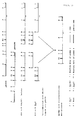
- a (43 kD) SUBUNIT CLONES Two plasmids pBTA22 and pBTA23, encoding parts of the 43-kD subunit were initially obtained using probe 1 ( Figure 3). Sequence analysis of their cDNAs indicated that they were not full length so specific oligonucleotide probes were made to isolate cDNA extending 5'- from pBTA22 (Probe 3) and 3'-from pBTA23 (Probe 4). pBTA290 was isolated using Probe 3 whilst pBTA30 and pBTA295 were isolated using Probe 4.
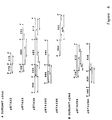
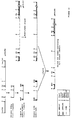
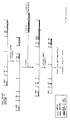
- the Pst I map and the strategy for sequencing the cDNA inserts from the plasmids is given in Figure 4 and a composite nucleotide sequence encoding the A subunit is shown in Figure 5.
- This sequence is entirely contained within the cDNA from plasmids pBTA290 and pBTA295.
- the 410 bp fragment of PBTA30 contains the stop codon and the next 6 bases of the 3'- untranslated region before the dG/dC tails.
- the CAG encoding His 1 of the A subunit is present in the 5'-Pst I cDNA fragments of pBTA22, pBTA23 and pBTA290 but not in either the 240 or 300 base pair Pst I cDNA fragments of pBTA30. These two fragments contain no open reading frames or sequences in common with the other clones and may therefore represent part of an unspliced intron.
- the cDNA sequence contains an open reading frame from base 1 to 1140.
- the first ATG is at base 61 (Met -60) and the amino acid sequence following Met -60 is indicative of a signal peptide but, in contrast to most signal peptides, there is no arginine or lysine before the string of hydrophobic leucines (Watson, M.E.E. (1984) Nucl. Ac. Res. 12, 5145-5164).
- This signal peptide is expected to finish between Gly -44 and Gly -41 leaving a pro-peptide of some 40 amino acids preceding His -1.
- the A subunit of inhibin is initially synthesized as a pre-proprotein of 38,810 Daltons extending from Met-60 to Ile 300.
- the A subunit is derived from its precursor by cleavage at paired arginine residues (-2, -1), a common signal for proteolytic processing of precursor proteins (Steiner, D.F. et al. (1980) Ann. N.Y. Acad. Sci. 343, 1-16).
- the A subunit proprotein contains three other pairs of arginine residues at positions -6, -5, 8, 9 and 165, 166. Cleavage of the A subunit at residues 165, 166 would generate two fragments of similar size here designated A N and A C .
- the A C fragment constitutes the 20-kDa subunit of 31-kDa bovine inhibin (see Example 9).
- the A subunit is predicted to contain 11 cysteine residues, 4 of which are in the A N fragment from His 1 to Arg 166. These 4 residues are expected to be internally bonded allowing removal of the A N fragment from the A C subunit.
- the A C subunit contains 7 cysteines and at least one of these is expected to form a disulphide link to the B subunit.
- the A subunit has two potential N-glycosylation sites at Ash 80 and Ash 202 based on the recognition sequence Asn-X-Ser/Thr (Wagh, P.V. and Bahl, O.P. (1981) CRC Crit. Rev. Biochem. 10, 307-377) and Ash 202 is contained in the A C subunit.
- the predicted molecular weights of the protein chains of subunits A and A C are 32,298 and 14,624 which are approximately 25% less than those estimated by SDS-page for natural inhibin (43-kD and 20-kD respectively). This may be due in part to the carbohydrate content of the native molecules which may alter both their molecular weights and molar volumes. From these differences, both the A N and A C portions are expected to be glycosylated, probably at Ash 80 and Ash 202 but whether O-linked glycosylation of serine and threonine residues is involved is not known.
- the carbohydrate content of the glycoprotein hormones bovine LH, human CG and PMSG has been estimated at 16%, 29-31% and 45% by weight (Pierce J.G. and Parsons, T.F., (1981) Ann. Rev. Biochem. 50; 465-495) so our figure of approximately 25% based on apparent molecular weight may represent the lower end of this range.
- the cDNA sequence predicts a 3'-untranslated region in the mRNA of 42 bases. This includes a typical polyadenylation signal (AATAAA) 16 bases before the poly(A) tail (Nevins, J.R. (1983) Ann. Rev. Biochem 52, 441-466).
- the 3'-untranslated region is A+T rich (40.4% G+C) in contrast to the coding sequence (66.3% G+C) and the 5'-untranslated region (71.6% G+C).
- B (15 kD) SUBUNIT CLONES. Five independent clones were detected with Probe 2 and the cDNA encoding the mature B subunit from two representatives (pBTA293 and pBTA294) is shown in Figure 4. The other three clones contained cDNA with a restriction pattern similar to pBTA293 but with shorter 5' -Pst I fragments.
- the nucleotide sequence of B subunit cDNA ( Figure 6) was initially derived from sequencing pBTA293 and pBTA294 ( Figure 6).
- the B subunit is synthesized at least as a proprotein and, like the A C subunit, it is the C-terminus of its respective proprotein. It is separated from the pro-section by 5 consecutive arginine residues. It contains two pairs of lysine residues at positions 13, 14 and 102, 103 but it is unlikely that these are processing sites (Steiner, D.F. et al . (1980) vide supra) . There are nine cysteine residues and the odd number suggests that at least one is available for crosslinking to the A C subunit.
- the protein chain of the B subunit has a molecular mass of 12,977 daltons which is close to the apparent molecular weight of 14,900 estimated from SDS-PAGE of the native B subunit.
- the 3'-untranslated region of the B subunit is 94 nucleotides long and there is no AATAAA polyadenylation signal as in the cDNA coding for the A subunit.
- the last 12 bases of the 3'-untranslated region before the poly(A) tails match closely the last 12 bases of erythropoietin 3'-untranslated cDNA (ACTGAAACCACC) which also has no AATAAA sequence (Jacobs, K. et al. (1985) Nature 313, 806-810).
- the G+C content of the B subunit coding region (bases 157 to 504) is 54.2% and that of the 3'-untranslated region is similar (55.3%) in contrast to the differences observed for the A subunit coding sequence and 3'-untranslated region.
- genomic DNA is digested with a restriction enzyme and the resulting fragments separated according to size by electrophoresis on agarose gels. The DNA is transferred to a nitrocellulose (or other) membrane which is then probed with [ 32 P]-labelled cDNA coding for substantial parts of the 43 kD or 15 kD bovine inhibin subunits. This results in the detection of genomic DNA fragments which are similar or identical in nucleotide sequence.
- genomic DNA was prepared either from a human macrophage cell line U937 (ATCC CRL 1539) or from human blood, pig blood and chicken blood or from bovine and ovine soft tissues. From the soft tissues and the human cell line the method used was essentially as described in Maniatis T. et al, vide supra. From blood, DNA was prepared as follows: 10-15 ml of blood (+ 0.625% citrate) was diluted to 40 ml with cold 10 mM EDTA/10 mM Tris-HCl, pH 7.5, (TE 10-10) and placed on ice for 5 min to lyse the blood cells.
- the pellet was resuspended in 10 ml cold TE 10-10, diluted to 40 mls with TE 10-10 and centrifuged 5 min at 3000 x g
- the pellet was disaggregated in 10 mM Tris pH 7.5, 5 mM EDTA (the same volume as the starting blood volume). 10% SDS was added to 0.5%, proteinase K added to 50 ⁇ g/ml and the mixture incubated at 37° overnight with gentle shaking. 10 ml of phenol saturated with 0.1 mM Tris-HCl pH 8.0 and containing 0,1% 8- hydroxyquinoline was added and mixed gently for 5-10 min at room temperature.
- Samples (generally 10 ⁇ g) of this DNA were cut with various restriction endonucleases according to the manufacturer's instructions at a concentration of 40-50 ⁇ g/ml using up to 500 units/ml of enzyme and incubating for 16 hours.
- the products were deproteinised by extraction with an equal volume of phenol followed by three extractions with chloroform and precipitation in 0.2 M NaCl with 2.5 volumes of ethanol.
- the pelleted DNA was dissolved in water and size fractionated by electrophoresis (75 volts/4 hours) on an 11 x 14 cm 1% agarose gel in TAE buffer.
- DNA was denatured by immersing the gel in a solution of 1.5 M NaCl/0.5 M NaOH for 45 minutes followed by neutralisation for 2 x 45 minutes in 3.0 M NaCl/0.5 M Tris-HCl pH 7.
- the DNA was transferred by capillary action to a nitrocellulose membrane (Schleicher and Schuell) and fixed by baking under vacuum at 80° for two hours.
- the filters were prehybridised with a solution containing 50% formamide, 5 x SSPE (Maniatis et al, vide supra) , 5 x Denhardts and 25 ⁇ g/ml sonicated herring sperm DNA for 2-4 hours.
- the hybridising probes were as follows:
- the filter was rinsed at room temperature in 2 x SSC, 0.1% SDS then washed at 50° for 30 minutes each in 2 x SSC/0.1% SDS then 1 x SSC/0.1% SDS then 0.2 x SSC/0.1% SDS.
- the conditions of hybridisation were such that hybridising sequences must be at least 70-75% homologous overall to the bovine cDNA sequences. After exposure to Fuji RX X-ray film for at least 24 hours the sizes of hybridising fragments could be determined against marker DNA fragments of known sizes.
- the DNA from each species tested possesses a limited number (generally one, and exceptionally up to three on digestion with Pst I) of fragments hybridising to the large or small bovine inhibin subunit cDNA probes. Characteristic was an approximately 480 bp Pst I fragment common to all species probed with the large subunit cDNA. These hybridising fragments demonstrate the presence in species other than cattle of genes similar to or homologous with bovine inhibin genes. It is not excluded that inhibin cDNA sequences not included in the present choice of probes may hybridise to genomic DNA other than that in the fragments shown in Table 3.
- a and B subunit precursor mRNA species in RNA from rat ovaries were detected using the bovine subunit cDNA as probes. These mRNA species were found to be more abundant in the ovaries of rats that had been treated with PMSG, thus demonstrating the usefulness of inhibin DNA as a diagnostic probe.
- the cDNA genes coding for bovine A and B inhibin subunits therefore, can be used to identify DNA and RNA coding for inhibin molecules in the genomes and organs of other species. Because of this, the inhibin molecules they encode are homologues of bovine inhibin and may be used in a similar manner.
- Human genomic library was constructed in bacteriophage ⁇ EMBL3 based on a method described by Maniatis et al. vide supra, or a similar human genomic library in ⁇ L.47 (Loenen, W.A.M. and Brammar, W.J. 1980, Gene 20, 249-259).
- Human genomic DNA (prepared as described in Example 7) was partially digested with Sau 3A to give DNA ranging in size from approximately 5-30 kbp in length. This was size fractionated by sucrose gradient centrifugation (McCarty, K.S. et al., (1974) Anal. Biochem.
- DNA of approximately 15-25 kbp was collected from this gradient, ethanol precipitated with 5 ⁇ g tRNA as carrier and ligated to EMBL3 ⁇ arms.
- EMBL3 DNA (Promega Biotec, Madison WI, USA) was digested with endonucleases BamH I and EcoR I, deproteinised with phenol and chloroform and precipitated with 0.6 volumes isopropanol in the presence of 0.3 M sodium acetate at 0-4°C.
- 2.4 ug was mixed with approximately 1 ⁇ g of 15-25 kbp human DNA in 10 mM Tris HCl pH 7.5, 10 mM MgCl 2 , 1 mH ATP, 20 mM dithiothreitol, 2 units of T 4 DNA ligase (Boehringer Mannheim) in a total volume of 40 ⁇ l and incubated for 20 hours at 15°. 95 ⁇ l of Packagene (Promega Biotec) was added and incubated for 2 hours at 22°C. The mixture was plated out with the restrictive host NM539 (see Promega Biotec instructions) to an approximate density of 50,000 plaques per 14 cm diameter plate. The above reaction mixture yielded 8 such plates.
- the human library in bacteriophage L47 was also plated out with NM539 to a similar plaque density.
- the plaques were transferred to nitrocellulose filters, two replicas per plate, as described (Maniatis et al. (1982) vide supra ).
- the labelled probes were as follows: for sequences corresponding to the A subunit of bovine inhibin the 790 bp Sph I-Sma I fragment was used for the ⁇ L47 library, the Bam HI-Hind III fragment from pBTA297 containing A subunit cDNA (see Table 2) was used for the EMBL3 library.
- the probe was the Sph I-Eco RI fragment described in Example 7.
- the preparation, labelling and hybridisation conditions are as described in Example 7 for Southern blot hybridisation.
- both probes were included in the one hybridisation solution.
- the 1160 and 480 bp fragments (Pst I digestion) and the 800 bp fragment (Pvu II digestion) are similar in size to Pst I and Pvu II fragments hybridising to the same probe in the Southern blot analysis of human genomic DNA shown in Example 7.
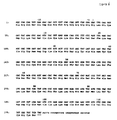
- the DNA sequence of an intron of 1.4-1.5 kbp between bases 275 and 276 has been omitted.
- the similarity between the derived amino acid sequence and that of the bovine inhibin pre pro A subunit shows that it is an homologous protein, and represents the precursor of the human inhibin A and A C subunits.
- the A N fragment of human inhibin is defined as amino acids His 1 to Arg 171 and the A C subunit as amino acids Ser 172 to Ile 306.
- the X B1 clone carried a DNA insert of approximately 21-26 kbp.
- the DNA was also cut with restriction endonuclease Pst I size fractionated by electrophoresis on a 1% agarose gel and transferred to a nitrocellulose filter.
- Pst I size fractionated by electrophoresis on a 1% agarose gel and transferred to a nitrocellulose filter.
- the smaller probe bound to a fragment of DNA of approximately 1300 bp (range 1100-1350 bp) in length whilst the larger probe bound to a fragment approximately 800 bp in length (range 740-840 bp).
- the nucleotide sequence of part of the 800 bp fragment was determined by digesting ⁇ B1 with Pst I, purifying Pst I fragments of approximately 800 bp on low gelling temperature agarose gels and cloning into the Pst I site of M13 mp9 followed by nucleotide sequence determination. Subcloning of smaller fragments of the 800 bp fragment (Pst I-Sau 3A I; Sau 3A I-Sau 3A I) into M13 for sequencing resulted in the nucleotide sequence shown in Figure 8.
- the amino acid sequence determined from translation of the DNA sequence shows that the DNA codes for the whole of the B chain of inhibin and that the human B chain from Gly 1 to Ser 116 is identical to the bovine B chain.
- fragments of these ⁇ clones which carry the human inhibin DNA sequence as well as similar synthetic fragments can be inserted into prokaryote or eukaryote expression systems for the production of human inhibin or polypeptides structurally related to inhibin (see Example 10).
- the ⁇ clones themselves may be transfected into a suitable eukaryote cell line for expression.
- inhibin subunit genes in various vertebrate species (Example 7) by using bovine cDNA as a probe, followed by the cloning and sequencing of human inhibin subunit genes to show extensive similarities in amino acid sequence reveals other vertebrate inhibins to be homologous with if not identical to the bovine inhibin protein defined International in Patent Application PCT/AU85/00119 and in Figures 5 and 6.
- rabbit, bovine and human inhibins are neutralized by the rabbit antiserum described in International Patent Application PCT/AU85/00119 which was raised against purified 58kD bovine inhibin, and also cross-react in an RIA again indicating close structural homology (Table 5).
- native bovine inhibin is capable of raising an immune response in the rabbit indicates that there are differences between rabbit and bovine inhibins that are recognised by the rabbit immune system as foreign and in this way, inhibin from one species may be used as an antigen in another to generate antibodies capable of recognising endogenous inhibin.
- the antibodies produced by the rabbit do not cross react significantly with ovine or rat inhibins indicating specificity of the antiserum for particular epitopes even though all species shown in Table 5 are active in the rat pituitary cell culture which demonstrates a conformational homology for interaction with the pituitary cell receptor.
- Such an antigen may be produced by techniques such as in vitro mutagenesis of the DNA followed by expression of the new gene as described in Example 10, or by chemical modification of the B subunit protein or by isolation of a B subunit gene from a species having a B subunit similar, but not identical, to that described in Figures 6 and 8, followed by expression of that gene as described in Example 10.
- Inhibin is made by the granulosa cells and secreted into follicular fluid. There it exists primarily as a 58 kD form as shown earlier (International Patent Application PCT/AU/85/00119).
- serum devoid of natural inhibin can be used to process recombinant inhibin or its subunits in vitro, and that the enzyme responsible could be purified from serum or from cell types that carry out this reaction and used to a similar end.
- This enzyme activity has been characterised with respect to protease inhibitors. Following incubation of serum with iodinated 58 kD inhibin at 30°C for 17 hrs in the presence of SS or PMS, the conversion of 58 kD to 31 kD inhibin was reduced from 24% to 4.5% by the inclusion of 3 mM parachloromercuribenzoate or 10 mM EDTA.
- Both subunits of inhibin are formed as prepro molecules and the propeptides from each subunit may have biological activities of their own, again encompassing cell growth and regulation.
- the 31 kD form of inhibin itself has significant homology to transforming growth factor- ⁇ (Derynck, R. et al (1985) Nature 316 , 701-705), again suggesting a role for the native molecule in cell regulation, in addition to its known effects on FSH synthesis by pituitary cells.
- clone BTA405 (Table 2) contains cDNA coding for part of the large subunit of inhibin, it is not expected to make any part of inhibin because-the cDNA is dC tailed (see Example 3a) and there is no ribosome binding site or initiating ATG (f-Met) codon in the sequence.
- a fusion peptide was made by cloning the largest (approx. 480 bp) PstI fragment of the cDNA in pBTA23 into the Pst I site of pUR292. In correct orientation, this generates a protein consisting of most of the E. coli protein ⁇ -galactosidase followed by amino acids 27 to 183 of the 43 kD subunit of inhibin.
- the plasmid constructions were transformed into E. coli BTA647 (Table 2).
- an immunological screening method was used. Following transformation, the cells were plated on LB agar containing 50 ⁇ g/ml sodium ampicillin for 16 hours at 37°C in order to select for transformants. The colonies were replicated onto nitrocellulose membranes (Schleicher and Schuell) and orientation marks made by stabbing through the membranes into the agar with a needle dipped in indian ink. The master plates were stored at 4°C until required and the replica filters incubated face up on fresh LB agar plates containing 50 ⁇ g/ml sodium ampicillin for 3 hours.
- the fusion proteins were induced on LB agar containing 0.5 mM isopropyl B-D-thiogalactoside (IPTG) at 37°C for 2 hours.
- IPTG isopropyl B-D-thiogalactoside
- the filters were laid on a sheet of Whatman 3MM paper saturated with 0.2 M NaOH/1% (w/v) SDS for 5 minutes then neutralised on paper saturated with 0.5 M Tris-HCl pH 7.5. Proteins released from the colonies bind to the nitrocellulose in situ .
- any protein binding sites remaining on the nitrocellulose were blocked by immersion of the filters with gentle agitation in TST (150 mH NaCl/0.05% (v/v) Tween 20 (Sigma)/ 10 mM Tris-HCl pH 8.0) containing additional (0.5% (v/v)) Tween 20 for 1 hour.
- TST 150 mH NaCl/0.05% (v/v) Tween 20 (Sigma)/ 10 mM Tris-HCl pH 8.0) containing additional (0.5% (v/v)) Tween 20 for 1 hour.
- the filters were treated at room temperature overnight with a solution containing rabbit anti-bovine 58 kD inhibin antiserum (International Patent Application PCT/AU85/00119) diluted 1:50 in TST then washed several times in TST to remove residual antibodies.
- the filters were treated for 1 hr at room temperature with a 1:200 dilution in TST of swine anti-rabbit immunoglobulin-horseradish peroxidase conjugate (Dakopatts) then washed in TST. Finally, they were washed in 20 mM Tris HCl pH 7.5 and stained with a solution containing 0.5 mg/ml 4-chloronaphthol/0.03% (v/v) H 2 O 2 / 20 mM Tris-HCl pH 7.5
- Colonies containing the fusion peptide were identified from areas on the filters that stained more intensely than areas on which the control strain BTA647 (pUR292) had been grown. Some background staining of other colonies was visible despite attempts to reduce the anti- E. coli antibody titre of the rabbit anti-inhibin antiserum by preincubation of the diluted antiserum with filters on which a lawn of induced E.coli BTA6t7(puR292) had been grown and lysed.
- the gels were soaked in destain solution (10% (v/v) methanol/5% (v/v) glacial acetic acid) for 30 minutes then stained with 0.5% (w/v) Coomassie Brilliant Blue R250 made up in the same solution for 1 hour.
- destain solution 10% (v/v) methanol/5% (v/v) glacial acetic acid
- 0.5% (w/v) Coomassie Brilliant Blue R250 made up in the same solution for 1 hour.
- the gels were destained by gentle agitation in several changes of destain solution and the protein bands compared to those found by Western blotting and immunodetection.
- Strain BTA410 was shown to contain at least two proteins which together may represent some 5-10% of the total cell protein which are induced by IPTG and are detected by the anti-inhibin antiserum (Figure 13, Track 10) and which are not present in strain BTA647(pUR292) ( Figure 13, Track 11). They are larger (approximately 130 and 117 kD) than native ⁇ -galactosidase (116 Kd) and therefore represent ⁇ -galactosidase-inhibin fusion proteins. The largest of the fusion proteins is compatible with that estimated from DNA analysis (approximately 132 kD).
- pBTA292 The resultant plasmid is termed pBTA292 (Table 2) and again, the fusion protein was detectable using the anti-inhibin antiserum ( Figure 13, Track 9).
- the cDNA from pBTA290 and pBTA30 was spliced and the strategy used is shown in Figure 10. Briefly it involved purification of Sau 3A I fragments from each of the clones, cleaving them at the unique Rsa I site and religation. The mixture of ligation products was cleaved with Sau 3A I and the products were ligated into pUR290. The clones were then screened with Probes 3 and 4 ( Figure 3) in order to identify clones containing both the 5'-Sau 3A I-Rsa I fragment of pBTA290 and the 3'-Rsa I-Sau 3A I fragment of pBTA30.
- BTA652 transferred into BTA652 to generate BTA426 (ATCC67057).
- the sequence Asp-Pro at the Sau 3A I site can be used to cleave the inhibin portion of a fusion protein from the protein upstream because this sequence is labile in formic acid (Nilsson, B. et al. (1985) Nucl. Ac. Res. 13, 1151-1162).
- the inhibin DNA and flanking ⁇ -galactosidase DNA was excised from pBTA296 as an Eco RI restriction fragment and inserted into pBTA286 (Table 2; Figure 13, track 4) to generate pBTA297 (Table 2); clones expressing the inhibin DNA at the C-terminus of the shortened ⁇ -galactosidase protein from pBTA286 were selected by colony immunohybridisation as described above. Examination of such clones under phase-contrast microscopy (e.g.
- BTA420 Table 2
- Strain BTA420 has been designated ATCC67054 and the protein from purified inclusion bodies of BTA 420 is shown in Figure 13, Track 3.
- the expression of the A subunit in BTA426 is shown in Figure 13, Track 14 and again this protein is formed predominantly as an inclusion body.
- the longest fusion protein in BTA426 is also the most abundant and the most reactive in Western blot analysis indicating it to be a superior host-vector combination for production of inhibin-like protein.
- This expression linker is designed to give expression of the 43 kD protein or An fragment via a new N-terminal methionine after insertion into a trp promoter plasmid such as ptrpL1 (Edman, J.C. et al . (1981) Nature 291, 503-506) by utilising the Cla I site and as a ⁇ -galactosidase-inhibin fusion protein after insertion into pUC7, pUC13 or pUR290 using the Bam HI site and as a trp E-inhibin fusion protein after insertion into pWT121 (Tacon, W. et al . (1980) Molec. Gen. Genet. 177, 427-438).
- a trp promoter plasmid such as ptrpL1 (Edman, J.C. et al . (1981) Nature 291, 503-506) by utilising the Cla I site and as a ⁇ -
- the method used for reconstruction of a full length pre pro A subunit gene is given in Figure 14. Basically, it involves isolation of the Pvu II-Pvu II fragment from pBTA295 and addition of the linker (non-phosphatased) shown in Figure 11 Aii which reconstructs the first 4 amino acids of the signal peptide (Met -60 to Gln -5) 5' to the first Pvu II site and provides a Bam HI site at the 5' end.
- the linkered molecule is cut with Sph I and ligated into pBTA297 cut with Bam HI and Sph I to give pBTA305.
- This intermediate expresses the pre pro A subunit as a fusion protein.
- the inhibin DNA sequences can be excised as a Hind III-Hind III fragment or as an Eco RI - Eco RI fragment for subsequent manipulation.
- this Eco RI - Eco RI fragment was subcloned into pUC9, the inhibin cDNA sequences excised as a Bam HI - Bam HI fragment and recloned into the vector pZIP Neo SV(X)1. (Cepko, C.L. et al. (1984) Cell 37, 1053-1062).
- This expression system is expected to yield secreted and glycosylated forms of the 43 kD protein in contrast to the prokaryote systems described earlier.
- the new Bam HI-Sau 3A I fragment encoding the A C subunit has also been excised from pBTA298 and subcloned into pUC13 in order to generate a short fusion protein.
- Strain BTA427 (ATCC67056 ; Table 2) produces this protein as an inclusion body and gel analysis shows ( Figure 13, Track 15) that again, as with BTA426, the longest fusion protein is also the most abundant and the most visible in Western blot analysis indicating BTA427 to be a superior host-vector combination for production of inhibin-like protein.
- each of the linkers shown in Figure 11 is that when the DNA is correctly expressed from the Bam HI site, the amino acid sequence Asp-Pro is incorporated into the fusion protein. As mentioned above, this sequence is labile in formic acid and can be used to cleave the inhibin protein from the protein upstream (Nilsson, B. et al ., (1985) Nucl. Ac. Res. 13; 1151-1162) there being no Asp-Pro sequence in the A subunit protein. It is also possible to incorporate other means of cleaving a given sequence from a fusion protein. Examples include incorporation of protease recognition sequences; for example Factor X a recognition sequences (Nagai, K. and Thogerson, H.C.
- Methionine residues within the inhibin sequences may be converted to alternative amino acids by in vitro mutagenesis of the cDNA and thus increase the utility of the cyanogen bromide cleavage technique because a full length inhibin-like protein would be freed from the fusion protein precursor. Conversion of the internal methionine residues may also result in a molecule with more desirable antigenic properties or inhibin-like agonist or antagonist properties.
- the resulting clones were screened for the presence of recombinant plasmids using the 24-fold degenerate 14 mer oligonucleotides that had been used initially to isolate pBTA293 and pBTA294 (Probe 2, Figure 3).
- Several recombinant plasmids were then mapped using the restriction enzyme Hind II and two plasmids that contained the insert in the correct orientation were analysed for expression on polyacrylamide gels.
- One such strain has been designated BTA423 (Table 2).
- the 510 bp Pst I cDNA fragment of pBTA293 was cloned directly into the Pst I site of pBTA286 and transformed into BTA634 for expression as a fusion product.
- pBTA286 was derived from pUR291 so the reading frame across the Pst I site allows this direct cloning.
- the resulting strain is designated BTA424 (ATCC67058; Table 2) and produces the fusion product as an inclusion body.
- the 510 bp Pst I cDNA fragment of pBTA293 was also cloned into the Pst I site of pUC8 and transformed into BTA637 for expression as an insoluble short fusion protein creating strain BTA1360 (ATCC67055 ; Table 2).
- Expression of the 15 kD sequence may also be achieved by isolation of the Hae II fragment that spans the whole of the 15 kD sequence plus arginines -5 to -1 and by adding the Hae II site linkers described in Figure 11A iii.
- the resultant fusion codes as shown in Figure 11B i and as described above, is useful for expression of a ⁇ -galactosidase fusion in pUR290/pUC7/pUC13 using the Bam HI site, with the potential for formic acid cleavage of the fusion at the Asp-Pro sequence.
- the Cla I site is useful for expression in ptrpL1 (Edman, J.C. et al. (1981) vide supra) where the ATG acts as a new translational initiation site.
- a third possibility for expression is to utilise the unique Hind II site and to synthesise the DNA sequence encoding amino acids 1 to 8 with the desired linkers and Met -1 sequence as shown in Figure 11B ii.
- the Pst I, Hae II and Hind II sites are all convenient sites for the addition of expression linkers. It is also possible to use the Hae III site (GGCC) spanning amino acids 1 and 2 after a partial Hae III digestion of the 510 bp Pst I fragment. Again, variations on the expression systems are well known to those skilled in the art, and the possibilities described for the A and A c subunits above are applicable to the B subunit also.
- GGCC Hae III site
- the A N fragment DNA can be isolated as a Sph I-Hae II (partial) fragment and expressed in pUC7 or pUC13 using linkers shown in Figure 11A i and 11A iii in order to convert both ends to Bam HI sites.
- inhibin proteins or inhibin-like proteins or peptides need not be restricted to the examples indicated above.
- Protein fractions containing the ⁇ -galactosidase-inhibin fusion proteins from BTA410 and BTA415 were linked to Sepharose CL-6B using the carbonyldiimidazole method (Bethell, G.S. et al . (1979) J. Biol. Chem. 254; 2572-2574) and antibodies to each of the fusion proteins were isolated from 1 ml of the rabbit anti-inhibin antiserum by affinity purification. The absorbed antibodies were eluted from the column with 3 M MgCl 2 and dialysed against 10 mM Tris-HCl/150 mM NaCl pH 7.5.
- the eluted antibodies were used in Western blotting analysis of each of the fusion proteins and were shown to bind only to the fusion protein against which they had been isolated, i.e. there was no cross-reactivity and the amount of anti ⁇ -galactosidase antibodies compared to anti-inhibin antibodies was negligible. Similar experiments were performed with the fusion proteins from strains BTA425, 420, 422 and 424.
- inhibin-like proteins in prokaryote and eukaryote cells
- synthetic peptides may be used as analogues, agonists and antagonists of inhibin and have uses as described in Examples 10 and 11.
- the residue was dissolved in trifluoroacetic acid (0.1%) containing acetonitrile (10%).
- the peptide was purified to homogeneity by reverse phase high pressure liquid chromatography. A gradient was developed using trifluoroacetic acid (0.1%) with the percentage of acetonitrile increasing linearly from 10 to 80.
- Synthetic peptides were subjected to amino acid analysis using a Waters Pico-Tag System. The protocol provided by the manufacturer was adopted and the system calibrated with PTC amino acids. The amino acid composition of each peptide was consistent with the expected ratios for each amino acid.
- Peptide 2 is Y(H 1 -A 26 )K. It is derived from Peptide 1 by the addition of an NH 2 -terminal tyrosine. A single synthesis was performed commencing with lysine. A portion (75%) of the resin was removed (Peptide 1) and a tyrosine residue was added to the remaining 25% of the peptide in order to generate Peptide 2. The lysine residue was incorported to facilitate the preparation of haptens and the tyrosine was added to provide a site for radioactive iodination.
- Strains BTA420, BTA422 and BTA424 produce inhibin-like proteins as fusion products.
- the proteins from all three strains are found in vivo as insoluble agglomerates termed inclusion bodies and have been produced and purified by the following procedure.
- the cells were harvested and the pellet frozen for convenience overnight at -80°C.
- the cells were resuspended in 20 ml H 2 O per liter original culture and broken by use of a French Press.
- the suspension was made 0.1 mM in phenylmethylsulfonyl fluoride (PMSF) and 5% Triton X-100 then centrifuged at 1,200 x G for 10 minutes.
- PMSF phenylmethylsulfonyl fluoride
- the suspension was layered on a 60% (w/v) sucrose density gradient and centrifuged at 32,000 x G for 60 min in a Beckman SW28 rotor.
- the inclusion bodies were pelleted through the sucrose cushion and freed from cell debris. They can be washed in H 2 O and stored frozen at -80°C for at least 3 months with no change in protein profile as seen on polyacrylamide gels.
- Purified inclusion bodies were dissolved at 2 mg/ml in 8 M urea/0.1 M DTT/0.1 M Tris HCl pH8.0 under N 2 at 37°C for2 hrs. The solution was centrifuged at 12,000 rpm for 15 min and the supernatant dialysed against at least 2 x 5 litre changes of 50 mM NaH 2 PO 4 /150 mM NaCl pH7.5 (PBS) at 4°C overnight. The protein content of the dialysis bags formed a white floc and was used without further purification. This material contained no pyrogens or lipopolysaccharides as shown by injection of 1 mg intraperitoneally into mice.
- the floc suspensions were emulsified with an equal volume of an oil based adjuvant namely Marcol 52: Montanide 888 (9:1) to give a final concentration of 100-250 ⁇ g antigen per ml. Where antigens from two or more sources were present, the concentration of each was equal at 100-250 ⁇ g/ml.
- Synthetic peptides were coupled to keyhole limpet haemocyanin (KLH) by the glutaraldehyde method (Briand, J.P. et al. (1985) J. Immunol. Methods 78, 56-69) and the conjugates emulsified as described above.
- KLH keyhole limpet haemocyanin
- antigen there are many alternative means of preparing an antigen and many alternative routes and regimes of immunisation.
- Alternative means of preparing antigens include emulsification in Freund's Complete or Incomplete adjuvant, emulsification in alhydrogel or in saponin, or maceration of polyacrylamide gel segments containing the antigen.
- the antigen may be administered in the absence of adjuvants.
- Administration routes include oral presentation, presentation through any mucous membrane, intramuscular, intraperitaneal and subcutaneous.
- there are many alternative means of increasing the antigenicity of a peptide or protein including cross-linking it to itself, cross-linking it to other proteins and modification of residues or alteration of sequence.
- the iodination procedure was as follows. Purified 58 kD or 31 kD inhibin (1-2 ⁇ g in 25 ⁇ l electroelution buffer (International Patent Application PCT/AU85/00119) was added to 25 ⁇ l 0.5 M phosphate buffer, pH 7.2. Na 125 I (0.5 mCi, 5 ⁇ l, Amersham, Bucks, UK) was added. Chloramine T (40 ⁇ l) was added at a ratio of 8:1 Chloramine T to hormone. The reaction proceeded for 60 seconds at room temperature with stirring and was terminated with 20 ⁇ l sodium metabisulphite (3 mg/ml).
- the reaction mixture was made up to 500 ul in 20 mM phosphate buffer/0.1% BSA or 0.5% Polypep pH 6.0 and gel filtered on a Sephadex G25 column (PD10, Pharmacia, Uppsala, Sweden) to remove free 125 I.
- the void fractions were pooled, made up to 20 ml and applied to a column of 200 ⁇ l Matter Red A (Amicon, Danvers, Mass., USA) and then washed with phosphate buffer containing 400 mM KCl, the eluted counts being discarded.
- 125 I-inhibin was eluted with 1 M KCl/4 M urea in phosphate buffer.
- the iodinated inhibin was further gel filtered on a Sephadex G25 column (PD10) with the appropriate RIA buffer (see below) to remove the KCl/urea.
- the specific activity of the iodinated preparations was assessed in the radioimmunoassay using a self-displacement procedure (Marana et al .(1979) Acta Endocrinol (Kbh.) 92, 585-598) with the hormone used for iodination as standard. Specific activities of 50-60 ⁇ Ci/ ⁇ g for 125 I-58 kD inhibin and 24 ⁇ Ci/ ⁇ g for 125 I-31 kD inhibin were obtained with recoveries ranging from 5-25%.
- recombinant inhibin can be used as an antigen to increase FSH titre in domestic animals.
- FSH is known to increase ovulation rate
- immunisation against recombinant inhibin can therefore be expected to increase ovulation rate and be used as a fecundity agent for the improvement of reproductive efficiency.
- administration of bioactive recombinant inhibin will suppress FSH levels and thus have potential for use as a contraceptive in both males and females since FSH is involved in the control of spermatogenesis in males and folliculogenesis in females.
- the serum from animal 474 was used at 1:2000 dilution whereas all the rest were used at 1:1000.
- Selected gilts (aged 22-23 weeks) were immunised with 750 ⁇ g of the ⁇ -galactosidase floc antigen from BTA425 (16 animals, control group) or with a mixture containing 250 ⁇ g of each subunit floc antigen from BTA422, BTA424 and BTA426 (16 animals, test group). A similar booster was given at 25 days and again at 47 days after the primary injection. Sera were taken at 60 days after the primary injection and analysed for anti-inhibin antibodies by the tracer-binding method. The gilts were observed for signs of oestrus and mated at the earliest opportunity after day 60.
- One serum with 2.0% binding to 125 I-58 kD inhibin also showed 6.4% binding to 125 I-31 kD inhibin.
- None of the 6 control sera tested had significant binding to eitner tracer demonstrating that recombinant inhibin subunits are capable of eliciting an antigenic response in pigs that results in antibodies that can recognise native inhibin.
- the pig oestrus cycle is 21 days so 27 days after the day 60 bleed, all animals in the trial were expected to have shown signs of oestrus and therefore to have been mated.
- Table 9 shows the mating data for control and test groups.
- a x 2 analysis reveals the treatment to have had significant effect resulting in many of the test group animals not being mated.
- the 43kD antigen contains amino acids -10 to -1 of the pre pro A subunit and it is possible that this sequence is responsible for the effect.
- the data serve to emphasise the role of inhibin as a regulator of FSH and hence of reproductive physiology and processes and it substantiates a role for recombinant inhibin as a contraceptive in males and females and as a molecule for the prevention of cycling in females.
- Groups of rats were immunised in a regime similar to that used for sheep.
- the sera were analysed in the iodinated tracer binding assay at 1:500 dilution and the % binding data for each group presented as mean ⁇ standard deviation in Table 10.
- the antigens used for groups (A-F) are as given in Table 6.
- Host cells which contain the recombinant plasmids carrying the genetic information for the production of inhibin are maintained as freeze-dried vials in the production culture collection.
- Cells from the storage vial are reconstituted and plated out on a selective medium, and the cells from this medium are used to prepare fermentor inocula.
- the inocula are used to seed fermentors containing a suitable growth medium and the fermentation proceeds under conditions appropriate for the production of the inhibin proteins.
- the cells are harvested and the product is released from the cells and undergoes purification.
- the product is subjected to analyses and quality control, and is stored under conditions appropriate for good stability.
- the product is formulated for use by combination with other ingredients under conditions of strict hygiene.
- Inhibin or parts thereof produce by the present invention may be used either as antigens or as bioactive compounds; the effects due to one method of use are expected to be opposite to those produced by the other method of use.
- inhibin or parts thereof produced by the present invention and/or modified subsequently can be used as an antigen and thus be used to affect fertility. Elevation of ovulation rates in vertebrates including humans would improve fertility and thus increase fecundity or improve reproductive efficiency. Products of the invention could be used to increase ovulation rate and would thus find use in in vitro fertilisation programmes, such as for domestic animals or humans. It could also be used in non-domestic animals, for example to facilitate breeding programmes in zoos.
- the products of the invention could be used to advance sexual maturation or puberty so as to increase reproductive lifetime and/or to advance oestrus in production animals so as to decrease the period between farrowing and mating and/or to reduce seasonal or post partum anoestrus.
- the products of the invention could be used to stimulate spermatogenesis.
- Inhibin as an active agent could be used as a means of controlling ovulation in females or suppressing spermatogenesis in males and thus used as a contraceptive agent or means to synchronise : ovulation.
- Parts of inhibin for example synthetic peptides or A N fragment, may be used as antigens to suppress FSH levels and thus to act as contraceptives or molecules for suppressing oestrus.
- anti-inhibin antibodies could be used as diagnostic agents.
- diagnostic agents include means to monitor the status of the reproductive cycle in vertebrates including humans. In this way time of ovulation and the number of ova shed could be predicted, thus allowing assessment of therapeutic procedures used to affect the reproductive cycle.
- the antibodies could be used to assess granulosa cell function in the female, as a marker for sertoli cell function in males and possibly as a marker for genetic selection of good breeders.
- the inhibin cDNA sequences have several uses which, by way of example, include:
Landscapes
- Health & Medical Sciences (AREA)
- Chemical & Material Sciences (AREA)
- Organic Chemistry (AREA)
- Life Sciences & Earth Sciences (AREA)
- General Health & Medical Sciences (AREA)
- Medicinal Chemistry (AREA)
- Genetics & Genomics (AREA)
- Biochemistry (AREA)
- Engineering & Computer Science (AREA)
- Molecular Biology (AREA)
- Endocrinology (AREA)
- Bioinformatics & Cheminformatics (AREA)
- Zoology (AREA)
- Proteomics, Peptides & Aminoacids (AREA)
- Biophysics (AREA)
- Biotechnology (AREA)
- Gastroenterology & Hepatology (AREA)
- Toxicology (AREA)
- Immunology (AREA)
- Public Health (AREA)
- Animal Behavior & Ethology (AREA)
- Pharmacology & Pharmacy (AREA)
- Nuclear Medicine, Radiotherapy & Molecular Imaging (AREA)
- Wood Science & Technology (AREA)
- General Chemical & Material Sciences (AREA)
- Chemical Kinetics & Catalysis (AREA)
- Veterinary Medicine (AREA)
- Reproductive Health (AREA)
- Urology & Nephrology (AREA)
- Virology (AREA)
- Biomedical Technology (AREA)
- Microbiology (AREA)
- Tropical Medicine & Parasitology (AREA)
- General Engineering & Computer Science (AREA)
- Preparation Of Compounds By Using Micro-Organisms (AREA)
- Micro-Organisms Or Cultivation Processes Thereof (AREA)
- Peptides Or Proteins (AREA)
- Medicines That Contain Protein Lipid Enzymes And Other Medicines (AREA)
- Medicines Containing Antibodies Or Antigens For Use As Internal Diagnostic Agents (AREA)
Applications Claiming Priority (11)
| Application Number | Priority Date | Filing Date | Title |
|---|---|---|---|
| AUPH019485 | 1985-04-18 | ||
| AU194/85 | 1985-04-18 | ||
| AUPH232085 | 1985-09-06 | ||
| AU2320/85 | 1985-09-06 | ||
| AU3157/85 | 1985-10-29 | ||
| AUPH315785 | 1985-10-29 | ||
| AUPH396085 | 1985-12-19 | ||
| AU3960/85 | 1985-12-19 | ||
| AUPH396185 | 1985-12-20 | ||
| AU3961/85 | 1985-12-20 | ||
| PCT/AU1986/000097 WO1986006076A1 (en) | 1985-04-18 | 1986-04-14 | Recombinant inhibin |
Publications (3)
| Publication Number | Publication Date |
|---|---|
| EP0218717A1 EP0218717A1 (en) | 1987-04-22 |
| EP0218717A4 EP0218717A4 (en) | 1990-04-10 |
| EP0218717B1 true EP0218717B1 (en) | 1998-07-15 |
Family
ID=27507359
Family Applications (1)
| Application Number | Title | Priority Date | Filing Date |
|---|---|---|---|
| EP86903112A Expired - Lifetime EP0218717B1 (en) | 1985-04-18 | 1986-04-14 | Recombinant inhibin |
Country Status (11)
| Country | Link |
|---|---|
| US (1) | US6613891B1 (2) |
| EP (1) | EP0218717B1 (2) |
| JP (1) | JP3213470B2 (2) |
| KR (1) | KR940004077B1 (2) |
| CA (1) | CA1341619C (2) |
| DE (1) | DE3650689T2 (2) |
| DK (1) | DK173446B1 (2) |
| IL (1) | IL78519A (2) |
| IN (1) | IN165453B (2) |
| NZ (1) | NZ215829A (2) |
| WO (1) | WO1986006076A1 (2) |
Families Citing this family (19)
| Publication number | Priority date | Publication date | Assignee | Title |
|---|---|---|---|---|
| CA1341617C (en) * | 1984-06-08 | 2011-06-28 | Henry George Burger | Inhibin isolated from ovarian follicular fluid |
| JPH0637520B2 (ja) * | 1985-07-03 | 1994-05-18 | 味の素株式会社 | ポリペプチド |
| US5089396A (en) * | 1985-10-03 | 1992-02-18 | Genentech, Inc. | Nucleic acid encoding β chain prodomains of inhibin and method for synthesizing polypeptides using such nucleic acid |
| US5215893A (en) * | 1985-10-03 | 1993-06-01 | Genentech, Inc. | Nucleic acid encoding the ba chain prodomains of inhibin and method for synthesizing polypeptides using such nucleic acid |
| NZ217727A (en) * | 1985-10-03 | 1990-05-28 | Genentech Inc | Nucleic acid encoding alpha or b chain of inhibin, its production and compositions containing it |
| AU599373B2 (en) * | 1986-03-13 | 1990-07-19 | Biotechnology Australia Proprietary Limited | Method of assay of inhibin |
| WO1988000208A1 (en) * | 1986-06-24 | 1988-01-14 | The Salk Institute For Biological Studies | Ovine inhibin |
| EP0368992B1 (en) * | 1988-05-31 | 1995-02-15 | Biotechnology Australia Pty. Ltd. | Actions of hormones |
| US5071834A (en) * | 1988-09-16 | 1991-12-10 | Genentech, Inc. | Purified activin B composition |
| US5942220A (en) * | 1990-03-16 | 1999-08-24 | Chiron Corporation | Inhibitor of cytokine activity and applications thereof |
| US6043212A (en) * | 1993-07-26 | 2000-03-28 | Cor Therapeutics, Inc. | Recombinant C140 receptor, its agonists and antagonists, and nucleic acids encoding the receptor |
| AUPO638897A0 (en) * | 1997-04-23 | 1997-05-22 | Monash University | Modulation of cell growth and methods relating thereto |
| AU8579298A (en) * | 1997-07-31 | 1999-02-22 | Johns Hopkins University School Of Medicine, The | Growth differentiation factor-16 |
| EP1163365A4 (en) | 1999-02-25 | 2002-11-20 | Auckland Uniservices Ltd | DIAGNOSIS AND THERAPY OF EARLY OVARY FAILURE |
| EP1389997B1 (en) * | 2001-04-13 | 2010-12-08 | Boyce Thompson Institute For Plant Research | Methods and compositions for stable transgenic plant pharmaceuticals and their use as contraceptives |
| CN102409065B (zh) * | 2011-06-28 | 2014-05-21 | 中国农业科学院北京畜牧兽医研究所 | 一种提高动物繁育力的新型shRNA及其应用 |
| BR102014005376A2 (pt) * | 2014-03-07 | 2016-02-10 | Ouro Fino Saúde Animal Ltda | antígeno de inibina alfa, gene codificante de inibina alfa, gene codificante de proteína de fusão, processo de obtenção do antígeno de inibina alfa, composição antigênica, uso do antígeno de inibina alfa e uso da composição antigênica |
| CN105296493B (zh) * | 2015-11-13 | 2020-09-11 | 北京农学院 | 一种牛抑制素α亚基成熟肽基因及重组表达蛋白质的方法 |
| CN108588100B (zh) * | 2018-05-09 | 2021-07-16 | 广州市达瑞生物技术股份有限公司 | 一种抑制素b双基因片段联合表达载体及其应用 |
Family Cites Families (15)
| Publication number | Priority date | Publication date | Assignee | Title |
|---|---|---|---|---|
| US4399216A (en) | 1980-02-25 | 1983-08-16 | The Trustees Of Columbia University | Processes for inserting DNA into eucaryotic cells and for producing proteinaceous materials |
| US4717666A (en) | 1984-03-05 | 1988-01-05 | Smithkline Beckman Corporation | Cloned streptomycete lividans excretable β-galactosidase gene |
| JPS60501592A (ja) | 1983-06-20 | 1985-09-26 | バッテル・メモリアル・インスティチュート | 高速マルチソリツド流動床法 |
| US4643969A (en) | 1983-07-25 | 1987-02-17 | The Research Foundation Of State University Of New York | Novel cloning vehicles for polypeptide expression in microbial hosts |
| EP0154434B1 (en) * | 1984-02-17 | 1993-01-27 | Genentech, Inc. | Human transforming growth factor and precursor or fragment thereof, cells, dna, vectors and methods for their production, compositions and products containing them, and related antibodies and diagnostic methods |
| US4636463A (en) * | 1984-04-05 | 1987-01-13 | Scripps Clinic And Research Foundation | Antibodies to human interleukin-2 induced by synthetic polypeptides |
| CA1341617C (en) | 1984-06-08 | 2011-06-28 | Henry George Burger | Inhibin isolated from ovarian follicular fluid |
| JPH0730114B2 (ja) * | 1985-04-03 | 1995-04-05 | 正雄 五十嵐 | インヒビン |
| US4624944A (en) | 1985-06-14 | 1986-11-25 | The Regents Of The University Of California | Human seminal alpha-inhibins |
| US4740587A (en) | 1985-07-18 | 1988-04-26 | The Salk Institute For Biological Studies | Inhibin and method of purifying same |
| NZ217727A (en) * | 1985-10-03 | 1990-05-28 | Genentech Inc | Nucleic acid encoding alpha or b chain of inhibin, its production and compositions containing it |
| US4798885A (en) | 1986-02-07 | 1989-01-17 | Genentech, Inc. | Compositions of hormonally active human and porcine inhibin containing an α chain and 62 chain |
| US4864019A (en) * | 1985-11-08 | 1989-09-05 | The Salk Institute For Biological Studies | Antibodies to inhibin and conjugates produced therefrom |
| US4737578A (en) | 1986-02-10 | 1988-04-12 | The Salk Institute For Biological Studies | Human inhibin |
| US5011691A (en) | 1988-08-15 | 1991-04-30 | Stryker Corporation | Osteogenic devices |
-
1986
- 1986-04-14 EP EP86903112A patent/EP0218717B1/en not_active Expired - Lifetime
- 1986-04-14 WO PCT/AU1986/000097 patent/WO1986006076A1/en not_active Ceased
- 1986-04-14 DE DE3650689T patent/DE3650689T2/de not_active Expired - Lifetime
- 1986-04-14 KR KR1019860700911A patent/KR940004077B1/ko not_active Expired - Lifetime
- 1986-04-15 NZ NZ215829A patent/NZ215829A/xx unknown
- 1986-04-16 IL IL78519A patent/IL78519A/xx not_active IP Right Cessation
- 1986-04-16 CA CA506791A patent/CA1341619C/en not_active Expired - Fee Related
- 1986-04-17 IN IN302/CAL/86A patent/IN165453B/en unknown
- 1986-12-18 DK DK198606113A patent/DK173446B1/da not_active IP Right Cessation
-
1994
- 1994-02-28 JP JP05450094A patent/JP3213470B2/ja not_active Expired - Lifetime
-
1995
- 1995-06-07 US US08/478,696 patent/US6613891B1/en not_active Expired - Lifetime
Non-Patent Citations (5)
| Title |
|---|
| Gordon et al. (1987), Biol. of Reproduction, 36, p. 829-835. * |
| Hudson et al.(1983), Nature, 301, p.628-631. * |
| Miyamoto et al (1985), Bioch.Bioph.Res.Comm., 129(2), p.396-403. * |
| Robertson et al. (1985), Bioch.Bioph.Res.Comm., 126(1), p.220-226. * |
| Ullrich et al. (1983), Nature, 303, p.821-825. * |
Also Published As
| Publication number | Publication date |
|---|---|
| JP3213470B2 (ja) | 2001-10-02 |
| EP0218717A4 (en) | 1990-04-10 |
| NZ215829A (en) | 1991-11-26 |
| US6613891B1 (en) | 2003-09-02 |
| DE3650689T2 (de) | 1999-04-08 |
| WO1986006076A1 (en) | 1986-10-23 |
| DK611386D0 (da) | 1986-12-18 |
| IL78519A (en) | 1992-01-15 |
| DK173446B1 (da) | 2000-11-06 |
| CA1341619C (en) | 2011-08-02 |
| KR870700633A (ko) | 1987-12-30 |
| KR940004077B1 (ko) | 1994-05-11 |
| DE3650689D1 (de) | 1998-08-20 |
| IN165453B (2) | 1989-10-21 |
| IL78519A0 (en) | 1986-08-31 |
| JPH07188296A (ja) | 1995-07-25 |
| DK611386A (da) | 1987-02-18 |
| EP0218717A1 (en) | 1987-04-22 |
Similar Documents
| Publication | Publication Date | Title |
|---|---|---|
| EP0218717B1 (en) | Recombinant inhibin | |
| Mayo et al. | Inhibin A-subunit cDNAs from porcine ovary and human placenta. | |
| KR100293025B1 (ko) | 고나도트로핀방출호르몬에대한면역원성캐리어시스템 | |
| JP2002526073A (ja) | 新規のヒト生長分化因子のコード配列、そのdna配列によりコードされるポリペプチド、およびこれらの製造方法。 | |
| JP2002204698A (ja) | 精巣−特異的インシュリン同族体ポリペプチド | |
| JPH025870A (ja) | タンパク質免疫原及び融合タンパク質の発現のための新規なベクター | |
| CZ168296A3 (en) | Spermatic antigen corresponding to auto-antigenic epitope of spermatic bond protein | |
| JPH04503352A (ja) | 組換えdna分子、宿主、方法及びヒトソマトメジン担体タンパク質様ポリペプチド | |
| JP3330373B2 (ja) | 変容免疫学的特性、性能および/またはレセプター特異性を有する糖タンパク質ホルモンの類似体 | |
| CA2127531A1 (en) | Materials and methods for immunocontraception | |
| Kaul et al. | Expression of bonnet monkey (Macaca radiata) zona pellucida‐3 (ZP3) in a prokaryotic system and its immunogenicity | |
| CA2034768A1 (en) | Recombinant coccidiosis vaccines - 5-7 eimeria surface antigen | |
| NZ227595A (en) | Recombinant production of eimeria tenella antigens and their use | |
| EP0070675A1 (en) | Human calcitonin precursor polyprotein structural gene | |
| JP2002191375A (ja) | ヒト心臓/脳トロイド様タンパク質 | |
| JP2652534B2 (ja) | 組換えインヒビン | |
| AU5903986A (en) | Recombinant inhibin | |
| AU781389B2 (en) | Human cystine knot polypeptide | |
| EP1364963A1 (en) | A novel natural antibacterial peptide, the nucleotide sequence encoding it and the use thereof | |
| US5332664A (en) | Human calcitonin precursor polyprotein structural gene | |
| CA2262412A1 (en) | Porcine leptin protein, nucleic acid sequences coding therefor and uses thereof | |
| CN100415299C (zh) | 胚泡着床相关因子及其用途 | |
| CN100384481C (zh) | 胚泡着床相关因子及其用途 | |
| Guémené et al. | Development and validation of a homologous radioimmunoassay using a biologically active recombinant turkey prolactin | |
| US7544485B2 (en) | Baldness related gene and the polypeptide encoded thereby, and uses |
Legal Events
| Date | Code | Title | Description |
|---|---|---|---|
| PUAI | Public reference made under article 153(3) epc to a published international application that has entered the european phase |
Free format text: ORIGINAL CODE: 0009012 |
|
| 17P | Request for examination filed |
Effective date: 19870114 |
|
| AK | Designated contracting states |
Kind code of ref document: A1 Designated state(s): BE CH DE FR GB IT LI NL SE |
|
| RAP1 | Party data changed (applicant data changed or rights of an application transferred) |
Owner name: MONASH UNIVERSITY Owner name: BIOTECHNOLOGY AUSTRALIA PTY. LTD. Owner name: MONASH MEDICAL CENTRE Owner name: ST. VINCENT'S INSTITUTE OF MEDICAL RESEARCH |
|
| RIN1 | Information on inventor provided before grant (corrected) |
Inventor name: FINDLAY, JOHN KERR Inventor name: STEWART, ANDREW, GEORGE Inventor name: FORAGE, ROBERT, GREGORY Inventor name: DE KRETZER, DAVID MORITZ Inventor name: ROBERTSON, DAVID, MARK |
|
| A4 | Supplementary search report drawn up and despatched |
Effective date: 19900410 |
|
| 17Q | First examination report despatched |
Effective date: 19910809 |
|
| GRAG | Despatch of communication of intention to grant |
Free format text: ORIGINAL CODE: EPIDOS AGRA |
|
| GRAG | Despatch of communication of intention to grant |
Free format text: ORIGINAL CODE: EPIDOS AGRA |
|
| GRAH | Despatch of communication of intention to grant a patent |
Free format text: ORIGINAL CODE: EPIDOS IGRA |
|
| GRAH | Despatch of communication of intention to grant a patent |
Free format text: ORIGINAL CODE: EPIDOS IGRA |
|
| GRAA | (expected) grant |
Free format text: ORIGINAL CODE: 0009210 |
|
| AK | Designated contracting states |
Kind code of ref document: B1 Designated state(s): BE CH DE FR GB IT LI NL SE |
|
| PG25 | Lapsed in a contracting state [announced via postgrant information from national office to epo] |
Ref country code: IT Free format text: LAPSE BECAUSE OF FAILURE TO SUBMIT A TRANSLATION OF THE DESCRIPTION OR TO PAY THE FEE WITHIN THE PRE;WARNING: LAPSES OF ITALIAN PATENTS WITH EFFECTIVE DATE BEFORE 2007 MAY HAVE OCCURRED AT ANY TIME BEFORE 2007. THE CORRECT EFFECTIVE DATE MAY BE DIFFERENT FROM THE ONE RECORDED.SCRIBED TIME-LIMIT Effective date: 19980715 Ref country code: NL Free format text: LAPSE BECAUSE OF FAILURE TO SUBMIT A TRANSLATION OF THE DESCRIPTION OR TO PAY THE FEE WITHIN THE PRESCRIBED TIME-LIMIT Effective date: 19980715 |
|
| REG | Reference to a national code |
Ref country code: CH Ref legal event code: EP |
|
| REF | Corresponds to: |
Ref document number: 3650689 Country of ref document: DE Date of ref document: 19980820 |
|
| PG25 | Lapsed in a contracting state [announced via postgrant information from national office to epo] |
Ref country code: SE Free format text: LAPSE BECAUSE OF FAILURE TO SUBMIT A TRANSLATION OF THE DESCRIPTION OR TO PAY THE FEE WITHIN THE PRESCRIBED TIME-LIMIT Effective date: 19981015 |
|
| ET | Fr: translation filed | ||
| NLV1 | Nl: lapsed or annulled due to failure to fulfill the requirements of art. 29p and 29m of the patents act | ||
| PLBE | No opposition filed within time limit |
Free format text: ORIGINAL CODE: 0009261 |
|
| STAA | Information on the status of an ep patent application or granted ep patent |
Free format text: STATUS: NO OPPOSITION FILED WITHIN TIME LIMIT |
|
| 26N | No opposition filed | ||
| REG | Reference to a national code |
Ref country code: GB Ref legal event code: IF02 |
|
| PGFP | Annual fee paid to national office [announced via postgrant information from national office to epo] |
Ref country code: GB Payment date: 20050413 Year of fee payment: 20 |
|
| PGFP | Annual fee paid to national office [announced via postgrant information from national office to epo] |
Ref country code: CH Payment date: 20050415 Year of fee payment: 20 |
|
| PGFP | Annual fee paid to national office [announced via postgrant information from national office to epo] |
Ref country code: DE Payment date: 20050421 Year of fee payment: 20 |
|
| PGFP | Annual fee paid to national office [announced via postgrant information from national office to epo] |
Ref country code: FR Payment date: 20050426 Year of fee payment: 20 |
|
| REG | Reference to a national code |
Ref country code: GB Ref legal event code: PE20 |
|
| PGFP | Annual fee paid to national office [announced via postgrant information from national office to epo] |
Ref country code: BE Payment date: 20050609 Year of fee payment: 20 |
|
| PG25 | Lapsed in a contracting state [announced via postgrant information from national office to epo] |
Ref country code: GB Free format text: LAPSE BECAUSE OF EXPIRATION OF PROTECTION Effective date: 20060413 |
|
| REG | Reference to a national code |
Ref country code: CH Ref legal event code: PL |
|
| BE20 | Be: patent expired |
Owner name: *MONASH UNIVERSITY Effective date: 20060414 Owner name: *MONASH MEDICAL CENTRE Effective date: 20060414 Owner name: *BIOTECHNOLOGY AUSTRALIA PTY. LTD Effective date: 20060414 Owner name: *ST. VINCENT'S INSTITUTE OF MEDICAL RESEARCH Effective date: 20060414 |